

3D
Horror films produced and exhibited primarily in stereoscopic 3D — from the gimmick waves of the 1950s and early 1980s through the post-Avatar 2009–2013 boom. Includes both films shot natively in 3D and those post-converted when 3D was the headline release format.
History & Origins
Stereoscopic cinema and horror have moved in cycles, and horror has been part of every cycle. As critic Peter Hutchings notes in his 3D entry for the Historical Dictionary of Horror Cinema, the format can offer "an enhanced immersive experience to cinema audiences" but in horror it has more often functioned "as a gimmick, a way of generating cheap shocks and startles." The format's first wave, in the early 1950s, was a defensive industry response to television — studios needed a reason to leave the house, and dual-projection 3D, with cardboard red-and-blue glasses for early systems and polarized lenses for later refinements, offered an experience that television could not duplicate. Horror was the genre that benefited most. André De Toth's House of Wax (1953) — what Murray Leeder identifies as "the first Hollywood studio picture released in 3D" — paired Vincent Price with the stereoscopic medium for a remake of the 1933 Mystery of the Wax Museum. William Cameron Menzies's The Maze (1953), It Came from Outer Space (1953), Jack Arnold's Creature from the Black Lagoon (1954), Phantom of the Rue Morgue (1954), the Vincent Price vehicle The Mad Magician (1954), and Revenge of the Creature (1955) extended the wave. In all of these, 3D supported atmospheric qualities but also afforded what Hutchings calls "opportunities for objects to be projected or fired out toward the audience" — proximity itself becoming a form of dread.
The first 3D boom collapsed within three years, undone by projection inconsistencies, audience eye strain, and the rise of widescreen cinema. Hutchings notes that "3D was not a significant feature of 1960s and 1970s horror production." The format slept until 1981, when Ferdinando Baldi's Comin' At Ya! (a Spaghetti Western released in late 1981) demonstrated that 3D could still draw a crowd. The horror studios moved quickly — and notably, the format was cycled into existing franchises. Hutchings highlights "the imaginatively titled" Friday the 13th Part III (1982) and Amityville 3-D (1983). Parasite (1982), Charles Band's low-budget entry, jumped on what turned out to be a short-lived bandwagon, while Jaws 3-D (1983) and Metalstorm: The Destruction of Jared-Syn (1983) pushed the format into hybrid creature and SF-horror territory. Many of these films are remembered today not for their stories but for the moments engineered to exploit stereoscopic depth: yo-yos, harpoons, severed eyeballs, blood spatter.
The early-1980s cycle ended for the same reasons the 1950s wave had: projection problems, audience fatigue, and the costs of native-3D production. Horror returned to two dimensions, and 3D became a curiosity associated with shopping-mall theaters and IMAX science museums.
The post-Avatar third cycle (2009–2013) reset the math. Digital projection eliminated the alignment problems that had plagued earlier 3D, and James Cameron's Avatar (2009) proved that audiences would pay a premium ticket for the format. Horror studios moved within months. Patrick Lussier's My Bloody Valentine (2009) and David R. Ellis's The Final Destination (2009) led the wave, followed by Alexandre Aja's Piranha 3D (2010), Kevin Greutert's Saw 3D (2010), Paul W. S. Anderson's Resident Evil: Afterlife (2010), Steven Quale's Final Destination 5 (2011), Craig Gillespie's Fright Night (2011), Michael J. Bassett's Silent Hill: Revelation 3D (2012), and John Luessenhop's Texas Chainsaw 3D (2013). The Resident Evil and Final Destination franchises became 3D's most consistent native-3D vehicles. As in the 1980s cycle, the format's appeal to horror was practical — gore extended toward the audience as the gimmick that worked.
The third boom faded by 2013, undone by audience fatigue with post-conversions, the rise of premium-format alternatives (IMAX, 4DX), and streaming's irrelevance to stereoscopic experience. 3D today survives as an occasional theatrical choice for tentpole horror, but the era when the format defined a release category is over. The films that remain are artifacts of three distinct industrial moments, each marking horror cinema's willingness to chase any new way of bringing the audience closer to the screen.
Sources: Peter Hutchings, Historical Dictionary of Horror Cinema (2018); Murray Leeder, Horror Film: A Critical Introduction (2018).
Essential Films
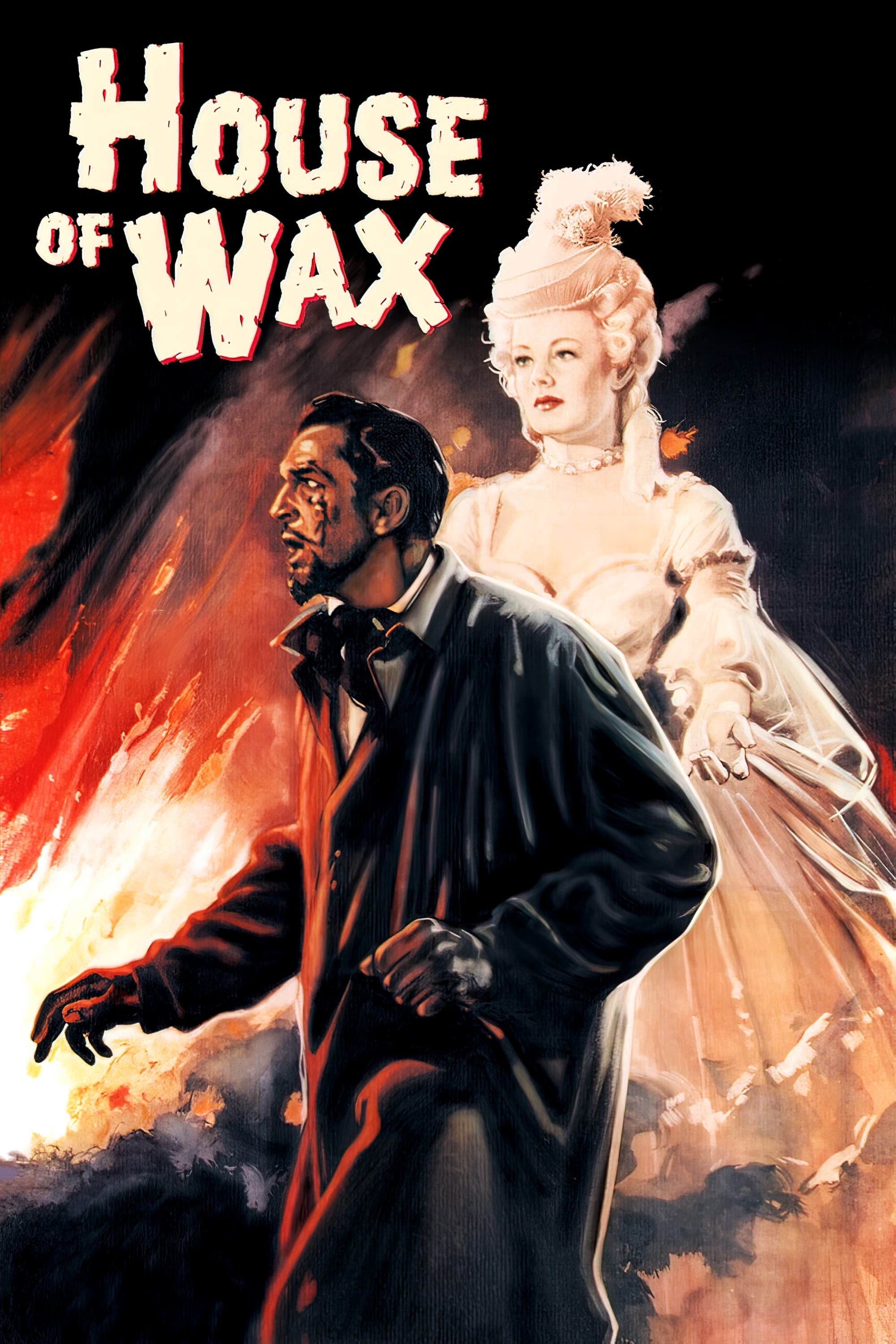
House of Wax
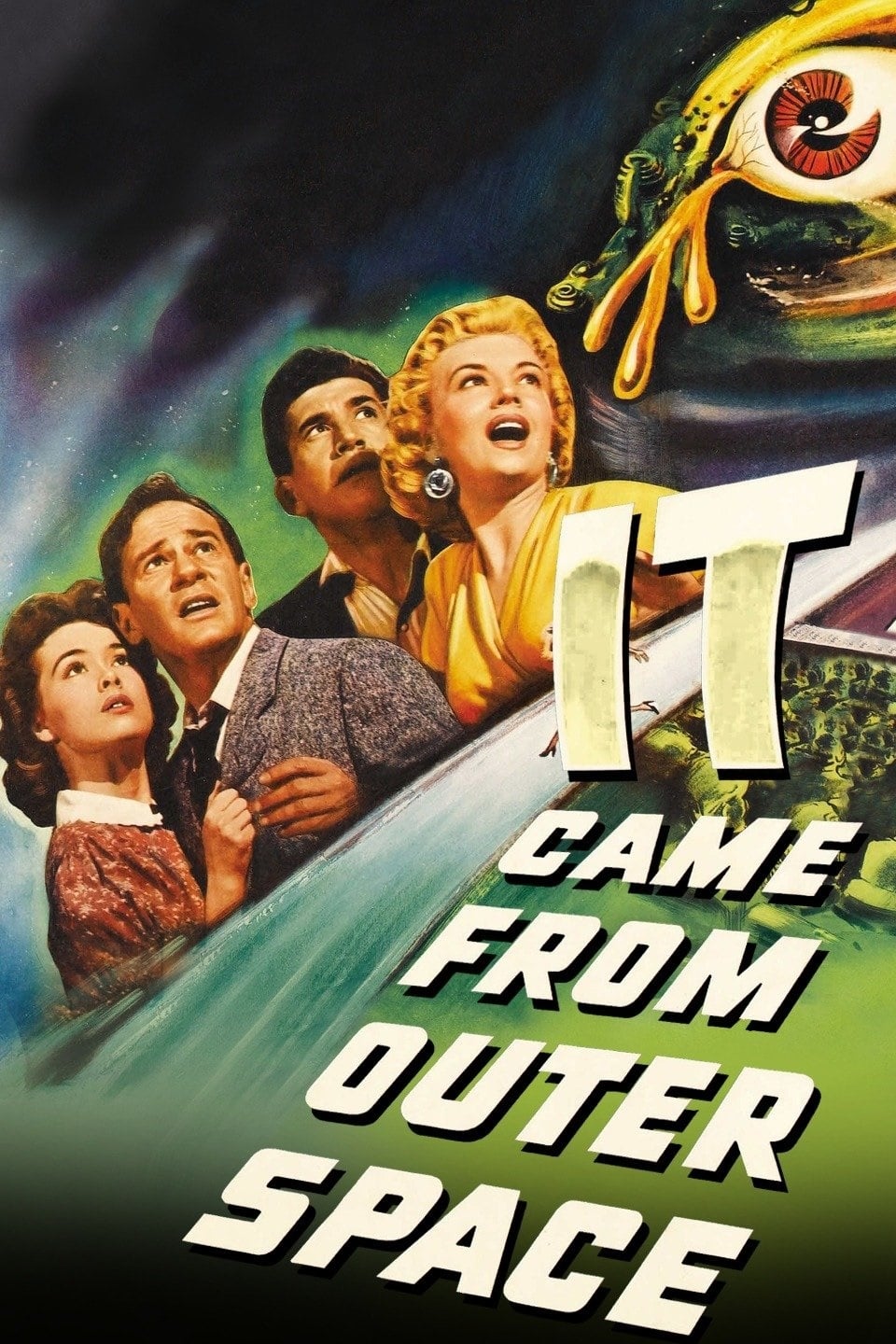
It Came from Outer Space
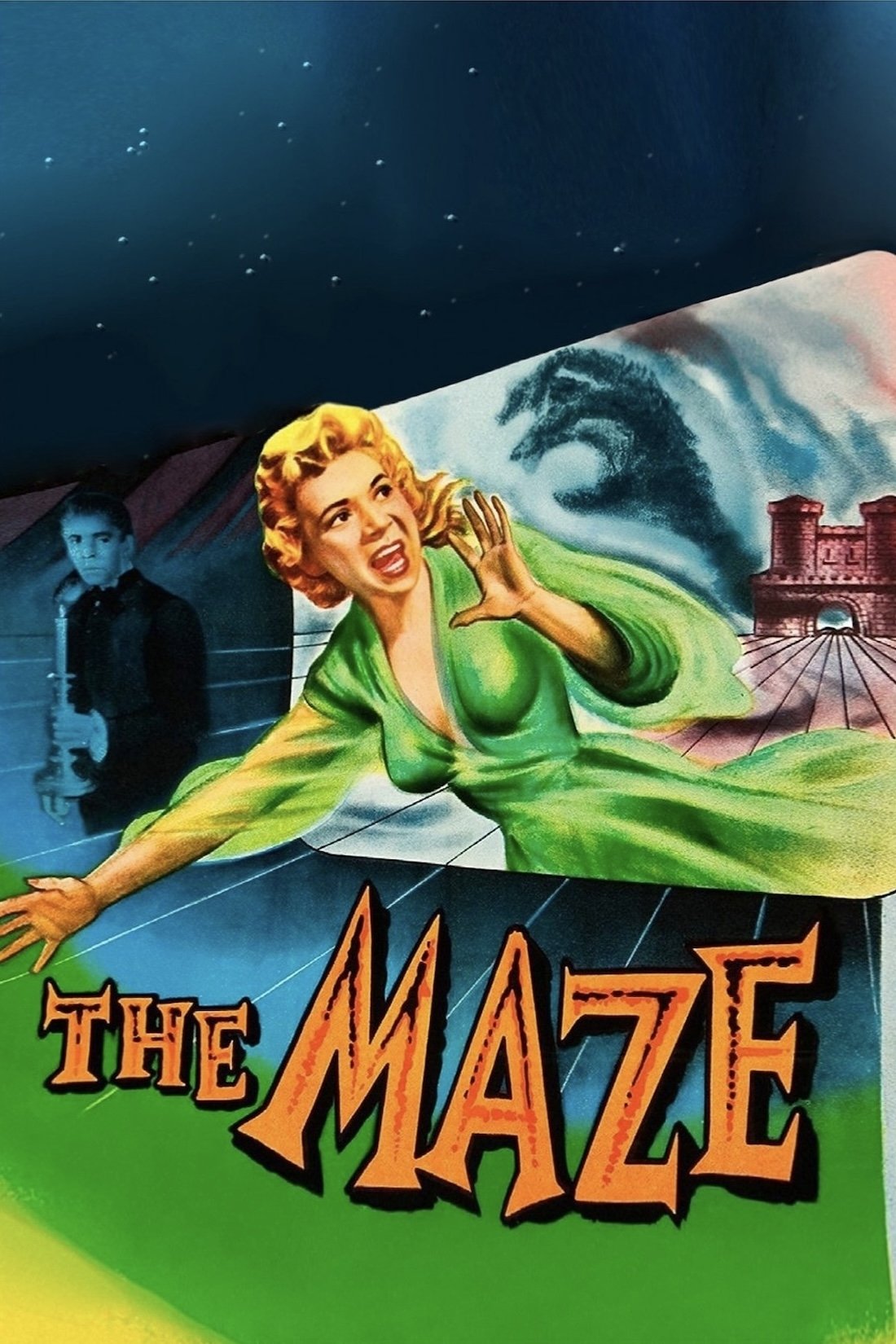
The Maze
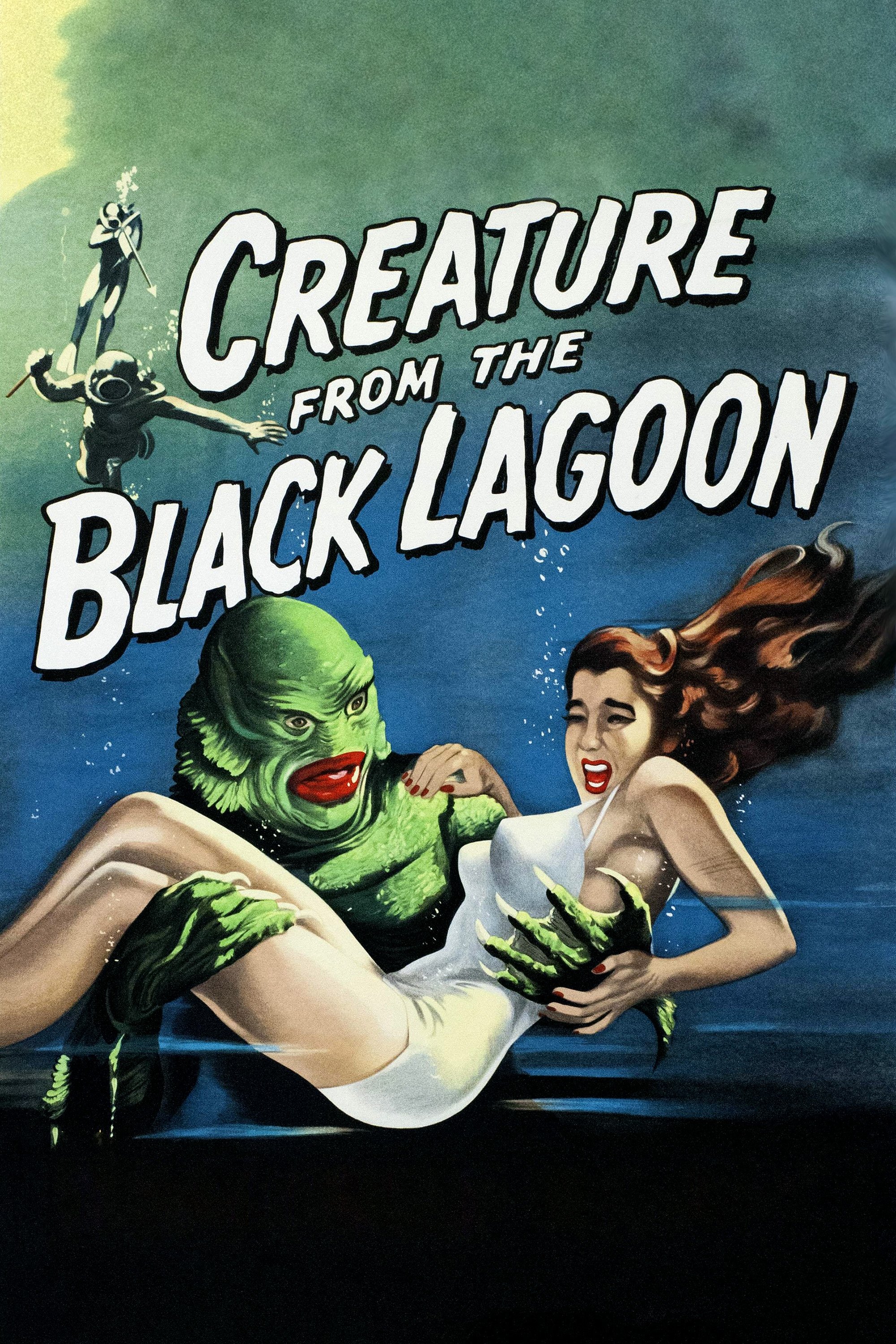
Creature from the Black Lagoon
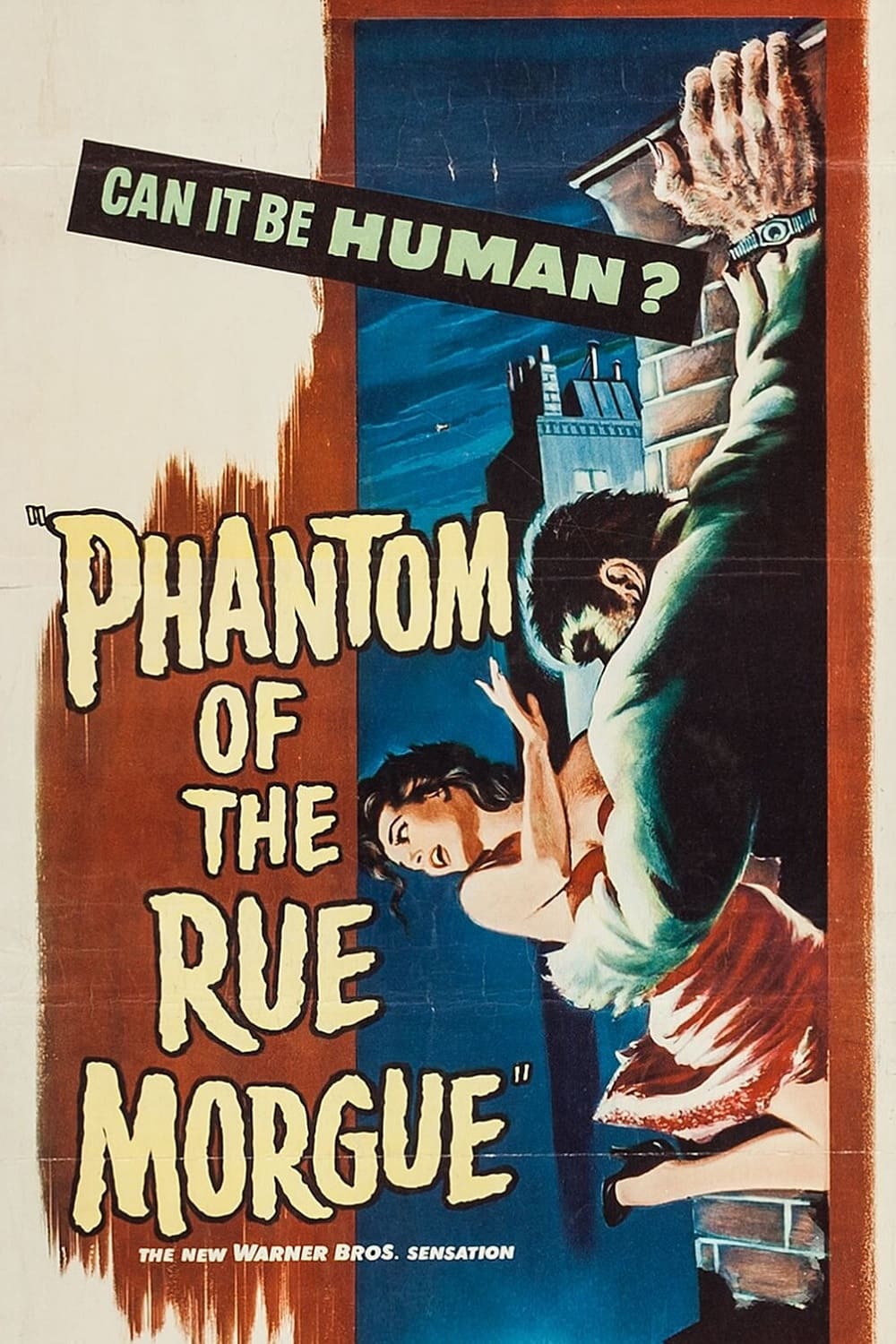
Phantom of the Rue Morgue

The Mad Magician
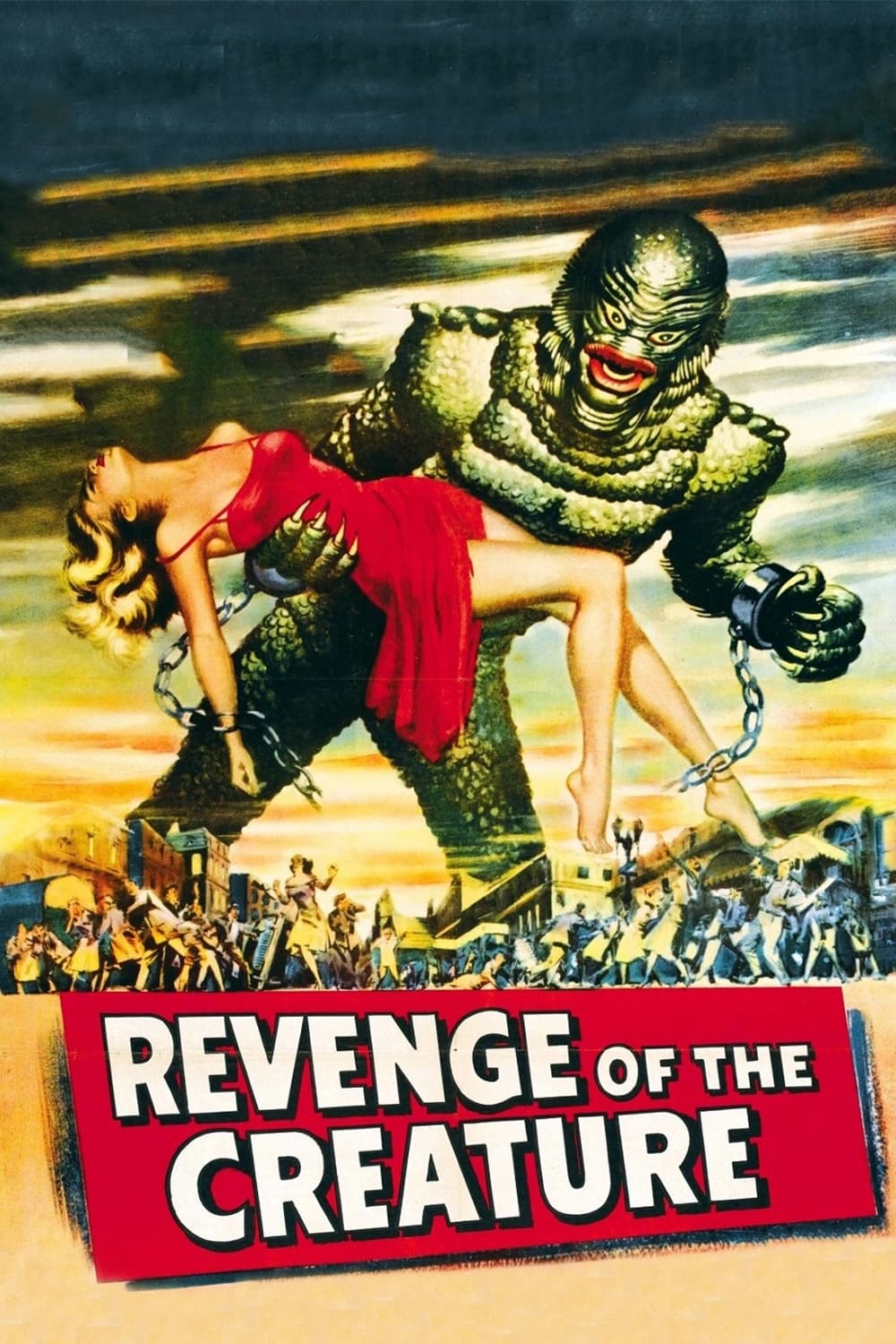
Revenge of the Creature
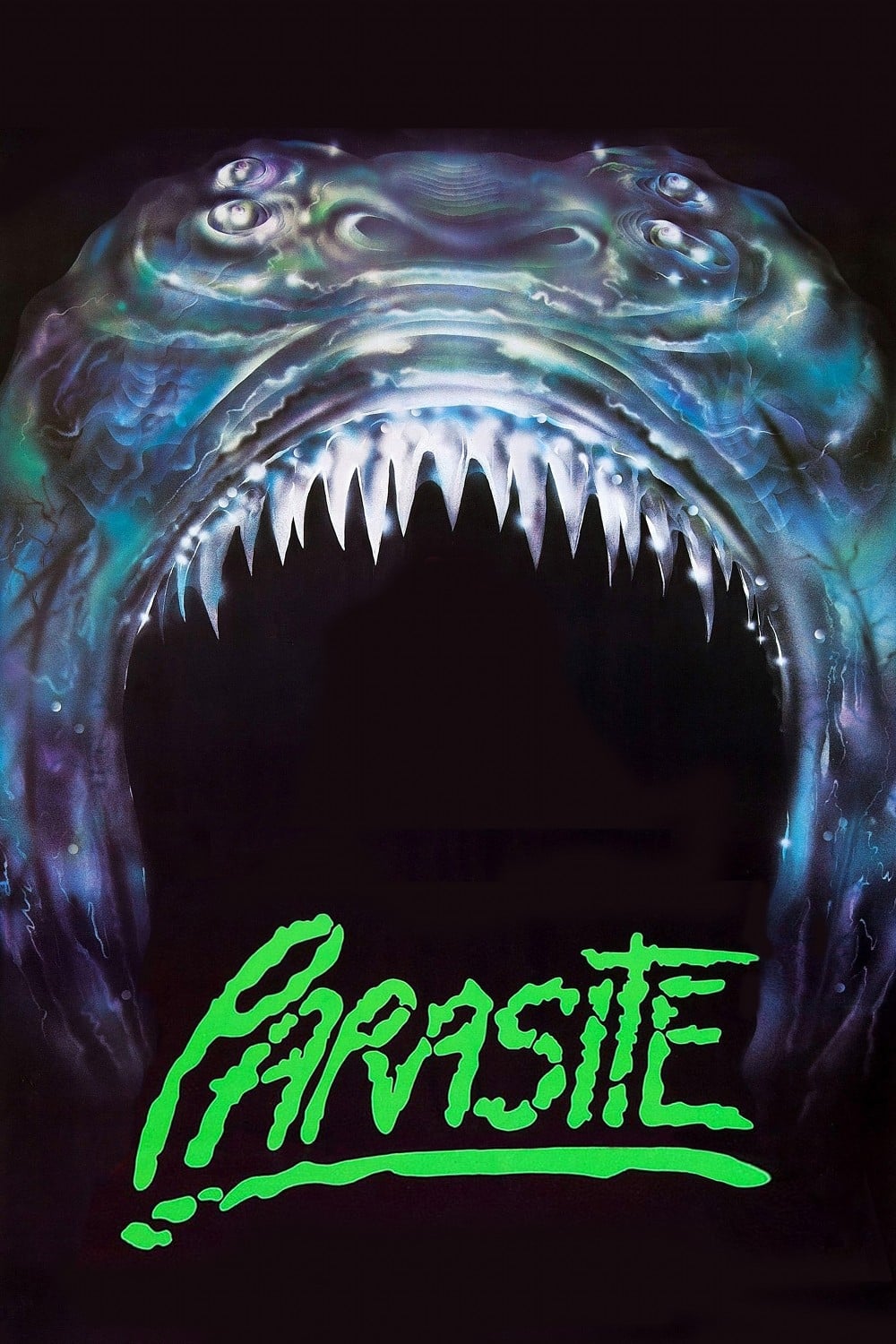
Parasite
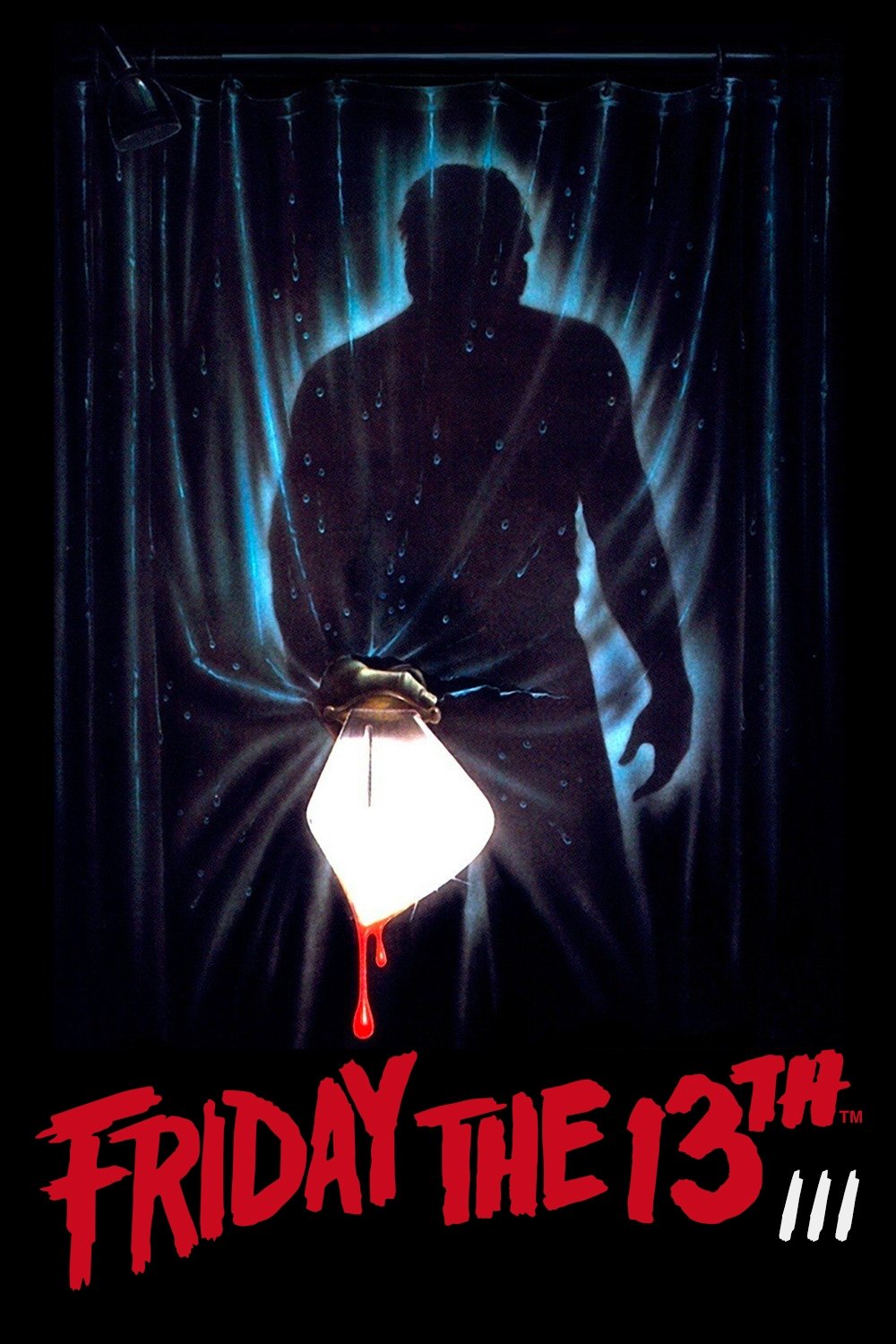
Friday the 13th Part III
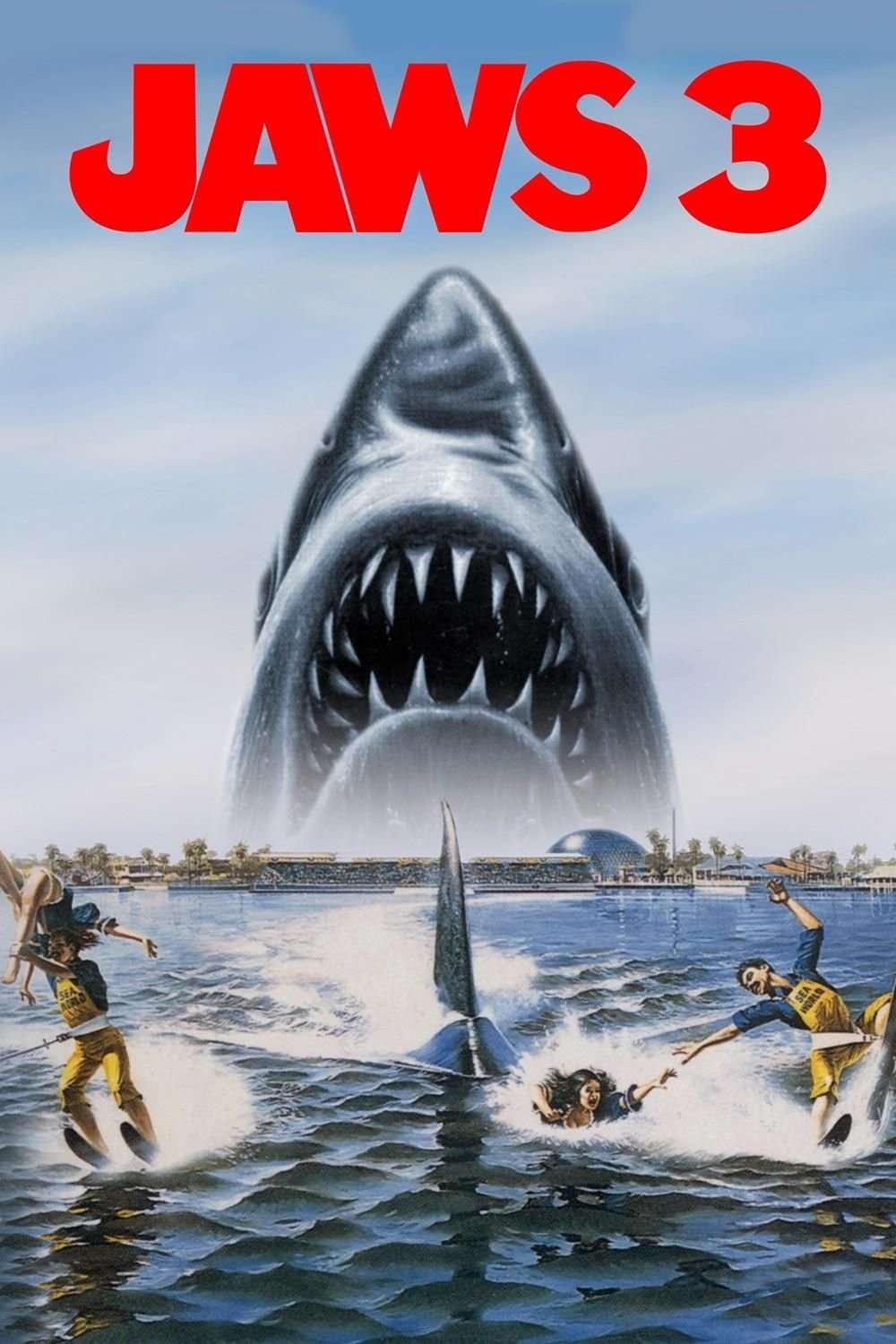
Jaws 3-D
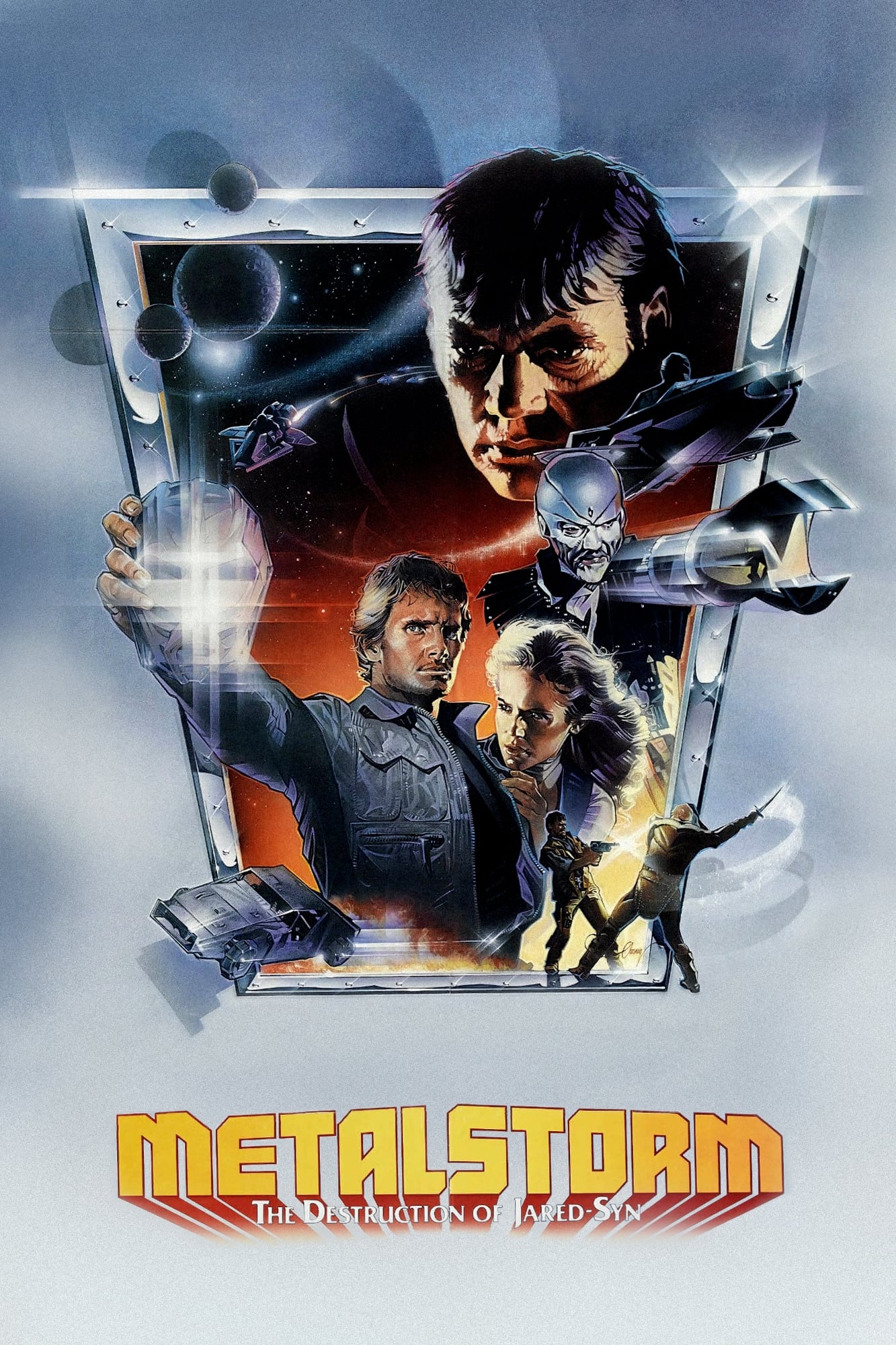
Metalstorm: The Destruction of Jared-Syn
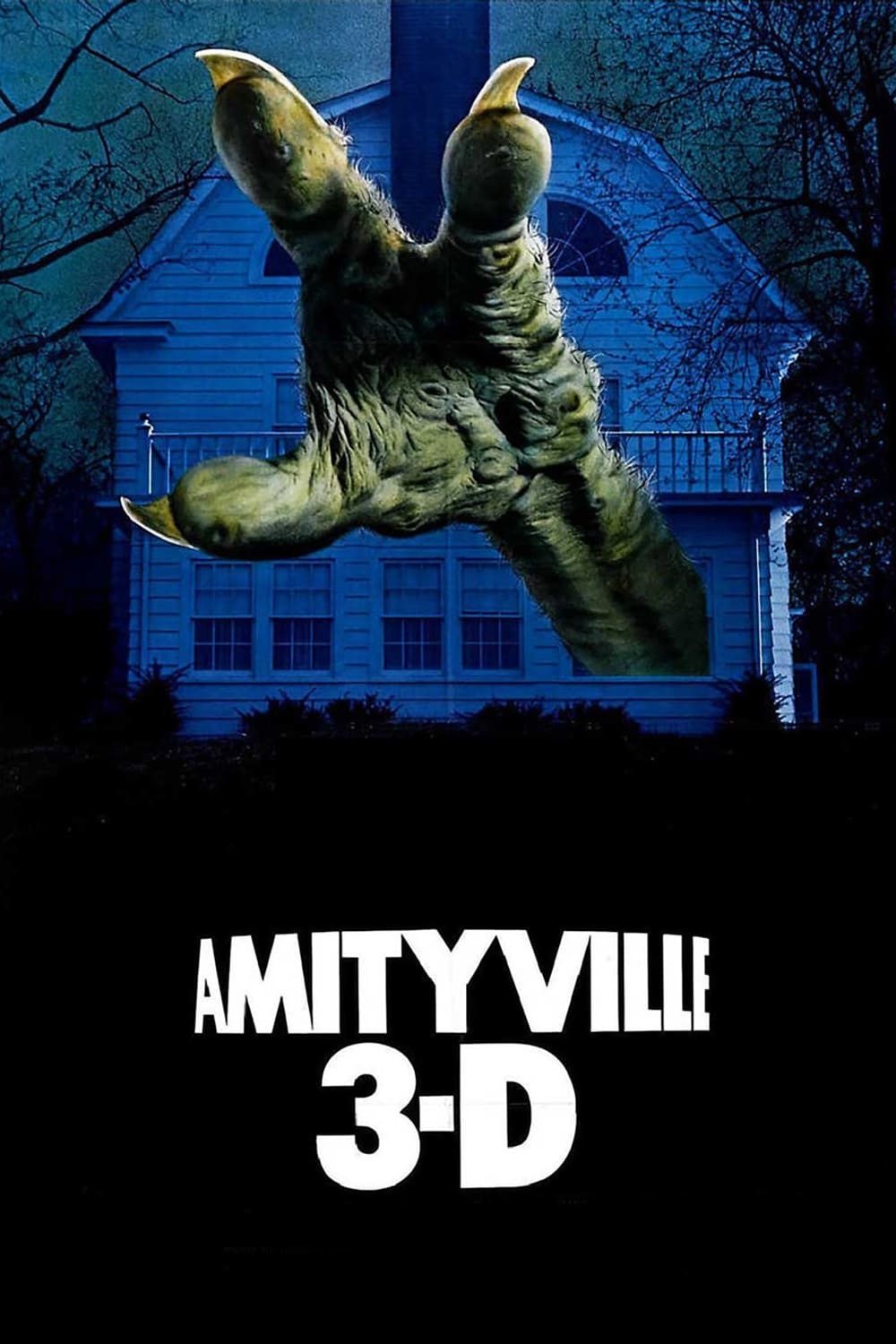
Amityville 3-D
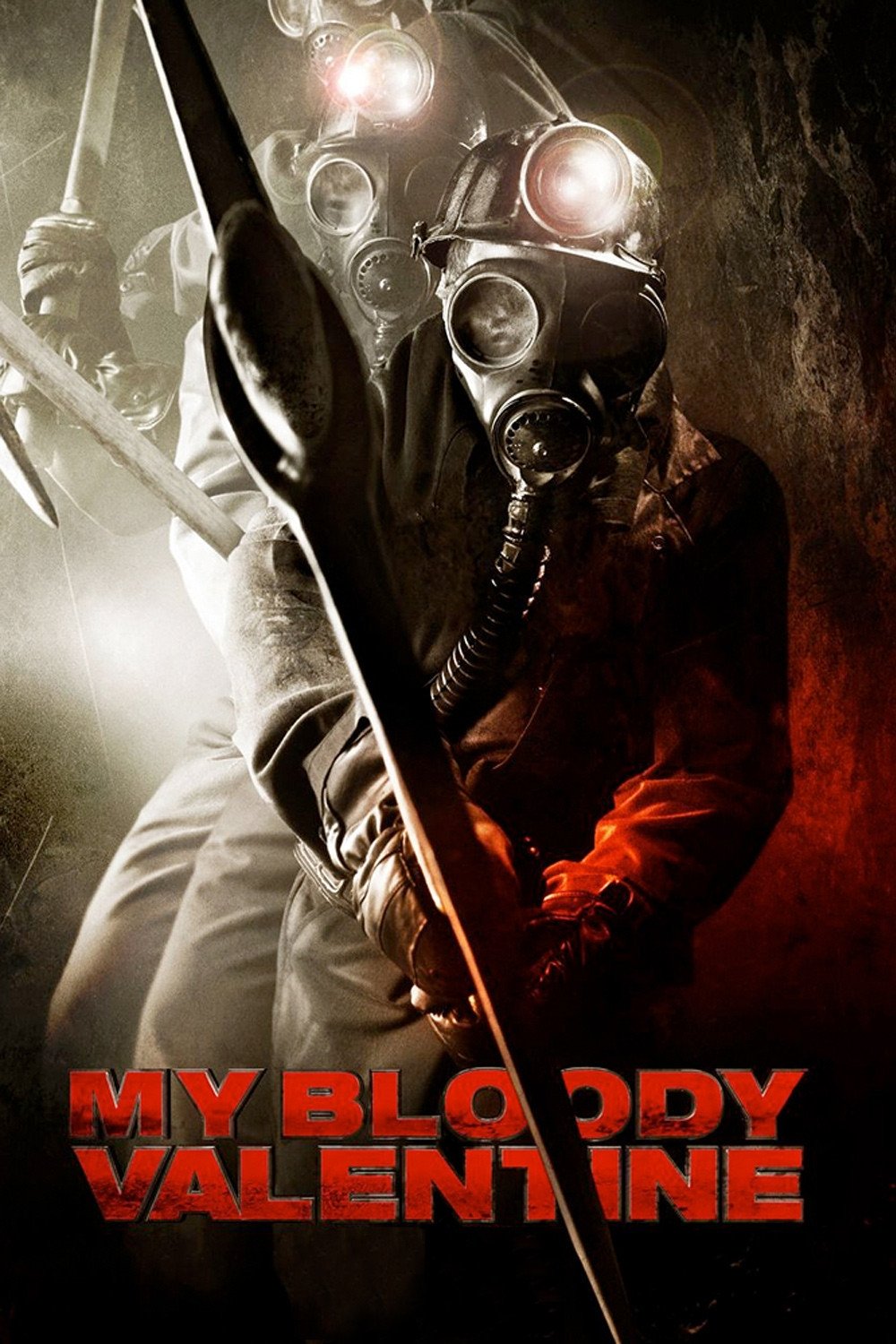
My Bloody Valentine
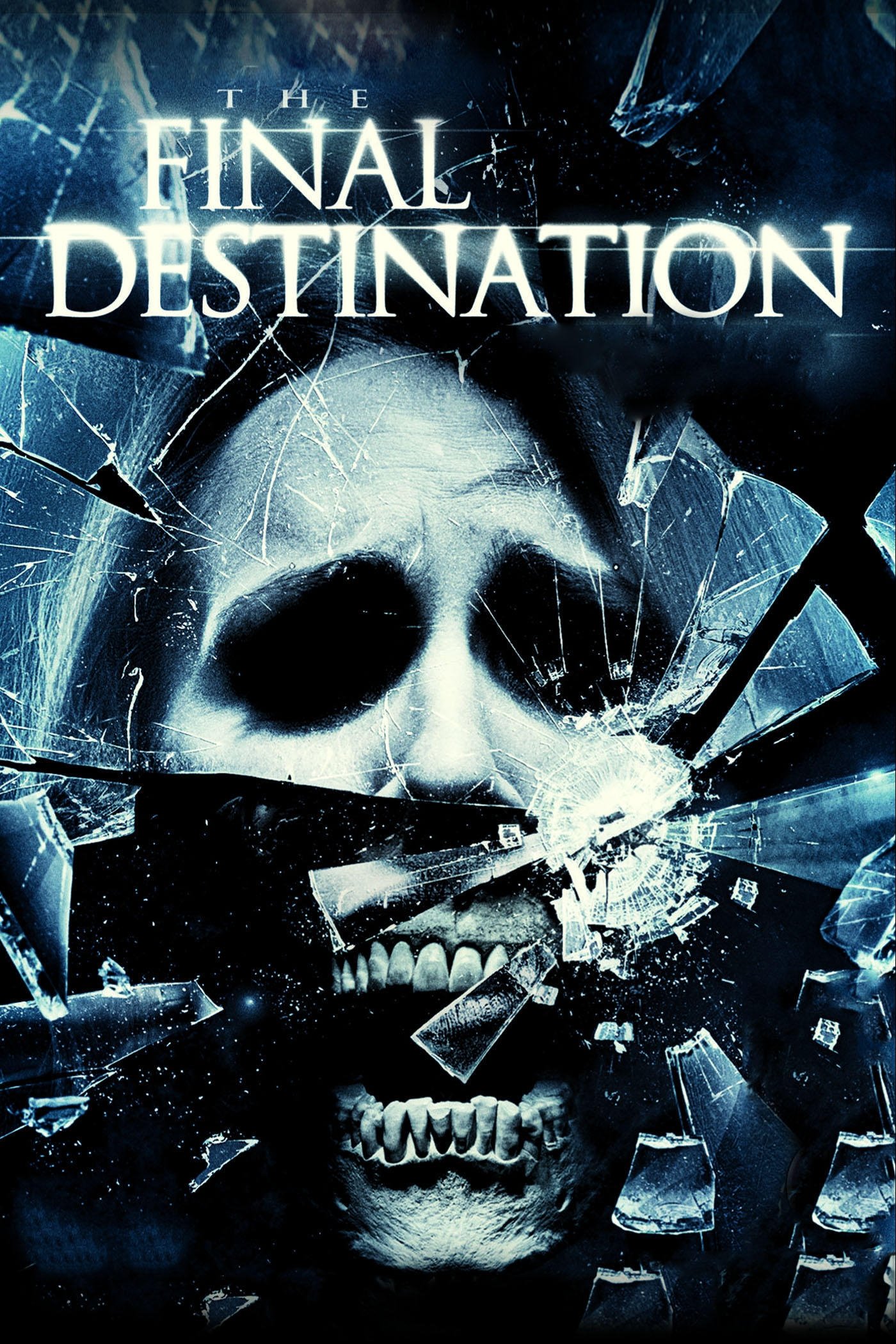
The Final Destination
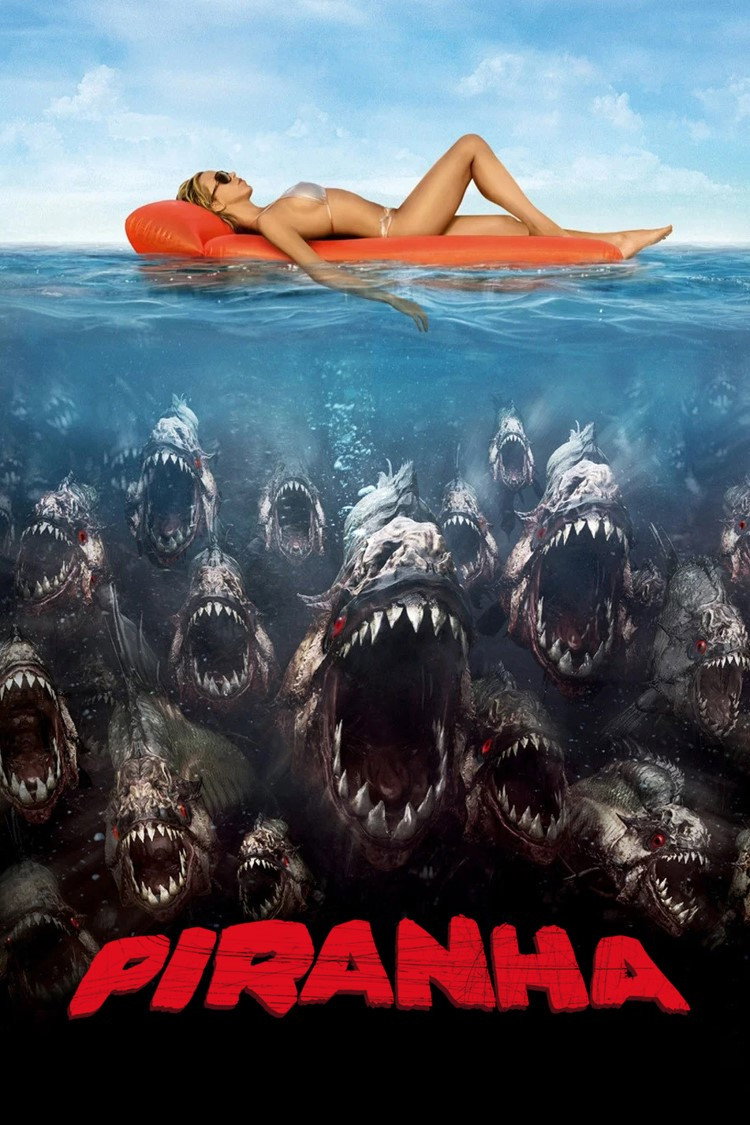
Piranha 3D

Resident Evil: Afterlife
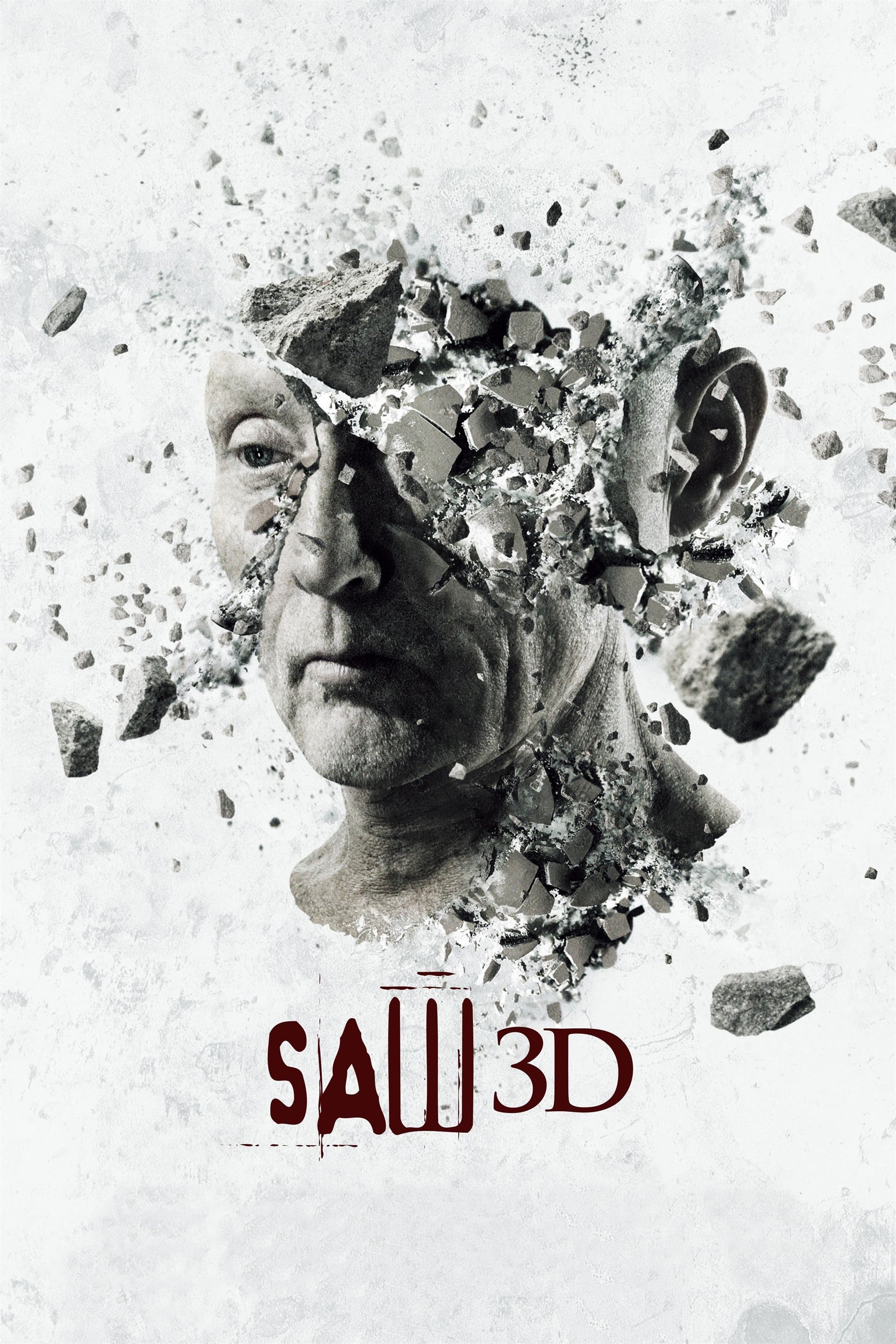
Saw 3D
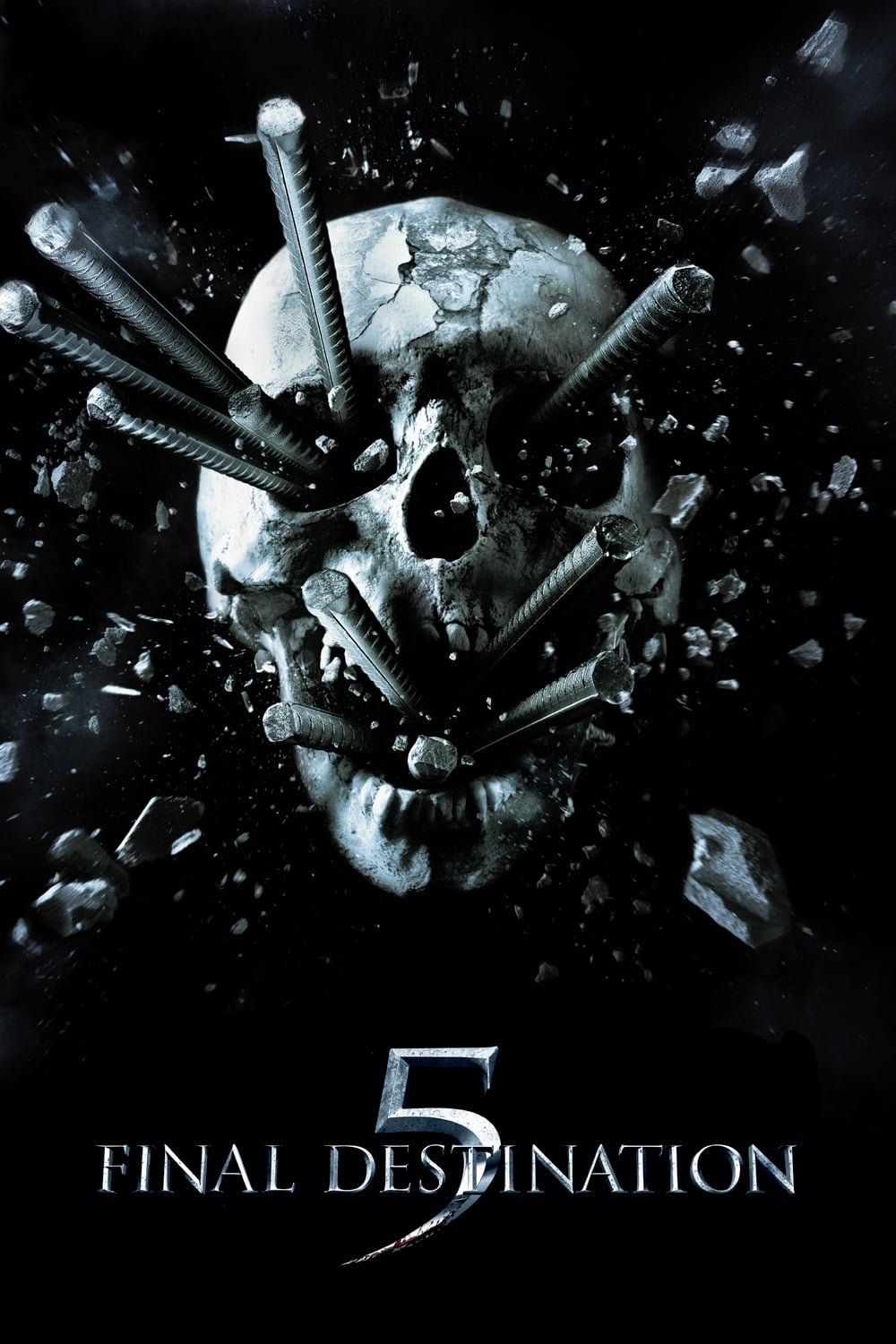
Final Destination 5
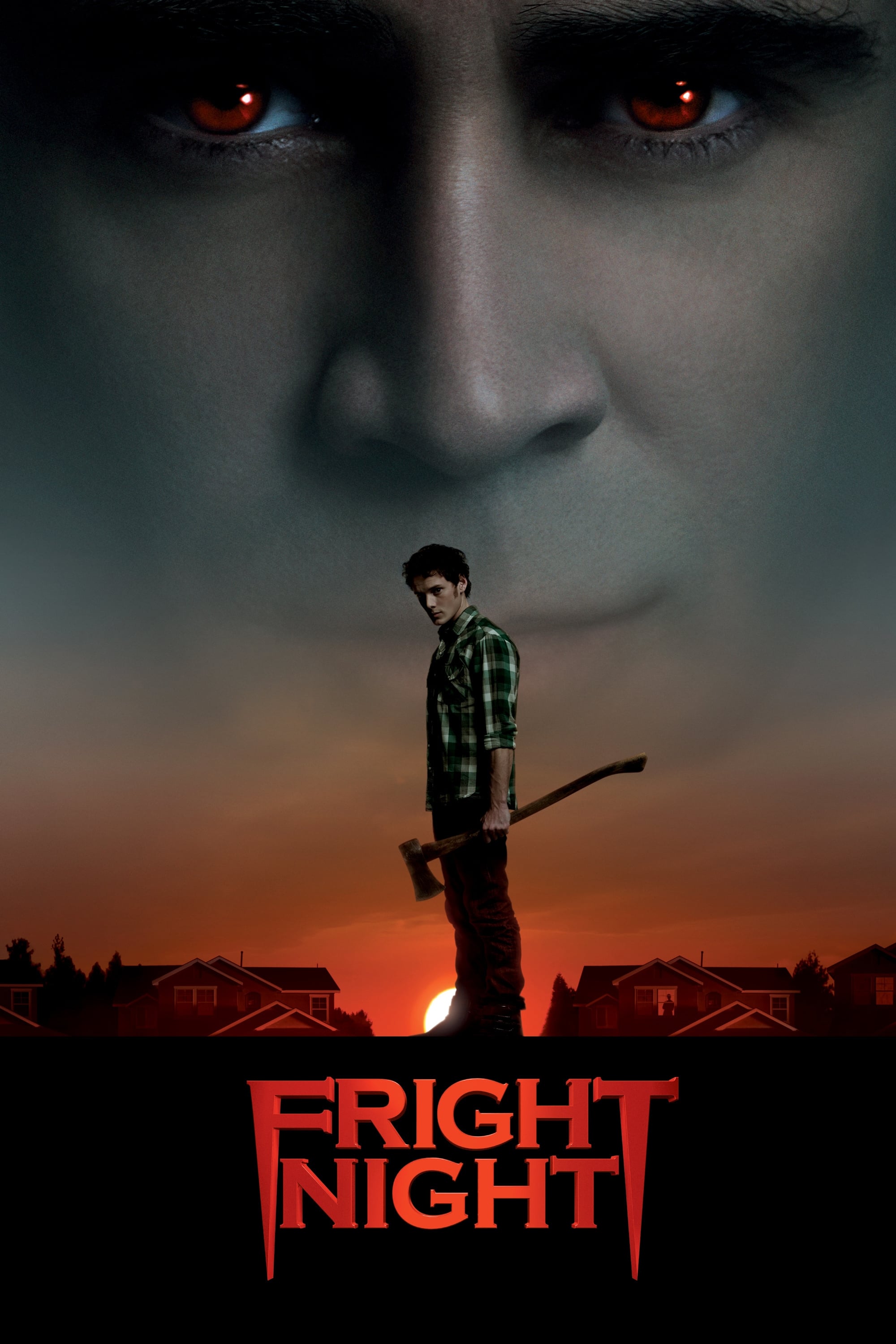
Fright Night

Silent Hill: Revelation 3D
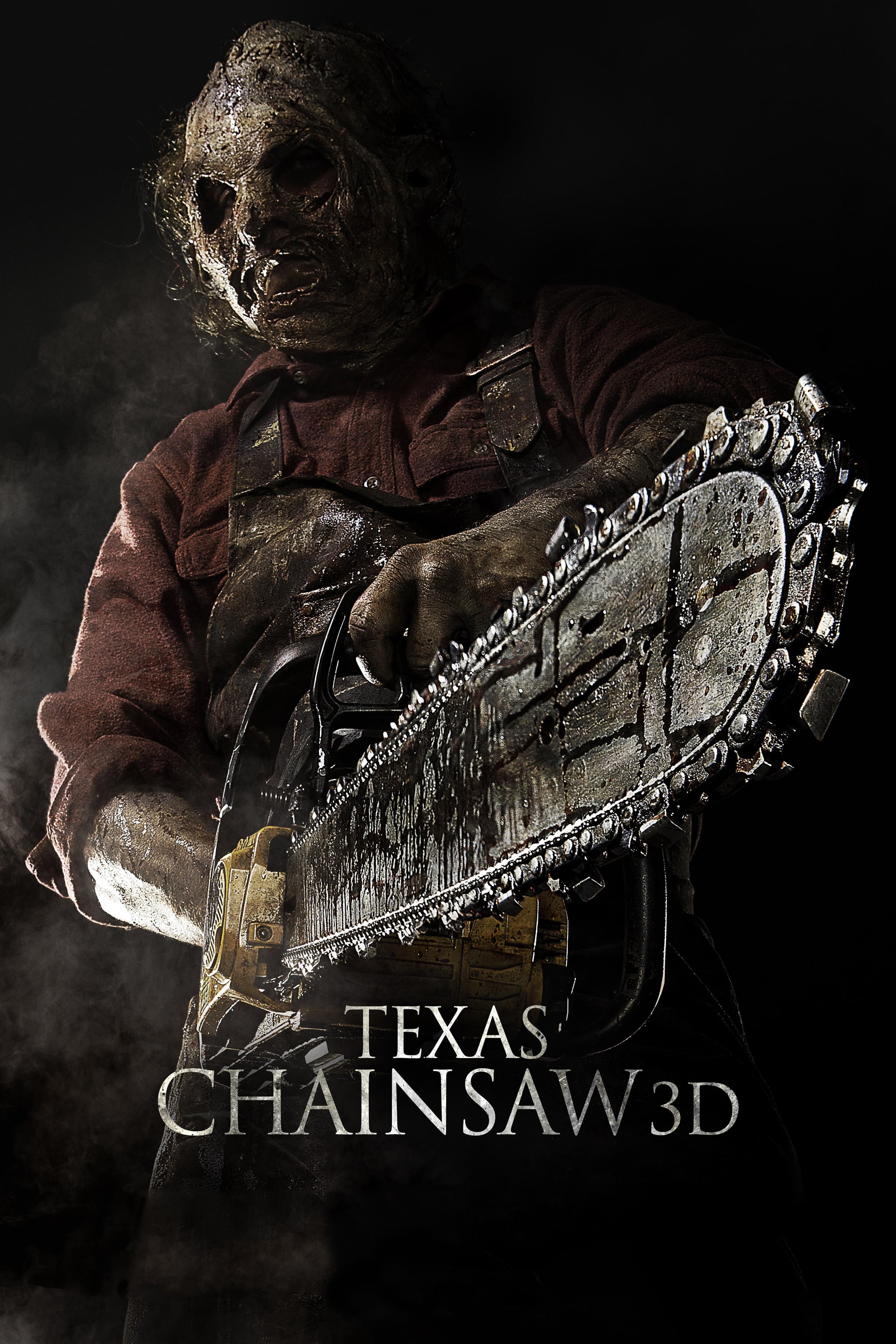
Texas Chainsaw 3D
Statistics
Popularity by Decade
Share of each decade's horror films classified as 3D. Counts films with at least 5 TMDB ratings, so very obscure titles are not represented.
Popularity by Country
Share of each country's horror output classified as 3D. Counts films with at least 5 TMDB ratings, so very obscure titles are not represented.