Horror by Country
Every culture has its own way of conjuring fear. From American slashers to Japanese onryō, Italian giallo to Korean revenge cinema, explore how horror takes shape around the world.
170 countries represented. Click any colored country to explore — outlined countries have curated detail pages.
North America
39,695 films
North American horror cinema spans from Hollywood's foundational Universal Monsters and the slasher cycle — which was shaped as much by Canadian tax shelter productions as by American independents — to Mexico's golden age of Gothic vampires, Aztec mummies, and lucha libre horror. The region is defined by commercial innovation, cyclical reinvention of subgenres, and an unmatched capacity to channel societal anxieties through both mainstream studio productions and micro-budget independents, from the atomic fears of the 1950s through the social horror of the 2010s.
Europe
12,484 films
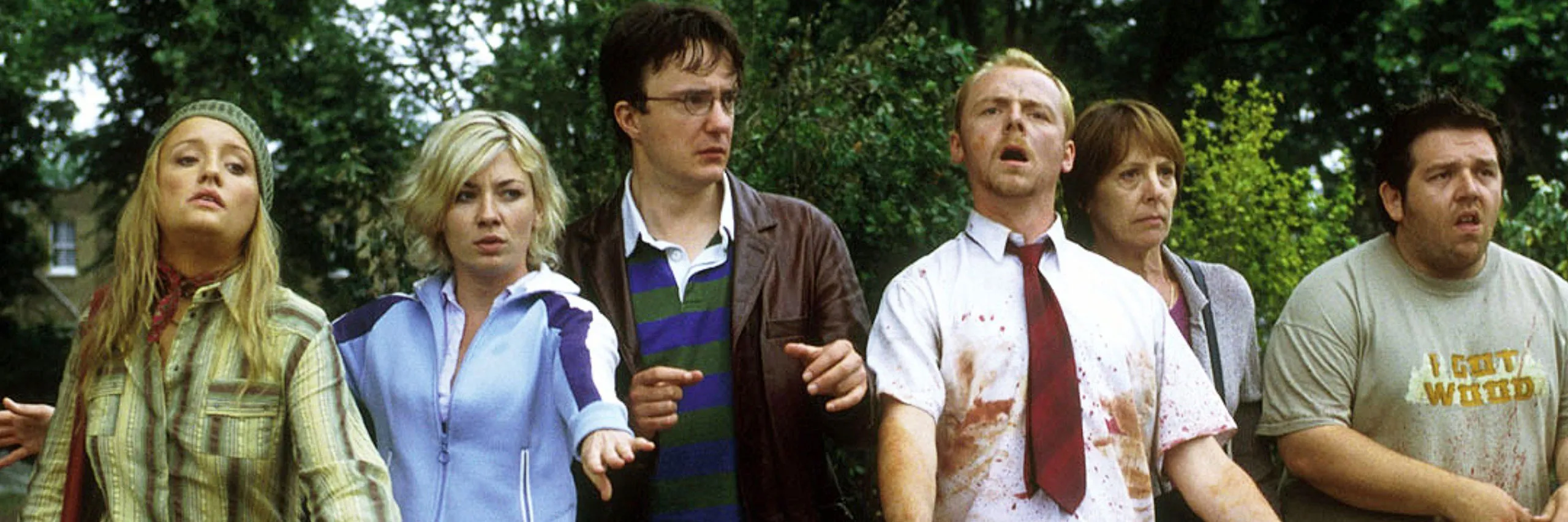
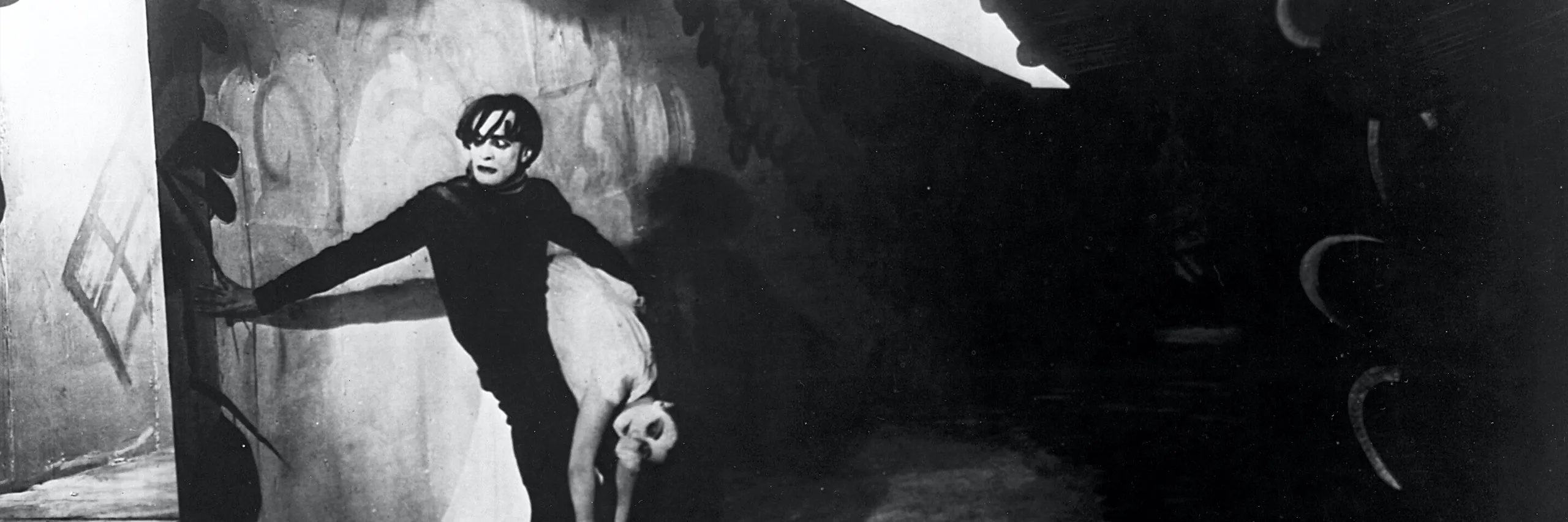
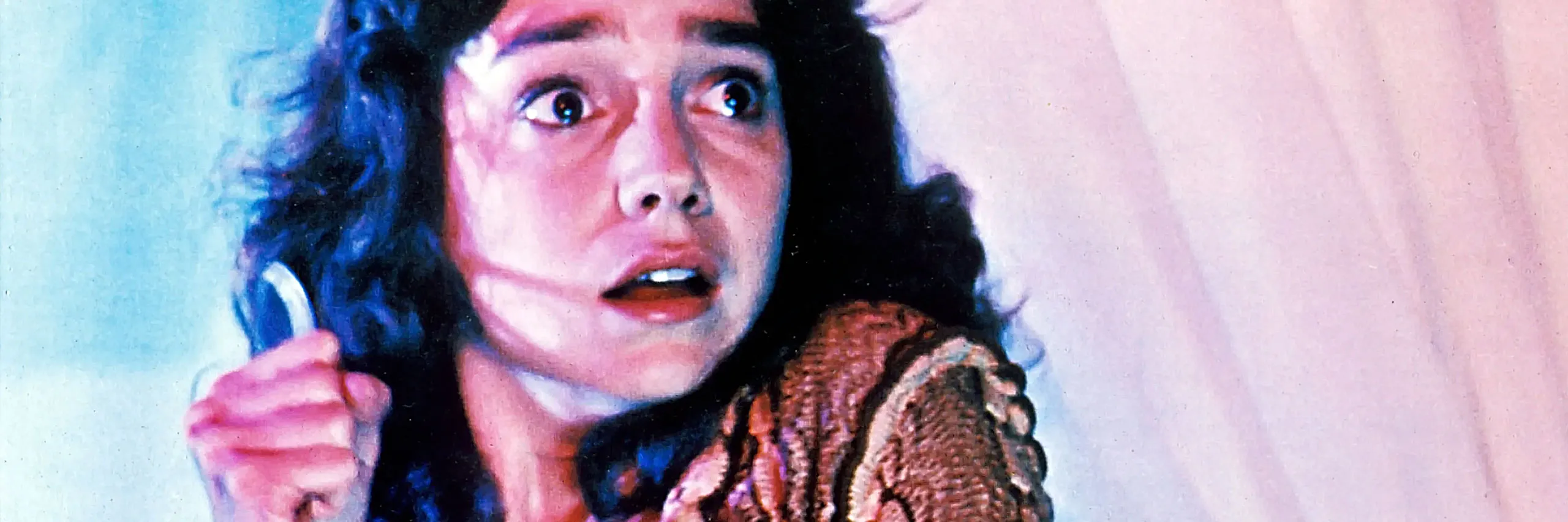
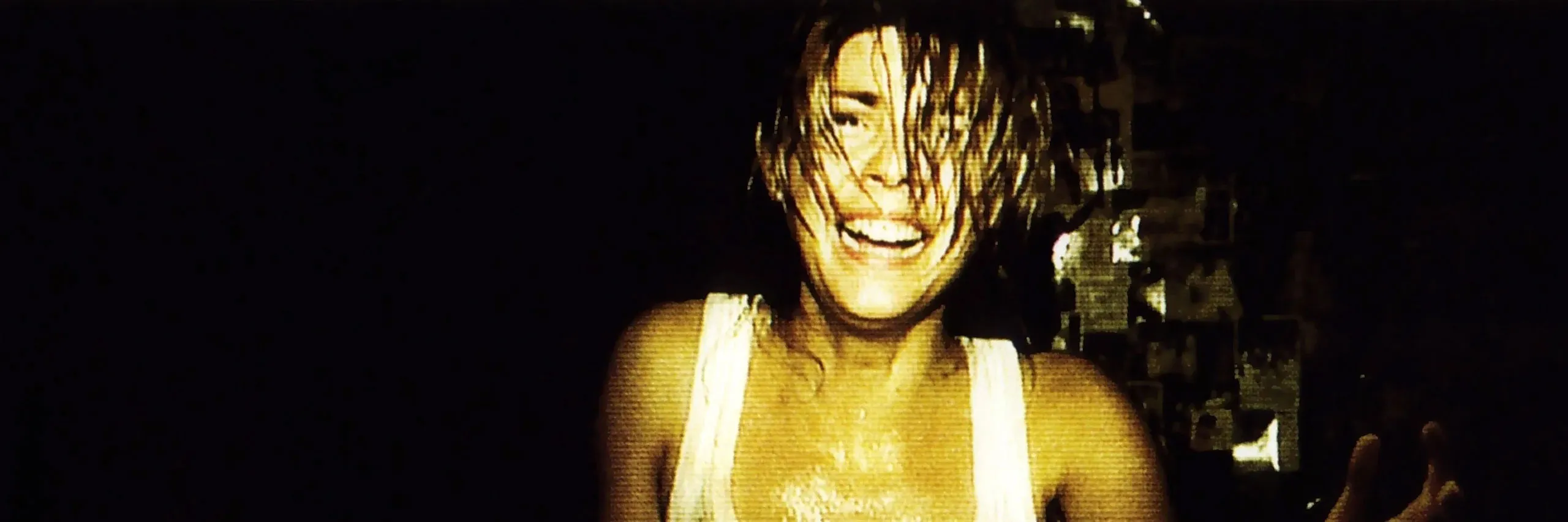
European horror cinema encompasses some of the genre's most distinctive national traditions: Germany's Expressionist origins, Britain's Hammer Gothic and folk horror, Italy's giallo and zombie cycles, Spain's Franco-era political coding, France's New French Extremity, and Scandinavia's landscape-driven dread. The region's horror is distinguished by its artistic ambition, its willingness to use genre as a vehicle for cultural and political commentary, and a recurring tension between popular genre filmmaking and art-cinema respectability.




Asia
11,583 films
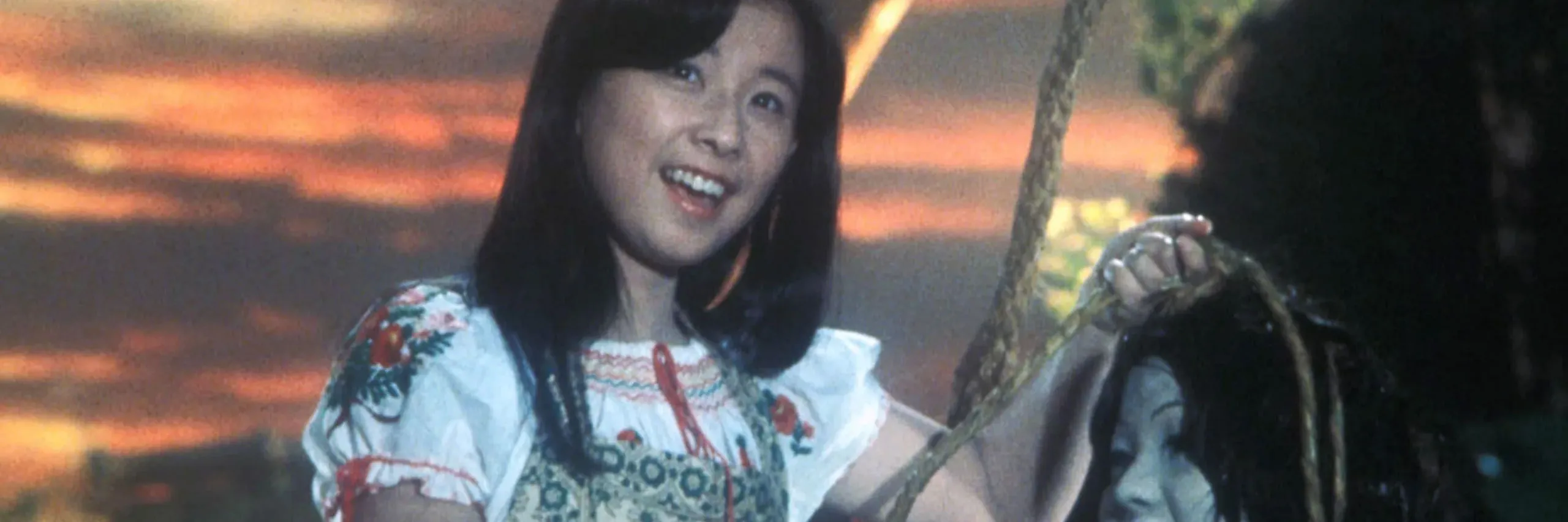
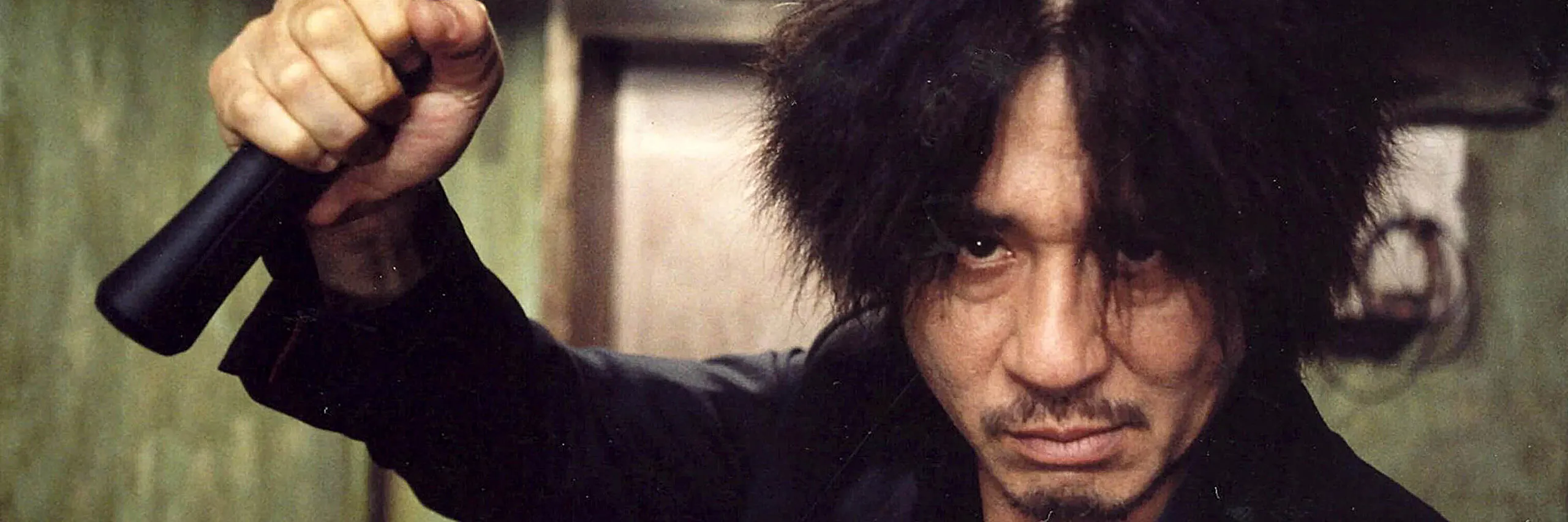
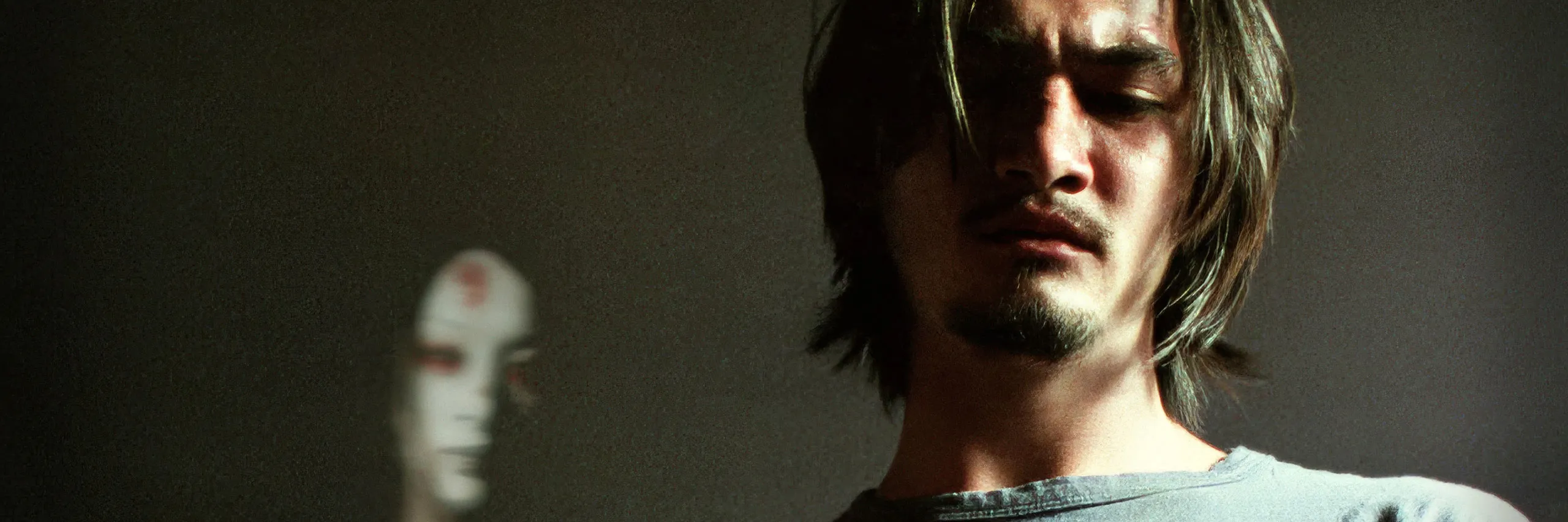
Asian horror cinema draws from centuries of supernatural folklore — Japanese kaidan, Chinese ghost stories, Thai spirit beliefs, Indonesian black magic — while also producing some of the genre's most extreme transgressive work, from Japan's Guinea Pig films to Hong Kong's Category III cinema. The region's horror traditions are remarkably diverse, ranging from J-horror's atmospheric restraint to South Korea's socially conscious genre filmmaking to India's commercially vibrant Bollywood horror, united by a shared rootedness in living spiritual belief systems that give their supernatural stories an authenticity distinct from Western traditions.




South America
2,353 films
South American horror emerged through singular figures working against the grain of their national film industries — Brazil's José Mojica Marins created the transgressive Coffin Joe outside the intellectual Cinema Novo movement, while Argentina's earliest horror found expression on television before cinema. Both countries experienced long dormant periods before contemporary revivals, and both now produce horror that uses the supernatural to examine deep social fractures: economic instability, political trauma, and the legacies of colonialism and authoritarian rule.


Oceania
1,191 films
Oceanian horror cinema is shaped by landscape and isolation. Australia's Ozploitation movement turned the vast, indifferent outback into a source of existential dread, a tradition that continues from Peter Weir's 1970s Gothic through Wolf Creek's outback brutality to The Babadook's domestic terror. New Zealand's contribution runs through Peter Jackson's early splatstick comedies to the global phenomenon of What We Do in the Shadows — a tradition defined by irreverent humor, practical ingenuity, and the creative energy of a small film industry punching far above its weight.