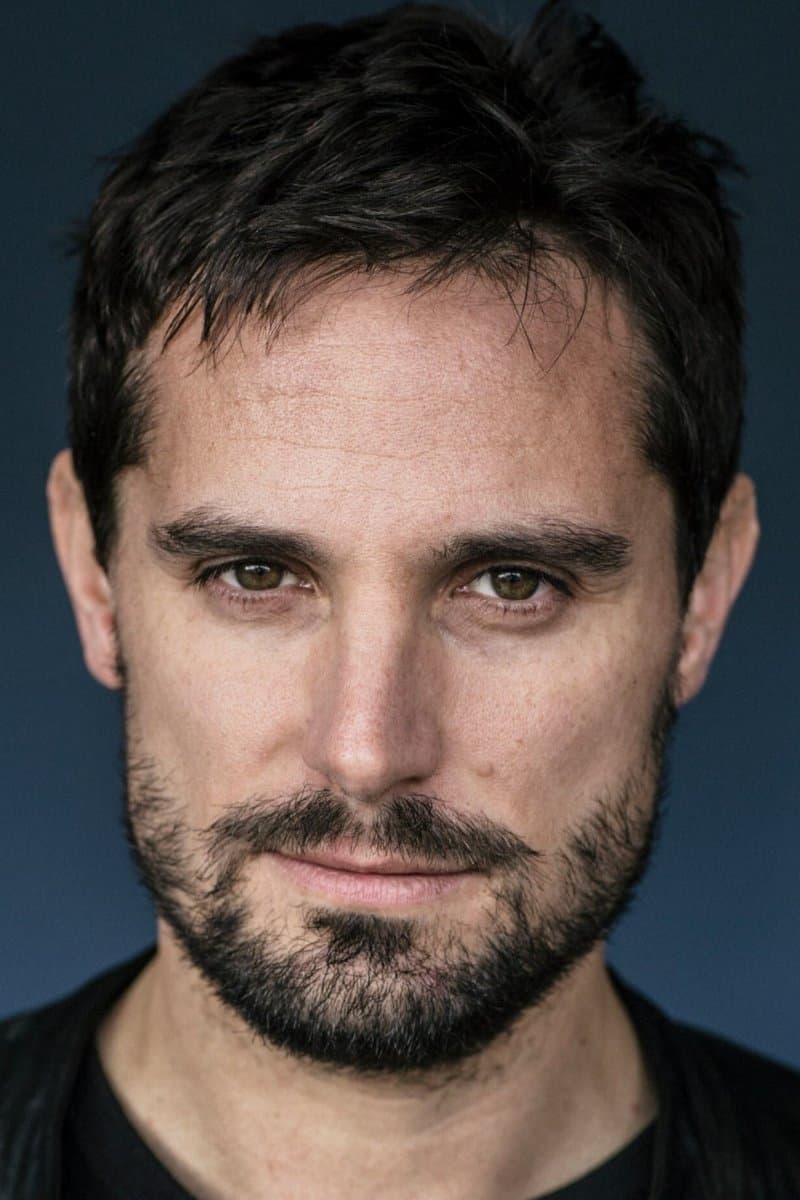
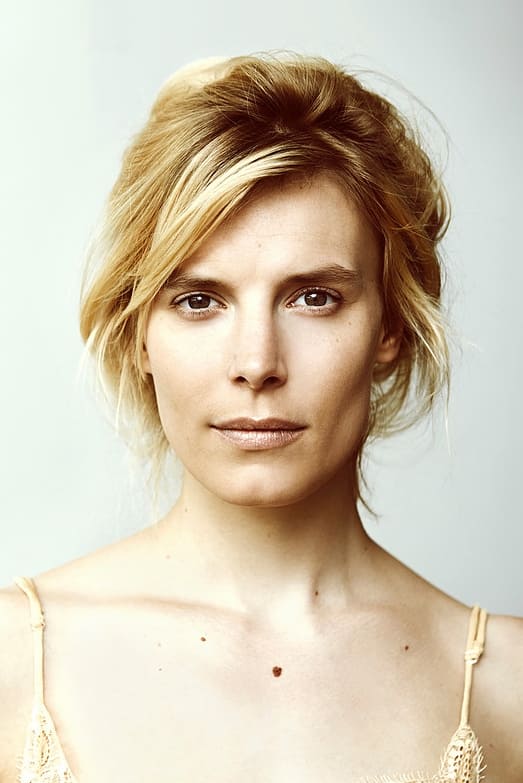
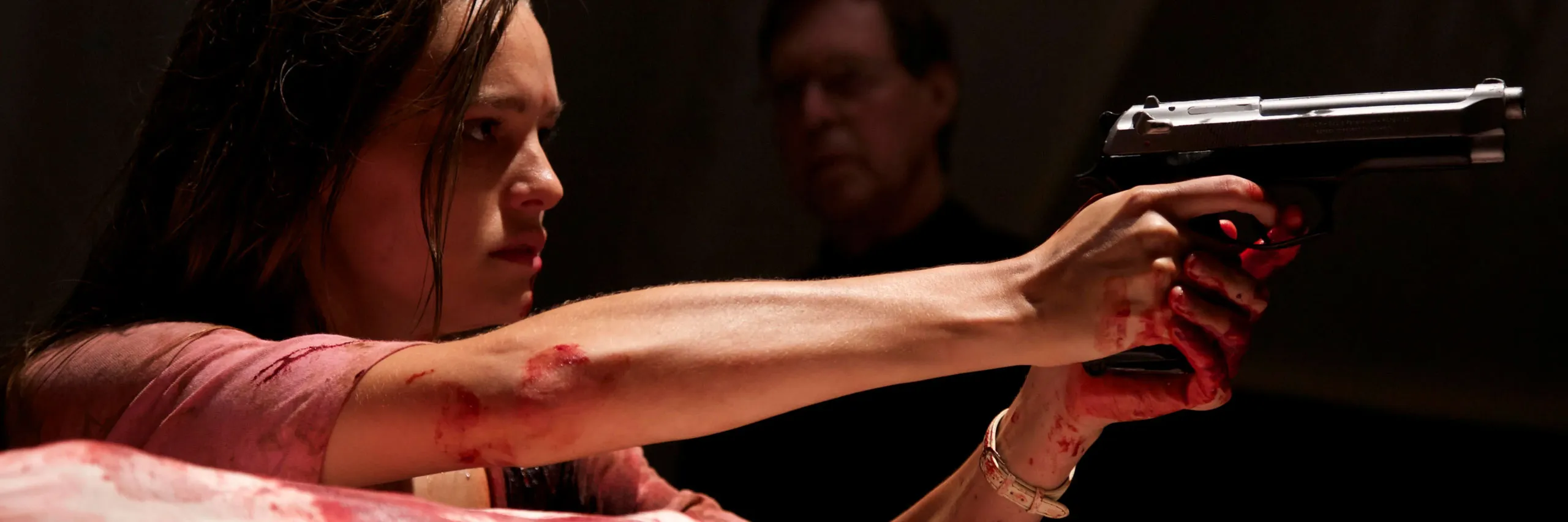
Speak No Evil (2022)
🇩🇰Denmark
From Dreyer's surrealist dream to Lars von Trier's punishing transgression, Danish horror's interventions arrive rarely but redefine what the genre can be.
History
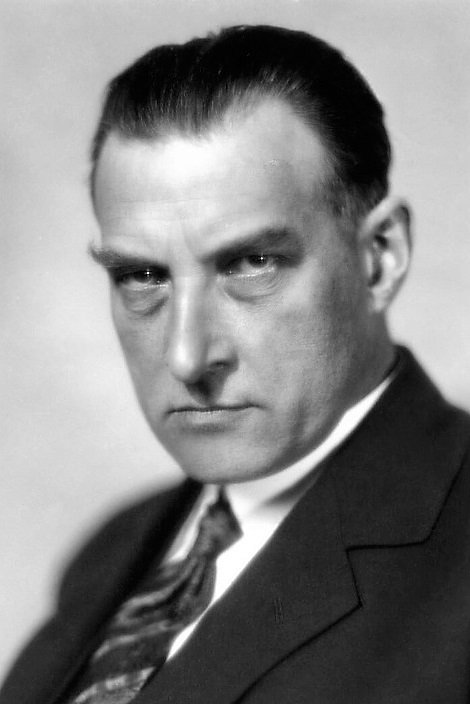
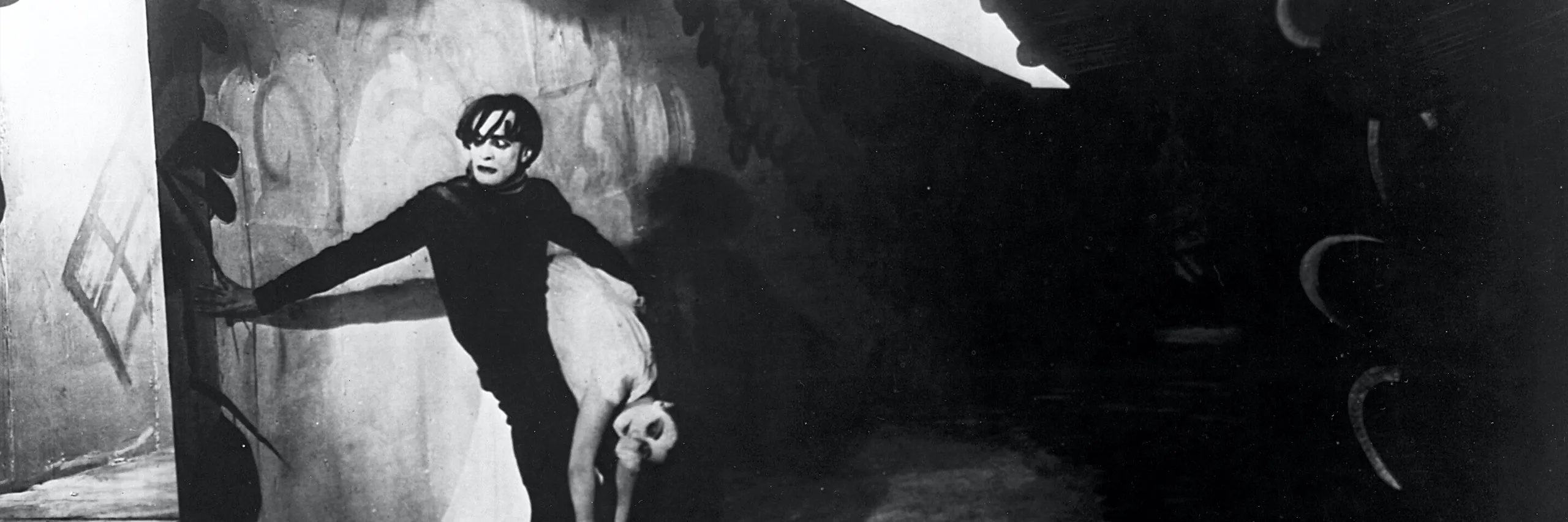
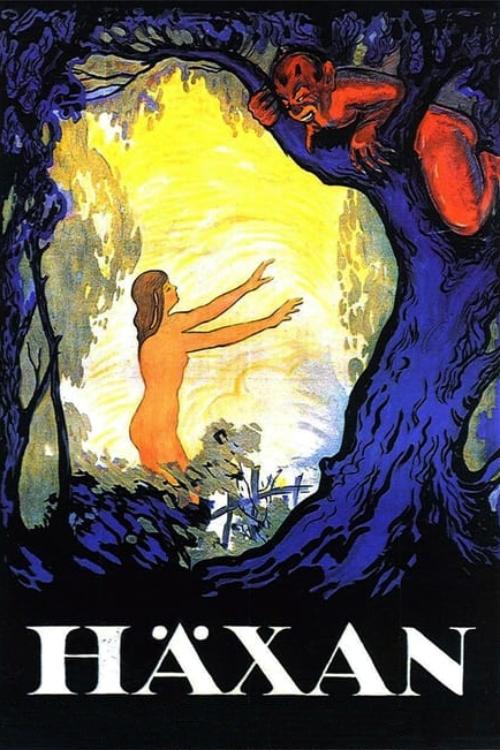
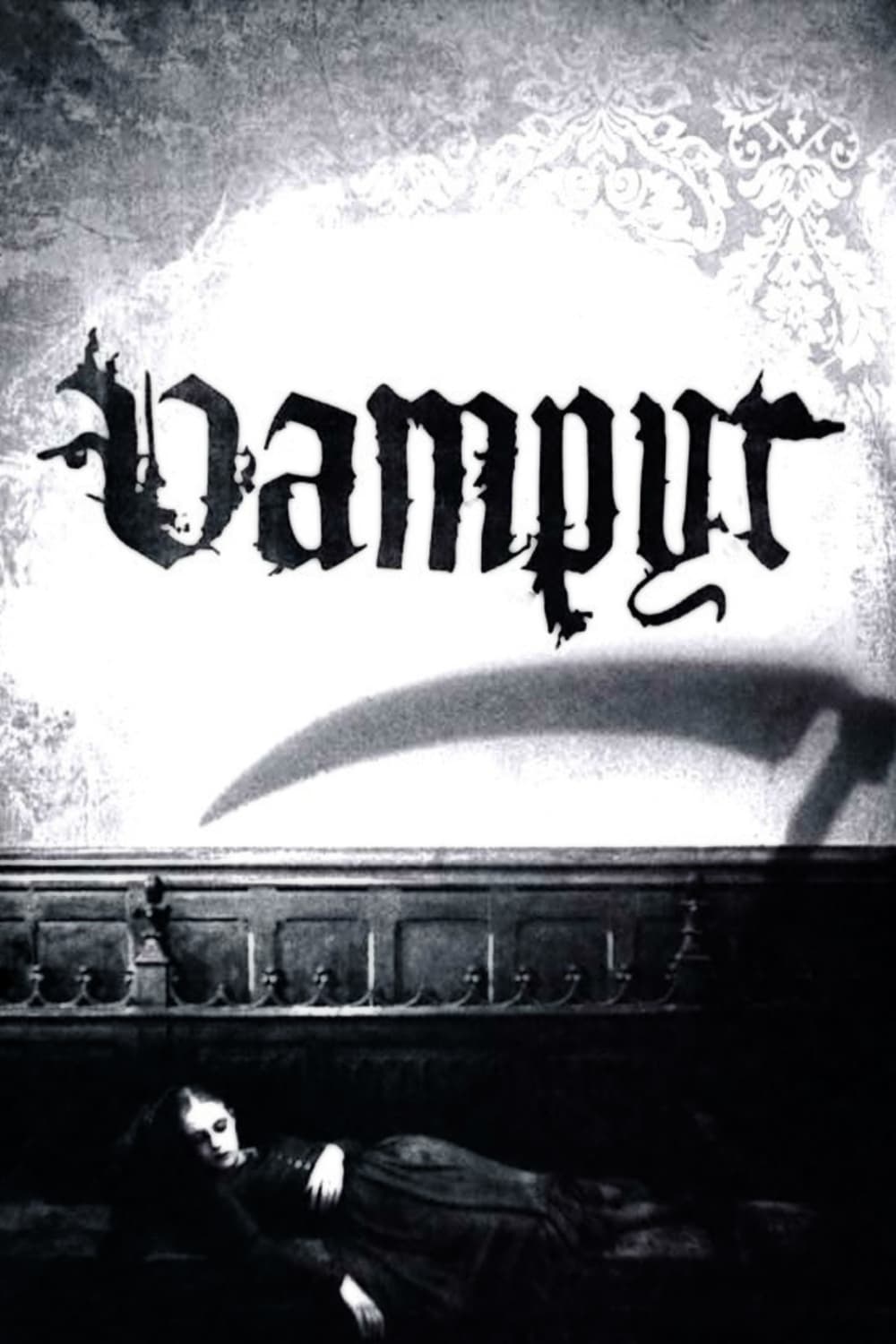
Danish horror's deepest roots lie in two silent-era landmarks that have influenced the genre worldwide. Benjamin Christensen's Häxan (1922), a Swedish-Danish hybrid of documentary and dramatisation depicting centuries of witch persecution, remains one of cinema's most singular explorations of superstition and cruelty — a founding text of folk horror. A decade later Carl Theodor Dreyer's Vampyr (1932), a hallucinatory adaptation drawn loosely from Sheridan Le Fanu's In a Glass Darkly, dissolved narrative into pure atmospheric dread; Rudkin's BFI Classics study calls it "the dream-film whose textual corruptions have only increased its power." Both films arrived from a country with no sustained horror industry — and Denmark would produce almost no horror for the next sixty years.
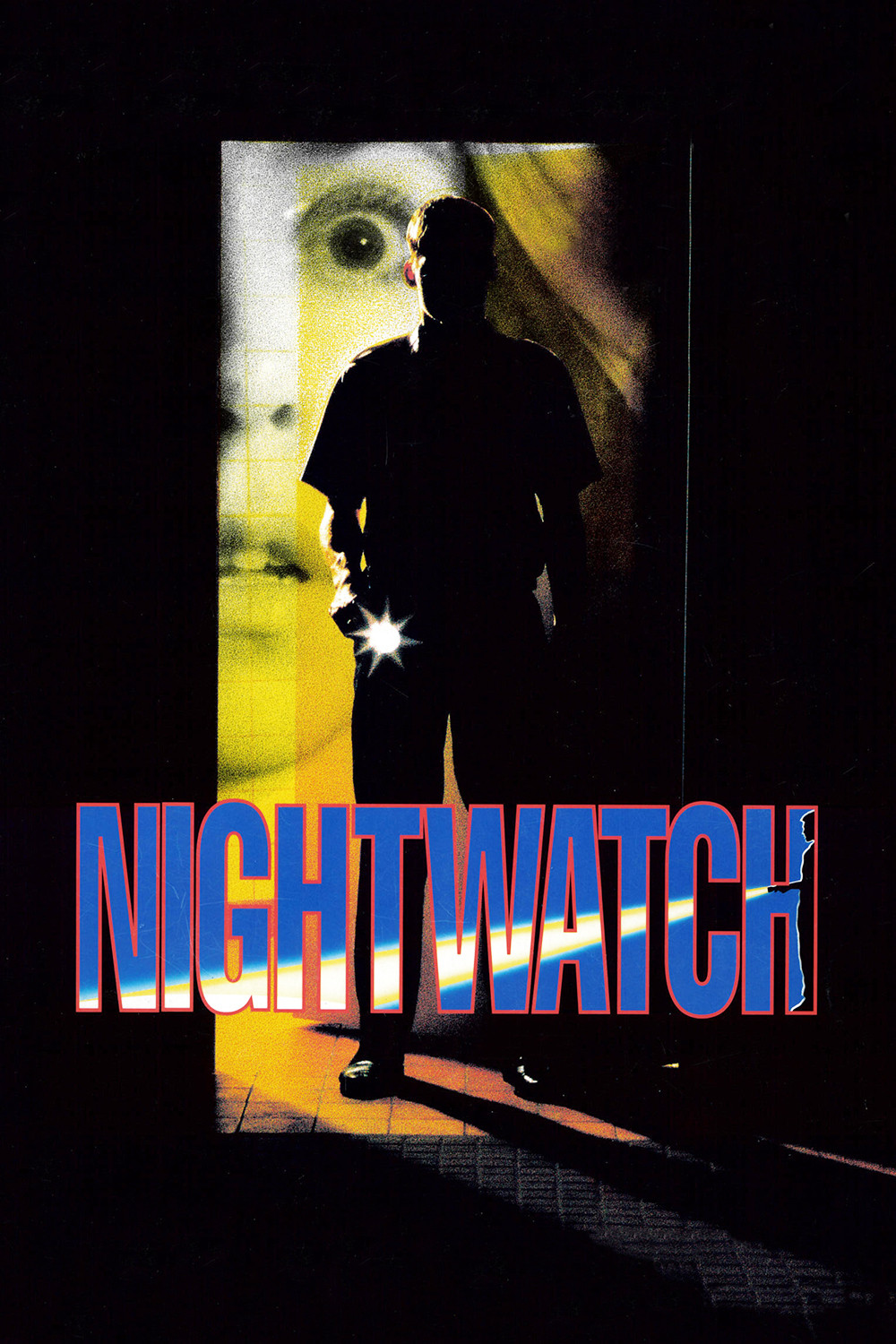
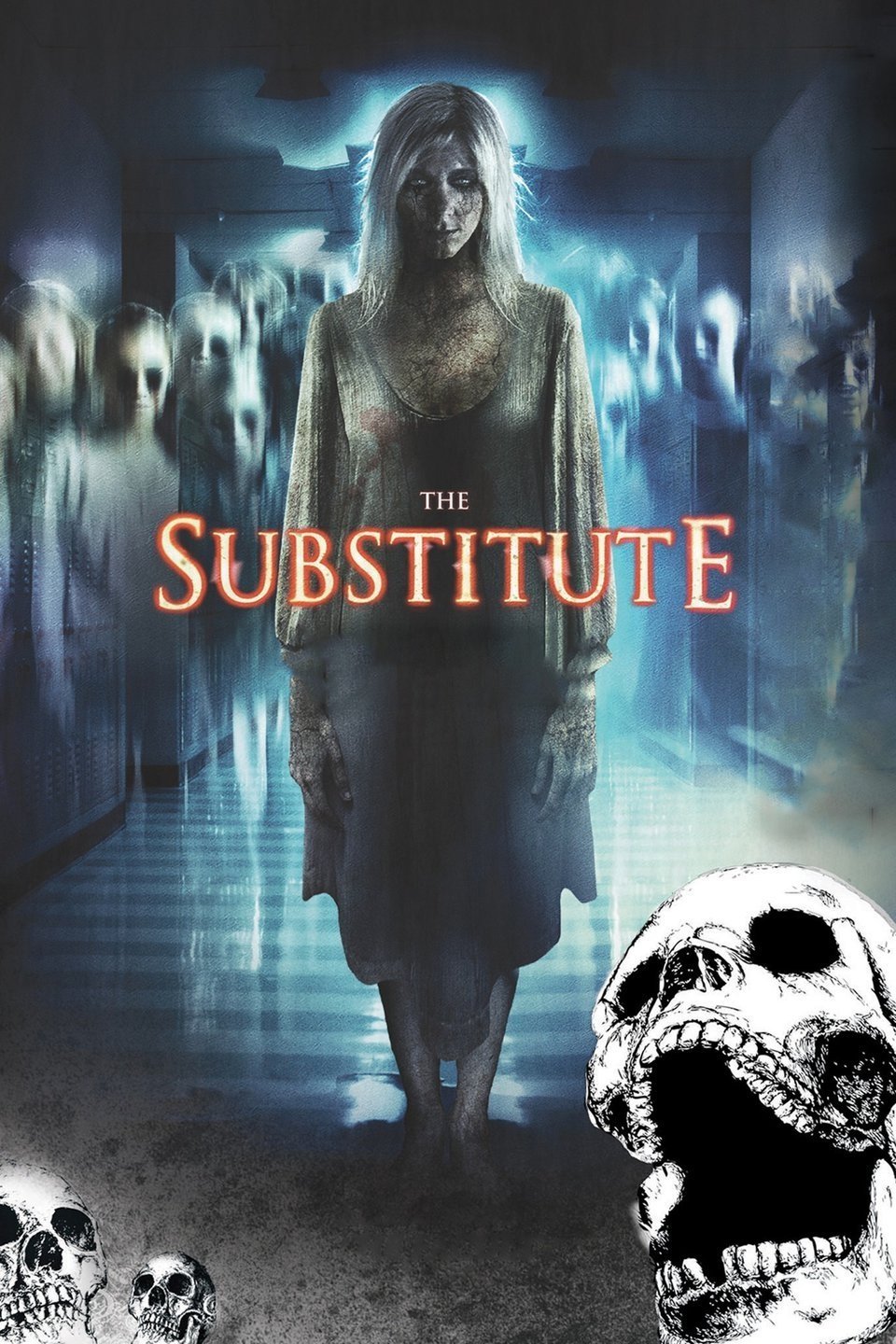
A pair of 1990s revivals brought Danish horror back. Ole Bornedal's Nightwatch (1994), a morgue-attendant serial-killer thriller that achieved both Danish and international success (it was later remade in Hollywood by Bornedal himself), proved that the country could produce commercially polished genre work. The same year, Lars von Trier's television miniseries The Kingdom (1994), set in Copenhagen's Rigshospitalet, established a tone of comic absurdity layered over genuine supernatural dread that Trier would carry into his subsequent feature work; The Kingdom II (1998) extended the cycle. Bornedal's The Substitute (2007), a child-protagonist alien-teacher horror, demonstrated that Danish genre filmmaking had found a sustainable register.
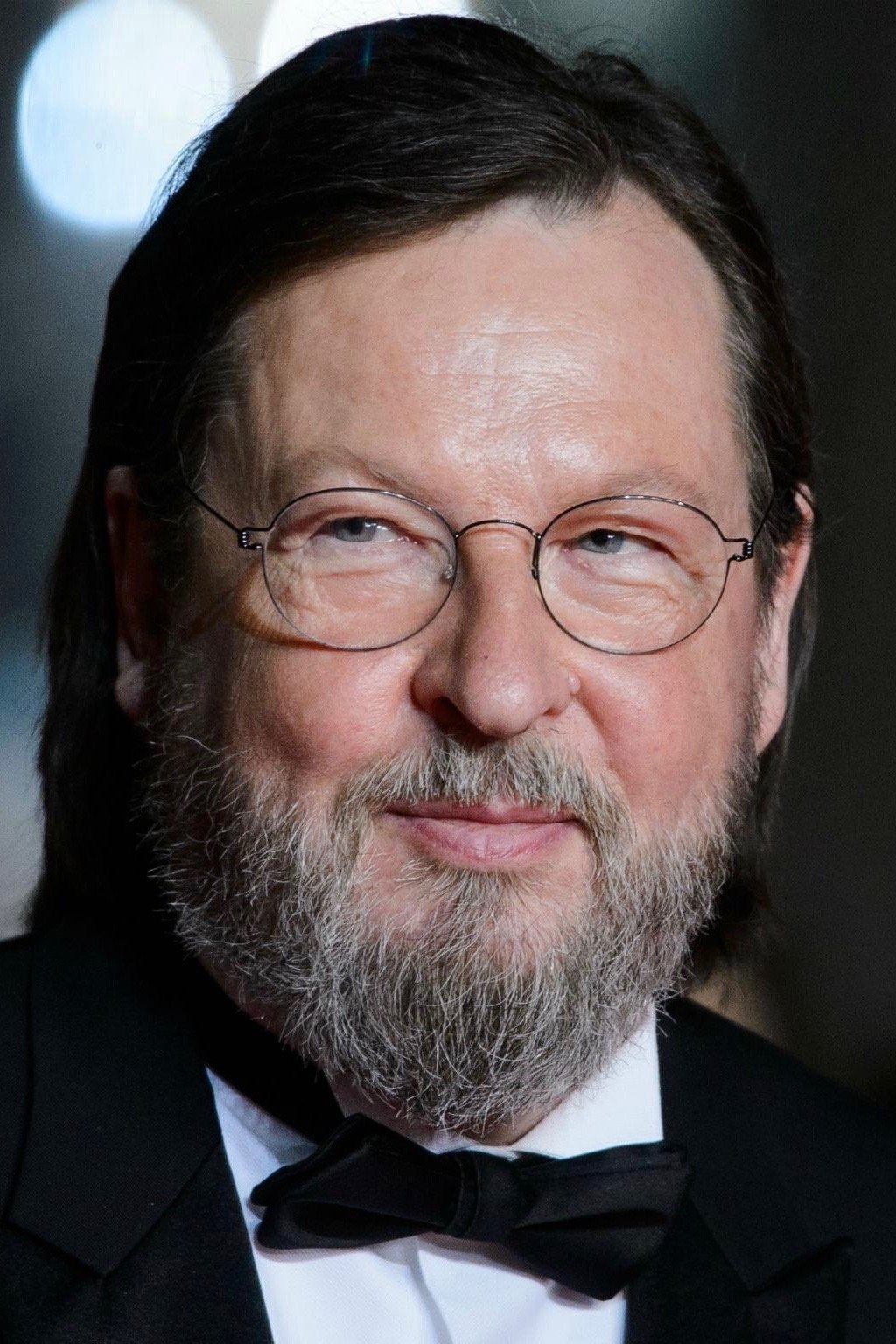
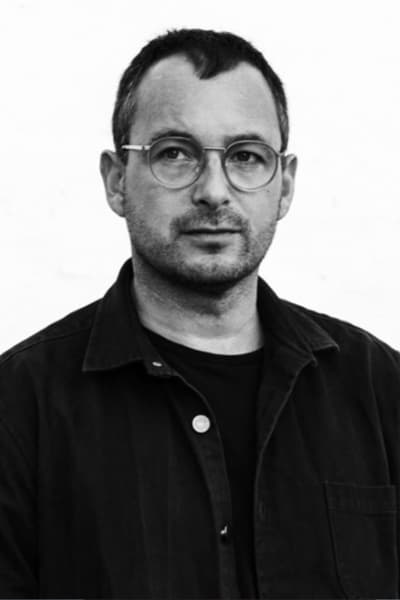
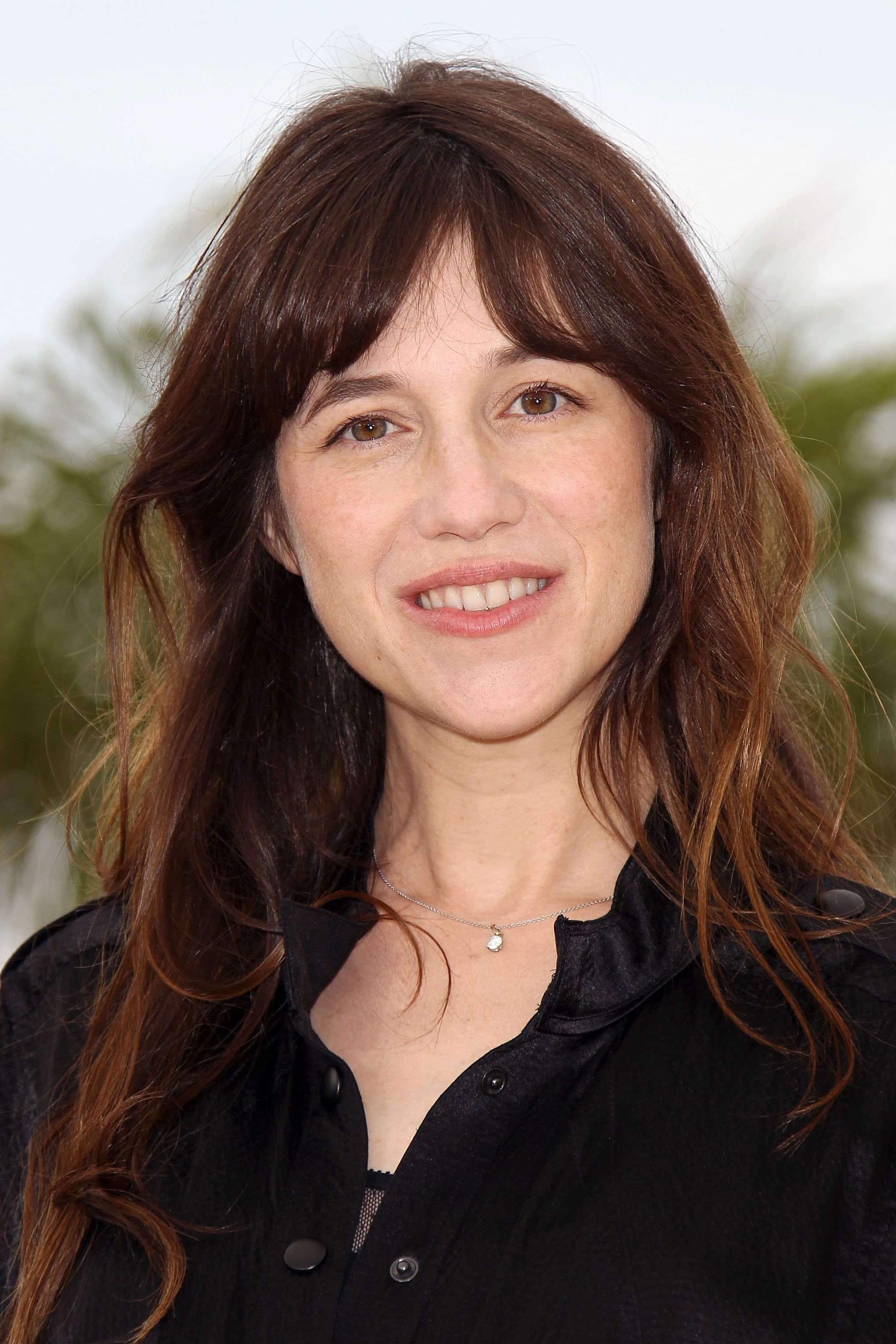
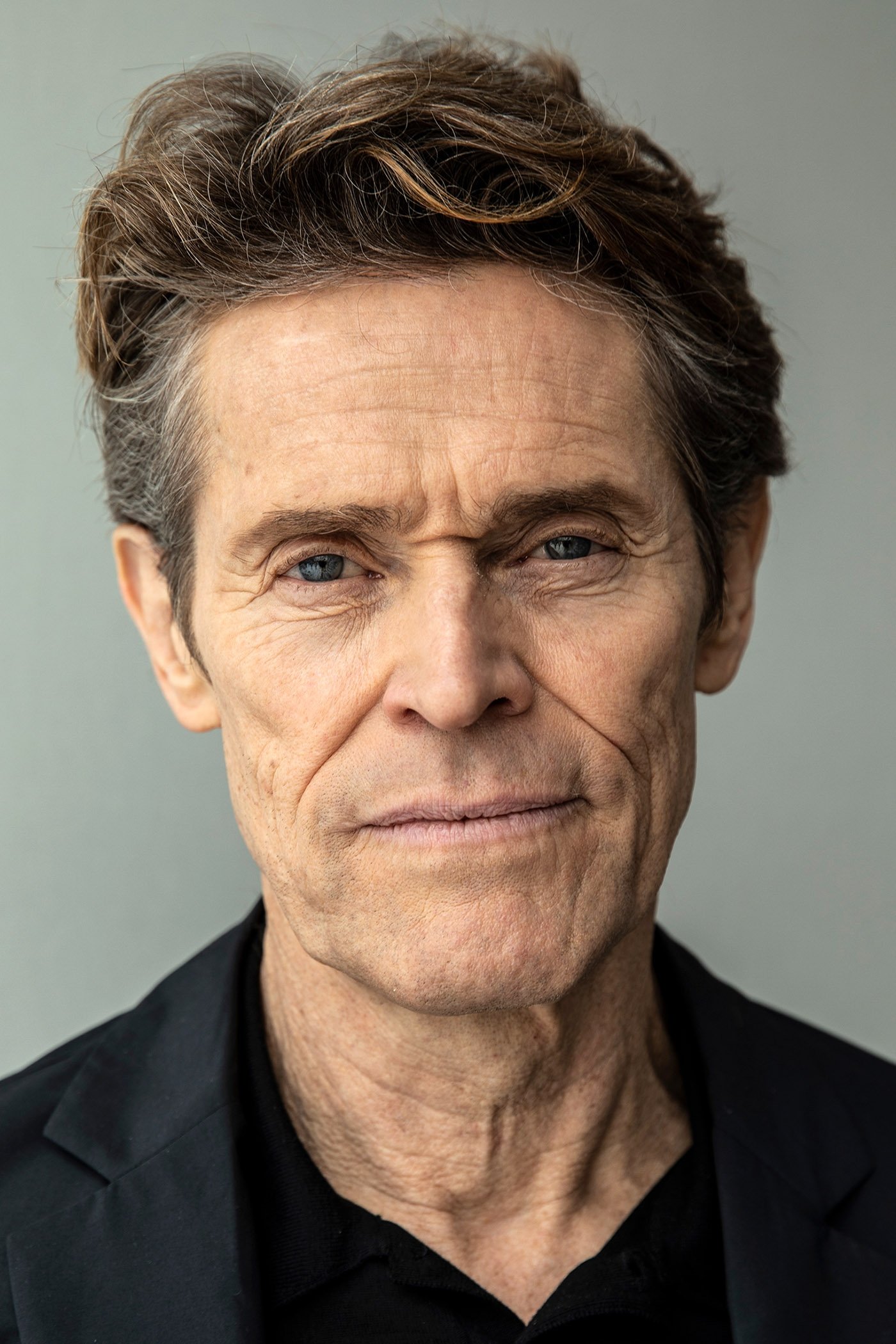
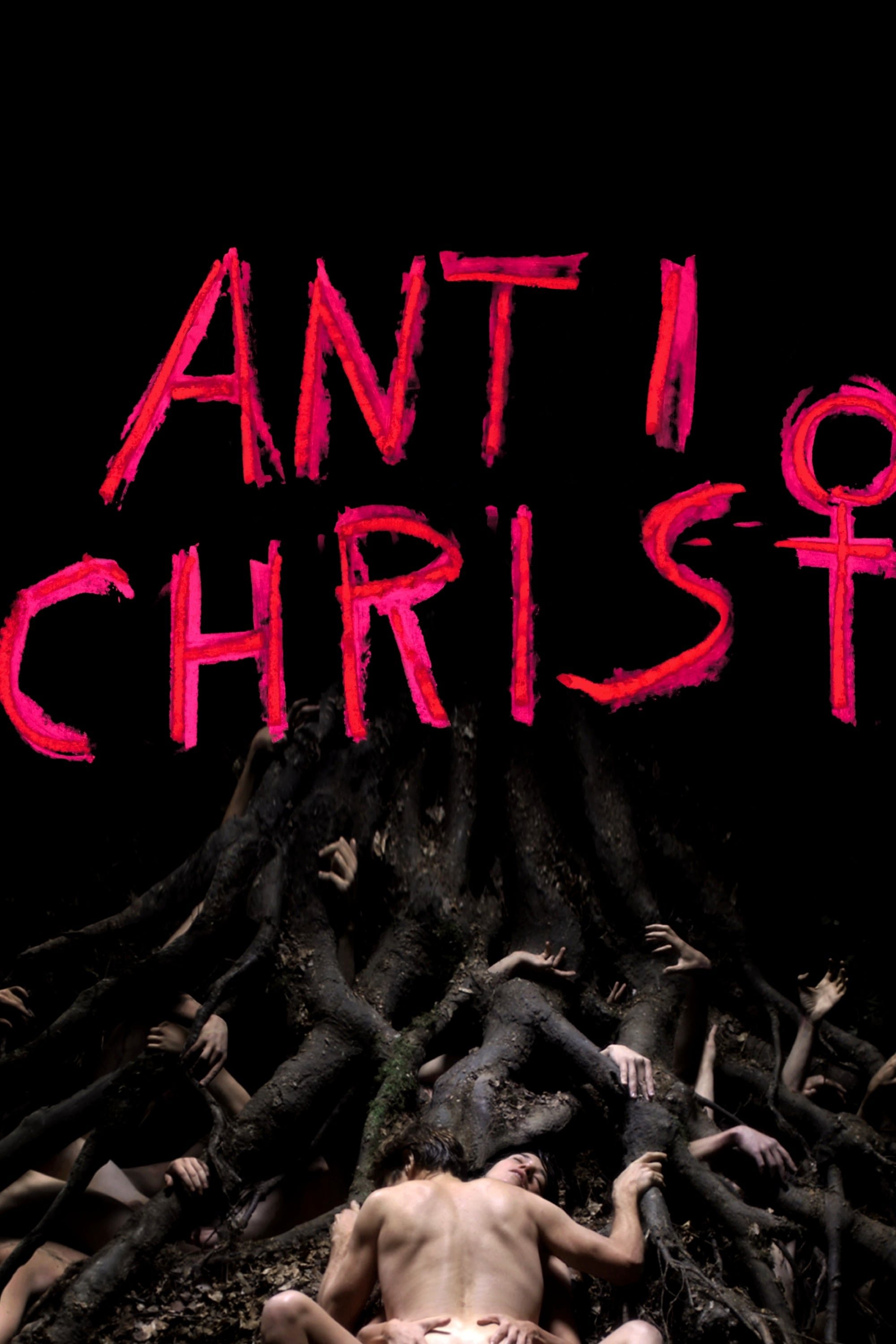
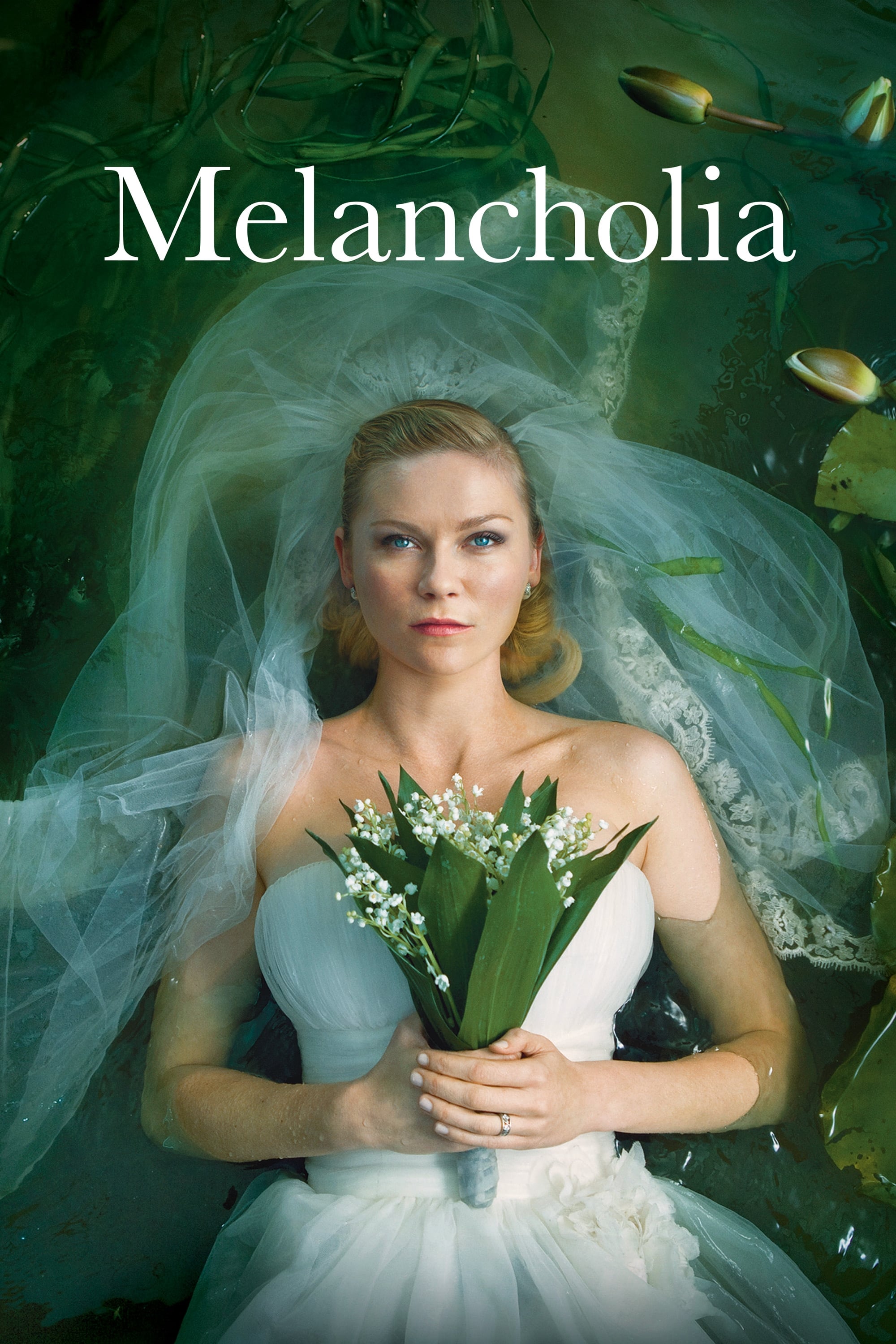
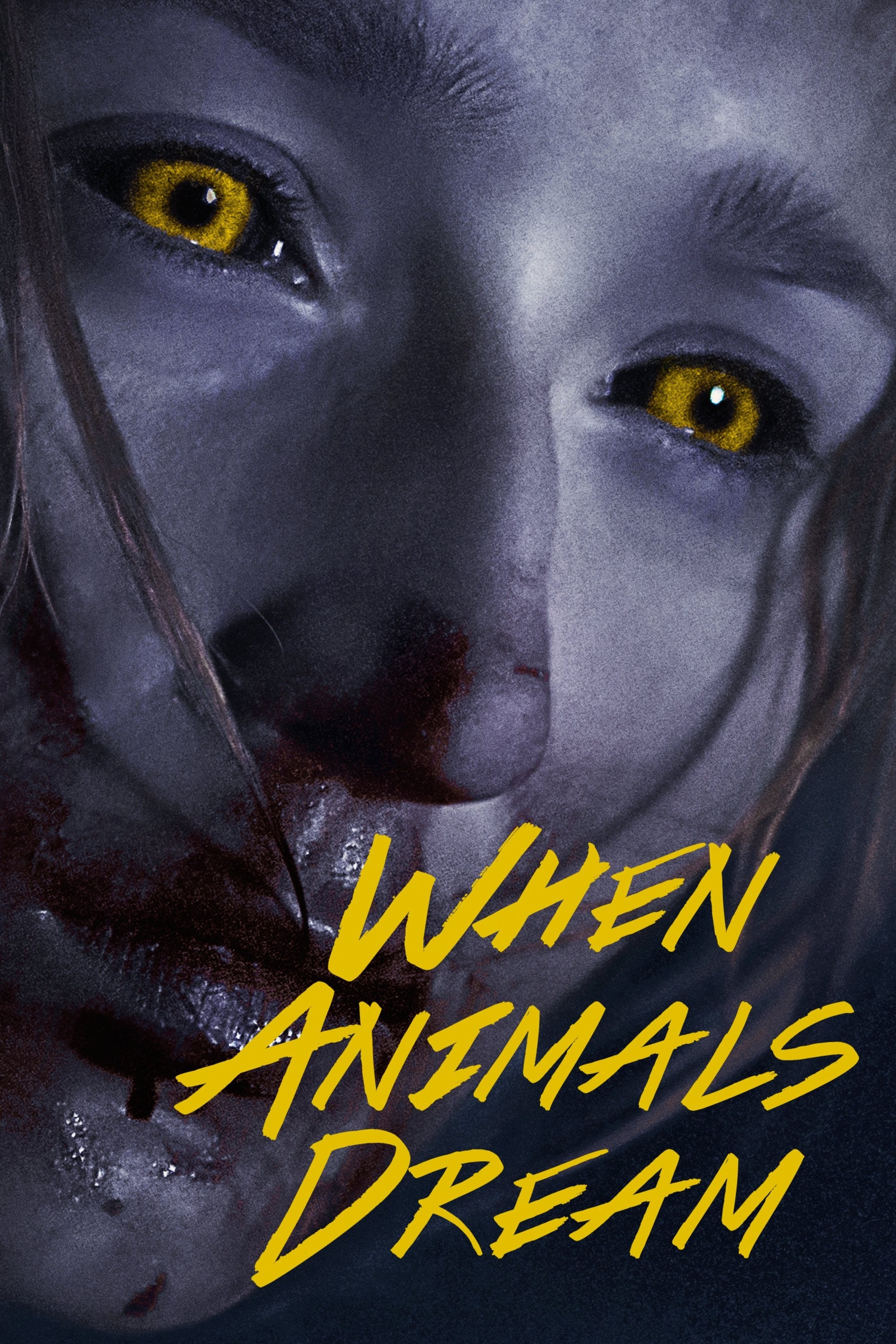
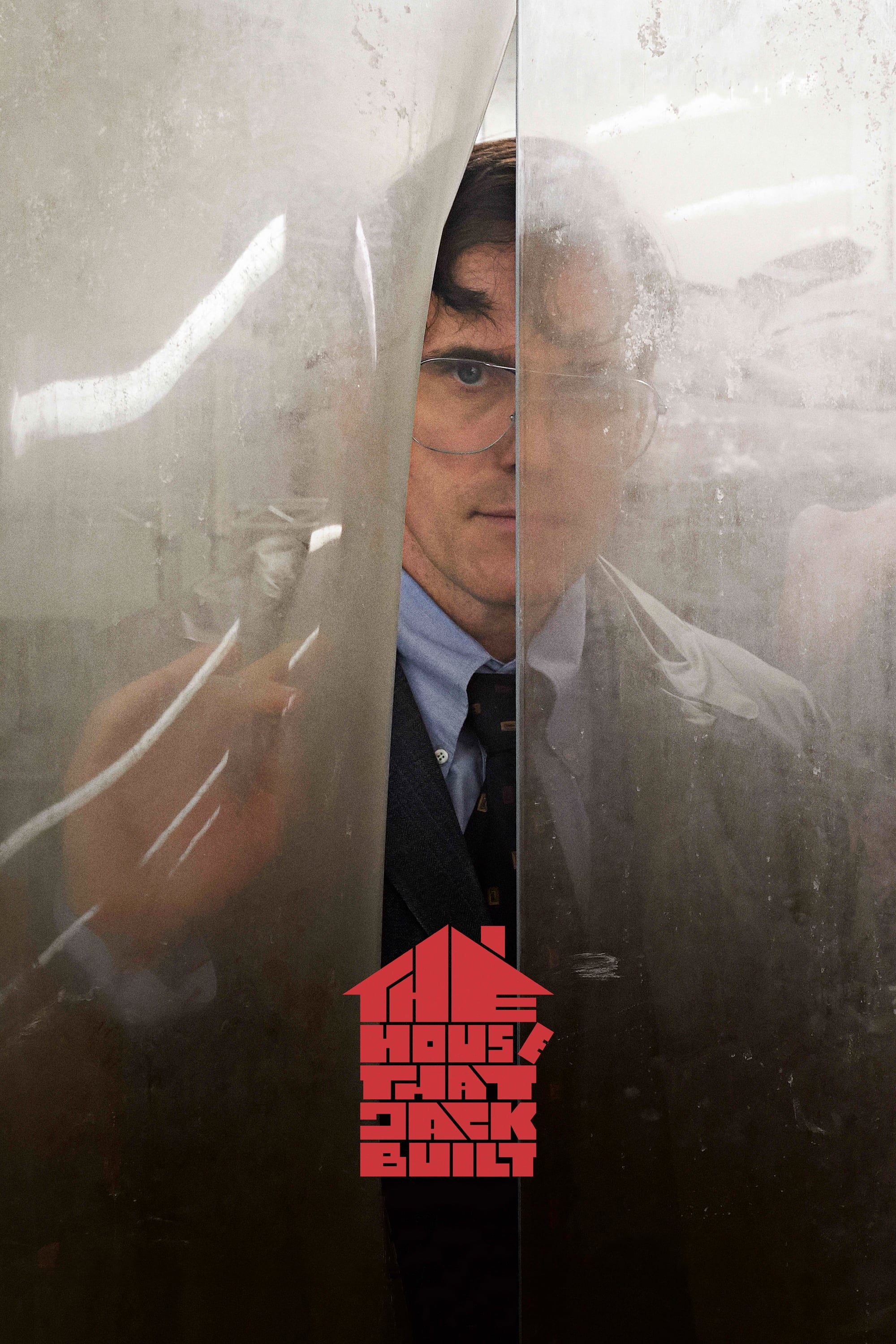
Lars von Trier emerged as the country's defining horror auteur with a pessimist-horror trilogy that interrogated grief, depression, and human cruelty: Antichrist (2009), Melancholia (2011), and The House That Jack Built (2018), all anchored by Charlotte Gainsbourg and Willem Dafoe across various pairings. Outside Trier's orbit, Jonas Alexander Arnby's When Animals Dream (2014) brought lyrical werewolf-coming-of-age horror to a Danish fishing village, and Christian Tafdrup's Speak No Evil (2022) weaponised social politeness into a slow-burn dread that became Shudder's strongest international acquisition of the year and was promptly remade in Hollywood. Danish horror remains low-volume but high-impact — a tradition where the rare intervention tends to reshape what the genre is understood to be capable of.
Essential Films



Statistics
Top Subgenres
Popularity by Decade
Share of each decade's horror films classified as Denmark horror. Counts films with at least 5 TMDB ratings, so very obscure titles are not represented.