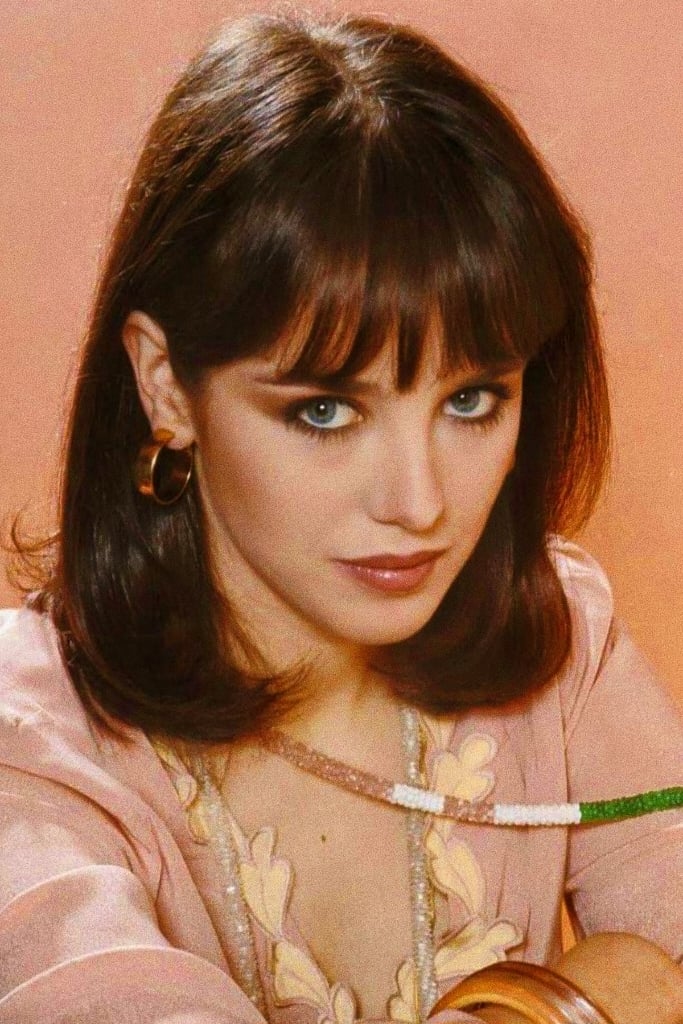
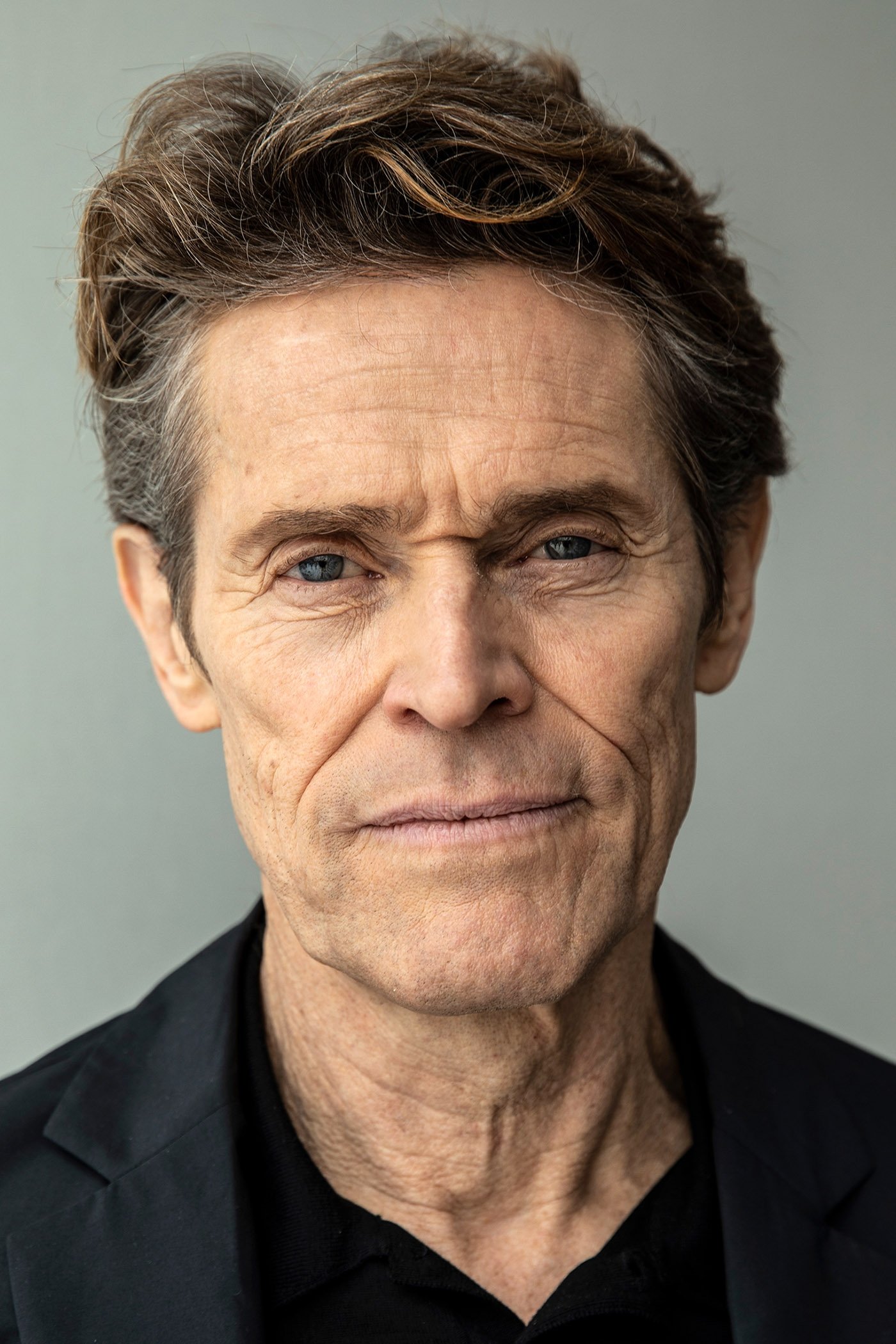
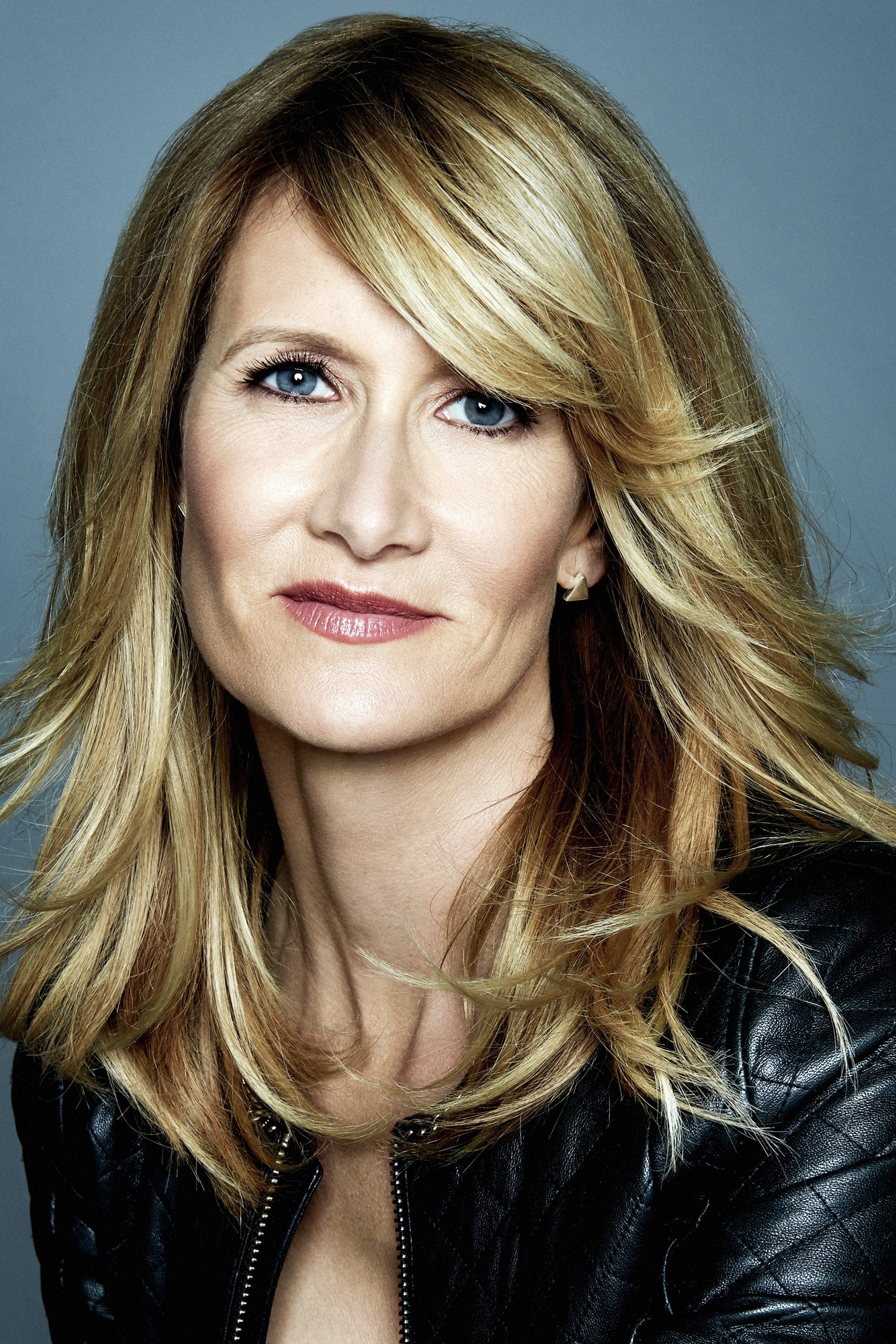
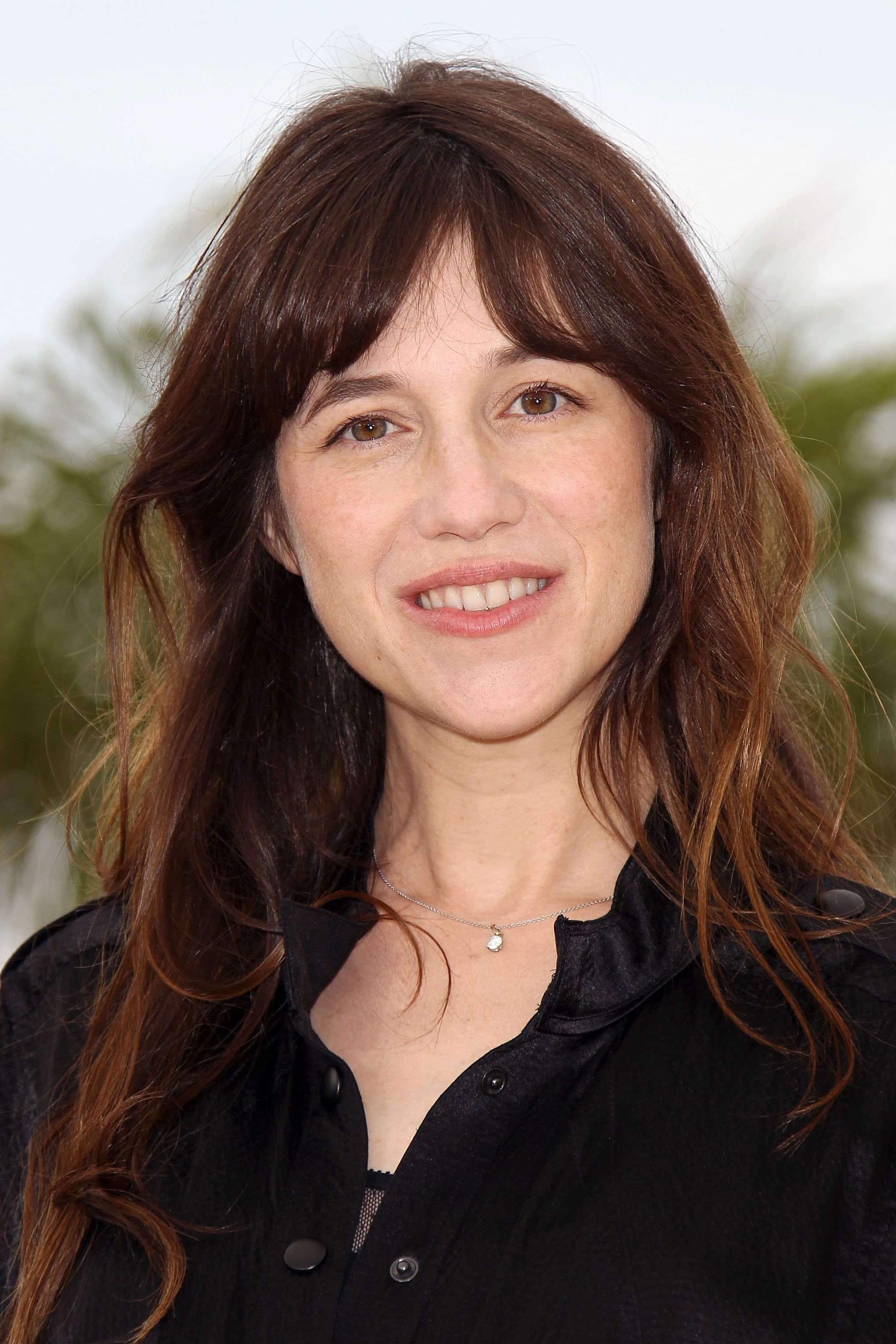
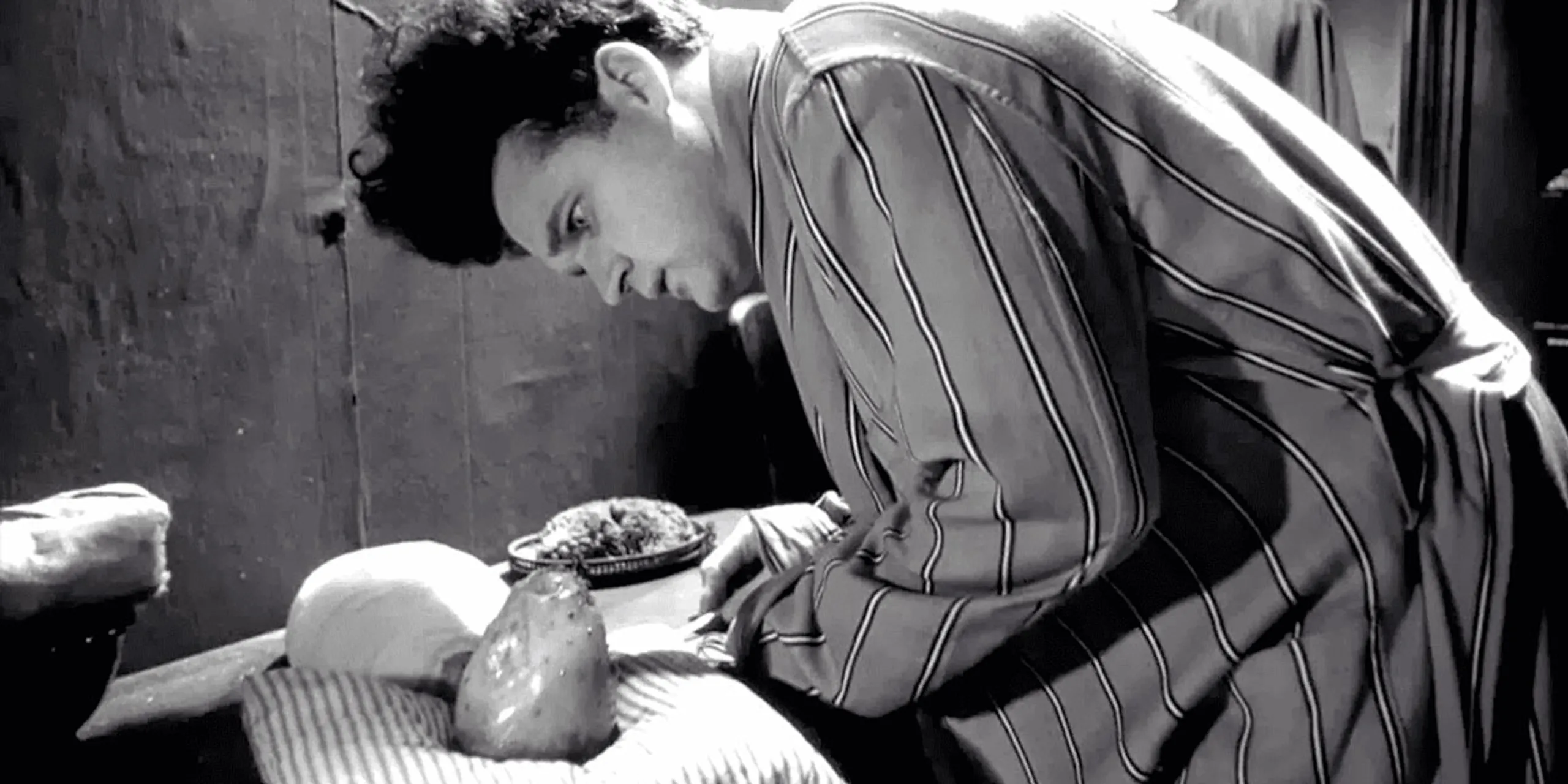
 Eraserhead (1977)
Arthouse
Horror and serious artistic intention, inseparable. Formal rigor, thematic ambition, and the argument that the boundary between the disturbing and the beautiful is horror's most productive territory.
History & Origins
Arthouse horror exists at the intersection of genre filmmaking and personal artistic vision — films that use horror's tropes and emotional palette while operating according to the standards of art cinema: formal rigor, thematic ambition, narrative complexity, and a willingness to challenge audiences rather than reassure them. These films are not compromises between art and entertainment. They are arguments that the distinction is false.
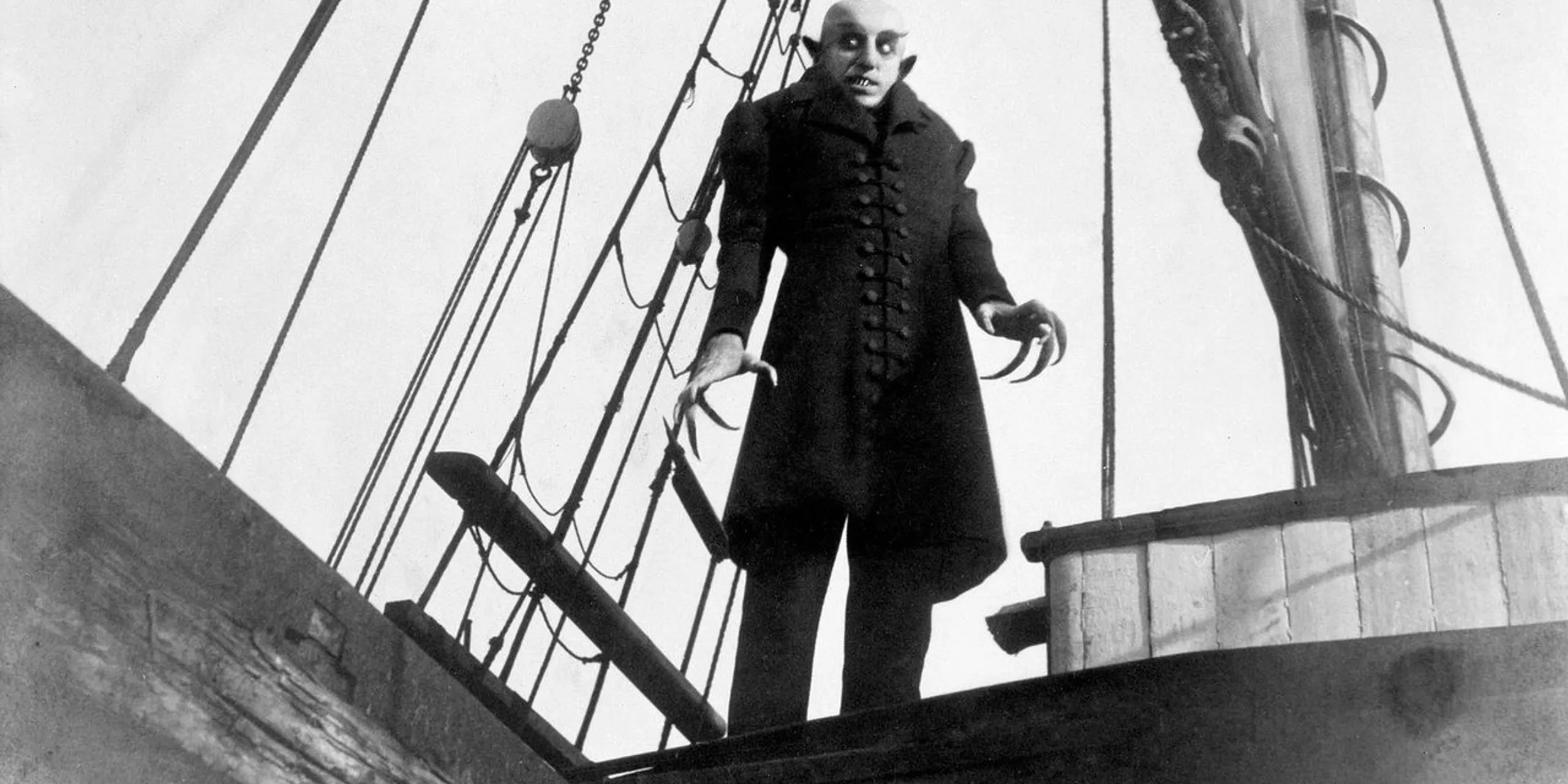
The tradition is as old as horror itself. Nosferatu and Caligari were art films that happened to be horror. Carl Dreyer's Vampyr (1932) used dreamlike dissolves and deliberate pacing to create a horror experience closer to trance than shock. Val Lewton's 1940s productions for RKO — Jacques Tourneur's Cat People (1942) and I Walked with a Zombie (1943) — were B-movie budgets executed with A-movie intelligence, establishing the precedent that horror could be taken seriously as art without sacrificing its ability to disturb.
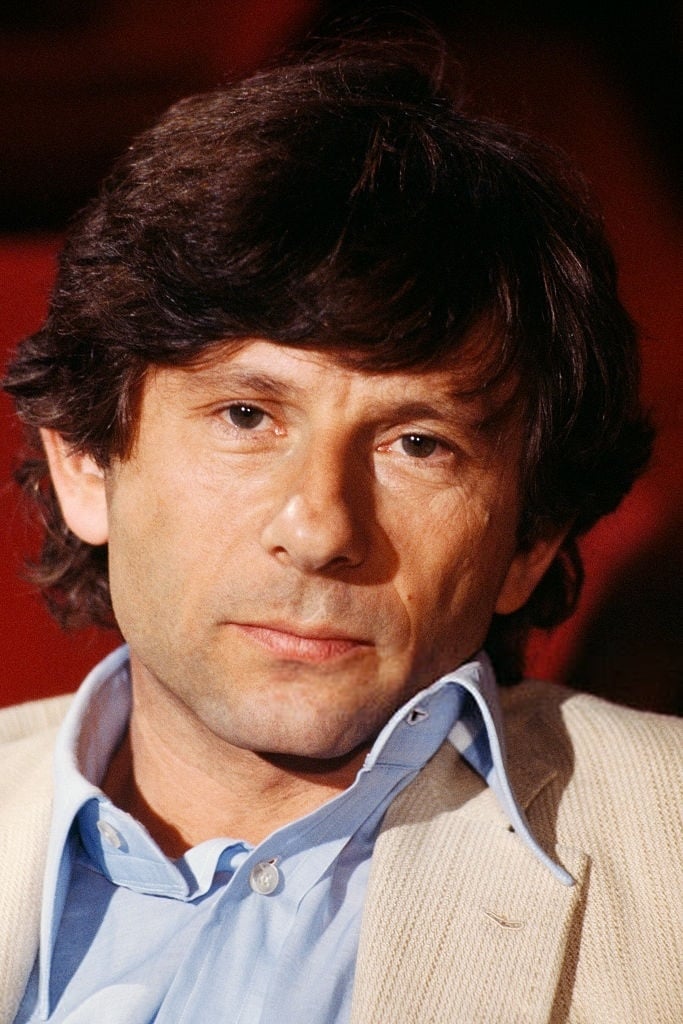
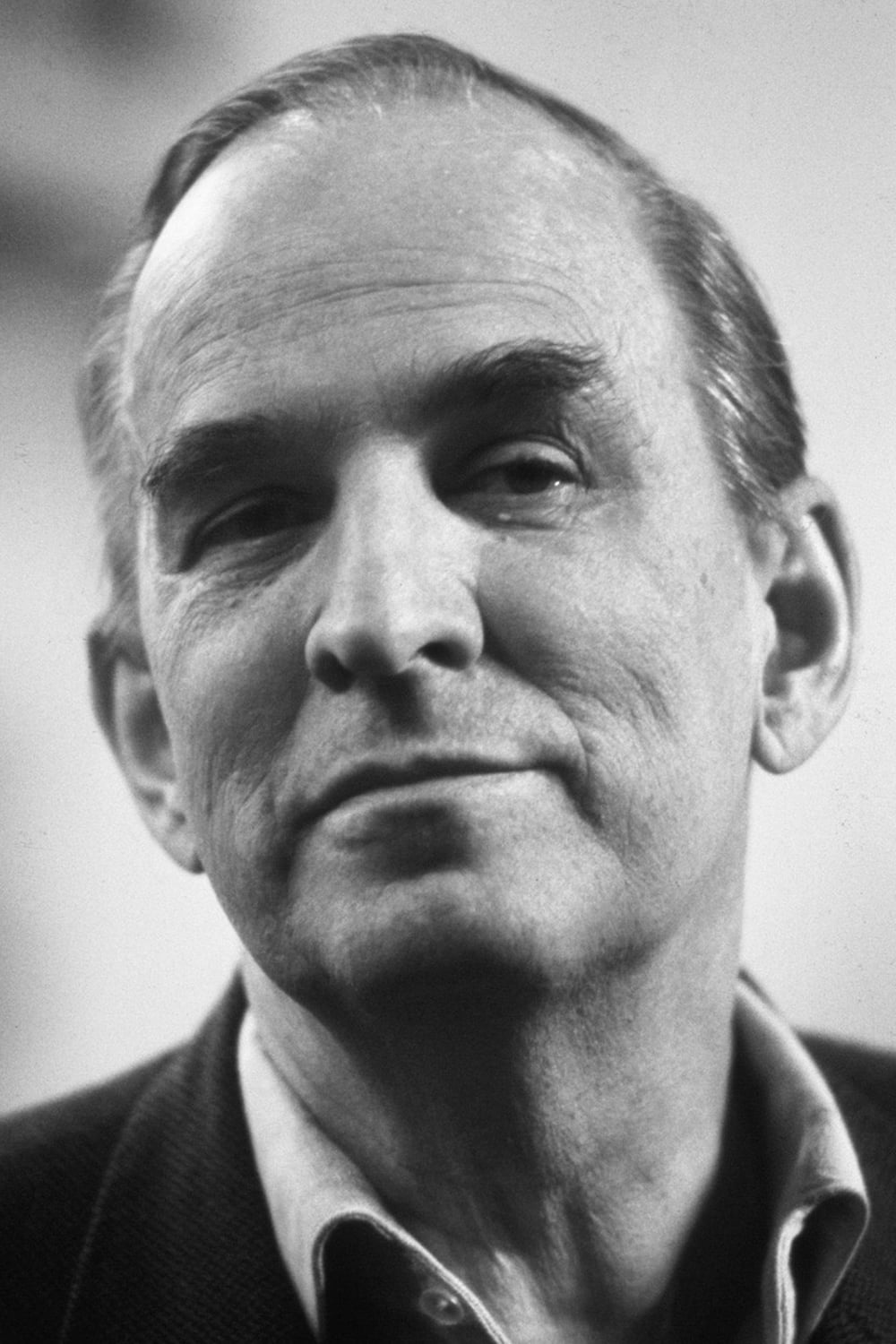
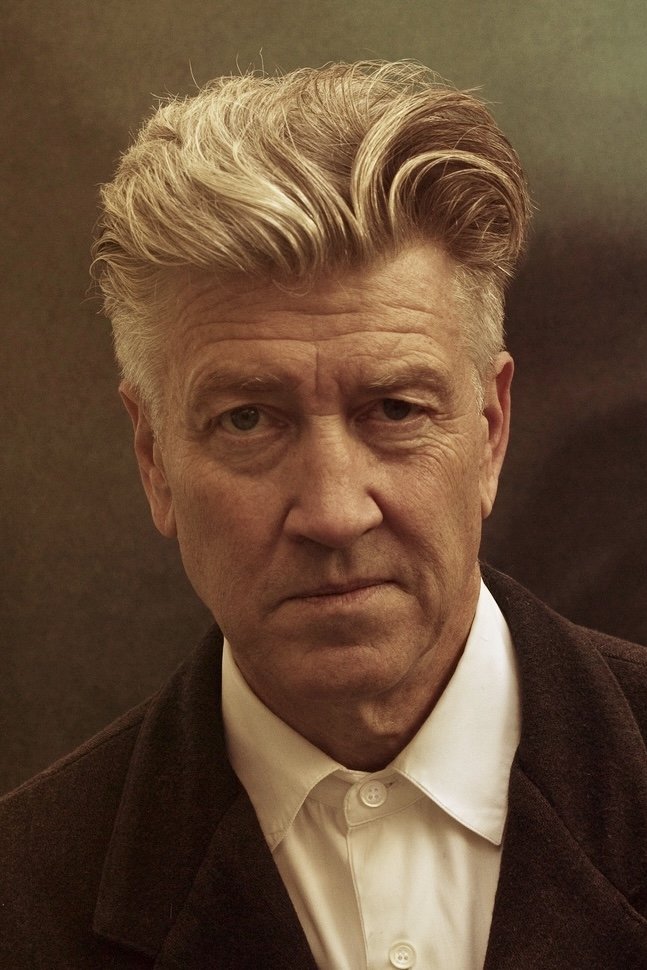
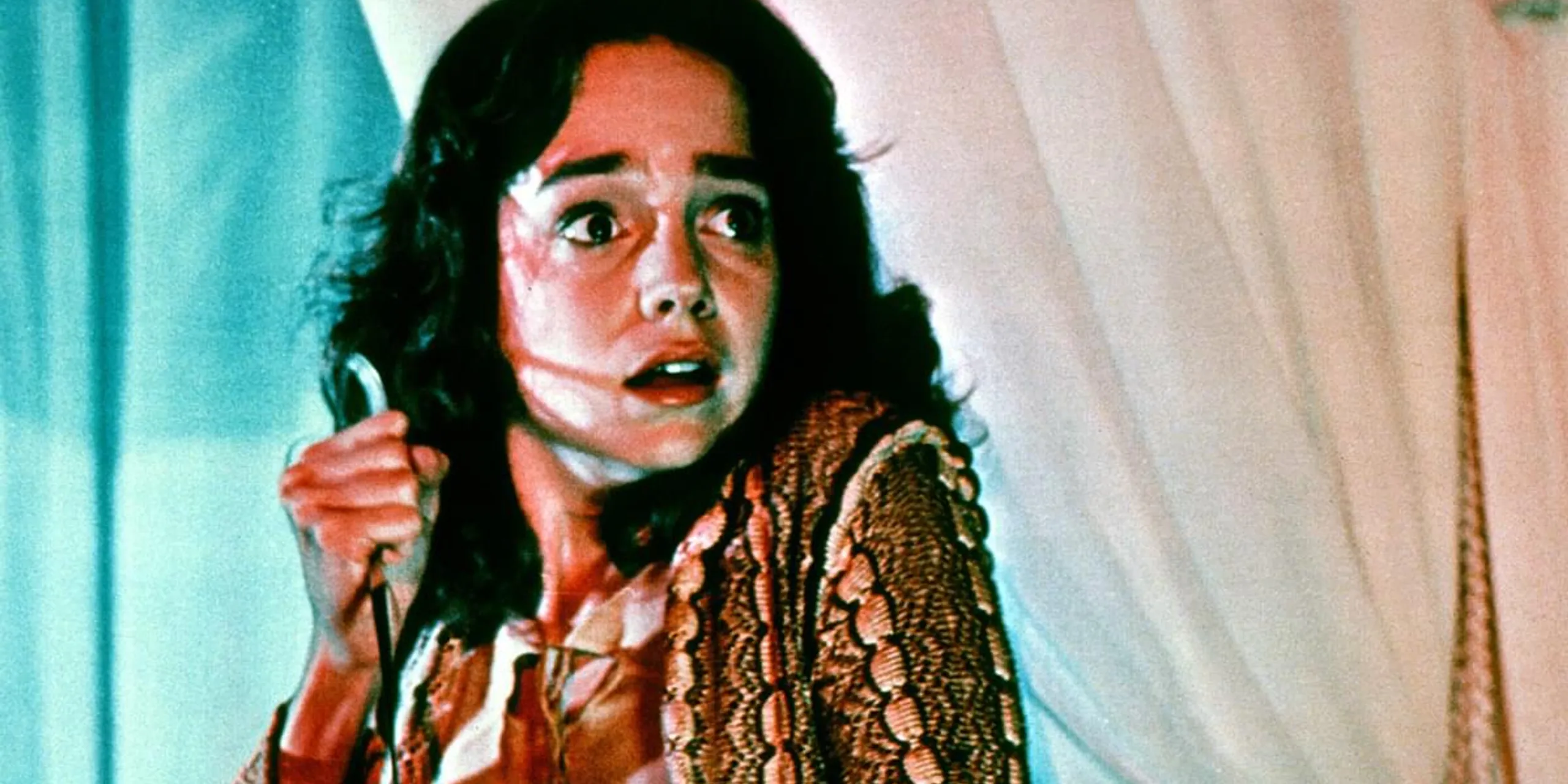
European art cinema absorbed the genre through the 1960s and '70s. Roman Polanski's "Apartment Trilogy" — Repulsion (1965), Rosemary's Baby (1968), The Tenant (1976) — turned domestic spaces into psychological prisons. Ingmar Bergman's Persona (1966) and Nicolas Roeg's Don't Look Now (1973) pushed identity and grief to genuinely uncanny extremes. David Lynch's Eraserhead (1977) and David Cronenberg's body-horror project — Videodrome (1983) foremost — made auteur horror a 1980s constant. Andrzej Żuławski's Possession (1981) remains the most uncompromising of all.
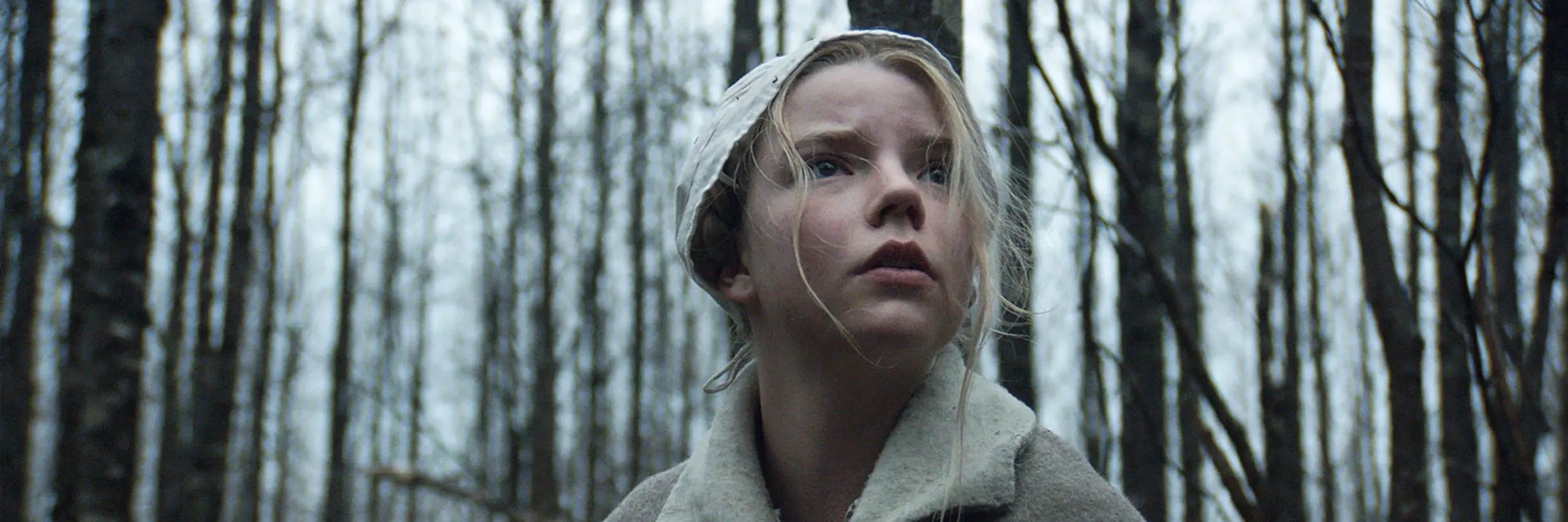
The modern arthouse horror wave — labelled "elevated horror" by critics, "post-horror" by David Church, and rejected outright by many of the filmmakers themselves — emerged in the 2010s with The Babadook (2014), It Follows (2015), Robert Eggers's The Witch (2016) and The Lighthouse (2019), Ari Aster's Hereditary (2018) and Midsommar (2019), Panos Cosmatos's Mandy (2018), and Rose Glass's Saint Maud (2020). Eggers's own assessment is characteristic: "elevated horror" is a marketing convenience for financiers, not a genuine aesthetic category. The debate misses the point. Horror has always contained multitudes — from the most visceral splatter to the most cerebral psychological study. Arthouse horror is not a correction of the genre but one of its oldest and most persistent traditions, a reminder that the boundary between the disturbing and the beautiful has always been horror's most productive territory.
Essential Films
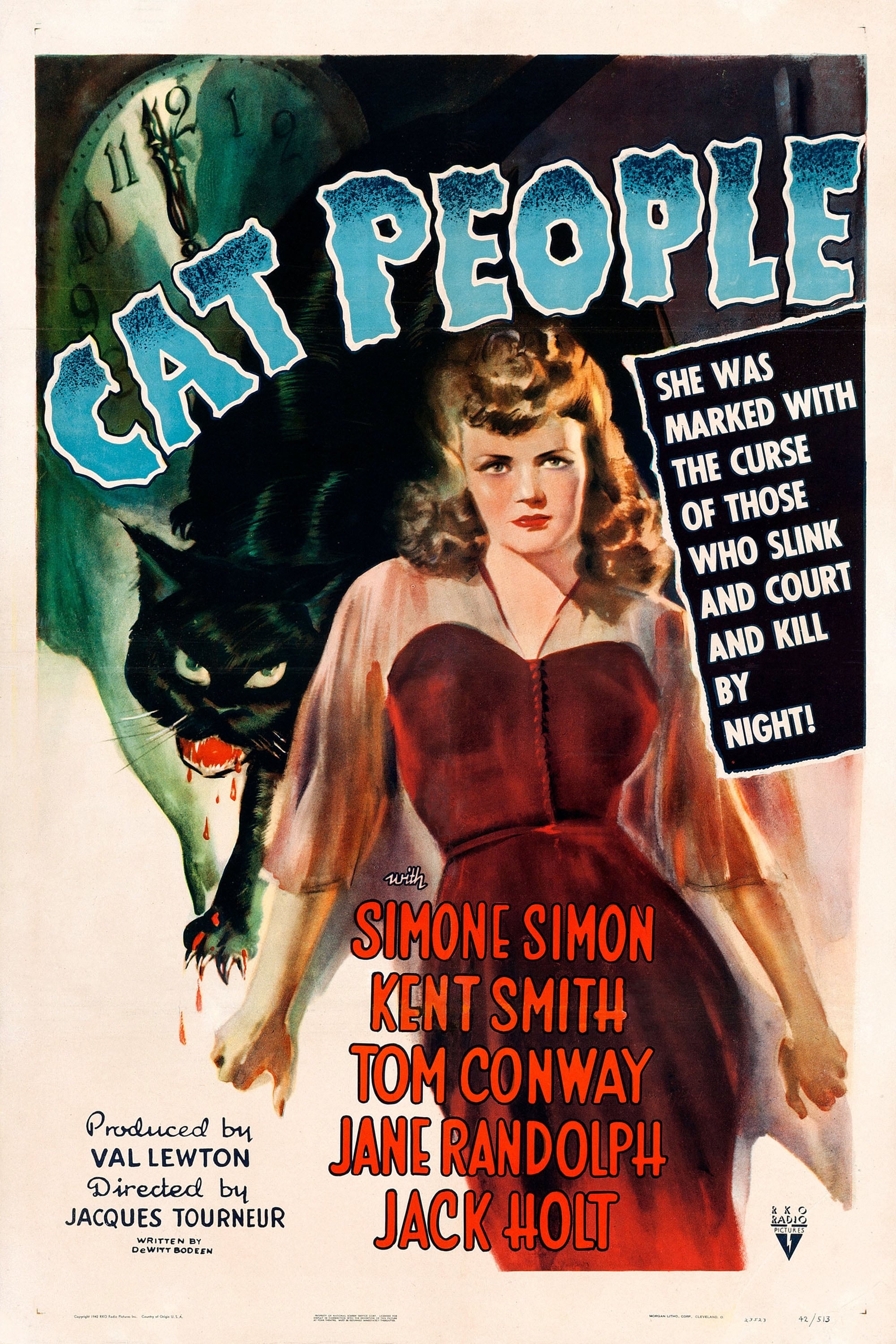
Cat People
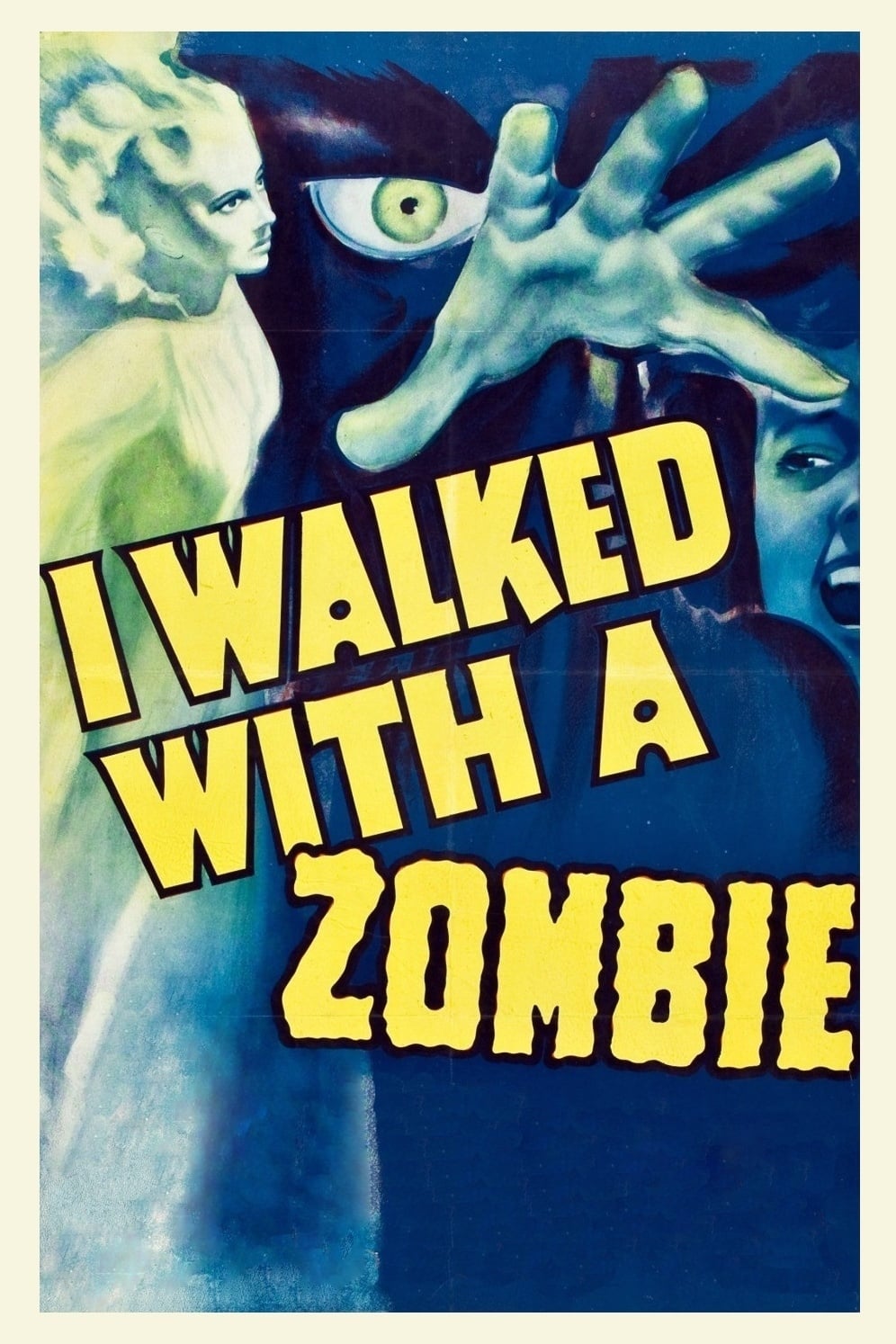
I Walked with a Zombie

The Night of the Hunter
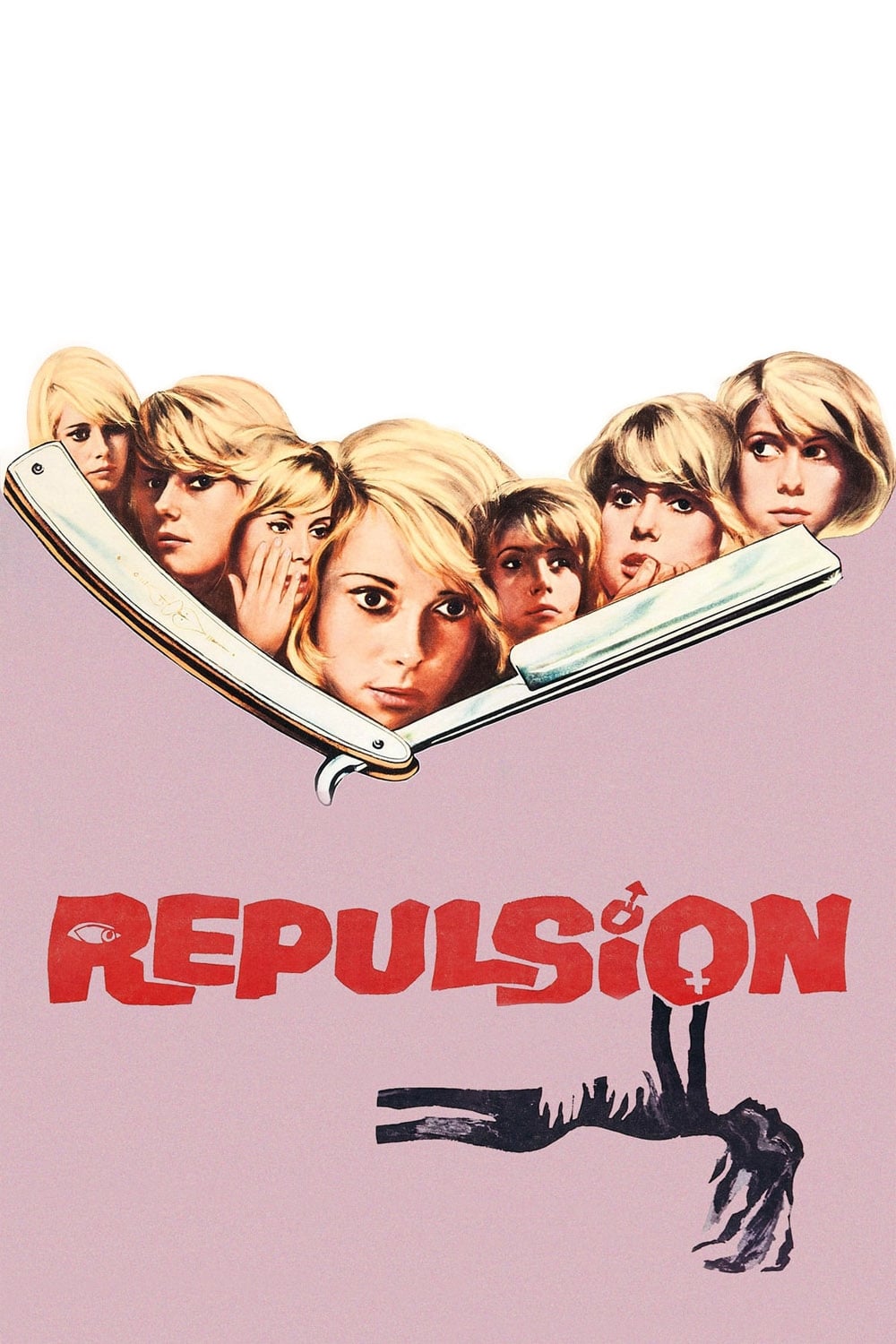
Repulsion
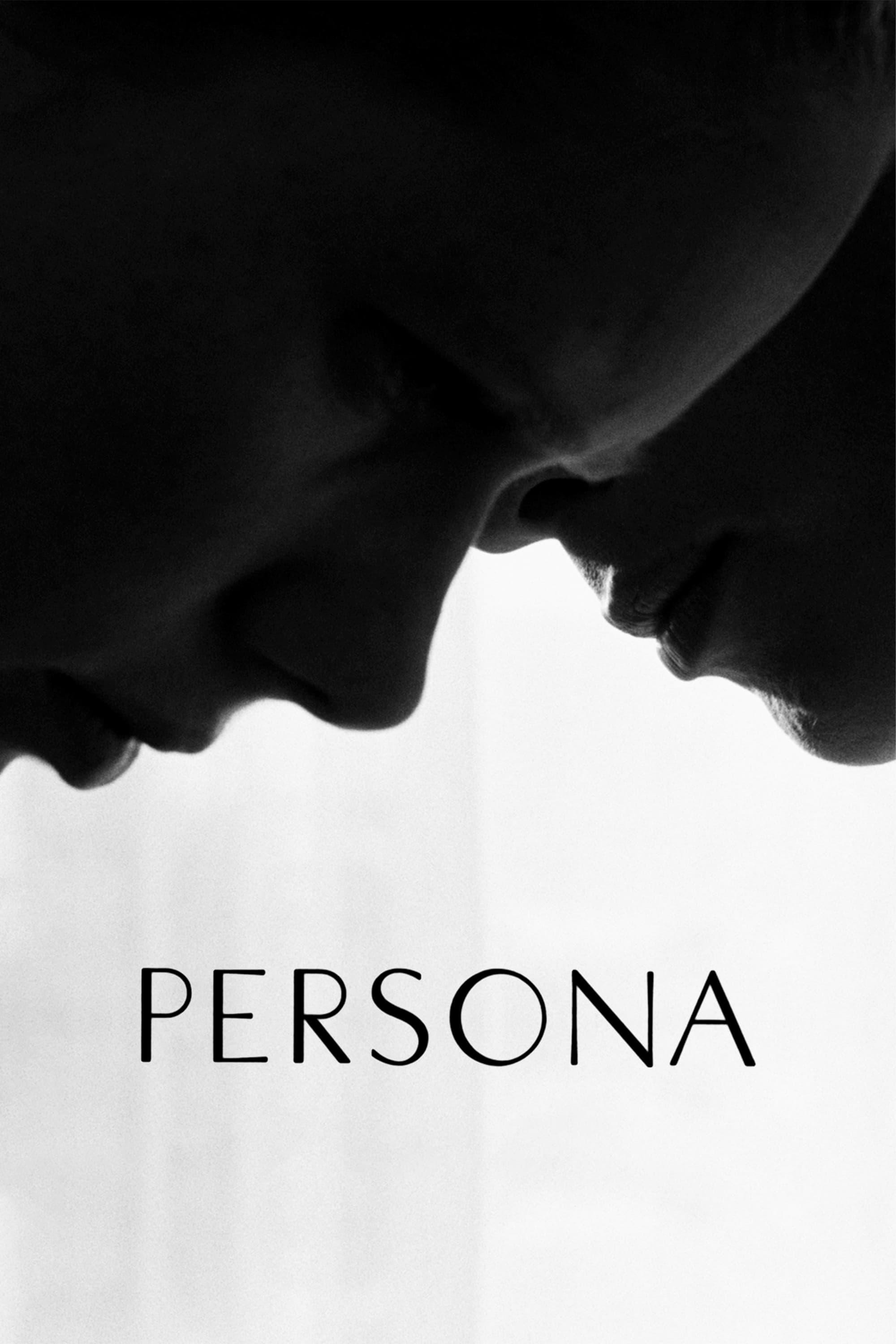
Persona
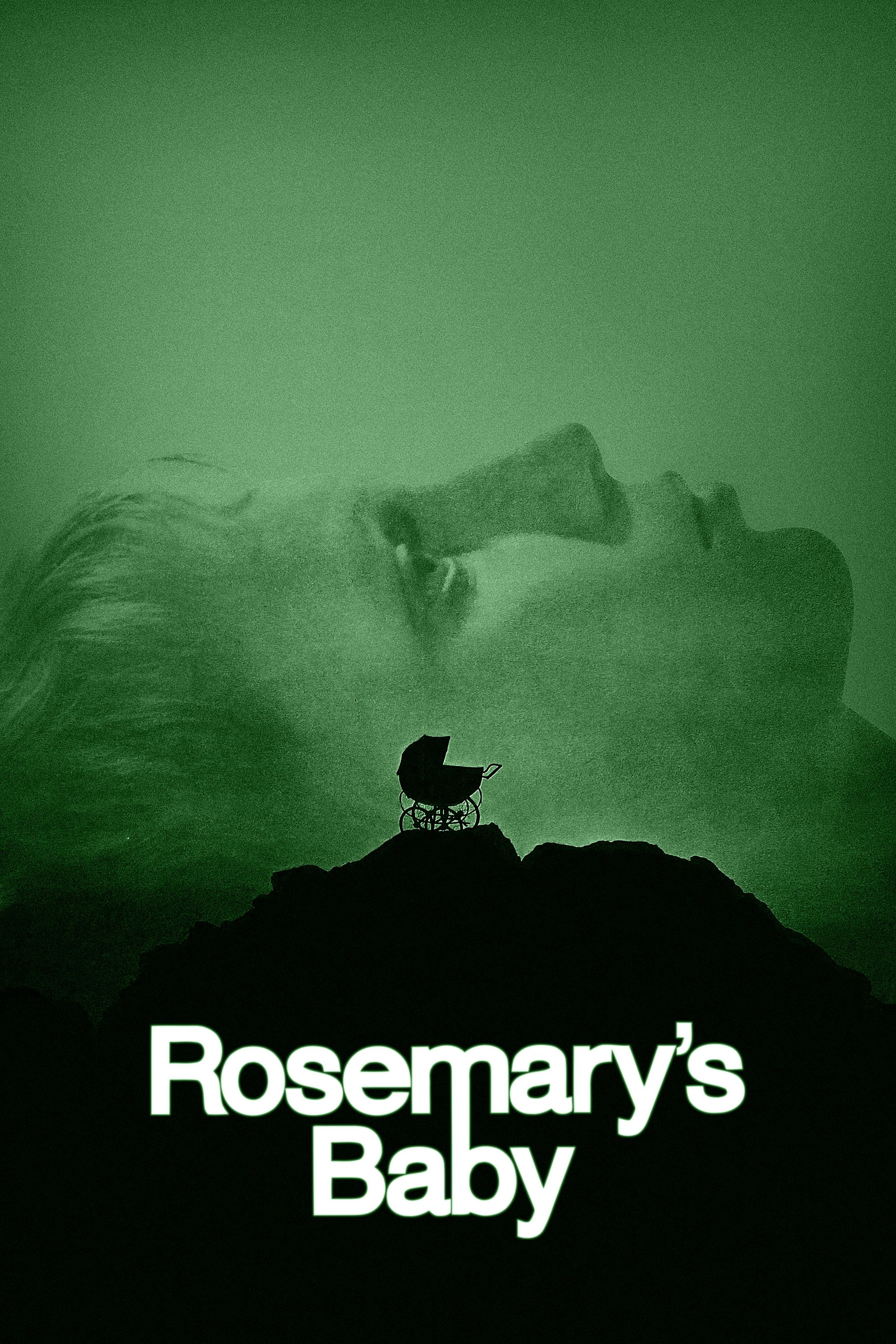
Rosemary's Baby
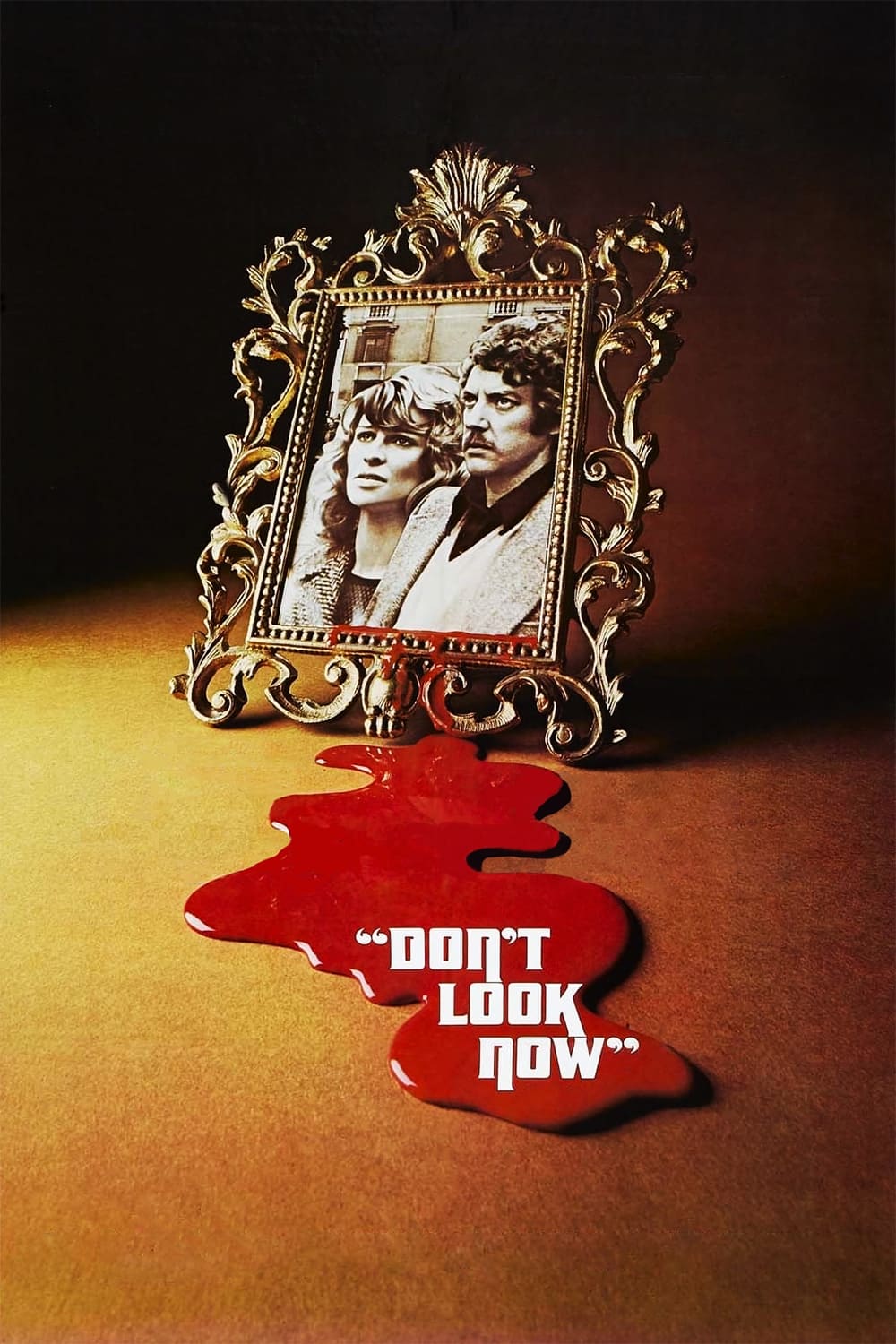
Don't Look Now
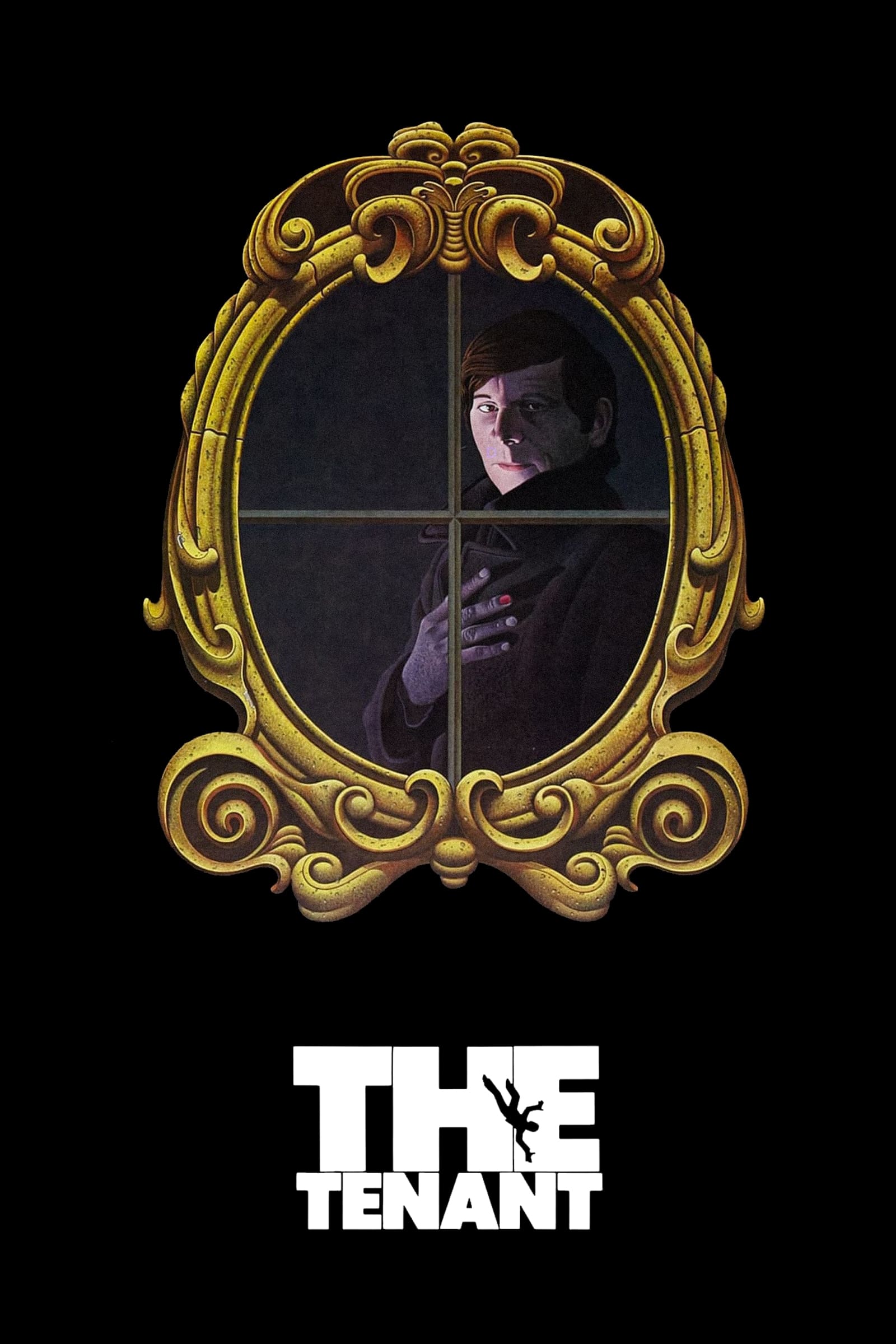
The Tenant
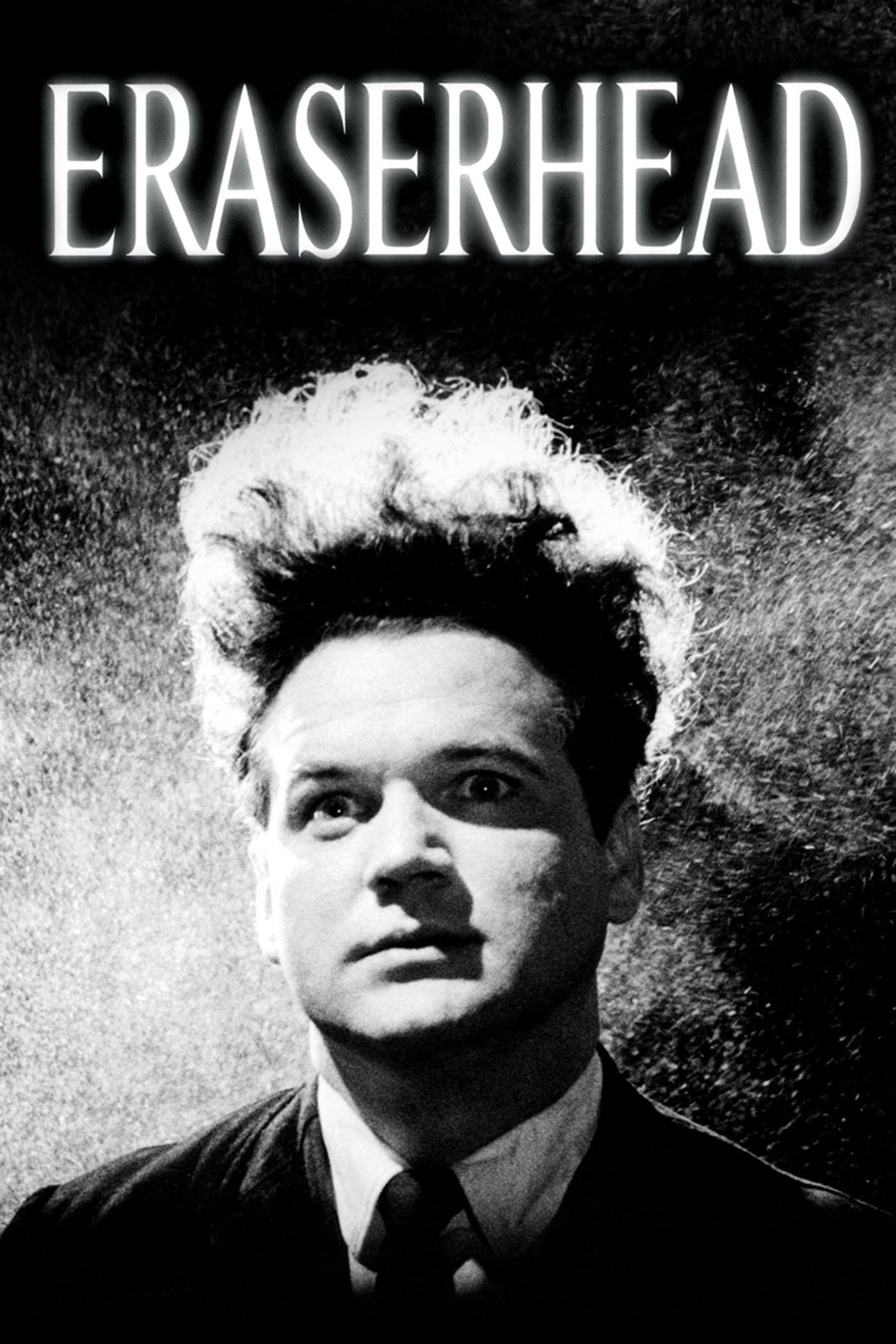
Eraserhead
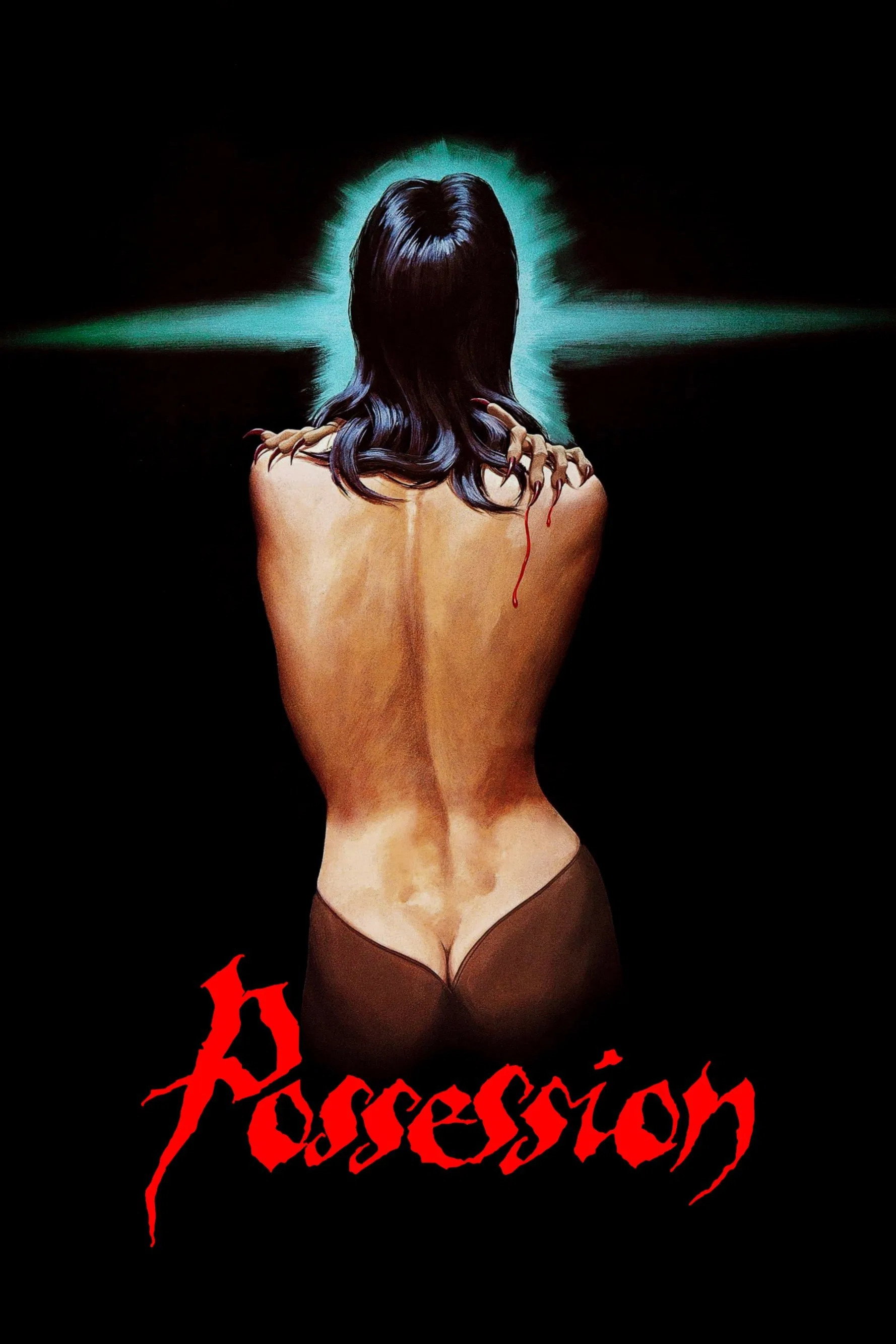
Possession
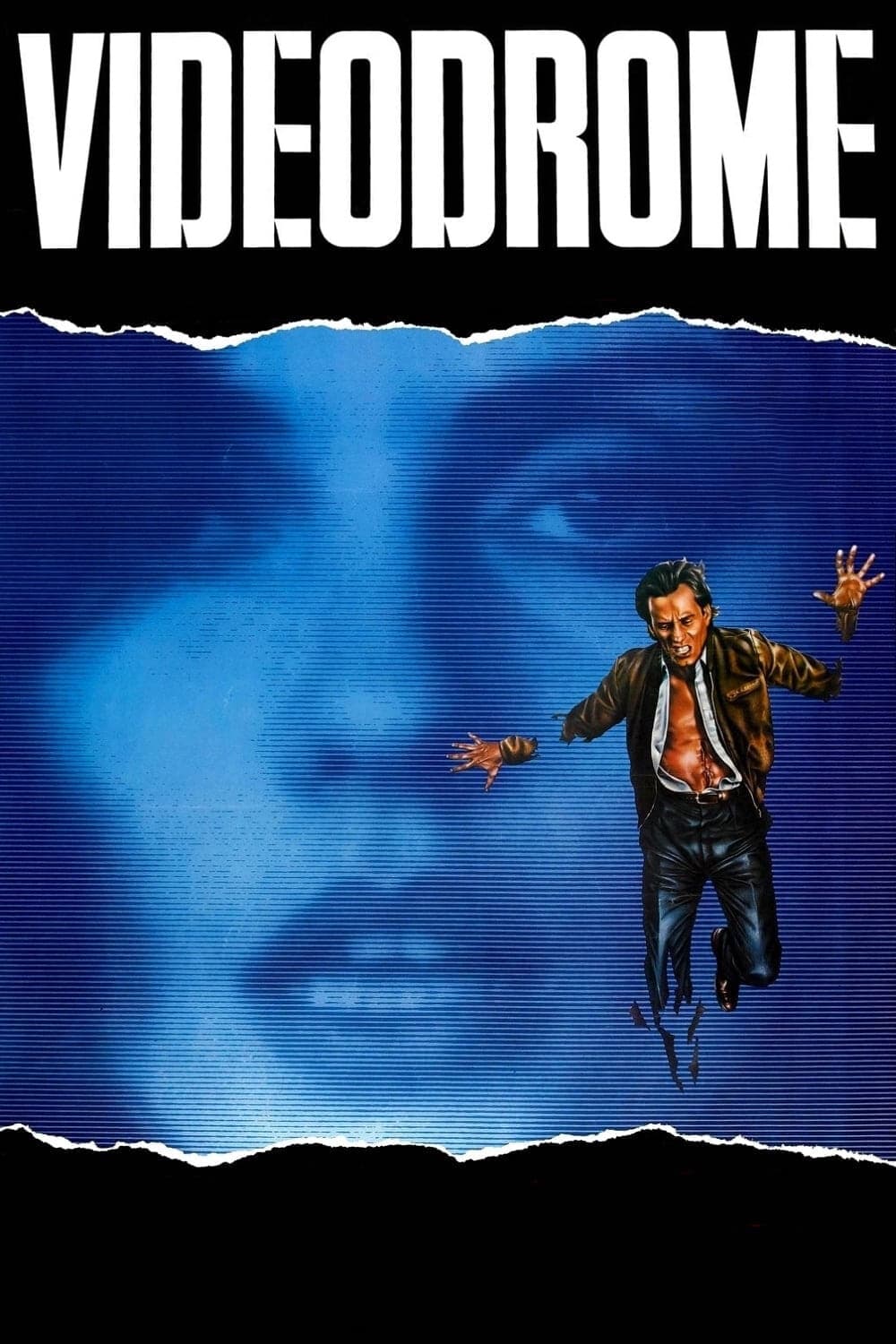
Videodrome
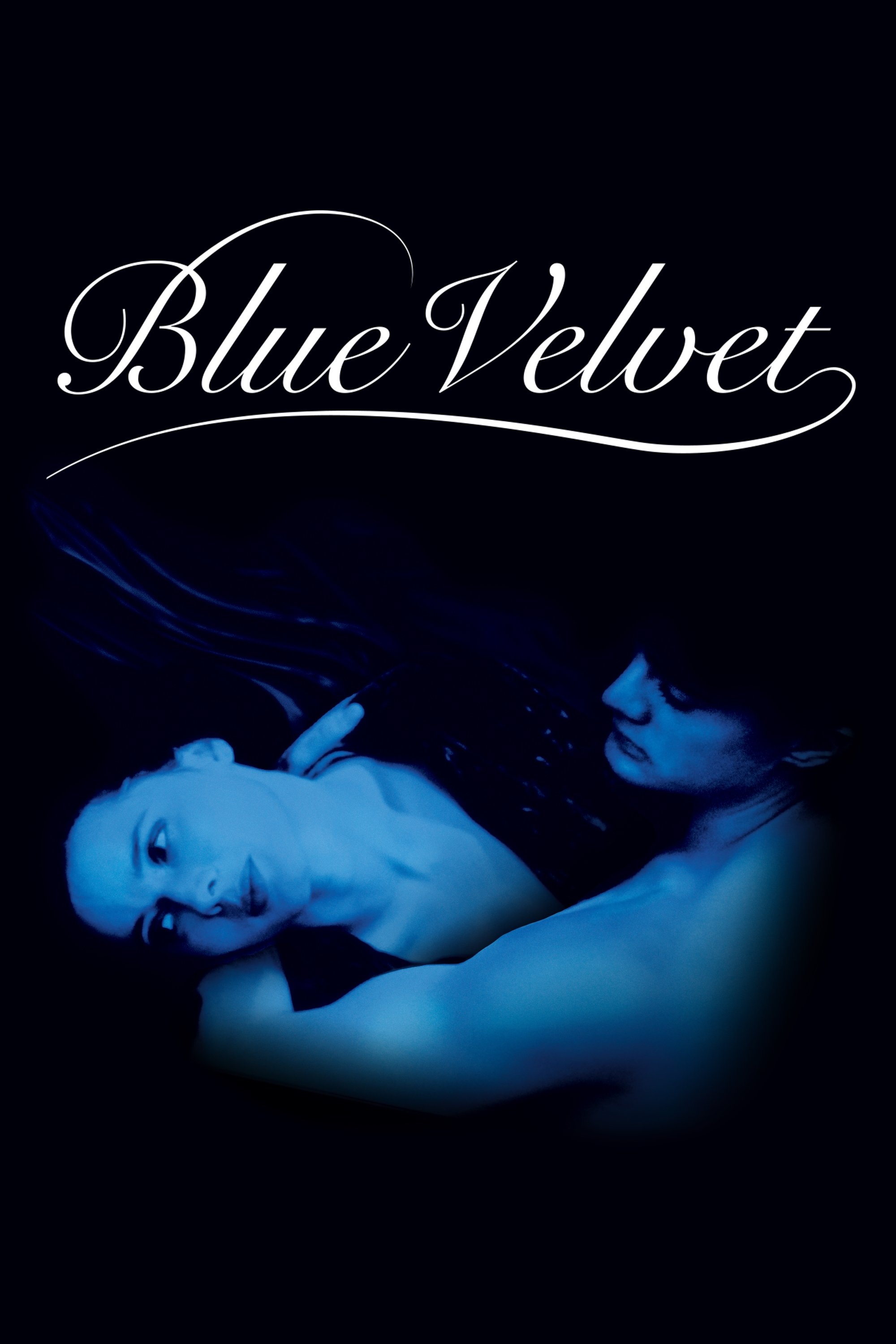
Blue Velvet
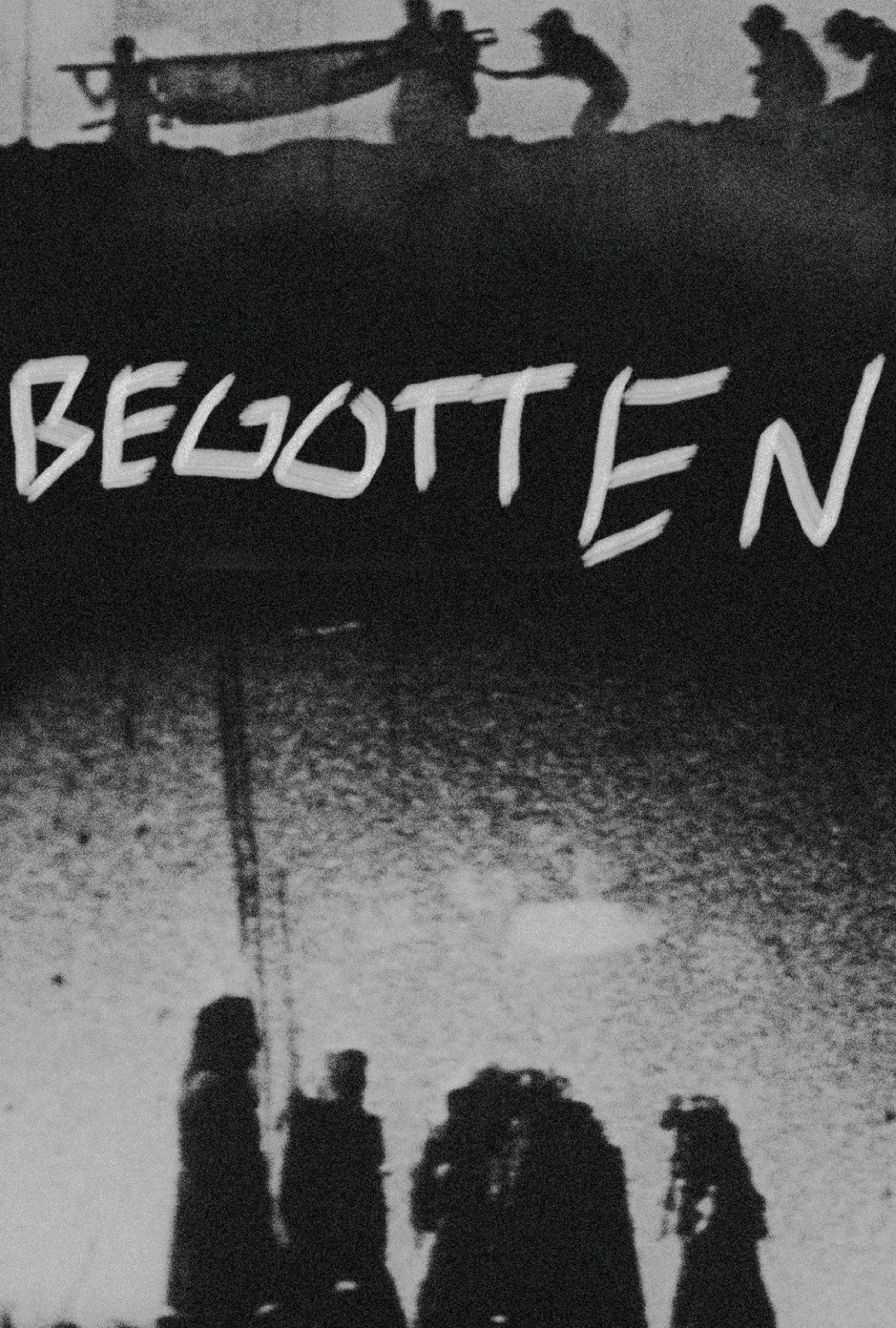
Begotten
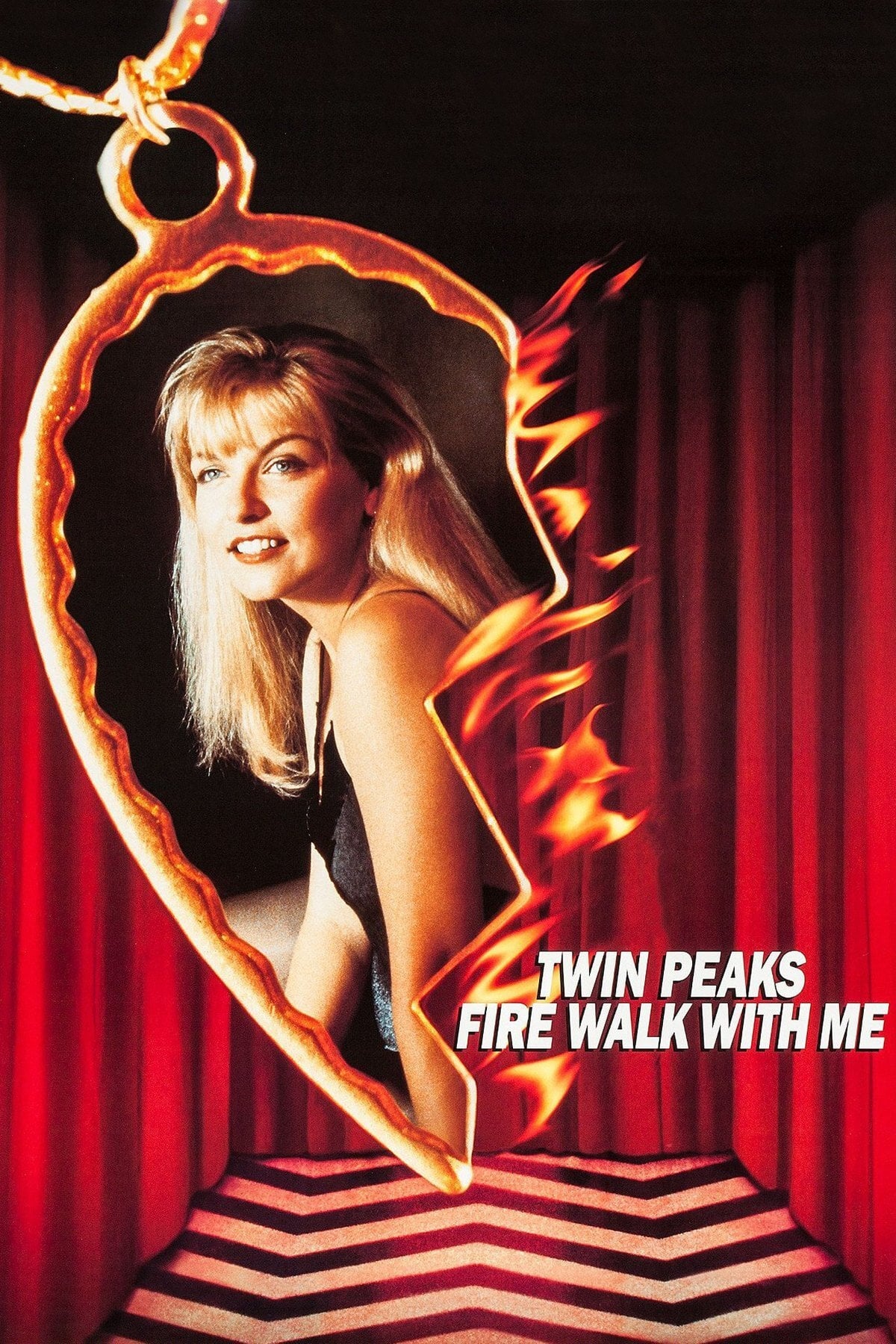
Twin Peaks: Fire Walk with Me
Lost Highway
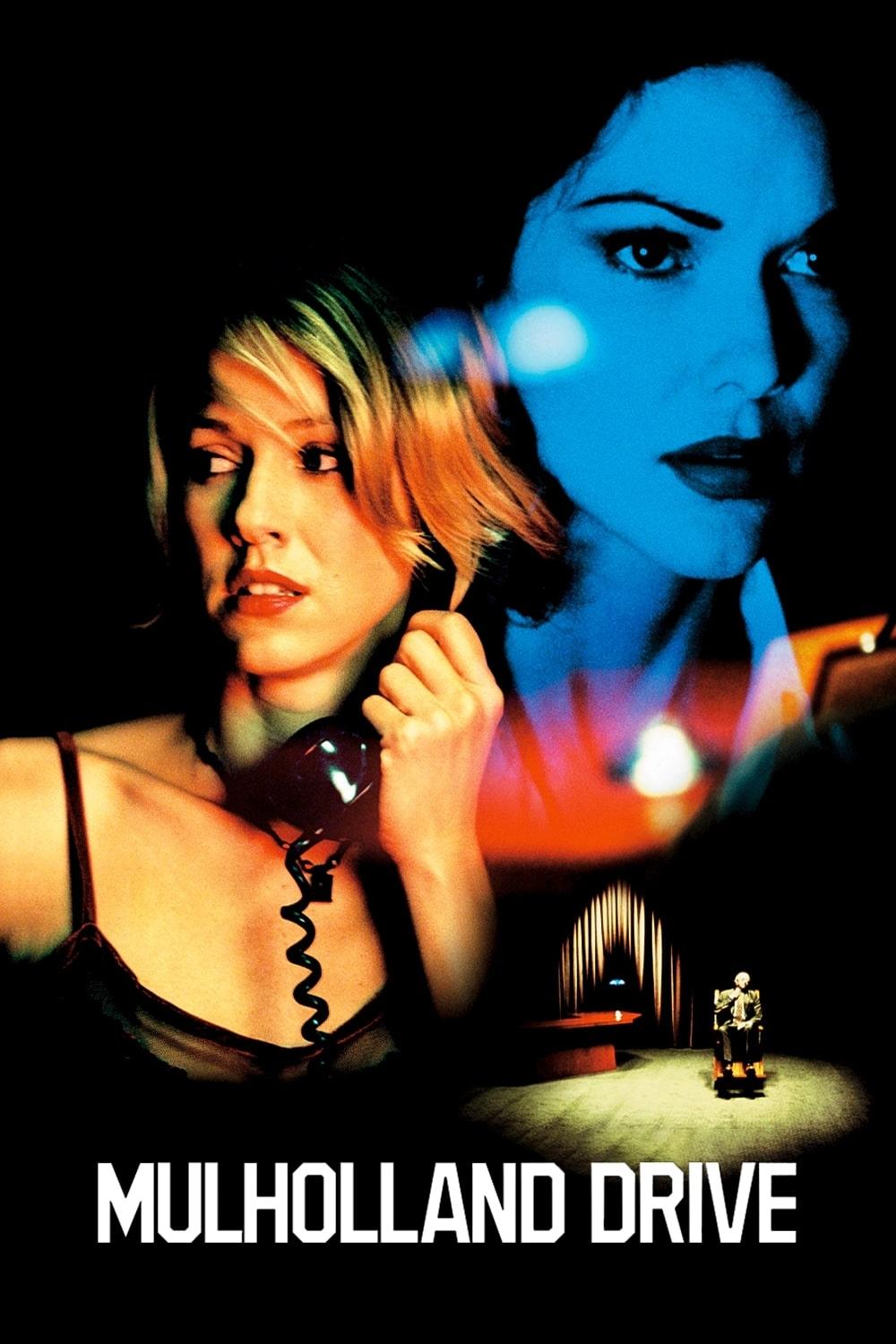
Mulholland Drive
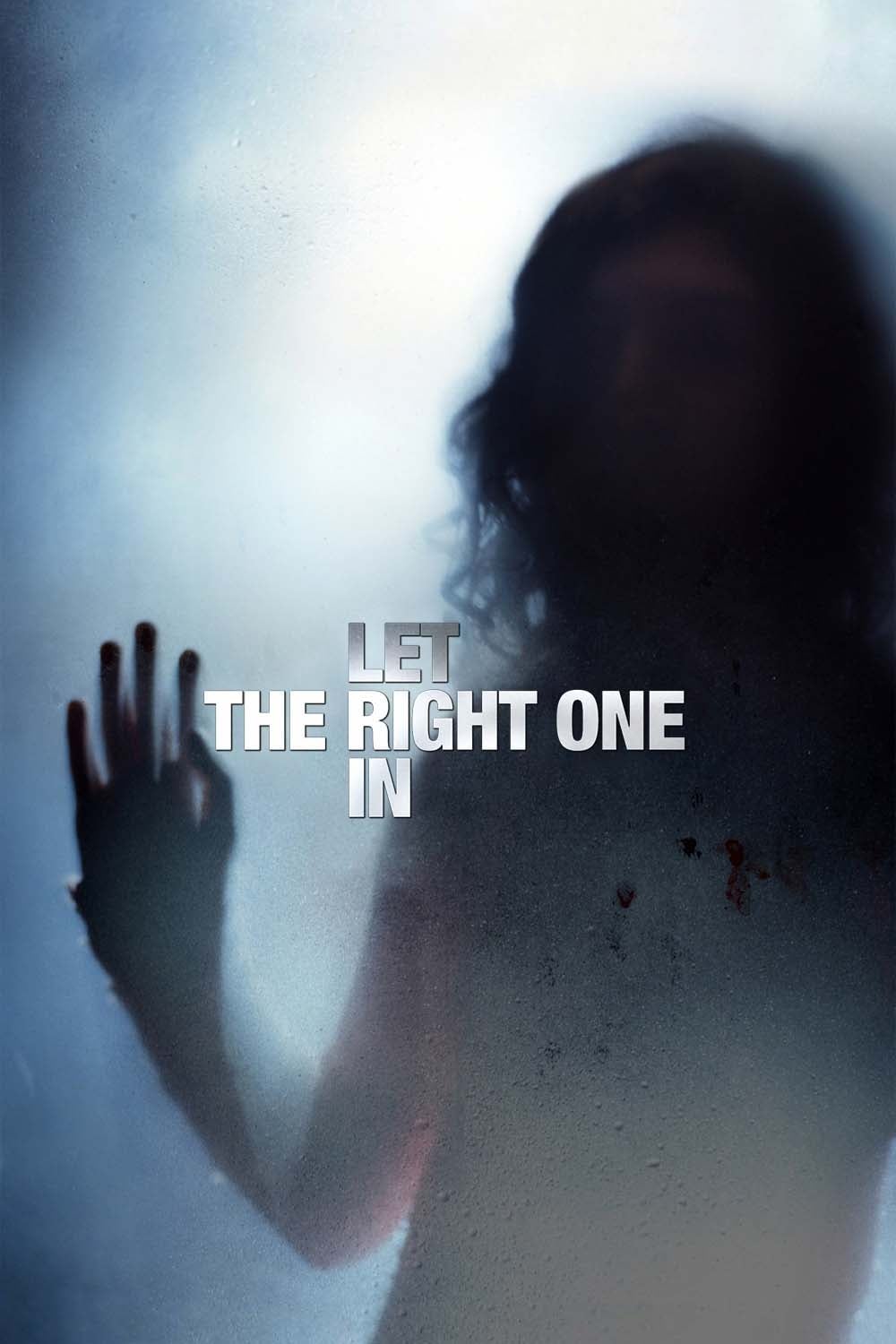
Let the Right One In
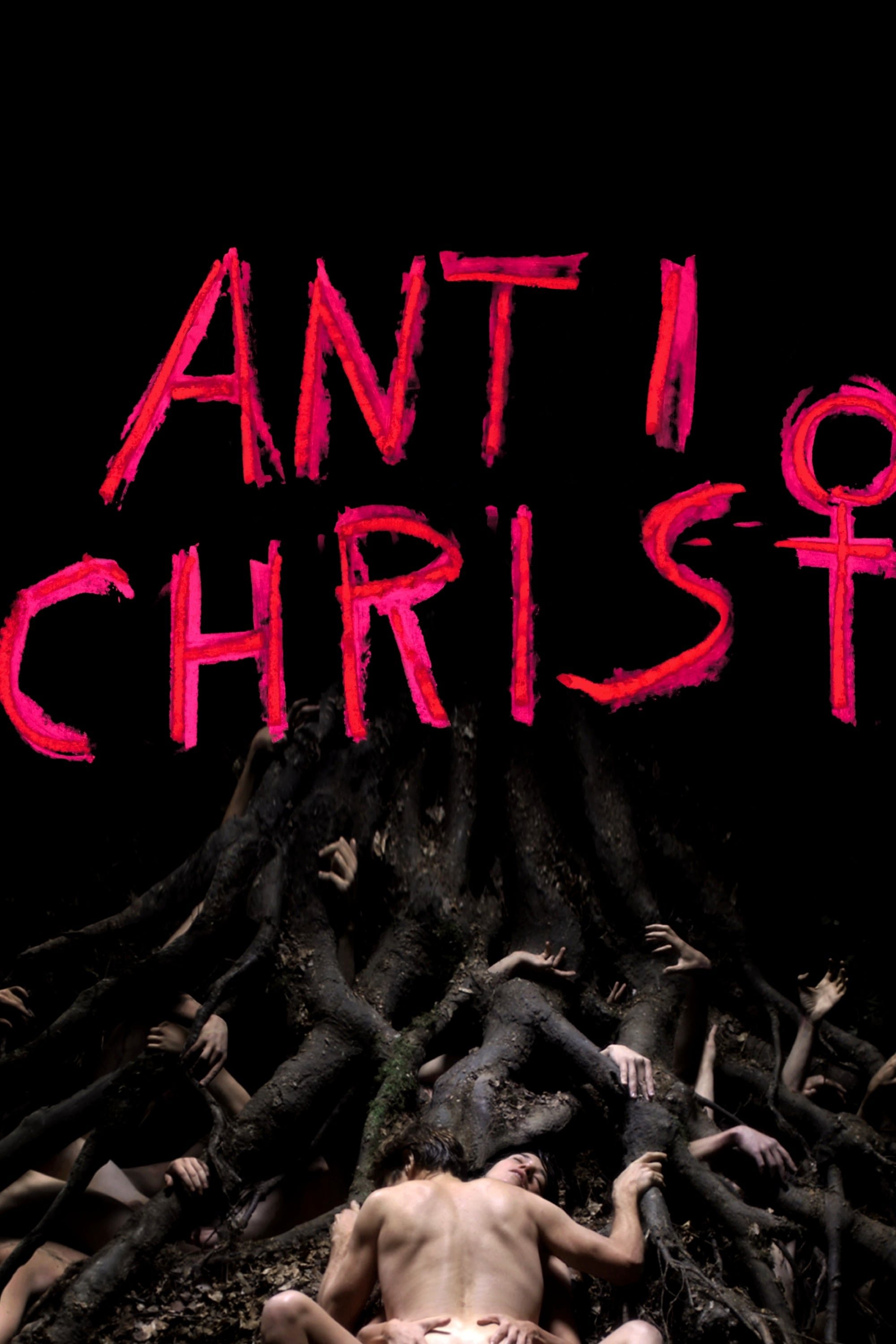
Antichrist
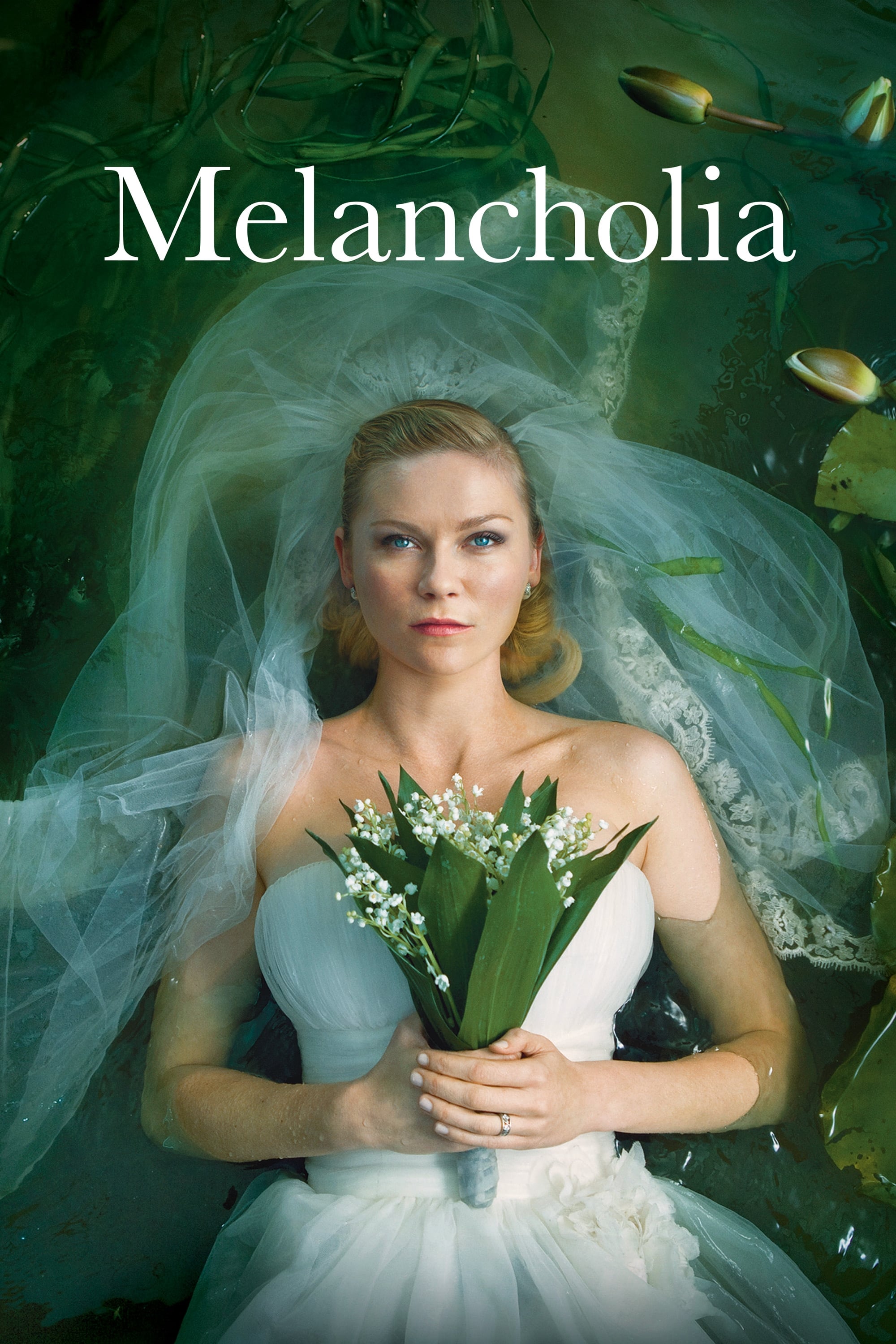
Melancholia
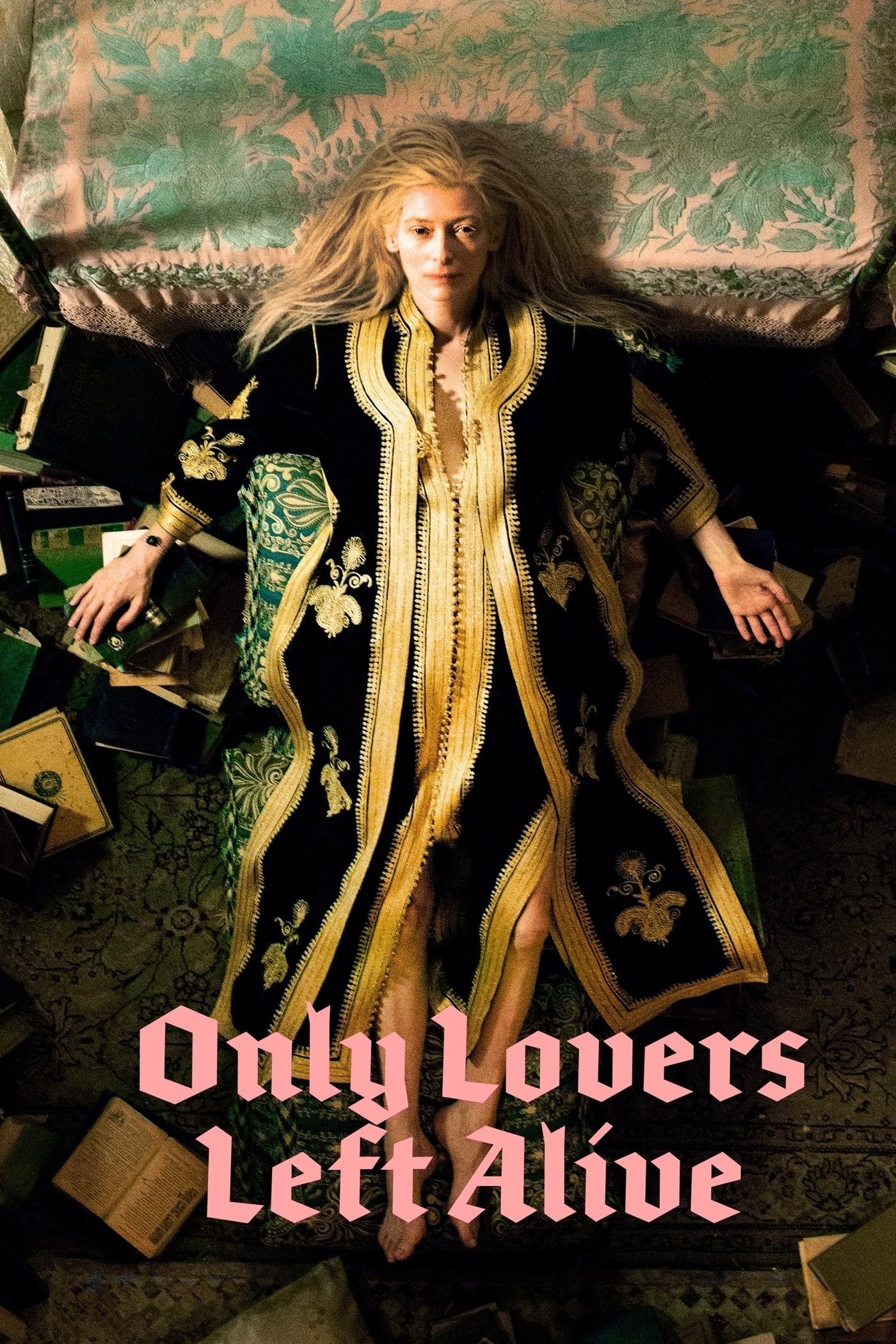
Only Lovers Left Alive
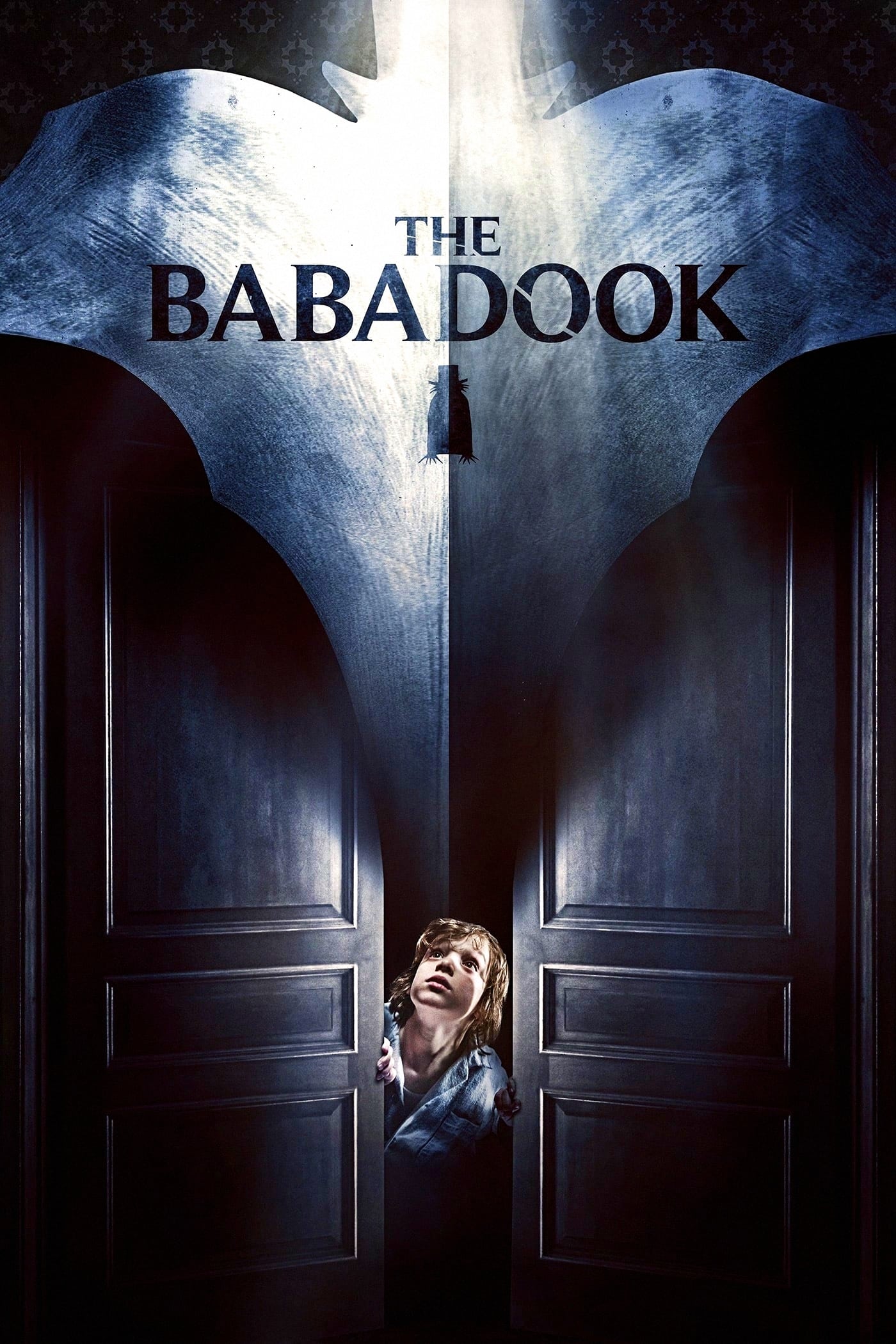
The Babadook
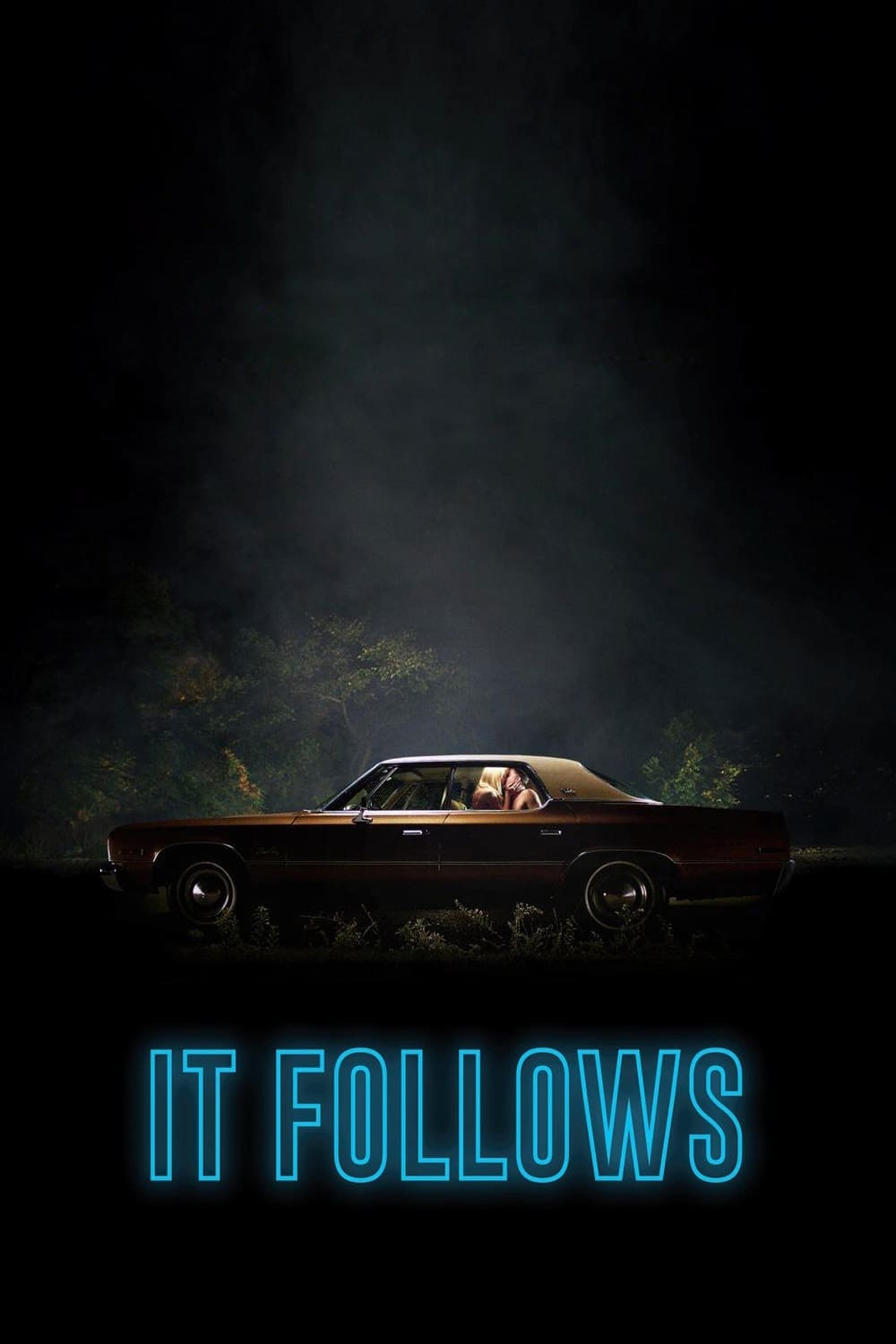
It Follows
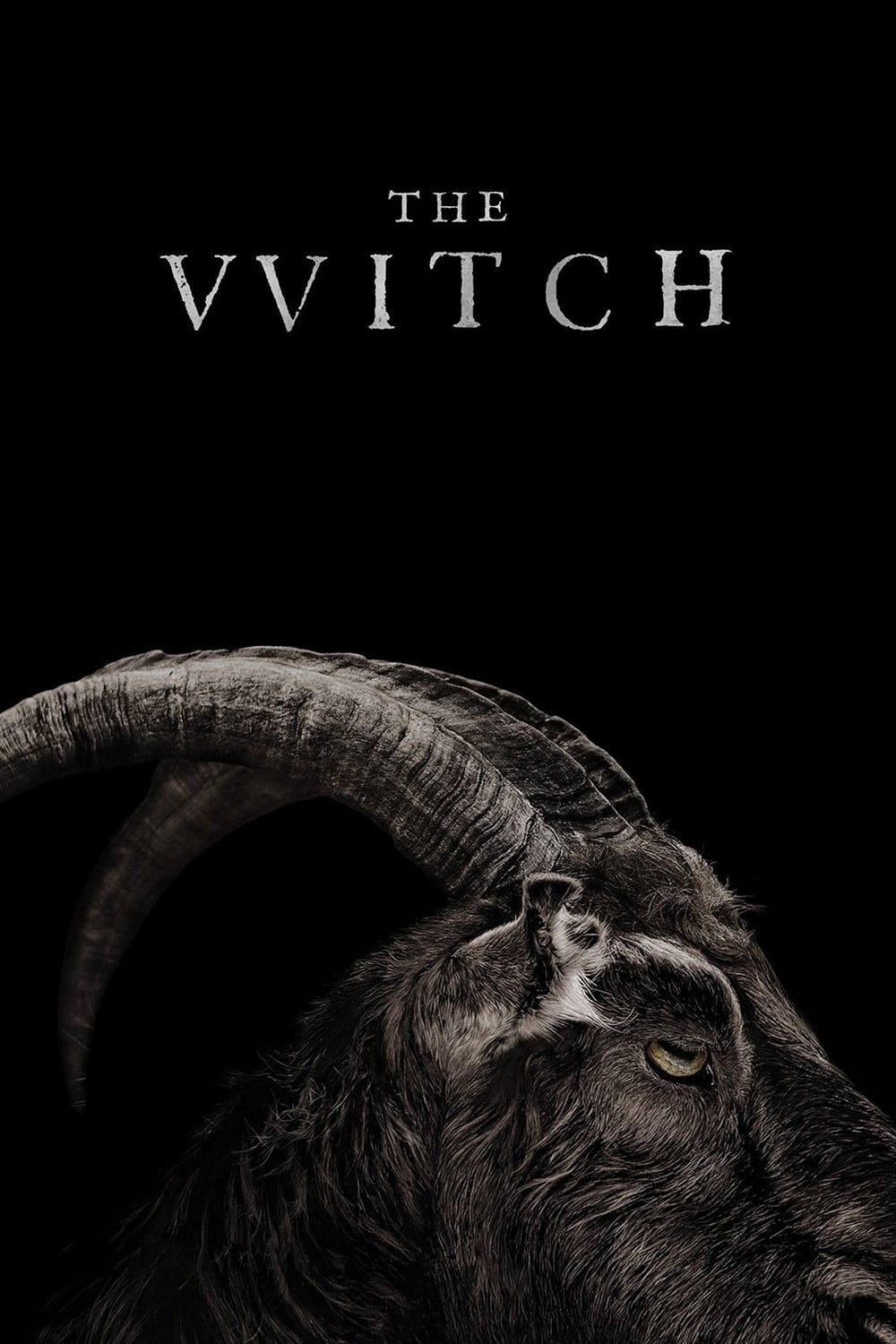
The Witch
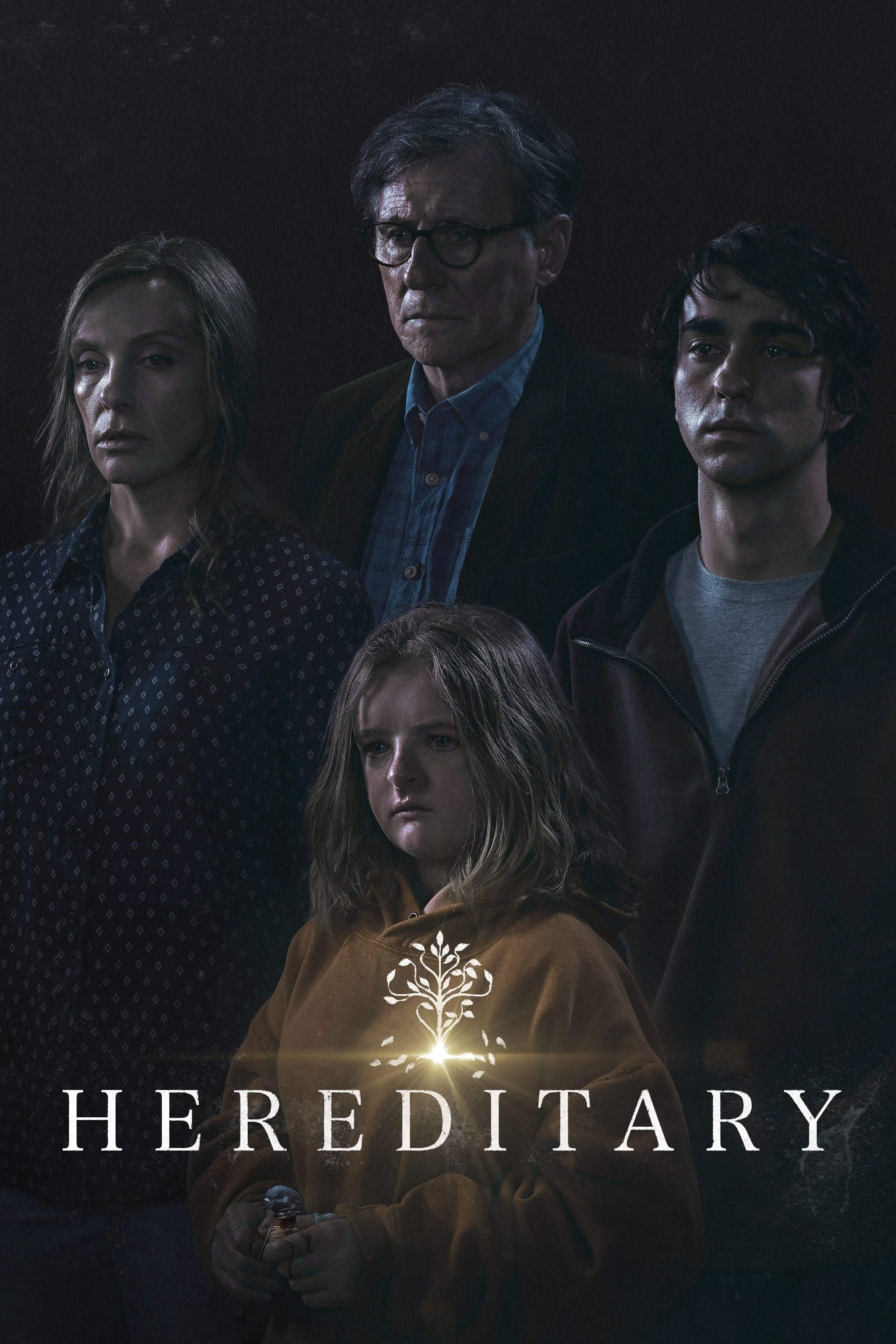
Hereditary
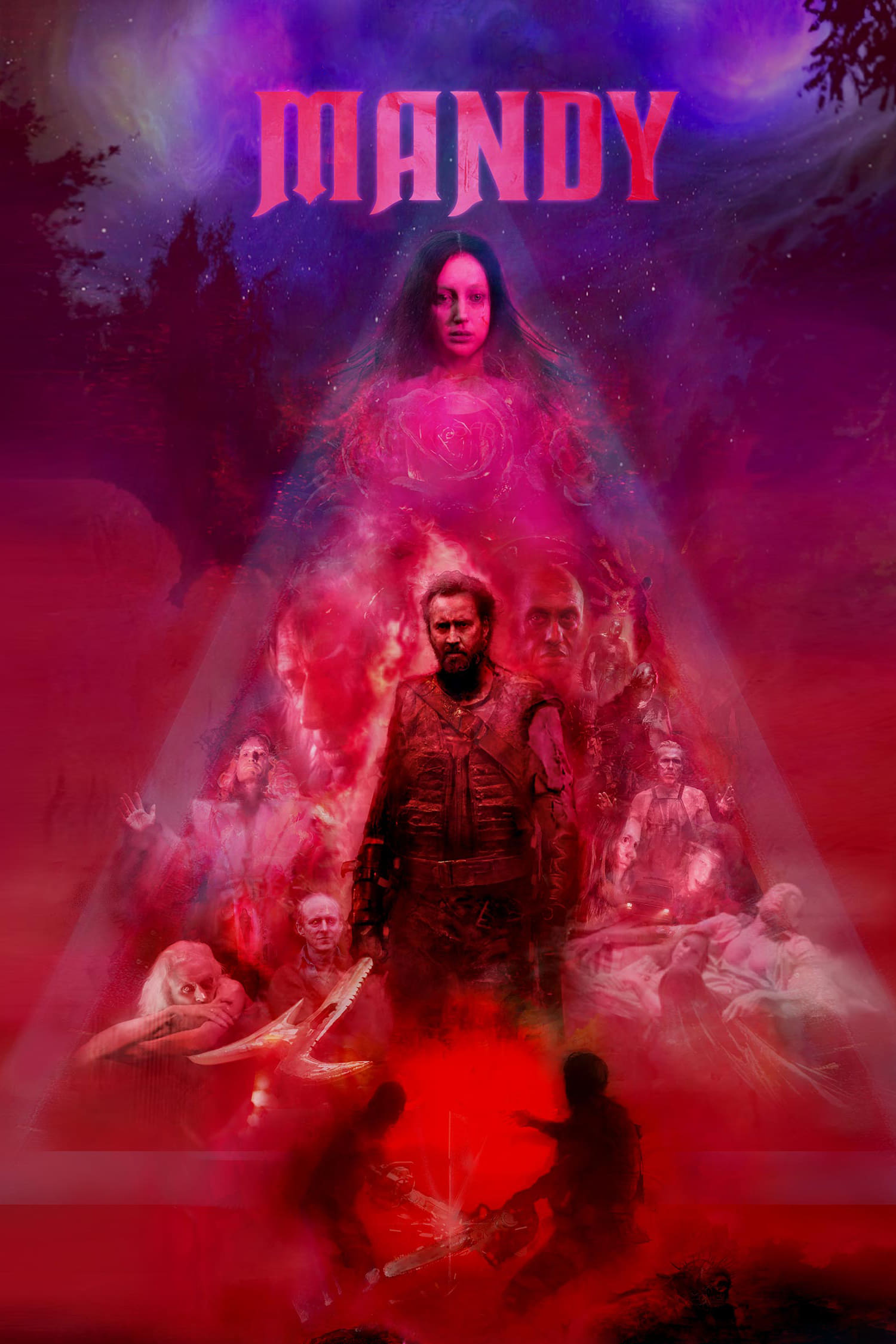
Mandy
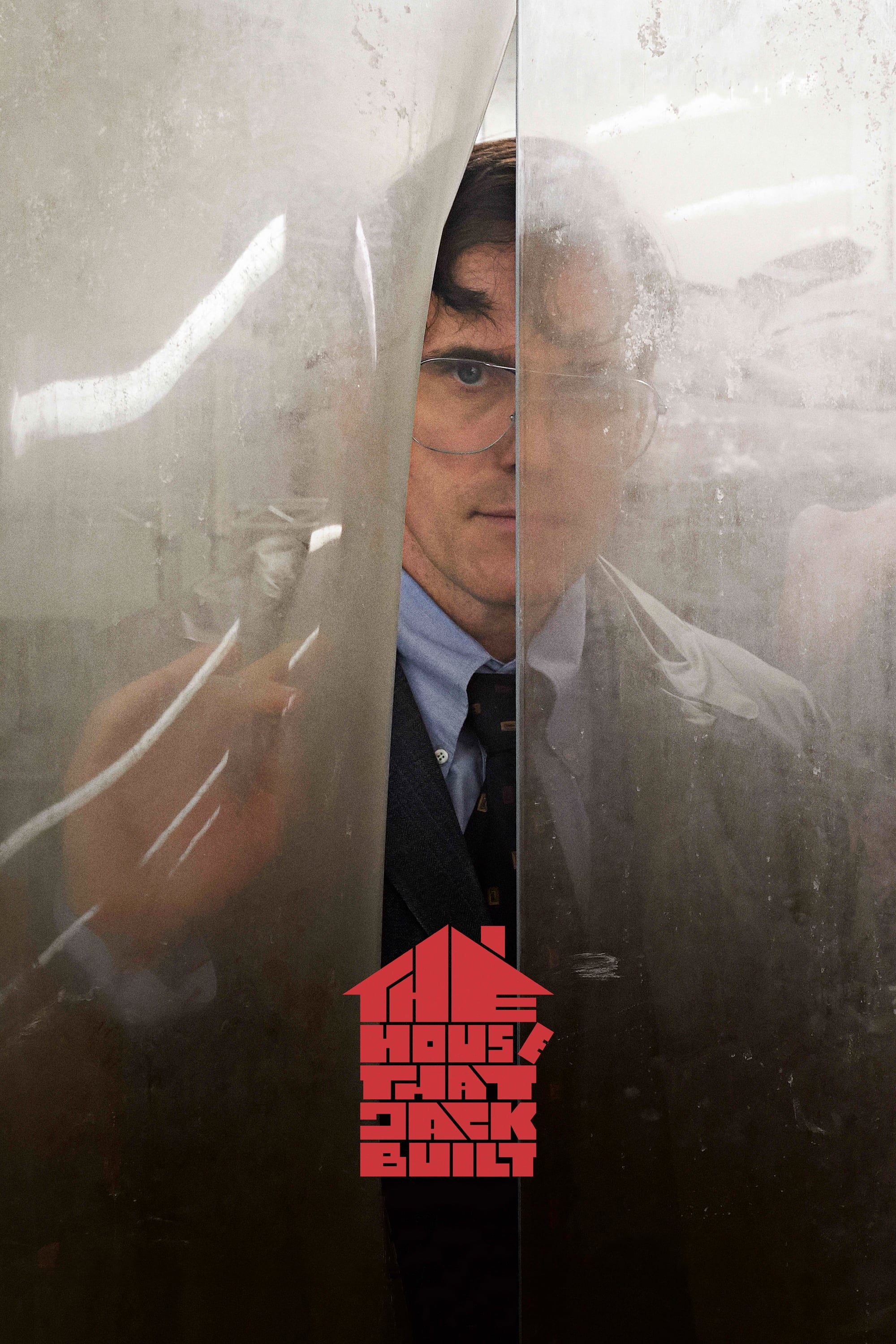
The House That Jack Built
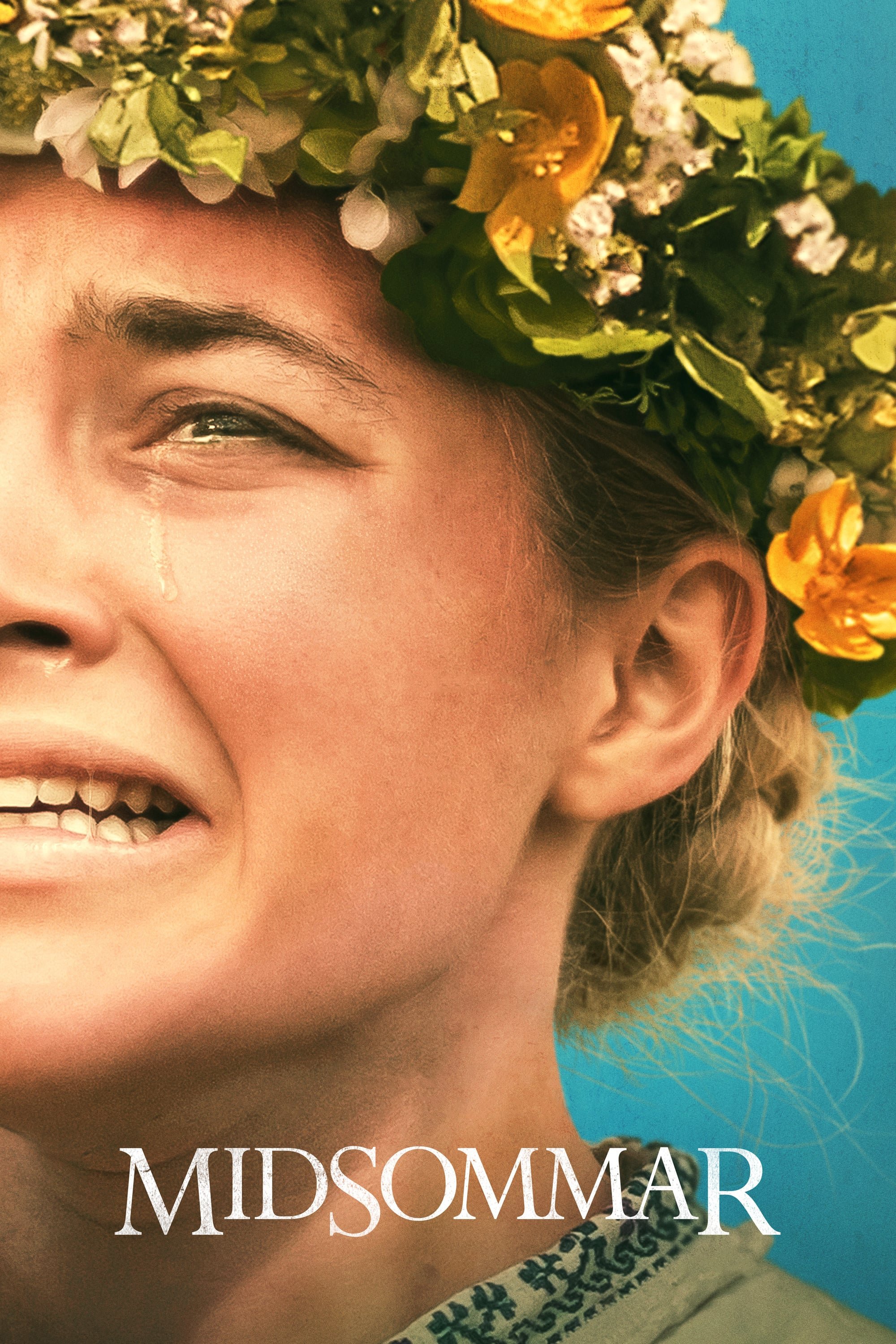
Midsommar
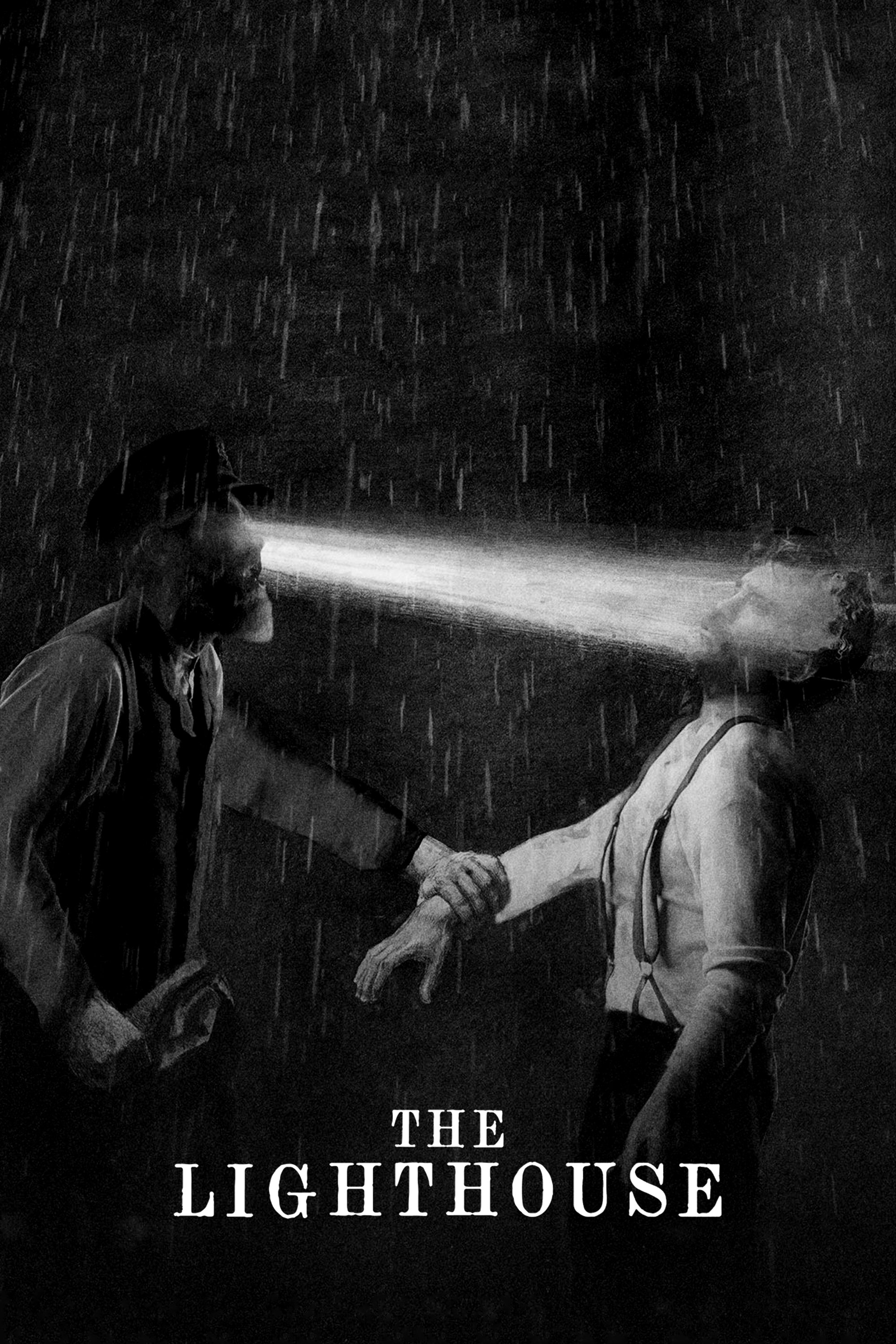
The Lighthouse
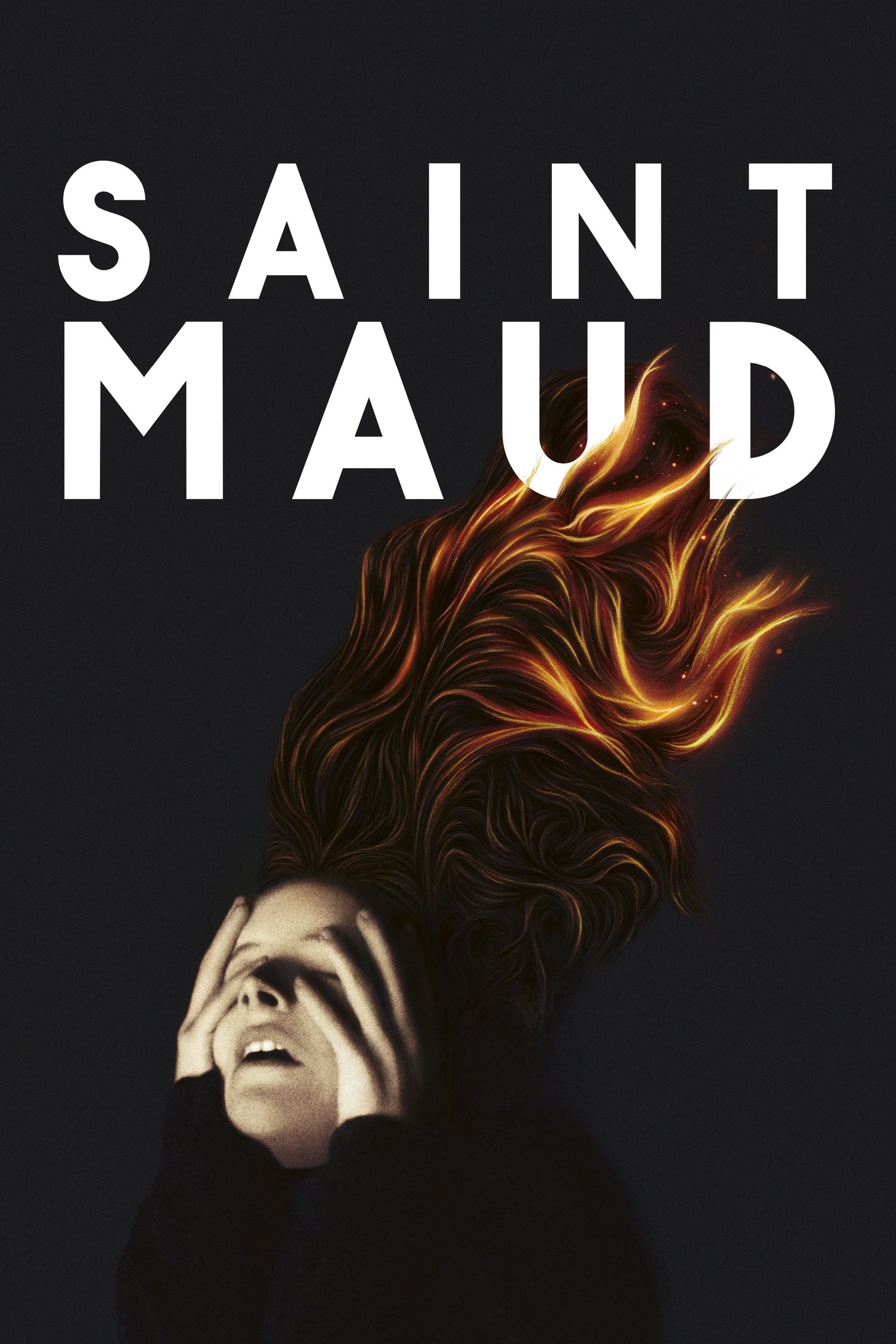
Saint Maud
Statistics
Popularity by Decade
Share of each decade's horror films classified as Arthouse. Counts films with at least 5 TMDB ratings, so very obscure titles are not represented.
Popularity by Country
Share of each country's horror output classified as Arthouse. Counts films with at least 5 TMDB ratings, so very obscure titles are not represented.