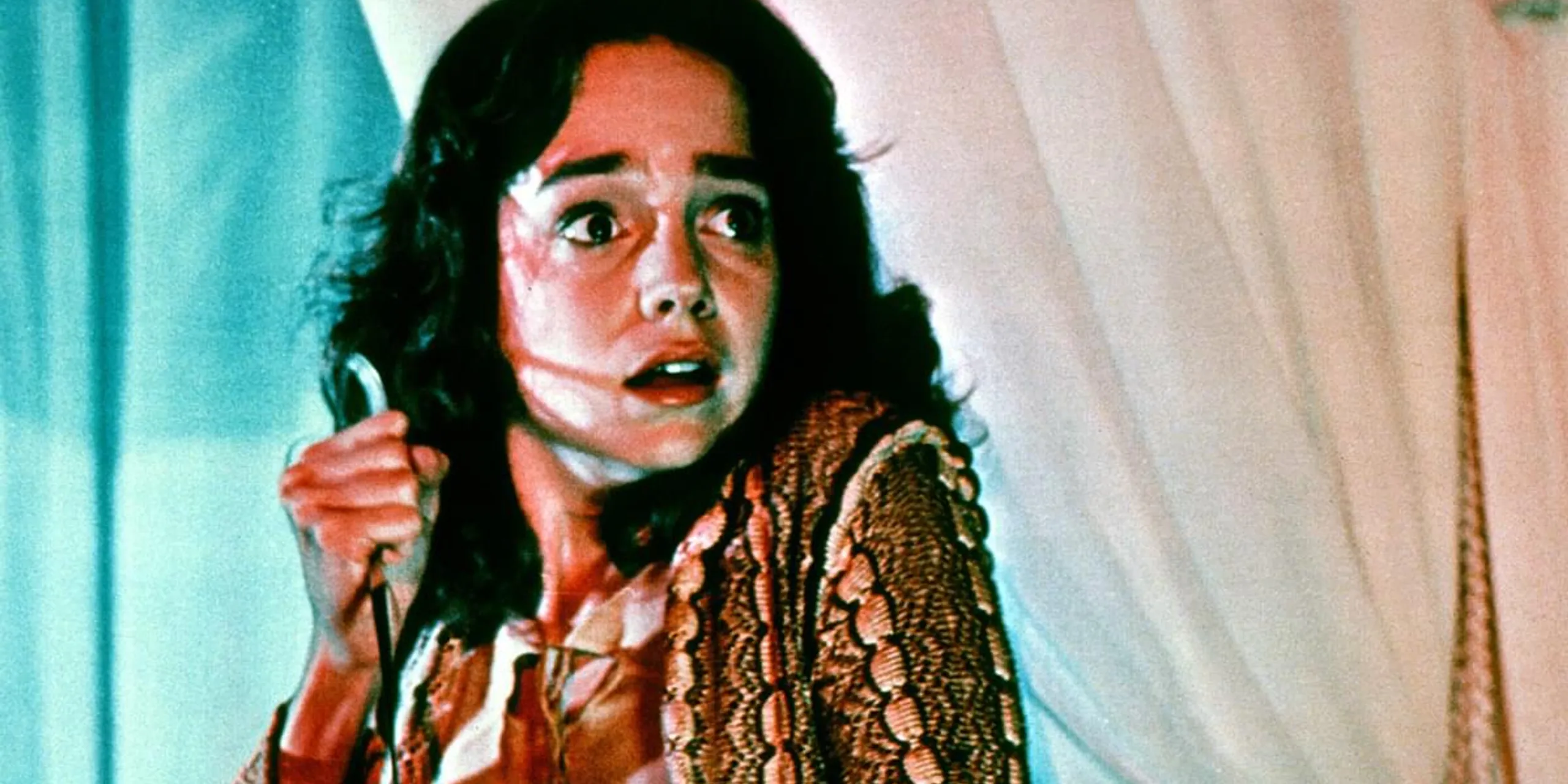
 Suspiria (1977)
Giallo
Italian horror's most distinctive gift to world cinema. Stylish murder, black-gloved killers, and a visual intensity that prioritizes the sensory over the logical.
History & Origins
Giallo is Italian horror's most distinctive contribution to world cinema — a tradition of stylish, violent murder mysteries that emerged in the 1960s and shaped every subsequent development in horror filmmaking, from the slasher to the erotic thriller to the modern art-horror film. The name comes from the yellow ("giallo") covers of cheap Italian pulp crime novels, but the films transcended their pulp origins to become genuine works of visual art.
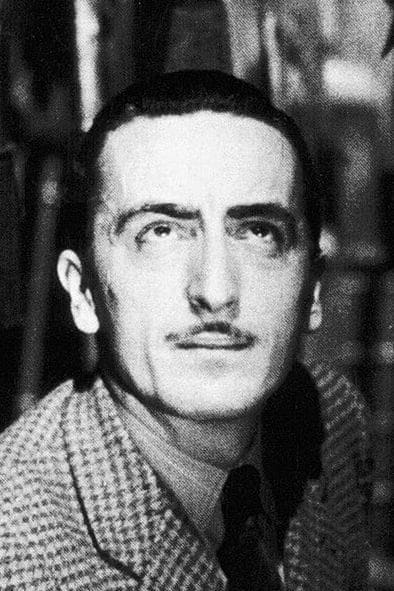
Mario Bava invented the form with The Girl Who Knew Too Much (1963) and refined it the following year with Blood and Black Lace (1964), widely identified as the first true giallo. Bava established the essential elements: a masked killer in black gloves, elaborate and aesthetically staged murders, a mystery plot less important than the atmosphere surrounding it, and a visual style that prioritised color, composition, and sensory impact over narrative coherence. Bava's A Bay of Blood (1971) pushed the form's violence to a baroque extreme that would directly inspire the American slasher cycle.
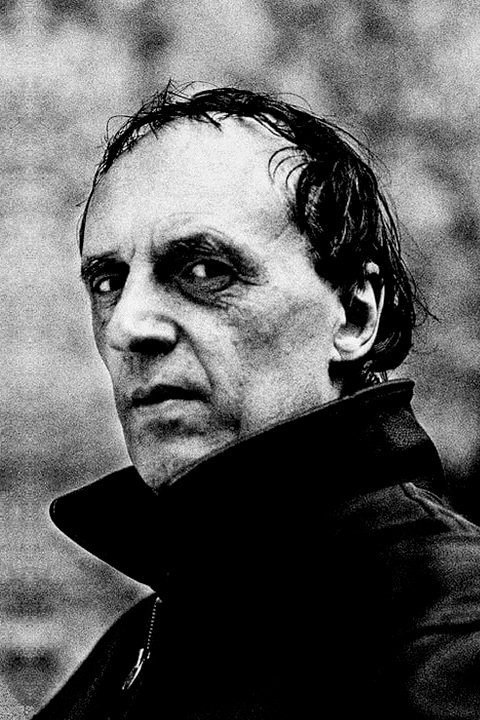
Dario Argento's The Bird with the Crystal Plumage (1970) opened the genre's classic period — critic Mikel Koven dates the height of the cycle as 1970–1975 — and Argento's run through Deep Red (1975) and the supernaturally inflected Suspiria (1977) perfected the form. Alongside Argento, Sergio Martino produced an extraordinary string of films (Your Vice Is a Locked Room and Only I Have the Key (1972), Torso (1973)), and Lucio Fulci delivered the rural masterpiece Don't Torture a Duckling (1972). Argento returned to pure giallo with Tenebre (1982) and Opera (1987), the last great films of the cycle proper.
The giallo's influence is enormous and often unacknowledged. Halloween and Friday the 13th owe their subjective-camera stalking sequences to Bava and Argento; Brian De Palma's Dressed to Kill (1980) is essentially an American giallo; the slasher cycle that followed Carpenter is, in Koven's phrase, "North American giallo." The form found a contemporary revival in the work of Belgian filmmakers Hélène Cattet and Bruno Forzani (Amer (2009), The Strange Color of Your Body's Tears (2013)) and in Peter Strickland's Berberian Sound Studio (2012) — films that treat the giallo not as a genre to revive but as a sensory vocabulary to extend.
Essential Films

The Girl Who Knew Too Much
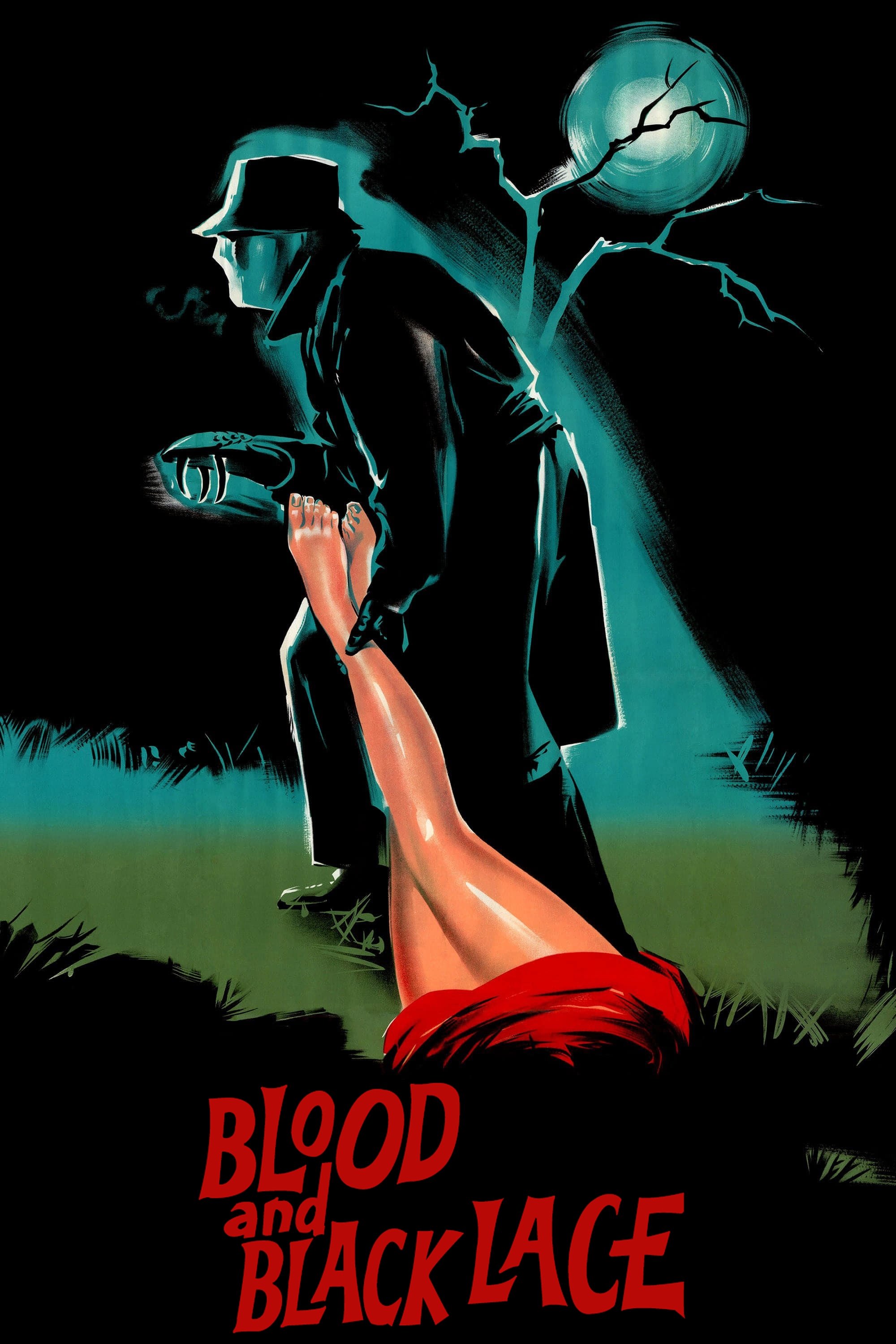
Blood and Black Lace
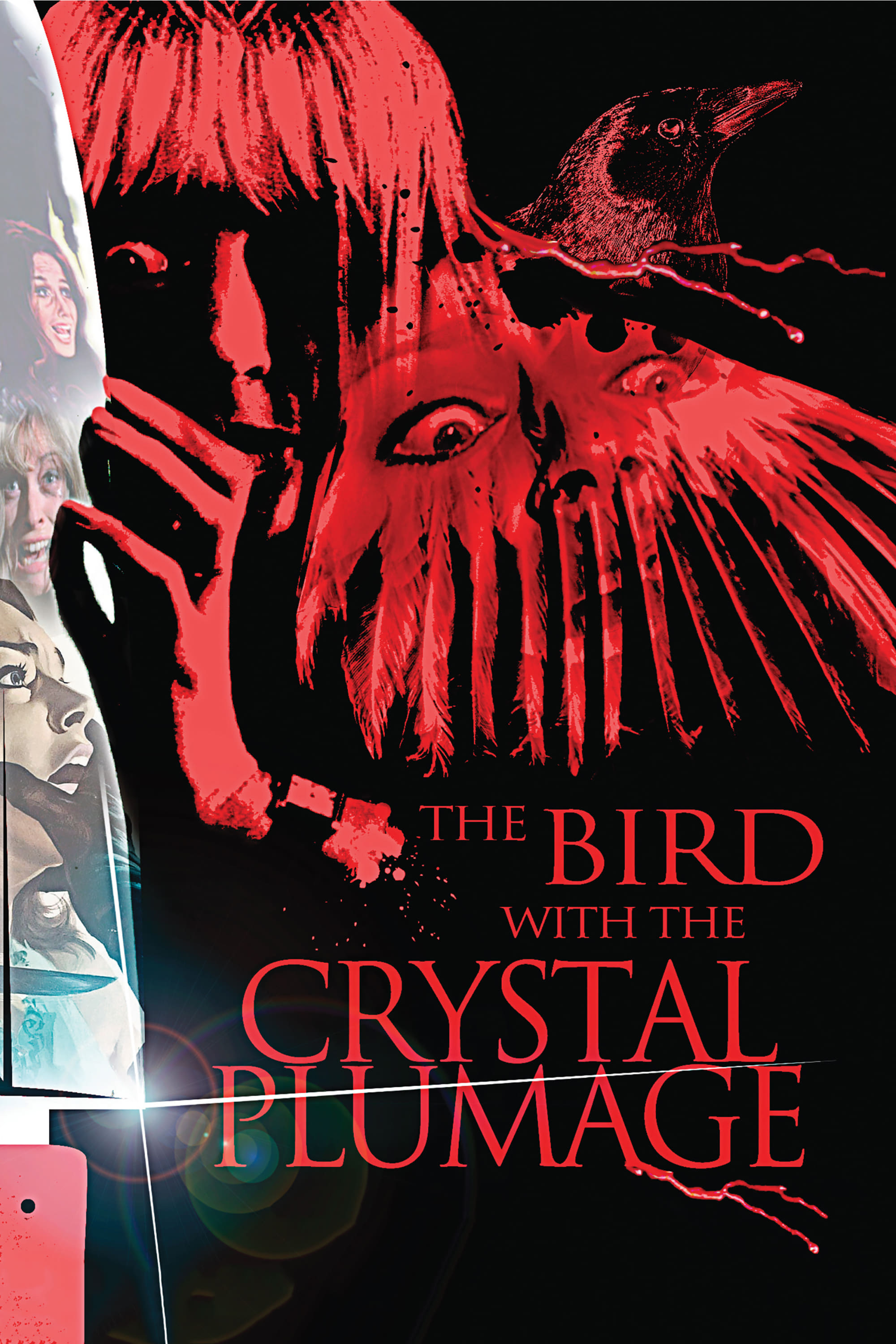
The Bird with the Crystal Plumage
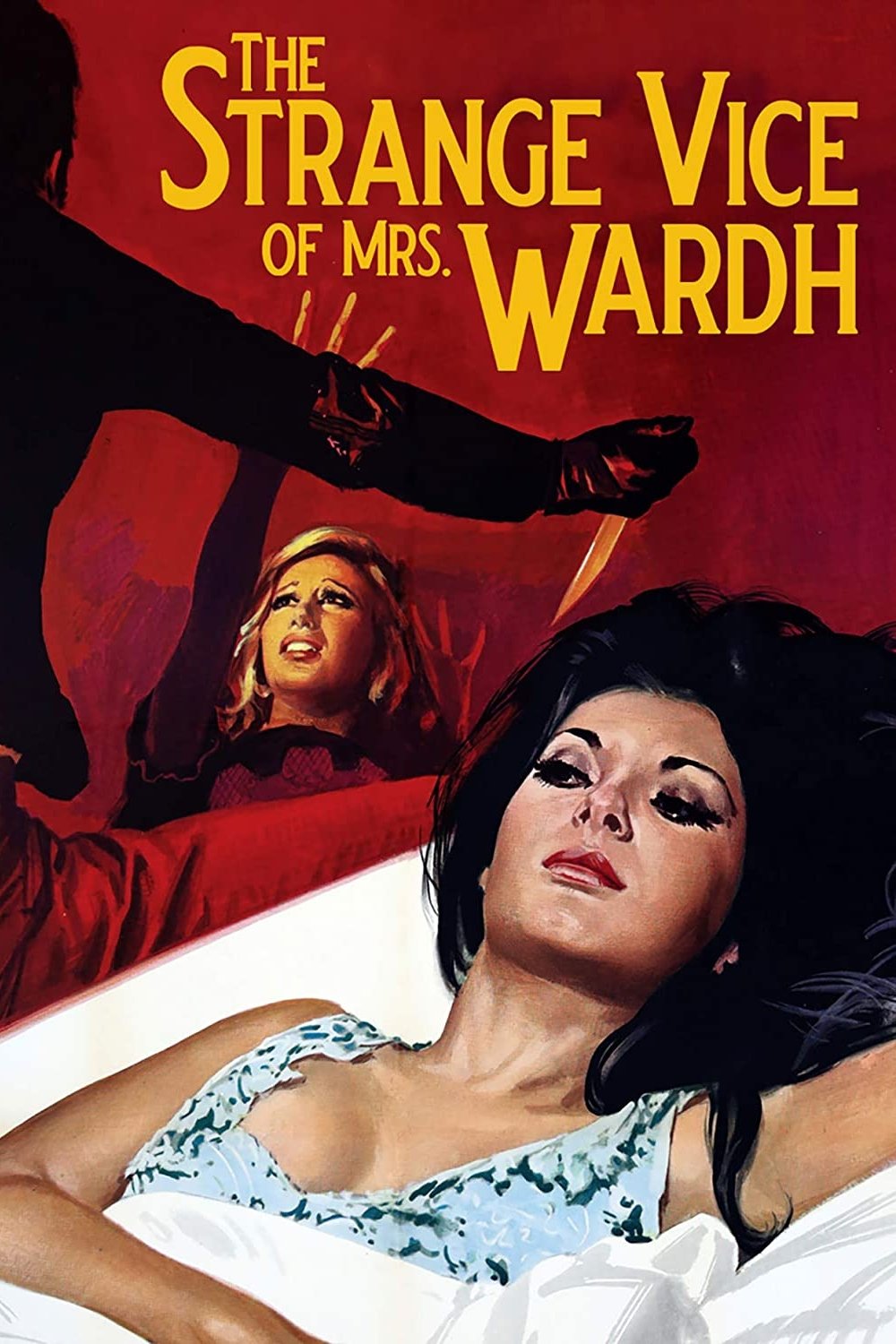
The Strange Vice of Mrs Wardh
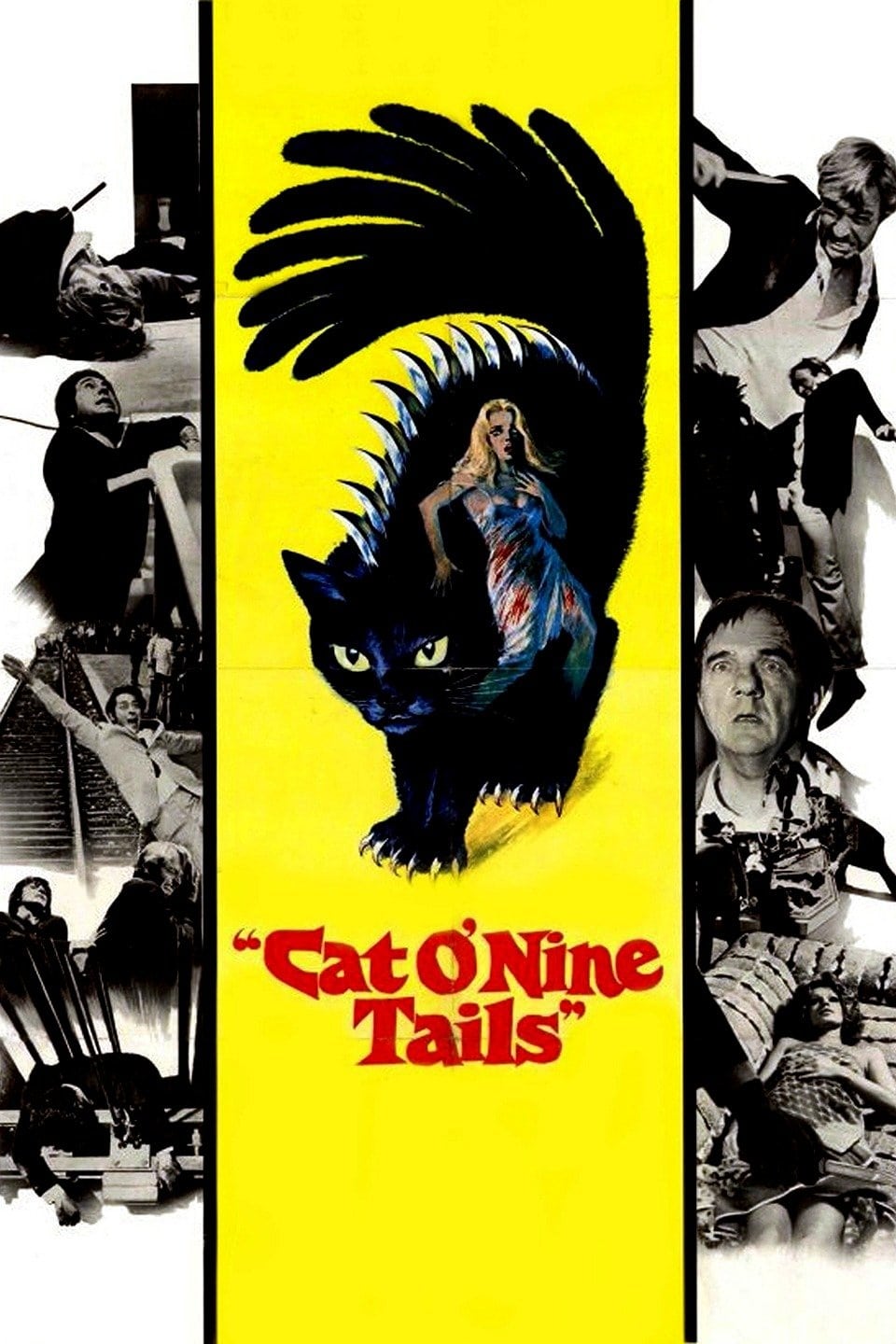
The Cat o' Nine Tails
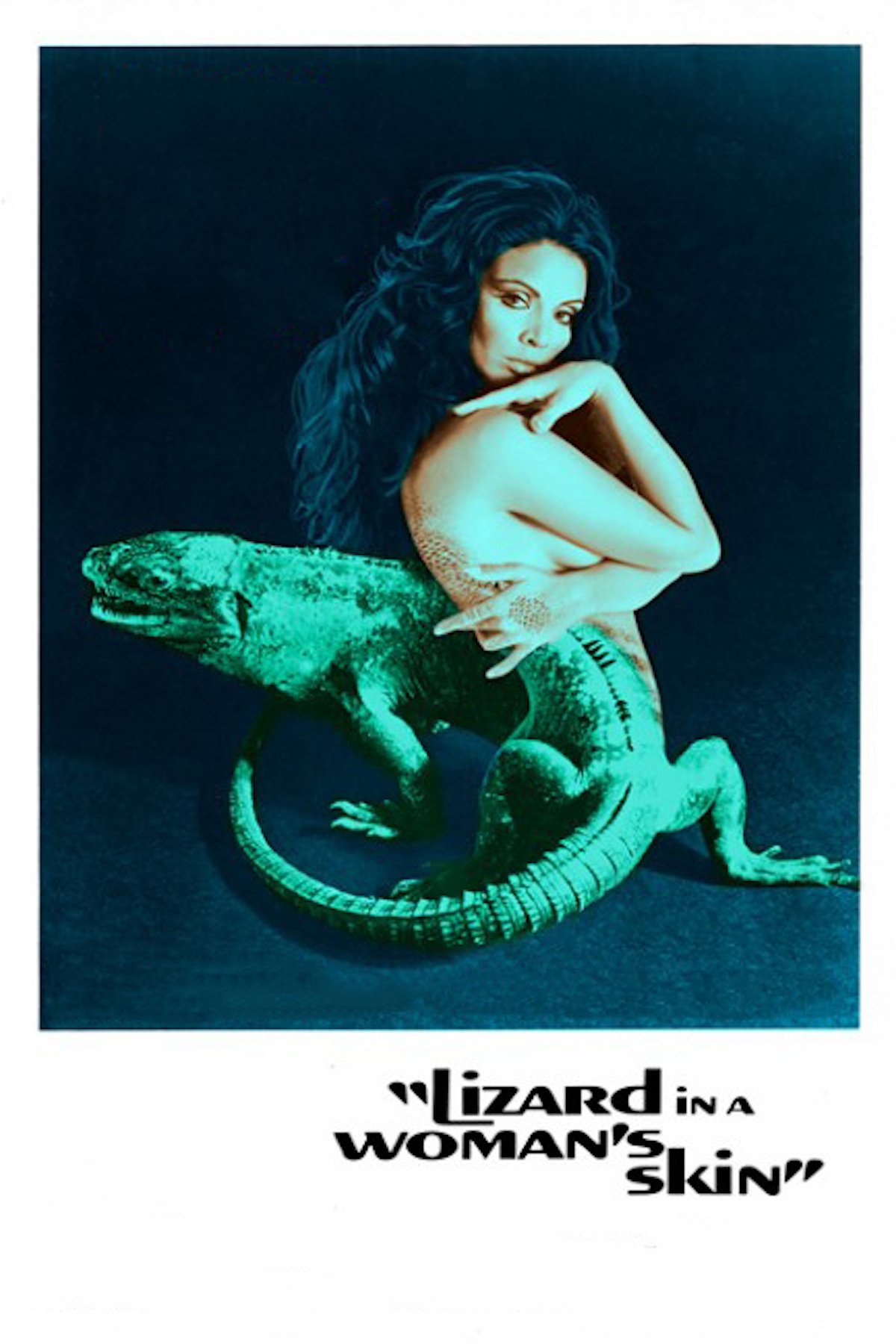
A Lizard in a Woman's Skin
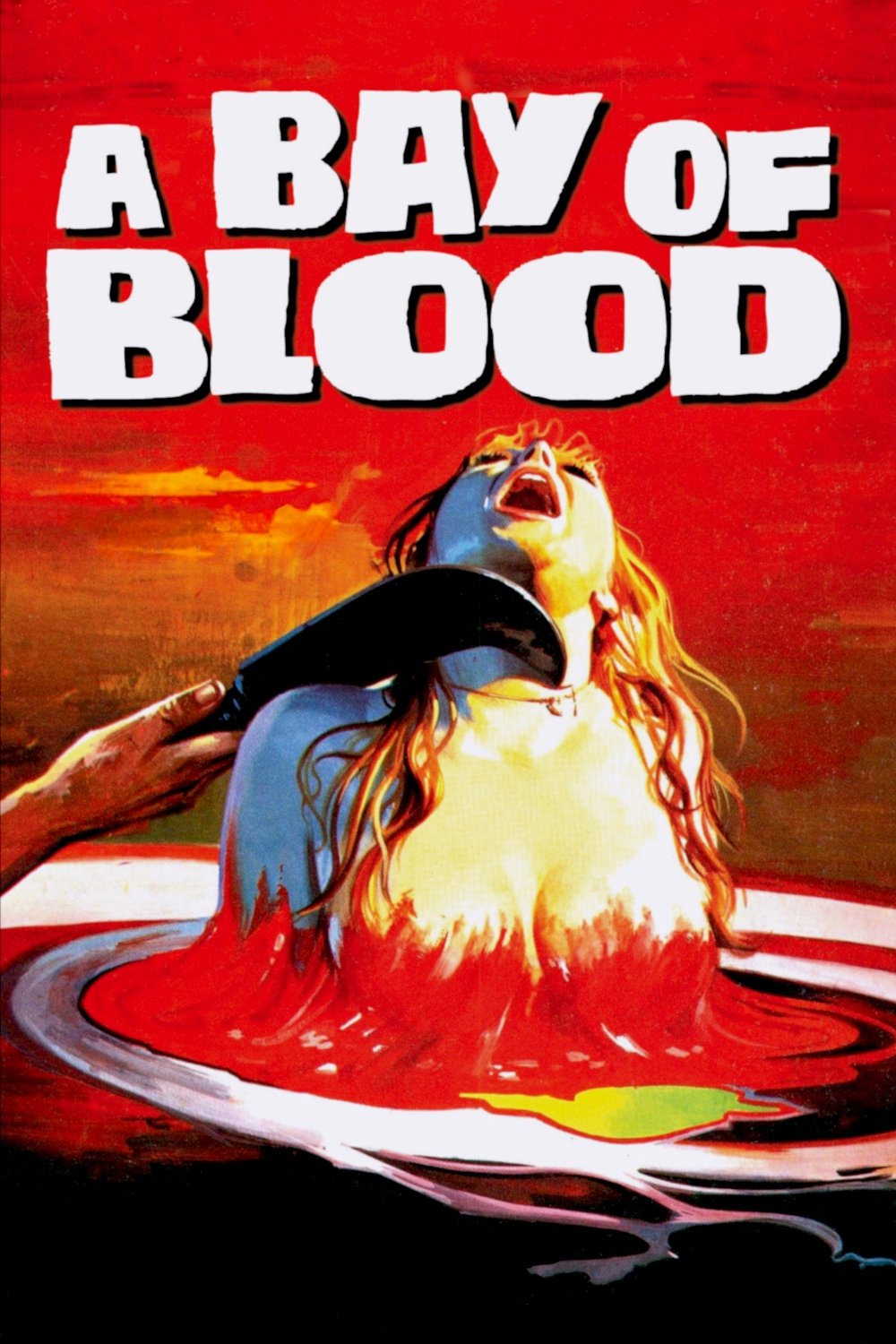
A Bay of Blood
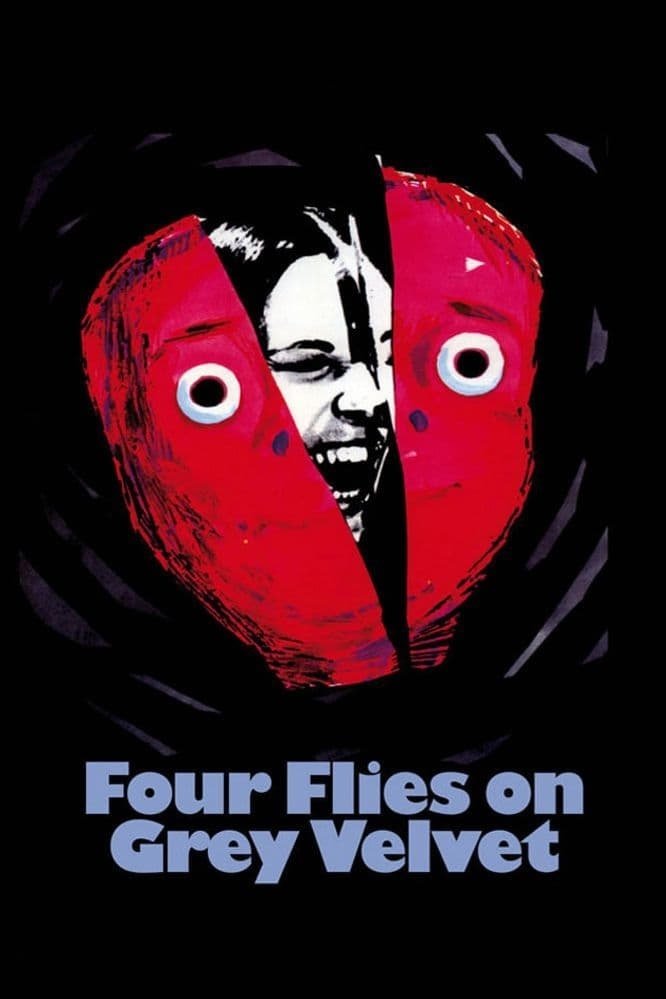
Four Flies on Grey Velvet
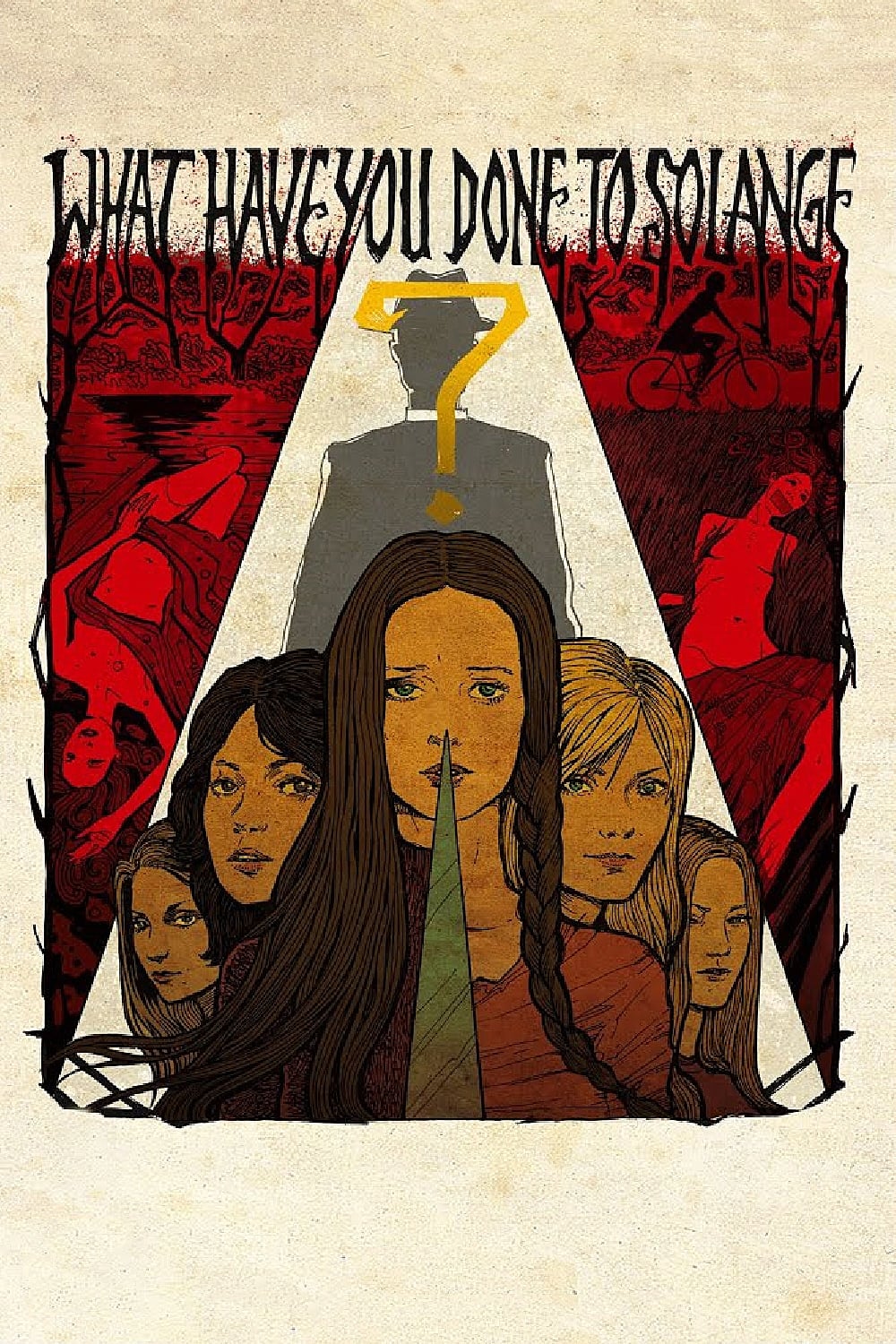
What Have You Done to Solange?
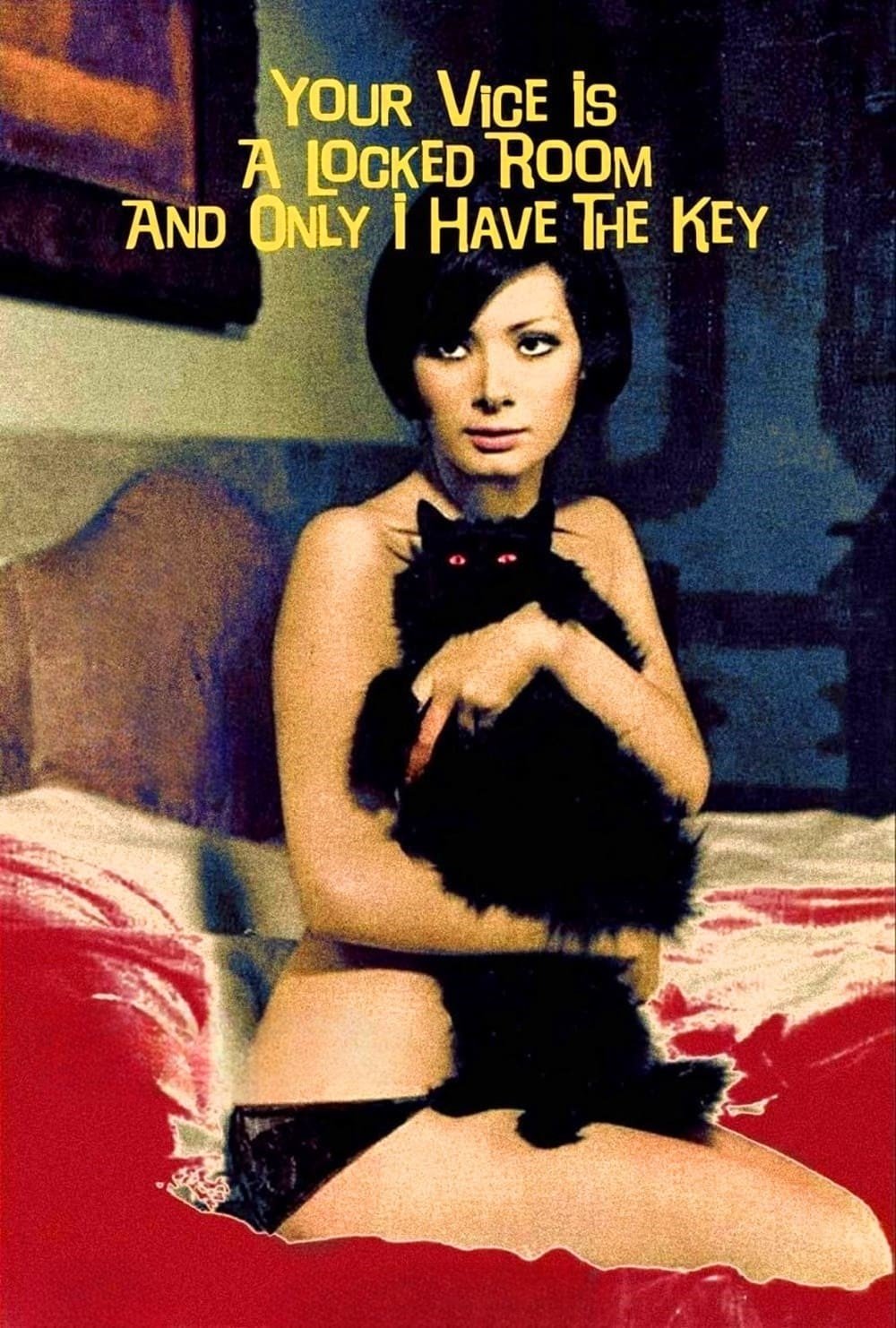
Your Vice Is a Locked Room and Only I Have the Key
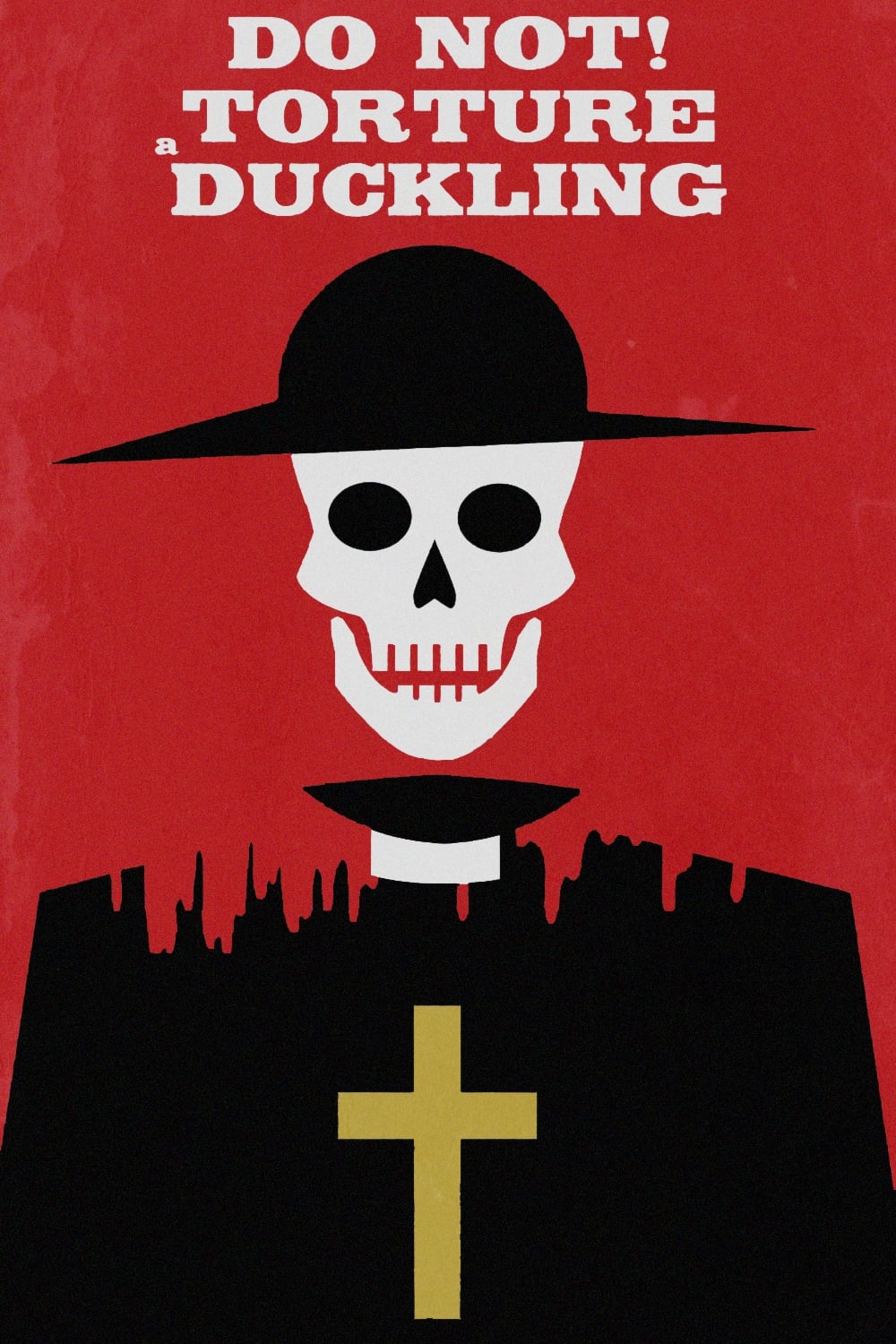
Don't Torture a Duckling
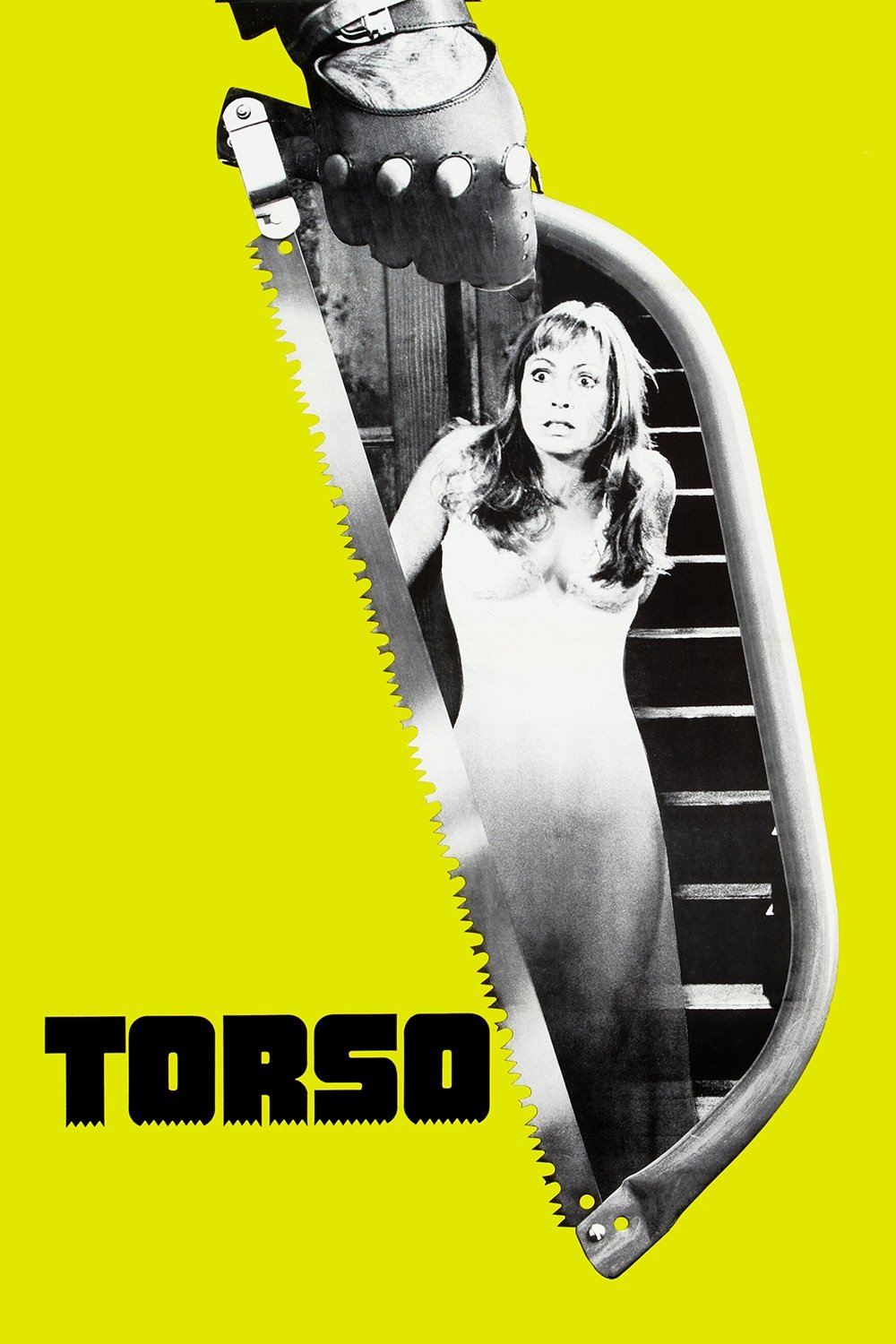
Torso
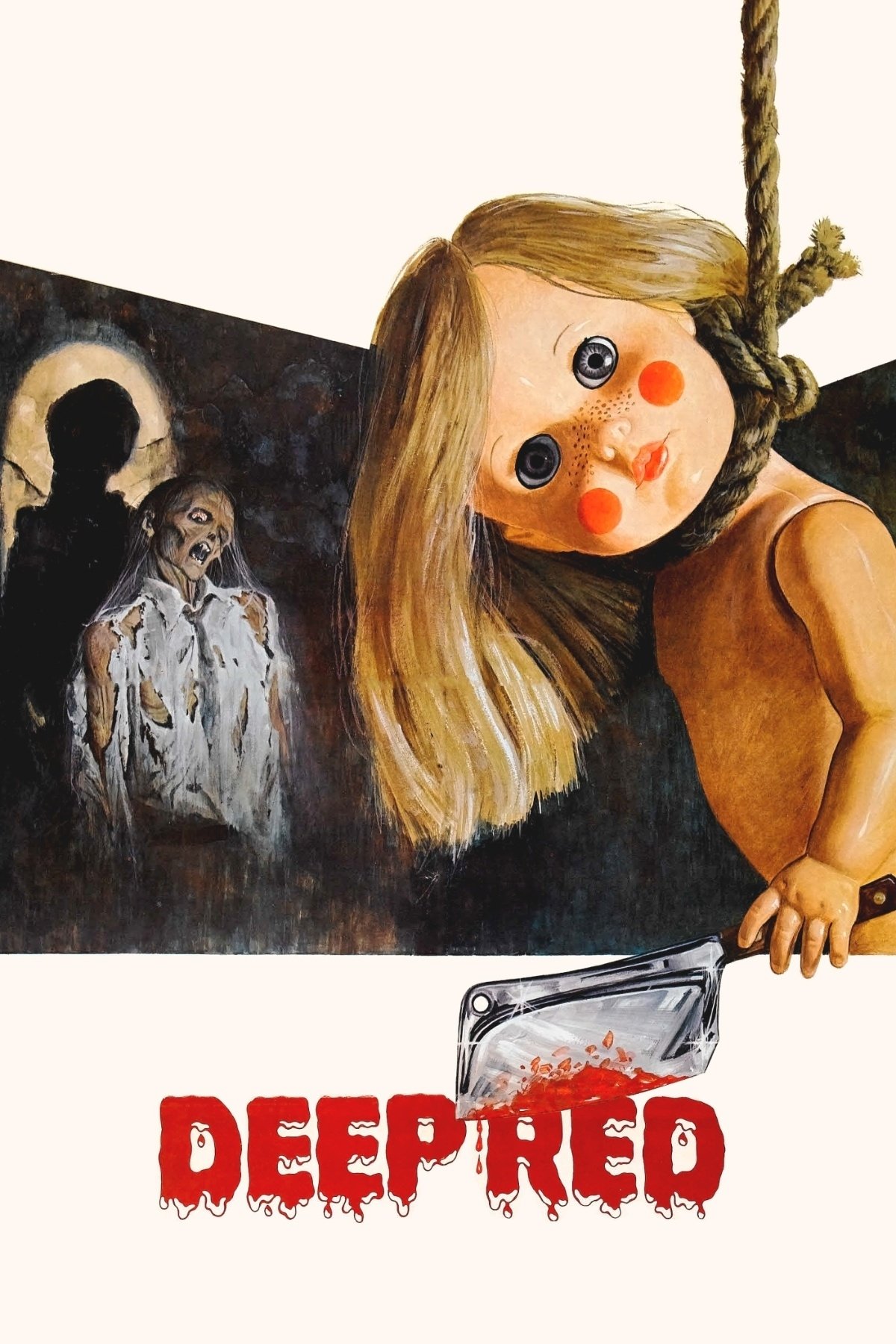
Deep Red
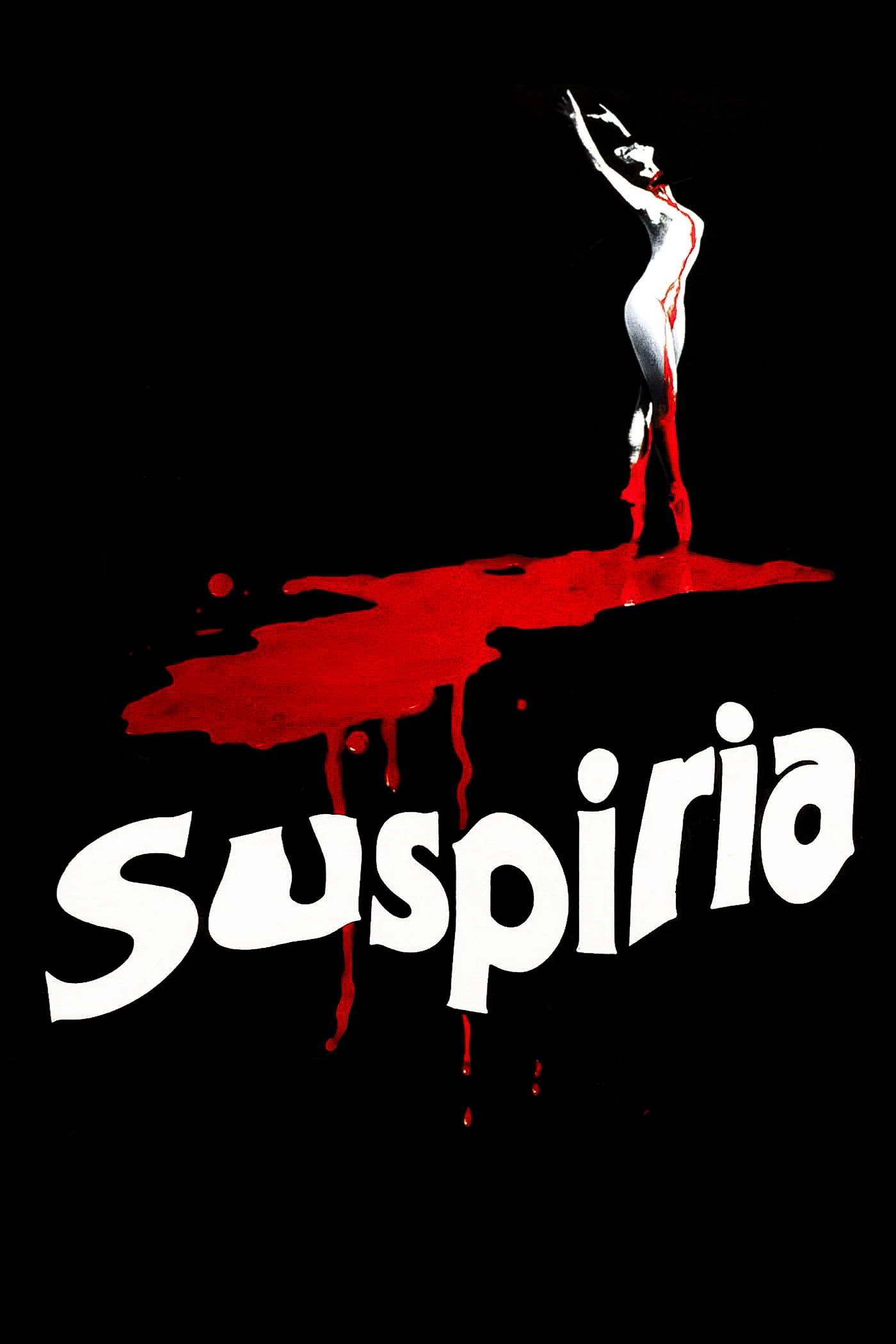
Suspiria
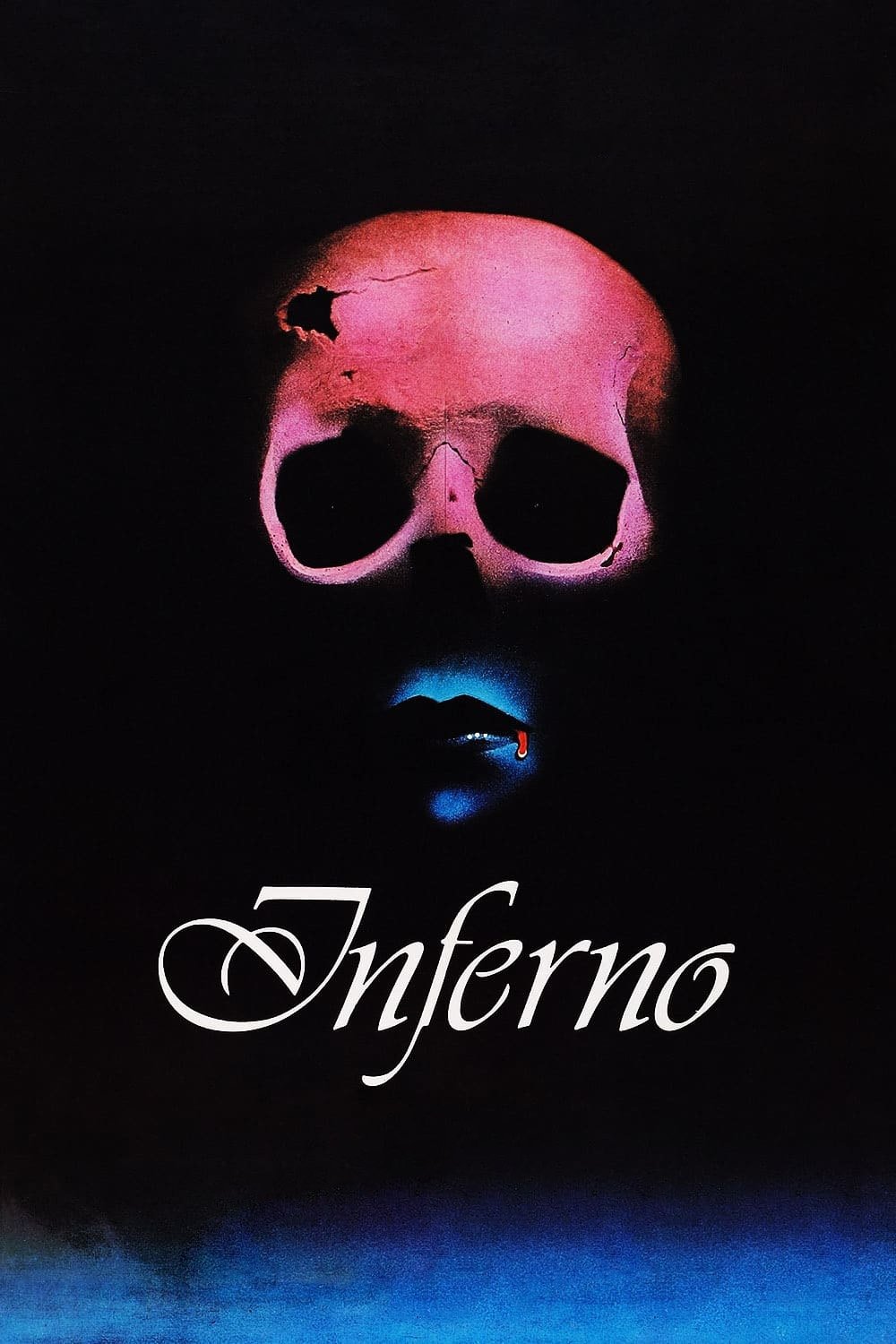
Inferno
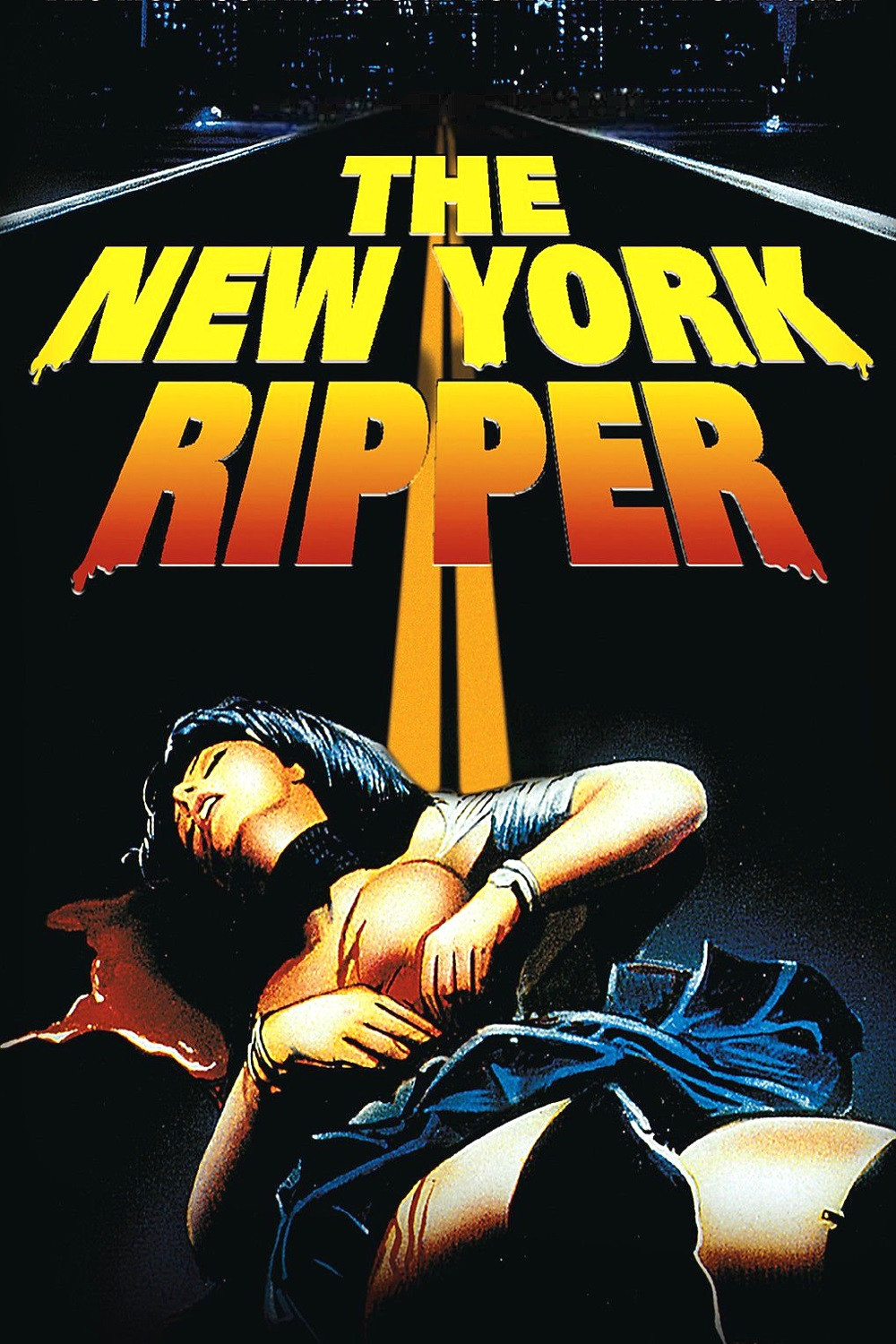
The New York Ripper
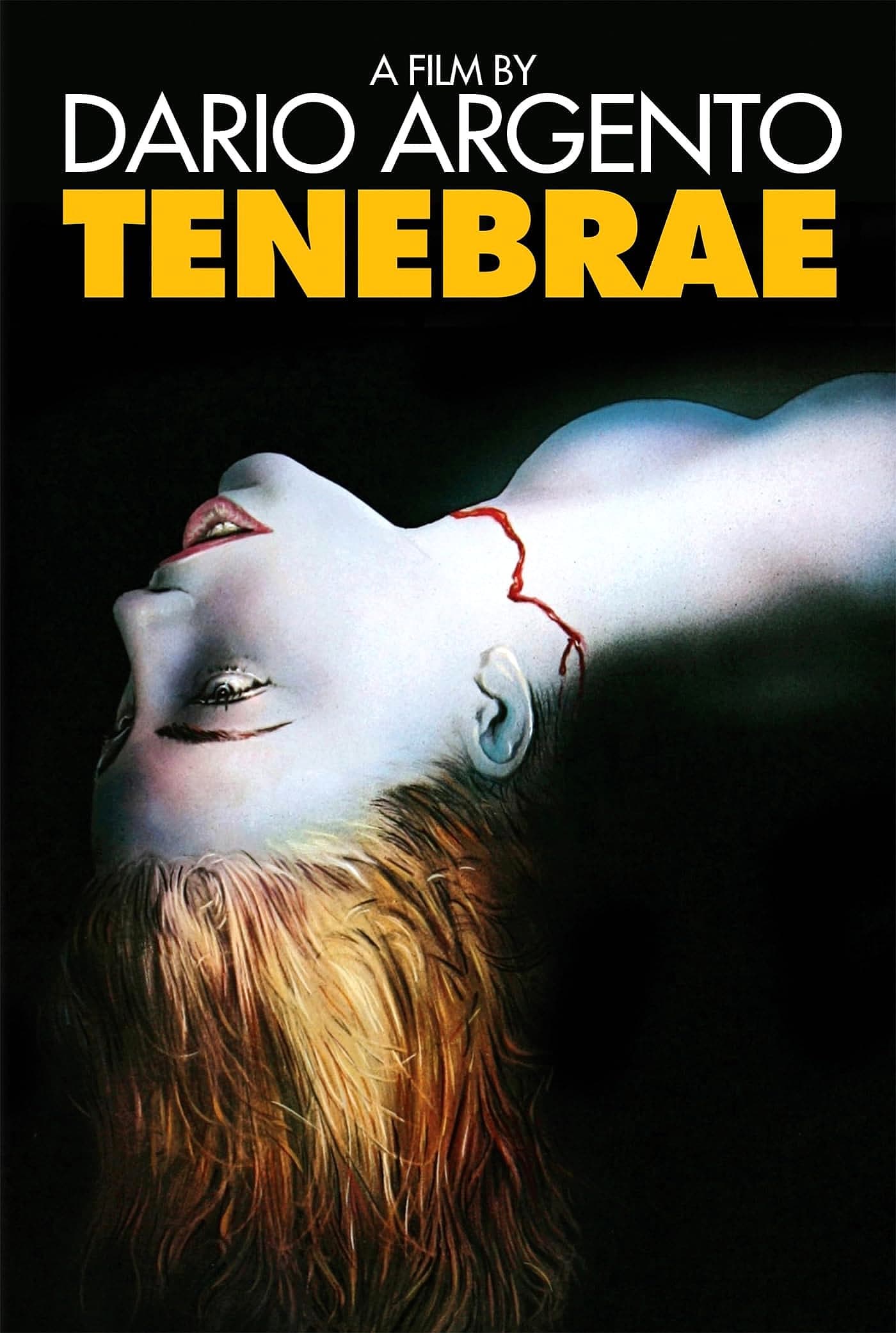
Tenebre
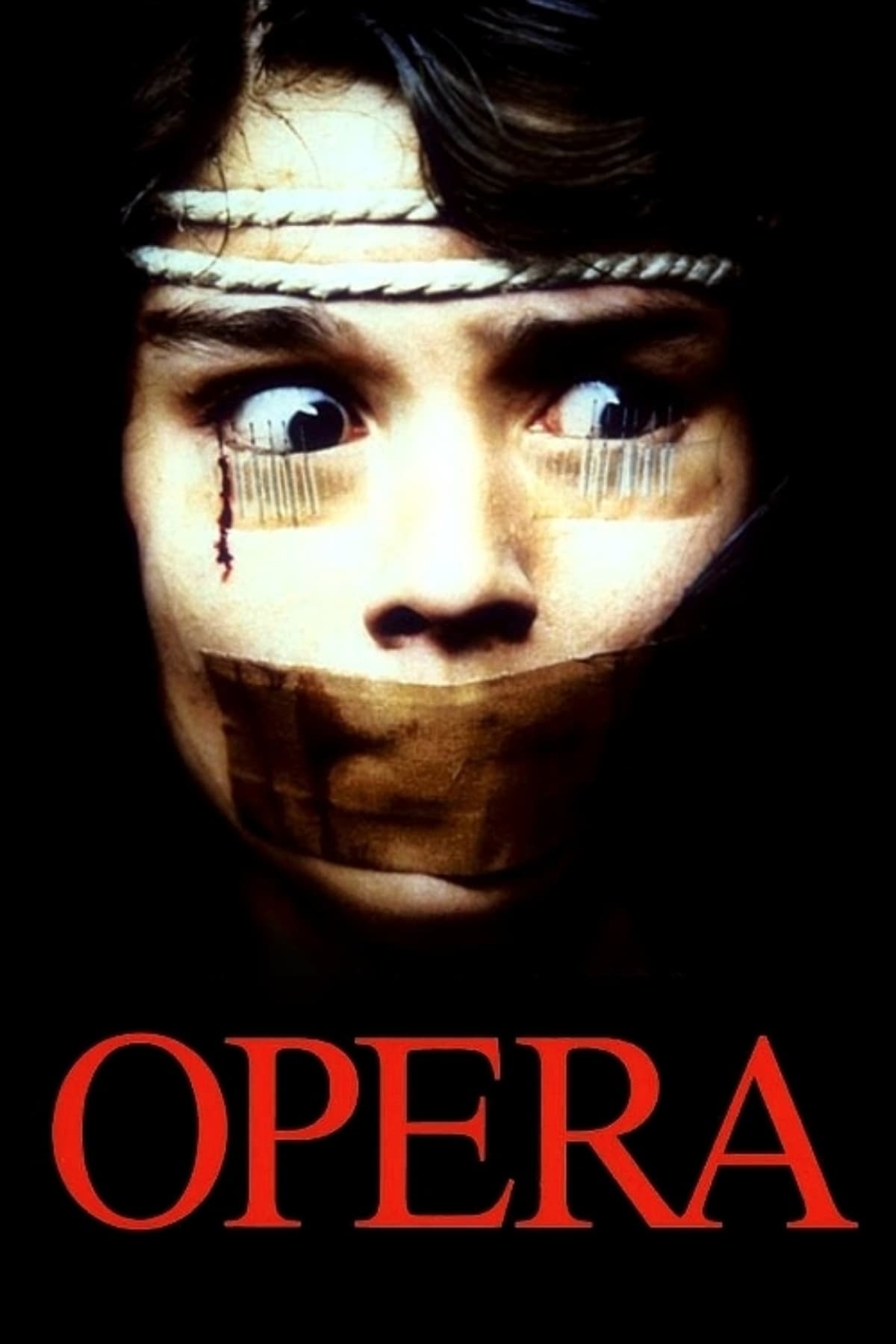
Opera
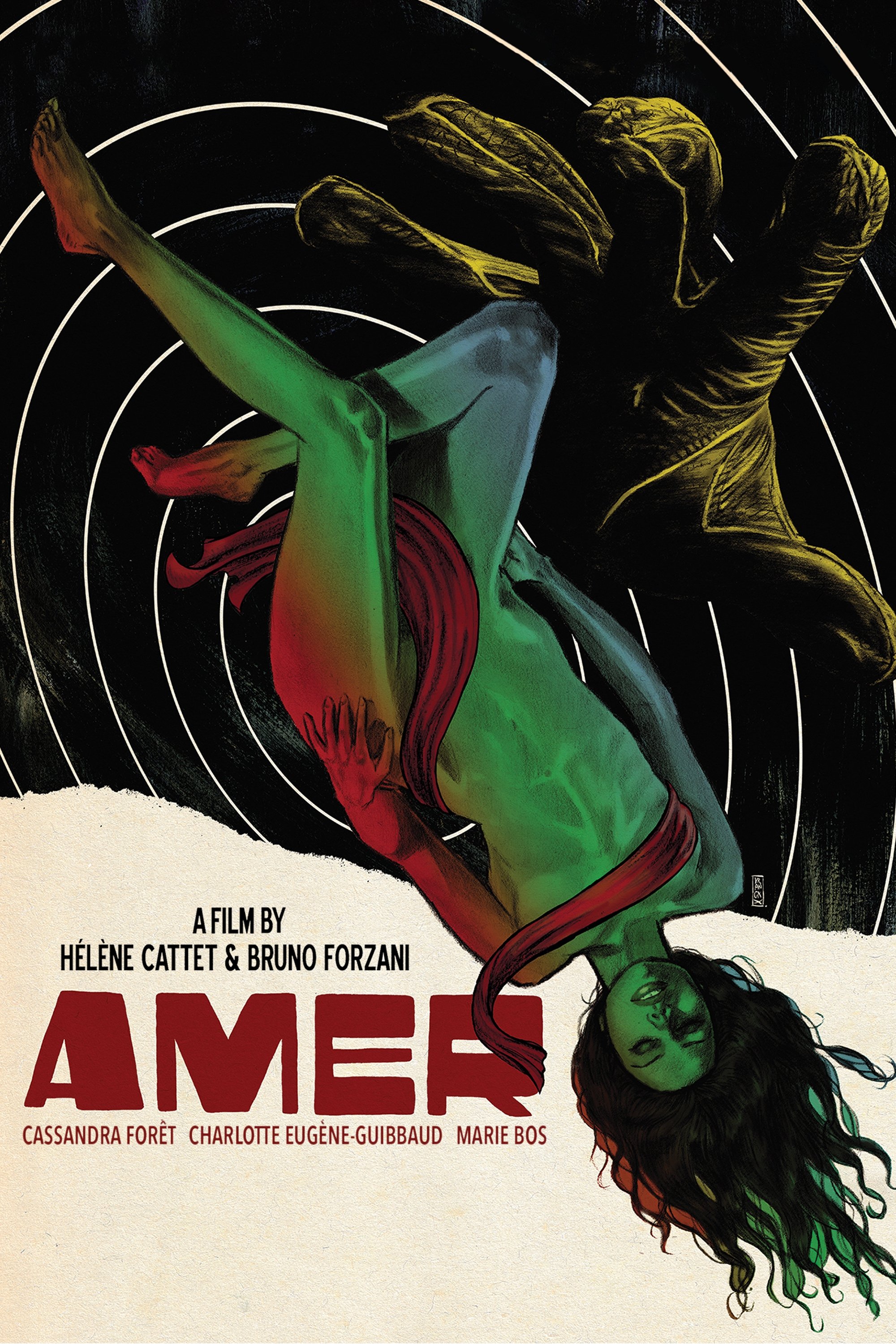
Amer
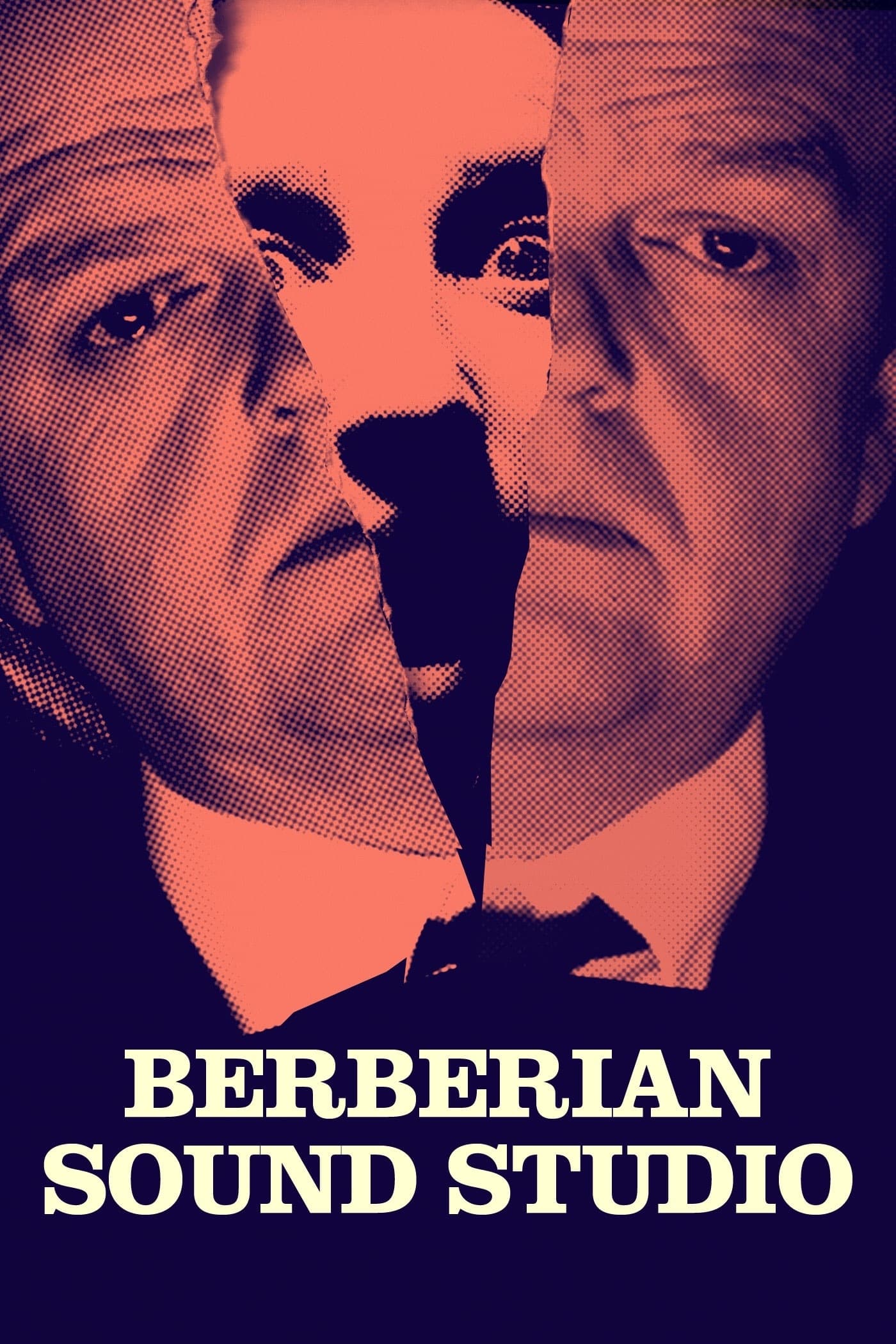
Berberian Sound Studio
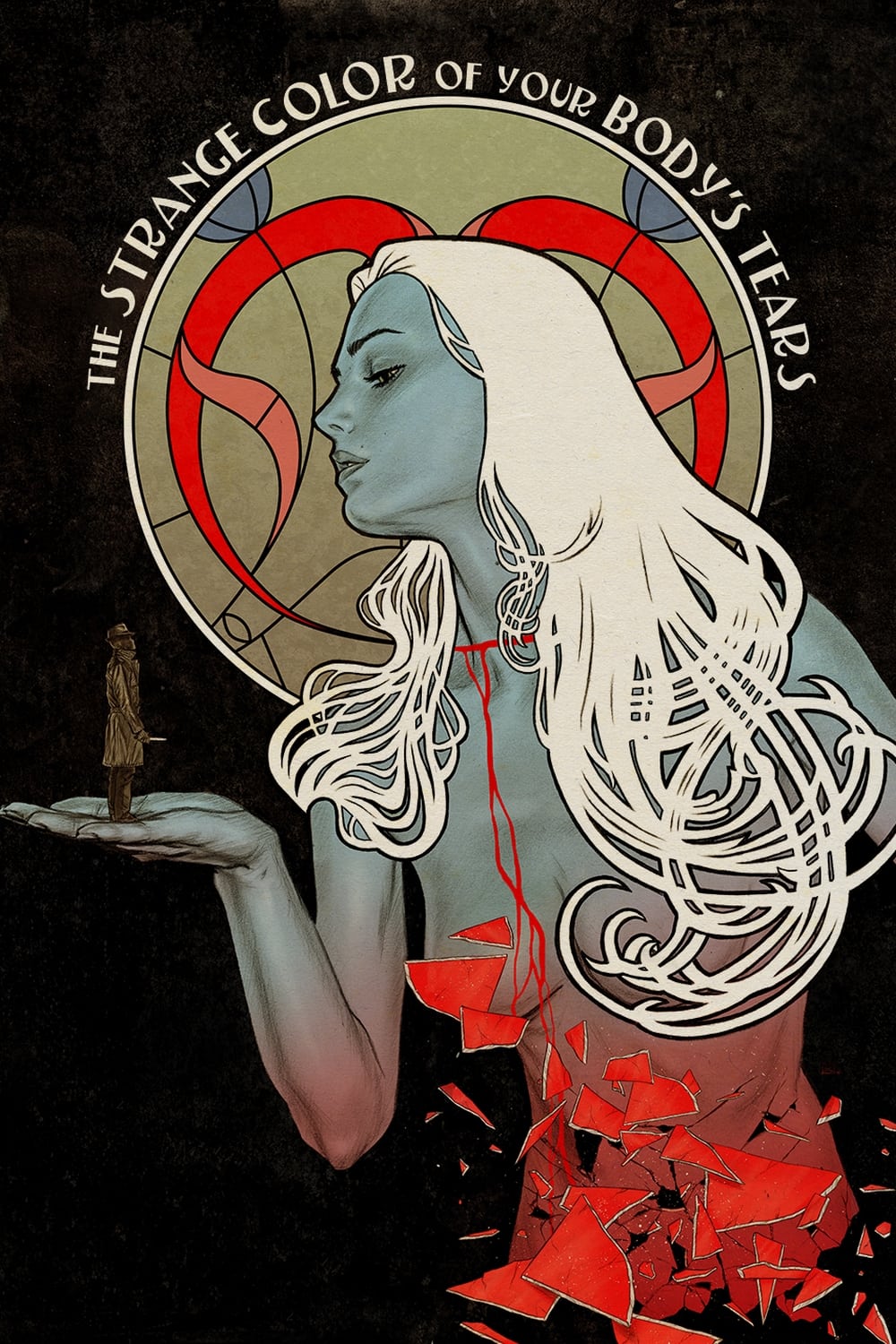
The Strange Color of Your Body's Tears
Statistics
Popularity by Decade
Share of each decade's horror films classified as Giallo. Counts films with at least 5 TMDB ratings, so very obscure titles are not represented.
Popularity by Country
Share of each country's horror output classified as Giallo. Counts films with at least 5 TMDB ratings, so very obscure titles are not represented.