 Nosferatu (1922)
German Expressionism
Where horror cinema begins. Distorted architecture, painted shadows, and the conviction that the film frame itself can express psychological states — the visual foundation of everything that followed.
History & Origins
German Expressionism is where horror cinema begins — not just historically but aesthetically. The movement, flourishing in Weimar Germany from roughly 1919 to 1933, gave horror its foundational visual language: distorted architecture, painted shadows, angles that defy geometry, and a conviction that the external world should express the internal states of its characters. Before Expressionism, films showed you things. After Expressionism, films made you feel them.
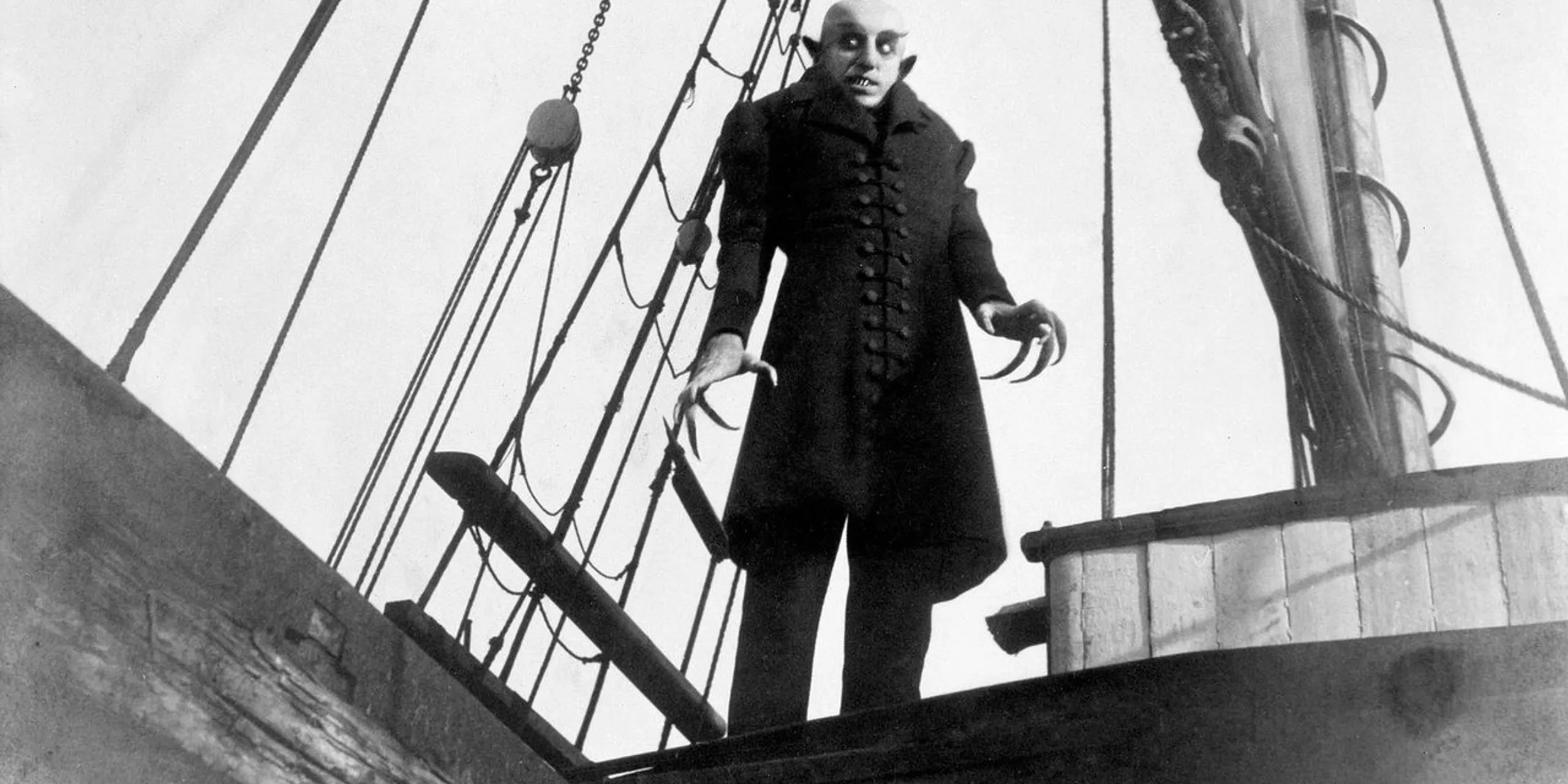
Robert Wiene's The Cabinet of Dr. Caligari (1920) is the movement's foundational horror text. Its sets — buildings that lean, windows that are painted onto walls, streets that angle impossibly — externalize the psychological disturbance of its narrative, which turns out to be (or does it?) the fantasy of a madman. Paul Wegener's The Golem: How He Came Into the World (1920) brought Jewish folklore to the screen and gave horror its first sympathetic monster. F. W. Murnau's Nosferatu (1922) brought the vampire to cinema with imagery so powerful it has never been surpassed: Count Orlok's shadow ascending a staircase, his ratlike silhouette in a doorway, the ship of death sailing into port with its crew dead and its cargo of plague.
The movement's range expanded through the 1920s. Fritz Lang's Dr. Mabuse, the Gambler (1922) introduced the master-criminal hypnotist who would haunt three Lang films across two decades. Wiene's The Hands of Orlac (1924) and Paul Leni's Waxworks (1924) extended the Caligari template; Henrik Galeen's remake of The Student of Prague (1926) developed the supernatural doppelgänger; Murnau's Faust (1926) and Lang's Metropolis (1927) pushed Expressionism into mythic and science-fictional registers while preserving its horror-cinema DNA. Carl Theodor Dreyer's Vampyr (1932) — Danish but heavily indebted to the movement — and Lang's M (1931) and The Testament of Dr. Mabuse (1933) marked the movement's twilight, as sound and the rising Nazi regime ended Weimar cinema.
When the Nazis came to power, many Expressionist filmmakers fled — Lang, Galeen, Leni, the cinematographer Karl Freund — and brought their visual sensibility to Hollywood. James Whale's Frankenstein (1931) and Bride of Frankenstein (1935) are direct descendants, as are the Universal monster films Freund shot and directed. Film noir's shadows, Hitchcock's visual psychology, Tim Burton's entire career, and the German-influenced Gothic horror revivals of every subsequent decade all trace their lineage to the Weimar filmmakers who first understood that horror is not just about what you show but about how distorted the showing itself can be.
Essential Films
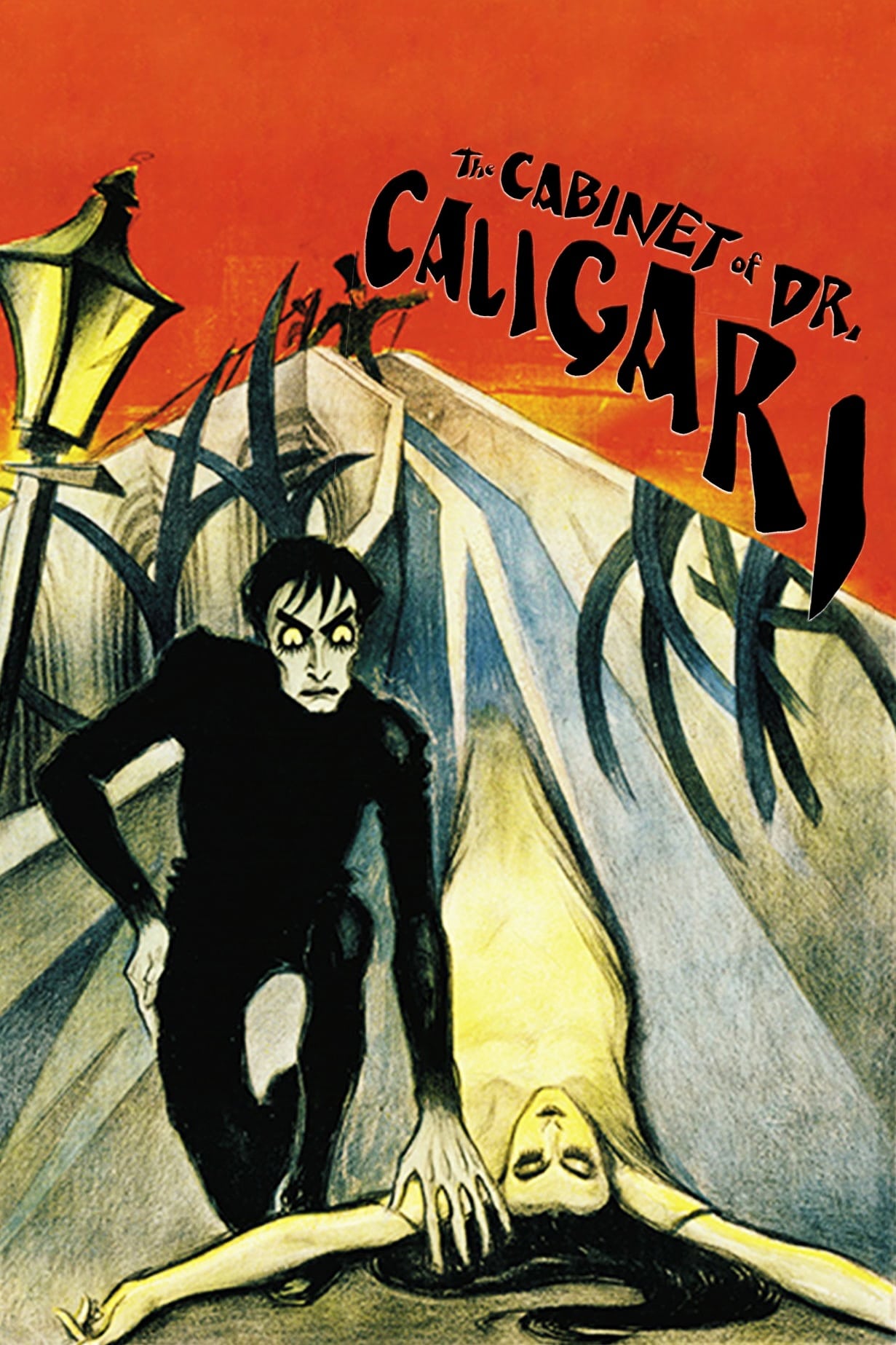
The Cabinet of Dr. Caligari
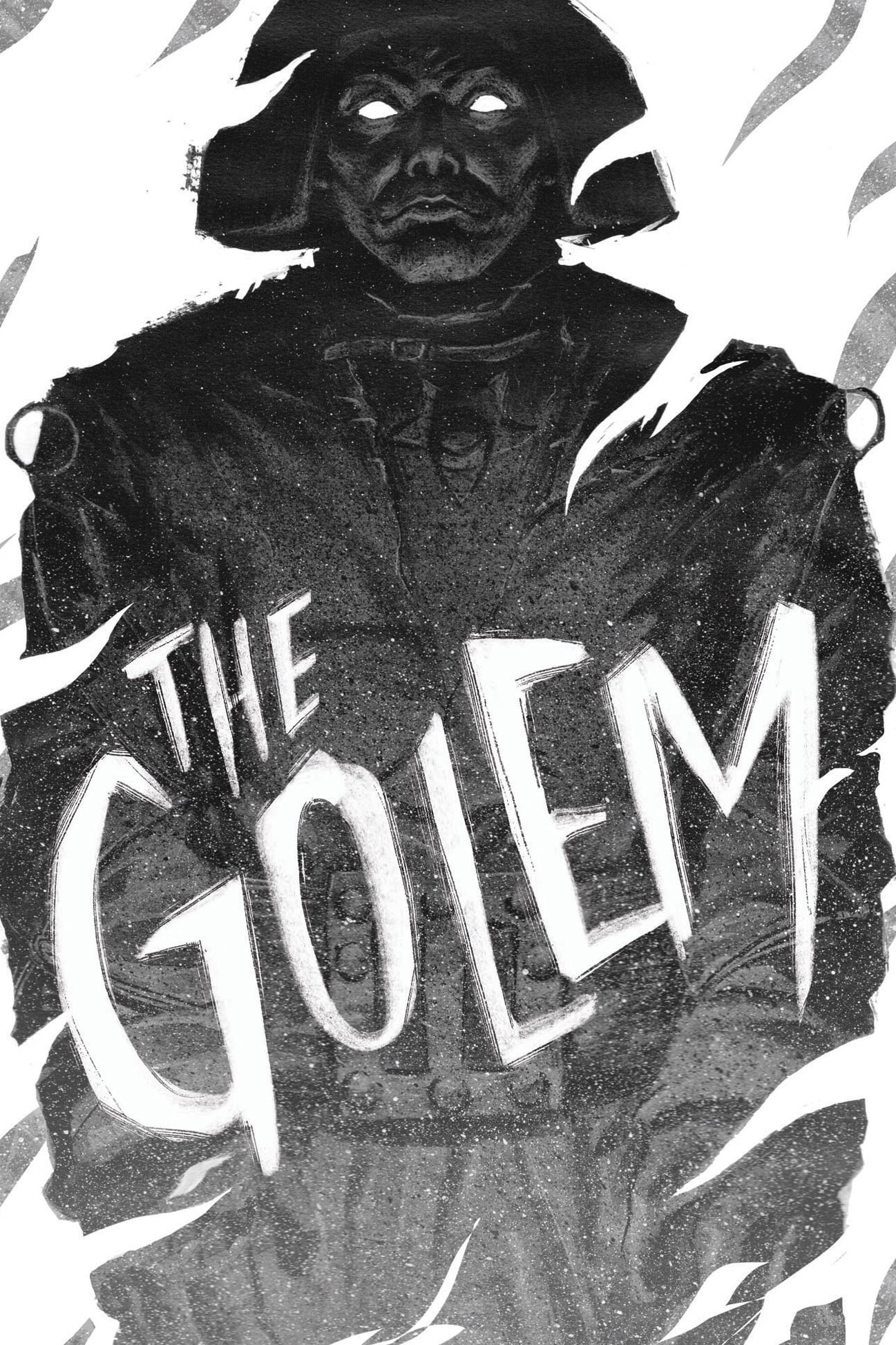
The Golem: How He Came into the World
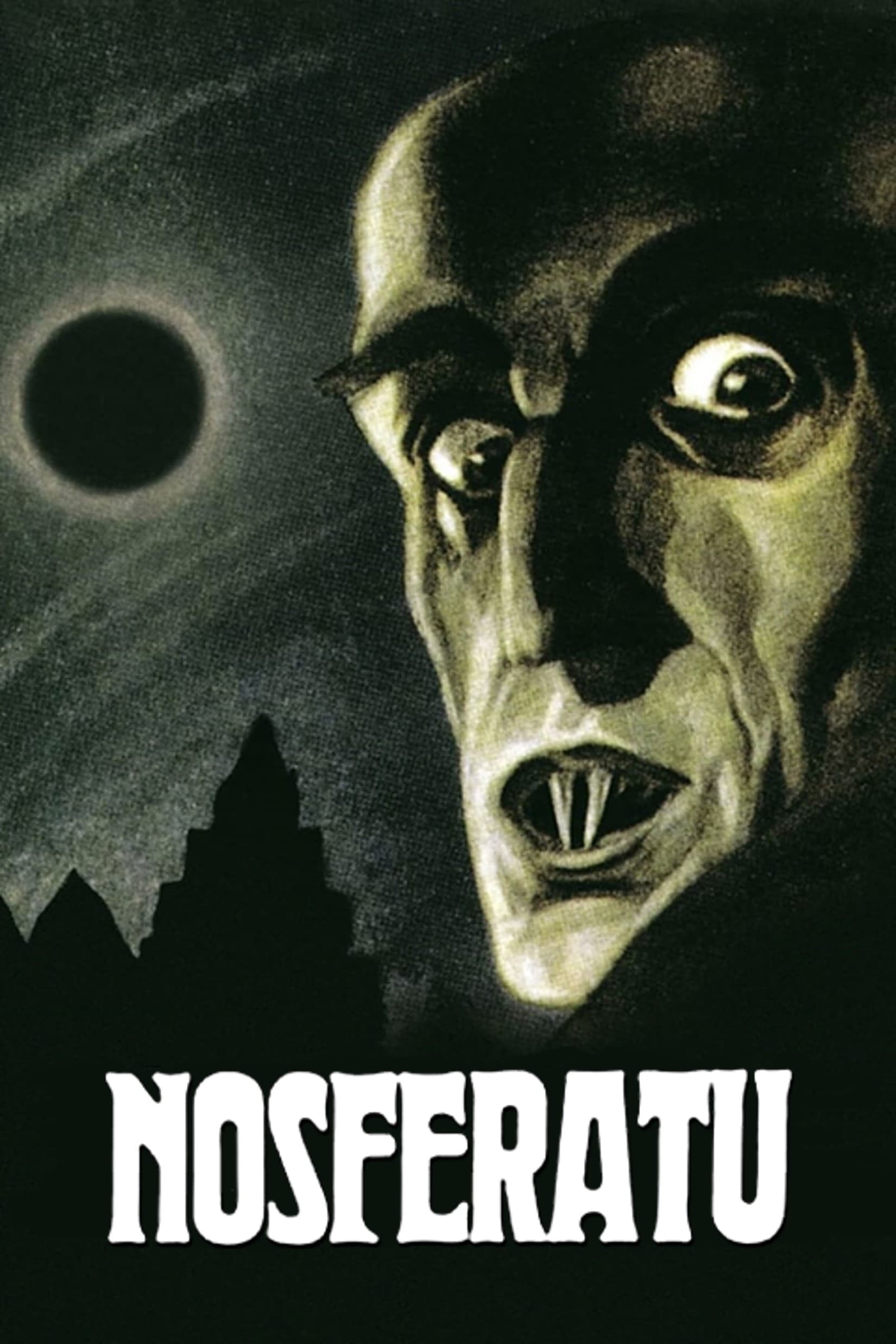
Nosferatu

Dr. Mabuse, the Gambler
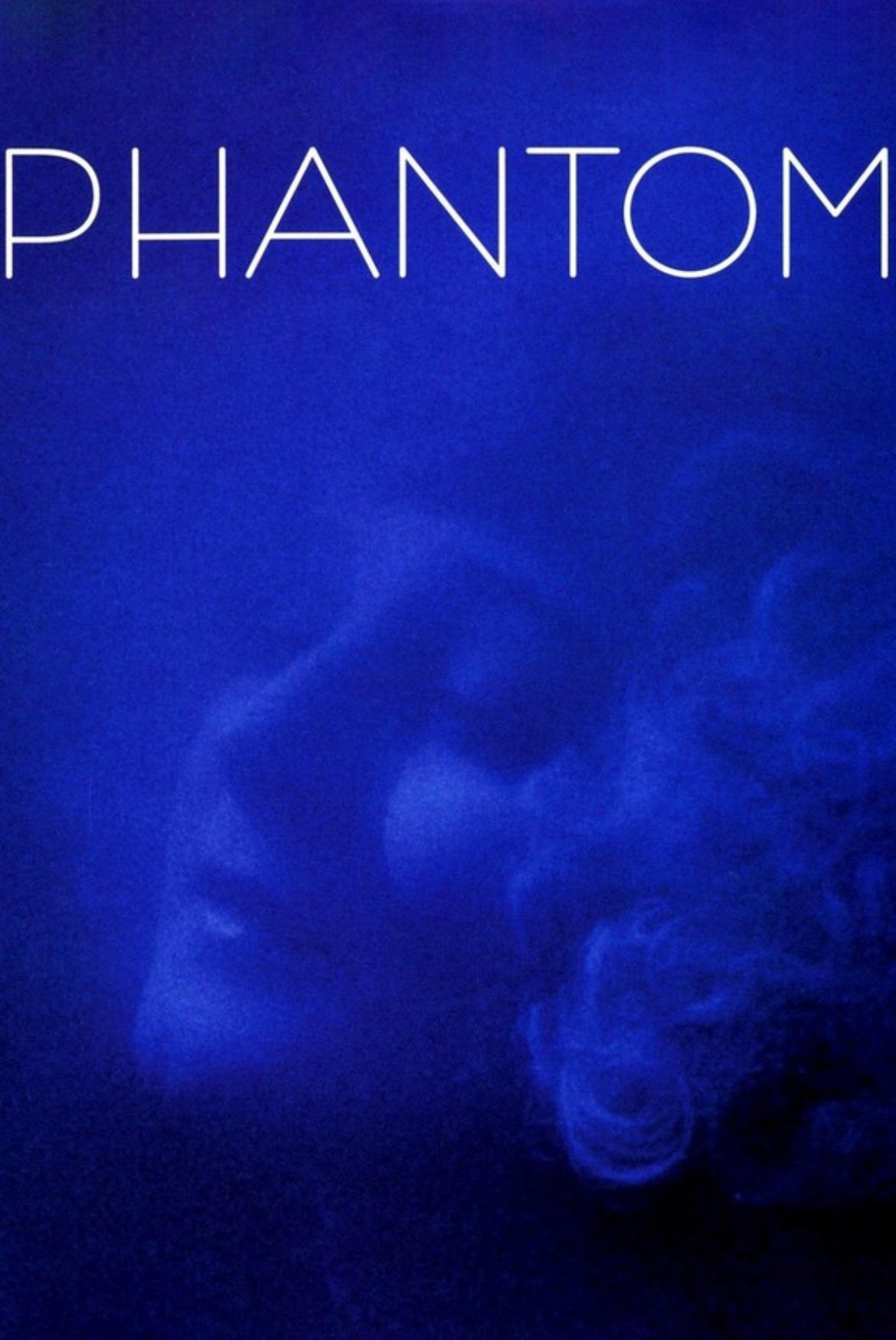
Phantom
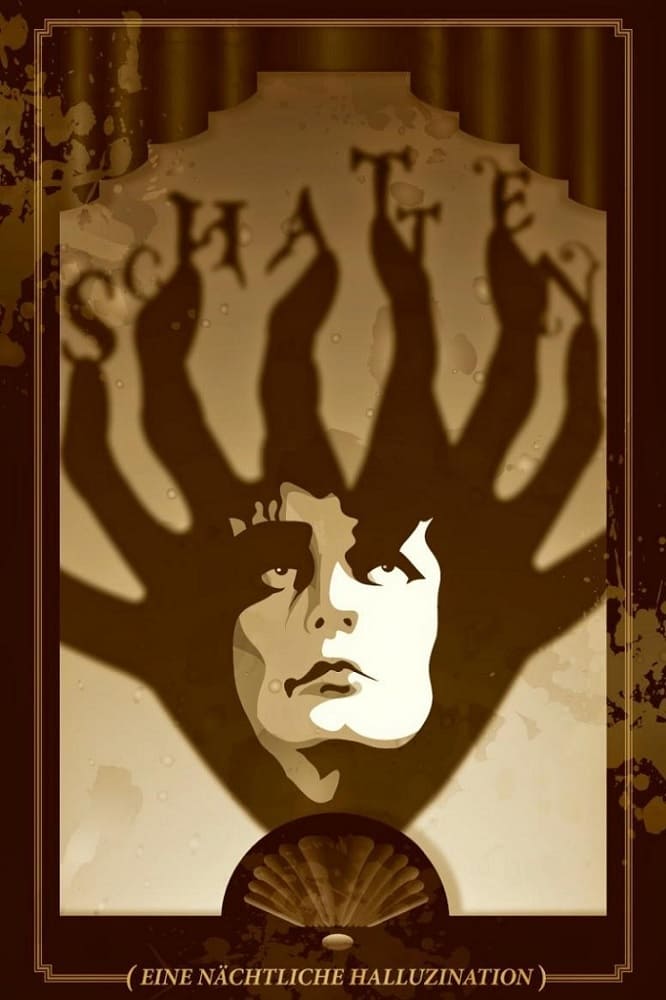
Warning Shadows
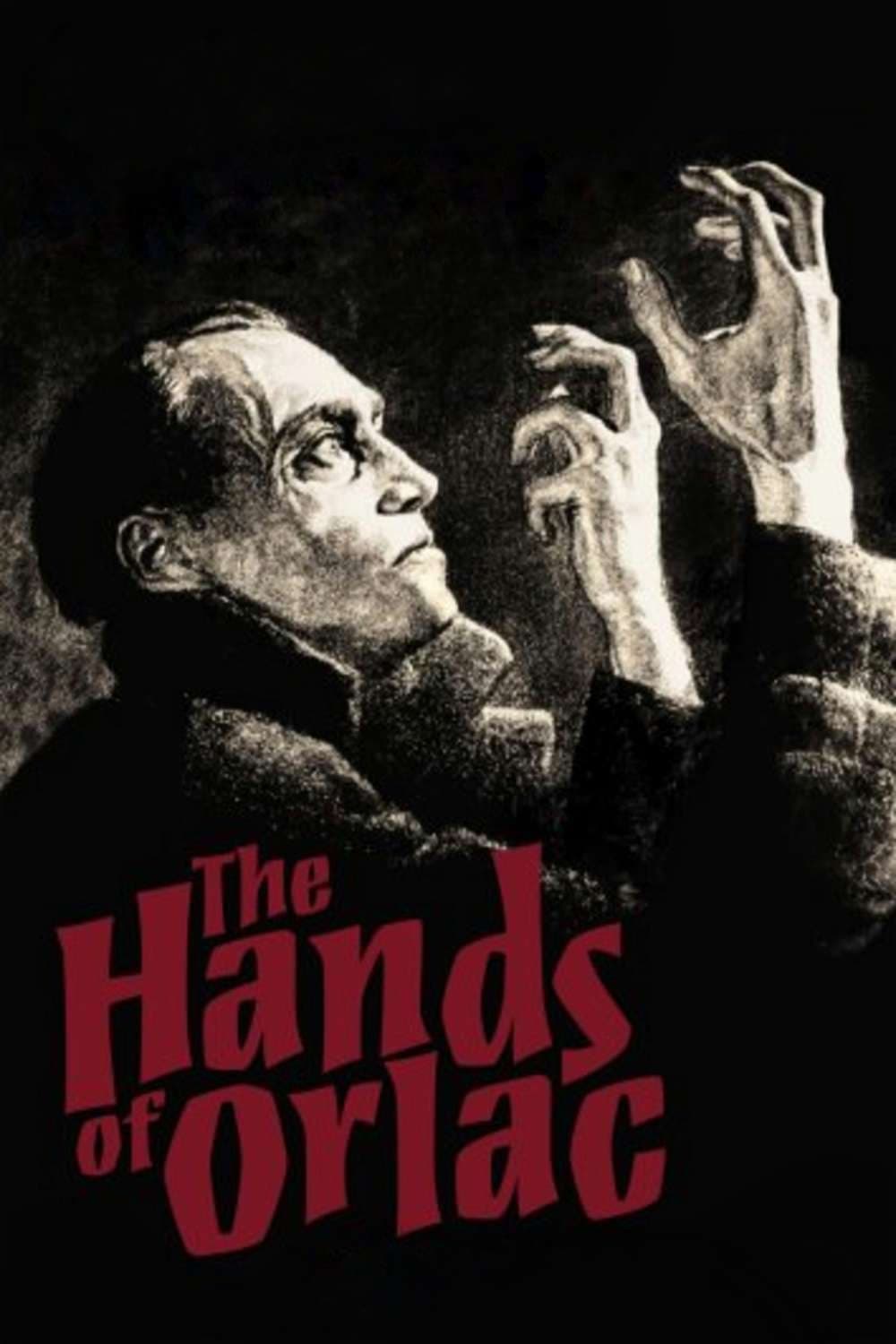
The Hands of Orlac
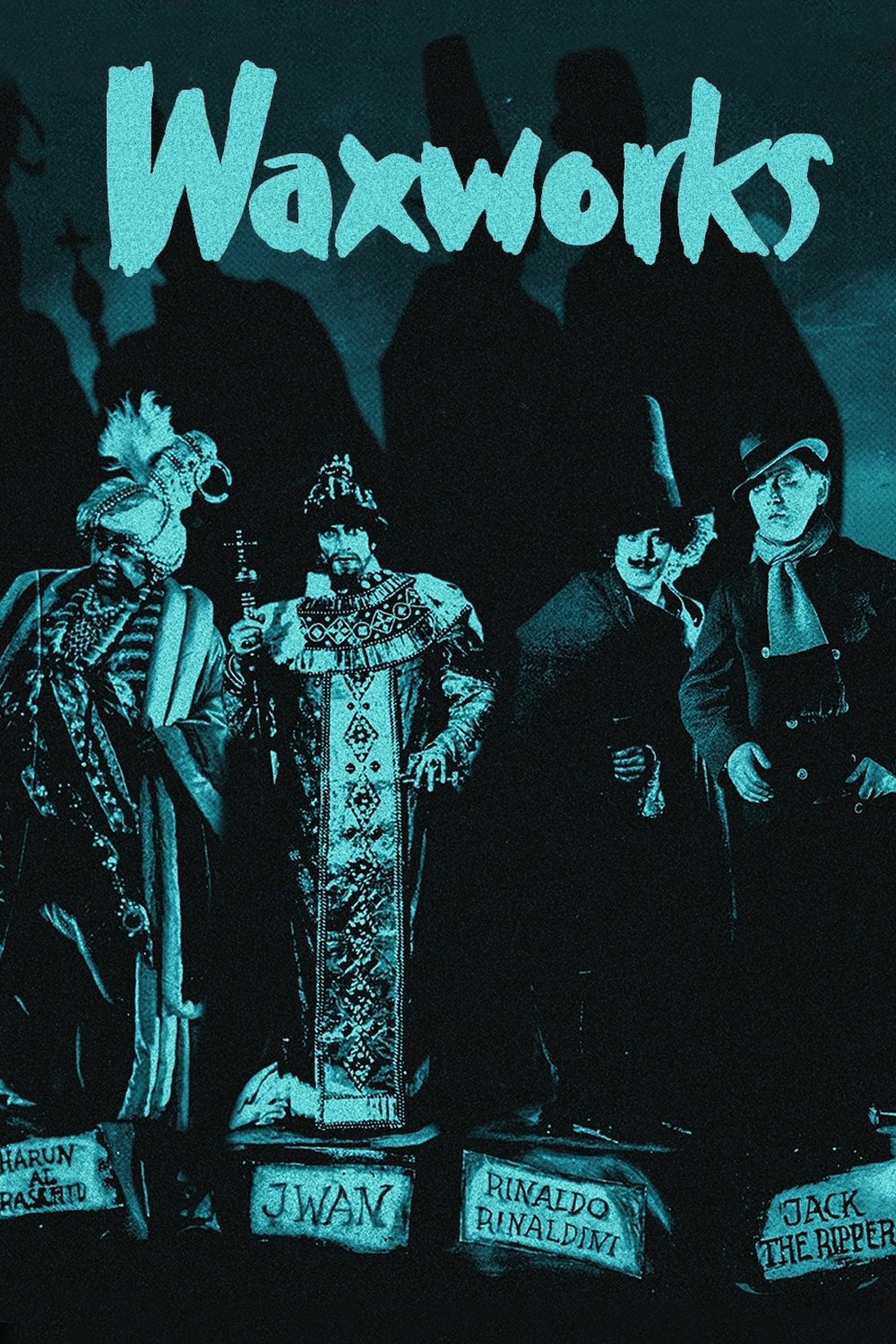
Waxworks
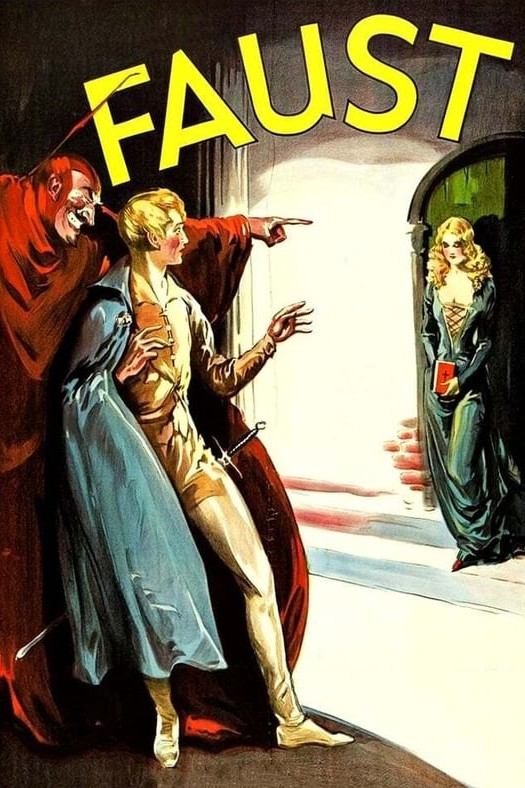
Faust
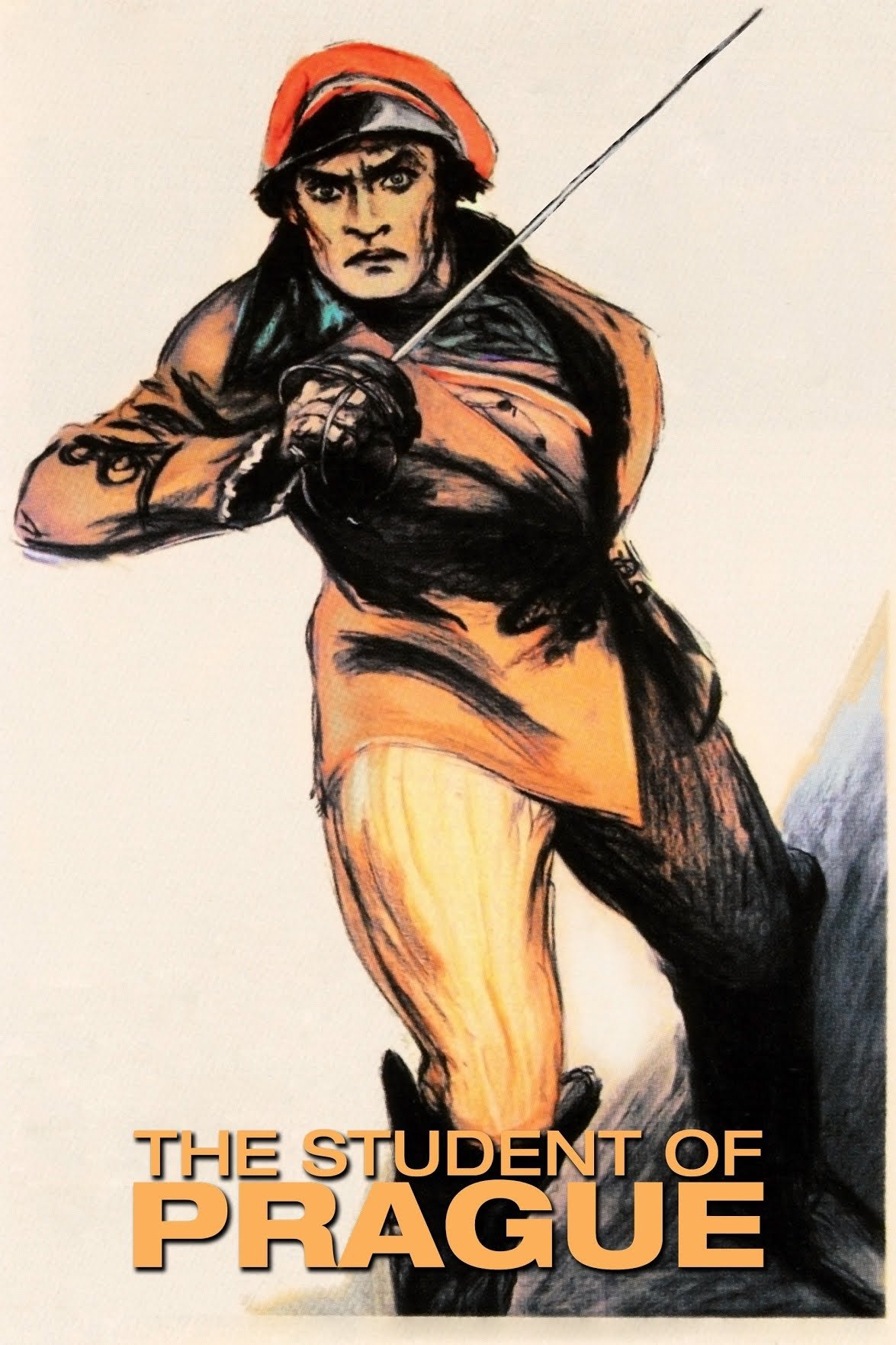
The Student of Prague

Metropolis
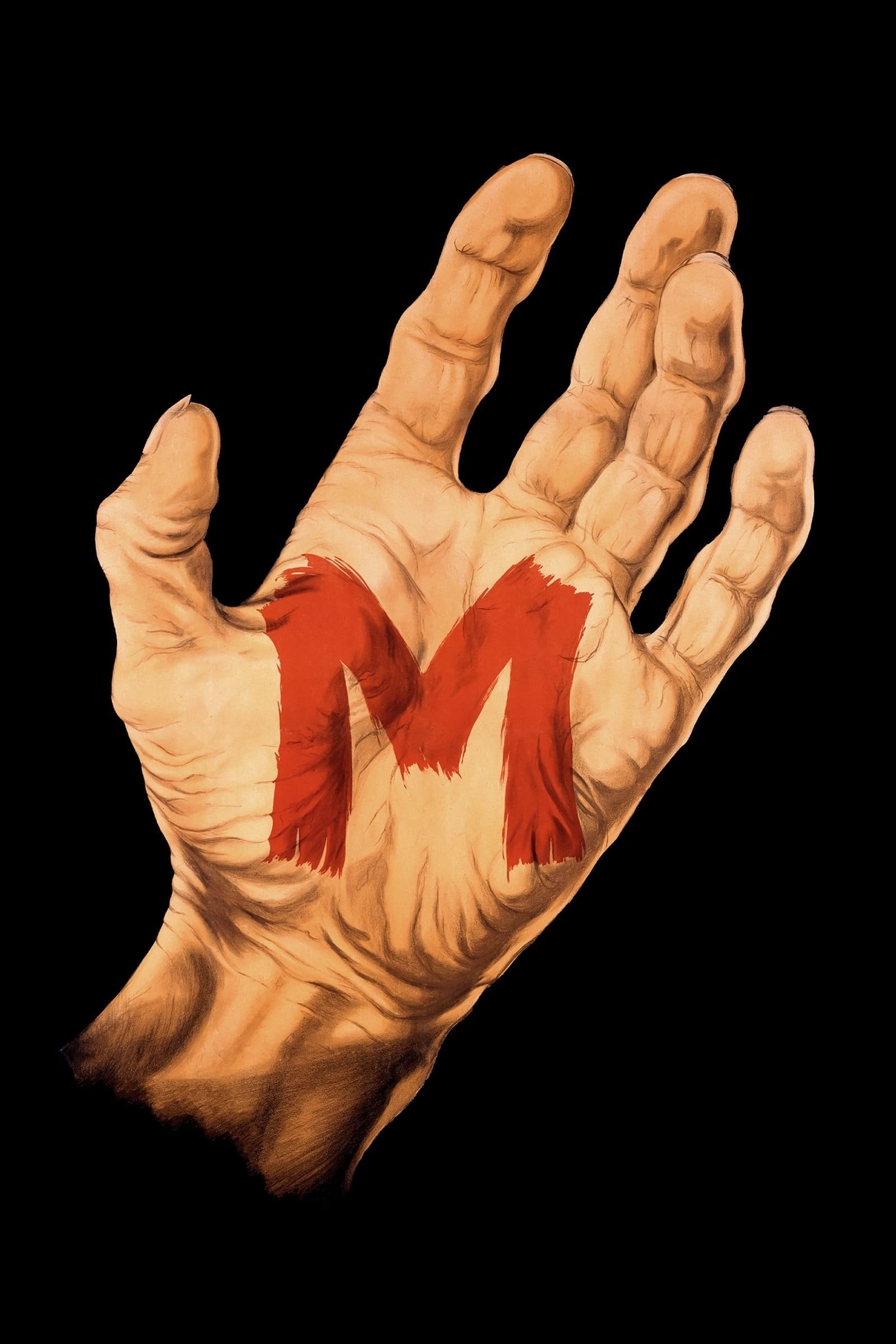
M
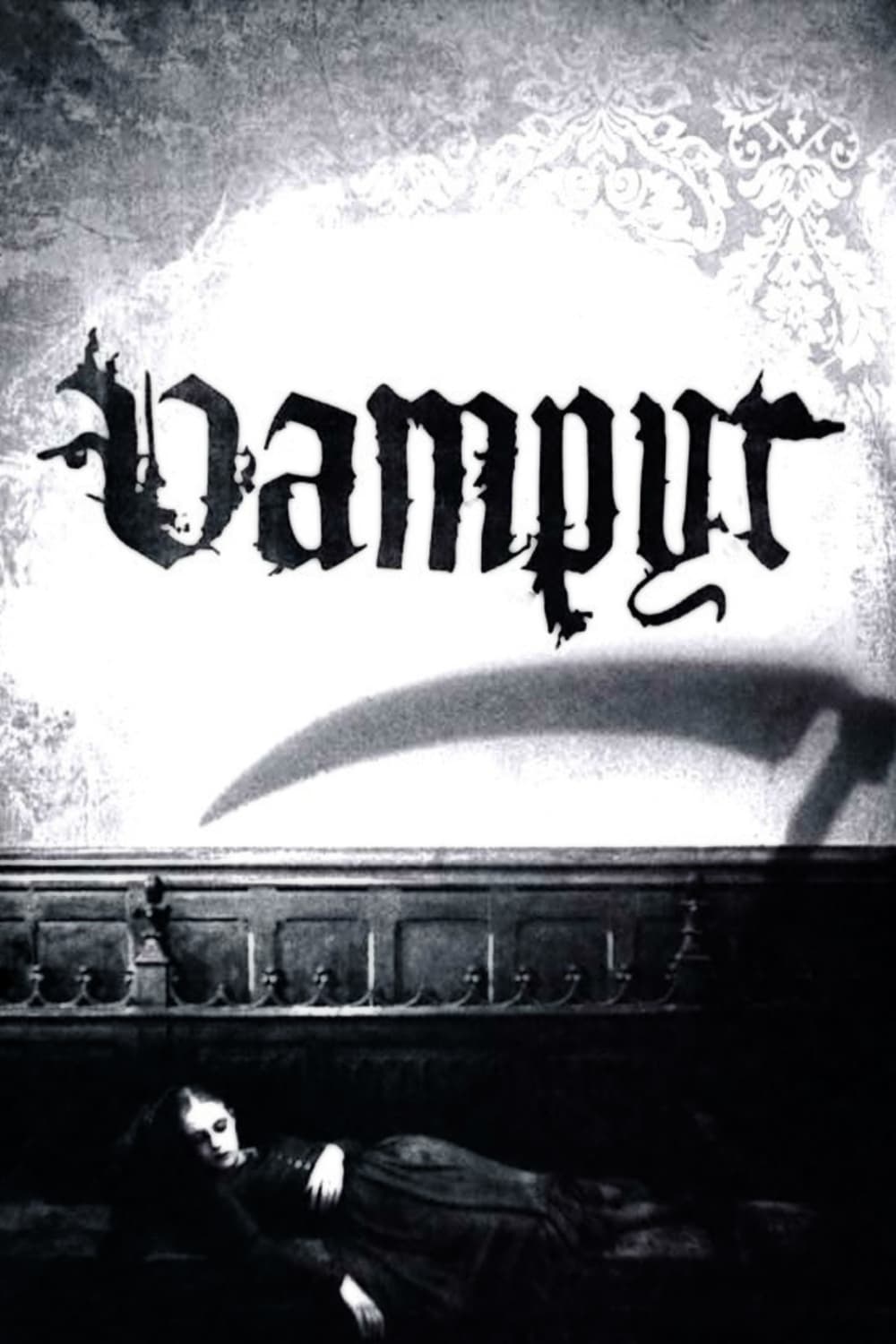
Vampyr
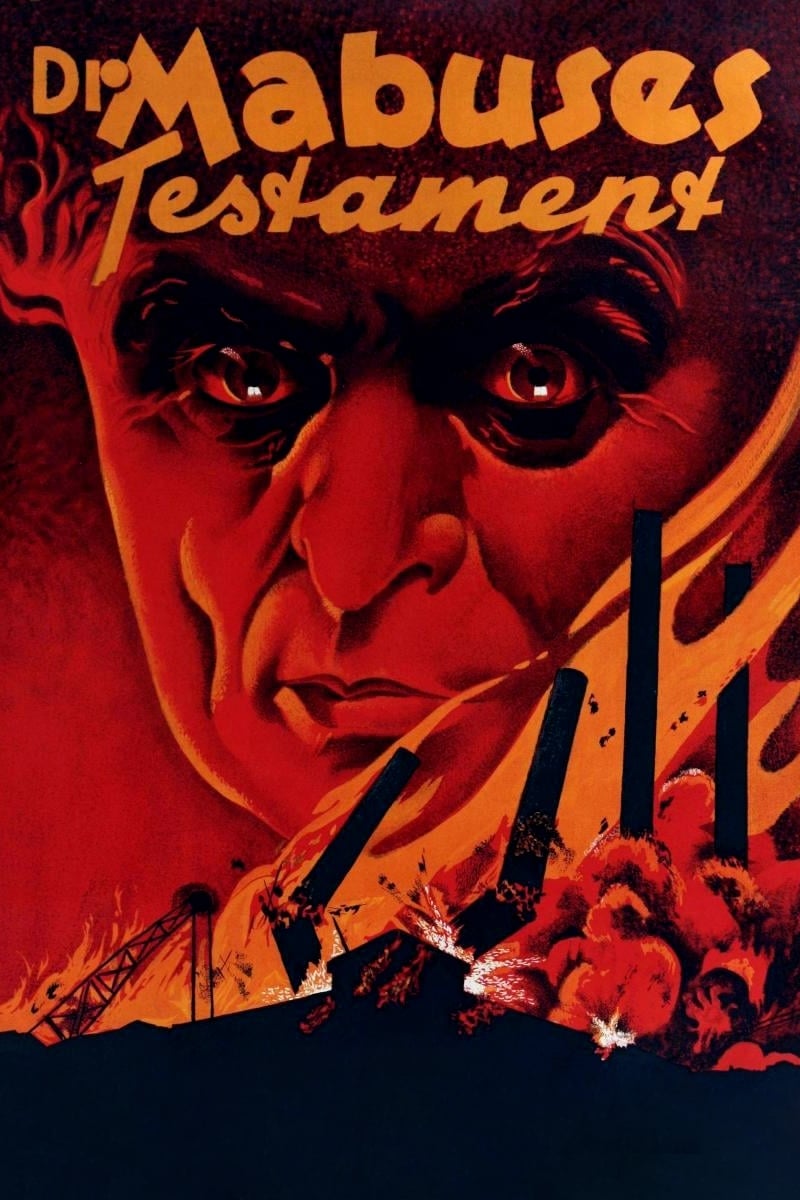
The Testament of Dr. Mabuse
Statistics
Popularity by Decade
Share of each decade's horror films classified as German Expressionism. Counts films with at least 5 TMDB ratings, so very obscure titles are not represented.
Popularity by Country
Share of each country's horror output classified as German Expressionism. Counts films with at least 5 TMDB ratings, so very obscure titles are not represented.