
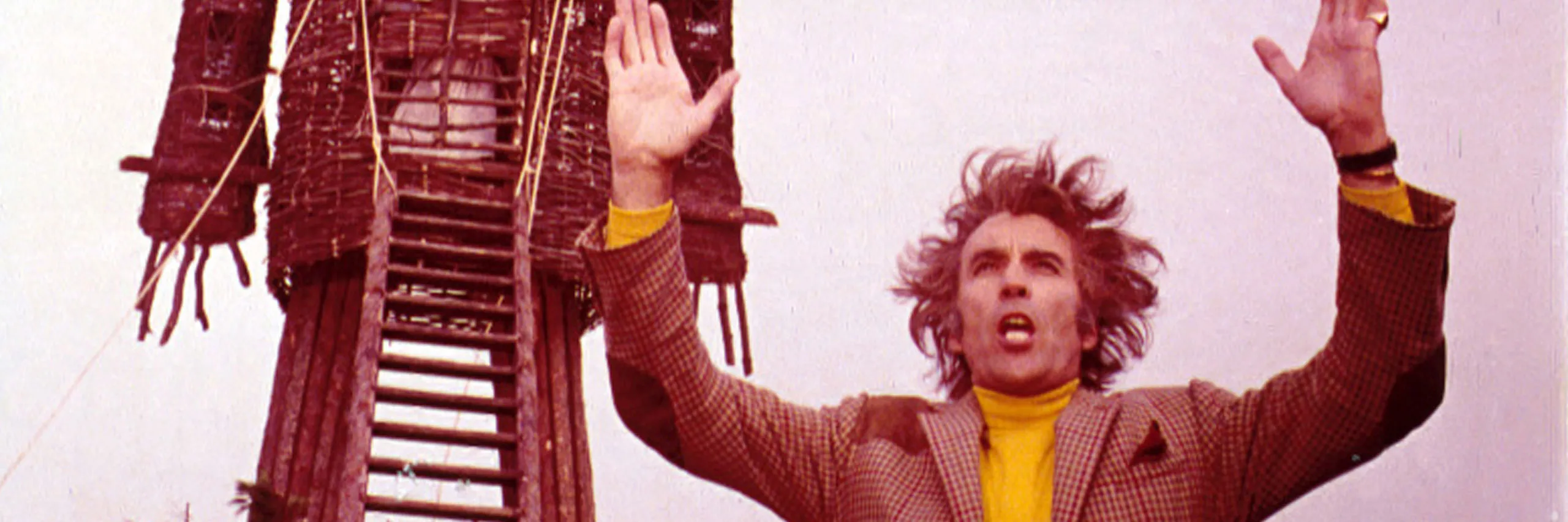
 The Wicker Man (1973)
Movements & Traditions
Distinct filmmaking traditions that shaped the genre. Giallo, folk horror, Gothic, J-Horror, Korean horror, German Expressionism, New French Extremity, and arthouse — each a cultural lens on what horror means and how it should be made.
History & Origins
Horror's history is shaped by national and artistic movements — distinct filmmaking traditions that emerged from specific cultural conditions and permanently altered the genre's possibilities. These are not just styles but worldviews: each represents a particular culture's understanding of what horror is, where it comes from, and what it reveals about the society that produces it.
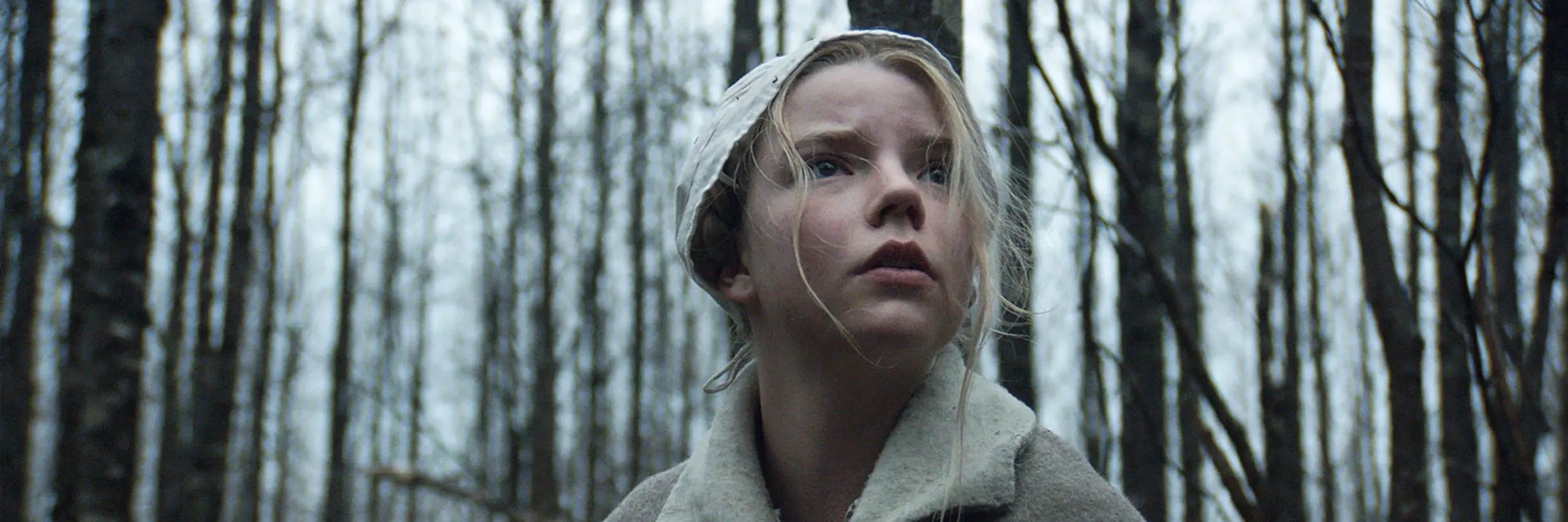
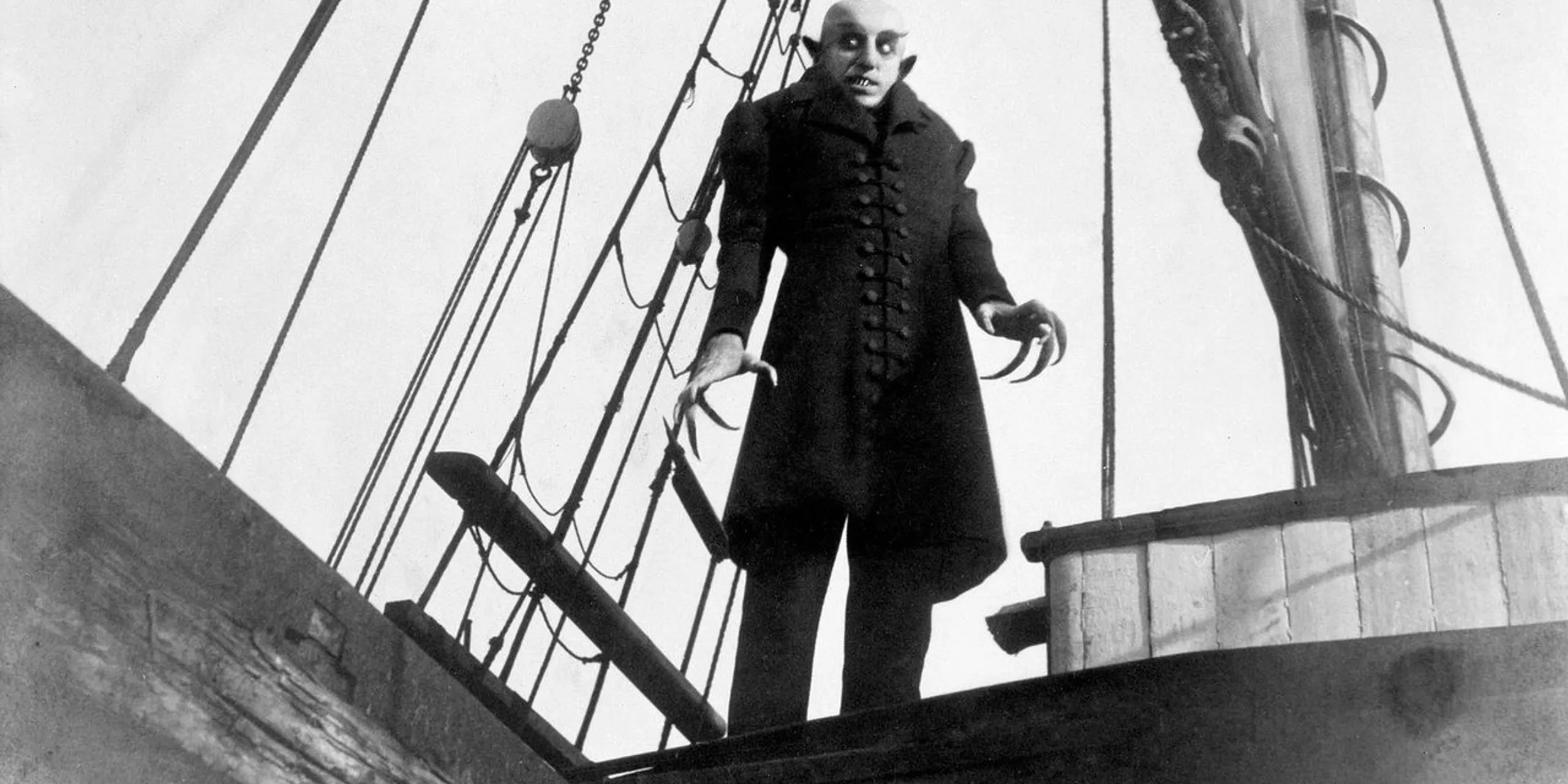
German Expressionism is where cinema horror begins. The Weimar films of 1919–1933 — Robert Wiene's The Cabinet of Dr. Caligari (1920), F. W. Murnau's Nosferatu (1922), Fritz Lang's Metropolis (1927) — gave the genre its visual vocabulary: distorted angles, painted shadows, the conviction that the image itself can express psychological states. When the Nazis came to power, the diaspora that followed seeded Hollywood horror for the next half-century. Gothic horror, rooted in eighteenth-century literature and given definitive cinematic form by Hammer Films, established the romantic, aristocratic dread — the castle, the fog, the elegant predator — that has persisted from Murnau through Coppola to Robert Eggers's Nosferatu (2024).
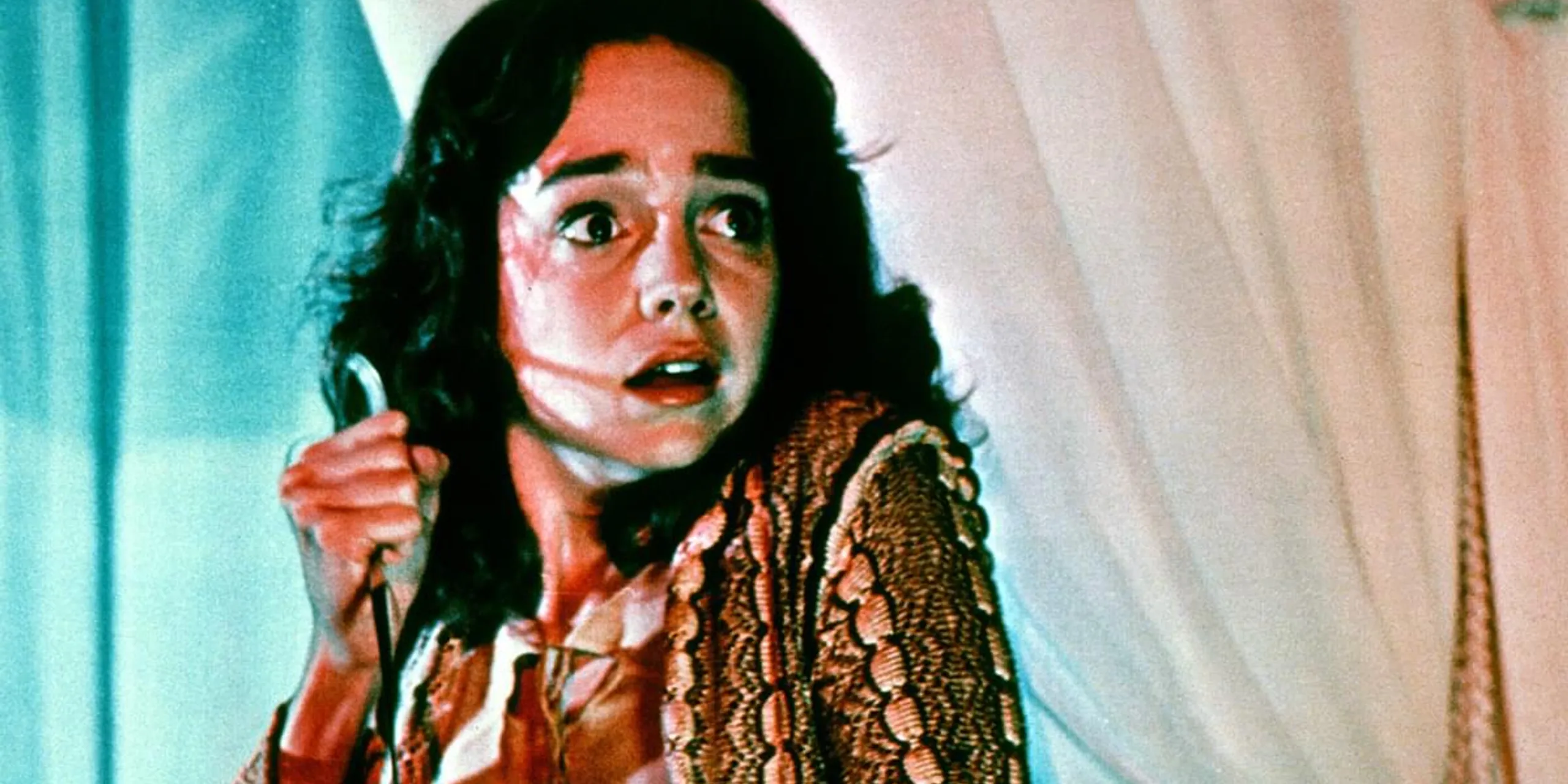
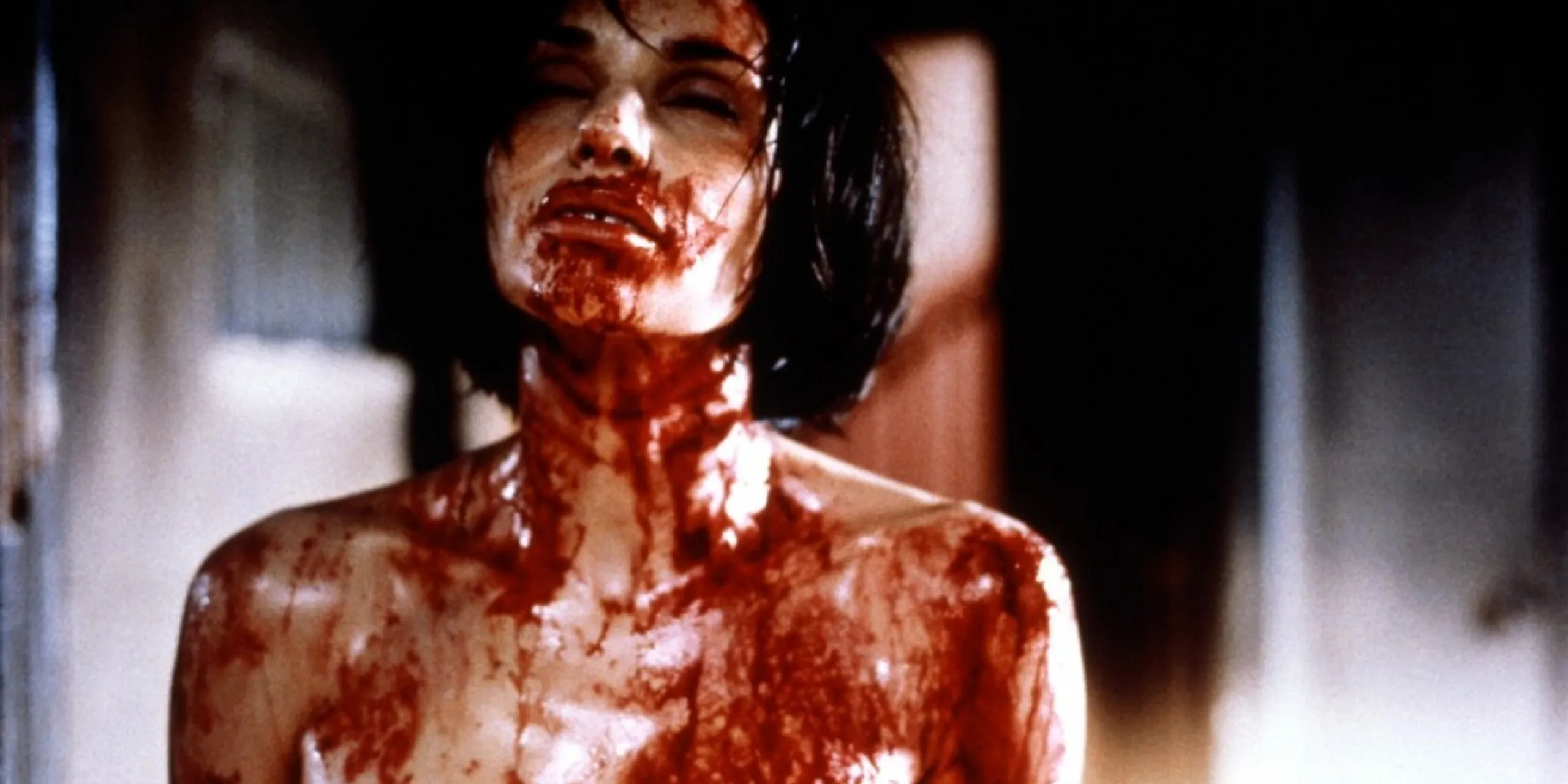
Italian giallo married murder-mystery plotting with operatic visual style, creating a template that influenced everything from the American slasher to the modern art-horror film. Folk horror draws on pre-Christian belief systems and the tension between modernity and ancient tradition — a tradition that runs from Christensen's Häxan (1922) through The Wicker Man (1973) to the global revival of the 2010s. The New French Extremity pushed horror's philosophical and physical limits simultaneously, demanding that the audience experience what previous cinema had only depicted.
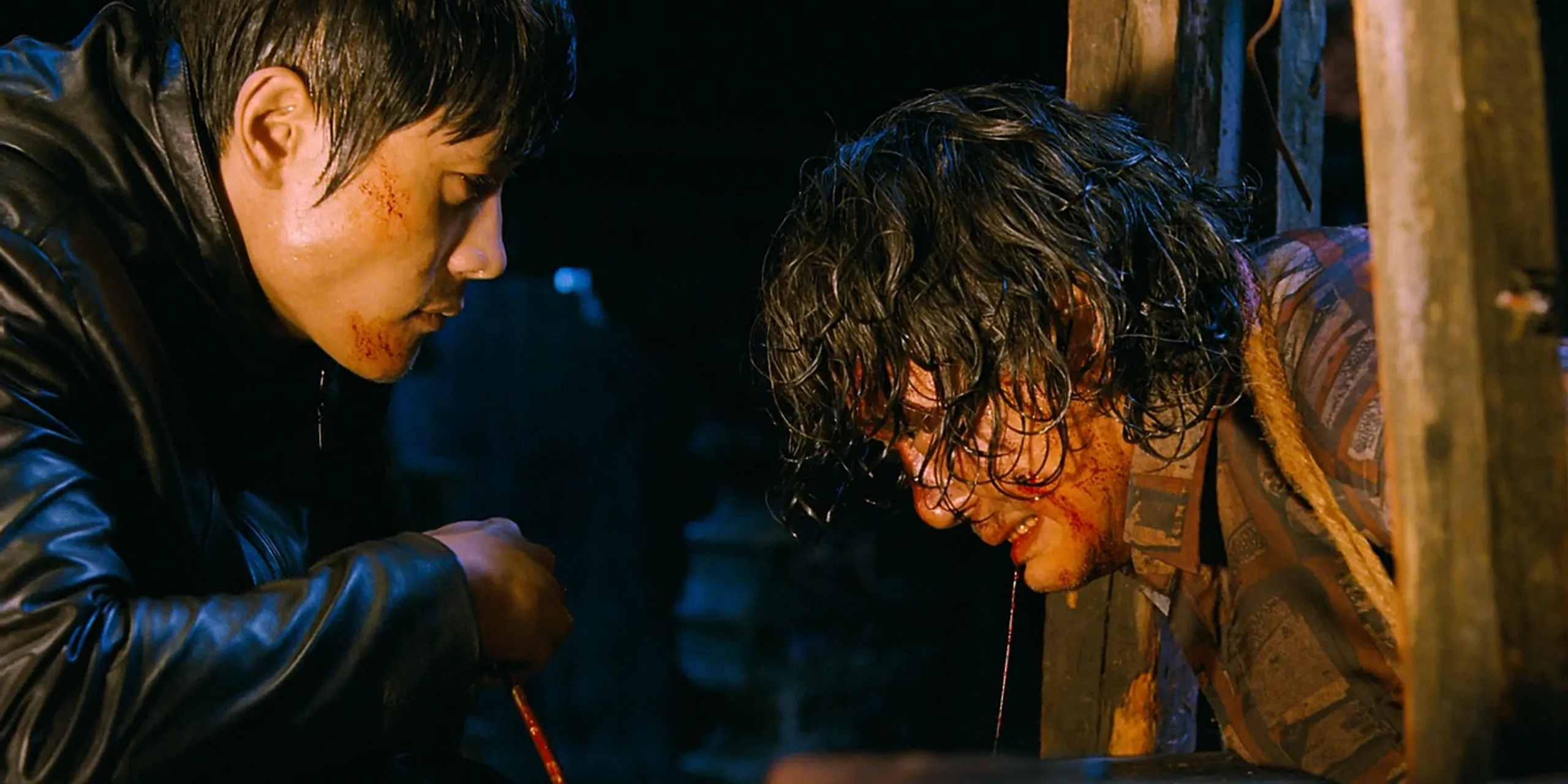
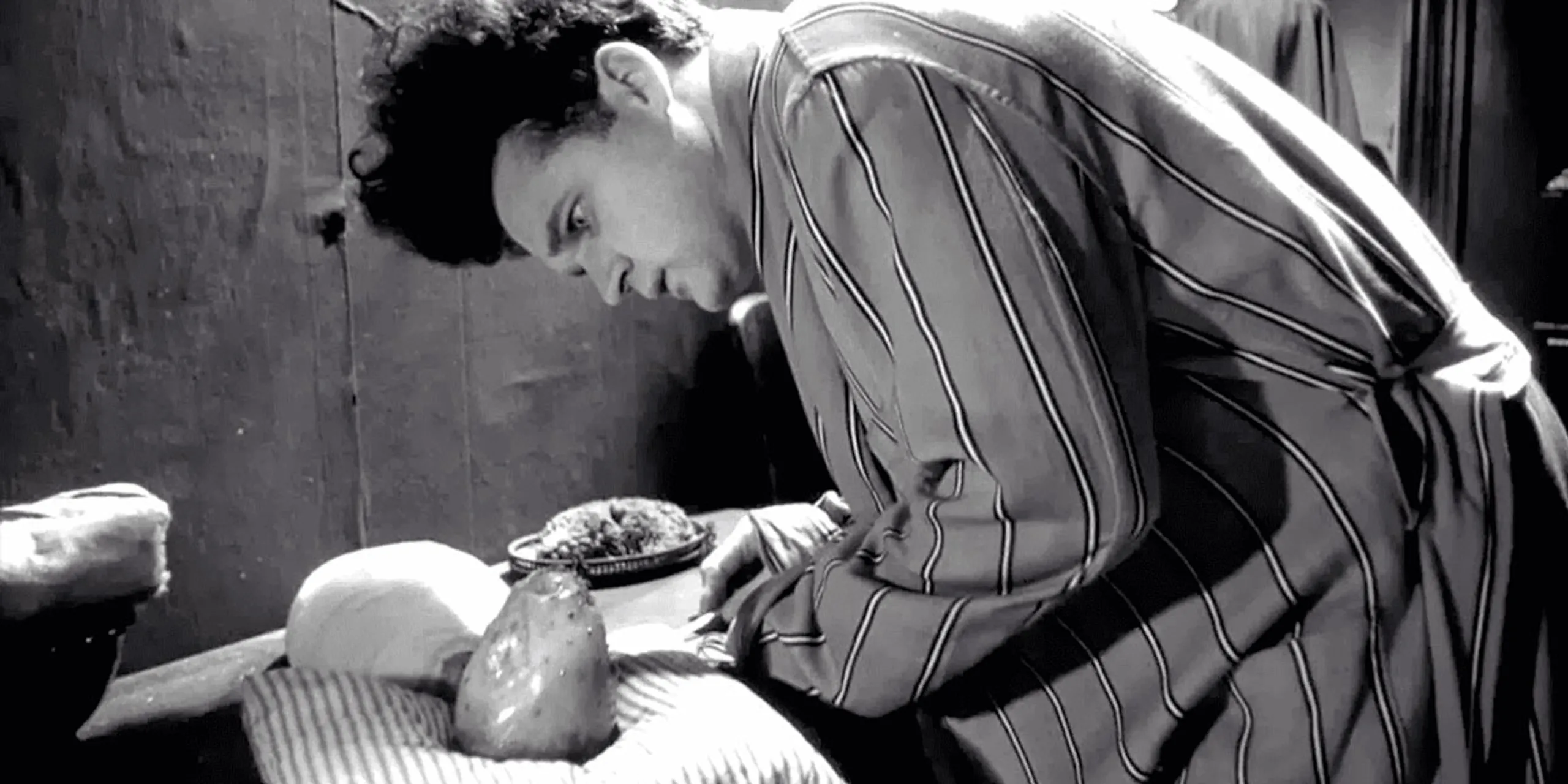
Asian horror traditions reshaped the genre at the turn of the millennium. J-Horror emerged as a distinctly Japanese response to technological anxiety layered onto centuries-old ghost-story conventions; Hideo Nakata's Ring (1998) became a global phenomenon. Korean horror brought emotional complexity and narrative ambition that expanded what the genre could accomplish dramatically — Na Hong-jin's The Wailing (2016) may be the masterwork of the international wave. And arthouse horror, the oldest and most persistent of these traditions, insists that horror and serious artistic intention are not just compatible but inseparable. Each movement is the product of its time and place, but the best work transcends both — a giallo from 1970s Rome, a ghost film from 1990s Tokyo, a folk horror tale from modern New England, each speaking to fears that are simultaneously culturally specific and universally human.
Explore Movements & Traditions


Statistics
Popularity by Decade
Share of each decade's horror films classified as Movements & Traditions. Counts films with at least 5 TMDB ratings, so very obscure titles are not represented.
Popularity by Country
Share of each country's horror output classified as Movements & Traditions. Counts films with at least 5 TMDB ratings, so very obscure titles are not represented.