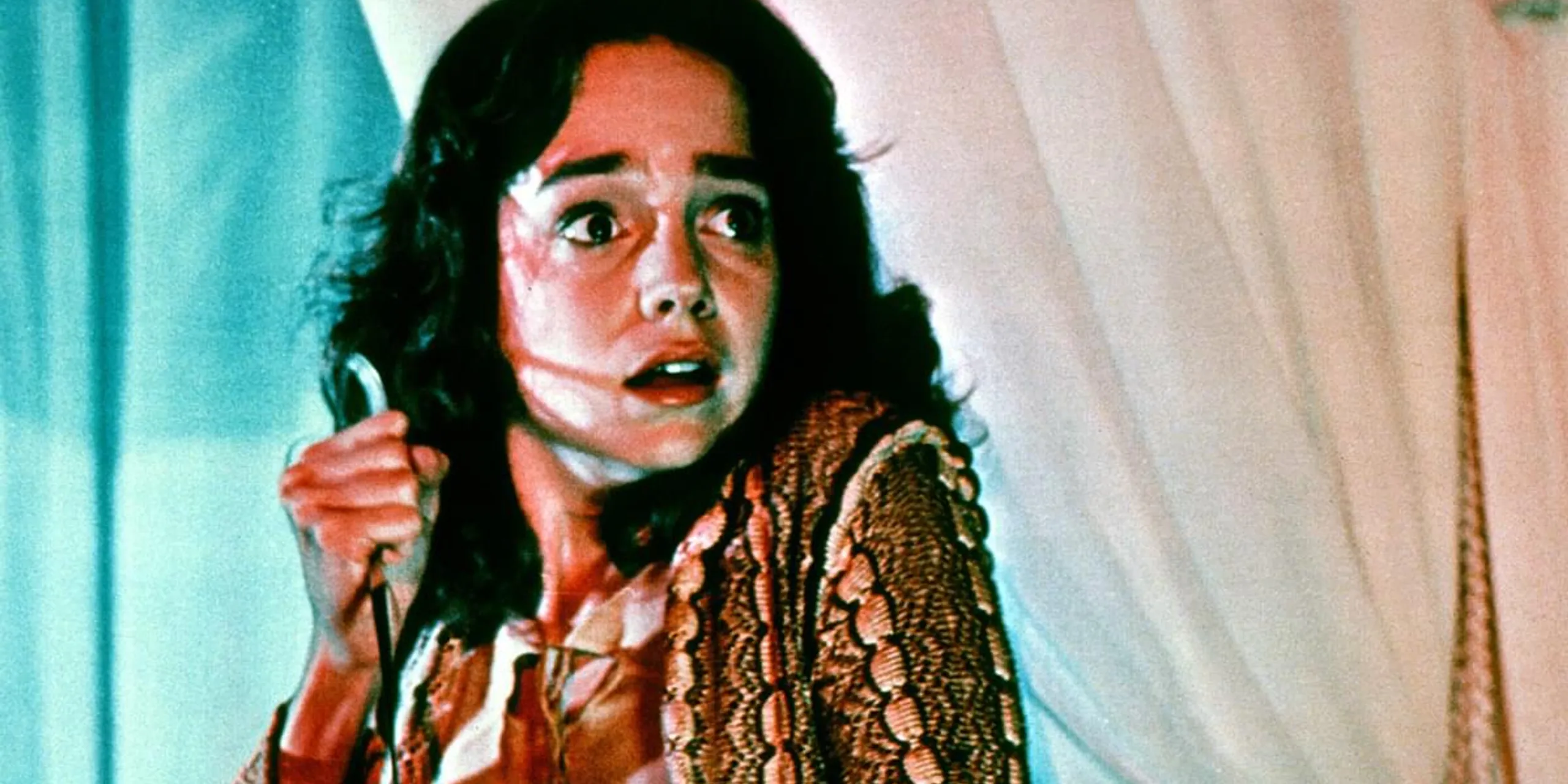
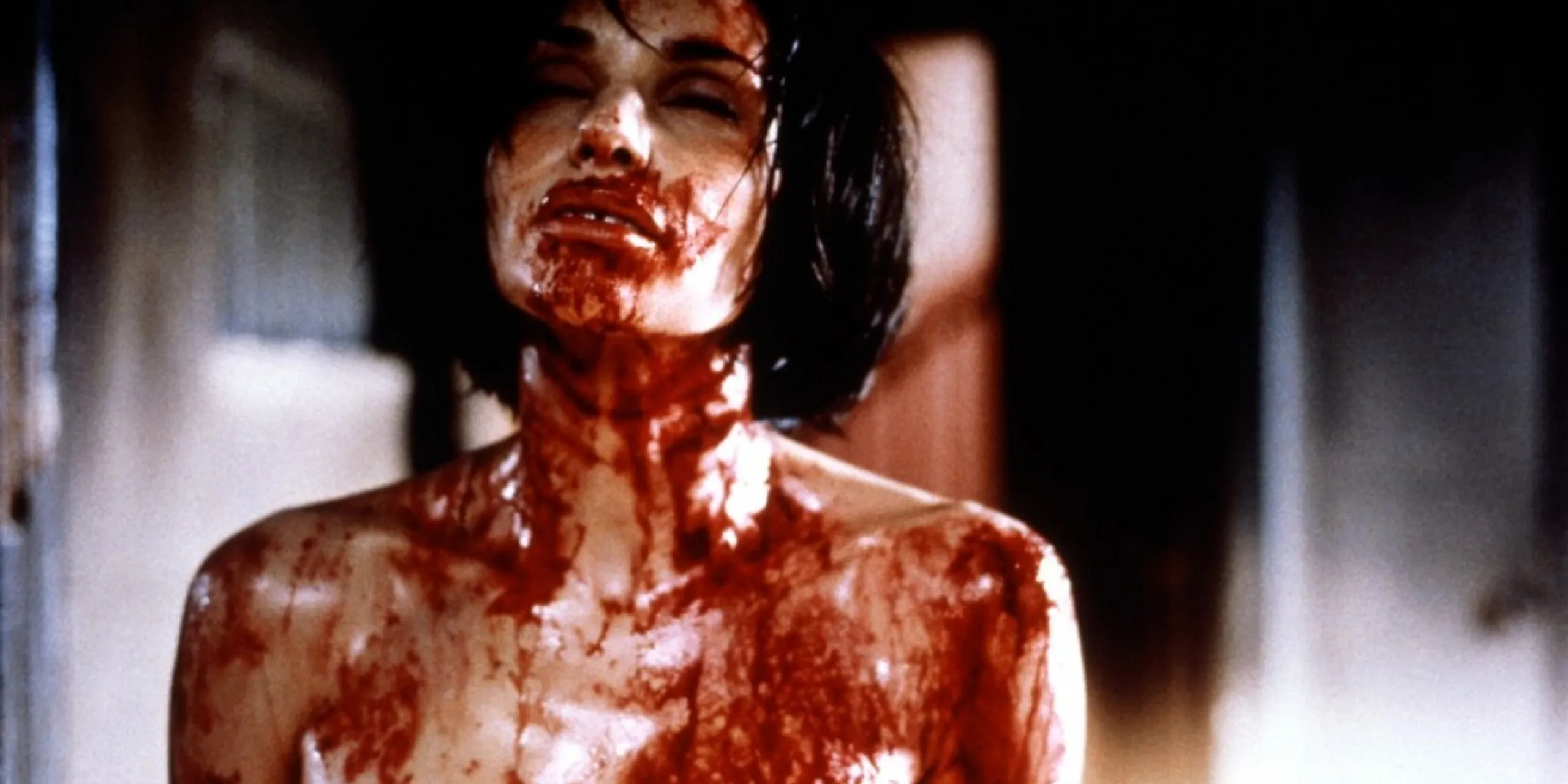
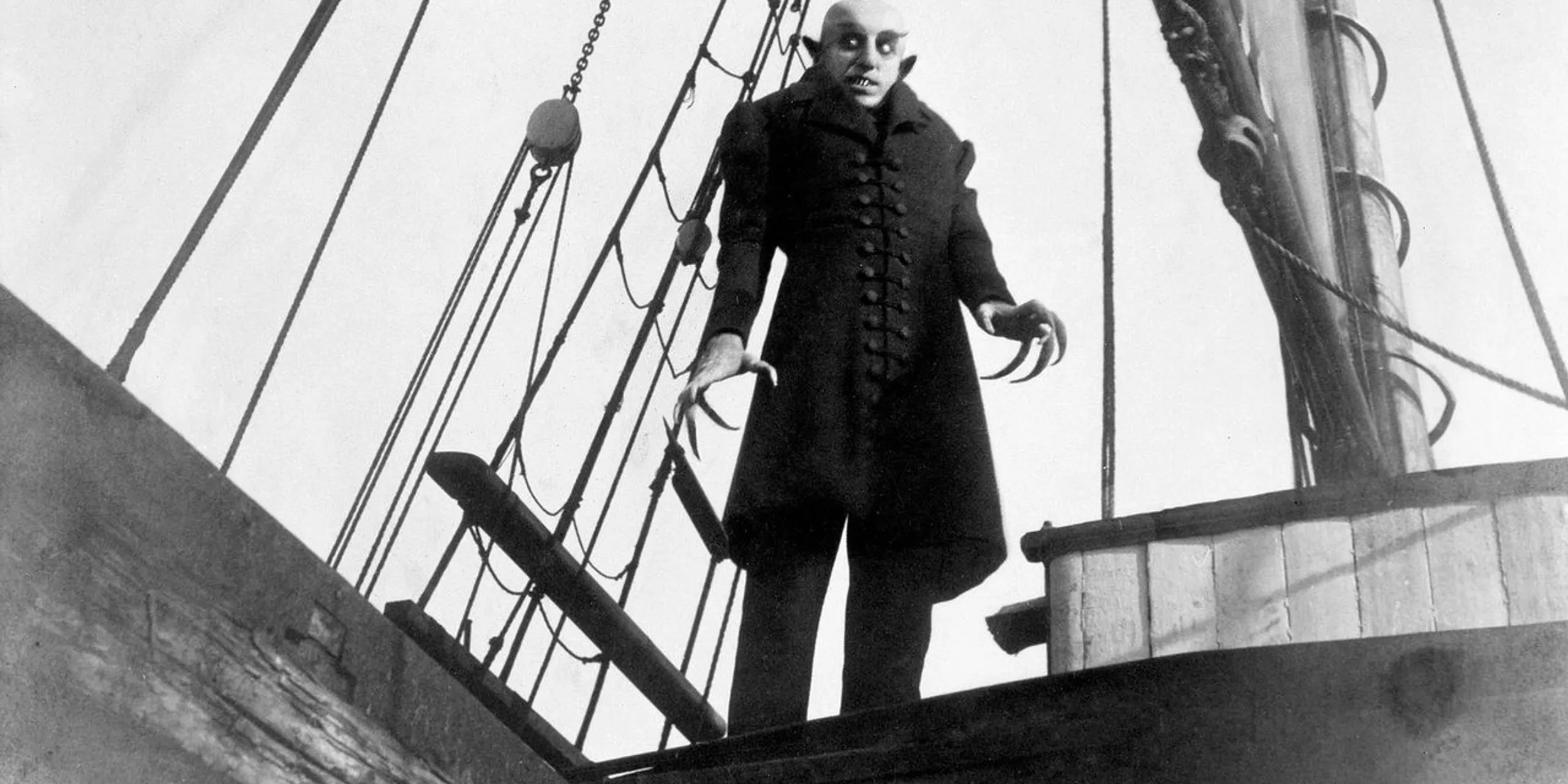
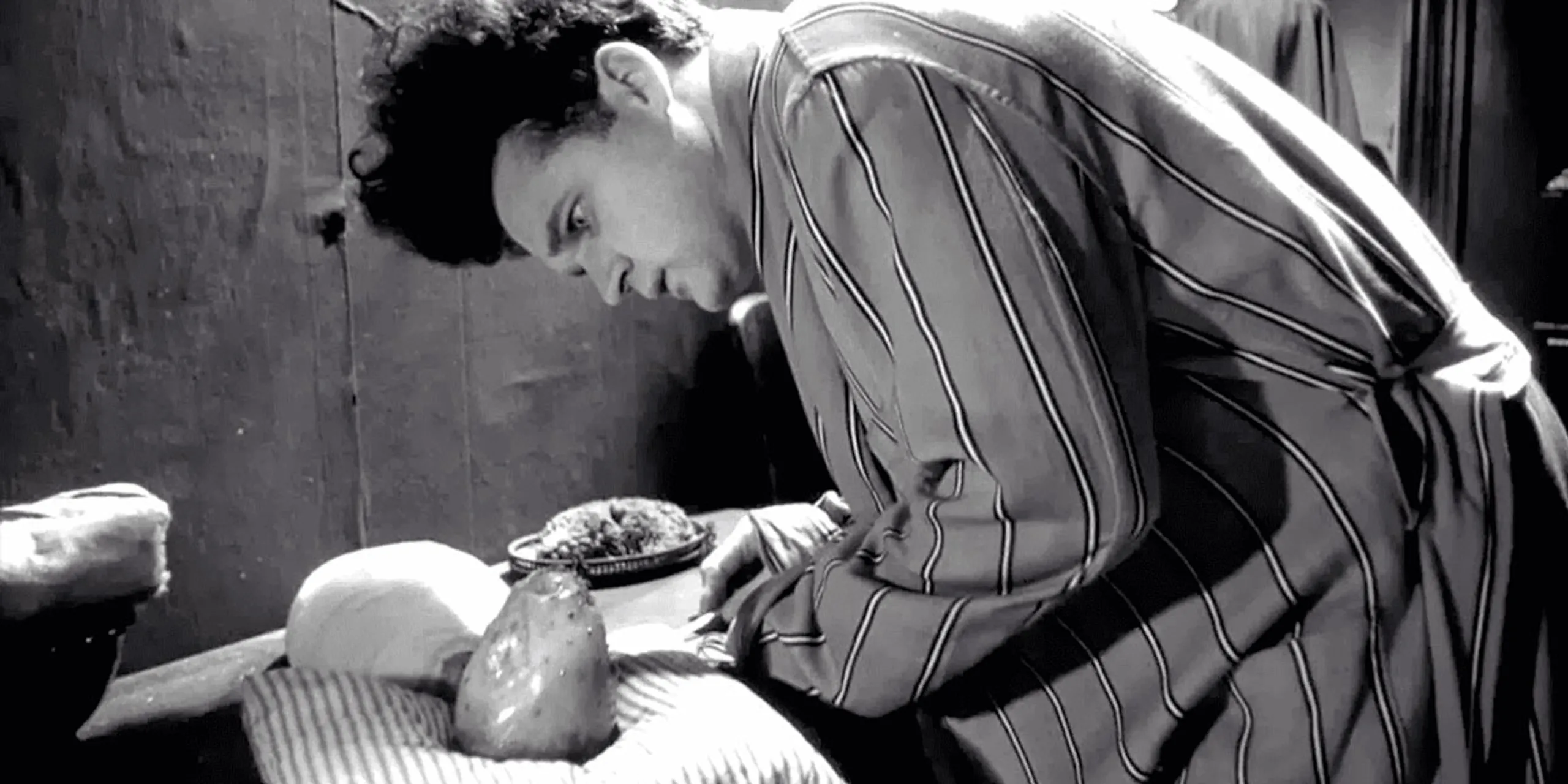
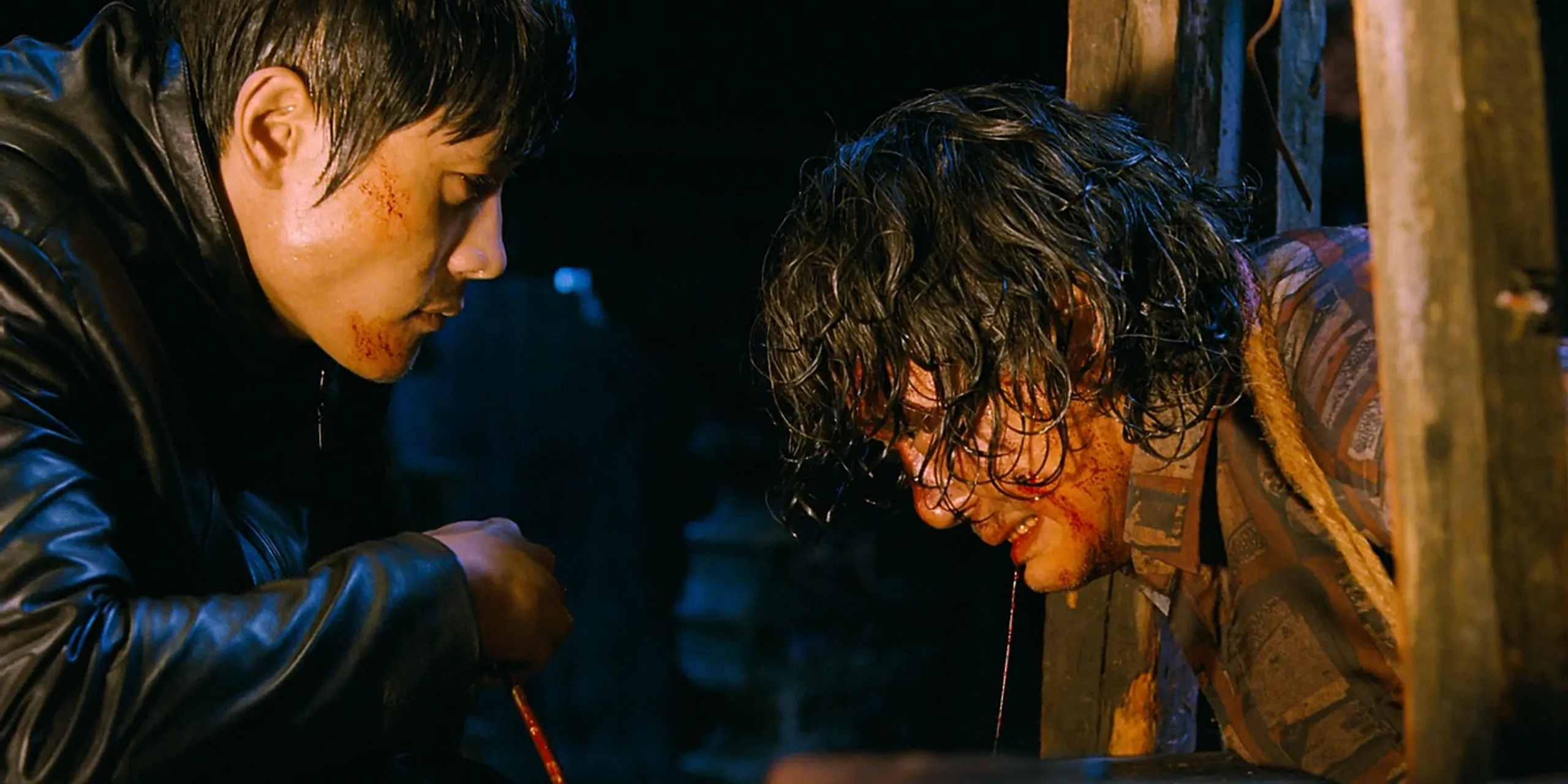
 I Saw the Devil (2010)
Korean Horror
Emotional complexity meets genre ambition. A national tradition characterized by narrative daring, social commentary, and a refusal to let genre boundaries limit what a film can accomplish.
History & Origins
Korean horror cinema has emerged as one of the genre's most vital national traditions — a body of work characterized by emotional complexity, narrative ambition, and a willingness to violate genre boundaries in pursuit of something that is simultaneously horror, drama, and social commentary. Korean filmmakers approach horror not as a genre of limitations but as a genre of possibilities.
The modern Korean horror wave began with Park Ki-hyung's Whispering Corridors (1998) — a girls'-high-school ghost story whose Korean title translates as "Girls' High School Ghost Story" and whose runaway success kick-started an annual franchise that ran through the 2000s. Kim Tae-yong and Min Kyu-dong's Memento Mori (1999) pushed the form into queer melodrama; subsequent entries — Wishing Stairs (2003), Voice (2005) — kept the form refreshing itself with new directors. Outside the school-horror cycle, A Tale of Two Sisters (2003) established the higher-ambition template: a film that functions as family drama, psychological thriller, ghost story, and mystery simultaneously, withholding its revelations until the audience has been emotionally invested in the characters' suffering.
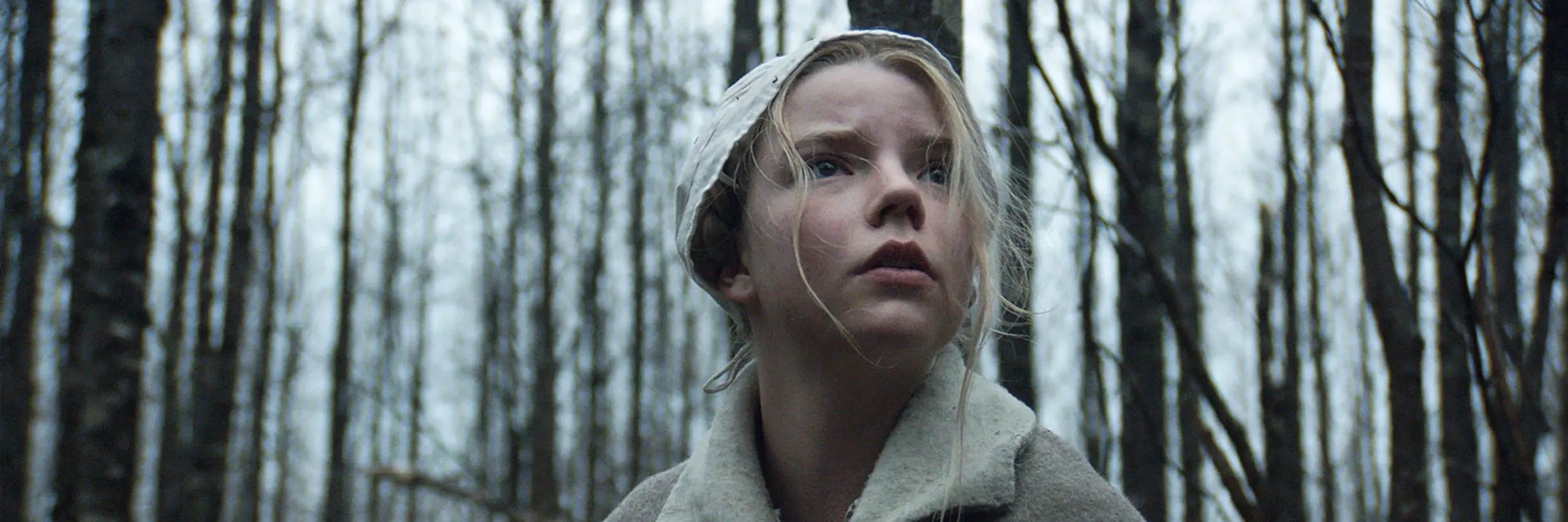
Bong Joon Ho's The Host (2006) reinvented the creature feature as a class-conscious family comedy-drama. Park Chan-wook's Thirst (2009) reworked the vampire film as guilt-stricken Catholic melodrama. Kim Jee-woon's I Saw the Devil (2010) collapsed the boundary between hero and villain so completely that the revenge narrative became its own form of horror. Jang Cheol-soo's Bedevilled (2010) relocated the rape-revenge template to a remote island, where it became a study in collective Korean patriarchal cruelty.
Na Hong-jin's The Wailing (2016) may be the tradition's masterpiece — a film that weaves shamanism, Christianity, Japanese occupation history, and folk belief into a narrative where no framework of understanding proves adequate to the evil at its center. Yeon Sang-ho's Train to Busan (2016) proved Korean horror could work at blockbuster scale. Parasite (2019) — more thriller than horror but inseparable from the tradition — won the Palme d'Or and the Best Picture Oscar, demonstrating that Korean genre cinema had achieved a level of craft and ambition the rest of the world could no longer ignore. Jang Jae-hyun's Exhuma (2024), a shamanic exhumation thriller, became one of the highest-grossing Korean films of all time, confirming that the tradition is not slowing down.
Essential Films
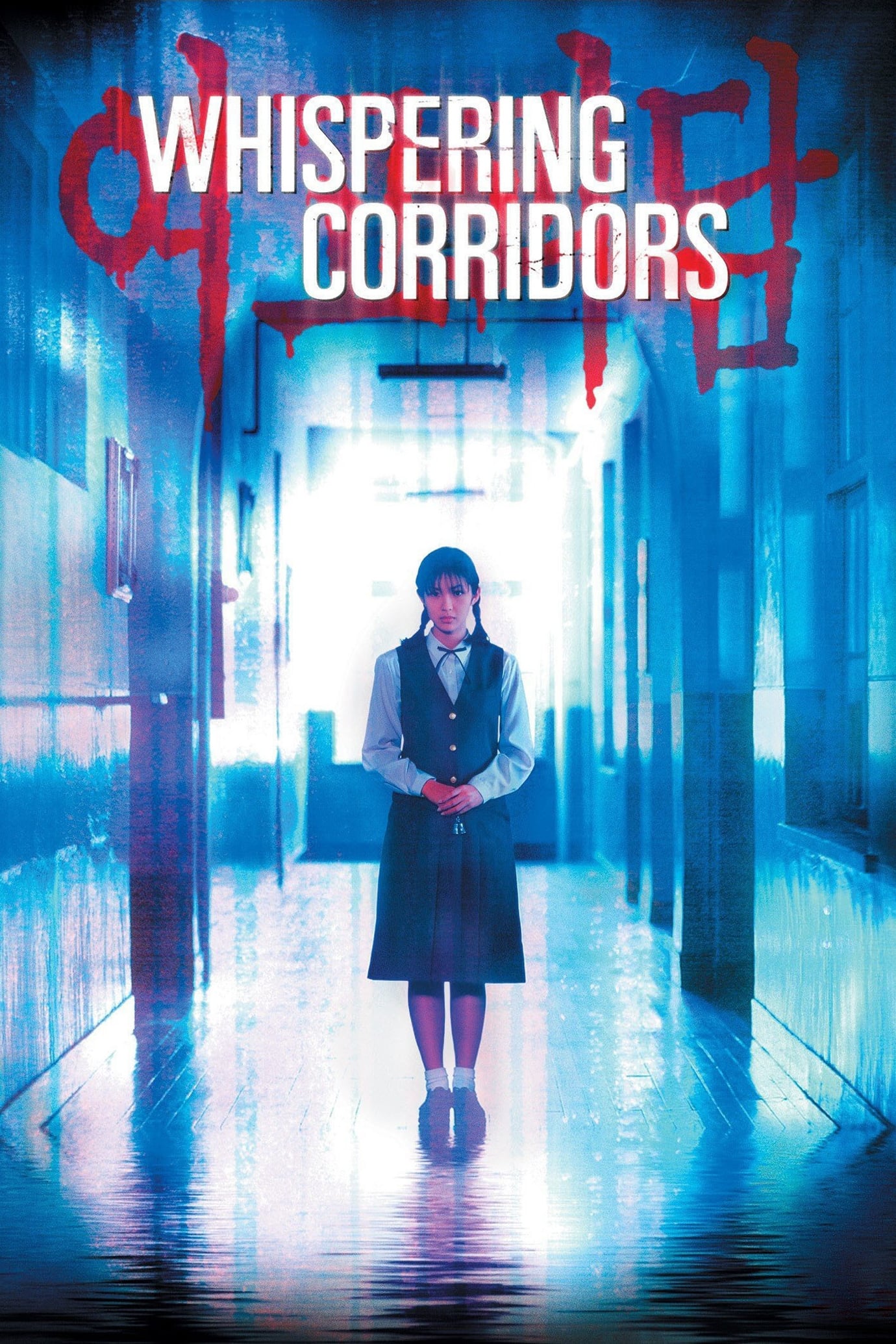
Whispering Corridors
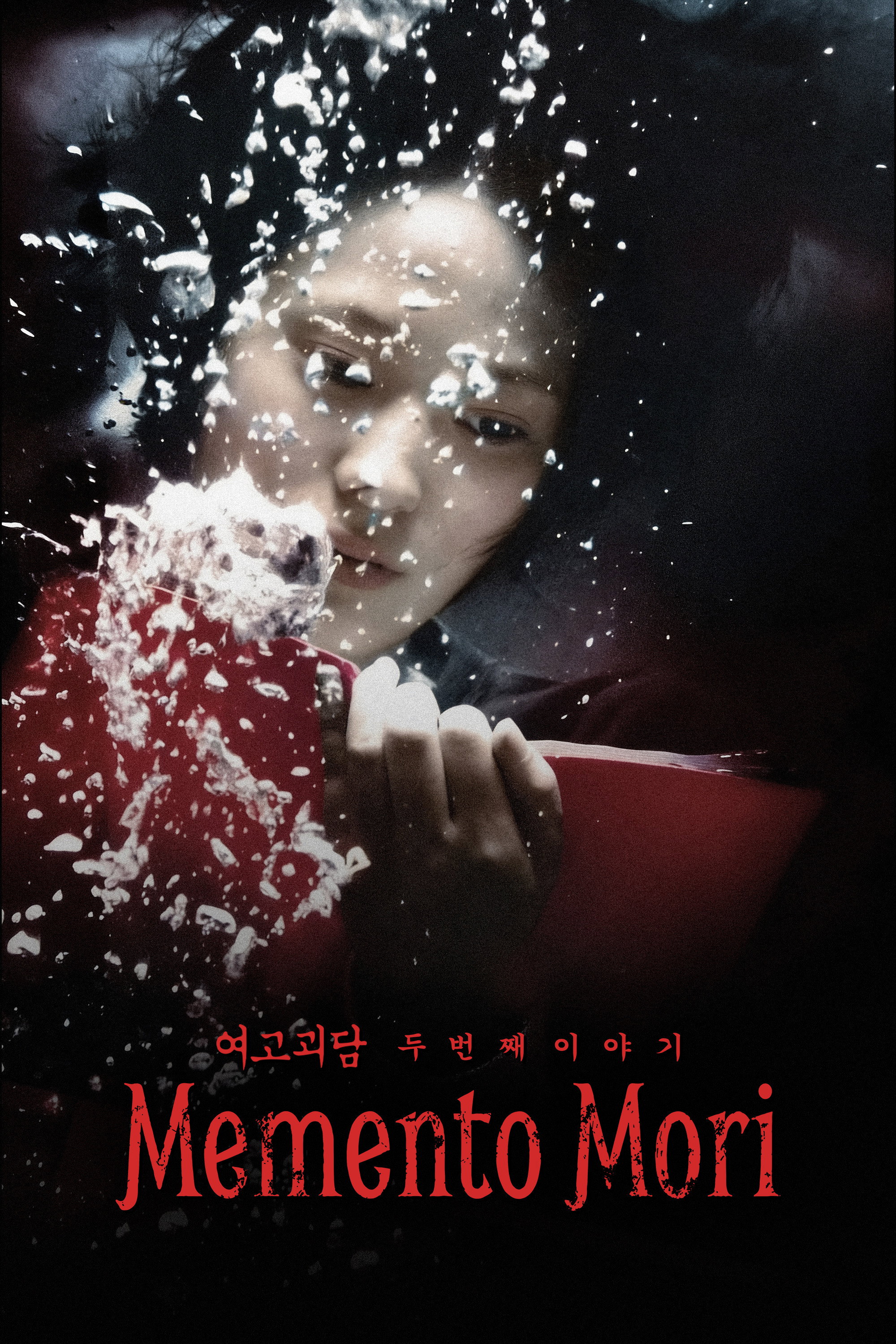
Memento Mori
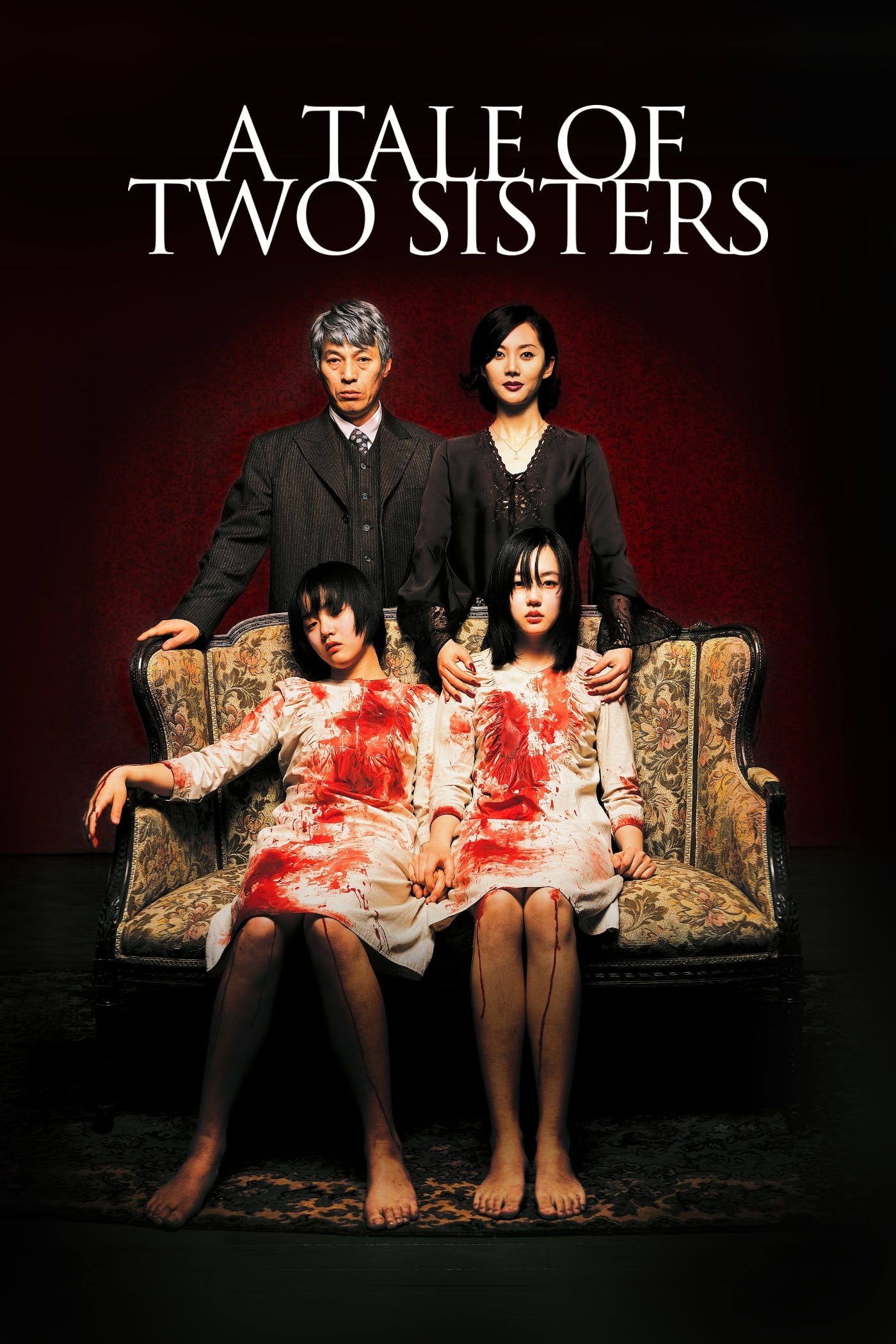
A Tale of Two Sisters
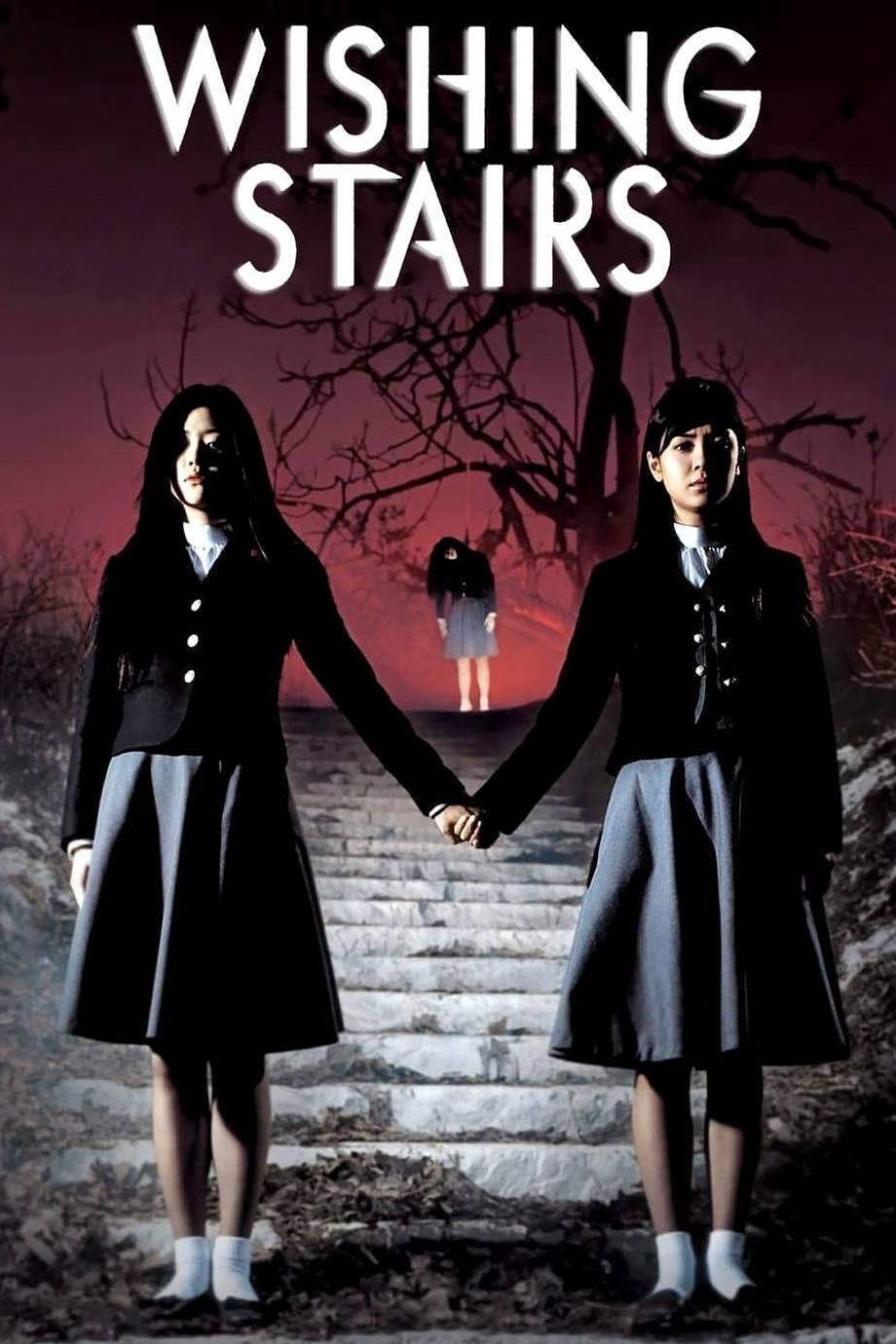
Wishing Stairs
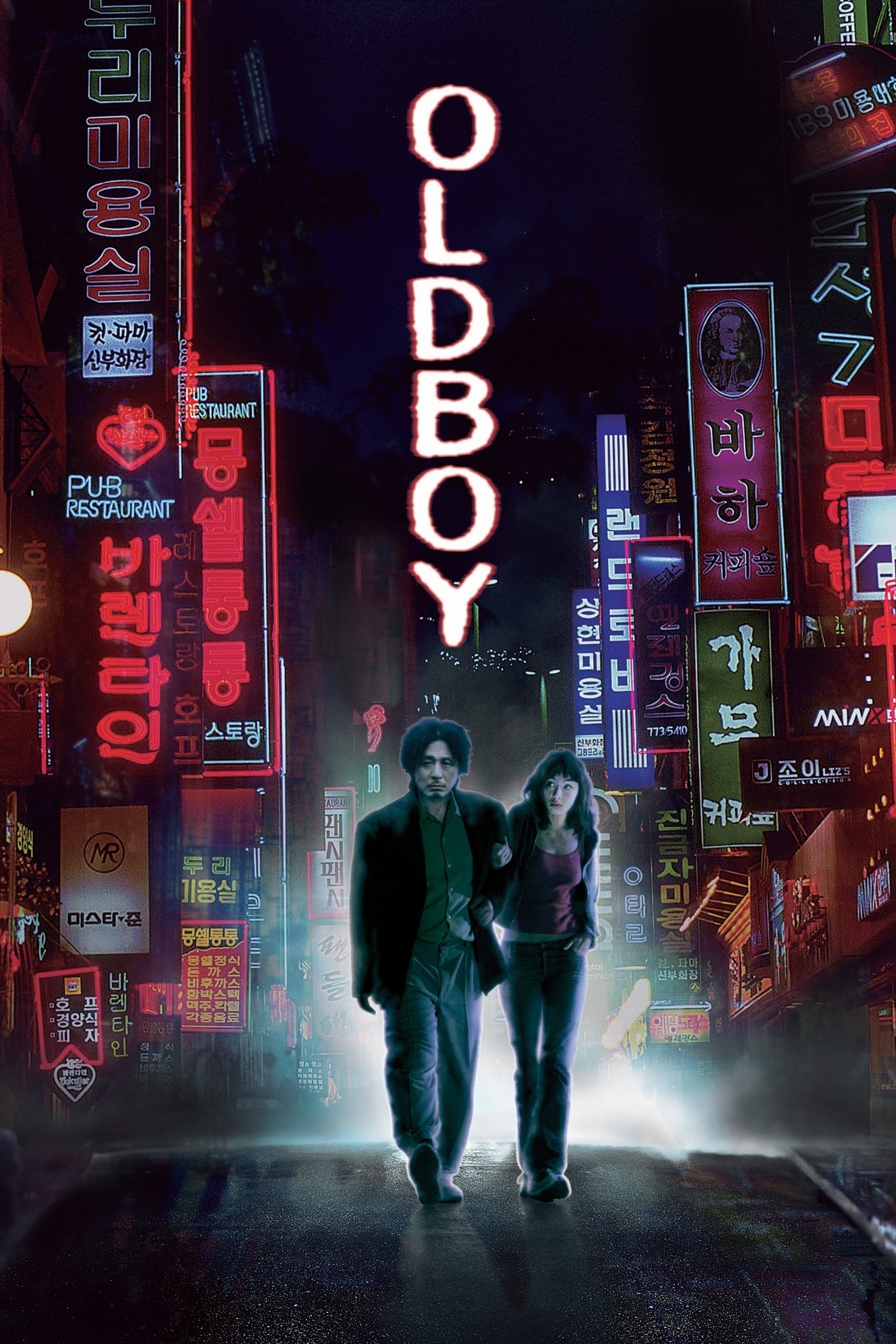
Oldboy

R-Point
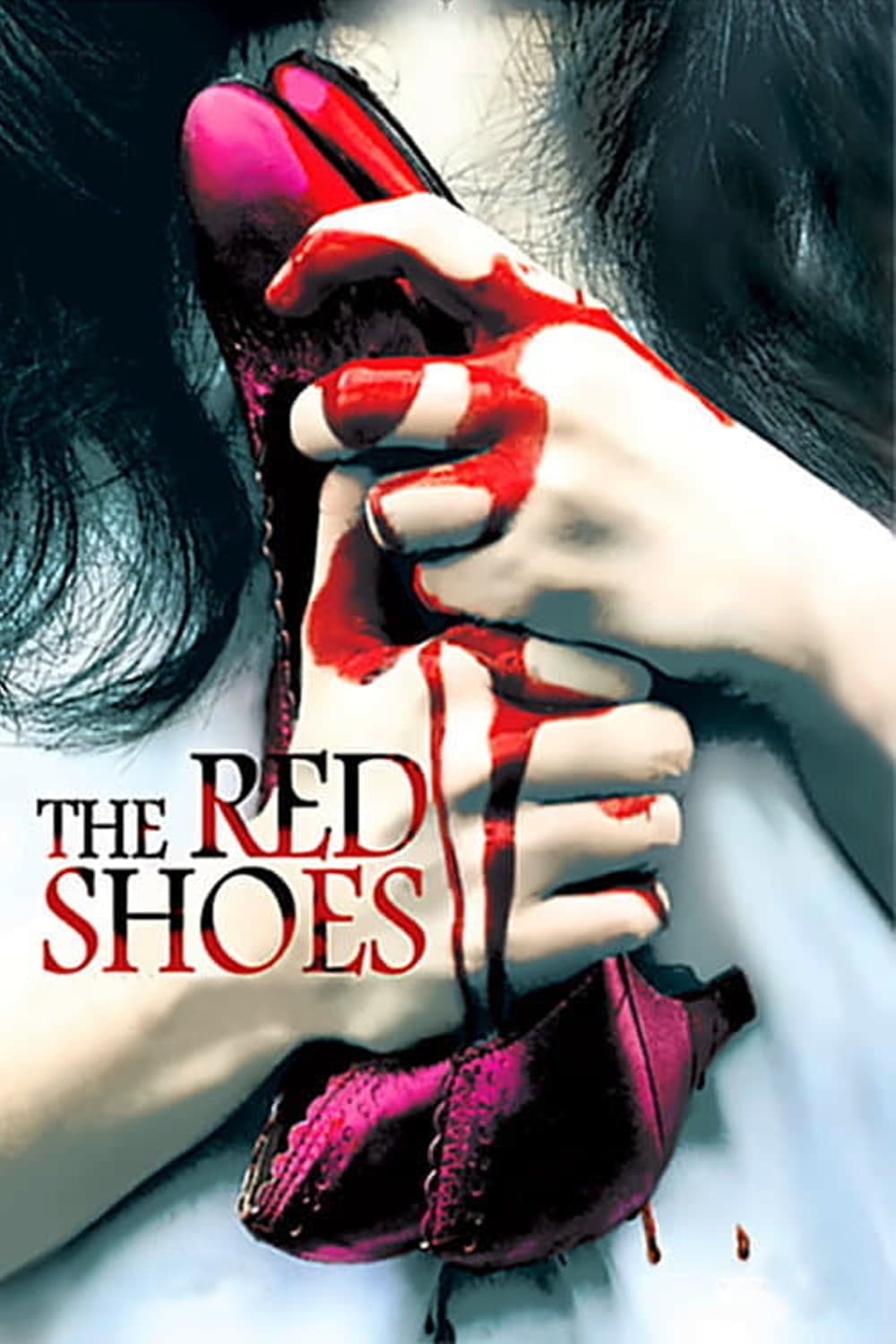
The Red Shoes
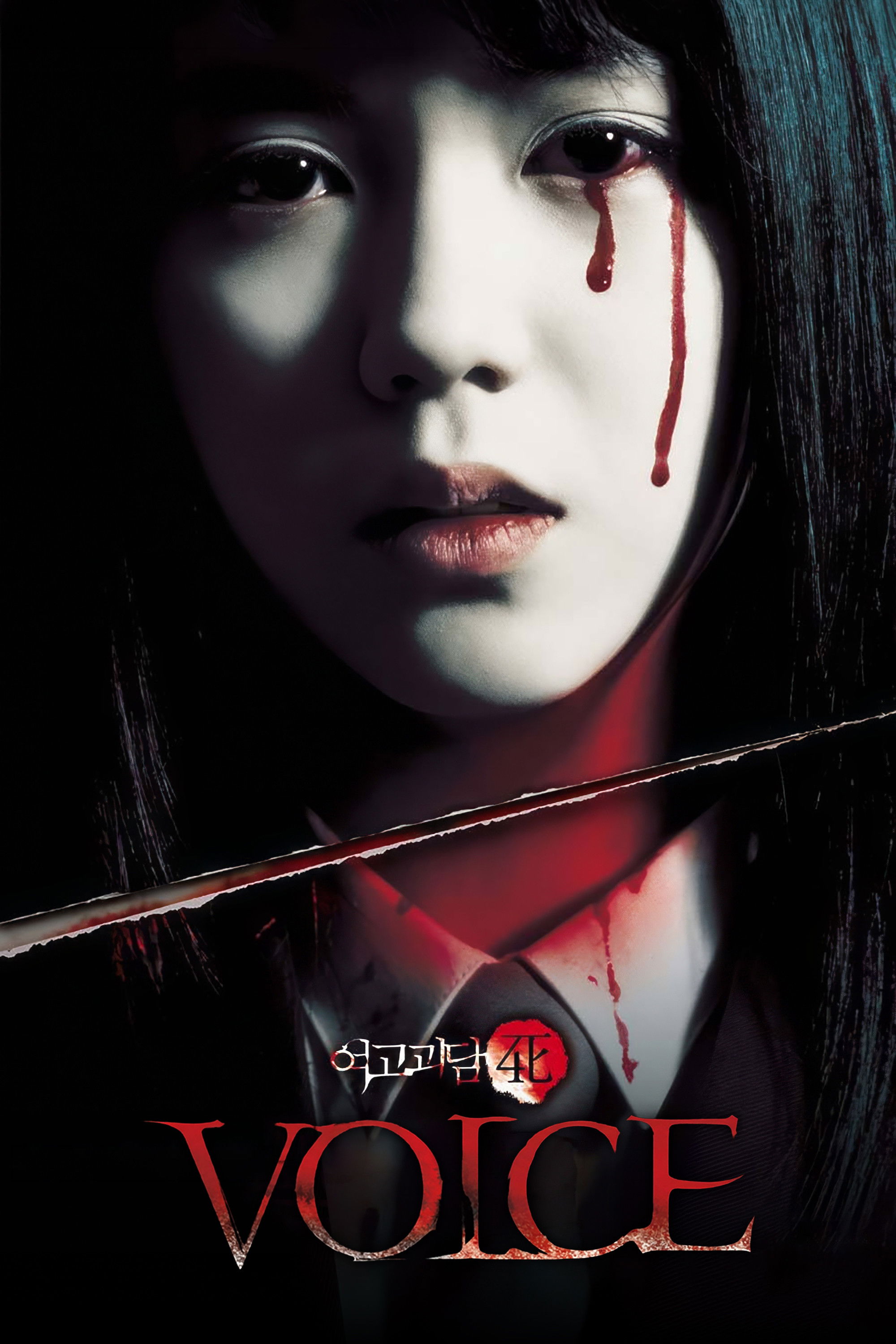
Voice
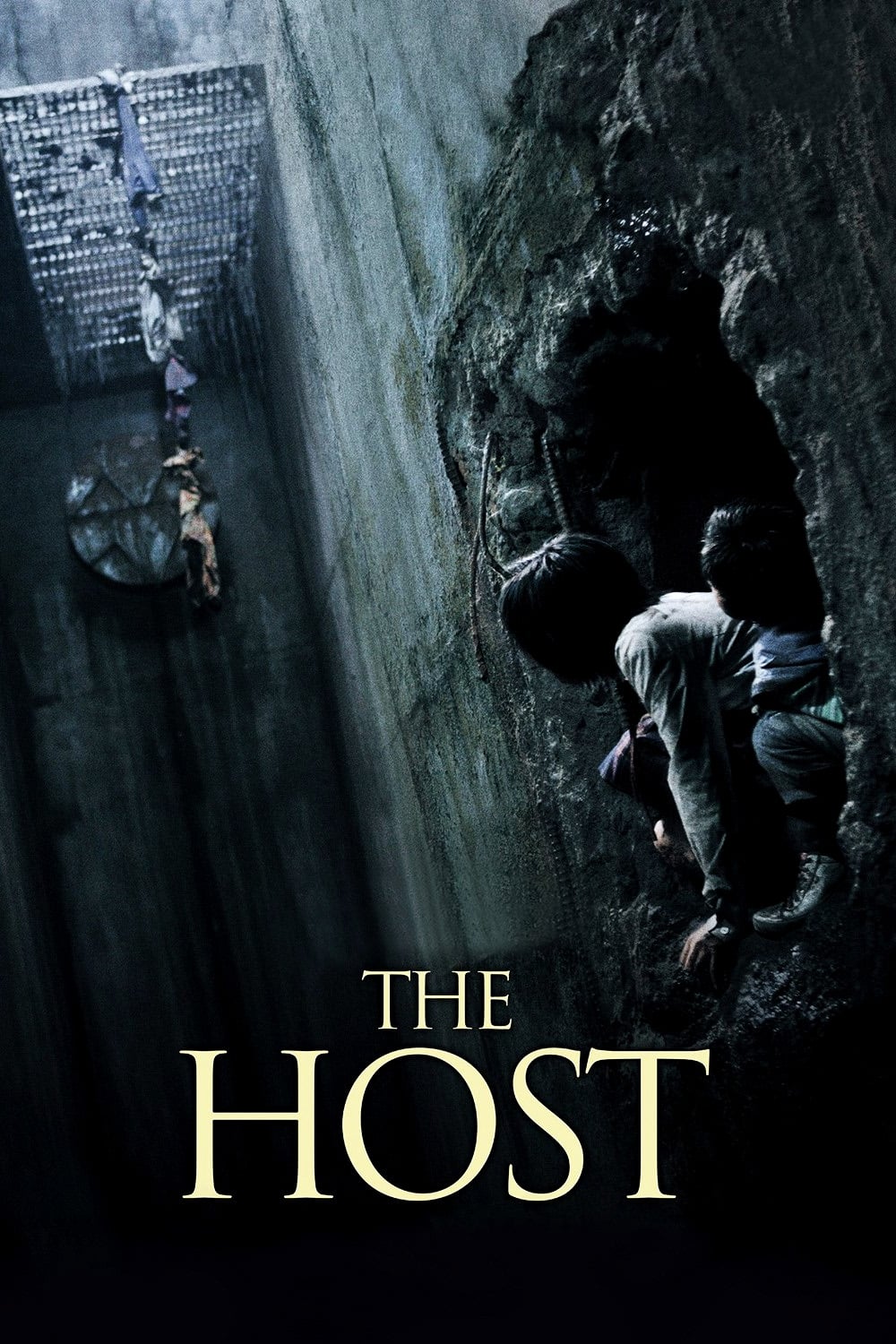
The Host

Hansel and Gretel
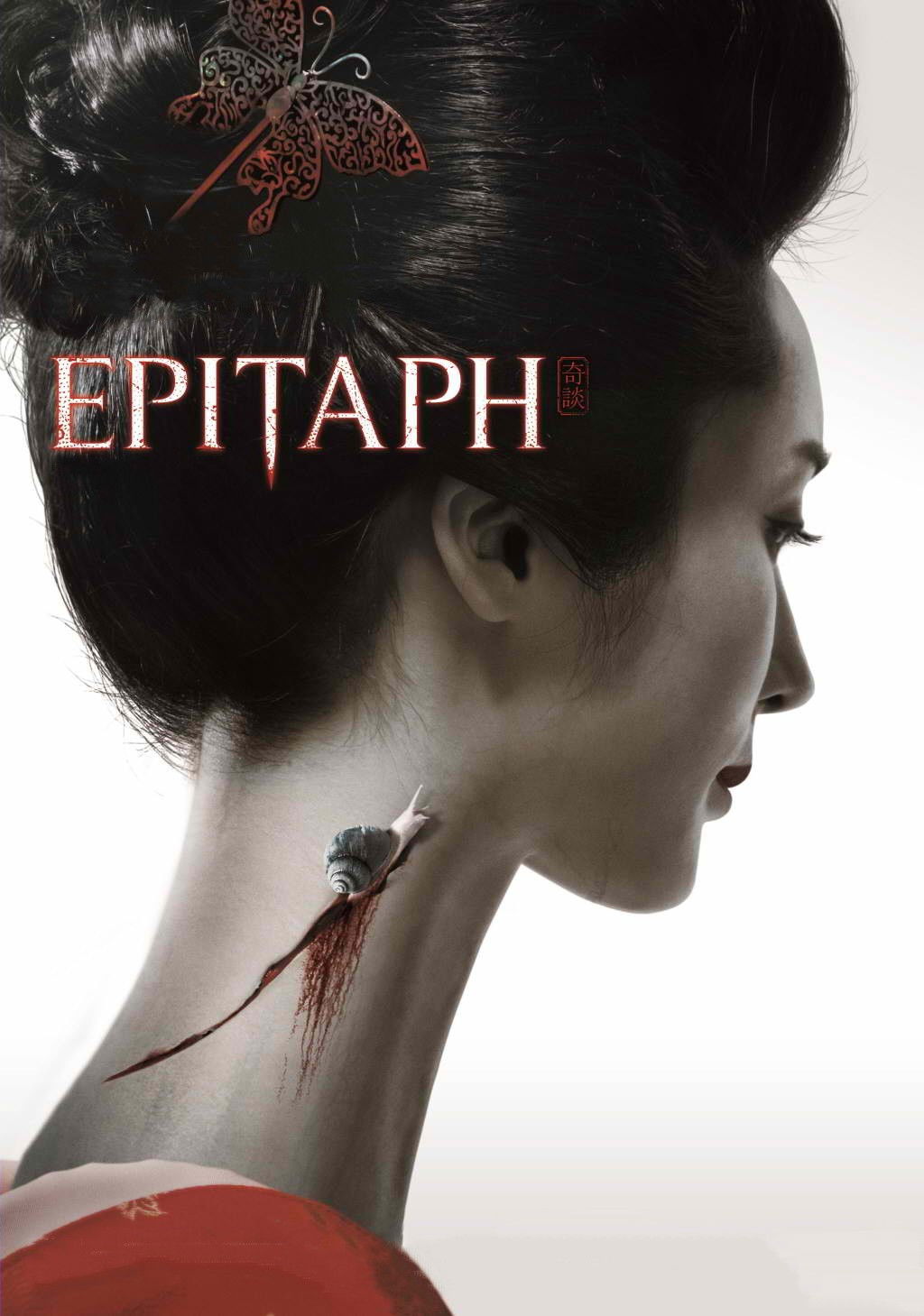
Epitaph
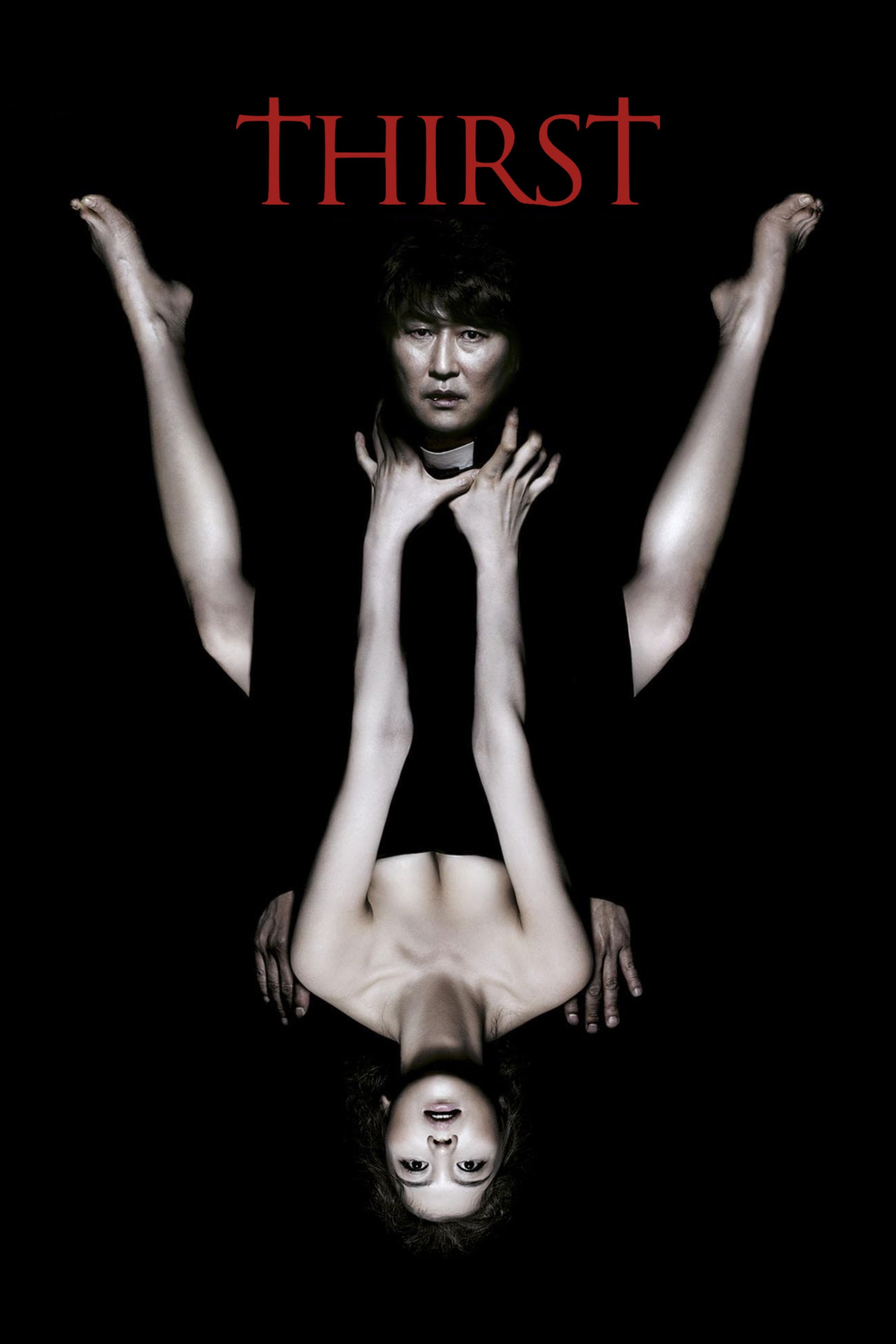
Thirst
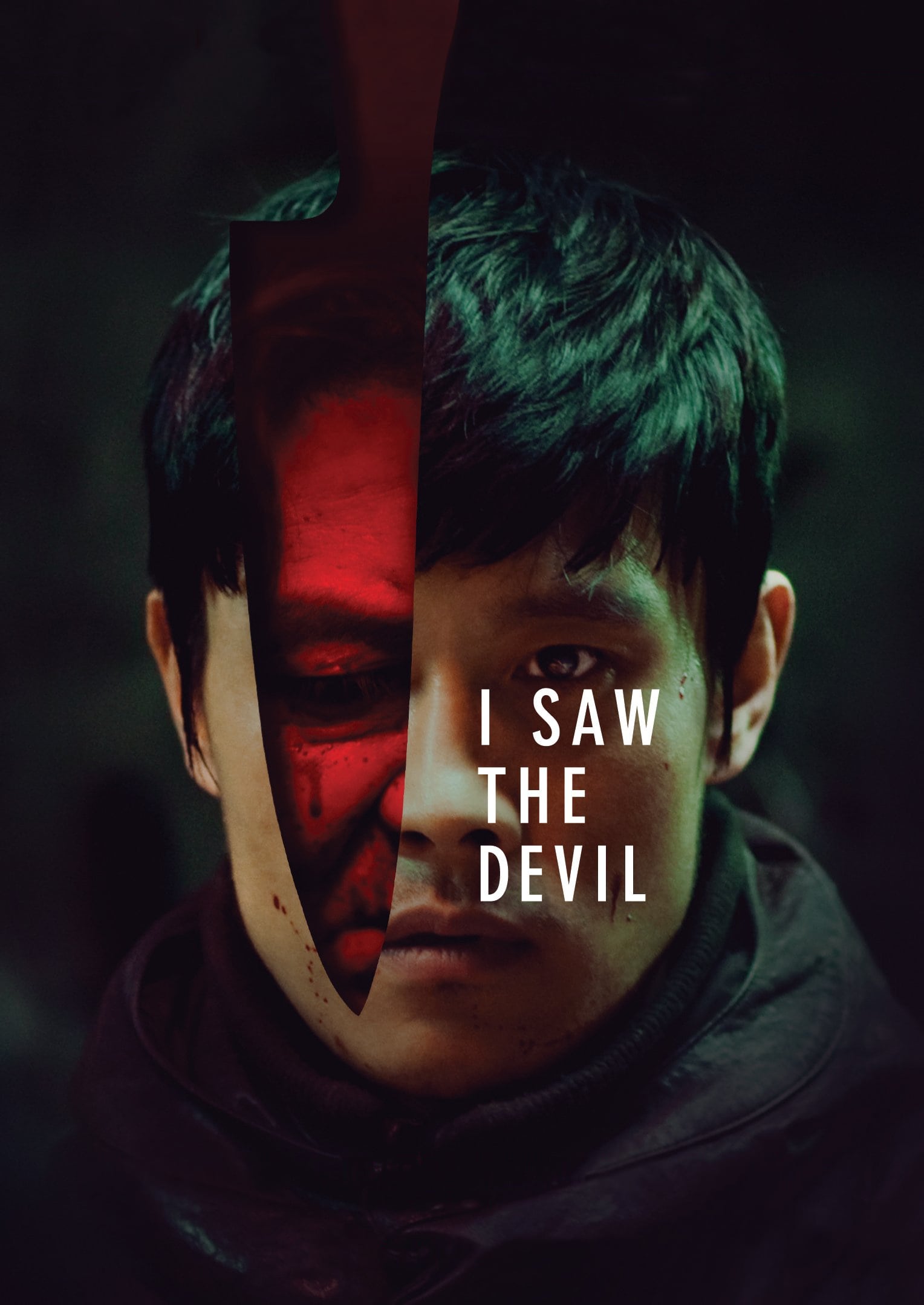
I Saw the Devil
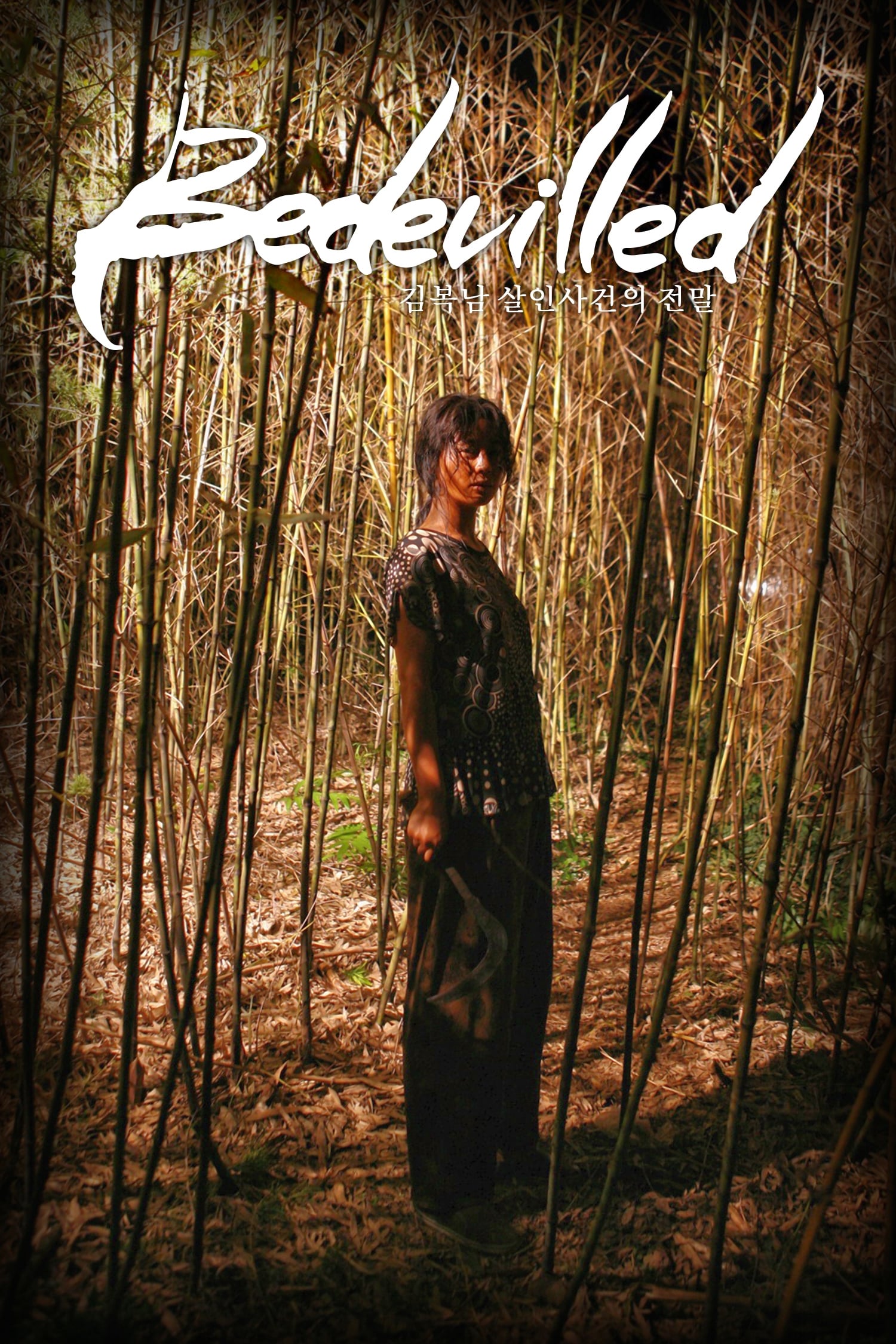
Bedevilled
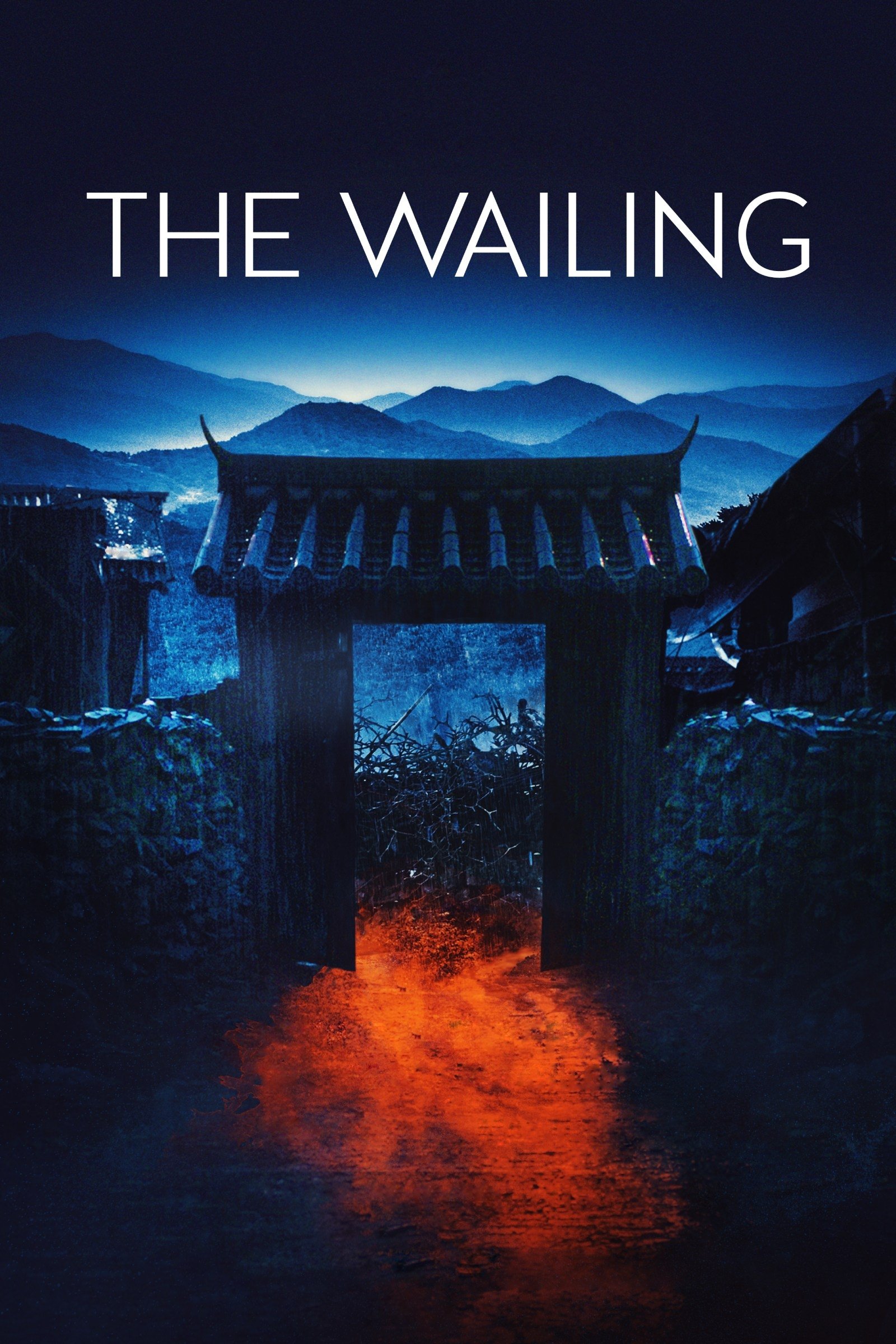
The Wailing
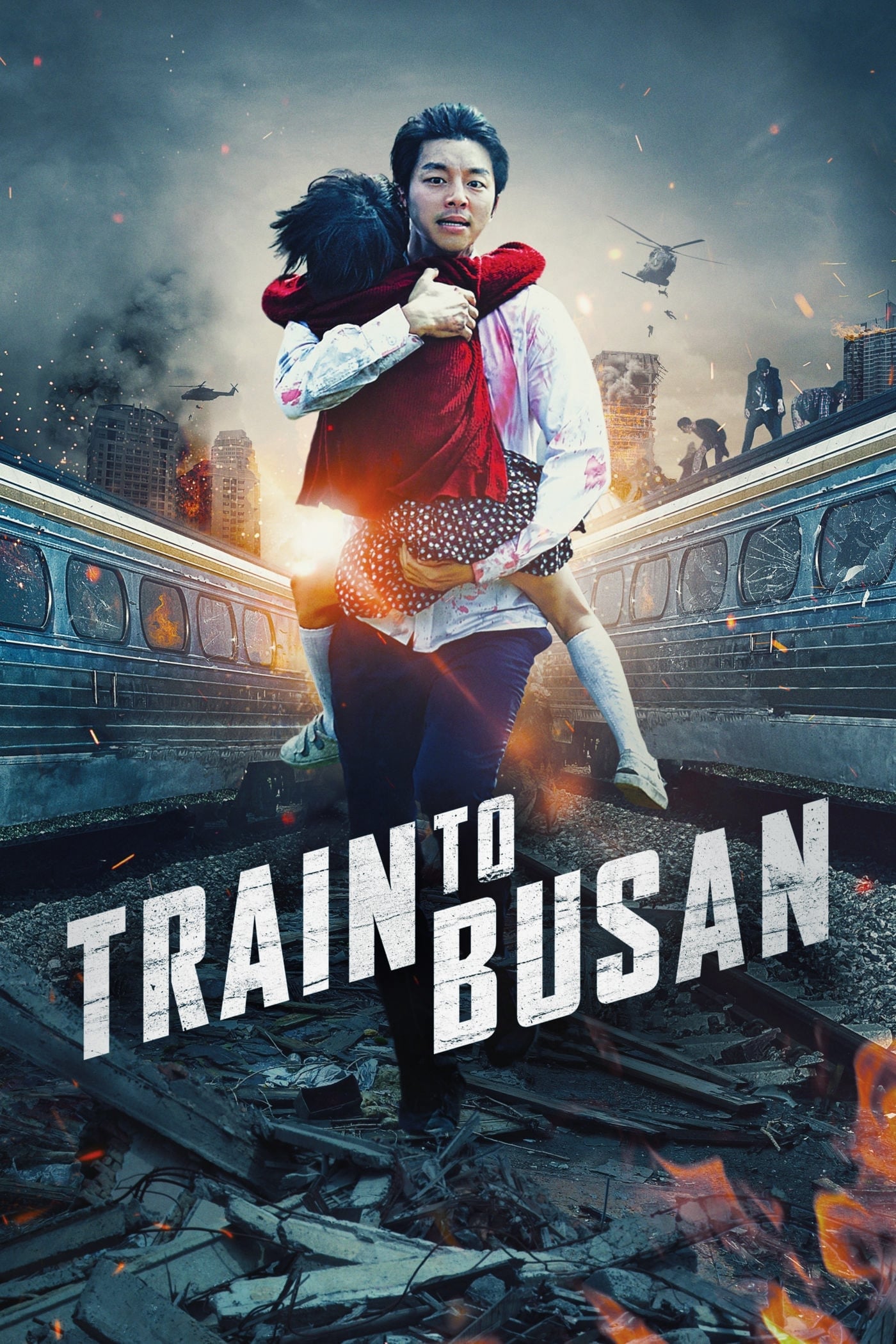
Train to Busan
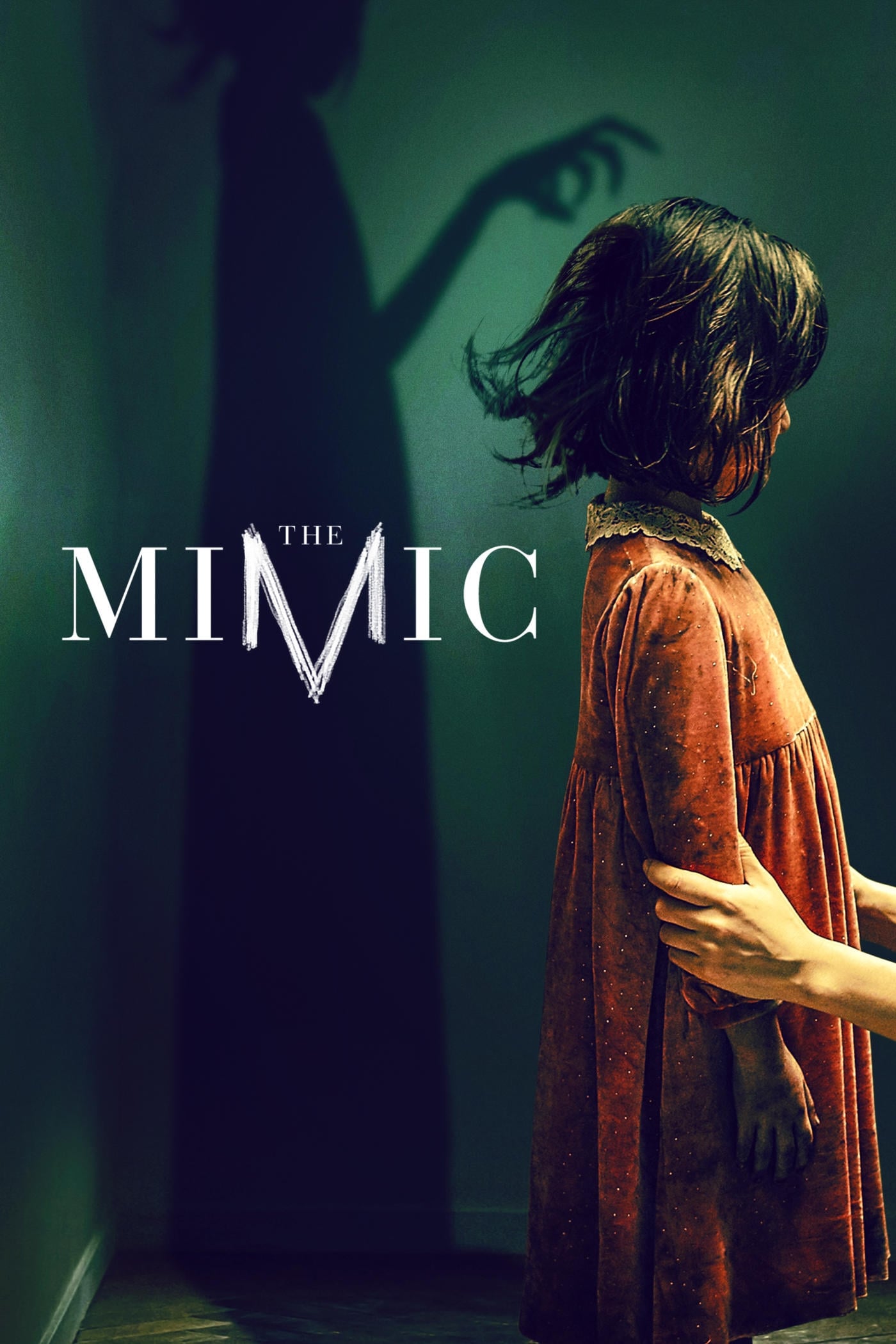
The Mimic
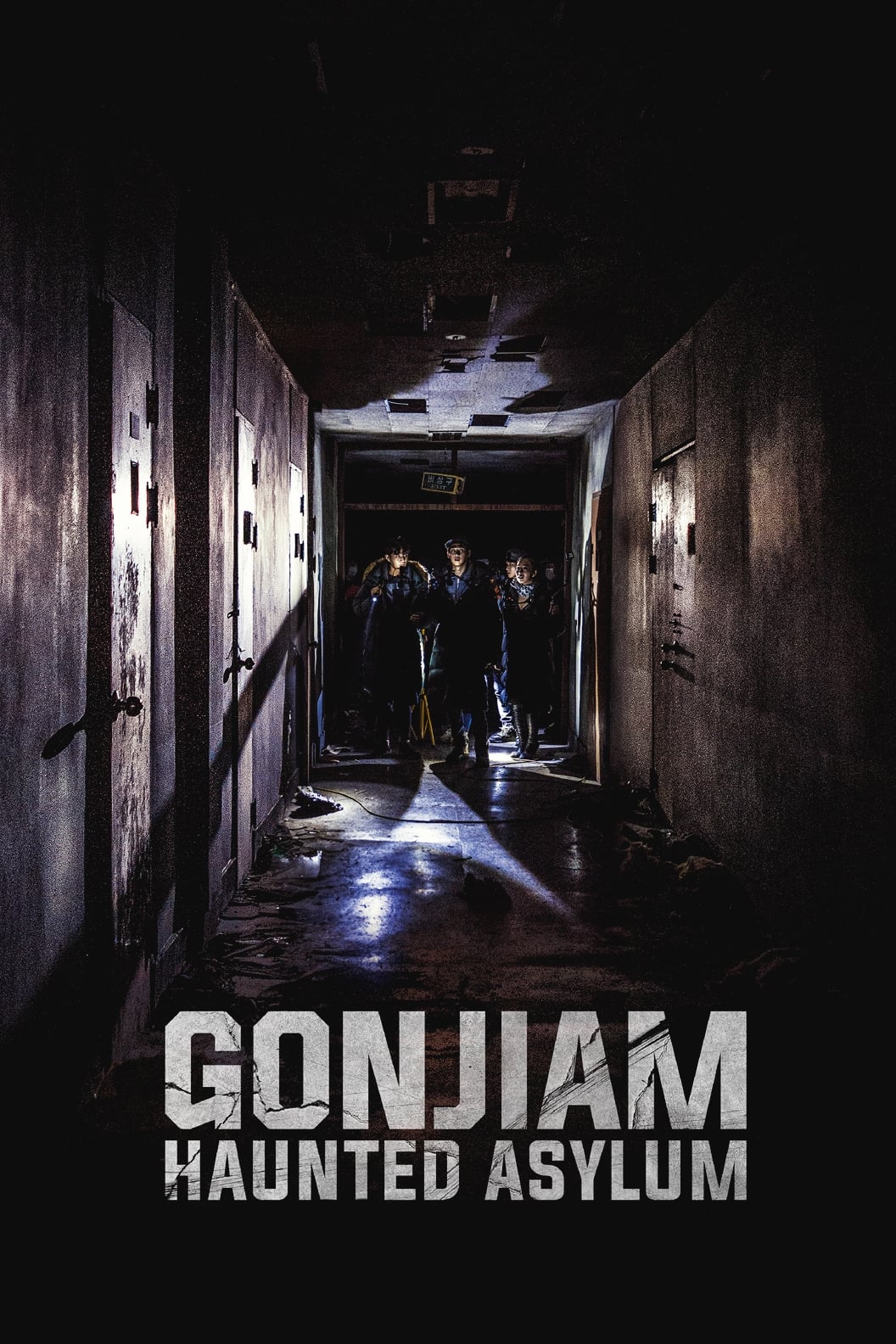
Gonjiam: Haunted Asylum
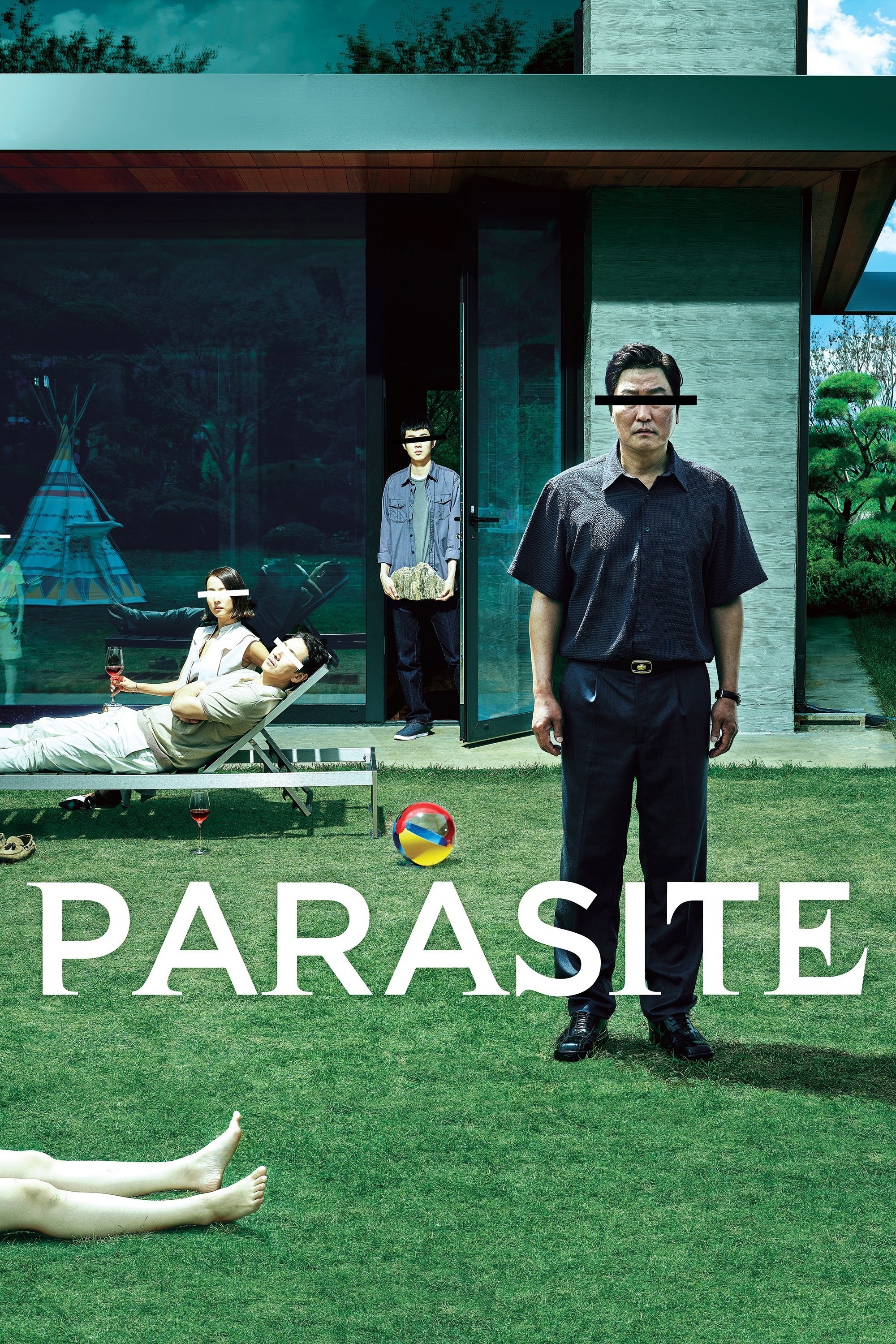
Parasite
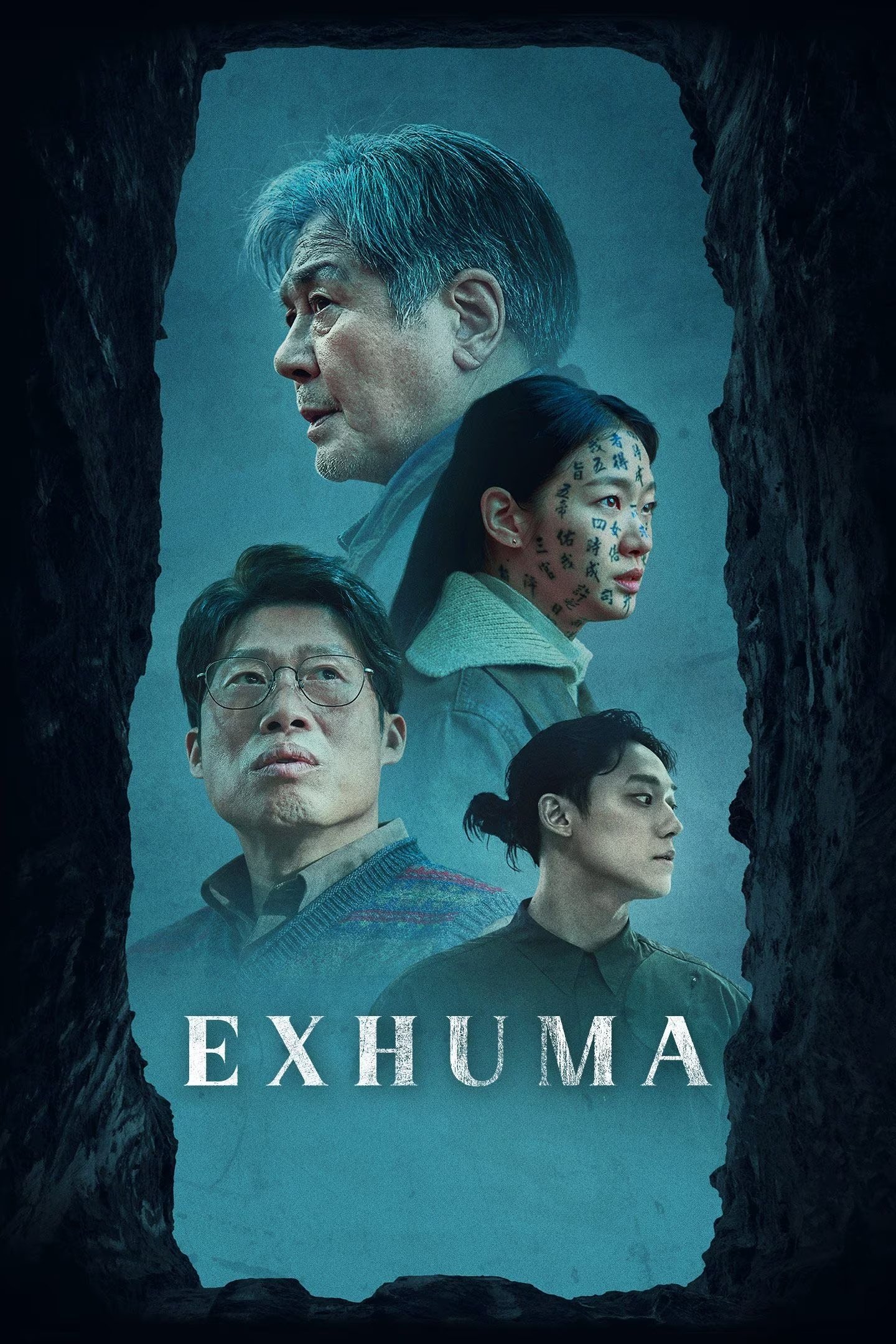
Exhuma
Statistics
Popularity by Decade
Share of each decade's horror films classified as Korean Horror. Counts films with at least 5 TMDB ratings, so very obscure titles are not represented.
Popularity by Country
Share of each country's horror output classified as Korean Horror. Counts films with at least 5 TMDB ratings, so very obscure titles are not represented.