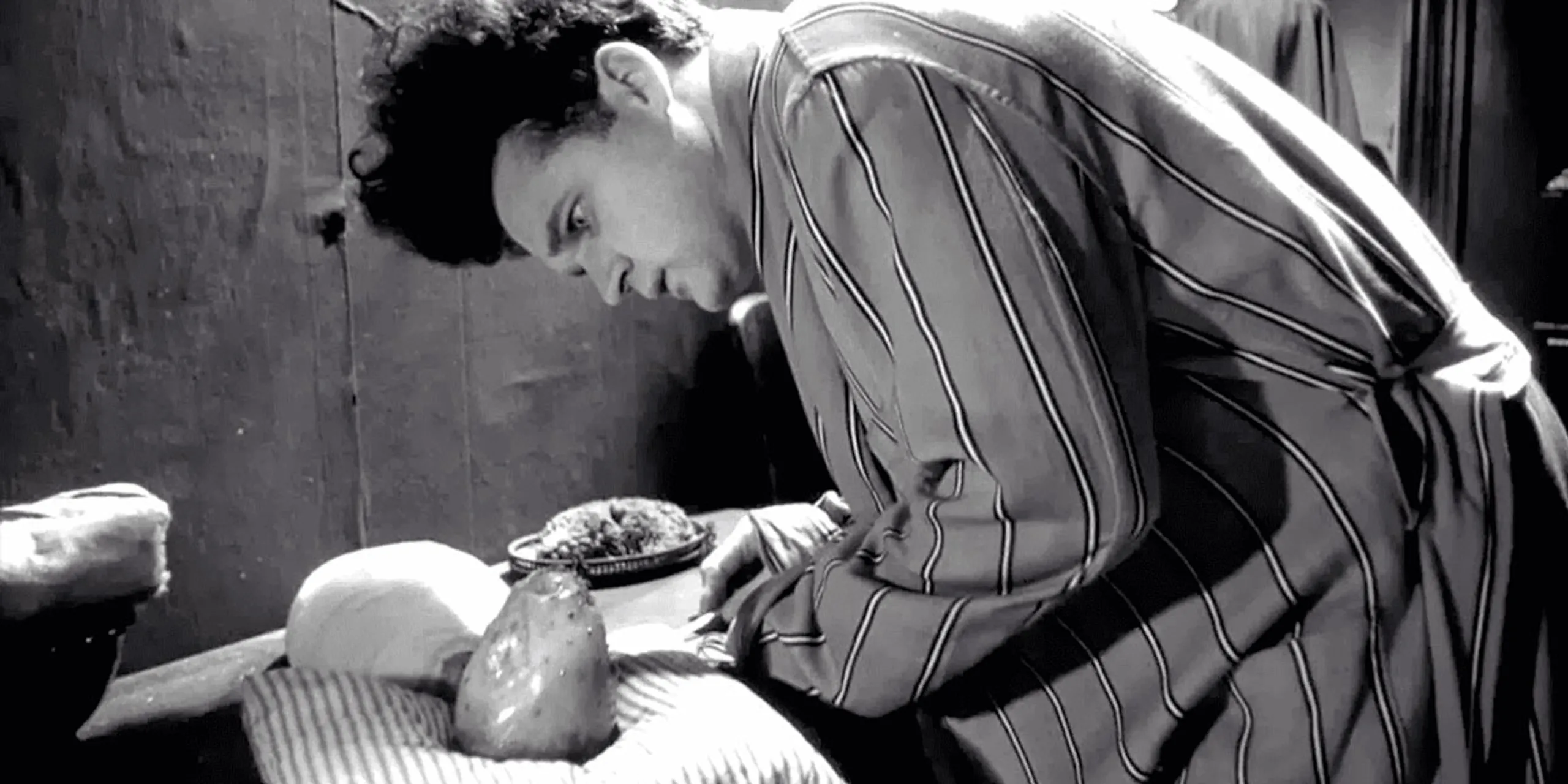
Masque of the Red Death (1968)
Gothic Horror
Romantic darkness. Crumbling castles, family curses, aristocratic evil, and the weight of history pressing down on the present — the genre's most literary tradition.
History & Origins
Gothic horror is the genre's aristocratic tradition — a form rooted in eighteenth-century literature, expressed through crumbling castles, romantic decay, and the weight of history pressing down on the present. These films propose that the past is not dead, that old houses hold old secrets, and that the sins of previous generations inevitably poison the lives of their descendants.
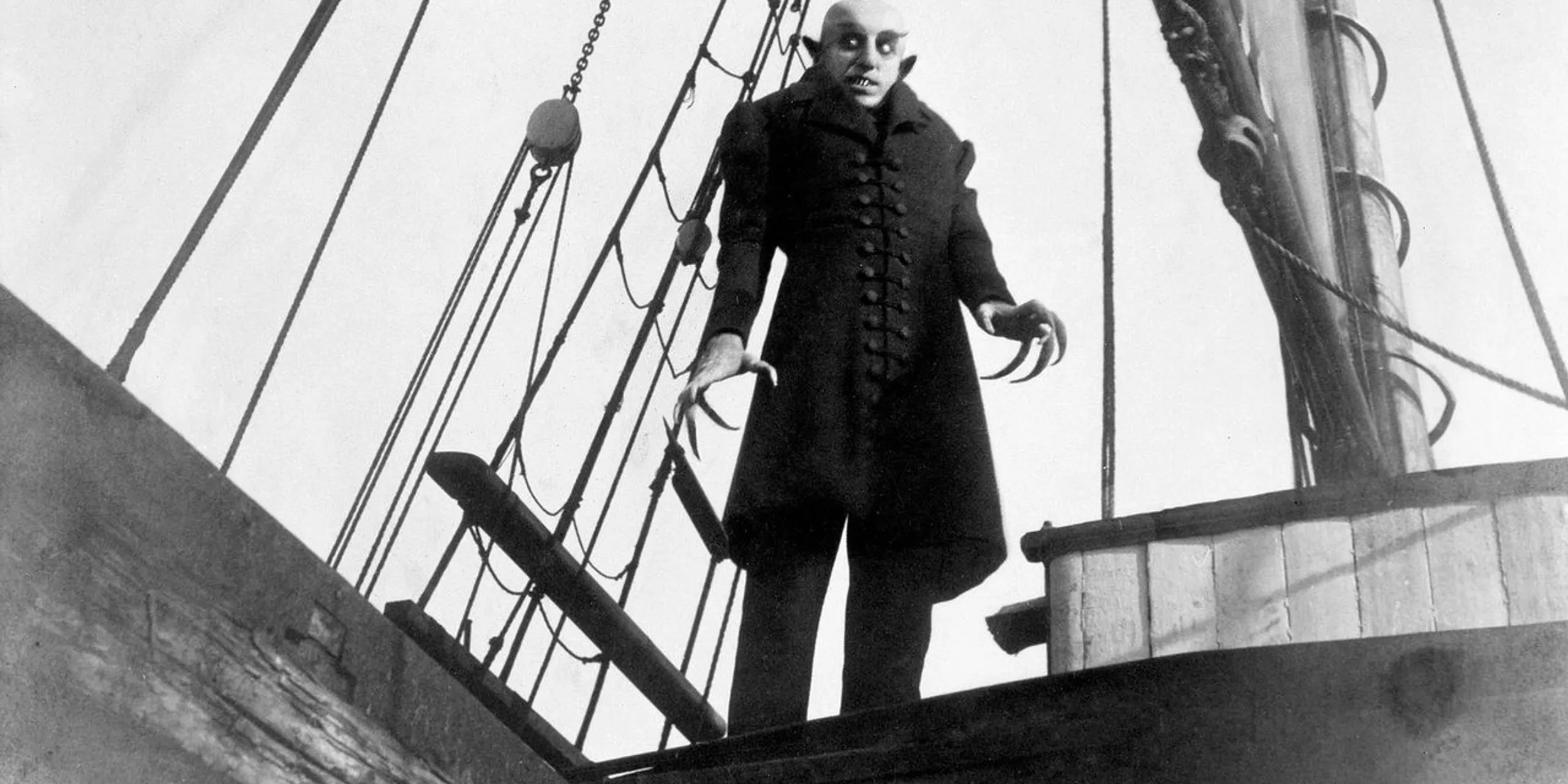
The literary Gothic begins with Horace Walpole's The Castle of Otranto (1764) and extends through Ann Radcliffe, the Brontës, Poe, and Sheridan Le Fanu. Its cinematic translation began with the silent era — F. W. Murnau's Nosferatu (1922) remains the form's foundational image, a vampire film whose German Expressionist shadows shaped every Gothic horror that followed. Universal codified the studio Gothic in the 1930s with Tod Browning's Dracula (1931), James Whale's Frankenstein (1931) and Bride of Frankenstein (1935), and the cycle of monster films that gave the form its Anglo-American iconography.
Cinema's high-Gothic style found its definitive expression through Hammer Films, the British studio that from the late 1950s reimagined the Universal monsters with Technicolor blood, heaving bodices, and Christopher Lee's imperious Dracula. Terence Fisher's The Curse of Frankenstein (1957) and Dracula (1958) re-launched horror as a colour-saturated international export. Roger Corman's Poe cycle of the 1960s brought American Gothic to the screen, with Vincent Price embodying the tortured, obsessive protagonists of House of Usher (1960) and The Masque of the Red Death (1964). In Italy, Mario Bava's Black Sunday (1960) brought Gothic to a darker, more sensuous European register.
Alongside the studio Gothic, two British and American films redefined the form as psychological breakdown rather than monster mythology: Jack Clayton's The Innocents (1961), adapted from Henry James's The Turn of the Screw, and Robert Wise's The Haunting (1963), adapted from Shirley Jackson's The Haunting of Hill House. Both treated the haunted house as a manifestation of female psychic crisis — what Kier-La Janisse identifies as "Gothic breakdown" cinema, the foundational form for a tradition that continues through Repulsion, Don't Look Now, and beyond.
Tim Burton's Gothic sensibility (Sleepy Hollow (1999)) brought the tradition back to the mainstream. Guillermo del Toro's Crimson Peak (2015) was an explicit love letter to the form — a film that insisted on calling itself a Gothic romance rather than a horror film while being drenched in both. Recent Spanish-language Gothic, including Alejandro Amenábar's The Others (2001) and J. A. Bayona's The Orphanage (2007), demonstrated the form's contemporary global reach, and Robert Eggers's Nosferatu (2024) closed the circle with a return to Murnau a century later. The Gothic endures because its central insight — that the past never truly passes, and that inherited evil is the hardest kind to escape — remains as relevant as the day Walpole opened his castle.
Essential Films
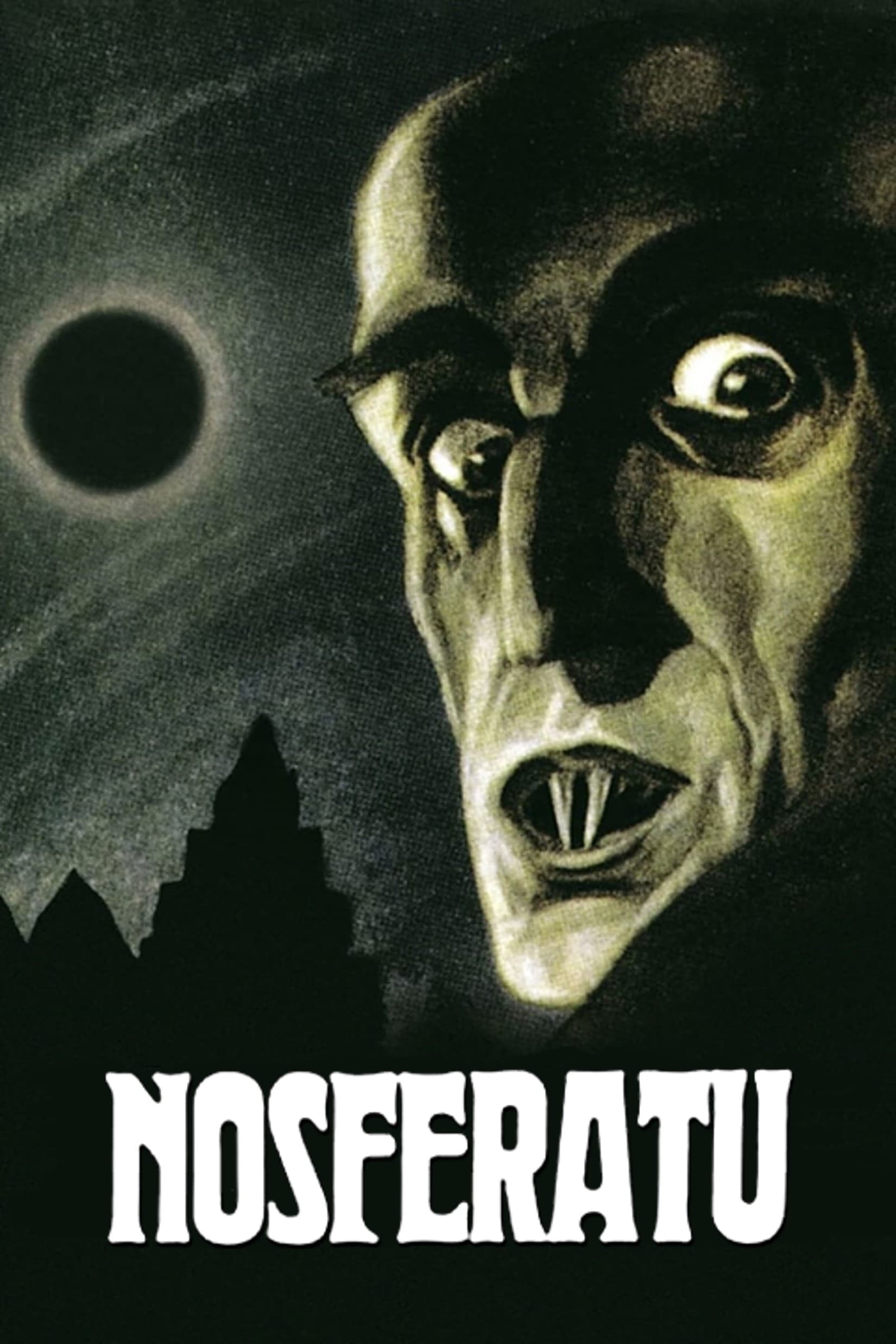
Nosferatu
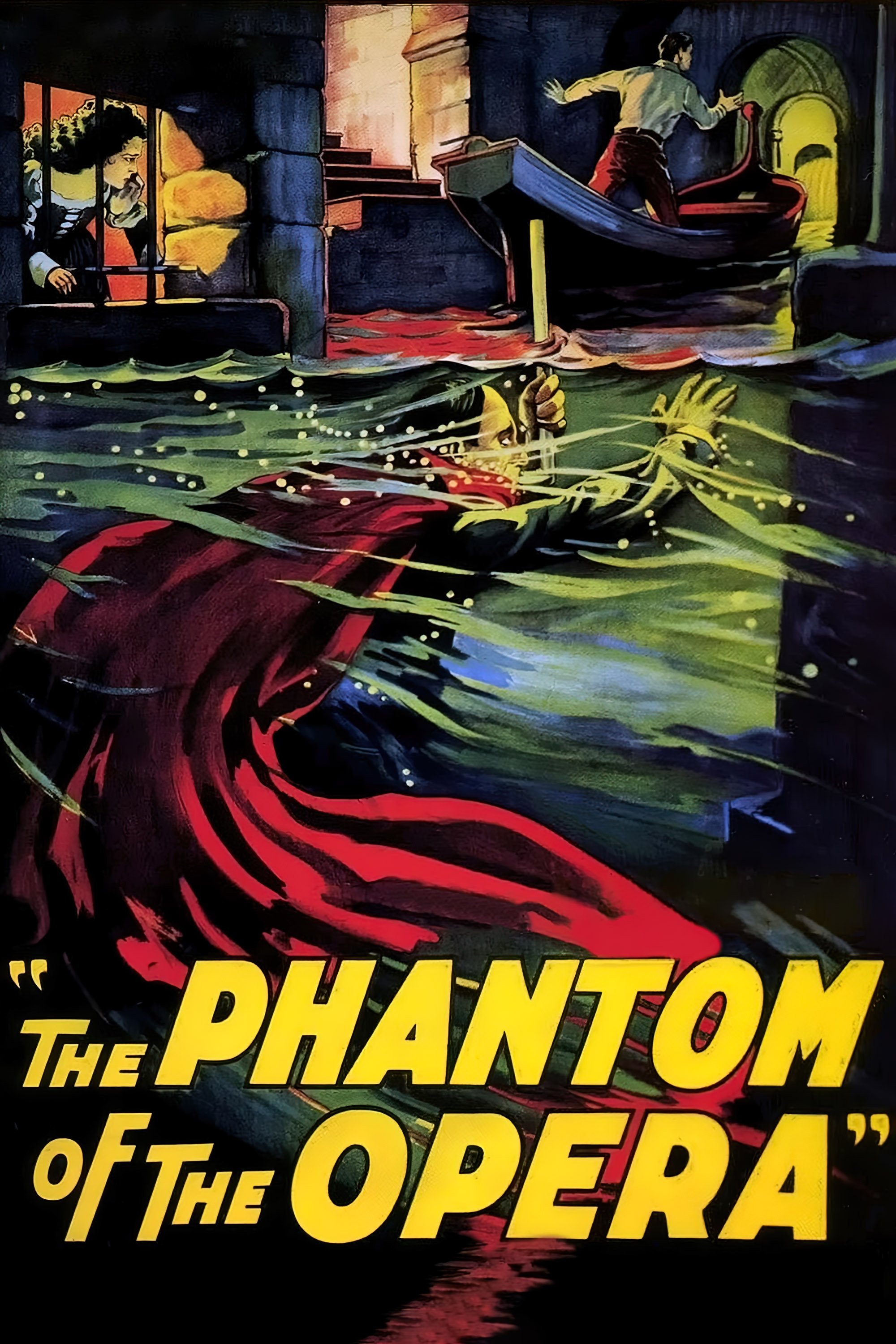
The Phantom of the Opera
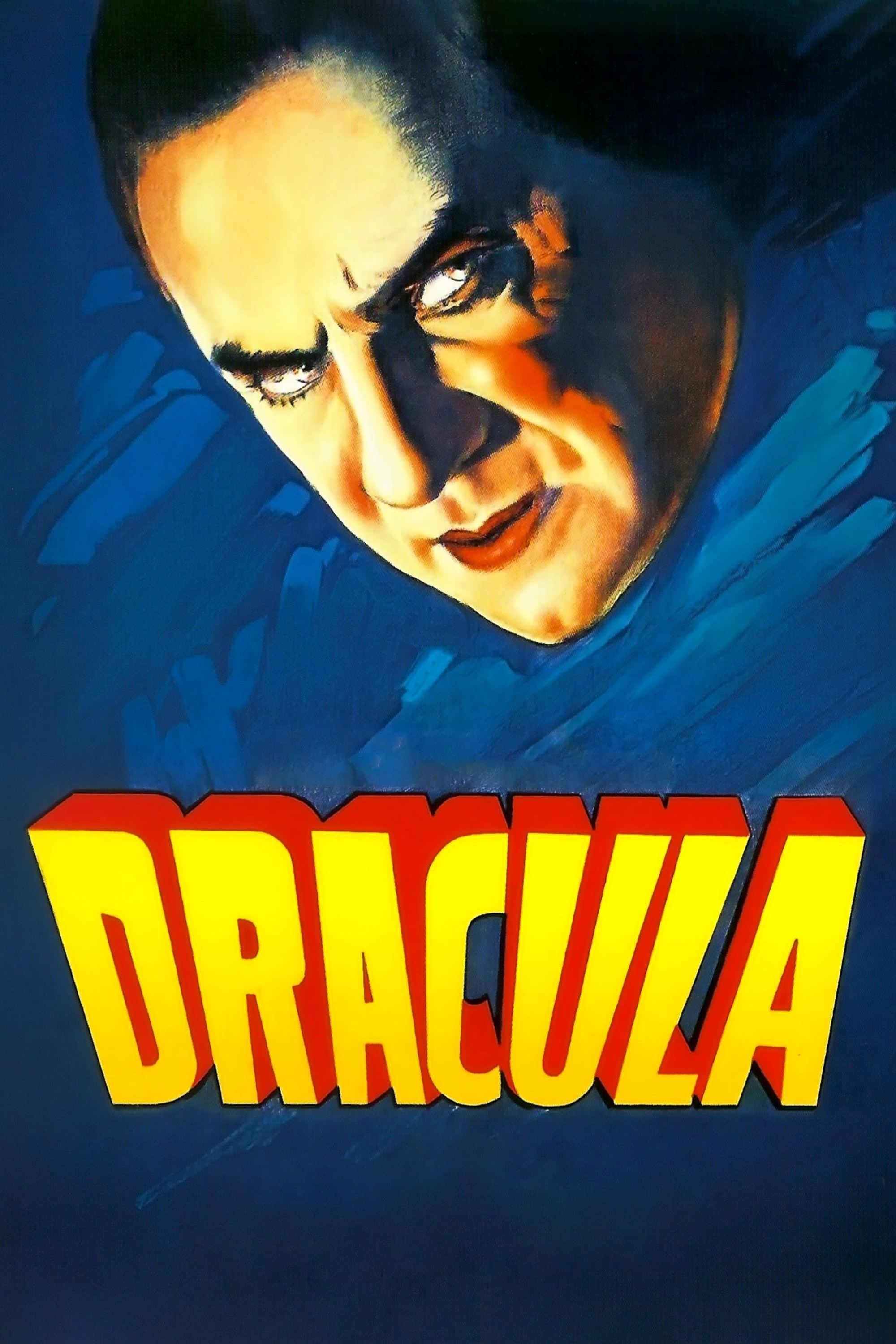
Dracula
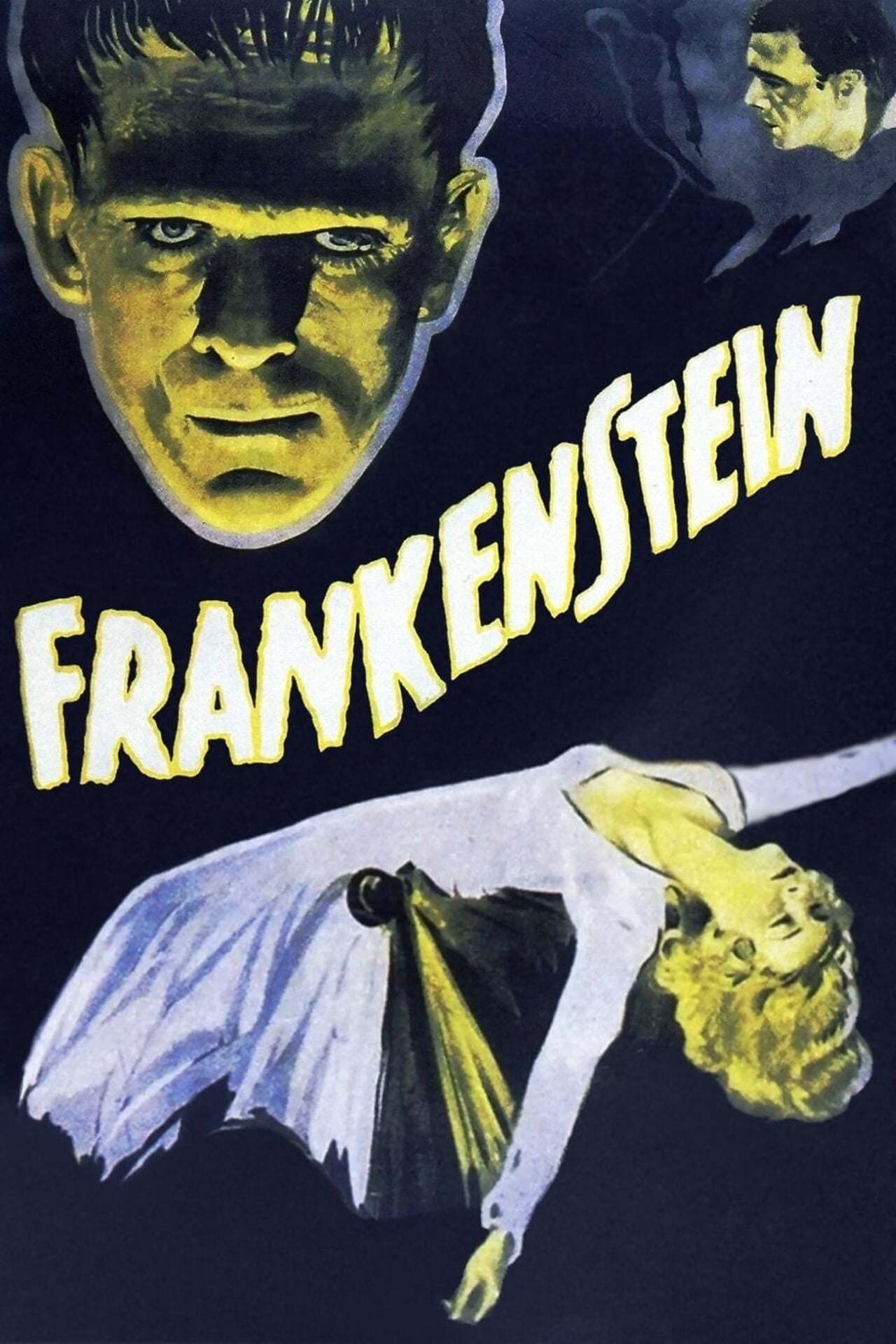
Frankenstein
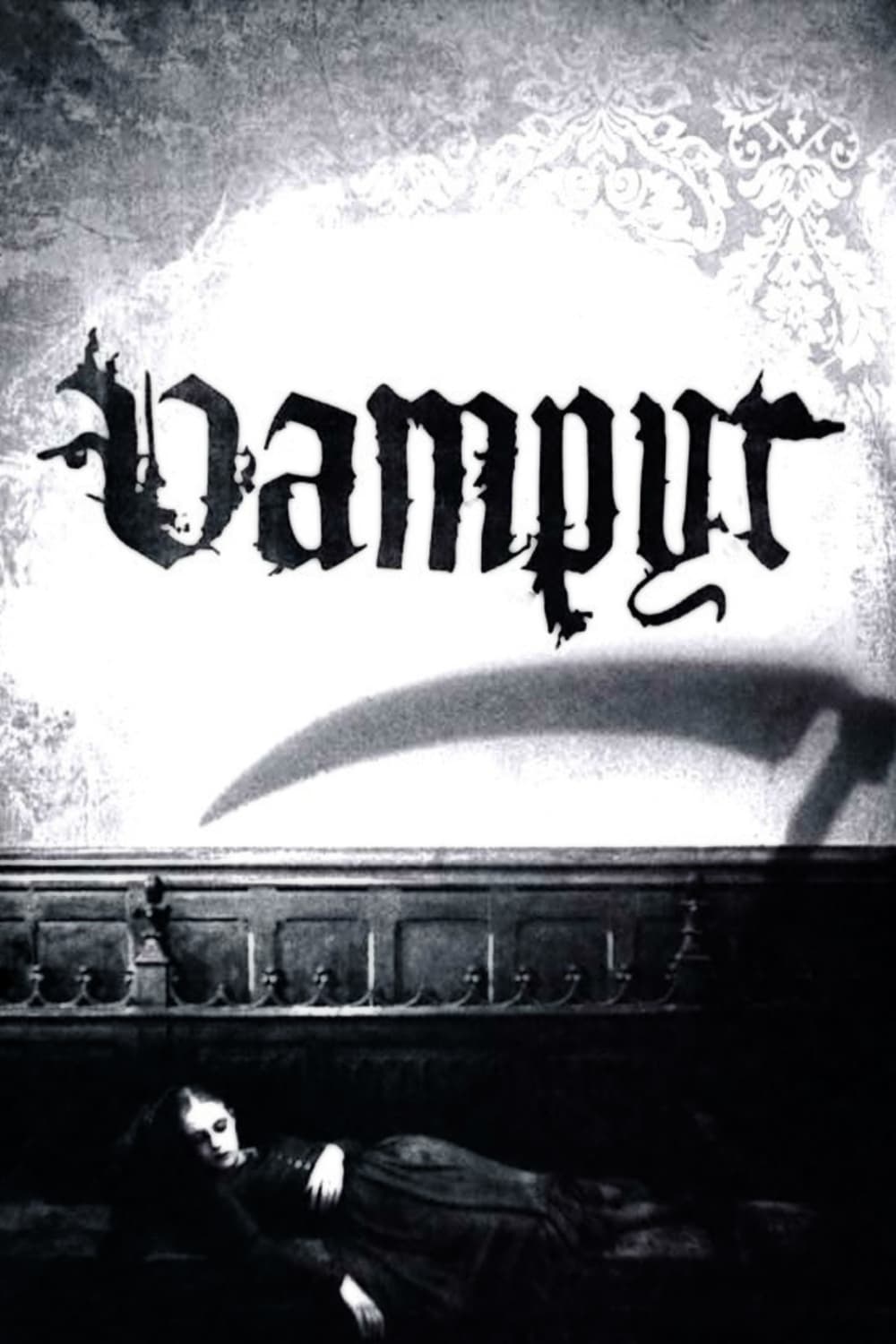
Vampyr
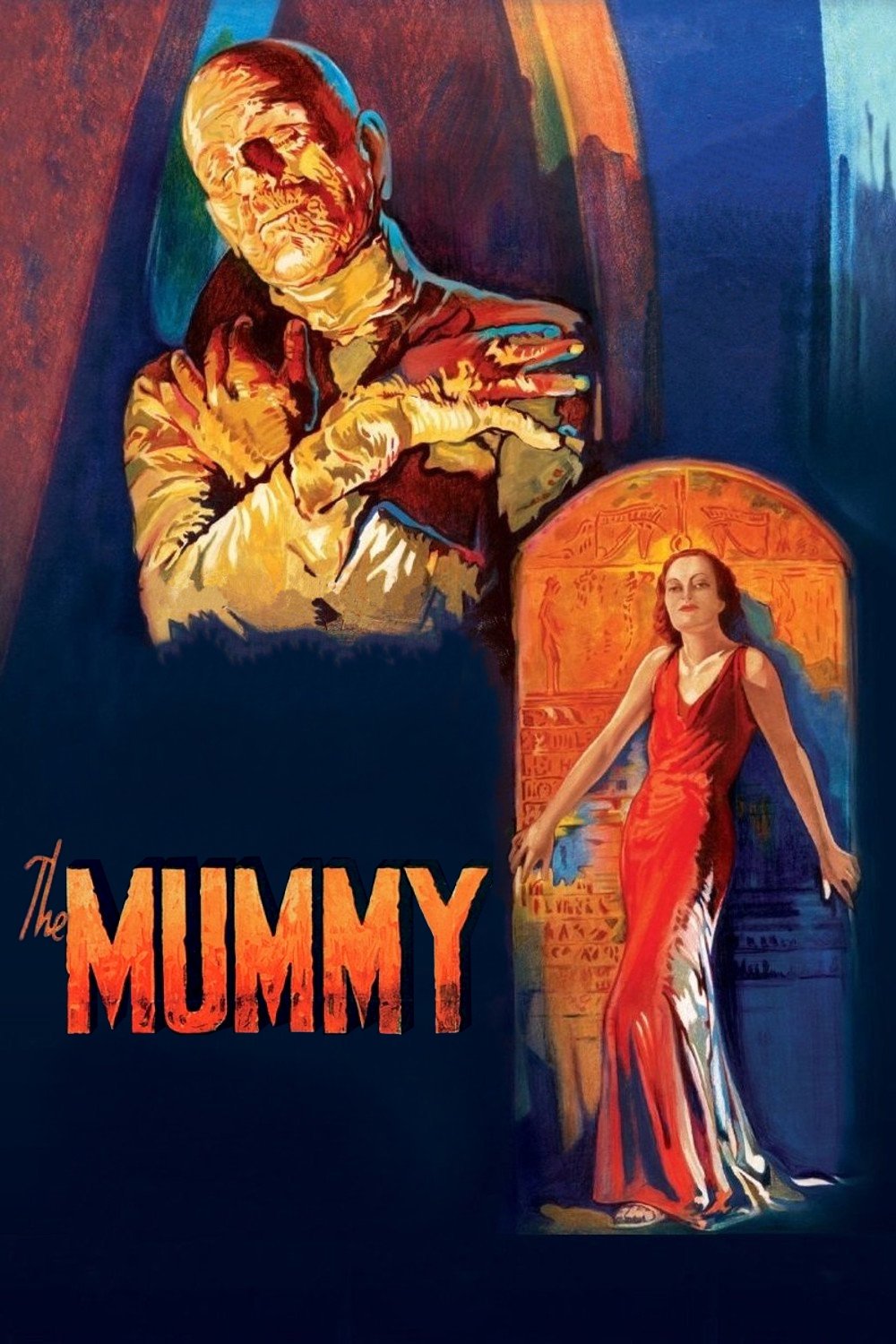
The Mummy

Bride of Frankenstein
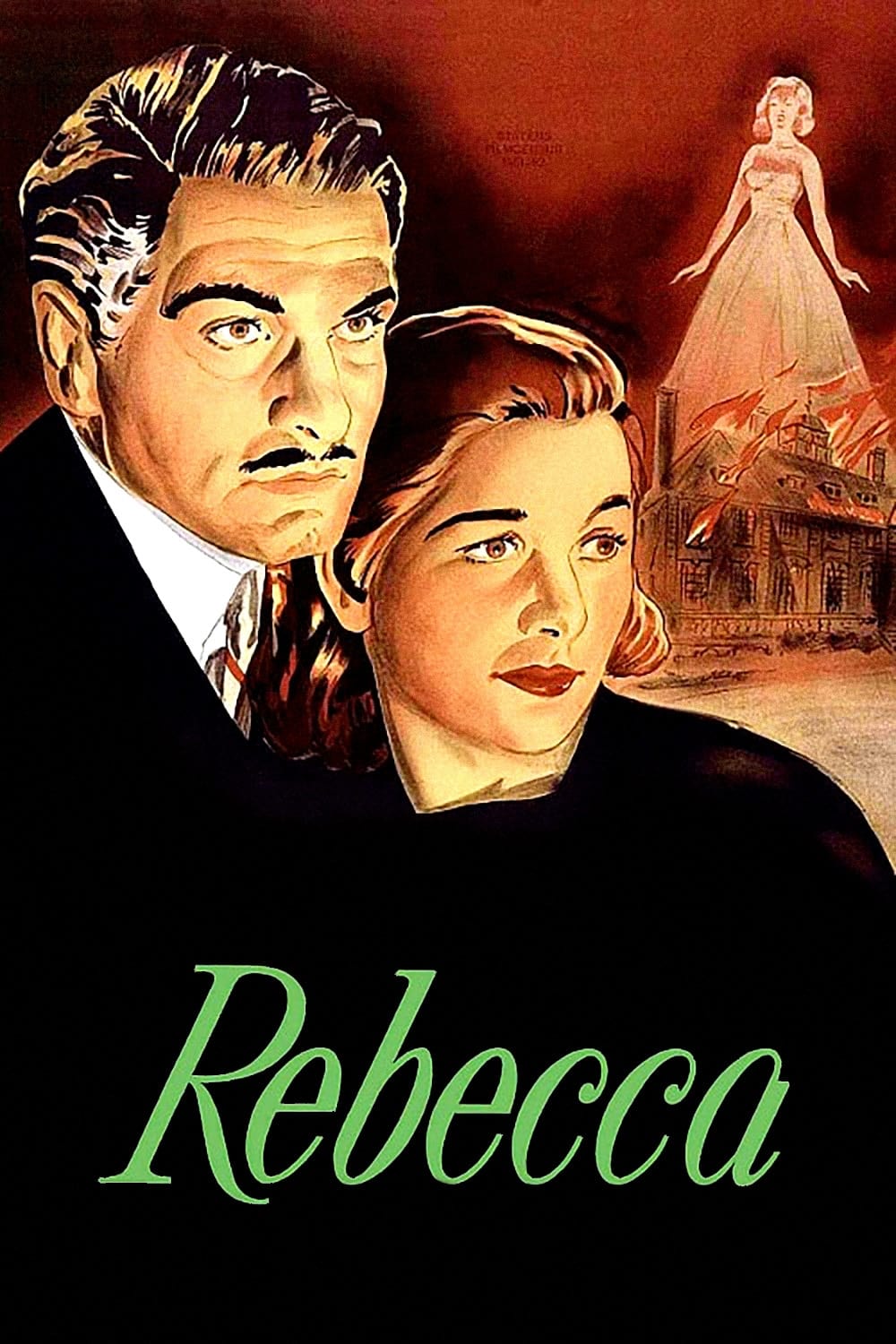
Rebecca
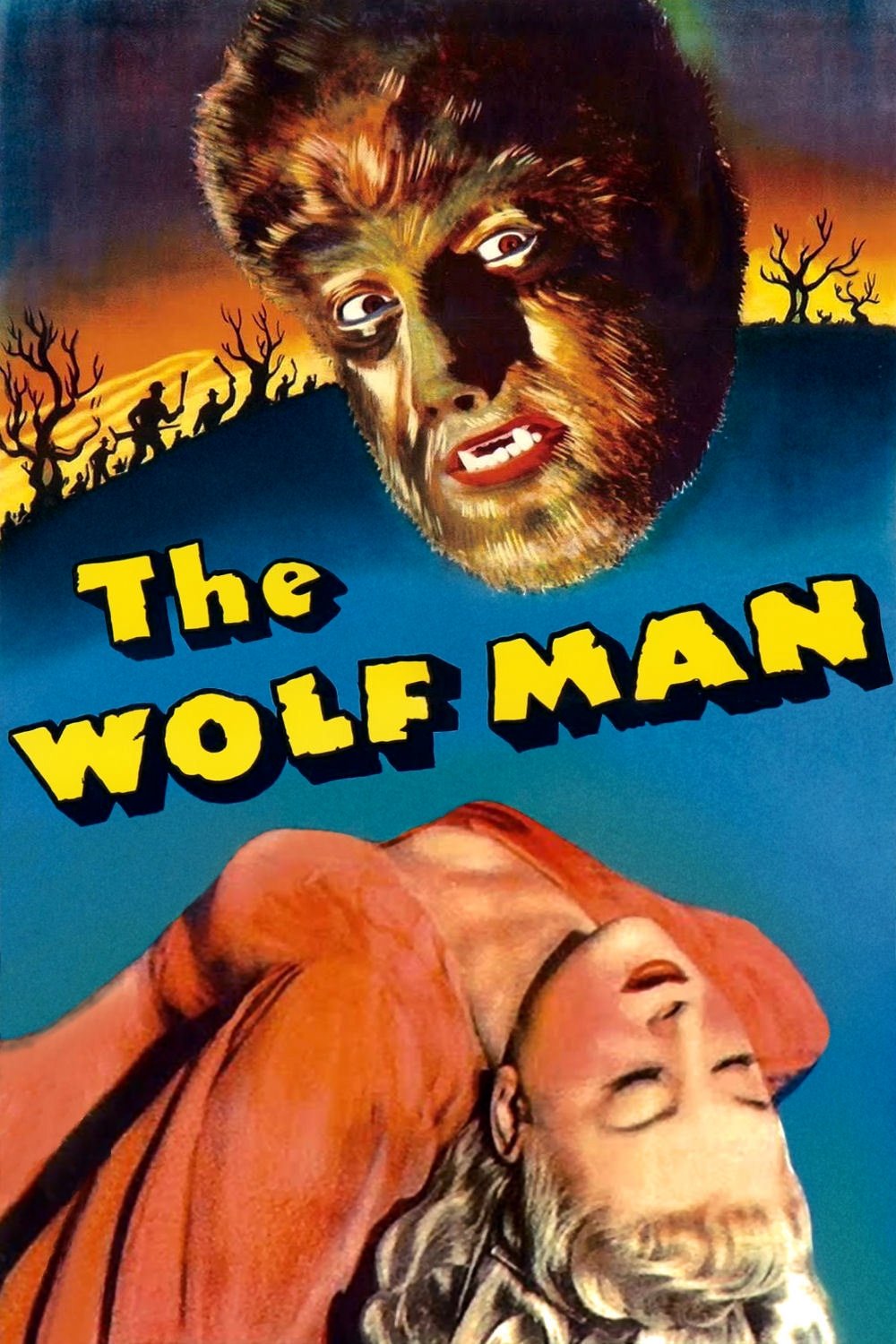
The Wolf Man

The Night of the Hunter
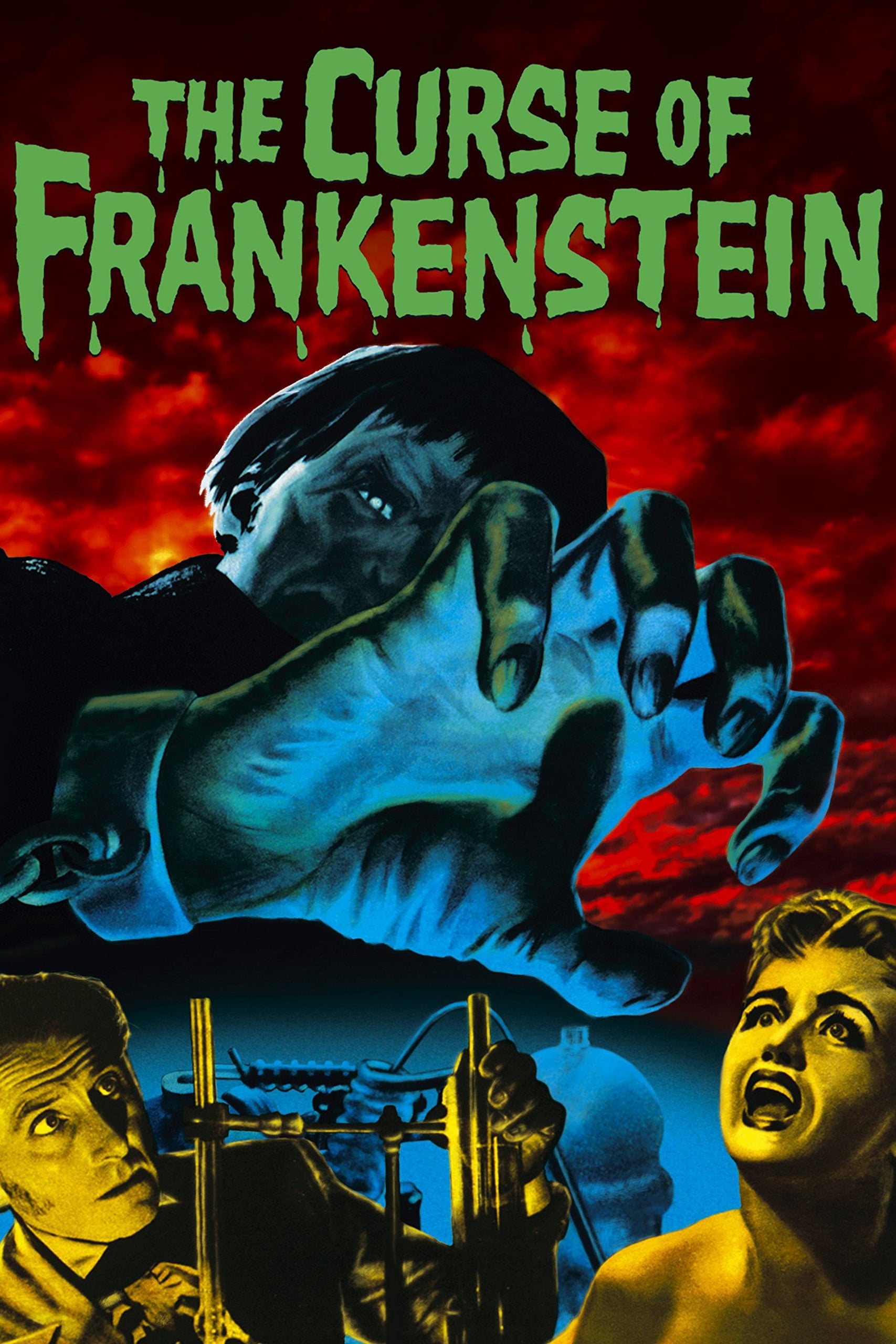
The Curse of Frankenstein
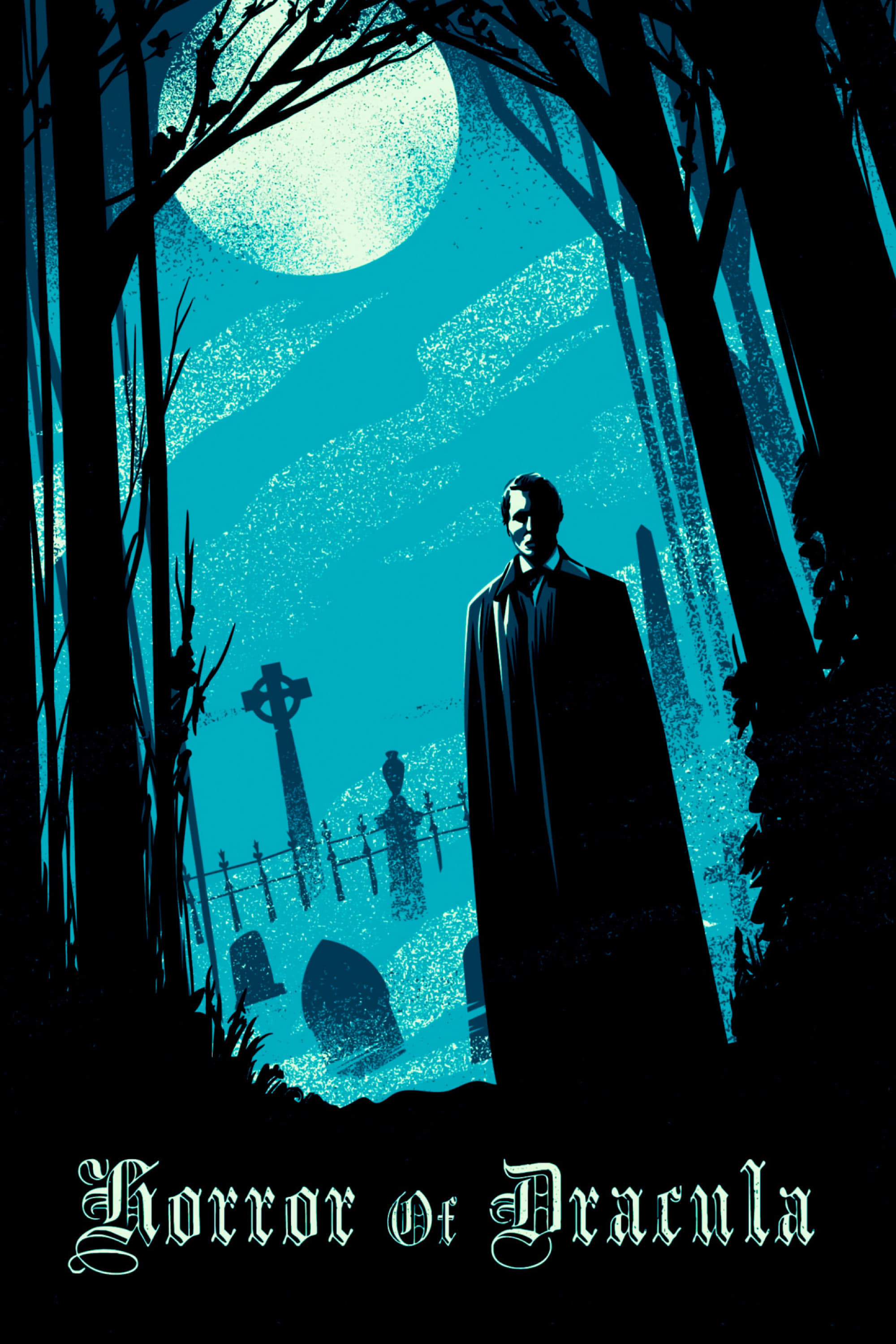
Dracula
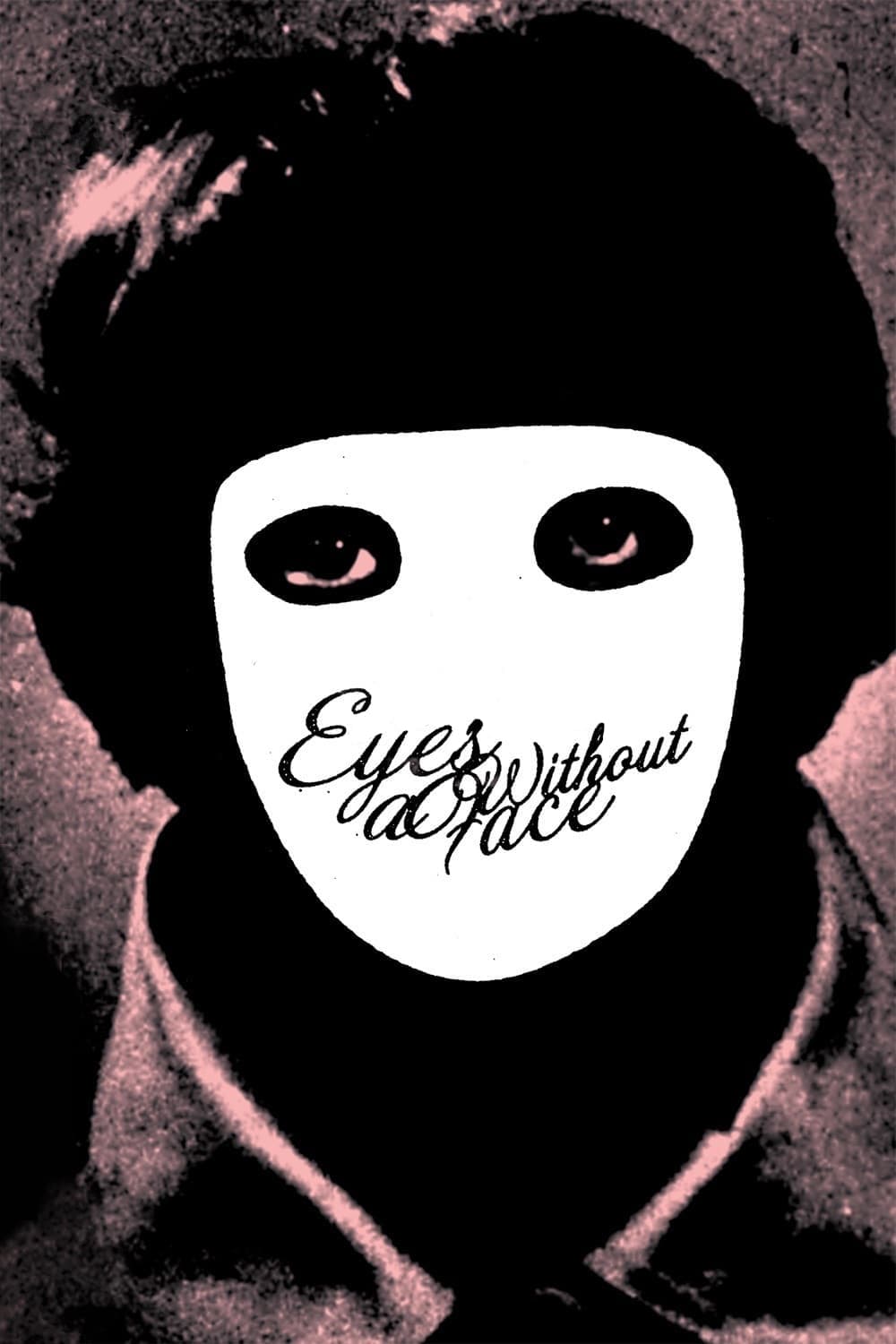
Eyes Without a Face
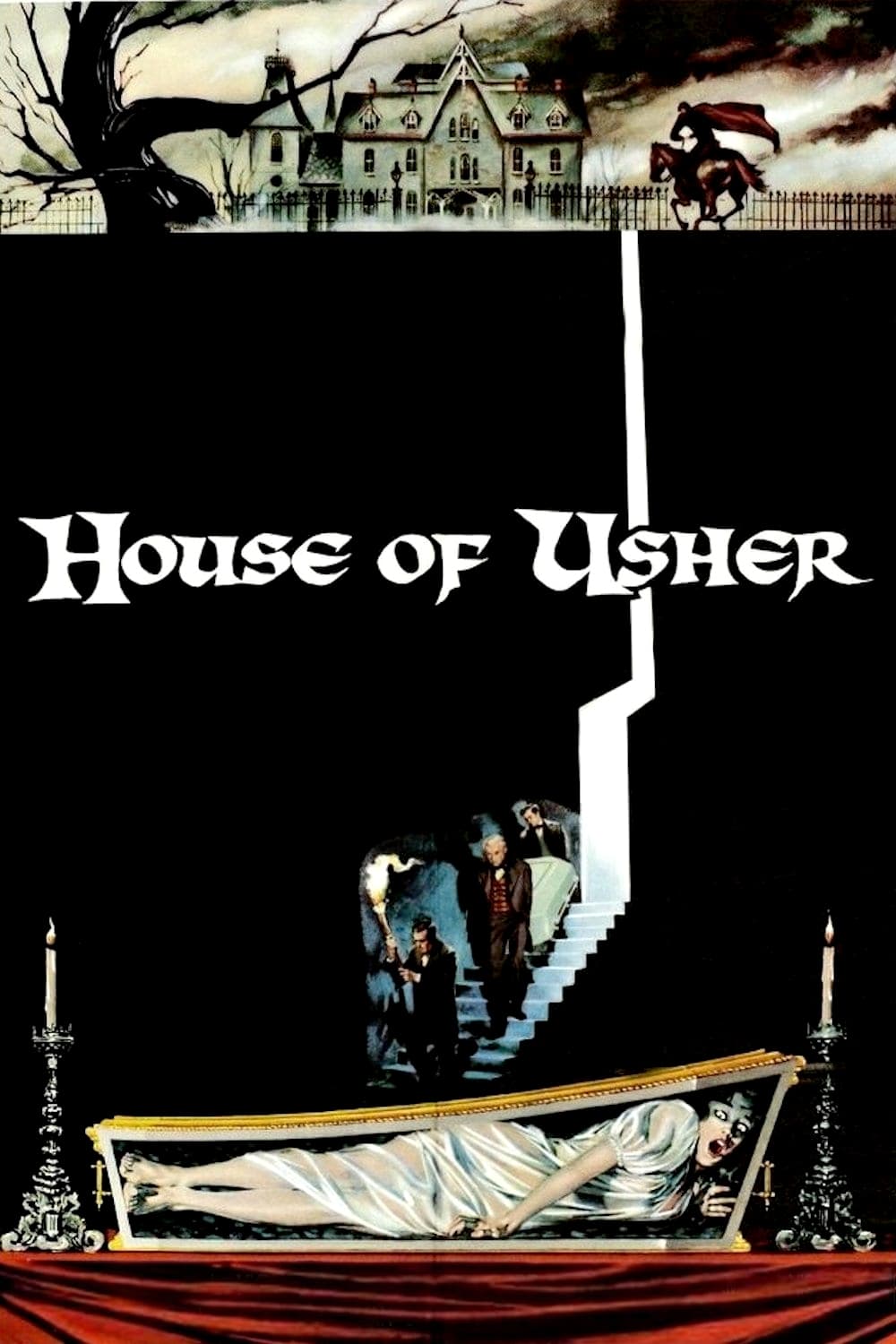
House of Usher
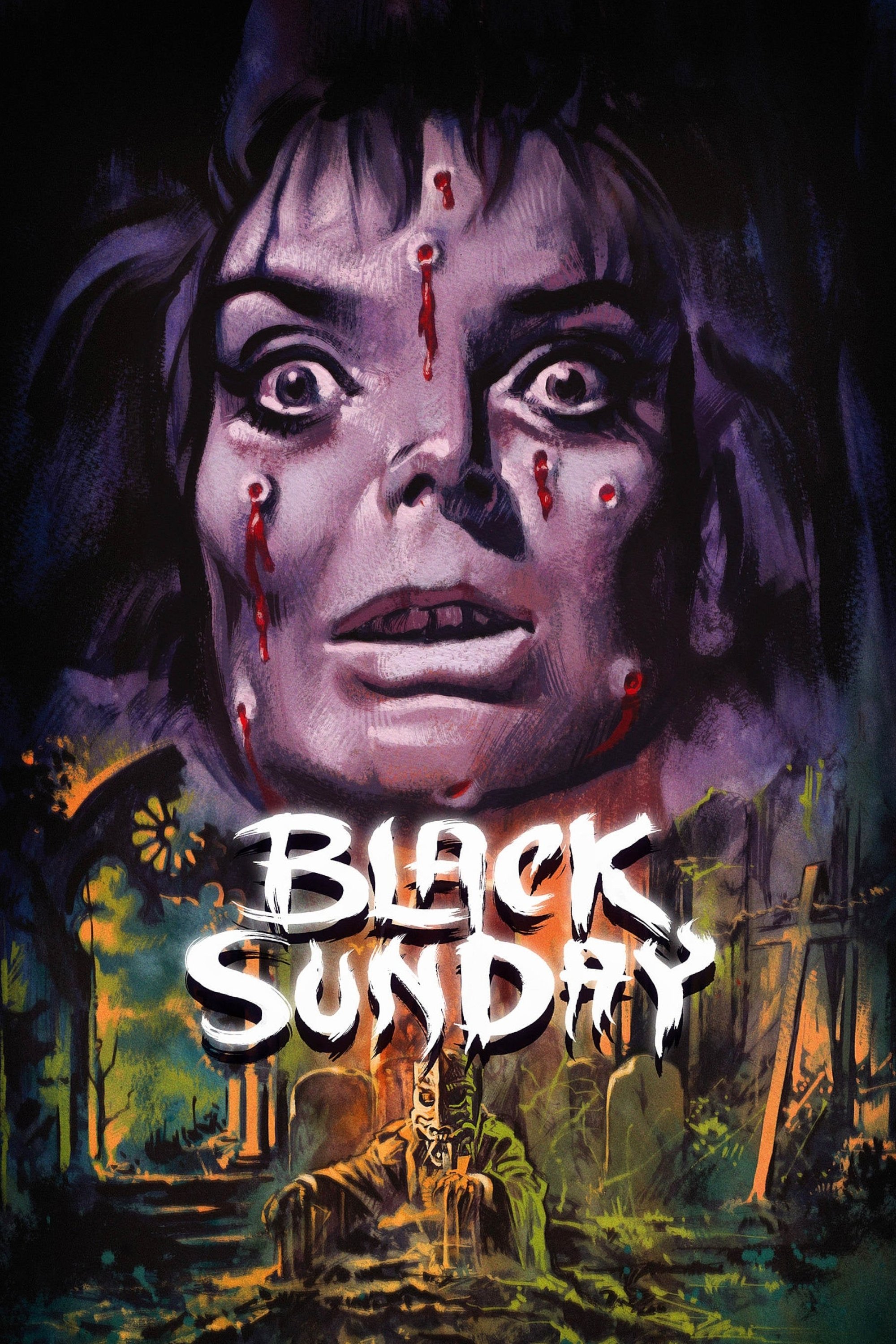
Black Sunday
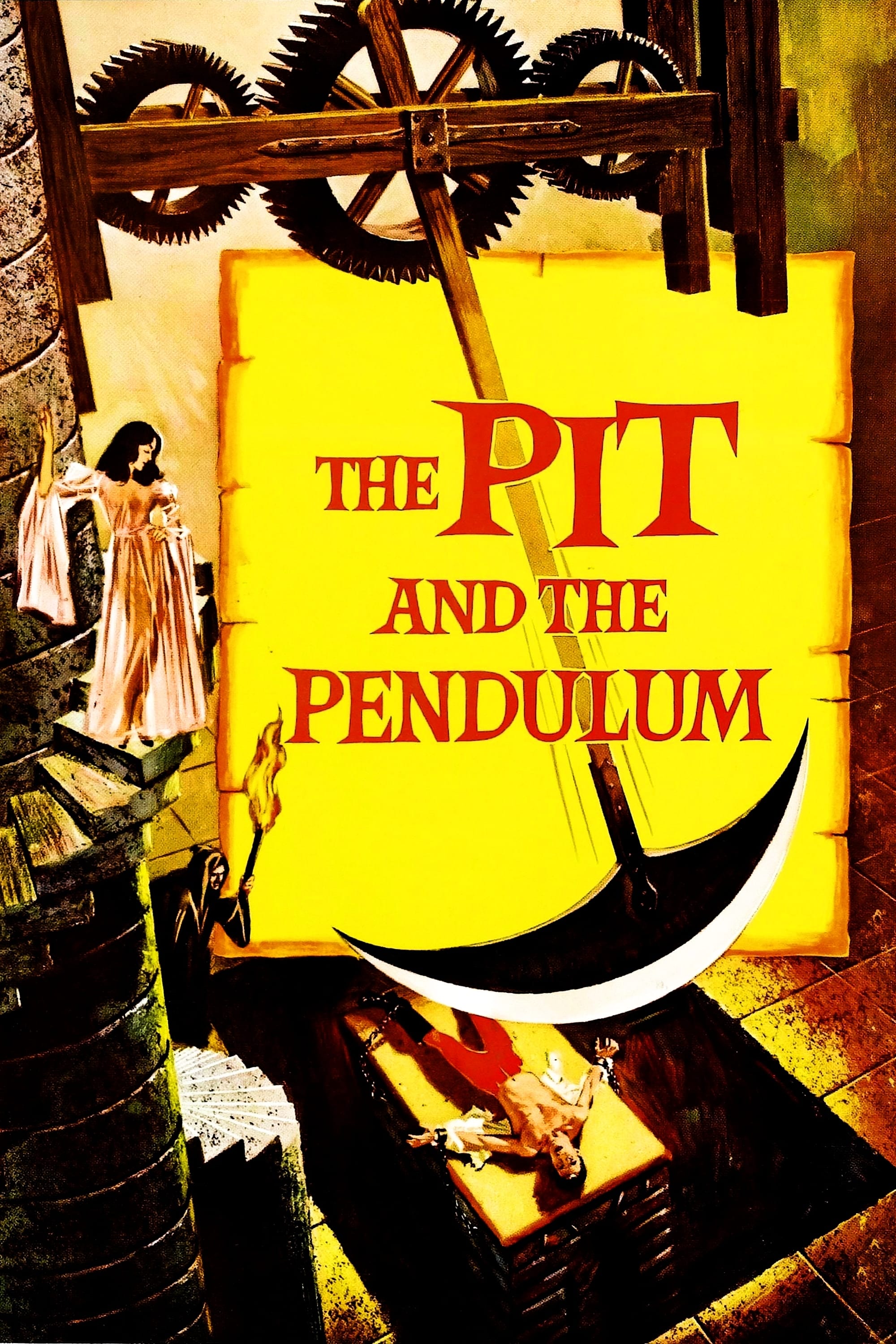
The Pit and the Pendulum
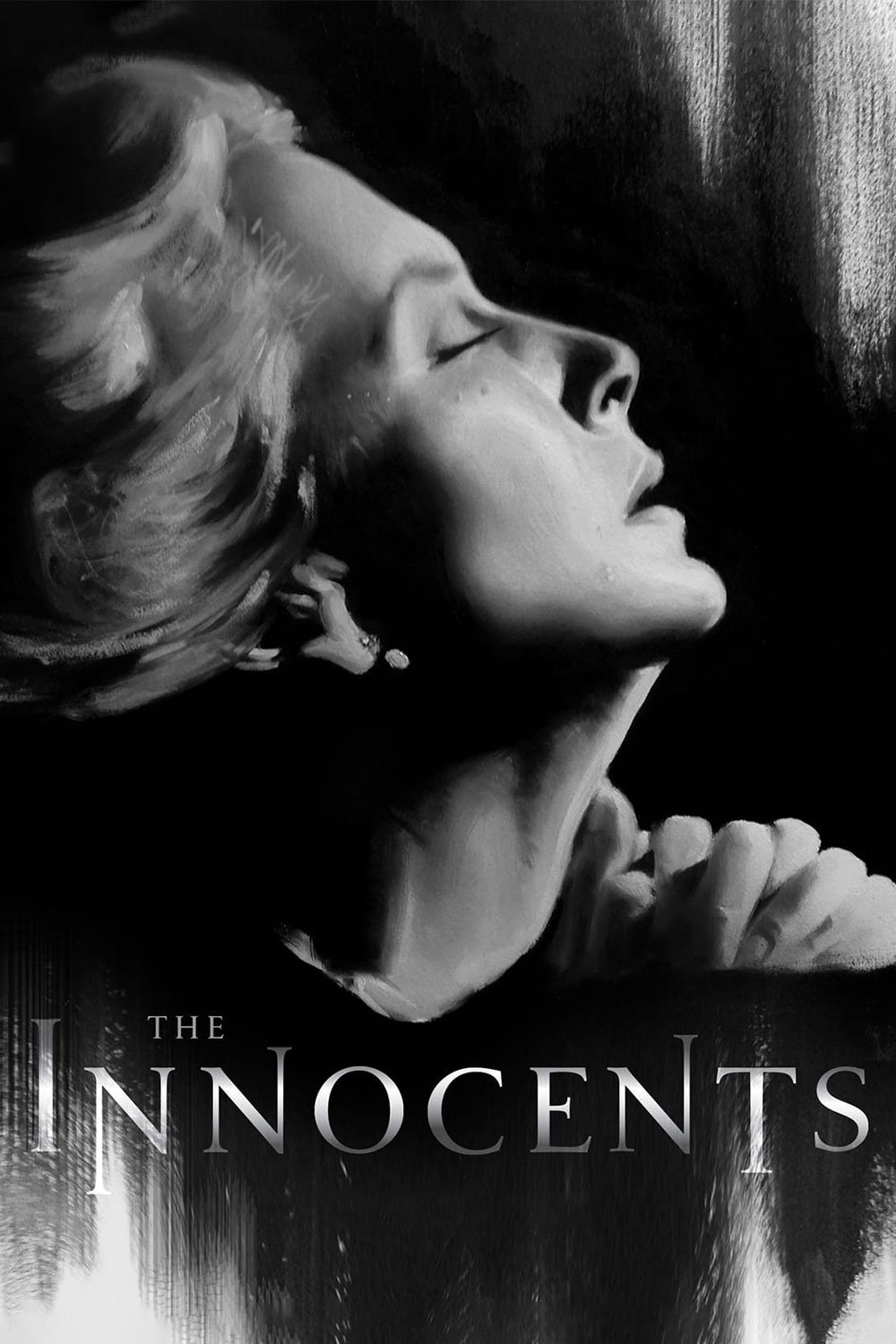
The Innocents
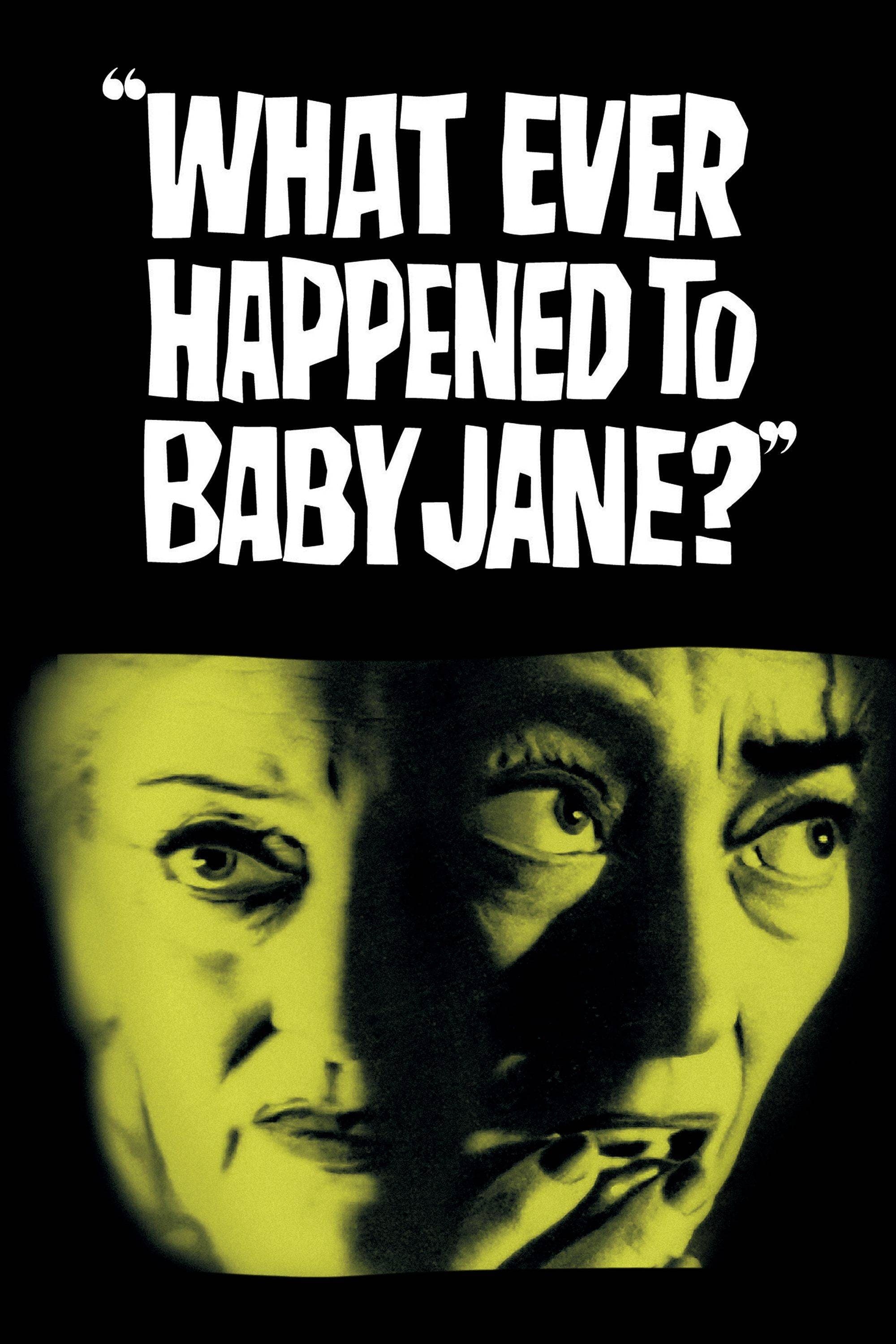
What Ever Happened to Baby Jane?
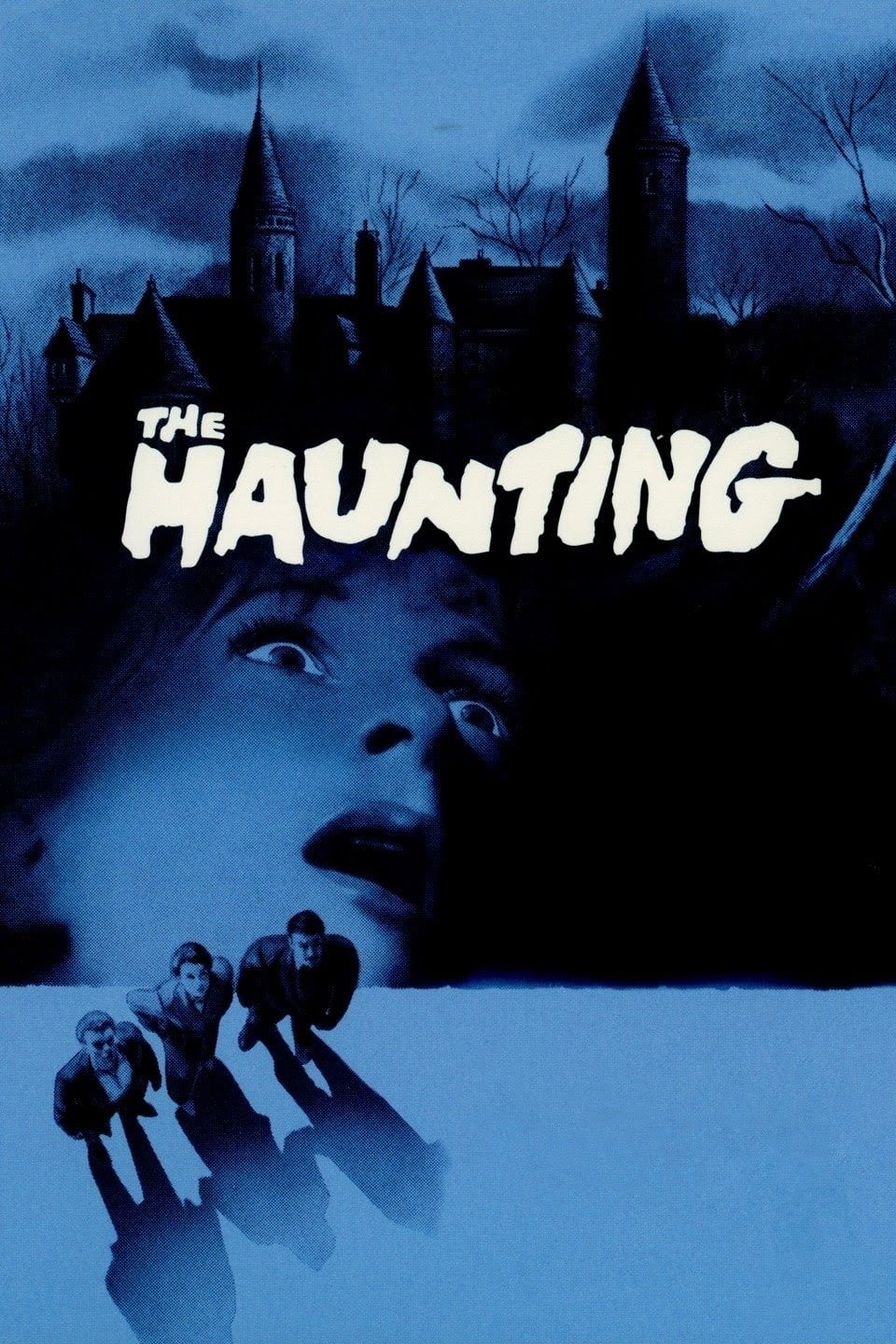
The Haunting
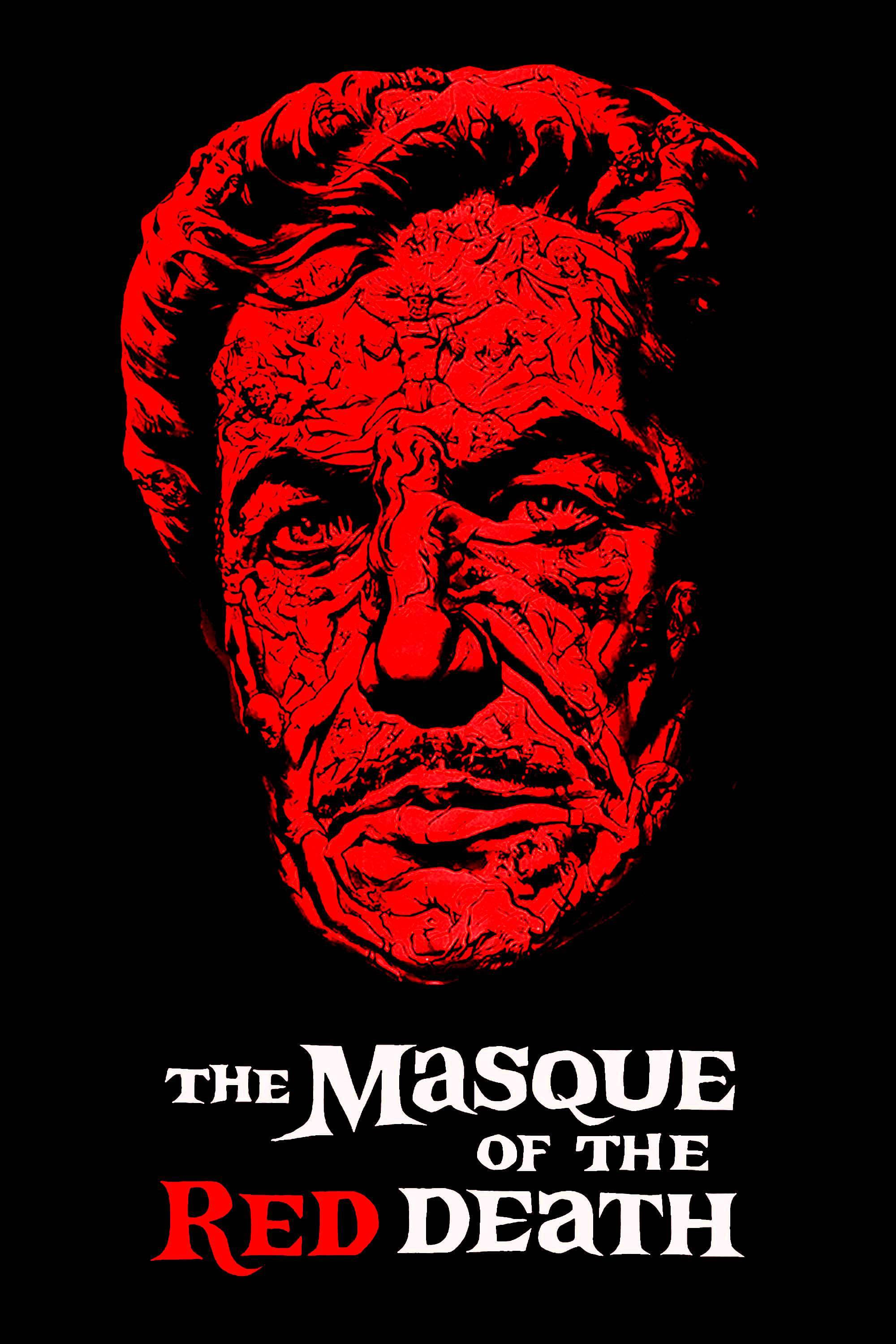
The Masque of the Red Death

Nosferatu the Vampyre
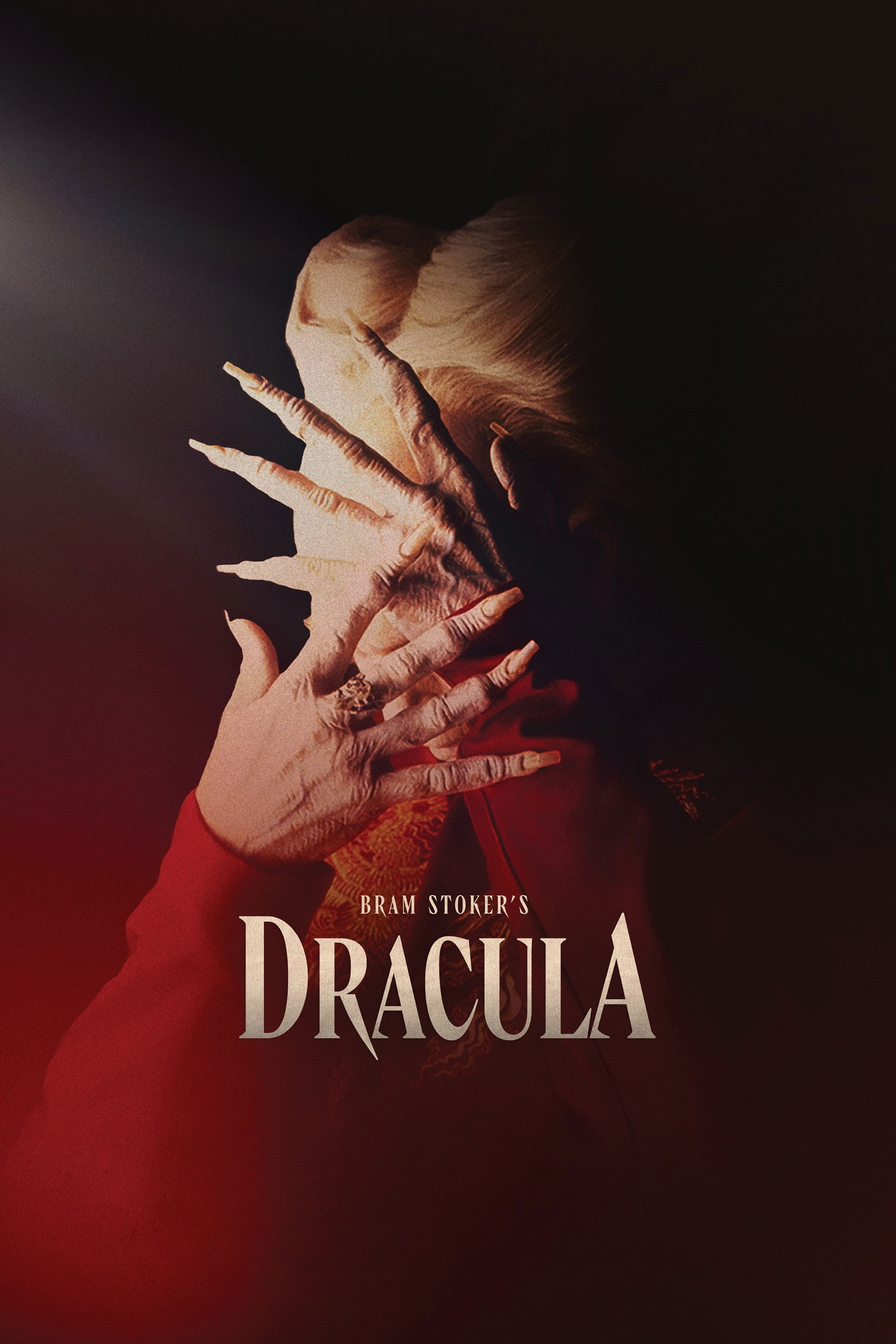
Bram Stoker's Dracula

Interview with the Vampire
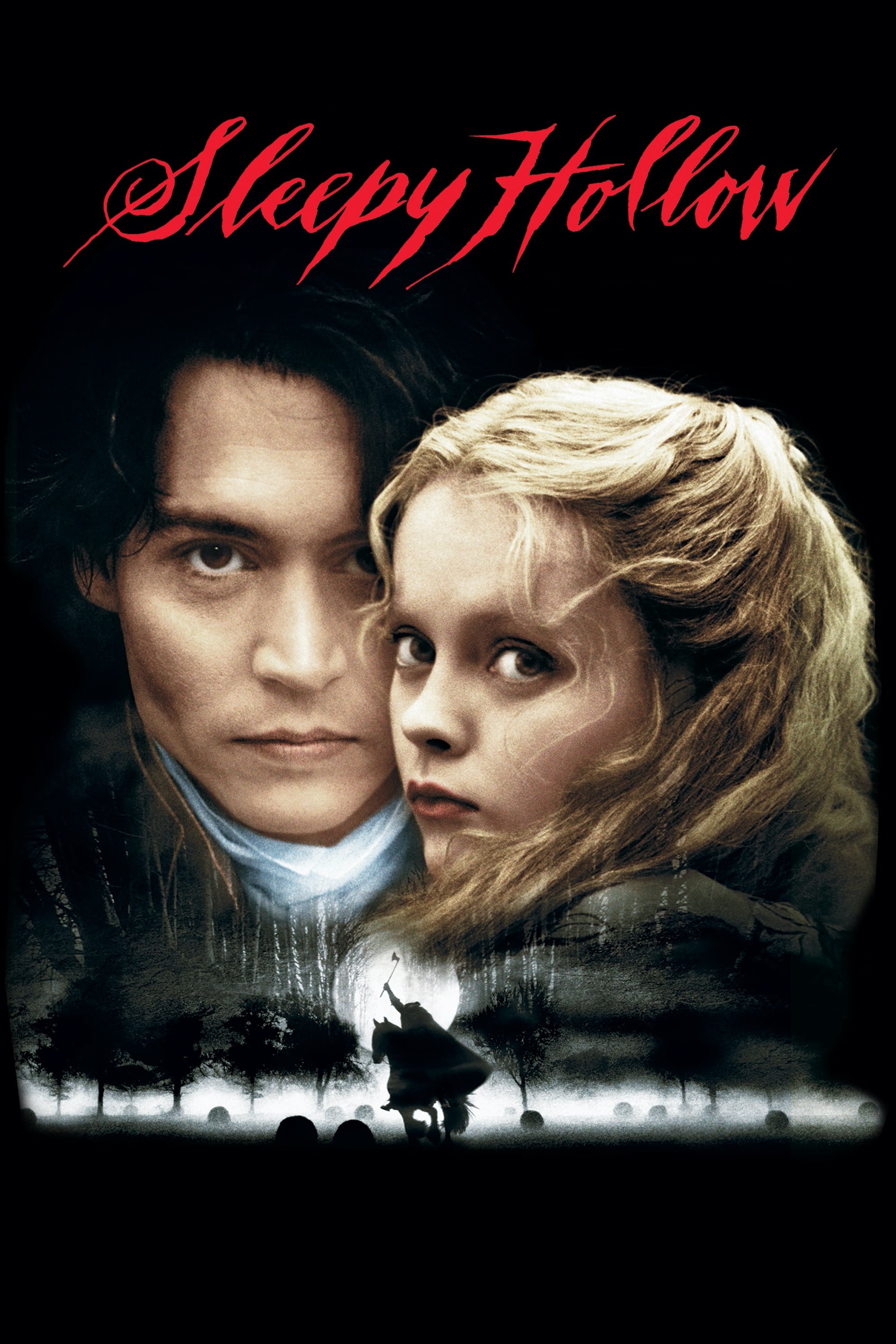
Sleepy Hollow
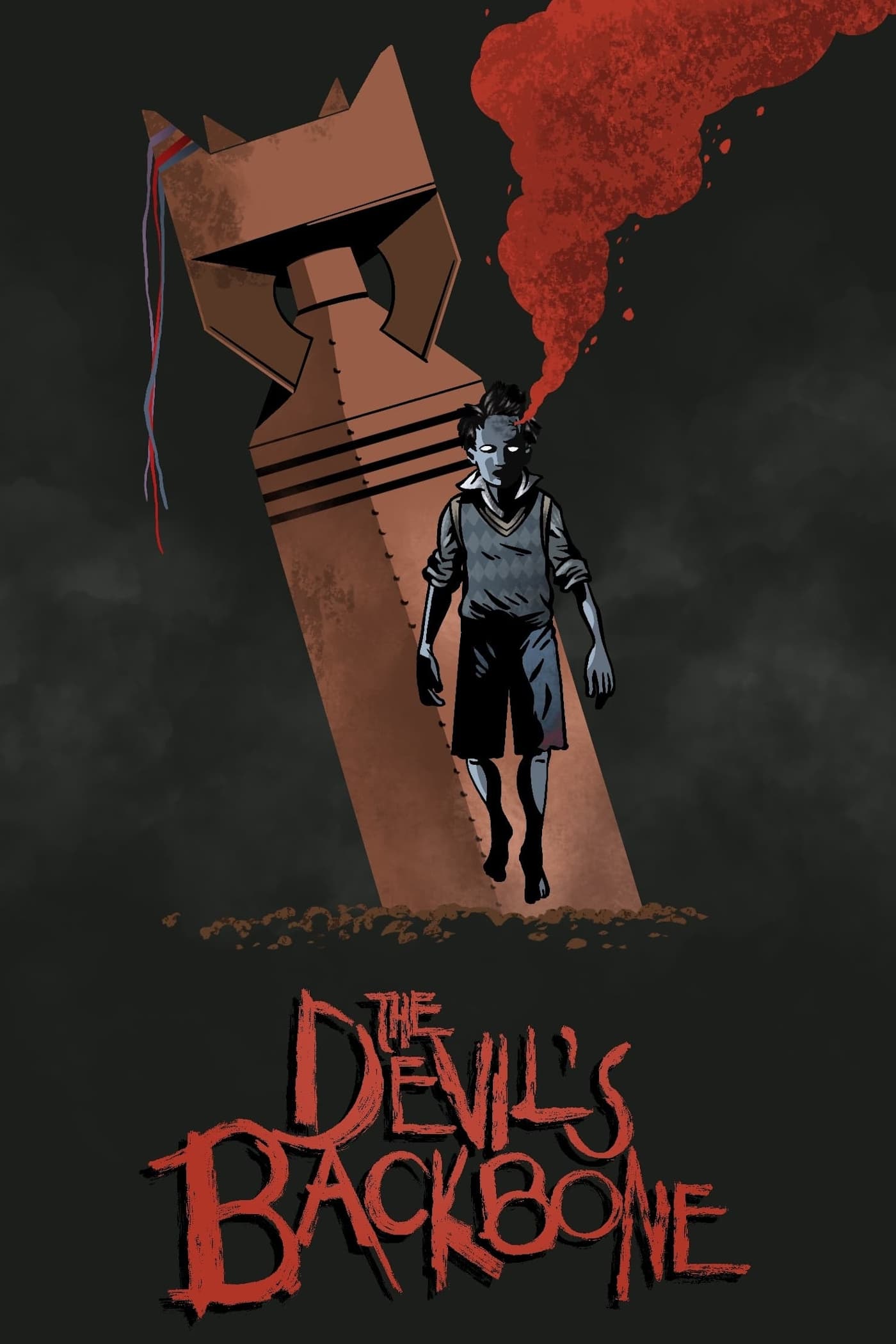
The Devil's Backbone
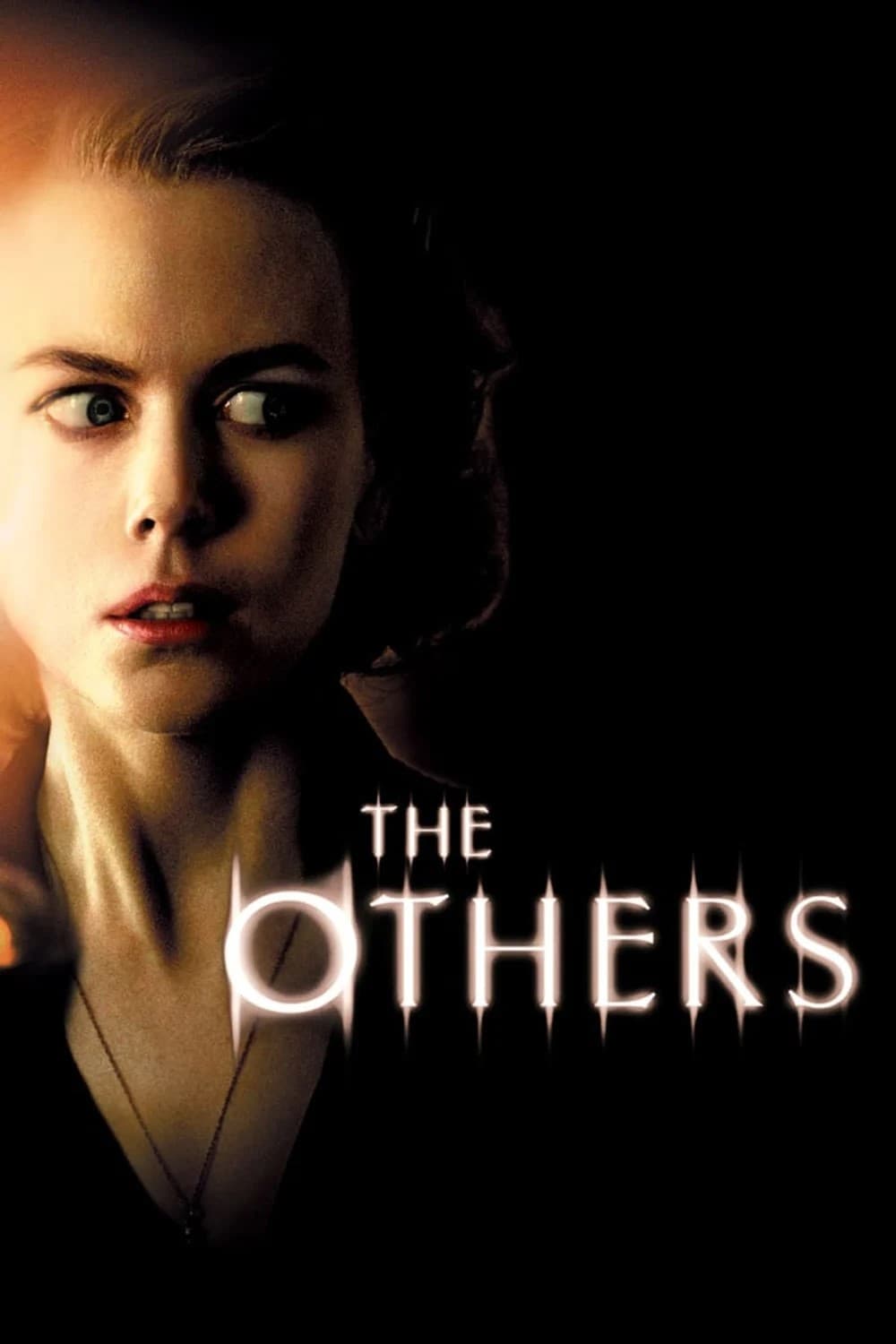
The Others
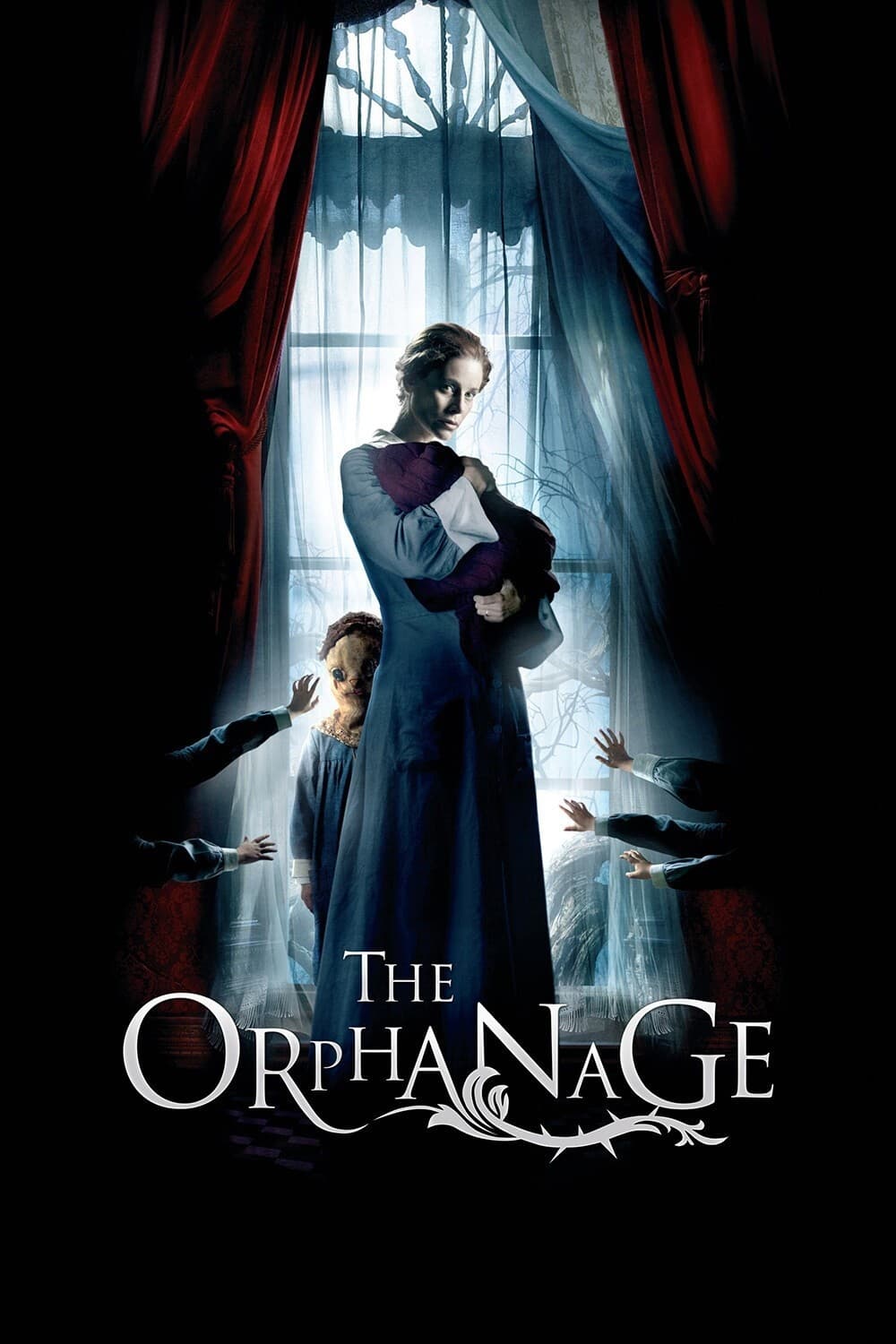
The Orphanage
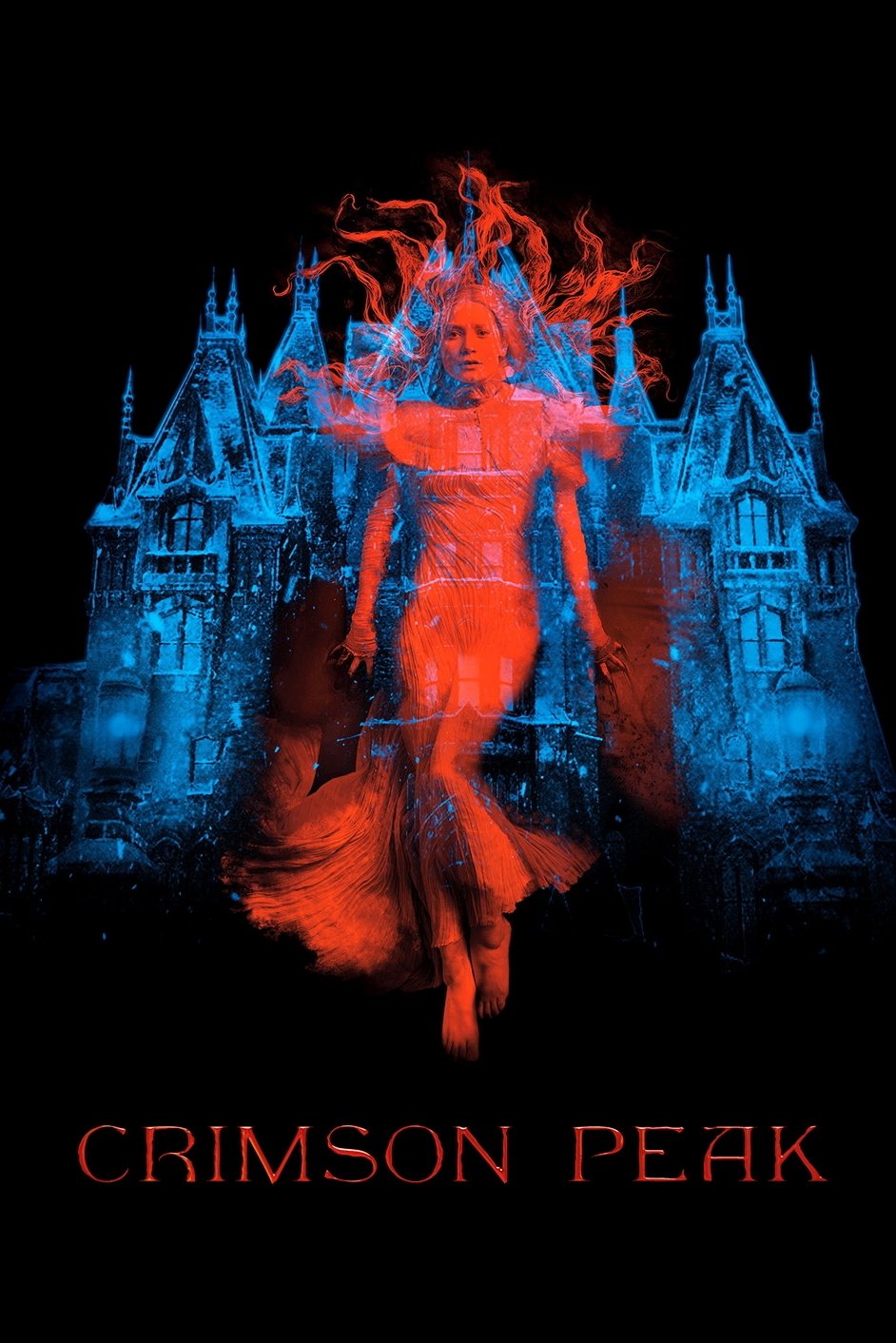
Crimson Peak
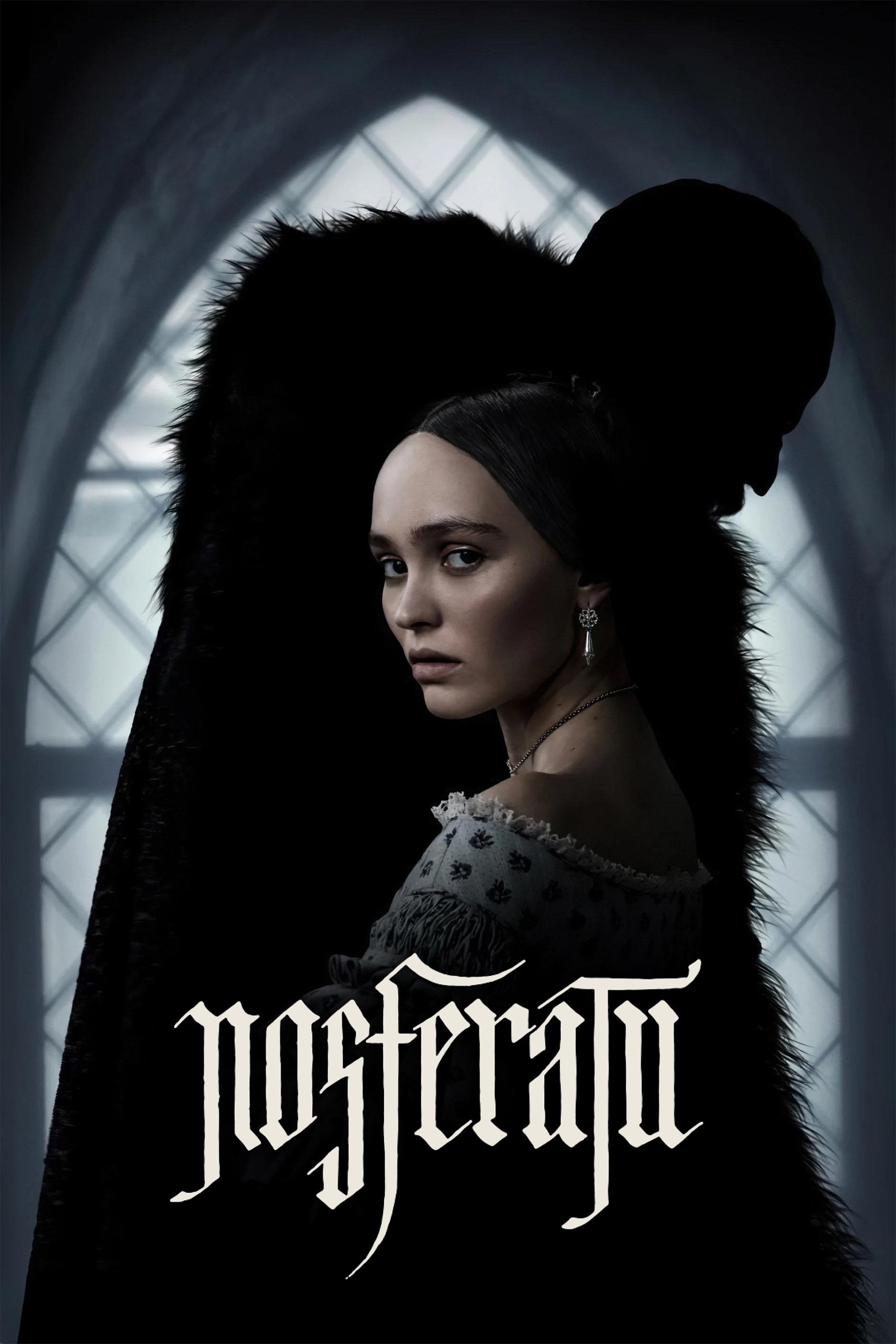
Nosferatu
Statistics
Popularity by Decade
Share of each decade's horror films classified as Gothic Horror. Counts films with at least 5 TMDB ratings, so very obscure titles are not represented.
Popularity by Country
Share of each country's horror output classified as Gothic Horror. Counts films with at least 5 TMDB ratings, so very obscure titles are not represented.