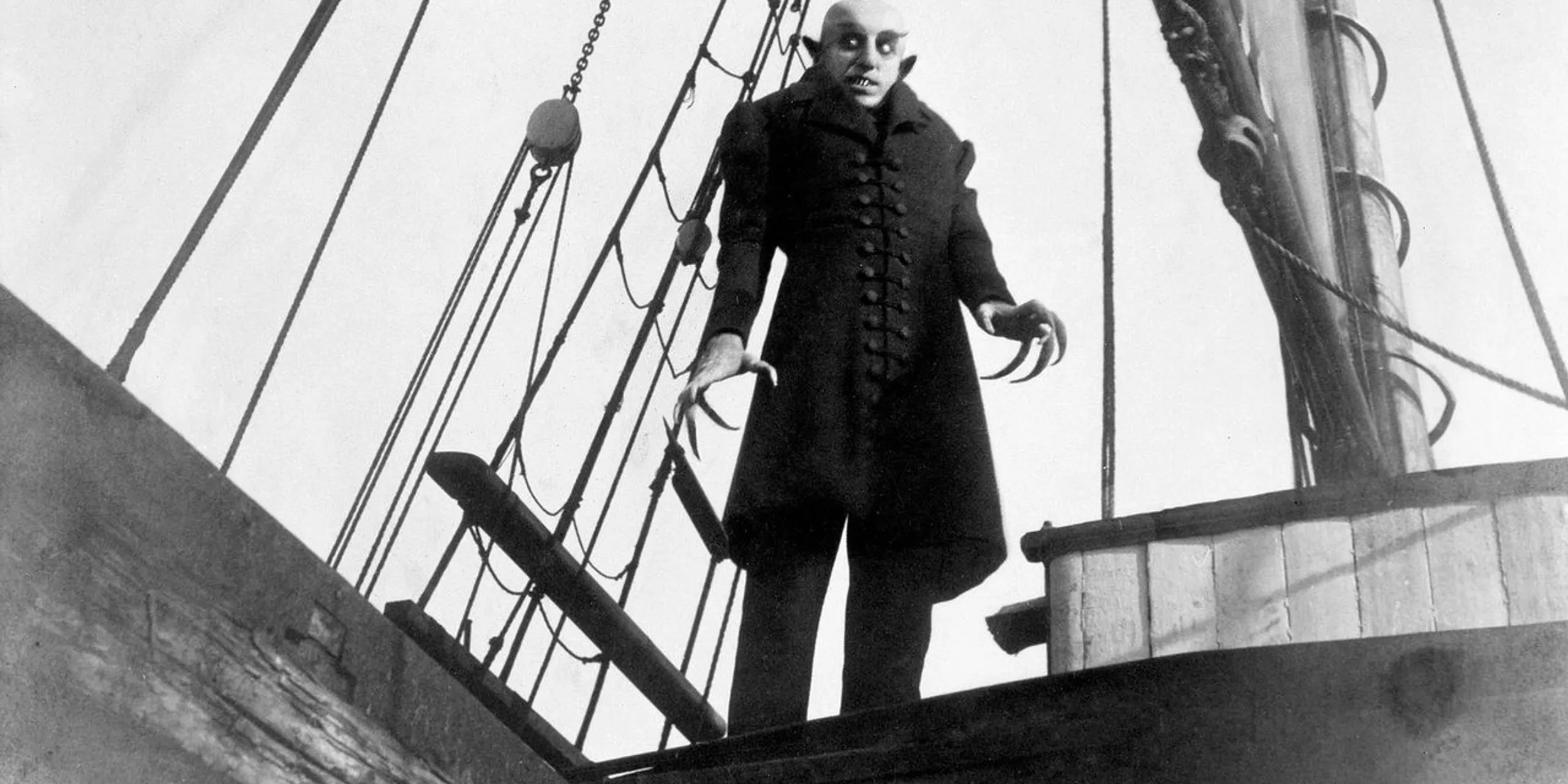
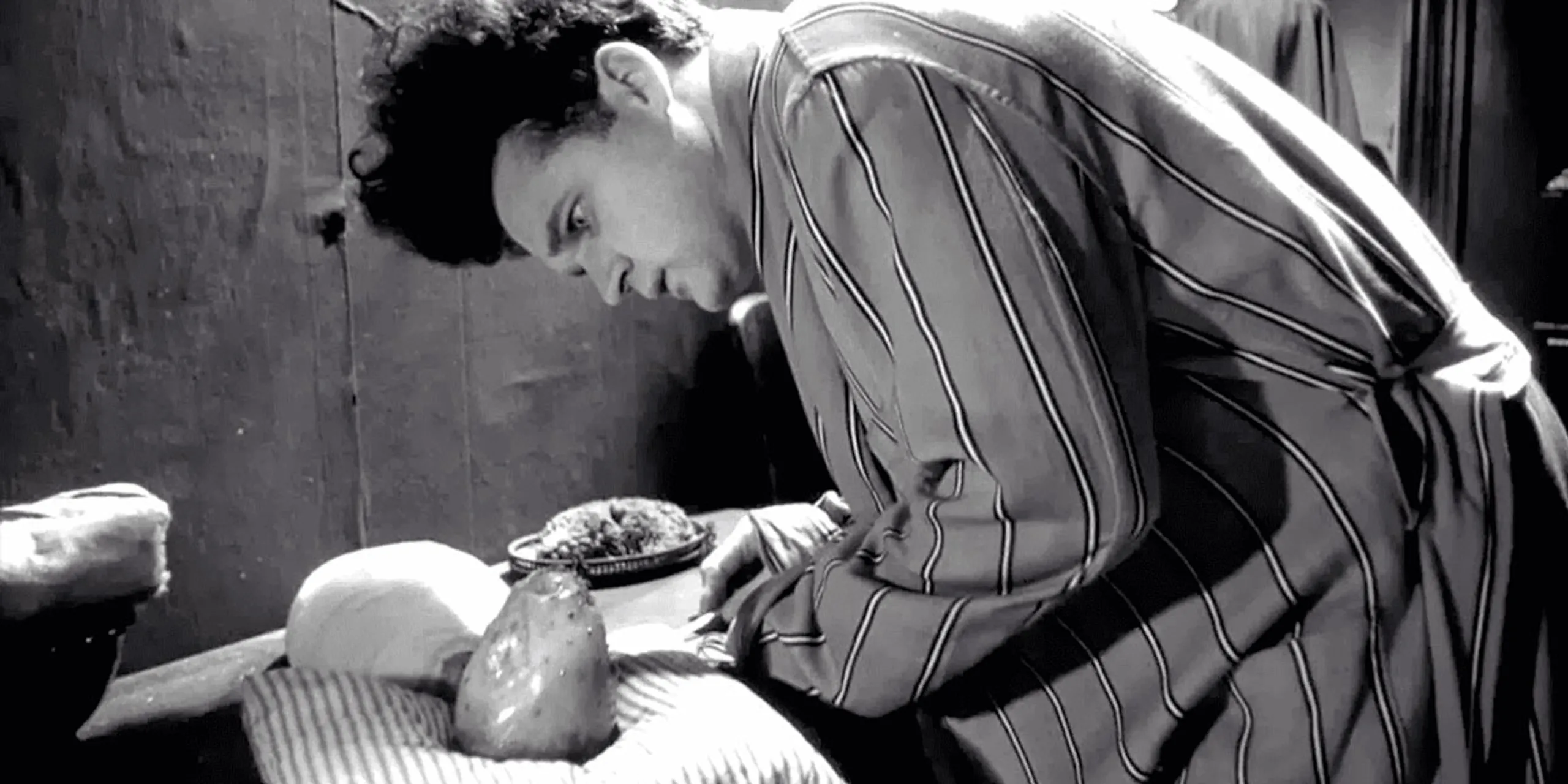
Ringu (1998)
J-Horror
J-horror defined Japanese horror during the '90s and '00s, popularizing ghost stories built around everyday objects and settings — videotape, cell phones, and stairwells — and curses that behave like information, copying and spreading through anyone who encounters it.
History & Origins
J-horror is the ghost story rebuilt for the age of personal media — a wave of Japanese films that found the supernatural not in temples or forests but in videotape, cell phones, and television static. These films treat curses like information: they copy and spread. The J-horror movement begins on videotape in the late 1980s, breaks into theaters with Ring (1998), and largely ends by 2010, but during its era existed as a small world. The J-Horror Virus (2023) describes "a fairly small group of directors" who "went to the same school together, and who were also film scholars" — "people who were making movies, watching each other's movies, writing about each other's movies." They came up through the straight-to-video market and built a shared style out of static framing, ambient dread, and ghosts that are never defeated, only endured.
The genre's roots can be found in Nobuo Nakagawa's Ghost Story of Yotsuya (1959) and Jigoku (1960), who gave postwar Japanese horror a vocabulary of shadow, sustained atmosphere, and karmic dread. Later generations would absorb these characteristics as children watching television. Ring screenwriter Hiroshi Takahashi watched Jigoku repeatedly on television as a child and, in Michael Crandol's account, was "blown away" by its torments of Hell — "the first time I had ever seen such an intense depiction of terror" — and Cure writer and director Kiyoshi Kurosawa credits Nakagawa with providing the model for the movement. These films belong to kaiki, an older tradition supernatural horror. But the originators of J-horror would carry their sense of osore — the dread of contact with something that should long since have departed — out of the period ghost story and into modern settings of apartment blocks, school corridors, and video shops.
The movement began in the margins, on videotape. Psychic Vision: Jaganrei (1988), an obscure straight-to-video piece built around cursed footage, prefigured the found-footage strain by a decade. But Norio Tsuruta's Scary True Stories (1991), shot for Japan Home Video on almost no money, is the usual answer to where J-horror actually starts: anthology reconstructions of viewer-submitted hauntings, staged with a flat documentary plainness that hardened into a house style. Its release coincided with the collapse of Japan's bubble economy, and the form's preoccupation with ordinary life quietly coming apart is difficult to separate from that timing. The Gakkō no kaidan television series carried the same talent through the mid-1990s and turned a style into a working method — the same directors, the same screenwriters, episode after episode. It is the point at which, for The J-Horror Virus, "J-horror became not just a genre or a style, but it became a movement."
Hideo Nakata's Don't Look Up (1996) — Joyū-rei, a ghost story set inside a film studio, its specter surfacing on celluloid — was the first of these films to reach theaters and the one that moved Nakata to the front. Kurosawa's Cure (1997) supplied the other half of the template: a procedural whose horror is found in bureaucratic flatness and unreadable faces. Then Ring (1998) fused traditional onryō imagery to a cursed videotape, and the wave began to transcend domestic curiosity, spawning a franchise. The Spiral (1998) appeared on a double bill with Ring, Ring 0 (2000) was handed to Tsuruta by Takahashi, and Tomie (1998), Uzumaki (2000), and Shikoku (1999) pulled the style toward manga and folklore.
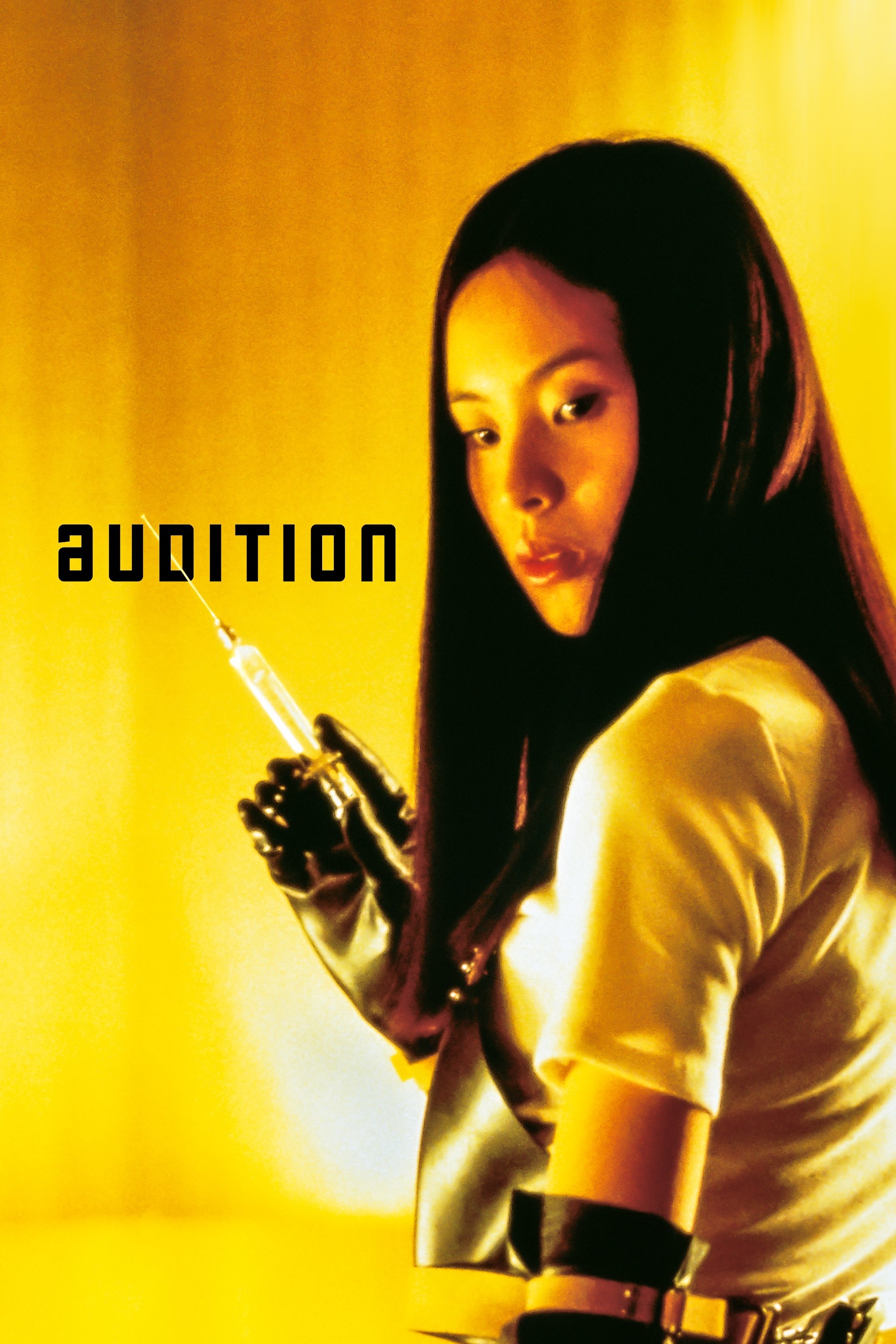
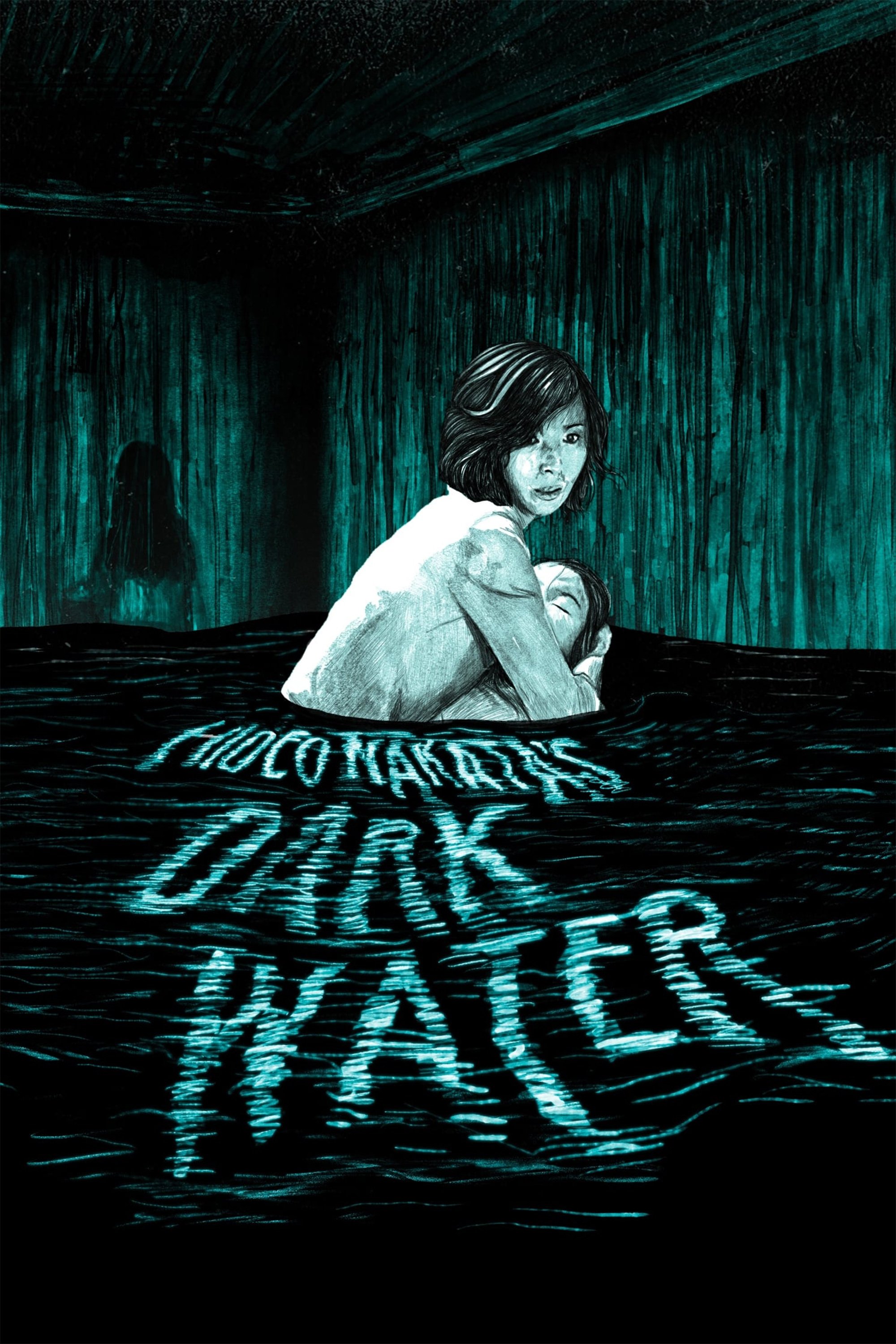
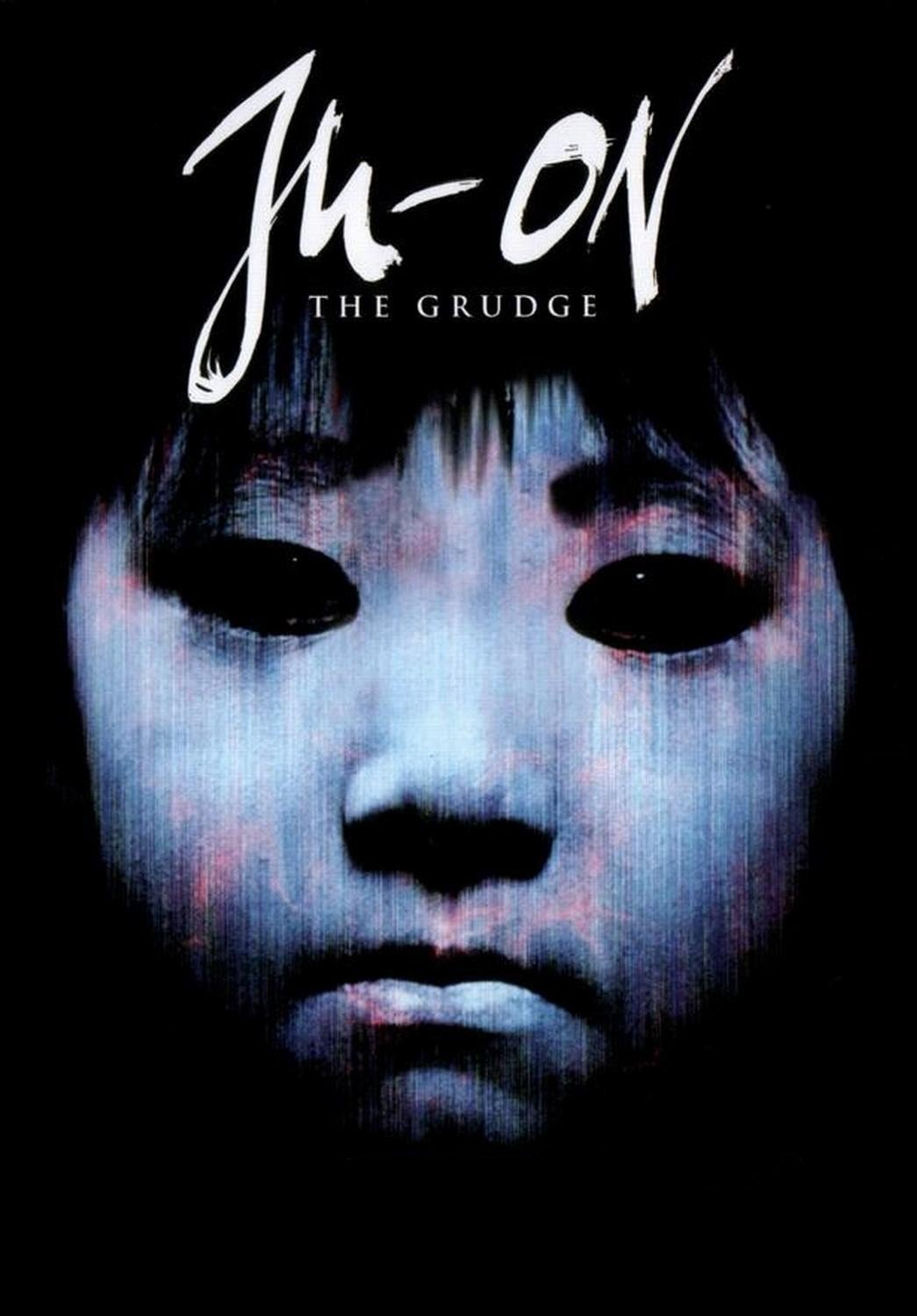
Takashi Shimizu's Ju-on: The Curse (2000) began on video and proposed that rage could contaminate a building rather than a person, then relaunched theatrically as Ju-on: The Grudge (2002). Kurosawa's Pulse (2001) and Nakata's Dark Water (2002) turned the ghost story toward loneliness and neglect, and Takashi Miike's Audition (2000) sat at the edge of all of it — no ghost, nothing supernatural, but the same long black hair and the same patient quiet turned to entirely different ends. Producer Takashige Ichise, who had shepherded both Ring and Ju-on, formalized the movement into a branded strand, J-Horror Theater, running from Infection (2004) and Premonition (2004) through Kurosawa's Retribution (2007). Its discontinuation in 2010 marks the informal end of the movement. Koji Shiraishi's Noroi: The Curse (2005) had already pointed past it, closing the loop back to Jaganrei and anticipating a decade of analog-horror experiment worldwide, while Mari Asato's Bilocation (2013) works the same traditions from a new perspective — for all its focus on women and domestic space, very few women wrote or directed during the J-horror era.
Sources: Sarah Appleton and Jasper Sharp (dirs.), The J-Horror Virus (2023); Michael Crandol, Ghost in the Well (2021).
Essential Films
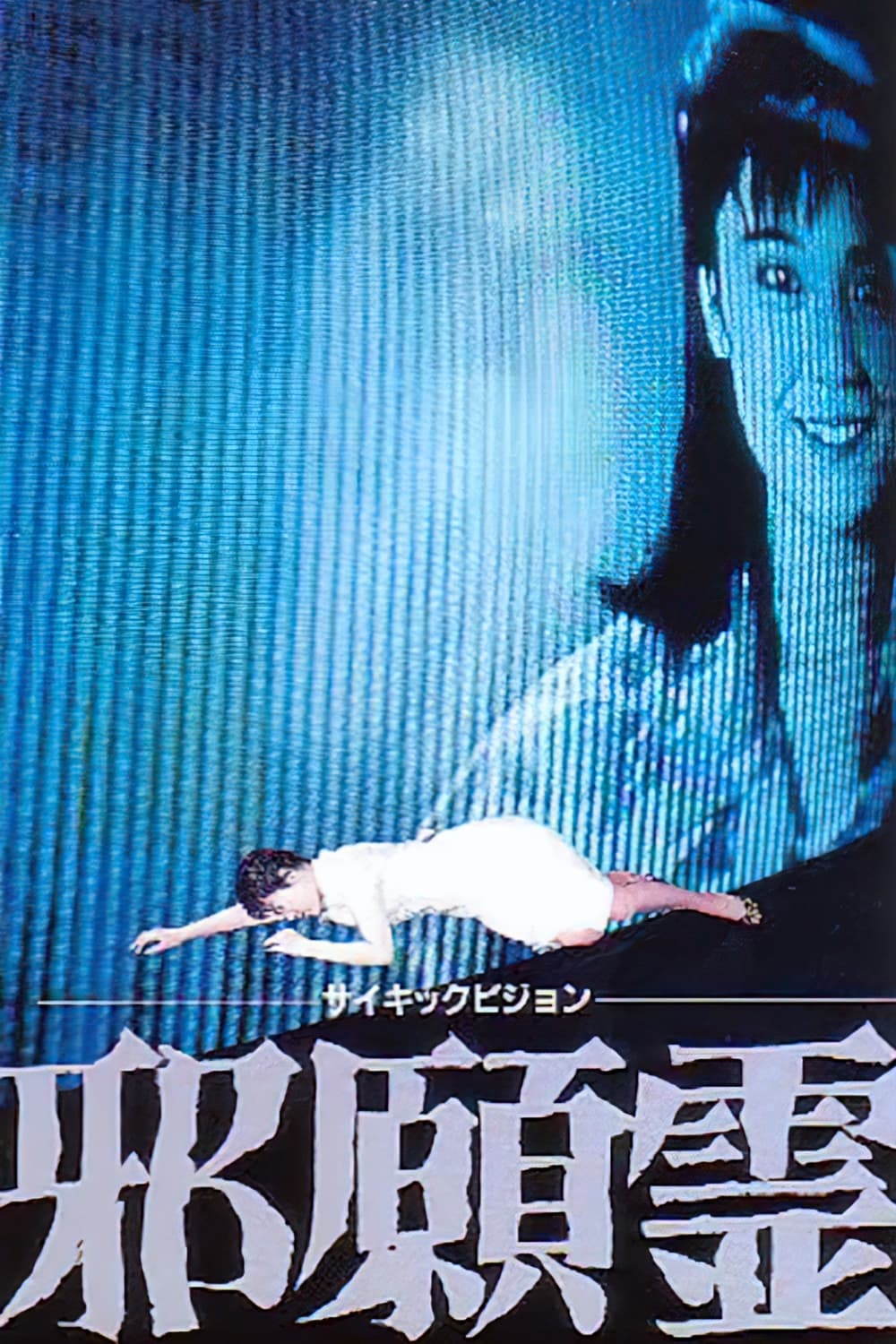
Psychic Vision: Jaganrei
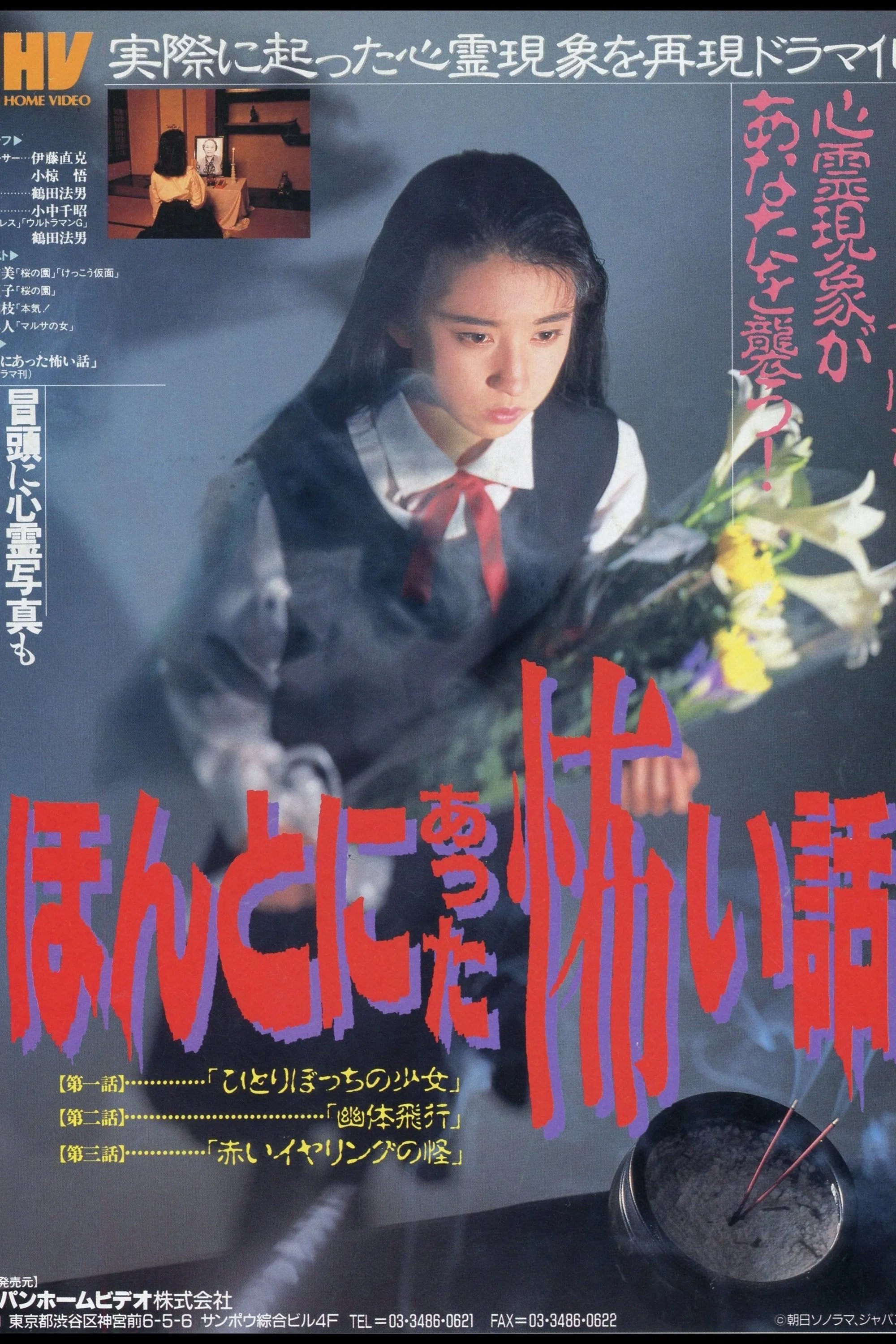
Scary True Stories
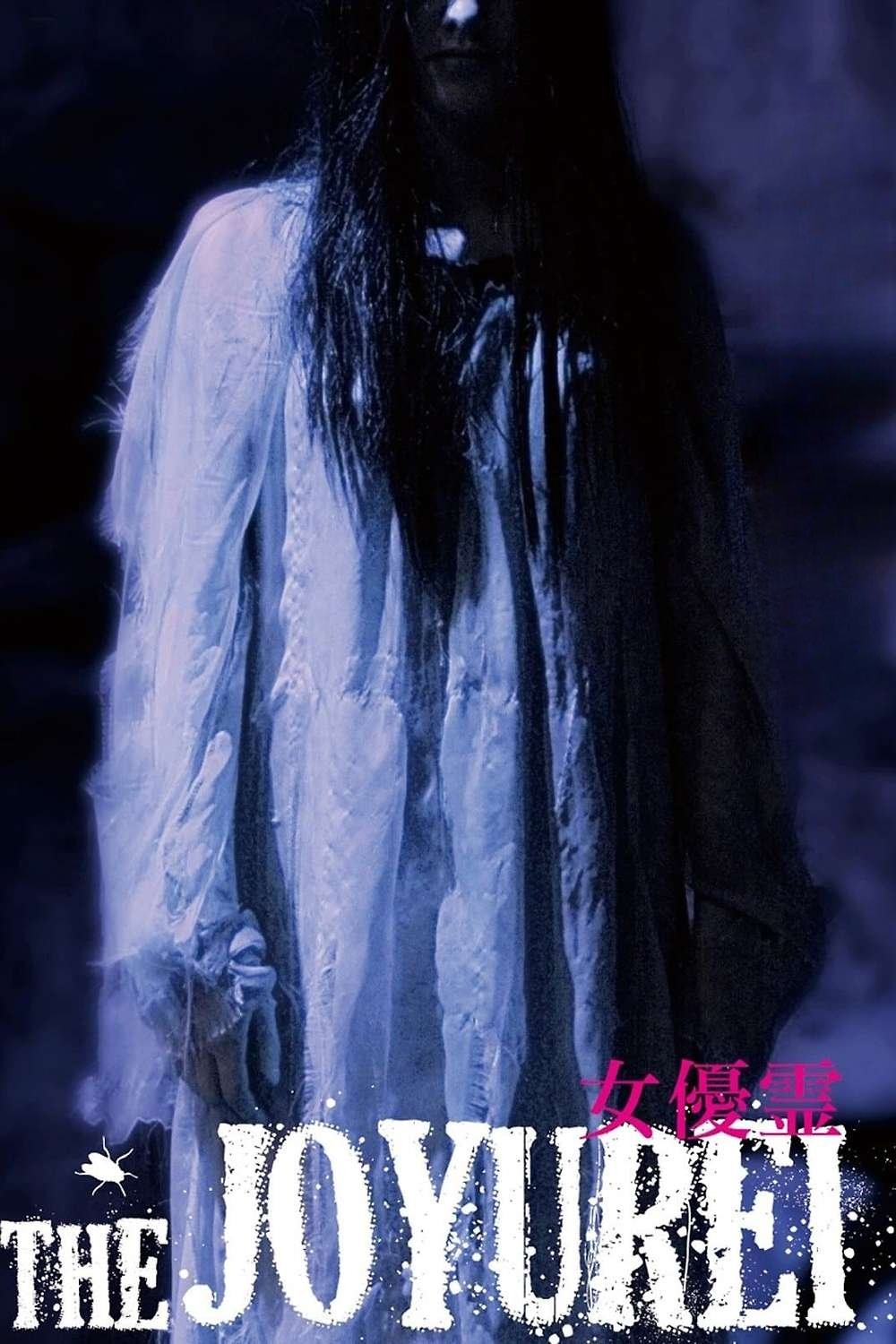
Don't Look Up
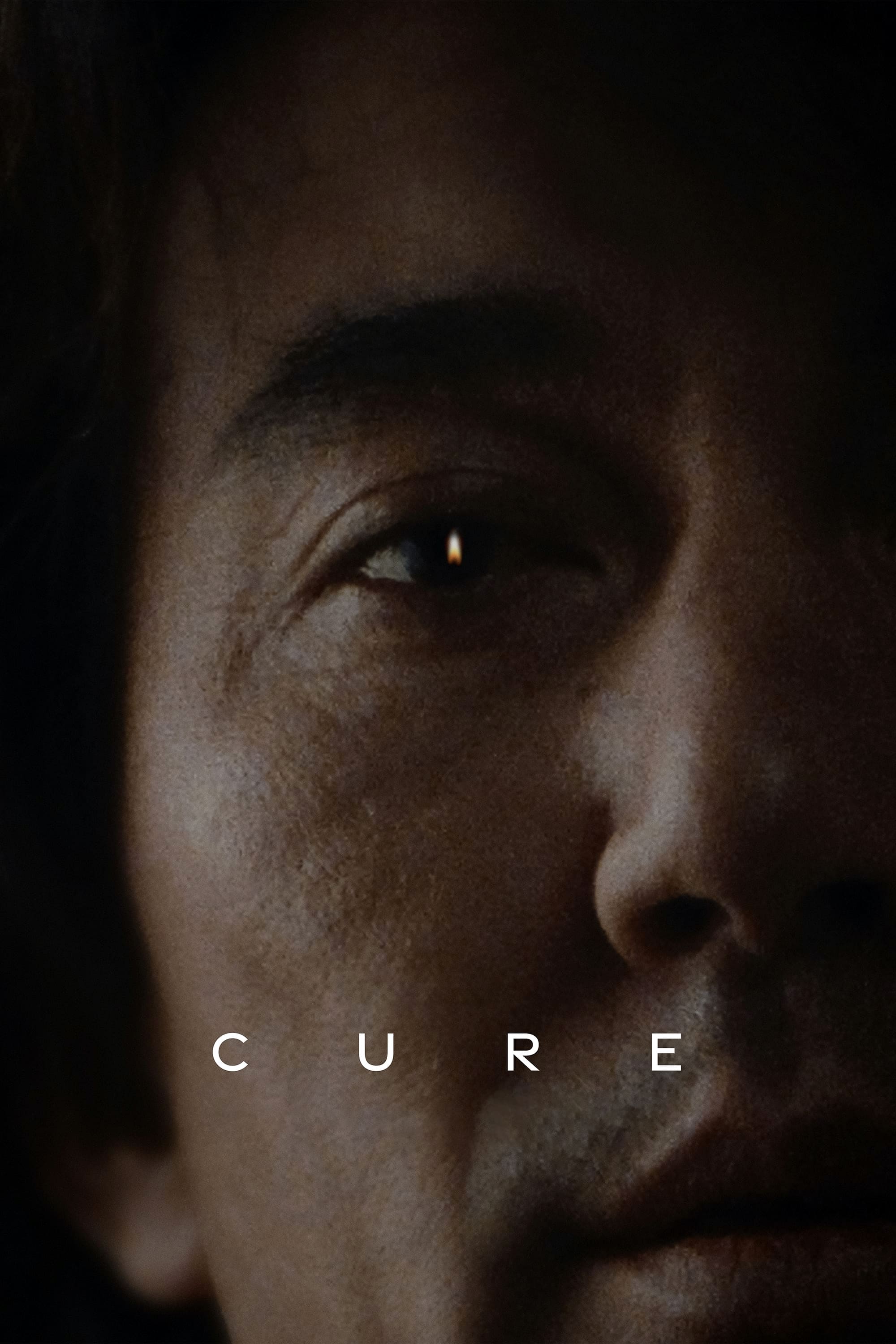
Cure
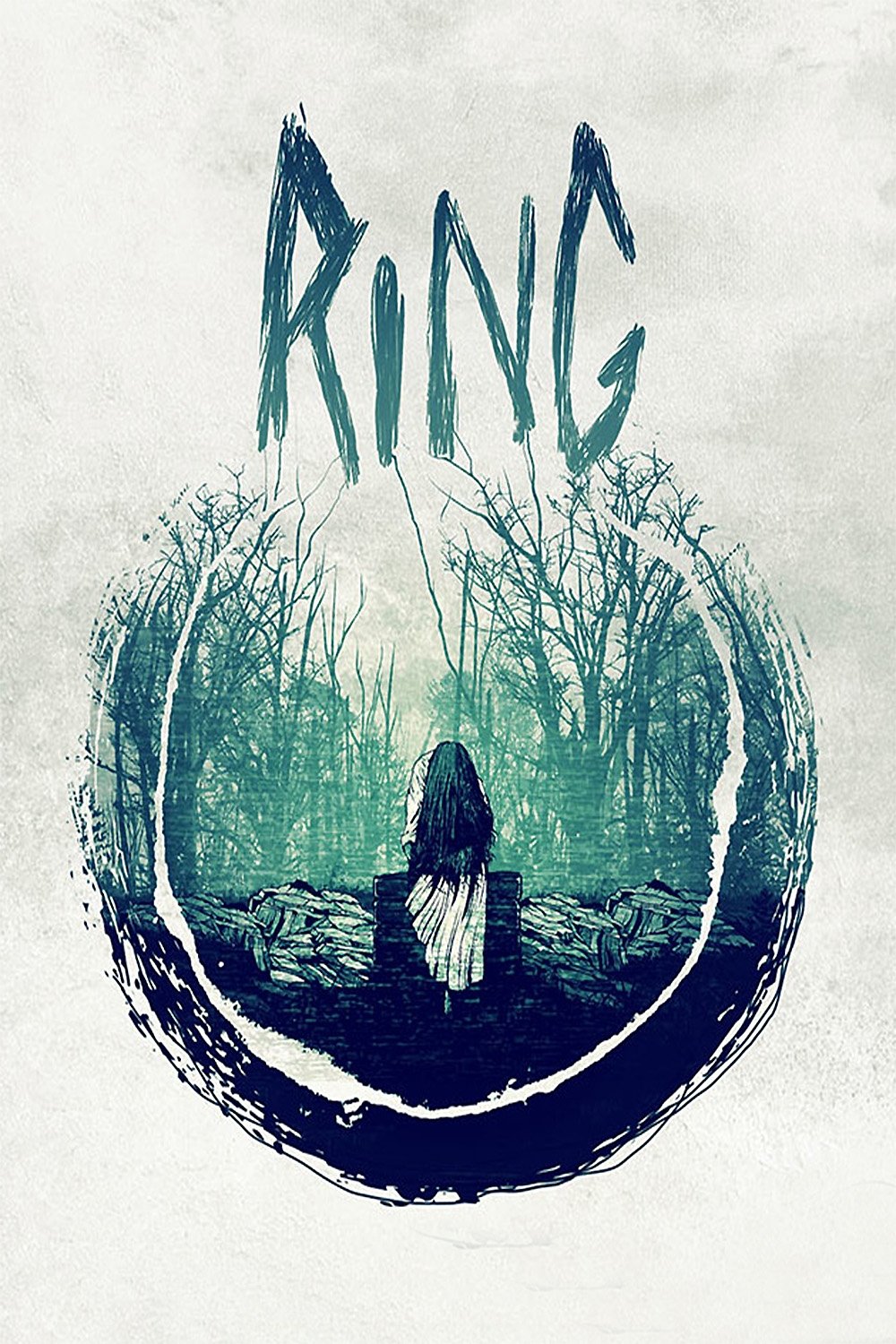
Ring
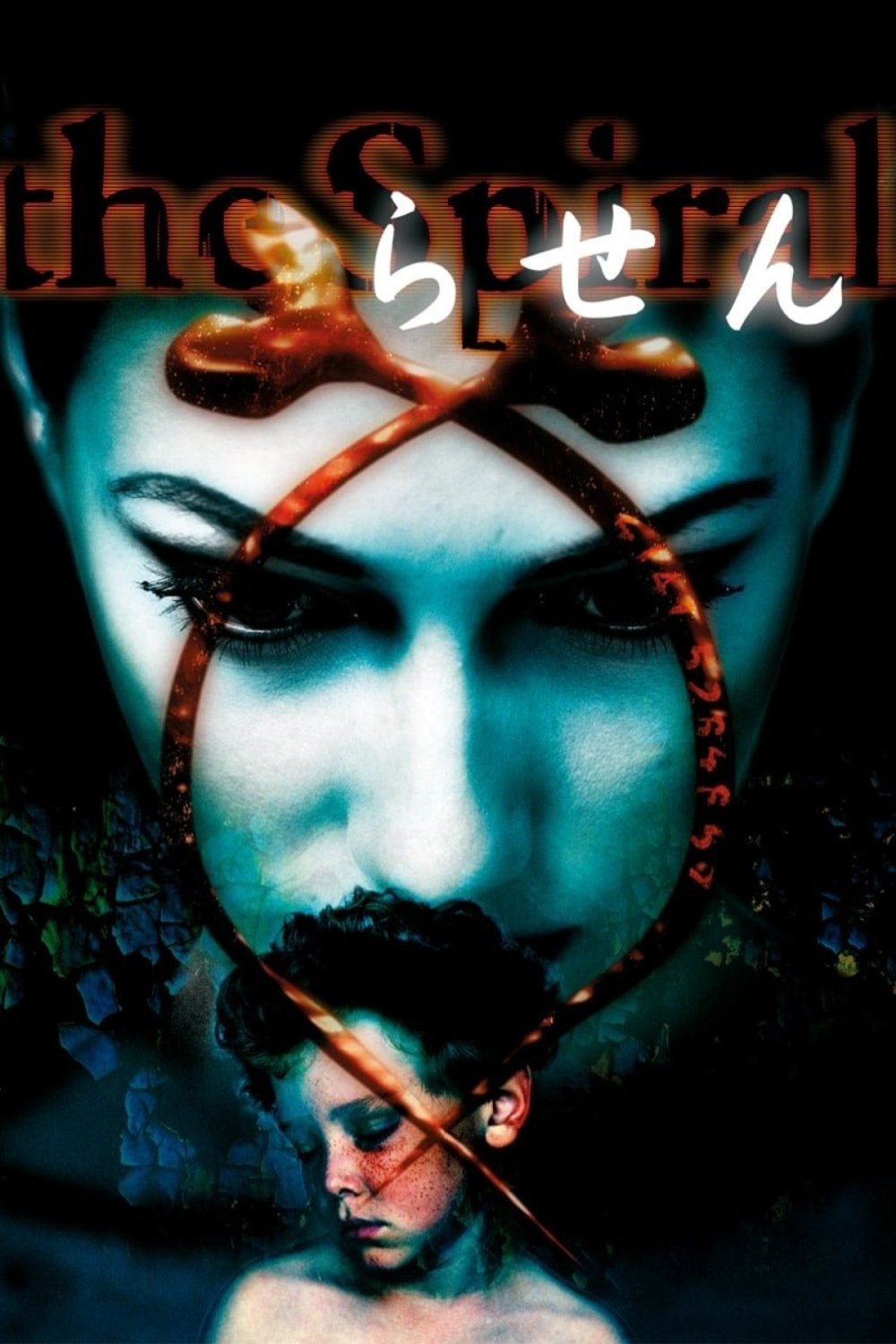
The Spiral
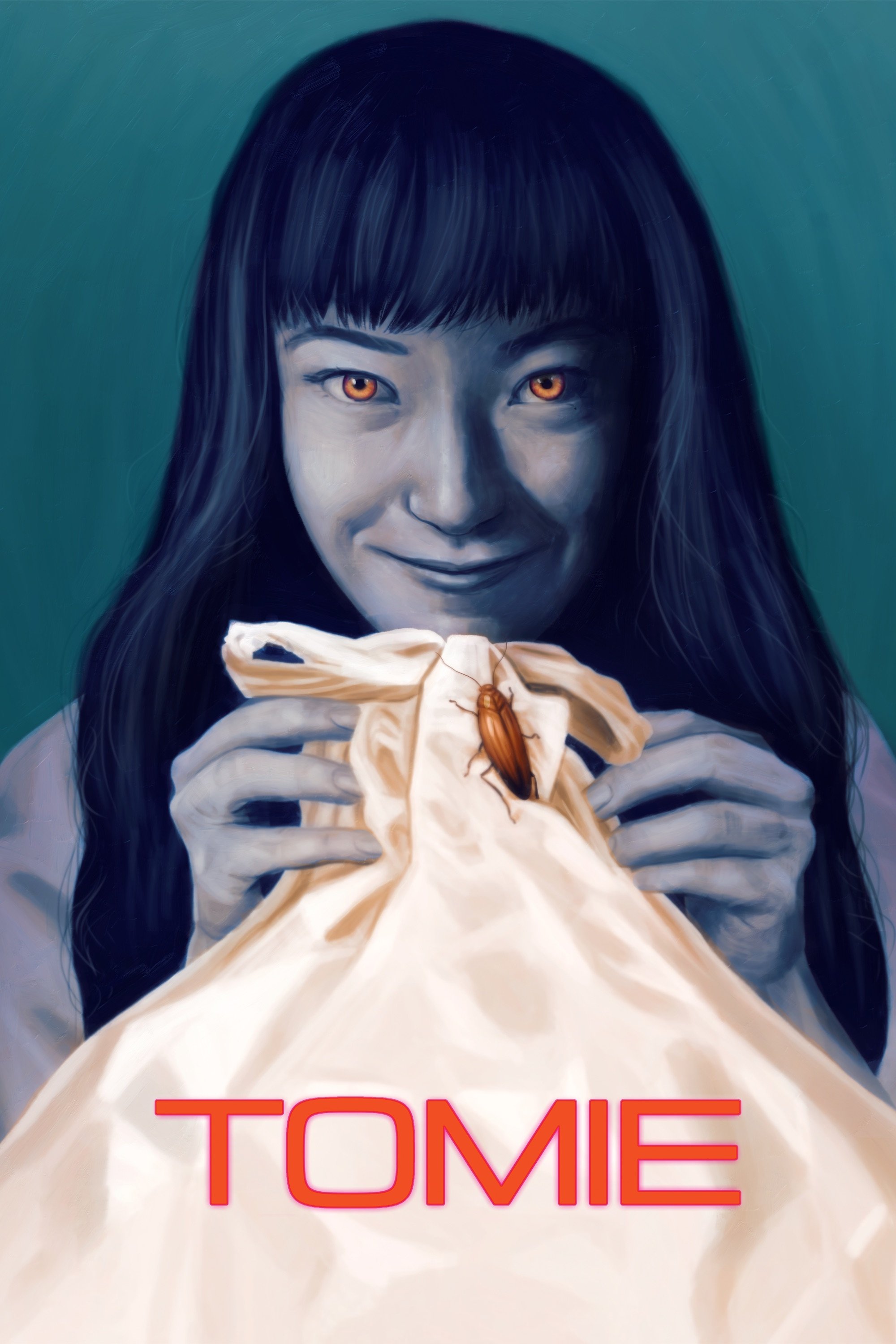
Tomie

Shikoku
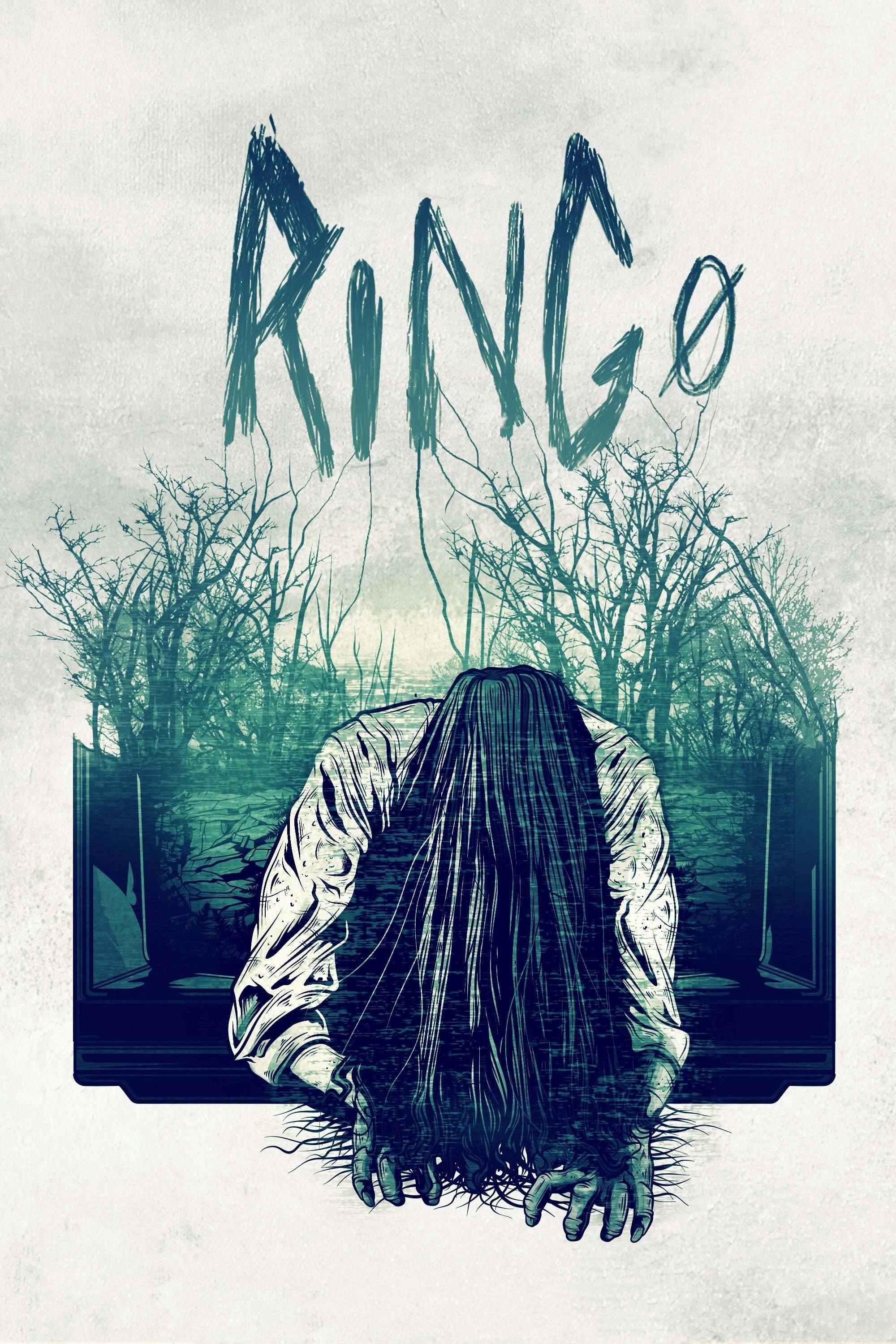
Ring 0
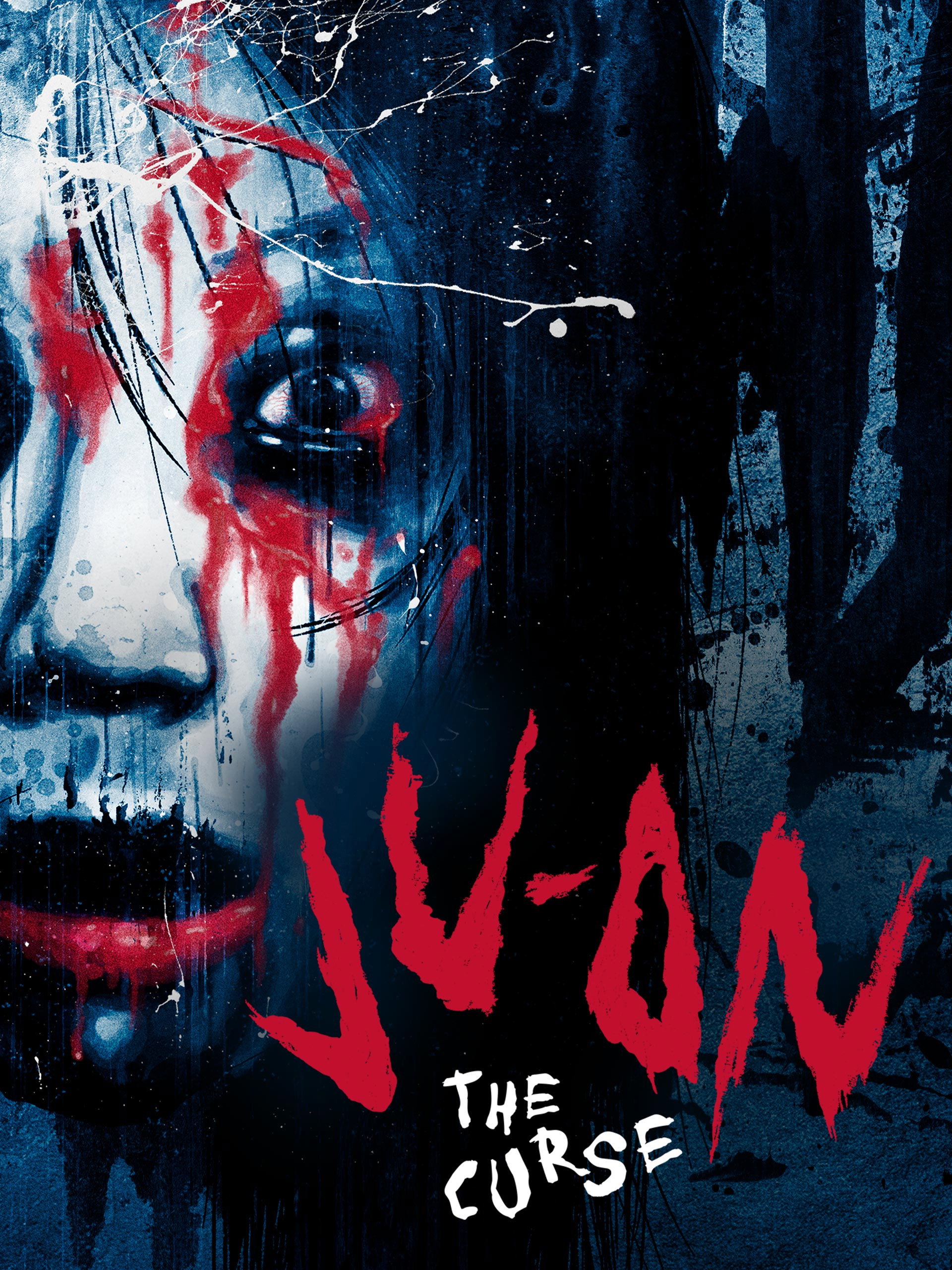
Ju-on: The Curse
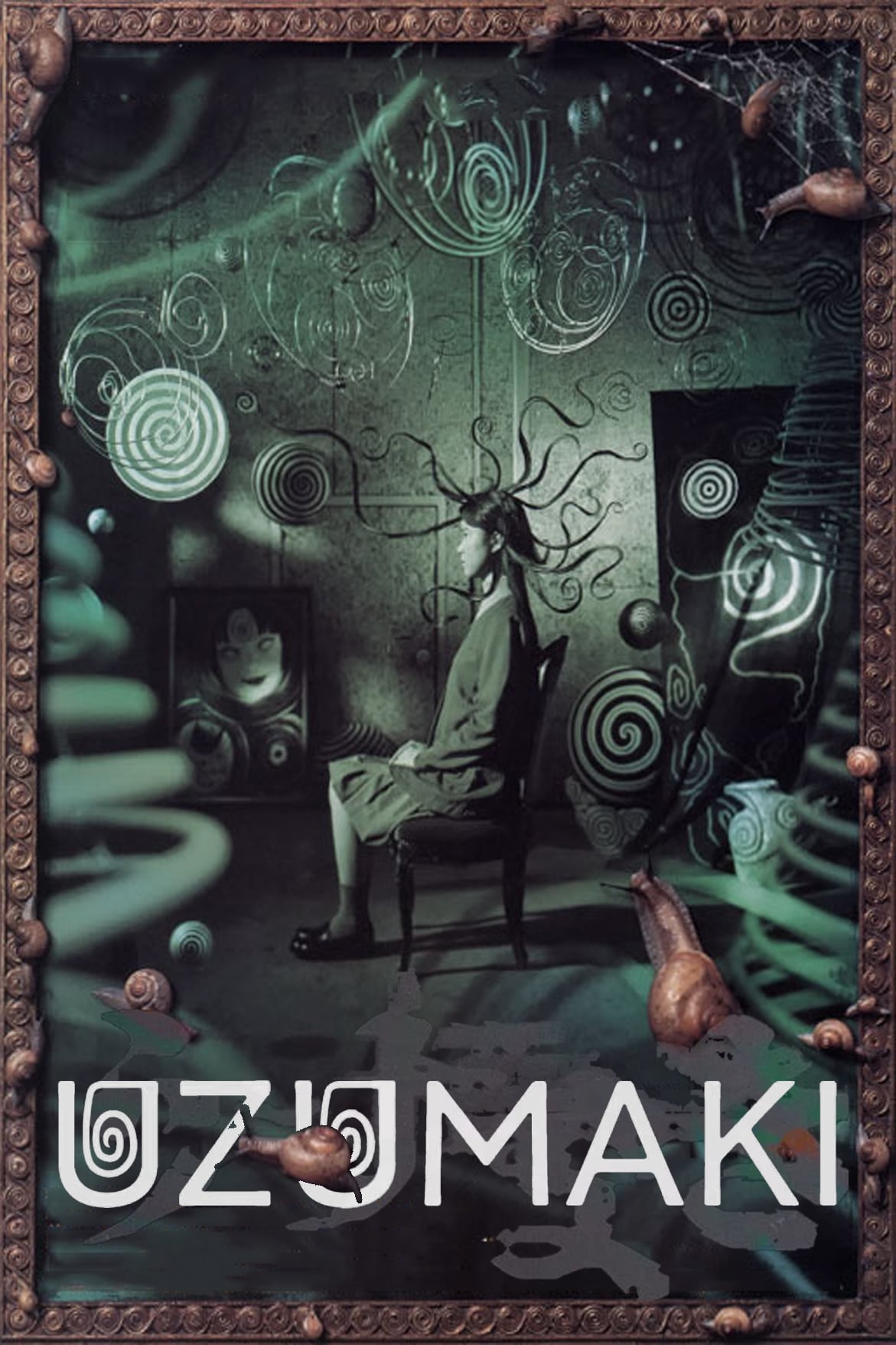
Uzumaki
Audition
Séance

Pulse
Dark Water
Ju-on: The Grudge

One Missed Call
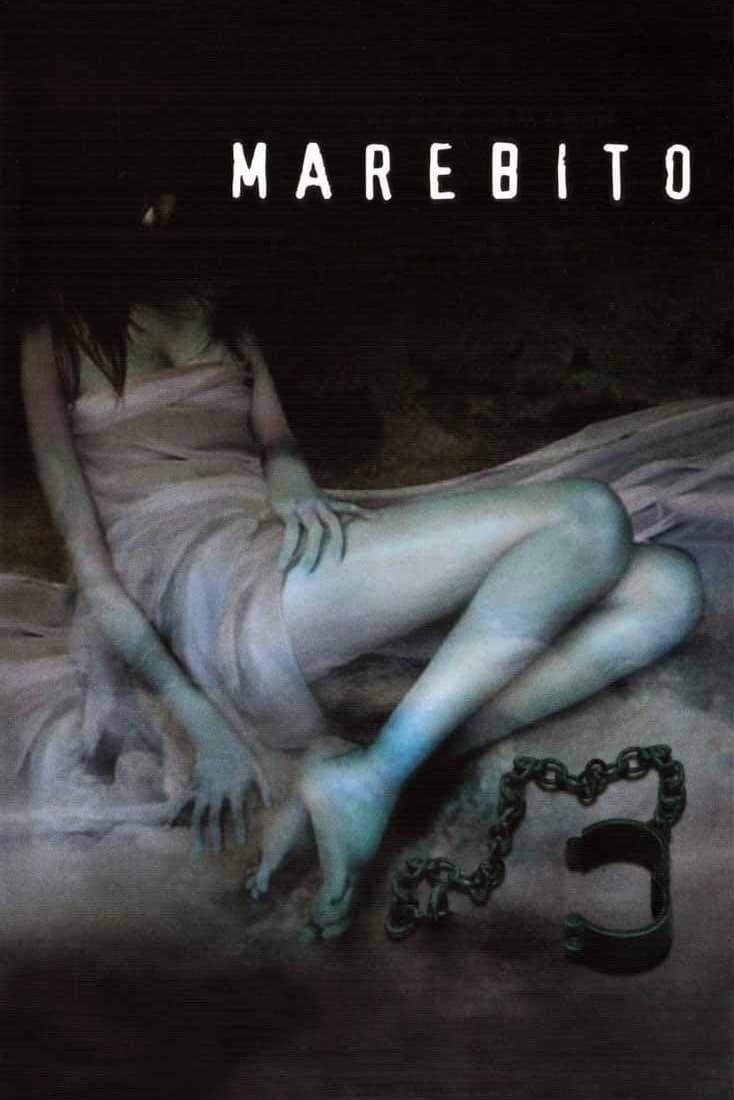
Marebito
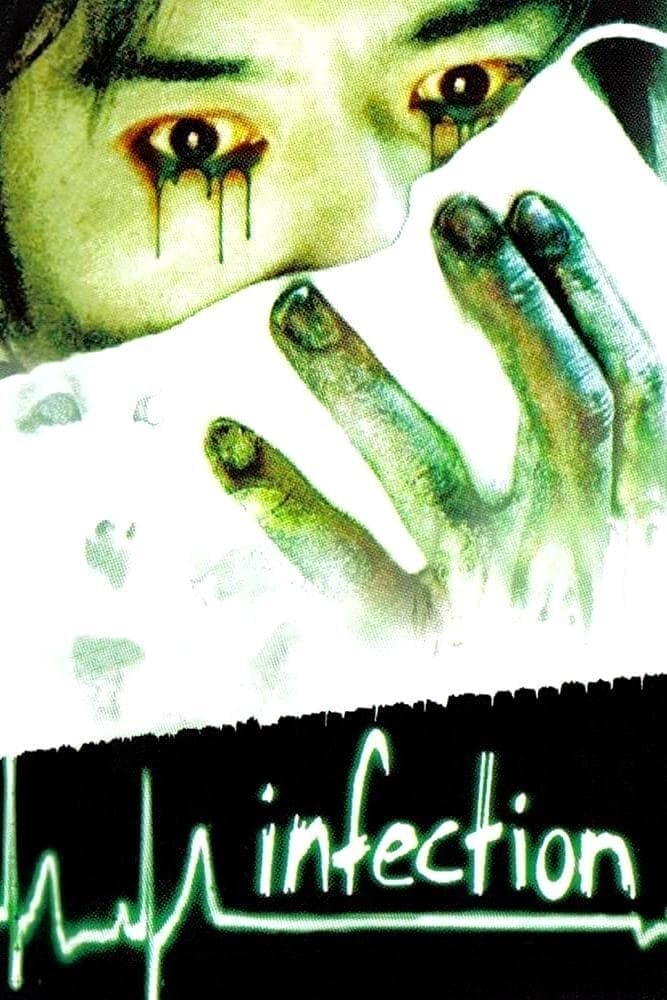
Infection
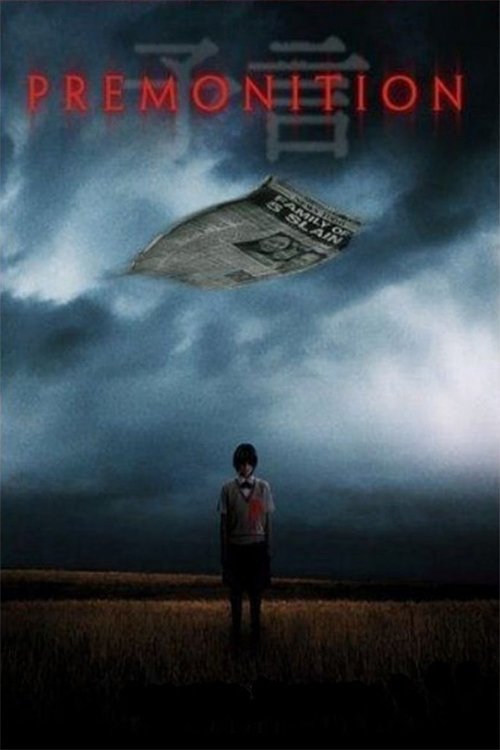
Premonition
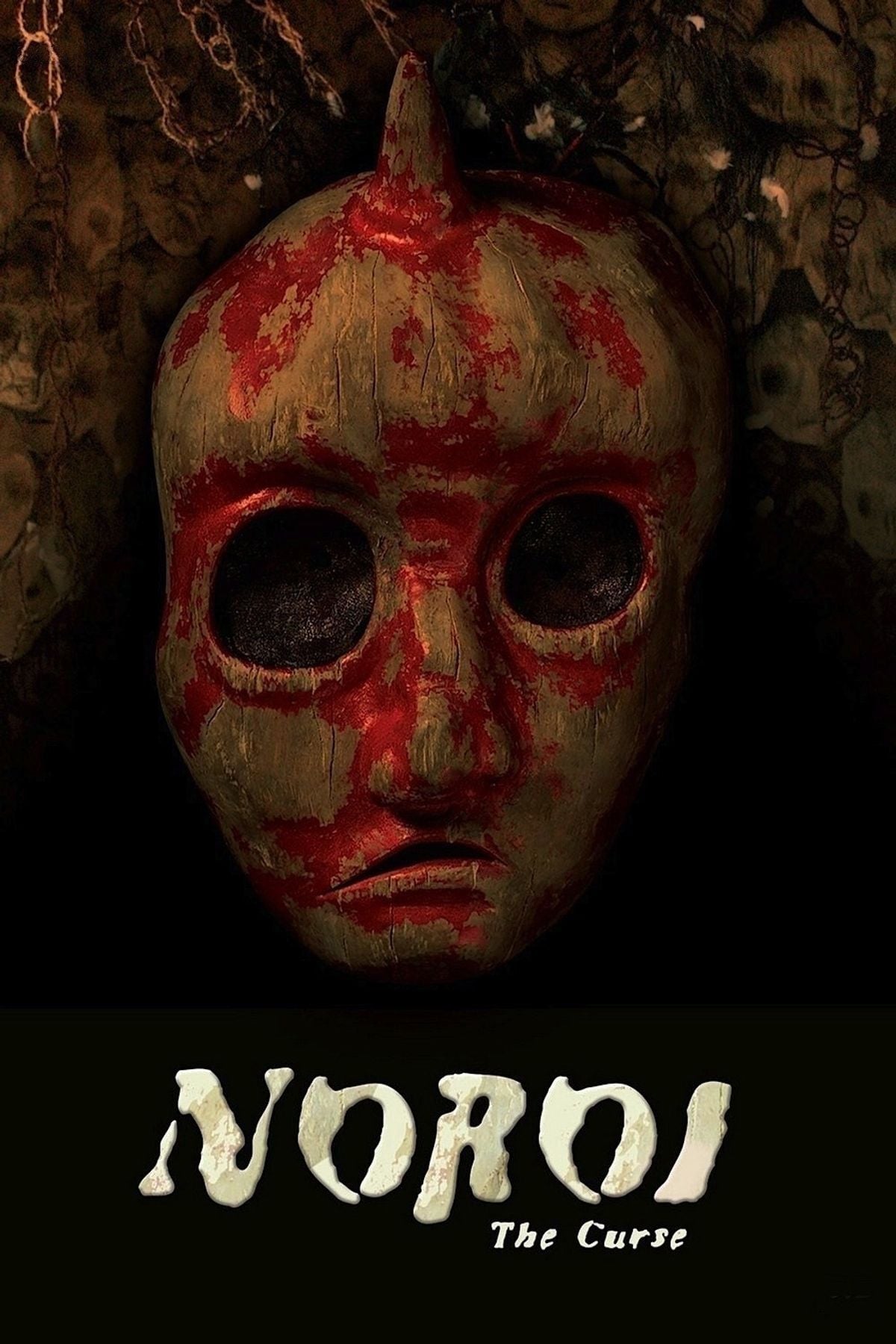
Noroi: The Curse
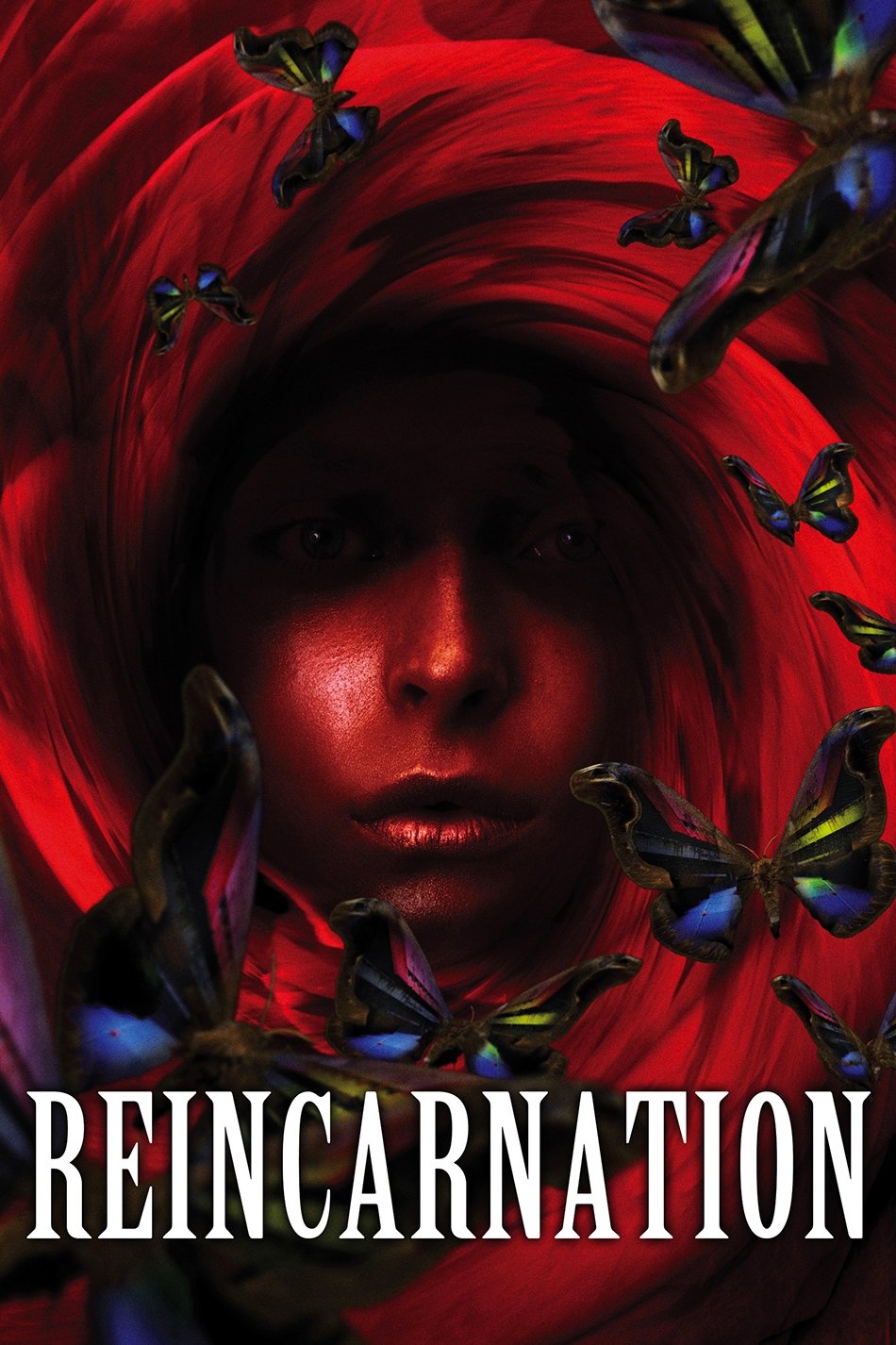
Reincarnation
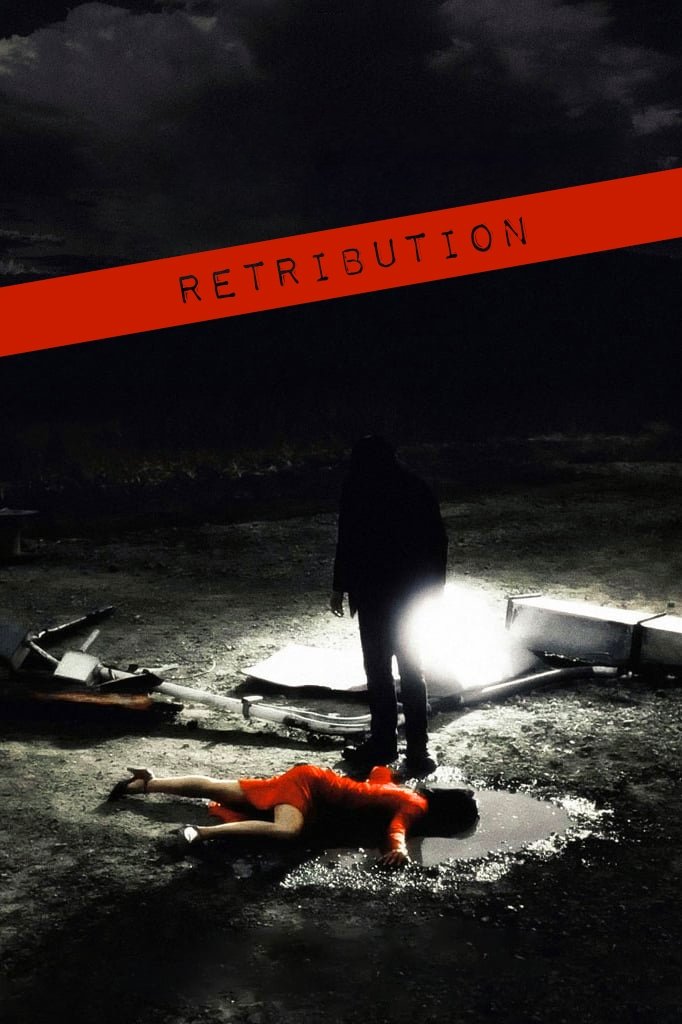
Retribution

Bilocation
Statistics
Popularity by Decade
Share of each decade's horror films classified as J-Horror. Counts films with at least 5 TMDB ratings, so very obscure titles are not represented.
Popularity by Country
Share of each country's horror output classified as J-Horror. Counts films with at least 5 TMDB ratings, so very obscure titles are not represented.