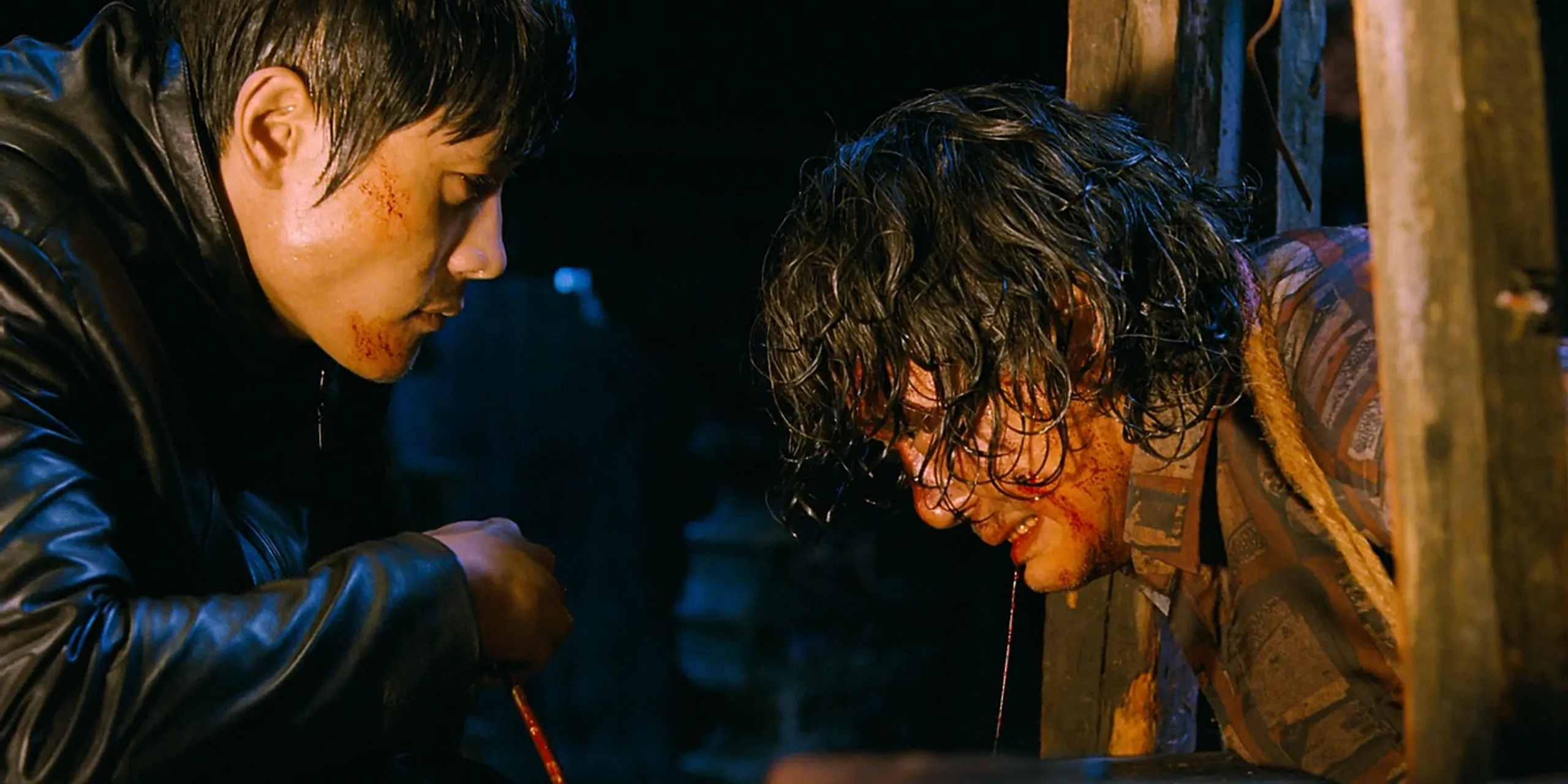
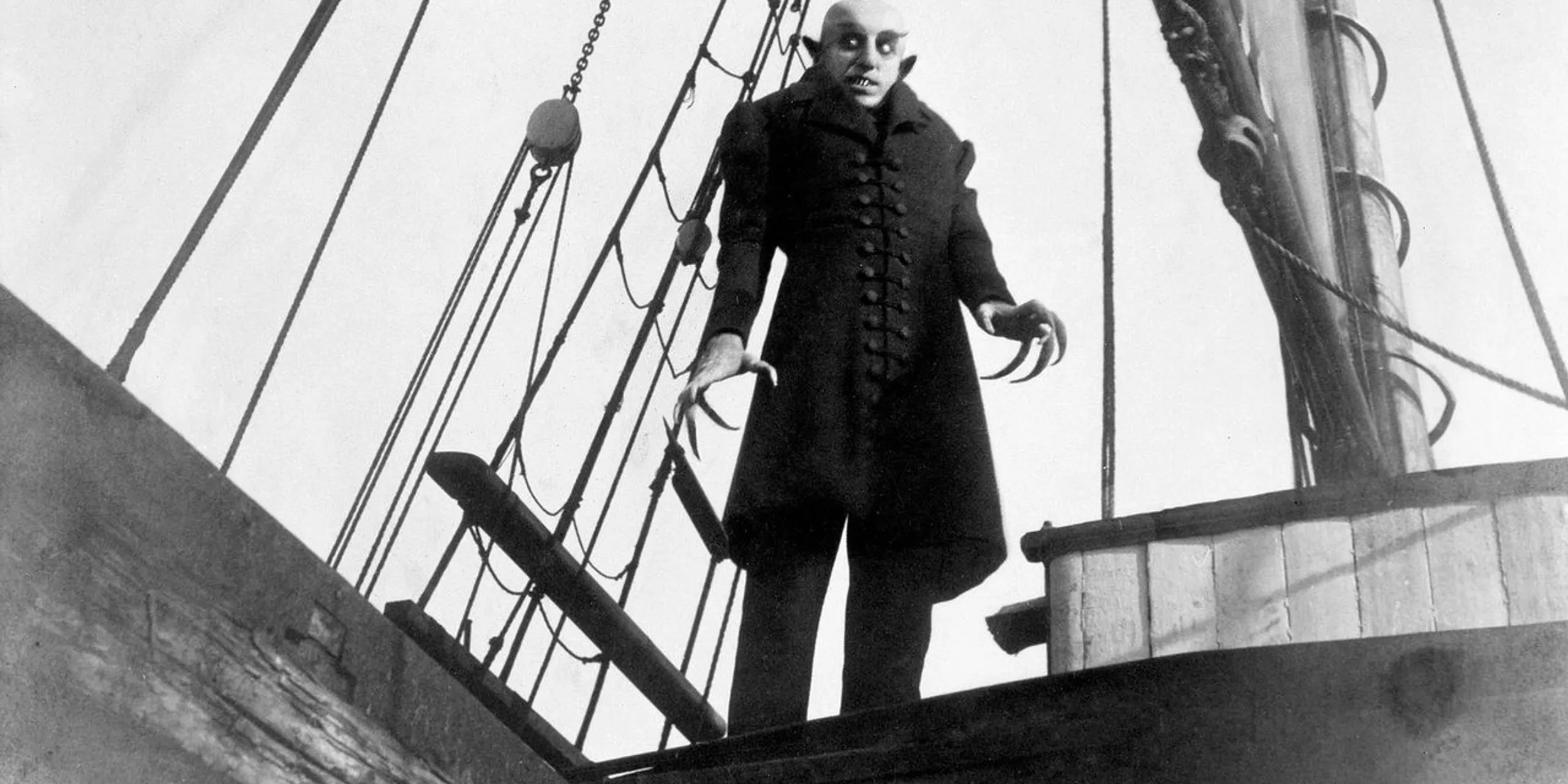
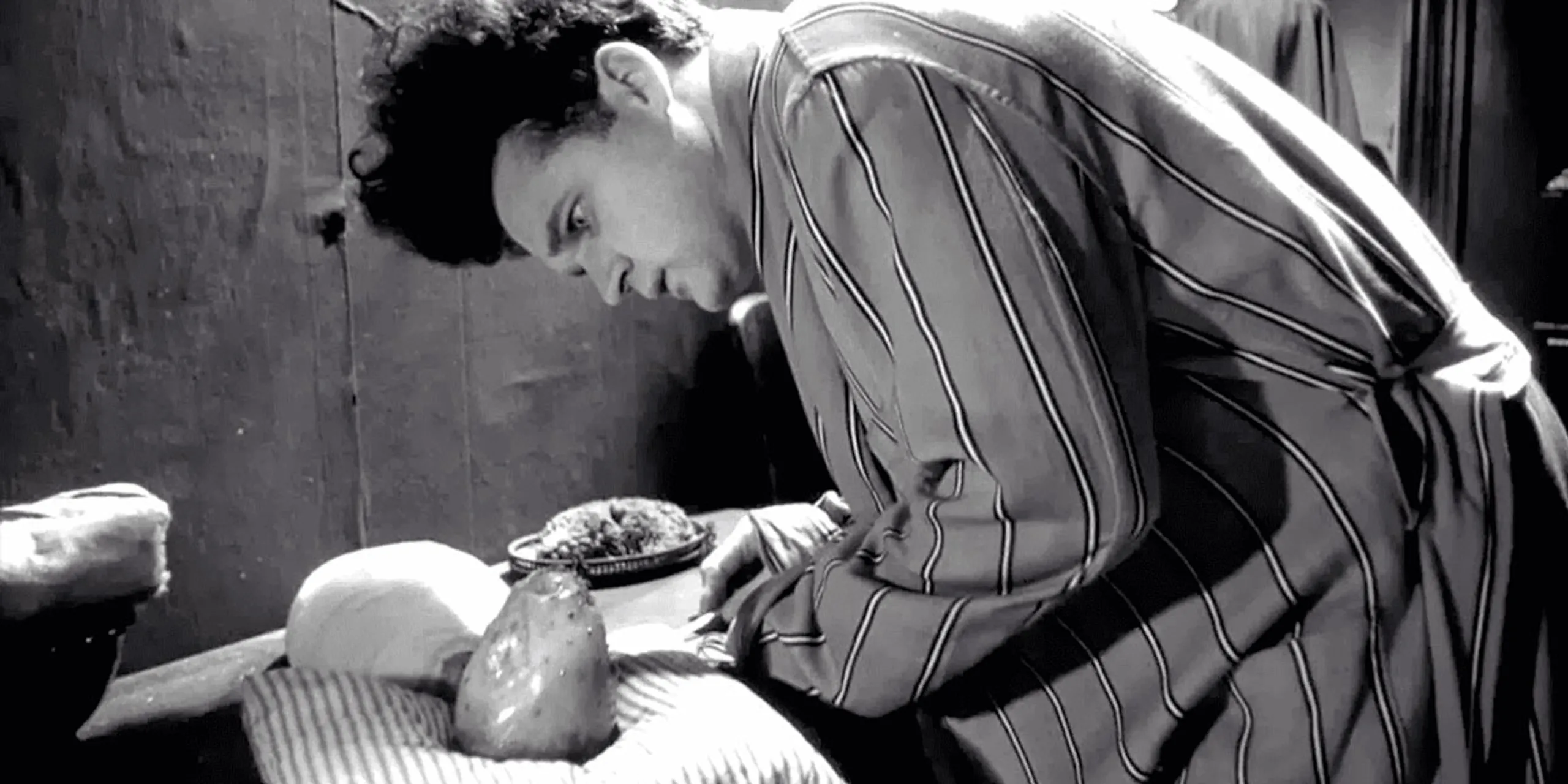
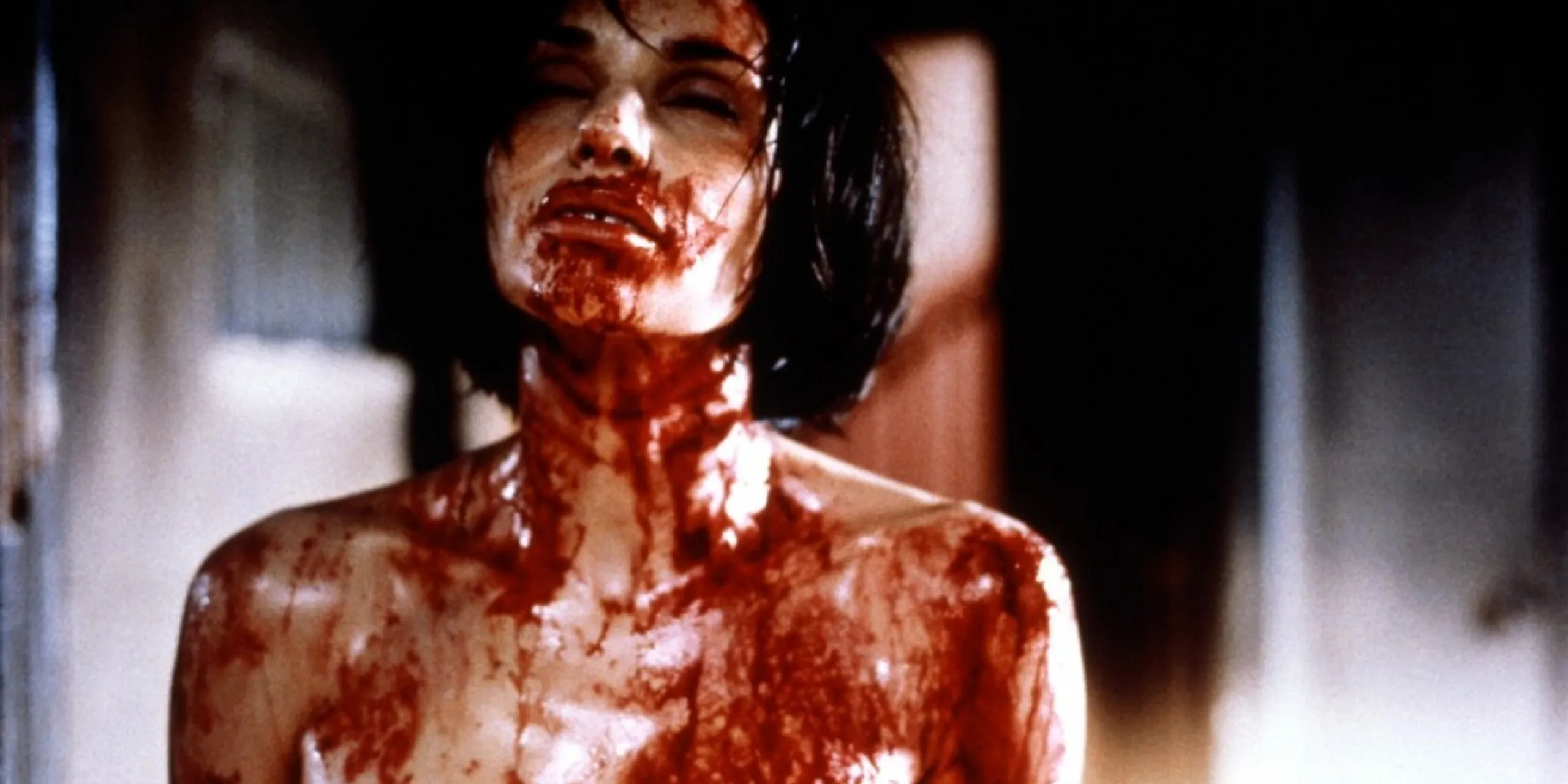
 Trouble Every Day (2001)
New French Extremity
Horror as endurance test. Viscerally violent, philosophically ambitious French cinema designed to produce not discomfort but crisis — films that are not interested in being enjoyed.
History & Origins
The New French Extremity is less a genre than a declaration of intent — a wave of French films from the turn of the millennium that systematically violated every boundary of what mainstream cinema considered acceptable. These films are viscerally violent, philosophically ambitious, and designed to produce not just discomfort but genuine crisis in the viewer. They are not interested in being enjoyed. They are interested in being endured.
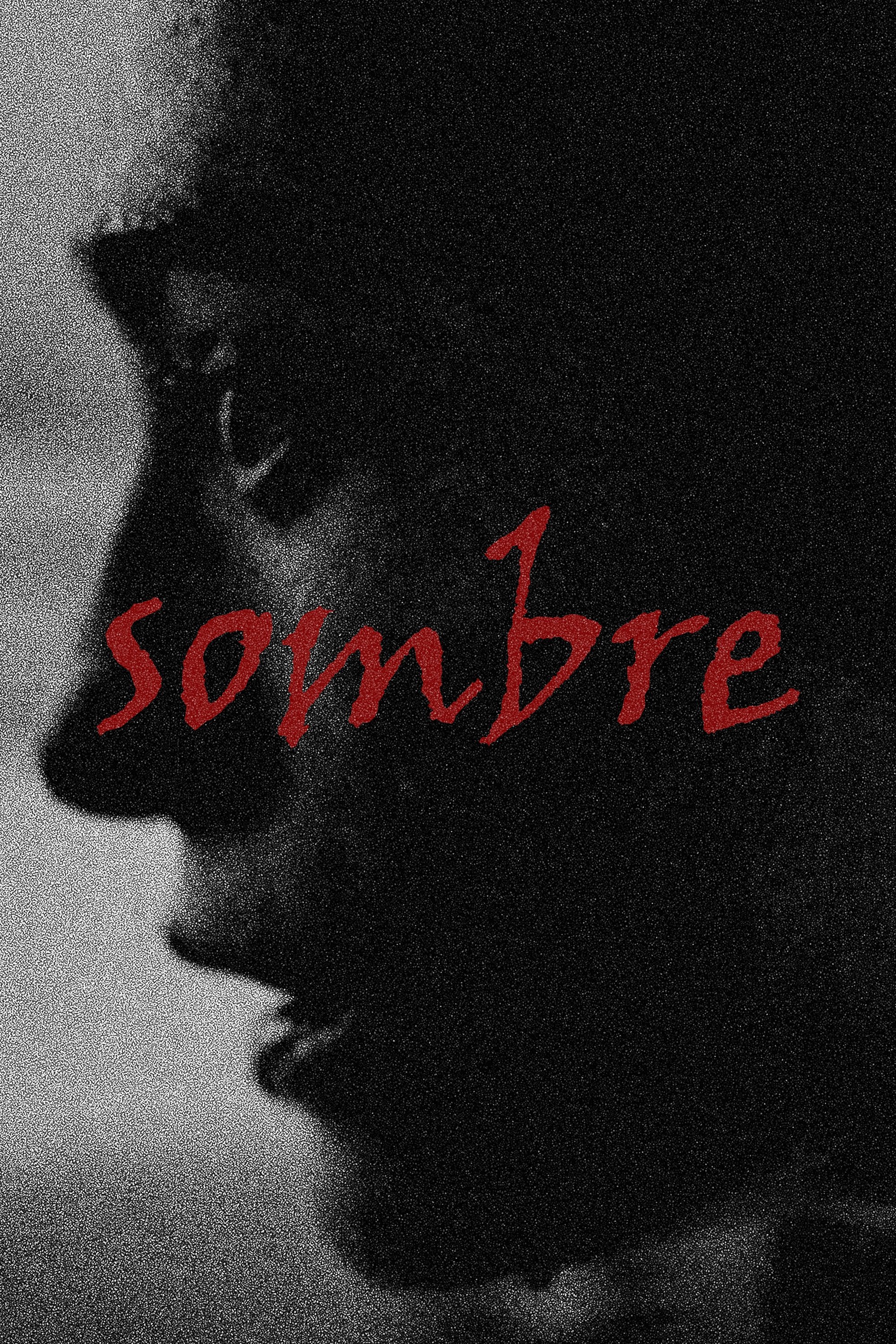
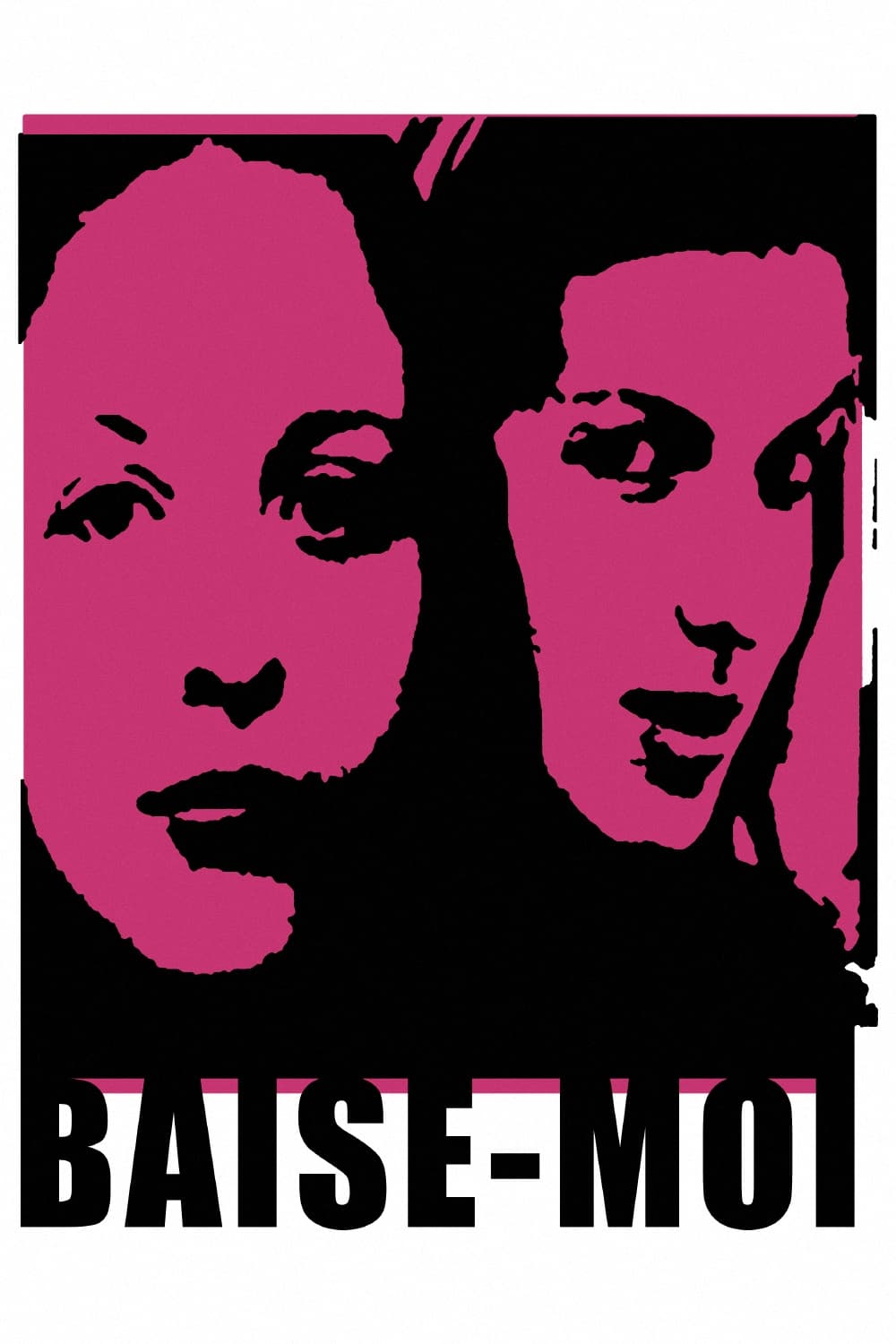
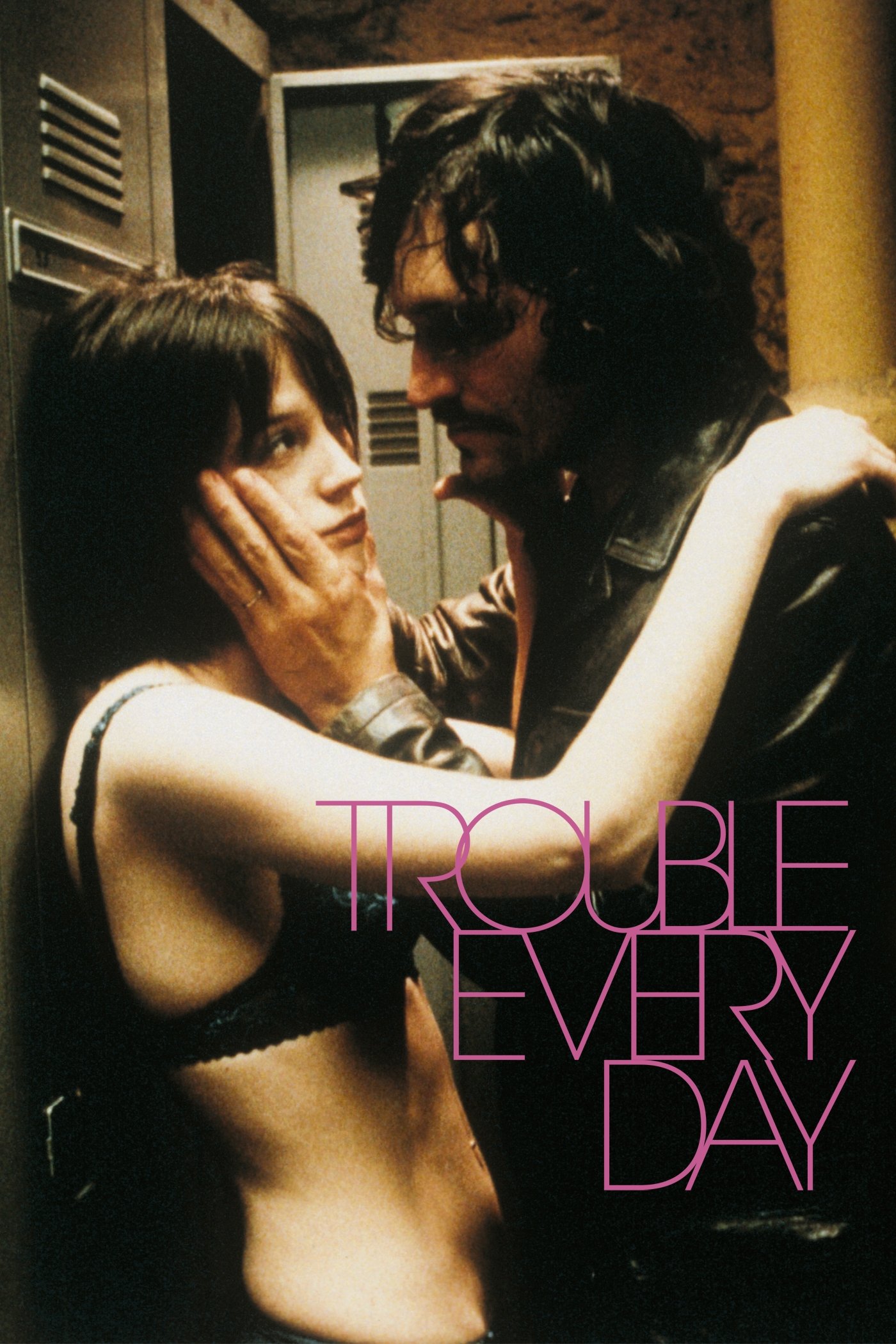
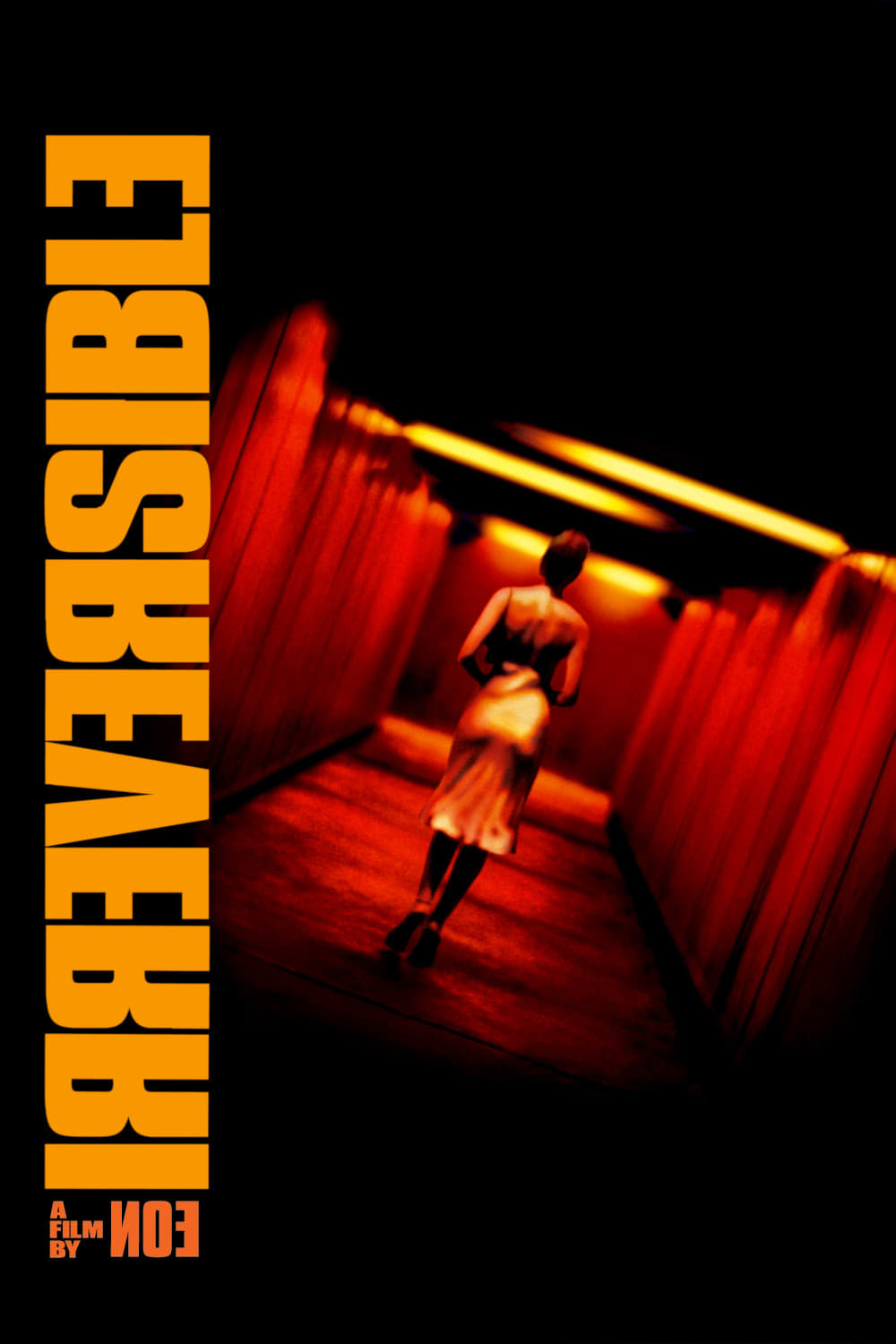
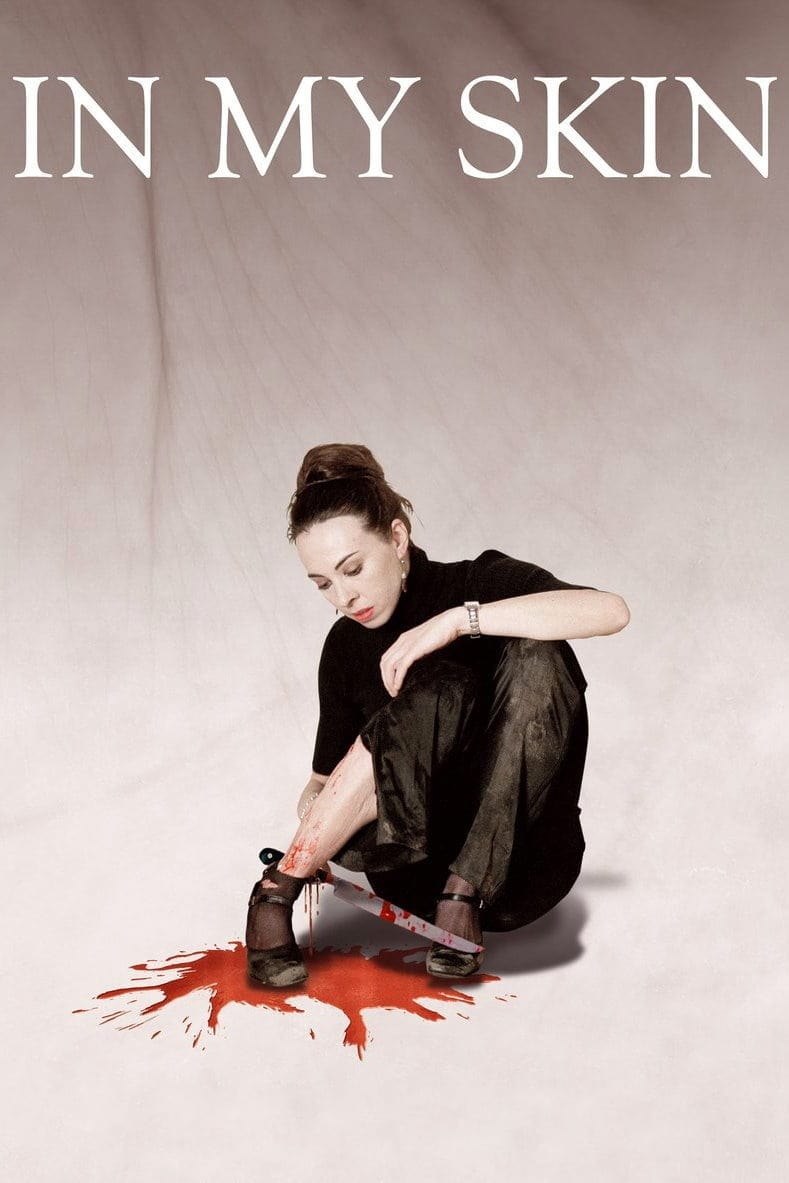
The term itself was coined by Canadian critic James Quandt in a 2004 Artforum polemic — "A cinema suddenly determined to break every taboo" — denouncing films he saw as gratuitous provocation. The retroactive canon Quandt named had been building for years, and Alexandra West splits it in two: the art-house films "began the horrific narratives", while the movement's later half continued "those same conversations but within a genre that has a die-hard fan base." Philippe Grandrieux's Sombre (1998) was the form's precursor, and Virginie Despentes and Coralie Trinh Thi's Baise-moi (2000) its scandalous opening salvo. The movement's most uncompromising entries came in rapid succession — Claire Denis's cannibal mood-piece Trouble Every Day (2001), Catherine Breillat's entire filmography, Marina de Van's self-mutilation autopsy In My Skin (2002), and Gaspar Noé's Irreversible (2002), whose nine-minute single-take rape and reversed chronology made the audience experience trauma in a way that prevented narrative distance.
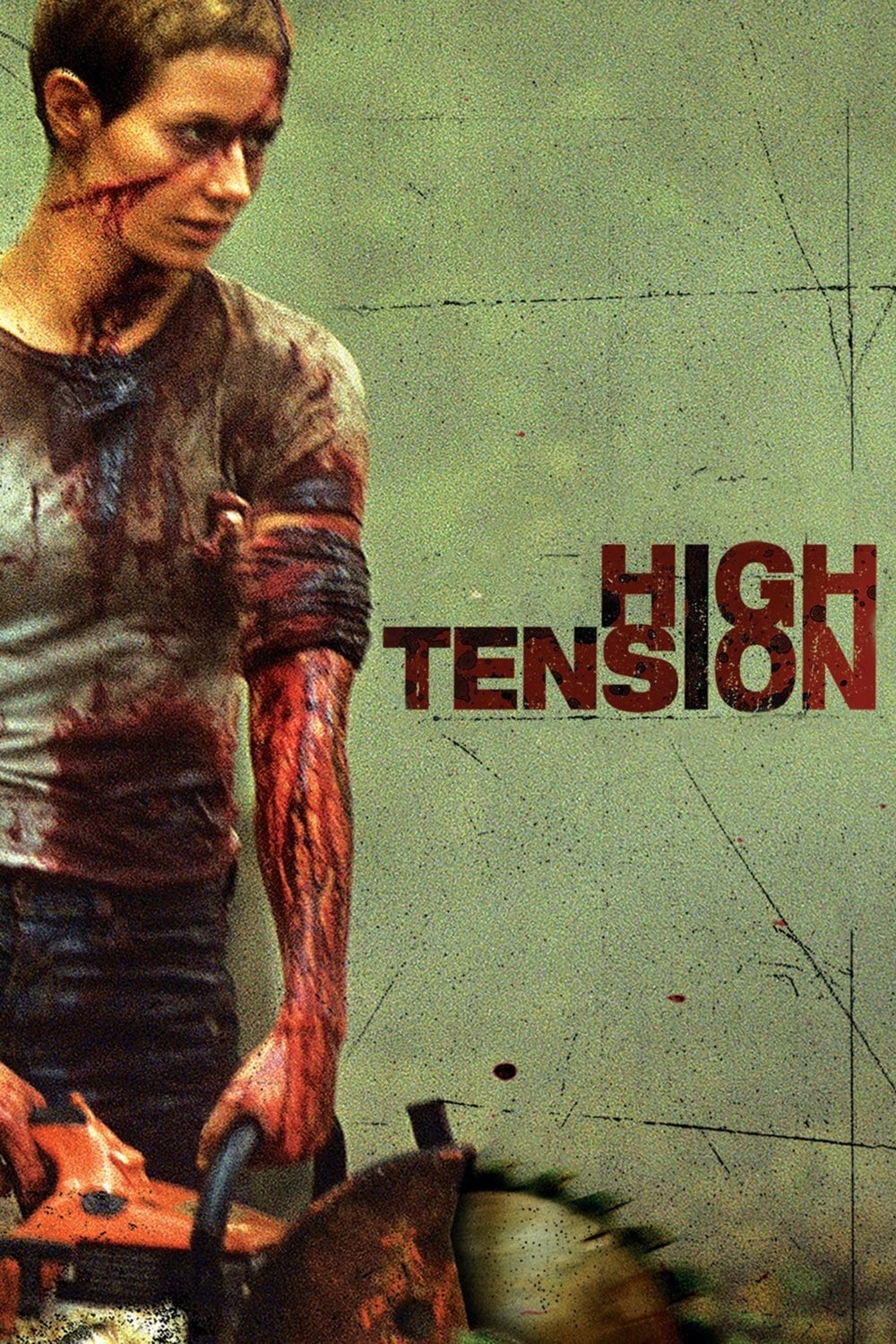
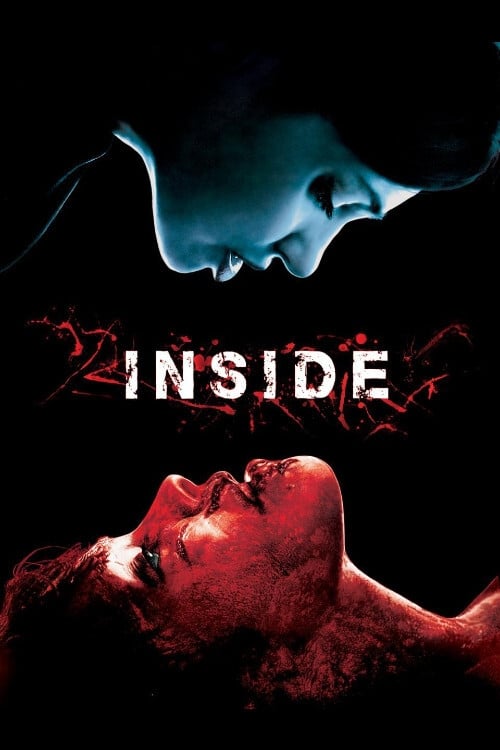
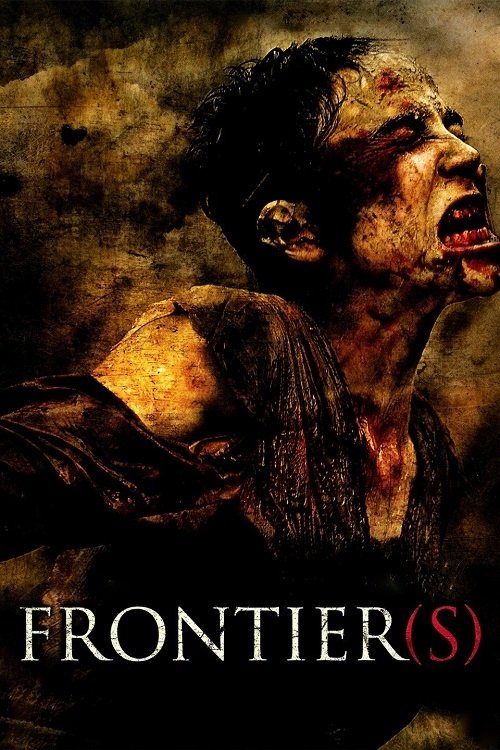
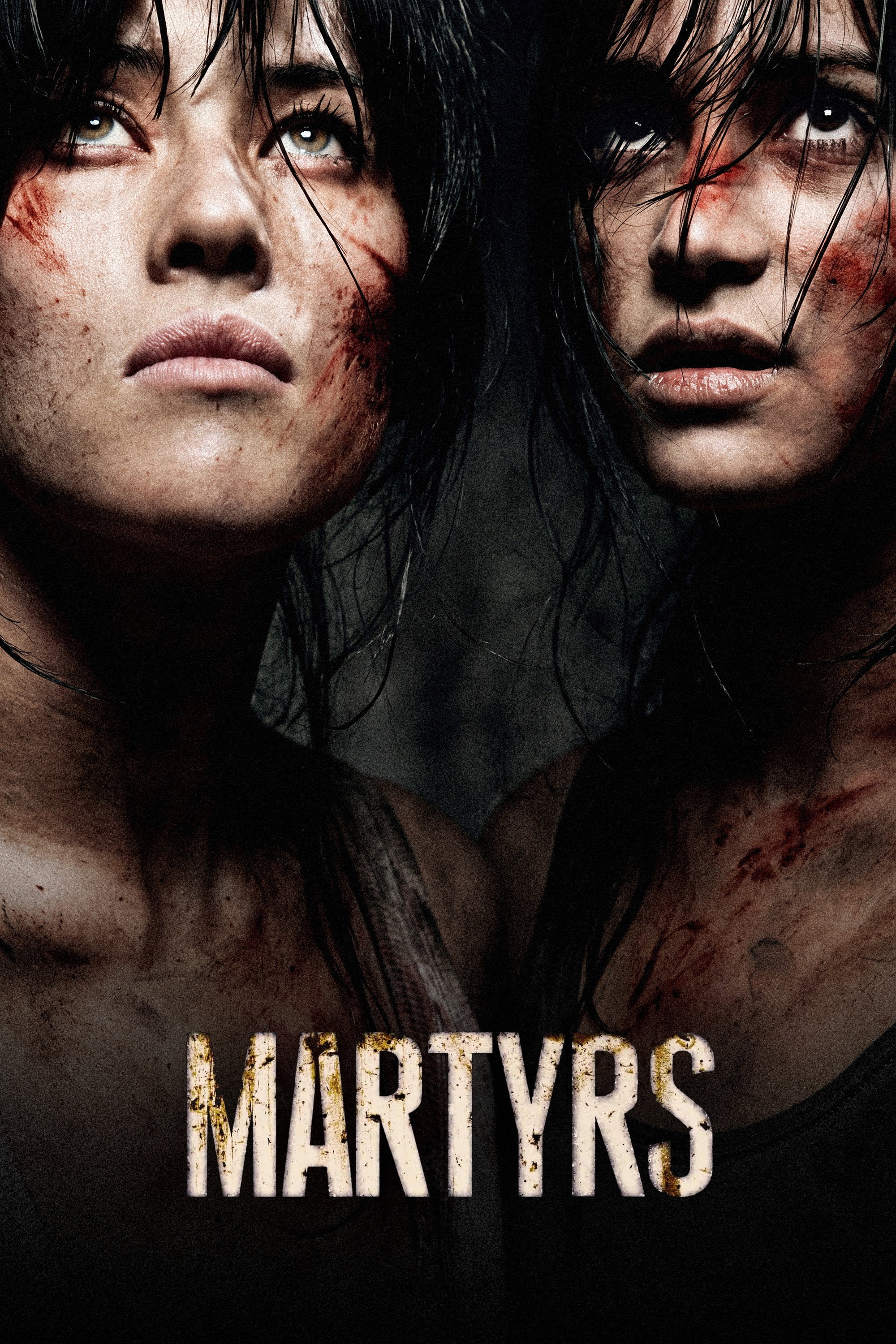
The horror-genre wing of the movement arrived shortly after. Alexandre Aja's High Tension (2003) combined slasher mechanics with a destabilizing twist. Xavier Gens's Frontier(s) (2007) smuggled fascist-historical critique into chainsaw-bait Texas-Chain-Saw territory. Inside (2007) staged a home invasion of almost unimaginable intensity. Pascal Laugier's Martyrs (2008) — the movement's most philosophically serious entry — used systematic torture as a vehicle for genuine metaphysical inquiry: can transcendence be achieved through the annihilation of the body? An audience member famously vomited at the film's Toronto Film Festival Midnight Madness premiere.
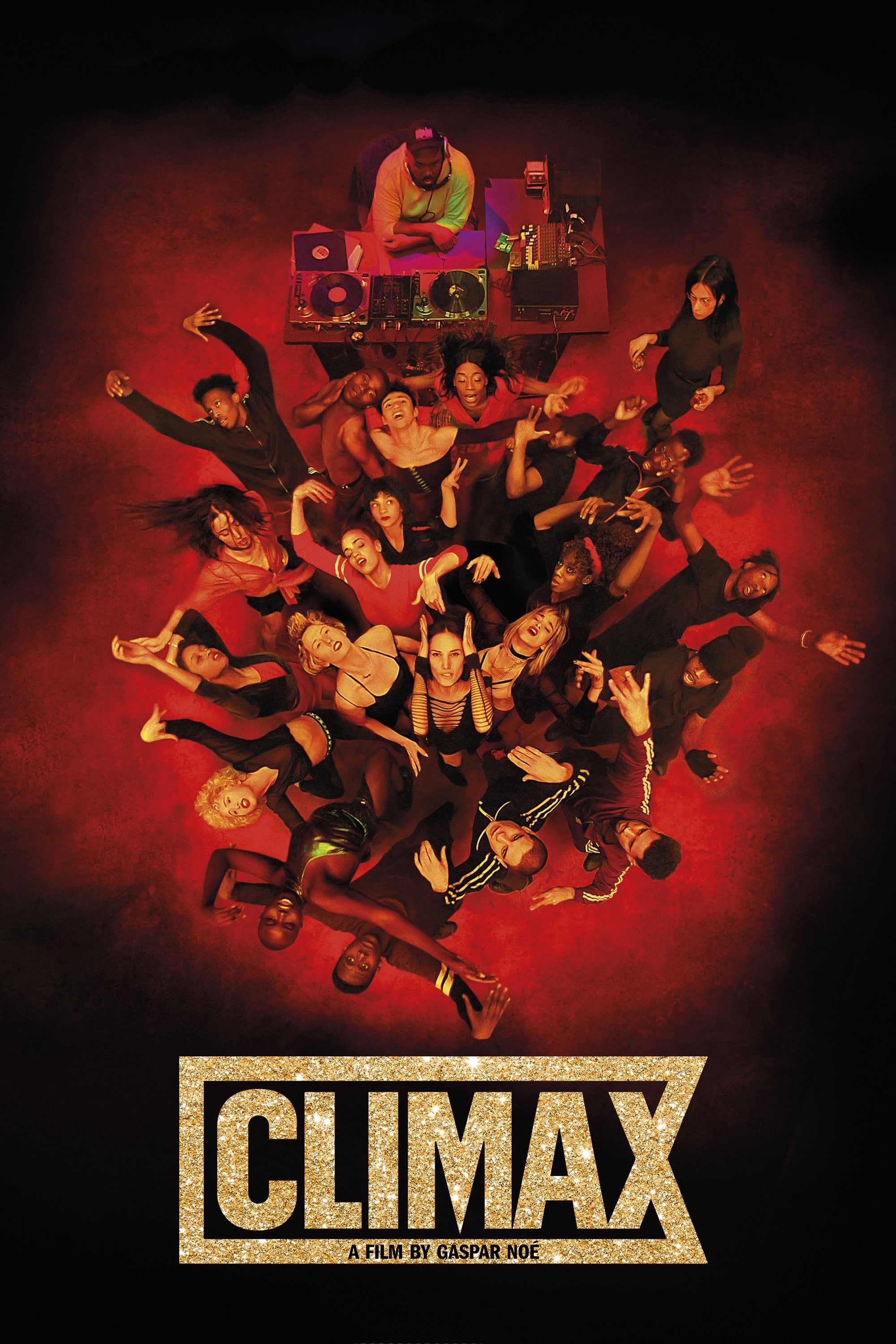
The legacy is contested. Critics who champion these films argue that they represent horror at its most honest — a refusal to aestheticise violence or cushion the audience from its reality. Critics who reject them see gratuitous provocation disguised as art. What is not debatable is the influence. Julia Ducournau's Raw (2017) and Titane (2021) extended the form into a new feminist register, the latter winning the Palme d'Or. Coralie Fargeat's The Substance (2024) carried the project into the 2020s. Noé himself has continued his project of extremity into the present with Climax (2018). The intensity and philosophical seriousness of modern horror — from Hereditary to The Substance — owes a debt to the French filmmakers who decided horror should not be comfortable, then proved how uncomfortable it could be.
Sources: Alexandra West, Films of the New French Extremity (2016).
Essential Films




Statistics
Popularity by Decade
Share of each decade's horror films classified as New French Extremity. Counts films with at least 5 TMDB ratings, so very obscure titles are not represented.
Popularity by Country
Share of each country's horror output classified as New French Extremity. Counts films with at least 5 TMDB ratings, so very obscure titles are not represented.