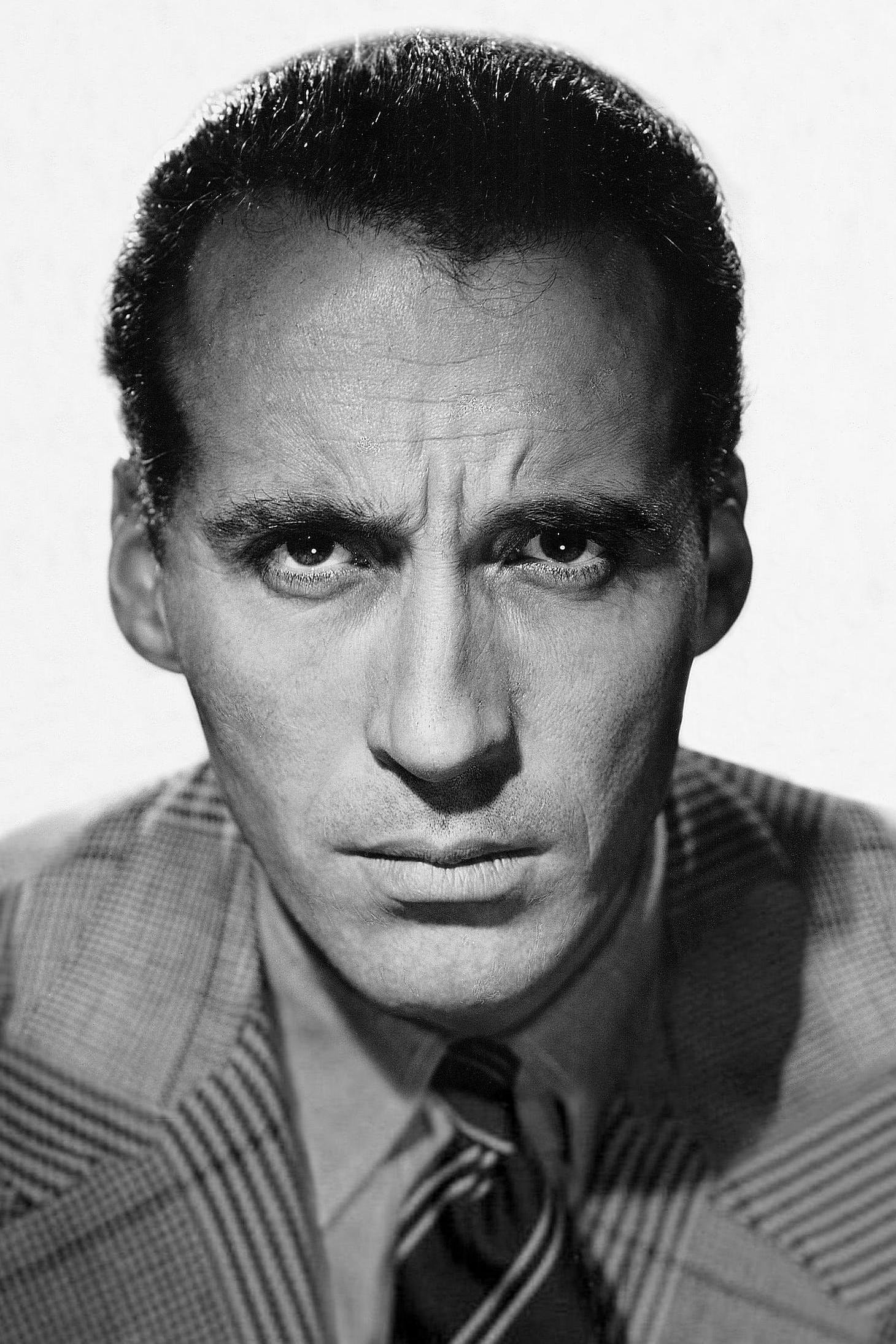
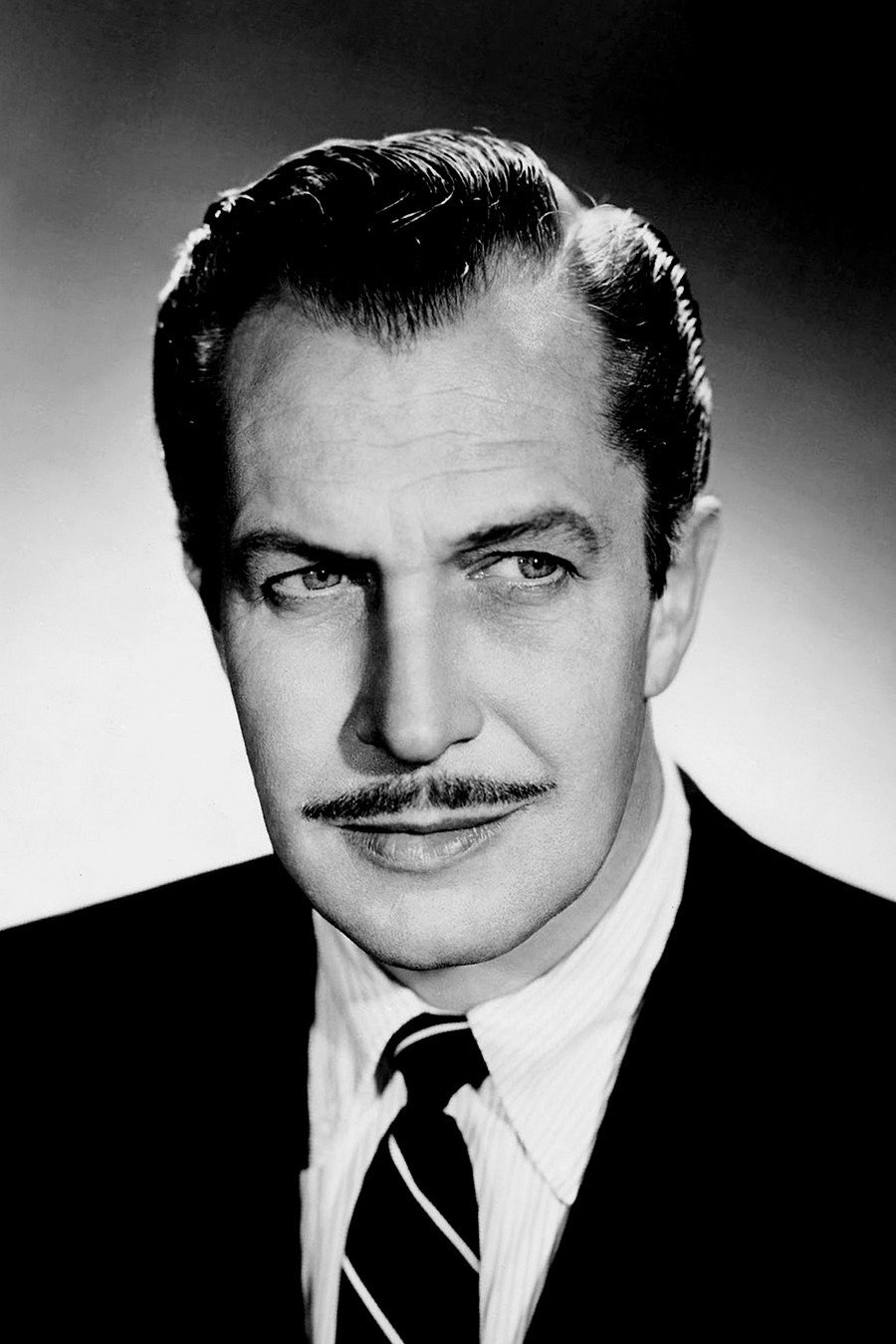
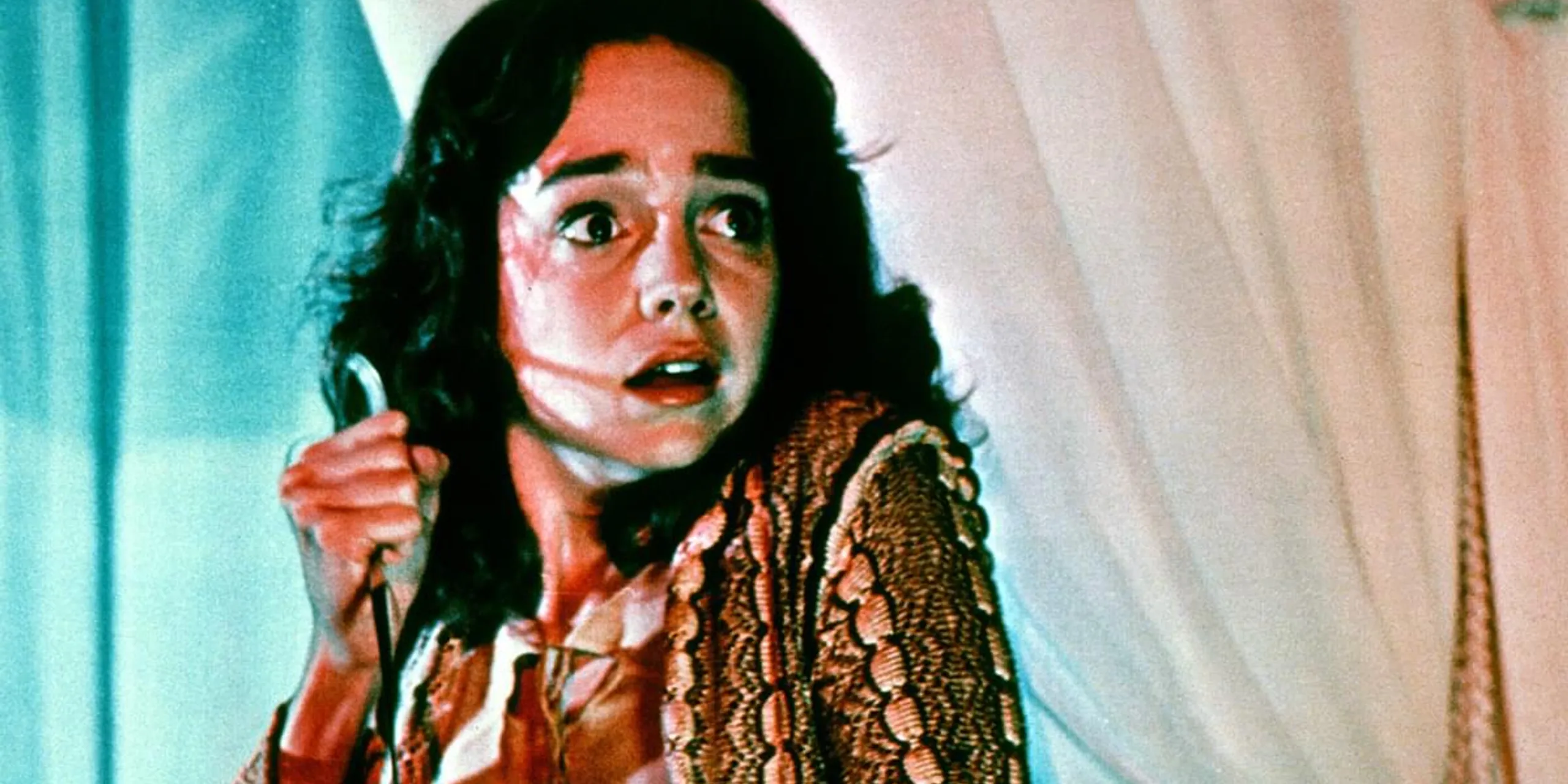
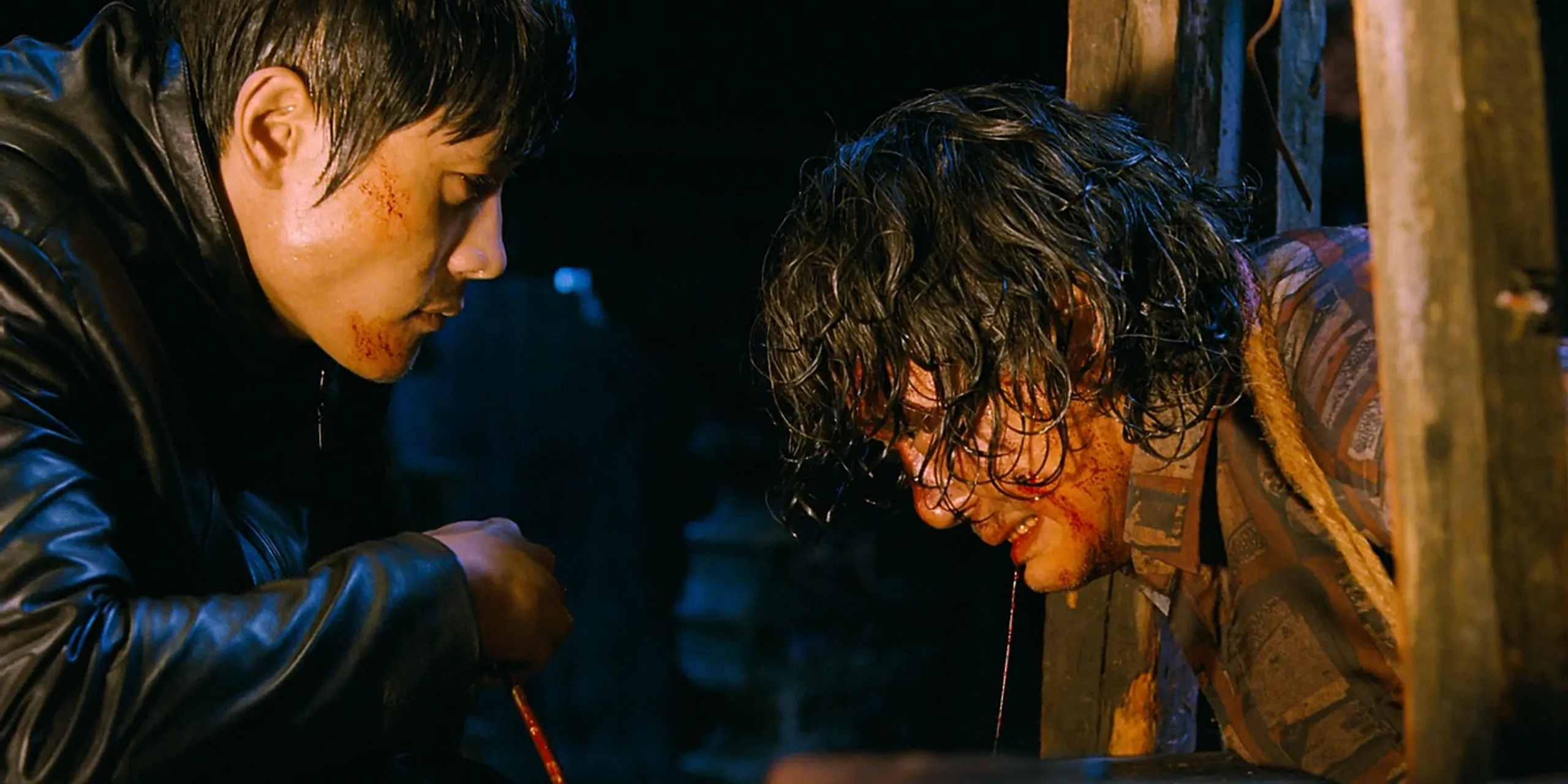
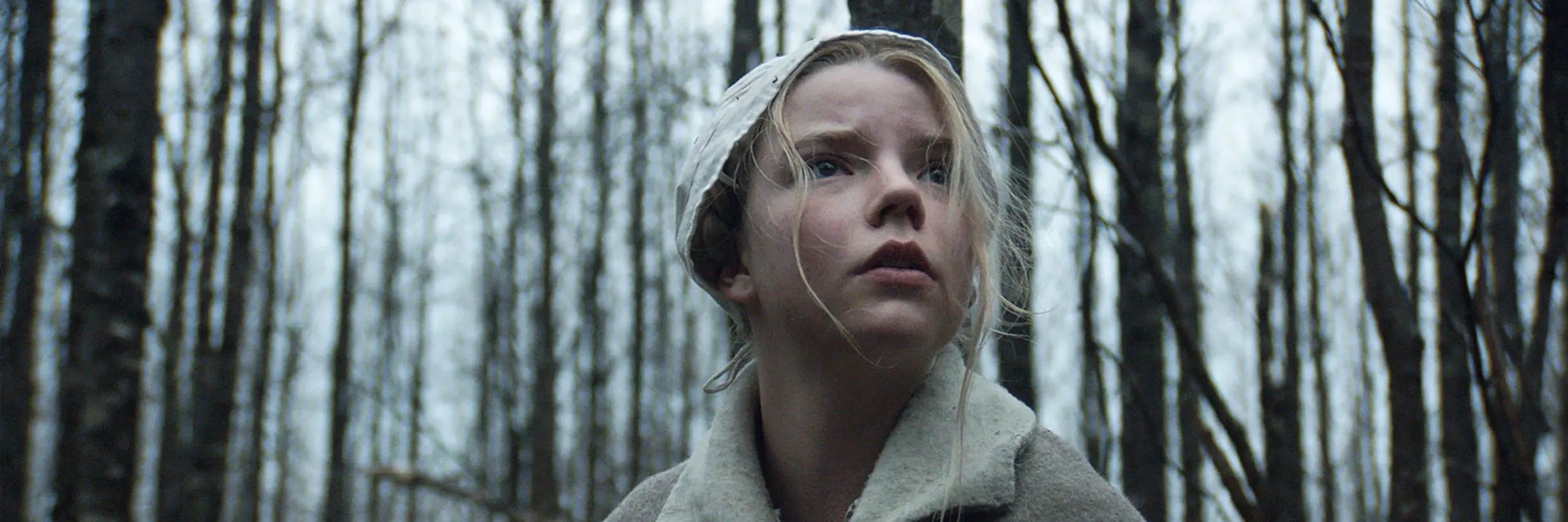
 The Witch (2016)
Folk Horror
Ancient beliefs with teeth. Pre-Christian ritual, rural isolation, and the discovery that beneath the surface of modern life, older powers persist — and they are hungry.
History & Origins
Folk horror draws its power from the oldest layer of human fear — the dread that predates Christianity, that lives in standing stones and harvest rituals and the ancient relationship between a community and its land. These films propose that beneath the surface of modern life, older beliefs persist, and that those beliefs have teeth. It is best understood not as a genre with fixed borders but as a mode: a set of recurring notes — landscape, isolation, buried history, a belief system that will not stay buried — played in different orders and different keys, shading into psychogeography, hauntology, and the English eerie without ever quite resolving into one thing.
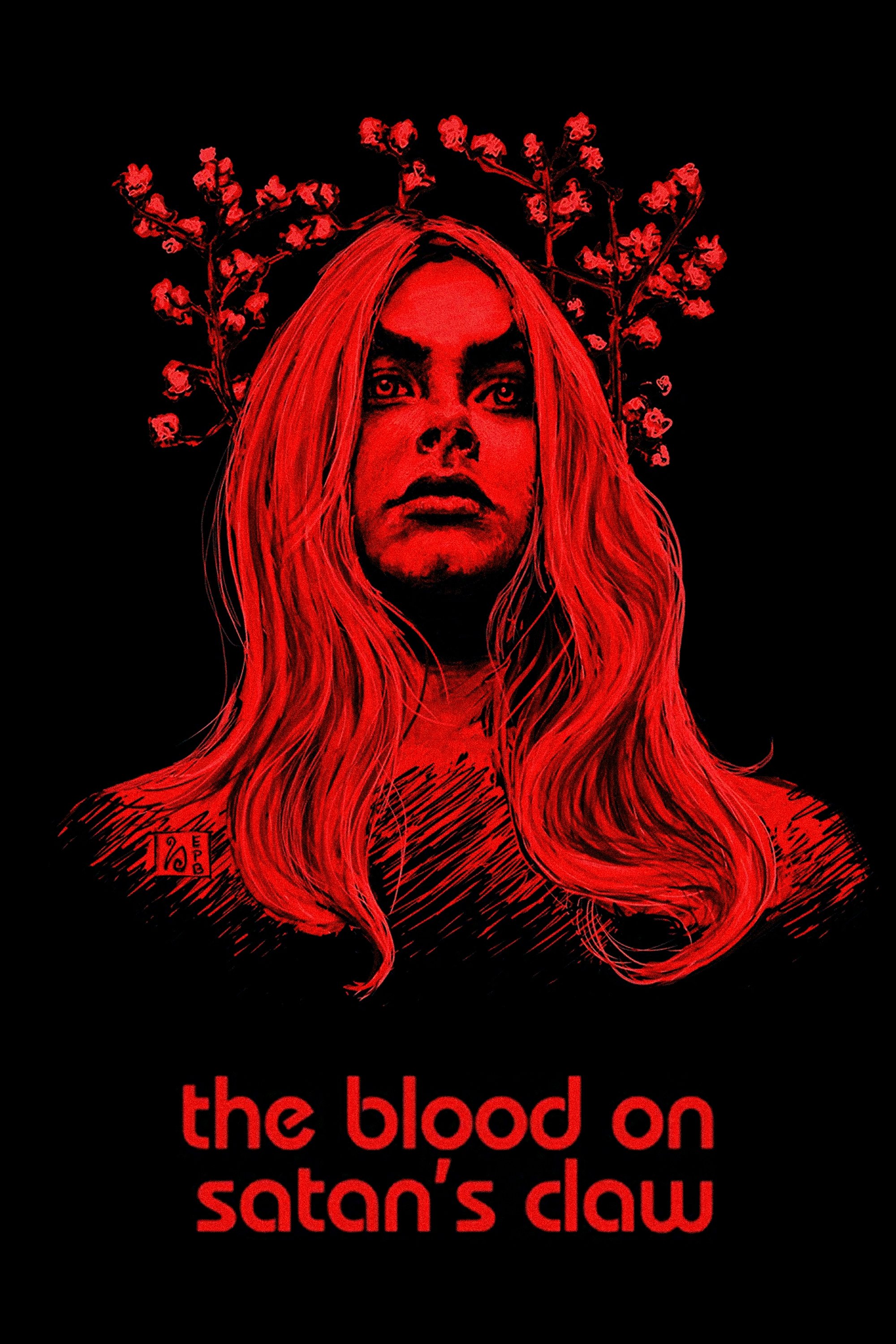
The name arrived long before the films. The earliest known use belongs to the American Shakespearean scholar Oscar James Campbell, writing in the April 1936 issue of The English Journal about the superstition and folk horror that Bürger's German ballads carried into Wordsworth. Its first application to cinema came in April 1970, when a report in the British trade paper Kine Weekly — attributed to Rod Cooper — described a film then shooting under the title The Devil's Touch as a study in folk horror. That film became The Blood on Satan's Claw (1971), and its director Piers Haggard was told years afterward that he had invented the term, an attribution he has always declined. The critic Jonathan Rigby revived it in his 2007 book American Gothic, applying it to the lost 1923 Hawthorne adaptation Puritan Passions, and then proposed it to Mark Gatiss for the "Home Counties Horror" episode of the BBC series A History of Horror (2010) — where it was fixed to the three films Adam Scovell would later codify as the unholy trinity: Witchfinder General (1968), Blood on Satan's Claw, and The Wicker Man (1973).
The tropes are older than the term by a century. Arthur Machen, Algernon Blackwood, Eleanor Scott, and Grant Allen had all sent the scholar or the outsider into the isolated village to meet the old ritual before film existed to photograph it. M. R. James mattered most: his ghosts are earthy, physical, tied to the East Anglian landscape and to a bloody history buried under a thin crust of civility, and his Night of the Demon (1957) and the BBC's 1970s Ghost Stories for Christmas gave British television a house style built on suggestion rather than display. Benjamin Christensen's Häxan (1922) — a witchcraft treatise staged as reenactment, and quietly sympathetic to the idea that the accused were not evil but merely different — is now widely identified as the first fully formed folk horror film.
What binds the trinity is belief. Witchfinder General is not supernatural at all; it is a film about a charlatan given unchecked power during the English Civil War, and Michael Reeves shot it as a western, anticipating Peckinpah's nihilism by a year. Blood on Satan's Claw took the era's panic about the young seriously enough to model its Angel Blake in part on the Mary Bell case, and its camera stays low throughout, because what is coming is coming from below. The Wicker Man remains the form's masterpiece, and its refusal to frame paganism as evil is the source of its power — the islanders are sincere, and their logic holds. It is also the clearest example of folk horror's central irony: Robin Hardy and Anthony Shaffer built their old religion from Frazer's The Golden Bough and Graves's The White Goddess, both since heavily questioned by scholars, and from customs revived or invented outright in the twentieth century. What the film asserted became what audiences believed. The folklore of folk horror is substantially cinema's own invention, feeding back into the tradition it claims to record.
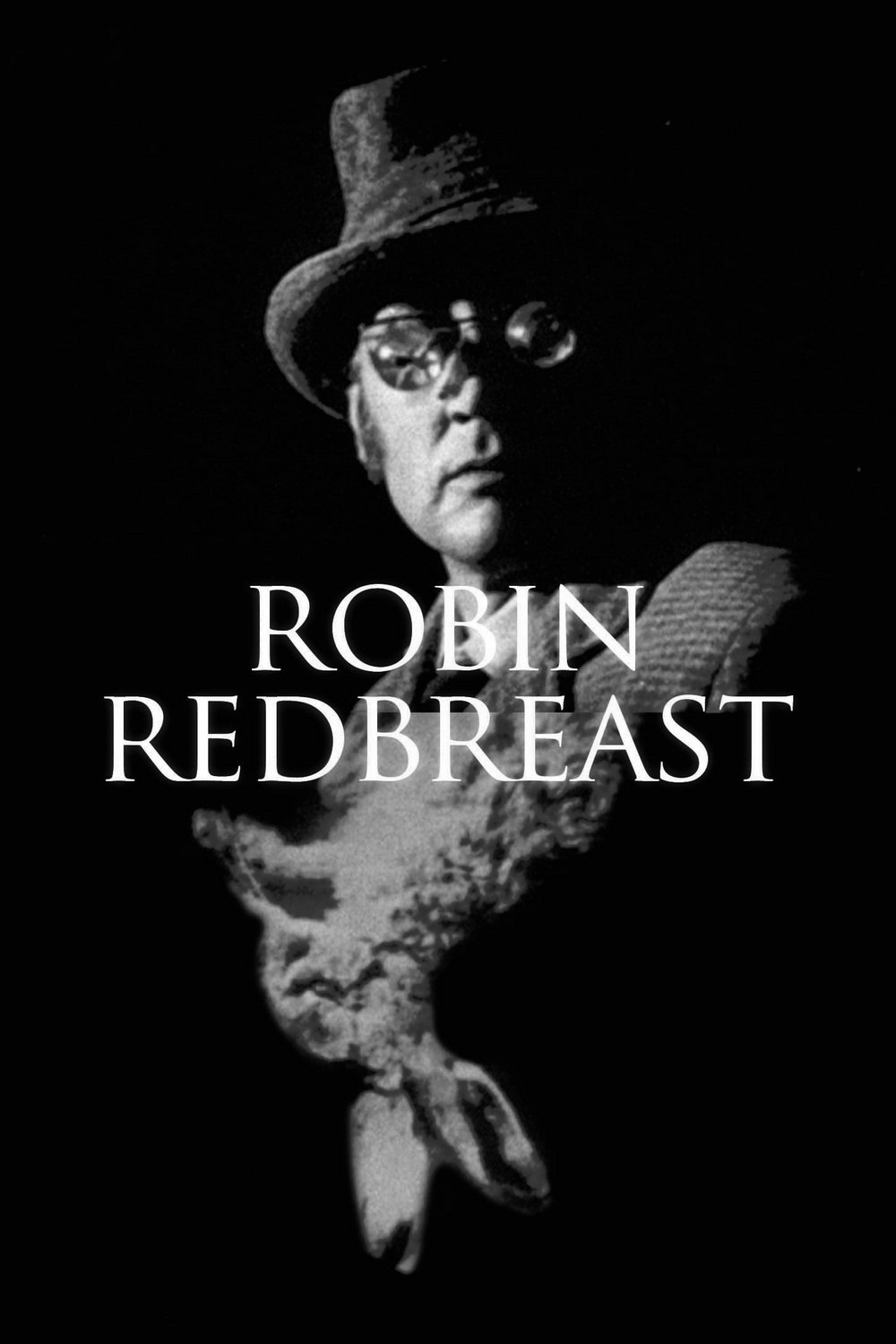
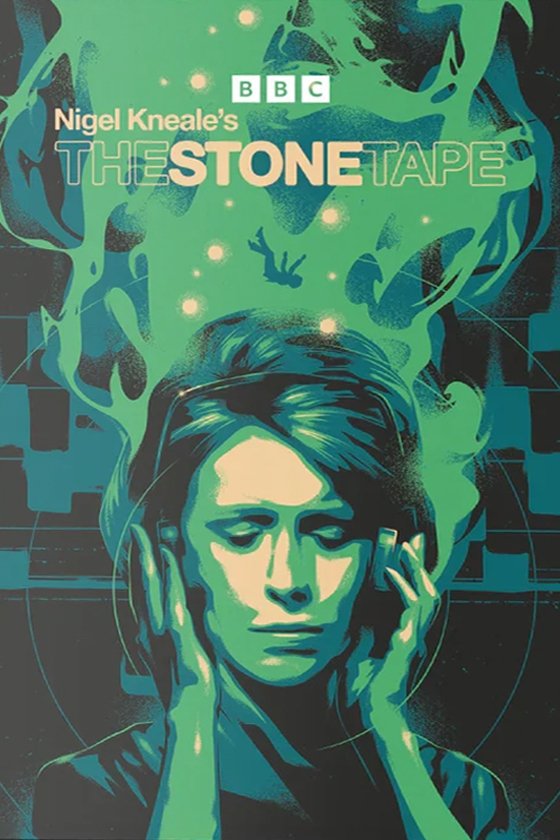
British television carried the mode further than the cinema did. Nigel Kneale is its finest writer — The Stone Tape (1972) sets science against a haunting and finds something older than science underneath, while Quatermass and the Pit (1967) locates the buried menace literally beneath London. The Play for Today strand produced a loose trilogy about time held inside a place: John Bowen's Robin Redbreast (1970), David Rudkin's Penda's Fen (1974) — a lyrical, openly pagan account of a boy discovering he was never who he thought he was — and Alan Garner's Red Shift. Even children's programming ran on it, from Children of the Stones to The Owl Service. Underneath much of it sits the English class system: these are frequently stories in which comfortable people fear what the rural poor do when nobody is watching.
The timing was not accidental. Britain industrialized first and so broke first from centuries of rural continuity, and by the late 1960s the back-to-the-land movement was sending people out of polluted cities into a countryside — and a population — they did not understand. That friction is the engine, and it is a class and environmental friction as much as a supernatural one. The 1970s then supplied the mood: austerity after a celebratory decade, strikes and power cuts, a divisive European referendum, a scandal-bound American presidency, and a genuine boom in occult belief that had escaped the countryside and reached educated urban young people. Where the American western imagines landscape as outward expansion into open ground, British folk horror imagines it as depth — sediment, layers, things under the field. Kneale's television play Murrain supplies the mode's governing line: when the rules fail we make new rules, but we do not go back. We do not go back, because back is superstition and madness.
America's tradition is separately rooted, and it begins with paperwork. Puritan New England was the most literate society in the seventeenth-century West and wrote everything down, so American witchcraft arrives with a documentary record that Europe's does not have — and with Salem as a permanent national wound. Beneath it lies the deeper anxiety of the colony that fails, the community and the wilderness turning on each other with terrible speed, which runs from Hawthorne through Shirley Jackson's "The Lottery" to The Texas Chain Saw Massacre (1974). The land itself is the unresolved problem: the "Indian burial ground" is not a folk belief but a settler invention, one that flattens Ojibwe, Mohawk, and Cree into a single fictional people and recasts dispossession as something that simply happened, and it entered its most famous novel while the Maine Indian Claims Settlement Act was moving through a decade of litigation. Elsewhere the mode maps onto regional fault lines — Appalachian communities recast as insular and degenerate by a eugenic pseudoscience whose stereotypes outlived it and surfaced in Deliverance (1972) and Pumpkinhead (1988); Southern Gothic's suspicion that neither the genteel past nor industrial progress was ever anything but cruelty; the persistent confusion of Vodou, a religion, with Hoodoo, a folk magic, in service of films where Black practice signals encroachment on white order. Ganja & Hess (1973) answers that tradition directly, making its horror the cost of assimilation and the loss of the ancestral. And where British folk horror sets the pagan past against a Christian present, American cults are usually themselves weird Christians — Children of the Corn (1984) writes Jonestown into the cornfield.
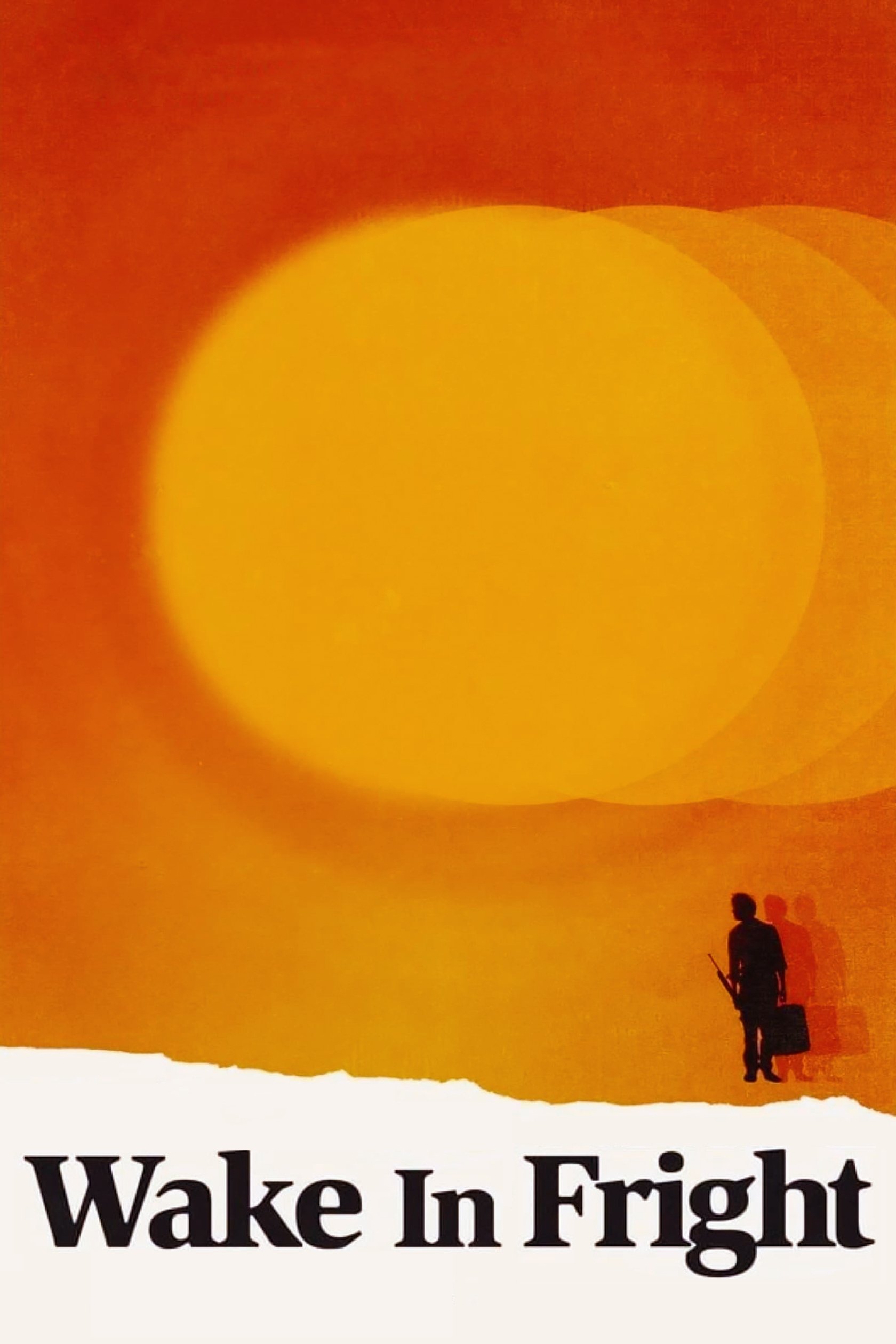
Read globally, the mode inverts. Western folk horror needs an outsider to arrive; in Slavic, Nordic, and much Asian folk horror nobody arrives, because everyone is already inside the belief system and the horror grows from within — Viy (1967), Leptirica (1973), the Finnish The White Reindeer (1952). These traditions adapt folktales directly rather than fearing the folk, and shape-shifting recurs where the Anglophone tradition reaches for conspiracy. Witchhammer (1970) is Czechoslovakia's answer to Witchfinder General and an angrier political film. In Japan, where Shinto places spirits in everything, the horror is being out of step with the dead rather than discovering a hidden cult. Elsewhere the mode carries specific historical guilt: Marcin Wrona's Demon (2015) turns the dybbuk into Poland's buried Holocaust, Jayro Bustamante's La Llorona (2019) turns a folk legend into an indictment of the Guatemalan genocide, and Australian cinema circles the land it was taken from — Wake in Fright (1971), Celia (1989), Lake Mungo (2008), and Picnic at Hanging Rock (1975), which stops short of explanation because the point is that some of this country will not be explained. Peter Weir's The Last Wave (1977) confronts it directly.
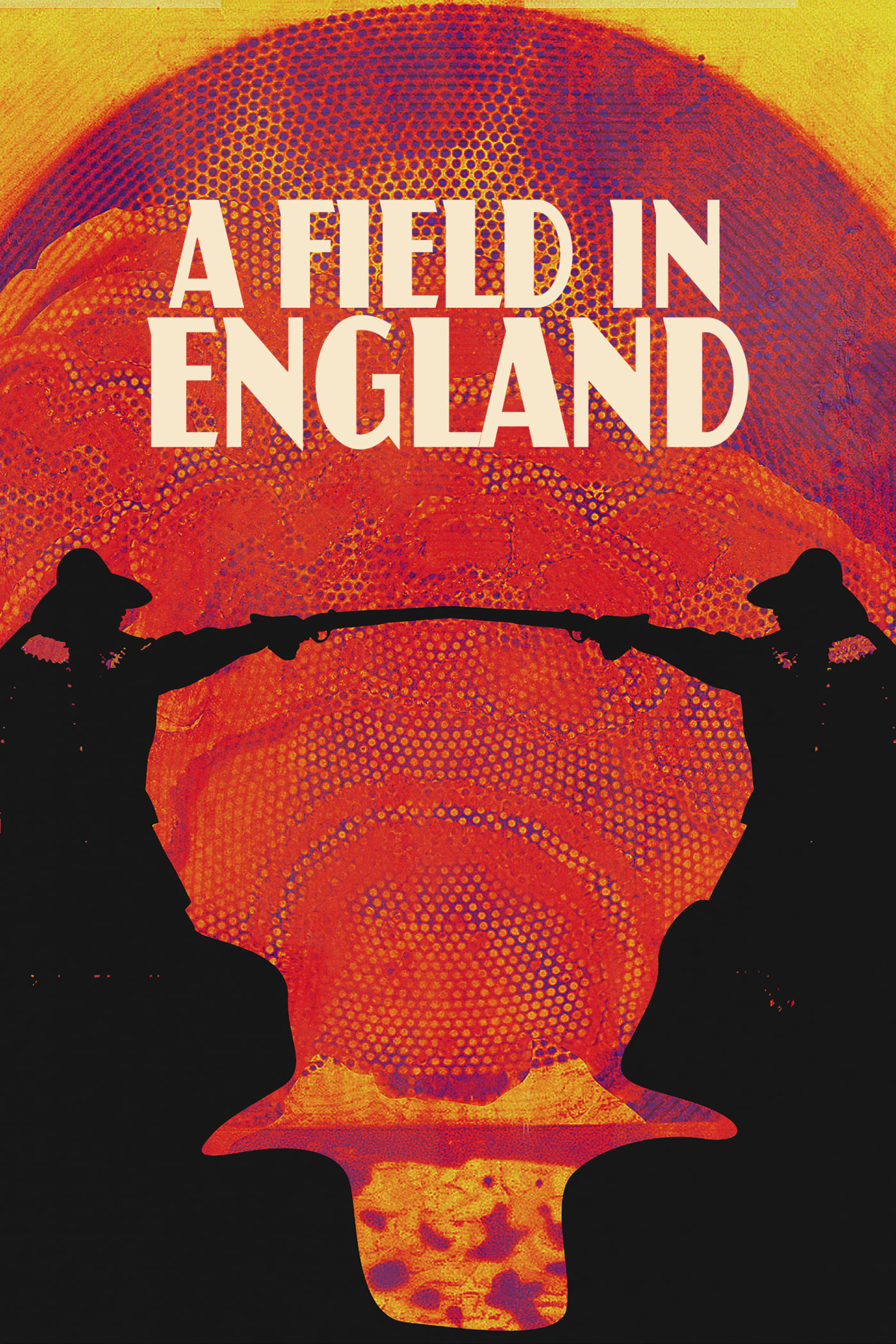
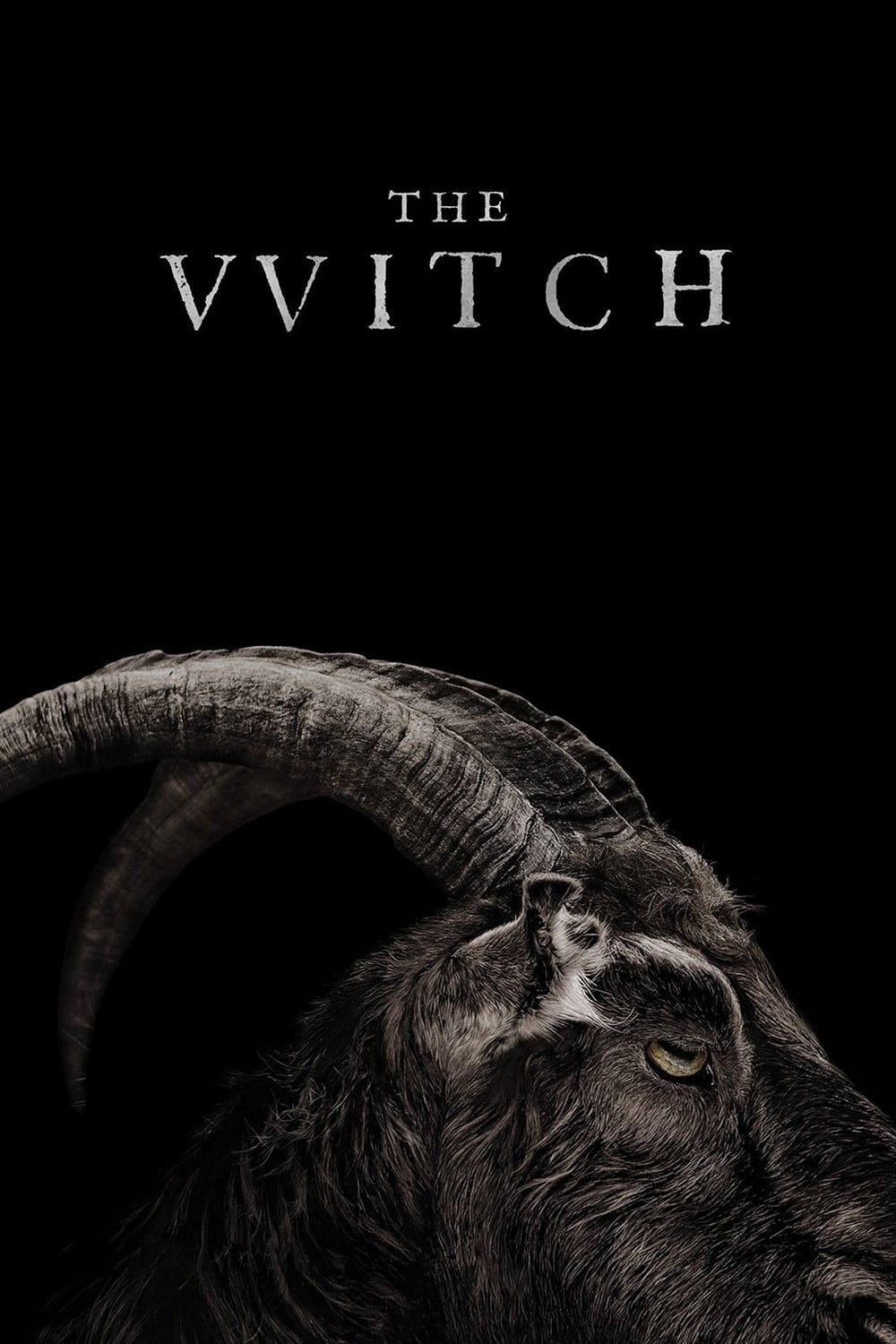
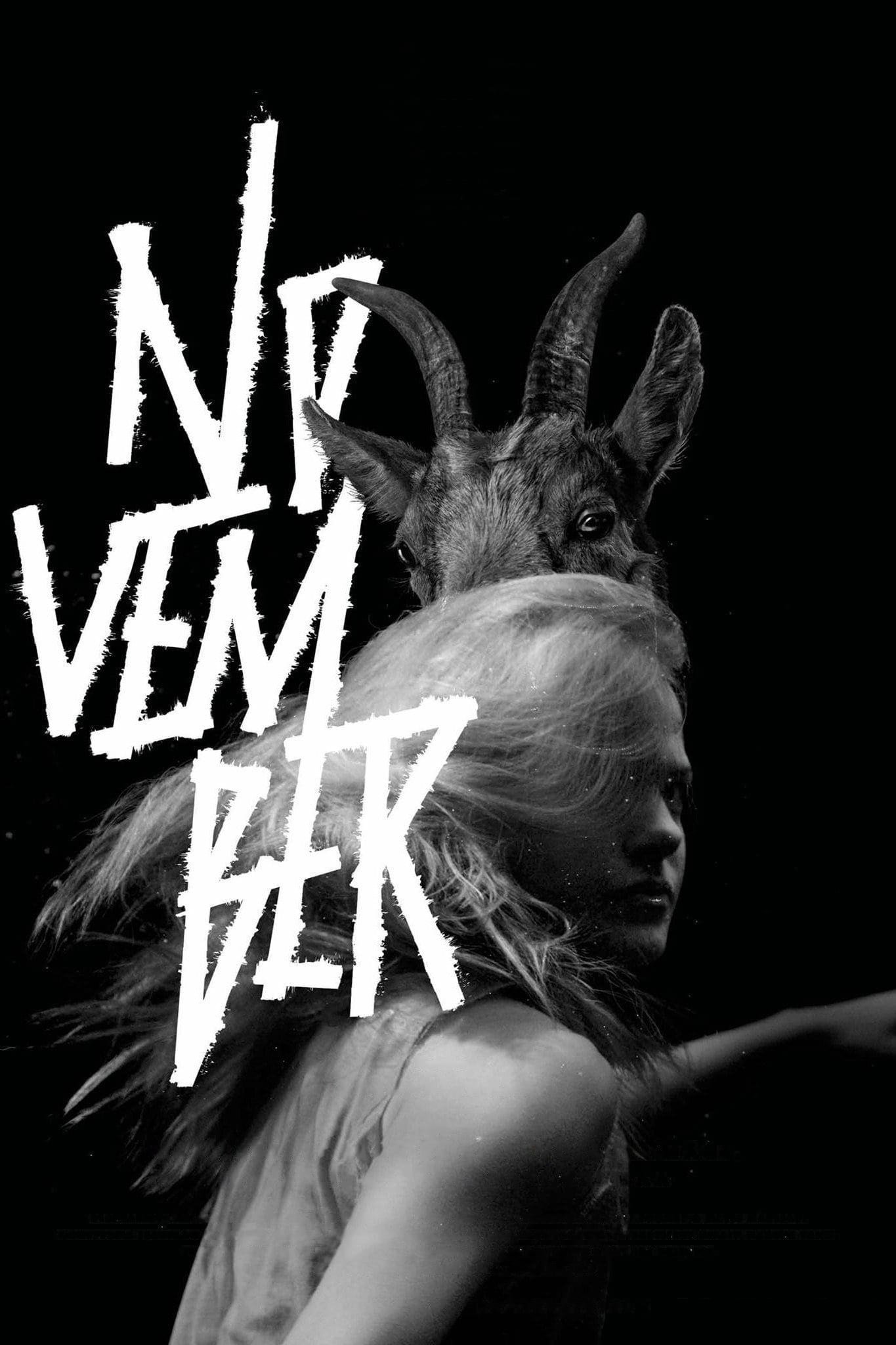
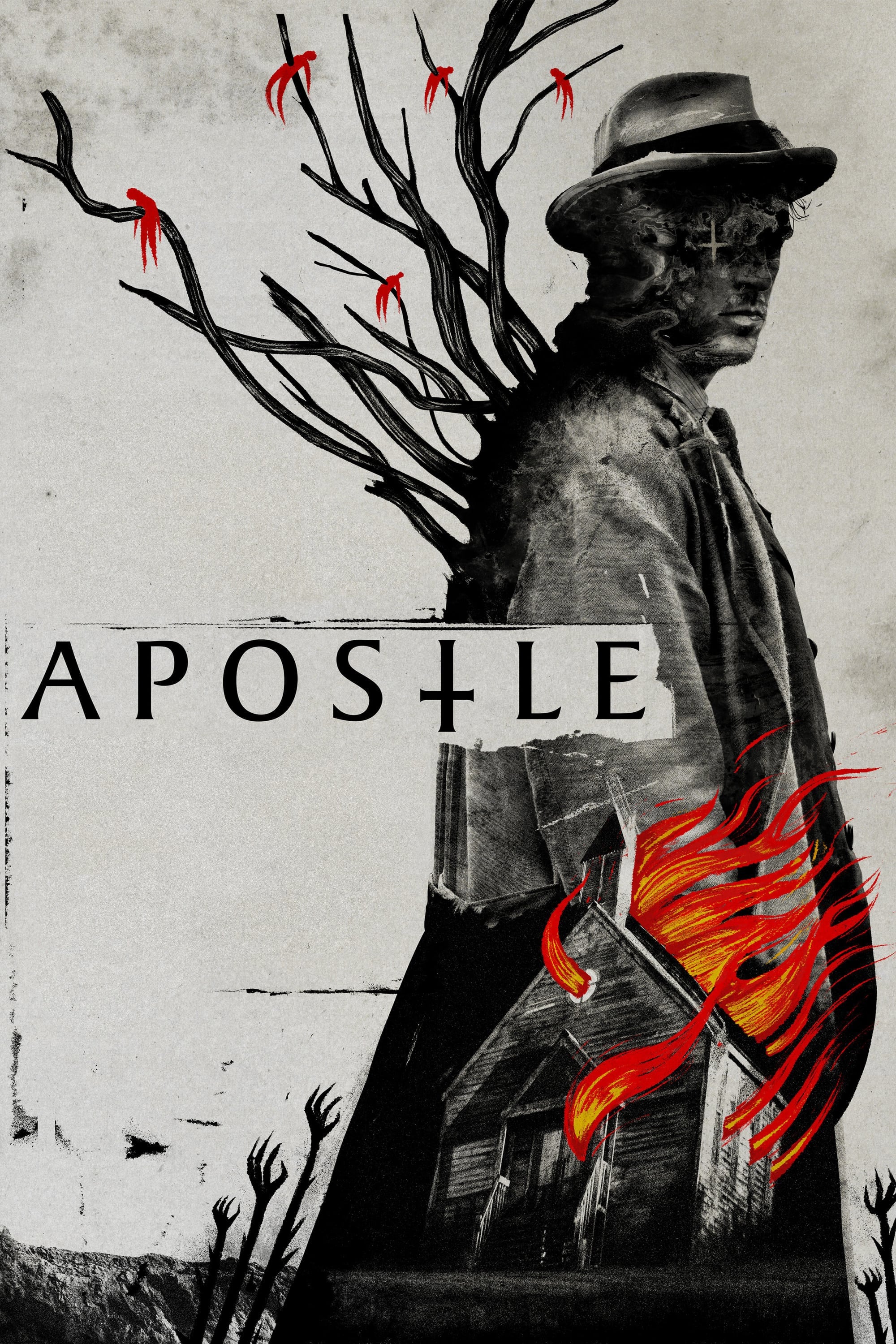
The 2010s revival made the mode global and self-aware. Robert Eggers's The Witch (2016) committed fully to the Puritan worldview and drew its witchcraft from the period record. Midsommar (2019) is set in Sweden but is an American film about American cult anxiety, and about a modern world that leaves no room to grieve. Kill List (2011) and A Field in England (2013) returned the form to Britain in a harsher register, Apostle (2018) reworked the Wicker Man blueprint as revenge, and filmmakers reclaimed their own inheritance in November (2017), Hagazussa (2018), Lamb (2021), and You Won't Be Alone (2022). That it returned when it did is not mysterious. The conditions rhyme with the 1970s — pessimism about the future, a sense that history was settled and then plainly was not — and Derrida's hauntology names the rest: an unresolved past that will not stay past. To which the mode adds its own modern complaint, that a digital world has left people more connected and lonelier than before, and wanting to believe in something that cannot be analyzed out of existence.
Sources: Kier-La Janisse (dir.), Woodlands Dark and Days Bewitched (2021).
Essential Films
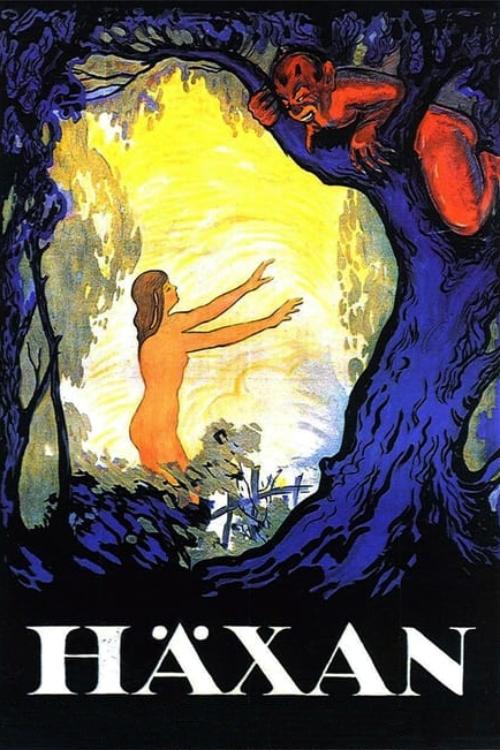
Häxan
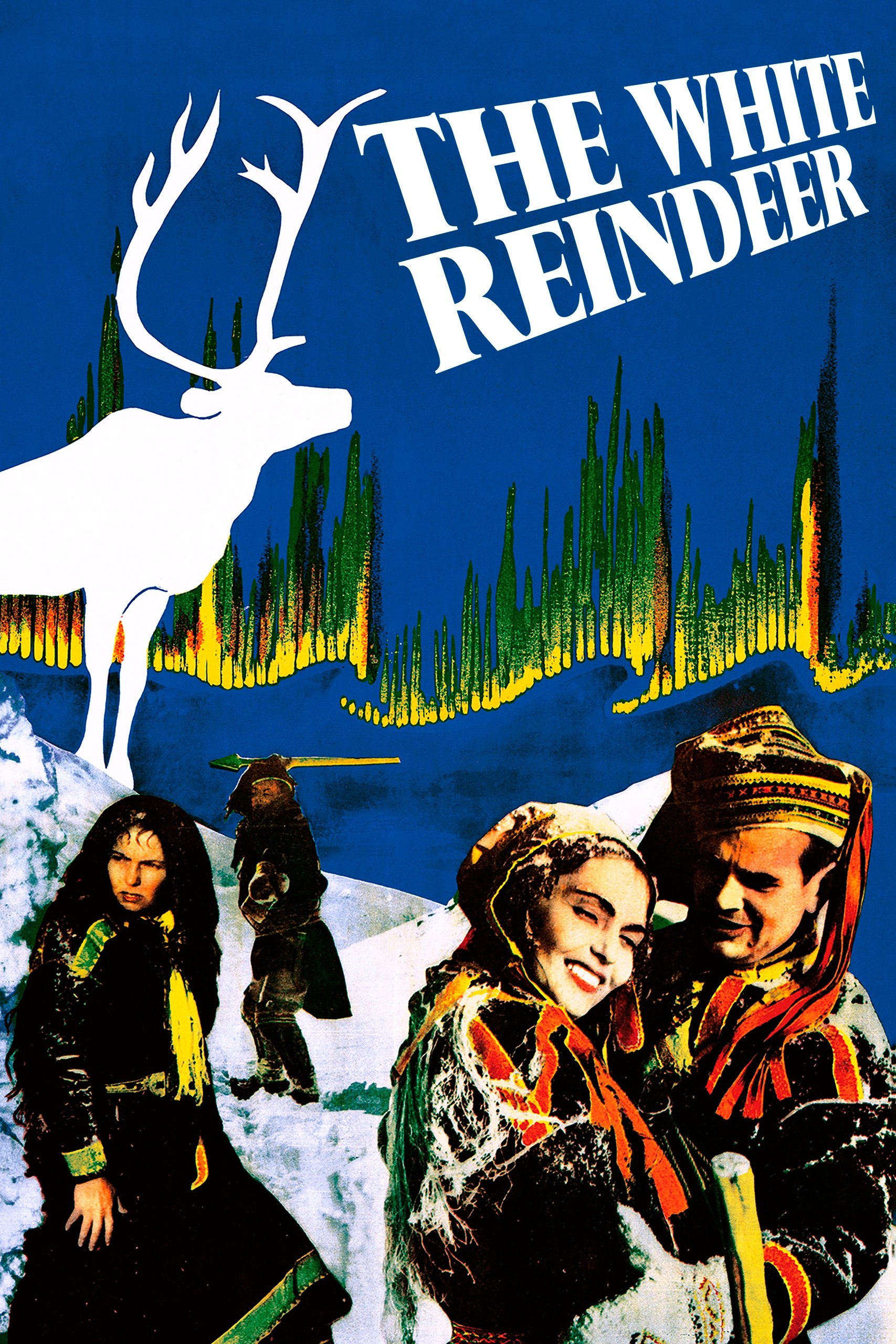
The White Reindeer
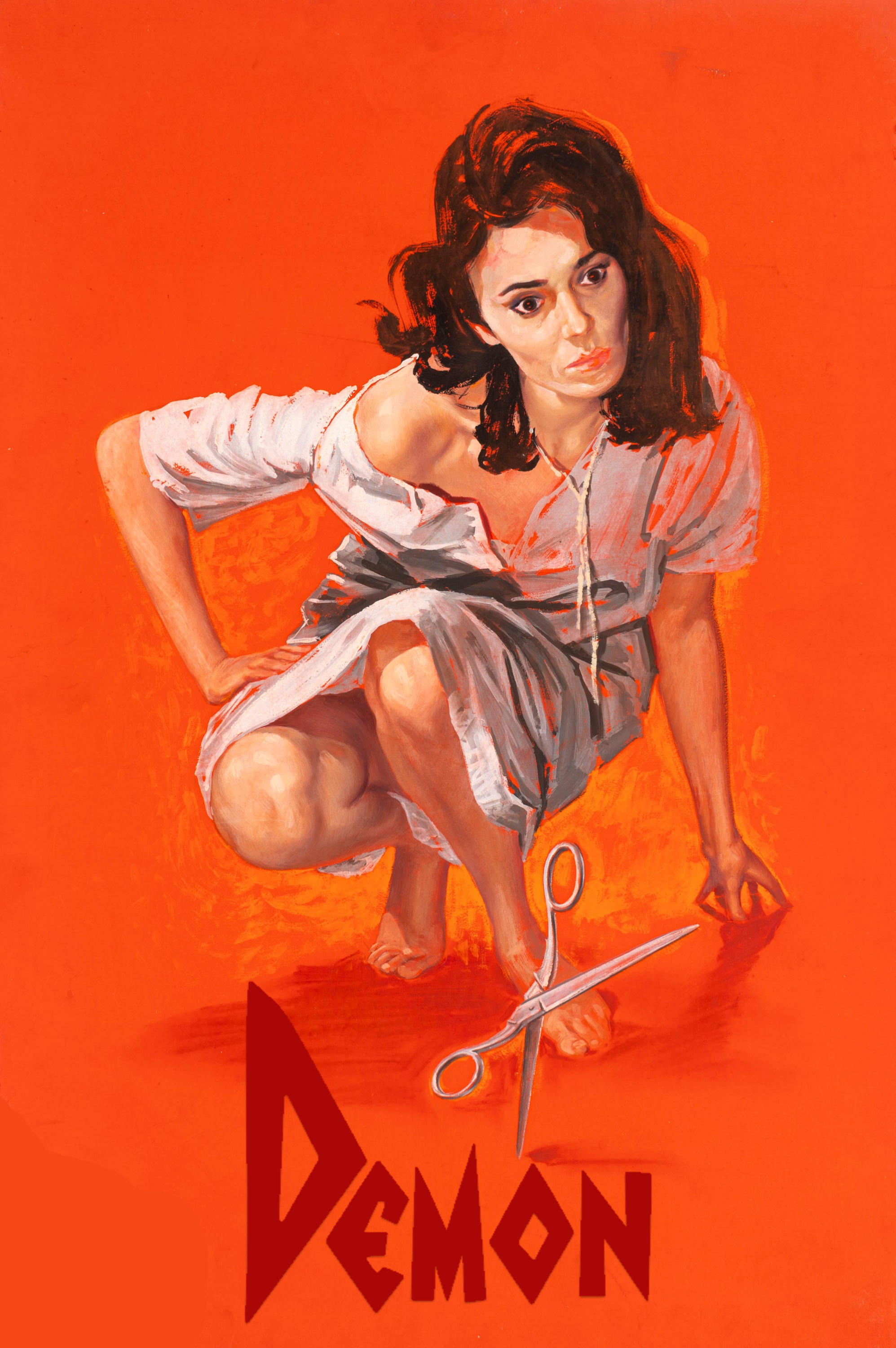
The Demon
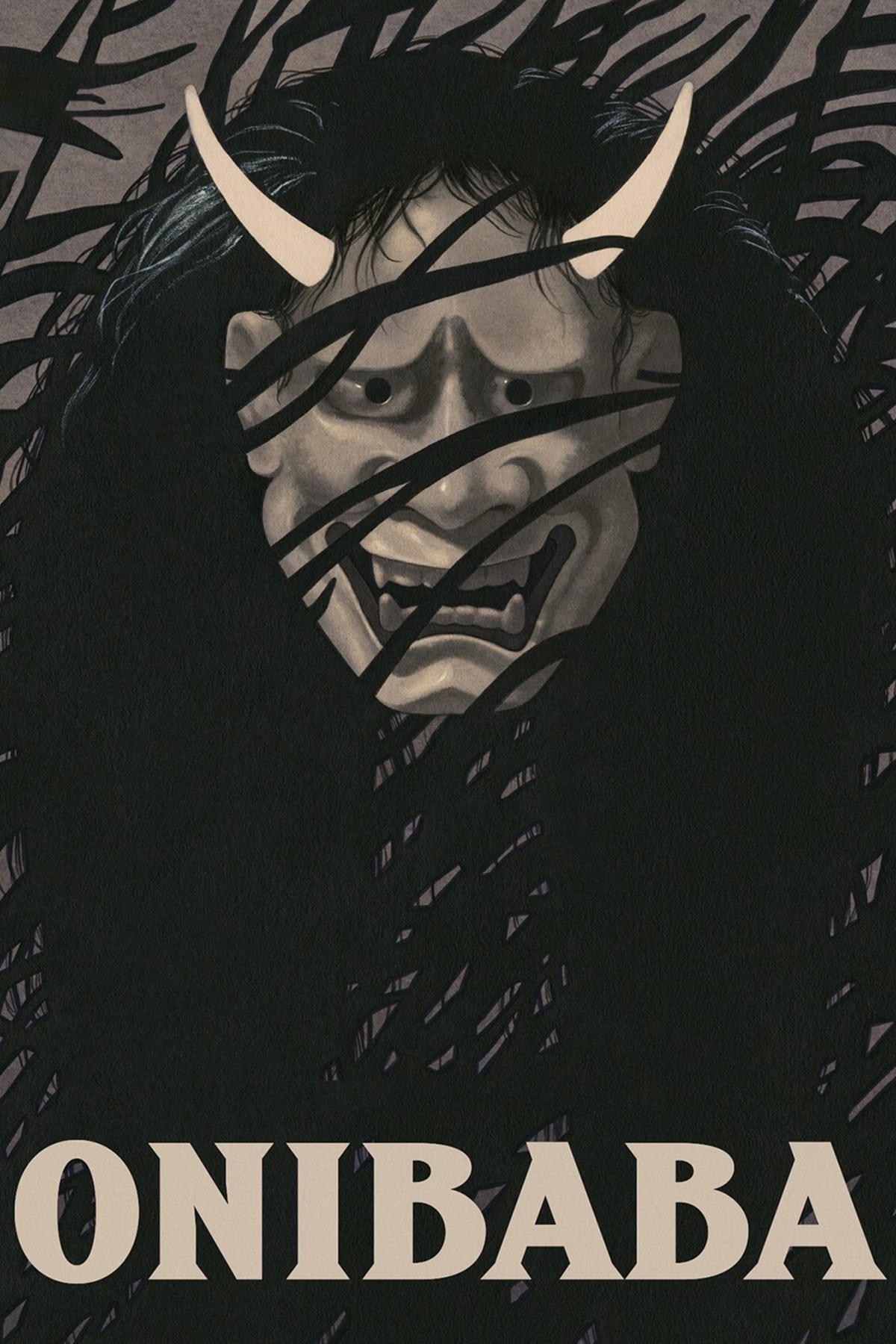
Onibaba
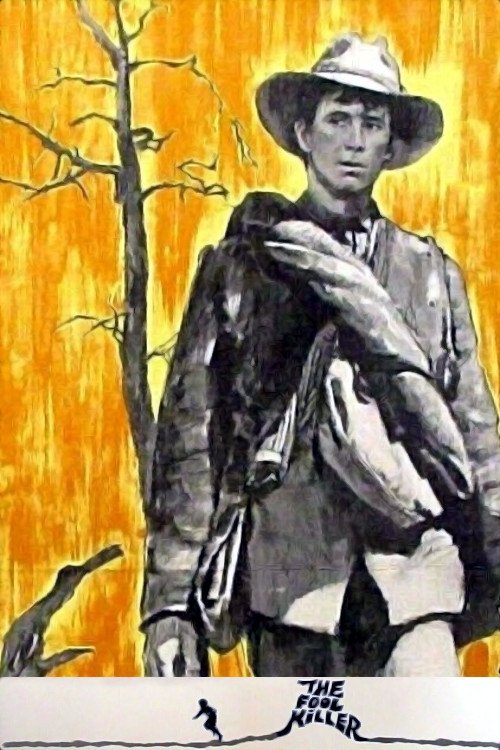
The Fool Killer
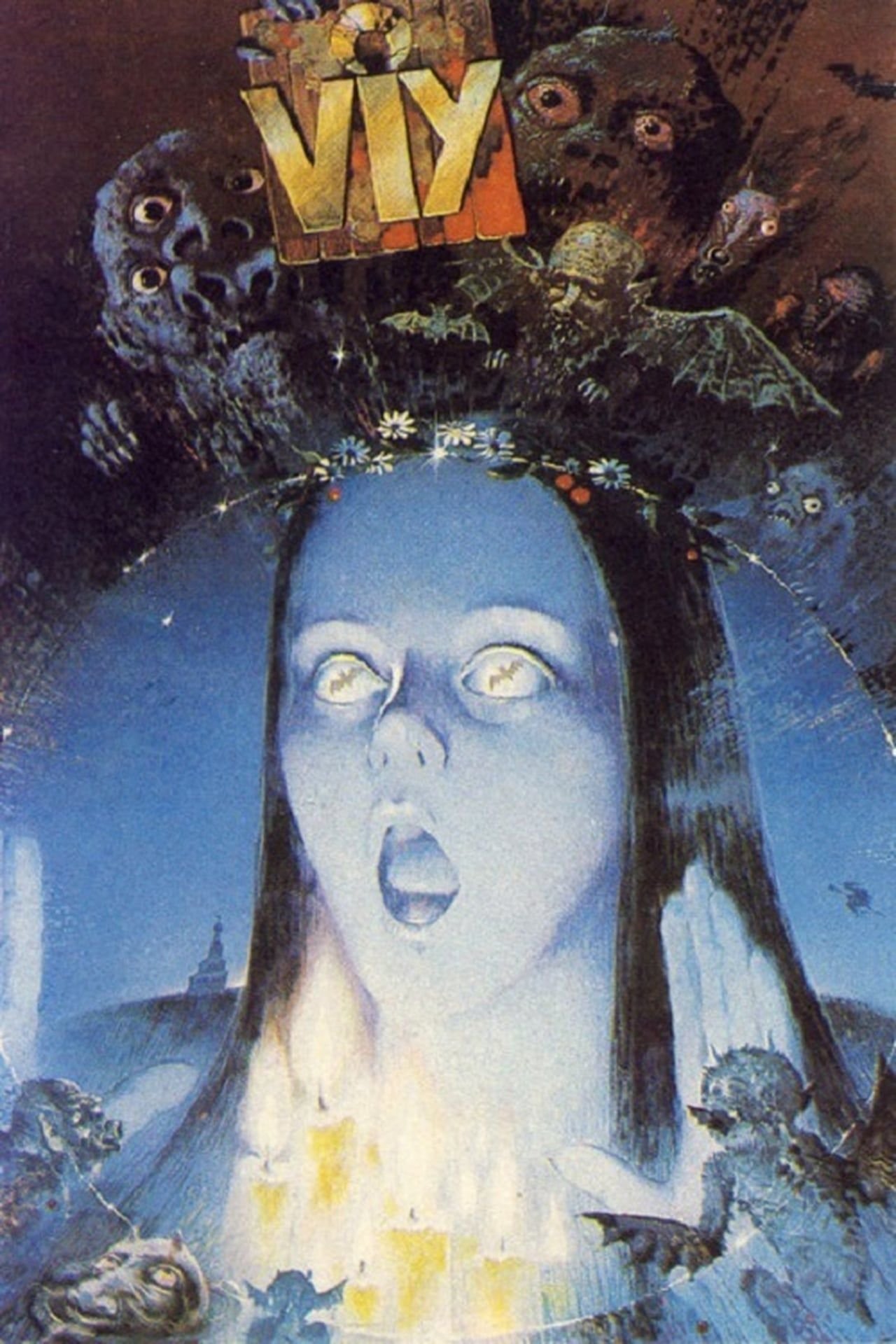
Viy
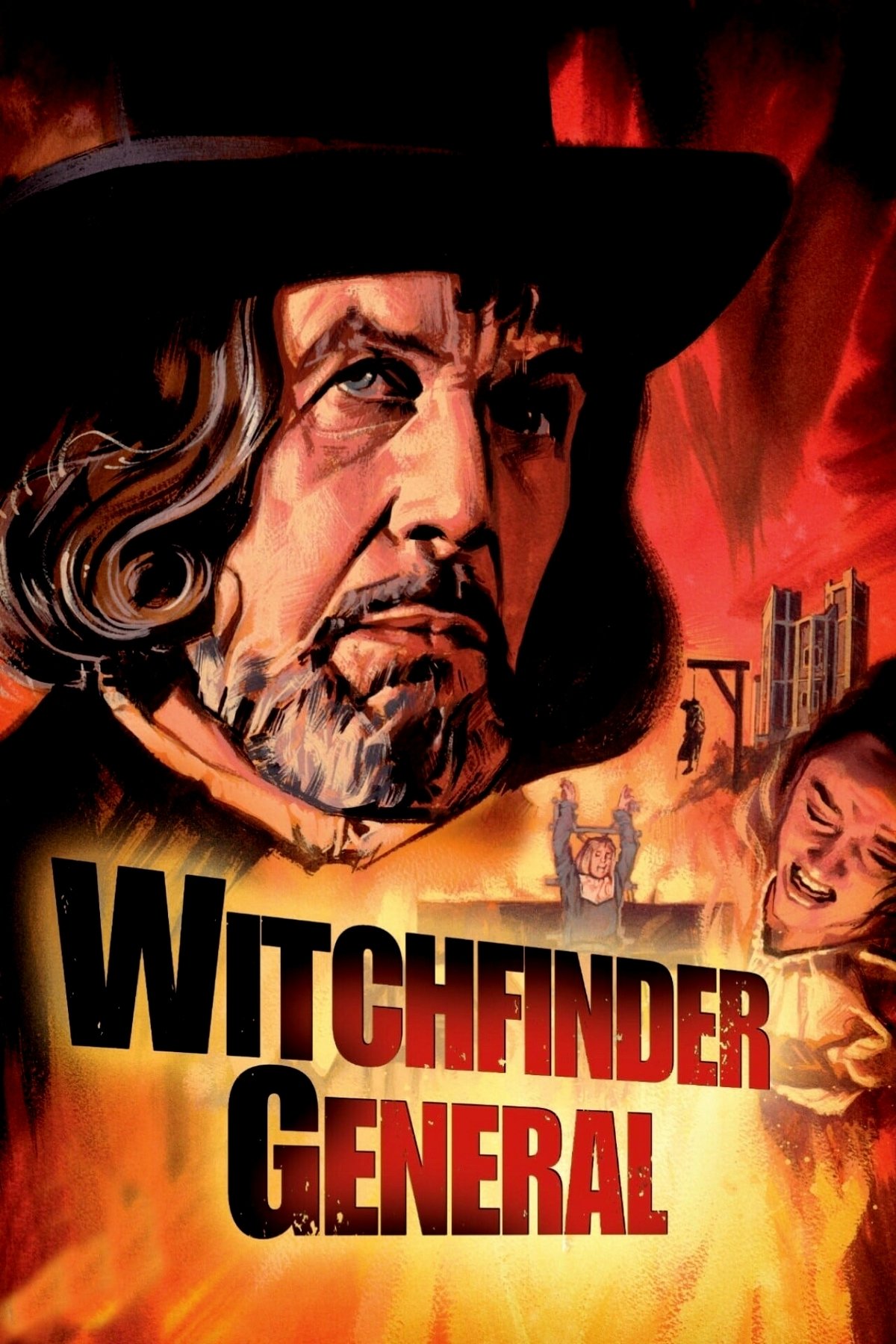
Witchfinder General
The Ballad of Tam Lin
Robin Redbreast
The Blood on Satan's Claw
Wake in Fright

Death Line
The Stone Tape
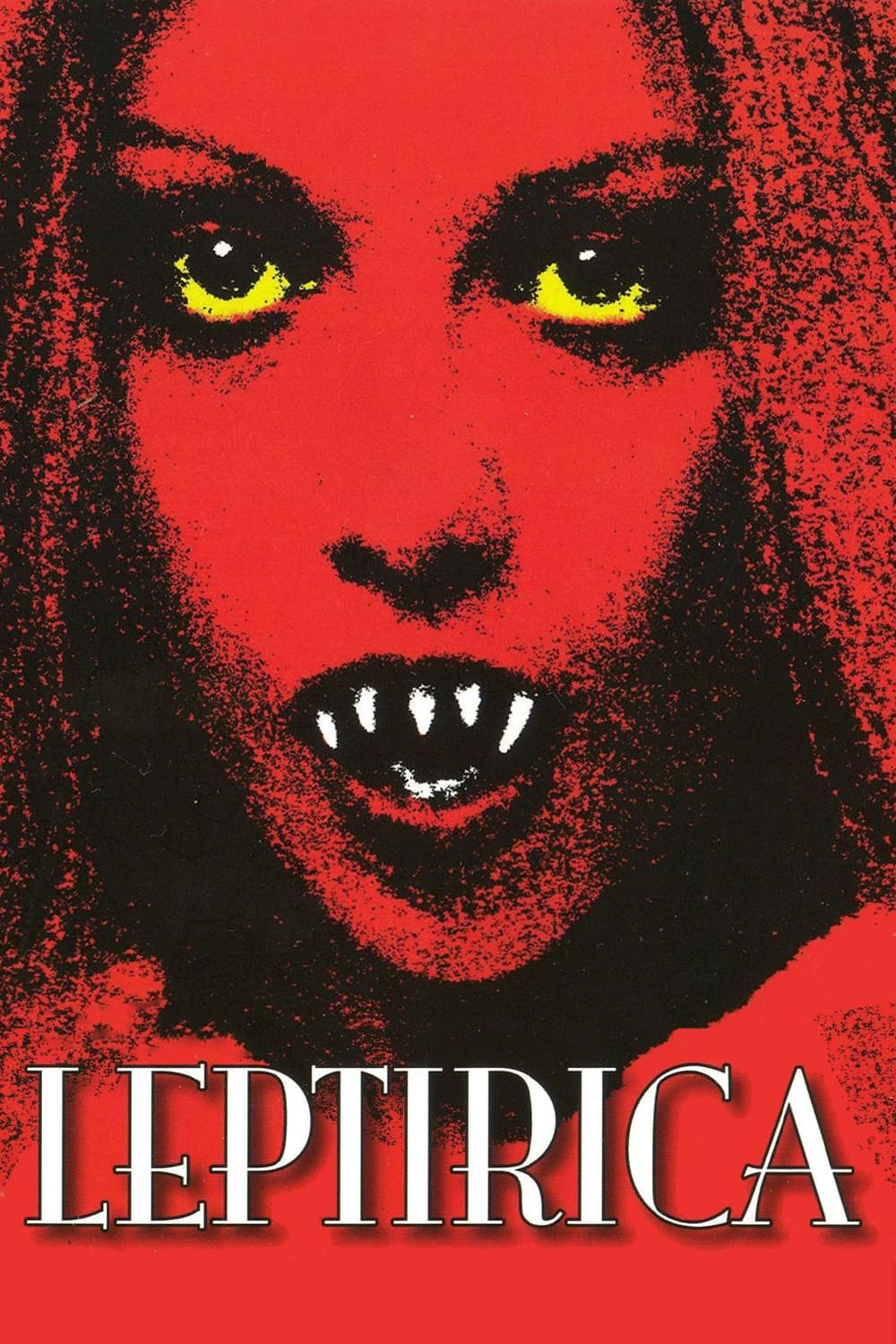
Leptirica

Ganja & Hess
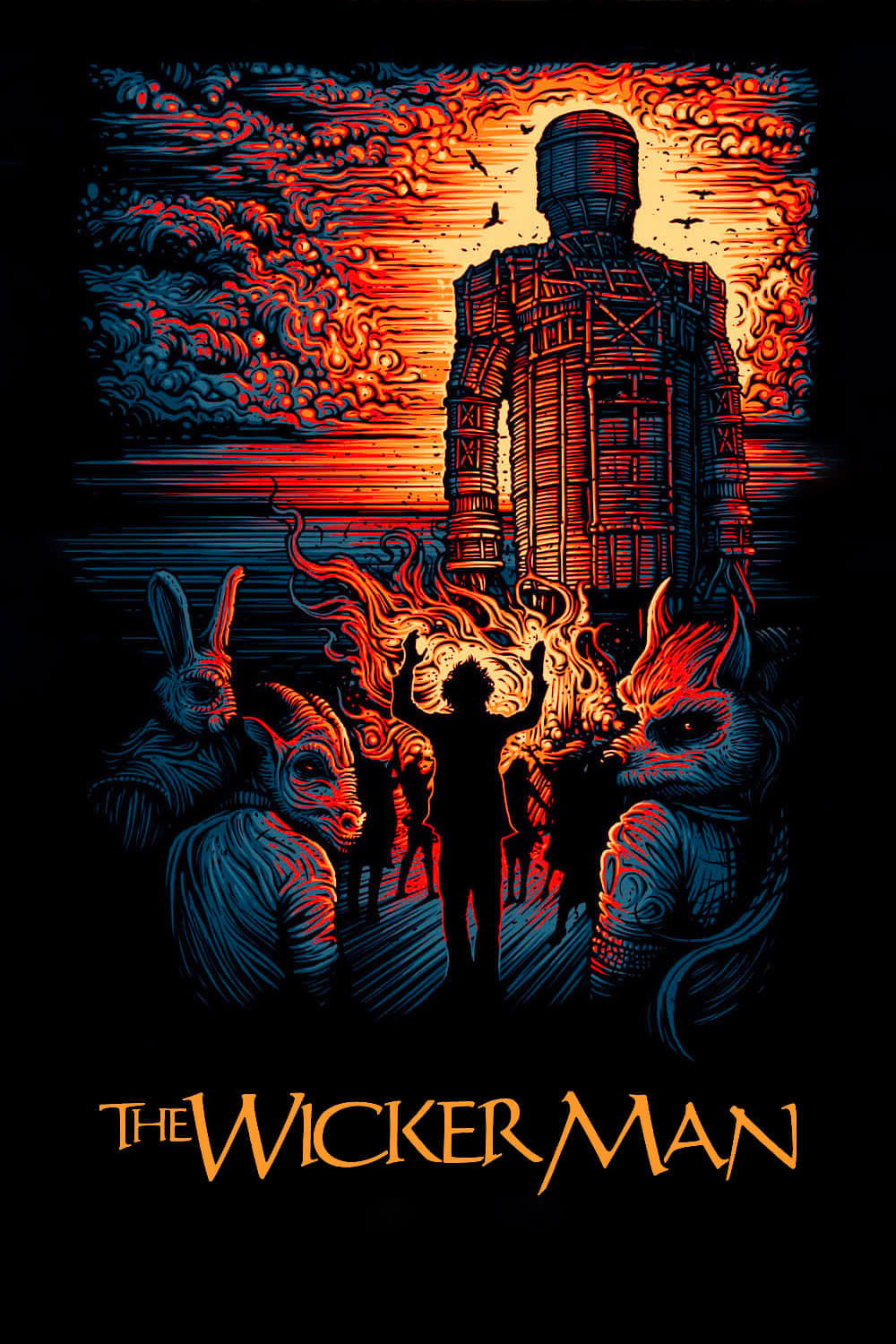
The Wicker Man

Penda's Fen
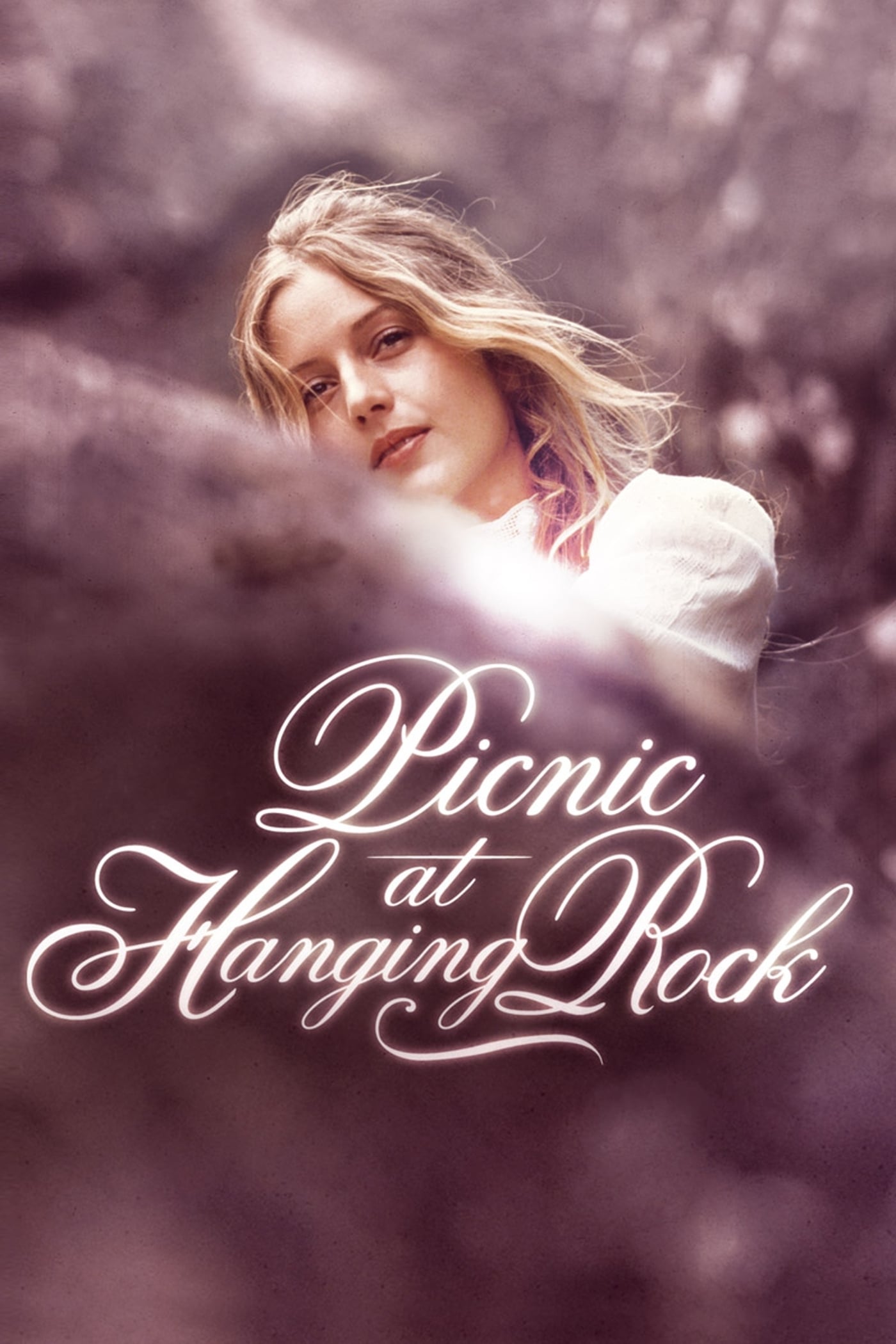
Picnic at Hanging Rock
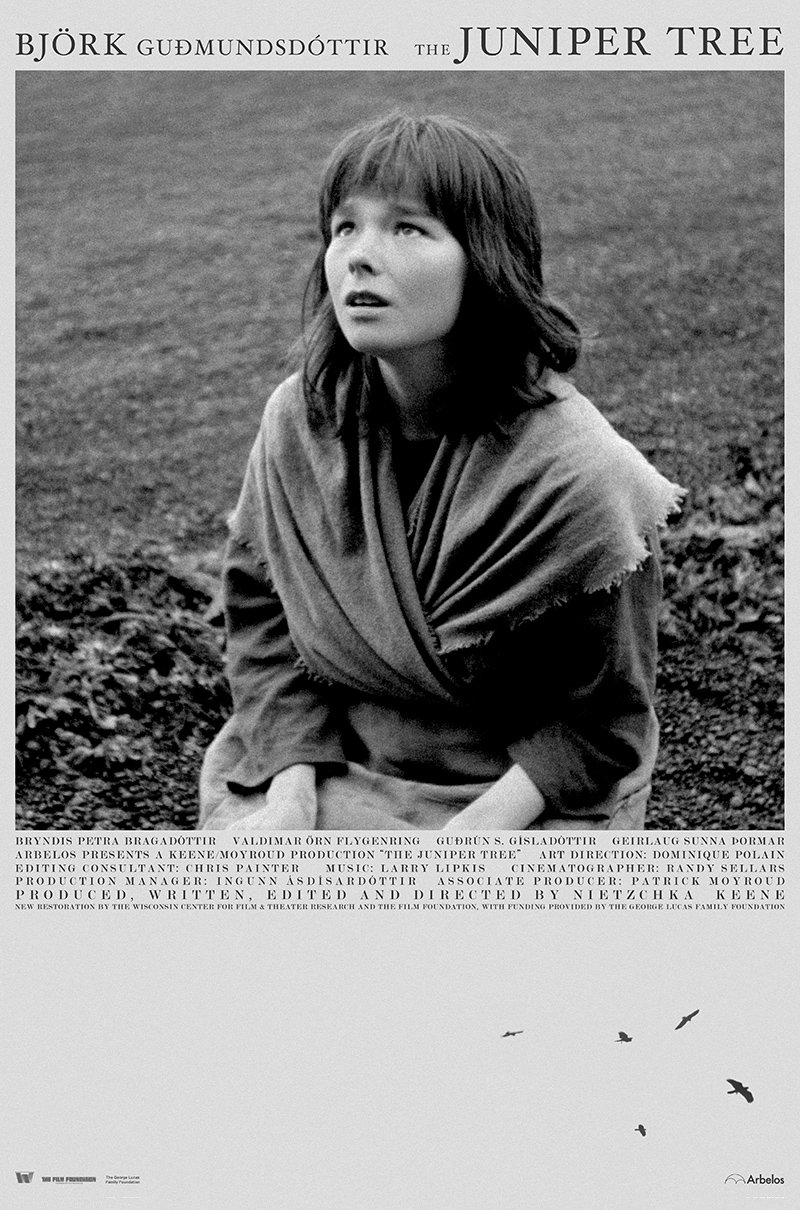
The Juniper Tree
Candyman
Bedevil
The Blair Witch Project
Kill List
A Field in England

Demon
The Witch
November

Hagazussa
Apostle

Midsommar

La Llorona
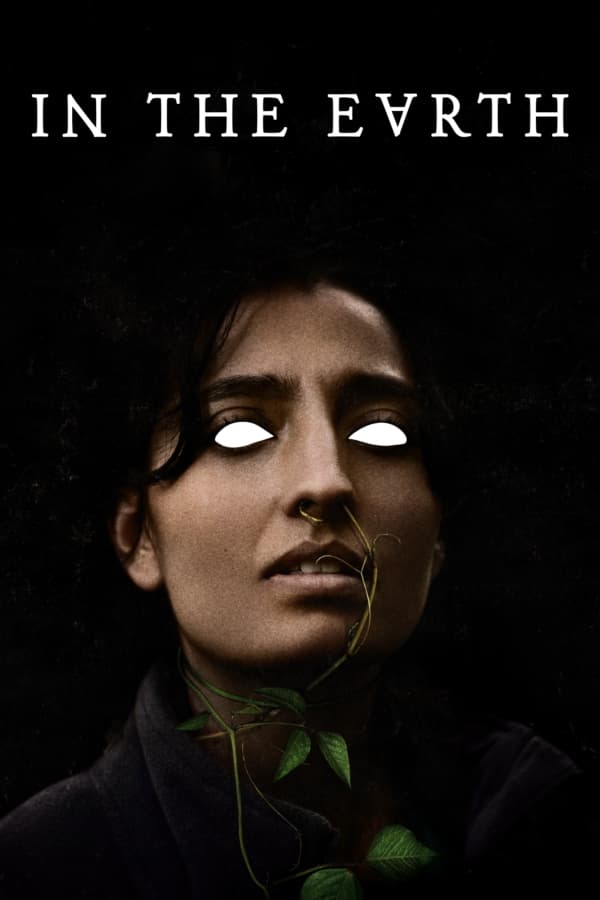
In the Earth
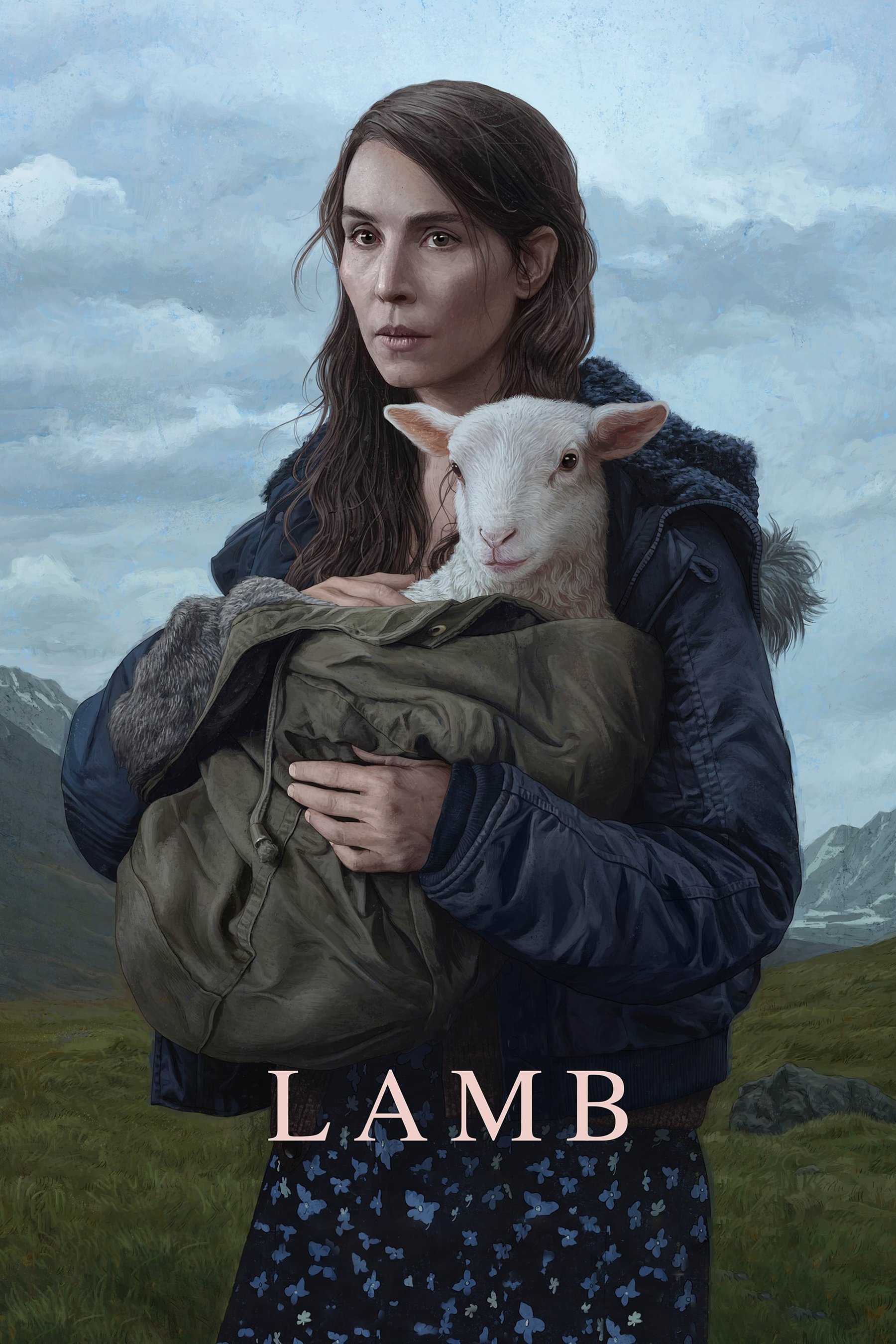
Lamb
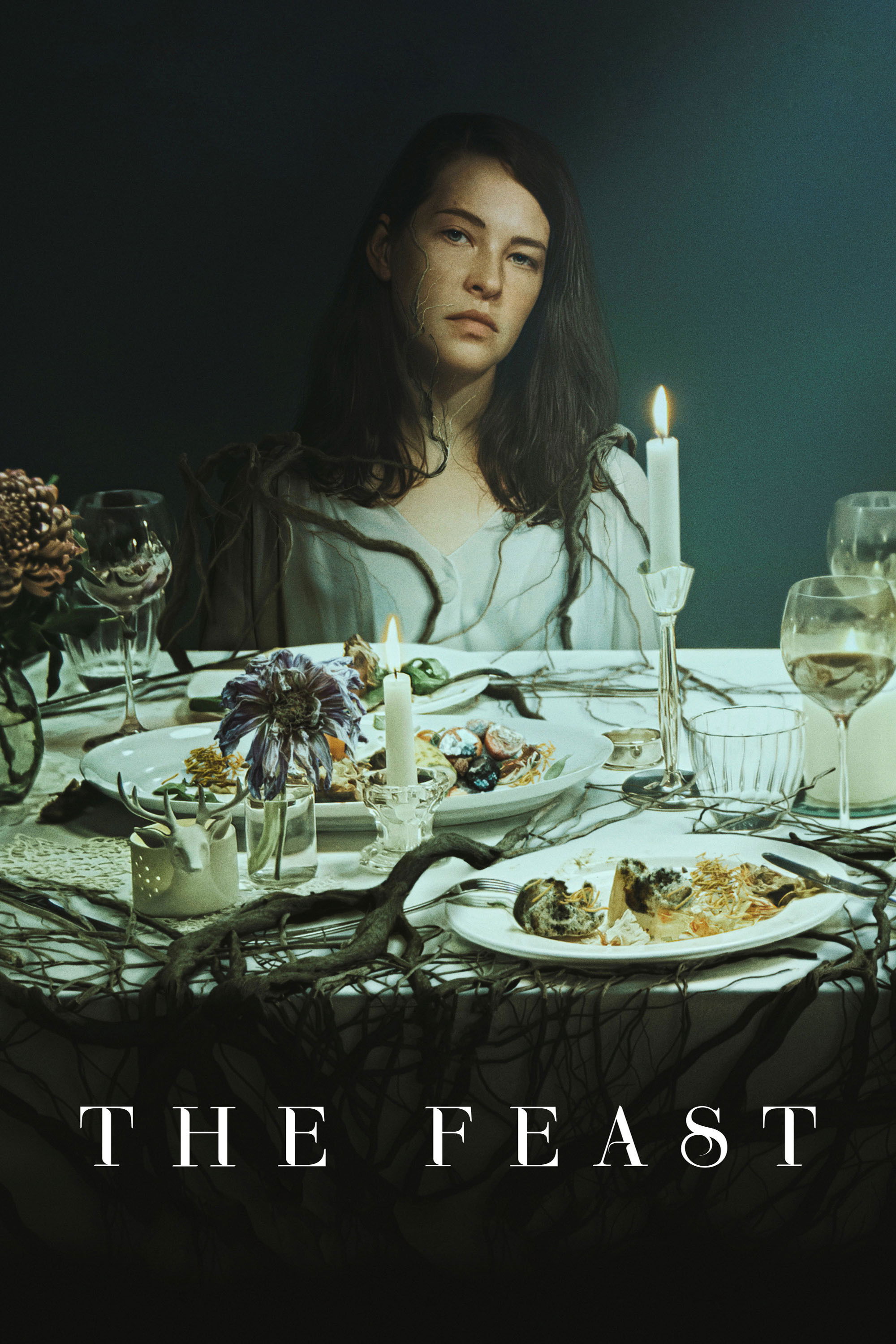
The Feast
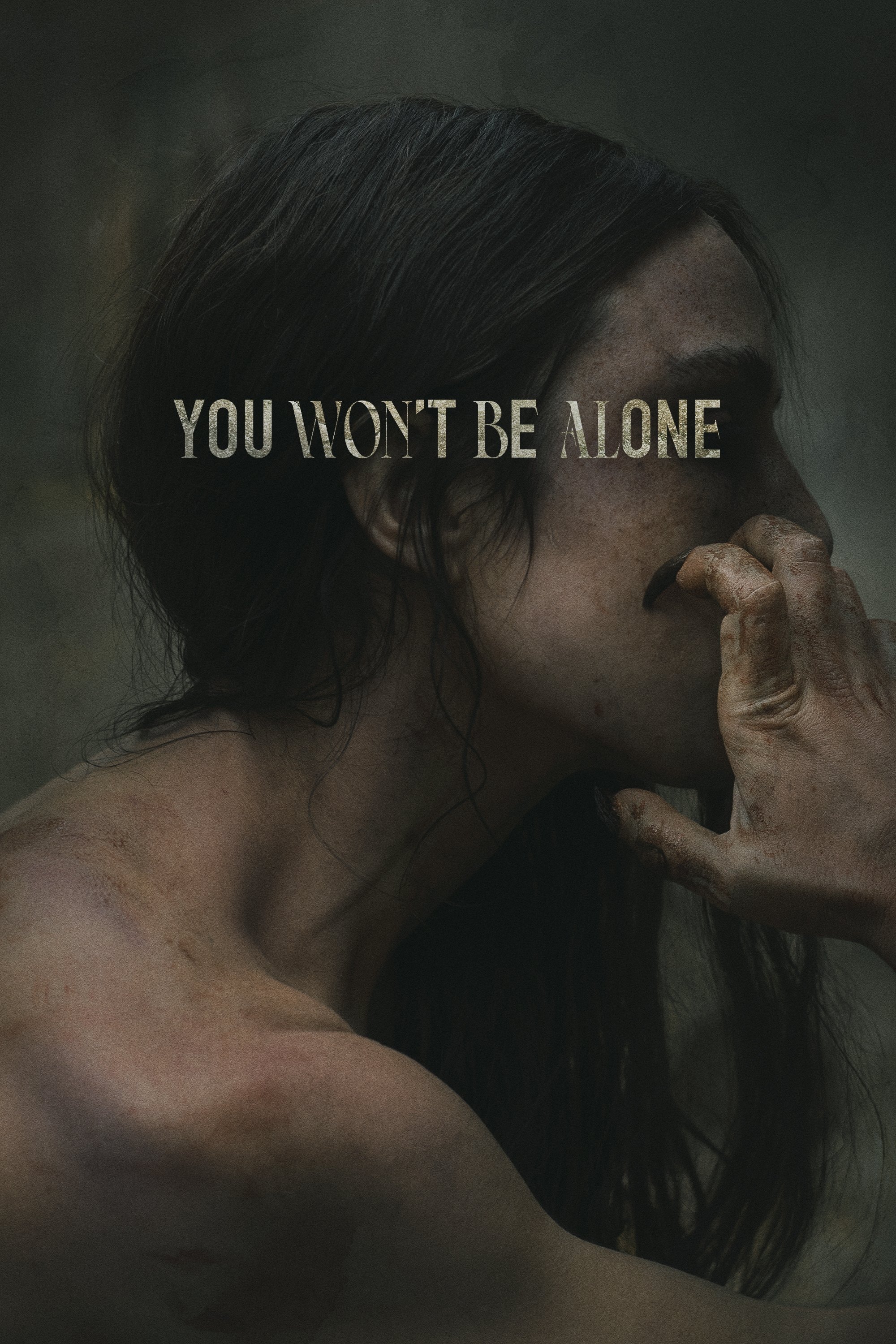
You Won't Be Alone
Men
Enys Men

Starve Acre
Statistics
Popularity by Decade
Share of each decade's horror films classified as Folk Horror. Counts films with at least 5 TMDB ratings, so very obscure titles are not represented.
Popularity by Country
Share of each country's horror output classified as Folk Horror. Counts films with at least 5 TMDB ratings, so very obscure titles are not represented.