Let the Right One In (2008)
🇸🇪Sweden
Sporadic but influential — Swedish horror's rare interventions, from silent-era ghost stories to modern vampire cinema, resonate far beyond Scandinavia.
History
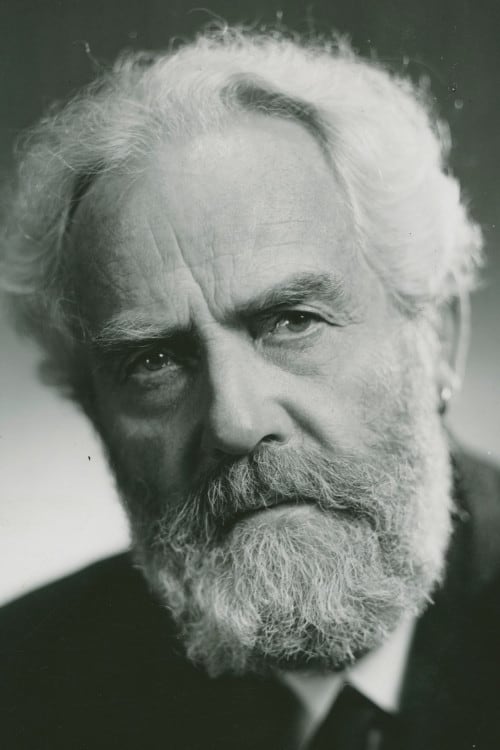
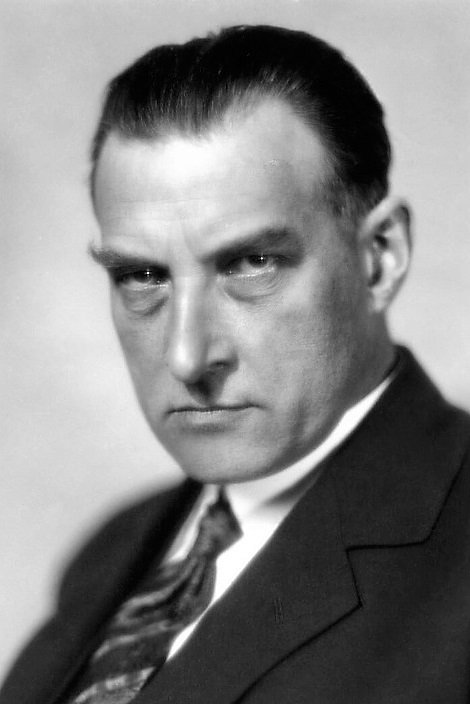
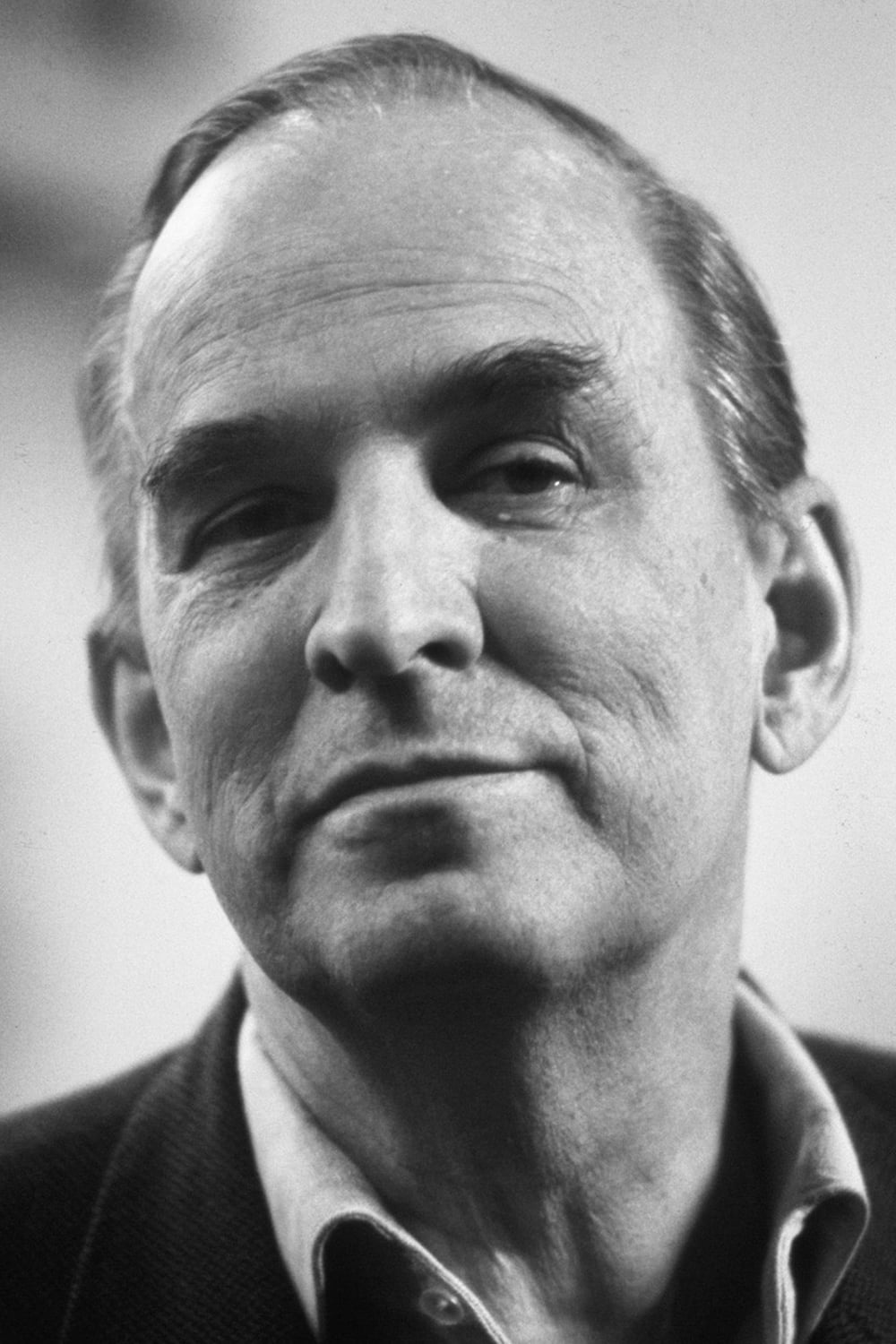
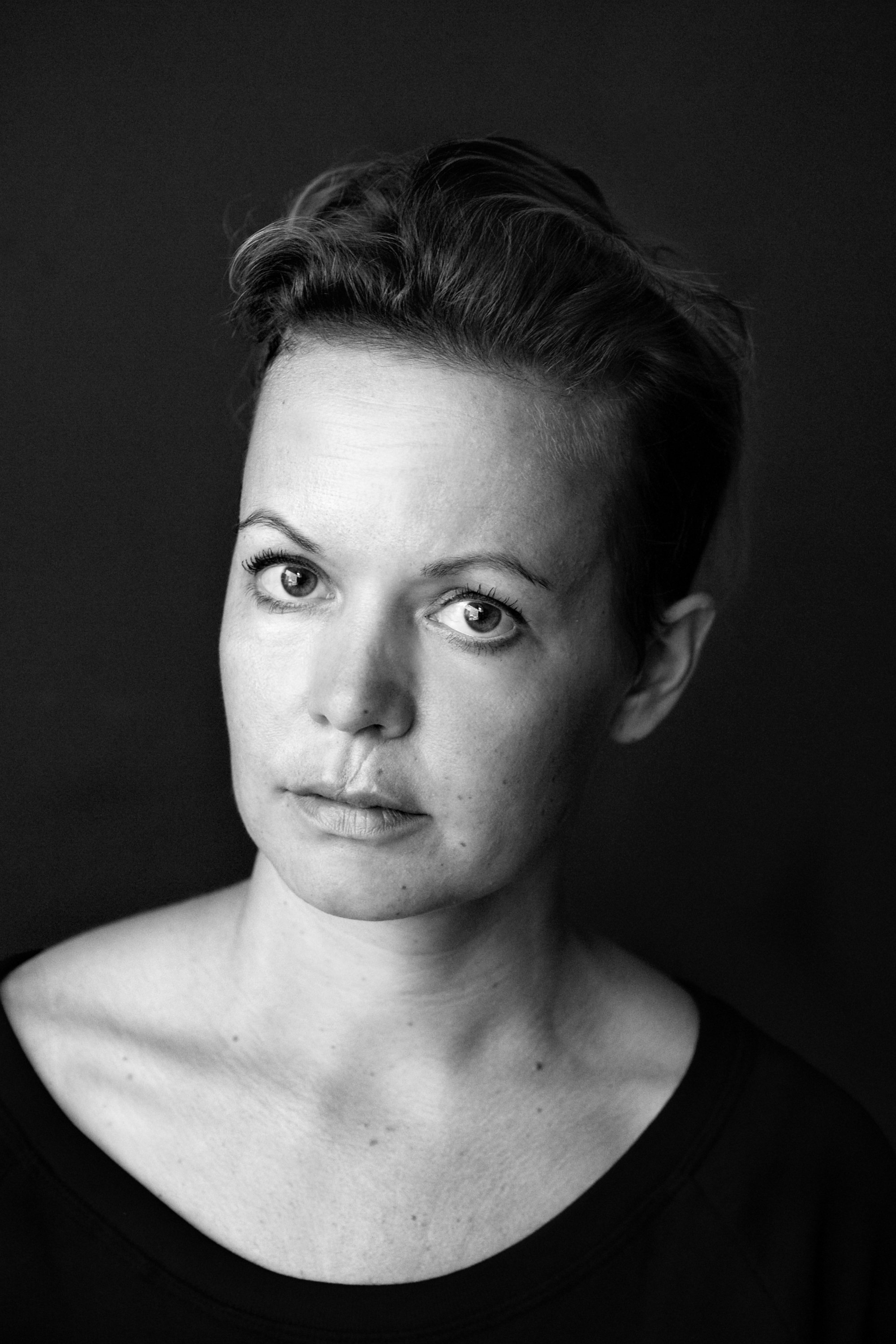
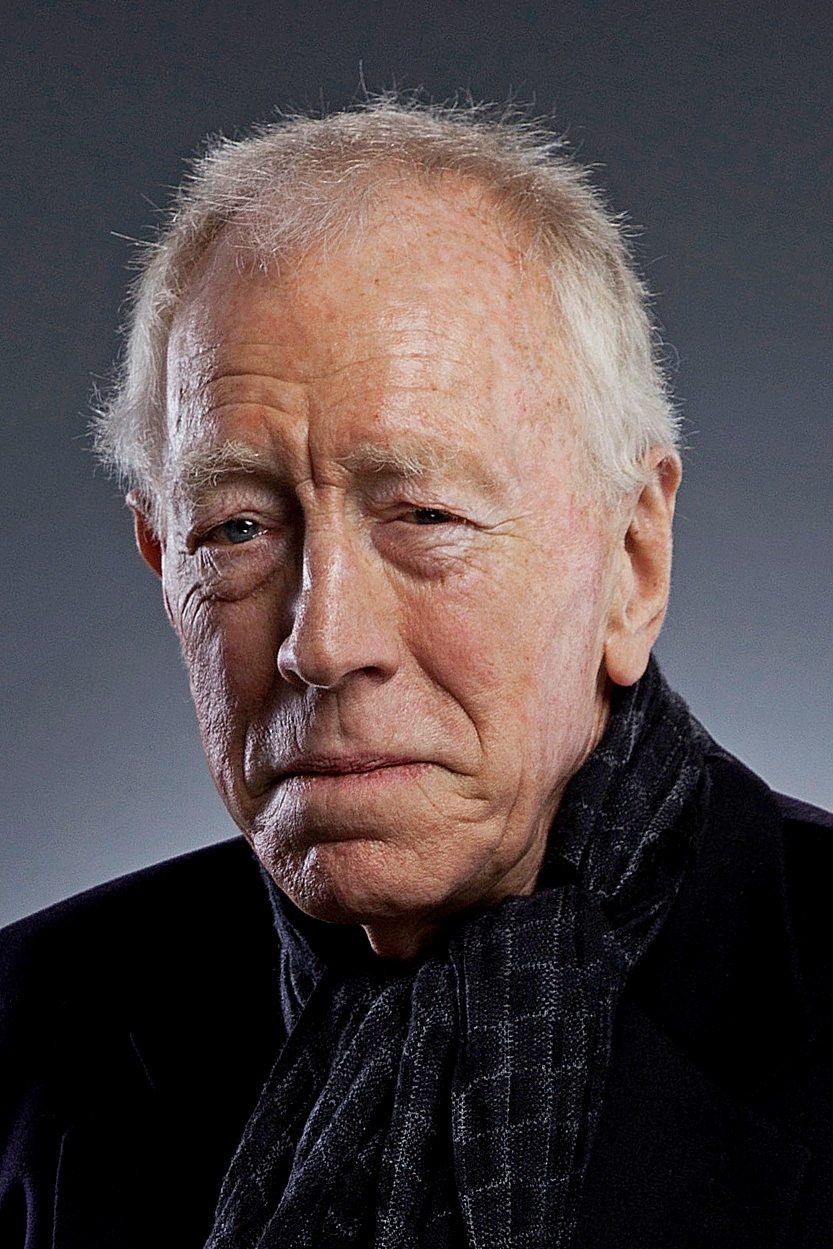
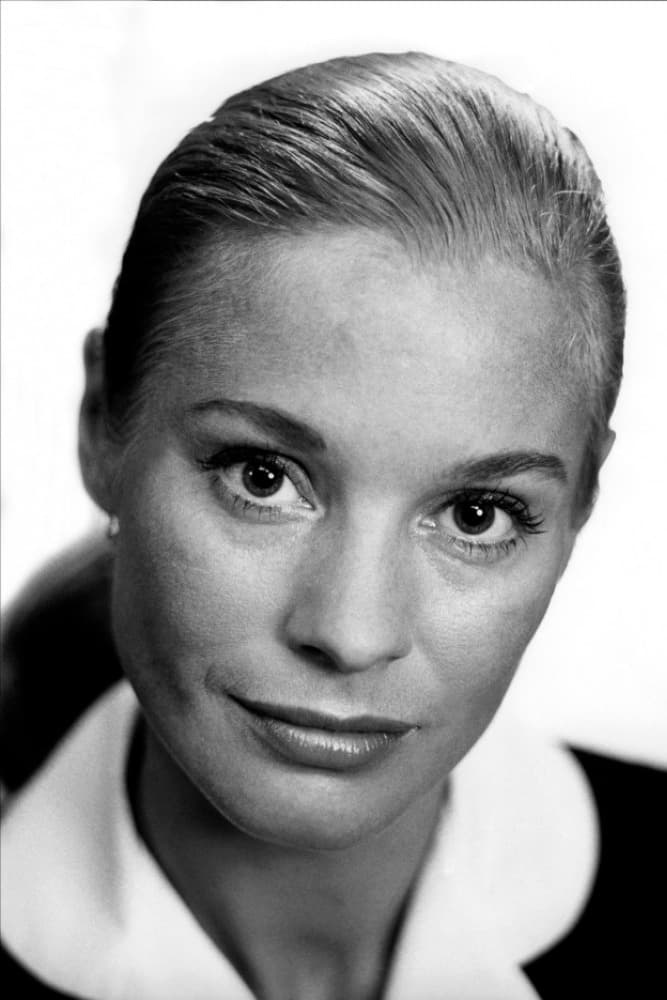
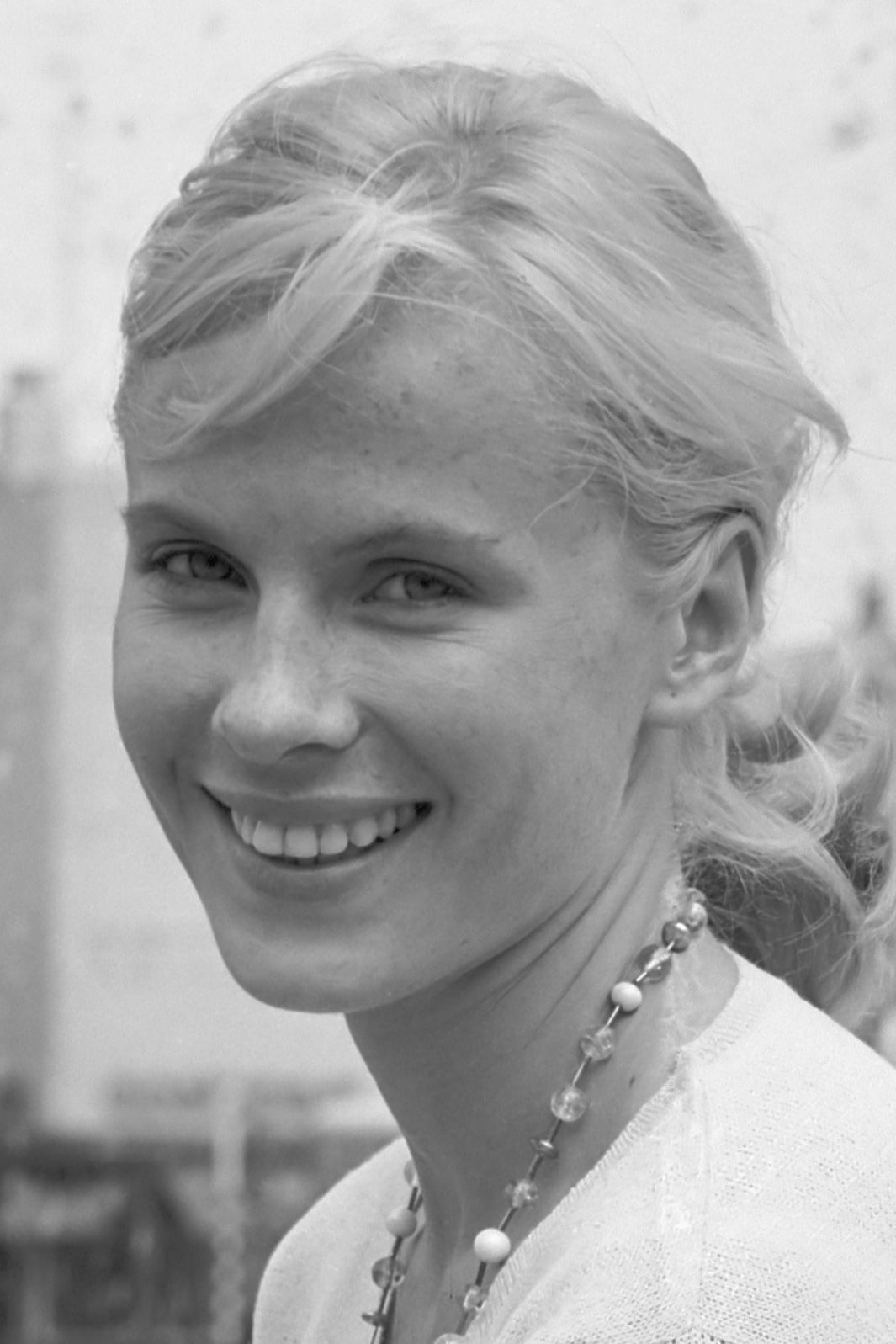
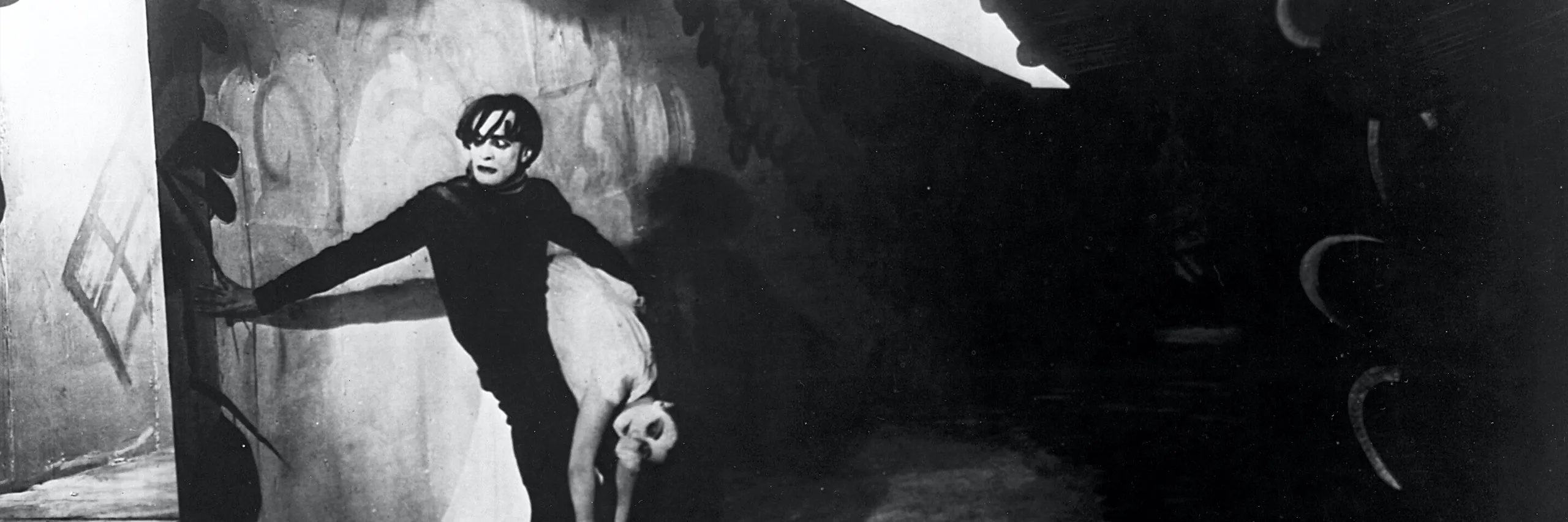
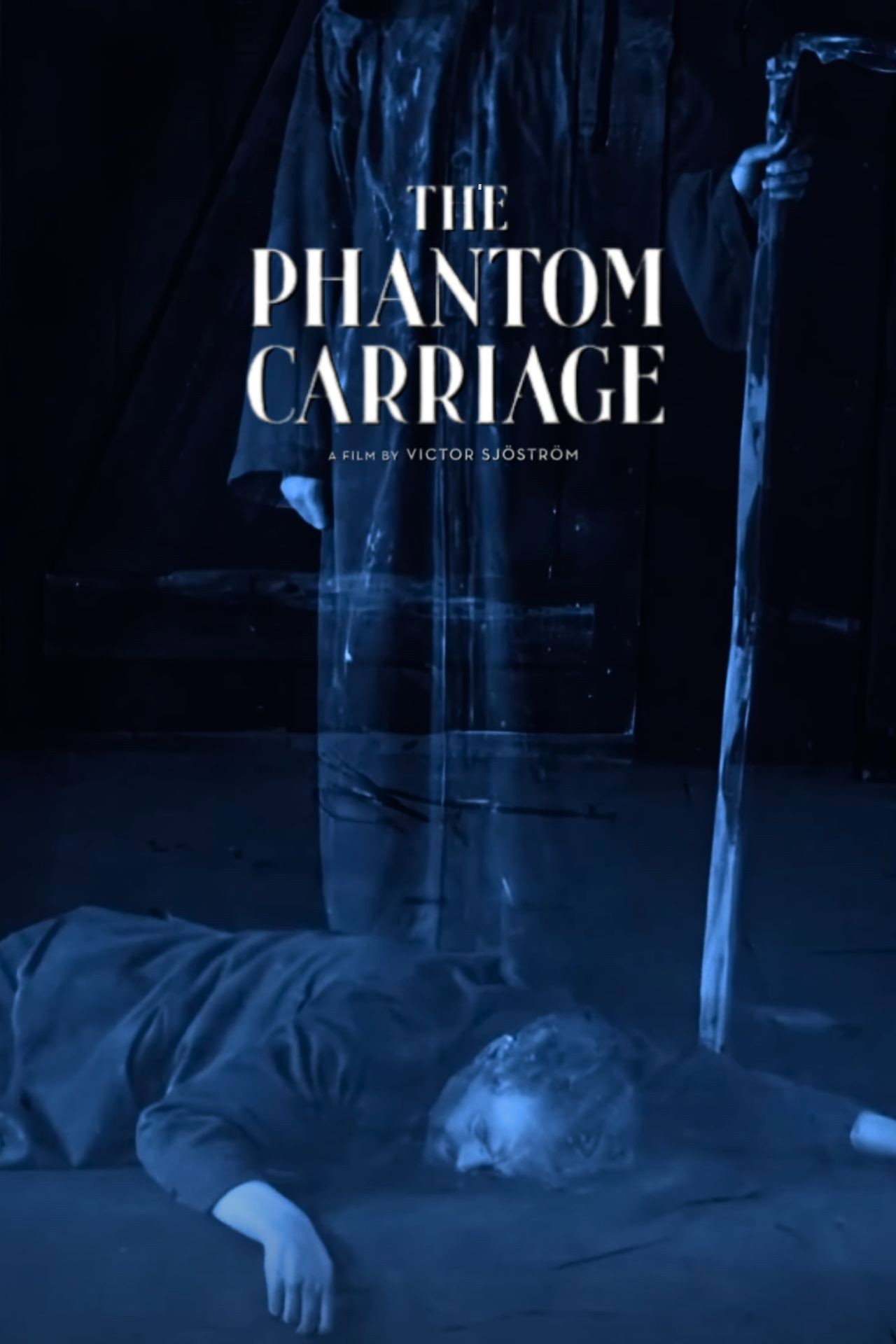
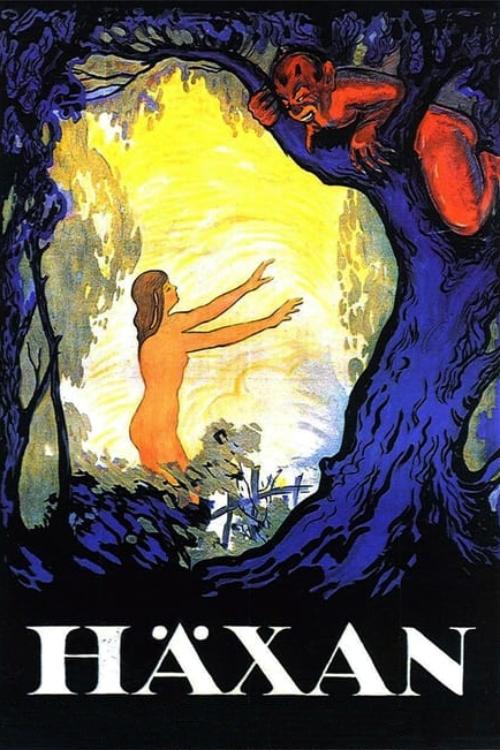
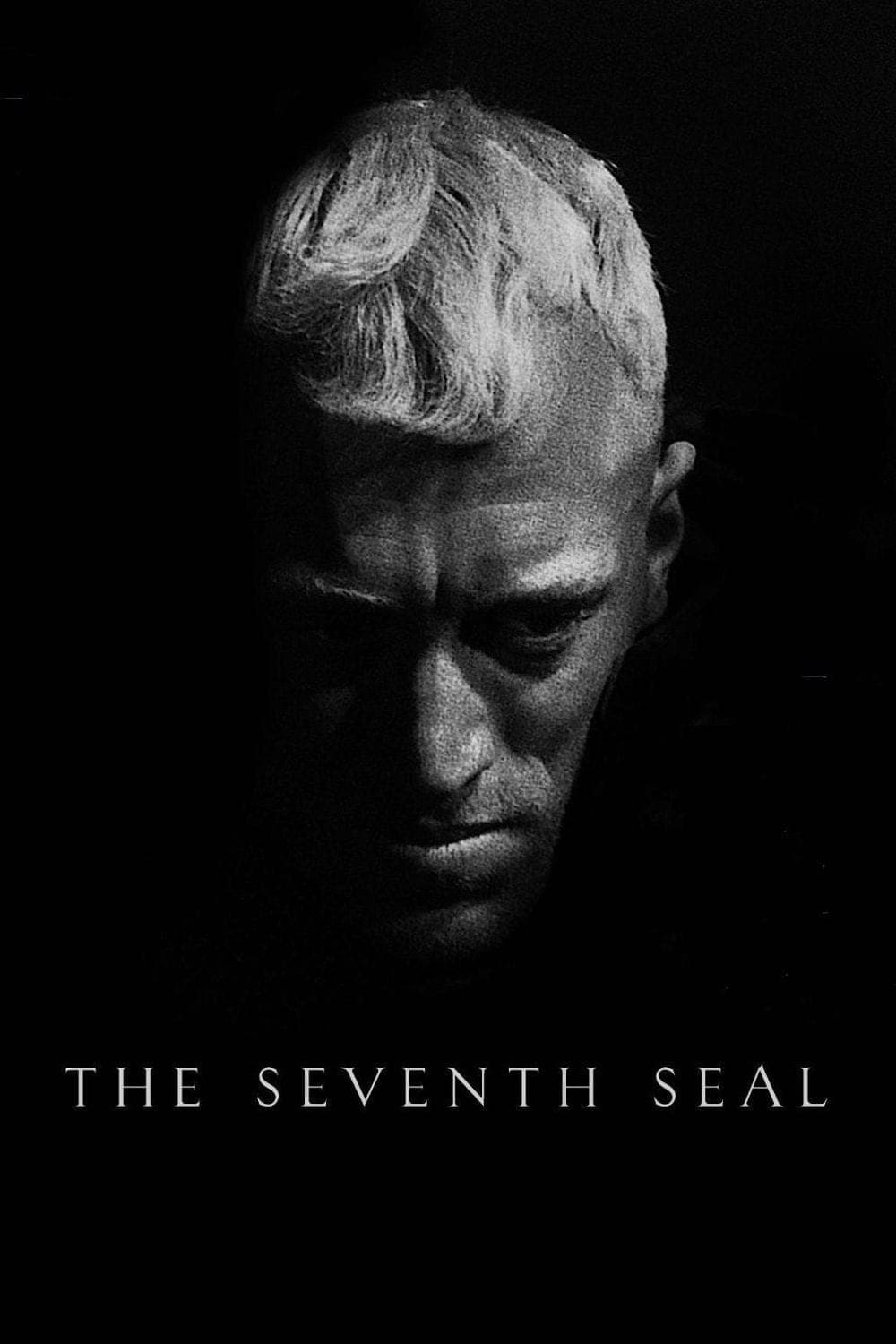
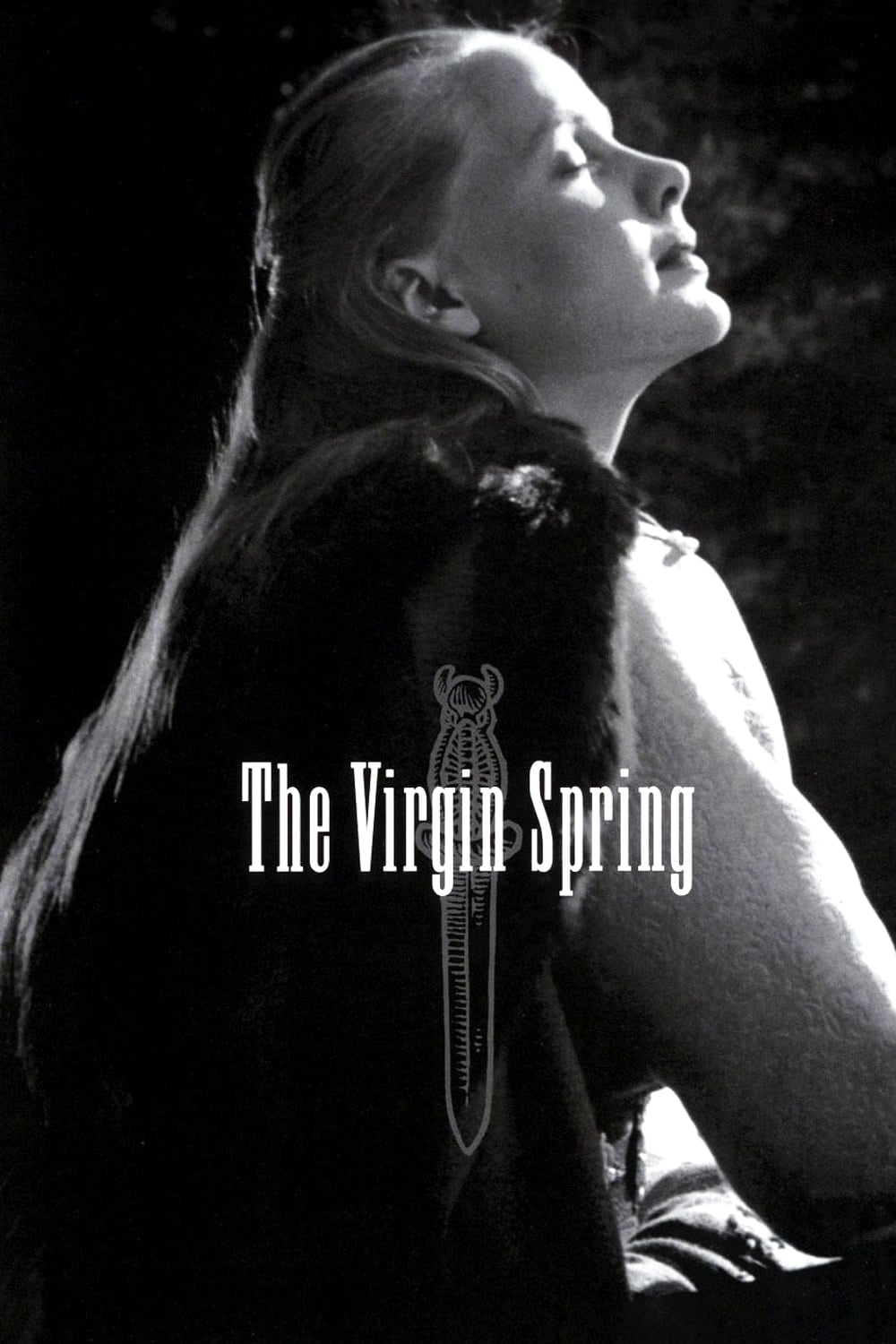
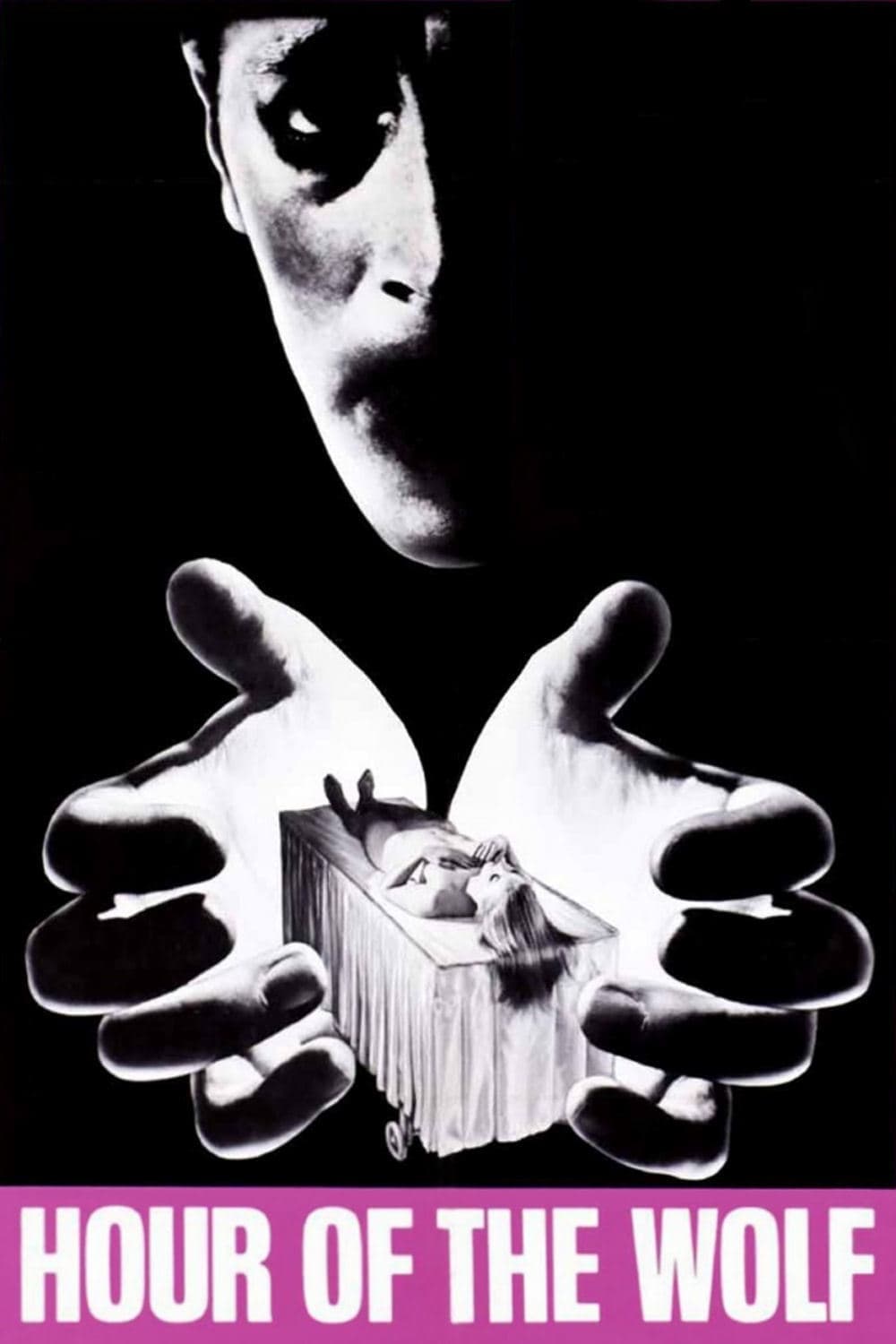
Sweden's contribution to horror cinema has been sporadic but disproportionately influential. Victor Sjöström's The Phantom Carriage (1921), a supernatural drama about a man confronting death on New Year's Eve, employed pioneering double-exposure photography to visualise the spirit world and is often considered an influence on the later work of Ingmar Bergman. The following year Benjamin Christensen's Häxan (1922), a Swedish-Danish hybrid of documentary and dramatisation depicting centuries of witch persecution, remained one of cinema's most singular explorations of superstition and cruelty — and one of the founding texts of folk horror. Sweden then produced almost no horror for decades, though Ingmar Bergman — while not a horror director — repeatedly drew on Gothic and supernatural imagery. The Seventh Seal (1957) staged an apocalyptic chess match with Death, The Virgin Spring (1960), a medieval revenge tale, was remade by Wes Craven as The Last House on the Left (1972) — one of the foundational films of modern American horror — and Hour of the Wolf (1968) externalised artistic madness as demonic visitation in what may be Bergman's most explicit horror entry. His regular ensemble — Max von Sydow, Liv Ullmann, Ingrid Thulin, Bibi Andersson — gave Swedish horror its defining performances even while inhabiting films their director would not have called horror.
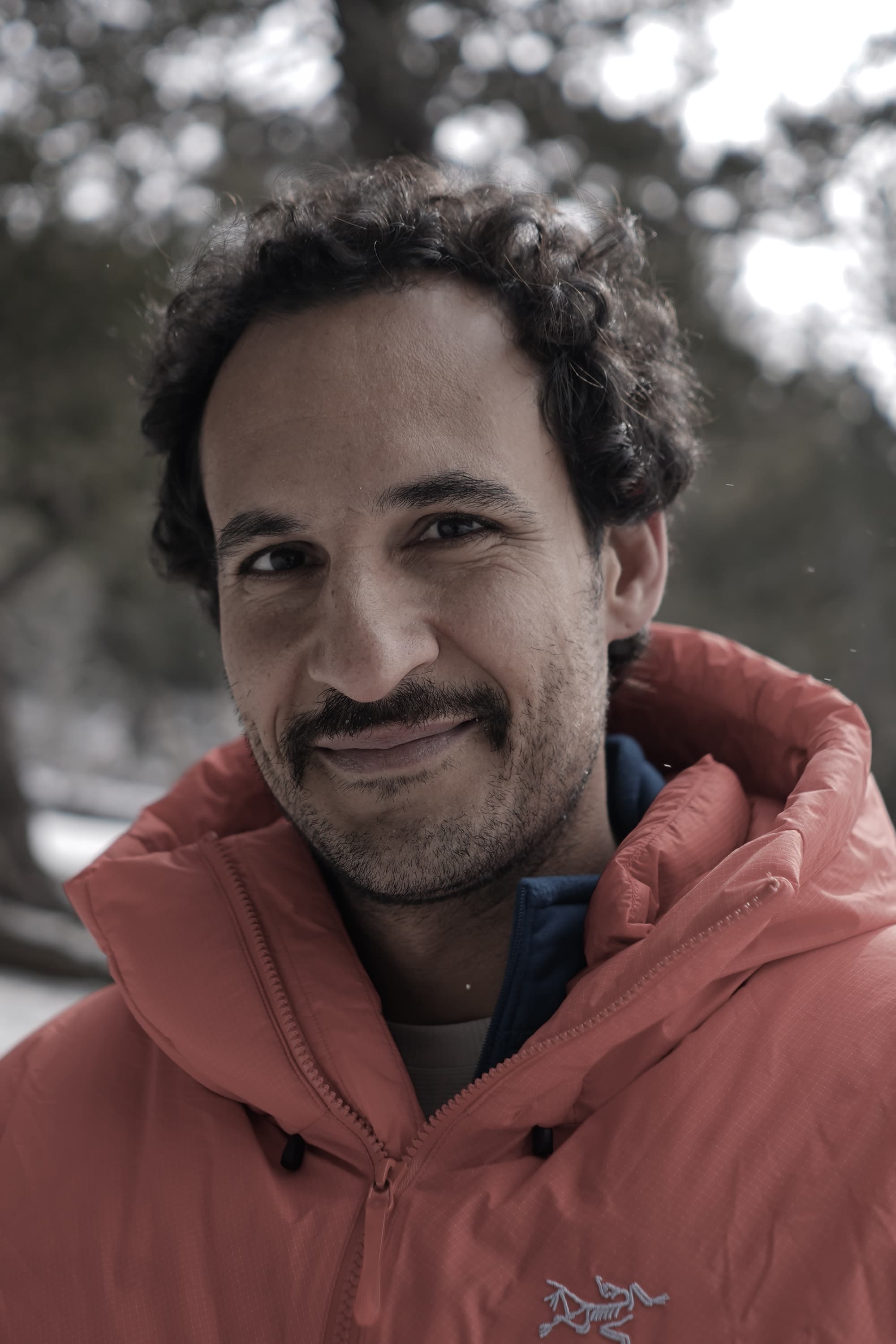
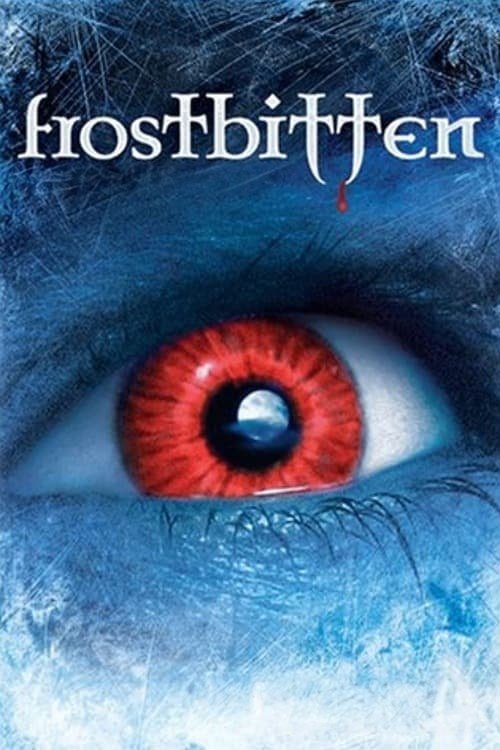
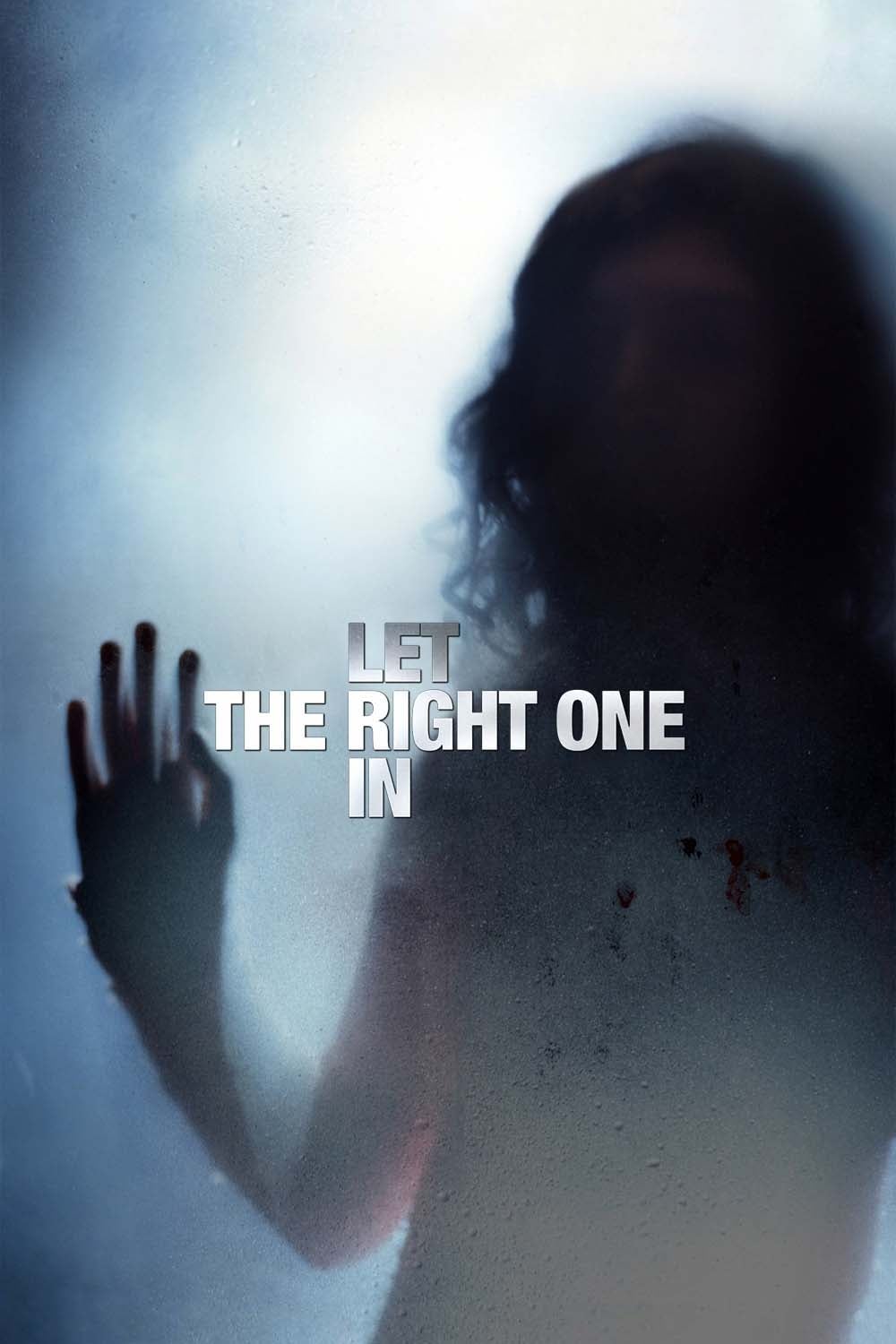
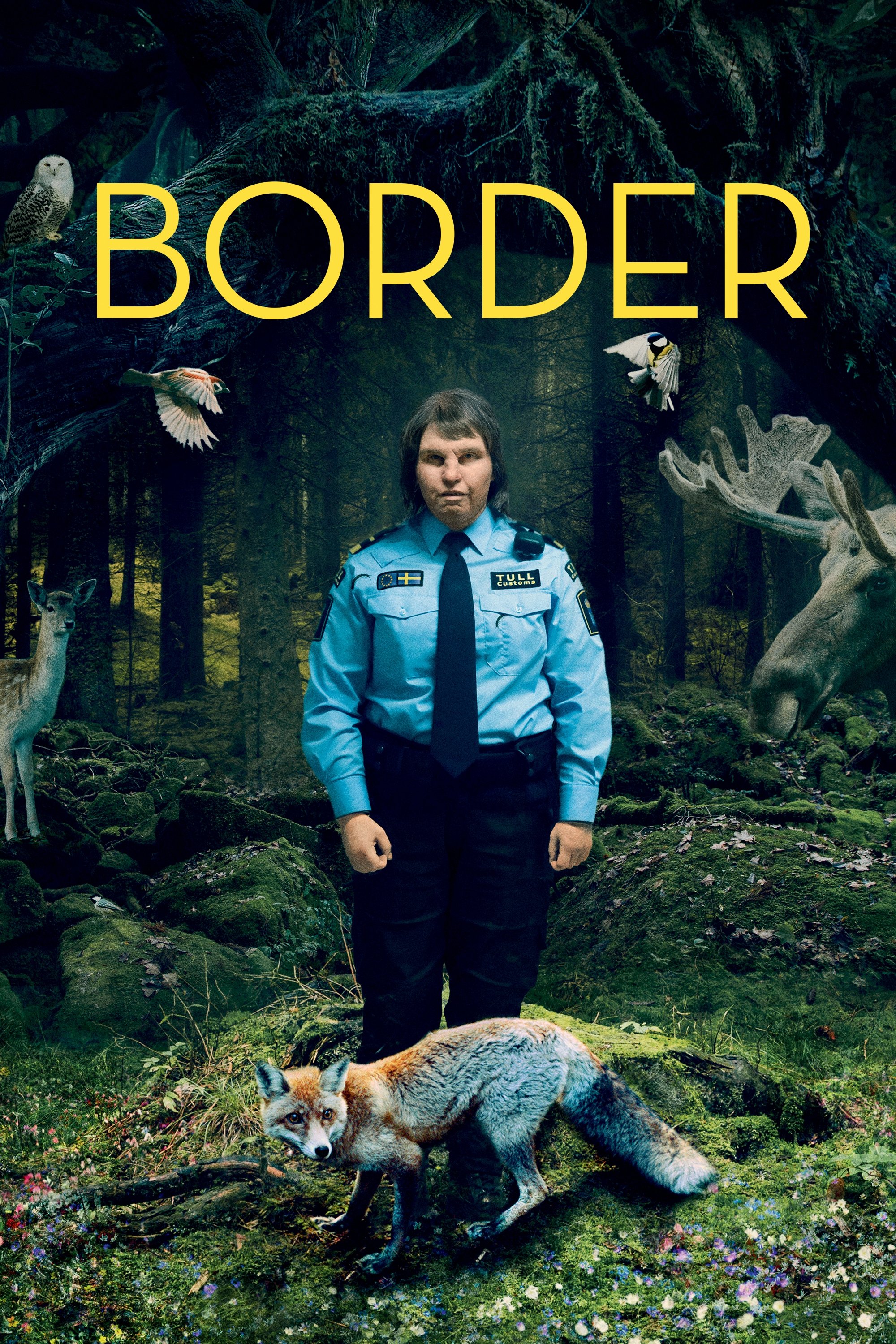
Modern Swedish horror began with Anders Banke's Frostbite (2006), an inventive vampire story set during the polar night of northern Sweden, but it was Tomas Alfredson's Let the Right One In (2008) that established Sweden as a source of genuinely distinctive horror. Adapted from John Ajvide Lindqvist's novel, the film grounded its vampire story in the social realism of a 1980s Stockholm suburb, finding horror in childhood loneliness and bullying as much as in bloodshed. Its international success and rapid American remake confirmed that Nordic sensibilities — long winters, social isolation, emotional restraint — could create uniquely compelling horror. Ali Abbasi's Border (2018) continued this tradition, blending supernatural elements with social commentary about identity and belonging.
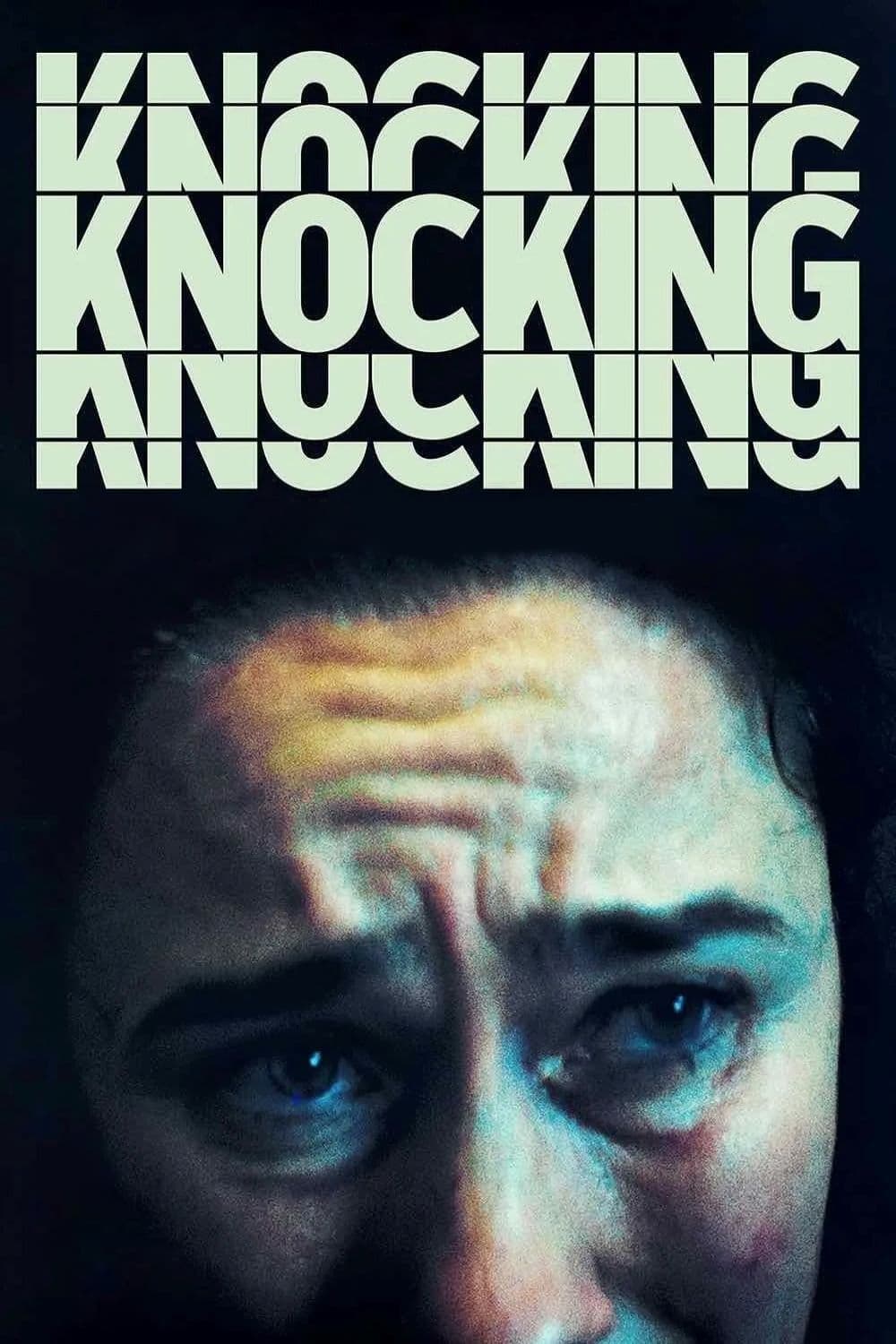
The 2020s have produced quieter but no less ambitious Swedish horror entries. Frida Kempff's Knocking (2021) channelled isolation and unreliable perception into a tightly-coiled psychological horror that drew international festival attention. Meanwhile, Ari Aster's Midsommar (2019), while an American production, drew so heavily on Swedish folk traditions, landscapes, and midsummer rituals that it became inseparable from international perceptions of Swedish horror — a testament to how powerfully the country's cultural mythology resonates as source material for the genre. Swedish horror's output remains small, but its interventions have consistently demonstrated that horror rooted in landscape, isolation, and psychological precision can resonate far beyond Scandinavia.
Essential Films
Statistics
Top Subgenres
Popularity by Decade
Share of each decade's horror films classified as Sweden horror. Counts films with at least 5 TMDB ratings, so very obscure titles are not represented.