 The Shining (1980)
Haunted Place
Locations saturated with trauma. Houses, hotels, and institutions where suffering has seeped into the architecture, and the building itself becomes the threat.
History & Origins
The haunted place film shifts horror's focus from the ghost itself to the space it inhabits. The location becomes the monster — a house, a hotel, a hospital, an asylum that has absorbed so much suffering that the walls themselves seem malevolent. You don't encounter the horror; you enter it. Where the dedicated haunted house subgenre focuses on the residential single-family home, the haunted place subgenre runs the institutional and commercial variants — and the non-architectural ones, too: ships, cars, towns, catacombs.
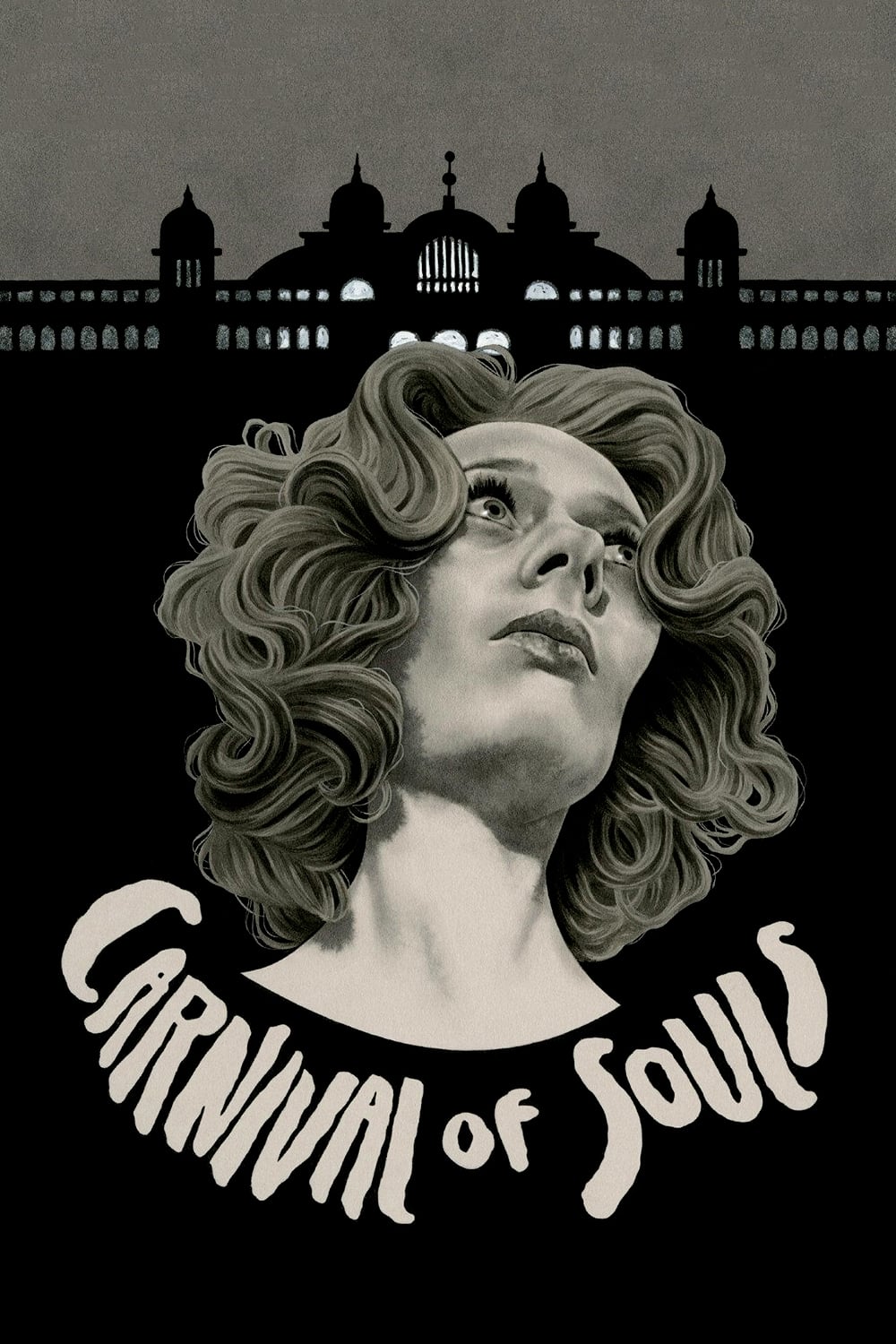
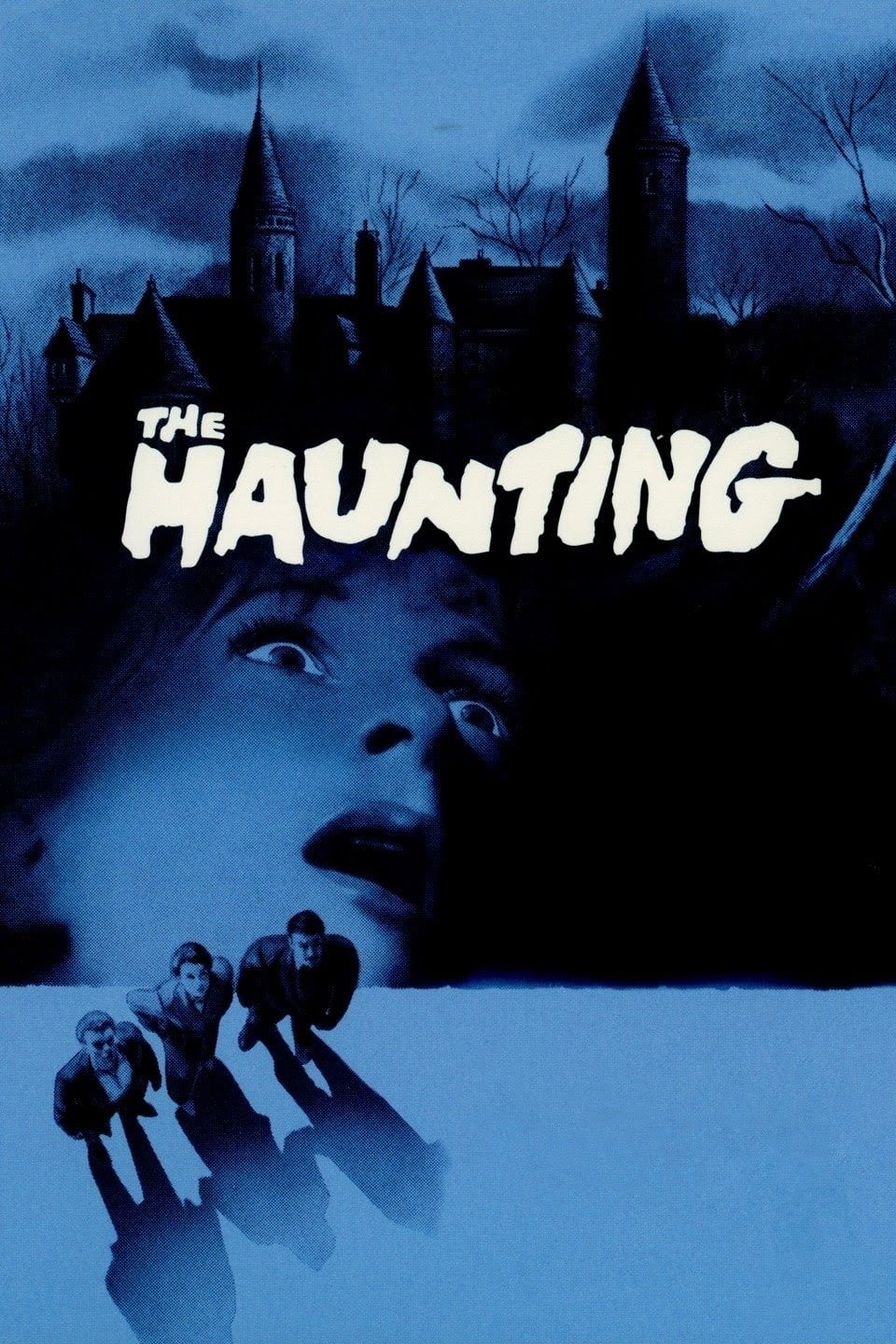
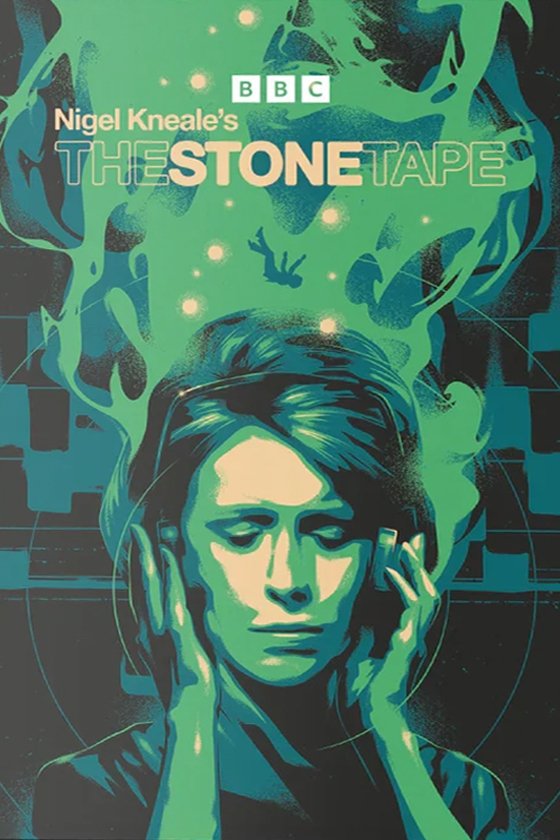
Shirley Jackson's "The Haunting of Hill House" (1959) is the foundational text. Her opening paragraph — the house standing against its hills, holding darkness within — establishes the haunted location as a conscious, malicious entity. Robert Wise's The Haunting (1963), adapted from Jackson's novel, never shows a ghost. The horror comes entirely from the house itself: doors that bend inward under impossible pressure, cold spots that move through hallways, a geometry that seems designed to disorient and trap. The film demonstrated that suggestion — what the audience imagines — can be more powerful than any spectacle. Herk Harvey's Carnival of Souls (1962) had already explored the abandoned-amusement-park variant; Nigel Kneale's BBC teleplay The Stone Tape (1972) ran the haunted-laboratory premise as proto-techno-horror.
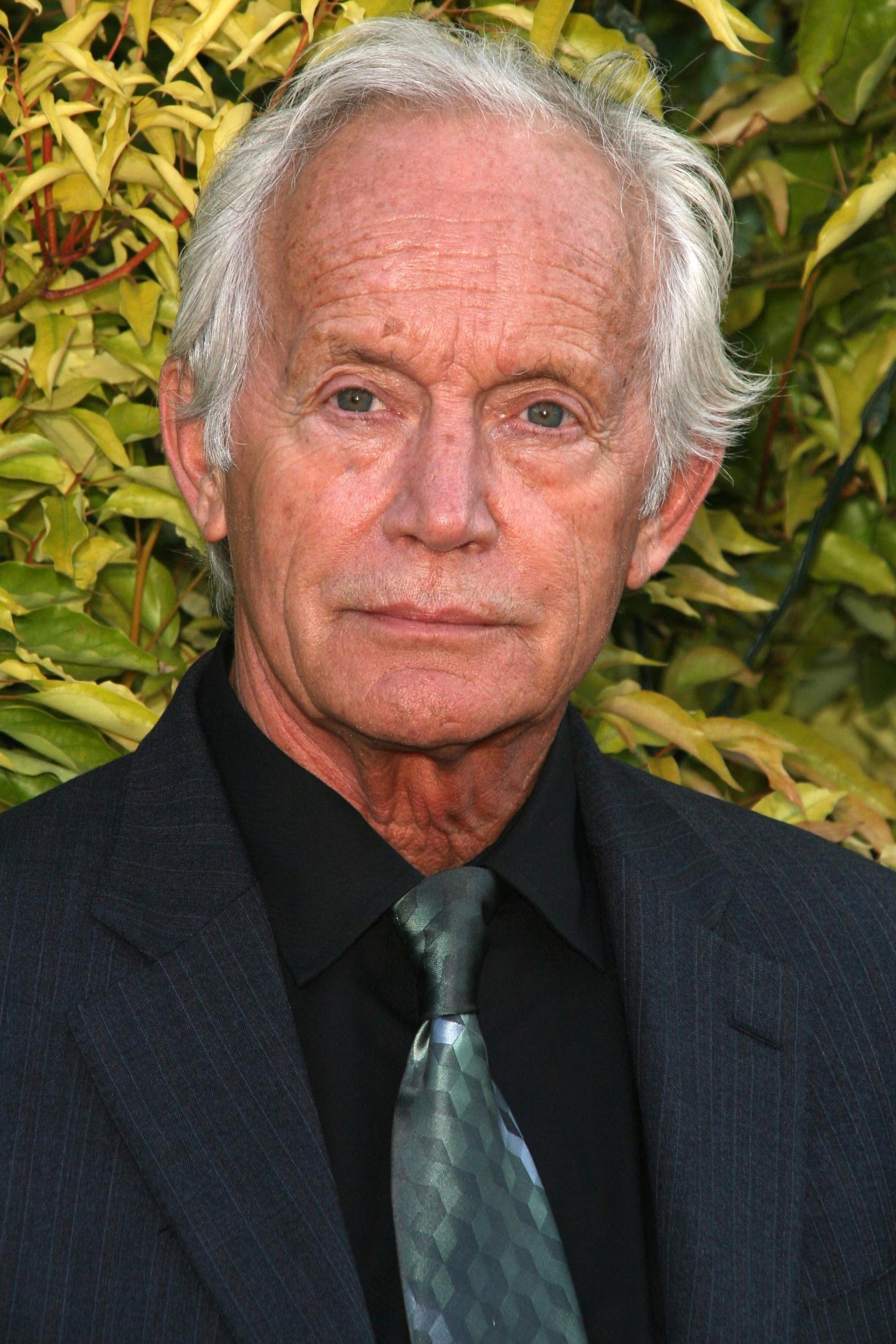
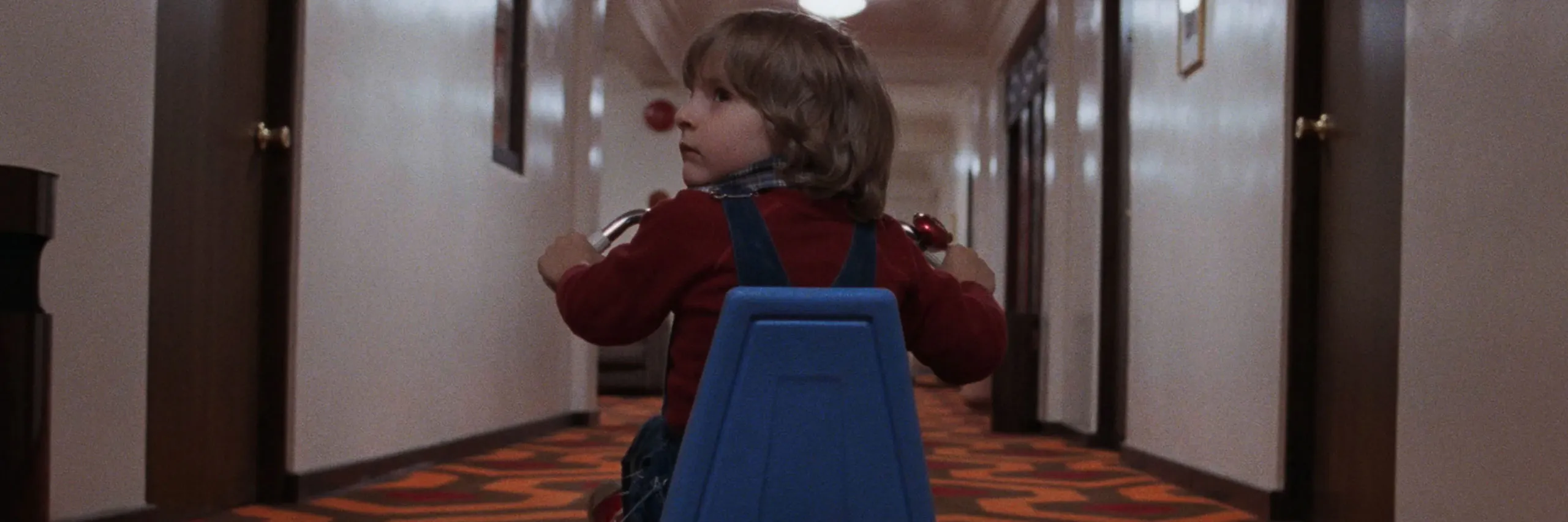
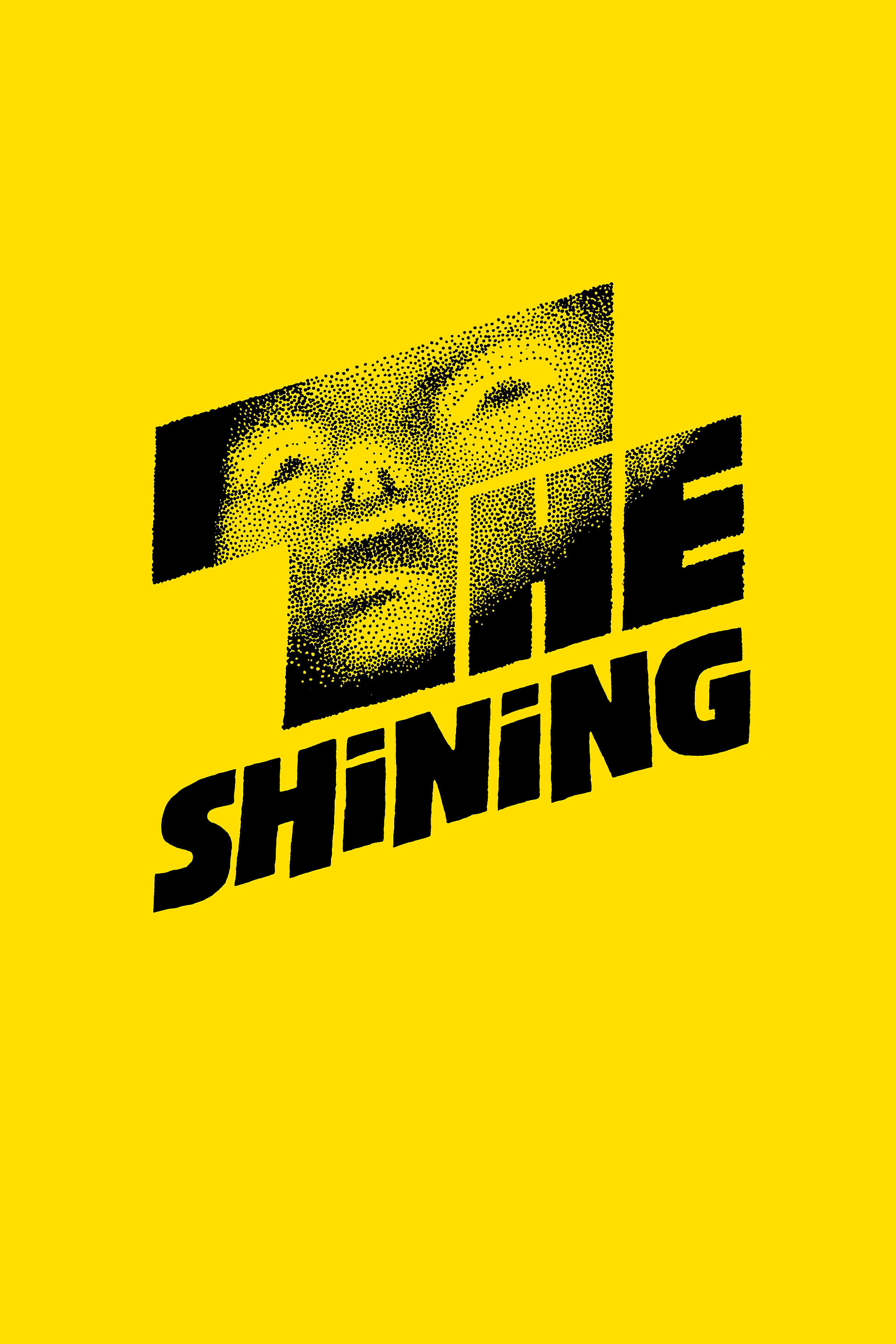
Stanley Kubrick's The Shining (1980) transformed the Overlook Hotel into perhaps cinema's most famous haunted space. The hotel wants Danny and his psychic abilities; it uses Jack's alcoholism and isolation as tools to achieve its ends. The building is simultaneously beautiful and malevolent, its long corridors and vast empty spaces creating a claustrophobia of scale; Mike Flanagan's Doctor Sleep (2019) returned Danny to the Overlook decades later. John Carpenter's Christine (1983), a Stephen King adaptation, ran the form as haunted-vehicle horror — the malevolent place was a 1958 Plymouth Fury. The Spanish contribution to the form runs through Guillermo del Toro's Civil-War-orphanage The Devil's Backbone (2001) and J. A. Bayona's The Orphanage (2007).
The contemporary haunted-place film extends across institutional settings: Brad Anderson's Session 9 (2001) (an abandoned Massachusetts asylum), Steve Beck's Ghost Ship (2002) (haunted ocean liner), Christophe Gans's Silent Hill (2006) (haunted American town as videogame adaptation), Mikael Håfström's 1408 (2007) (haunted Stephen King hotel room), John Erick Dowdle's Quarantine (2008) (apartment-building lockdown) and As Above, So Below (2014) (Paris catacombs), Colin Minihan's Grave Encounters (2011) (found-footage asylum), Ti West's The Innkeepers (2011) (final-night Connecticut hotel), David Prior's The Empty Man (2020). The subgenre works because it weaponizes the most basic human need — shelter — and turns the place meant to protect you into the thing you need protection from.
Essential Films
Carnival of Souls
The Haunting
The Stone Tape
The Sentinel
The Shining

The Awakening
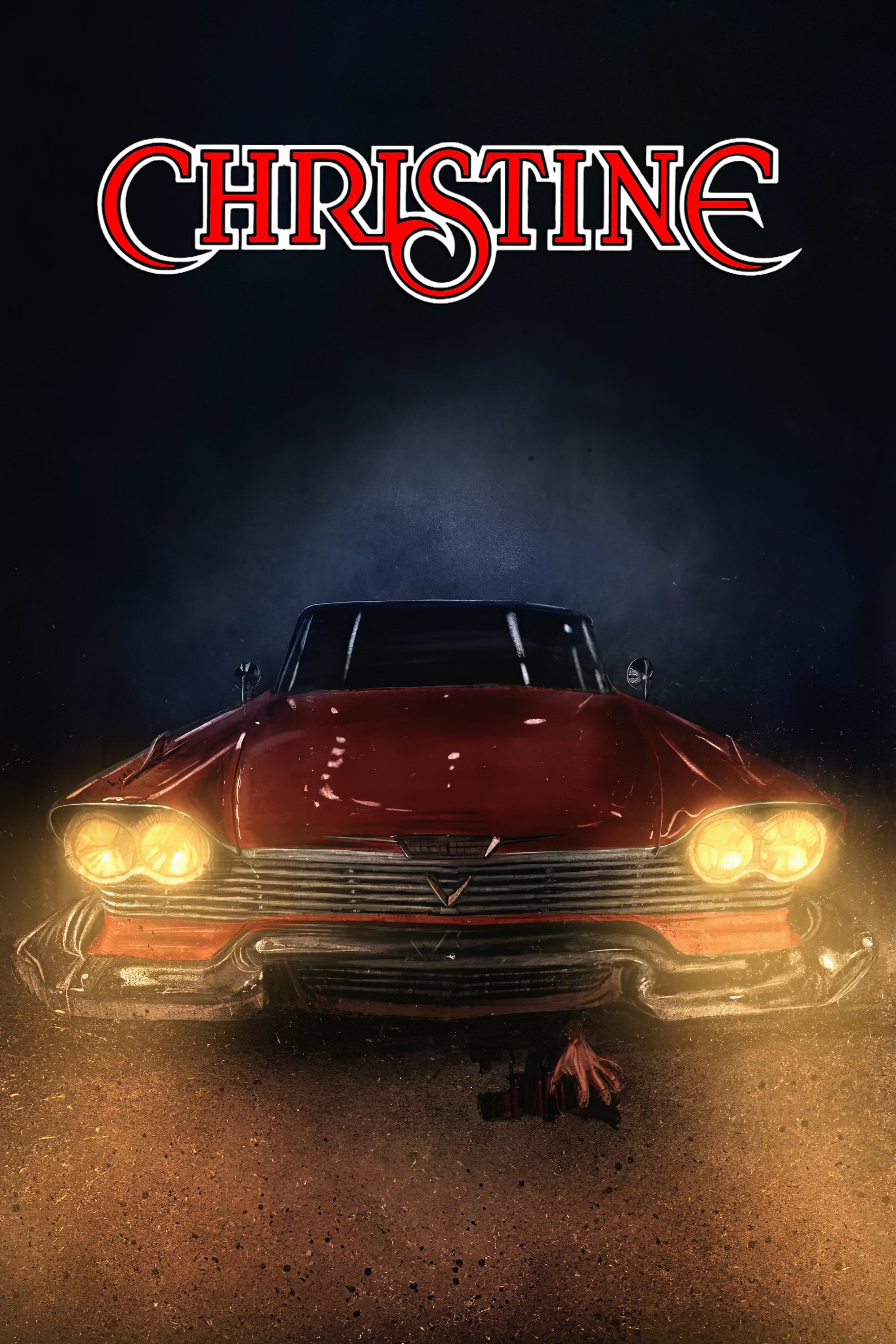
Christine
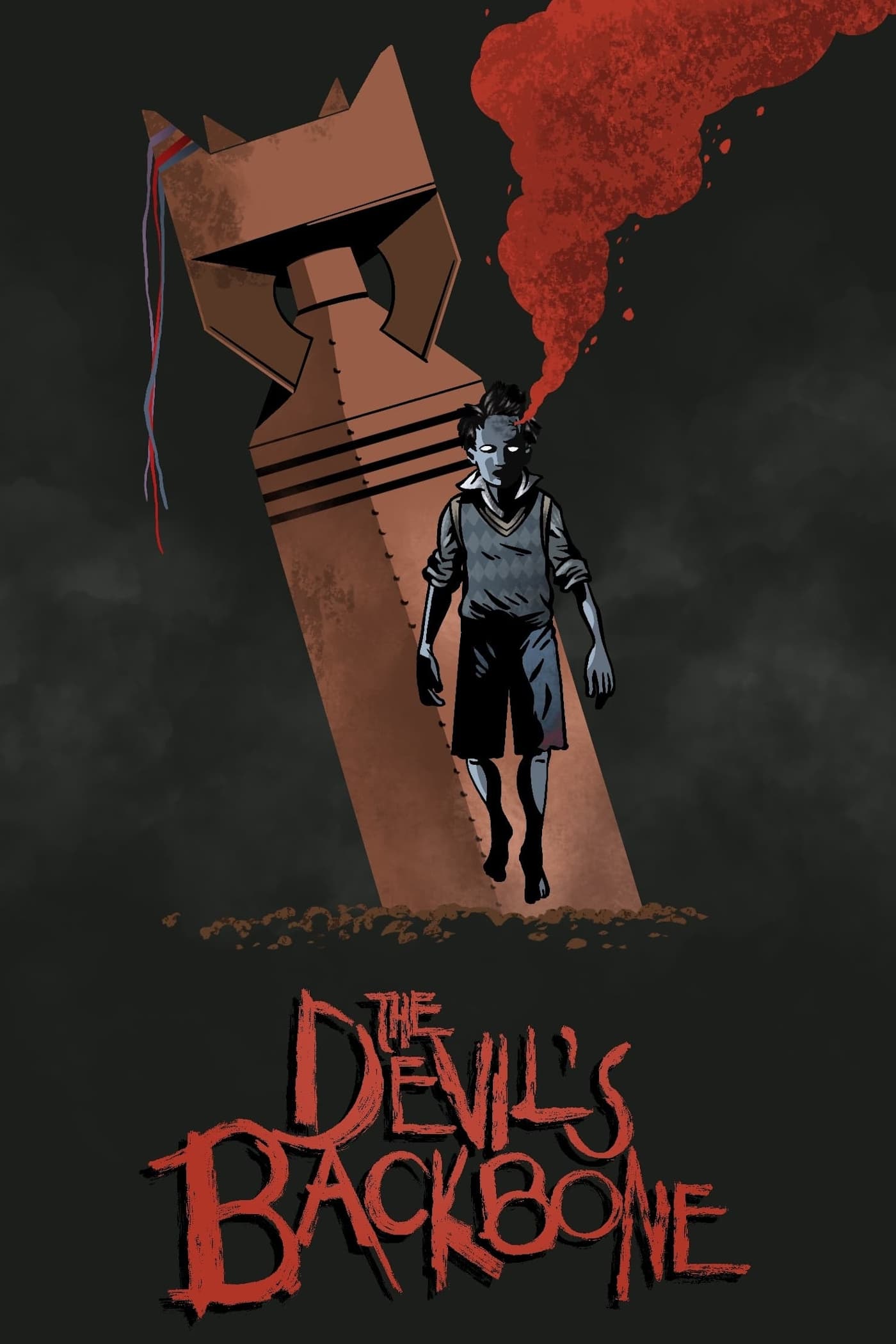
The Devil's Backbone
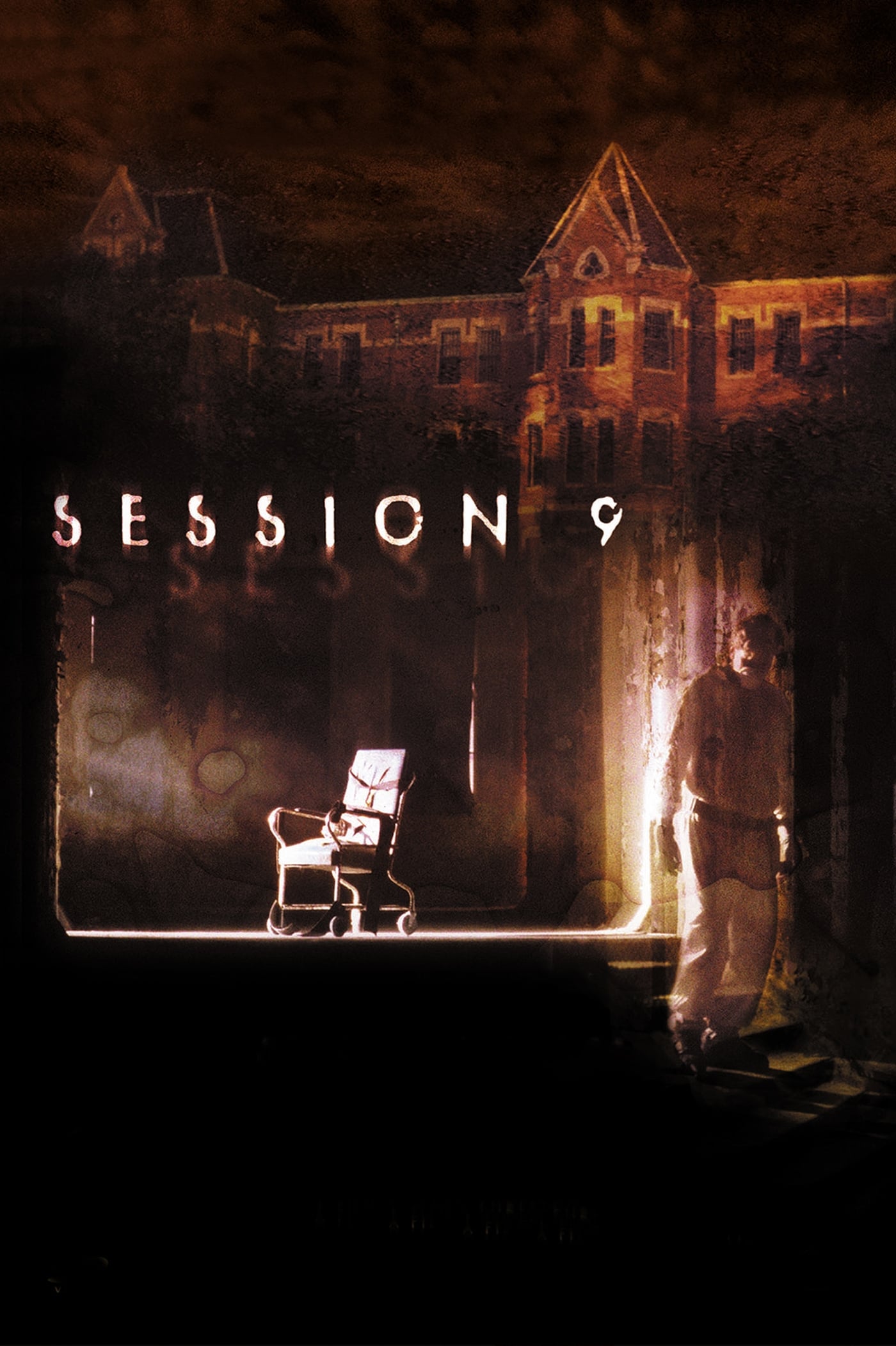
Session 9
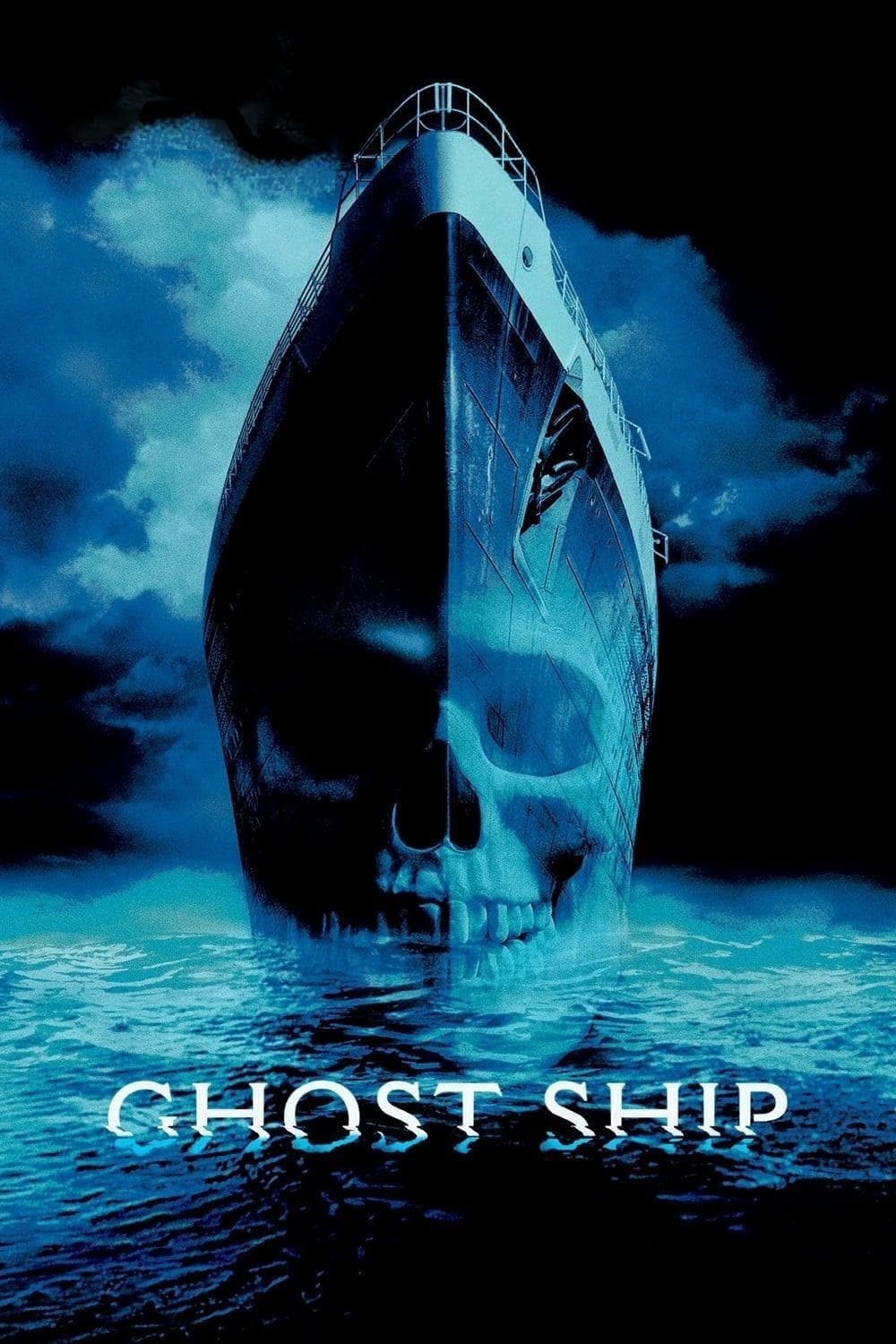
Ghost Ship
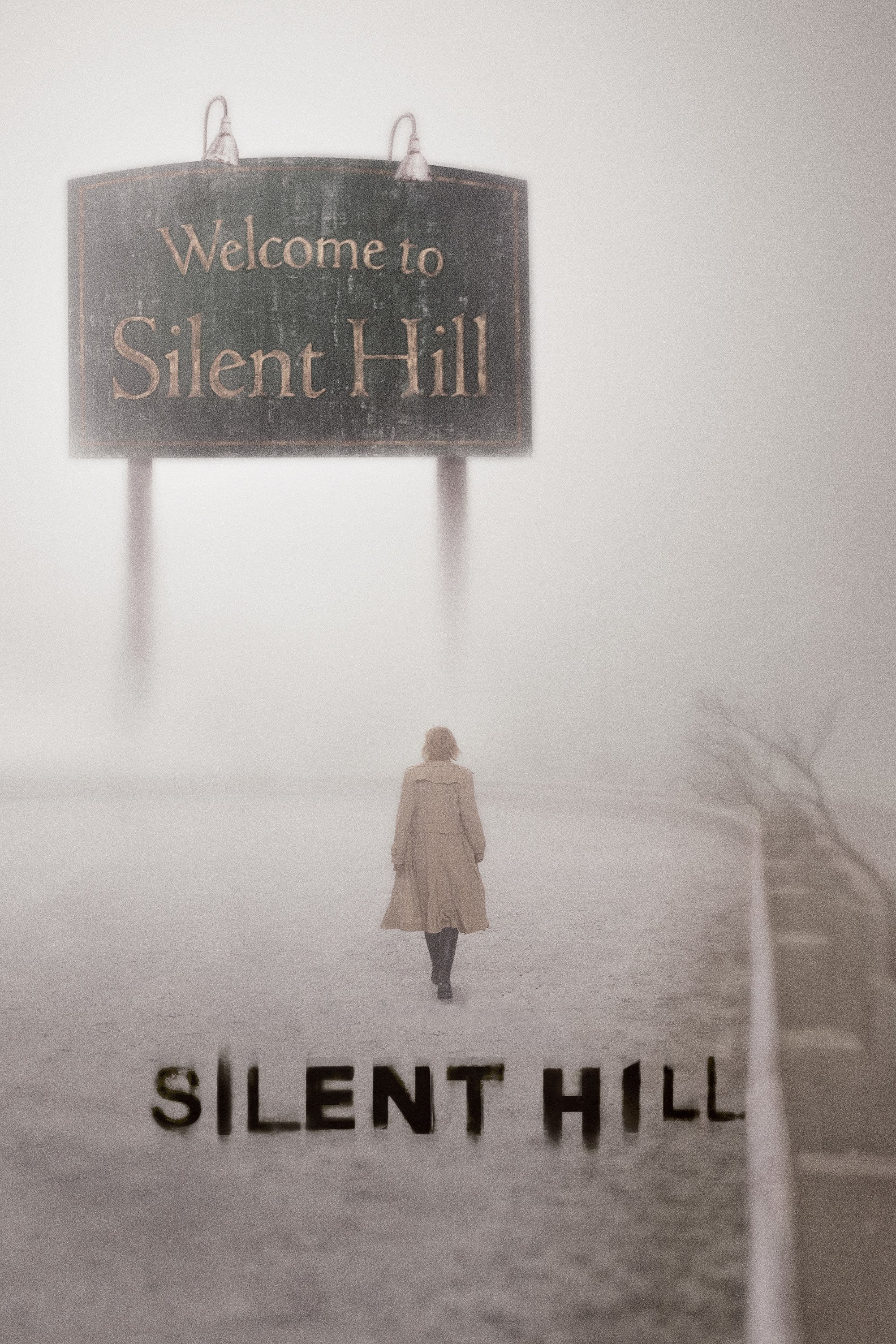
Silent Hill
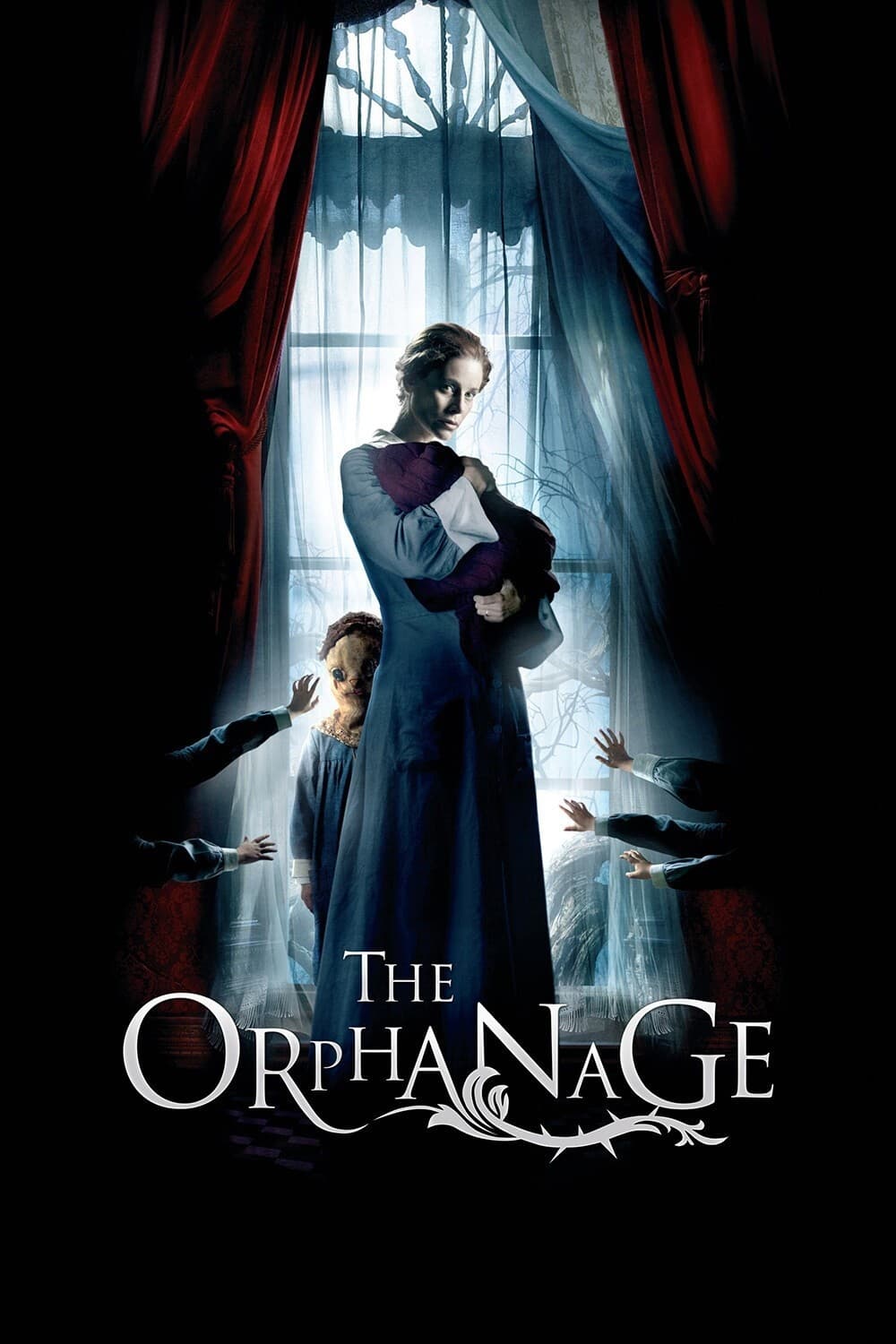
The Orphanage

1408
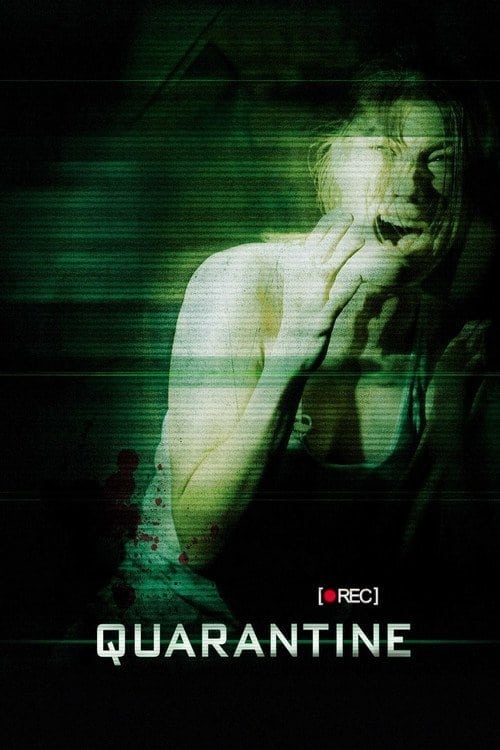
Quarantine
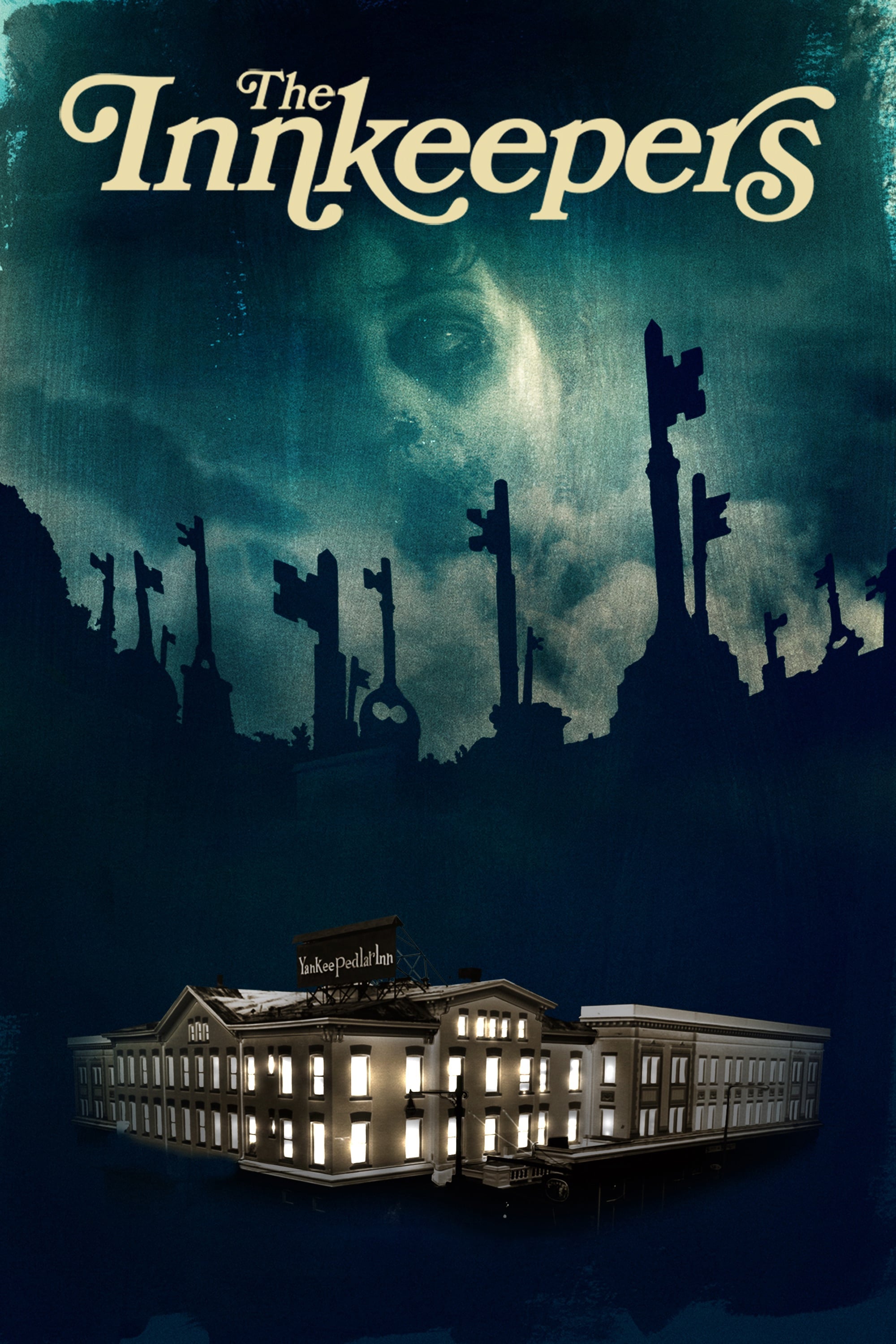
The Innkeepers
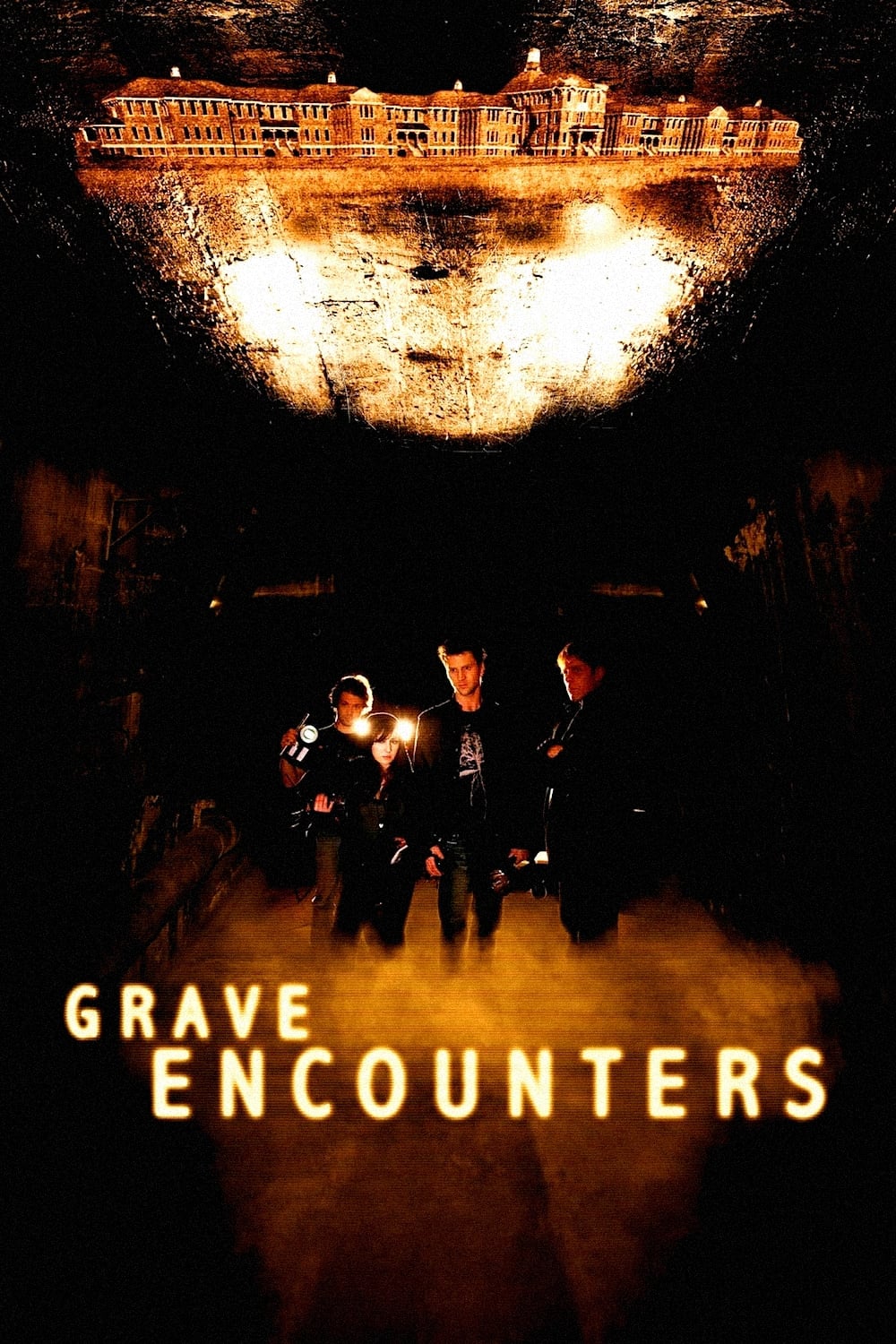
Grave Encounters
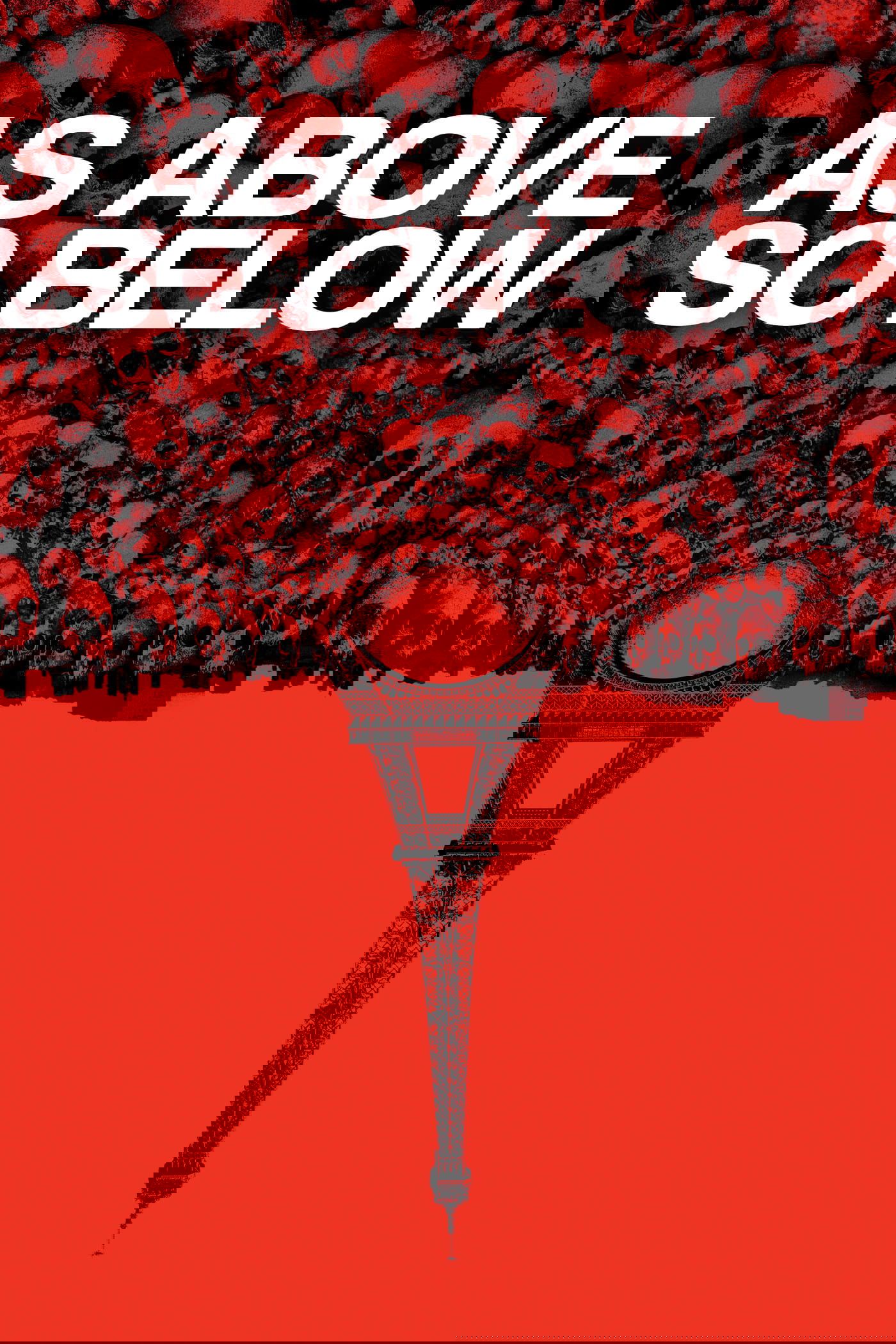
As Above, So Below
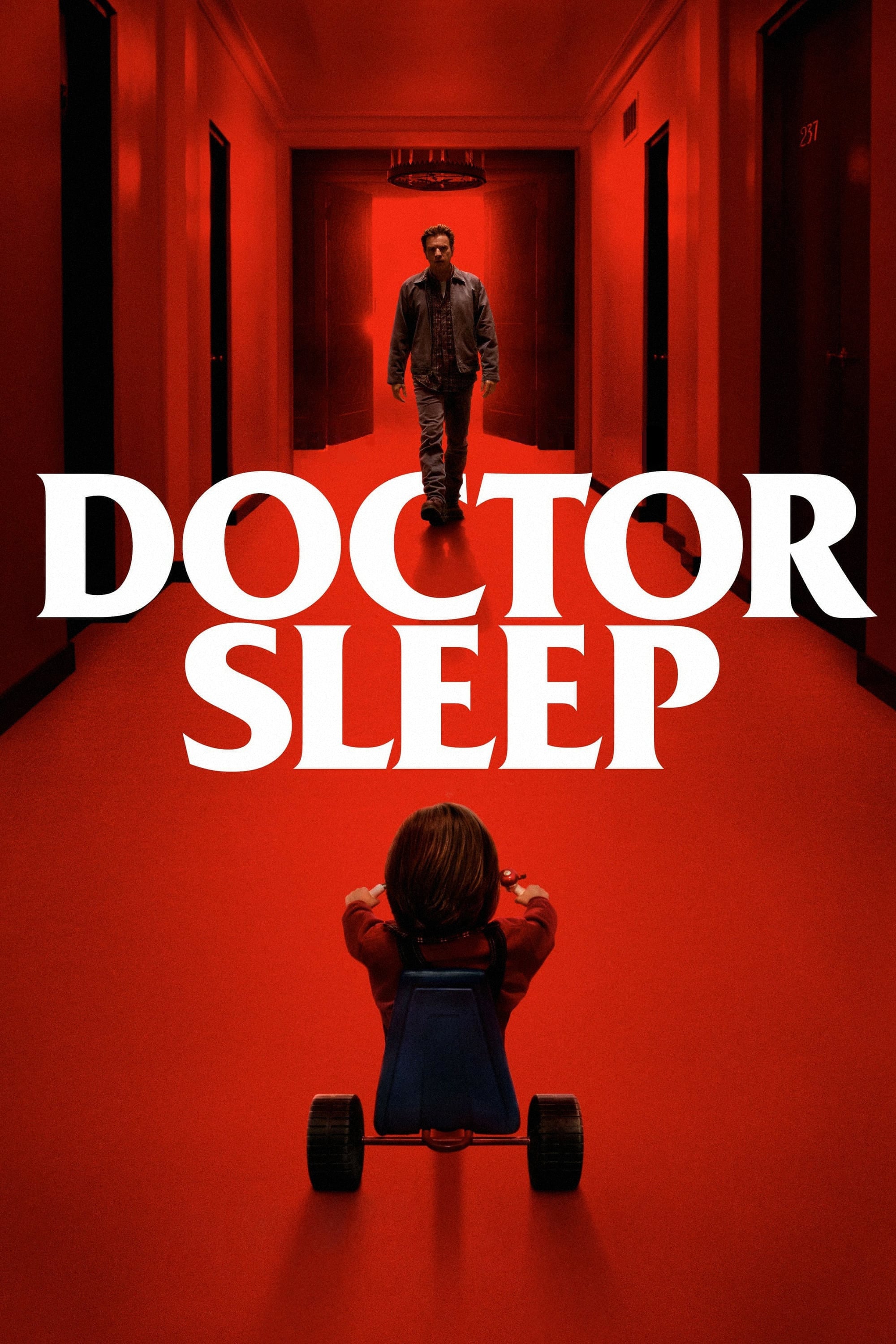
Doctor Sleep
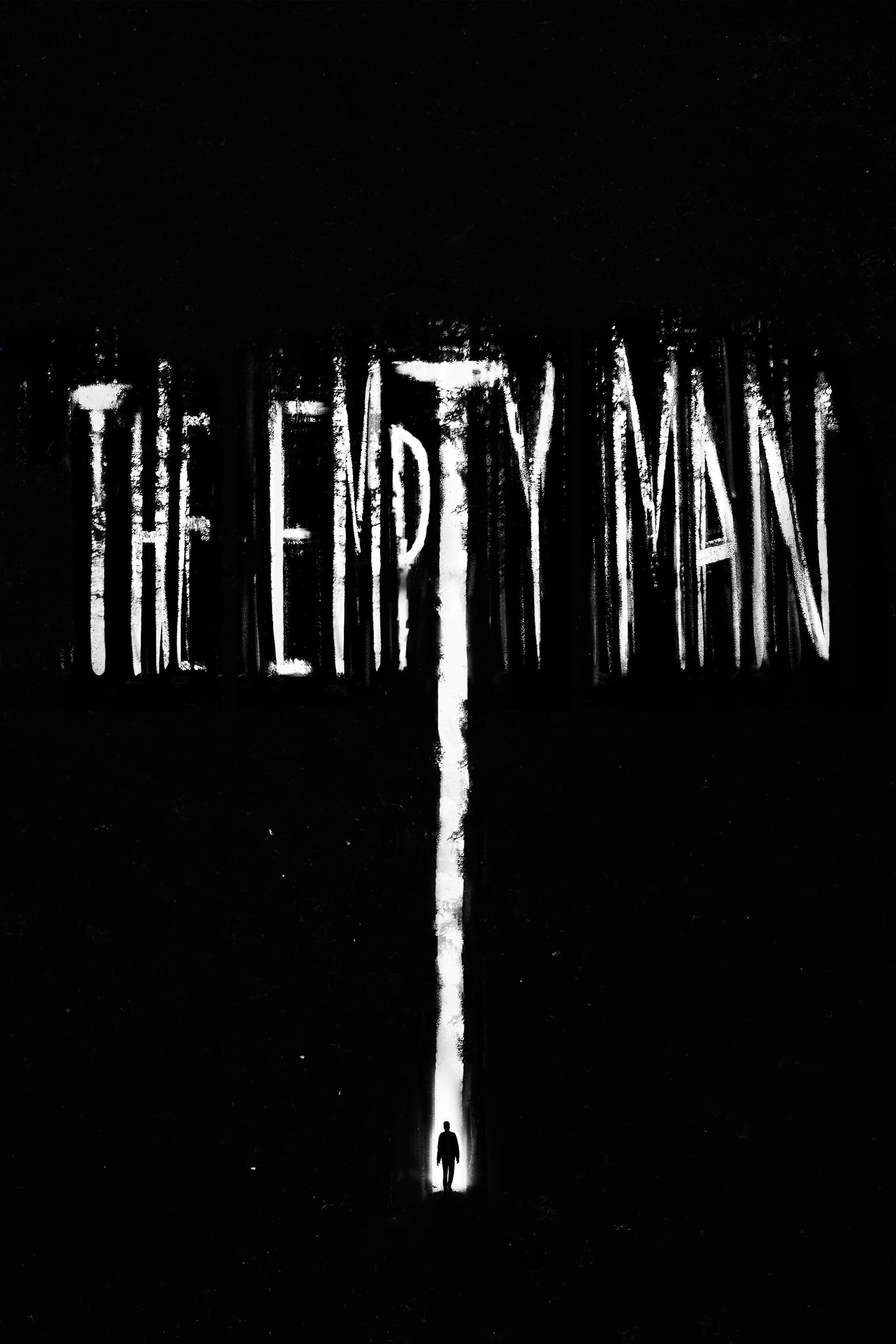
The Empty Man
Statistics
Popularity by Decade
Share of each decade's horror films classified as Haunted Place. Counts films with at least 5 TMDB ratings, so very obscure titles are not represented.
Popularity by Country
Share of each country's horror output classified as Haunted Place. Counts films with at least 5 TMDB ratings, so very obscure titles are not represented.