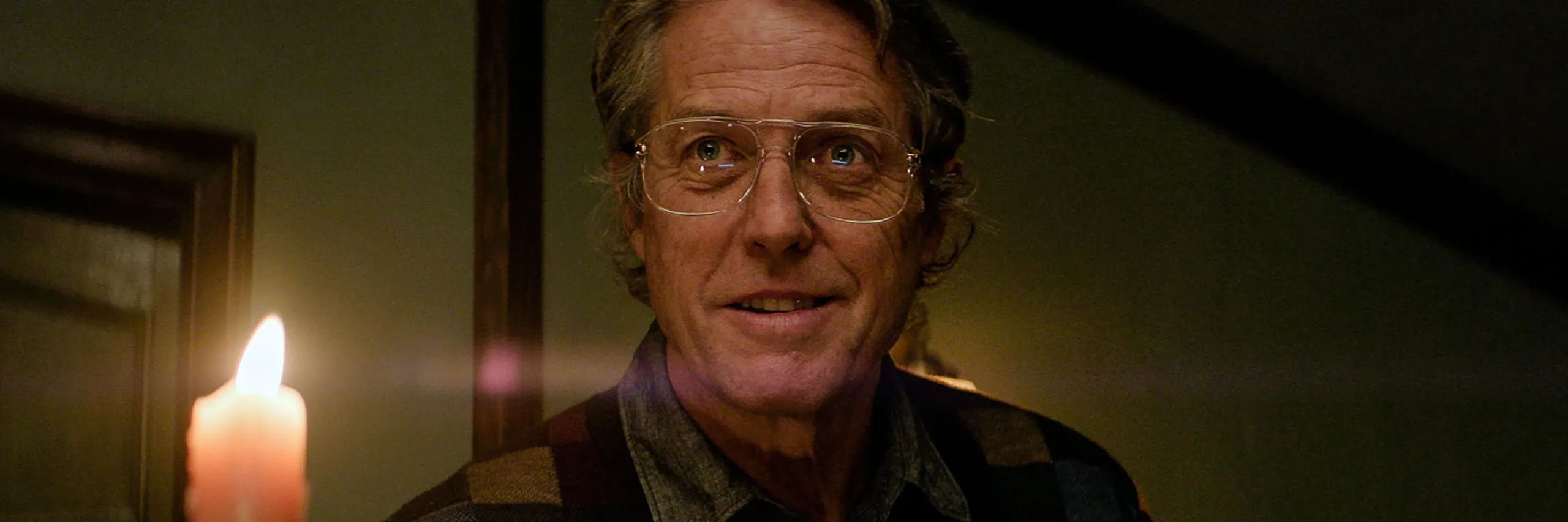
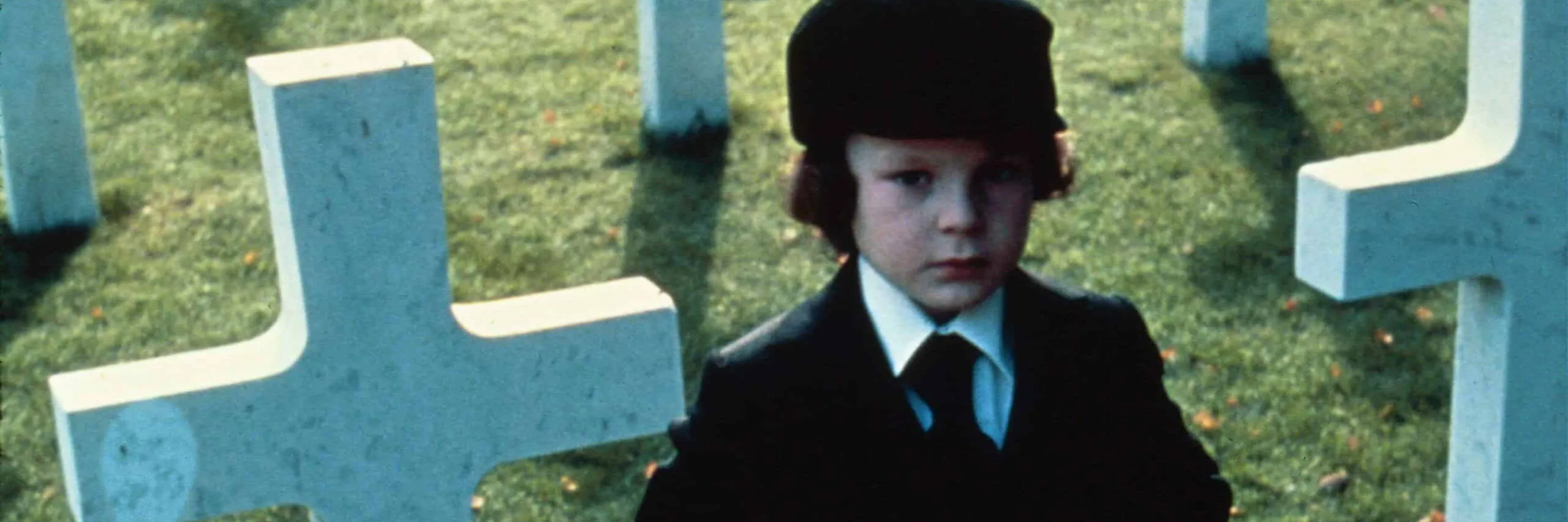
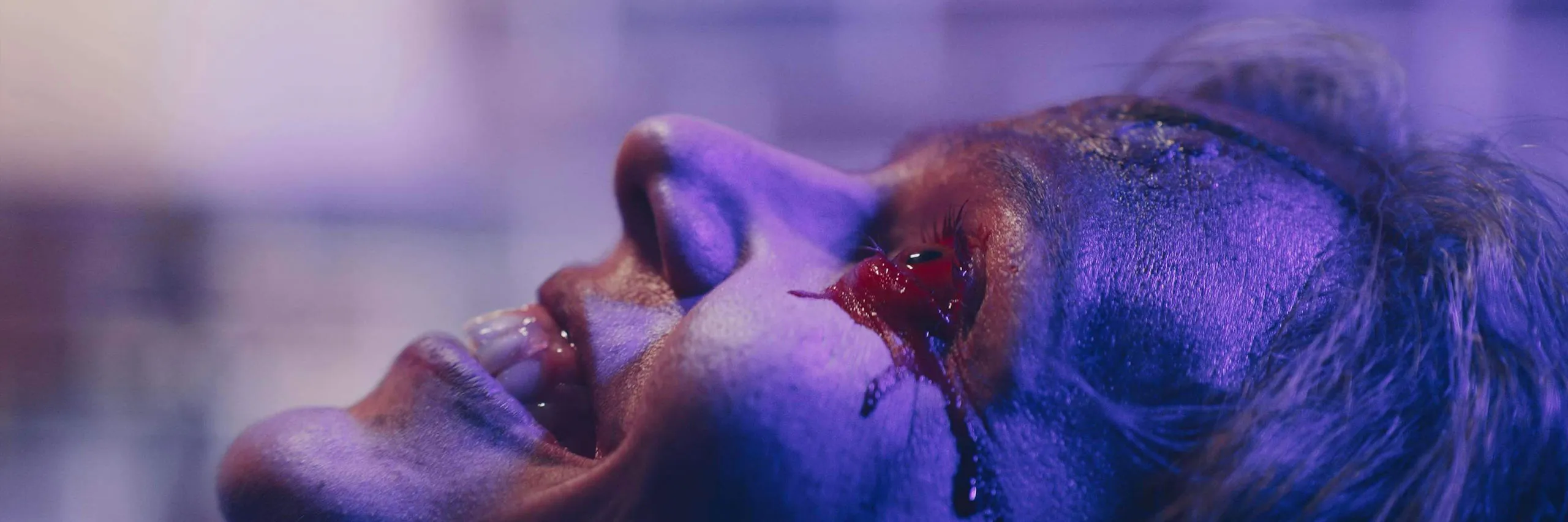
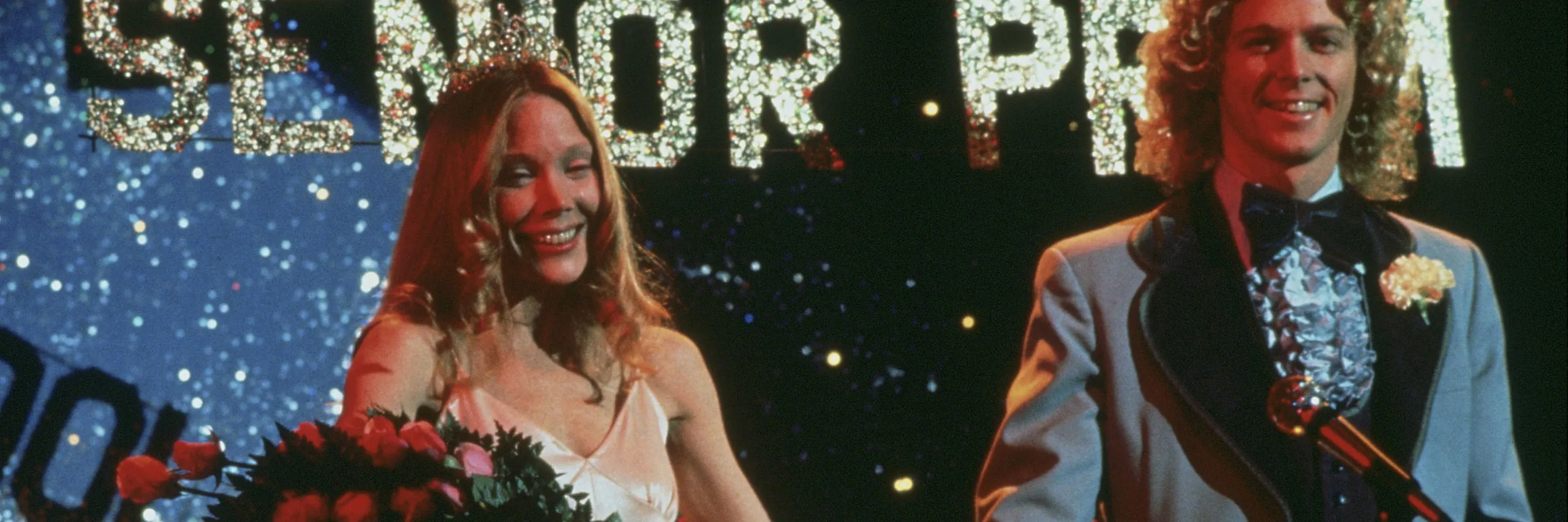
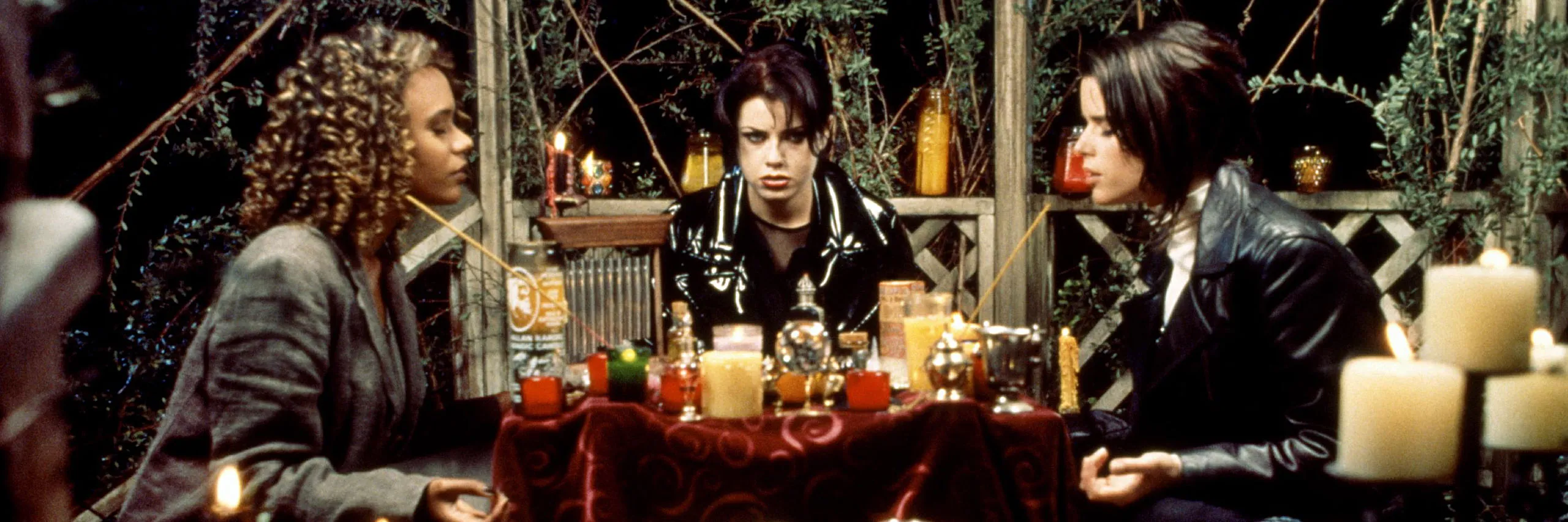
 The Craft (1996)
Witchcraft
Humans who wield supernatural power. The fear of hidden knowledge, forbidden ritual, and people who have made bargains with forces the rest of us cannot see.
History & Origins
The witch occupies a complicated position in horror — part supernatural monster, part human, existing at the intersection of folklore, religion, and the history of persecution. Witches and sorcerers are not themselves supernatural beings, but they traffic in supernatural power. They have made deals, learned secrets, acquired abilities that set them apart from ordinary humanity. The horror of the witch is not just what she can do, but what her existence implies about the hidden operations of the world. The witch is also closely related to folk horror — both genres draw on pre-Christian belief and the persistence of the old ways — but the witchcraft film foregrounds the practitioner, while folk horror foregrounds the community.
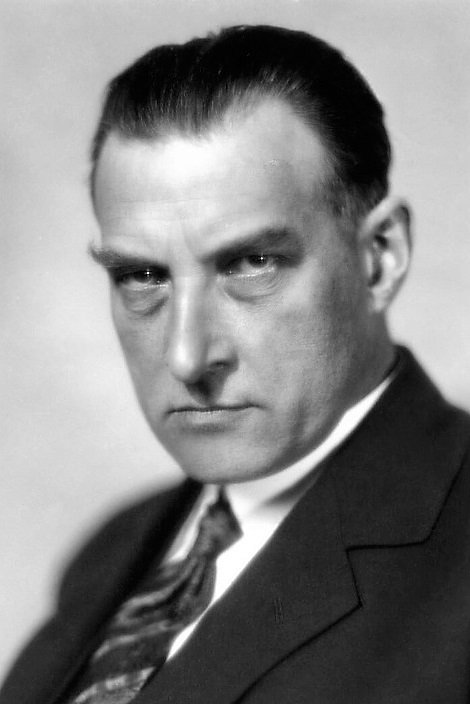
Benjamin Christensen's Häxan (1922) remains one of the most ambitious films ever made about witchcraft. Part documentary, part dramatization, it traced the history of witchcraft belief from medieval woodcuts through the persecution of the Inquisition, arguing that the women burned as witches were often simply those whom society found inconvenient. The film created an iconography — the cauldron, the broomstick, the Sabbath, the Devil's kiss — that horror cinema has drawn on ever since. Mario Bava's Black Sunday (1960) reinvented the form for Italian Gothic, with Barbara Steele as a resurrected witch out for revenge; John Llewellyn Moxey's The City of the Dead (1960) (with Christopher Lee) located a witch coven beneath a New England village.
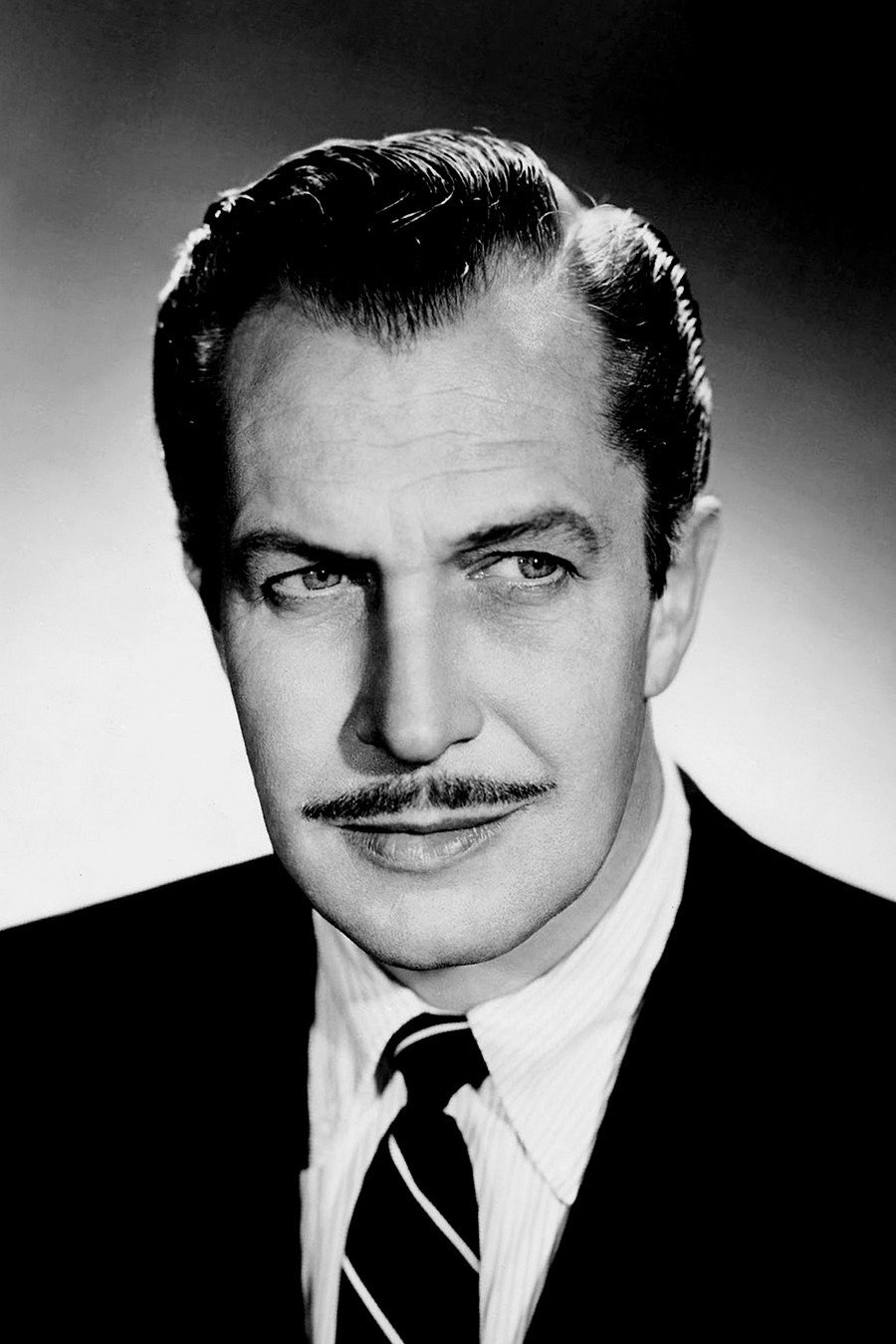
The persecution angle has produced its own enduring sub-strand. Jerzy Kawalerowicz's Mother Joan of the Angels (1961) (Poland) restated the Loudun convent possessions as devastating moral inquiry; Sidney Hayers's Night of the Eagle (1962) (also known as Burn Witch Burn) put domestic witchcraft into a British academic setting; Michael Reeves's Witchfinder General (1968), with Vincent Price as Matthew Hopkins, became the founding film of folk horror and one of the most clear-eyed accounts of witchcraft persecution ever filmed. Michael Armstrong's Mark of the Devil (1970) pushed the persecution-horror beat to exploitation extremes. This ambiguity — are the witches real, or is the real horror the persecution itself? — runs through the finest witchcraft films.
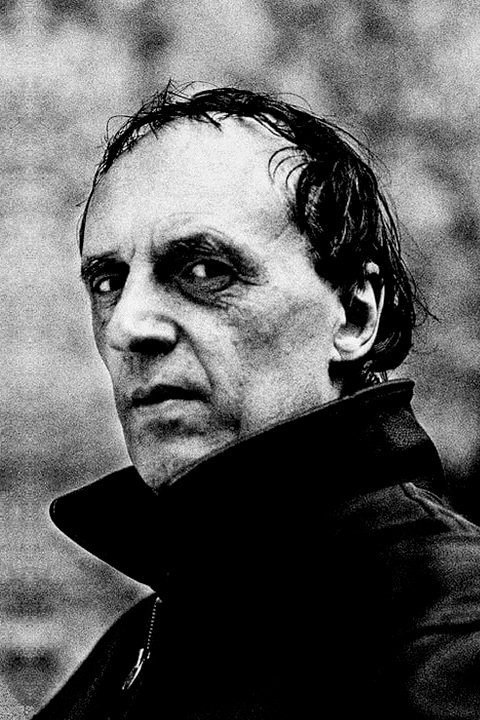
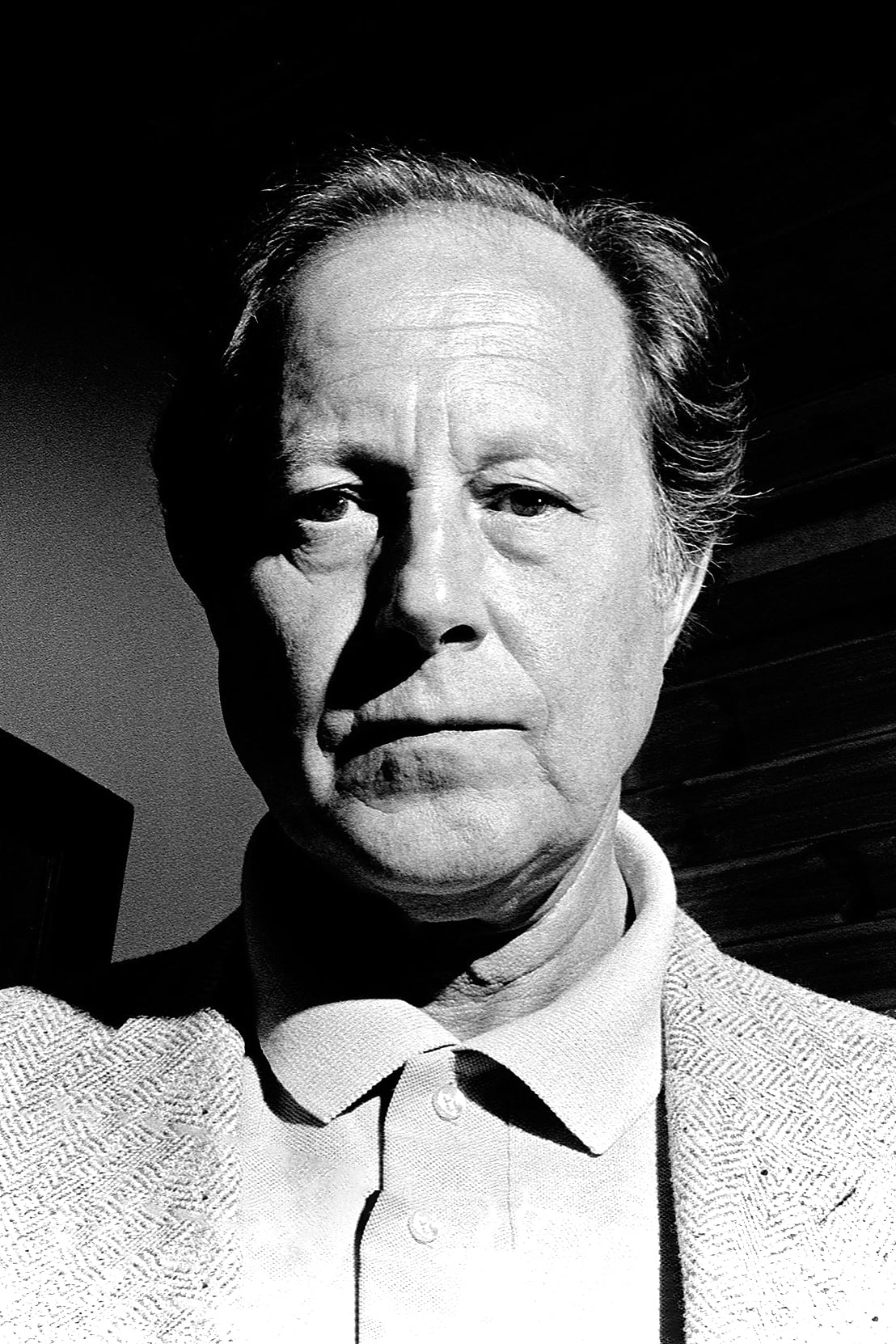
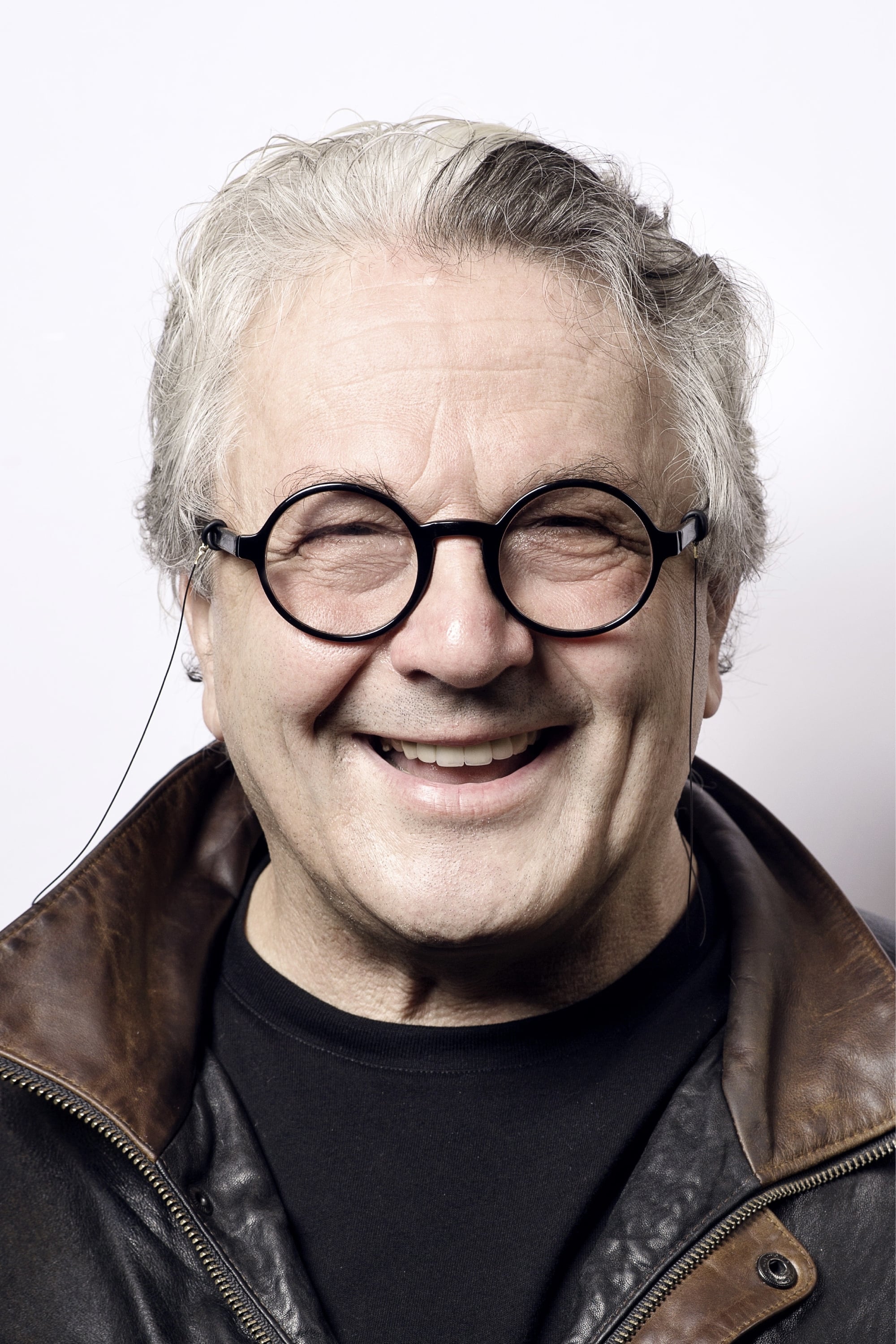
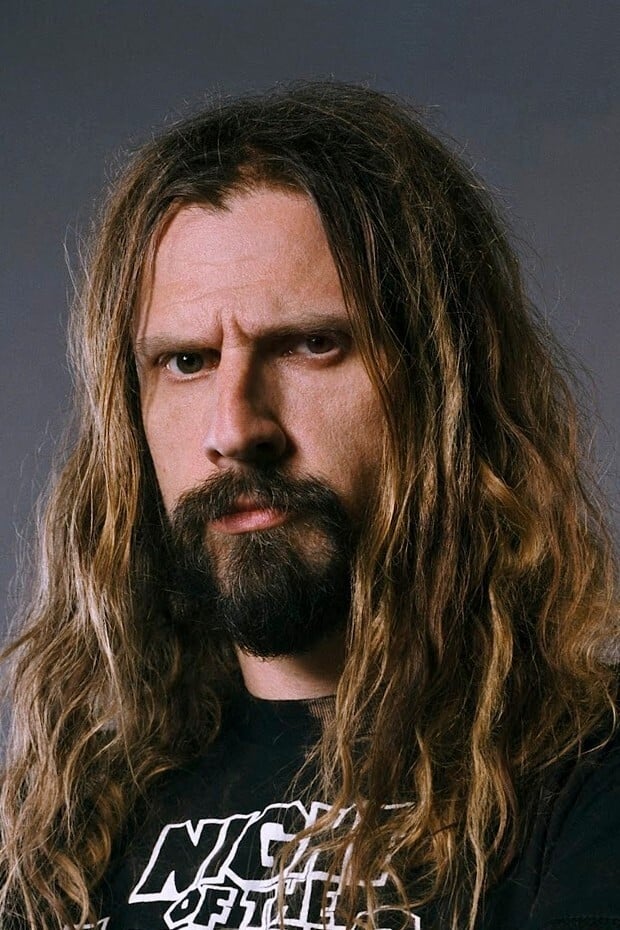
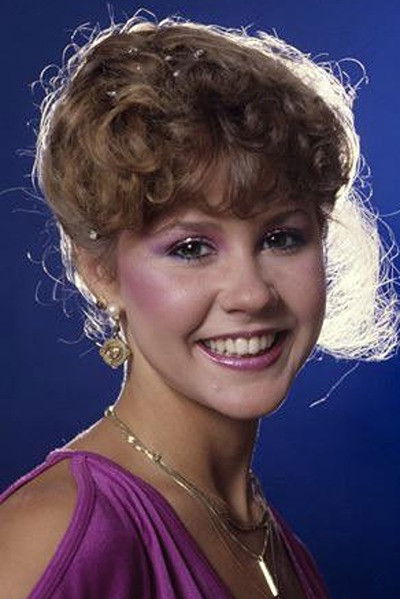
Dario Argento's Suspiria (1977) reimagined the witch as the architect of sensory nightmare — the Three Mothers living in beautiful buildings designed to contain and channel their power; Inferno (1980) extended the trilogy with the Manhattan setting. George Miller's The Witches of Eastwick (1987) and Nicolas Roeg's Dahl-adapted The Witches (1990) kept the form viable as mainstream cinema. The Blair Witch Project (1999) never shows its witch but makes the found-footage forest itself feel like an expression of her malevolence; The Craft (1996) ran the teen-witch coven. The 2010s revival has been the genre's most concentrated wave since the Devil-cycle: Robert Eggers's The Witch (2016) committed fully to seventeenth-century Puritan worldview, presenting witchcraft as real, terrifying, and ultimately seductive; Anna Biller's The Love Witch (2016) ran the form as Technicolor occult-melodrama; Luca Guadagnino's Suspiria (2018) reworked Argento around political-historical witchcraft; Ari Aster's Hereditary (2018) ran Paimon-cult inherited-witchcraft as family trauma; Osgood Perkins's Gretel & Hansel (2020) restated the fairy-tale witch; Goran Stolevski's You Won't Be Alone (2022) restated the form as Balkan-folklore body-swap. André Øvredal's The Autopsy of Jane Doe (2016) ran the witch-as-revelation premise as autopsy-procedural; Rob Zombie's The Lords of Salem (2013) as occult-rock psychedelia. The witchcraft film continues to evolve — each generation finds new shapes for the practitioner of forbidden knowledge.
Essential Films
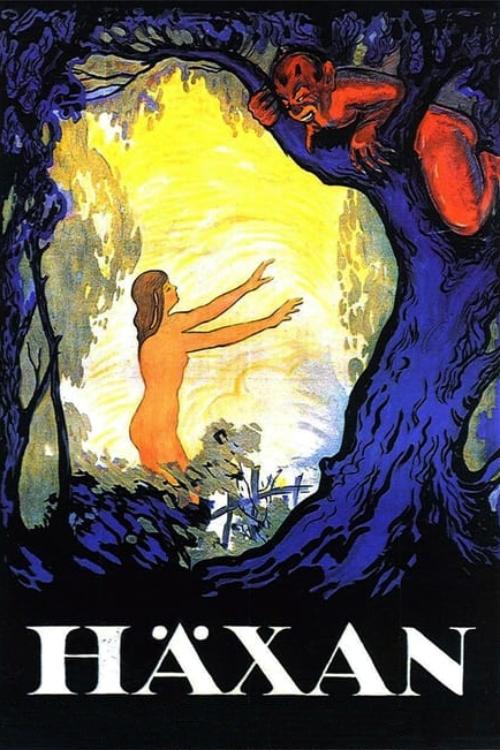
Häxan
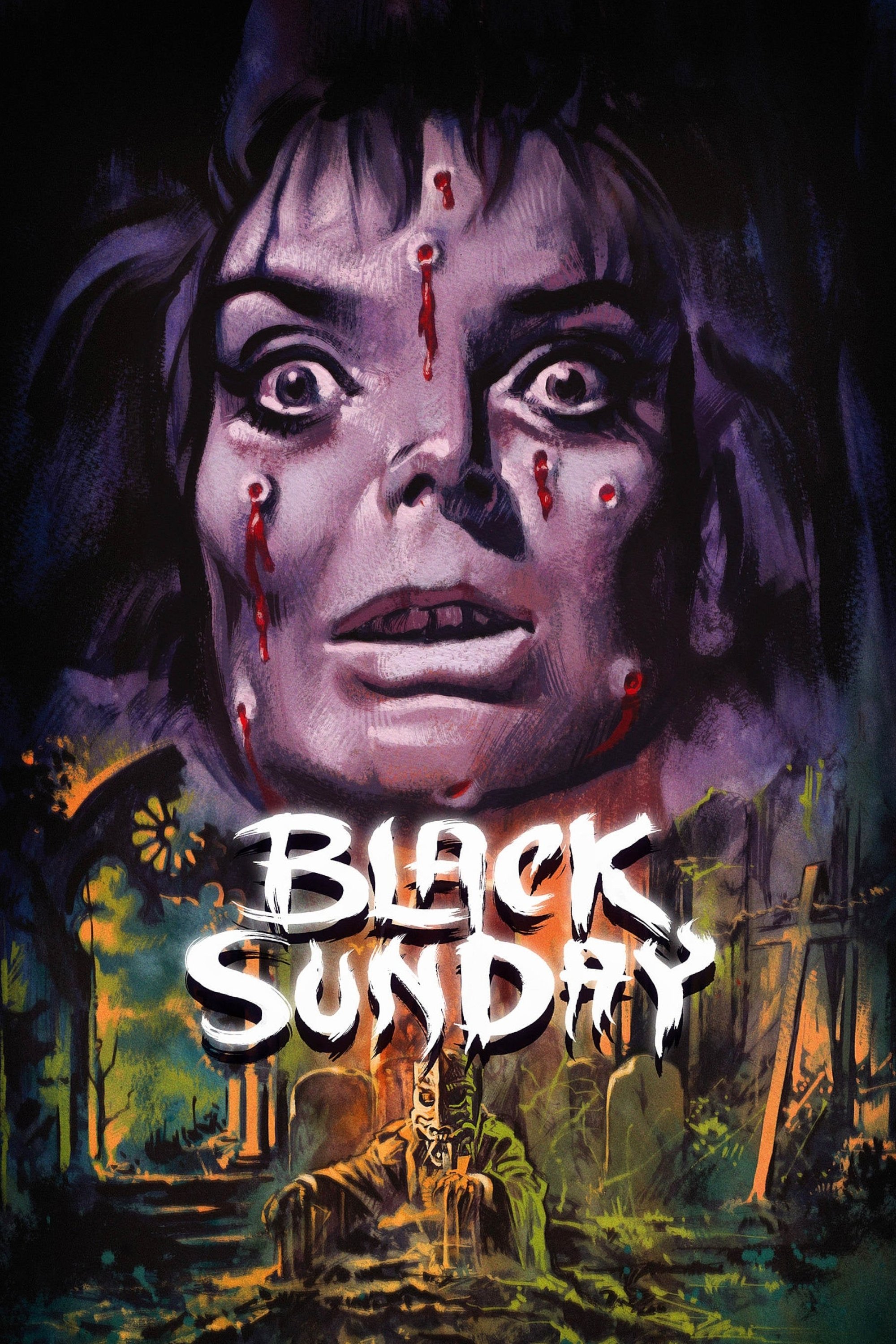
Black Sunday
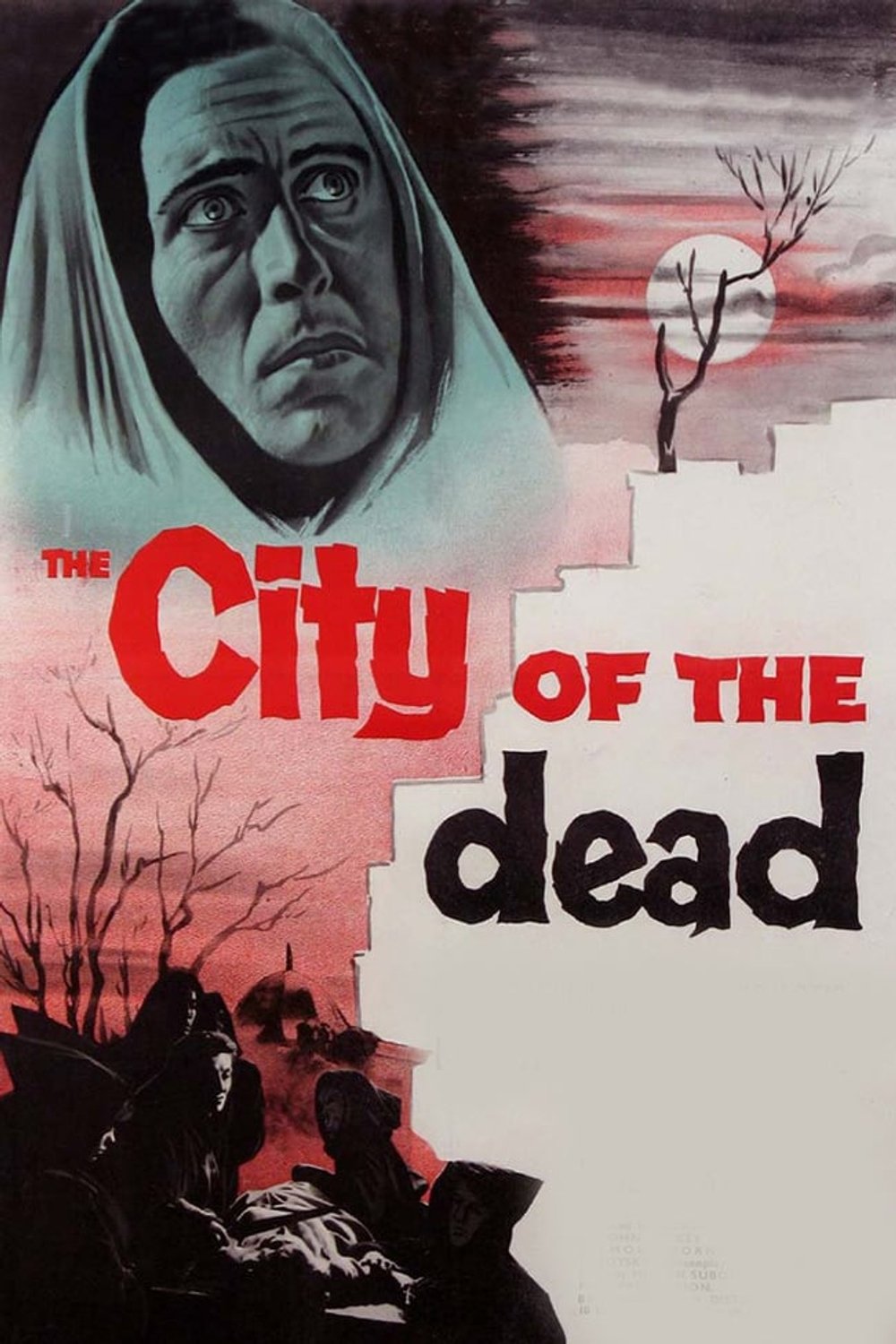
The City of the Dead
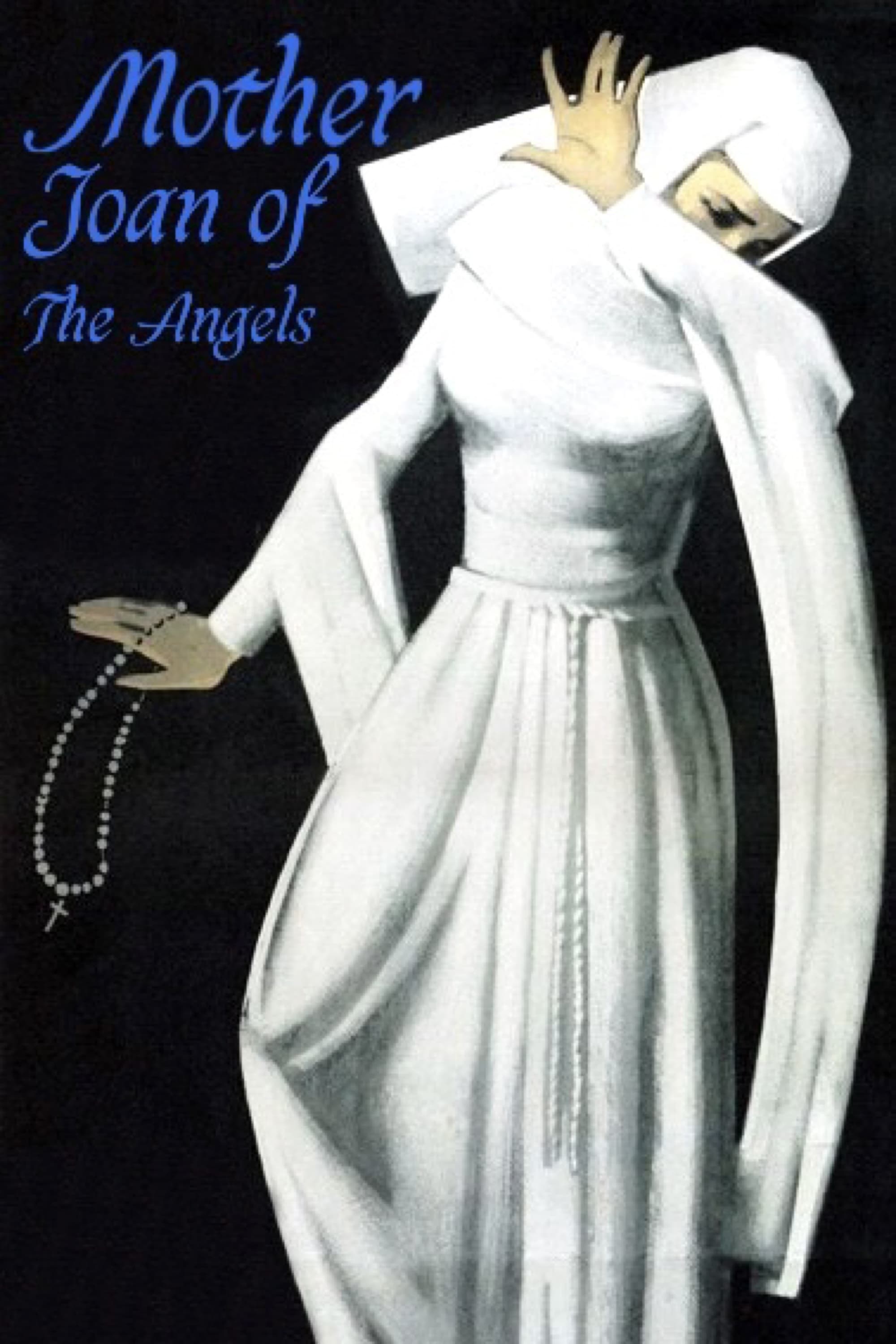
Mother Joan of the Angels
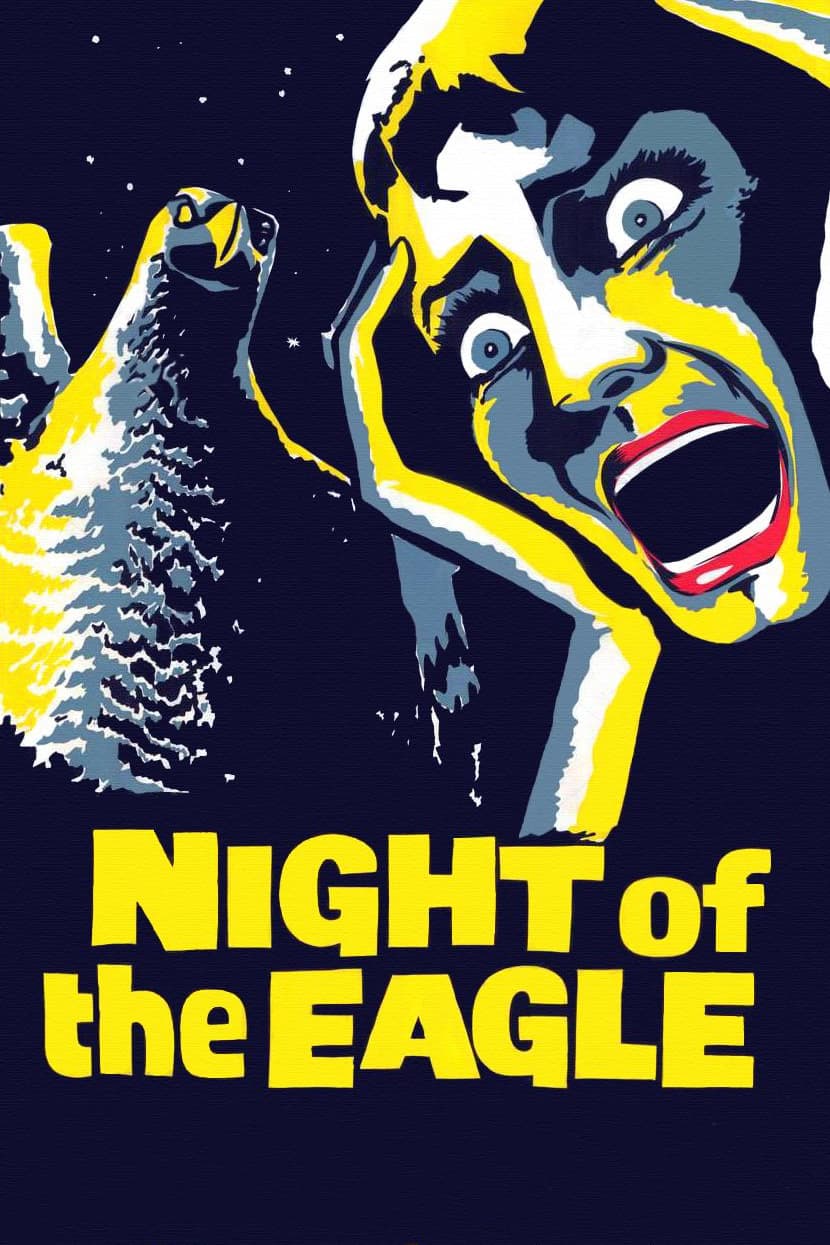
Night of the Eagle
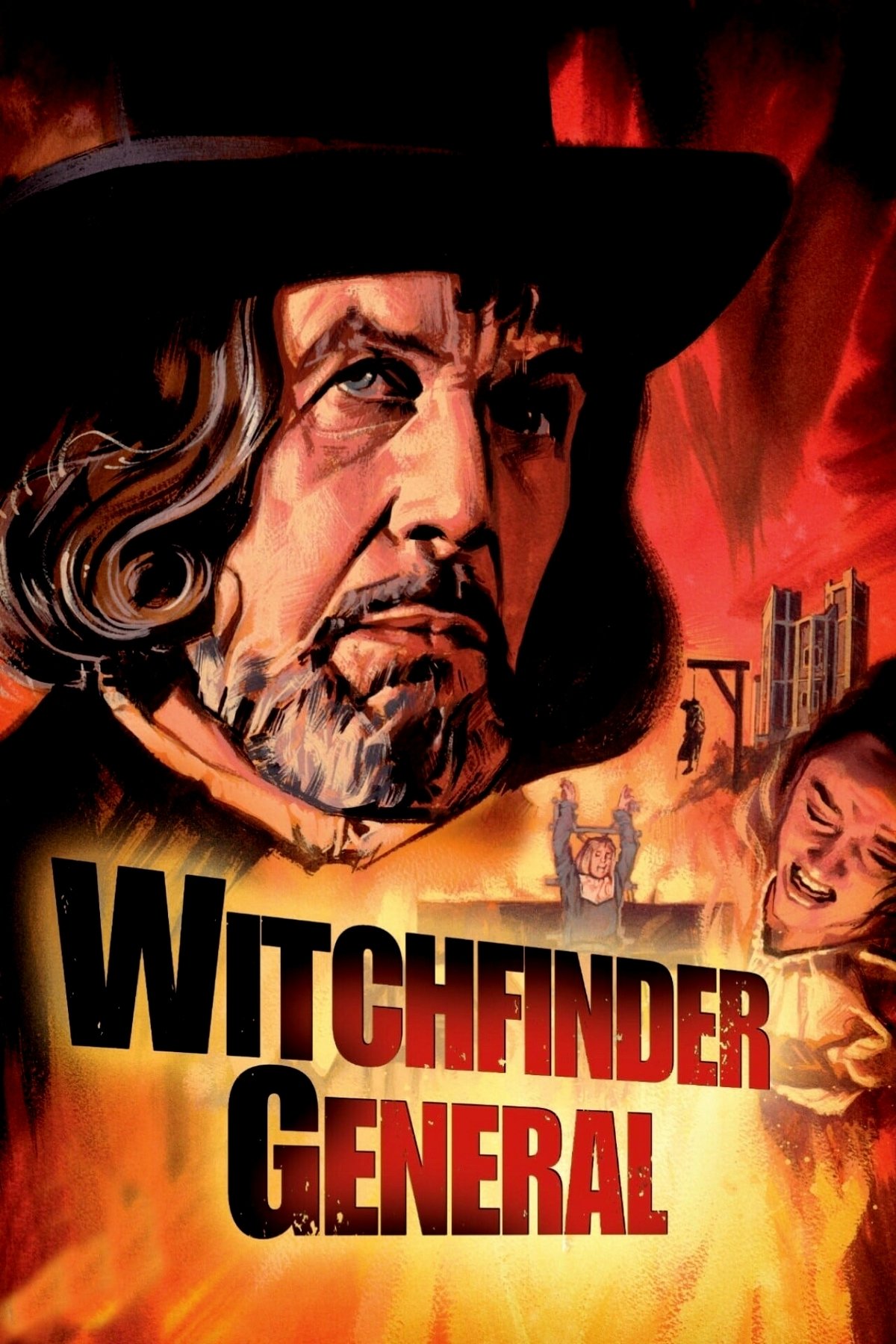
Witchfinder General
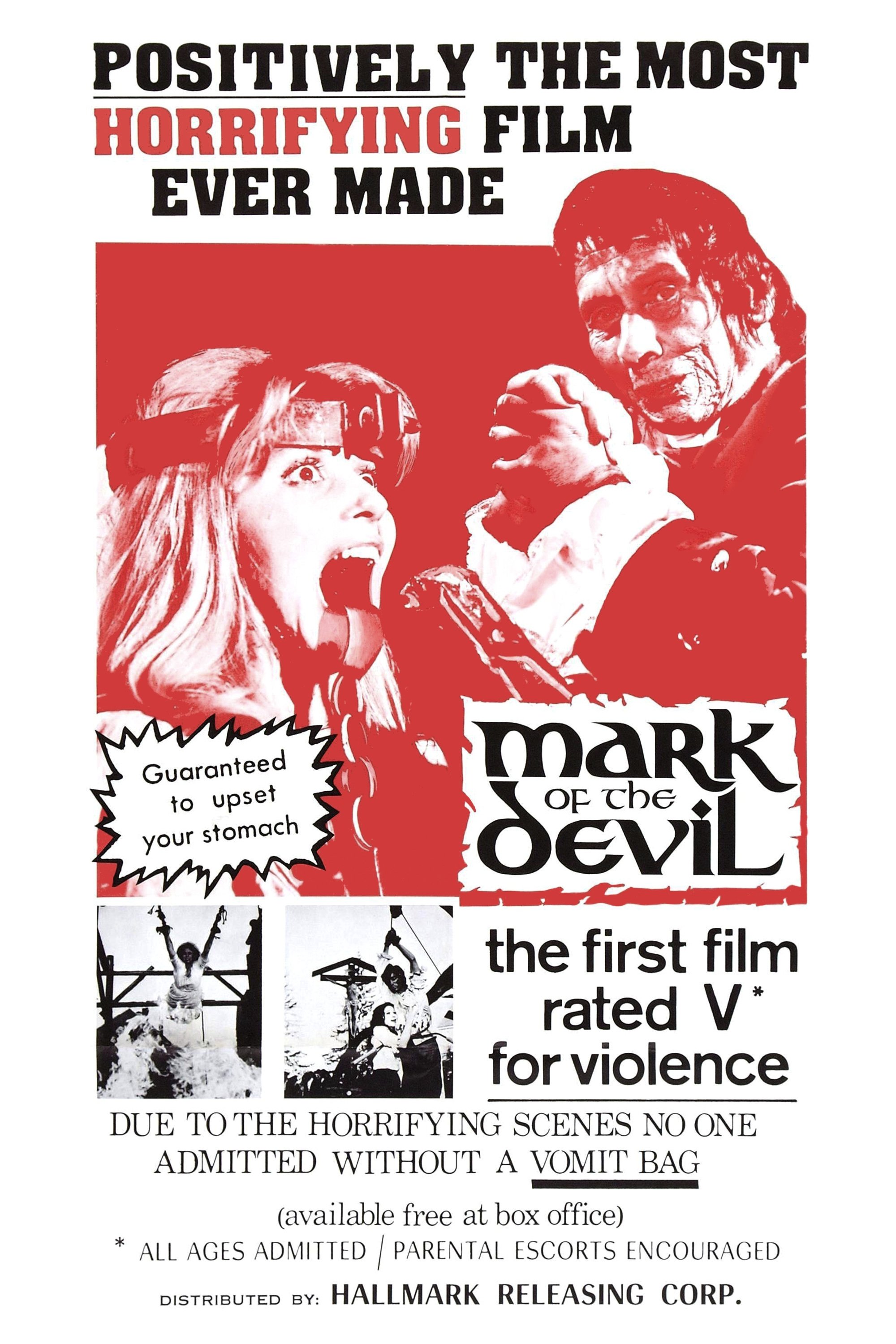
Mark of the Devil
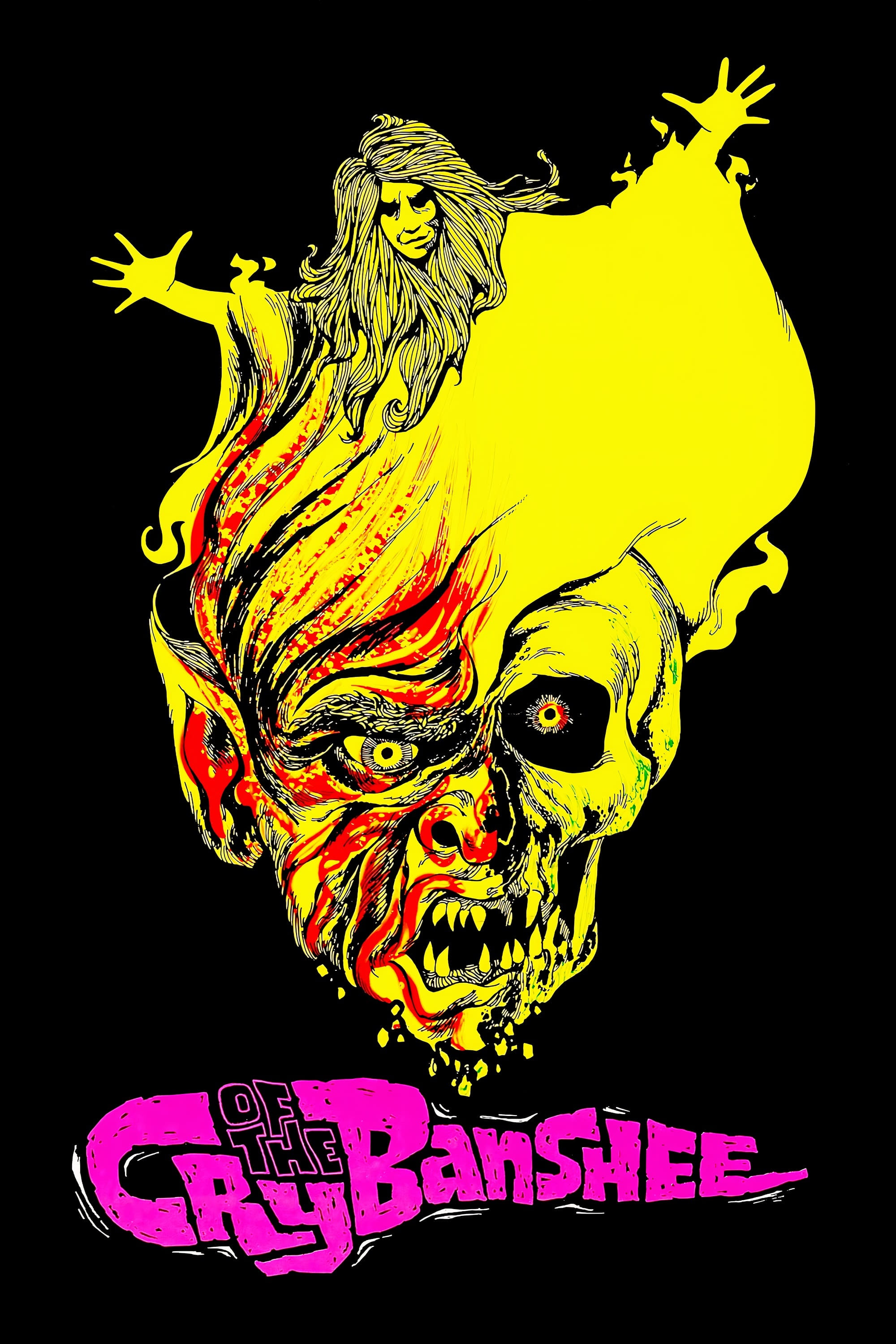
Cry of the Banshee
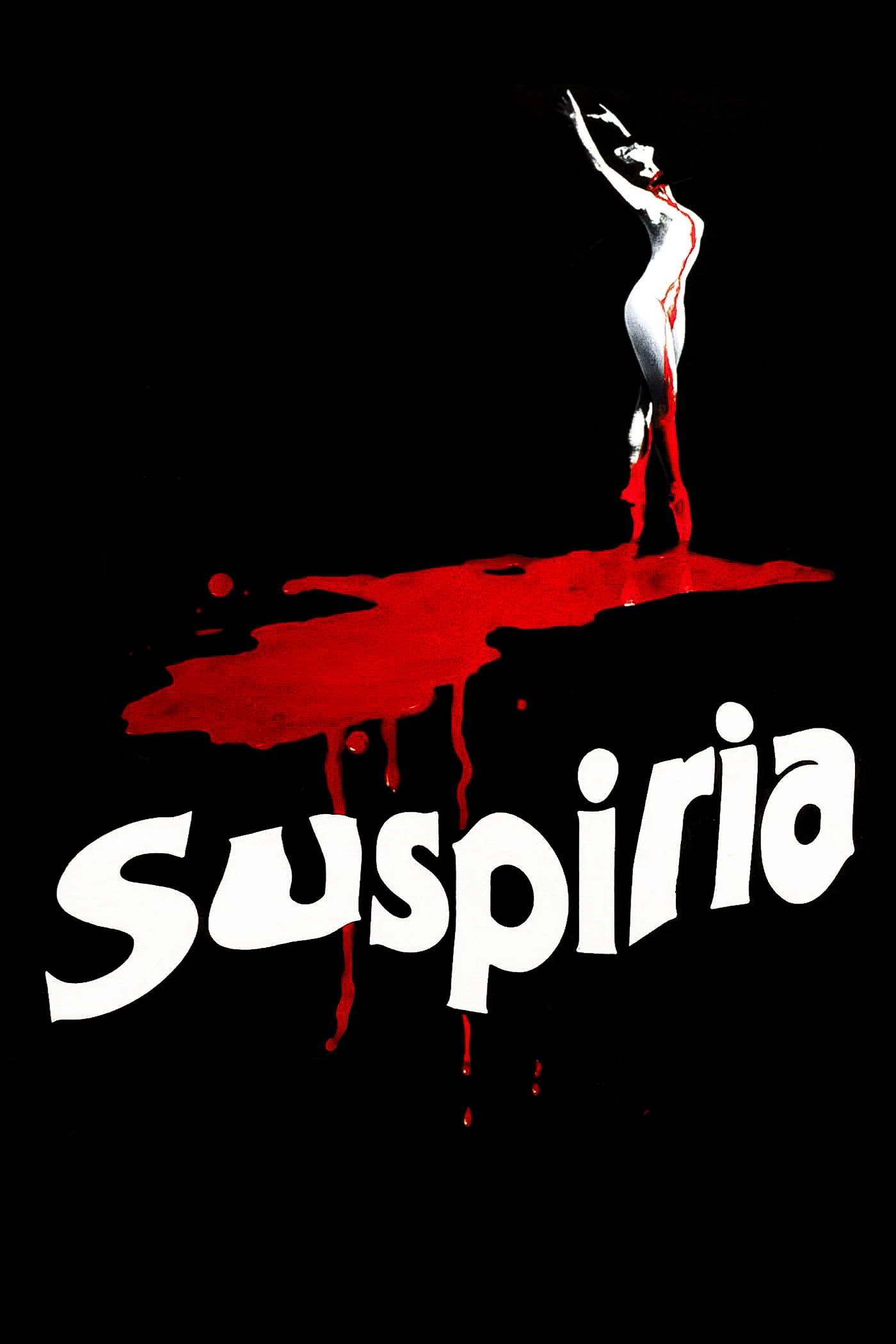
Suspiria
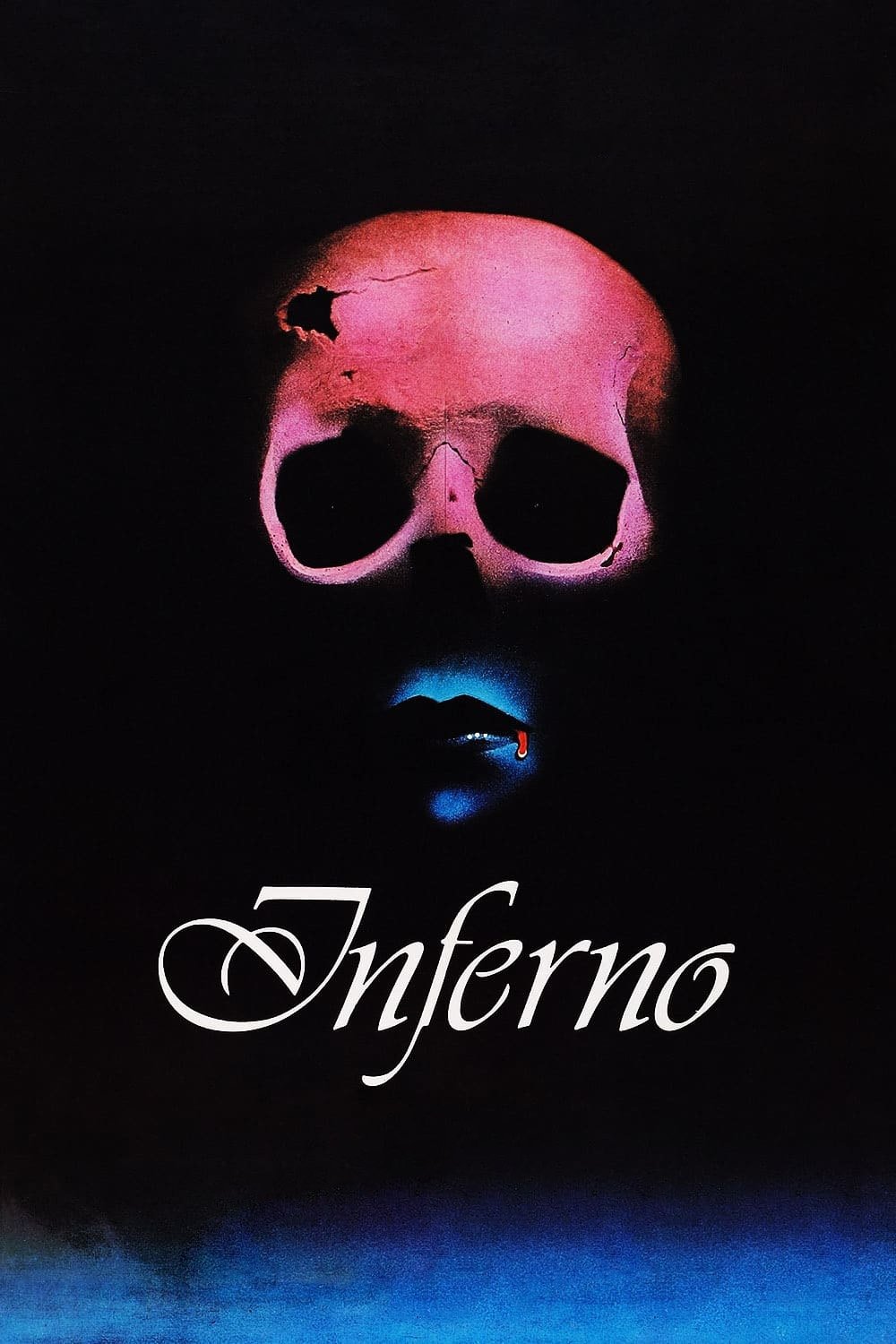
Inferno

The Witches of Eastwick
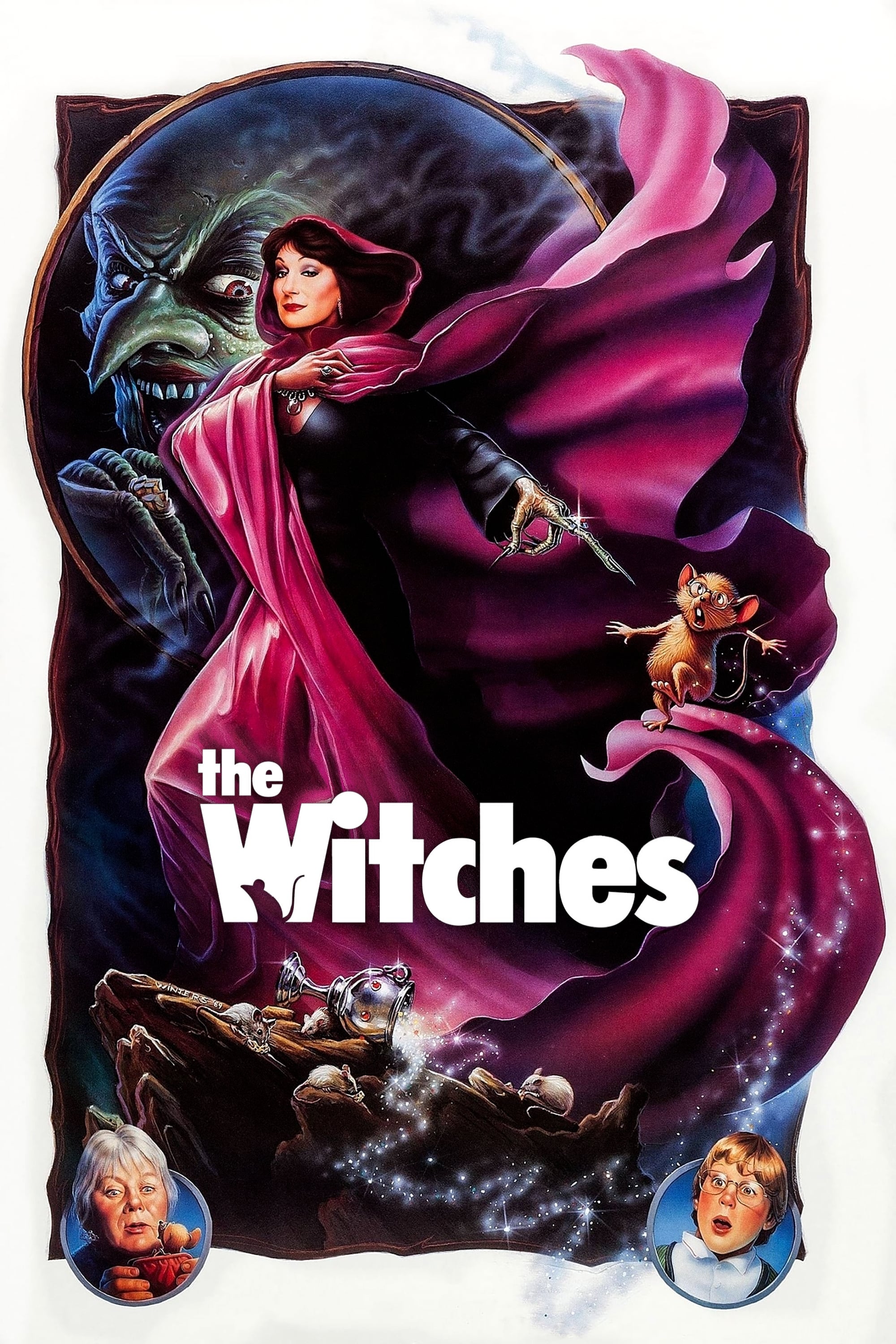
The Witches
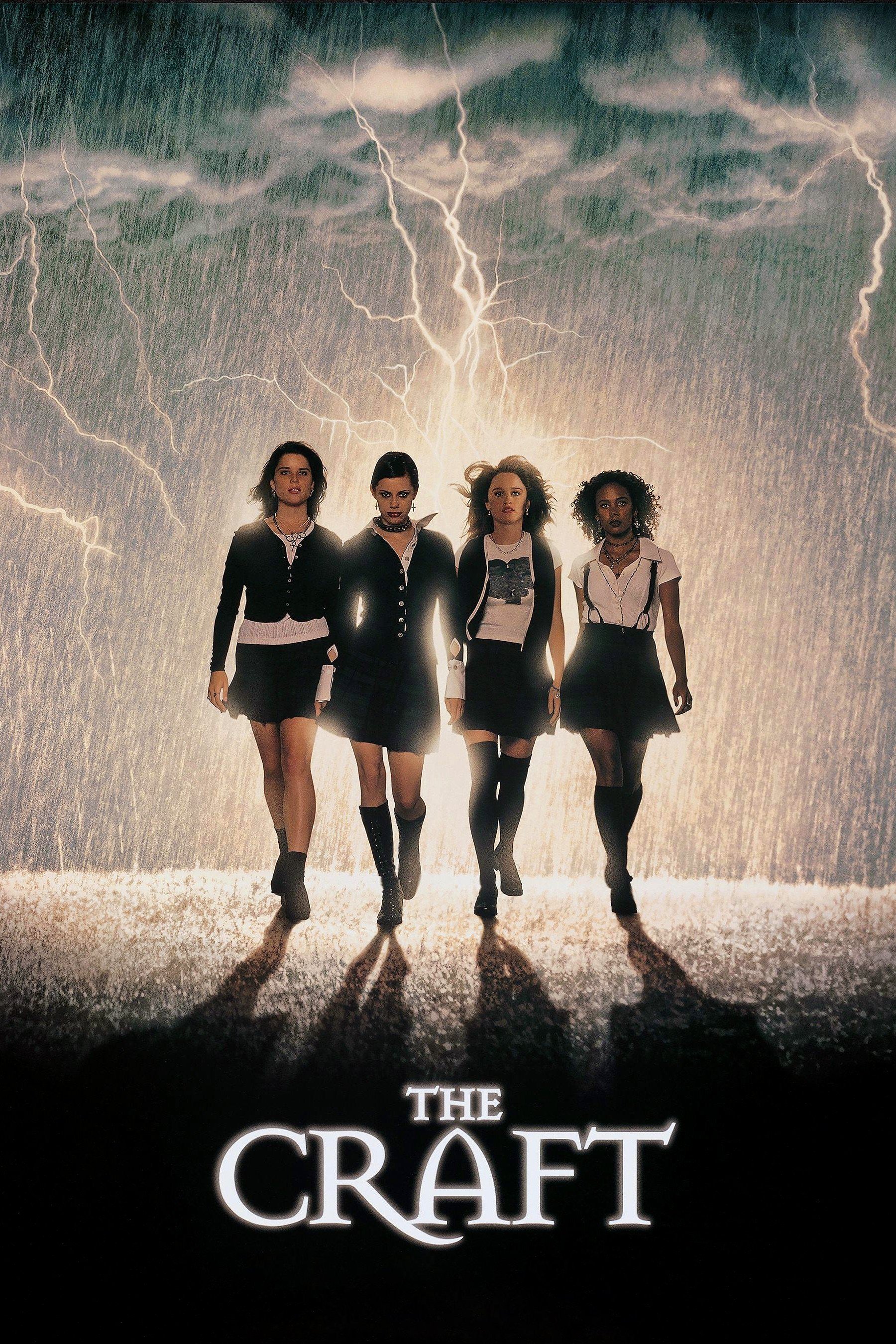
The Craft
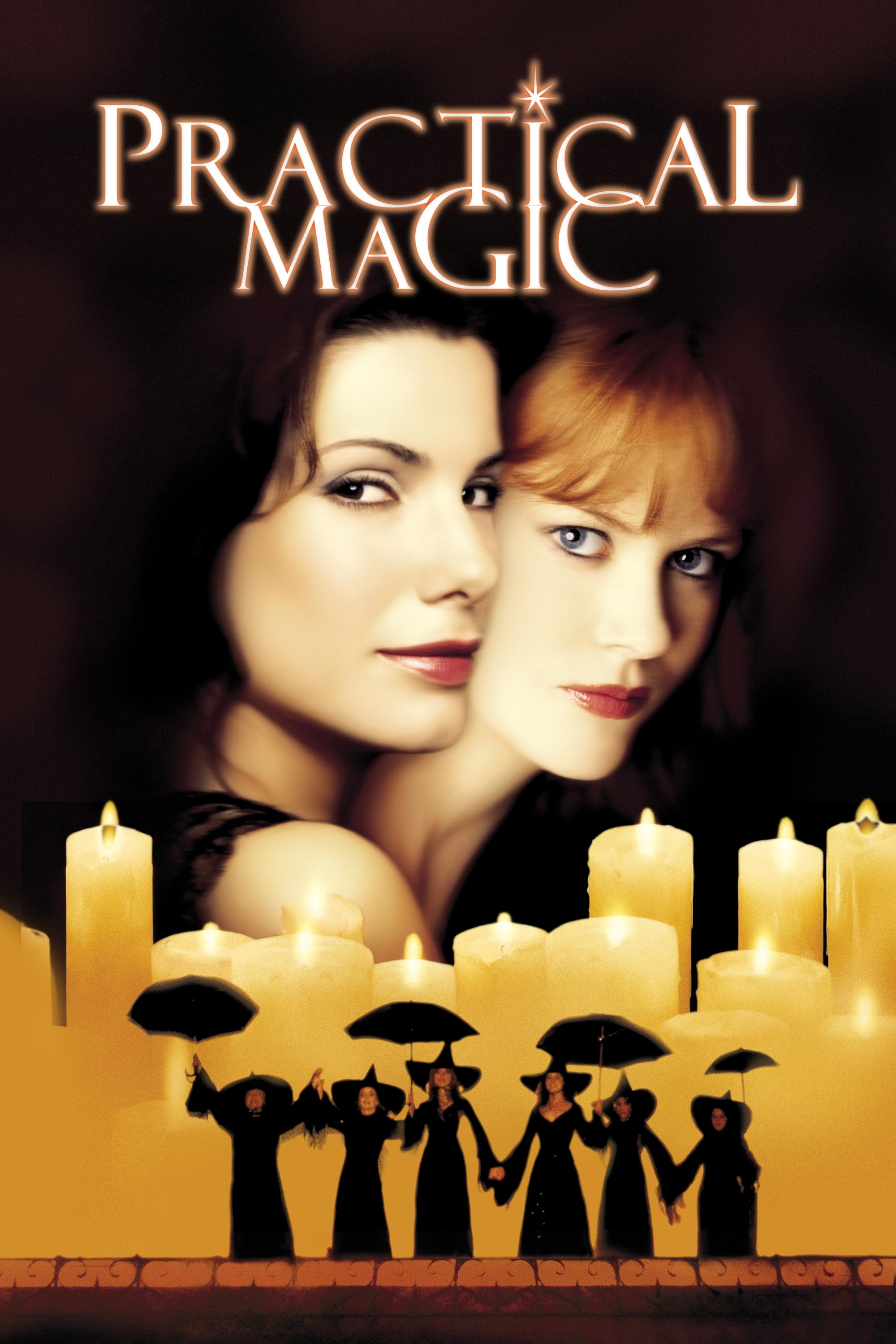
Practical Magic
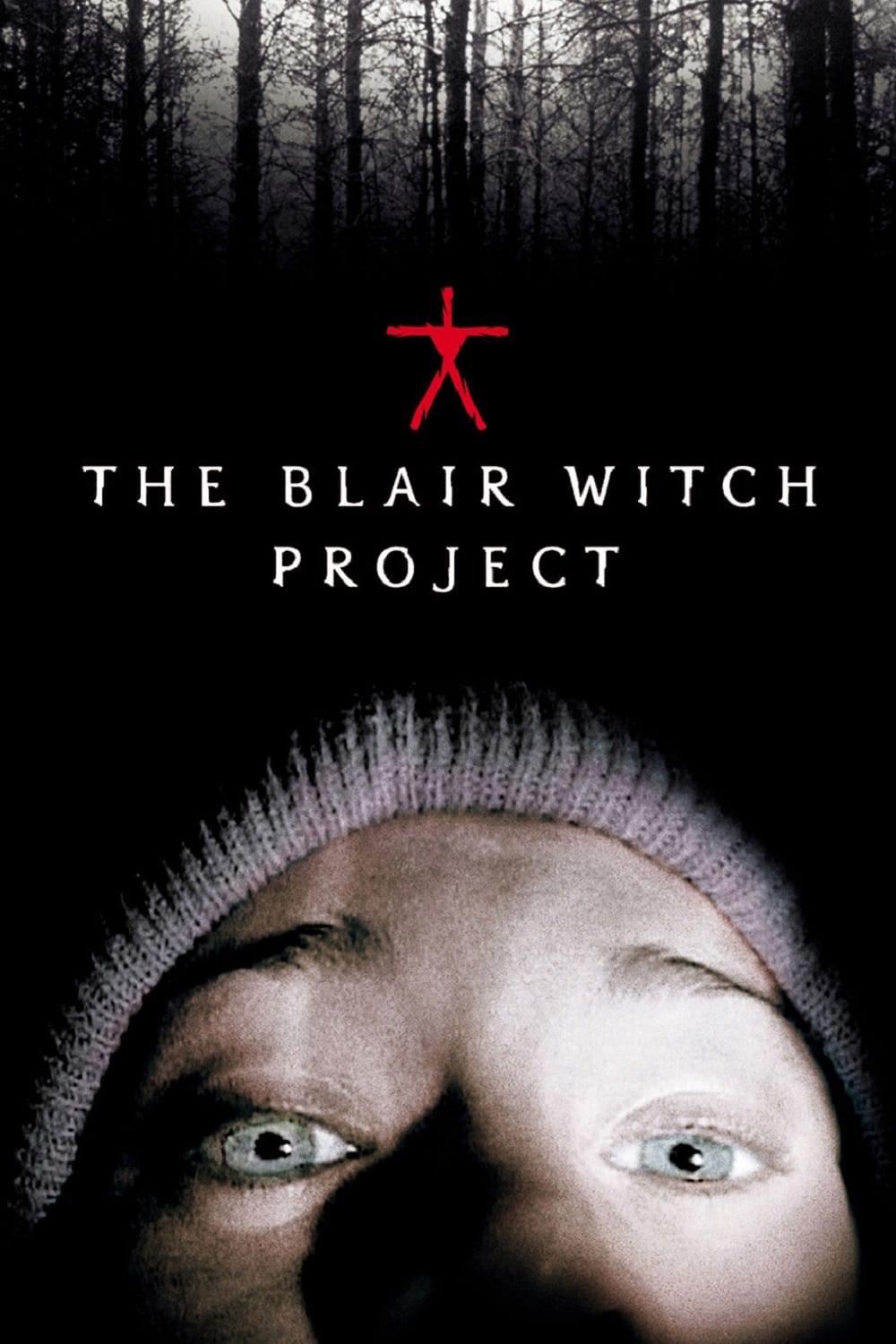
The Blair Witch Project
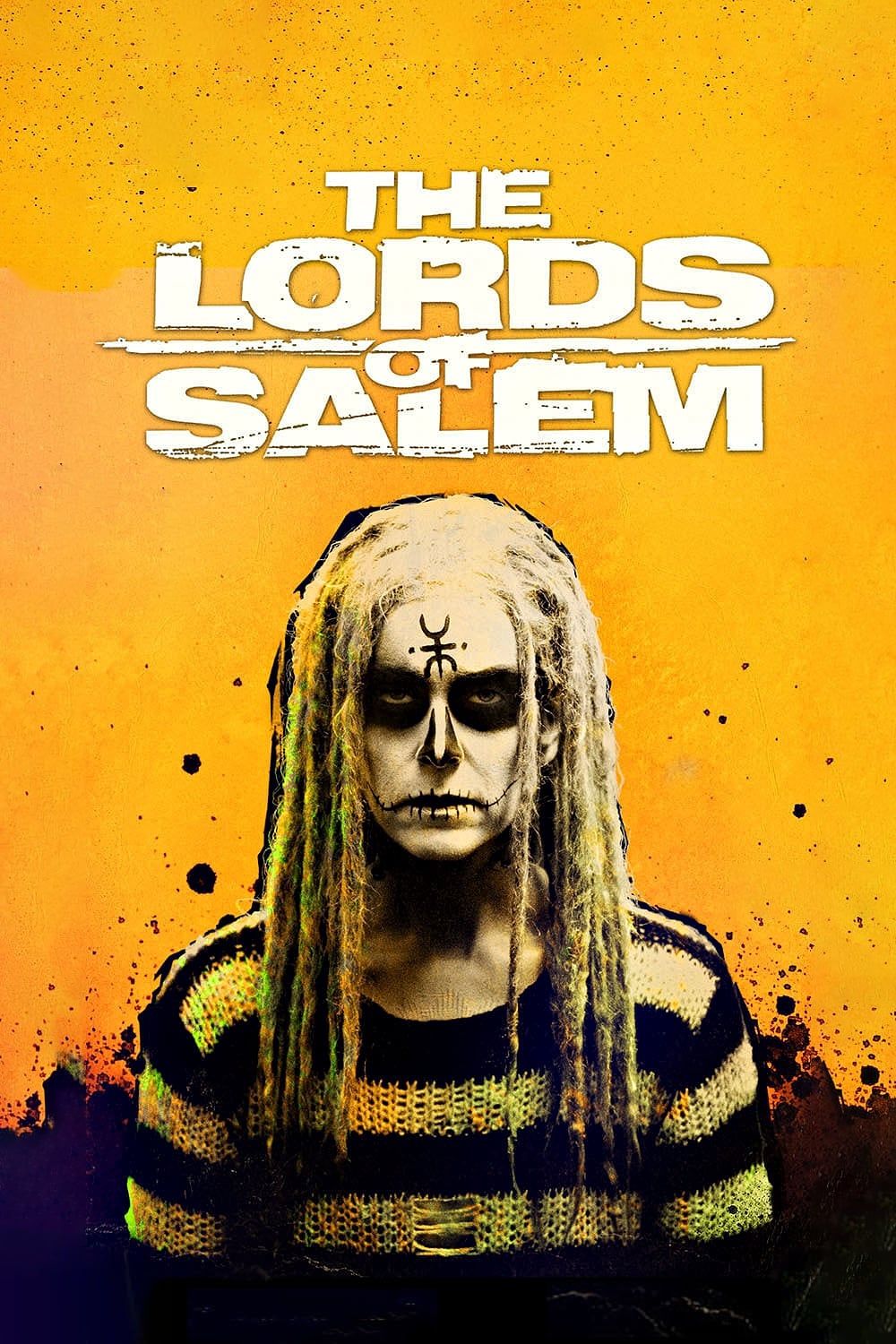
The Lords of Salem
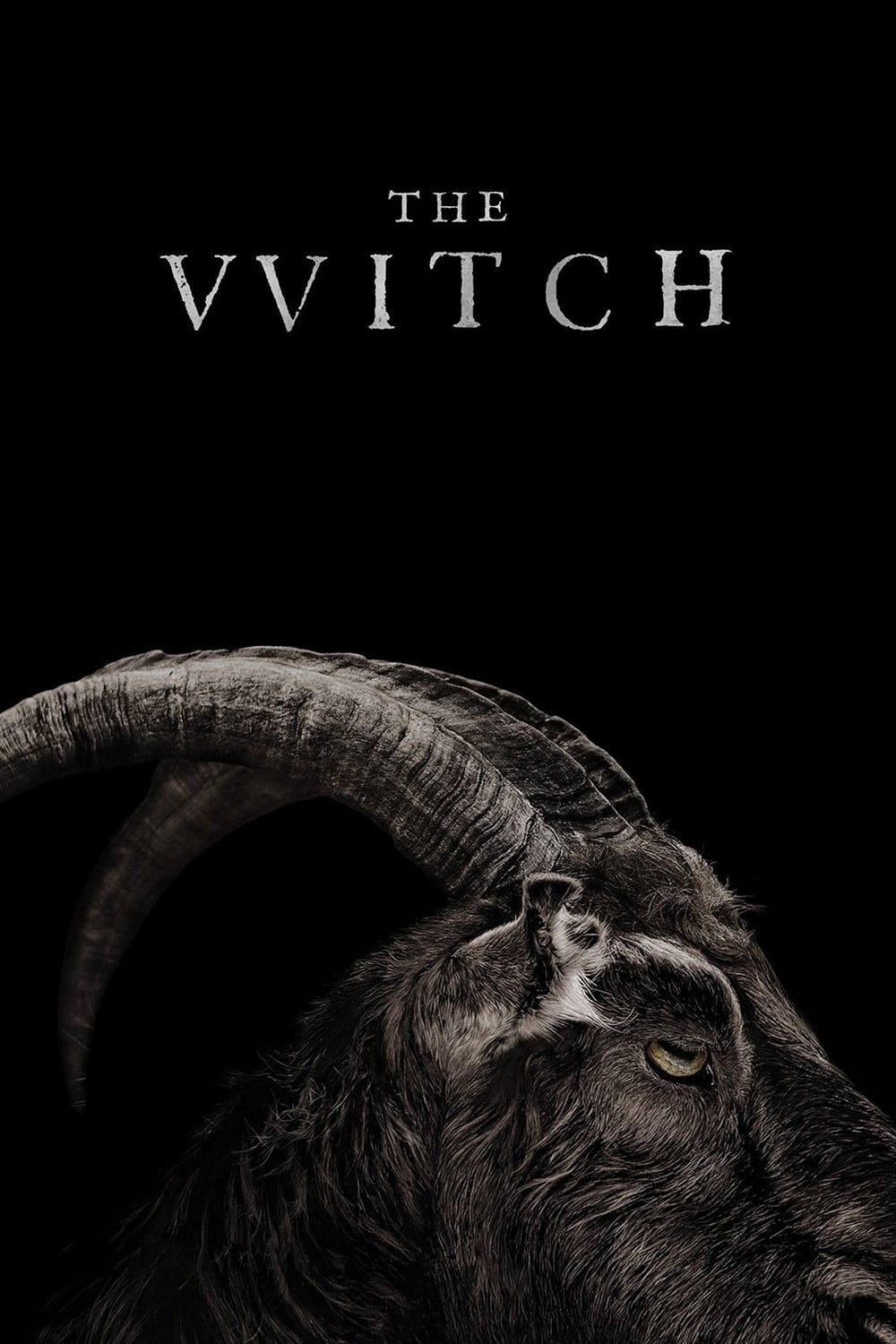
The Witch
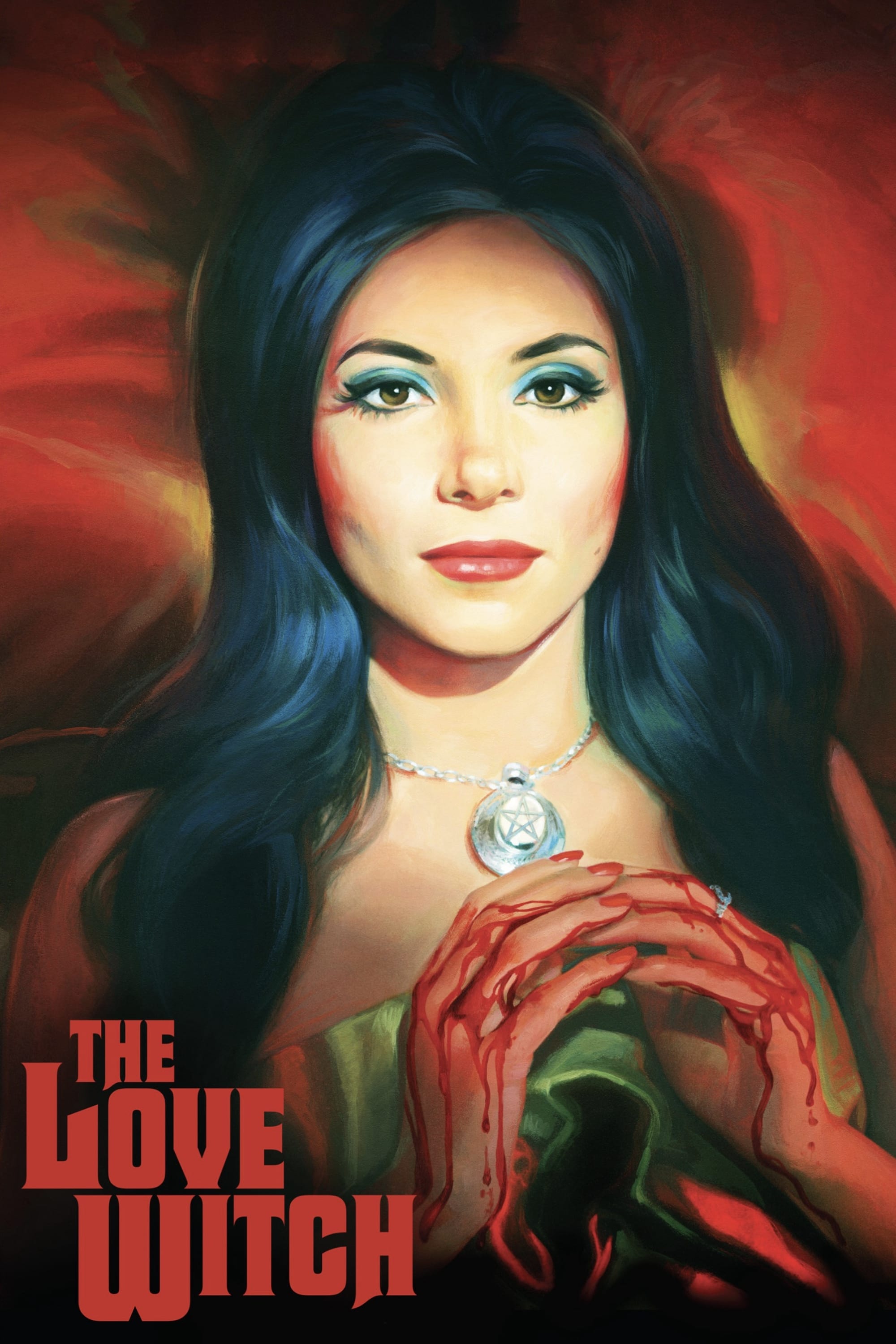
The Love Witch
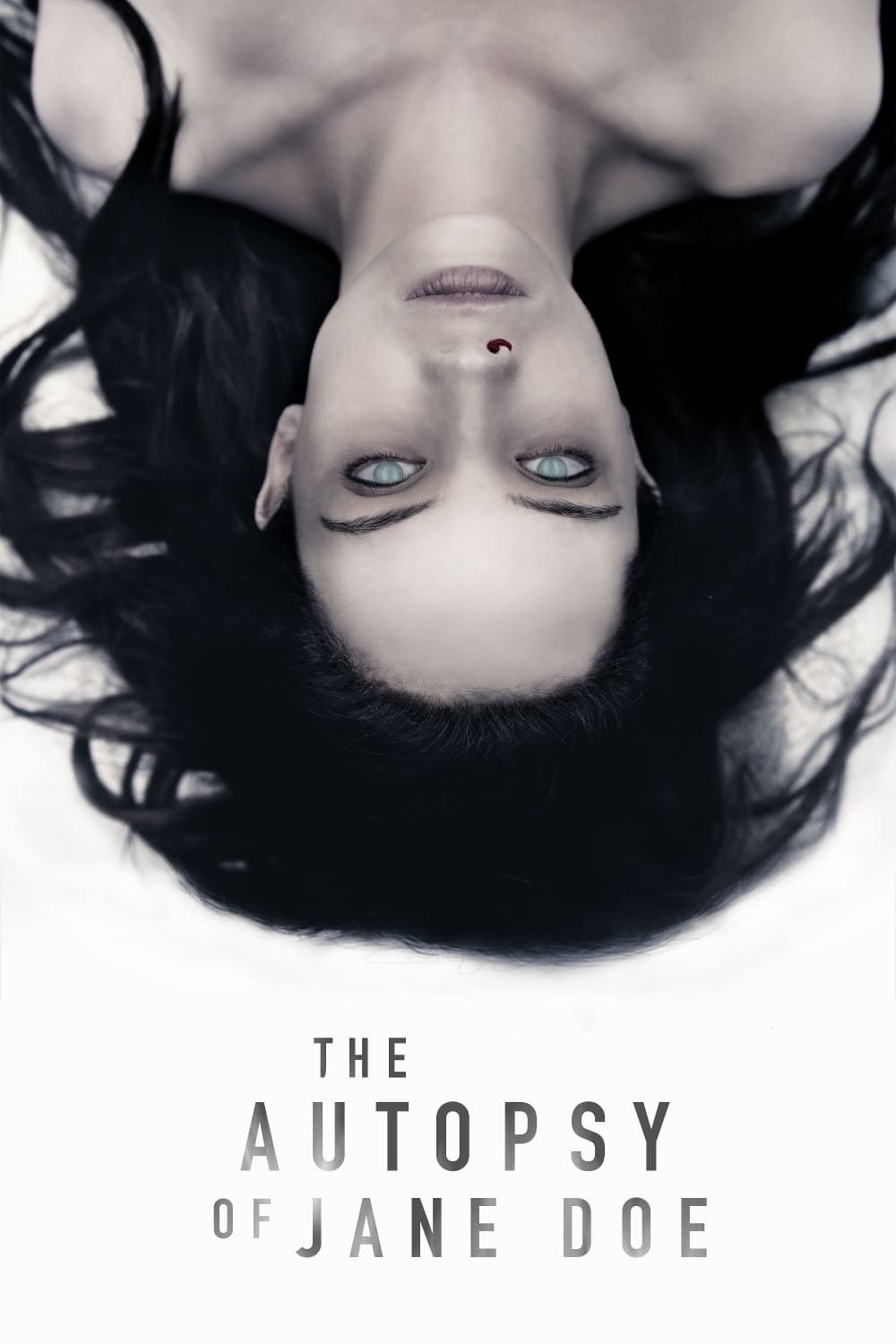
The Autopsy of Jane Doe
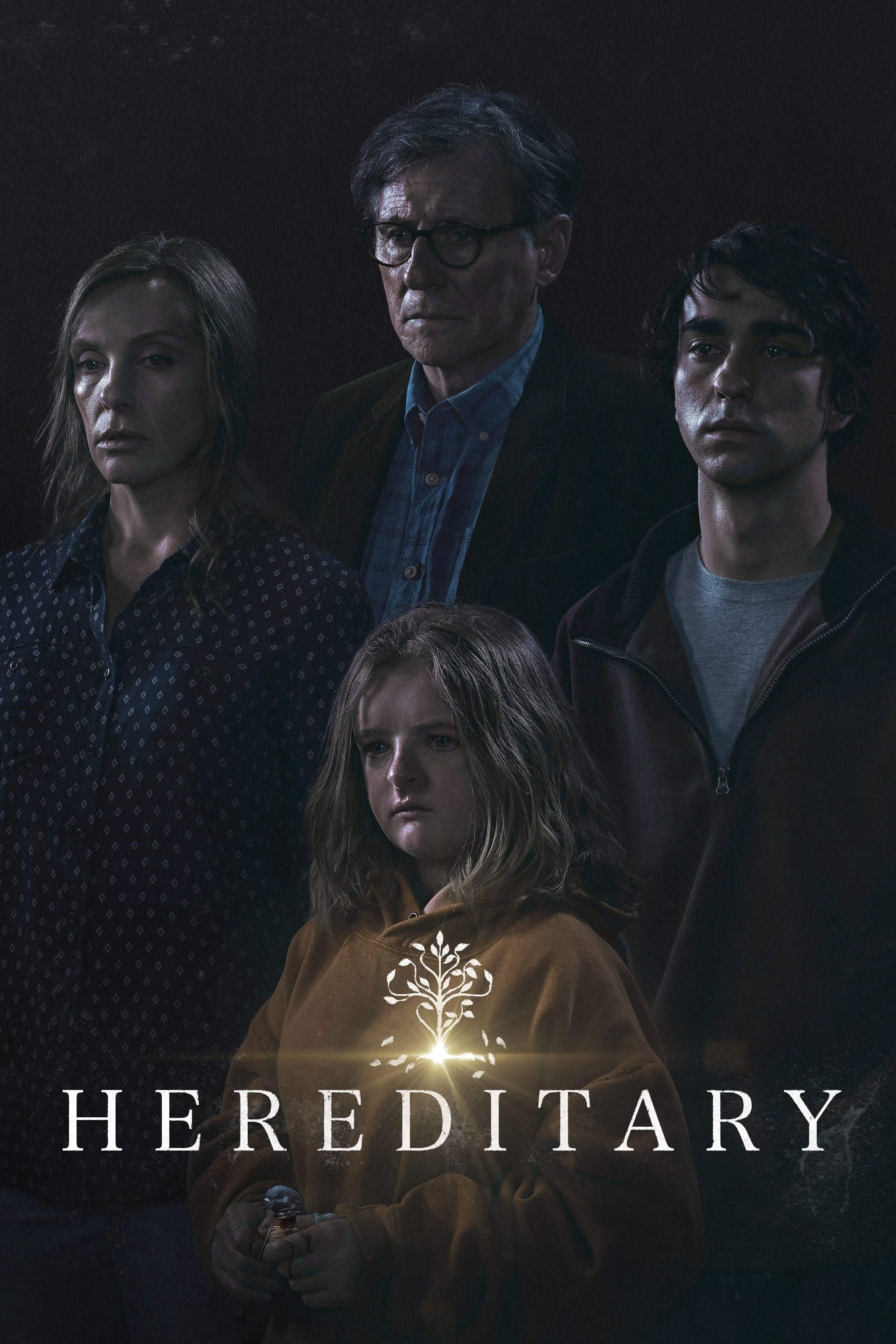
Hereditary
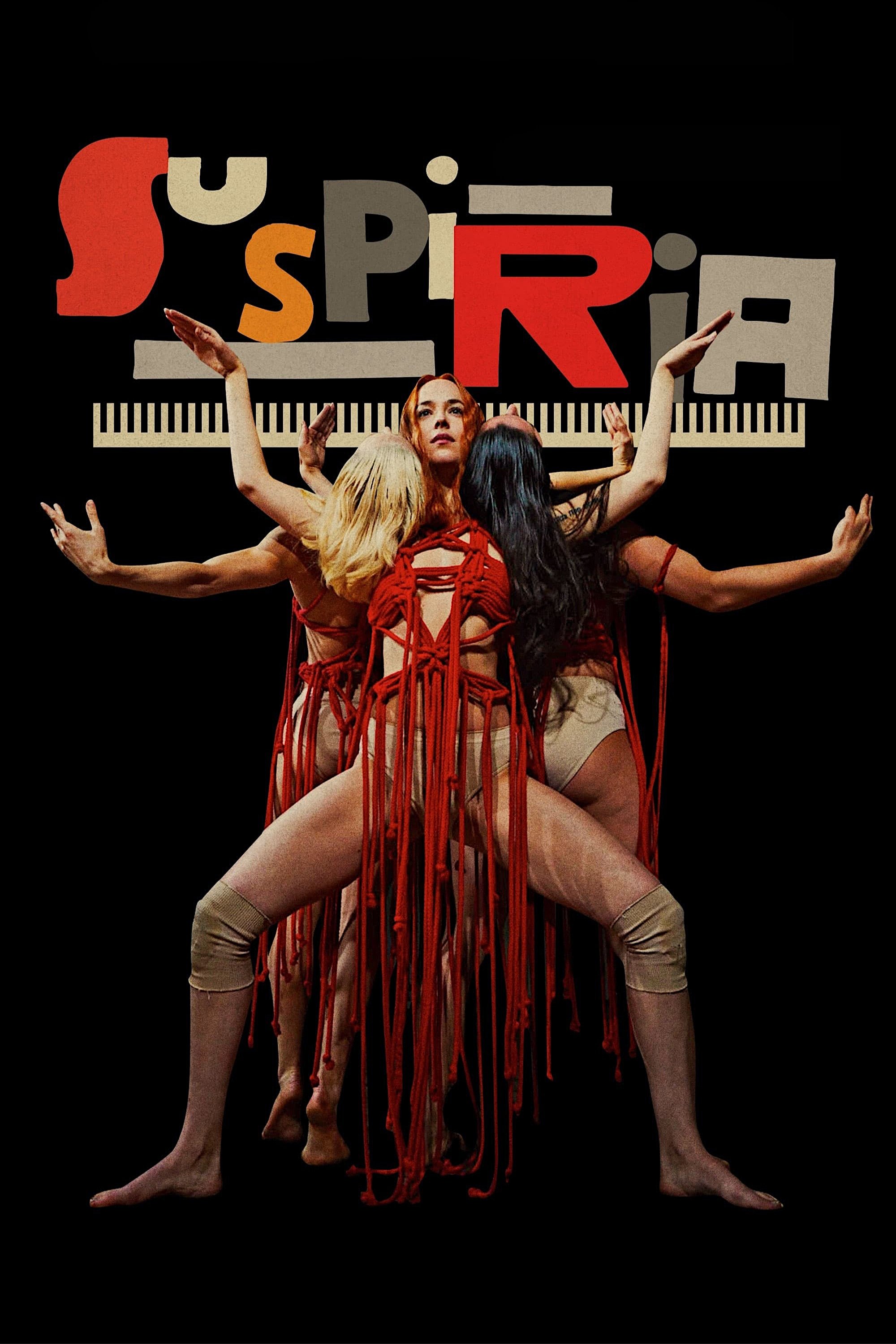
Suspiria
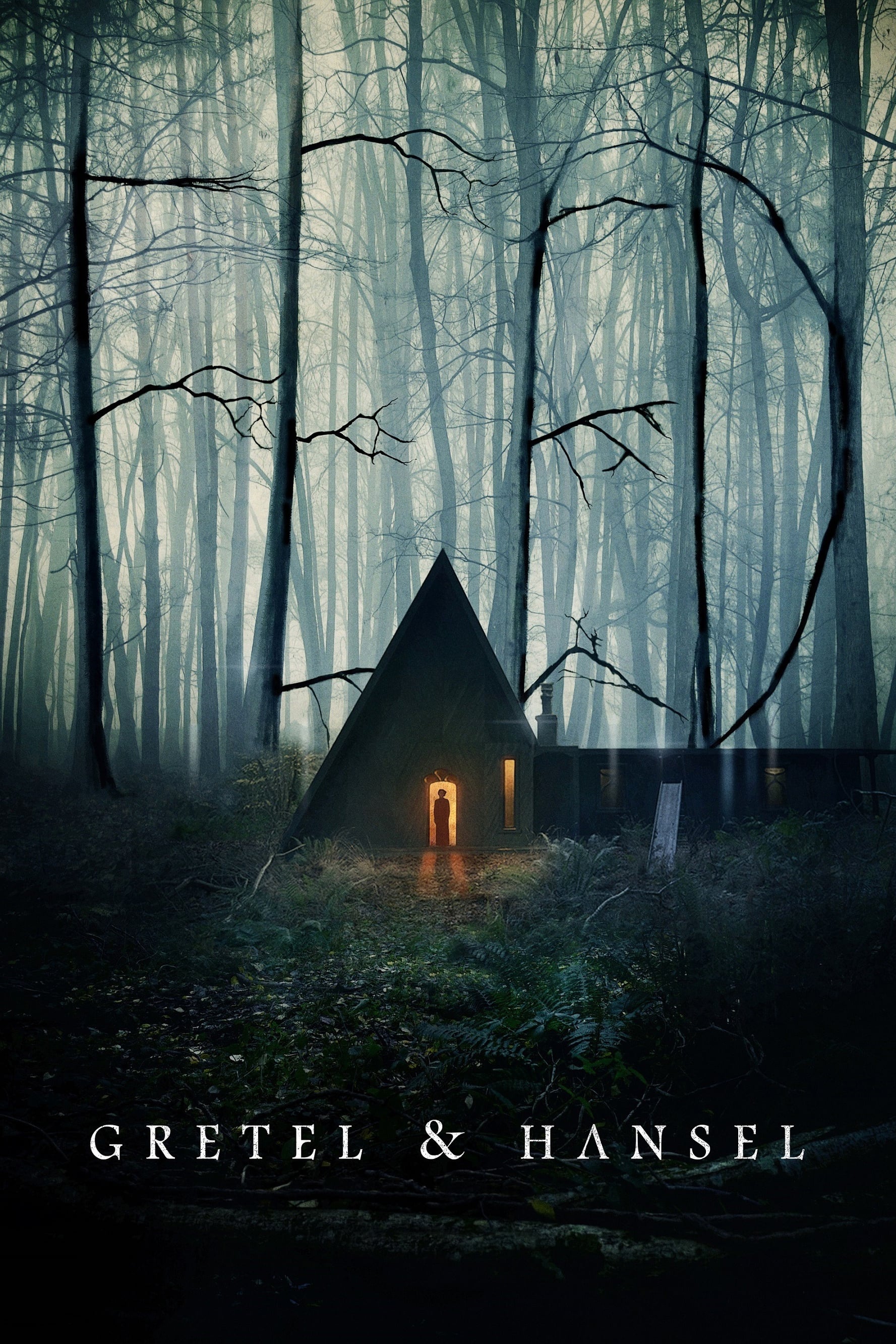
Gretel & Hansel
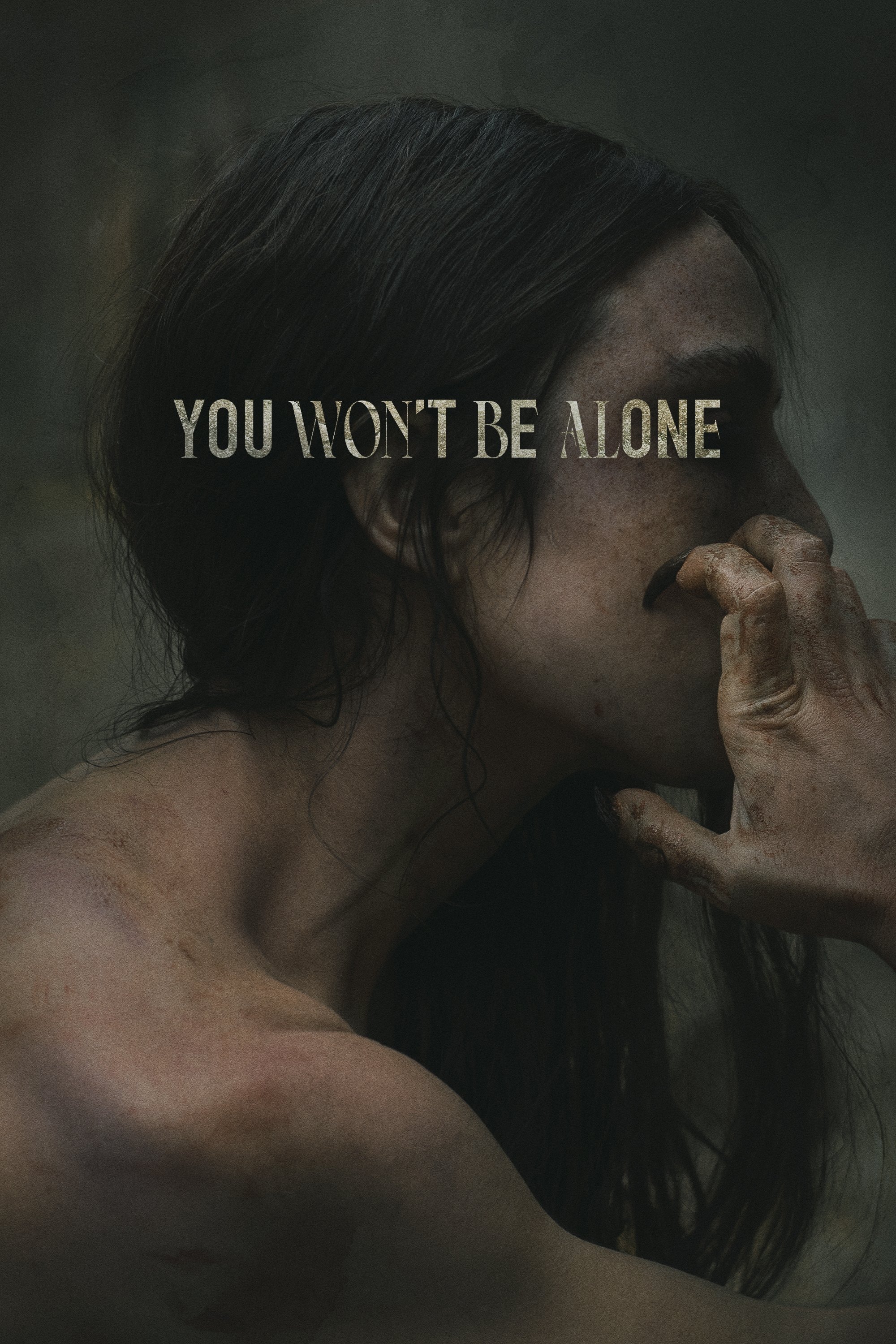
You Won't Be Alone
Statistics
Popularity by Decade
Share of each decade's horror films classified as Witchcraft. Counts films with at least 5 TMDB ratings, so very obscure titles are not represented.
Popularity by Country
Share of each country's horror output classified as Witchcraft. Counts films with at least 5 TMDB ratings, so very obscure titles are not represented.