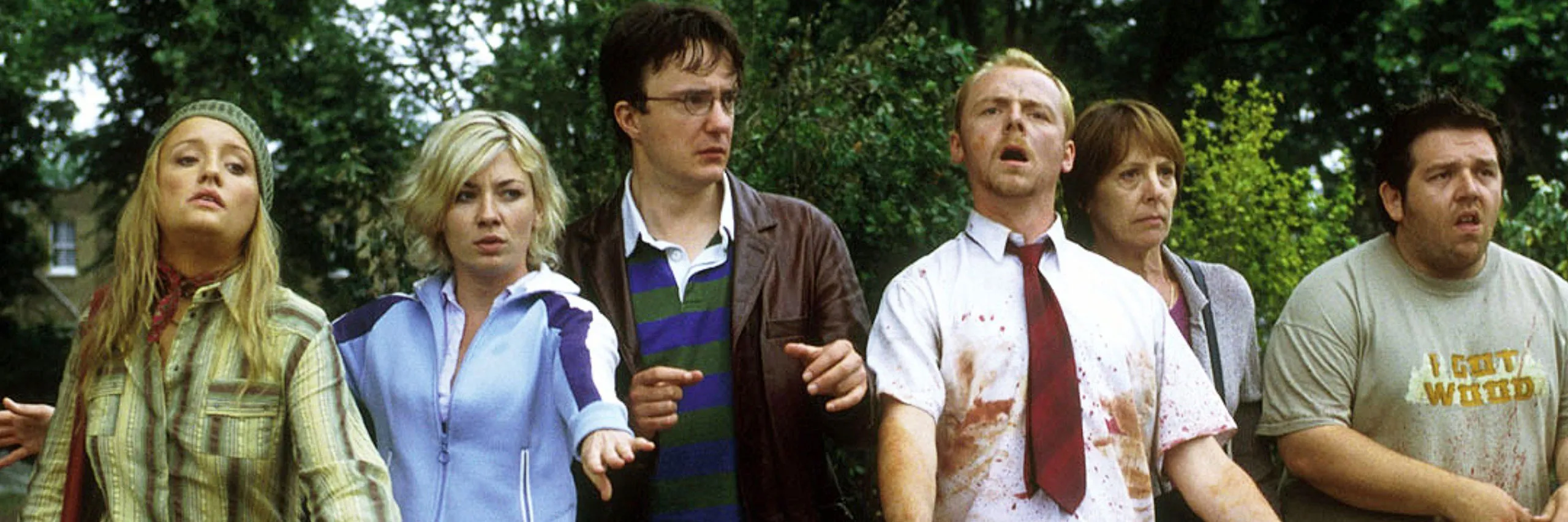
 Shaun of the Dead (2004)
🇬🇧United Kingdom
The country that gave the world Dracula, Frankenstein, and the ghost story nearly killed its own horror tradition — then revived it with a vengeance.
History
Britain's Gothic horror literary tradition — from Walpole's The Castle of Otranto (1764) through Shelley, Stevenson, Stoker, and M.R. James — produced the source material for much of world horror cinema, but British film censors actively suppressed the genre for decades. Horror imports were restricted, and domestic production was sparse: Boris Karloff starred in The Ghoul (1933), and actor Tod Slaughter carved out a niche in lurid melodramas like Sweeney Todd (1936), but these were marginal efforts. The one genuine landmark was Ealing Studios' Dead of Night (1945), an anthology of ghost stories whose final segment — a ventriloquist losing his identity to his dummy — remains one of horror cinema's most unsettling sequences. It would be another decade before Britain developed a sustained horror tradition.
Everything changed with Hammer Film Productions. After the unexpected success of The Quatermass Xperiment (1955), adapted from Nigel Kneale's BBC serial — a hit Murray Leeder credits partly to the film wearing its "'X' (restricted) certification as a badge of honour" — Hammer turned to Gothic horror with Terence Fisher's The Curse of Frankenstein (1957) — the first color horror film — and Dracula (1958). Peter Cushing and Christopher Lee became international stars, and the films' combination of period elegance, vivid Technicolor blood, and sexual undercurrent created a house style that dominated horror for over a decade. Hammer's output was prolific: The Mummy (1959), The Plague of the Zombies (1966), The Devil Rides Out (1968), and dozens more, earning the studio a Queen's Award for Industry in 1968, which Ian Fryer's The British Horror Film ties to the studio's record as "a generator of export funds"; the Quatermass cycle reached its visionary peak with Quatermass and the Pit (1967), fusing science fiction and ancient evil. Outside Hammer, British horror produced singular works: Jacques Tourneur's Night of the Demon (1957), an adaptation of M.R. James that remains one of the finest supernatural films ever made; Michael Powell's Peeping Tom (1960), a study of voyeuristic murder so disturbing it effectively ended Powell's career; Jack Clayton's The Innocents (1961), a Henry-James-adapted ghost story whose cinematography by Freddie Francis influenced everything from The Others to The Witch; and Roman Polanski's London-set Repulsion (1965), a psychological horror landmark.
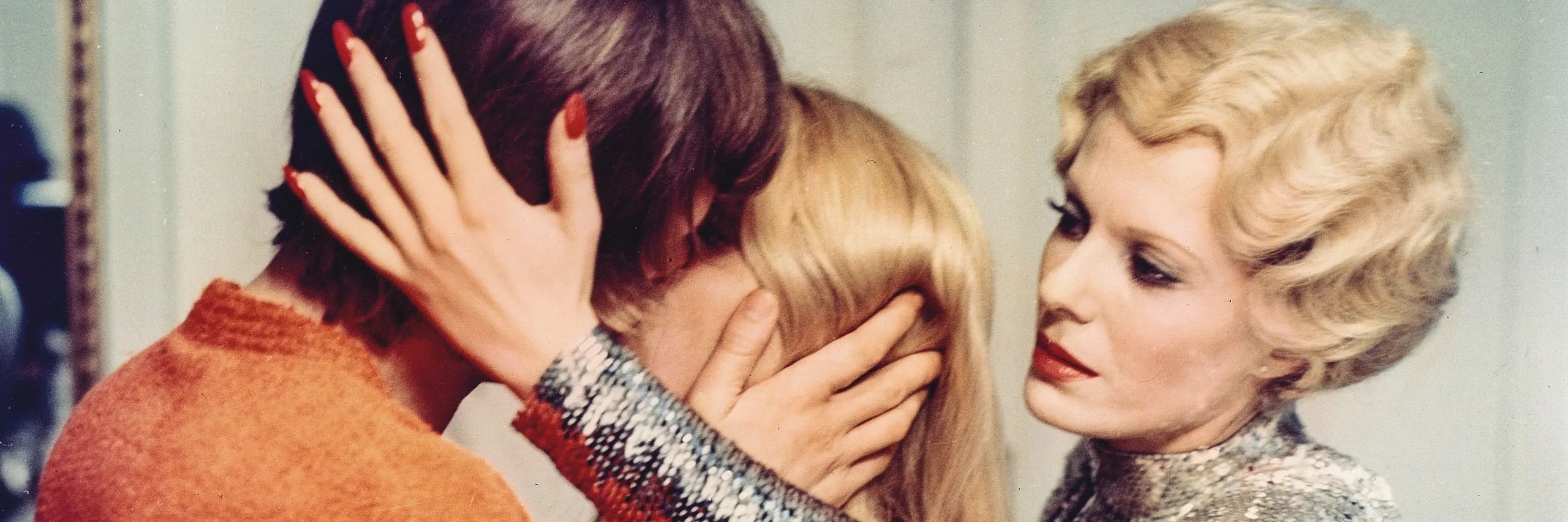
The late 1960s and 1970s produced a distinctly British strain of horror rooted in landscape, paganism, and the violence lurking beneath rural civility. Michael Reeves' Witchfinder General (1968), a brutal English Civil War drama starring Vincent Price, established the template. Reeves had made only three features before his death at 25 the following year. Piers Haggard's The Blood on Satan's Claw (1971) and Robin Hardy's The Wicker Man (1973) completed what is now called the folk horror trinity, films that exposed ancient pagan traditions beneath Britain's Christian veneer. Amicus Productions offered a parallel tradition of anthology horror, with cinematographer-turned-director Freddie Francis and Roy Ward Baker producing Tales from the Crypt (1972) and a sequence of portmanteau films across the decade, while directors like Pete Walker crafted tough, violent contemporary horrors including Frightmare (1974). The decade's most prestigious horror was Nicolas Roeg's Don't Look Now (1973), adapted from Daphne du Maurier — a labyrinthine grief-and-grief-vision study shot in wintry Venice that has its own BFI Film Classic and is regularly named among the greatest horror films ever made. Vincent Price returned for Theatre of Blood (1973), a camp tour de force in which a Shakespearean ham murders his critics. Hammer, meanwhile, struggled to modernize, introducing more sex and violence in its later output before ceasing horror production with To the Devil a Daughter (1976).
British horror nearly ceased to exist for two decades. The "video nasties" moral panic of the early 1980s — a tabloid-driven campaign against unregulated horror on home video — led to the Video Recordings Act of 1984, giving the BBFC sweeping powers over video classification and creating a climate hostile to genre filmmaking. The British film industry pivoted toward heritage dramas and social realism, and horror production collapsed. Neil Jordan's fairy-tale-and-werewolves The Company of Wolves (1984) and Clive Barker's Hellraiser (1987), funded with American money, were rare exceptions — their literary ambition and sadomasochistic imagery stood out precisely because so little else was being made. Hammer produced two television anthologies — Hammer House of Horror (1980) and Hammer House of Mystery and Suspense (1984) — but otherwise lay dormant. By the mid-1990s, British horror was functionally extinct as a commercial genre.
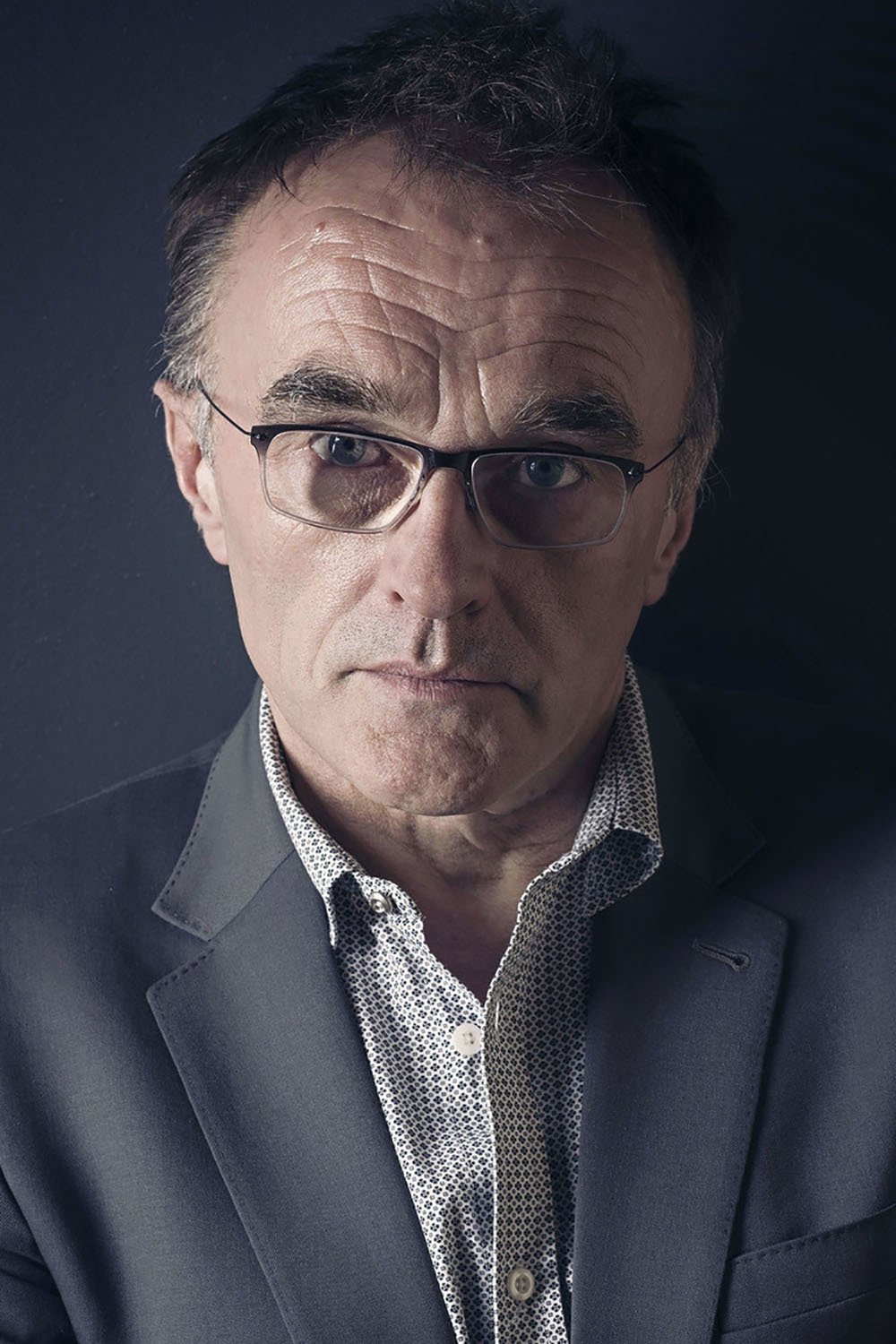
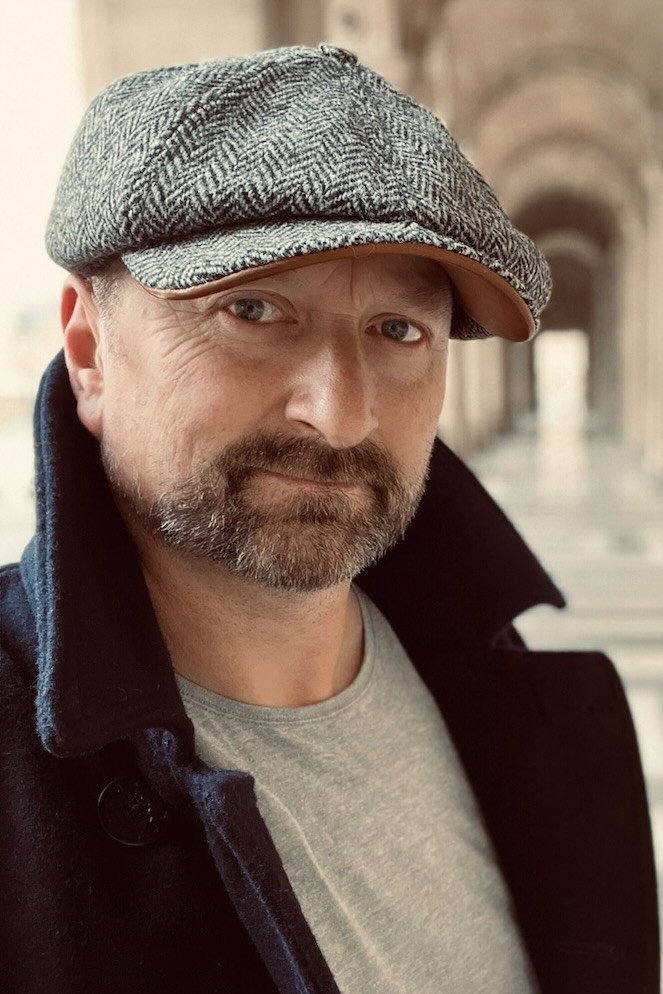
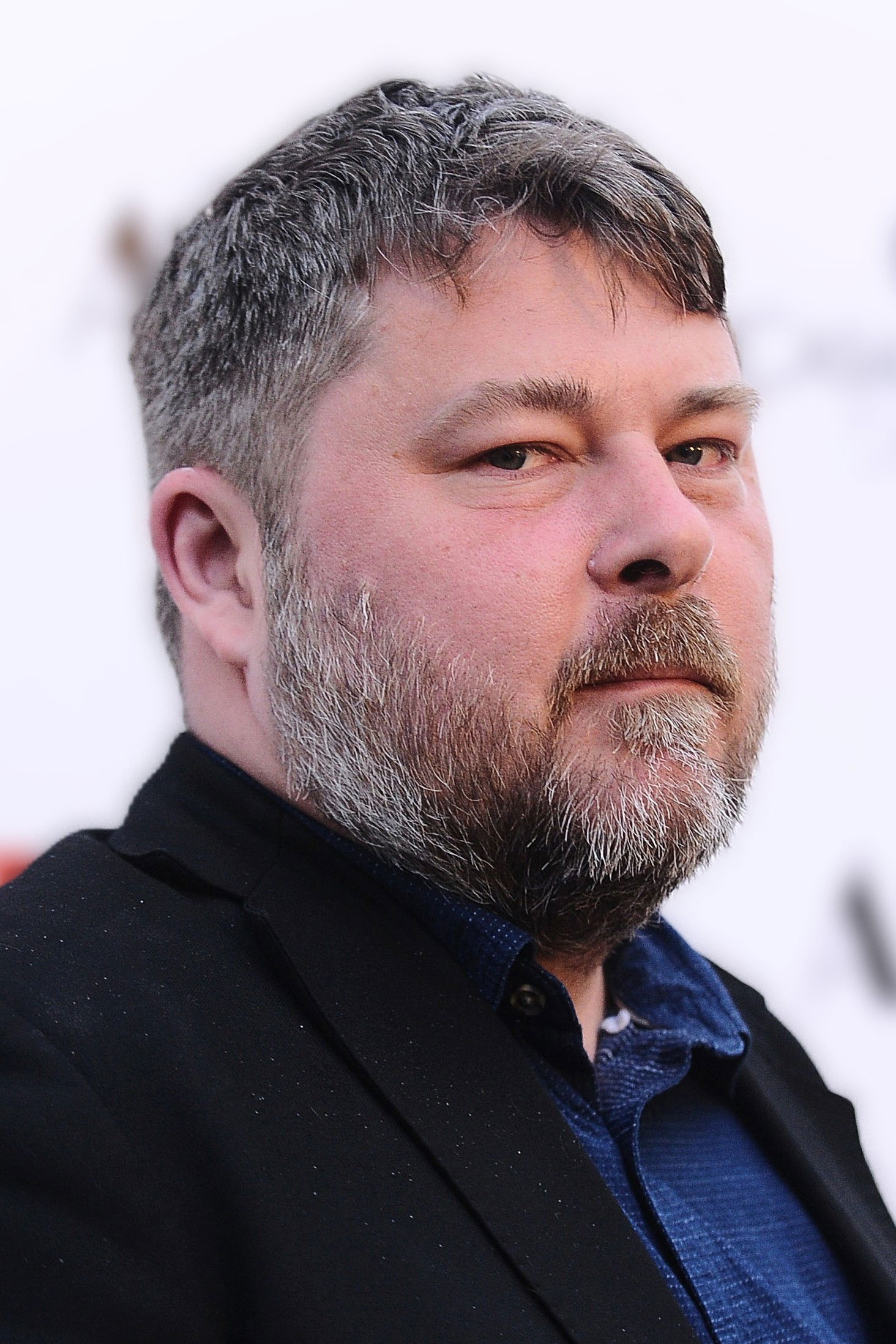
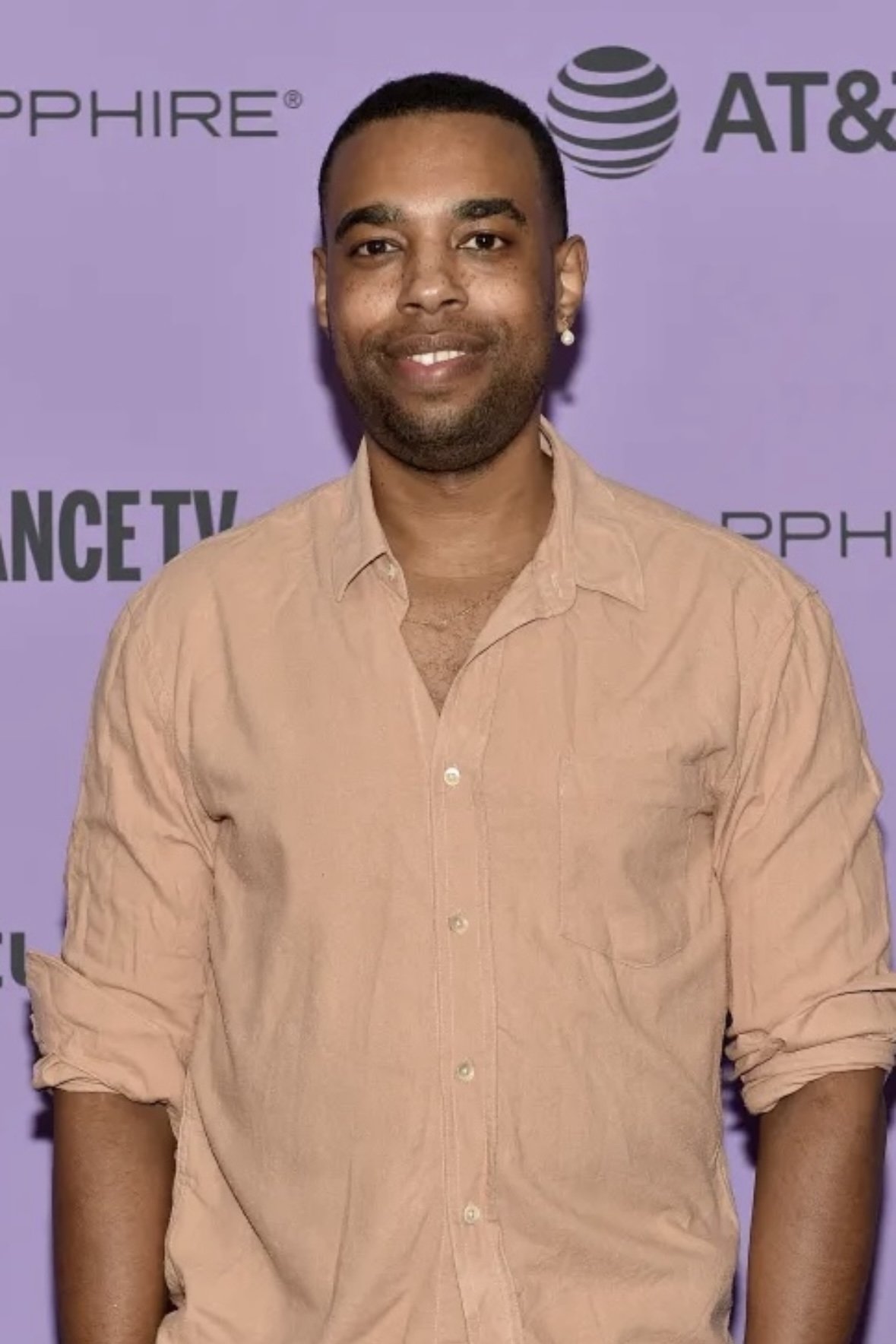
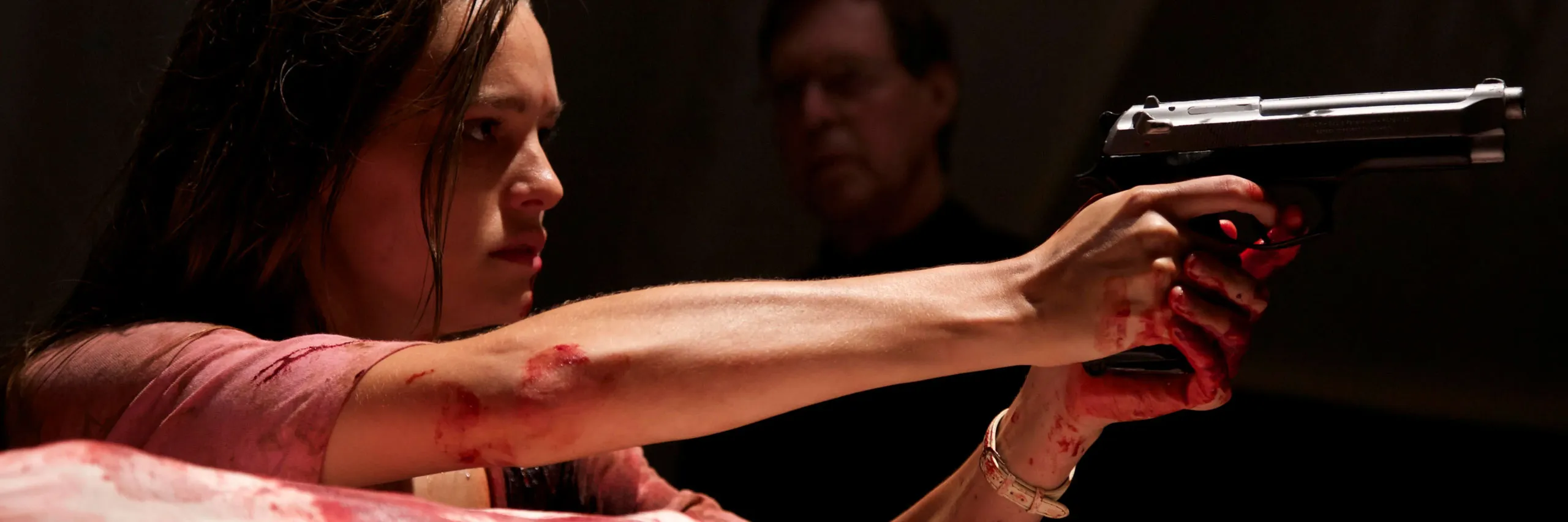
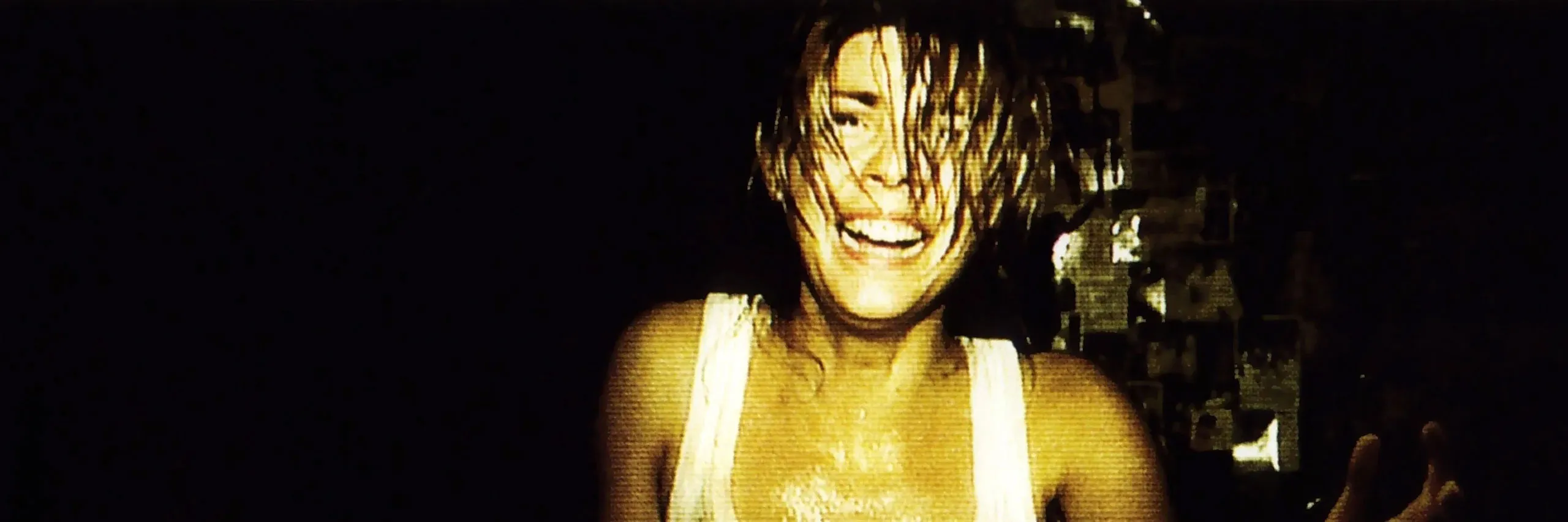
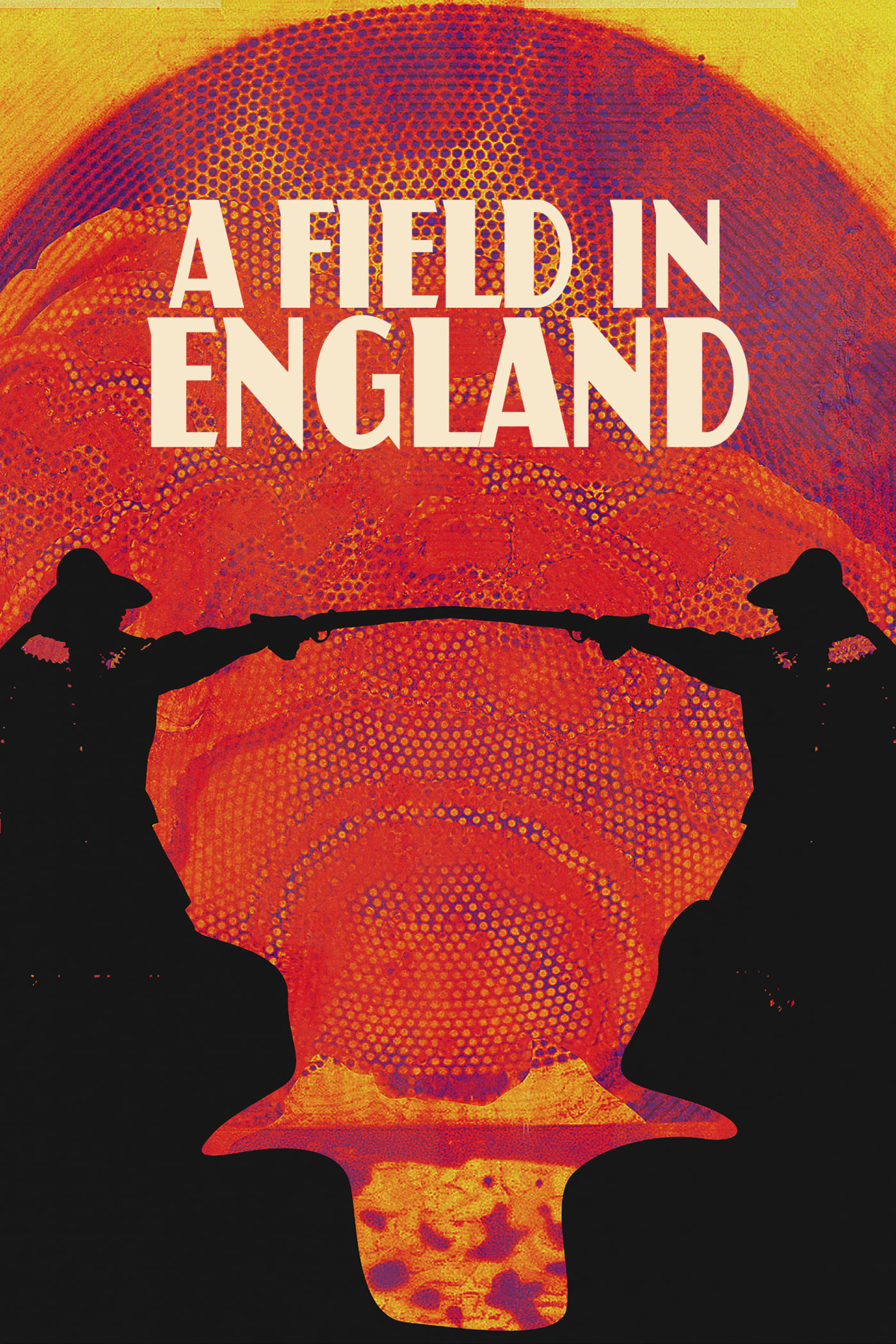
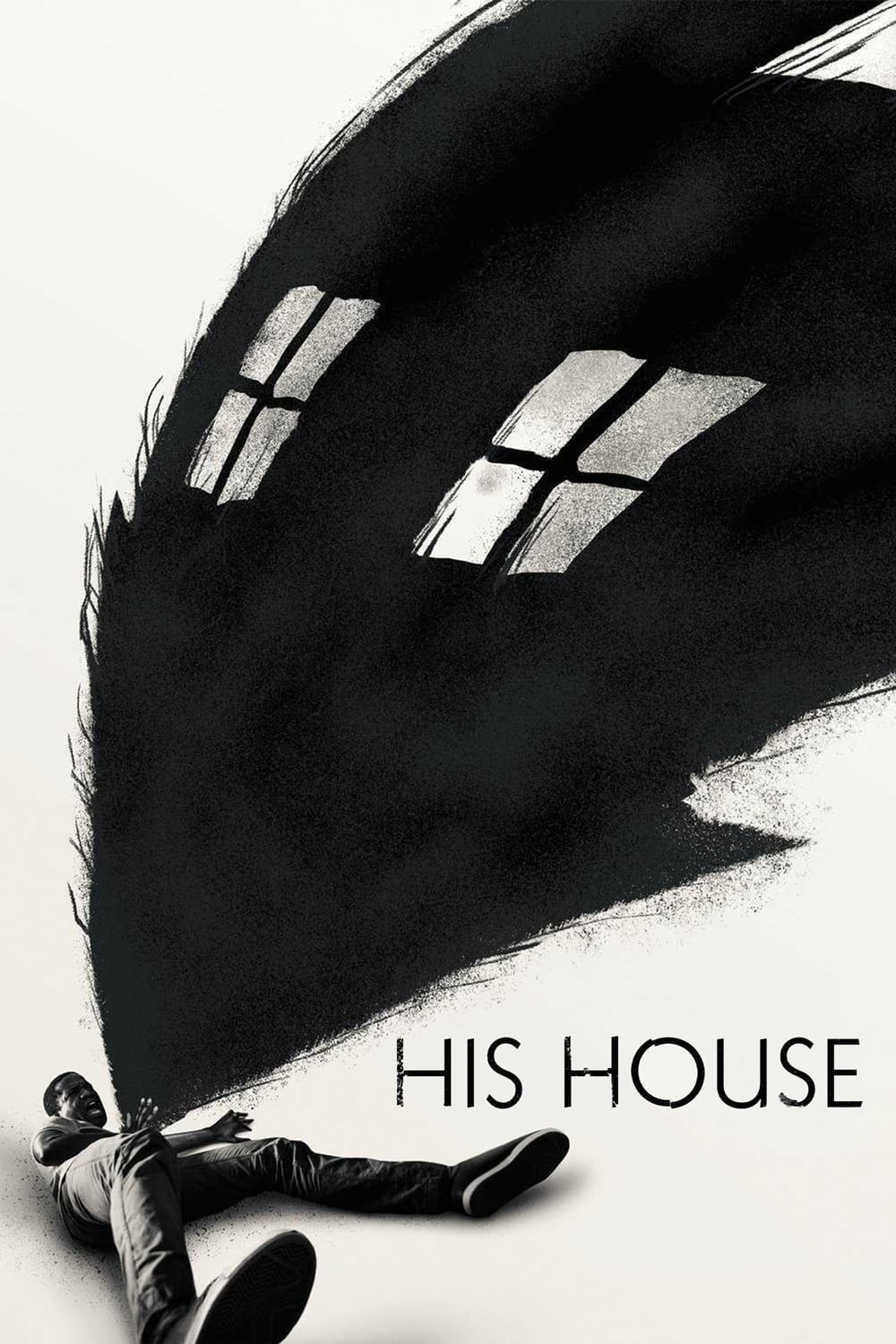
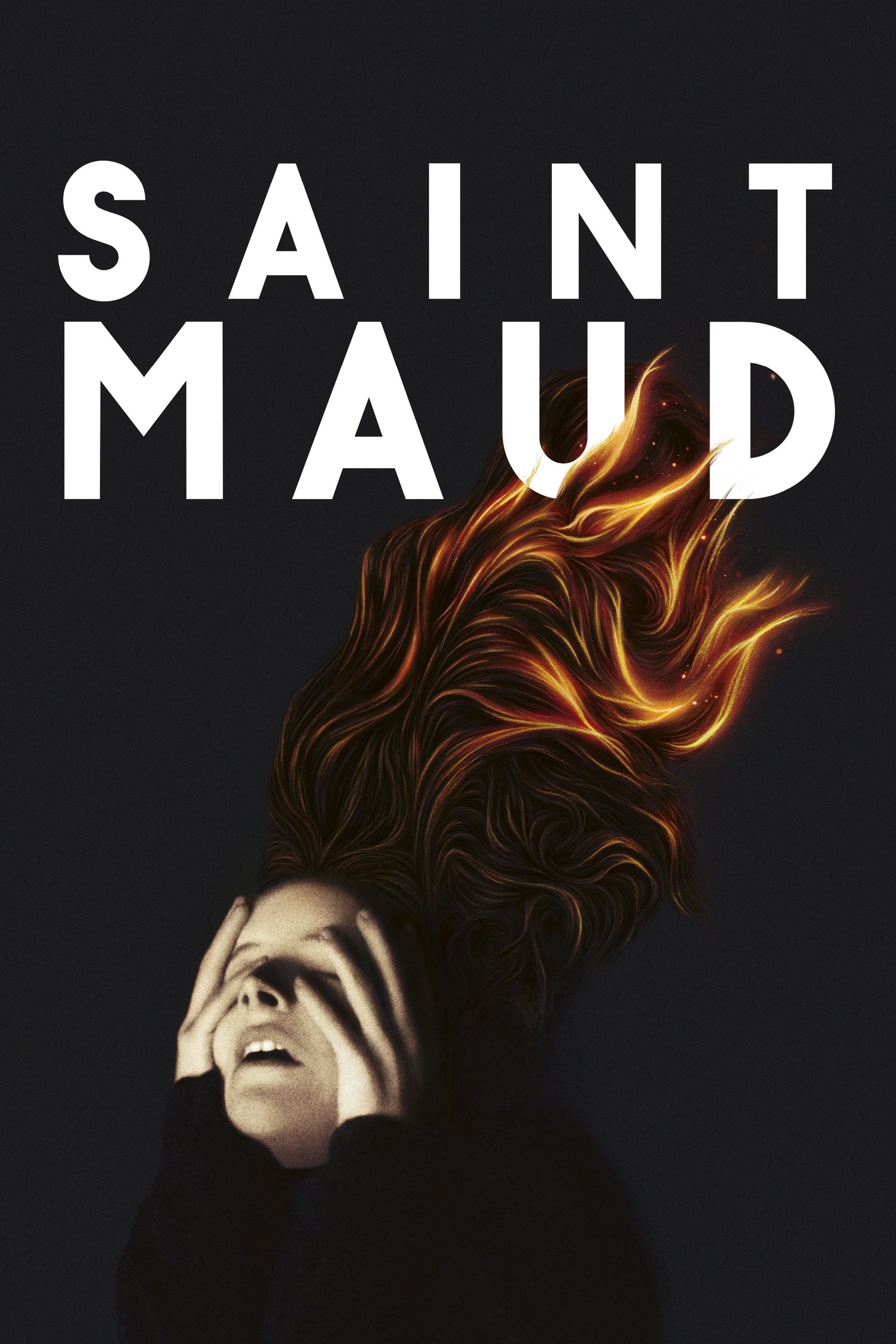
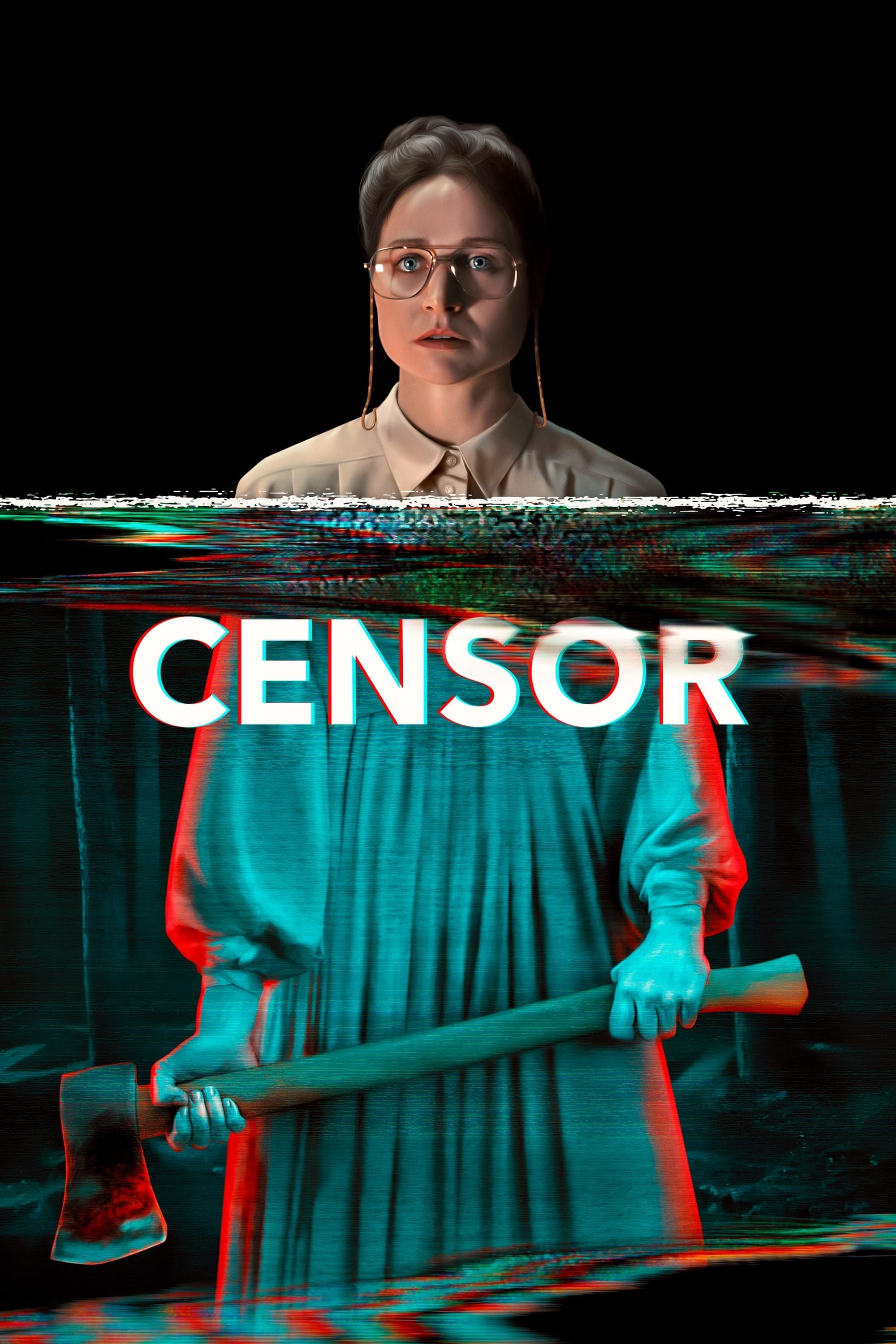
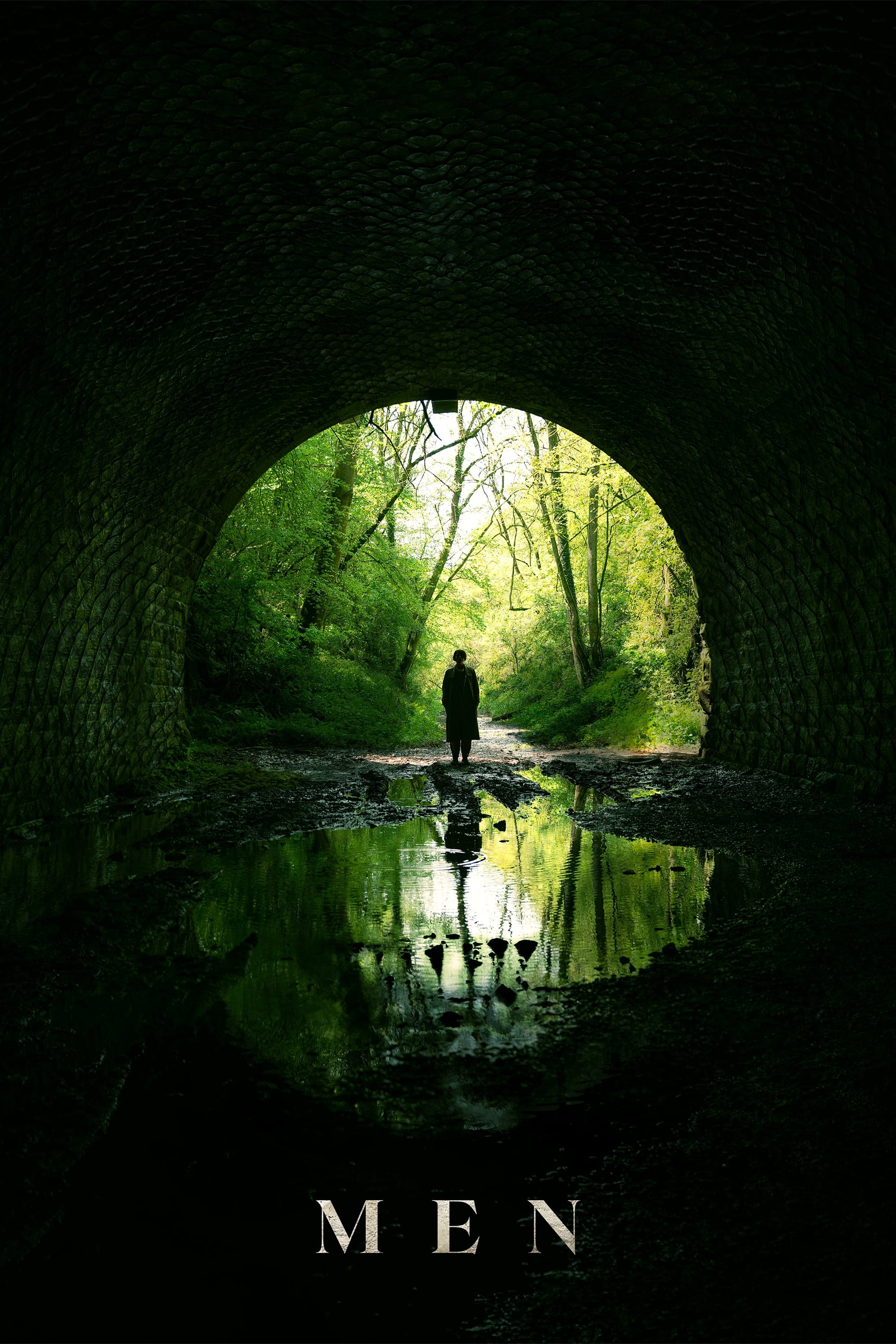
The revival arrived suddenly in the early 2000s. Danny Boyle's 28 Days Later (2002), shot on digital video with scenes of a depopulated London, reinvigorated the infection-horror subgenre and proved British horror could compete internationally. Neil Marshall's The Descent (2005) — a claustrophobic nightmare set in unmapped caves — demonstrated that genuinely terrifying films could still emerge from the UK. Edgar Wright's Shaun of the Dead (2004) channeled British horror's capacity for genre-blending wit. A new generation followed: Ben Wheatley's Kill List (2011) and A Field in England (2013) pushed folk horror into unsettling new territory, while James Watkins' Eden Lake (2008) weaponized social-realist anxieties into survival horror. Hammer itself returned with The Woman in Black (2012), a commercial success. A second 2020s wave centered on debut features by women and writers of color: Rose Glass's Saint Maud (2020), Remi Weekes's His House (2020), Prano Bailey-Bond's Censor (2021) — a hauntingly self-aware meta-horror set inside the video-nasties era — and Alex Garland's Men (2022). Contemporary British horror maintains its dual inheritance — the atmospheric restraint of the ghost-story tradition and the confrontational violence of Walker and Barker — while continuing to mine the country's landscapes, class tensions, and ancient unease.
Sources: Ian Fryer, The British Horror Film: From the Silent to the Multiplex; Murray Leeder, Horror Film: A Critical Introduction (2018).
Essential Films
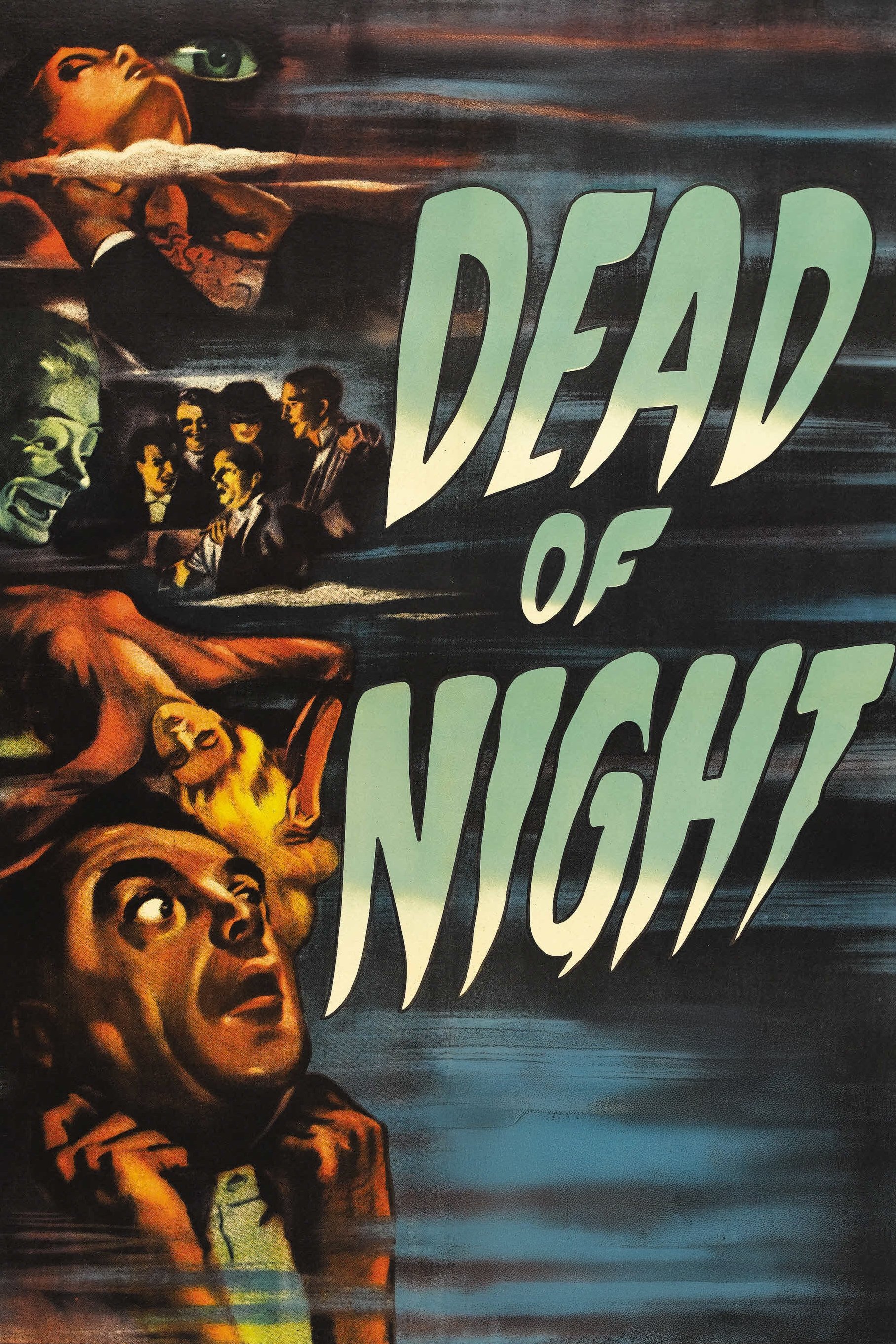
Dead of Night
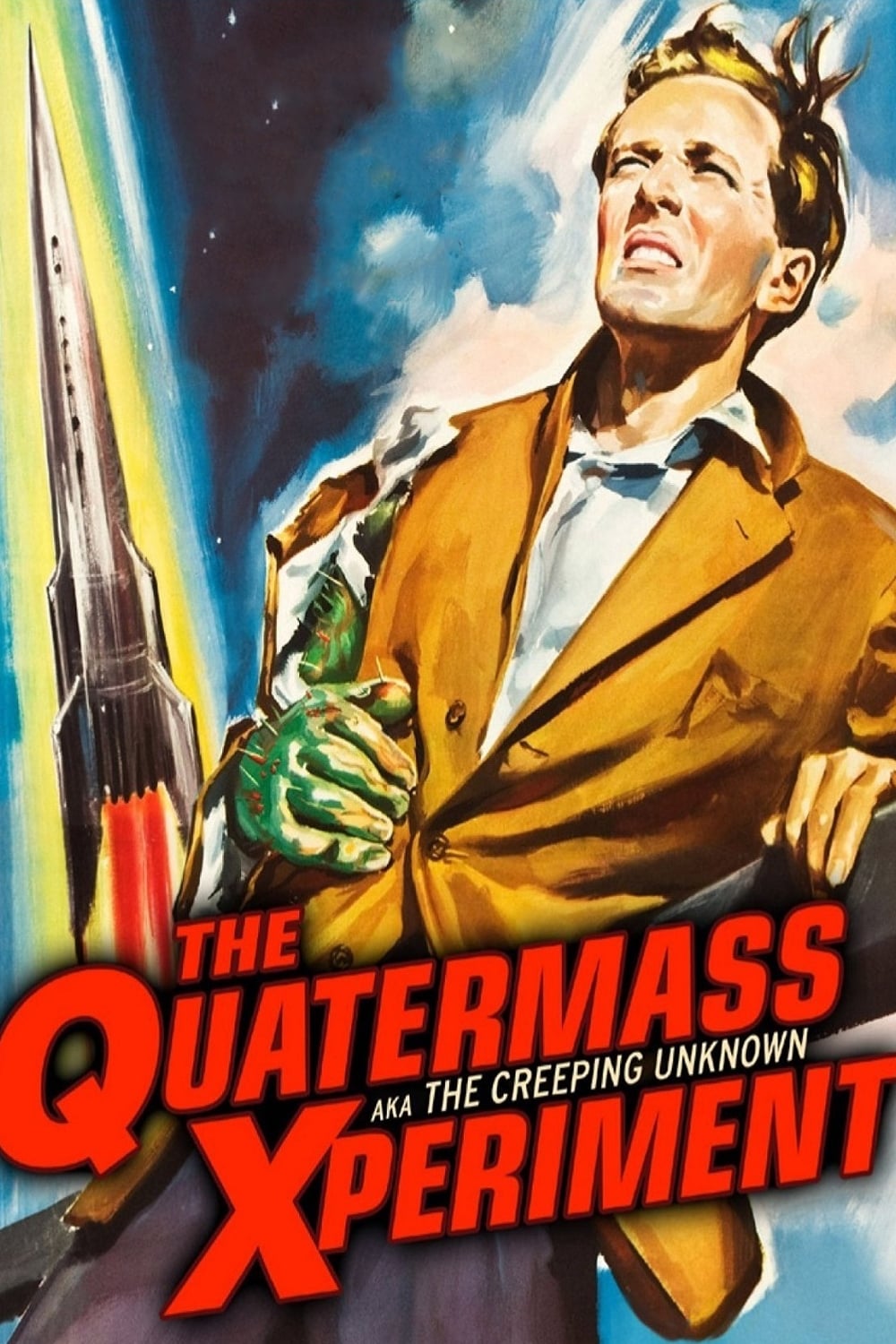
The Quatermass Xperiment
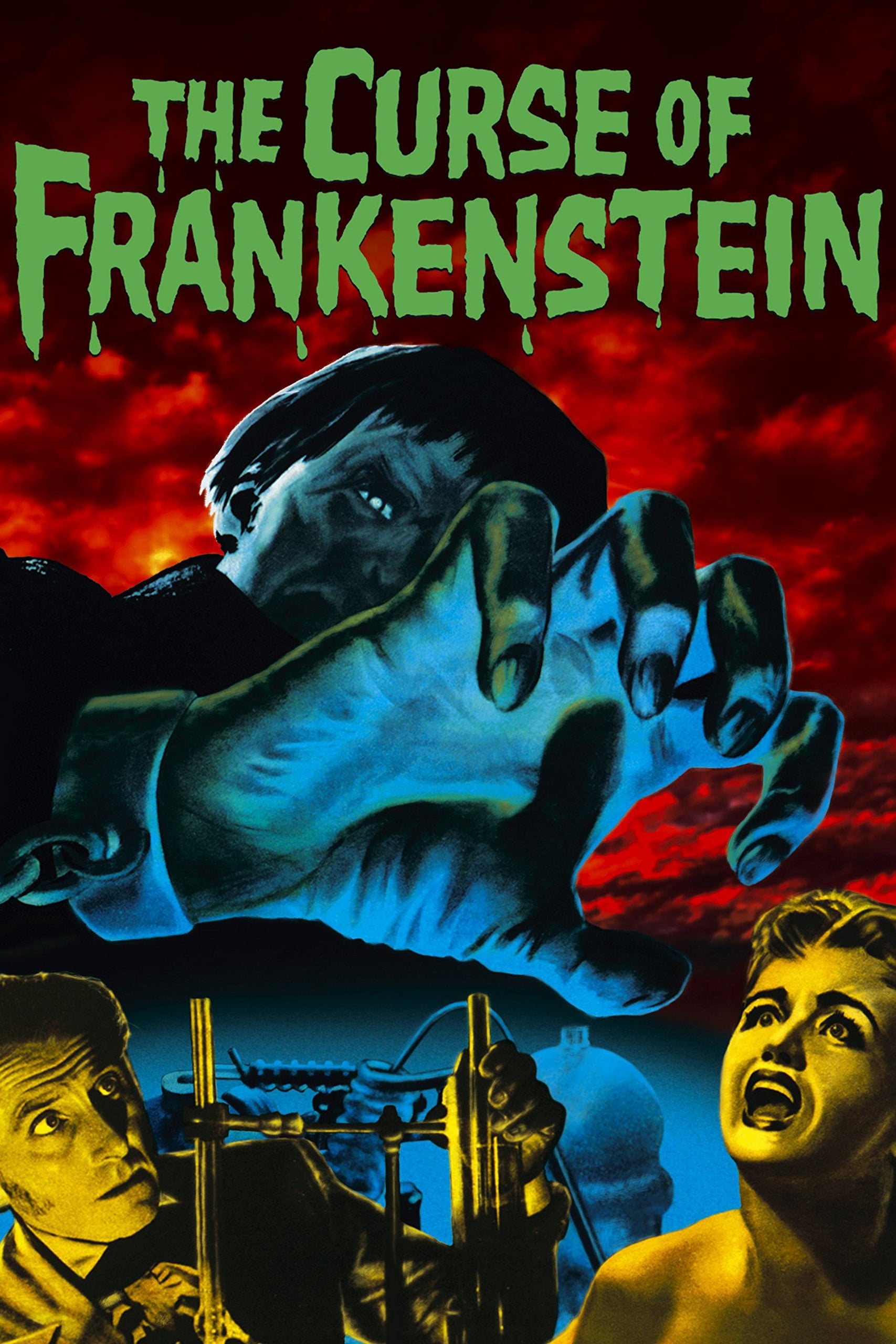
The Curse of Frankenstein
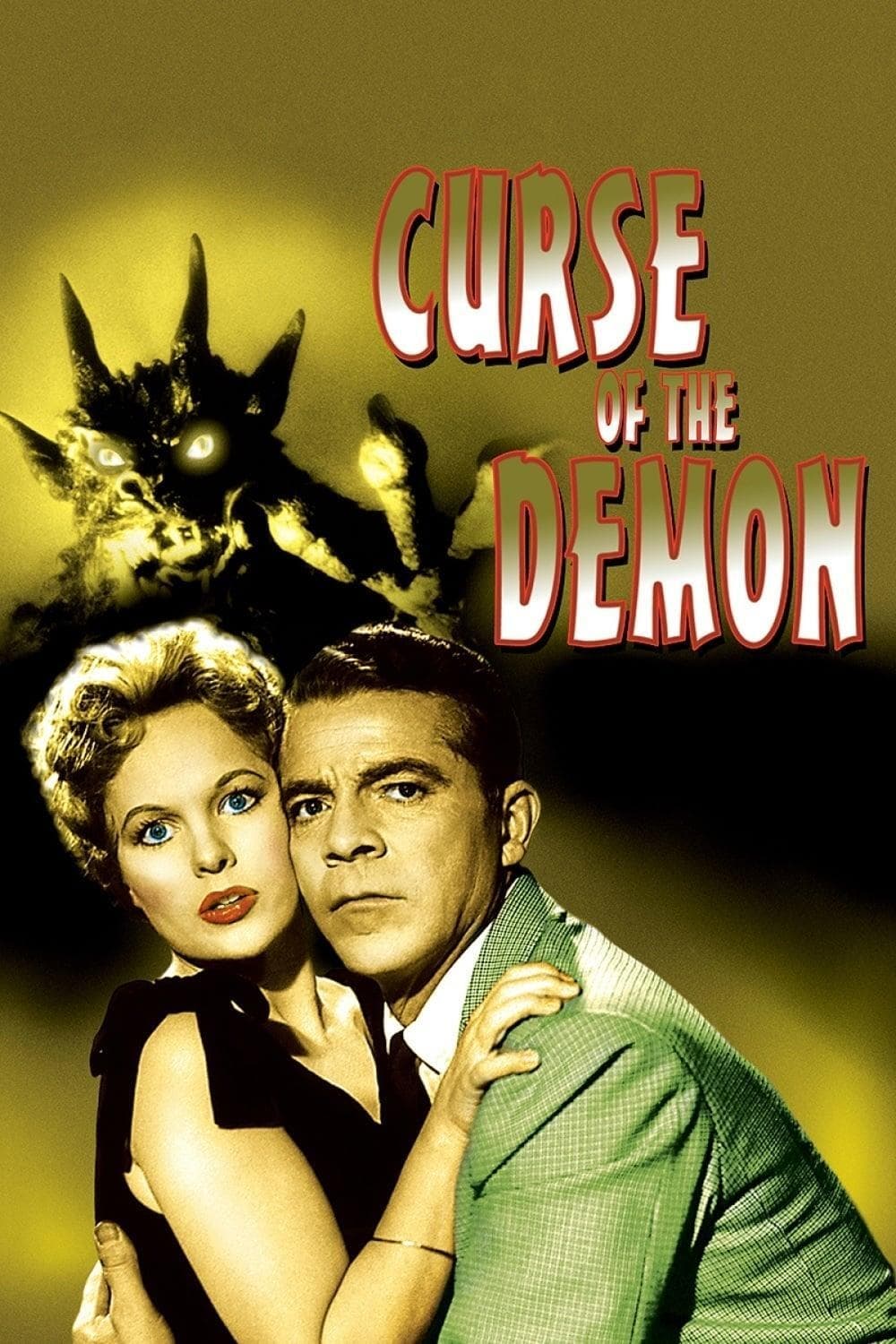
Night of the Demon
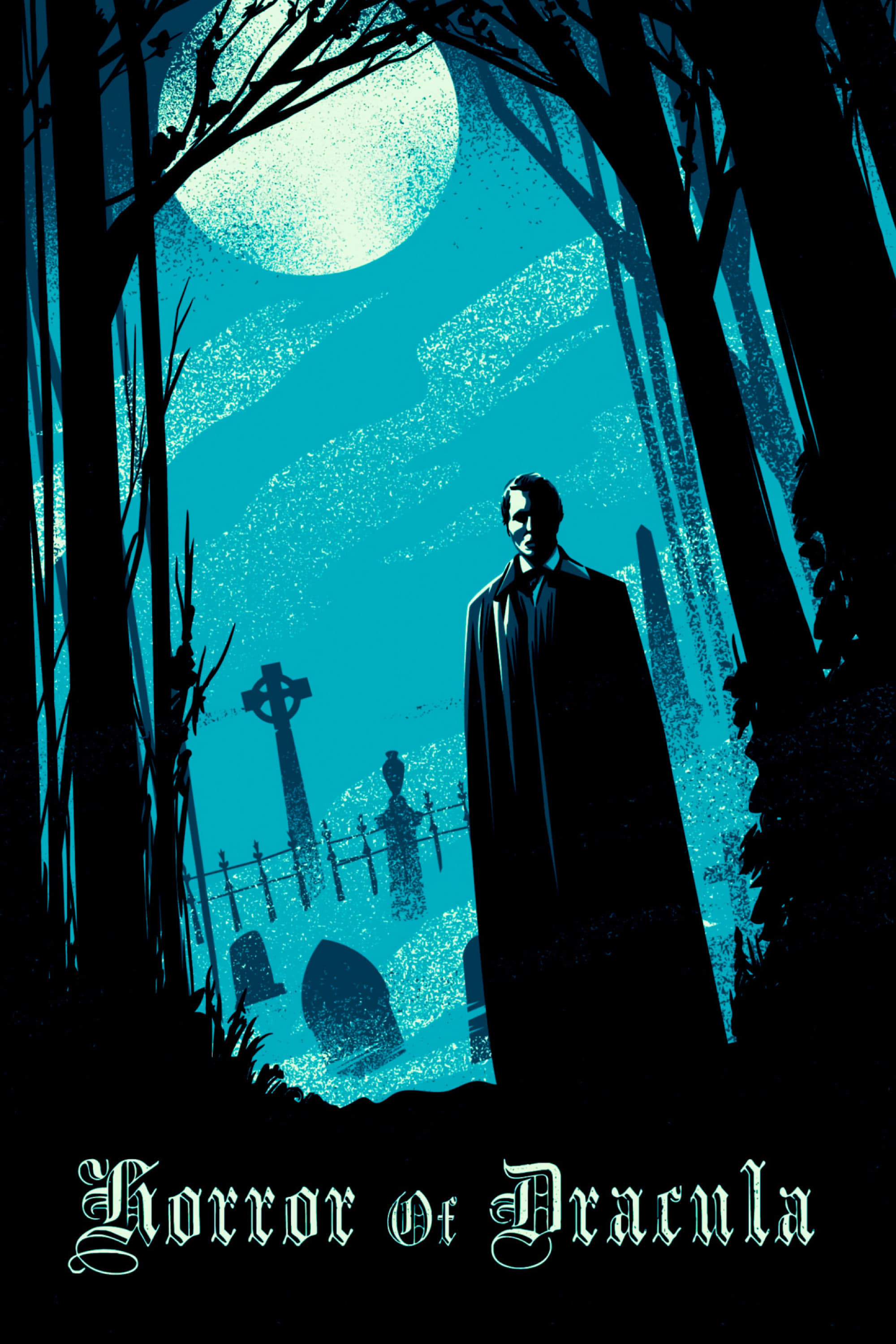
Dracula
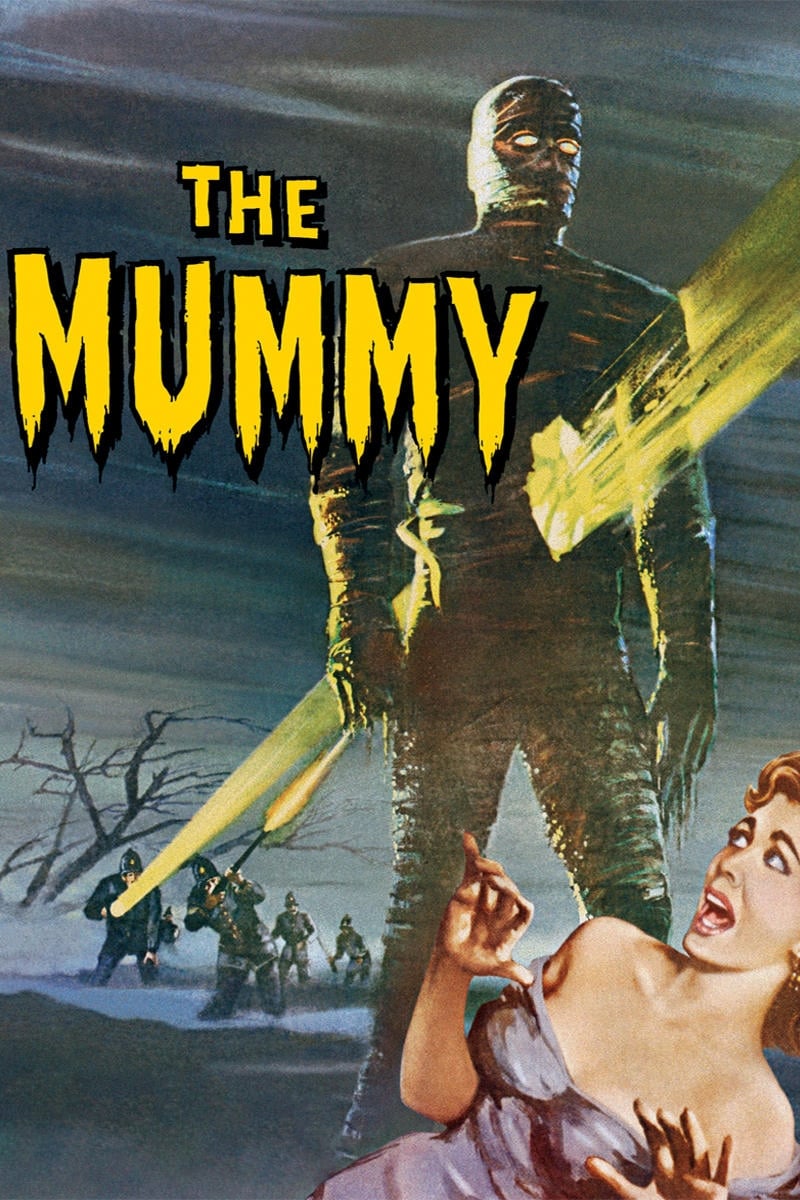
The Mummy
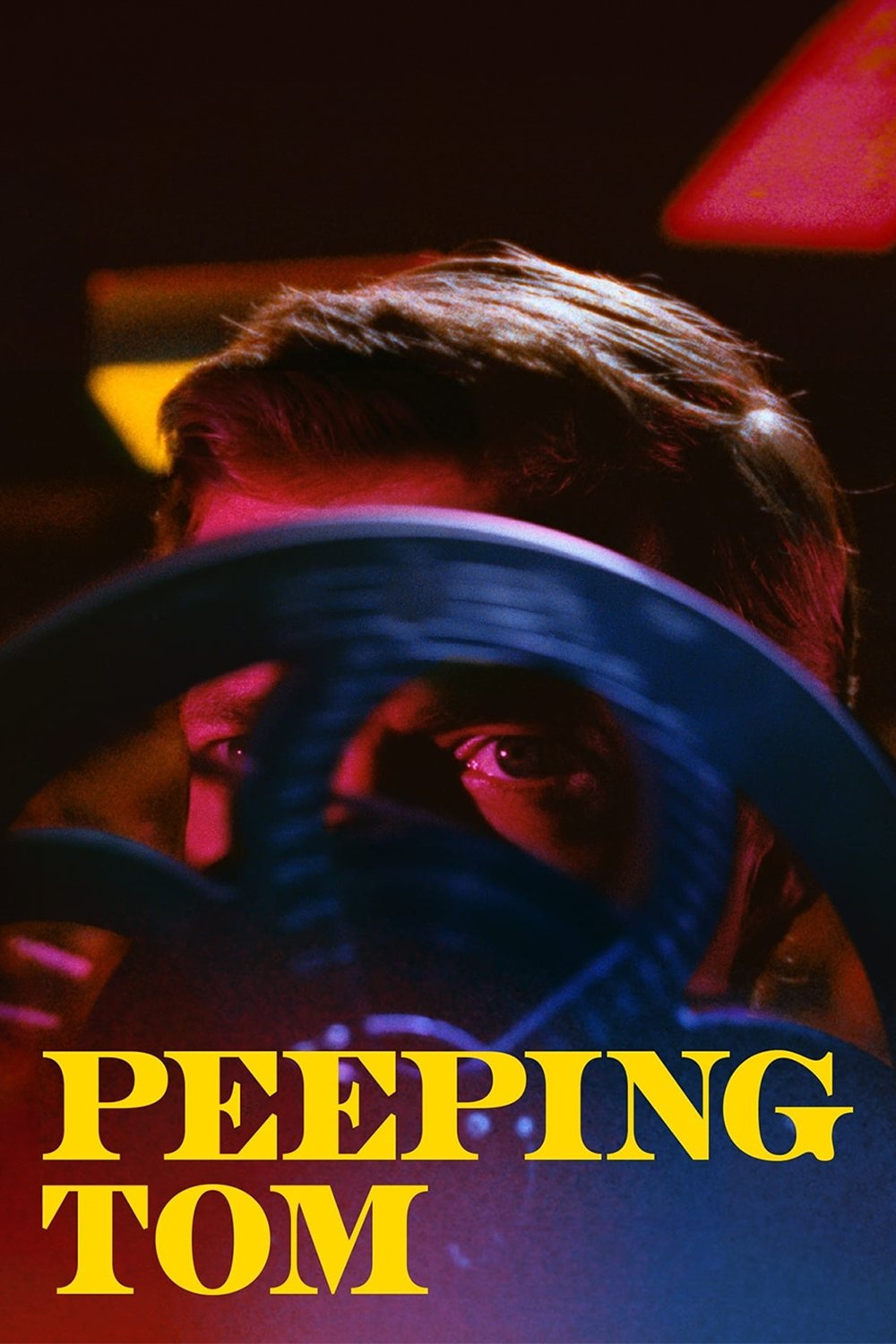
Peeping Tom
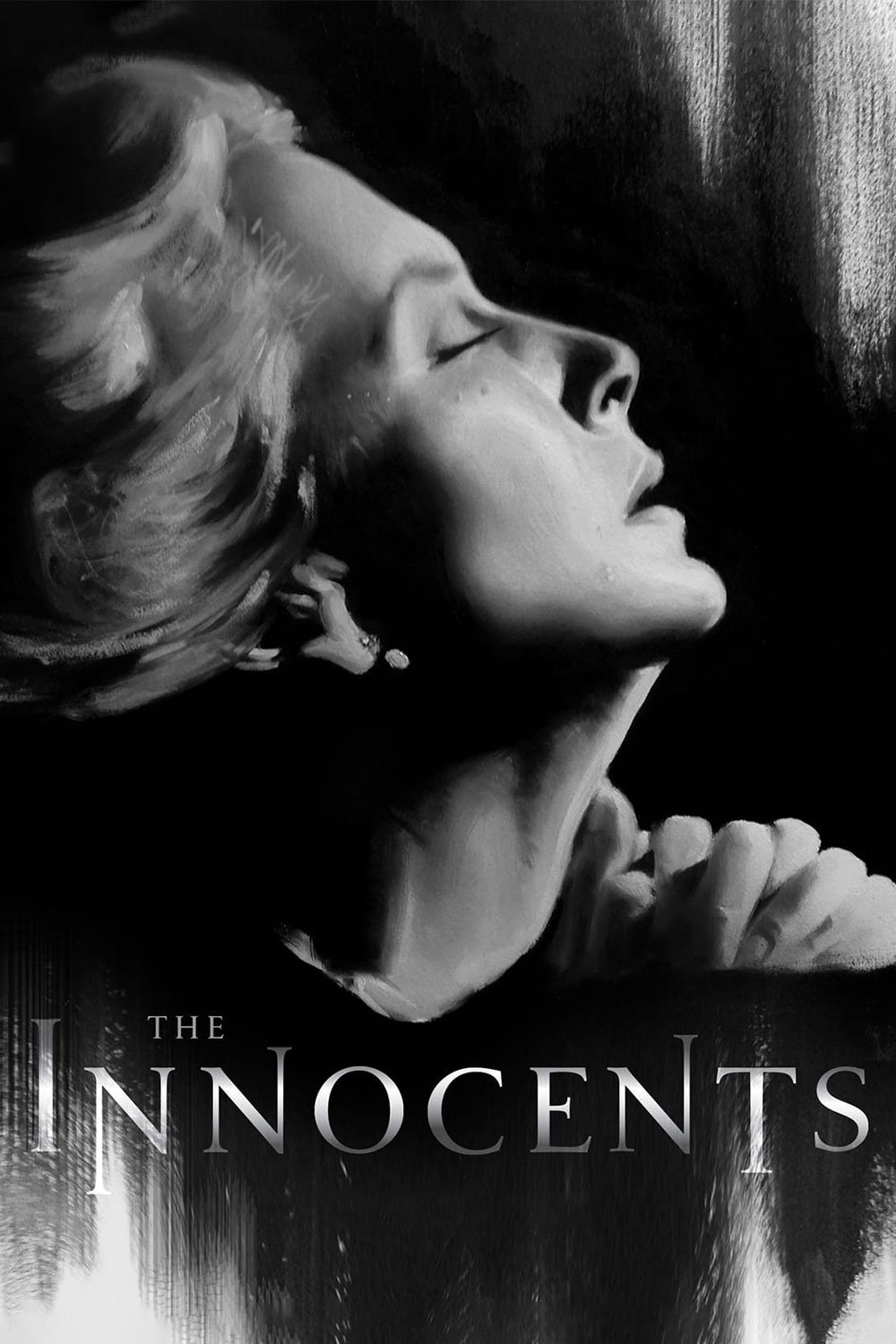
The Innocents
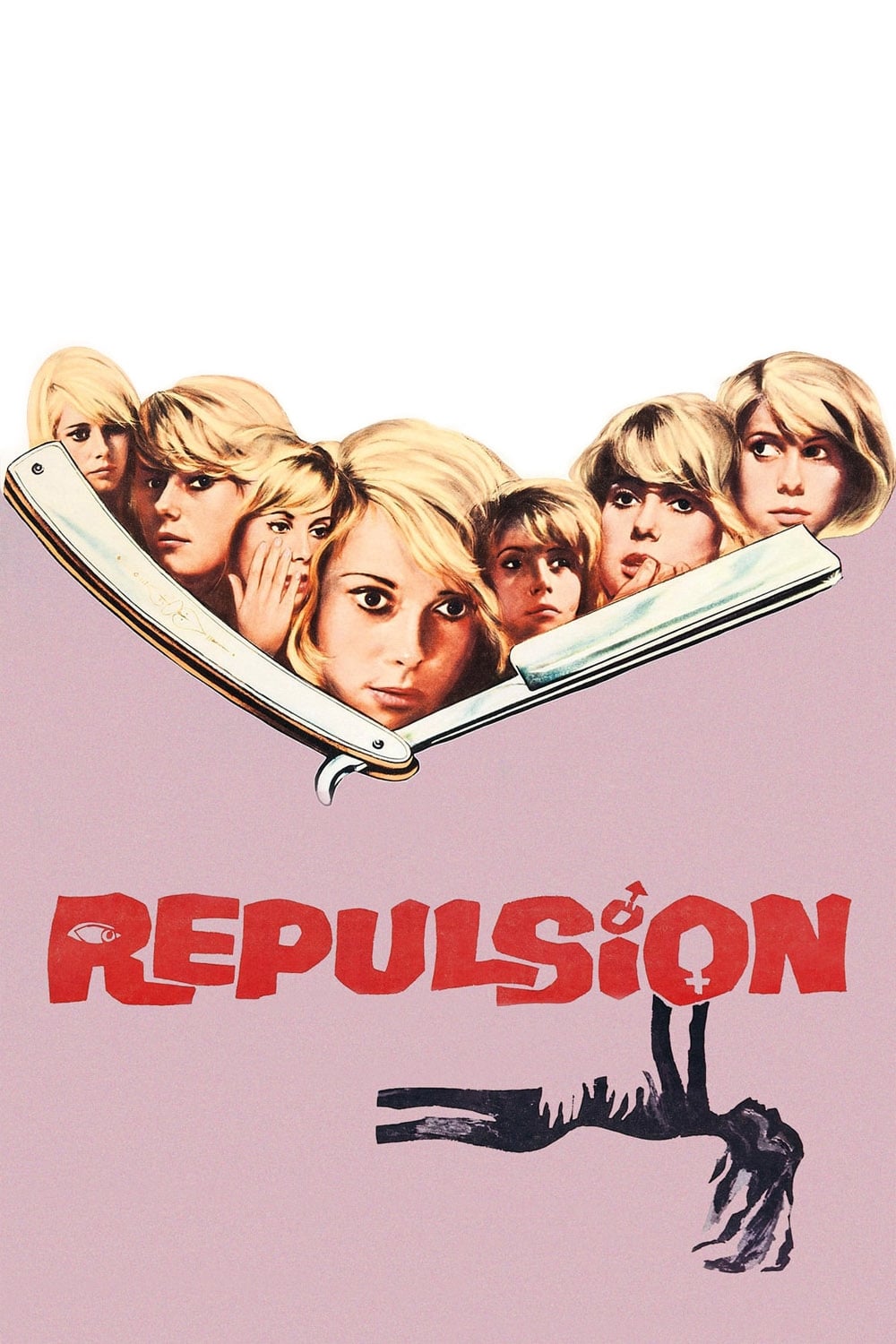
Repulsion
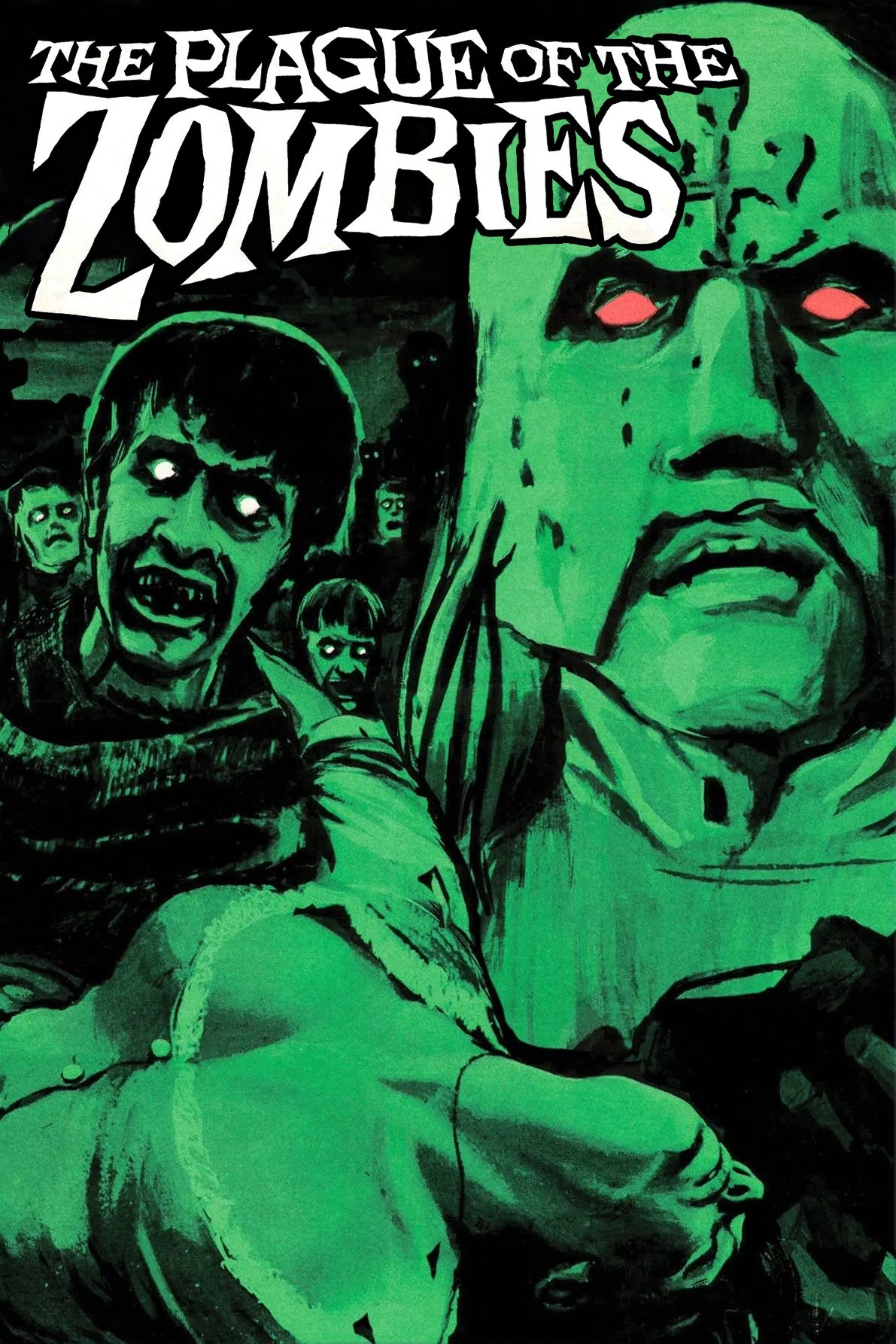
The Plague of the Zombies
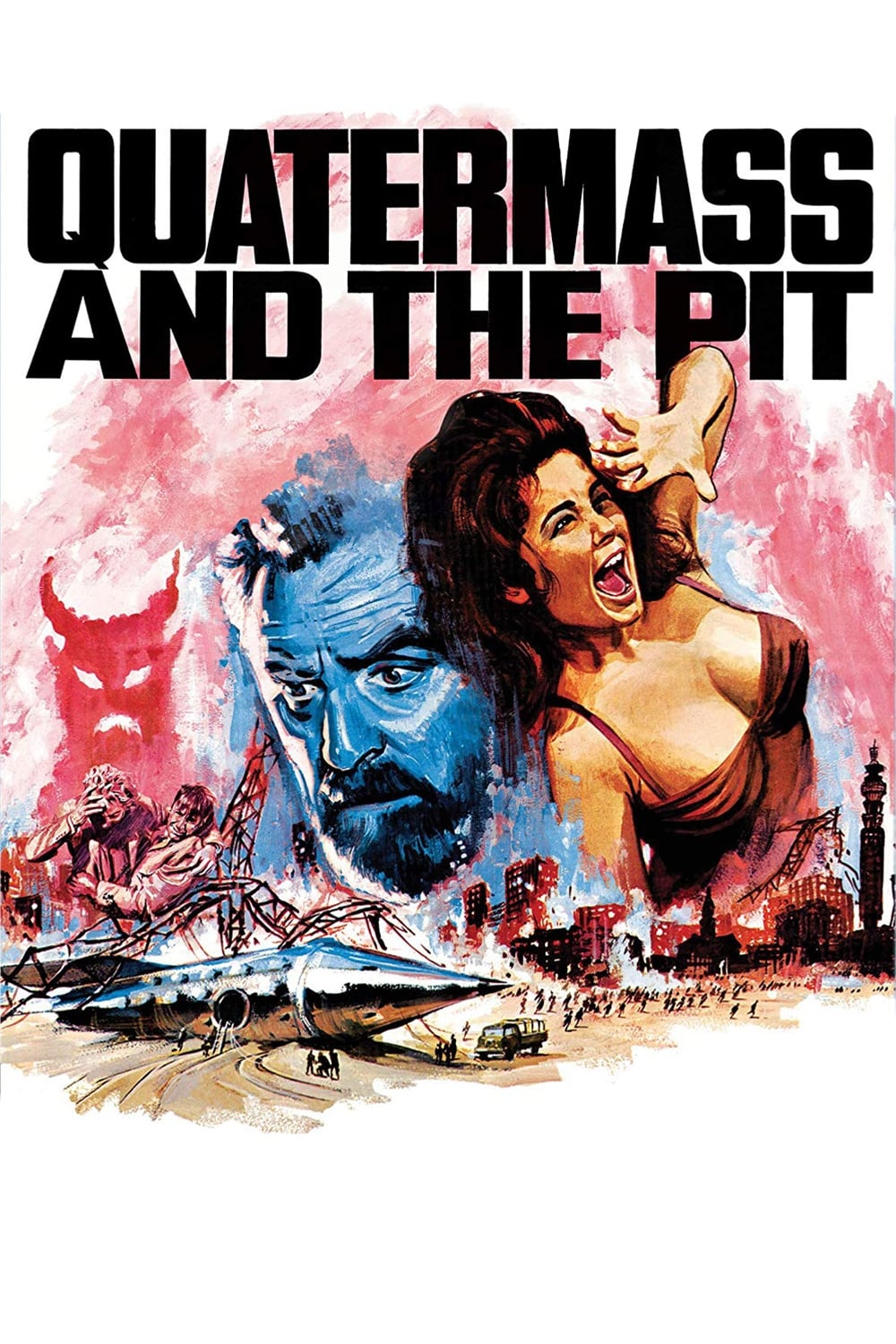
Quatermass and the Pit
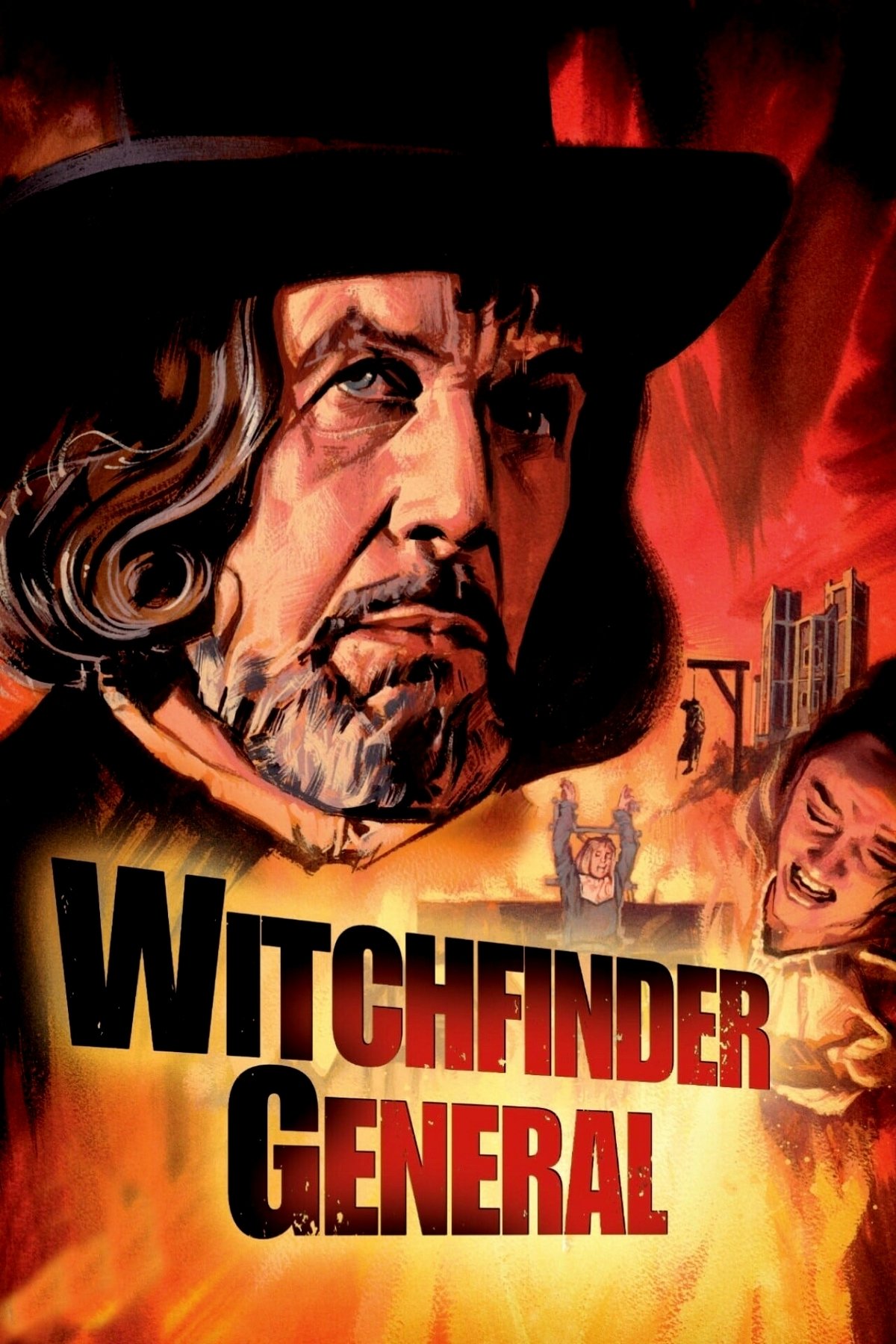
Witchfinder General
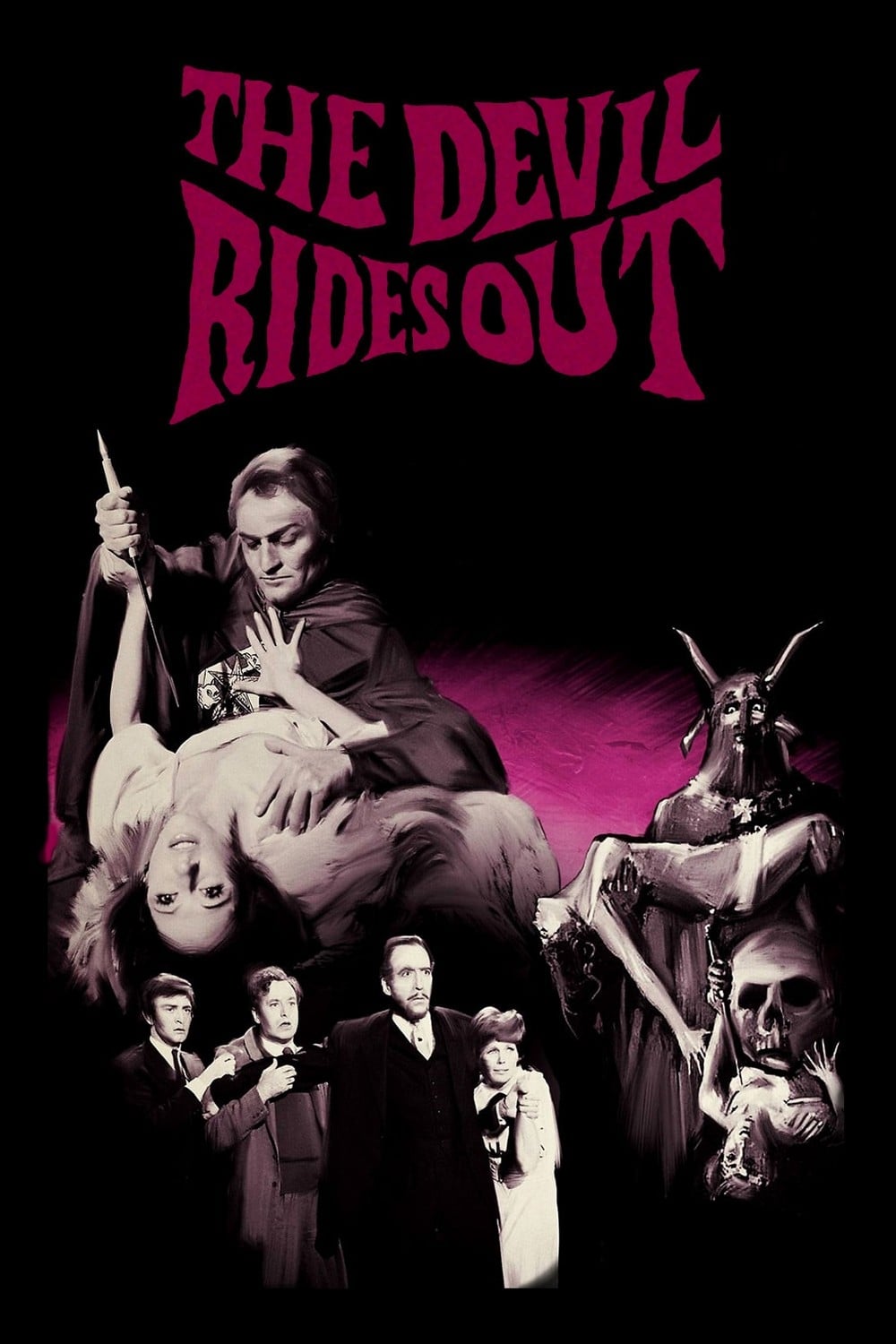
The Devil Rides Out
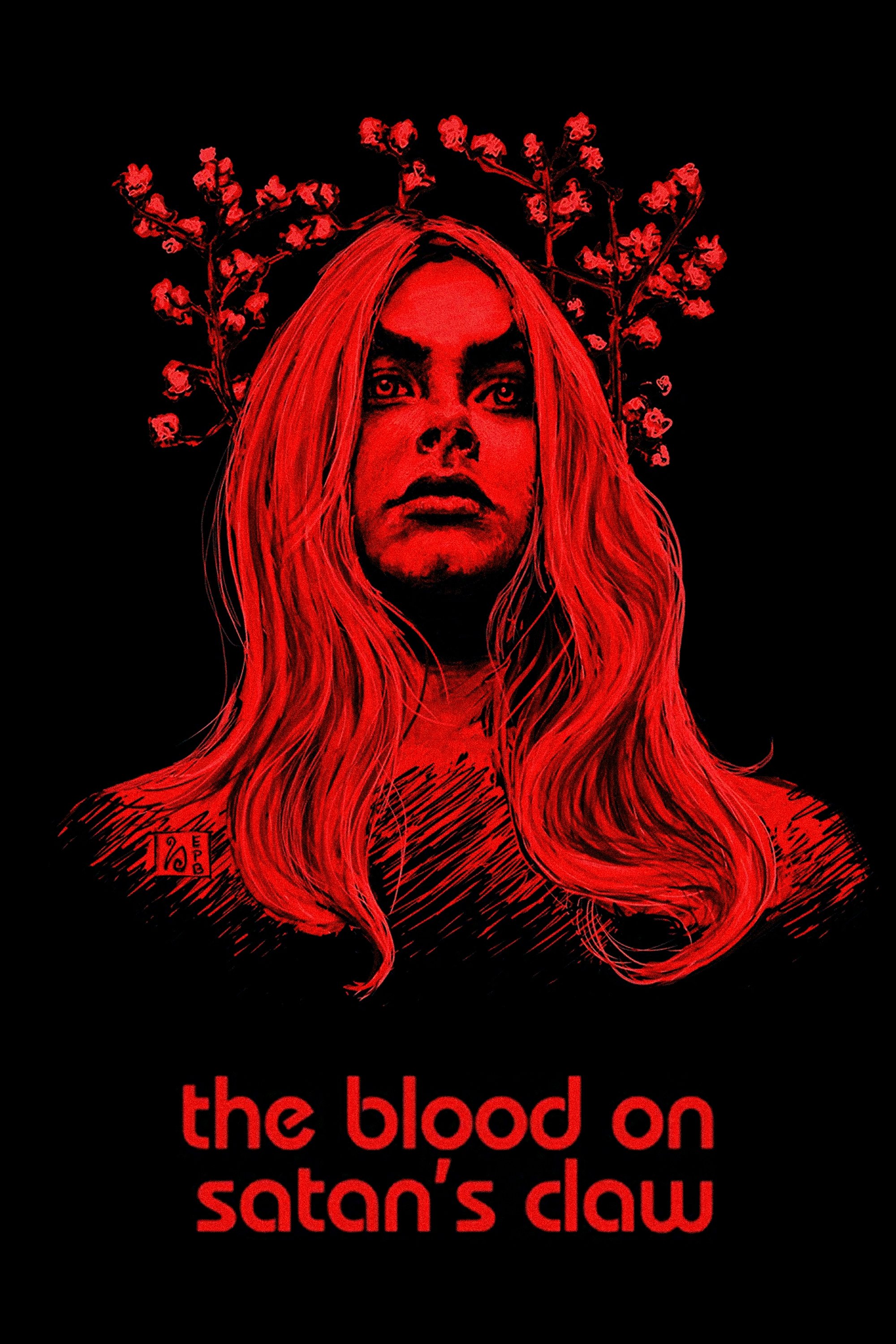
The Blood on Satan's Claw
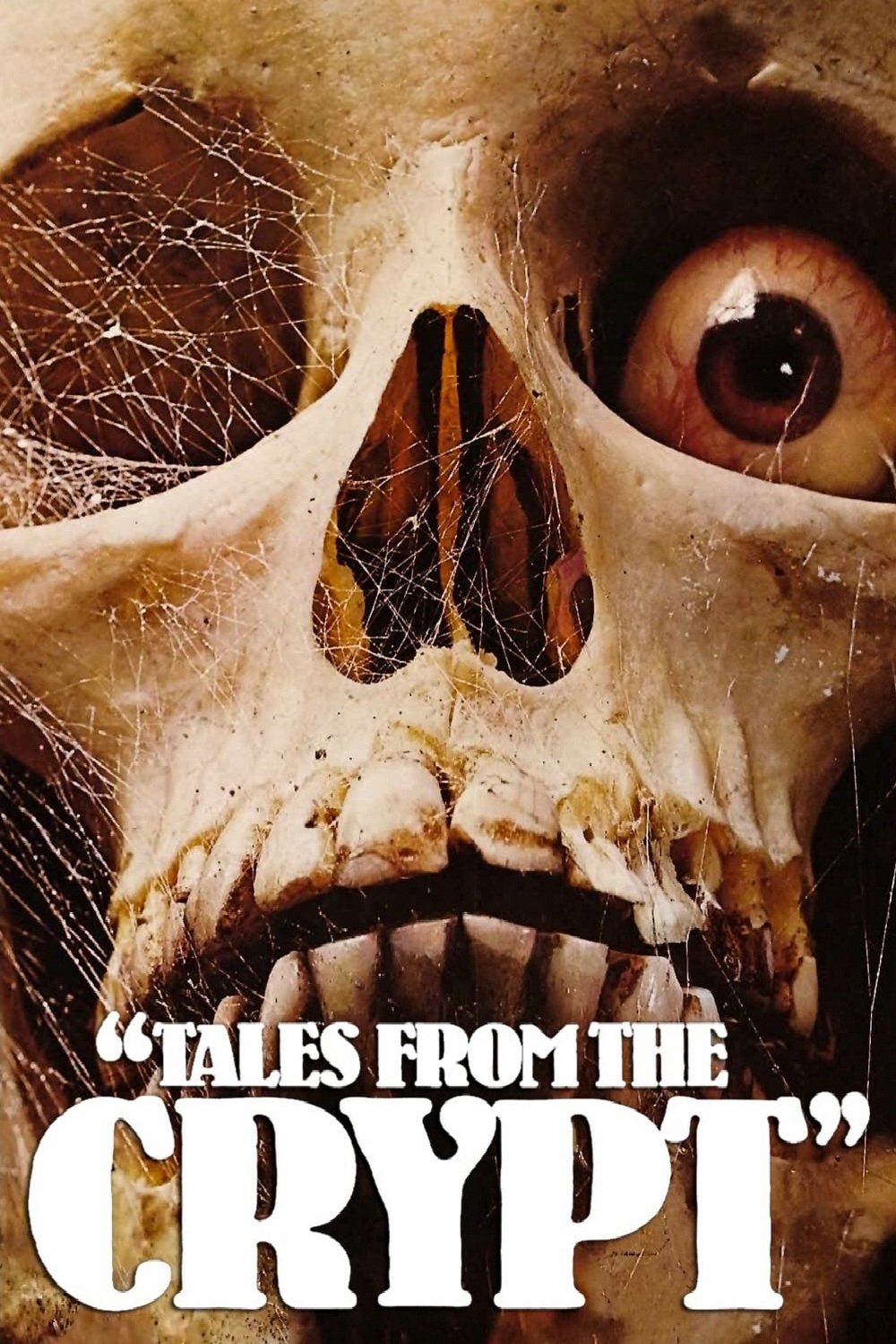
Tales from the Crypt
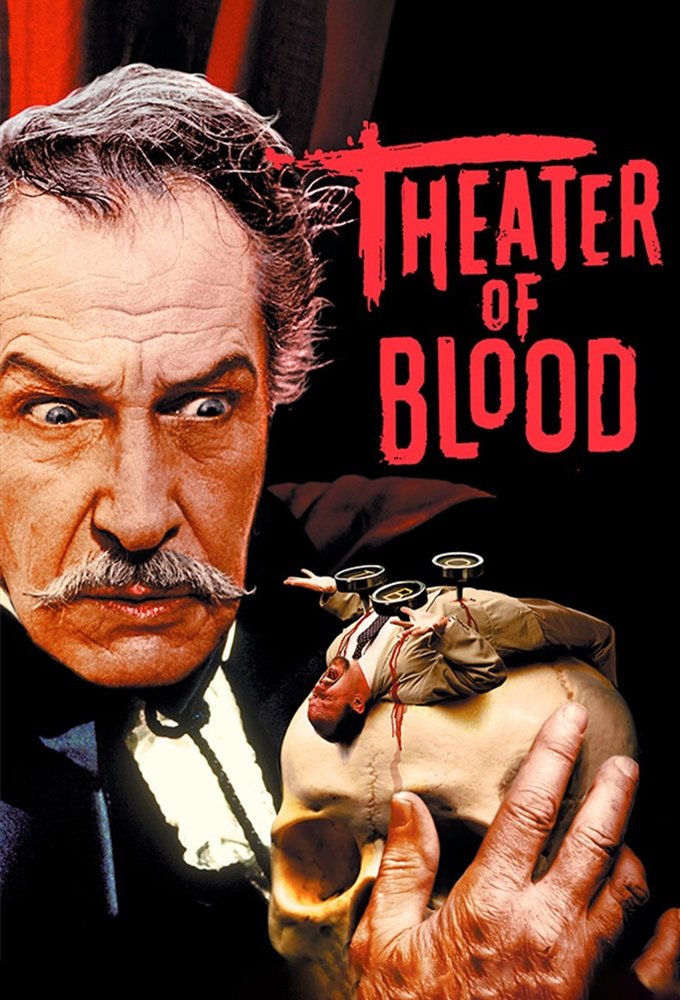
Theatre of Blood
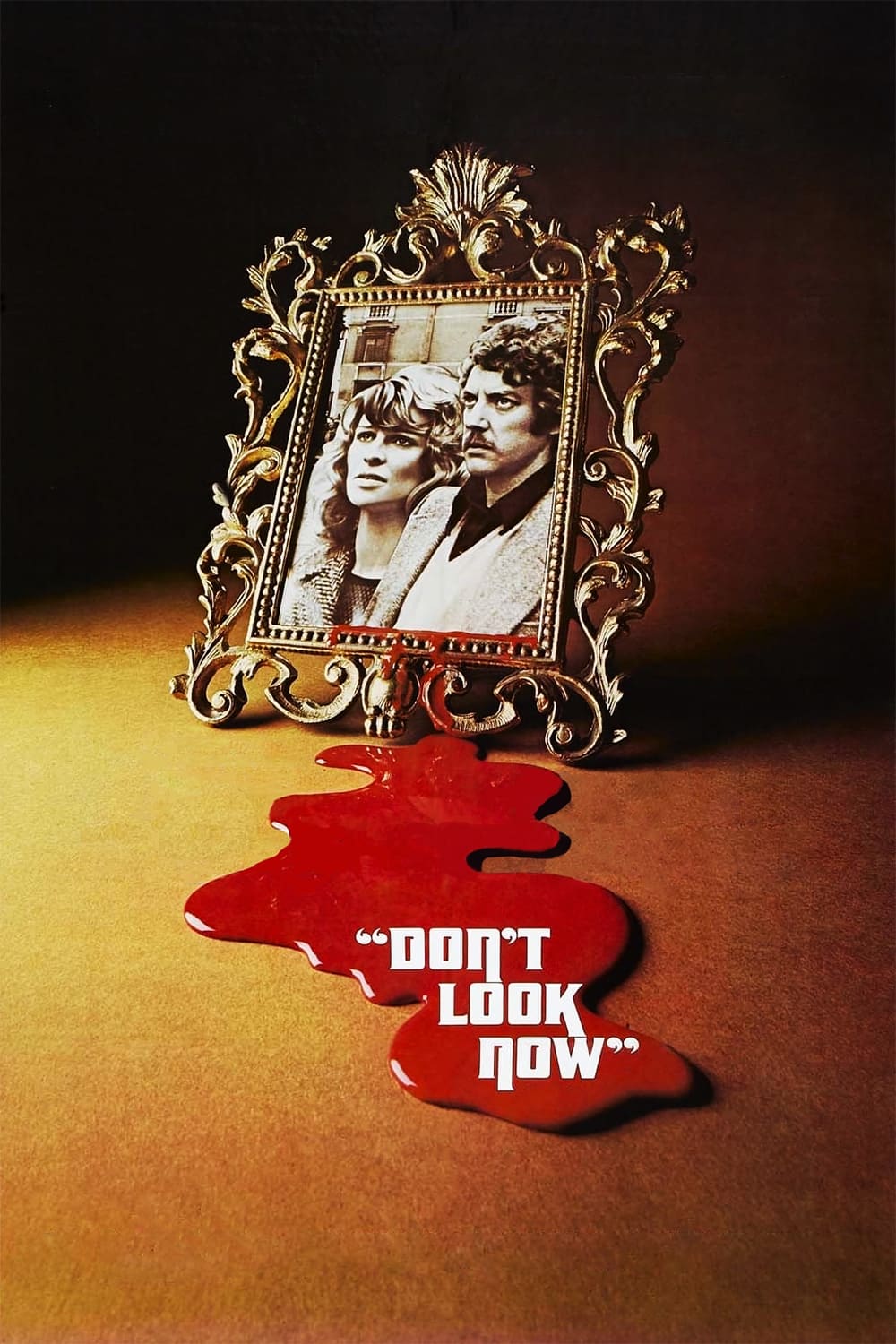
Don't Look Now
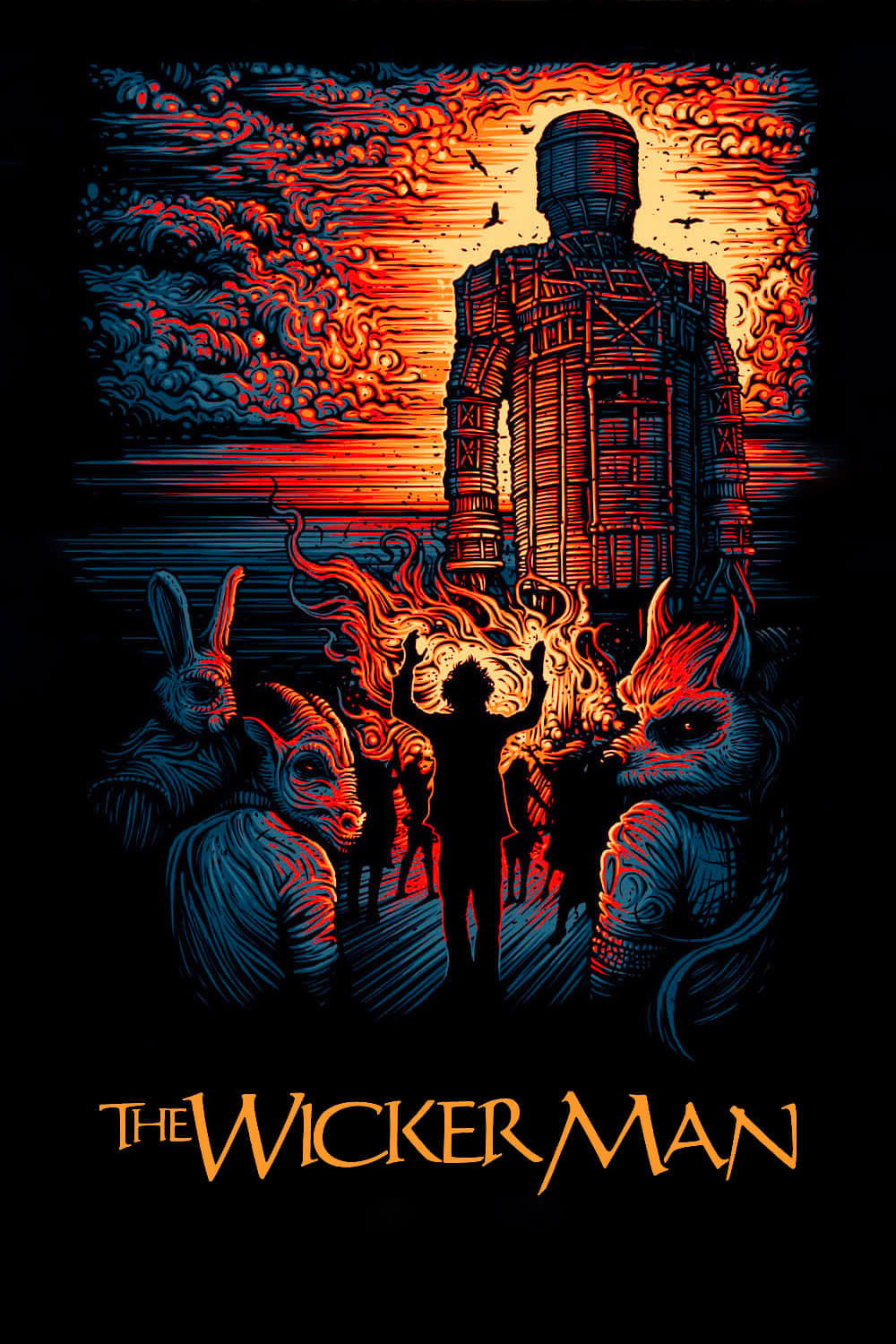
The Wicker Man
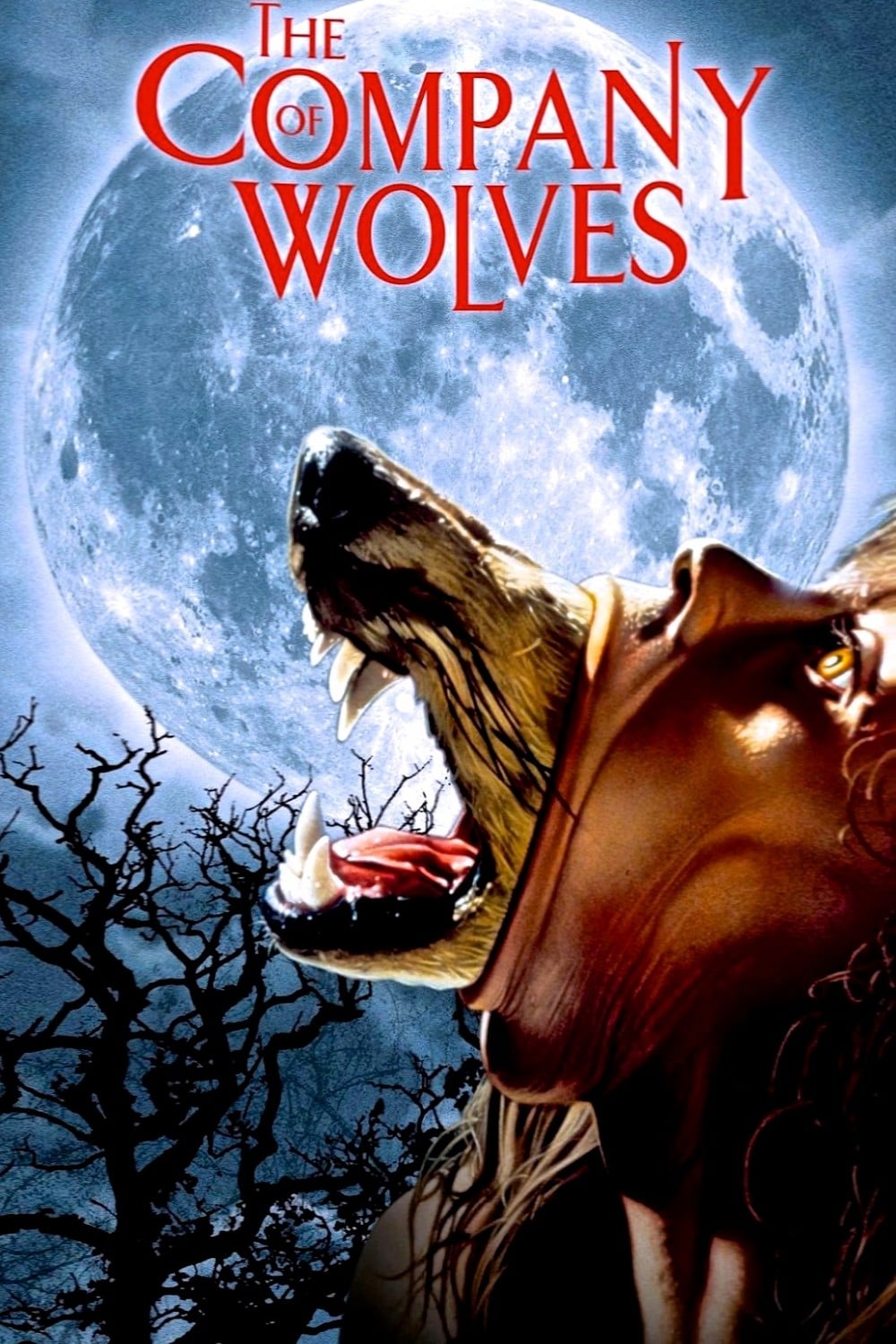
The Company of Wolves
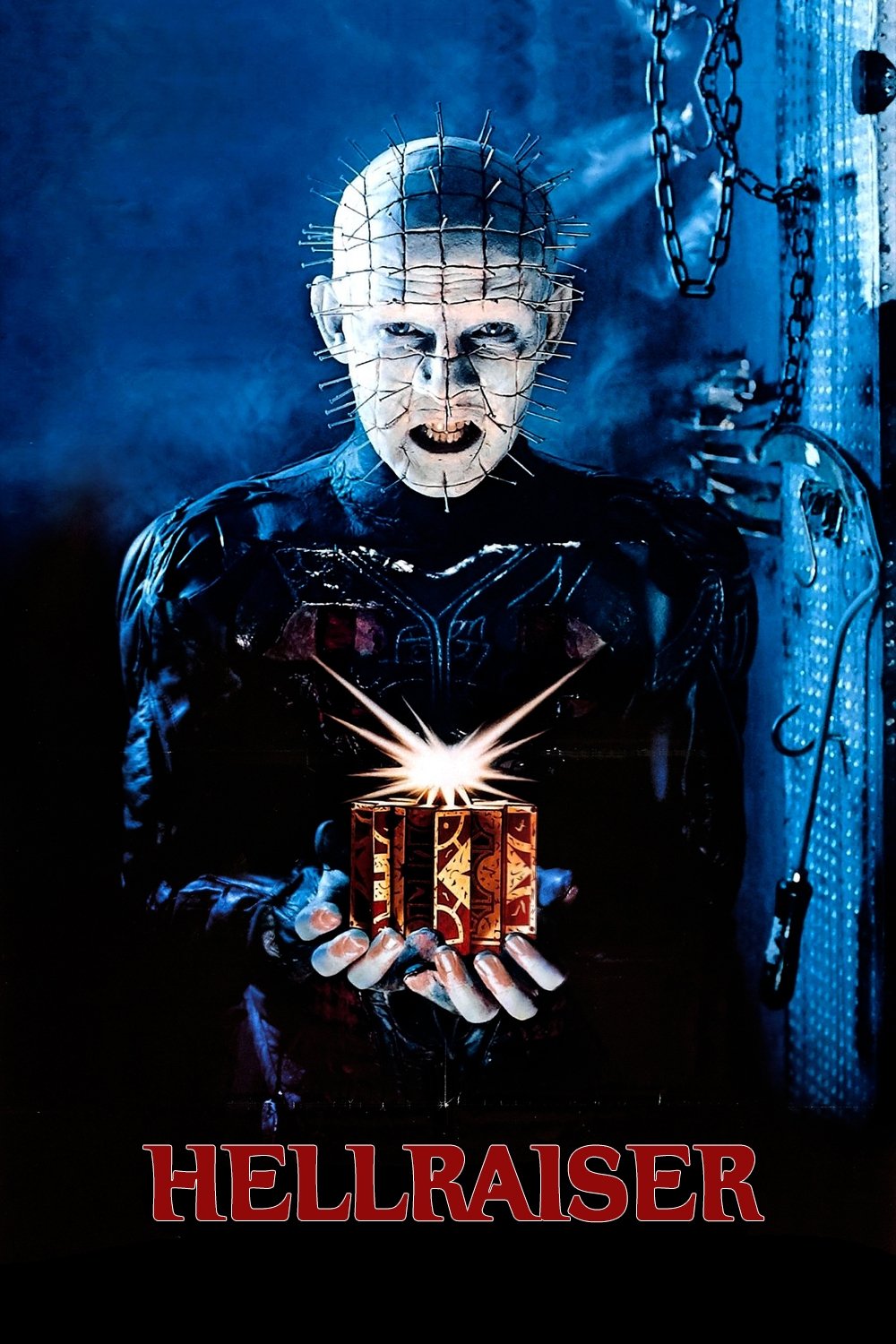
Hellraiser
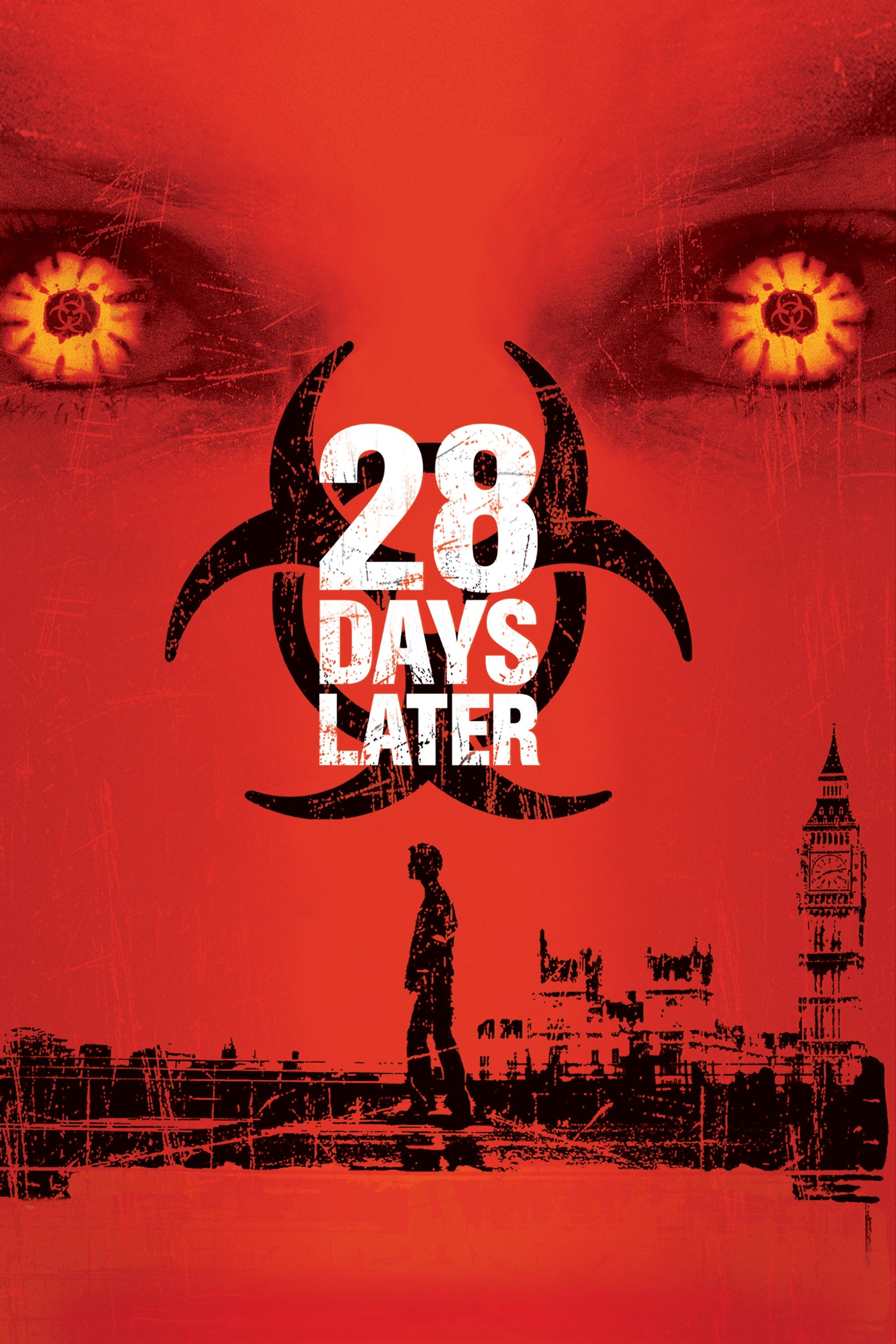
28 Days Later
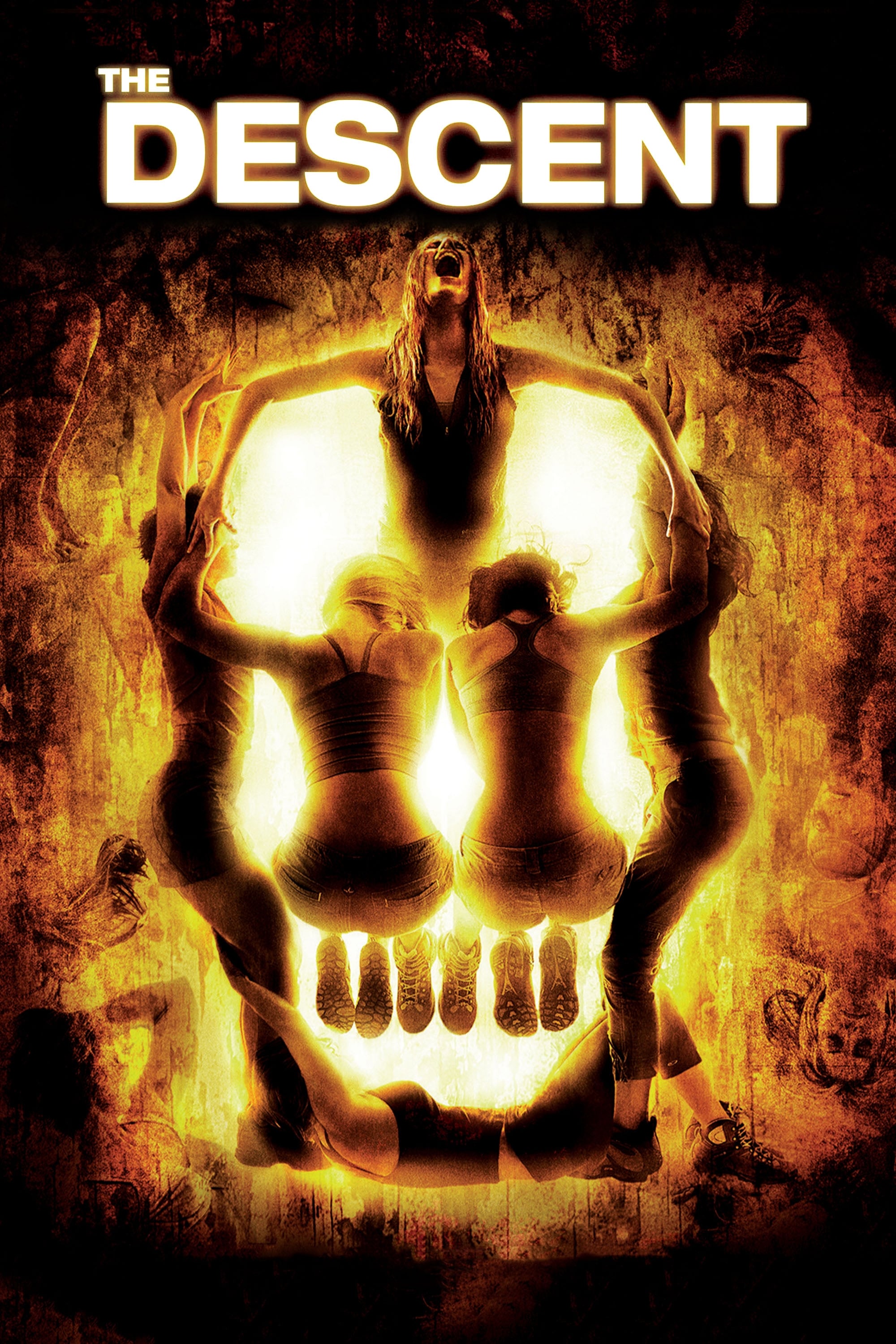
The Descent
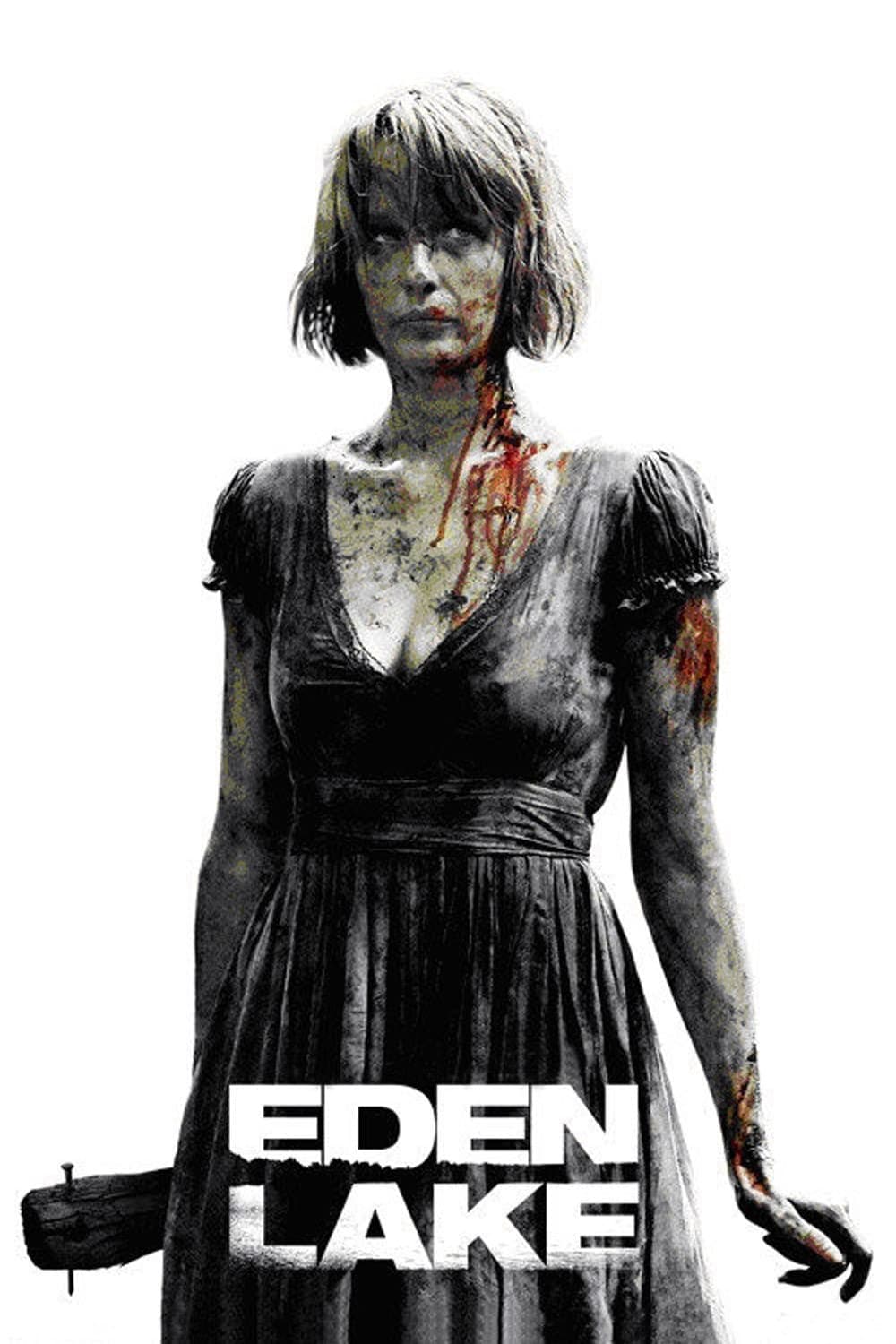
Eden Lake
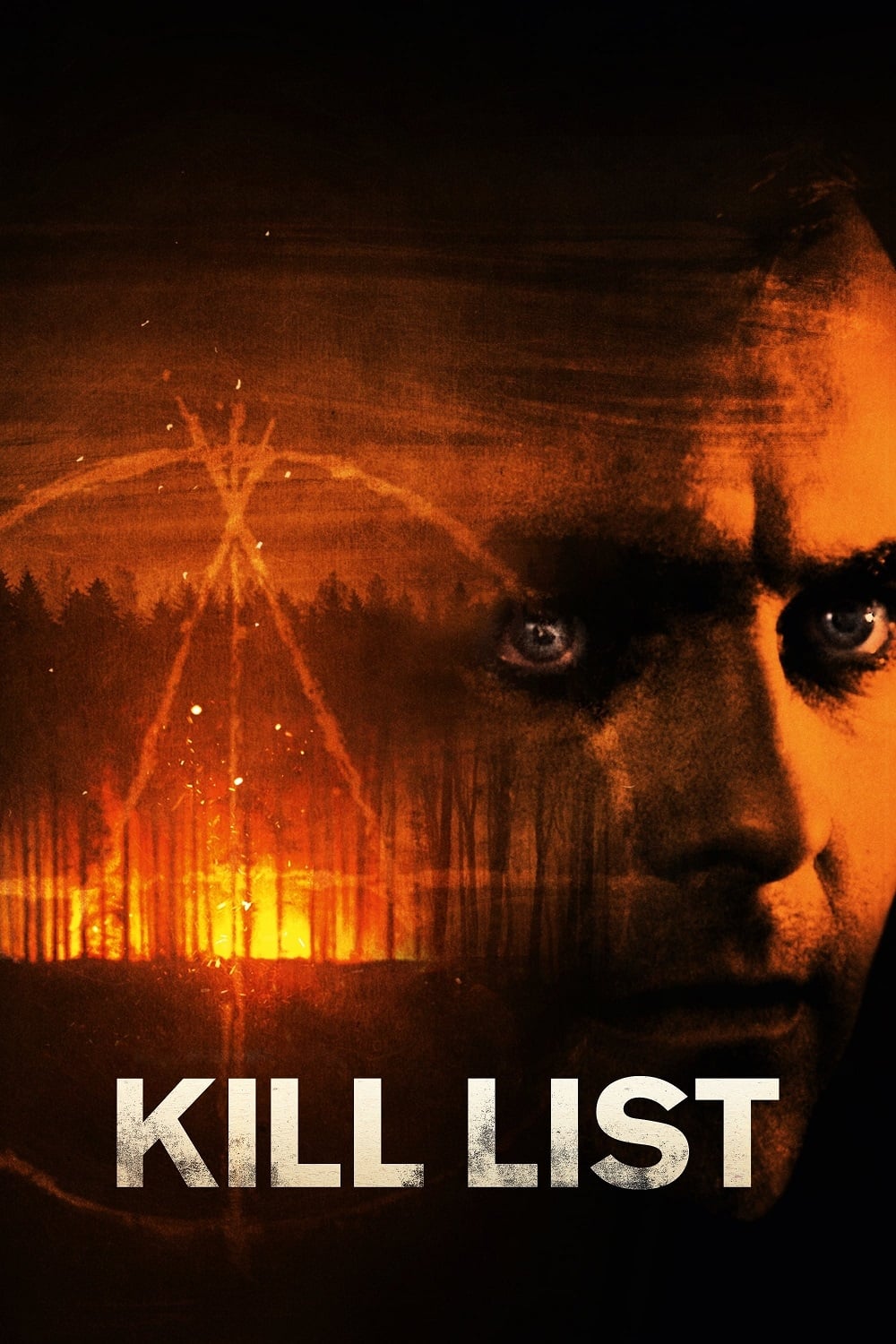
Kill List
A Field in England
His House
Saint Maud
Censor
Men
Statistics
Top Subgenres
Popularity by Decade
Share of each decade's horror films classified as United Kingdom horror. Counts films with at least 5 TMDB ratings, so very obscure titles are not represented.