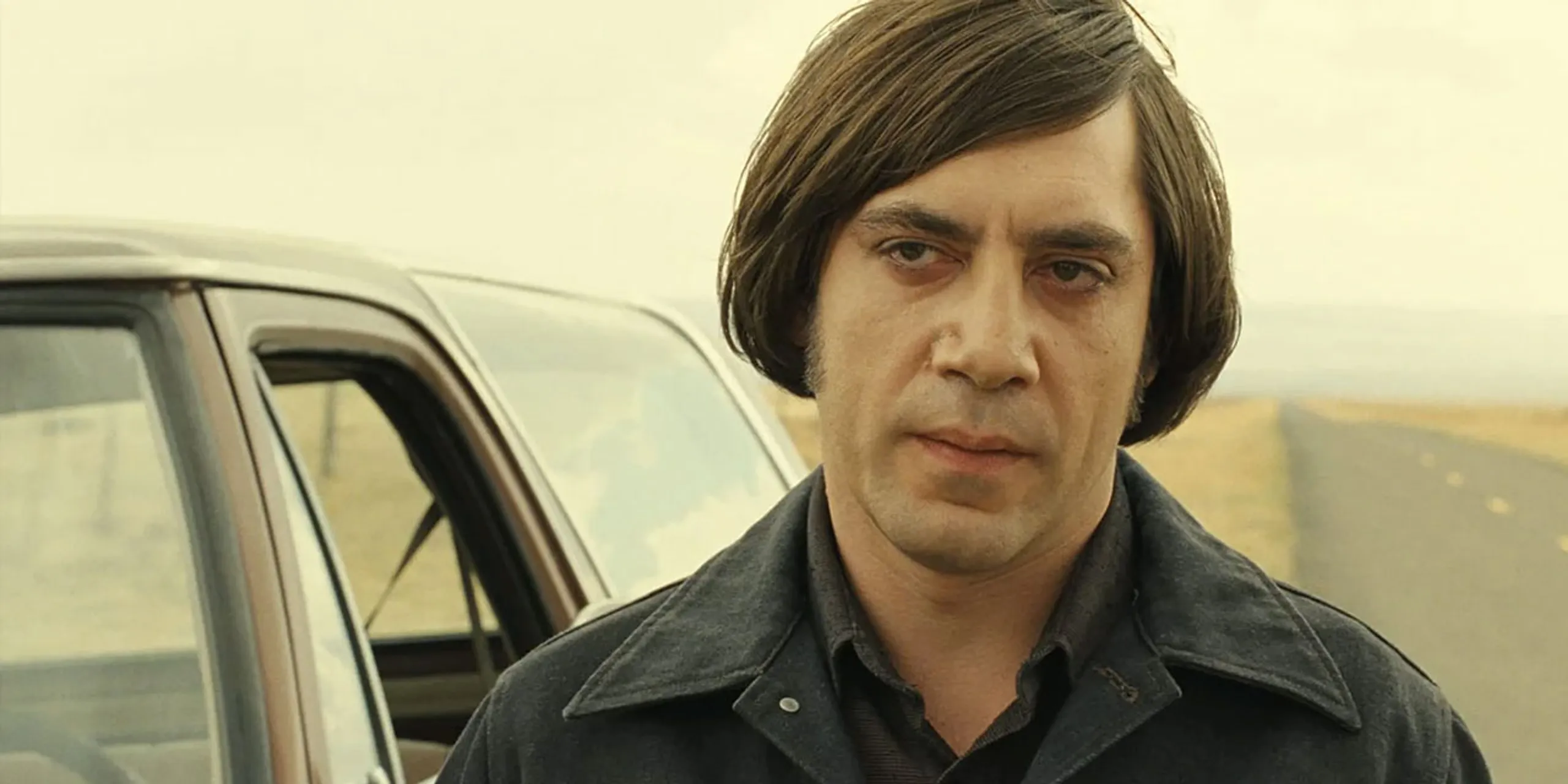
 No Country For Old Men (2007)
Crime Horror
Where criminal violence crosses into genuine terror. The investigation becomes a descent, and the killer's psychology is as horrifying as any supernatural threat.
History & Origins
Crime horror exists at the intersection of two genres that share a fascination with transgression but approach it from different angles. Crime fiction asks who did it and why; horror asks how it feels to be in the presence of evil. When the two merge, the procedural framework of the crime film becomes a delivery mechanism for genuine dread, and the case file — the interrogation, the cold-case obsession, the camera as journalist's witness — becomes the horror's structuring device. Where the slasher film centers the killer-figure as the source of terror, crime horror centers the investigation itself.
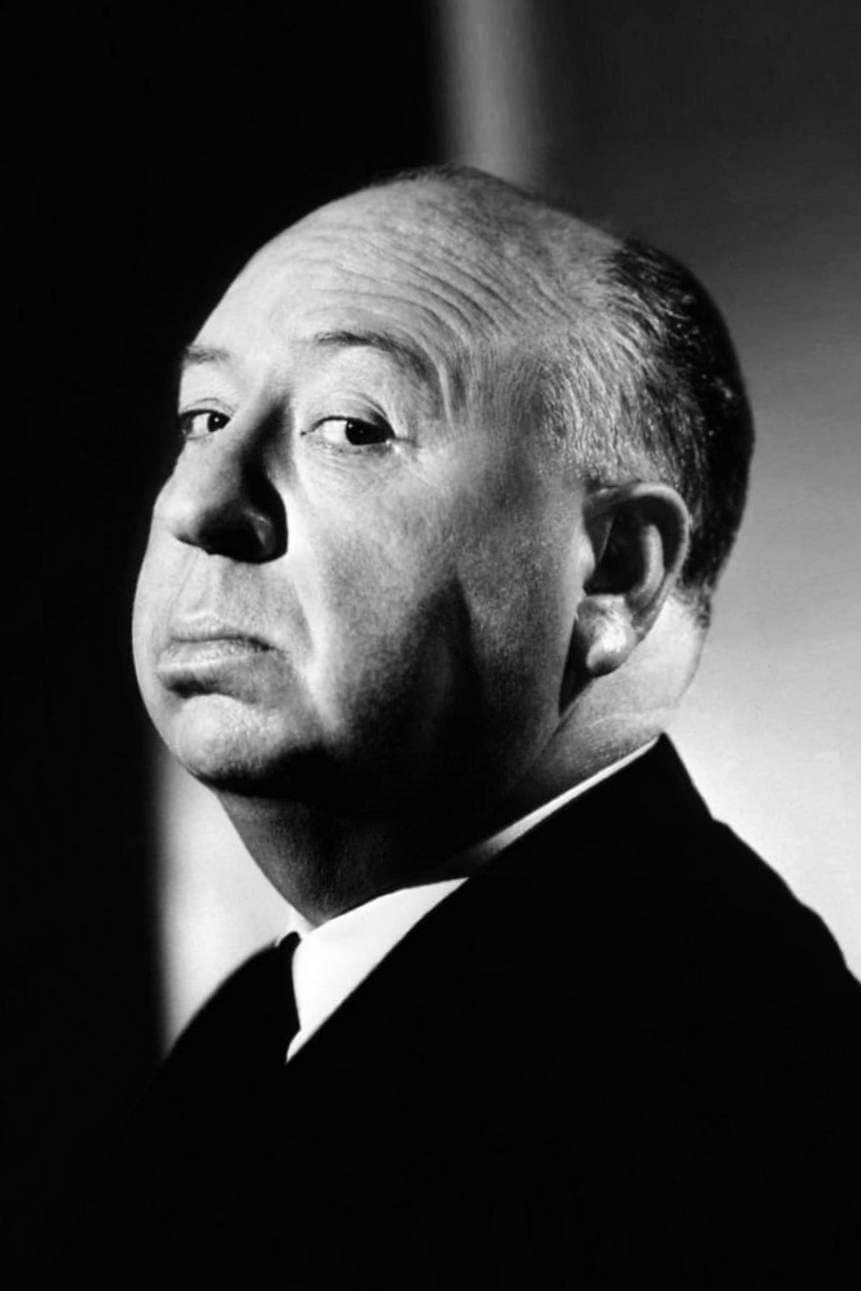
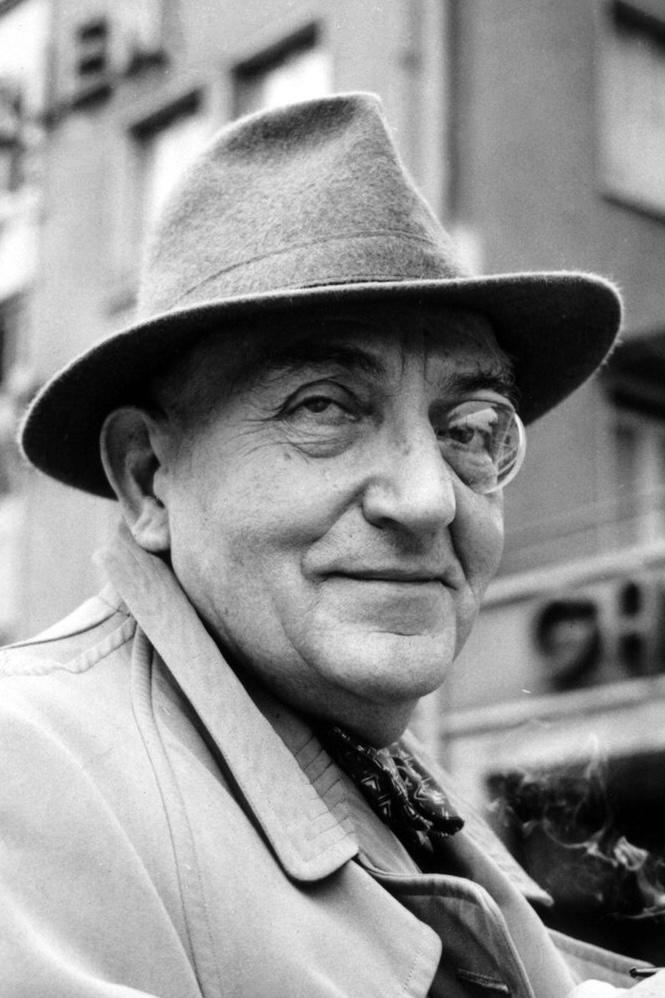
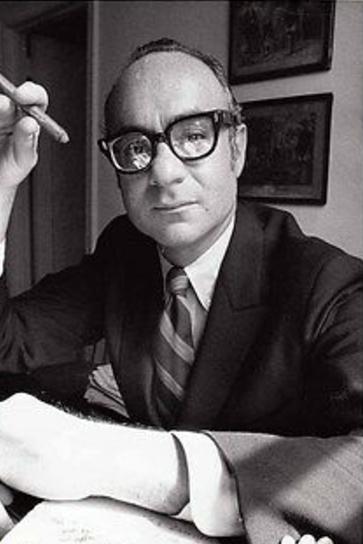
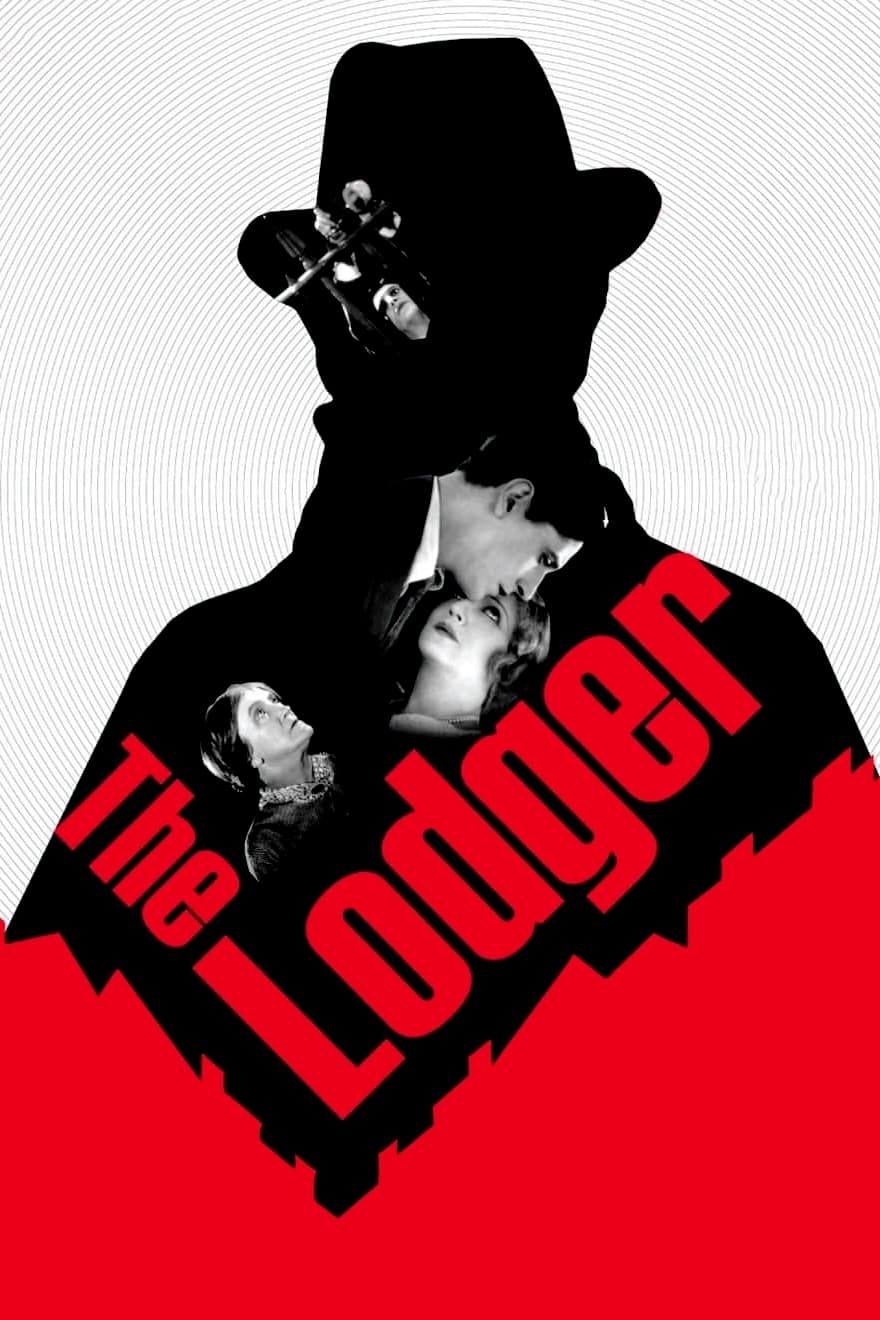
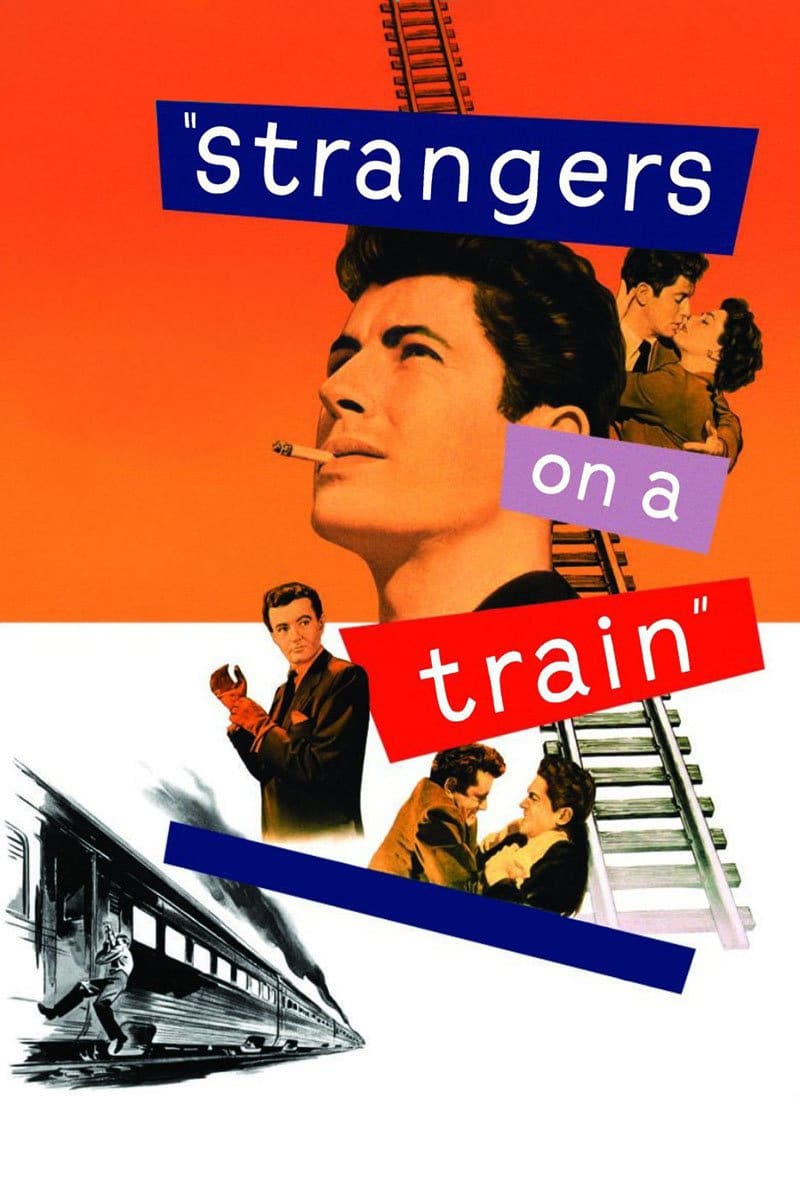
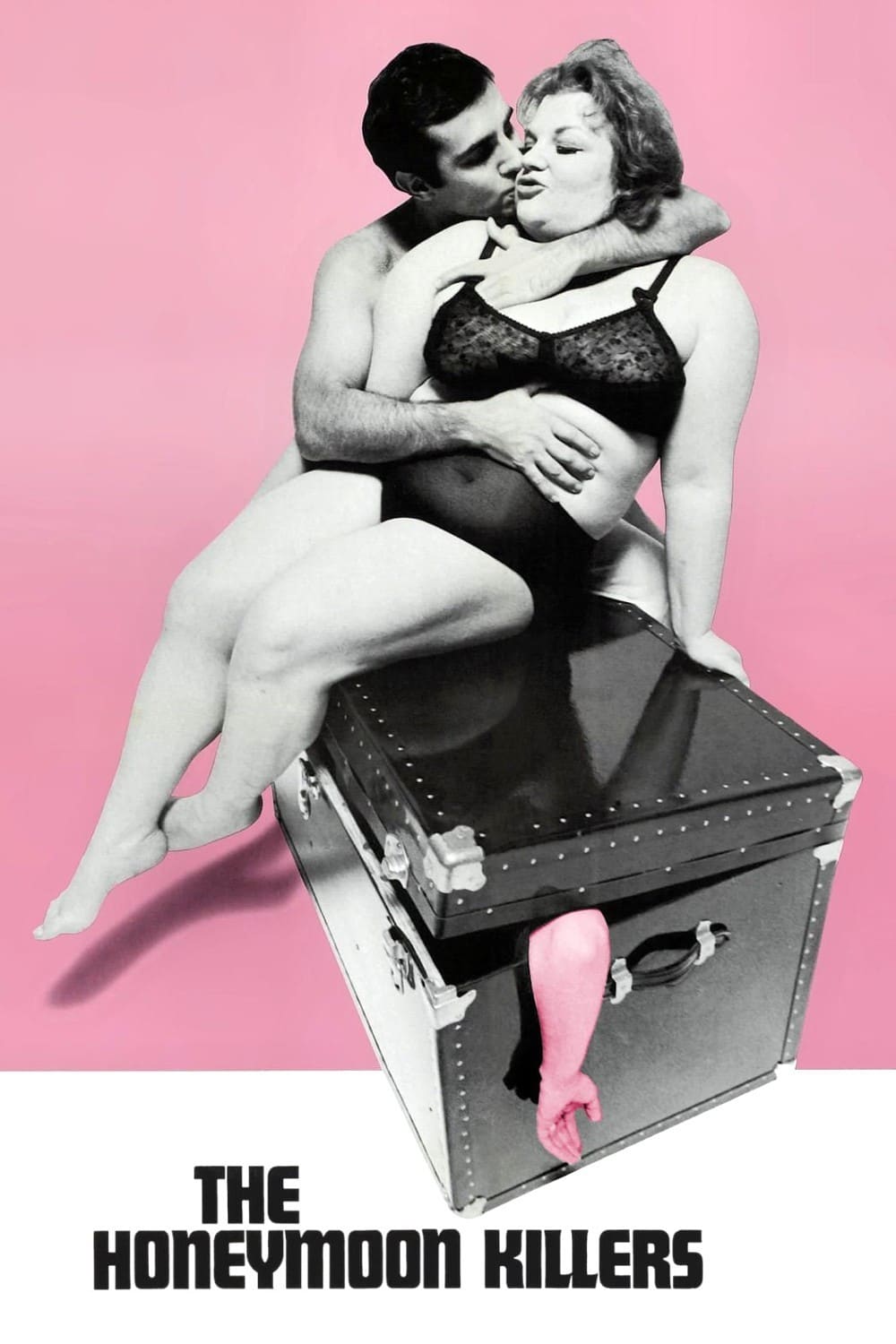
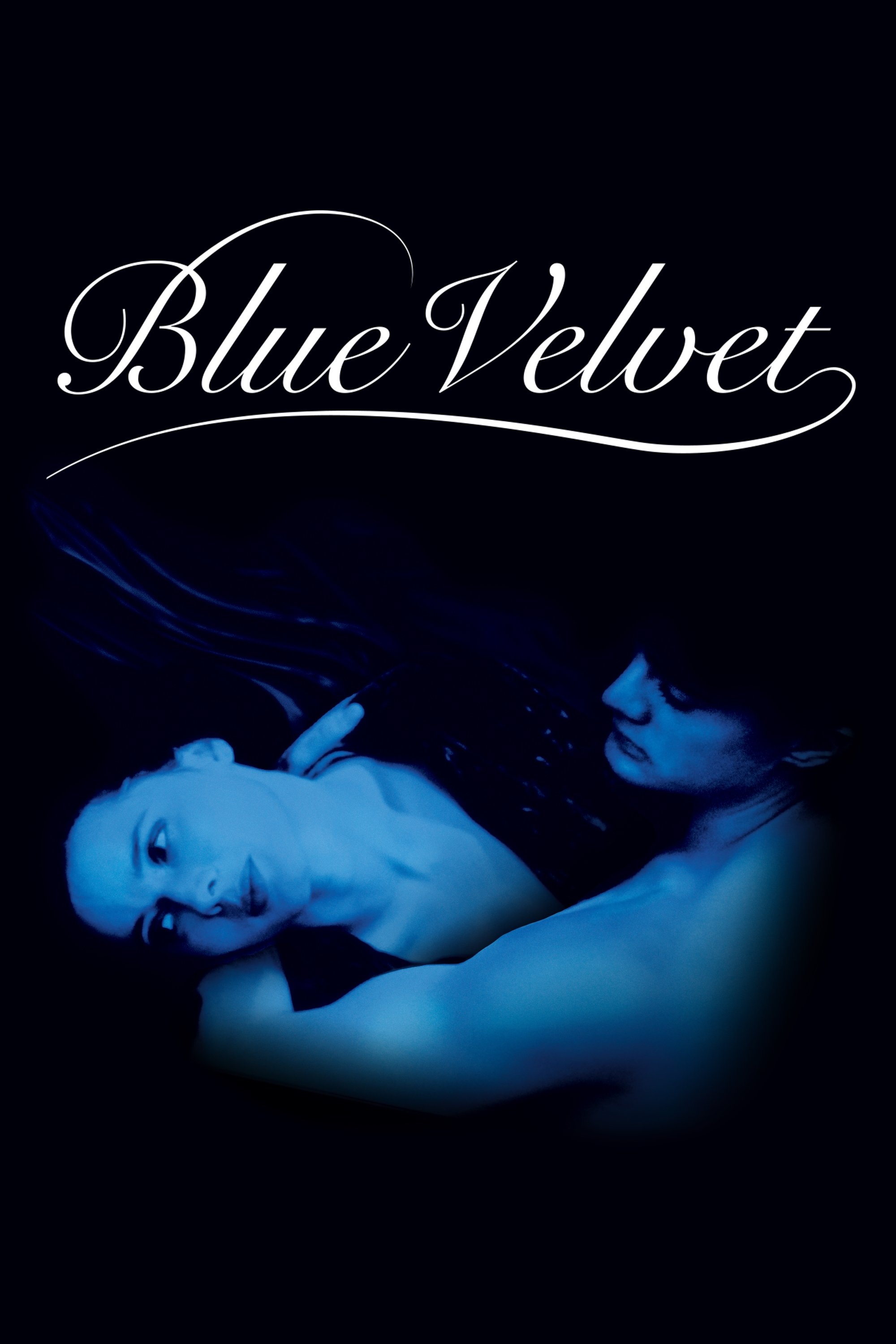
The mode's roots run through silent cinema. Alfred Hitchcock's The Lodger (1927) — the proto-serial-killer thriller, in Peter Hutchings's framing — established the form in Britain; Fritz Lang's M (1931), with Peter Lorre as a child-murderer hunted by Berlin's police and its underworld, set the template every later procedural-horror would borrow. Harold Schechter has argued that M demonstrates "it is possible to induce a profound sense of horror in an audience without showing a single image of explicit violence." Hitchcock returned to the register repeatedly — Strangers on a Train (1951) and the late-career Frenzy (1972) — while Leonard Kastle's The Honeymoon Killers (1970), drawn from the Raymond Fernandez / Martha Beck Lonely Hearts murders of 1947–49, brought the true-crime register into independent American cinema with stark documentary realism (Kier-La Janisse anchors the film in House of Psychotic Women as a key early portrait of the female criminal). David Lynch's Blue Velvet (1986) later fused suburban noir with the genre's investigative-horror DNA.
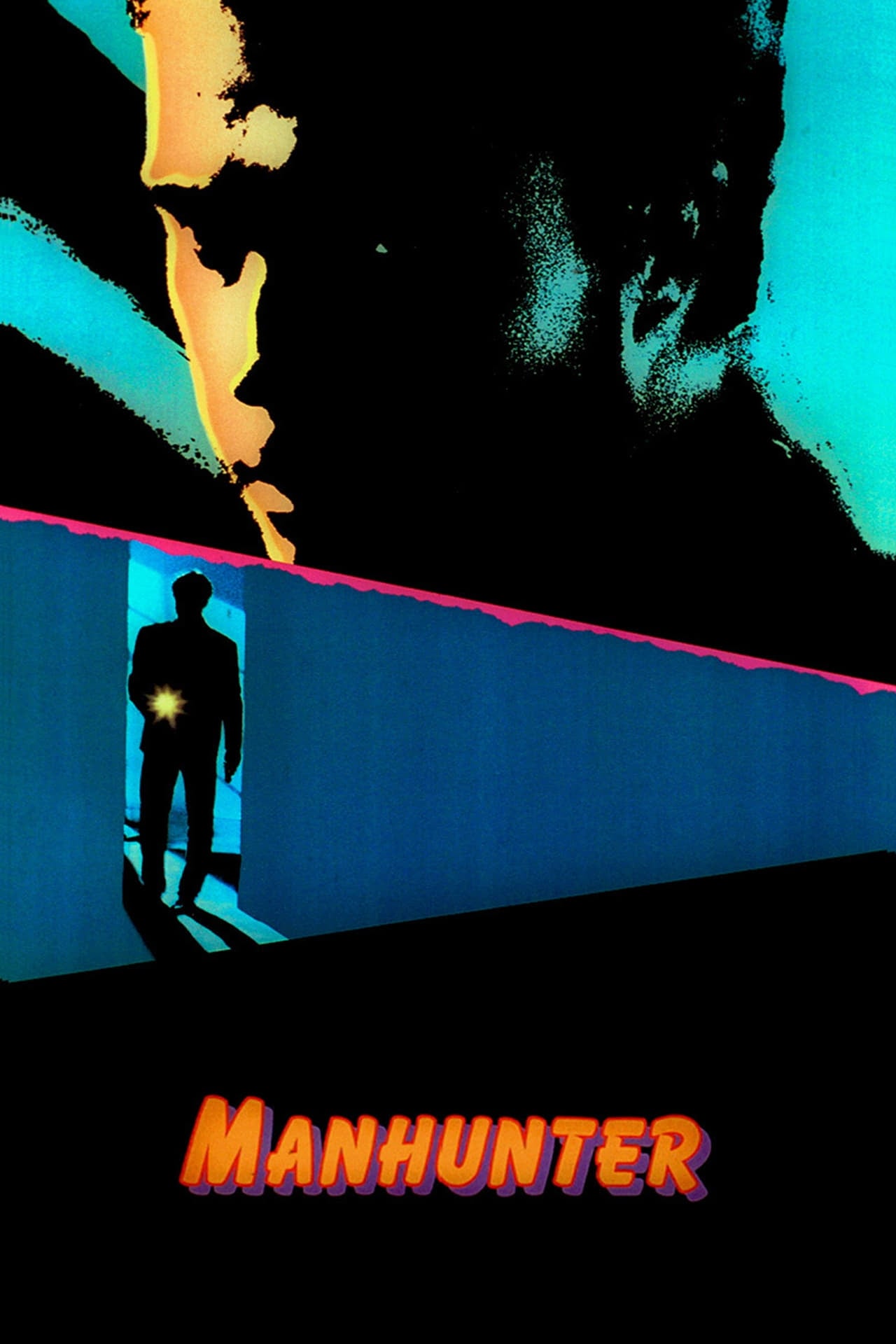
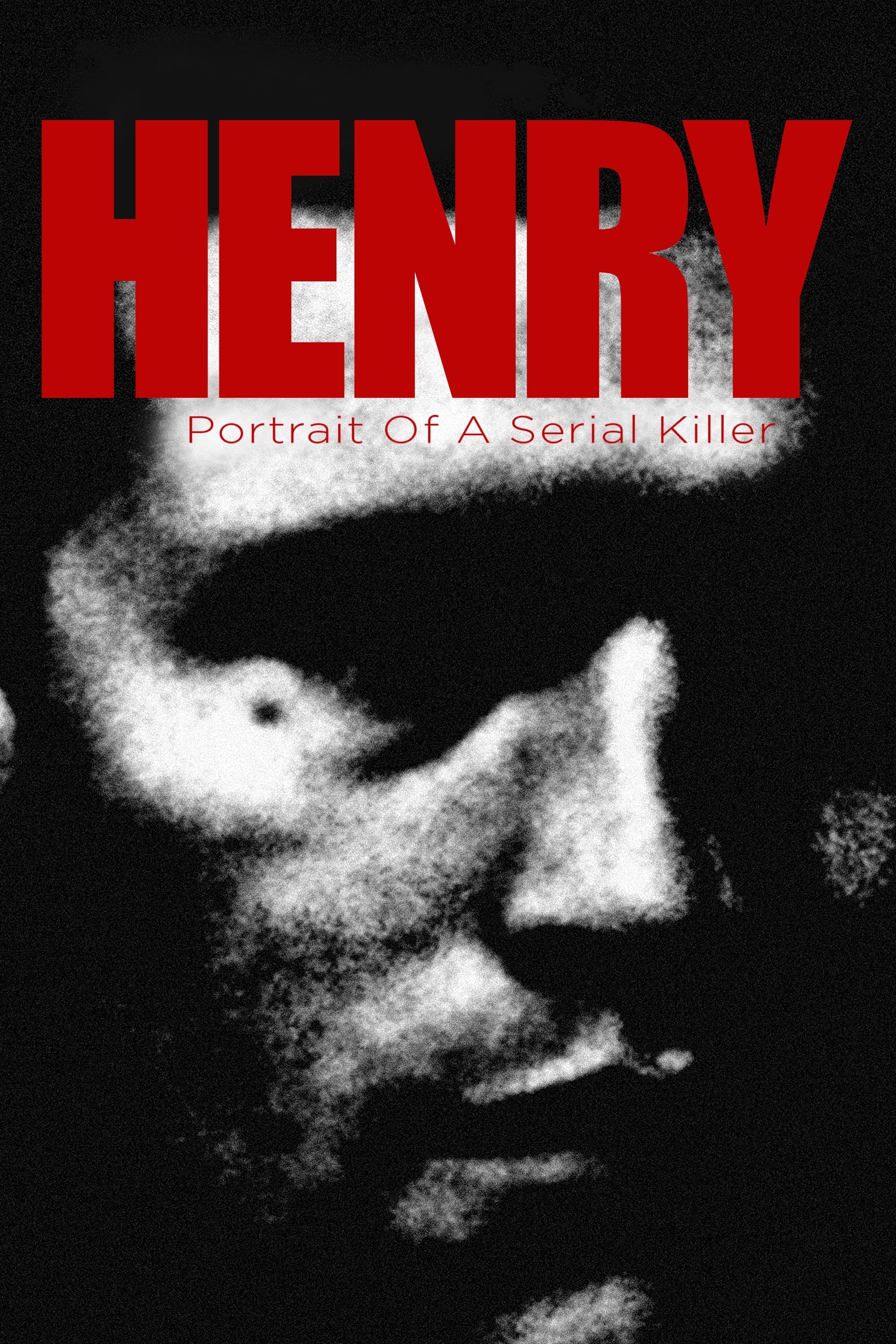
1986 was the form's American hinge year. John McNaughton's Henry: Portrait of a Serial Killer, with Michael Rooker's vérité performance as a Henry Lee Lucas surrogate, stripped serial-killing to its blank-affect essentials; Michael Mann's Manhunter, released the same year, brought Brian Cox's first-screen Hannibal Lecter to the FBI-profiler procedural. Jonathan Demme's The Silence of the Lambs (1991), with Anthony Hopkins, took Lecter to a Best Picture sweep and inaugurated what Murray Leeder calls "the decade of the serial killer" — a wave that crested with David Fincher's Se7en (1995), the procedural-as-theology, and was bookended by Fincher's Zodiac (2007), in which horror lives not in the killings but in the obsessive, futile pursuit of a case that refuses to resolve.
The form's most sustained development of the past three decades has come from Asian cinema. Kiyoshi Kurosawa's Cure (1997), with Koji Yakusho as a detective investigating a serial of hypnotically-induced murders, is the J-horror era's investigative-procedural masterpiece. Takashi Miike's Audition (2000) weaponized the dating procedural into one of the era's most quietly devastating descents. South Korea built an entire wave around the register: Bong Joon Ho's Memories of Murder (2003) adapted the country's first acknowledged serial-killer case (the Hwaseong murders) into a small-town procedural that refused closure; Kim Jee-woon's I Saw the Devil (2010) (Choi Min-sik, Lee Byung-hun) collapsed the distinction between investigator and prey; and Na Hong-jin's The Wailing (2016) fused village-policing procedural with shamanic folk-horror to produce one of the decade's most genuinely terrifying films.
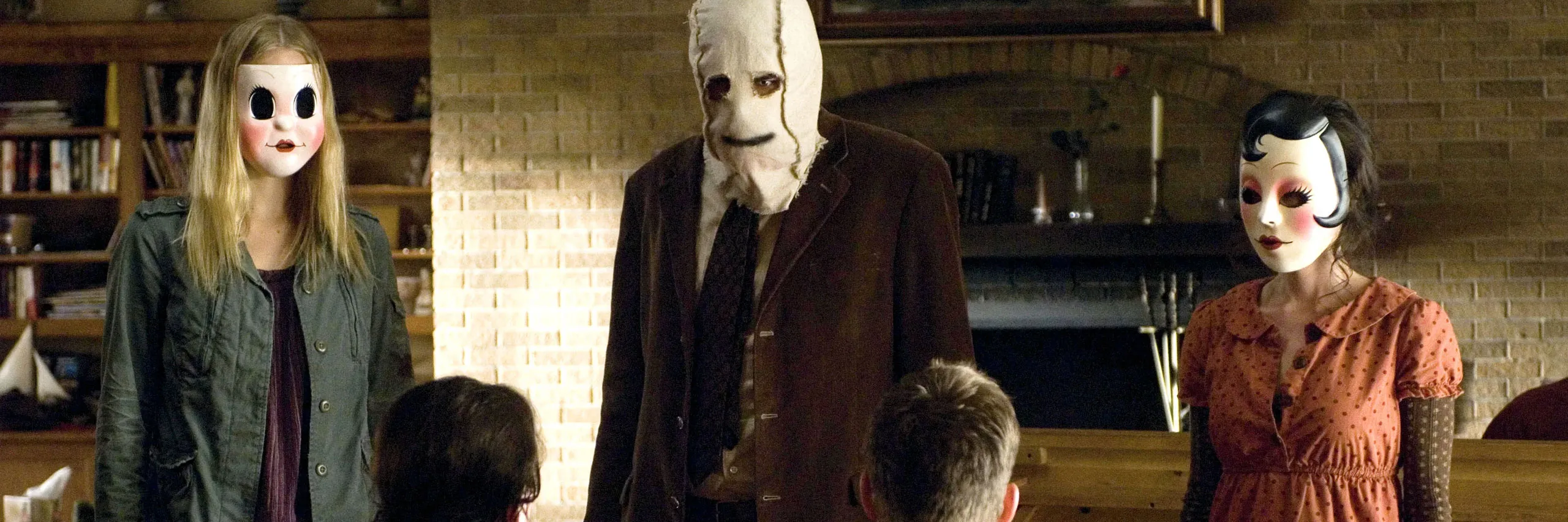
The 2000s and 2010s extended the form into national-cinema register everywhere. Greg McLean's Wolf Creek (2005), drawn from the Ivan Milat backpacker-murders case, became Australian crime-horror's defining text, with John Jarratt's Mick Taylor a regional villain on the order of Hooper's Leatherface; John Erick Dowdle's The Poughkeepsie Tapes (2007) translated the case-file framework into found-footage; Bryan Bertino's The Strangers (2008)-era American home-invasion strand brought the form back to the suburban front door. Sion Sono's Cold Fish (2011), drawn from the Sasaki dog-breeder killings, supplied Japan's true-crime extreme; Craig Zobel's Compliance (2012), drawn from the 2004 McDonald's strip-search hoax, weaponized compliance-with-authority into one of indie horror's most unbearable procedurals (anchored by Ann Dowd's career-defining manager); Ben Young's Hounds of Love (2016) (Emma Booth) produced Perth's chamber-piece abduction horror; Denis Villeneuve's Prisoners (2013), with Jake Gyllenhaal as the case-obsessed detective, became Hollywood's most ambitious 2010s crime-horror procedural; and Christian Tafdrup's Speak No Evil (2022) from Denmark took the politeness-trap weekend visit and turned it into a slow-build crime nightmare. The form persists because it grounds horror's extremes in recognisable reality — people who live in the same world we do, governed by impulses that the crime framework forces us to examine rather than simply flee.
Sources: Murray Leeder, Horror Film: A Critical Introduction (2018); Harold Schechter, Ripped from the Headlines (2020).
Essential Films
The Lodger: A Story of the London Fog

M
Strangers on a Train
The Honeymoon Killers

Frenzy
Manhunter
Blue Velvet
Henry: Portrait of a Serial Killer
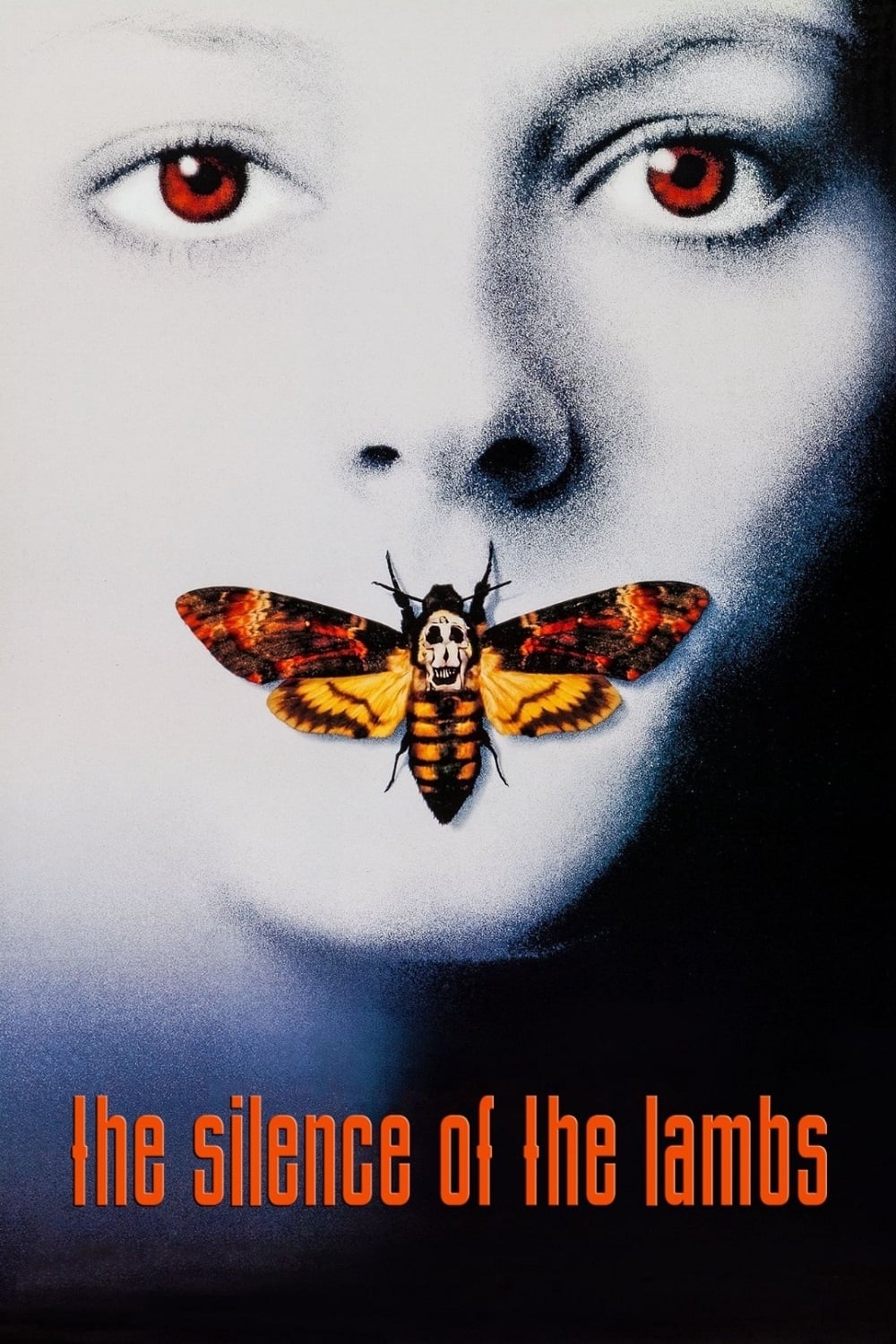
The Silence of the Lambs
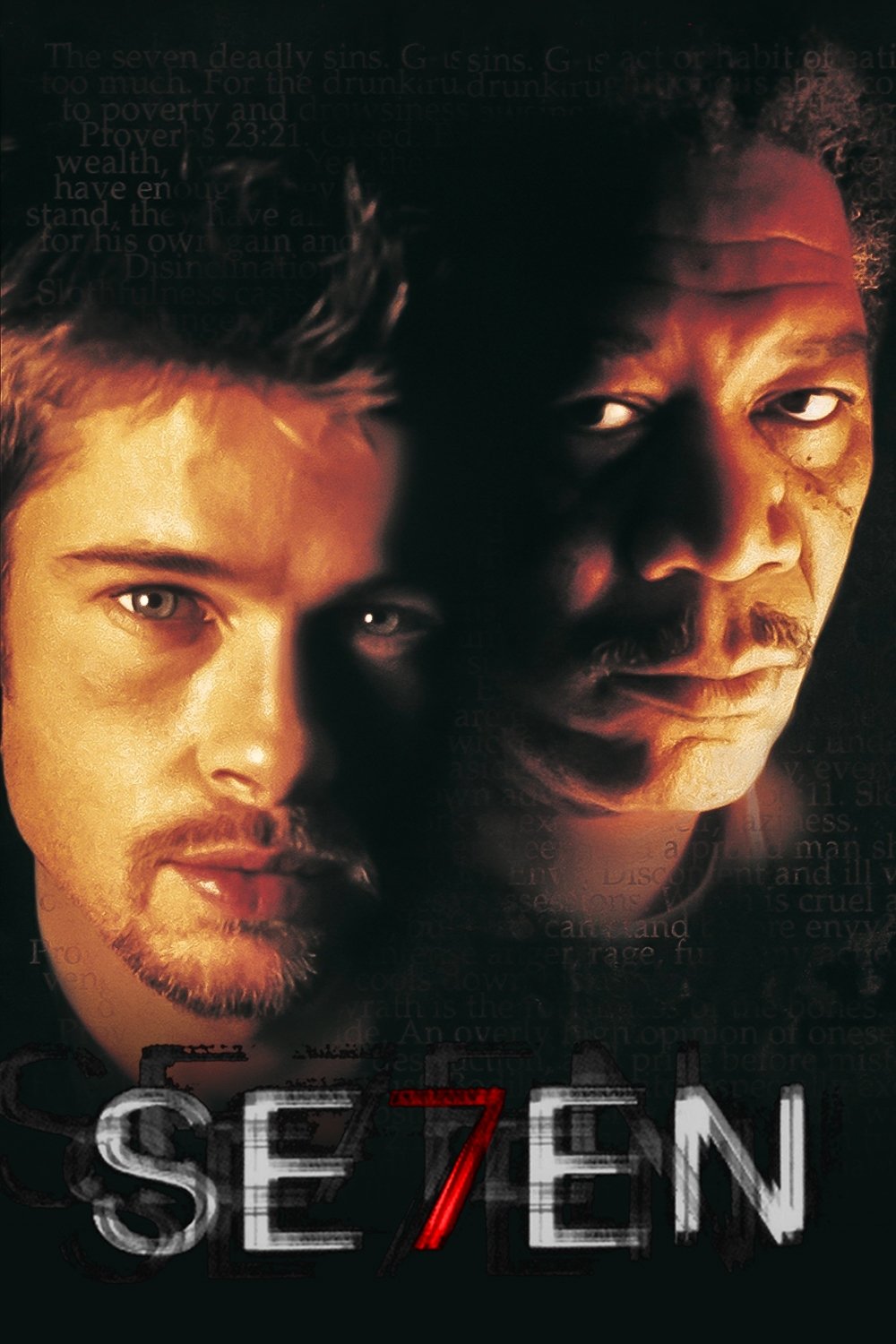
Se7en
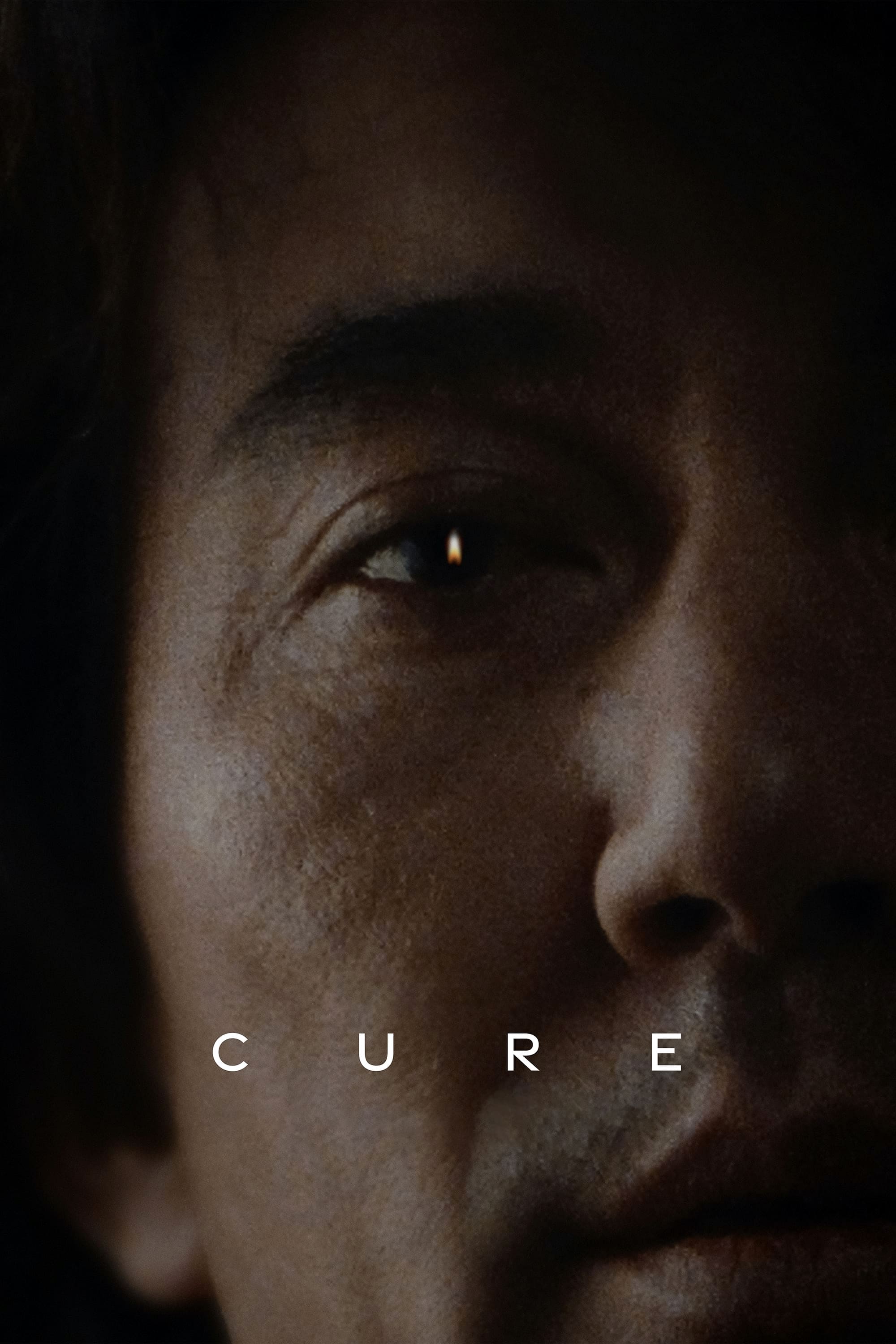
Cure
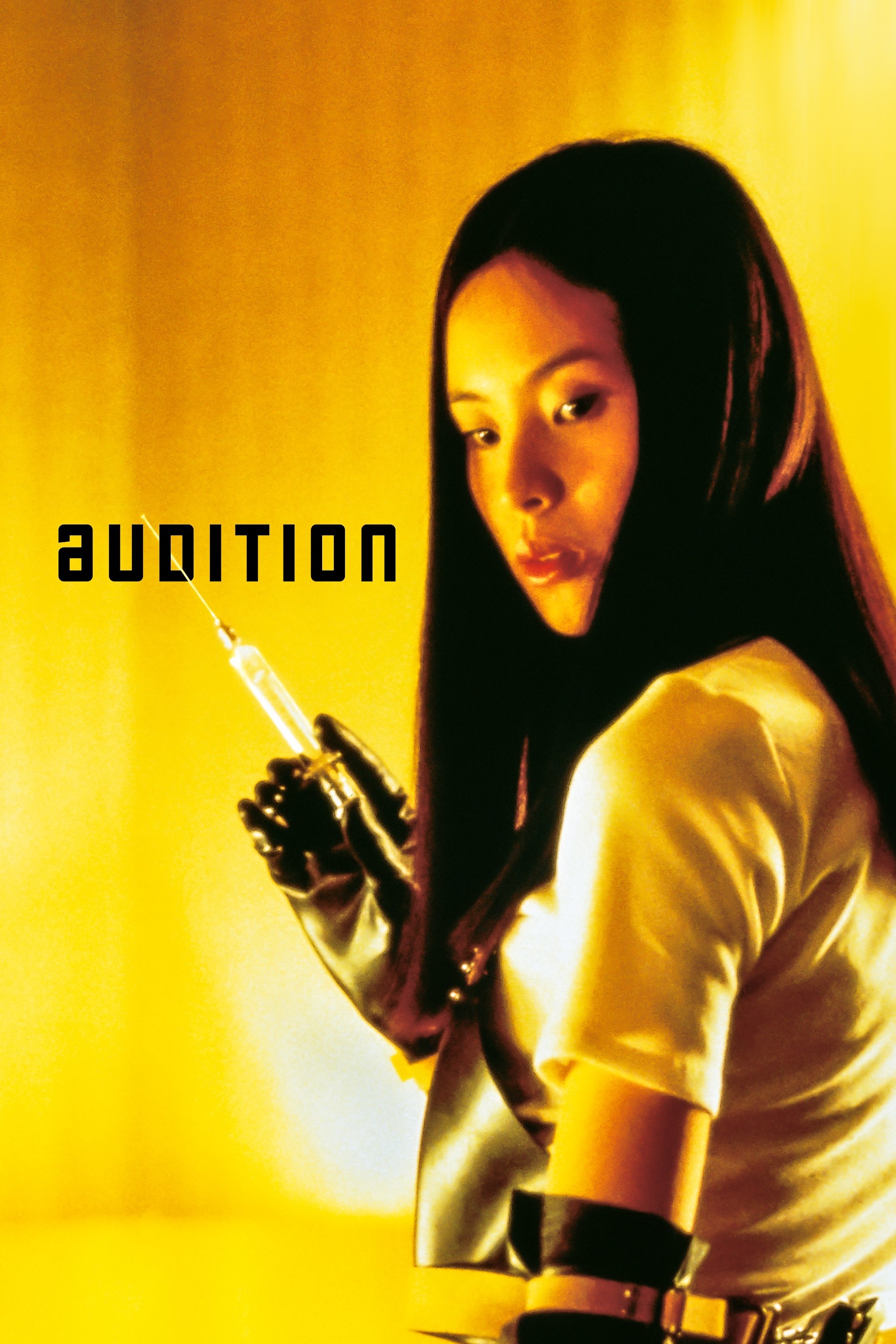
Audition
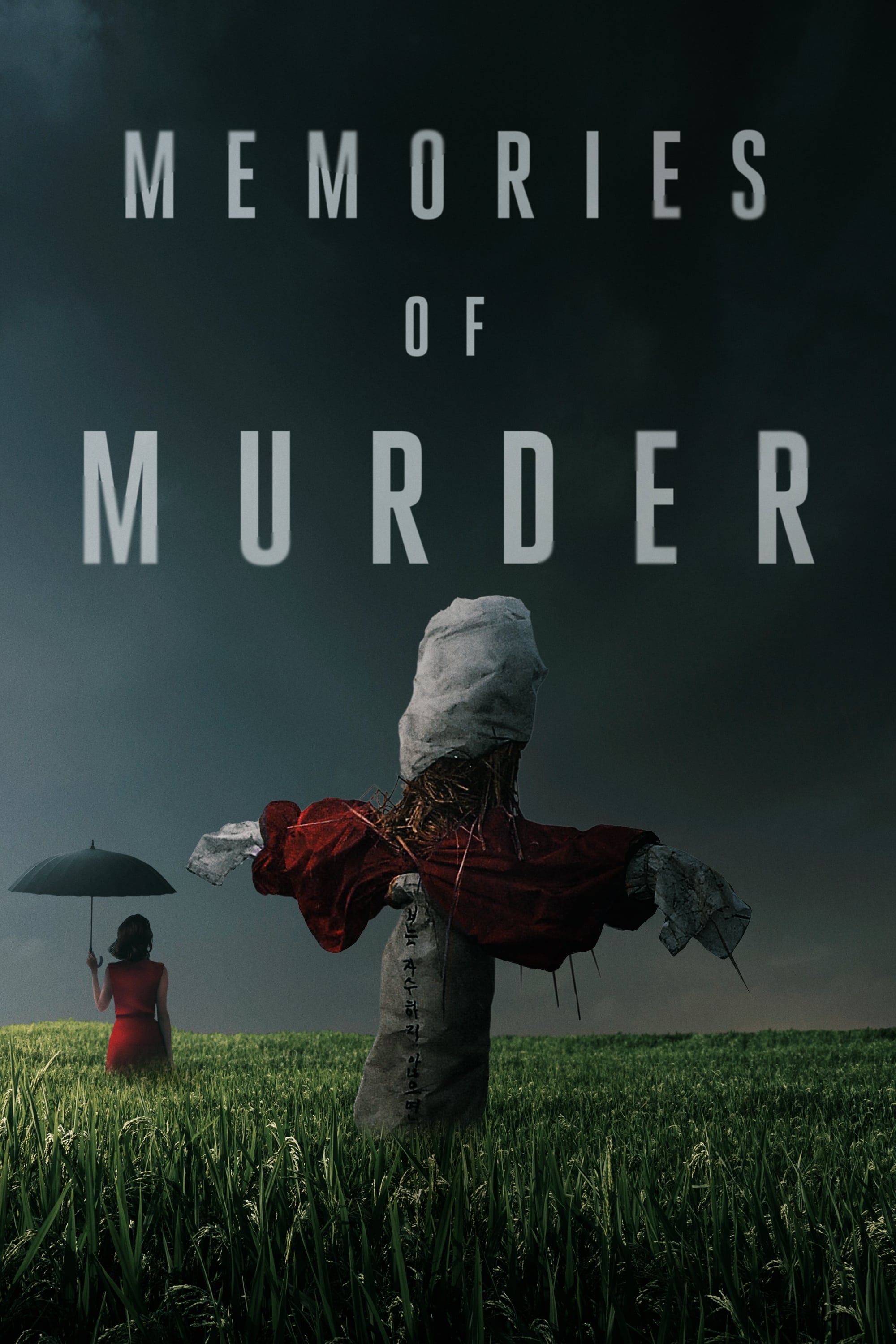
Memories of Murder
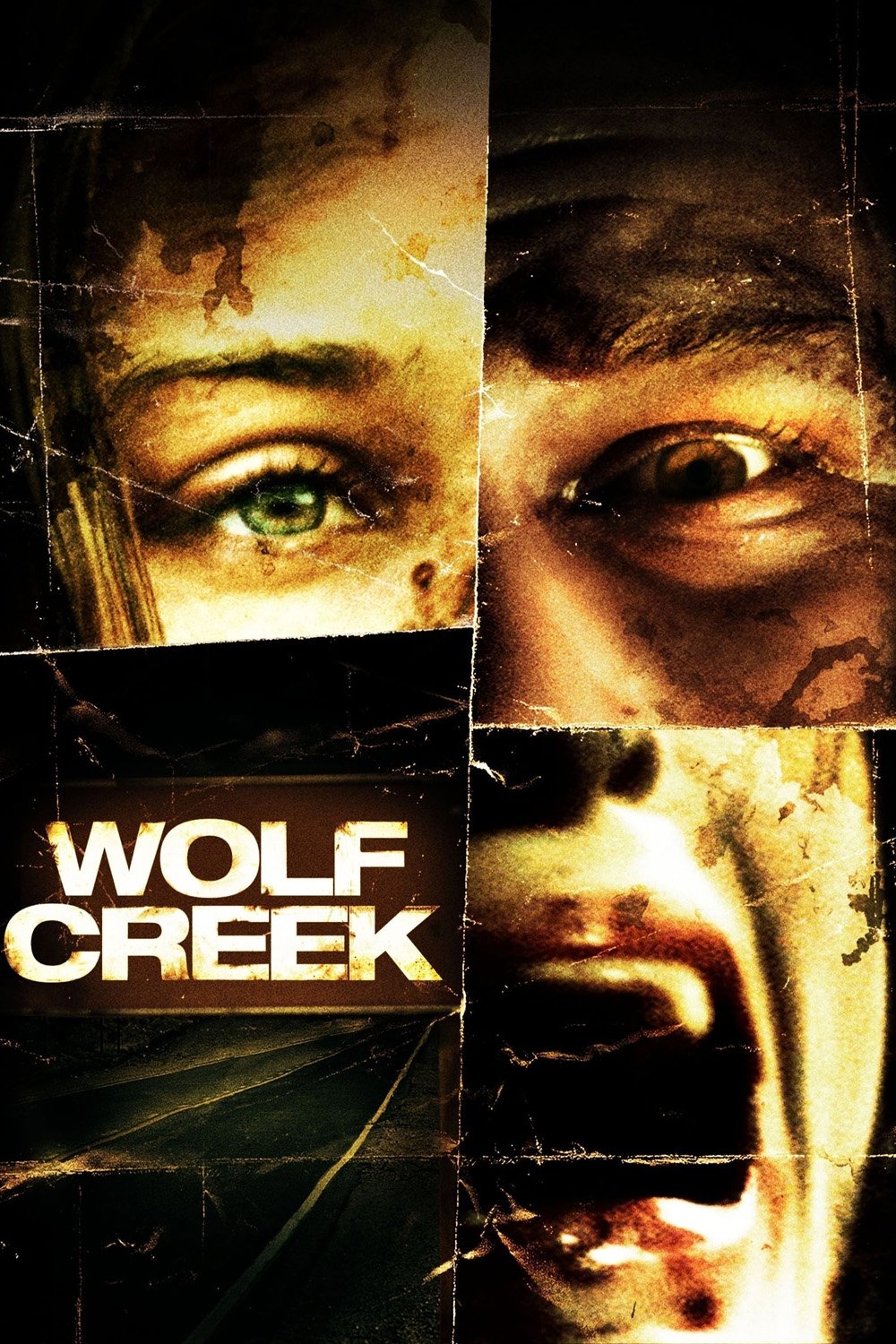
Wolf Creek
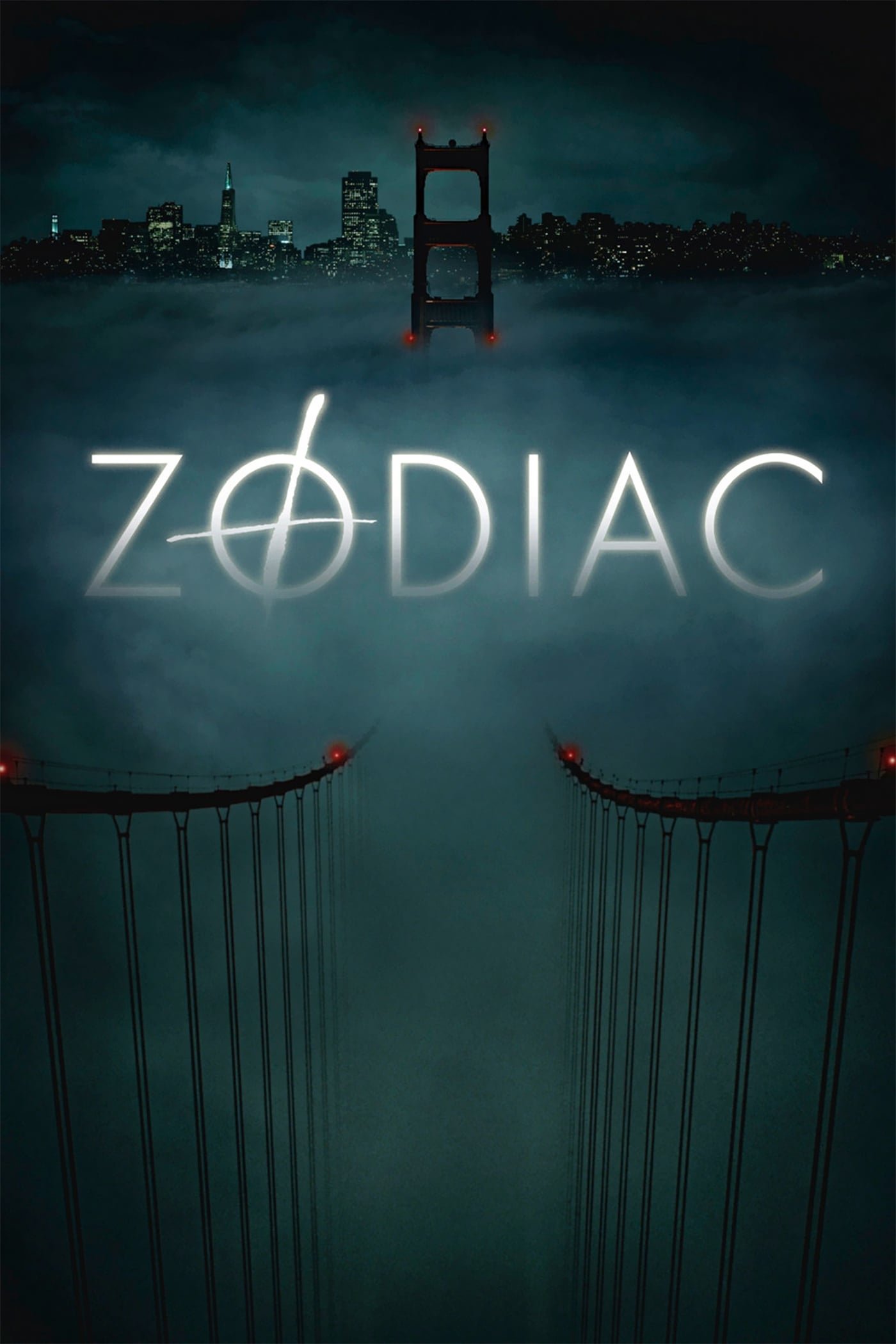
Zodiac
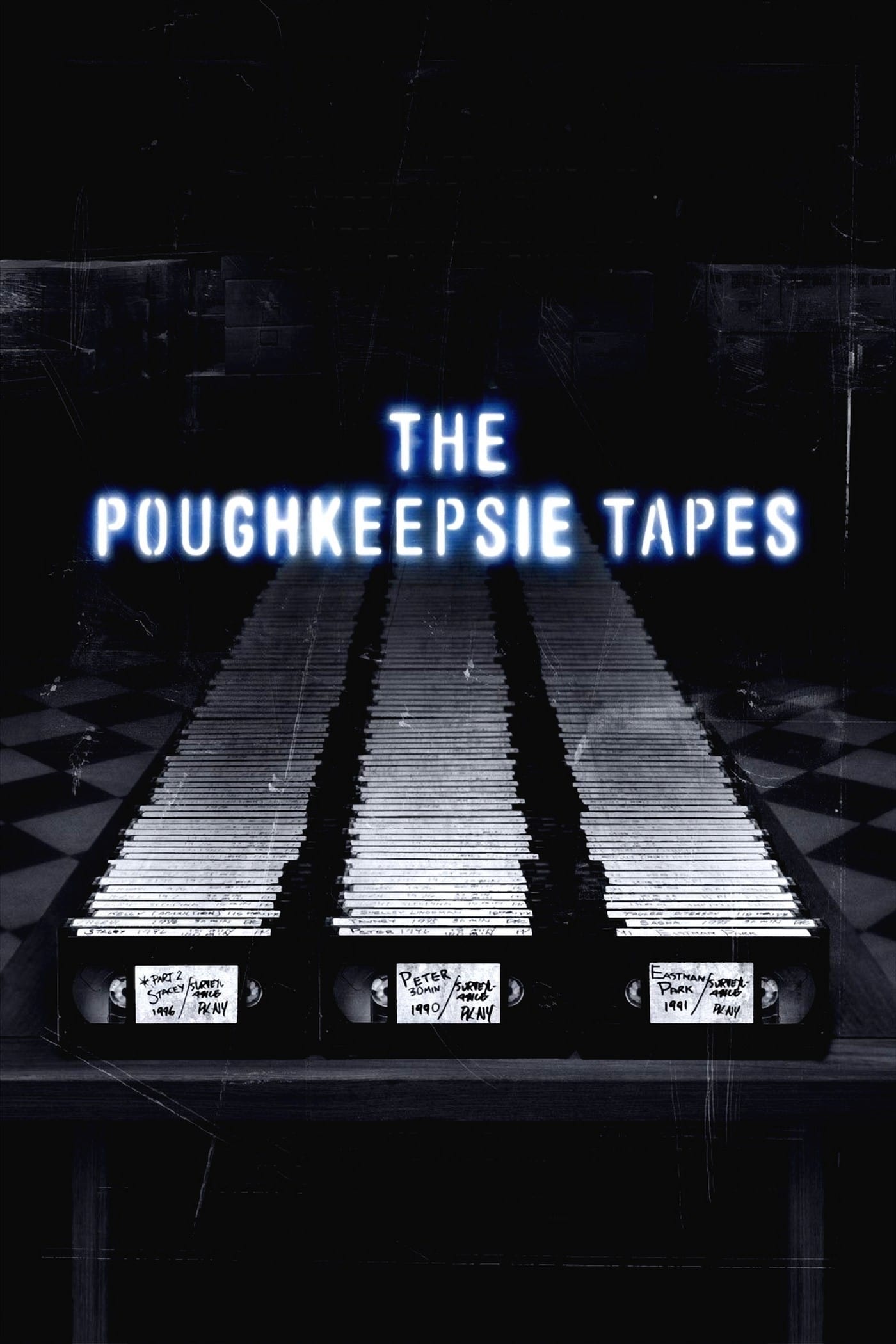
The Poughkeepsie Tapes
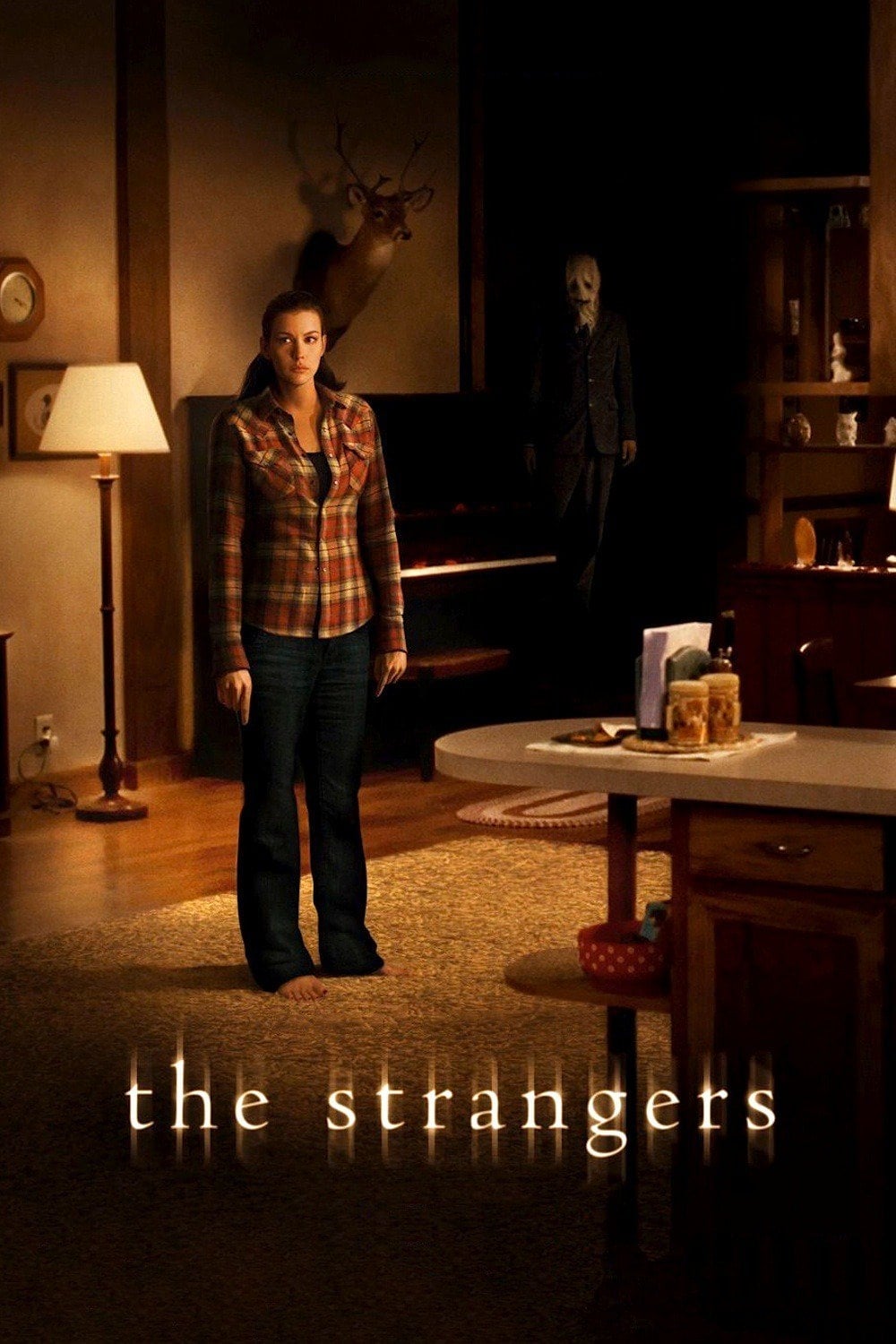
The Strangers
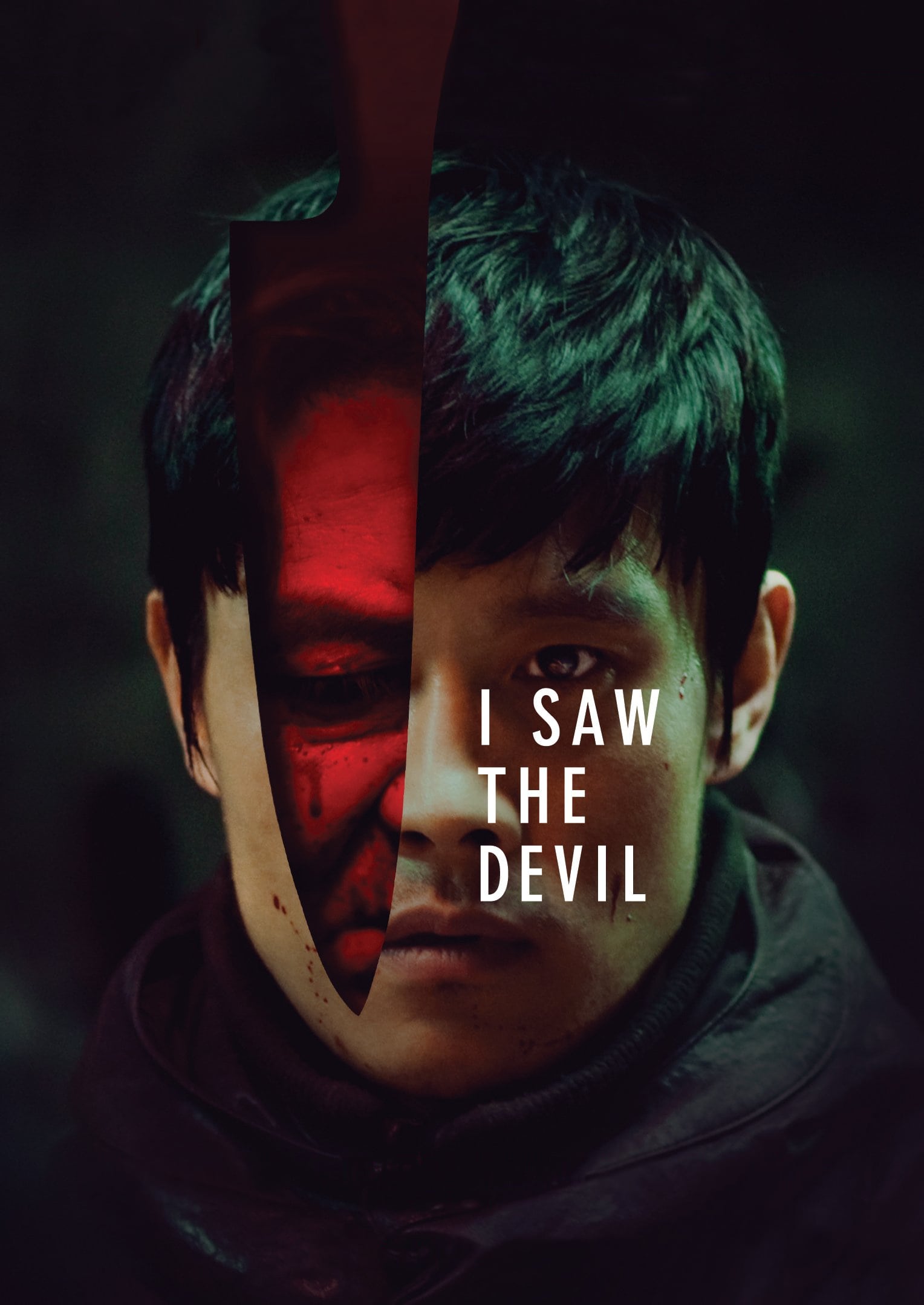
I Saw the Devil

Cold Fish
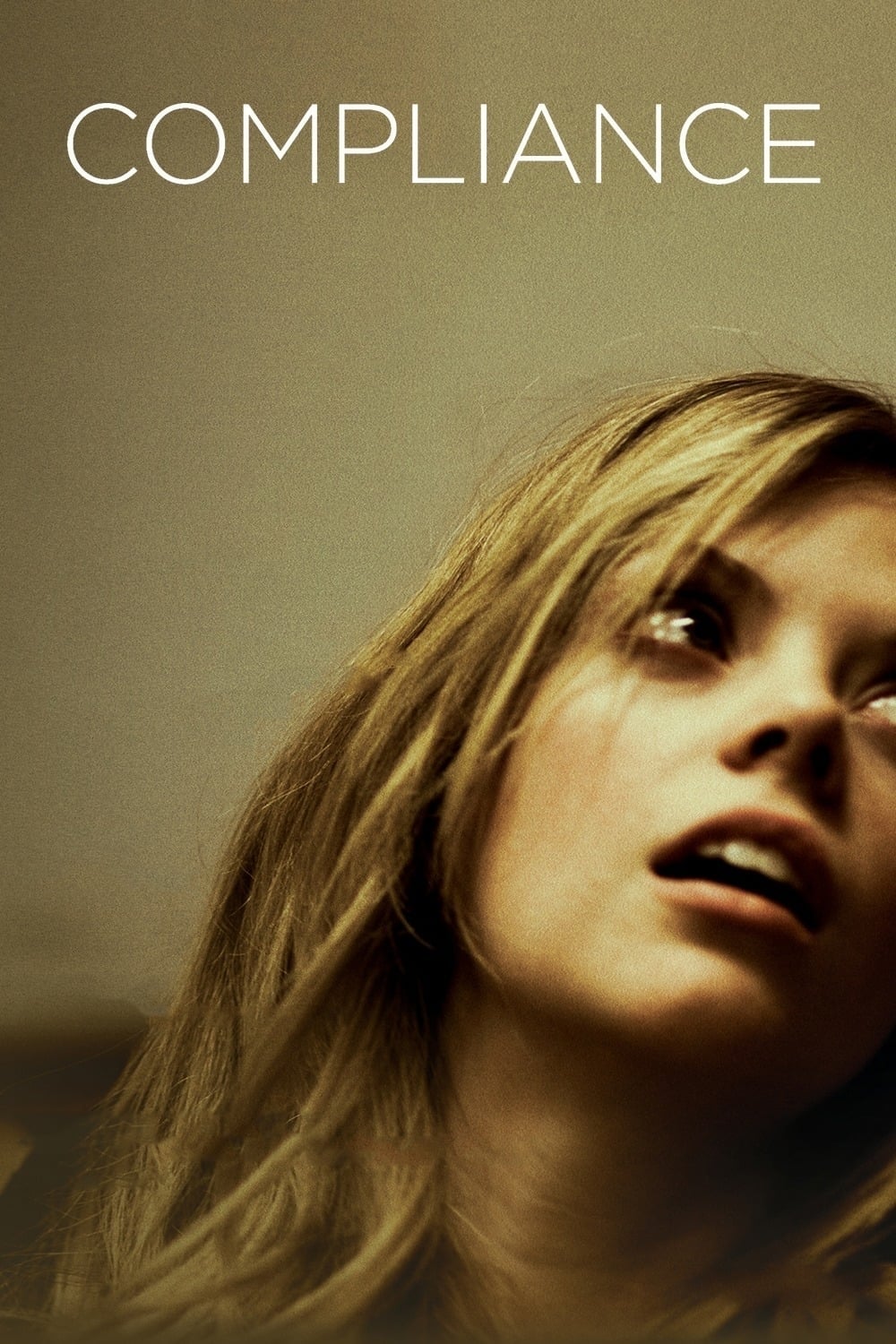
Compliance
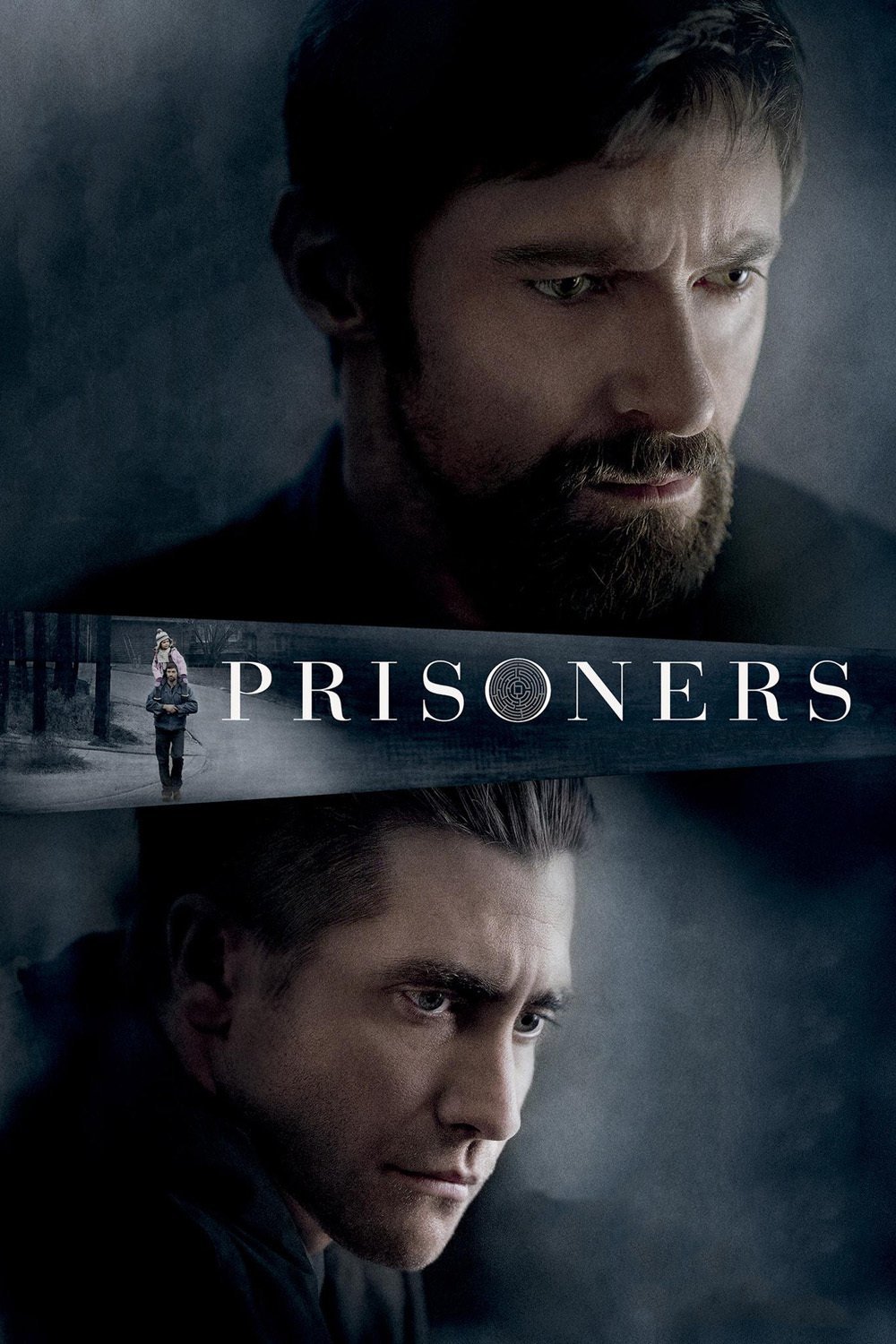
Prisoners
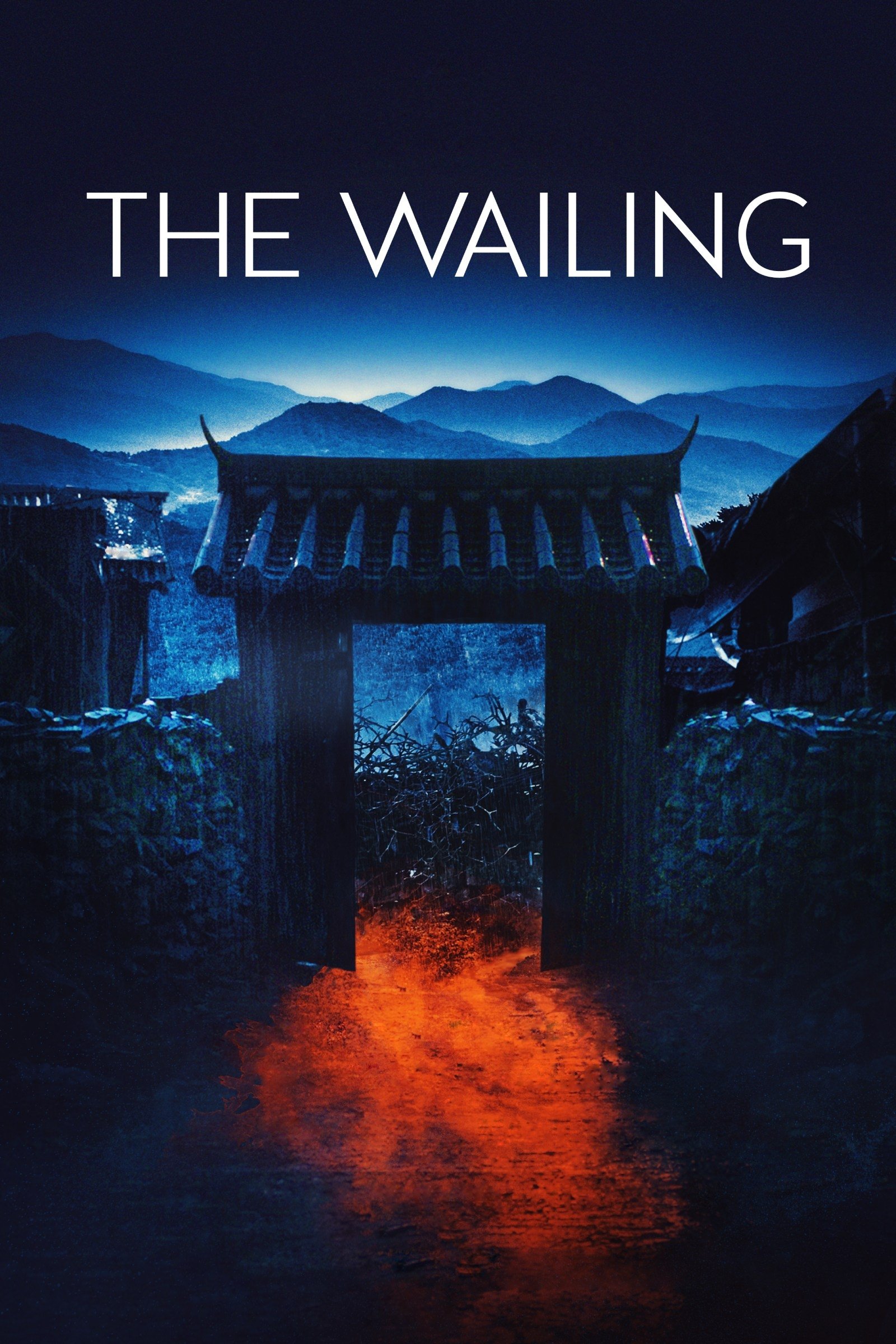
The Wailing
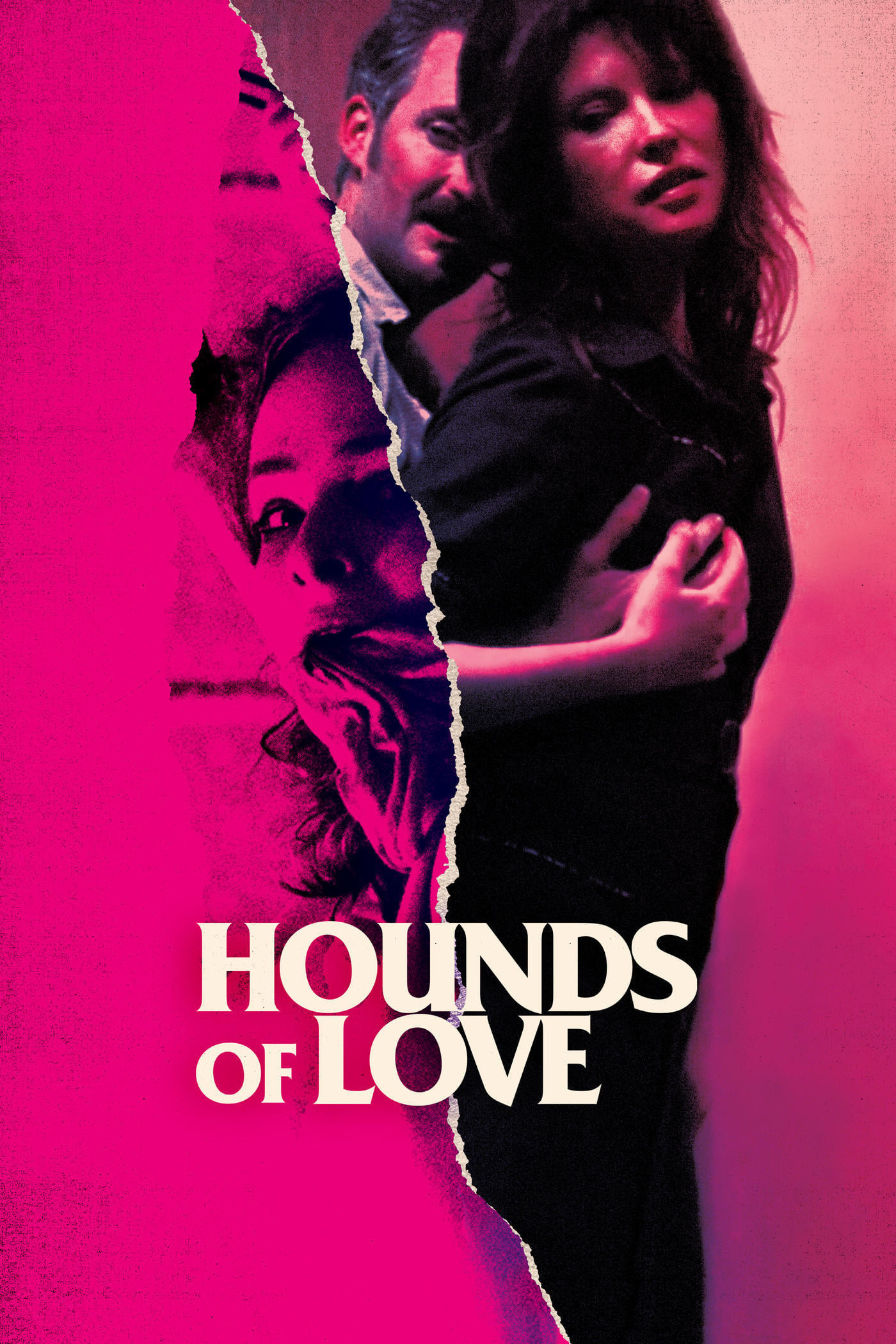
Hounds of Love

Speak No Evil
Statistics
Popularity by Decade
Share of each decade's horror films classified as Crime Horror. Counts films with at least 5 TMDB ratings, so very obscure titles are not represented.
Popularity by Country
Share of each country's horror output classified as Crime Horror. Counts films with at least 5 TMDB ratings, so very obscure titles are not represented.