
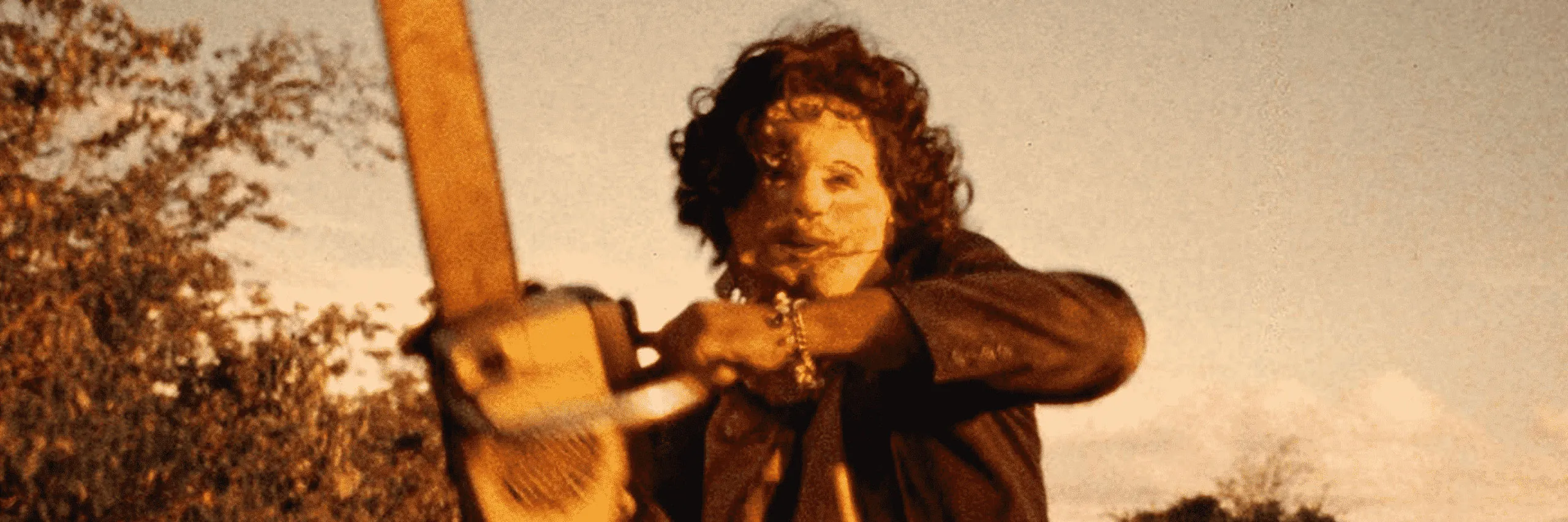
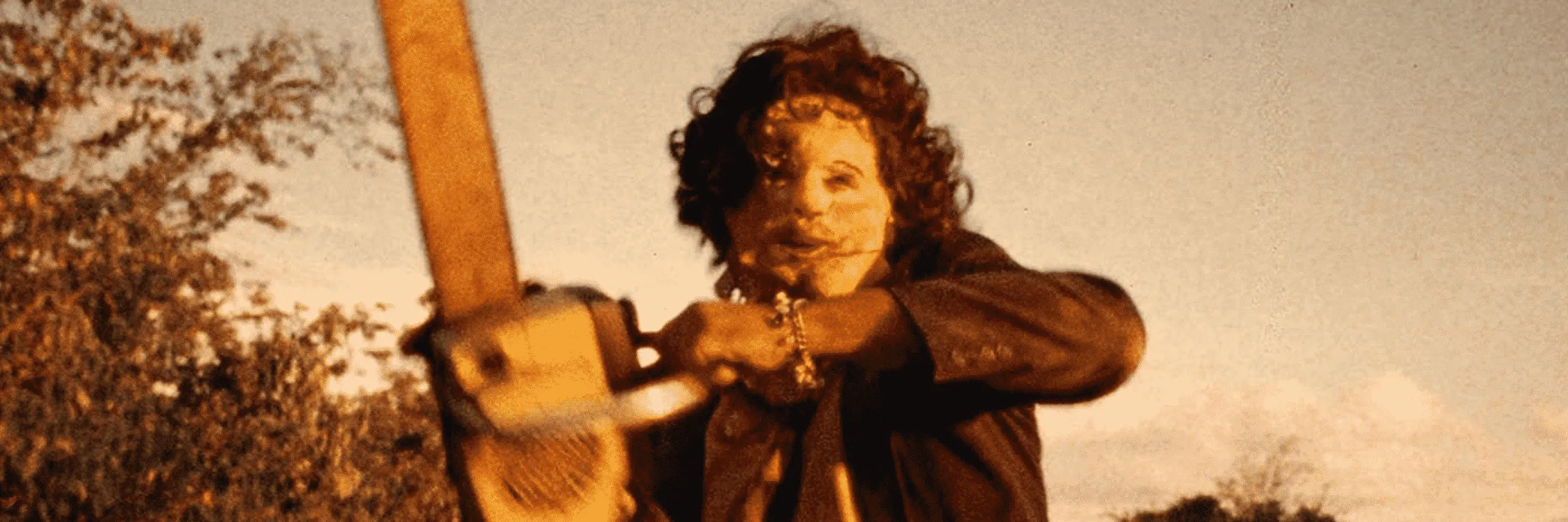
 The Texas Chain Saw Massacre (1974)
Human Monsters
The horror of recognizing evil in a human face. Serial killers, home invaders, torturers, and cannibals — films about the capacity for cruelty that lives within ordinary people, and the terrifying vulnerability of being someone's prey.
History & Origins
People can behave like monsters. And human monsters can die. That combination — the horror of recognizing evil in a human face, and the knowledge that the threat is mortal and therefore real — gives the human monster film its distinctive, uncomfortable power. There is no supernatural escape clause here, no reassuring impossibility. The killer, the torturer, the cannibal, the sadist: they exist in the same world you do, and nothing about them requires you to suspend disbelief.
Bruce Kawin identifies the human monster as a distinct category in his taxonomy of horror — devoting a full chapter (chapter 6, "Humans") to the figures who fulfill the role of the monster, incarnating and focusing horror, while remaining entirely human. Though it has been argued that horror requires the impossible or the supernatural, a film like The Texas Chain Saw Massacre (1974) is undeniably a horror film, deliberately and painfully putting horrors on screen that are performed by humans. Leatherface's mask — made from a human face — is as iconic as any monster's visage, and the horror it represents is more disturbing for being handmade. Kawin's chapter organizes the form into sub-categories that map almost directly onto the subgenres collected here: mad scientists, romantics, anomalies, artists, believers, sadists, ghouls, mad killers, families, the infected, cannibals.
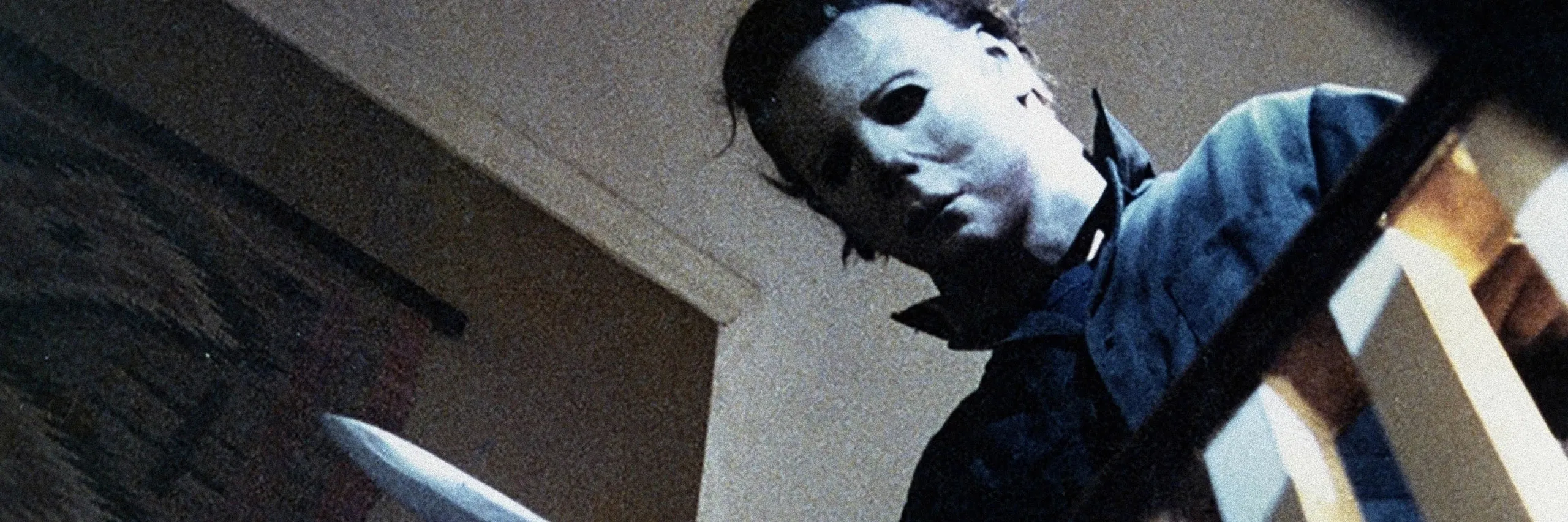
The human monster tradition encompasses an extraordinary range. The slasher — Michael Myers, Jason Voorhees, Ghostface — codified an entire grammar of stalking, pursuit, and survival that dominated horror for decades, anchored by John Carpenter's Halloween (1978). The serial-killer film, from Fritz Lang's M (1931) through Alfred Hitchcock's Psycho (1960), Jonathan Demme's The Silence of the Lambs (1991), and David Fincher's Se7en (1995), elevates the criminal mind to an object of horrified fascination — the territory of the crime-horror subgenre. Home-invasion films weaponize domestic space, turning the architecture of safety against its inhabitants. Backwoods horror strips away civilization's protections. Cannibal cinema runs from anthropological-shock 1970s Italy to "Bones and All" art-horror.
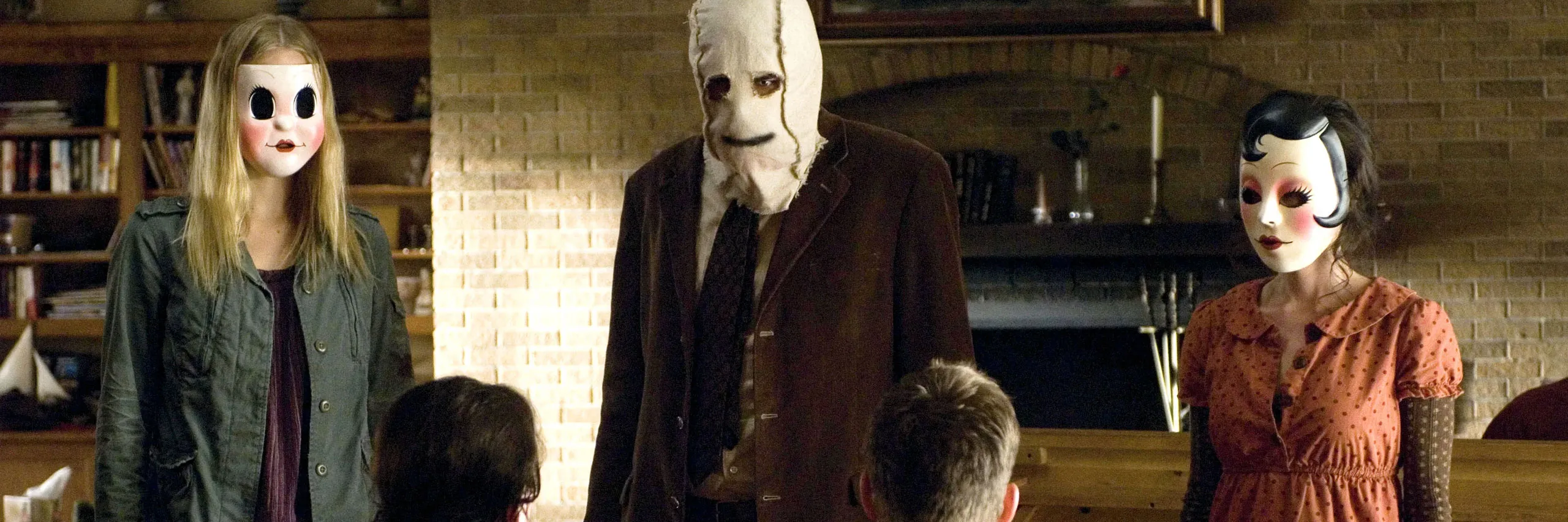
Torture pushes the depiction of human cruelty toward and past the limits of what audiences can endure — what Aaron Michael Kerner in Torture Porn in the Wake of 9/11 (2015) reads as a post-millennial reckoning with sanctioned state violence brought into the genre's most uncomfortable register. The rape-revenge cycle — perhaps the genre's most morally complicated subgenre — runs from "I Spit on Your Grave" to Coralie Fargeat's "Revenge", inverting the standard horror power dynamic and asking the audience to want the violence it normally flinches from. What unites these seven subgenres is the absence of comfort. Supernatural horror allows for exorcism, for sacred ritual, for the triumph of faith. Monster horror allows for the creature's destruction and the restoration of order. Human monster horror offers no such reassurance. The threat is us — our capacity for violence, our indifference to suffering, our willingness to reduce other people to objects. That is a horror that no ritual can dispel and no weapon can permanently destroy.
Sources: Bruce F. Kawin, Horror and the Horror Film (2012); Aaron Michael Kerner, Torture Porn in the Wake of 9/11 (2015).
Explore Human Monsters


Statistics
Popularity by Decade
Share of each decade's horror films classified as Human Monsters. Counts films with at least 5 TMDB ratings, so very obscure titles are not represented.
Popularity by Country
Share of each country's horror output classified as Human Monsters. Counts films with at least 5 TMDB ratings, so very obscure titles are not represented.