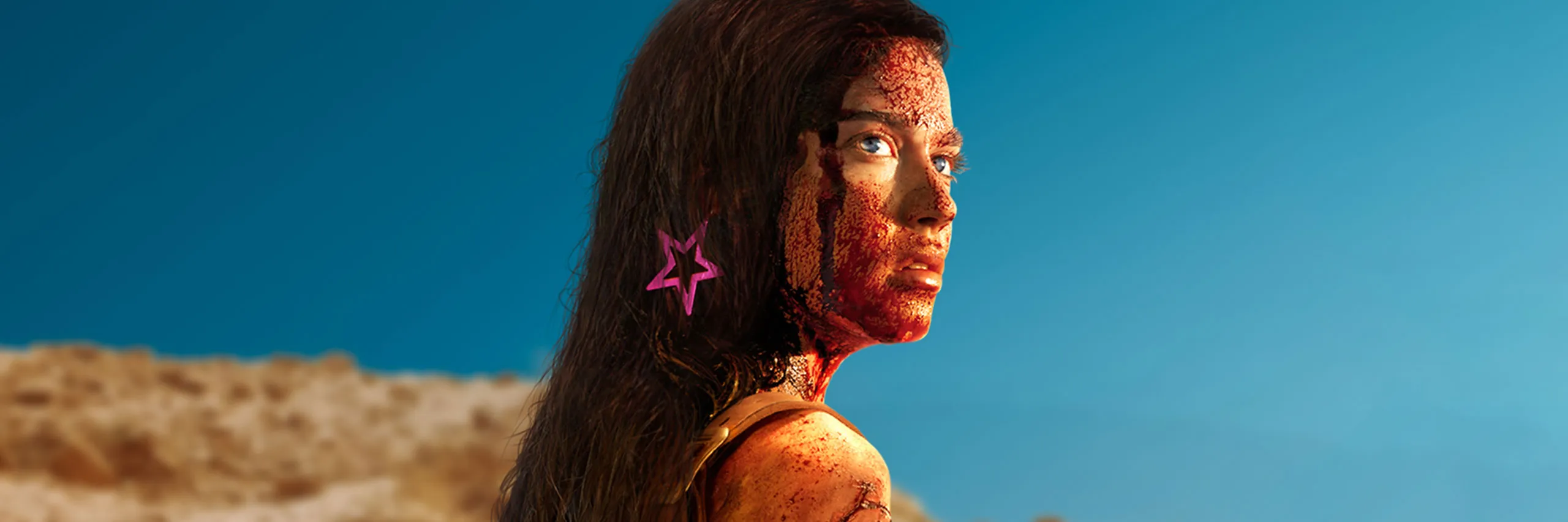
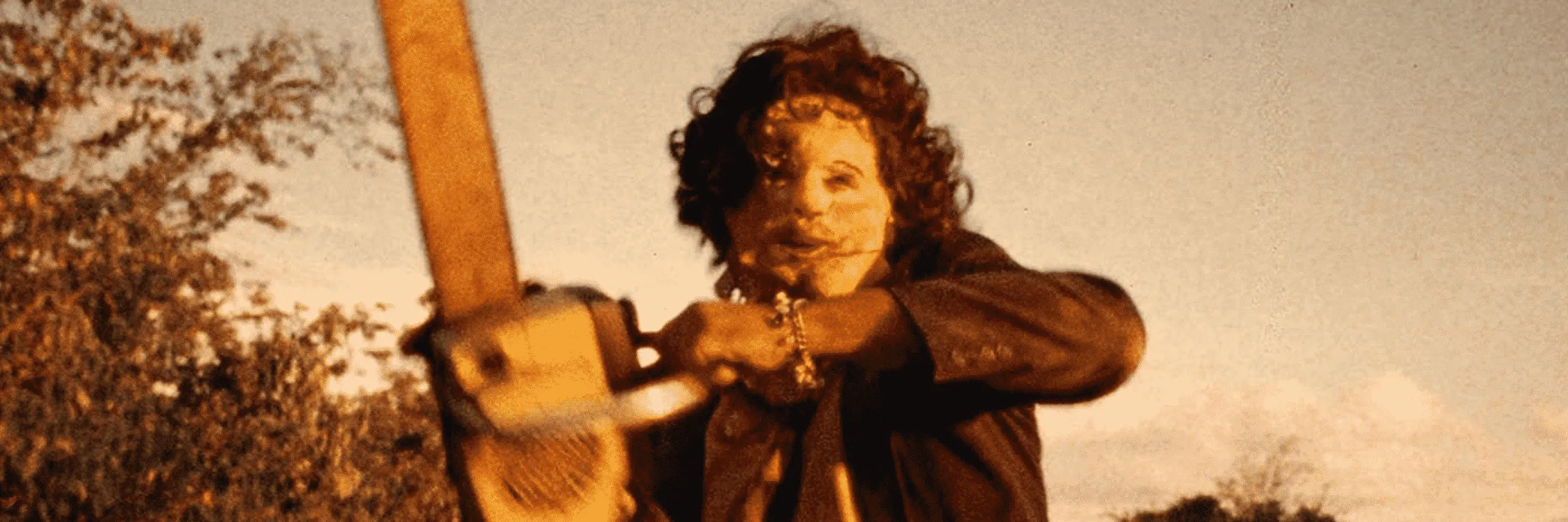
 The Texas Chain Saw Massacre (1974)
Backwoods
Beyond the last cell tower, past the end of the paved road. Remote communities operating by rules that bear no resemblance to yours, and the discovery that civilization's protections have a range limit.
History & Origins
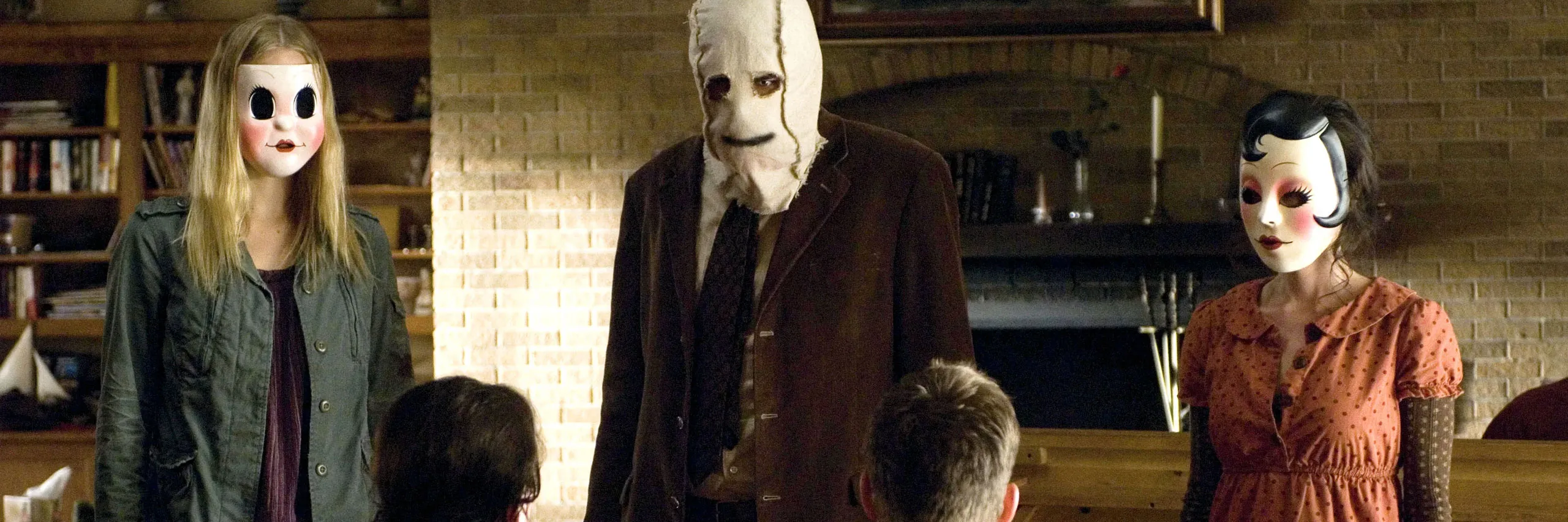
Backwoods horror exploits the anxiety of leaving civilisation behind — the fear that beyond the last cell tower, past the end of the paved road, in the places where maps become unreliable, there are people living by rules that bear no resemblance to yours. Per Peter Hutchings's Historical Dictionary, the rural-horror premise is that the threat comes from inhabitants "presented as primitive, inbred, and animalistic — as, in short, a subhuman projection of nature itself." The class dimension is structural: the victims tend to be middle-class urban professionals, the threats economically marginalised, and the horror lies as much in the social gradient as in the violence itself.
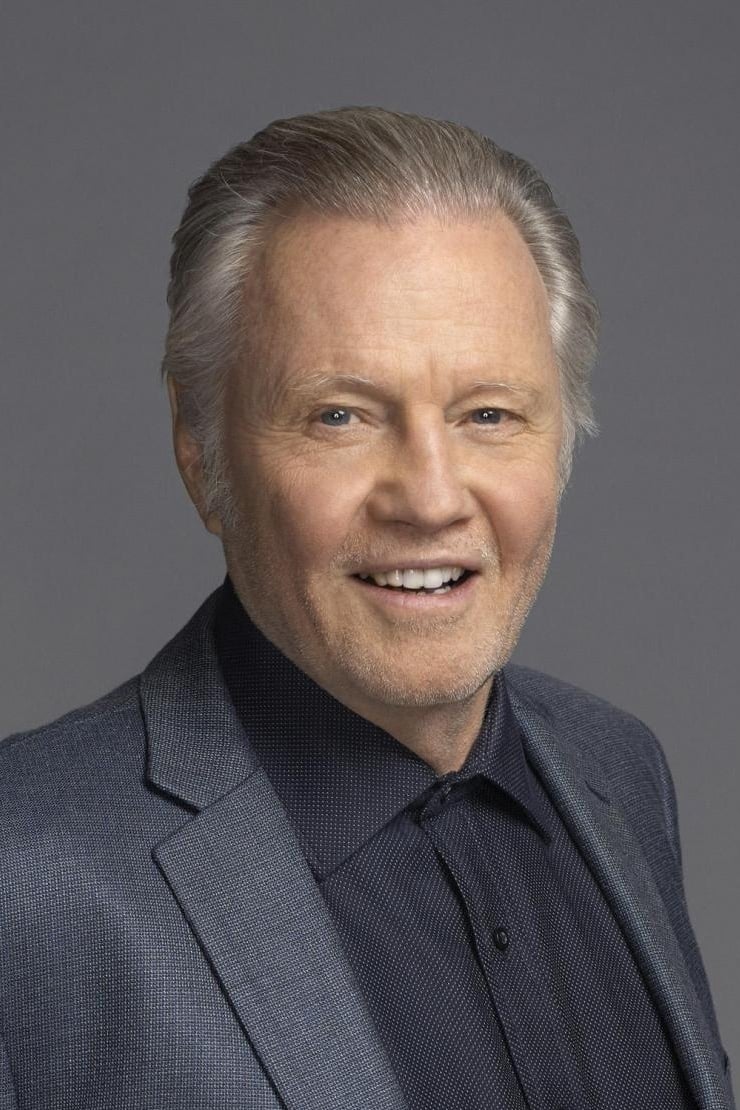
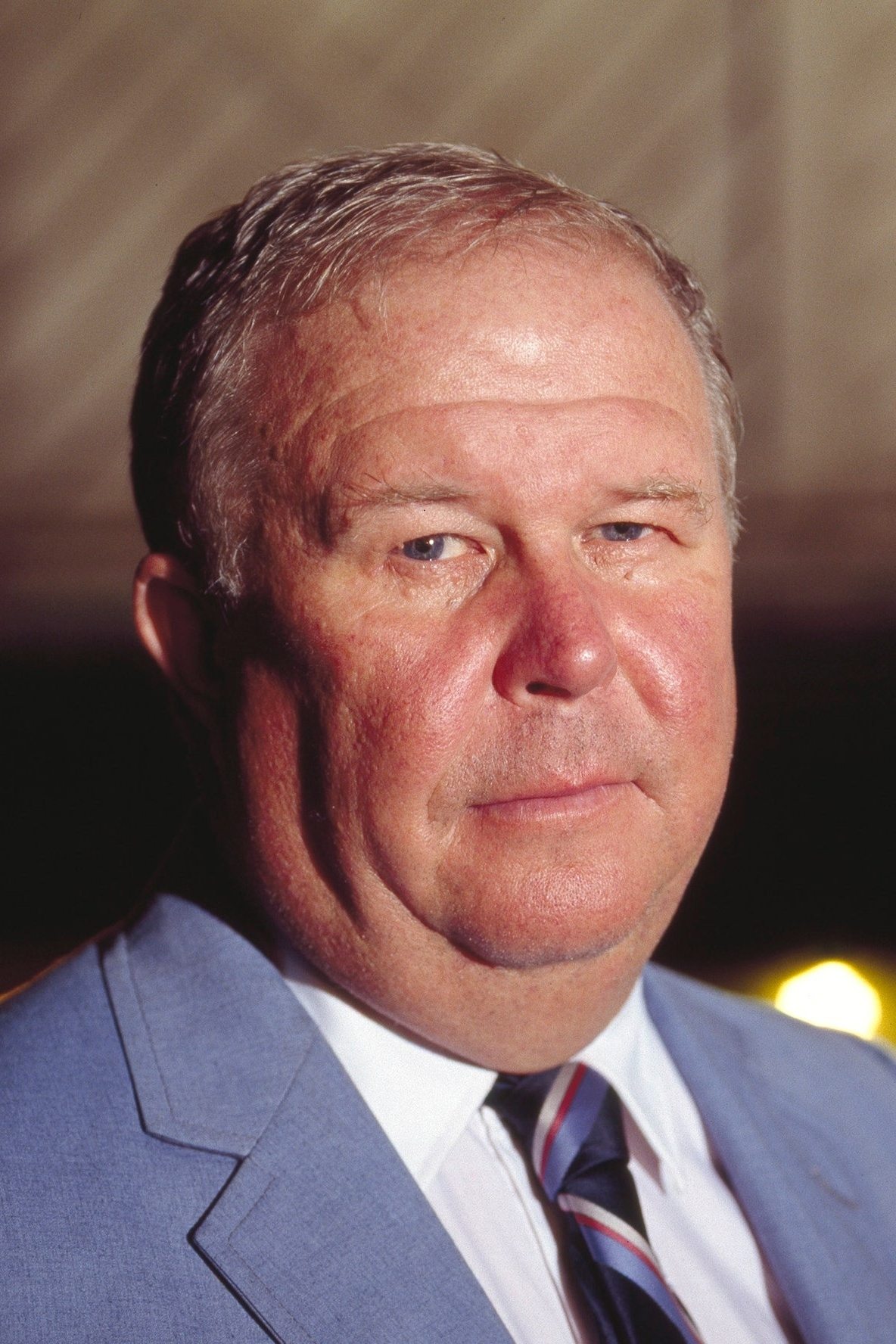
The form's earliest crystallisations are mid-century. Per Kim Newman, "Psycho is the first of many suggestions that the bypassed backwaters might nurture a homicidal hatred for the city slickers who have taken over from the cowboys as emblems of Americana." Herschell Gordon Lewis's Two Thousand Maniacs! (1964), in which Yankee tourists are picked off by the ghost of a Confederate town, was the form's first dedicated horror entry. Ted Kotcheff's Wake in Fright (1971), with Gary Bond and Donald Pleasence, took the template to the Australian outback and made it the foundational text of Ozploitation. The hinge year is 1972: John Boorman's Deliverance, with Burt Reynolds, Jon Voight, and Ned Beatty, gave the subgenre what Lee Broughton calls "the template" — urban visitors enter a rural landscape and discover that their education, wealth, and sophistication count for nothing.
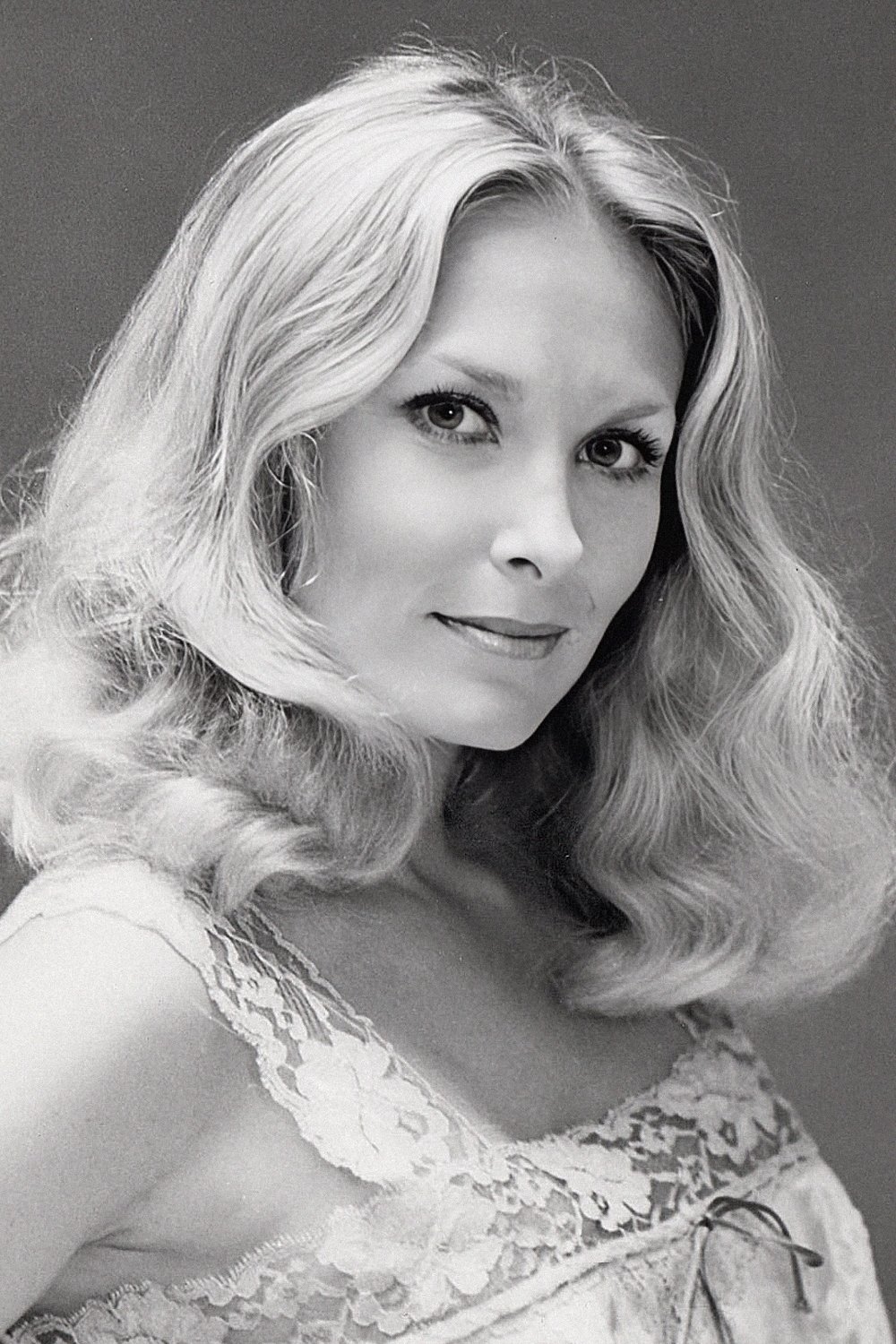
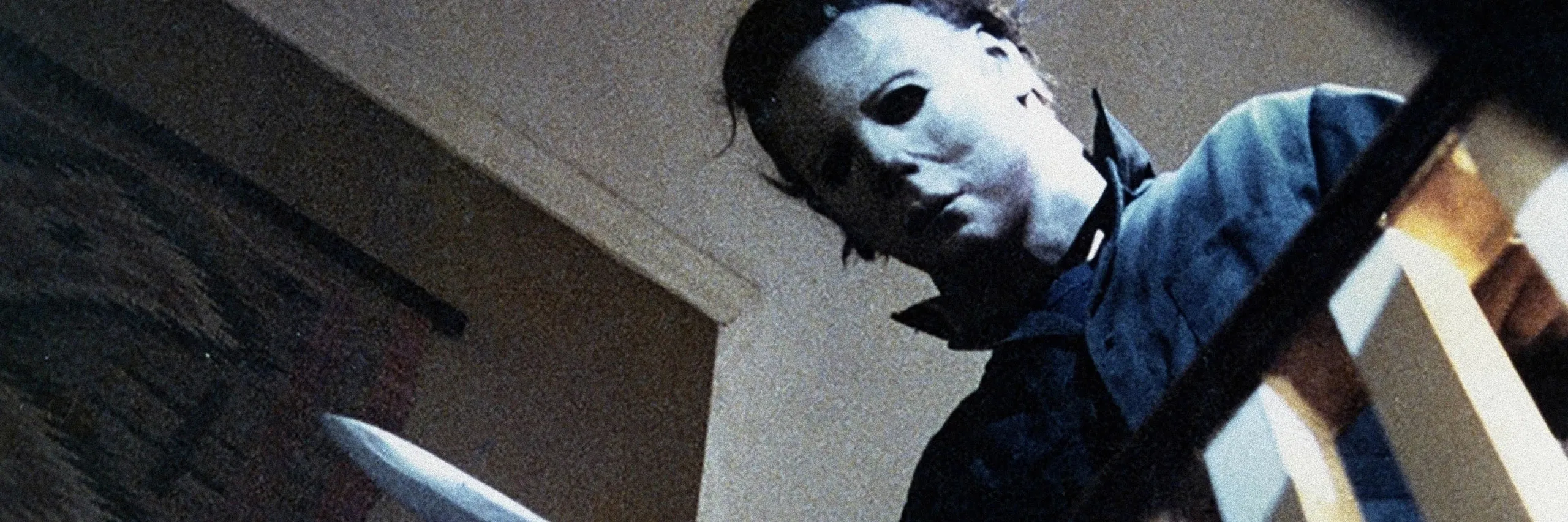
What Broughton terms "Deliverance derivations" came in a sustained 1970s cycle. Tobe Hooper's The Texas Chain Saw Massacre (1974), with Marilyn Burns, made the backwoods family the definitive human monster — Leatherface and the Sawyers as products of economic devastation and geographic isolation, a family that has adapted to abandonment by becoming predators. Hooper followed with the Louisiana-swamp-set Eaten Alive (1976). Wes Craven's The Hills Have Eyes (1977) relocated the form to the California desert with a feral clan led by Papa Jupiter, again pitting suburban family against rural-cannibal family. Meir Zarchi's I Spit on Your Grave (1978) (originally Day of the Woman) with Camille Keaton closed the cycle with the rape-revenge variant. Jeff Lieberman's Just Before Dawn (1981) continued the Broughton-mapped "marauding rural male groups" strand on into the early 1980s.
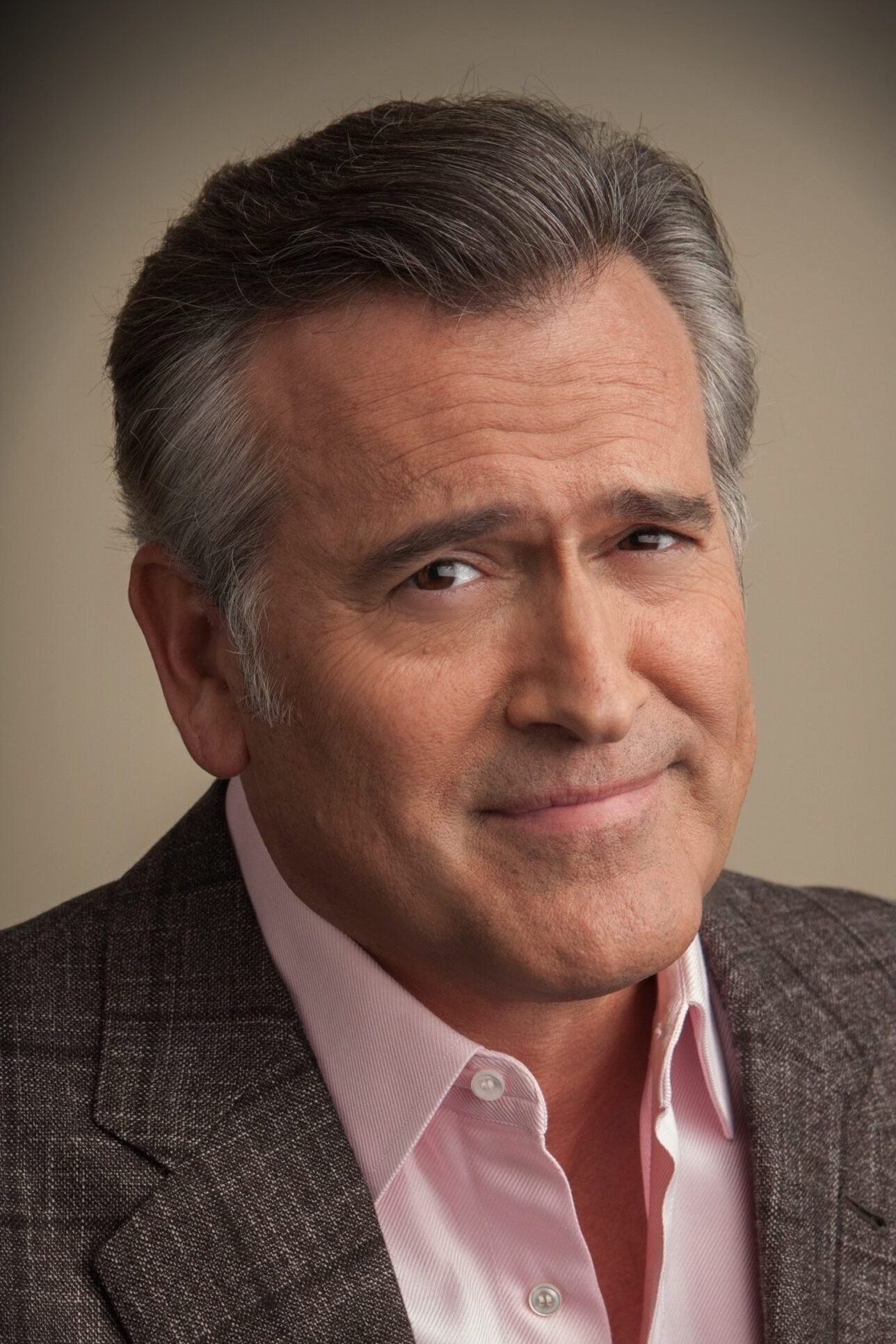
The 1980s shifted the form into the cabin-in-the-woods sub-strand. Sam Raimi's The Evil Dead (1981), with Bruce Campbell, provided what Mathijs and Mendik call "the most perfect, archetypical cabin-in-the-woods film, the one against which all others are measured" — though Hooper's swamp-isolated atmospheres remained the more politically engaged register. Stan Winston's Pumpkinhead (1988) added Appalachian folk-horror weight. The 2000s then produced the form's commercial peak: Victor Salva's Jeepers Creepers (2001), Eli Roth's Cabin Fever (2002), and Rob Schmidt's Wrong Turn (2003) (inaugurating the West Virginia cannibal franchise); Rob Zombie's House of 1000 Corpses (2003) and The Devil's Rejects (2005), with Bill Moseley and Sid Haig, reanimated the Sawyer-family register; Greg McLean's Wolf Creek (2005), with John Jarratt's Mick Taylor (drawn from the Ivan Milat case), gave the outback its definitive backwoods predator; Alexandre Aja's The Hills Have Eyes (2006) remake brought NFE's visceral grammar to the Craven original; and Adam Green's Hatchet (2006) added Victor Crowley to the Louisiana-swamp lineage.
The 2010s opened the form to international and meta-deconstructive variants. James Watkins's British Eden Lake (2008), with Kelly Reilly and Michael Fassbender, weaponised middle-class anxiety about the urban-rural class divide into one of the era's most discomfiting horror films; Sean Byrne's Australian The Loved Ones (2010), with Robin McLeavy, made the prom-night backwoods-torture variant the subject of one of Kier-La Janisse's central female-psychotic studies; Eli Craig's Tucker and Dale vs. Evil (2010) flipped the subgenre's class anxieties into broad comedy; Drew Goddard's The Cabin in the Woods (2012) produced the form's definitive meta-deconstruction; S. Craig Zahler's Bone Tomahawk (2015), with Kurt Russell, fused the form with frontier-Western to produce one of the decade's most distinctive horror-hybrids. The form persists because it stages, more nakedly than almost any other corner of horror, the moment civilisation's protections reach their range limit.
Essential Films
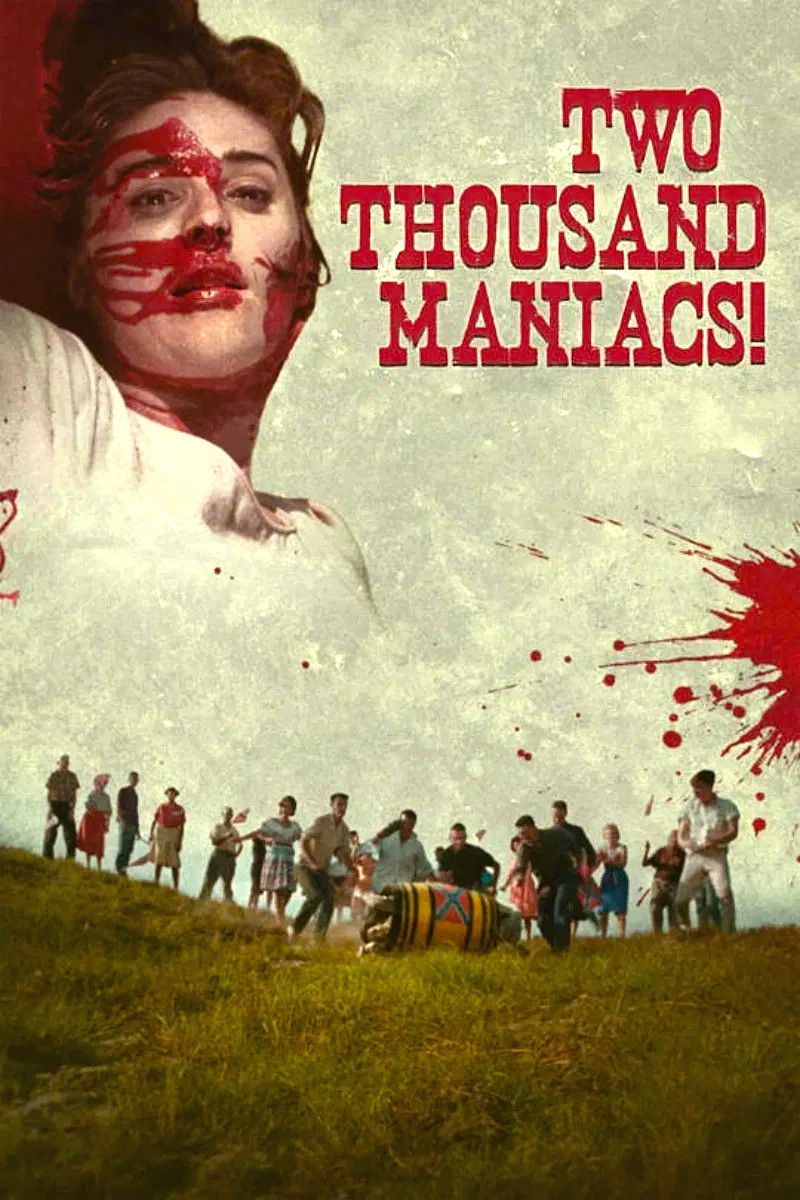
Two Thousand Maniacs!
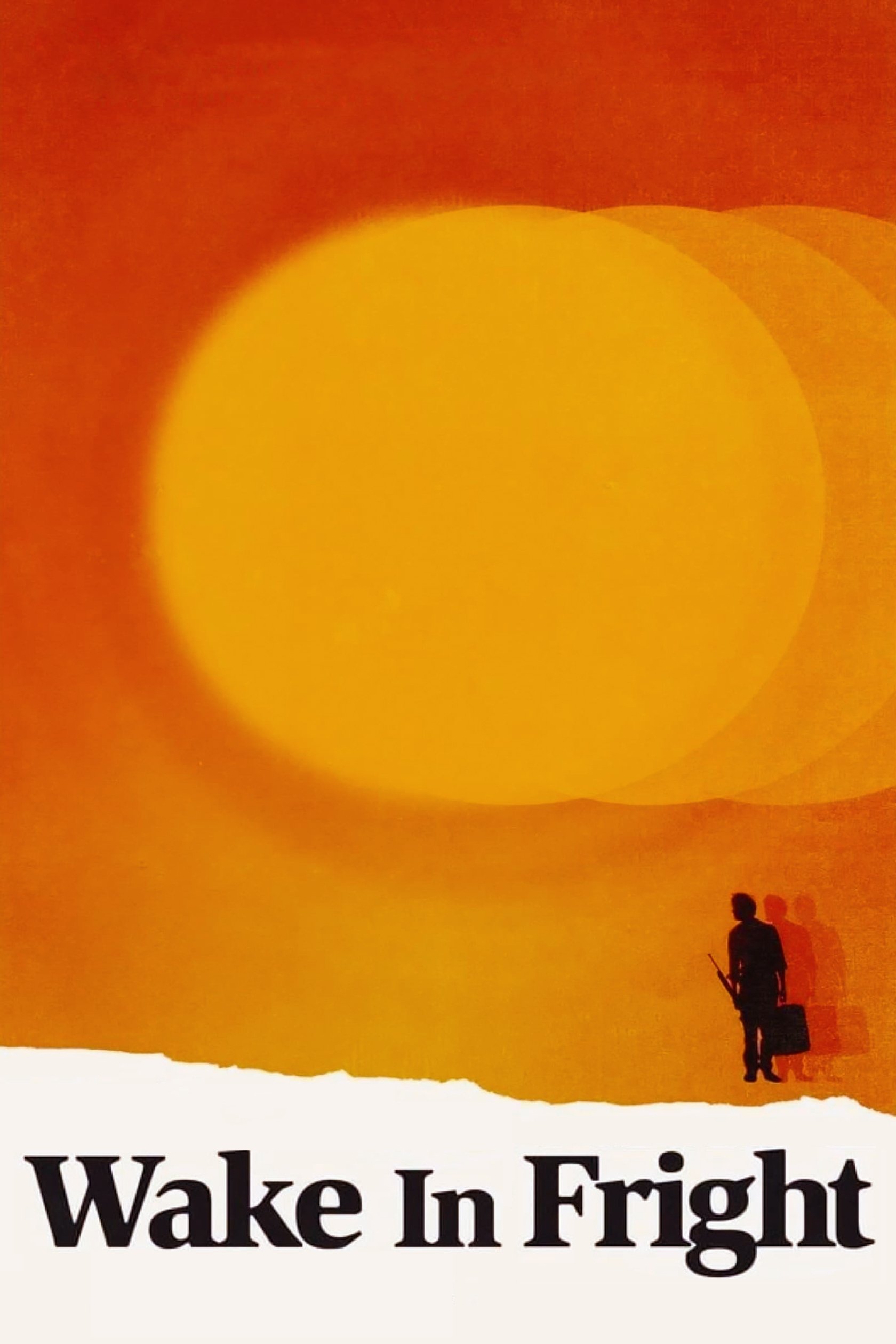
Wake in Fright
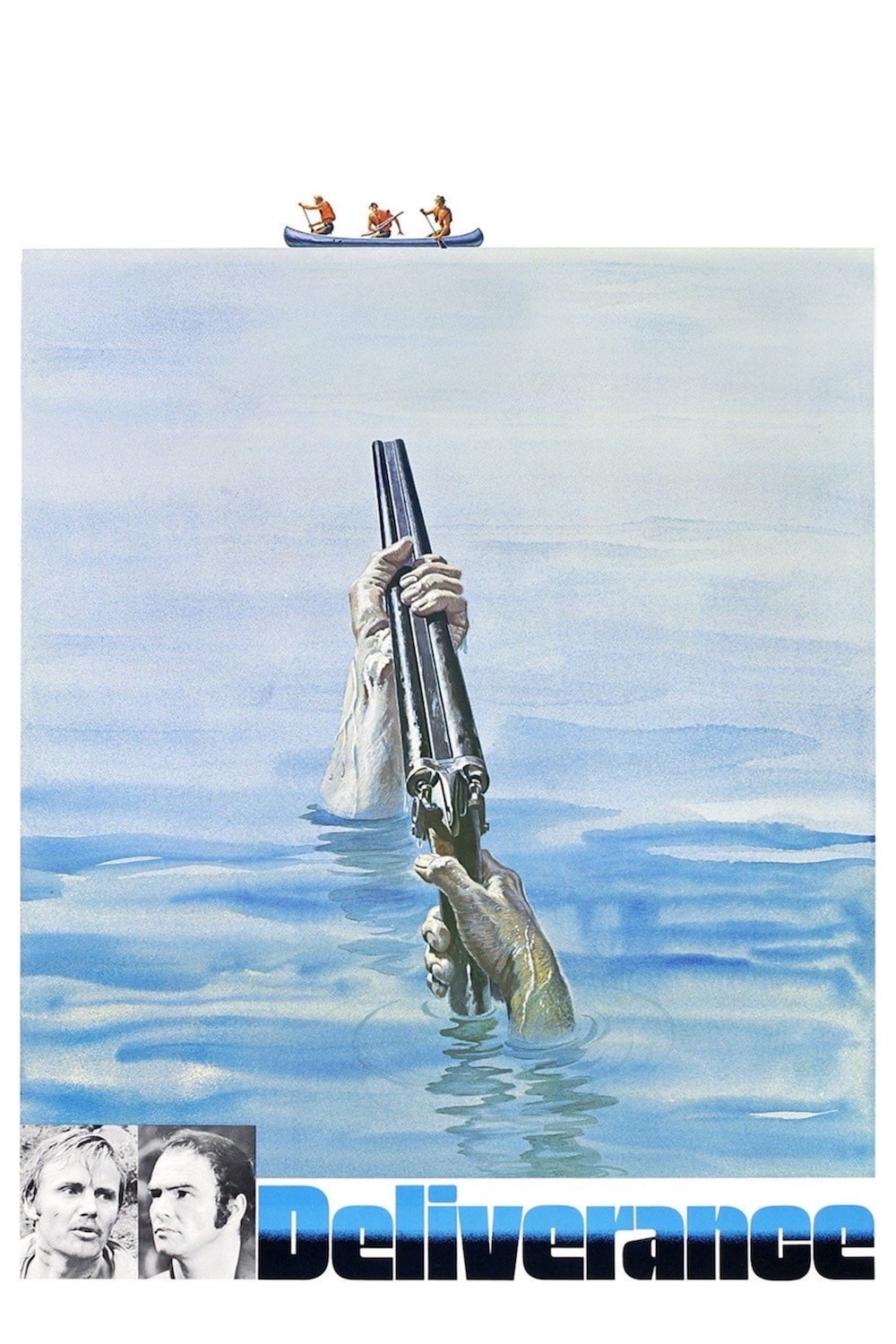
Deliverance
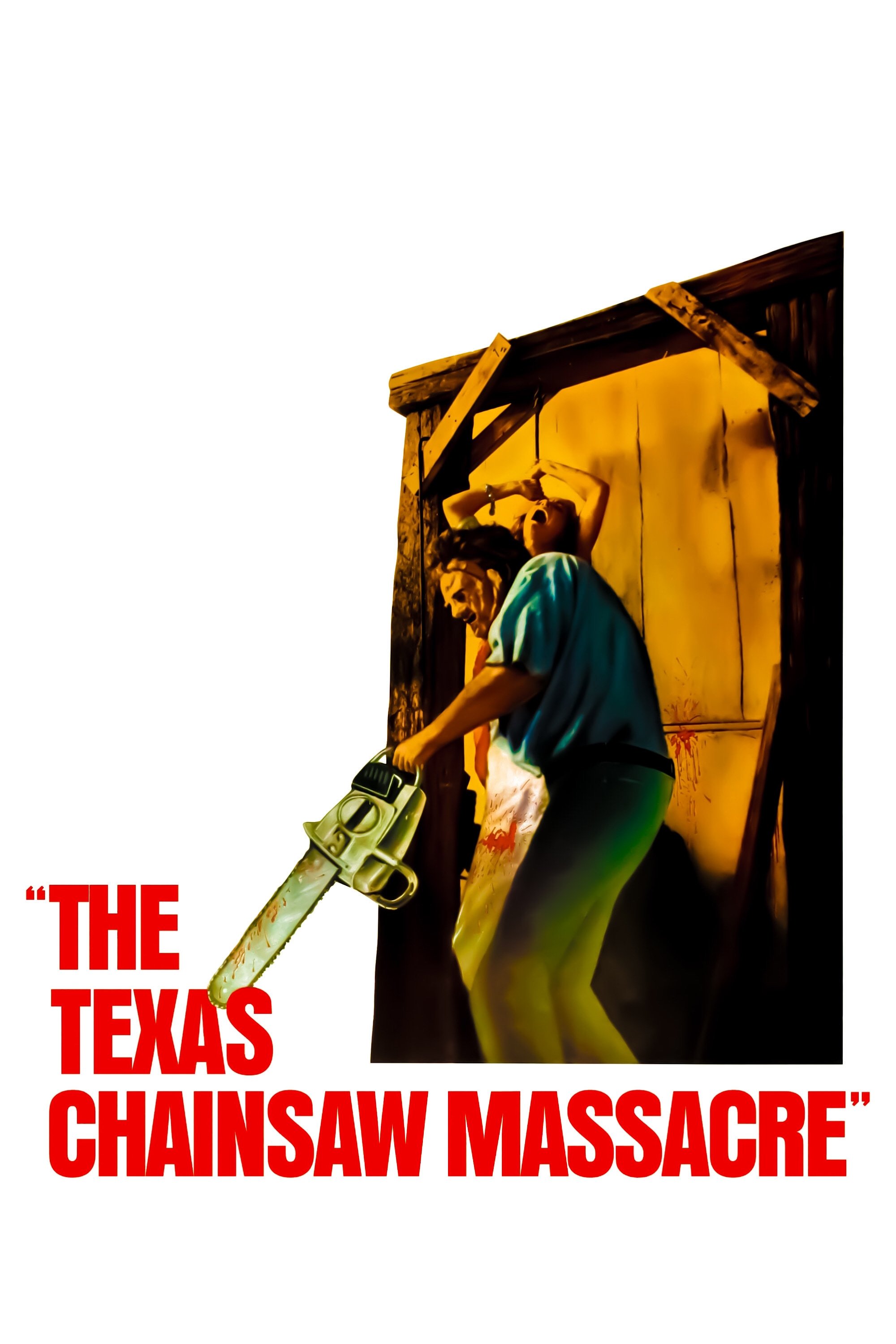
The Texas Chain Saw Massacre
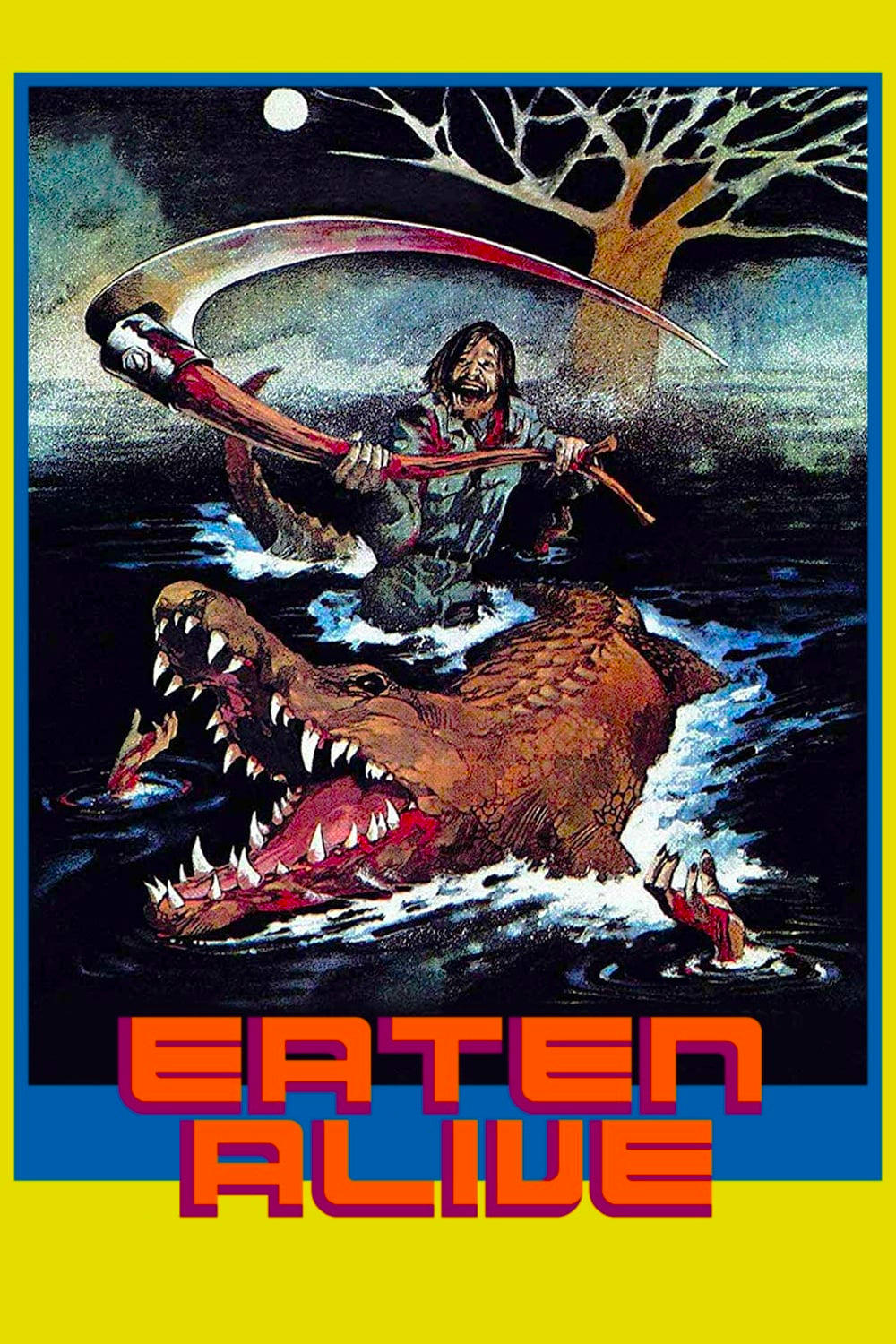
Eaten Alive
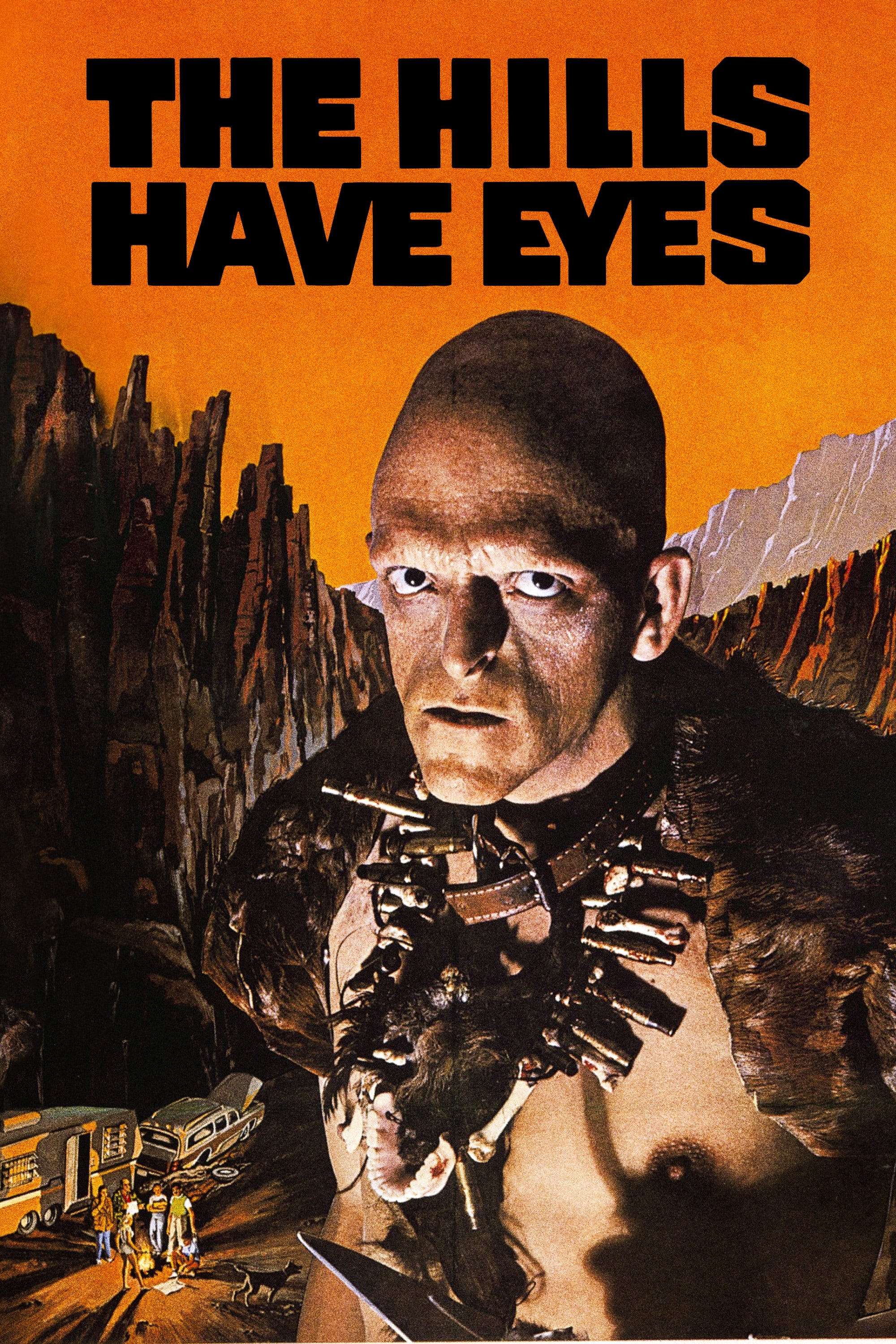
The Hills Have Eyes
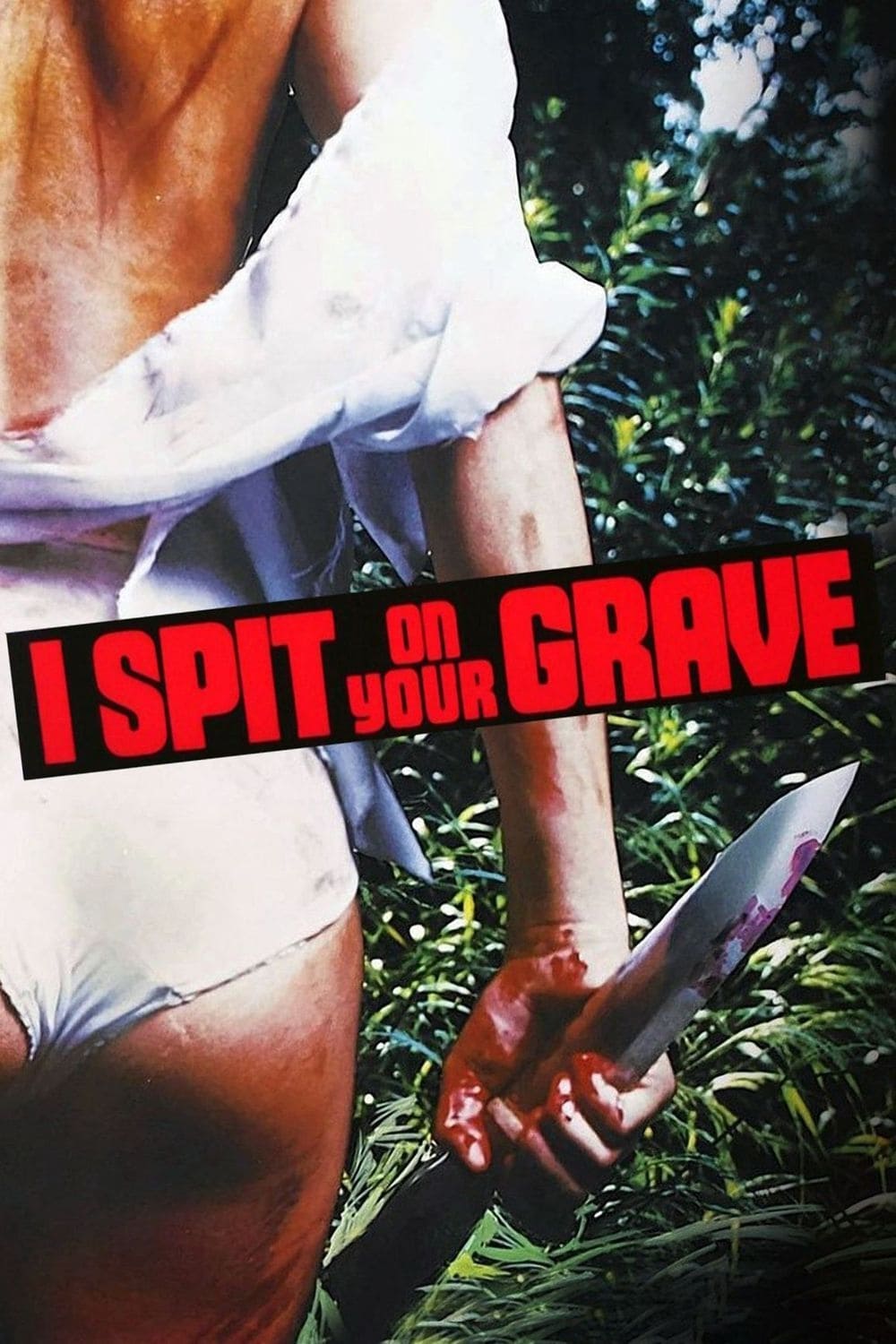
Day of the Woman

Just Before Dawn
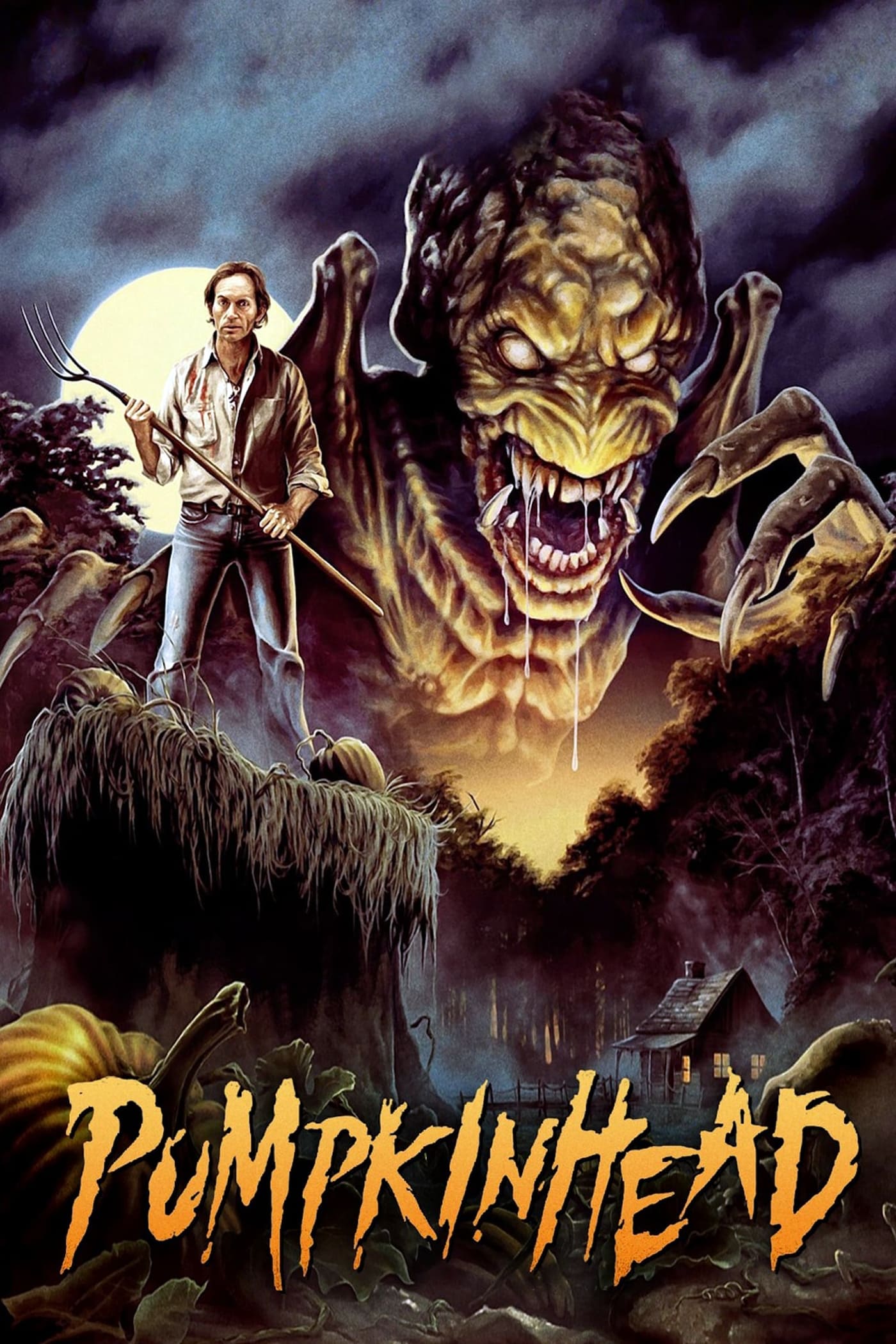
Pumpkinhead
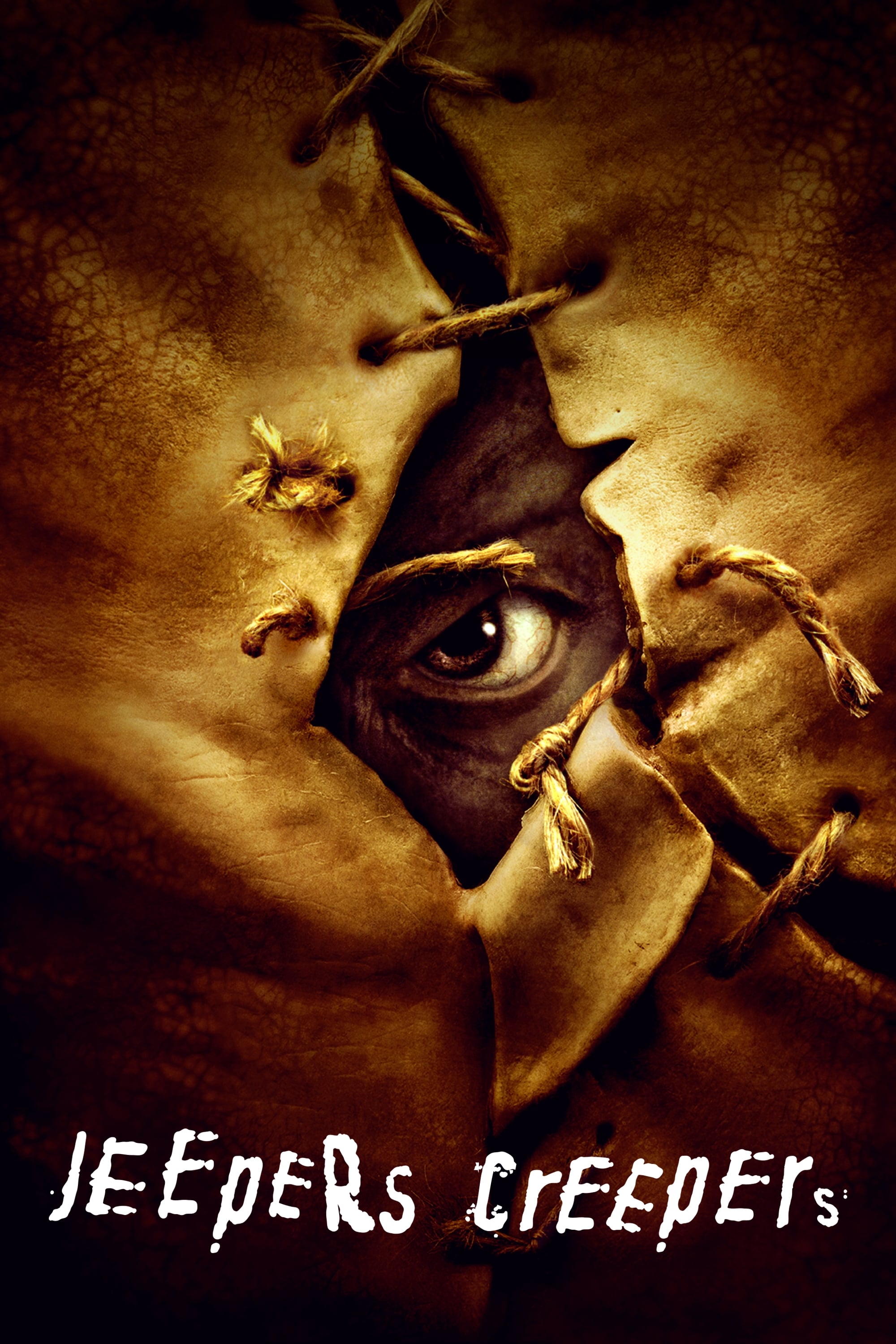
Jeepers Creepers

House of 1000 Corpses
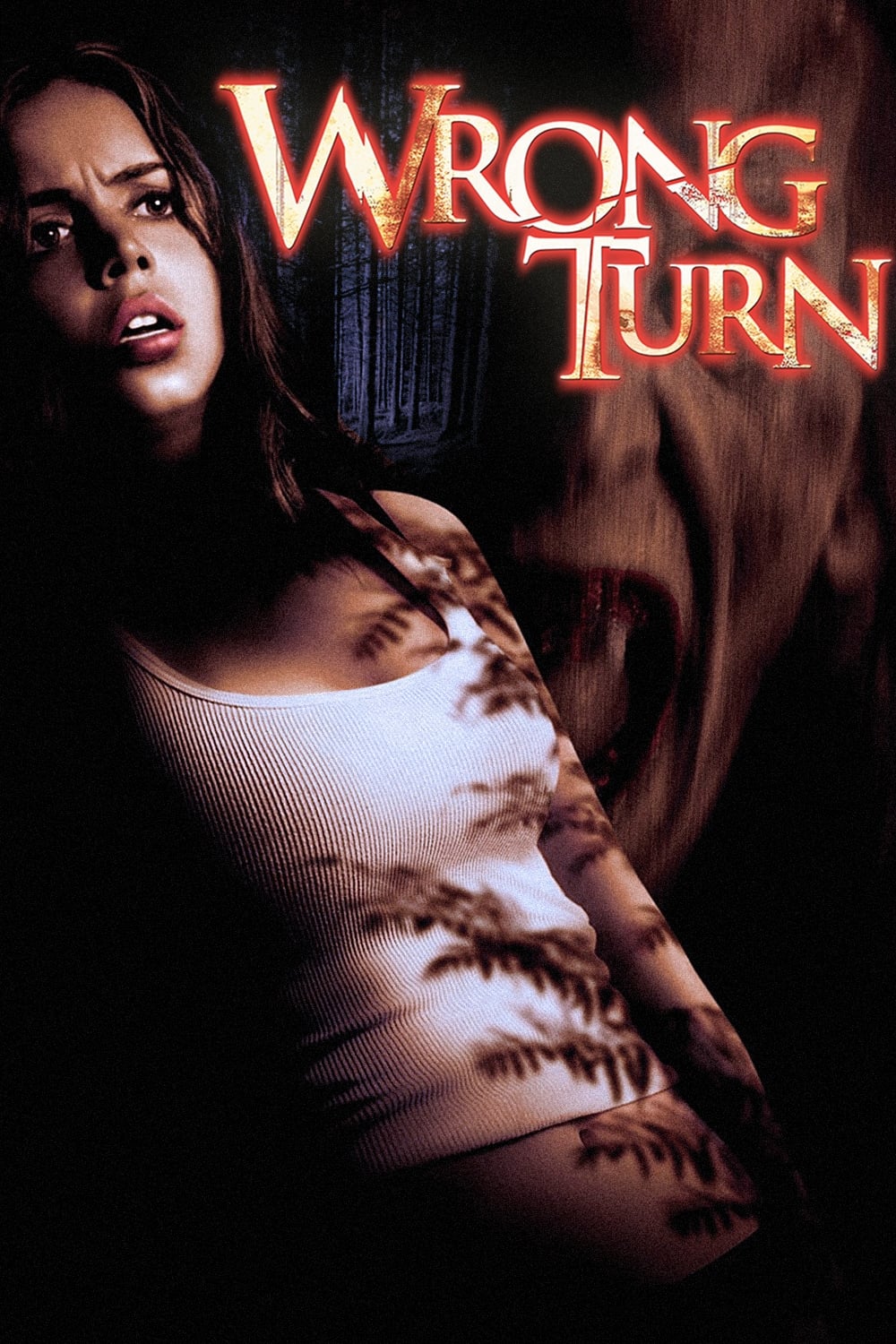
Wrong Turn
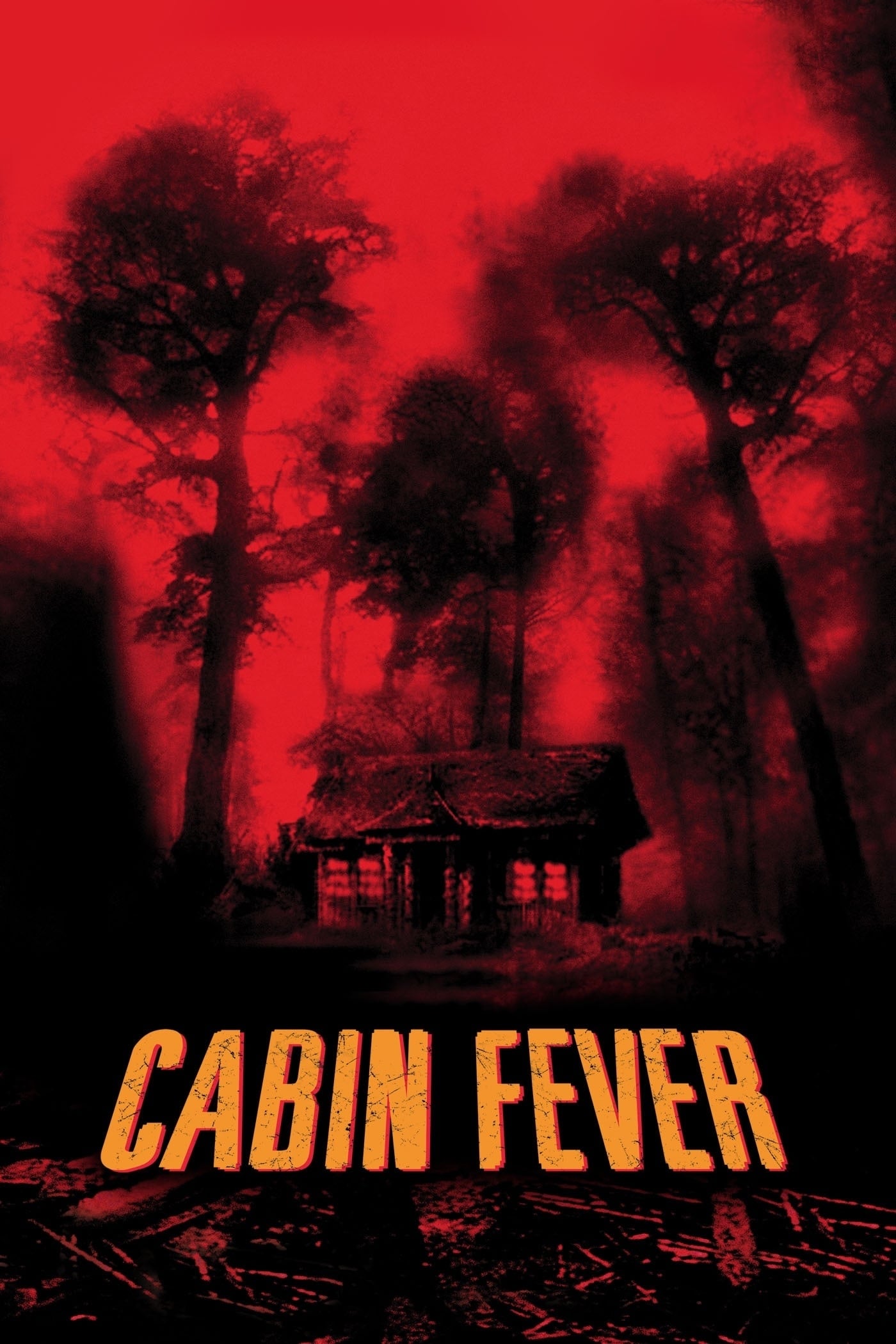
Cabin Fever
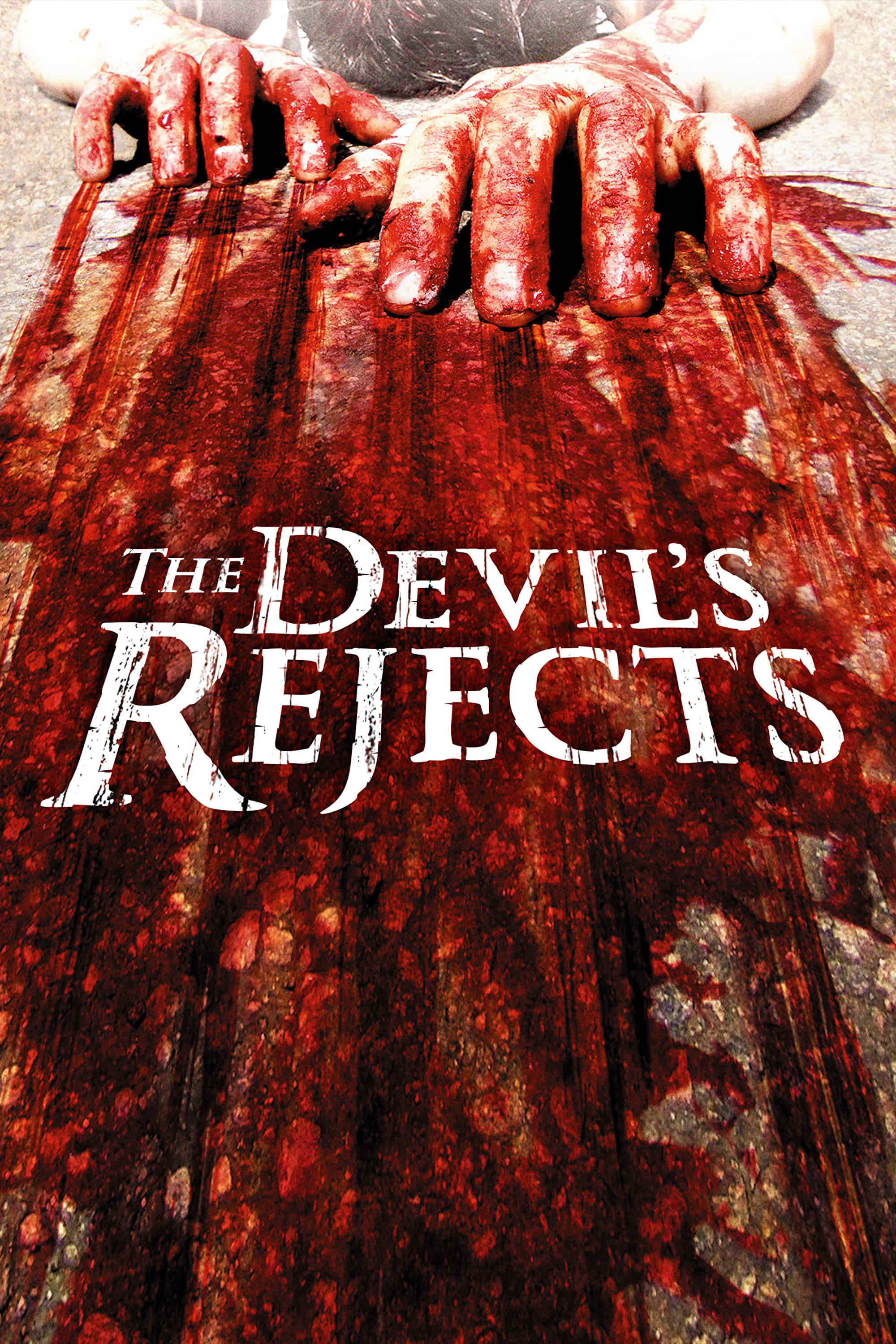
The Devil's Rejects
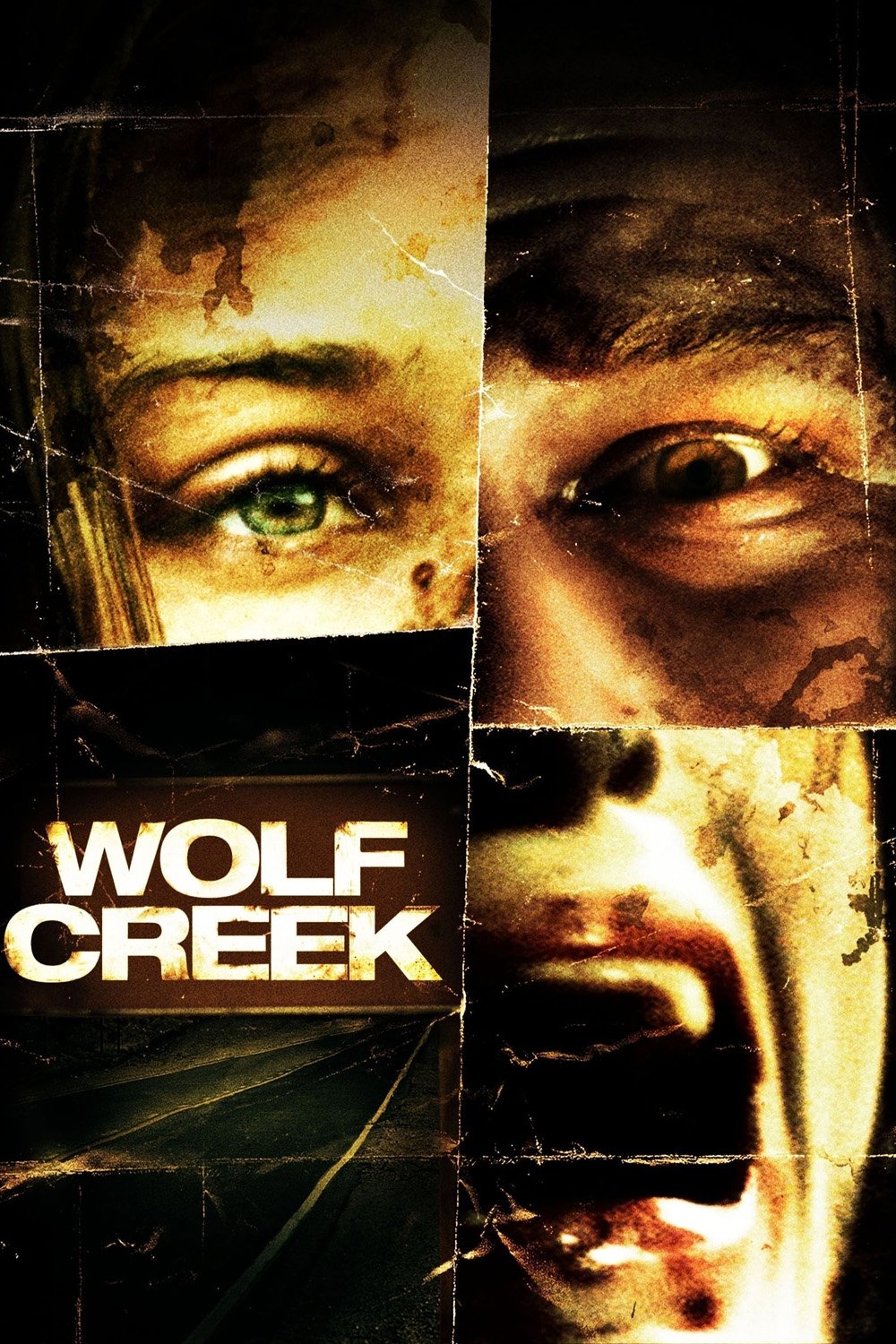
Wolf Creek
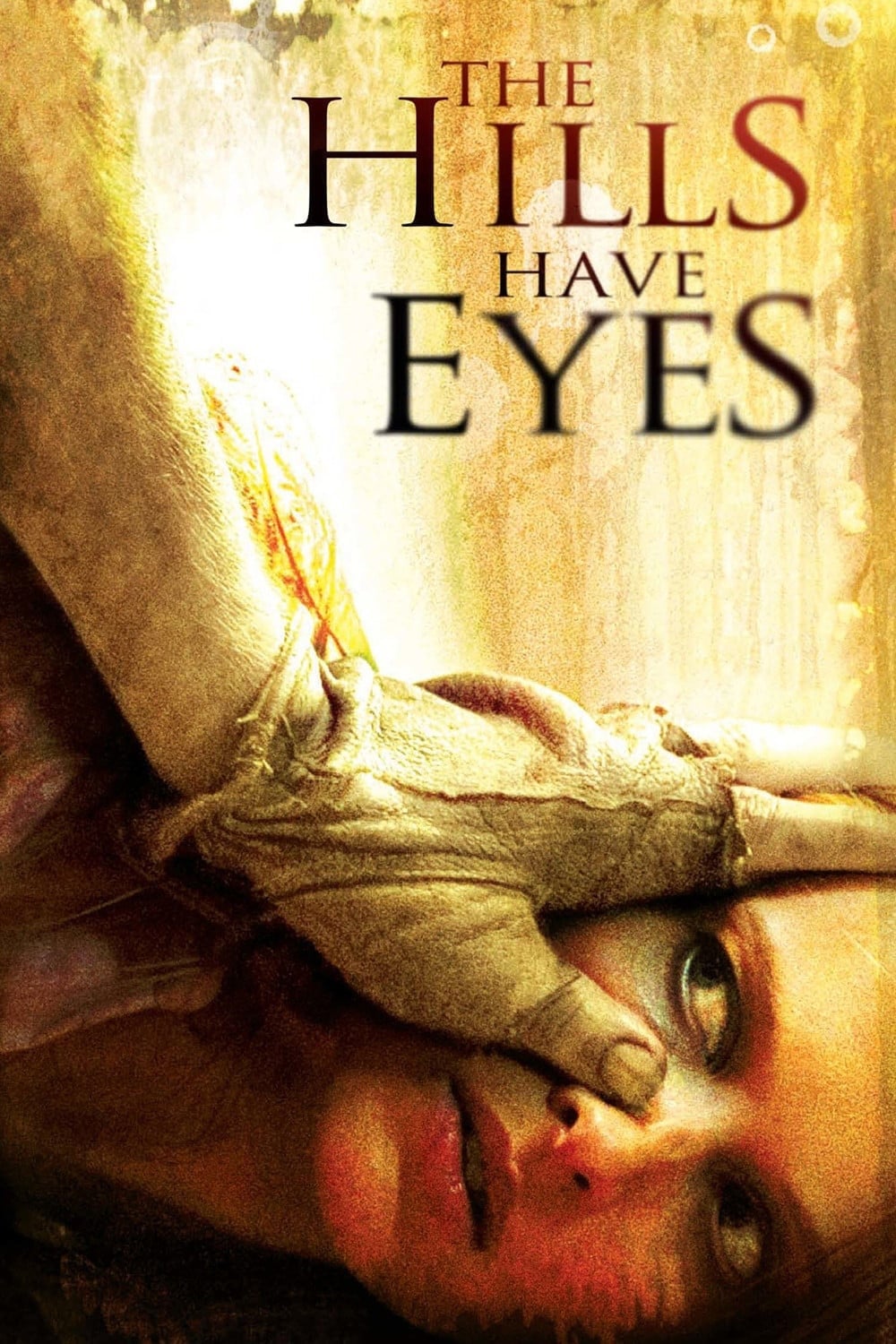
The Hills Have Eyes
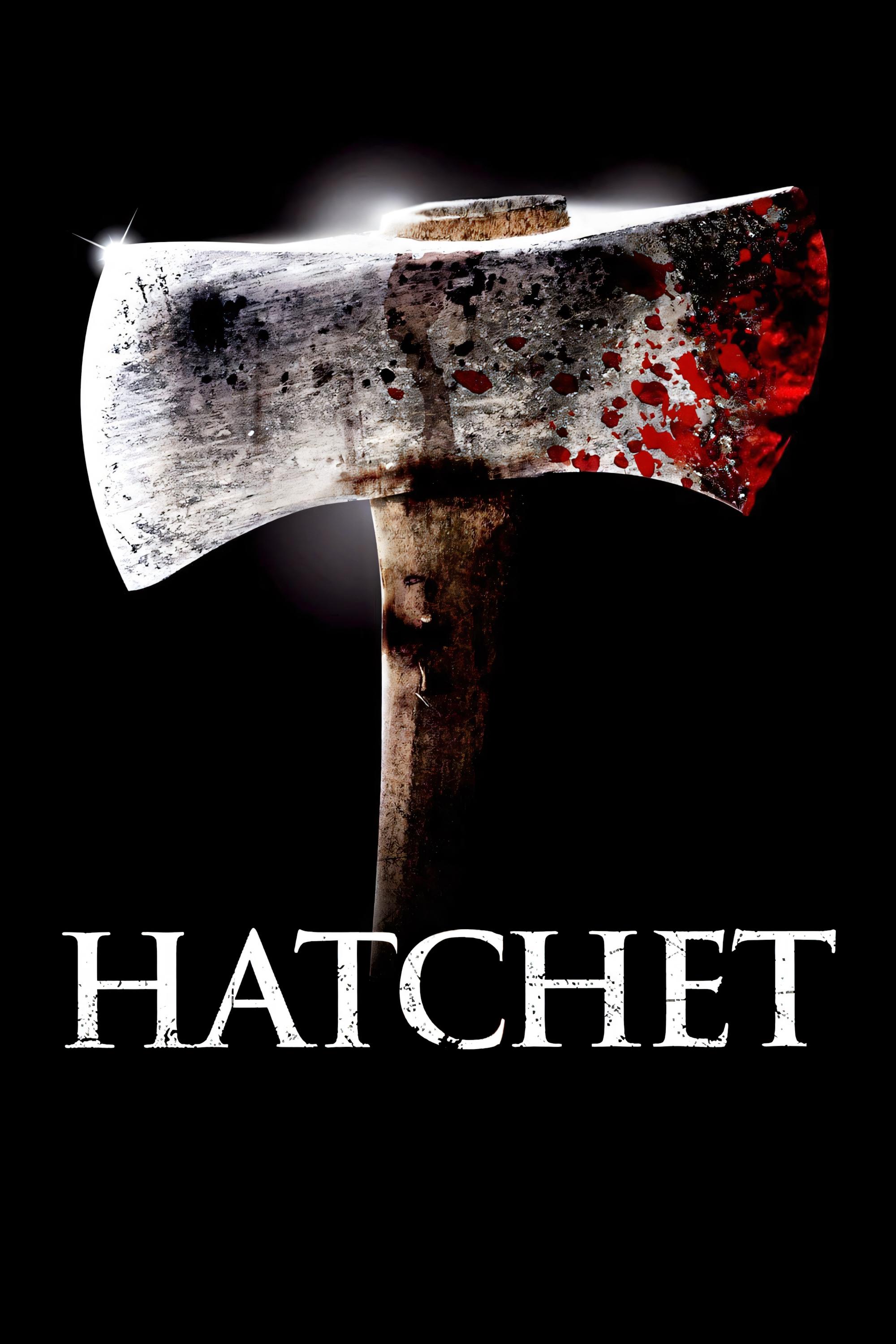
Hatchet
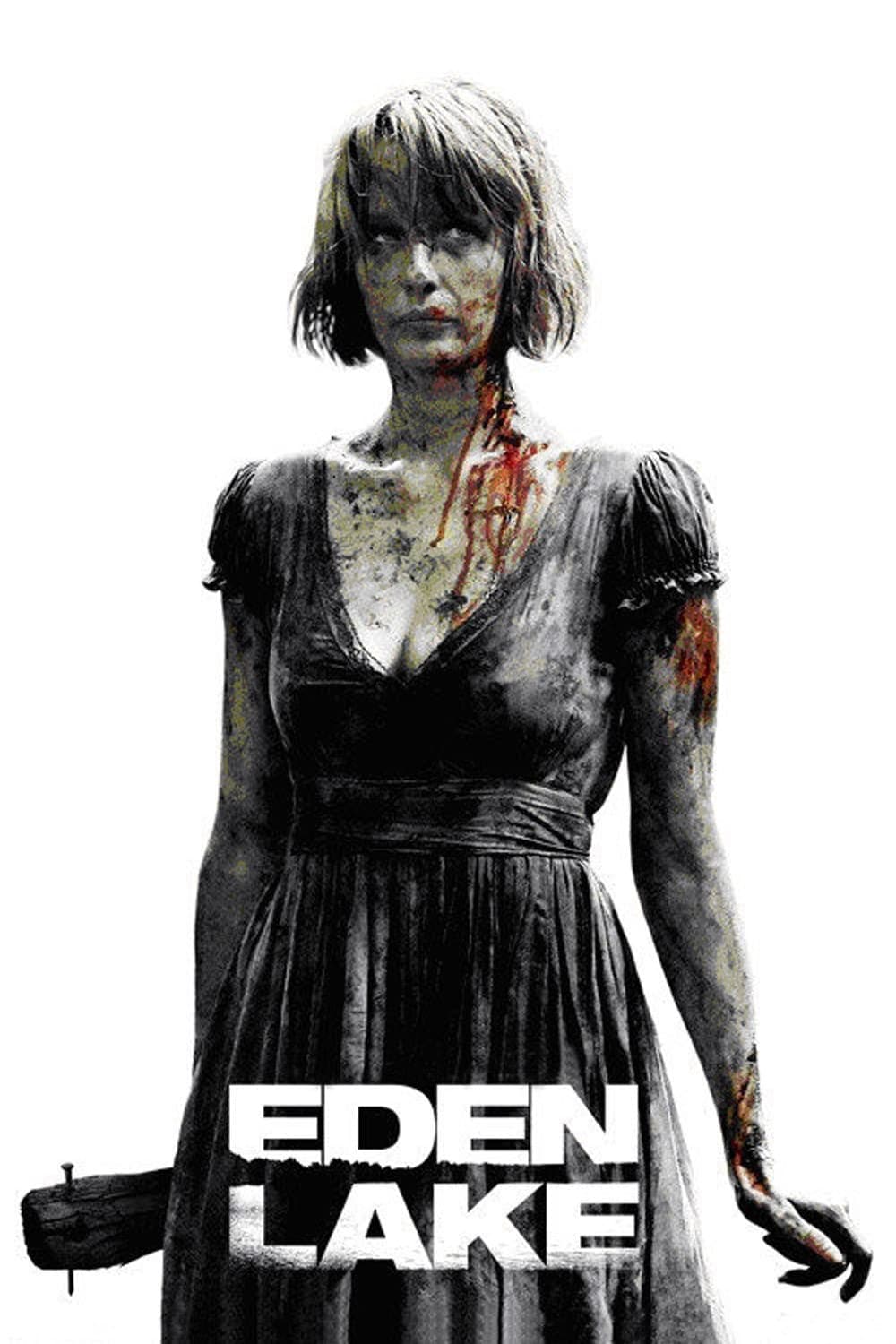
Eden Lake
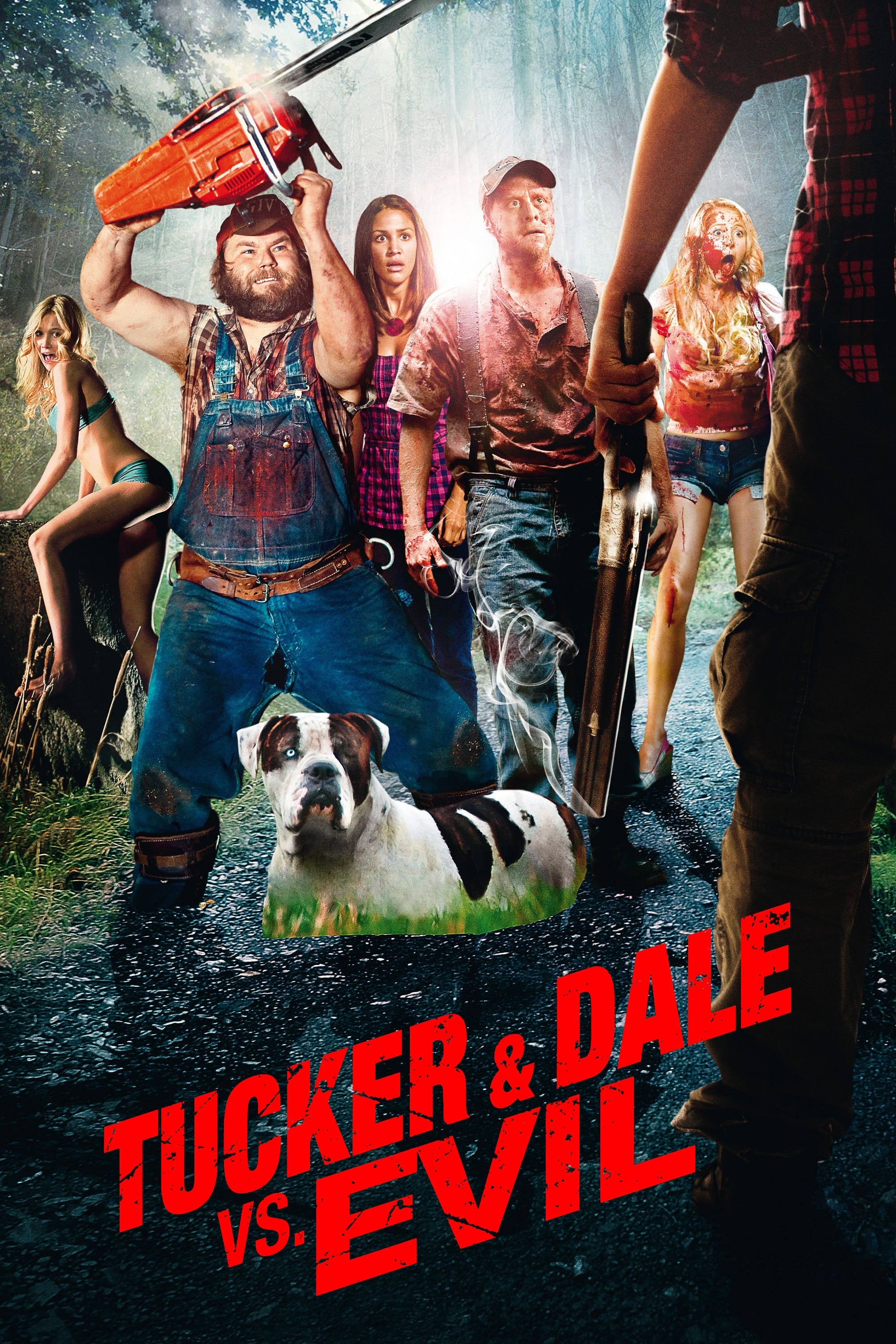
Tucker and Dale vs. Evil

The Loved Ones
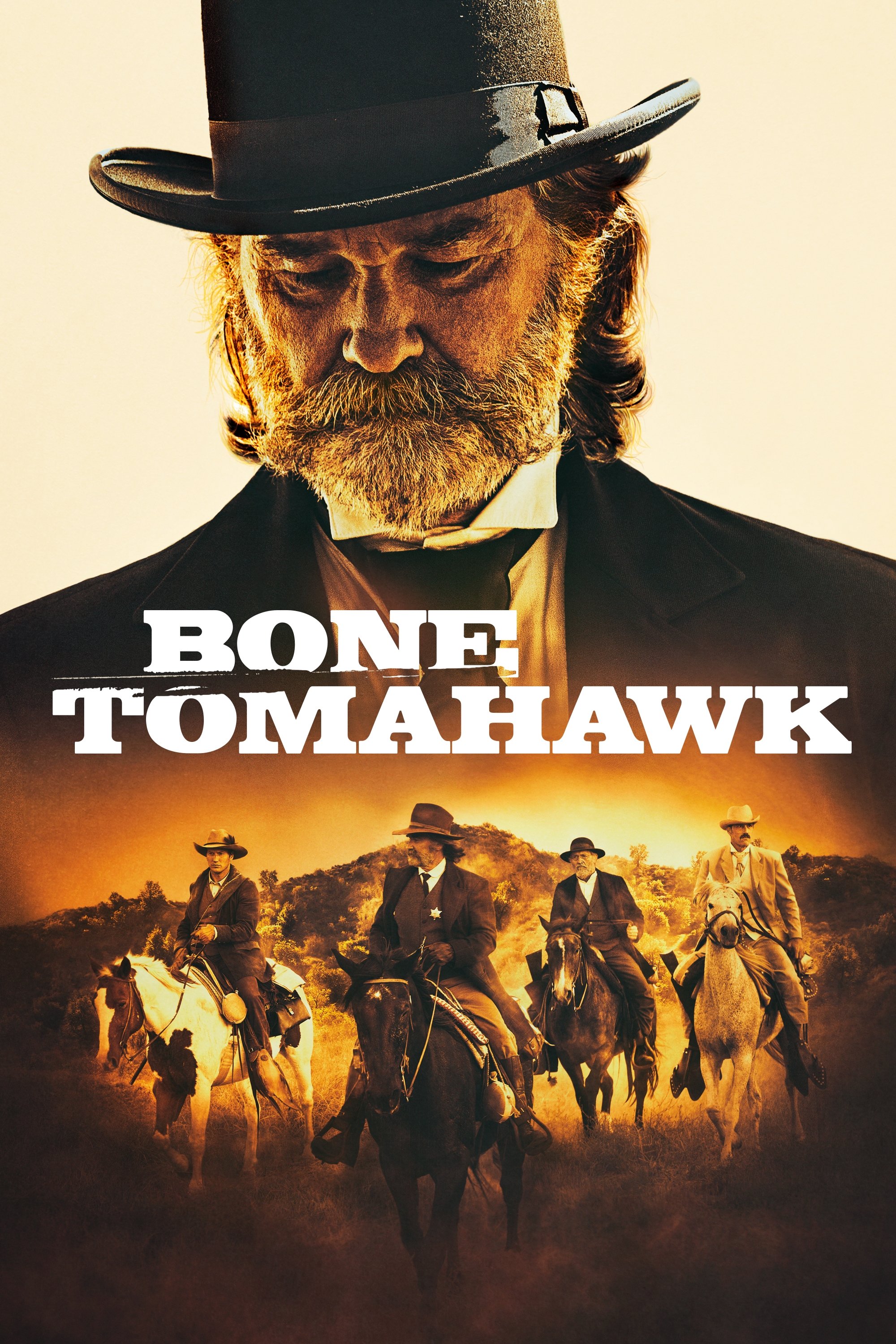
Bone Tomahawk
Statistics
Popularity by Decade
Share of each decade's horror films classified as Backwoods. Counts films with at least 5 TMDB ratings, so very obscure titles are not represented.
Popularity by Country
Share of each country's horror output classified as Backwoods. Counts films with at least 5 TMDB ratings, so very obscure titles are not represented.