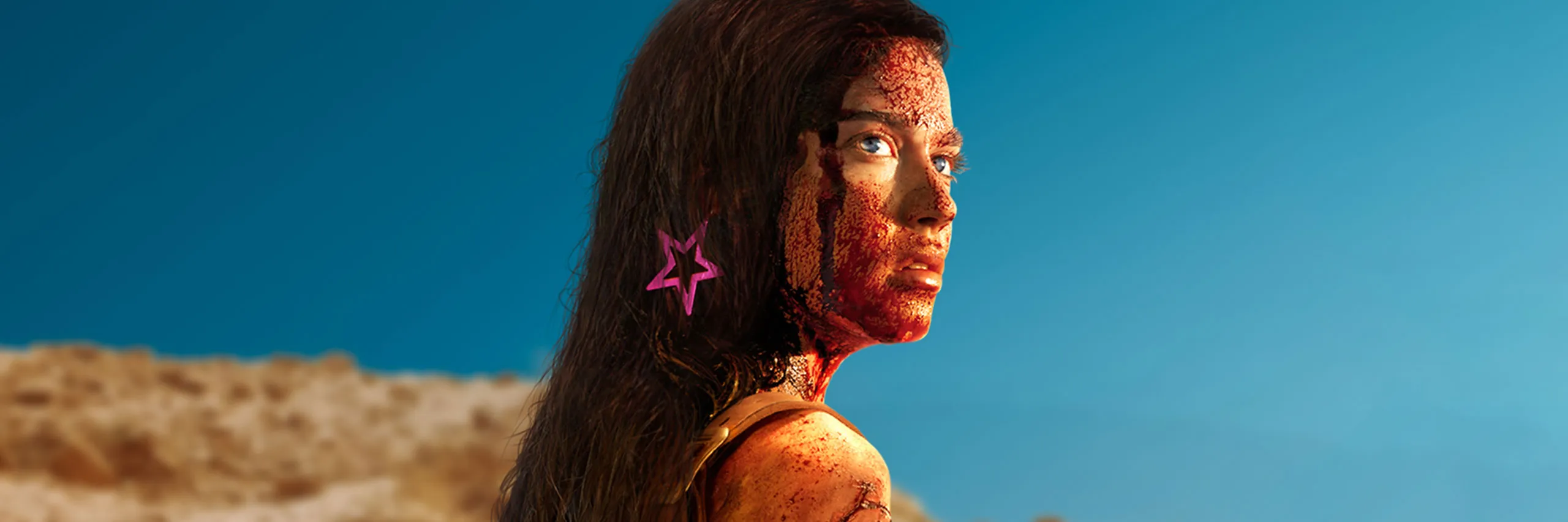
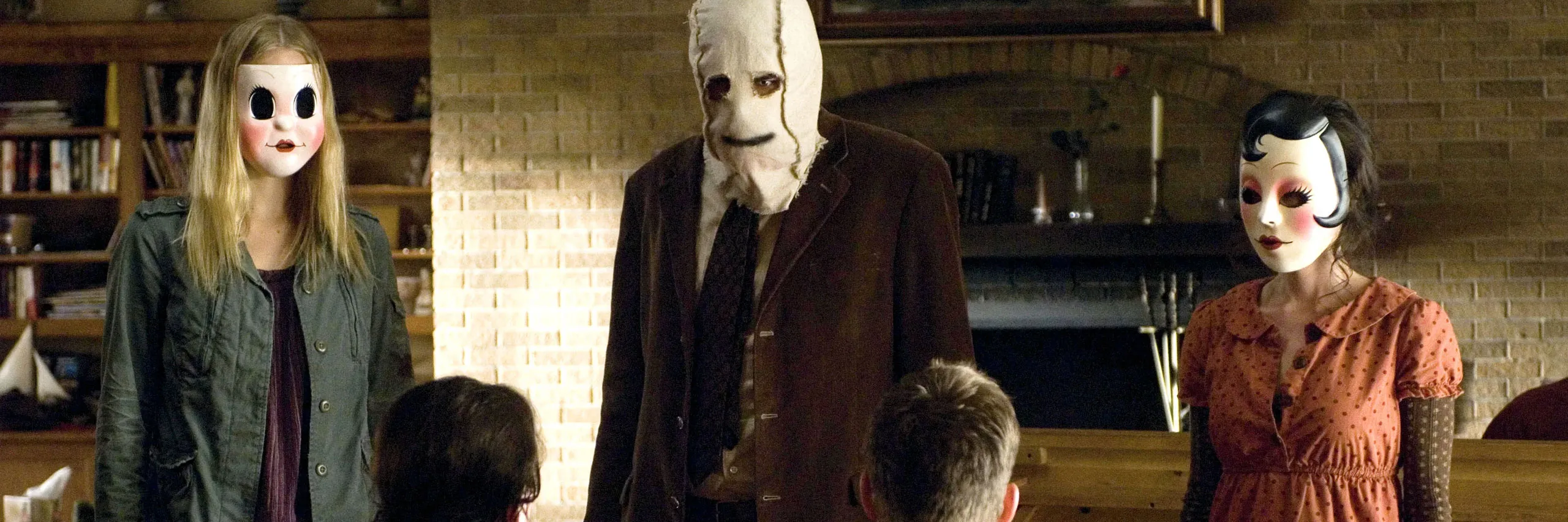
 The Strangers (2008)
Home Invasion
Your sanctuary violated. Strangers inside your home, your locks meaningless, your safety revealed as an illusion you purchased but never owned.
History & Origins
Home invasion horror weaponizes the most fundamental human need after food and water: shelter. These films begin with the violation of domestic space — someone has entered the home uninvited — and build their terror from the systematic destruction of every assumption of safety that the home represents. The locked door, the alarm system, the bedroom where your children sleep: none of it matters. The subgenre's power lies in its plausibility. Unlike supernatural horror or monster cinema, home invasion requires nothing impossible. The threat is human, the setting is familiar, and the situation is one that any viewer can imagine happening to them.
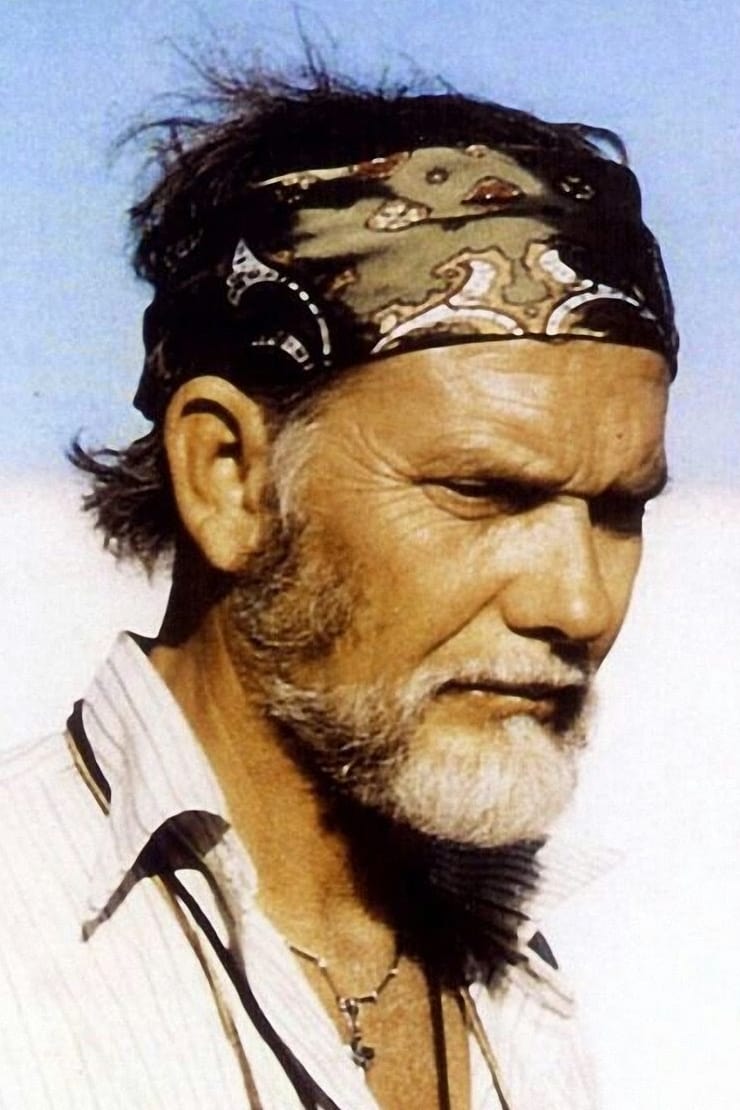
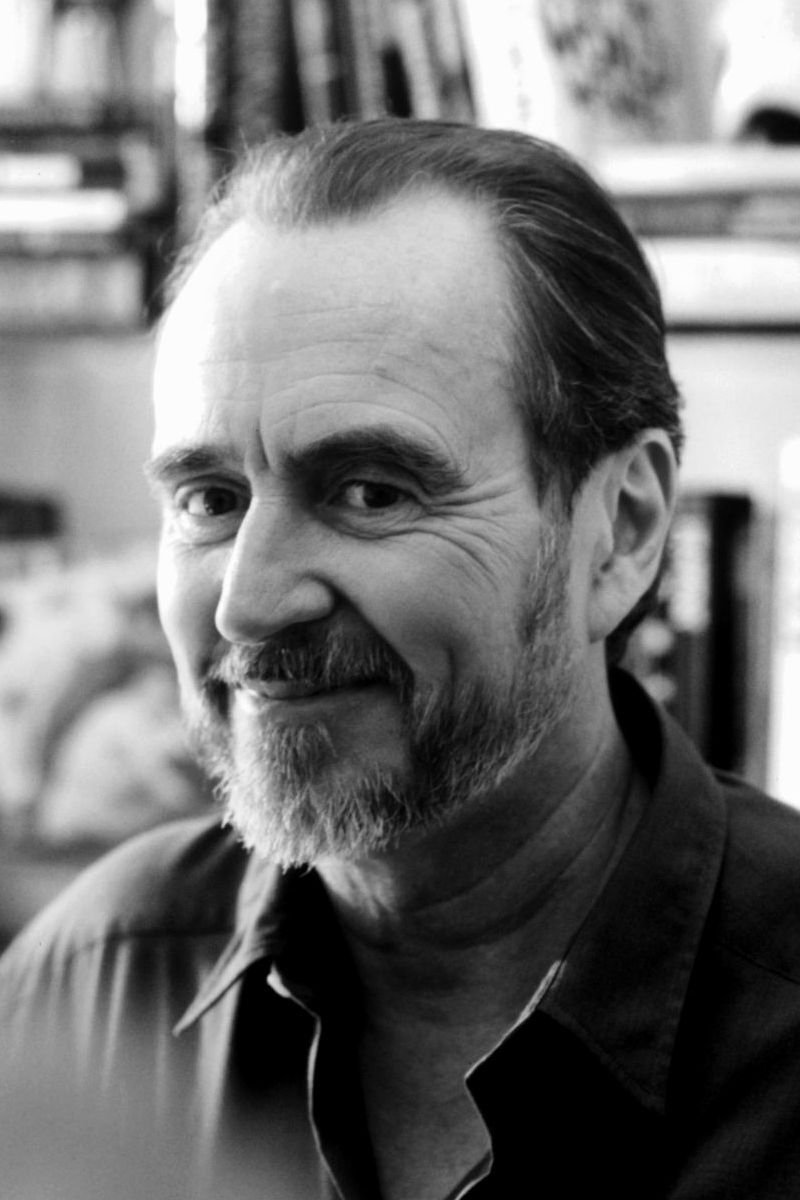
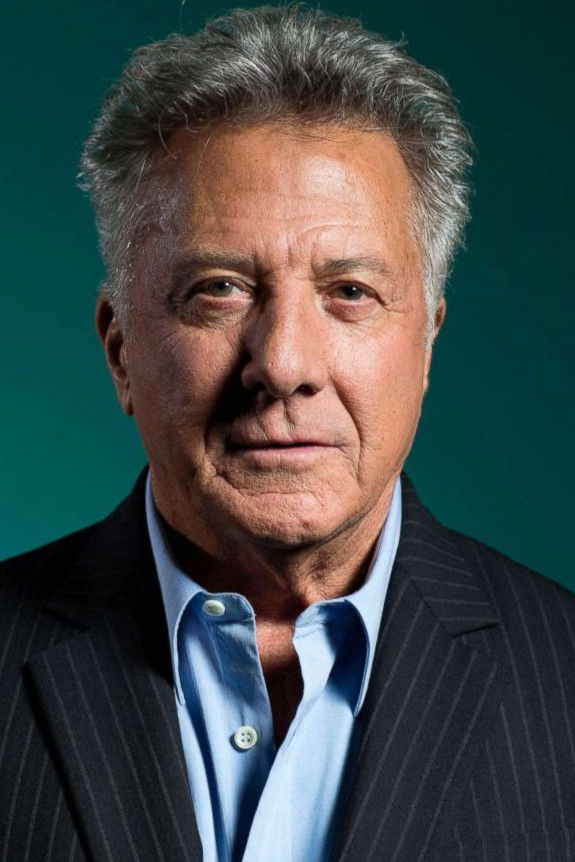
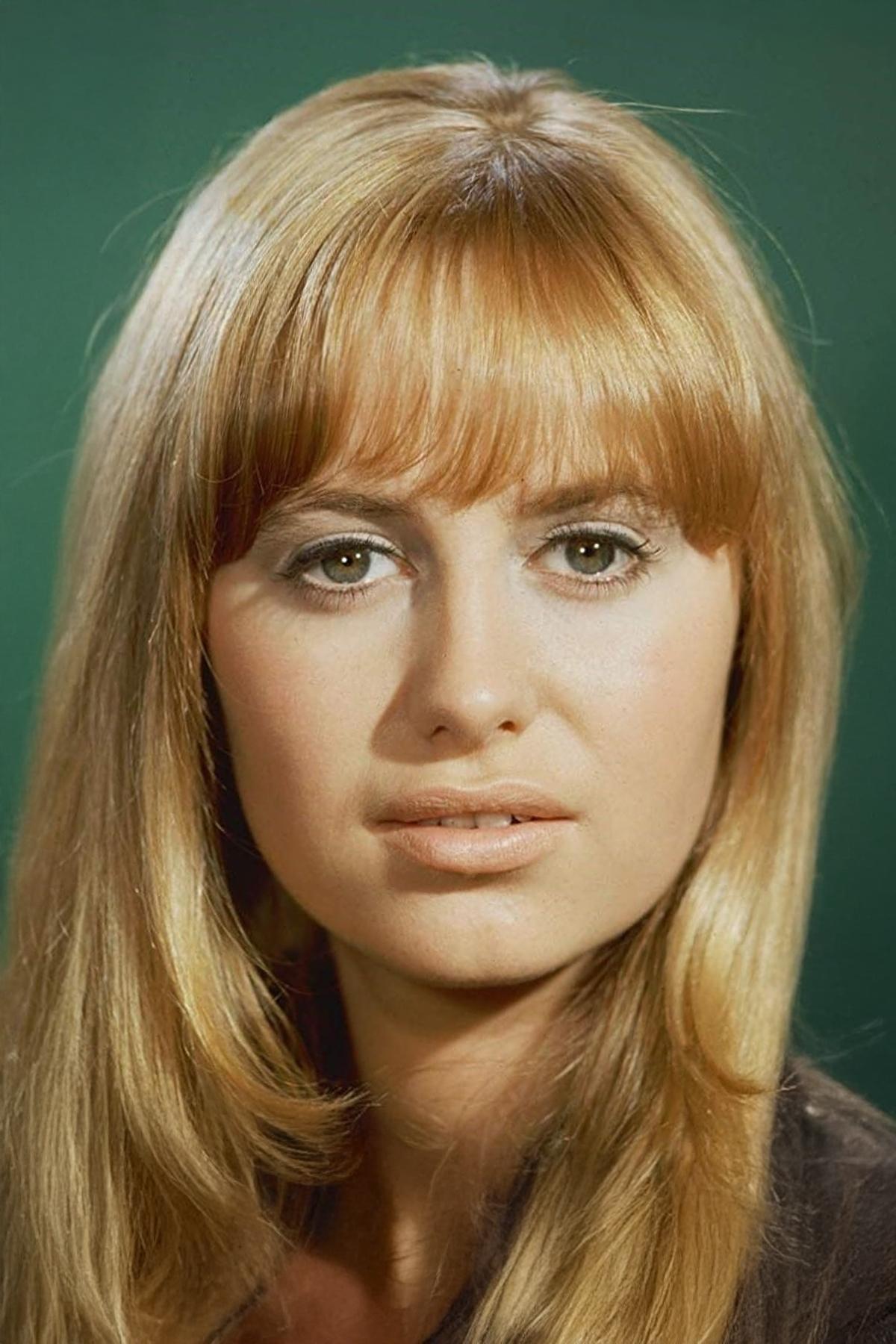
The form's foundations are mid-twentieth-century. Walter Grauman's Lady in a Cage (1964), with Olivia de Havilland as a poet trapped in her own elevator while suburban predators ransack her home, is what Kim Newman calls a "seldom-acknowledged, still-shocking precursor." Terence Young's Wait Until Dark (1967), with Audrey Hepburn as a blind woman besieged in her Greenwich Village apartment, took the Broadway-thriller template into Hitchcockian crisis. Sam Peckinpah's Straw Dogs (1971), with Dustin Hoffman and Susan George, redefined the form by turning the besieged home into a stage for masculine violence; Wes Craven's The Last House on the Left (1972) adapted Bergman's The Virgin Spring into one of the founding films of the 1970s "savage cinema" cycle (Muir's term), pairing the home-invasion violation with rape-revenge structure to produce a film whose ad-line — "to avoid fainting, keep repeating, it's only a movie" — became the era's most notorious marketing gesture.
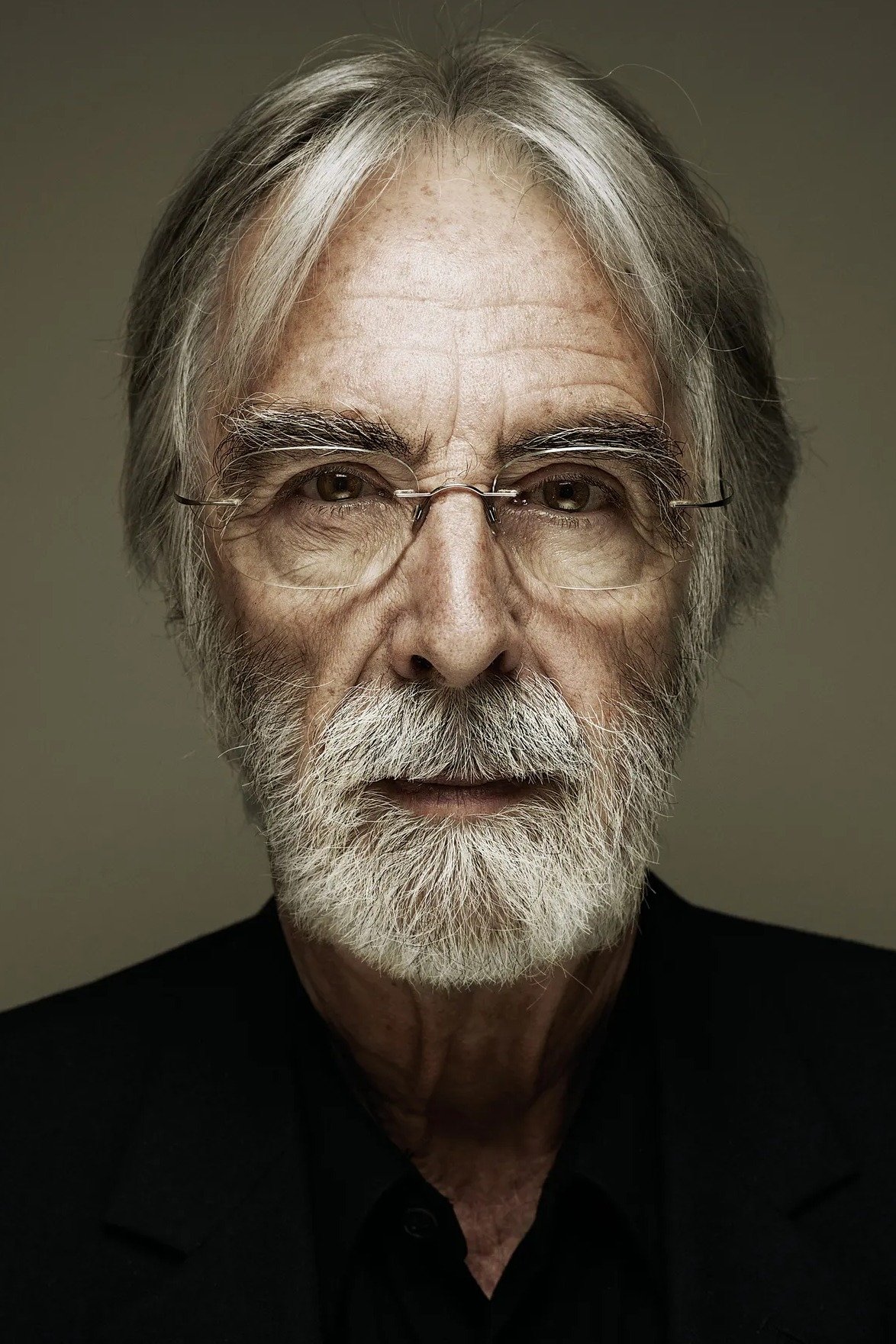
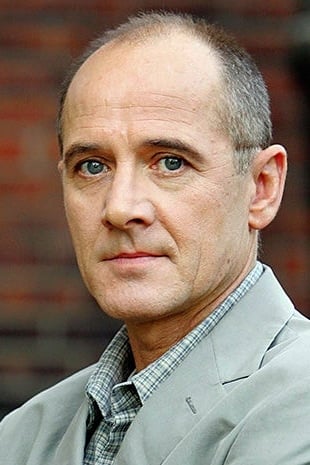
Michael Haneke's Austrian Funny Games (1997), with Susanne Lothar and Ulrich Mühe, made the home-invasion film about its own audience. The two polite young men in white gloves who hold a family hostage at their lake house repeatedly address the camera, implicating the viewer in the violence — Haneke's most direct attack on what Barry Keith Grant identifies as the contemporary home-invasion cycle's underlying anxiety about "the integrity of the familial home." When Haneke remade his own film in English a decade later, it became the rare shot-for-shot remake that doubled the original's force rather than diluting it. Funny Games is the modern home-invasion film's coined moment.
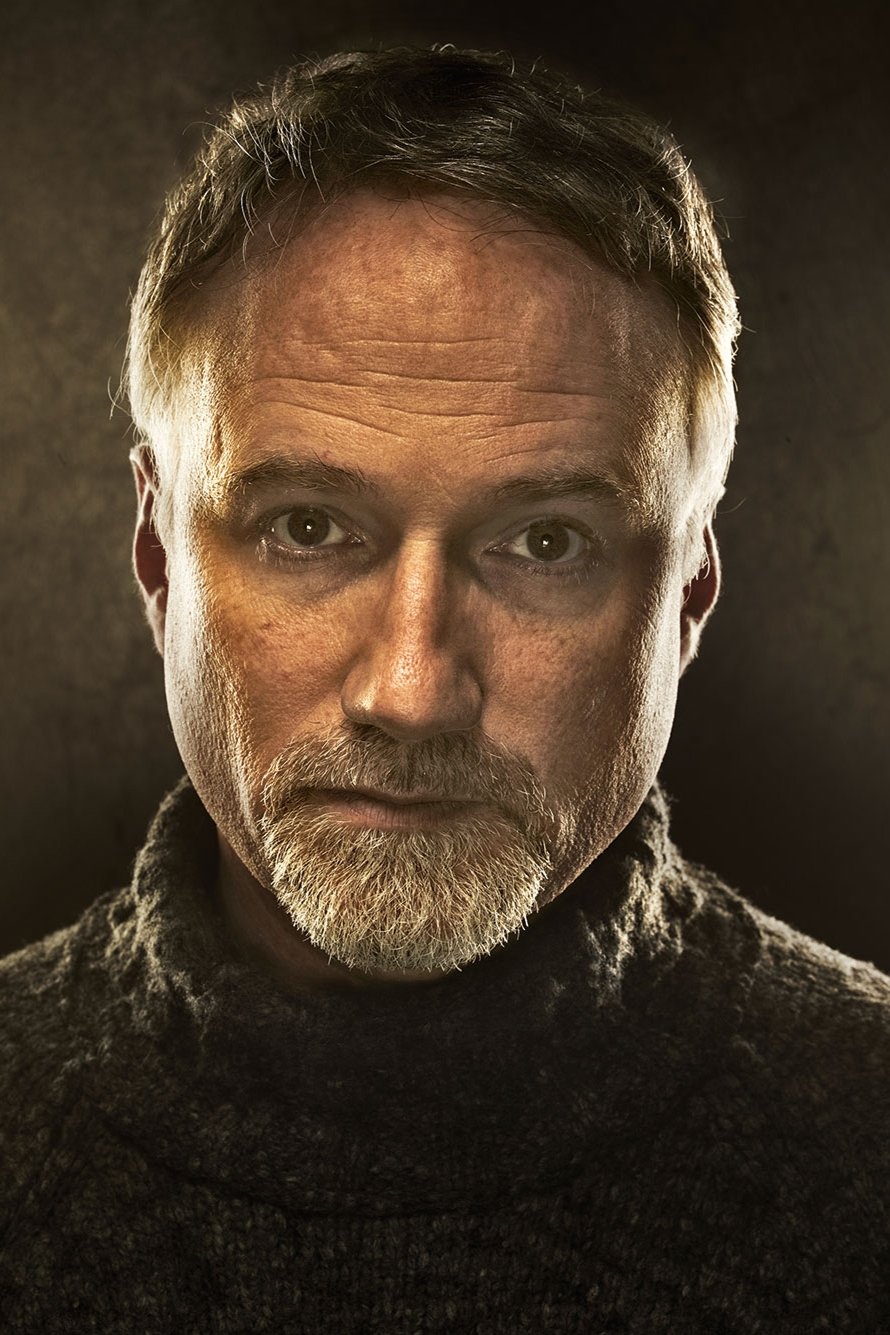
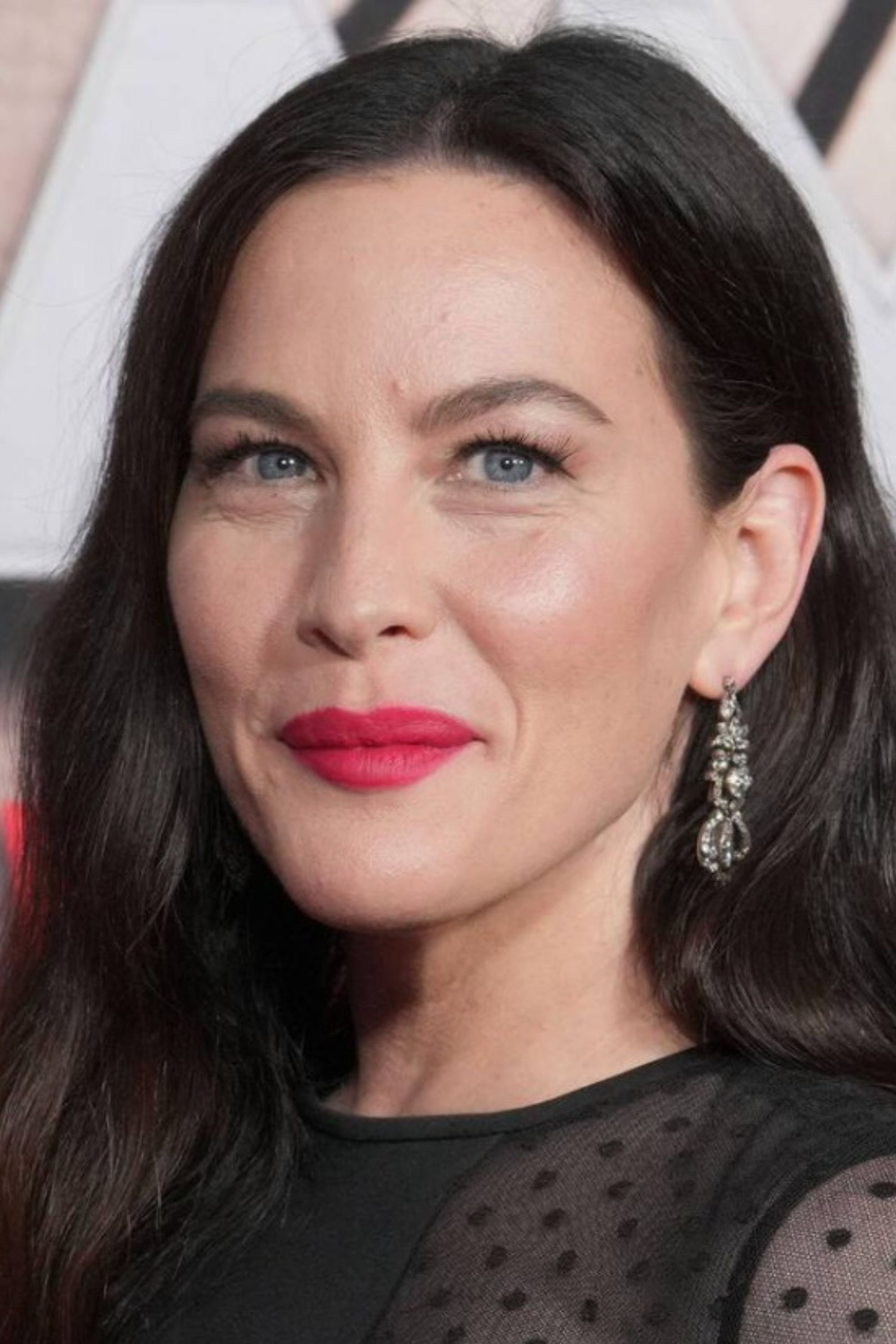
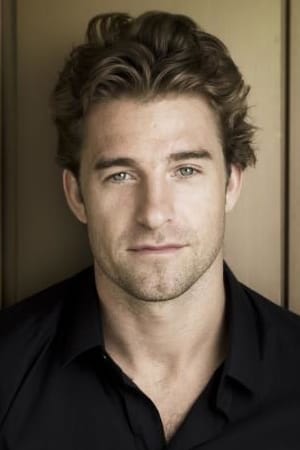
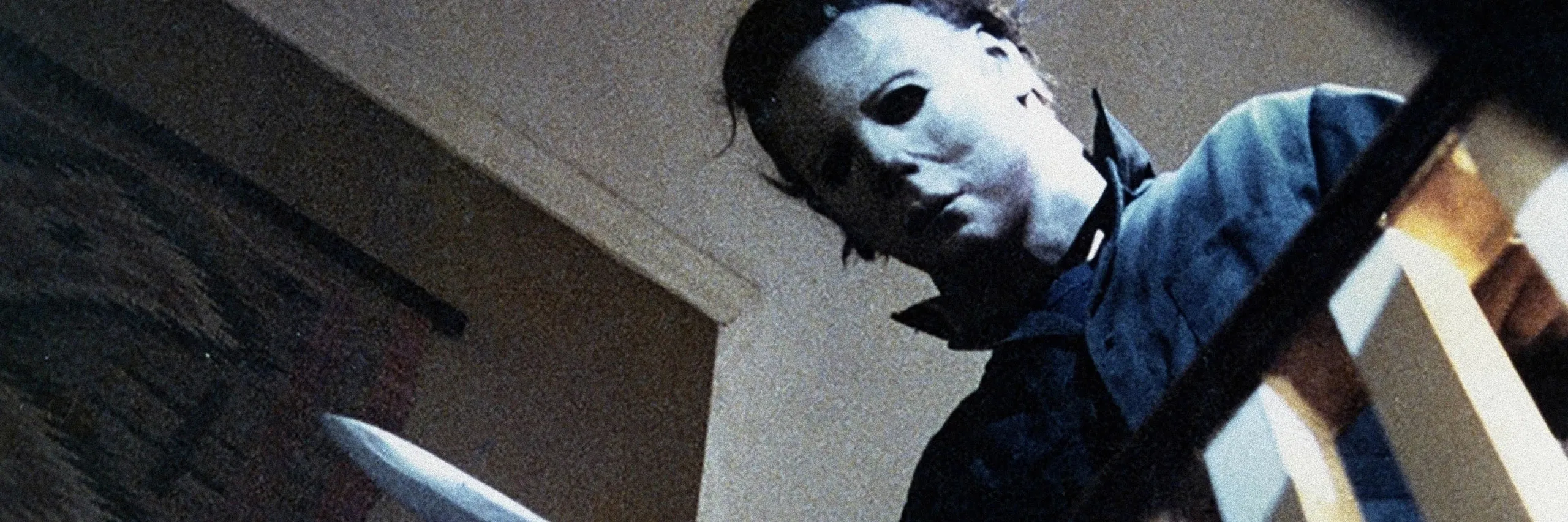
The 2000s split the form into parallel international waves. French extremity produced two of the most influential: David Moreau and Xavier Palud's Them (2006), based on a real Romanian incident, anchored a wave of European home-invasion thrillers; Alexandre Bustillo and Julien Maury's Inside (2007), with Béatrice Dalle stalking a pregnant woman through her own home with a pair of scissors, became NFE's most uncompromising single-location film. The Americans answered with David Fincher's prestige-thriller Panic Room (2002) and, more consequentially, Bryan Bertino's The Strangers (2008), with Liv Tyler and Scott Speedman terrorised in an isolated vacation home by three masked figures whose answer to "Why are you doing this to us?" — "Because you were home" — Alexandra West reads as a post-9/11 anxiety about random violence with no recoverable motive. Stephen King called the under-the-bed scene the year's purest piece of cinematic terror.
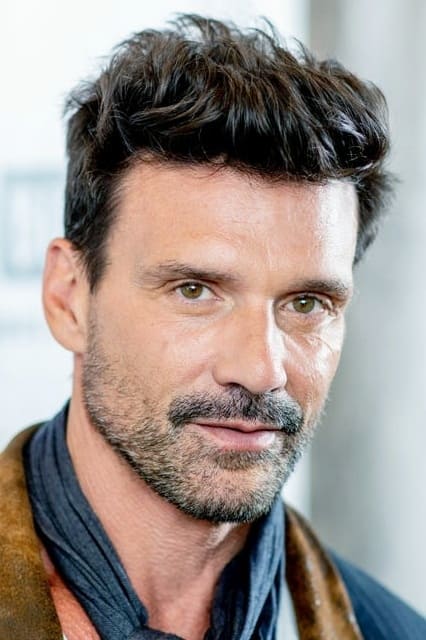
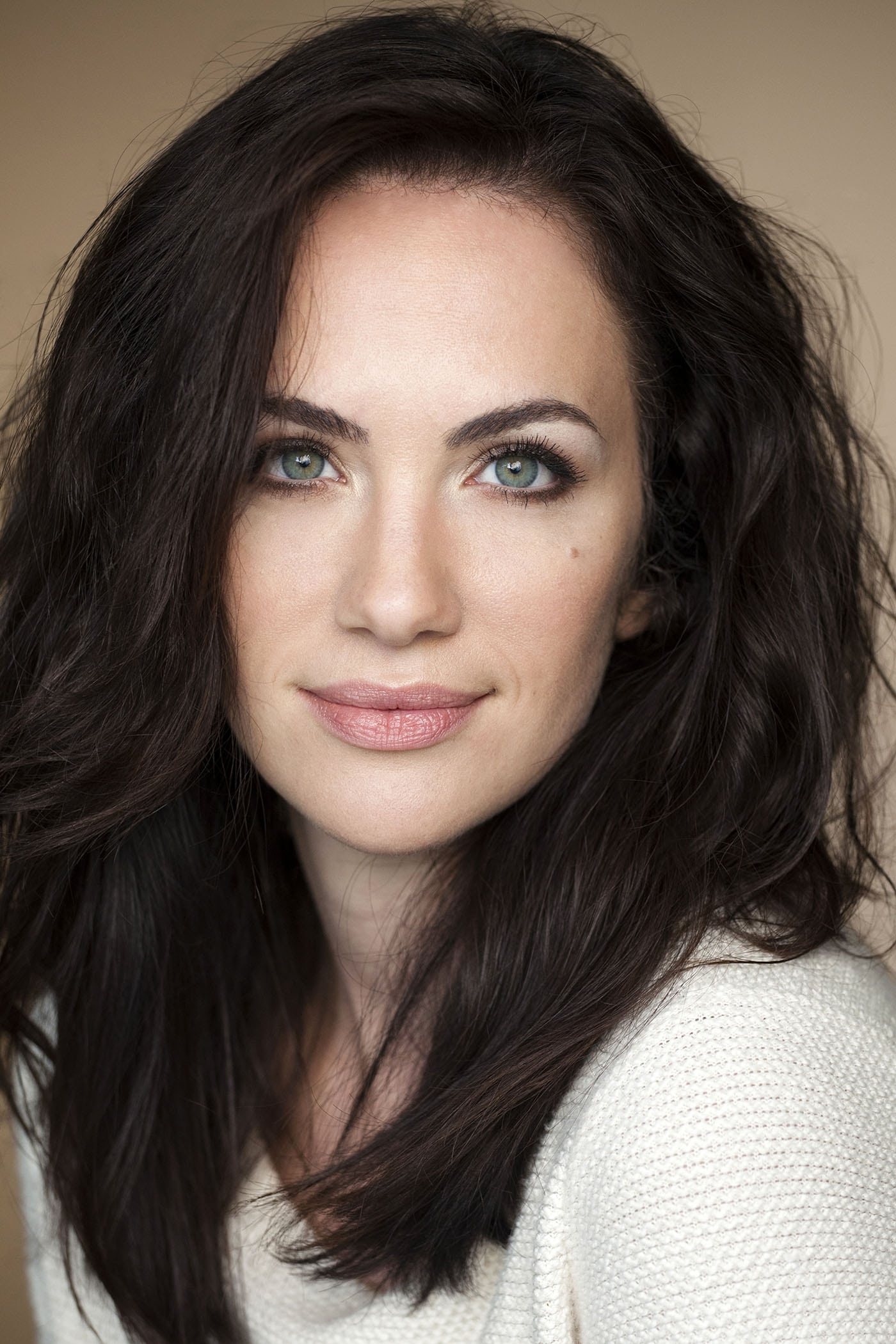
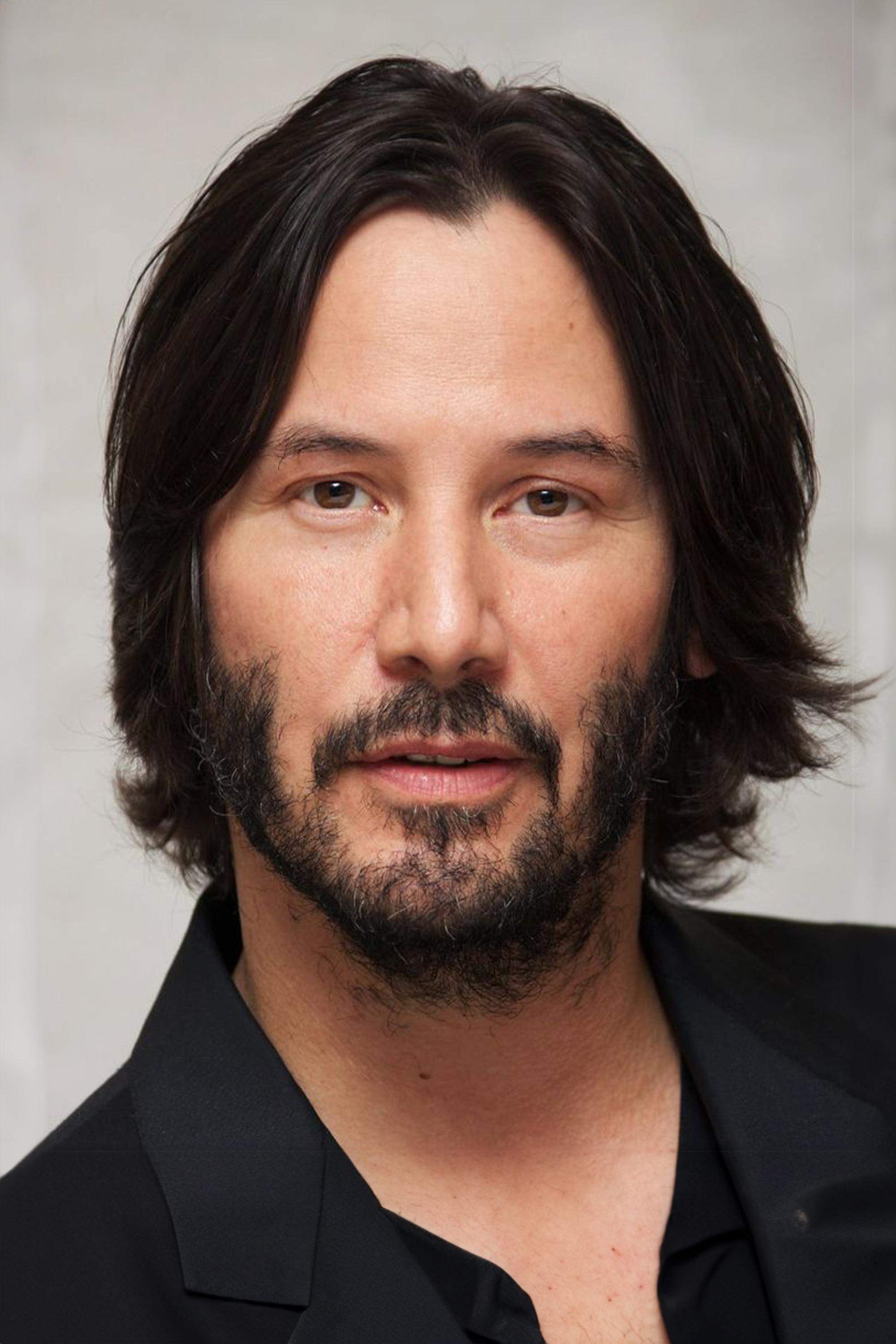
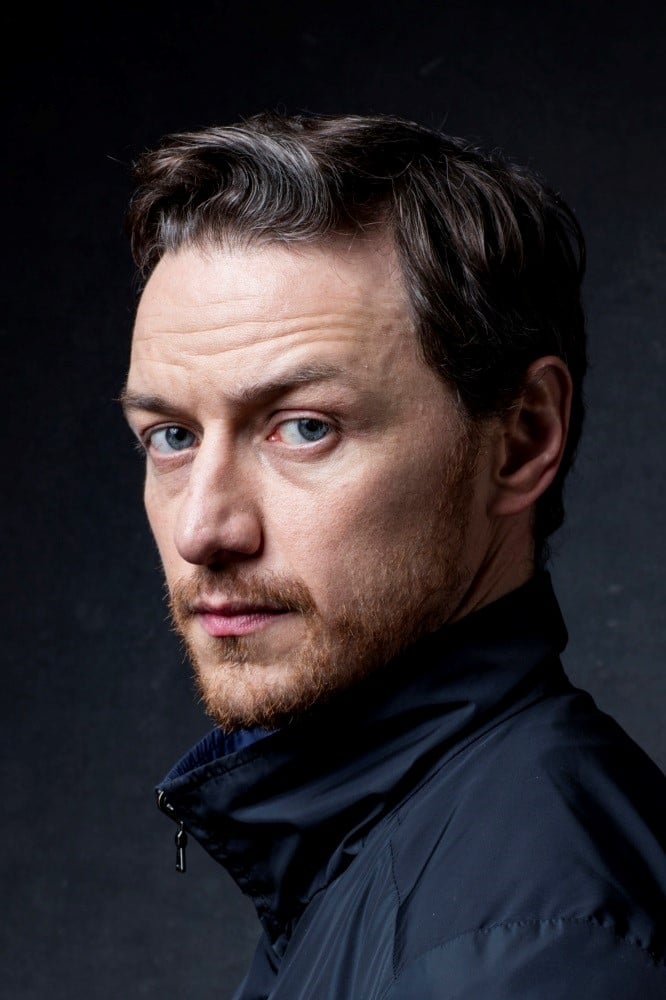
The 2010s and 2020s turned home invasion into one of horror's most commercially reliable corners. Marcus Dunstan's The Collector (2009) crossed it with torture-puzzle structure; James DeMonaco's The Purge (2013), with Frank Grillo, launched the era's defining dystopian-home-invasion franchise; Adam Wingard's You're Next (2013), with Sharni Vinson, weaponized Final-Girl mechanics inside the home; Mike Flanagan's Hush (2016), with Kate Siegel as a deaf author, supplied the era's tightest single-location chamber piece; Fede Álvarez's Don't Breathe (2016) with Stephen Lang inverted the subgenre — the invaders become victims of the home's blind defender; Better Watch Out (2017) and Eli Roth's Knock Knock (2015) with Keanu Reeves ran the holiday-and-temptation variants; The Strangers: Prey at Night (2018) extended Bertino's masked-stranger universe; Jordan Peele's Us (2019), with Lupita Nyong'o, made the home invader an uncanny double of the family inside; Radio Silence's Ready or Not (2019) turned it into murder-game black comedy; and Christian Tafdrup's Speak No Evil (2022) from Denmark (and the American remake Speak No Evil (2024) with James McAvoy) took the form's politeness-trap variant to one of the decade's most unbearable conclusions.
Sources: Barry Keith Grant, 100 American Horror Films; Kim Newman, Nightmare Movies: Horror on Screen Since the 1960s.
Essential Films
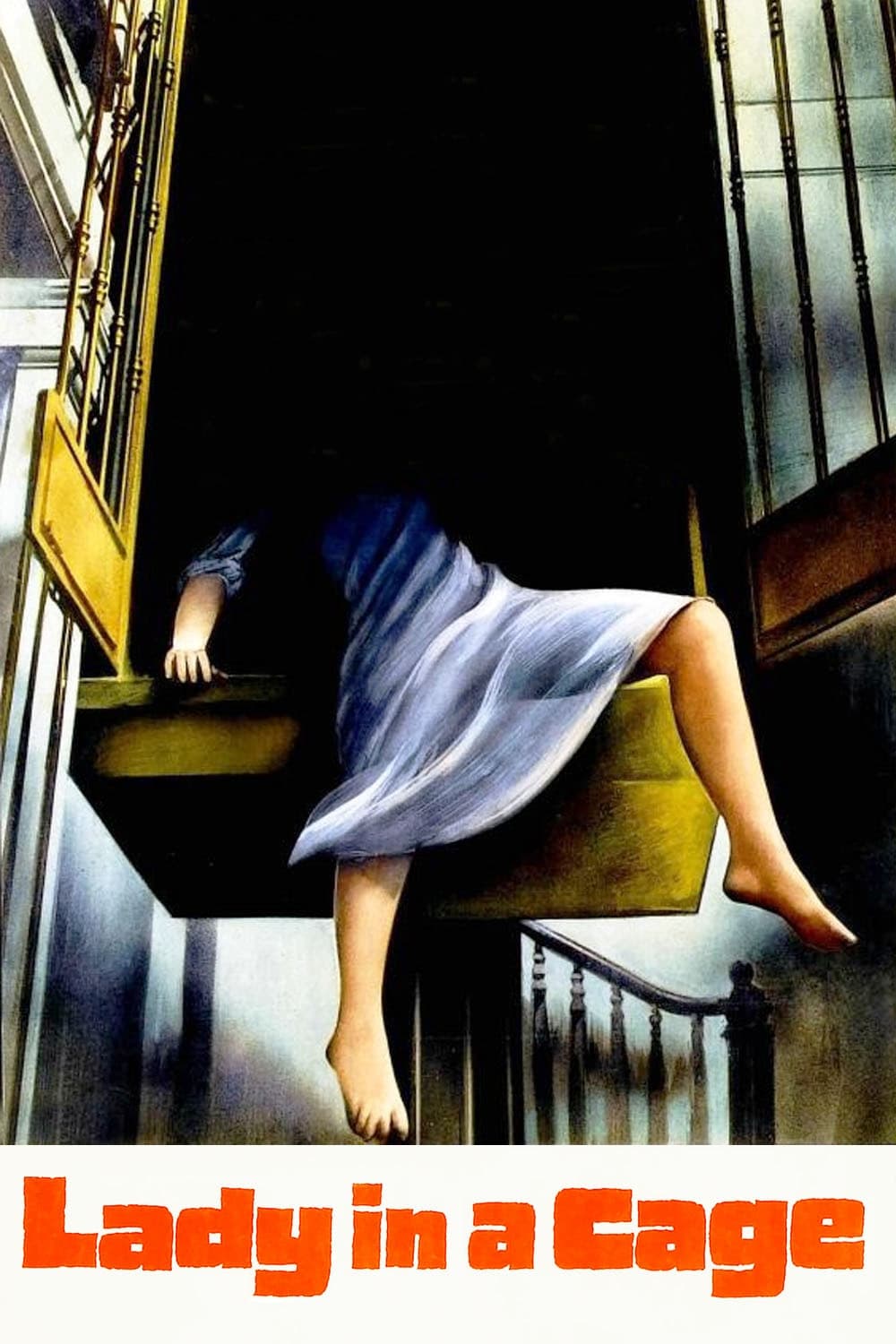
Lady in a Cage
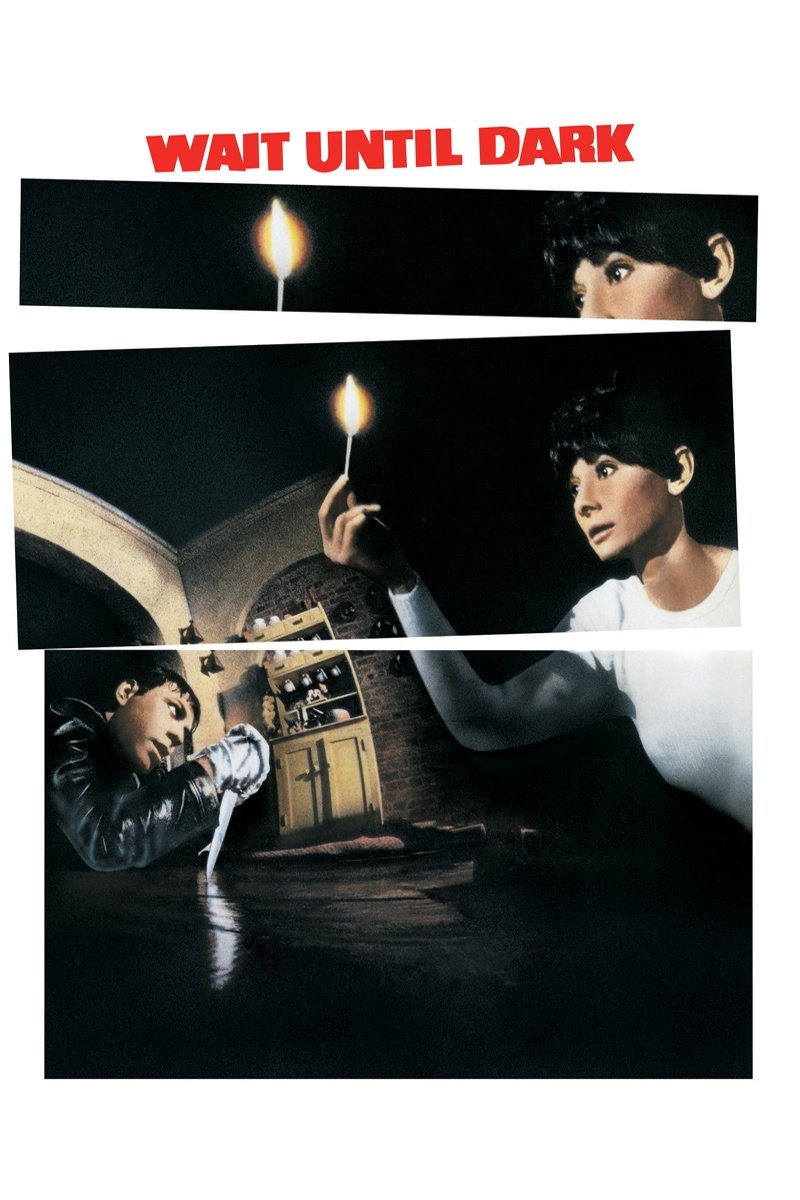
Wait Until Dark
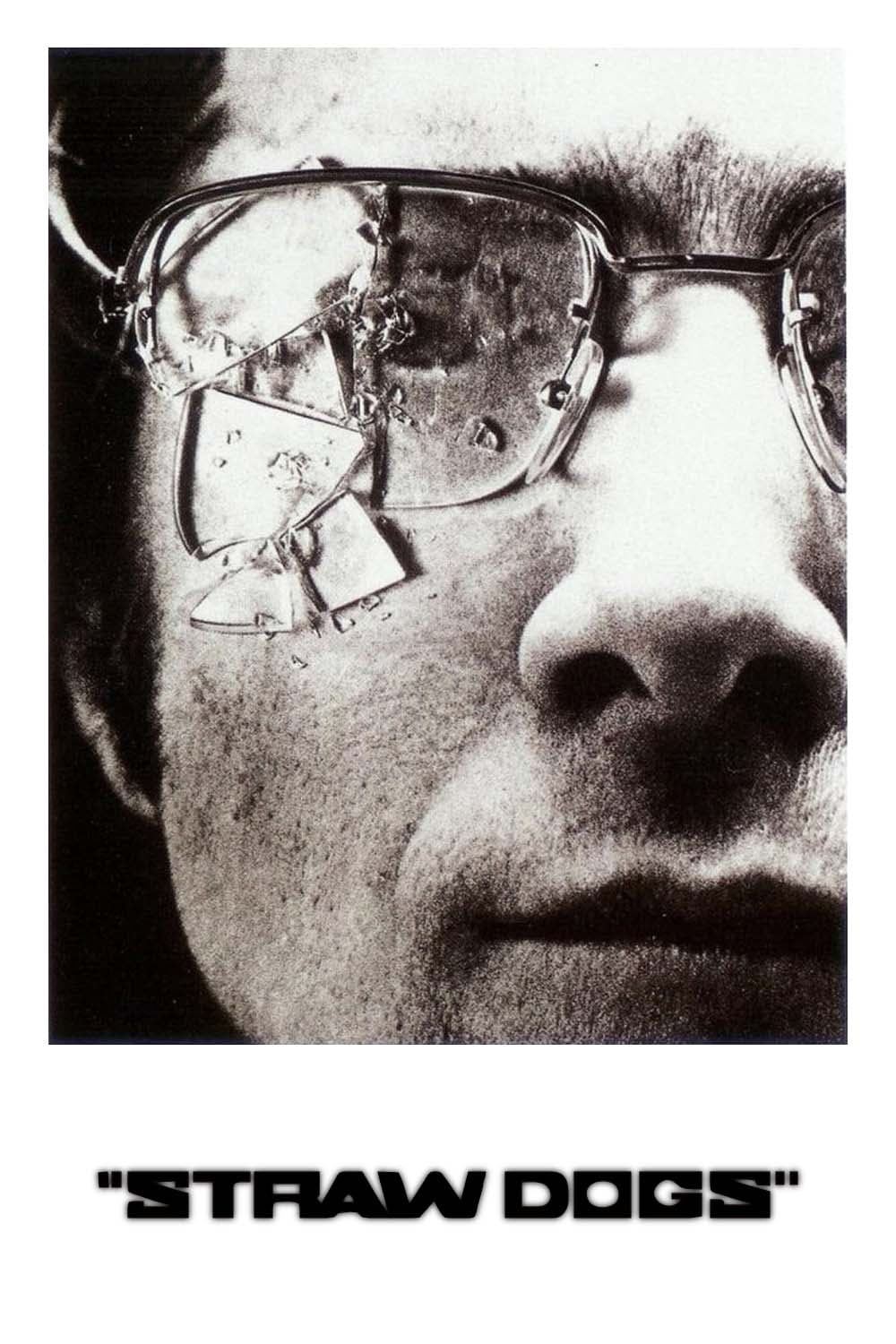
Straw Dogs
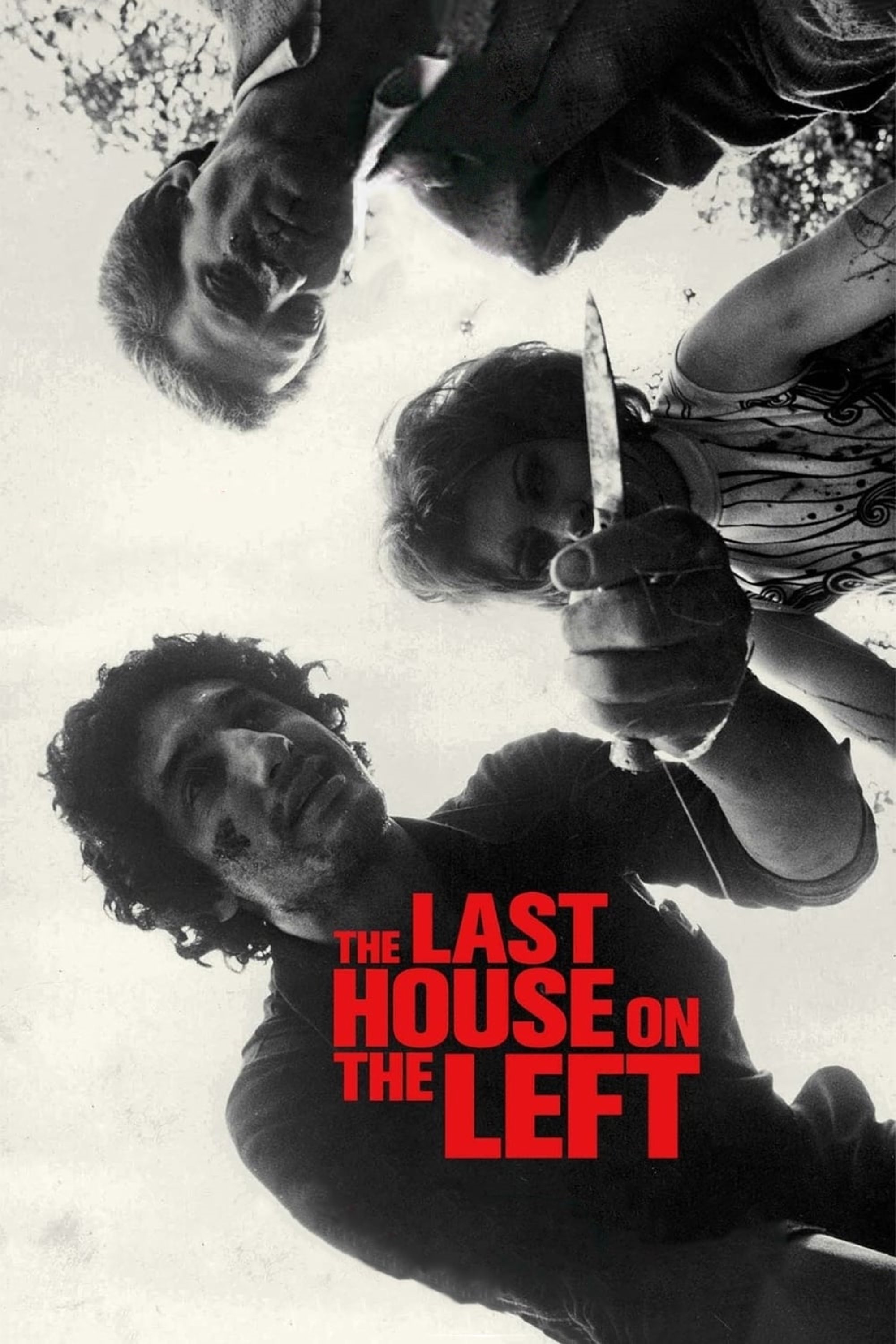
The Last House on the Left
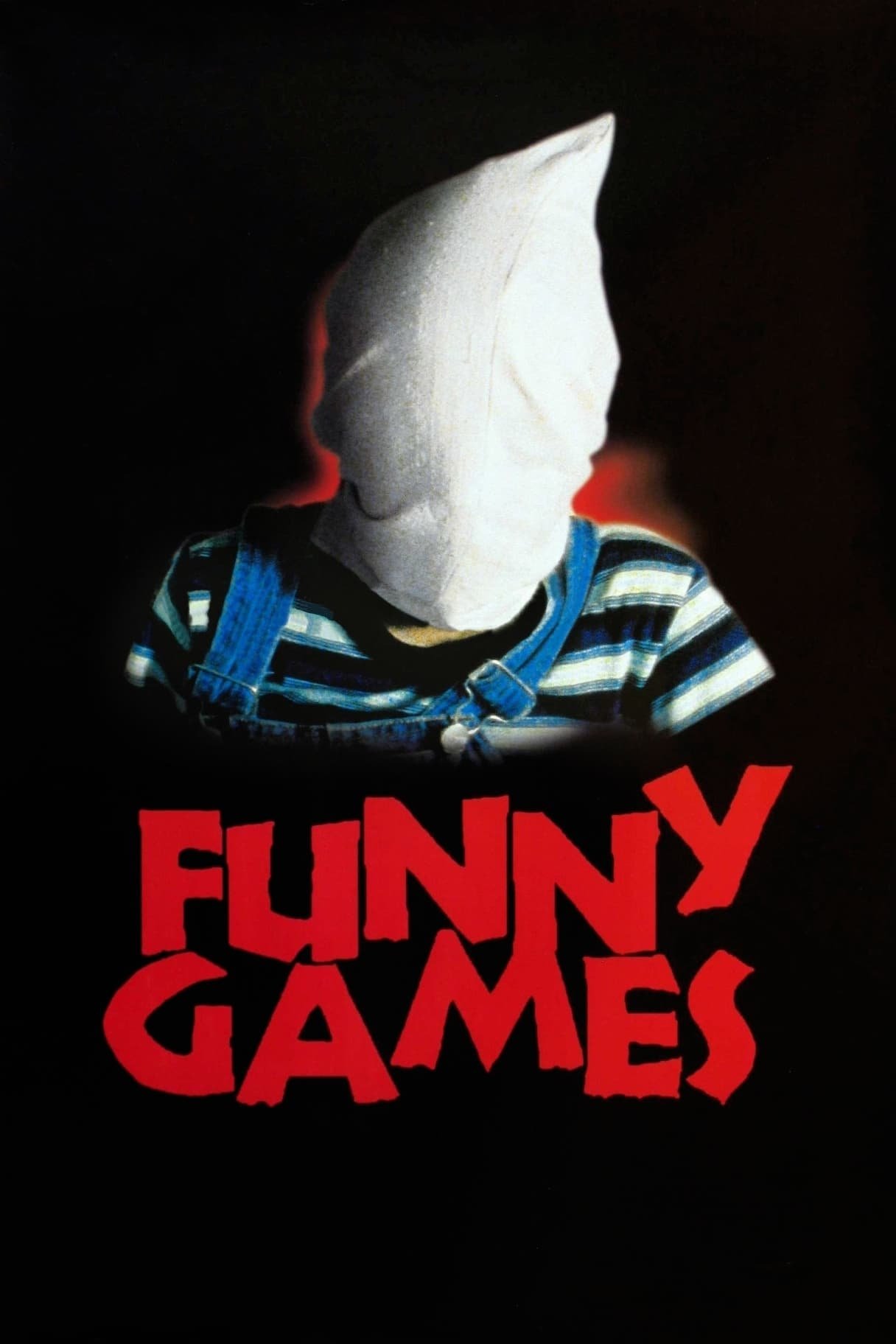
Funny Games
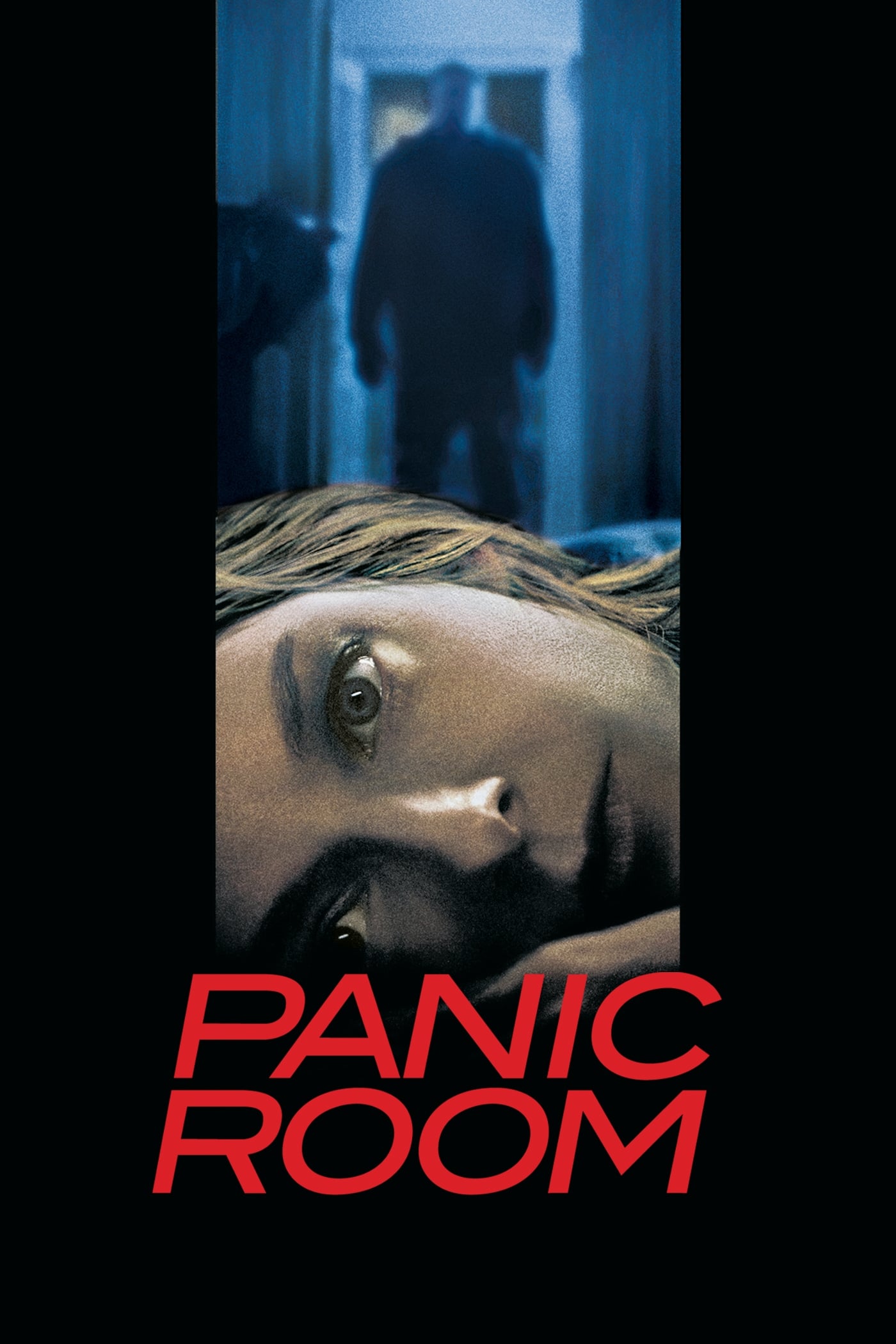
Panic Room
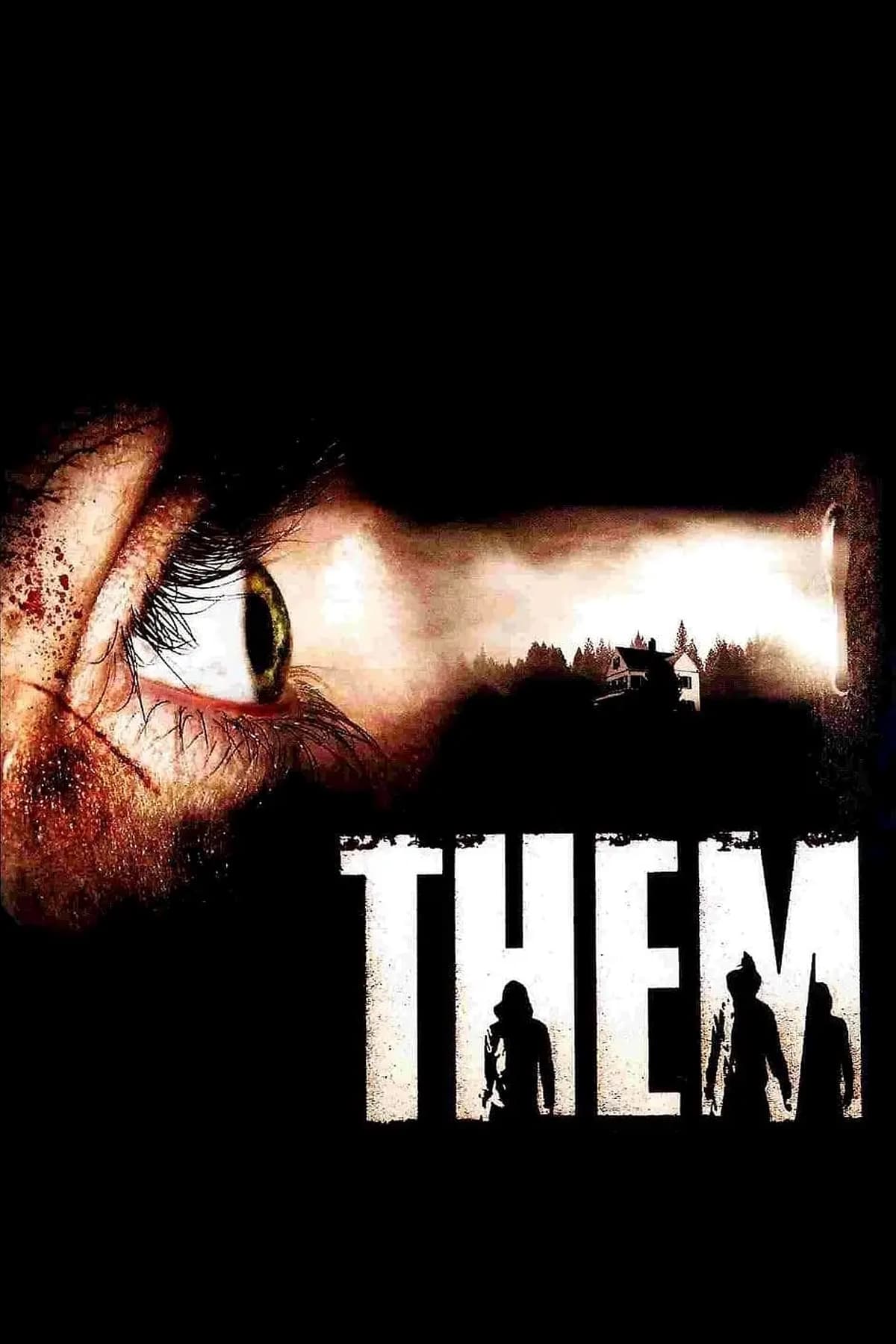
Them
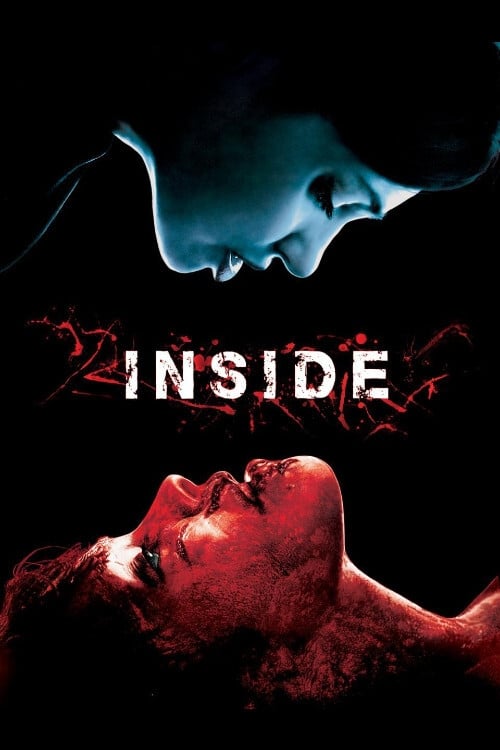
Inside
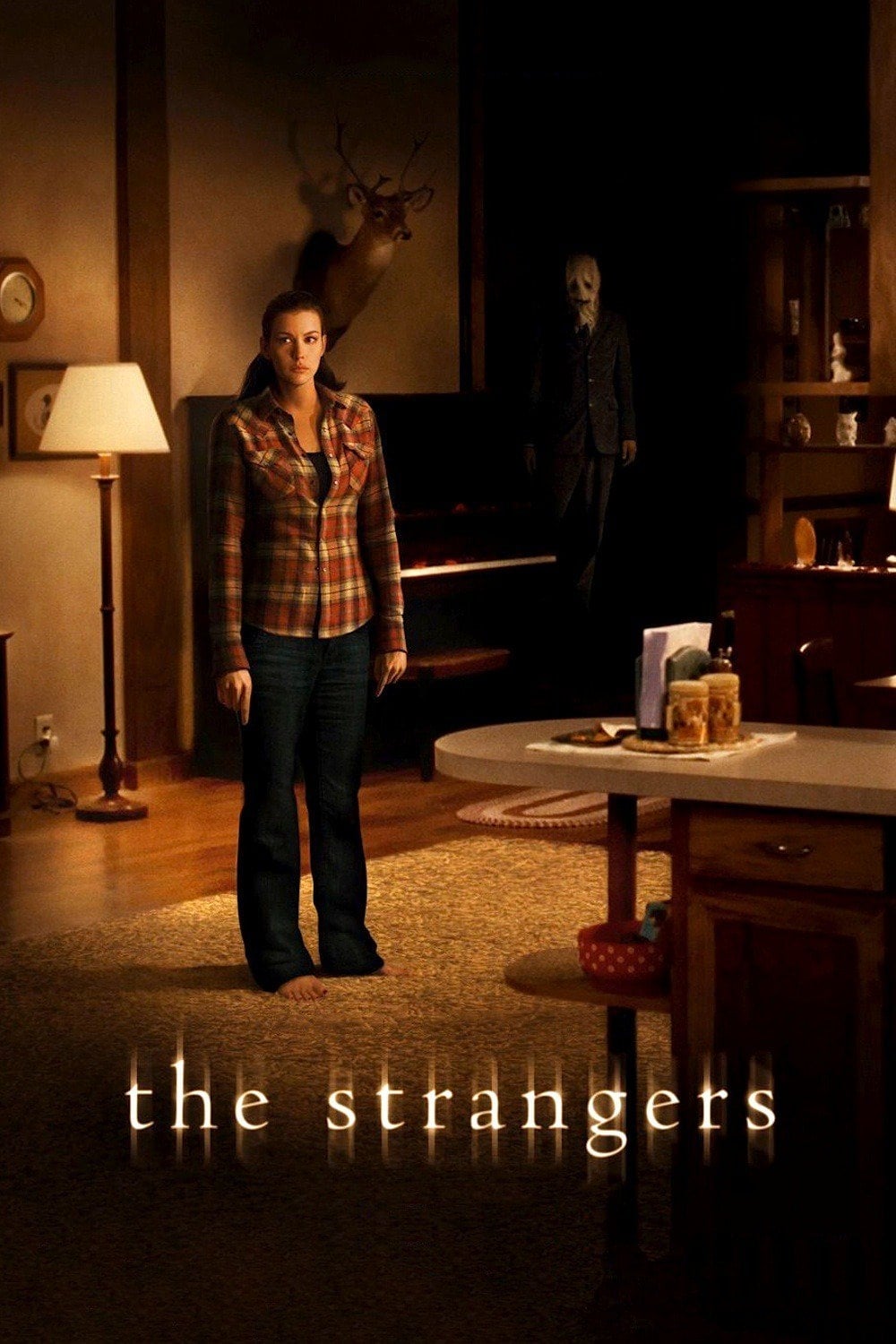
The Strangers
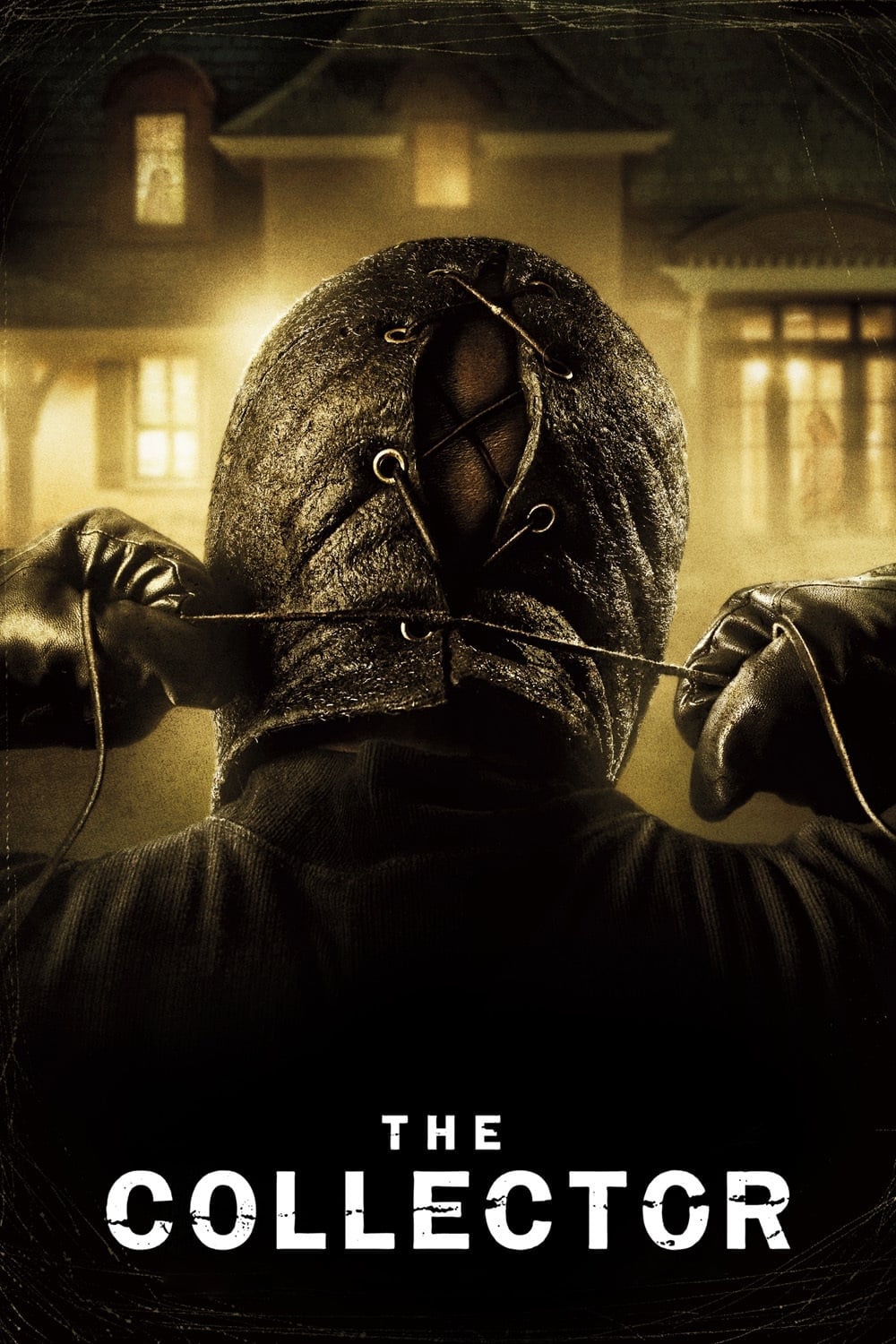
The Collector
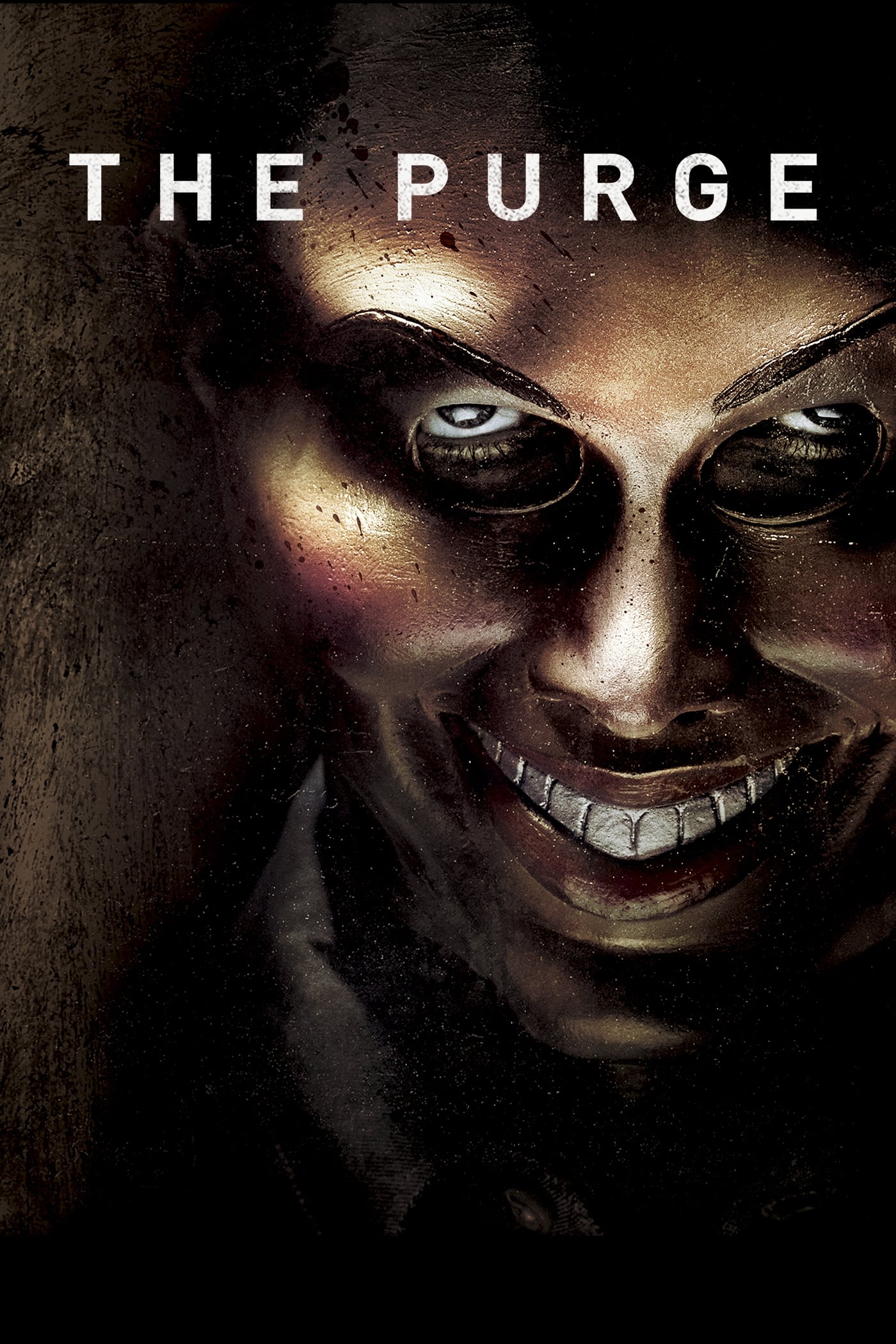
The Purge
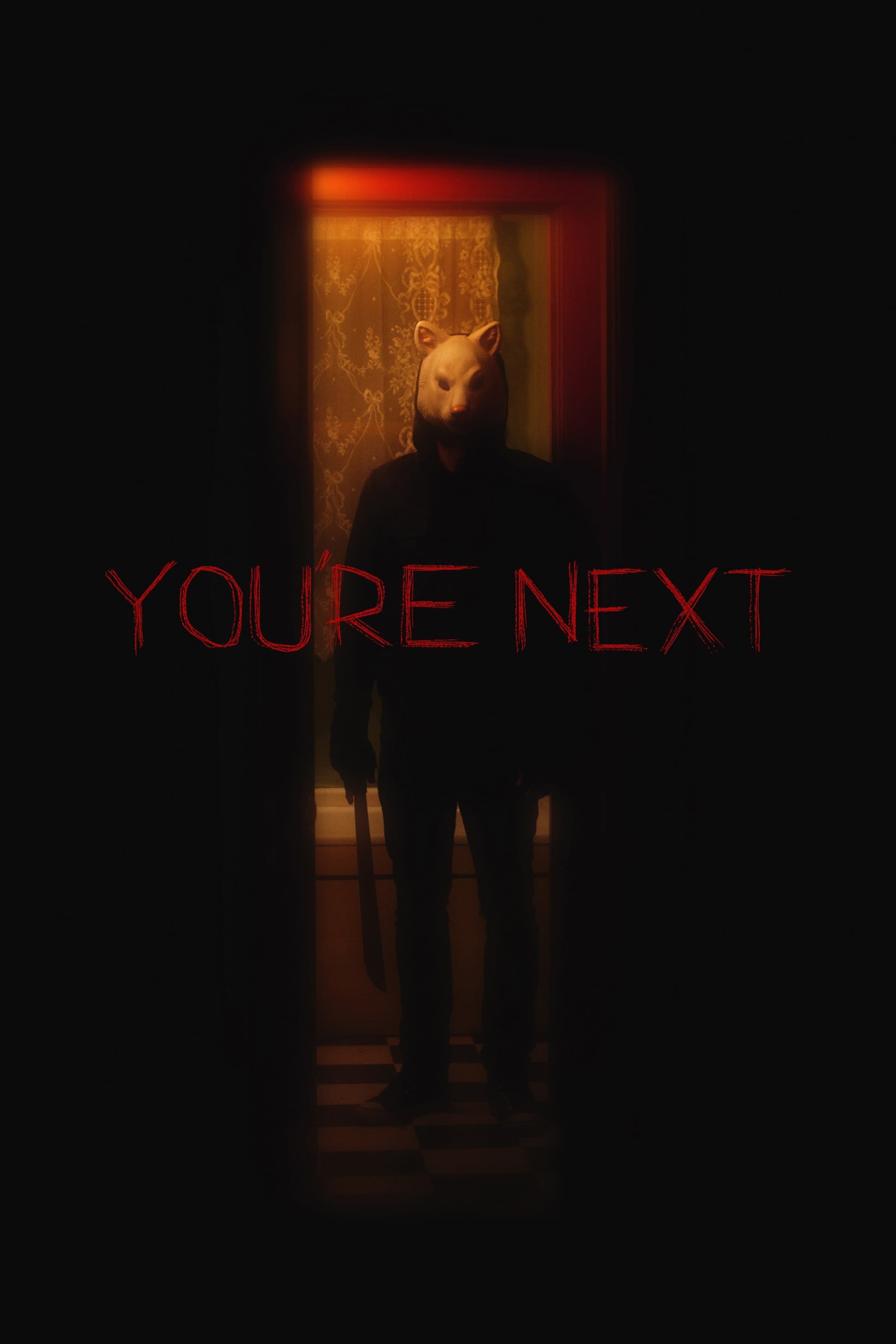
You're Next

Knock Knock
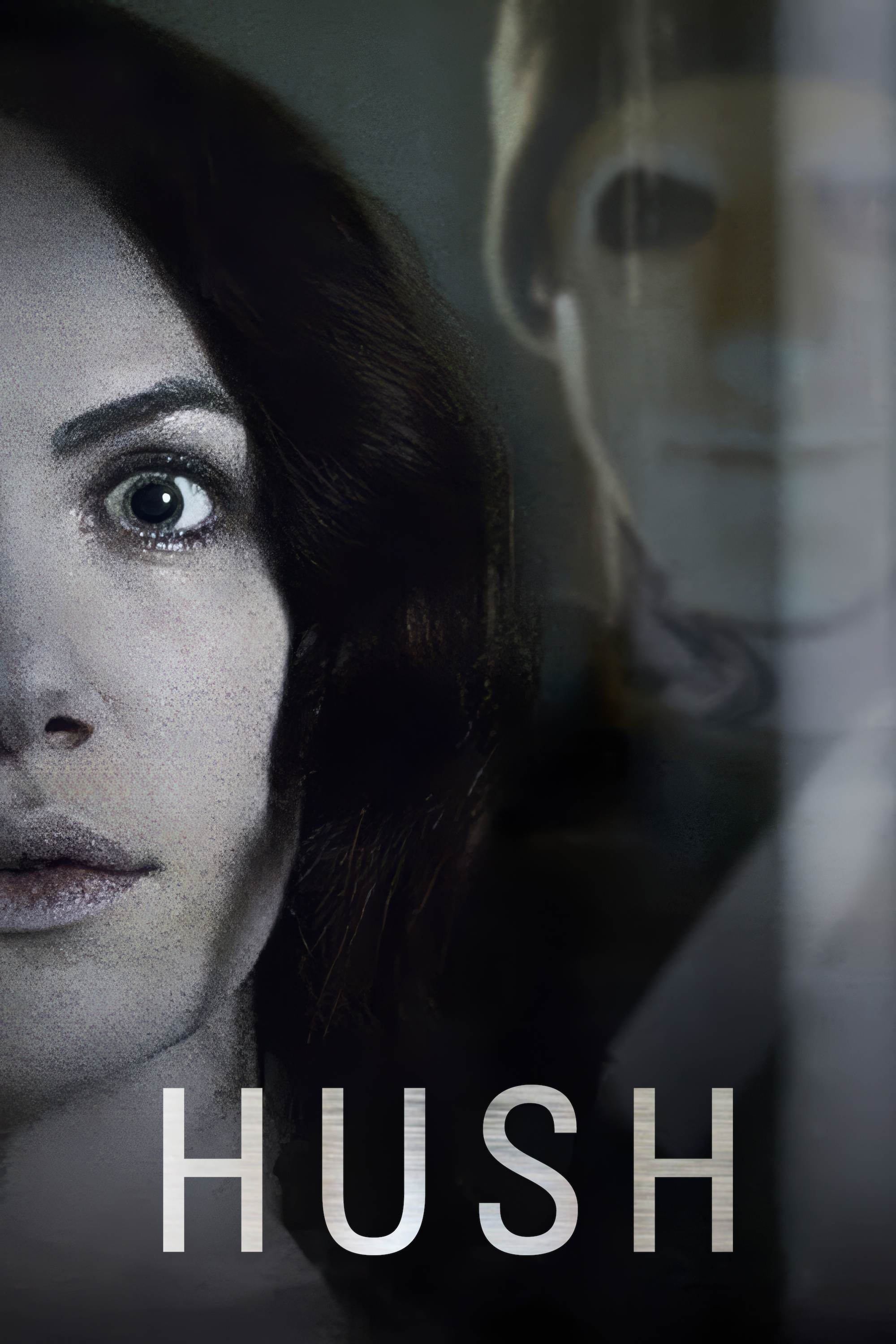
Hush
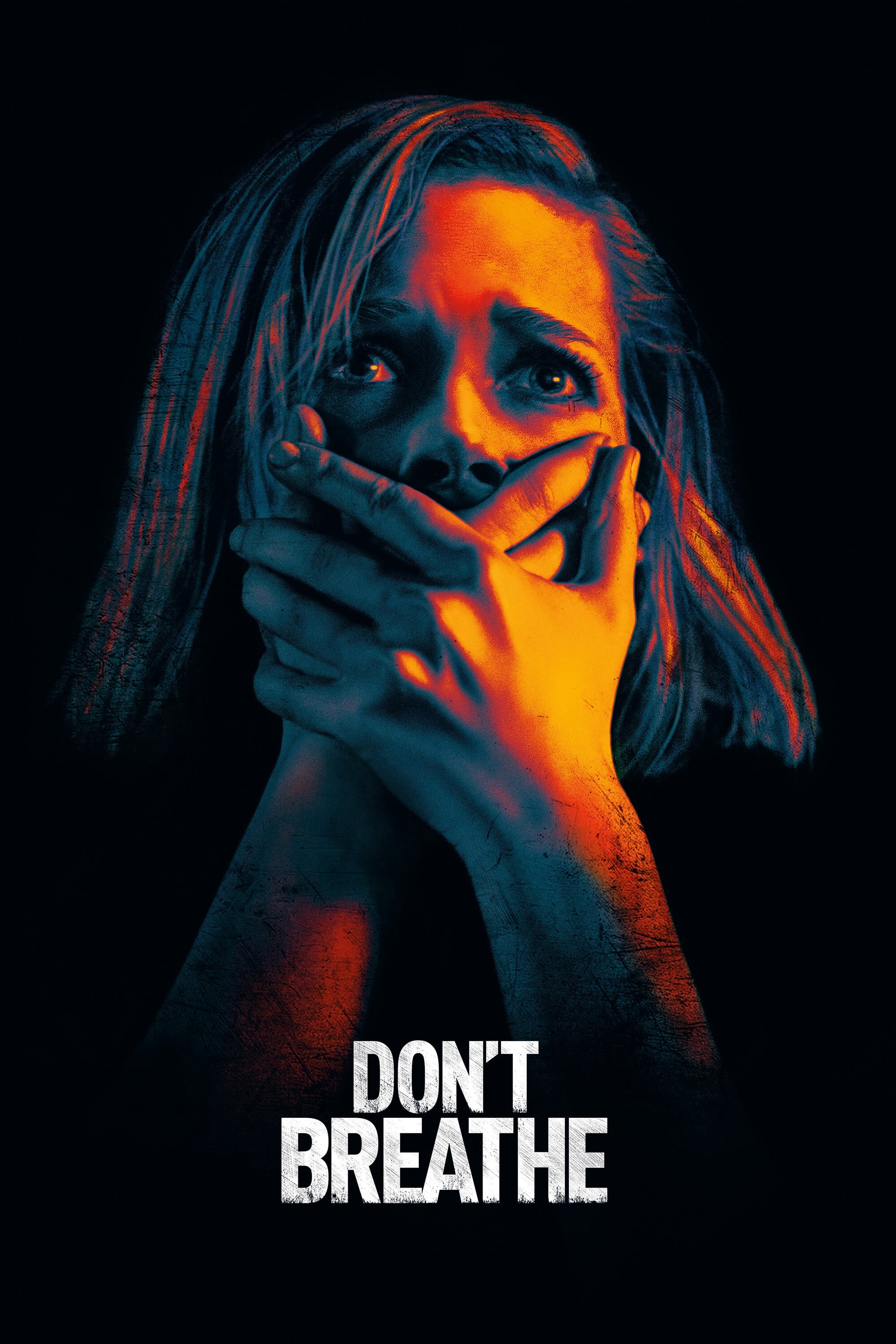
Don't Breathe
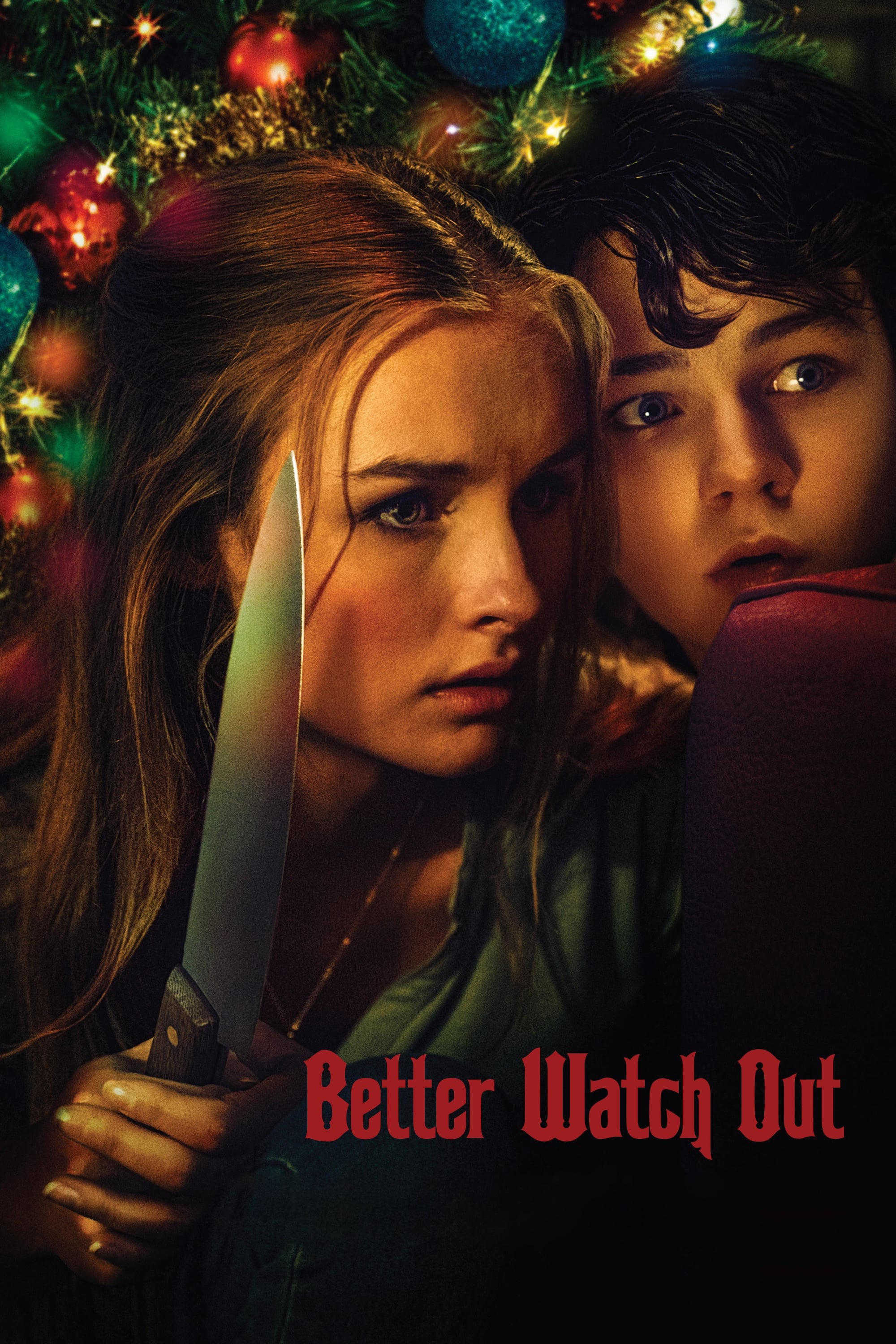
Better Watch Out
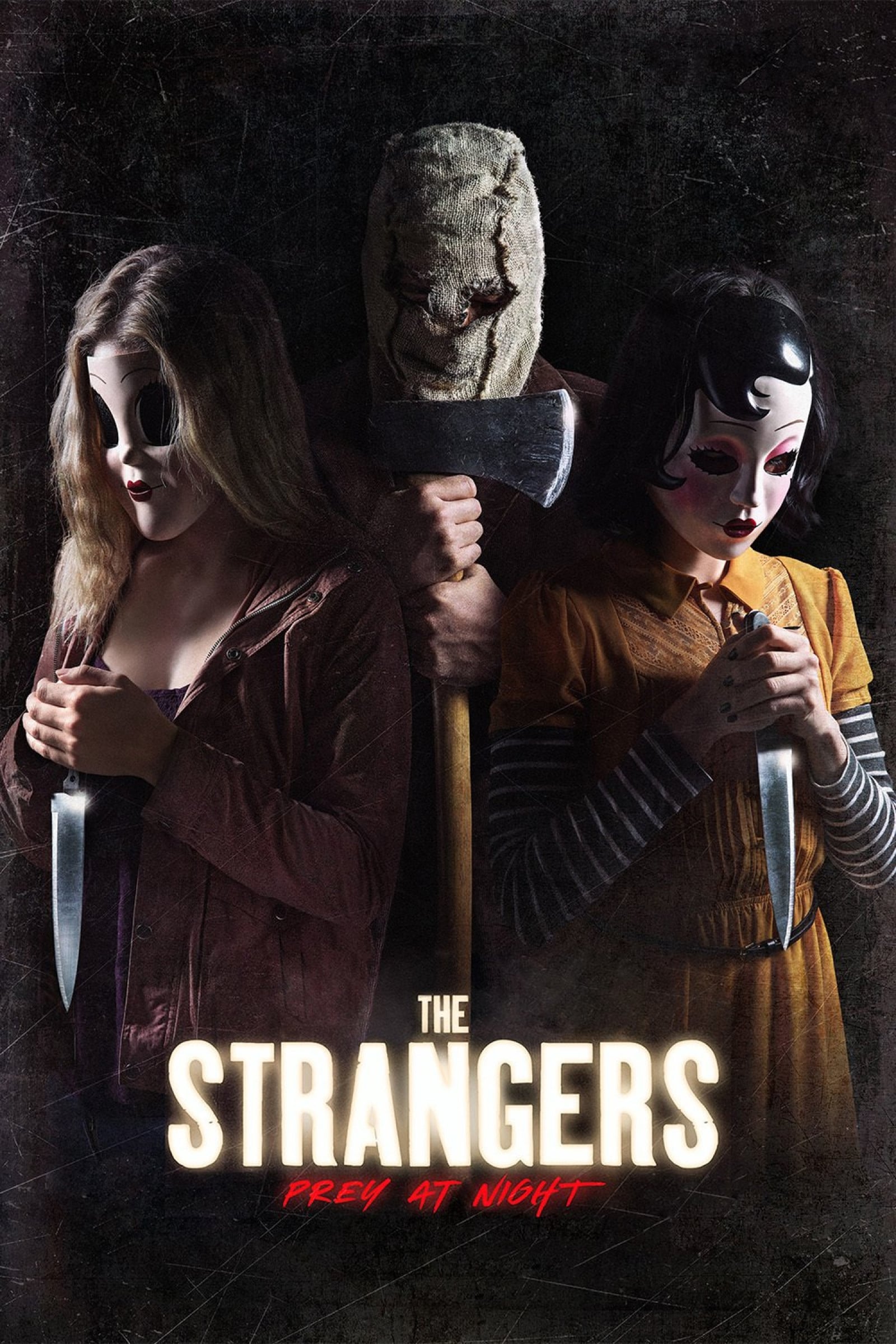
The Strangers: Prey at Night
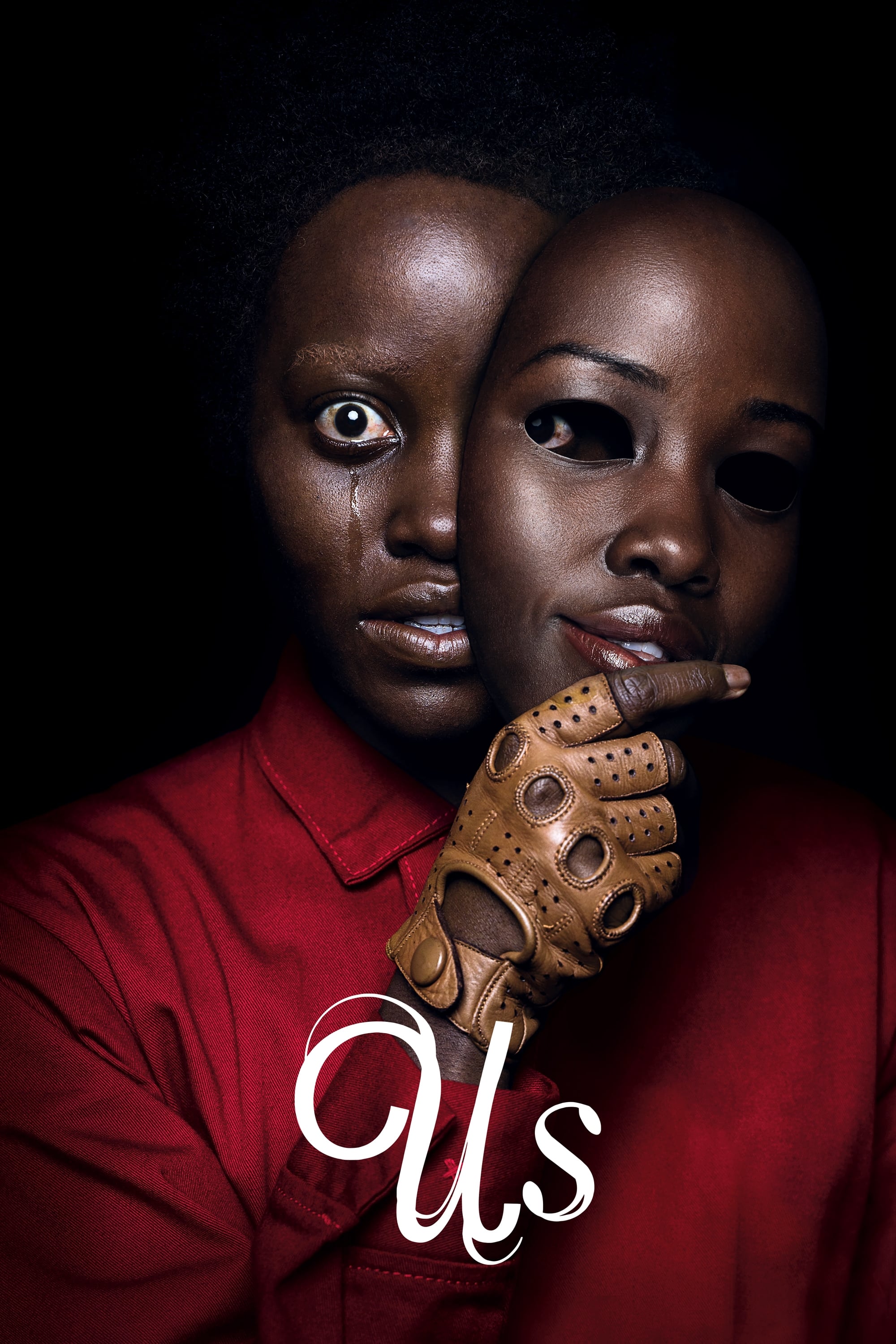
Us
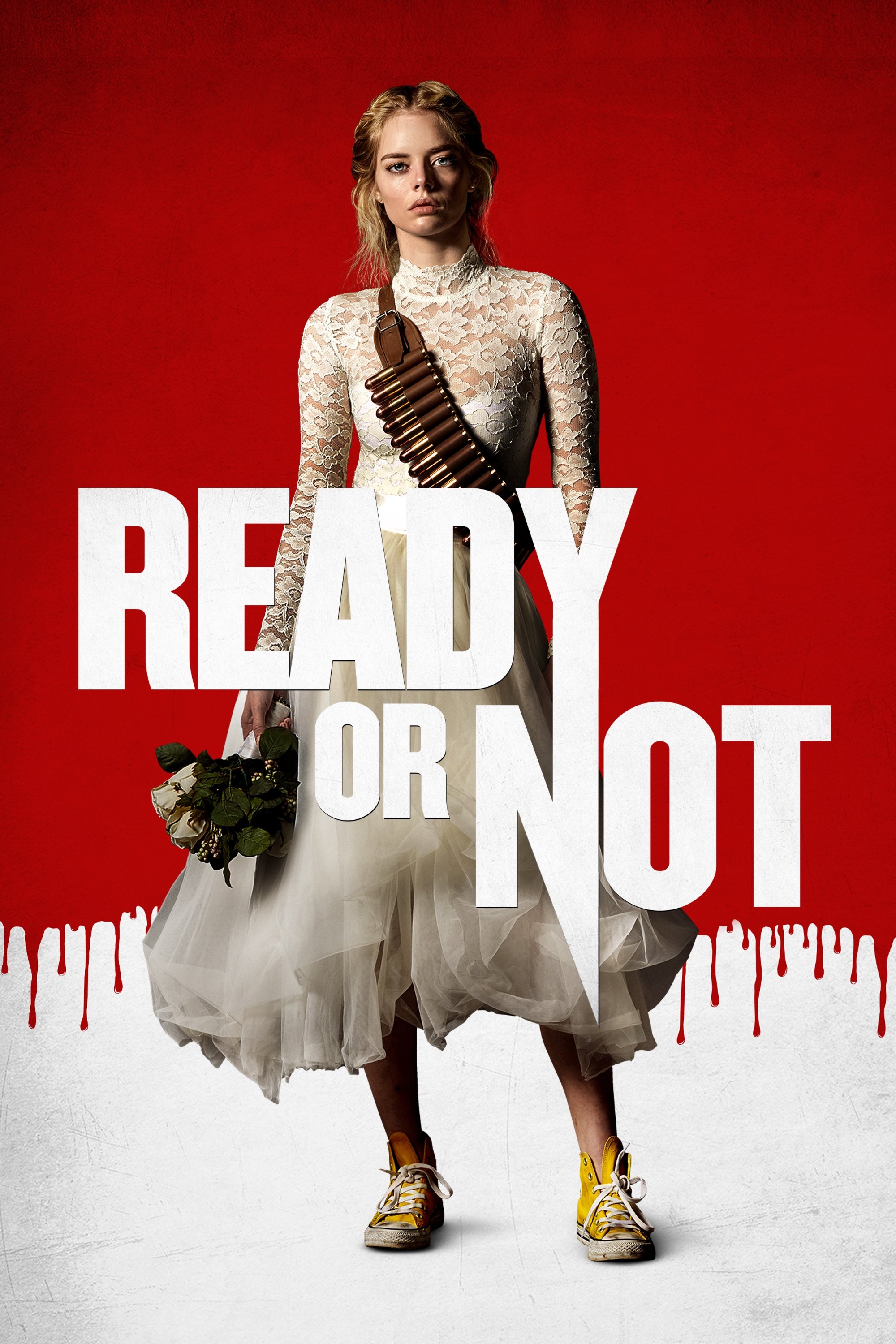
Ready or Not
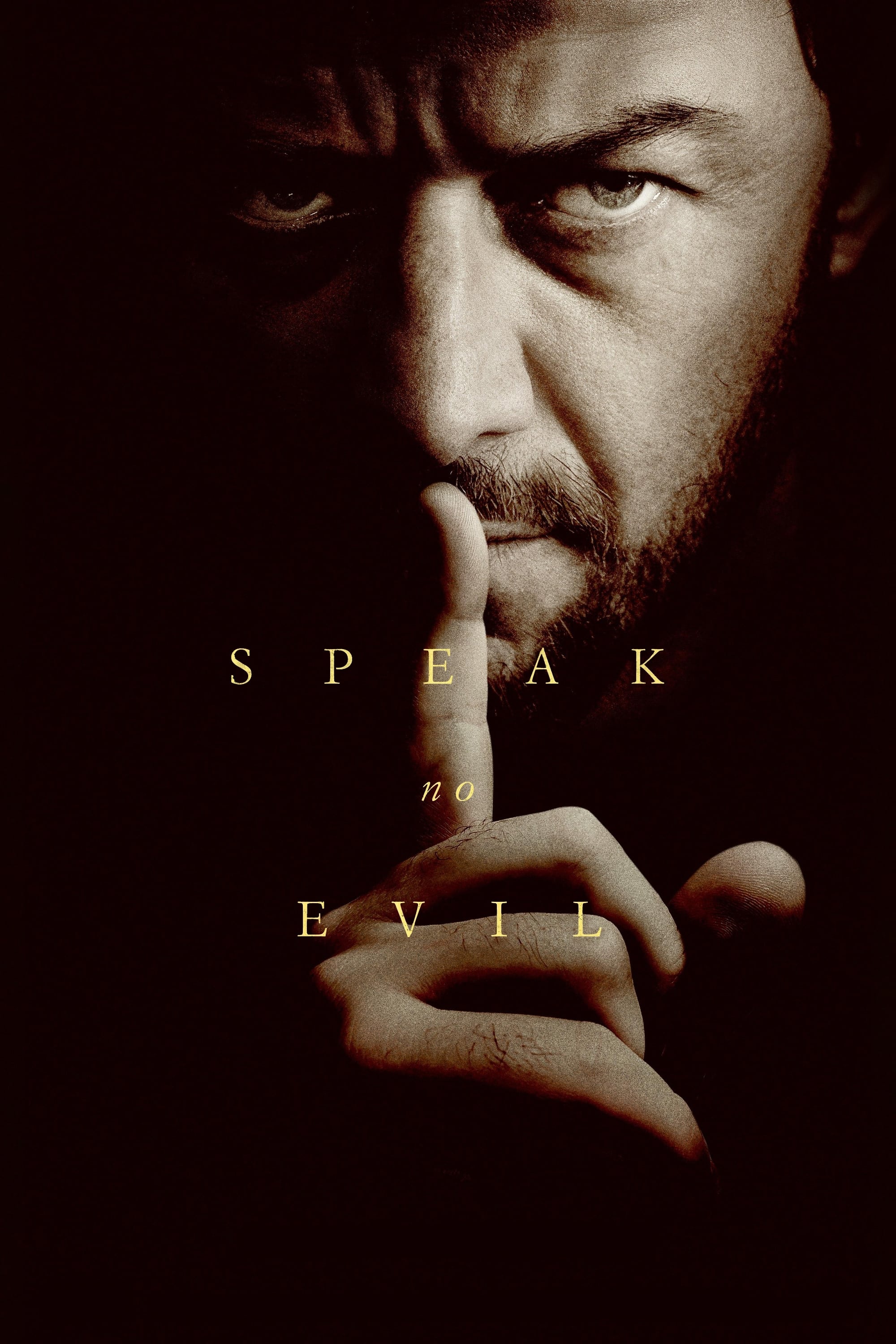
Speak No Evil
Statistics
Popularity by Decade
Share of each decade's horror films classified as Home Invasion. Counts films with at least 5 TMDB ratings, so very obscure titles are not represented.
Popularity by Country
Share of each country's horror output classified as Home Invasion. Counts films with at least 5 TMDB ratings, so very obscure titles are not represented.