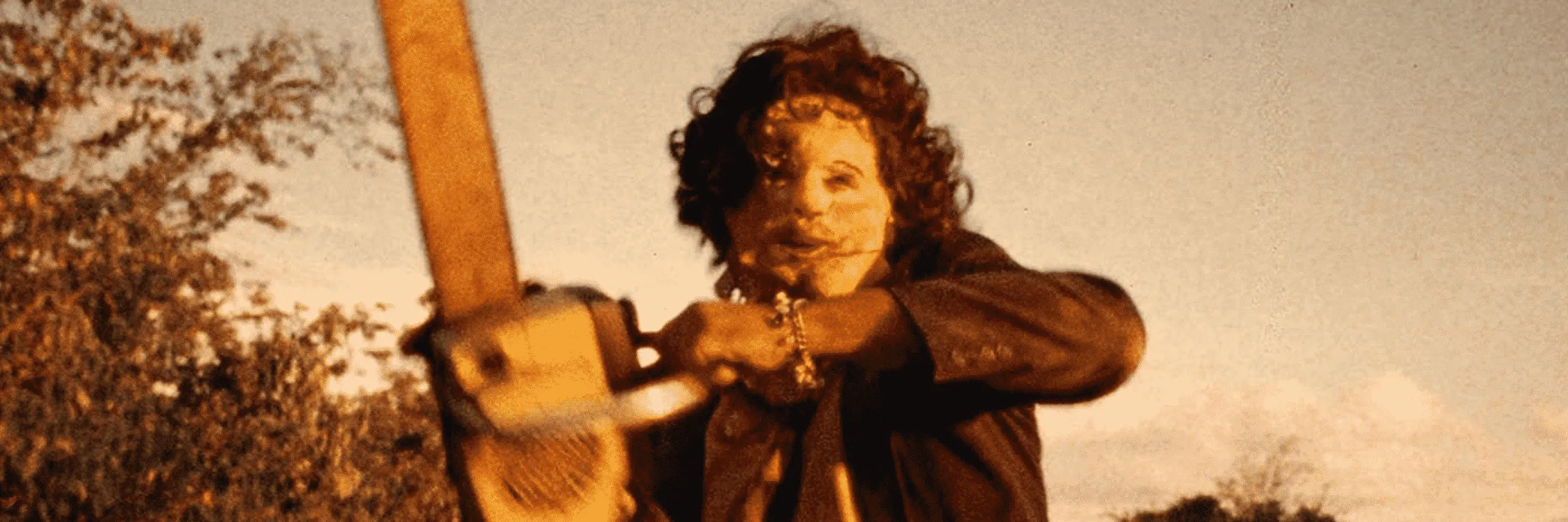
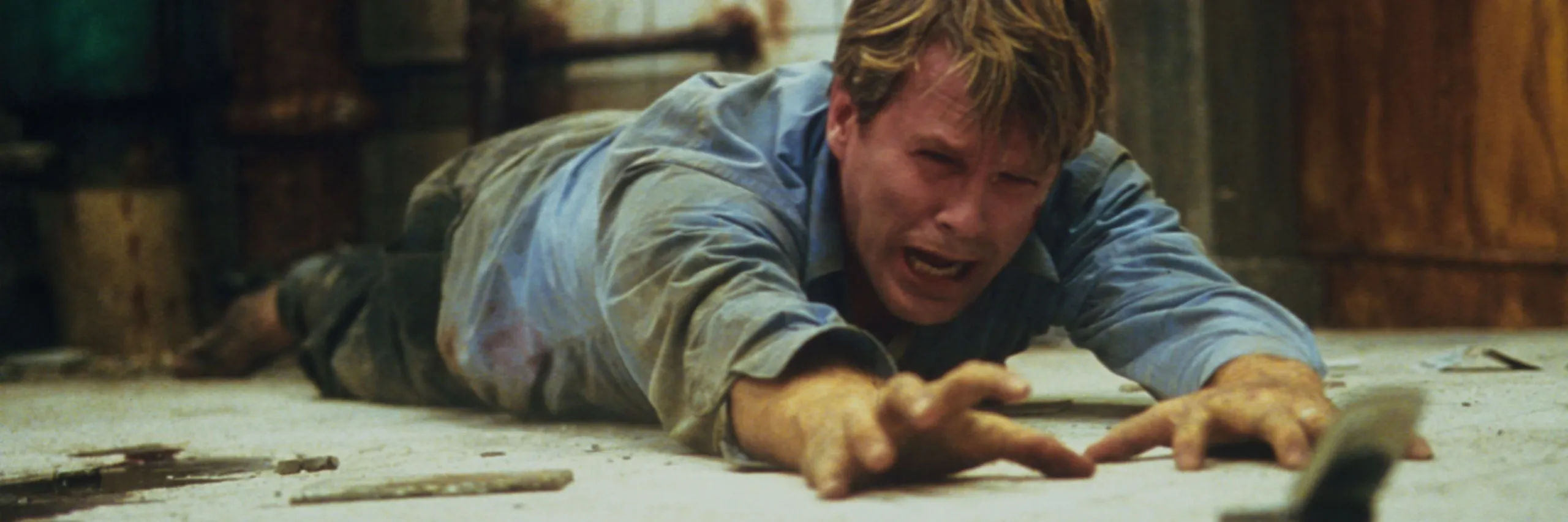
 Revenge (2018)
Rape & Revenge
Brutalization followed by retribution. Horror's most contentious subgenre — confrontational by design, unresolved in its politics, and impossible to discuss without reckoning with what it depicts.
History & Origins
Rape and revenge is horror's most contentious subgenre — films structured around a sexual assault followed by the victim's violent retribution against their attackers. The format is inherently confrontational. As Carol J. Clover (in Men, Women, and Chain Saws) and Jacinda Read (in The New Avengers) have shown, the cycle is canonical to American horror criticism: each film is structured in two halves — part one establishes the assault; part two delivers the retribution. The debate around these films has never reached consensus: are they exploitative depictions of sexual violence that exist to titillate, or are they radical expressions of justified rage that give victims an agency the real world often denies?
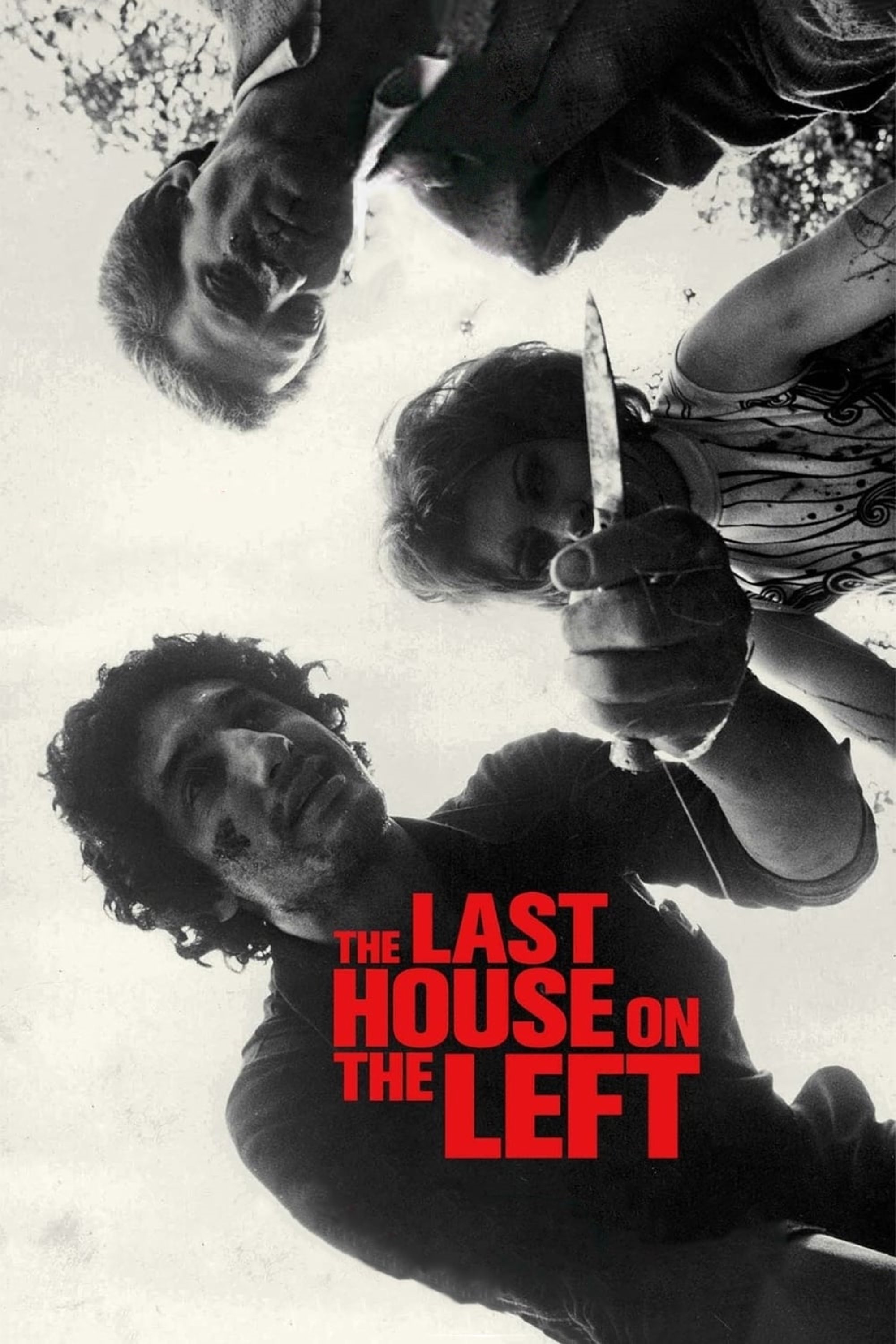
The subgenre's foundational texts emerge across continents in the late 1960s and 1970s. Ingmar Bergman's The Virgin Spring (1960) — a medieval Swedish drama based on a 13th-century ballad — set the moral template that Western horror would adapt. Wes Craven's The Last House on the Left (1972) transplanted Bergman's story into contemporary America with an unflinching rawness that made the violence feel agonisingly real — one of the founding films of what Muir calls the 1970s "savage cinema" cycle. In Japan, a parallel pinky-violence wave produced the Shunya Ito-directed Female Prisoner #701: Scorpion (1972), with Meiko Kaji's Sasori, and Toshiya Fujita's Lady Snowblood (1973) (also with Kaji) — both later cited by Quentin Tarantino as primary influences on Kill Bill.
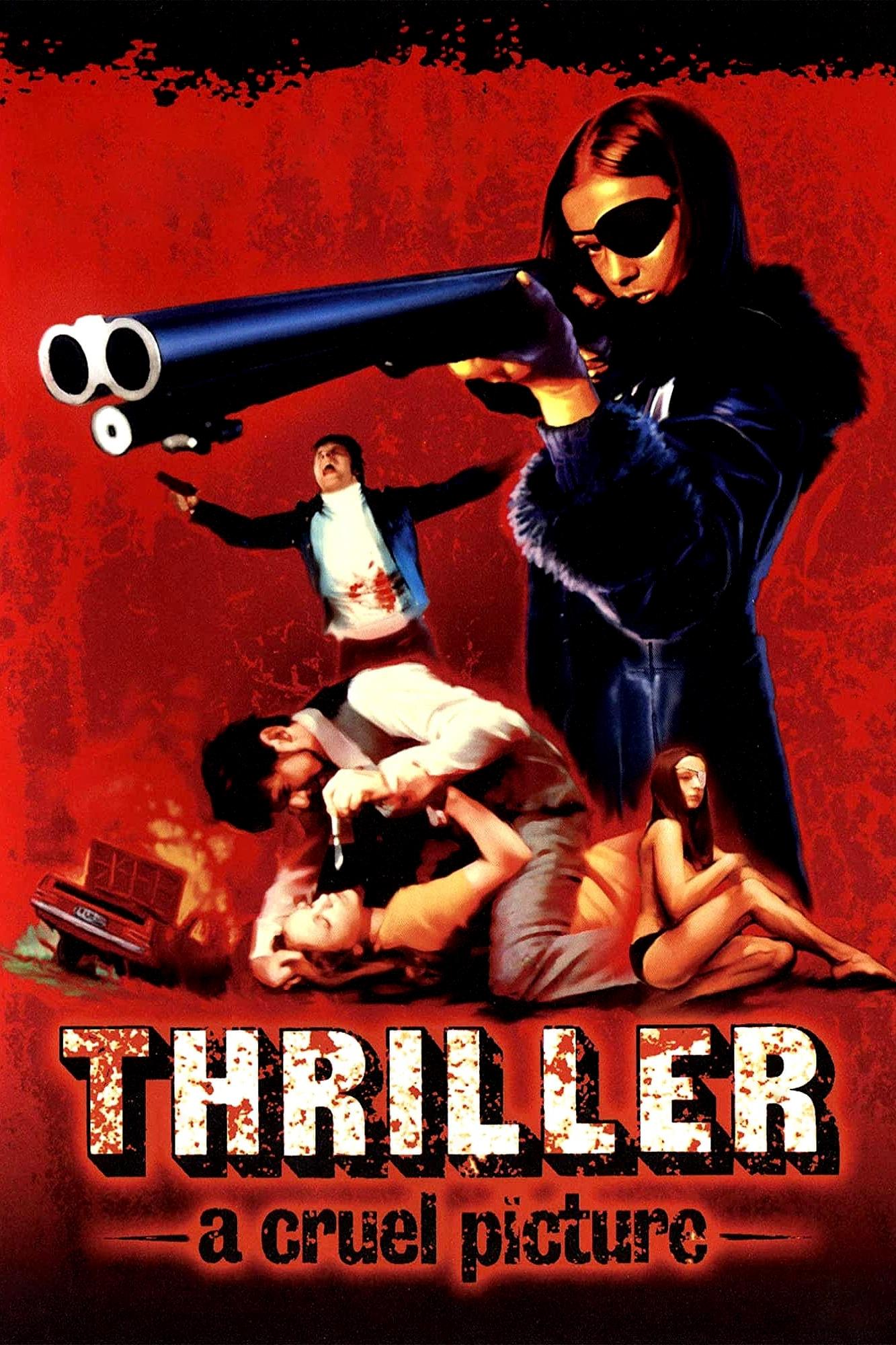
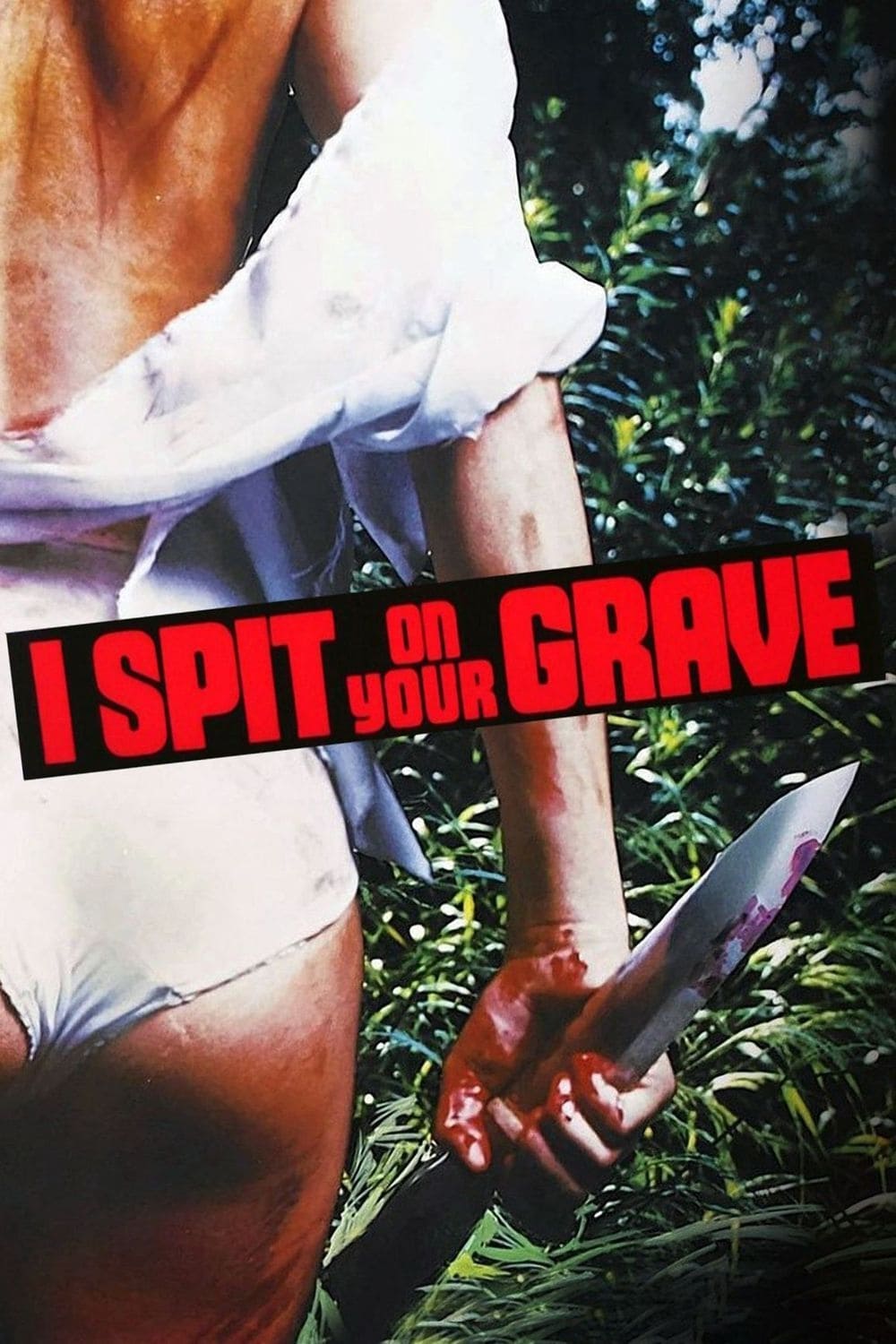
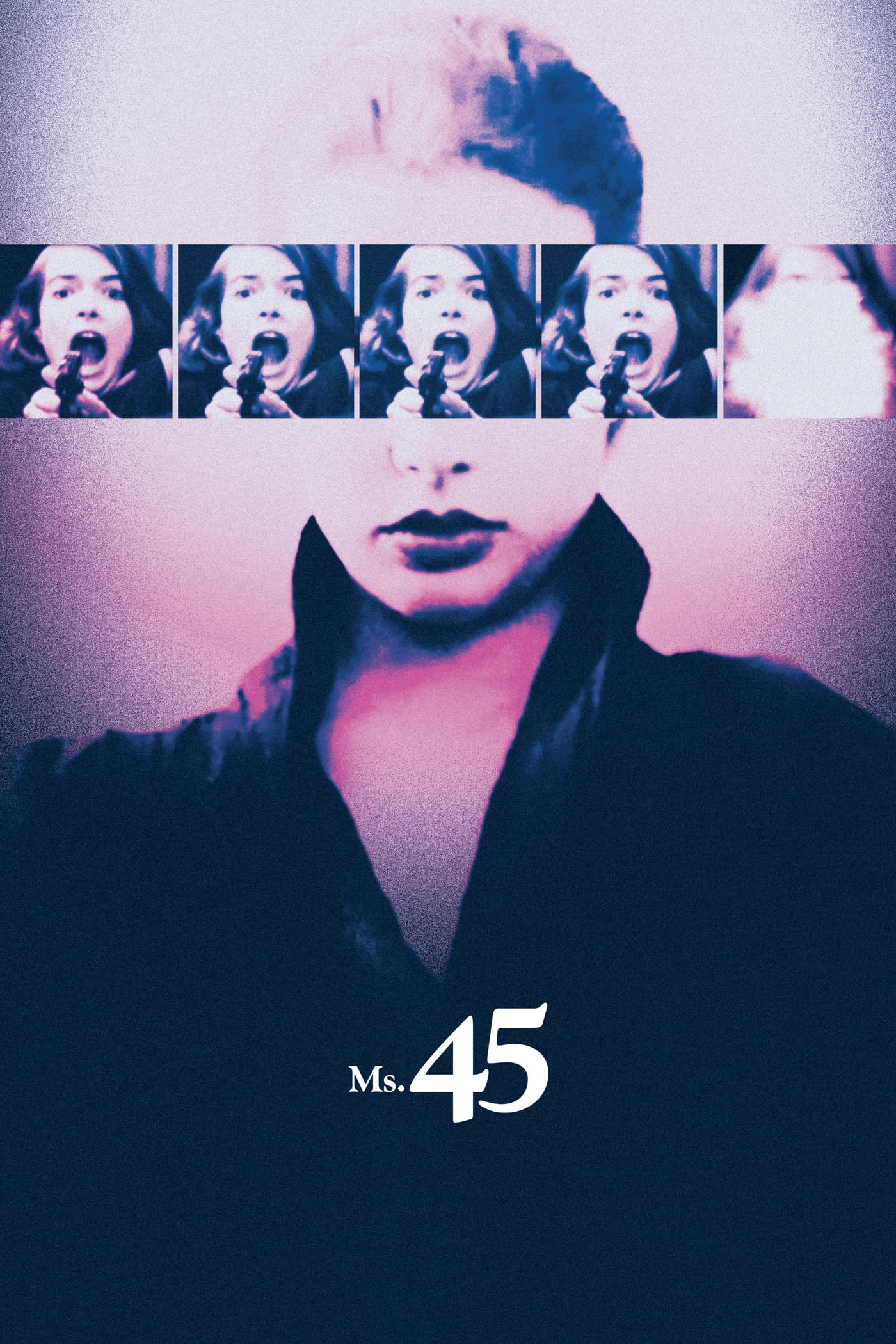
The 1970s and early 80s pushed the form to its most controversial extremes. Bo Arne Vibenius's Swedish Thriller: A Cruel Picture (1973), with Christina Lindberg (anchored by Janisse's House of Psychotic Women), gave the form its definitive eye-patched antiheroine. Meir Zarchi's I Spit on Your Grave (1978) (originally Day of the Woman), with Camille Keaton, became the cycle's most-discussed text — its extended assault sequence drew Roger Ebert's "one of the most disturbing experiences of my life" review and made the film a permanent reference point for the subgenre's ethical debates; the 2010 remake with Sarah Butler by Steven R. Monroe kept the franchise commercially viable. Abel Ferrara's Ms .45 (1981), with Zoë Lund, took the form to New York and made the mute seamstress avenger into one of the cycle's most stylistically distinctive entries.
The 1990s and 2000s opened the form to art-cinema and international register. The NFE manifesto film Baise-moi (2000), co-directed by Virginie Despentes and Coralie Trinh Thi, reignited European censorship debates. Gaspar Noé's Irreversible (2002), with Monica Bellucci and Vincent Cassel, used reverse chronology to recast the entire form's moral architecture. Park Chan-wook's Lady Vengeance (2005), with Lee Young-ae, closed his Vengeance Trilogy with the cycle's most aesthetically refined entry (Aaron Michael Kerner reads it as "influential" alongside torture-porn's peripheral works). David Slade's Hard Candy (2005), with Elliot Page and Patrick Wilson, inverted the form into pre-emptive vigilantism against a suspected pedophile; Mitchell Lichtenstein's Teeth (2008), with Jess Weixler, ran the body-horror variant via vagina dentata myth.
The 2010s and 2020s produced an explicitly feminist revisionist wave. Coralie Fargeat's Revenge (2018), with Matilda Lutz, stylised the narrative into a neon-saturated survival-thriller that became the form's defining contemporary entry. Jennifer Kent's The Nightingale (2018), with Aisling Franciosi, returned the form to historical-period drama with explicit attention to colonial violence in 1820s Tasmania. Emerald Fennell's Promising Young Woman (2020), with Carey Mulligan, deconstructed the formula entirely, making the revenge systemic rather than individual and pulling the cycle into Oscar-prestige register. Madeleine Sims-Fewer and Dusty Mancinelli's Canadian Violation (2020) extended the wave into structurally fragmented art-horror. The subgenre remains polarising because the questions it raises — about who has the right to tell these stories, and what depicting sexual violence accomplishes — have no comfortable answers. But the contemporary wave has decisively shifted the form's authorship: where the 1970s cycle was almost exclusively male-directed, the 2010s-20s wave is led by women filmmakers.
Essential Films
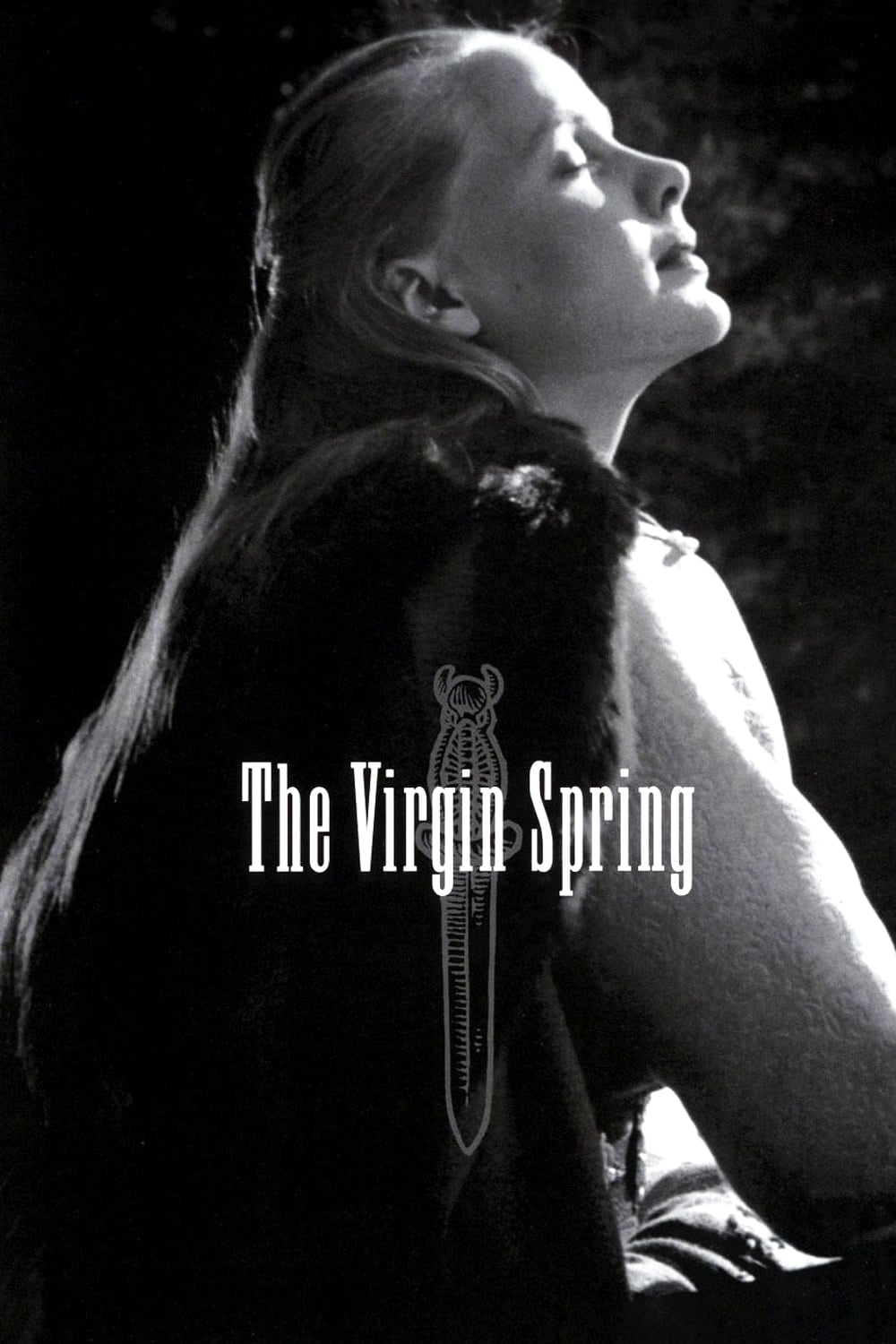
The Virgin Spring
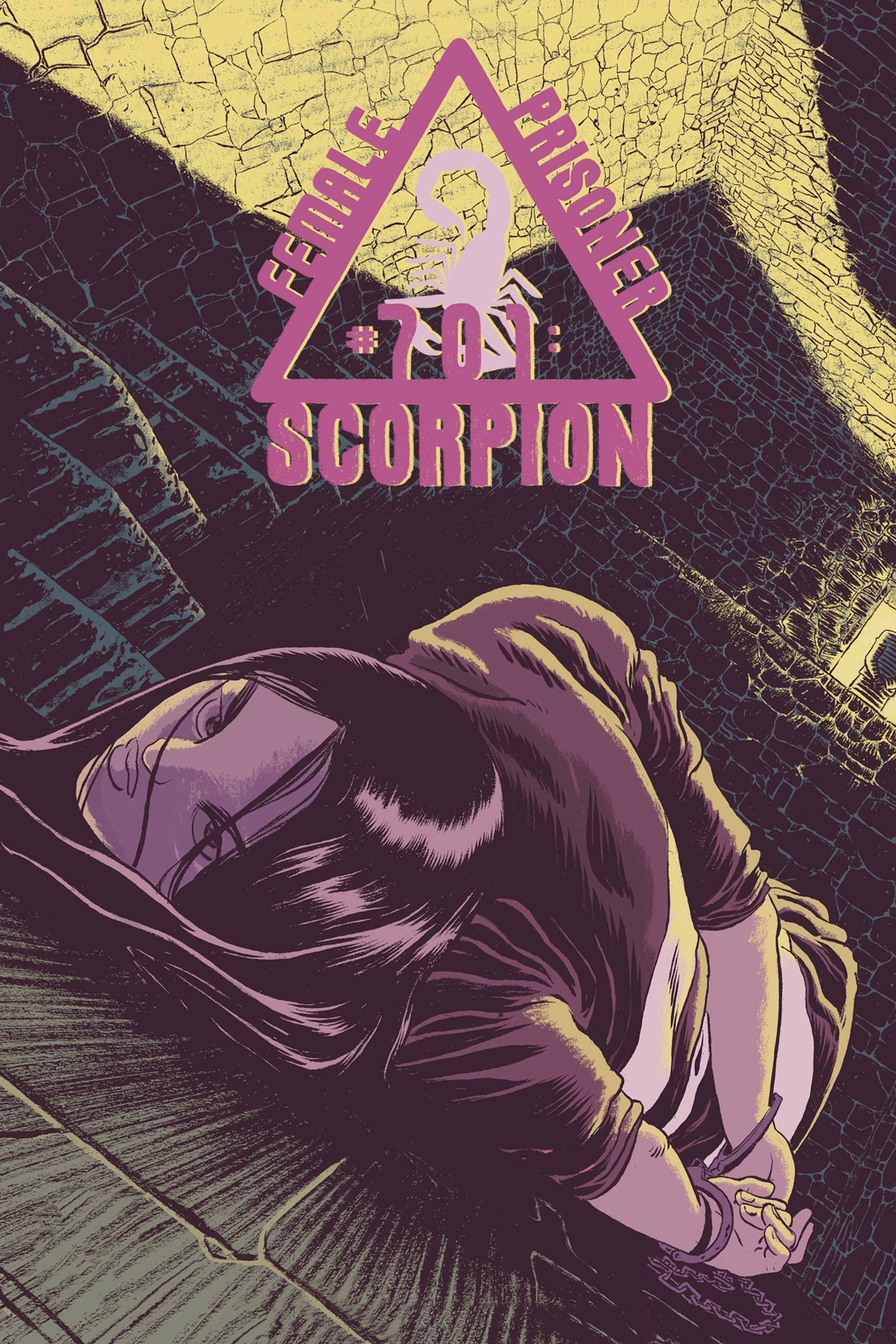
Female Prisoner #701: Scorpion
The Last House on the Left
Thriller: A Cruel Picture

Lady Snowblood
Day of the Woman
Ms .45
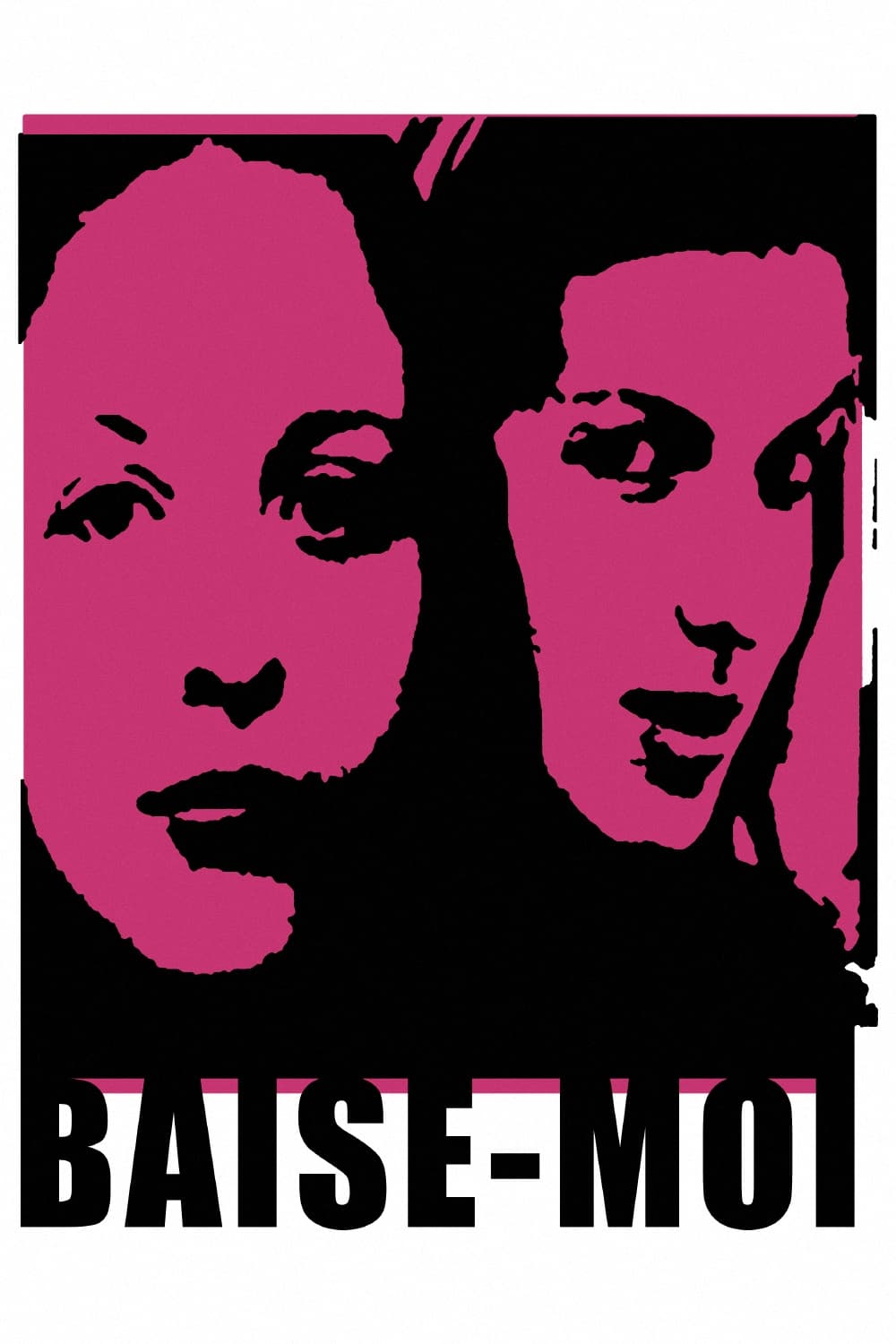
Baise-moi
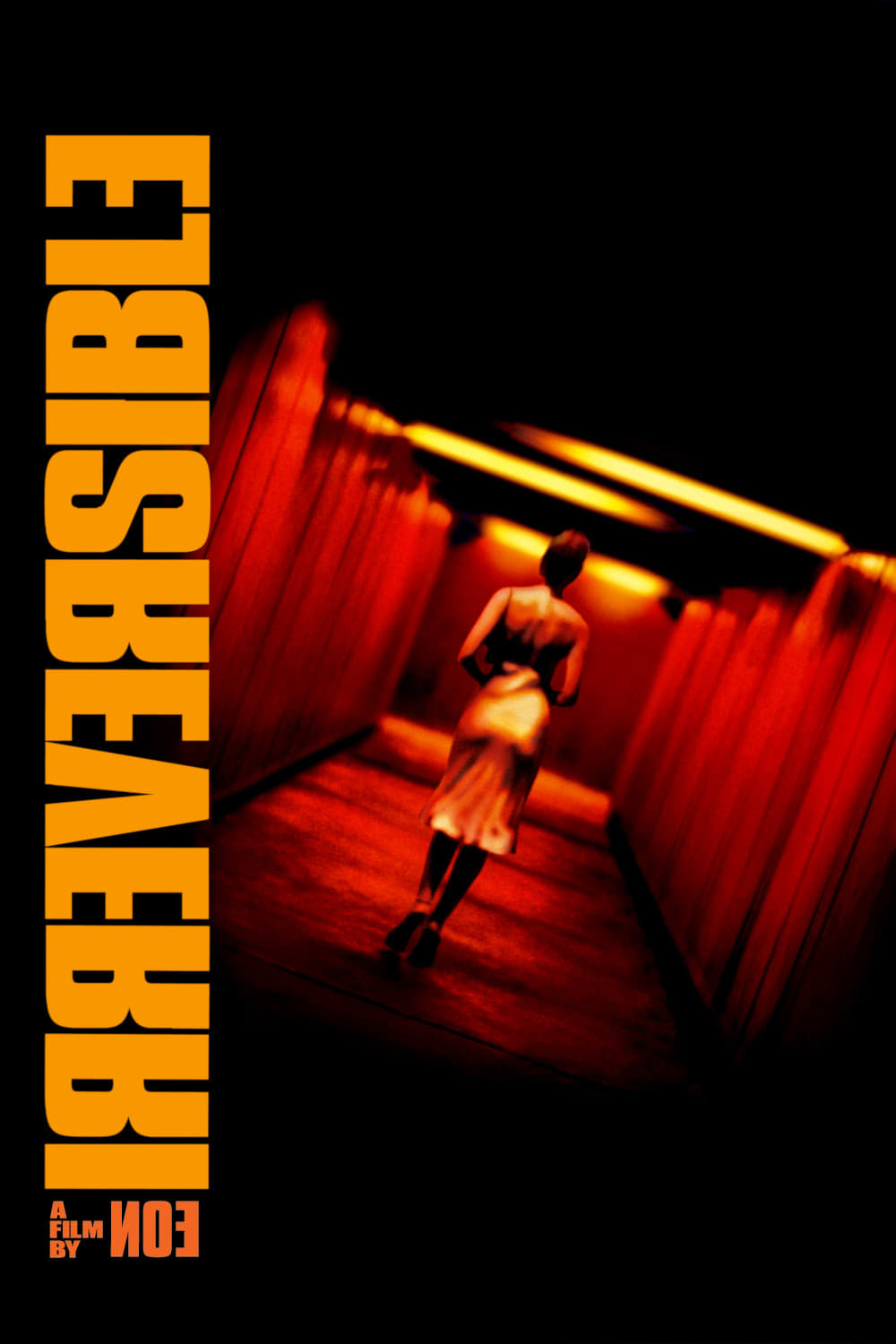
Irreversible
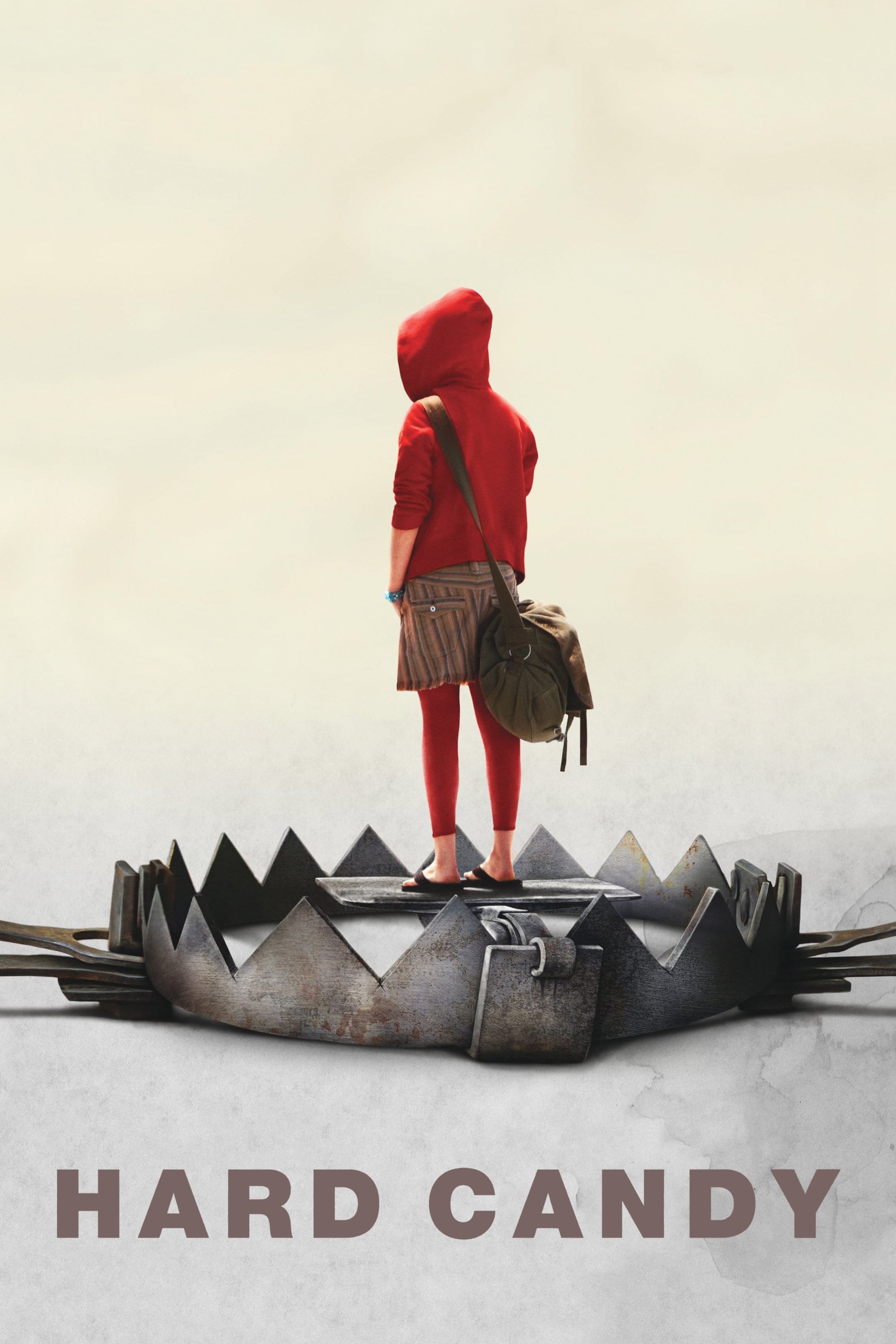
Hard Candy
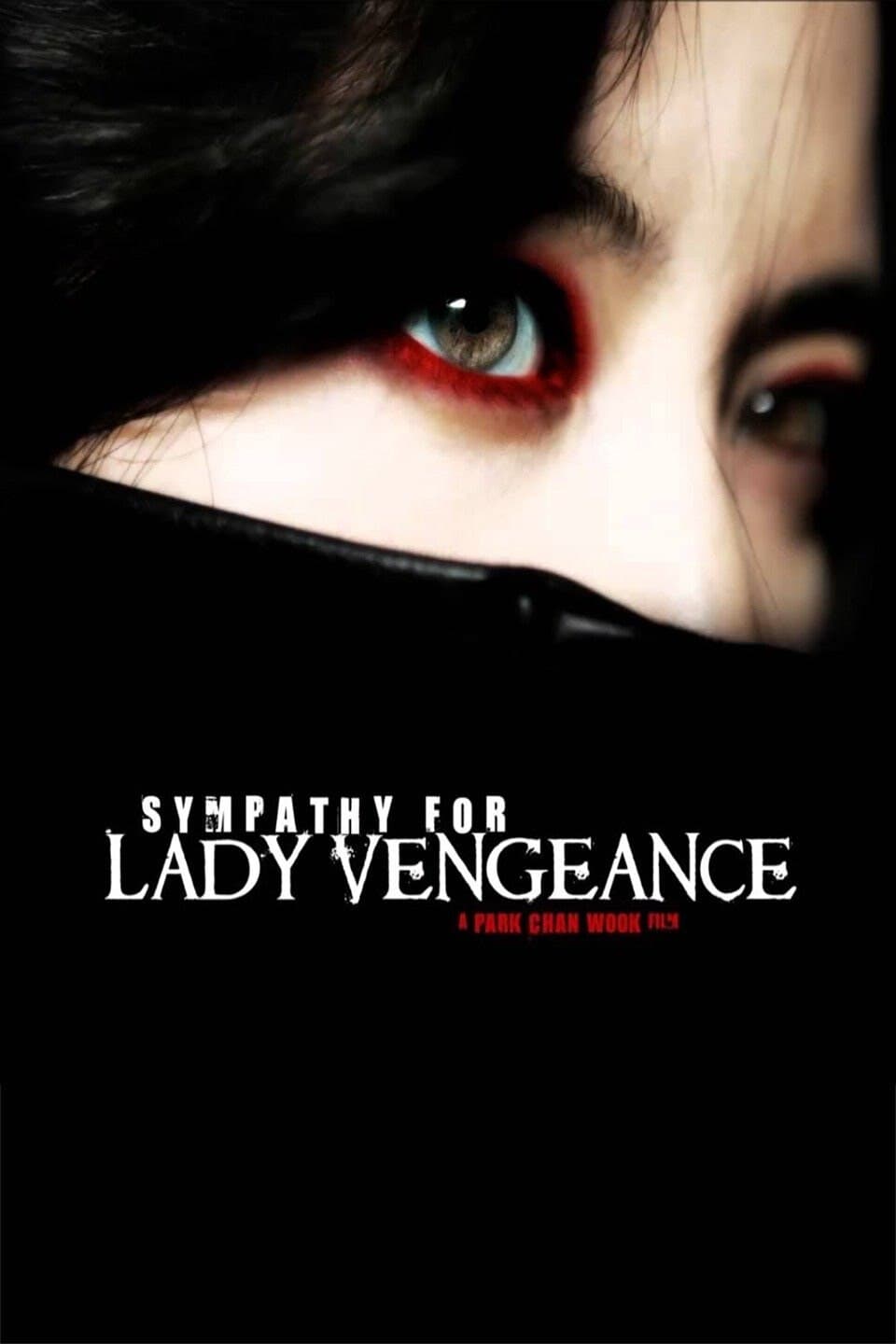
Lady Vengeance
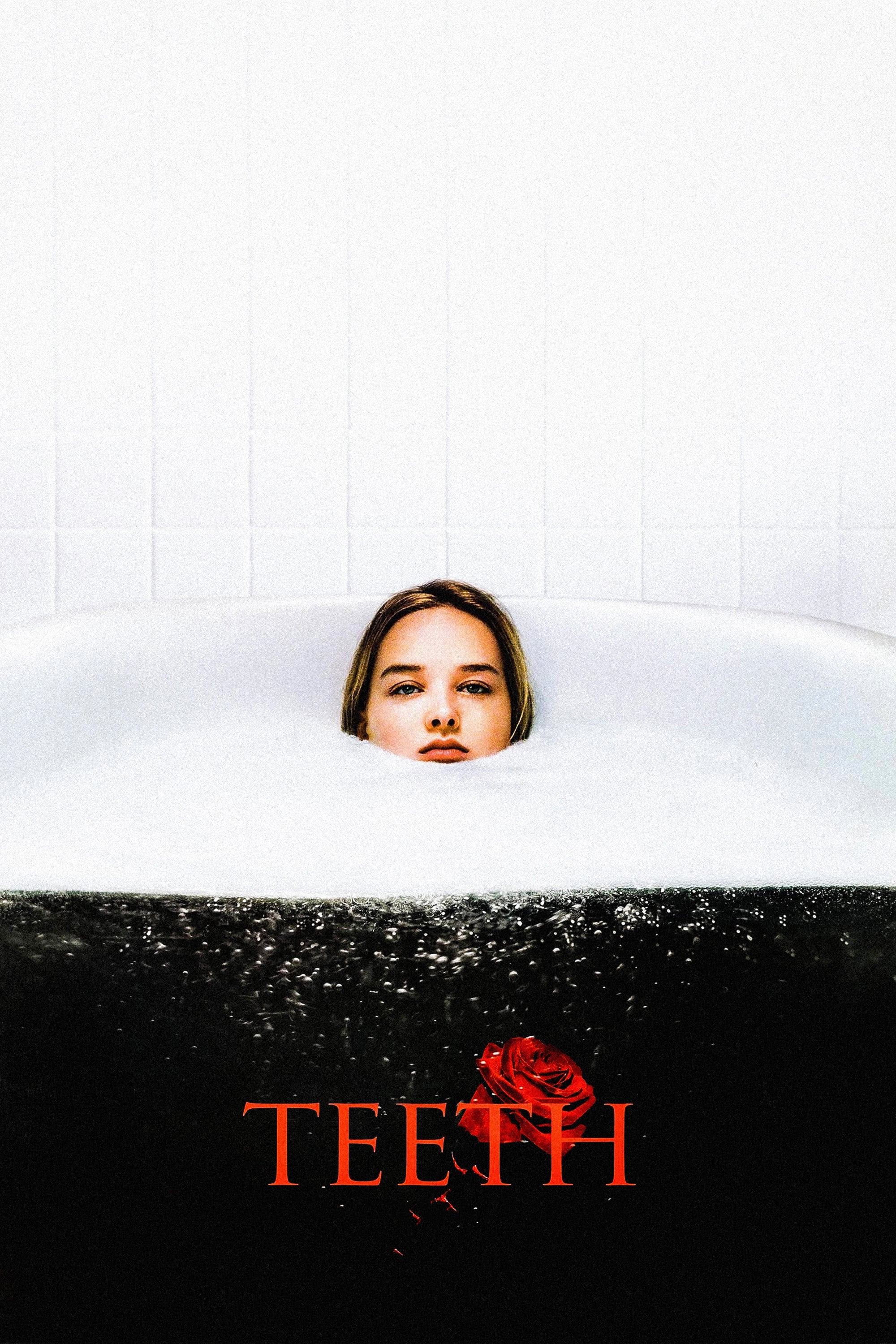
Teeth
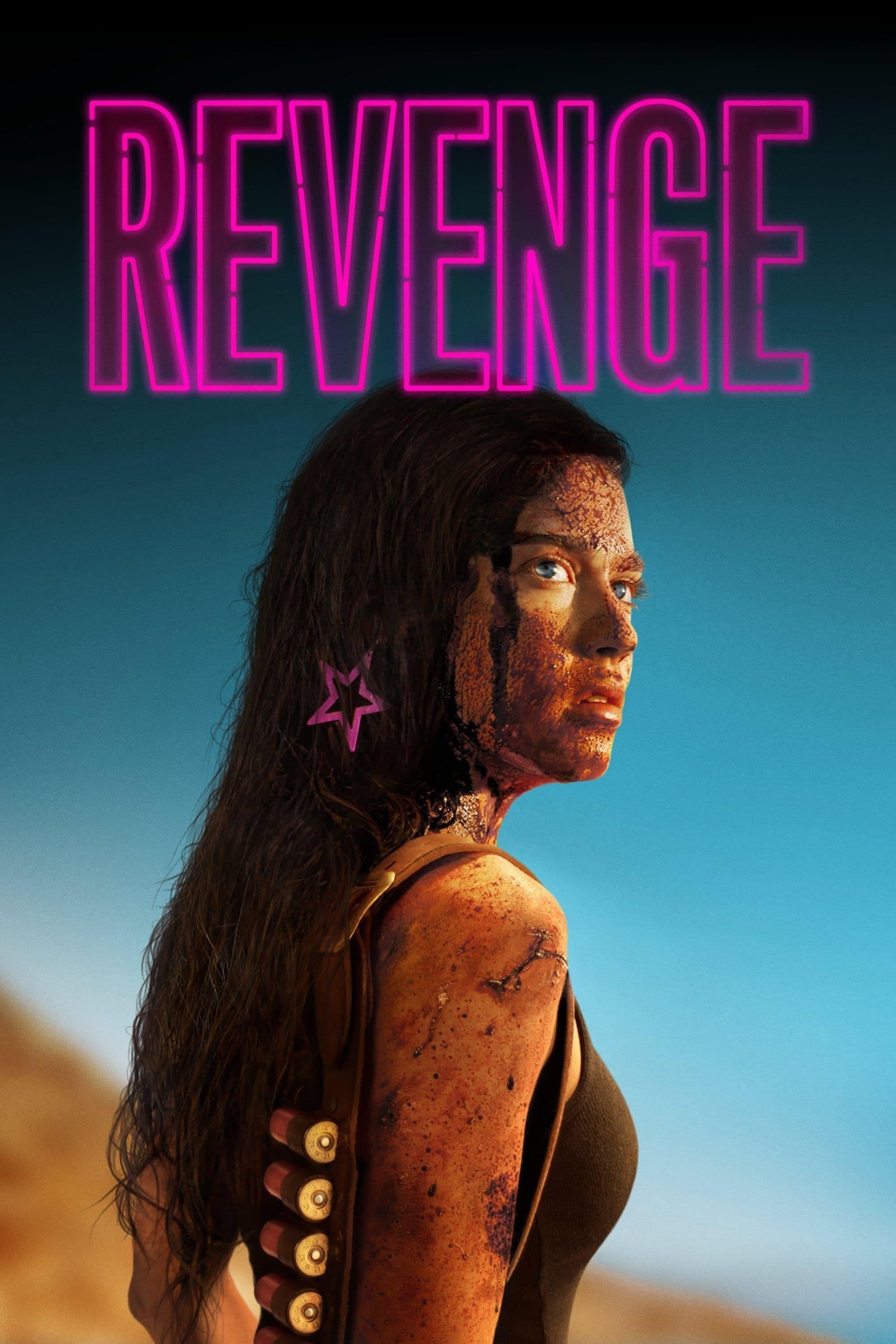
Revenge

The Nightingale

Violation
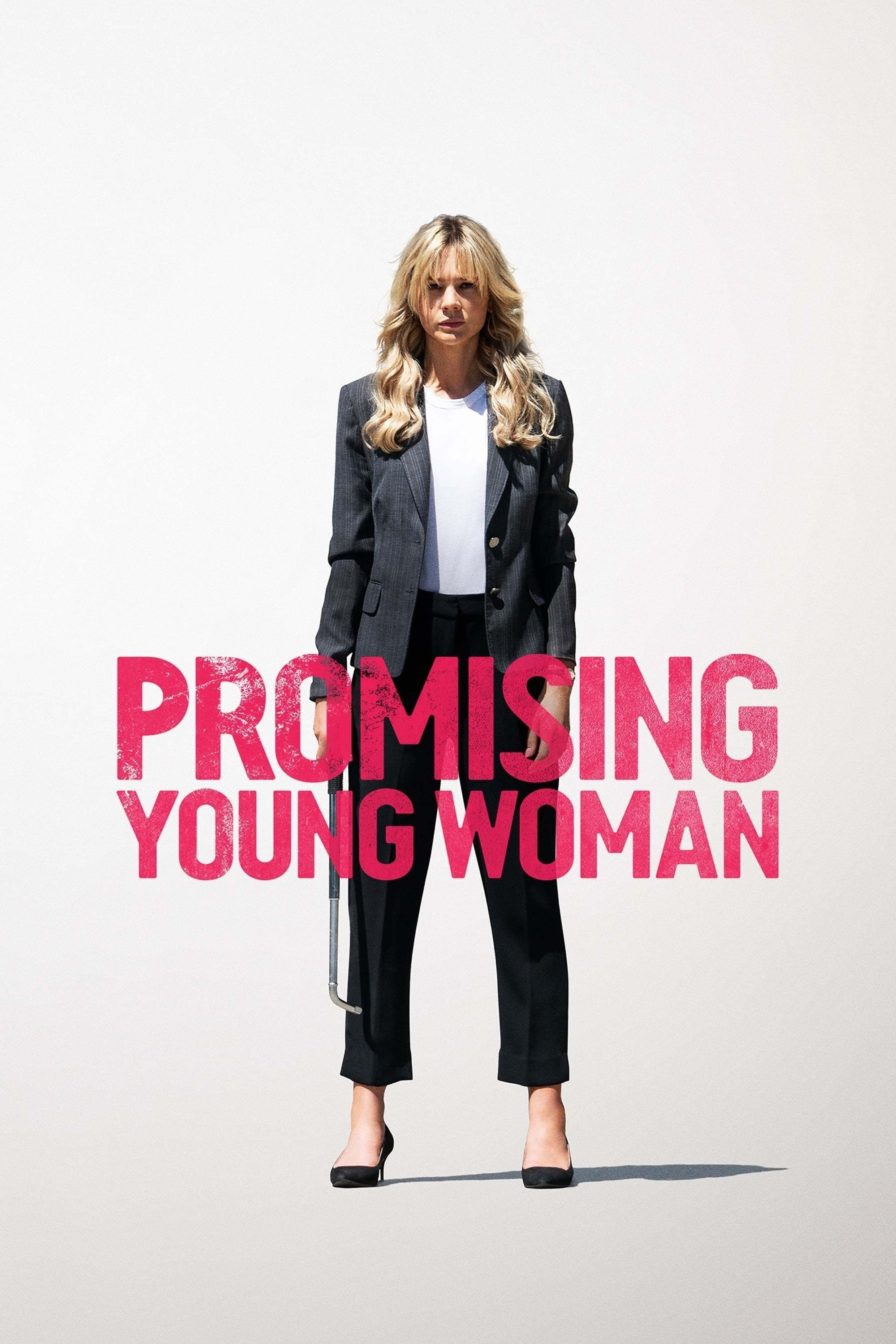
Promising Young Woman
Statistics
Popularity by Decade
Share of each decade's horror films classified as Rape & Revenge. Counts films with at least 5 TMDB ratings, so very obscure titles are not represented.
Popularity by Country
Share of each country's horror output classified as Rape & Revenge. Counts films with at least 5 TMDB ratings, so very obscure titles are not represented.