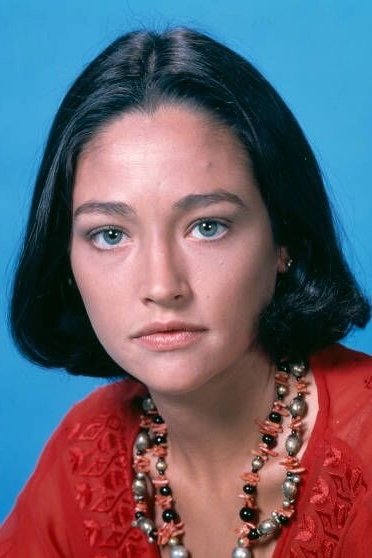
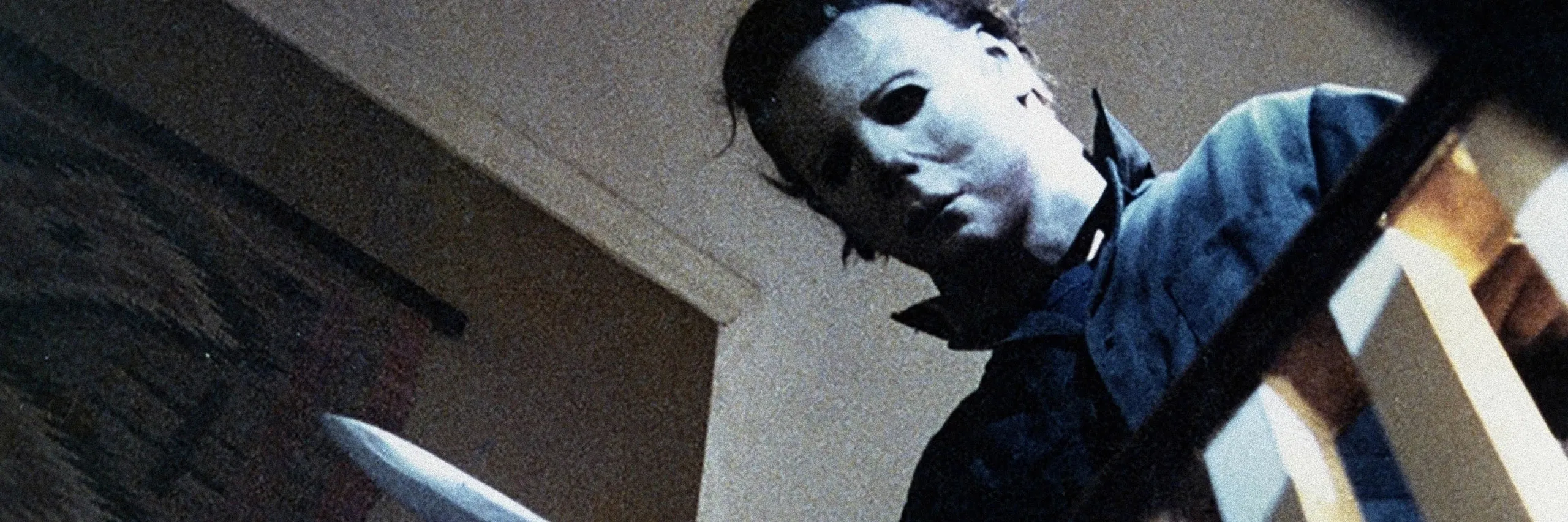
 Halloween (1978)
Slasher / Serial Killer
A killer with a weapon, victims who cannot escape. The subgenre's rules are deceptively simple — the execution is what makes each entry live or die.
History & Origins
The slasher film reduces horror to its most elemental transaction: a killer with a weapon, victims who cannot escape, and an audience caught between identification with the hunted and the terrible thrill of the hunt. Around the slasher orbits the broader serial-killer film, which trades the stalking-the-camp setting for police procedural and psychological case study but keeps the same animating figure — the human being who kills for reasons that no rational explanation can satisfy. Together they form the most commercially durable corner of post-1970s horror.
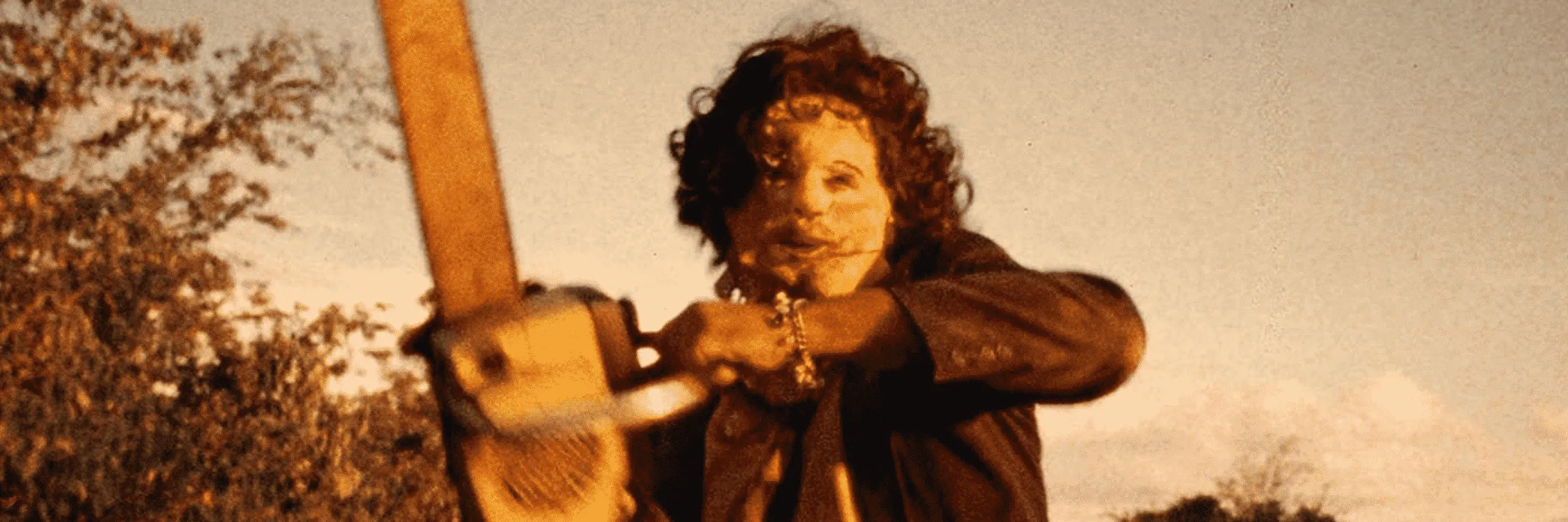
The form's roots predate the 1978 watershed of Halloween. Alfred Hitchcock's Psycho (1960) established Norman Bates as the prototype — the mortal slasher, the shock killing of a major character mid-film, the wordy psychological coda — and Michael Powell's Peeping Tom (1960), released the same year, gave the form its other founding gesture: the subjective camera that places the audience inside the killer's point of view. Mario Bava's A Bay of Blood (1971) (Adam Lowenstein has shown how directly Sean Cunningham's later Friday the 13th borrows its lakeside template) supplied the elaborate, sequential set-piece killing. Bob Clark's Black Christmas (1974) planted the killer inside the house, left his identity unresolved, and (per Adam Rockoff) delivered "the slasher film's definitive point-of-view shot." That same year Tobe Hooper's The Texas Chain Saw Massacre pushed the form into documentary-grade dread.
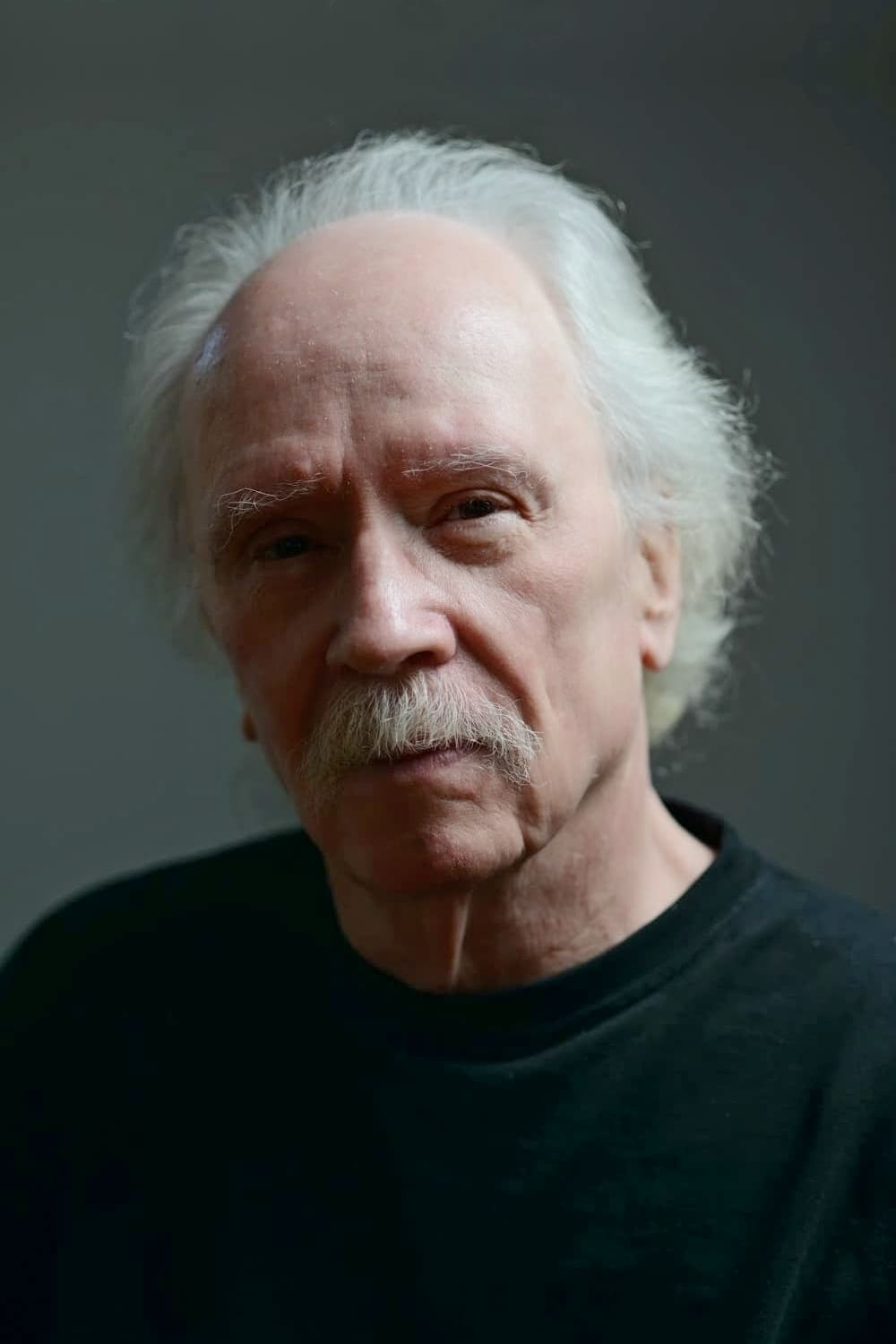
John Carpenter's Halloween codified everything. Michael Myers as the Shape — a figure of pure, motiveless evil who walks at a steady pace while his victims run — became the template every subsequent slasher would either copy or react against. The film also produced the genre's most influential critical concept: the Final Girl, named by Carol J. Clover in her 1987 essay (expanded in her 1992 Men, Women, and Chain Saws) — the resourceful, watchful survivor who looks death in the face and finds the strength to kill the killer herself. Jamie Lee Curtis's Laurie Strode was the prototype; Curtis would go on to anchor three more — Prom Night (1980), Terror Train (1980), and Halloween II — establishing the Final Girl as a recurring industrial figure.
The 1980s belonged to the cycle that Richard Nowell mapped in Blood Money as the first teen slasher boom (1974–1982). Friday the 13th (1980) commercialized the formula — Sean Cunningham's film famously delivered one killing per reel, Tom Savini's makeup effects made the violence visceral, and the shock ending with the apparently dead Jason lunging from the lake established the open-ended sequel as a slasher convention. A Canadian production wave (Prom Night, Terror Train, My Bloody Valentine (1981), Happy Birthday to Me (1981)) and a parallel holiday cycle (The Burning (1981), Halloween, My Bloody Valentine) saturated the calendar; The Slumber Party Massacre (1982) (Amy Holden Jones, scripted by Rita Mae Brown) brought a feminist register; Sleepaway Camp (1983) closed the cycle with one of horror's most famous twist endings. William Lustig's Maniac (1980), with Joe Spinell's downward-spiral performance, ran alongside as the cycle's grimy New York alternative. When the teen-cycle exhausted itself, Wes Craven's A Nightmare on Elm Street (1984) reinvented the form by moving it into dreams.
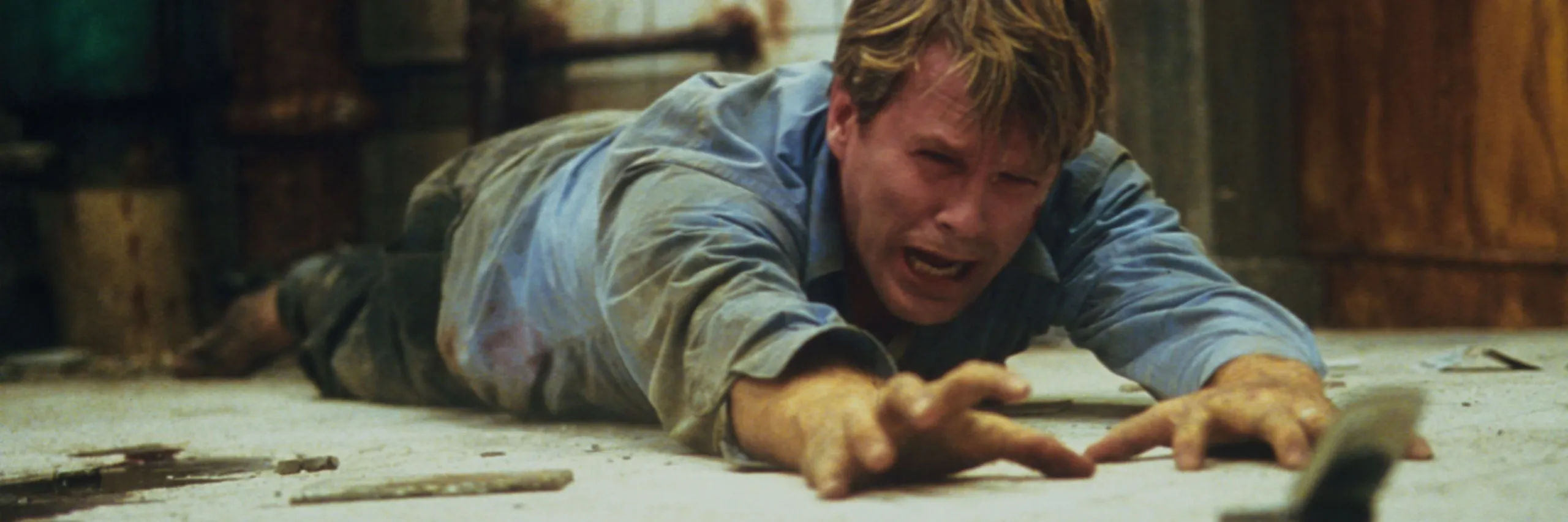
In parallel, the serial-killer film matured into its own register — closer to crime cinema in surface but rooted in the same human-monster figure. John McNaughton's Henry: Portrait of a Serial Killer (1986), with Michael Rooker's vérité performance as a Henry Lee Lucas surrogate, stripped the form to its blank-affect essentials; Michael Mann's Manhunter, released the same year, brought Brian De Palma's Dressed to Kill (1980)-era stylistic intelligence to the first screen Hannibal Lecter (Brian Cox). Jonathan Demme's The Silence of the Lambs (1991) took Anthony Hopkins's Lecter to a Best Picture sweep — the third film ever to take all top four Oscars — and triggered what Murray Leeder calls "the decade of the serial killer": David Fincher's Se7en (1995) and later Zodiac (2007), Mary Harron's American Psycho (2000), and Bernard Rose's urban-legend variant Candyman (1992).
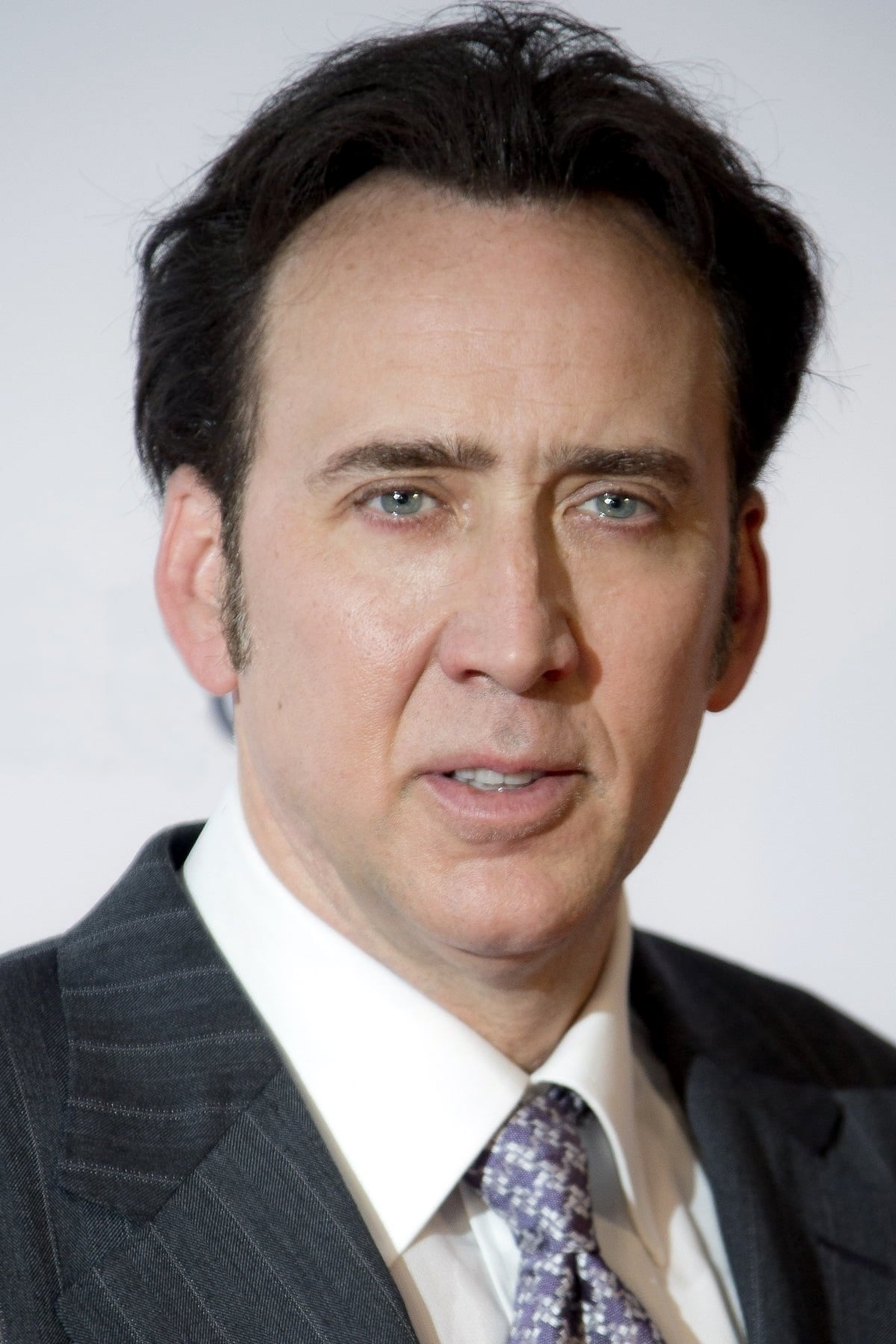
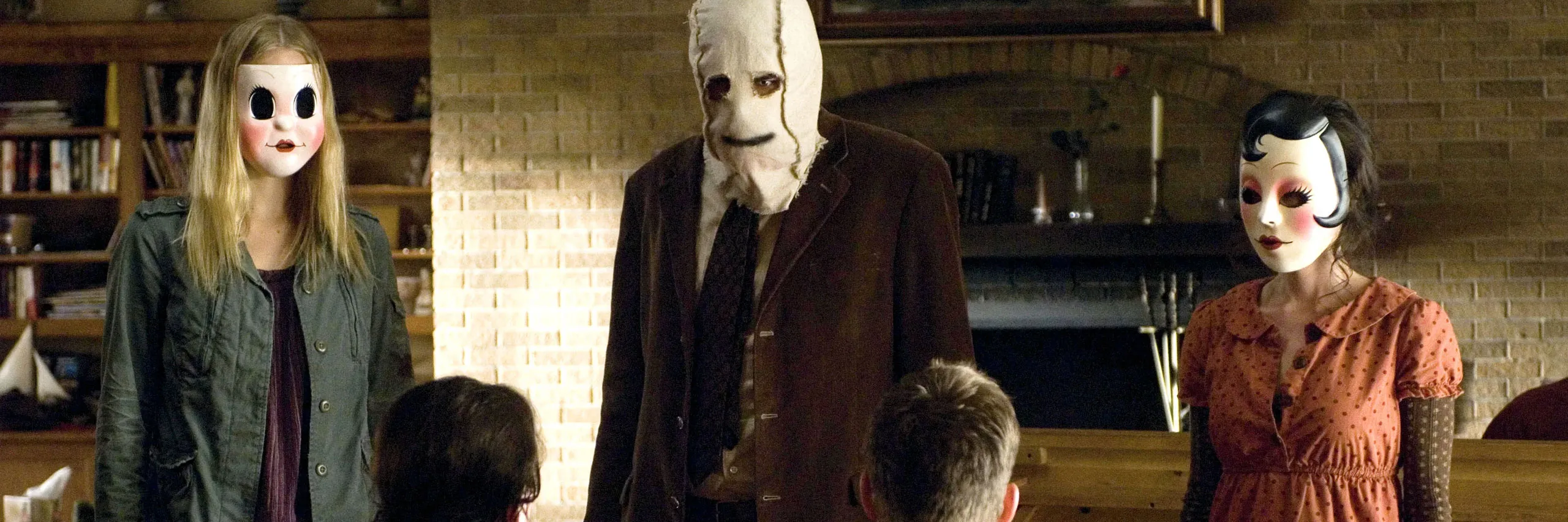
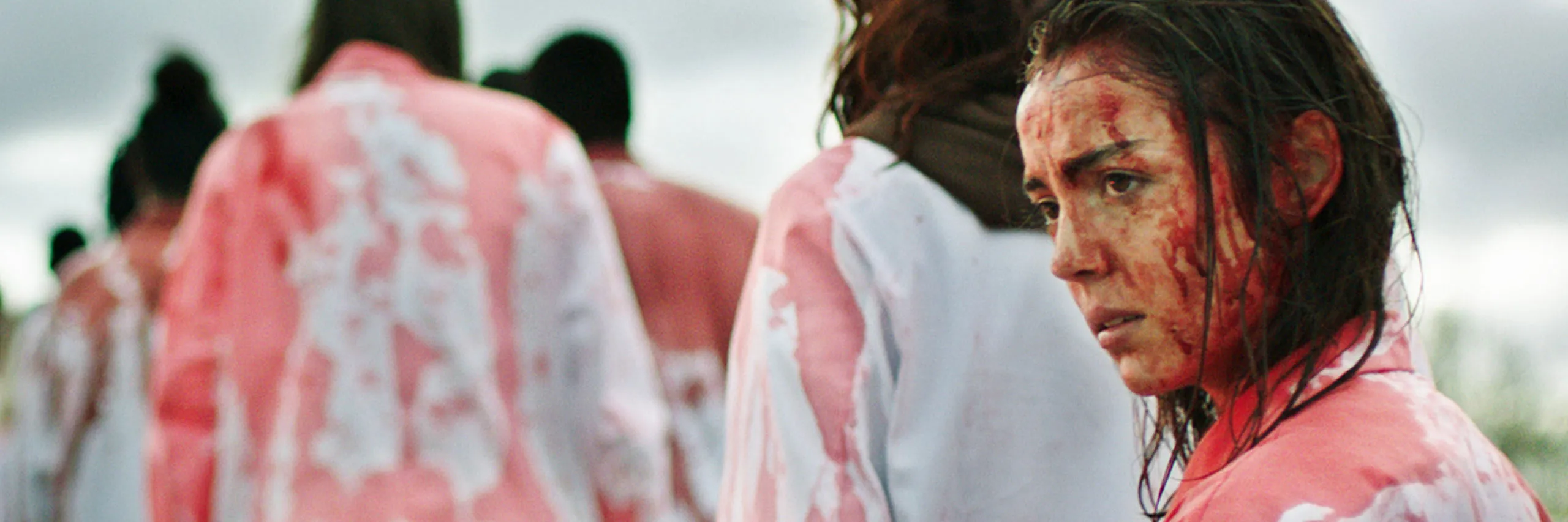
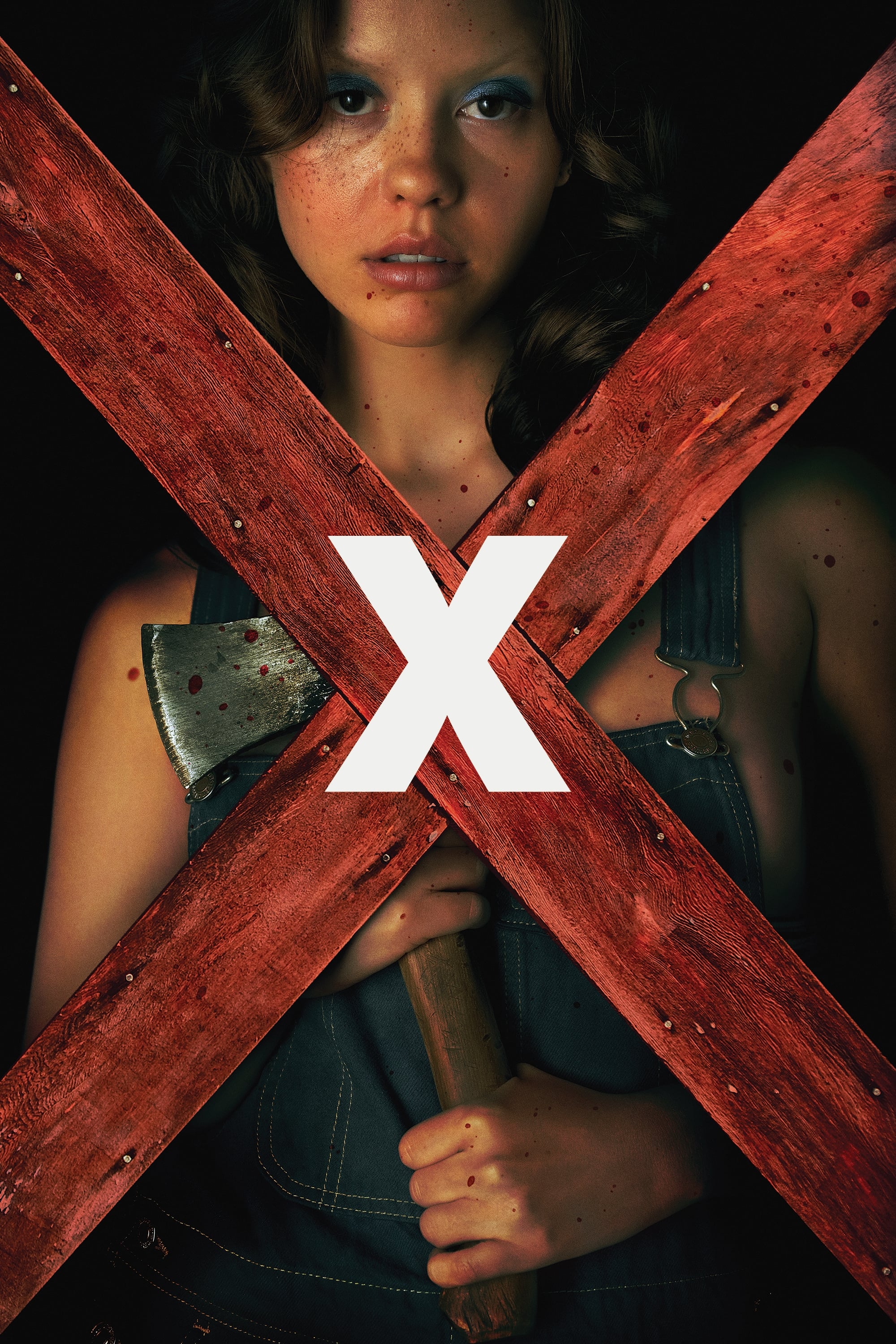
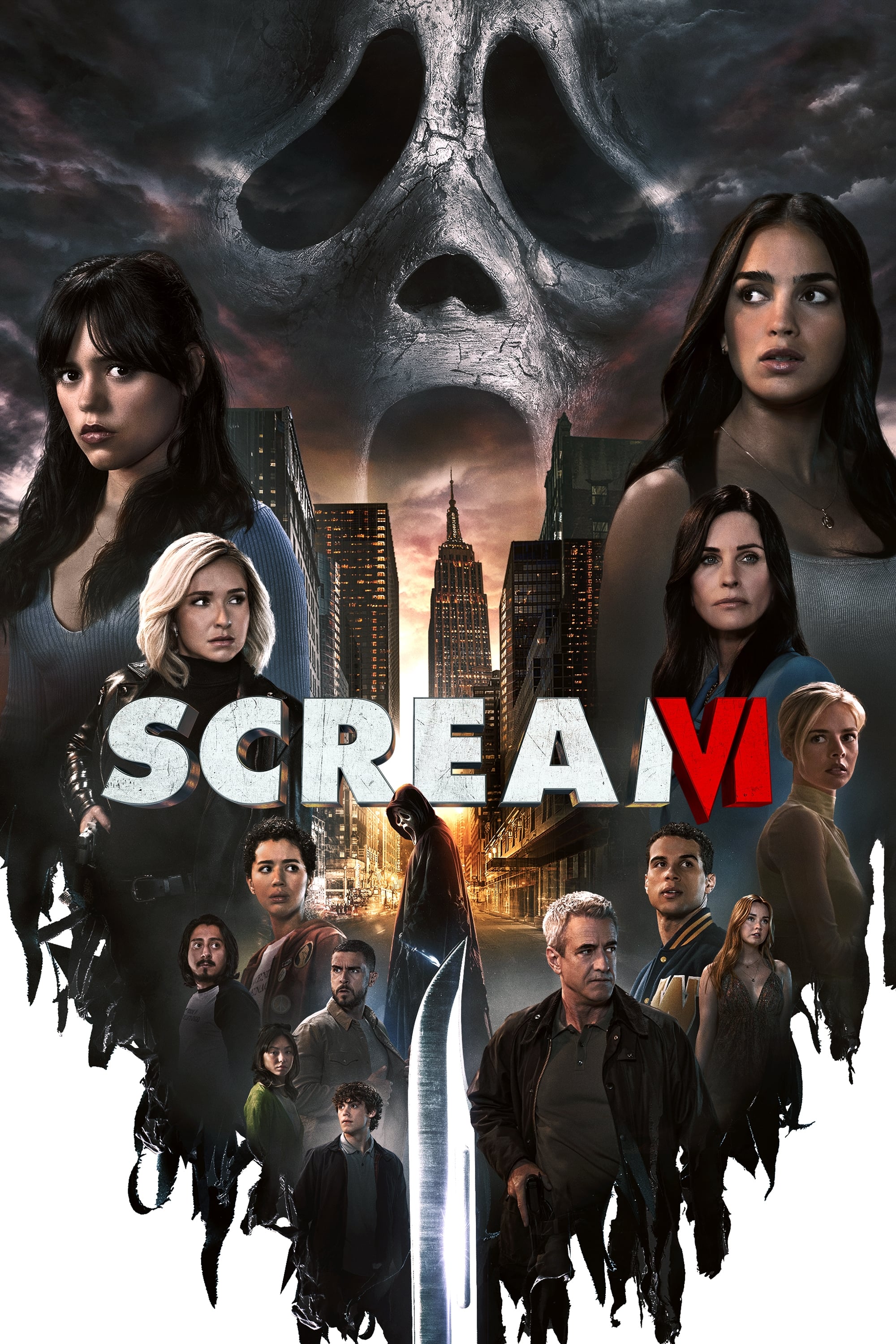
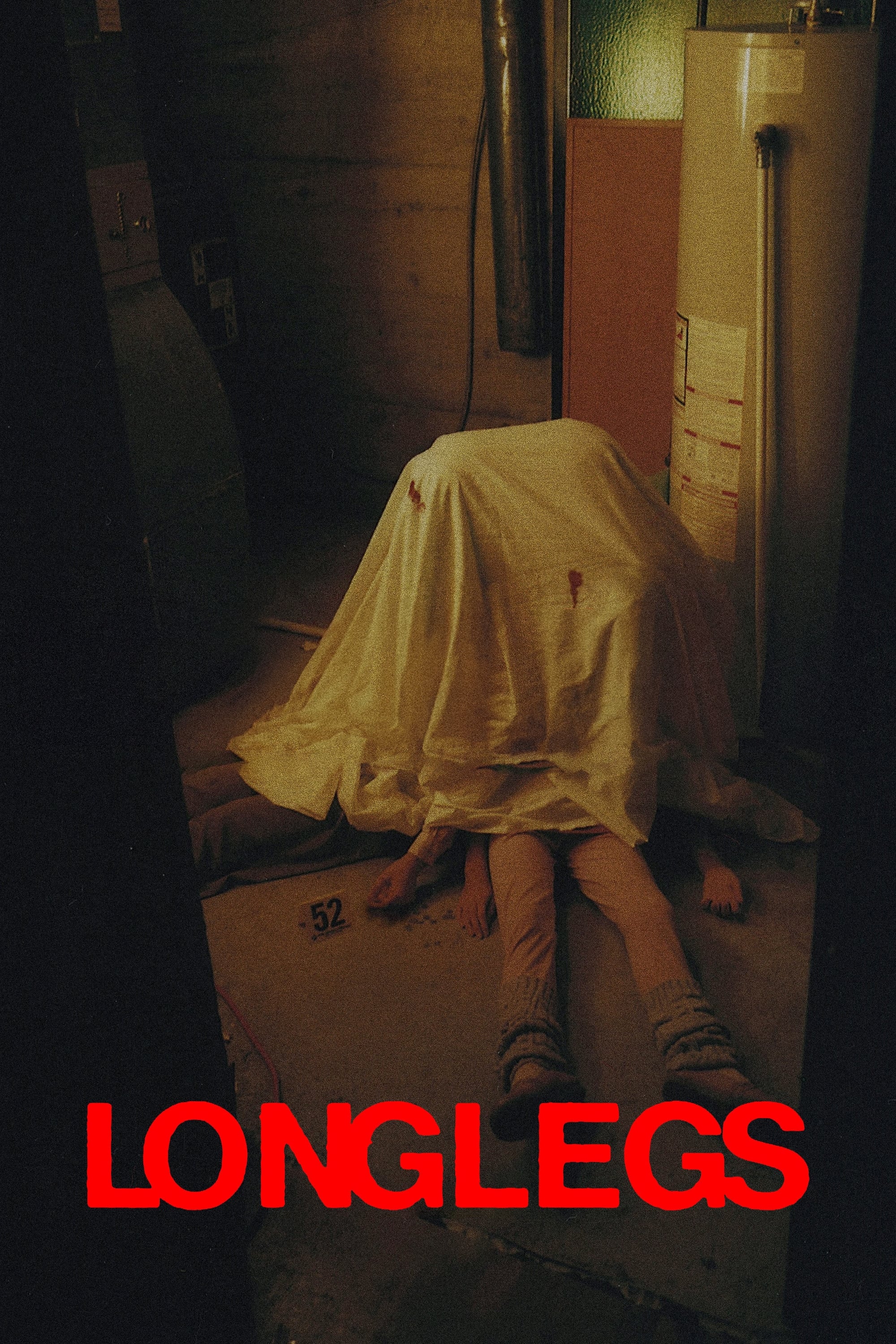
Scream (1996) reinvented the cycle by making its characters aware of the rules — Kevin Williamson's script and Craven's direction produced the form's most influential late-century film, kicking off a post-Scream wave (Cullins, Your Favorite Scary Movie, 2025) and a self-aware register that every subsequent slasher would have to negotiate. The 2000s extended the form into French-extremity (Alexandre Aja's High Tension (2003)) and home-invasion (Bryan Bertino's The Strangers (2008)) hybrids. The 2010s and 2020s brought a triple recovery: David Gordon Green's legacy-sequel Halloween (2018) returned Curtis to Haddonfield; the Scream VI continuation kept the meta-slasher franchise commercially viable; Ti West's X (2022) with Mia Goth brought the form into A24's elevated register; Lars von Trier's The House That Jack Built (2018) pushed the serial-killer film into pure art-horror provocation; Damien Leone's Terrifier 3 (with David Howard Thornton's Art the Clown) became the most commercially successful new American horror figure since Ghostface; and Osgood Perkins's Longlegs — with Maika Monroe and Nicolas Cage — proved the serial-killer film's prestige register is just as alive as the slasher's.
Sources: Murray Leeder, Horror Film: A Critical Introduction (2018); Adam Rockoff, Going to Pieces: The Rise and Fall of the Slasher Film, 1978–1986 (2002).
Essential Films
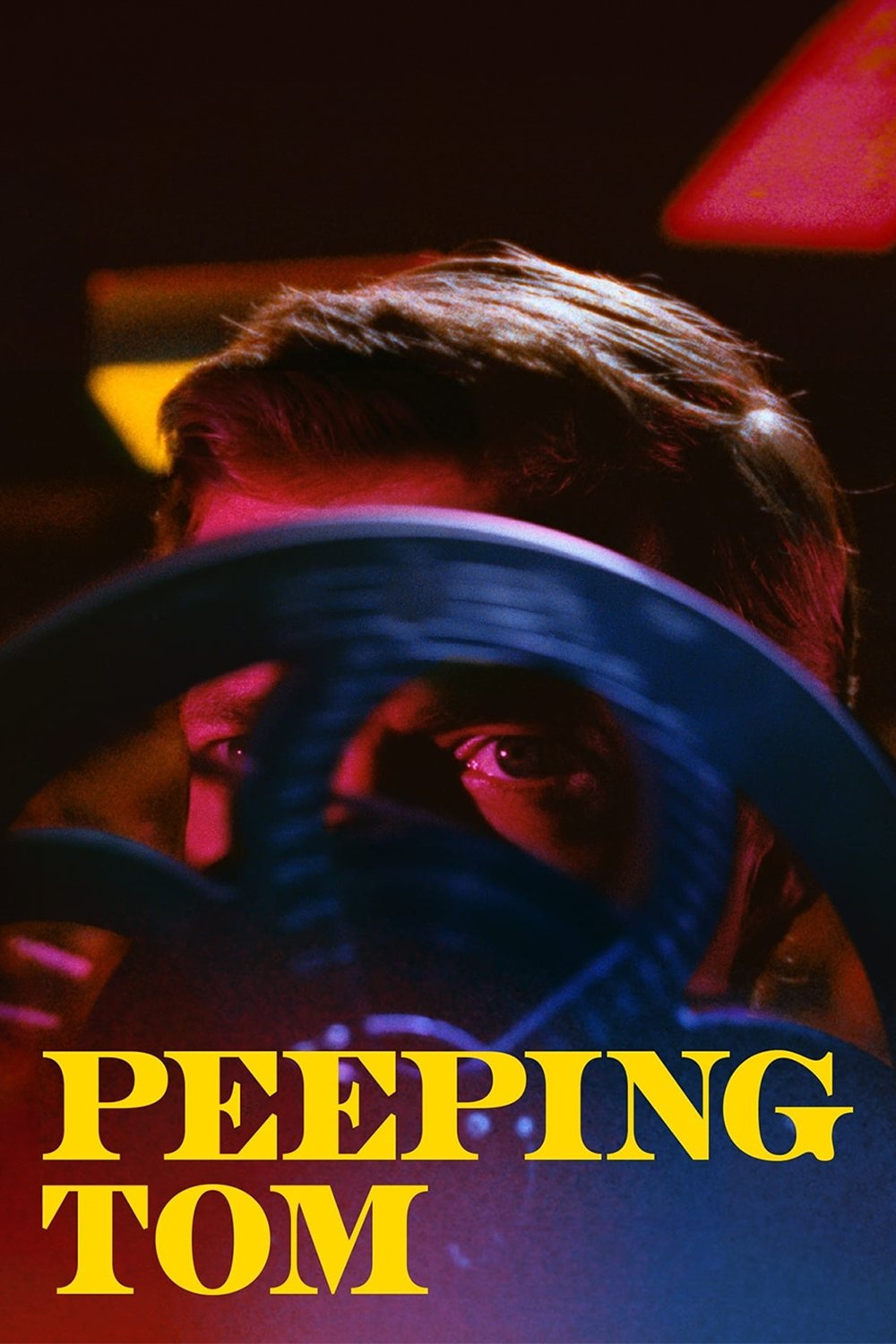
Peeping Tom
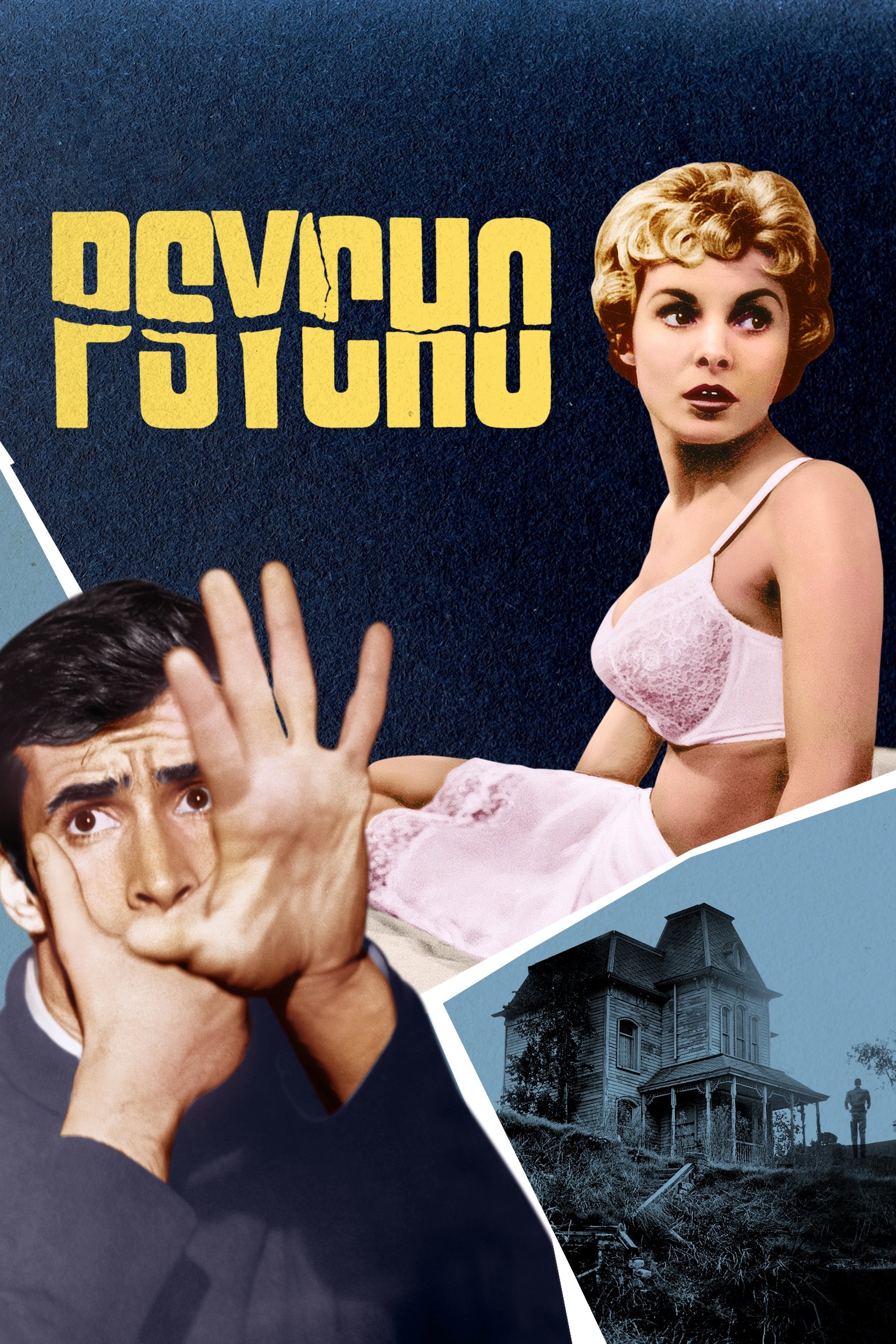
Psycho
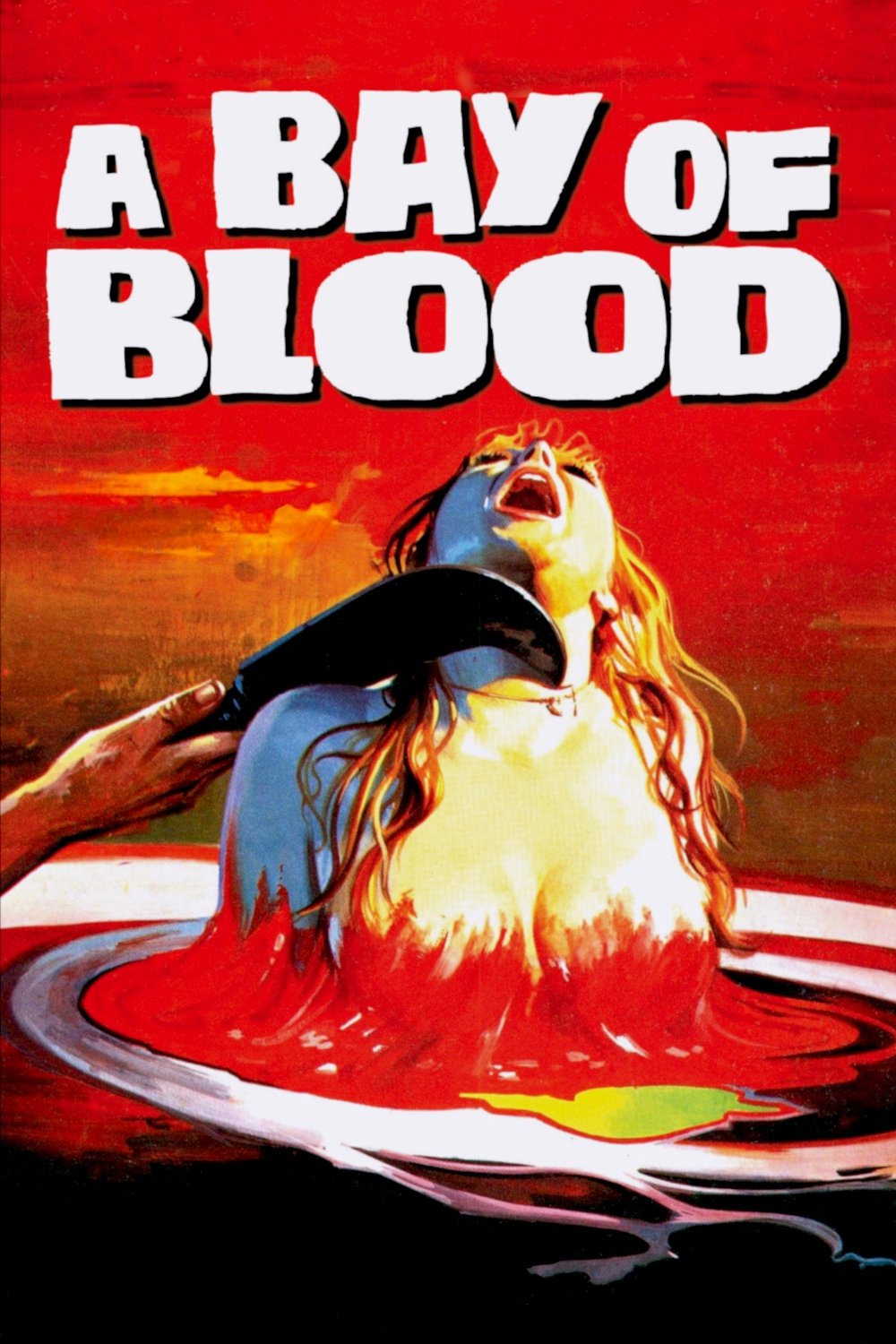
A Bay of Blood
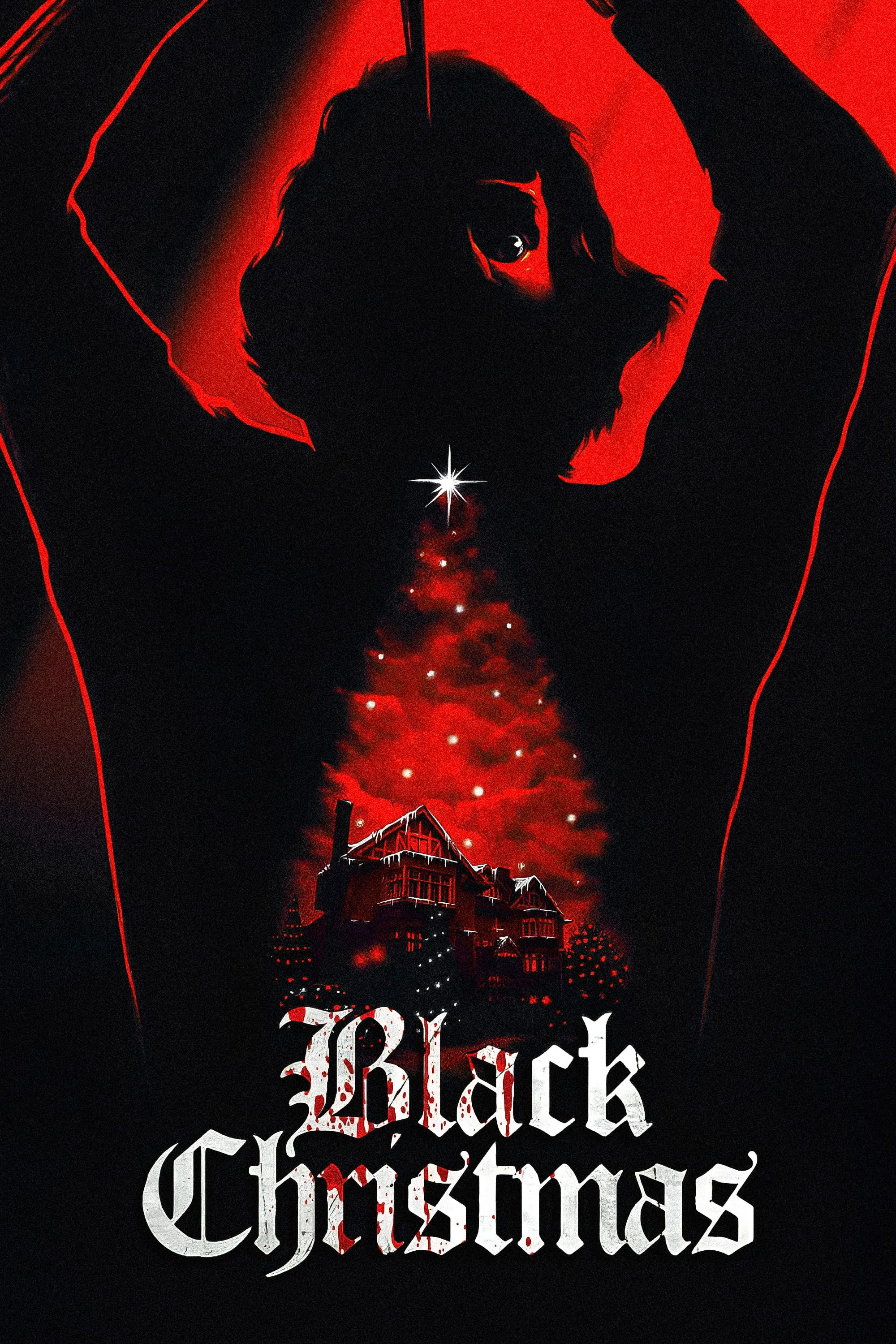
Black Christmas
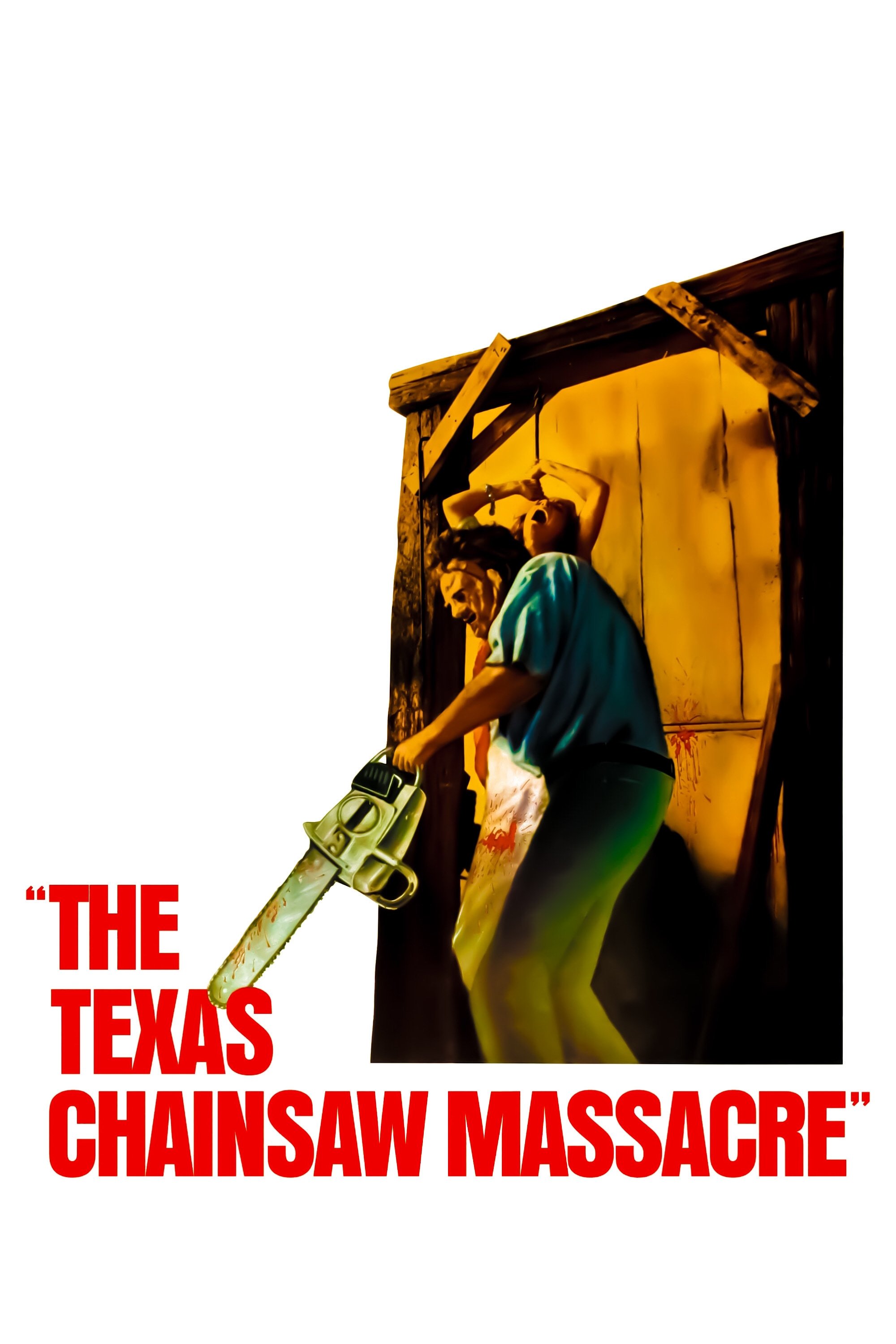
The Texas Chain Saw Massacre
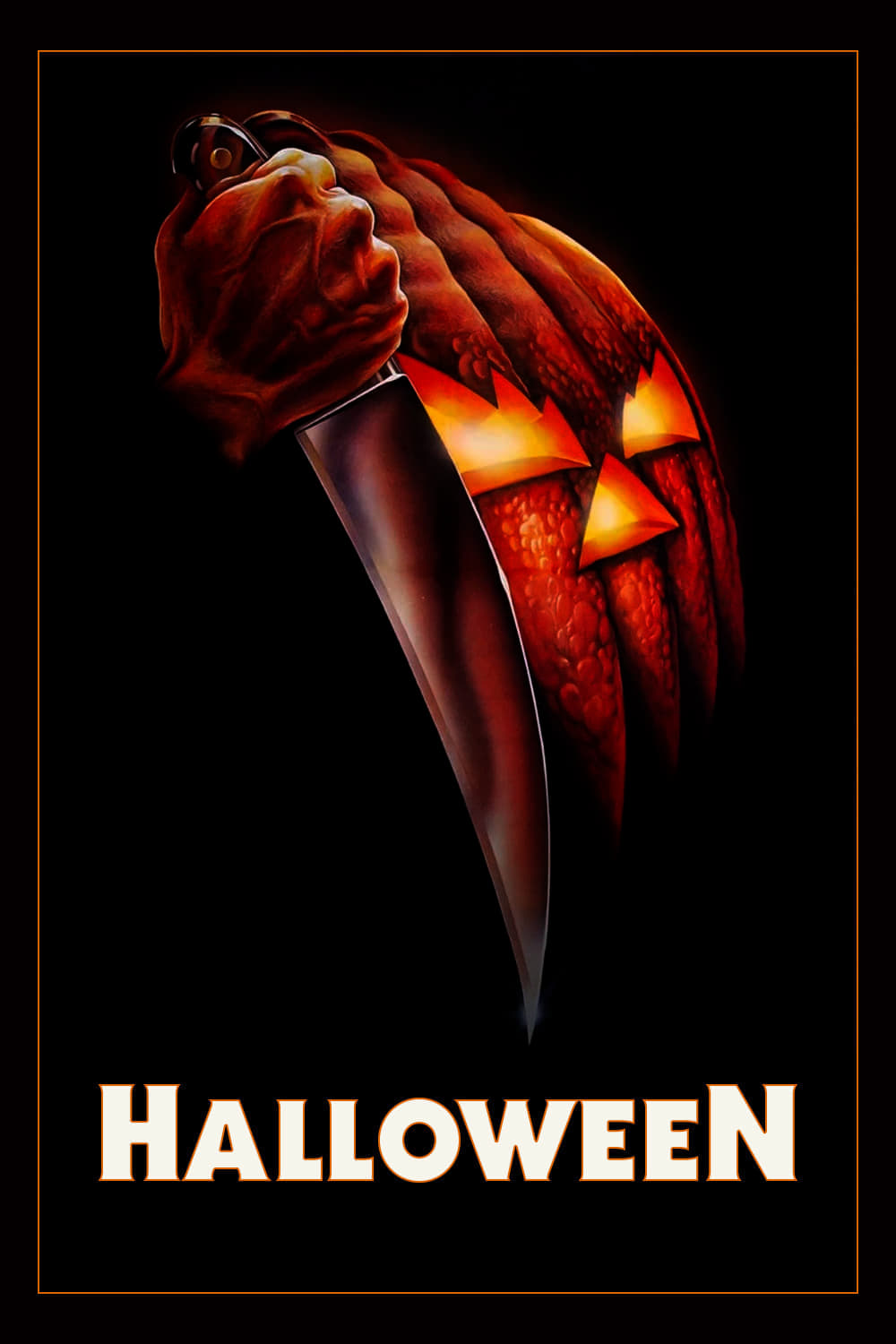
Halloween
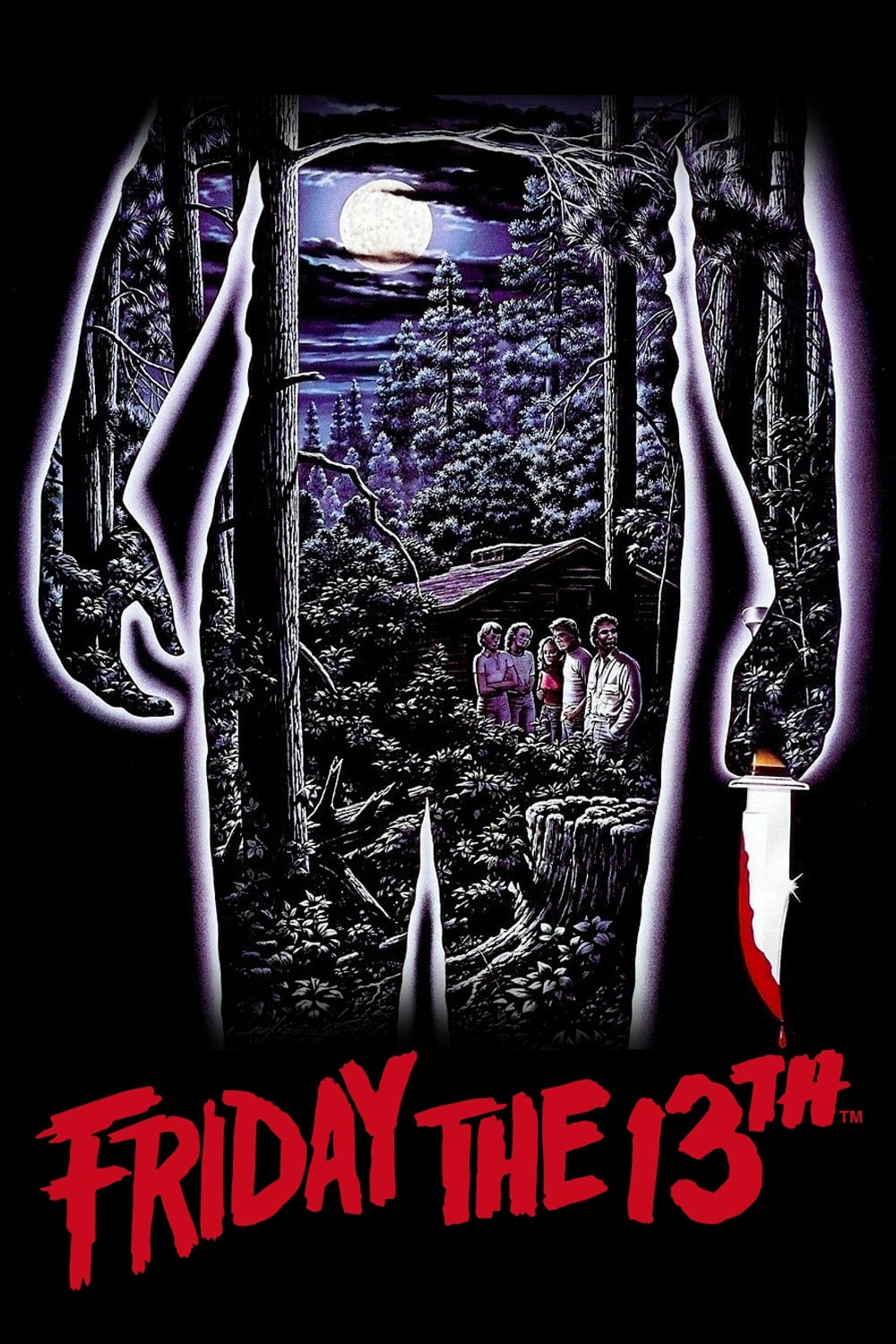
Friday the 13th
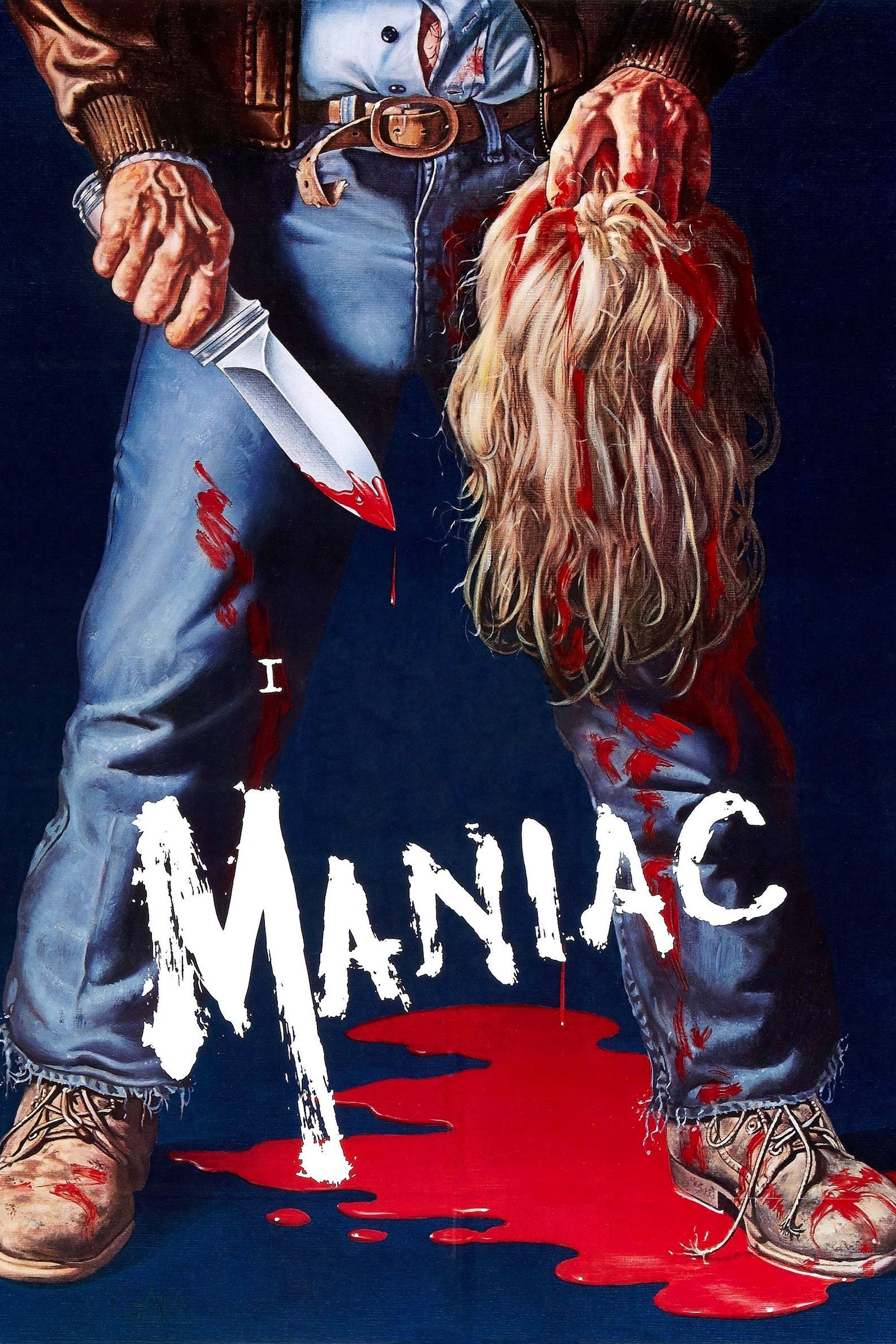
Maniac
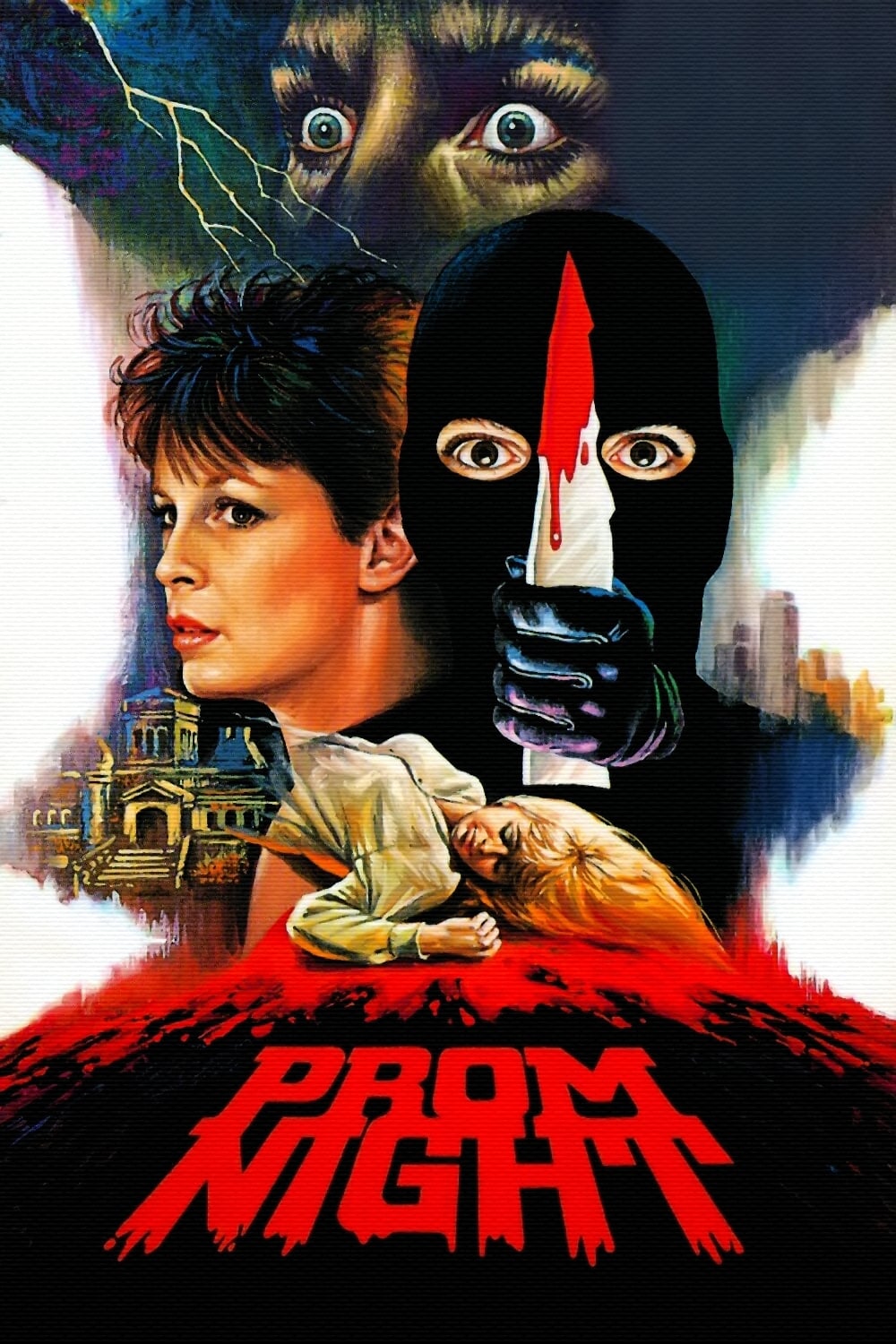
Prom Night
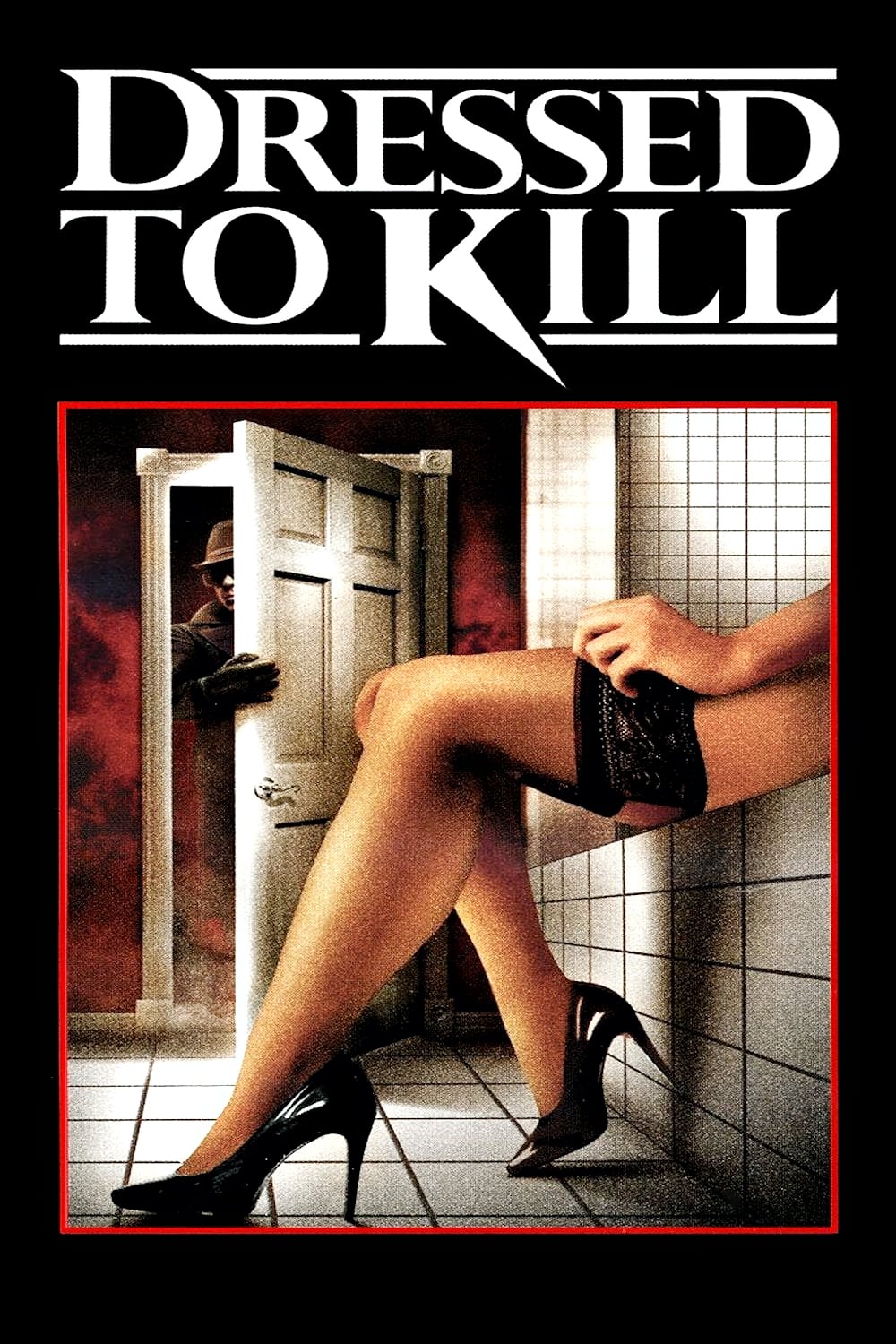
Dressed to Kill
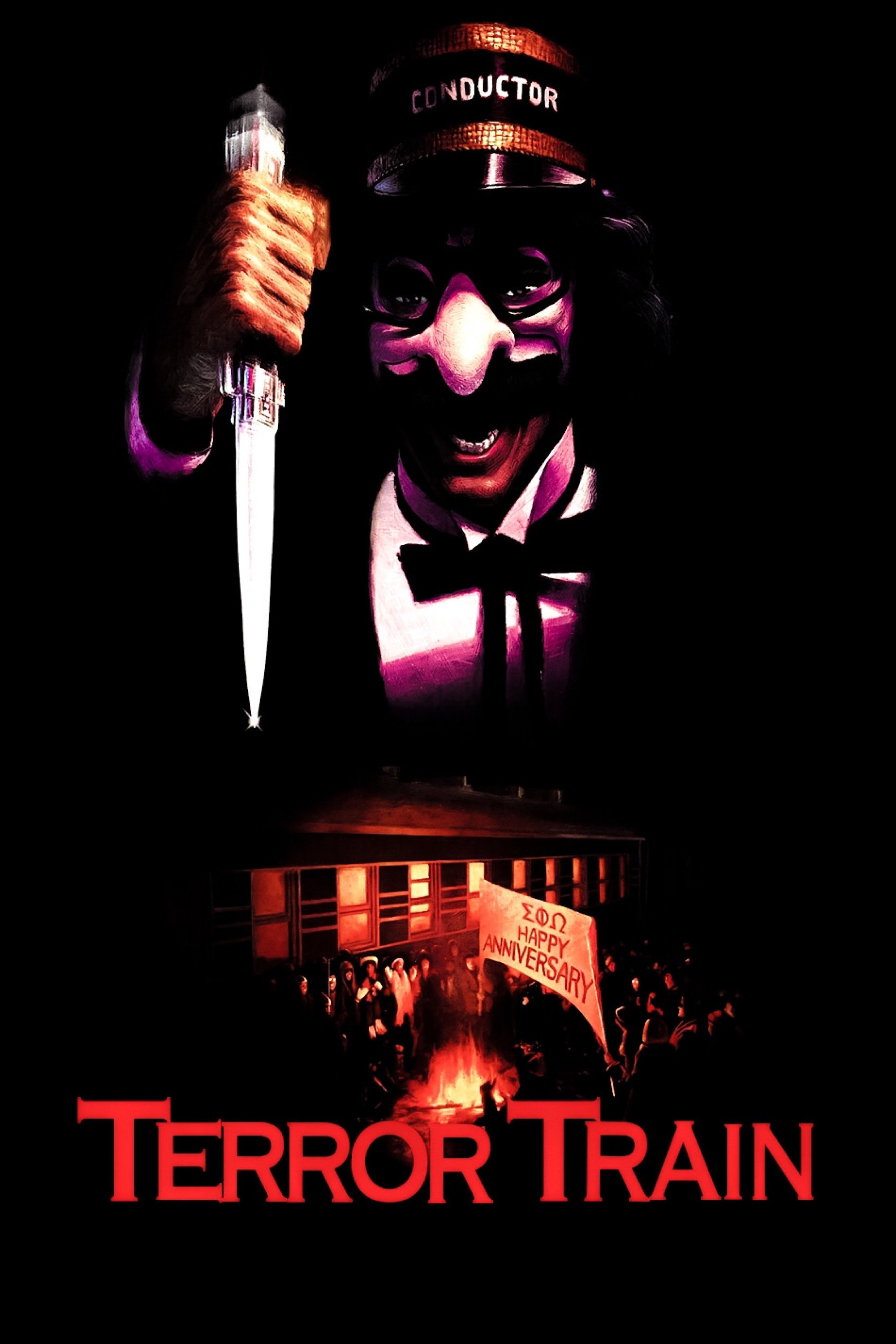
Terror Train
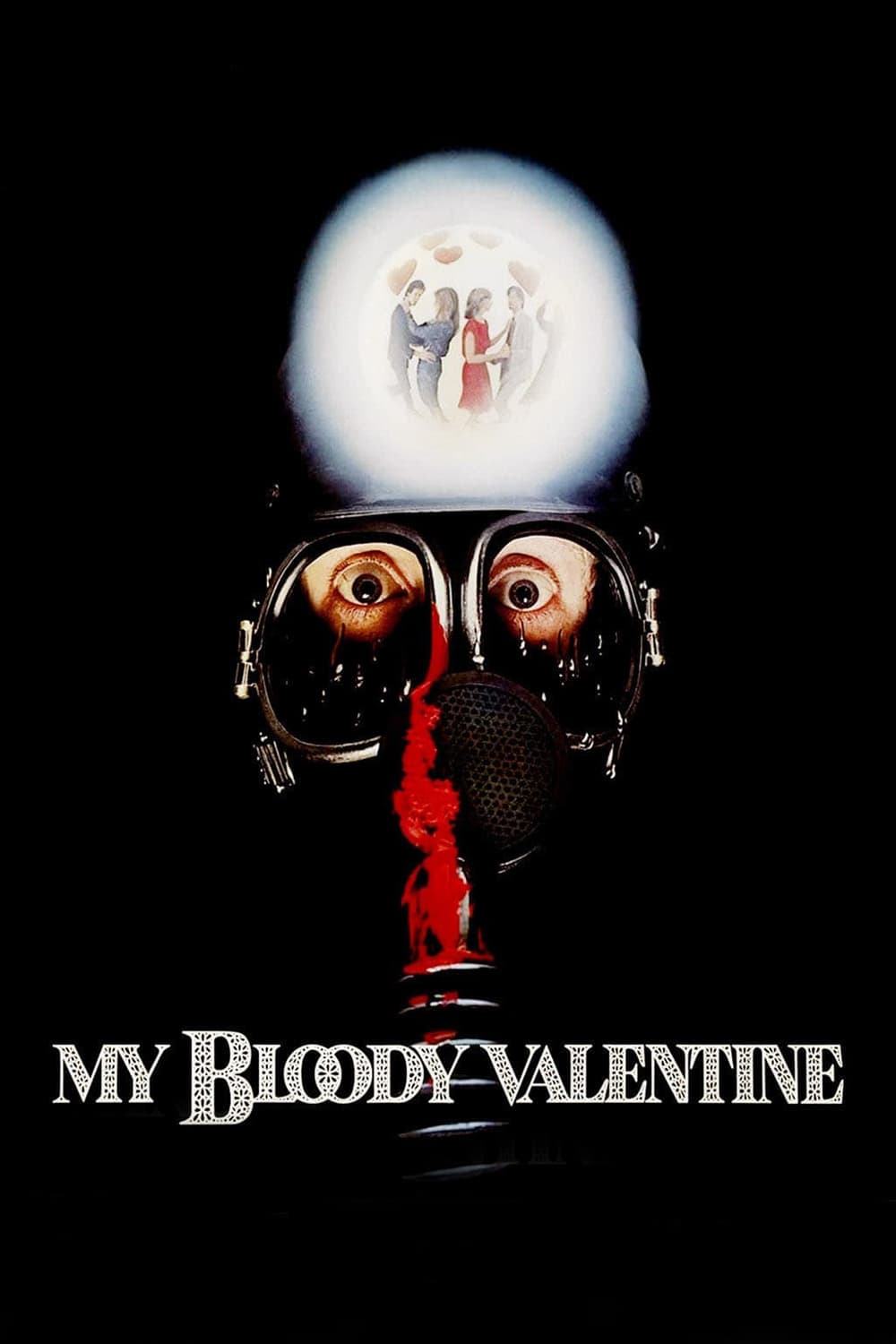
My Bloody Valentine
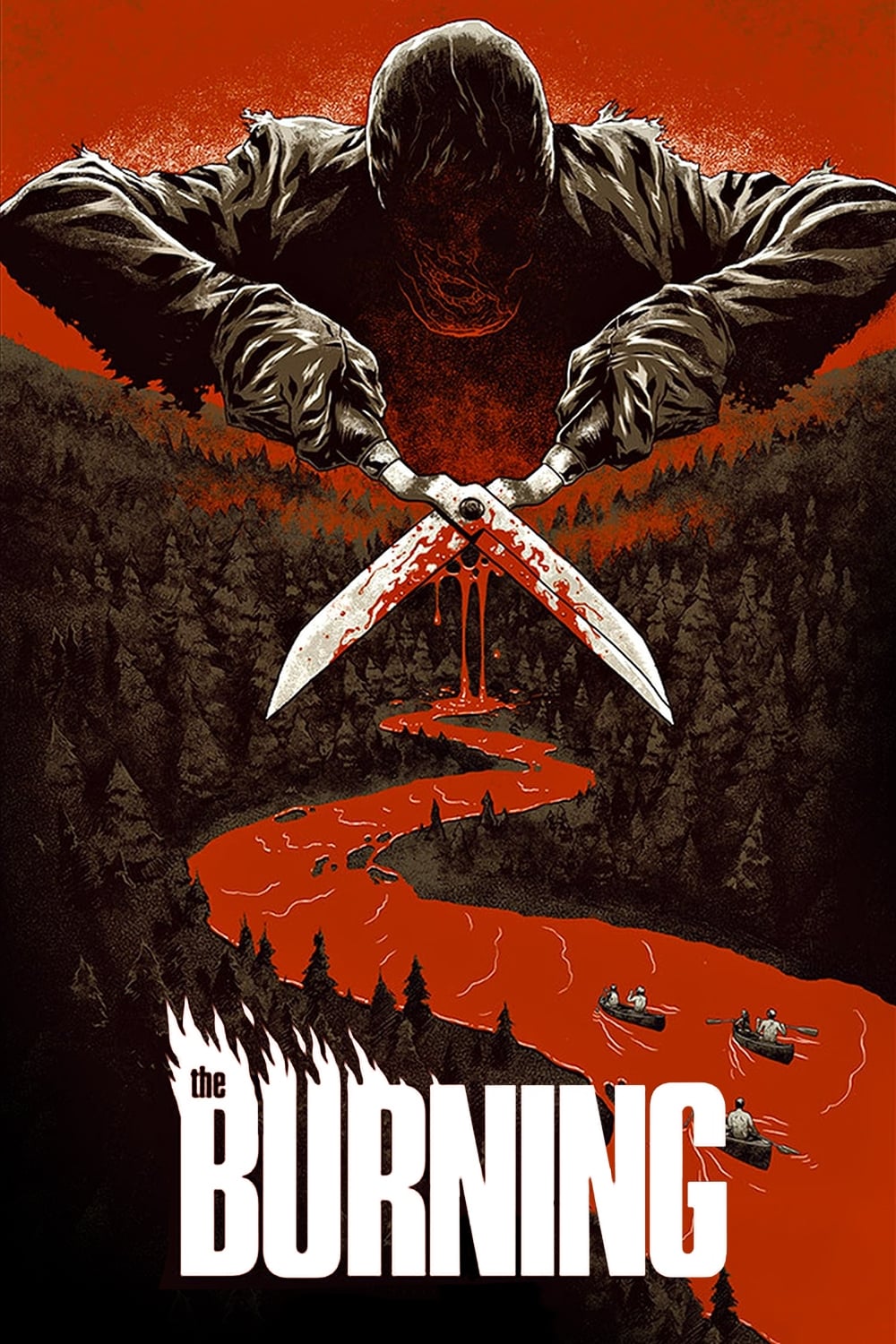
The Burning
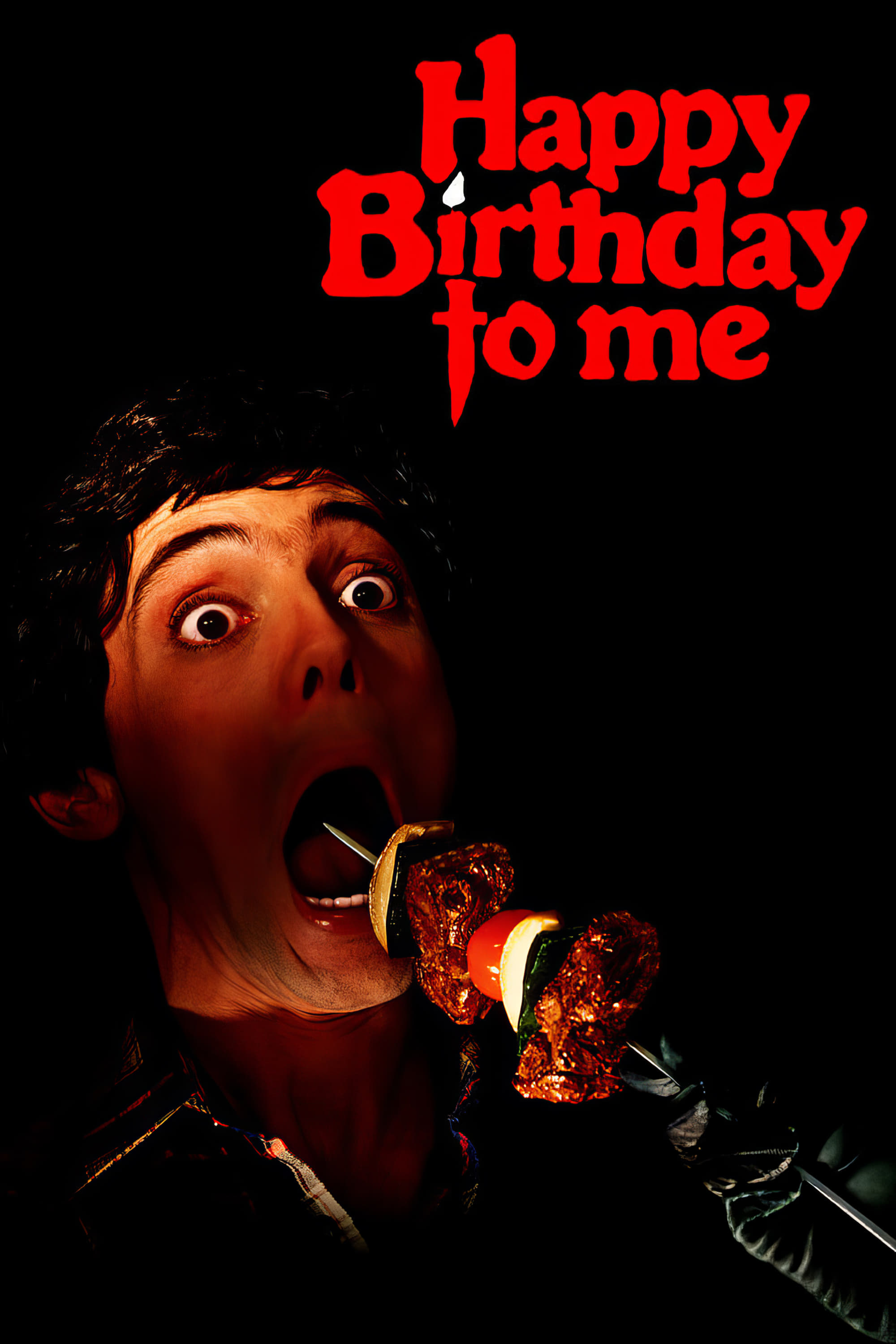
Happy Birthday to Me
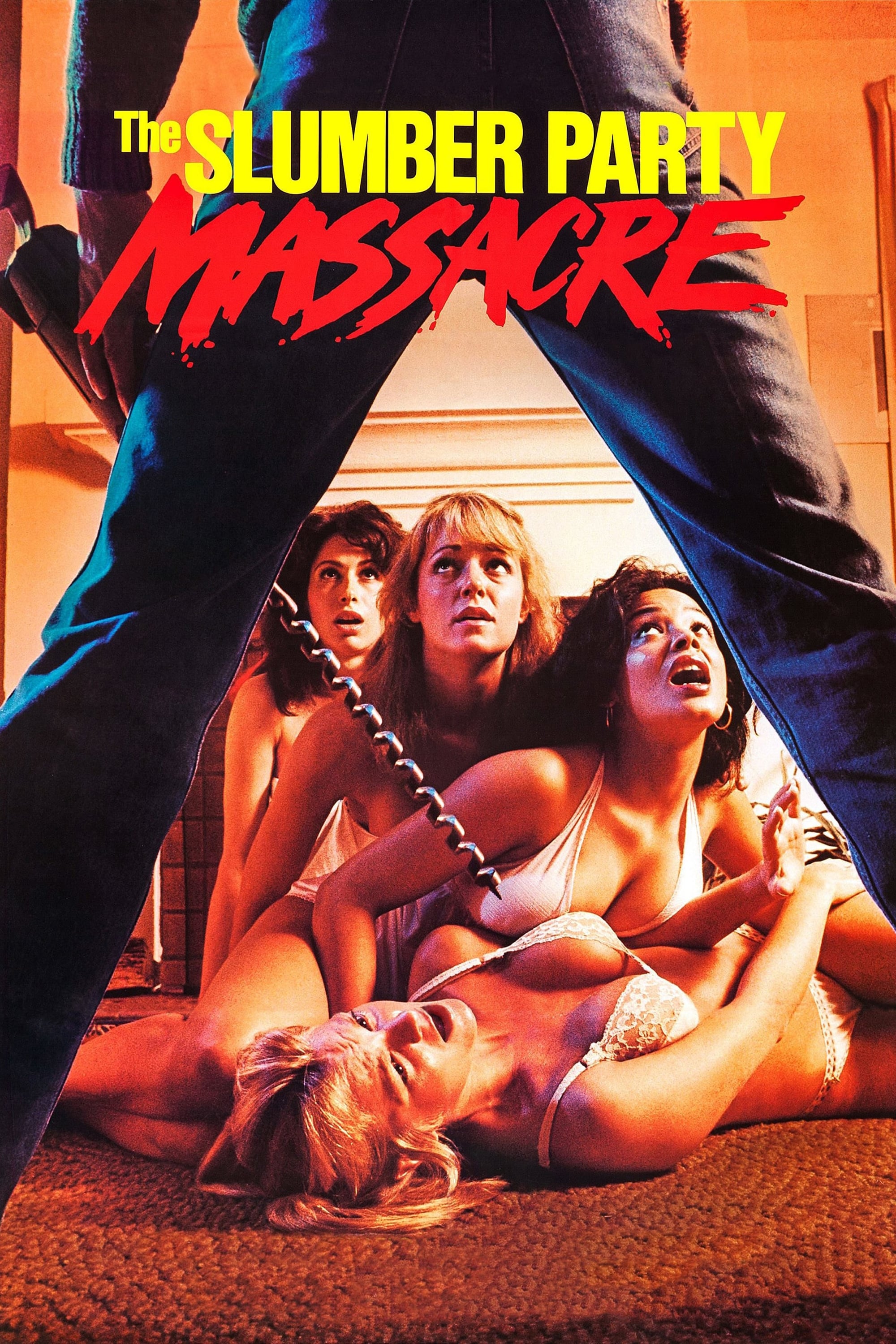
The Slumber Party Massacre
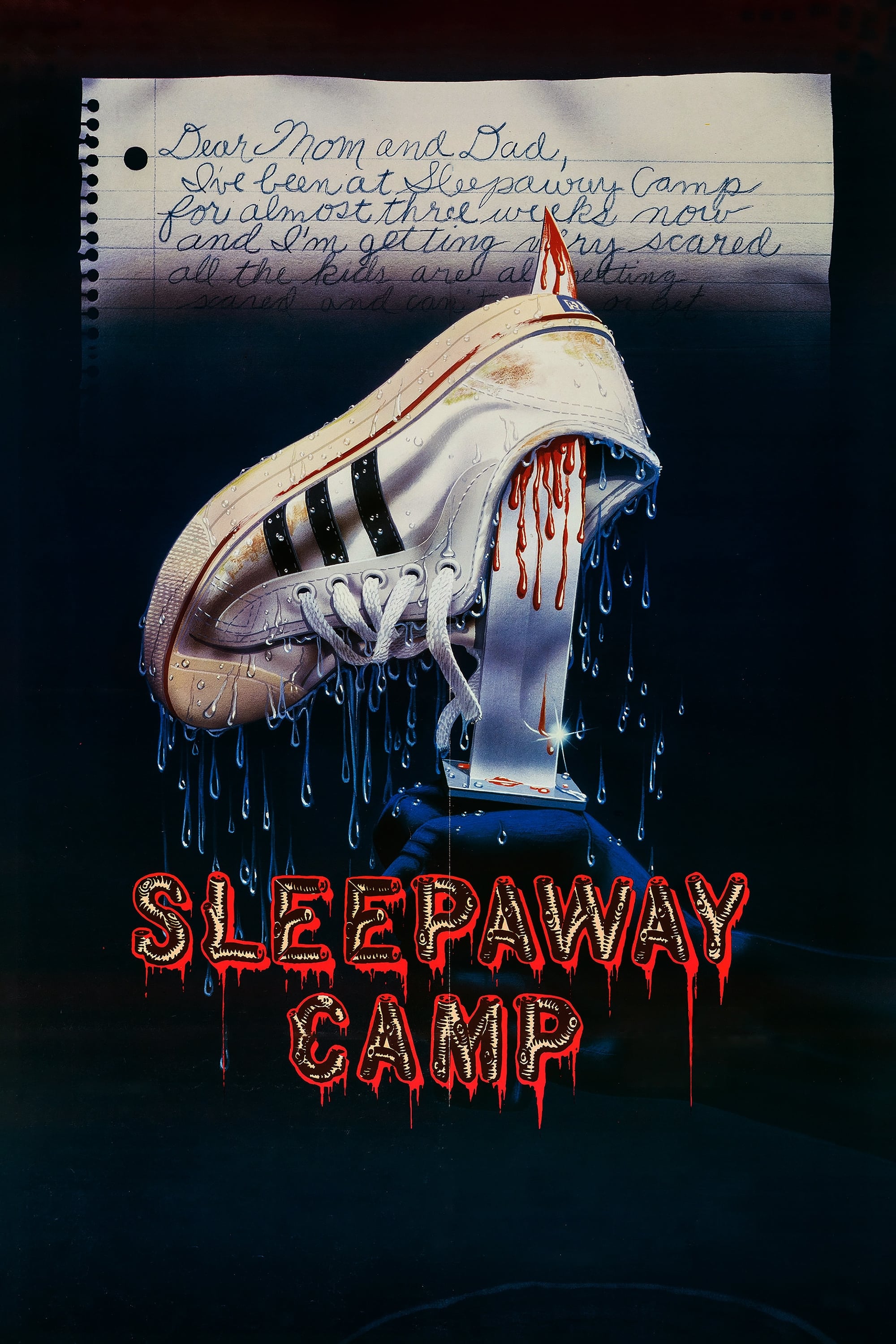
Sleepaway Camp
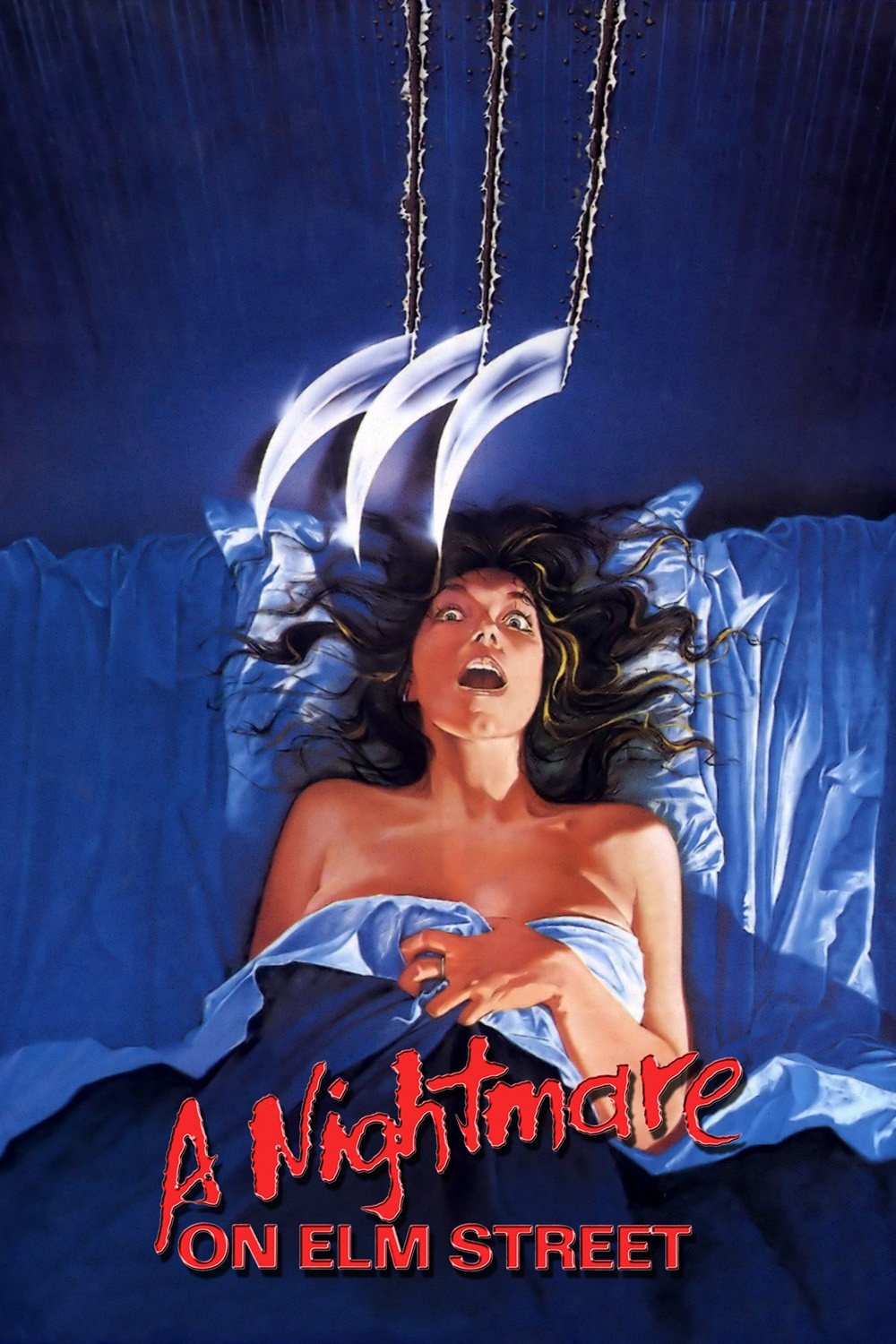
A Nightmare on Elm Street
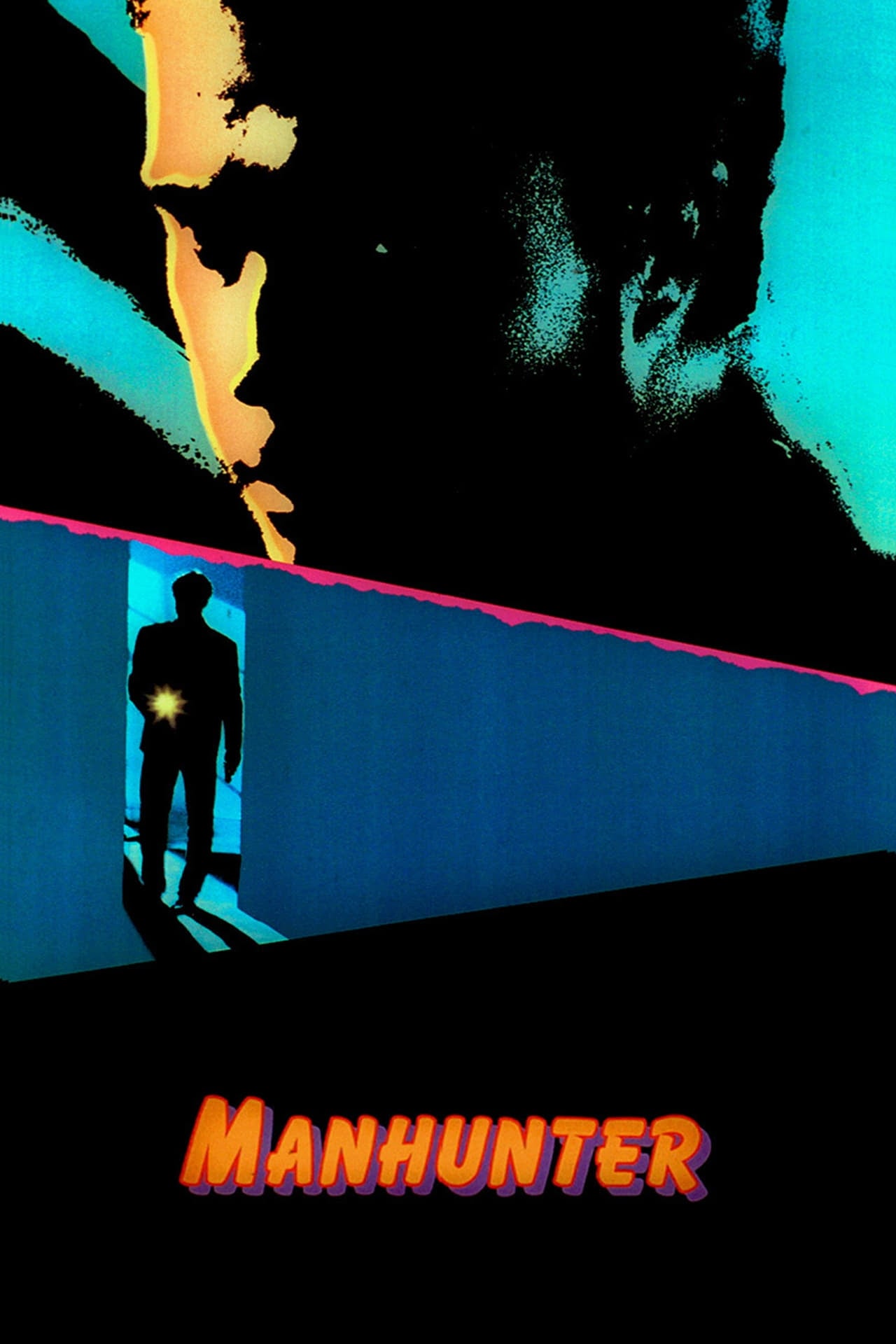
Manhunter
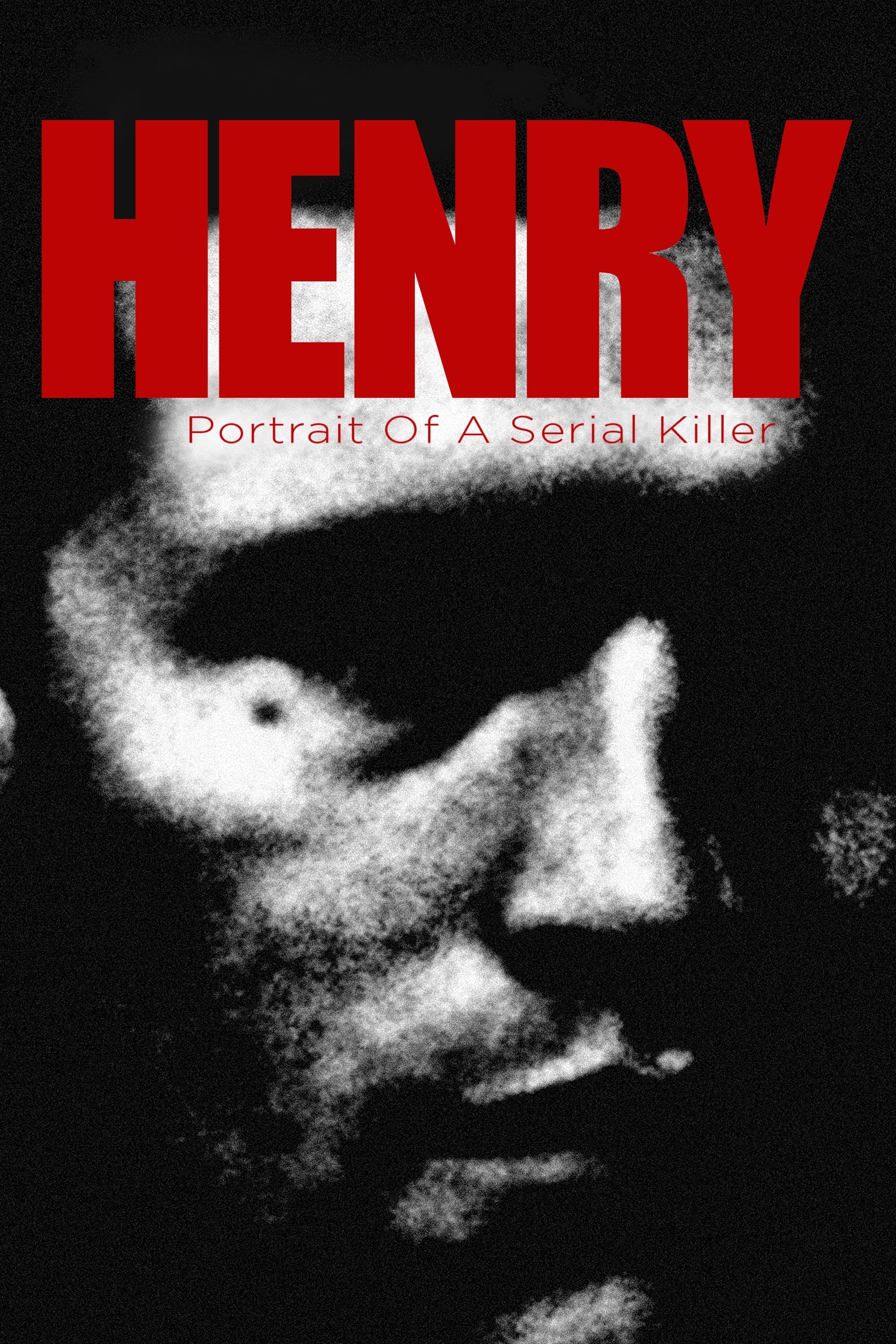
Henry: Portrait of a Serial Killer
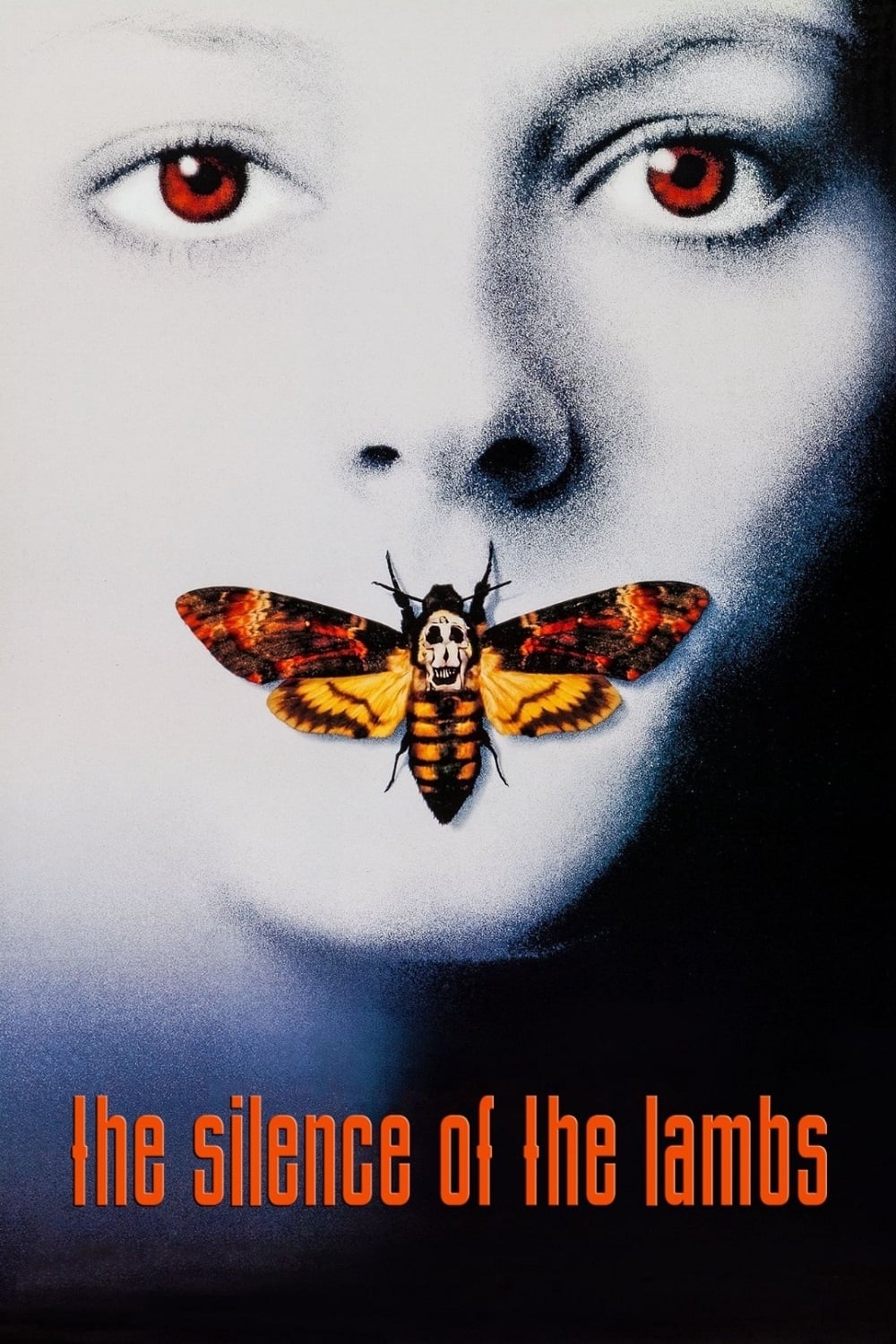
The Silence of the Lambs
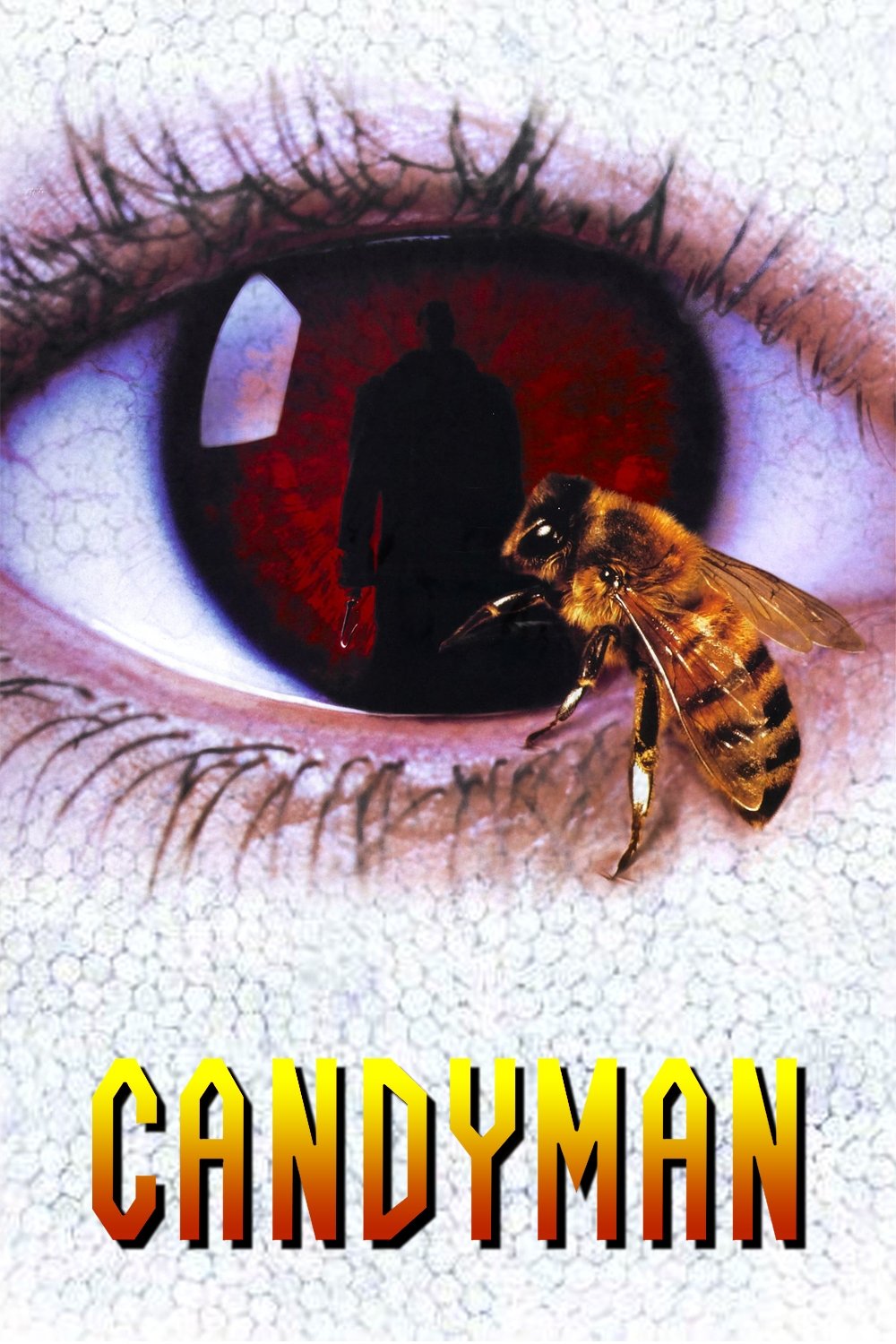
Candyman
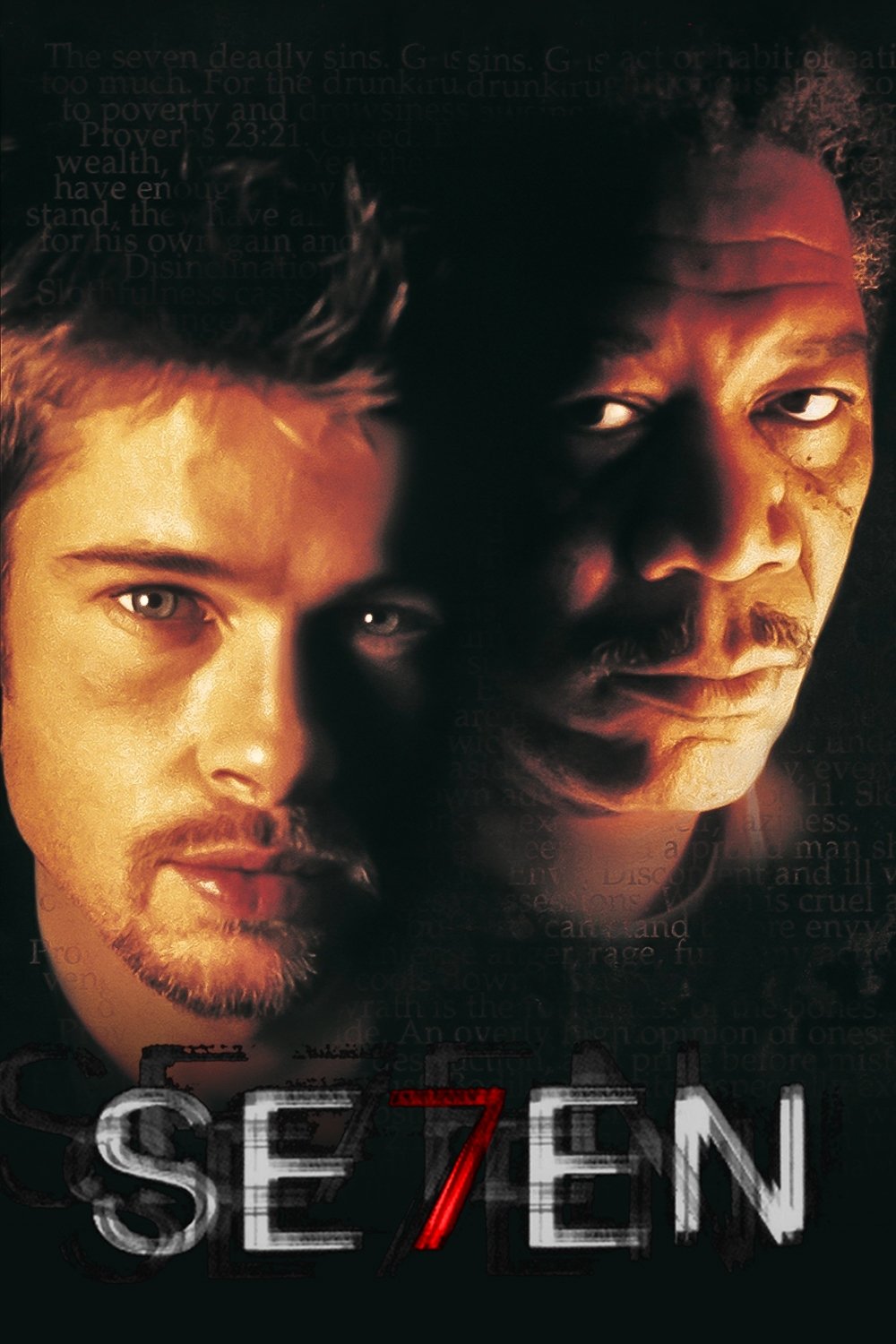
Se7en
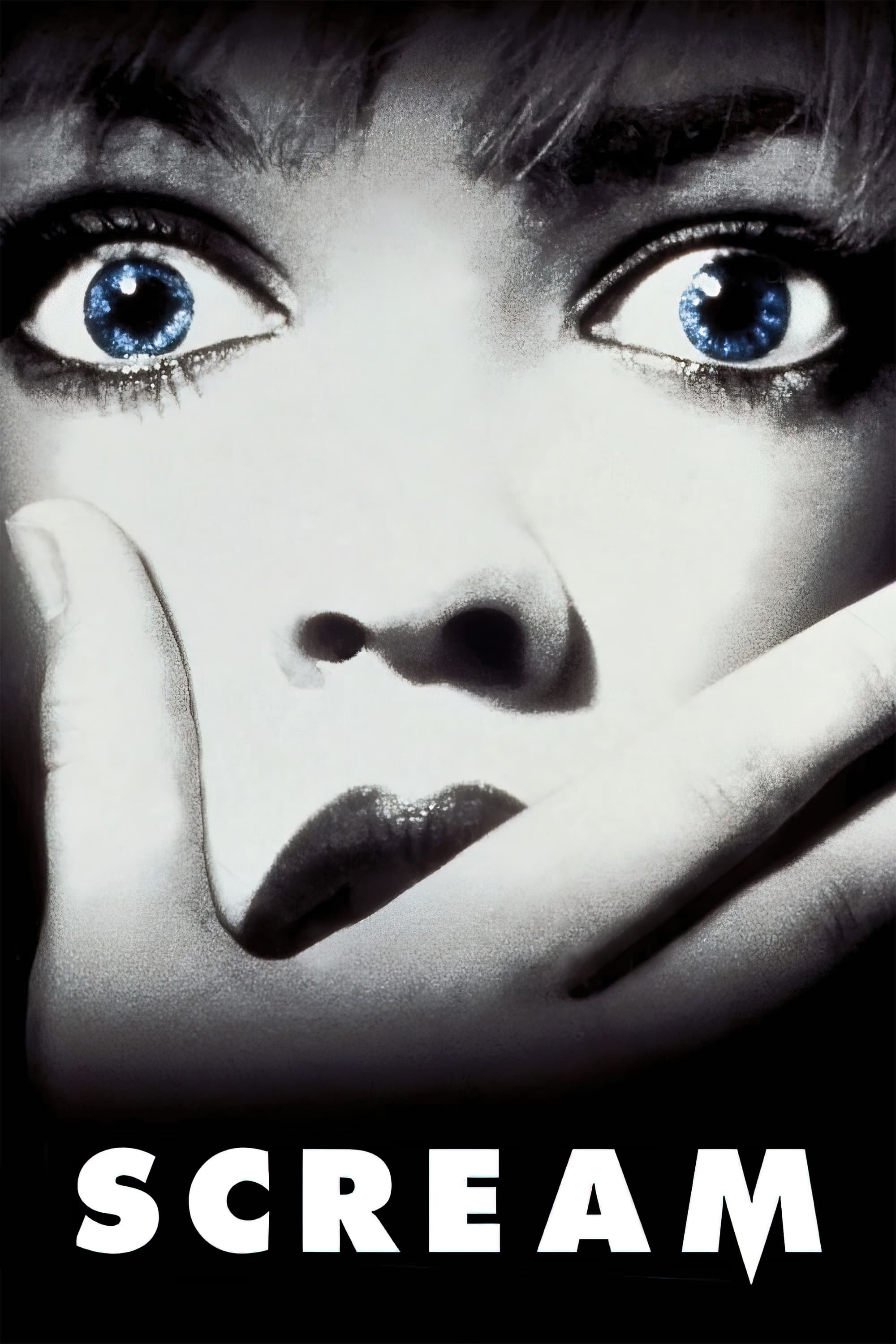
Scream

American Psycho
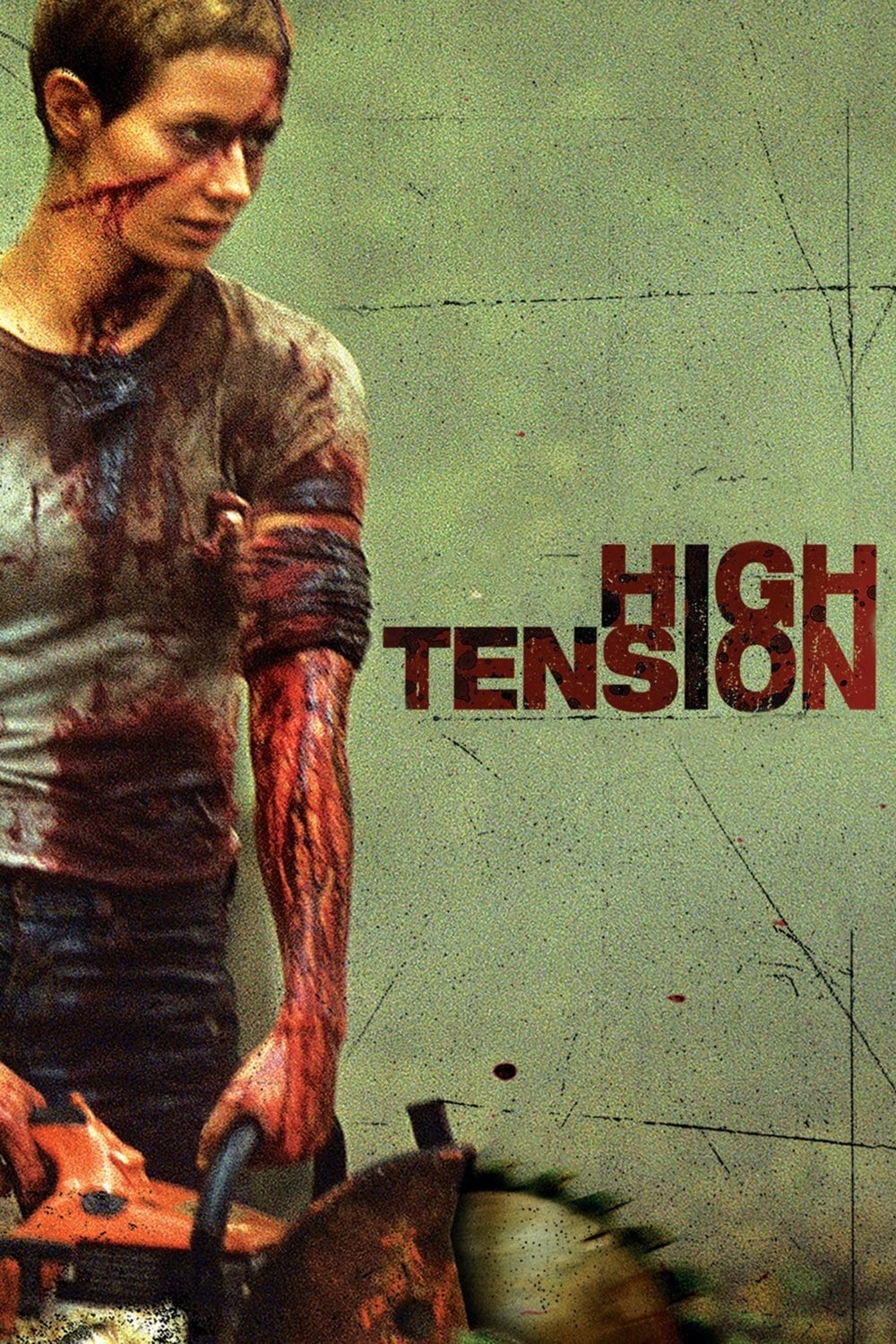
High Tension
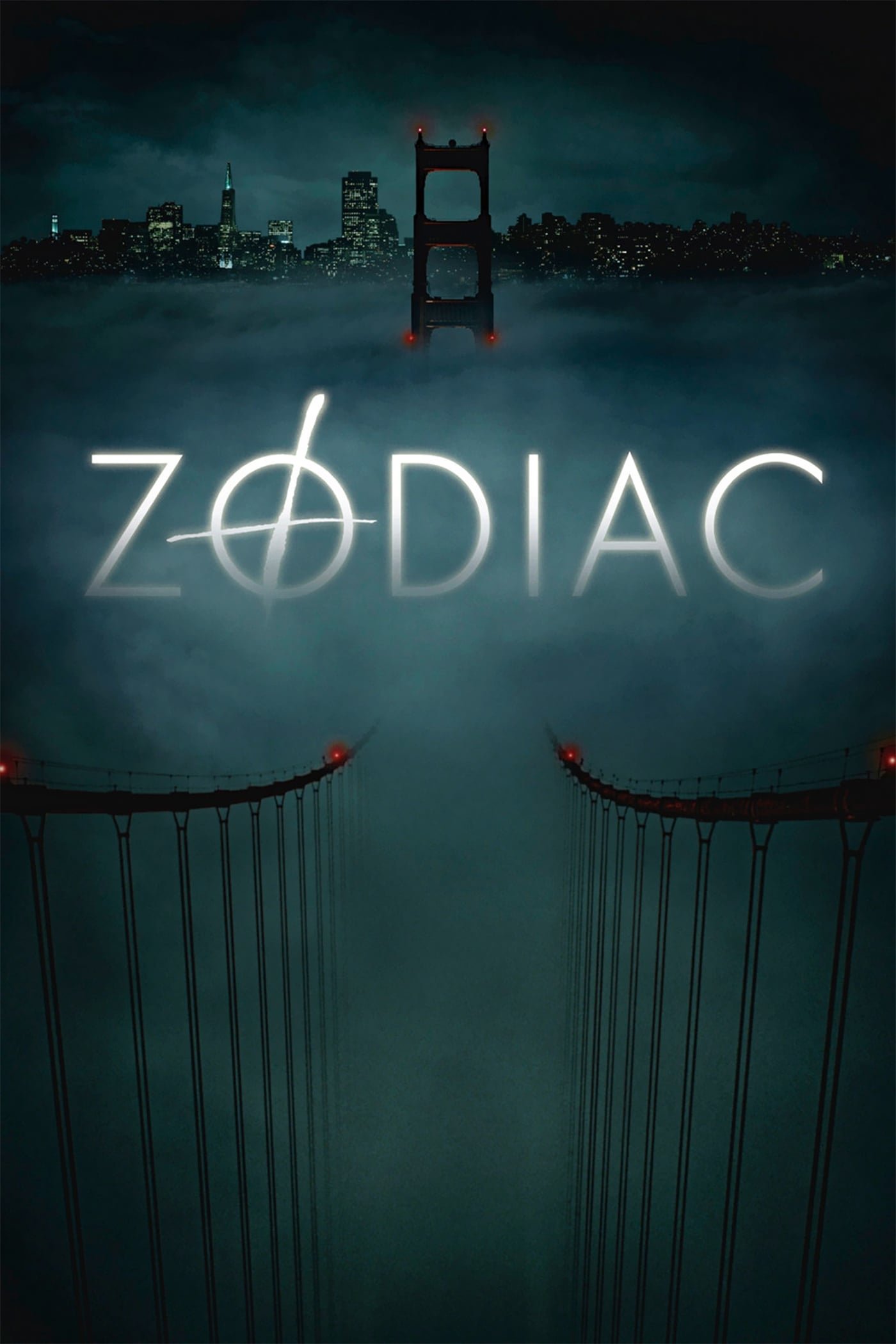
Zodiac
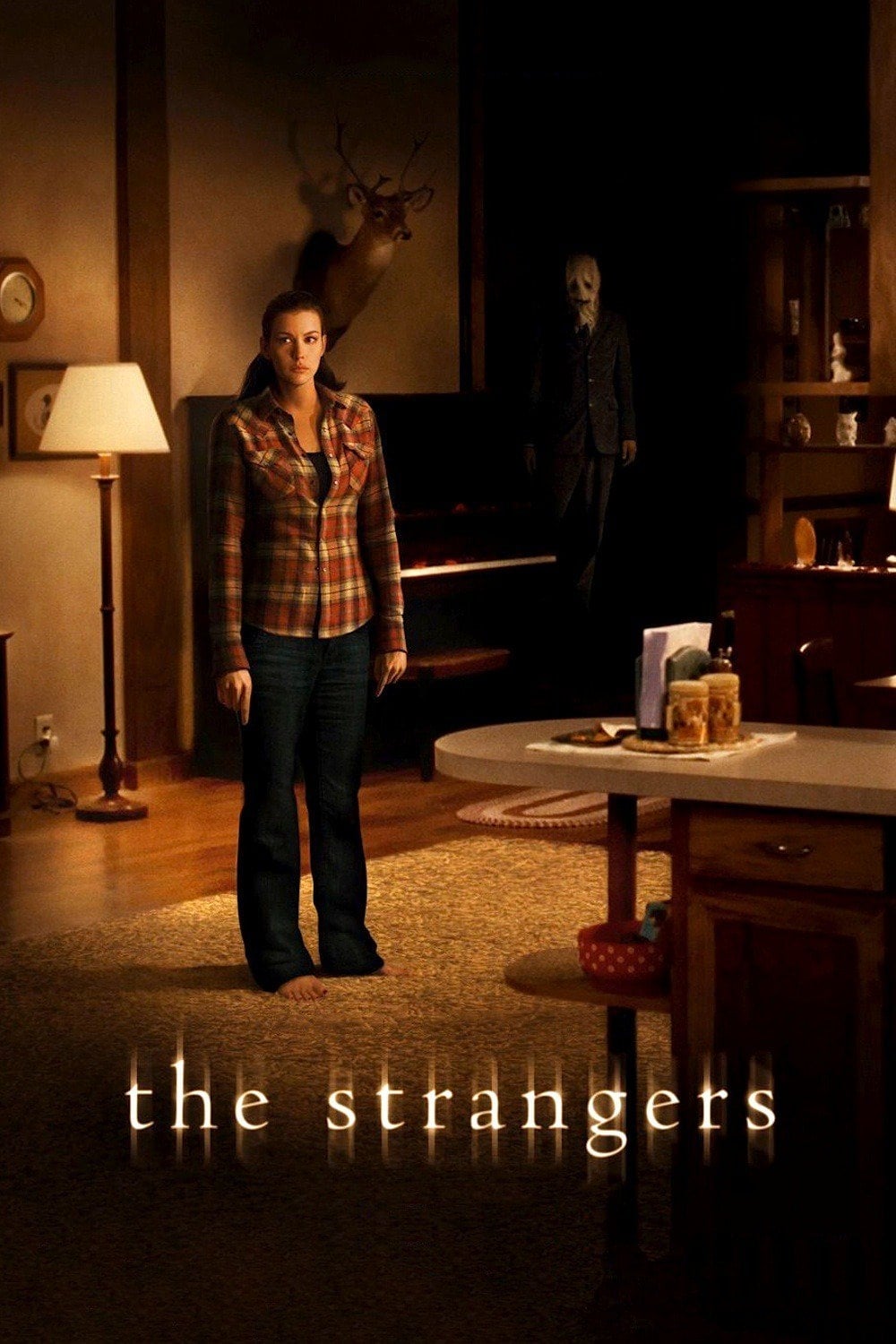
The Strangers
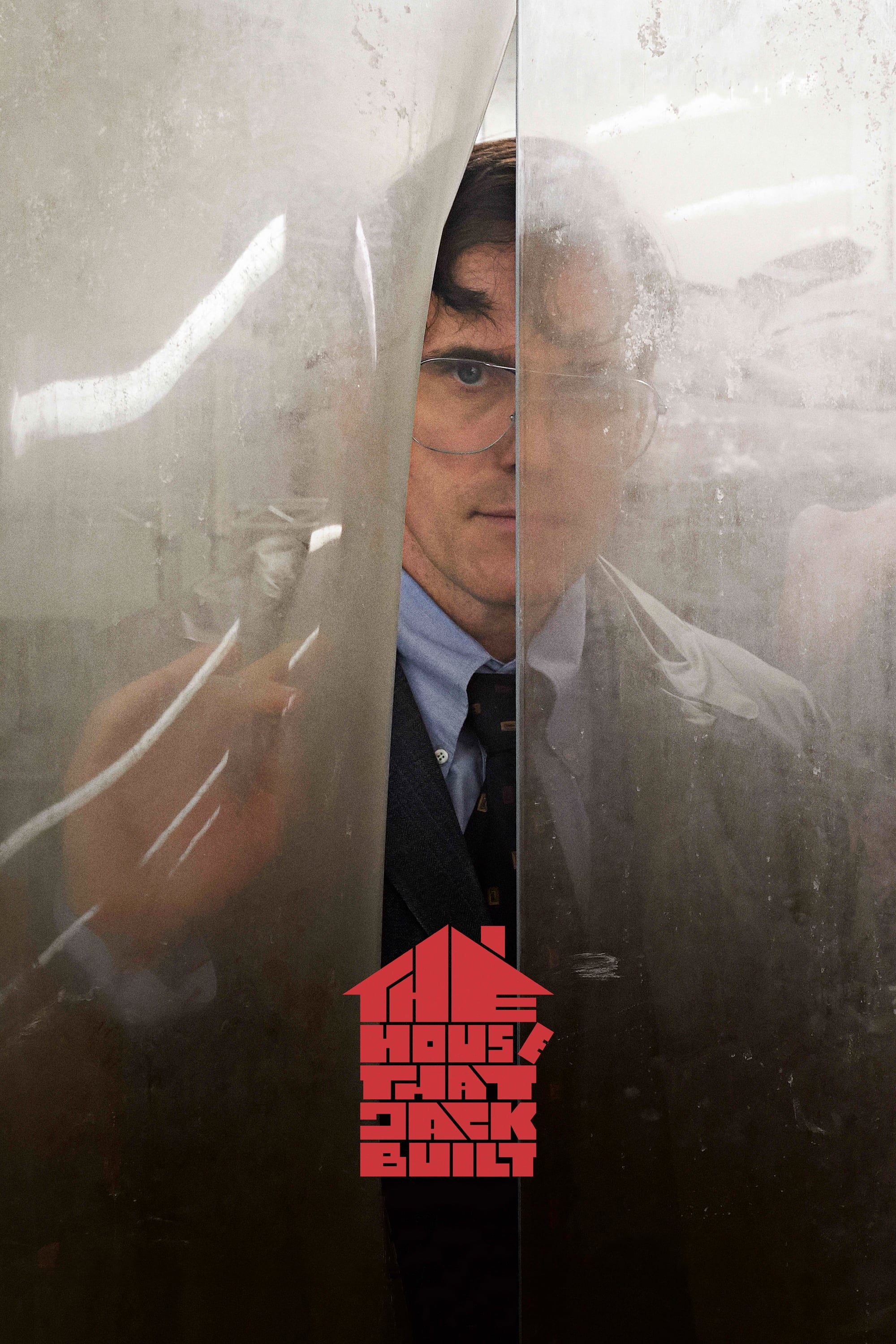
The House That Jack Built
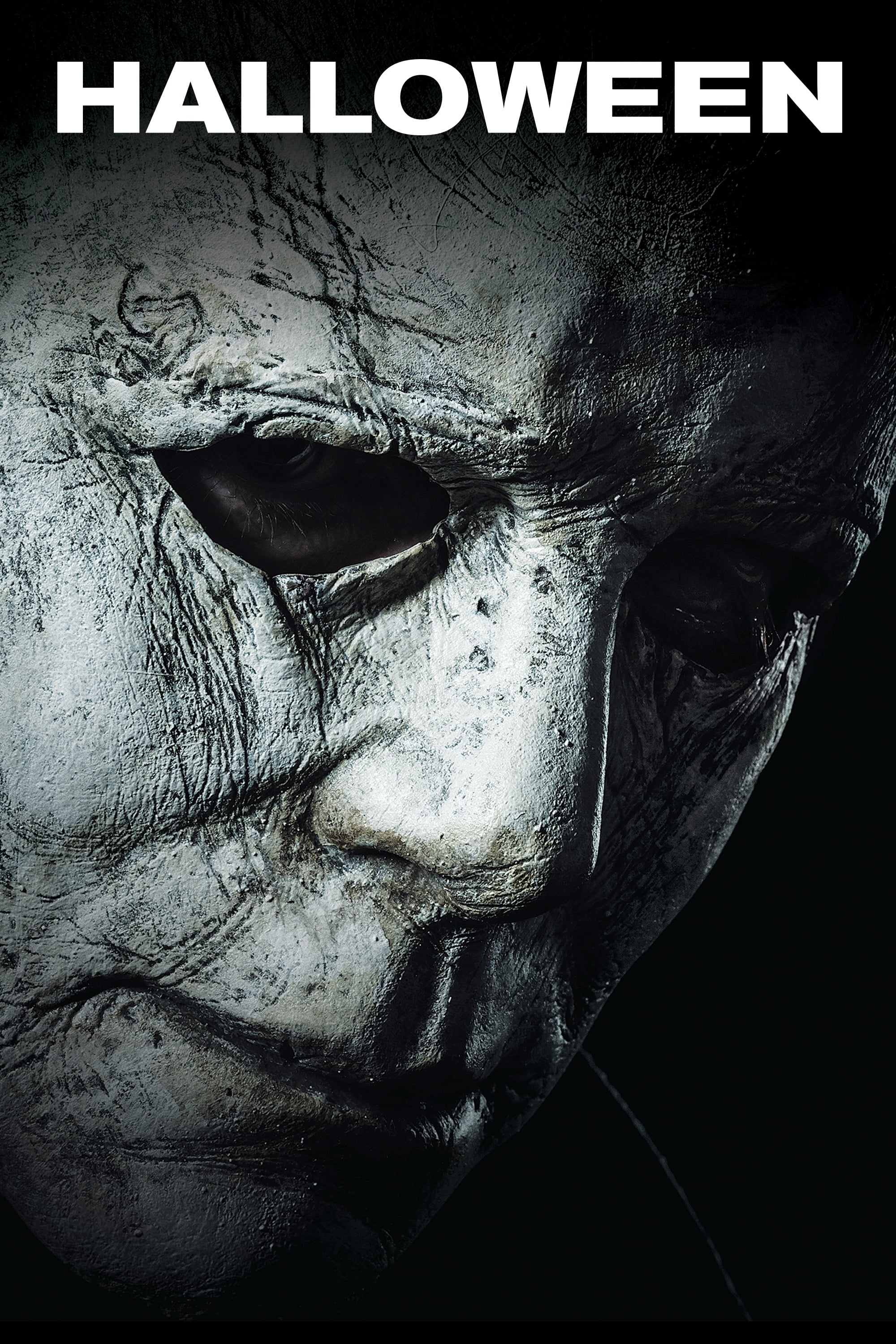
Halloween
X
Scream VI
Longlegs

Terrifier 3
Statistics
Popularity by Decade
Share of each decade's horror films classified as Slasher / Serial Killer. Counts films with at least 5 TMDB ratings, so very obscure titles are not represented.
Popularity by Country
Share of each country's horror output classified as Slasher / Serial Killer. Counts films with at least 5 TMDB ratings, so very obscure titles are not represented.