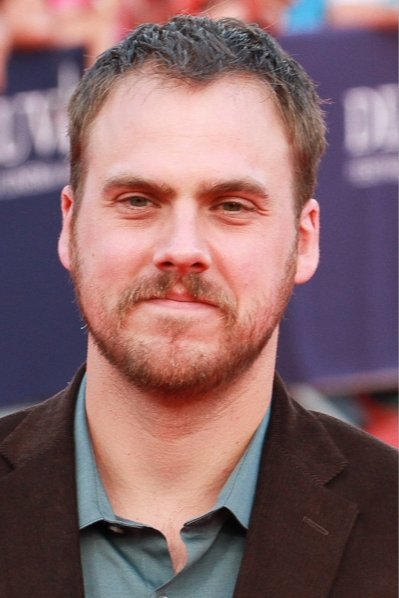
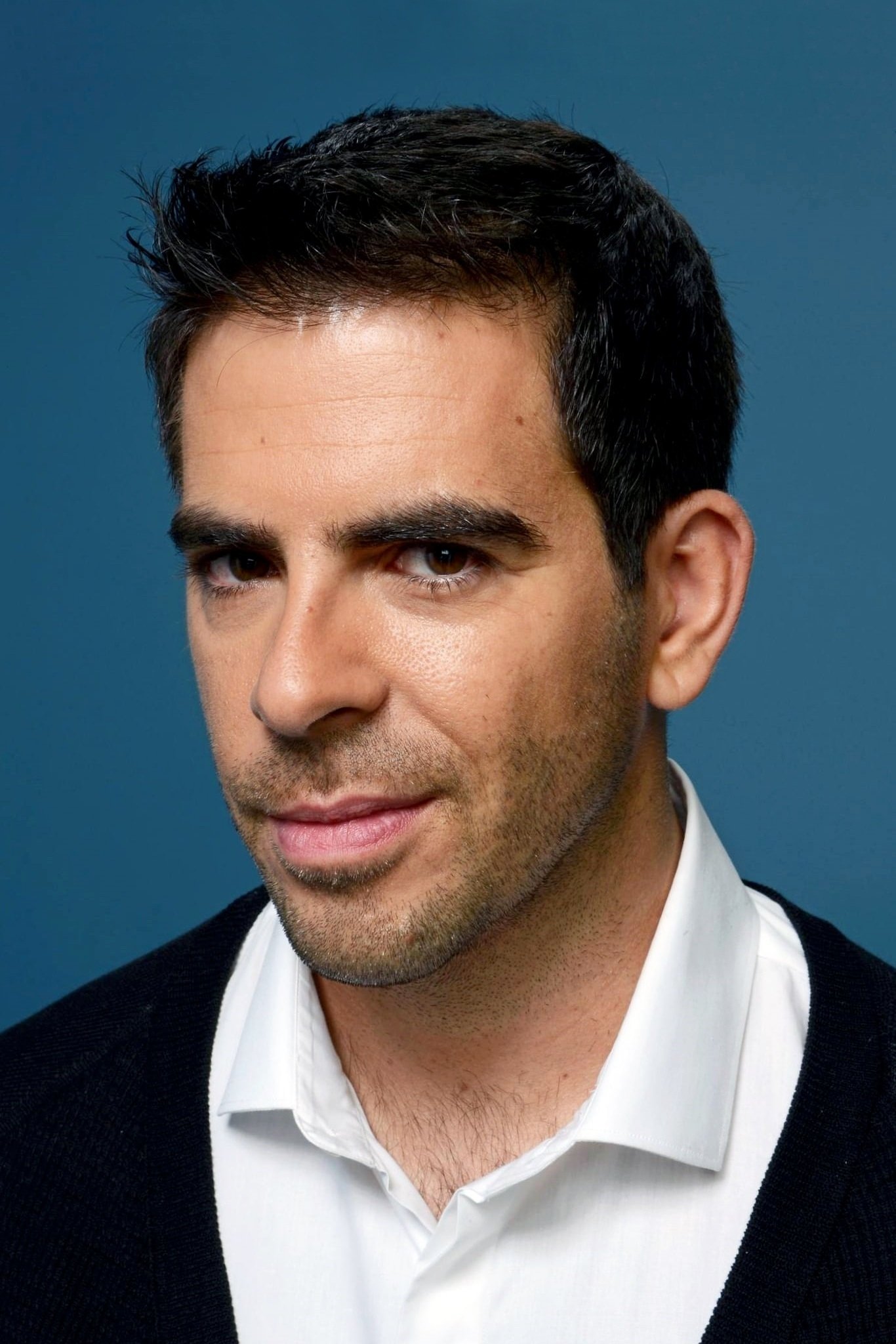
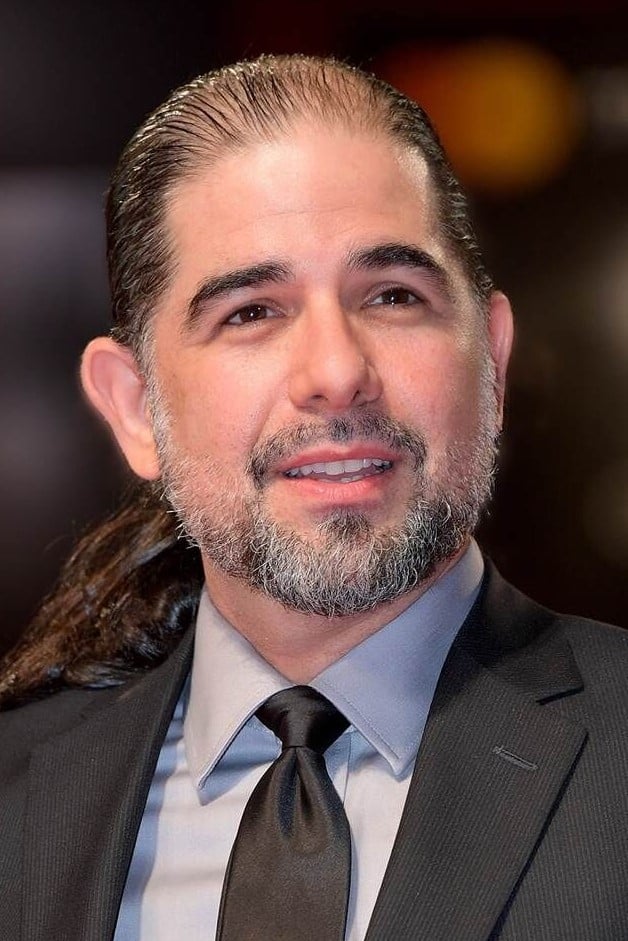
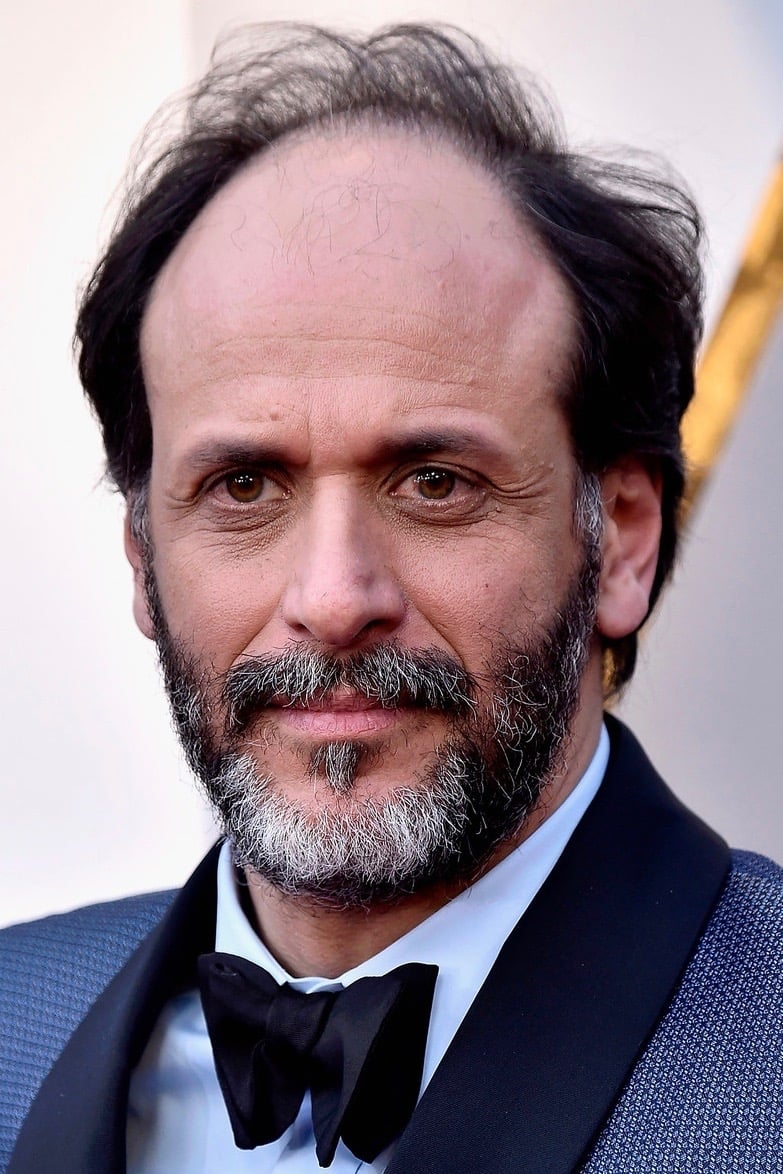
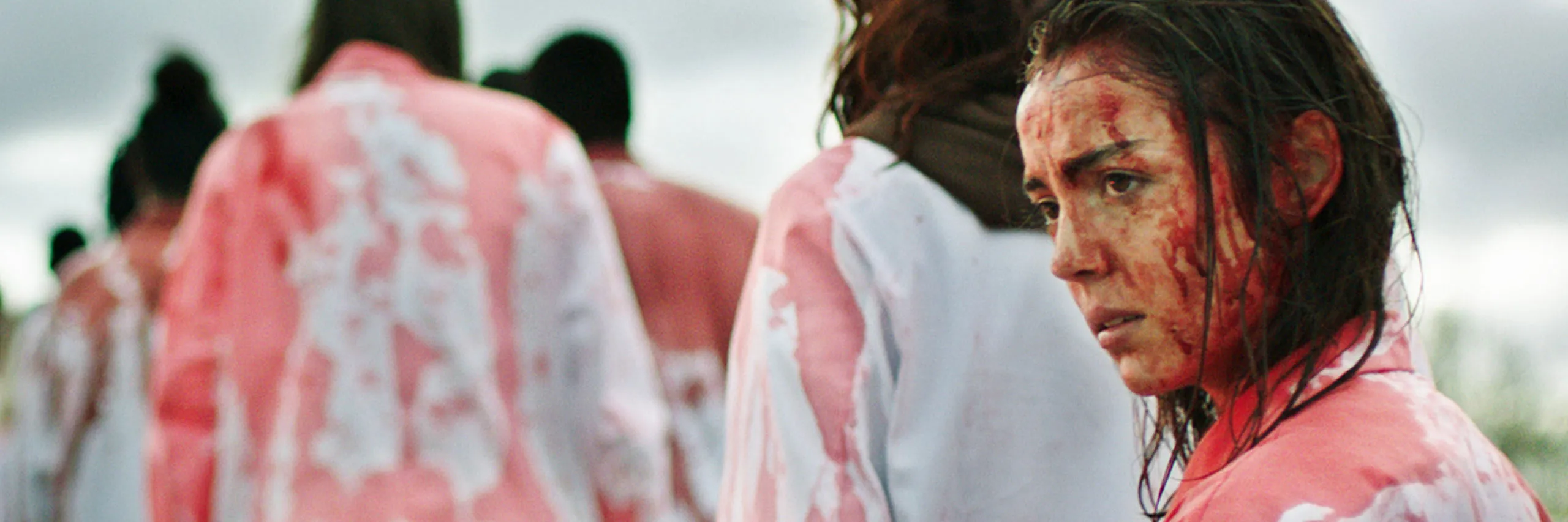
 Raw (2017)
Cannibal
The last absolute taboo. To eat human flesh is to violate the most fundamental boundary between self and other, reducing a person to meat and consumption to horror.
History & Origins
Cannibalism represents perhaps the last absolute taboo in horror — the violation so fundamental that even audiences inured to extreme violence react to it with visceral revulsion. To eat human flesh is to violate the most basic boundary between self and other, to reduce a person to meat. The cannibal film forces audiences to confront the horror of consumption itself, and per the Vander Kaays, the subgenre's distinctive narrative move is "the slow revelation" — the audience knows what is coming, but the film takes its time to establish the location and the characters before "the disturbing moment that the victims realise the jerky they bought isn't exactly what they thought."
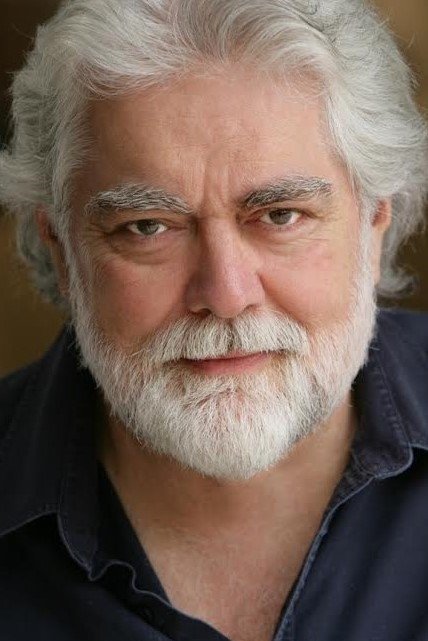
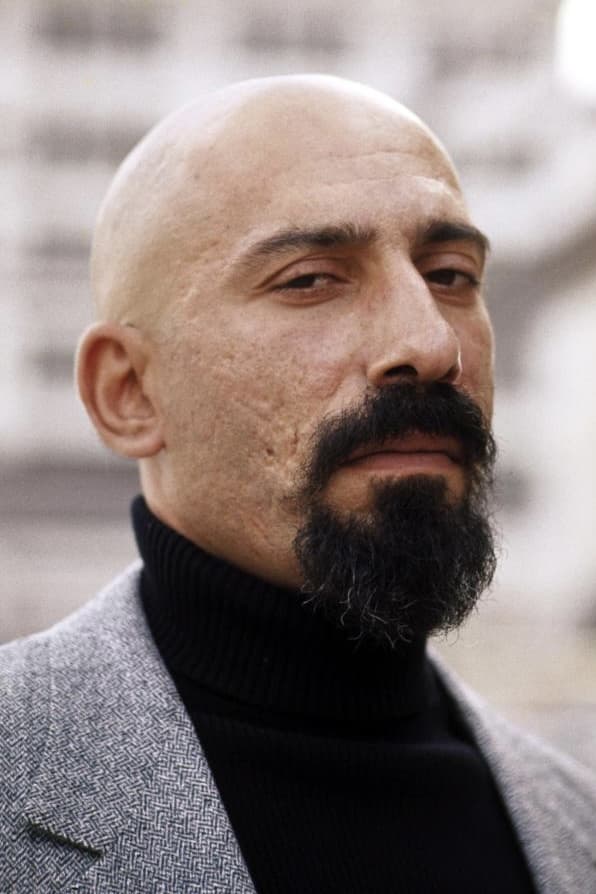
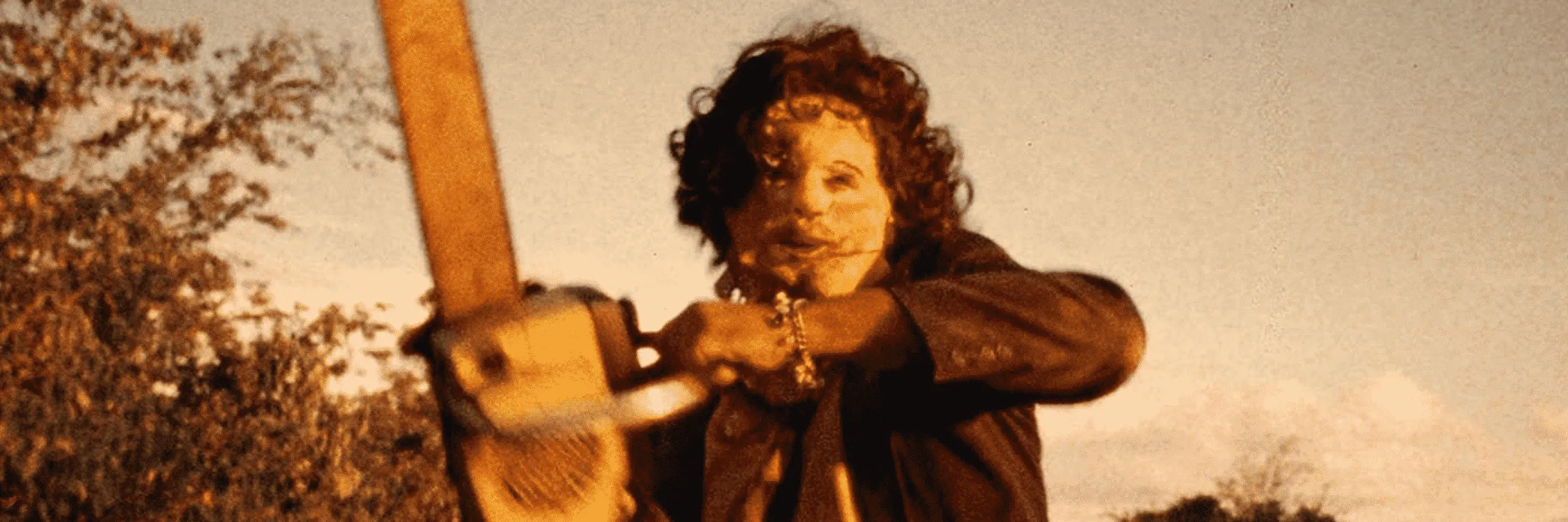
The form splits into two distinct mid-century traditions. The first is the American family-of-cannibals narrative, epitomised by Tobe Hooper's The Texas Chain Saw Massacre (1974), with Marilyn Burns and Gunnar Hansen, and Wes Craven's The Hills Have Eyes (1977) — isolated communities that have turned to human flesh out of necessity, madness, or both. These films present cannibalism as the endpoint of social breakdown, the thing humans do when every other system fails. Rob Zombie's House of 1000 Corpses / Devil's Rejects trilogy, with Bill Moseley and Sid Haig, extended the Sawyer-family register into the 2000s.
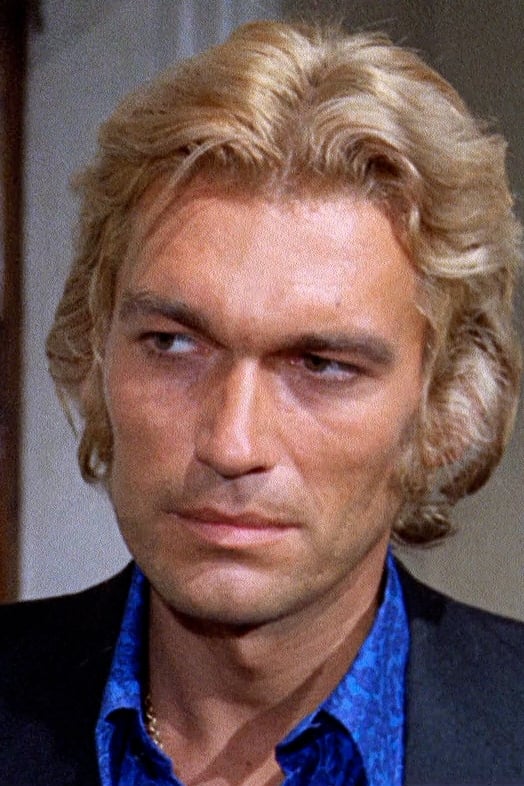
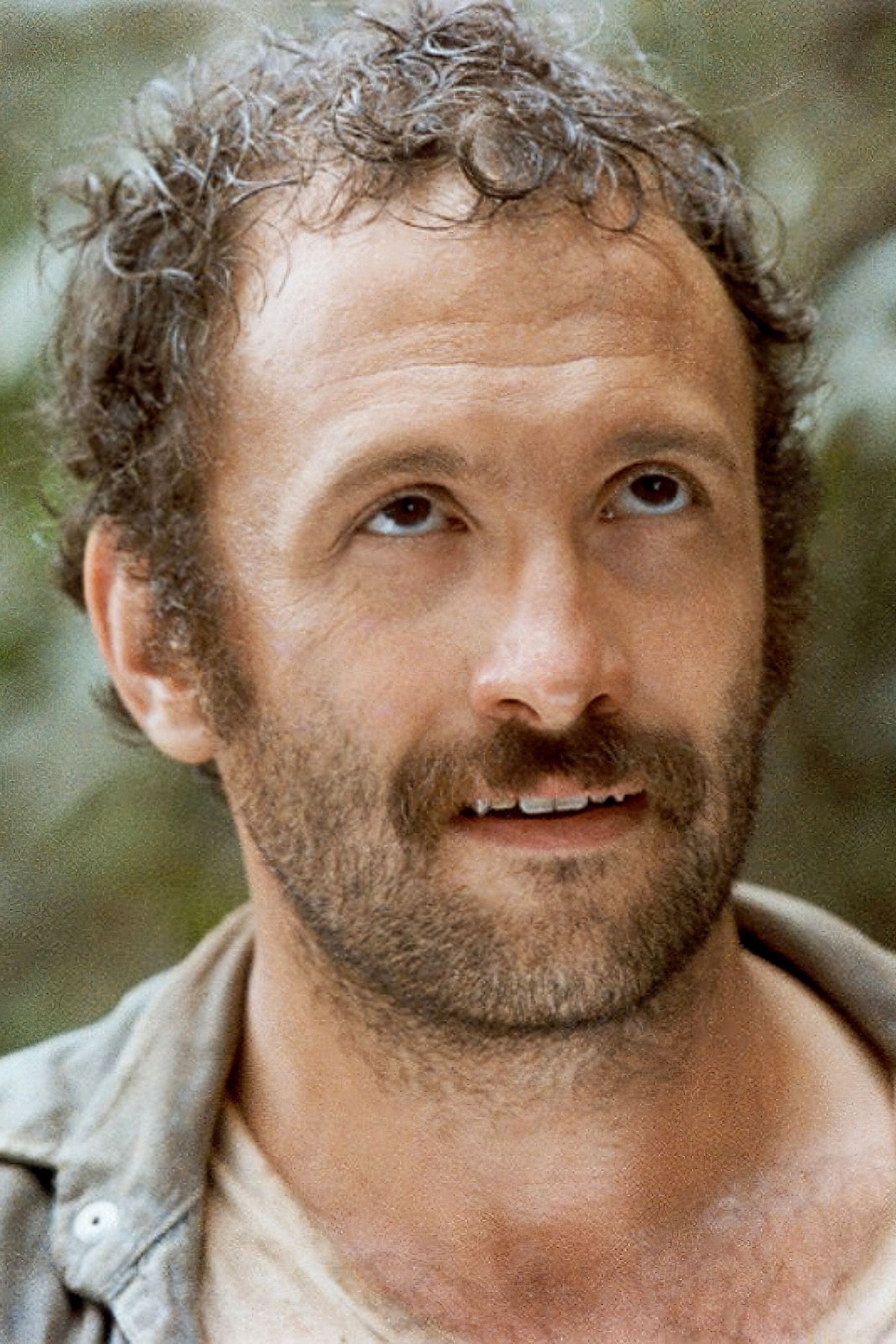
The second is the Italian cannibal cycle of the late 1970s and early 80s. Ruggero Deodato's Last Cannibal World (1977), with Me Me Lai, opened the jungle strand; Sergio Martino's The Mountain of the Cannibal God (1978) brought star-driven exploitation to the template; Deodato's Cannibal Holocaust (1980), with Robert Kerman, remains one of the most controversial films ever made — its found-footage structure (predating Blair Witch by two decades) and genuine animal cruelty were so convincing that Deodato was initially charged with murder and had to produce his actors alive in court (David Kerekes provides the canonical scene-by-scene reading). The film's thesis — that the "civilised" filmmakers are more savage than the indigenous tribe they set out to exploit — gives its horror a political dimension. Umberto Lenzi's Cannibal Ferox (1981), with Giovanni Lombardo Radice, extended the cycle; Antonio Margheriti's Cannibal Apocalypse (1980) brought the form to Vietnam-vet allegory. Baschiera and Hunter document the cycle in Italian Horror Cinema as "some of the most controversial films in world cinema, depicting white Westerners confronted in the jungle by indigenous cannibalistic tribes," with the inclusion of "real animal mutilation and death" as its most divisive critical legacy.
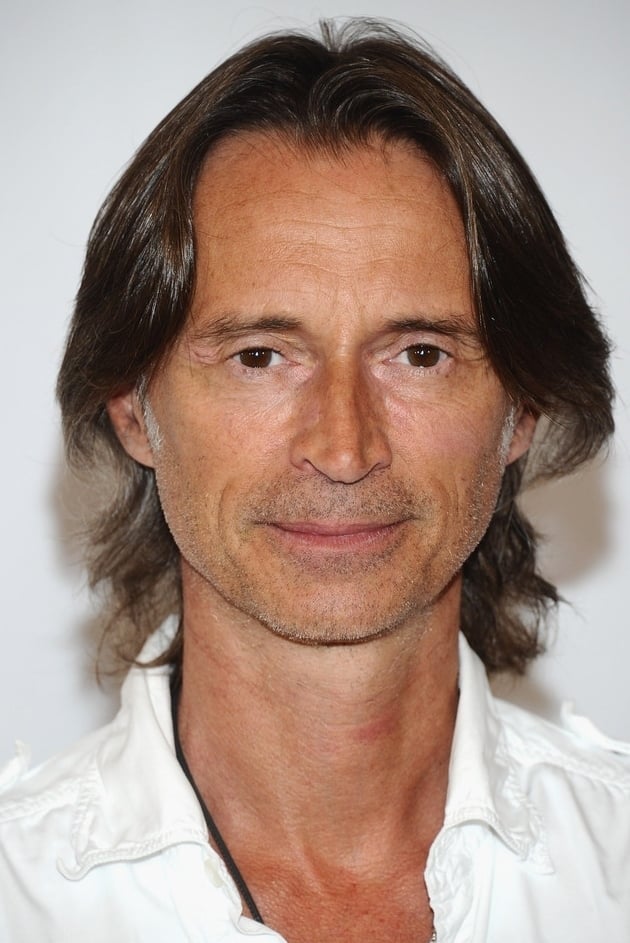
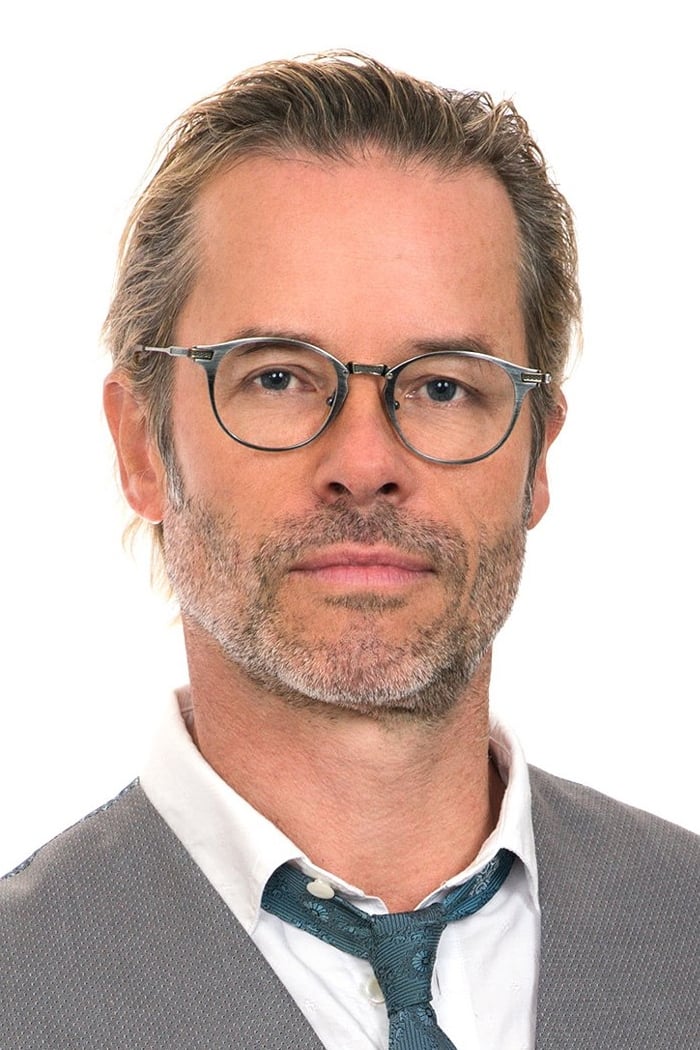
The 1990s and 2000s opened the form to prestige and arthouse registers. Bob Balaban's Parents (1989) brought cannibalism into Reagan-era suburban satire; Jean-Pierre Jeunet and Marc Caro's Delicatessen (1991), set in a post-apocalyptic Parisian apartment block, turned the form into surreal comedy. Jonathan Demme's The Silence of the Lambs (1991), with Anthony Hopkins's Hannibal Lecter, gave cinema's most influential cannibal figure his Best Picture coronation — Lecter remains, in Barry Keith Grant's framing, "the cannibalistic serial killer" whose franchise (Manhunter, SOTL, Hannibal, Red Dragon) became the era's defining intersection of cannibalism and prestige horror. Antonia Bird's Ravenous (1999), with Robert Carlyle and Guy Pearce, fused the cannibal film with Algonquian Wendigo folklore and the Mexican-American War for what the Vander Kaays call "a hybrid western-horror-comedy-action that defies simple categorisation." Claire Denis's Trouble Every Day (2001) returned the form to NFE territory with extreme arthouse rigour.
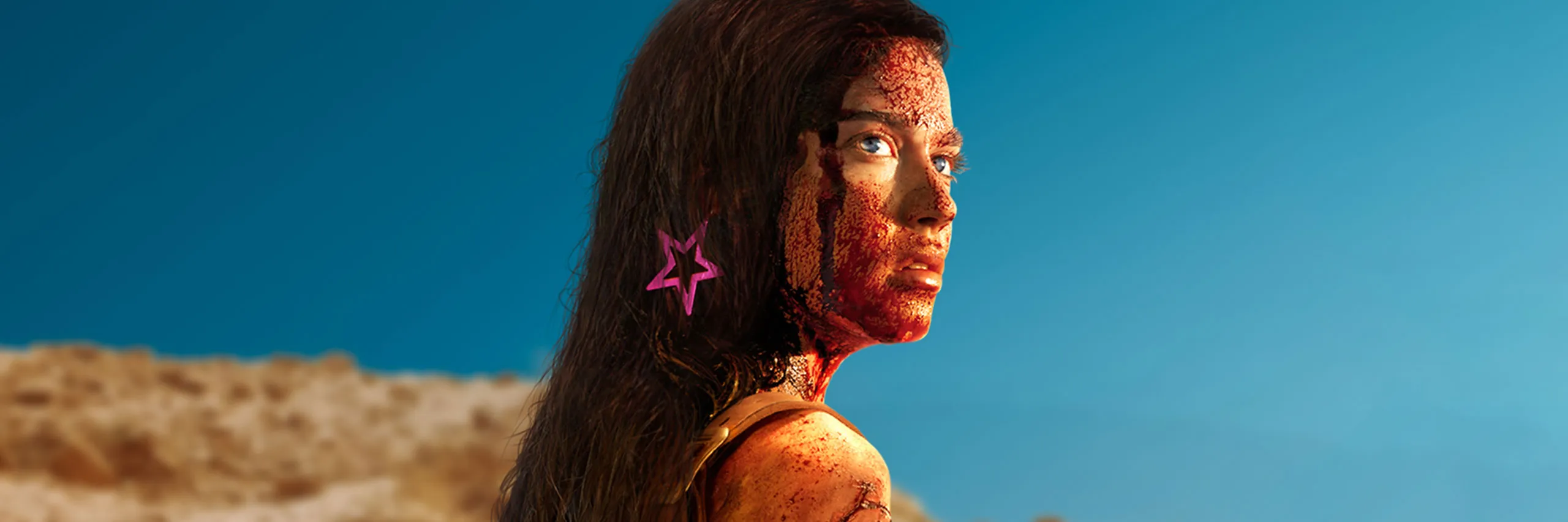
The 2010s and 2020s have increasingly used cannibalism as metaphor — for desire, for consumption culture, for the ways people devour each other. Jorge Michel Grau's Mexican We Are What We Are (2010) and Jim Mickle's American remake We Are What We Are (2013) re-engineered the family-of-cannibals narrative around female protagonists and ritual; Eli Roth's The Green Inferno (2013) paid direct homage to the Italian cycle; S. Craig Zahler's Bone Tomahawk (2015) fused frontier-Western with troglodyte-cannibal horror; Julia Ducournau's Raw (2017), with Garance Marillier, reframed the form as coming-of-age body-horror about a vegan veterinary student discovering her family's appetite; Luca Guadagnino's Bones and All (2022), with Taylor Russell and Timothée Chalamet, ran the road-movie variant as American outcast romance; Mimi Cave's Fresh (2022), with Daisy Edgar-Jones and Sebastian Stan, made the dating-app context a vehicle for one of the era's sharpest gender-allegory cannibal films. The literal act retains its power to revolt, but the subgenre has found new resonance by asking what hunger really means.
Essential Films
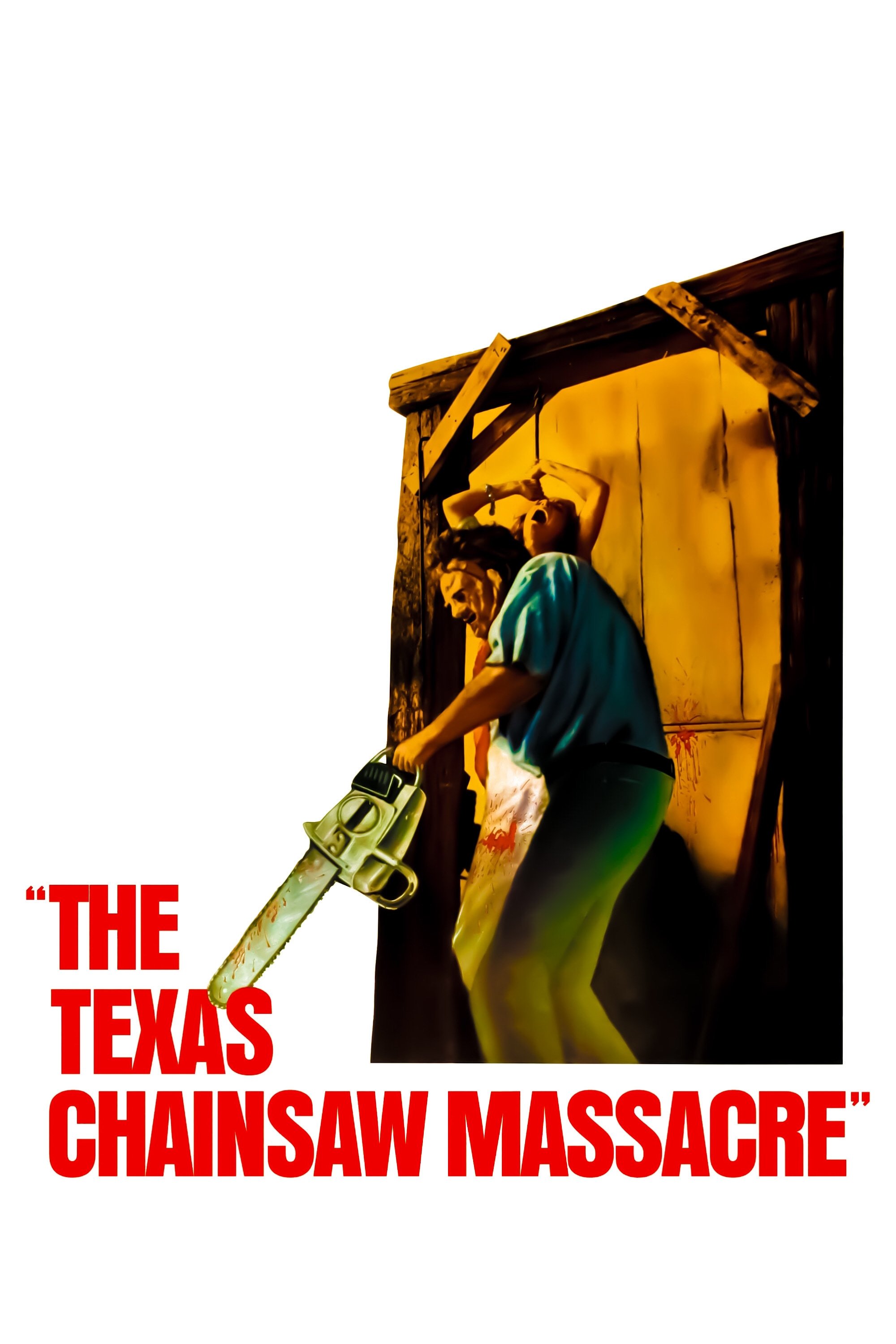
The Texas Chain Saw Massacre
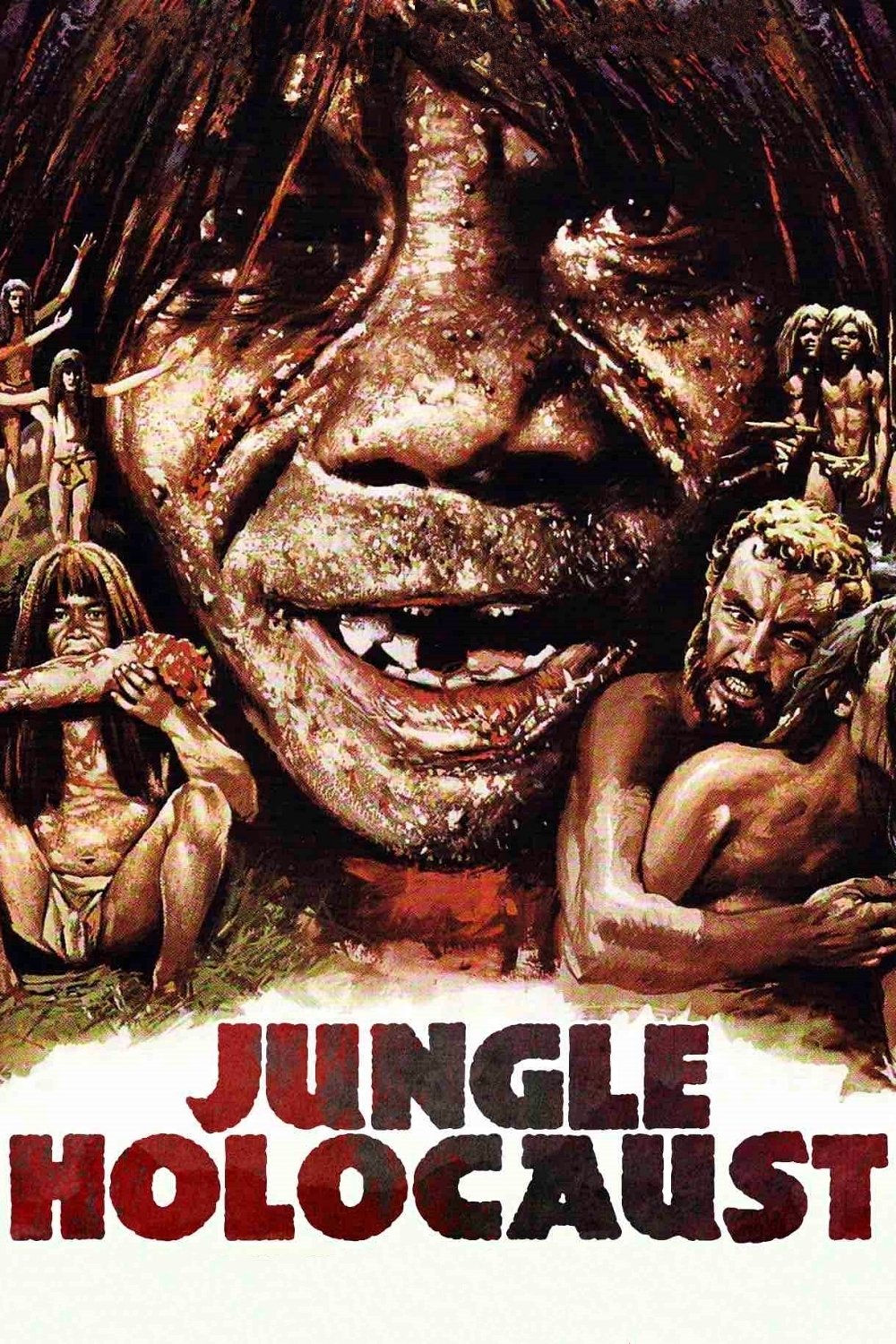
Last Cannibal World
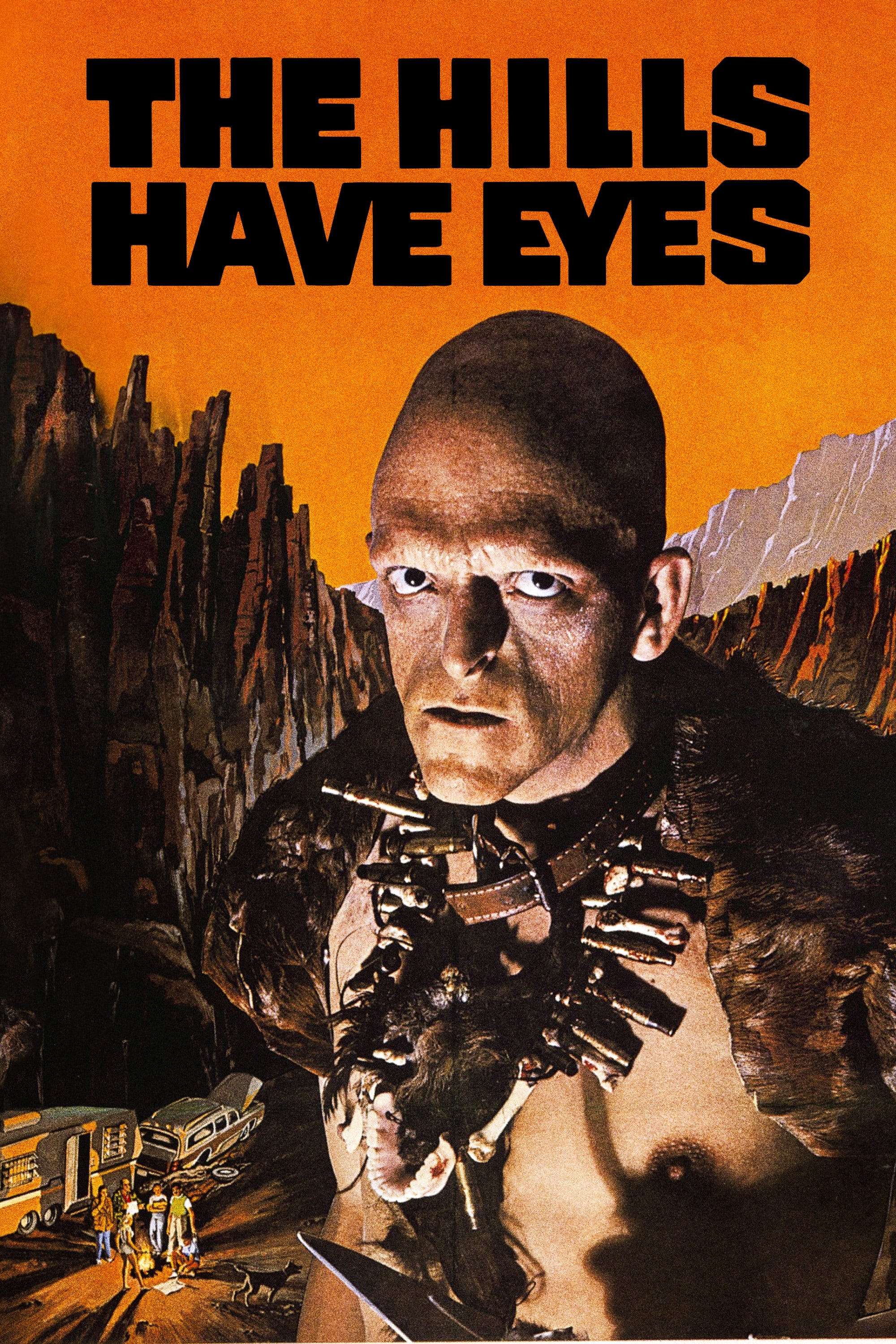
The Hills Have Eyes
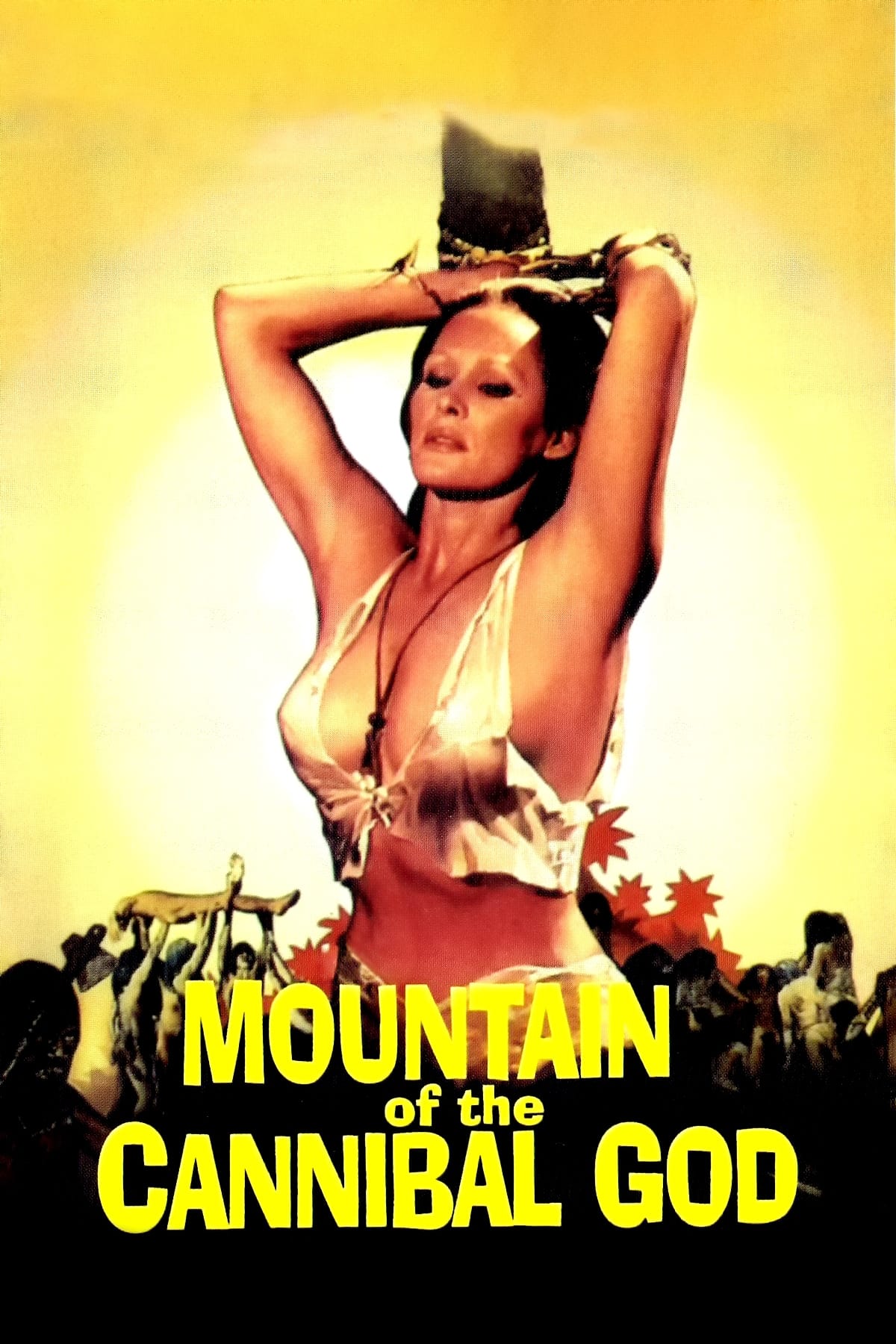
Slave of the Cannibal God
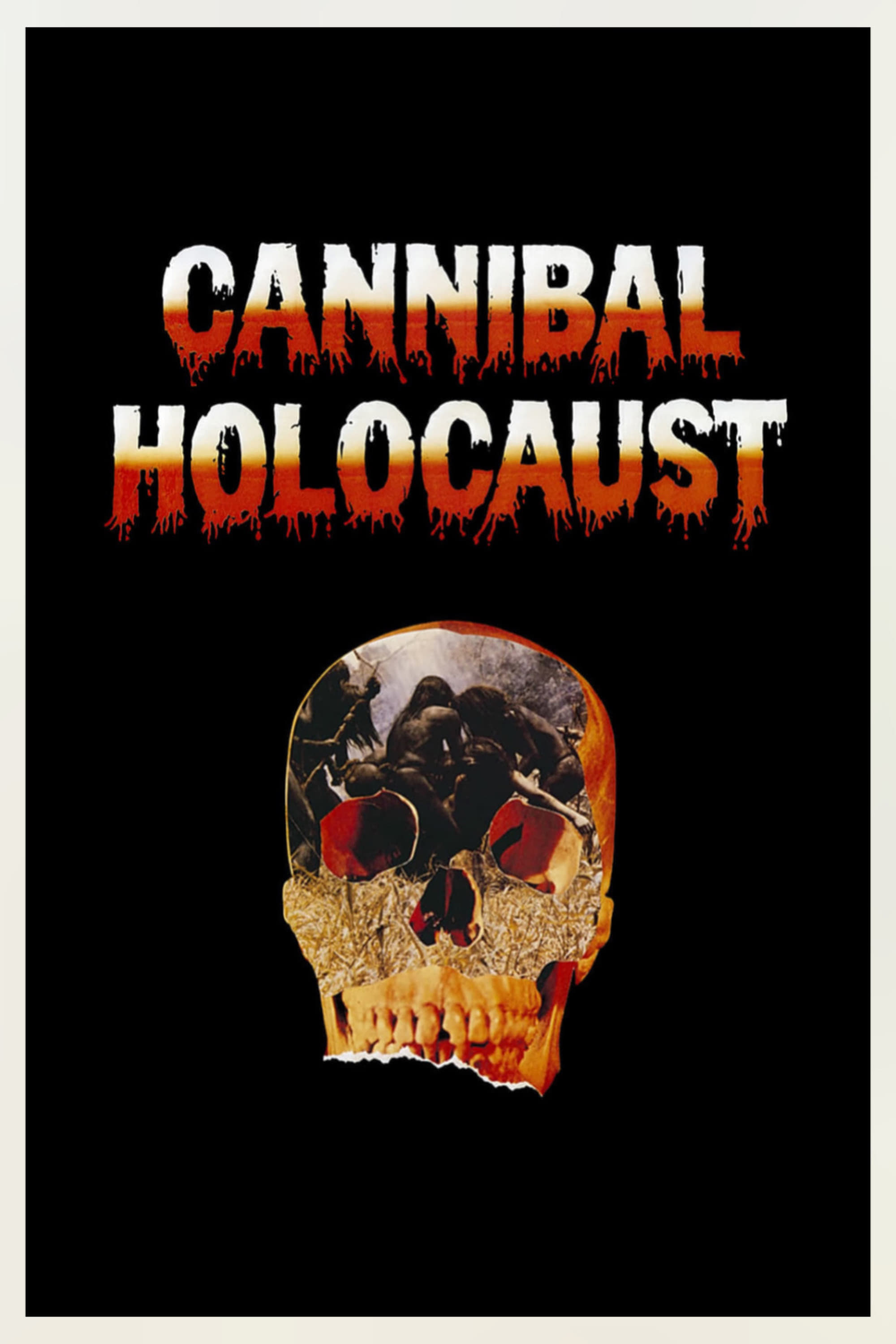
Cannibal Holocaust
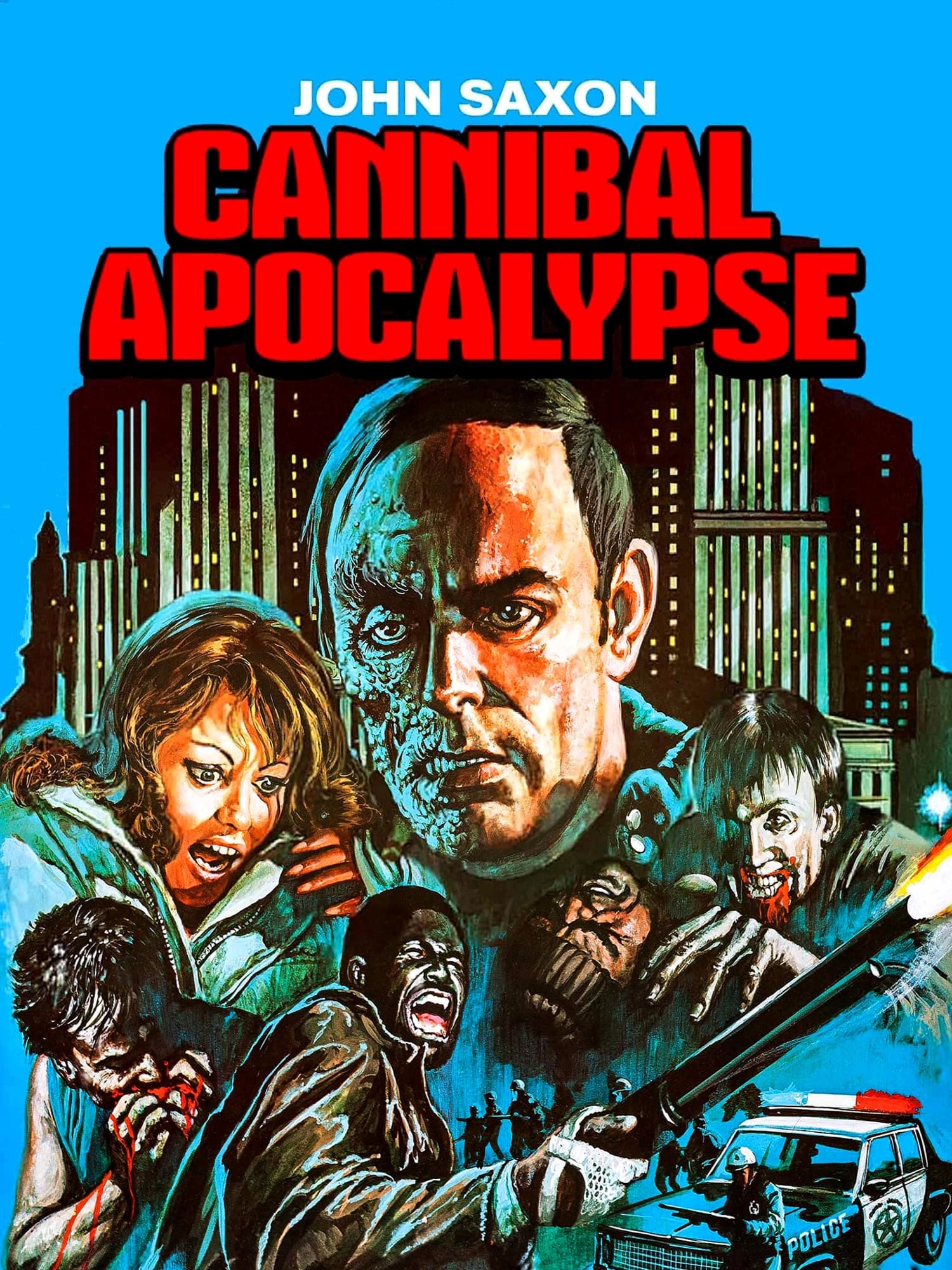
Cannibal Apocalypse
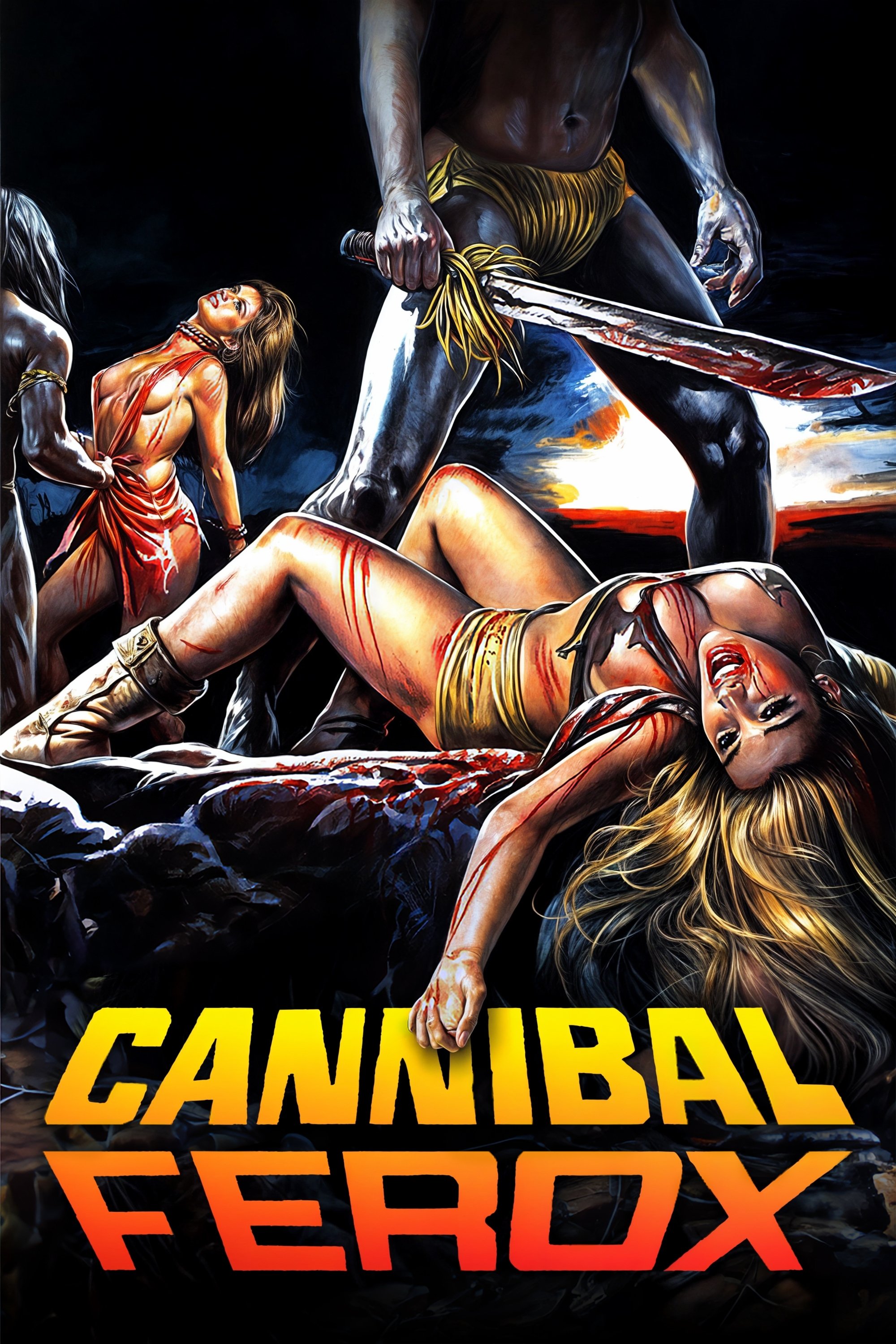
Cannibal Ferox

Parents
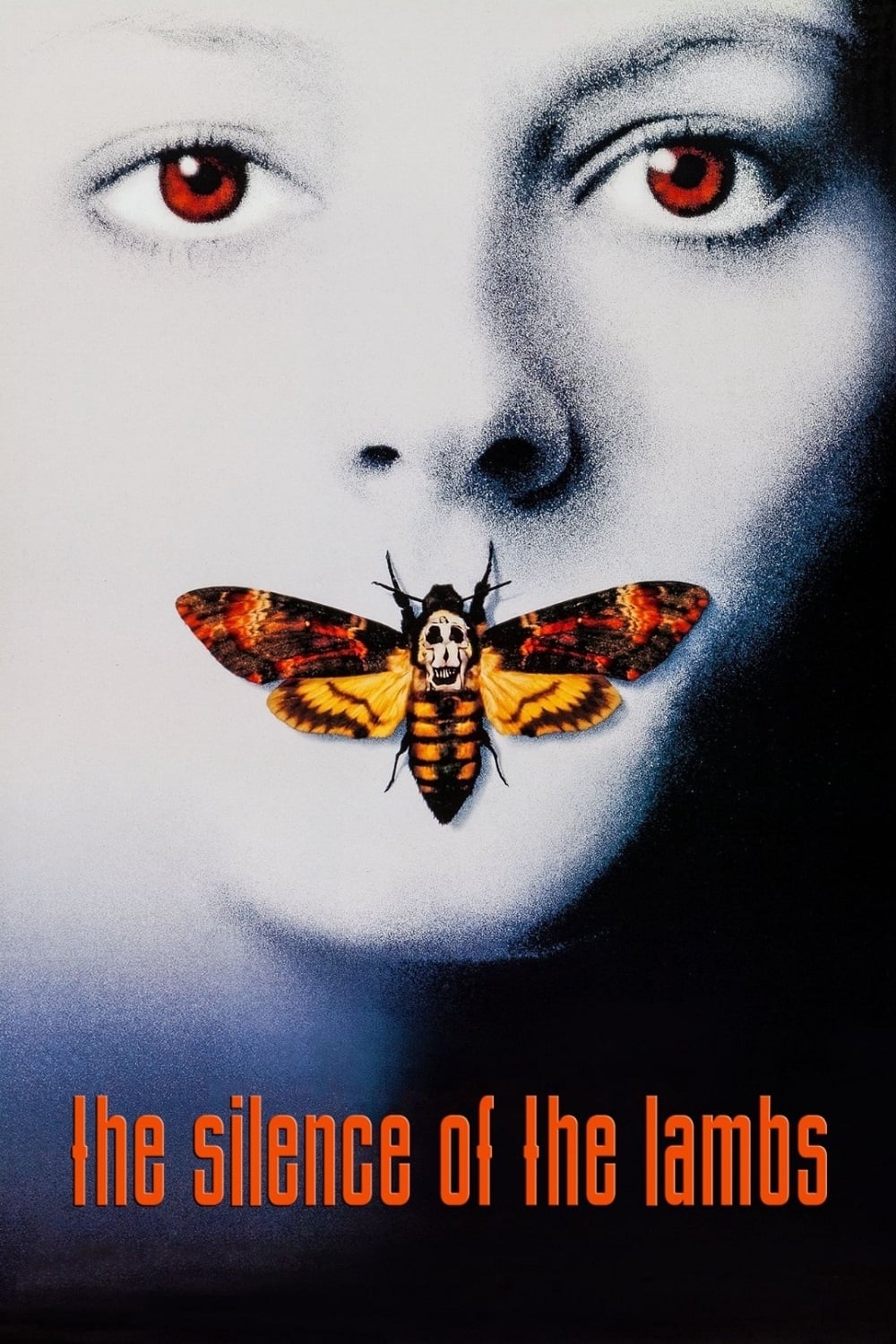
The Silence of the Lambs
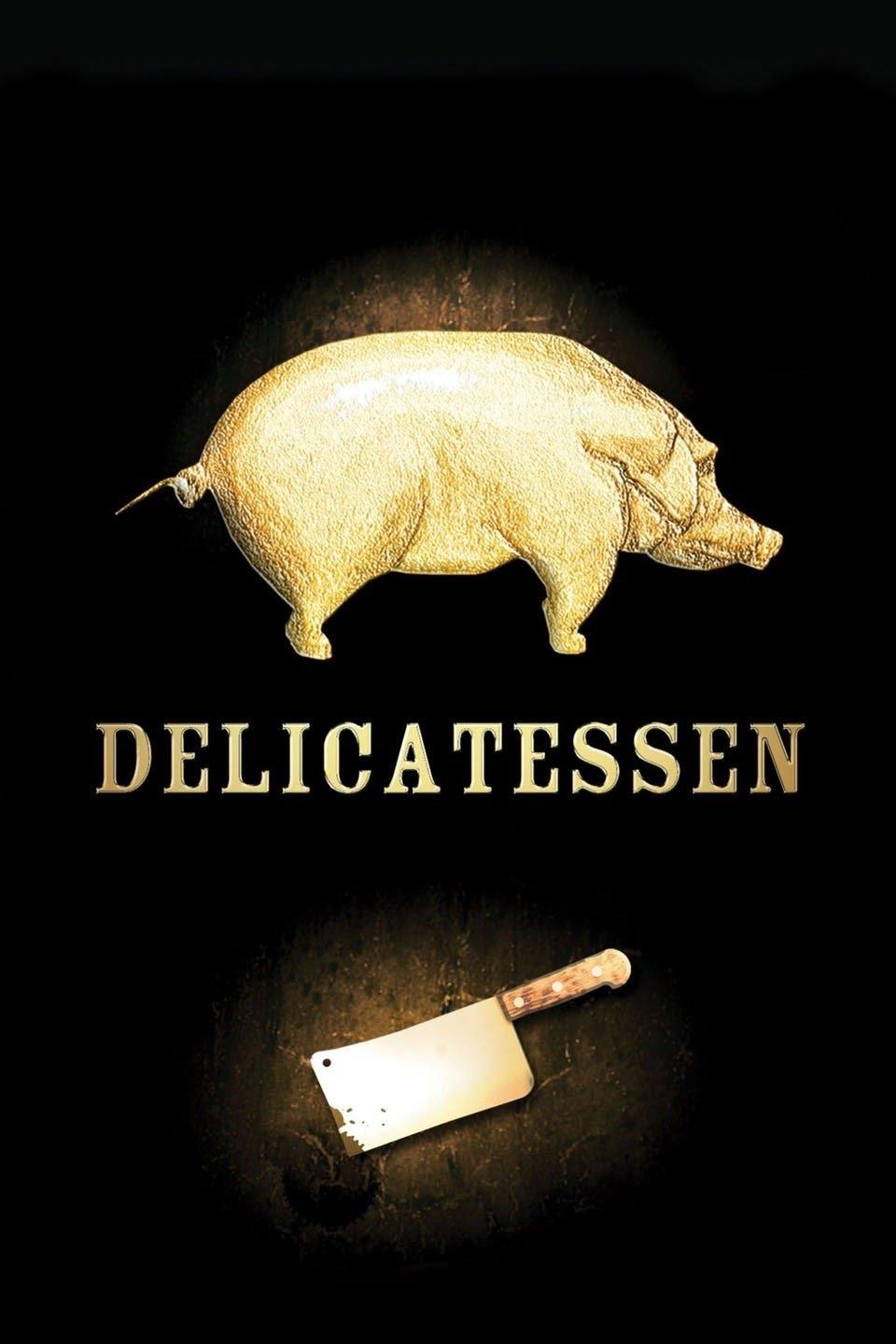
Delicatessen
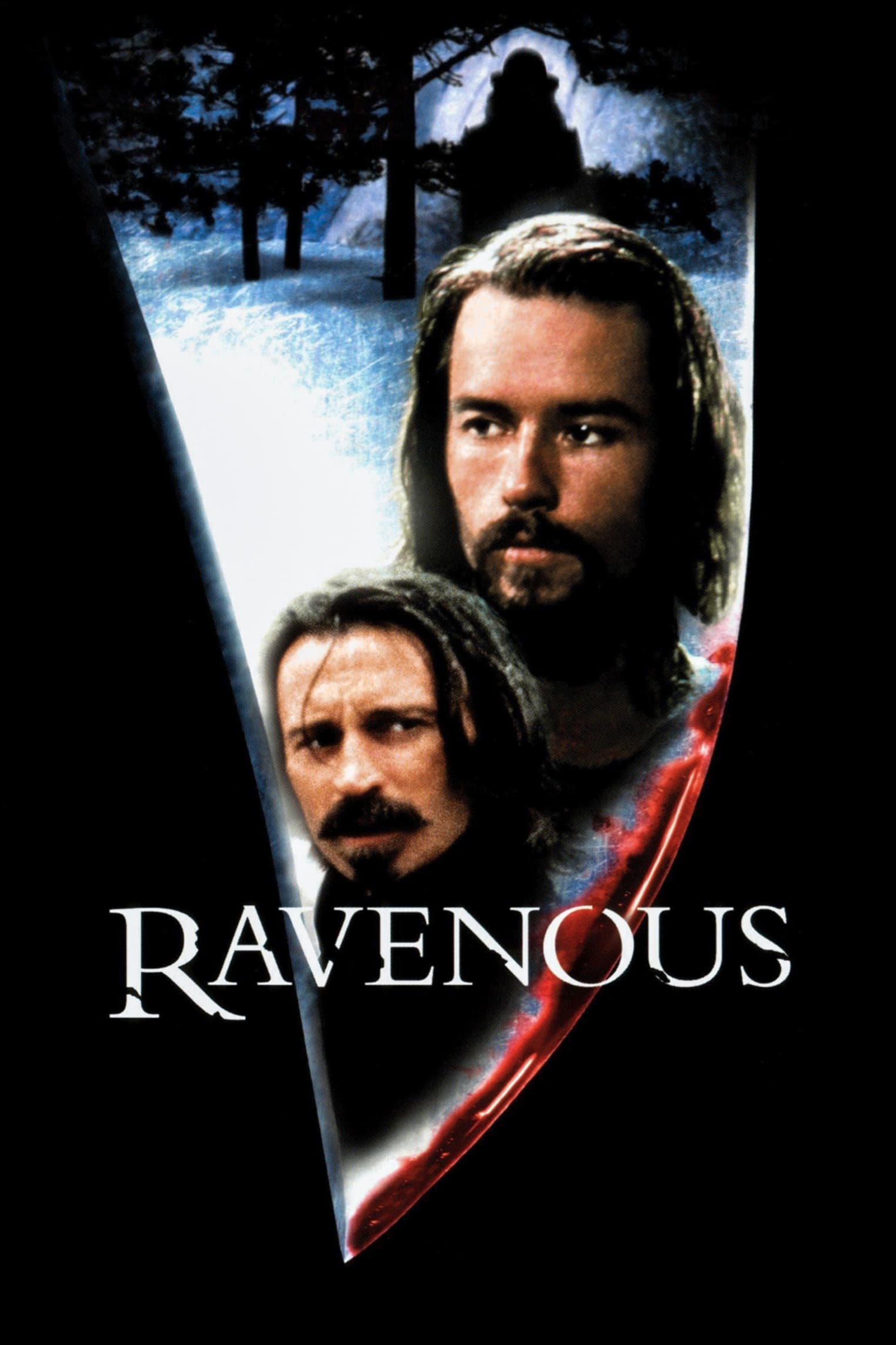
Ravenous
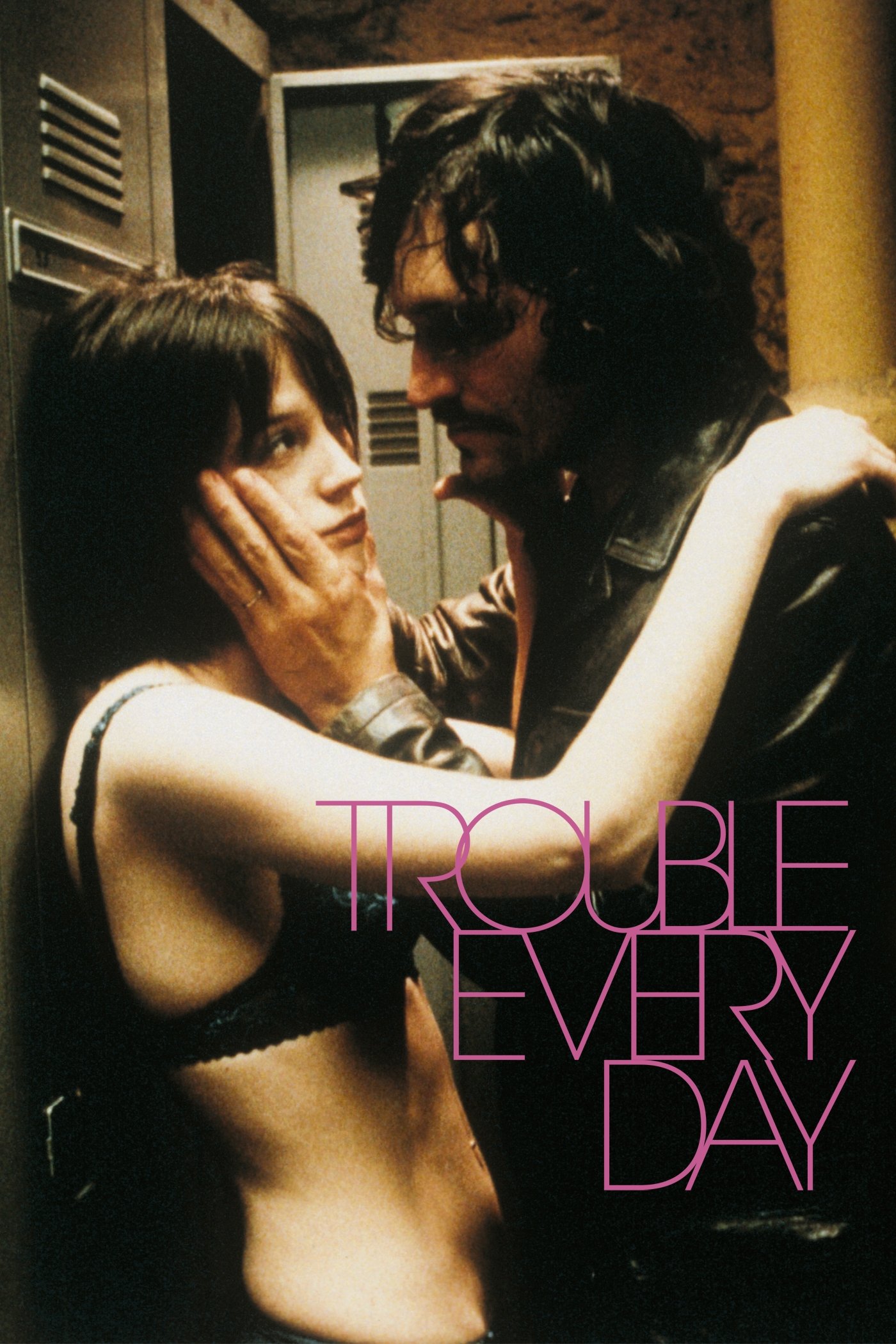
Trouble Every Day
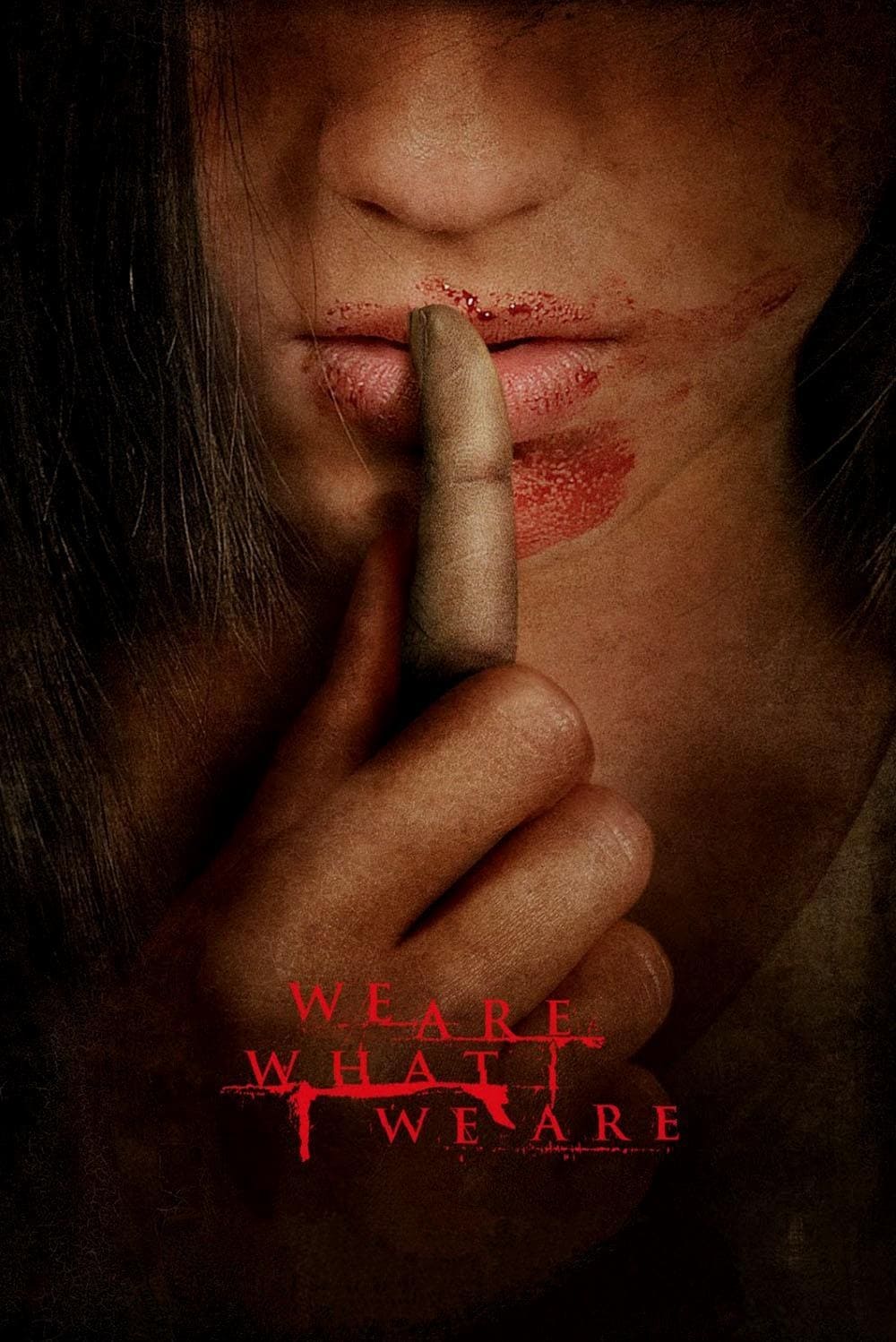
We Are What We Are

The Green Inferno
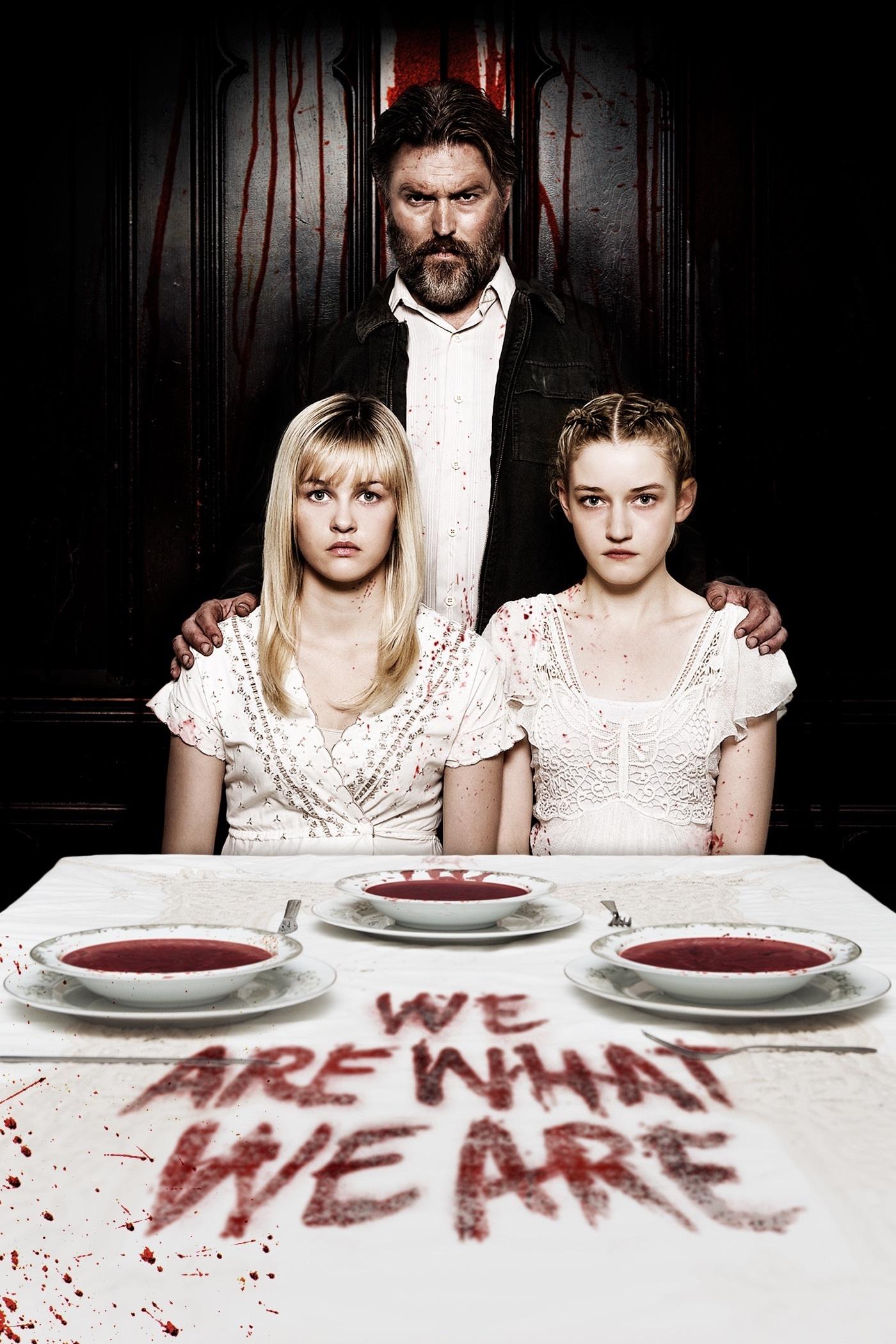
We Are What We Are
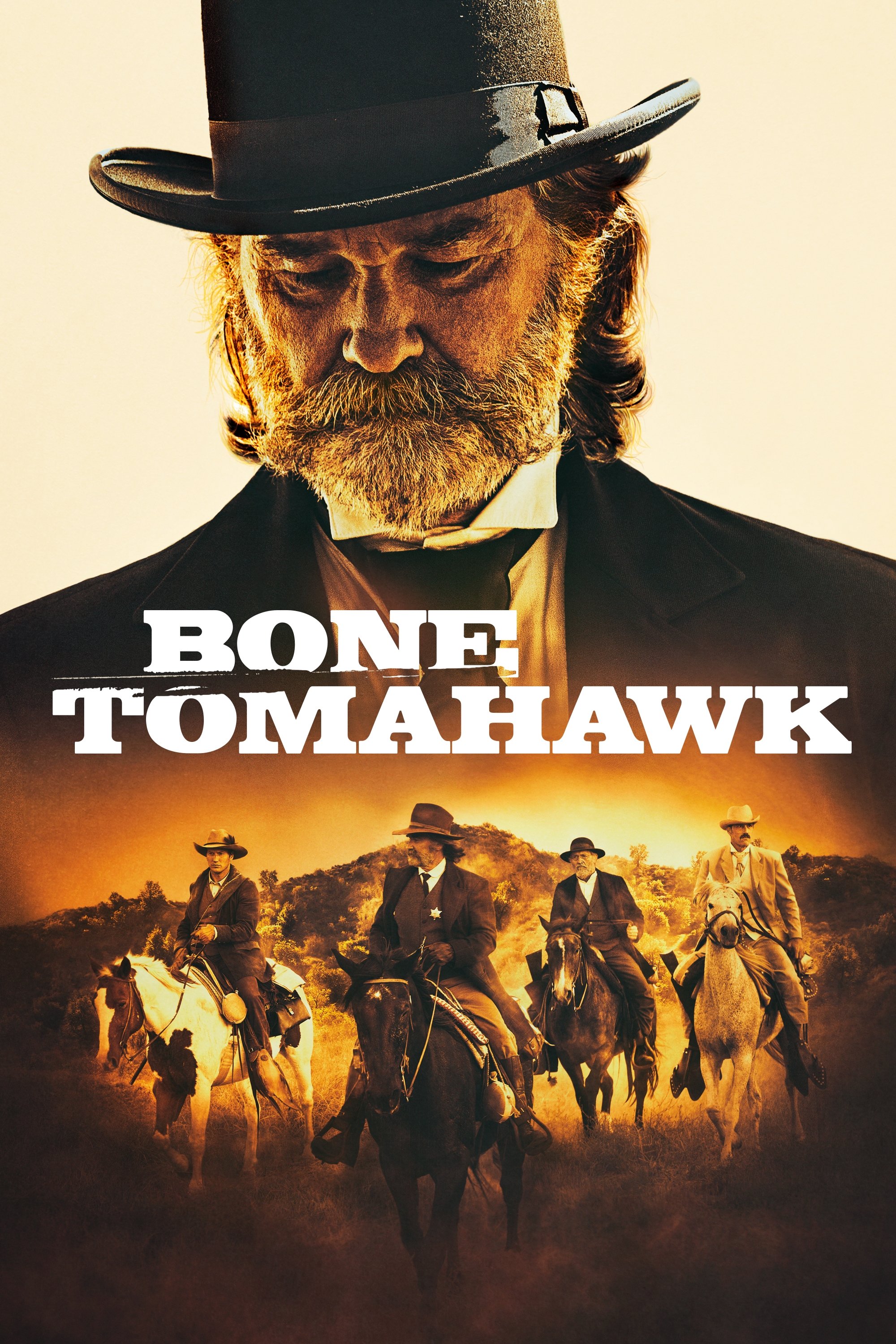
Bone Tomahawk

Raw
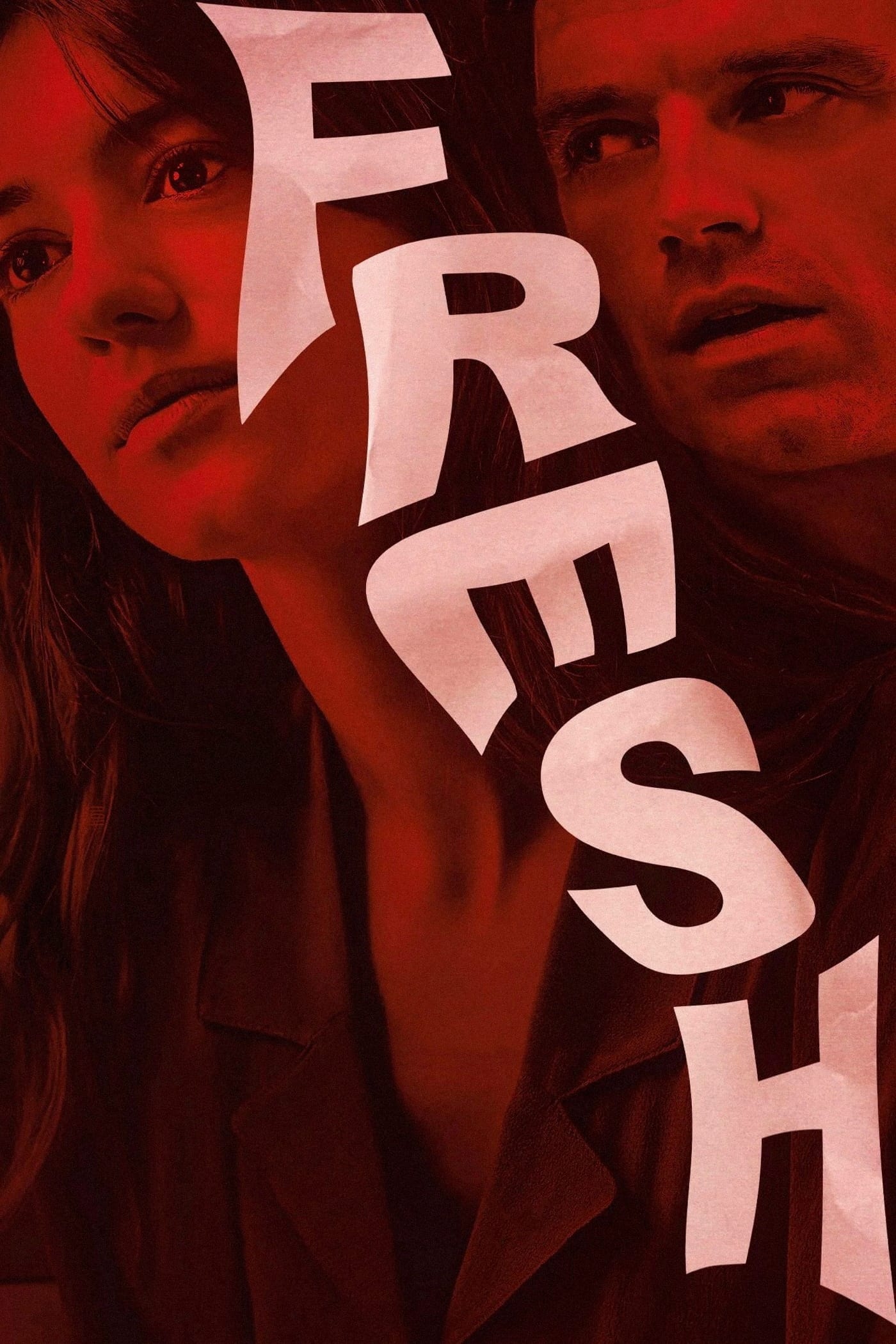
Fresh
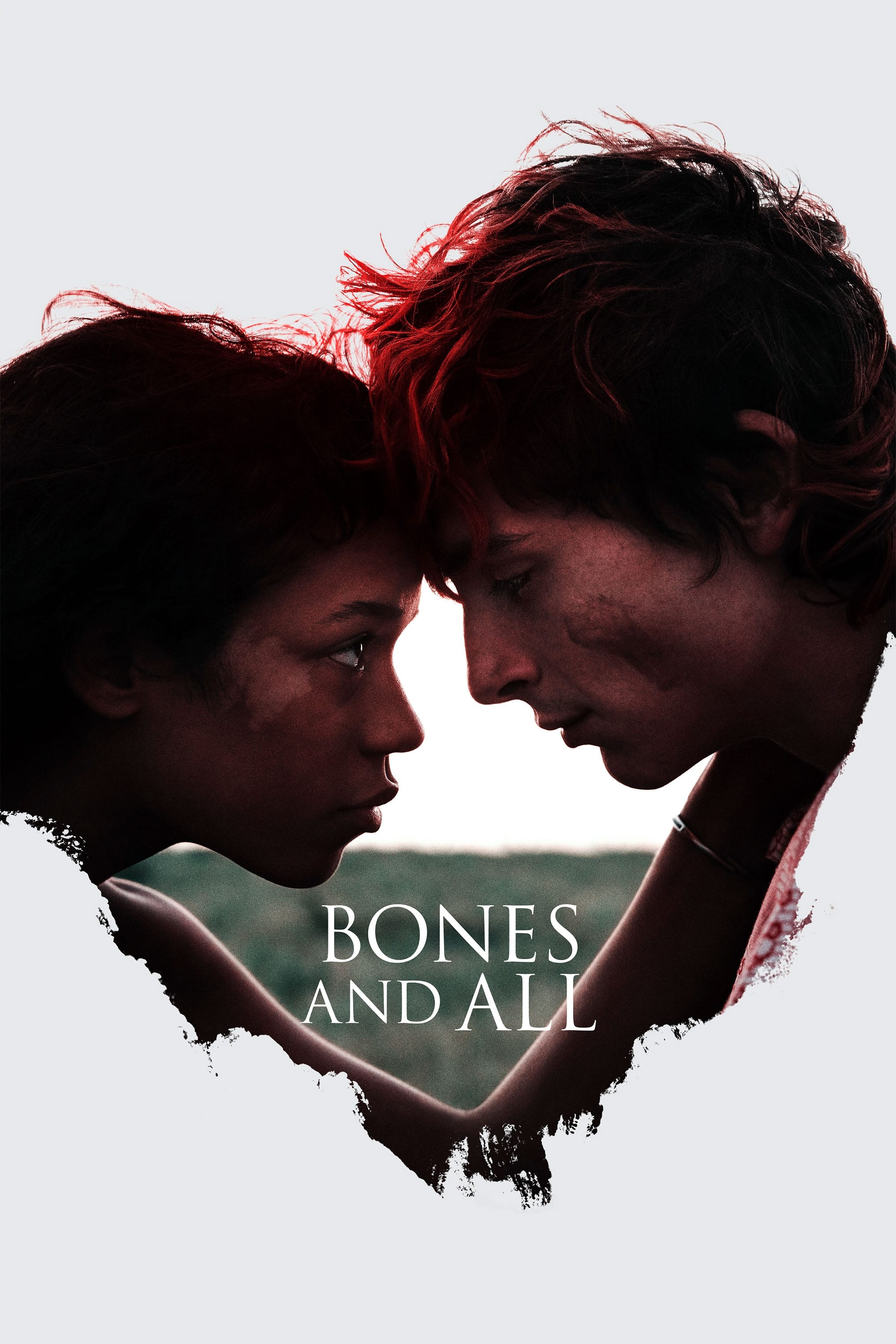
Bones and All
Statistics
Popularity by Decade
Share of each decade's horror films classified as Cannibal. Counts films with at least 5 TMDB ratings, so very obscure titles are not represented.
Popularity by Country
Share of each country's horror output classified as Cannibal. Counts films with at least 5 TMDB ratings, so very obscure titles are not represented.