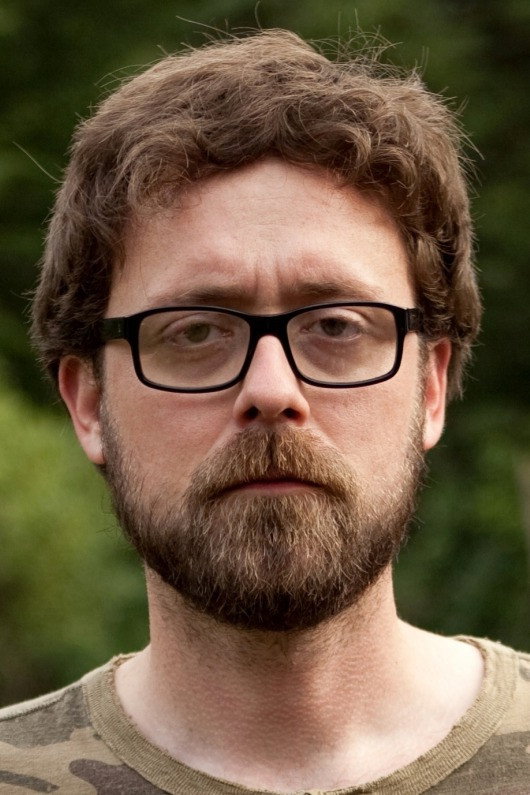
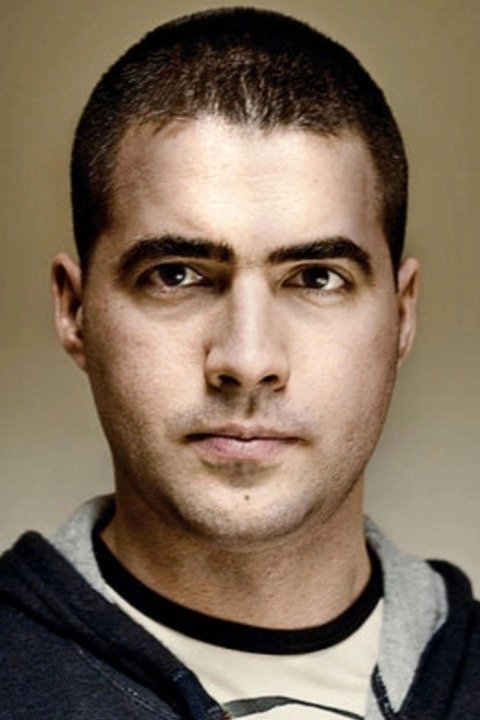
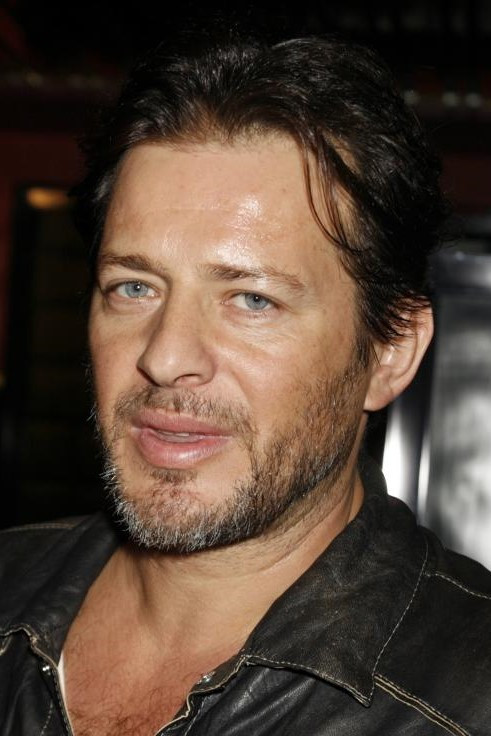
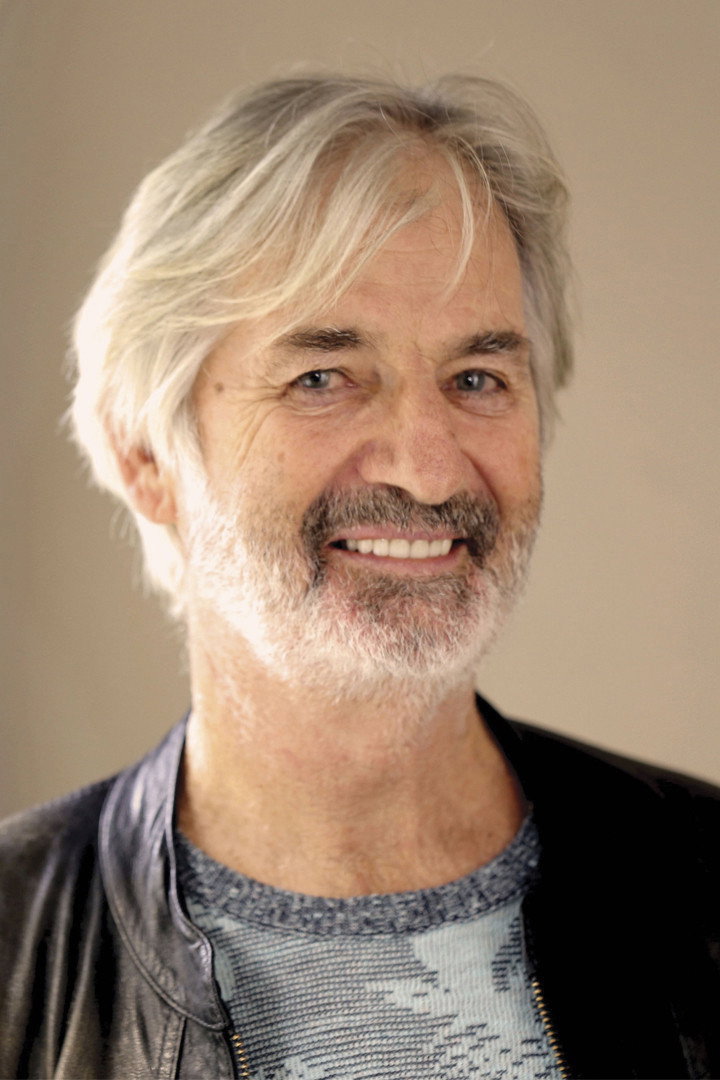
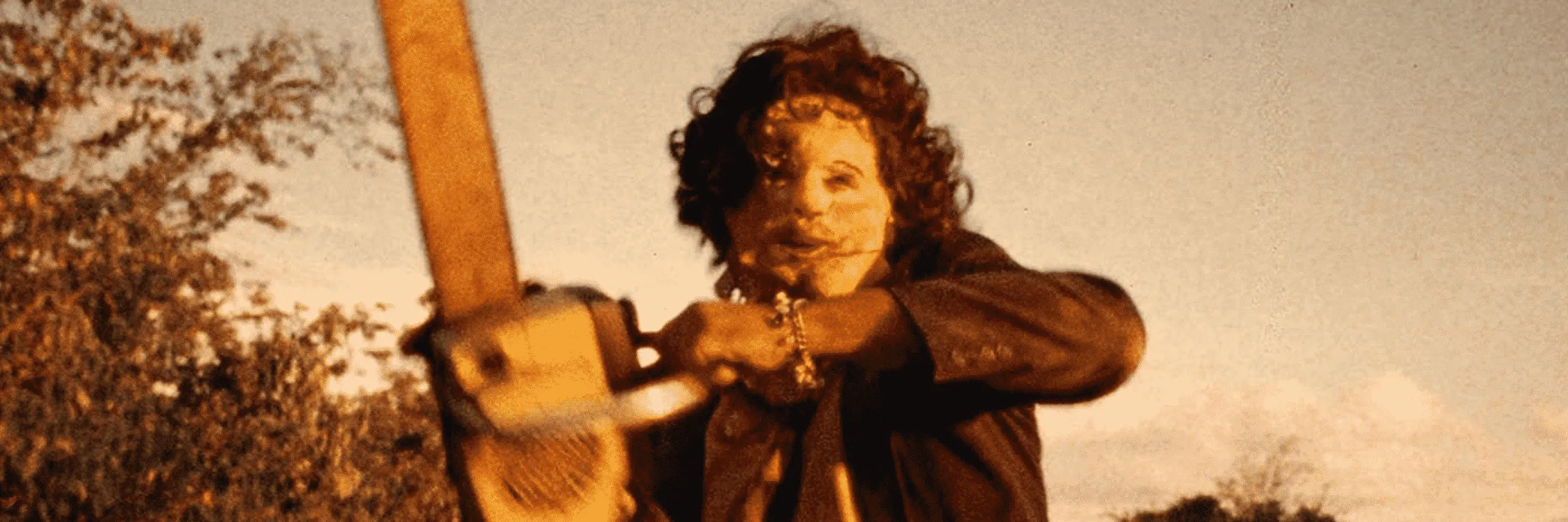
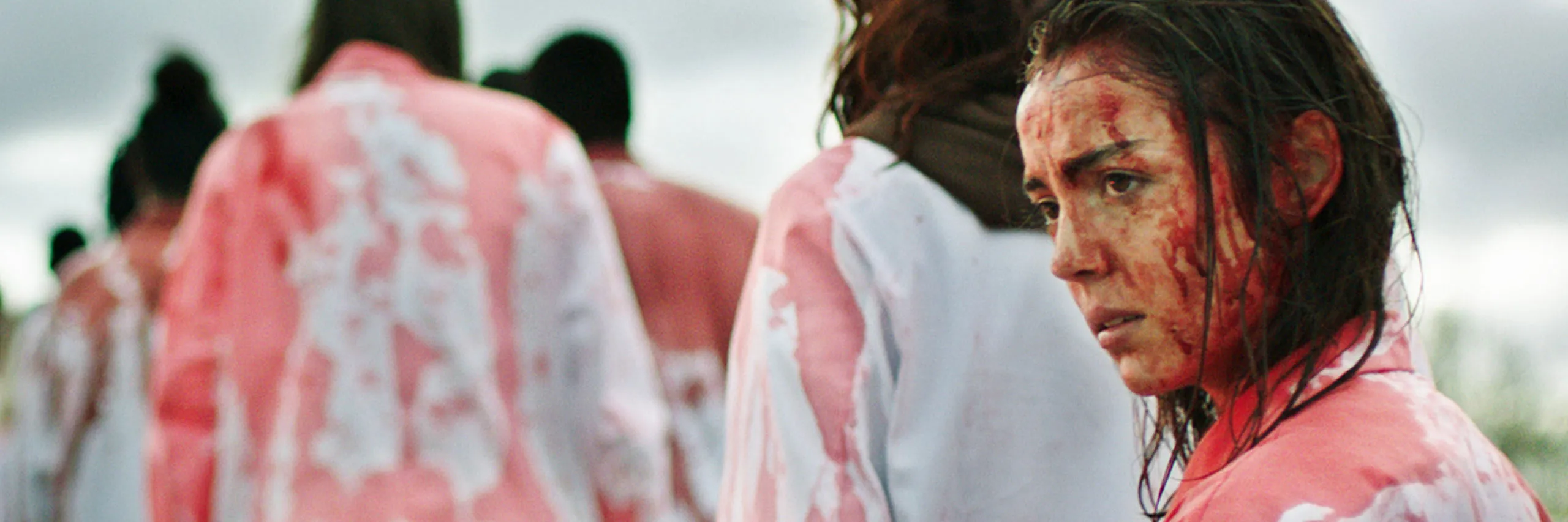
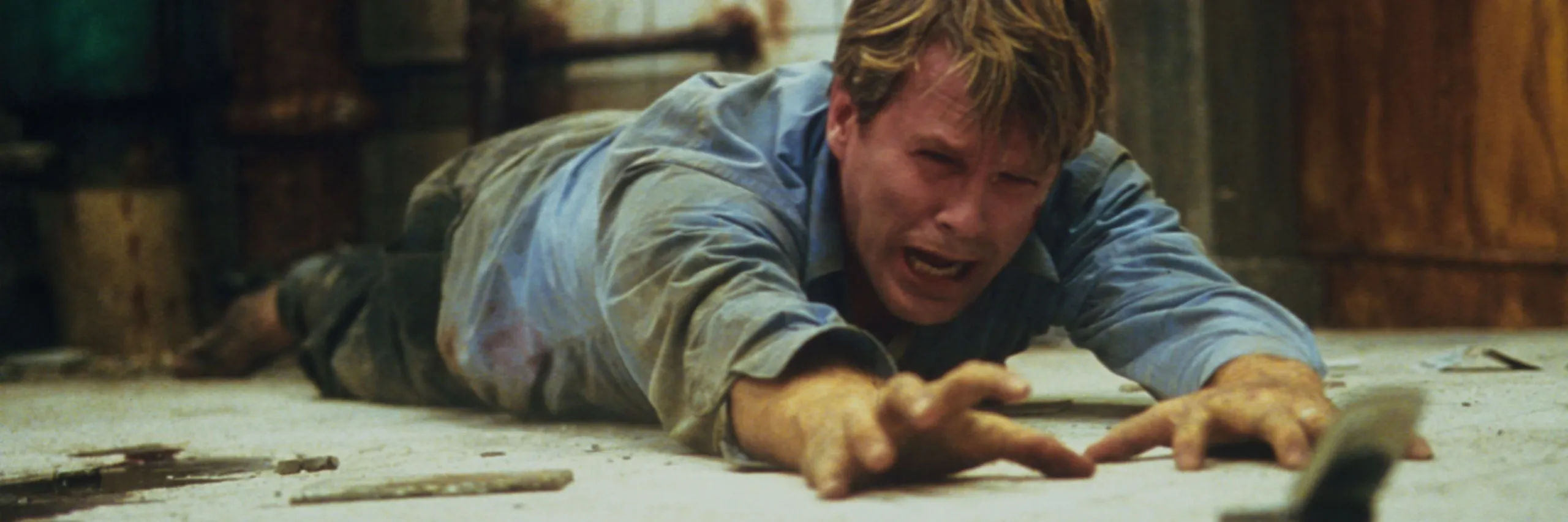
 Saw (2004)
Torture
The systematic infliction of suffering as the film's primary subject. Not incidental violence but deliberate, extended, and presented with a frankness that forces the audience to confront what cruelty actually looks like.
History & Origins
Torture horror makes the infliction of pain its primary subject. These films focus on the systematic, deliberate application of physical suffering — not as an incidental element of a larger story but as the central experience the film is designed to convey. The audience is positioned as witness to acts of cruelty that are often extended, detailed, and presented with a clinical frankness that distinguishes torture films from the broader slasher tradition. Kim Newman observes that the question "Why are you doing this to me?" is repeated over and over in these films, and "satisfactory answers are seldom forthcoming."
The subgenre's intellectual ancestry runs through the Marquis de Sade, whose systematic catalogue of cruelty was given its definitive cinematic adaptation in Pier Paolo Pasolini's Salò, or the 120 Days of Sodom (1976) — Sade's libertines reassigned to fascist functionaries in the Republic of Salò, the relentless ritualised abuse a metaphor for absolute power. Jay McRoy identifies Salò's "critique of the abuses of power" as the foundational reference point for serious torture cinema, and the film's status as the canonical taboo text has been unmatched in fifty years. The form's other key precursor is Asian: Takashi Miike's Audition (2000), with Eihi Shiina's Asami Yamazaki, plays for half its runtime as a tonally placid romantic comedy before pivoting into one of the genre's most patient and devastating torture sequences — Murray Leeder calls it the rare horror film whose violence "reorders everything that came before."
The form's commercial peak came in the mid-2000s, in what critic David Edelstein famously called "torture porn" in a 2006 New York Magazine piece. The cycle emerged in direct response to the post-9/11 American cultural moment — Abu Ghraib, the War on Terror, Guantánamo's enhanced-interrogation debates — and Aaron Michael Kerner's Torture Porn in the Wake of 9/11 (2015) reads it as the era's defining horror genre. James Wan's Saw (2004), with Tobin Bell's Jigsaw and Shawnee Smith, introduced the elaborate moral-game framework — Kevin Wetmore reads Jigsaw as "on a moralistic crusade" who, "like the Islamic extremists his work imitates, sees Western society as decadent." Eli Roth's Hostel (2006), with Jay Hernandez, stripped away any redemptive framework and presented torture as a commodity purchased by wealthy sadists in an Eastern European warehouse — the post-Cold War geography functioning as displacement of American anxieties about the Iraqi prison-camp images.
The wave consolidated through the late 2000s with a sustained international cycle. Greg McLean's Wolf Creek (2005), with John Jarratt, supplied Australia's contribution; Rob Zombie's The Devil's Rejects (2005), with Bill Moseley and Sid Haig, returned the Sawyer-family Southern-gothic register; Hostel: Part II (2007) extended Roth's universe; Roland Joffé's Captivity (2007) took the form to billboard-controversy notoriety; Xavier Gens's Frontier(s) (2007) brought NFE's intensity to Nazi-cult exploitation; Gregory Wilson's The Girl Next Door (2007), adapting Jack Ketchum's novel based on the Sylvia Likens murder case, supplied the cycle's most uncomfortable real-world resonance; Marcus Dunstan's The Collector (2009), with Costas Mandylor from the Saw universe, crossed torture with the home-invasion register; Tom Six's The Human Centipede (2009), with Dieter Laser's Dr. Heiter, took the body-horror variant to its most-discussed extreme.
The form's philosophical extreme emerged at the end of the decade. Pascal Laugier's Martyrs (2008), with Morjana Alaoui and Mylène Jampanoï, used extended suffering as a vehicle for genuinely philosophical inquiry — whether transcendence can be reached through systematic destruction of the body. Alexandra West argues the film "confirms the importance and singularity of the New French Extremity movement" and notes the 2015 American remake's failure to engage with "pain, suffering, love, or transcendence" the way Laugier's original did. Lars von Trier's Antichrist (2009), with Willem Dafoe and Charlotte Gainsbourg, took the form into art-cinema register; Srđan Spasojević's A Serbian Film (2010), in David Kerekes's reading, set out to be deliberately transgressive in ways "so many filmmakers have set out before" — a film that became the cycle's notorious limit point and triggered censorship debates worldwide; Lucky McKee's The Woman (2011), with Pollyanna McIntosh, ran a feral-captivity variant adapted from a Ketchum novel; Darren Lynn Bousman's Spiral: From the Book of Saw (2021) closed the major-franchise era. The question of what torture horror is for remains unresolved, which may be precisely the point.
Essential Films

Salò, or the 120 Days of Sodom

Audition

Saw

The Devil's Rejects

Wolf Creek
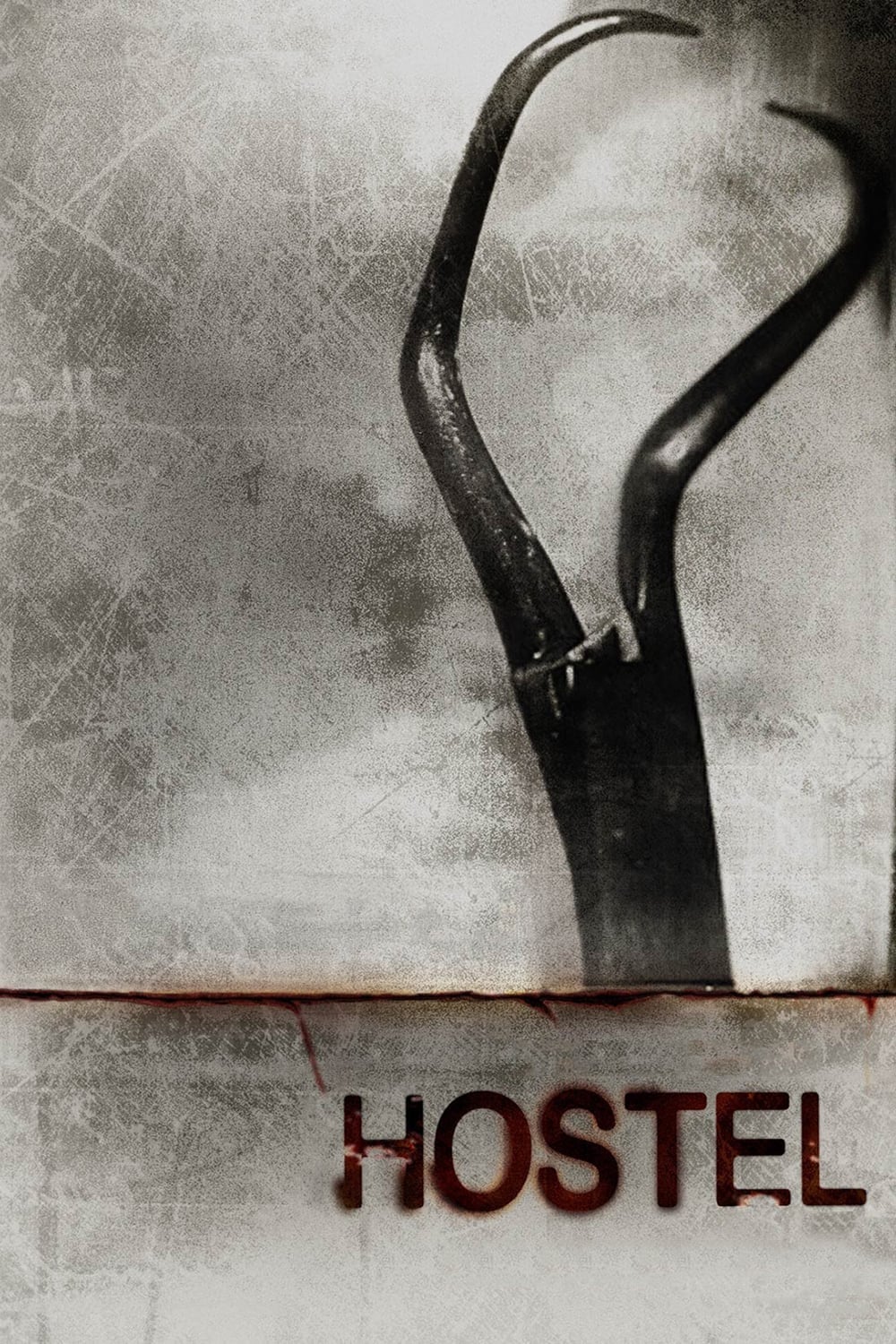
Hostel
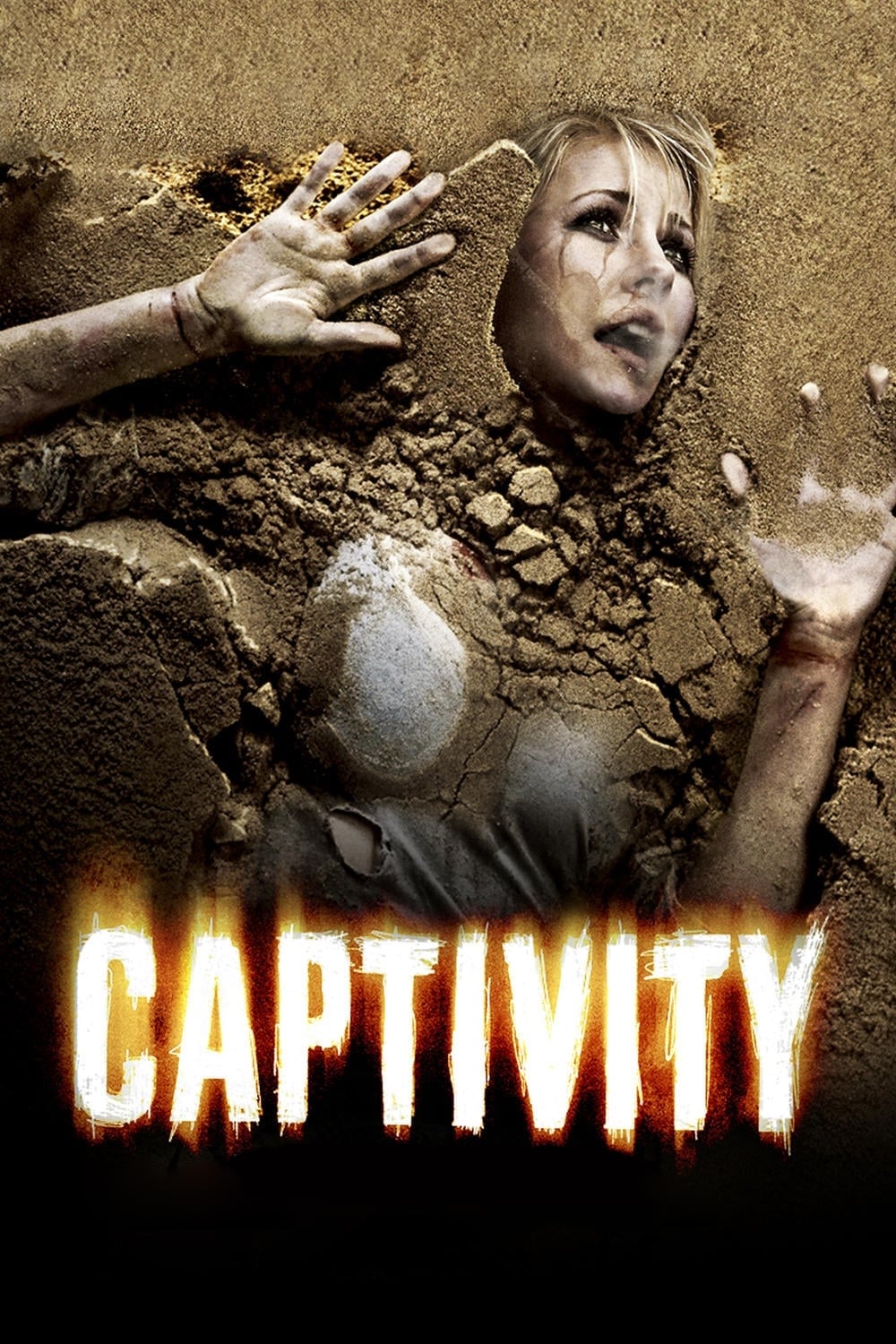
Captivity
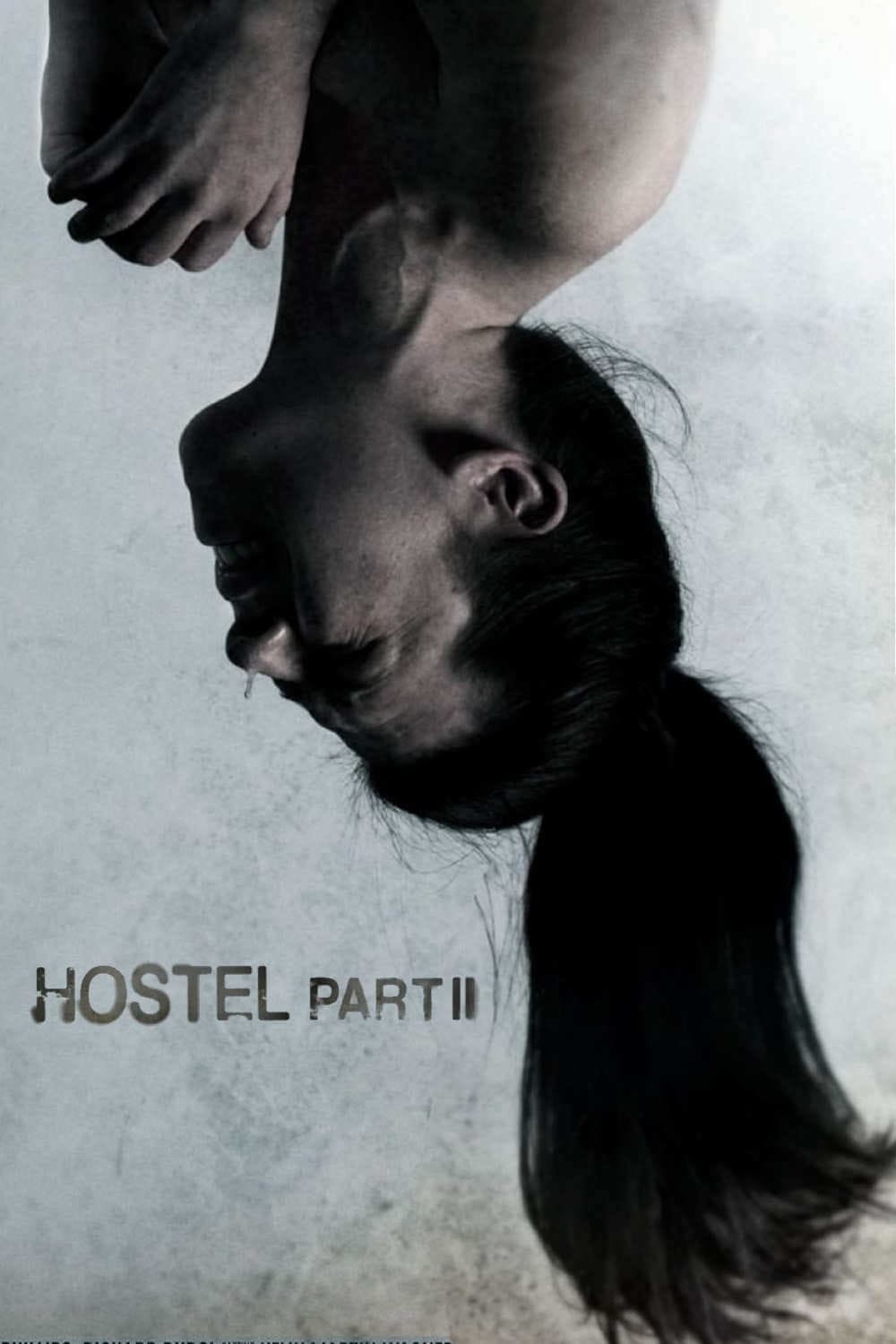
Hostel: Part II
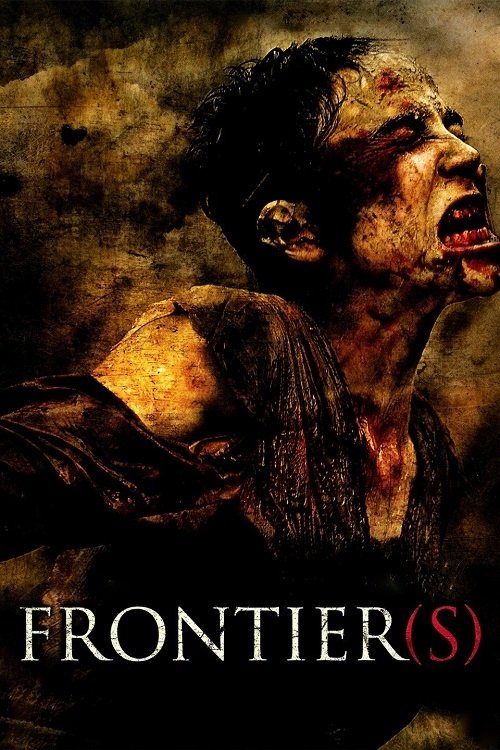
Frontier(s)

The Girl Next Door

Martyrs
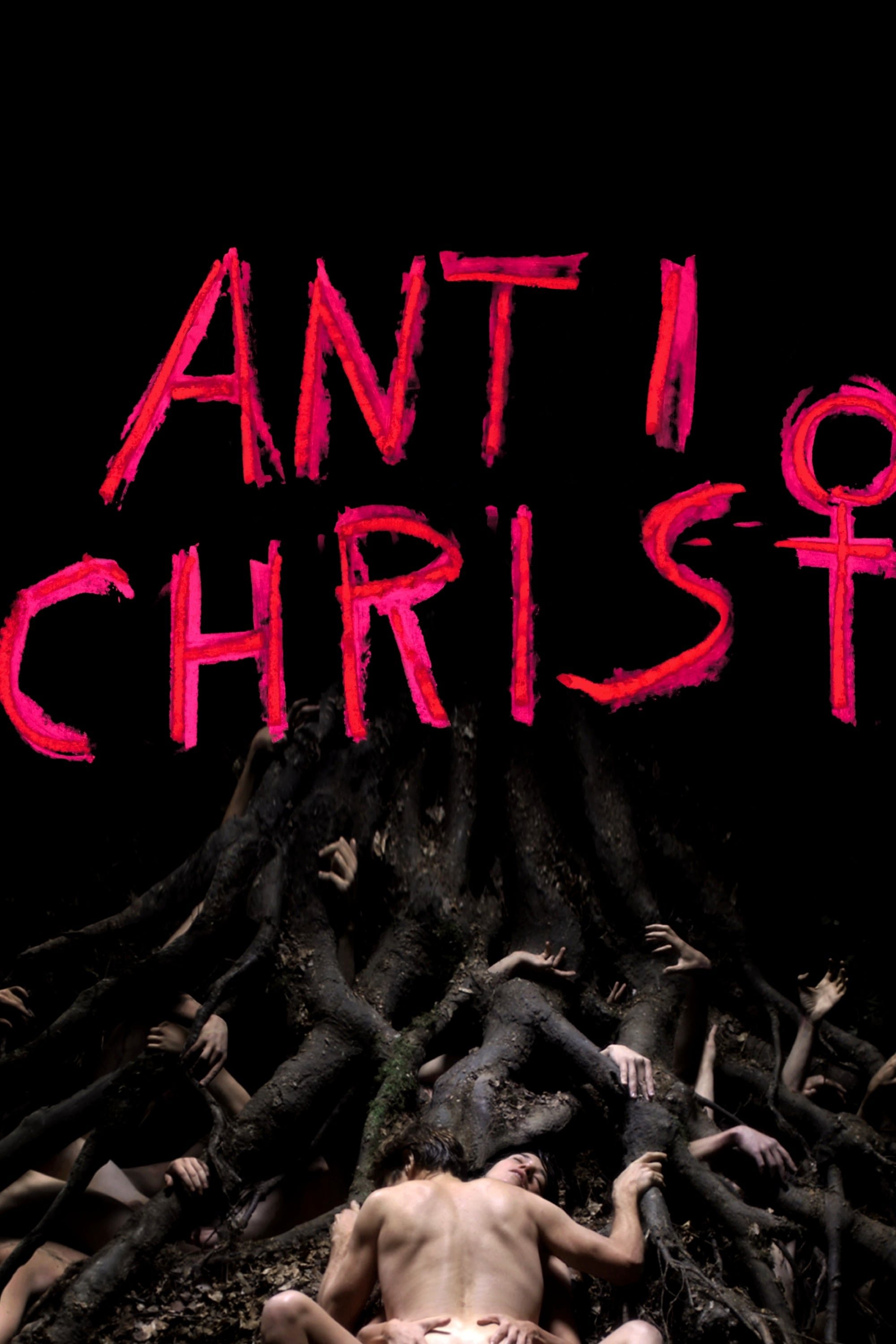
Antichrist

The Collector
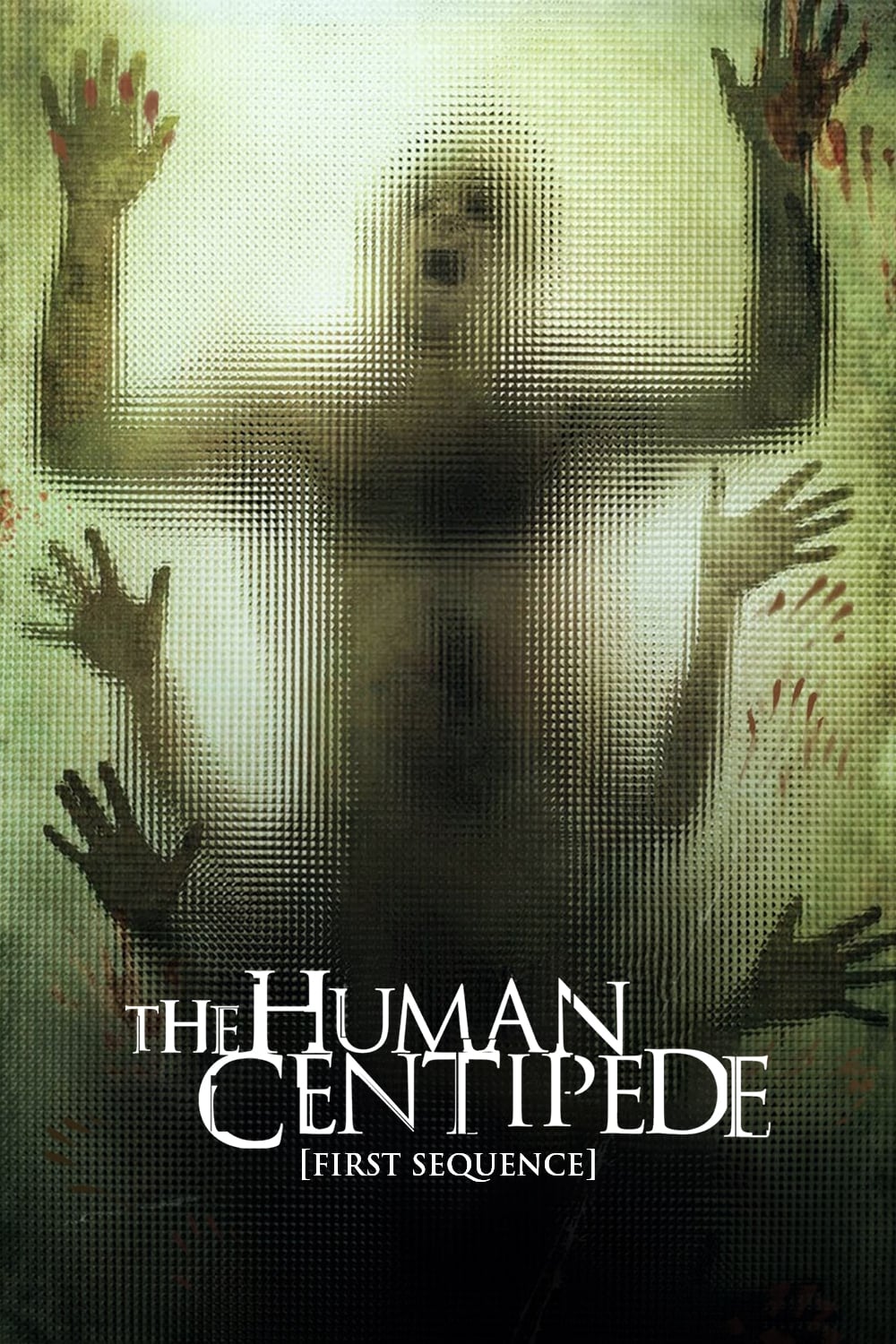
The Human Centipede (First Sequence)

A Serbian Film
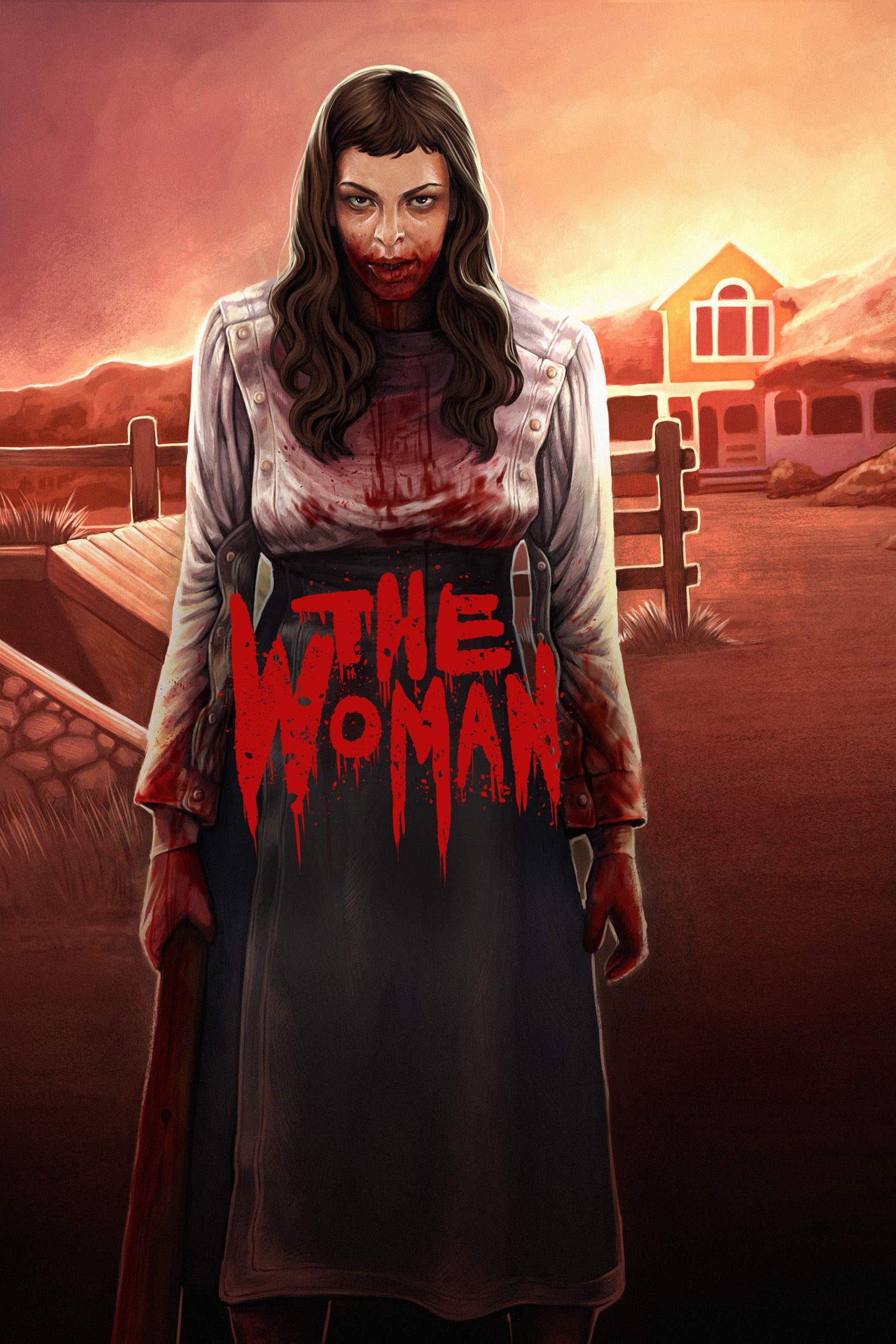
The Woman
Statistics
Popularity by Decade
Share of each decade's horror films classified as Torture. Counts films with at least 5 TMDB ratings, so very obscure titles are not represented.
Popularity by Country
Share of each country's horror output classified as Torture. Counts films with at least 5 TMDB ratings, so very obscure titles are not represented.