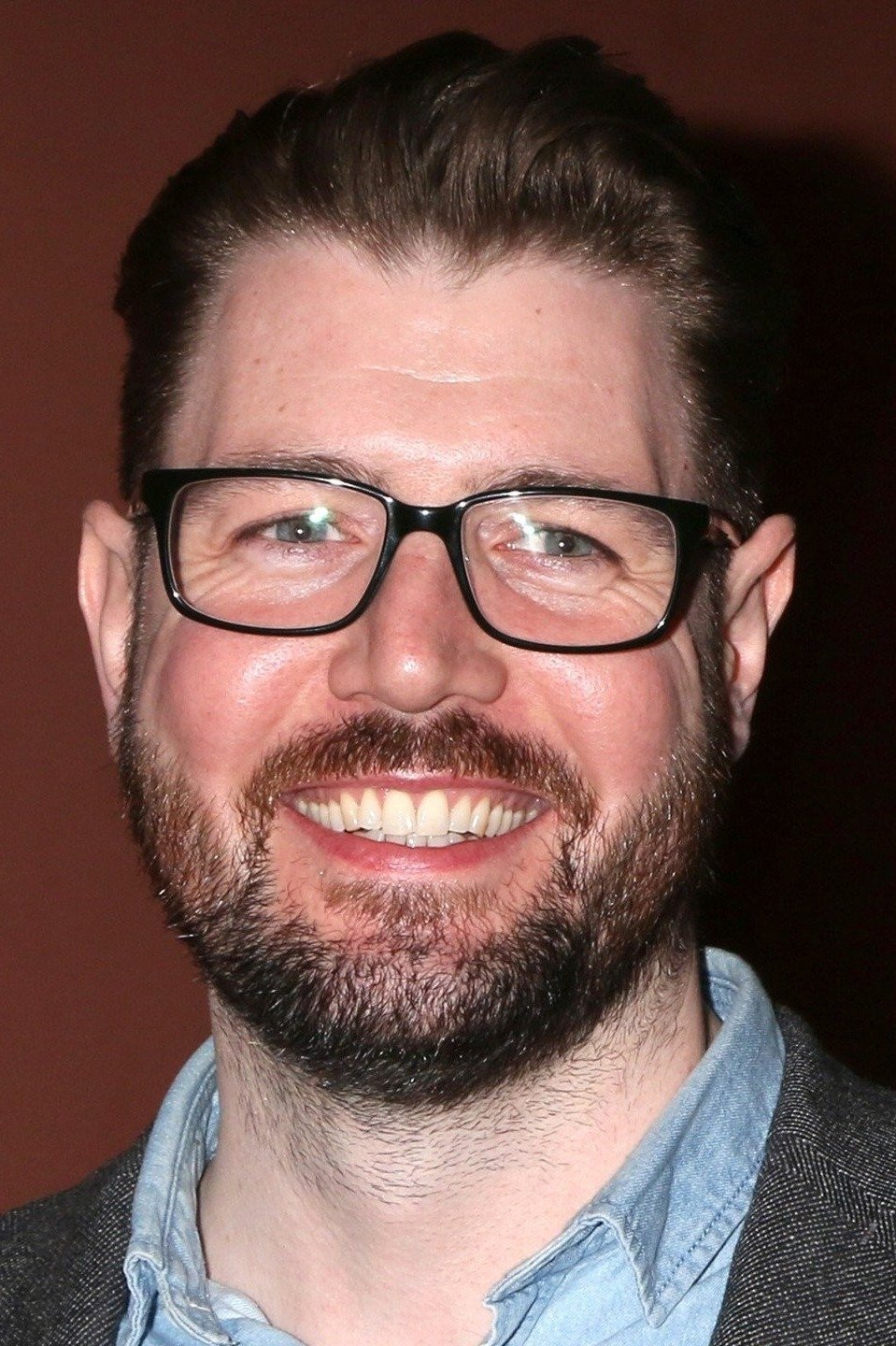
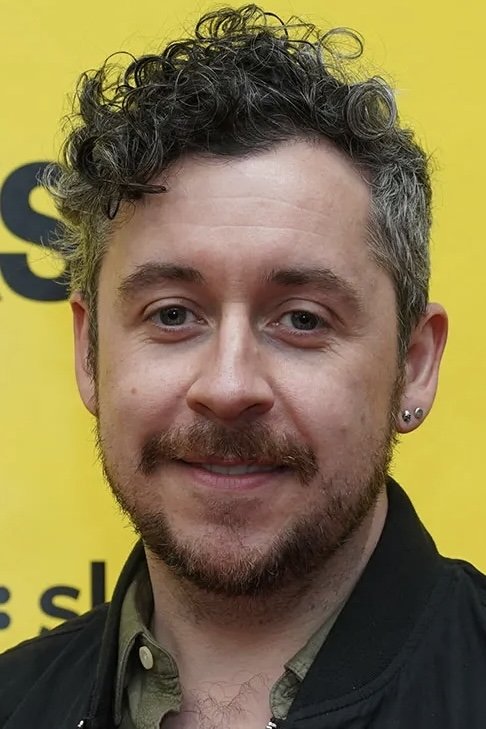
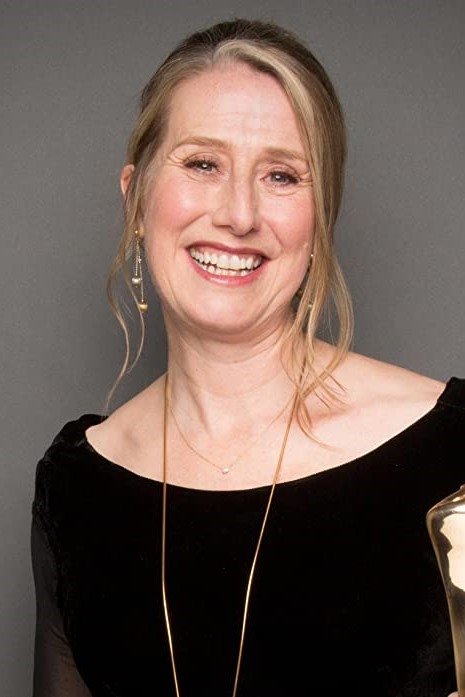
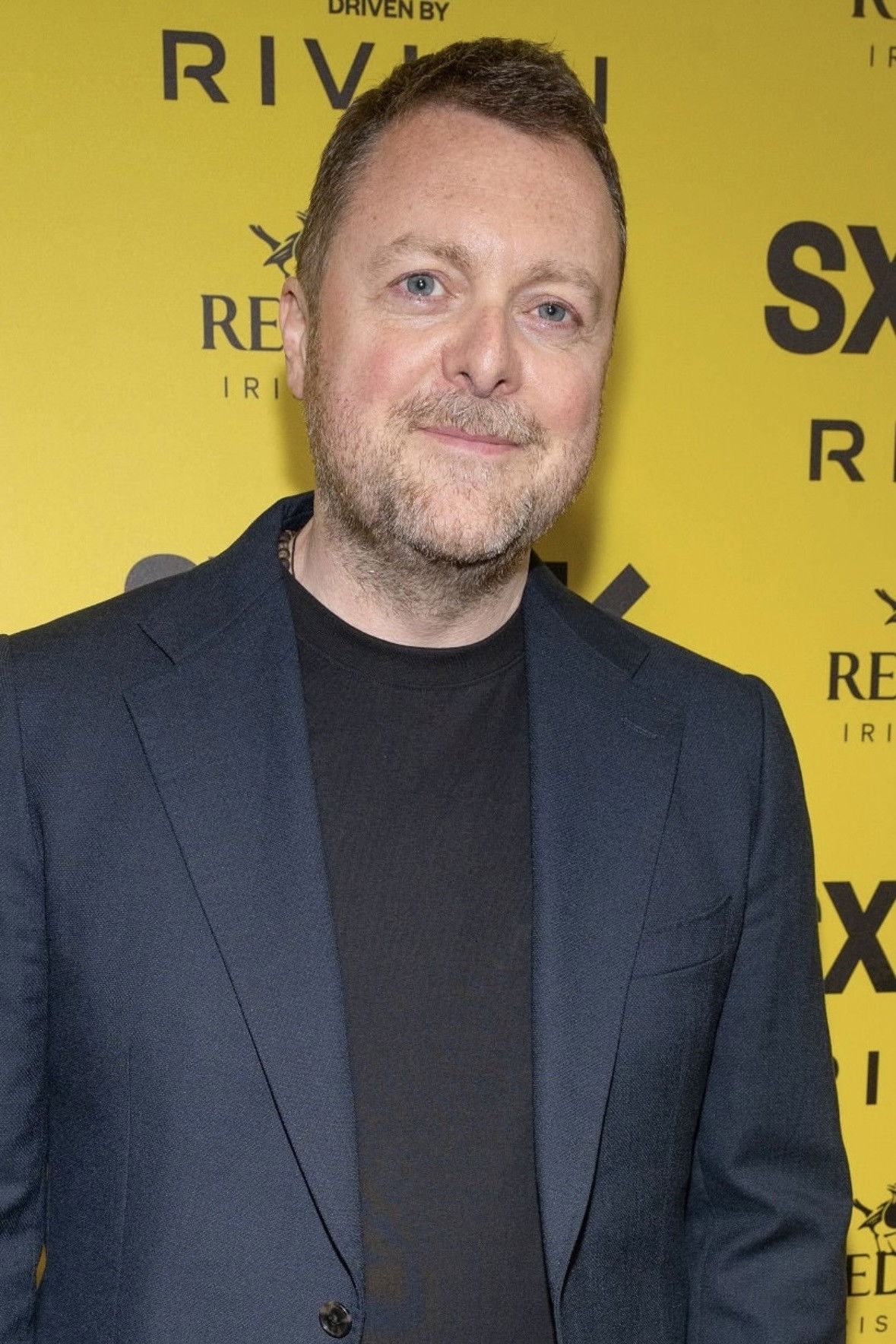
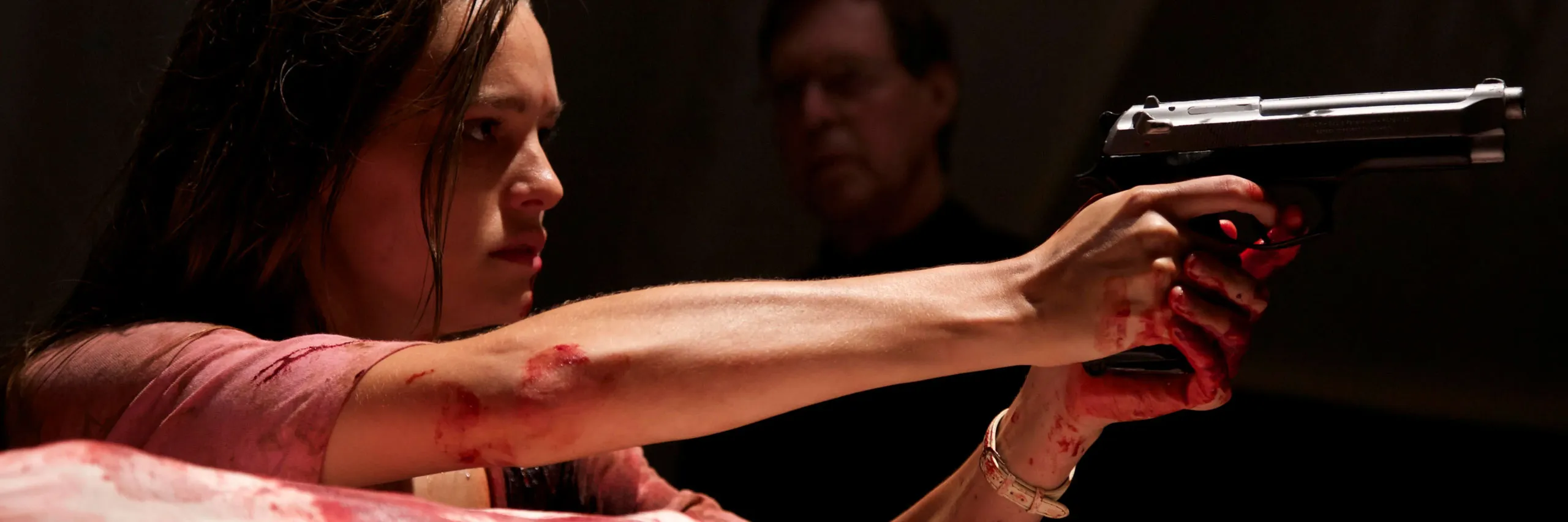
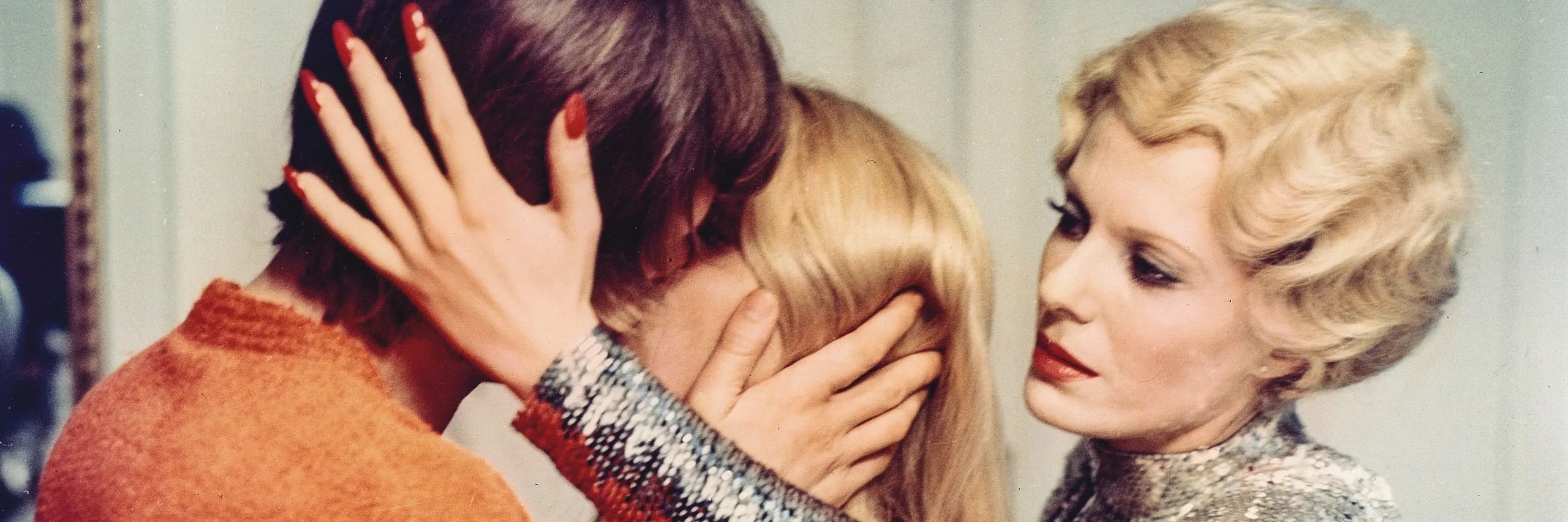
Wake Wood (2011)
🇮🇪Ireland
A country whose literary monsters have haunted global culture for centuries took until 2004 to produce its first indigenous horror film — and has been making up for lost time ever since.
History
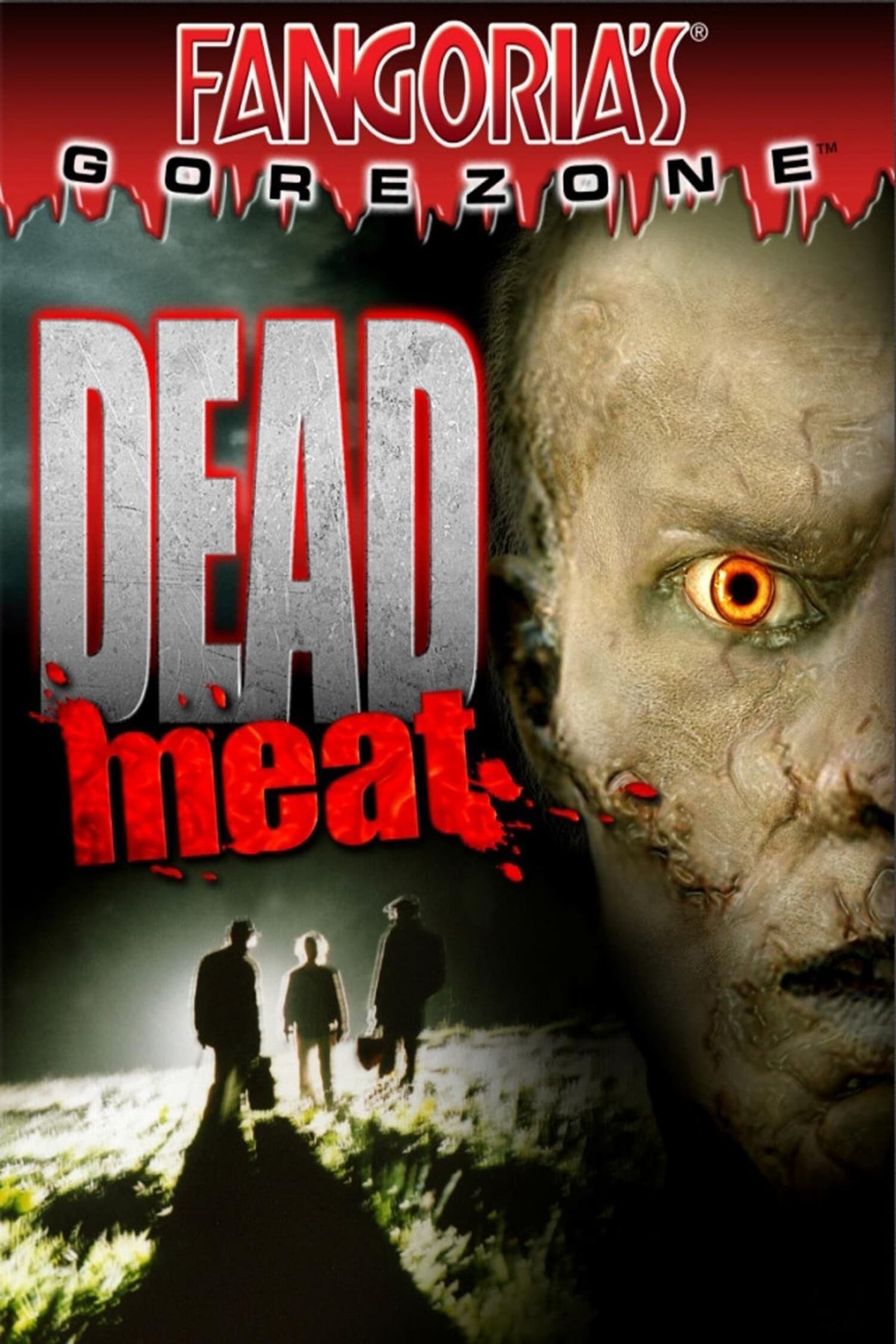
Ireland's contribution to horror cinema arrived remarkably late. Despite a literary tradition steeped in the Gothic — Bram Stoker, Sheridan Le Fanu, Oscar Wilde — and a folklore rich with changelings, banshees, and fairy abductions, Ireland produced almost no indigenous horror films for decades. Neil Jordan, the country's most internationally recognised genre-adjacent filmmaker, made his horror work as British or American productions: The Company of Wolves (1984) was funded and shot in England, and Interview with the Vampire (1994) was a Hollywood studio film. Ireland's first genuinely indigenous horror feature is generally dated to 2004, with Conor McMahon's low-budget zombie film Dead Meat (2004) — a startlingly late beginning for a country whose literary monsters have haunted global culture for centuries.
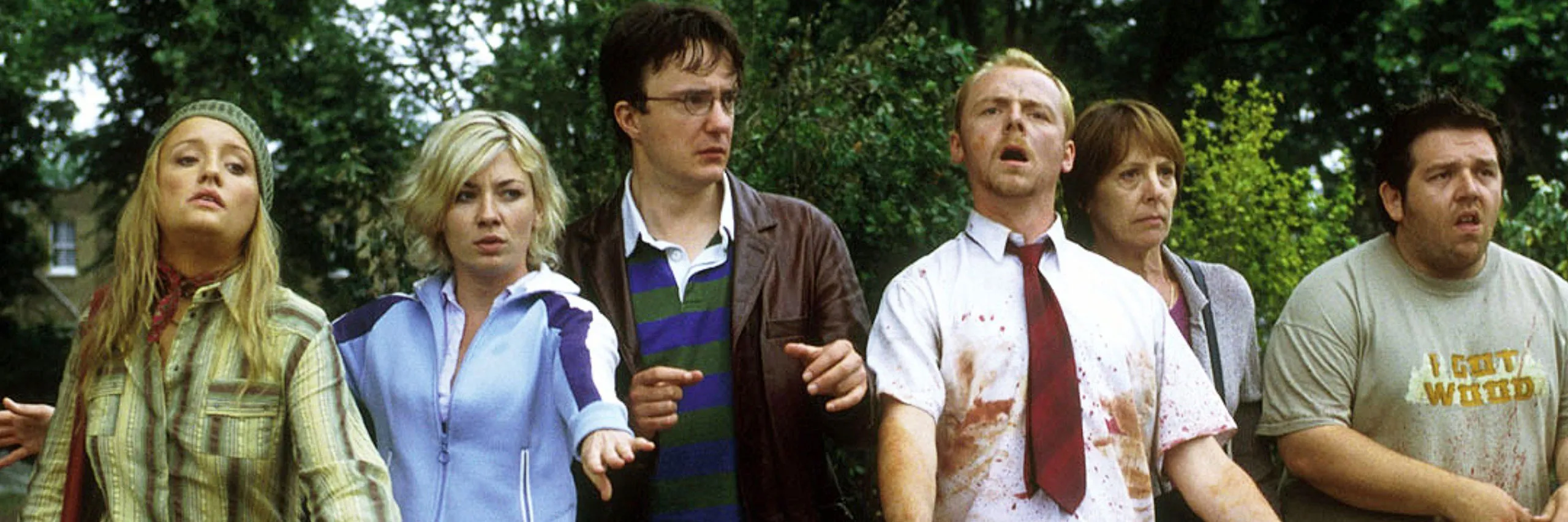
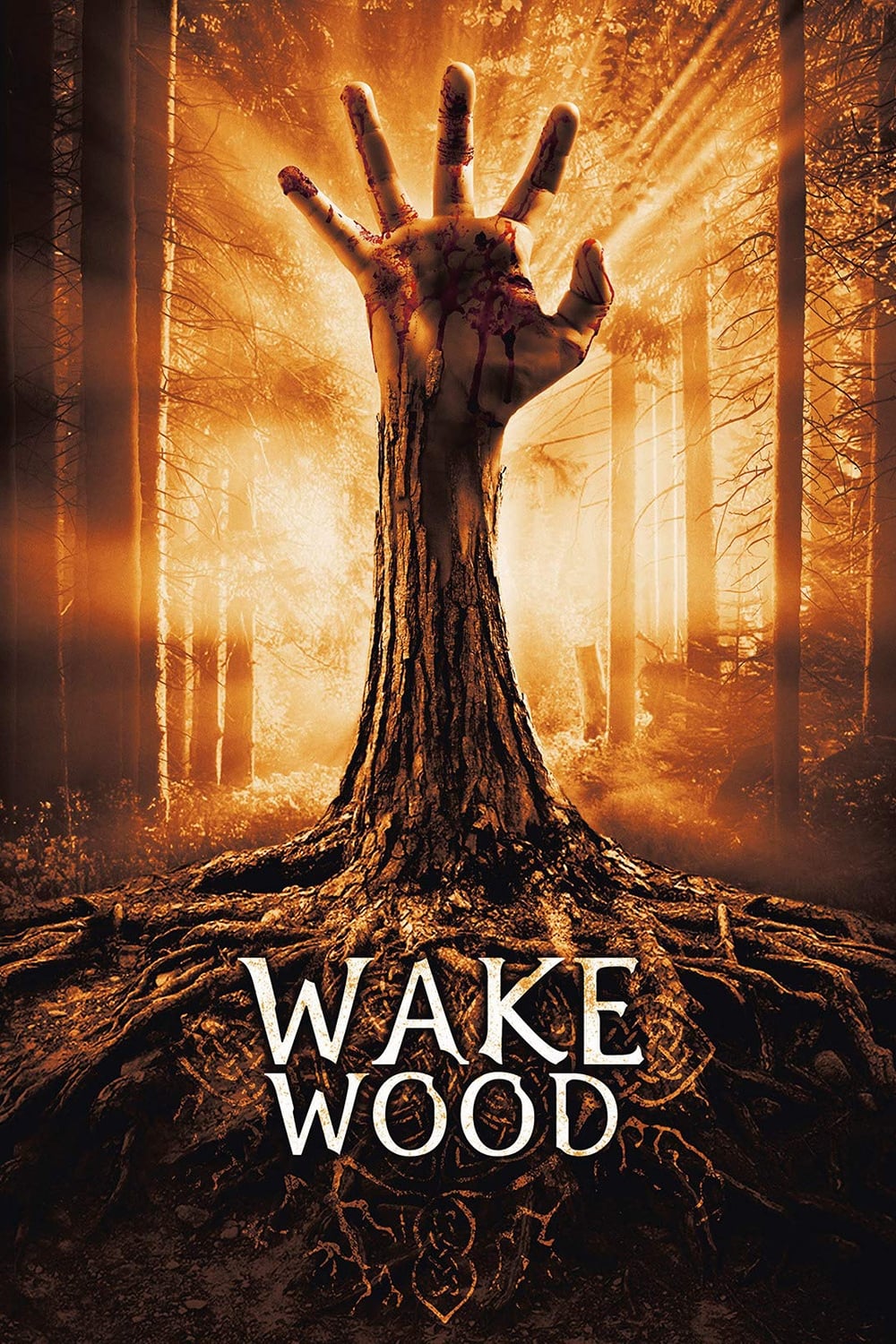
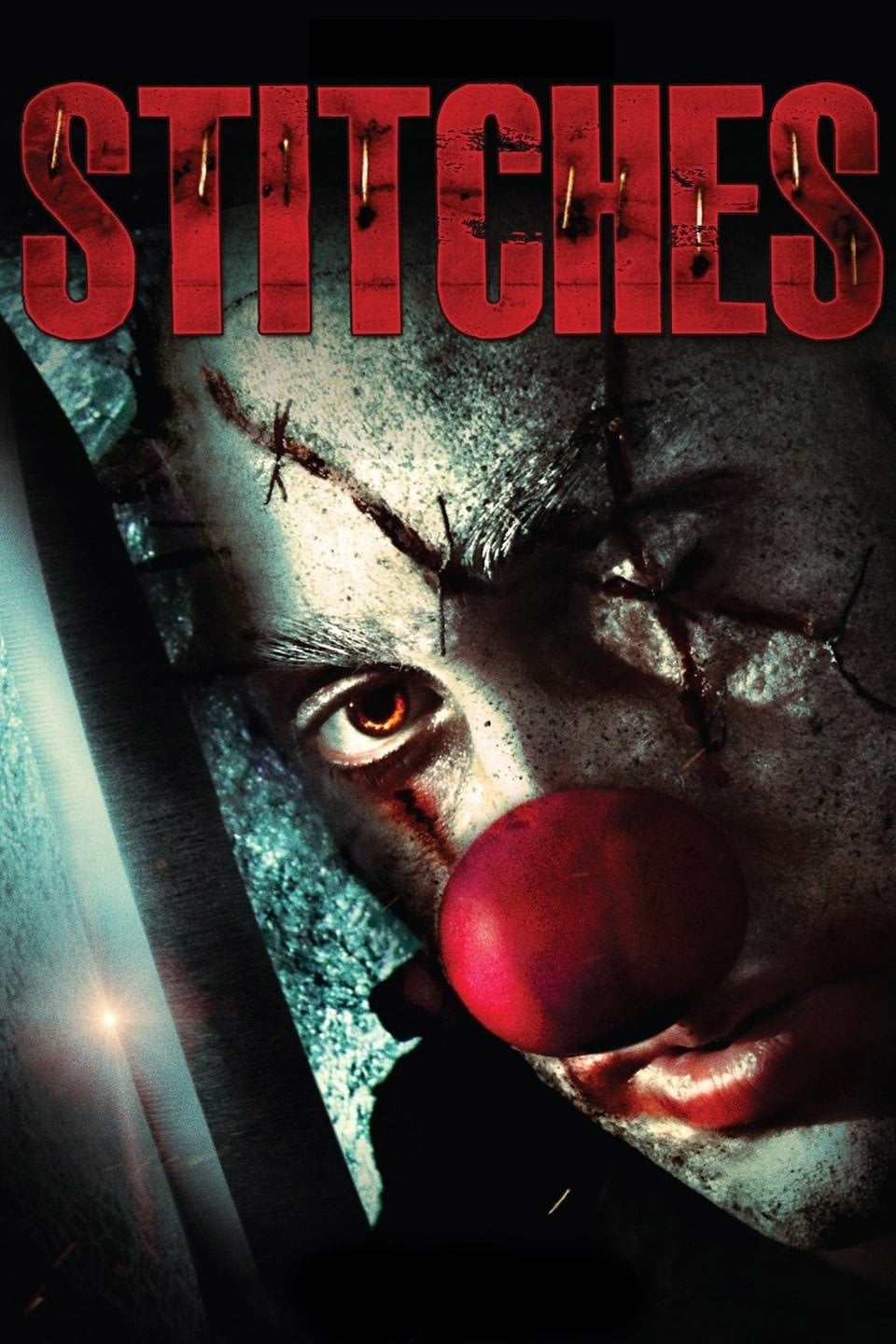
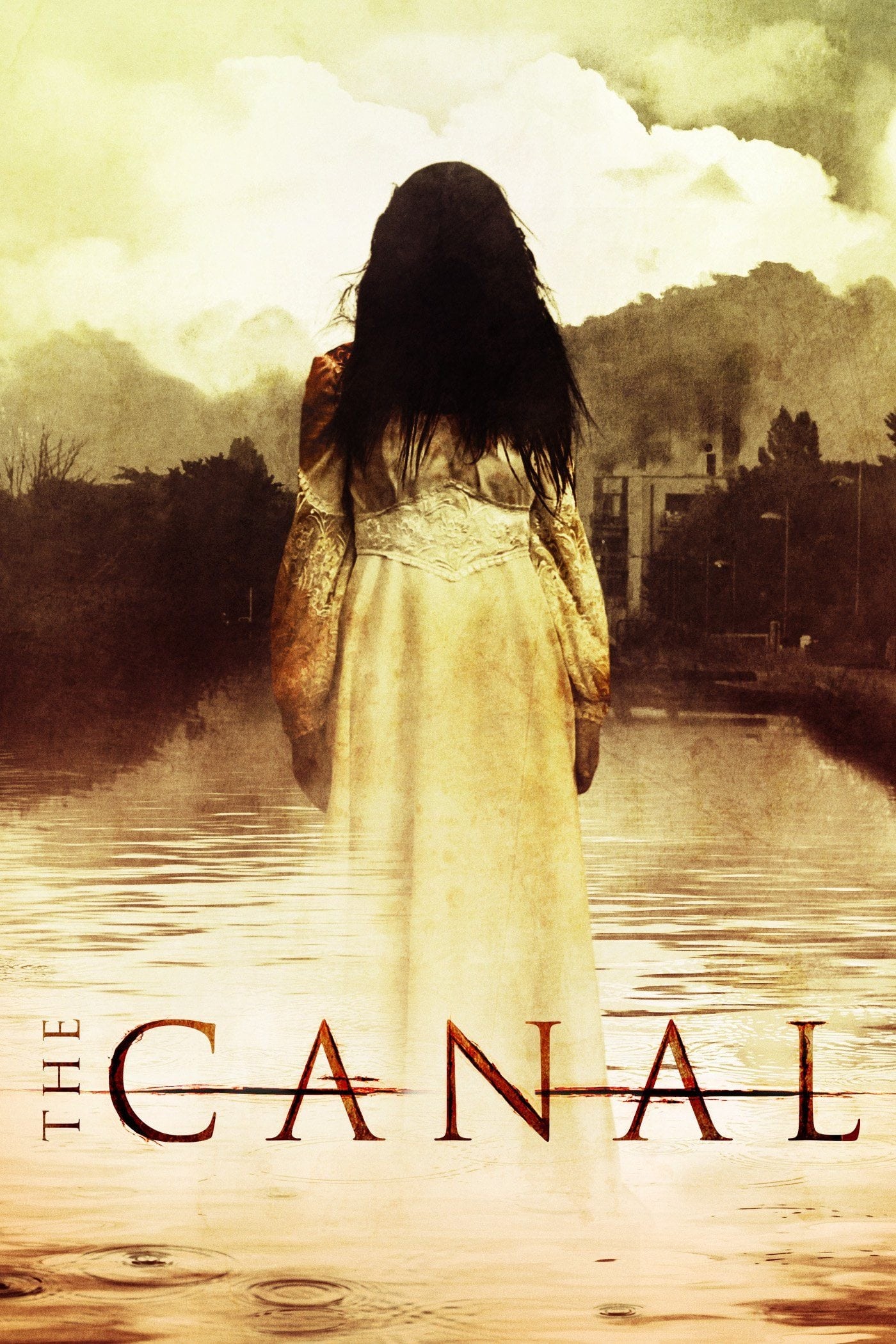
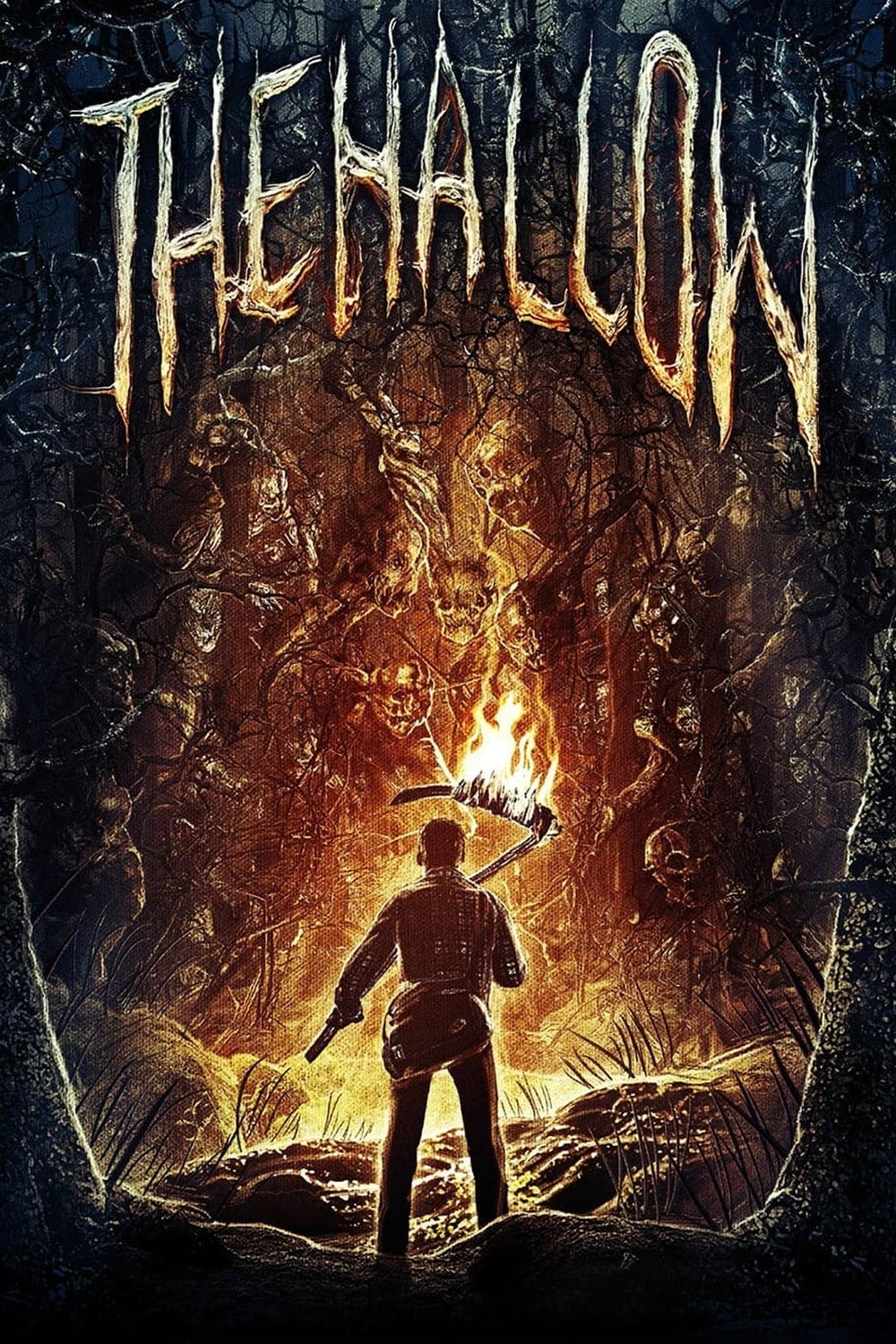
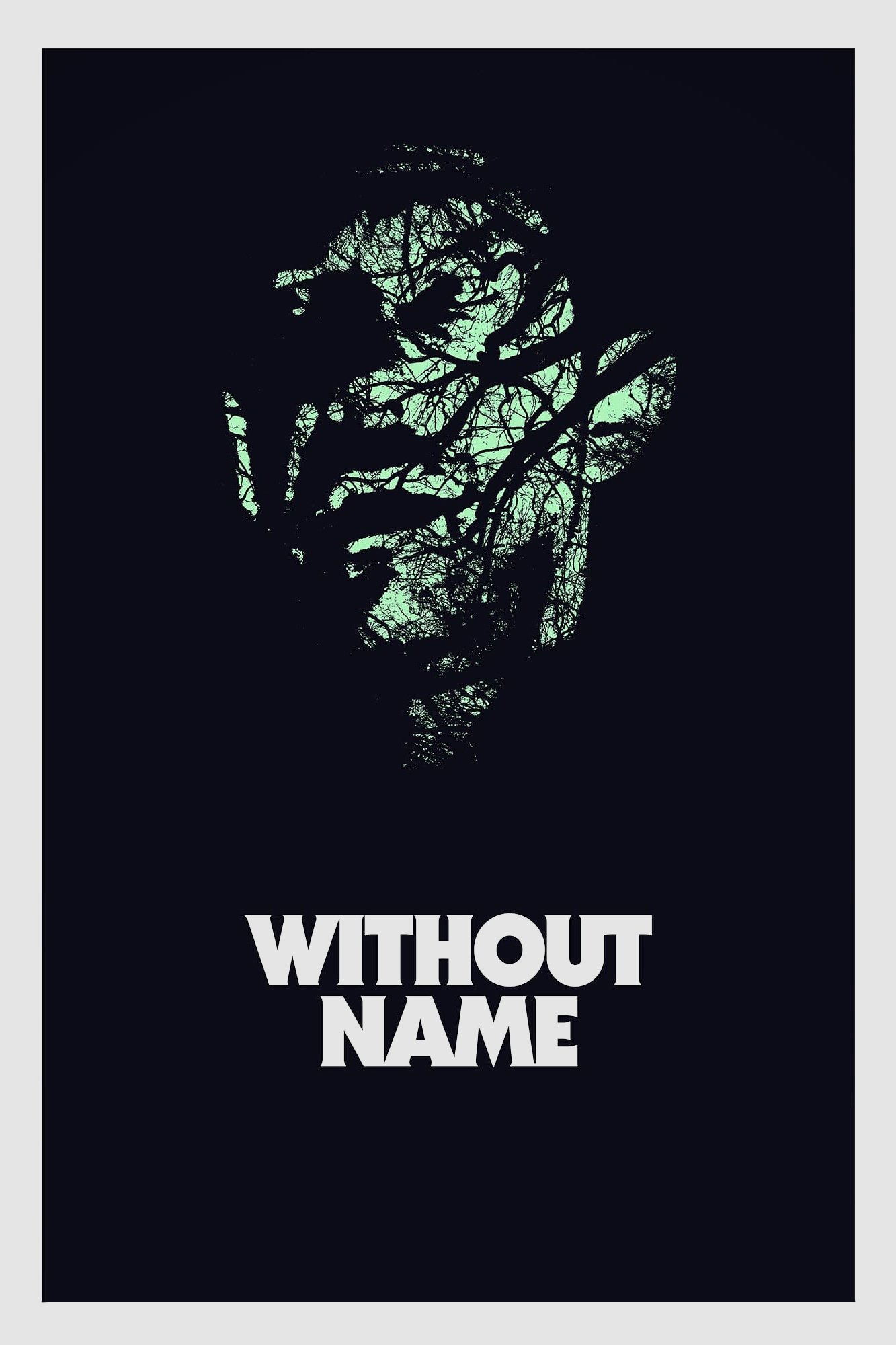
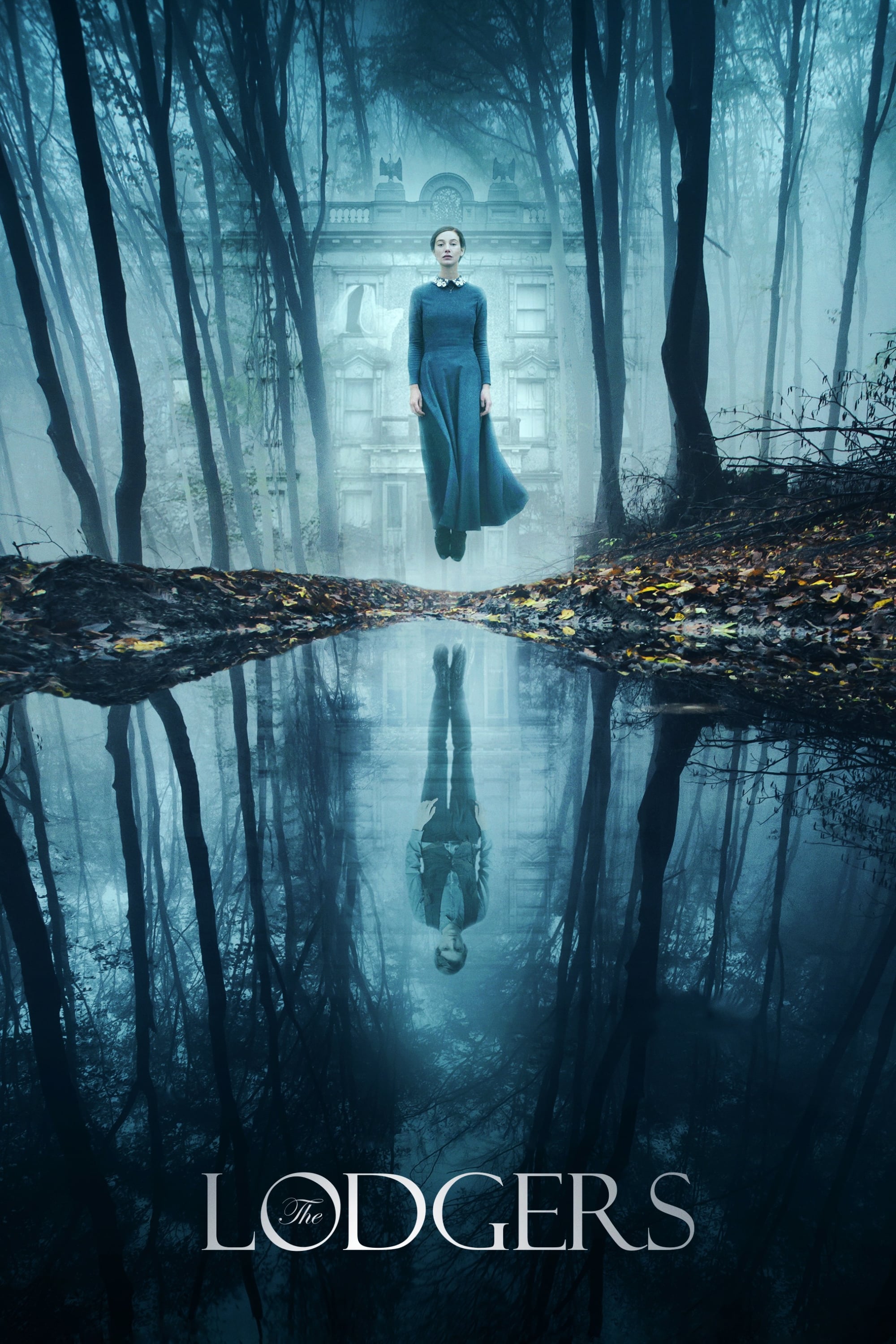
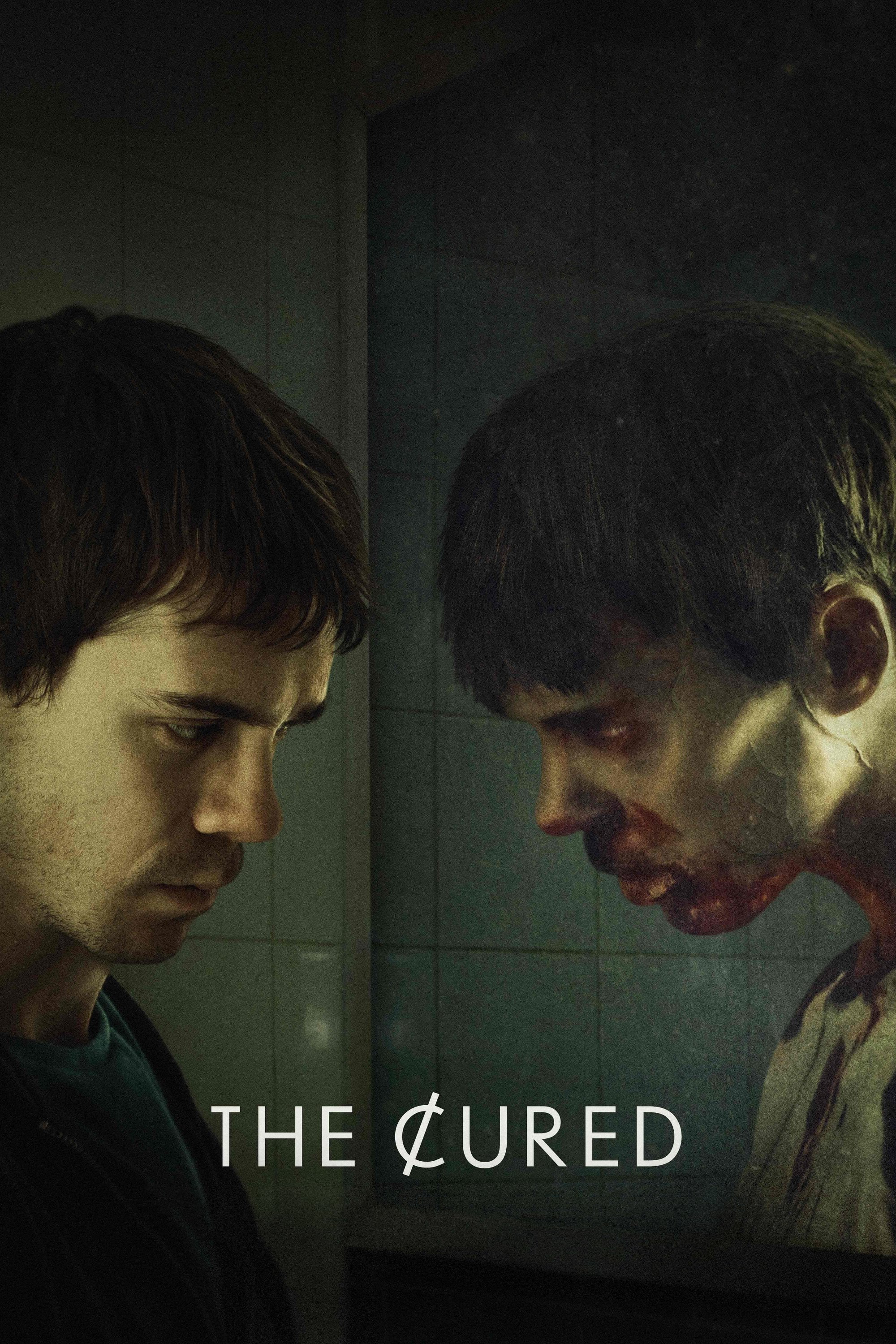
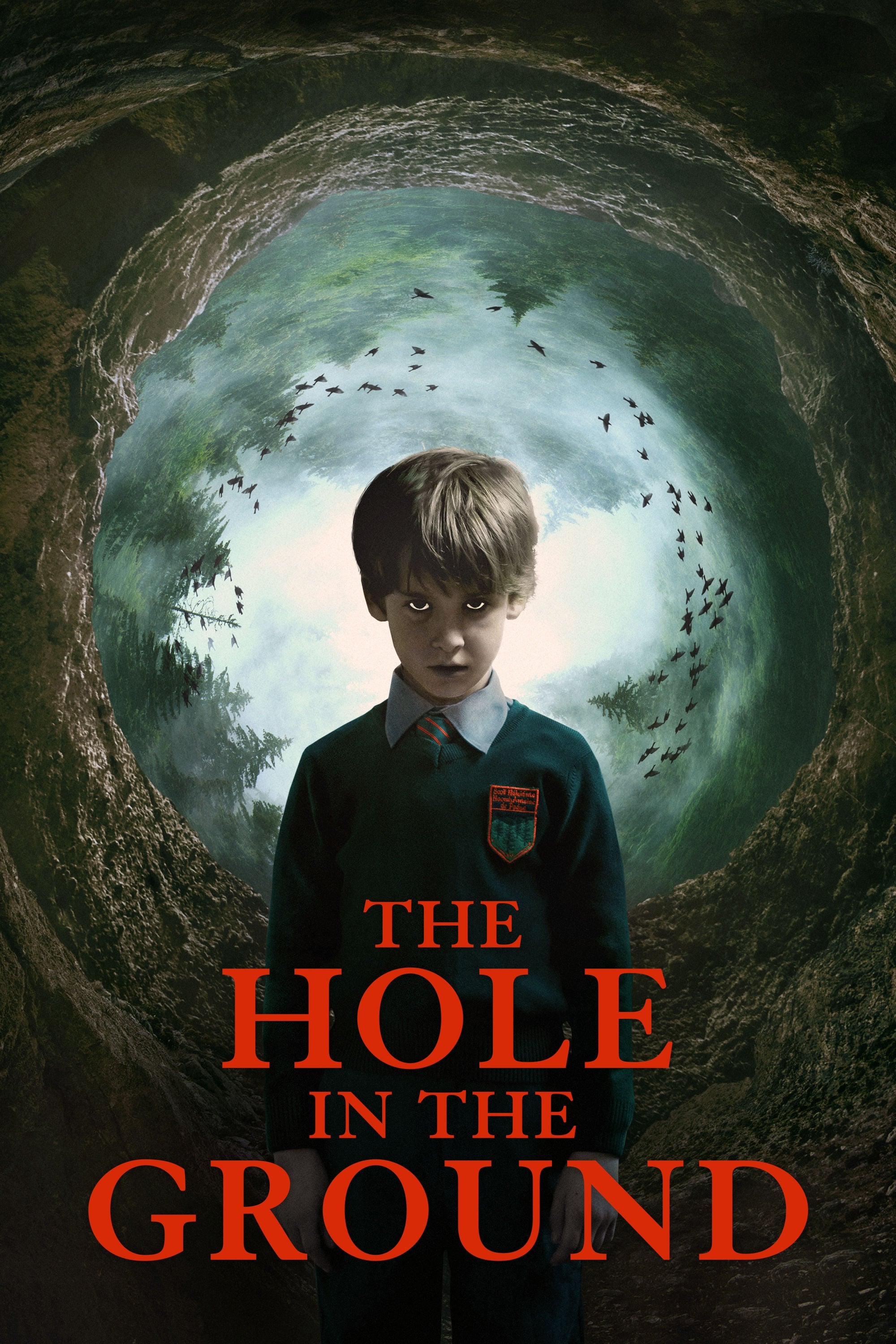
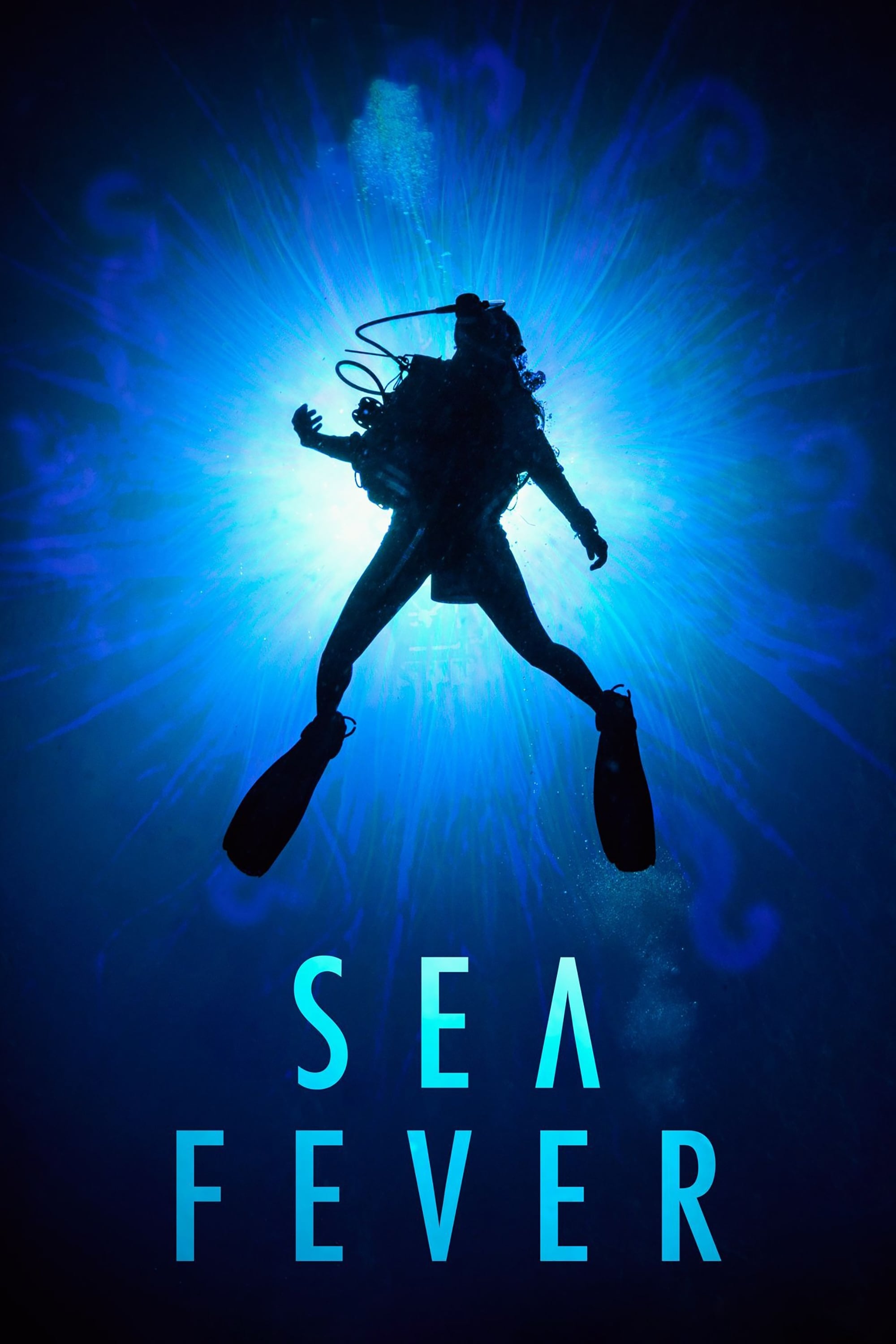
Once it arrived, Irish horror developed rapidly. Billy O'Brien's Isolation (2005) turned a cattle farm into a site of genetic nightmare, while David Keating's Wake Wood (2011) — produced by the revived Hammer Films — brought folk horror to an Irish village with ancient resurrection rituals. McMahon returned with the killer-clown horror-comedy Stitches (2012), and Jon Wright's Grabbers (2012) found horror-comedy in an island community's discovery that aliens are repelled by alcohol. Ivan Kavanagh's The Canal (2014) explored psychological breakdown through a haunted Dublin house. The folk-and-changeling lineage that the country had been waiting for arrived with Corin Hardy's The Hallow (2015), Lorcan Finnegan's Without Name (2017), Brian O'Malley's Gothic-period The Lodgers (2017), David Freyne's zombies-as-Troubles-trauma The Cured (2017), and Lee Cronin's The Hole in the Ground (2019), a possessed-child fable that prefigured Cronin's later Hollywood entry into the Evil Dead franchise. Neasa Hardiman's Sea Fever (2020) brought ecological body horror to a doomed trawler.
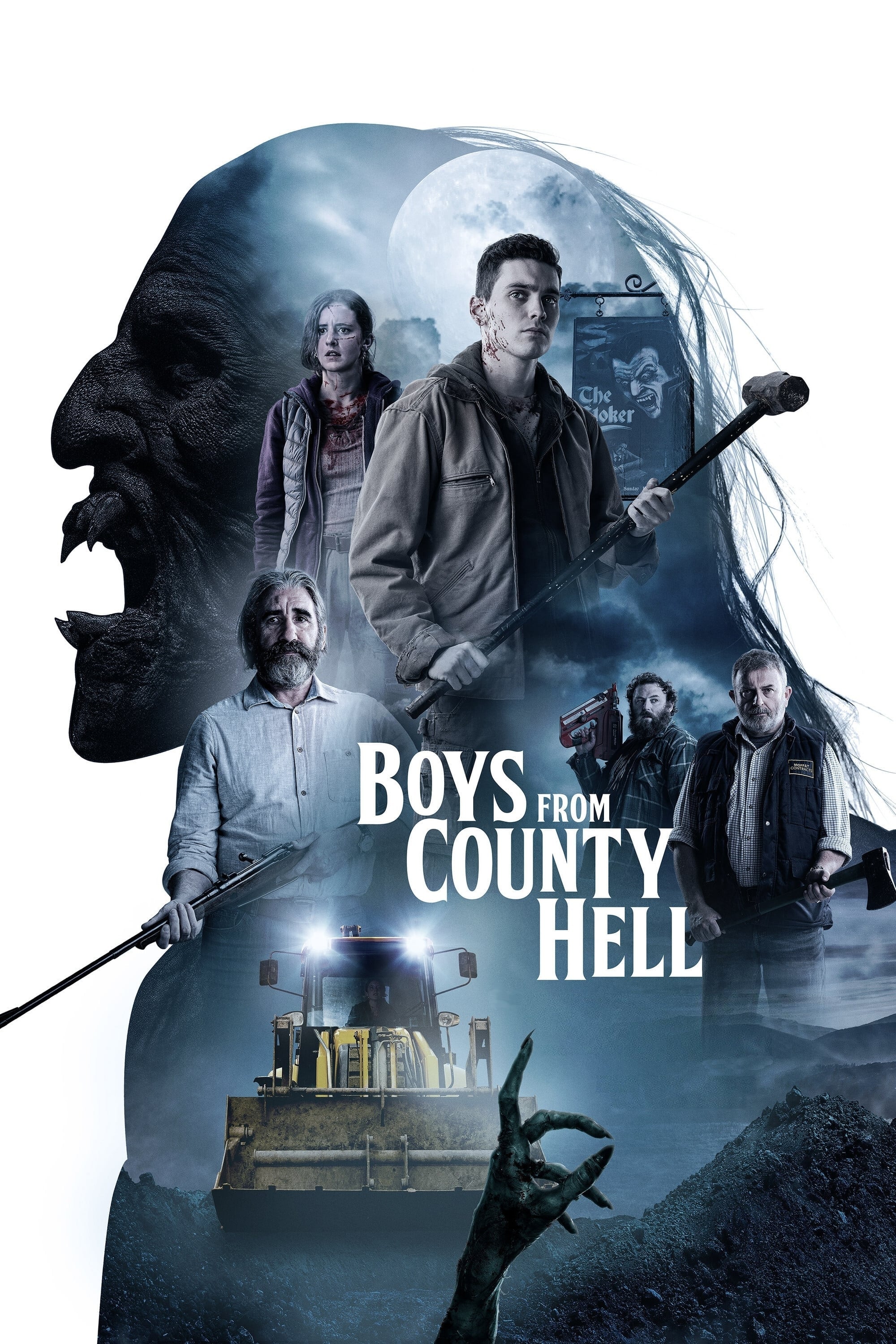
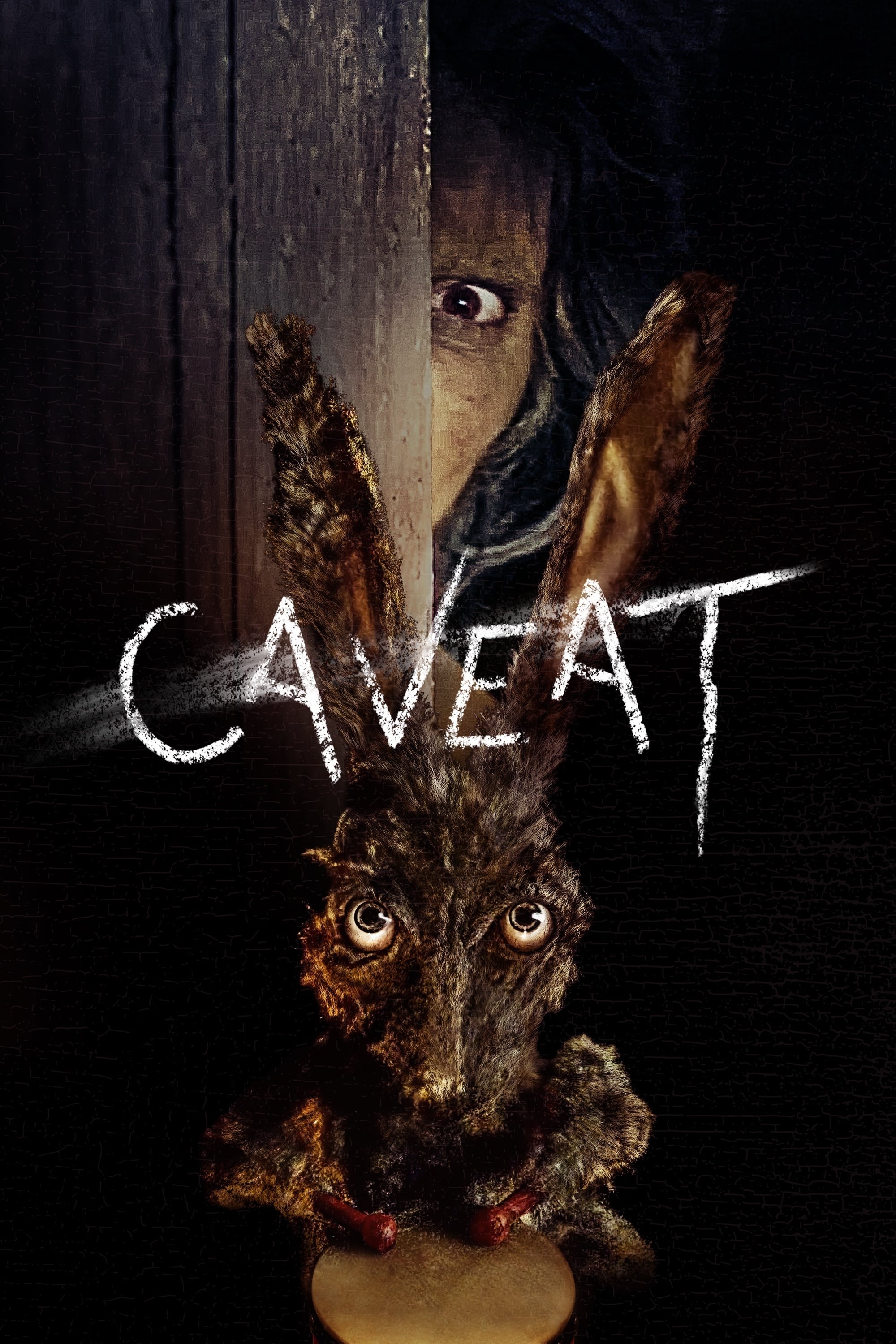
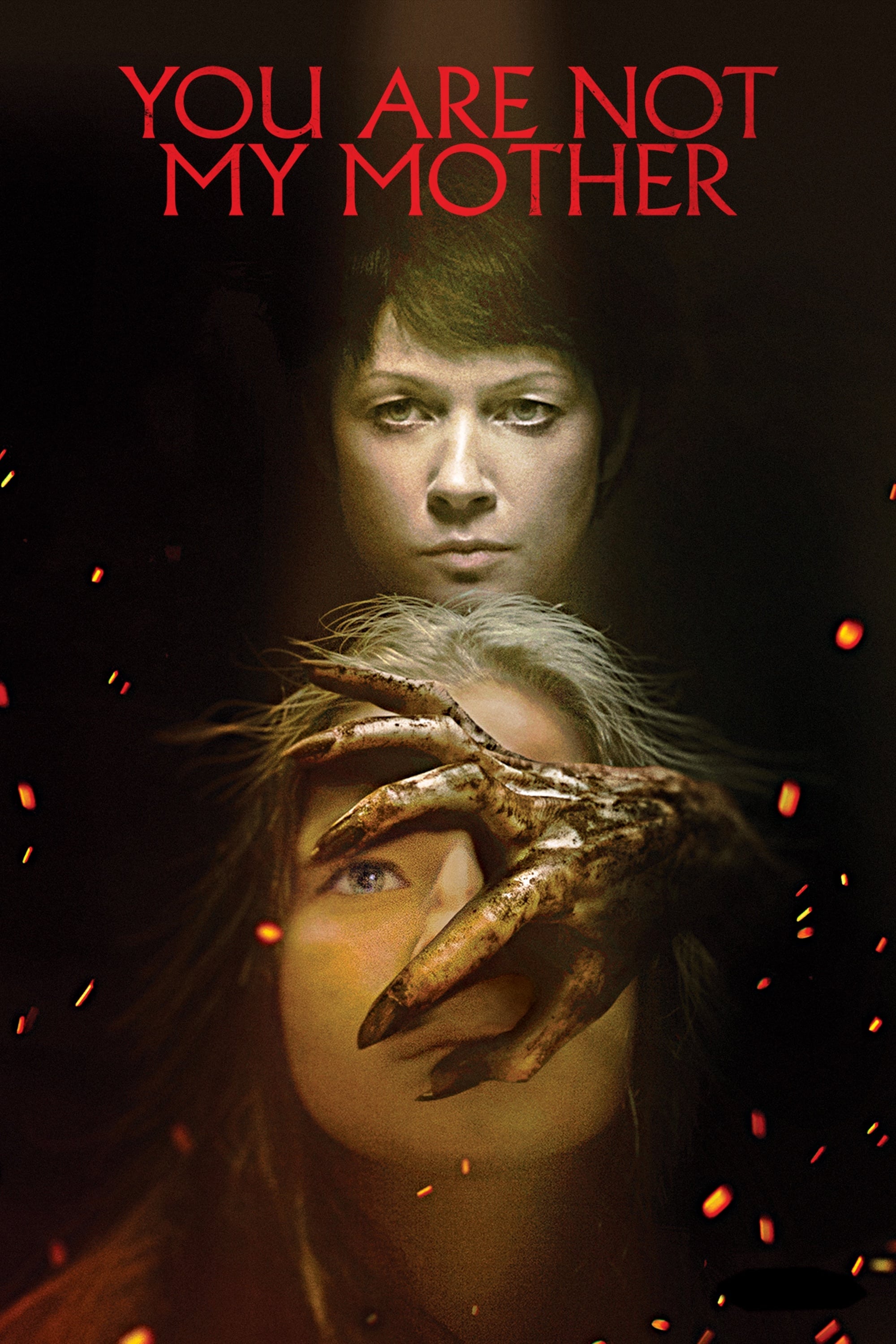
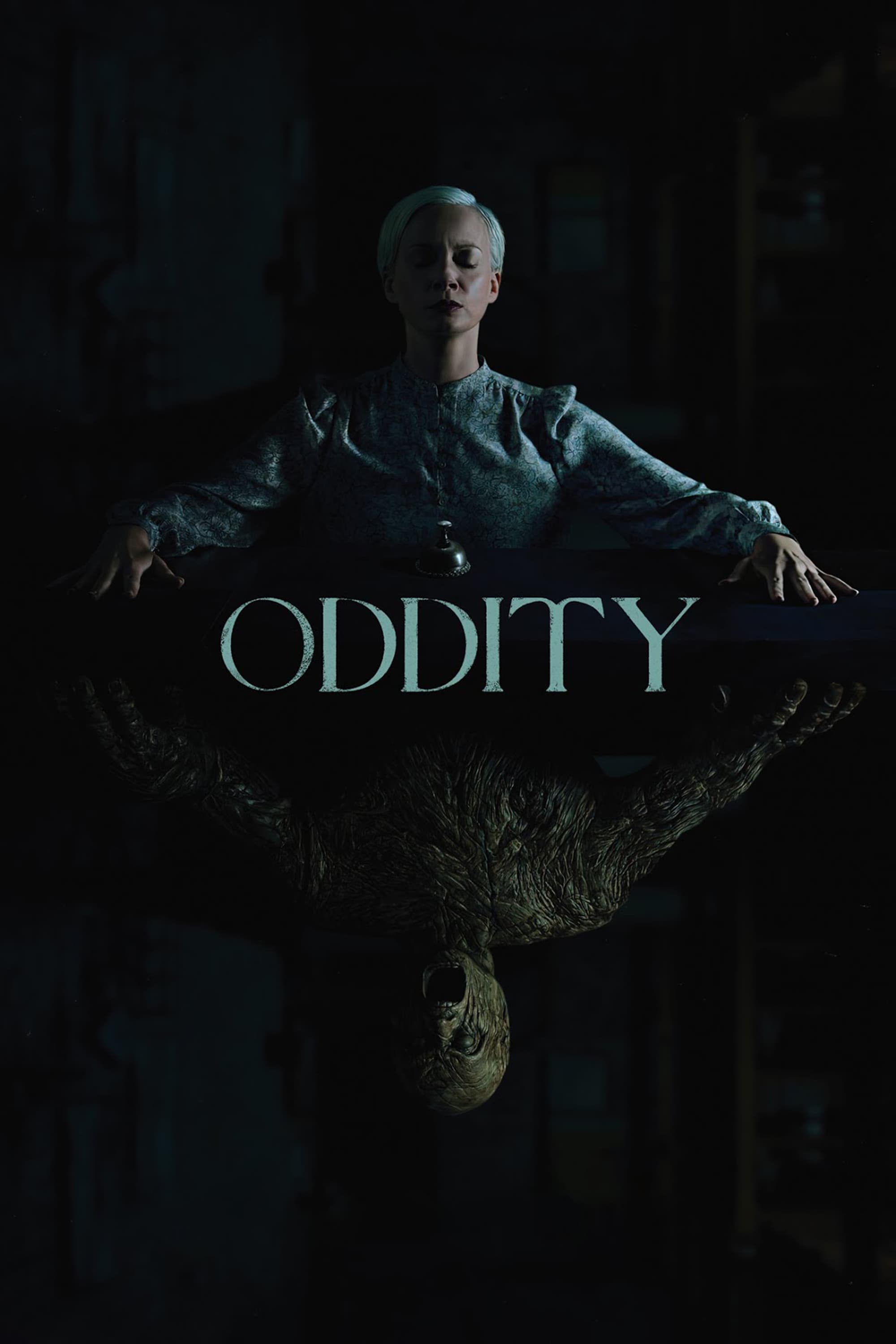
A 2020s wave has consolidated Ireland's status as one of contemporary horror's most reliable national cinemas. Kate Dolan's You Are Not My Mother (2022) grounded changeling folklore in working-class Dublin; Chris Baugh's Boys from County Hell (2021) reimagined Irish vampire folklore through Stoker-adjacent comedy; and Damian Mc Carthy's Caveat (2021) and Oddity (2024) have earned international festival acclaim through tightly-coiled supernatural psychological horror. Lee Cronin's Evil Dead Rise (2023), while a Hollywood IP entry, demonstrated that Irish-trained craft could carry an established American franchise into its strongest film in over a decade. Irish horror's strength lies precisely in what delayed it — a culture so saturated with supernatural belief that filmmakers can draw on living folklore rather than invented mythology, anchoring their work in landscapes and traditions that feel genuinely haunted.
Essential Films


Statistics
Top Subgenres
Popularity by Decade
Share of each decade's horror films classified as Ireland horror. Counts films with at least 5 TMDB ratings, so very obscure titles are not represented.