 It Follows (2015)
Trauma Horror
Past wounds given terrifying form. Grief, abuse, and loss externalized as horror — the monster is not a creature but an event that has already happened and refuses to stay in the past.
History & Origins
Trauma horror gives psychological wounds a tangible, terrifying form. These films externalize internal suffering — grief, abuse, PTSD, the aftermath of violence — as horror experiences that the audience must endure alongside the protagonist. The monster is not a creature or a person but an event that has already happened, and the horror is its refusal to stay in the past.
The roots go deeper than the 2010s wave that gave the form its current name. Roman Polanski's Repulsion (1965) depicted sexual trauma's corrosive effect on perception — Carole Ledoux's apartment becoming a hallucinated catalogue of her unresolved abuse. Nicolas Roeg's Don't Look Now (1973), with Julie Christie, built its entire Venice narrative around a couple's unresolved grief for their drowned daughter — a film Brian Crim and others have called the foundational text of cinema's grief-horror lineage. Brian De Palma's Carrie (1976), adapting Stephen King, made adolescent religious-abuse trauma into telekinetic apocalypse, with Sissy Spacek and Piper Laurie. Stanley Kubrick's The Shining (1980) is, beneath its supernatural elements, a story about the horror of a family with an abusive, alcoholic father — per William Paul, "seeing is the key to understanding," and Danny's visions express what no child in his position could put into words.
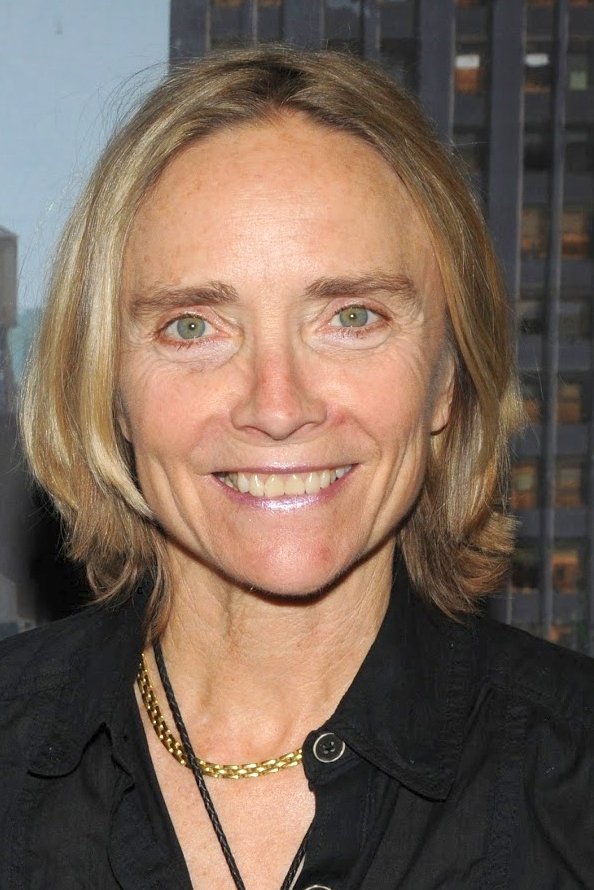
The 1980s and 90s extended the form into psychiatric and dream-state register. Mary Lambert's Pet Sematary (1989), adapting King, made parental grief literal — bringing the dead child back is the unforgivable mistake. Adrian Lyne's Jacob's Ladder (1990) brought Vietnam-veteran chemical-experiment trauma into hallucinated-purgatory register. David Lynch's Twin Peaks: Fire Walk with Me (1992), with Sheryl Lee, opened up the abuse-trauma-as-horror register more explicitly than any mainstream-adjacent film had attempted before.
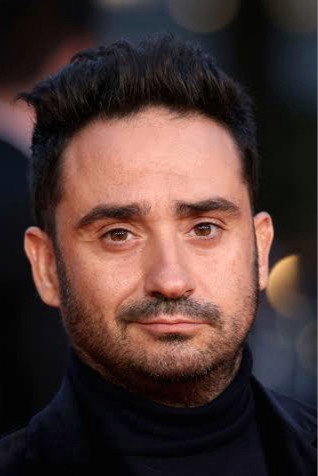
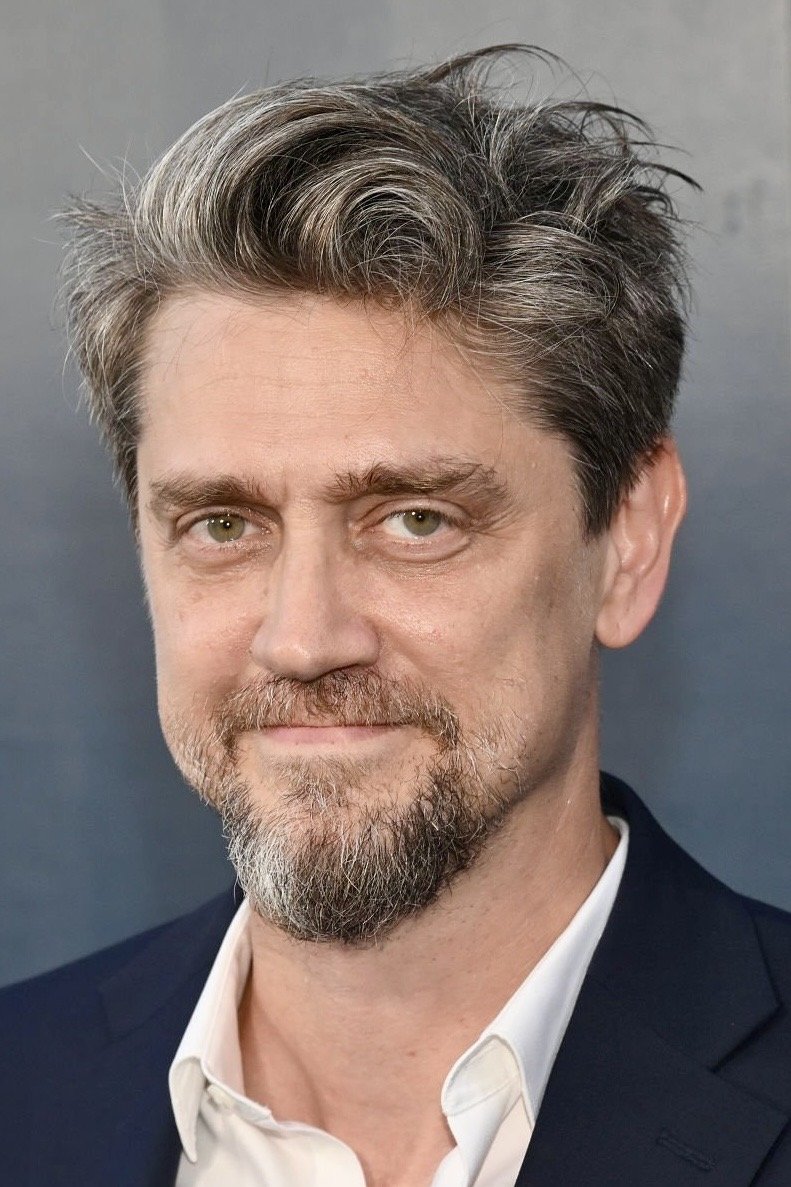
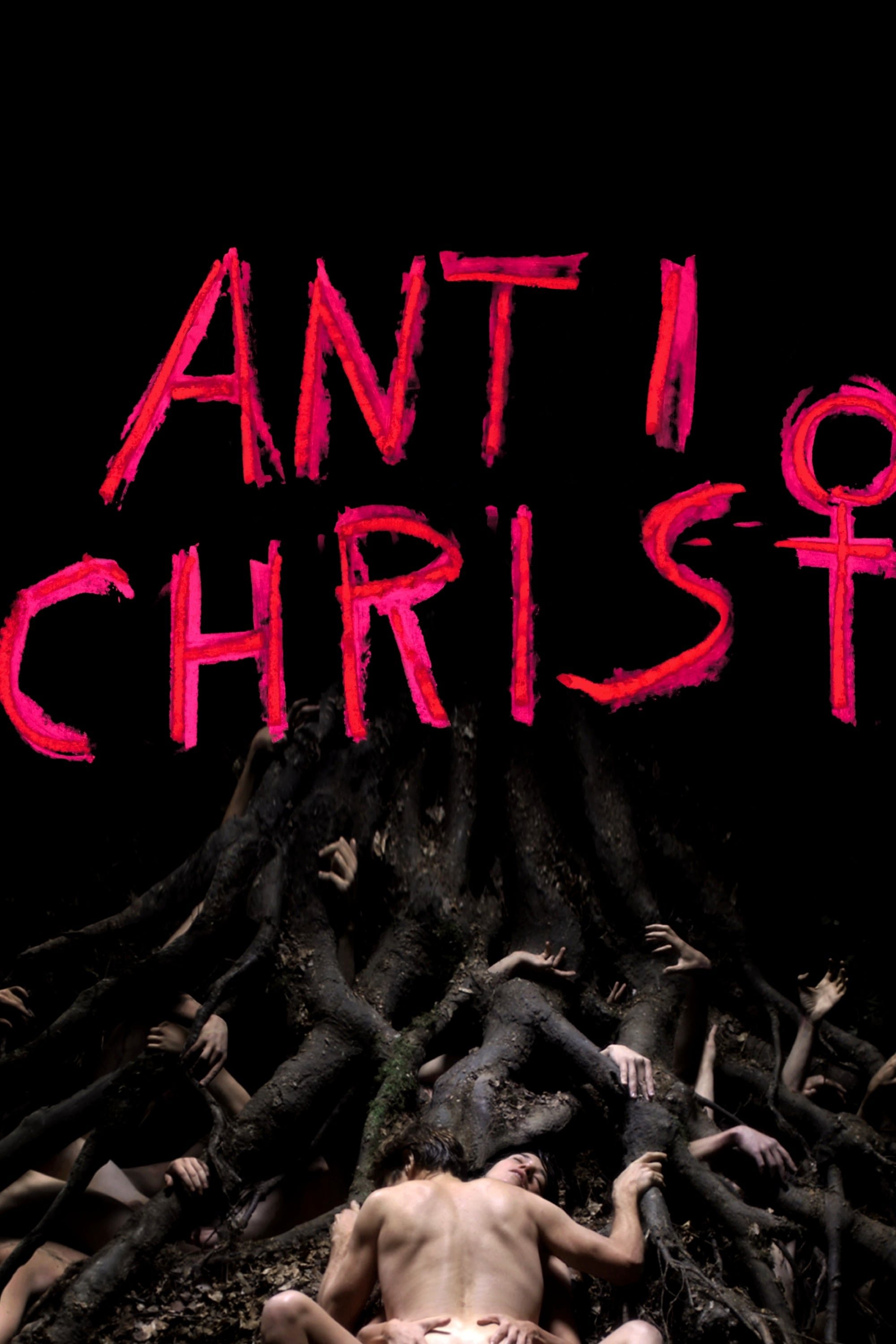
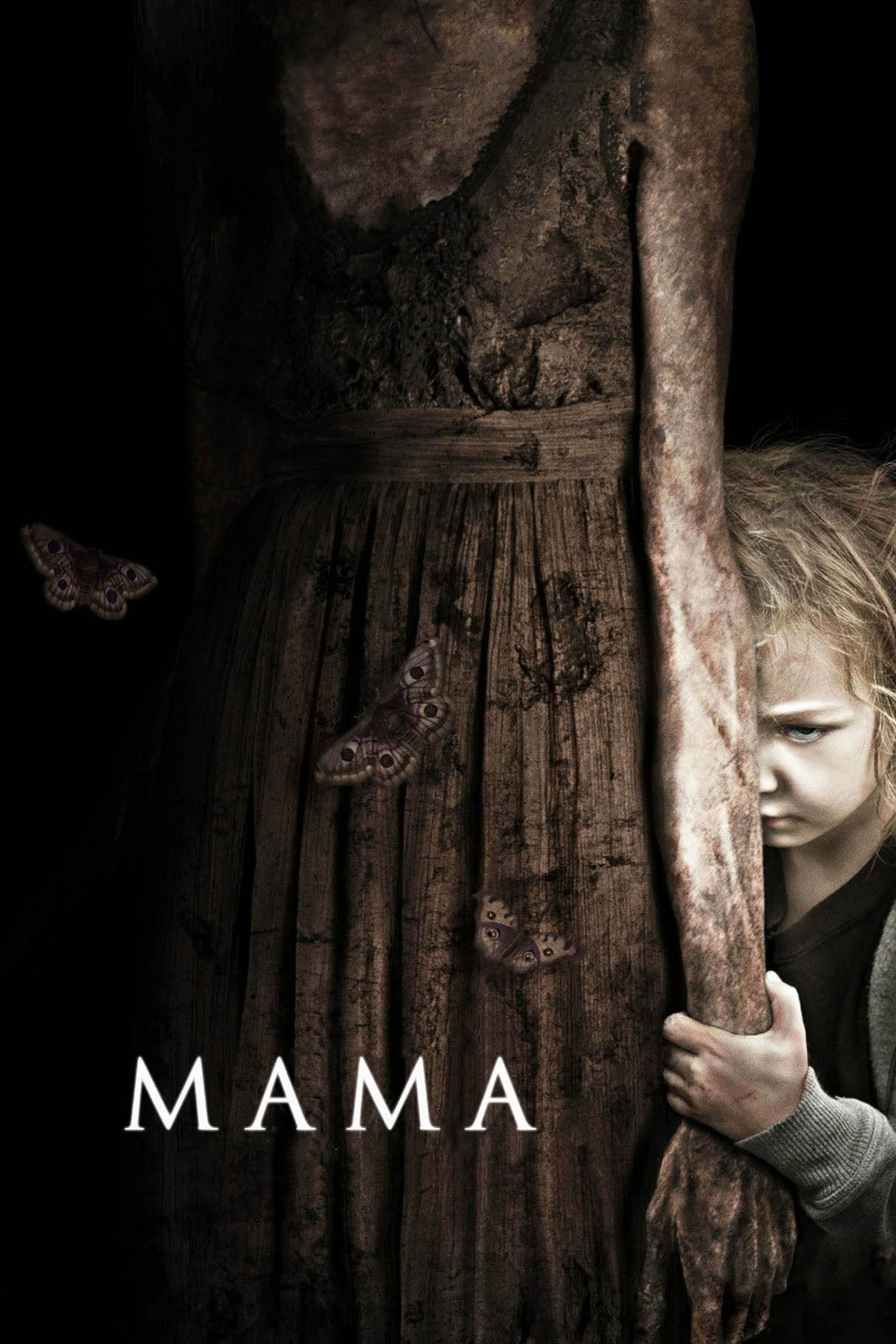
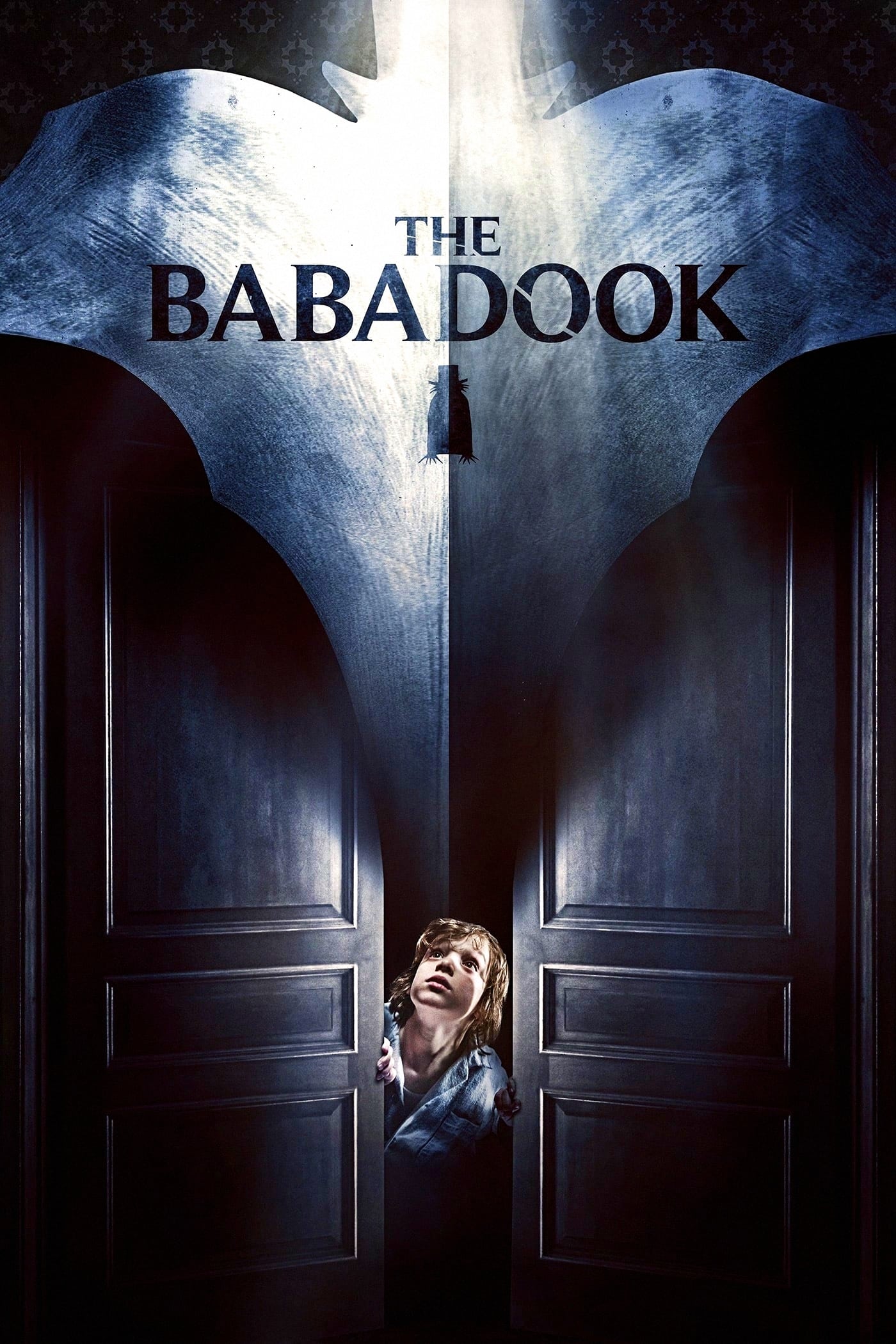
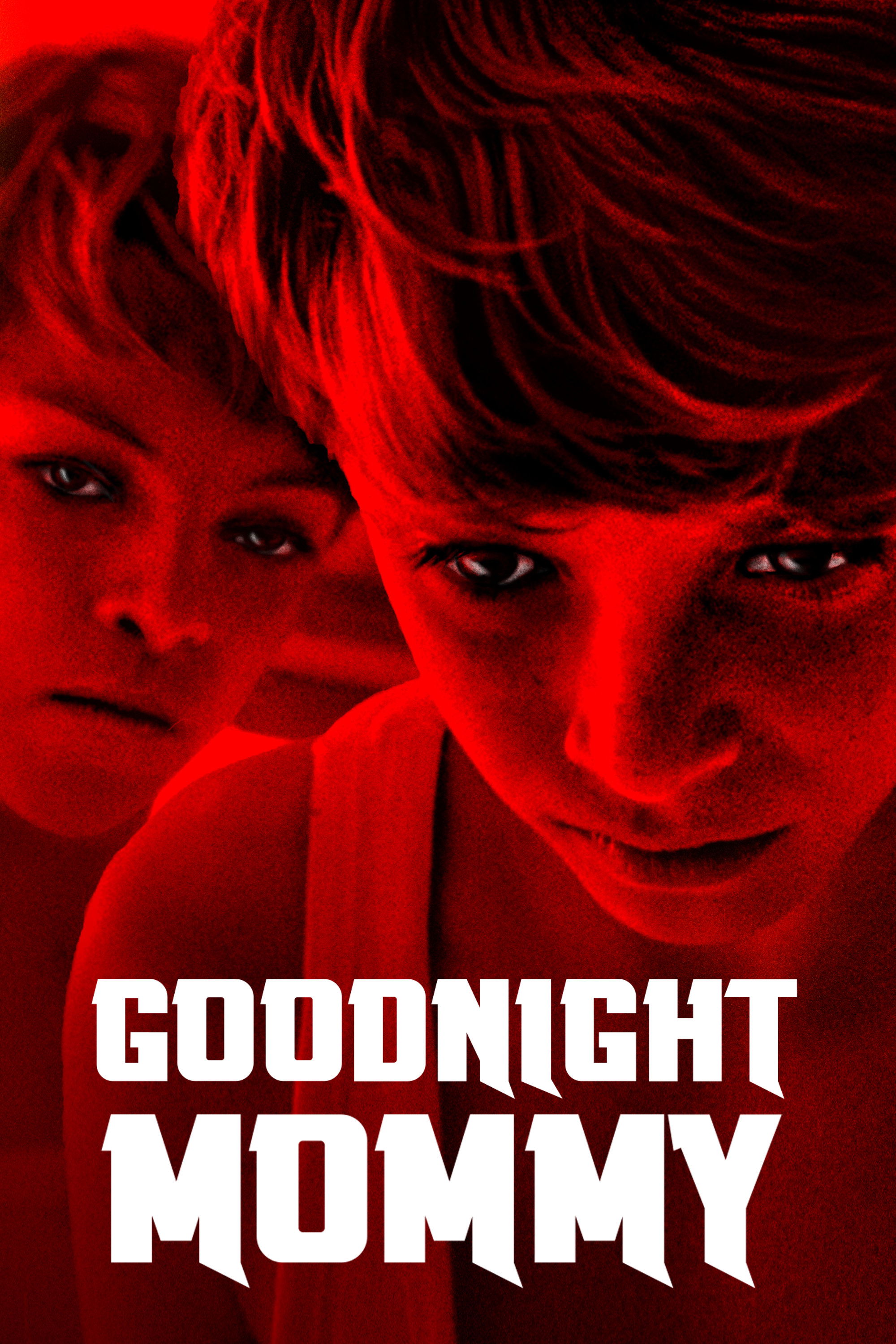
The form's contemporary surge began with Guillermo del Toro's Spanish Civil War-set diptych — The Devil's Backbone (2001) and Pan's Labyrinth (2006) — which fused political trauma with ghost-fairy-tale register. J. A. Bayona's The Orphanage (2007), with Belén Rueda, supplied the Spanish wave's other definitive entry. Lars von Trier's Antichrist (2009) pushed the form into extreme art-cinema. Andy Muschietti's Mama (2013), with Jessica Chastain, ran the foundling-trauma variant. Jennifer Kent's Australian The Babadook (2014), with Essie Davis, made grief literal — a children's book monster that grows more powerful the more it is denied, the metaphor for the depression that devours a grieving mother. Veronika Franz and Severin Fiala's Austrian Goodnight Mommy (2015) ran a children-grieving variant; their later The Lodge (2020), with Riley Keough, extended the duo's chamber-piece grief-horror.
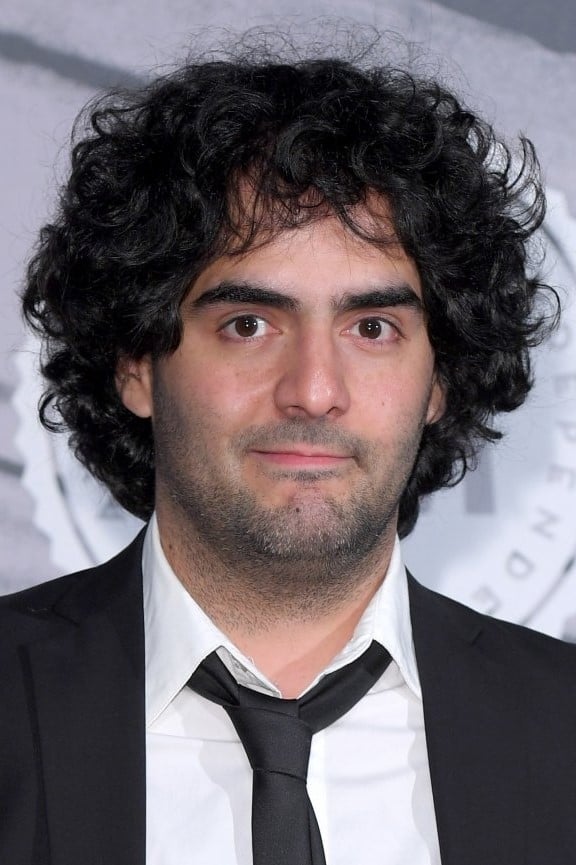
Ari Aster's Hereditary (2018), with Toni Collette, charted a family's disintegration after a devastating loss, blurring the line between supernatural horror and the horror of watching people you love come apart; his Midsommar (2019), with Florence Pugh, used a Swedish folk horror setting to process a relationship that was already dead, making the protagonist's grief and the cult's rituals mirror images of each other. Babak Anvari's Under the Shadow (2016), with Narges Rashidi, ran the Iran-Iraq War variant. Remi Weekes's His House (2020), with Wunmi Mosaku, brought refugee-trauma into the form. Parker Finn's Smile (2022), with Sosie Bacon and Kyle Gallner, became the surprise commercial breakthrough of the contemporary cycle. Danny Philippou's Talk to Me (2023), with Sophie Wilde, established the Australian siblings as the form's most exciting new voices; their Bring Her Back (2025) extended the run. Critics have debated whether trauma horror represents a genuine artistic evolution or a limiting tendency that reduces horror to therapy narrative. The strongest films in the tradition — those that honor both the reality of suffering and the genre's capacity for genuine dread — suggest that the question is not whether horror should address trauma but whether individual films do so with the seriousness the subject demands.
Essential Films
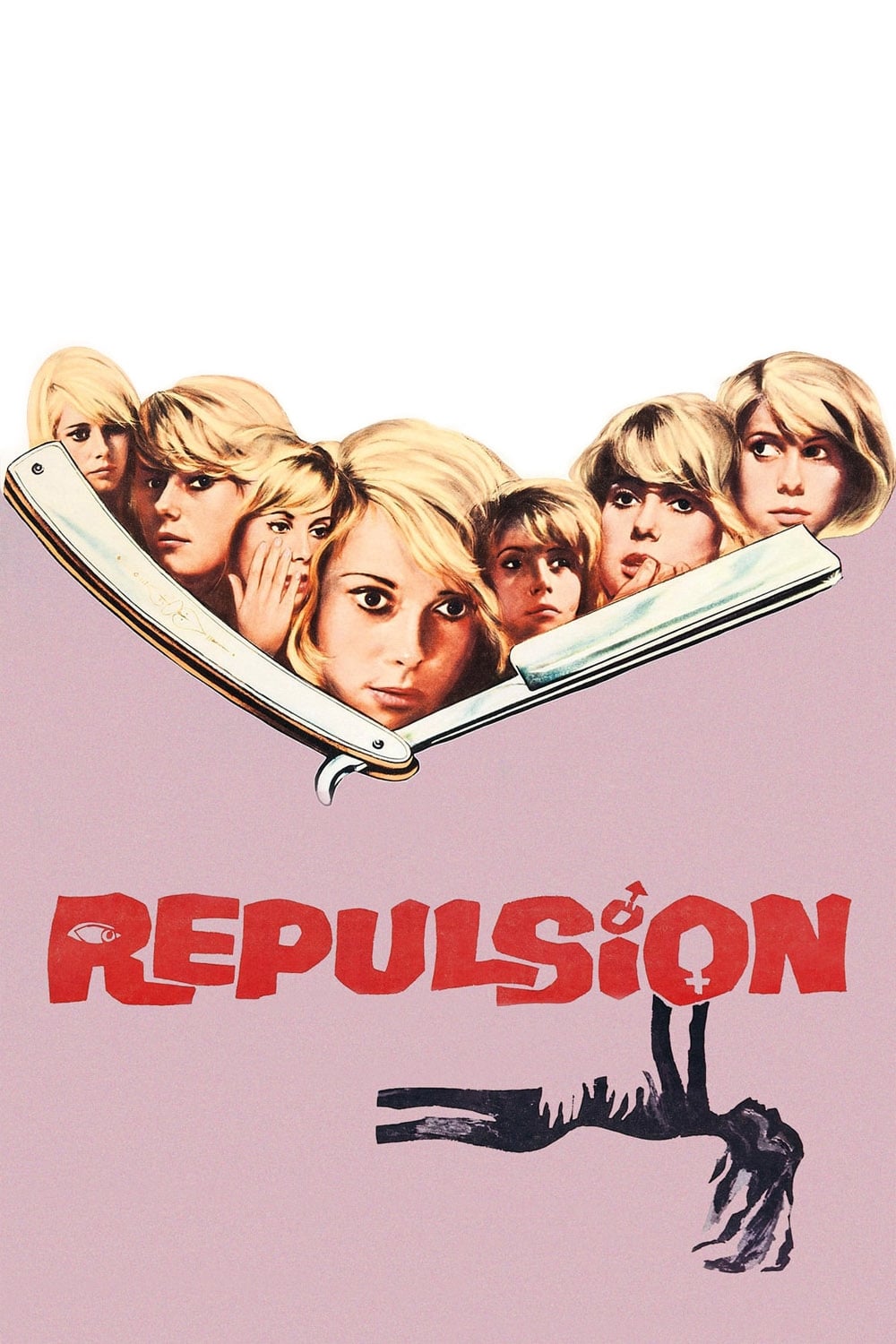
Repulsion
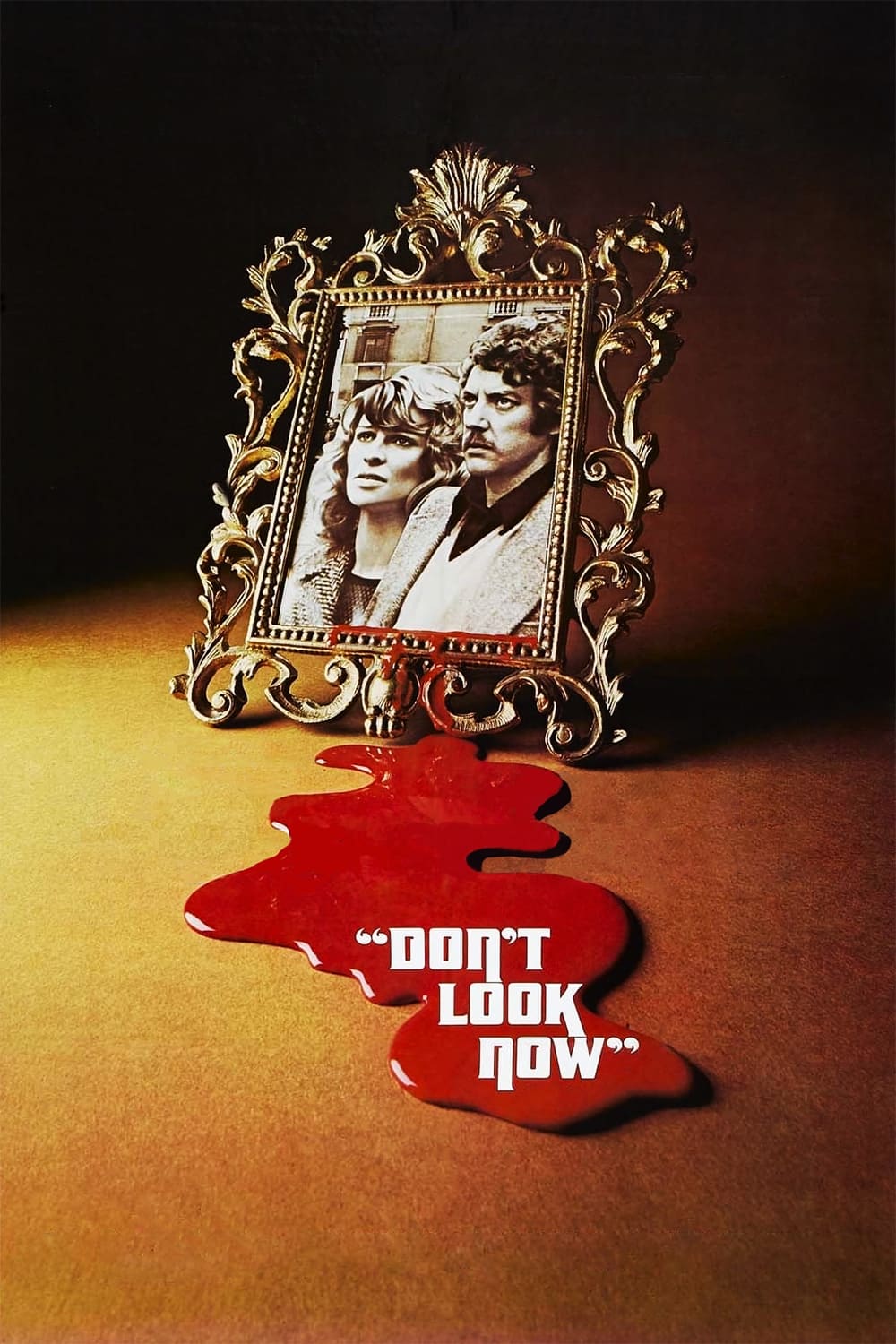
Don't Look Now
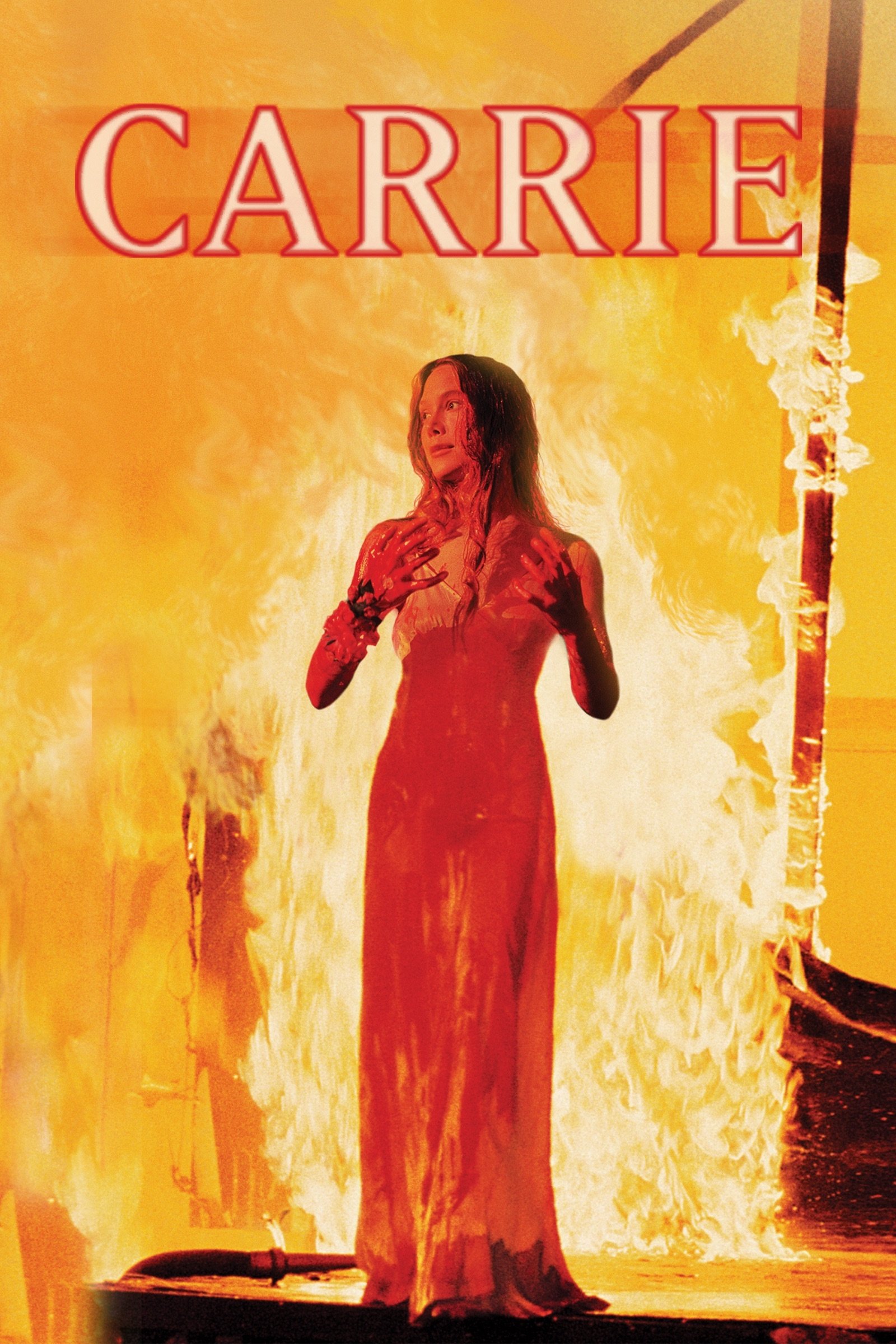
Carrie
The Shining
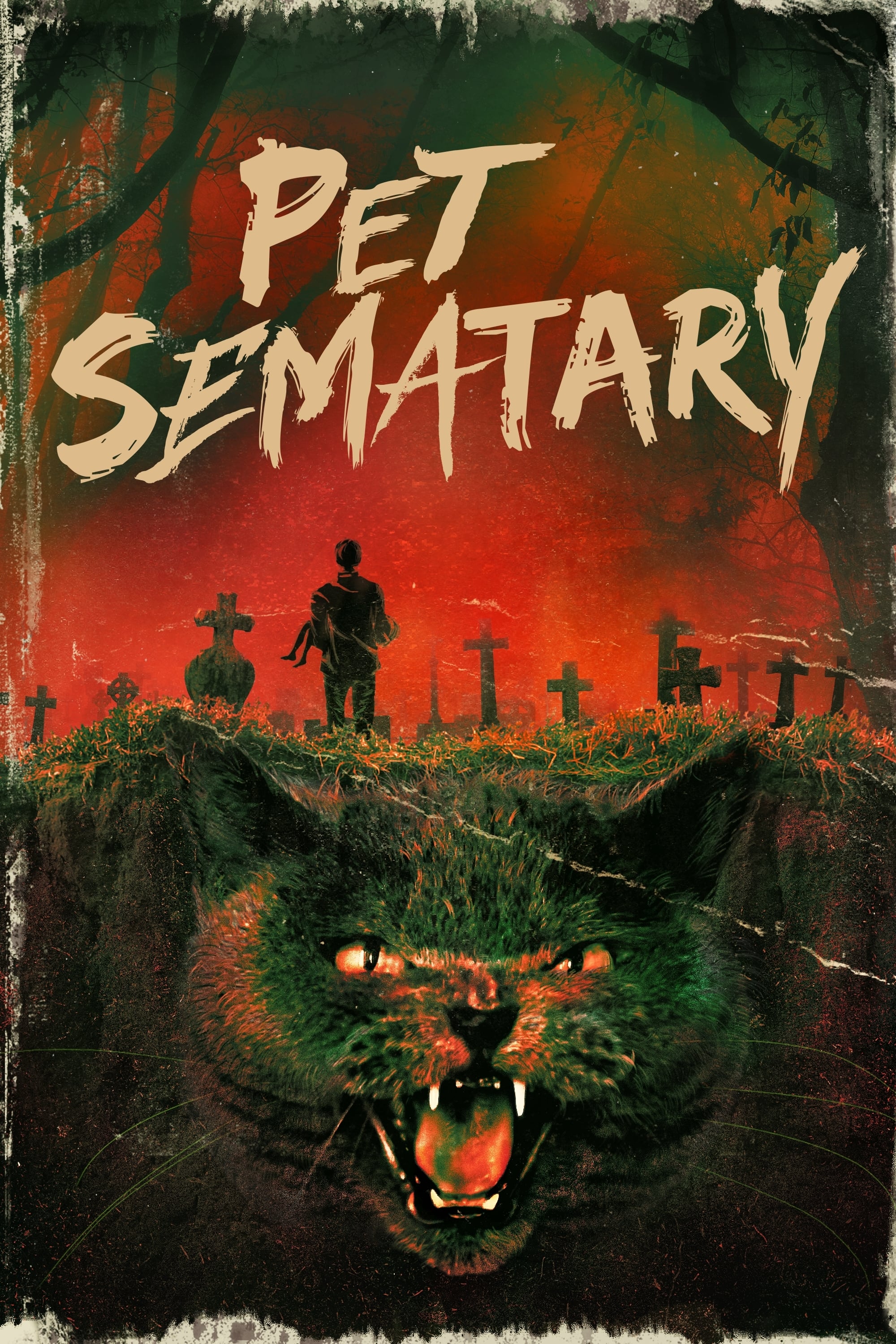
Pet Sematary

Jacob's Ladder
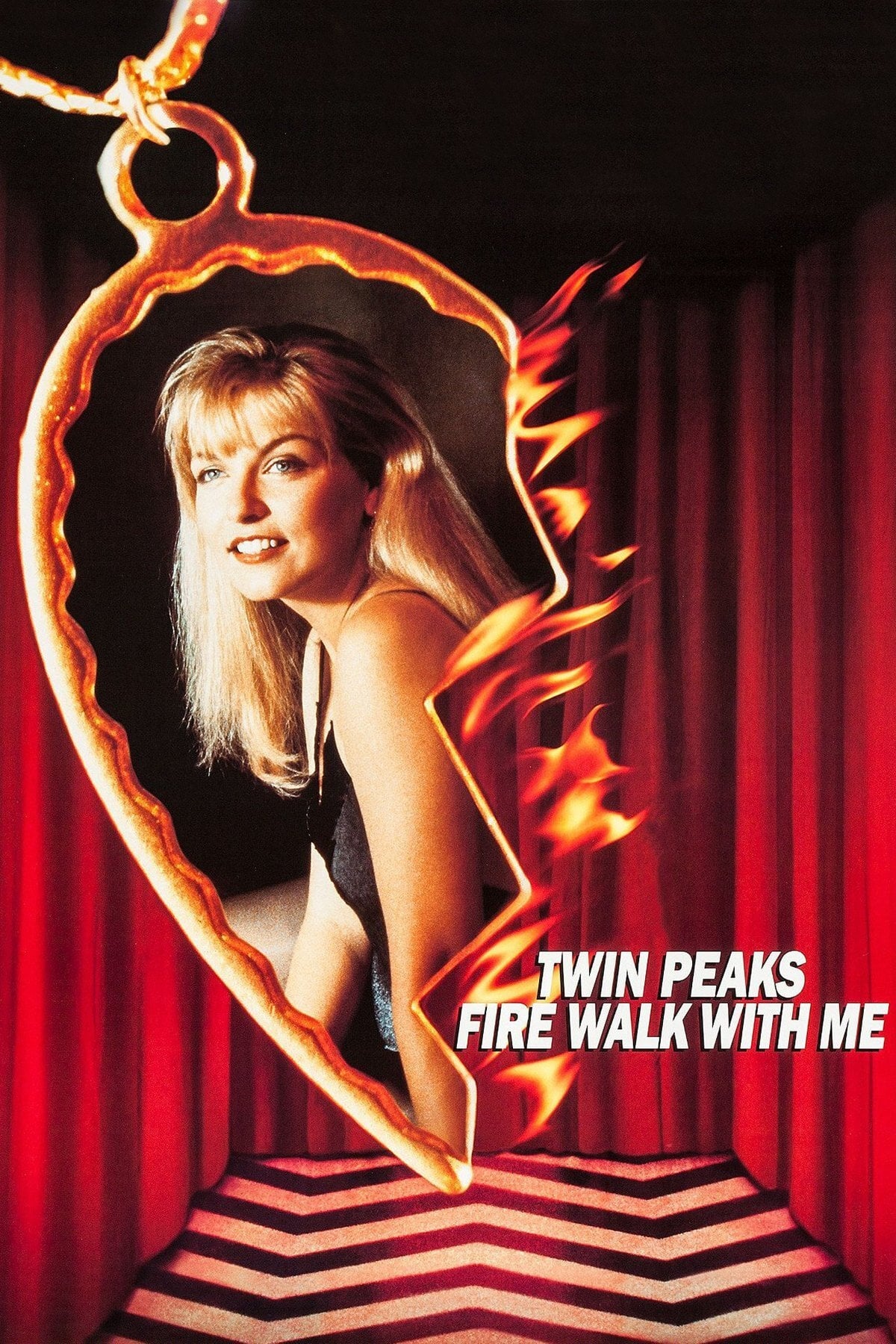
Twin Peaks: Fire Walk with Me
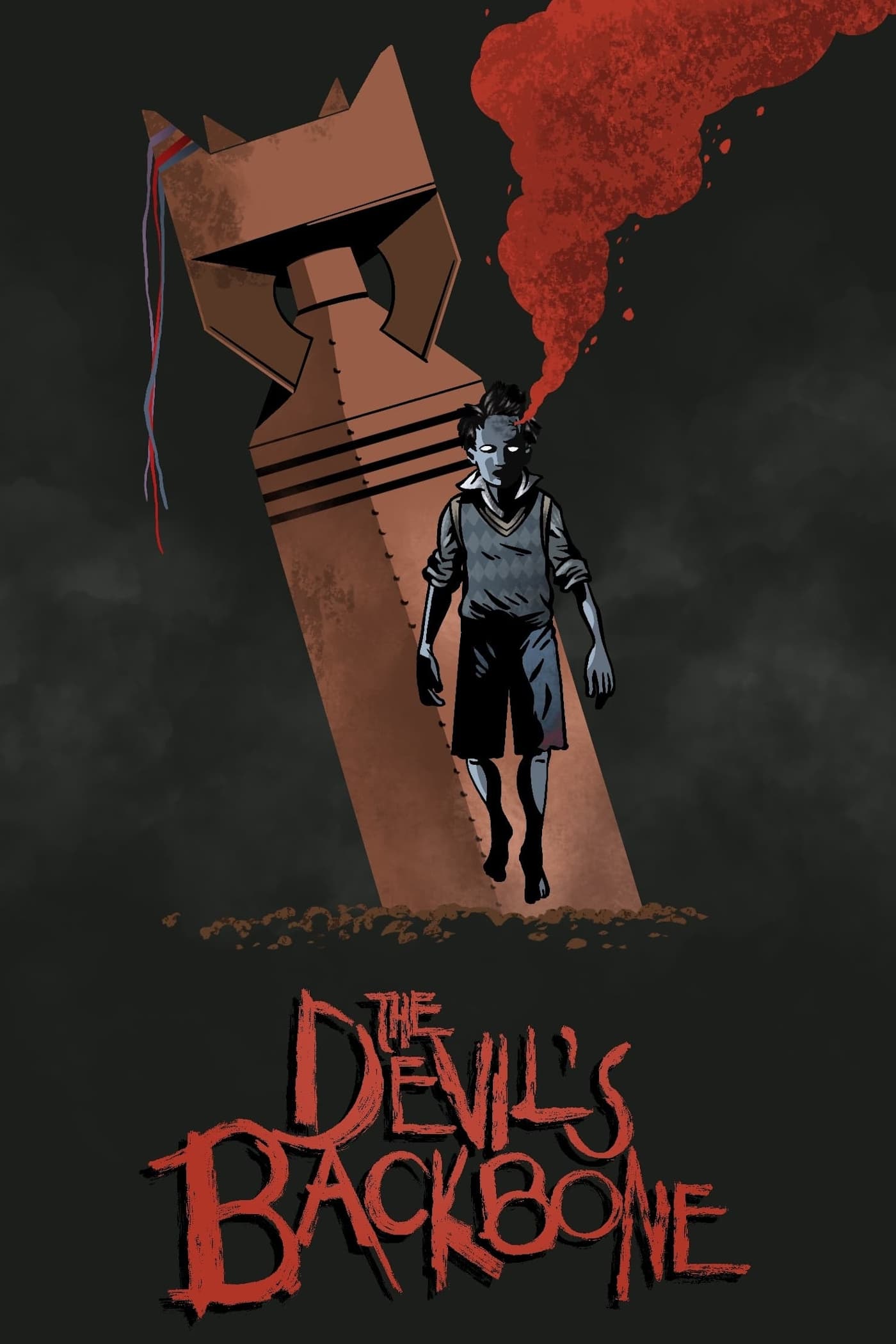
The Devil's Backbone

Pan's Labyrinth
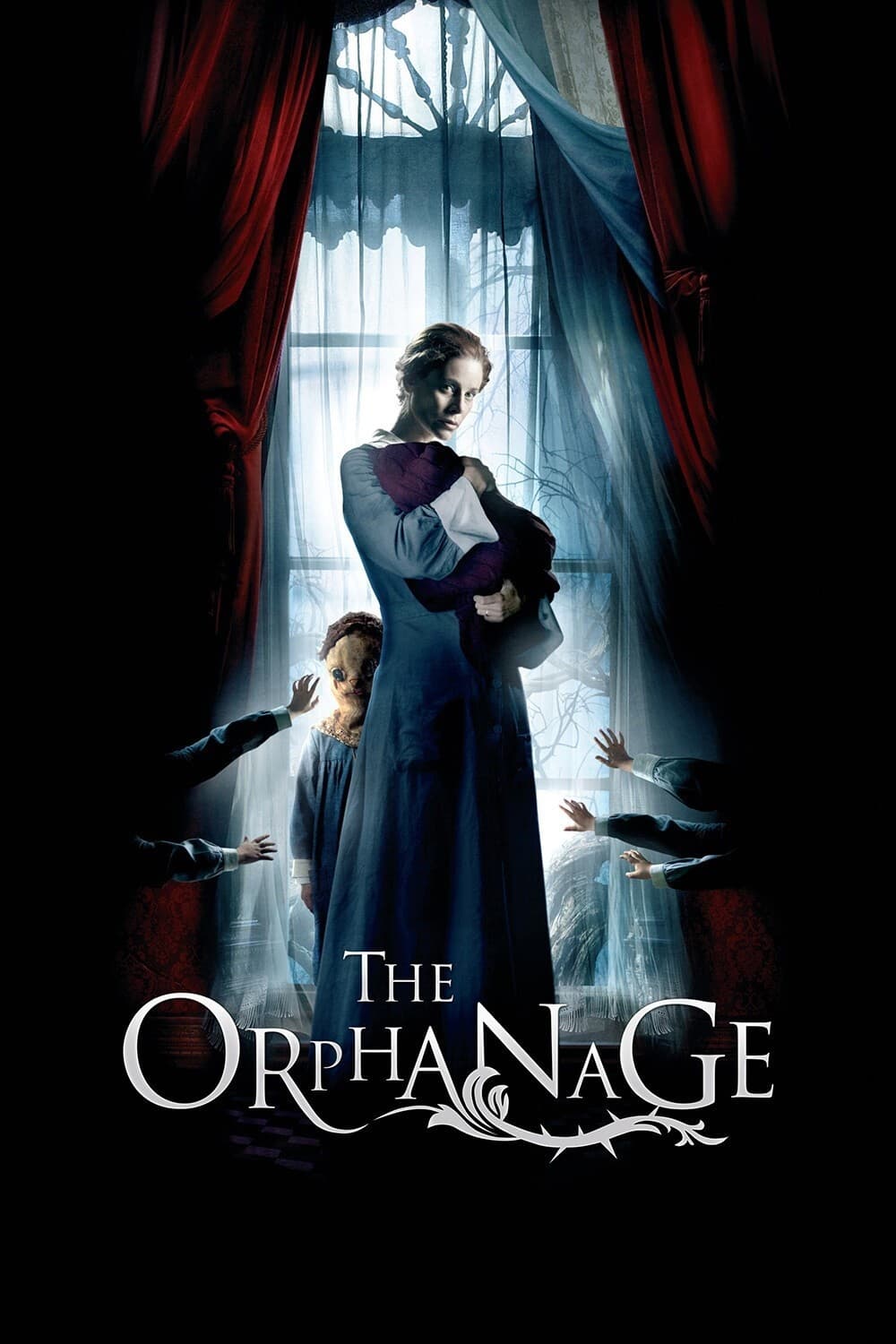
The Orphanage
Antichrist
Mama
The Babadook
Goodnight Mommy
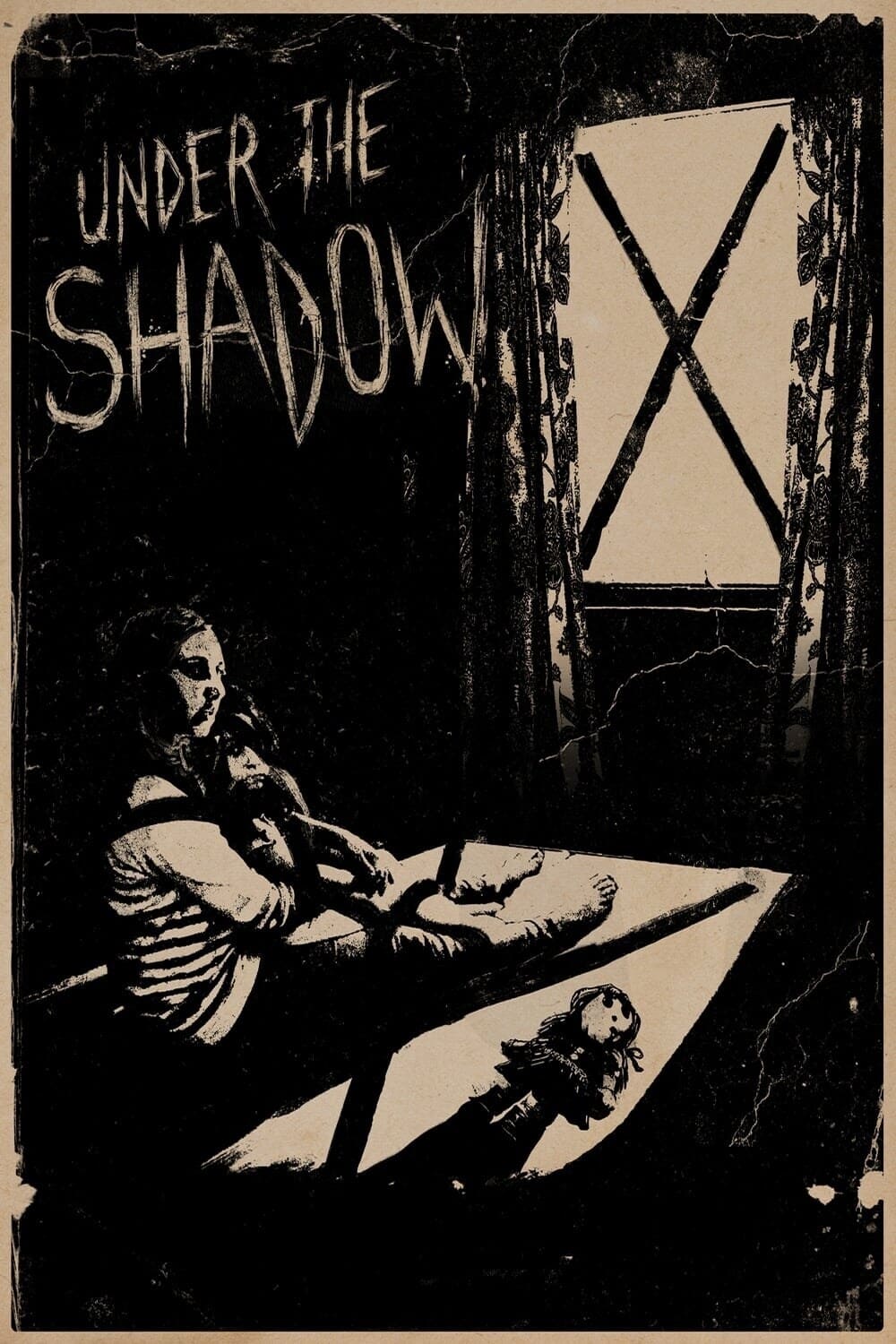
Under the Shadow
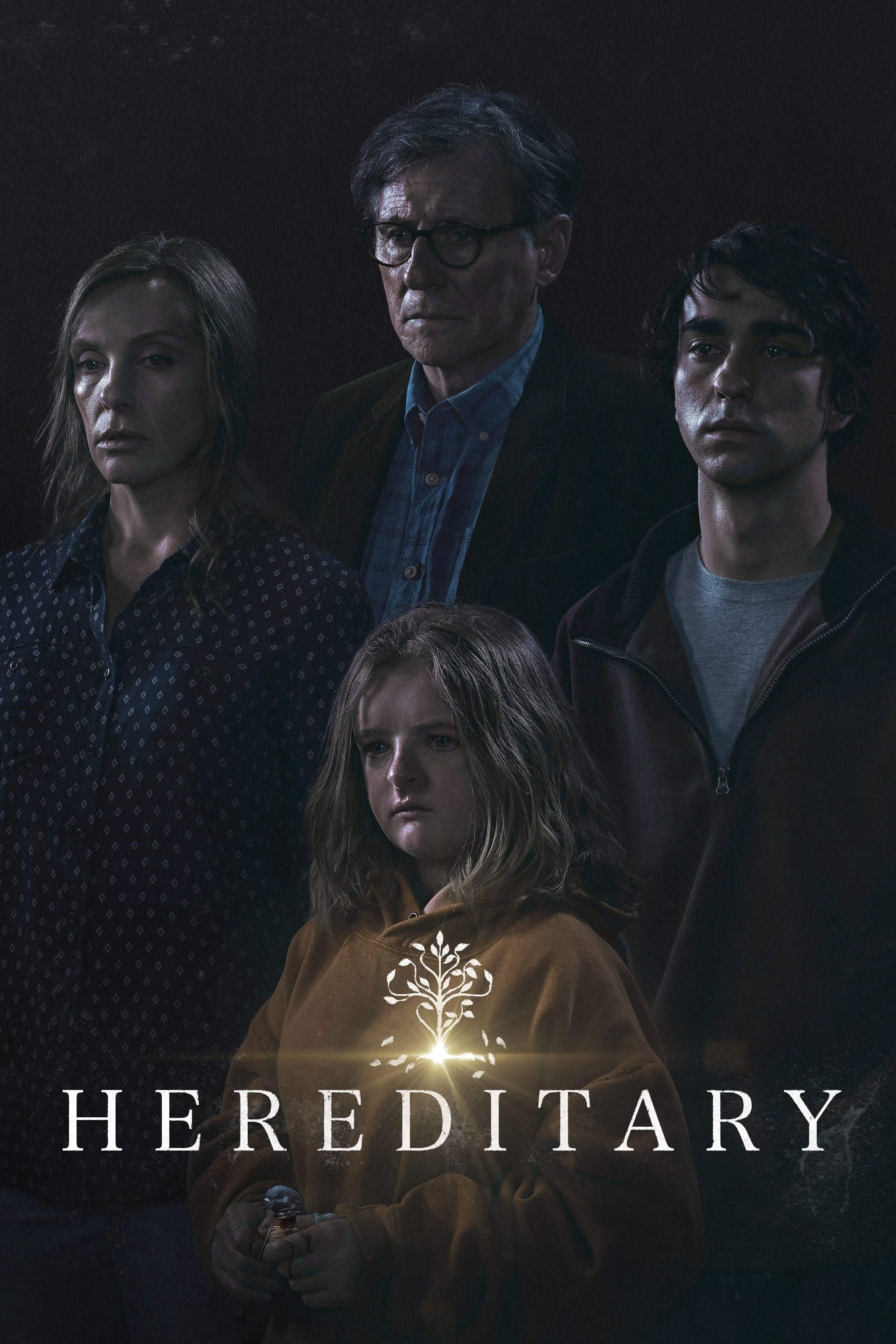
Hereditary

Midsommar
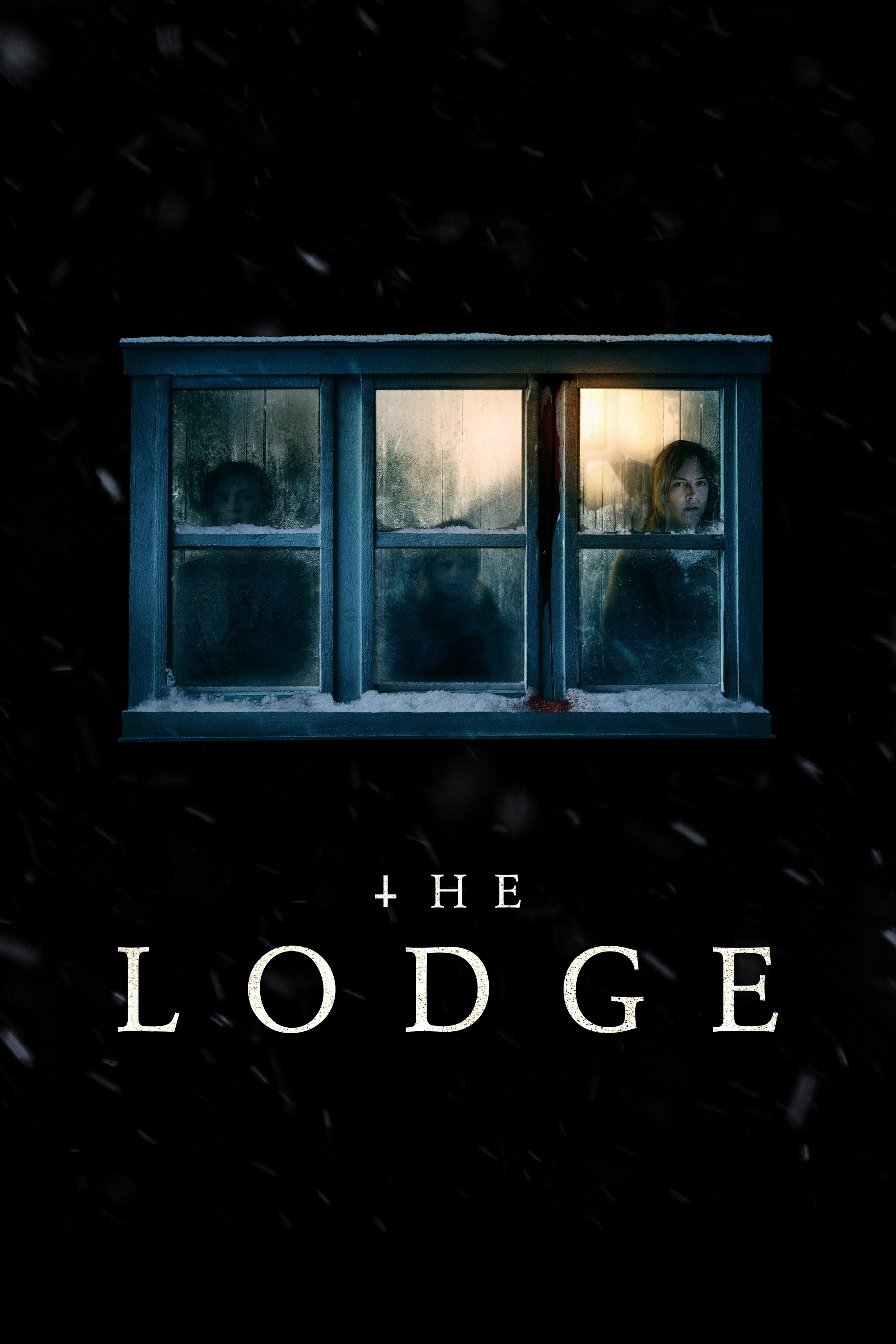
The Lodge
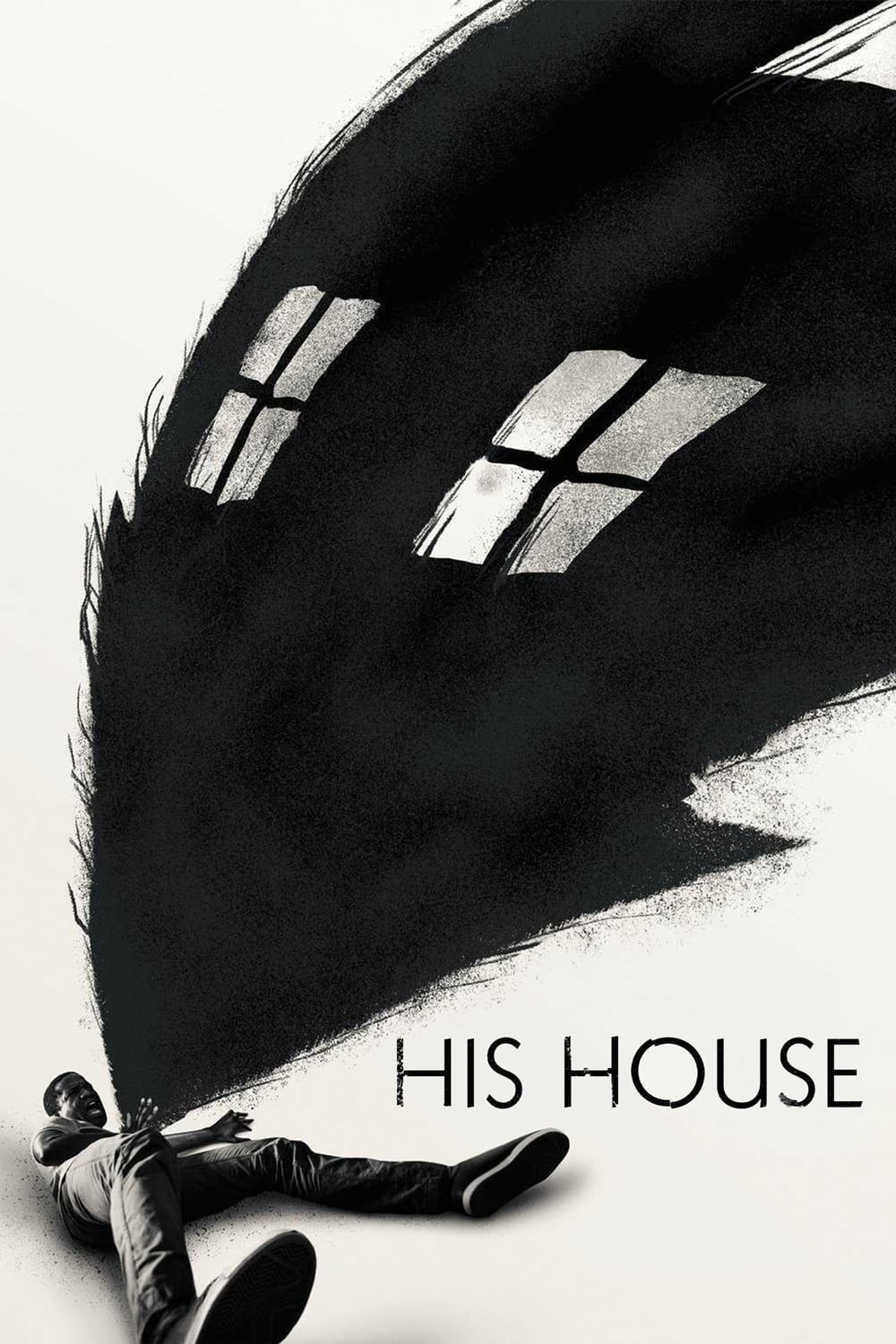
His House
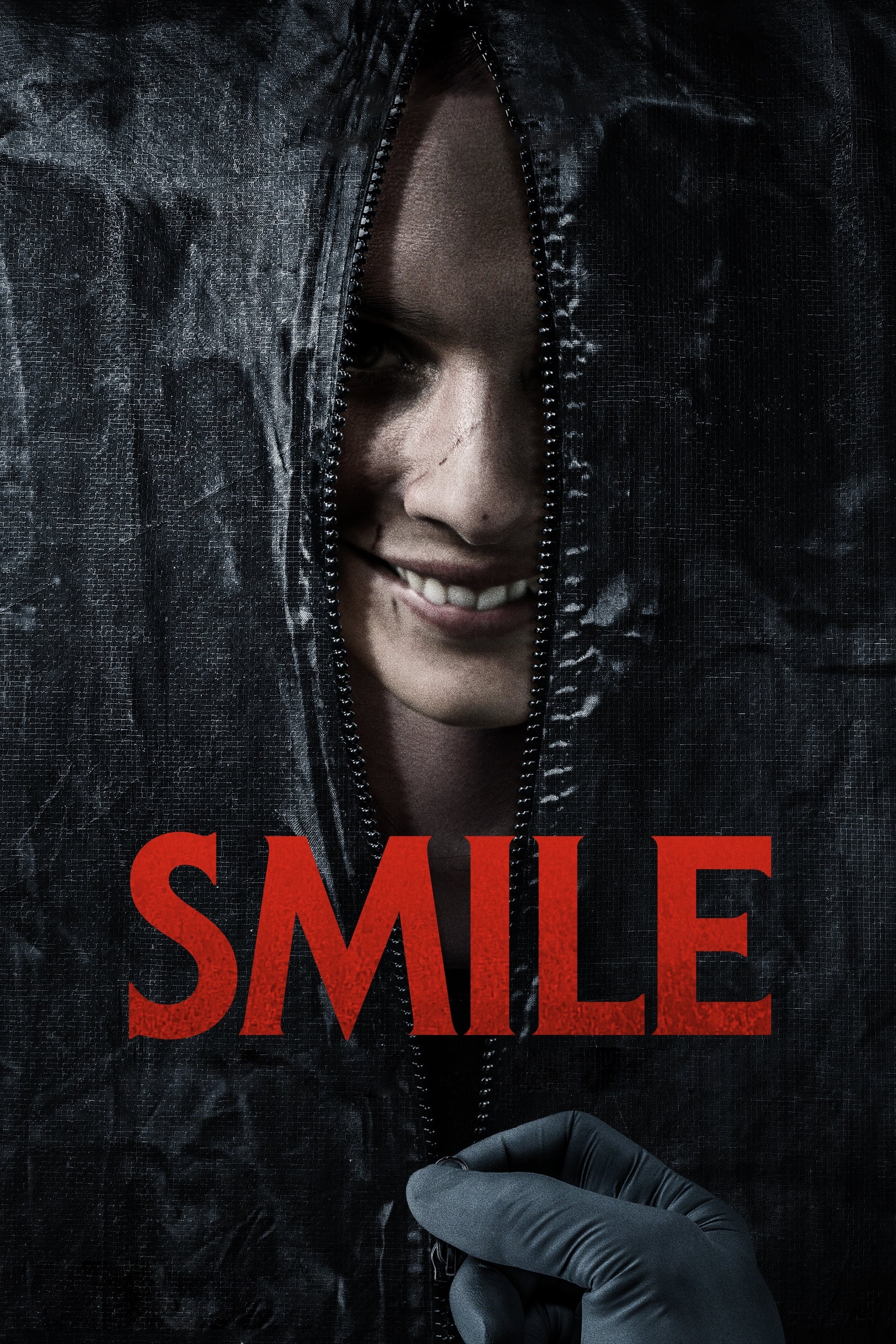
Smile
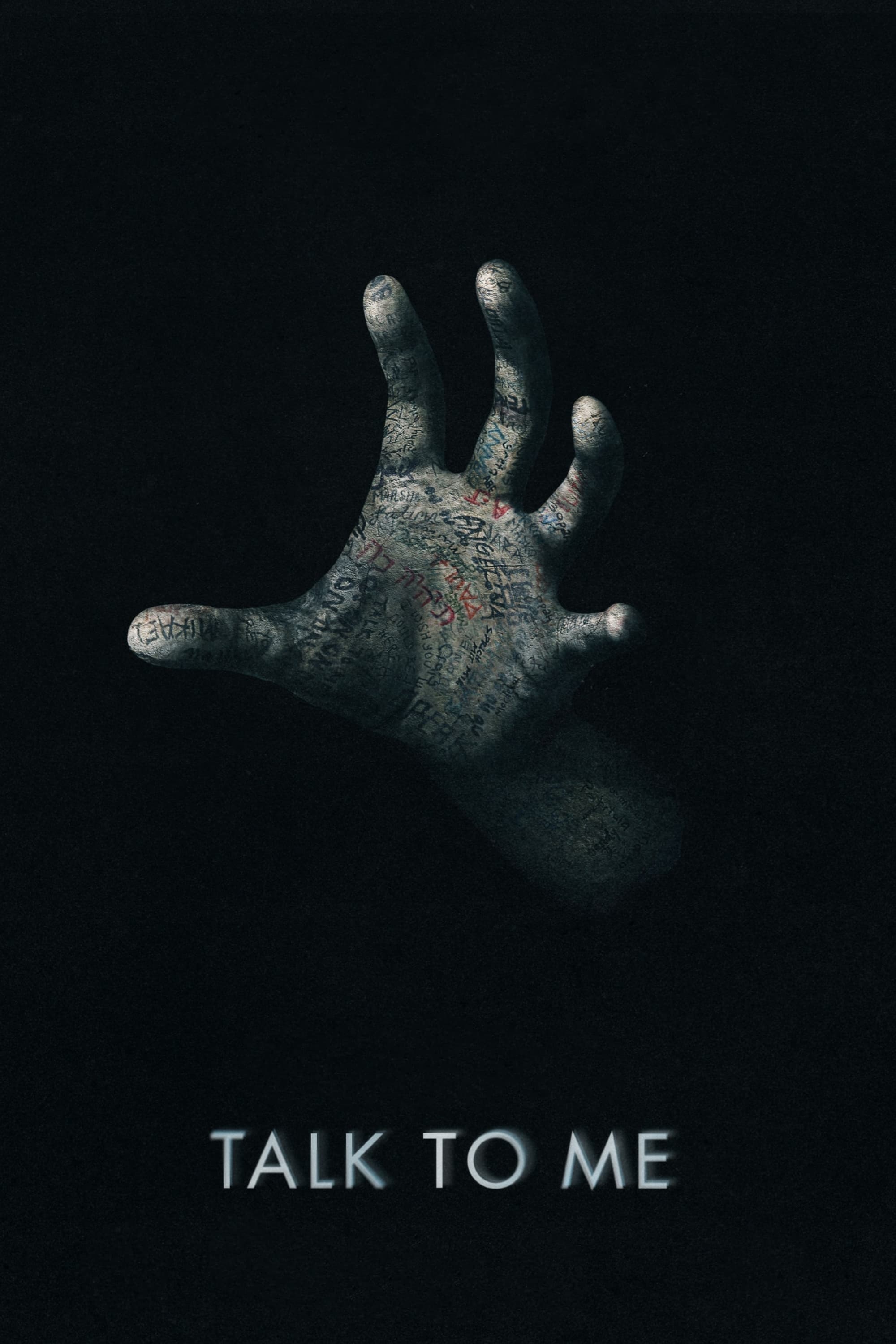
Talk to Me
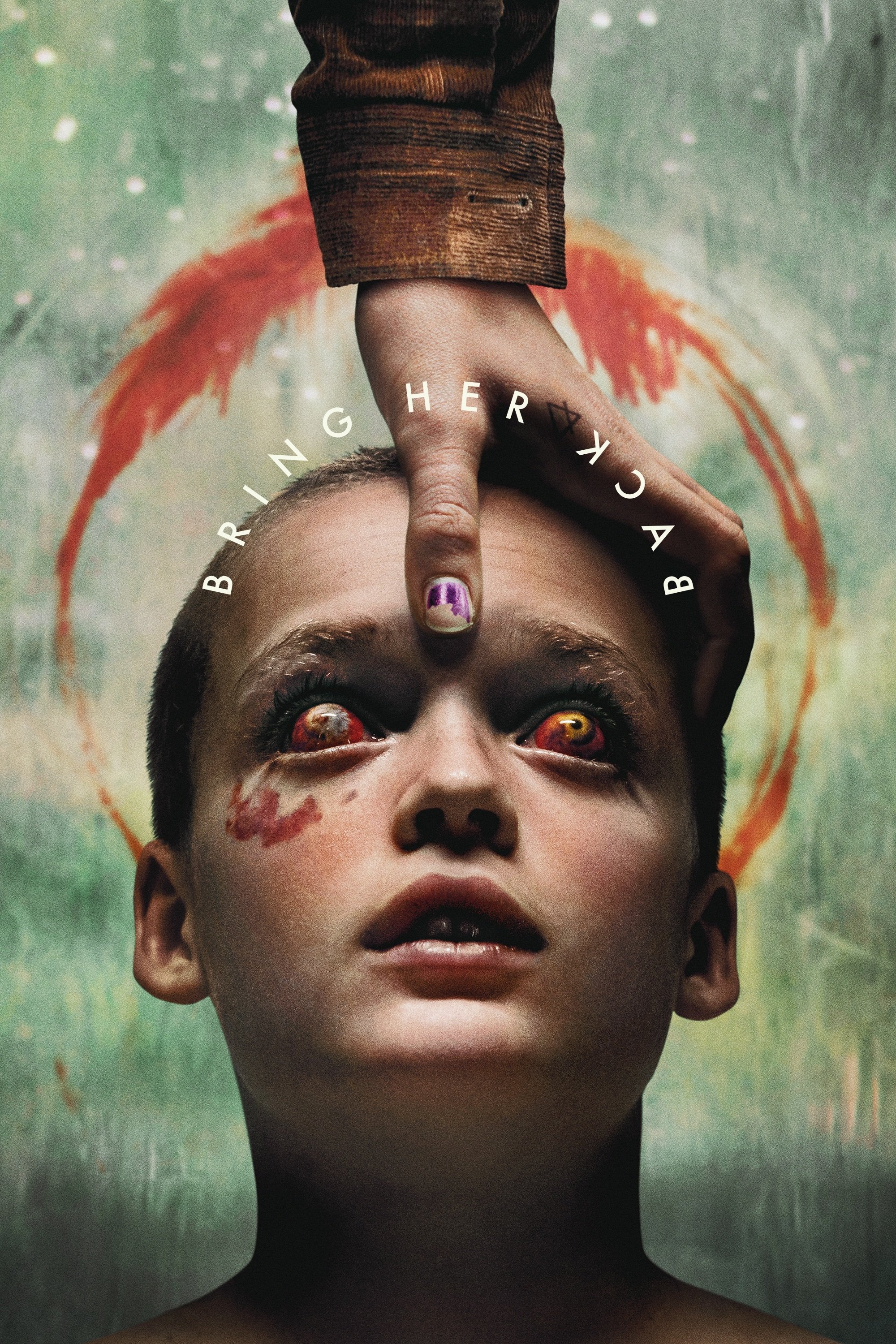
Bring Her Back
Statistics
Popularity by Decade
Share of each decade's horror films classified as Trauma Horror. Counts films with at least 5 TMDB ratings, so very obscure titles are not represented.
Popularity by Country
Share of each country's horror output classified as Trauma Horror. Counts films with at least 5 TMDB ratings, so very obscure titles are not represented.