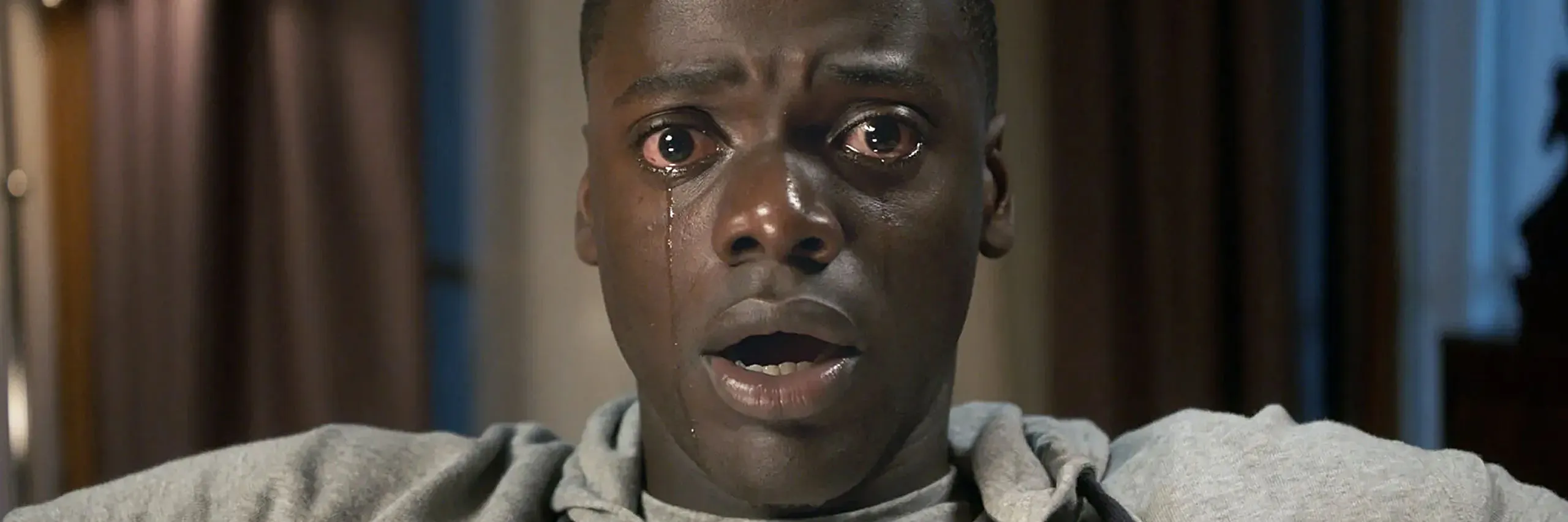
mother! (2017)
Paranoia
The world is organized against you. Reality becomes unreliable, trust becomes impossible, and the mounting evidence of conspiracy is either proof of madness or proof that you are the only sane person left.
History & Origins
Paranoia horror makes the audience share its protagonist's most disturbing conviction: that the world is organized against you, that the people you trust are conspiring, and that the mounting evidence of conspiracy is not a symptom of madness but the terrifying recognition of how things actually are. The genre's essential cruelty is that it makes reason itself suspect — the more logically you analyze the situation, the more paranoid you sound.
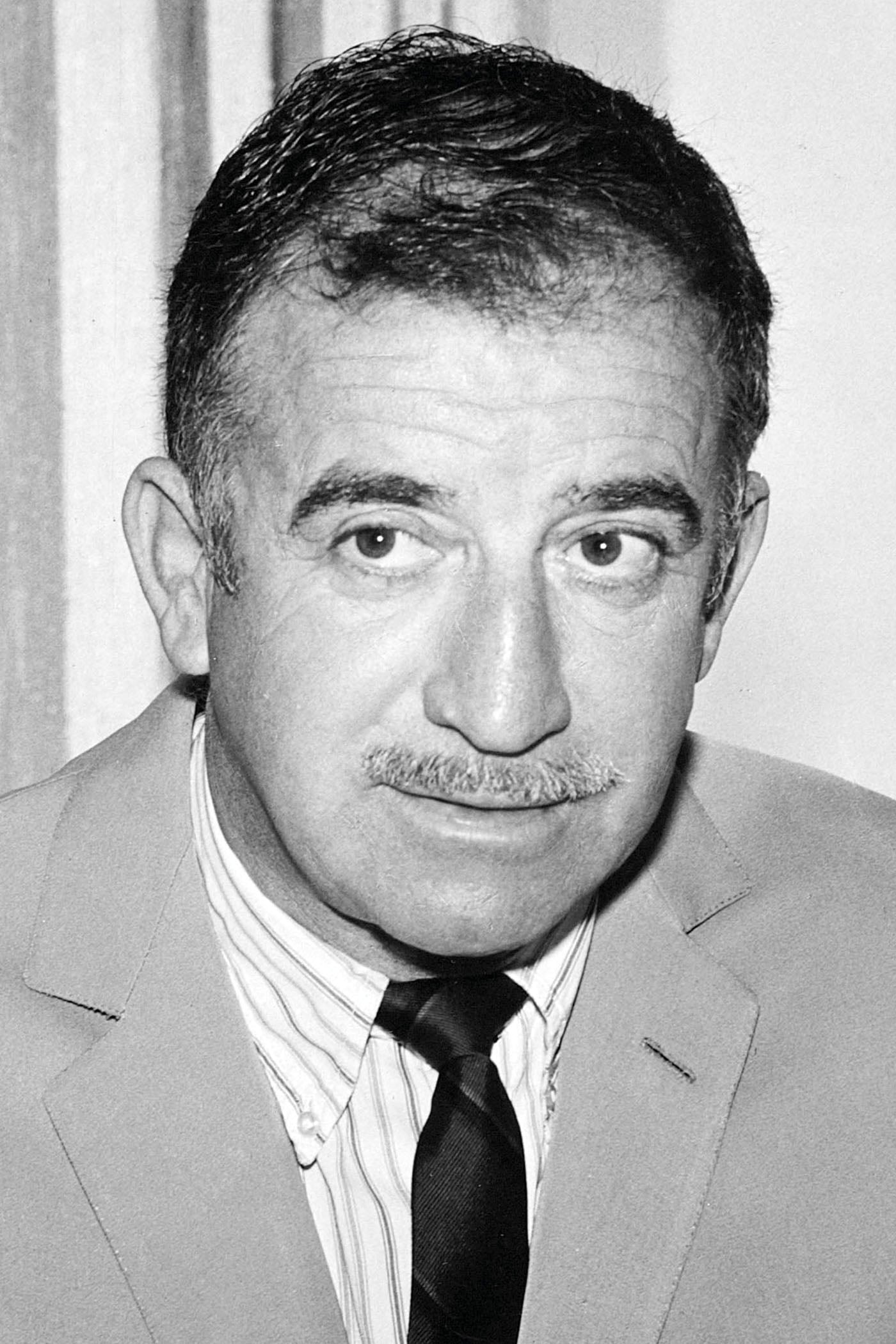
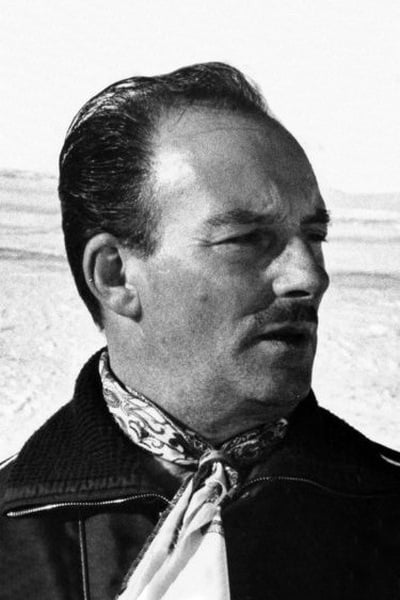
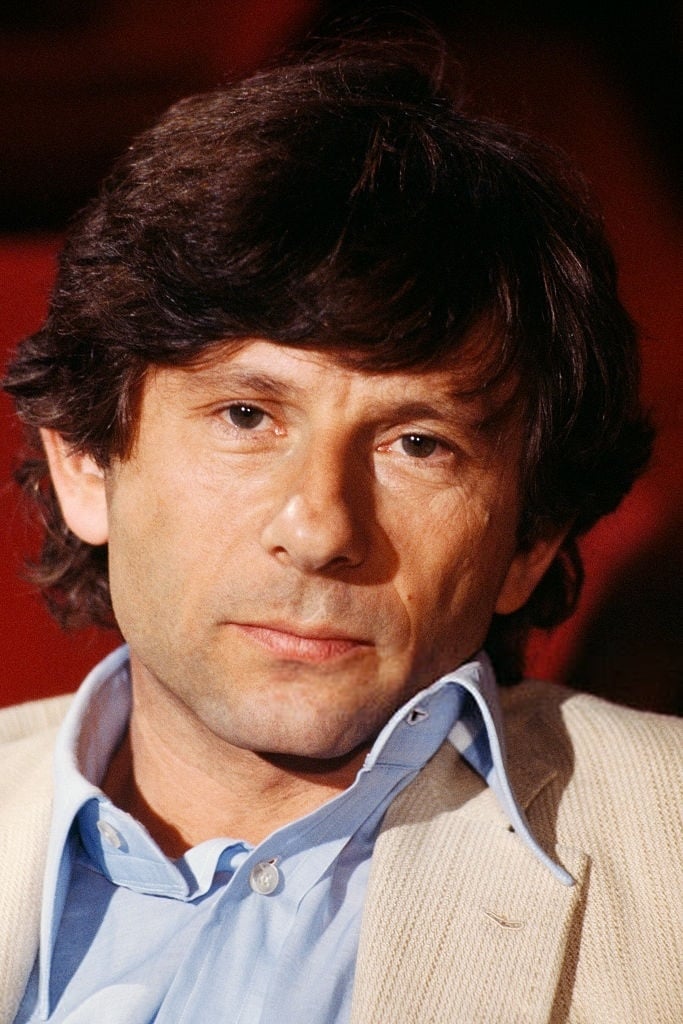
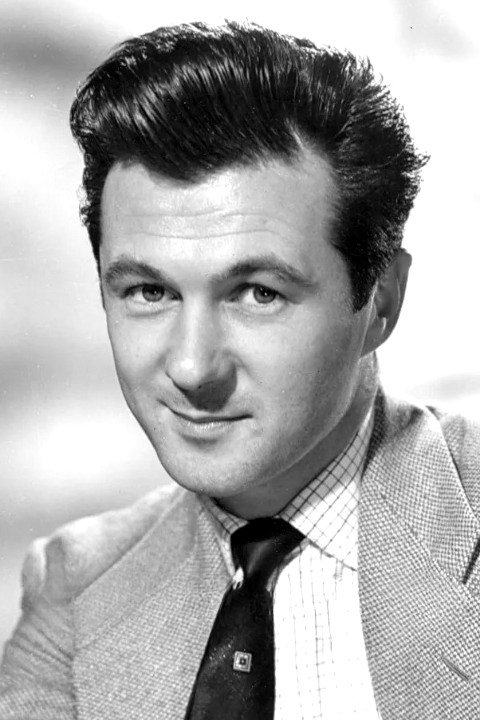
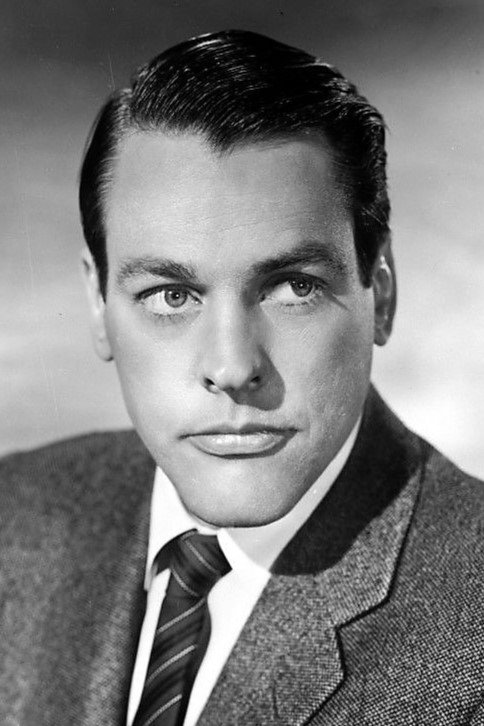
The paranoid tradition in horror draws from Cold War anxiety and the real-world revelations of government surveillance, secret programs, and institutional betrayal that punctuated the twentieth century. Don Siegel's Invasion of the Body Snatchers (1956), with Kevin McCarthy — in which your neighbors are systematically replaced by emotionless duplicates — works equally well as a metaphor for communist infiltration or conformist social pressure, and its ambiguity is its genius. Val Guest's British Quatermass 2 (1957) ran a parallel alien-conspiracy variant. Wolf Rilla's Village of the Damned (1960) relocated the paranoia to the rural English village. Roman Polanski's Rosemary's Baby (1968), with Mia Farrow, brought paranoia into the domestic sphere: what if your husband, your doctor, and your friendly elderly neighbors were all collaborating to deliver your unborn child to Satan?
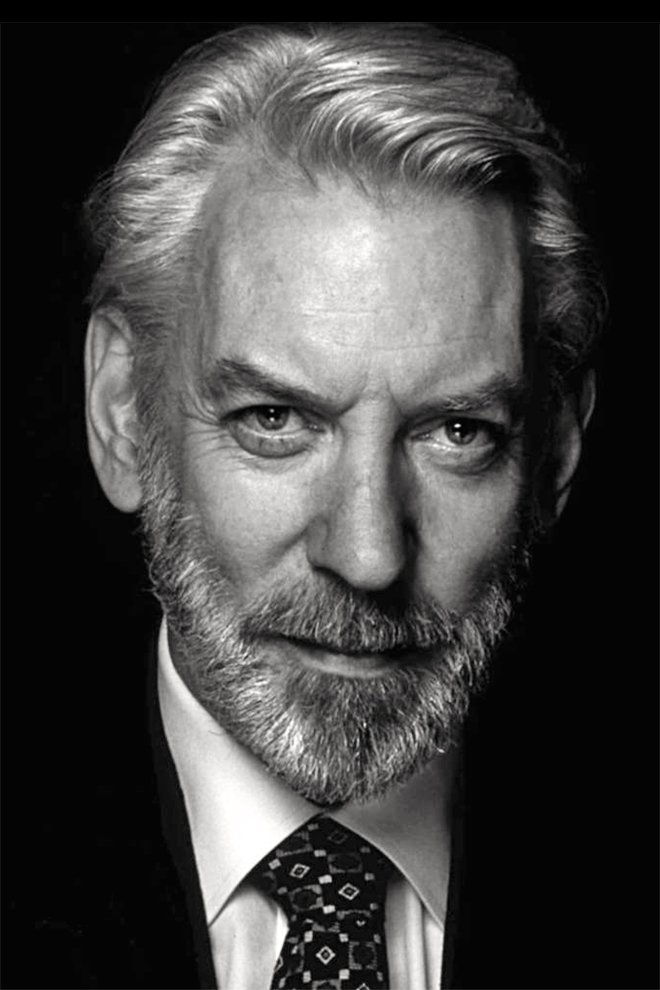
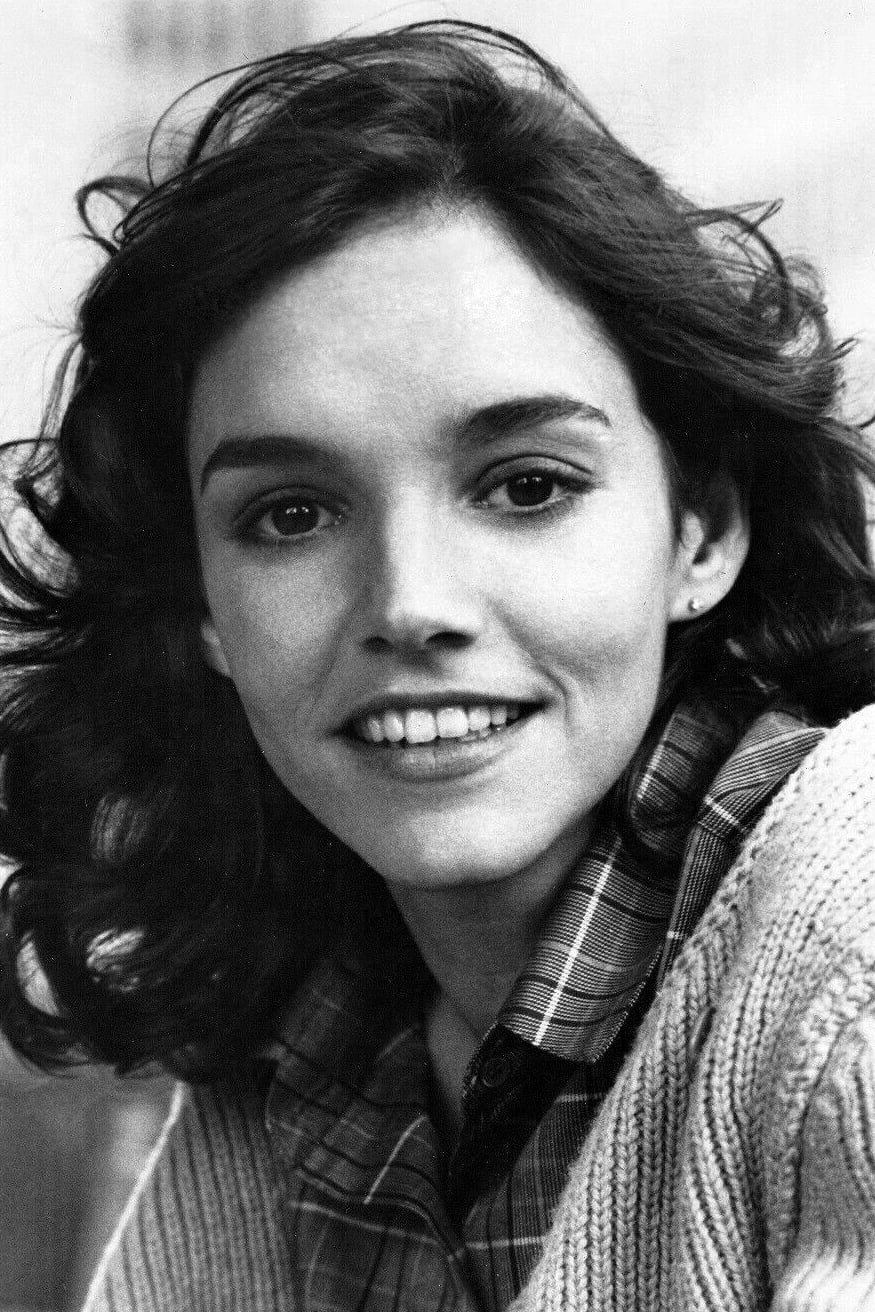
Bryan Forbes's The Stepford Wives (1975), adapting Ira Levin, extended domestic paranoia into satire — Stepford as the suburb where wives are systematically replaced with compliant simulacra. Coppola's The Conversation (1974) and Pakula's The Parallax View (1974) — not strictly horror but deeply influential — made surveillance and institutional conspiracy feel claustrophobic and inescapable. Philip Kaufman's Invasion of the Body Snatchers (1978), with Donald Sutherland, Brooke Adams, and Jeff Goldblum, transposed the form into post-Watergate San Francisco and supplied its most-quoted final shot.
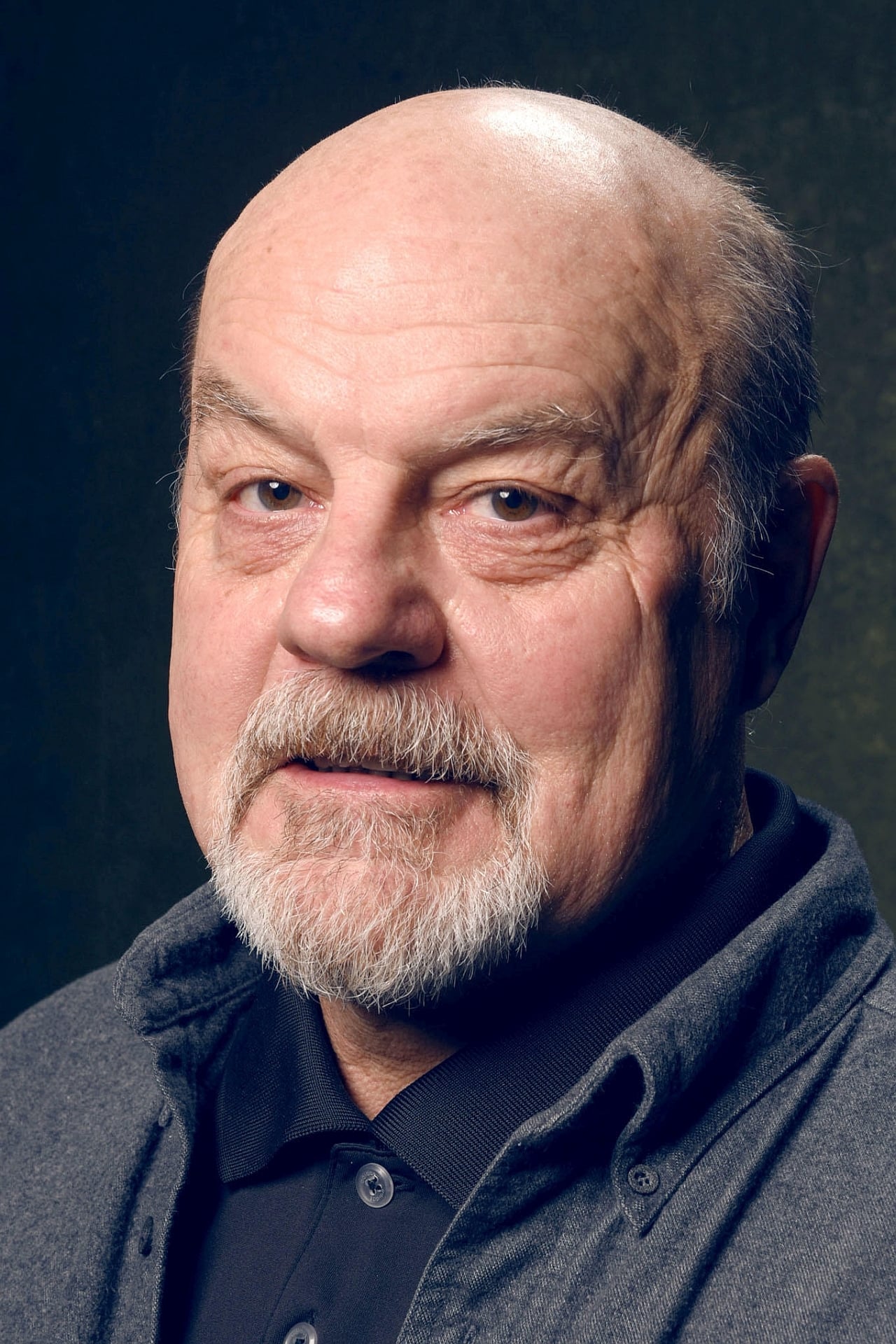
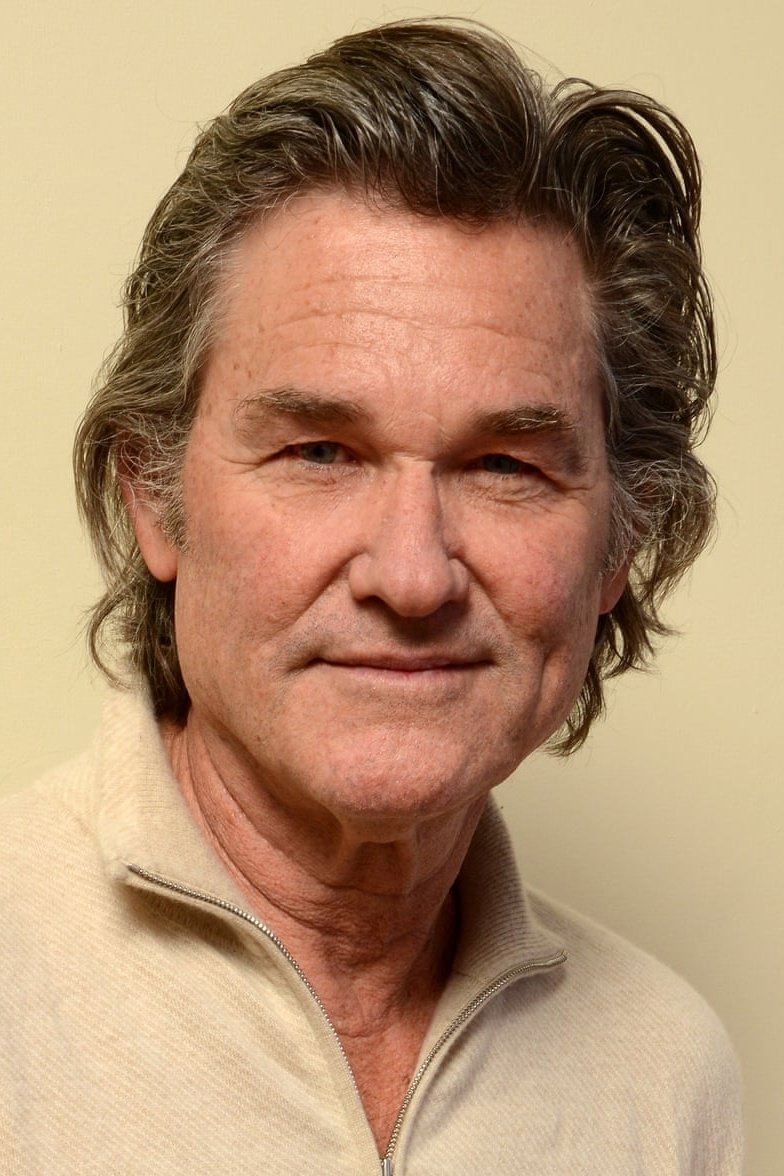
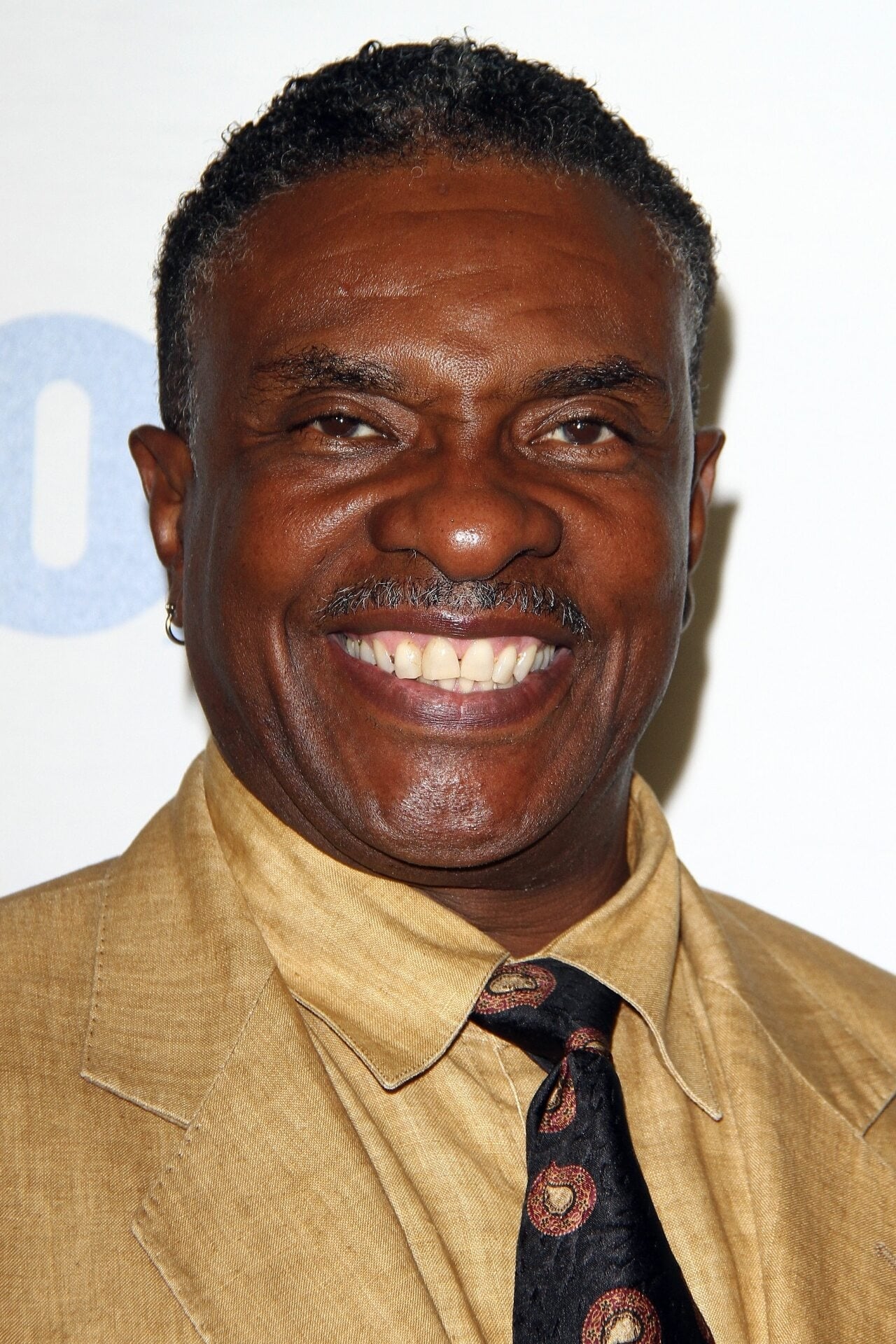
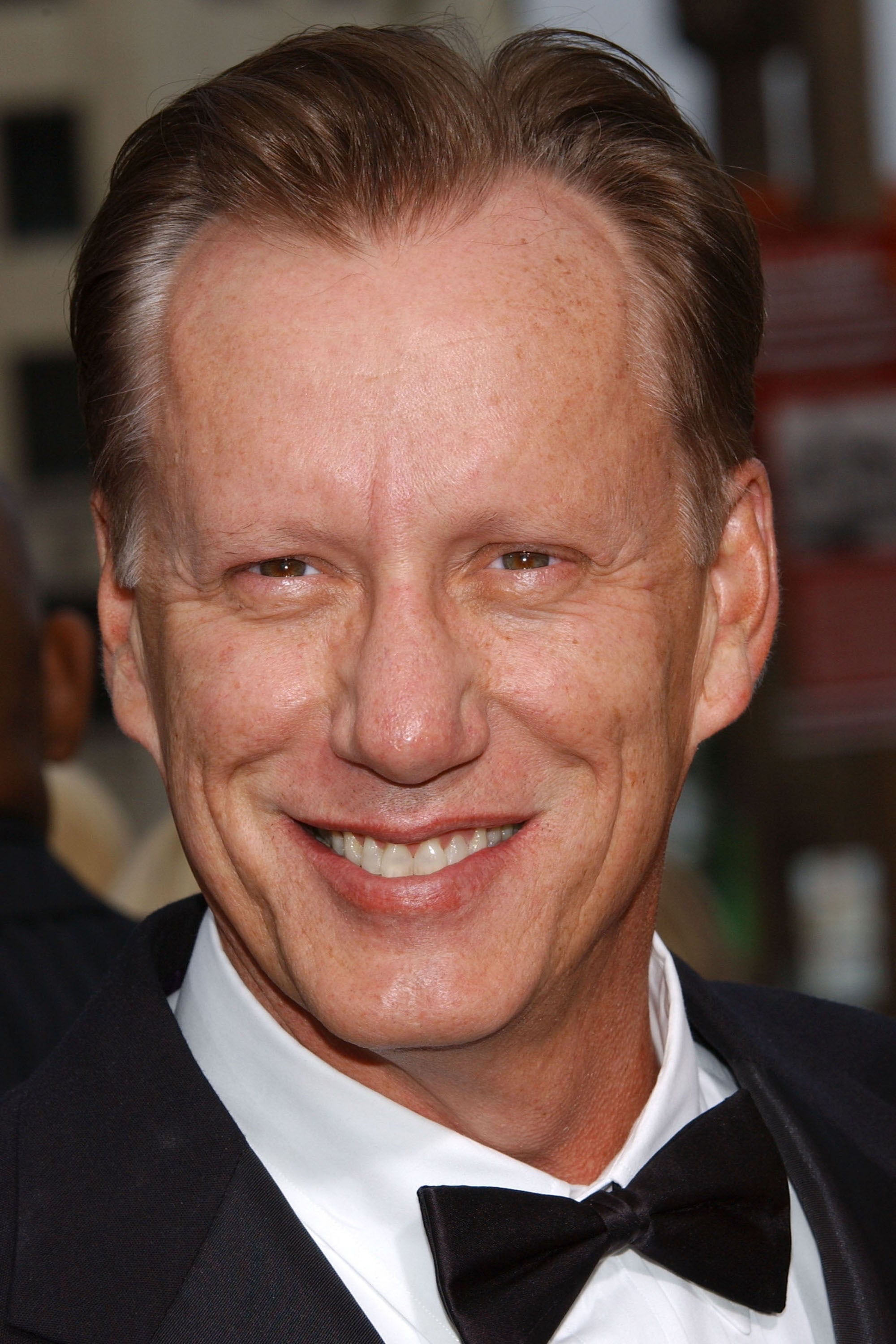
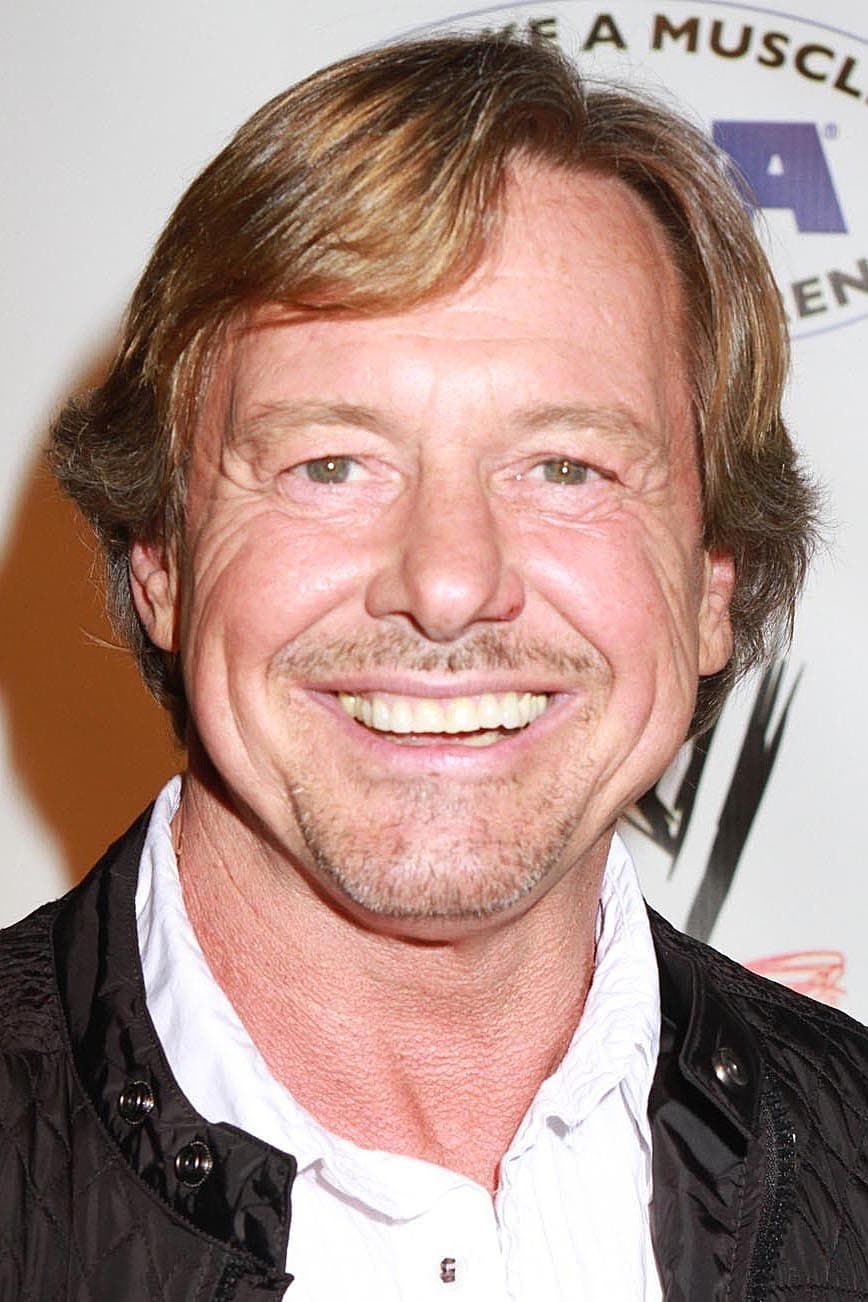
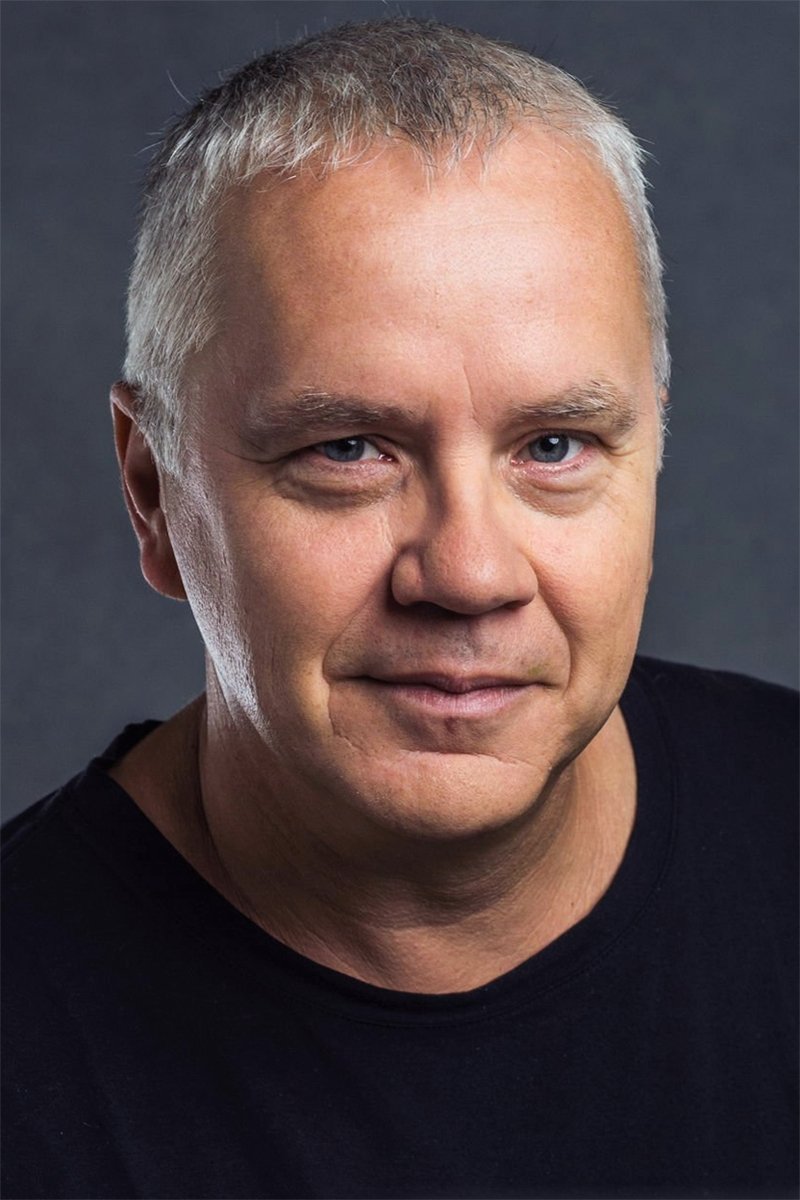
The 1980s produced the form's commercial peak. David Cronenberg's Scanners (1981), with Michael Ironside, and his Videodrome (1983), with James Woods, made body-and-media paranoia explicit. John Carpenter's The Thing (1982), with Kurt Russell and Keith David, fused body-snatcher paranoia with Antarctic siege — the canonical "who's still human?" film; his They Live (1988), with Roddy Piper, ran the Reagan-era paranoia as anti-consumerist satire. Adrian Lyne's Jacob's Ladder (1990), with Tim Robbins, brought Vietnam-veteran chemical-experiment paranoia into the form's most influential 1990s entry. Robert Rodriguez's The Faculty (1998) pushed the body-snatcher template into teen-horror register.
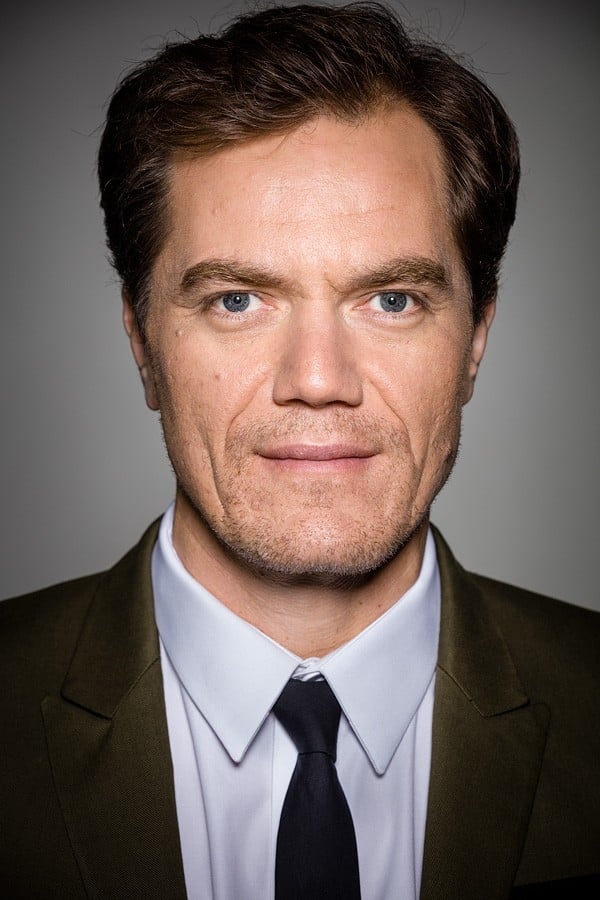
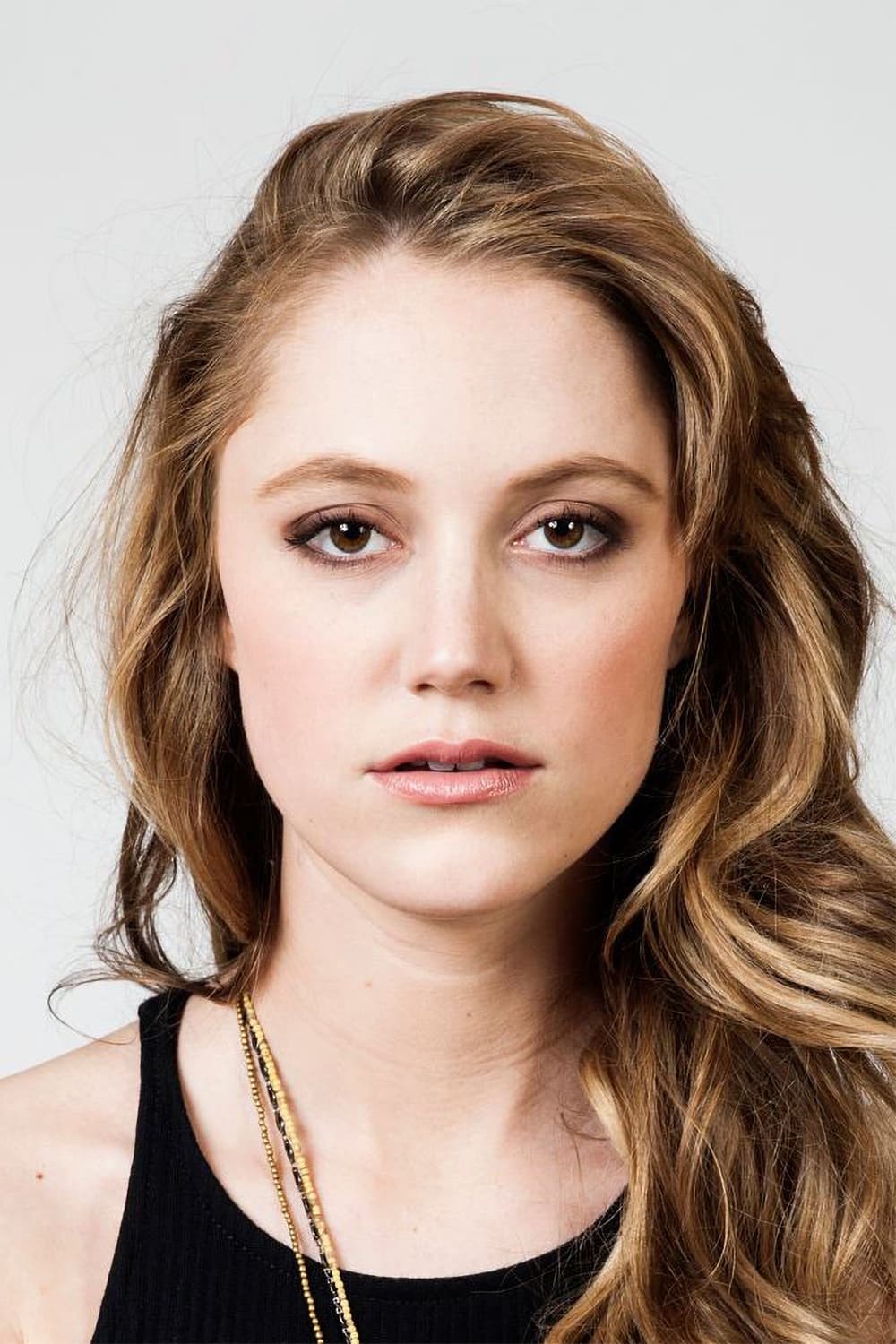
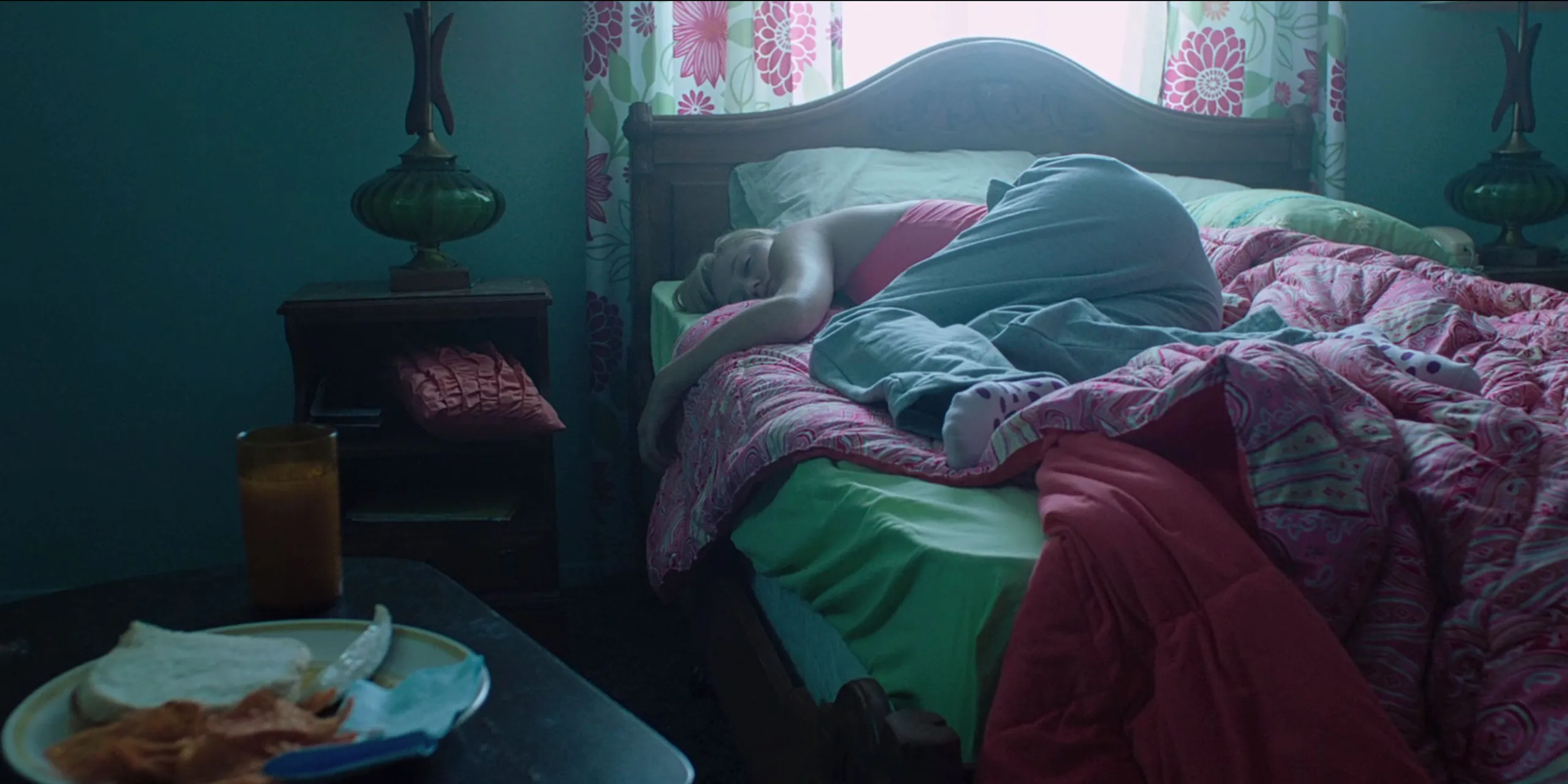
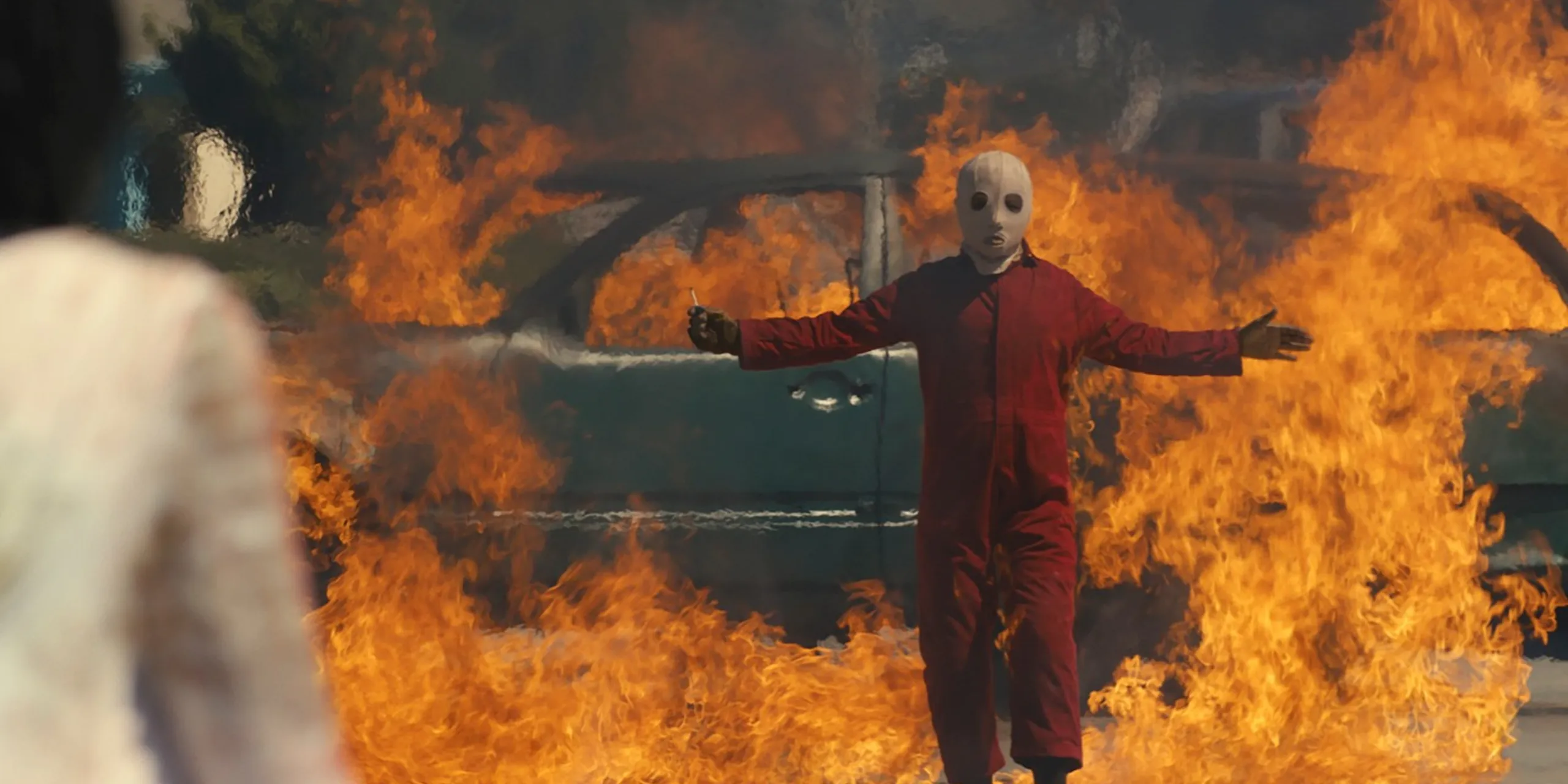
The contemporary wave has explored paranoia as a social condition. William Friedkin's Bug (2007) adapted Tracy Letts's stage play into one of the most uncomfortable folie-à-deux chamber pieces ever made. Jeff Nichols's Take Shelter (2011), with Michael Shannon, gave the form its definitive 2010s entry — a man's apocalyptic visions either prophetic or schizophrenic. David Robert Mitchell's It Follows (2015), with Maika Monroe, made paranoia ambient and unkillable. Darren Aronofsky's mother! (2017), with Jennifer Lawrence, took the home-invasion-as-allegory variant into mainstream rejection. Jordan Peele's Us (2019) surfaced the sense that something is fundamentally wrong with the contract between people; Christian Tafdrup's Speak No Evil (2022) ran the politeness-trap variant. Paranoia horror works because it exploits a genuine epistemological problem: you cannot prove a negative. The paranoid protagonist may be right or may be delusional, and the film's refusal to definitively resolve that ambiguity is what makes the experience linger.
Essential Films
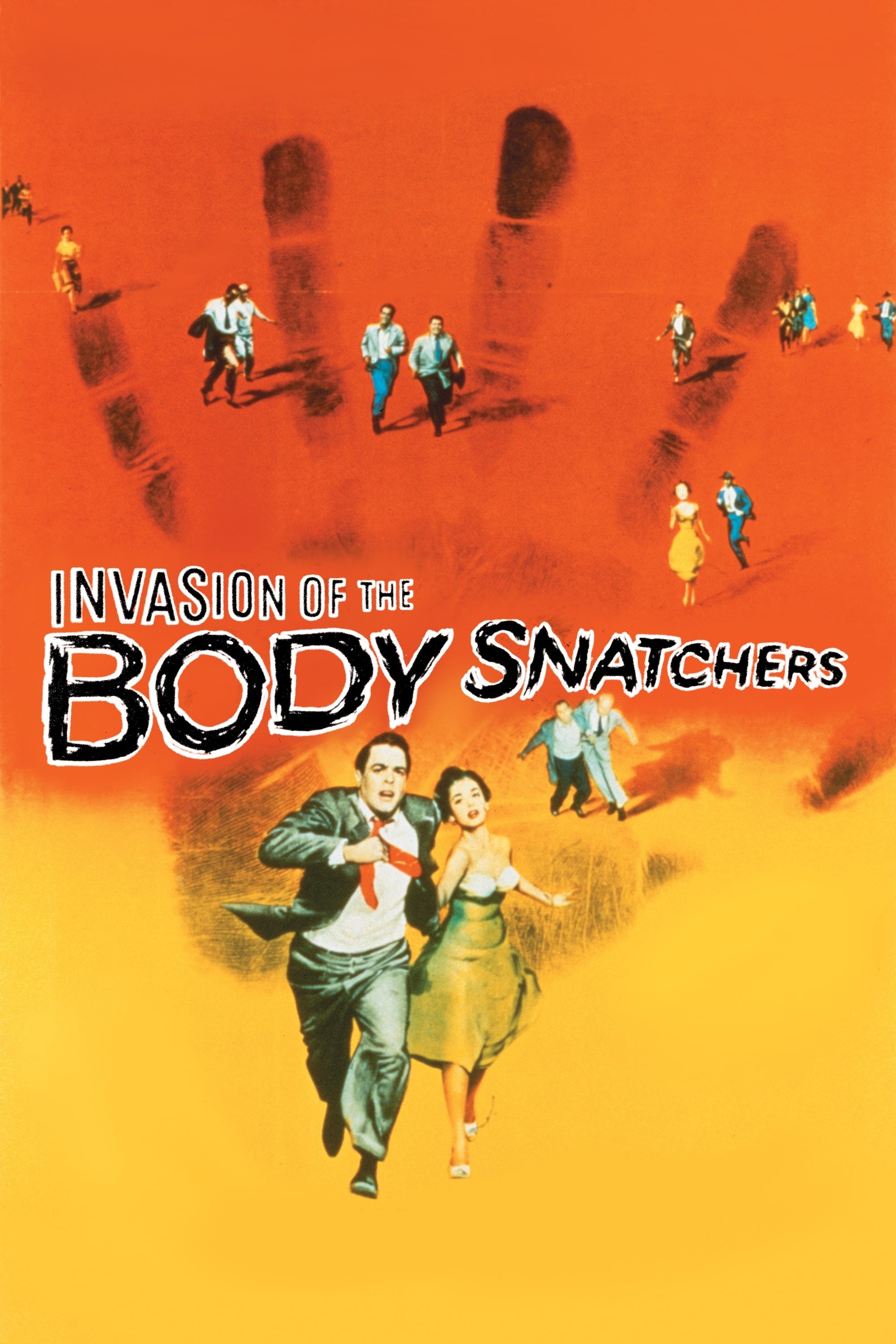
Invasion of the Body Snatchers
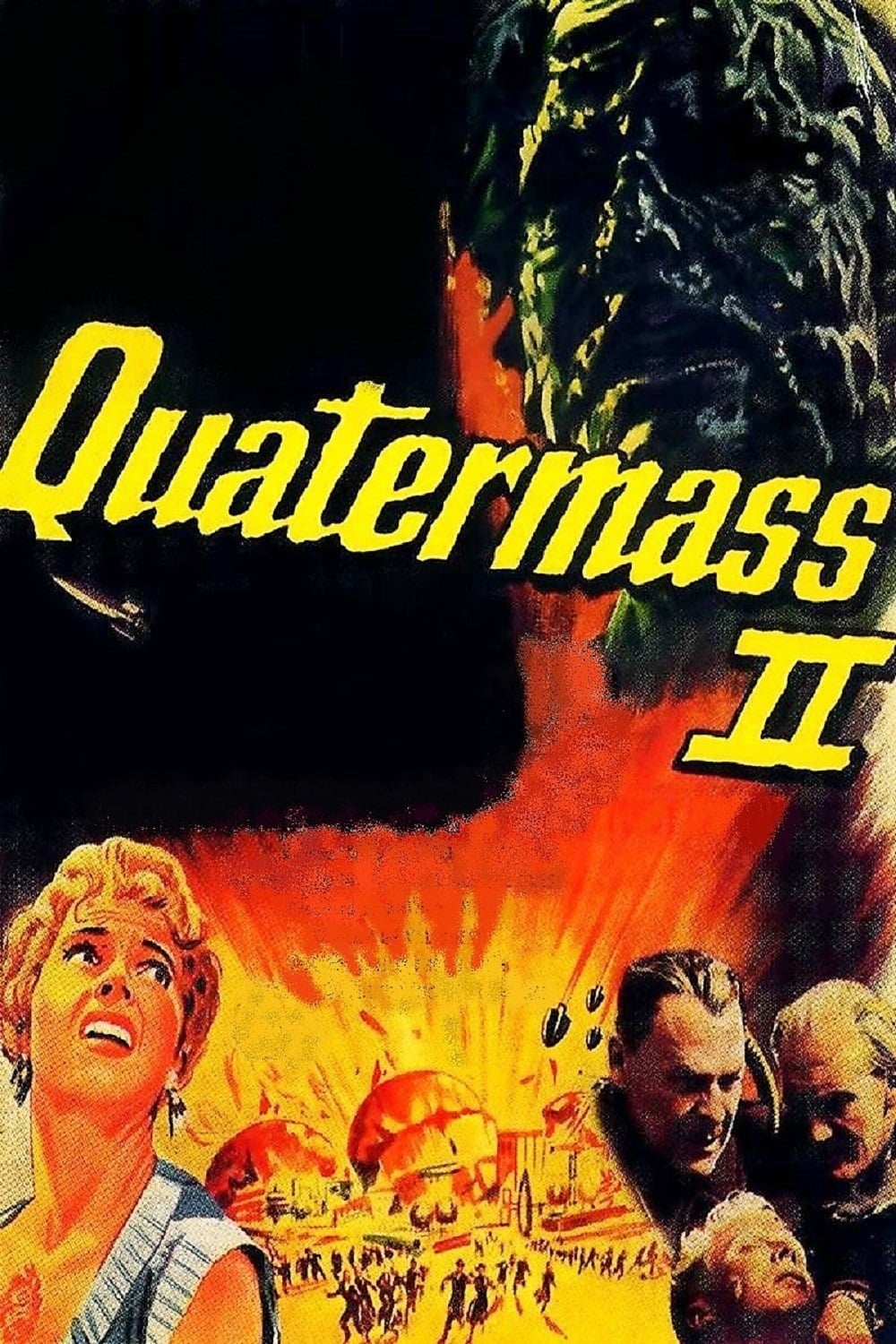
Quatermass 2
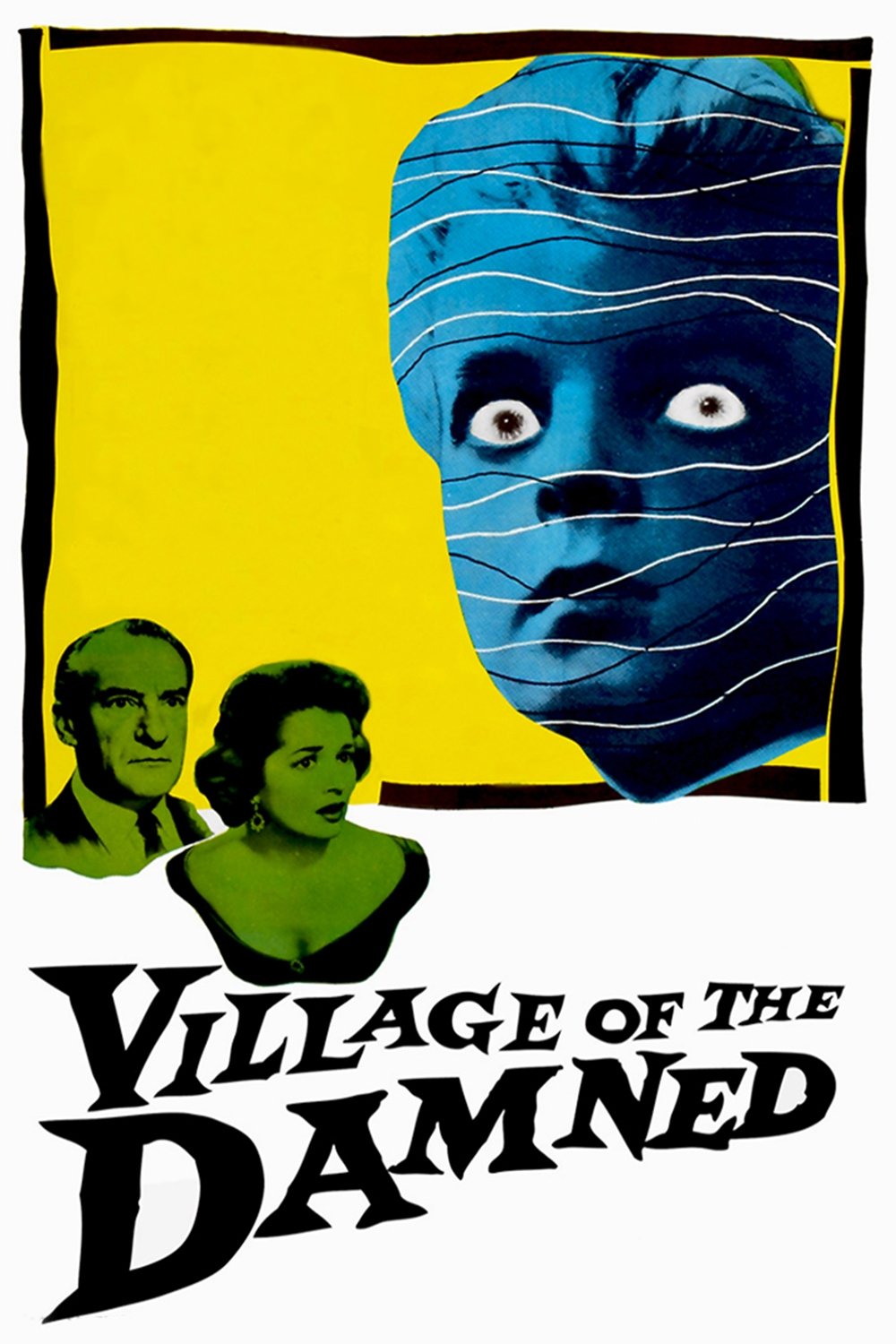
Village of the Damned
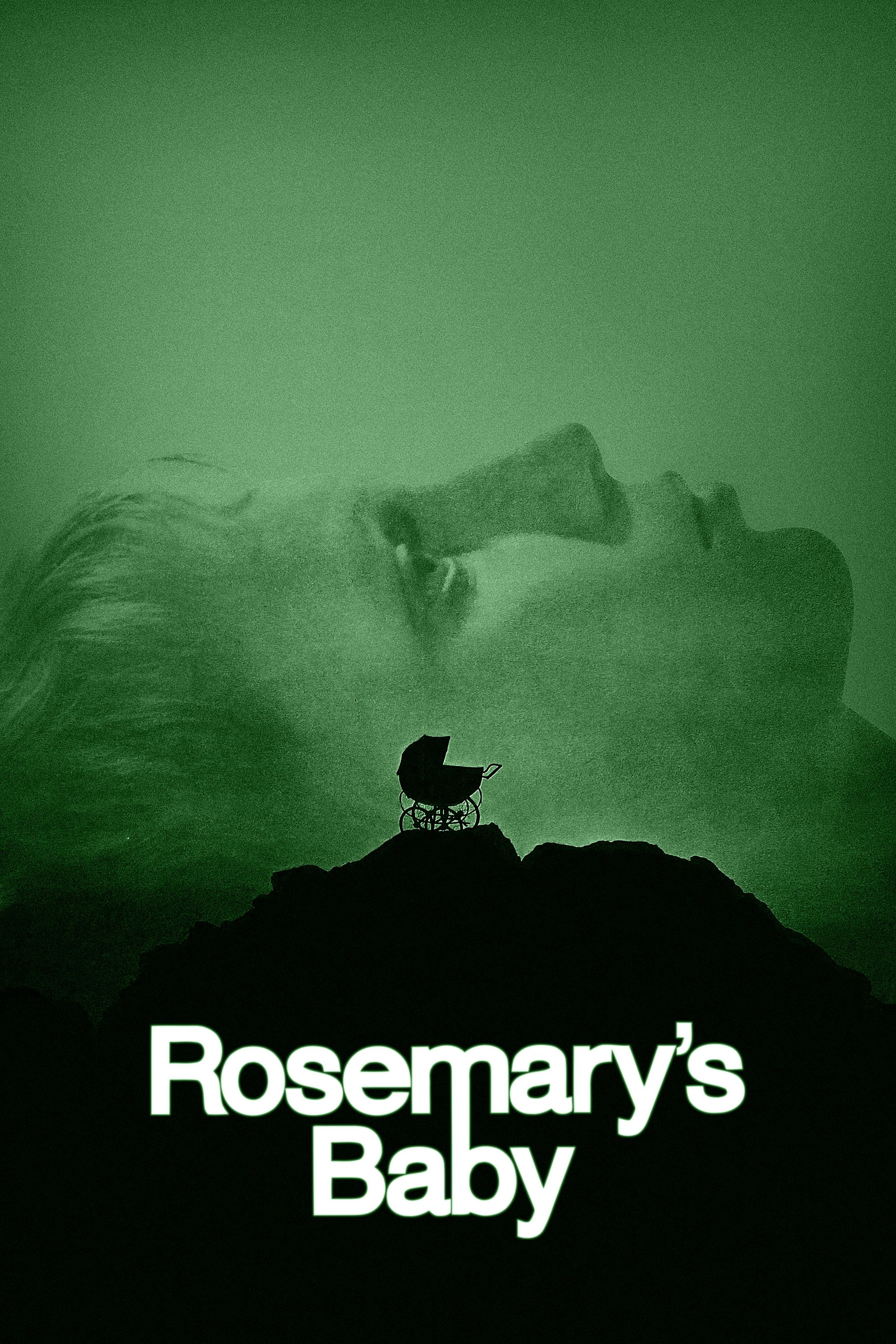
Rosemary's Baby

The Stepford Wives
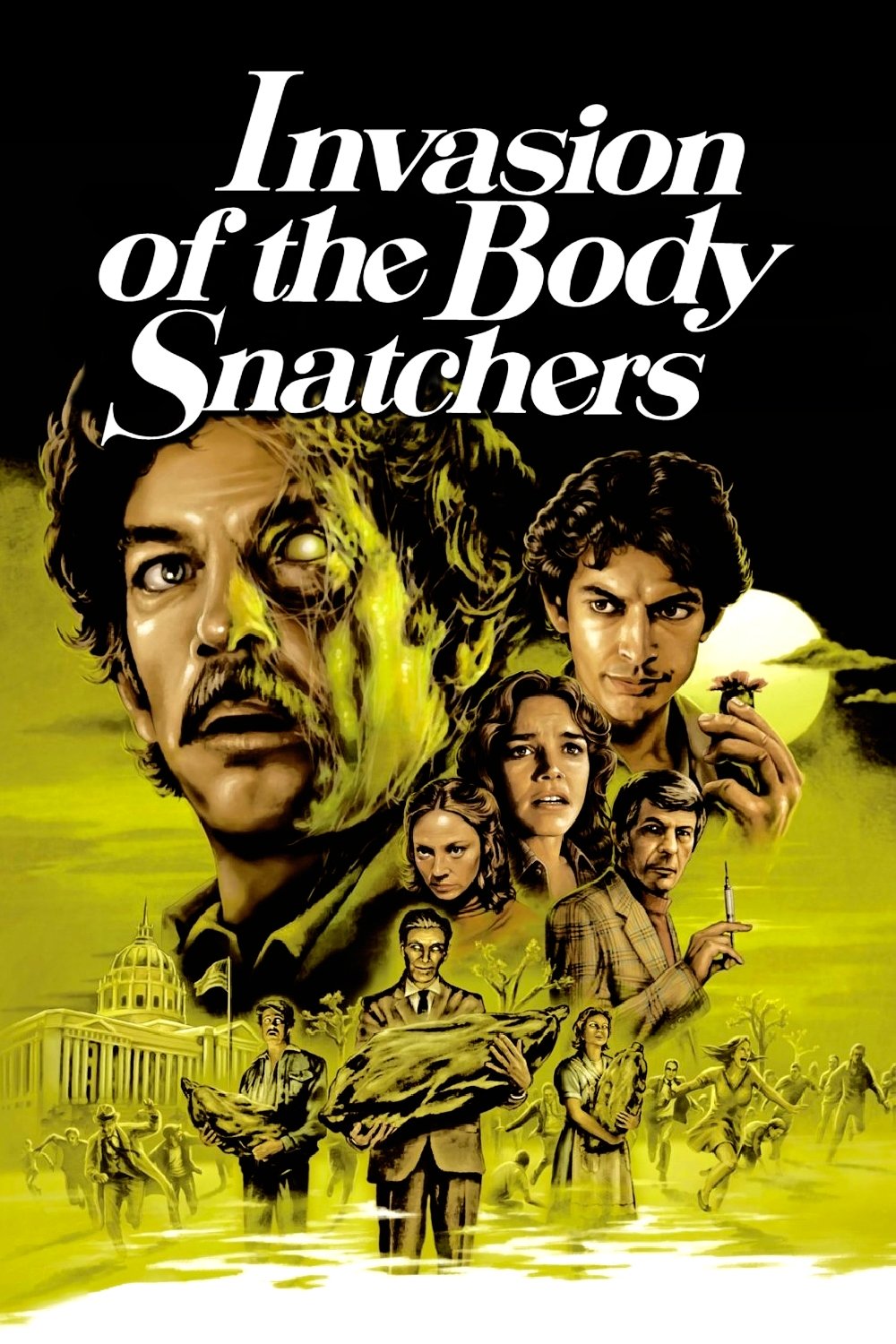
Invasion of the Body Snatchers
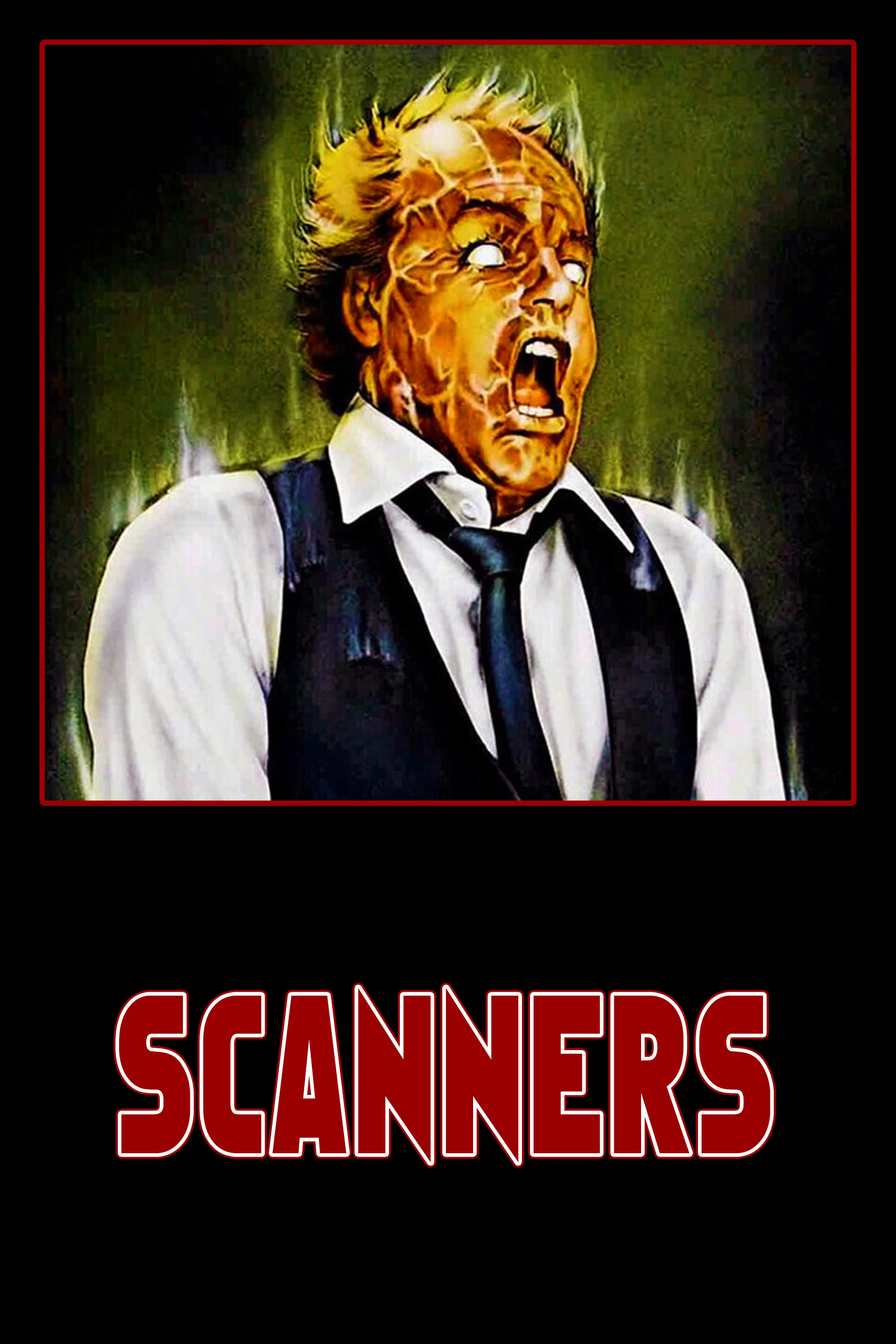
Scanners
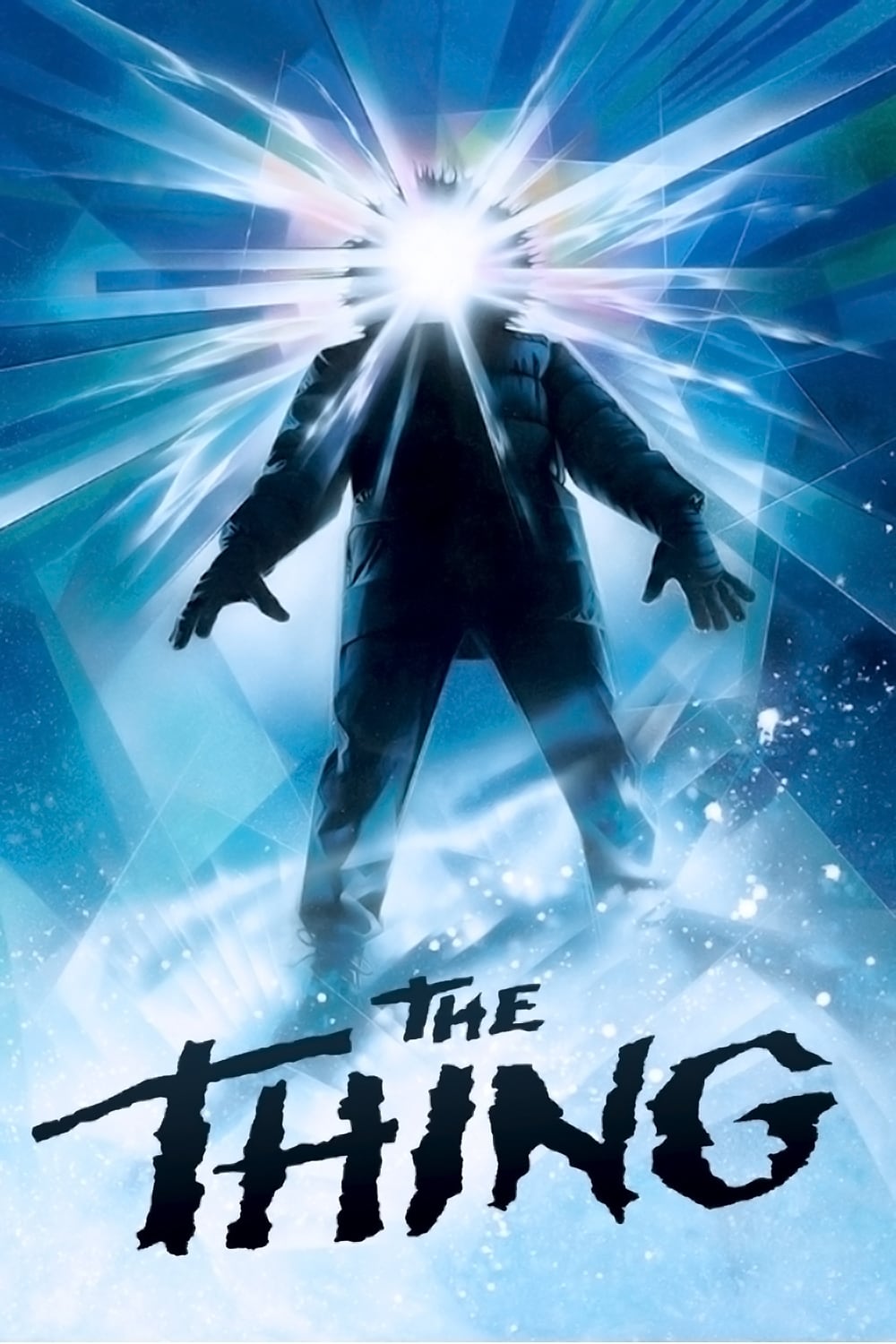
The Thing
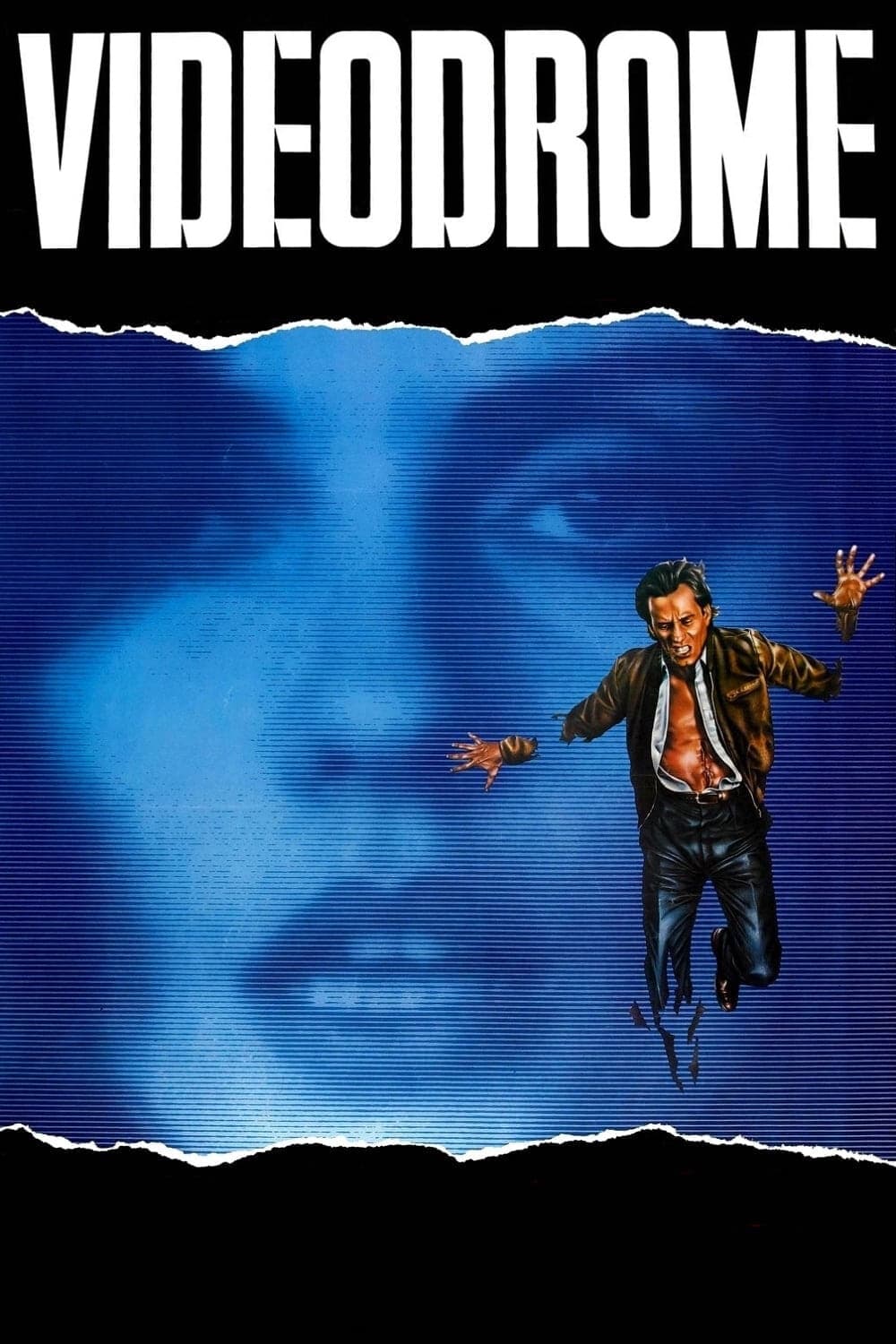
Videodrome
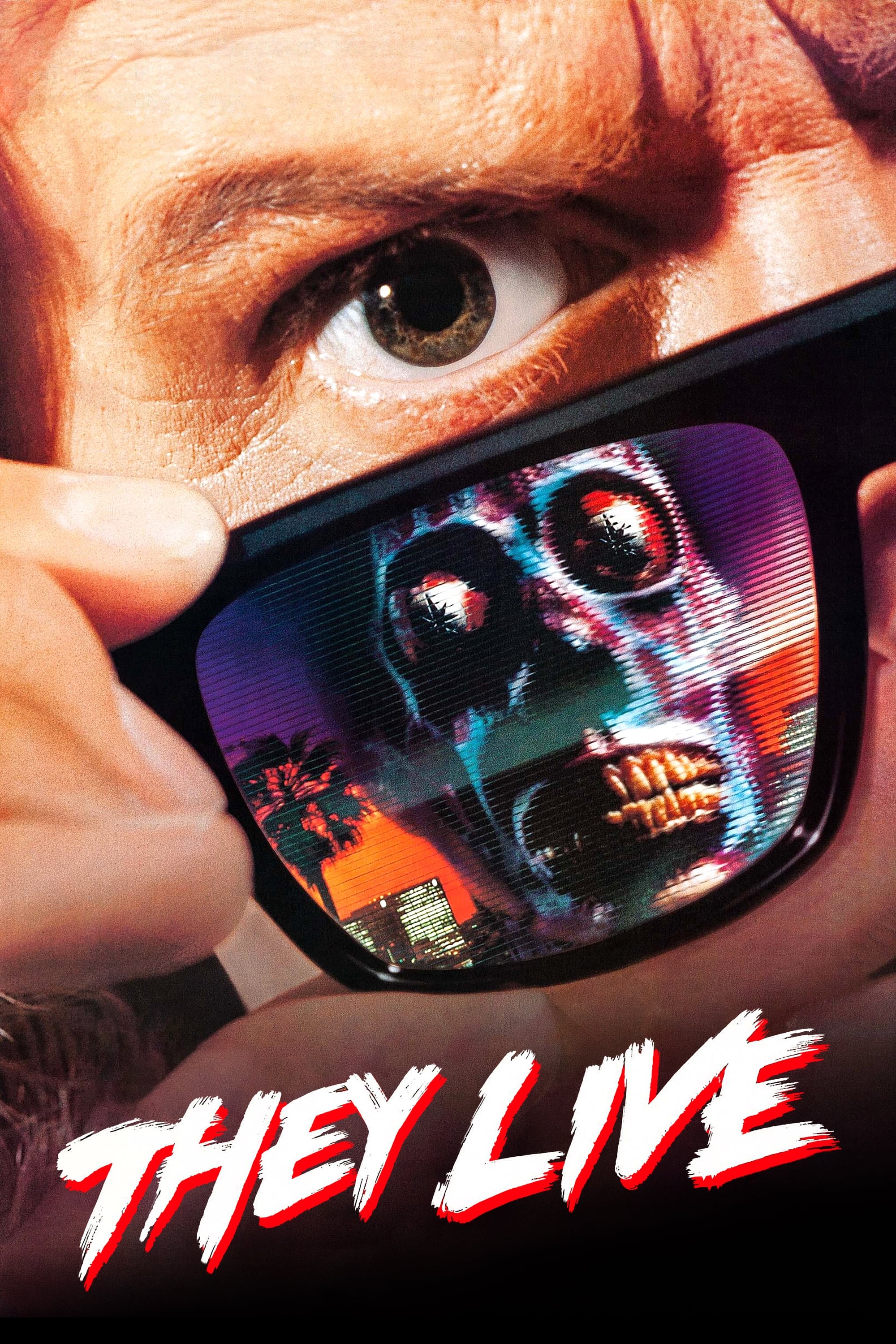
They Live

Jacob's Ladder
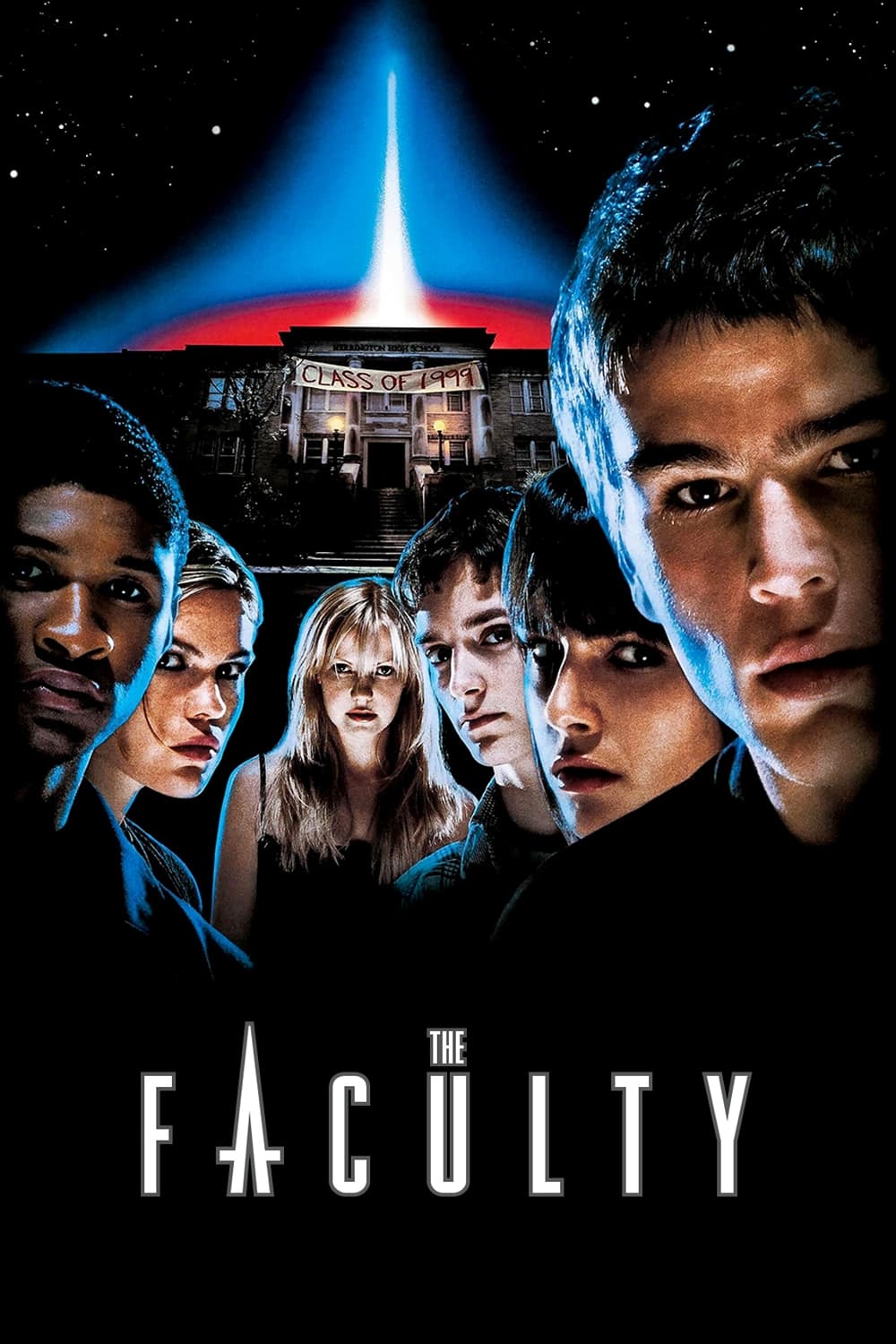
The Faculty
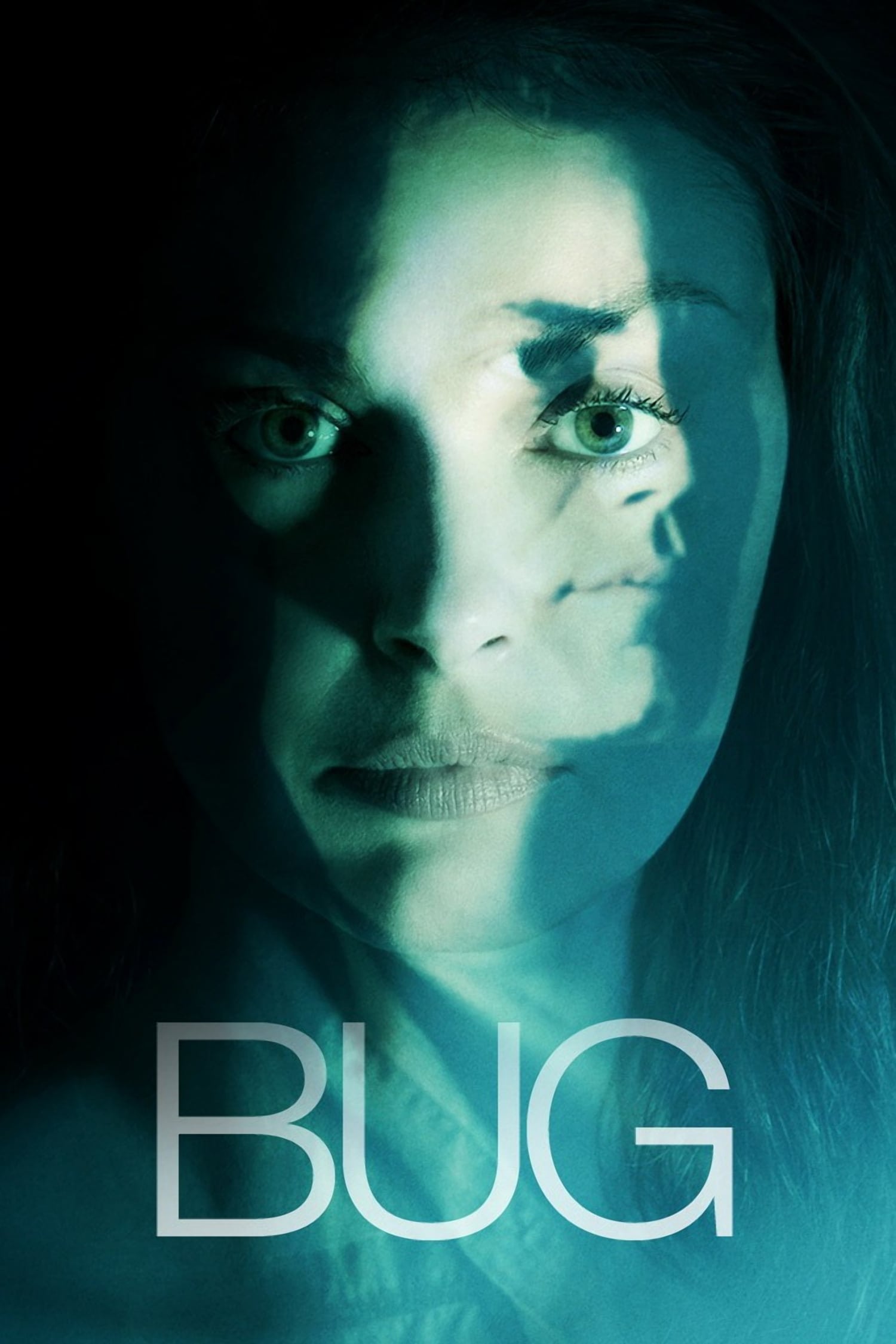
Bug
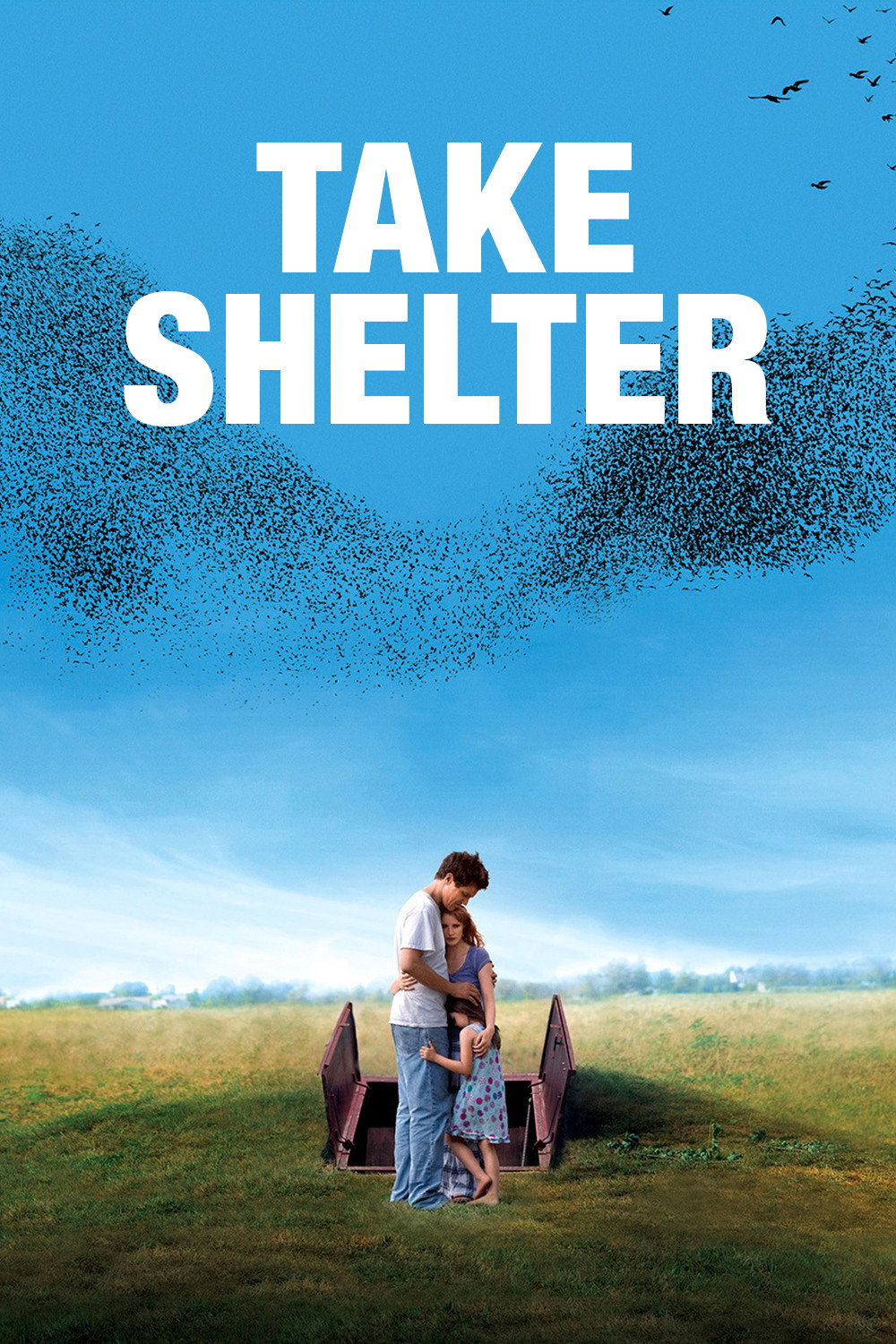
Take Shelter
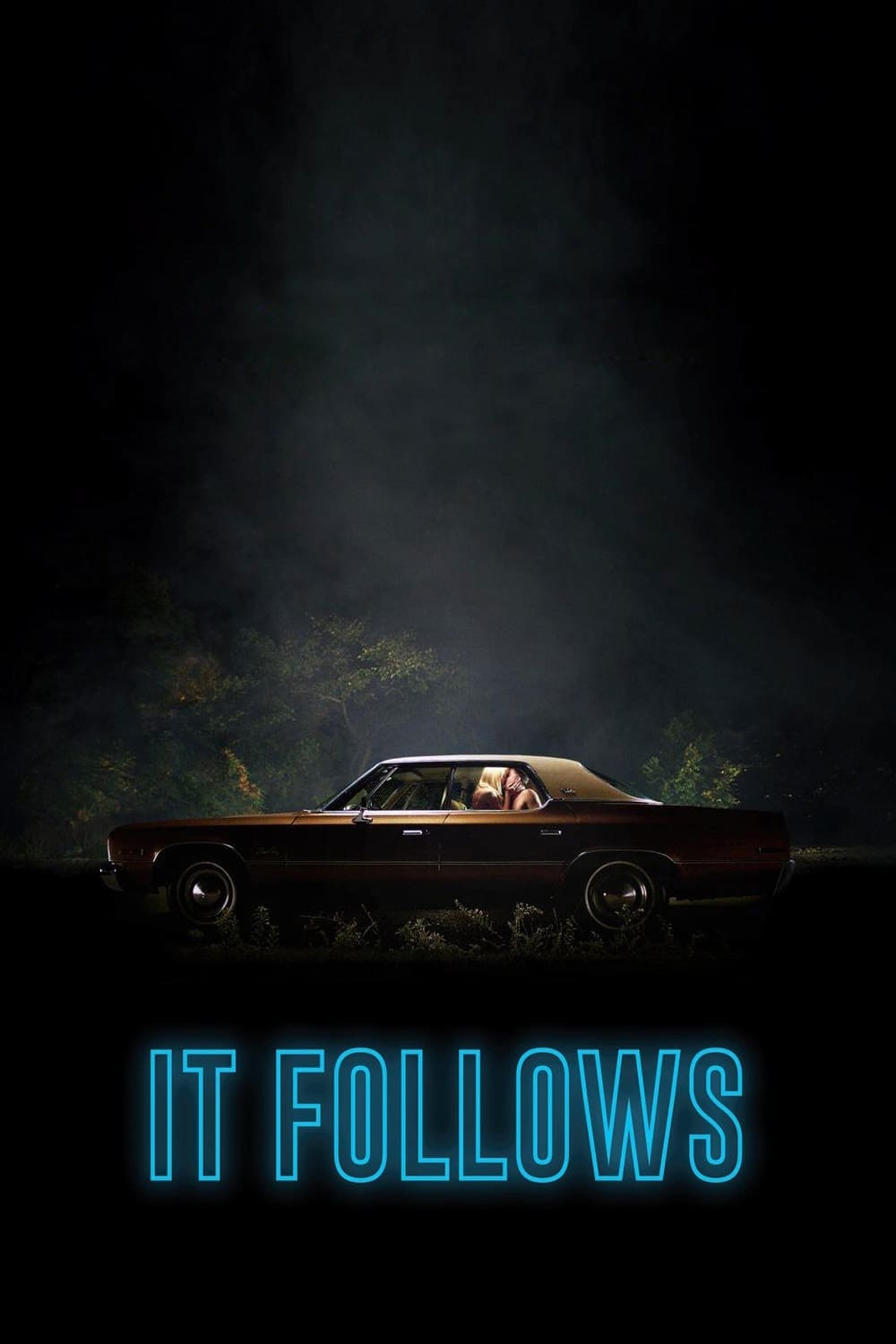
It Follows

mother!
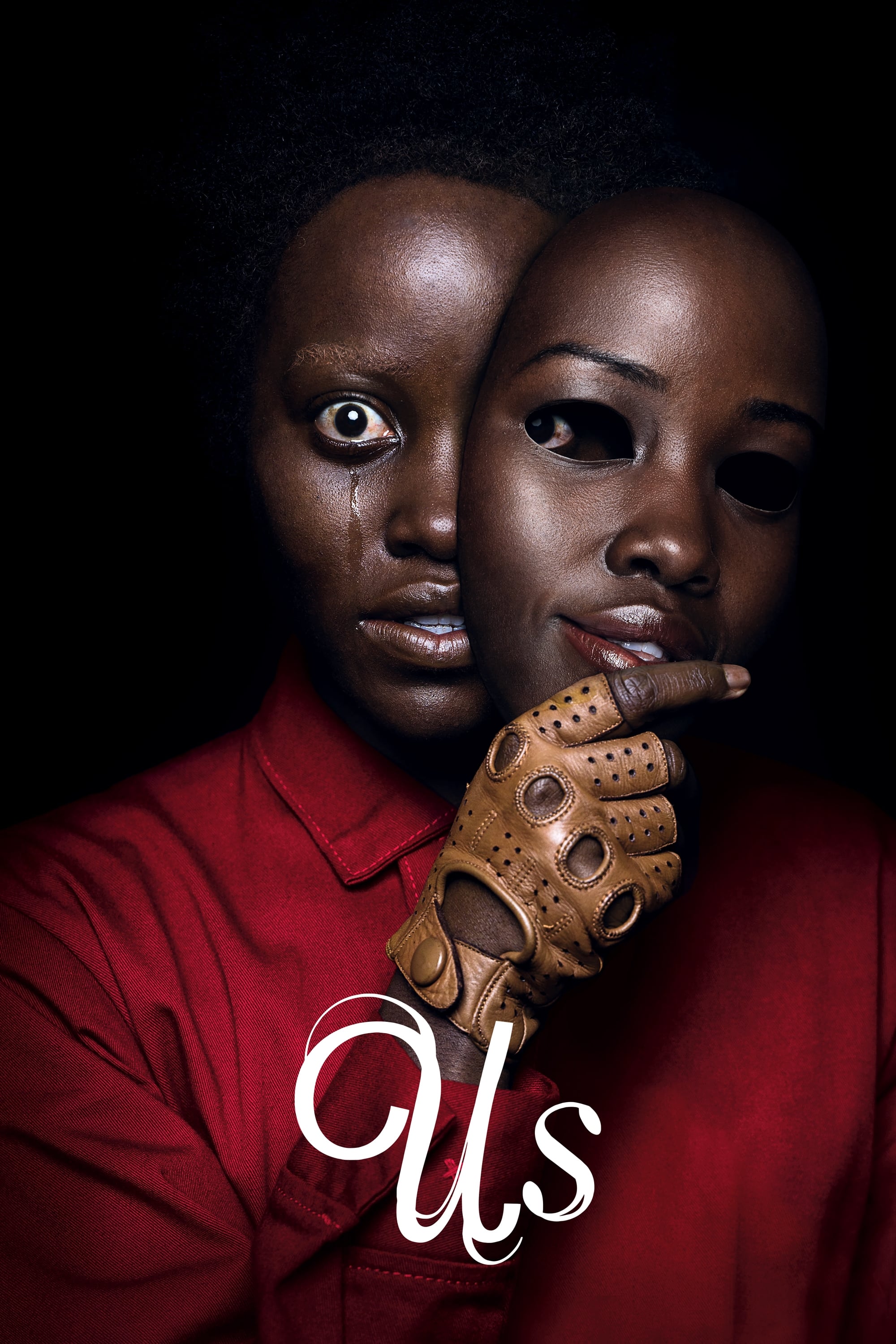
Us

Speak No Evil
Statistics
Popularity by Decade
Share of each decade's horror films classified as Paranoia. Counts films with at least 5 TMDB ratings, so very obscure titles are not represented.
Popularity by Country
Share of each country's horror output classified as Paranoia. Counts films with at least 5 TMDB ratings, so very obscure titles are not represented.