
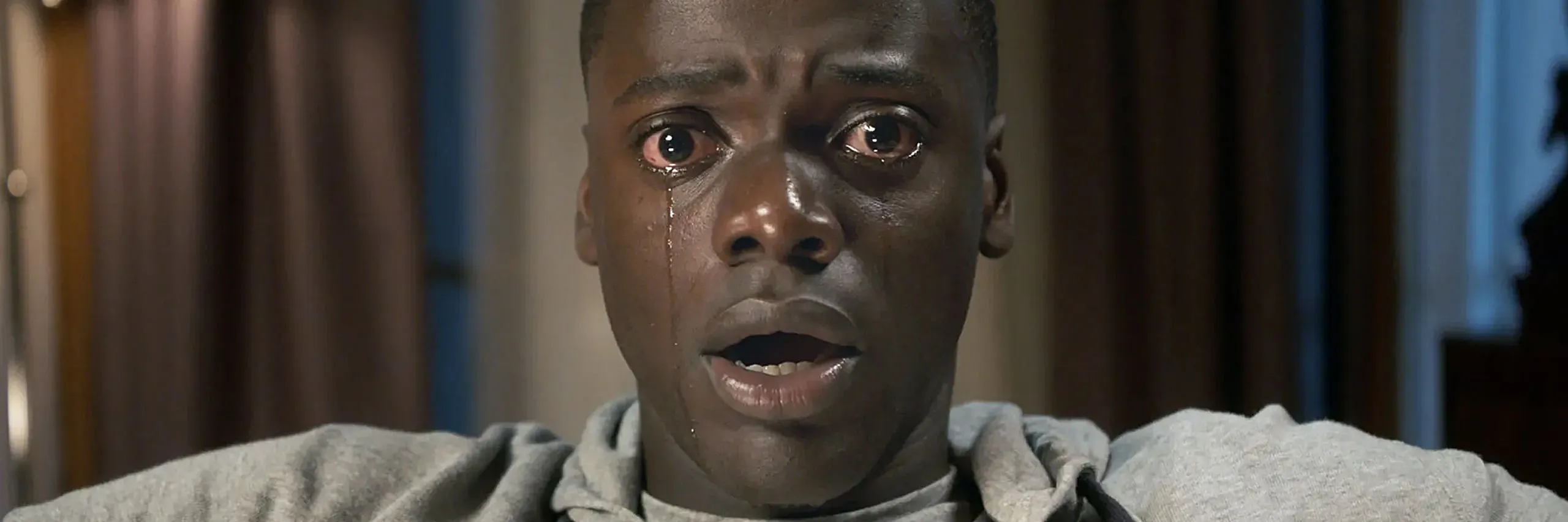
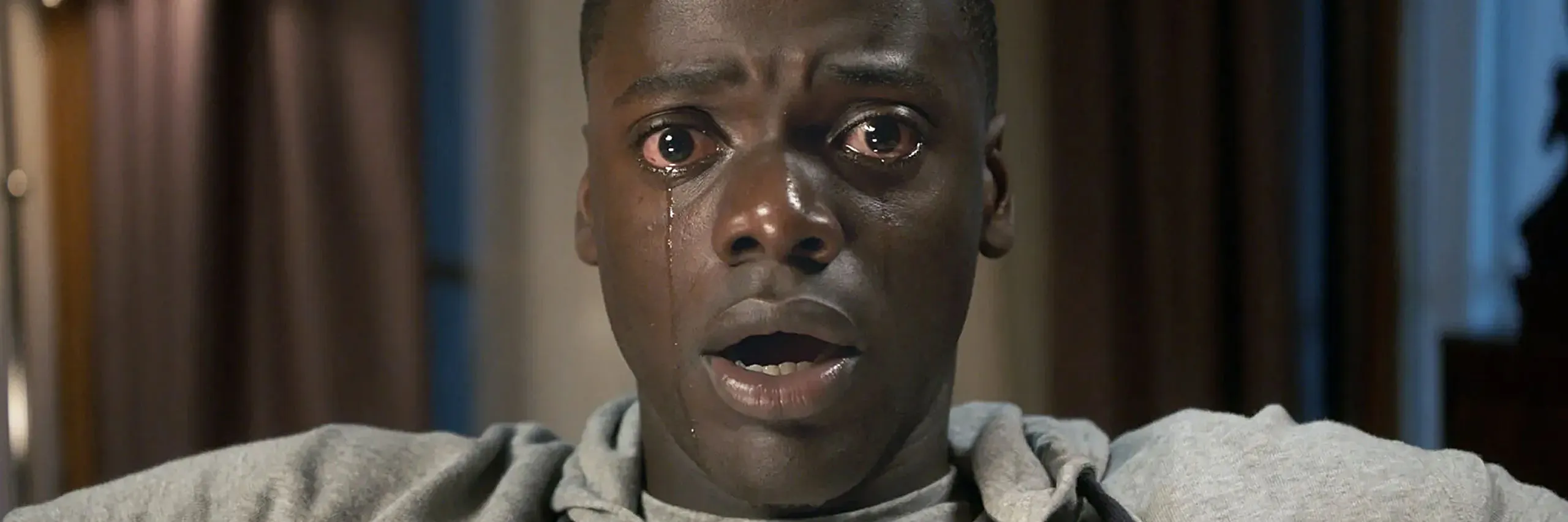
 Get Out (2017)
Psychological
Horror that lives in the mind. Paranoia, trauma, gaslighting, and the dissolution of identity — these films weaponize perception itself, asking whether you can trust your own consciousness when it is the only tool you have.
History & Origins
Psychological horror turns the genre inward. Where monsters threaten from outside and supernatural forces operate beyond natural law, the psychological horror film locates its terror in the most intimate and inescapable space of all: the human mind. These films ask whether perception can be trusted, whether sanity is stable, and whether the person experiencing the horror might be its source.
The tradition's power derives from a fundamental vulnerability that no weapon or ritual can address: we have no way to verify our own consciousness from the outside. If the mind deceives itself — through trauma, through illness, through manipulation by others — the deception is, by definition, invisible to the person being deceived. Horror cinema has exploited this gap between what we experience and what is real with increasing sophistication over the genre's century-plus history. The form splits into five overlapping but distinct registers: the psychological thriller generates tension through suspicion, deception, and the slow revelation of hidden truths; paranoia horror makes the organized world feel predatory; trauma horror gives psychological wounds a terrifying physical presence; gaslighting narratives attack the protagonist's grip on reality through deliberate manipulation; identity horror dissolves the self entirely, questioning whether the person at the center of the story is who they believe themselves to be.
The form's earliest cinematic expression came in German Expressionism, which understood unreliable consciousness instinctively. The Cabinet of Dr. Caligari (1920) used distorted sets and a final-act revelation about its narrator to make the audience question everything they had been shown. Alfred Hitchcock then built an entire career on the psychology of suspense — the difference between surprise and dread, and the way an audience's knowledge of danger transforms every ordinary moment into a source of anxiety. Psycho (1960) became the form's mid-century watershed: a psychiatric reveal-monologue that recast everything that came before into a study of psychological disintegration. Roman Polanski's Apartment Trilogy — Repulsion (1965), Rosemary's Baby (1968), and The Tenant (1976) — what Brian Crim describes as Polanski's exploration of "the links between gender, mental illness, and identity stability" in apartments where the protagonists are "battling a supernatural force intent on robbing their sanity" — left audiences "questioning whether the threat is real or imagined, the product of a haunted space or a diseased mind." David Skal puts it more compactly: "the contained space of an apartment becomes an evocative symbol of madness, evil, and gnawing paranoia."
Stanley Kubrick's The Shining (1980), adapting Stephen King, made isolation itself a form of madness. William Paul's reading of the film — Danny's "Tony" imaginary friend existing to provide him with "visions that express these tensions," the "familial tensions that he cannot fully express through words" — established psychological horror's relationship with traumatic vision as central to the form's contemporary register. Adrian Lyne's Jacob's Ladder (1990) extended the trauma-vision template into Vietnam-veteran register; Darren Aronofsky's Black Swan (2010) took it into the ballet-perfectionist register, with the same essential question — what is happening, and what is being seen — driving the entire experience.
The contemporary landscape is rich and various. The post-2010s wave produced some of the form's most acclaimed entries: Jordan Peele's Get Out (2017) weaponized the meet-the-parents weekend into racial body-horror via psychological-manipulation framework; Ari Aster's Hereditary (2018) fused grief with possession into one of the era's most punishing psychological-horror endurance tests. What connects these diverse approaches is a shared conviction: that the mind is not a reliable witness to its own experience, and that the horror of discovering this unreliability — of realizing that the call is coming from inside the house of your own consciousness — is more devastating than any external threat.
Sources: Brian E. Crim, Planet Auschwitz (2020); William Paul, Laughing Screaming (1994); David J. Skal, Fright Favorites (2020).
Explore Psychological



Statistics
Popularity by Decade
Share of each decade's horror films classified as Psychological. Counts films with at least 5 TMDB ratings, so very obscure titles are not represented.
Popularity by Country
Share of each country's horror output classified as Psychological. Counts films with at least 5 TMDB ratings, so very obscure titles are not represented.