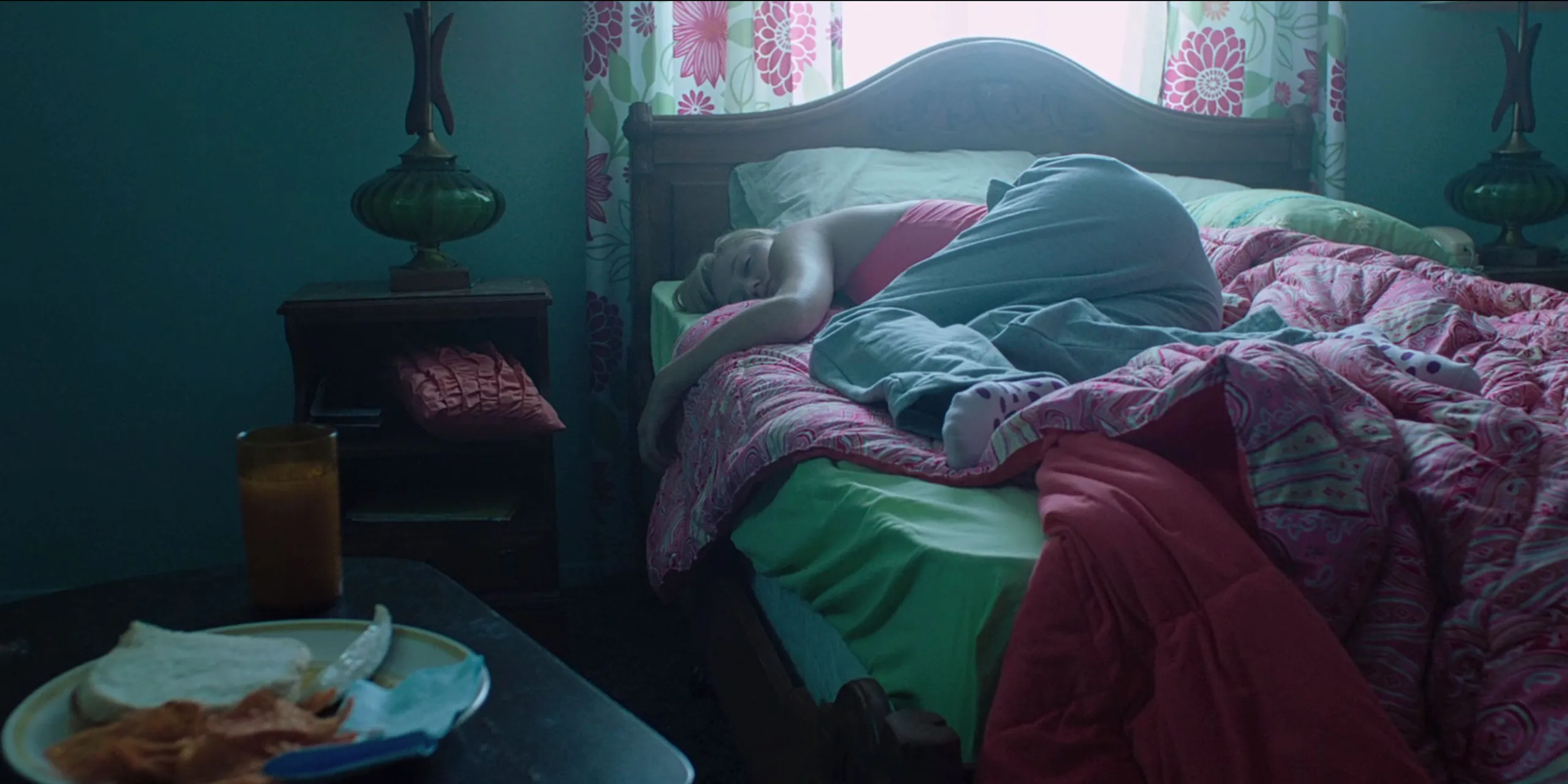
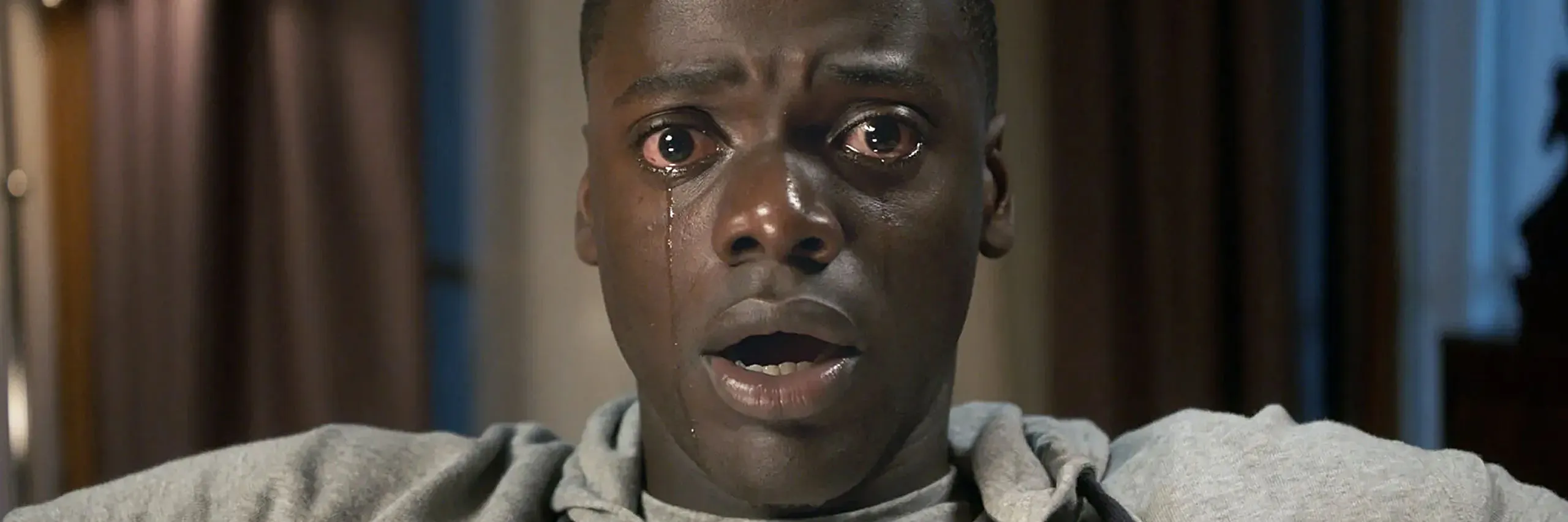
 Us (2019)
Identity Horror
The self is not what you thought. Doppelgängers, fractured consciousness, and the terrifying possibility that the person you believe yourself to be is a construction — or a lie.
History & Origins
Identity horror explores the terror of not knowing who you are — or of discovering that the self you believed in is a construction, a lie, or something fundamentally other than human. These films attack the most basic assumption of conscious experience: that there is a coherent "you" behind your eyes, stable and continuous, and that this self is real. The subgenre overlaps with gaslighting but centers differently: where gaslighting attacks the protagonist's grip on what is true, identity horror attacks the question of who is experiencing what is true.
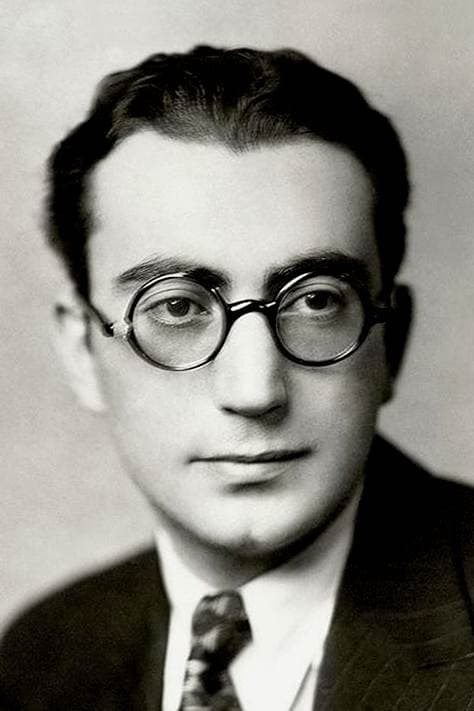
The doppelgänger tradition is identity horror's oldest thread. The double — the other self, the mirror image that has its own will — appears in literature from Poe's "William Wilson" through Dostoevsky's The Double and into cinema with Stellan Rye's Student of Prague (1913), in which a man's reflection is stolen and becomes an independent, malevolent entity. Rouben Mamoulian's Dr. Jekyll and Mr. Hyde (1931), with Fredric March's split-self transformation, brought Stevenson's foundational good-evil duality into the sound era. Don Siegel's Invasion of the Body Snatchers (1956) weaponized identity horror on a societal scale — the person you love has been replaced by something that looks identical but is fundamentally empty.
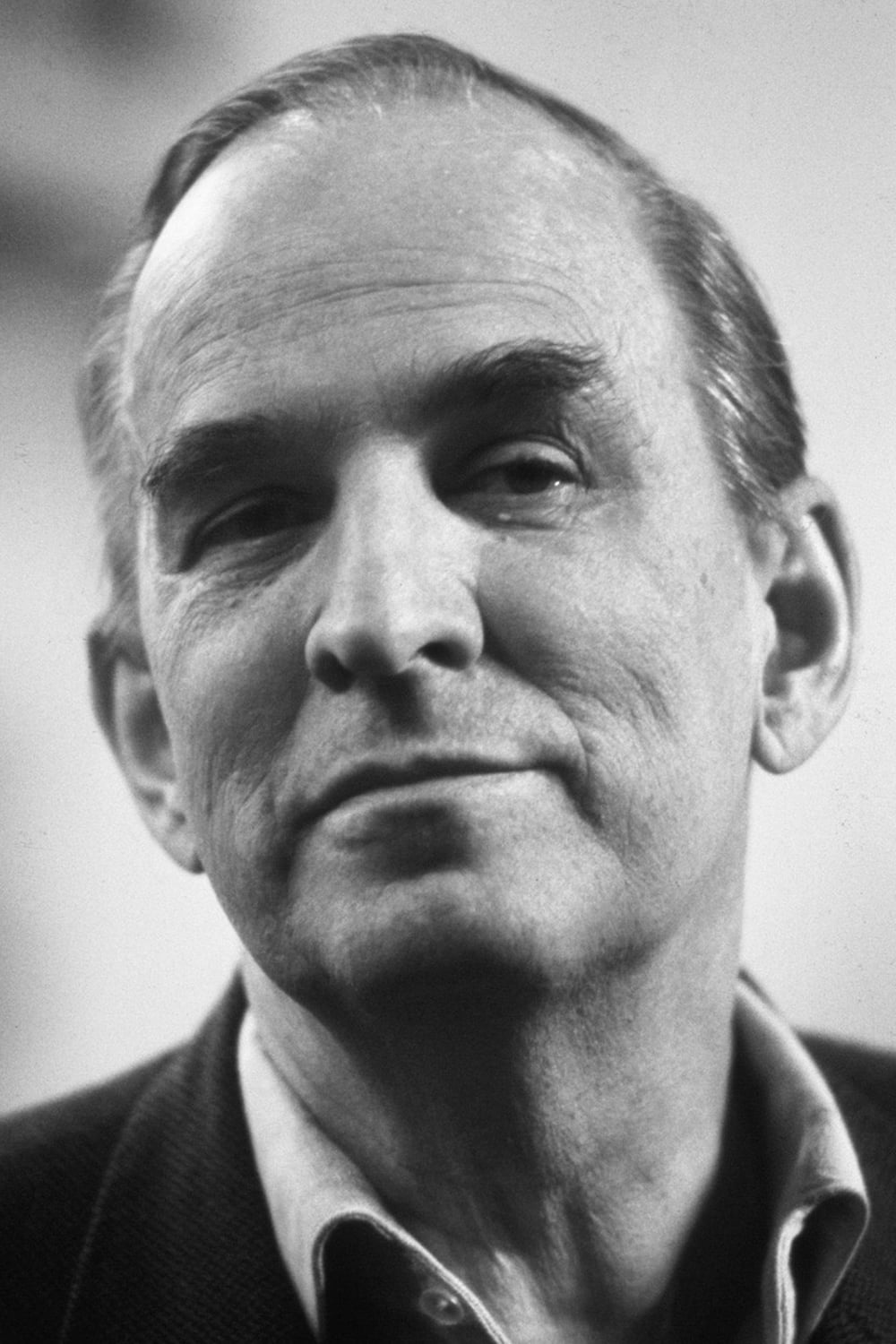
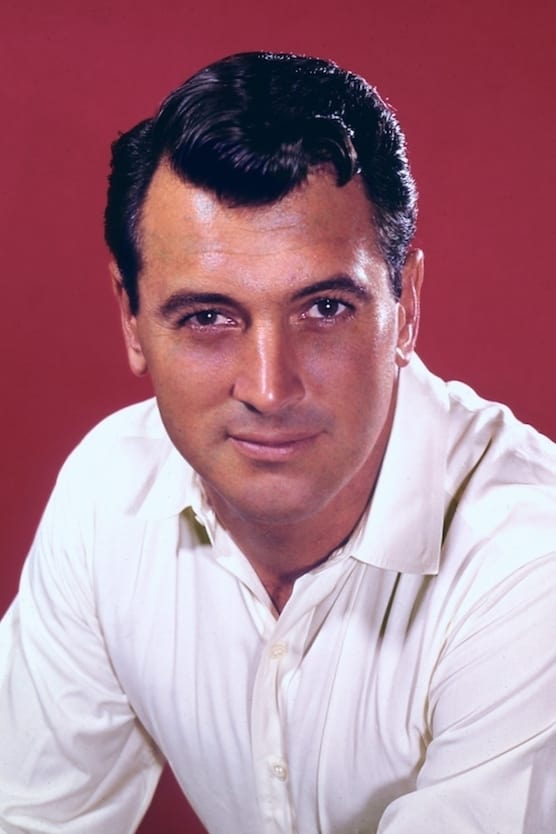
The 1960s and 70s opened the form into art-cinema register. Ingmar Bergman's Persona (1966), with Liv Ullmann and Bibi Andersson, made identity-fusion the form's most aesthetically refined statement — two faces merging into one in the famous shot remains identity horror's iconic image. John Frankenheimer's Seconds (1966), with Rock Hudson, ran the body-replacement variant in eerie New Wave register. Nicolas Roeg and Donald Cammell's Performance (1970) fused gangster crime with rock-star identity-merger via Mick Jagger and James Fox; Roy Ward Baker's Hammer Dr. Jekyll & Sister Hyde (1971) ran the gender-swap variant. Brian De Palma's Sisters (1973), with Margot Kidder as separated twins, established his identity-doubled register; his later Body Double (1984) ran the voyeurism-identity variant.
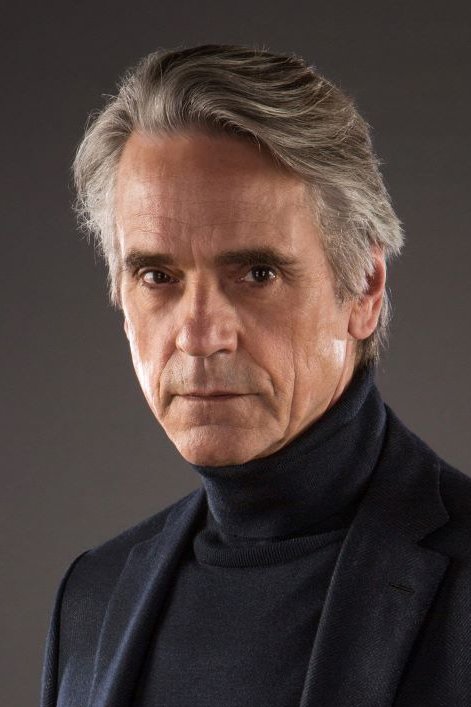
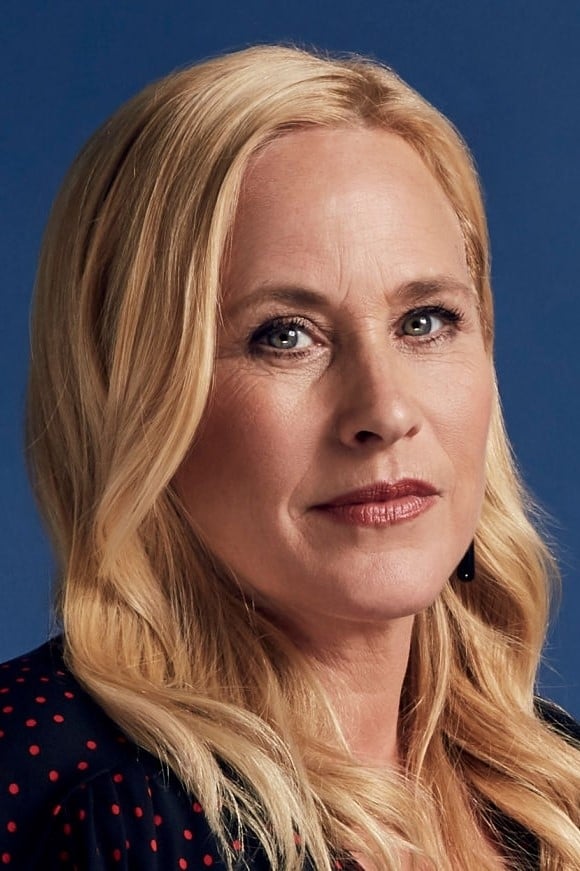
David Cronenberg's Dead Ringers (1988), with Jeremy Irons as twin gynaecologists in psychological-disintegration symmetry, gave the form one of its most refined entries; his later Spider (2002) returned to identity-collapse in muted register. Single White Female (1992), with Jennifer Jason Leigh and Bridget Fonda, made the identity-thief roommate variant a permanent cultural reference. David Lynch's Lost Highway (1997), with Patricia Arquette, shattered narrative identity entirely — characters transform into other characters and the concept of a stable self dissolves. Satoshi Kon's anime Perfect Blue (1998) ran the same dissolution through the J-pop idol's mental break — Edwards and Pagnoni Berns call it the form's "ideal giallo-esque film." Lynch returned with Mulholland Drive (2001), with Naomi Watts, for the form's defining 21st-century entry.
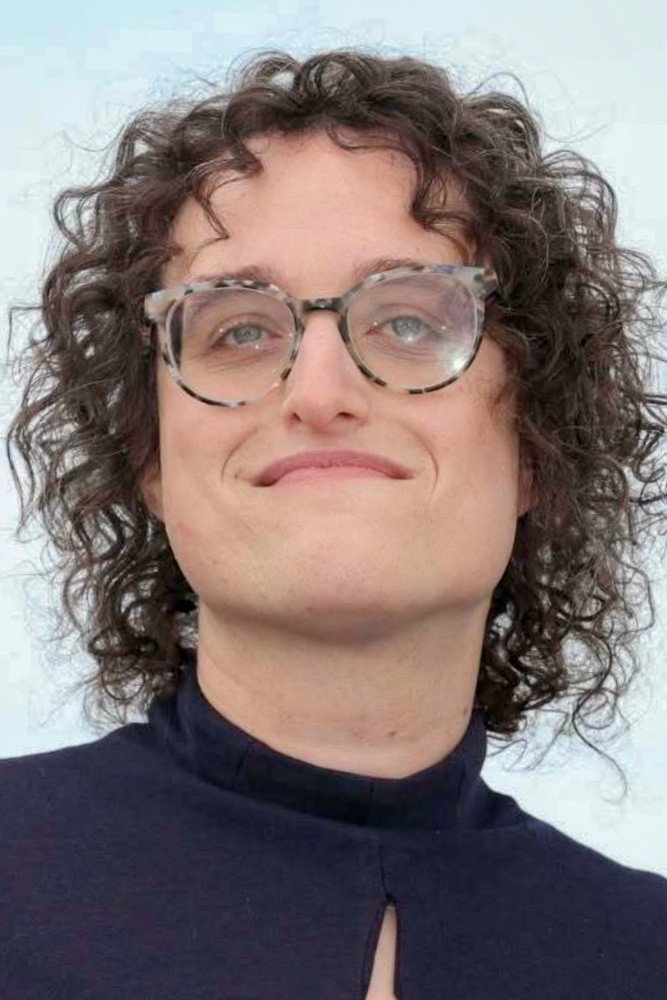
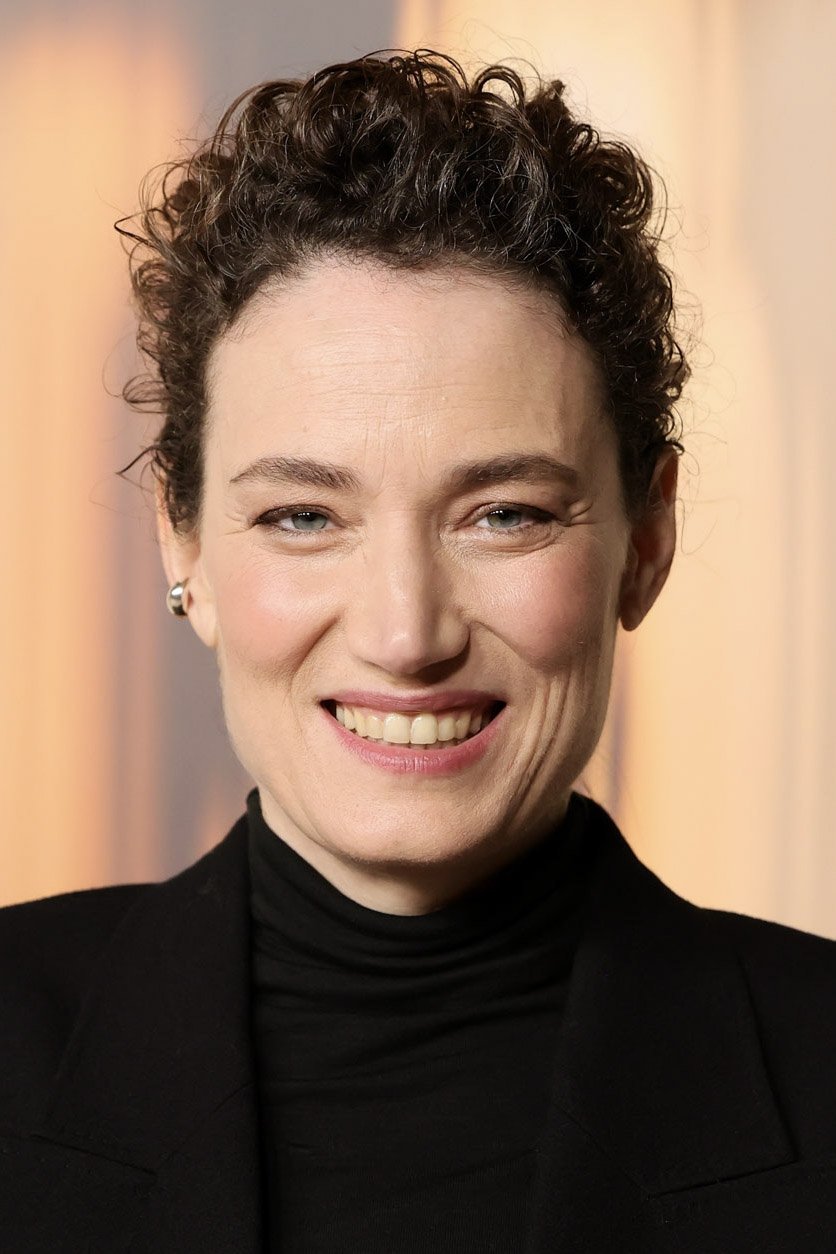
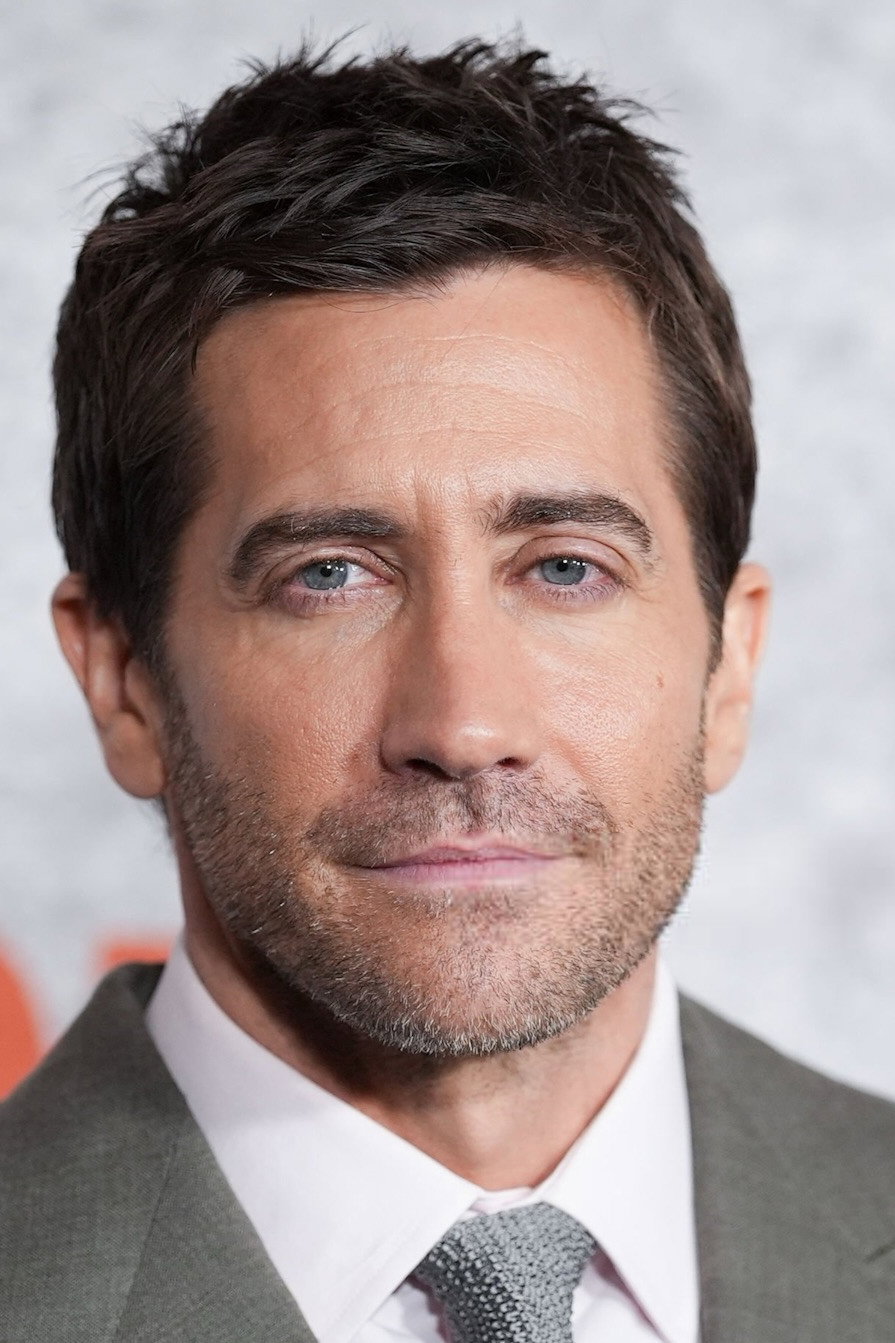
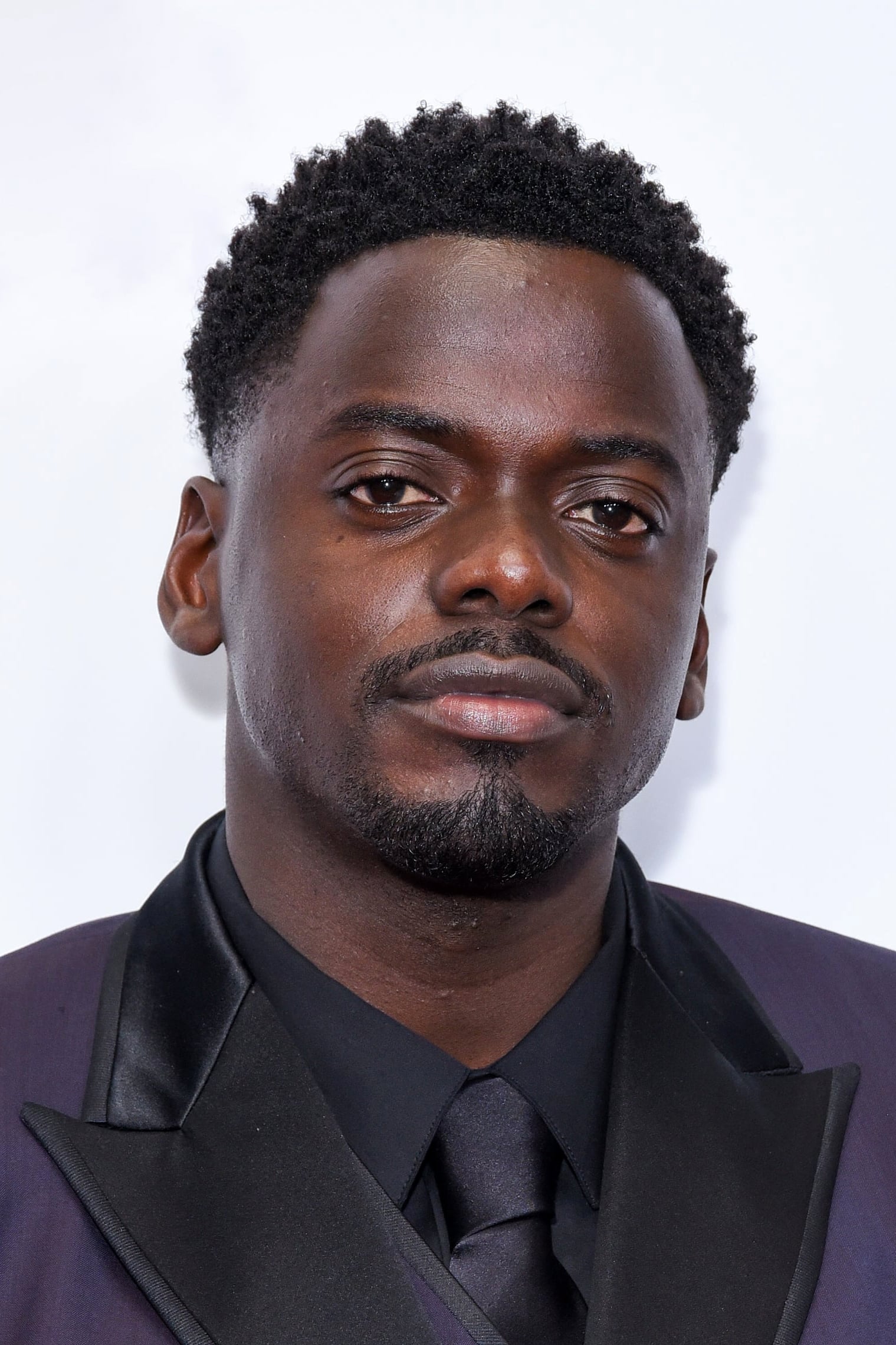
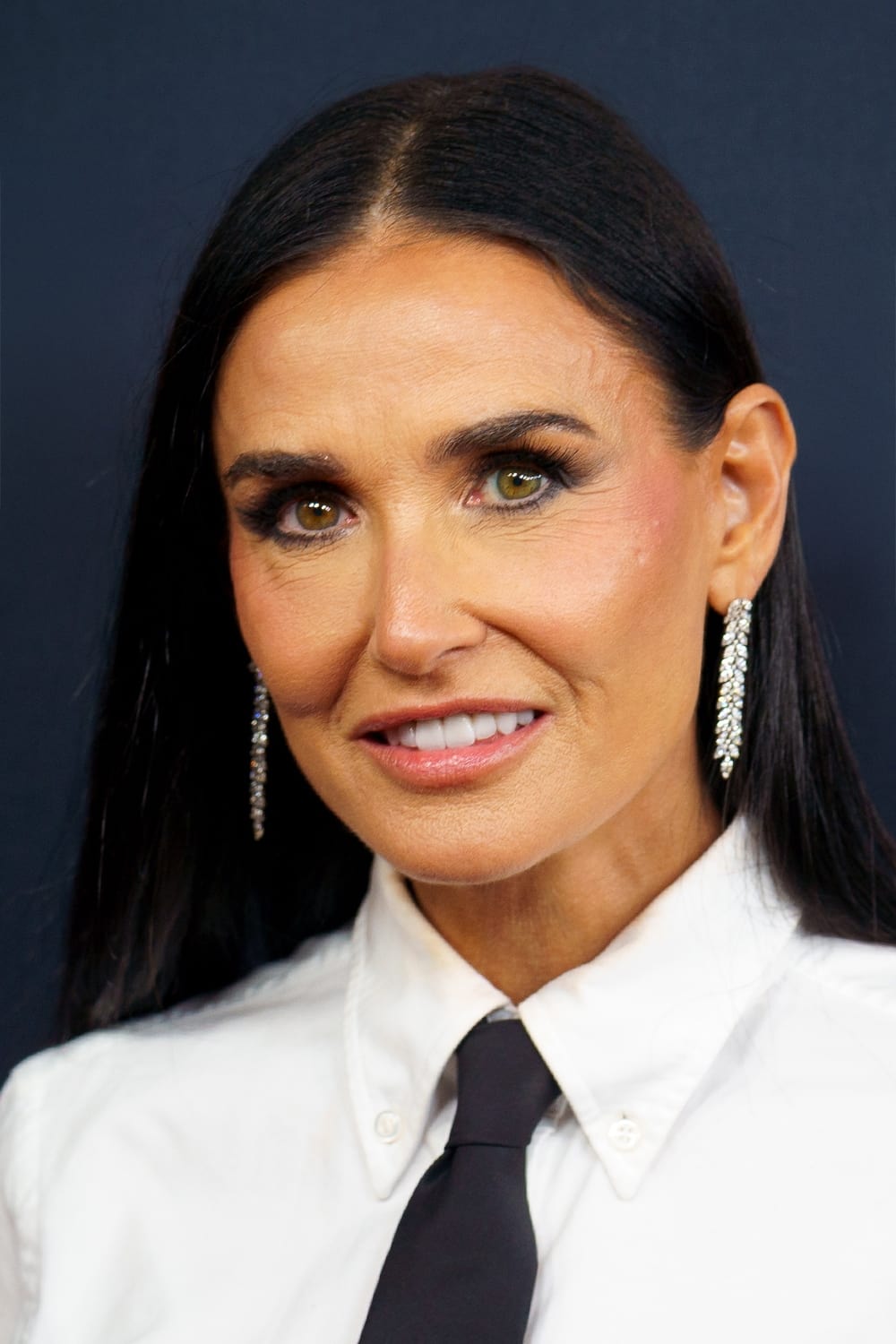
The contemporary register has produced an extraordinary run. Darren Aronofsky's Black Swan (2010), with Natalie Portman, found identity horror in the pursuit of artistic perfection — Nina's transformation into the Black Swan is both a creative triumph and a complete dissolution of self. Denis Villeneuve's Enemy (2014), with Jake Gyllenhaal as twin doppelgängers, supplied the era's purest doppelgänger entry. Jordan Peele's Get Out (2017), with Daniel Kaluuya, made identity-body-theft the racialised political-horror text of the decade; his Us (2019), with Lupita Nyong'o, made the double literal and political — an entire shadow population living beneath the surface, denied the lives their counterparts enjoy. Alex Garland's Annihilation (2018), with Portman again, ran the cosmic-self-dissolution variant; Park Chan-wook's Stoker (2013) brought the inherited-self register to Hollywood. Brandon Cronenberg's Possessor (2020), with Andrea Riseborough, extended his father's identity-horror register into explicitly possession-mediated body-theft. Jane Schoenbrun's I Saw the TV Glow (2024), with Justice Smith, made transgender-identity-recognition the form's most explicit contemporary register. Coralie Fargeat's The Substance (2024), with Demi Moore and Margaret Qualley, ran the body-double age-anxiety variant to its grotesque conclusion. The subgenre resonates in an era of curated online identities, deepfakes, and the persistent philosophical question of what makes you "you." Identity horror suggests that the answer may be nothing — that the self is a story we tell ourselves, and that the story can be rewritten without our consent.
Sources: Matthew Edwards and Fernando Gabriel Pagnoni Berns, Bloodstained Narratives (2023).
Essential Films
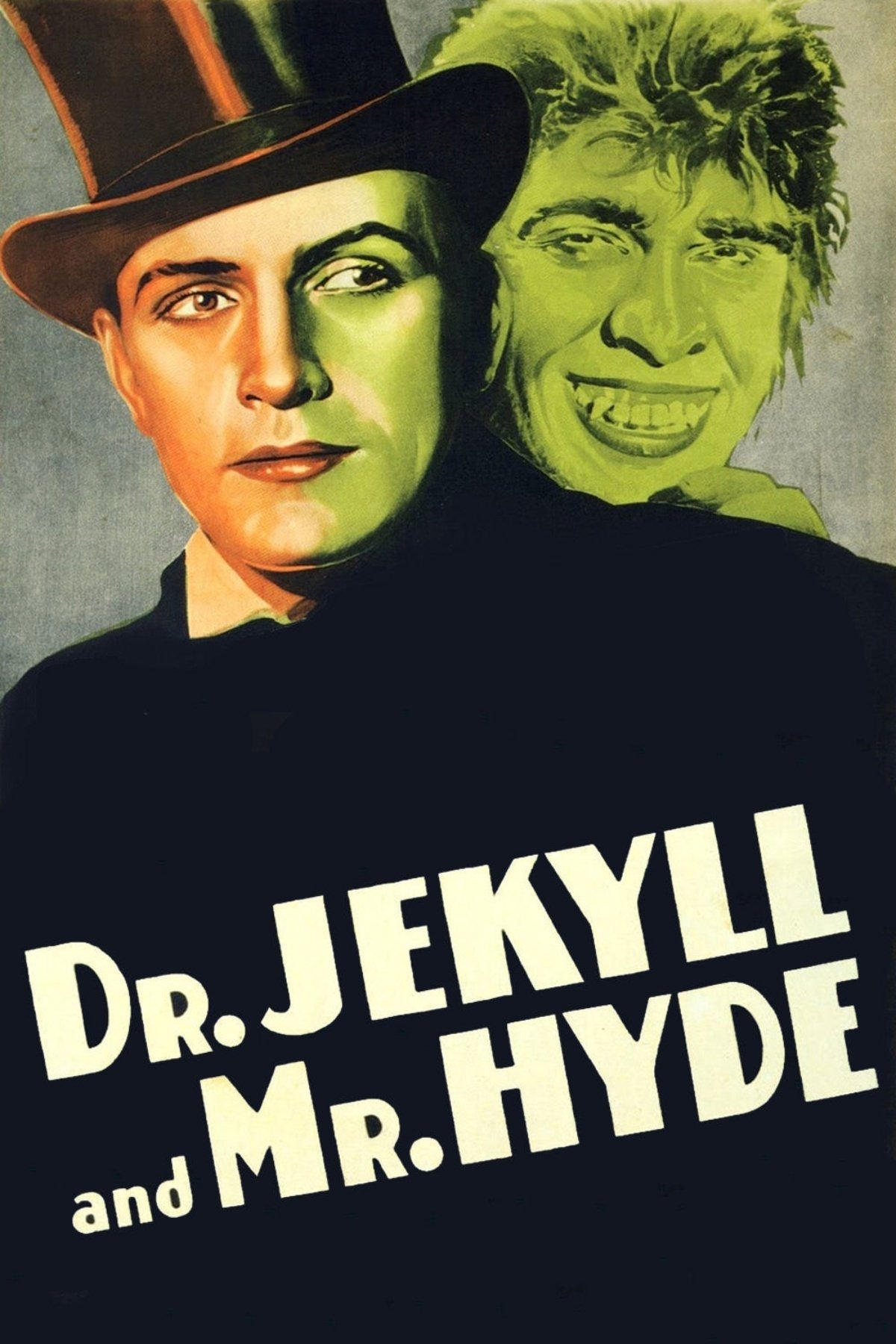
Dr. Jekyll and Mr. Hyde
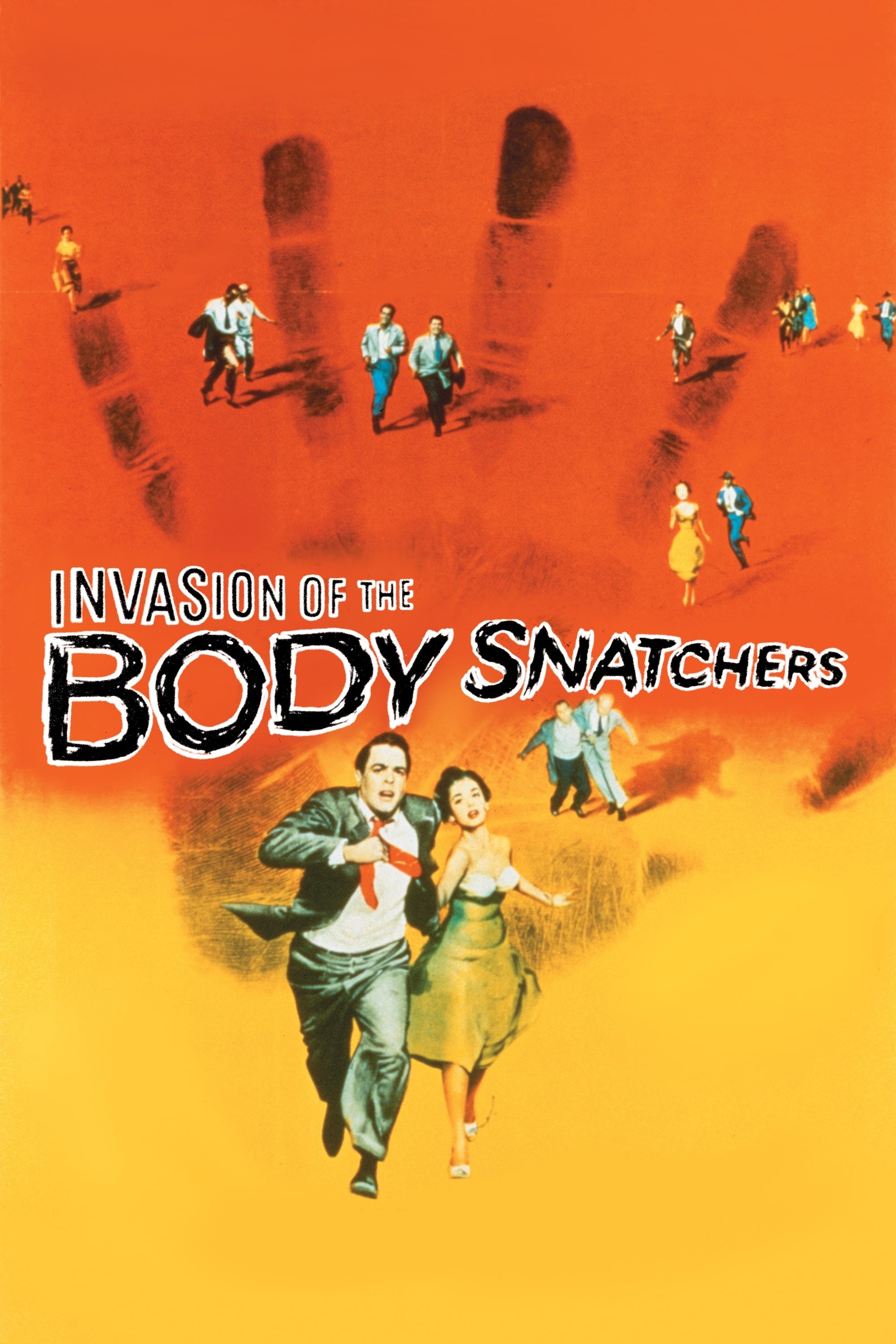
Invasion of the Body Snatchers

Seconds
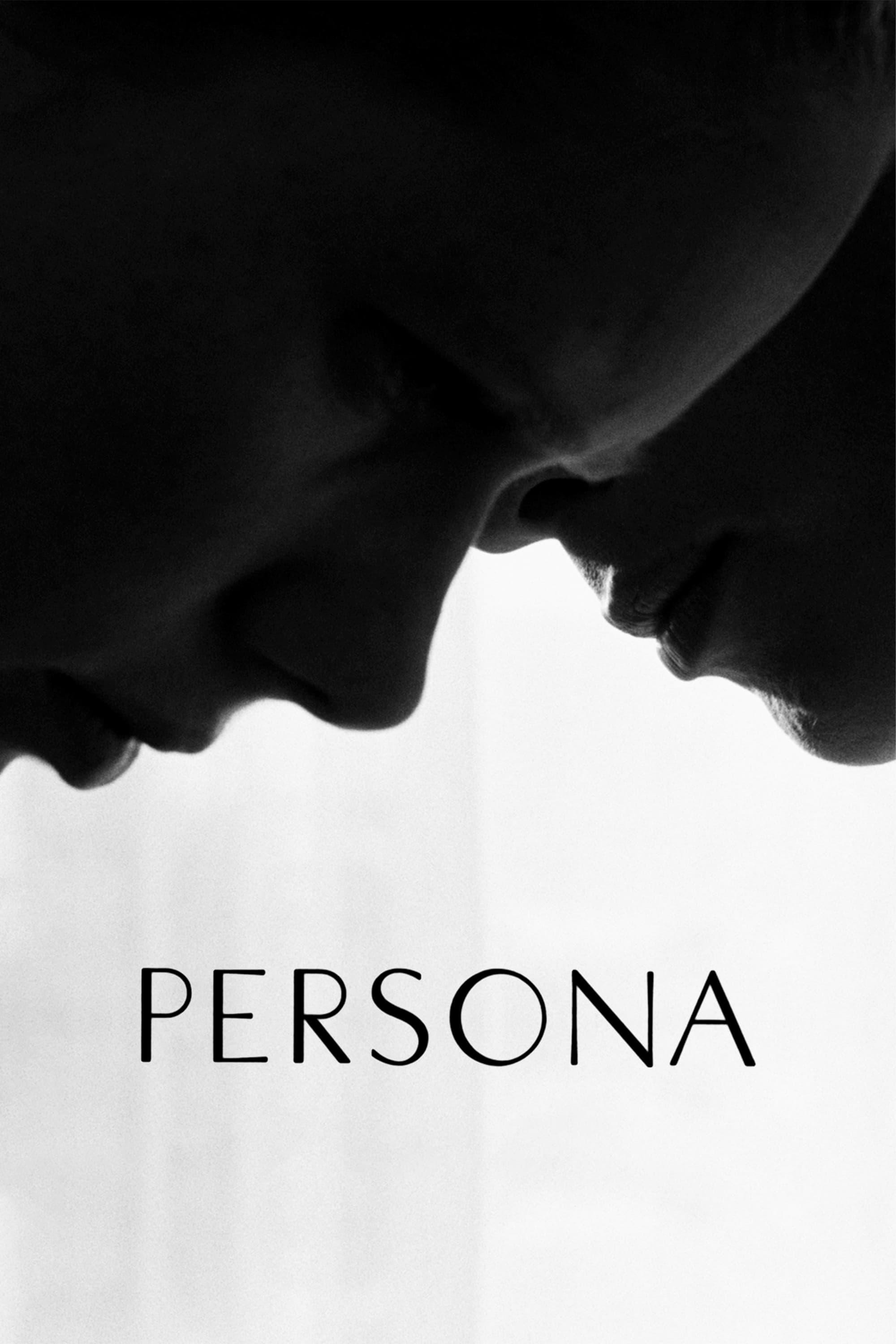
Persona
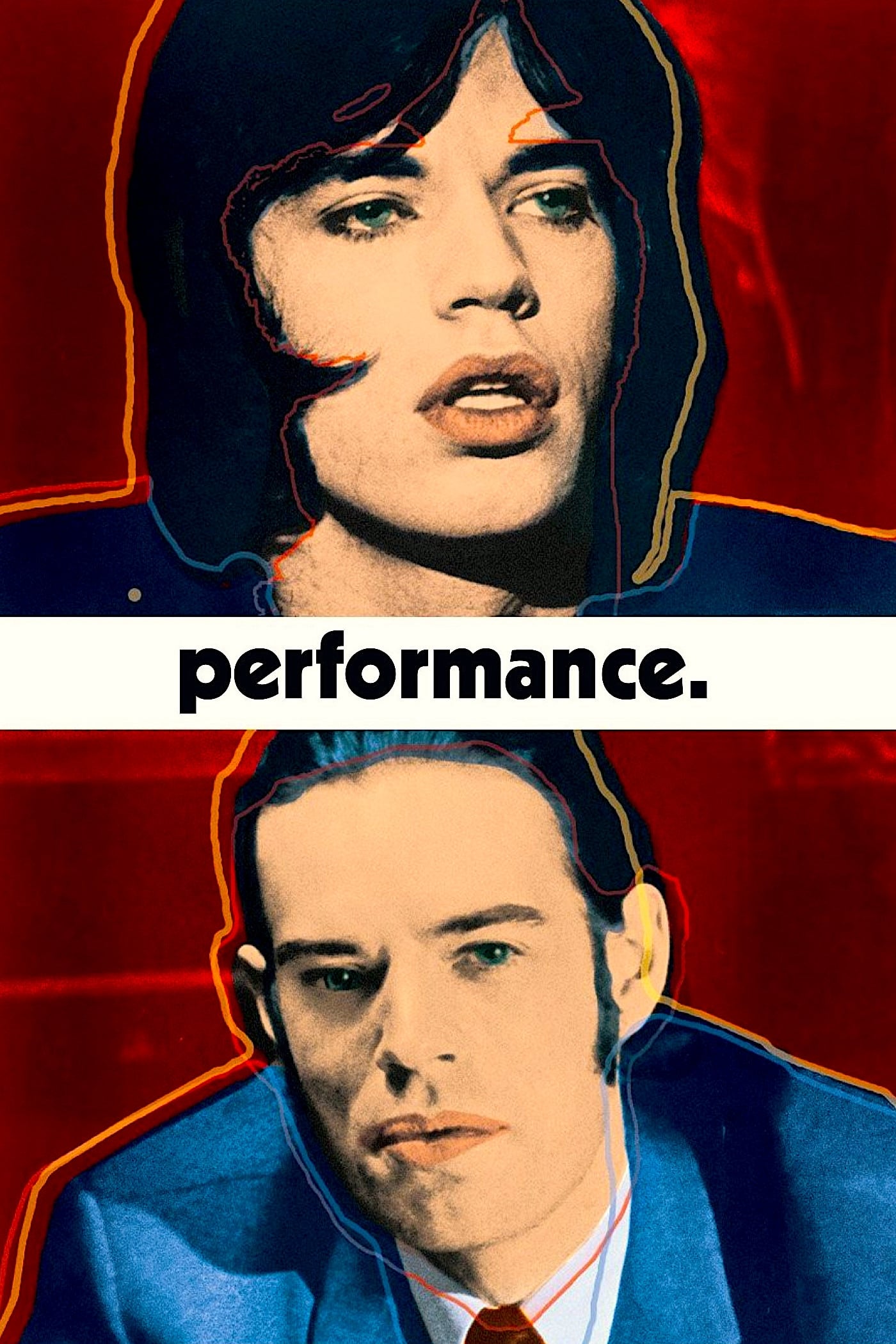
Performance.
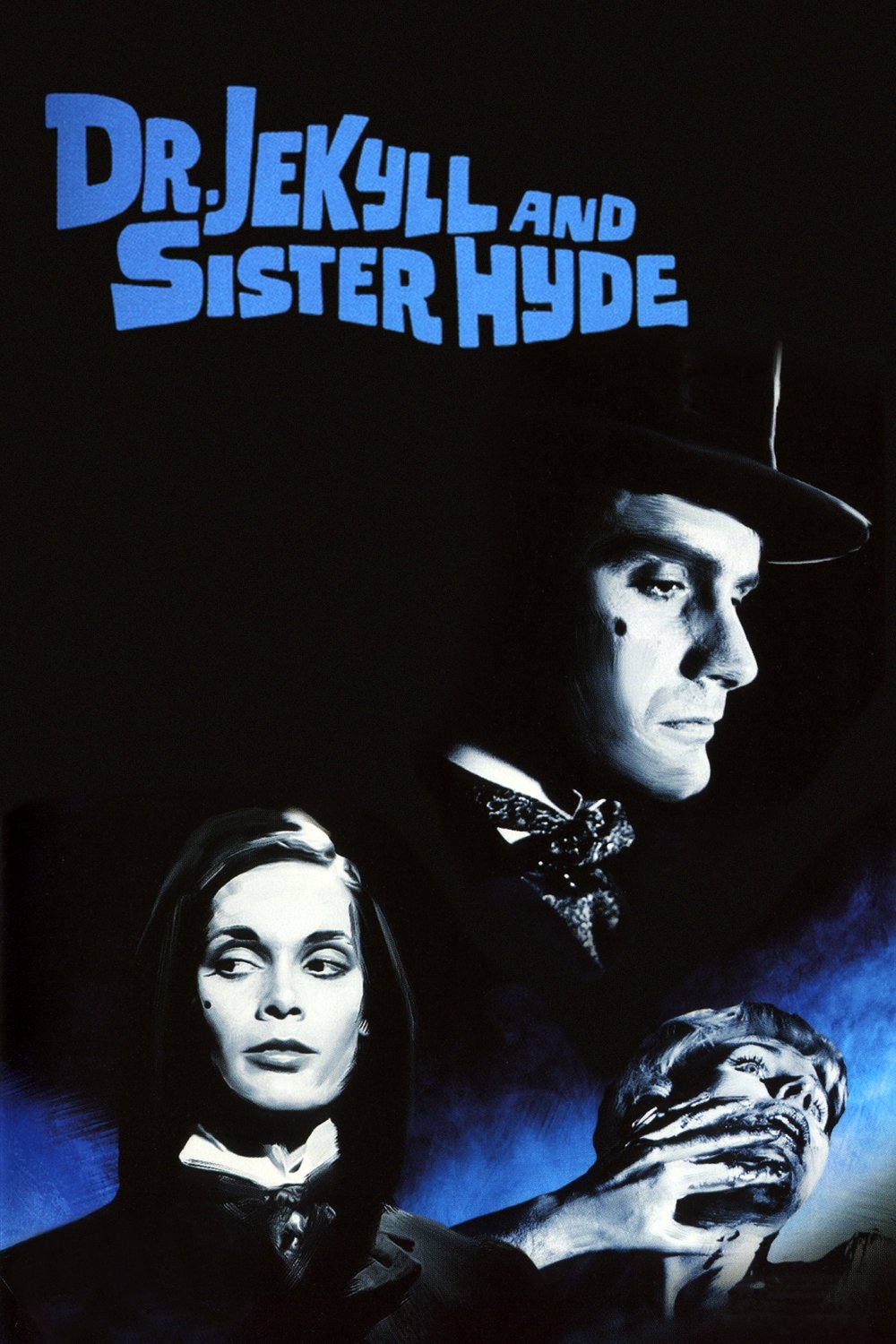
Dr. Jekyll & Sister Hyde
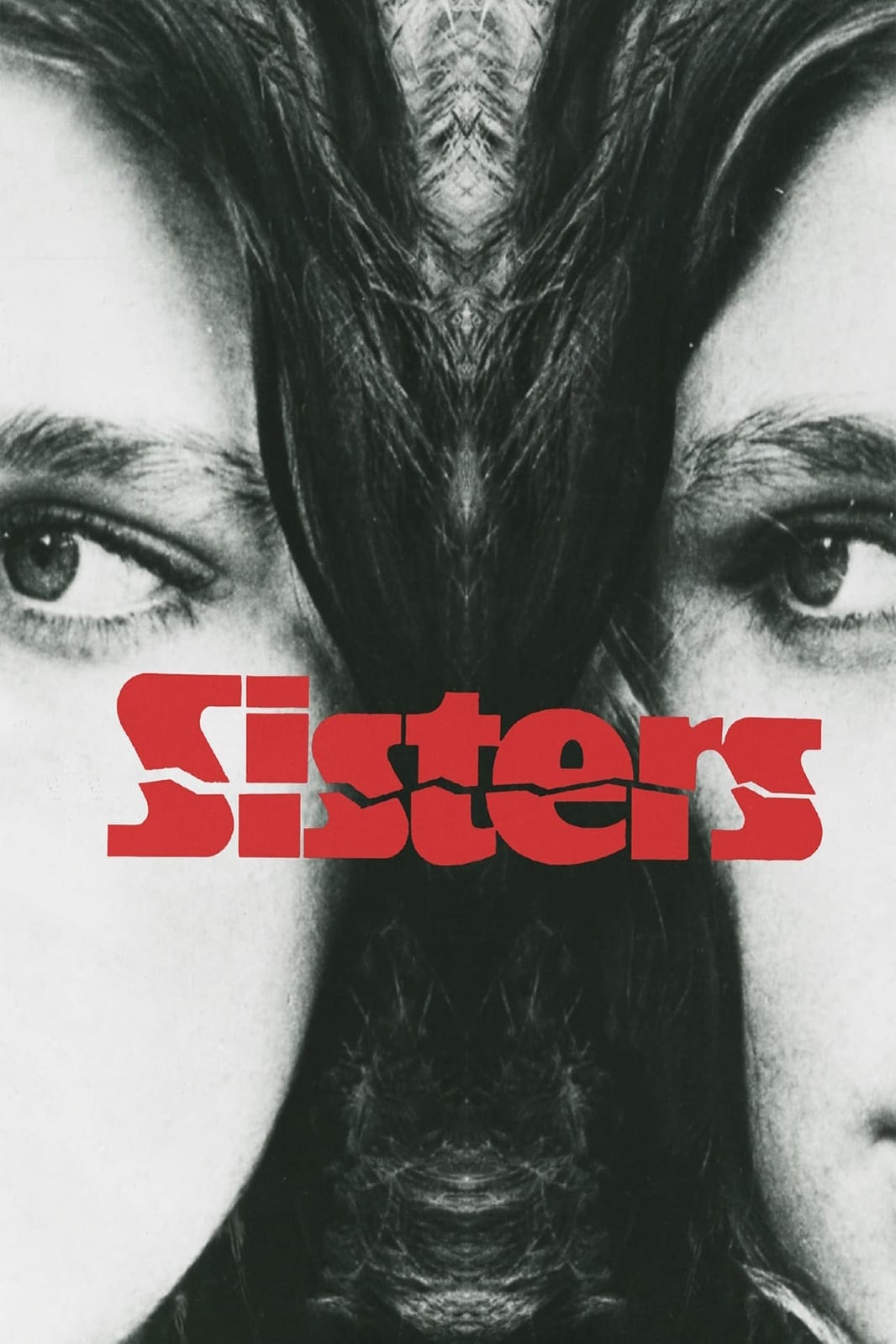
Sisters
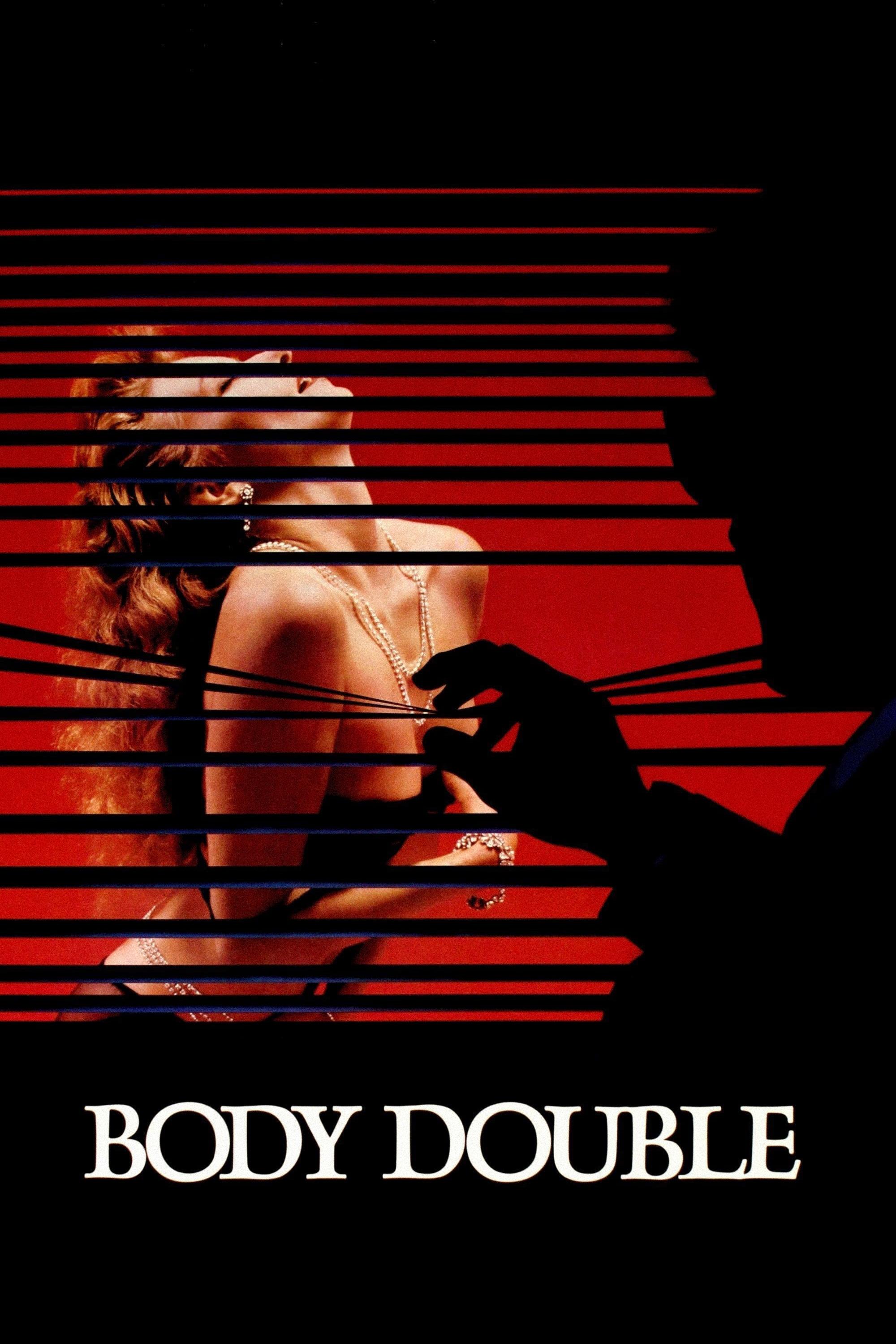
Body Double
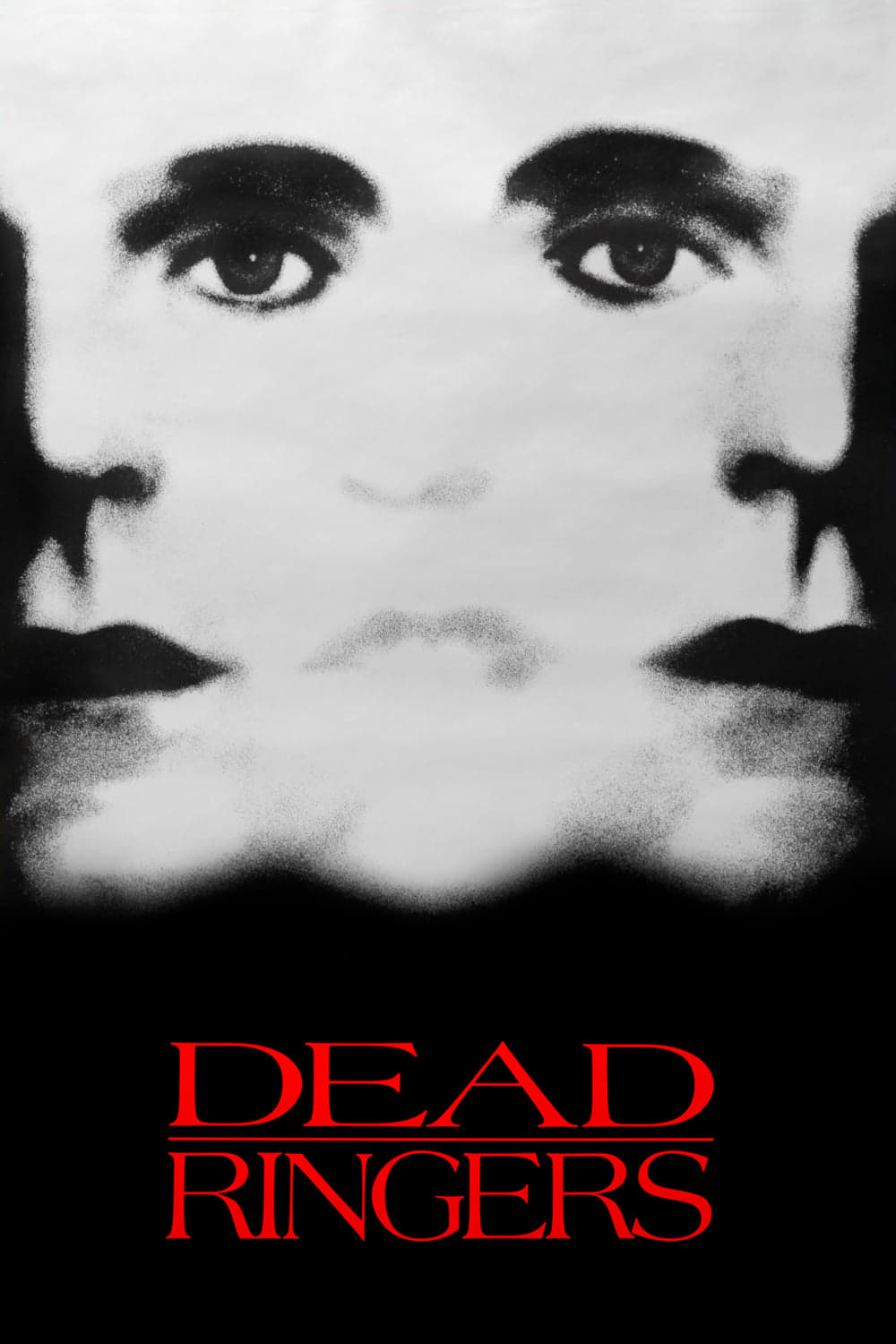
Dead Ringers

Single White Female
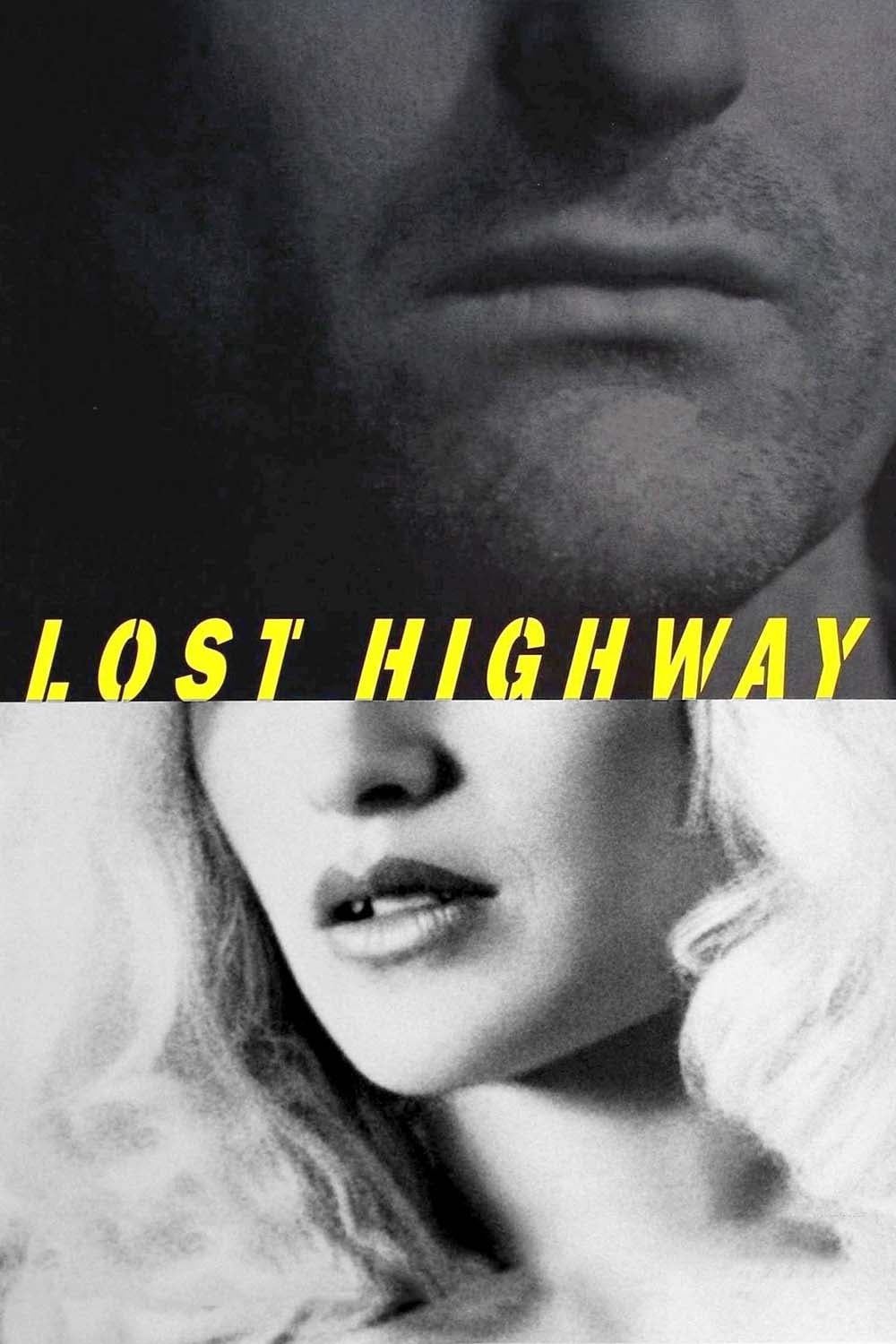
Lost Highway
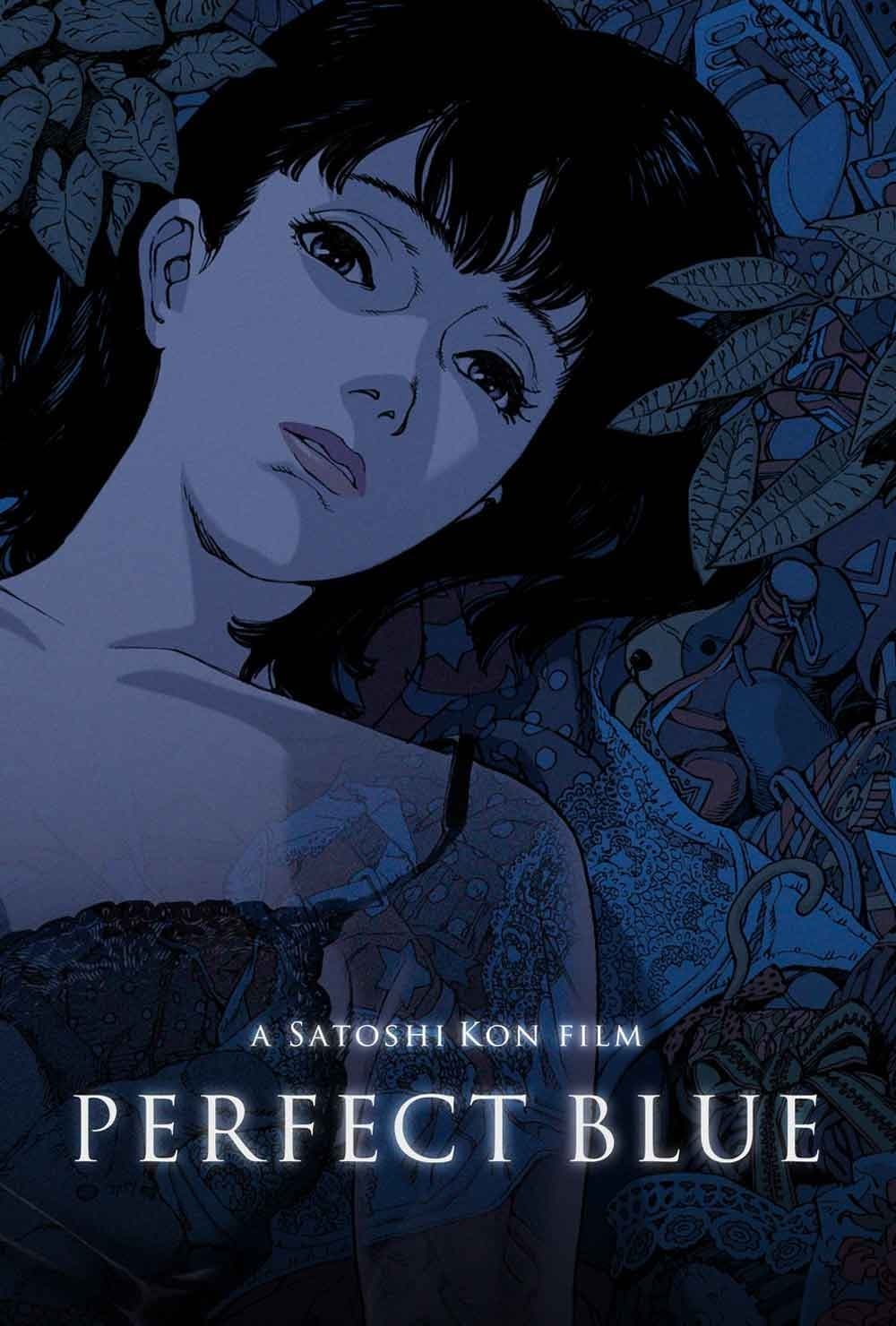
Perfect Blue
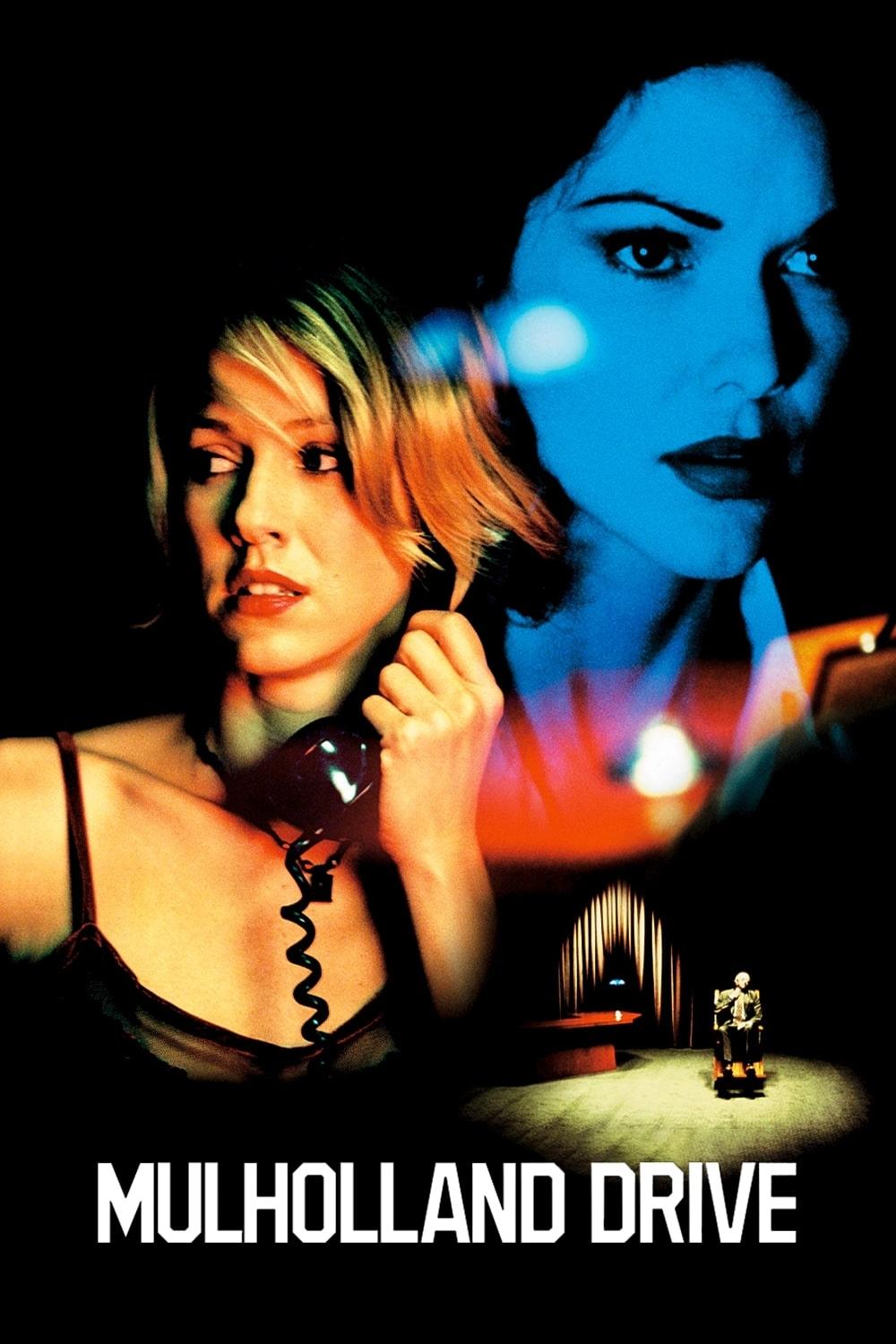
Mulholland Drive
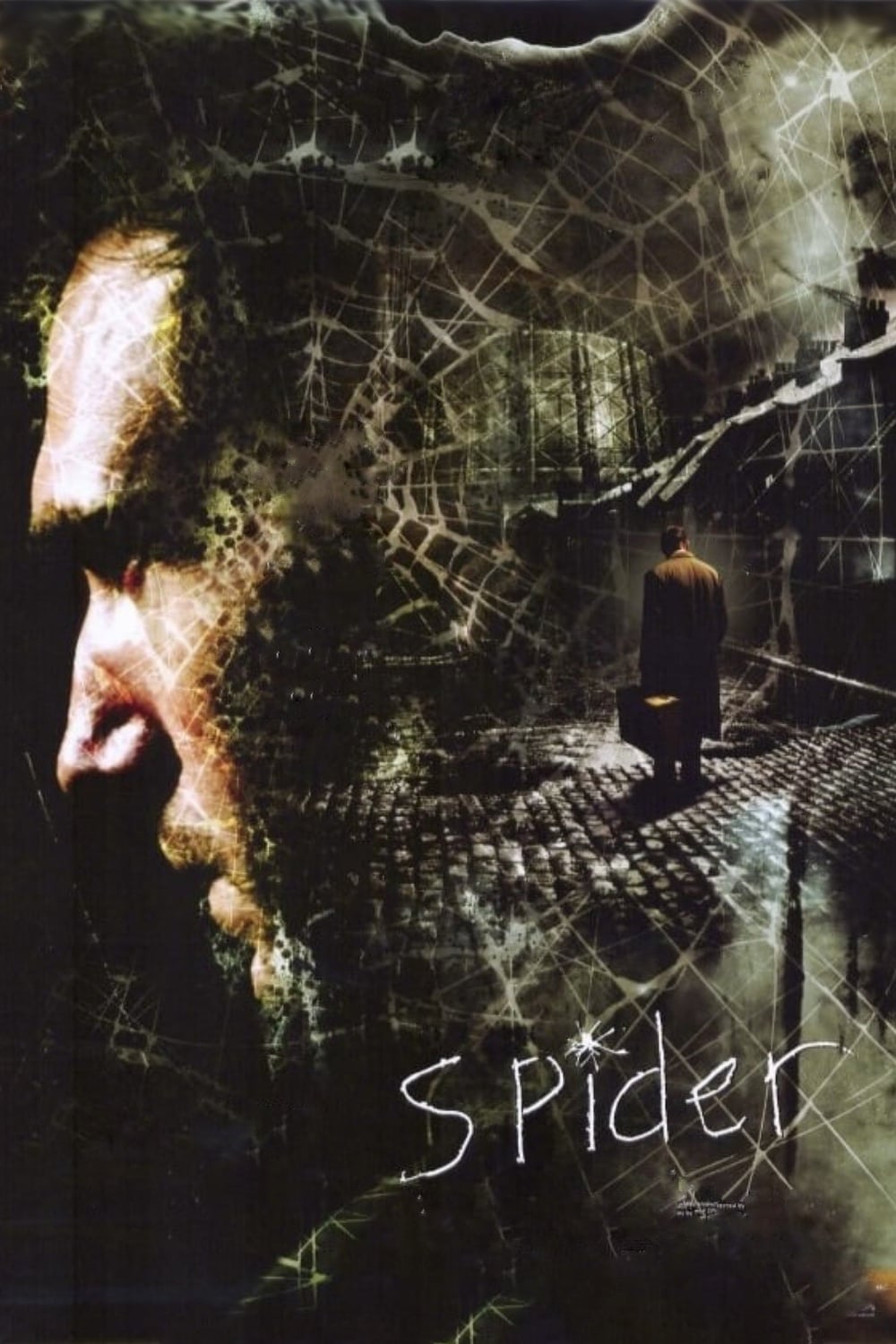
Spider
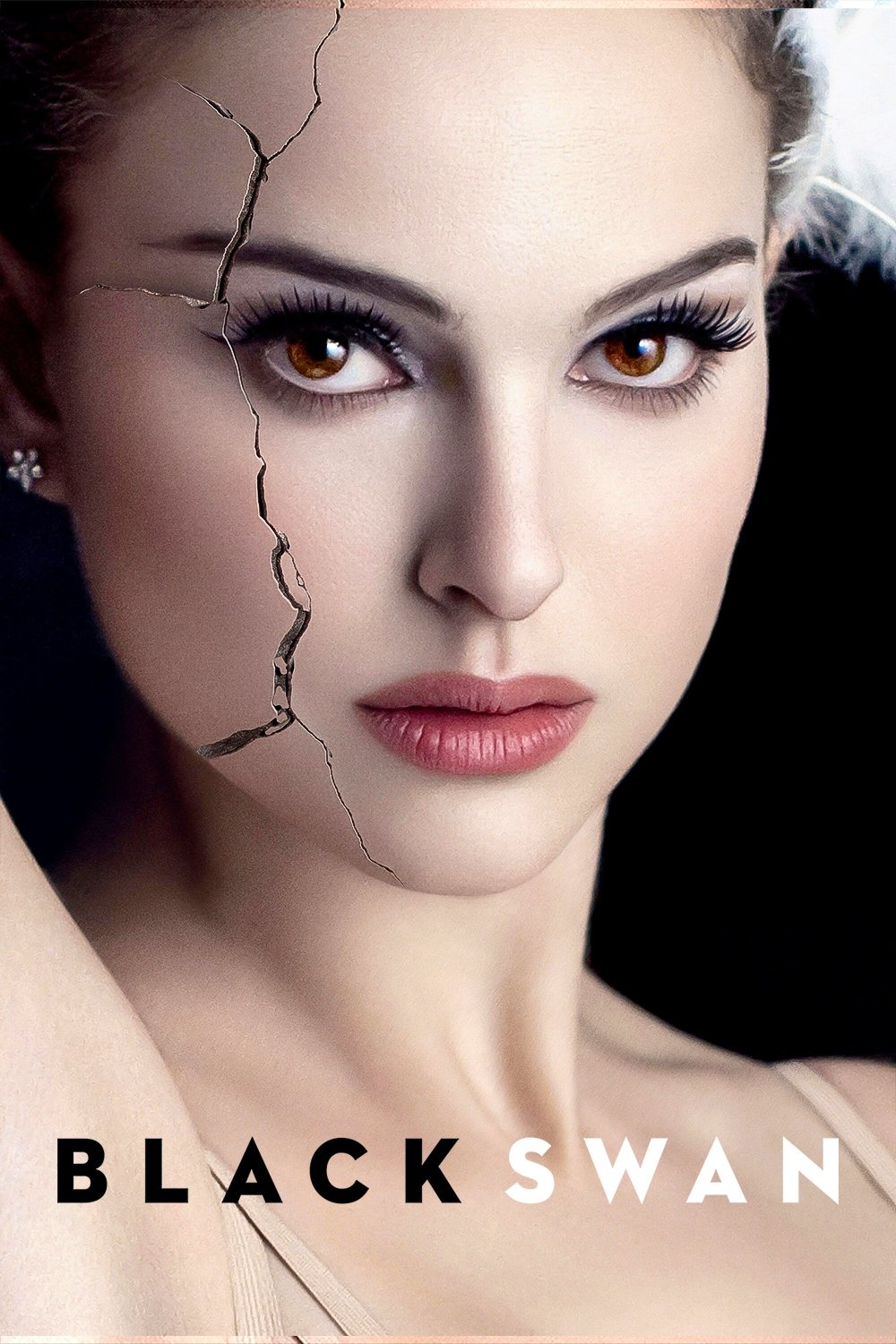
Black Swan
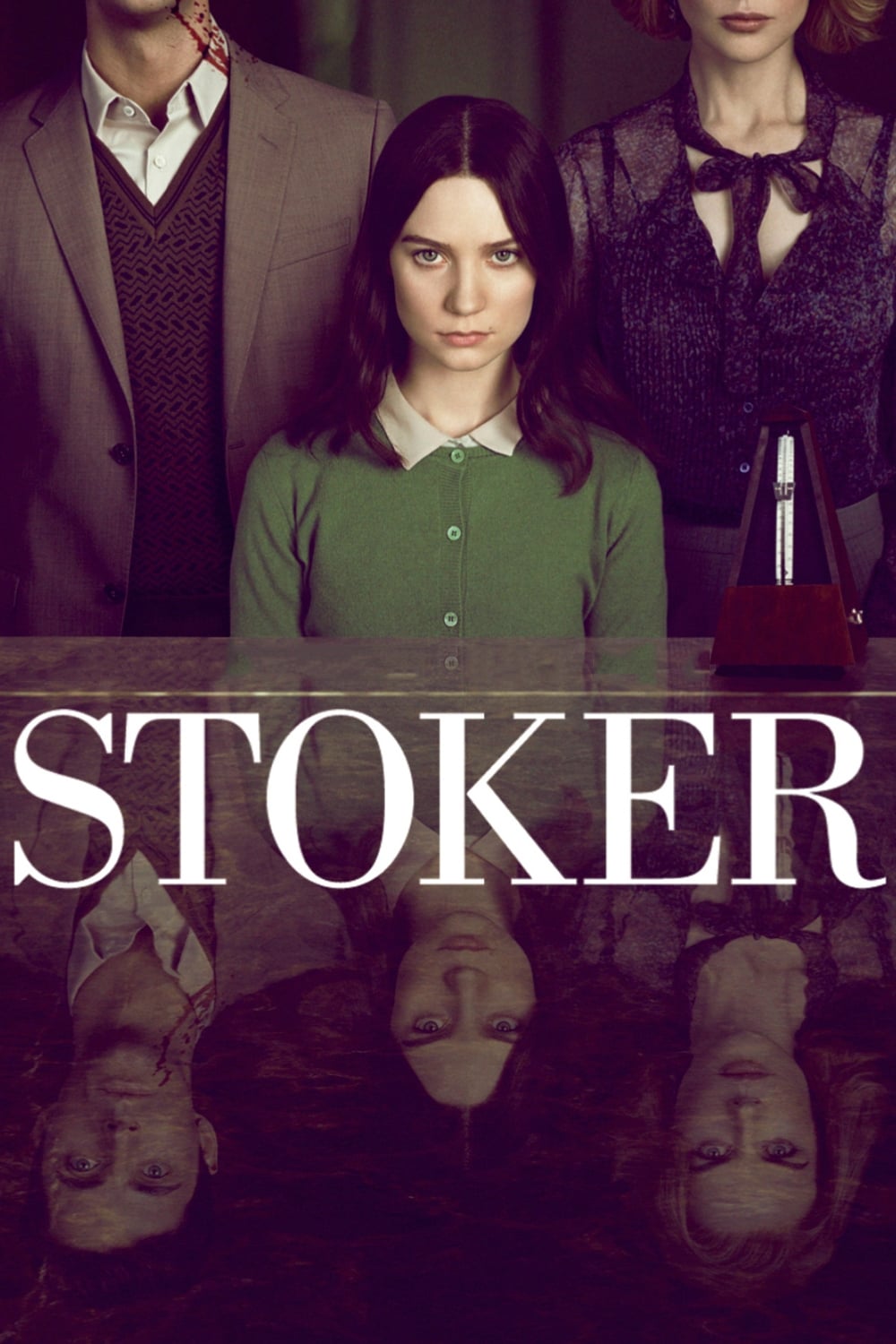
Stoker
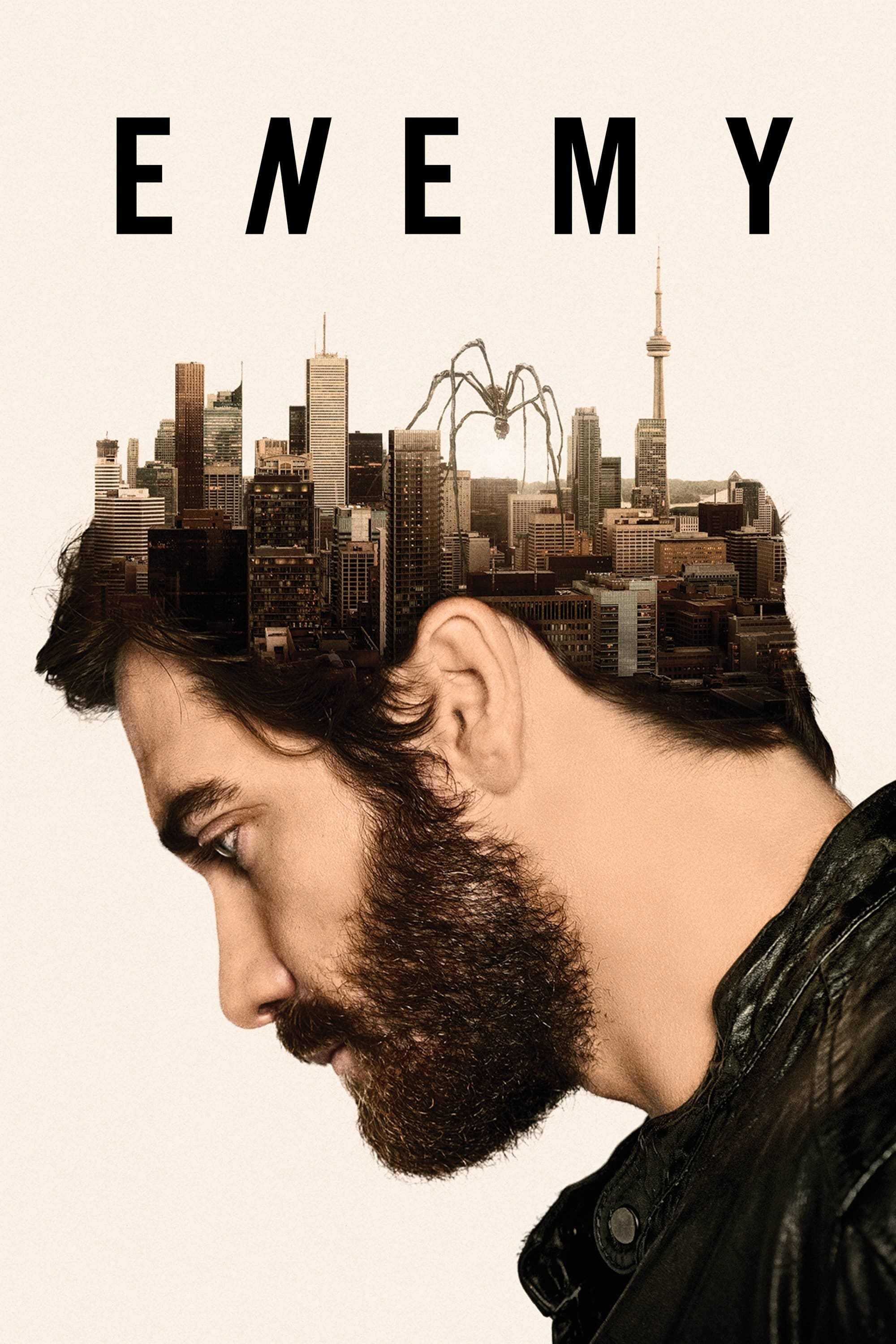
Enemy
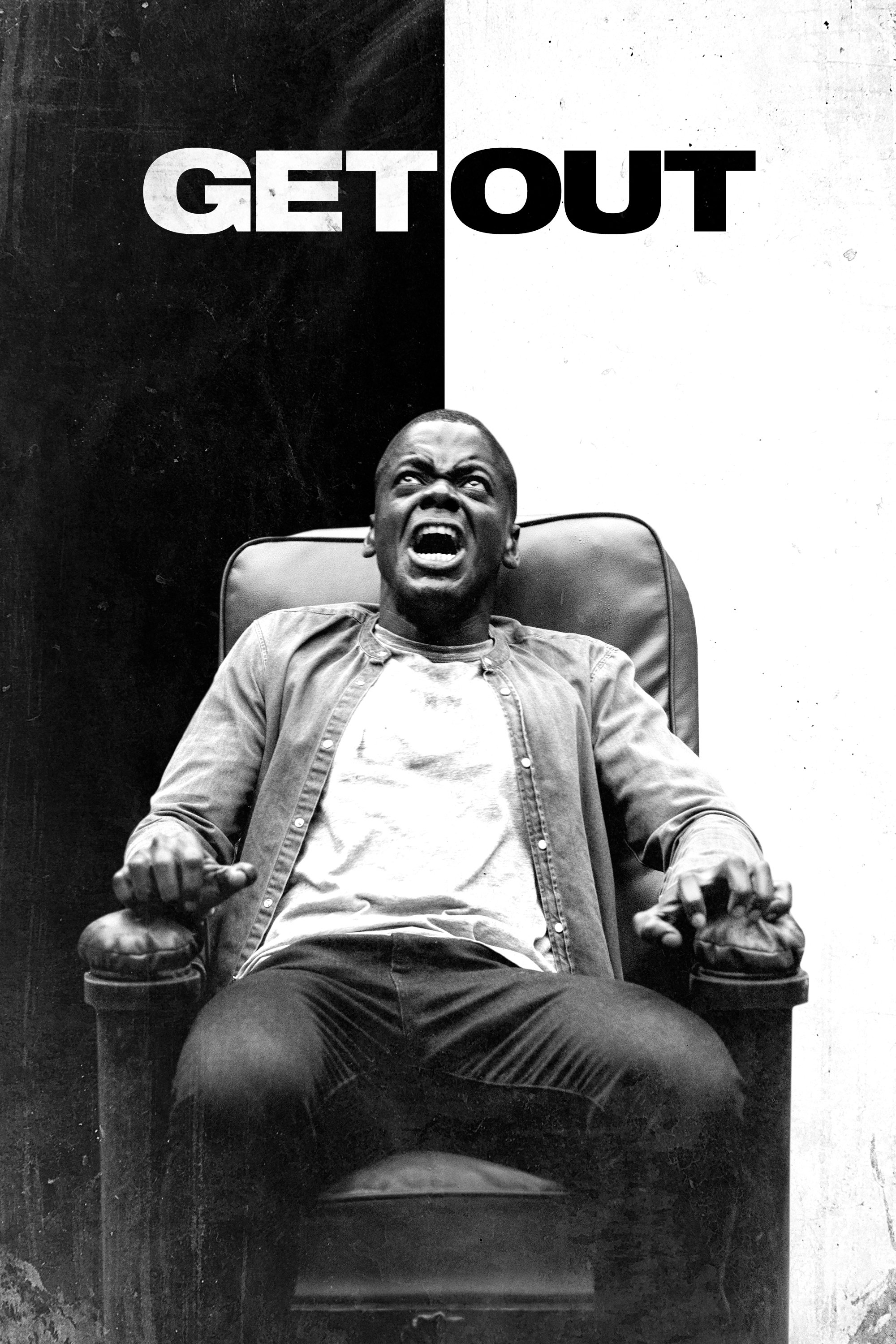
Get Out
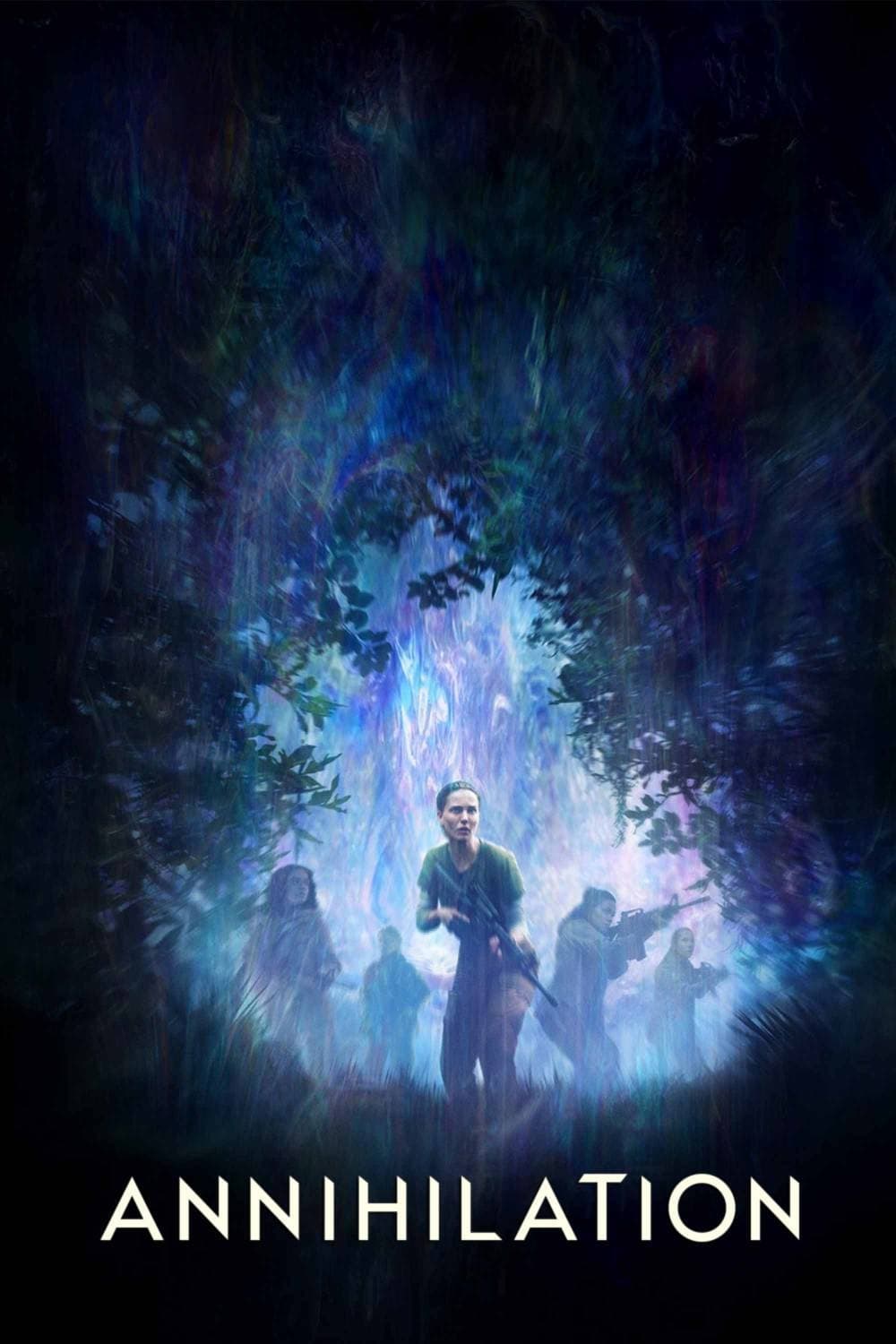
Annihilation
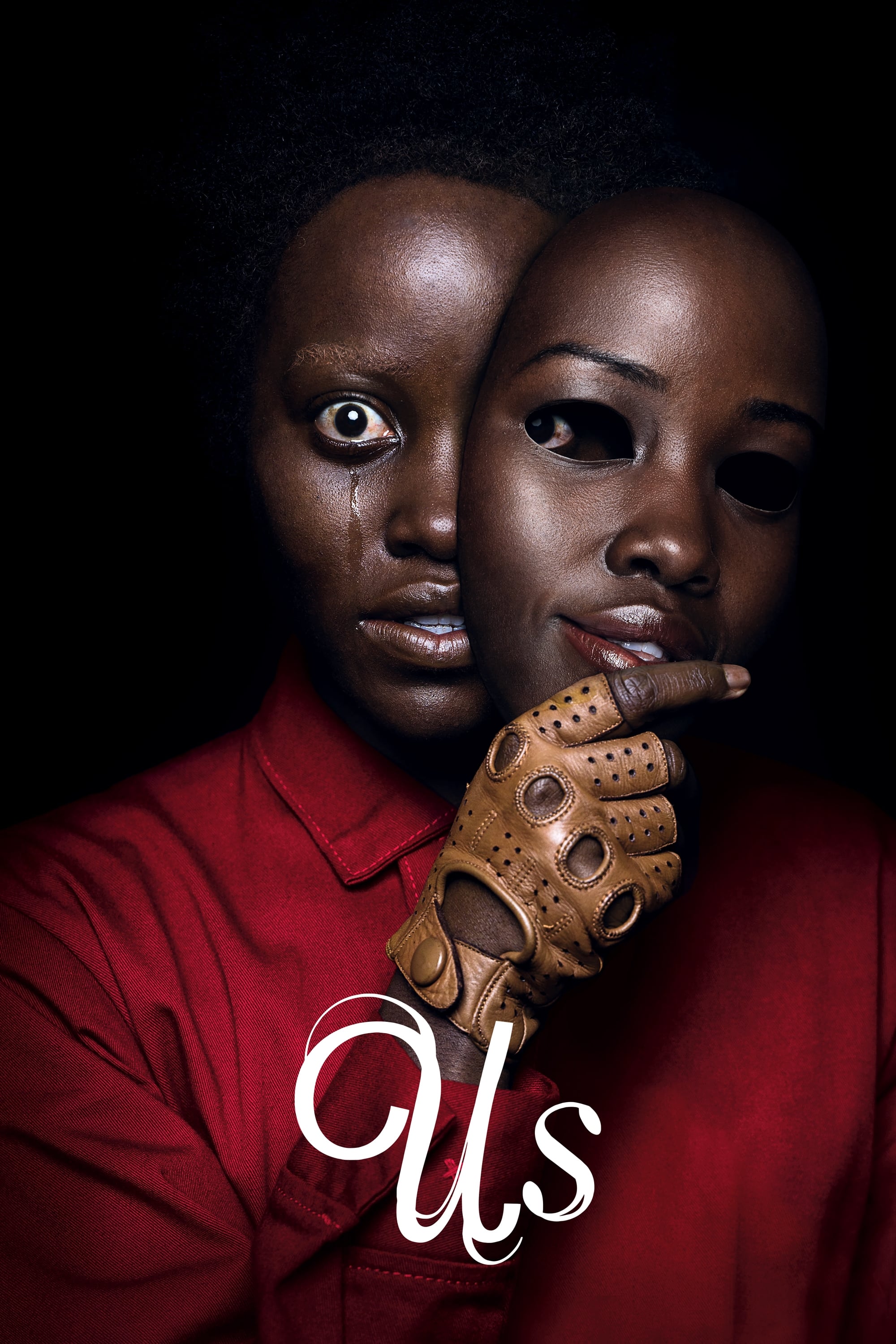
Us

Possessor
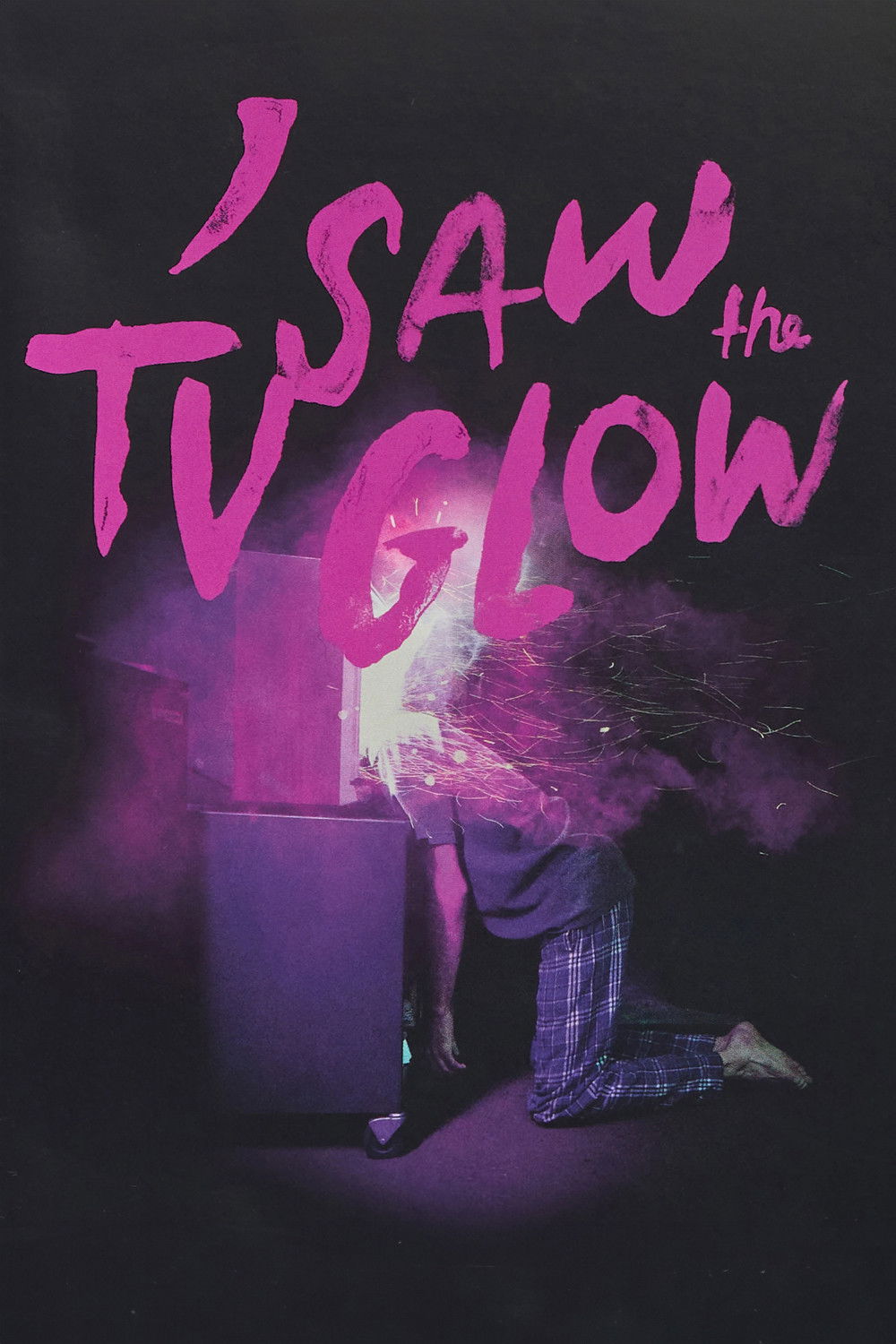
I Saw the TV Glow

The Substance
Statistics
Popularity by Decade
Share of each decade's horror films classified as Identity Horror. Counts films with at least 5 TMDB ratings, so very obscure titles are not represented.
Popularity by Country
Share of each country's horror output classified as Identity Horror. Counts films with at least 5 TMDB ratings, so very obscure titles are not represented.