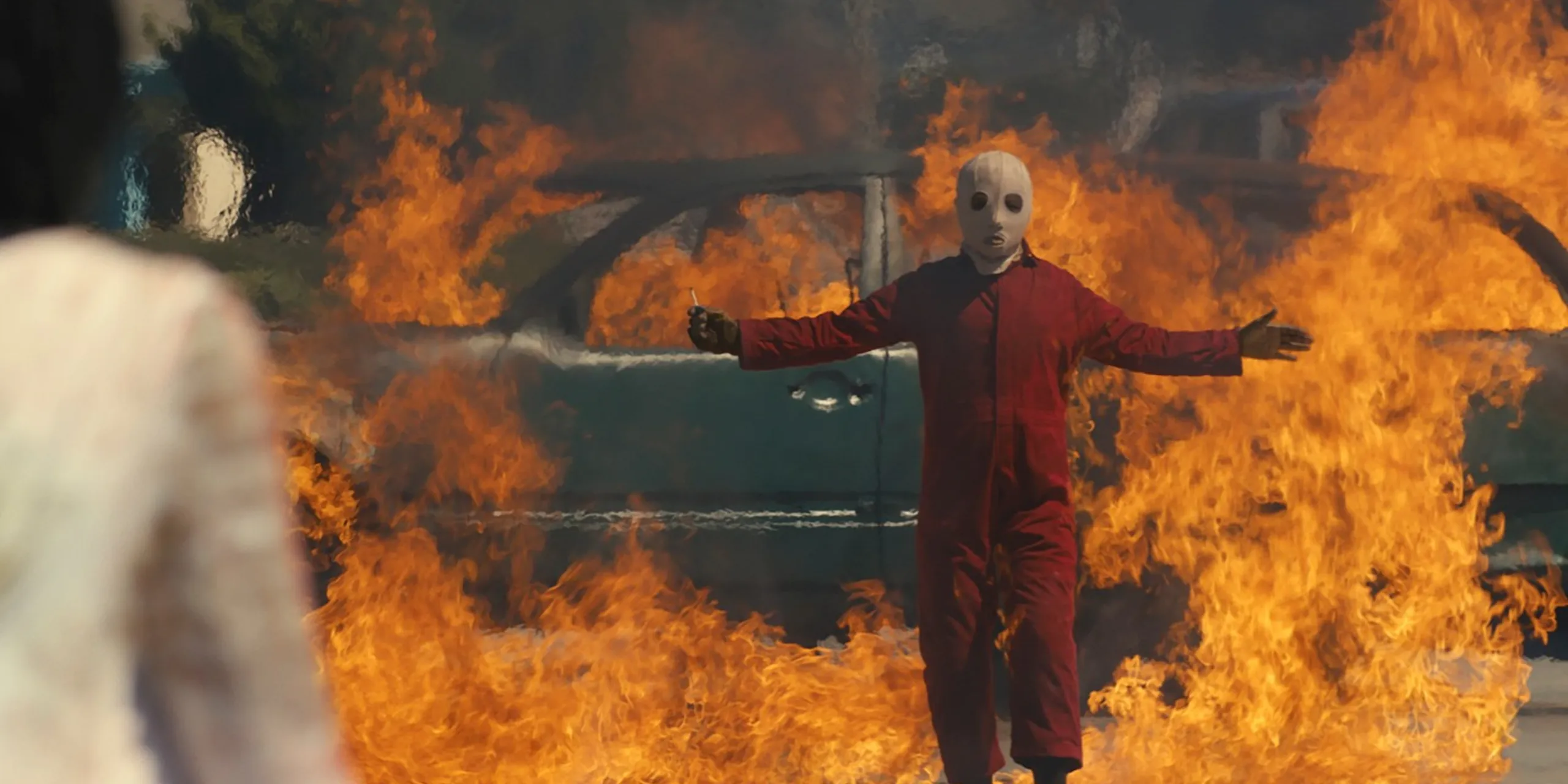
The Shining (1980)
Psychological Thriller
Tension generated through suspicion, deception, and the slow revelation of hidden truths. The threat is human, the mechanism is psychological, and the audience's anxiety comes from knowing something terrible is about to be understood.
History & Origins
The psychological thriller is horror's most commercially expansive subgenre — a category so broad that it overlaps with mainstream cinema in ways that other horror forms rarely achieve. These films derive their tension not from external monsters or supernatural forces but from the dynamics of suspicion, deception, obsession, and the slow revelation that someone in the story is not what they appear to be. The threat is human, the mechanism is psychological, and the audience's anxiety comes from knowing something terrible is about to be understood. Where the mystery horror page centres the audience-aligned puzzle, the psychological thriller centres the protagonist's deteriorating relationship with what is true.
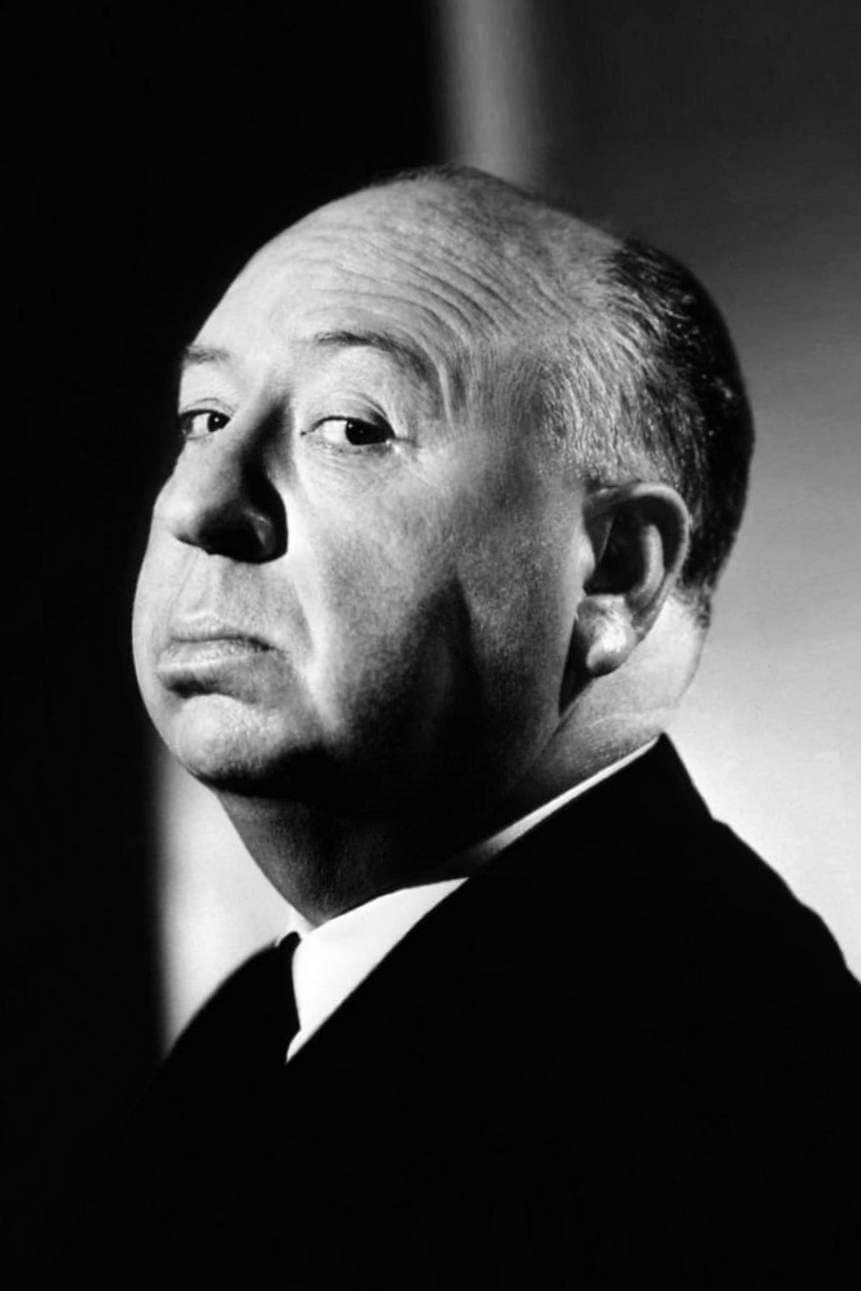
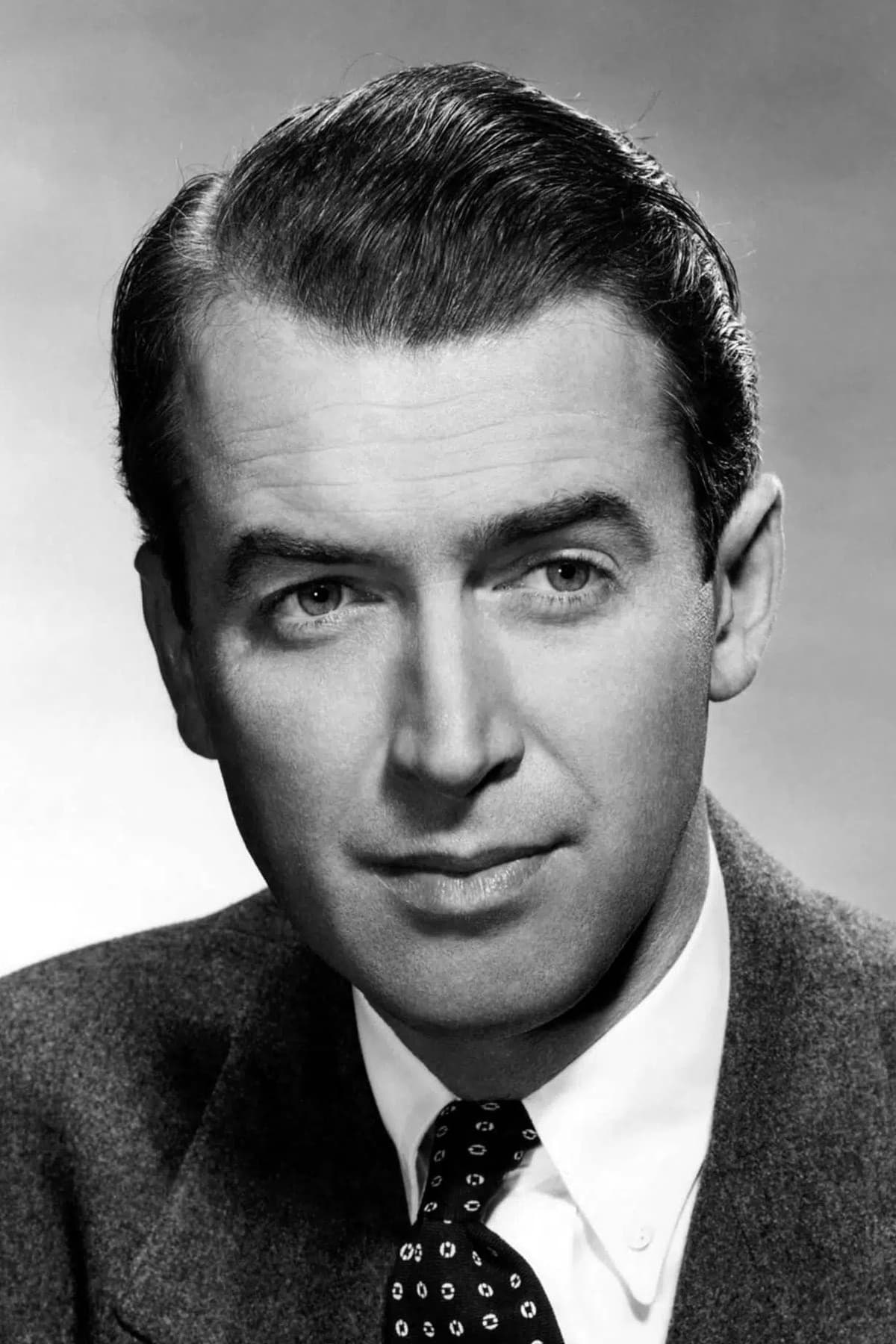
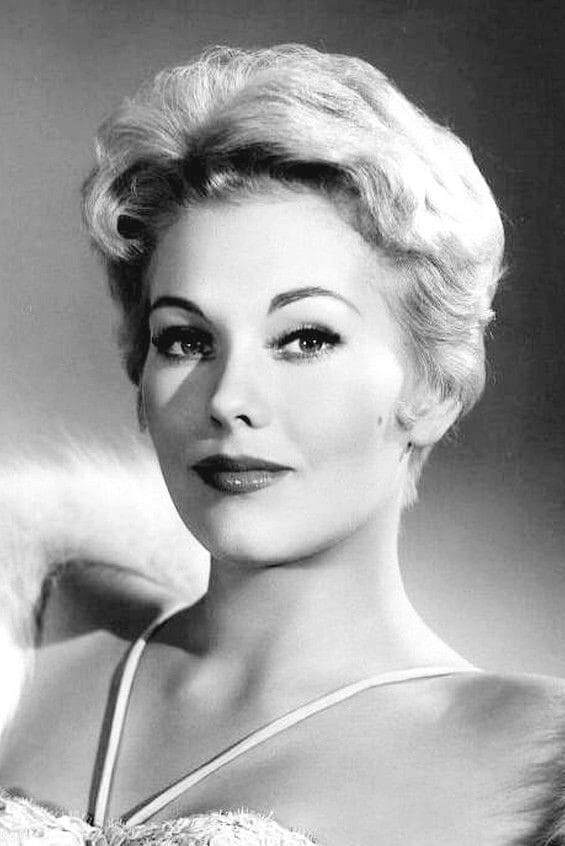
Robert Wiene's The Cabinet of Dr. Caligari (1920), with its narrator reveal, established the form's foundational gesture. George Cukor's Gaslight (1944), with Ingrid Bergman, gave the subgenre its enduring name and the central scenario — a wife systematically convinced of her own madness by her husband. Alfred Hitchcock is the tradition's towering figure. Rear Window (1954), with James Stewart, made voyeurism itself a source of suspense. Vertigo (1958), with Stewart and Kim Novak, built an entire architecture of obsession, identity, and perceptual manipulation. Psycho (1960) taught audiences that narrative promises could be broken — that the protagonist could die halfway through the film, and that the person you trusted was the danger all along. These films established a grammar of psychological manipulation that the subgenre has drawn on for seventy years.
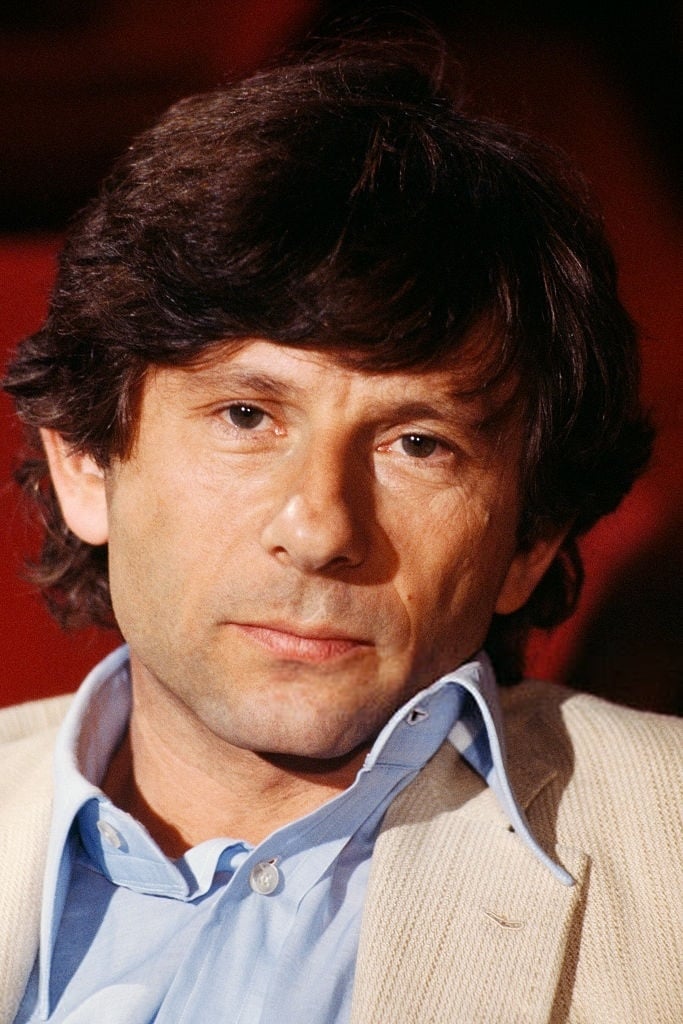
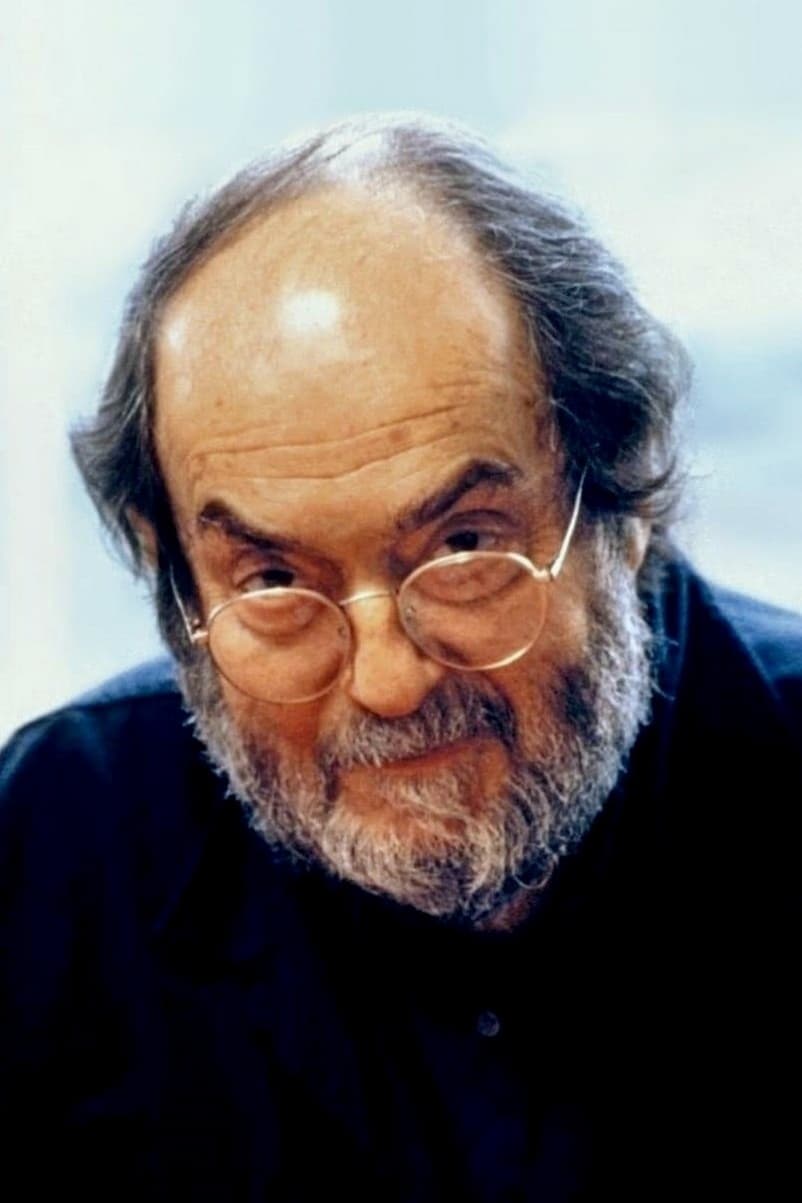
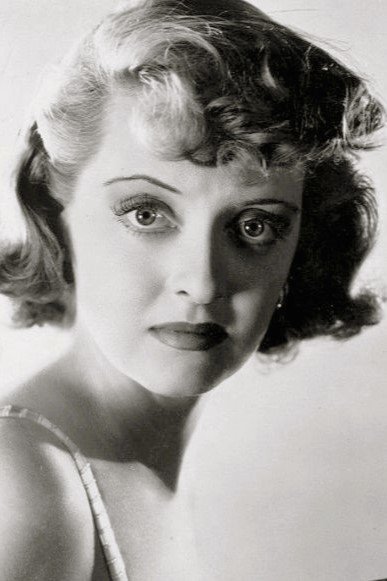
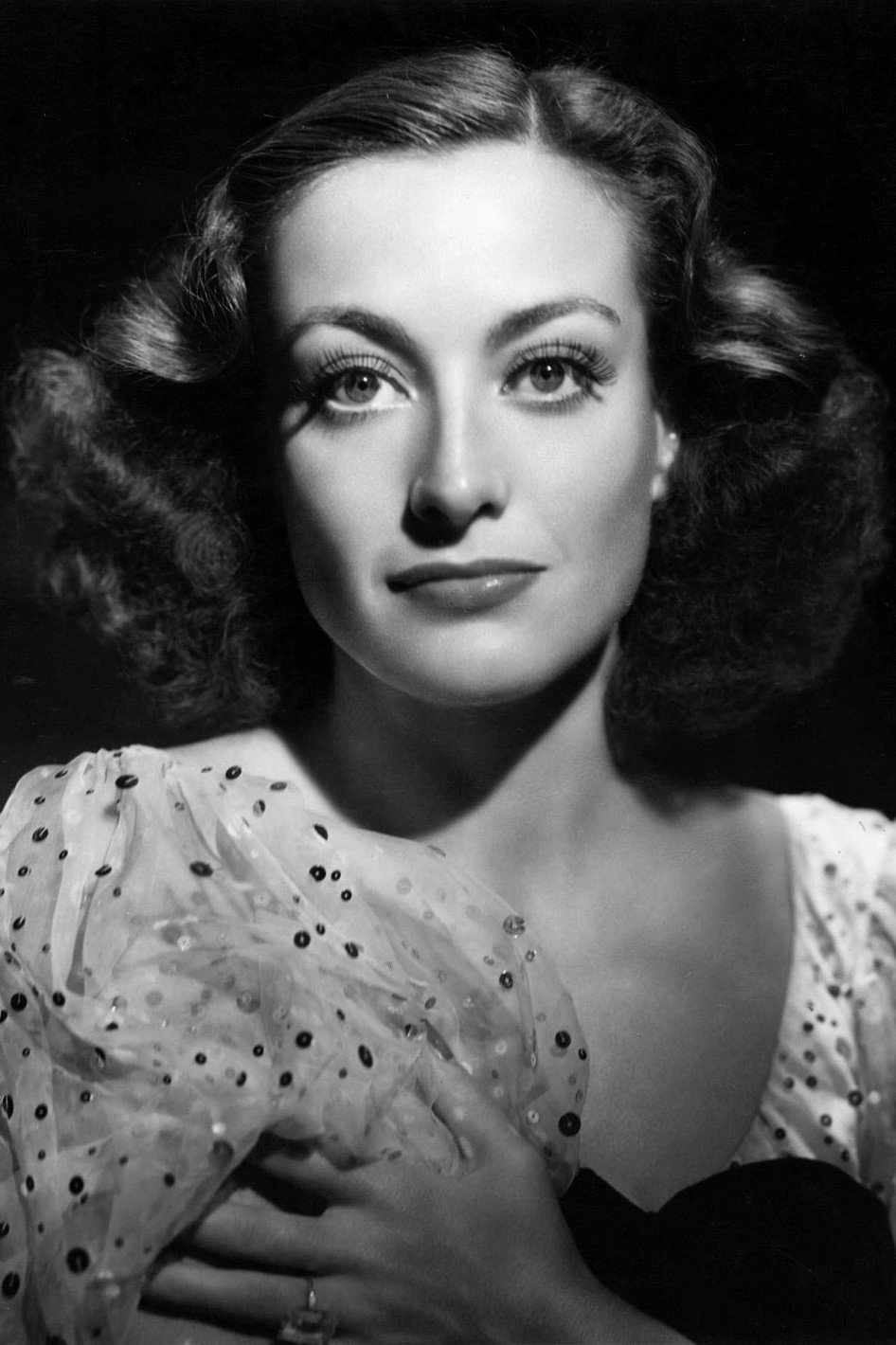
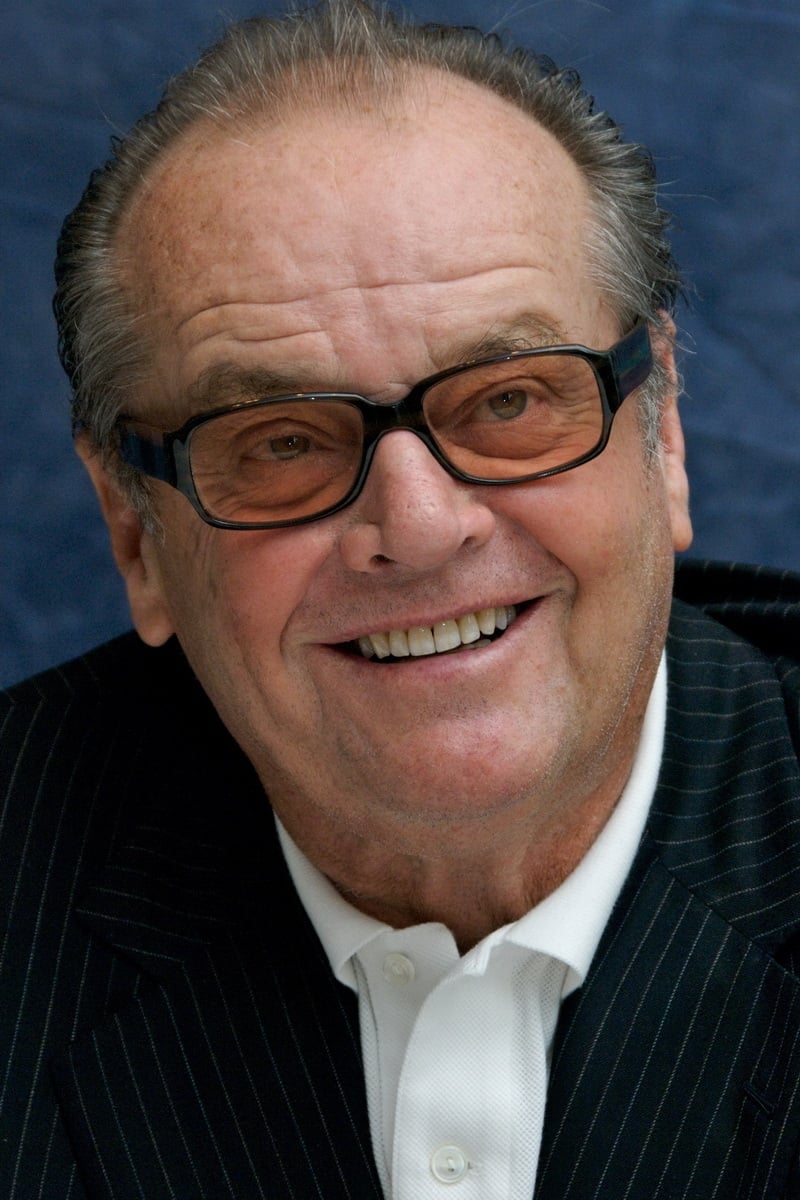
The 1960s and 70s extended the form. Robert Aldrich's What Ever Happened to Baby Jane? (1962), with Bette Davis and Joan Crawford, opened what would become the "psycho-biddy" sub-cycle — the gothic-melodrama variant. Roman Polanski's Apartment Trilogy (Repulsion (1965) with Catherine Deneuve, Rosemary's Baby (1968) with Mia Farrow, and The Tenant (1976)) became the form's most influential mid-century cycle — Skal calls these "evocative symbol[s] of madness, evil, and gnawing paranoia." Stanley Kubrick's The Shining (1980), with Jack Nicholson and Shelley Duvall, made isolation itself a form of madness.
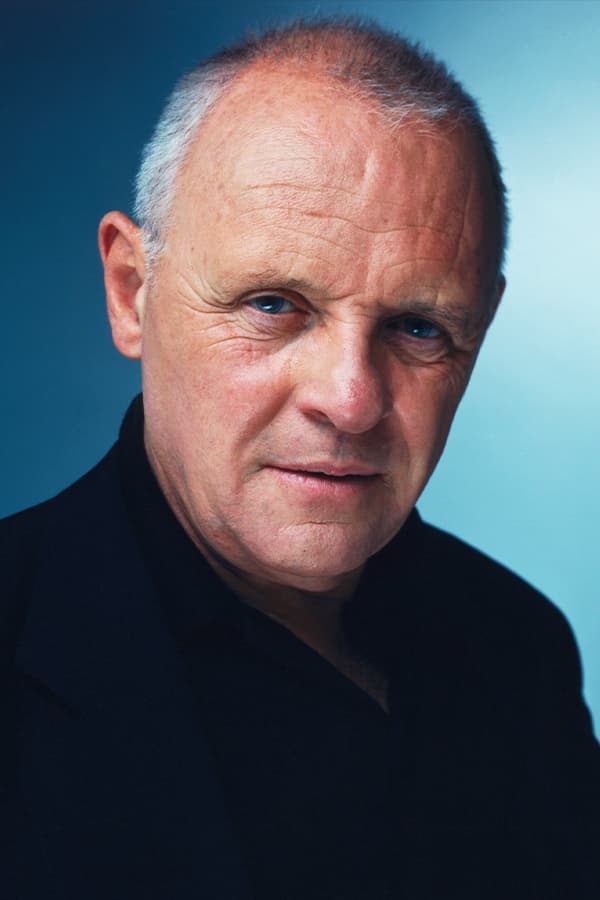
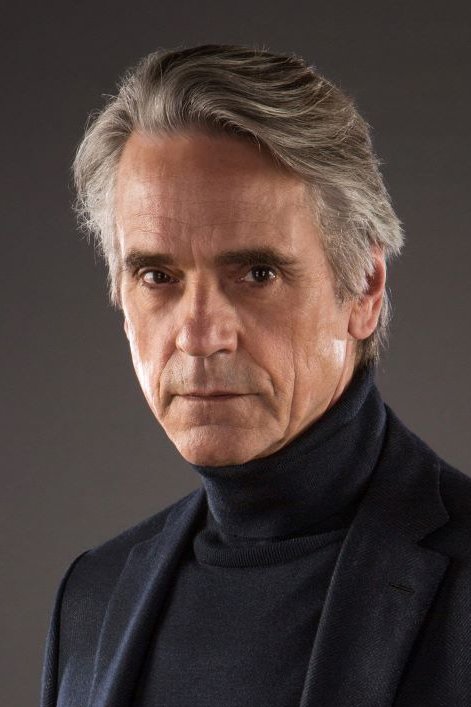
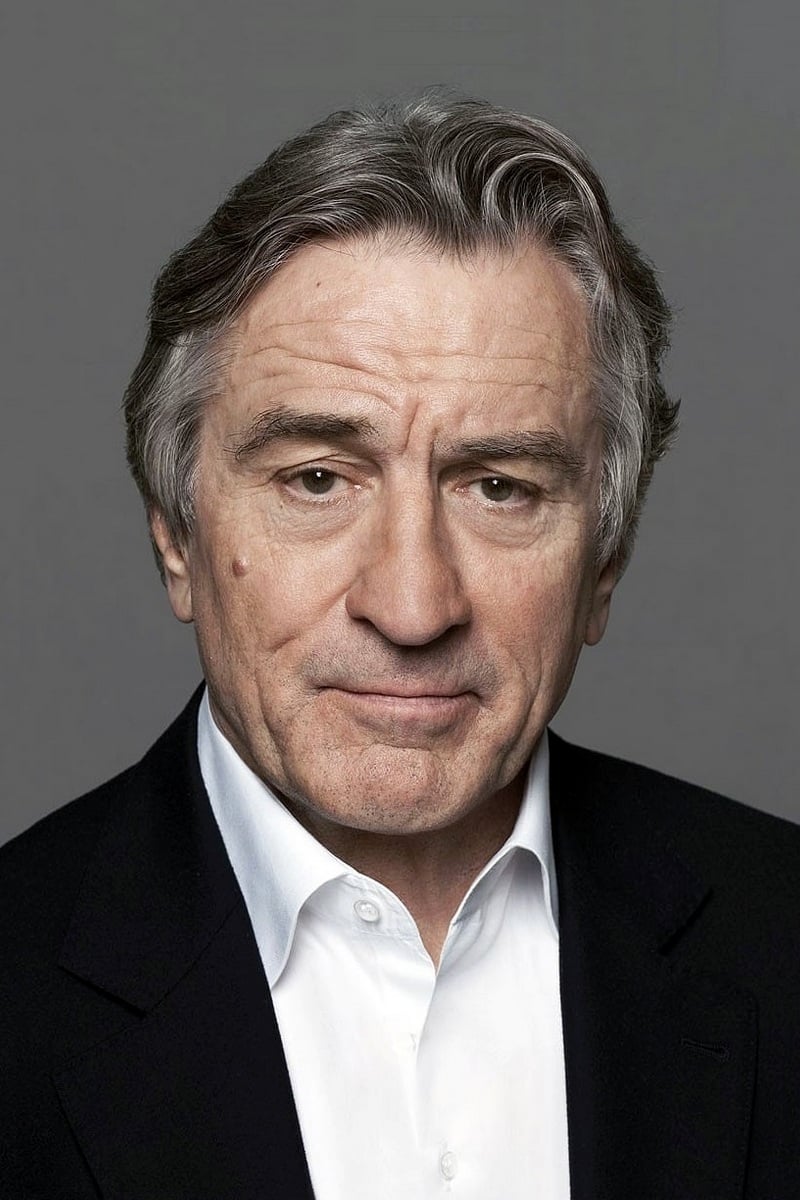
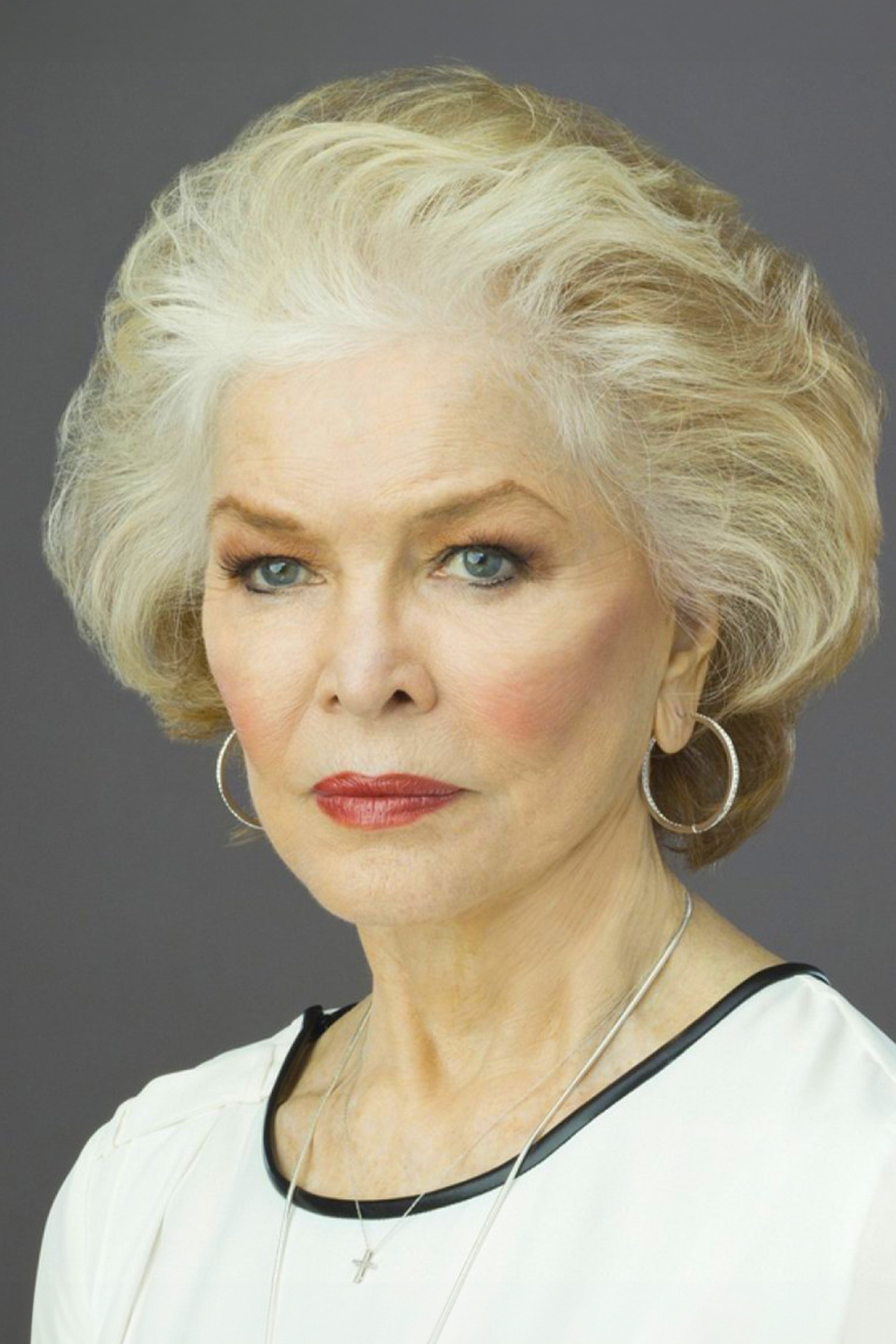
The 1980s and 90s produced the form's most commercial peak. David Lynch's Blue Velvet (1986) fused suburban nightmare with detective-procedural; David Cronenberg's Dead Ringers (1988), with Jeremy Irons as twin gynaecologists in psychological-disintegration symmetry, supplied one of the era's most refined psycho-thrillers. Rob Reiner's Misery (1990), with Kathy Bates's Oscar-winning Annie Wilkes, made the obsessed-fan variant a permanent reference point. Jonathan Demme's The Silence of the Lambs (1991), with Anthony Hopkins and Jodie Foster, fused it with crime horror; Martin Scorsese's Cape Fear (1991), with Robert De Niro as Max Cady, supplied the era's signature stalker-thriller; Darren Aronofsky's Requiem for a Dream (2000), with Ellen Burstyn, pushed psychological disintegration into formal-experimentation territory.
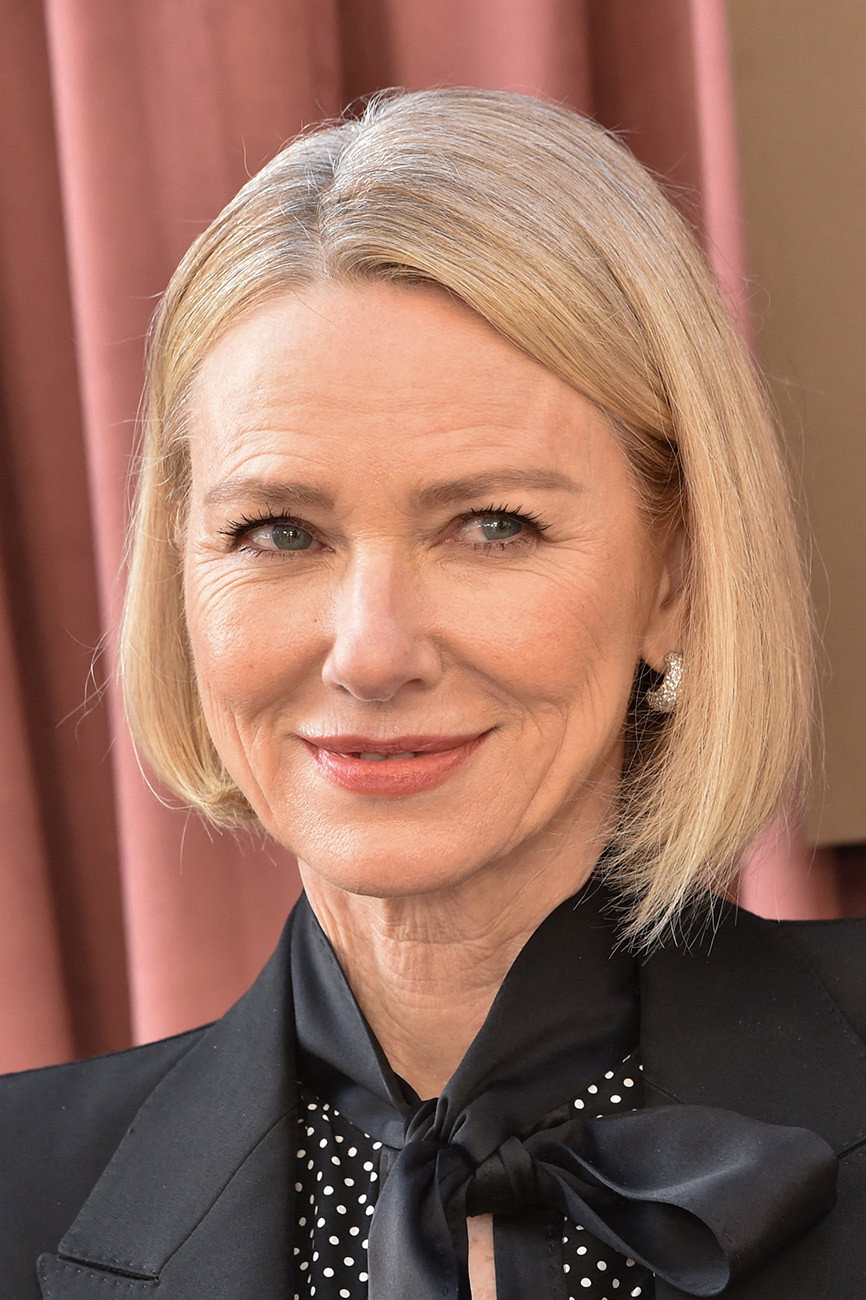
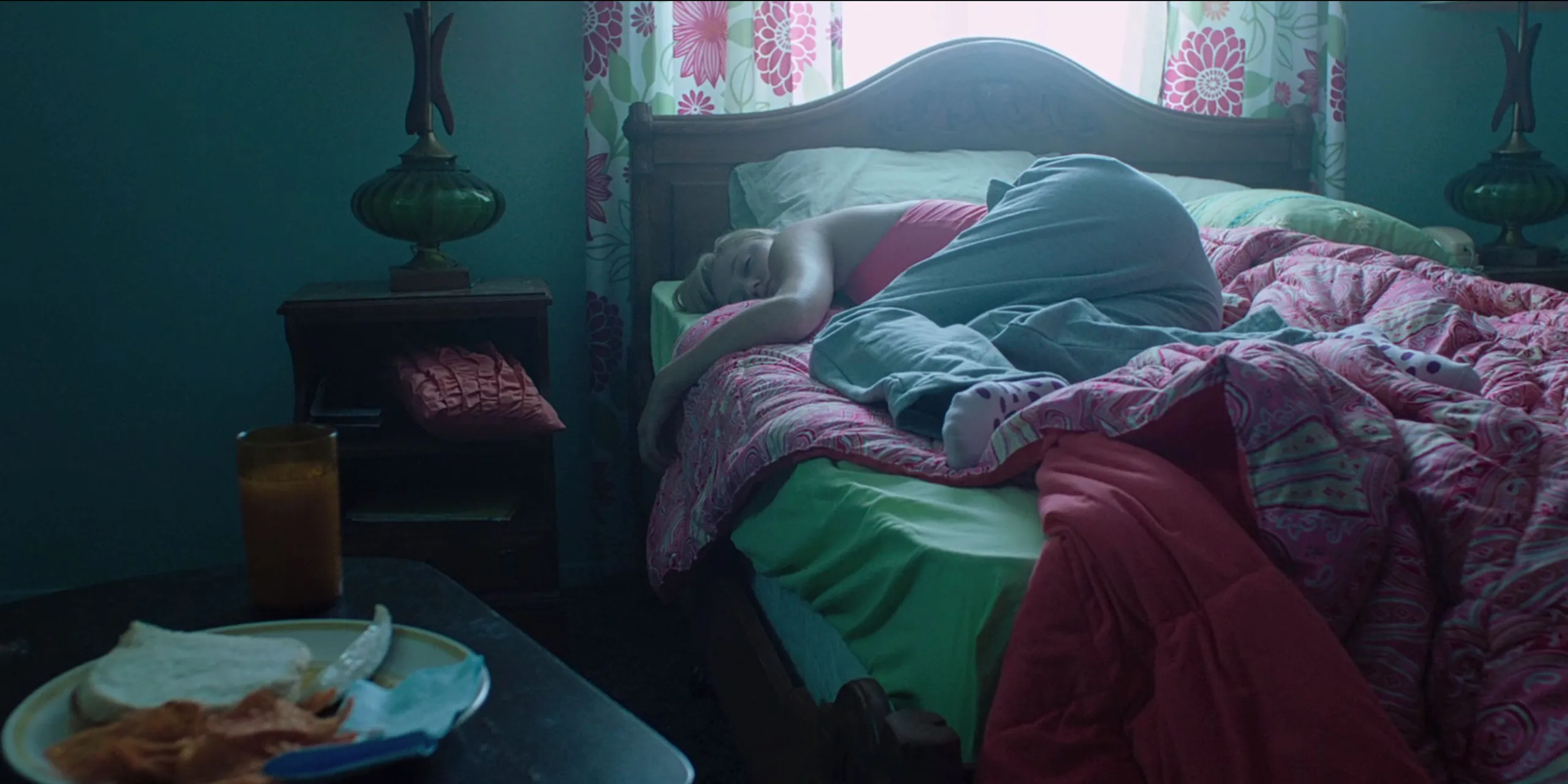
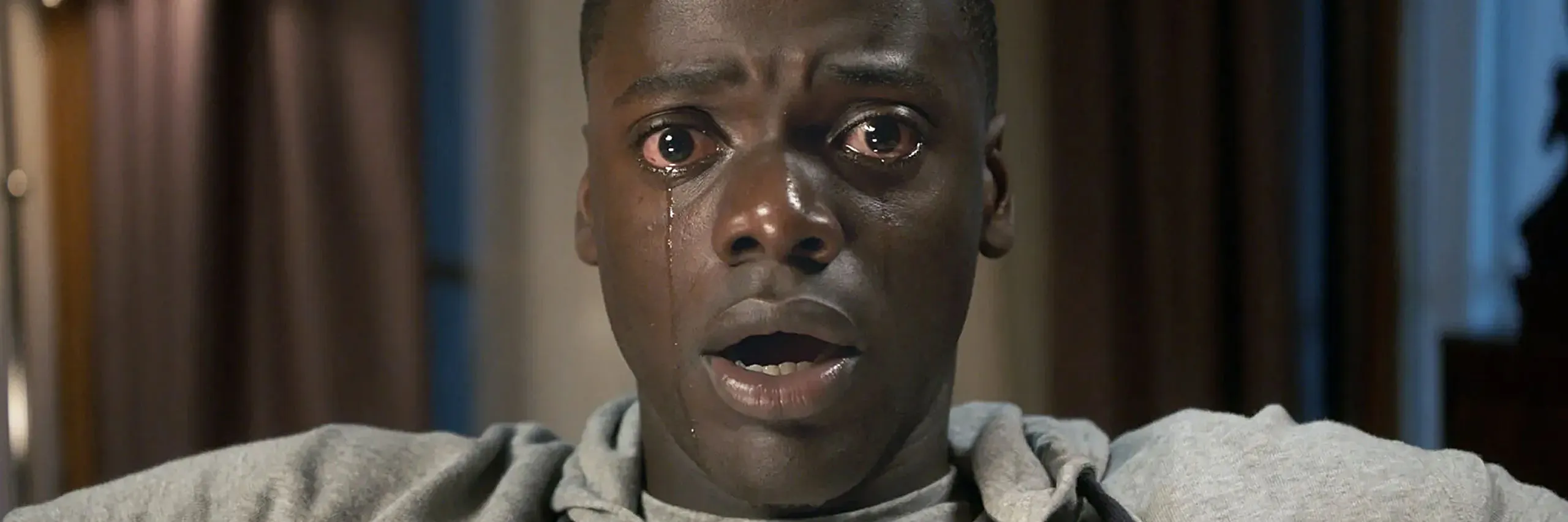
The 21st century opened the form to international register and renewed art-cinema ambition. Lynch's Mulholland Drive (2001), with Naomi Watts, ran the Los Angeles-identity-dissolution variant; Richard Kelly's Donnie Darko (2001) brought the form to suburban-adolescent malaise. Park Chan-wook's Oldboy (2003), with Choi Min-sik, and Kim Jee-woon's A Tale of Two Sisters (2003), with Lim Soo-jung, established South Korea's contemporary psychological-thriller wave. Aronofsky's Black Swan (2010), with Natalie Portman, collapsed the boundary between artistic ambition and psychosis. David Fincher's Gone Girl (2014), with Rosamund Pike, weaponised the unreliable marriage. Jordan Peele's Get Out (2017) used the thriller structure to expose the horror of liberal racism. Rose Glass's Saint Maud (2020), with Morfydd Clark, returned the form to British psychological-religious register. The subgenre's commercial success reflects something important about horror's cultural position: the psychological thriller is the form of horror that people who don't think they like horror will watch.
Essential Films
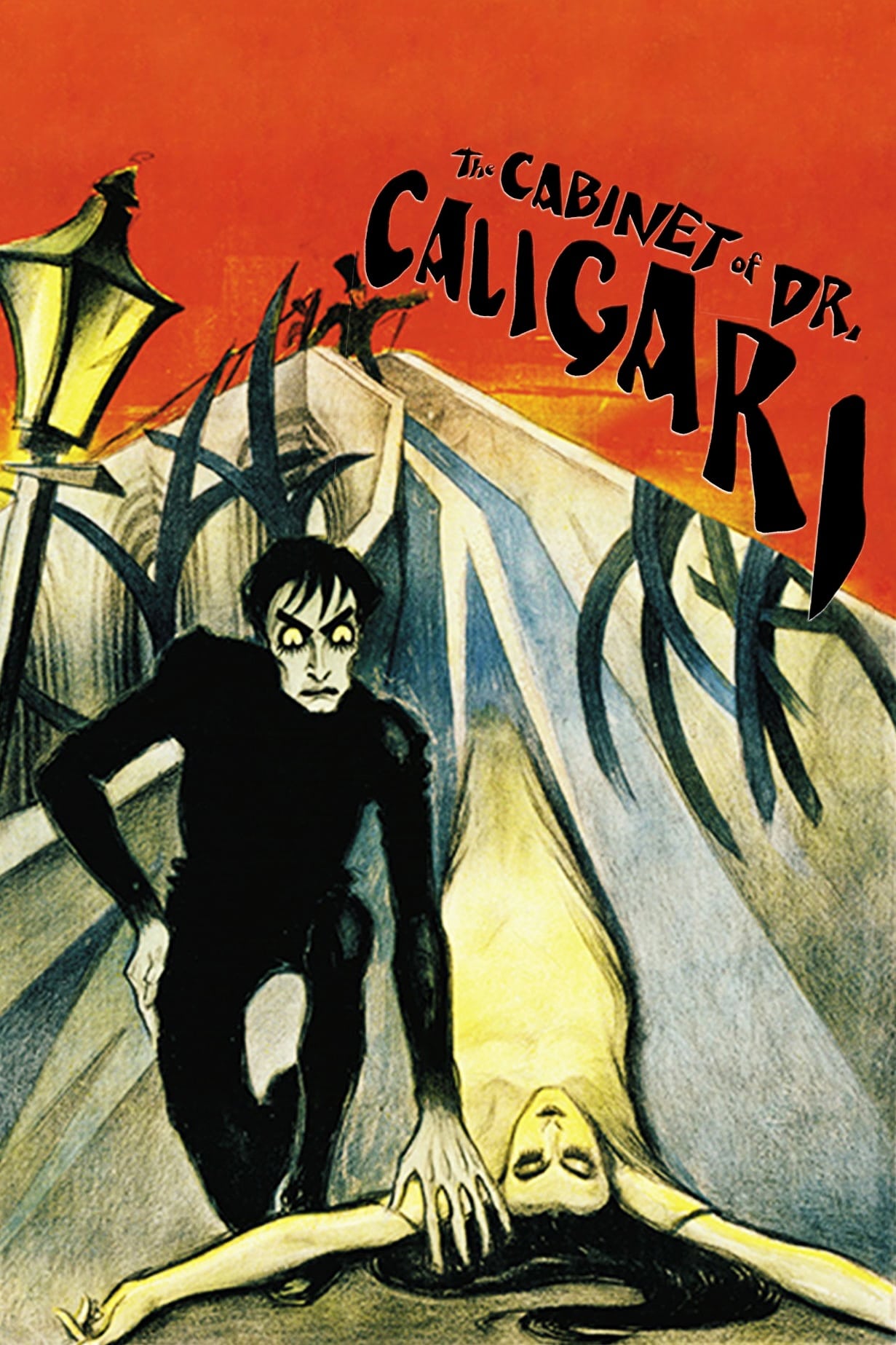
The Cabinet of Dr. Caligari
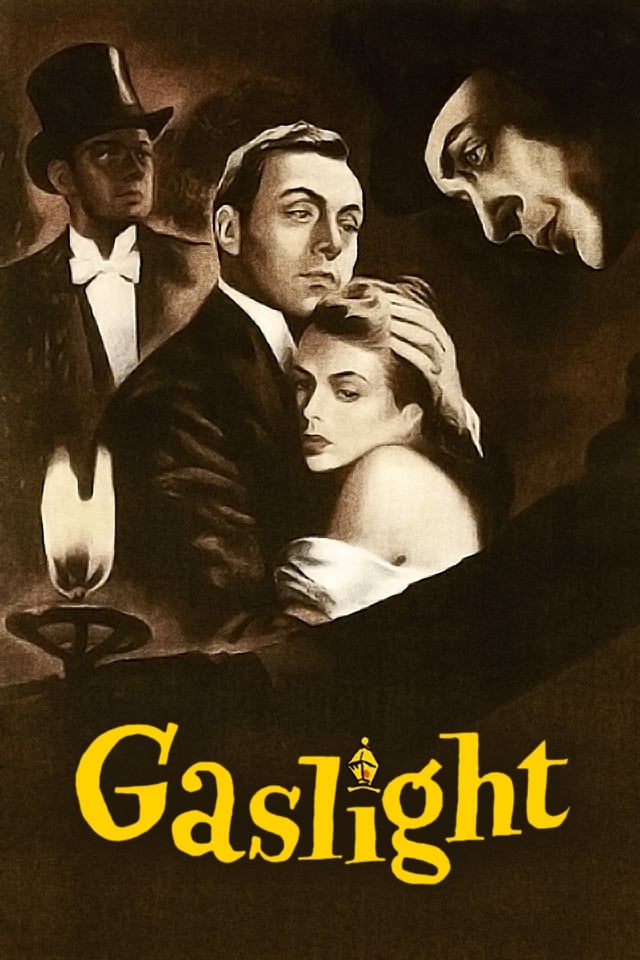
Gaslight
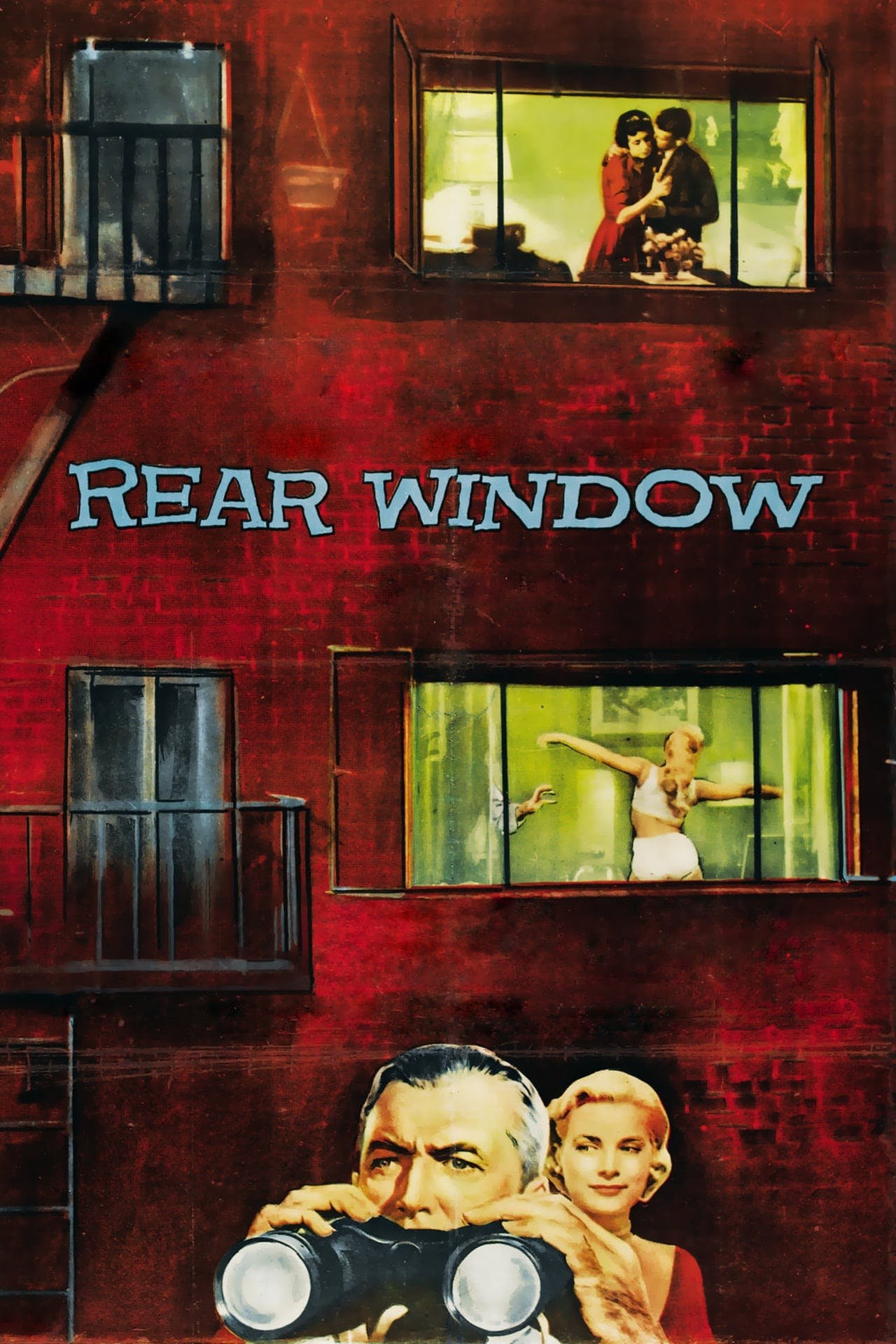
Rear Window
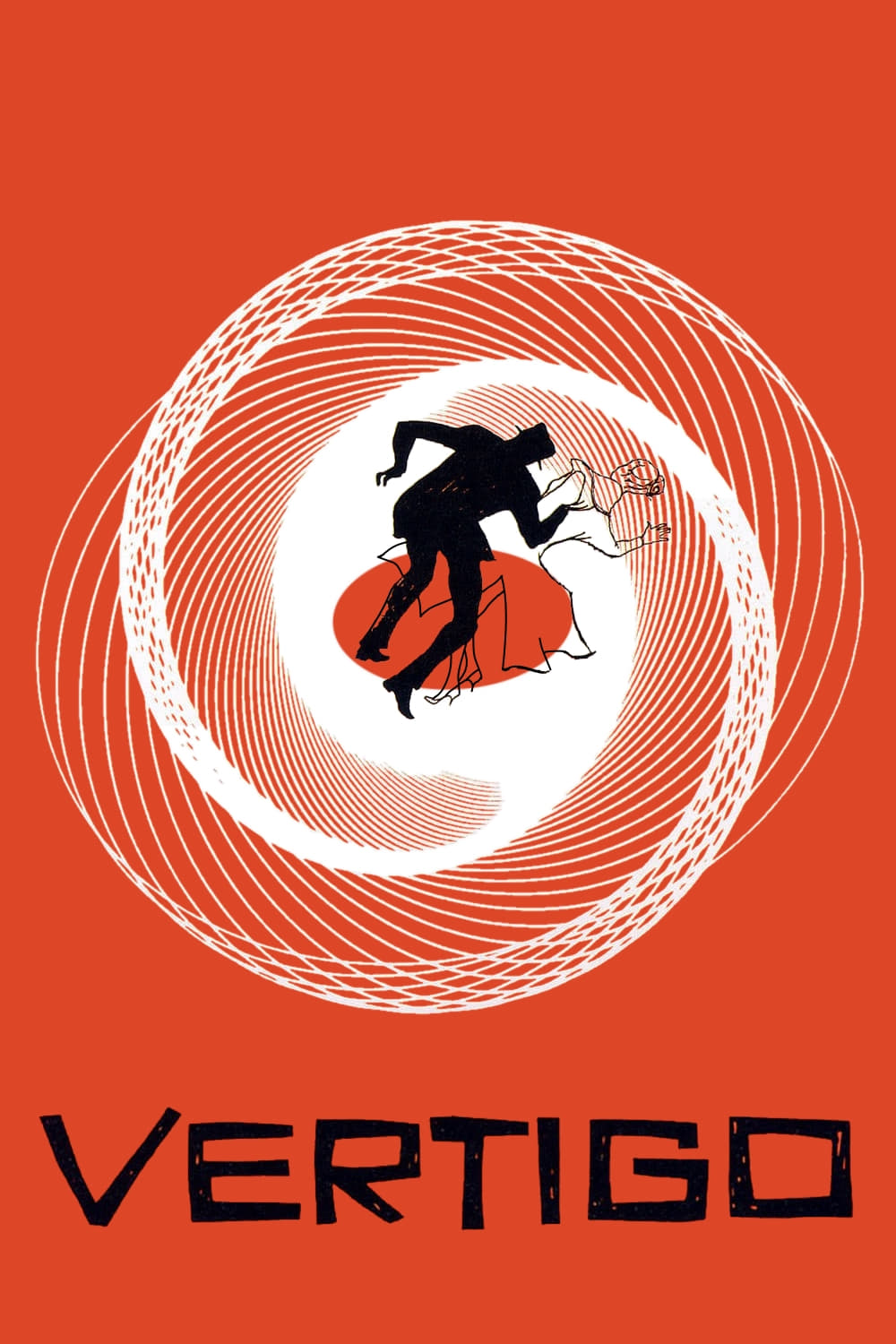
Vertigo
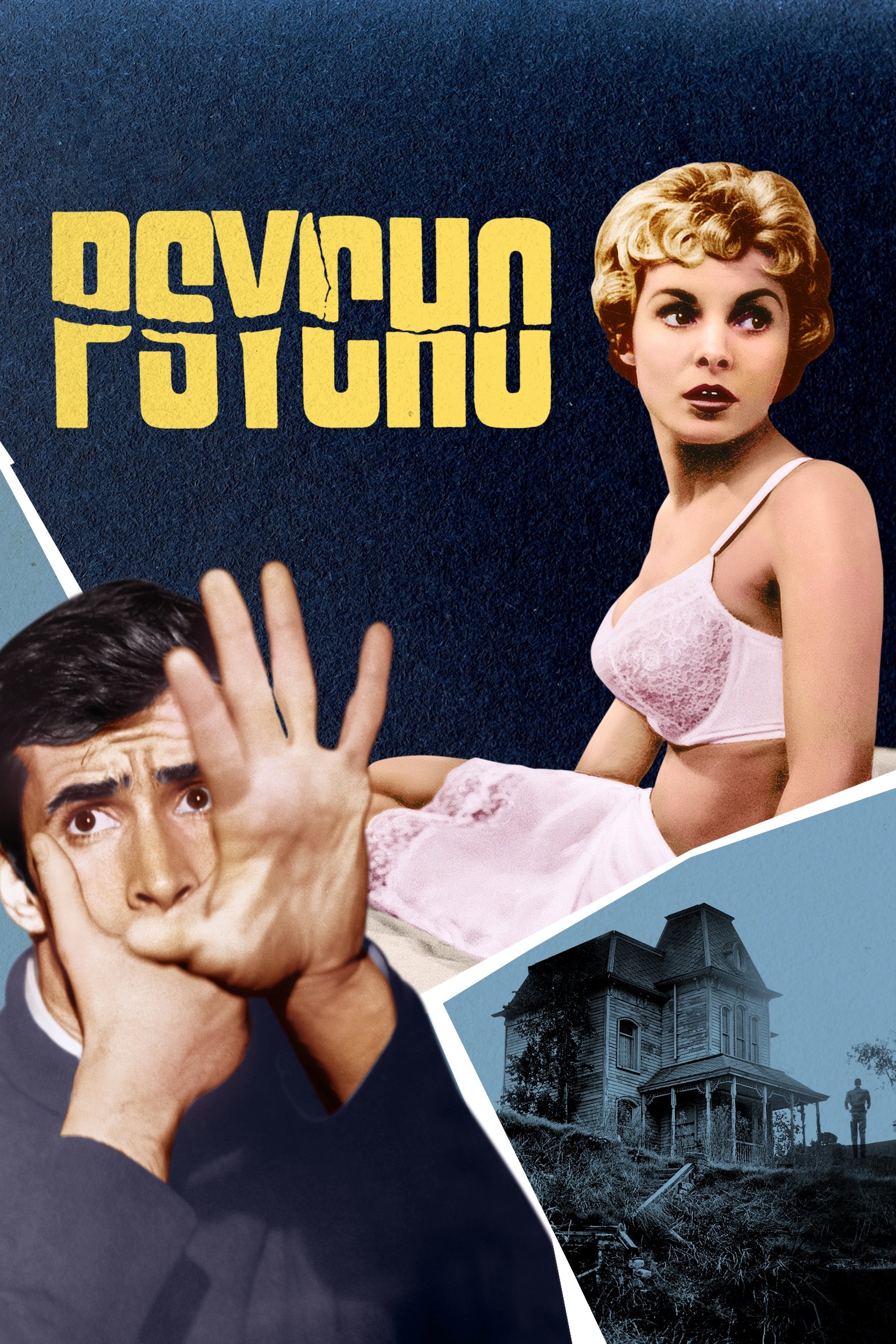
Psycho
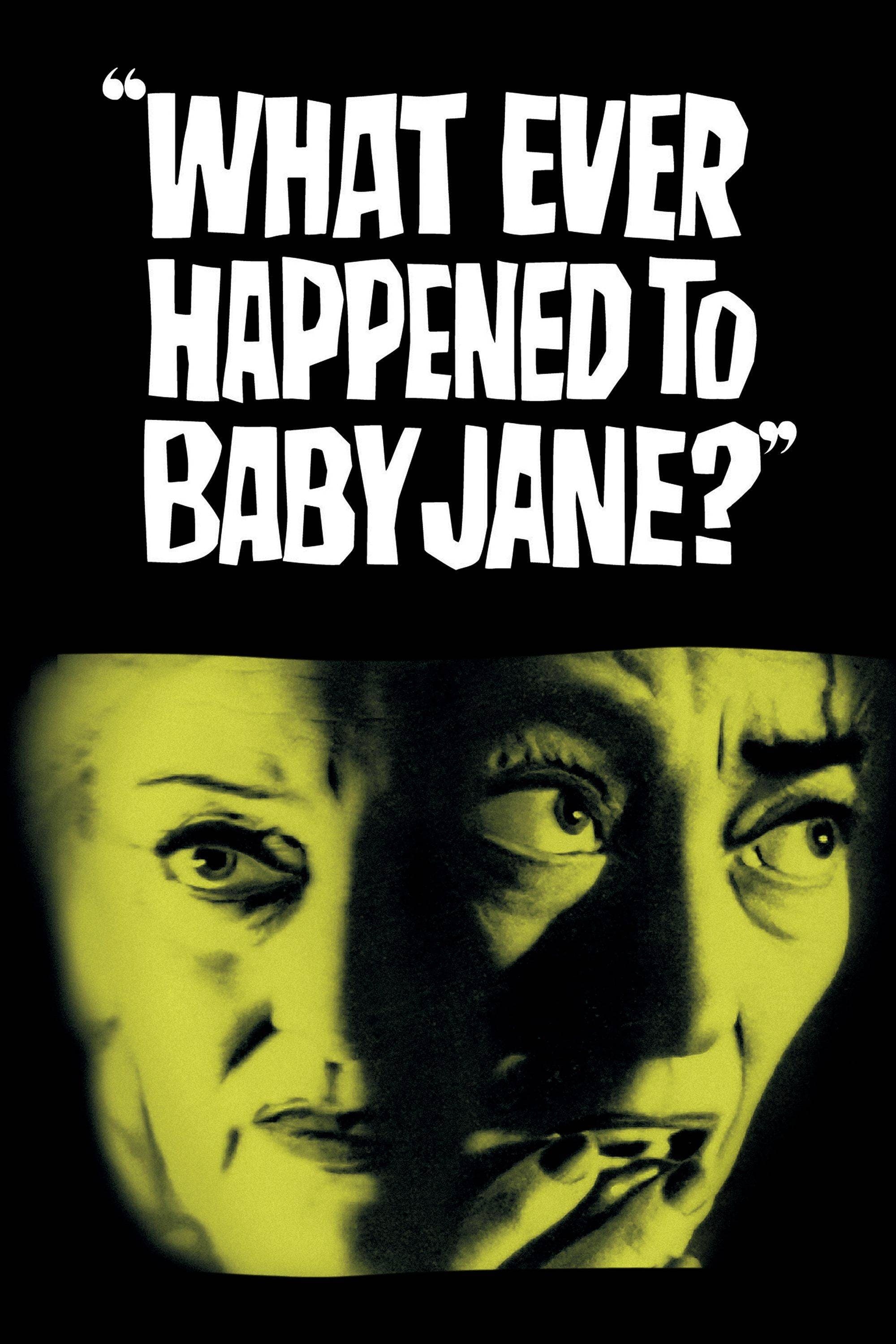
What Ever Happened to Baby Jane?
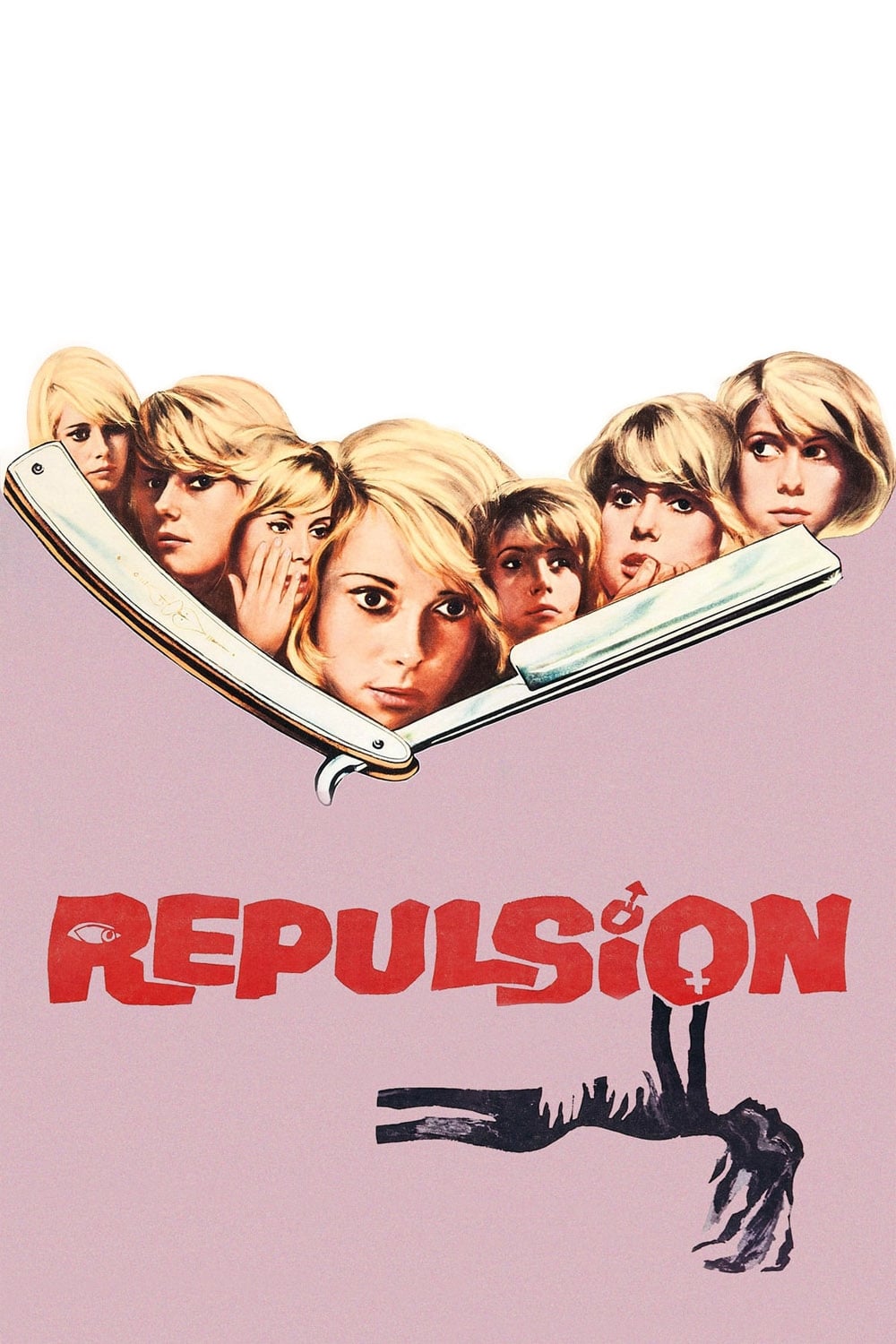
Repulsion
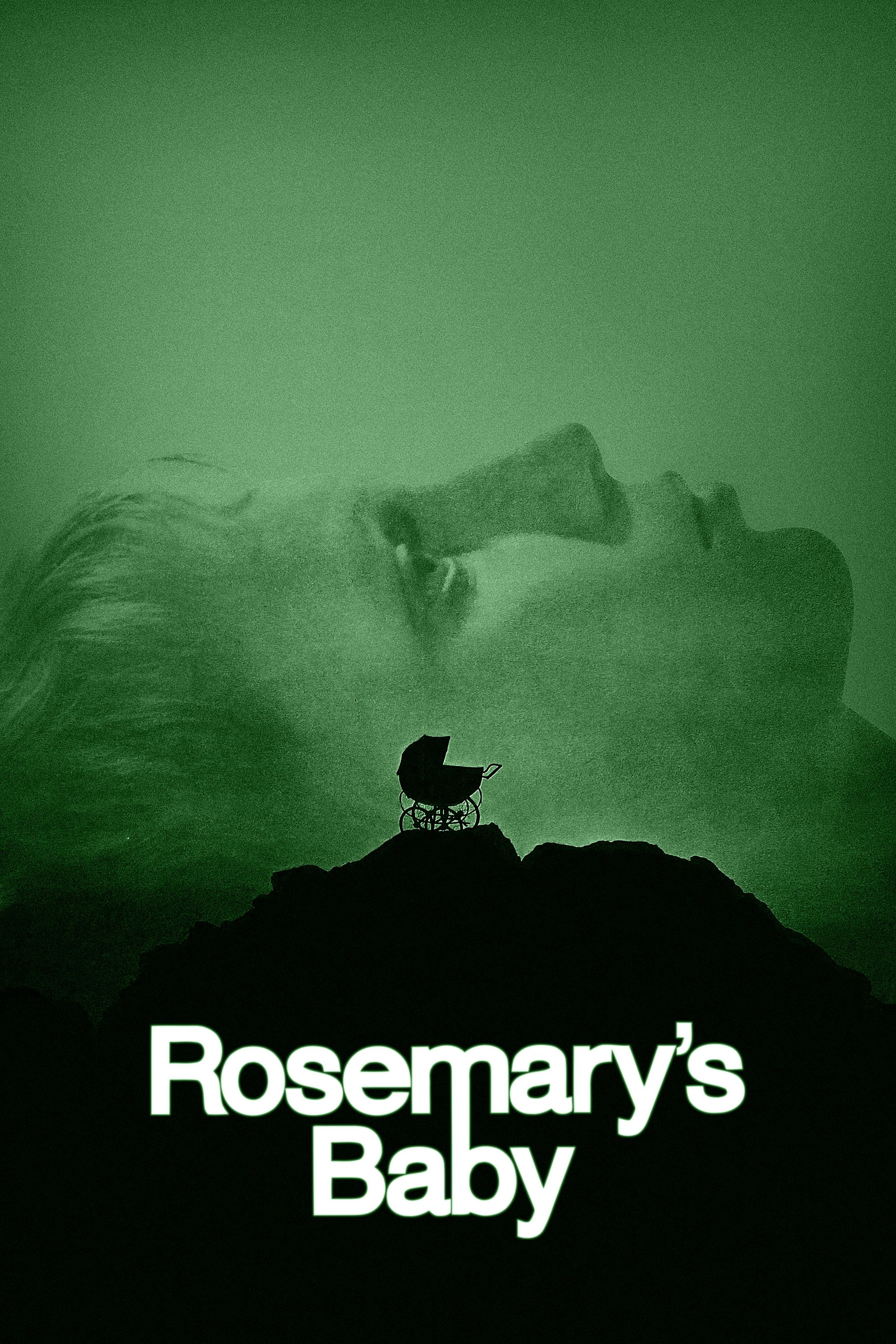
Rosemary's Baby
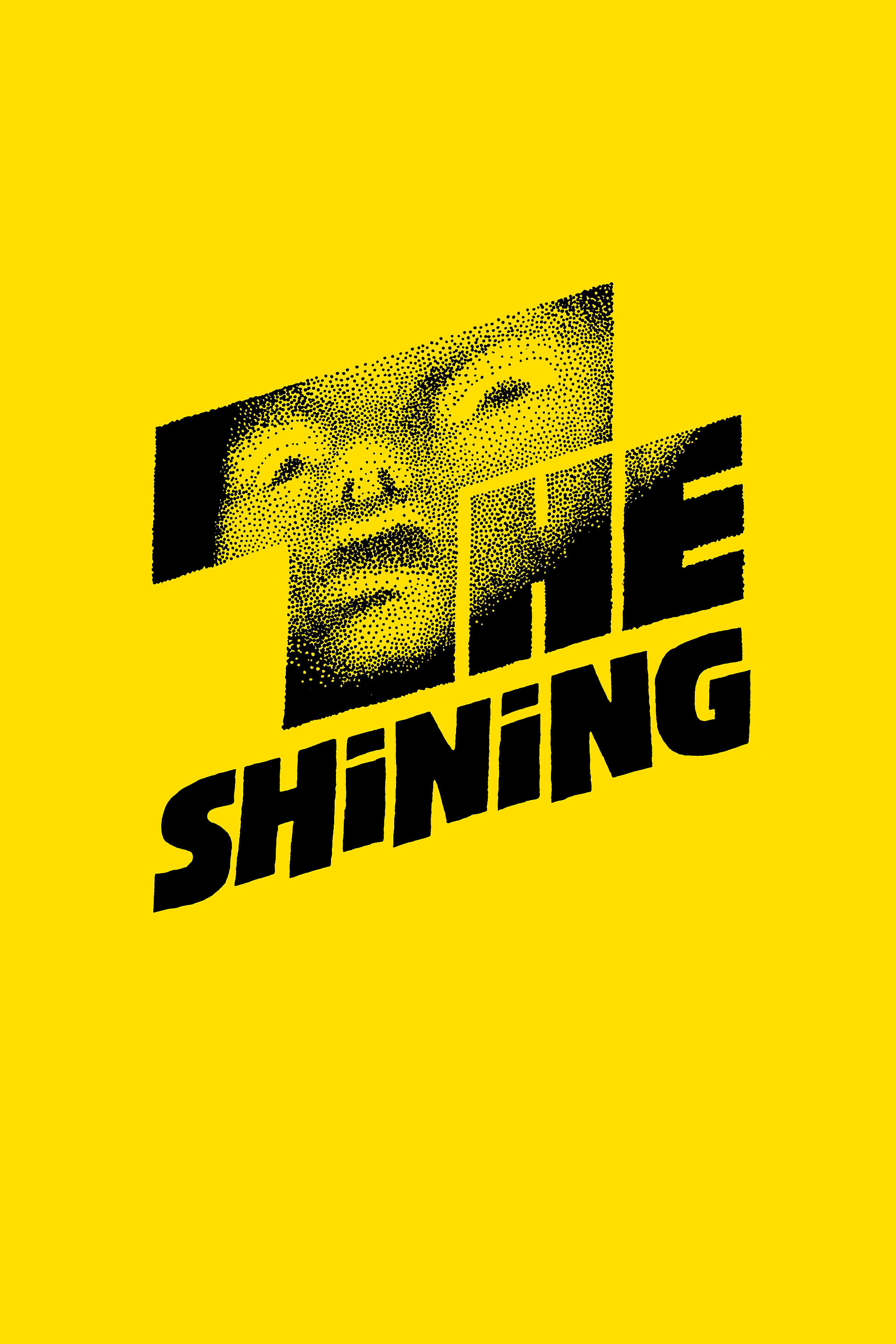
The Shining
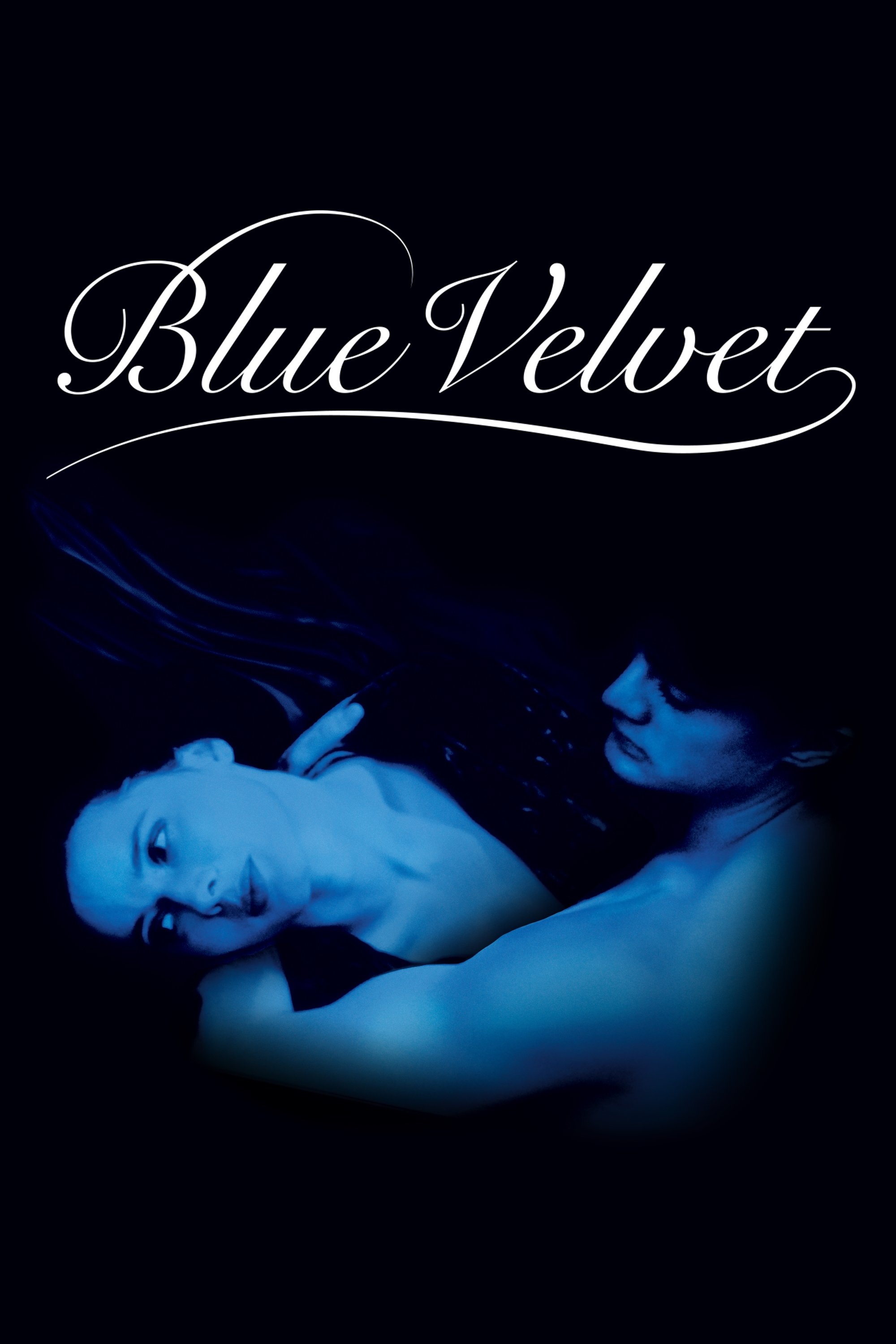
Blue Velvet
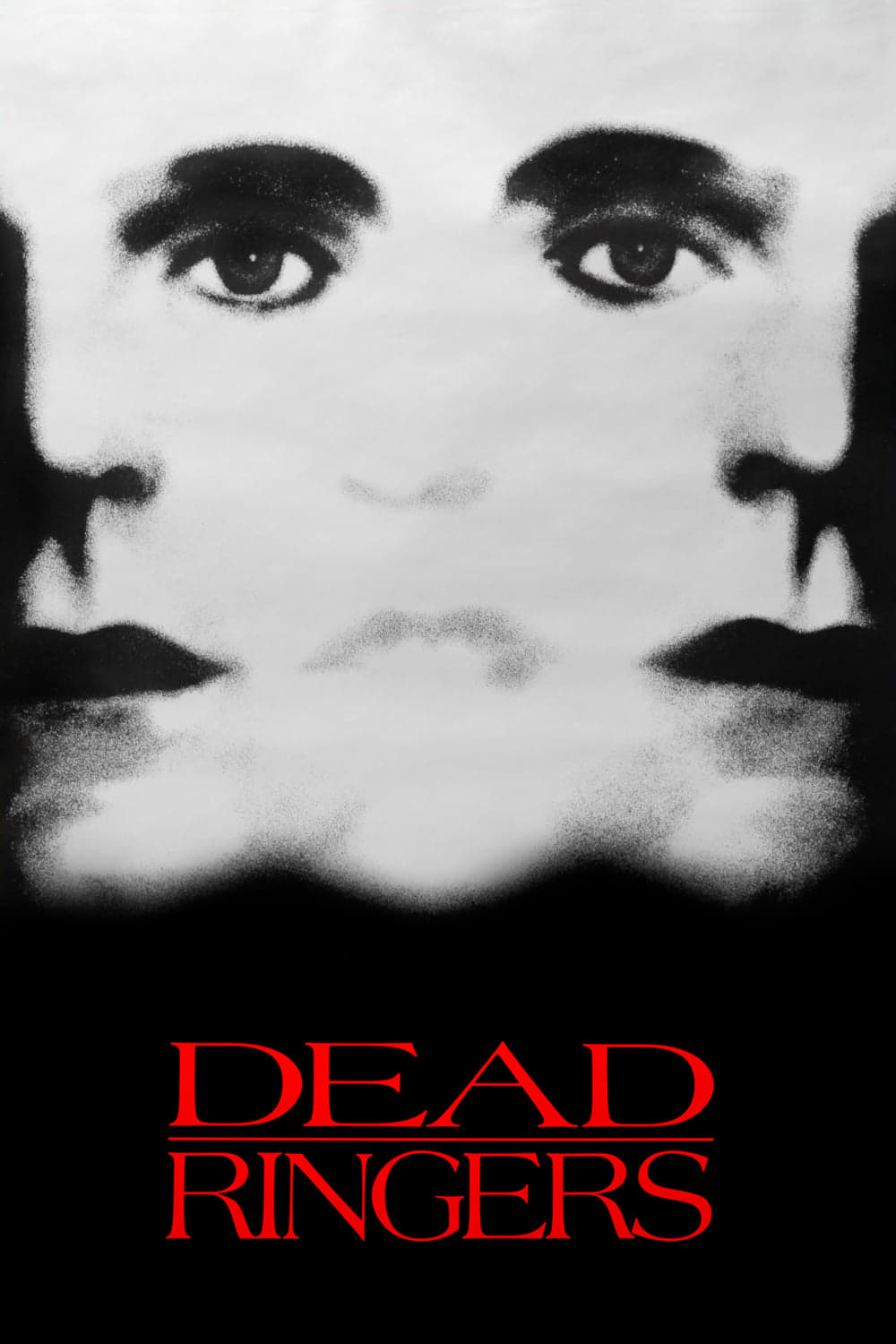
Dead Ringers
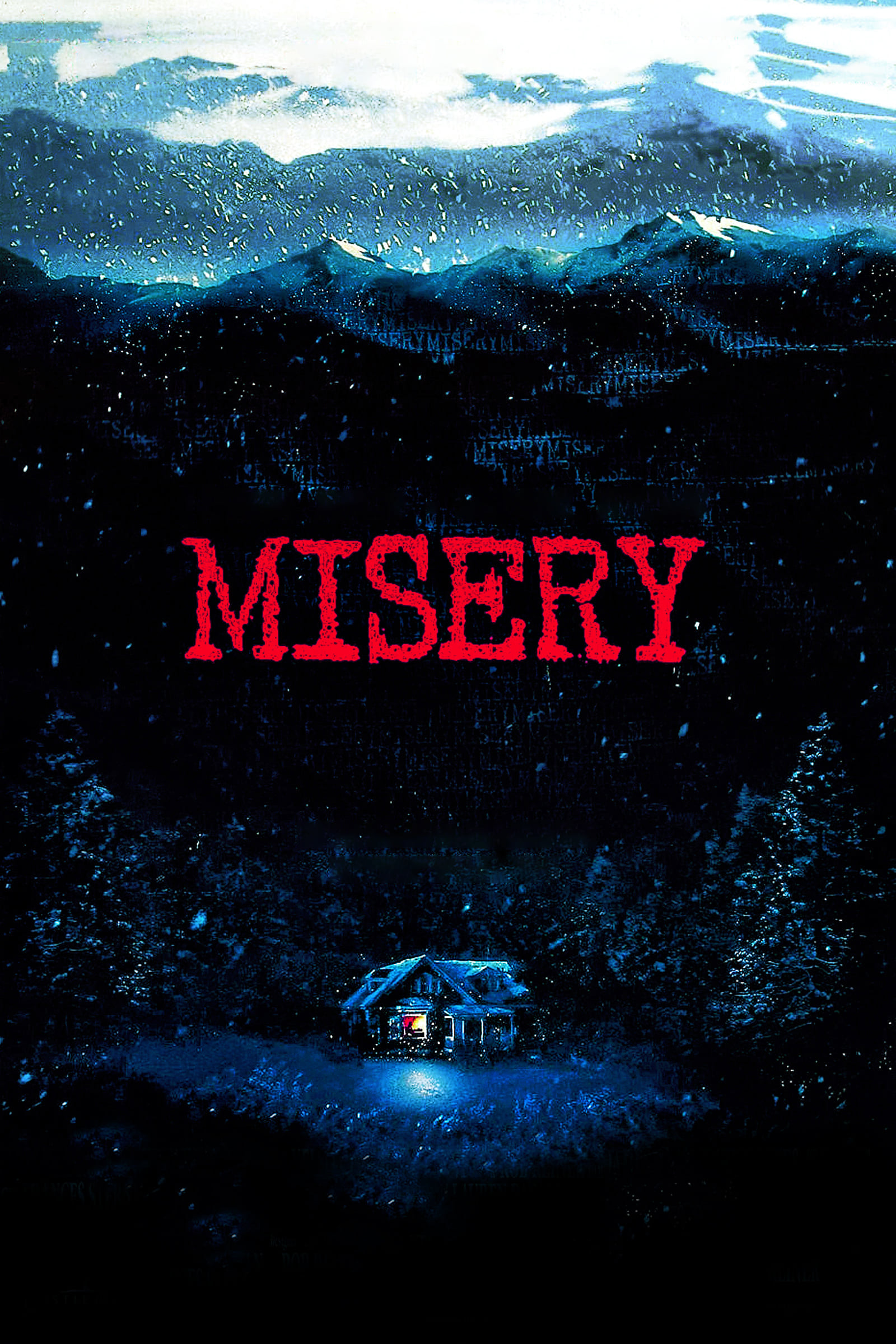
Misery
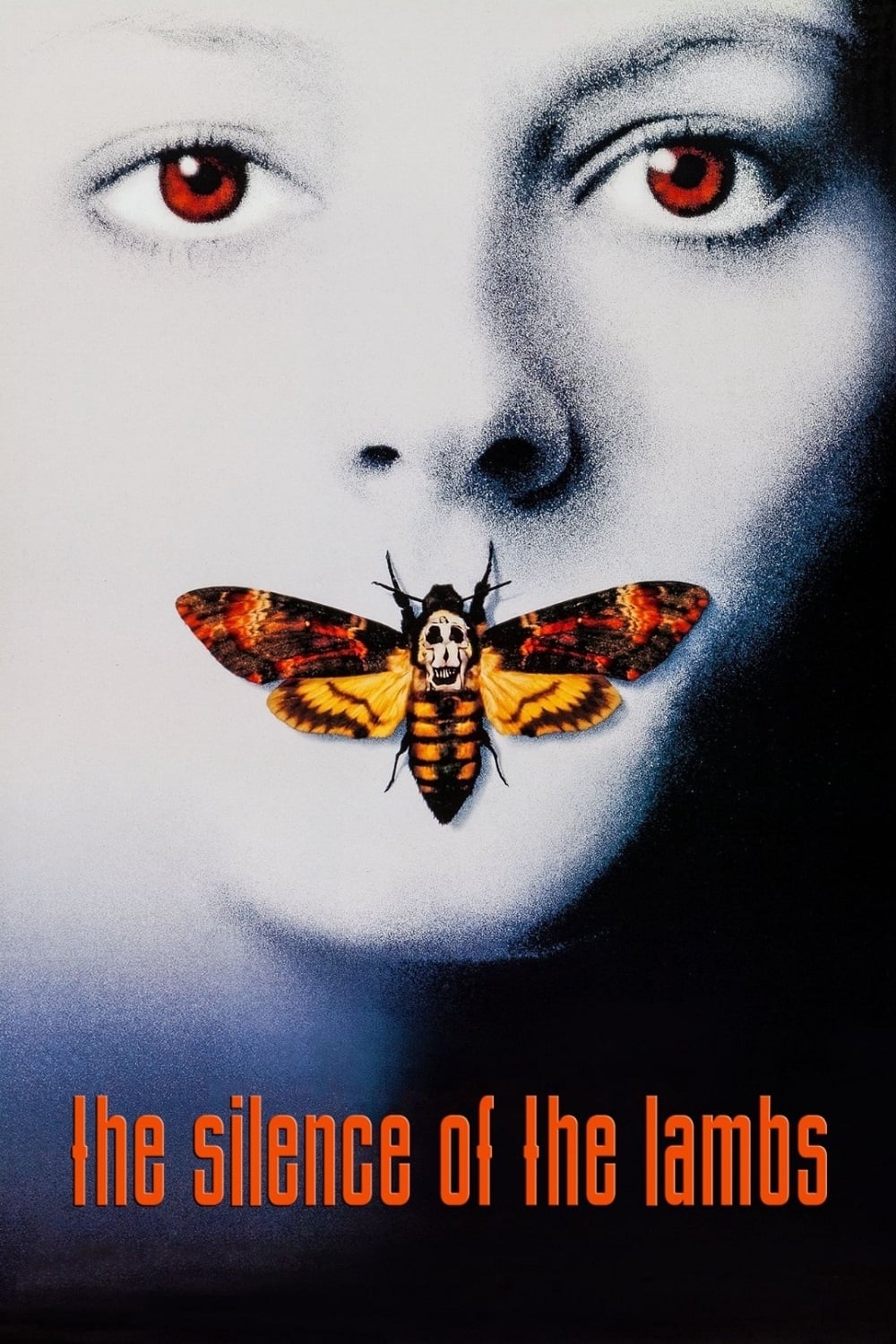
The Silence of the Lambs
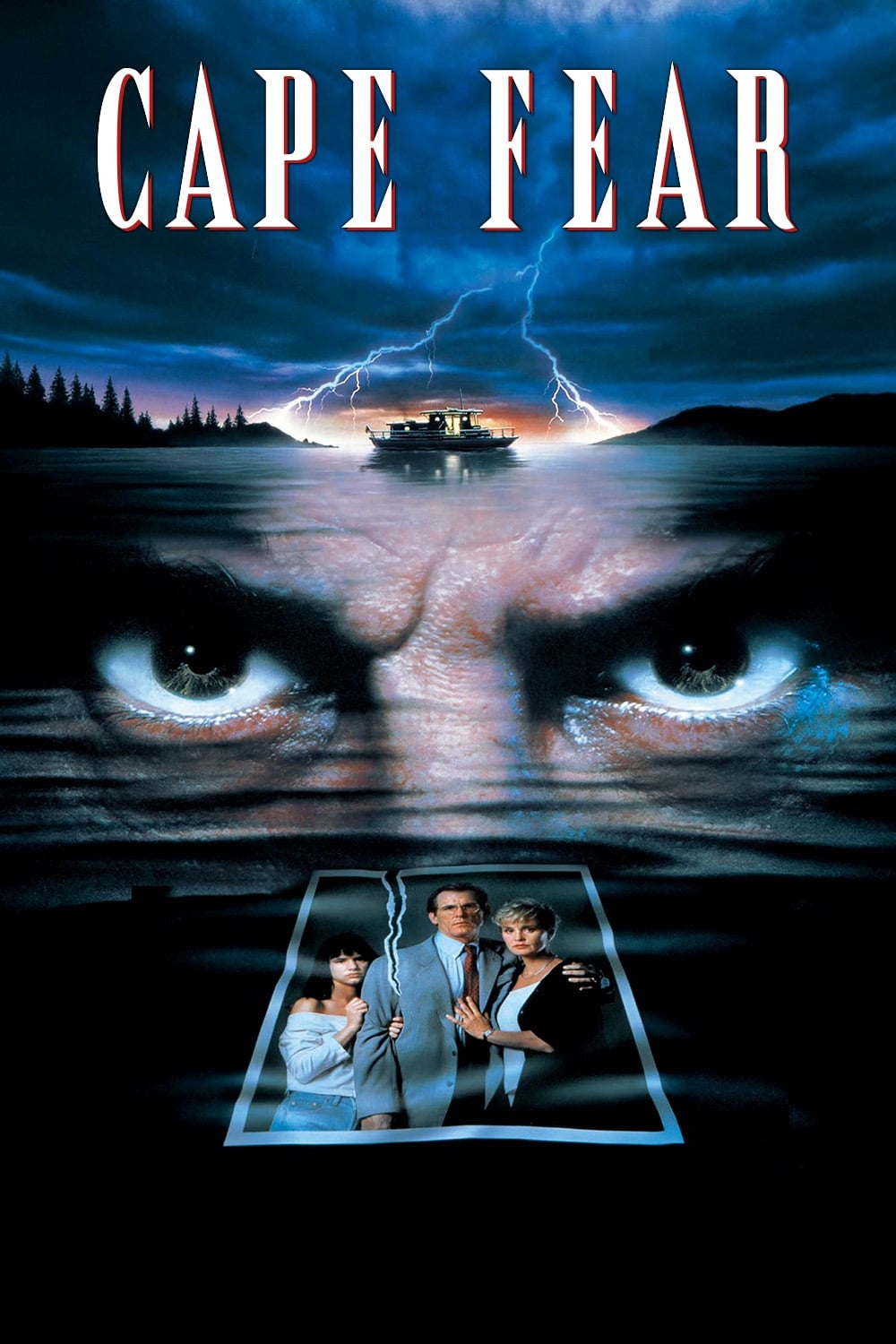
Cape Fear
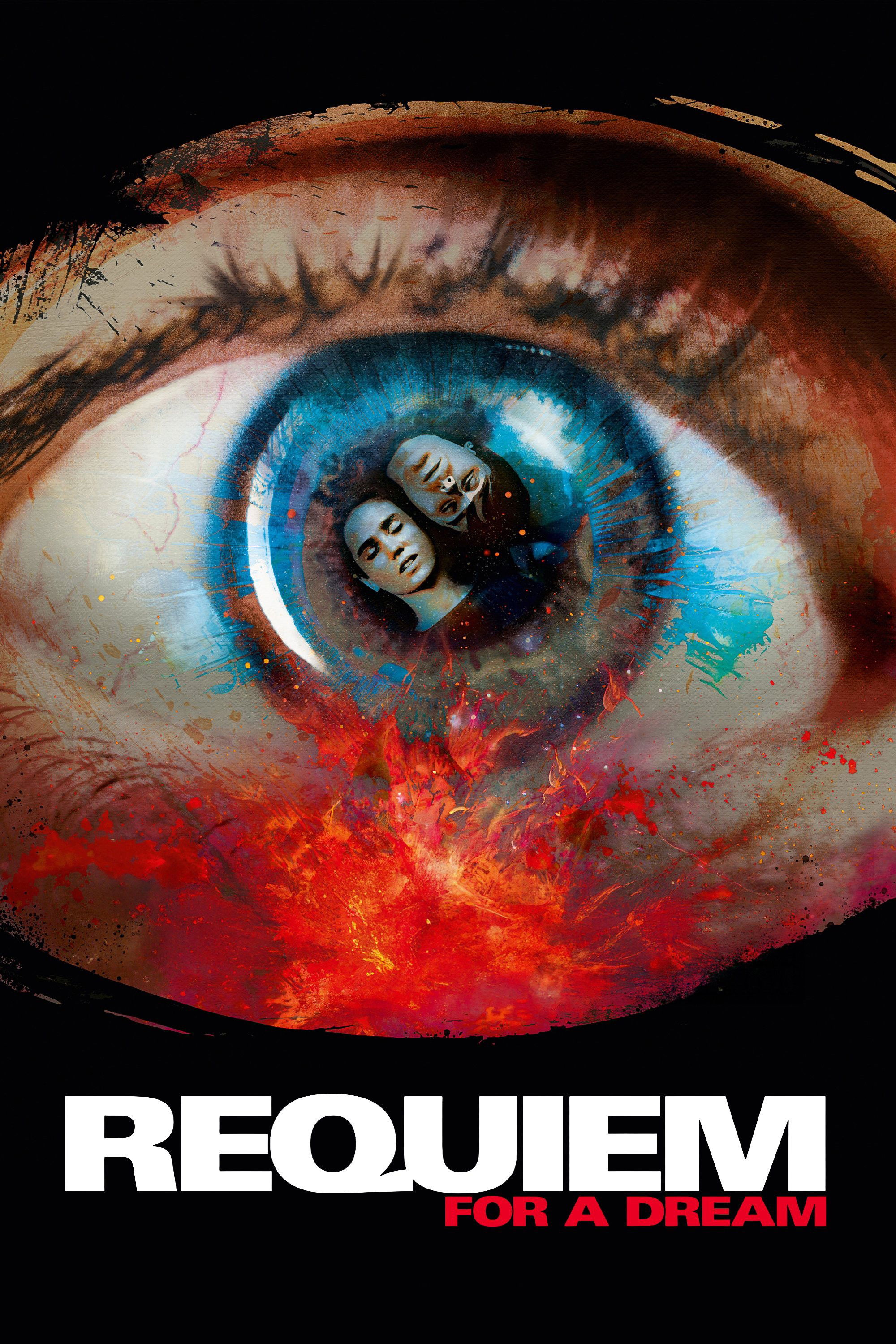
Requiem for a Dream
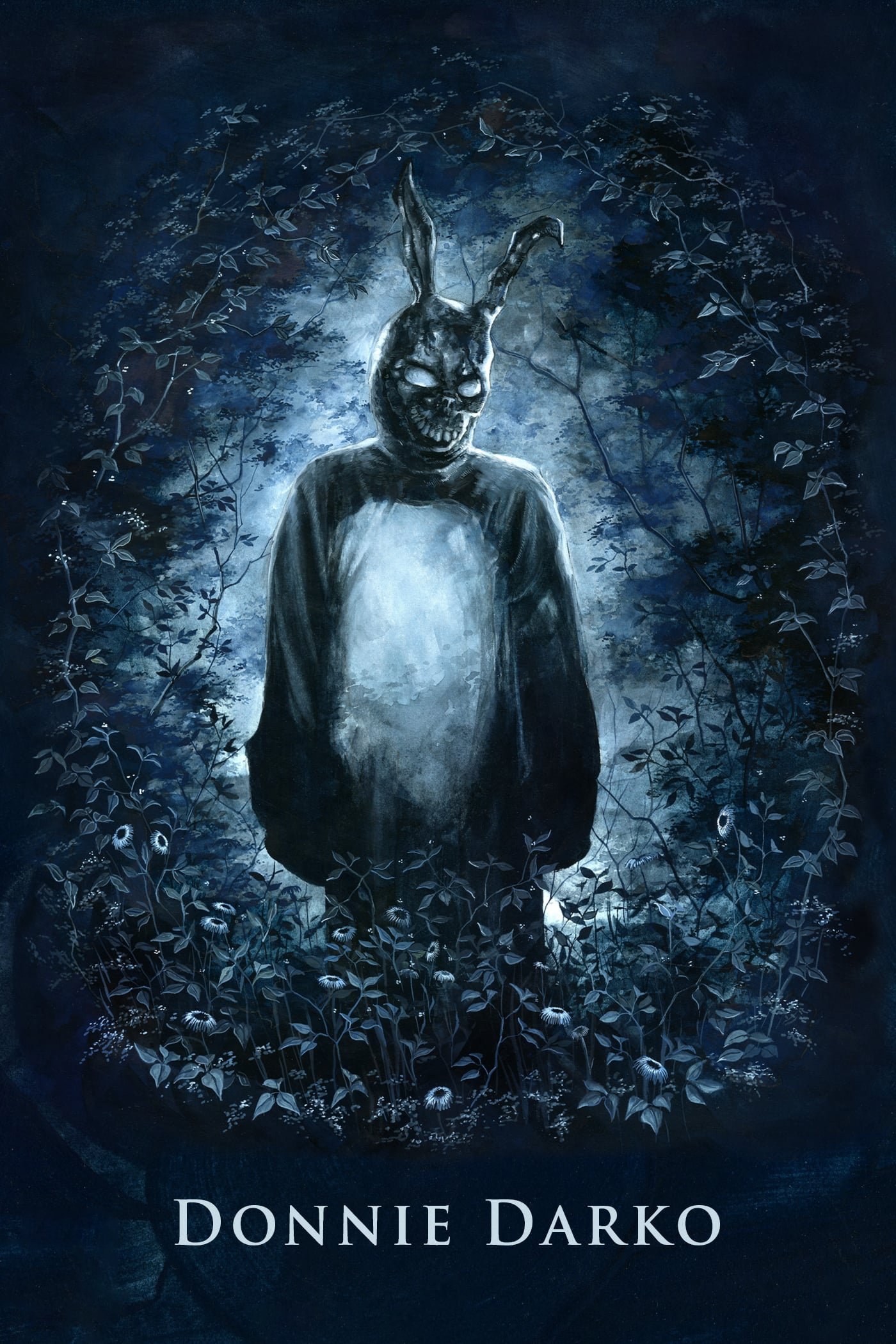
Donnie Darko
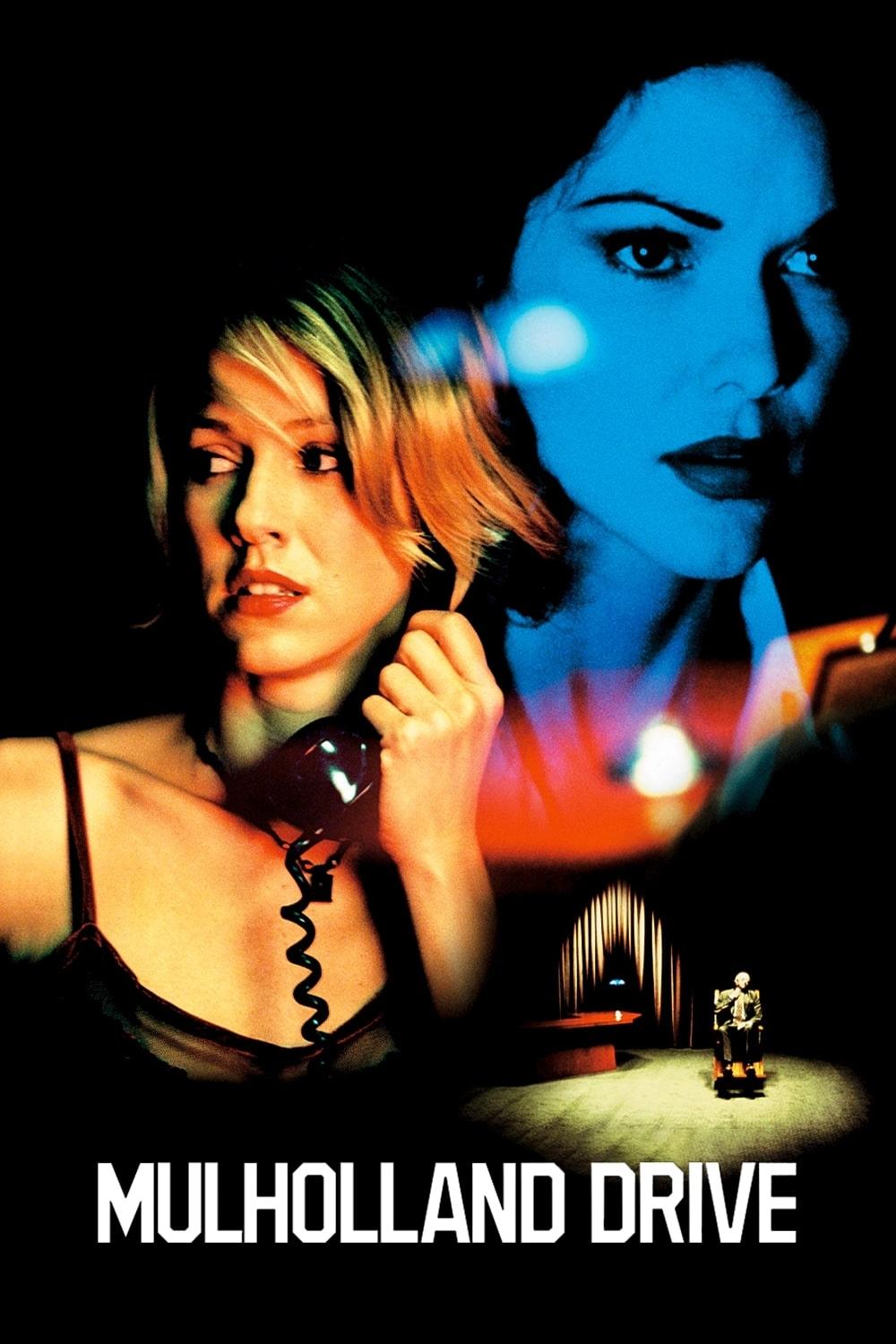
Mulholland Drive
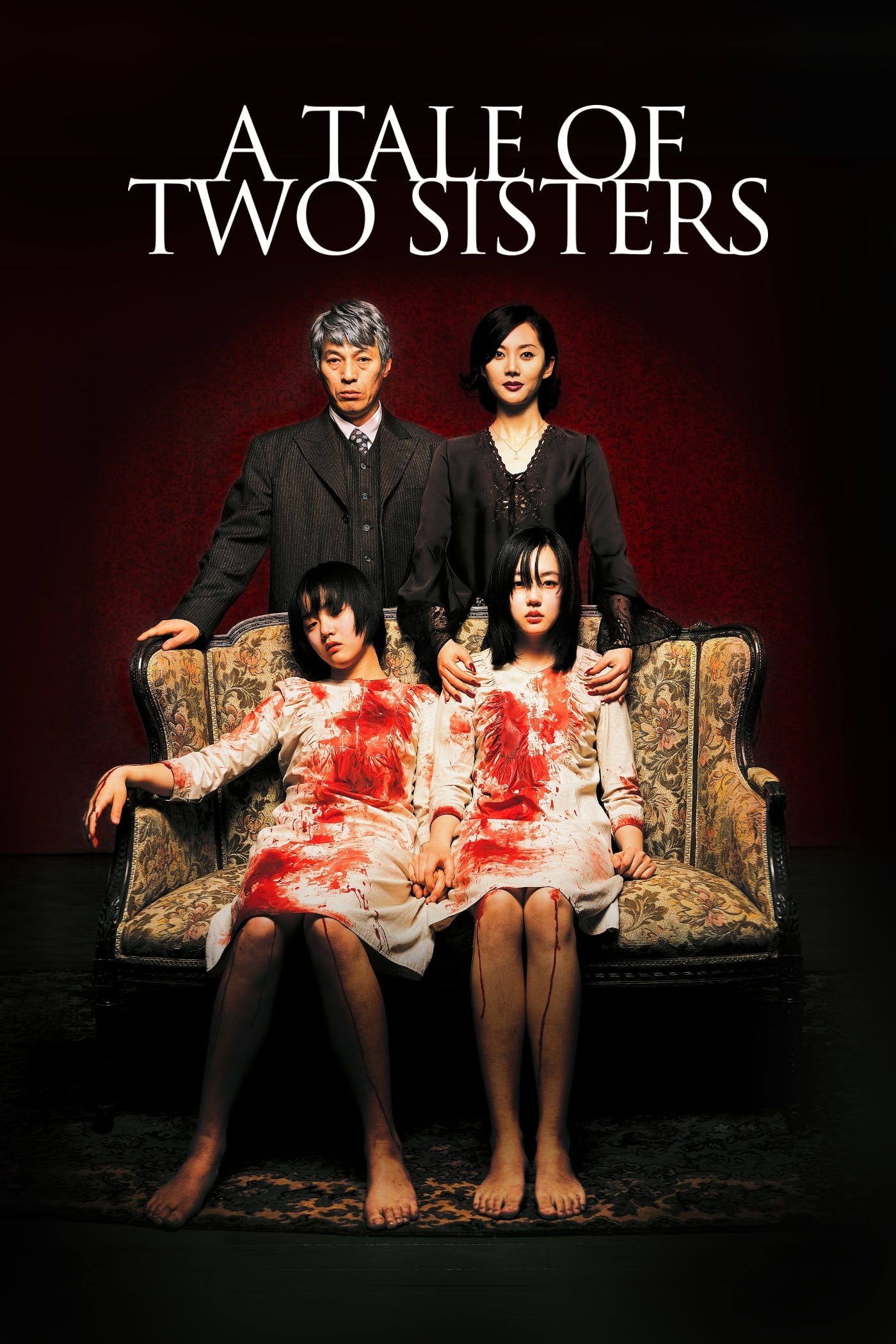
A Tale of Two Sisters
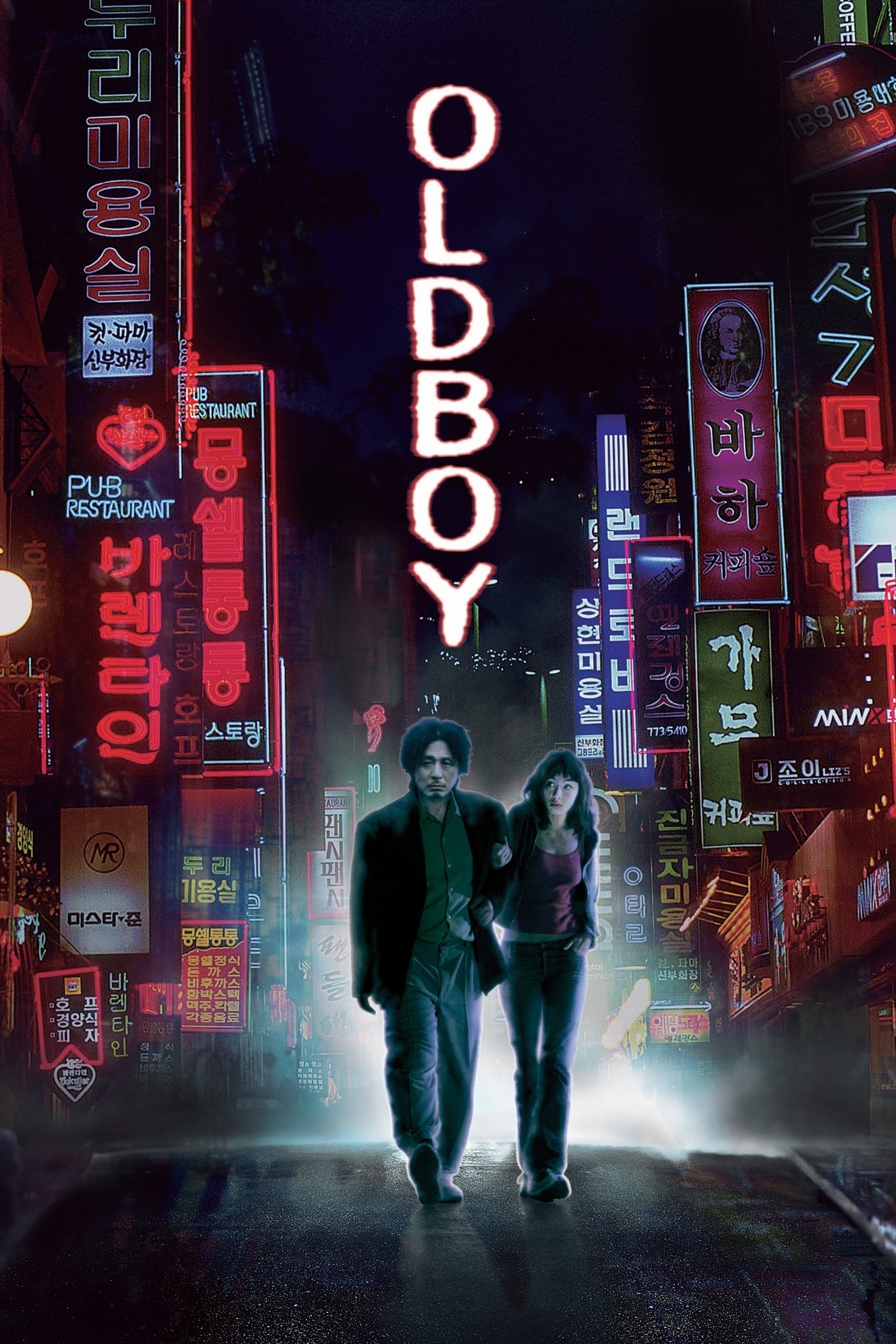
Oldboy
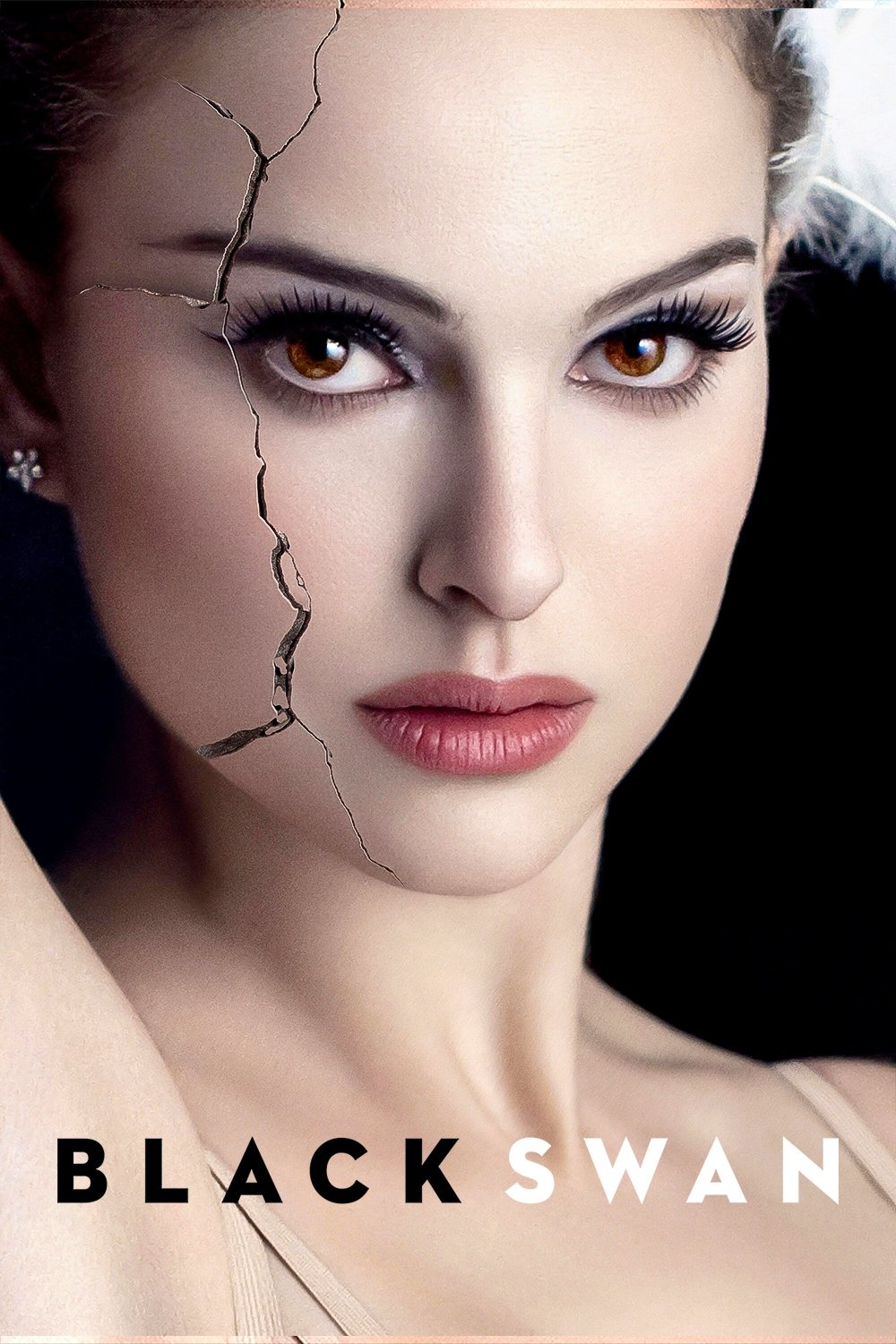
Black Swan
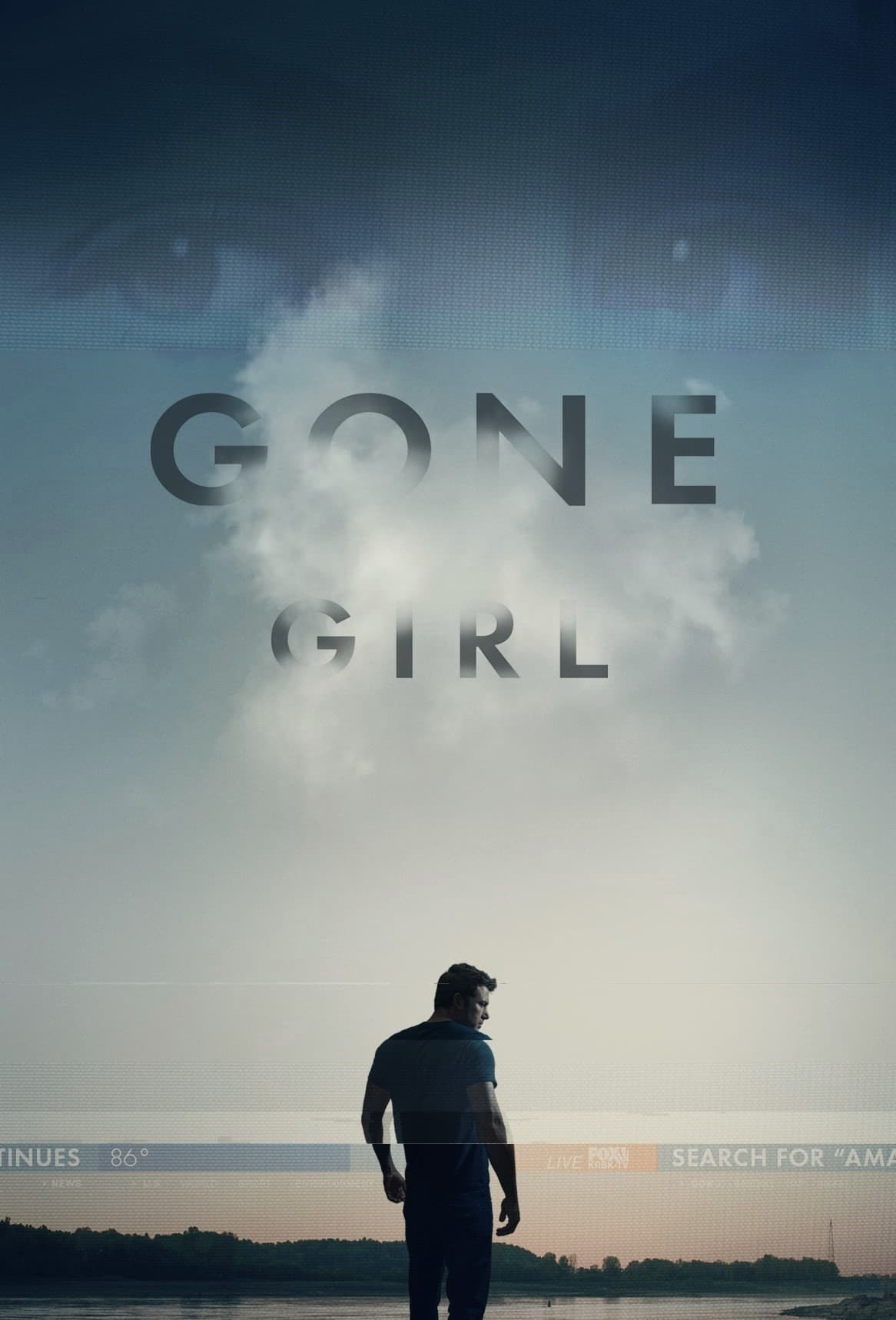
Gone Girl
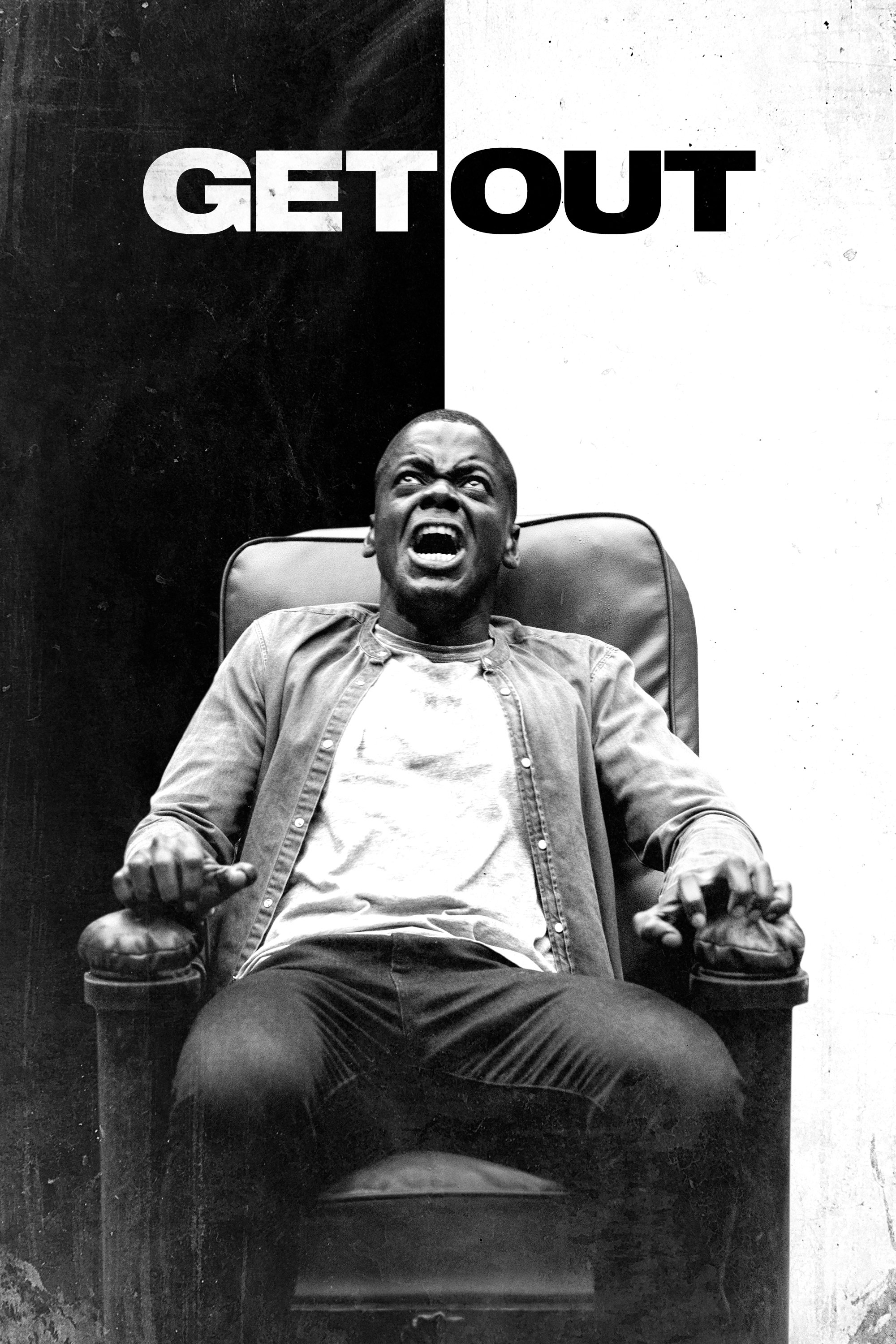
Get Out
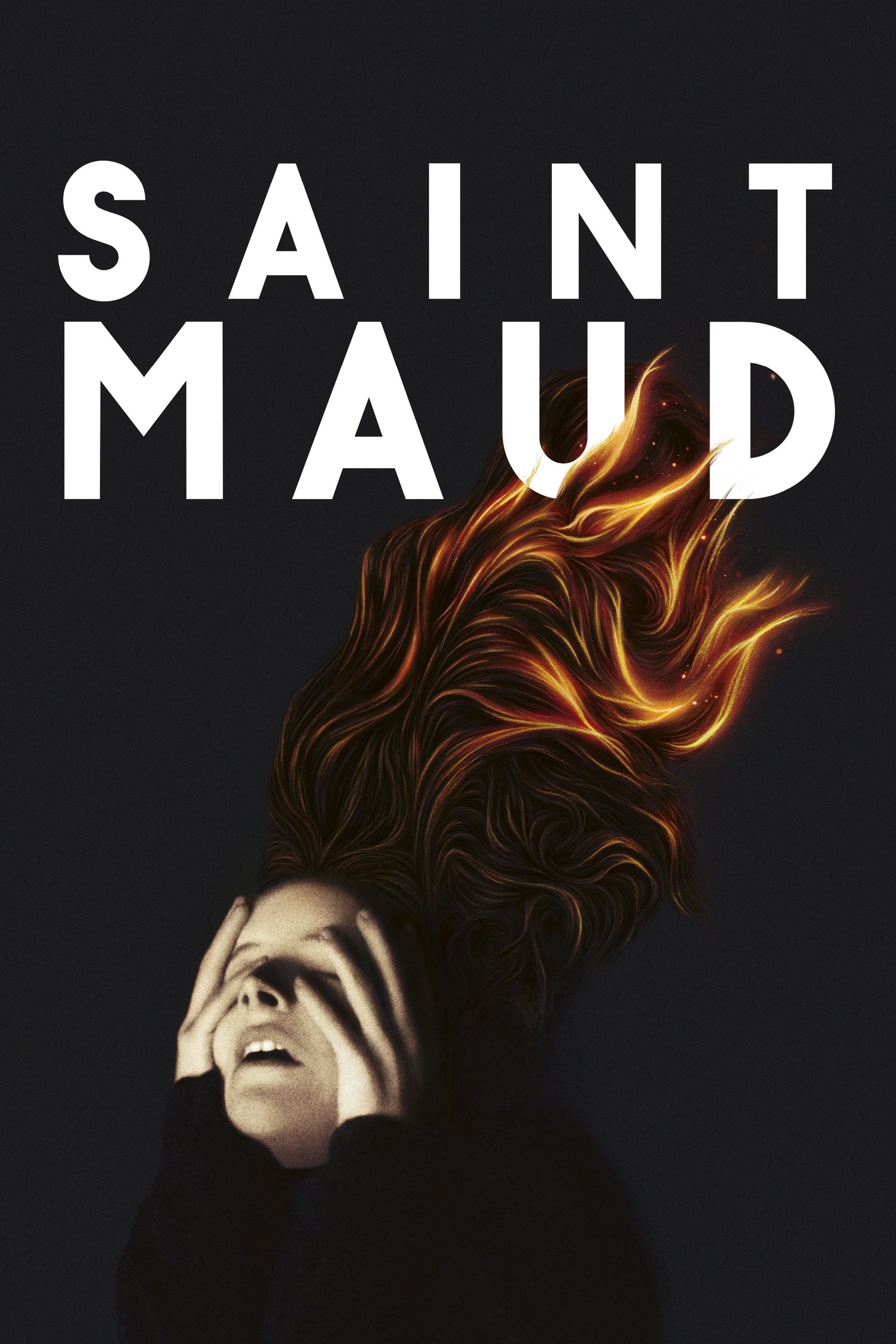
Saint Maud
Statistics
Popularity by Decade
Share of each decade's horror films classified as Psychological Thriller. Counts films with at least 5 TMDB ratings, so very obscure titles are not represented.
Popularity by Country
Share of each country's horror output classified as Psychological Thriller. Counts films with at least 5 TMDB ratings, so very obscure titles are not represented.