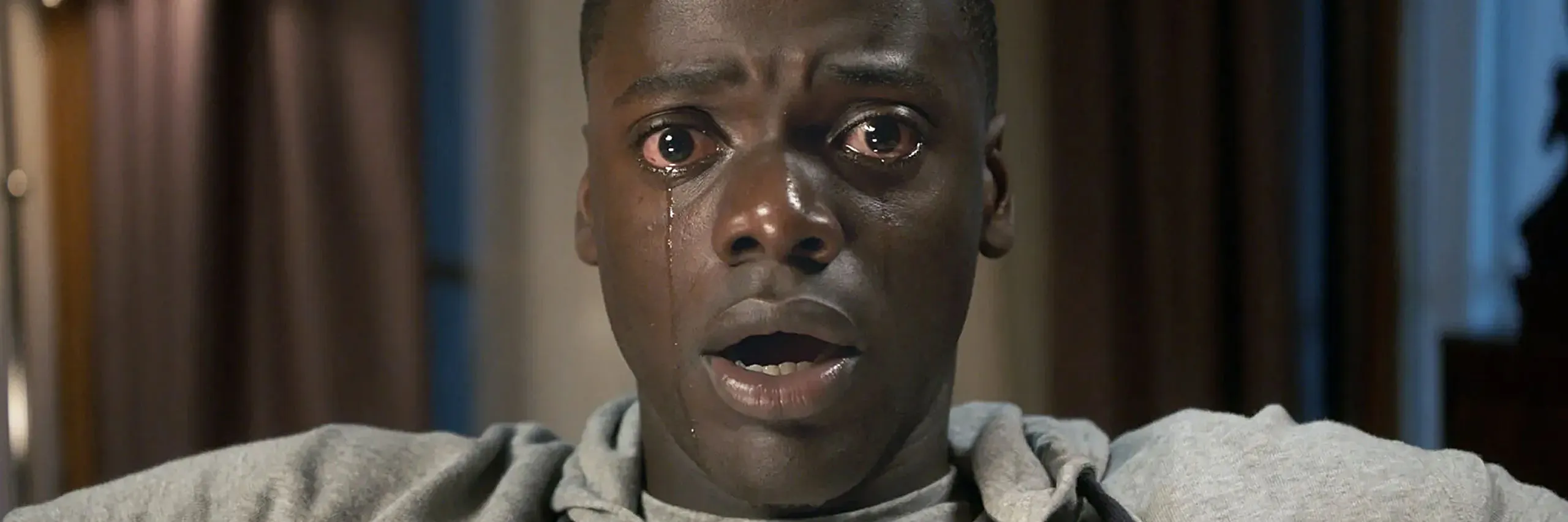
 Get Out (2017)
Gaslighting / Unreliable Narrator
Your perception is being systematically dismantled. Someone — or something — is rewriting your reality, and the horror is the growing suspicion that you can no longer tell the difference.
History & Origins
Gaslighting horror takes its name from George Cukor's Gaslight (1944), in which a husband systematically manipulates his wife into believing she is losing her mind. The term has entered common usage as a description of psychological abuse, but in horror cinema it represents something more specific: the systematic destruction of a person's ability to trust their own perception. The audience watches helplessly as the protagonist's reality is dismantled from within. The subgenre overlaps closely with the psychological thriller but centers specifically on the unreliable narrator and the protagonist's losing battle to verify what is true.
The unreliable narrator tradition predates the term "gaslighting." Robert Wiene's The Cabinet of Dr. Caligari (1920) revealed in its final moments that the entire story may have been the fantasy of an asylum inmate — or may not, depending on which frame you trust. This ambiguity about the narrator's reliability became one of horror's most powerful tools. Alfred Hitchcock's Rebecca (1940), with Joan Fontaine, opened the gothic-gaslighting tradition in which the second Mrs. de Winter is systematically destabilized by the housekeeper's worship of her predecessor; his Suspicion (1941), again with Fontaine, ran the variant where a wife suspects her husband is plotting to murder her. Cukor's Gaslight, with Ingrid Bergman's Oscar-winning performance, codified the form — and gave the language the term we now use to describe psychological-abuse manipulation.
The 1960s extended the form into the "psycho-biddy" cycle. Jack Clayton's The Innocents (1961), adapting Henry James's Turn of the Screw, gave the form its definitive ambiguous-governess variant. Robert Aldrich's Hush... Hush, Sweet Charlotte (1964), with Bette Davis, Olivia de Havilland, and Joseph Cotten, ran the gothic-Southern variant Aldrich had opened with What Ever Happened to Baby Jane?. Roman Polanski's Rosemary's Baby (1968), with Mia Farrow, is a gaslighting narrative at its core — Rosemary's husband, her doctor, and her neighbors are all conspiring, and her growing suspicion is repeatedly dismissed as pregnancy hormones.
The form's twist-ending revival arrived around the millennium. M. Night Shyamalan's The Sixth Sense (1999), with Bruce Willis, established the twist-recontextualisation as a commercial event; Alejandro Amenábar's The Others (2001) with Nicole Kidman ran the same trick two years later. Kim Jee-woon's A Tale of Two Sisters (2003) brought Korean register to the unreliable-narrator tradition. Brad Anderson's The Machinist (2004), with Christian Bale's skeletal physical transformation, fused insomnia-driven dissociation with unreliable-narrator structure. Martin Scorsese's Shutter Island (2010), with Leonardo DiCaprio, returned the asylum-mystery to prestige cinema with a final reveal that recasts the entire experience.
The contemporary register has been increasingly attuned to gaslighting as a real-world phenomenon. Pedro Almodóvar's The Skin I Live In (2011), with Antonio Banderas and Elena Anaya, ran the captivity-identity variant in extreme art-cinema register. David Fincher's Gone Girl (2014), with Rosamund Pike, weaponized the unreliable-narrator structure into one of the era's defining marriage-thrillers. Leigh Whannell's The Invisible Man (2020), with Elisabeth Moss, updated the H.G. Wells premise for the era of domestic-abuse awareness, making the gaslit woman's inability to be believed the central horror. Charlie Kaufman's I'm Thinking of Ending Things (2020), with Jessie Buckley, ran the pure unreliable-narrator variant in art-cinema register. The revelation in these films is not a twist for its own sake but a demonstration of the mind's capacity to construct elaborate fictions to protect itself from unbearable truth.
Essential Films
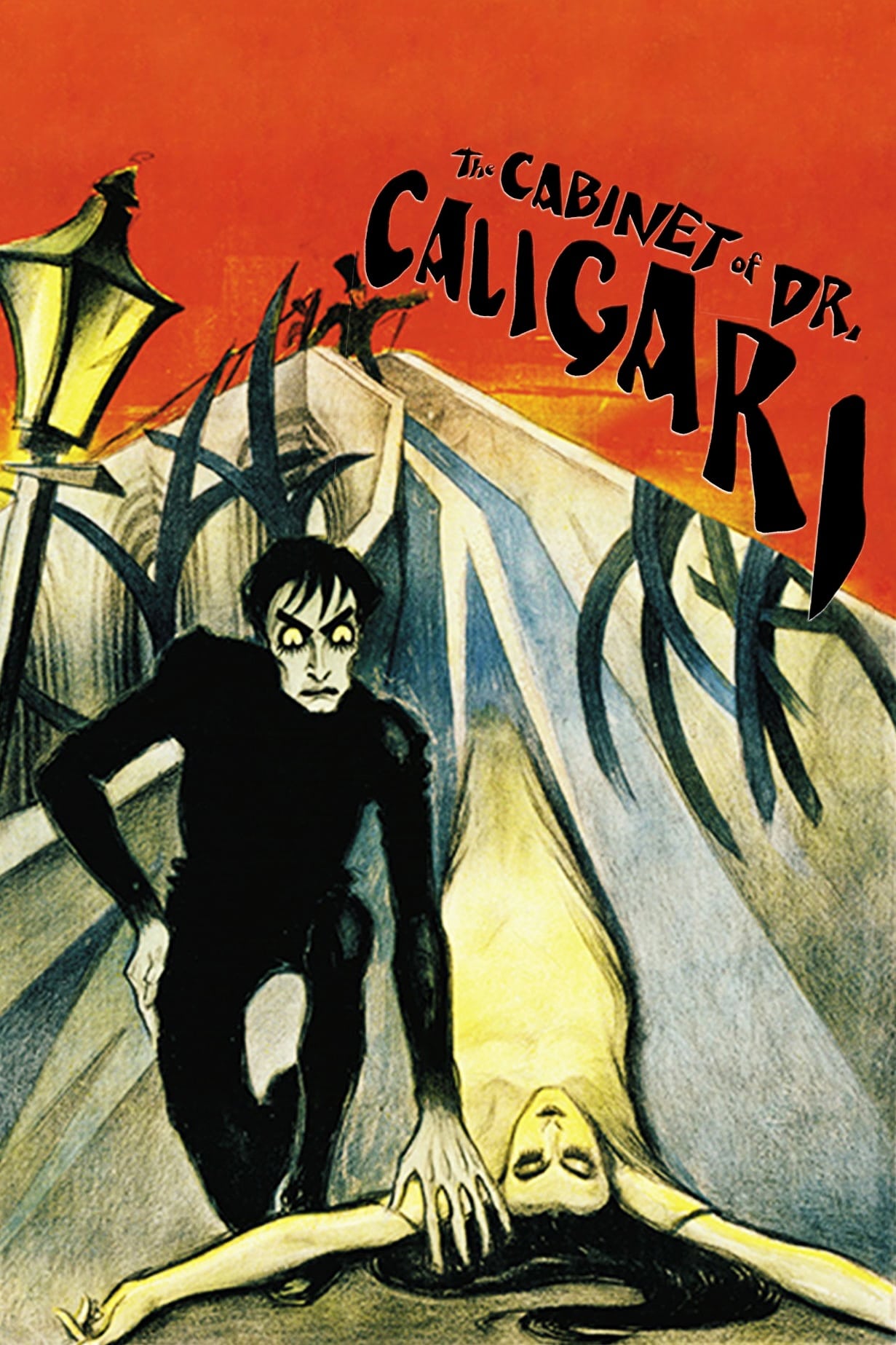
The Cabinet of Dr. Caligari
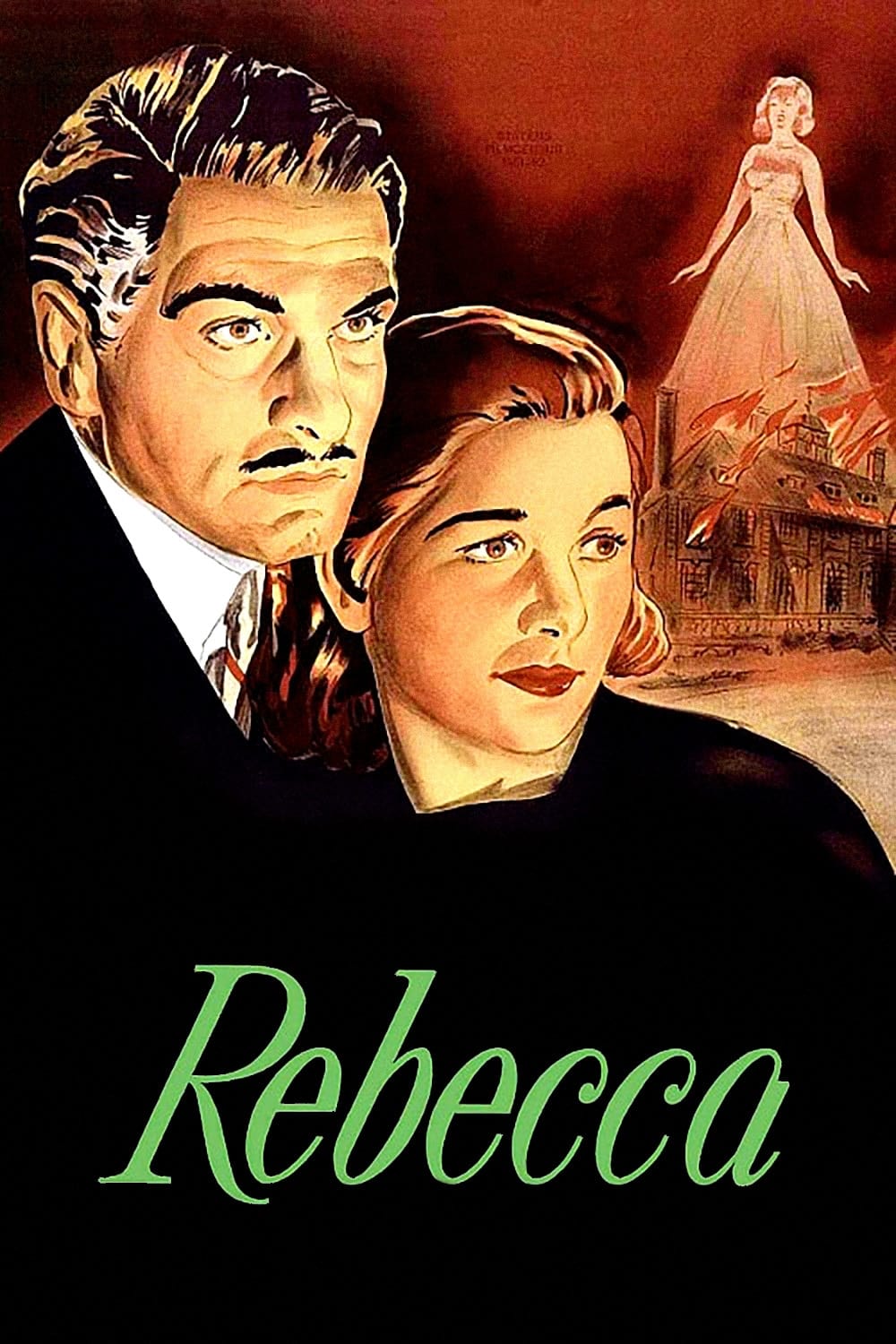
Rebecca
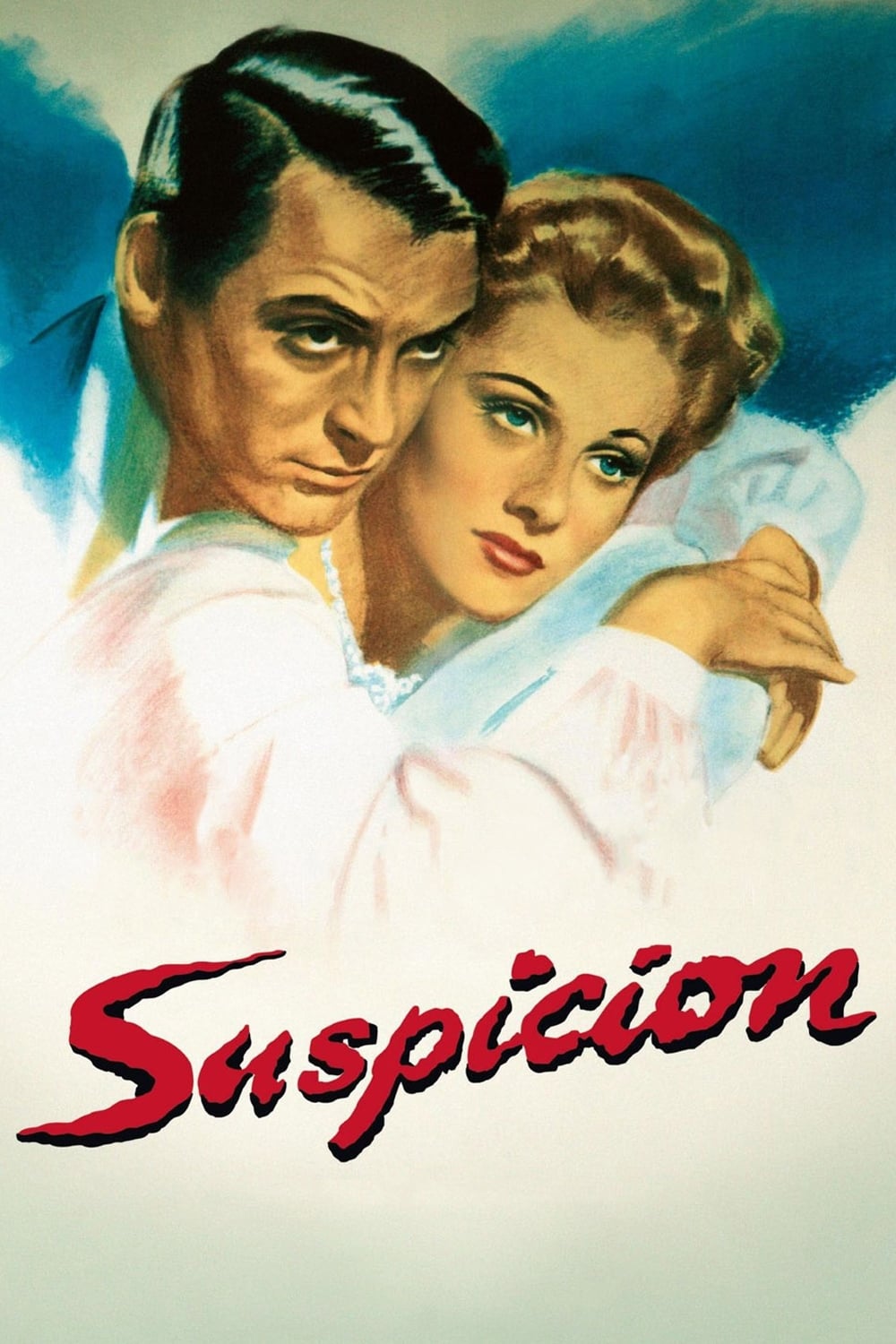
Suspicion
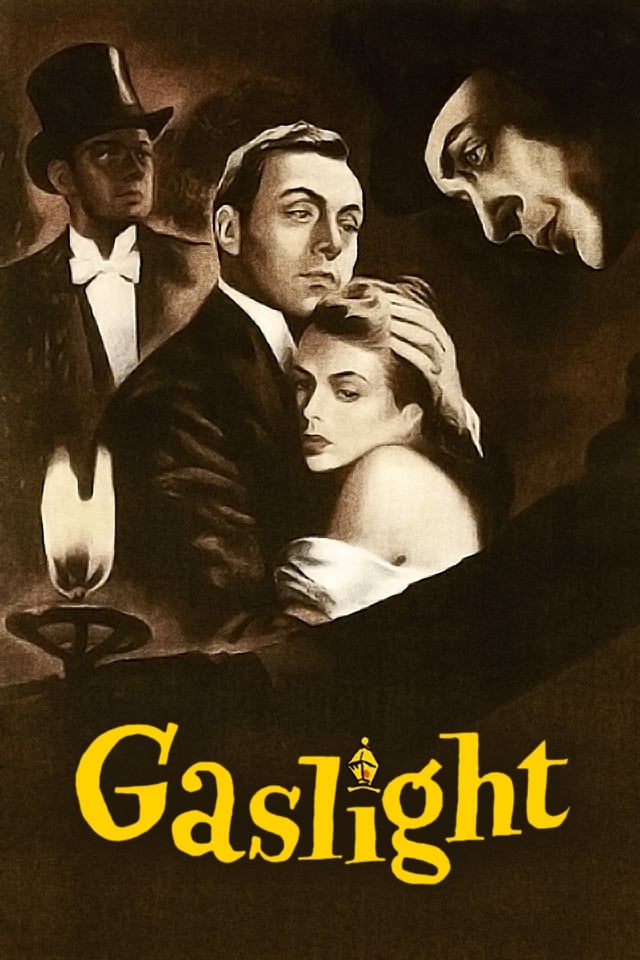
Gaslight
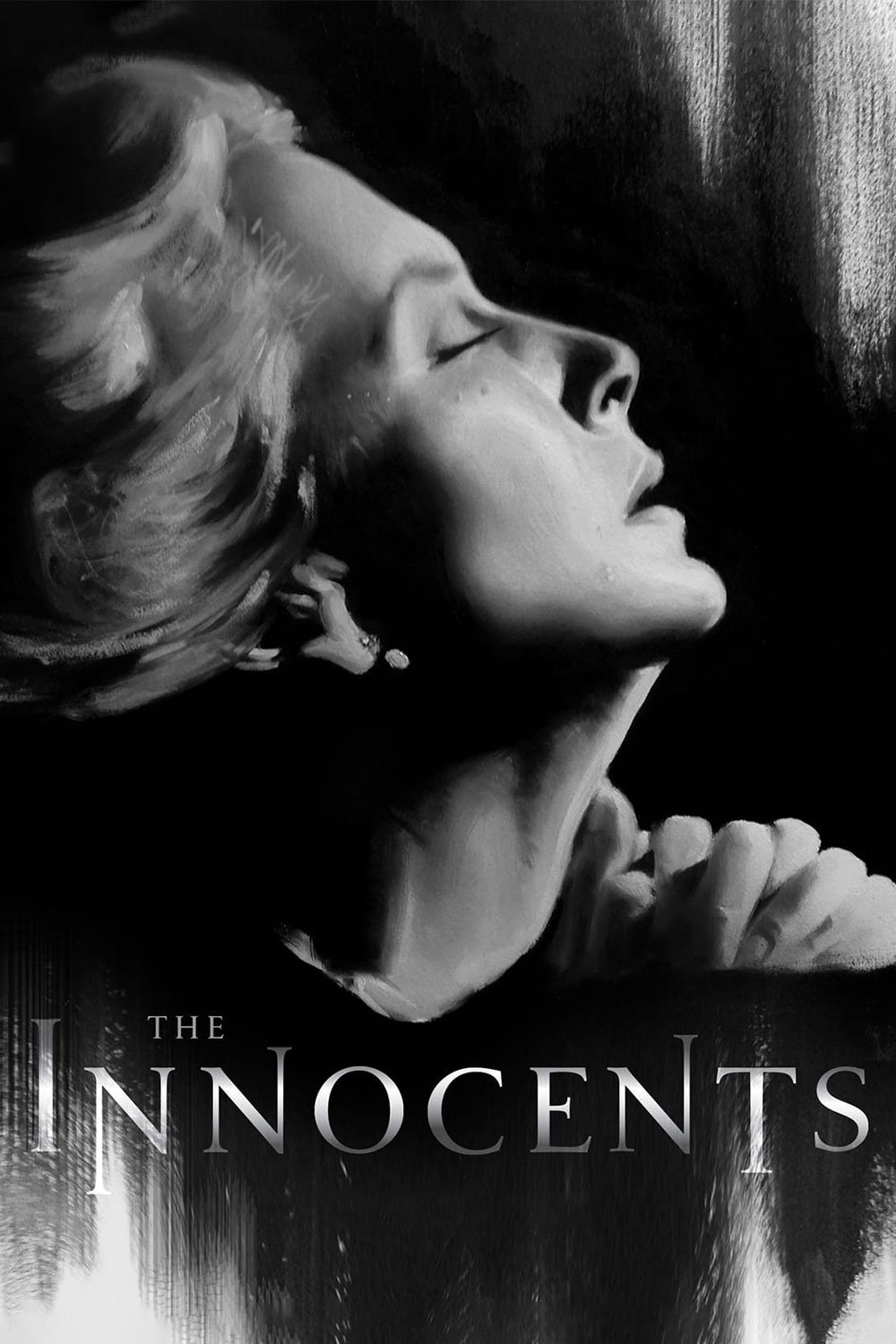
The Innocents
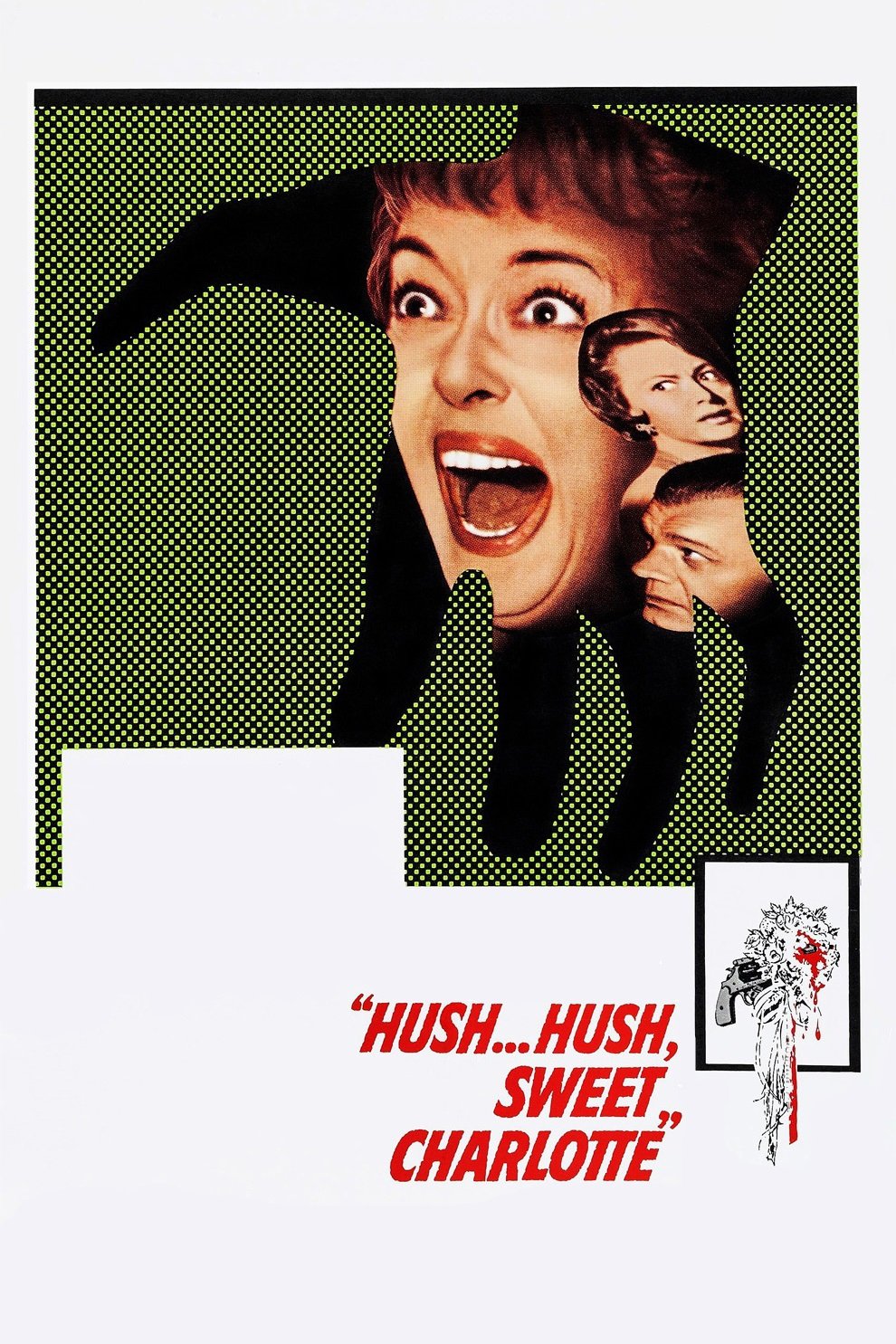
Hush... Hush, Sweet Charlotte
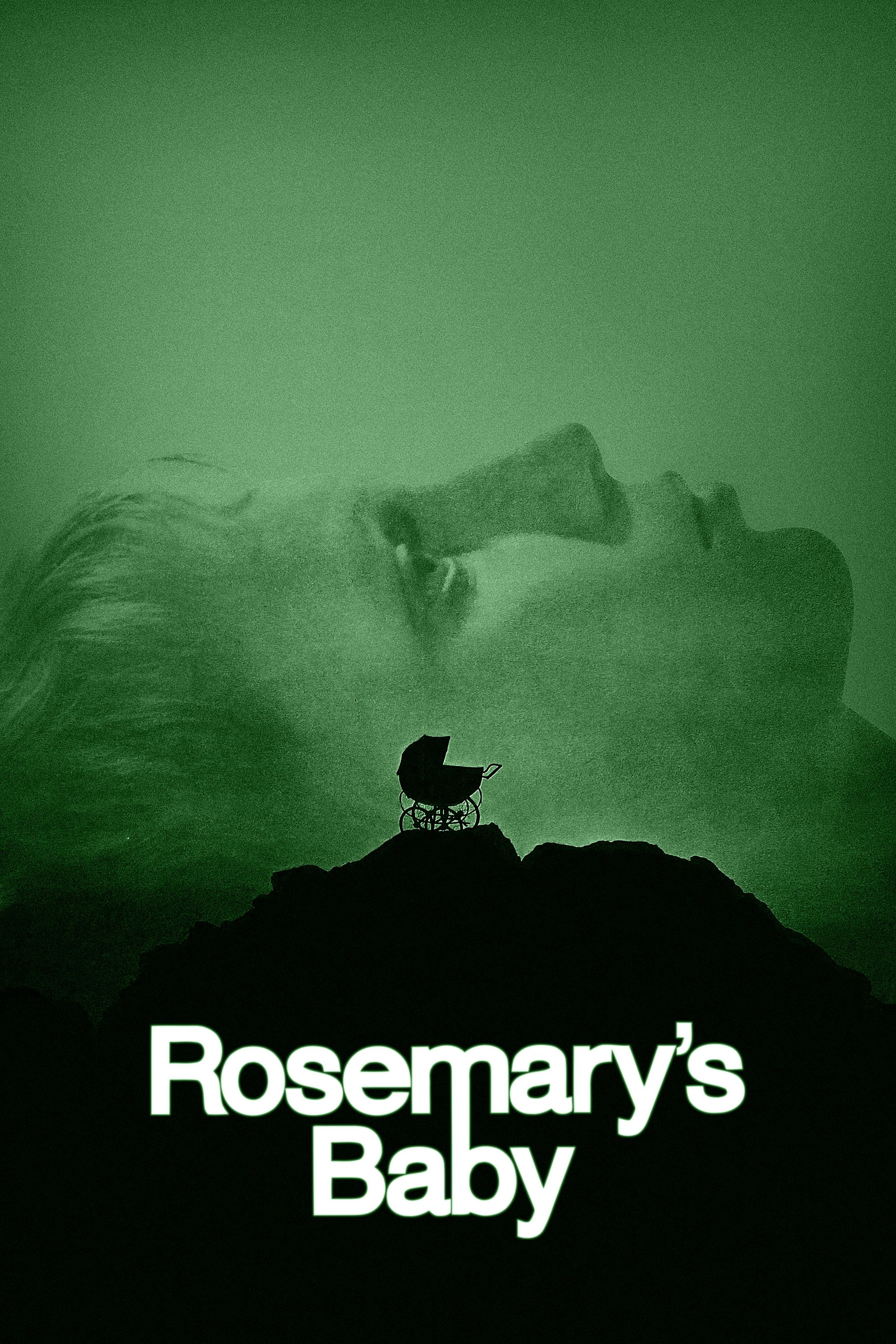
Rosemary's Baby
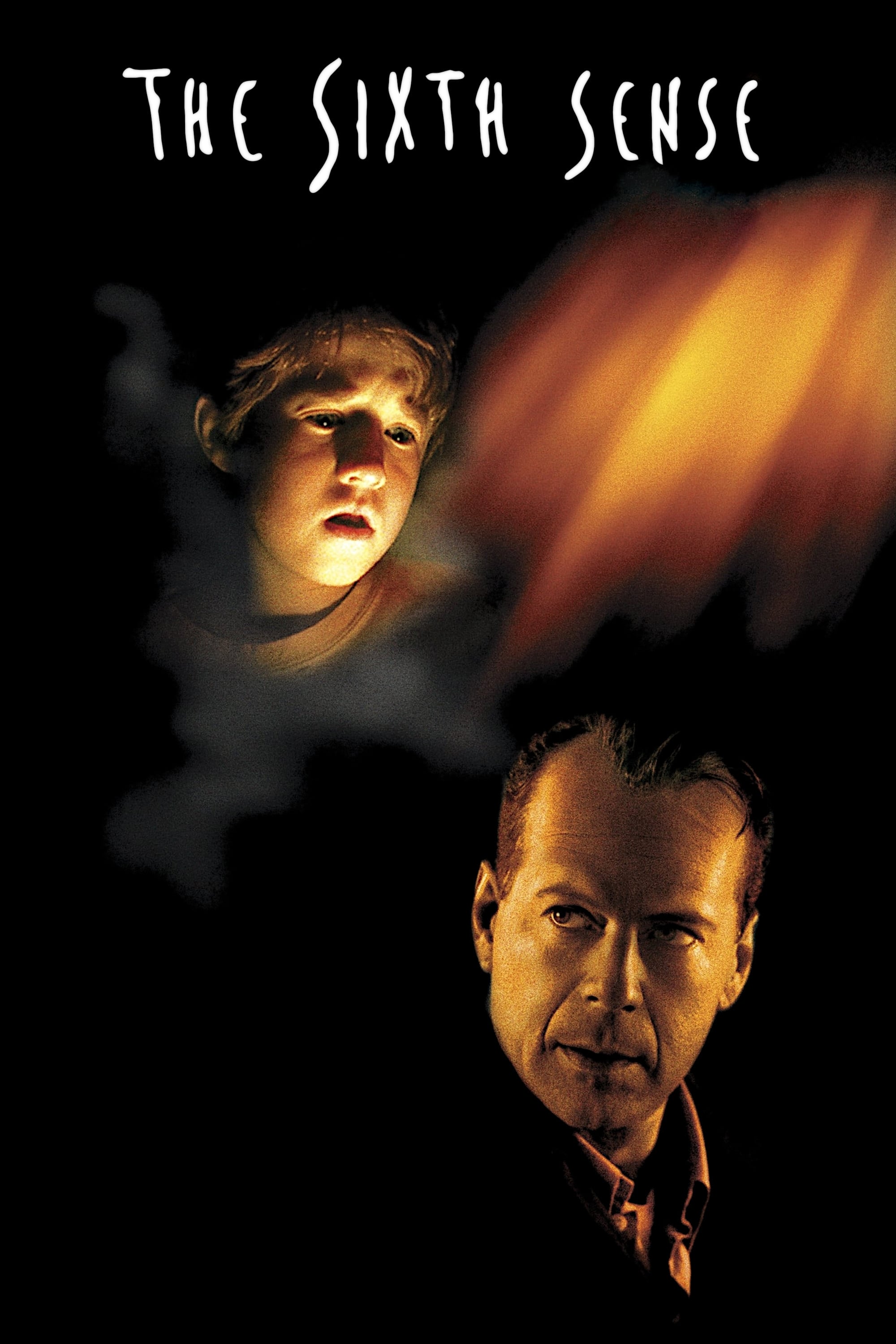
The Sixth Sense
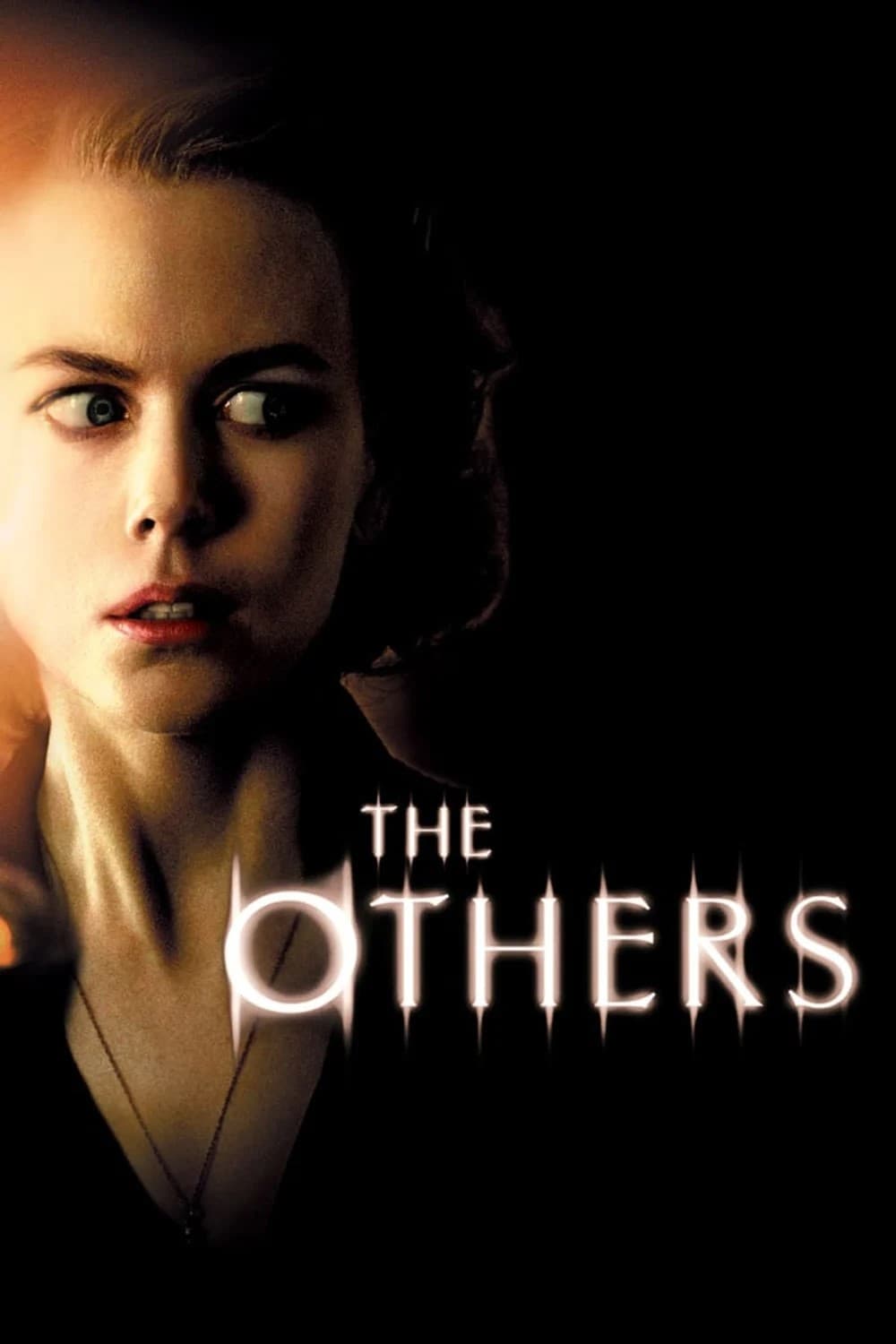
The Others
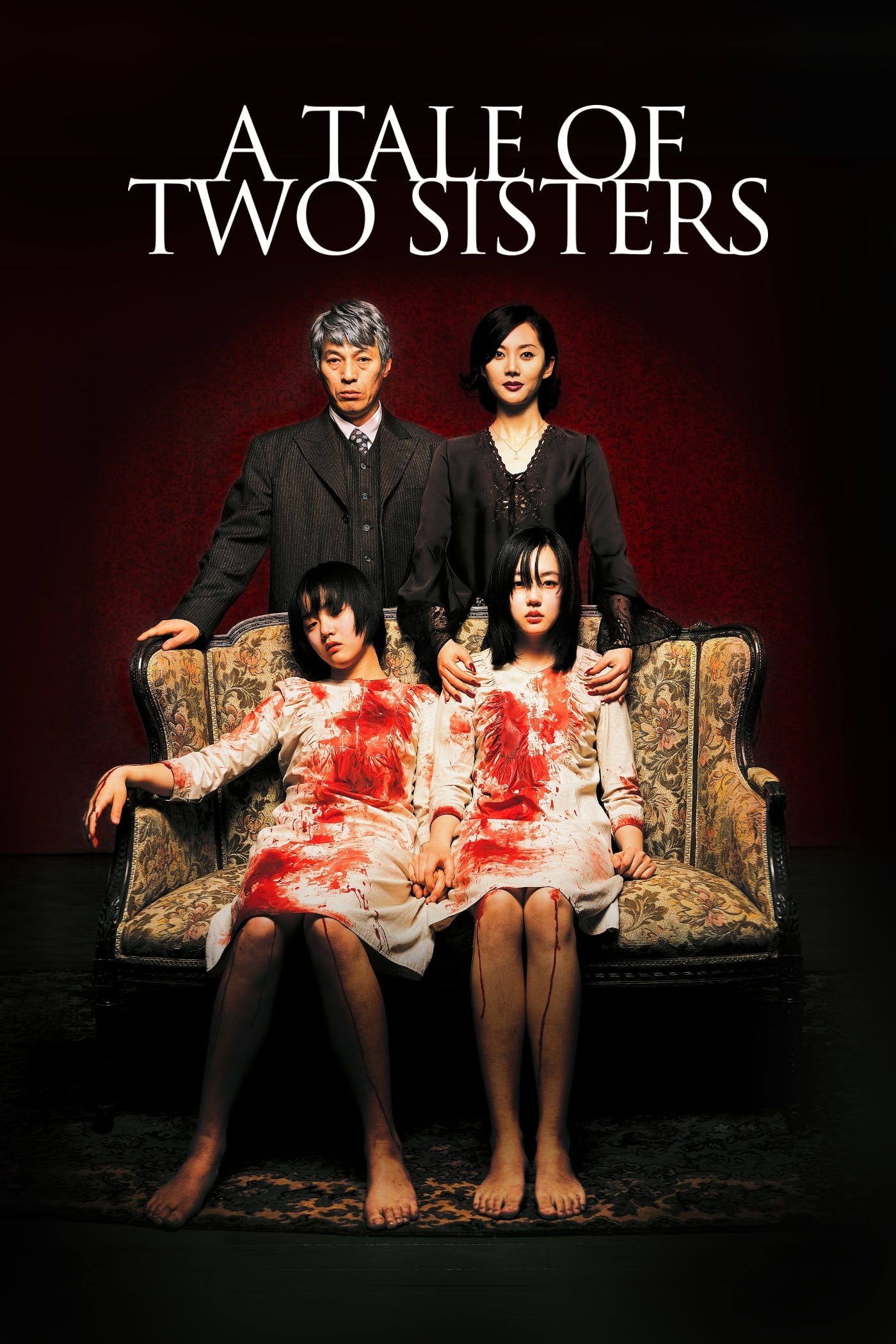
A Tale of Two Sisters
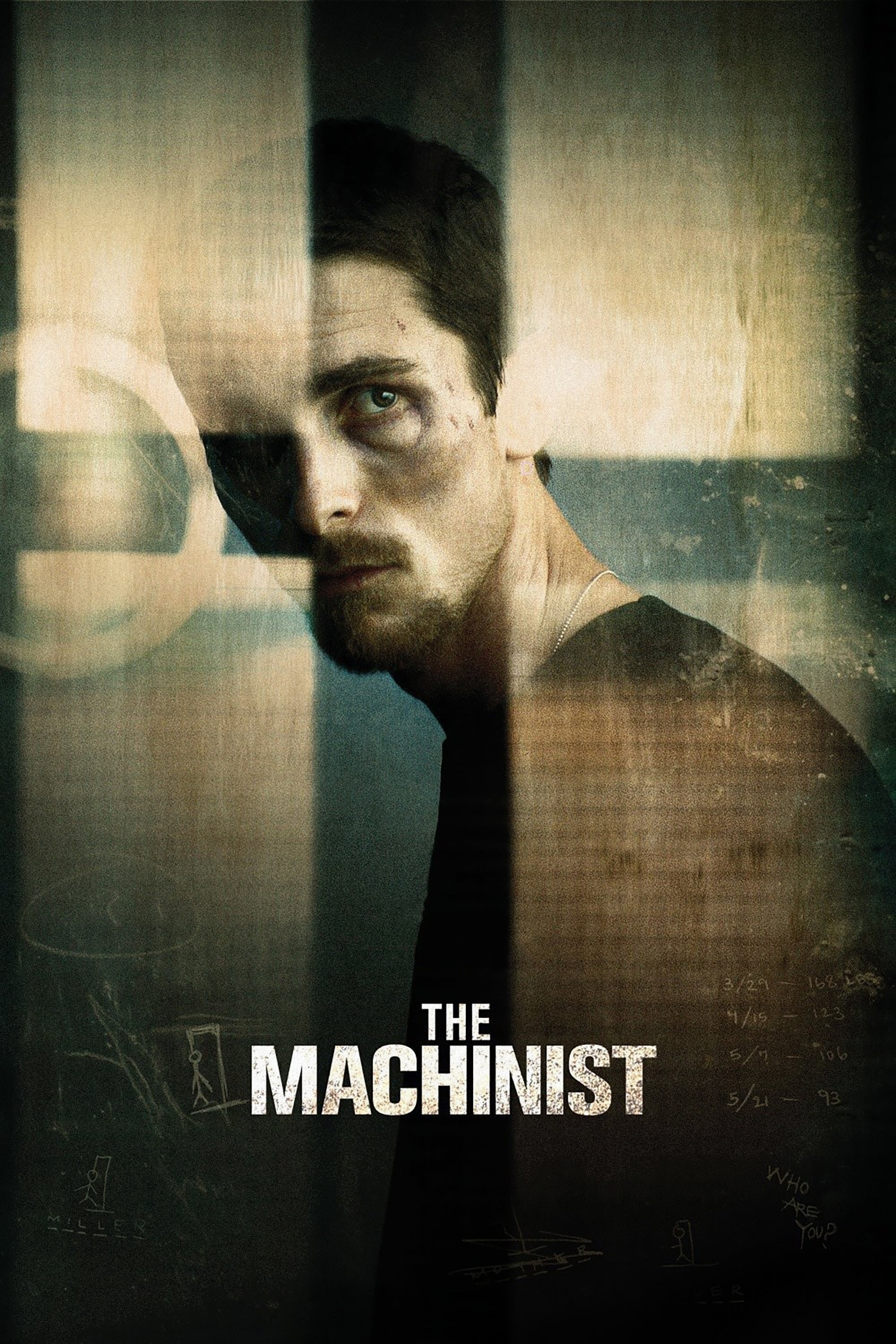
The Machinist
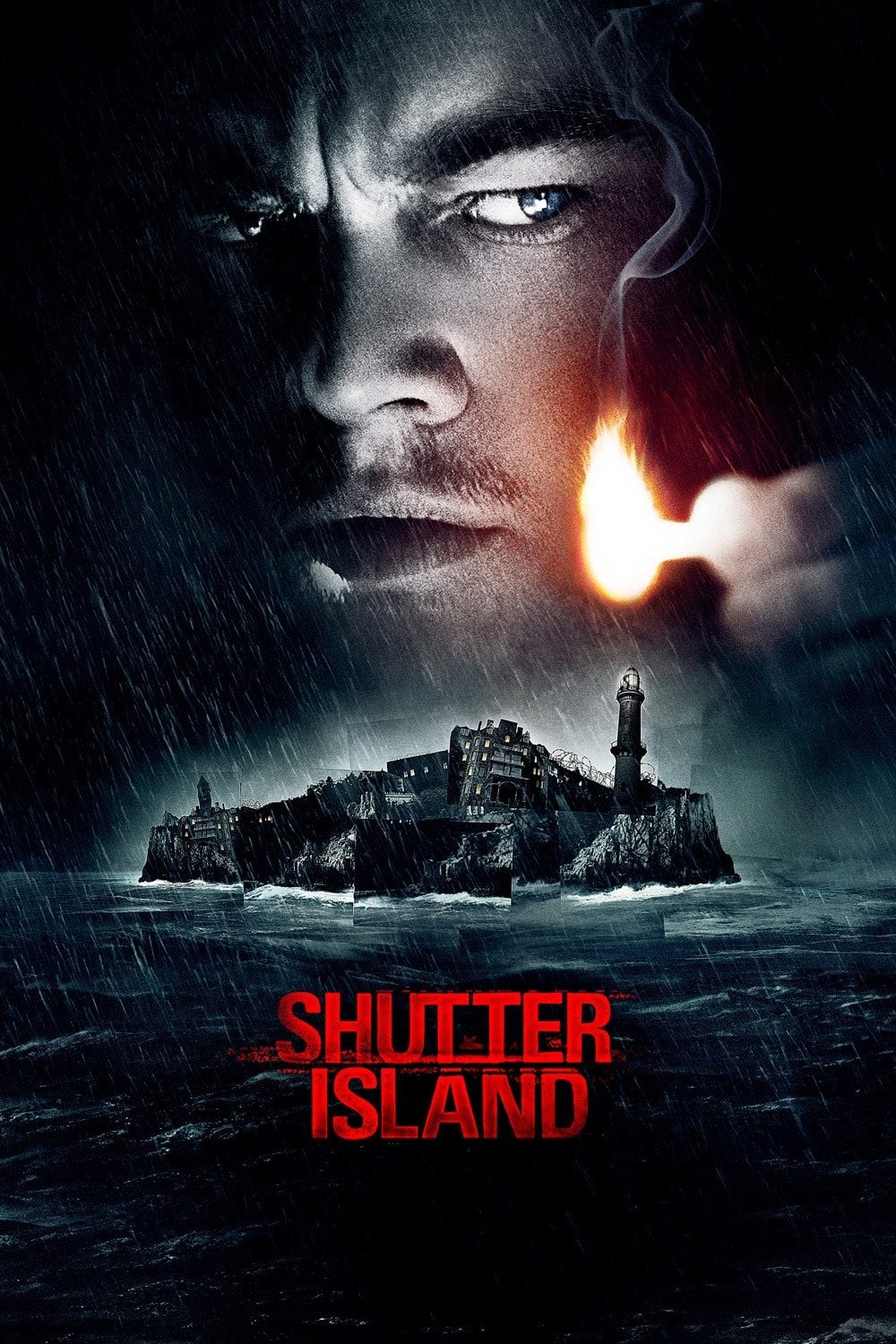
Shutter Island
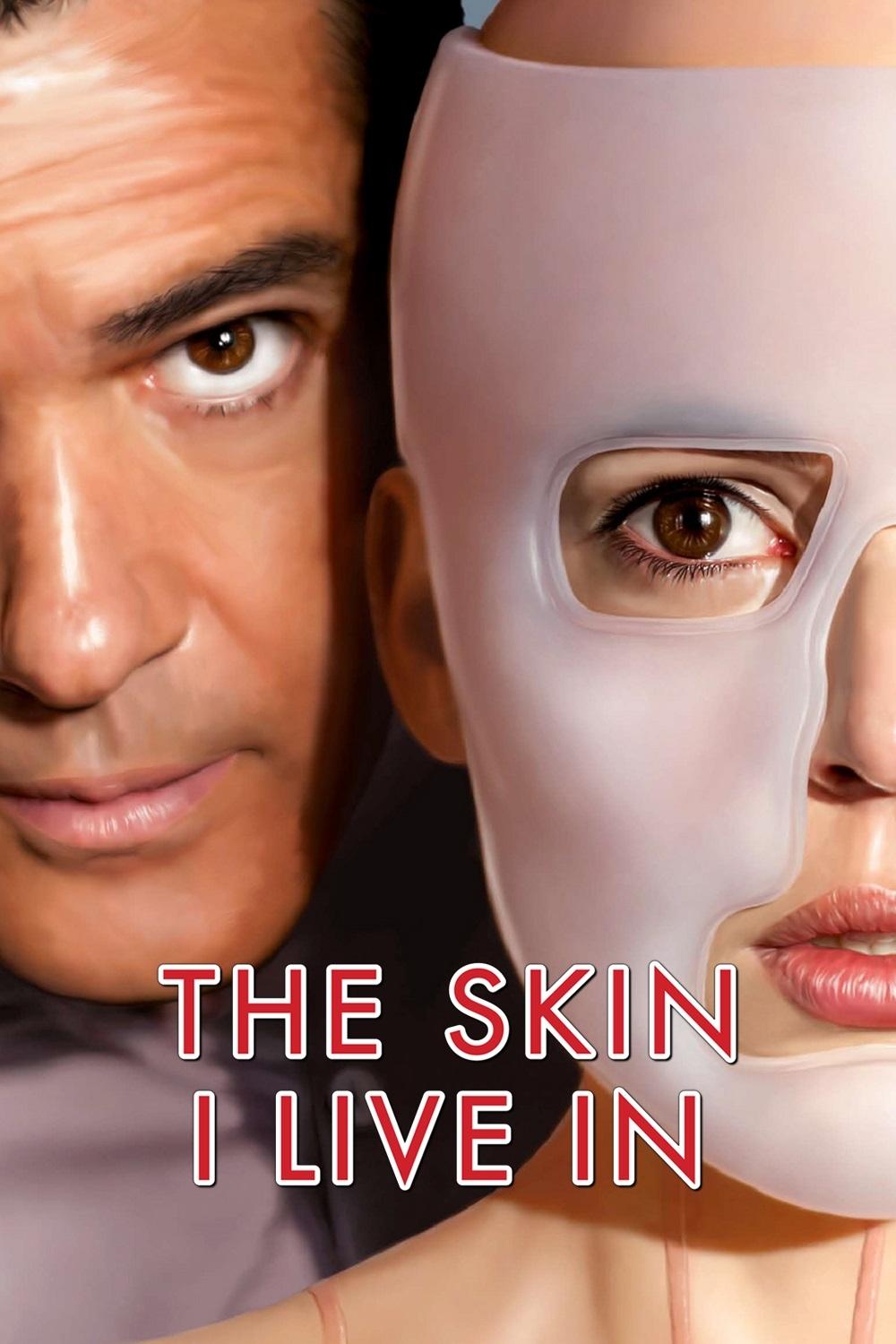
The Skin I Live In
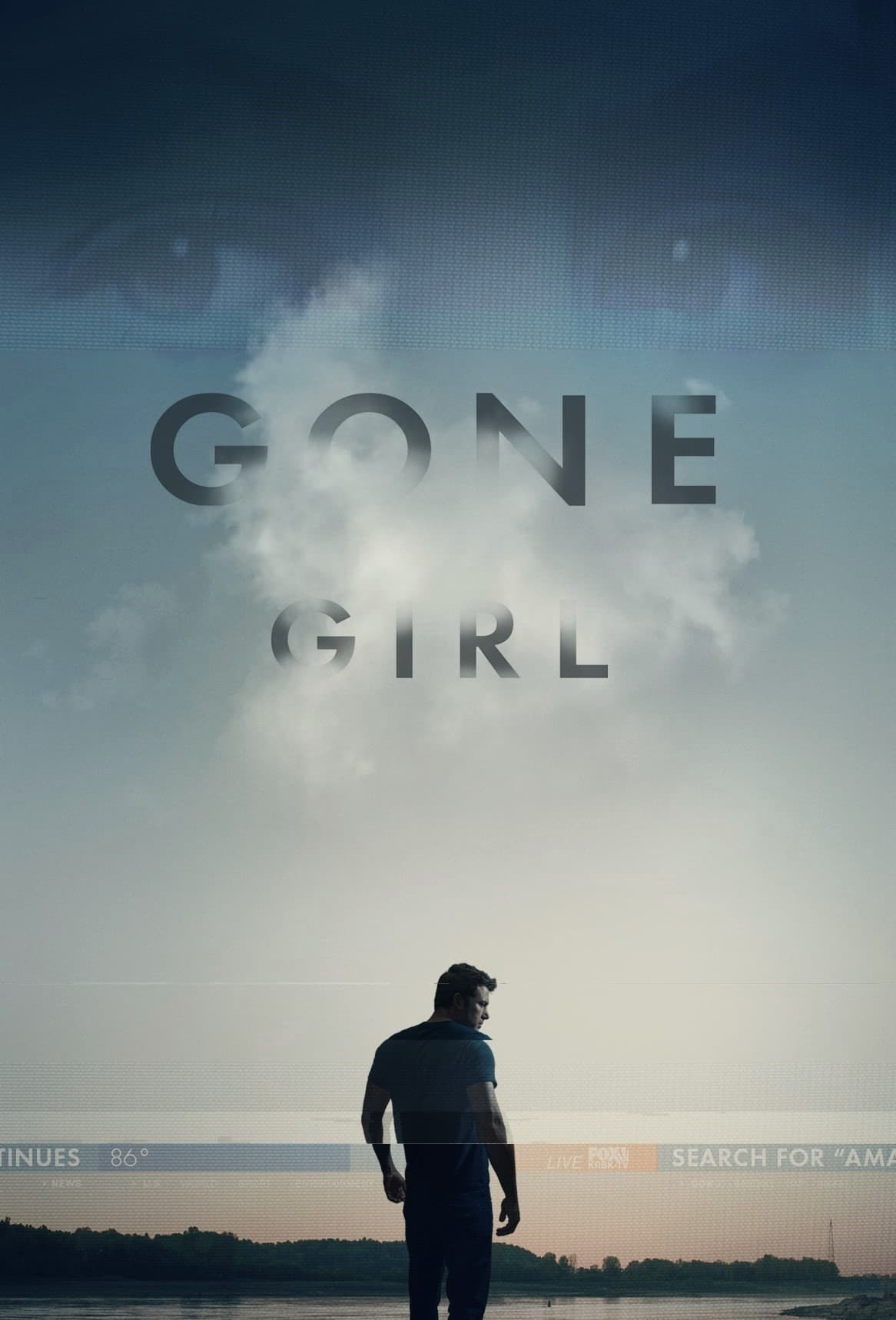
Gone Girl
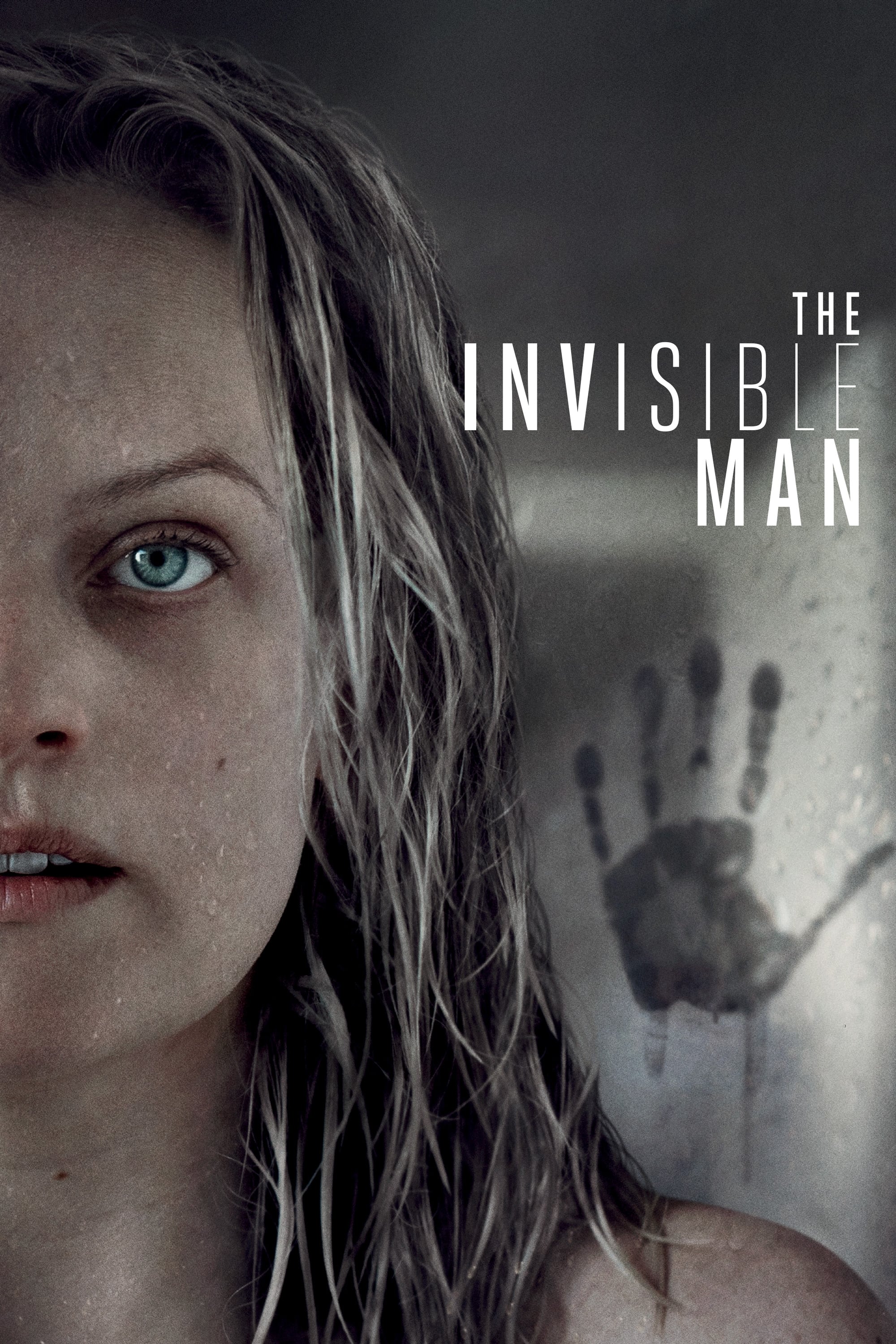
The Invisible Man
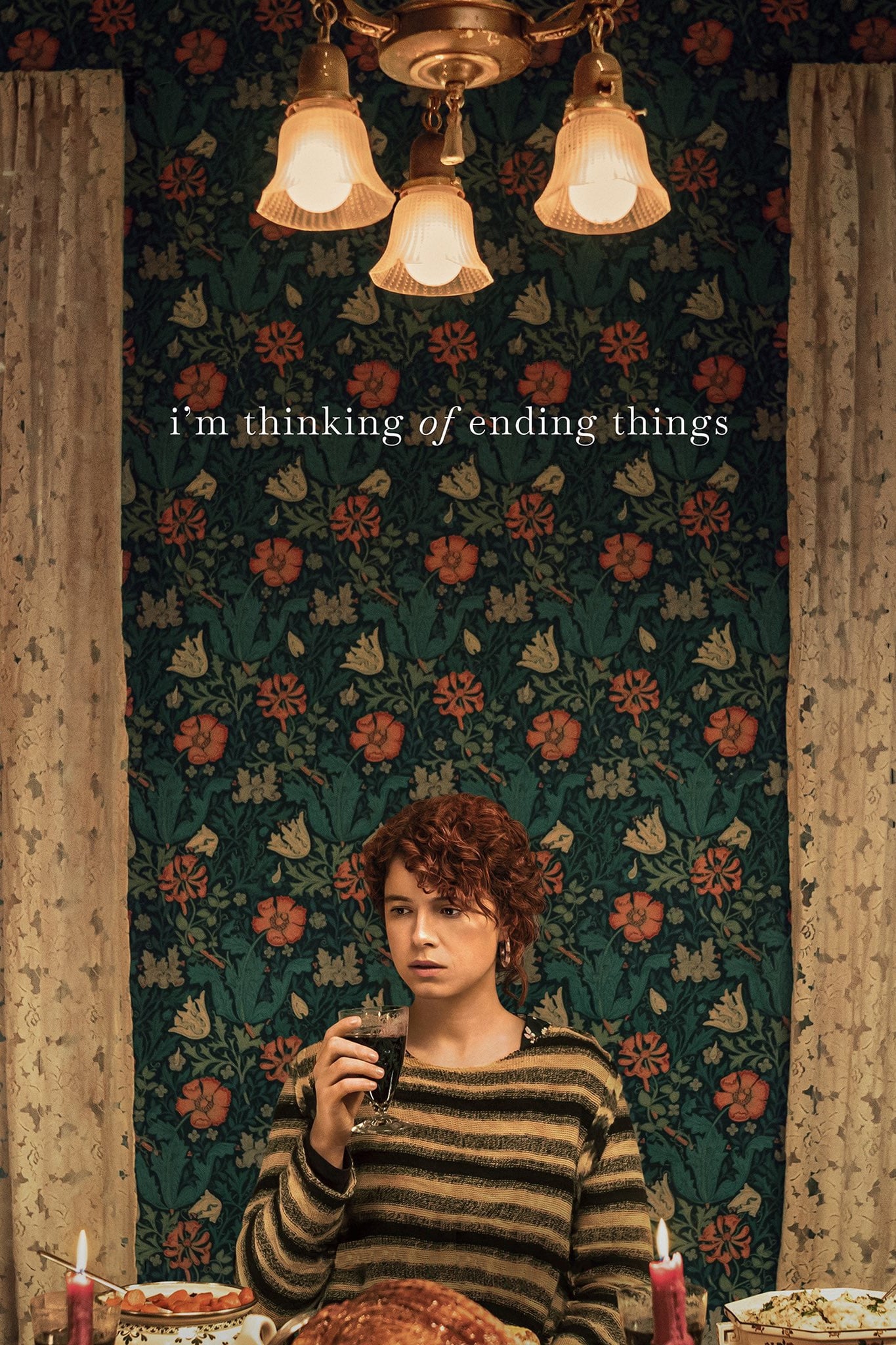
I'm Thinking of Ending Things
Statistics
Popularity by Decade
Share of each decade's horror films classified as Gaslighting / Unreliable Narrator. Counts films with at least 5 TMDB ratings, so very obscure titles are not represented.
Popularity by Country
Share of each country's horror output classified as Gaslighting / Unreliable Narrator. Counts films with at least 5 TMDB ratings, so very obscure titles are not represented.