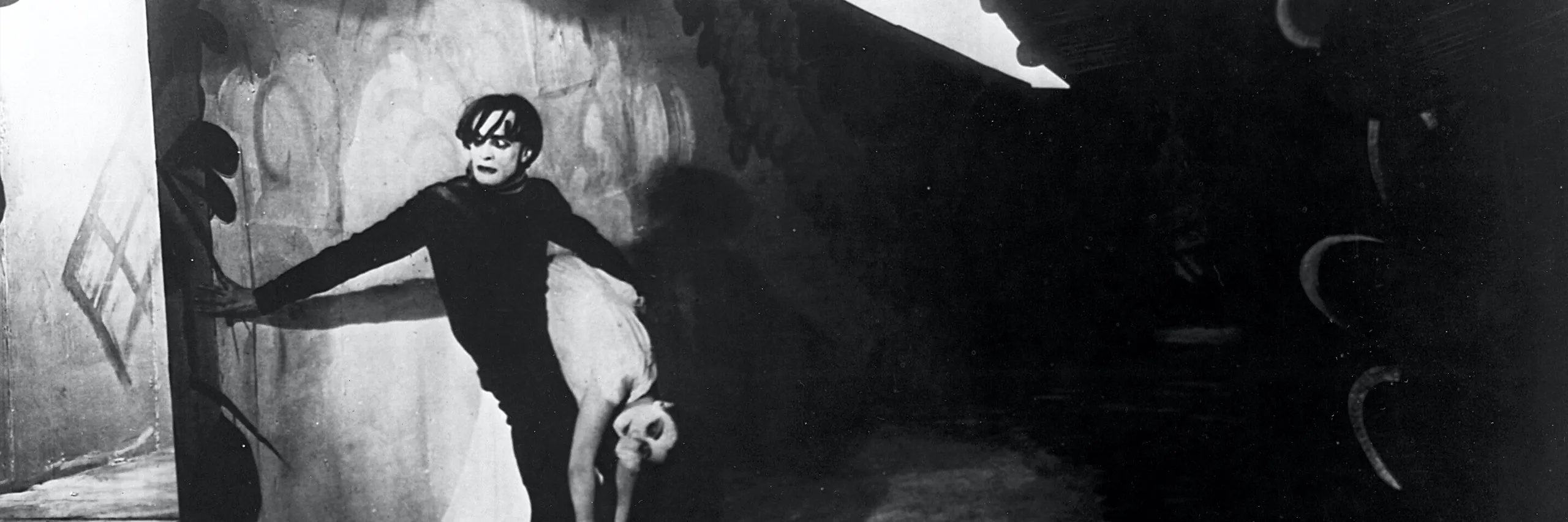
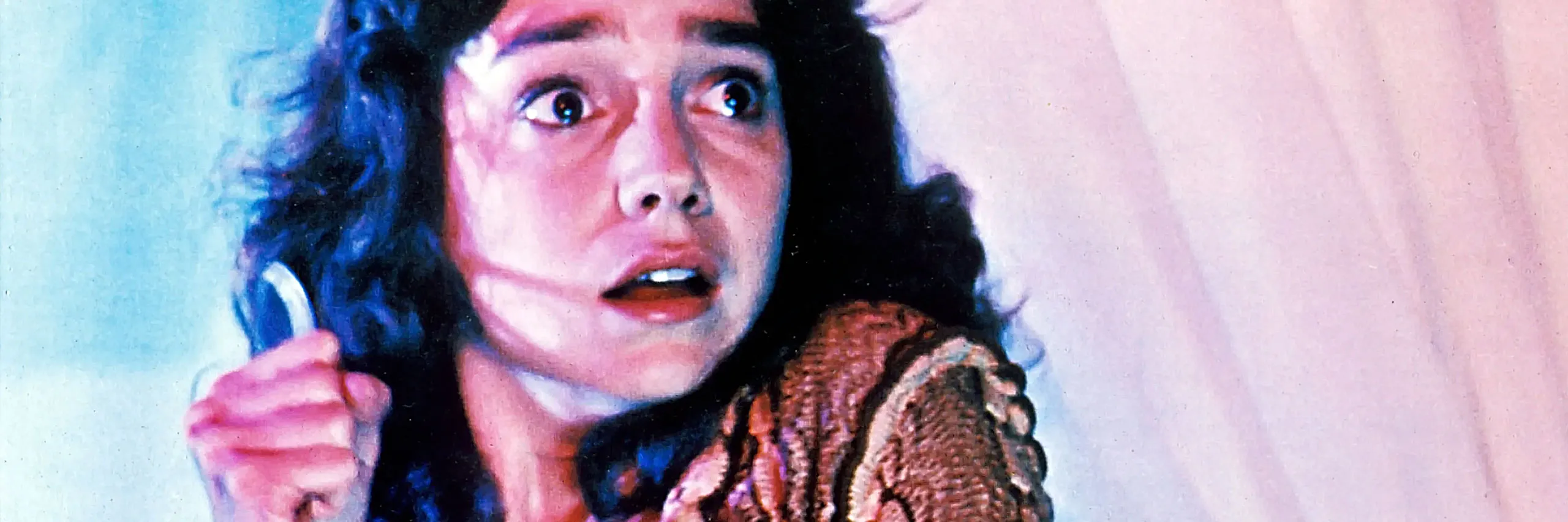
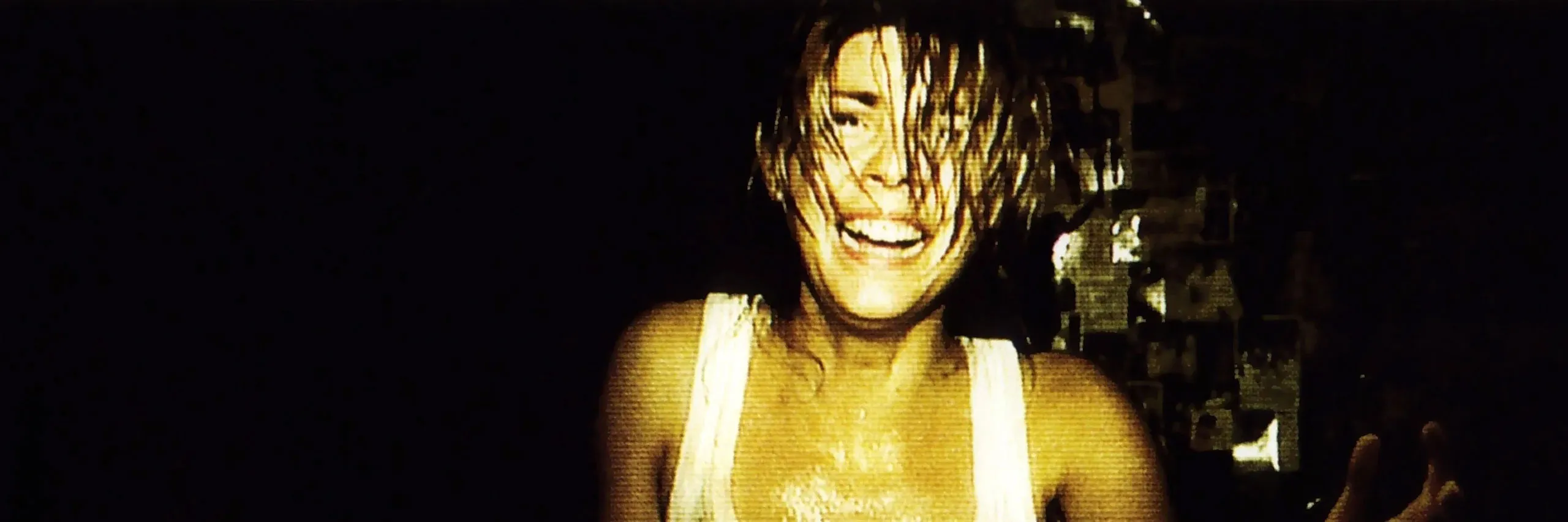
 Daughters of Darkness (1971)
🇧🇪Belgium
A handful of films, each one a provocation — Belgian horror trades volume for impact, producing work more likely to screen at Cannes than at a multiplex.
History
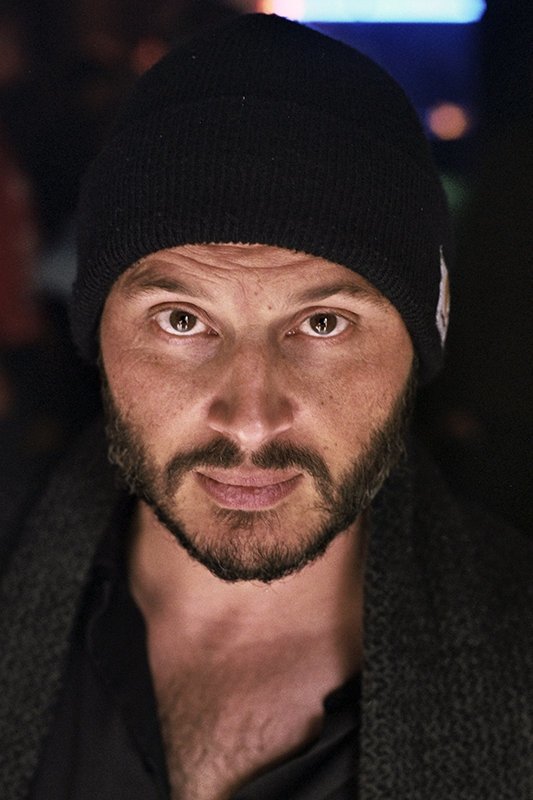
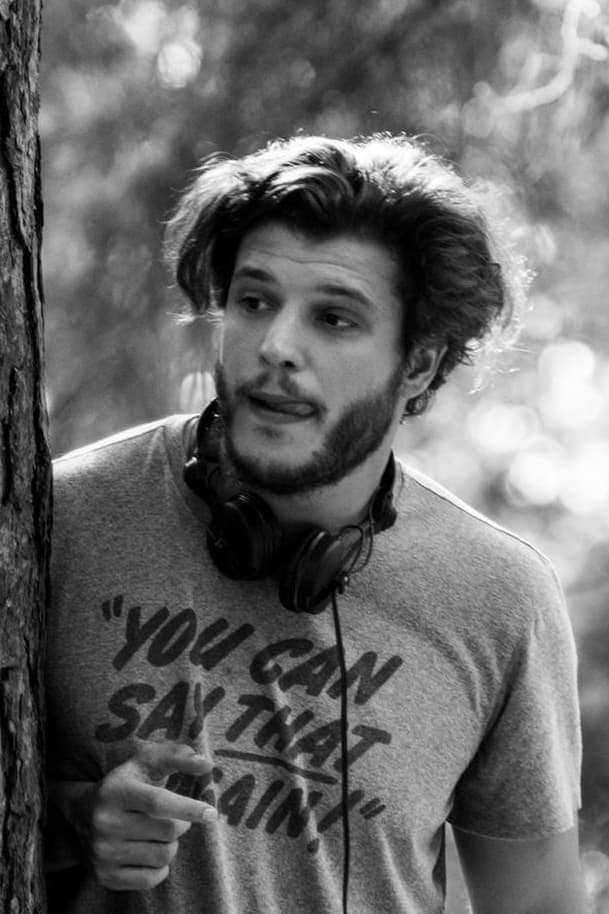
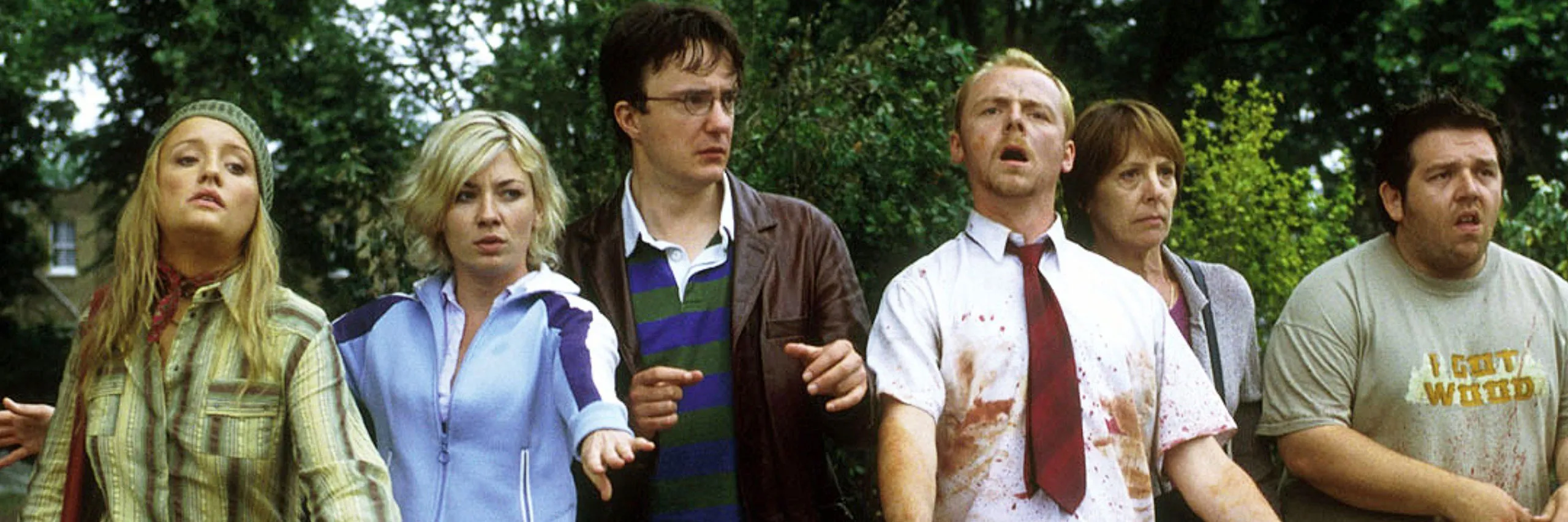
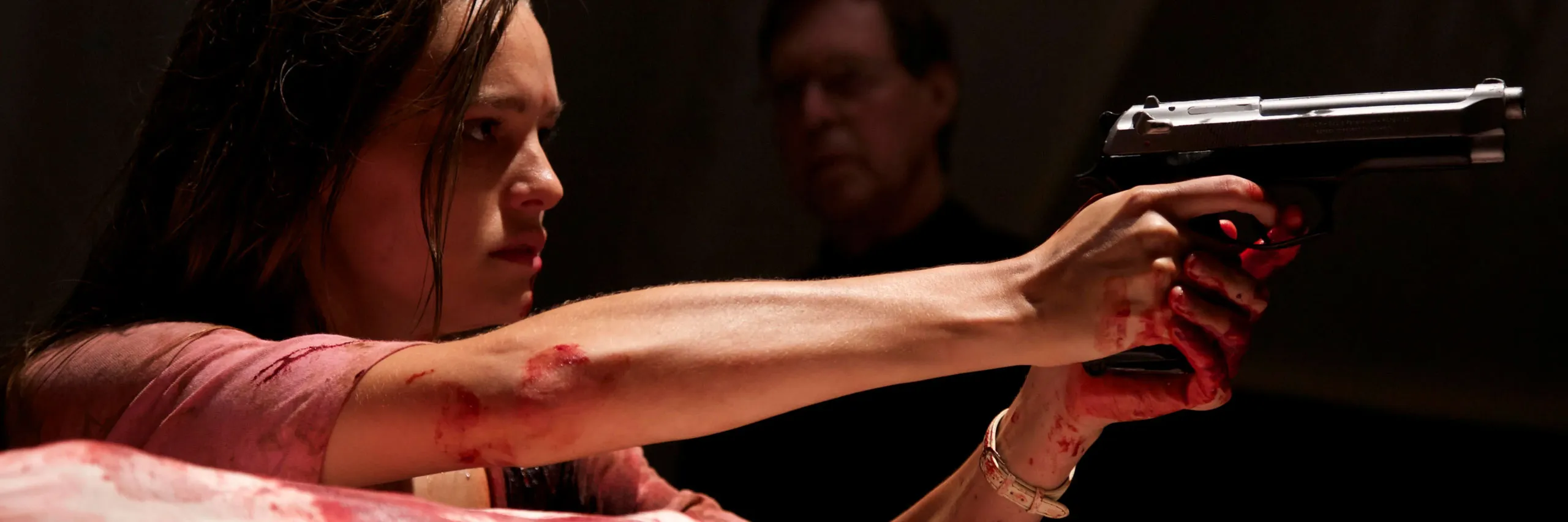
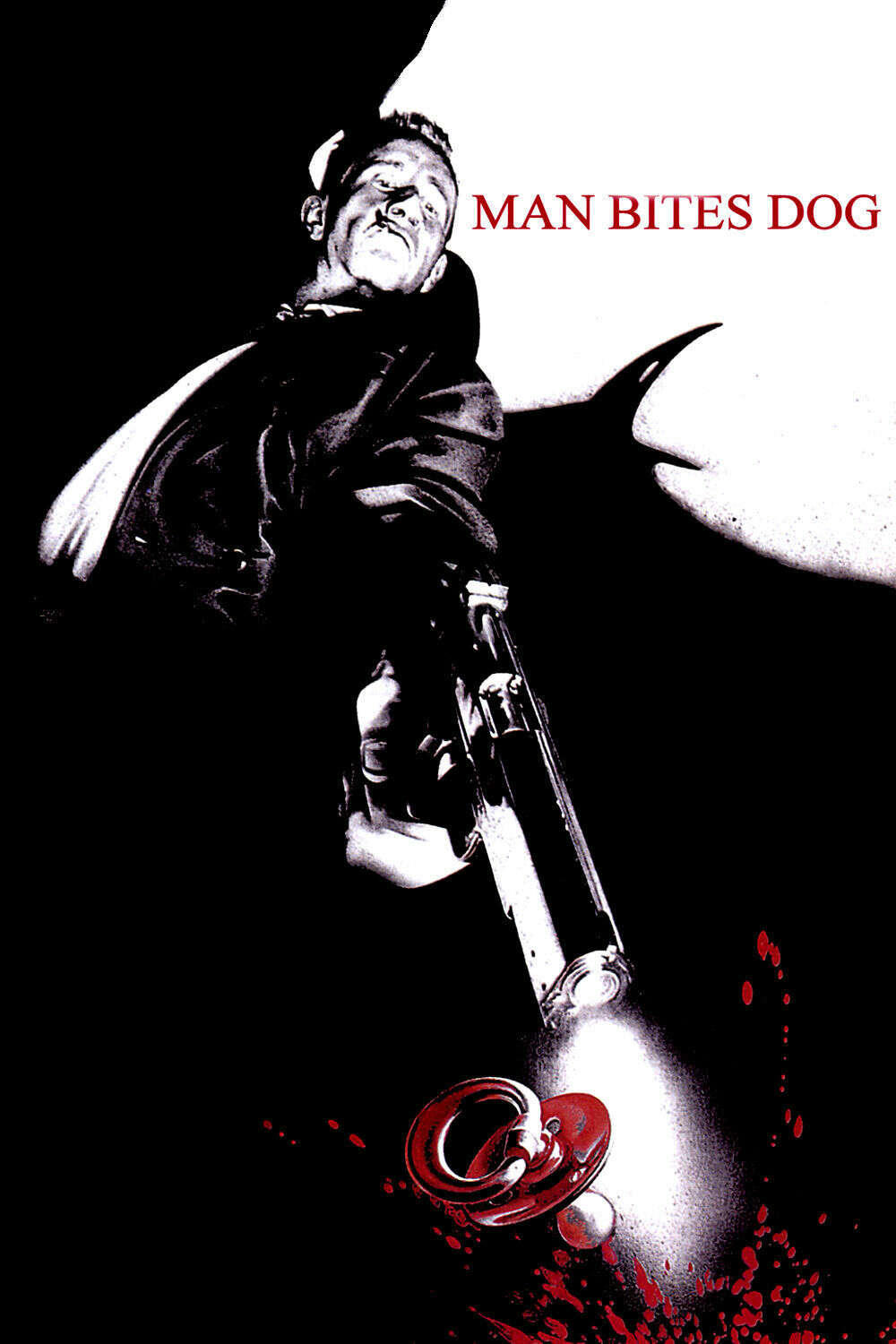
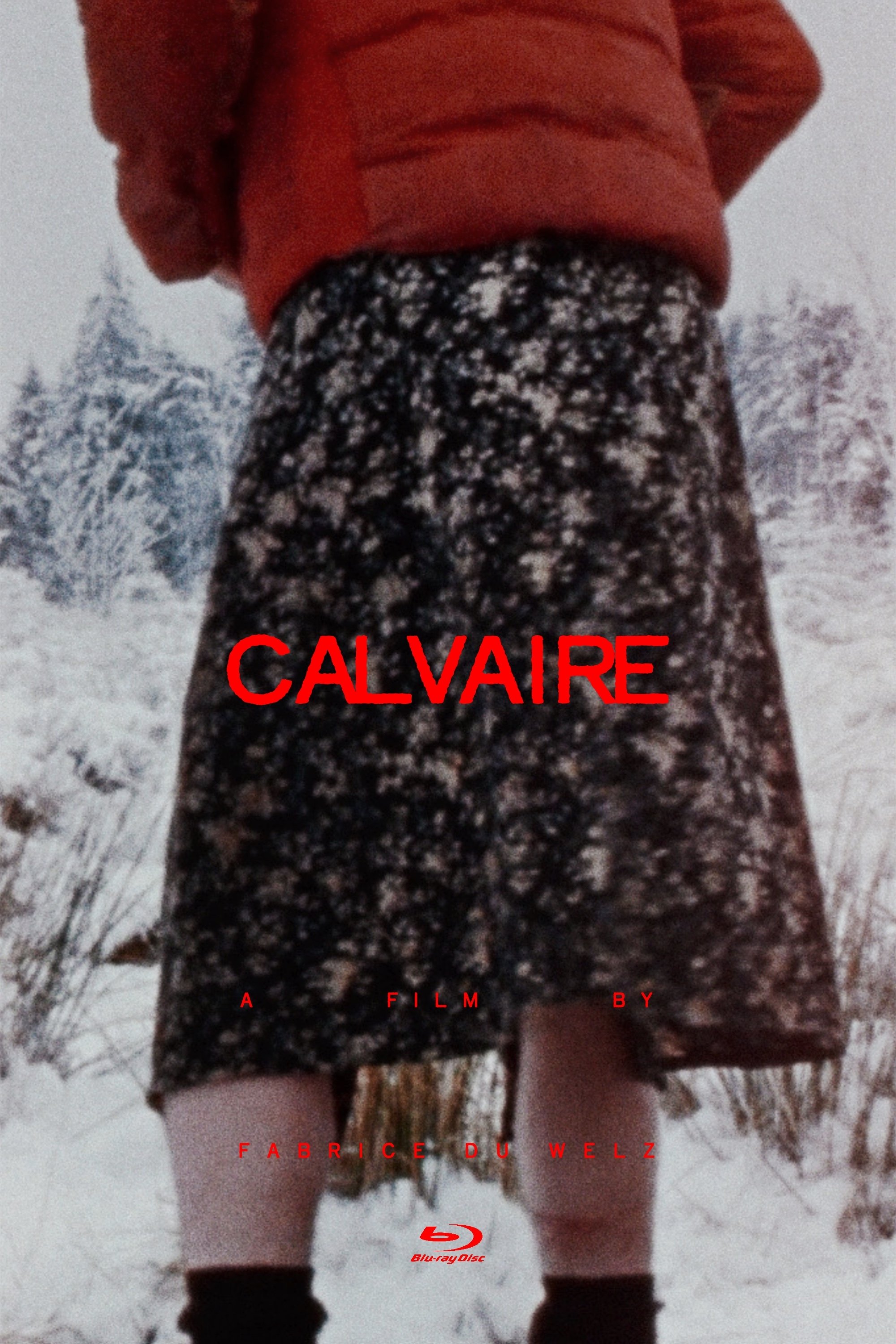
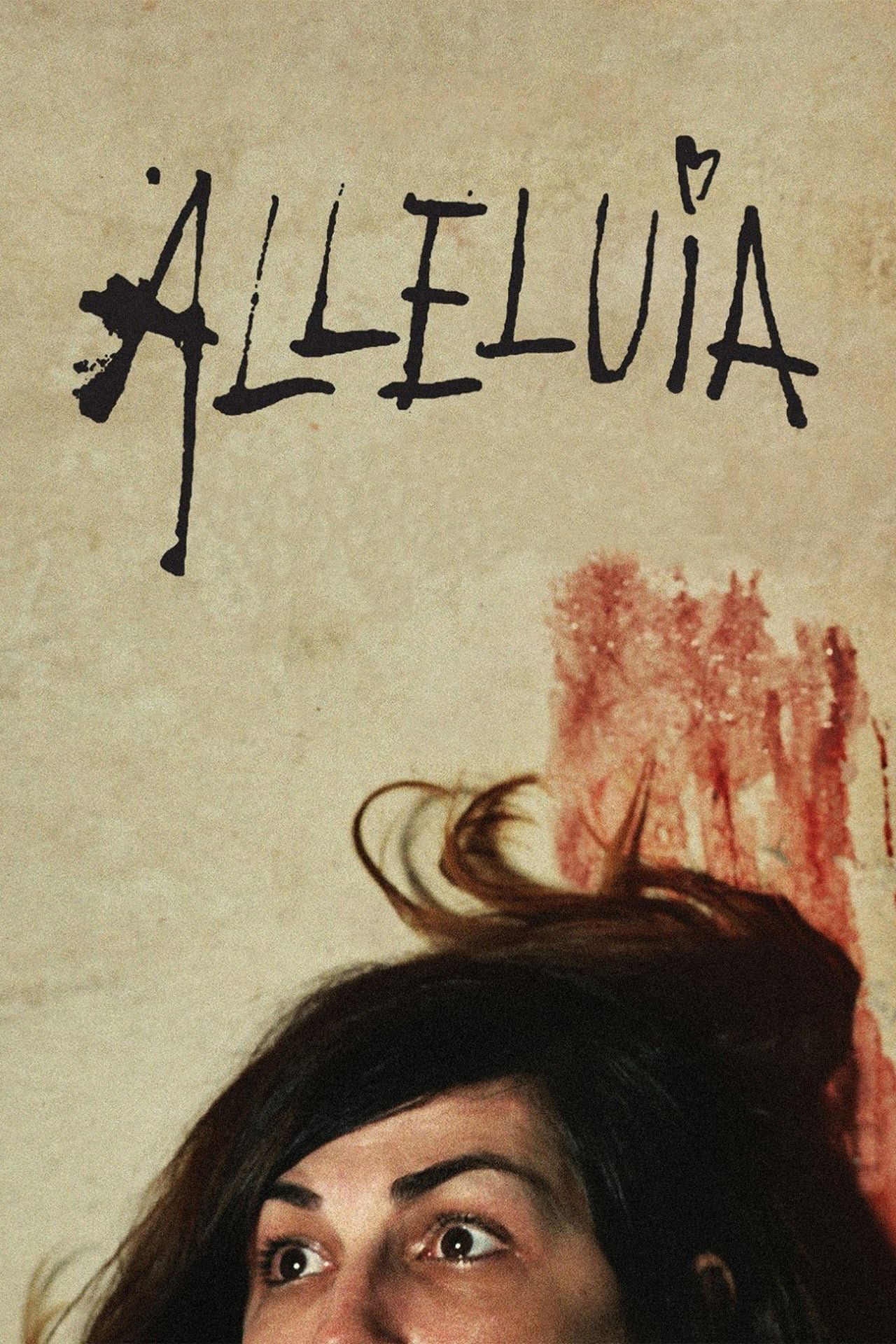
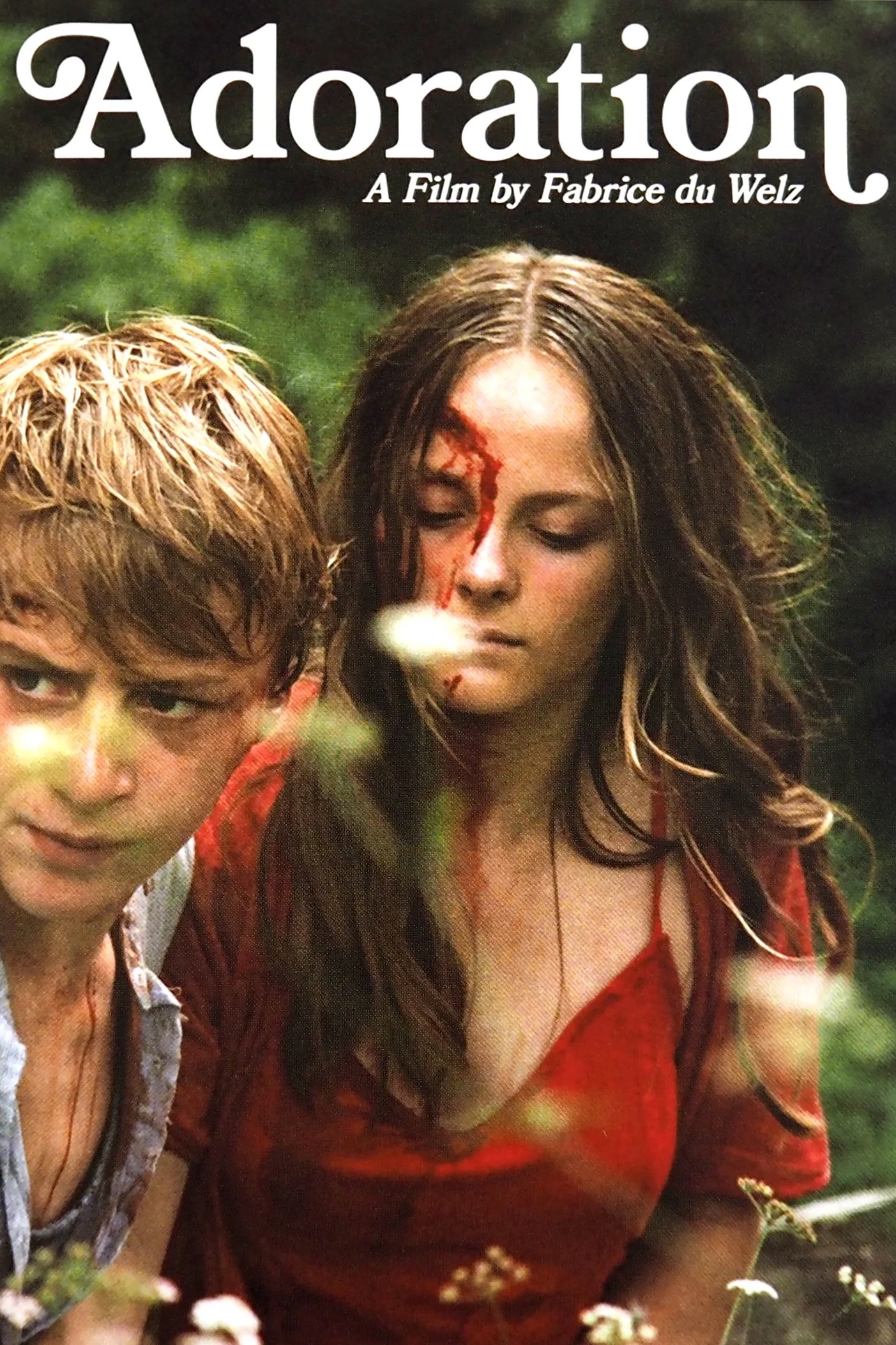
Belgian horror has never constituted a sustained national tradition, but its isolated productions have been disproportionately influential. Harry Kümel's Daughters of Darkness (1971), starring Delphine Seyrig as a seductive Countess Báthory preying on a honeymooning couple at what Mark Goodall calls "a glorious crumbling Ostend hotel (instead of a remote castle)", remains one of European vampire cinema's most elegant achievements — Goodall, writing in Reappraising Cult Horror Films, notes that Seyrig's association with Last Year at Marienbad led one critic to dub it "Dracula in Marienbad" — dreamlike, erotically charged, and visually striking in ways that anticipated later art-horror. Two decades later, Rémy Belvaux, André Bonzel, and Benoît Poelvoorde's Man Bites Dog (1992), a mockumentary about a film crew following a charismatic serial killer (with Poelvoorde co-directing and starring), pushed horror into savage satirical territory, using its fake-documentary conceit to implicate the audience in the violence they consume. Fabrice Du Welz emerged as Belgium's defining contemporary horror voice with a remarkable run of four films: Calvaire (2004), a rural nightmare about a traveling performer held captive by an unhinged innkeeper that earned acclaim at Cannes; the Burma-set folkloric horror Vinyan (2008); the Honeymoon-Killers-update Alleluia (2014); and the psychological road movie Adoration (2019), all anchored by his stylistic collaborator Laurent Lucas.
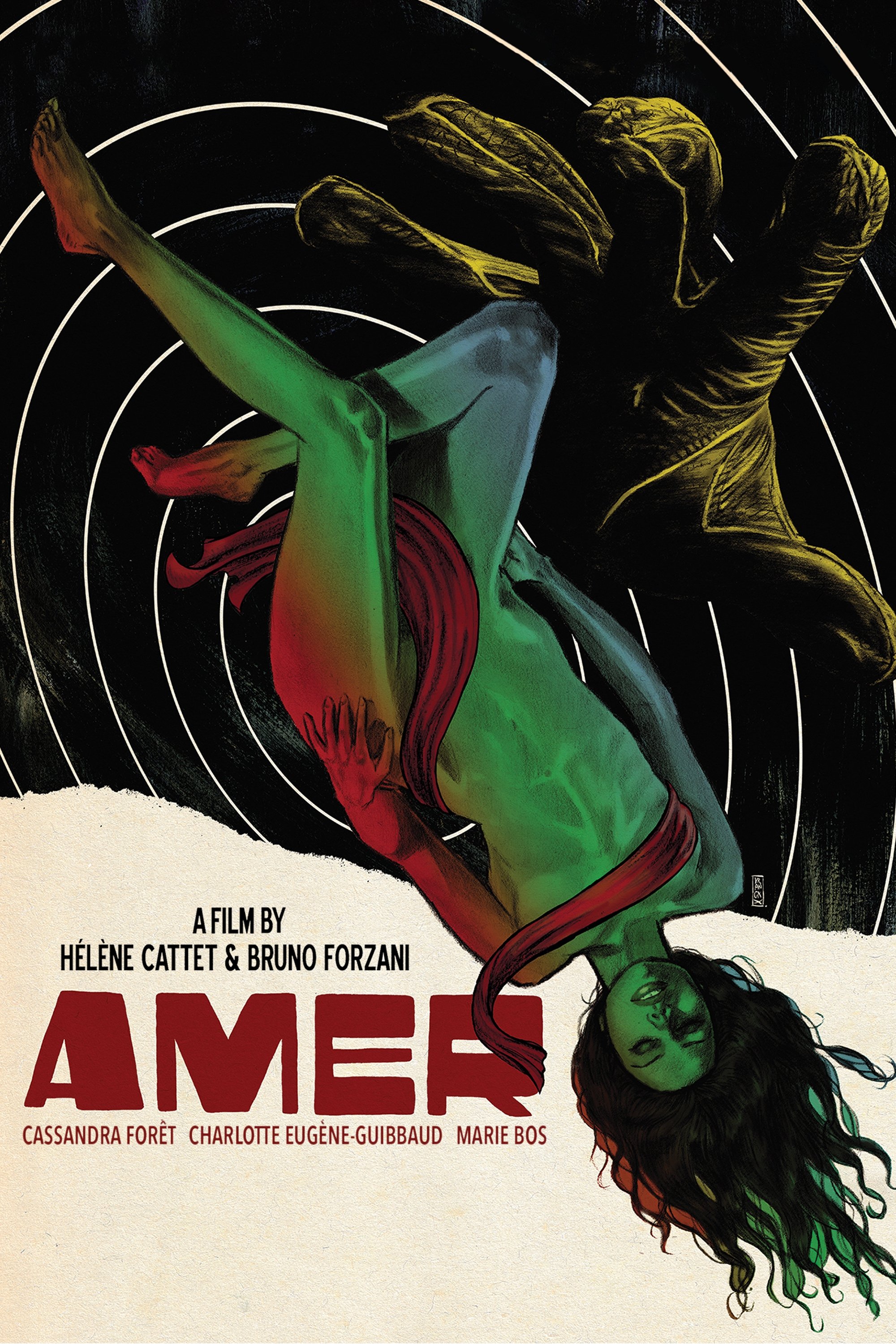
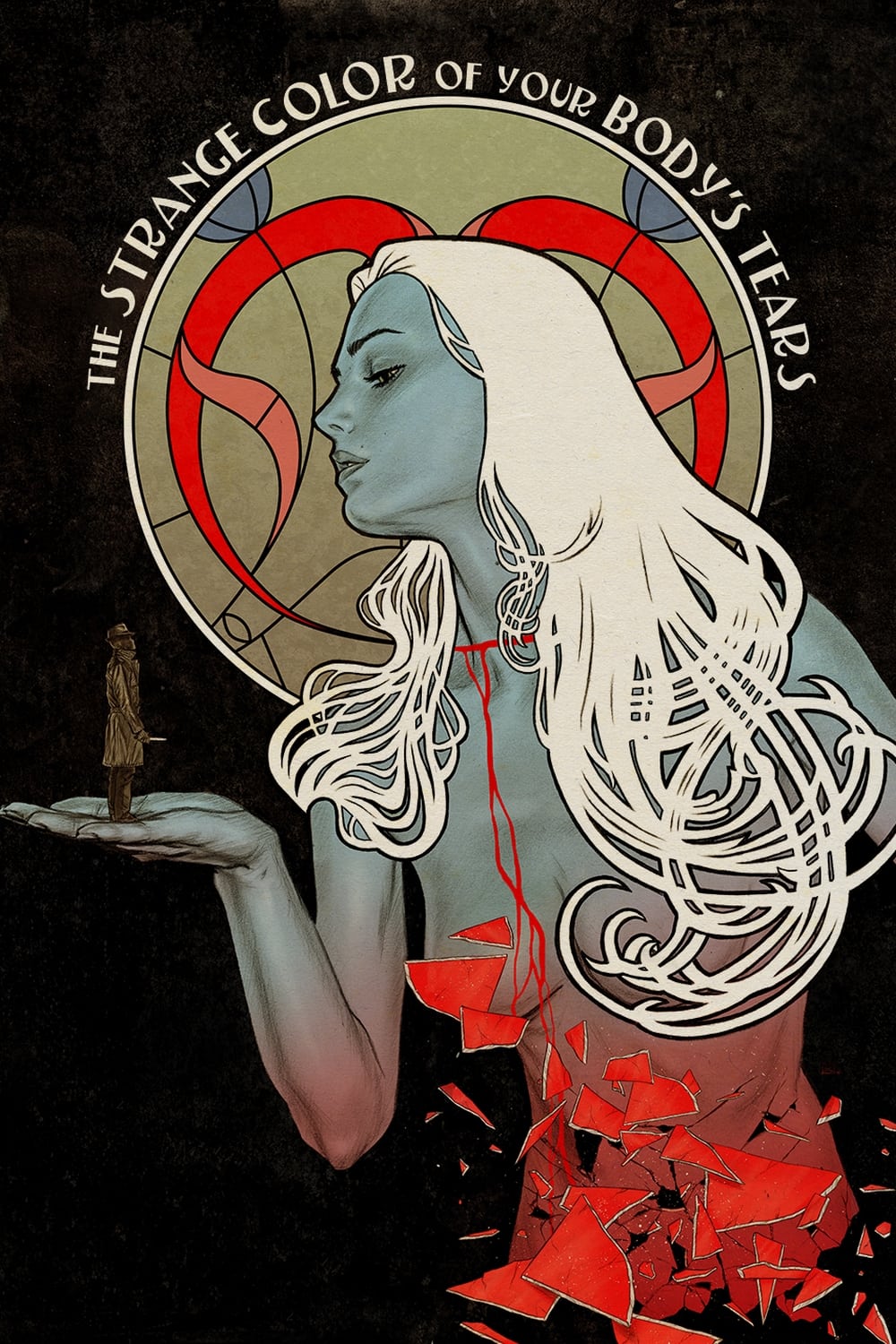
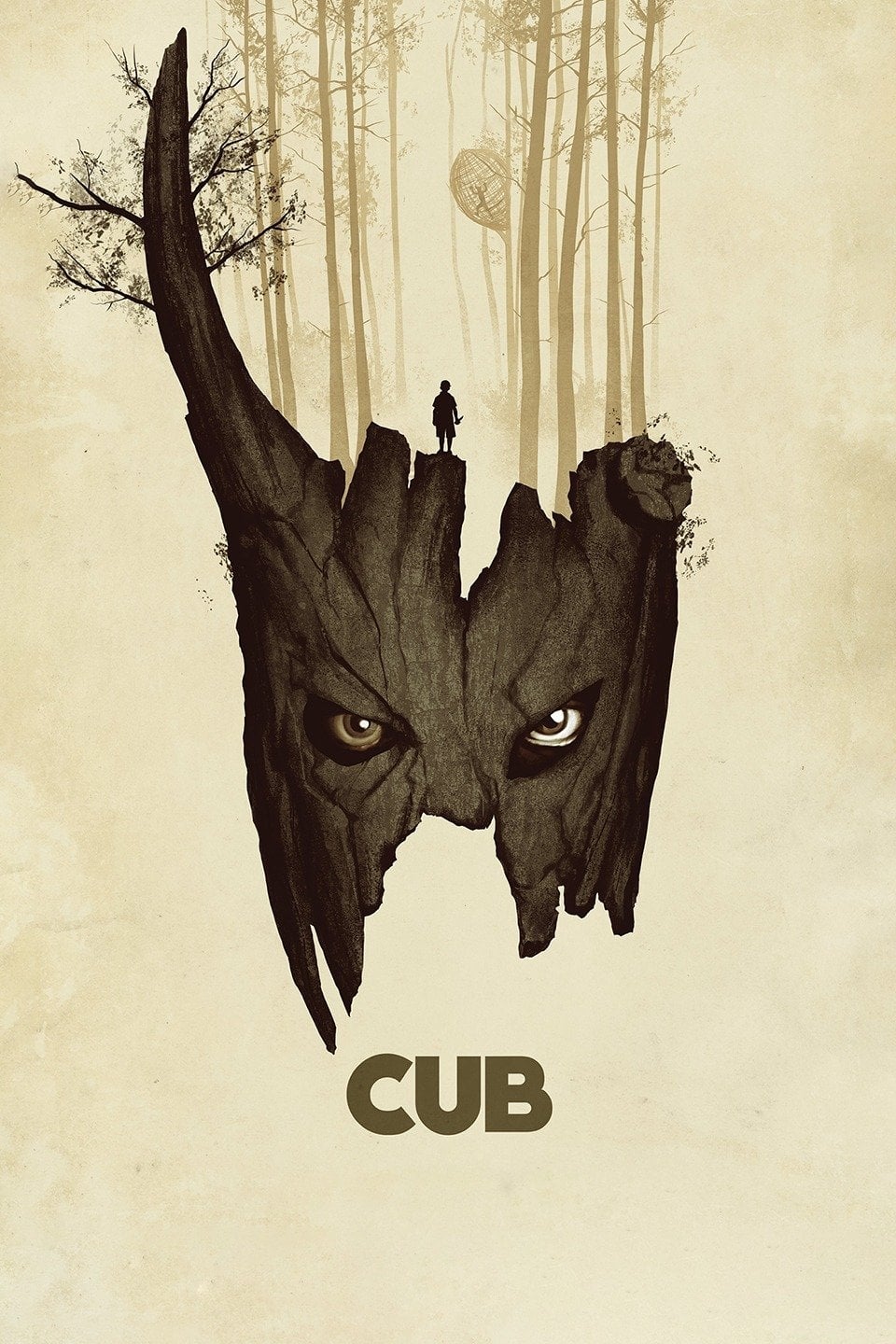
Hélène Cattet and Bruno Forzani have carved out the most distinctive niche in contemporary Belgian horror with their giallo-inspired films Amer (2009) and The Strange Color of Your Body's Tears (2013), which strip the Italian murder-mystery tradition down to pure sensory experience — color, texture, sound — while largely abandoning conventional narrative. Jonas Govaerts' Cub (2014), a slasher set at a boy scout camp in the Belgian Ardennes, demonstrated that the country could also produce effective genre work in more conventional modes.
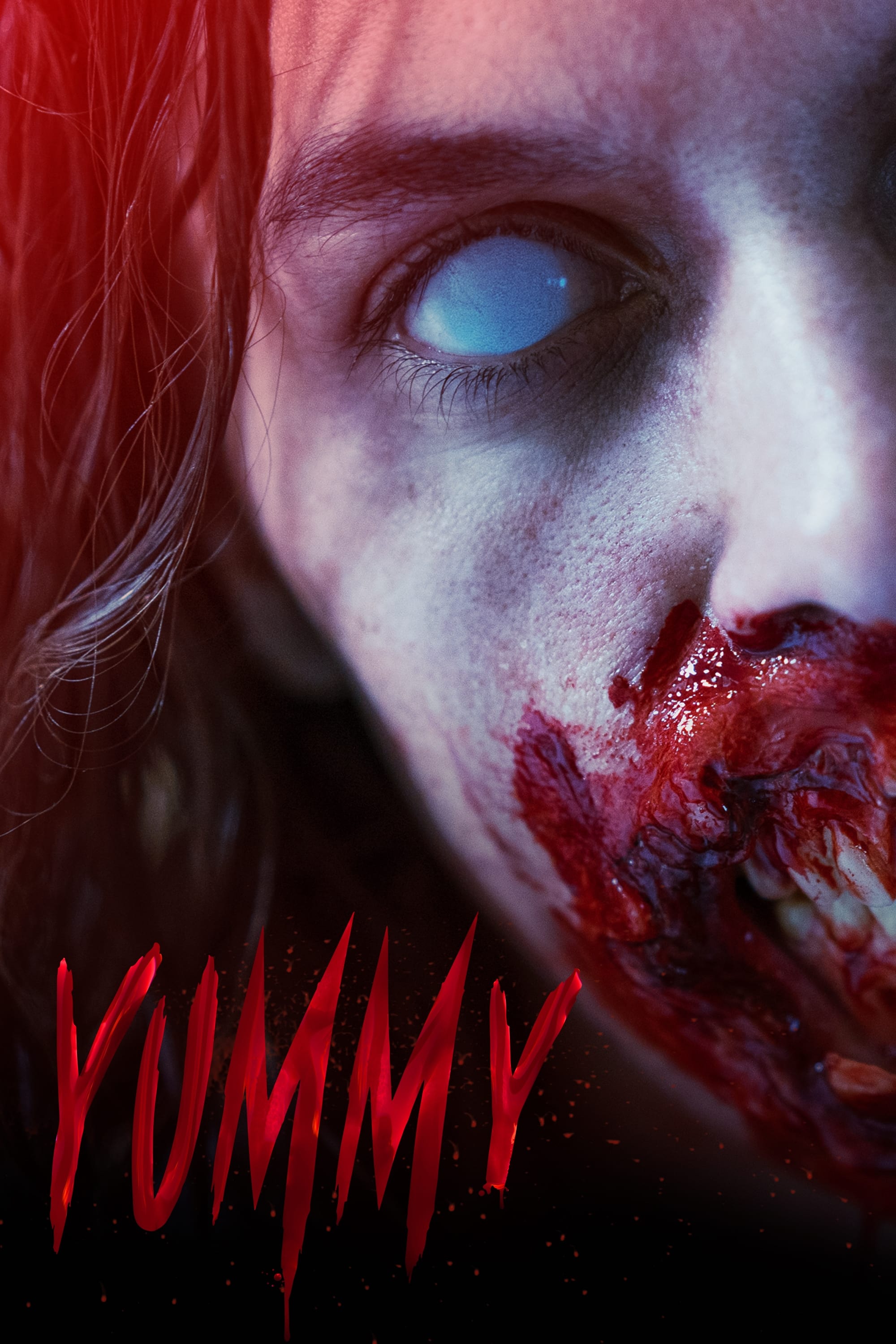
A 2010s wave has continued the tradition of genre play. Vincent Lannoo's Vampires (2010), a deadpan Brussels-set vampire mockumentary, extended the Man Bites Dog tradition into a different supernatural register, and Lars Damoiseaux's Yummy (2019), a cosmetic-surgery-clinic zombie comedy, became the country's strongest commercial horror entry. Belgium's horror output remains small, but its filmmakers have consistently treated the genre as a vehicle for formal experimentation and provocation rather than commercial formula — producing work that is more likely to screen at Cannes than at a multiplex.
Sources: Reappraising Cult Horror Films, ed. Lee Broughton (2024).
Essential Films



Statistics
Top Subgenres
Popularity by Decade
Share of each decade's horror films classified as Belgium horror. Counts films with at least 5 TMDB ratings, so very obscure titles are not represented.