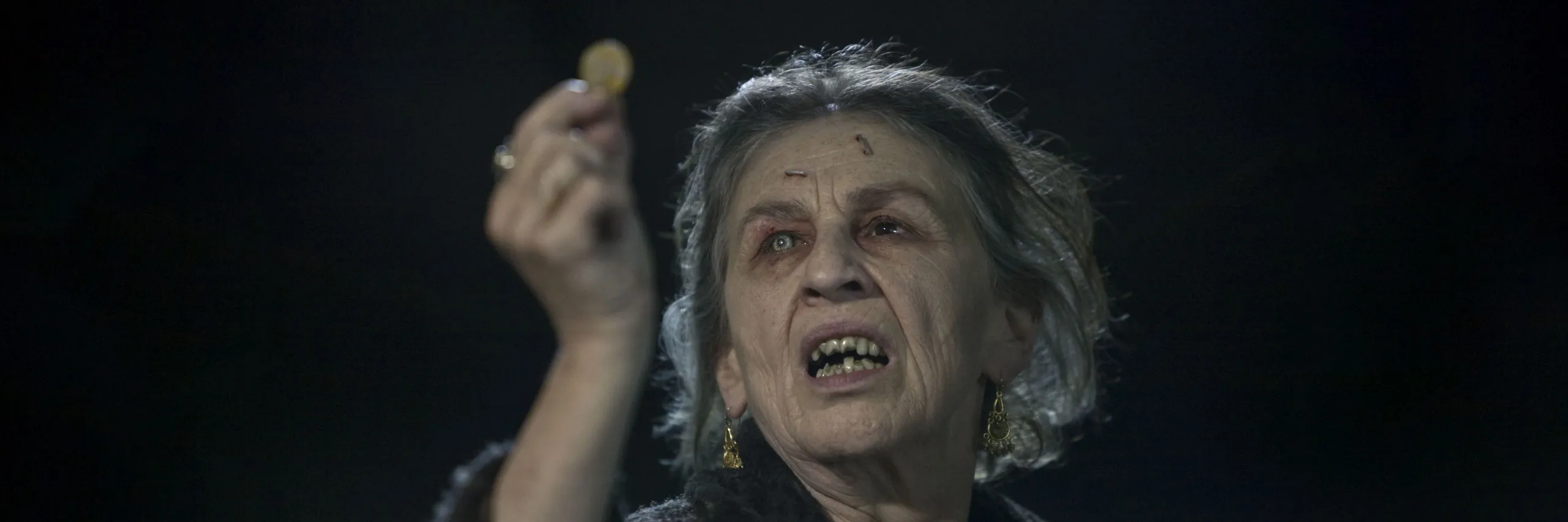
 Drag Me To Hell (2009)
Occult
Secret rituals and forbidden knowledge. Hidden systems of power operating beneath the surface of ordinary life, accessible to those willing to pay the price.
History & Origins
Occult horror deals with hidden knowledge — practices, rituals, and systems of belief that operate outside mainstream understanding and that, when accessed, open doors that cannot easily be closed. The occult is not a single entity but a vast, shadowy territory encompassing secret societies, forbidden texts, ancient rites, and the persistent human desire to access power through means the rational world has rejected. It overlaps significantly with witchcraft, satanic horror, and demon films, but the occult emphasizes the system — the lodges, the orders, the conspiracies — rather than the entity those systems summon.
The occult tradition in horror cinema draws on genuine esoteric history — the Golden Dawn, Aleister Crowley, the Hermetic traditions, Kabbalah, and countless folk practices. Jacques Tourneur's Night of the Demon (1957), adapted from M.R. James, established the cinematic vocabulary for the occult-investigator narrative. Terence Fisher's The Devil Rides Out (1968), based on Dennis Wheatley's novel and starring Christopher Lee, treated occult practice as a real and present danger, depicting ritual magic with the seriousness of a documentary and the urgency of a thriller. The film's black-magic ceremony — with its protective circle and the summoning of the Angel of Death — established the visual vocabulary for cinematic occultism. Peter Sykes's To the Devil a Daughter (1976), another Hammer-Wheatley adaptation, ran a similar register; Race with the Devil (1975) ran the rural-pursuit variant.
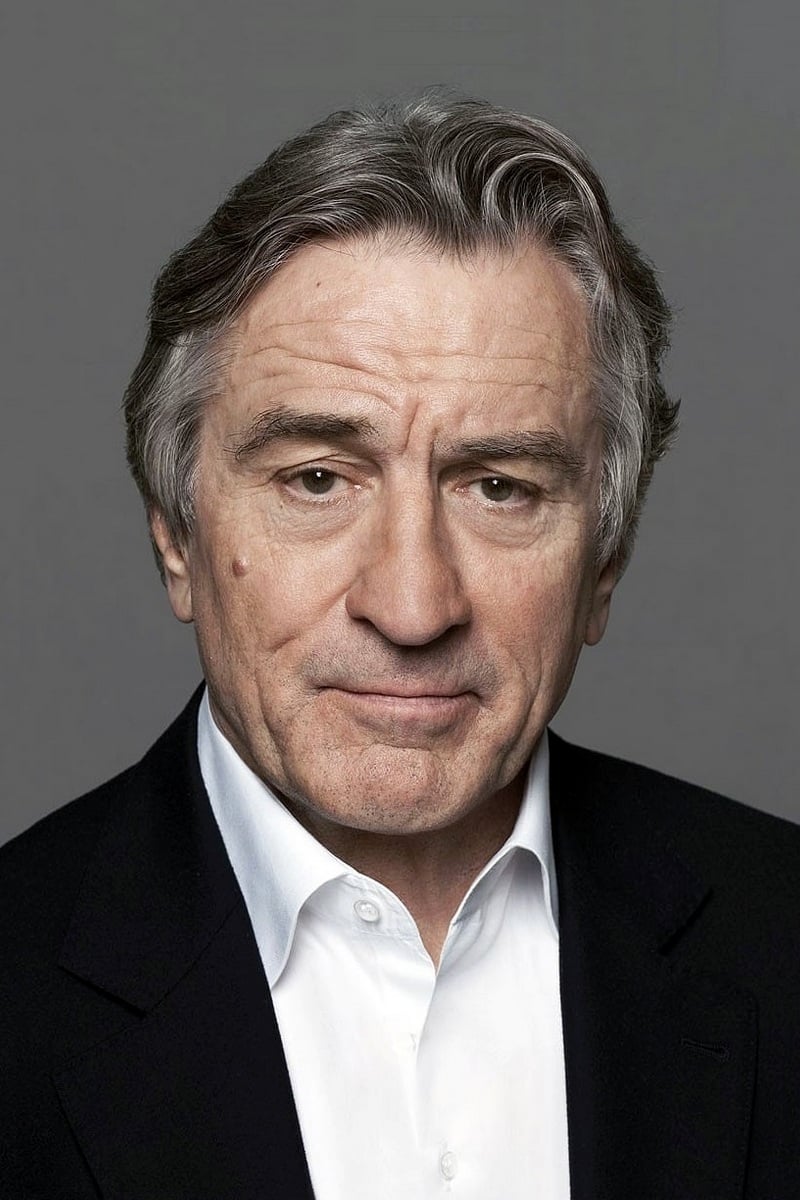
Roman Polanski's Rosemary's Baby (1968) brought the occult into the heart of sophisticated urban life. The genius of Polanski's film is its ordinariness — the coven next door looks like your elderly neighbors, and their rituals are conducted with the efficiency of a bridge club. The horror is not that the occult exists but that it has been operating in plain sight, embedded in institutions and social structures that appear benign. Alan Parker's Angel Heart (1987), with Mickey Rourke and Robert De Niro as Louis Cyphre, ran the form as occult-noir; John Carpenter's Prince of Darkness (1987) located an anti-God in a Los Angeles church basement. This paranoid vision of hidden occult power runs through The Wicker Man (1973) (the entire community as occult conspiracy), Stanley Kubrick's Eyes Wide Shut (1999) (the secret-society masked-orgy as ruling-class occultism), and the folk horror tradition more broadly.
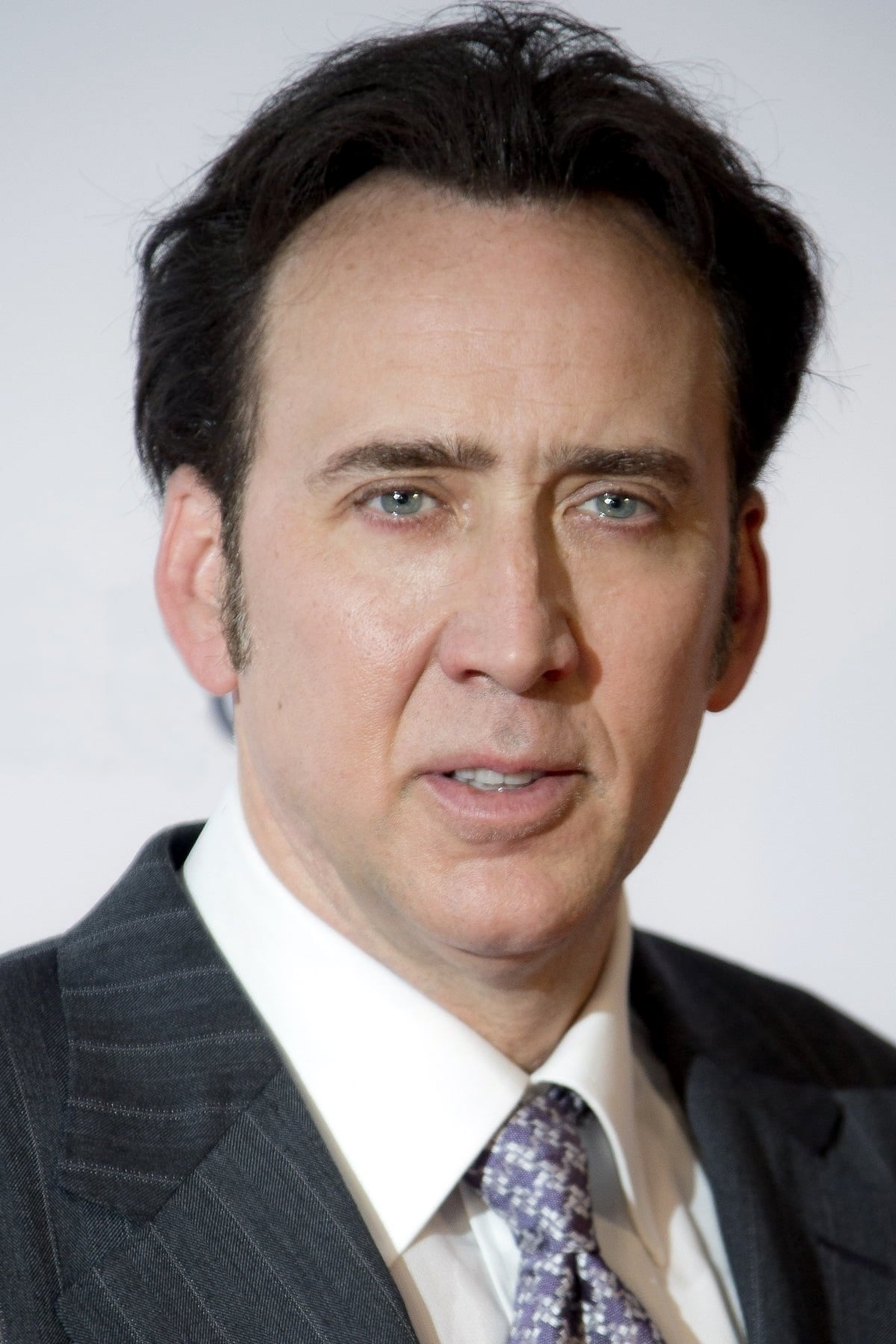
The contemporary occult-horror revival has been one of the most artistically restless strands in the 2010s–2020s. Ti West's The House of the Devil (2009) ran the form as 1980s-pastiche pact-with-the-devil. Karyn Kusama's The Invitation (2016) located occult-cult horror inside a Hollywood Hills dinner party. Liam Gavin's A Dark Song (2016) (Ireland) ran the Abramelin ritual as serious-grief occult procedural. Rob Zombie's The Lords of Salem (2013) restated the form as occult-rock psychedelia. Ari Aster's Hereditary (2018)'s Paimon-coven and Midsommar (2019)'s Hårga commune mapped the occult onto modern family-trauma narratives. Panos Cosmatos's Mandy (2018) ran the occult-as-revenge-quest with Nicolas Cage; Osgood Perkins's Longlegs (2024) restated the occult-investigator narrative with Maika Monroe. The occult film works because it plays on a genuine ambivalence. Part of us is drawn to forbidden knowledge — the Necronomicon, the grimoire, the ritual that promises power. The horror lies in the discovery that these systems work, and that their cost is always higher than advertised. Every occult horror film is, at some level, a story about the consequences of looking where you were told not to look.
Essential Films
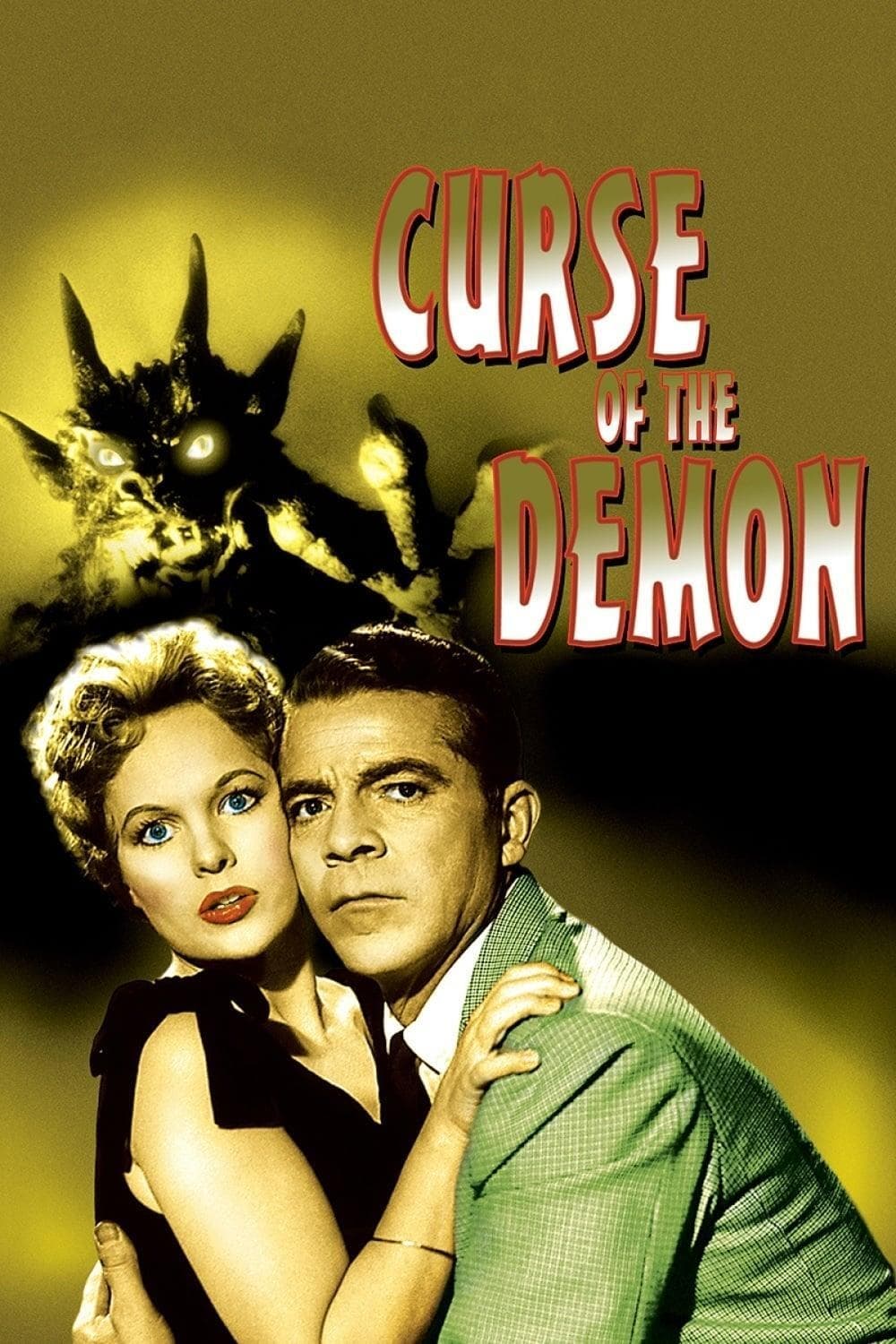
Night of the Demon
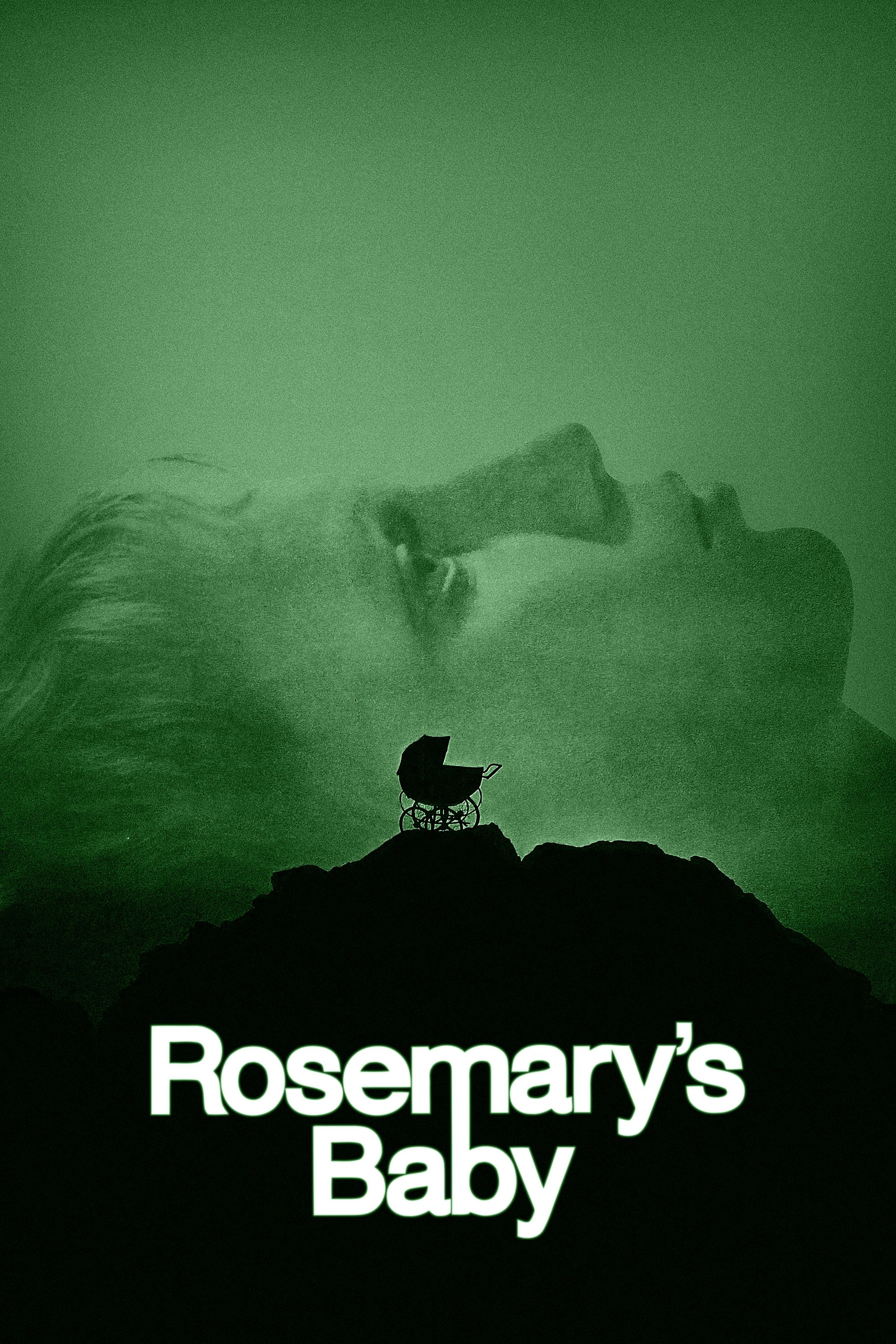
Rosemary's Baby
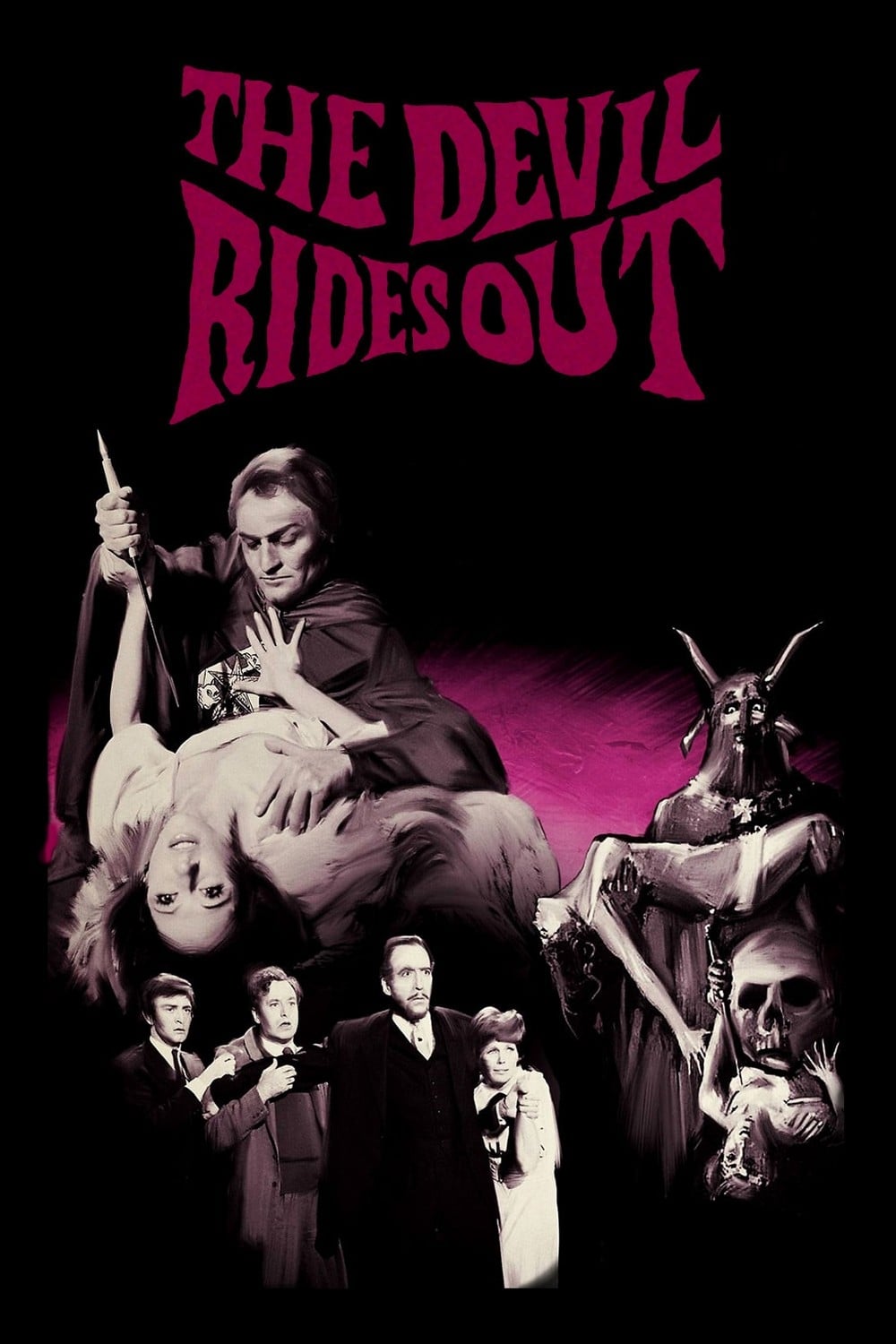
The Devil Rides Out

The Mephisto Waltz
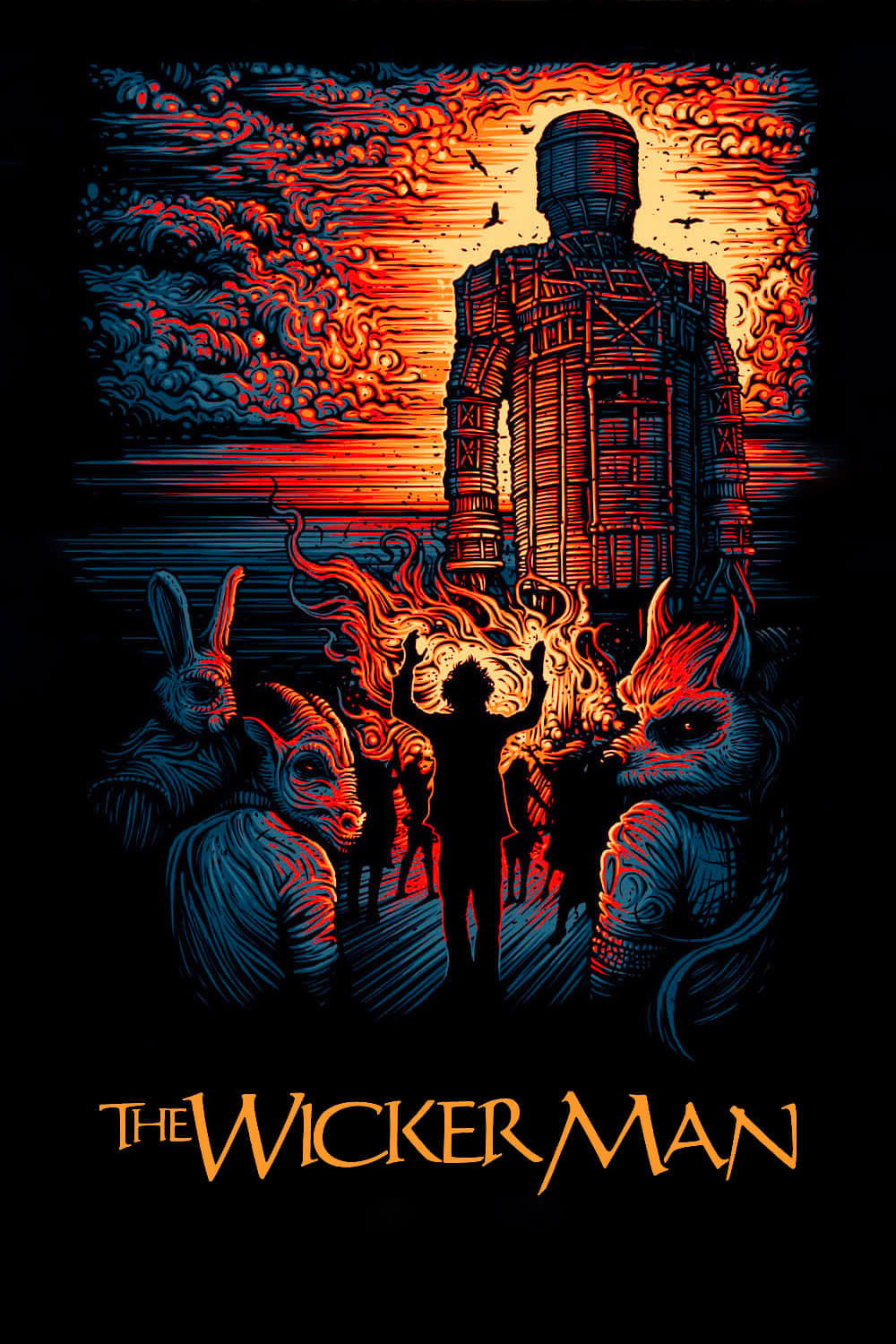
The Wicker Man
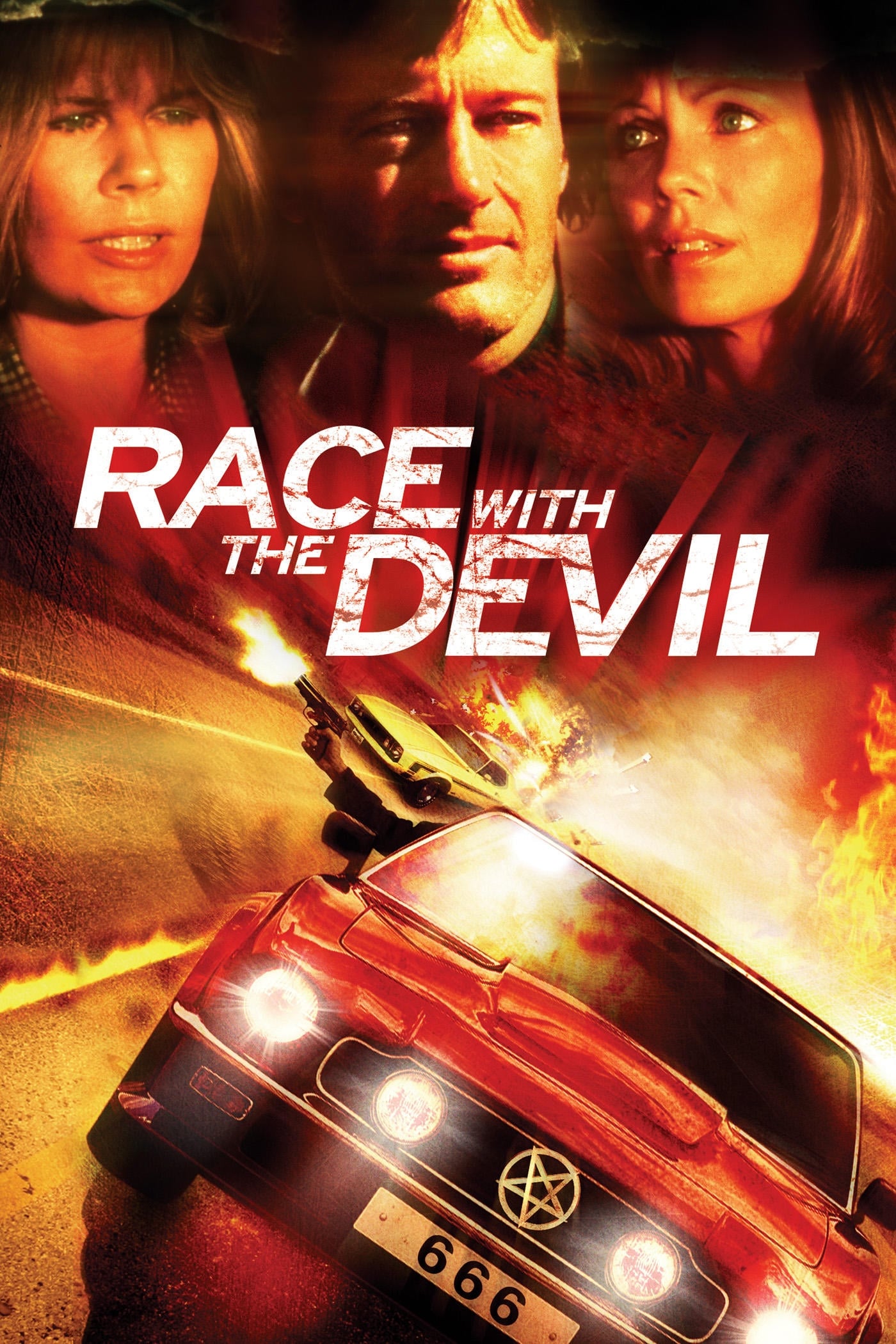
Race with the Devil

To the Devil a Daughter
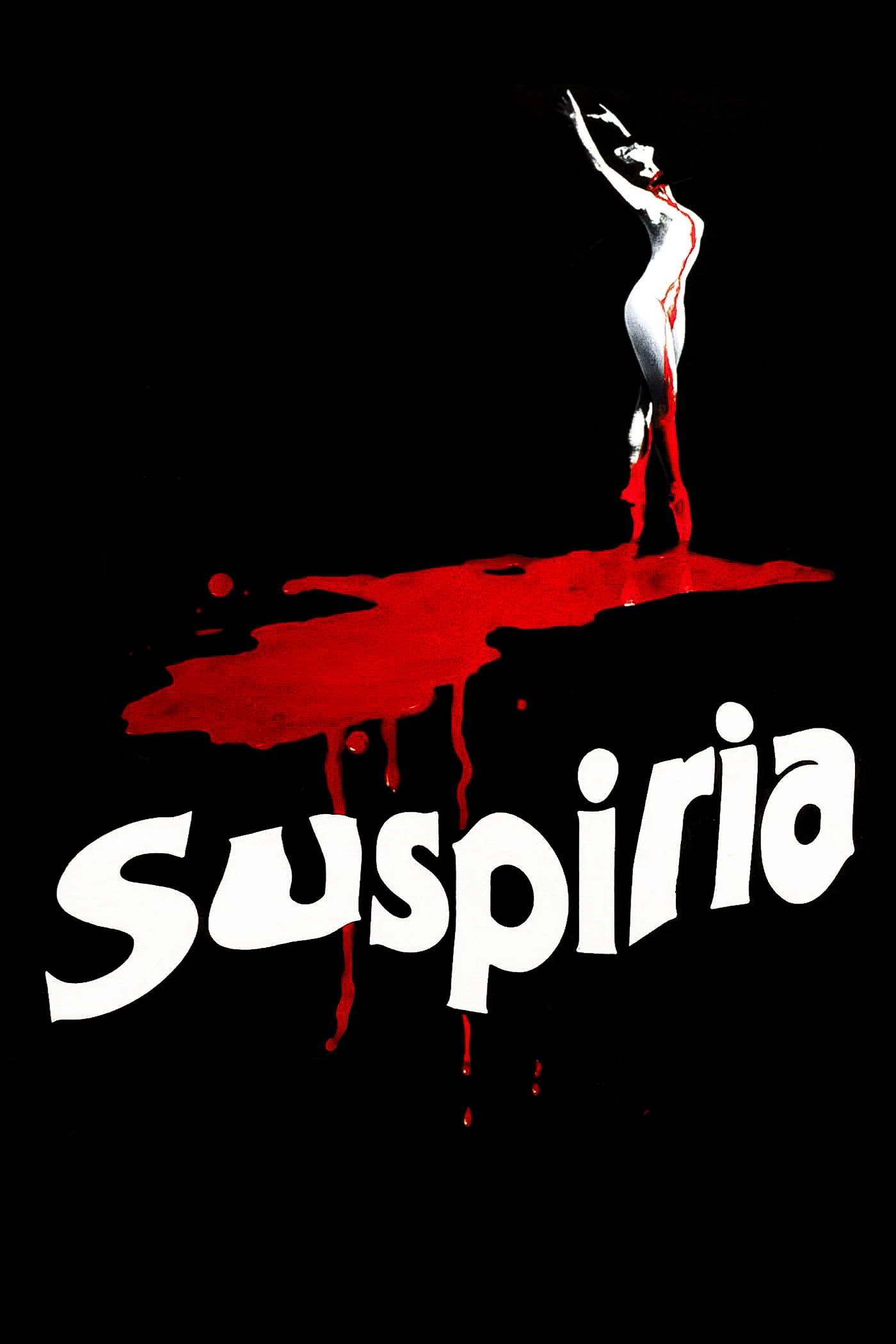
Suspiria
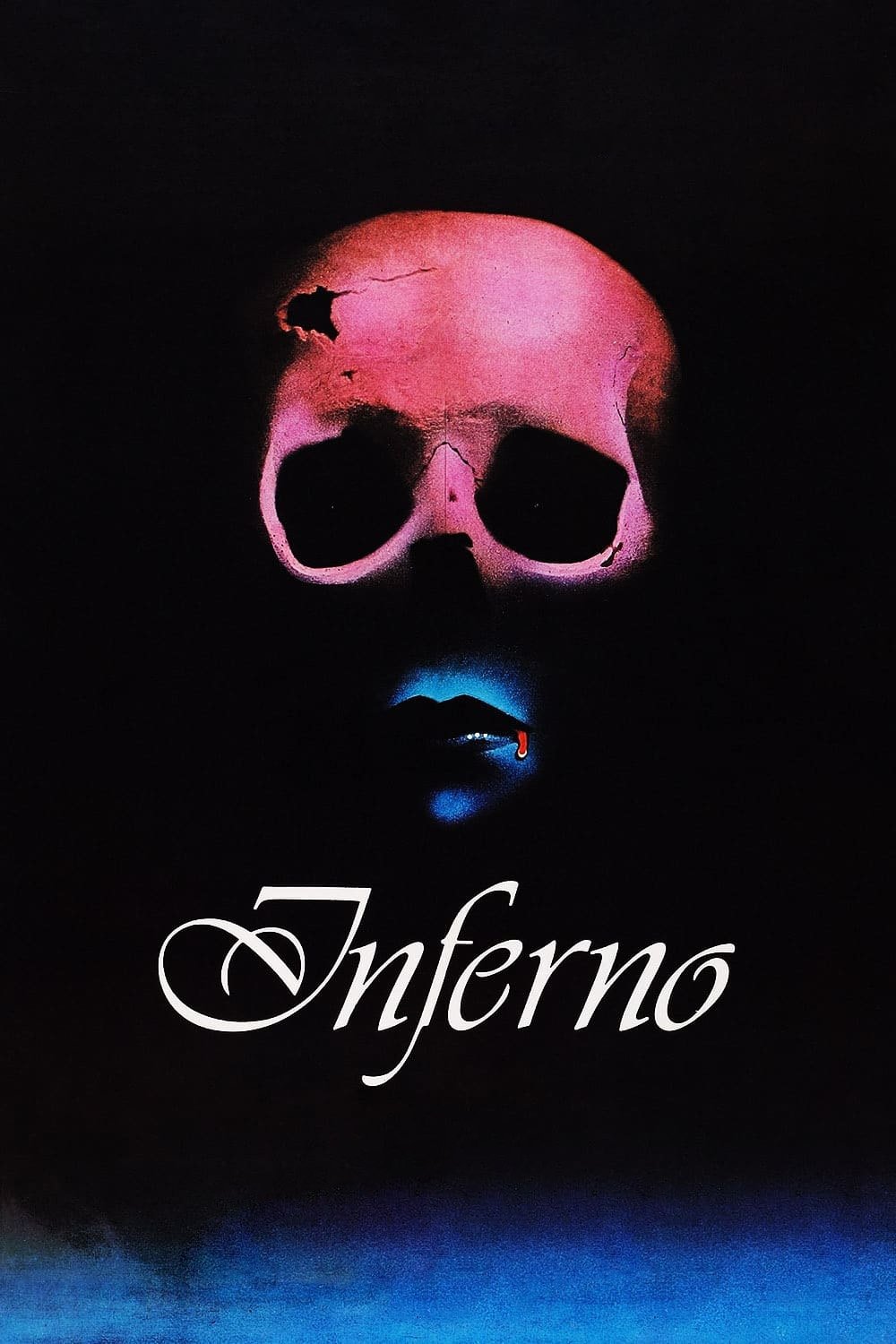
Inferno
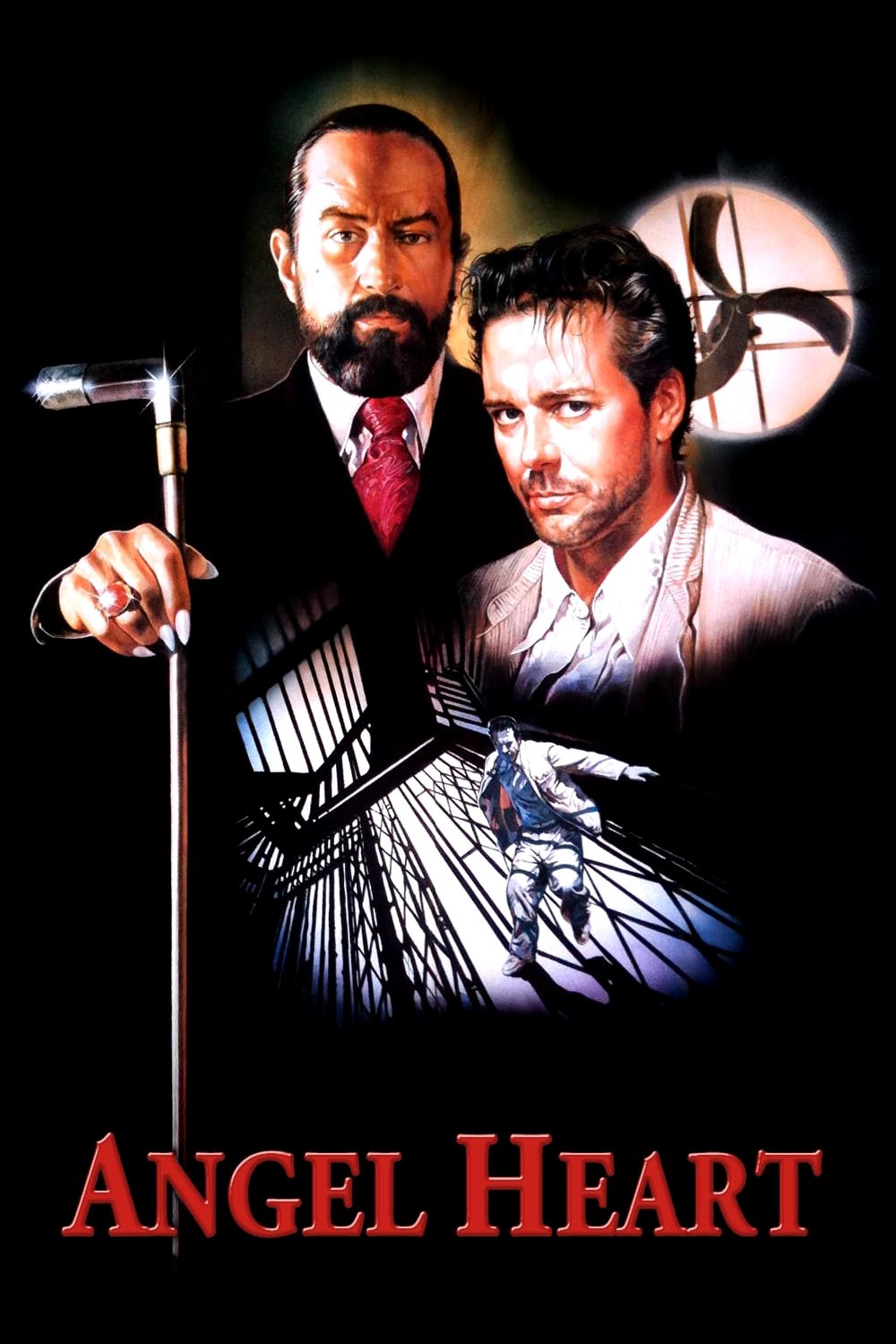
Angel Heart
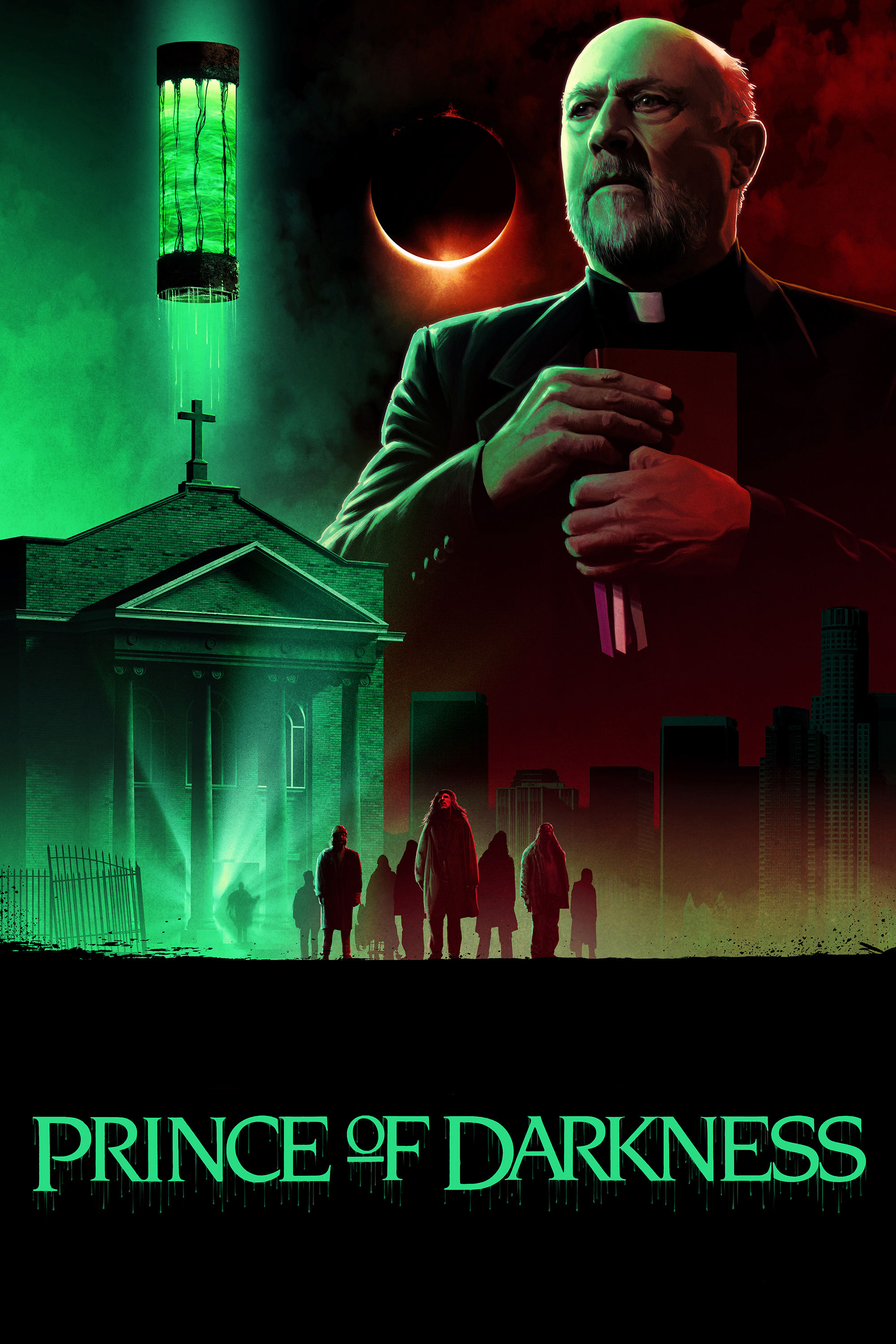
Prince of Darkness
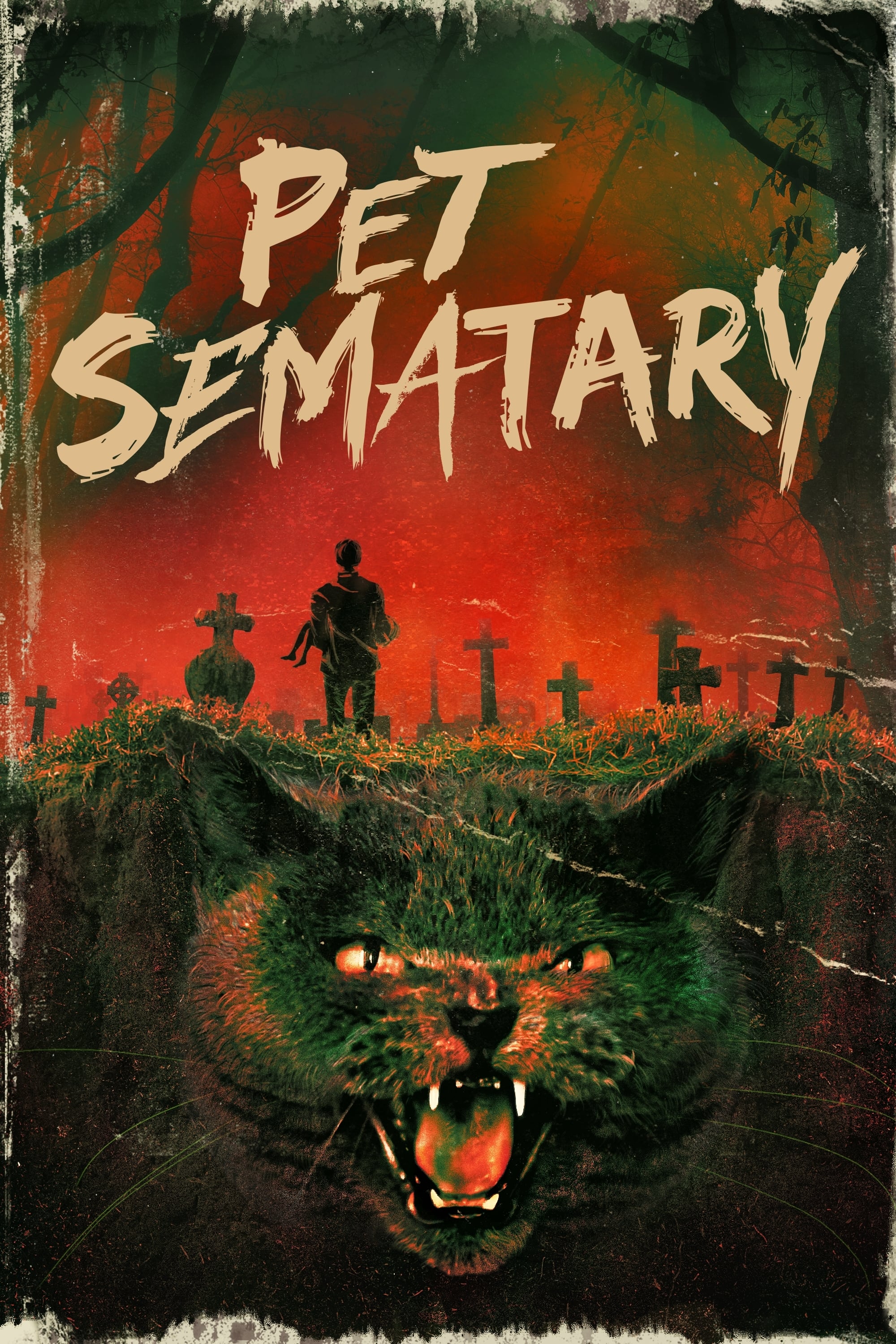
Pet Sematary

Eyes Wide Shut
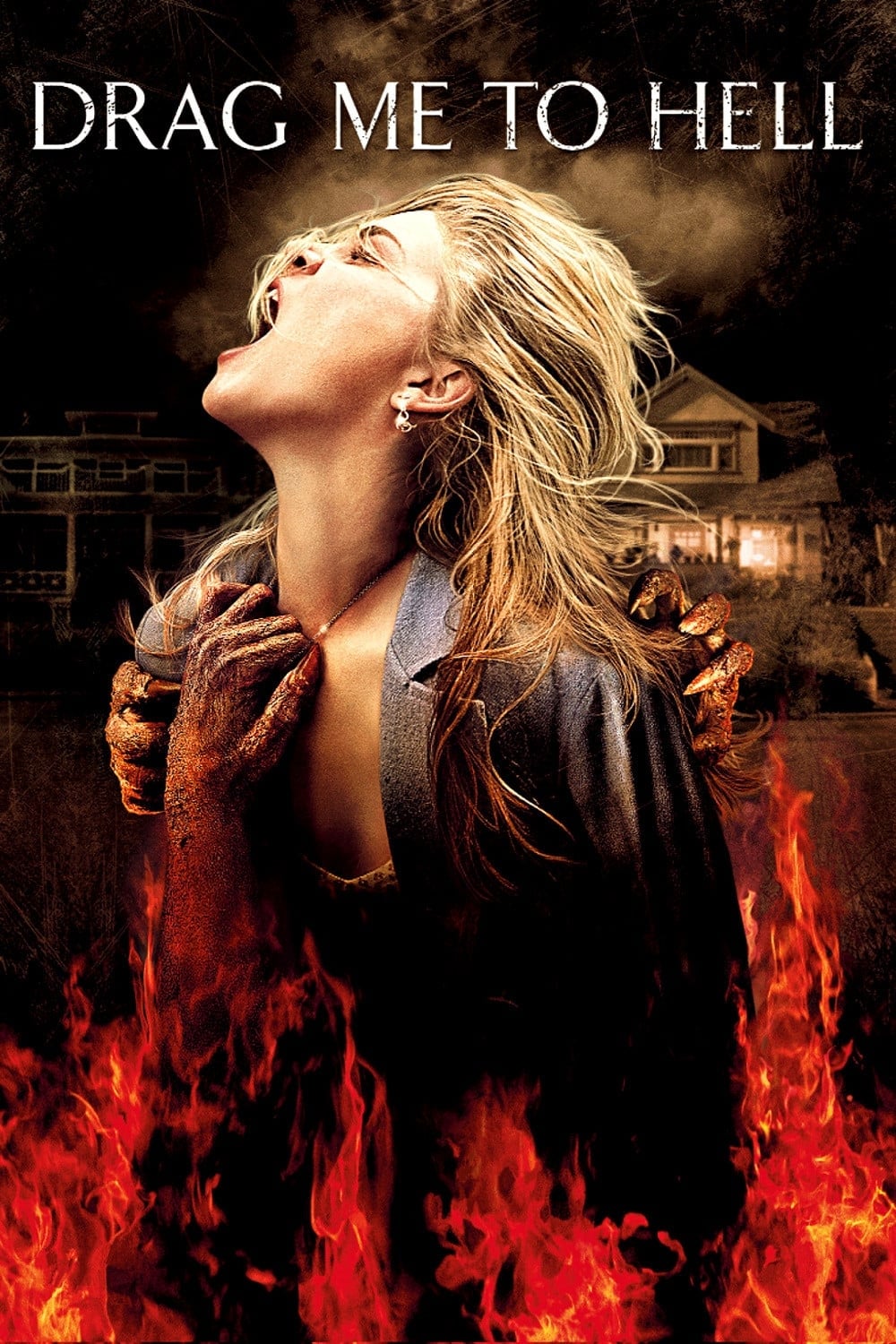
Drag Me to Hell
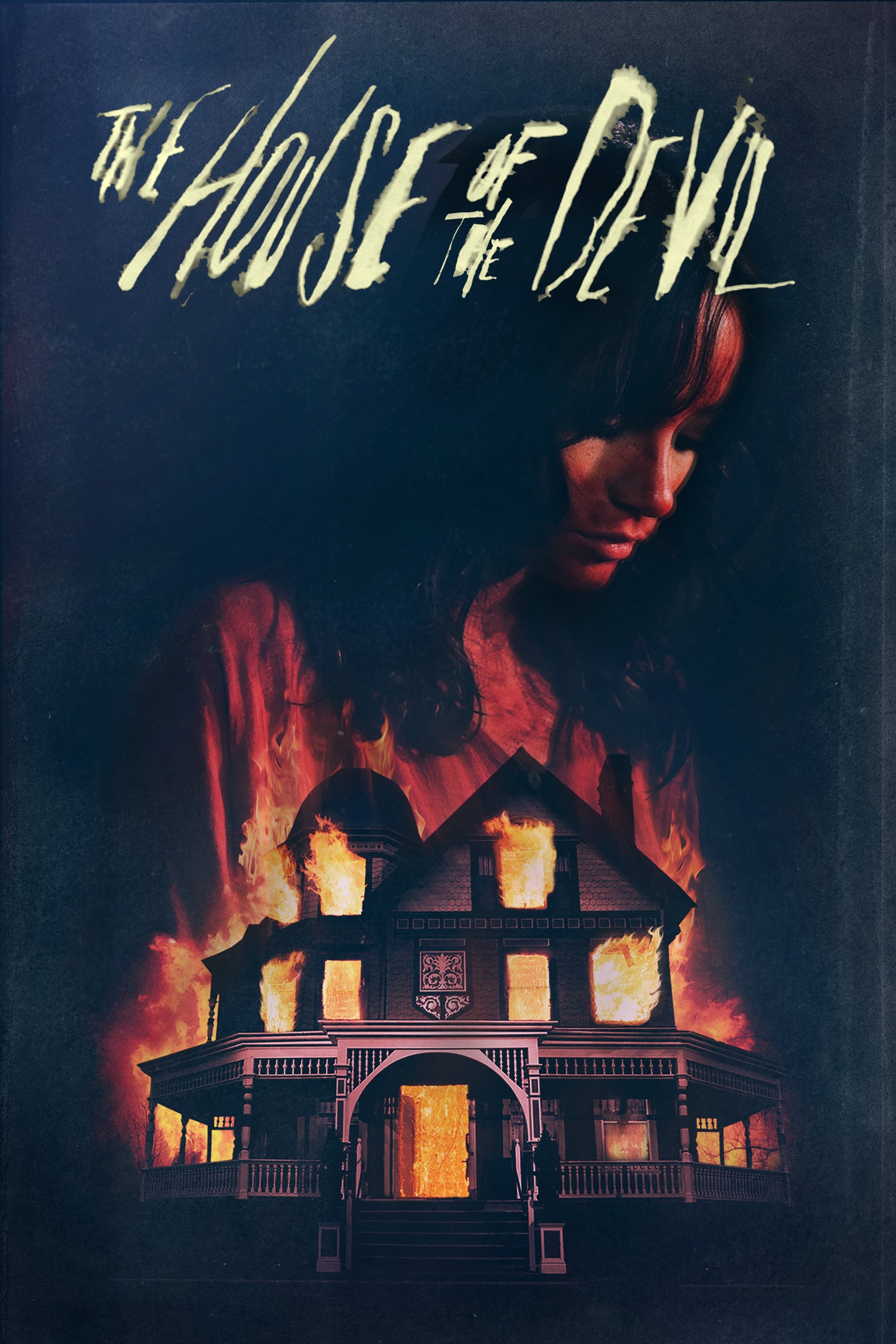
The House of the Devil
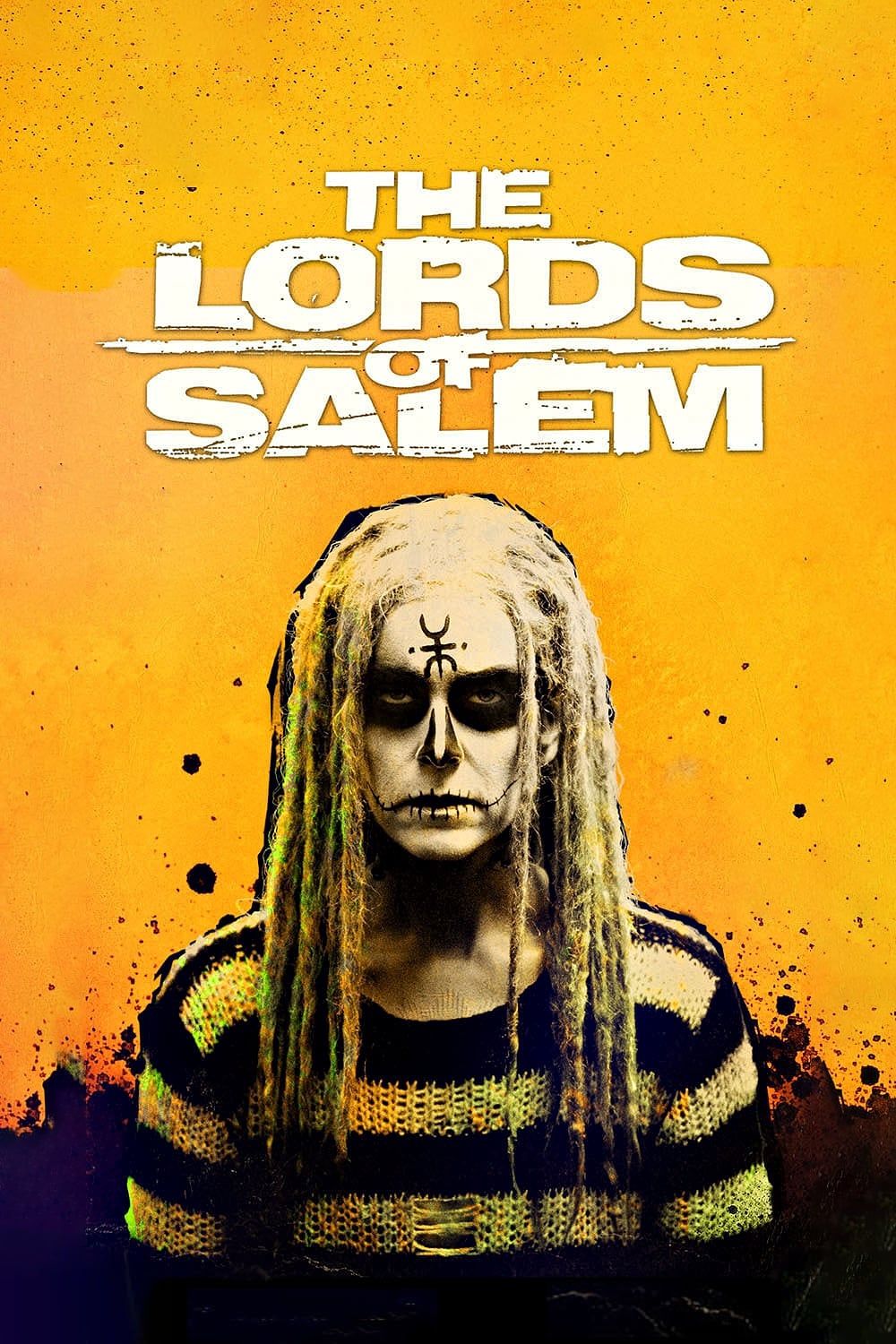
The Lords of Salem
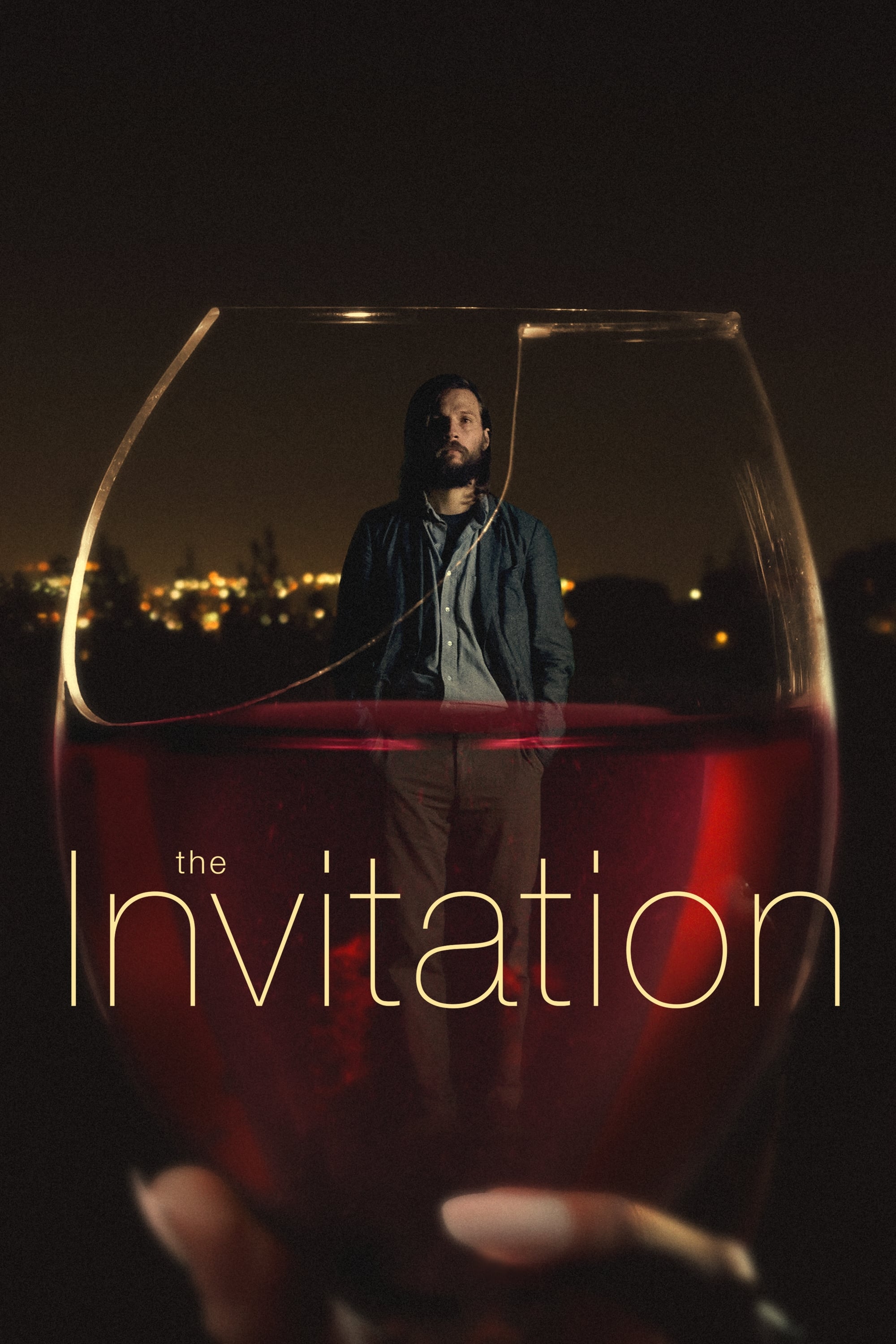
The Invitation
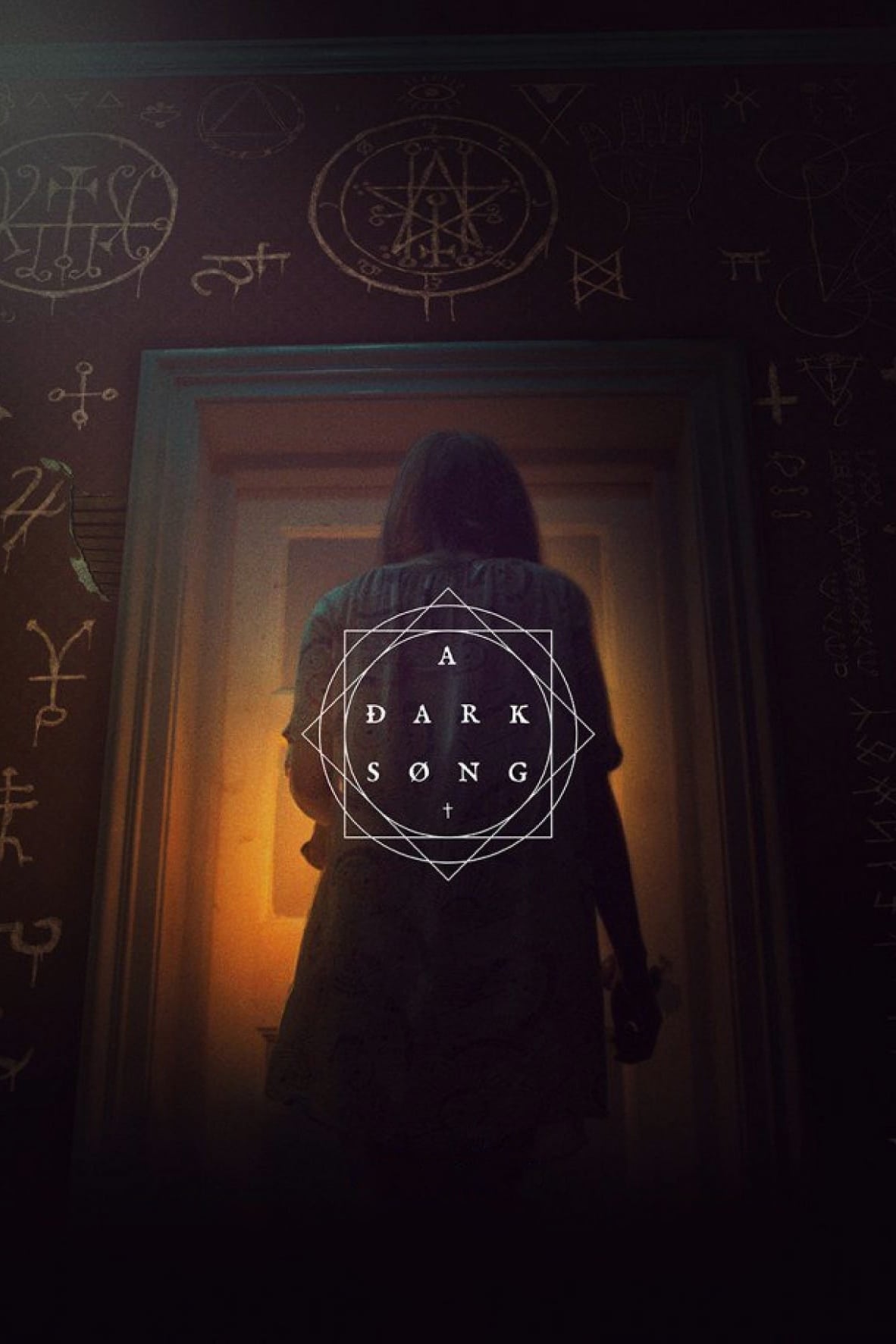
A Dark Song
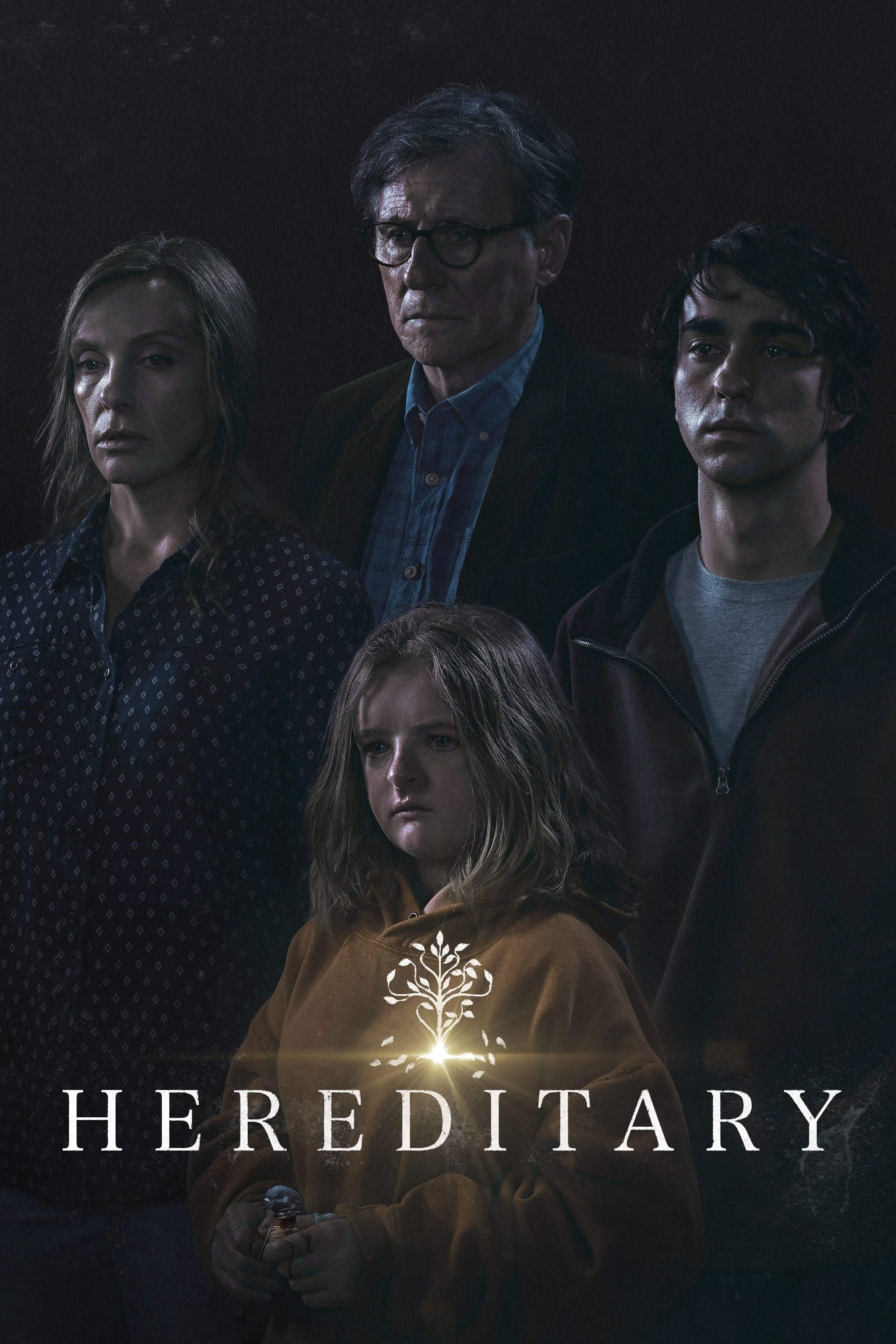
Hereditary
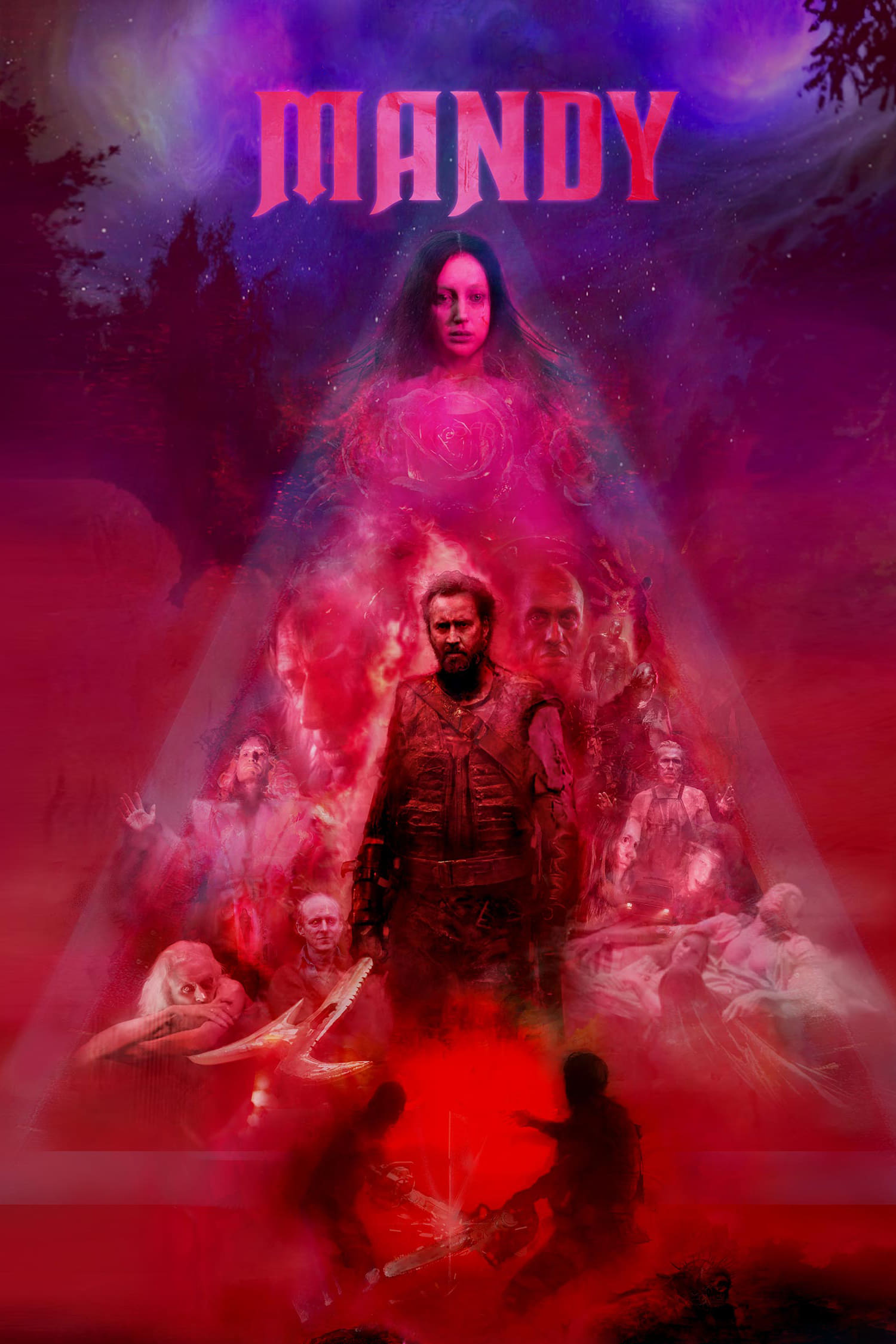
Mandy

Midsommar
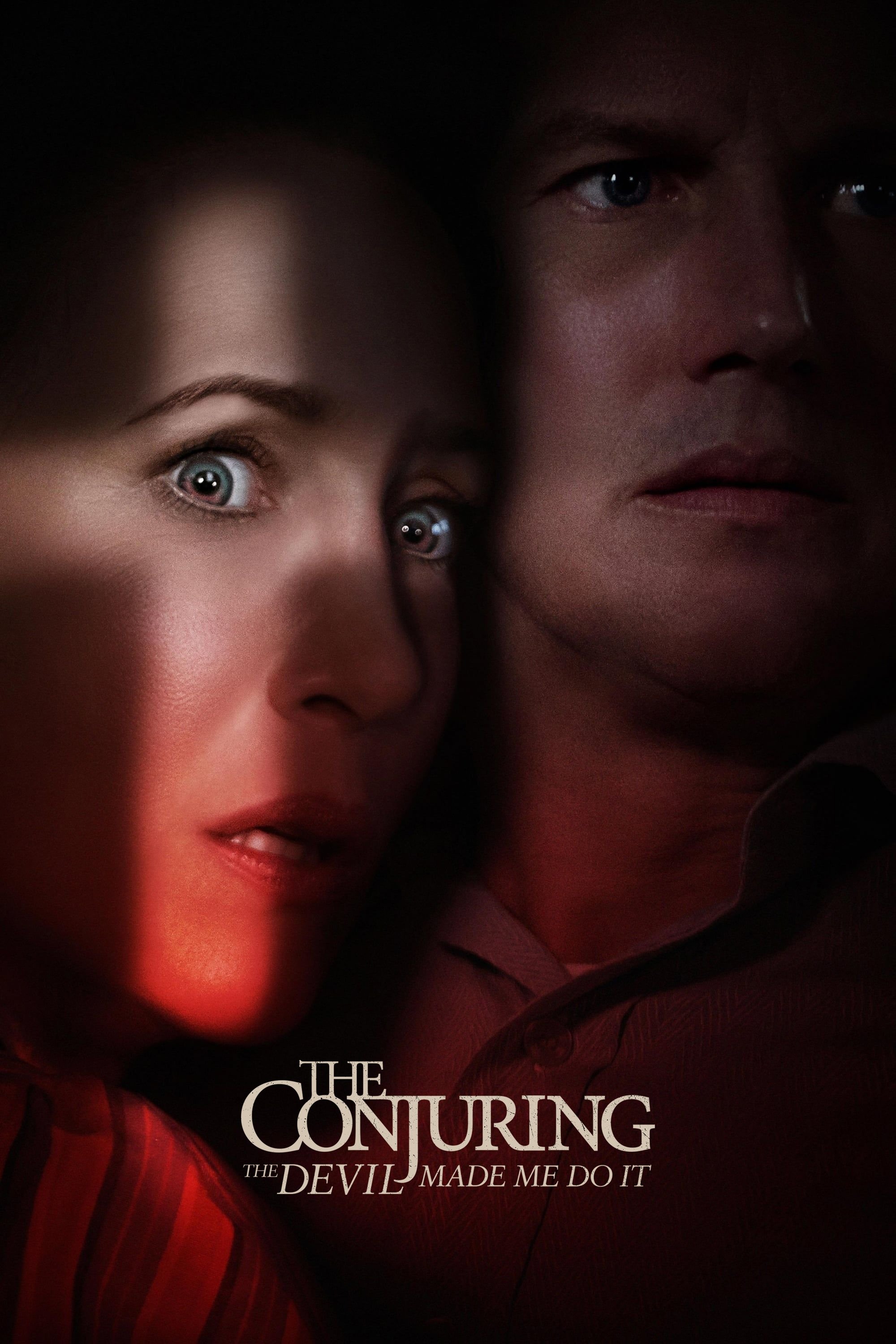
The Conjuring: The Devil Made Me Do It
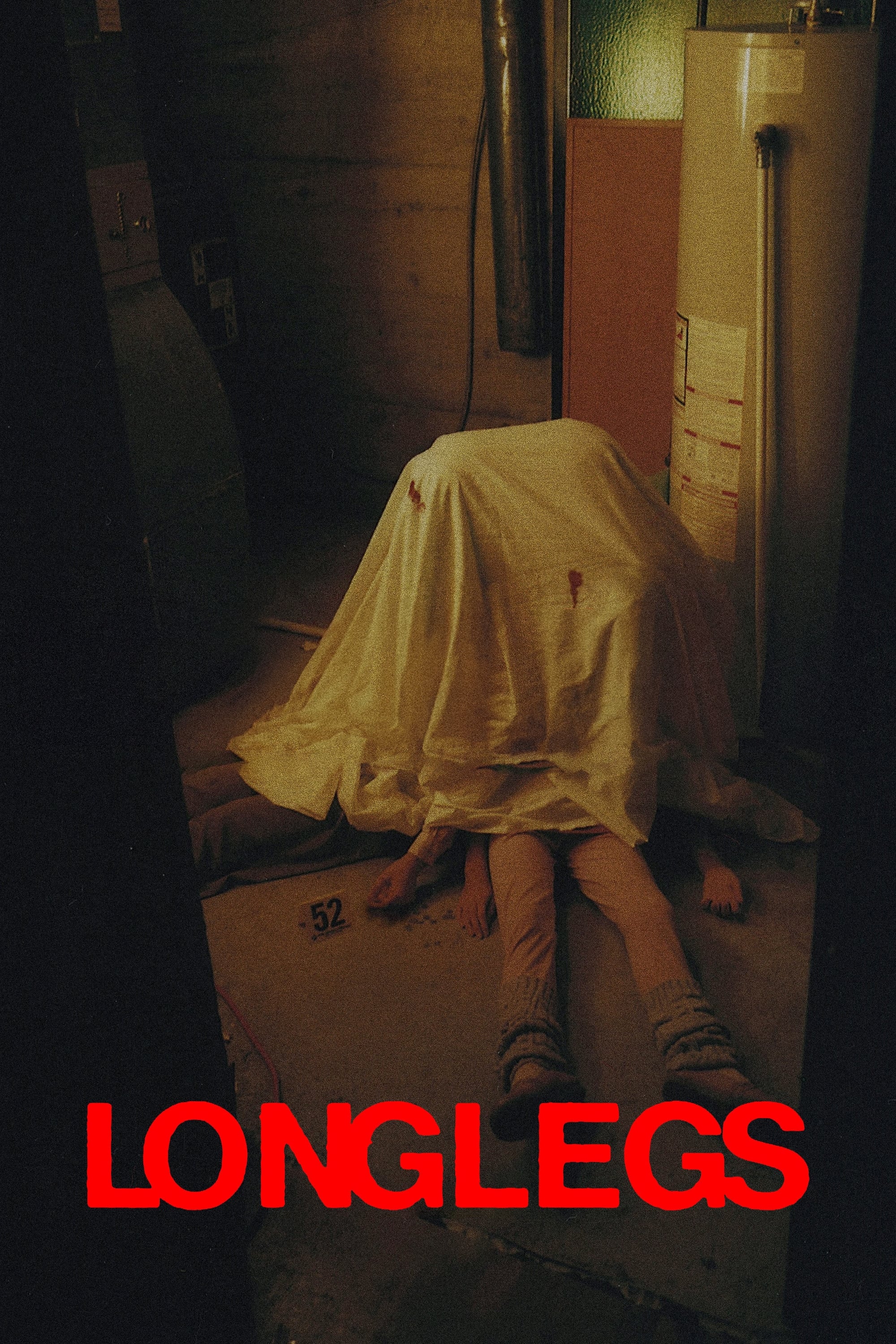
Longlegs
Statistics
Popularity by Decade
Share of each decade's horror films classified as Occult. Counts films with at least 5 TMDB ratings, so very obscure titles are not represented.
Popularity by Country
Share of each country's horror output classified as Occult. Counts films with at least 5 TMDB ratings, so very obscure titles are not represented.