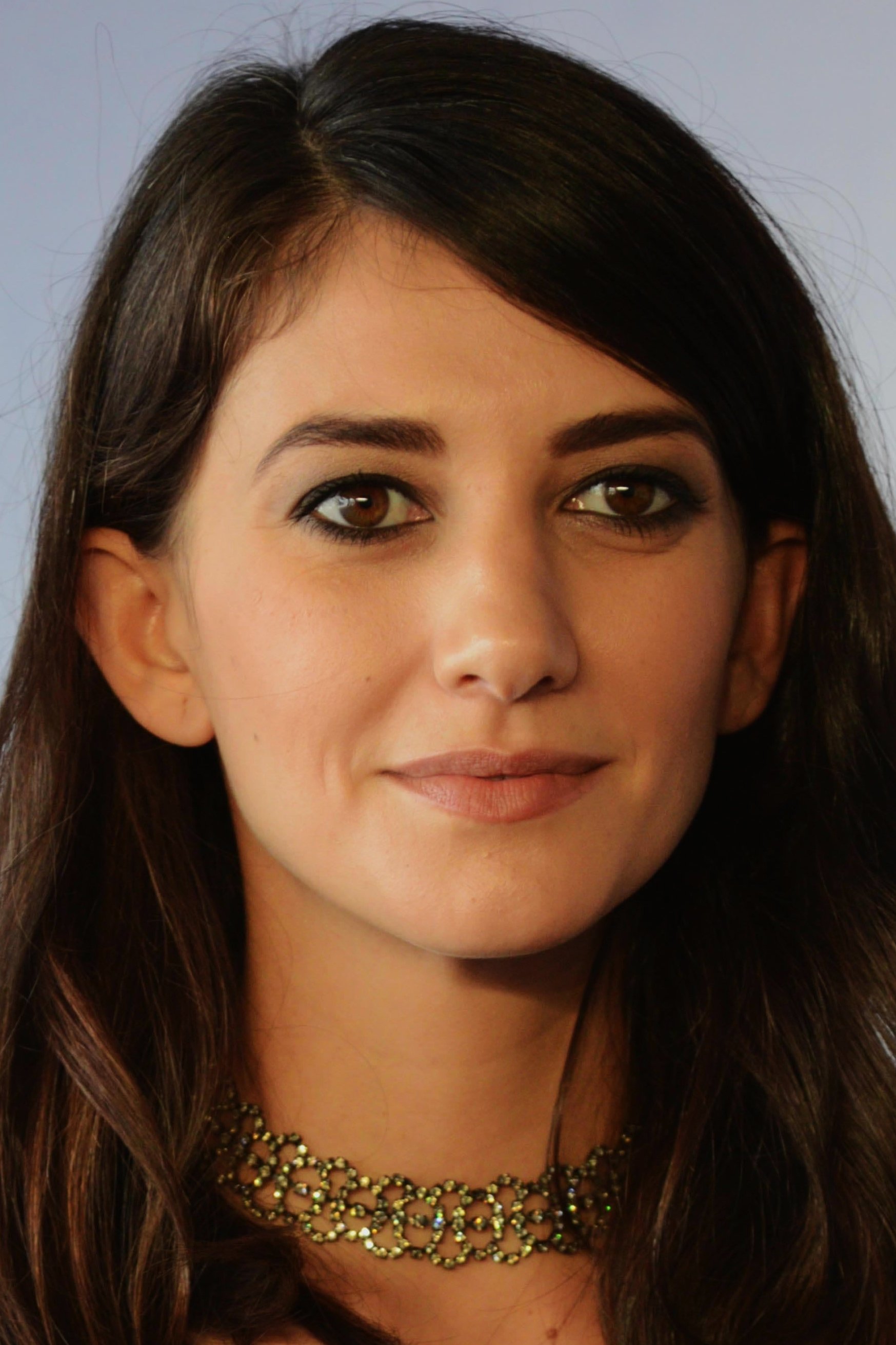
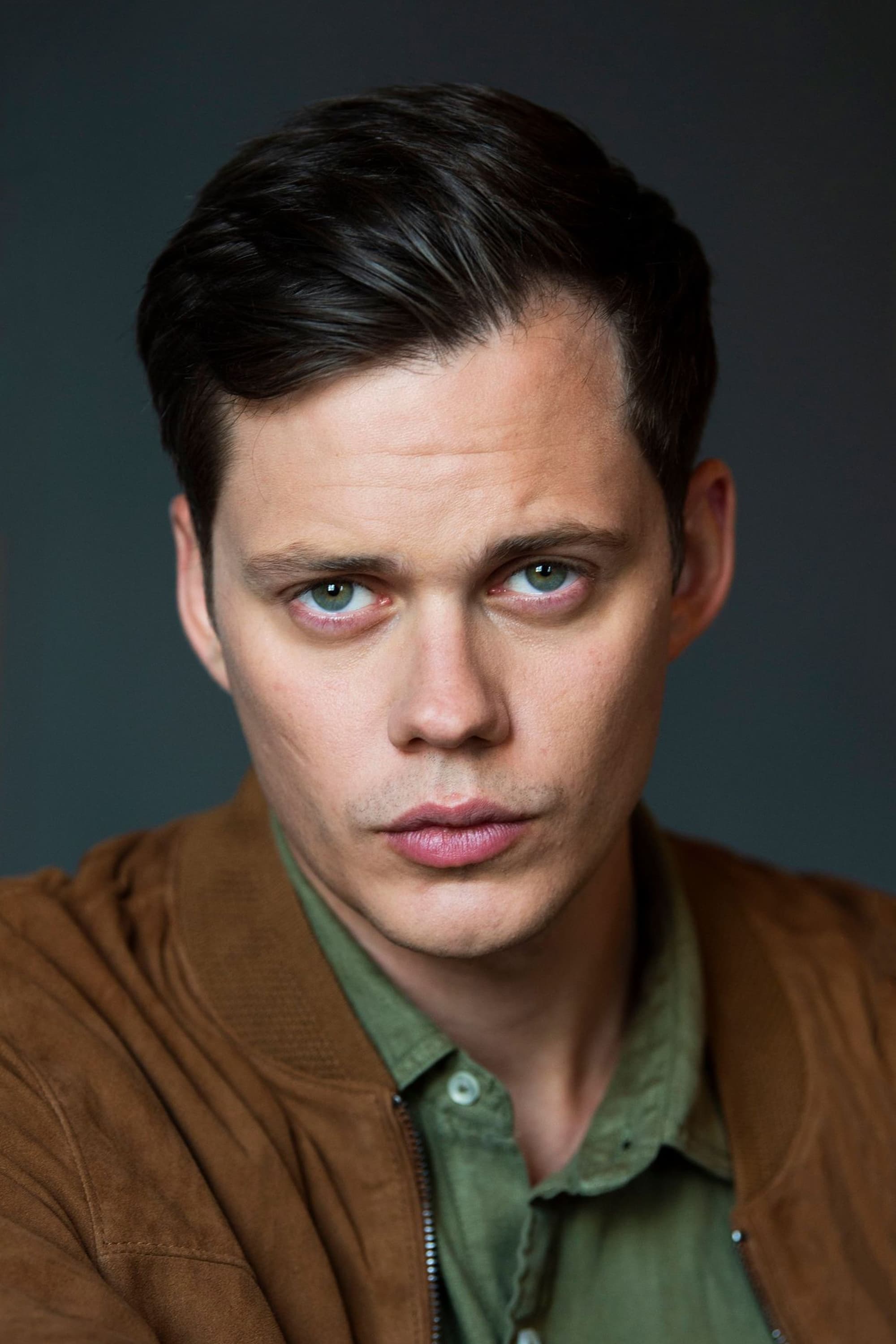
Midsommar (2019)
2010s
Get Out, Hereditary, The Babadook, The Witch — horror earned art-house respect without losing its capacity to terrify.
History
The 2010s transformed horror from a disreputable genre into a critically respected art form — a shift so pronounced that critics coined the term "elevated horror" to describe it, though many horror fans bristled at the implication that the genre needed elevating. Jennifer Kent's The Babadook (2014) (from Australia) and David Robert Mitchell's It Follows (2015) announced the wave early, using grief and sexual anxiety as engines for genuinely original horror. Robert Eggers' The Witch (2016) peeled American horror back to its Puritan roots with meticulous historical detail, while Ari Aster's Hereditary (2018) and Midsommar (2019) brought art-house formalism to stories of family disintegration and cult manipulation. Jordan Peele's Get Out (2017) used the genre to examine American racism with surgical precision, becoming a cultural phenomenon and earning Peele an Academy Award for Best Original Screenplay; his follow-up Us (2019) extended his political-horror authorial signature.
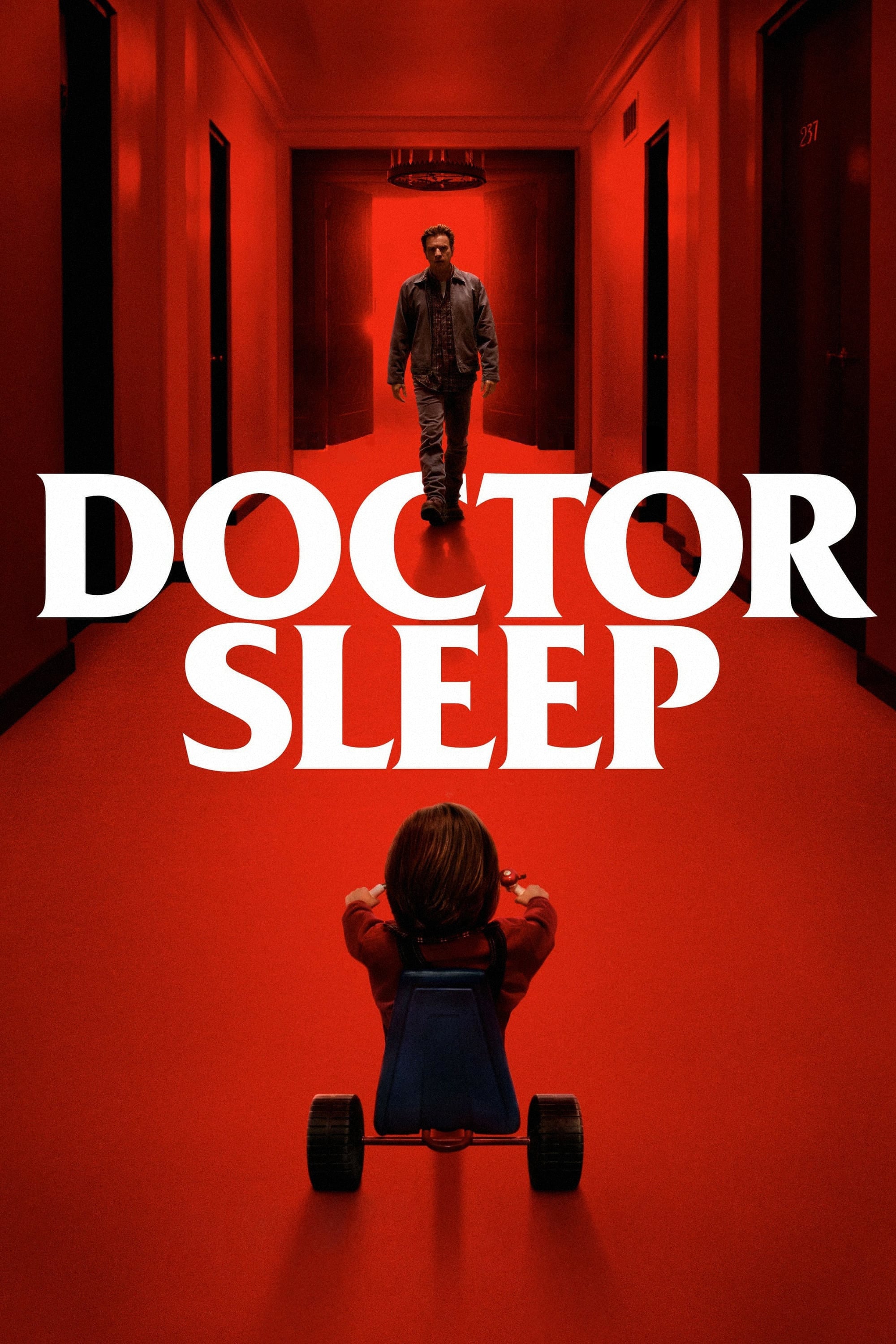
Two production companies reshaped the United States horror landscape. Jason Blum's Blumhouse Productions refined the micro-budget model into an industry-shaping force — Insidious (2011), Sinister (2012), The Purge (2013), Split (2016), and crucially Get Out all emerged from a system that kept budgets low and creative freedom high. James Wan's The Conjuring (2013) launched a shared supernatural universe that became the decade's most commercially successful horror franchise. Andy Muschietti's It (2017) became the highest-grossing horror film of all time, proving that studio-scale horror blockbusters could thrive alongside micro-budget independents. Drew Goddard and Joss Whedon's The Cabin in the Woods (2012) dismantled the slasher's grammar from inside, and Darren Aronofsky's Black Swan (2010) and mother! (2017) brought auteur-art-cinema-meets-horror to mainstream multiplexes. Mike Flanagan established himself as one of the decade's most versatile horror filmmakers, moving from independent features to Doctor Sleep (2019), his Stephen King-Kubrick fusion.
The decade produced landmark work from around the world. South Korea's Yeon Sang-ho's Train to Busan (2016) and Na Hong-jin's The Wailing (2016) demonstrated that Korean horror's blend of genre thrills and social consciousness had only deepened. In France, Julia Ducournau's Raw (2017) extended the New French Extremity tradition, and Gaspar Noé's Climax (2018) brought hallucinatory communal horror to the form. In Indonesia, Joko Anwar's Satan's Slaves (2017) brought Indonesian folkloric horror to international audiences. In Austria, the Veronika Franz/Severin Fiala partnership debuted with Goodnight Mommy (2015); in Britain, Ben Wheatley's Kill List (2011) and Jonathan Glazer's Under the Skin (2014) represented opposite poles of British art-horror; Ana Lily Amirpour's A Girl Walks Home Alone at Night (2014) brought Iranian-diaspora horror into the festival circuit; in Mexico, Issa López's Tigers Are Not Afraid (2017) routed the country's drug-war violence through a children's dark fairy tale; and Greek auteur Yorgos Lanthimos's The Killing of a Sacred Deer (2017) fused Greek tragedy with clinical body-horror dread.
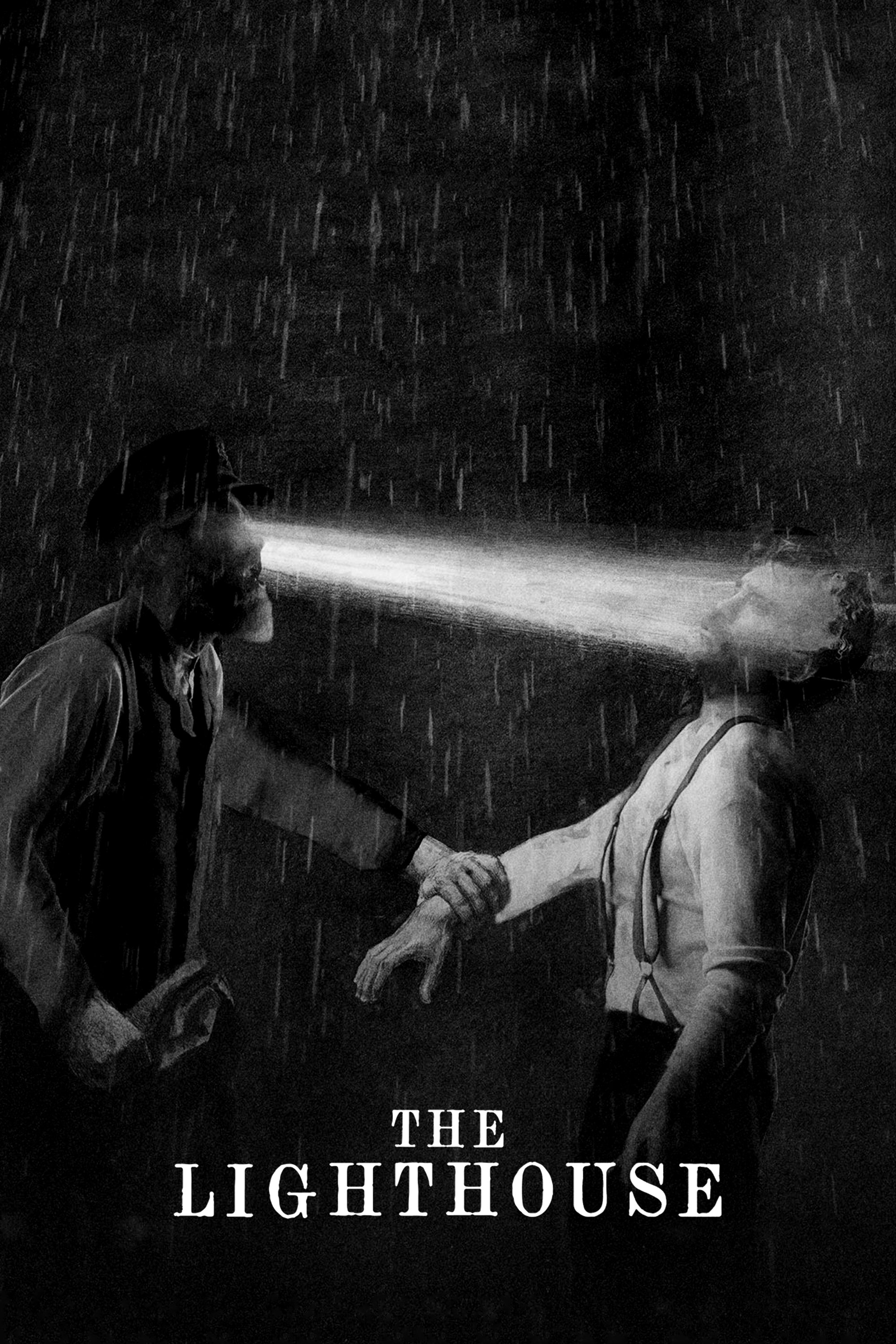
A final wave of late-decade entries set the tone for what was coming: Guillermo del Toro's Crimson Peak (2015) attempted to bring Gothic-romance horror back to the studio mainstream, Panos Cosmatos's Mandy (2018) fused psychedelic grief and heavy-metal fury into a revenge nightmare, Luca Guadagnino's Suspiria (2018) reimagined Argento's masterpiece as Cold War political ritual, Alex Garland's Annihilation (2018) brought cosmic-horror philosophy to the multiplex, and Eggers's The Lighthouse (2019) closed the decade with a black-and-white folk-horror two-hander. Streaming platforms — particularly Netflix, Shudder, and Amazon — fundamentally altered horror consumption and production, democratising both filmmaking and distribution while creating new challenges for theatrical releases. By decade's end, horror had achieved complete mainstream acceptance: the genre's filmmakers were being courted for major studio tentpoles, its films were competing for top awards, and the old stigma of horror as disreputable entertainment had largely dissolved.
Essential Films
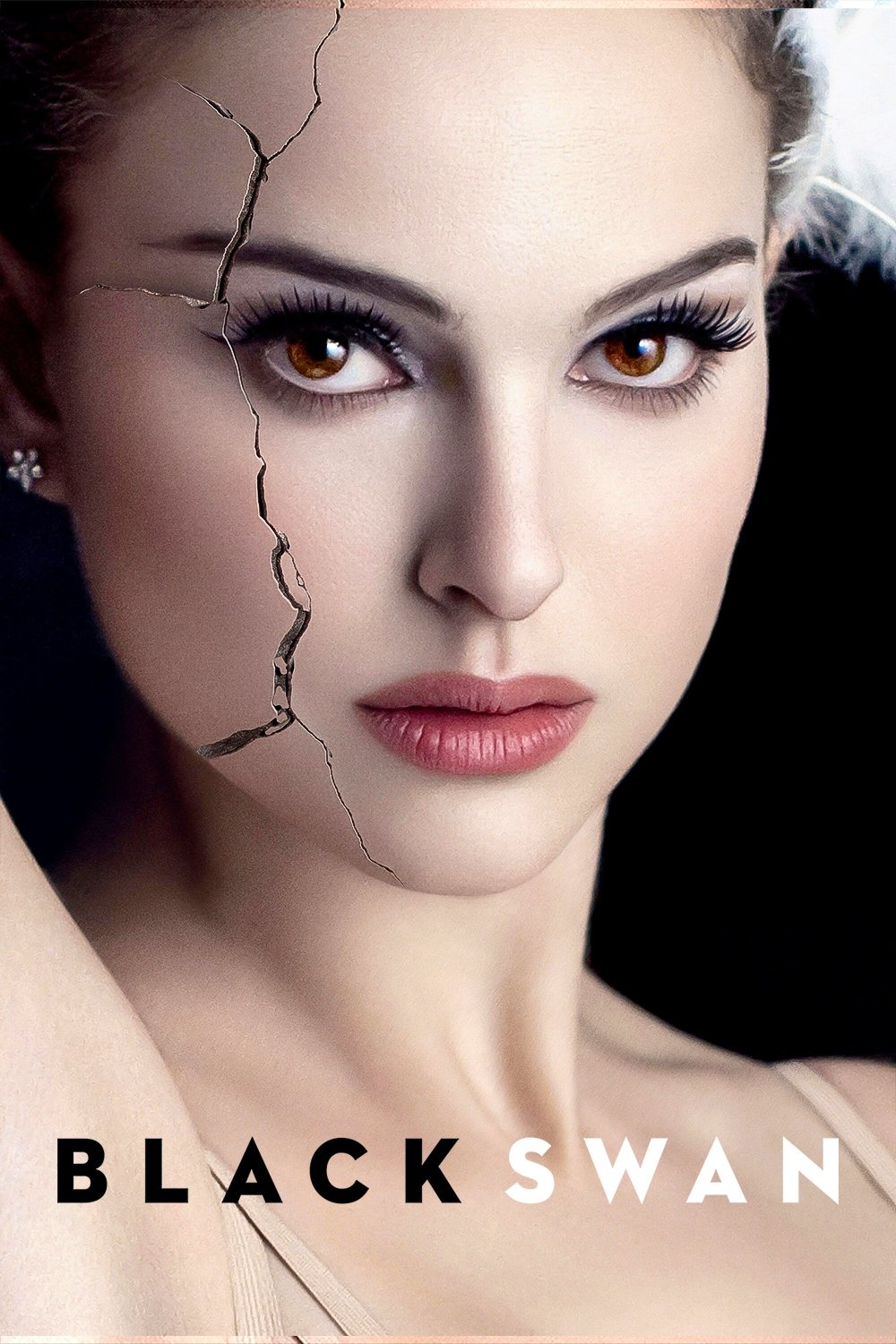
Black Swan
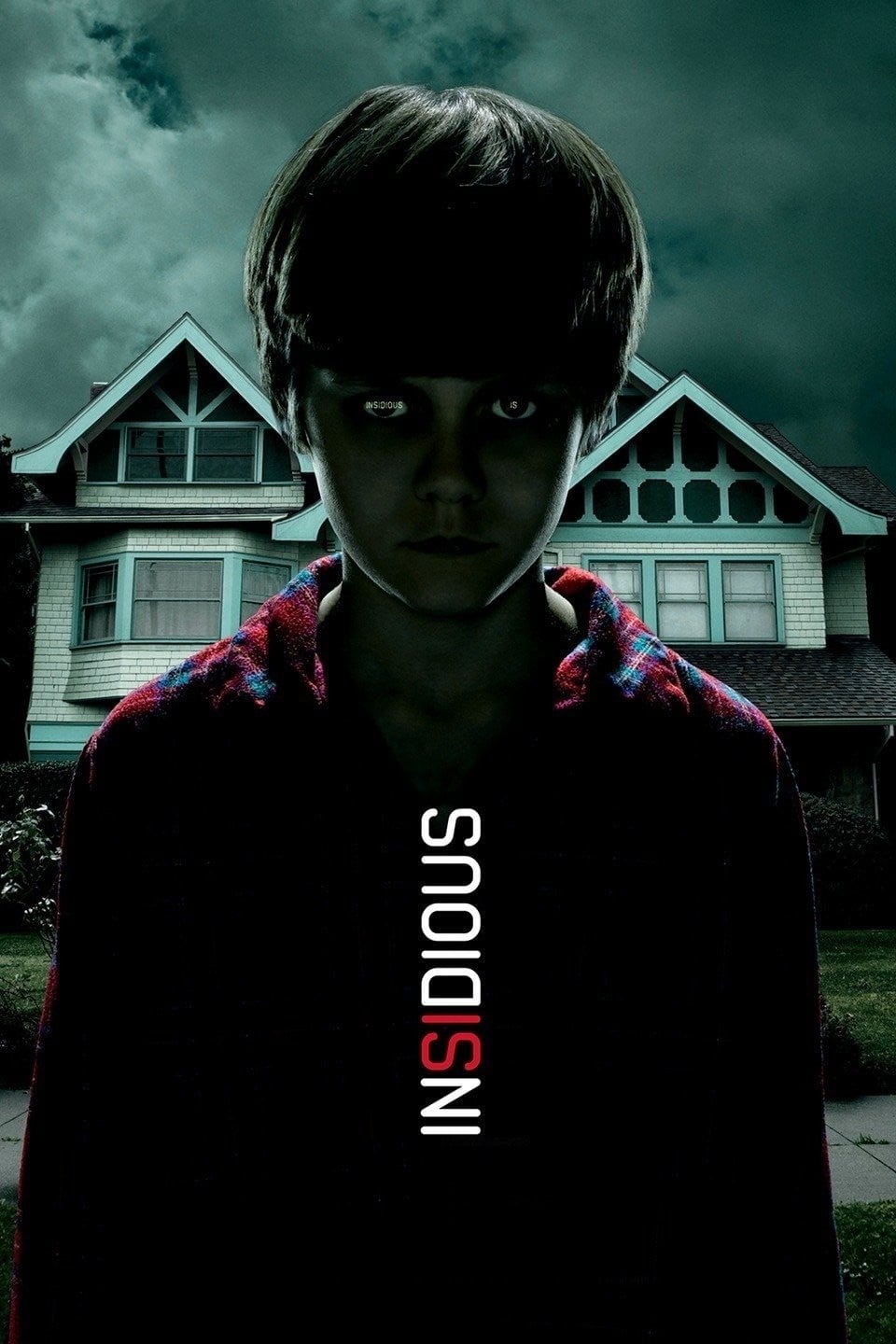
Insidious
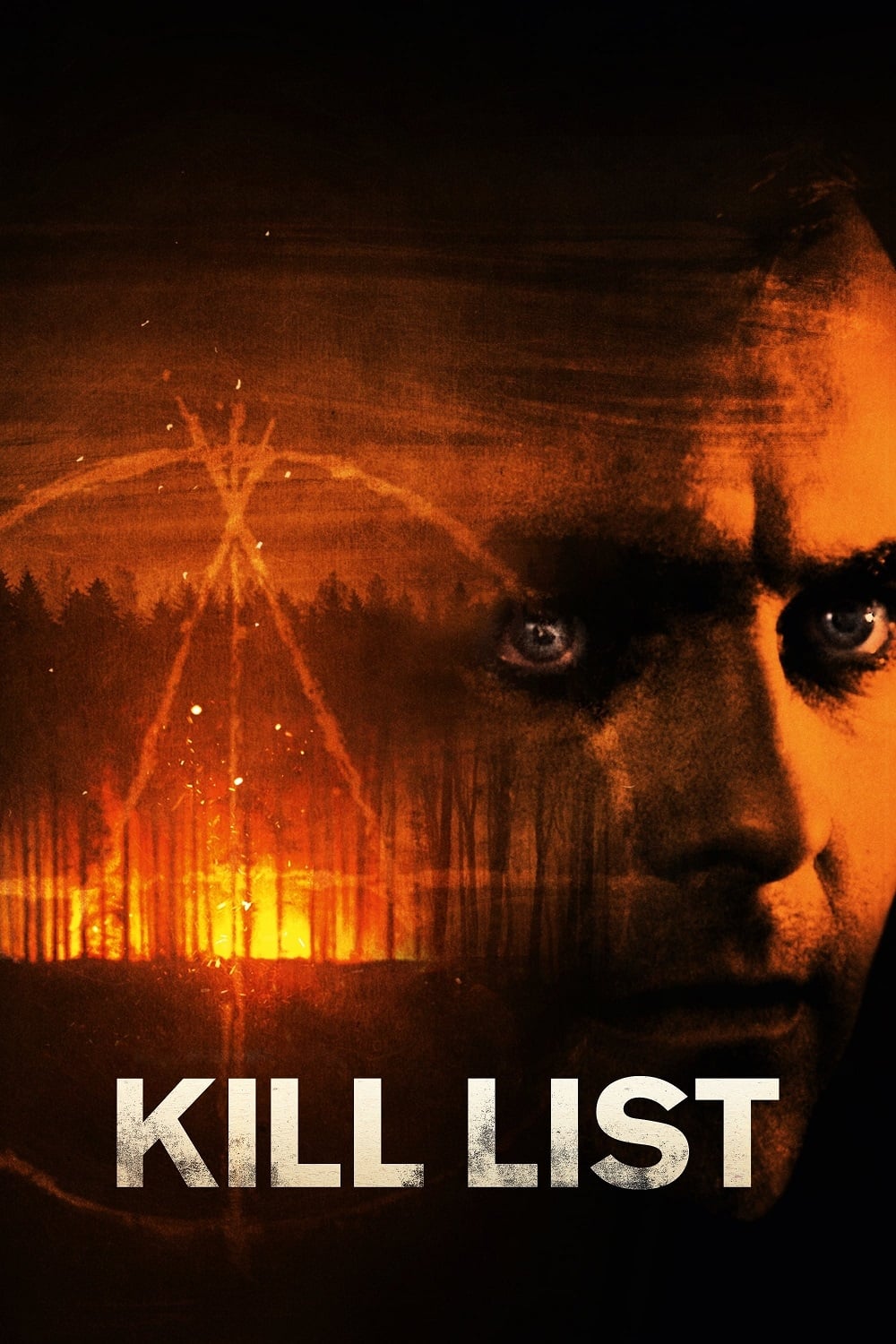
Kill List

Sinister
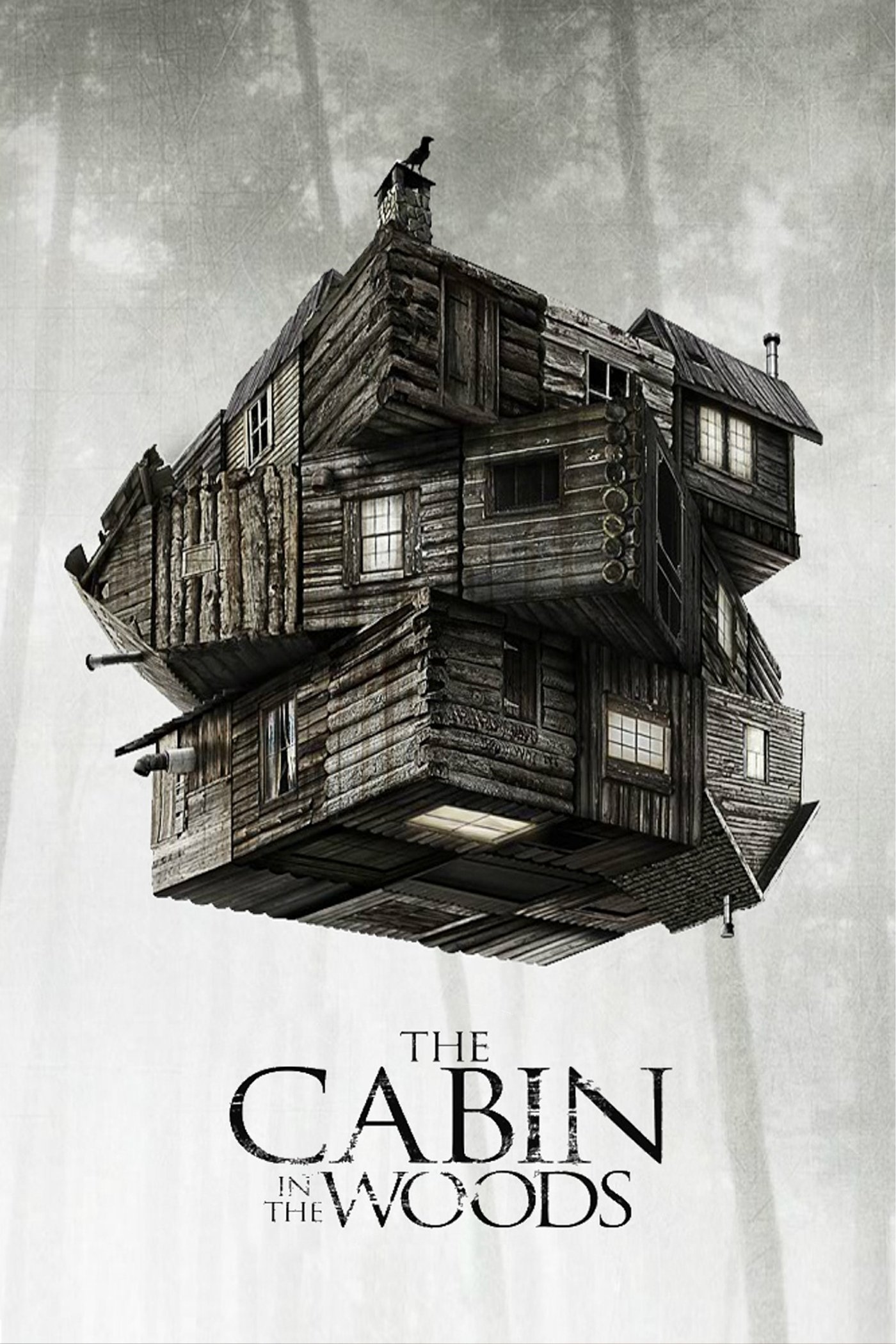
The Cabin in the Woods
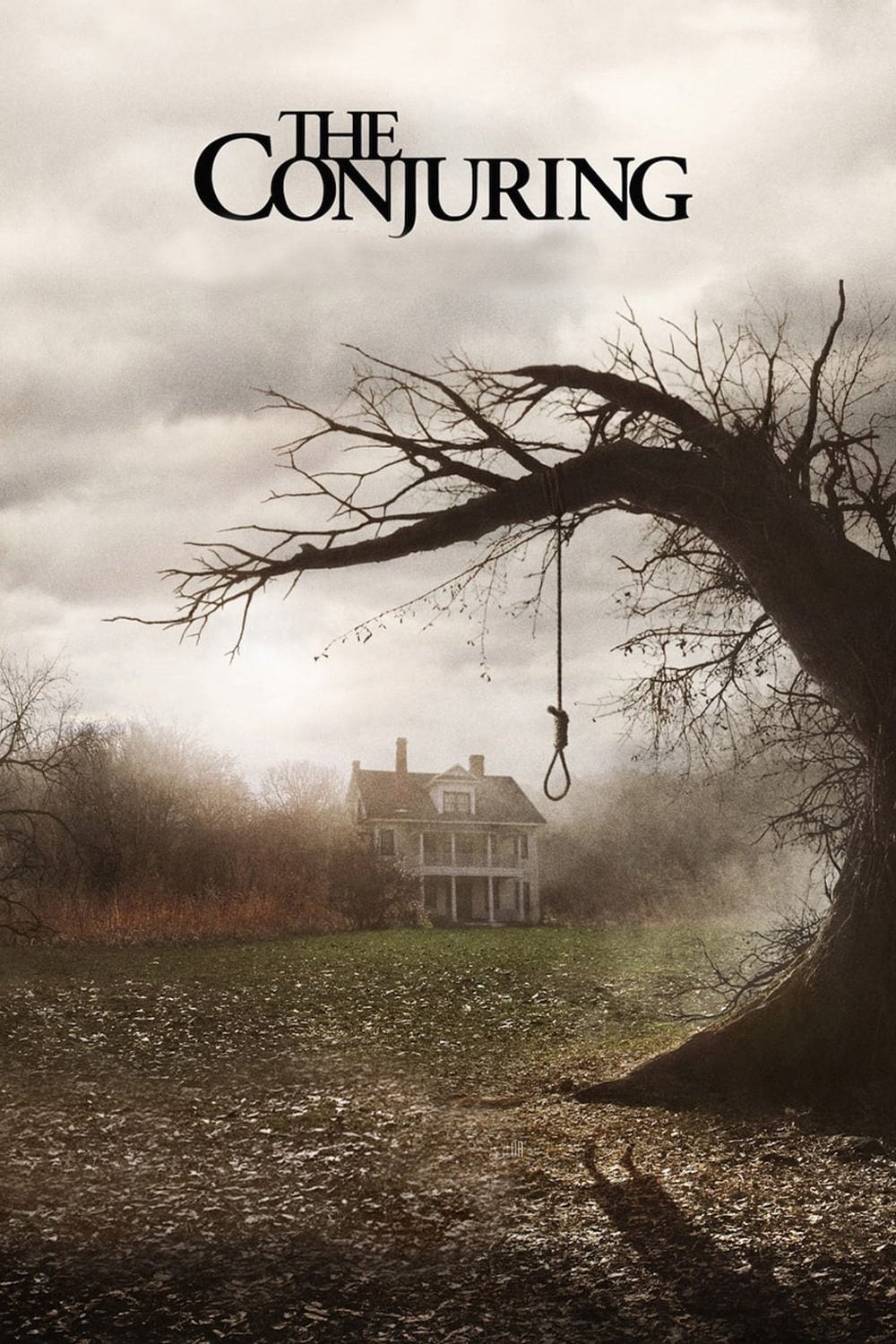
The Conjuring
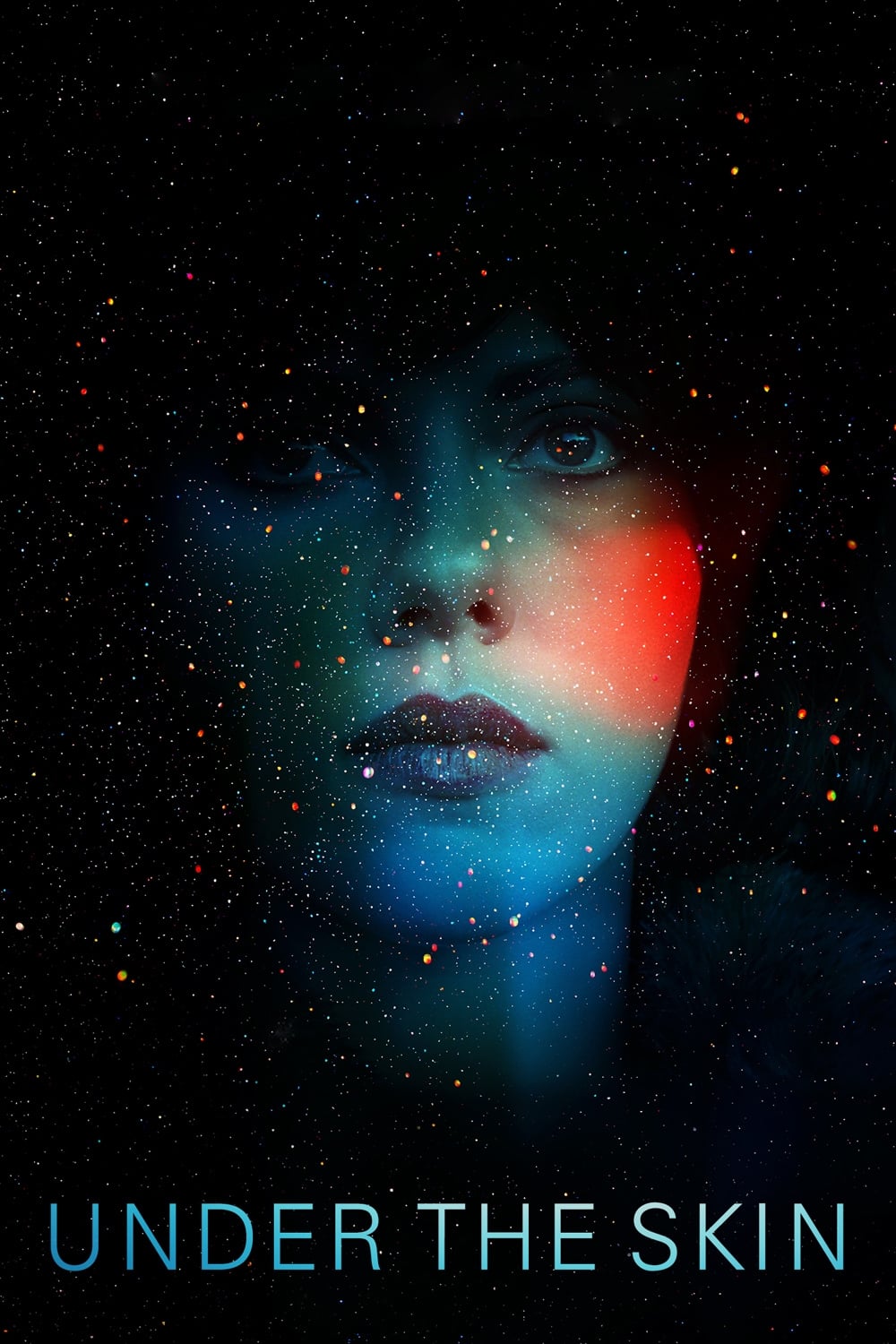
Under the Skin
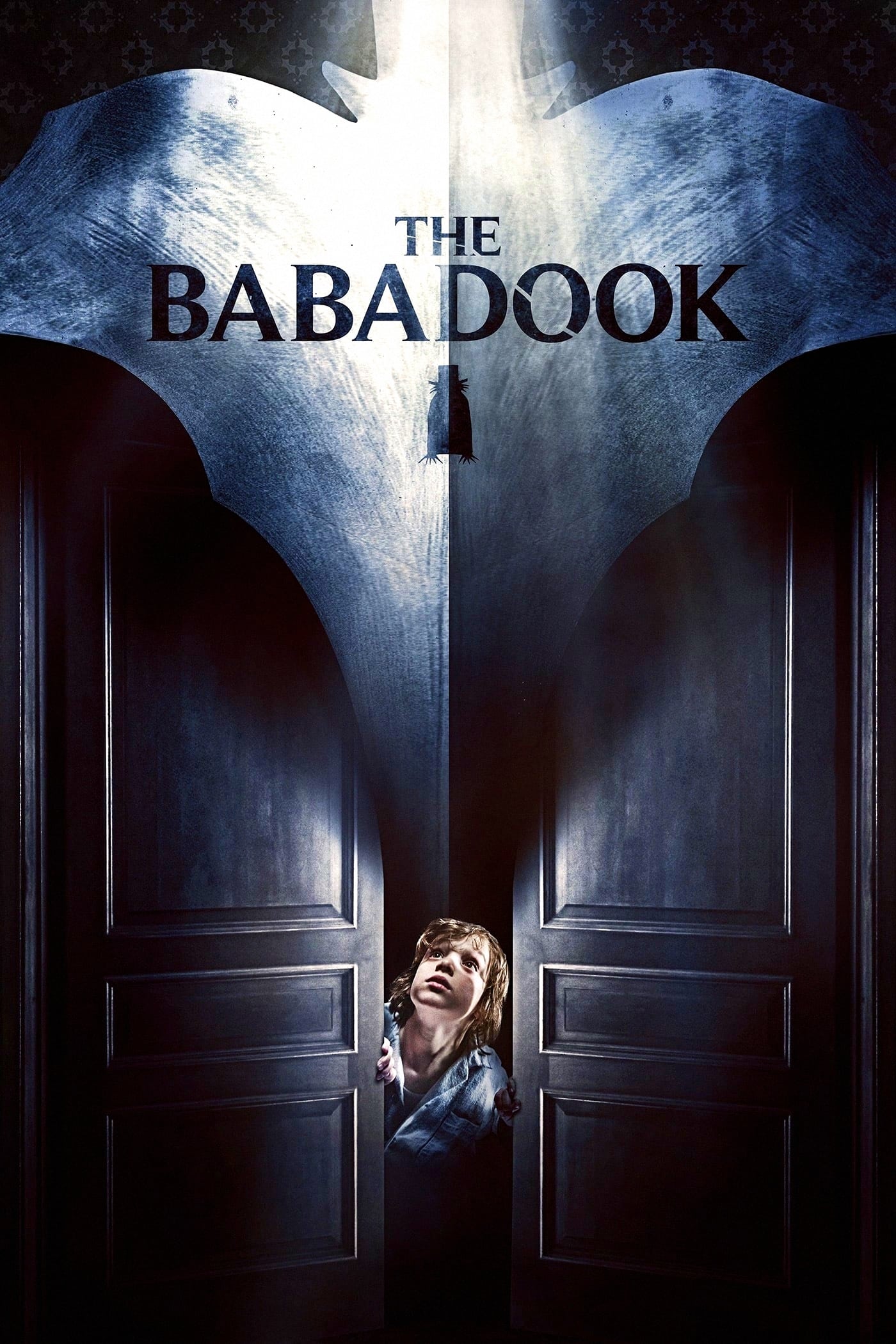
The Babadook
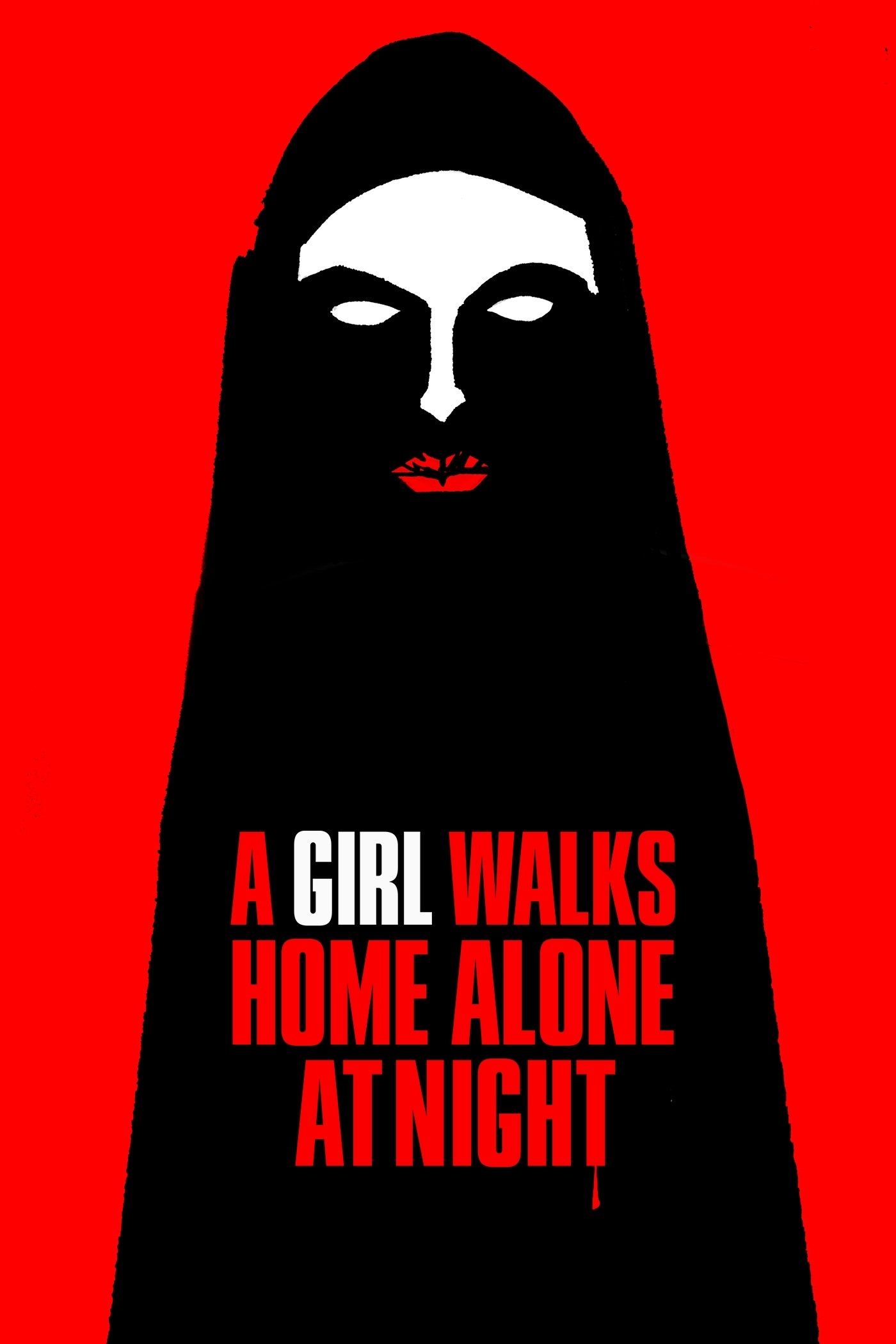
A Girl Walks Home Alone at Night
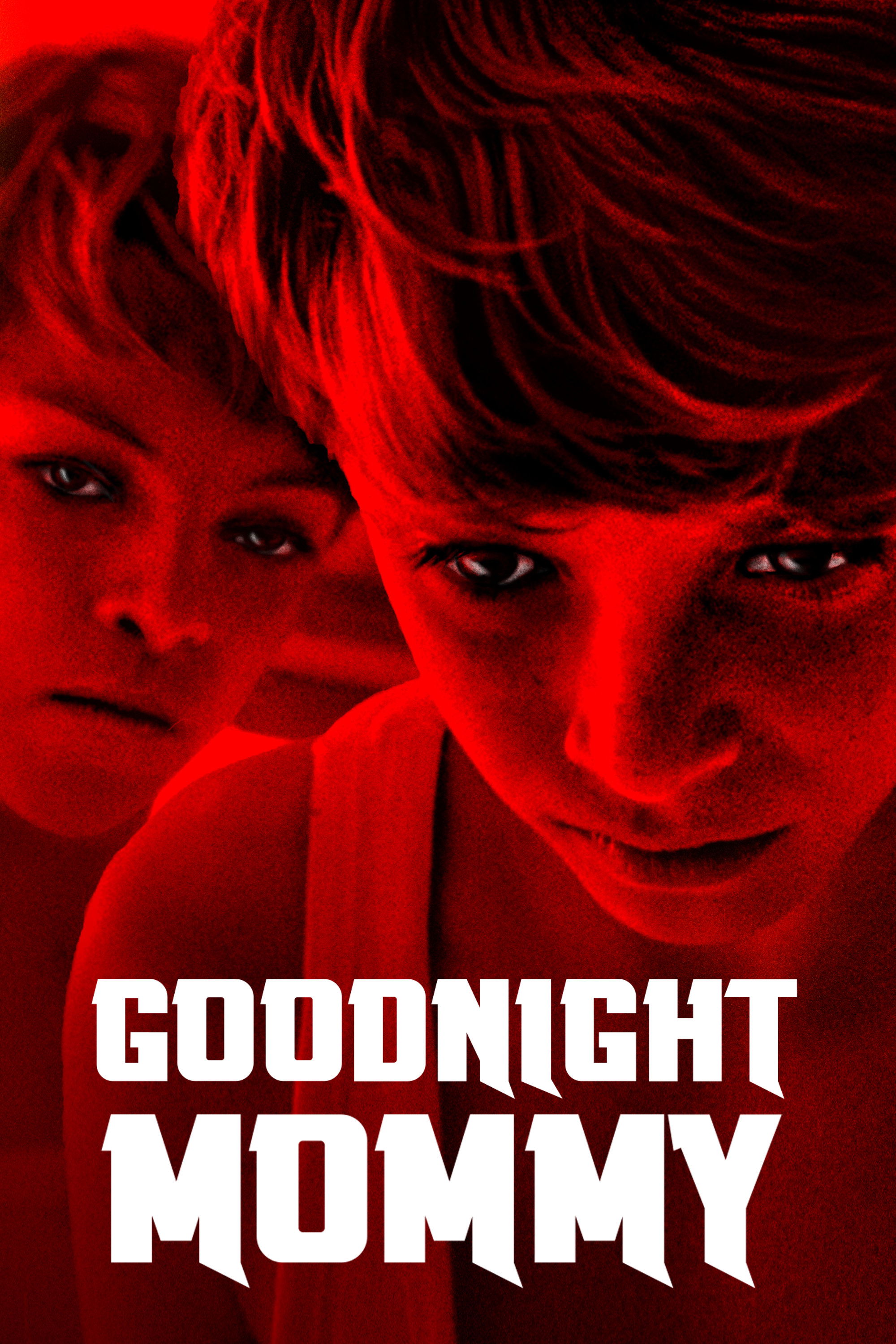
Goodnight Mommy
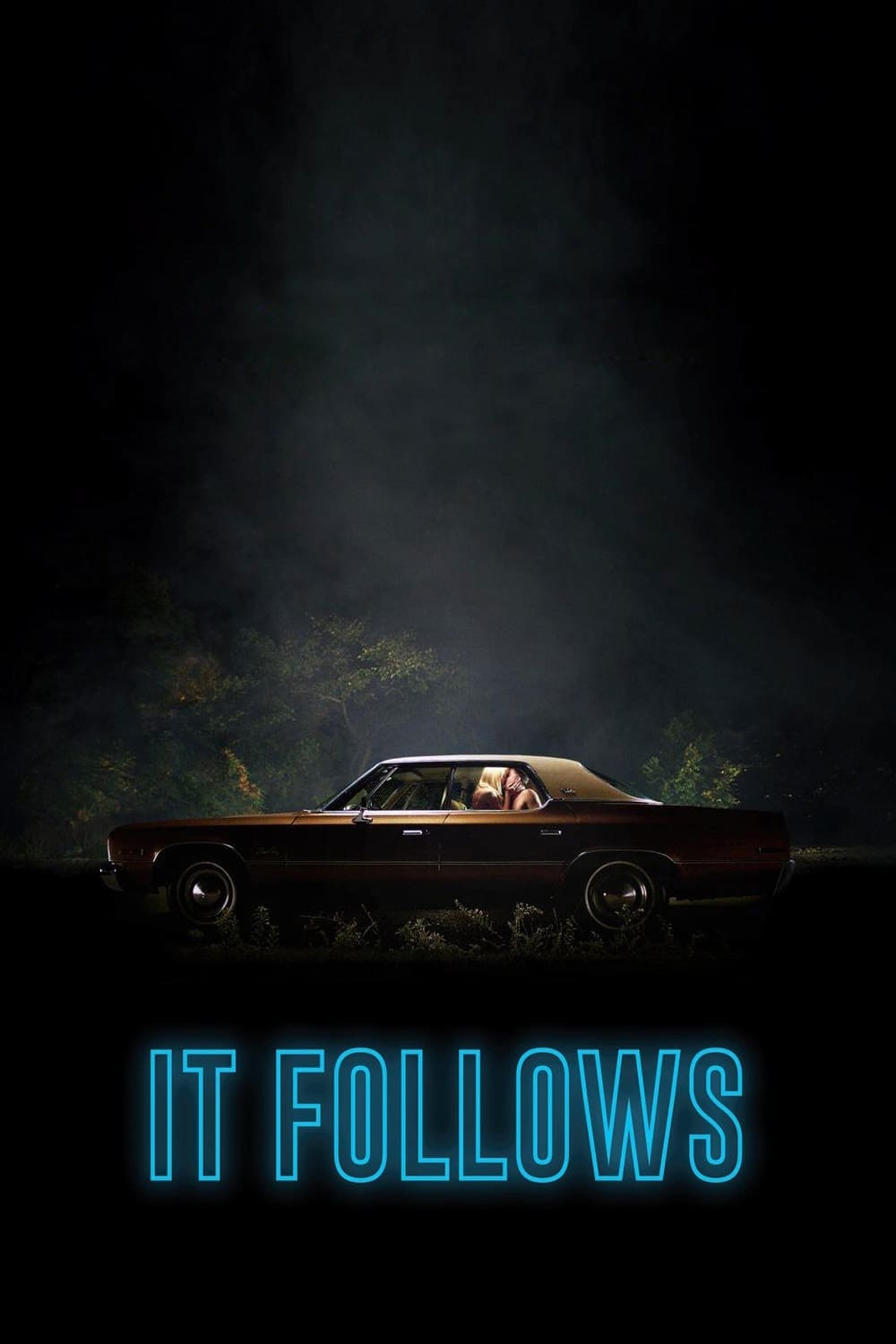
It Follows
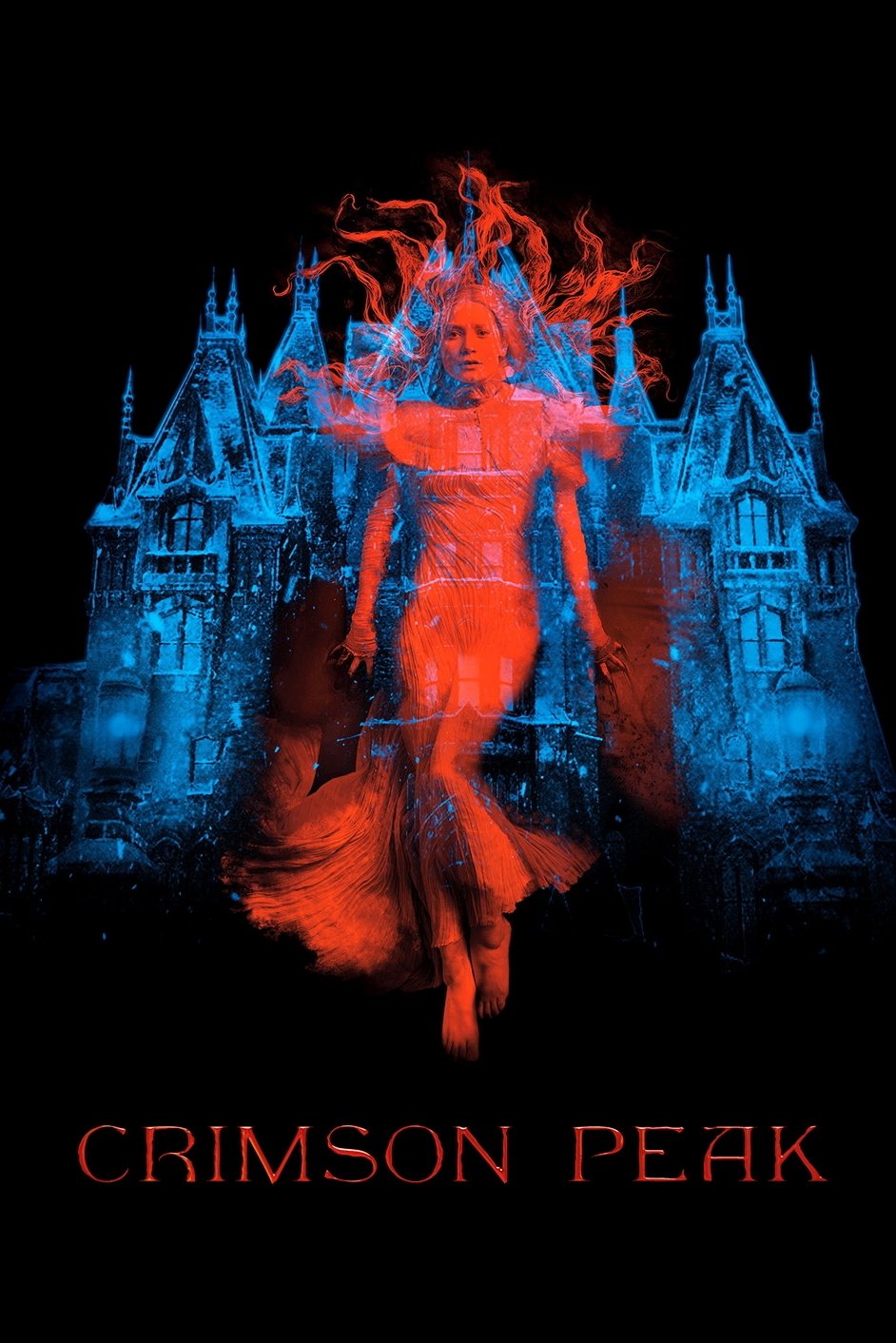
Crimson Peak
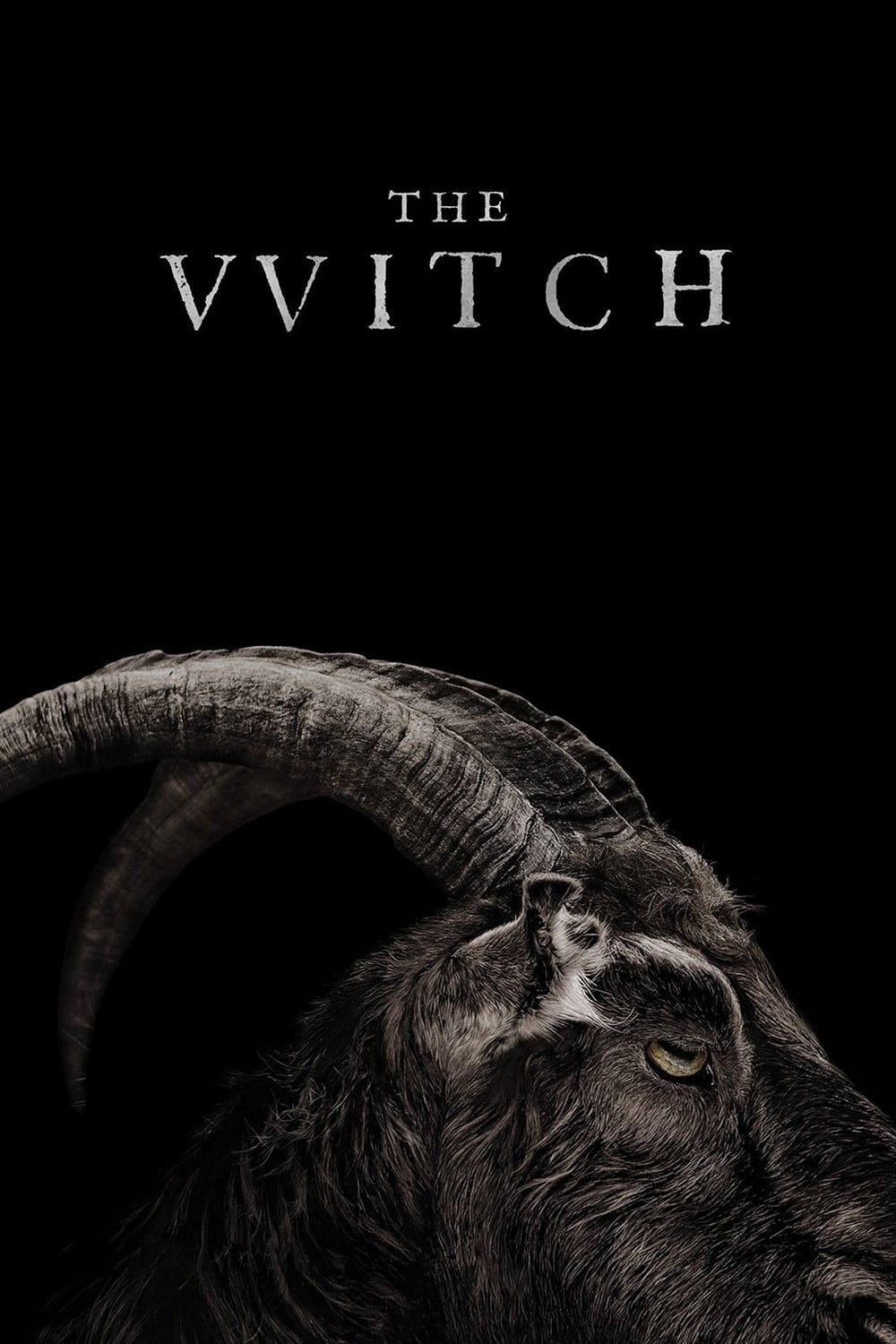
The Witch
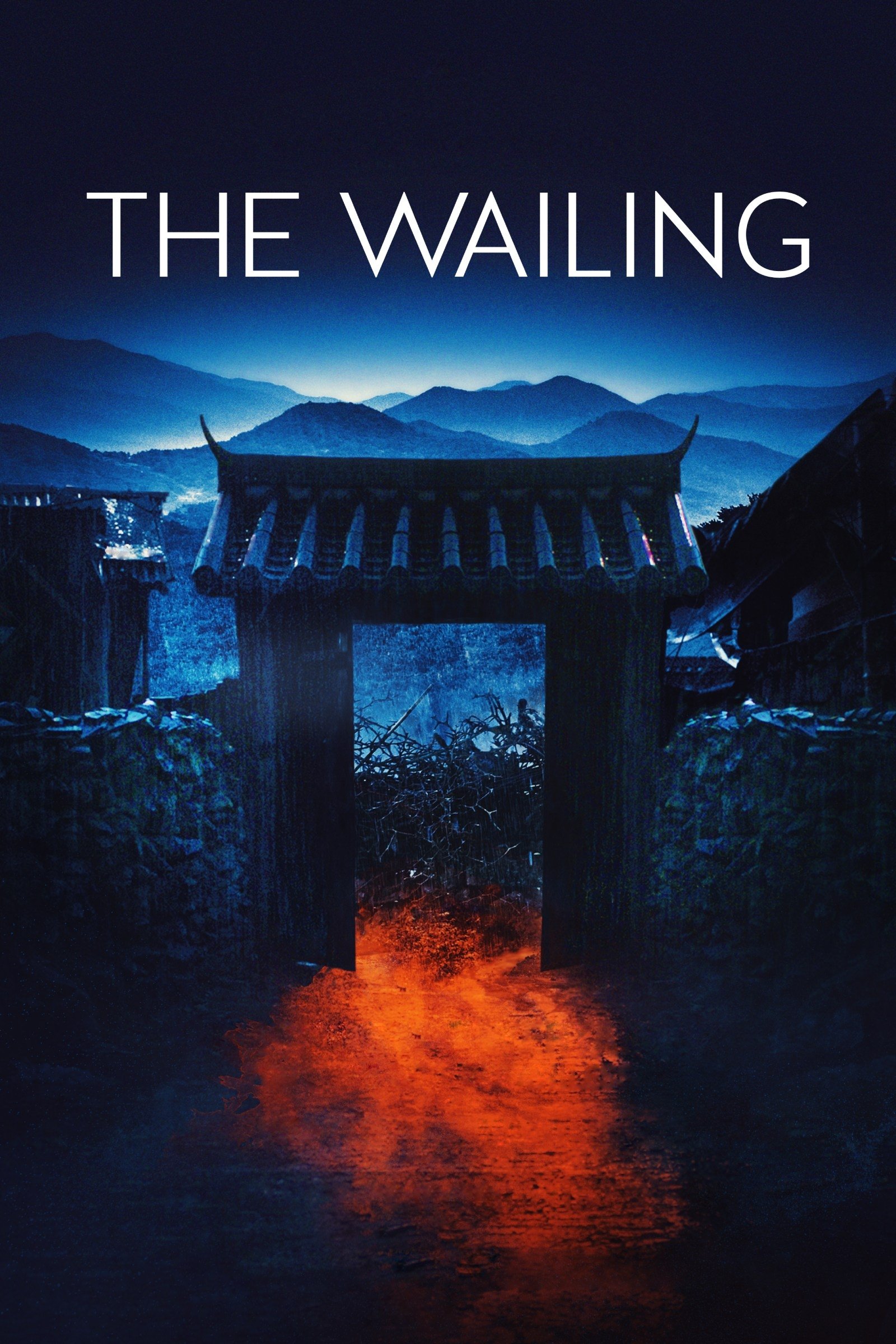
The Wailing
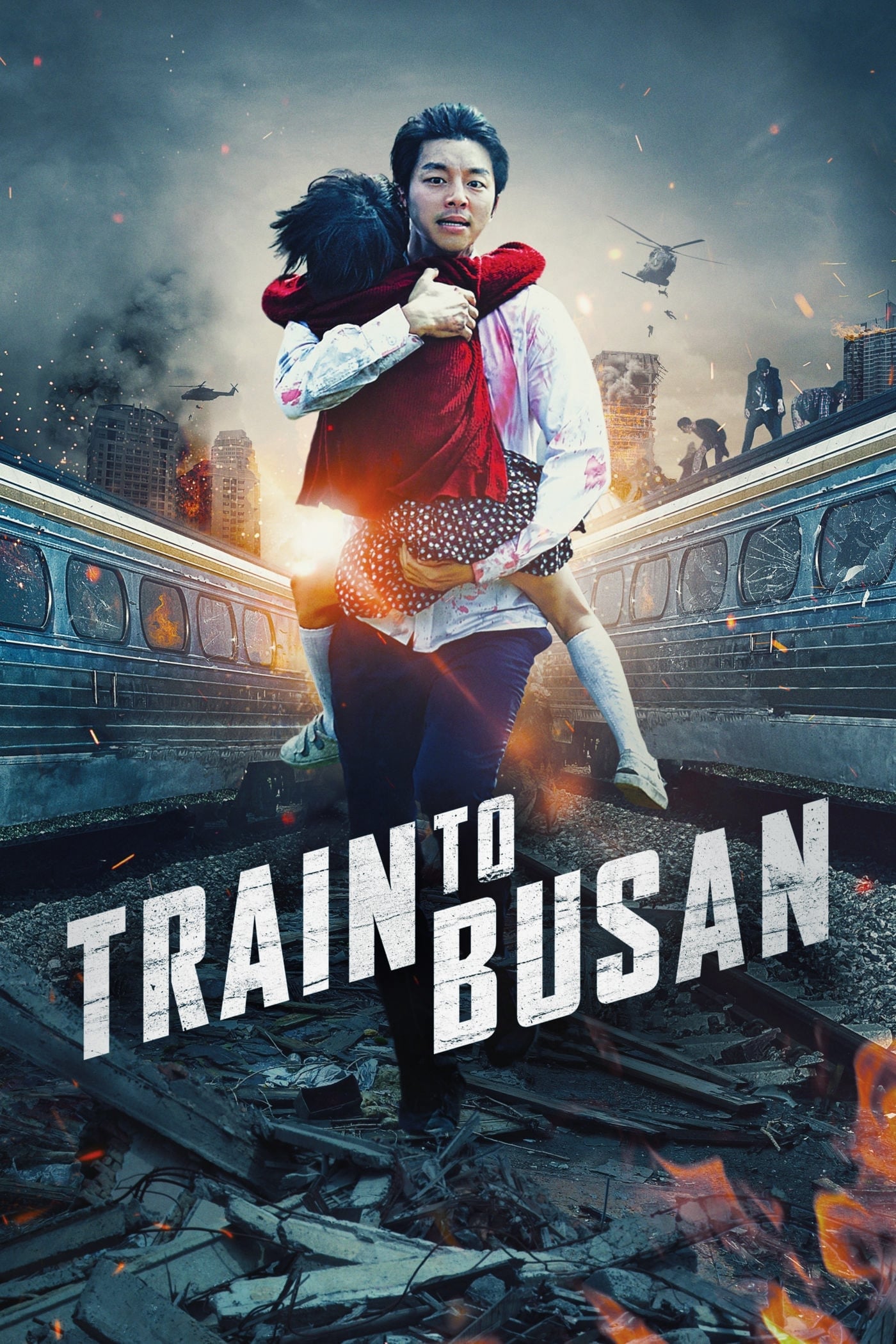
Train to Busan
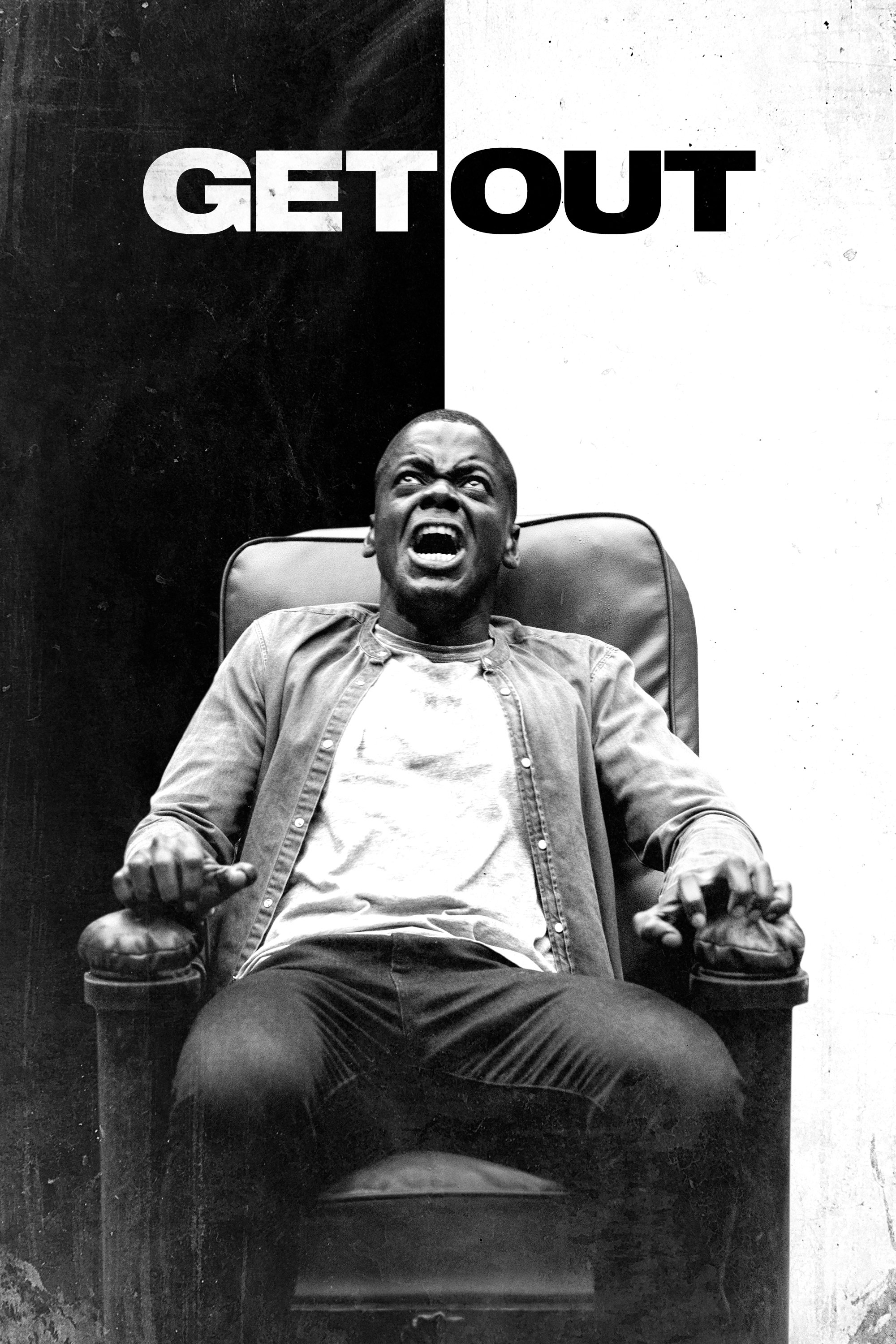
Get Out
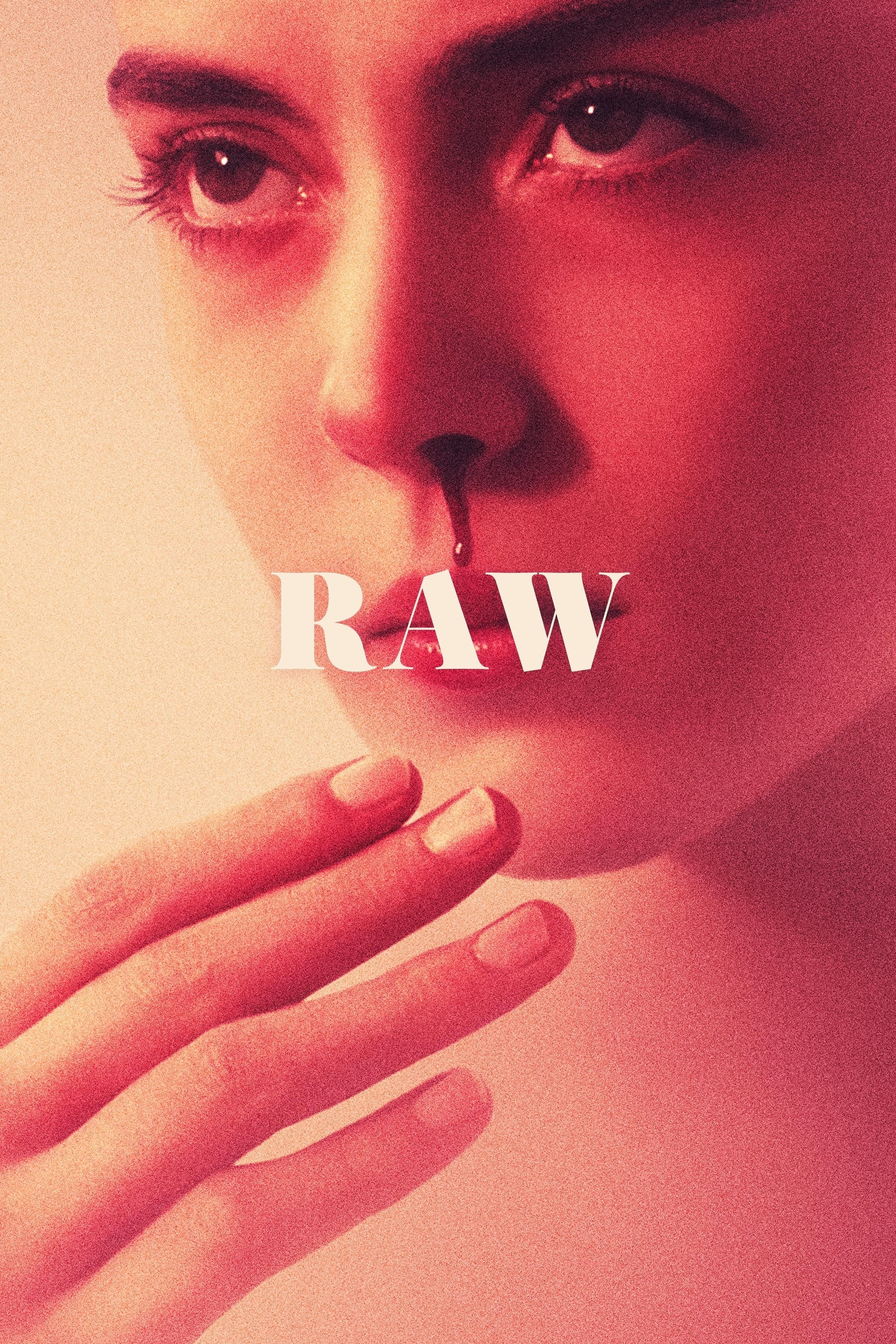
Raw
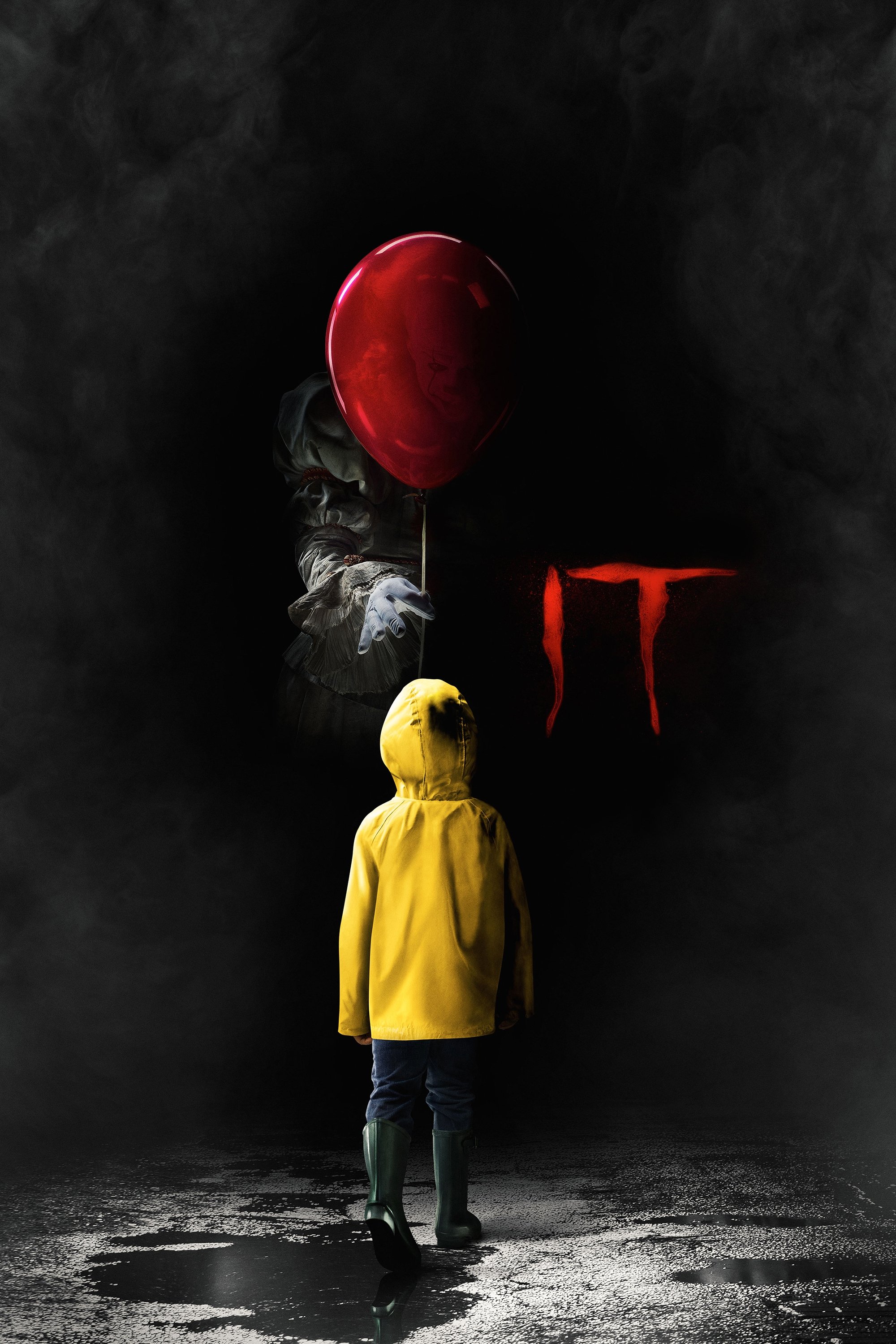
It

mother!
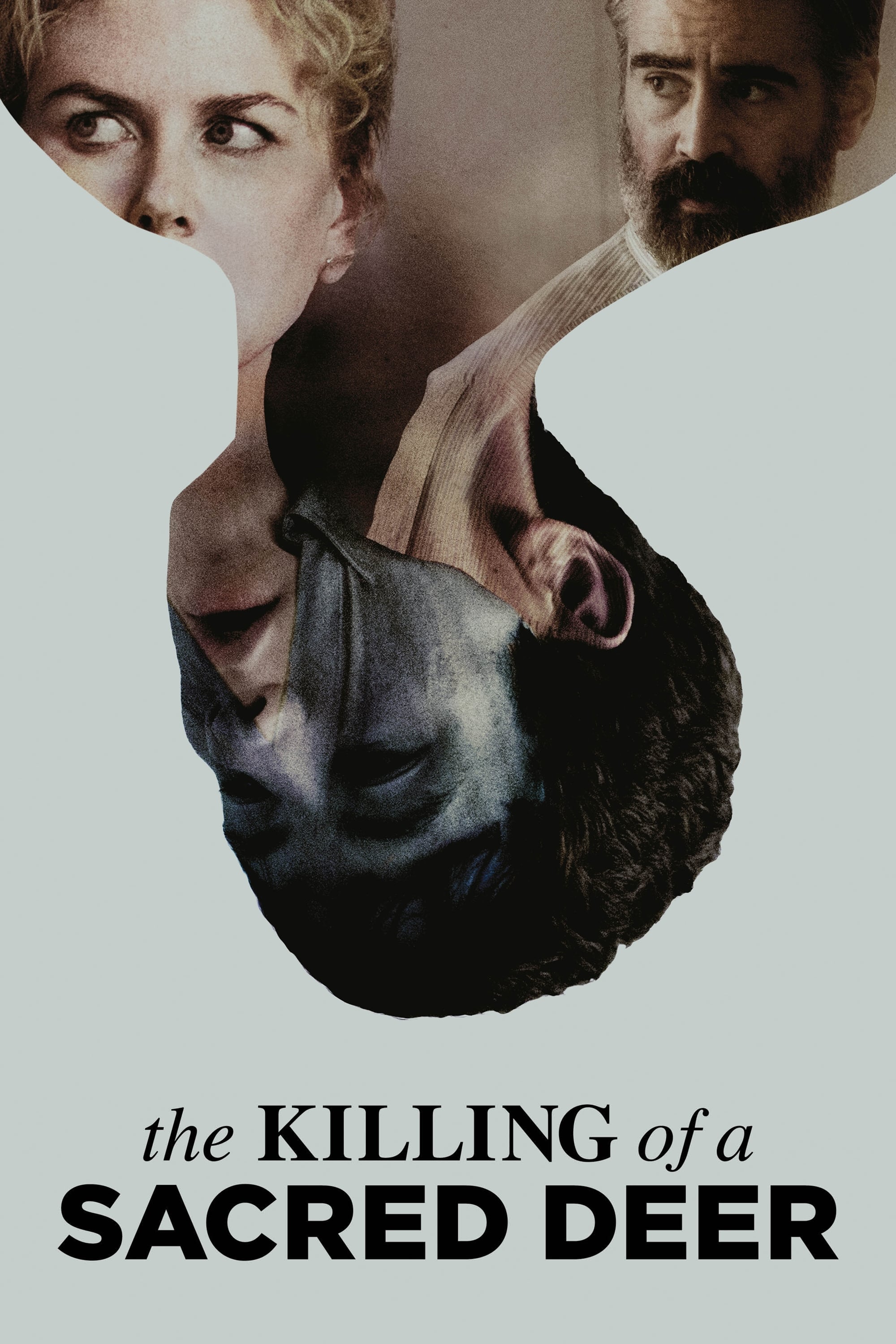
The Killing of a Sacred Deer
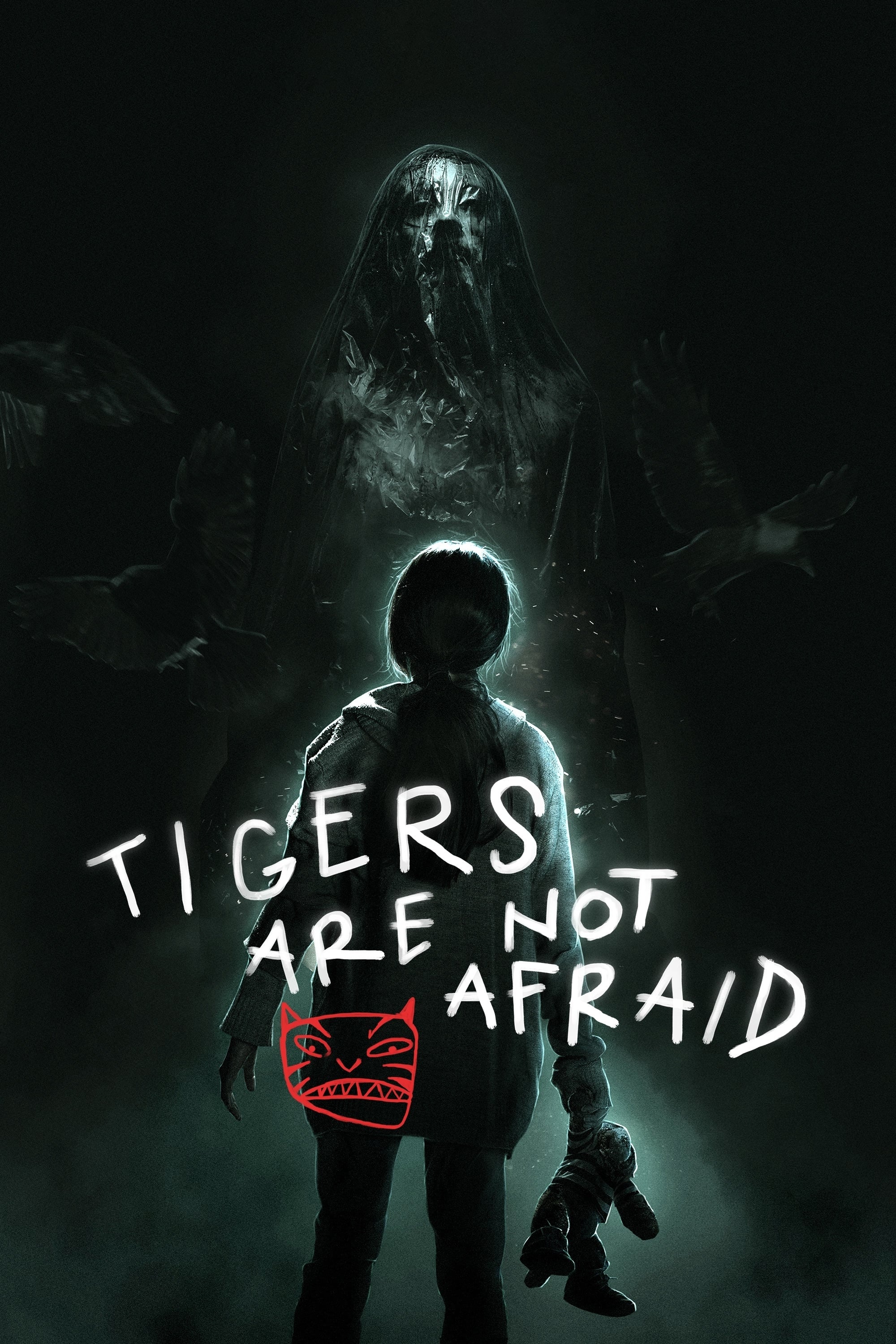
Tigers Are Not Afraid
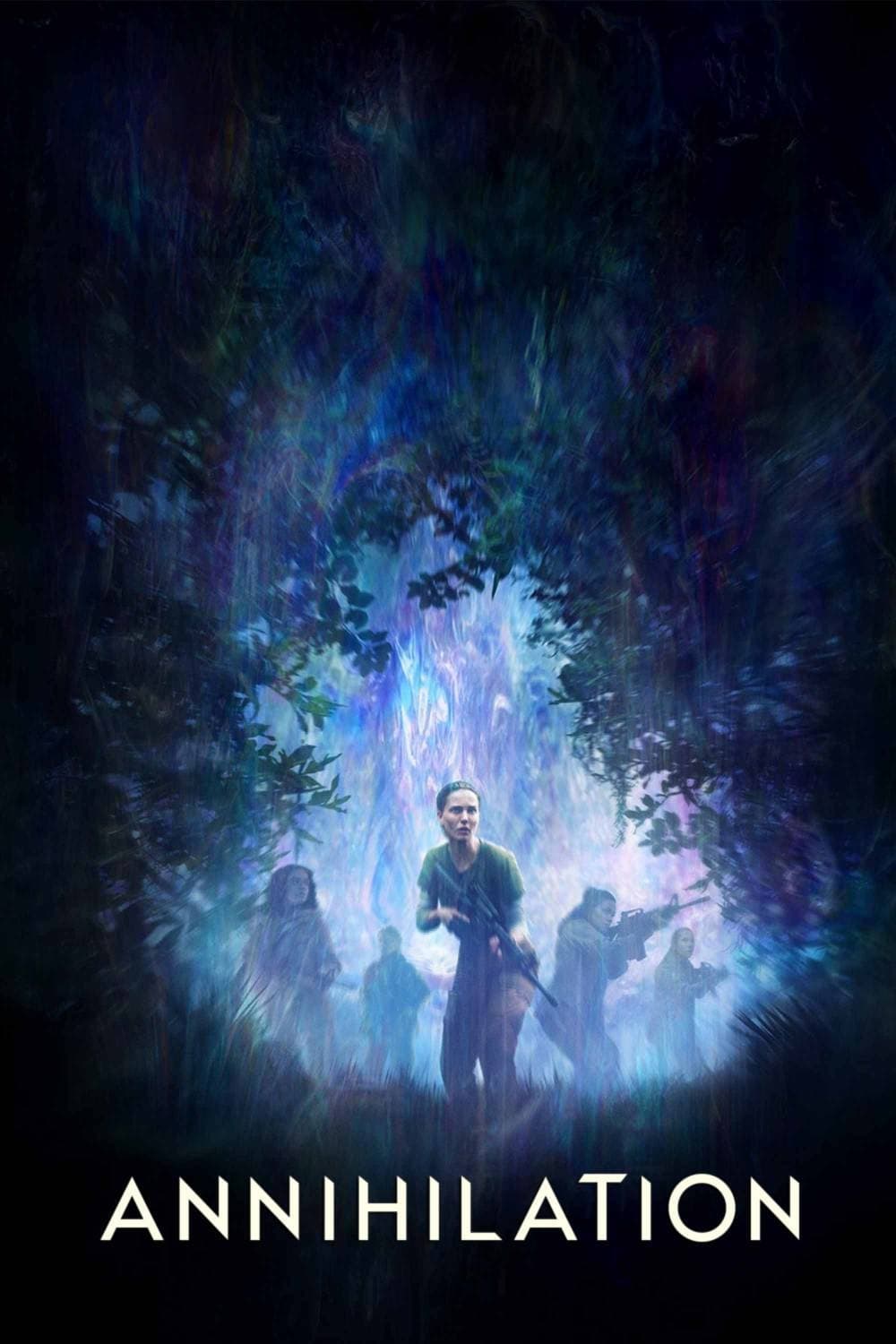
Annihilation
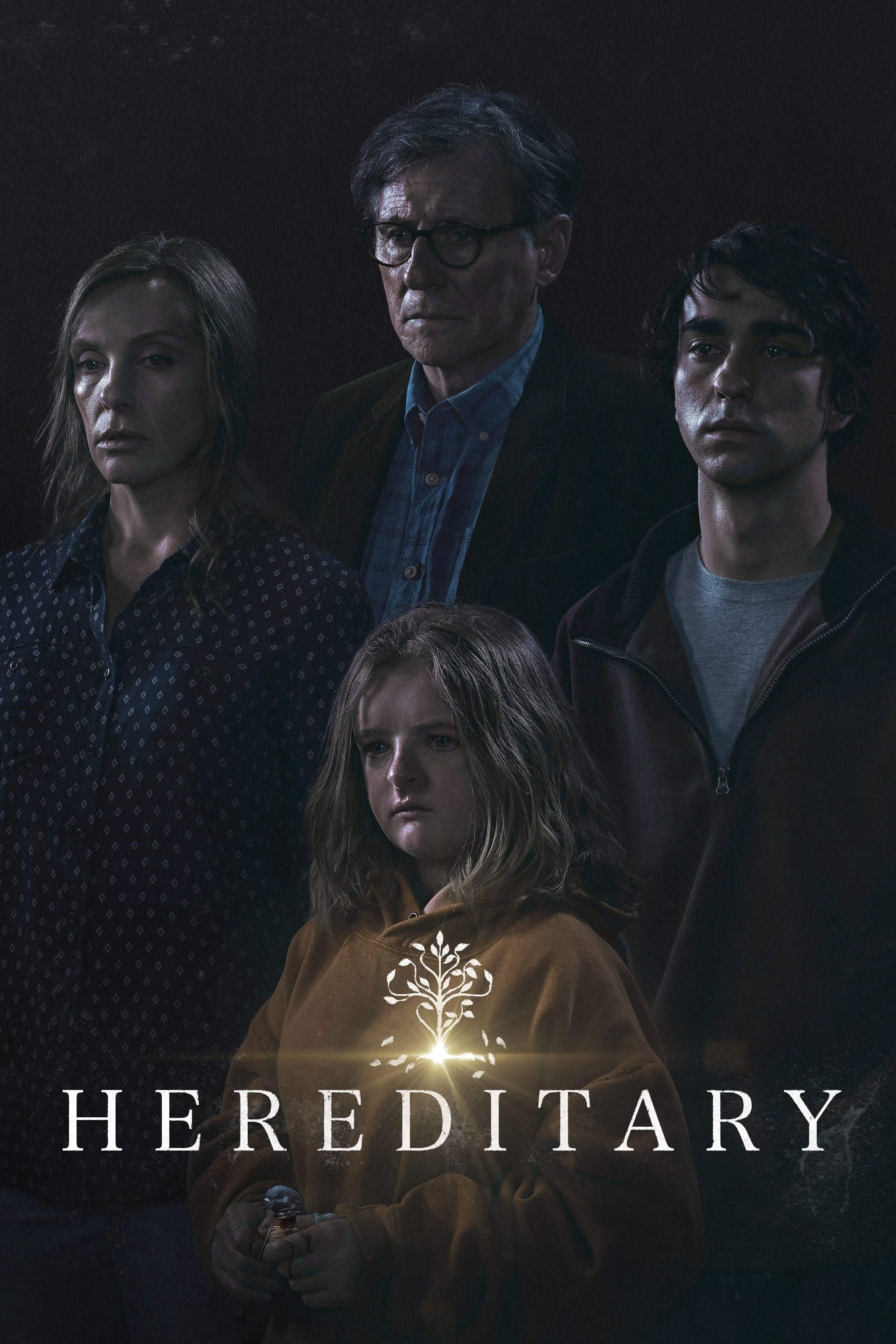
Hereditary
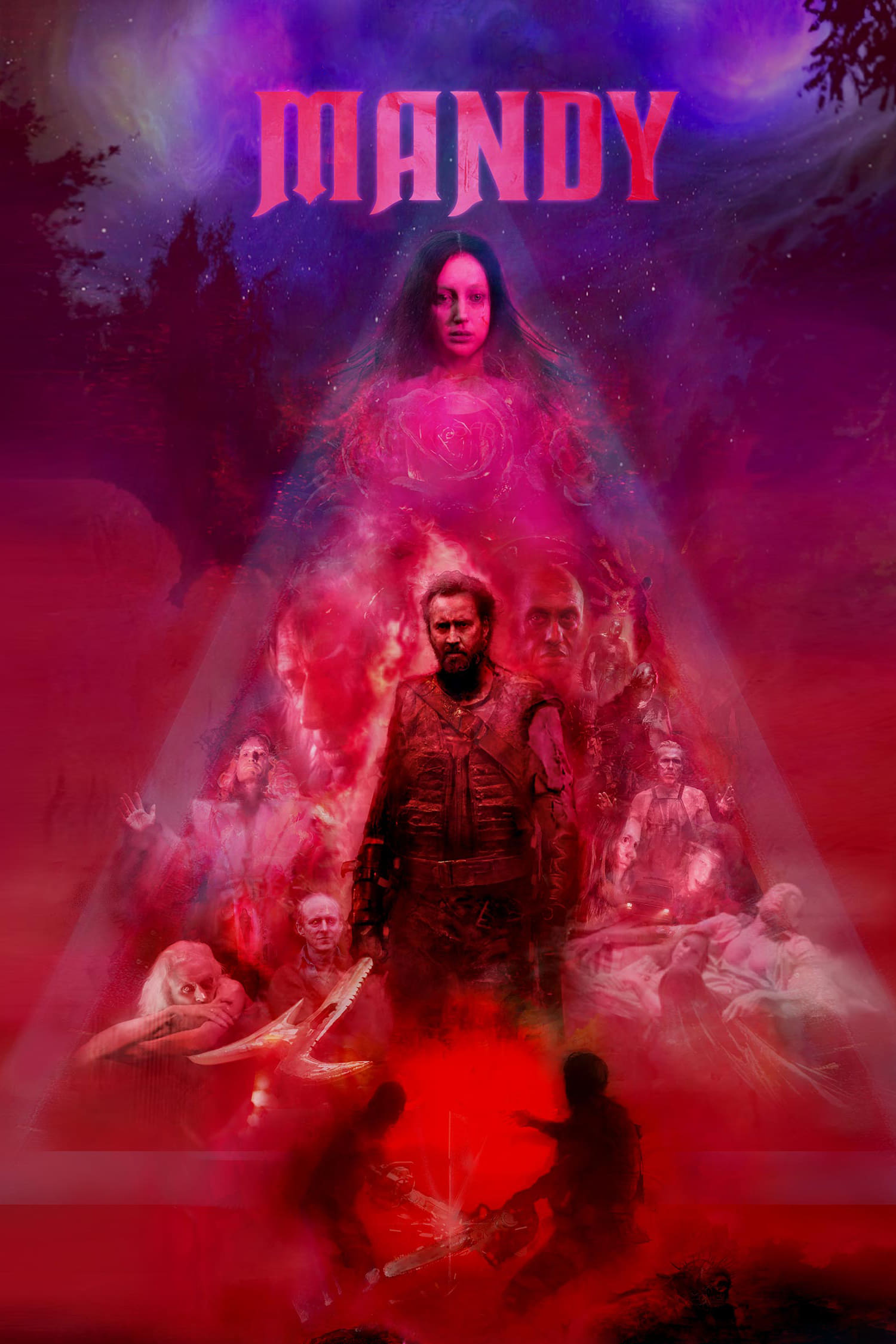
Mandy
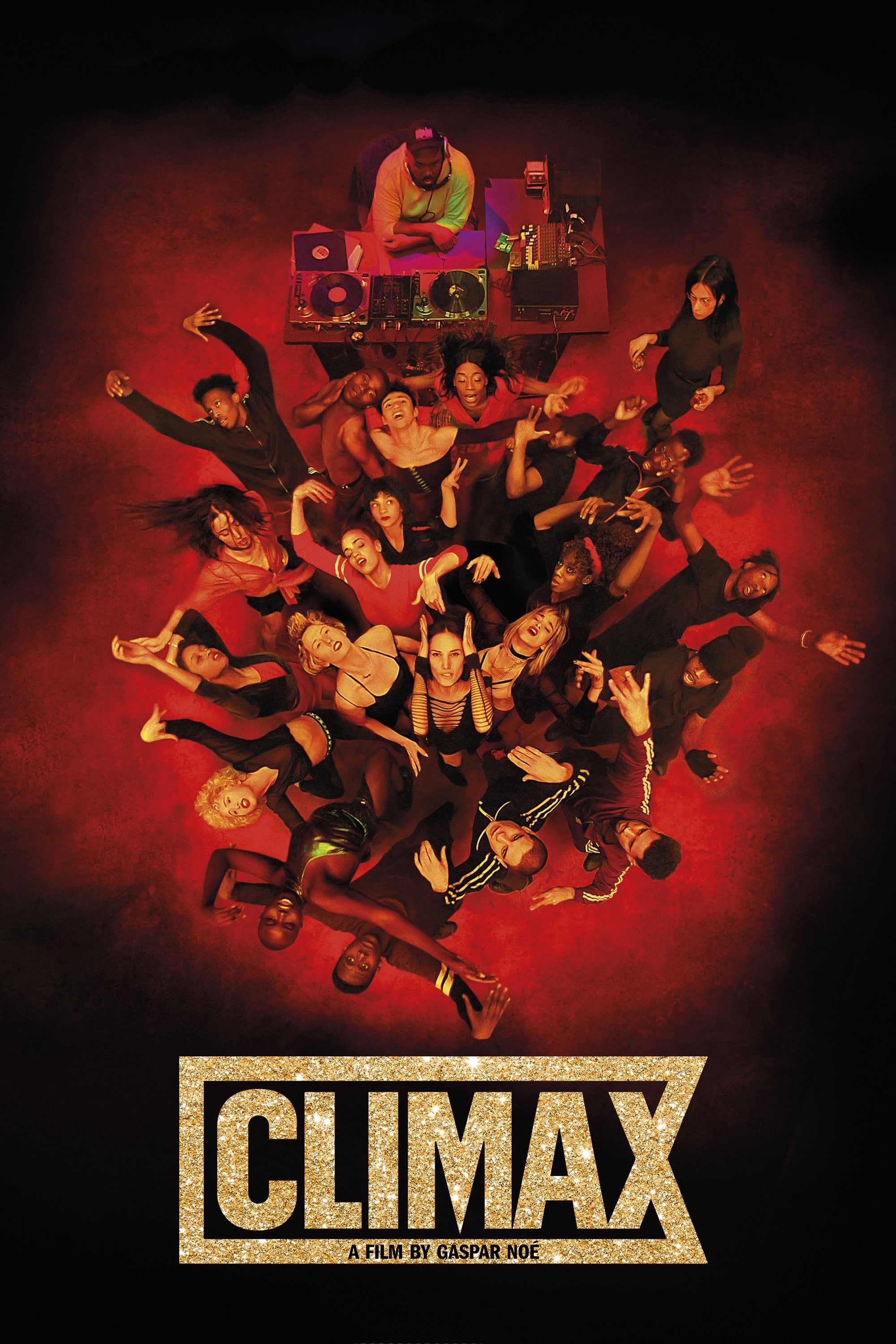
Climax
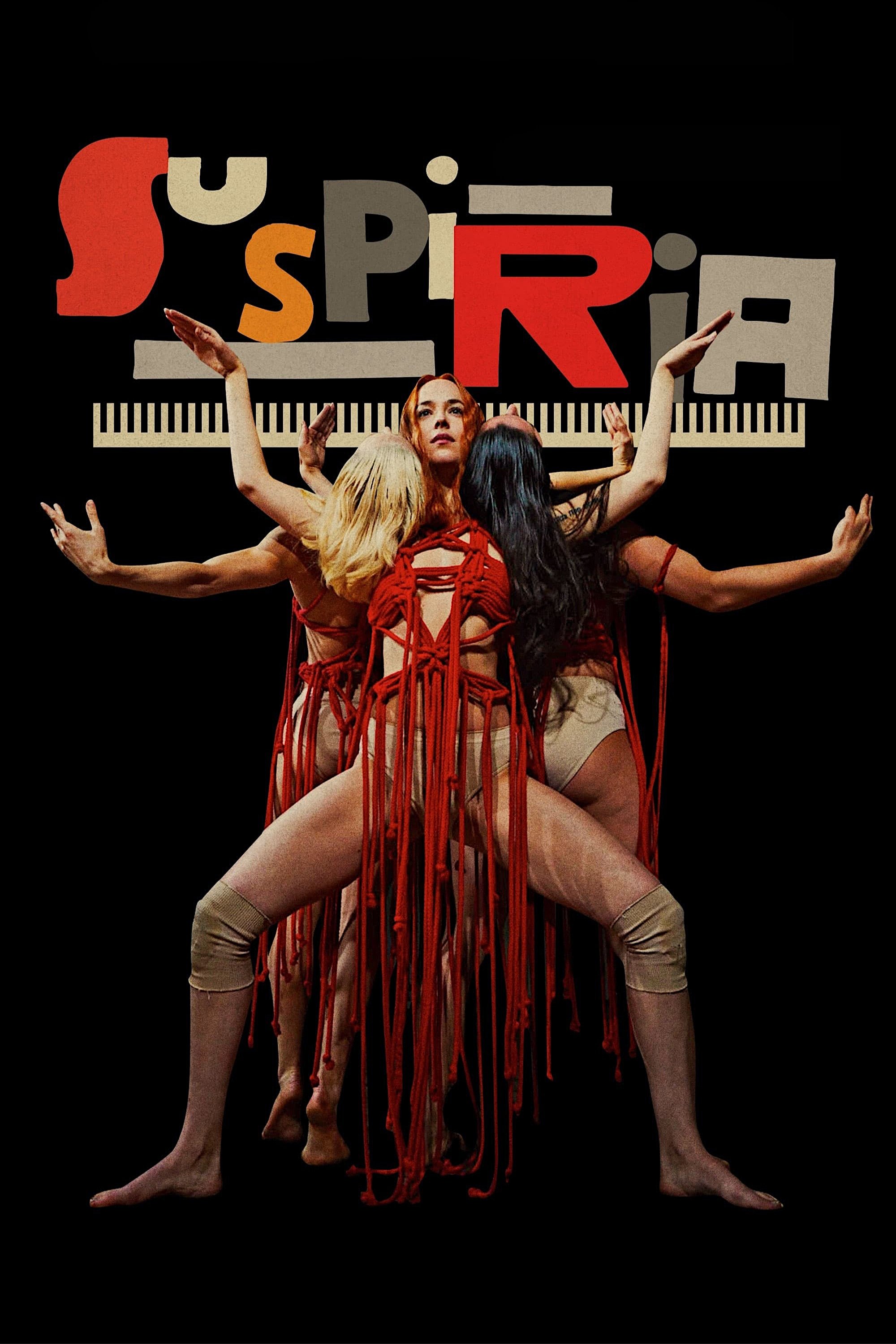
Suspiria
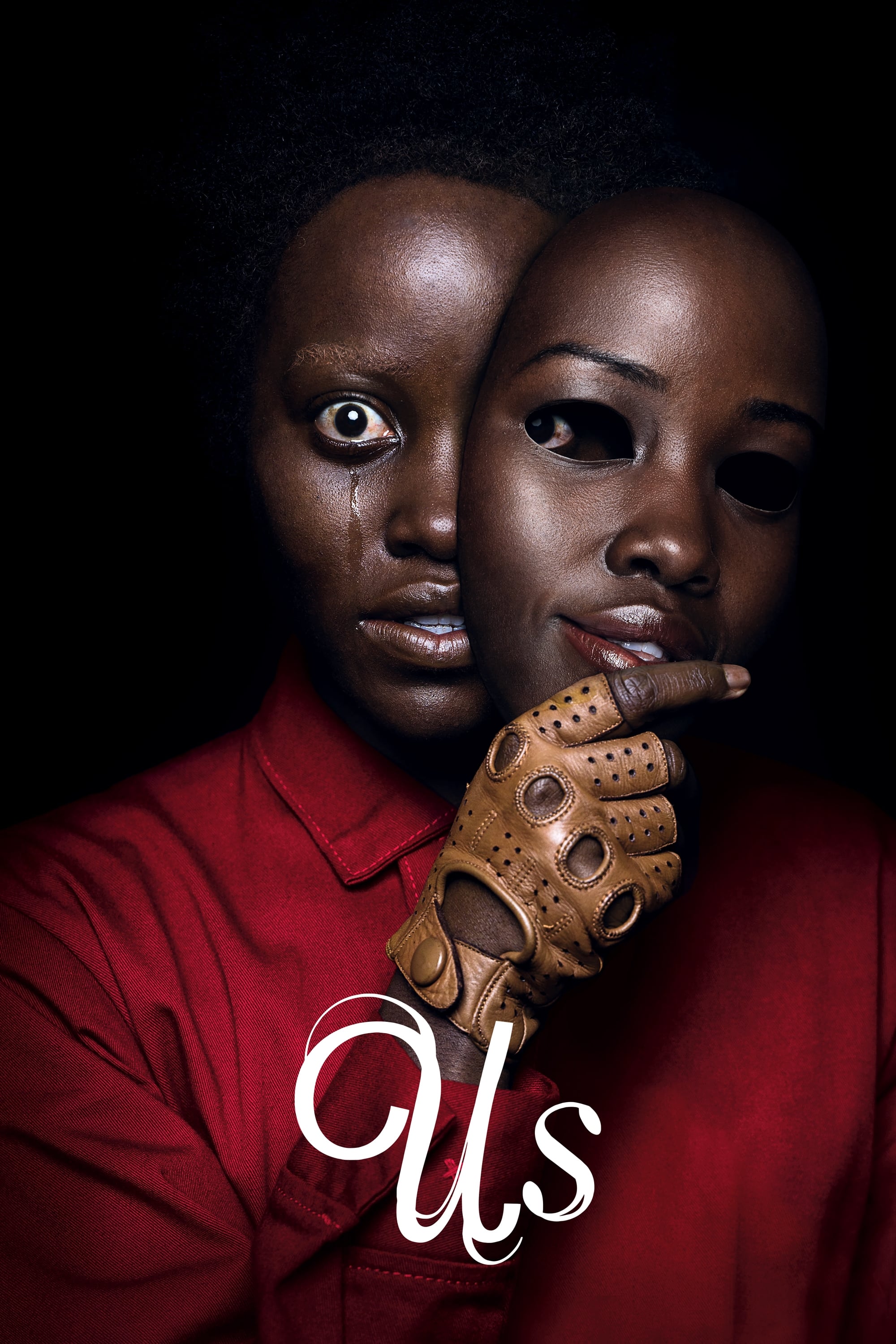
Us
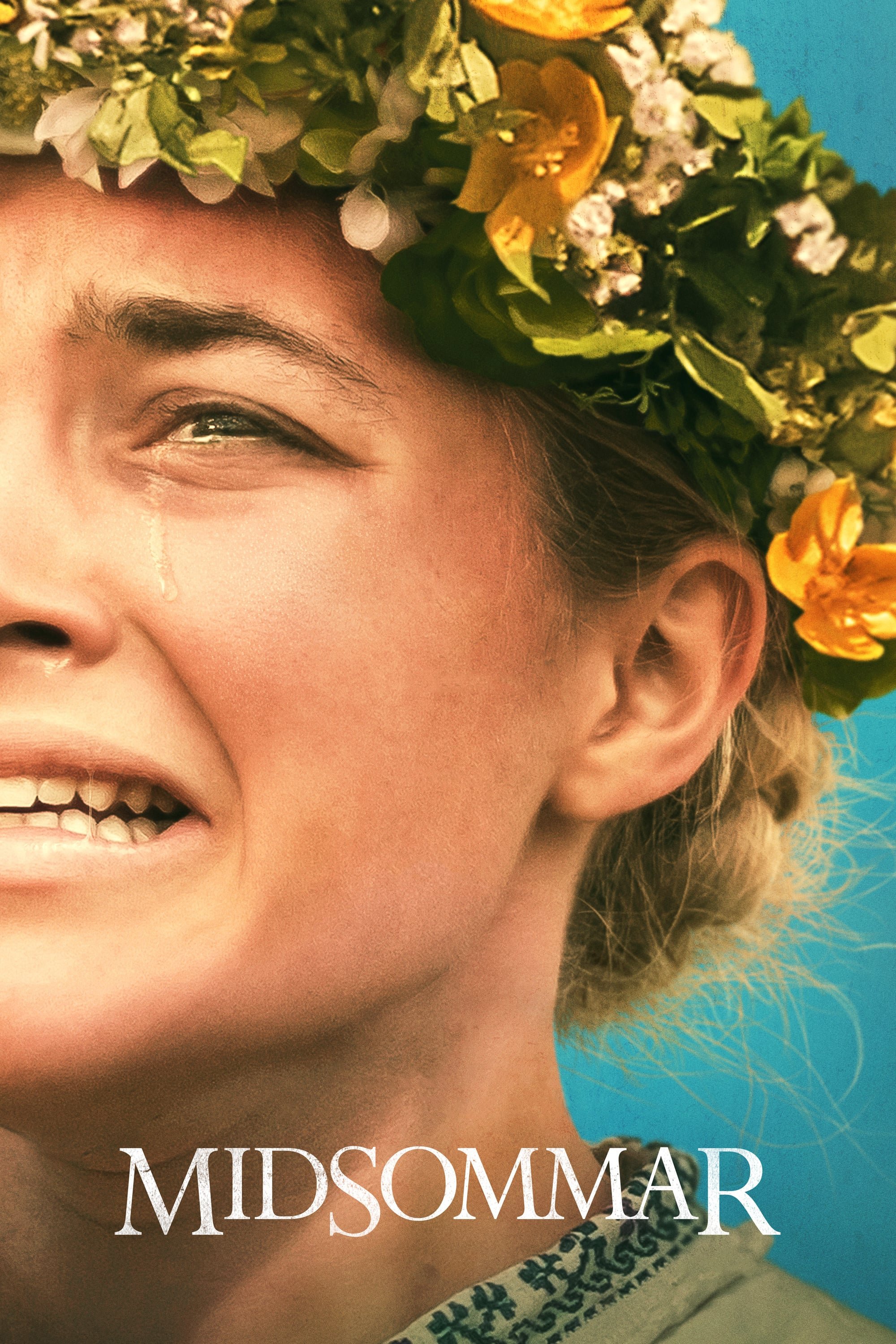
Midsommar
The Lighthouse
Doctor Sleep
Statistics
Top Subgenres
Top Countries
Percentage of 2010s horror films by country of production.