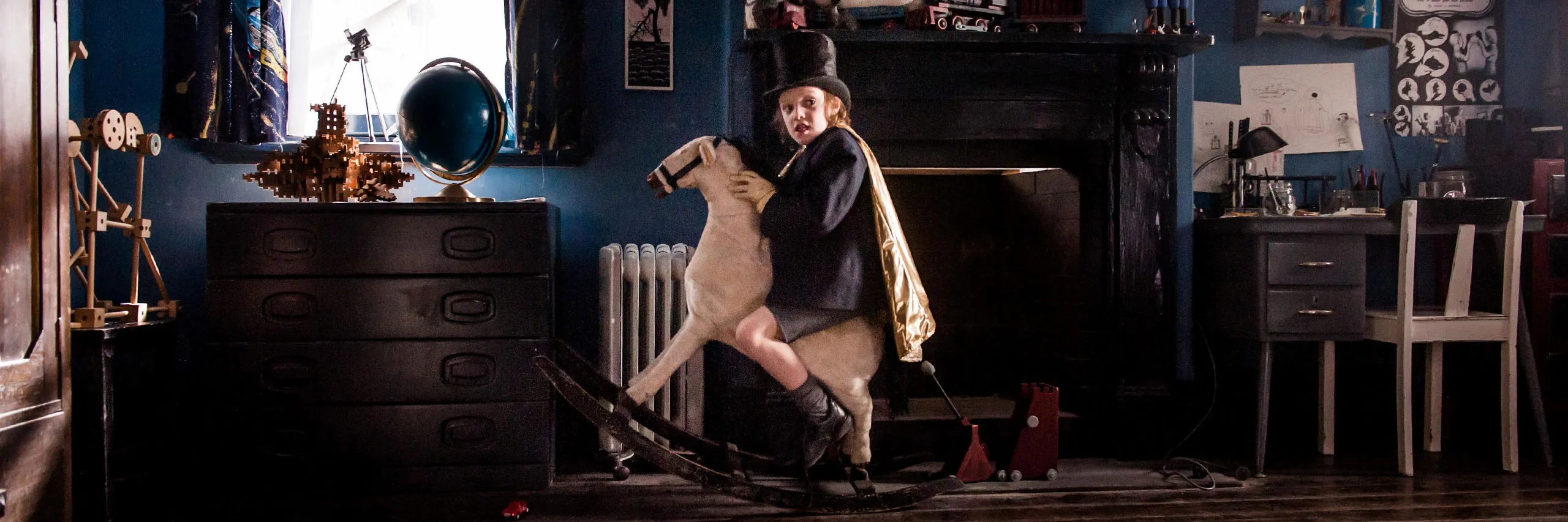
 The Babadook (2014)
🇦🇺Australia
The outback as nightmare, civilization as fragile illusion — Australian horror turns the country's vast, indifferent landscape into one of the genre's most powerful antagonists.
History
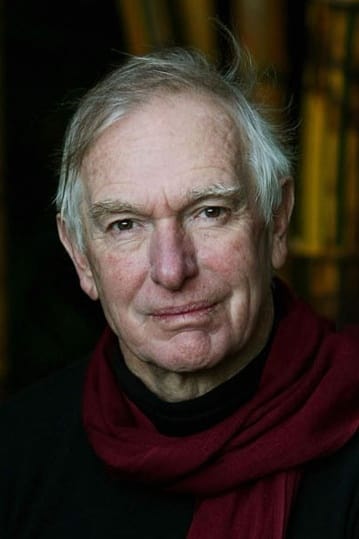
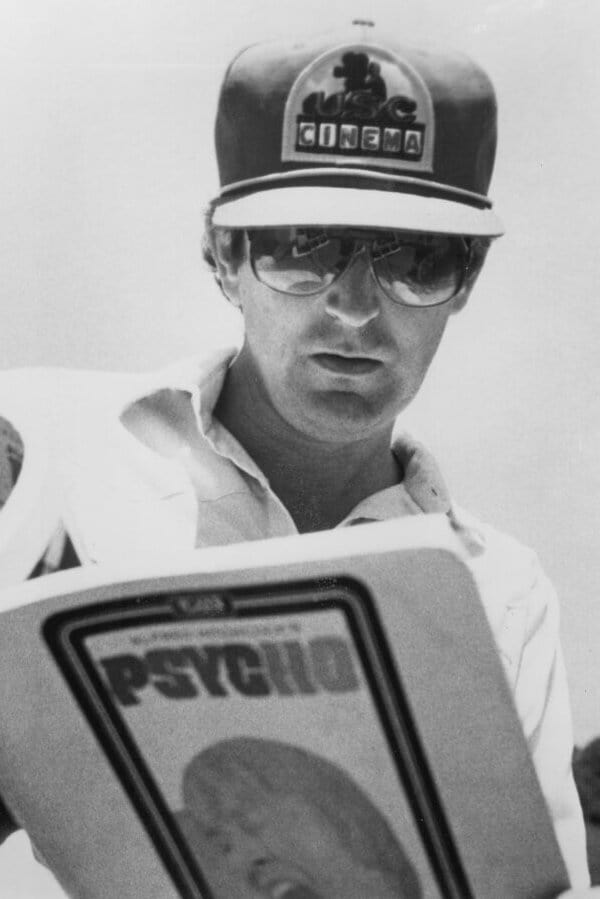
Australian horror emerged in the early 1970s with Ted Kotcheff's Wake in Fright (1971), an outback-set descent into alcohol-soaked moral collapse that established the template every later Australian horror would draw from: civilisation as a thin veneer over indifferent, hostile terrain. The film arrived alongside the broader Ozploitation movement — a wave of low-budget genre filmmaking enabled by the introduction of the R rating in 1971 and government incentives designed to build a domestic film industry. Peter Weir's early work continued the template: The Cars That Ate Paris (1974) weaponised small-town isolation, while Picnic at Hanging Rock (1975) created the enduring image of the Australian landscape as ancient, unknowable, and hostile to European settlement, and The Last Wave (1977) extended that vision into an apocalyptic vision of Indigenous prophecy. Colin Eggleston's Long Weekend (1979) made nature itself the antagonist, turning against a callous suburban couple, and Richard Franklin's Patrick (1978) brought telekinetic horror to a Melbourne hospital. George Miller's Mad Max (1979) was primarily action cinema, but its post-apocalyptic vision of societal collapse drew on the same anxieties about civilisation's fragility, and the franchise would increasingly embrace horror imagery in later entries. Russell Mulcahy's Razorback (1984) completed the era's transformation of the outback into a nightmare landscape, and Philip Brophy's Body Melt (1994) carried the Ozploitation impulse into the 90s with a Cronenberg-influenced body-horror suburb.
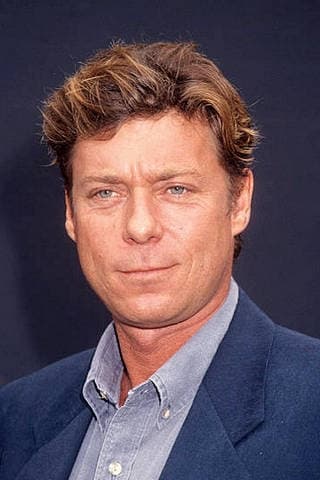
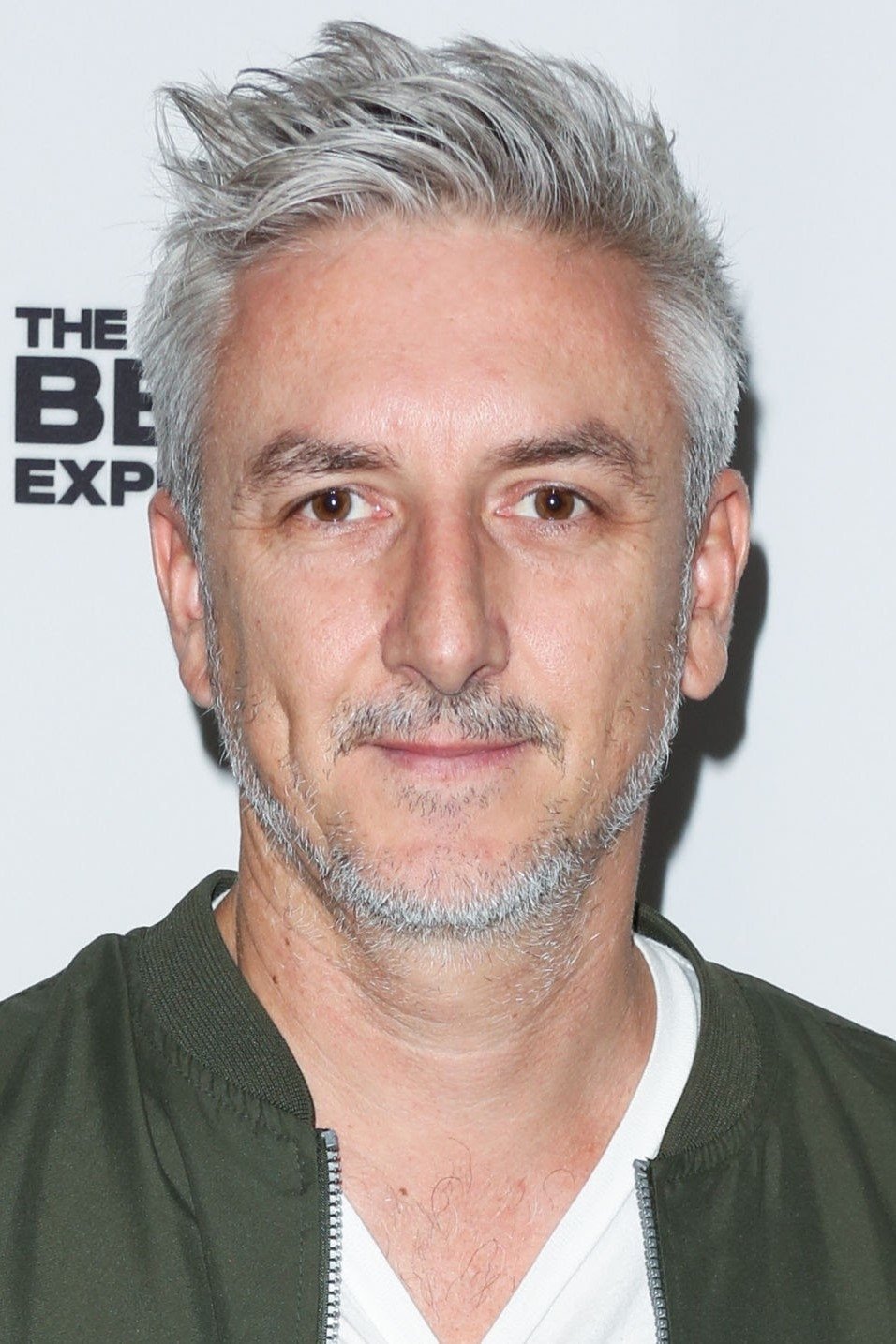
After a quiet period through the late 1990s, Greg McLean's Wolf Creek (2005) horrified international audiences with its outback-set brutality, tapping into tourist anxieties about Australian isolation that the 1970s films had first exploited. Joel Anderson's Lake Mungo (2009), a faux-documentary about a family processing grief and uncovering disturbing secrets, demonstrated that Australian horror could work through quiet dread as effectively as through violence; Sean Byrne's The Loved Ones (2010) fused prom-night horror with sadism in a register all its own. The Spierig Brothers contributed genre-hybrid work with Undead (2003) and the vampire-society film Daybreakers (2009). Jennifer Kent emerged as one of contemporary horror's most distinctive voices with The Babadook (2014), a study of maternal grief that transforms a children's pop-up book into genuine terror, followed by The Nightingale (2018), a harrowing colonial revenge film set in 1820s Tasmania. Ben Young's Hounds of Love (2016) returned to Australian-suburban kidnap-horror, and Yolanda Ramke and Ben Howling expanded their short film into the feature Cargo (2017), an Australian zombie drama starring Martin Freeman that channelled the genre through the Outback and through Indigenous-Australian custodianship of land.
A 2020s wave has carried Australian horror to its international commercial peak. Danny and Michael Philippou's Talk to Me (2023), an Adelaide-shot teen possession horror that began as a YouTube short, became A24's highest-grossing horror release; the Cameron Cairnes and Colin Cairnes-directed Late Night with the Devil (2024), with David Dastmalchian as a 1970s American talk-show host hosting a Halloween-night satanic-panic broadcast, brought period satire into Australian horror; and the Philippous followed with Bring Her Back (2025), extending the wave. Meanwhile, James Wan — born in Malaysia, raised in Perth — became horror's most commercially dominant filmmaker through the Saw, Insidious, and Conjuring franchises, all US productions but representing Australian-trained craft on the global stage. Australian horror continues to balance its two dominant modes: the savage outback thriller that exploits the country's geography, and the psychologically sophisticated domestic horror that uses intimate settings to explore grief, guilt, and isolation.
Essential Films
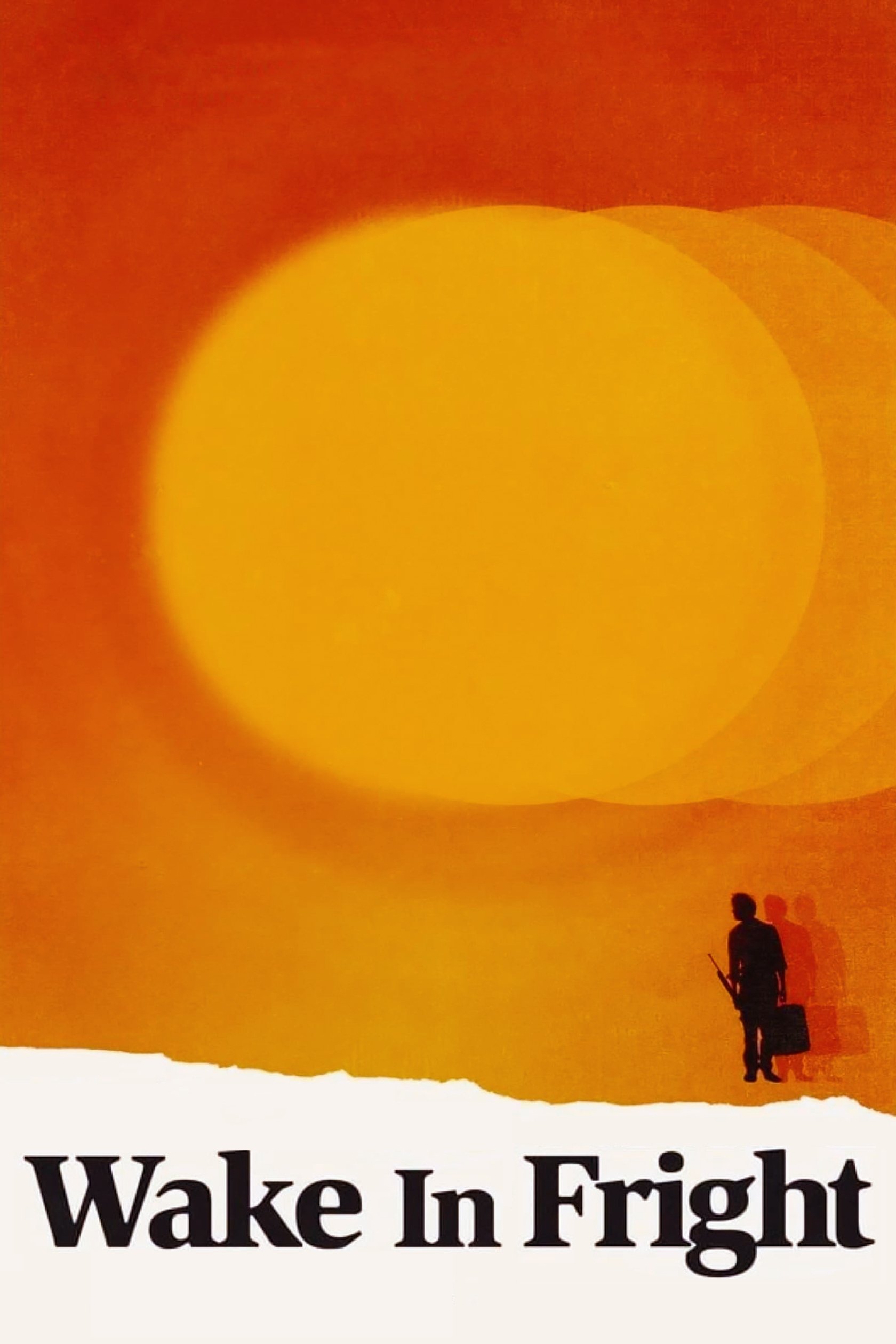
Wake in Fright
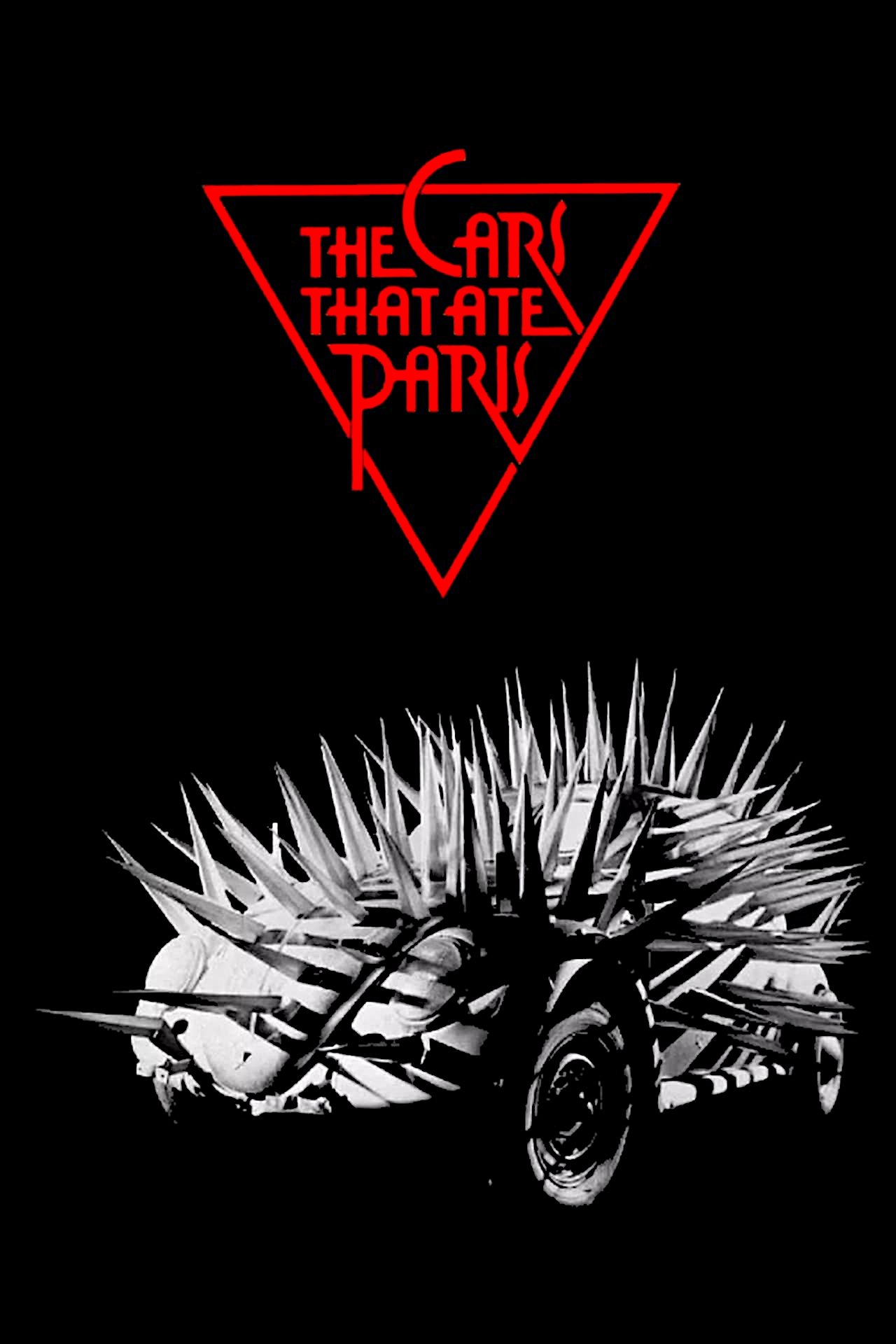
The Cars That Ate Paris
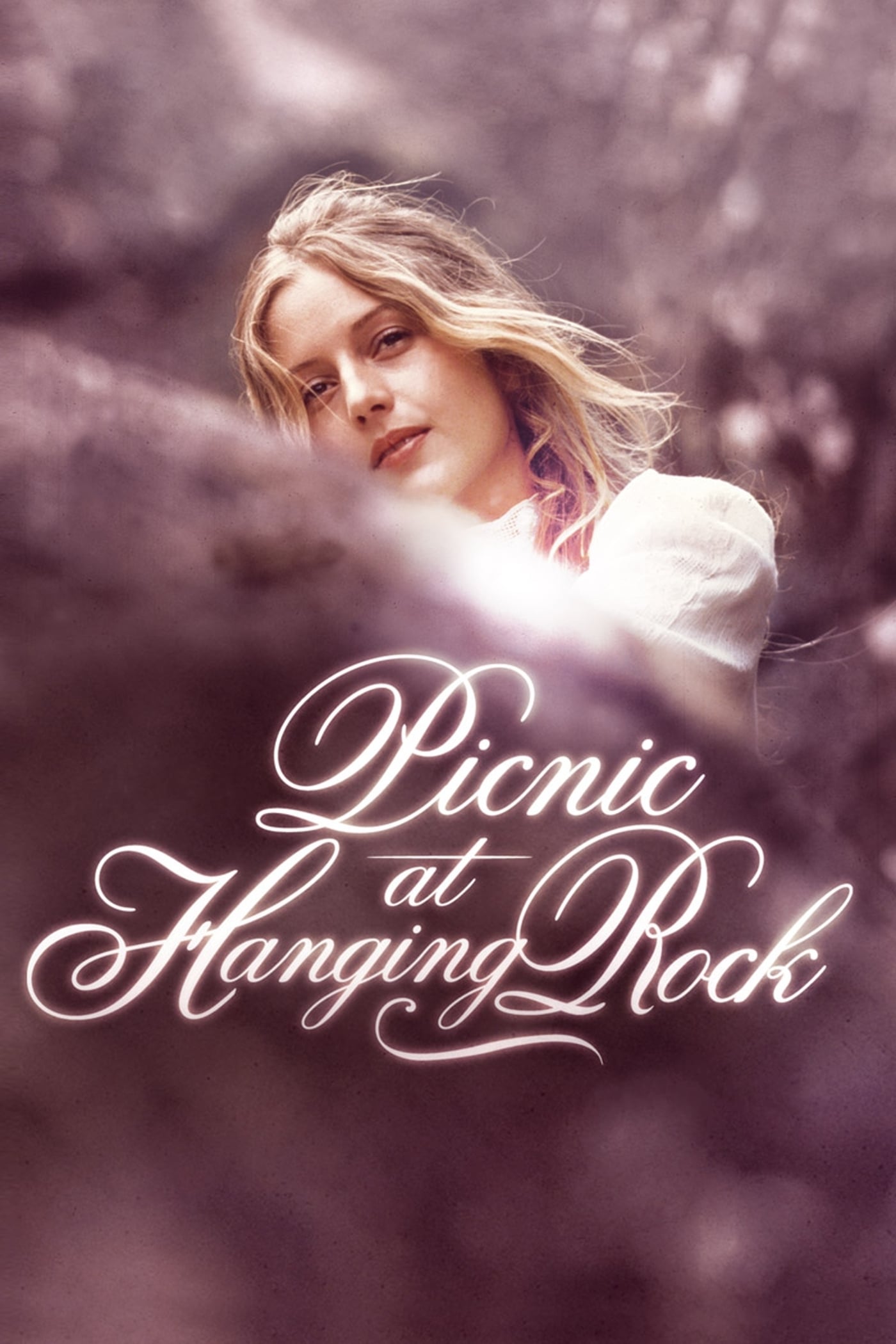
Picnic at Hanging Rock
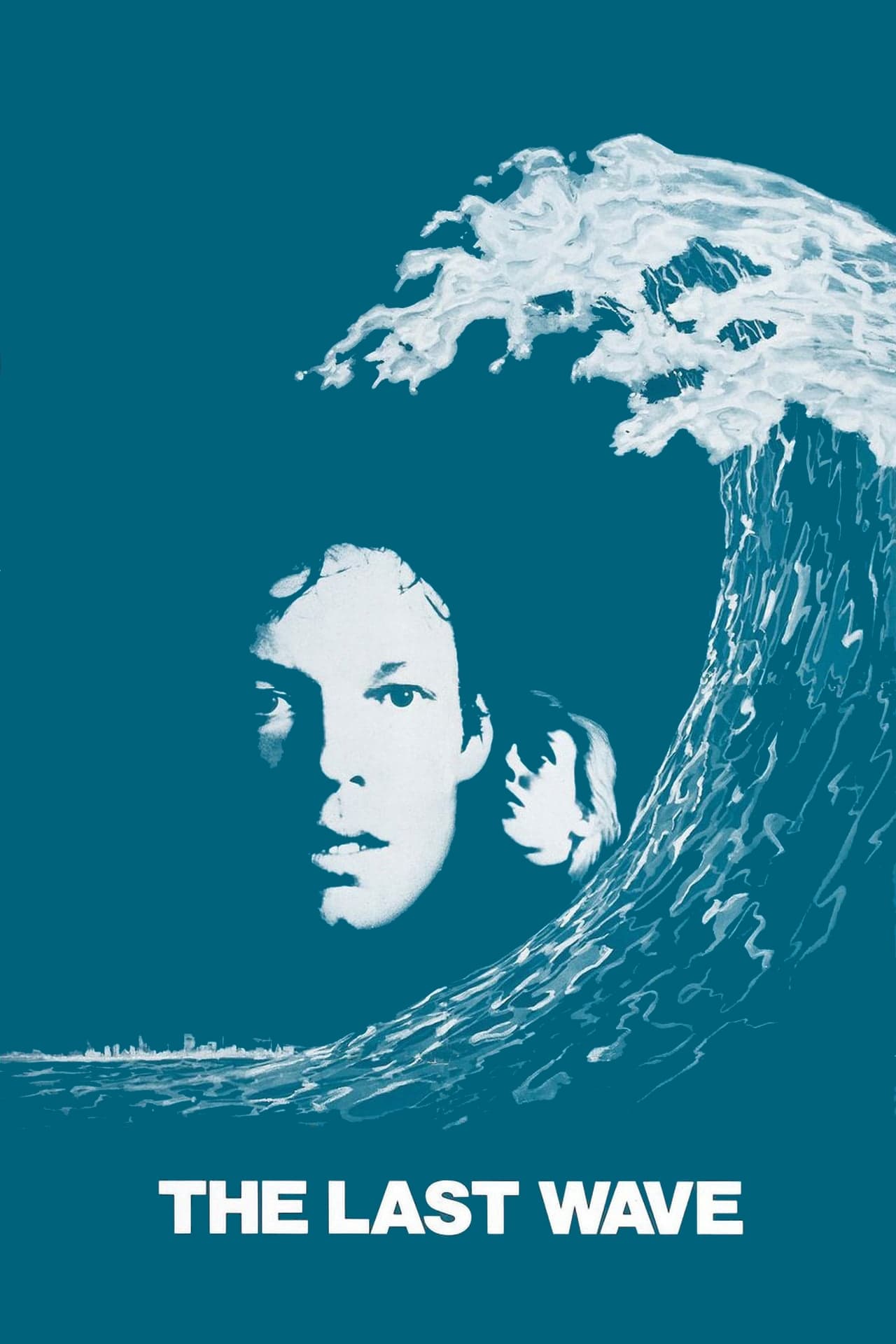
The Last Wave
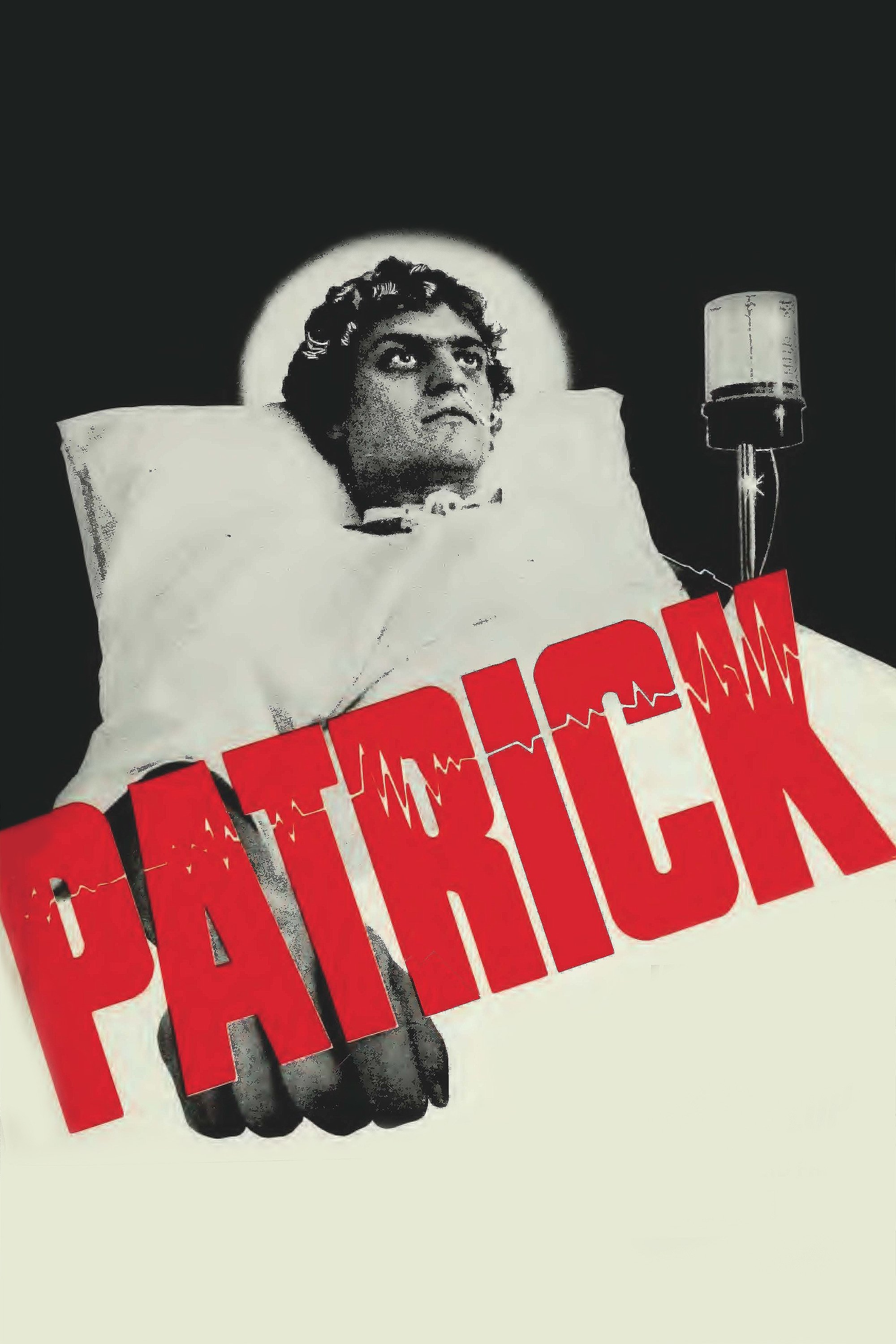
Patrick
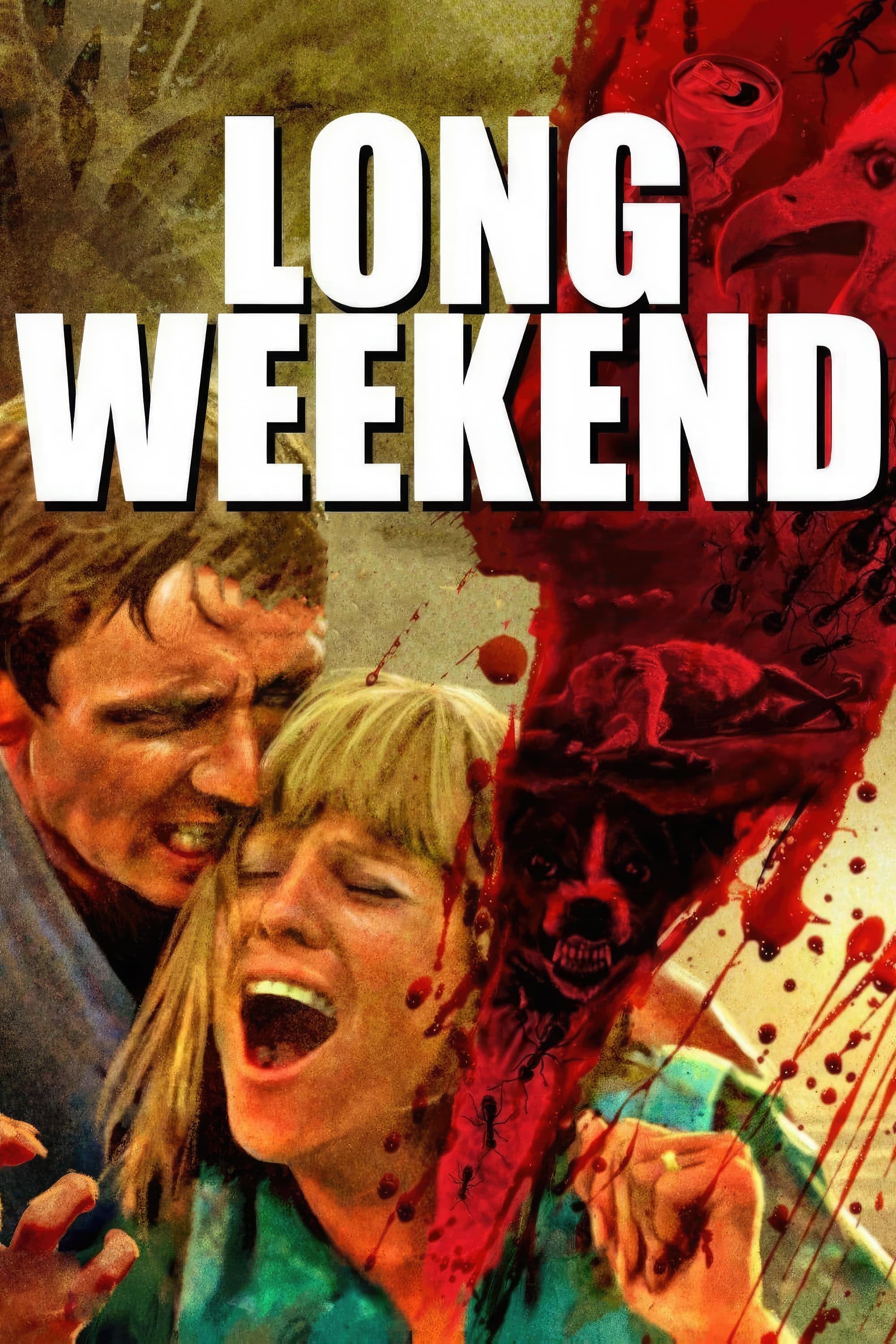
Long Weekend
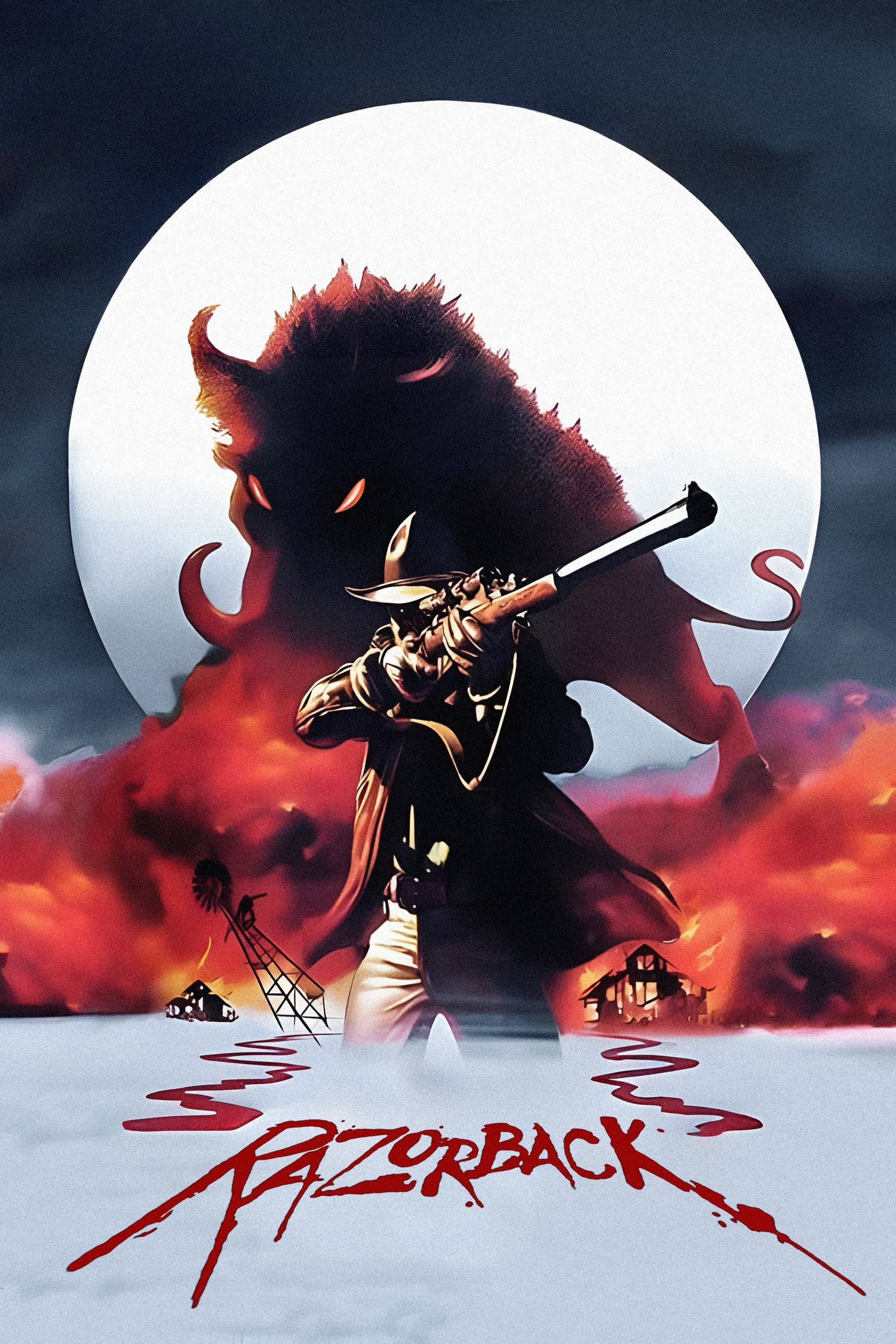
Razorback
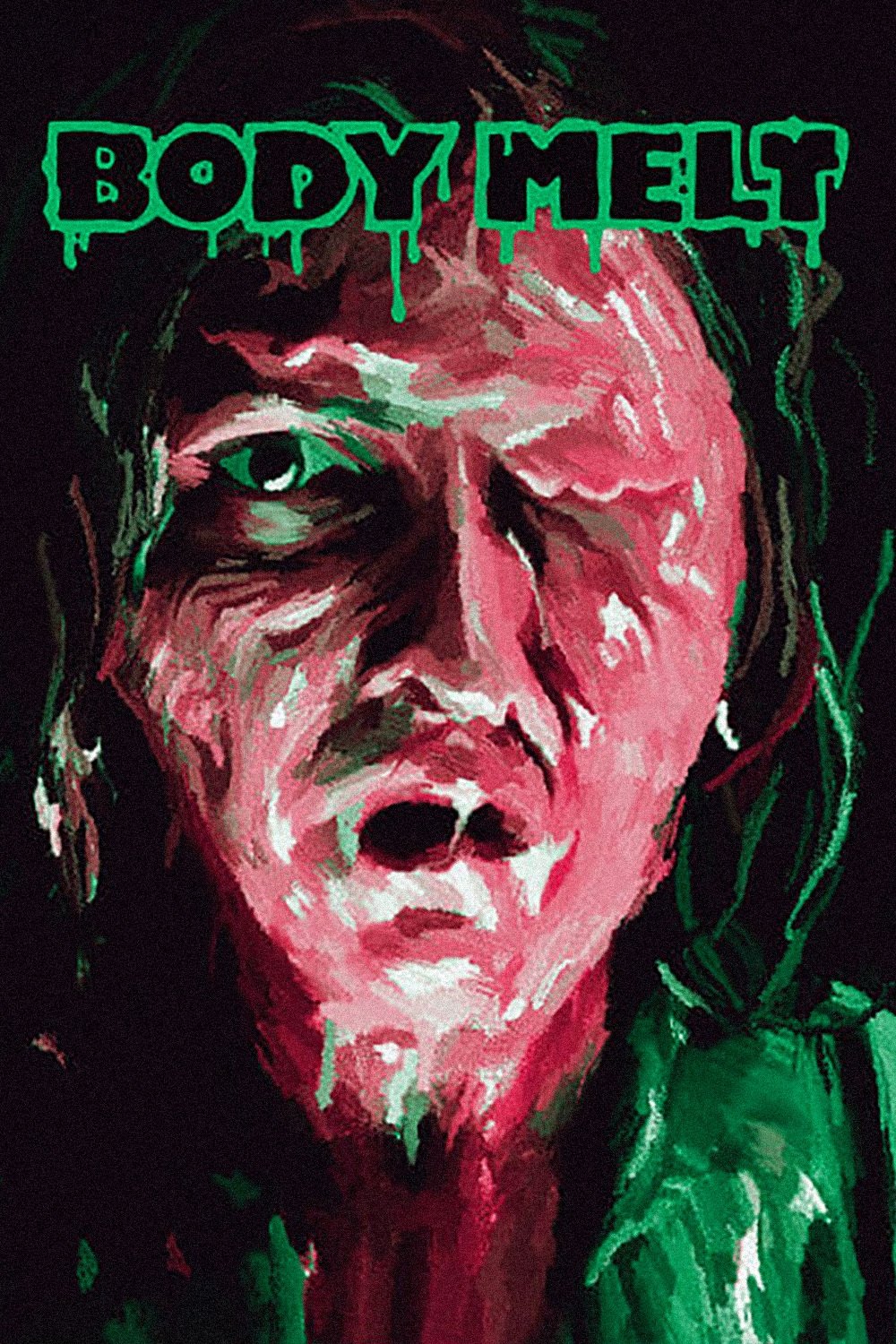
Body Melt
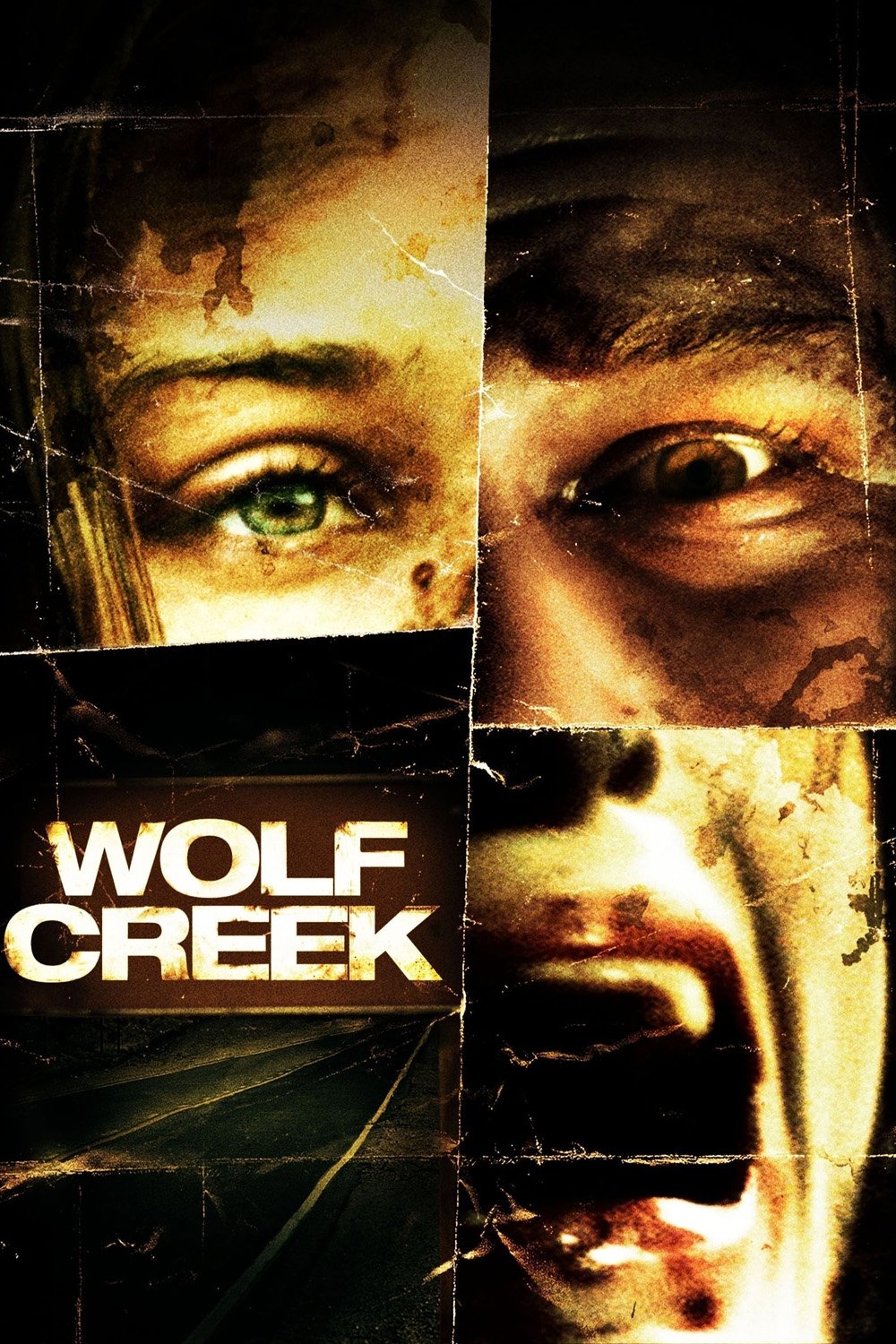
Wolf Creek
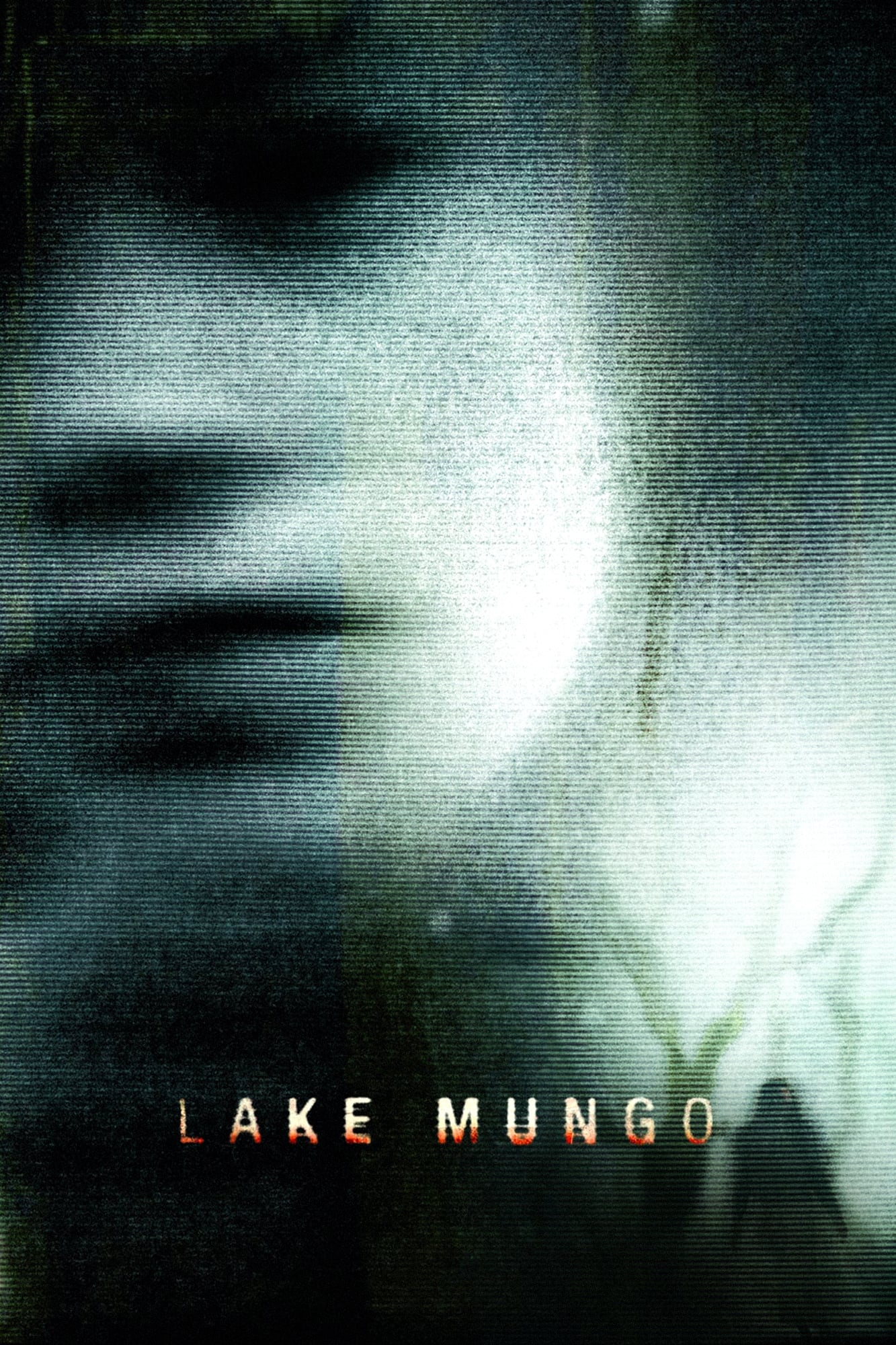
Lake Mungo
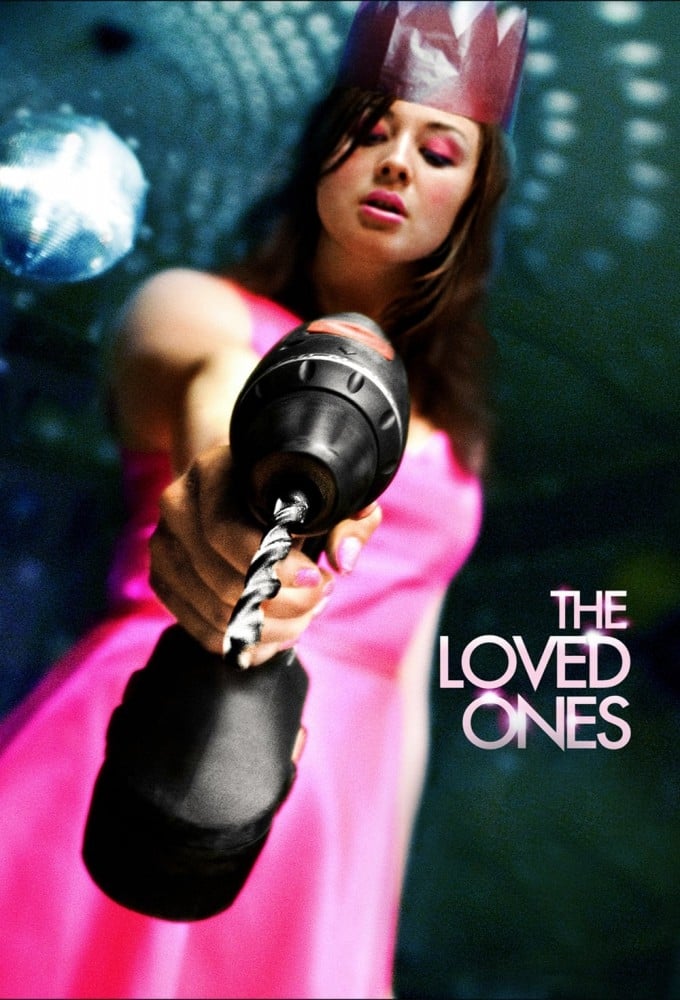
The Loved Ones
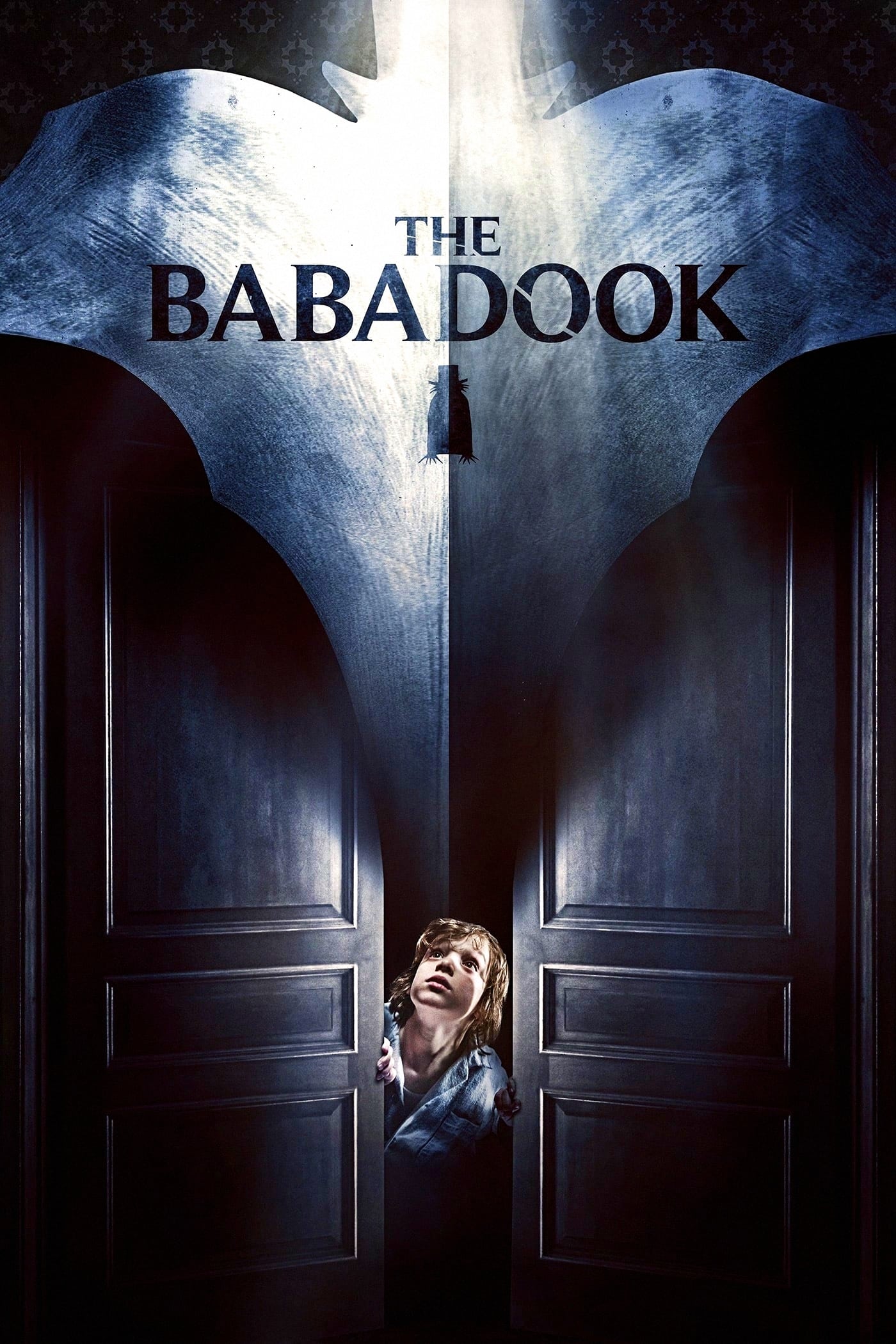
The Babadook
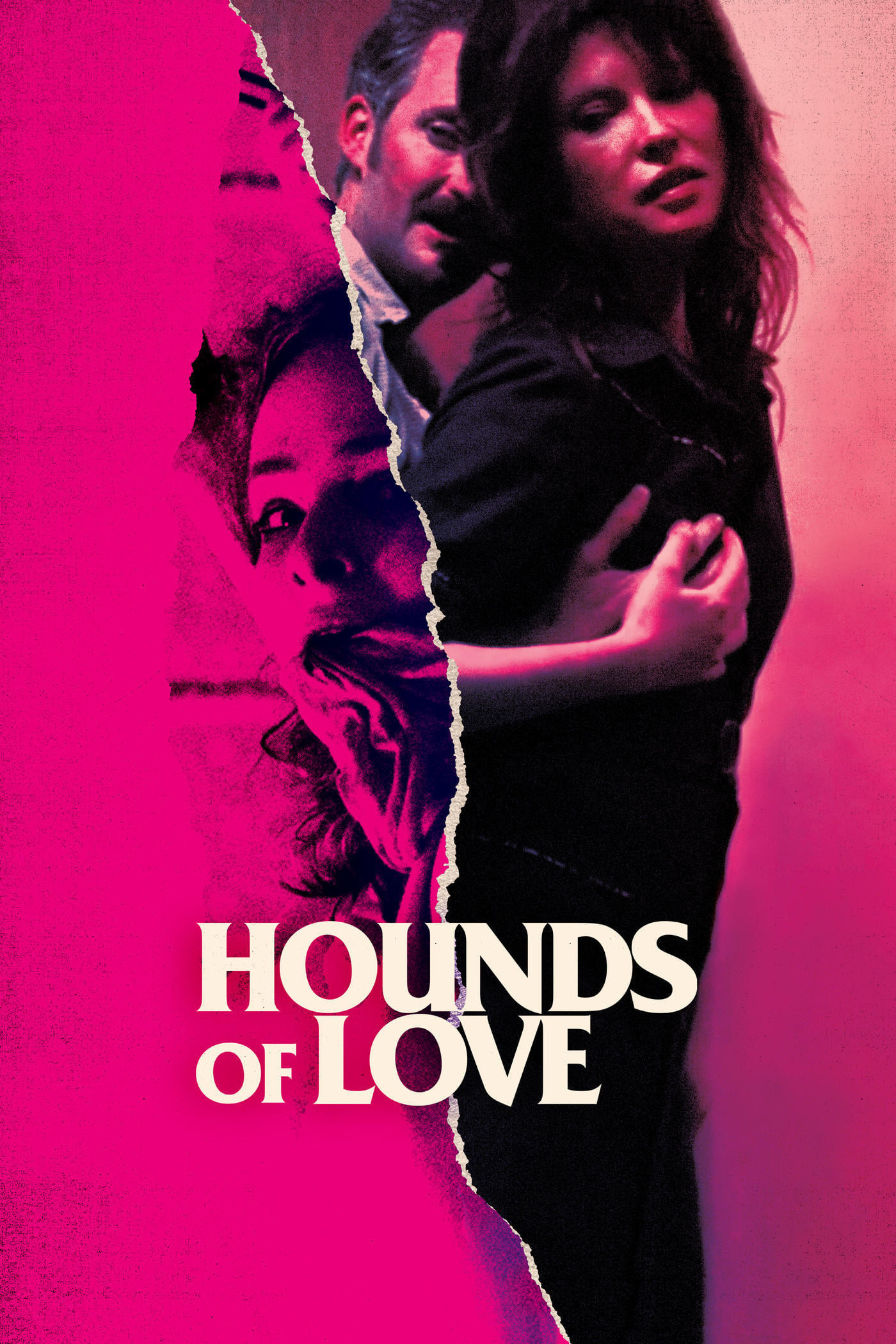
Hounds of Love
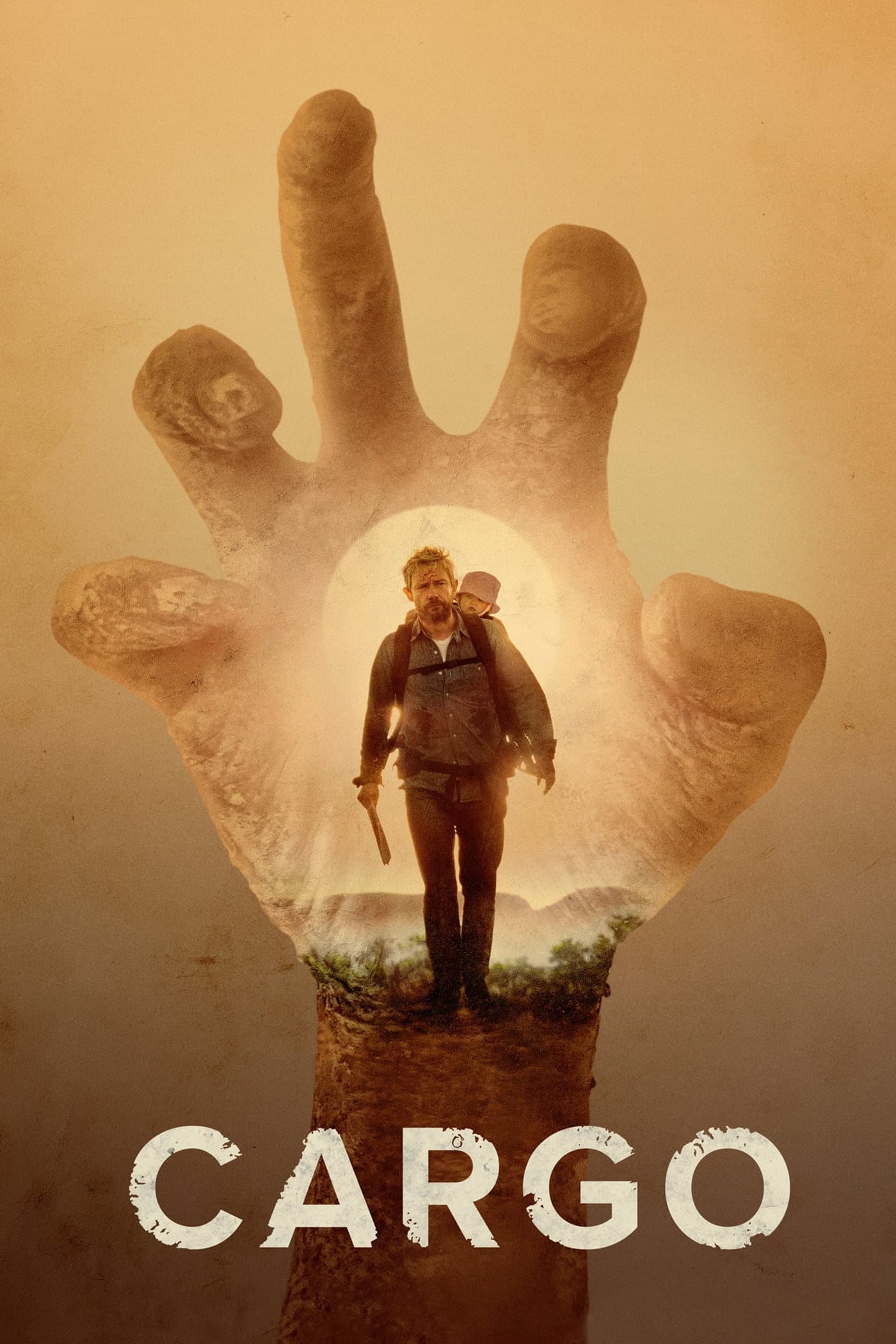
Cargo
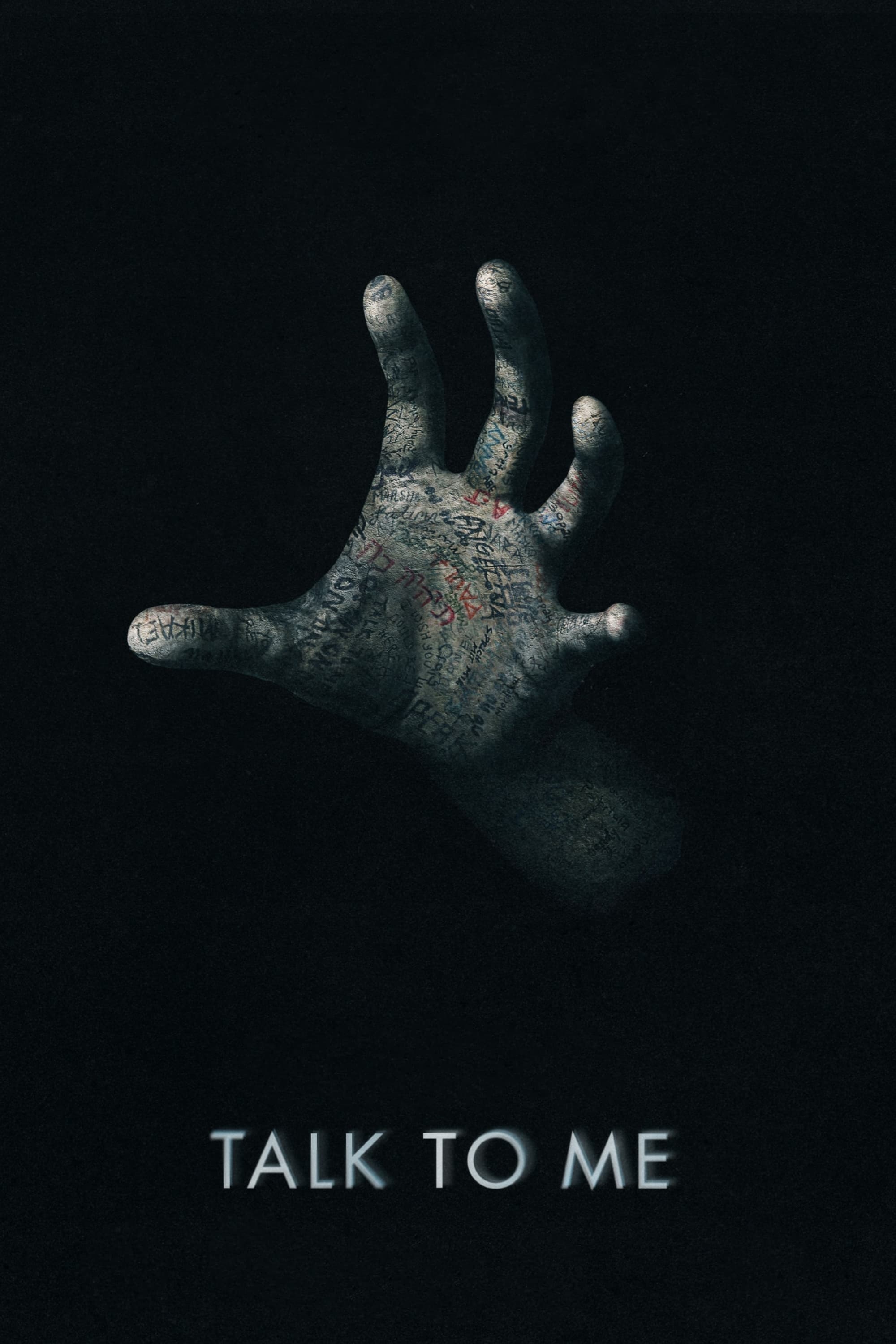
Talk to Me
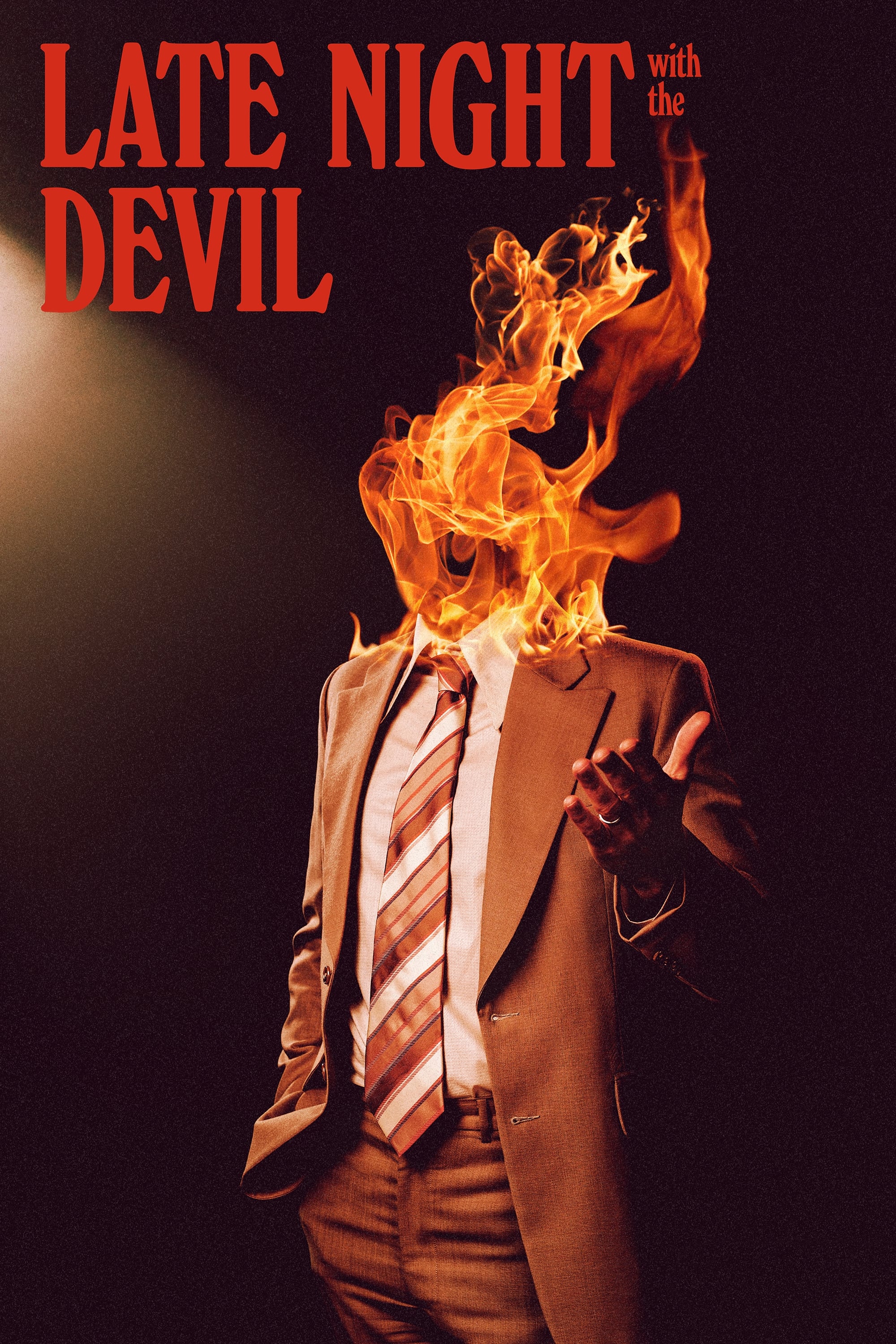
Late Night with the Devil
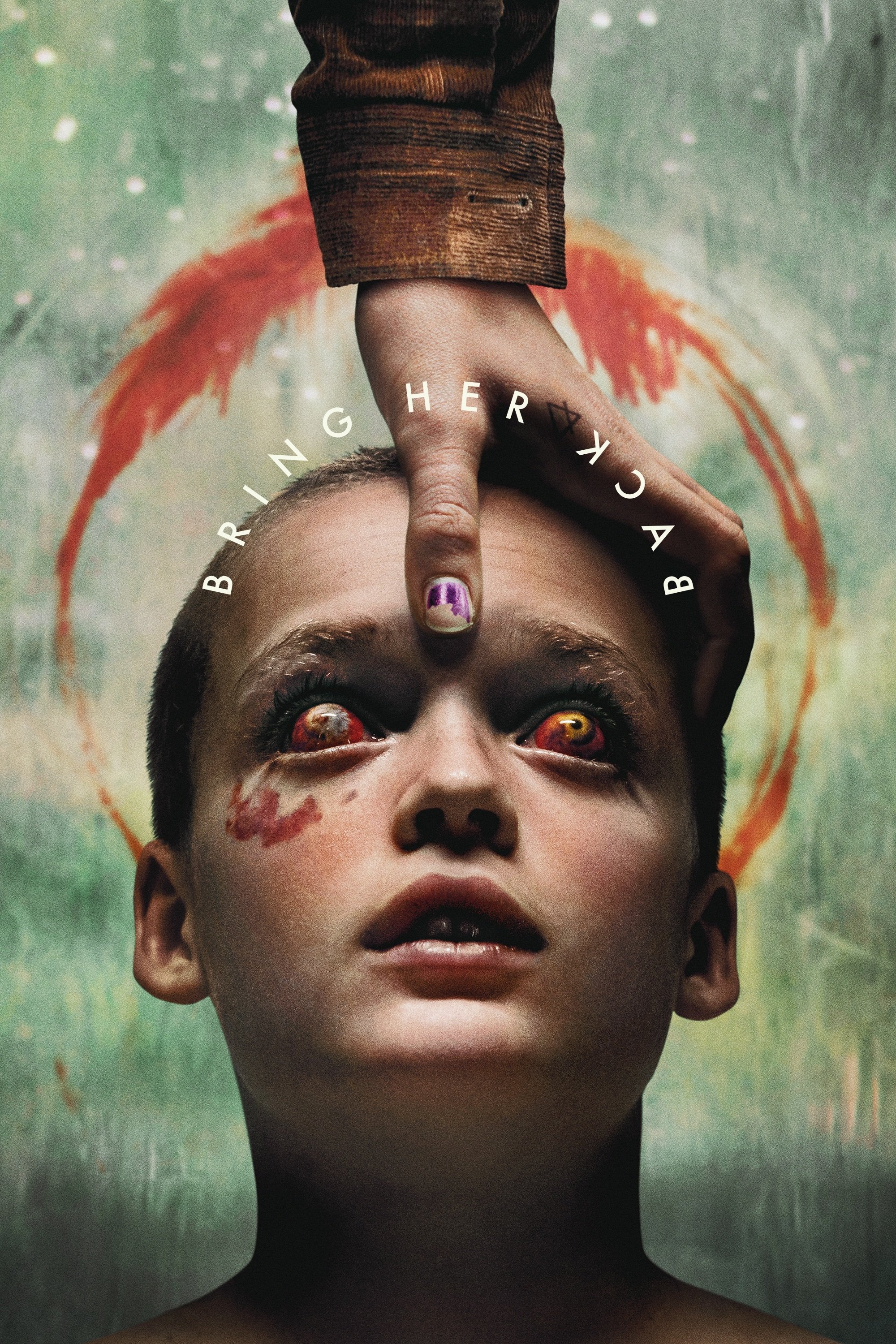
Bring Her Back
Statistics
Top Subgenres
Popularity by Decade
Share of each decade's horror films classified as Australia horror. Counts films with at least 5 TMDB ratings, so very obscure titles are not represented.