The Horror CodexBeta
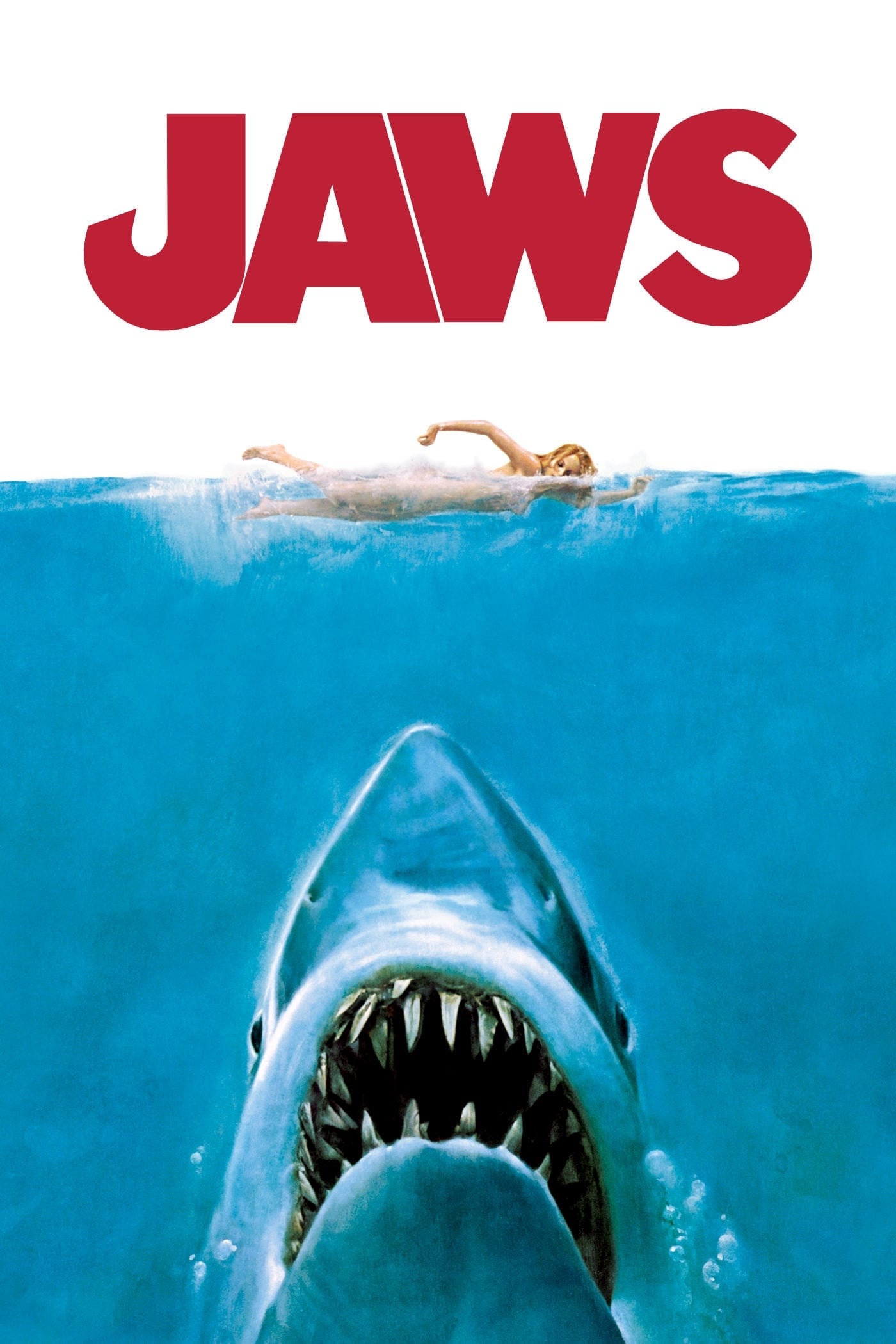
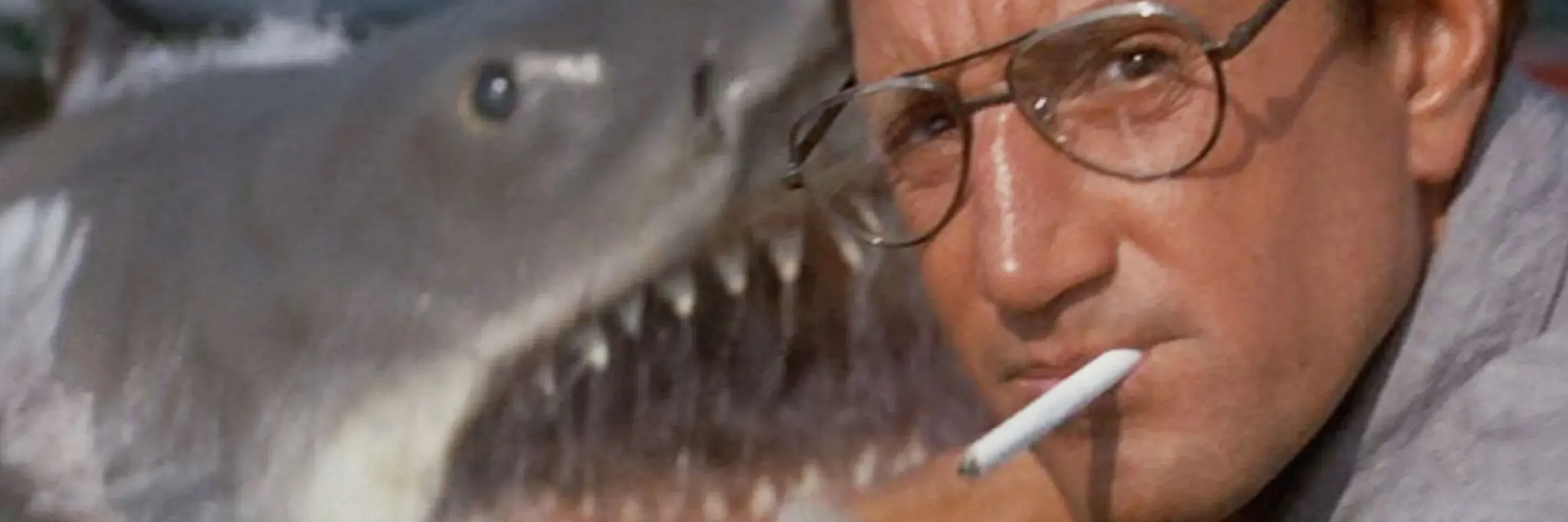
Jaws (1975)
GenresNature

Creature Attack

913 films·18962026·Peak: 1890s·Avg rating: 5.5

Real animals, real danger. Sharks, bears, crocodiles, and spiders operating within their natural behavior — the horror grounded in biology, the threat in the knowledge that you are prey.

History & Origins

Creature attack horror pits humans against dangerous animals operating within their natural behavior — hunting, defending territory, or simply following predatory instinct. Where eco-horror treats the threat as nature responding to human provocation and creature feature catalogs the mutated and the impossible, creature attack stays close to biology: real species, real animals, doing what real animals do. The horror is grounded in the knowledge that these creatures exist, that you might encounter one, and that on its terms — in its environment — you are not the predator.

The foundational text is Jaws (1975). Steven Spielberg's adaptation of Peter Benchley's novel did more than launch the summer blockbuster; John Kenneth Muir in Horror Films of the 1970s (2002) credits it with "redirect[ing] the animal craze towards a less-fantastic route. Giant animals were out, and real-life man-eaters were in. Scientific explanations for attacks were a thing of the past, and biological imperatives replaced them." A History of Horror, Fear and the Uncanny (2026) frames the shark differently from the sympathetic monsters of King Kong or Godzilla: it "does not evoke sympathy. If anything, it seems psychotic — nature gone mad as well as bad." The film's withhold-the-monster discipline created the template every successor would imitate.

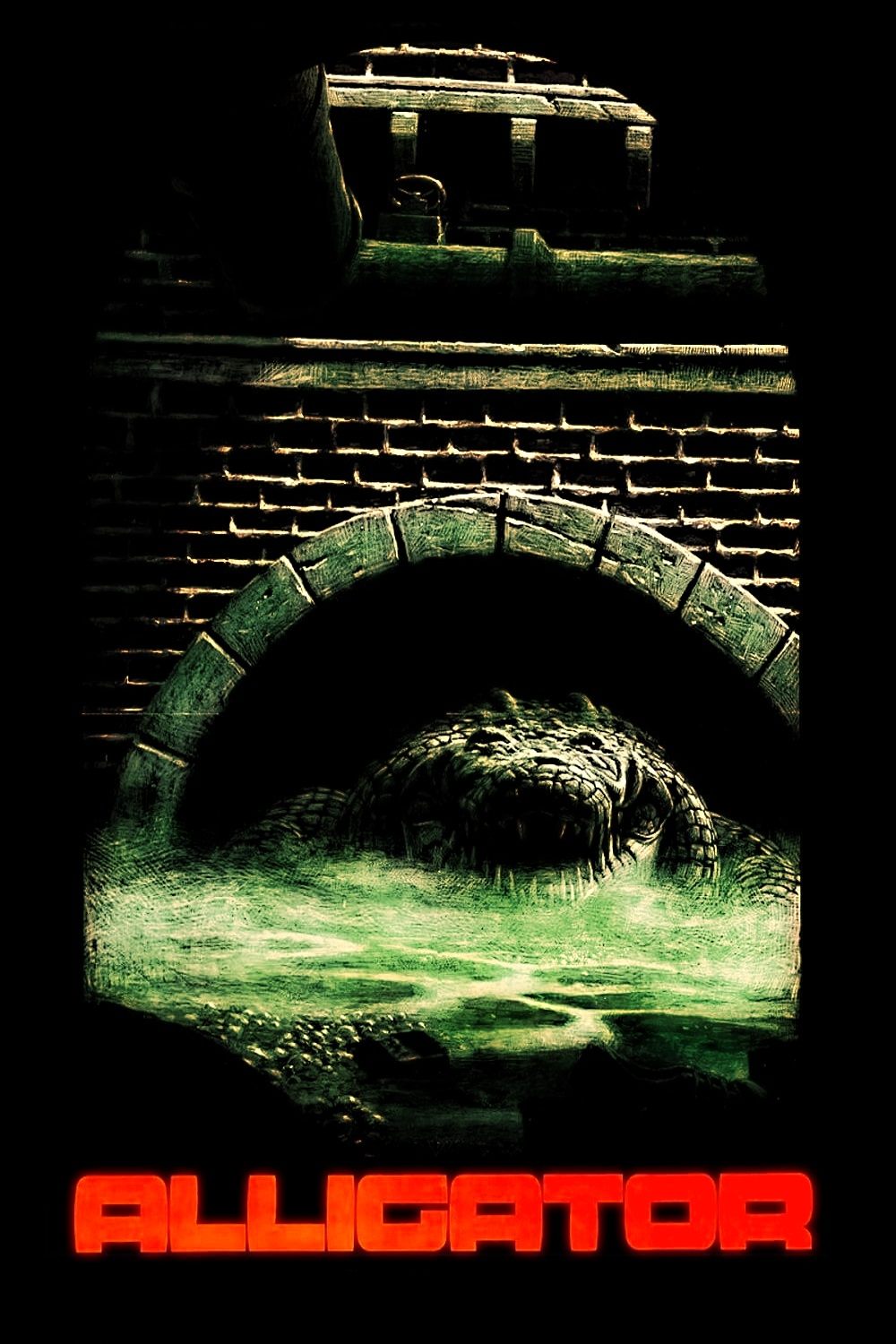
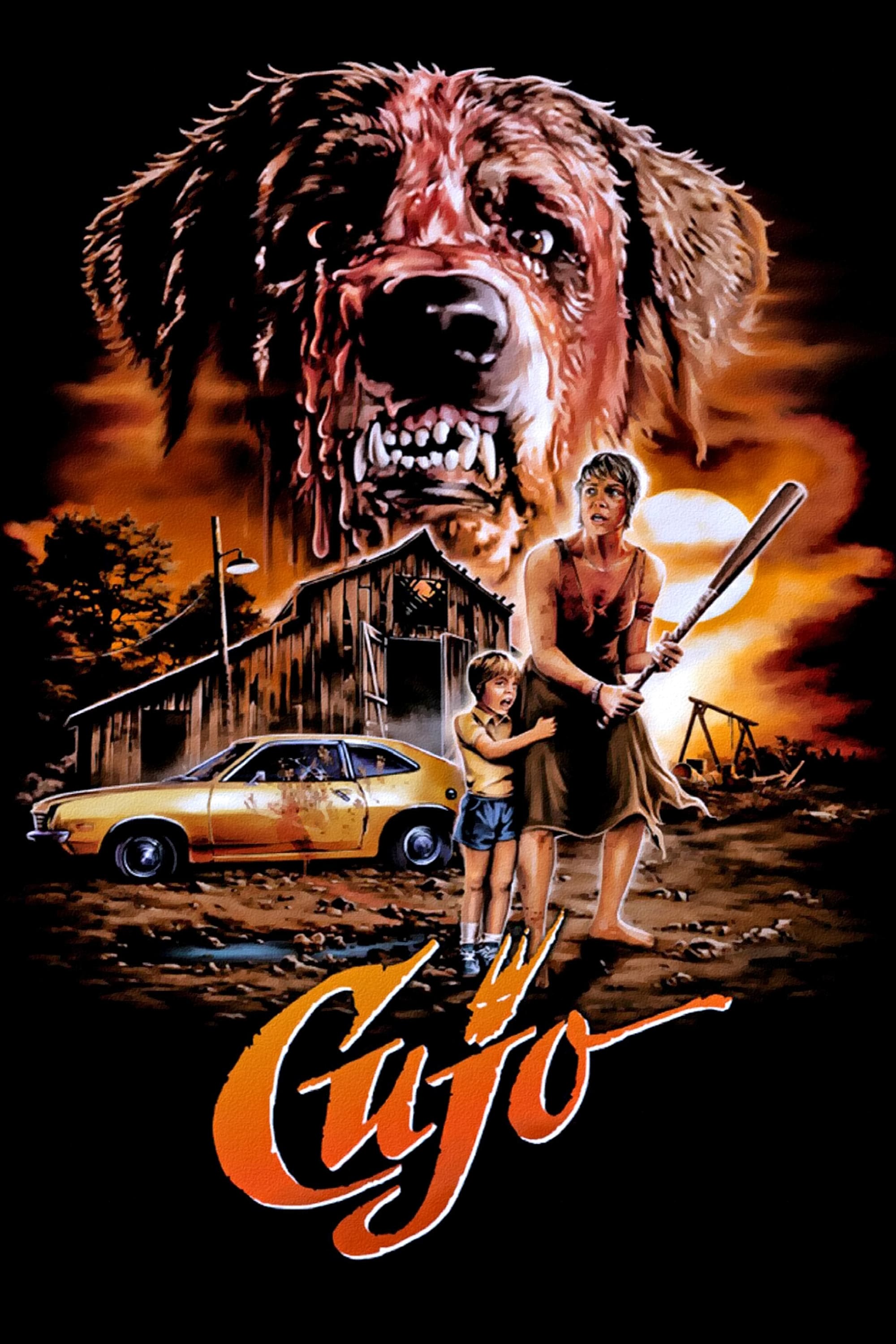
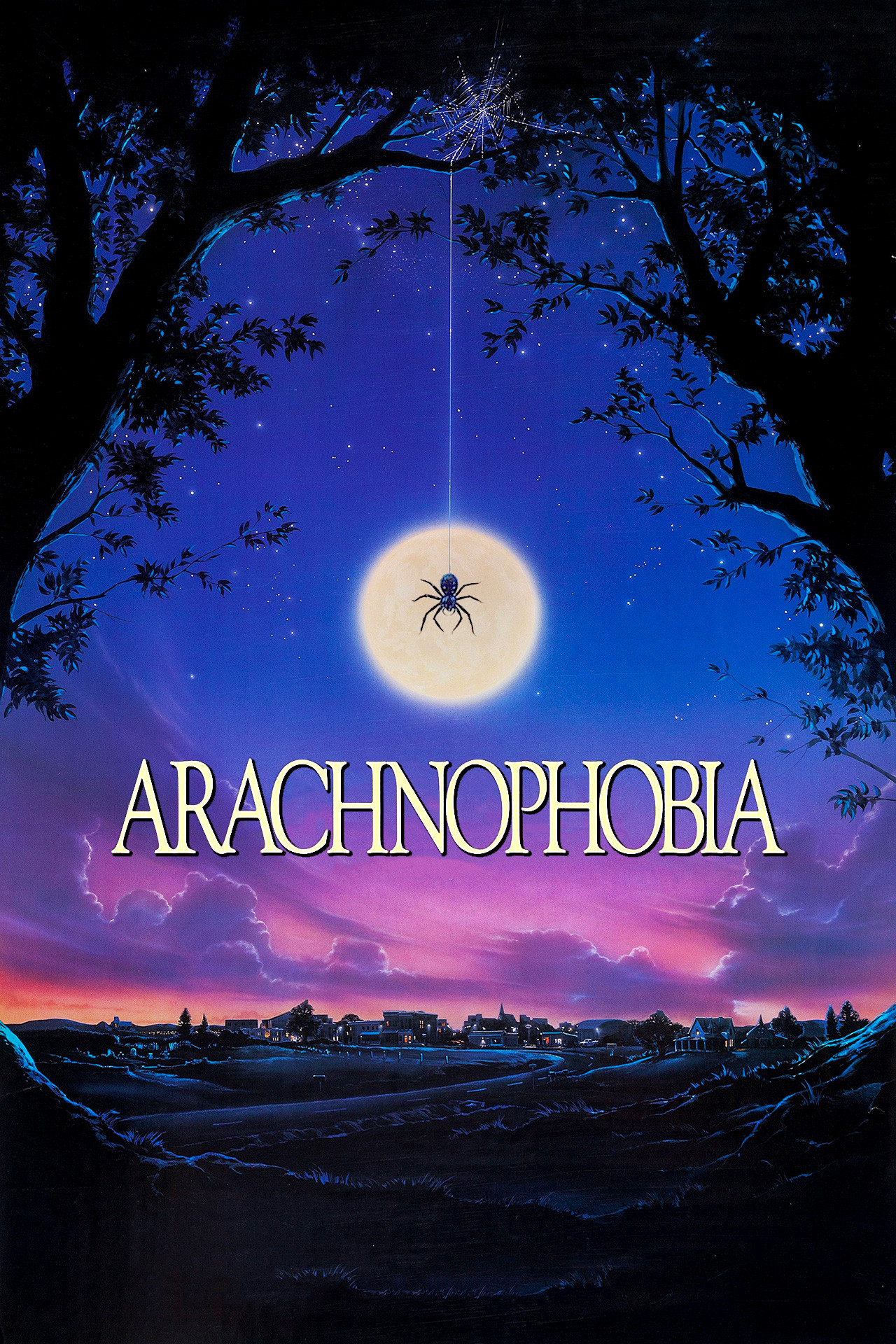
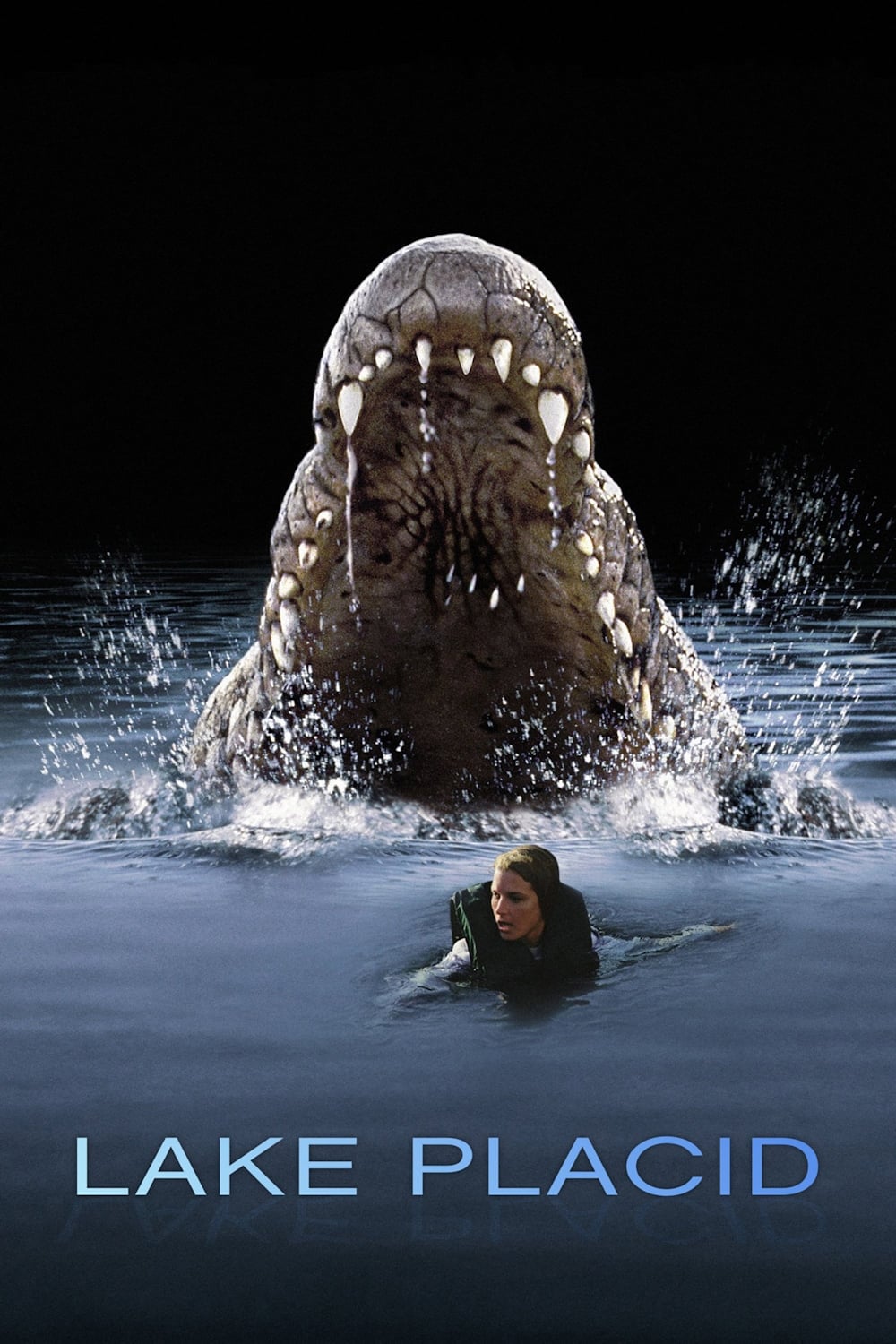
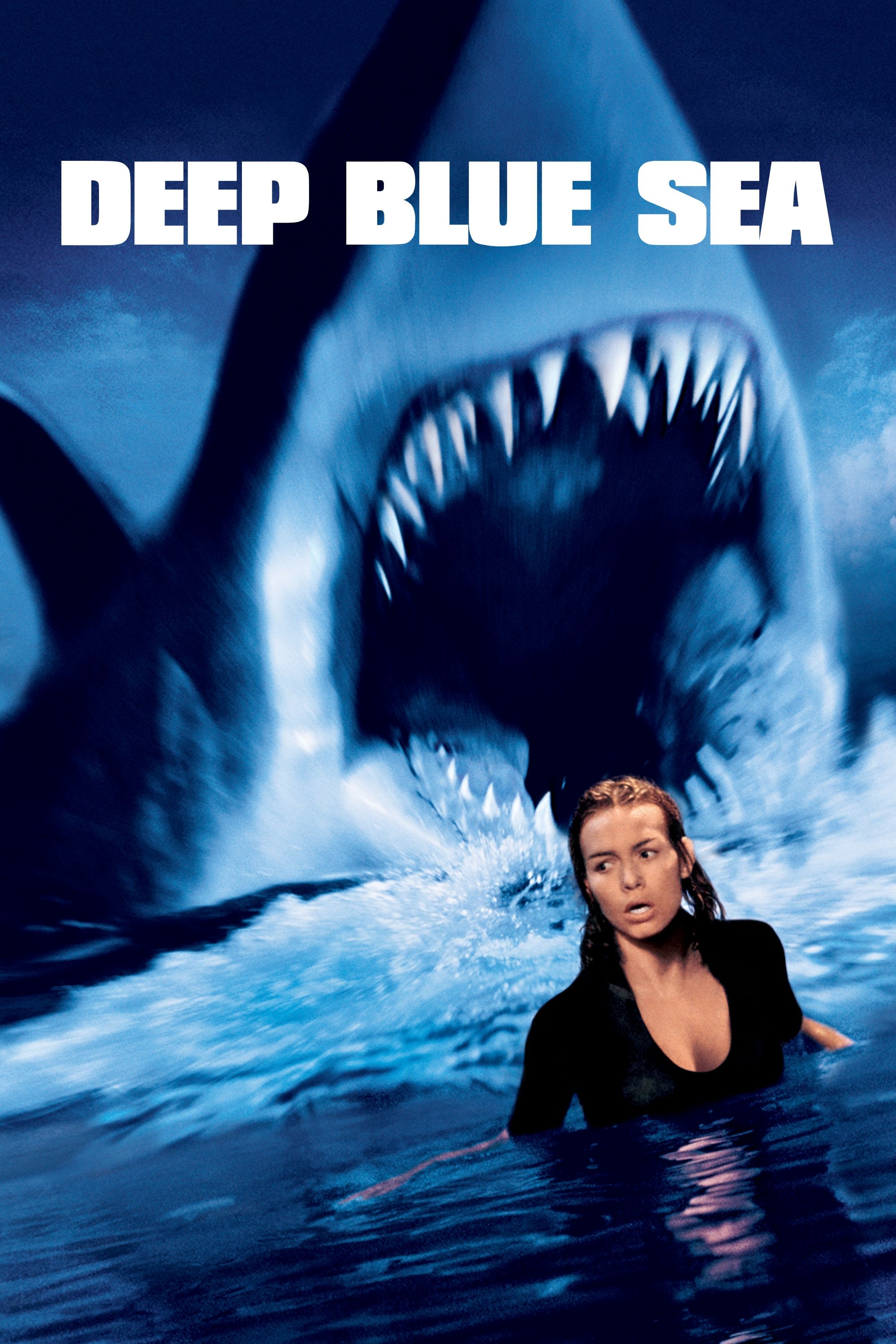
The post-Jaws cycle ran through every viable predator species. Lewis Teague's Alligator (1980) sent a sewer-grown reptile up through Chicago. Russell Mulcahy's Australian Razorback (1984) turned a giant boar loose in the outback. Stephen King's Cujo (1983), in Teague's adaptation, became Bruce Kawin's case study in Horror and the Horror Film (2012) of how "an ordinary animal can become dangerous enough to become the central monster of a movie." The 1990s commercialized the formula: Frank Marshall's Arachnophobia (1990) and Stephen Hopkins's The Ghost and the Darkness (1996) reached A-list studio polish, while Luis Llosa's Anaconda (1997), Renny Harlin's Deep Blue Sea (1999), and Steve Miner's Lake Placid (1999) kept the cycle in mainstream rotation. Deep Blue Sea in particular pushed the form toward action-thriller spectacle — closer, as one contemporary reviewer noted, "to the Alien series" than to Jaws itself.

The 2000s revival belongs to a different register: the survival film, in which a small cast is trapped with an animal threat for the duration. Chris Kentis's Open Water (2004), shot with live sharks at extreme low budget, refigured the form as marital-breakdown horror as much as creature feature. Andrew Traucki, the Australian specialist in true-story shark-and-croc films, made Black Water (2008) and The Reef (2010) as minimalist Antipodean exercises in implacable predation. Greg McLean's Rogue (2007) did the same with the Northern Territory crocodile. Joe Carnahan's The Grey (2012), with Liam Neeson stranded after an Alaskan plane crash, treated the wolf pack as existential confrontation. Adam MacDonald's Canadian Backcountry (2015) and Alejandro G. Iñárritu's The Revenant (2015) delivered the canonical modern bear-attack sequence, the latter as Academy-Award-tier prestige spectacle.

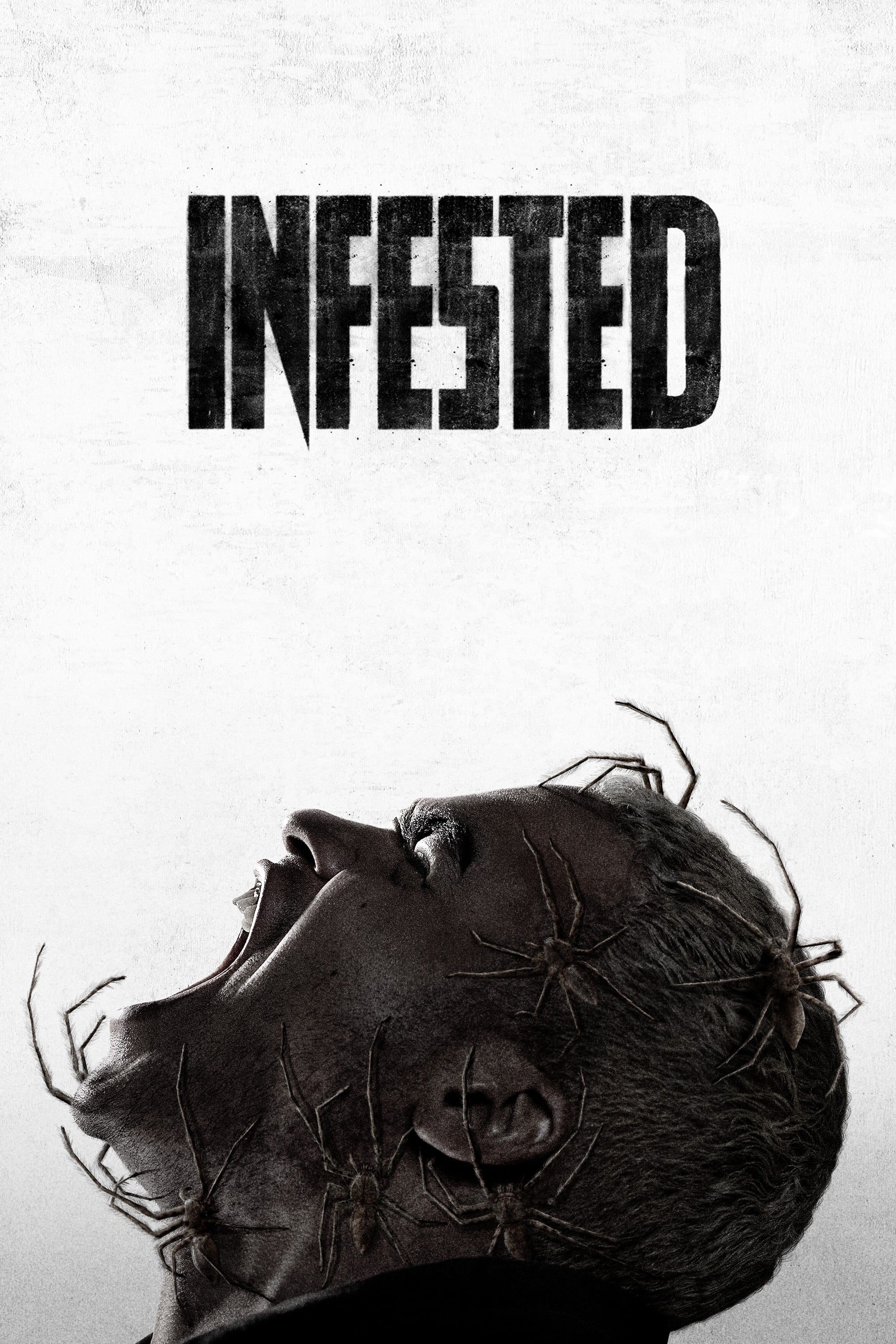
The 2016-2024 commercial peak found new gimmicks for an old form. Jaume Collet-Serra's The Shallows (2016) — Kim Newman in Video Dungeon (2017) calls it "man-against-the-sea existential survivalism" reset for Blake Lively — stripped the shark film to one beach, one rock, and 86 minutes. Johannes Roberts's 47 Meters Down (2017) ran the trick deep underwater. Alexandre Aja's Crawl (2019) combined Florida alligators with a hurricane in a flooded basement and became the period's commercial high-water mark for the subgenre. Baltasar Kormákur's Beast (2022) put Idris Elba against a vengeful lion on the African savannah. Sébastien Vaniček's French Infested (2023) reset the spiders-in-the-apartment-block trope for the Banlieue. Elizabeth Banks's Cocaine Bear (2023), absurd premise notwithstanding, proved the form can still drive cultural conversation. The creature attack film endures because its premise has never required updating: humans wander into territory that is not theirs, and the animal that lives there does what animals do.

Essential Films

Statistics

Popularity by Decade

1890s
6% (1)
1930s
1% (2)
1940s
1% (3)
1950s
2% (6)
1960s
1% (11)
1970s
4% (60)
1980s
2% (41)
1990s
2% (34)
2000s
3% (102)
2010s
2% (134)
2020s
4% (135)

Share of each decade's horror films classified as Creature Attack. Counts films with at least 5 TMDB ratings, so very obscure titles are not represented.

Popularity by Country

China
17% (18)
Australia
9% (28)
United States
3% (399)
Canada
3% (34)
United Kingdom
2% (36)
Italy
2% (17)
Japan
1% (10)

Share of each country's horror output classified as Creature Attack. Counts films with at least 5 TMDB ratings, so very obscure titles are not represented.

Key Filmmakers

Key Actors

Common Themes

Notable Franchises

Lists

Links

Browse all 923 Creature Attack films

More from Nature