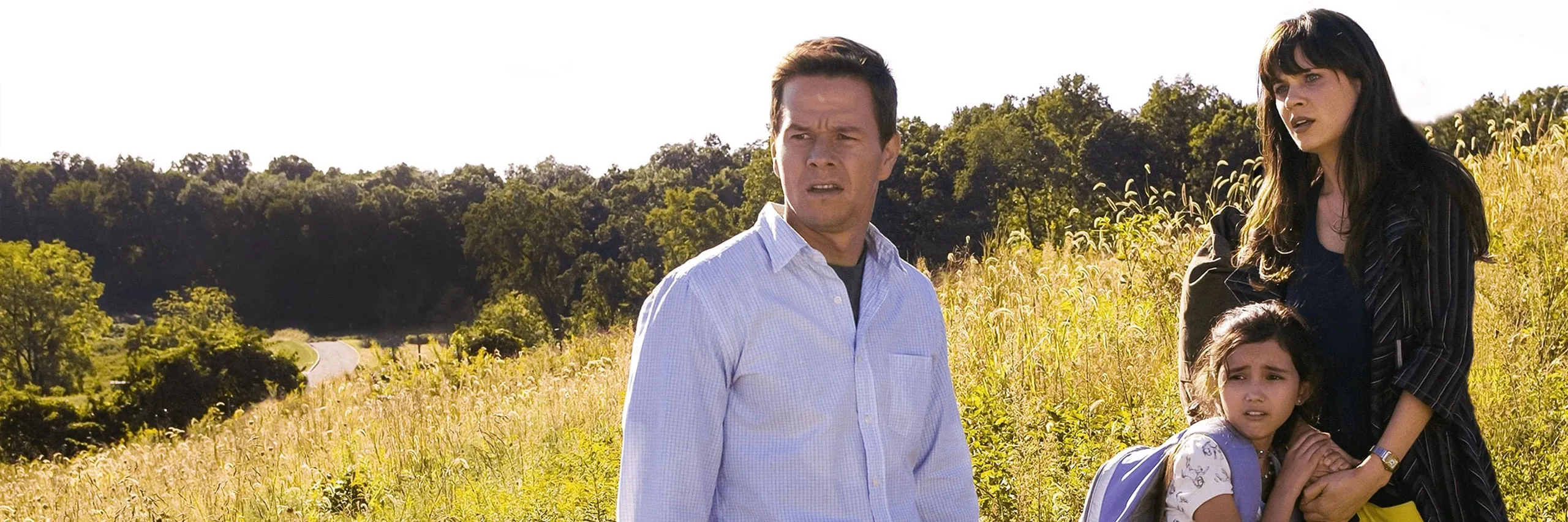
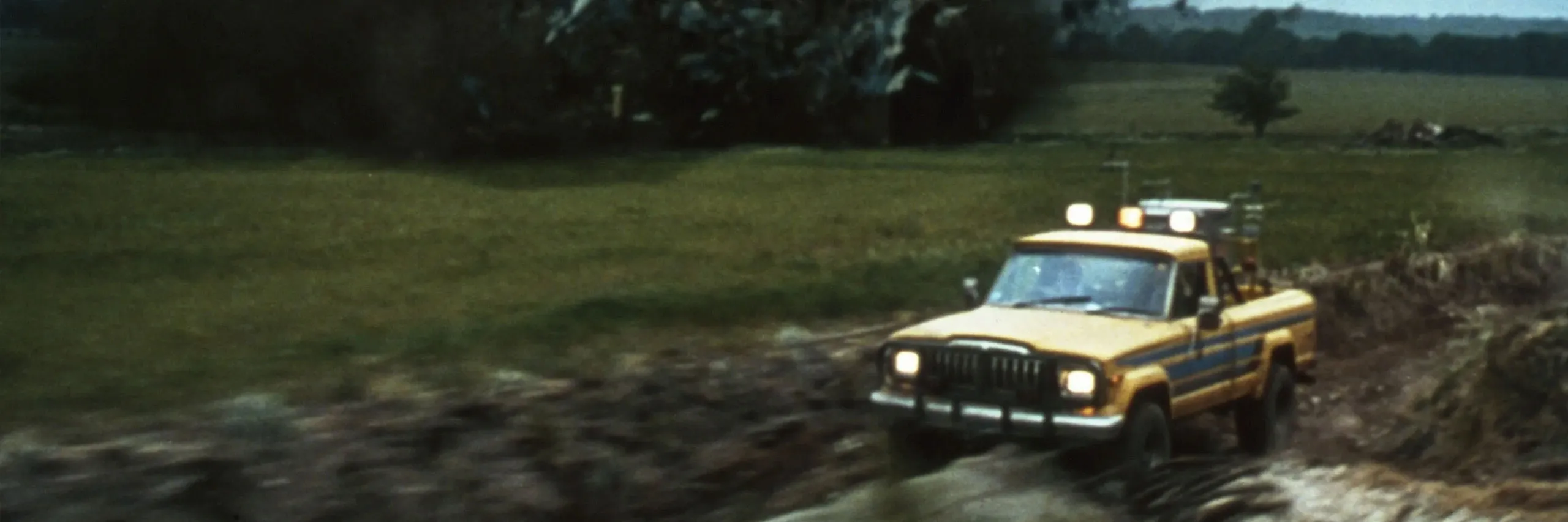
 Twister (1996)
History & Origins
Natural disaster horror finds terror in forces so vast that human agency becomes meaningless. These films confront audiences with earthquakes, tsunamis, volcanic eruptions, and storms that operate on a scale beyond comprehension — events that reduce cities to rubble and human plans to irrelevance. The horror is not malice but indifference: the planet does not know you exist and does not care.
The tradition overlaps with disaster cinema but distinguishes itself through tone and emphasis. Where mainstream disaster films focus on heroism and survival, natural disaster horror focuses on helplessness and devastation. The Impossible (2012), based on the 2004 Indian Ocean tsunami, derives its horror from the sheer physicality of the wave — the way it dismantles buildings and bodies with equal indifference. Into the Storm (2014) and Geostorm (2017) amplify weather to apocalyptic proportions.
The subgenre's effectiveness depends on scale — the feeling that no human action can alter the outcome. Climate change has given natural disaster horror a new dimension: these are no longer purely fictional scenarios but projections of a future that appears increasingly plausible. The flood, the firestorm, the super-hurricane — these have become images not just of cinematic spectacle but of genuine planetary anxiety.
Statistics
Popularity by Decade
Percentage of all horror films in each decade classified as Natural Disaster.
Popularity by Country
Percentage of each country's horror output classified as Natural Disaster.