
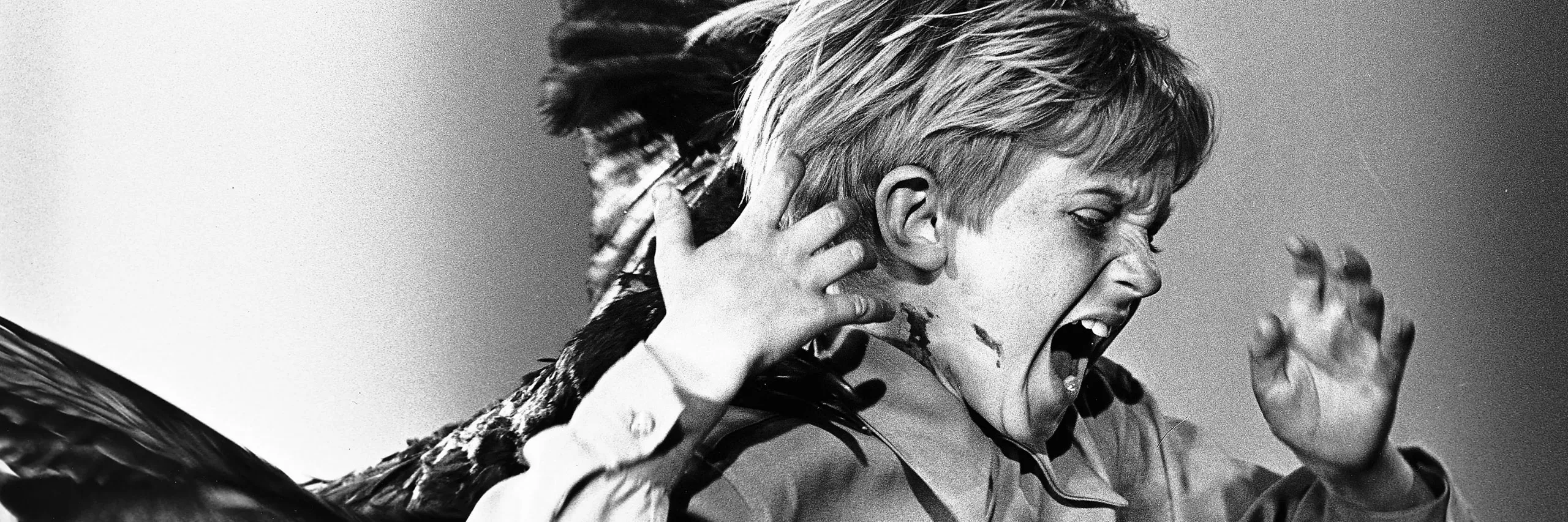
 The Birds (1963)
Nature
The natural world as antagonist. Predatory animals, ecological revenge, and forces of catastrophic scale — a reminder that humanity's dominion is an illusion, and that the wilderness does not recognize our special status.
History & Origins
Nature horror begins with a humbling premise: that the natural world was not designed for our convenience, does not require our participation, and is fully capable of destroying everything we have built without malice or even awareness. Kim Newman called it the cinema of "the revolt of nature" in Nightmare Movies (1985) — H. G. Wells's "The Empire of the Ants" (1905) and Arthur Machen's The Terror (1917) as literary predecessors to a film tradition that would propose that any one of evolution's many "pushy species" might be "preening itself as our successor." These films strip away the illusion of dominion that civilization provides and remind us that we are animals in an ecosystem that does not recognize our special status.
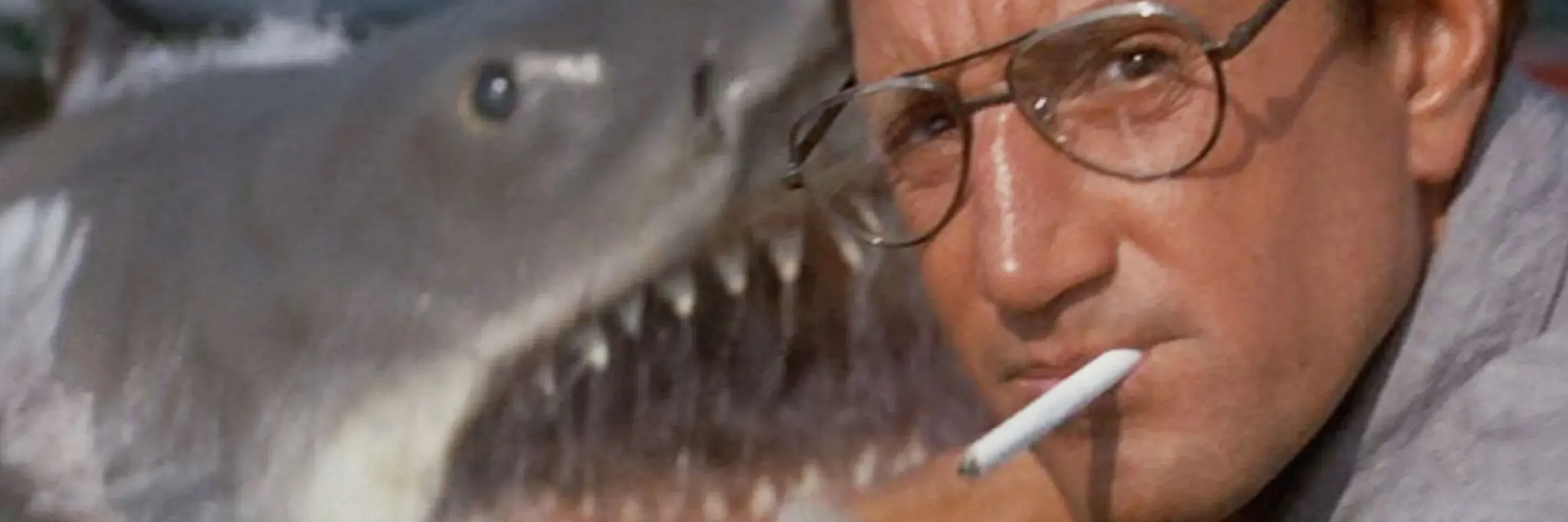
The category encompasses three distinct but related anxieties, each treated on its own page. Eco-horror frames environmental destruction as provocation — the planet developing defenses against the species that is killing it. Creature attack pits humans against predatory animals operating within their natural behavior — sharks, bears, crocodiles, and the knowledge that in their environment, on their terms, we are prey. Natural disaster confronts forces of scale — earthquakes, storms, floods — so vast that individual human agency becomes meaningless. The dividing lines are not always clean: Jaws (1975) is a creature-attack film whose post-1970s imitators became indistinguishable from eco-horror's "humanity provoked nature" cycle, and The Birds (1963) — which Barry Keith Grant in 100 American Horror Films calls "an early example of ecological horror" — sits across all three pages at once.
Hitchcock's film is the foundational text for what the rest of the tradition would do. Adapted from Daphne du Maurier, The Birds offered no explanation for why the avian world has decided to attack the residents of Bodega Bay; Robin Wood in Hitchcock's Films Revisited (1989) reads it as a film about "the impurity of our feelings" being chastised — a moral universe in which the birds become the agency of a judgment we cannot understand. John Kenneth Muir's Horror Films of the 1970s (2002) credits The Birds with "basically defining the genre in 1963," and notes that it took the better part of a decade for the trend to be exploited again. When it finally was, the 1970s produced a wave that named itself: the "revenge of nature" cycle — Frogs (1972), Squirm (1976), Day of the Animals (1977), Kingdom of the Spiders (1977), Piranha (1978), Prophecy (1979) — all positing that humanity's science, pollution and technology had so poisoned the Earth that nature was organizing a counter-attack.
The turning point — the moment the subgenre crossed into mass cultural memory — was Jaws (1975). A History of Horror, Fear and the Uncanny (2026) writes that Spielberg's shark "does not evoke sympathy" the way King Kong or Godzilla did; "if anything, it seems psychotic — nature gone mad as well as bad." Bruce Kawin in Horror and the Horror Film (2012) extends the principle: when animals act "as a group without any person or single chief animal telling them what to do, then they have their own intelligence and motive," and the films become studies in how readily the natural order can turn against us. Australian horror in particular made the landscape itself the antagonist — Peter Hutchings's Historical Dictionary of Horror Cinema (2018) credits Colin Eggleston's Long Weekend (1979) with "a powerful critique of modernity in its depiction of a young couple destroyed by the forces of nature," a strain that runs forward through Russell Mulcahy's Razorback (1984) and Greg McLean's outback survival films.
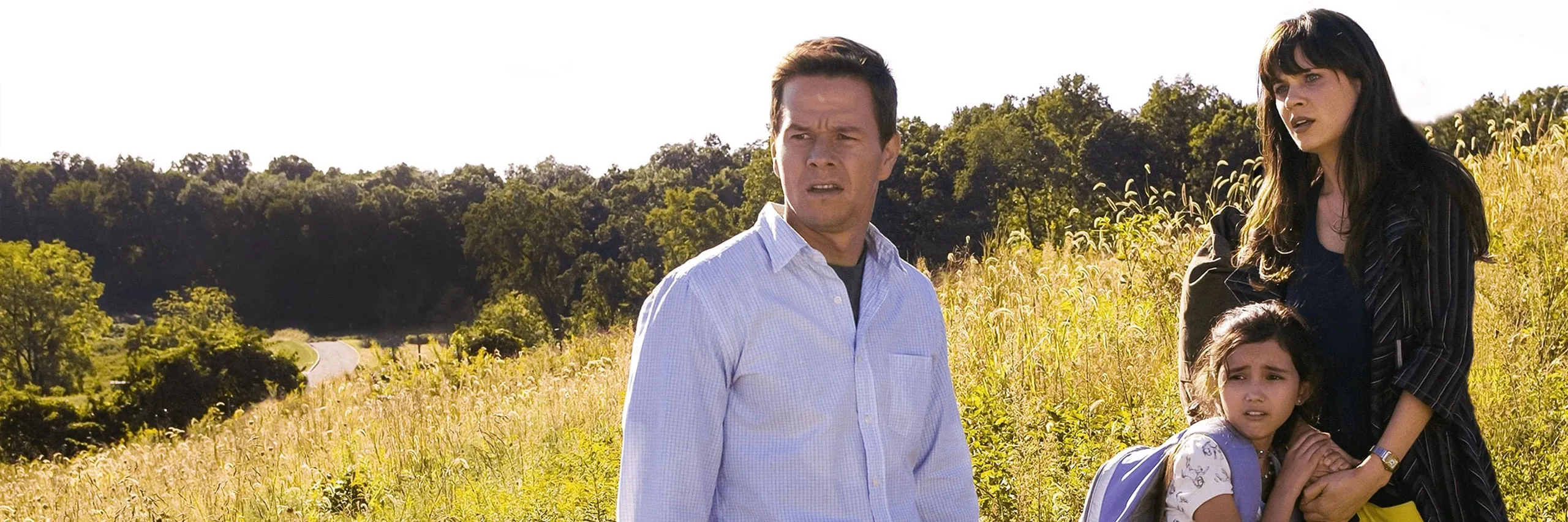
The genre has gained urgency as ecological crisis has moved from prediction to reality. Antichrist (2009) supplied the period's defining line — "Nature is Satan's Church" — framing wilderness as a Hobbesian battleground rather than a sentimental escape; Mary Wild in Psychoanalysing Horror Cinema identifies the film's source as a documentary about Europe's primordial forests, "an ecosystem of relentless violence where every species exists to kill or be killed." Annihilation (2018) dramatized environmental transformation as something so alien and beautiful that the horror lay not in destruction but in replacement — the natural world rewriting itself according to rules that have no place for human consciousness. Ben Wheatley's In the Earth (2021) and the recent "psychedelic eco-horror" Joshua Gooch surveys in Capitalism Hates You (2025), alongside commercial peaks like Crawl (2019) and The Shallows (2016), show the field thriving in the post-Anthropocene moment. Where 1950s nuclear horror imagined irradiated monsters, today's nature horror needs no metaphor — the flood, the firestorm, the species we have hunted to the edge of extinction have moved from cinematic spectacle to genuine planetary anxiety.
Explore Nature
Statistics
Popularity by Decade
Share of each decade's horror films classified as Nature. Counts films with at least 5 TMDB ratings, so very obscure titles are not represented.
Popularity by Country
Share of each country's horror output classified as Nature. Counts films with at least 5 TMDB ratings, so very obscure titles are not represented.
