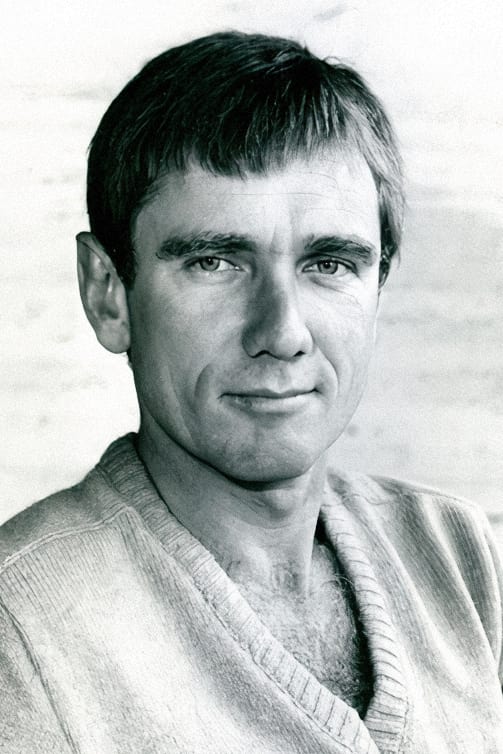
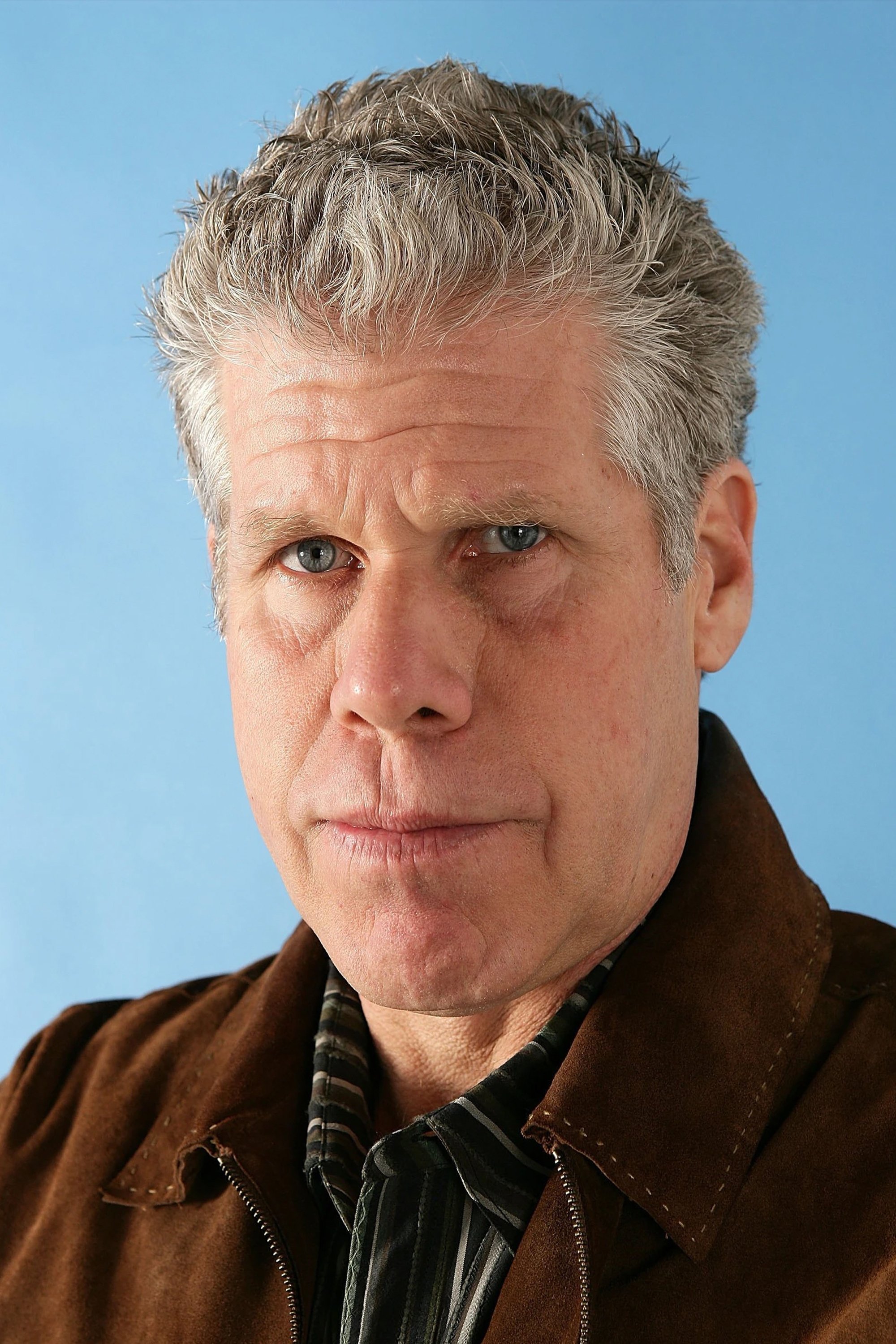
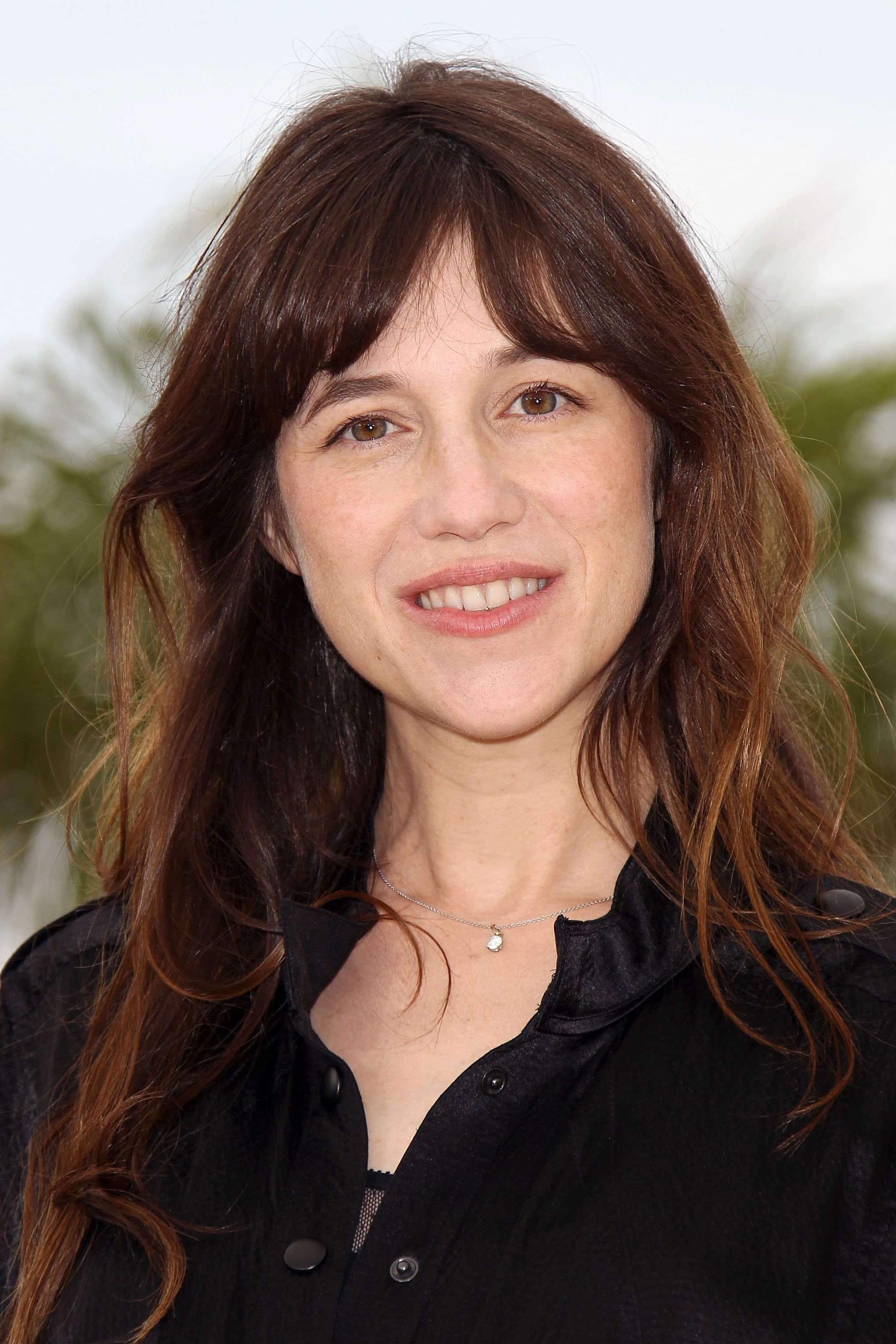
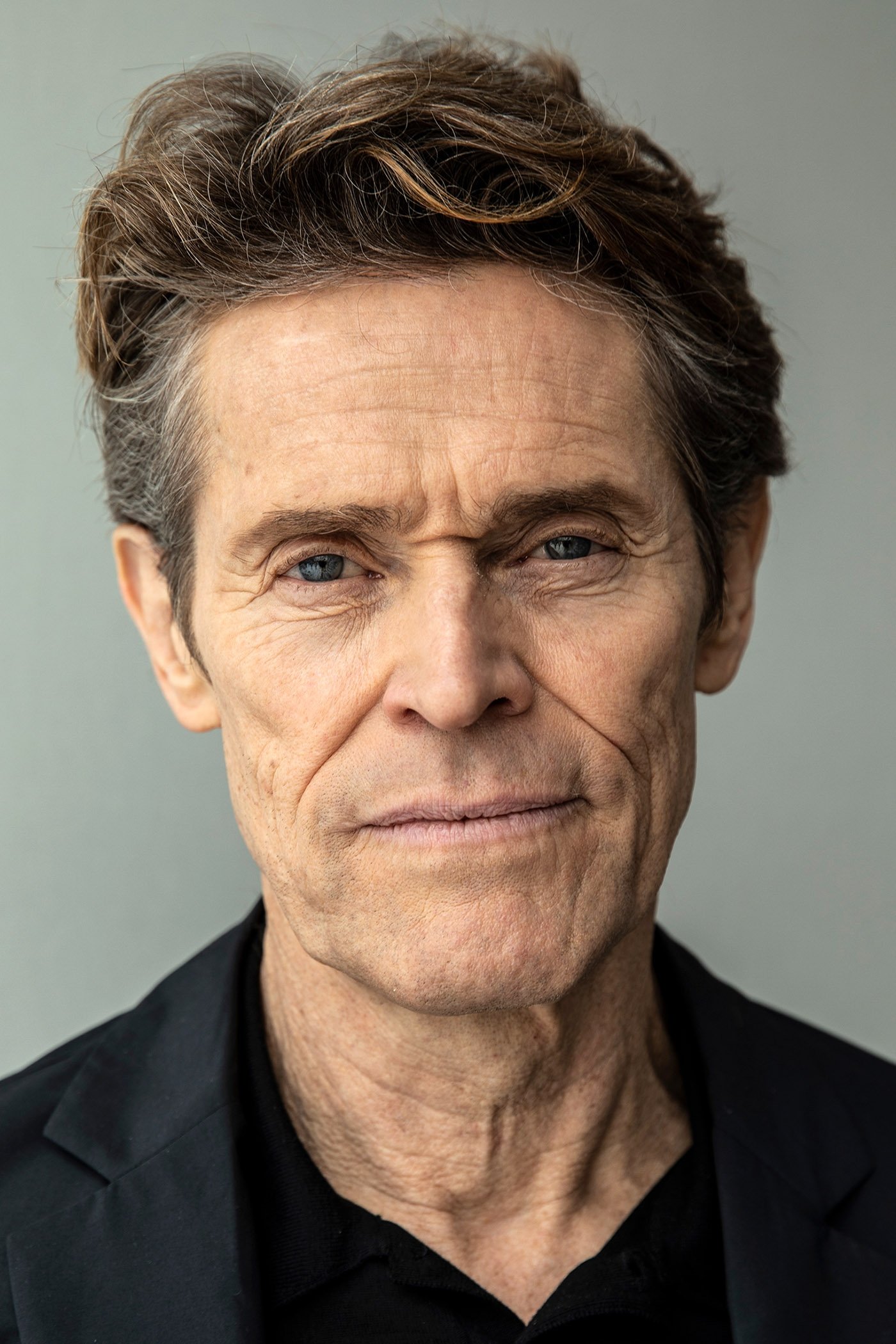
 The Happening (2008)
History & Origins
Eco-horror frames humanity's relationship with the natural world as one of mutual hostility — the idea that the environmental destruction we have inflicted produces consequences that are not merely ecological but actively malevolent. Nature is not dying quietly. It is fighting back. Chris Vander Kaay's Horror Films by Subgenre (2016) catalogs the form's defining gesture as "if nature is rising up against humanity, establishing its new rules of order"; Catherine Simpson's 2010 essay on Australian eco-horror frames the cycle in postcolonial terms — ignorant outsiders trespassing on land whose indigenous logic they cannot read. Where creature attack treats animals as biological predators acting on instinct, eco-horror treats them — and the landscape itself — as agents of consequence, returning the violence we have done.
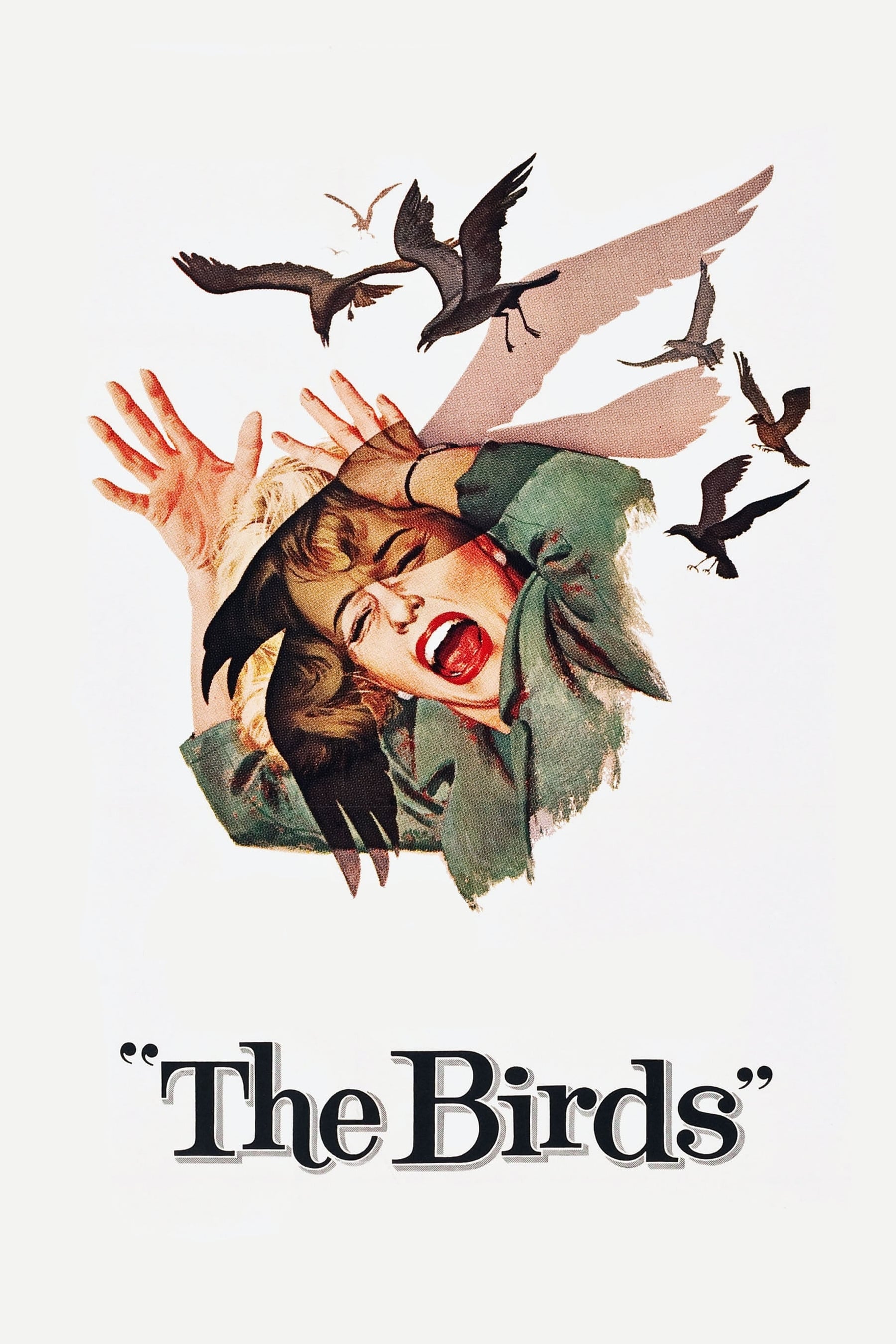
The subgenre's literary roots run back to H. G. Wells's "The Empire of the Ants" (1905) and Arthur Machen's The Terror (1917), both surveyed in Kim Newman's "Revolt of Nature" chapter of Nightmare Movies (1985). Cinema's foundational text is The Birds (1963) — Barry Keith Grant in 100 American Horror Films calls it "an early example of ecological horror," and David Skal credits the 1950s revenge-of-nature science-fiction cycle (giant spiders, ants, grasshoppers) with priming audiences for Hitchcock's avian assault. The film provides no explanation for the birds' rebellion; it simply happens, in Robin Wood's Hitchcock's Films Revisited (1989) reading, as a chastisement of "the impurity of our feelings."
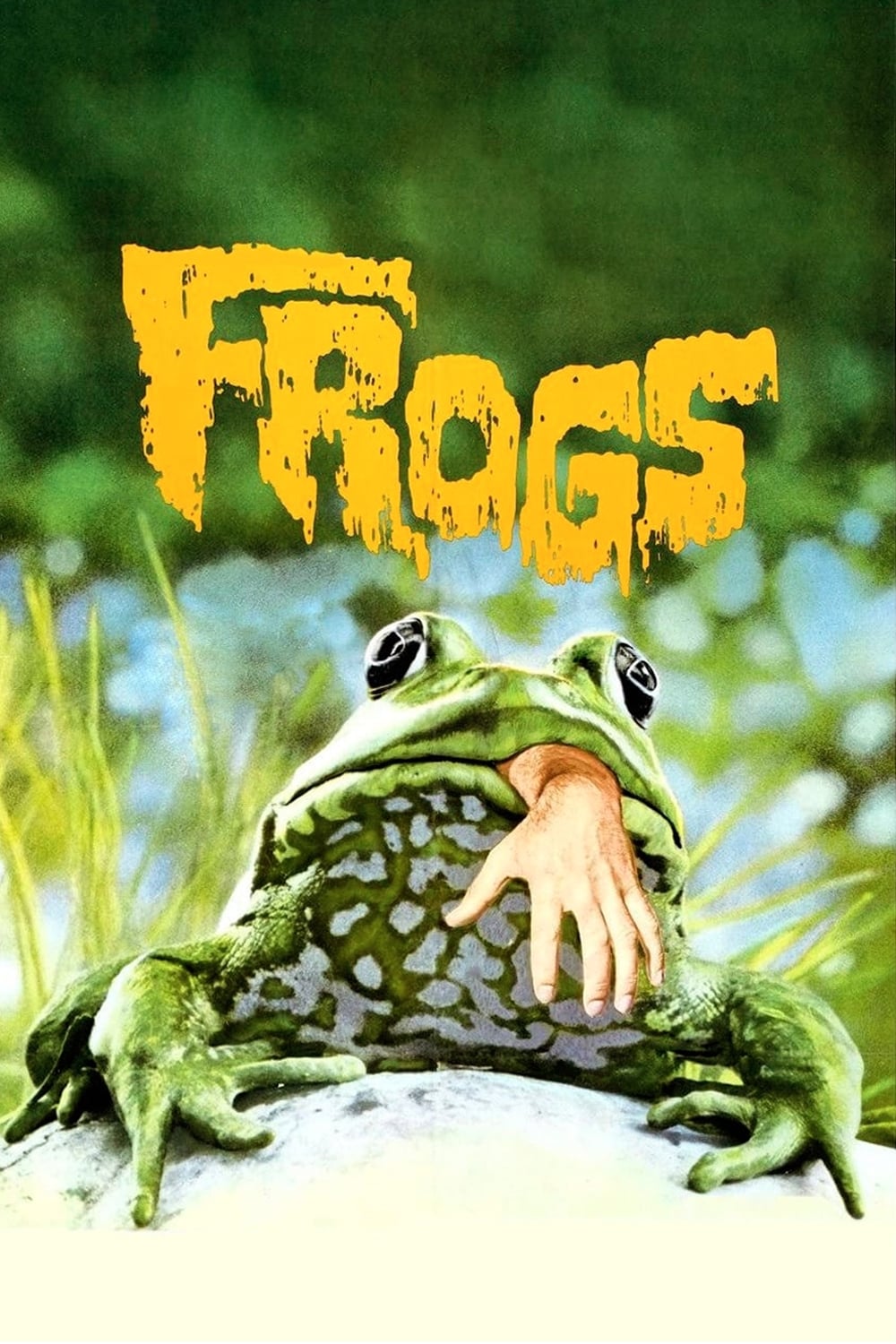
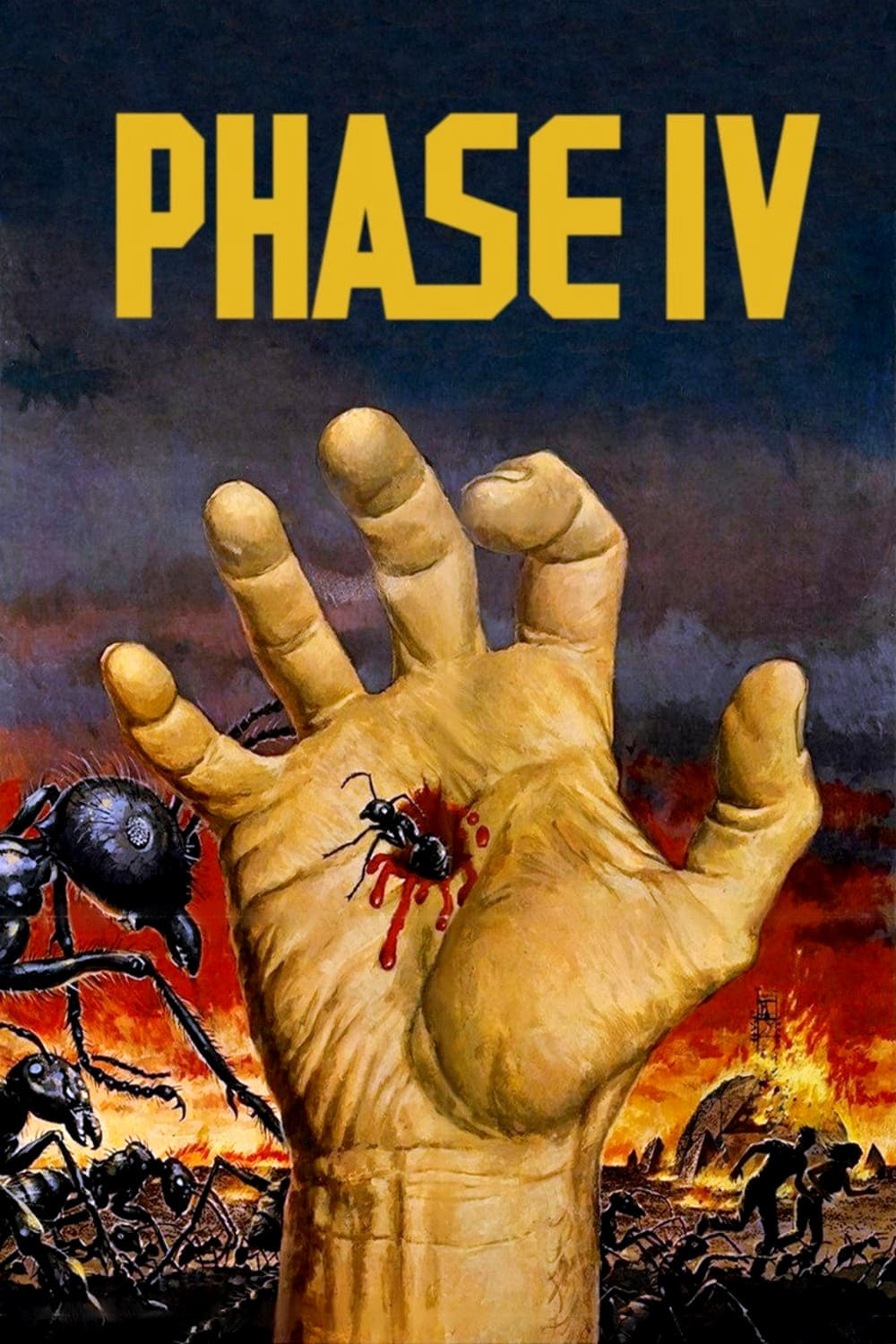
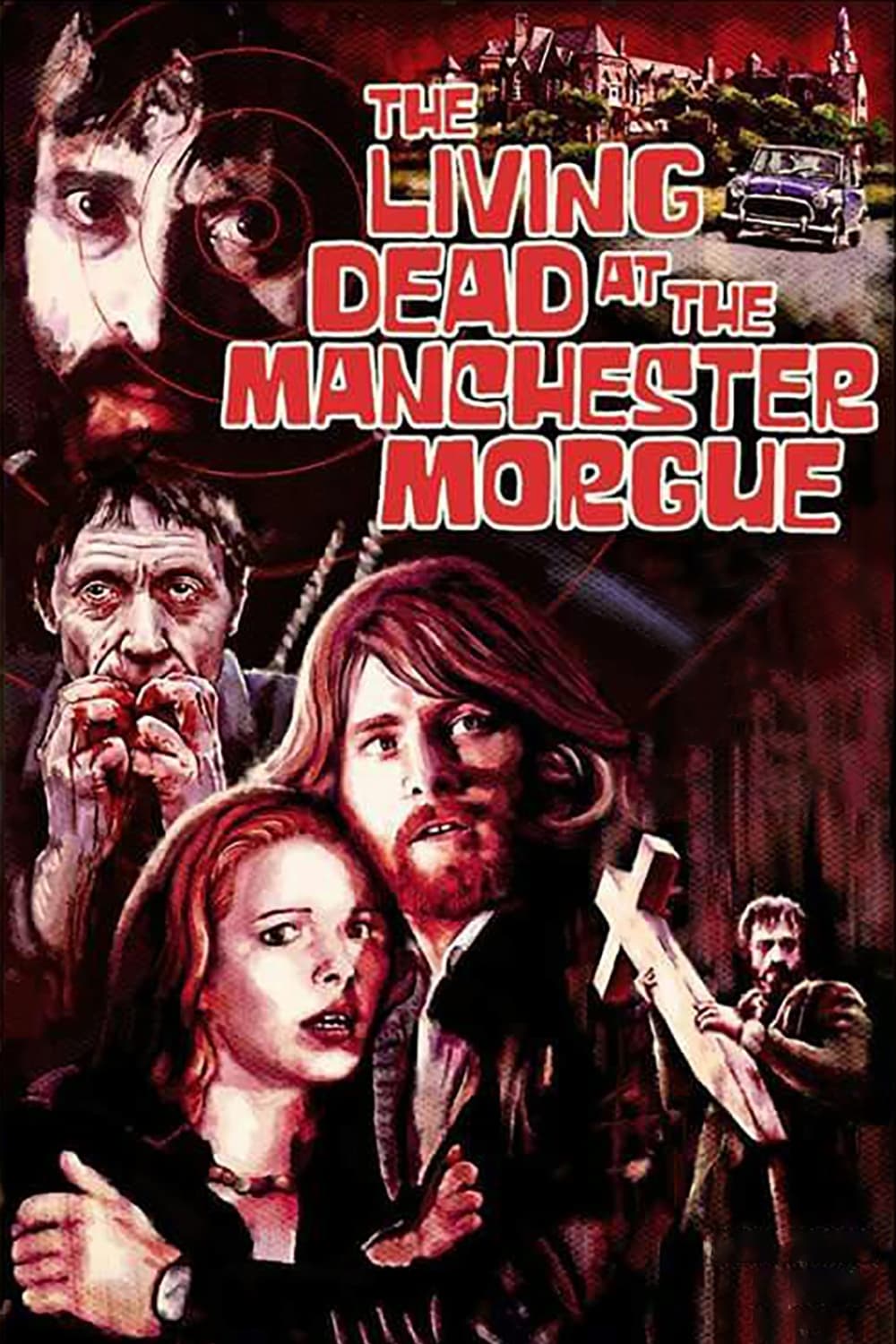
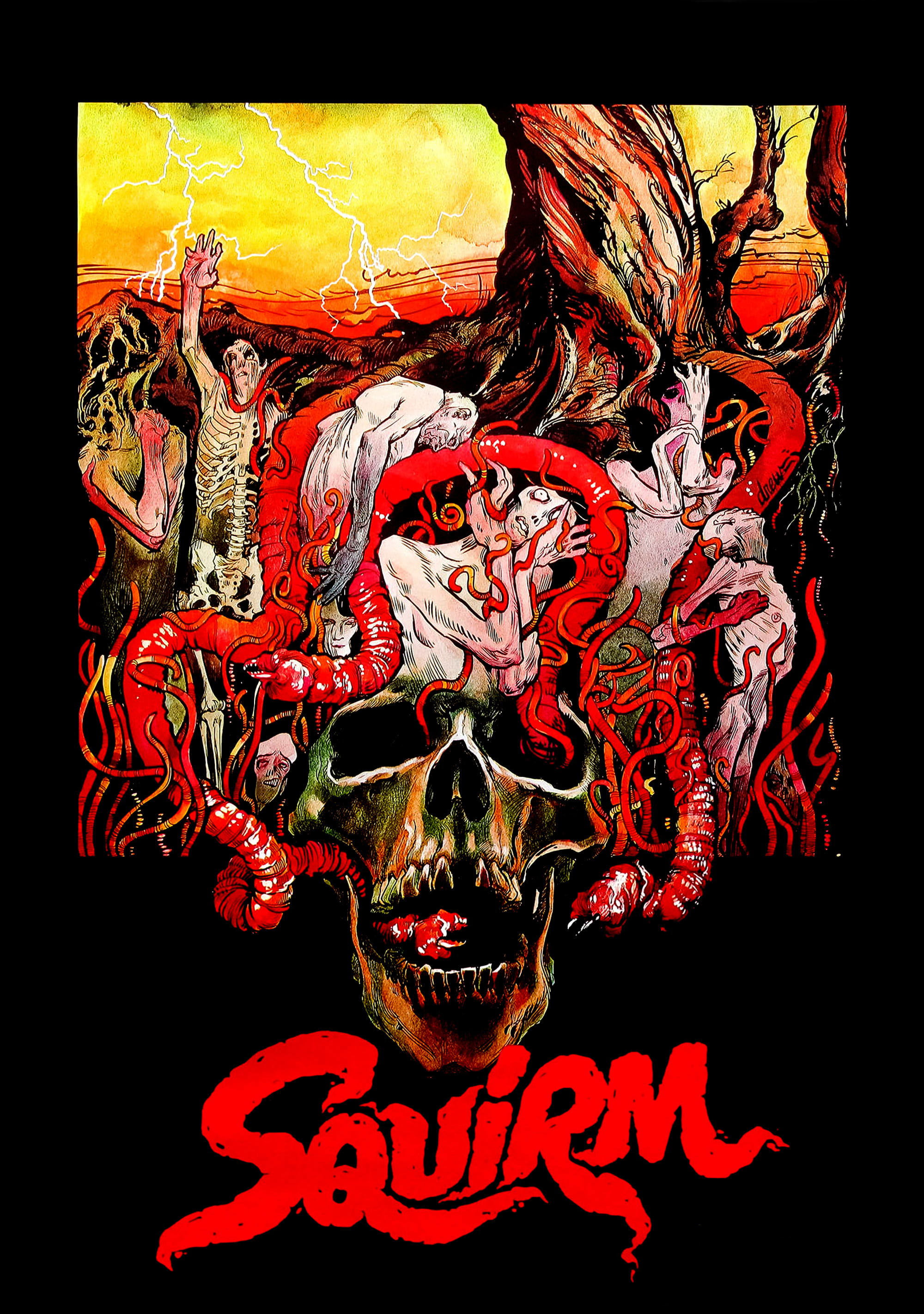
The 1970s was eco-horror's first major cycle. John Kenneth Muir in Horror Films of the 1970s (2002) names the "revenge of nature" tradition explicitly: Frogs (1972), Squirm (1976), Day of the Animals (1977), Kingdom of the Spiders (1977), and Prophecy (1979) — animals revolting because "mankind, with his science, pollution and technology, had so poisoned the Earth." Saul Bass's Phase IV (1974) treated insect uprising with experimental seriousness, presenting ants who organize against humans as a coordinated post-human intelligence. Michael Anderson's Orca (1977) — Peter Thompson's case study in Freitag and Loiselle's Canadian Horror Film (2015) — sent a vengeful killer whale after the fisherman who orphaned its calf, a film the volume's eco-horror chapter calls the form's clearest "non-essentialist reading of the landscape." Jorge Grau's The Living Dead at Manchester Morgue (1974) blamed agricultural radiation on the English countryside for raising the dead — eco-zombie horror a quarter-century before the cycle's American revival. Australia's contribution, Colin Eggleston's Long Weekend (1979), became the template Peter Hutchings names in the Historical Dictionary of Horror Cinema (2018): a couple whose casual environmental cruelty — destroying a bird's egg, poisoning an ant colony, littering — provokes escalating natural reprisals until the landscape itself appears to kill them.
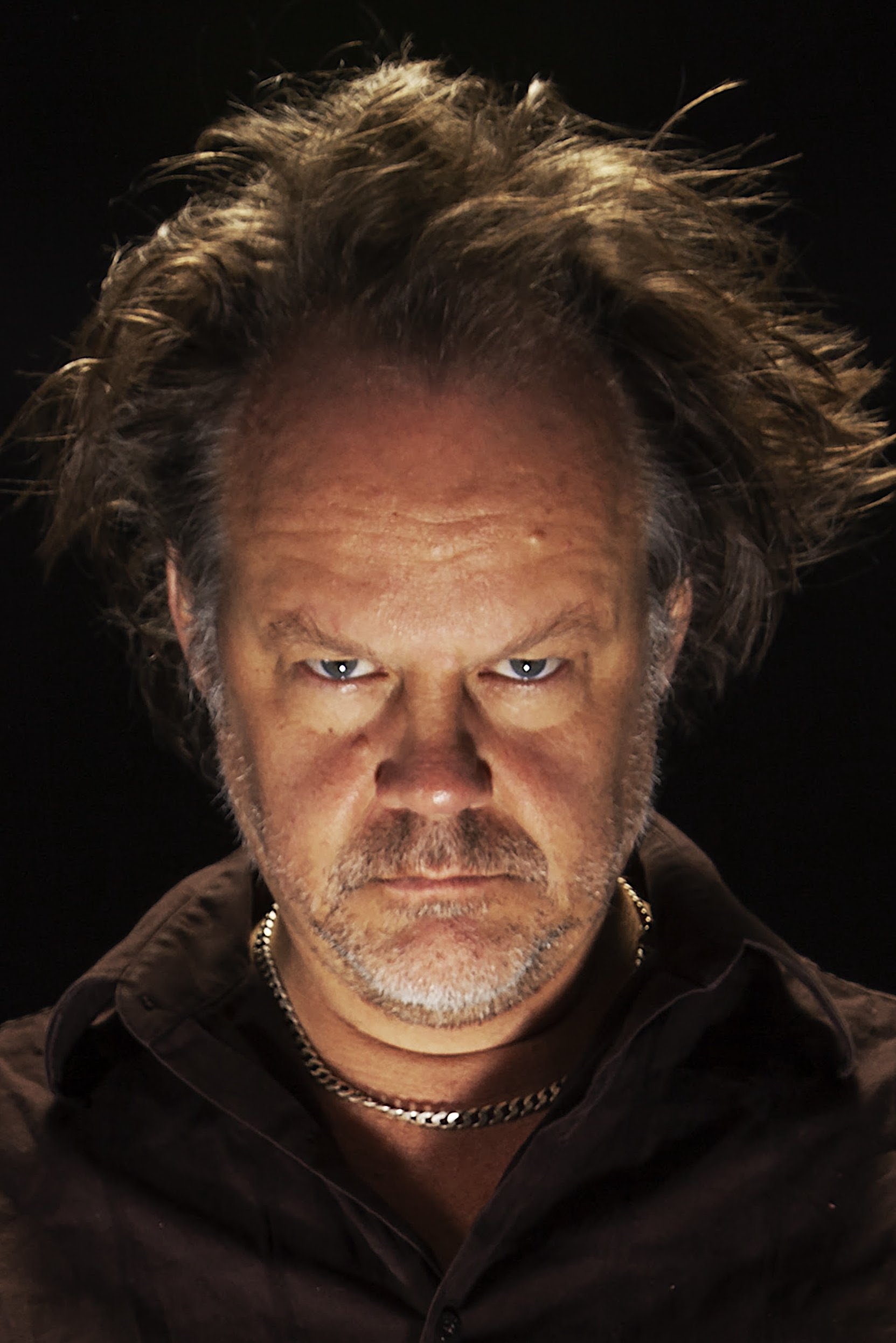
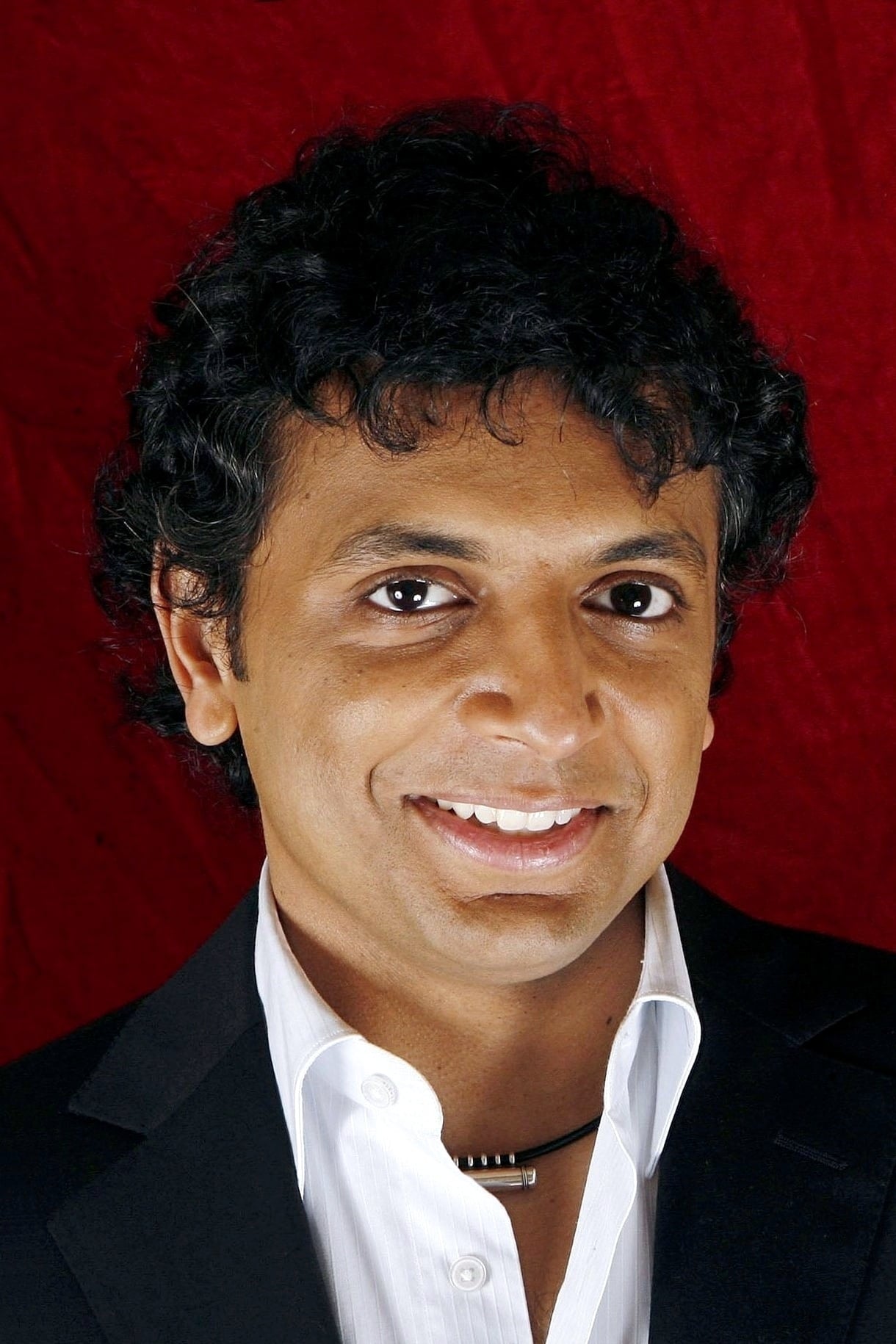
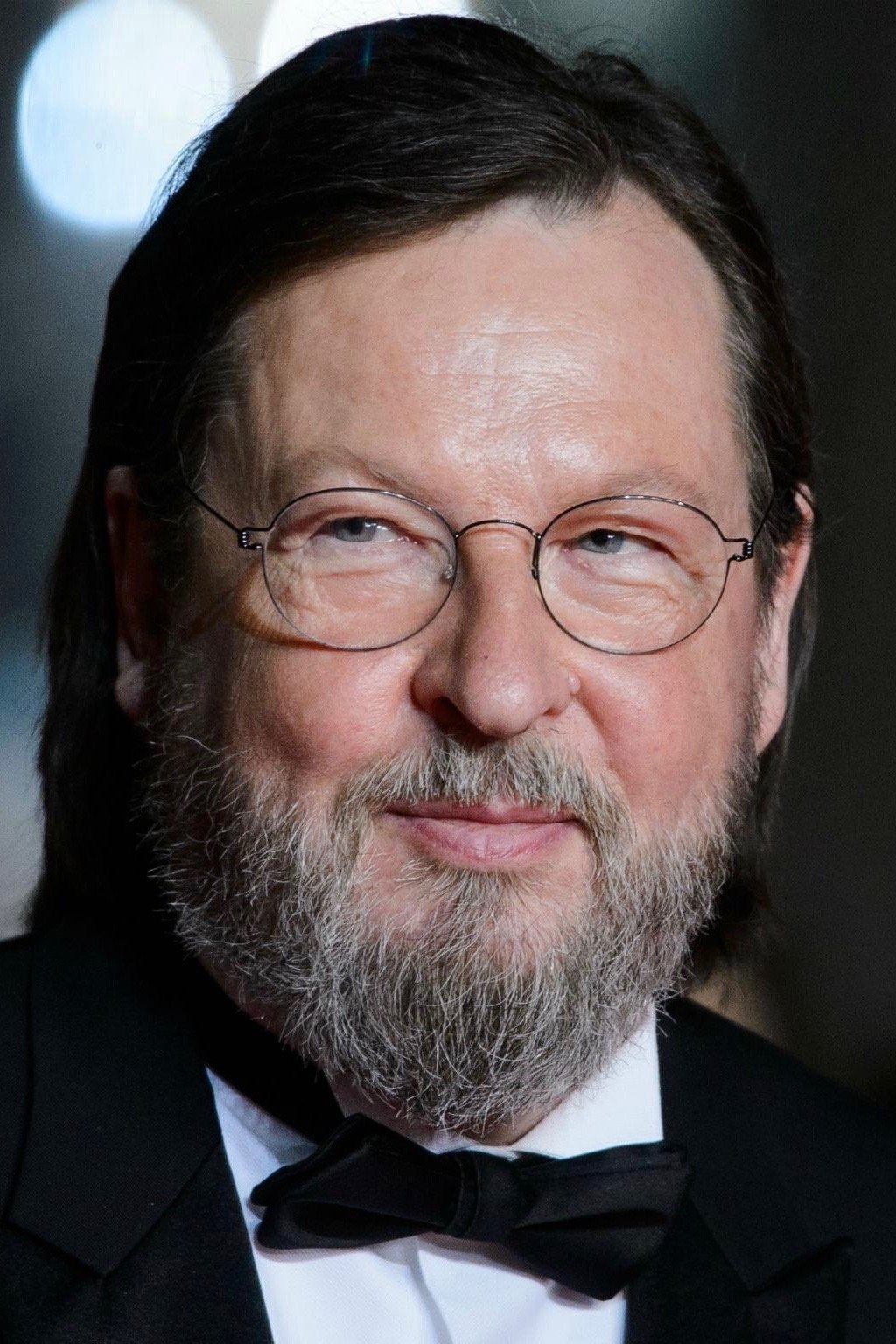
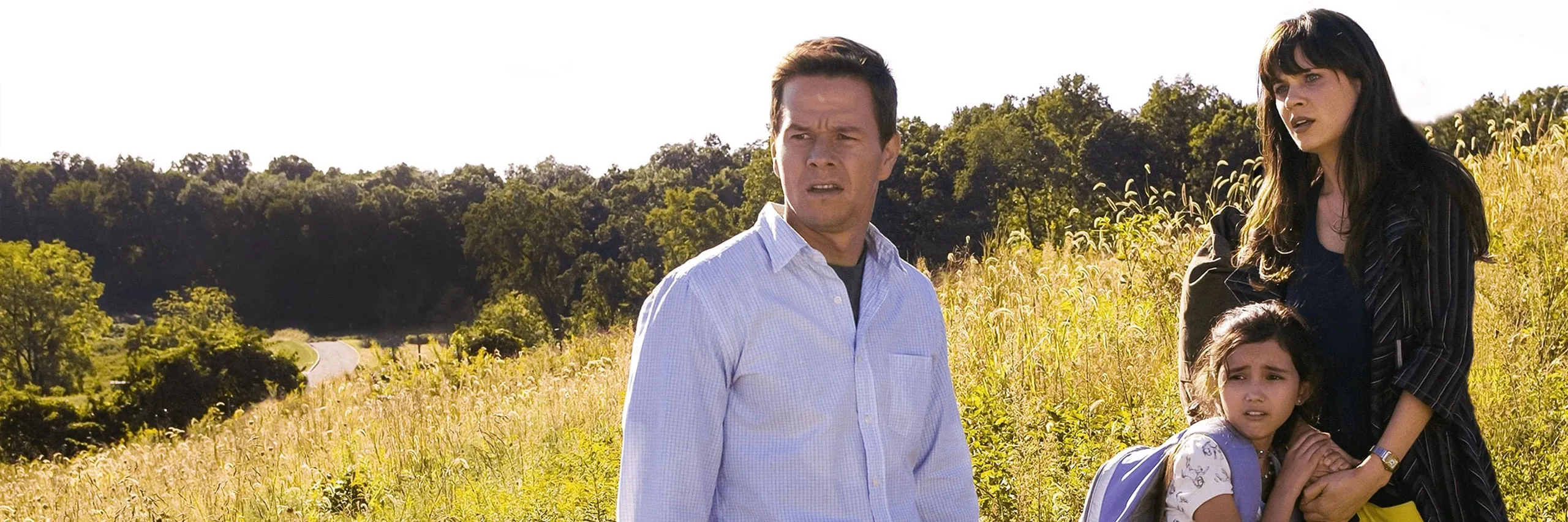
The form quieted through the 1980s and 90s before its 21st-century revival. Larry Fessenden, whom Newman names as one of the era's most committed American eco-horror auteurs, made The Last Winter (2006) explicit climate-crisis horror set at an Arctic oil-drilling station where the permafrost is releasing something that wants the drillers gone. M. Night Shyamalan's The Happening (2008), despite its critical reception, proposed that plants could develop a neurotoxin targeting human self-preservation. The Ruins (2008) made vines actively predatory. Lars von Trier's Antichrist (2009) delivered the form's most quoted line — "Nature is Satan's Church" — framing wilderness as a Hobbesian arena where every species exists to kill or be killed; Mary Wild in Psychoanalysing Horror Cinema identifies the film's source as a documentary about Europe's primordial forests. Mark A. Lewis's The Thaw (2009) put parasitic prehistoric insects on a thawing iceberg as agents of climate vengeance. Barry Levinson's found-footage The Bay (2012), sourced from the real Chesapeake Bay pollution scandal, fictionalized isopod outbreaks fed by industrial chicken-farm runoff.
The 2018-2025 wave is contemporary horror's most data-conscious eco-horror to date. Annihilation (2018) presented environmental transformation so alien and beautiful that the horror lay not in destruction but in replacement; Mary Wild reads Alex Garland's film as a meditation on "self-destruction" rather than catastrophe. Paul Schrader's First Reformed (2018) crossed eco-horror with religious horror in a climate-grief register. Jaco Bouwer's South African Gaia (2021) portrayed an ancient fungus reclaiming Earth from "an exploitative species," per A History of Horror, Fear and the Uncanny (2026). Ben Wheatley's In the Earth (2021), shot during the COVID pandemic, blended folk horror with mycorrhizal infection — Joshua Gooch in Capitalism Hates You (2025) groups it with the period's "psychedelic eco-horror." Welsh folk horror The Feast (2021) sent an ancient earth-spirit waitress to kill an oil-baron family at dinner. As climate anxiety has moved from prediction to news, eco-horror's central premise — that we have provoked something we cannot control — feels less like metaphor than rehearsal.
Essential Films
The Birds
Frogs
Phase IV
The Living Dead at Manchester Morgue
Squirm
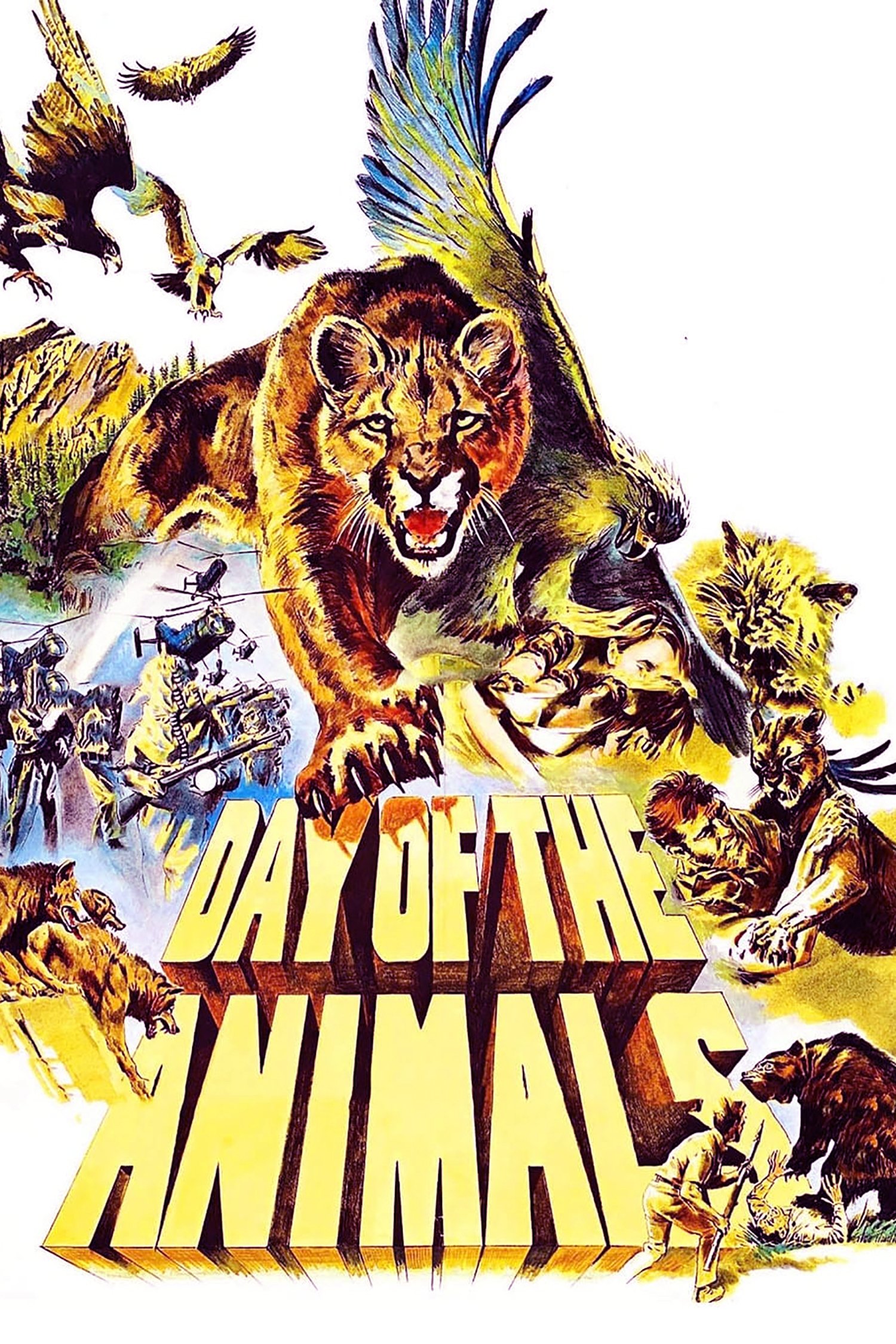
Day of the Animals
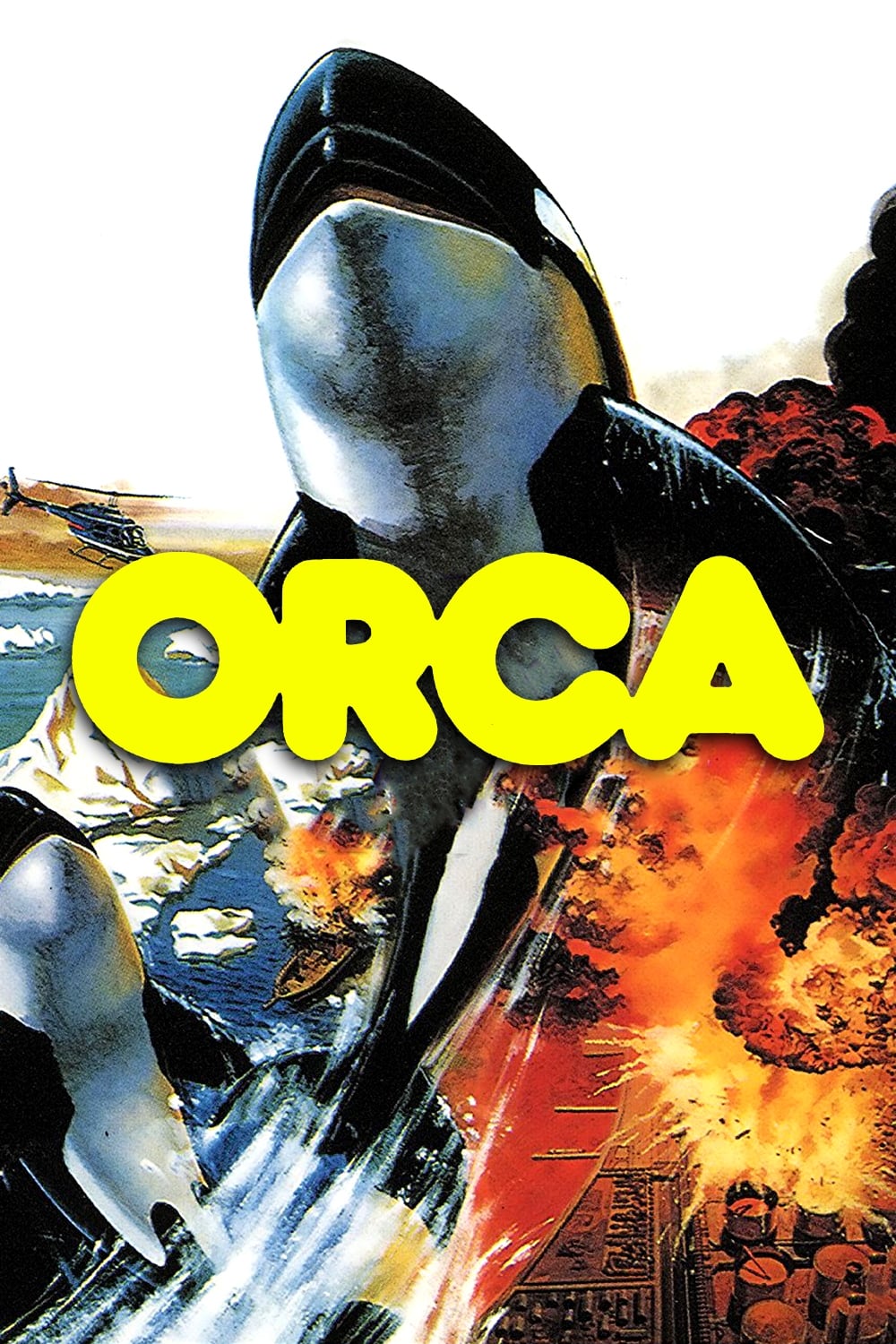
Orca
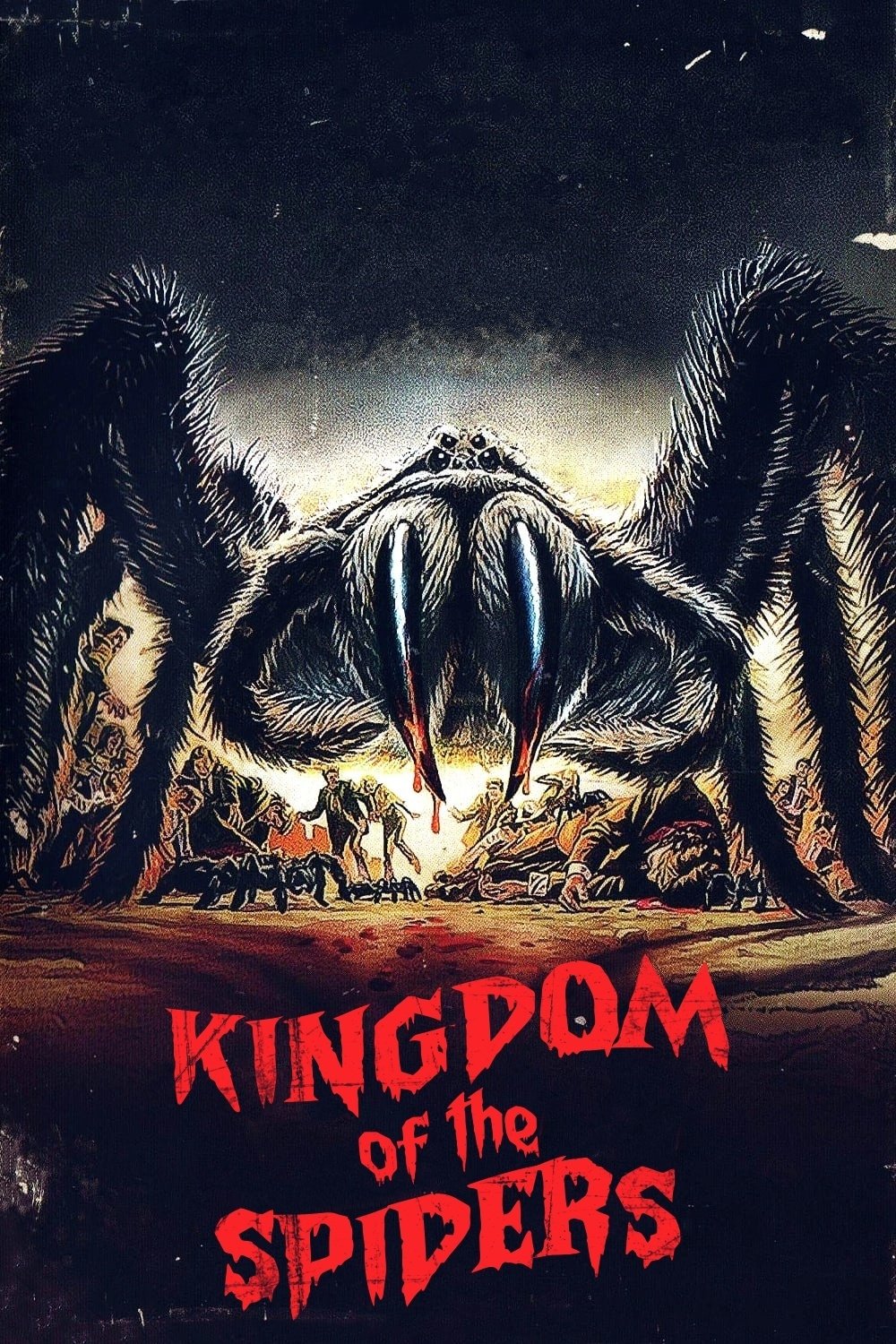
Kingdom of the Spiders
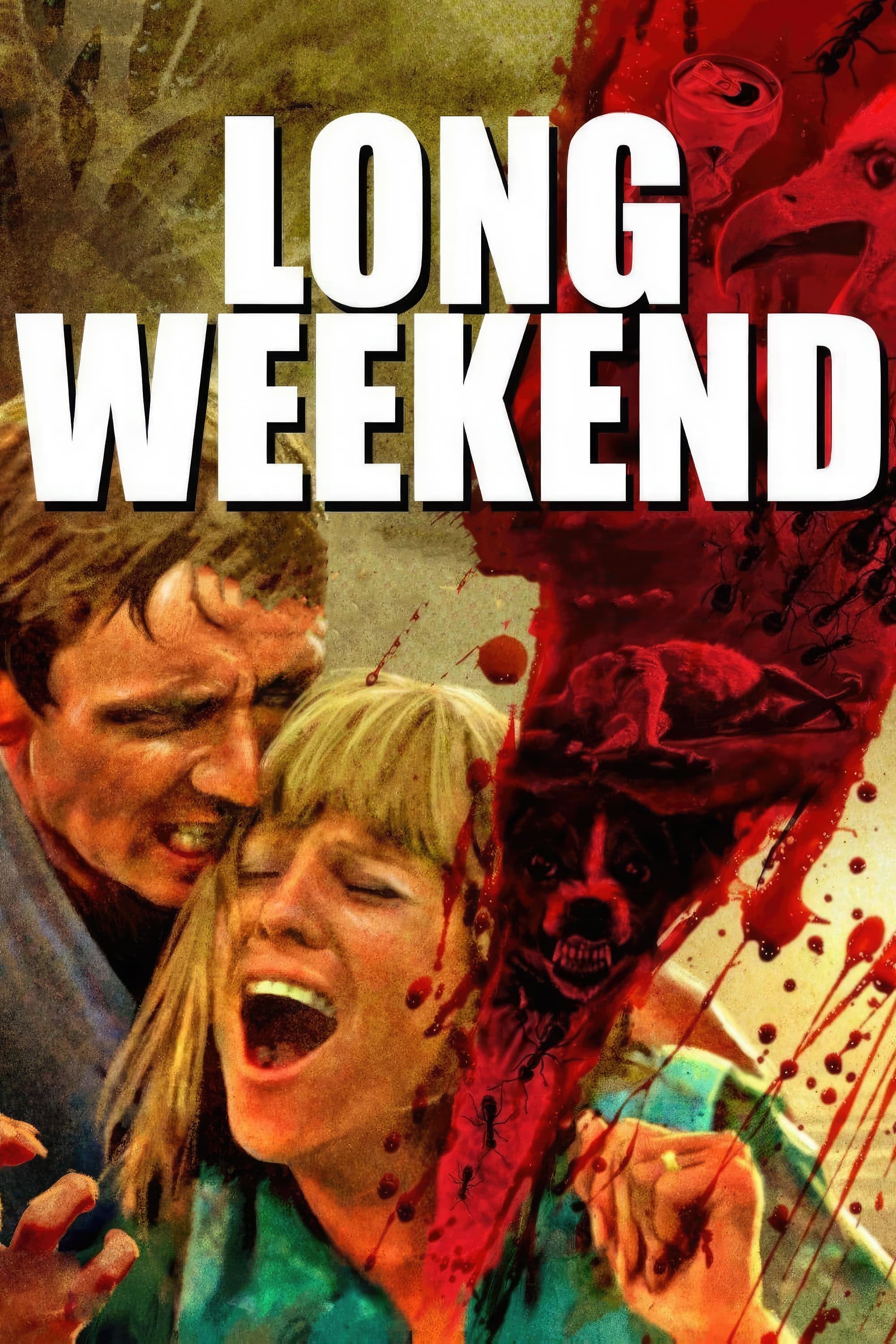
Long Weekend

Prophecy

The Last Winter
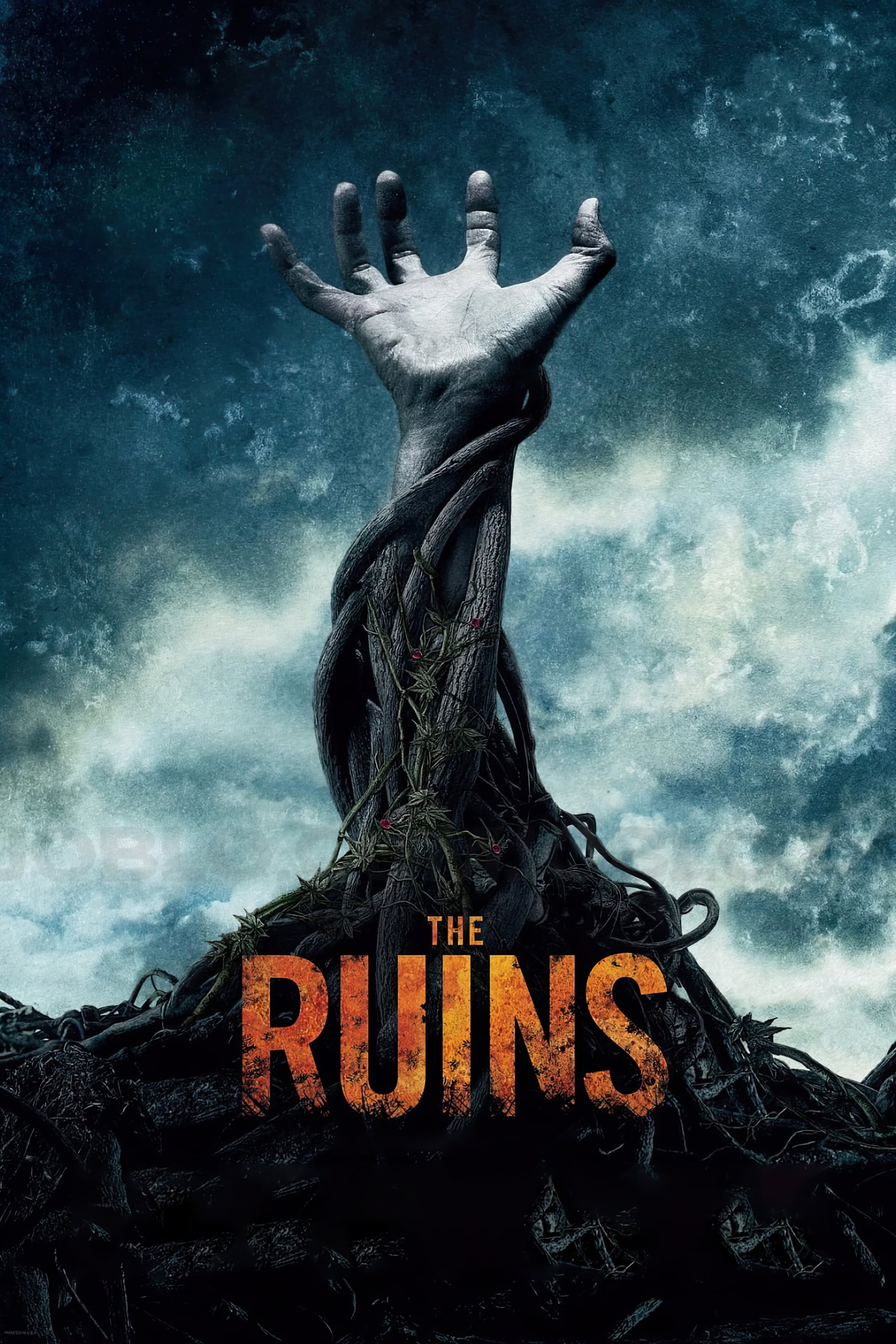
The Ruins
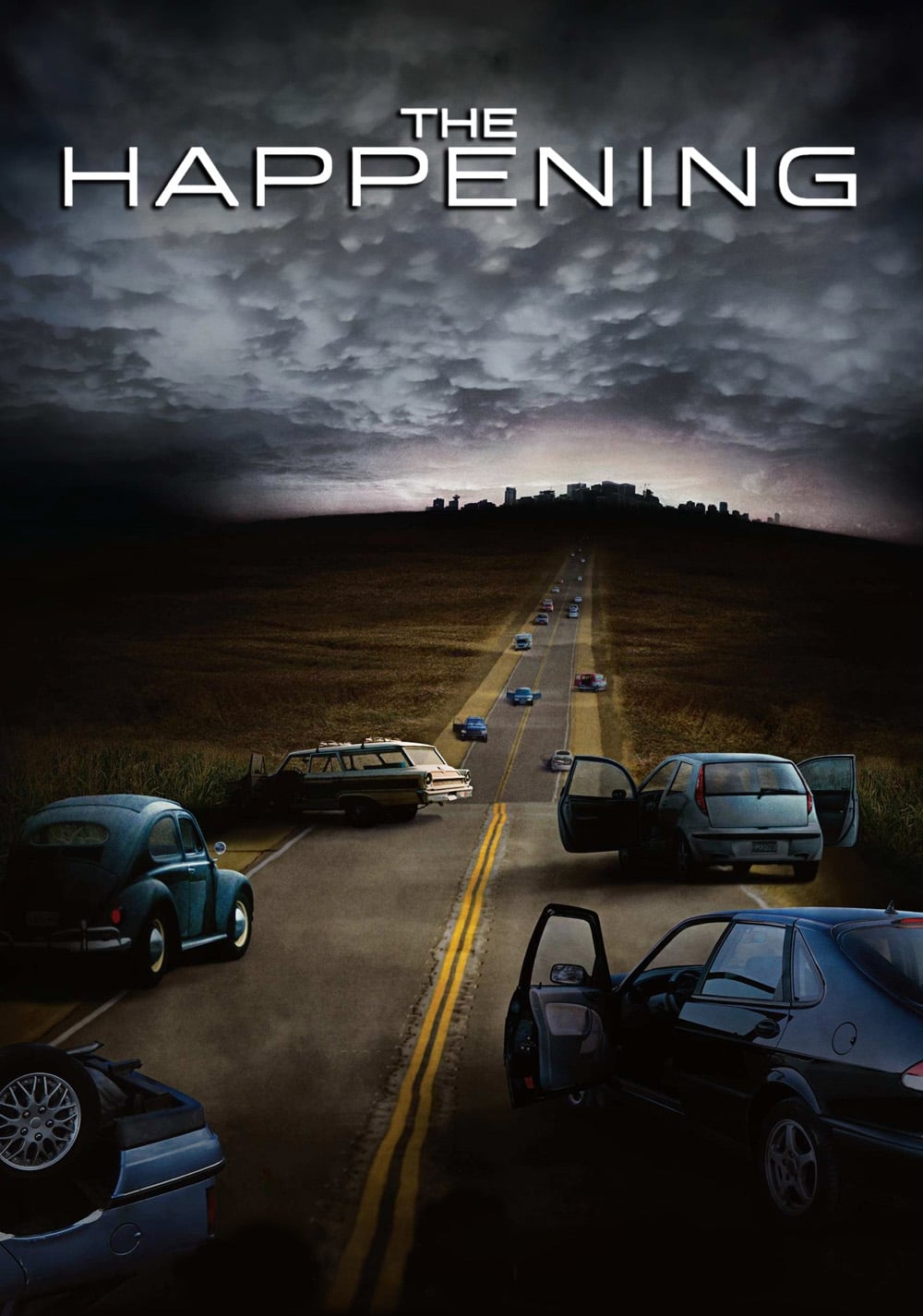
The Happening
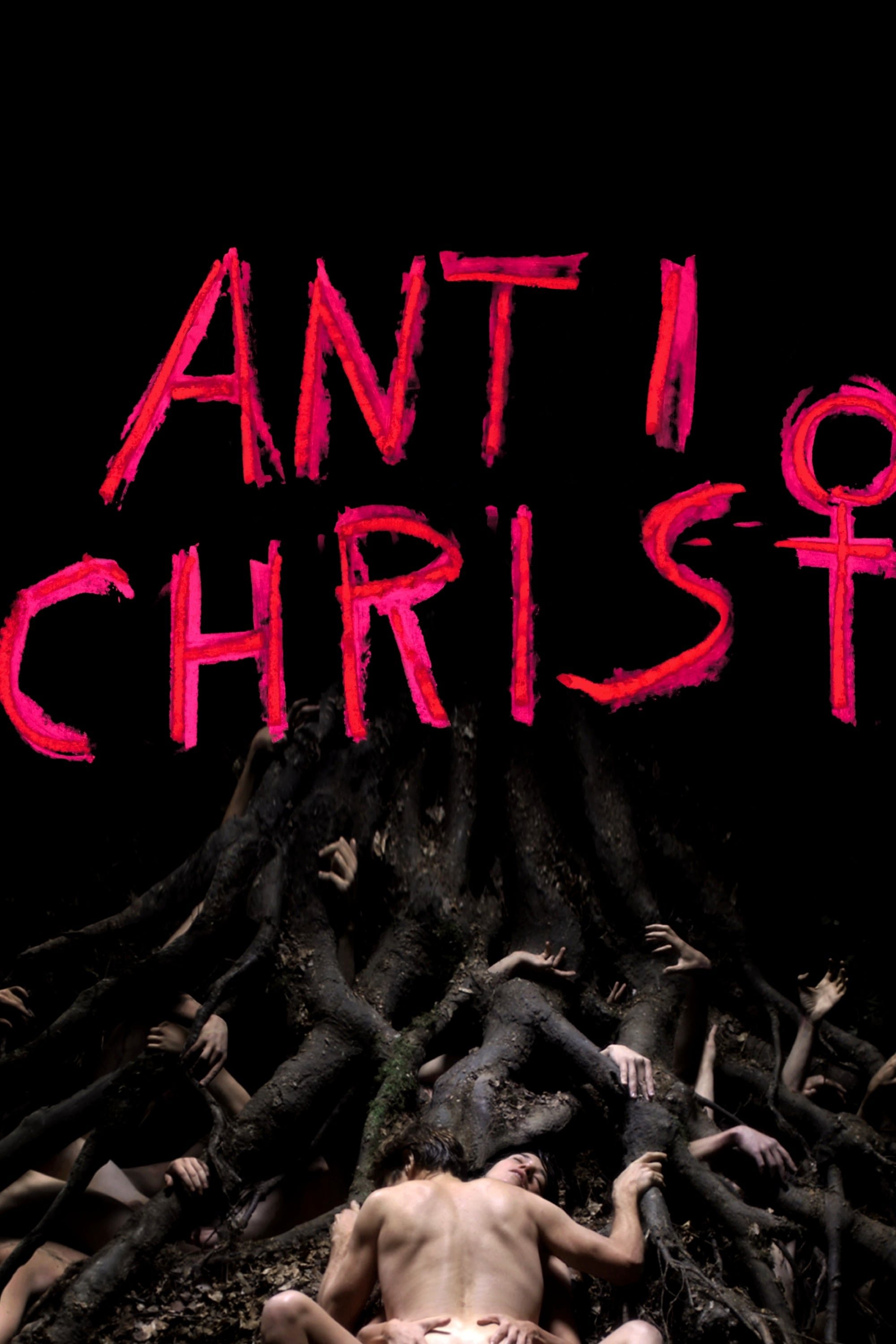
Antichrist
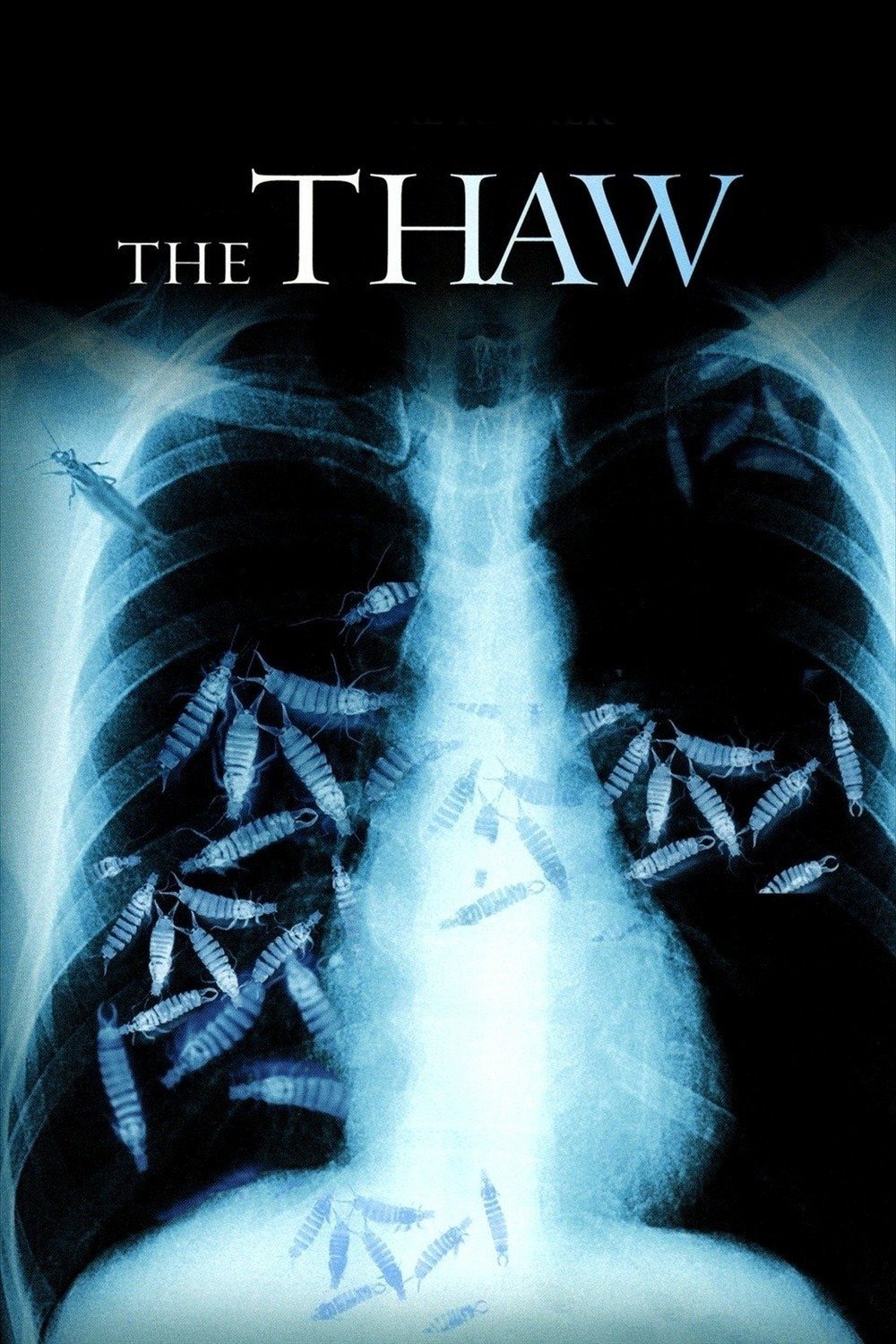
The Thaw
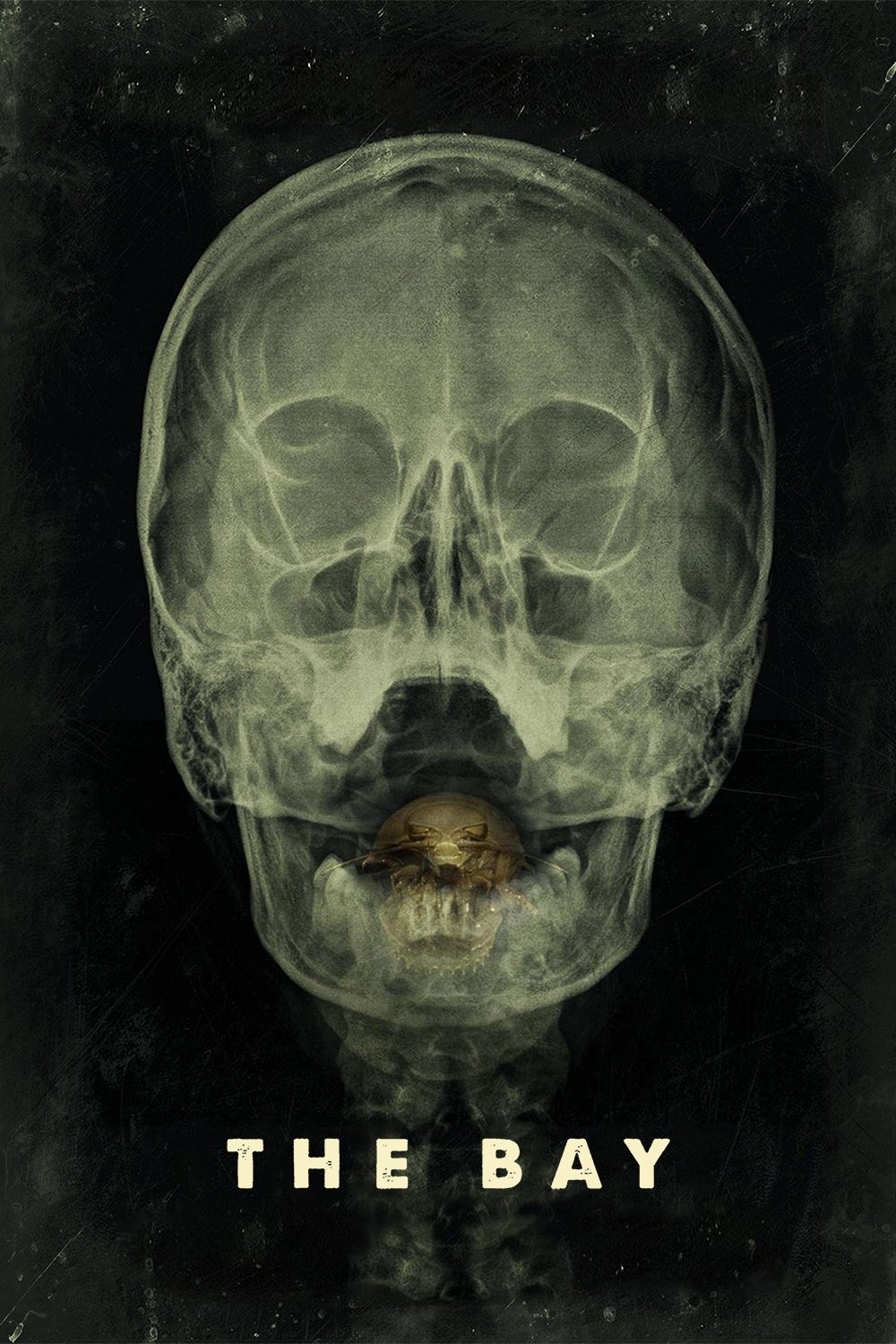
The Bay
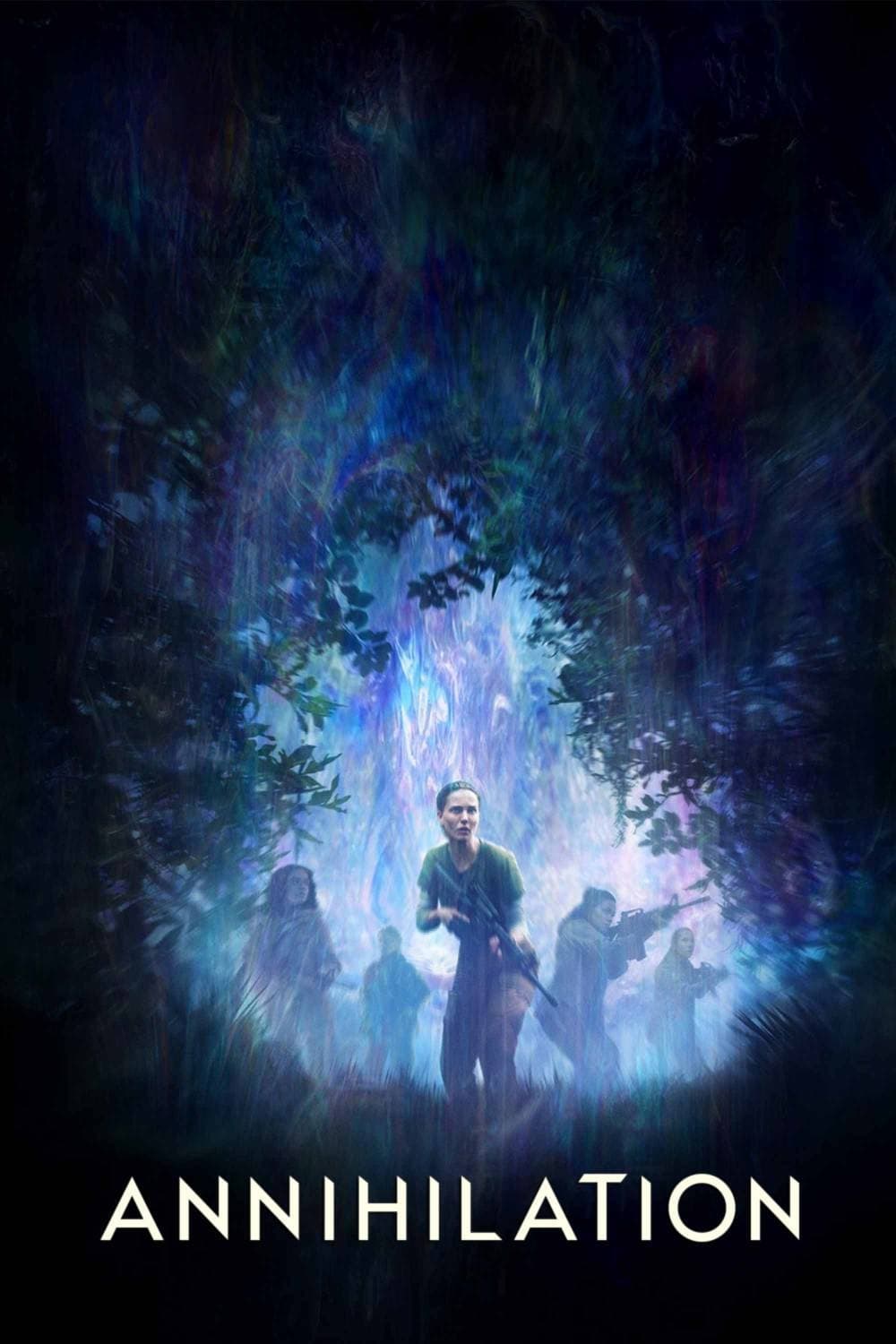
Annihilation

First Reformed
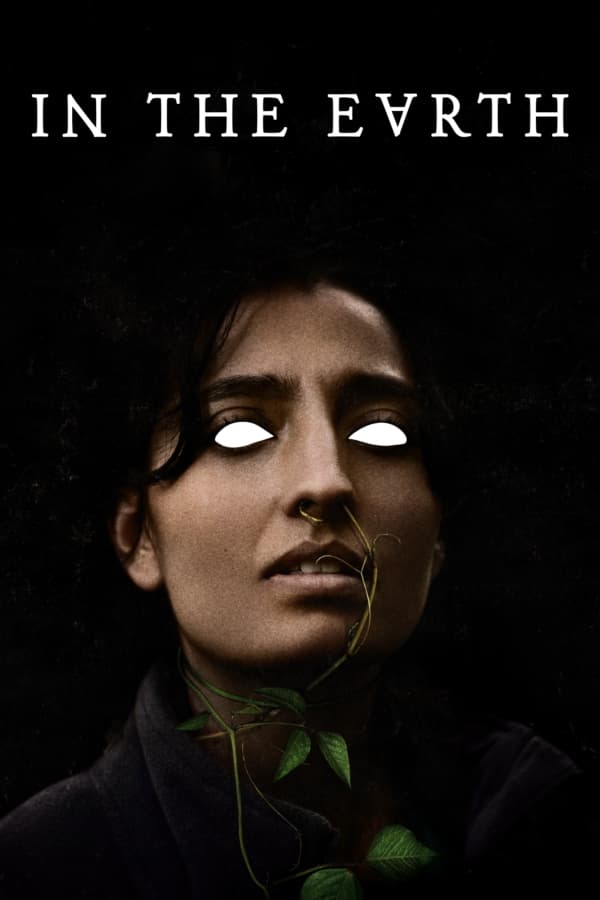
In the Earth
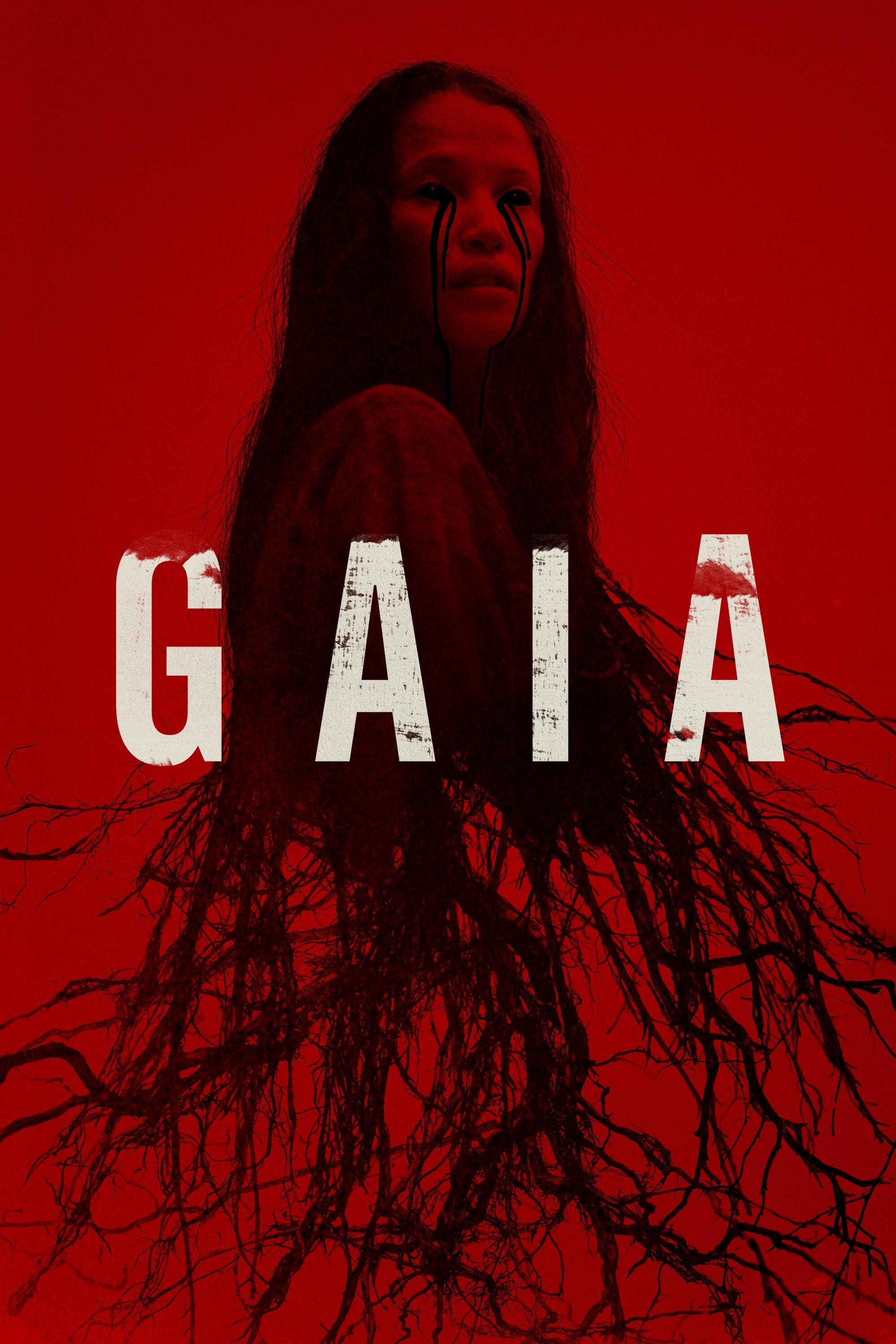
Gaia
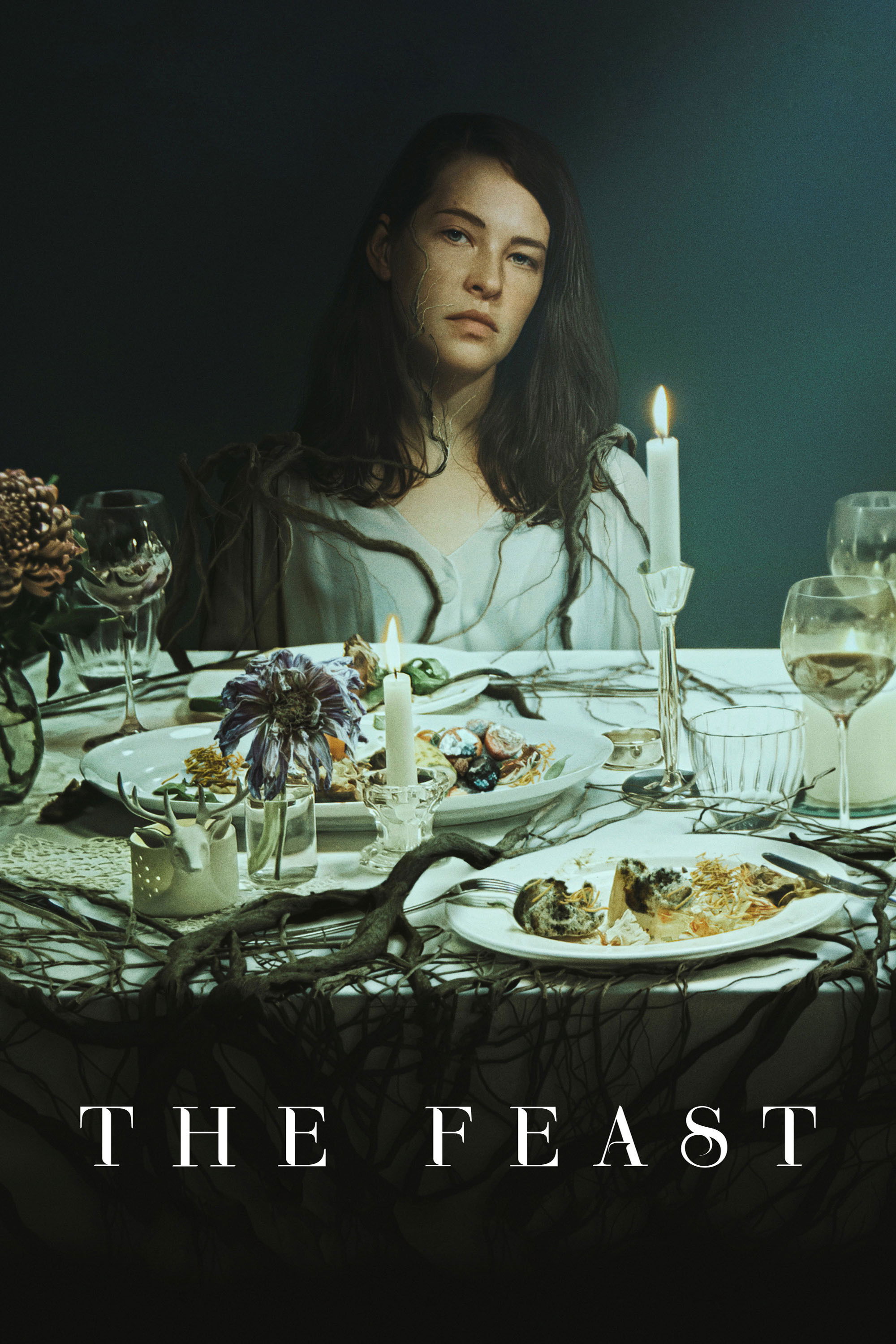
The Feast
Statistics
Popularity by Decade
Share of each decade's horror films classified as Eco-Horror. Counts films with at least 5 TMDB ratings, so very obscure titles are not represented.
Popularity by Country
Share of each country's horror output classified as Eco-Horror. Counts films with at least 5 TMDB ratings, so very obscure titles are not represented.