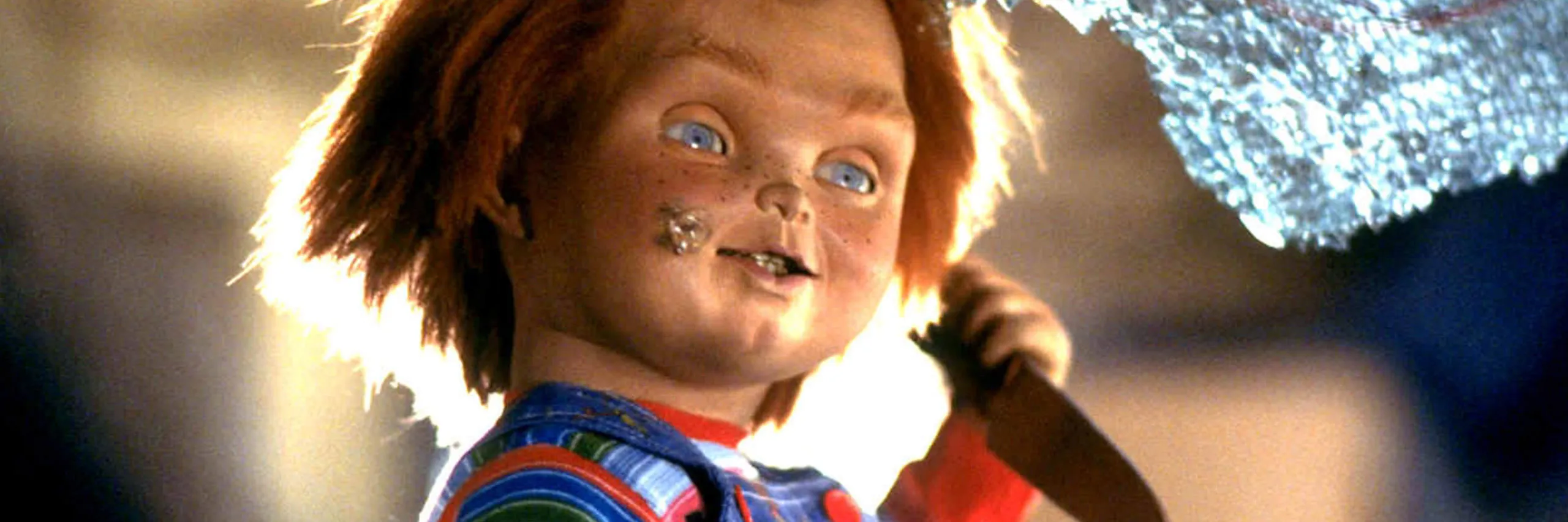
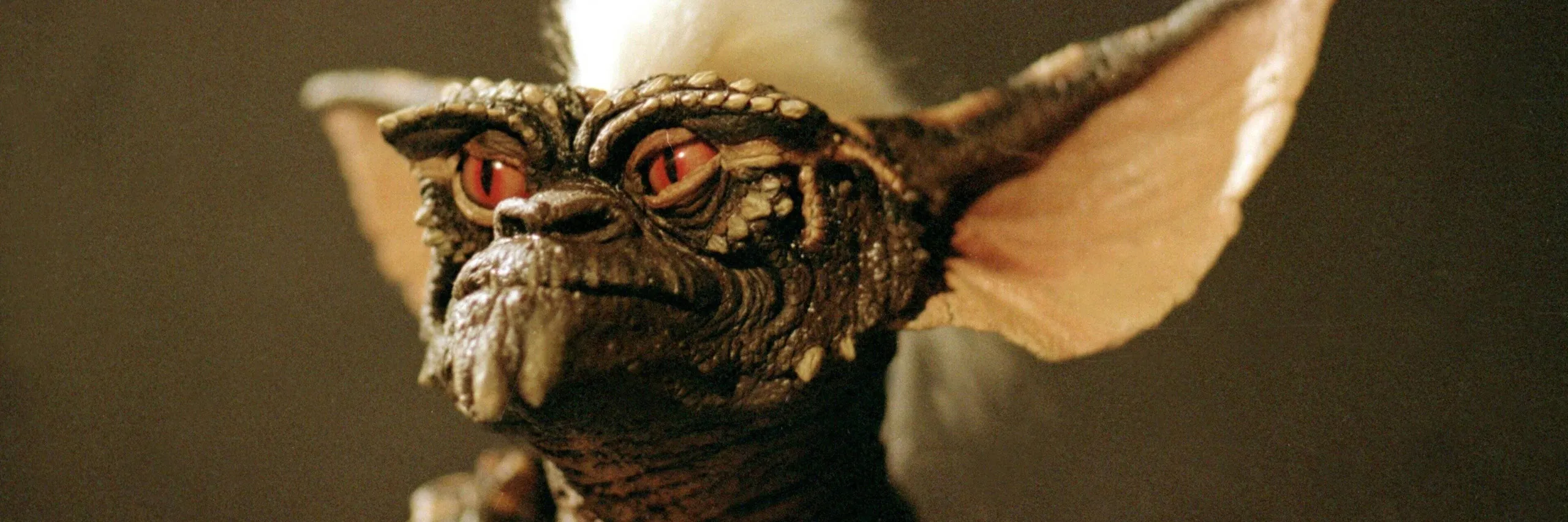
 Gremlins (1984)
History & Origins
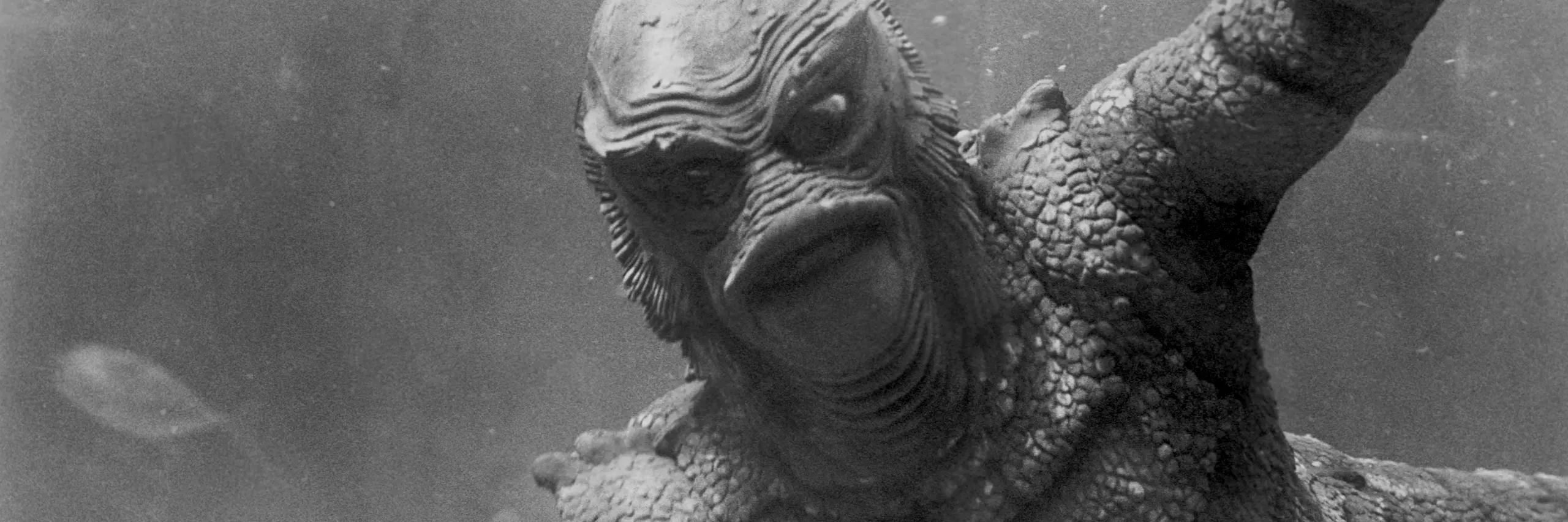
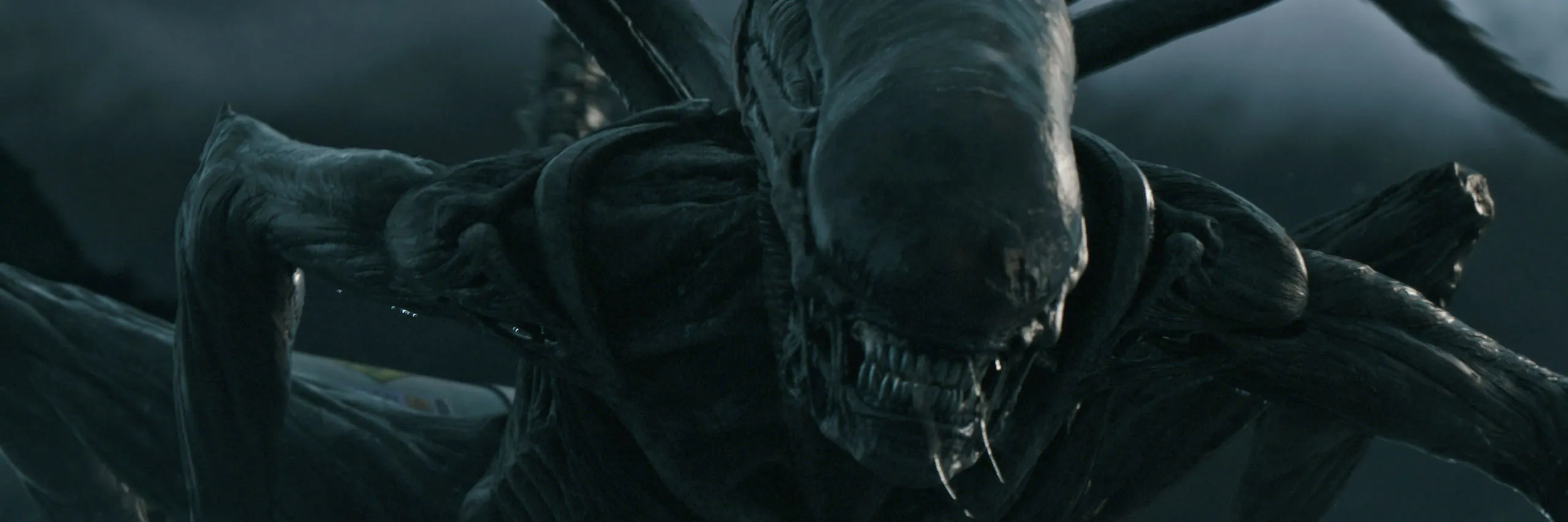
The creature feature is the broadest category within monster horror — a catchall for films built around encounters with dangerous, often monstrous animals or organisms that don't fit neatly into the vampire, zombie, or alien classifications. These are the films about things that bite, sting, swarm, dissolve, absorb, or simply overwhelm. The creature is physical, mortal, and usually motivated by hunger, territory, or reproduction — biological drives that make it comprehensible even when its form is not.
The 1950s were the creature feature's golden age. Them! (1954) deployed giant irradiated ants as nuclear anxiety made manifest. The Blob (1958) offered an amorphous, ever-growing organism that dissolved everything it touched — a monster with no face, no motivation, and no weakness except cold. Jack Arnold's Tarantula (1955) used real spiders with optical effects, achieving a naturalism that made its oversized arachnid more believable than most of its giant-creature contemporaries. Roger Corman's AIP cycle produced a non-stop stream of similar low-budget creature films across the decade. These films traded on a simple formula: take something from nature, scale it up or make it hostile, and watch civilization scramble.
The 1970s brought a wave of "nature attacks" eco-horror — Squirm (1976), Empire of the Ants (1977), Kingdom of the Spiders (1977) — that read animal swarms through Watergate-era environmental anxiety. The 1980s were the practical-effects creature feature's high water mark. Larry Cohen's Q (1982) hid an Aztec winged serpent atop the Chrysler Building; his The Stuff (1985) ran corporate horror through a sentient yogurt-monster. Frank Henenlotter's Basket Case (1982), Russell Mulcahy's Australian boar-attack Razorback (1984), C.H.U.D. (1984) (sewer-dwelling humanoids), Joe Dante's Gremlins (1984) as crossover kid-friendly creature comedy, Critters (1986), Stuart Gordon's Lovecraft adaptation From Beyond (1986), Stan Winston's directorial Pumpkinhead (1988), and Chuck Russell's The Blob (1988) remake all extended the form. The 1990s saw Ron Underwood's Tremors (1990) reinvent the format as a witty, character-driven survival film, while Frank Marshall's Arachnophobia (1990) brought studio-comedy polish to creature horror, and Guillermo del Toro's Mimic (1997) ran the form as subway-creature thriller.
The form has proven remarkably durable. Neil Marshall's The Descent (2005) used subterranean humanoid creatures to externalize the psychological horror of claustrophobia and grief; The Mist (2007) unleashed an inter-dimensional bestiary; James Gunn's Slither (2006) ran the body-snatcher variant; Vincenzo Natali's Splice (2010) took the lab-creation strand to its uncomfortable extreme. André Øvredal's Troll Hunter (2010) (Norway) found new mythology in folkloric trolls via found footage; Drew Goddard's The Cabin in the Woods (2012) compiled the entire creature-feature bestiary into a single meta-text; Alexandre Aja's Crawl (2019) crossed alligator attack with hurricane. The creature feature works because it grounds horror in biology. These are not supernatural beings that defy natural law or psychological torments that exist only in the mind. They are organisms — dangerous, hungry, and operating according to their nature. The horror is that nature doesn't care about us, and has produced countless things that can kill us without malice or even awareness.
Essential Films
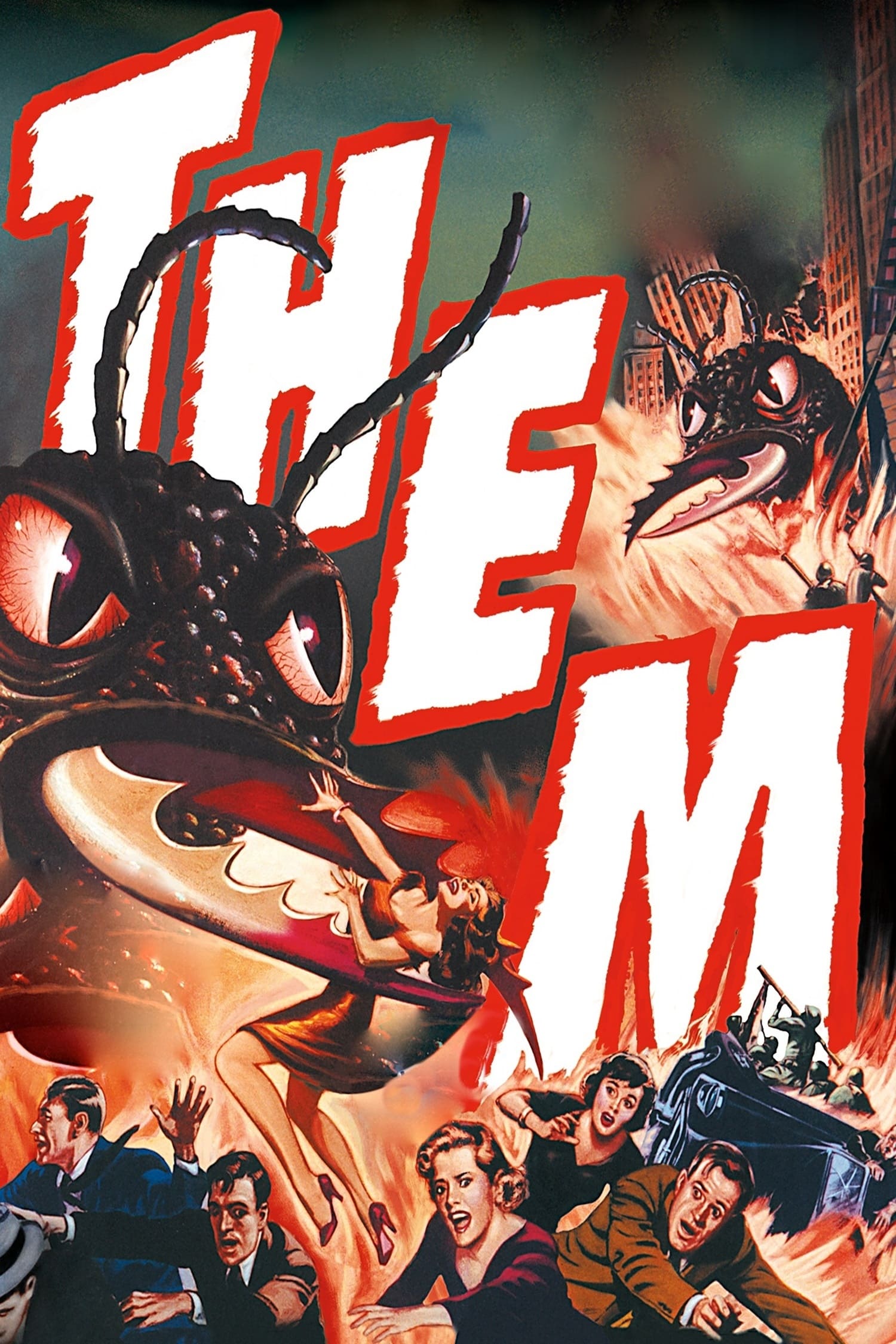
Them!
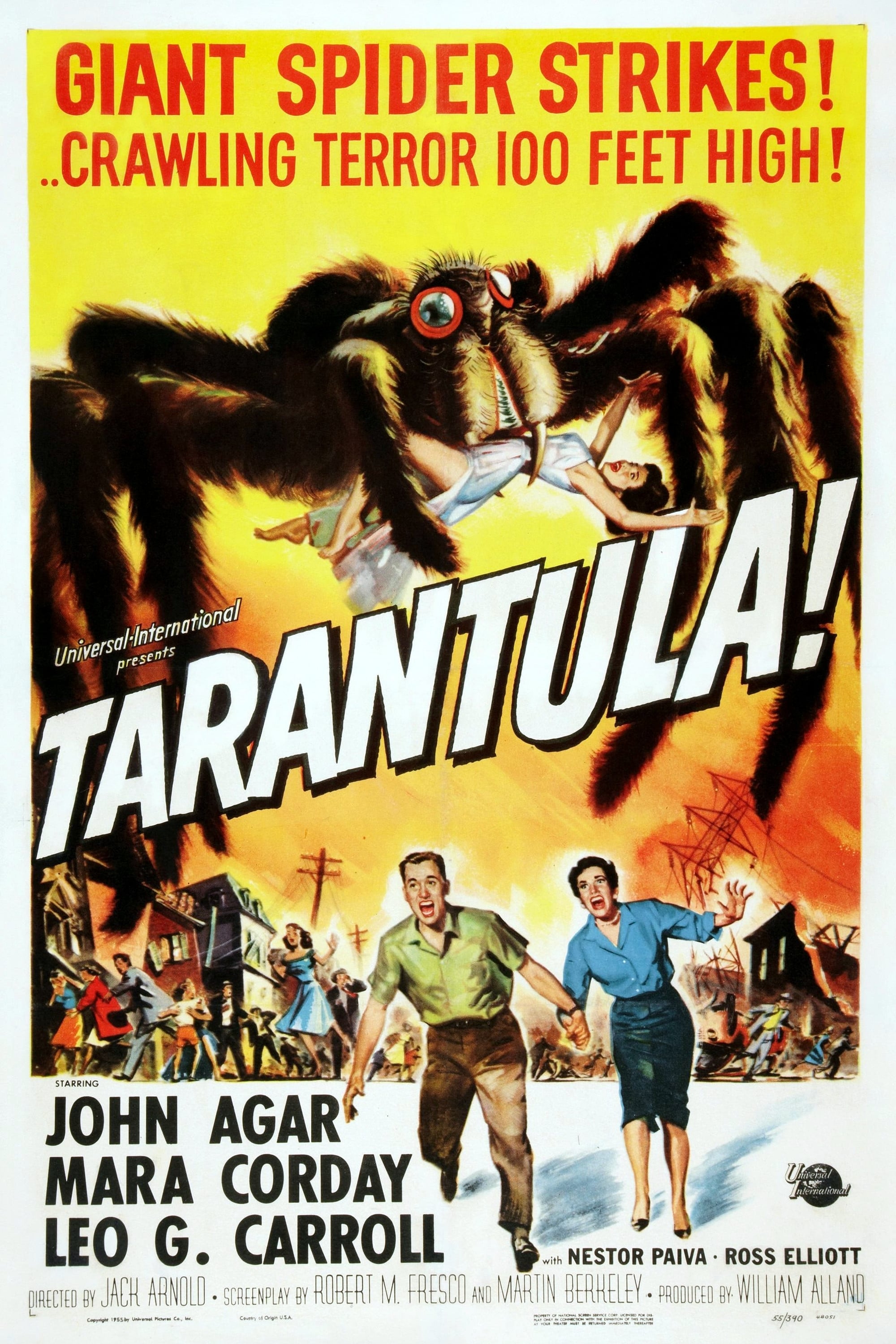
Tarantula
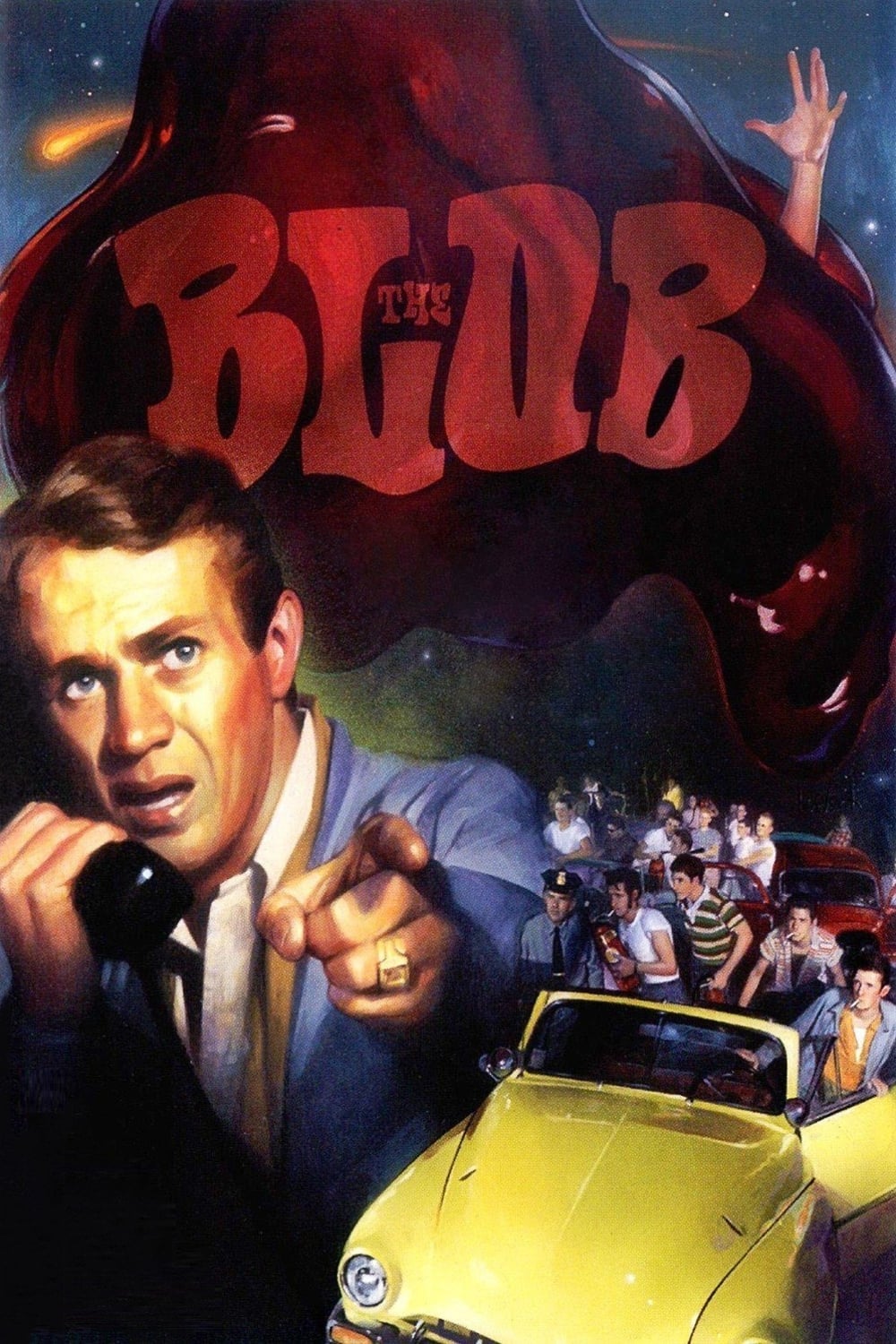
The Blob
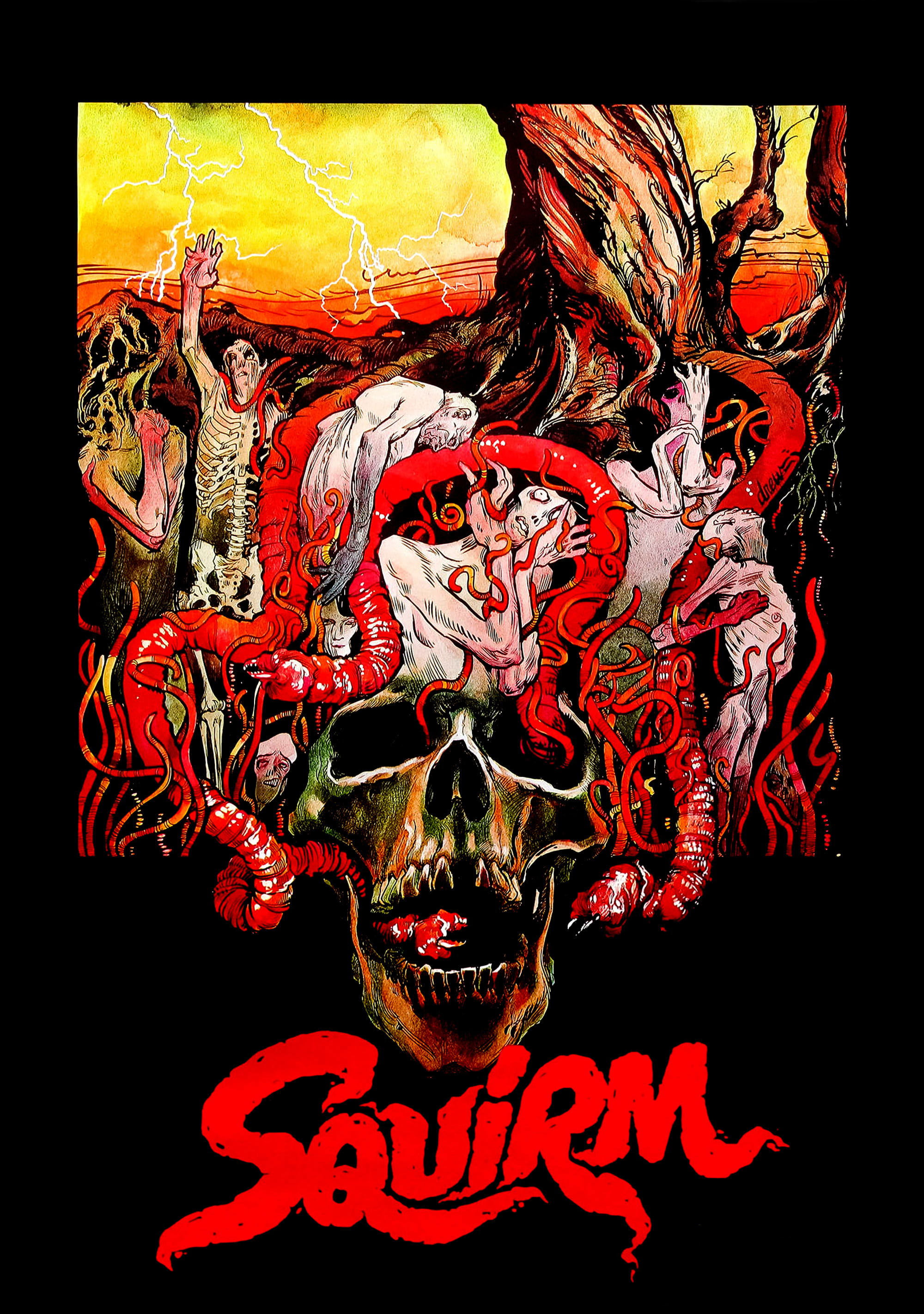
Squirm
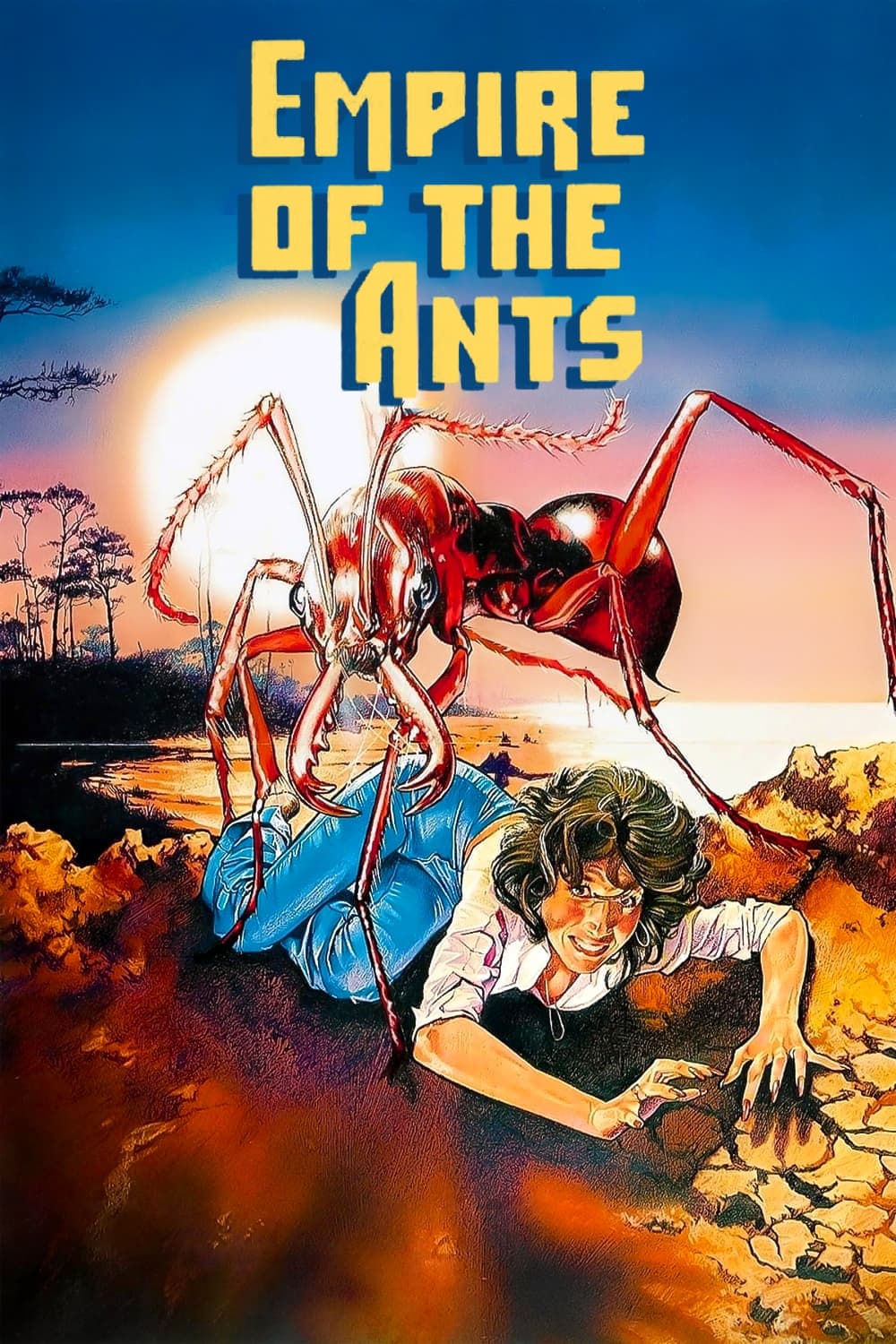
Empire of the Ants
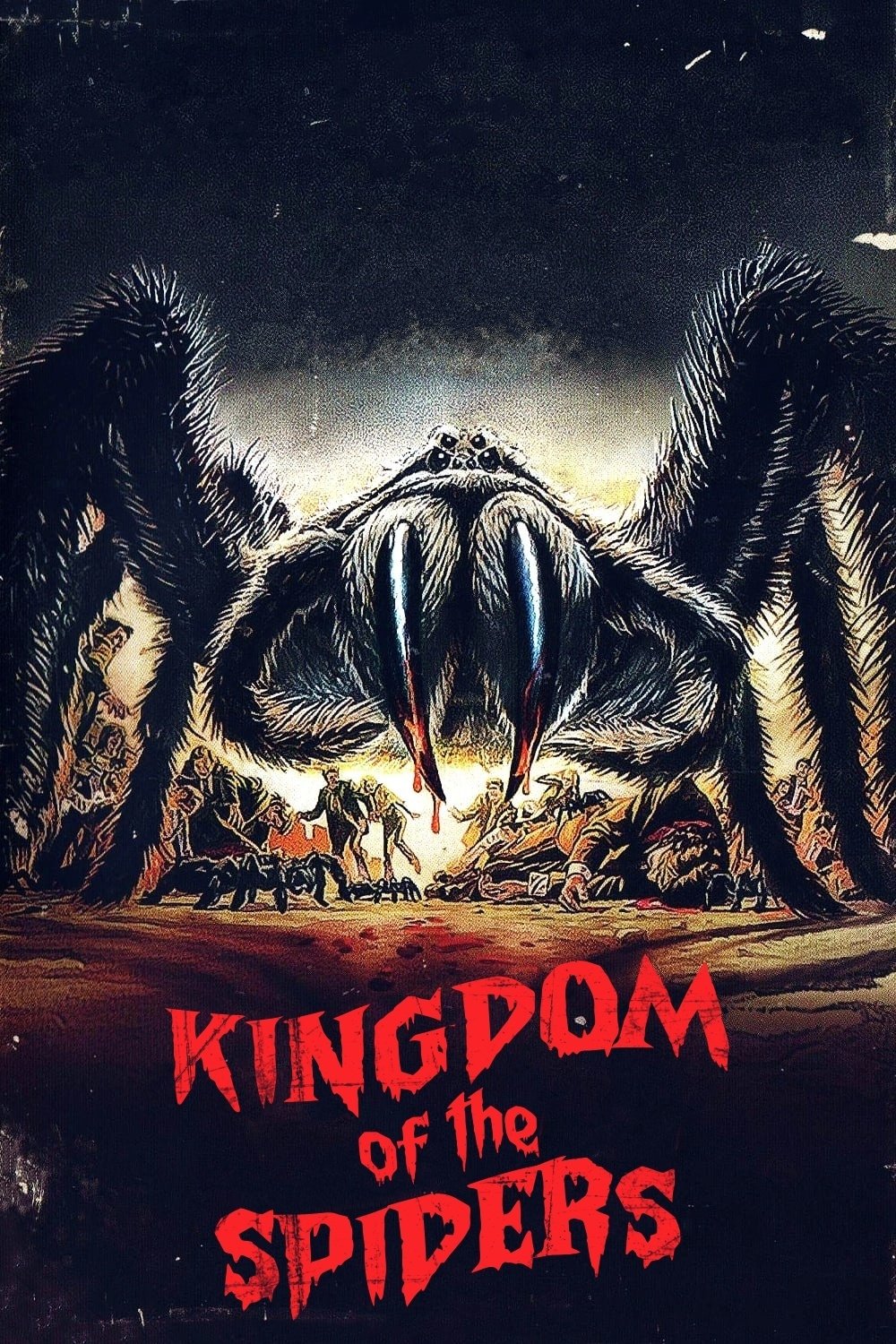
Kingdom of the Spiders
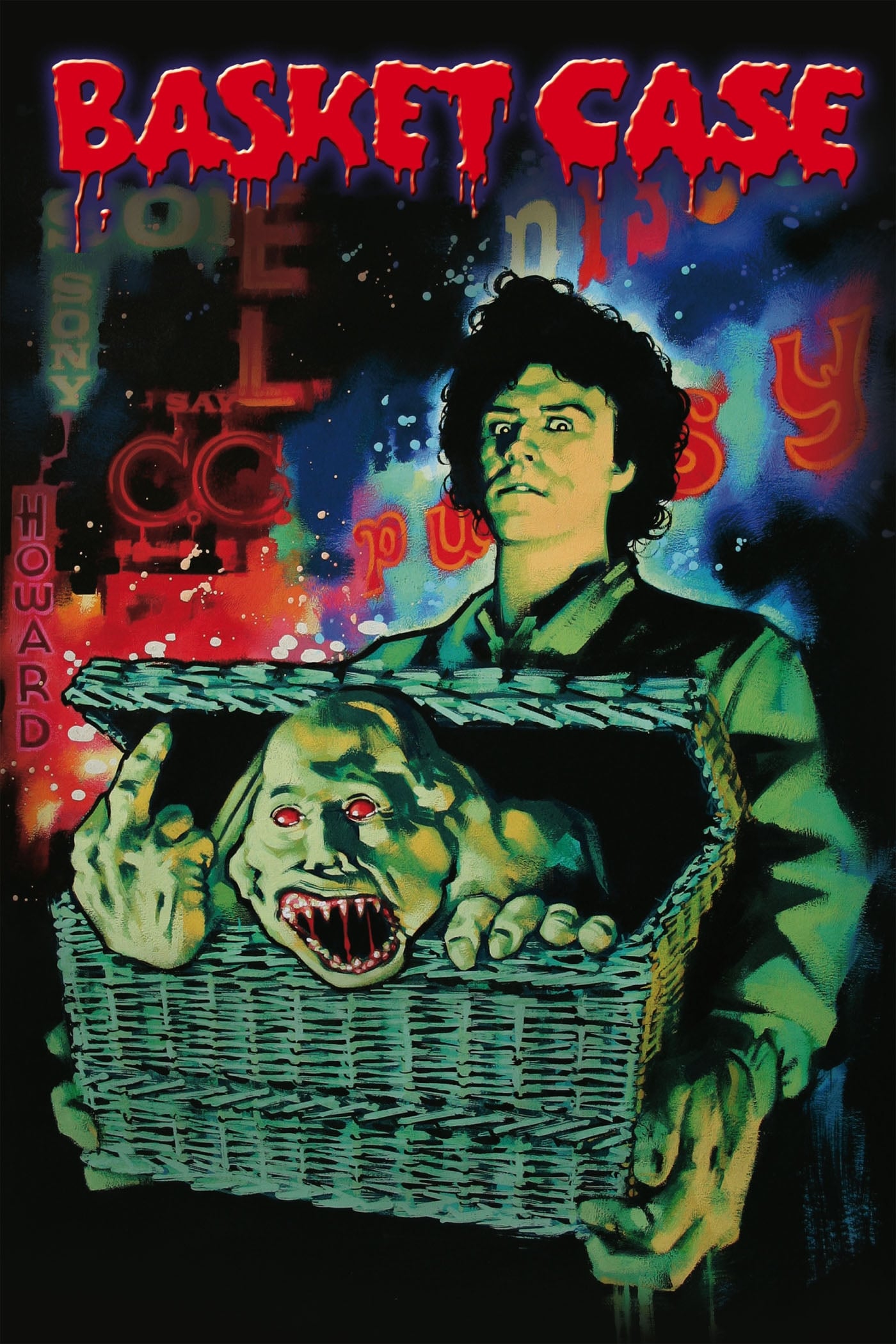
Basket Case
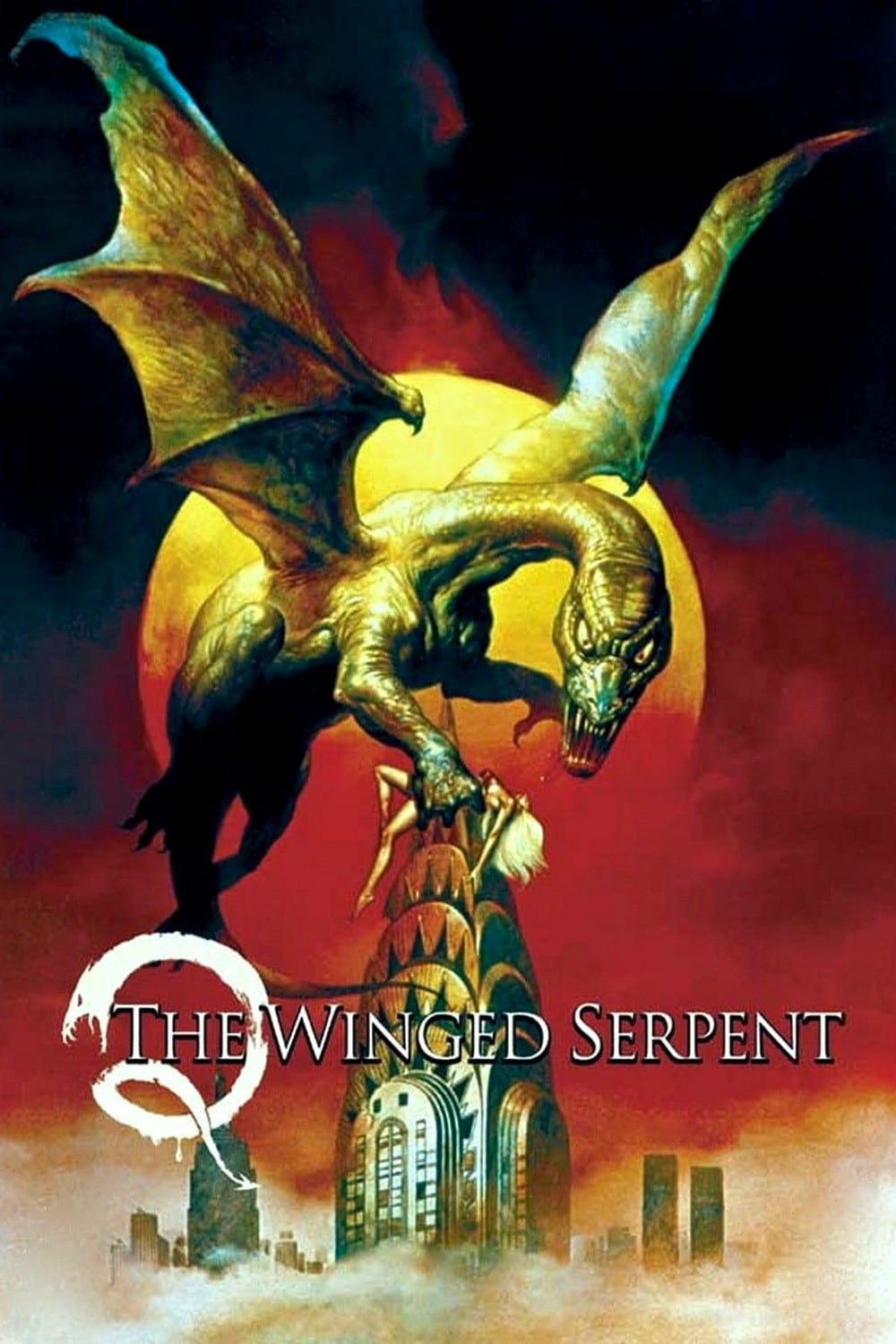
Q
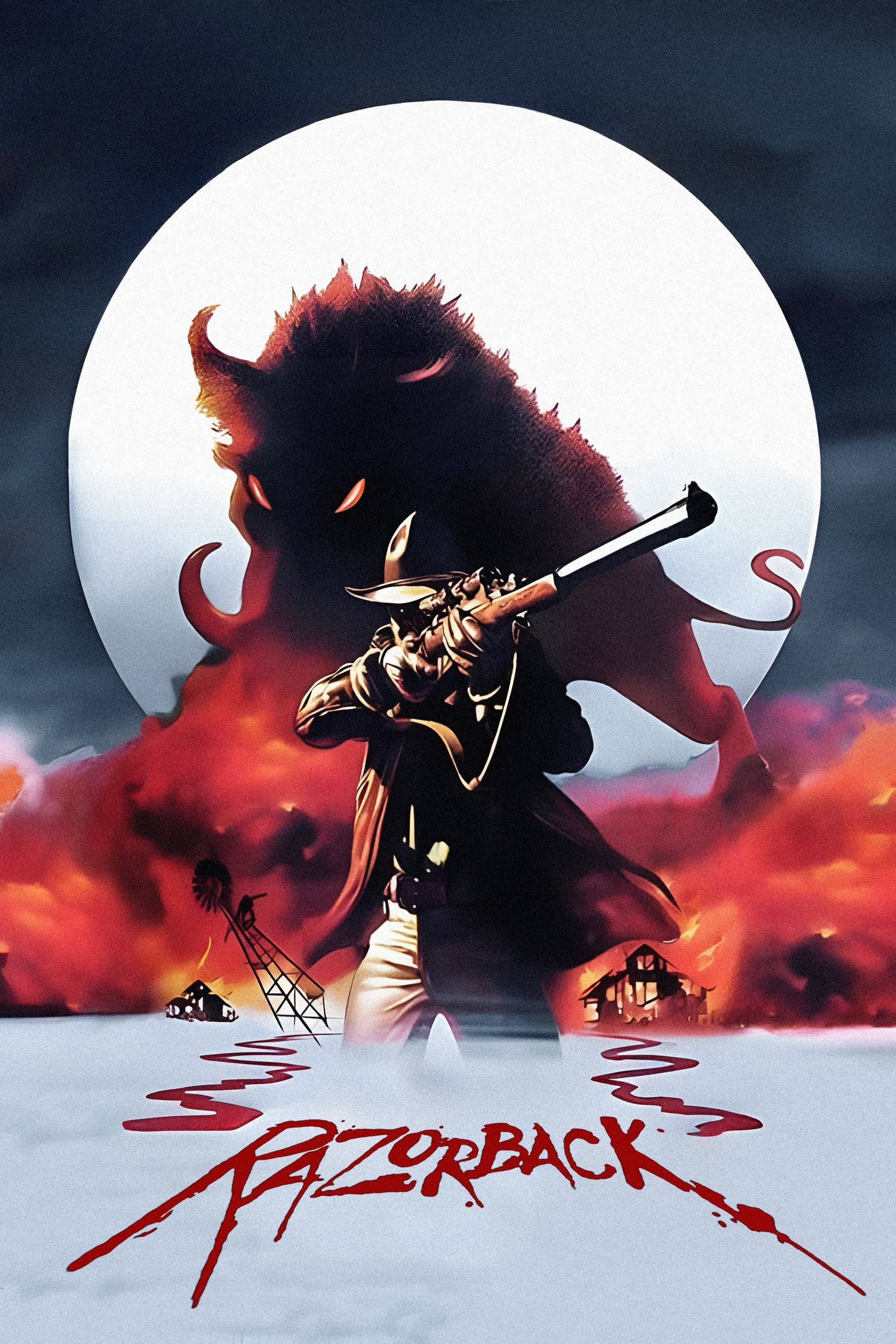
Razorback
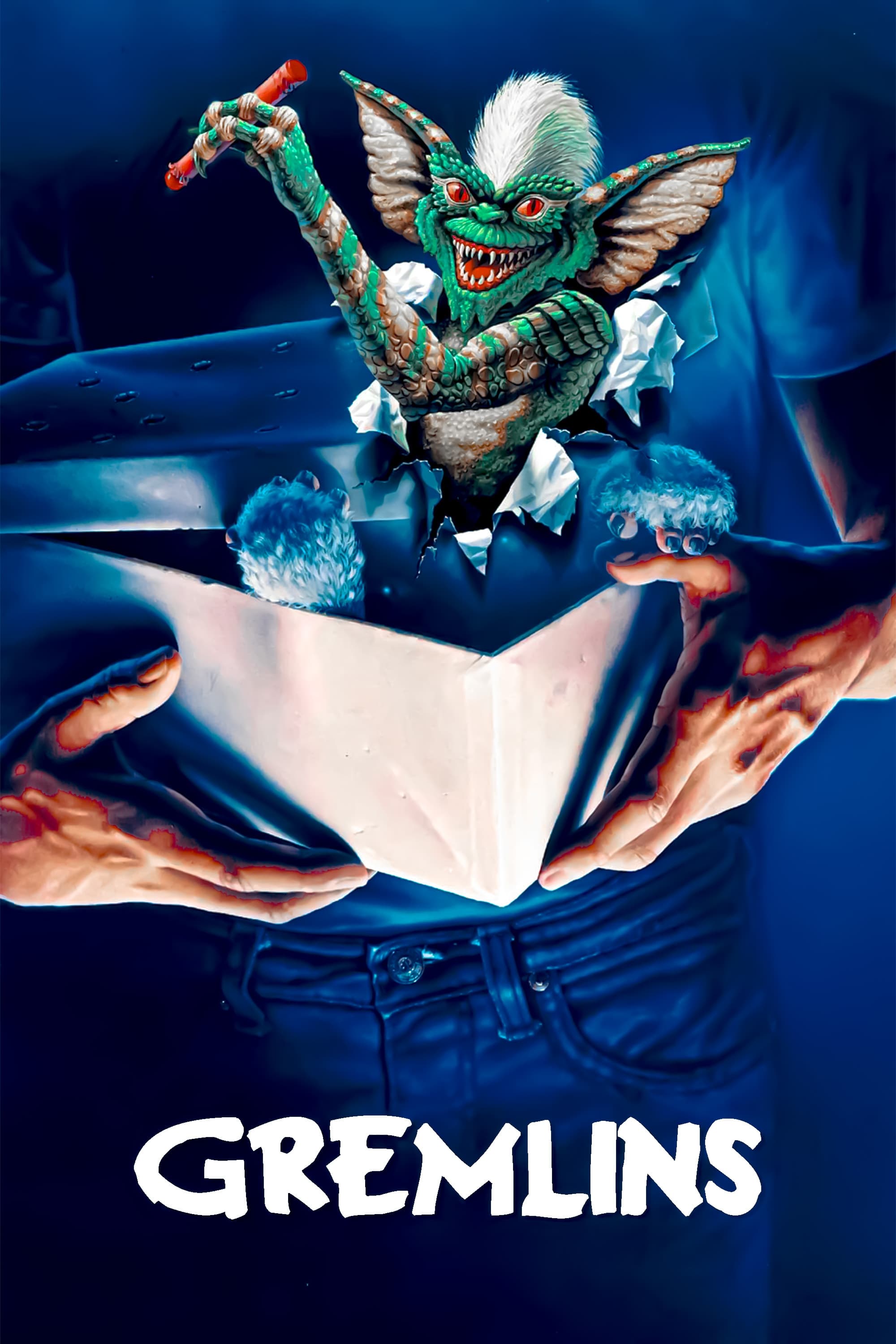
Gremlins
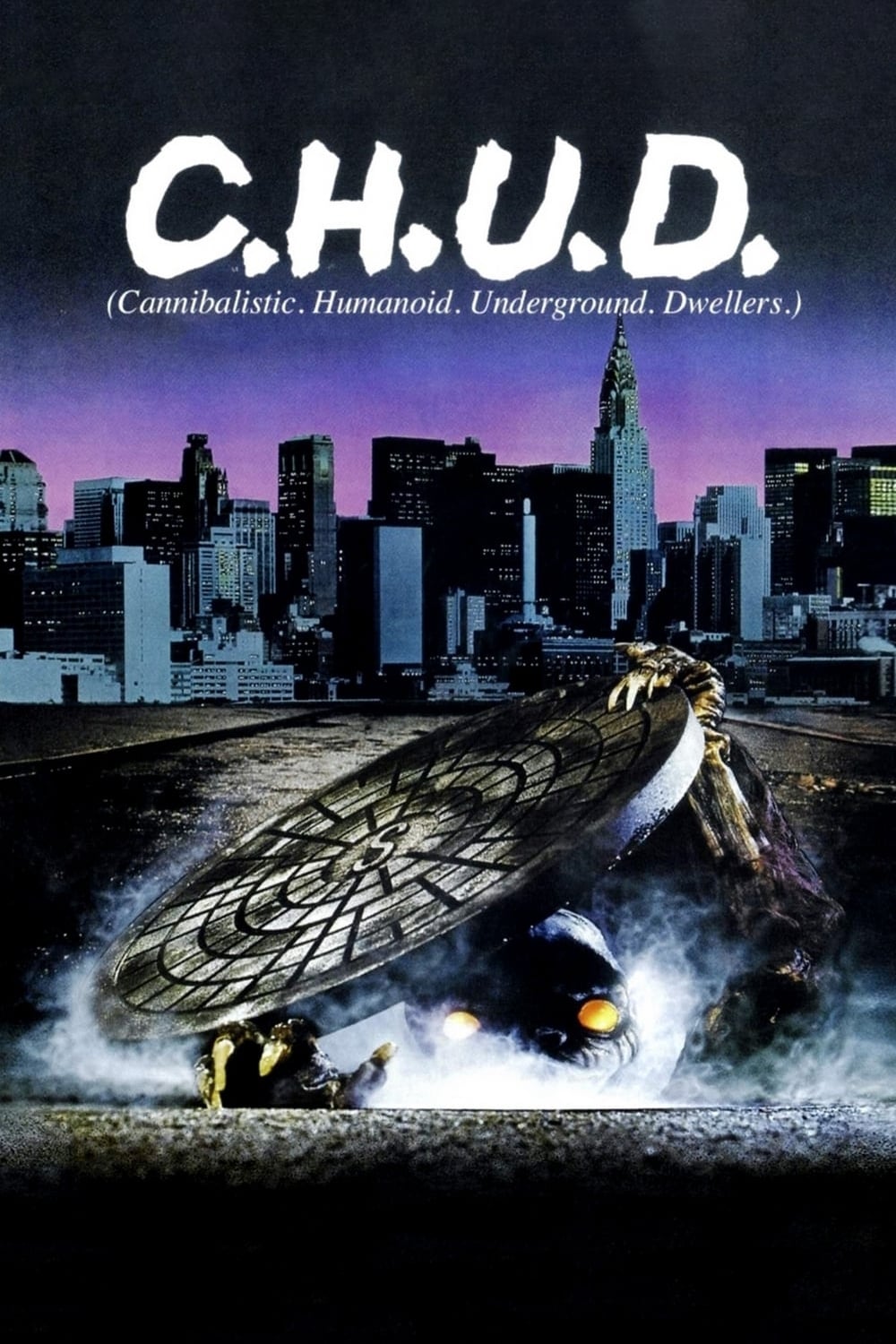
C.H.U.D.
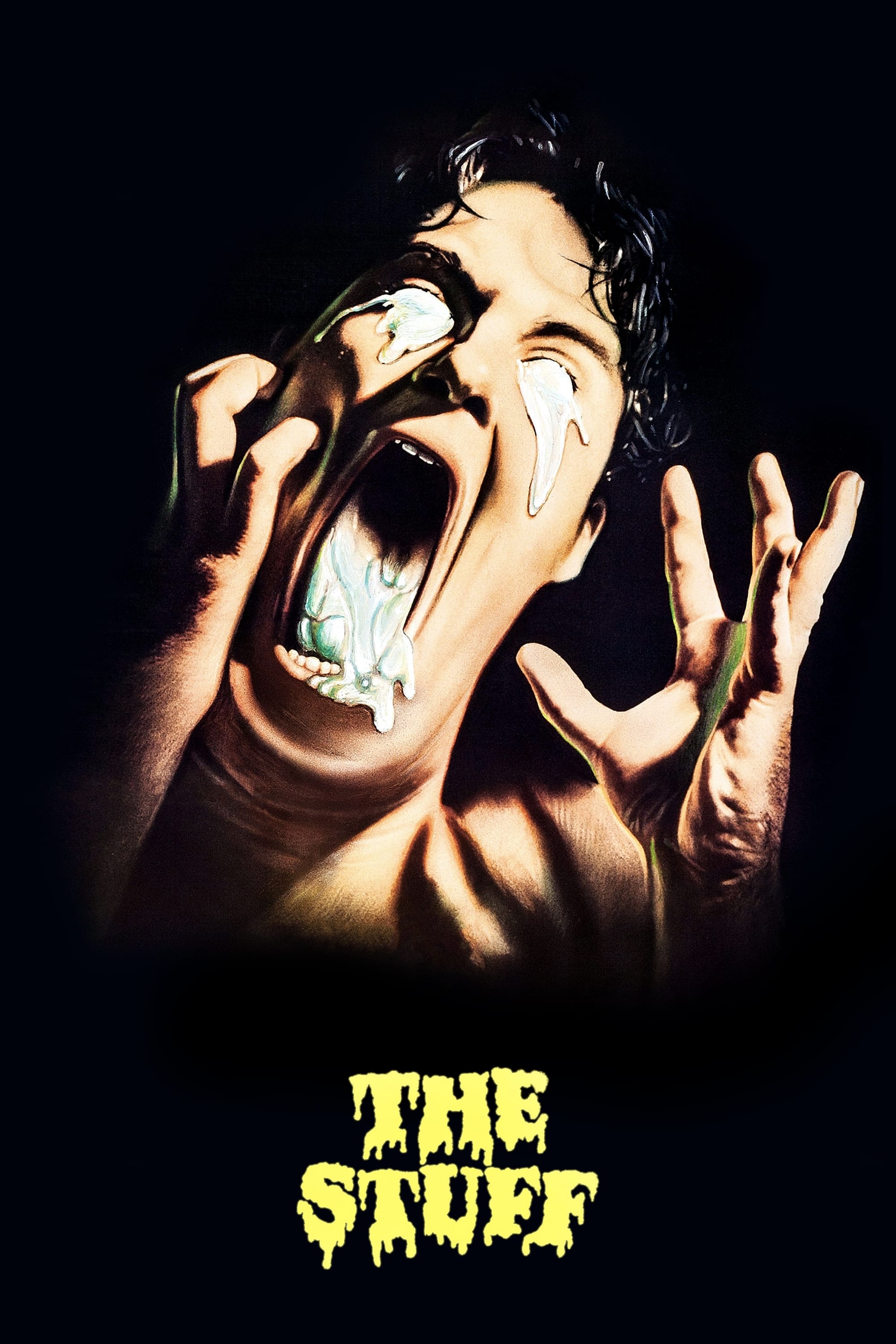
The Stuff
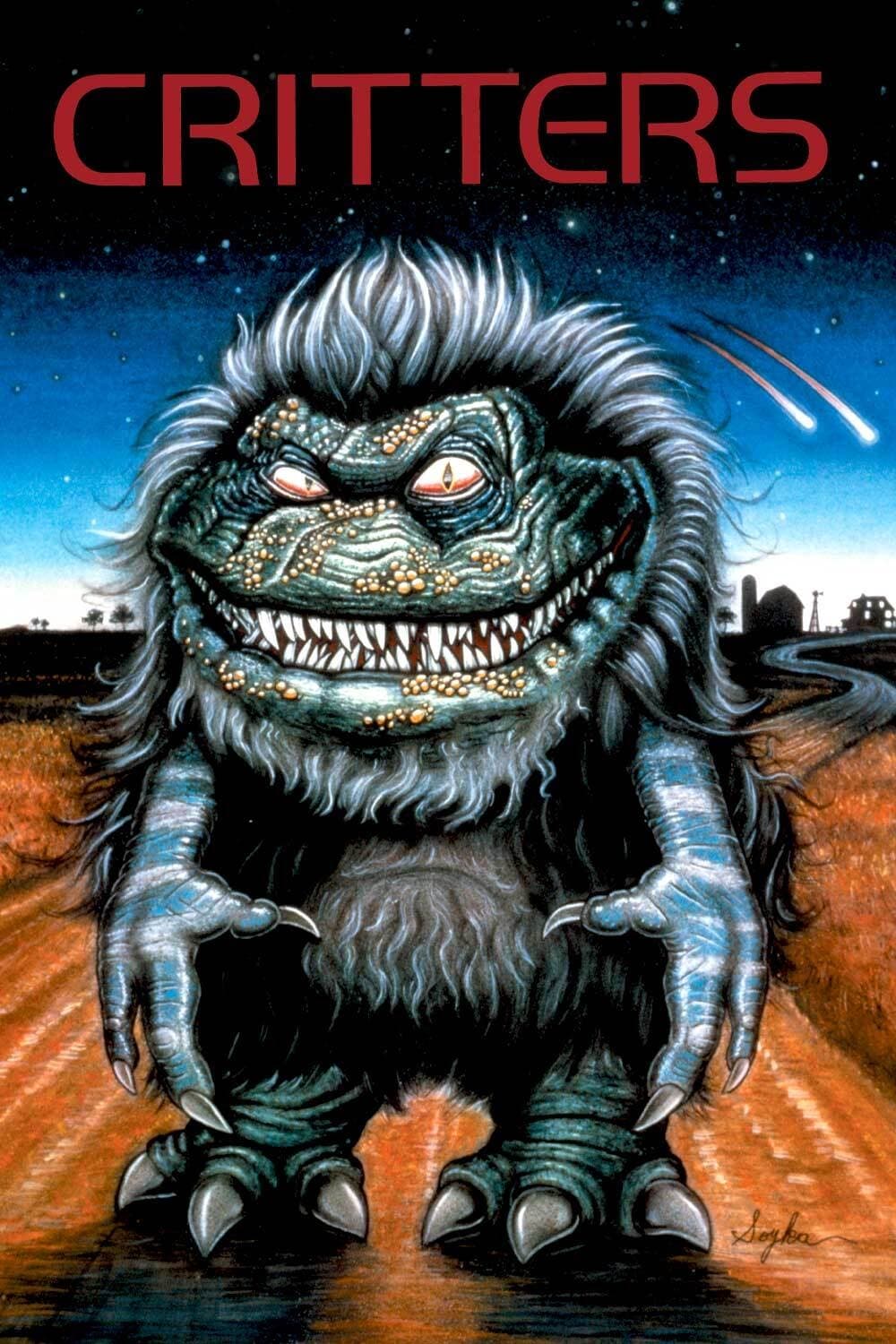
Critters
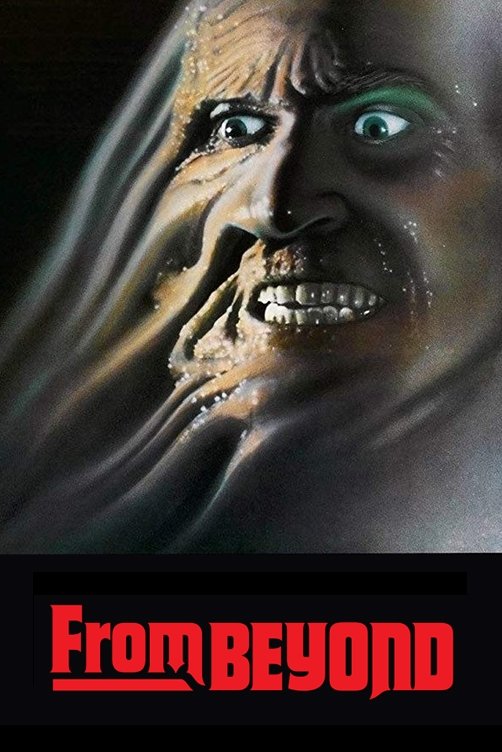
From Beyond
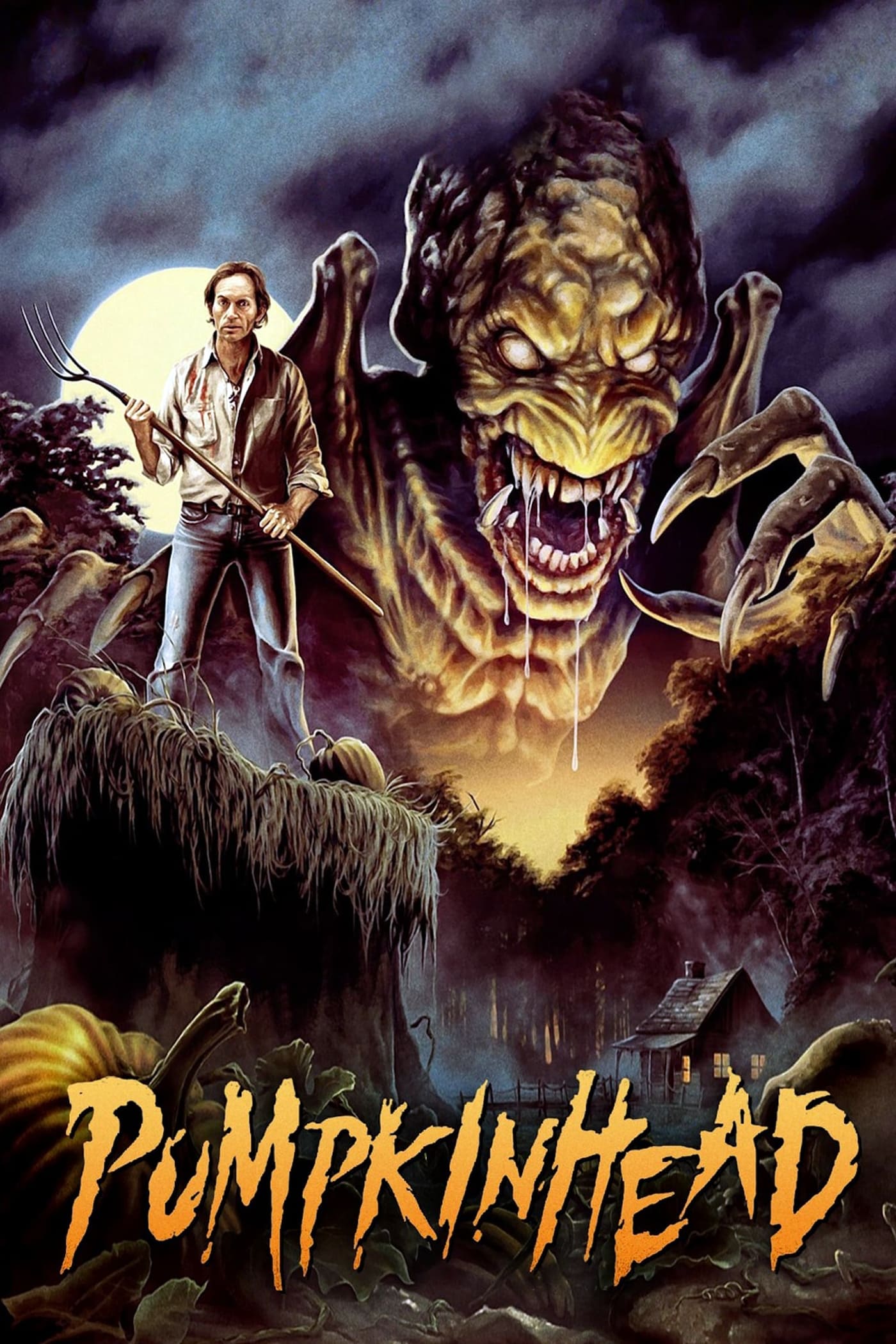
Pumpkinhead
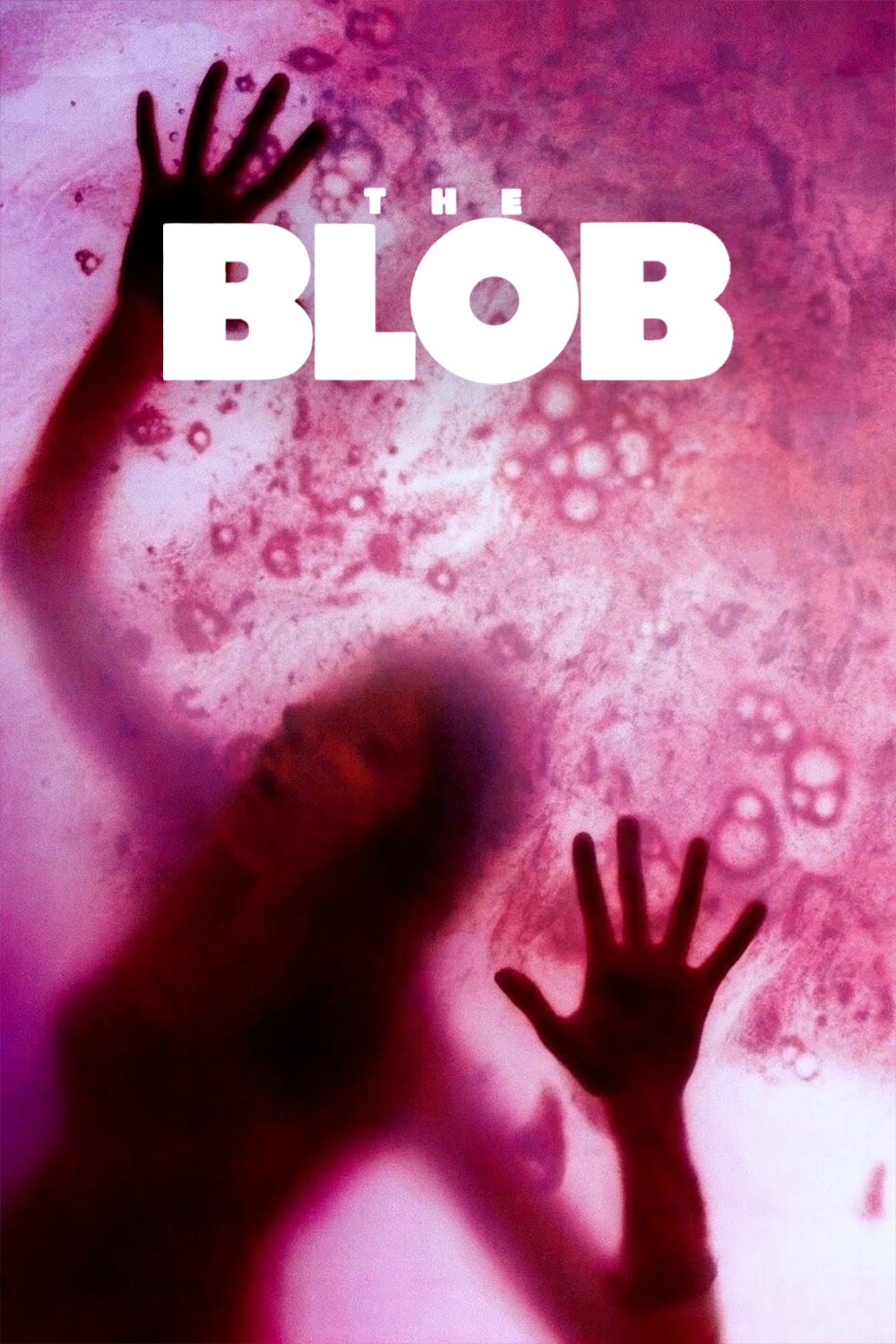
The Blob
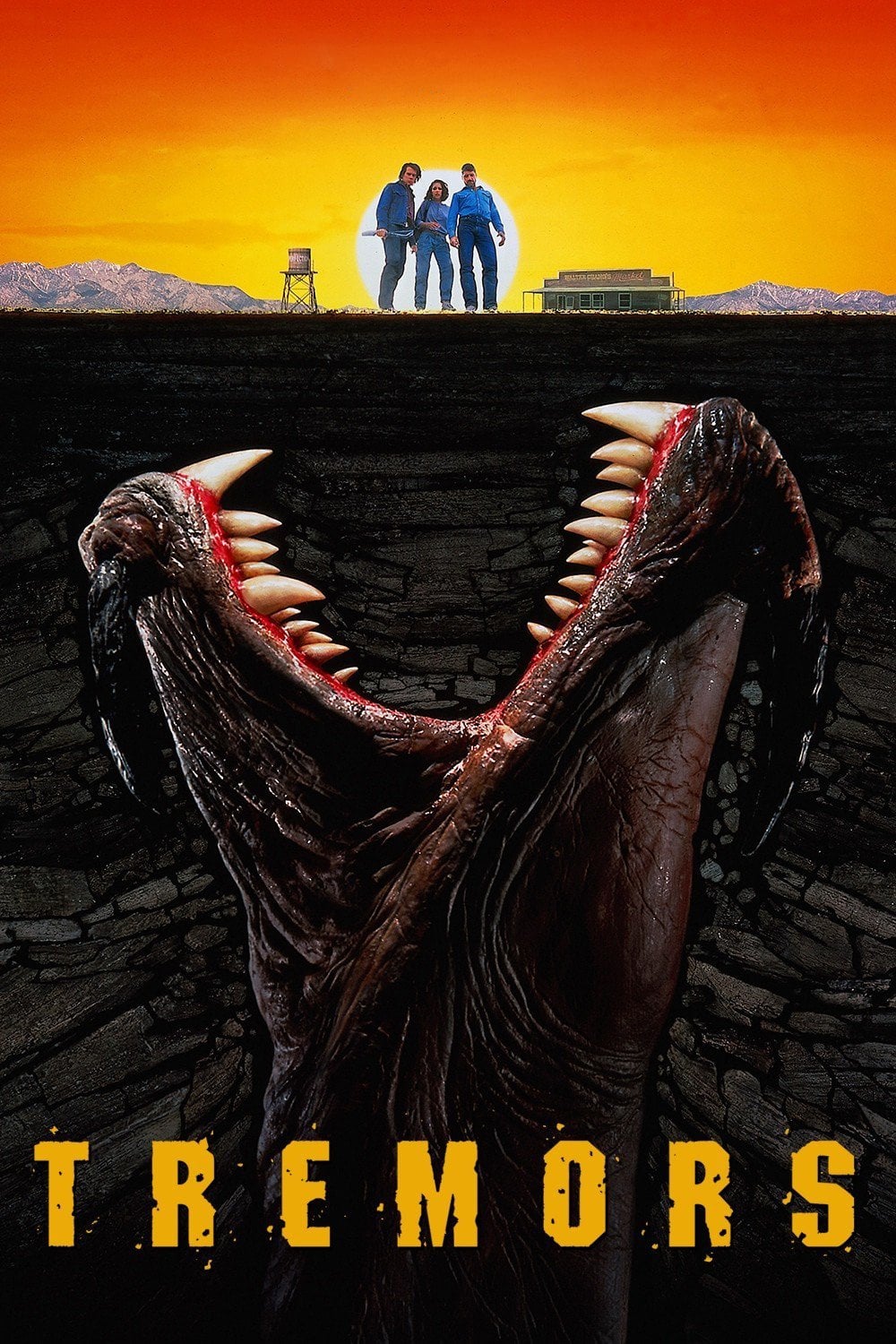
Tremors
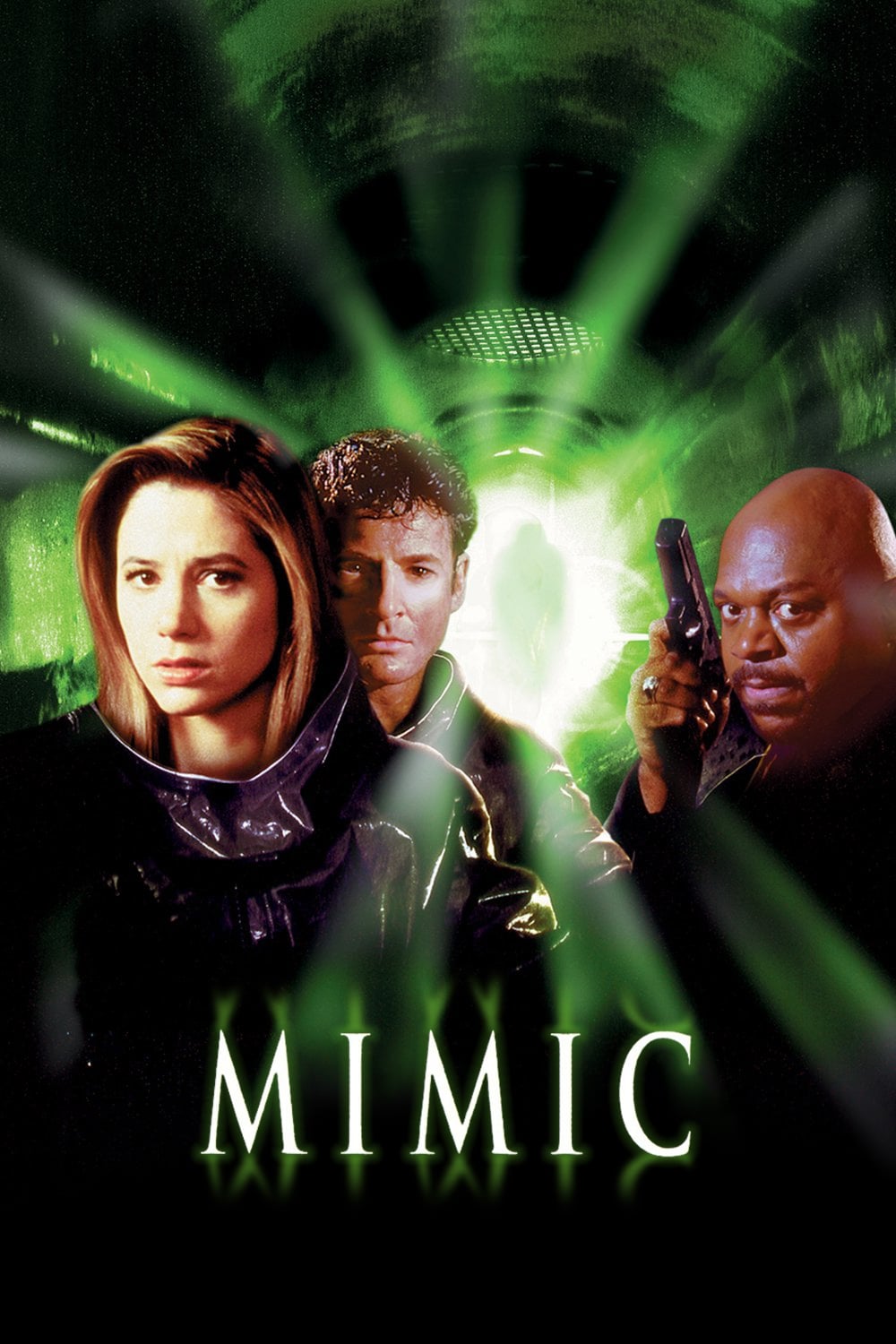
Mimic
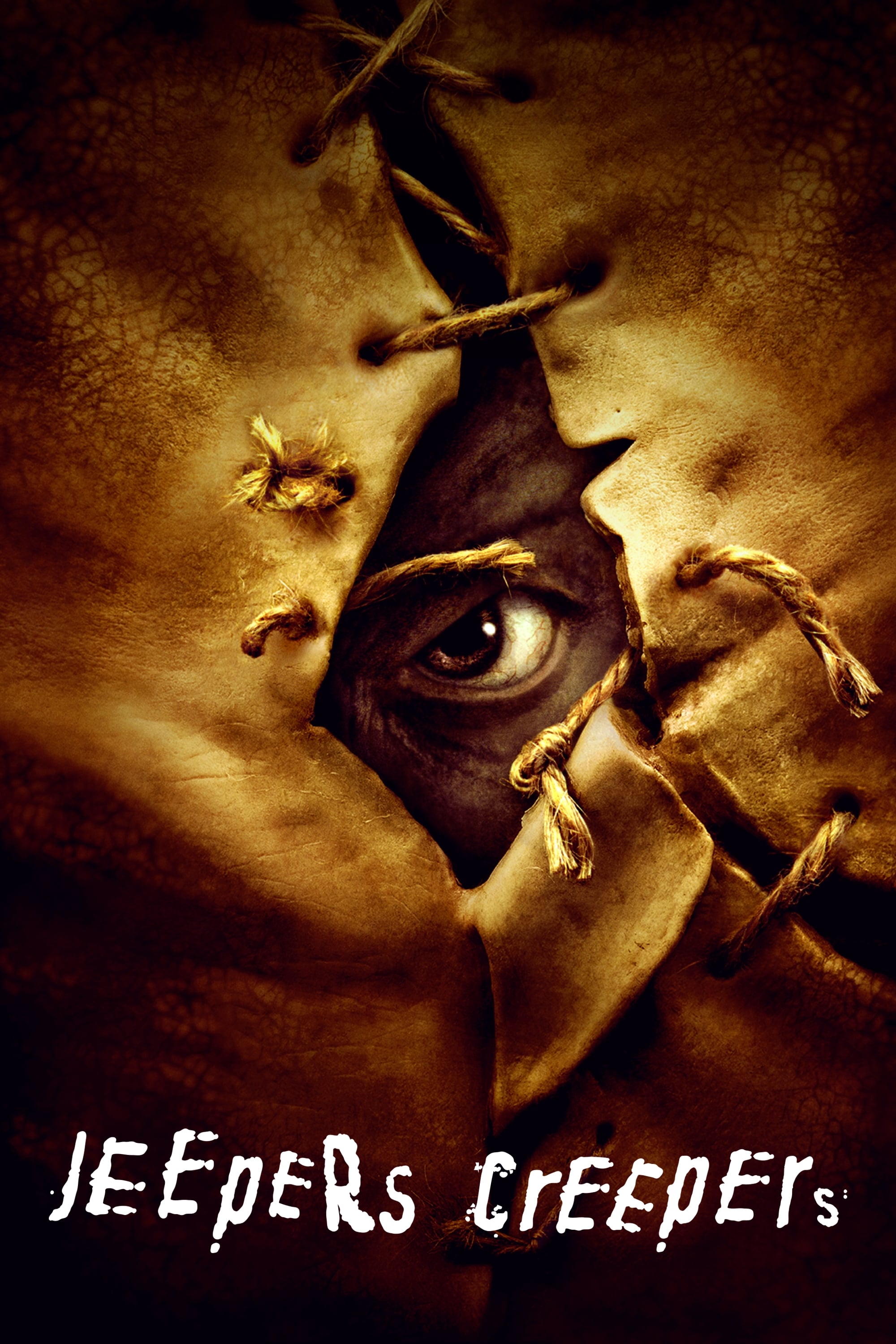
Jeepers Creepers
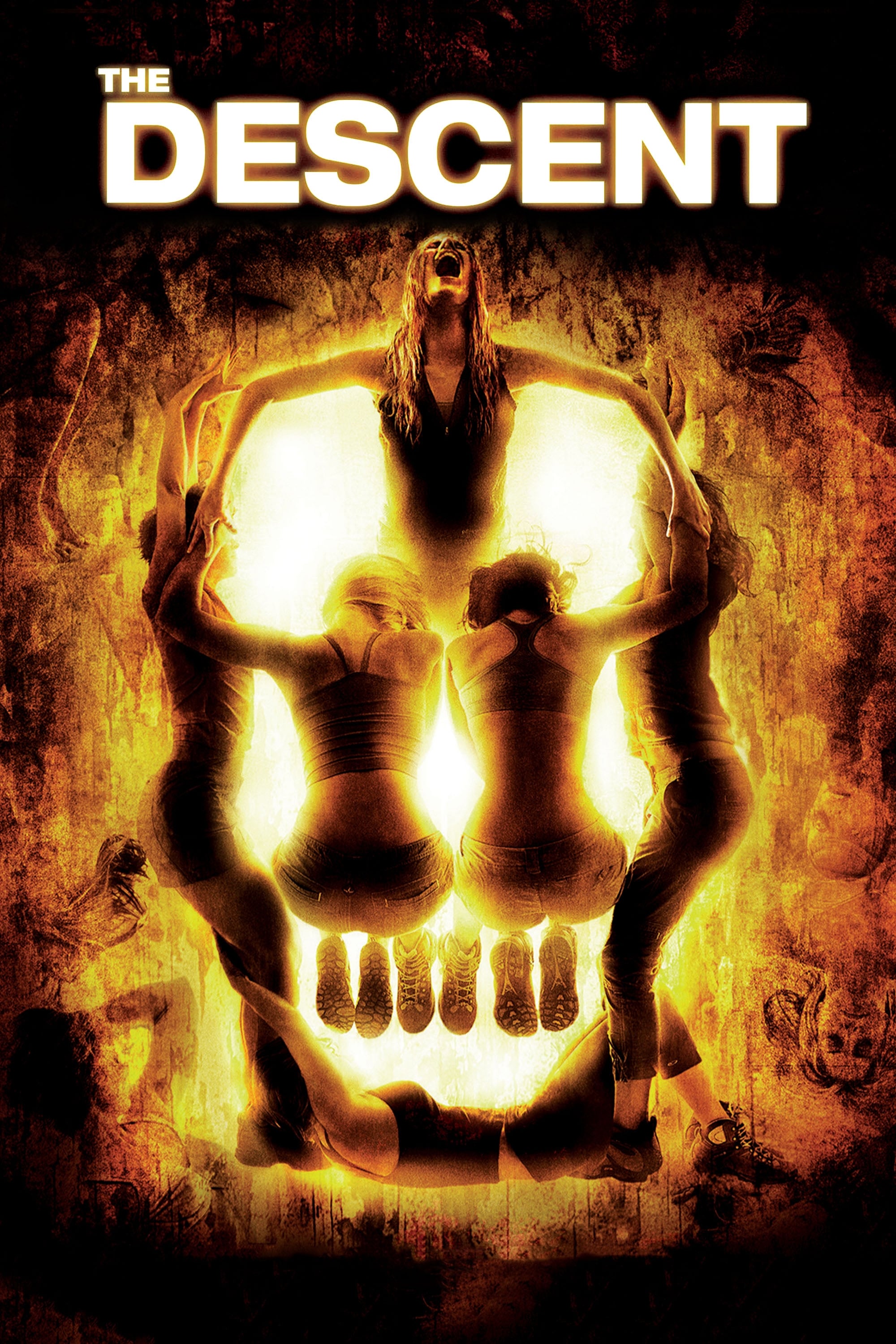
The Descent
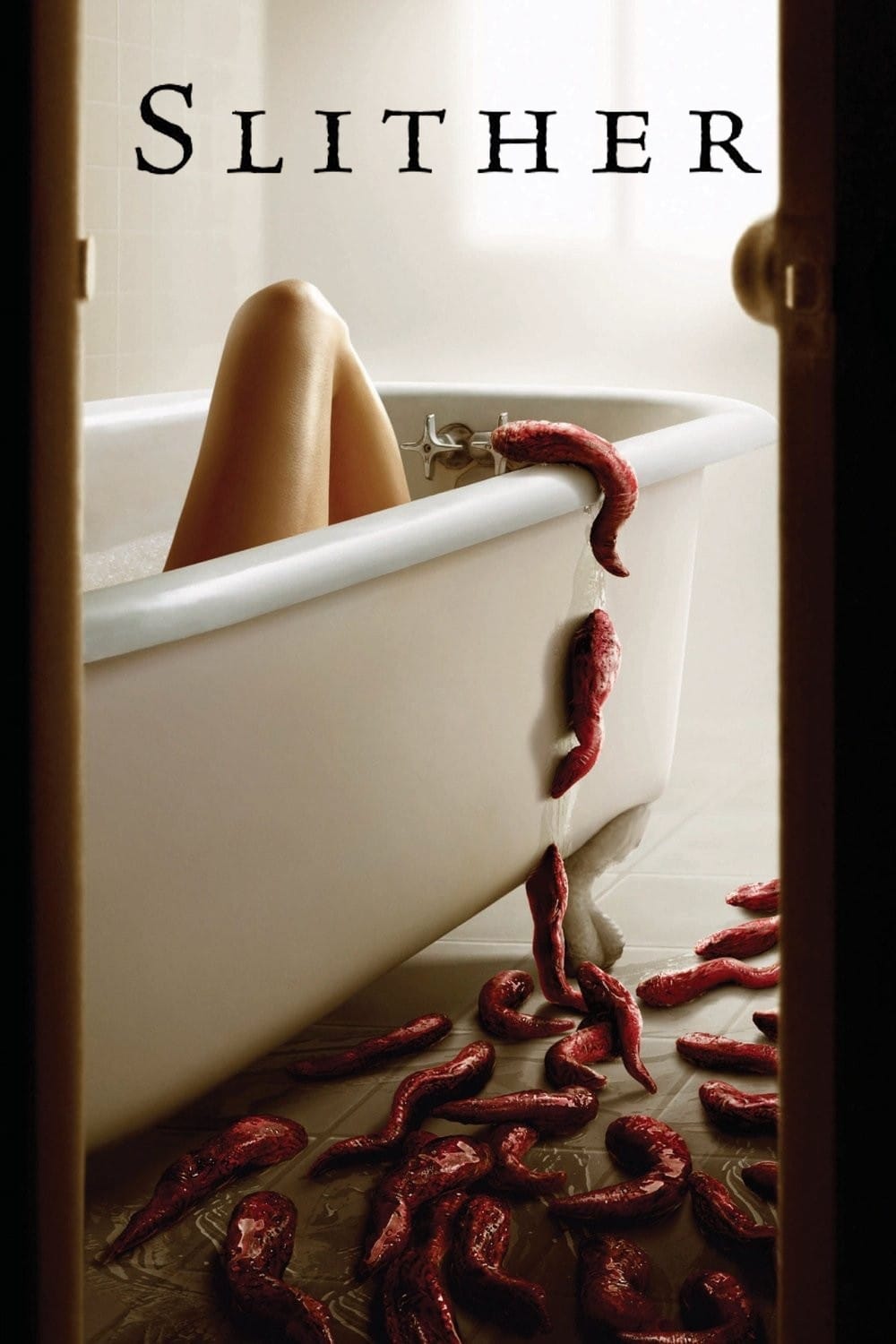
Slither
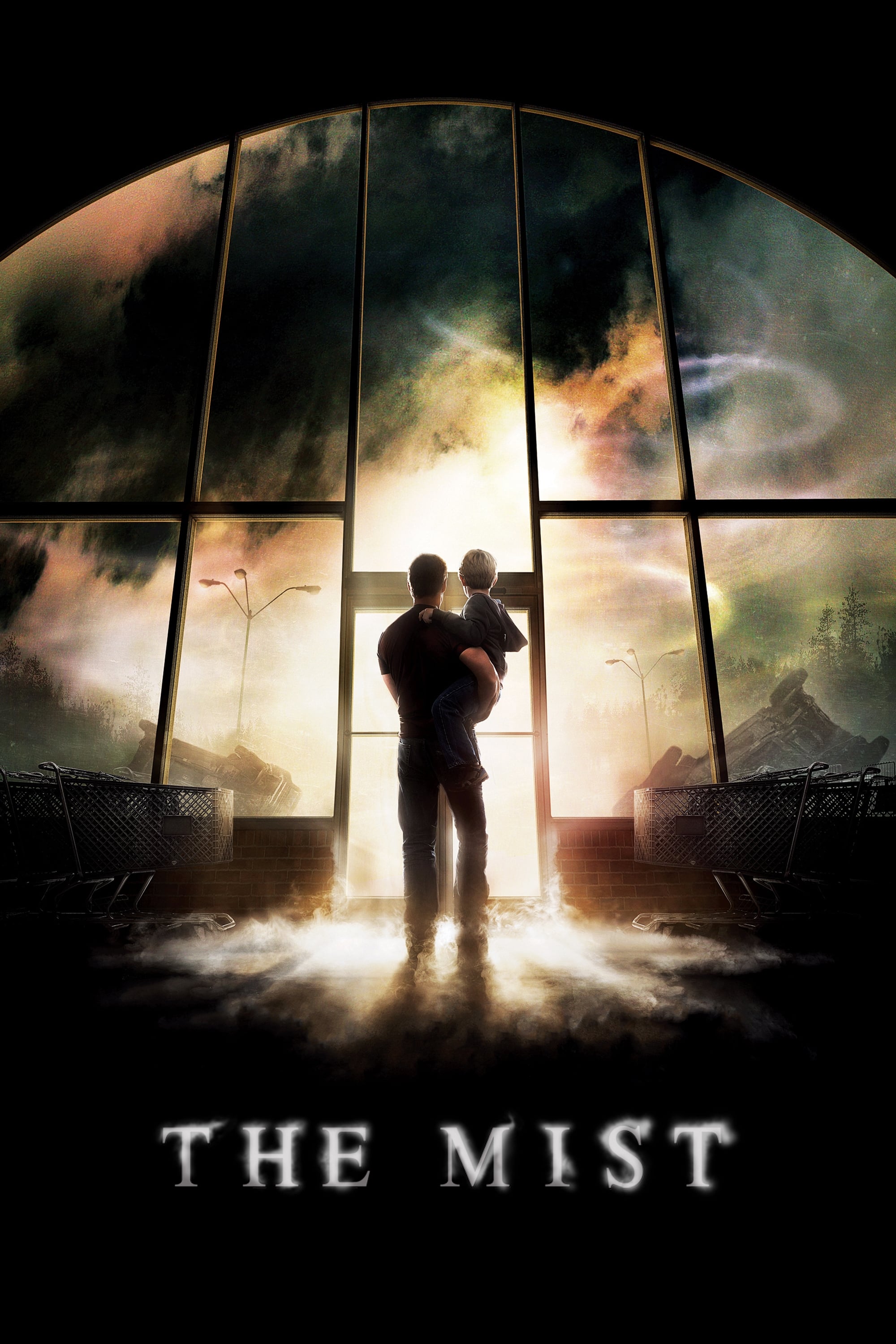
The Mist
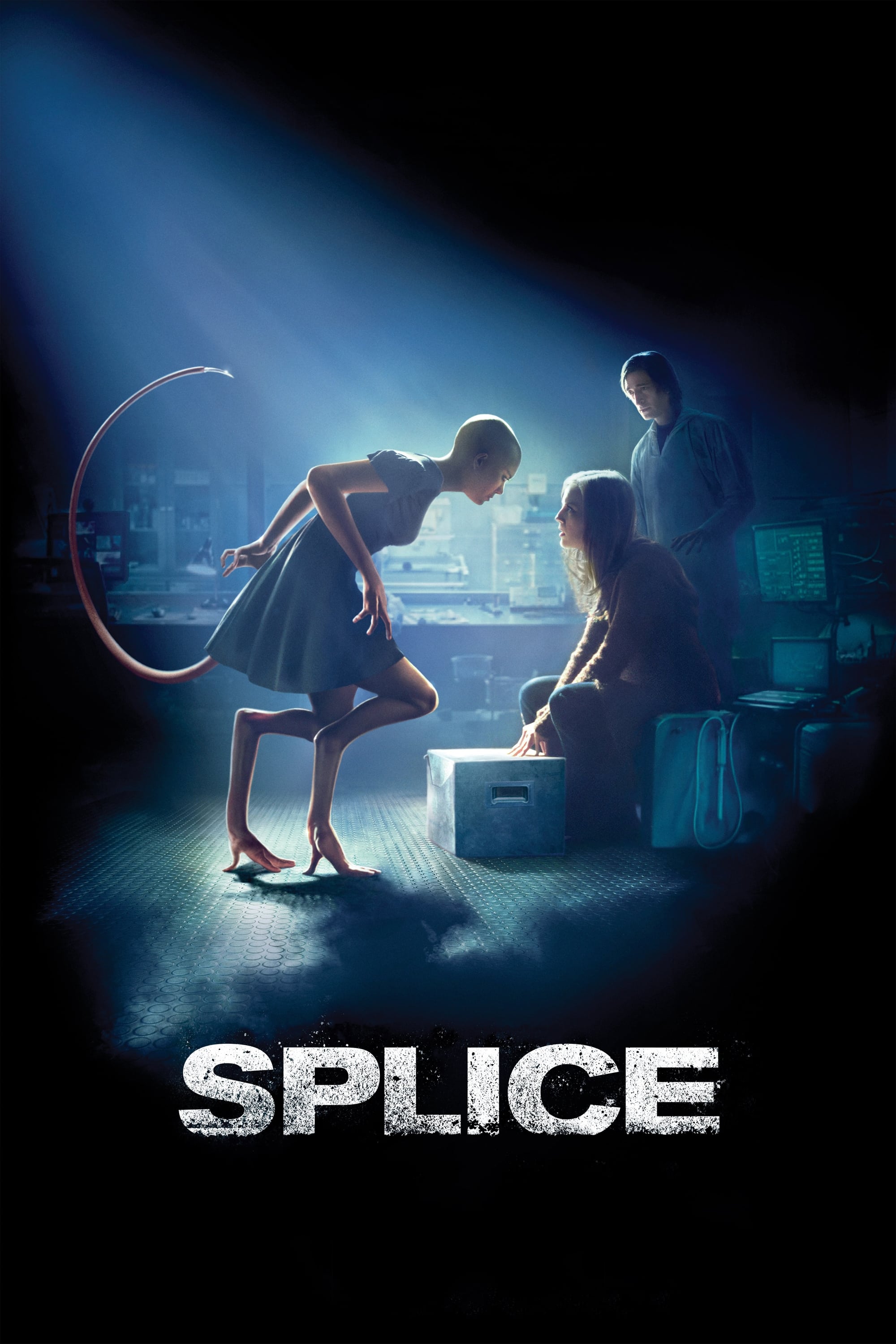
Splice
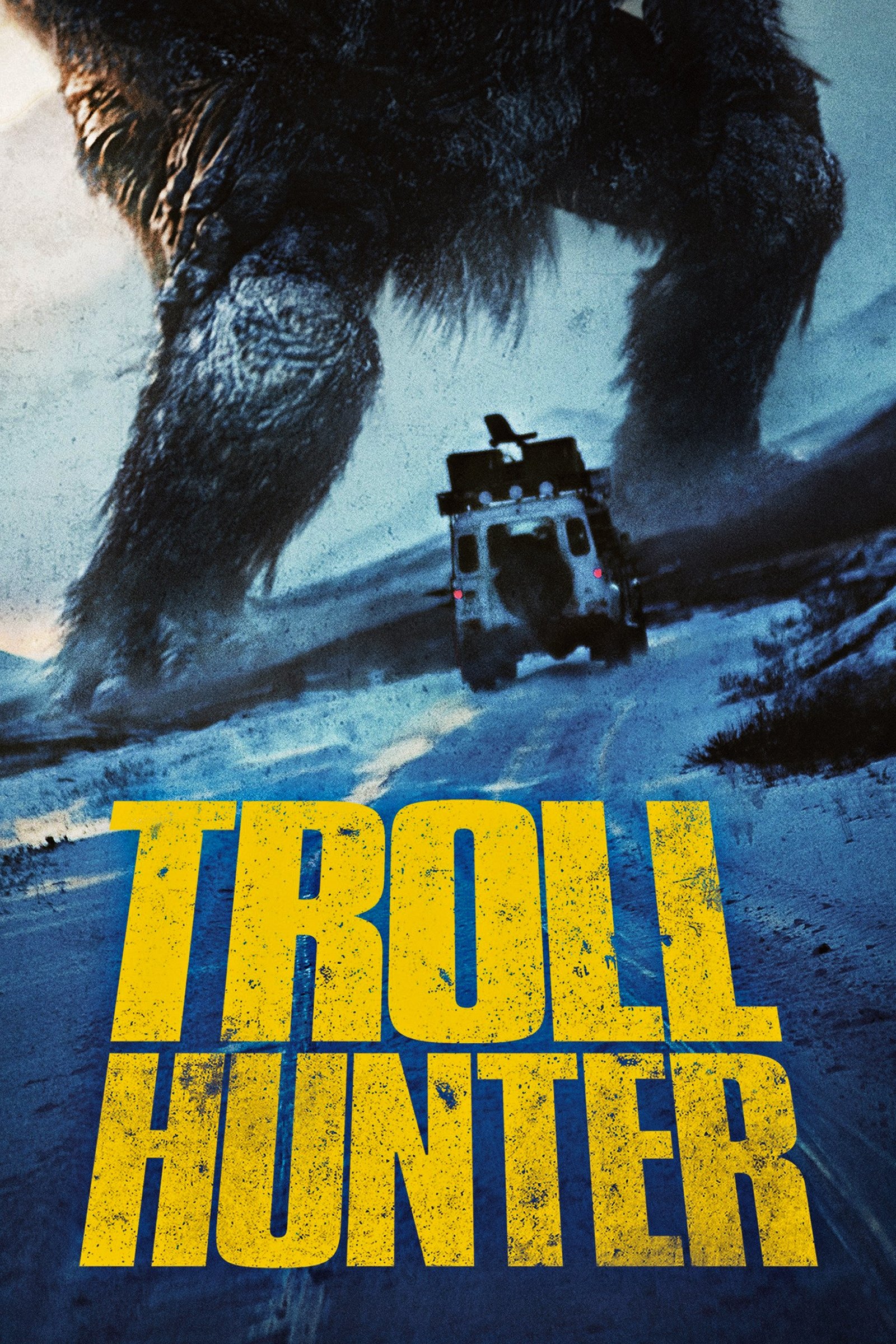
Troll Hunter
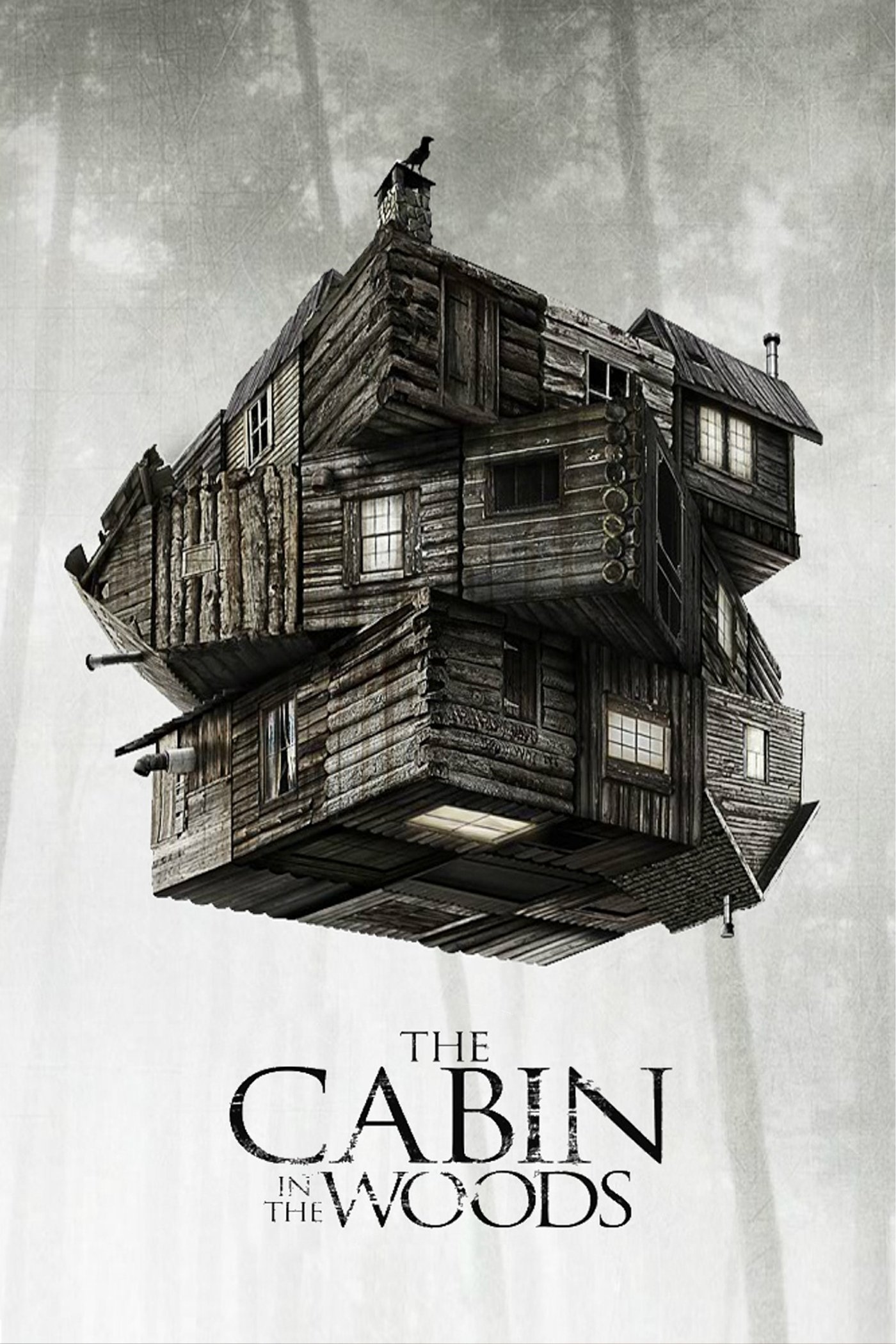
The Cabin in the Woods

Crawl
Statistics
Popularity by Decade
Share of each decade's horror films classified as Creature Feature. Counts films with at least 5 TMDB ratings, so very obscure titles are not represented.
Popularity by Country
Share of each country's horror output classified as Creature Feature. Counts films with at least 5 TMDB ratings, so very obscure titles are not represented.