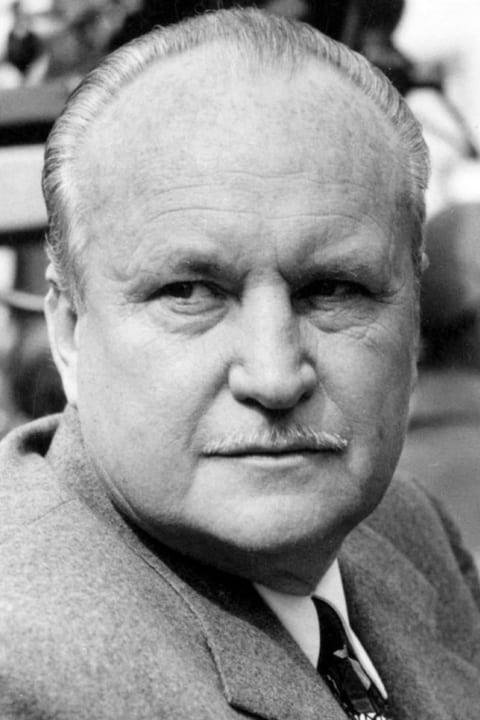
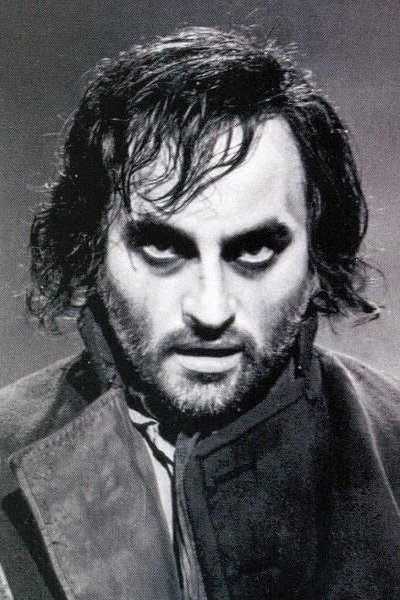
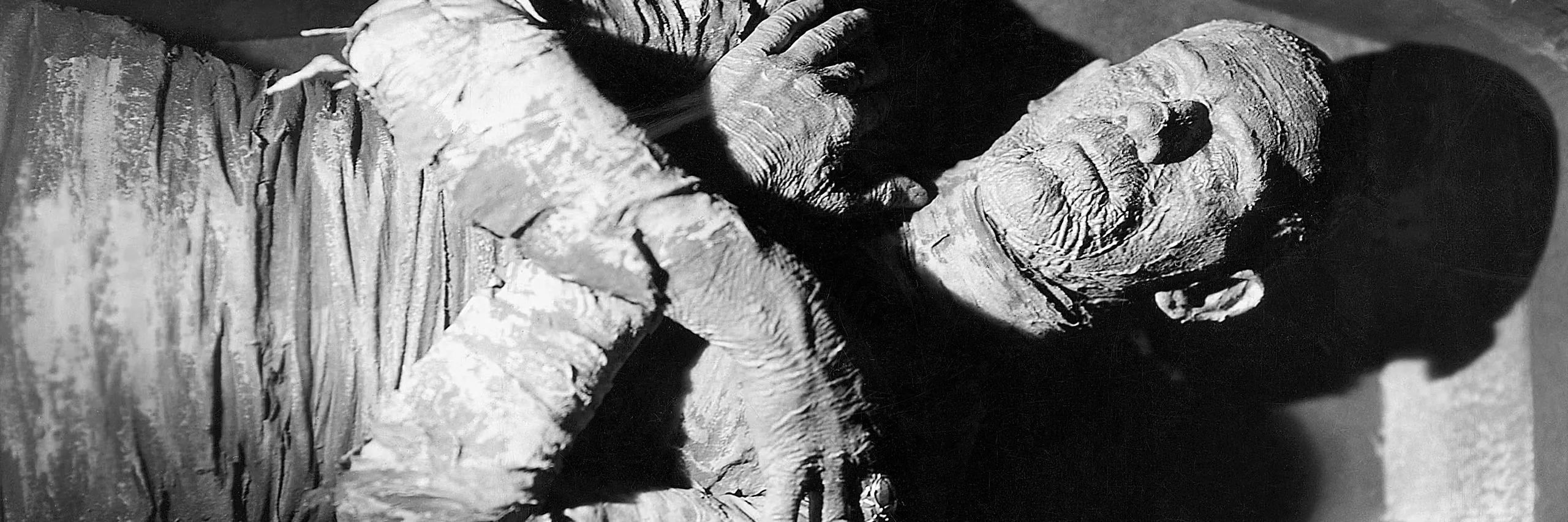
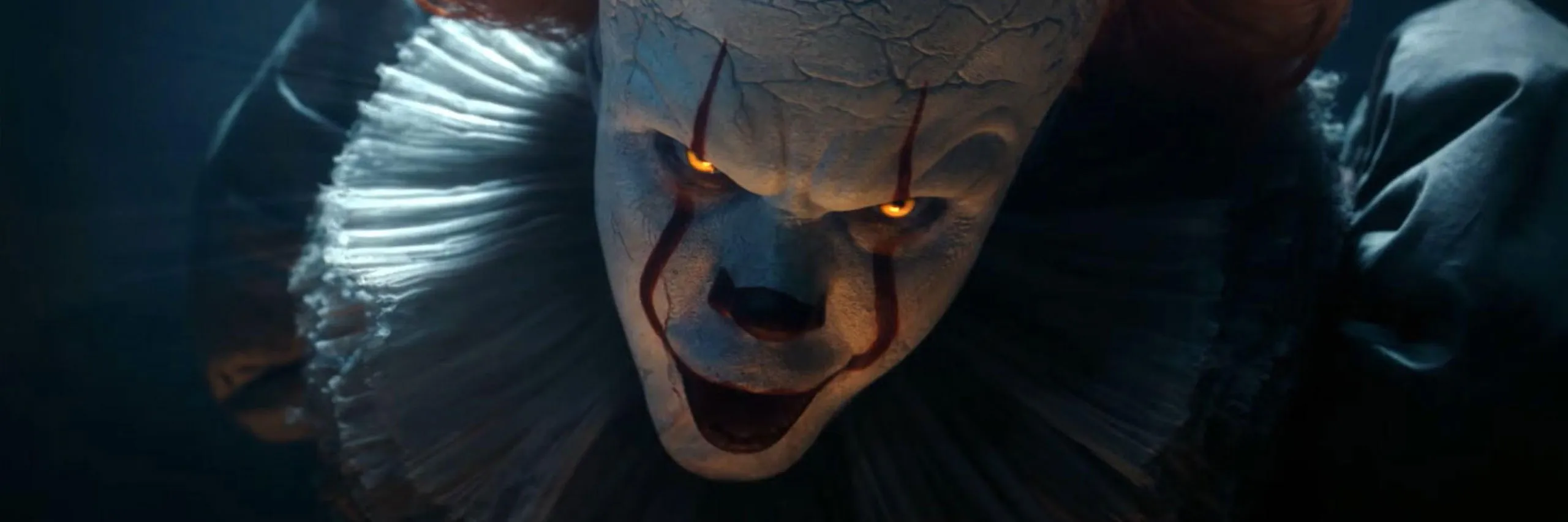
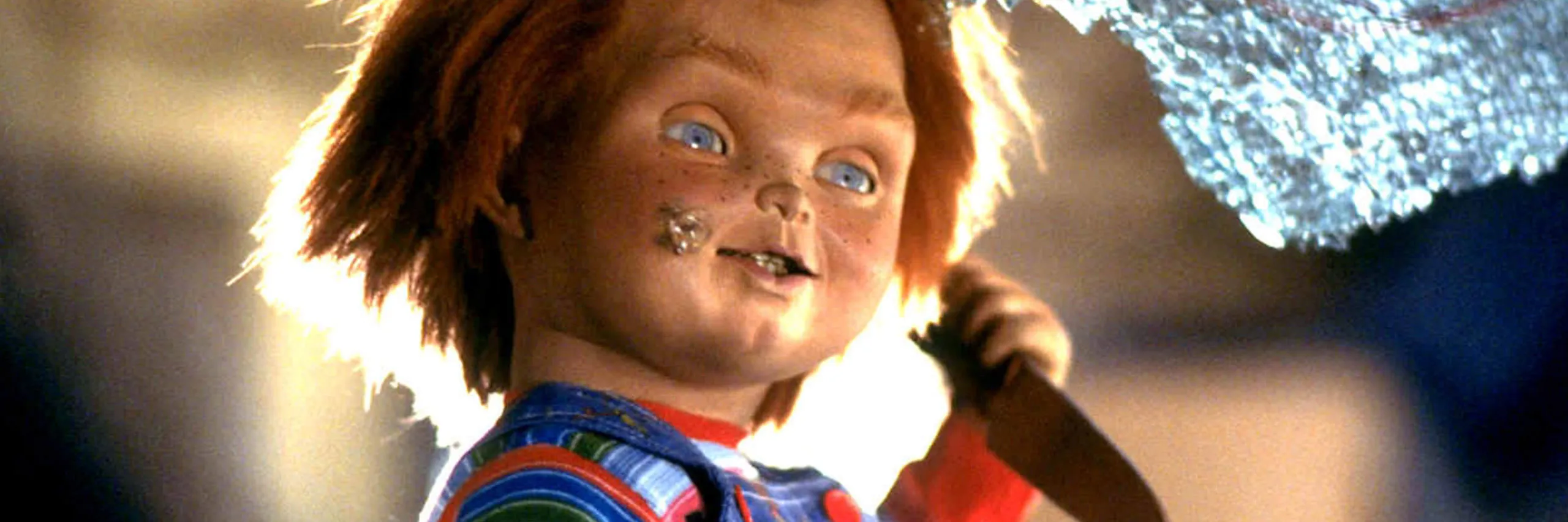
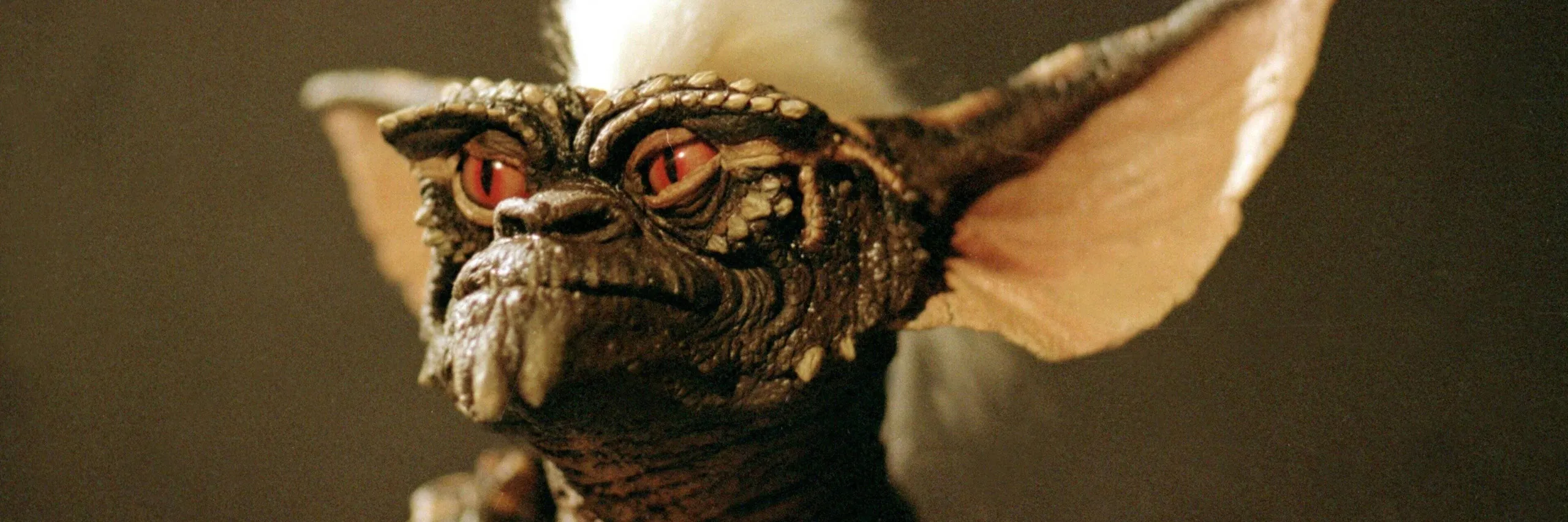
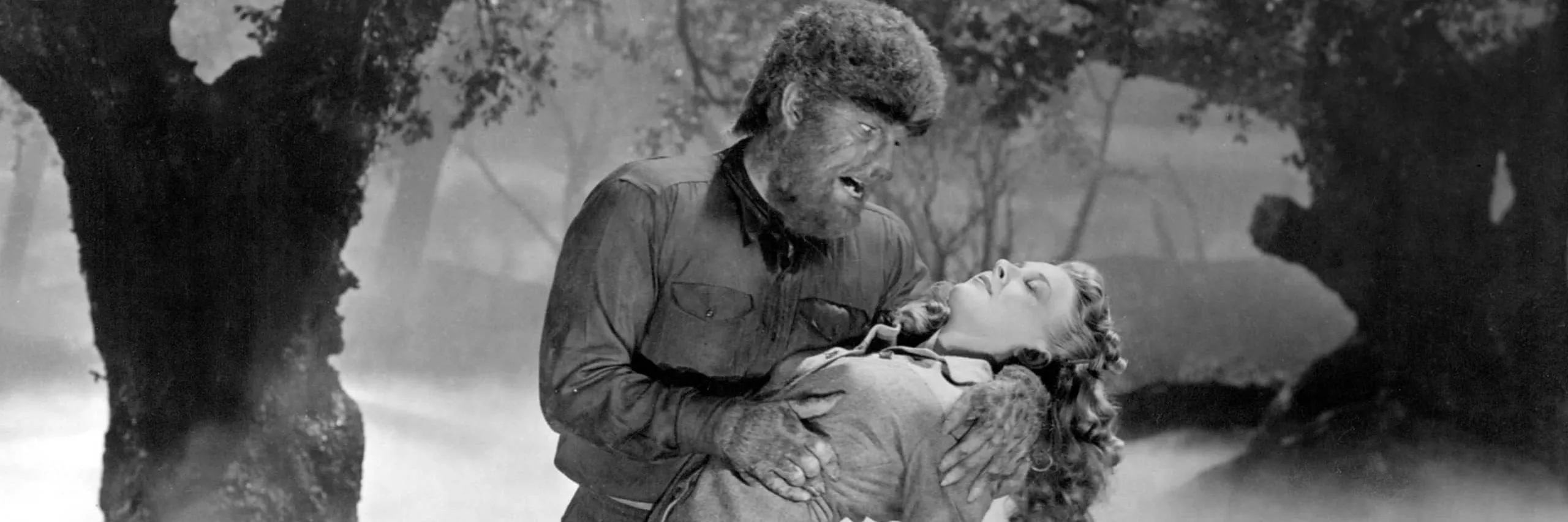
 Wolf Man (1941)
History & Origins
The werewolf is horror's great metaphor for the beast within — the fear that beneath civilized behavior lurks something uncontrollable, violent, and animal. Unlike the vampire's seductive corruption or the zombie's mindless hunger, the werewolf represents a transformation that the victim experiences consciously and dreads. You know what you become. You may even remember what you did. As Bruce Kawin puts it, the werewolf is "a testament to a belief in an animal nature deep within us, an animal that can come to the surface and dominate our being."
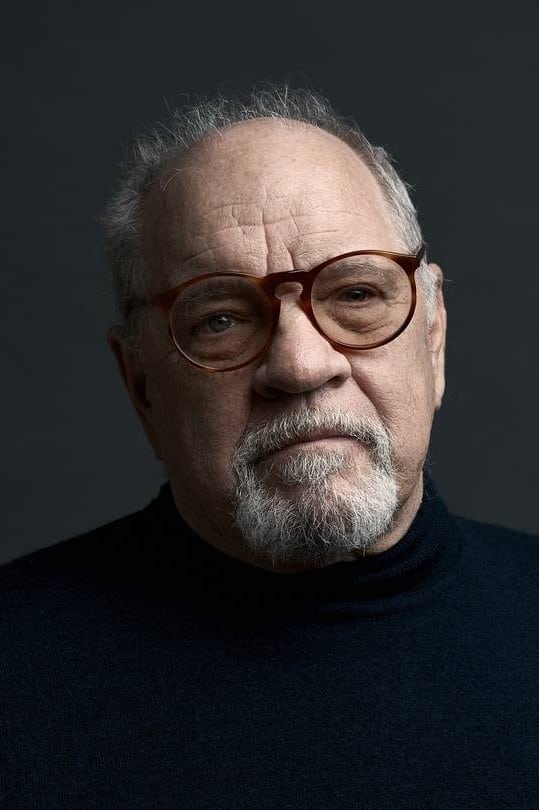
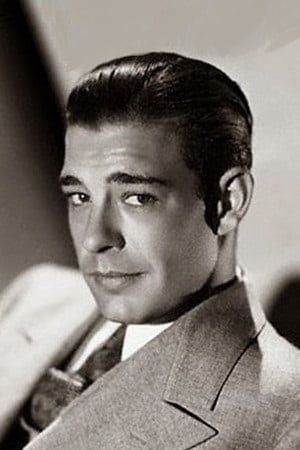
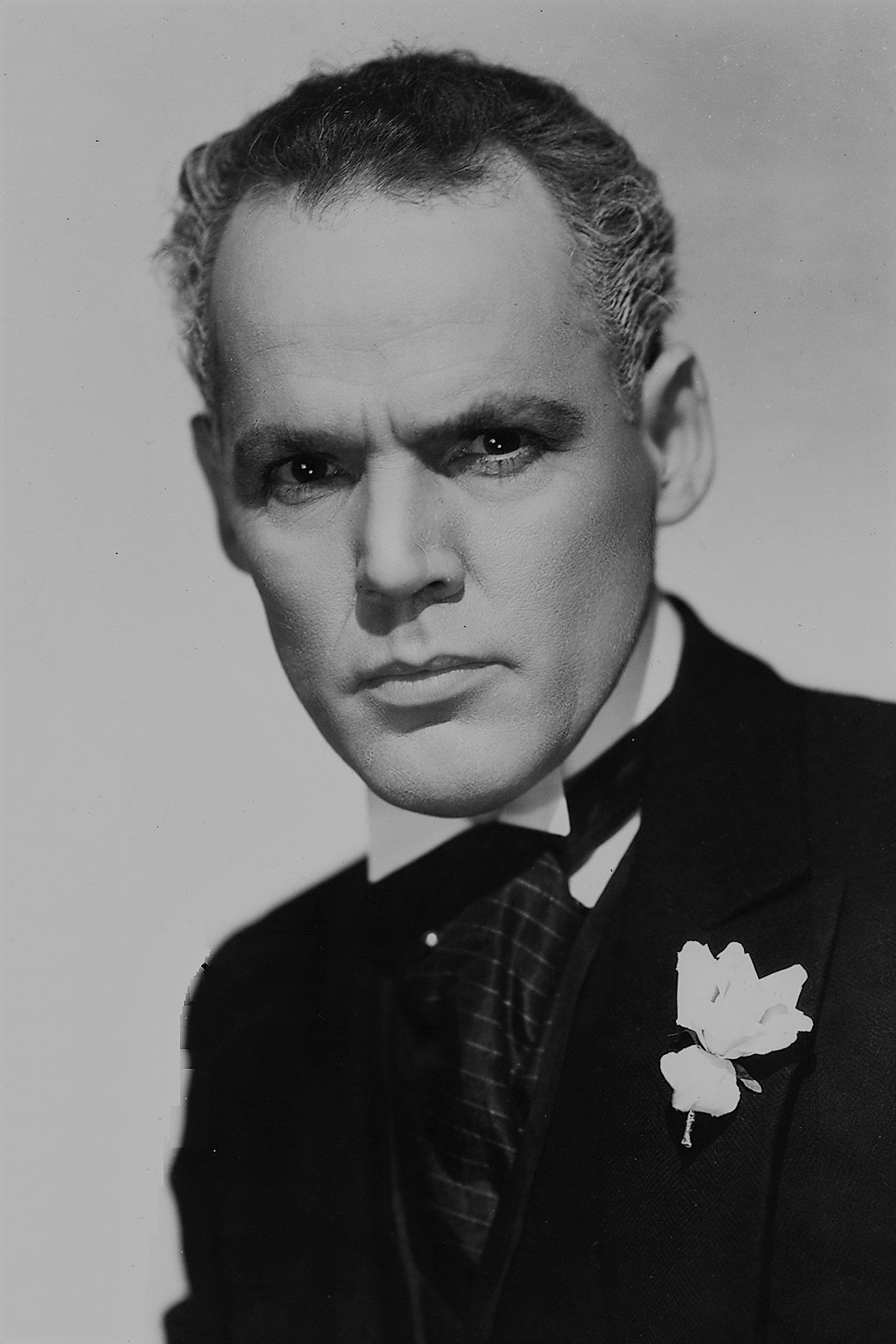
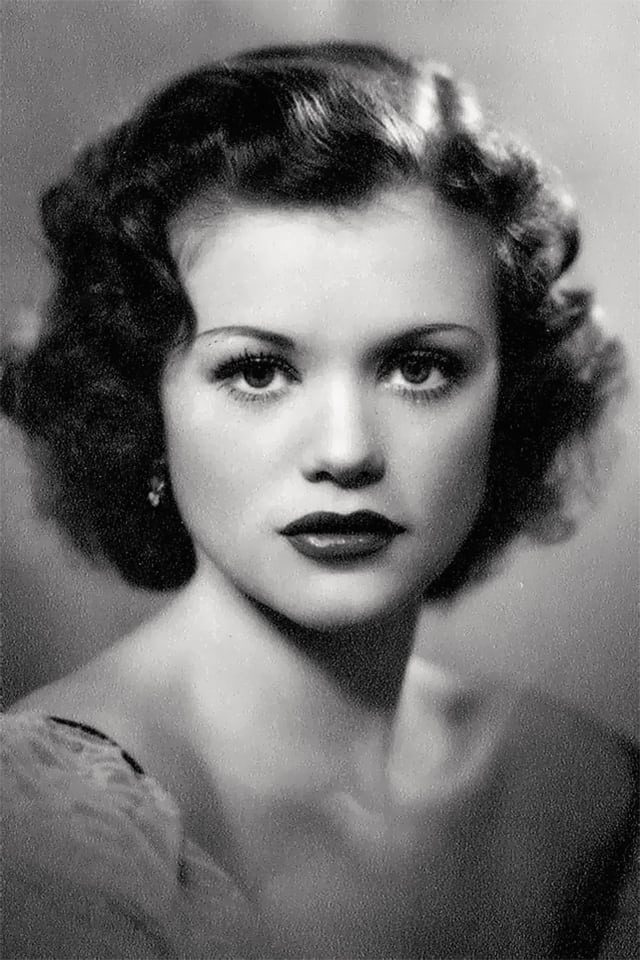
The mythology stretches back to antiquity — the Greek legend of Lycaon, transformed into a wolf by Zeus as punishment for serving human flesh. Medieval Europe prosecuted werewolf trials alongside witch trials, treating lycanthropy as a genuine spiritual affliction. Cinema came to the werewolf relatively late compared to other monsters. Universal tried first with Stuart Walker's Werewolf of London (1935), with Henry Hull as a botanist cursed by a rare moonflower — a promising prototype that didn't catch fire. It was George Waggner's The Wolf Man (1941), starring Lon Chaney Jr. as Larry Talbot, that established most of the rules modern audiences take for granted: the full moon trigger, the silver bullet cure, the tragic hero who cannot control his curse. The film's famous rhyme — "Even a man who is pure in heart / And says his prayers by night / May become a wolf when the wolfbane blooms / And the autumn moon is bright" — frames lycanthropy as a universal vulnerability, not a punishment for sin. Chaney would play Talbot four more times across the 1940s, the only Universal monster played by a single actor across the entire cycle. Val Lewton's Cat People (1942), directed by Jacques Tourneur, paired with The Wolf Man as the shape-shifter's other foundational text — Simone Simon's Irena as a woman convinced her sexuality will turn her into a panther — and was reworked by Paul Schrader with Nastassja Kinski as the 1982 New Orleans-set Cat People.
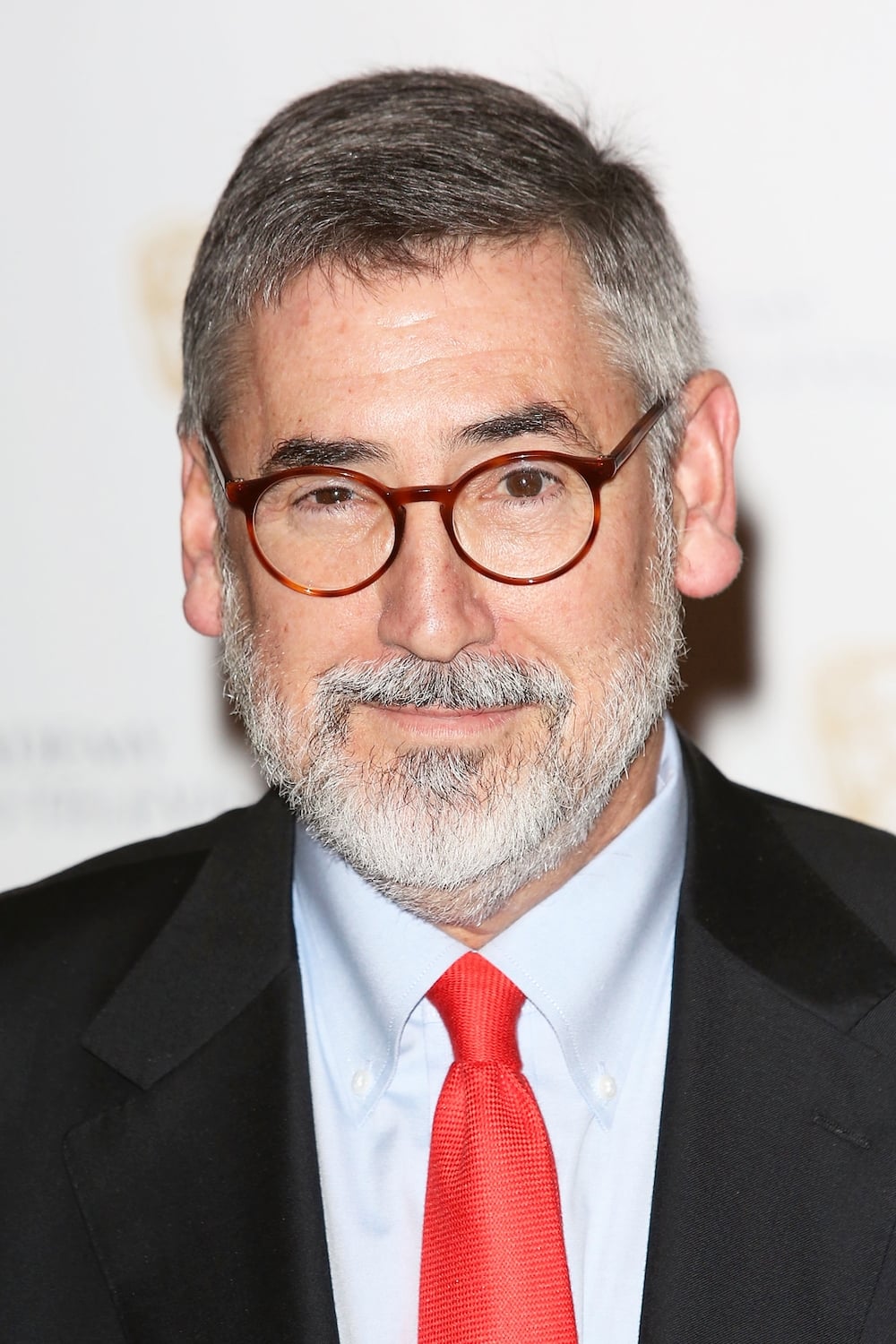
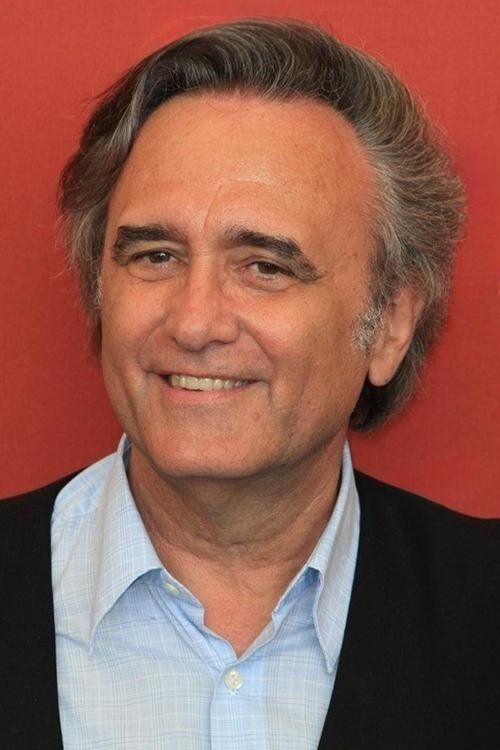
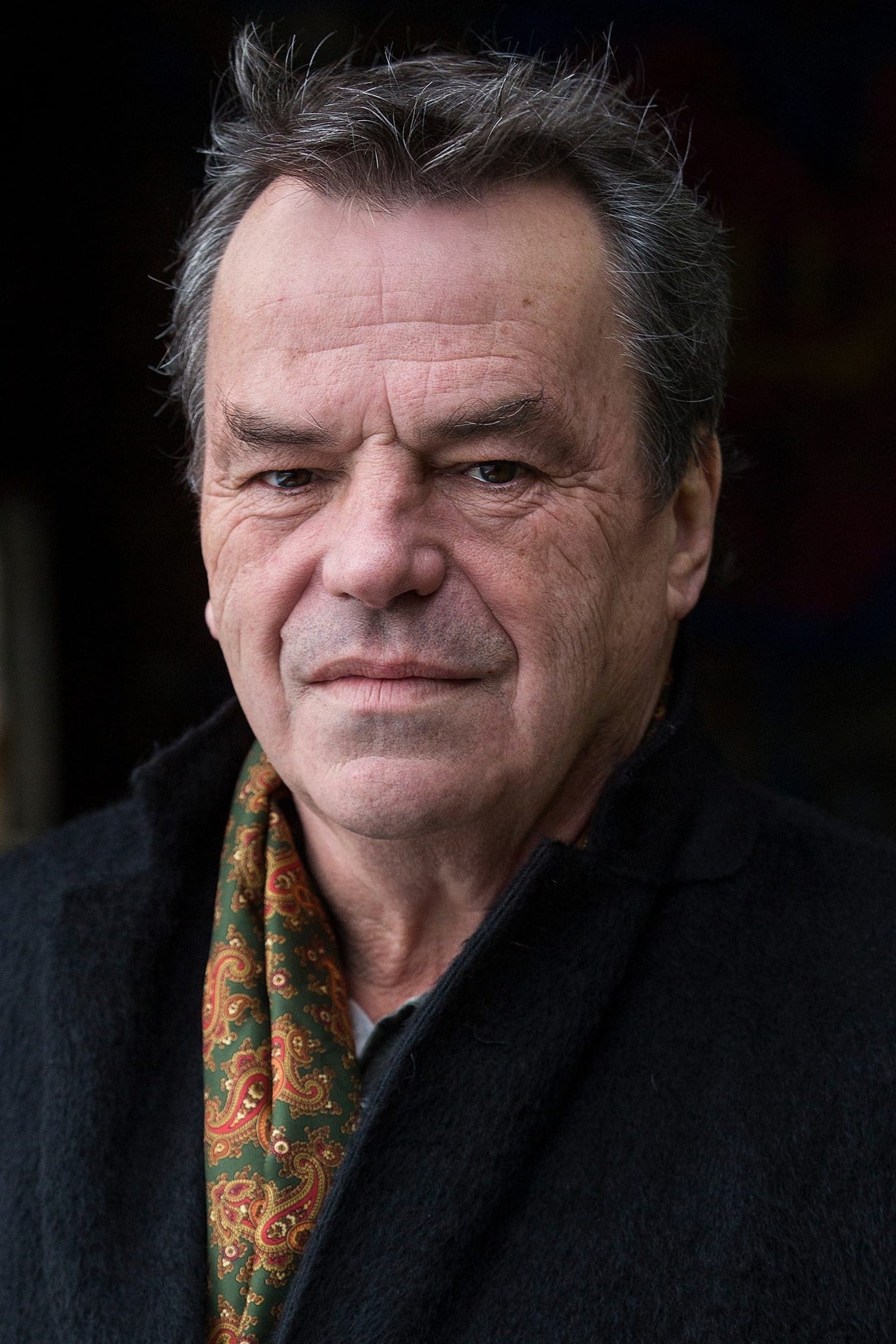
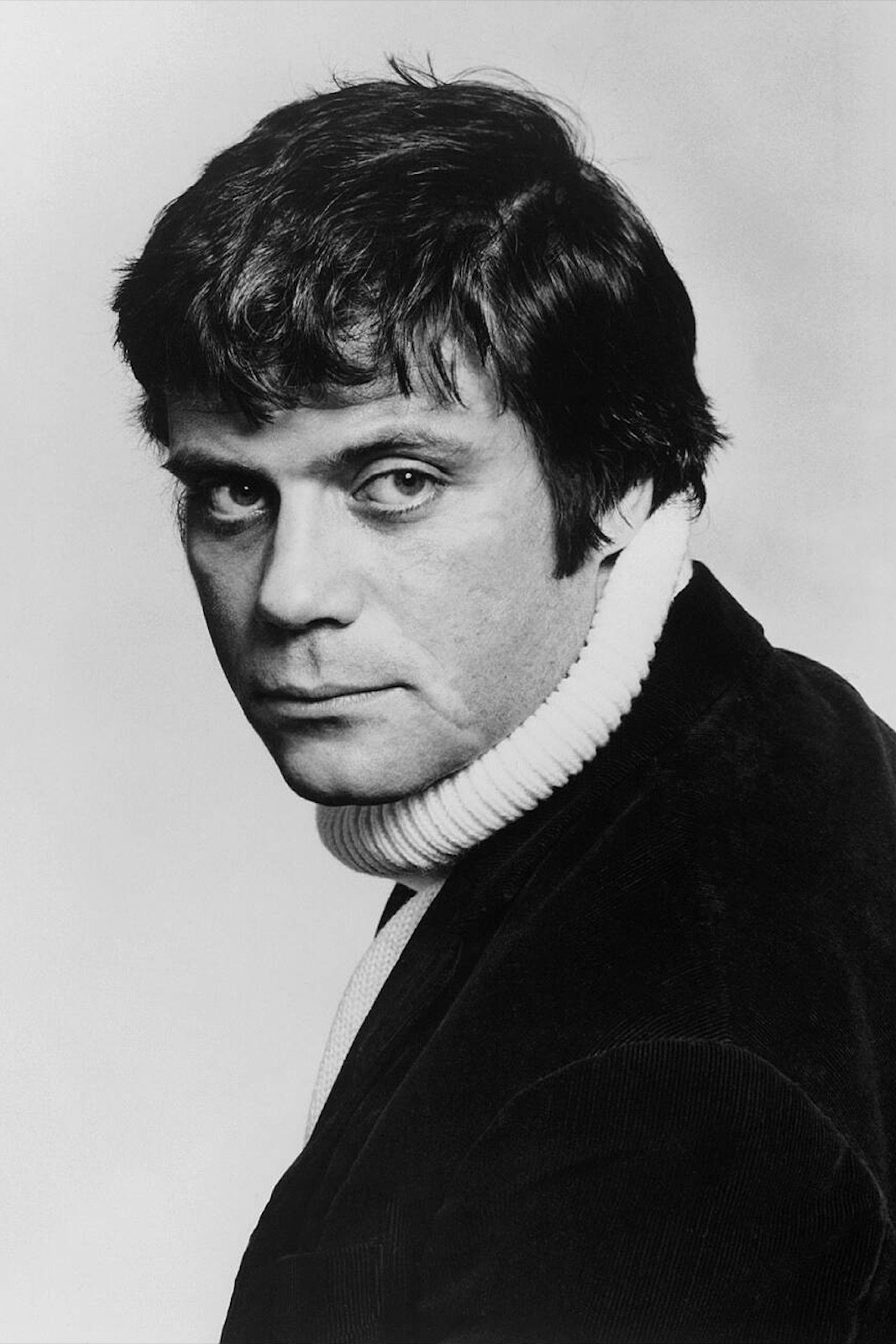
Hammer Films' The Curse of the Werewolf (1961), with Oliver Reed in the lead, recast lycanthropy as a struggle between good and evil within the soul. In Spain, Paul Naschy's recurring Waldemar Daninsky character — the so-called Iberian Wolf Man — anchored an entire Spanish horror cycle through the 1970s; Lázaro-Reboll's Spanish Horror Film identifies Naschy as the driving force behind the country's first horror boom. The 1980s produced the subgenre's creative peak. John Landis's An American Werewolf in London (1981) combined groundbreaking practical transformation effects by Rick Baker with genuine horror and dark comedy; Joe Dante's The Howling (1981) explored the werewolf as a metaphor for repressed desire; Michael Wadleigh's Wolfen (1981) relocated lycanthropy into Native-American philosophical territory. Neil Jordan's The Company of Wolves (1984), adapted from Angela Carter, drew the werewolf back to its folkloric roots in "Little Red Riding Hood." All these films understood that the transformation scene is the werewolf film's defining set piece — the body breaking and reshaping itself, bone by bone, a spectacle of involuntary metamorphosis that makes the audience complicit witnesses to something intimate and agonizing.
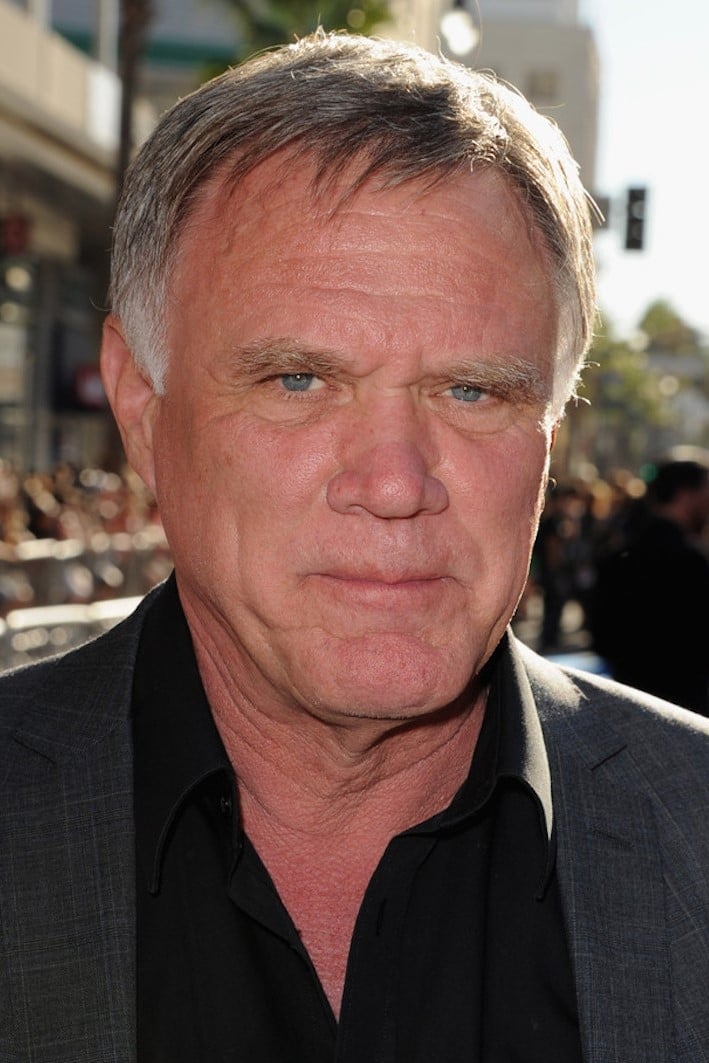
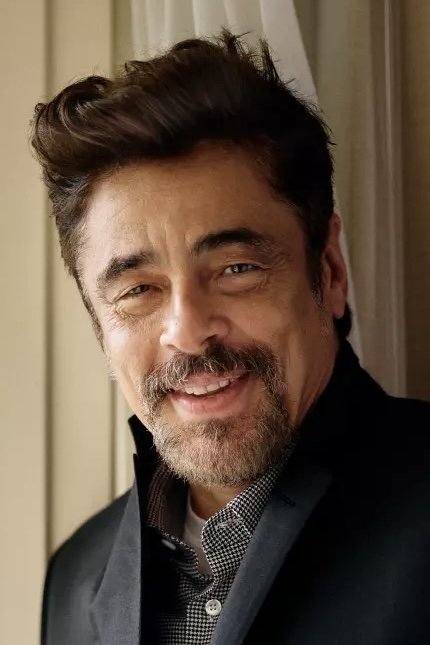
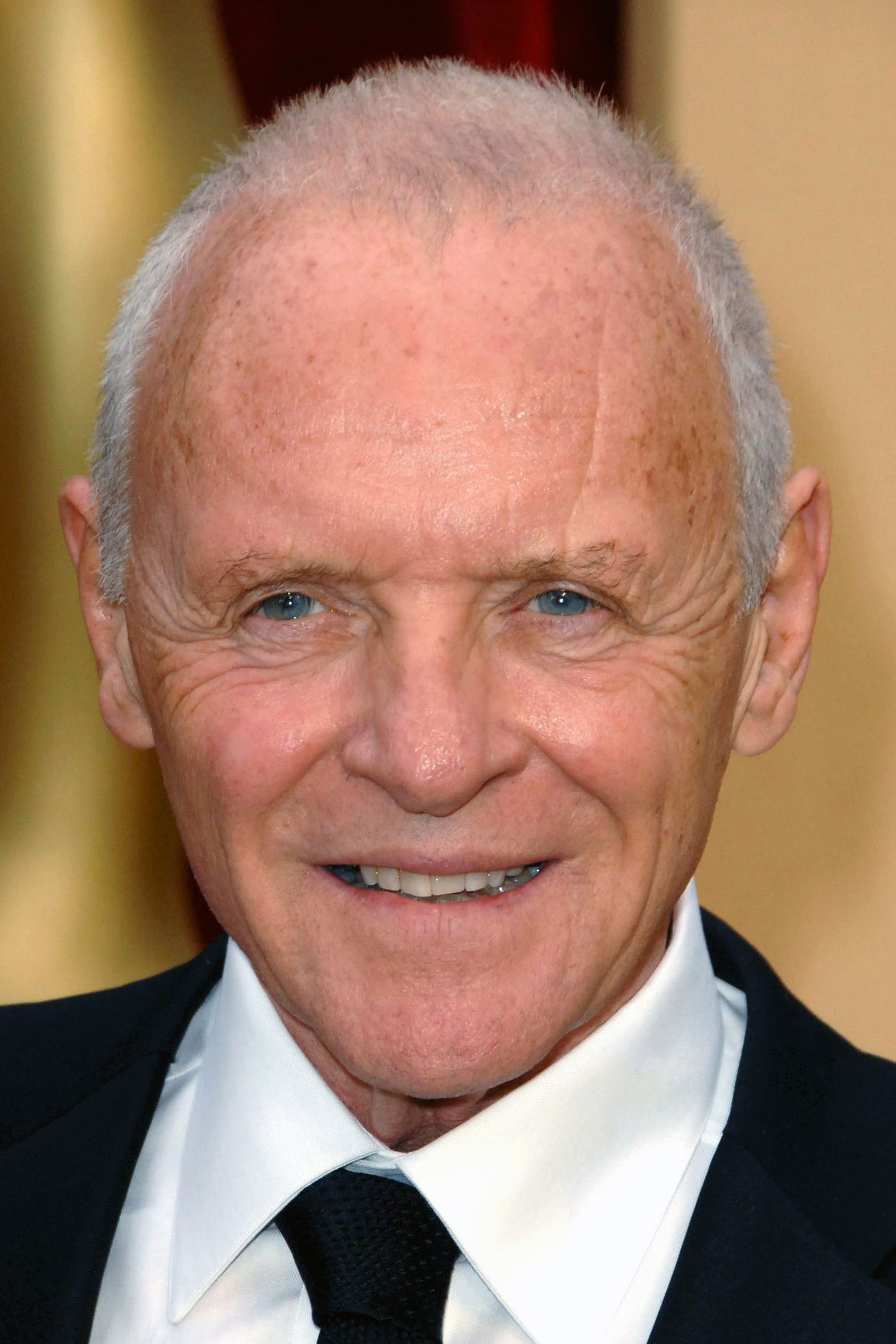
The werewolf has proven more difficult to reinvent than the vampire, perhaps because its core metaphor — the animal self unleashed — is less flexible. But John Fawcett's Ginger Snaps (2000), which mapped lycanthropy onto female puberty (and is explicitly read by Kawin as a blood-borne-contagion allegory adjacent to AIDS), and Neil Marshall's Dog Soldiers (2002), which played the siege format against military machismo, demonstrated that the old wolf still had teeth when filmmakers found fresh anxieties to channel through it. Mike Nichols's Wolf (1994) put Jack Nicholson and Michelle Pfeiffer in a corporate-power lycanthropy reworking; Underworld (2003) crossed the werewolf with the vampire as serialized commercial entertainment; Joe Johnston's The Wolfman (2010) returned Benicio del Toro to the Talbot role opposite Anthony Hopkins. The contemporary revival — When Animals Dream (2014) (Denmark), Adrián García Bogliano's Late Phases (2014), Leigh Janiak's Werewolves Within (2021) — proves the old monster still finds new shapes to inhabit.
Sources: Bruce F. Kawin, Horror and the Horror Film (2012).
Essential Films
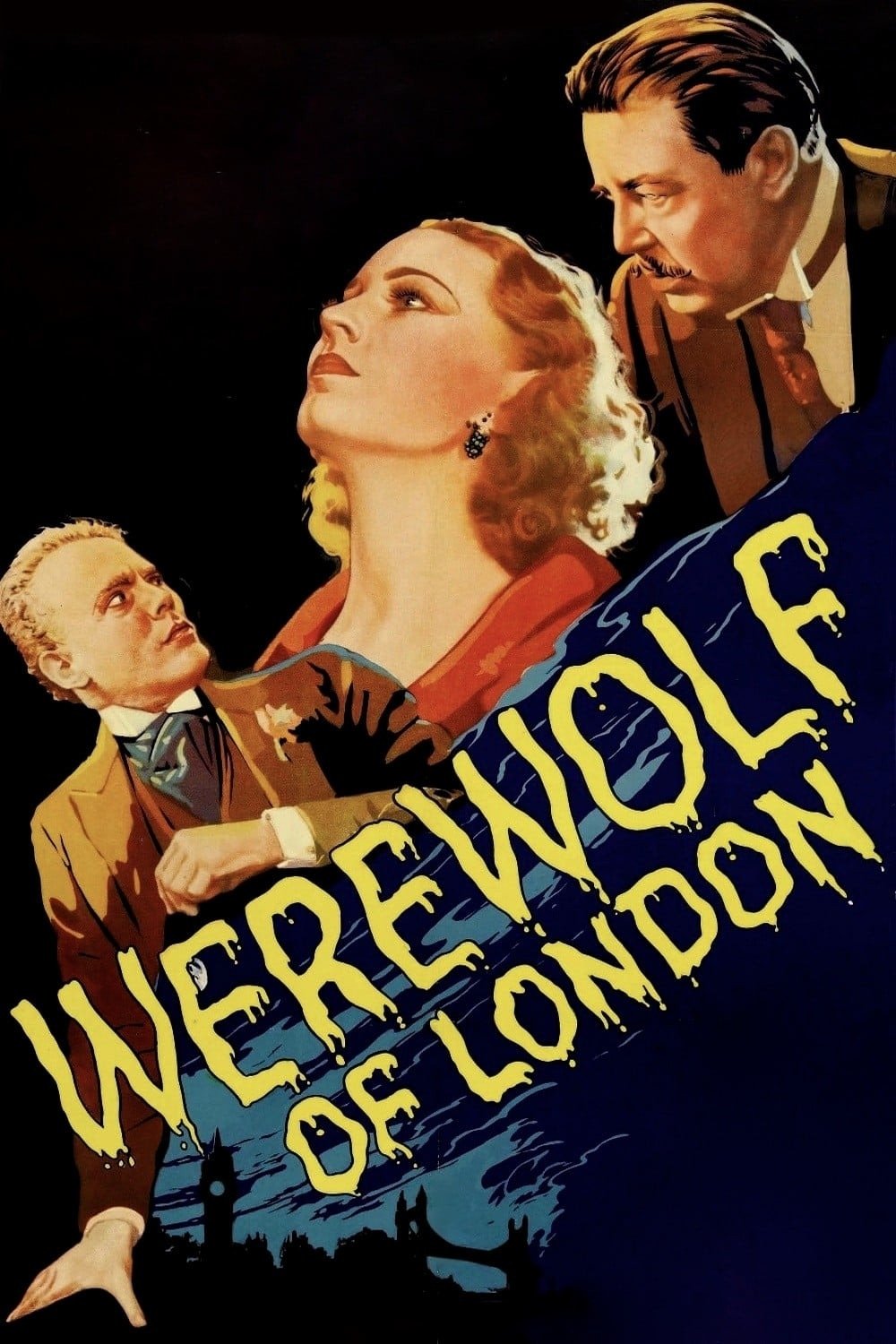
Werewolf of London
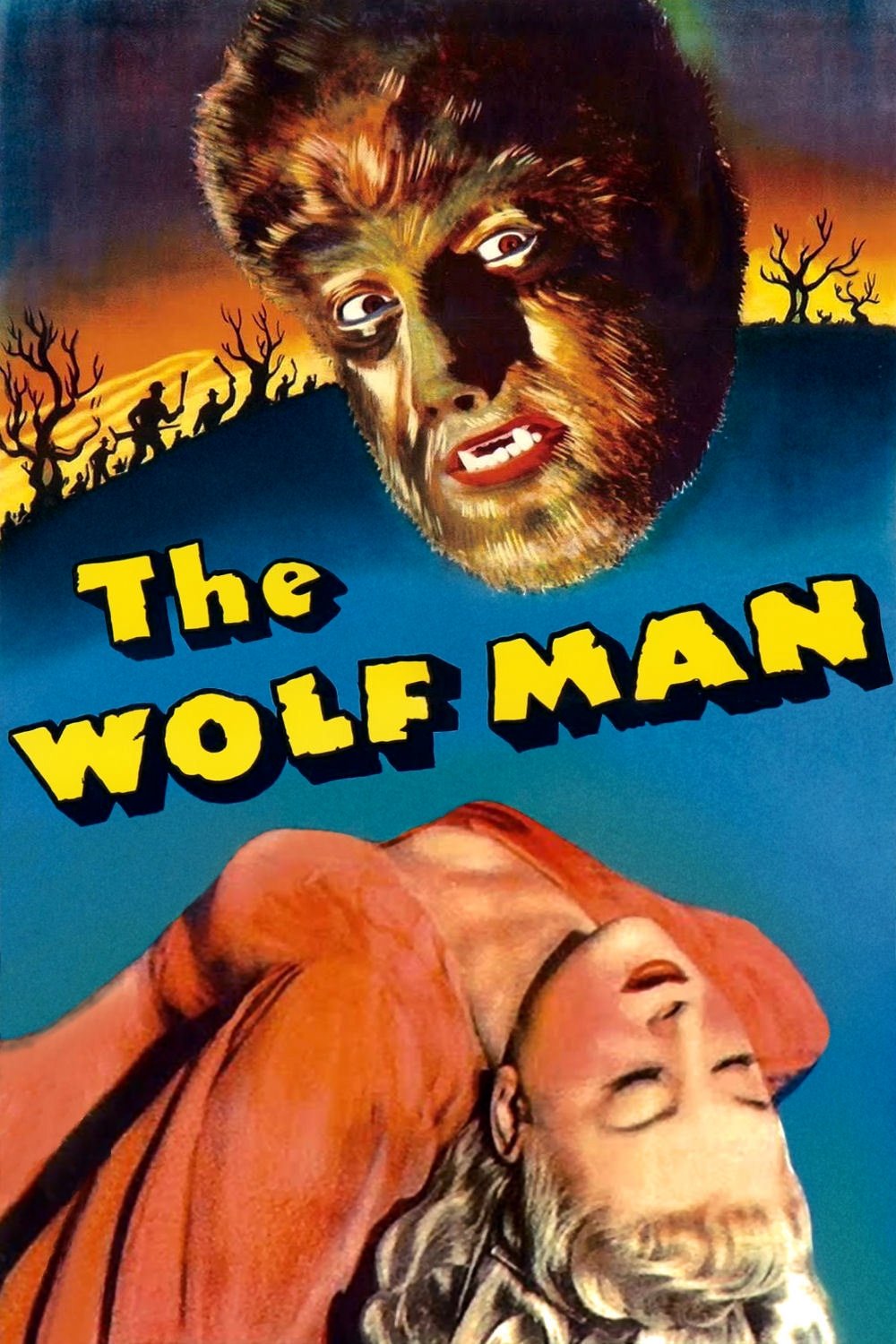
The Wolf Man
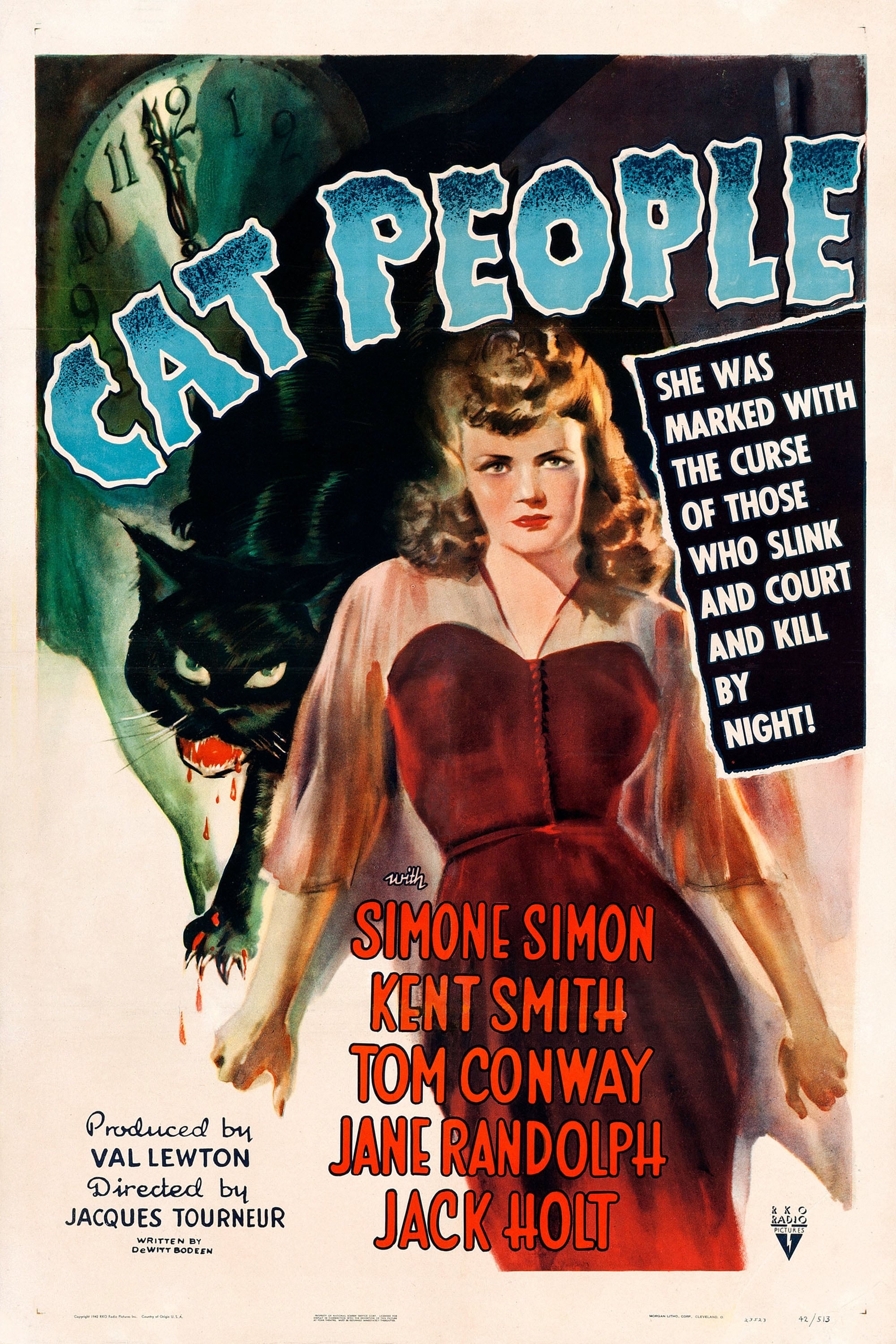
Cat People
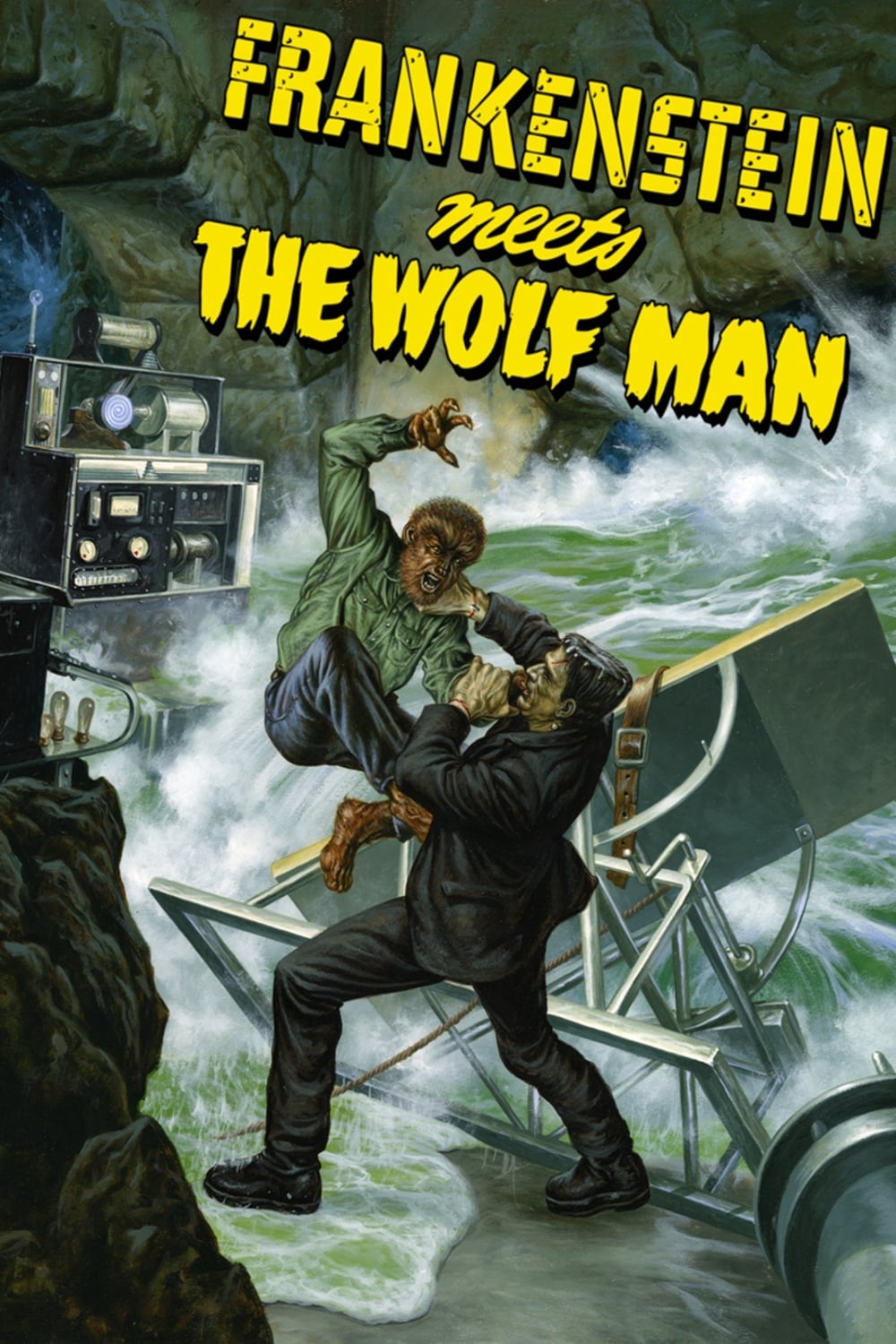
Frankenstein Meets the Wolf Man
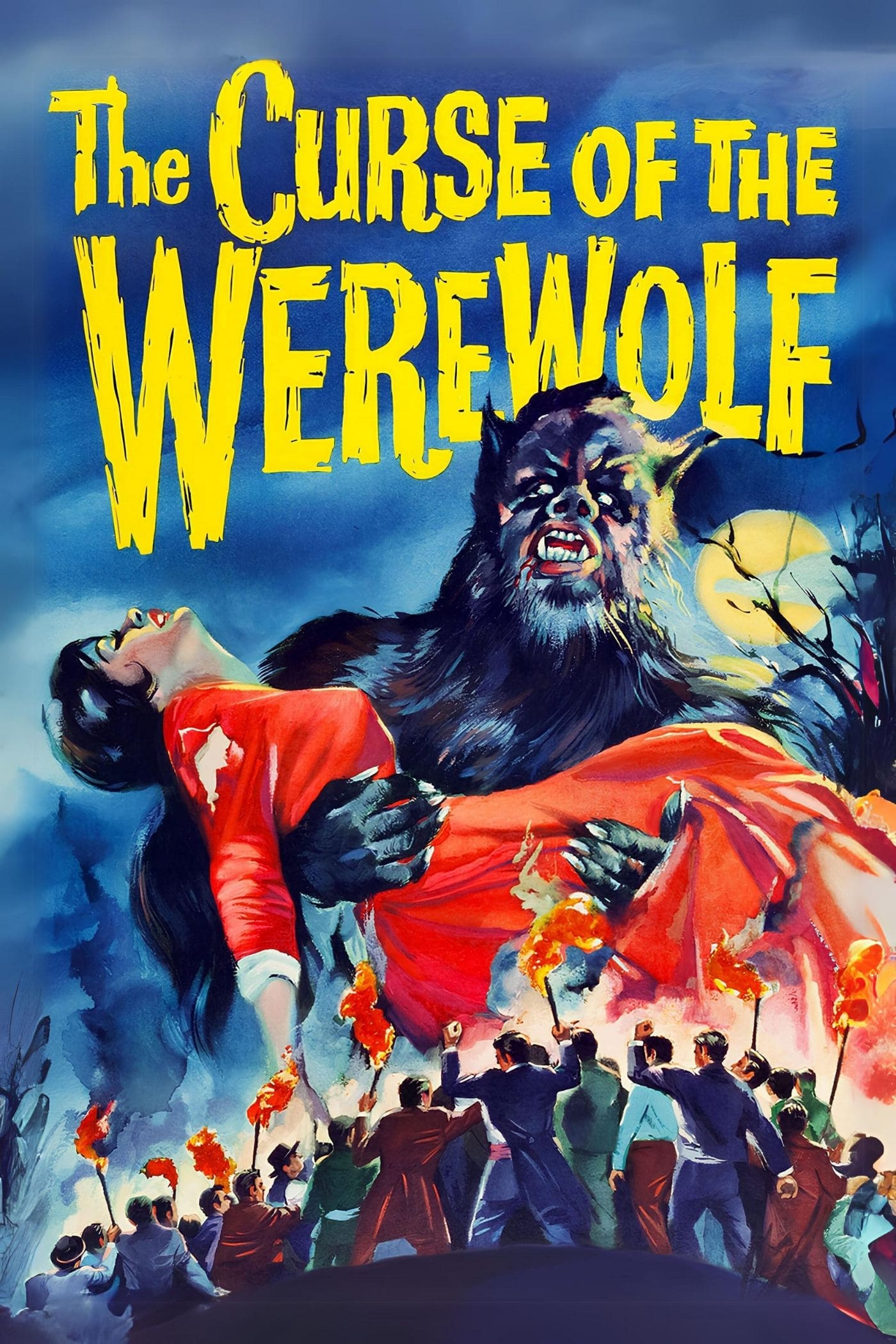
The Curse of the Werewolf
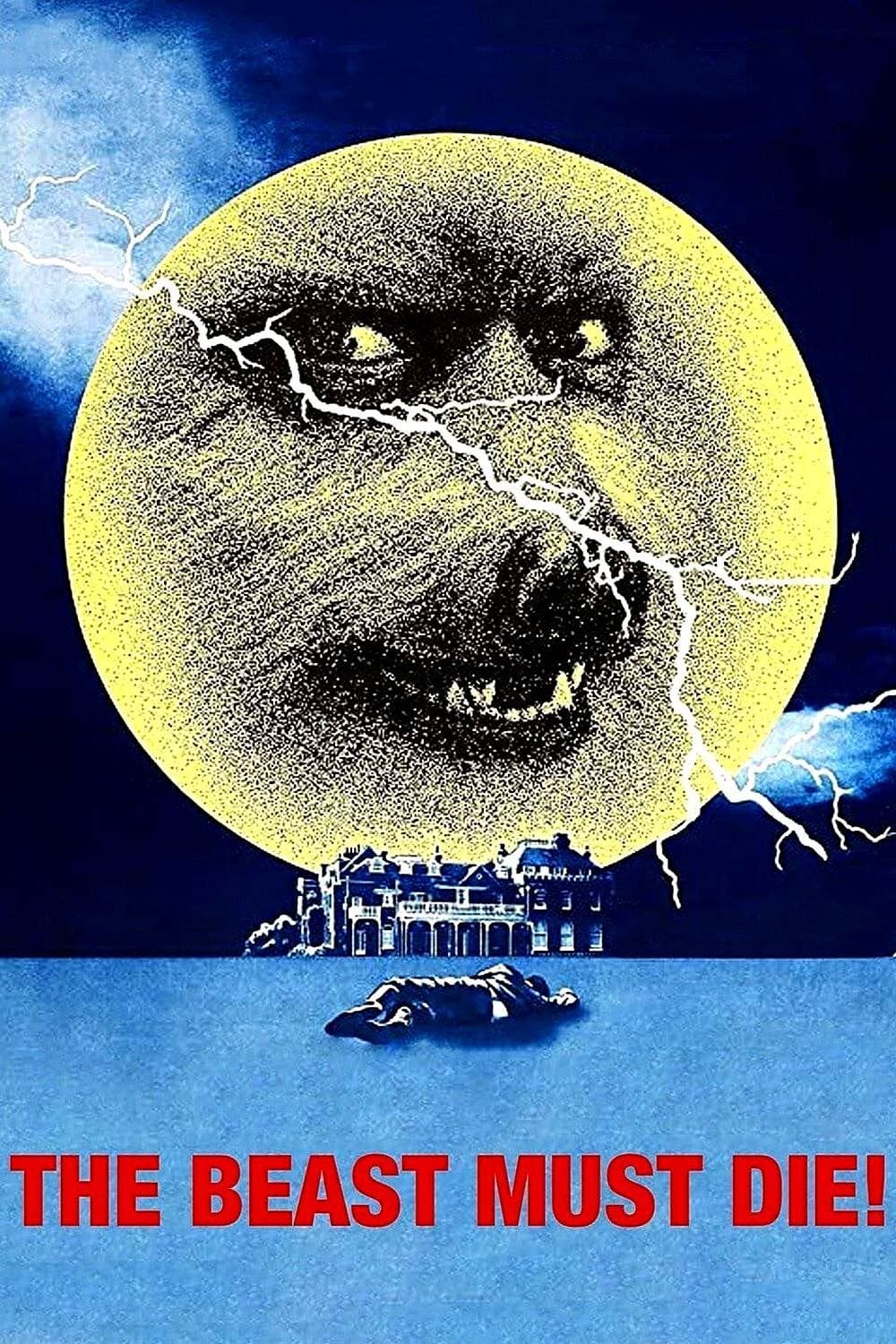
The Beast Must Die
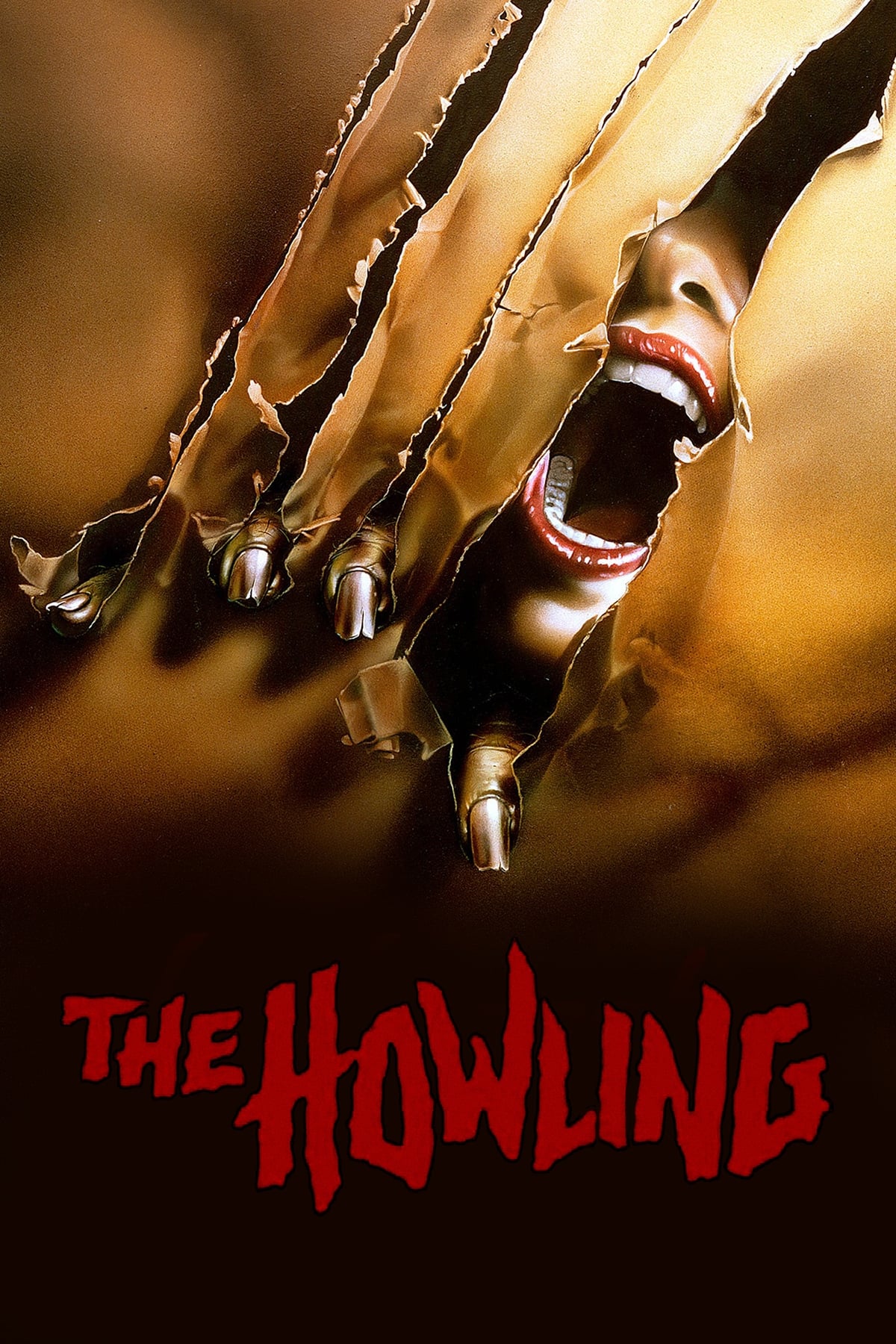
The Howling
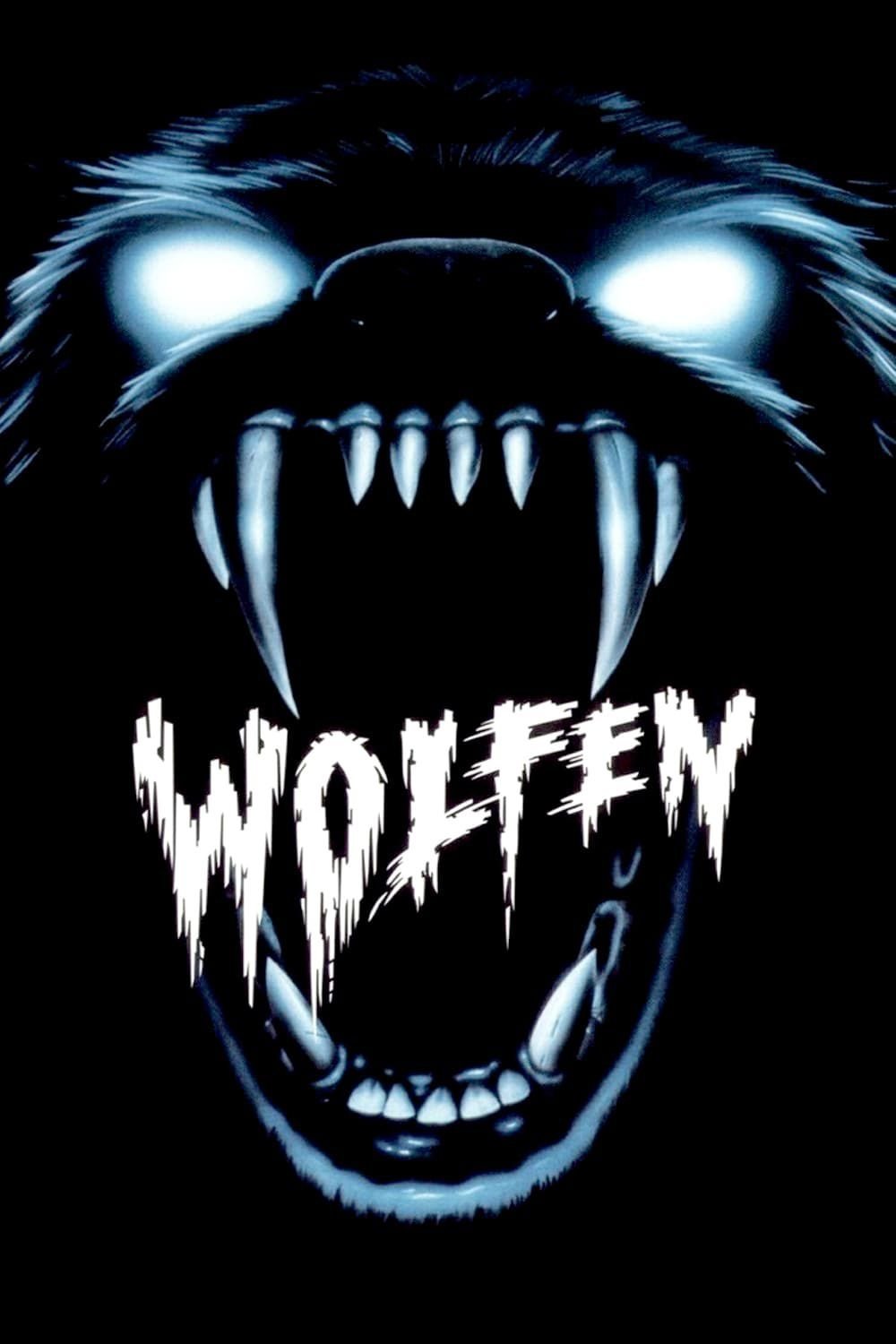
Wolfen
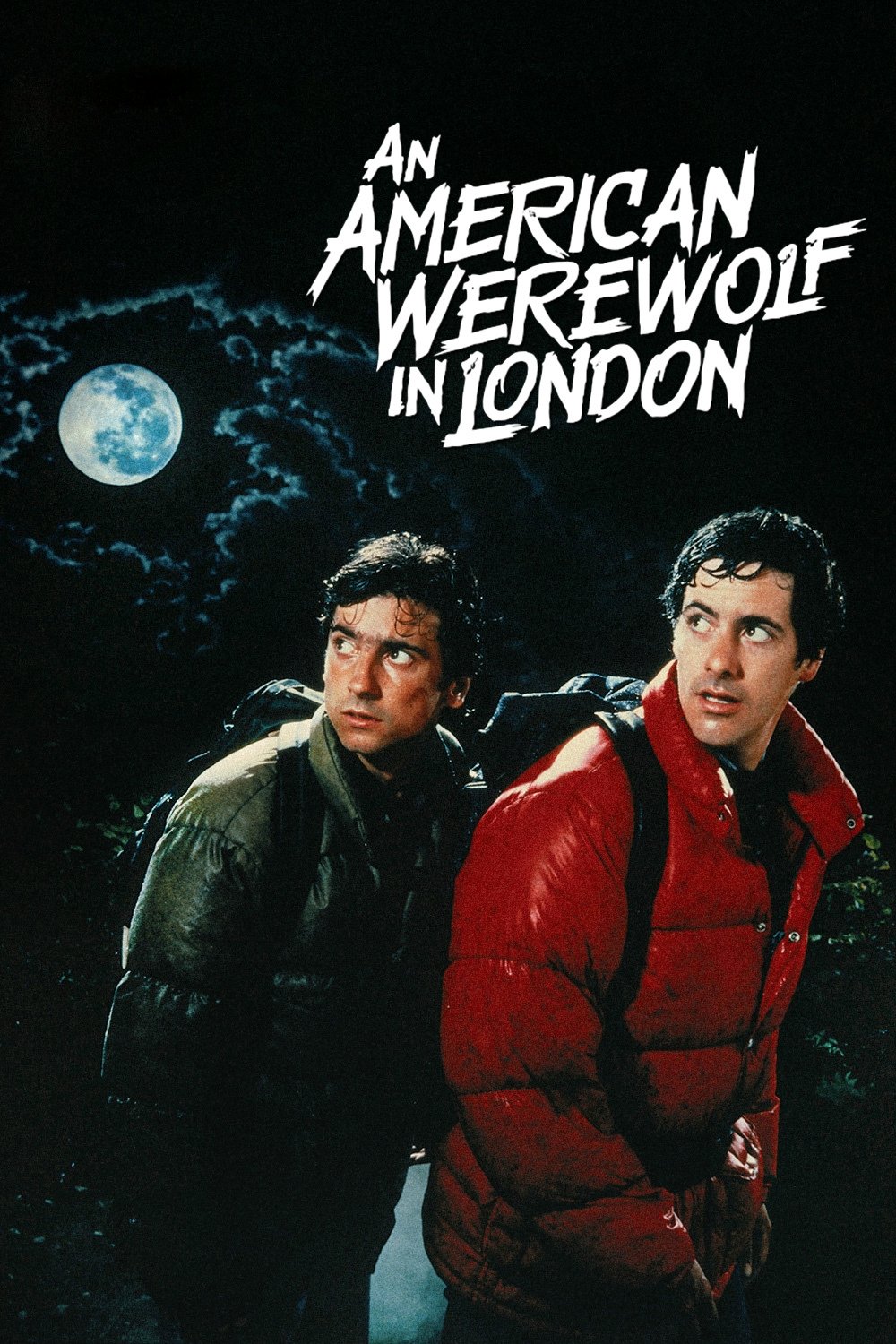
An American Werewolf in London
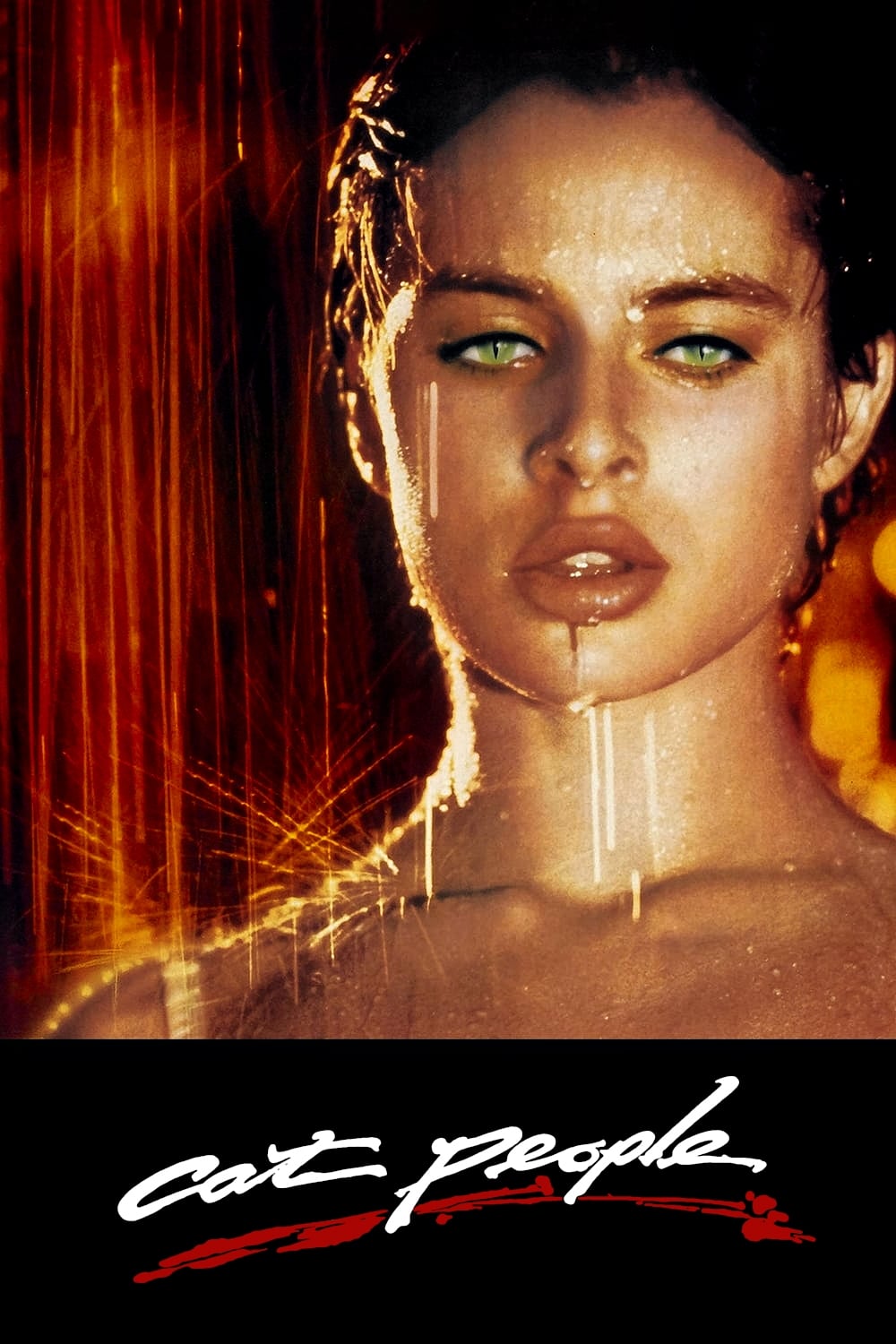
Cat People
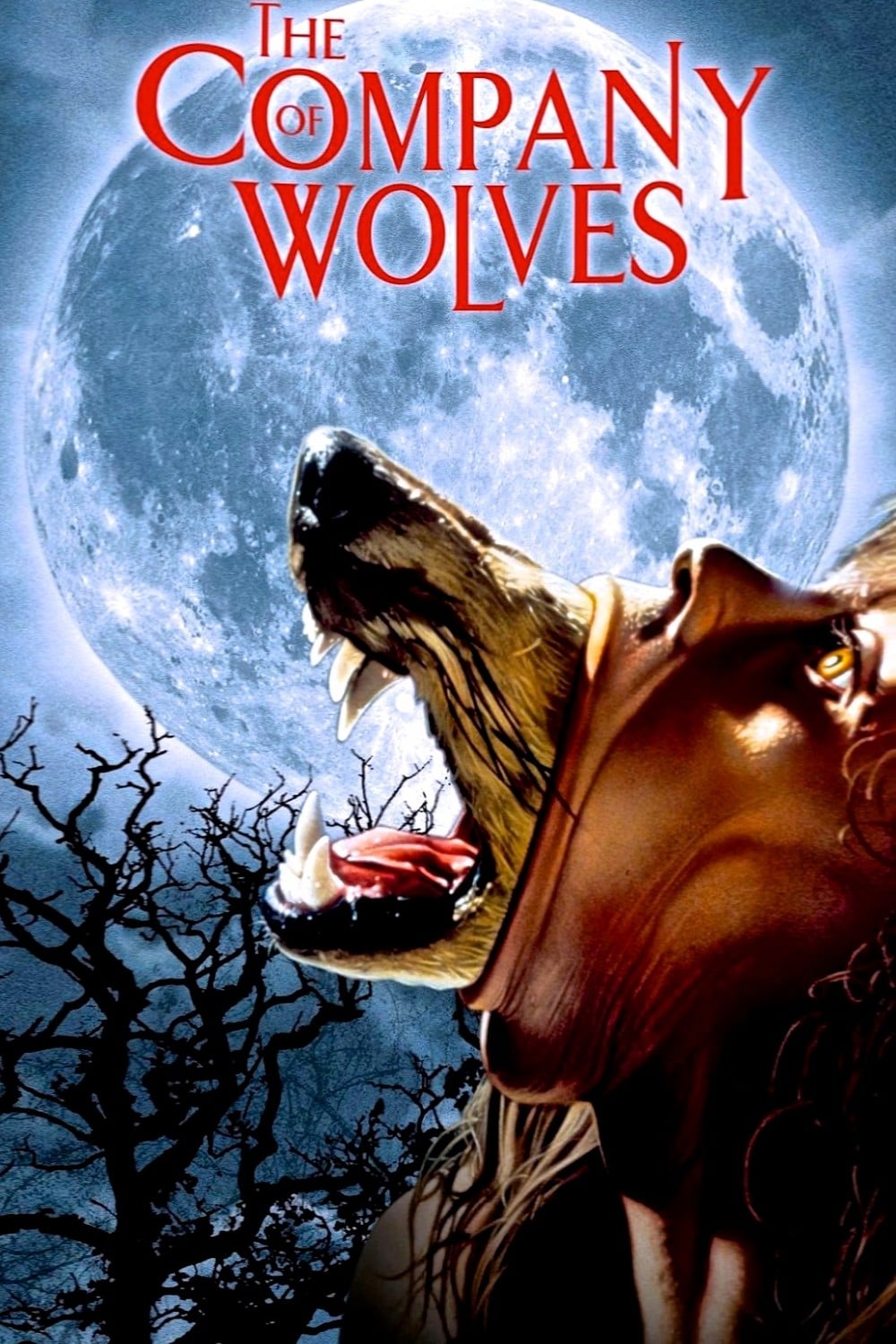
The Company of Wolves
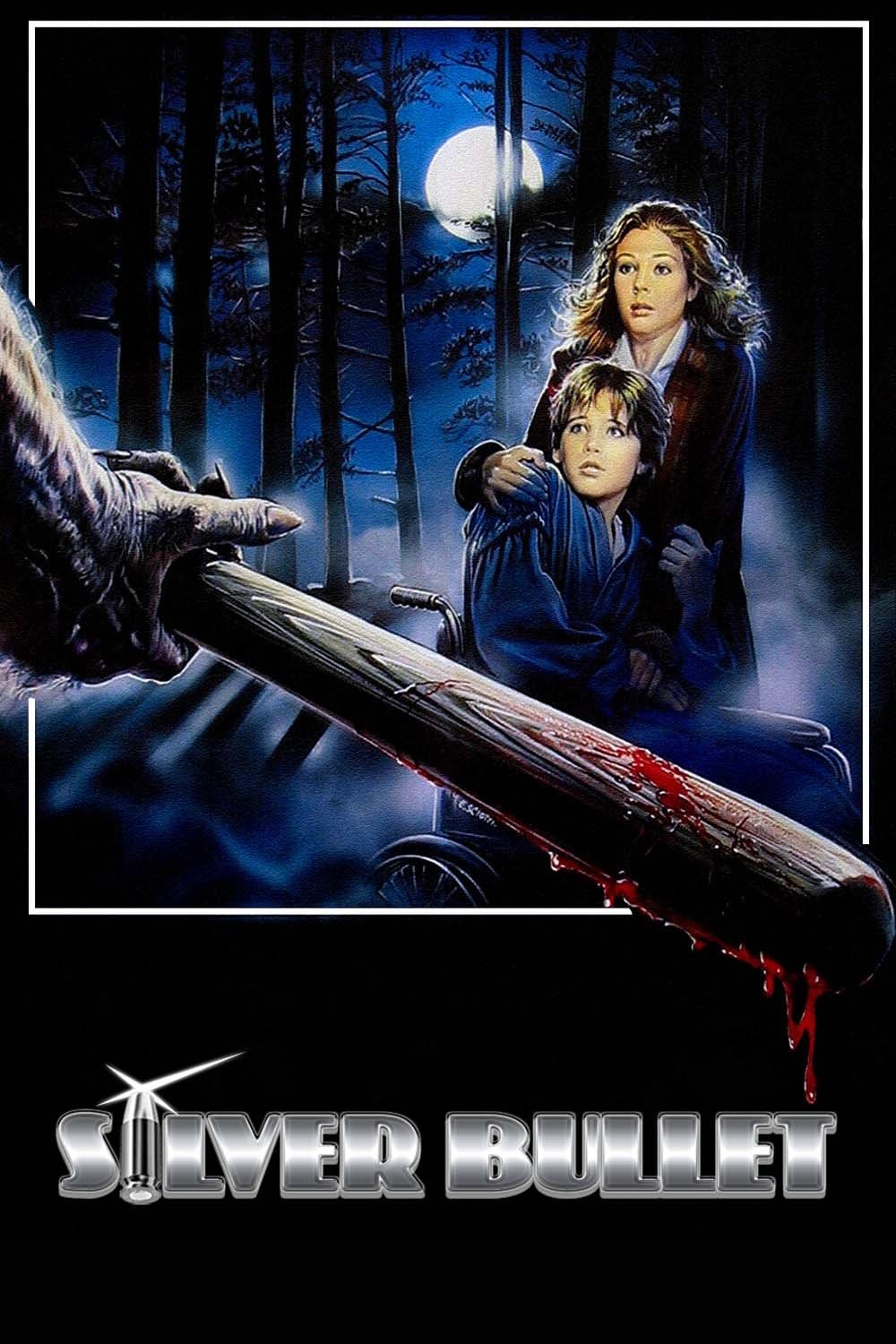
Silver Bullet

Wolf
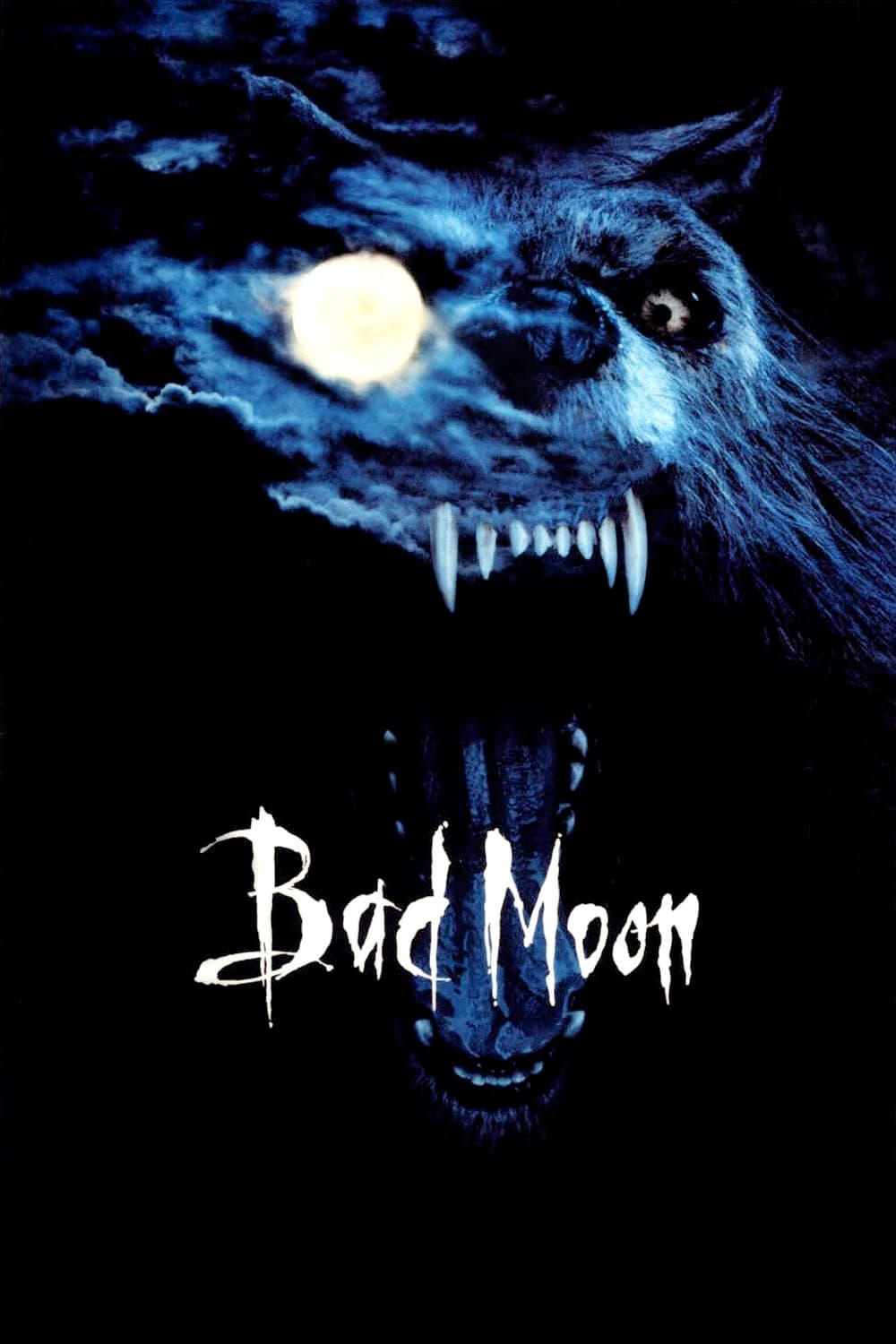
Bad Moon
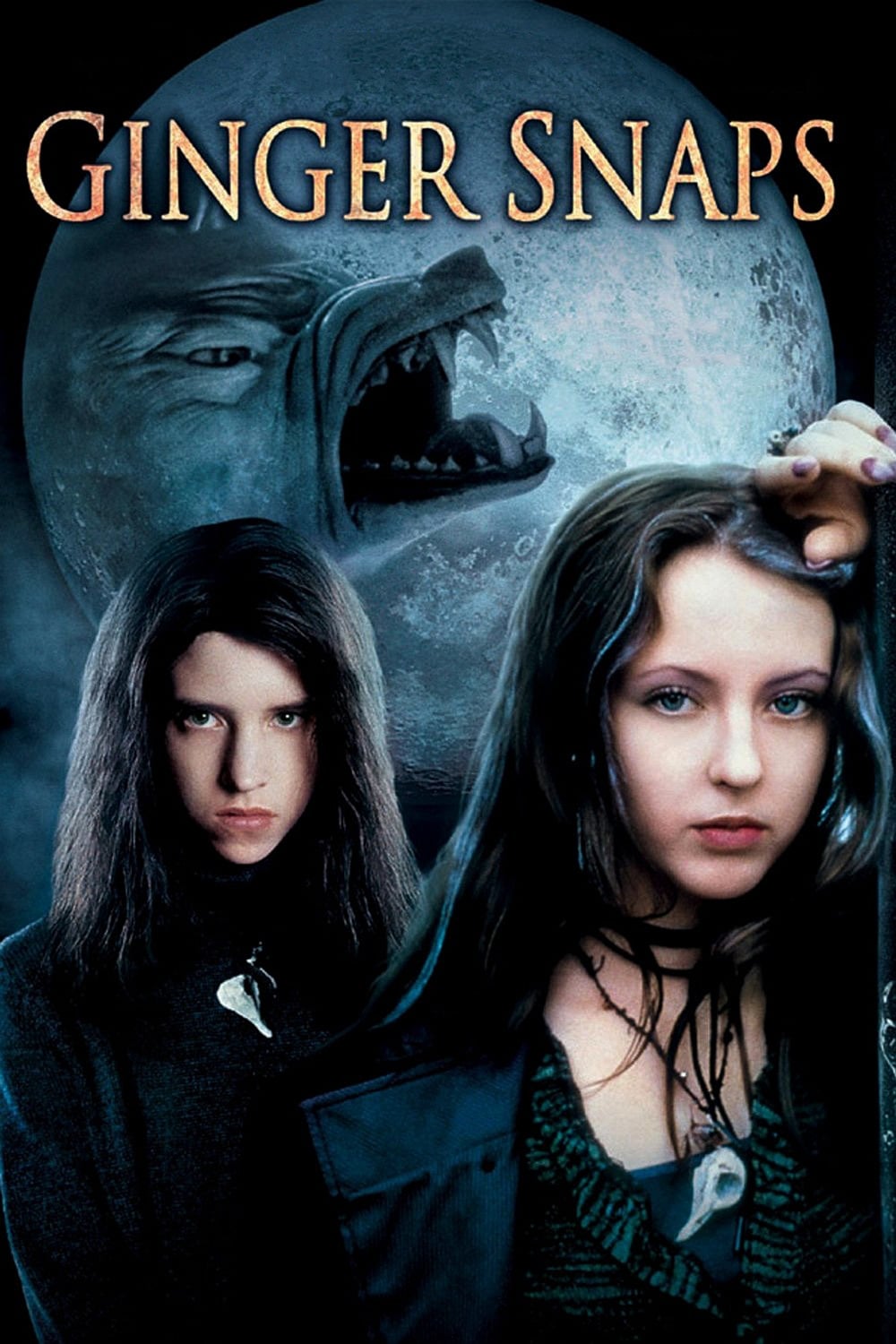
Ginger Snaps
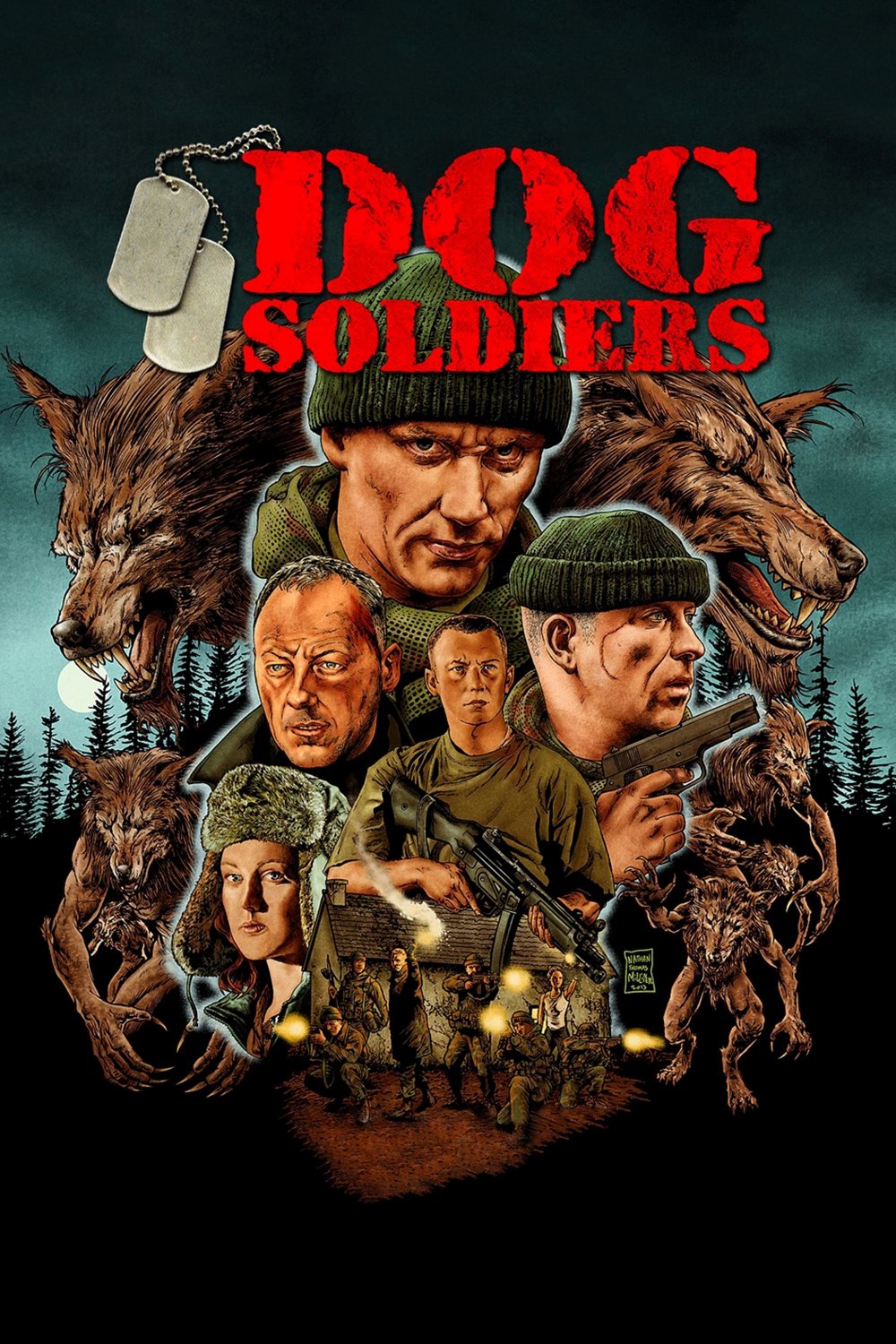
Dog Soldiers
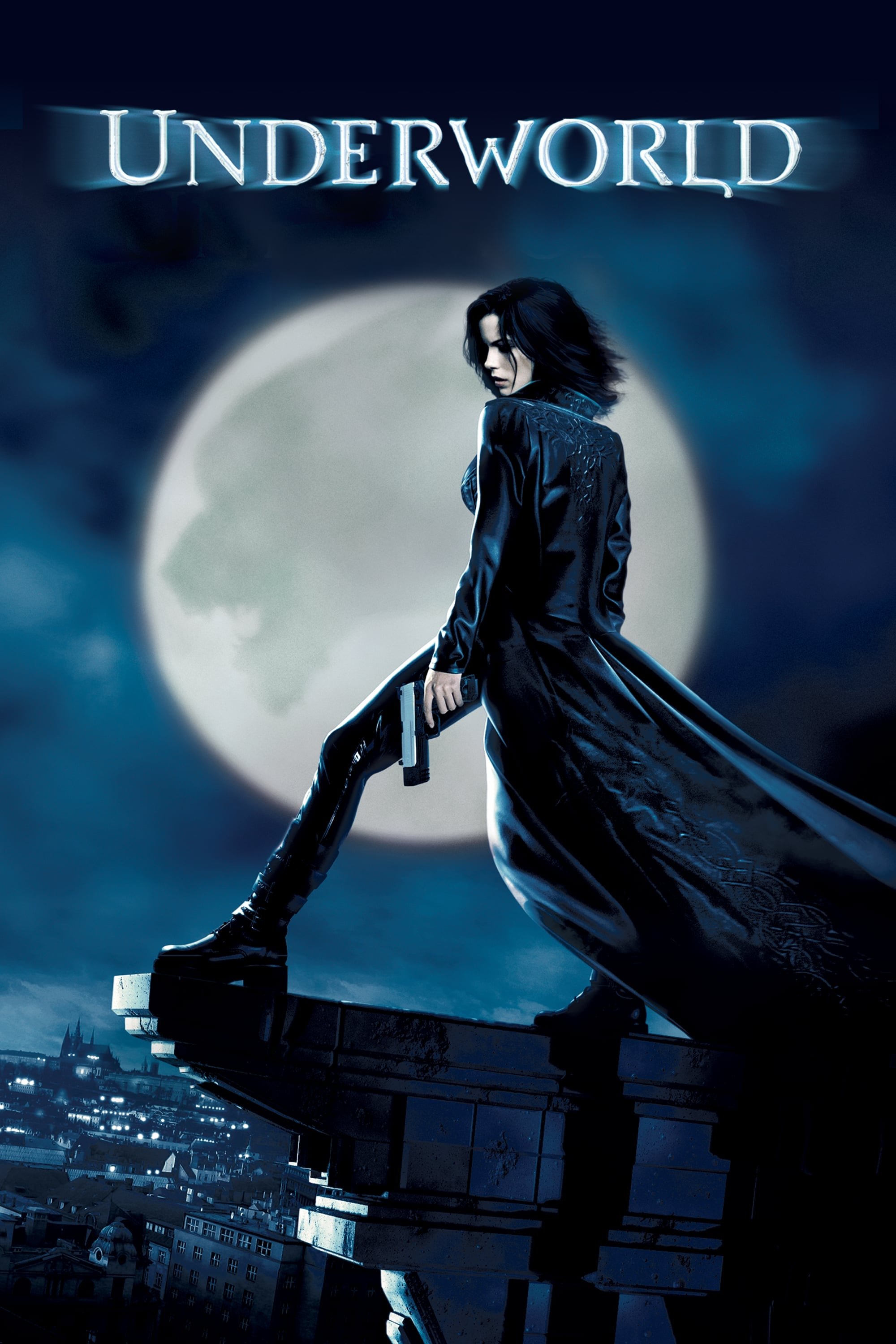
Underworld
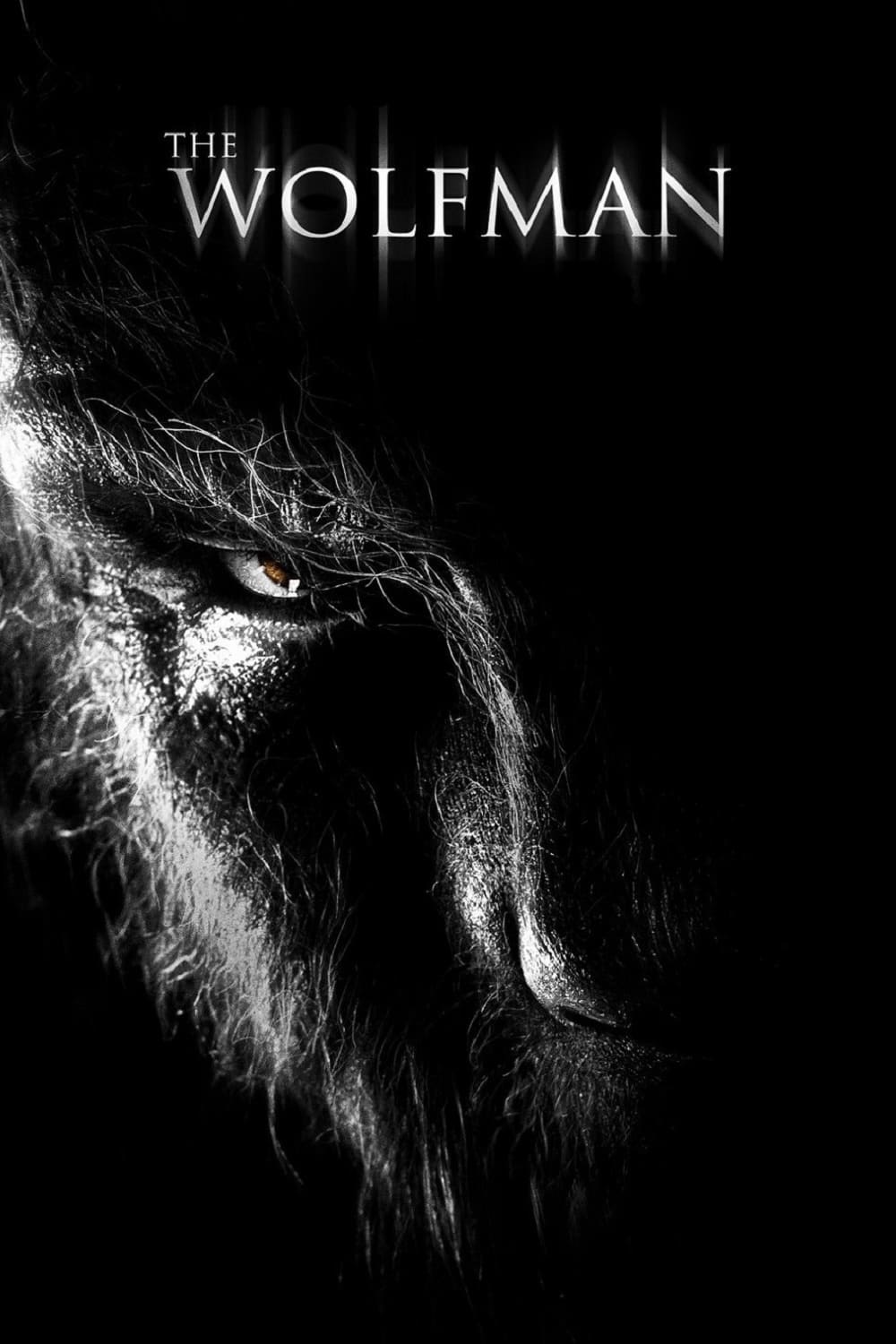
The Wolfman
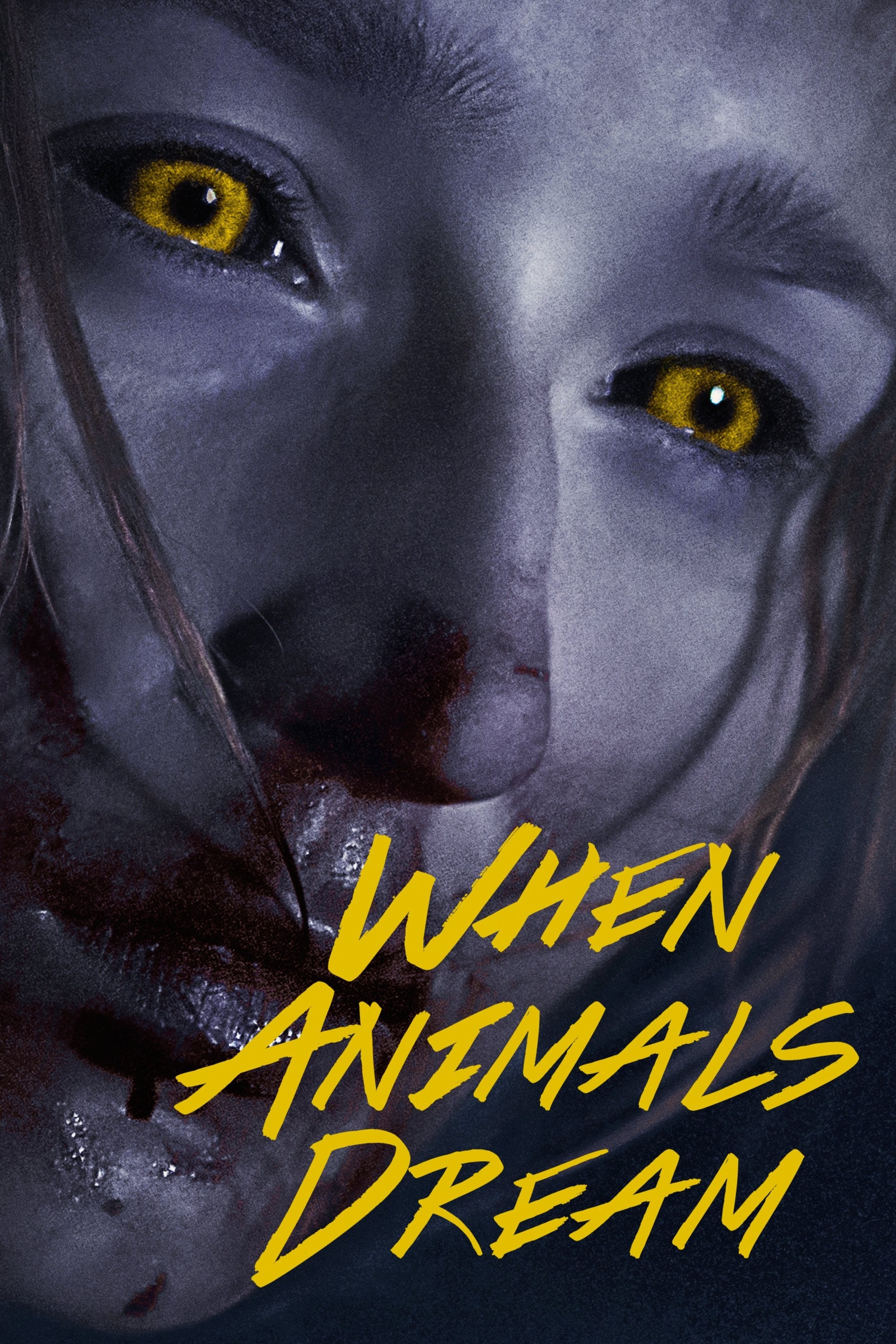
When Animals Dream
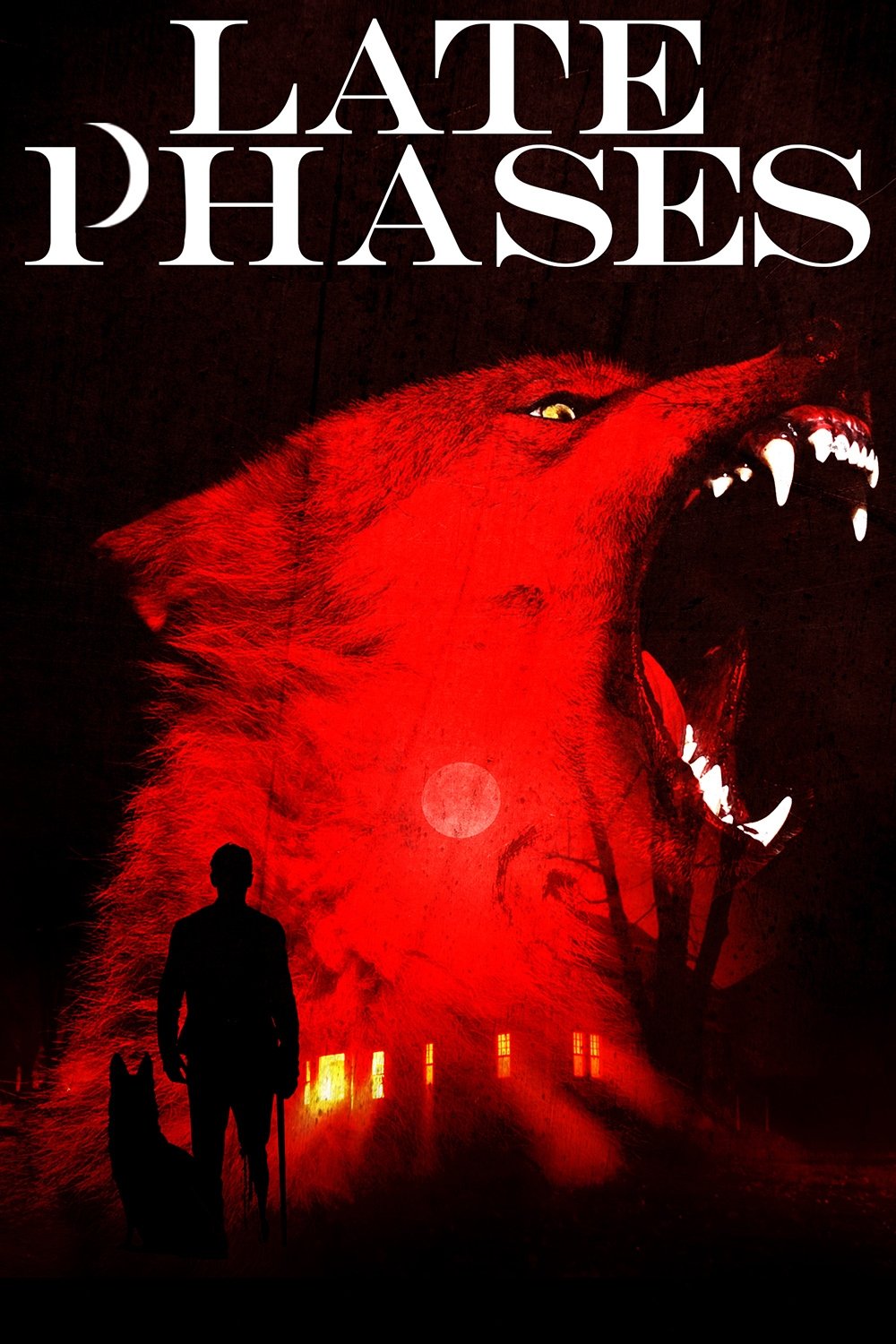
Late Phases
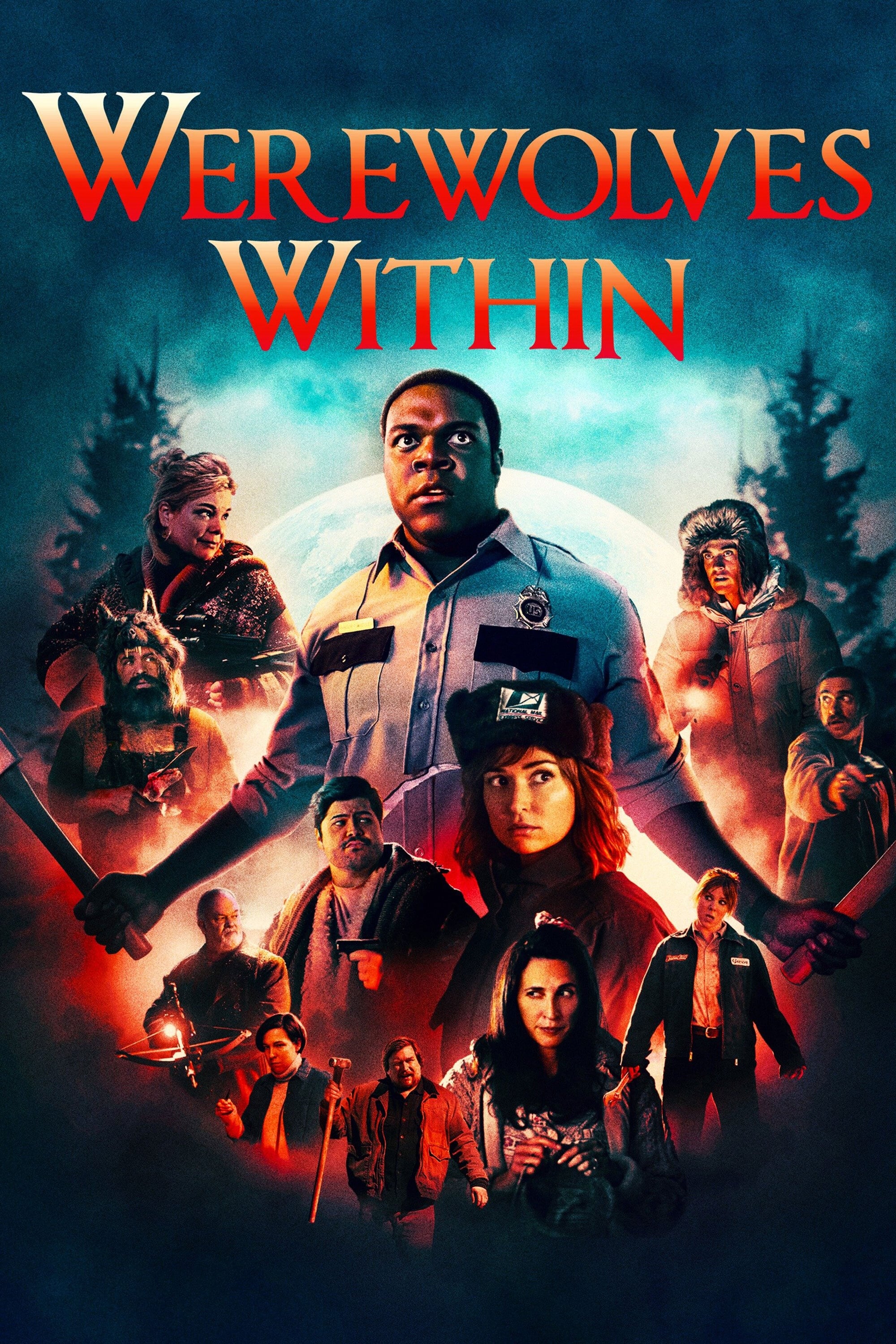
Werewolves Within
Statistics
Popularity by Decade
Share of each decade's horror films classified as Werewolf. Counts films with at least 5 TMDB ratings, so very obscure titles are not represented.
Popularity by Country
Share of each country's horror output classified as Werewolf. Counts films with at least 5 TMDB ratings, so very obscure titles are not represented.