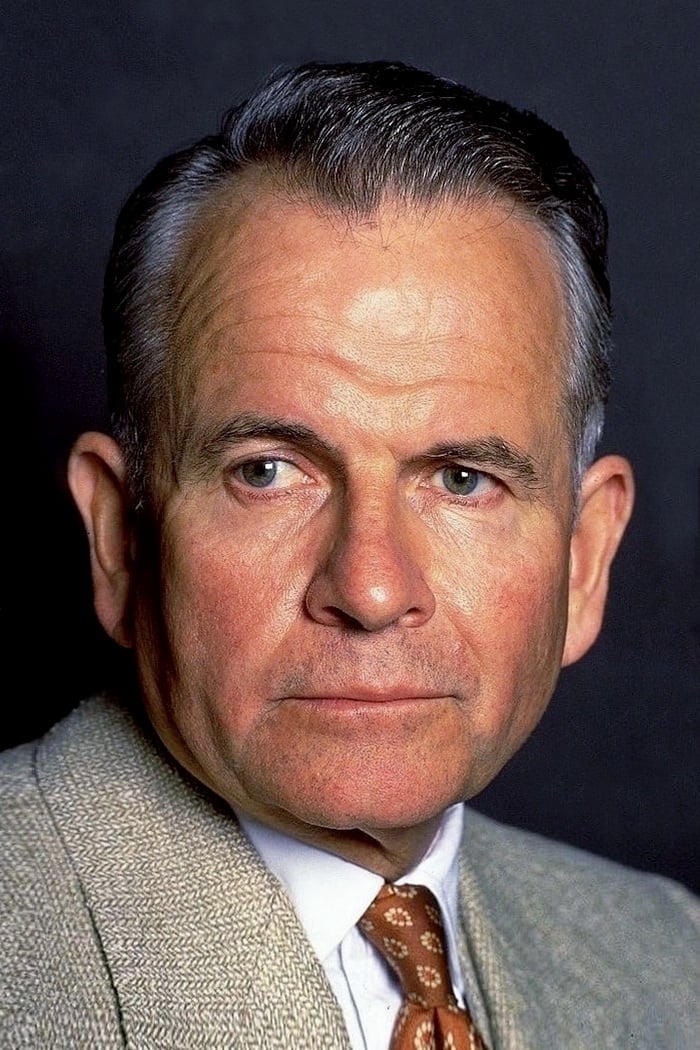
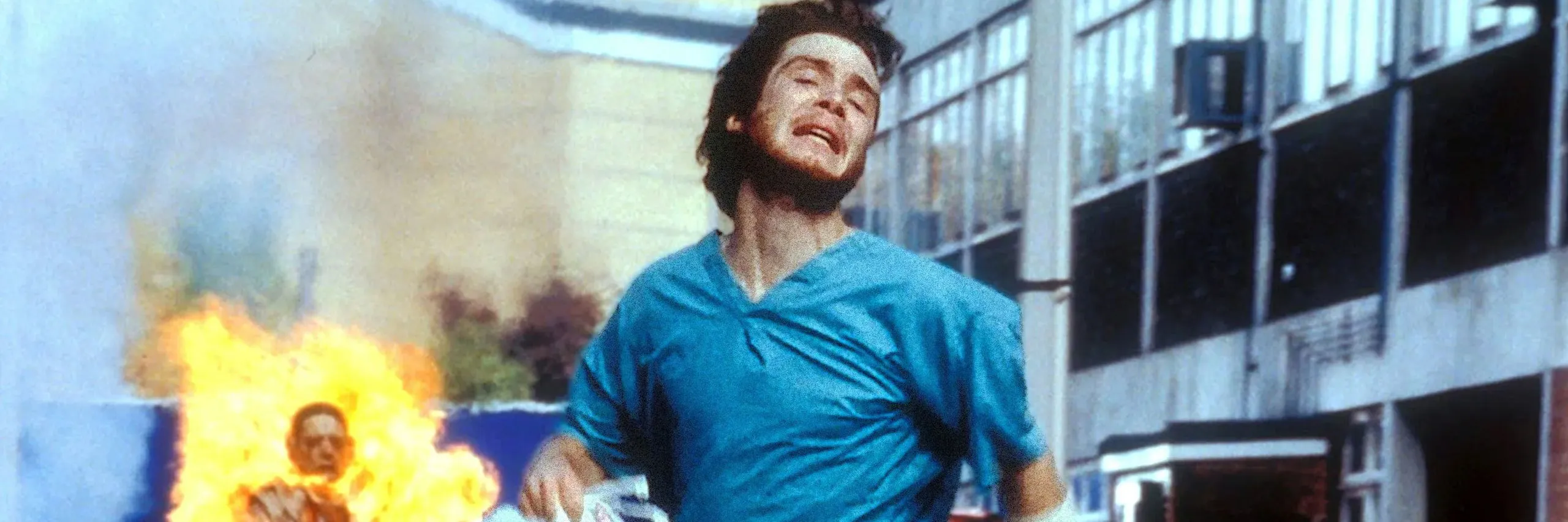
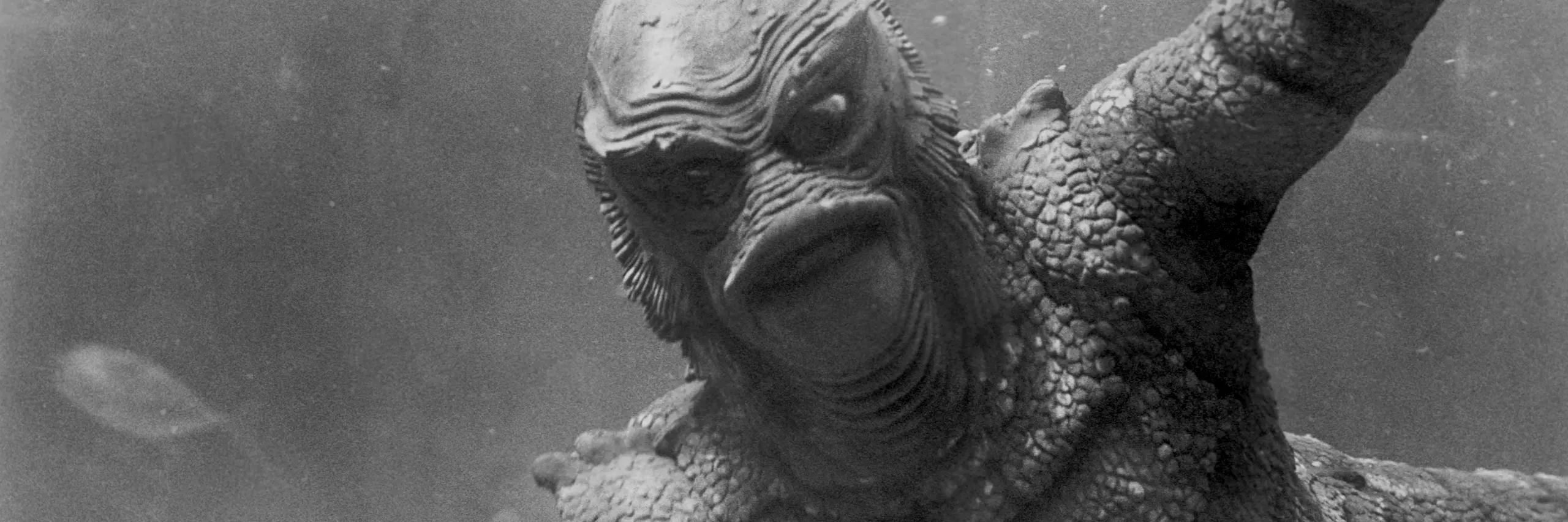
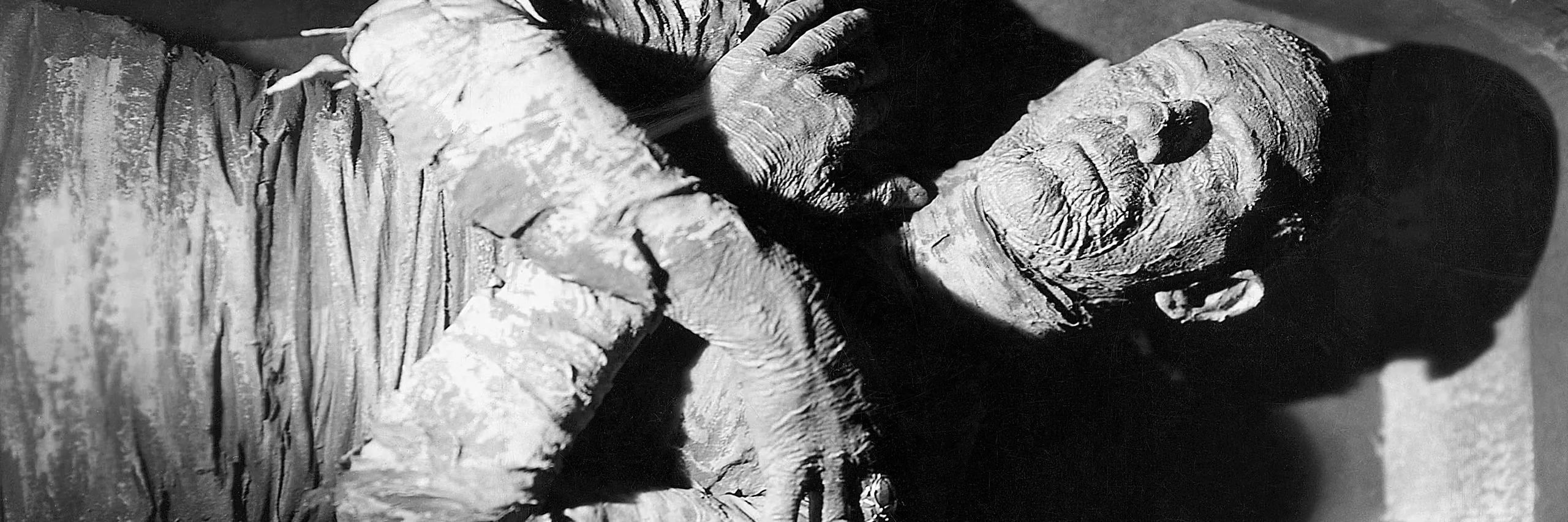
 Alien: Covenant (2017)
History & Origins
Alien horror begins with a question that is both scientific and existential: what if we are not alone, and what arrives is not friendly? The extraterrestrial monster combines the creature feature's physical threat with science fiction's cosmic scale, producing a horror that operates on two levels — the immediate danger of the organism and the larger terror of a universe that is indifferent or actively hostile to human life.
The 1950s produced the first wave of alien horror, driven by Cold War paranoia and the dawn of the space age. Howard Hawks and Christian Nyby's The Thing from Another World (1951) set the template: an alien discovered in Arctic ice, thawed, and hostile. Jack Arnold's It Came from Outer Space (1953) and Invaders from Mars (1953) brought the form into widescreen color and small-town American settings. Don Siegel's Invasion of the Body Snatchers (1956) used alien replacement as a metaphor for conformity, communist infiltration, or both — the film's ambiguity is its strength. Roy Ward Baker's Quatermass and the Pit (1967) brought the British Quatermass tradition to its apocalyptic conclusion: aliens buried beneath London since prehistory. These films understood that the alien could embody whatever a culture feared most about the unknown.
Ridley Scott's Alien (1979) perfected the formula by stripping away science fiction's wonder and replacing it with pure survival horror. The xenomorph — designed by H.R. Giger with deliberate sexual and biomechanical grotesquerie — is cinema's most terrifying alien creature: it gestates inside a human host, bleeds acid, and exists solely to reproduce and kill. The film is essentially a haunted house movie set in space, and its genius is in making the vastness of space feel claustrophobic. James Cameron's Aliens (1986) converted the formula into action-horror without losing its terror. John Carpenter's The Thing (1982) took alien horror in a different direction — the alien as perfect imitator, a creature that can become anyone, destroying trust itself; Philip Kaufman's Invasion of the Body Snatchers (1978) had already restated the Siegel original with a darker 1970s ending. The decade closed with the 1980s alien-comedy and creature-feature wave — Predator (1987) (Arnold Schwarzenegger vs. invisible hunter), The Hidden (1987), They Live (1988), Killer Klowns from Outer Space (1988), Critters (1986) — and a parallel abduction-realism strand with Communion (1989) (Whitley Strieber) and Fire in the Sky (1993).
The contemporary alien film operates across multiple registers. The atmospheric-survival strand: Pitch Black (2000), A Quiet Place (2018), which stripped the alien invasion to its most primal elements — make a sound, you die. The cosmic-horror strand drawing on Lovecraft: Alex Garland's Annihilation (2018), Richard Stanley's Color Out of Space (2020), Justin Benson and Aaron Moorhead's The Endless (2017). The body-snatcher revivals — Slither (2006), The Faculty (1998) — keep that lineage alive. Jonathan Glazer's Under the Skin (2014) (Scarlett Johansson) inverted the genre by making the alien the protagonist. Jordan Peele's Nope (2022), Dan Trachtenberg's 10 Cloverfield Lane (2016), Brian Duffield's No One Will Save You (2023), Daniel Espinosa's Life (2017), Neill Blomkamp's District 9 (2009), and Fede Álvarez's Alien: Romulus (2024) all extend the form into the present. The core anxiety remains constant: the universe is enormous, we understand almost none of it, and something out there may be very, very hungry.
Essential Films
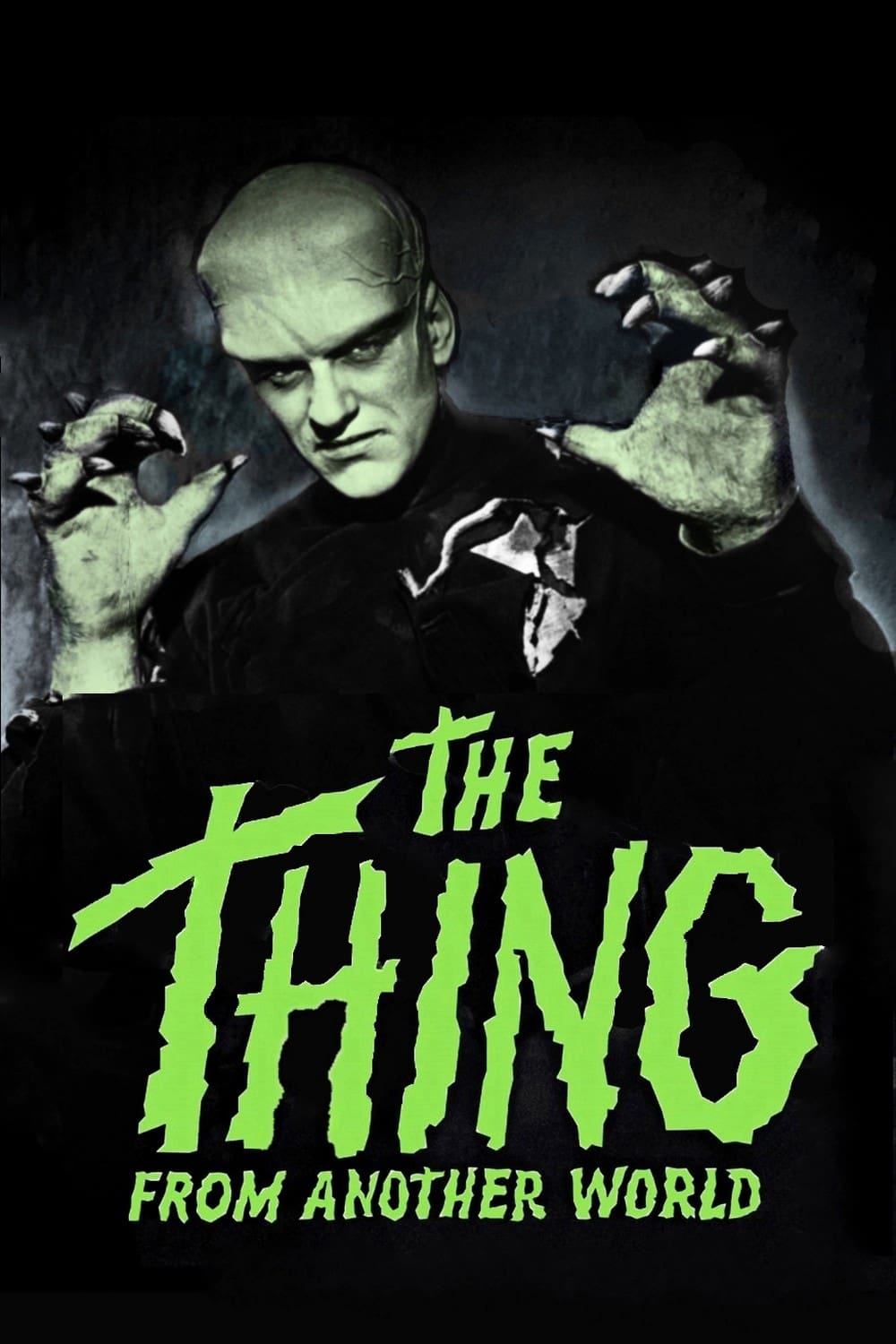
The Thing from Another World
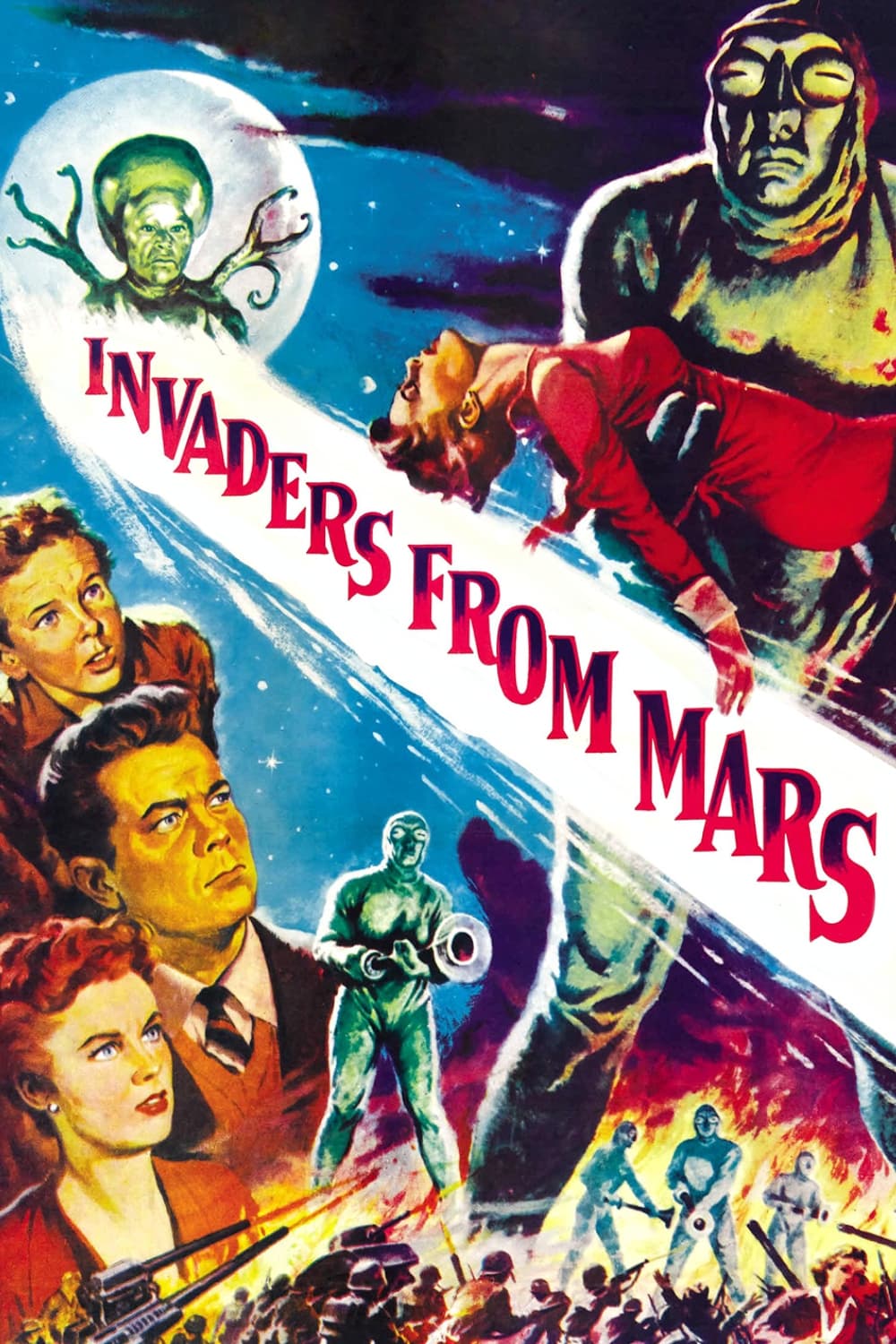
Invaders from Mars
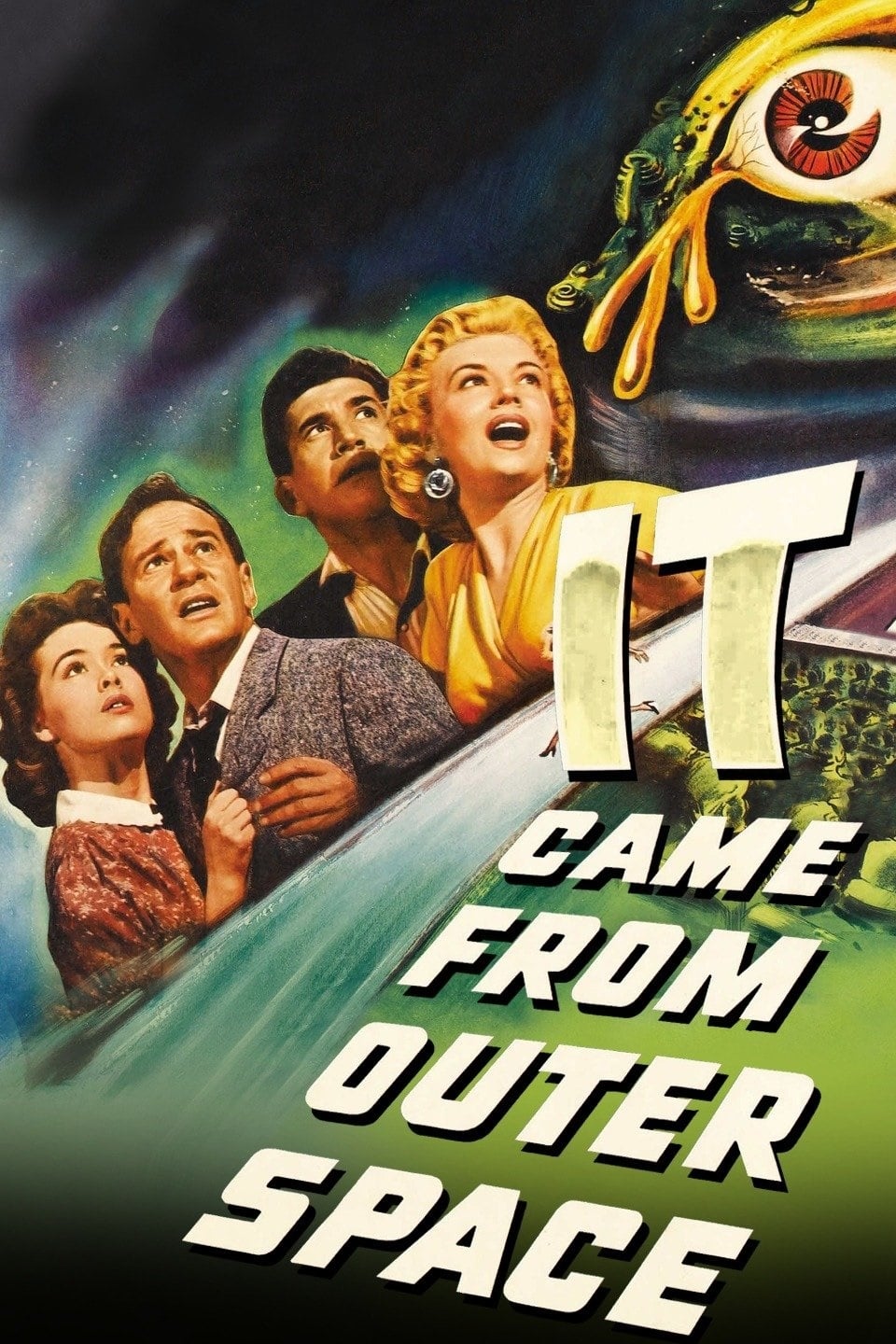
It Came from Outer Space
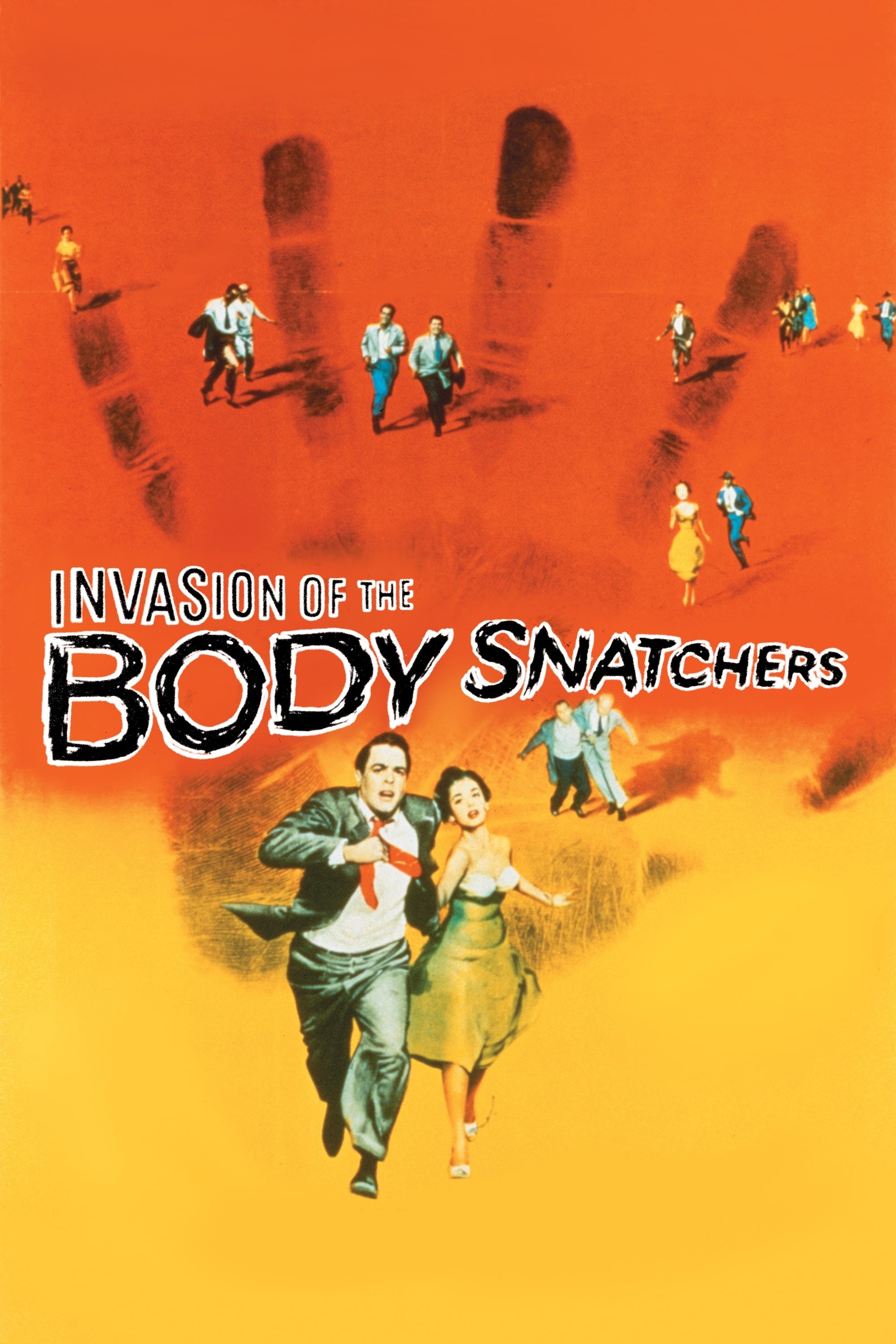
Invasion of the Body Snatchers
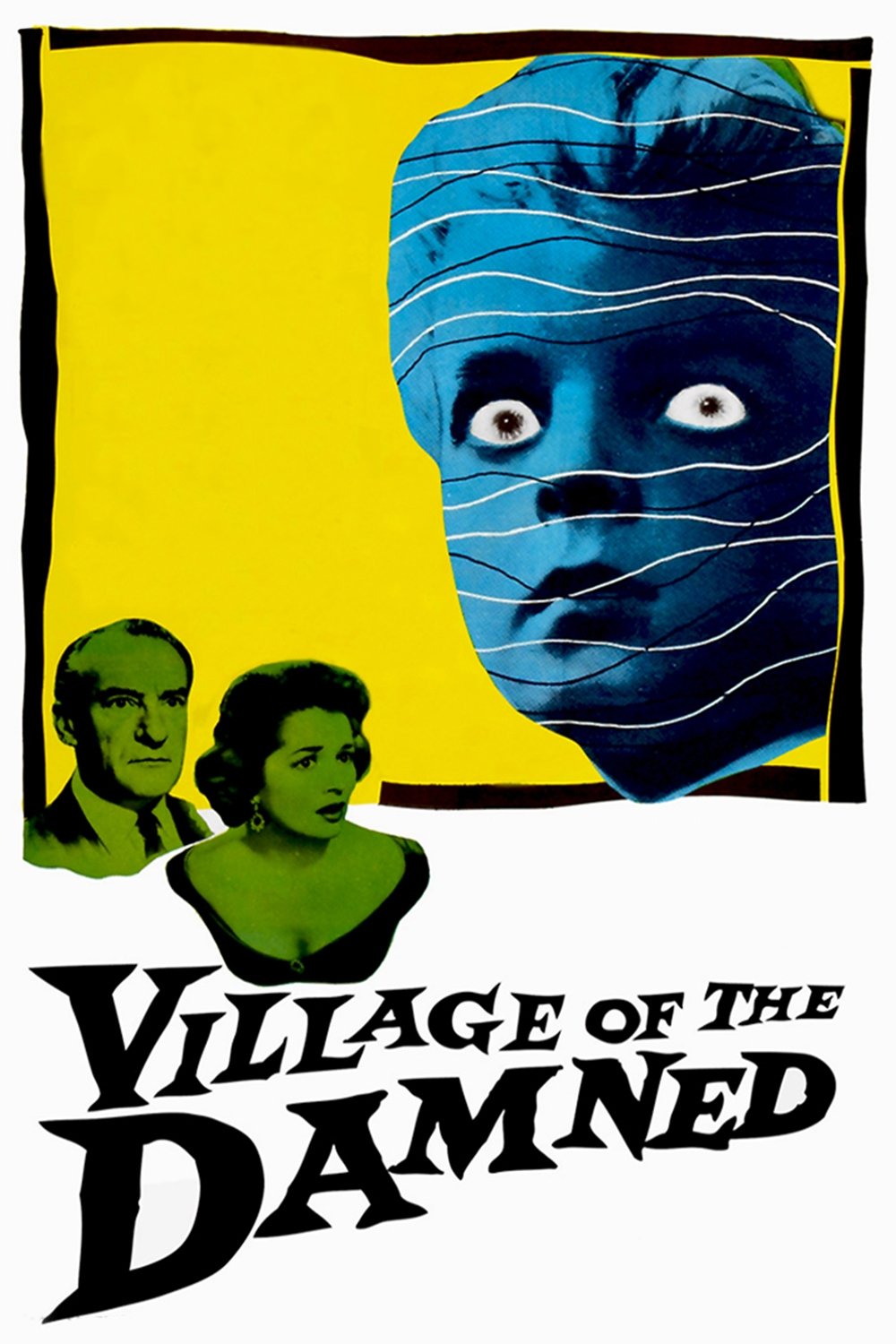
Village of the Damned
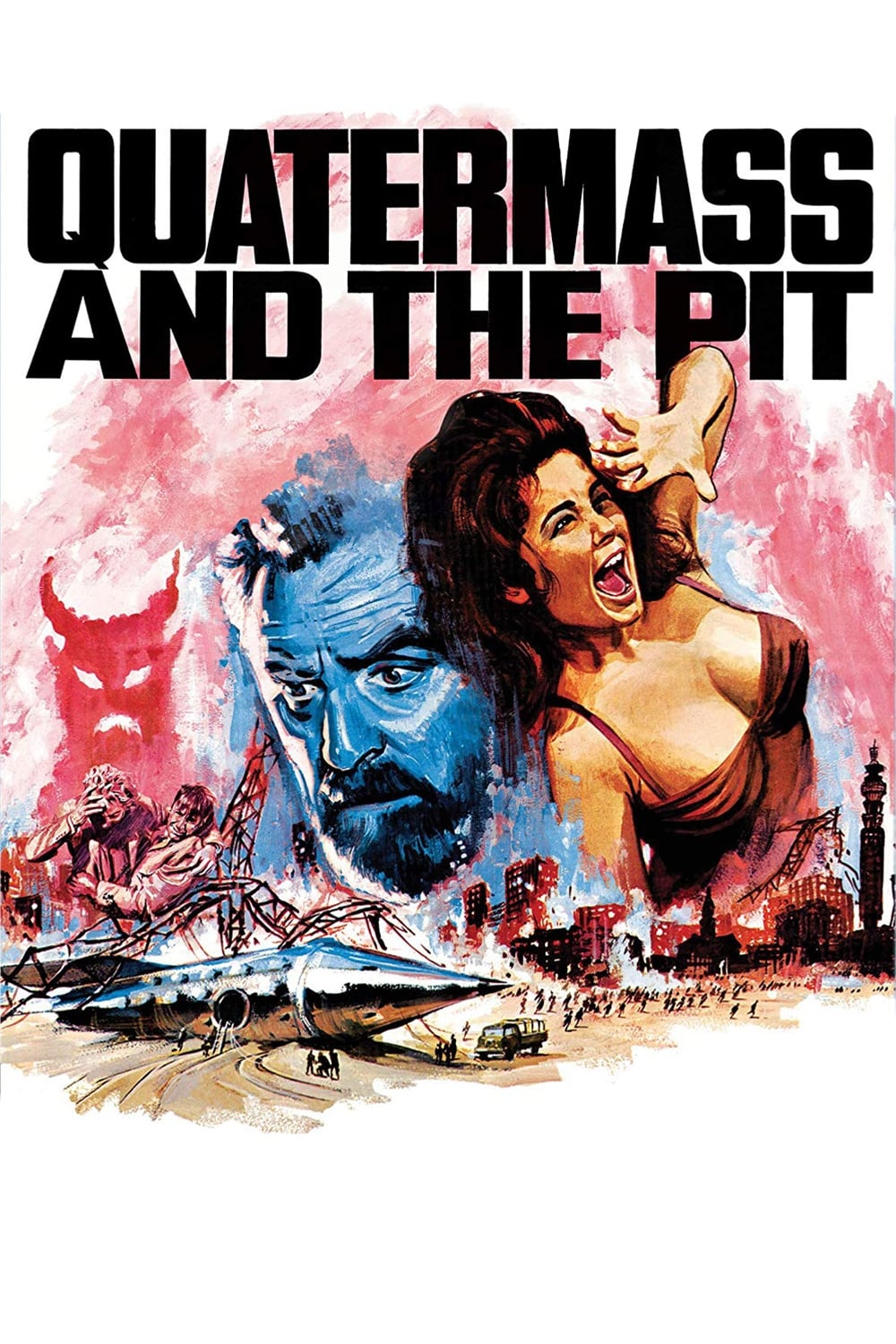
Quatermass and the Pit
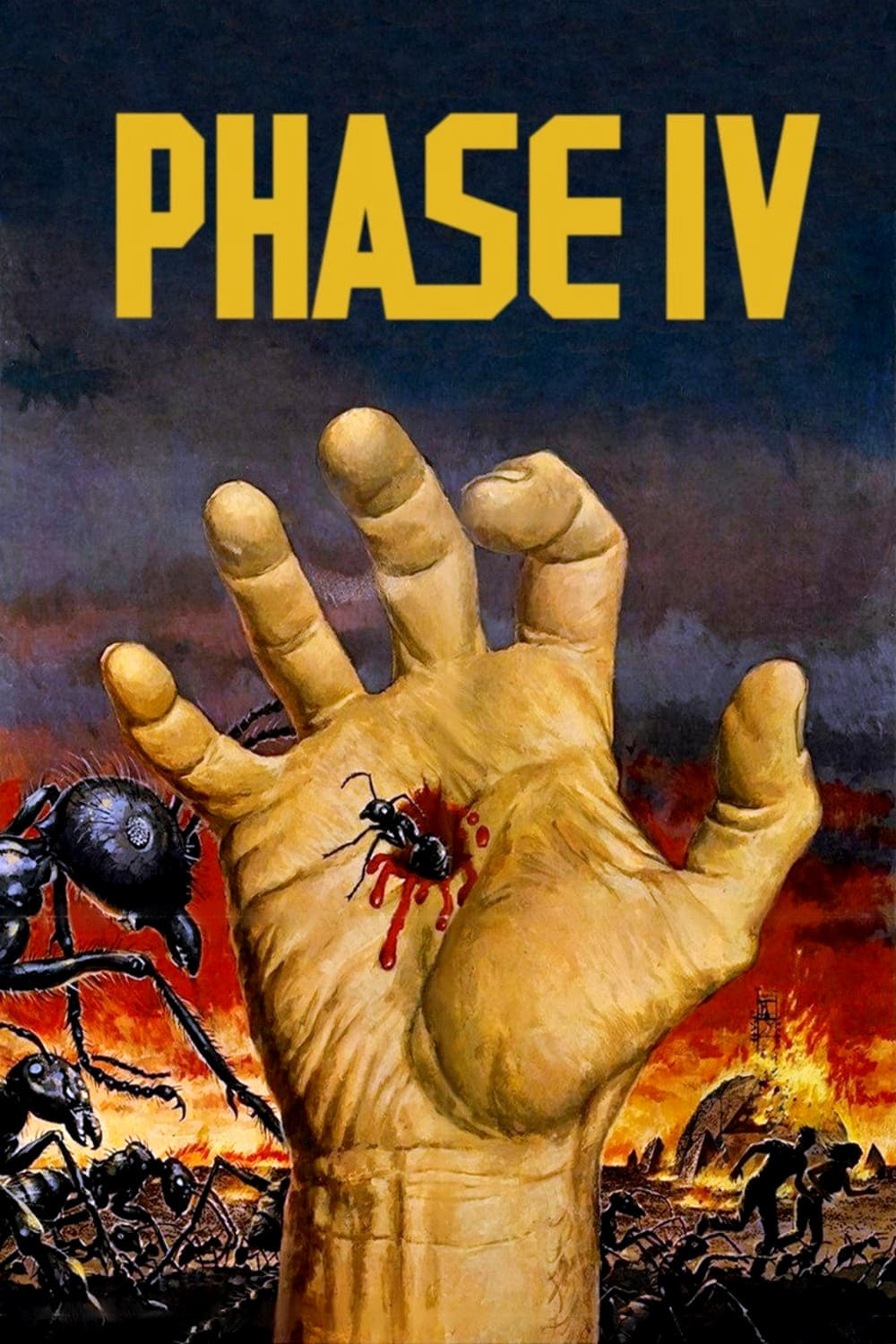
Phase IV
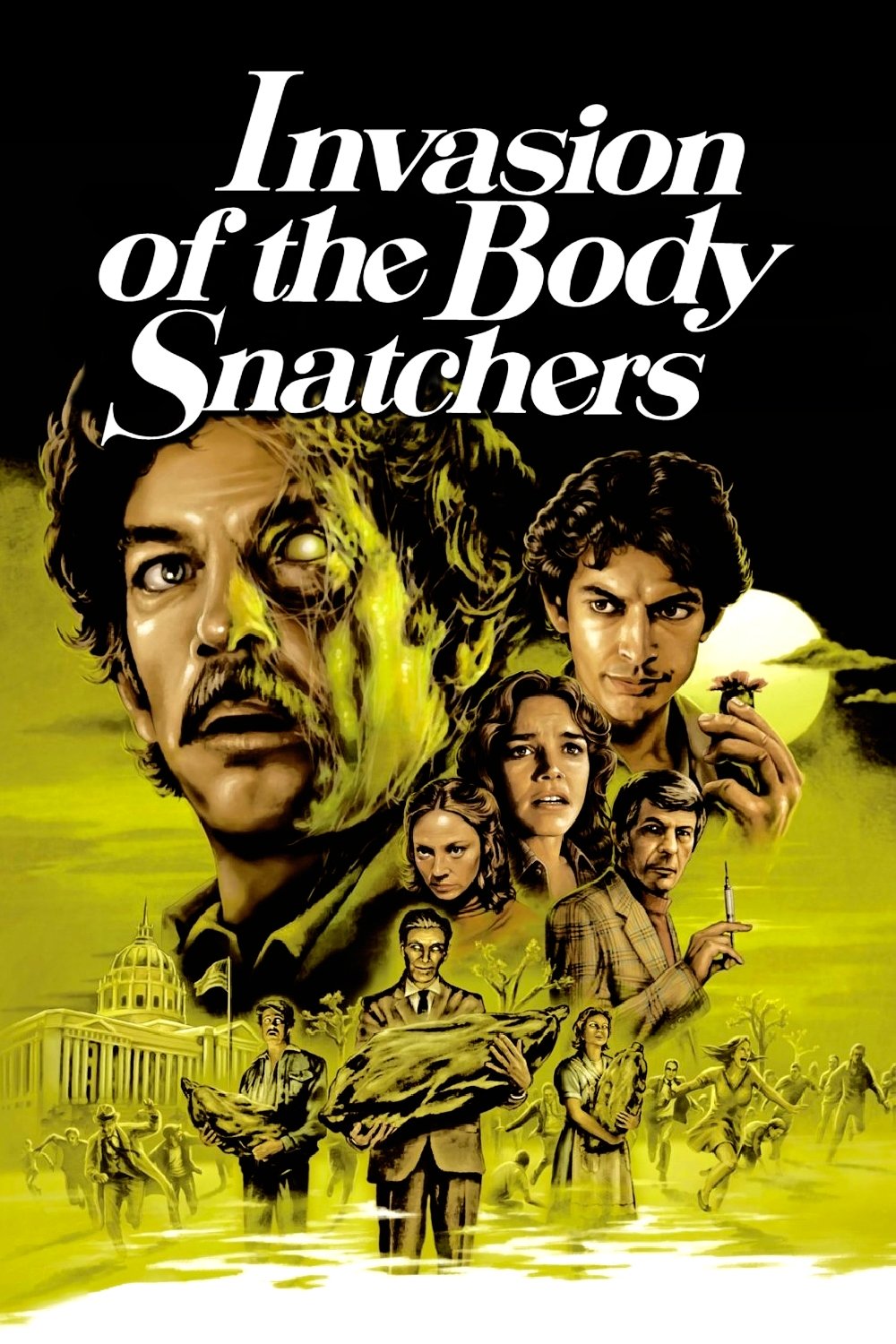
Invasion of the Body Snatchers
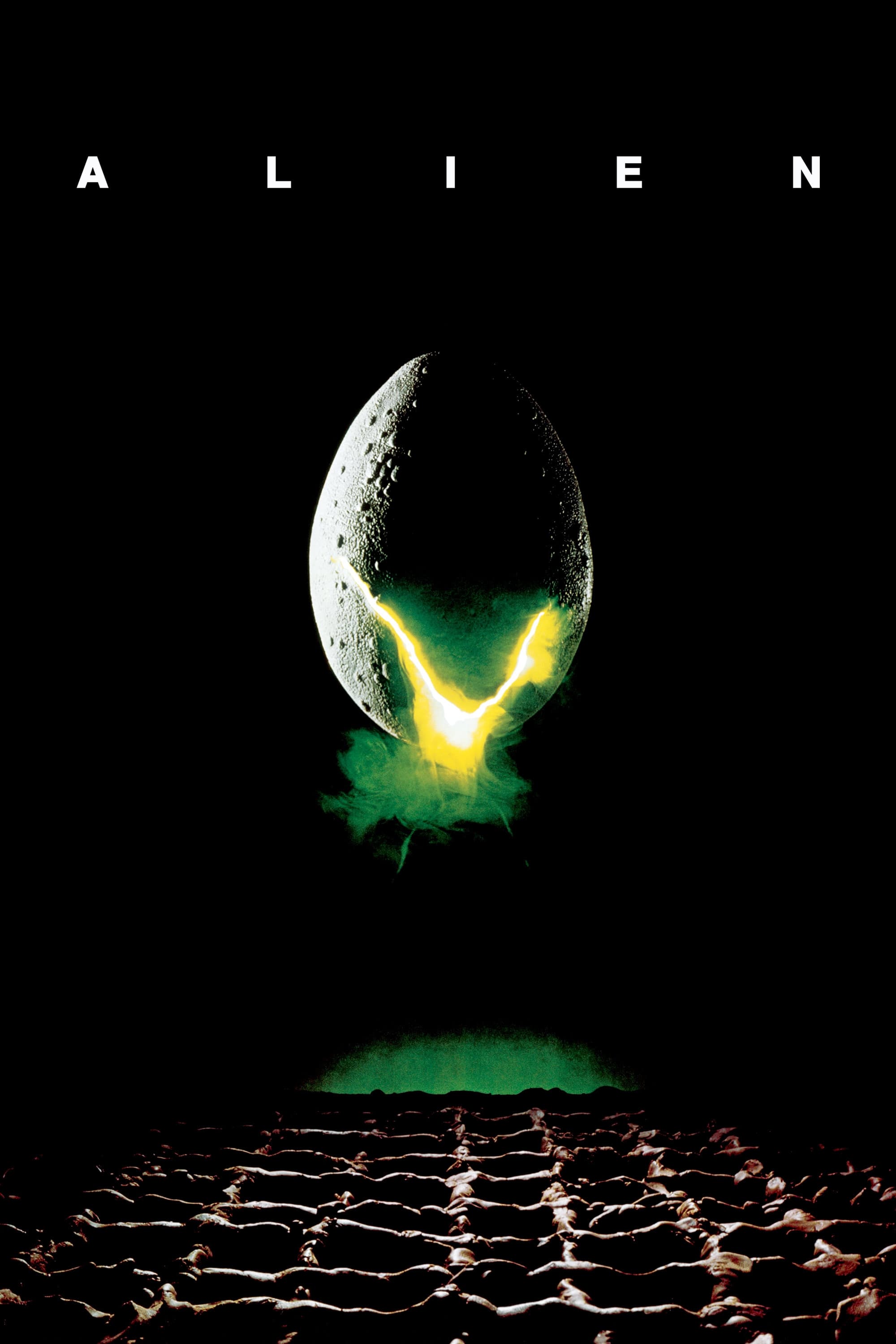
Alien
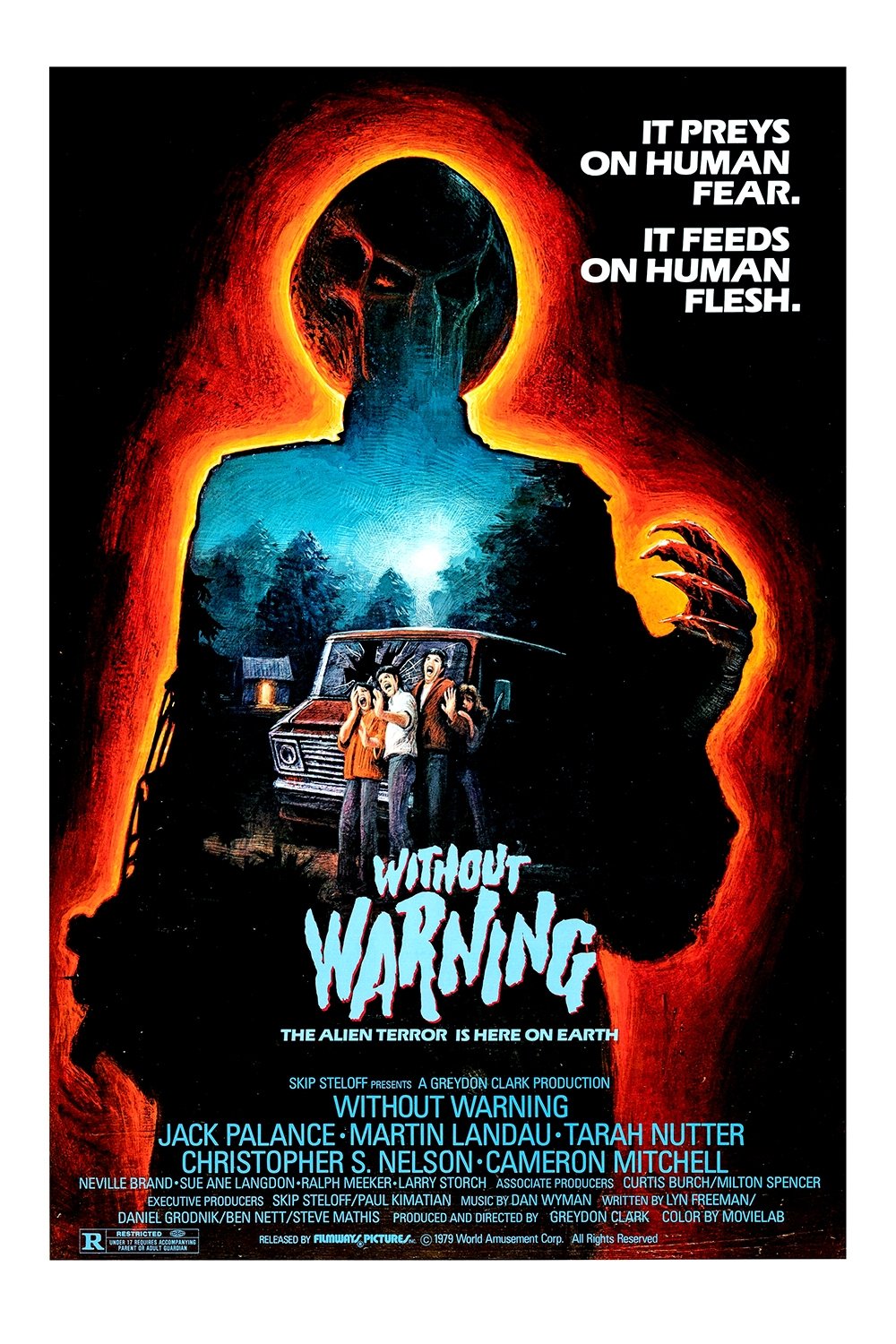
Without Warning
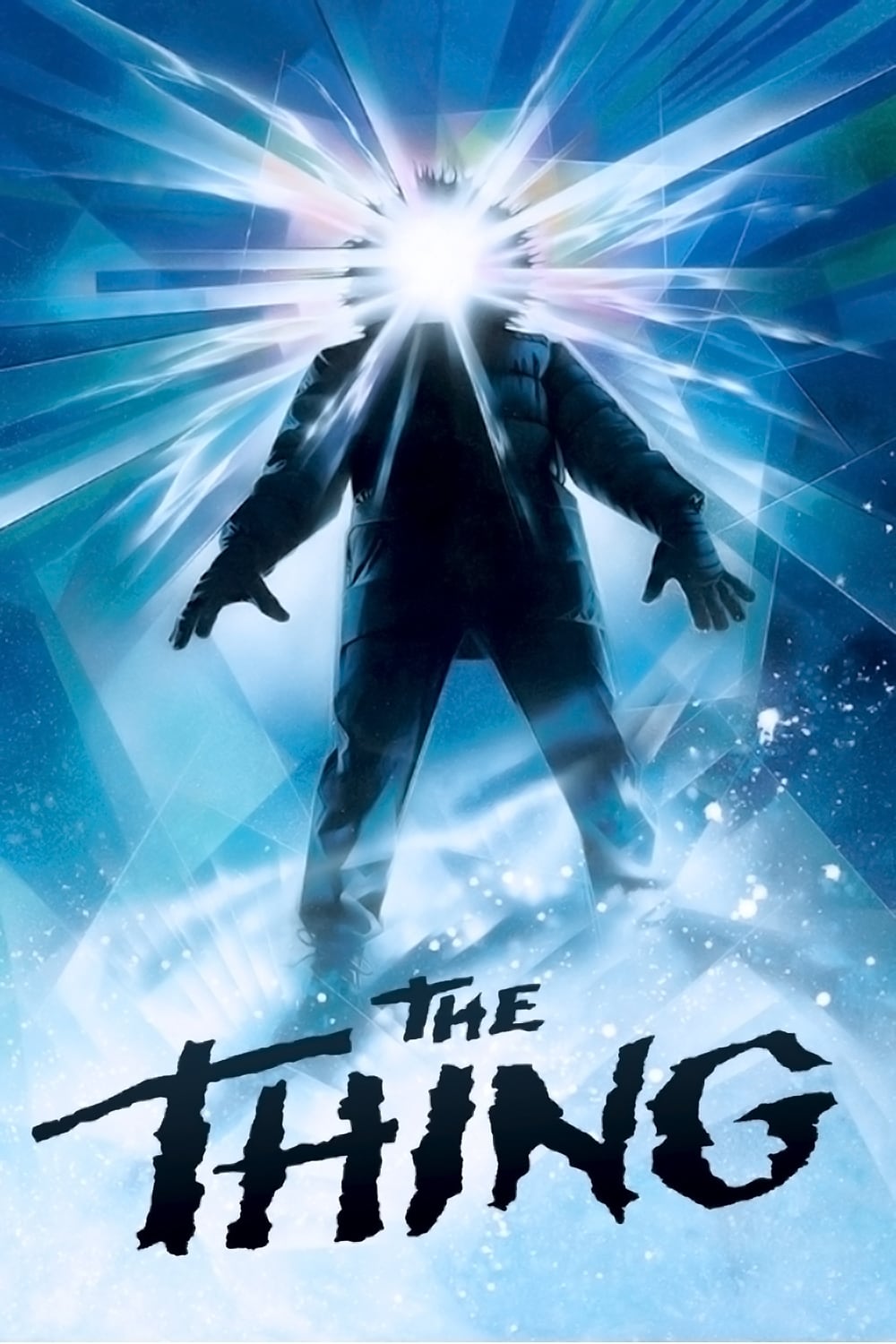
The Thing
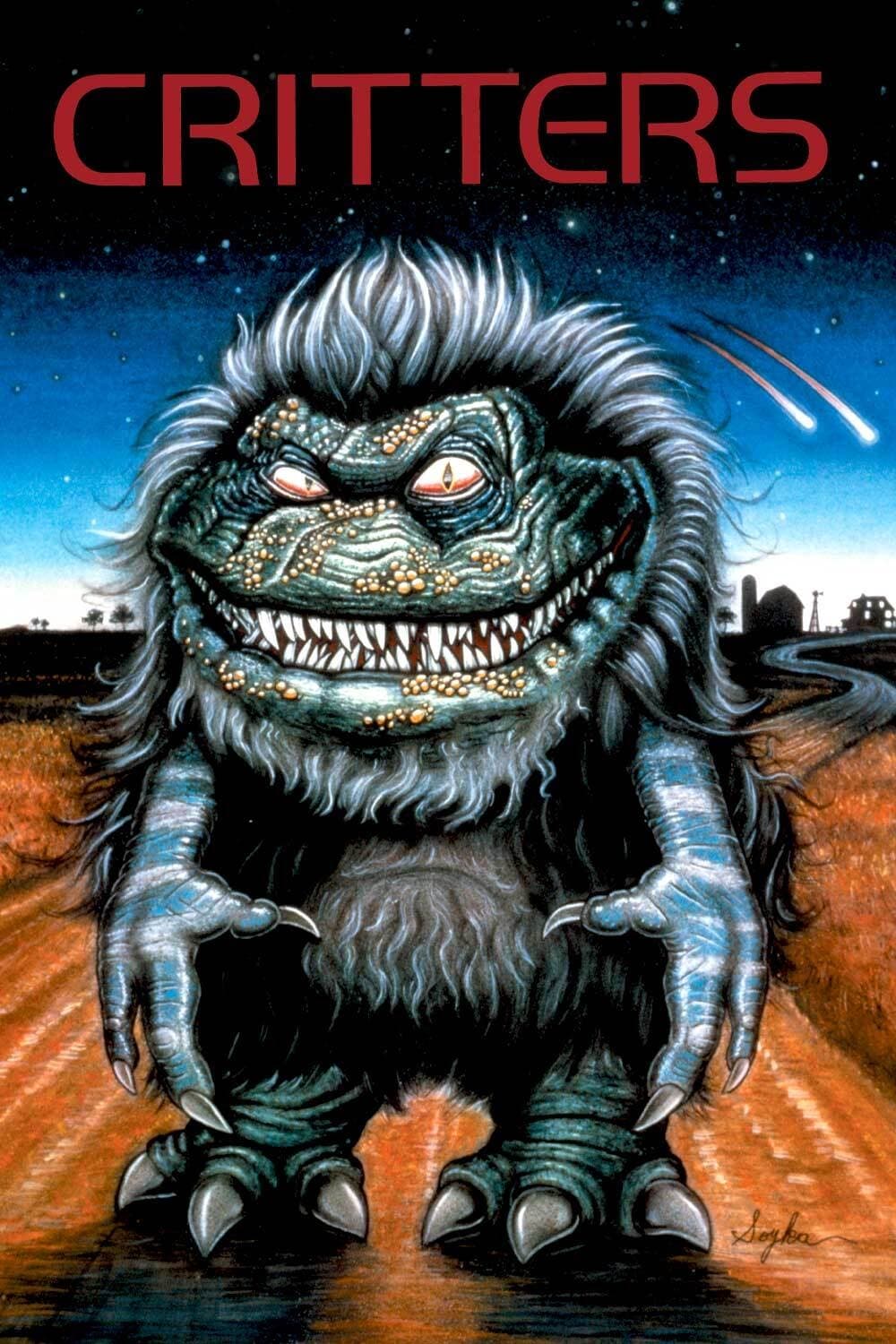
Critters
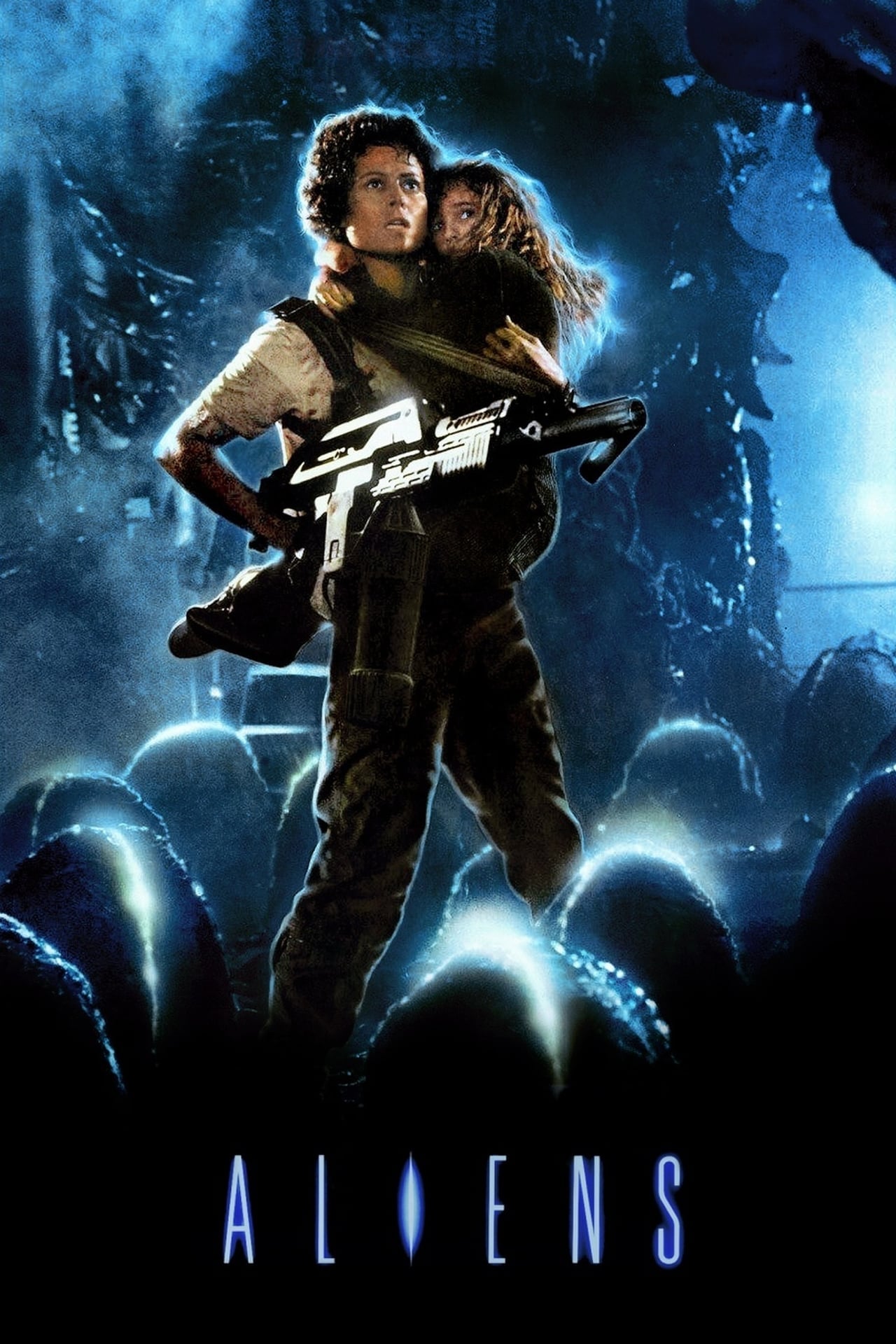
Aliens
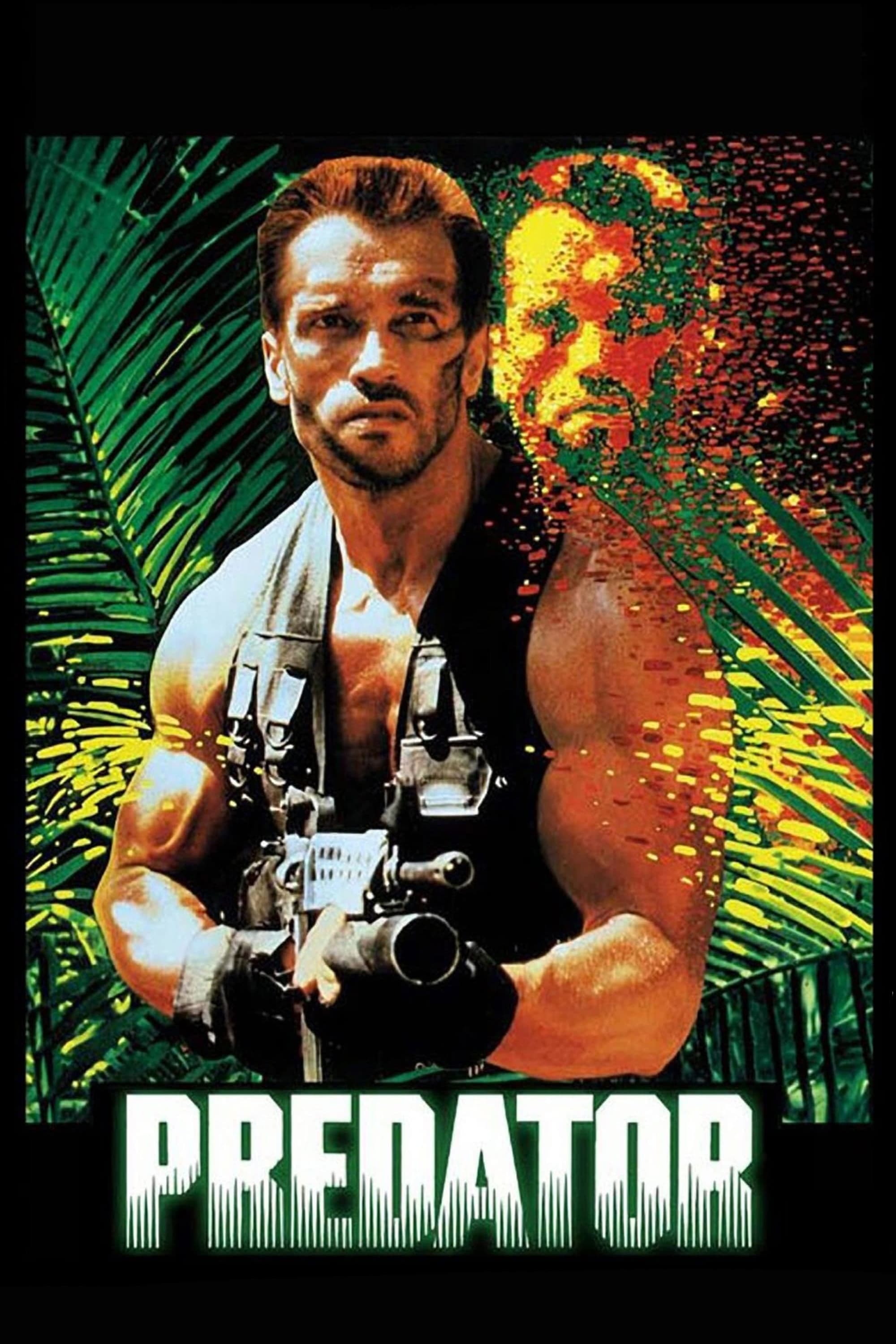
Predator
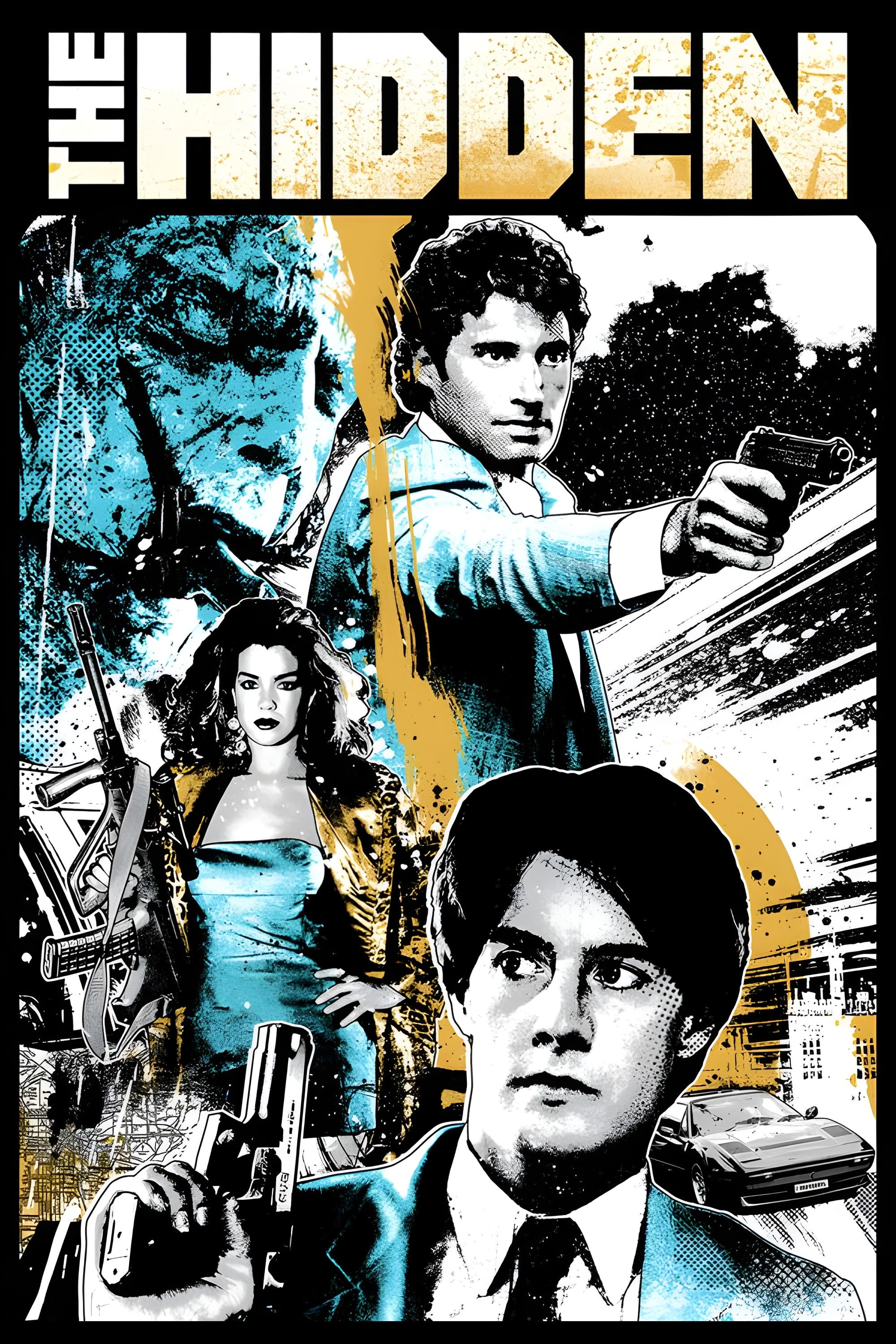
The Hidden
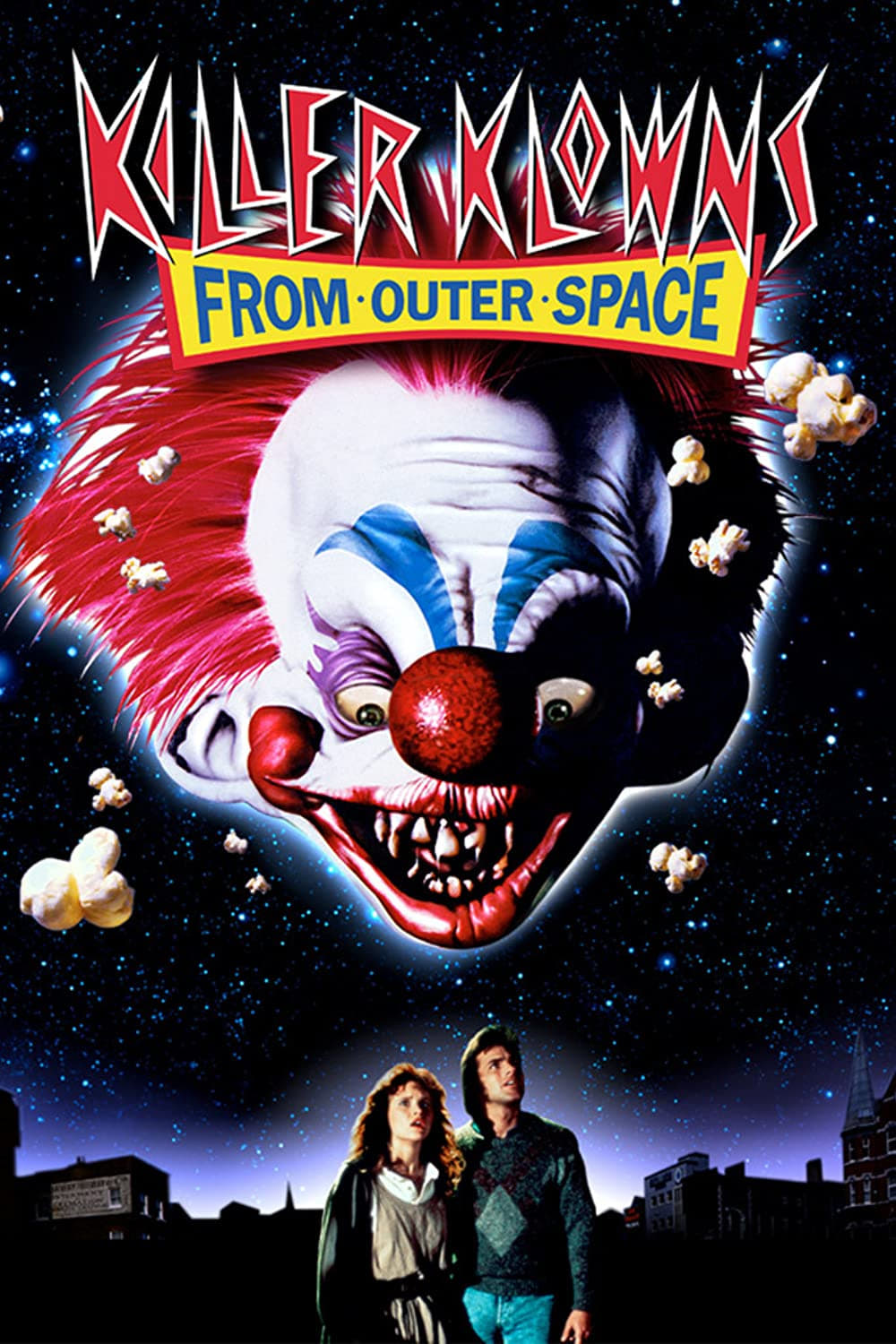
Killer Klowns from Outer Space
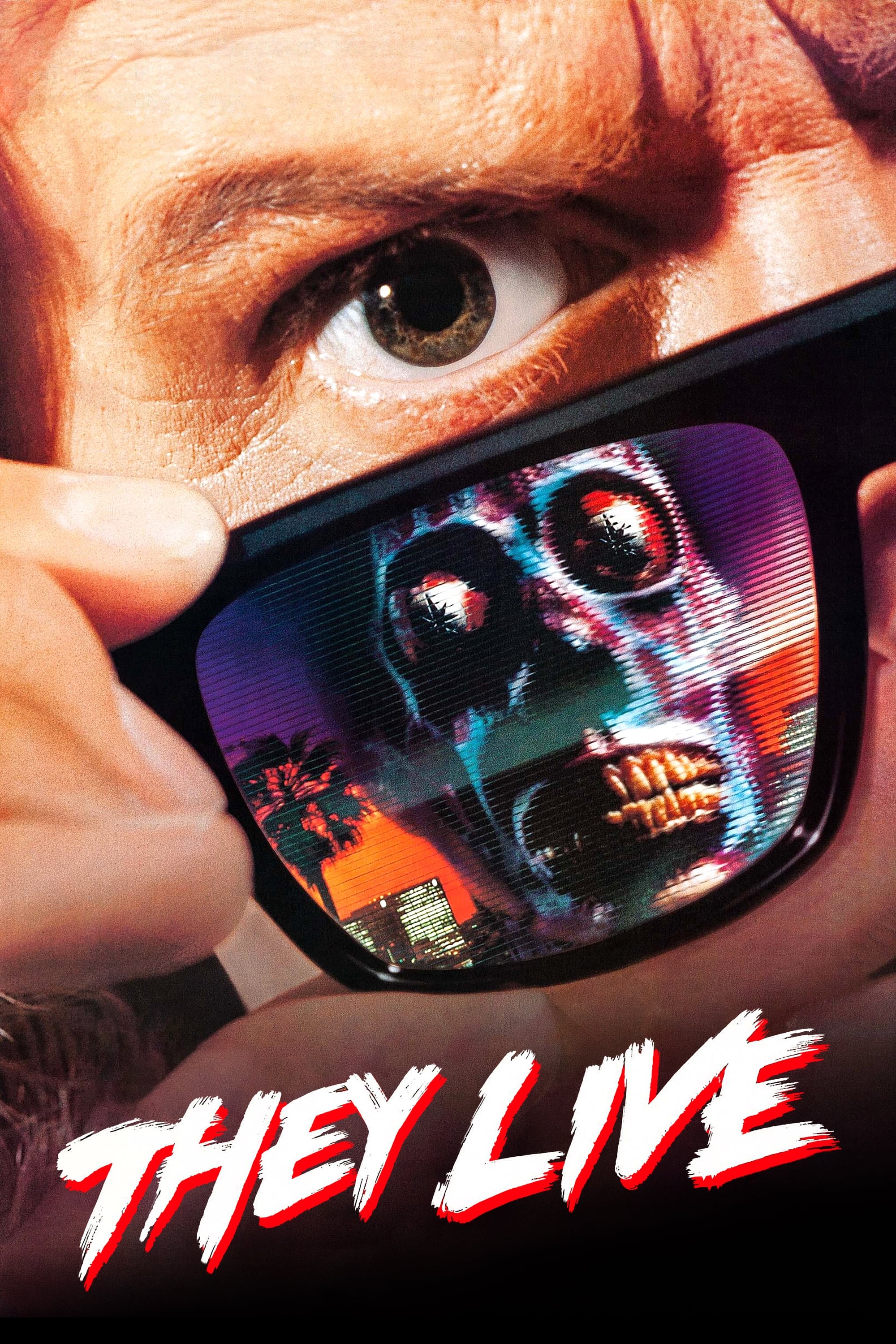
They Live
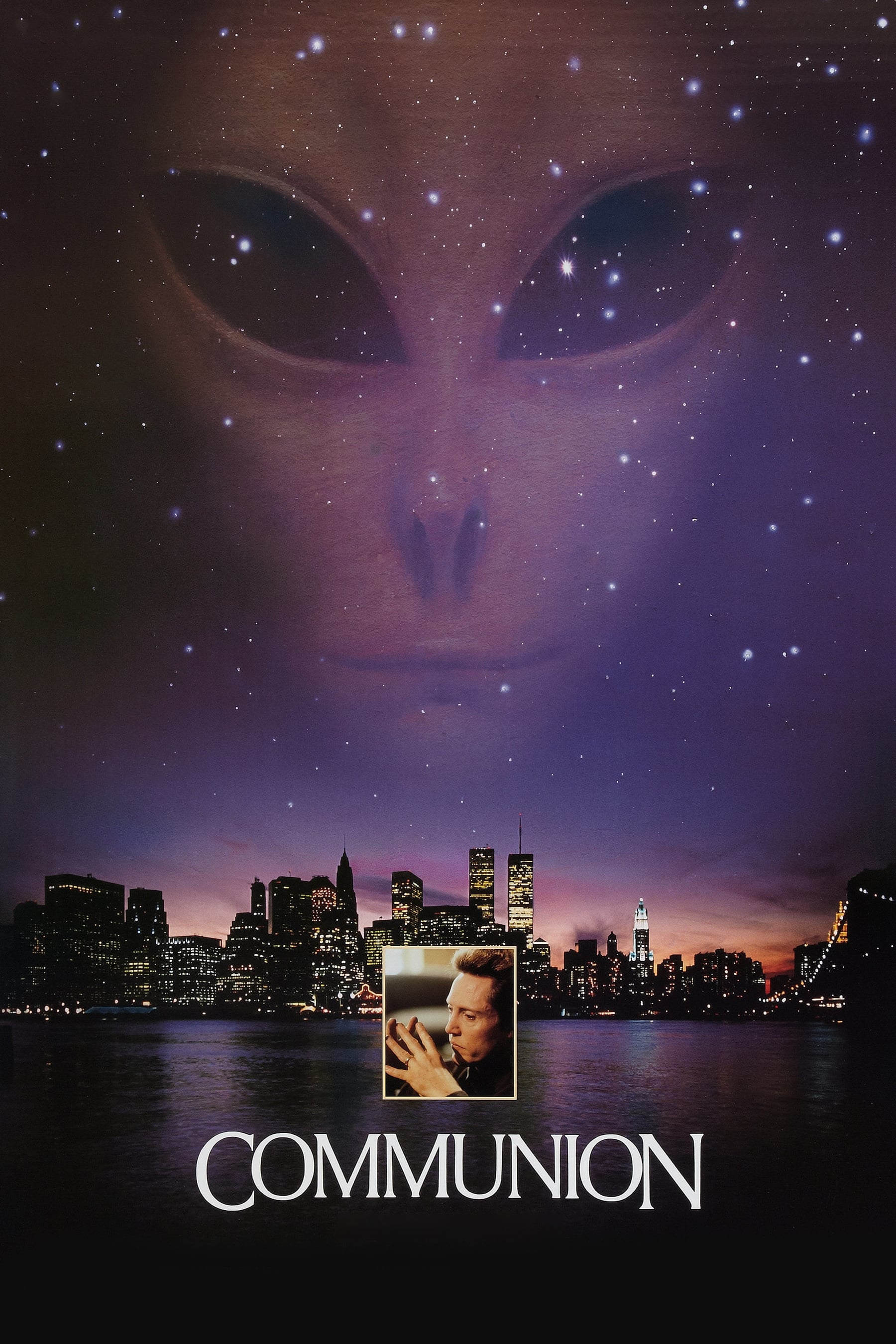
Communion

Fire in the Sky
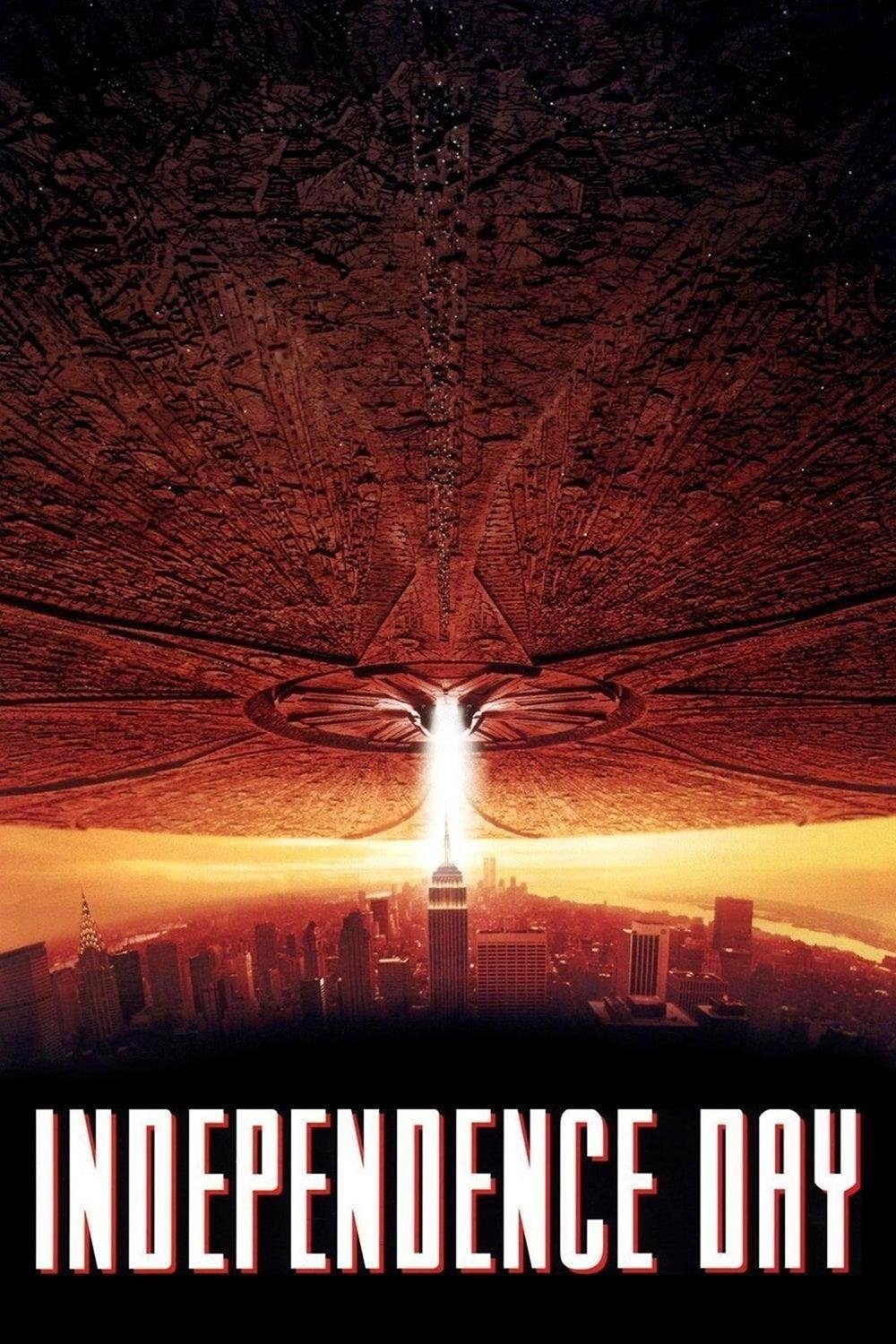
Independence Day
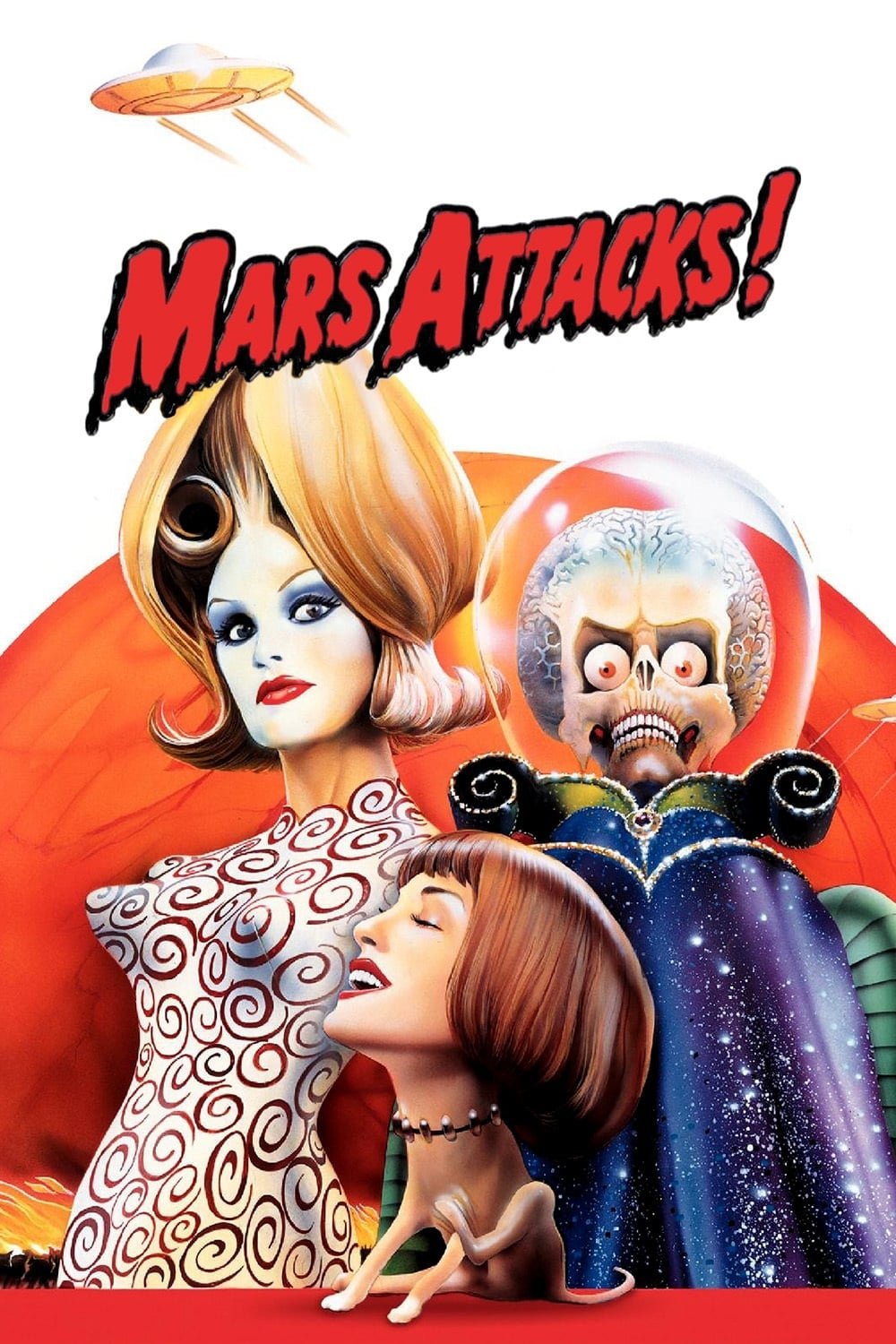
Mars Attacks!
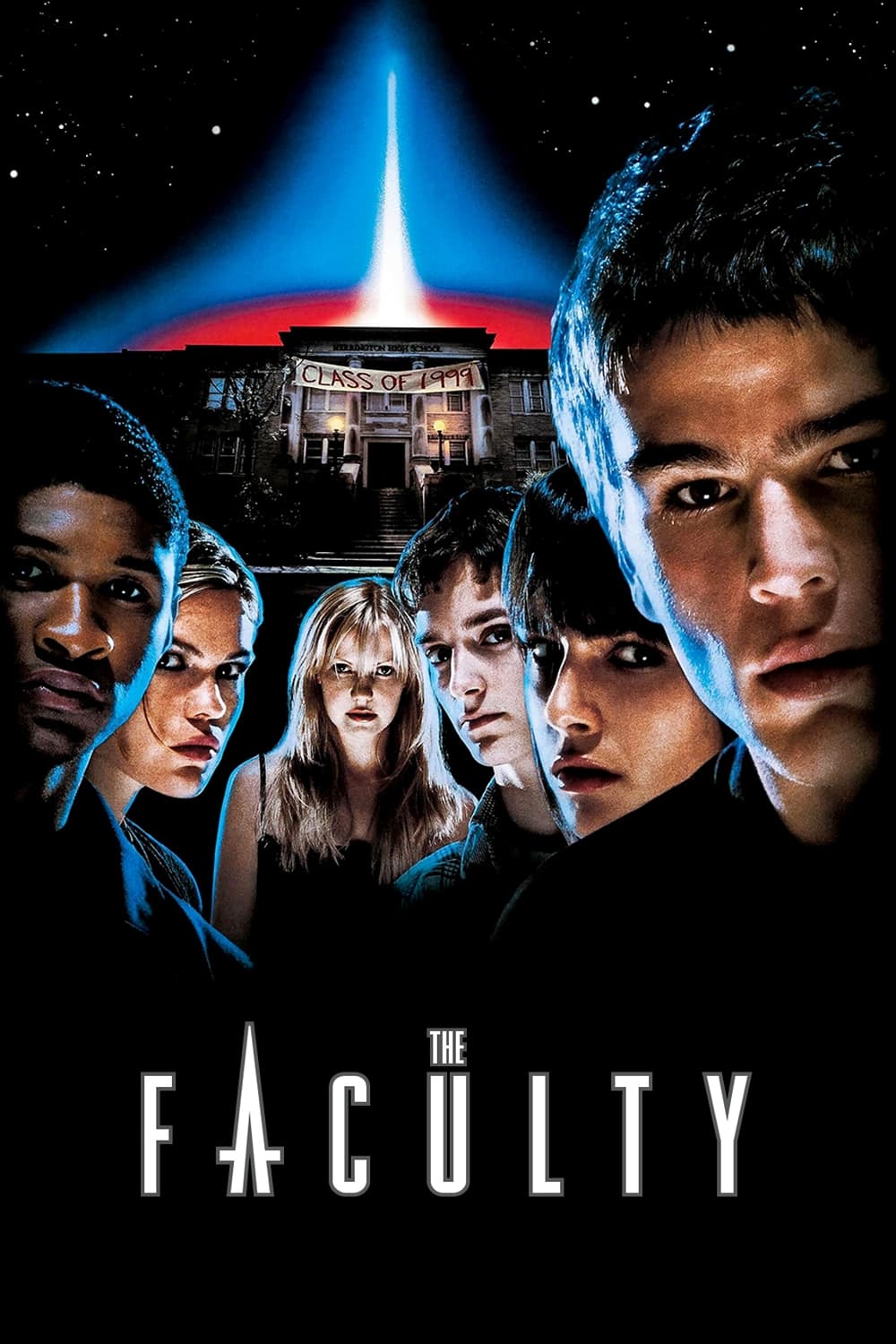
The Faculty

Pitch Black
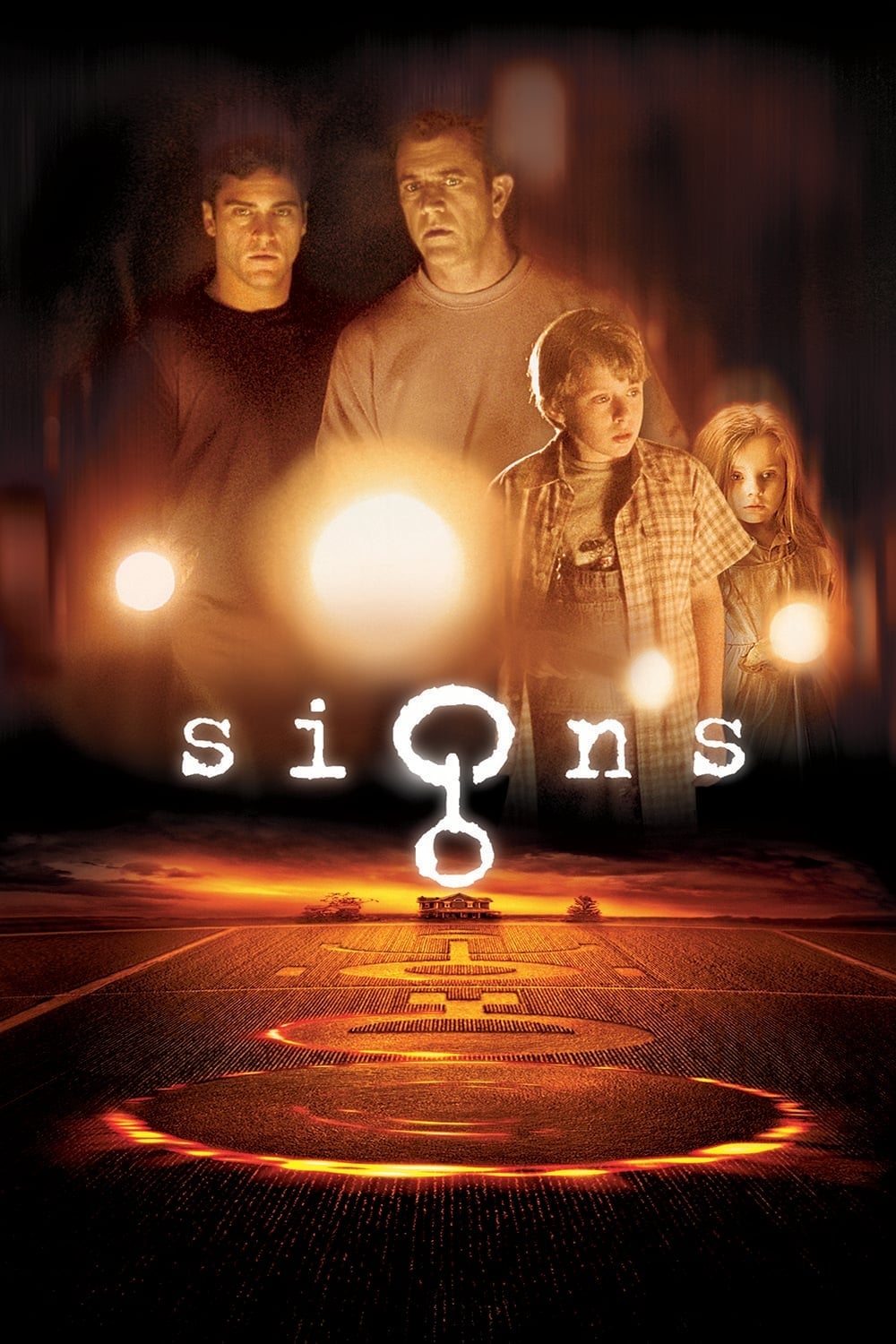
Signs
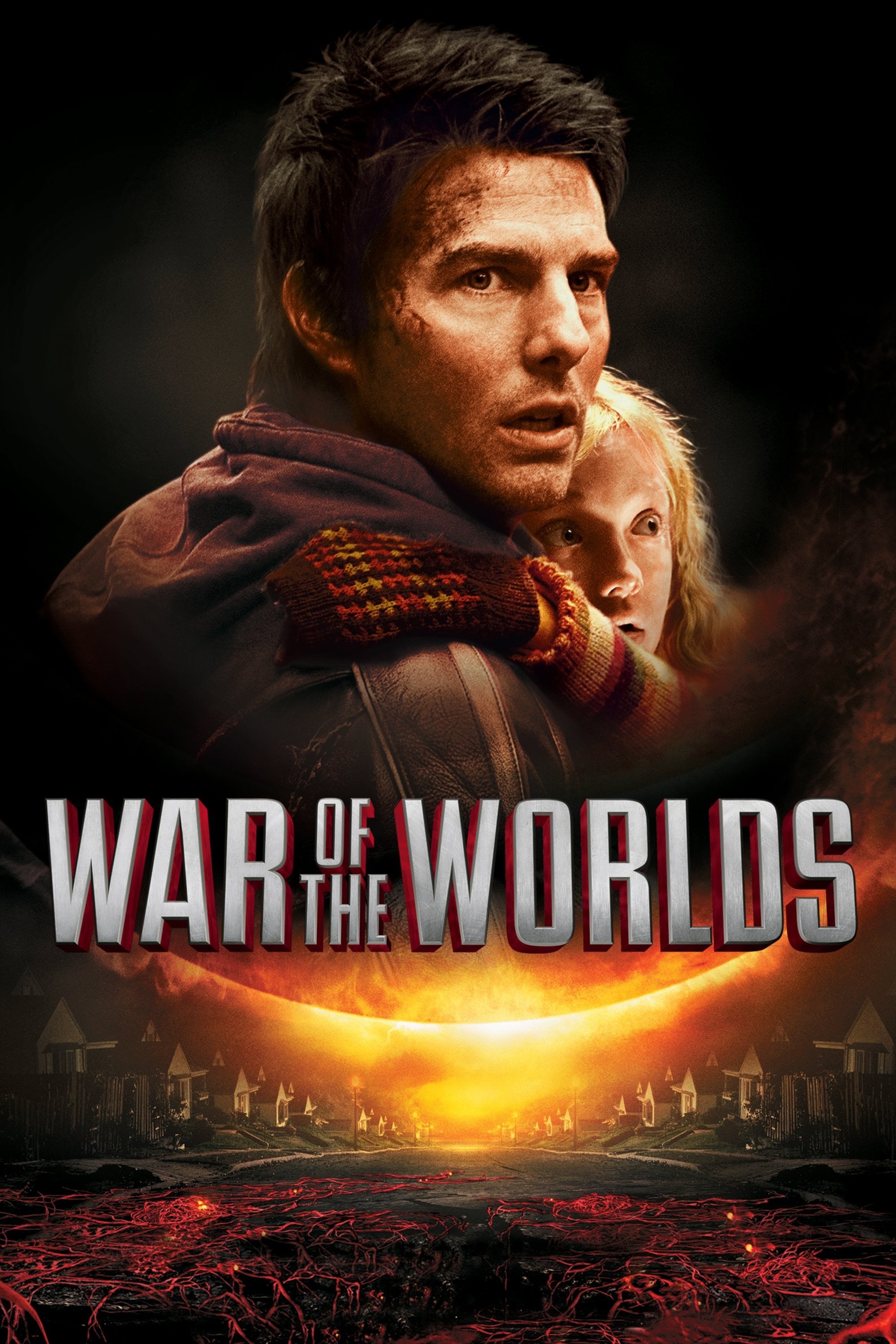
War of the Worlds

Slither
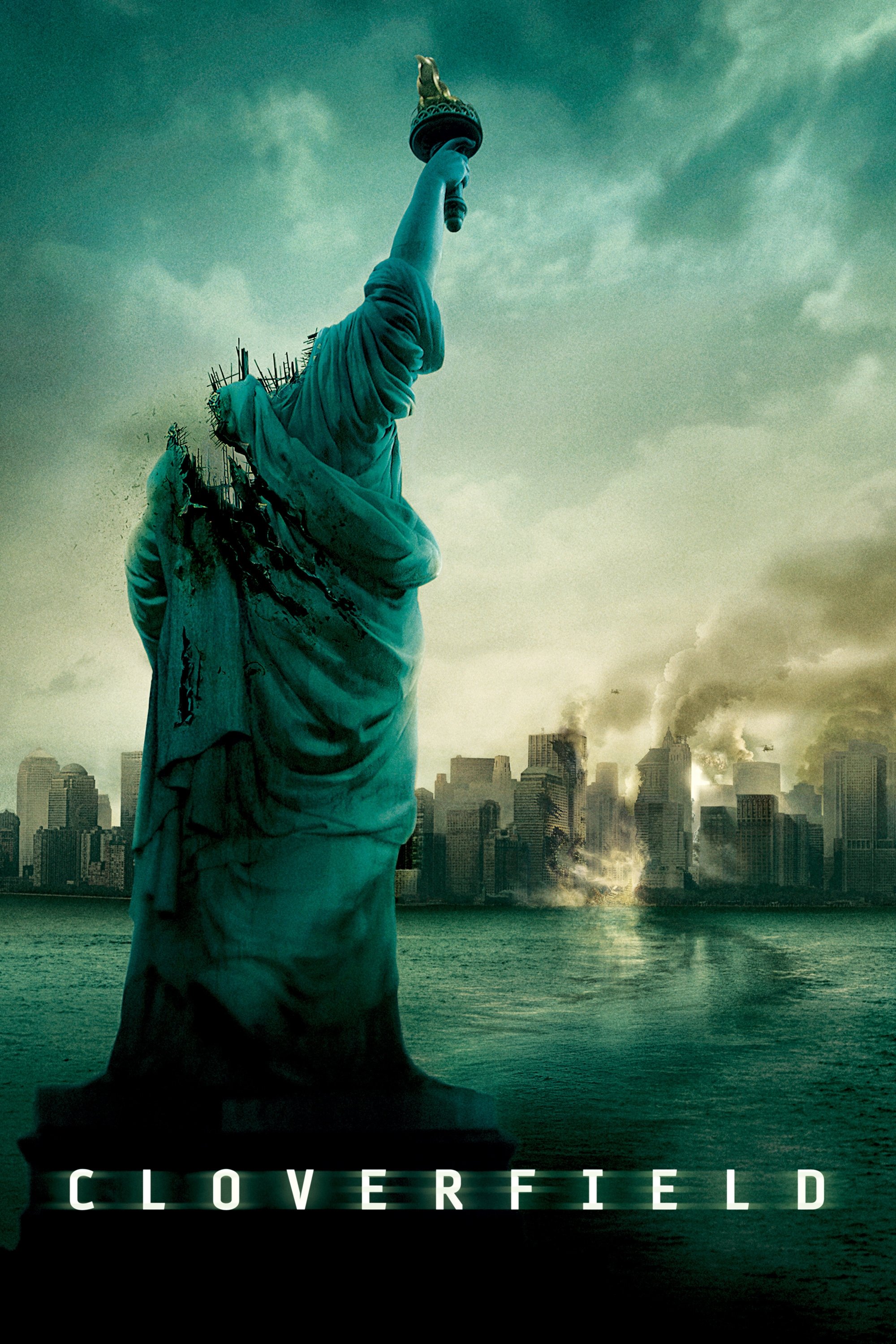
Cloverfield
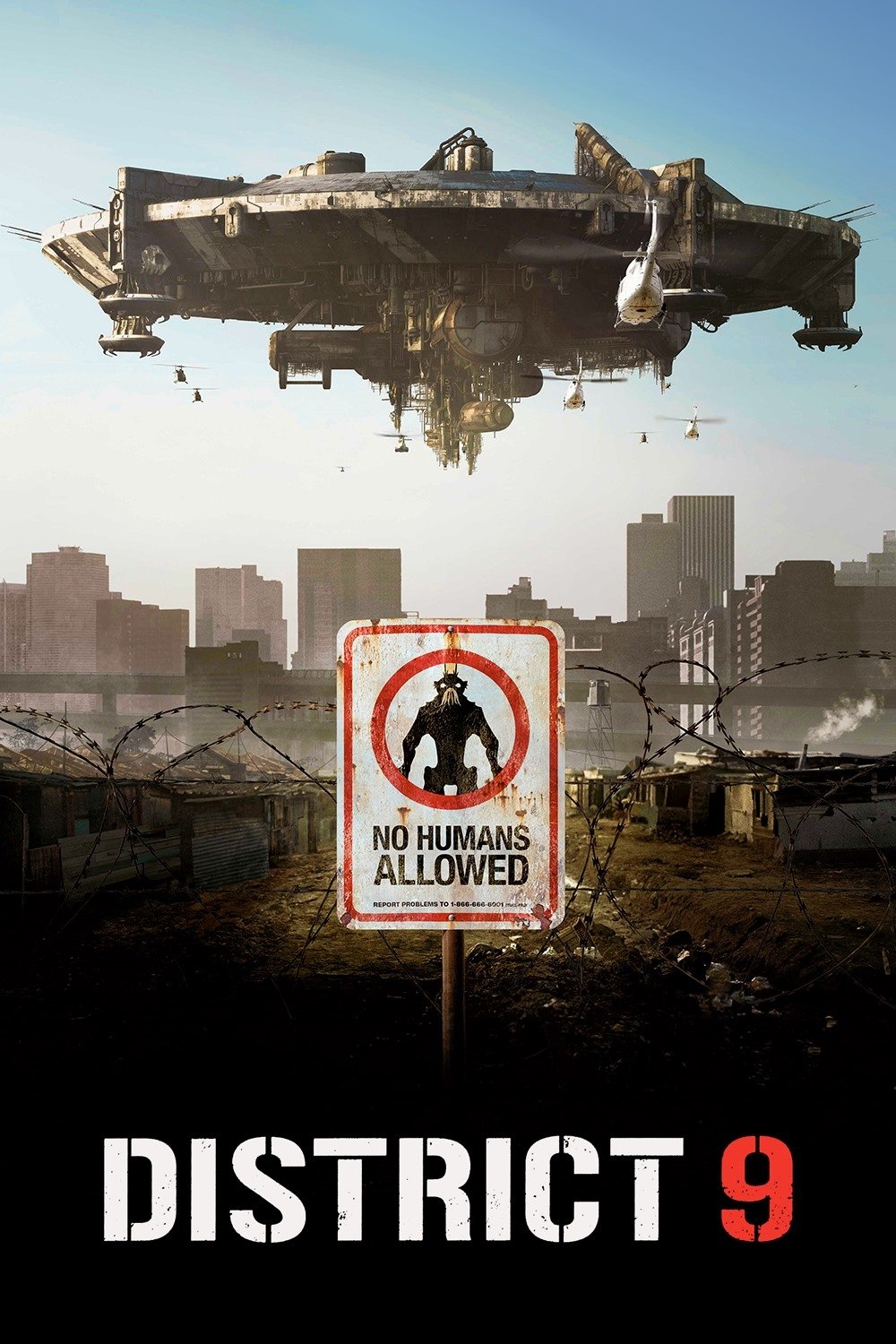
District 9
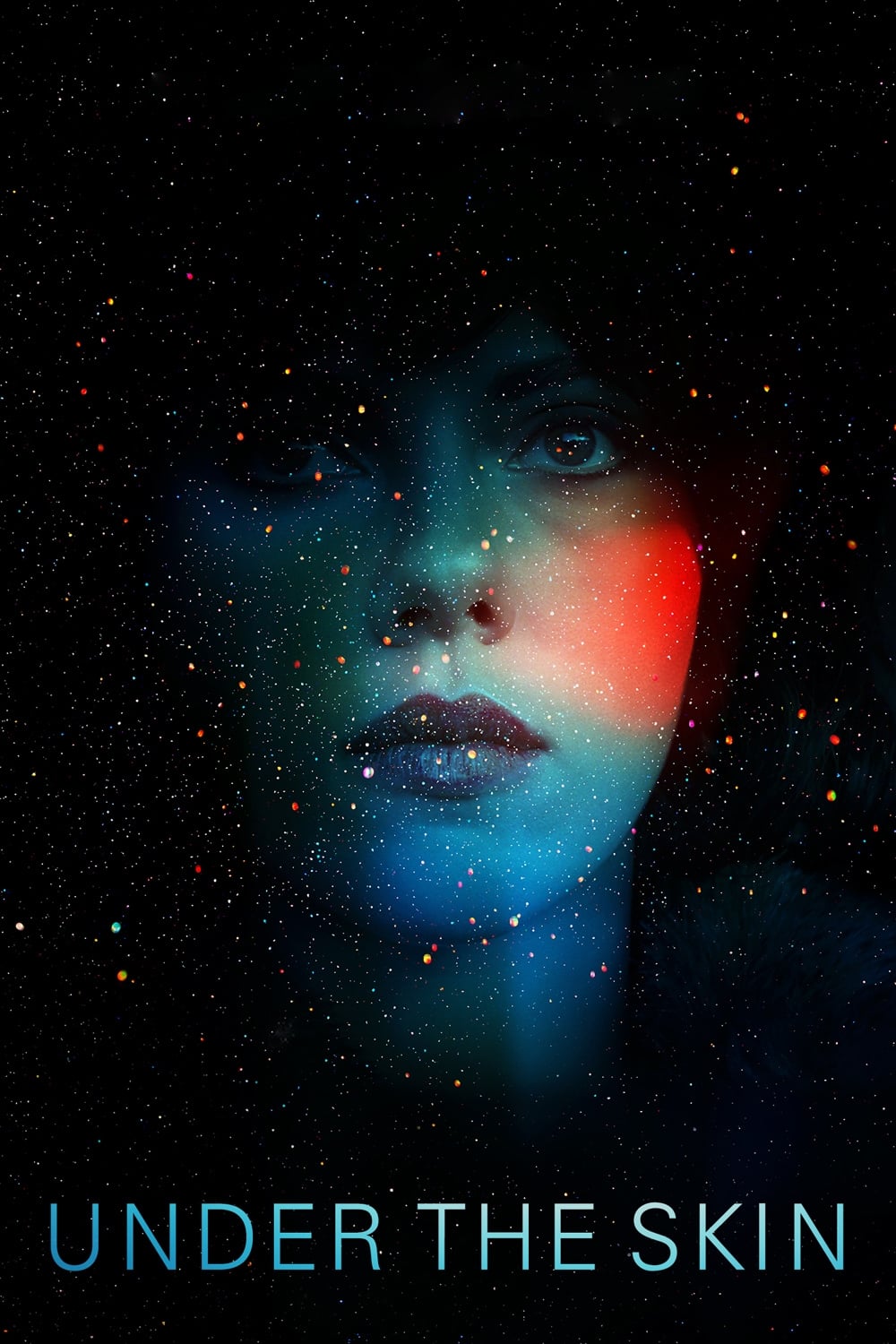
Under the Skin

10 Cloverfield Lane
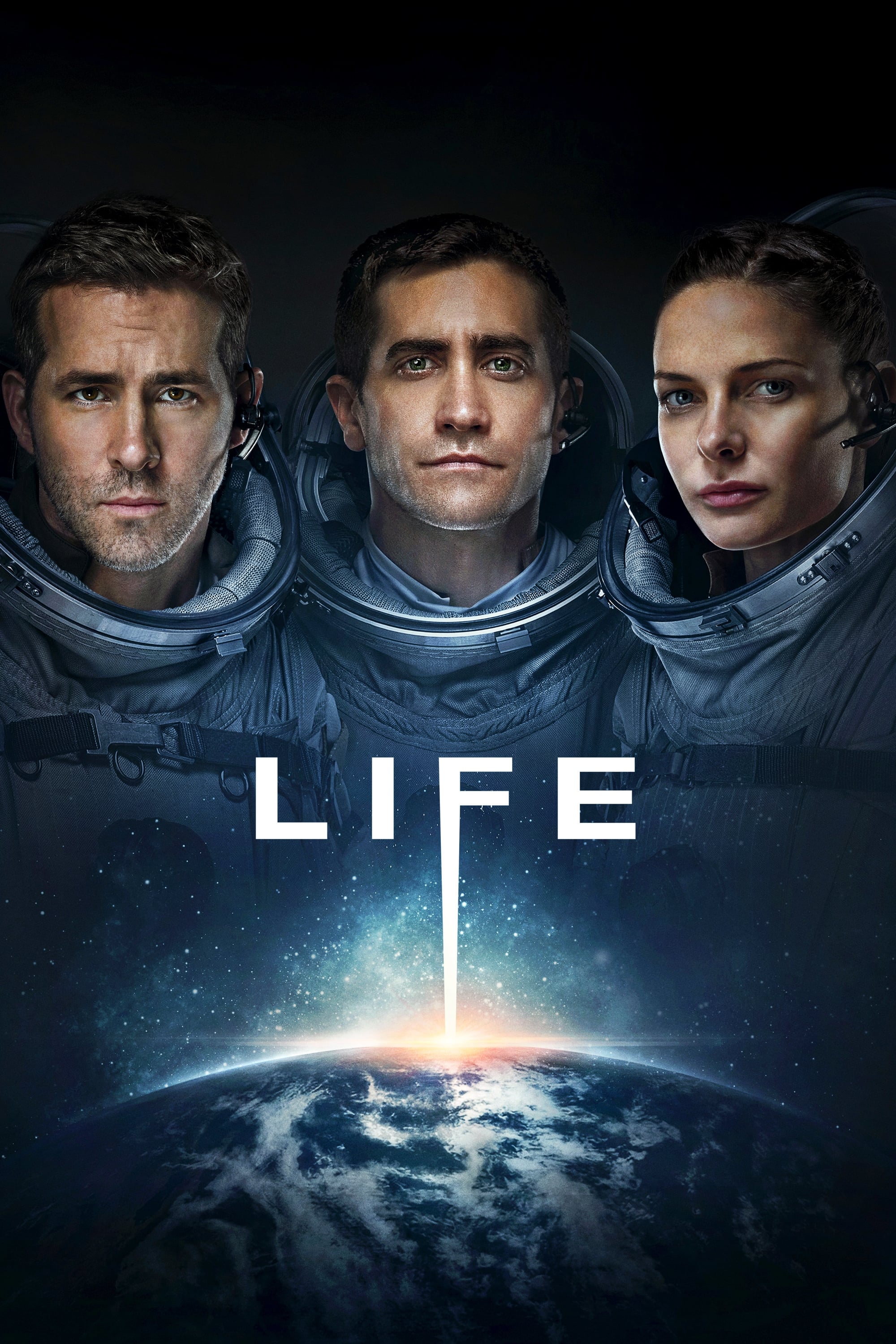
Life
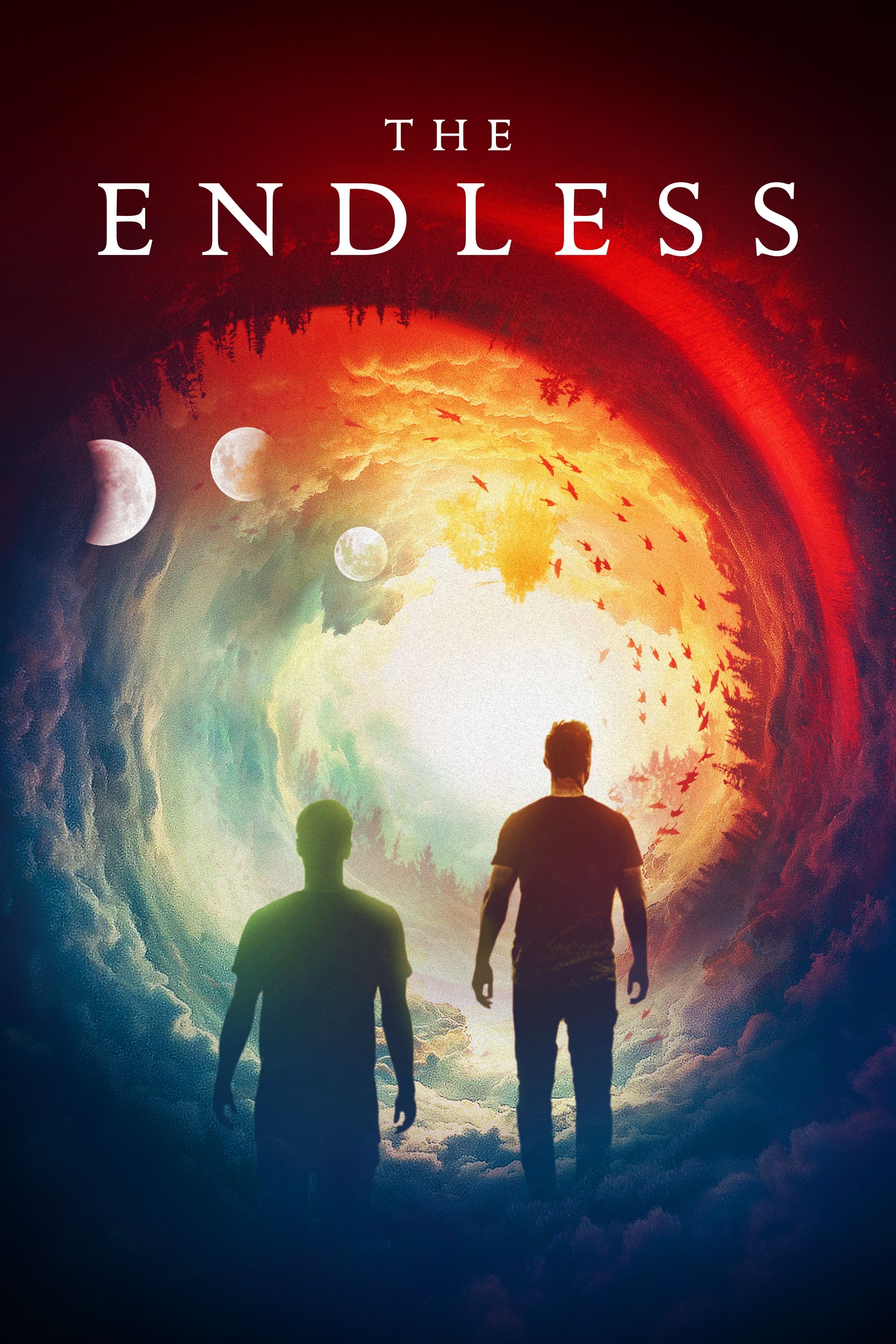
The Endless
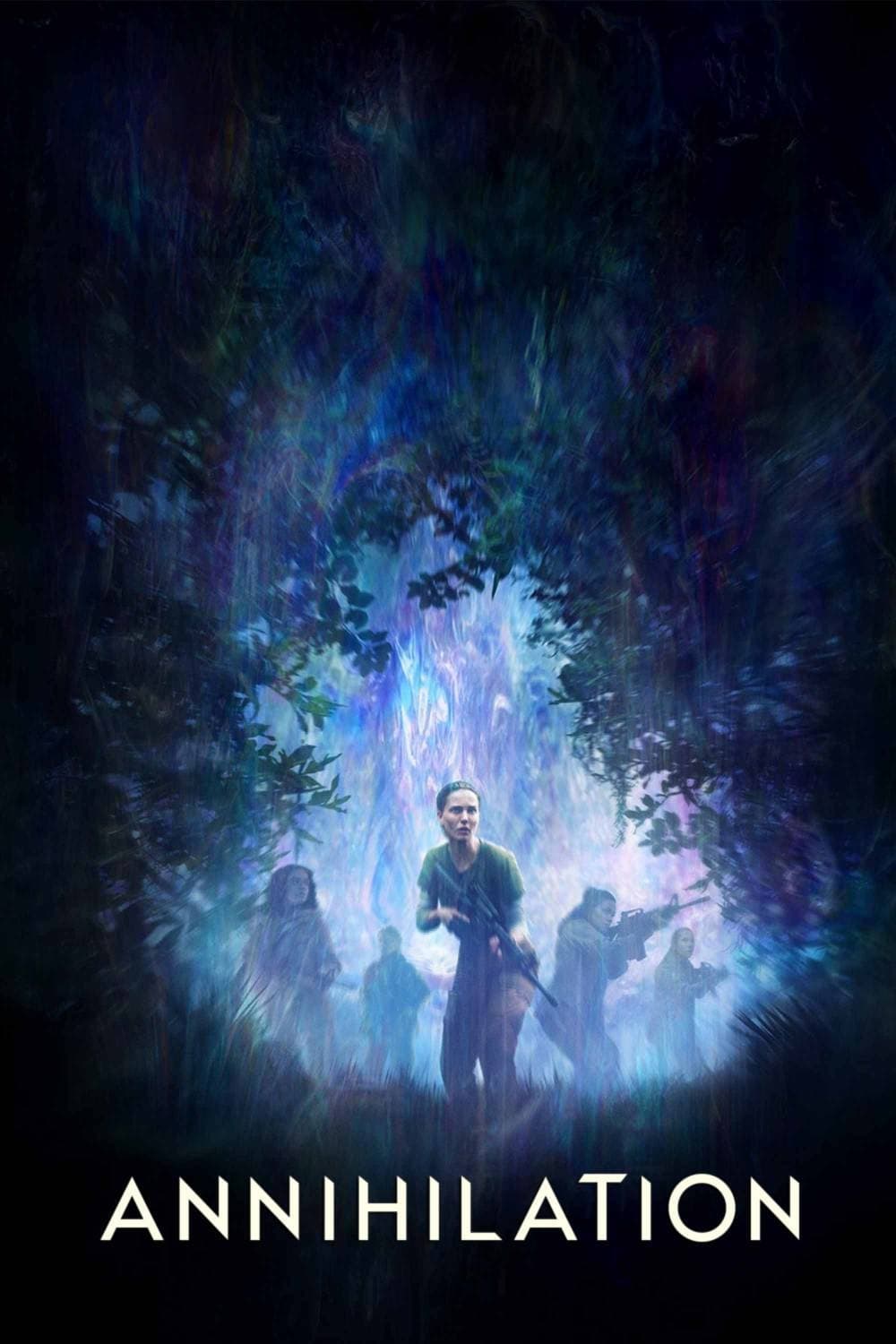
Annihilation
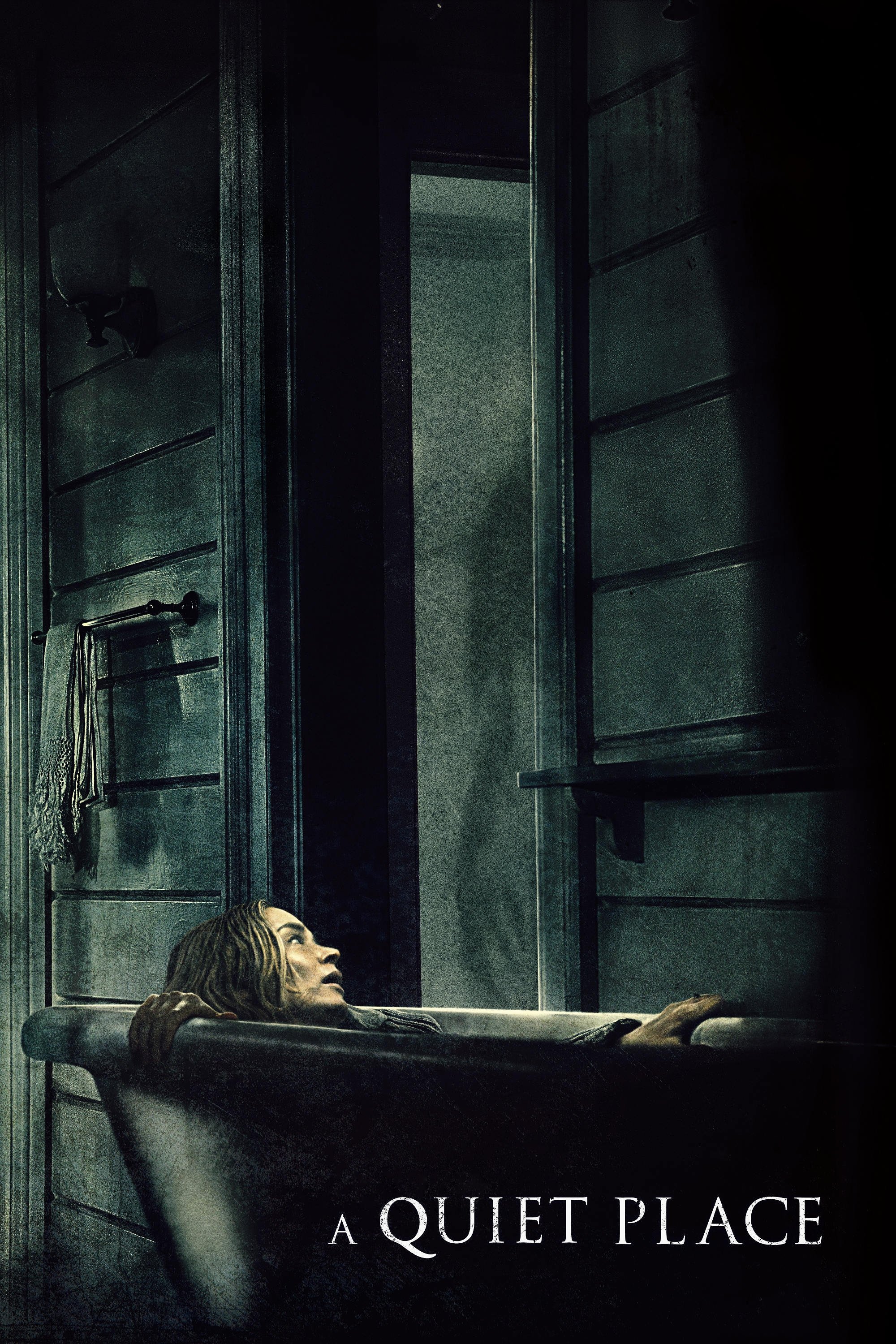
A Quiet Place
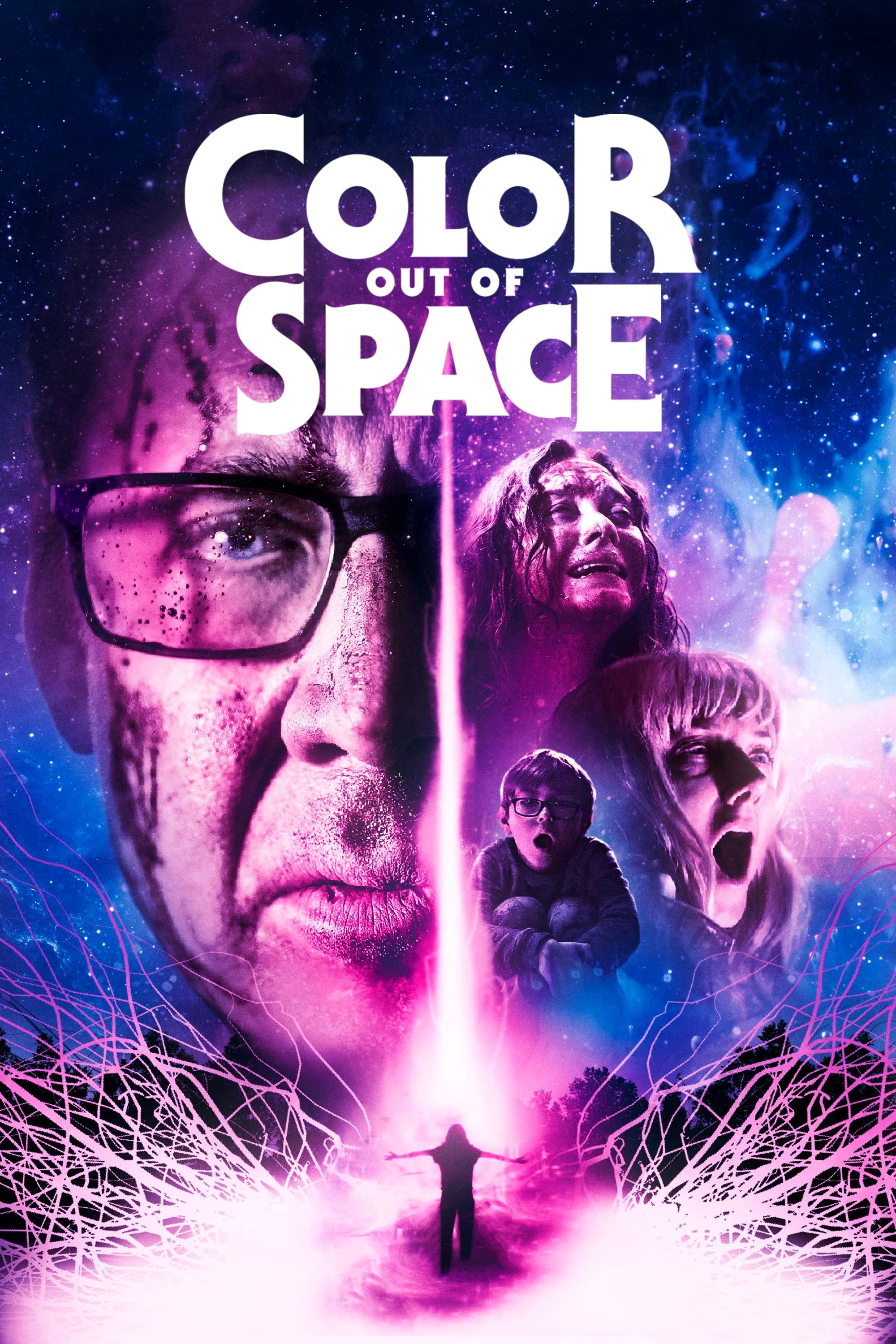
Color Out of Space
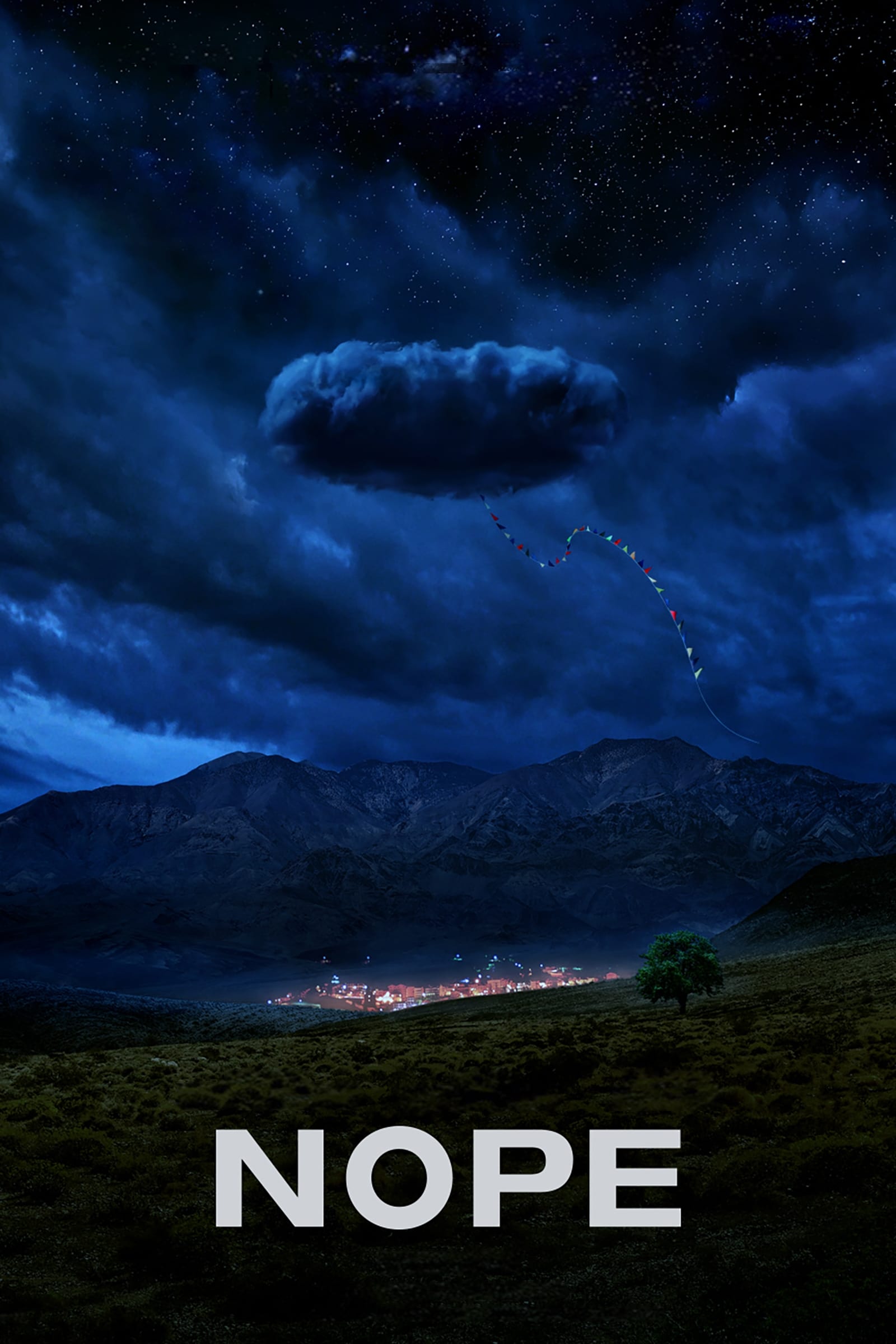
Nope
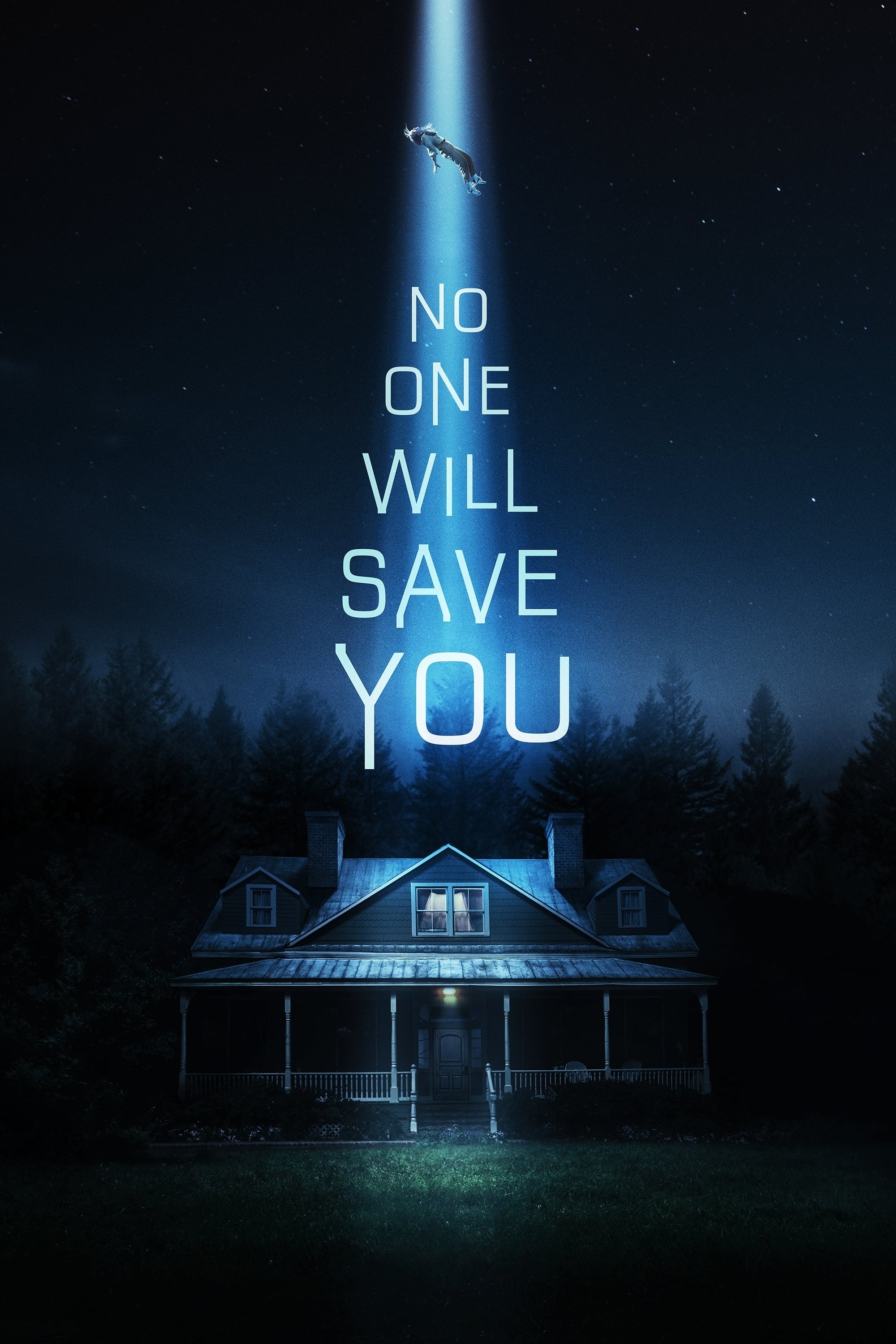
No One Will Save You

Alien: Romulus
Statistics
Popularity by Decade
Percentage of all horror films in each decade classified as Alien.
Popularity by Country
Percentage of each country's horror output classified as Alien.