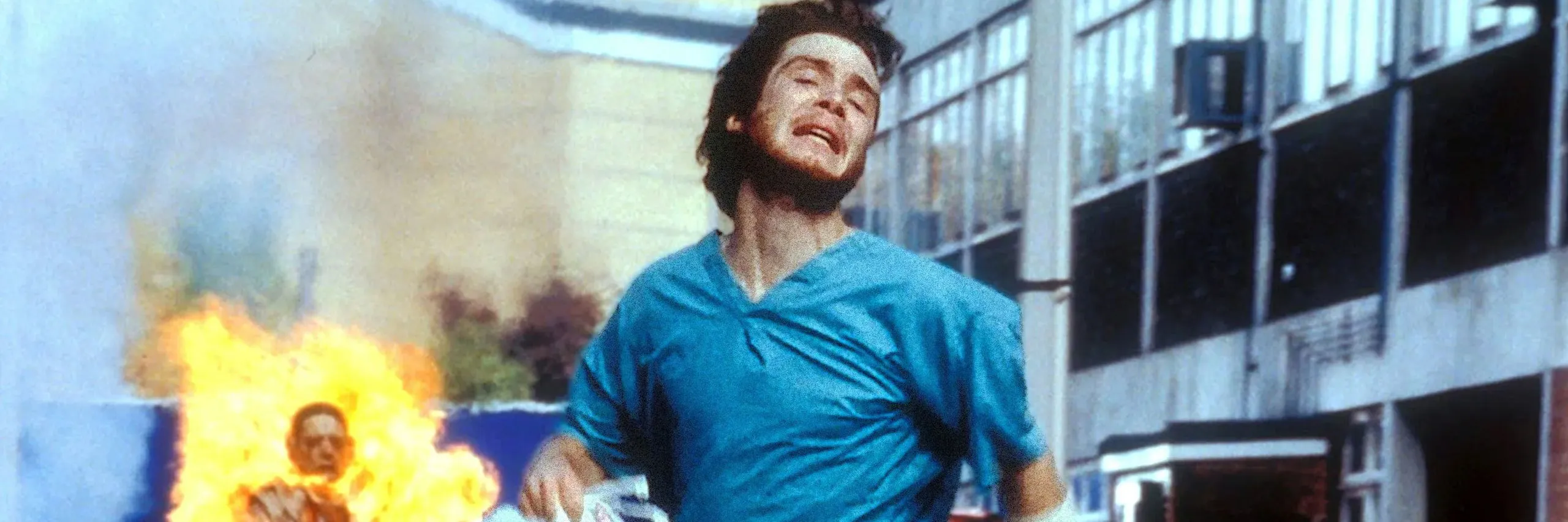
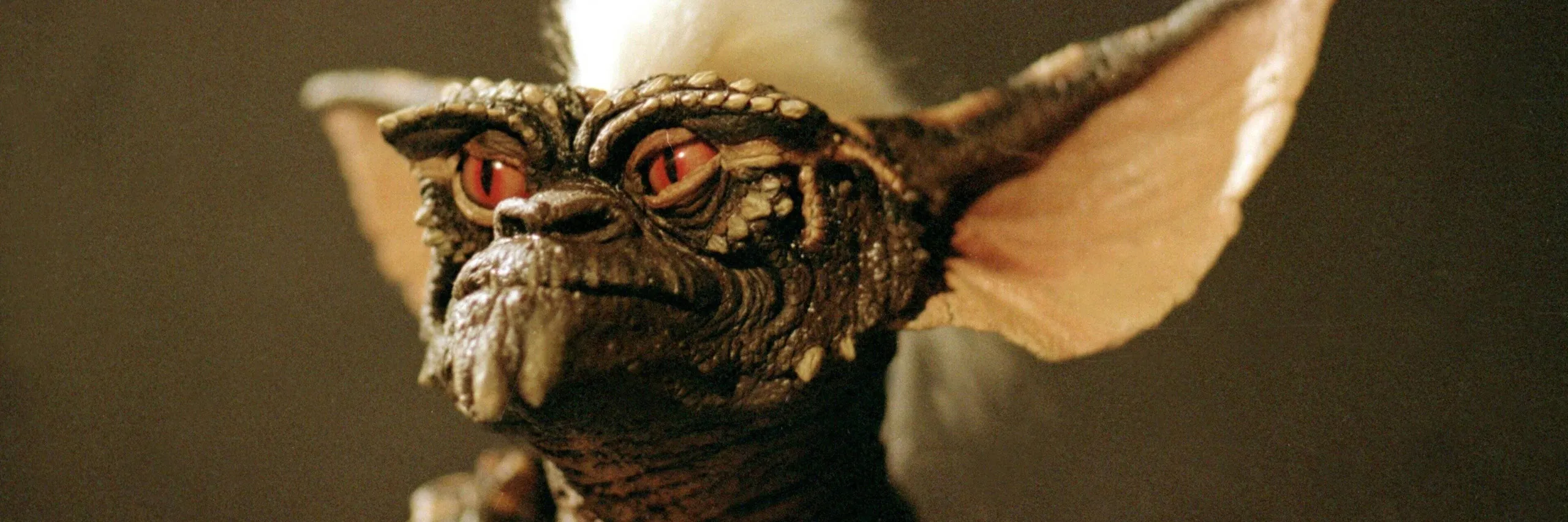
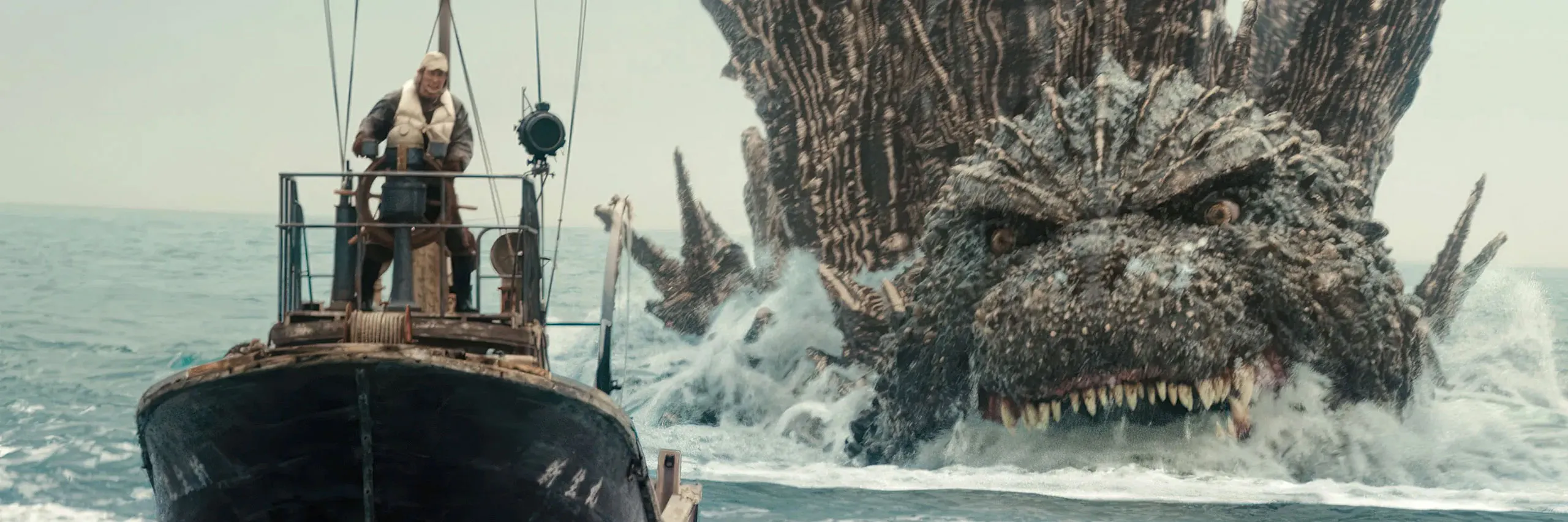
 Godzilla Minus One (2023)
History & Origins
The giant monster film is built on a simple, devastating premise: what if something so large existed that human civilization — all our technology, all our weapons, all our confidence — was simply inadequate? The kaiju film takes the monster out of the haunted house and puts it in the city, replacing intimate terror with apocalyptic spectacle.
The tradition predates its Japanese name. Merian C. Cooper's King Kong (1933) established the template: a creature from a world untouched by modernity, brought into contact with civilization, with catastrophic results. Kong is sympathetic — audiences weep for him on the Empire State Building — but he is also an overwhelming physical force that reduces New York to chaos. The 1950s American creature features — Eugène Lourié's The Beast from 20,000 Fathoms (1953), Gordon Douglas's Them! (1954) — used giant monsters as expressions of nuclear anxiety, their size a visual metaphor for the scale of atomic destruction.
But the kaiju tradition belongs primarily to Japan, and its foundational text is Godzilla (1954). Created by Ishirō Honda for Toho, with special-effects work by Eiji Tsuburaya, Godzilla emerged directly from the trauma of Hiroshima, Nagasaki, and the Lucky Dragon 5 incident — a Japanese fishing vessel contaminated by American nuclear testing at Bikini Atoll. Godzilla is irradiated nature's revenge: unstoppable, indifferent to human suffering, leaving devastation that deliberately evokes the imagery of nuclear aftermath. The film is a genuine anti-nuclear statement, and its power derives from the sincerity of that grief. Honda's Toho cycle expanded across the 1950s–1960s into a full kaiju eiga universe — Rodan (1956), Mothra vs. Godzilla (1964), Destroy All Monsters (1968) — while rival studio Daiei opened a parallel tradition with Noriaki Yuasa's Gamera, the Giant Monster (1965), a giant flying turtle aimed more squarely at children. Shusuke Kaneko's 1990s Gamera Heisei trilogy, beginning with Gamera: Guardian of the Universe (1995), would later reclaim the form for serious adult filmmaking.
Toho's own Heisei (1984–95) and Millennium (1999–2004) cycles experimented continuously — Godzilla 1985 rebooted the timeline; Godzilla vs. Biollante (1989) introduced biotechnology horror; the Showa, Heisei, and Millennium eras each carried their own mythology. Hideaki Anno and Shinji Higuchi's Shin Godzilla (2016) used the kaiju as a lens for Japanese bureaucratic paralysis in the face of the Fukushima disaster; Takashi Yamazaki's Godzilla Minus One (2023) returned the franchise to its post-war emotional roots and won the Oscar for Best Visual Effects. Hollywood produced its own Monsterverse cycle starting with Gareth Edwards's Godzilla (2014), and Peter Jackson's King Kong (2005) had already updated the Cooper original with motion-capture spectacle. Outside the Japanese-Hollywood axis, Bong Joon-ho's The Host (2006) (Korea) transferred the kaiju into a family drama about a creature spawned by US-military pollution of the Han River, and Matt Reeves's Cloverfield (2008) crossed the form with found footage. The genre's essential appeal remains what it has always been: the sublime terror of confronting something so vast that individual human agency becomes meaningless.
Essential Films

King Kong
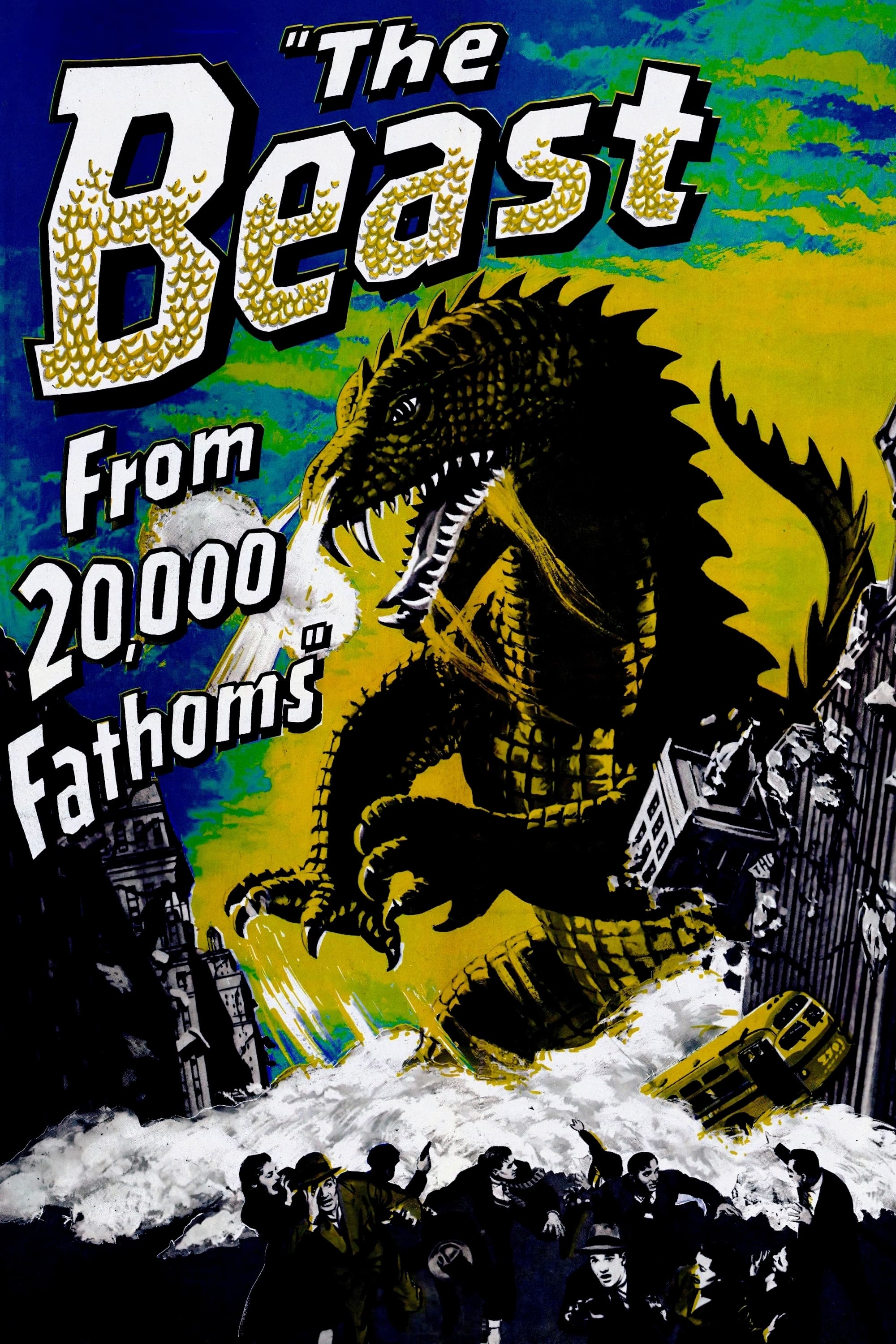
The Beast from 20,000 Fathoms
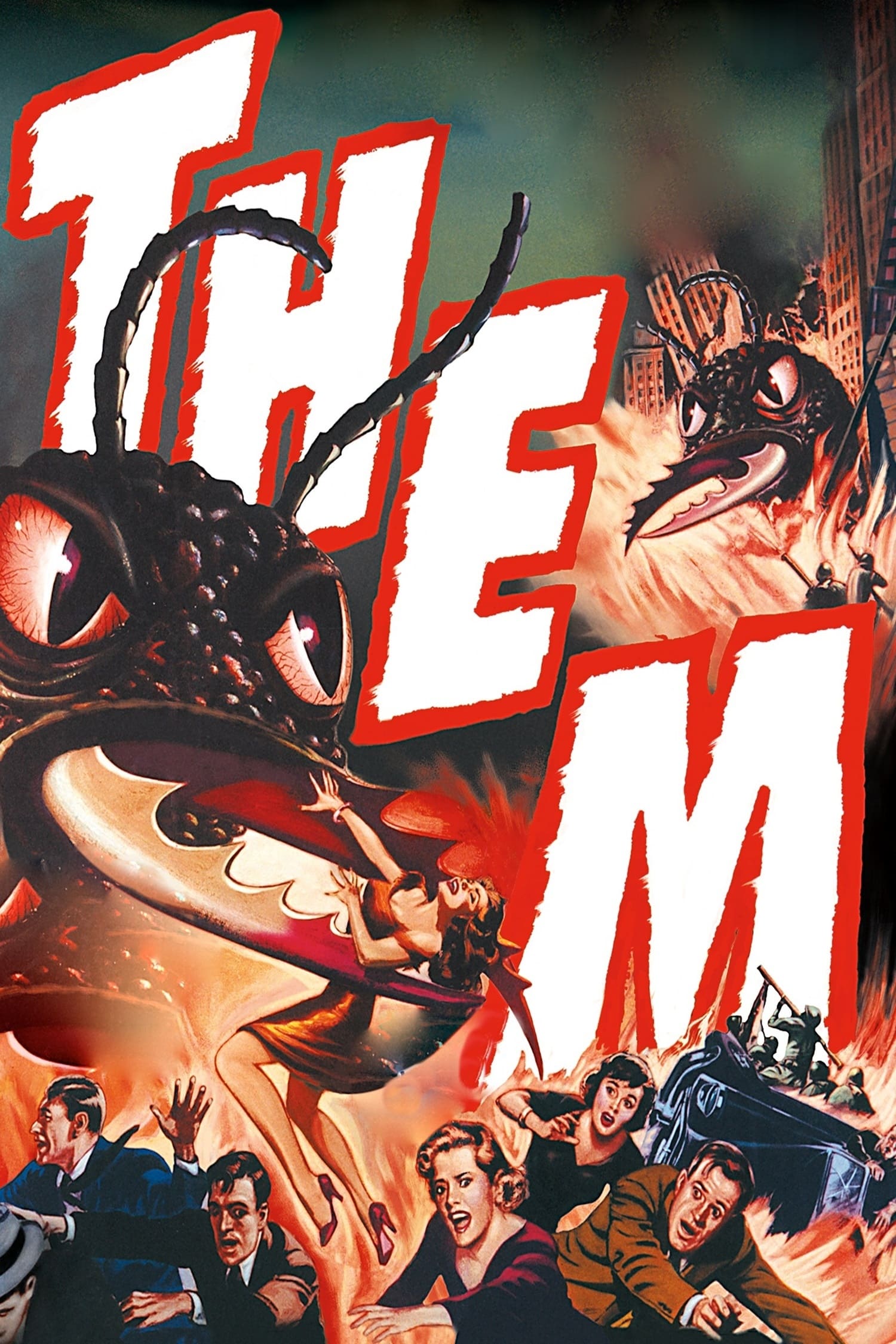
Them!
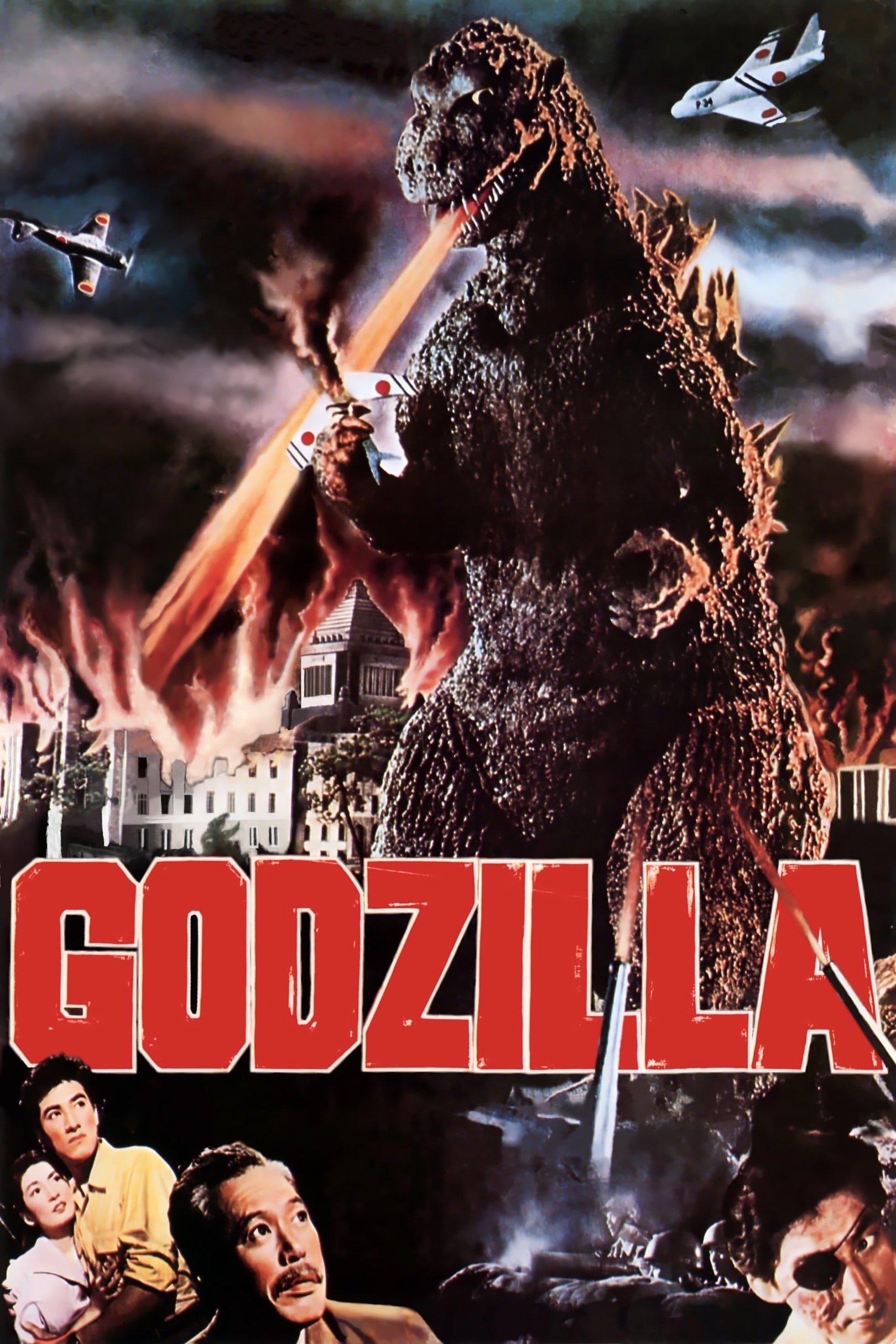
Godzilla
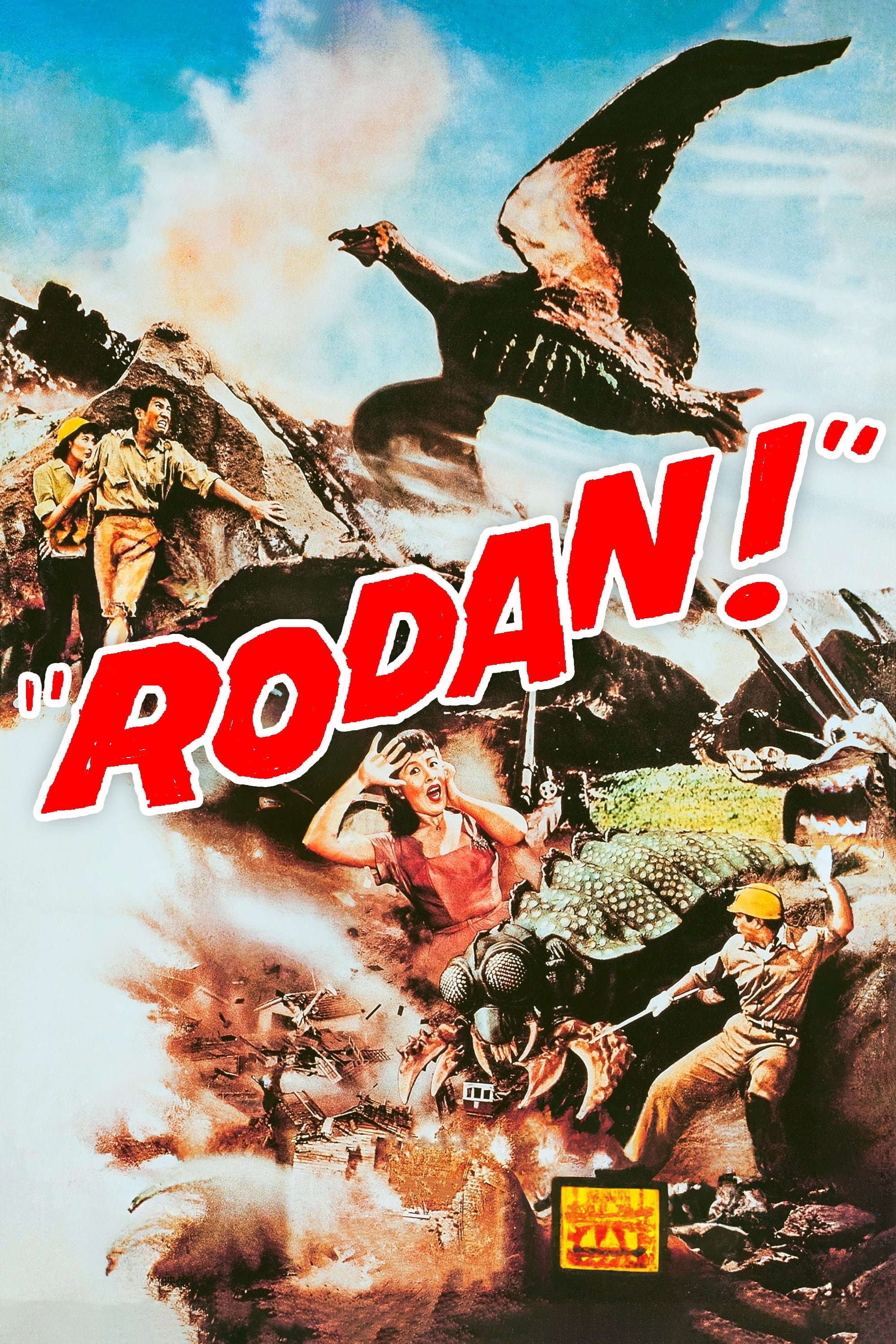
Rodan
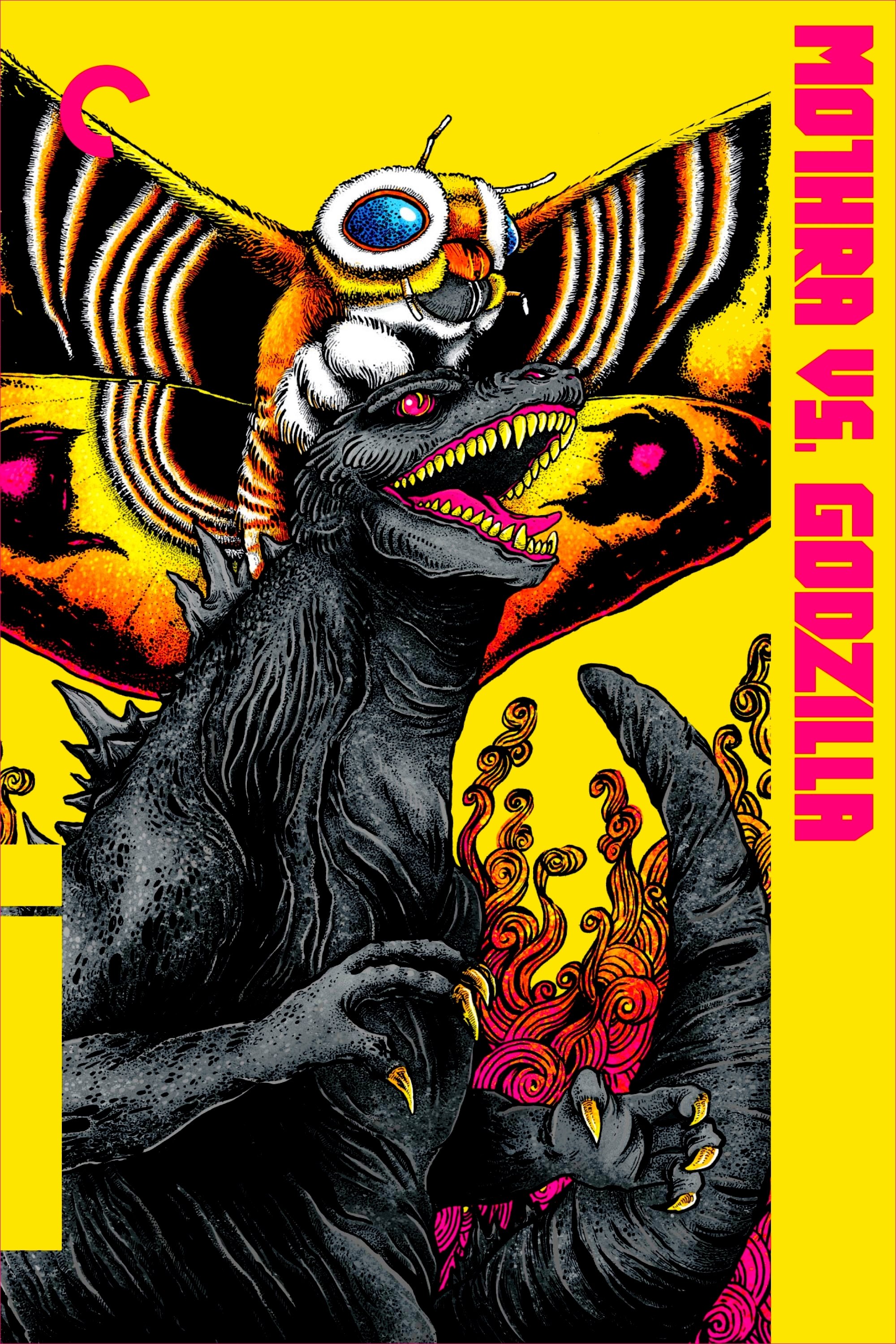
Mothra vs. Godzilla
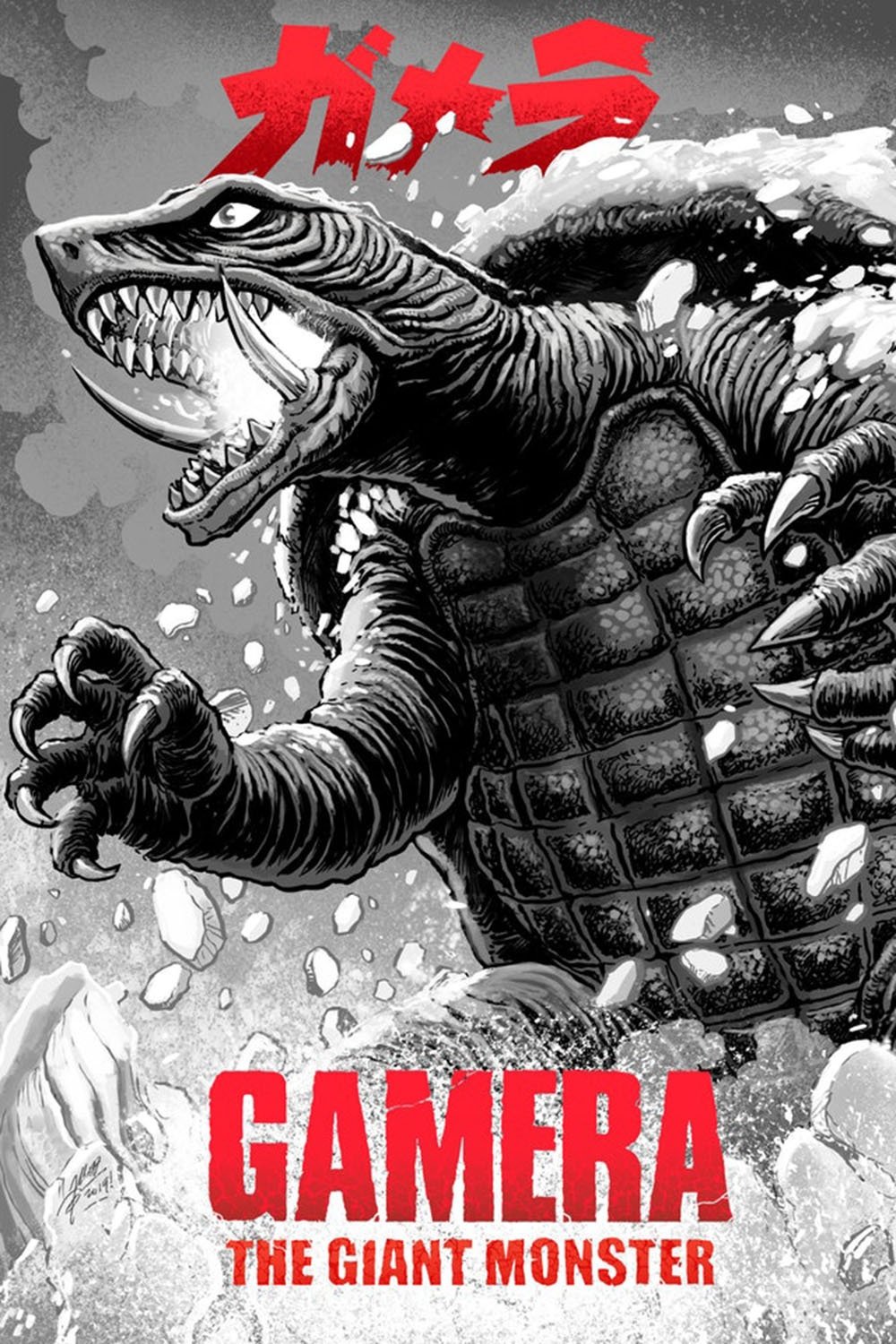
Gamera, the Giant Monster
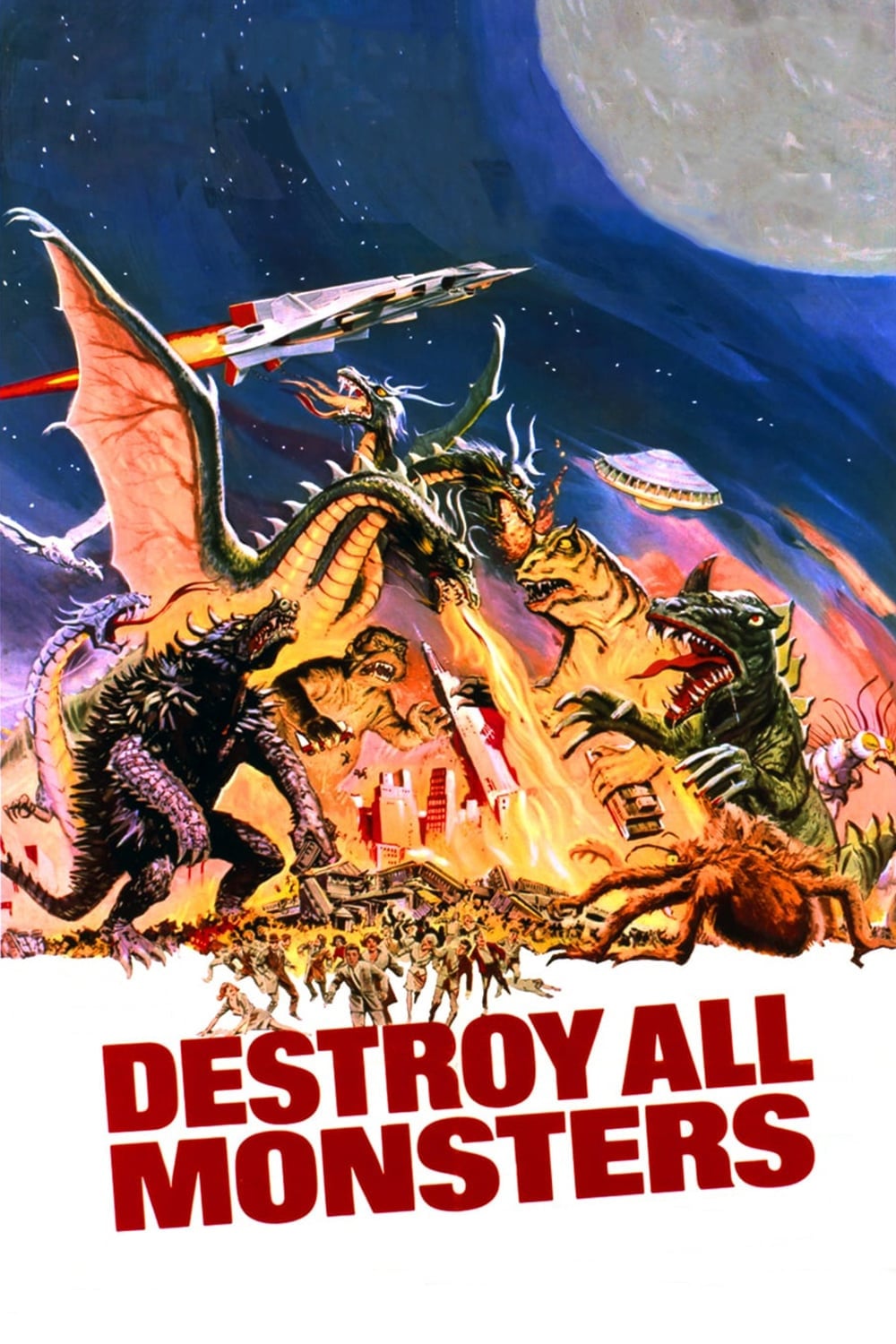
Destroy All Monsters
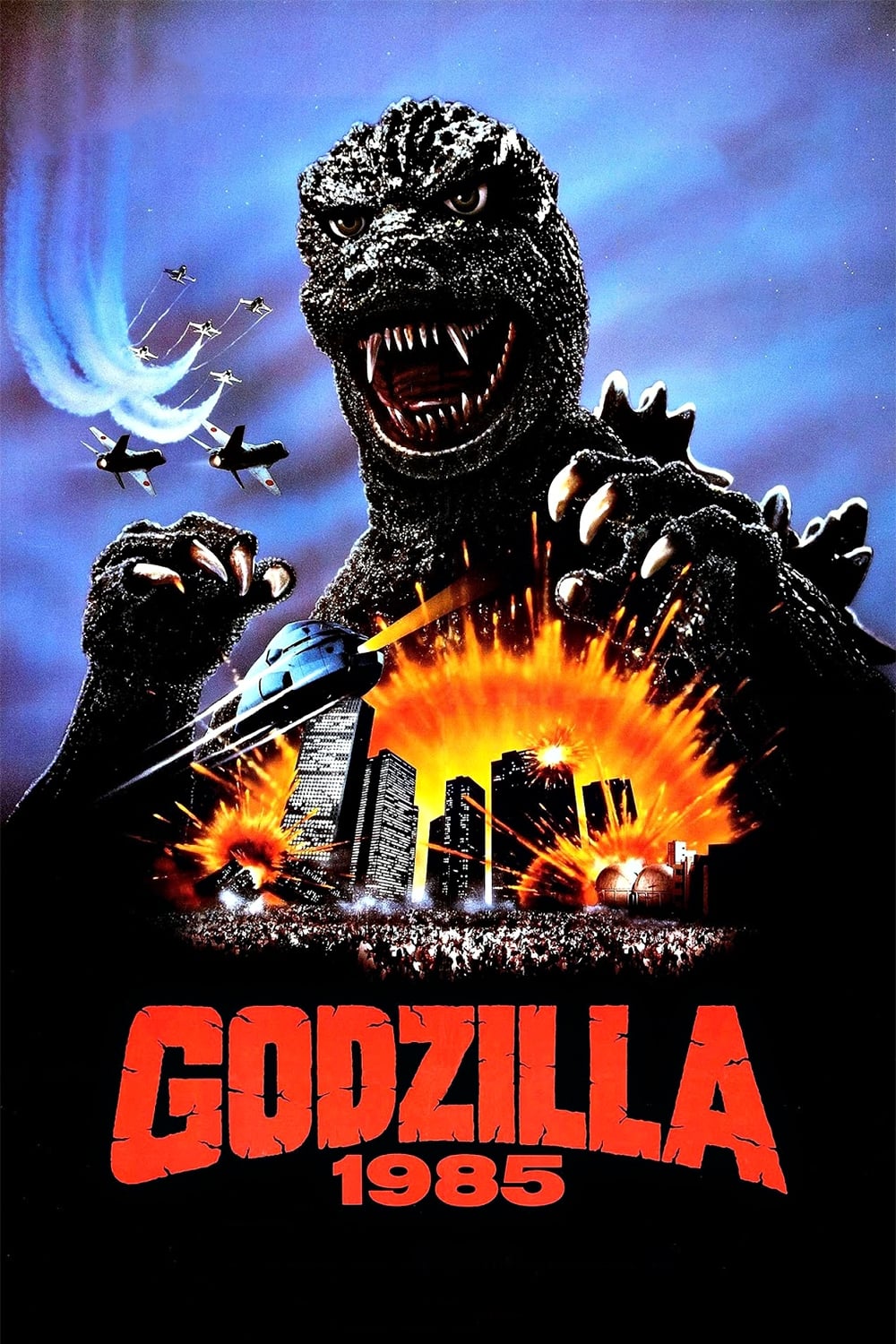
Godzilla 1985
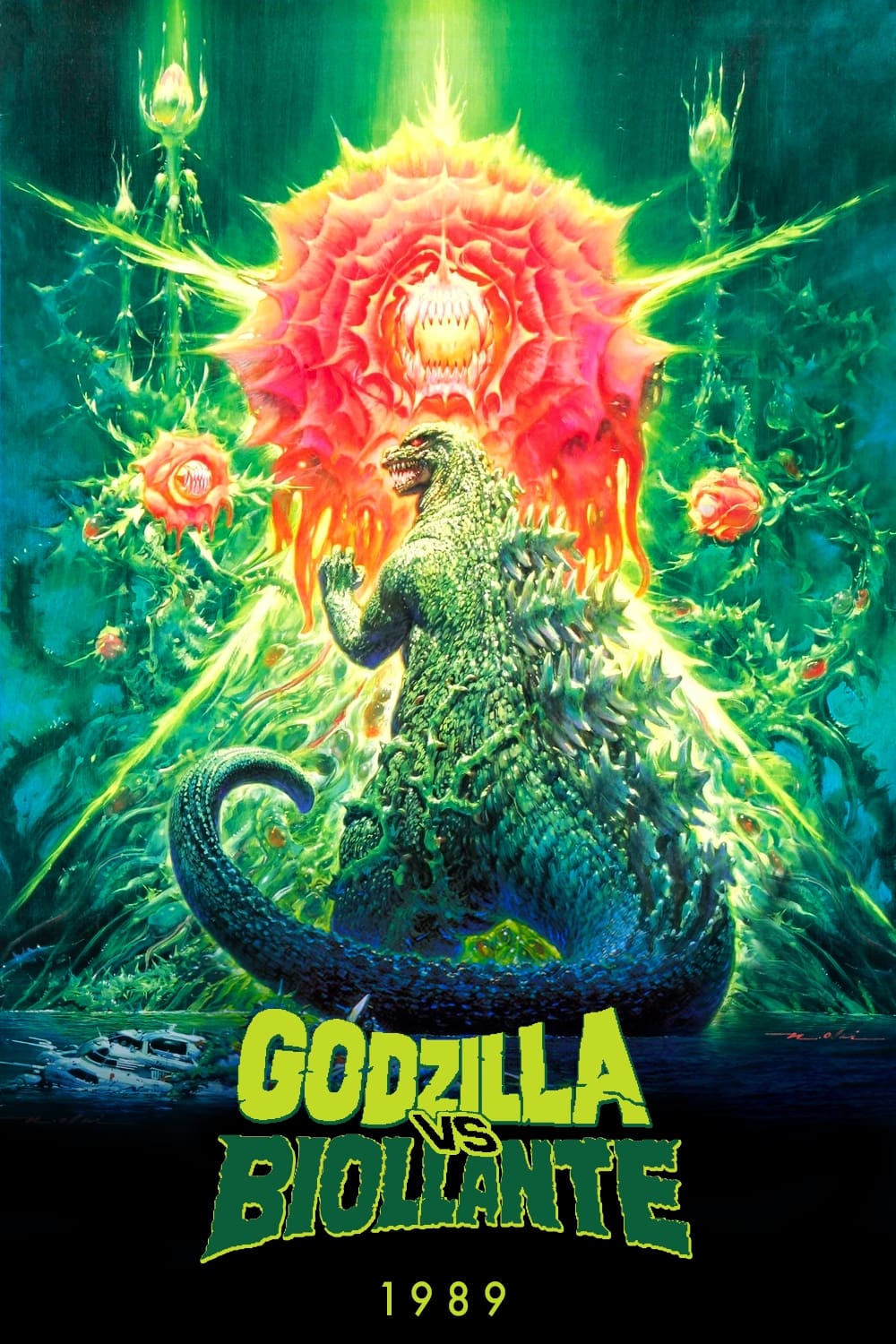
Godzilla vs. Biollante

Gamera: The Guardian of the Universe
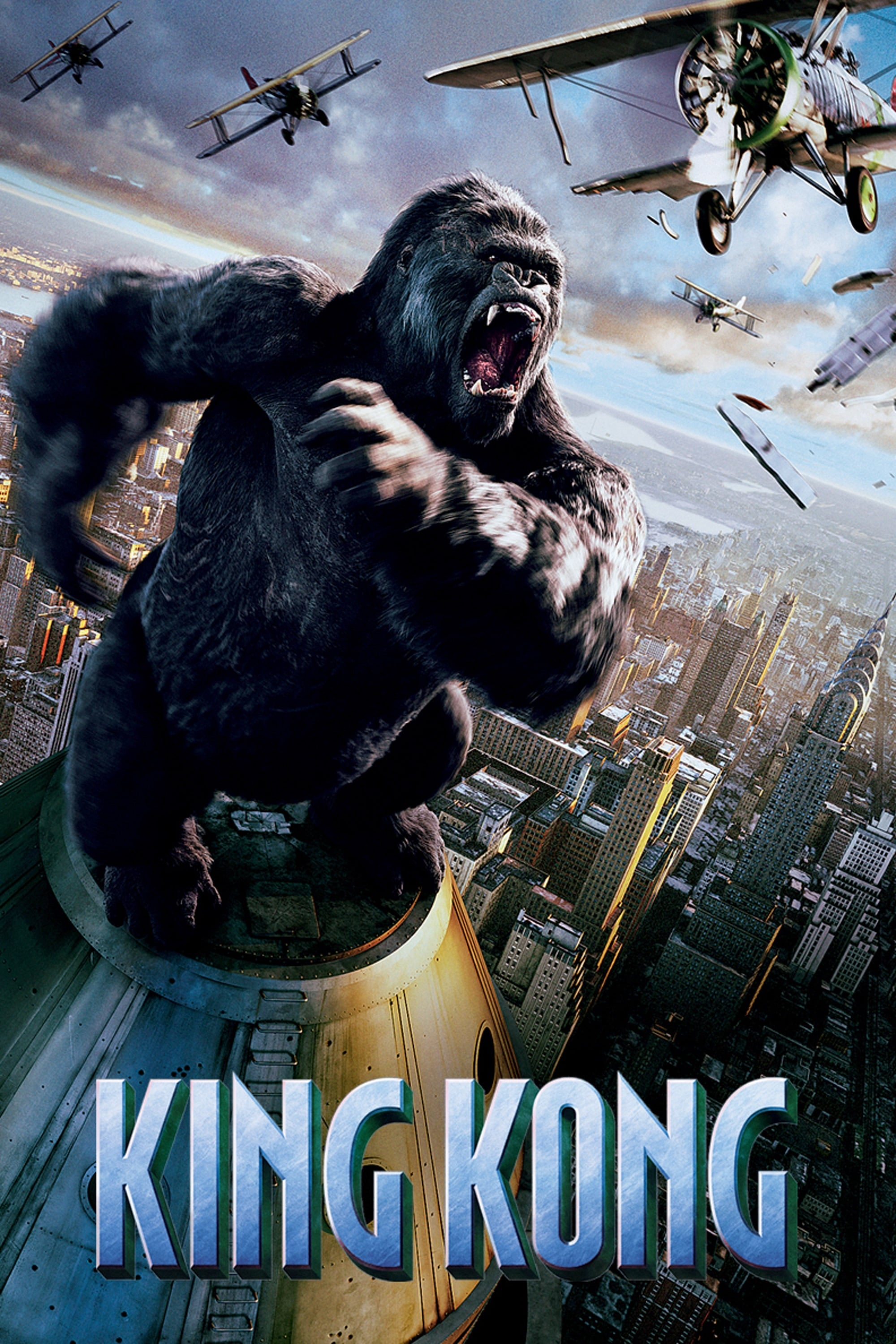
King Kong
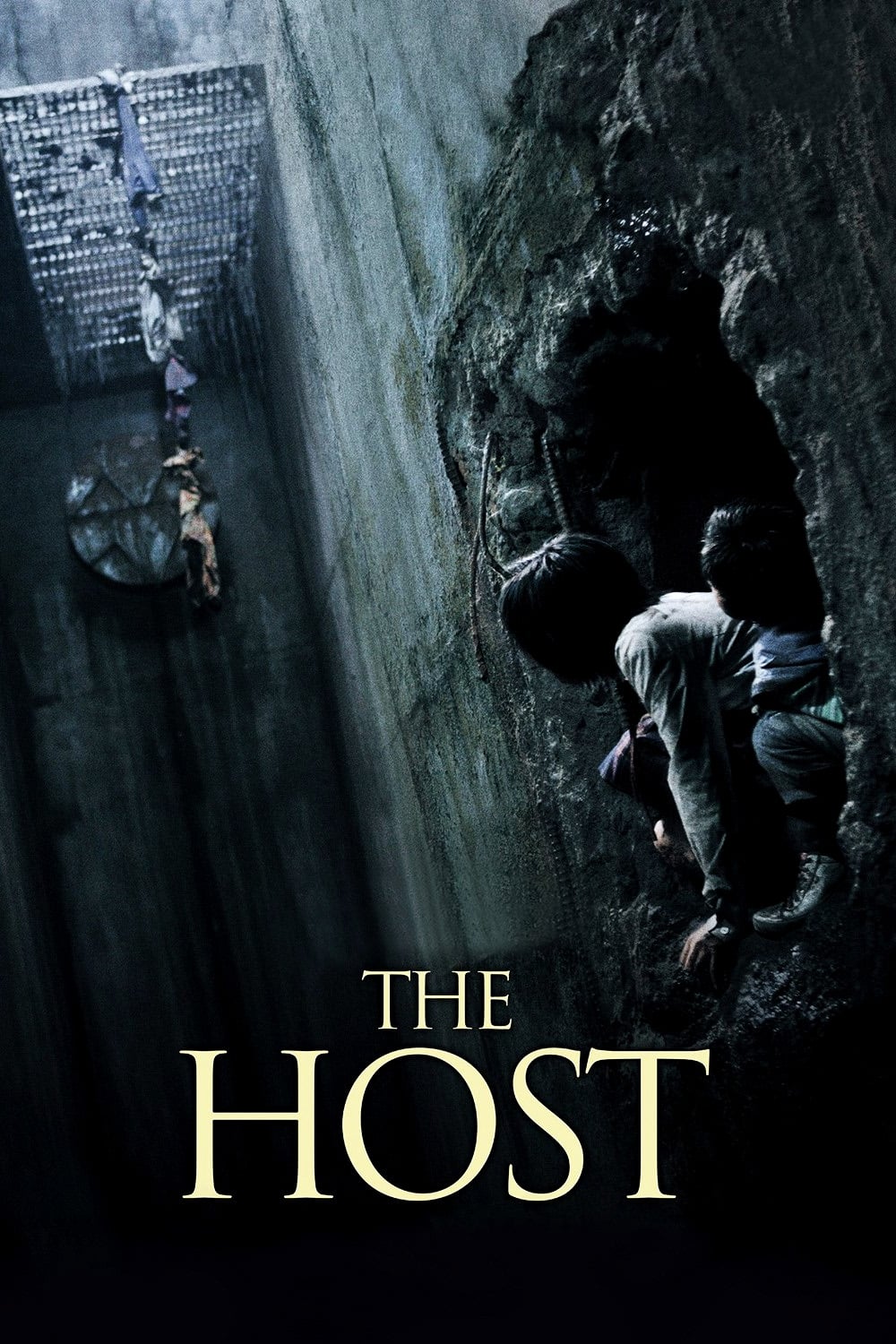
The Host
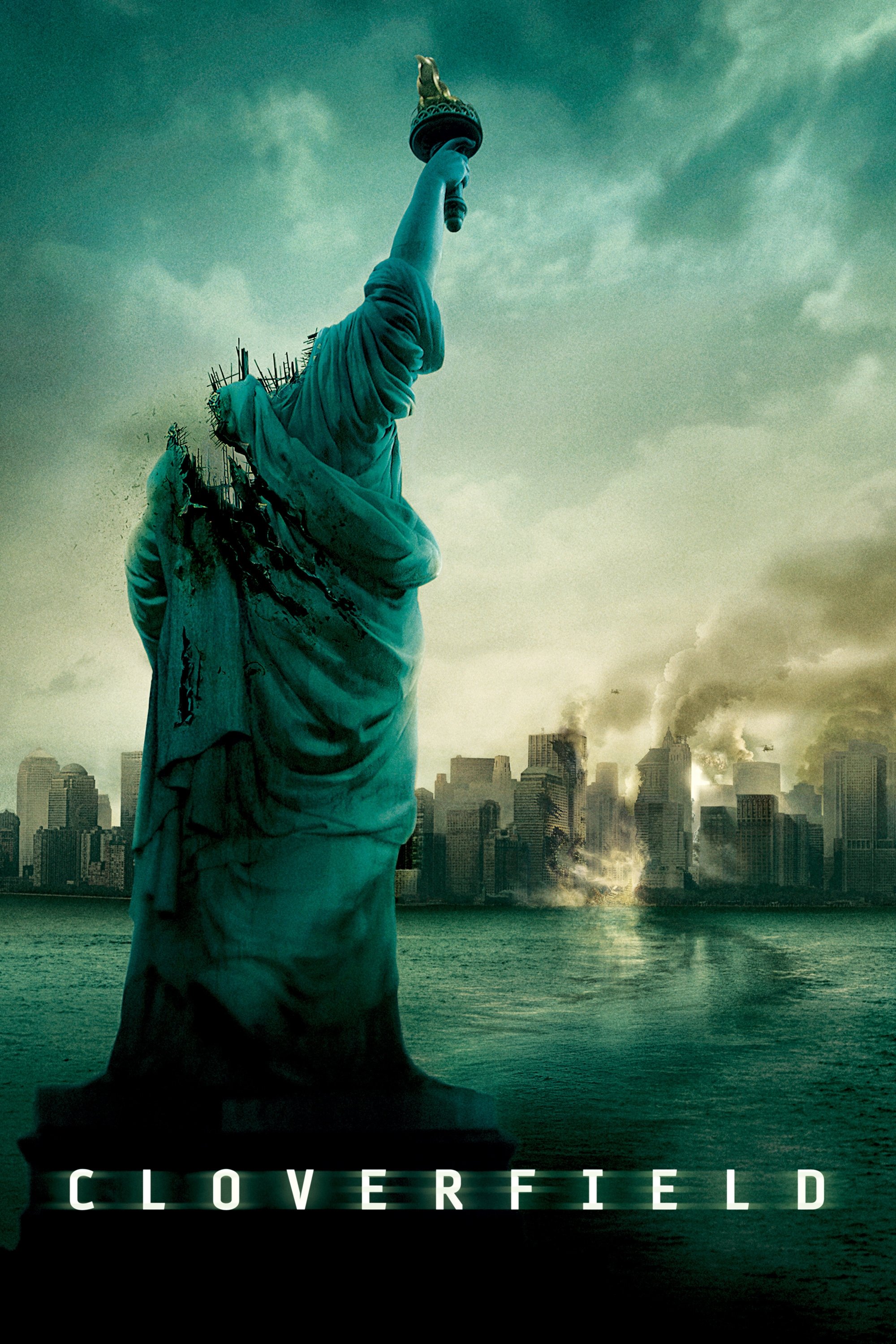
Cloverfield
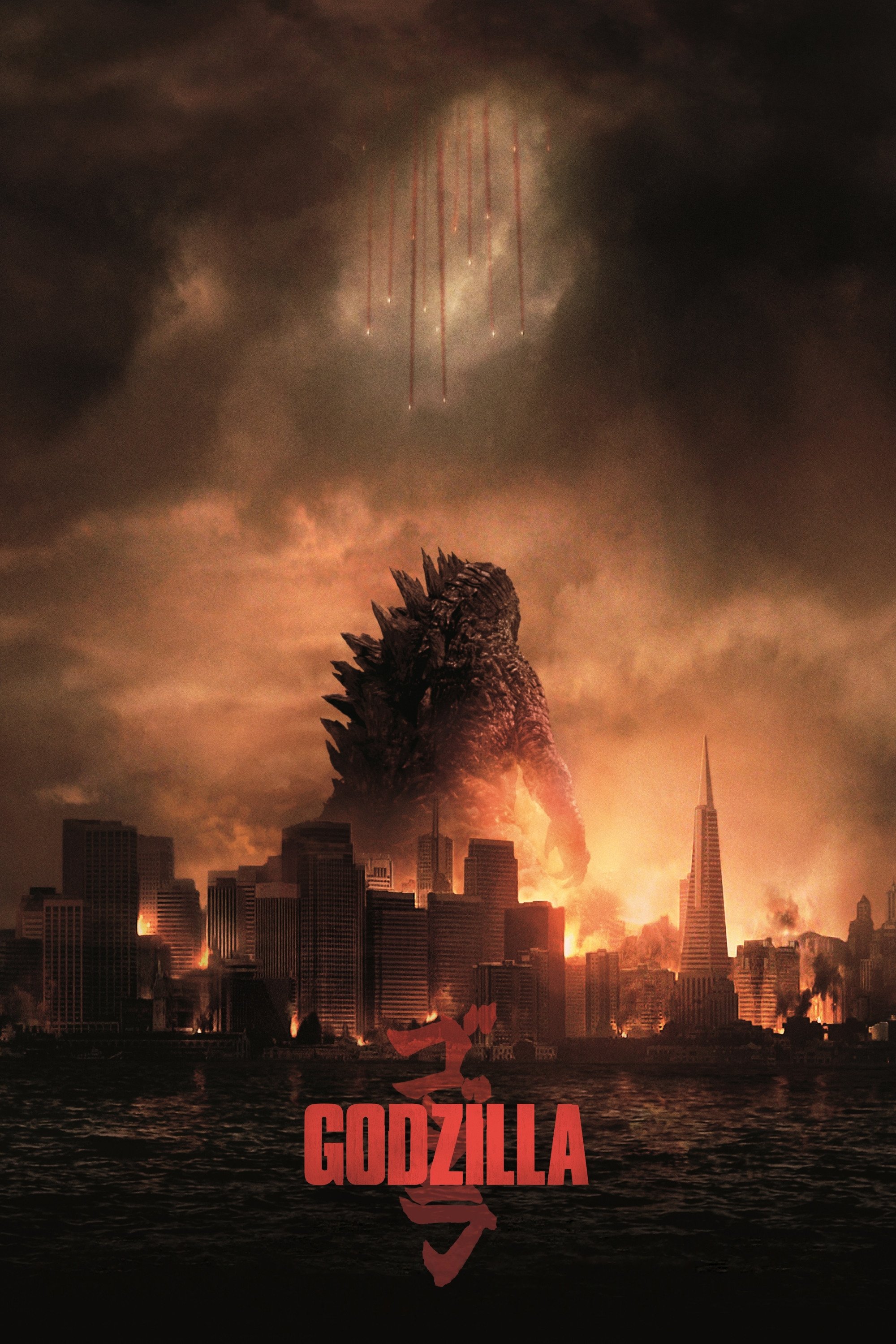
Godzilla
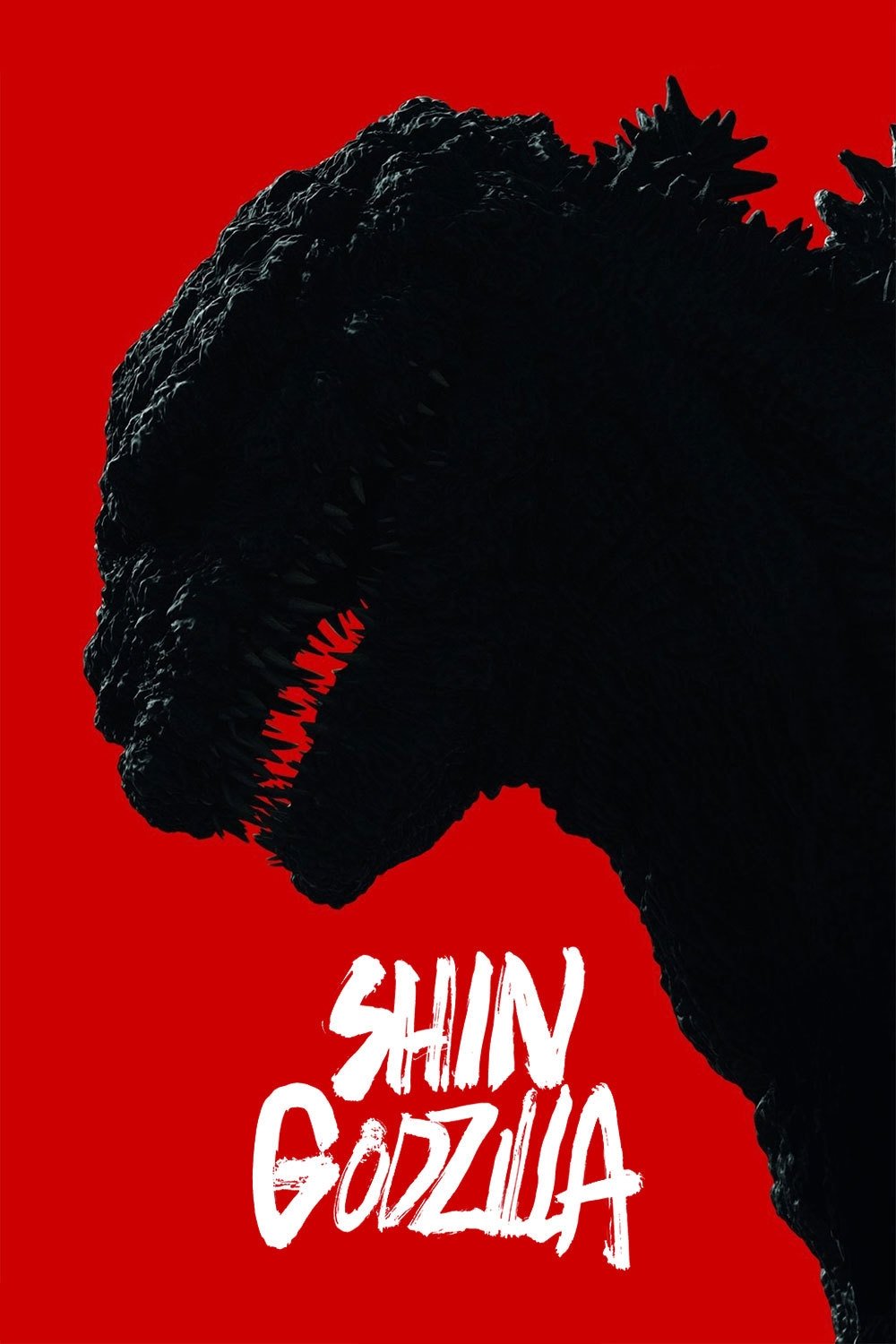
Shin Godzilla
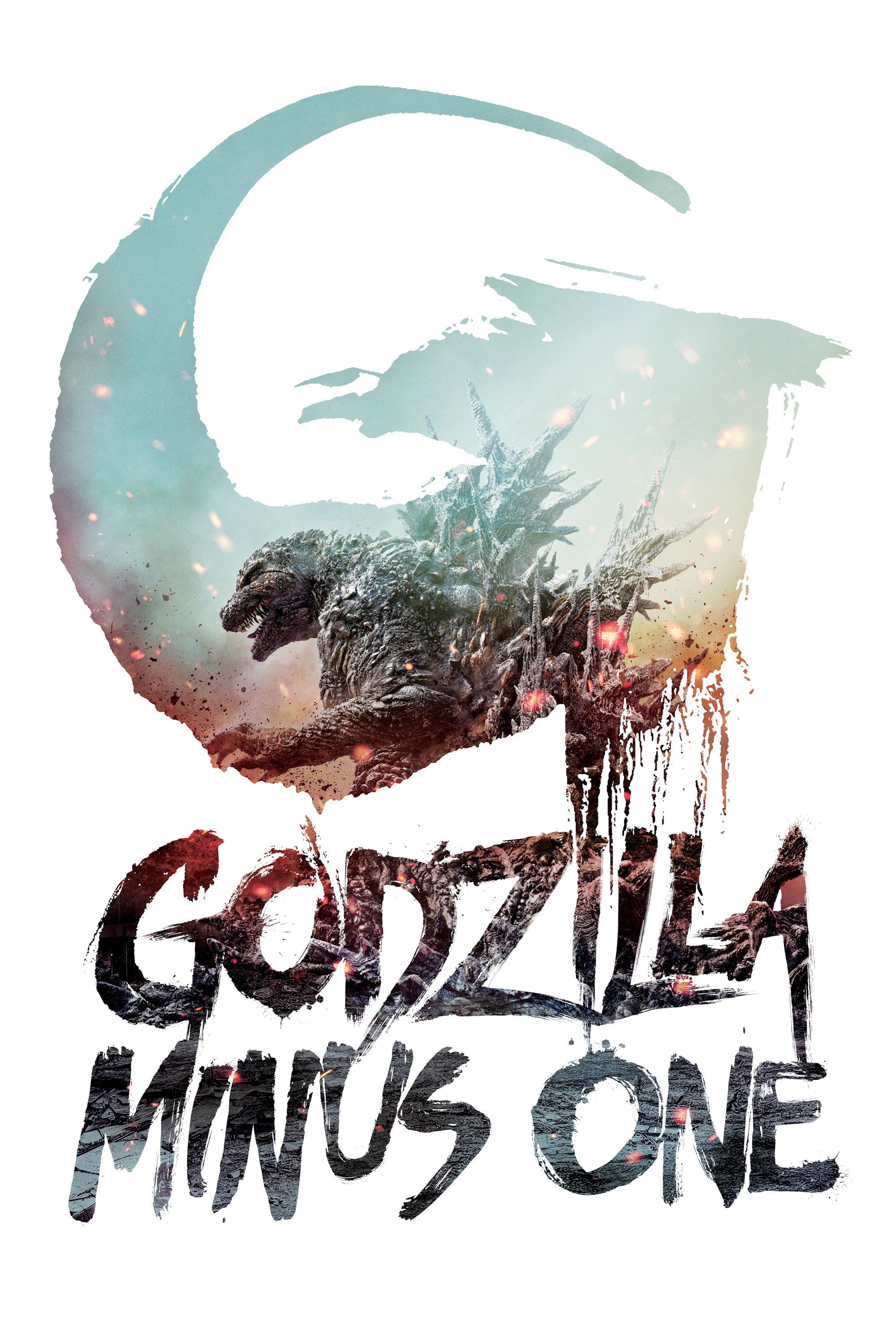
Godzilla Minus One
Statistics
Popularity by Decade
Share of each decade's horror films classified as Kaiju / Giant Monster. Counts films with at least 5 TMDB ratings, so very obscure titles are not represented.
Popularity by Country
Share of each country's horror output classified as Kaiju / Giant Monster. Counts films with at least 5 TMDB ratings, so very obscure titles are not represented.