
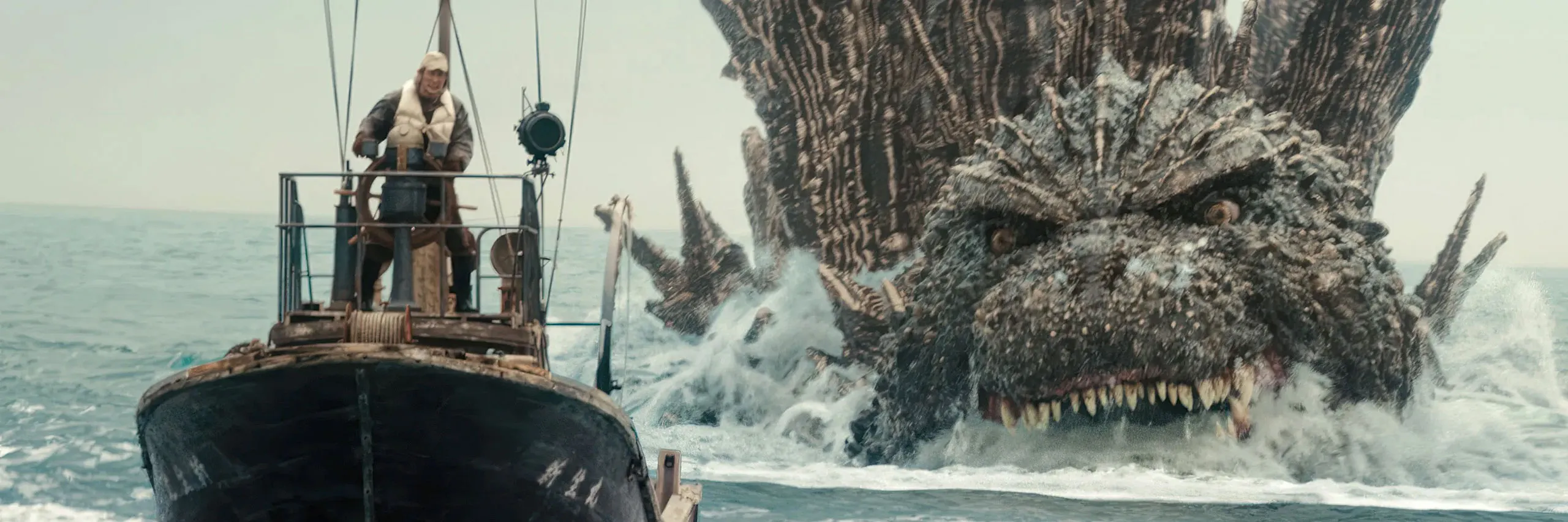
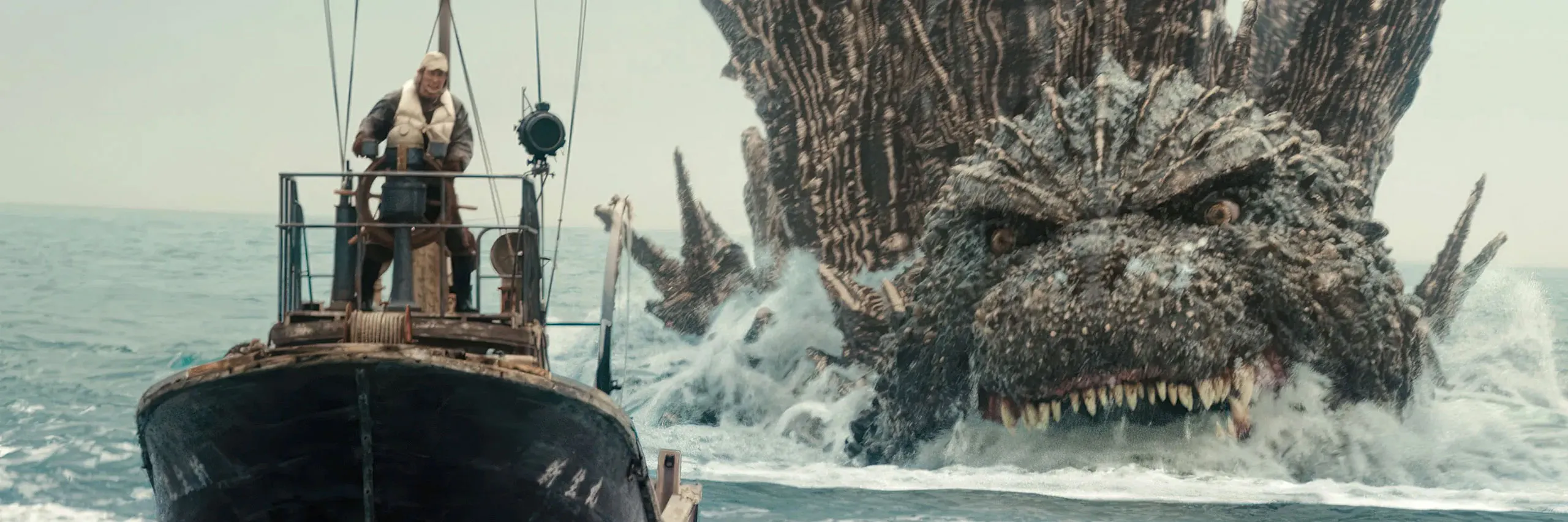
 Godzilla Minus One (2023)
Monsters
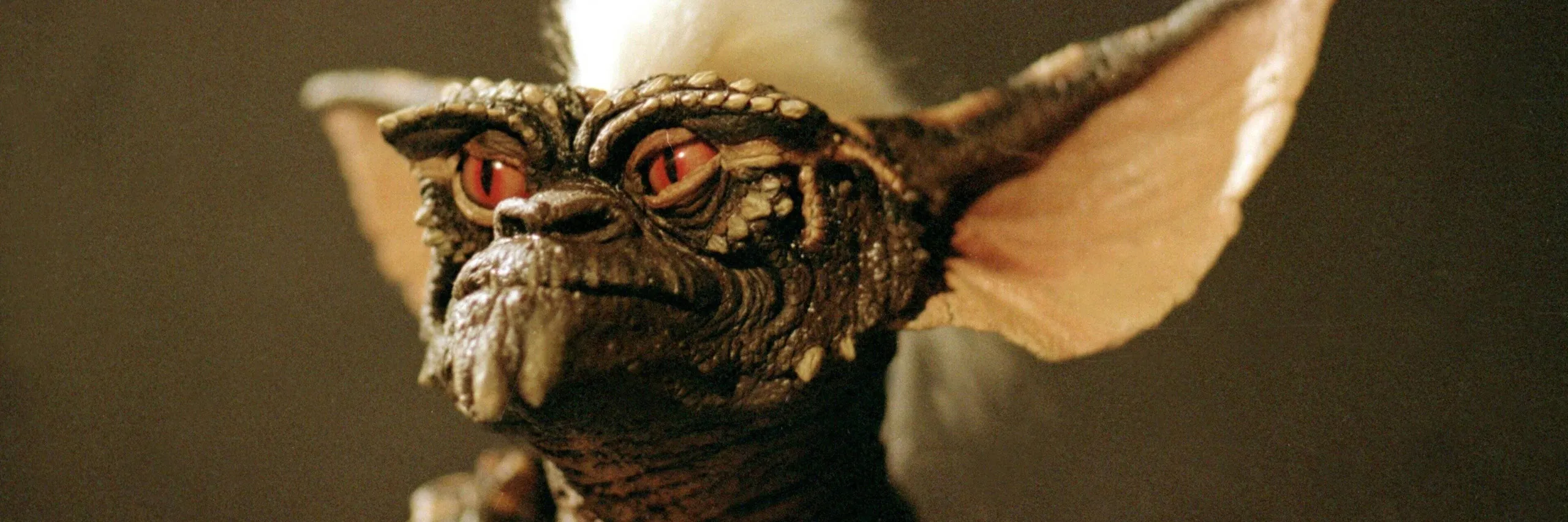
Horror's oldest figure given form. Vampires, zombies, aliens, kaiju, and creatures beyond classification — the monster externalizes fear into something physical, dangerous, and inseparable from the culture that imagined it.
History & Origins
The monster is horror's oldest and most fundamental figure. Long before cinema, long before the Gothic novel, monsters populated the stories humanity told around fires and carved into temple walls — the Cyclops of the Odyssey, Grendel in Beowulf, dragons and demons in every culture's mythology. These creatures gave shape to fears that had no other form. Horror, as a genre, may have begun the moment someone described a monster.
In Bruce Kawin's taxonomy of the horror film, the monster occupies a distinct category. As Kawin defines it: a monster is "a dangerous and repulsive creature, perhaps deformed, perhaps gigantic, perhaps composed of the parts of different animals or plants, an aberration, not human or no longer simply human, a thing. The monster is physical, not metaphysical, and it can die." Unlike a ghost or a demon, a monster can be killed — but until it is, no one is safe. That tension between mortality and seeming invincibility drives every monster film. "Monsters gather, concentrate and express horror as if they were focusing it," Kawin writes; the creature is the cause of the story's problems, and the story ends when it is destroyed or escapes to threaten again.
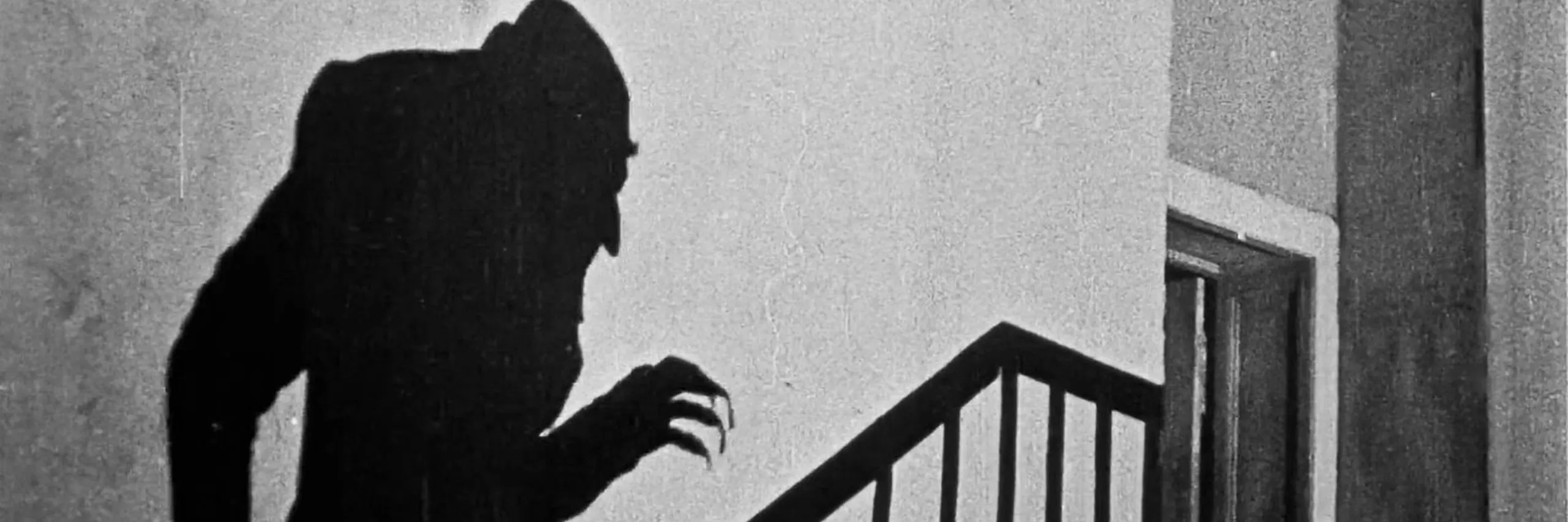
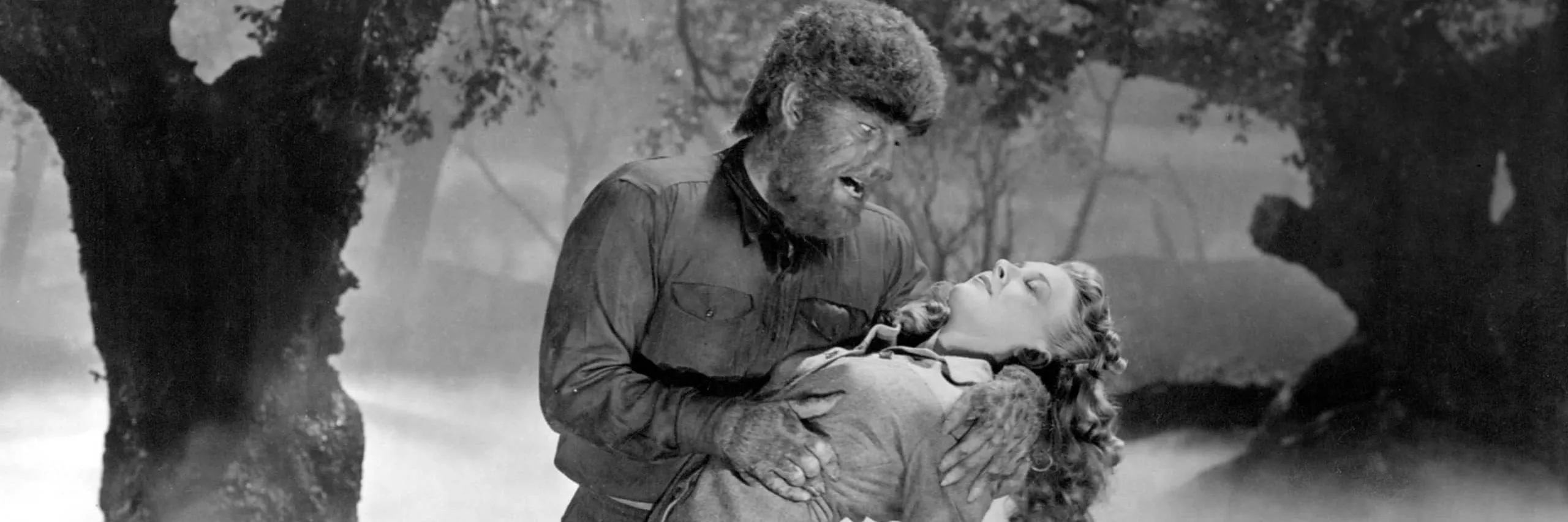
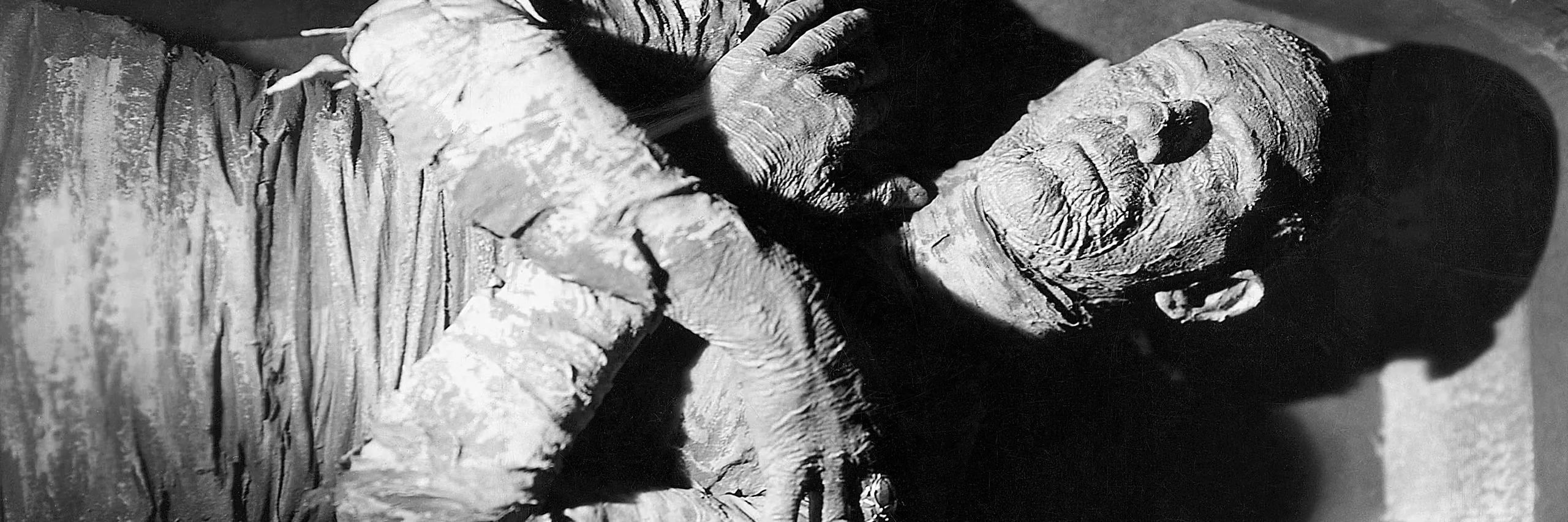
Cinema gave the monster something literature never could: the power to be shown. Georges Méliès's Le Manoir du Diable (1896) — likely the first horror film ever made — already featured a transforming bat-devil. German Expressionism gave the figure its first mature visual language in The Cabinet of Dr. Caligari (1920) and Nosferatu (1922). A decade later, Universal Studios built an iconic pantheon across the 1930s — Dracula (1931), Frankenstein (1931), The Mummy (1932), Bride of Frankenstein (1935), The Wolf Man (1941) — that became the foundation for nearly a century of monster cinema and seeded four distinct strands the genre still works with today: the vampire, the constructed creature, the mummy's ancient curse, the werewolf's loss of control.
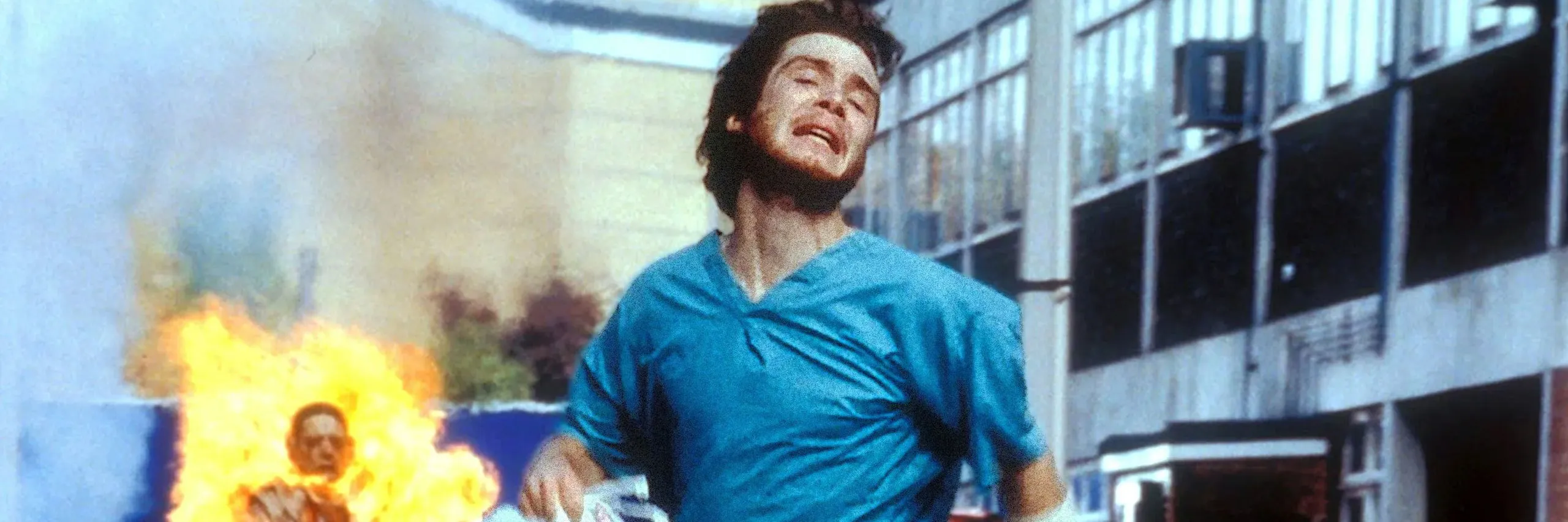
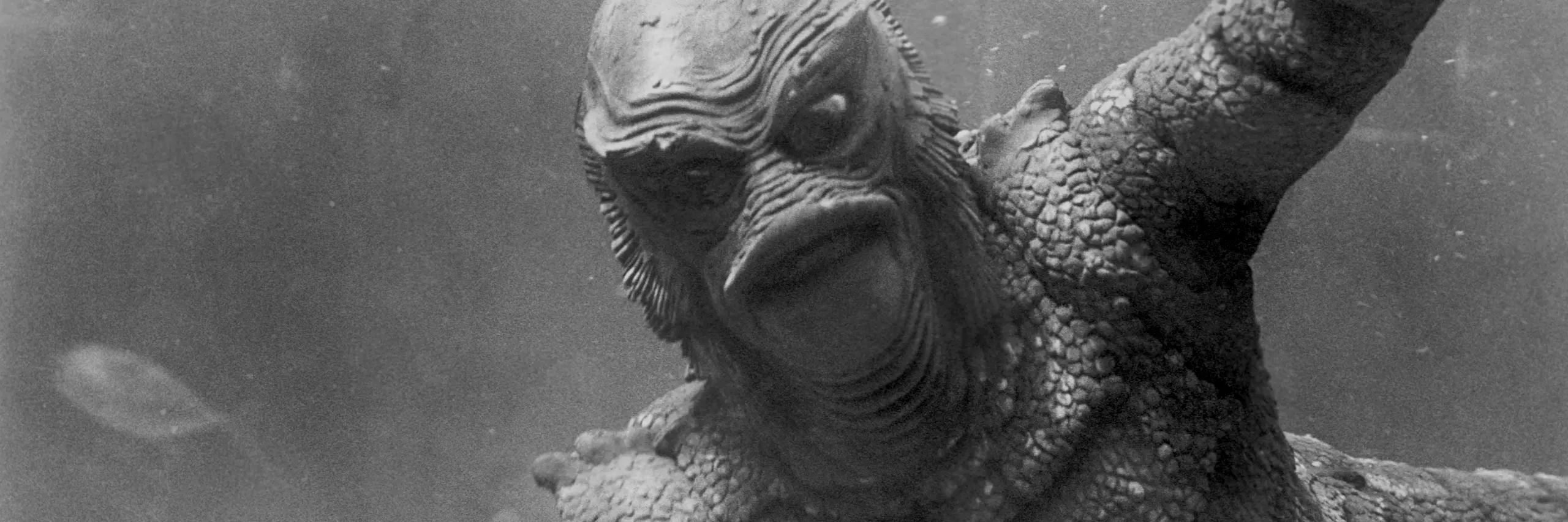
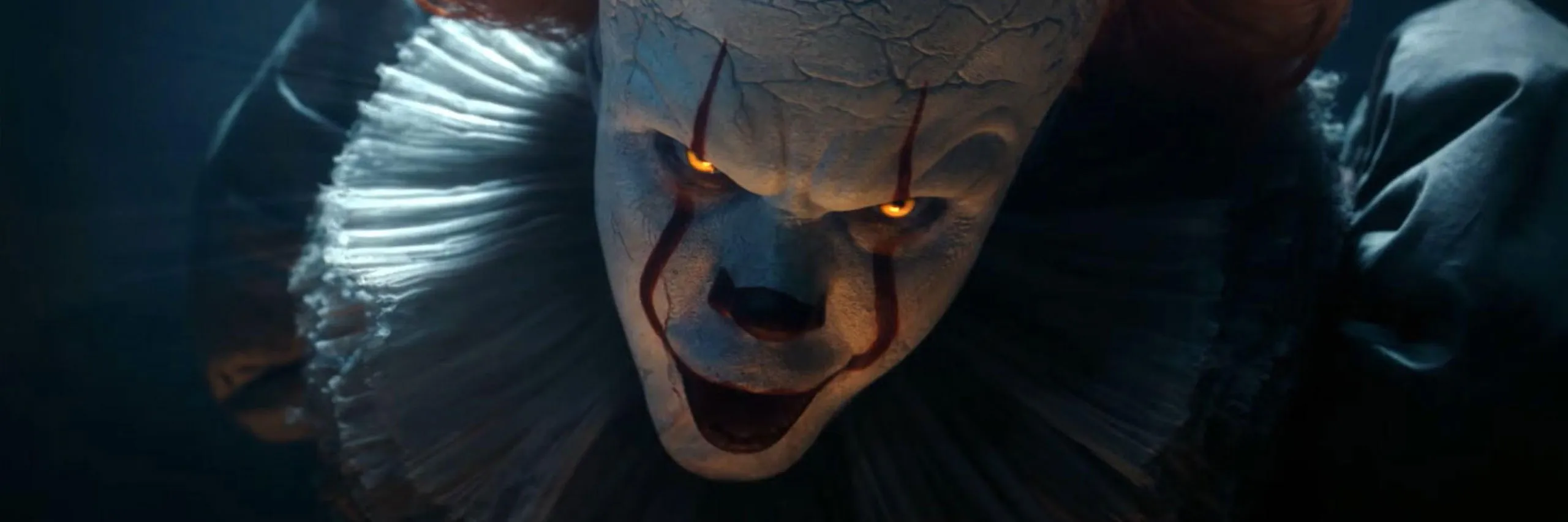
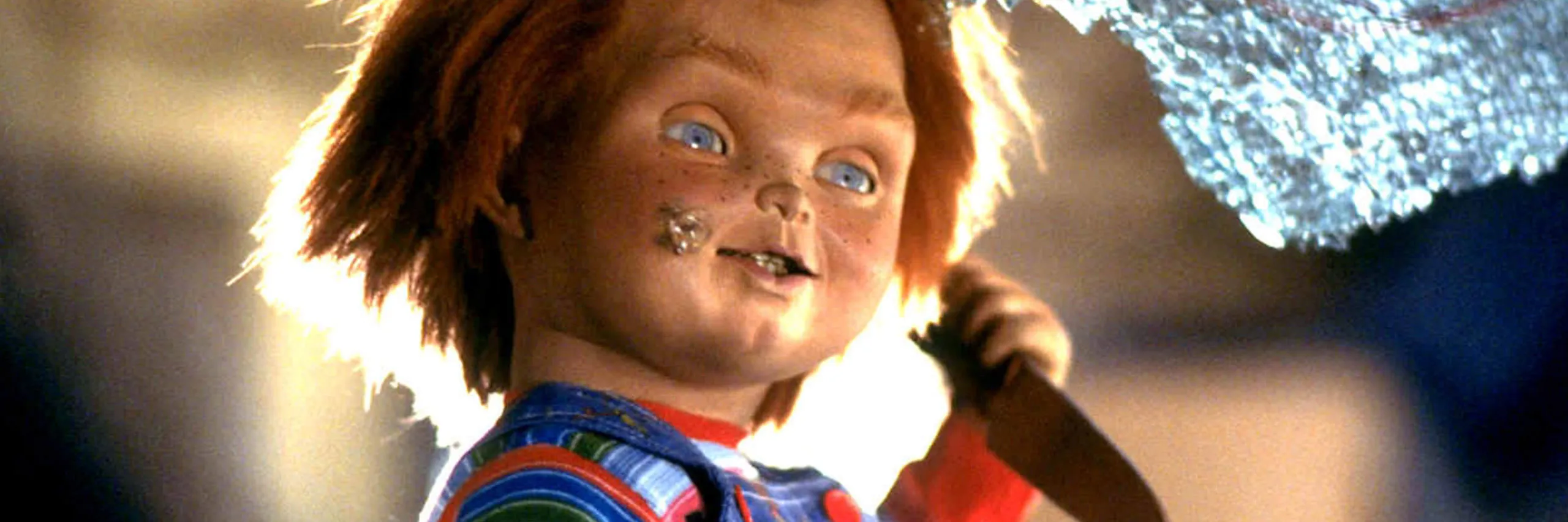
The genre has continuously reinvented itself. King Kong (1933) introduced the spectacle-scale creature feature, a tradition the 1950s channeled into nuclear anxiety with Creature from the Black Lagoon (1954) and a wave of giant irradiated sea creatures and invading aliens. Japan's kaiju tradition, born in Godzilla (1954) from the trauma of Hiroshima, became a global phenomenon. Hammer Films reimagined the Universal monsters with Gothic intensity. The 1980s produced landmark practical-effects creatures in The Thing (1982) and The Fly (1986). The zombie, reinvented by George Romero in Night of the Living Dead (1968) as social commentary, became perhaps the most versatile monster in the genre. Today the bestiary keeps expanding — to killer dolls and puppets, to killer clowns, to creatures beyond any inherited category.
What unites every monster film is a relationship between the creature and the audience. We fear monsters for their appearance, their power, and what they can do to us. But the best monsters also fascinate. They resonate with something we recognize — a fear, a desire, a part of ourselves we would prefer not to acknowledge. The monster is a mirror, and what it reflects changes with every era, every culture, and every viewer who dares to look.
Explore Monsters
Statistics
Popularity by Decade
Share of each decade's horror films classified as Monsters. Counts films with at least 5 TMDB ratings, so very obscure titles are not represented.
Popularity by Country
Share of each country's horror output classified as Monsters. Counts films with at least 5 TMDB ratings, so very obscure titles are not represented.

