 Nosferatu (1922)
History & Origins
The vampire is one of horror's most enduring and adaptable figures — a creature built around an extraordinary range of fears. To encounter a vampire is to confront the horror of drinking blood and the terror of losing it, the dread of infection and contamination, the fear of the bite itself, and the existential nightmare of undeath. Blood is the ocean inside us, red and ancient, meant to stay within. To watch it drain is to watch life leave.
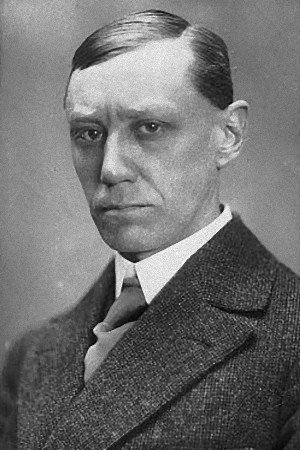
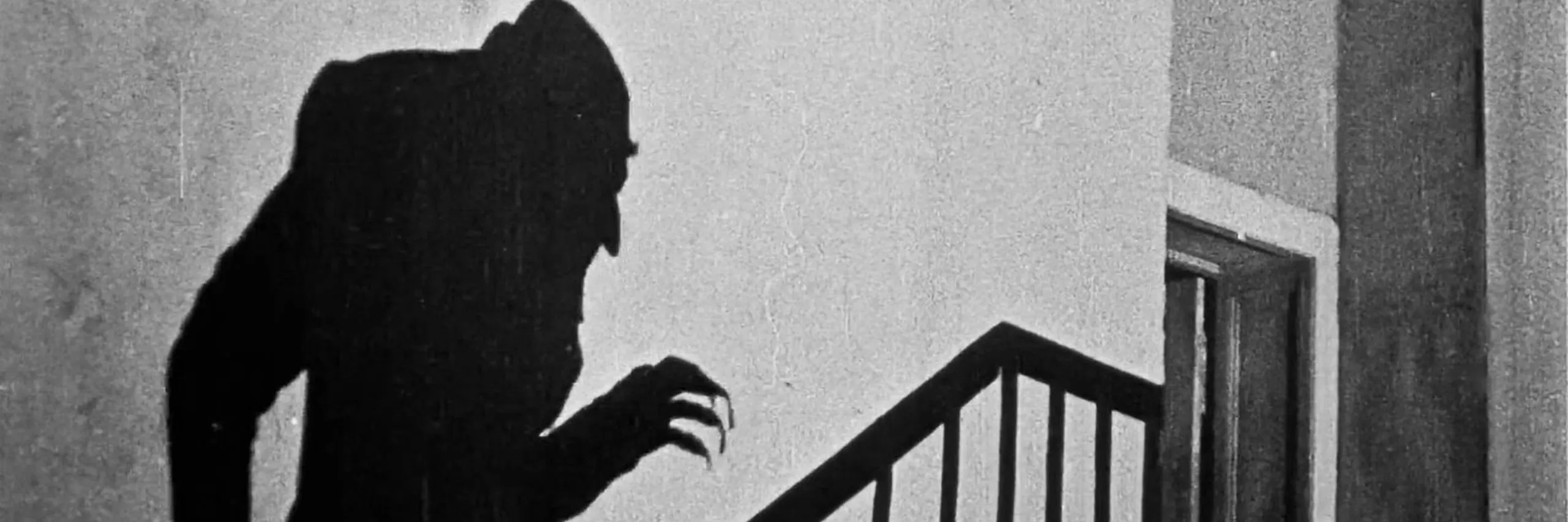
The literary vampire emerged from folklore into fiction through John Polidori's "The Vampyre" (1819), Sheridan Le Fanu's "Carmilla" (1872) — whose lesbian sensuality would shape an entire strand of European vampire cinema — and Bram Stoker's "Dracula" (1897). Cinema seized the figure almost immediately. F. W. Murnau's Nosferatu (1922) — an unauthorized Dracula adaptation that changed the names but kept the dread — gave the vampire its most purely nightmarish form: Count Orlok as plague-bearing rat, a creature of contagion and revulsion who could not pass for human. A decade later, Carl Theodor Dreyer's Vampyr (1932) stripped the form to a dream of shadow and light, a film Kawin singles out as one of the genre's enduring aesthetic high points.
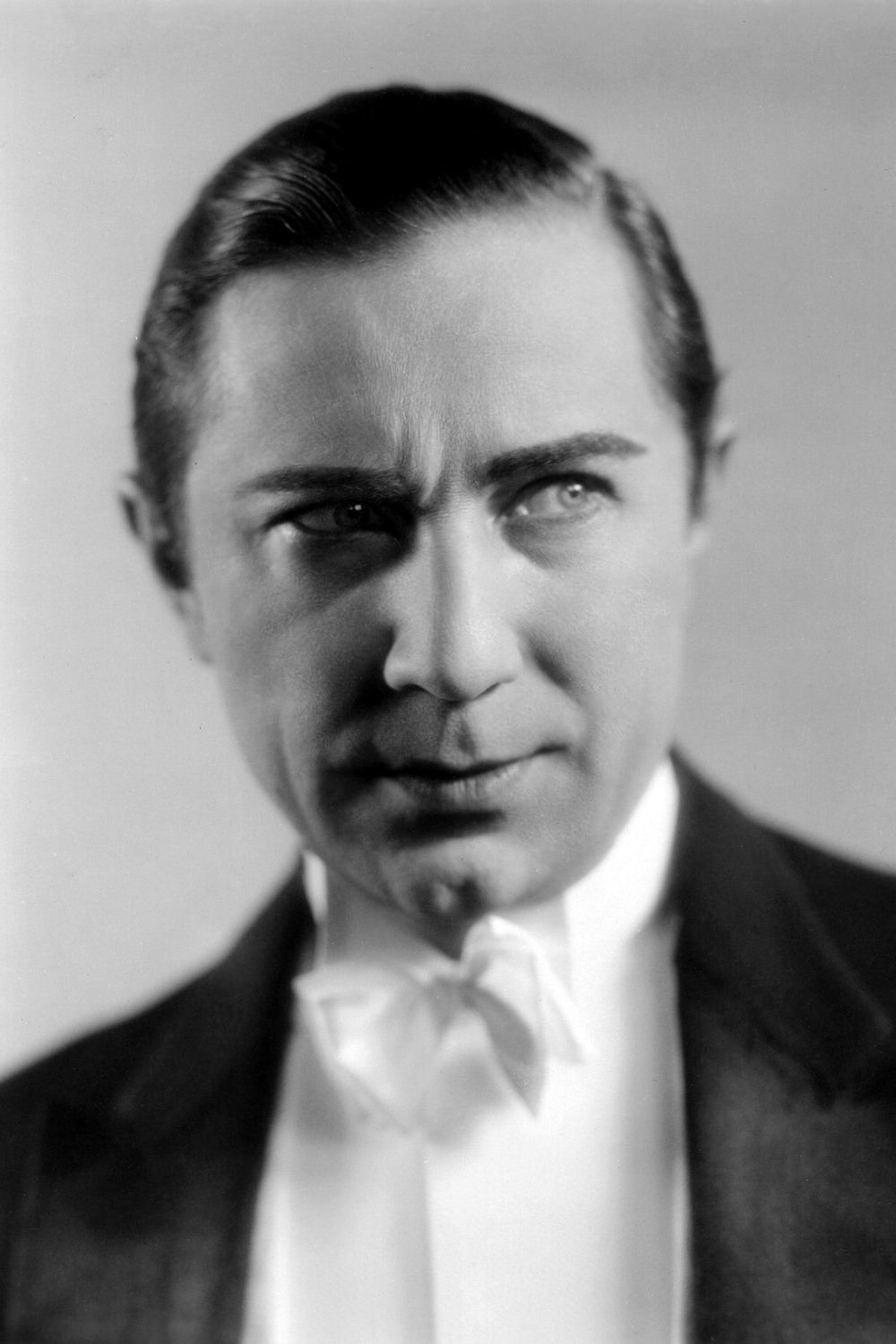
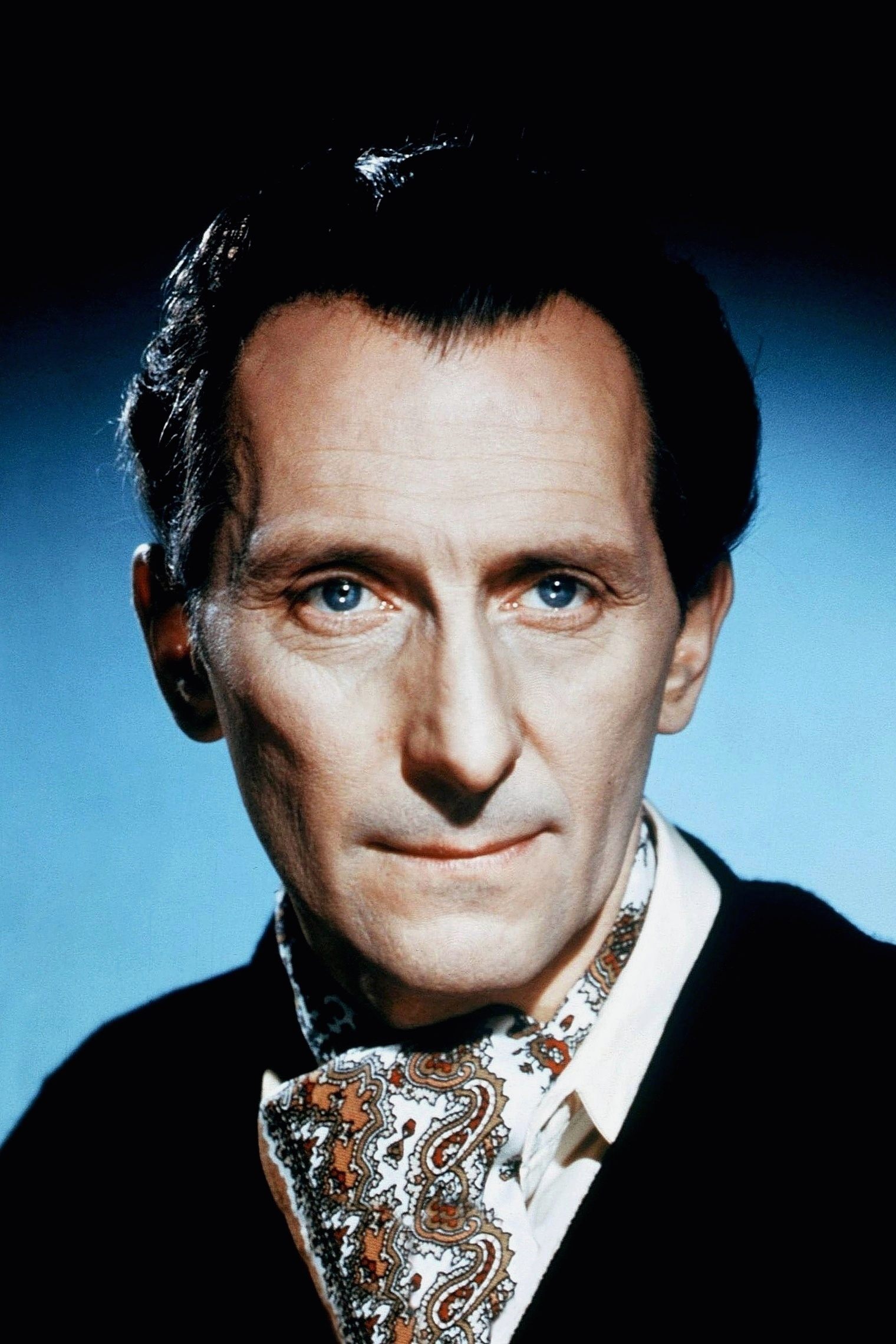
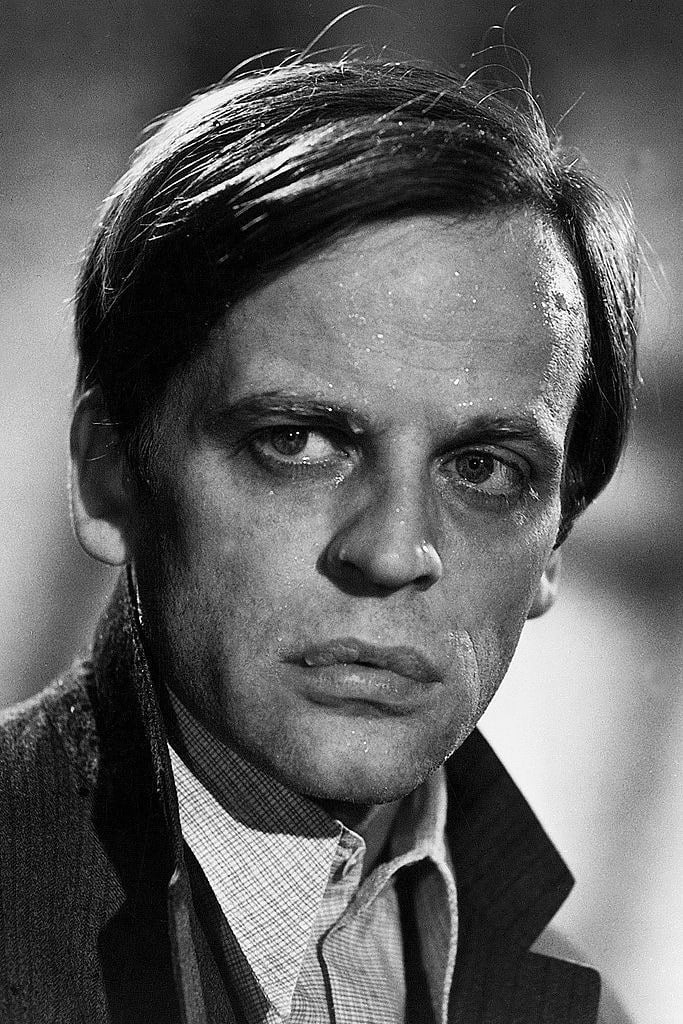
Universal's Dracula (1931) took the opposite approach to Murnau. Bela Lugosi's Count was aristocratic, seductive, even elegant — a predator who could infiltrate society by charm rather than force. This split between the repulsive and the attractive vampire has defined the subgenre ever since. Hammer Films sexualized the figure across the late 1950s–1970s, with Christopher Lee and Peter Cushing anchoring Dracula (1958) and its sequels as Terence Fisher's definitive Gothic restatement. The Carmilla strand surfaced through Roger Vadim's Blood and Roses and Harry Kümel's Daughters of Darkness (1971); in Italy, Mario Bava's Black Sunday (1960) fused vampirism with witchcraft and became Italian Gothic horror's definitive image. Werner Herzog's Nosferatu the Vampyre (1979) restaged Murnau as romantic tragedy, with Klaus Kinski as a Count pitied as much as feared.
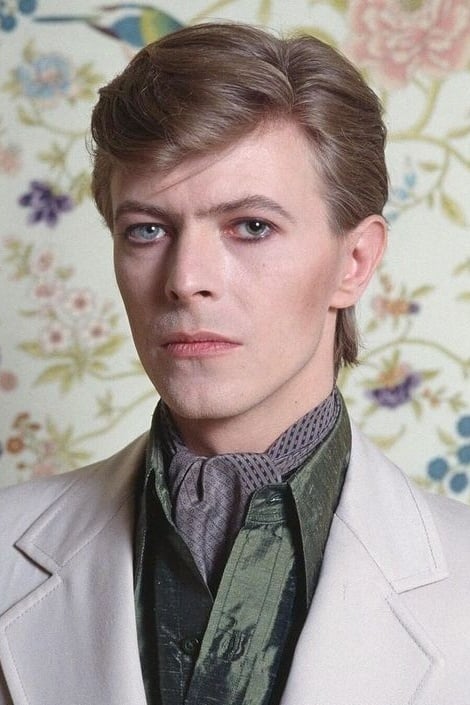
The 1980s produced an extraordinary range of vampire films that abandoned the Gothic register entirely. Tony Scott's The Hunger (1983) brought Catherine Deneuve and David Bowie to a glossy, fashion-spread eternity; Kathryn Bigelow's Near Dark (1987) crossed the vampire film with the American Western; The Lost Boys (1987) made vampirism teenage and Californian; George Romero's Martin (1978) had already turned the figure inside-out as the case-study of a deluded young man who may or may not be supernatural. Coppola's Bram Stoker's Dracula (1992) restored operatic spectacle; Neil Jordan's Interview with the Vampire (1994) confirmed the romantic vampire as its own commercial tradition, paving the way for Underworld, Blade (1998)'s action-horror revision, and ultimately Twilight (2008). Guillermo del Toro's Cronos (1993) brought a distinctly Mexican-Gothic register; E. Elias Merhige's Shadow of the Vampire (2000) turned Nosferatu's production into its own horror film. The international art-vampire wave that followed — Tomas Alfredson's Let the Right One In (2008), Park Chan-wook's Thirst (2009), Jim Jarmusch's Only Lovers Left Alive (2013), Ana Lily Amirpour's A Girl Walks Home Alone at Night (2014), and Robert Eggers's Nosferatu (2024) — strips the myth to its emotional core: loneliness, dependence, and the terrible cost of immortal love. The vampire endures because it is inexhaustible: every era finds new fears to pour into its shape.
Essential Films
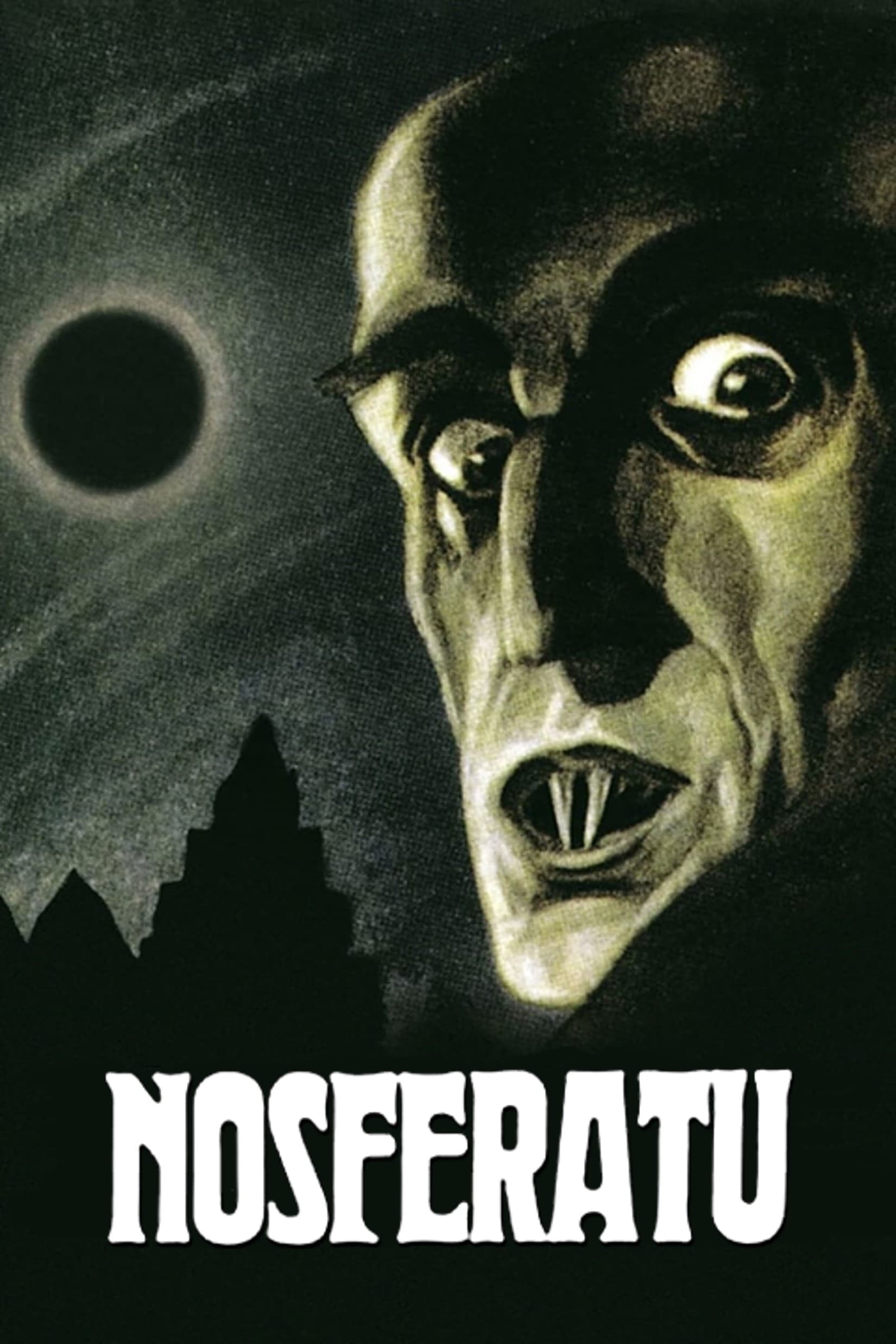
Nosferatu
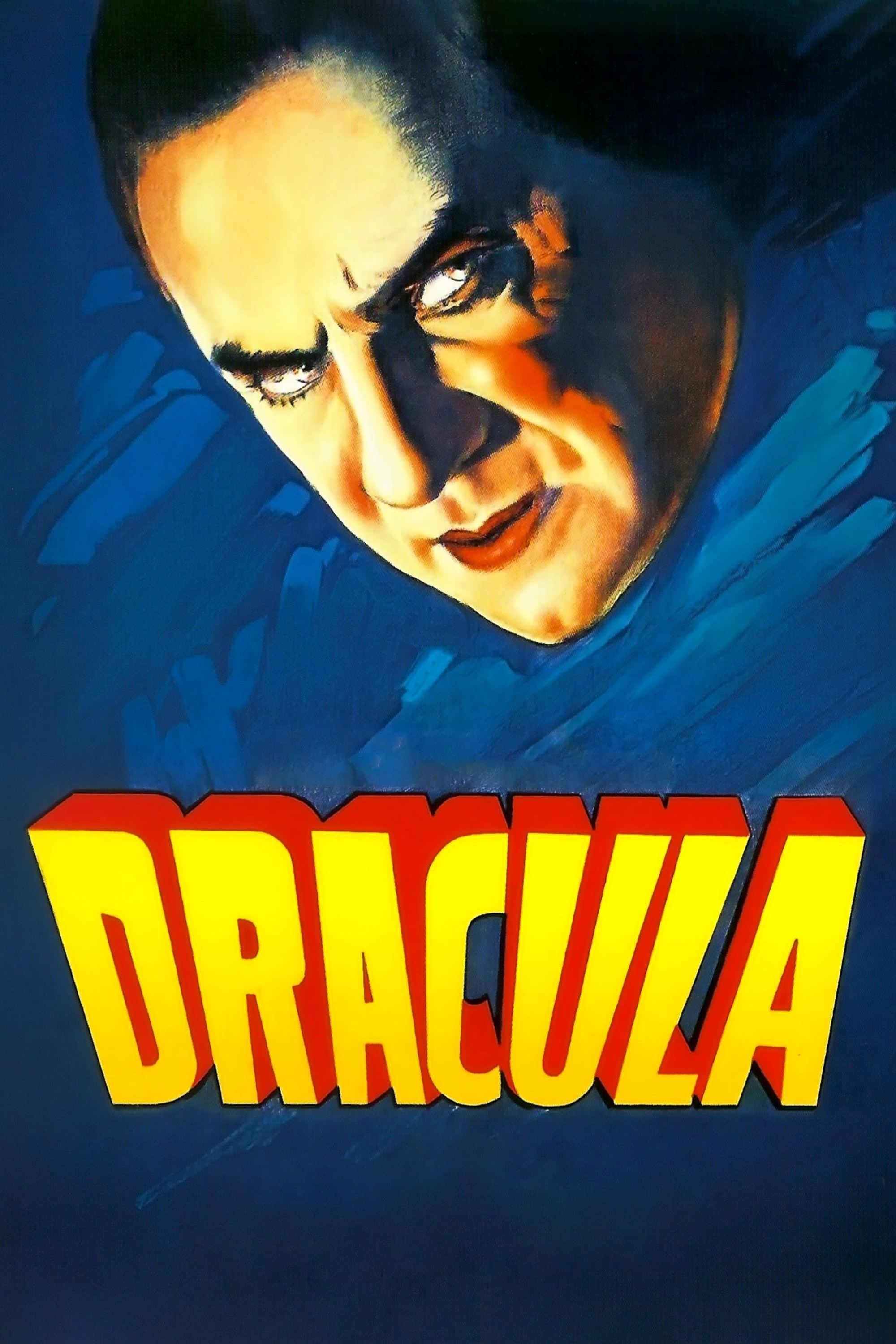
Dracula
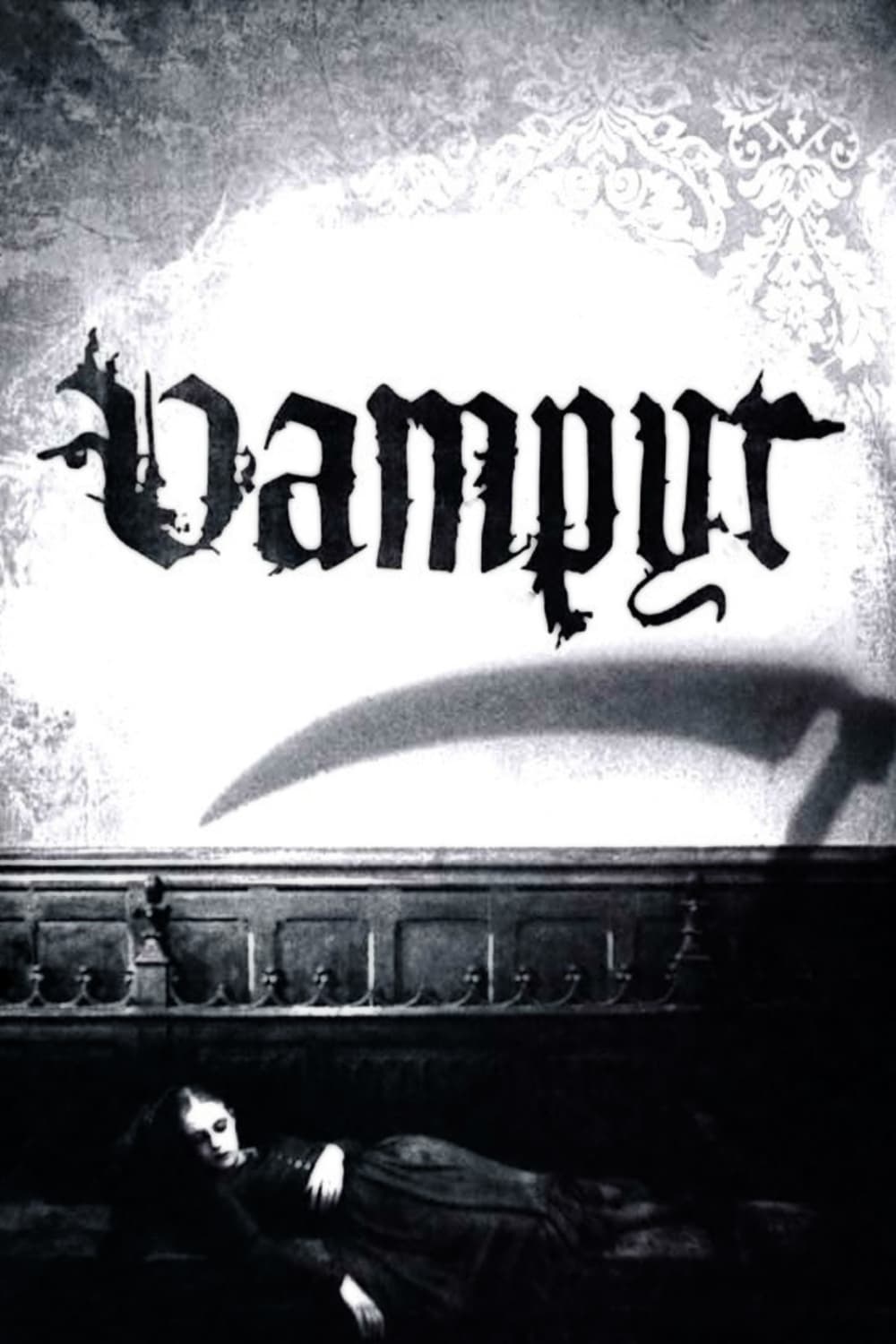
Vampyr
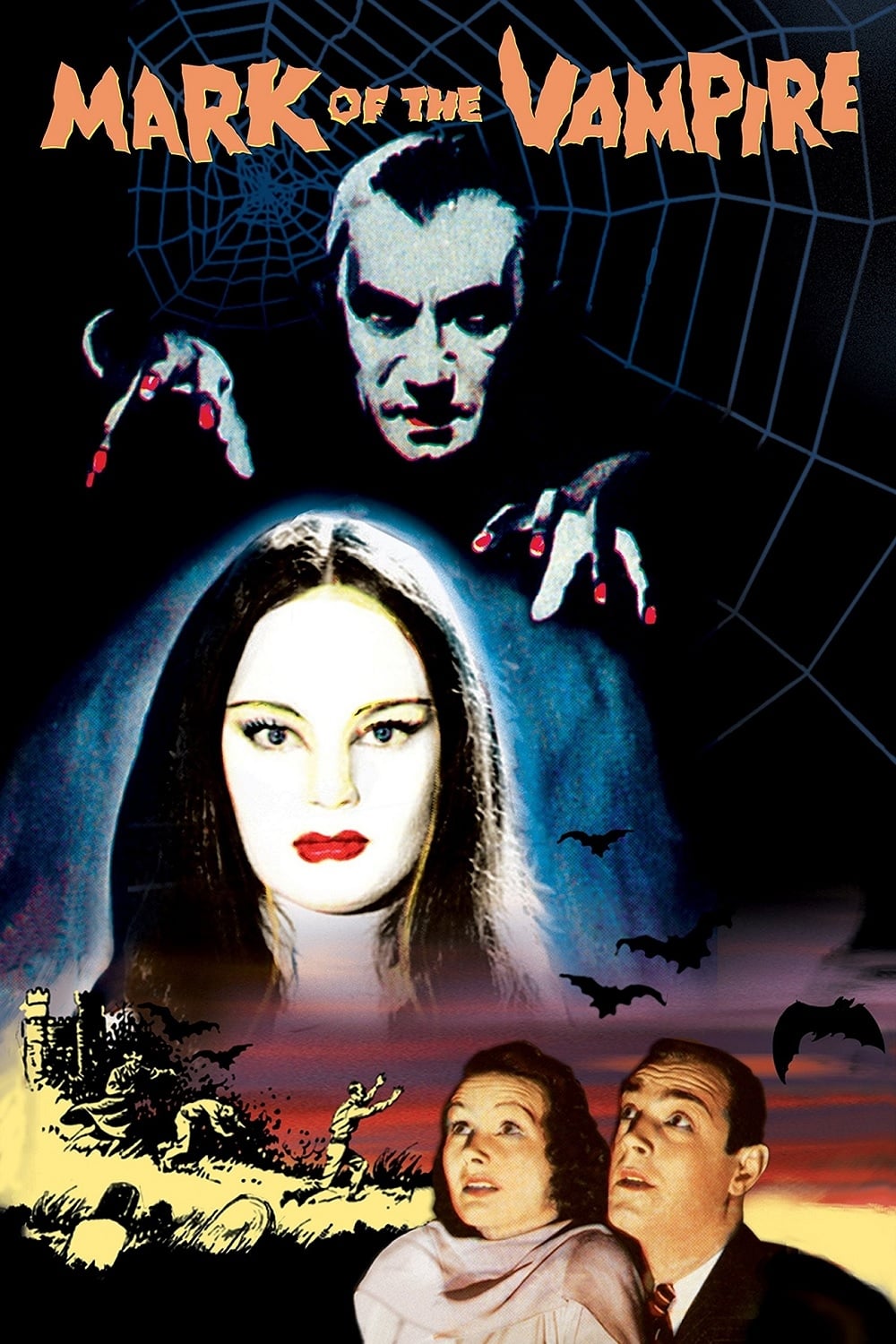
Mark of the Vampire
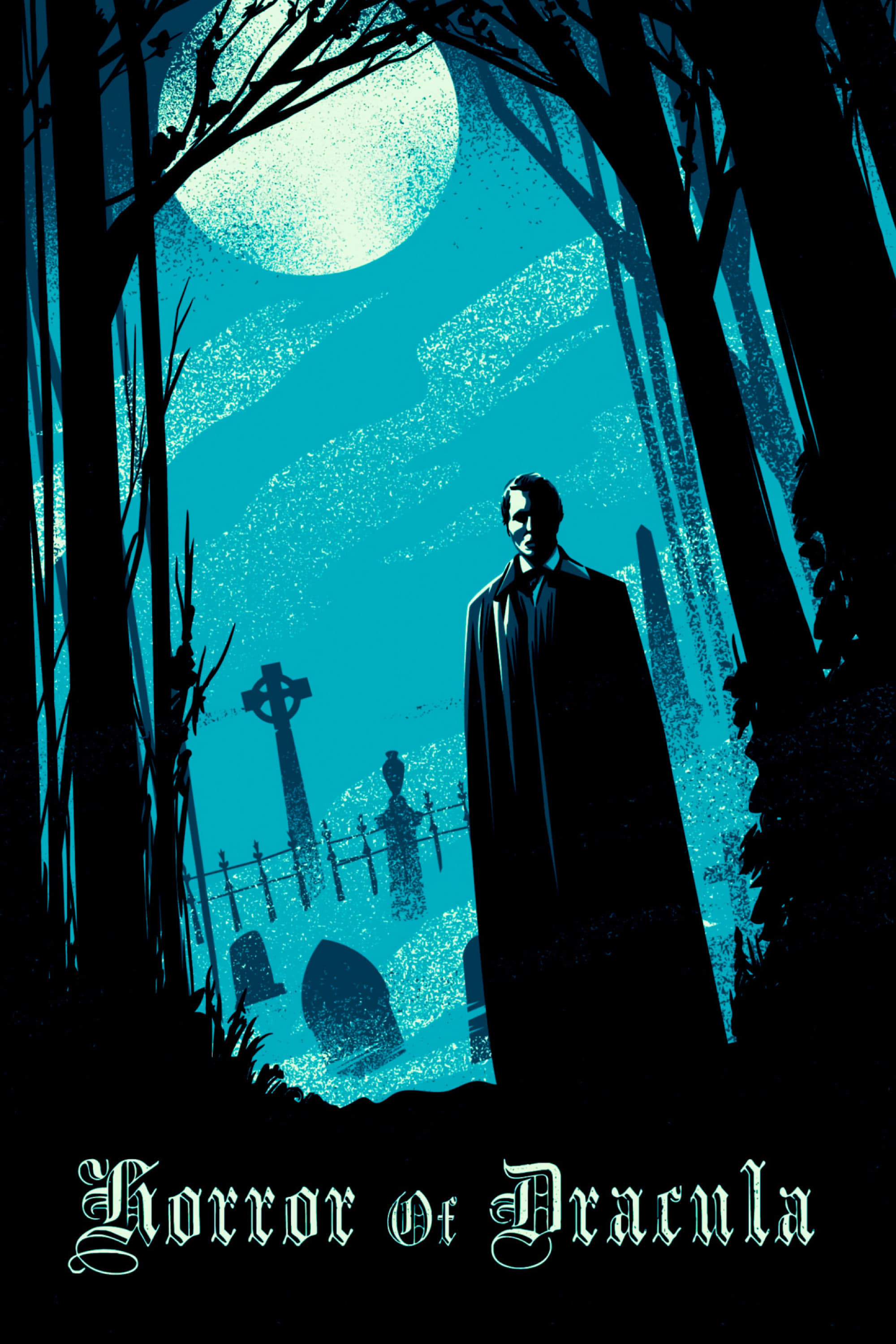
Dracula
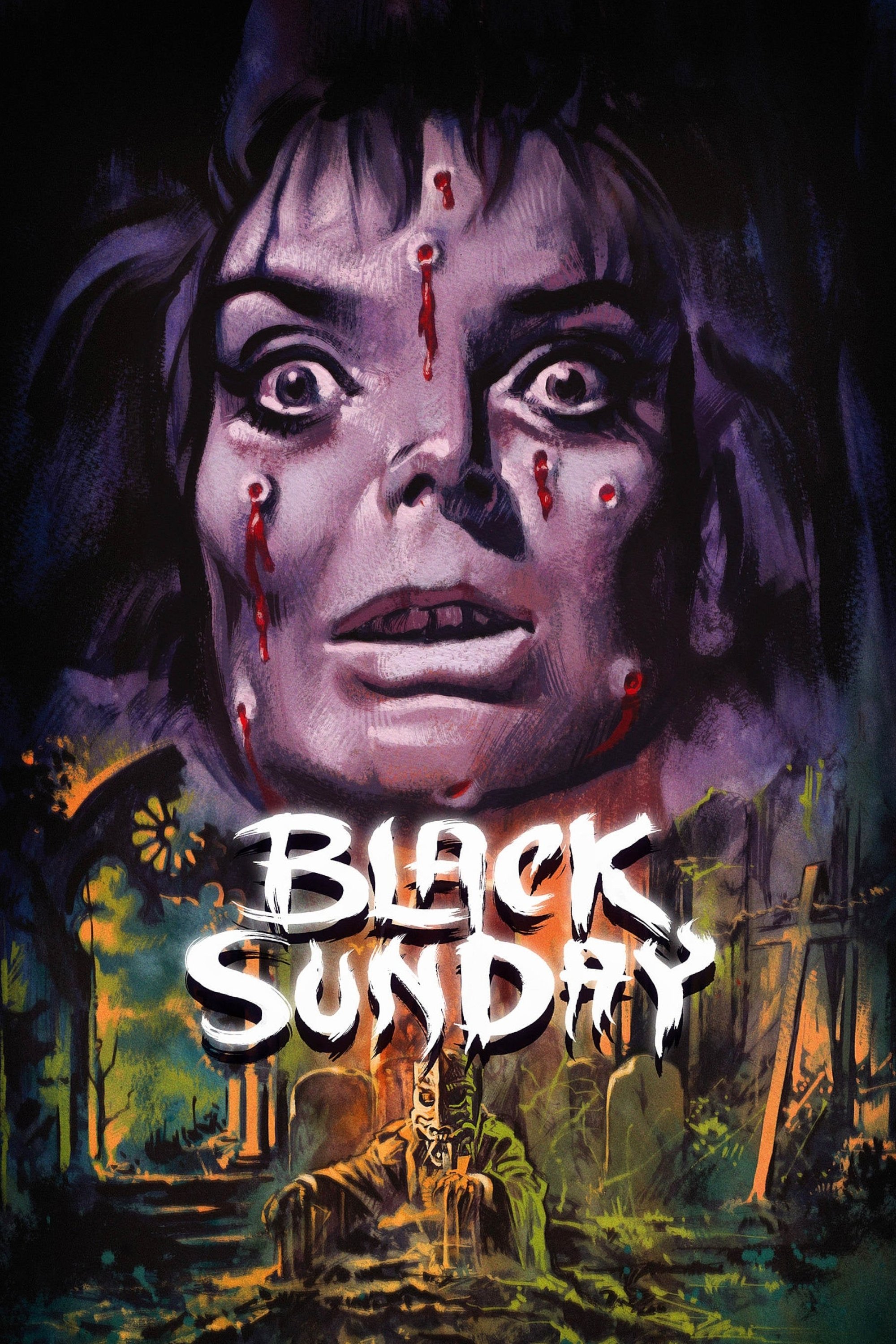
Black Sunday

Daughters of Darkness
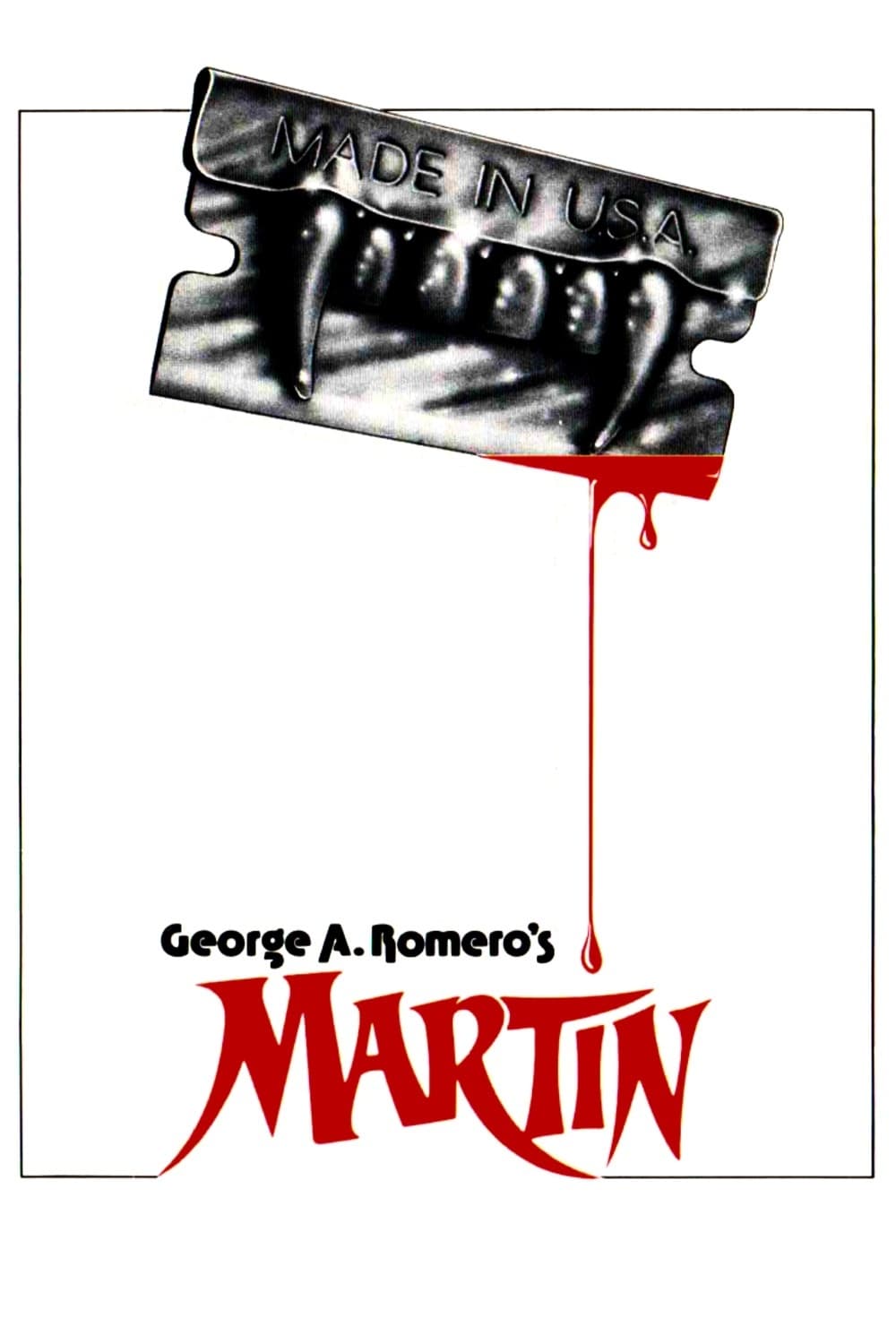
Martin

Nosferatu the Vampyre
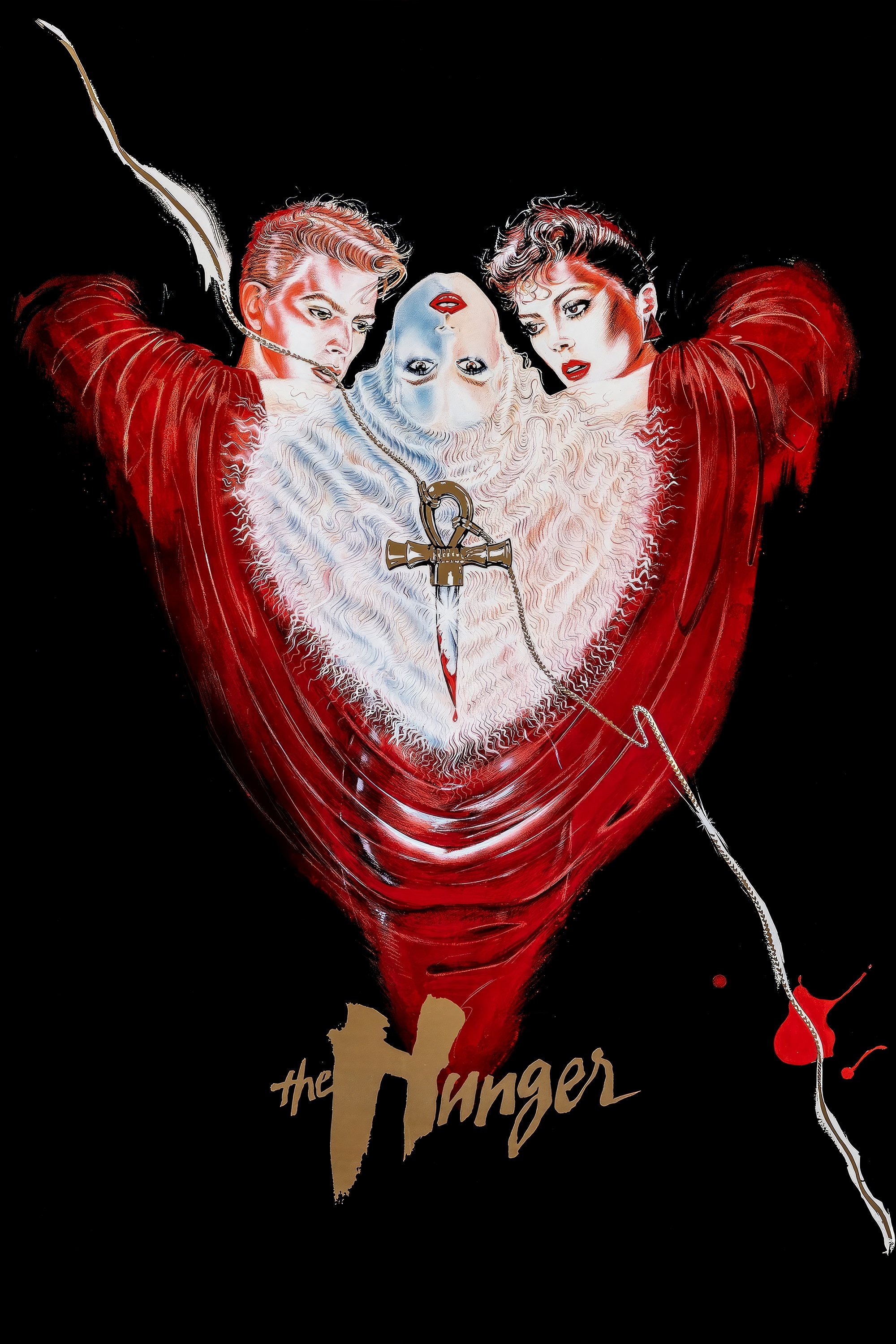
The Hunger

Lifeforce
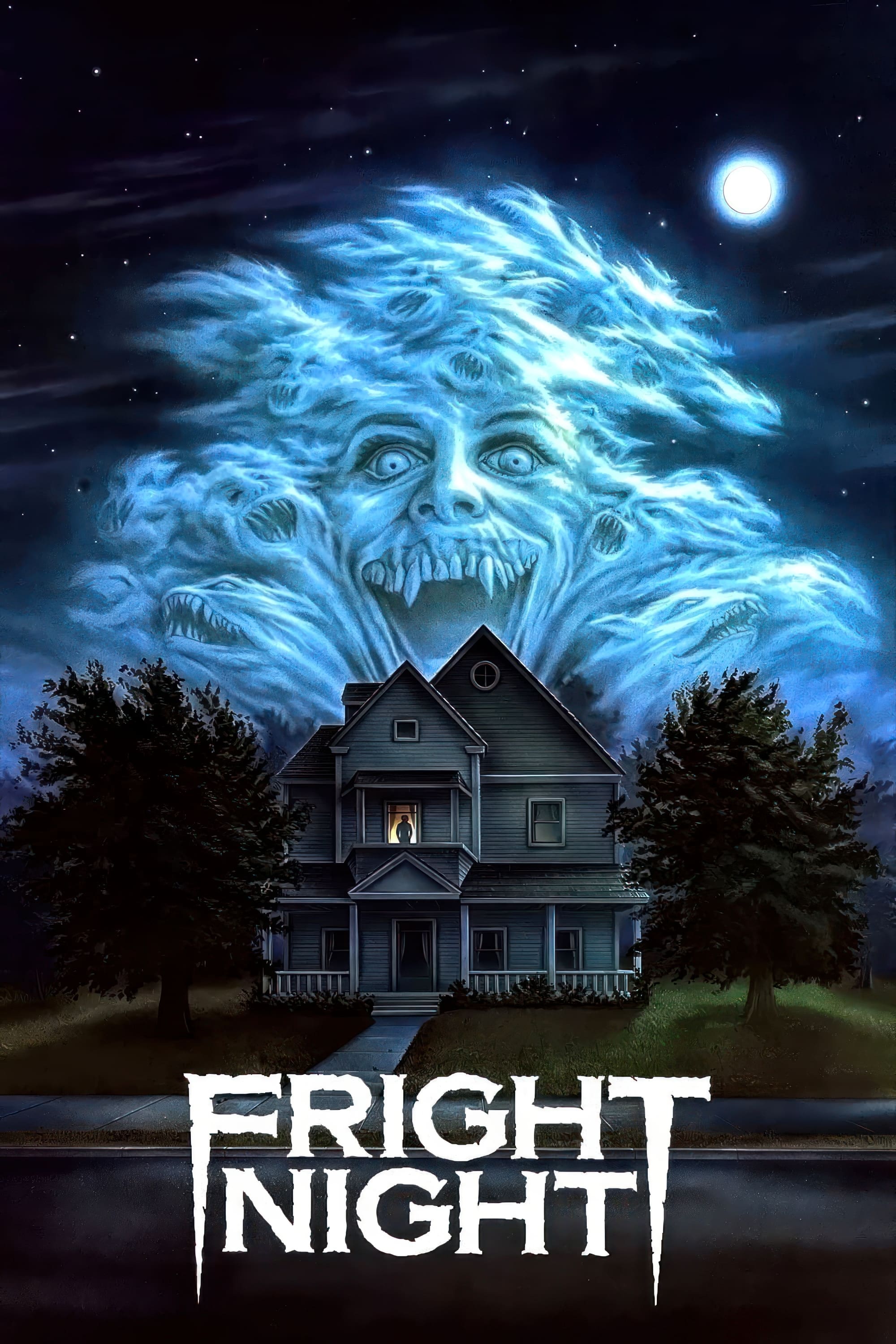
Fright Night
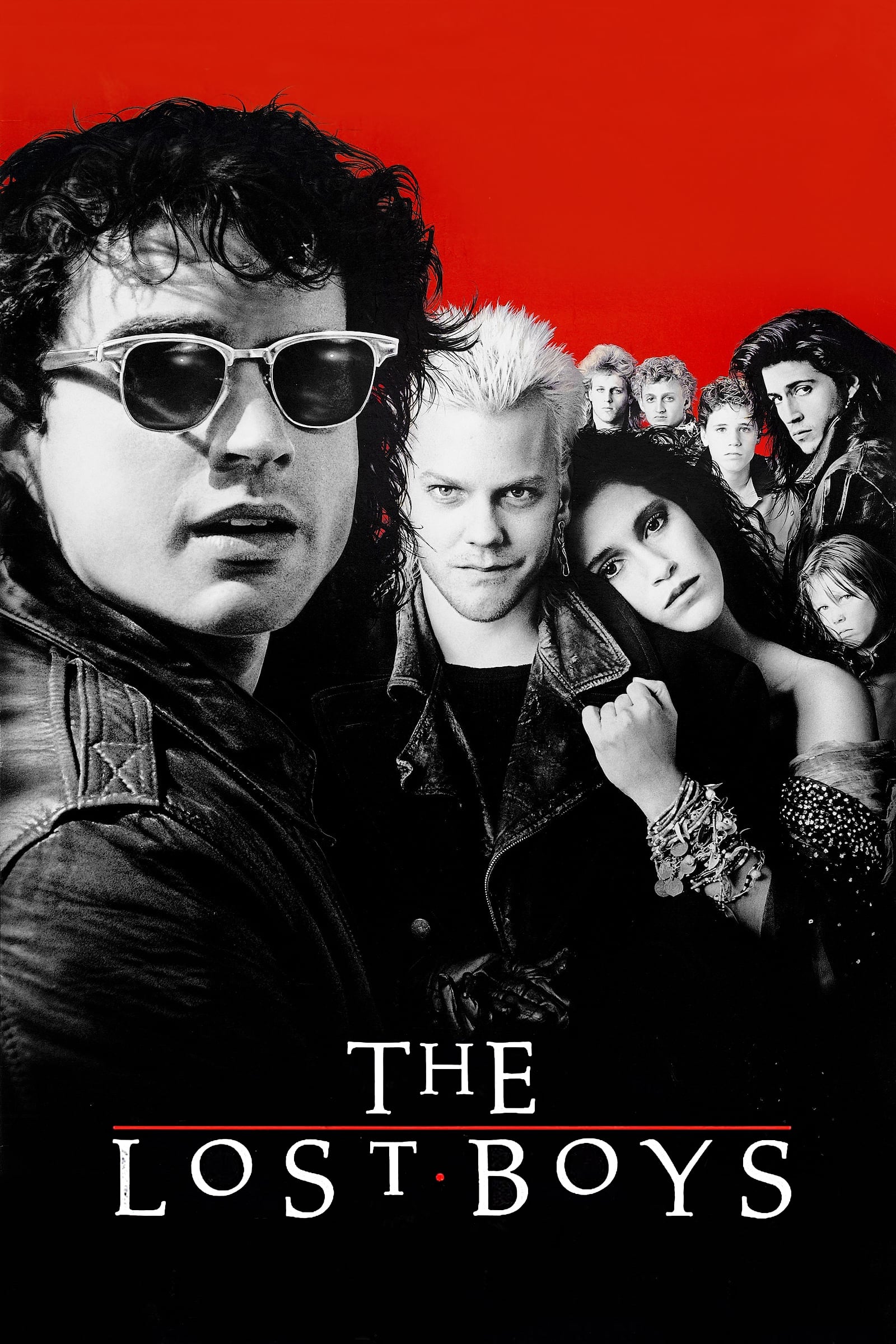
The Lost Boys
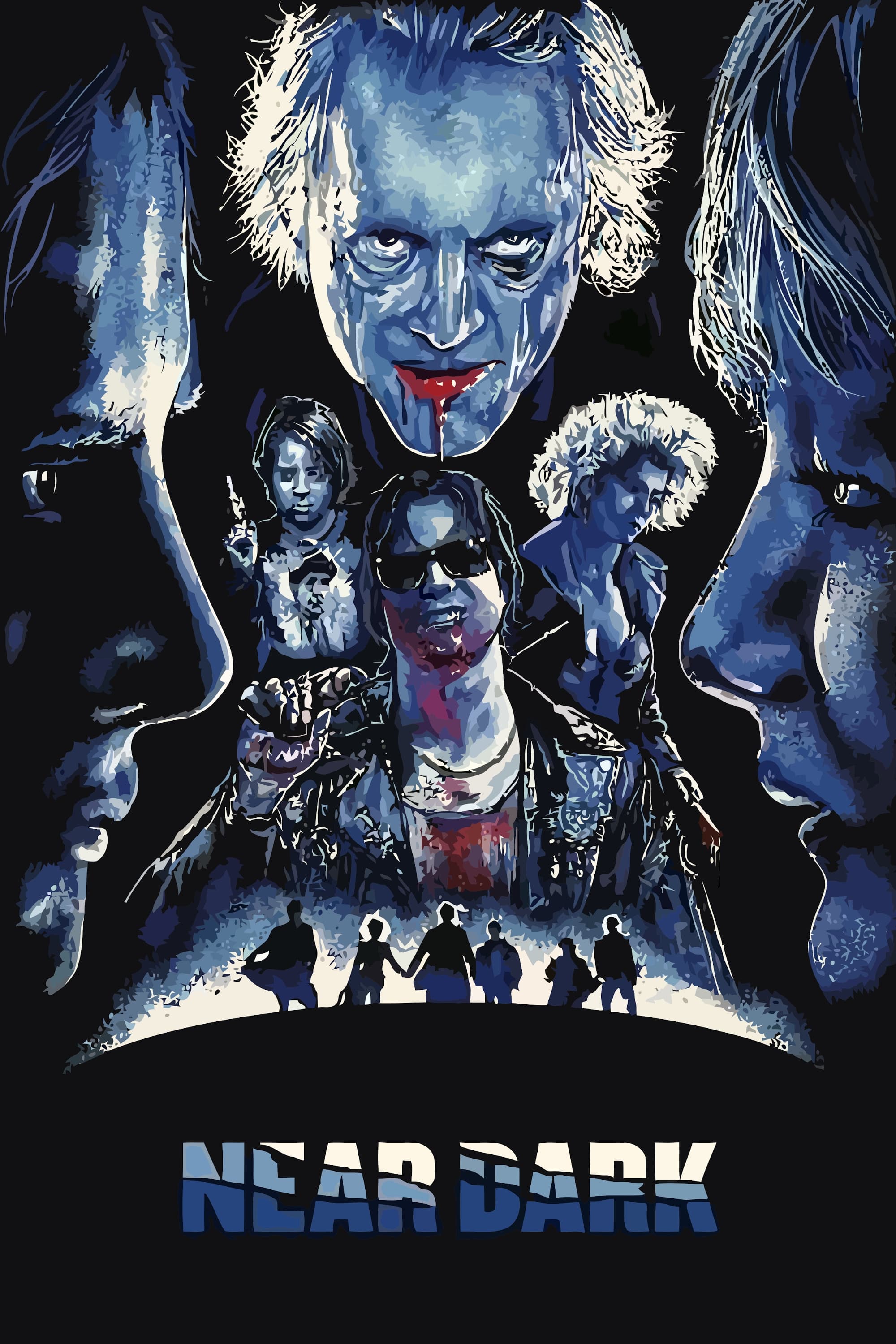
Near Dark
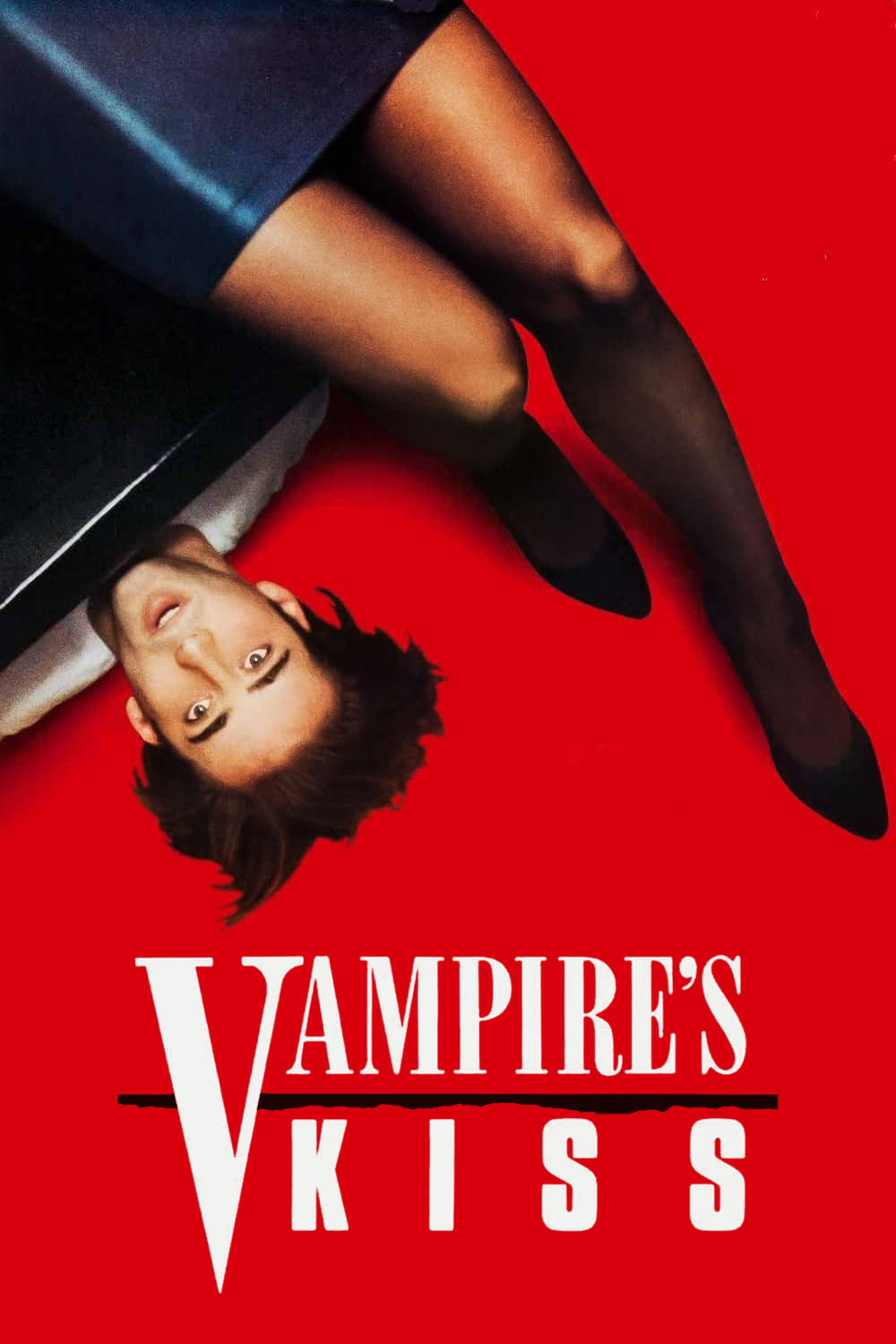
Vampire's Kiss
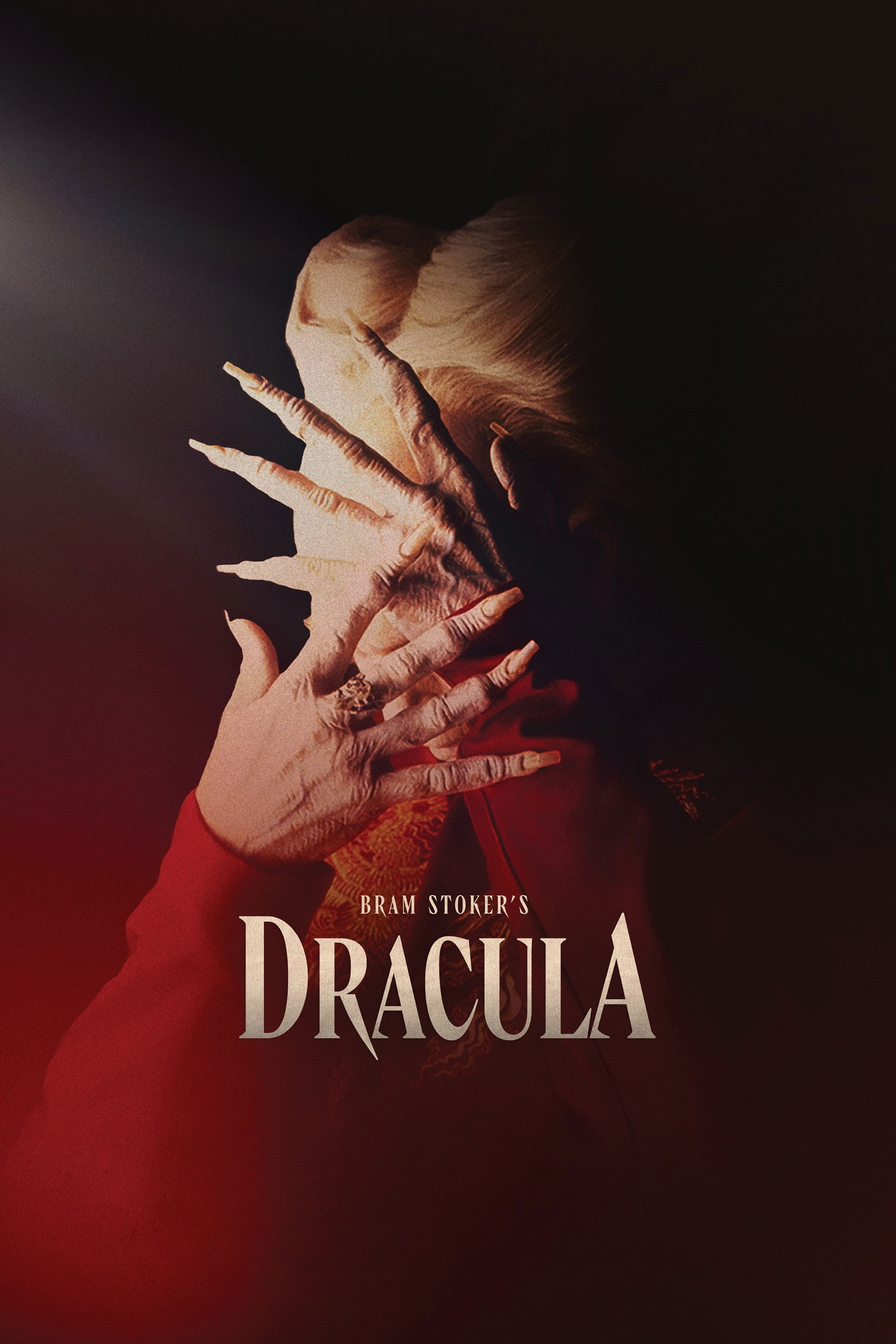
Bram Stoker's Dracula
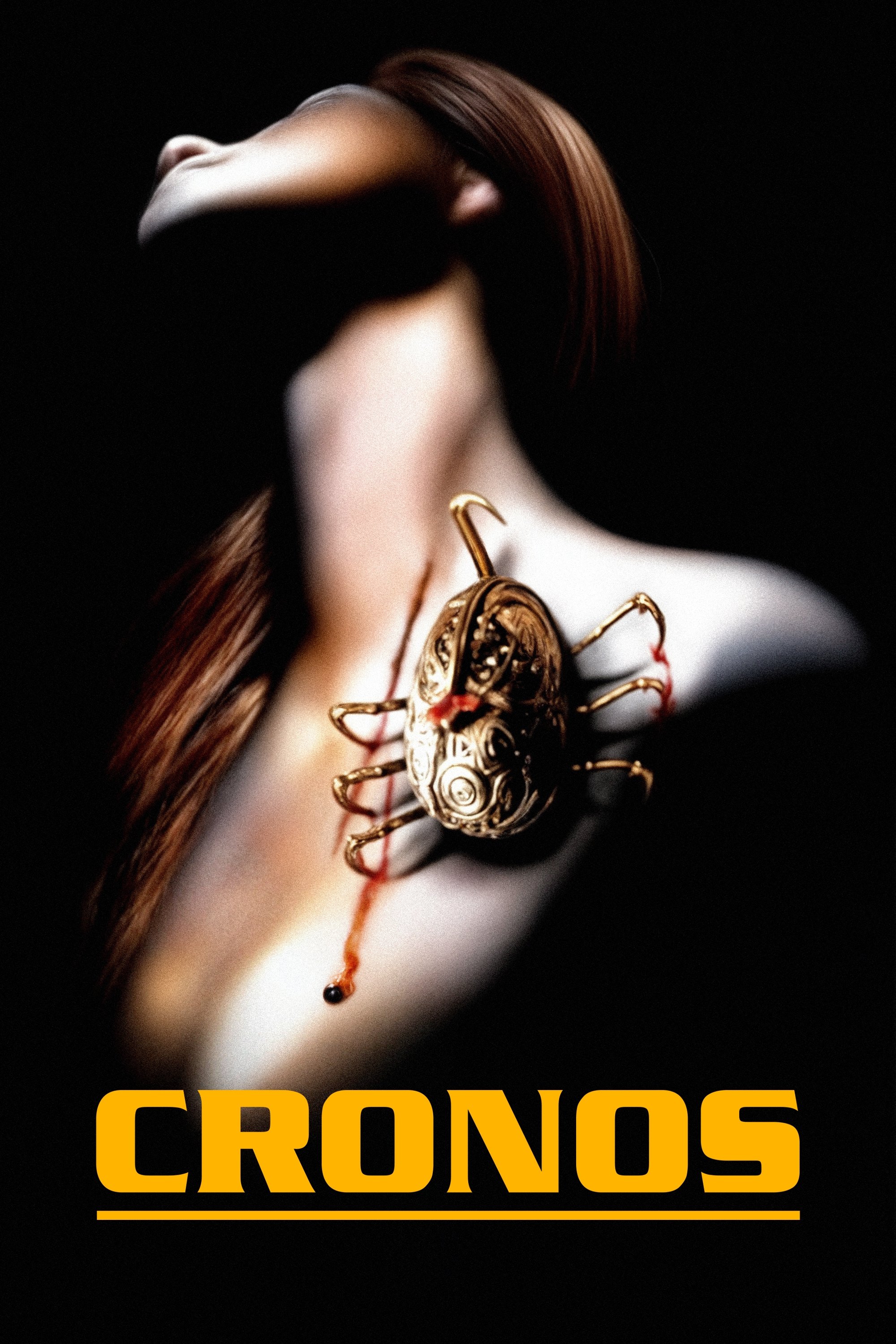
Cronos
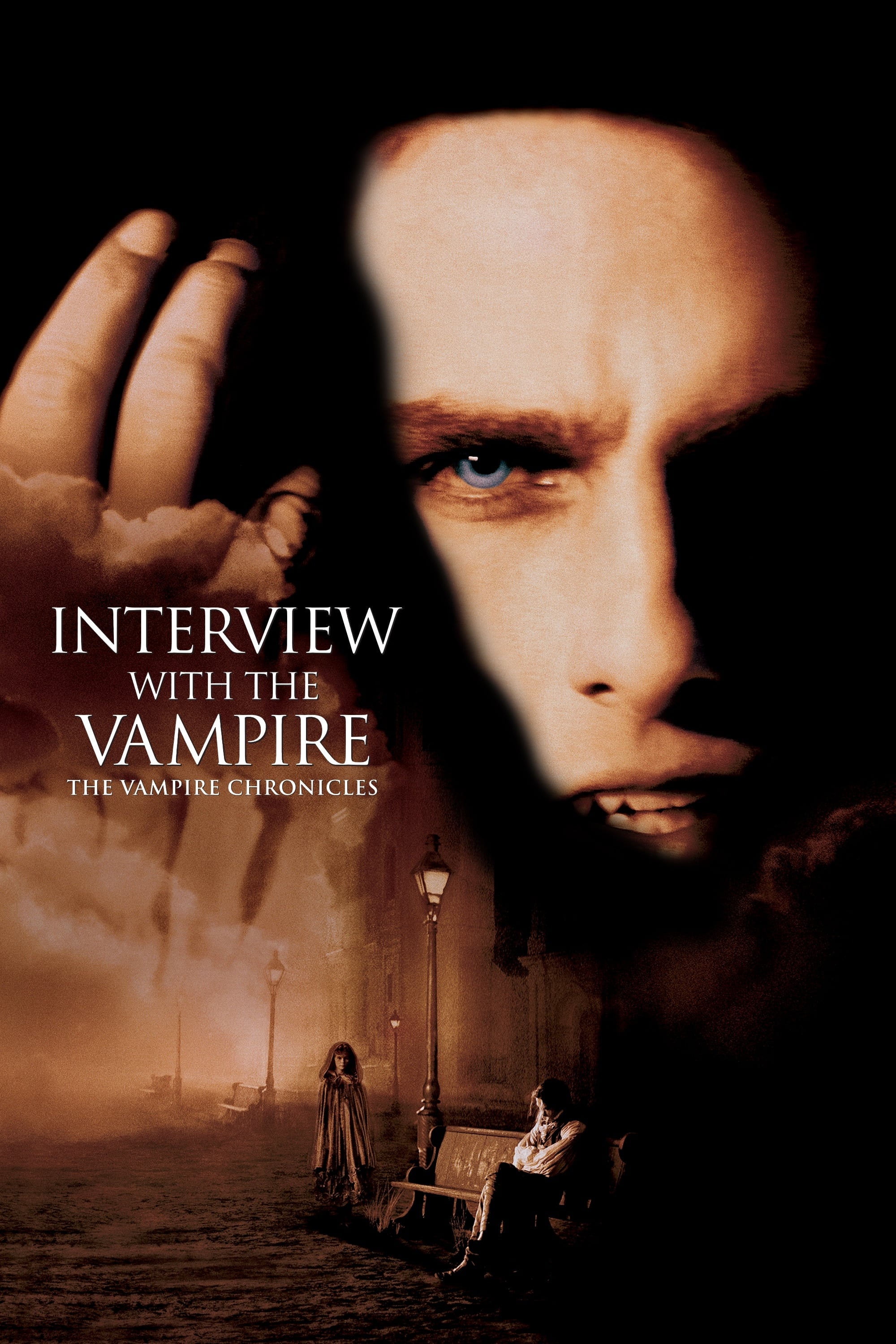
Interview with the Vampire
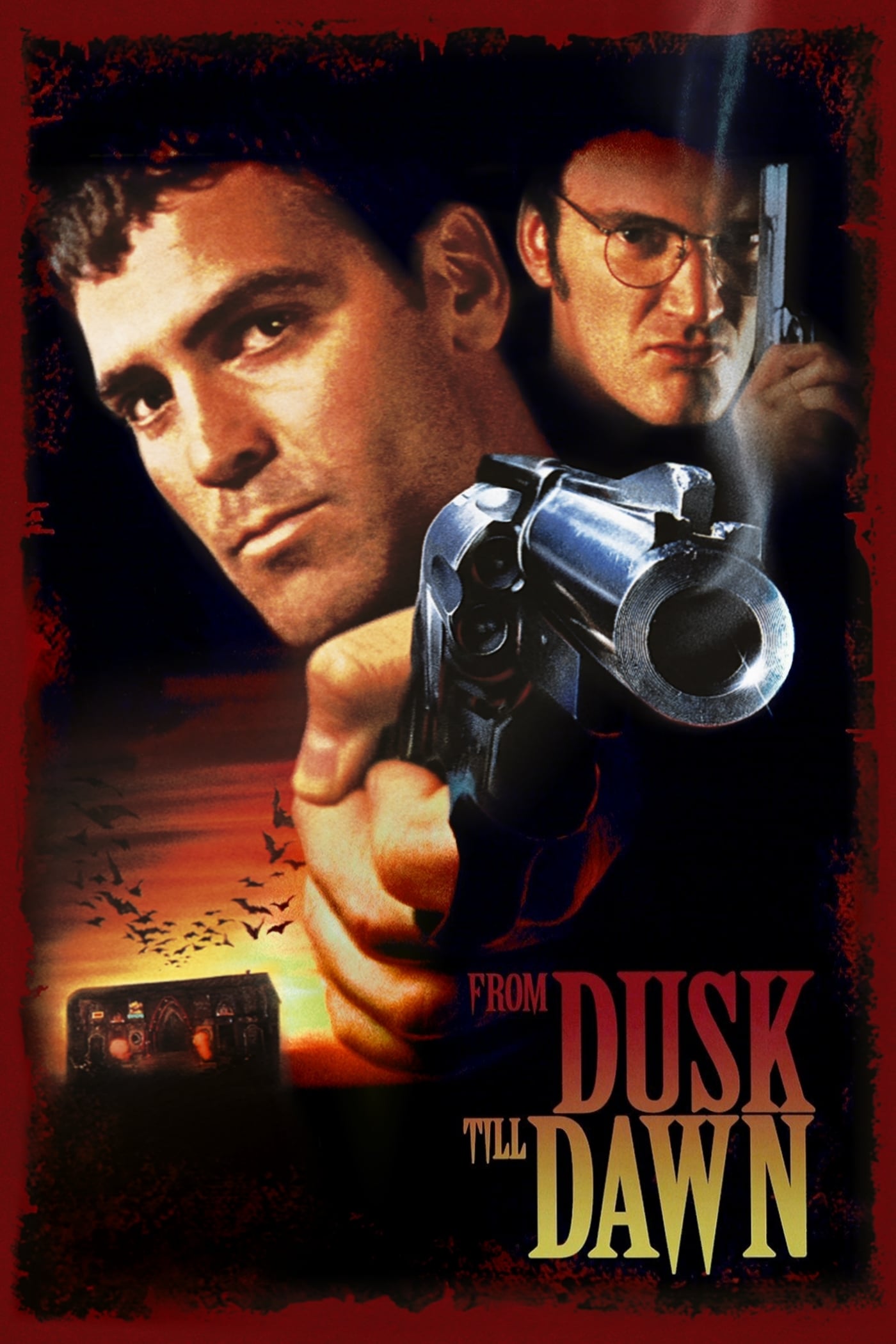
From Dusk Till Dawn
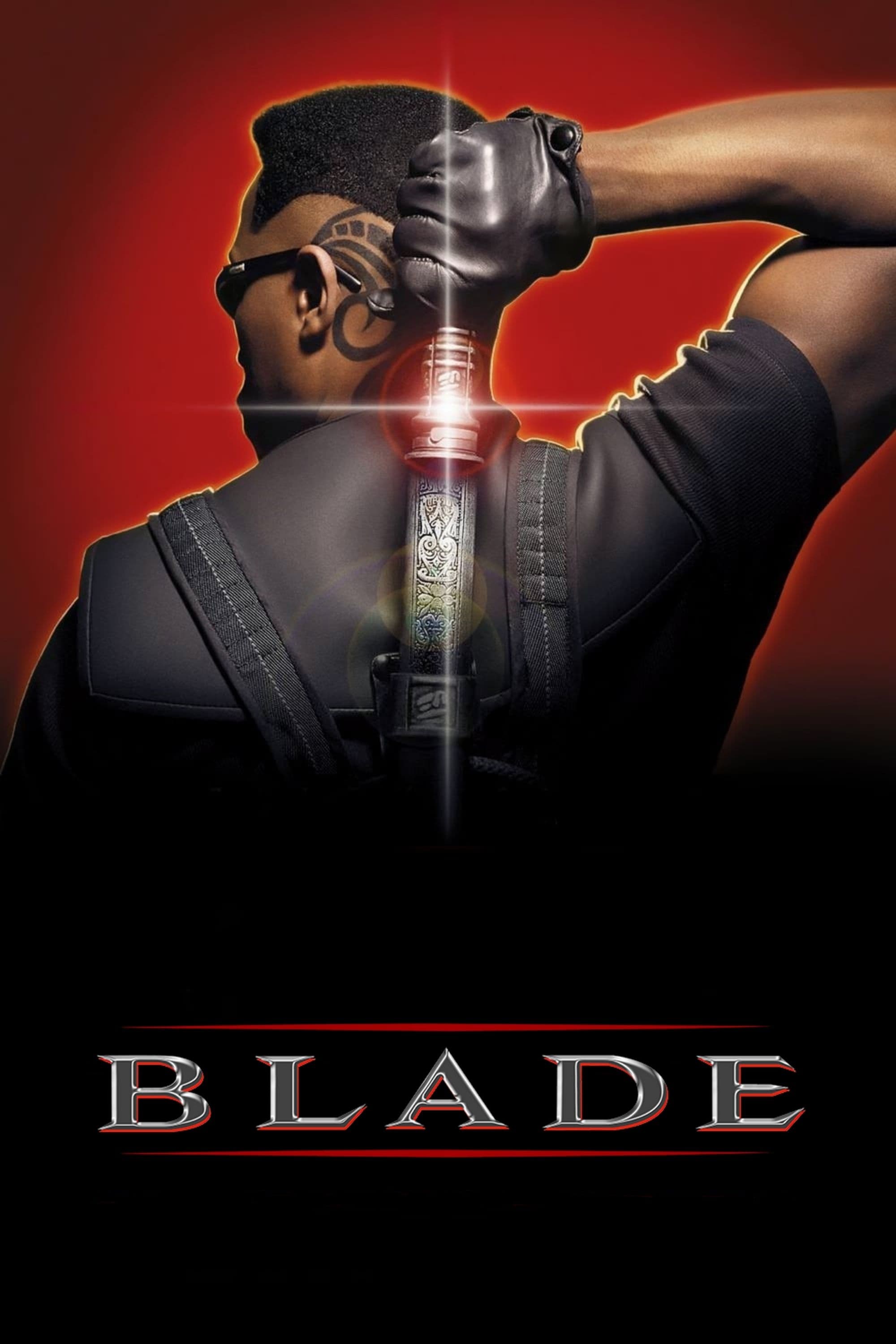
Blade
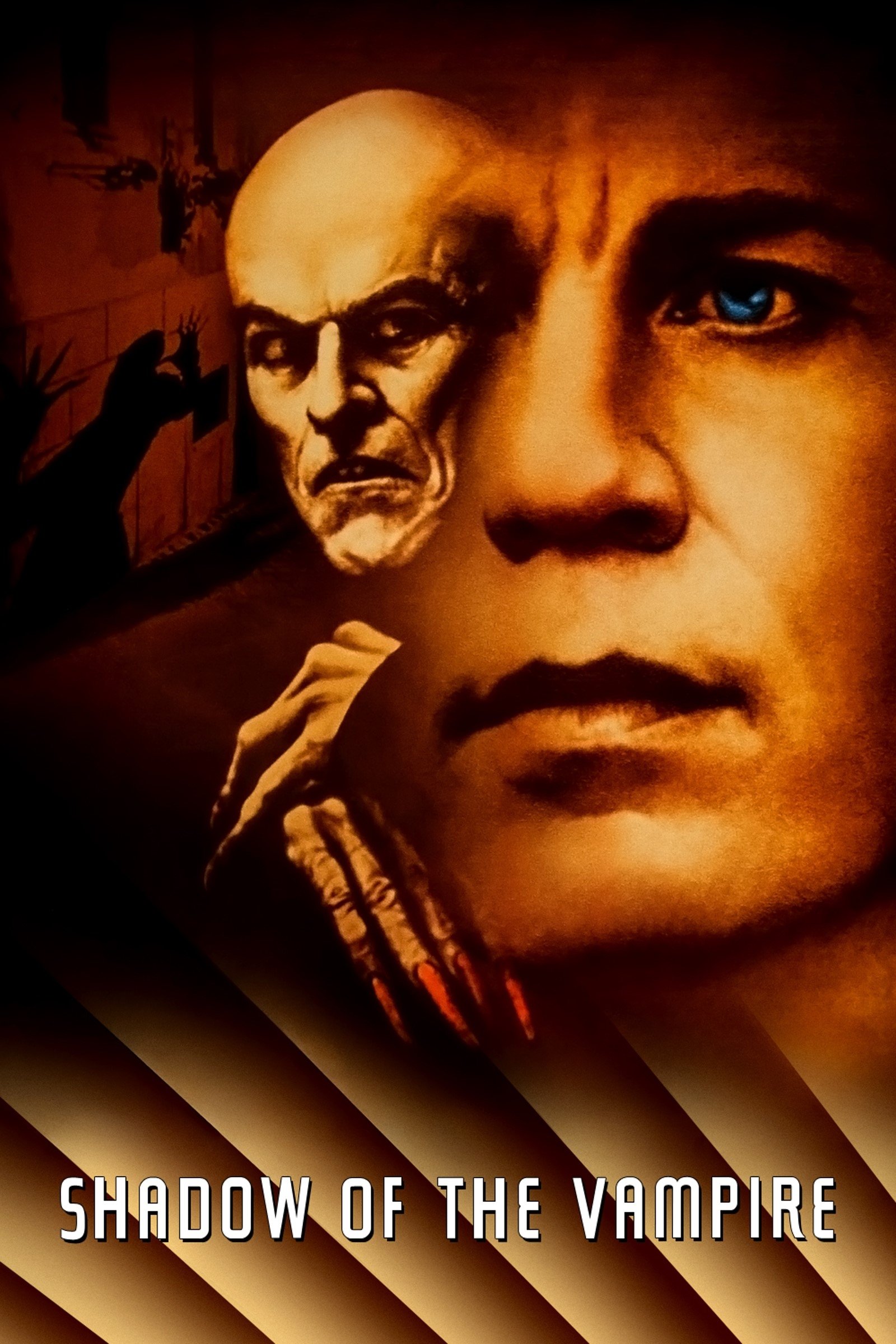
Shadow of the Vampire
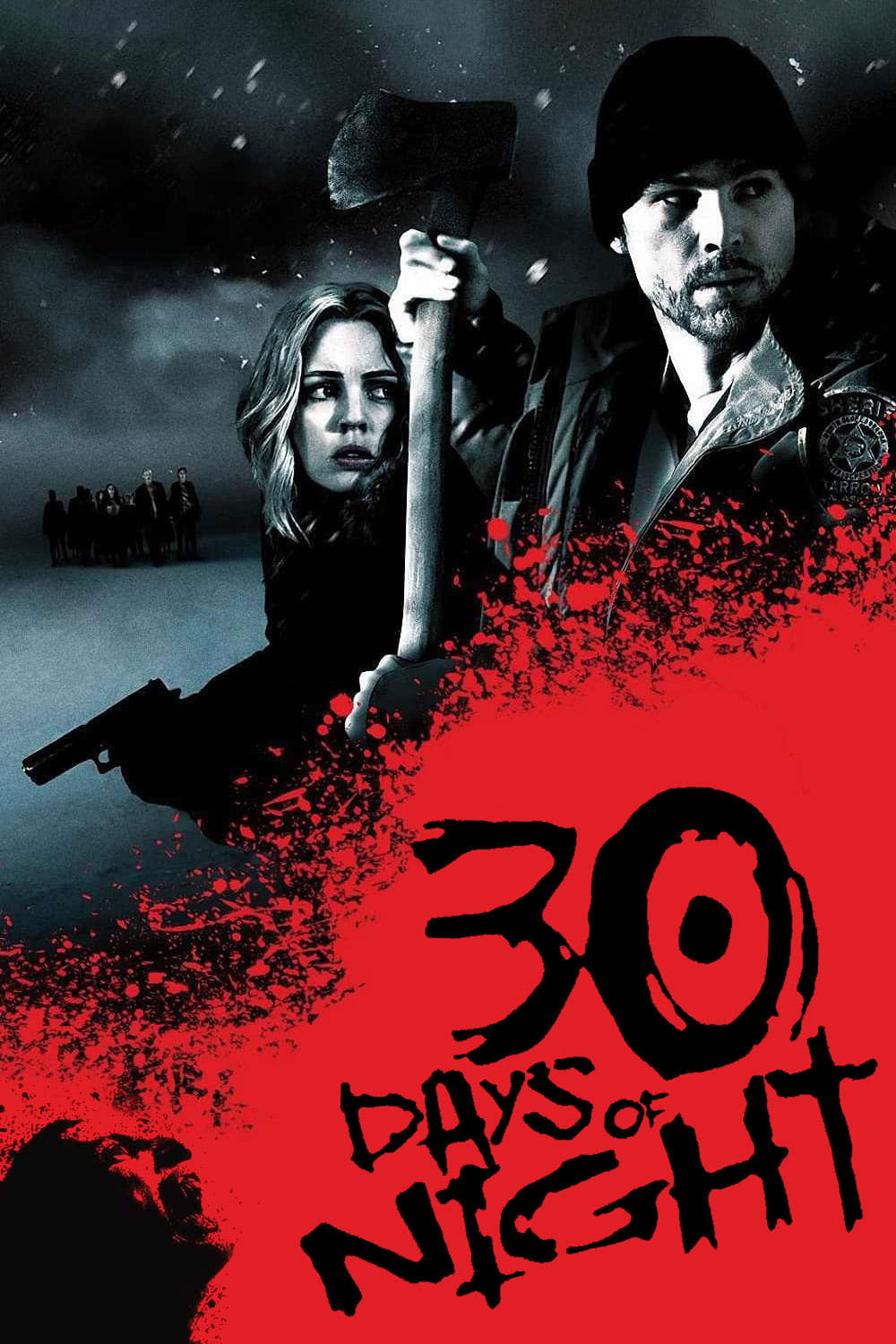
30 Days of Night
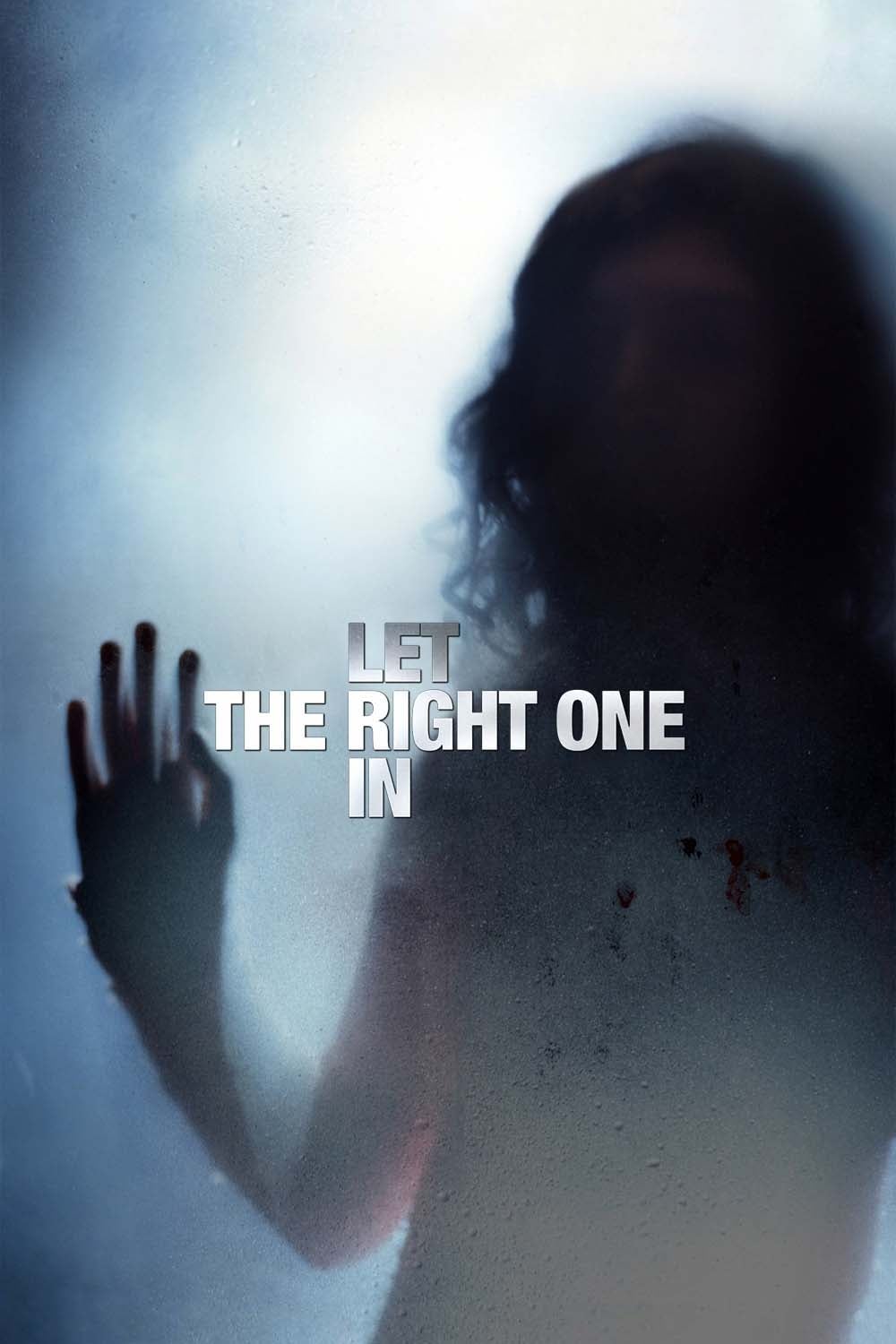
Let the Right One In
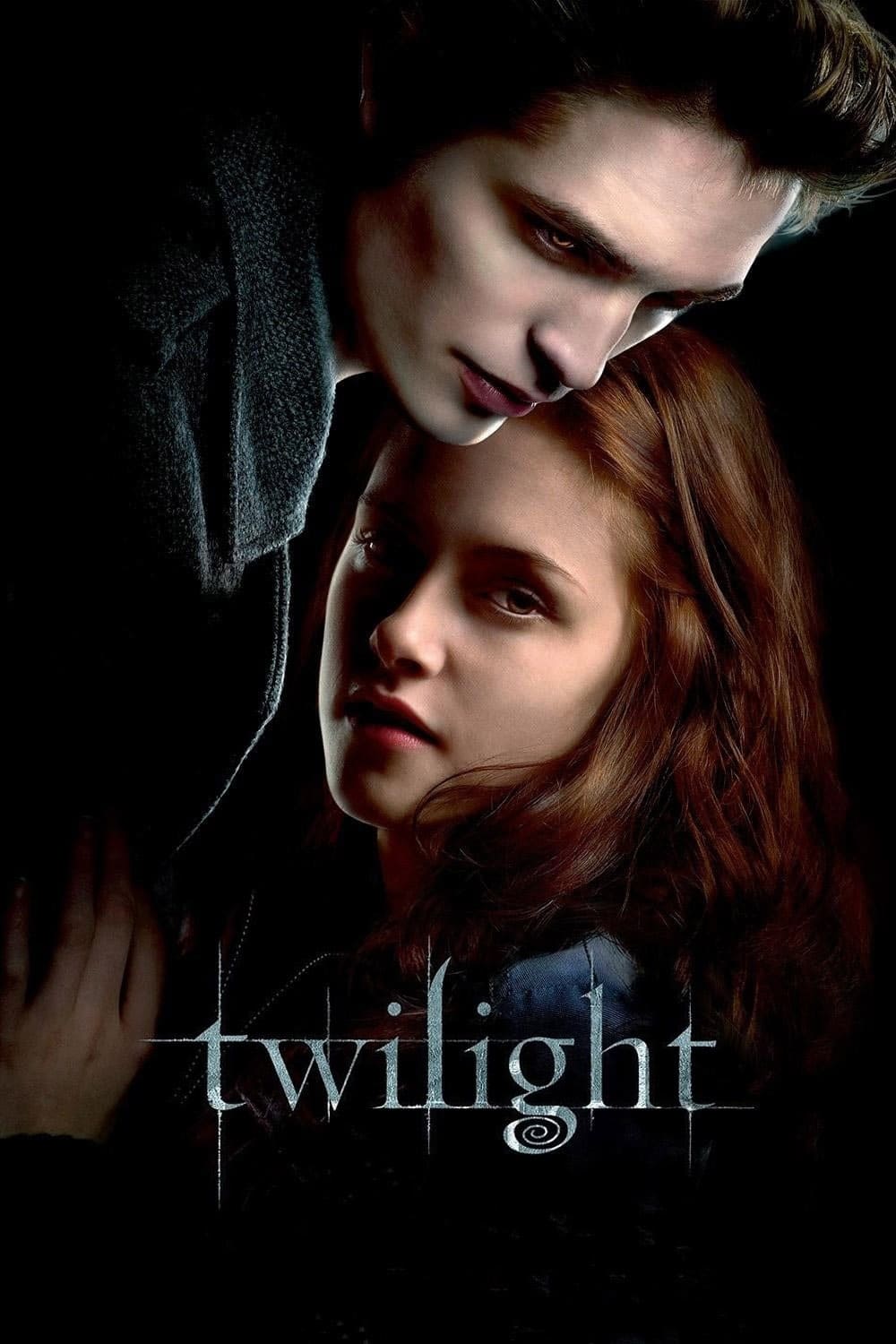
Twilight
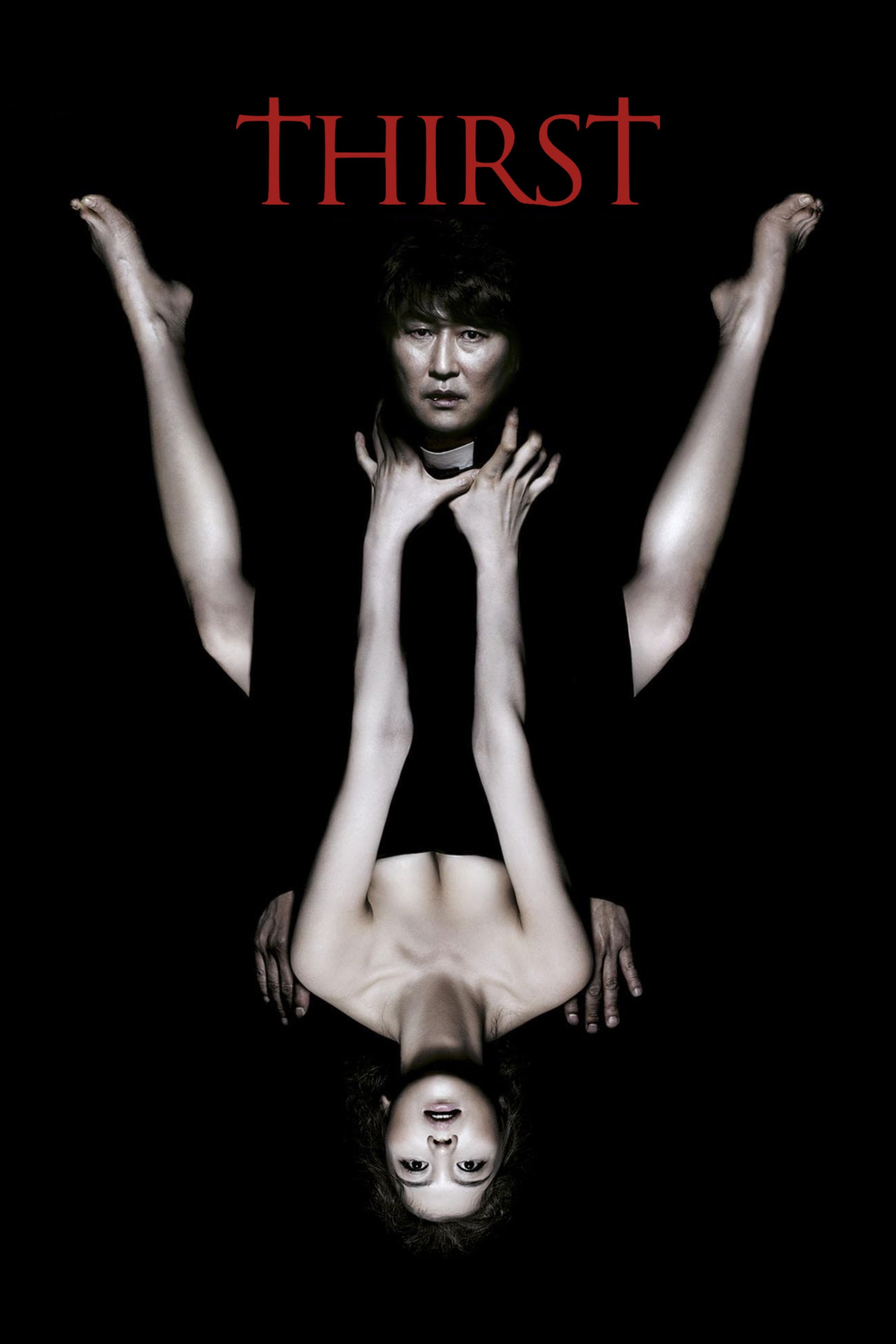
Thirst
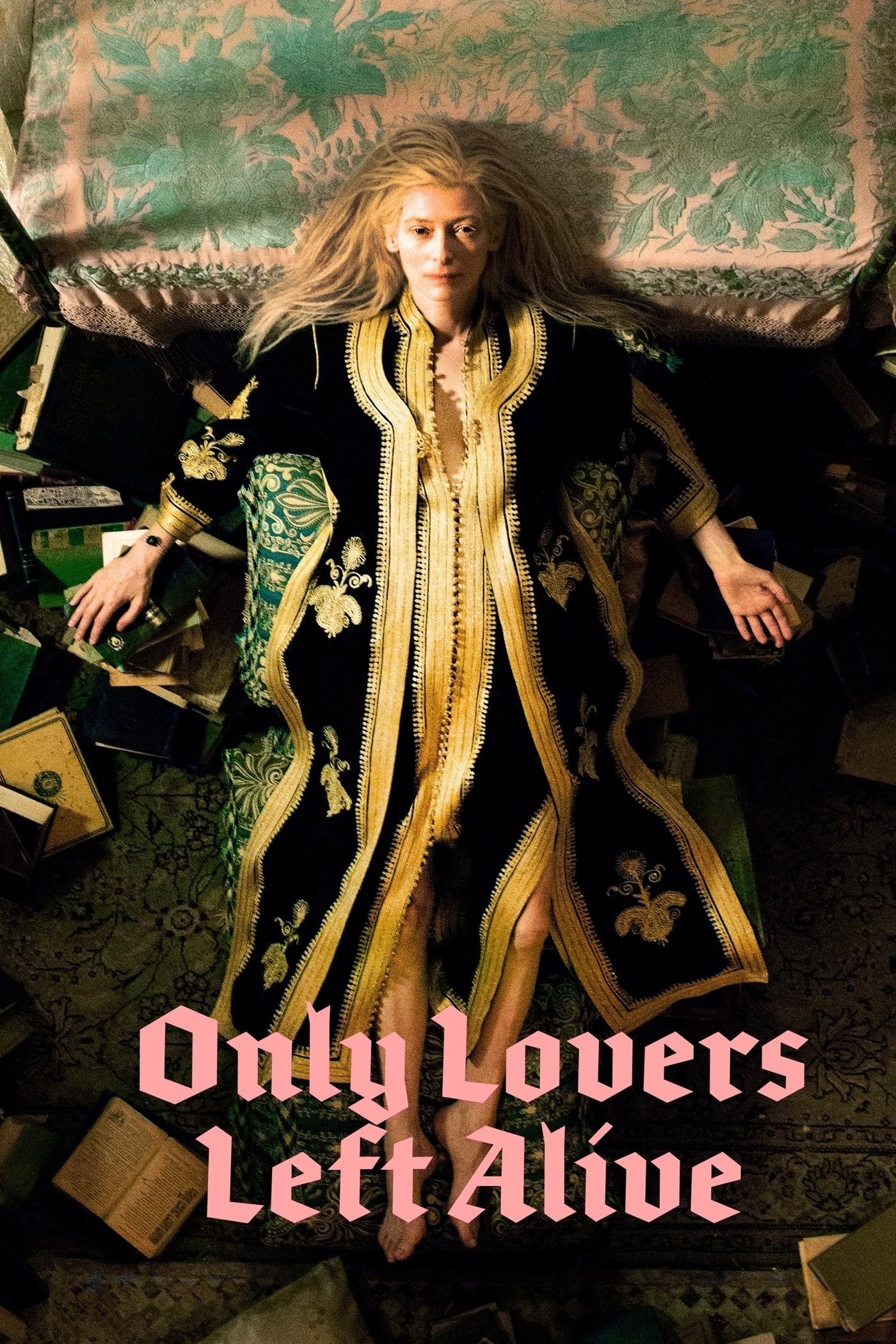
Only Lovers Left Alive
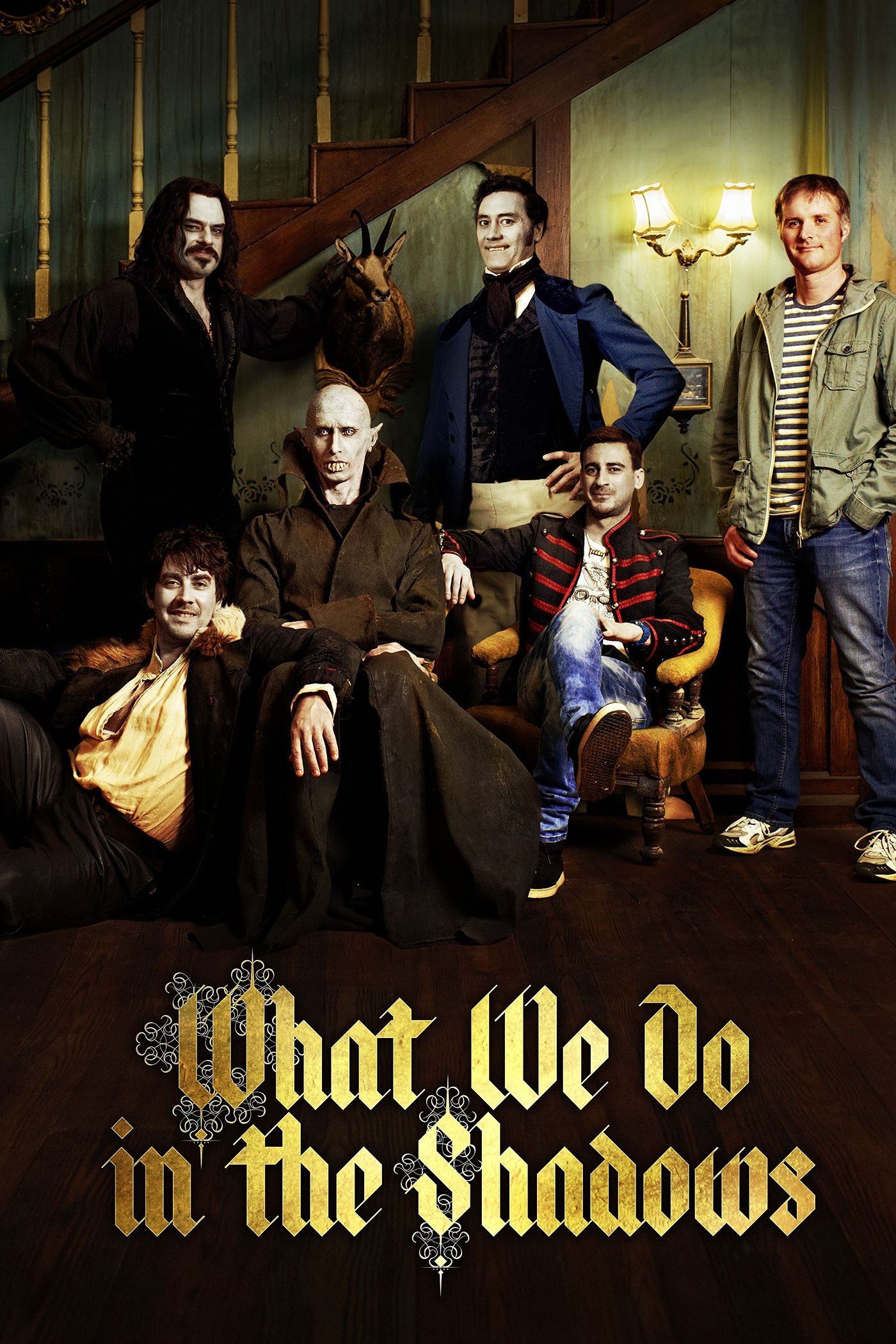
What We Do in the Shadows
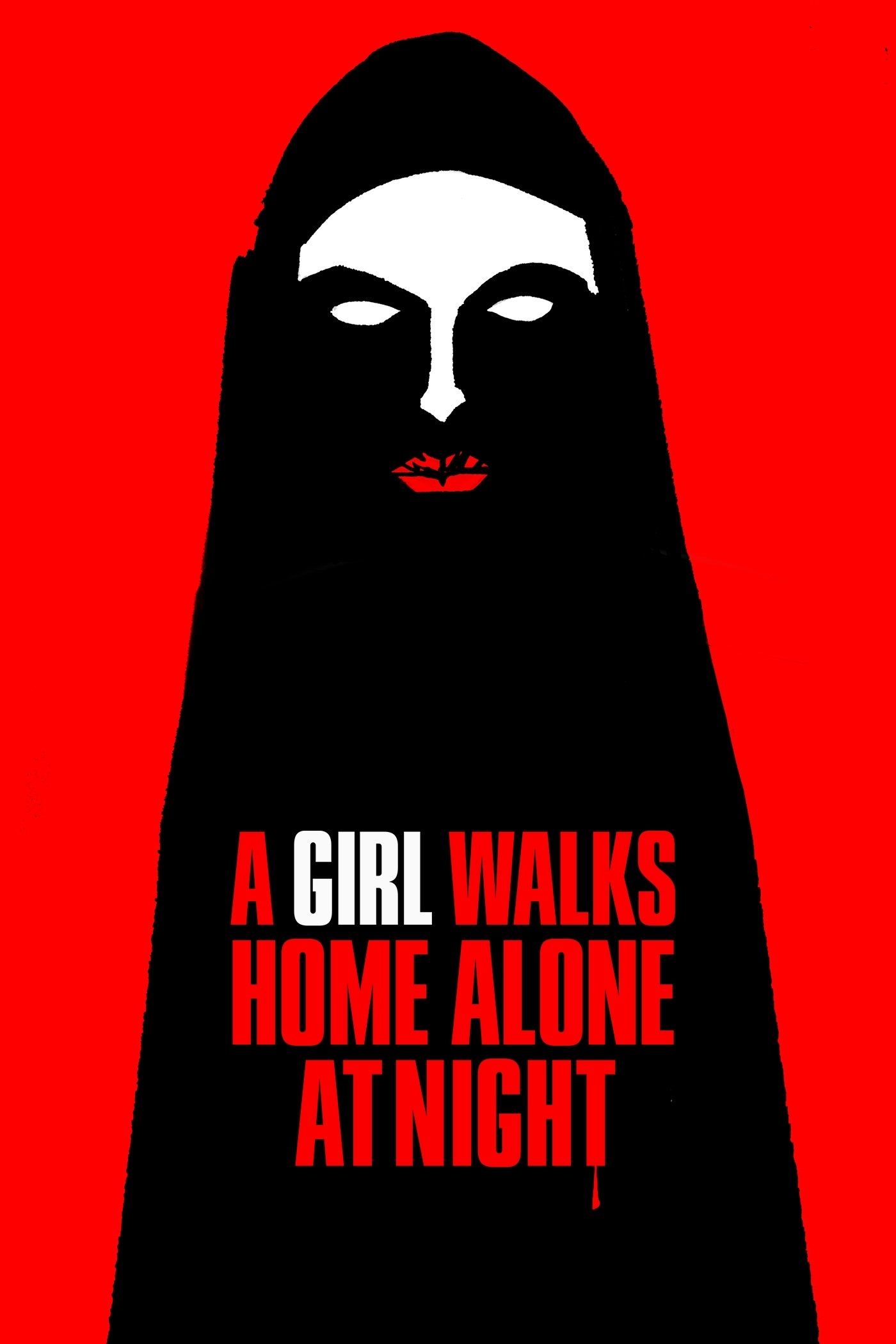
A Girl Walks Home Alone at Night
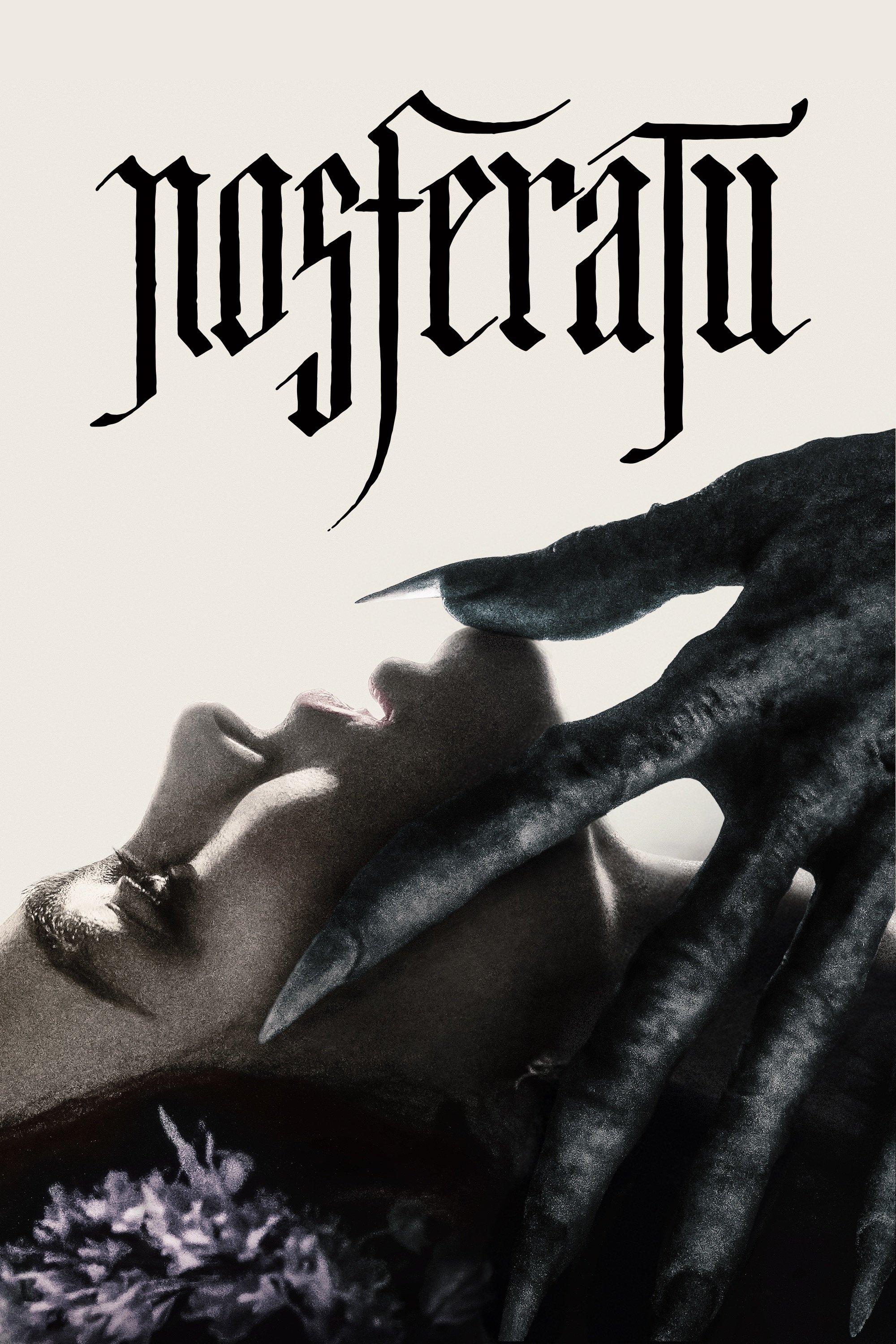
Nosferatu
Statistics
Popularity by Decade
Share of each decade's horror films classified as Vampire. Counts films with at least 5 TMDB ratings, so very obscure titles are not represented.
Popularity by Country
Share of each country's horror output classified as Vampire. Counts films with at least 5 TMDB ratings, so very obscure titles are not represented.