 The Creature From the Black Lagoon (1954)
History & Origins
The ocean covers seventy percent of the planet and remains largely unexplored — a fact that sea creature horror exploits with elemental effectiveness. These films tap into fears that are both primal and rational: the vulnerability of being in water, the knowledge that you are not the apex predator, the vastness of a world you cannot see and do not understand.
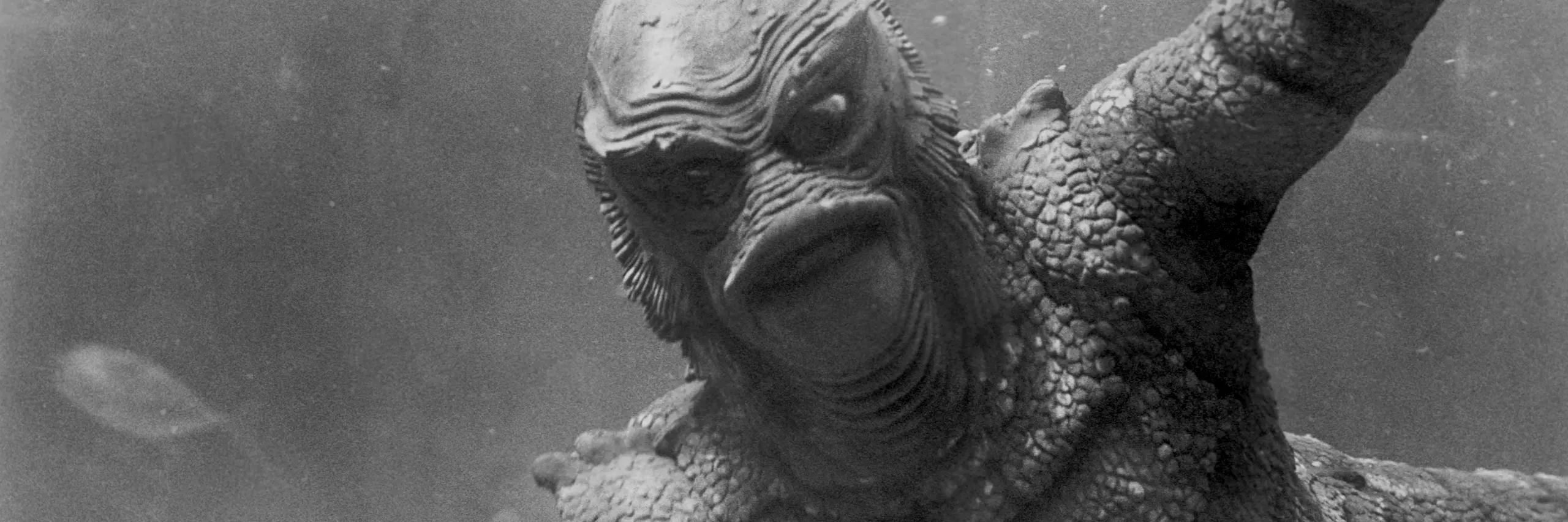
Universal's Creature from the Black Lagoon (1954), directed by Jack Arnold, established the subgenre's visual and thematic vocabulary: a prehistoric aquatic humanoid, surviving in a remote waterway, encountered by scientists who intrude on its territory. The Gill-man is one of horror's great sympathetic monsters — drawn to the female lead, defending its home, more victim than villain. Shot in 3D with innovative underwater photography, the film created images that have never lost their eerie beauty: the creature swimming beneath an unsuspecting woman, mirroring her movements, desire and menace inseparable. Two sequels followed — Revenge of the Creature (1955) and The Creature Walks Among Us (1956) — completing the only post-classical Universal monster trilogy. Alongside it the broader 1950s creature cycle put giant sea life on screen: It Came from Beneath the Sea (1955) with Ray Harryhausen's stop-motion octopus, Eugène Lourié's Beast from 20,000 Fathoms (1953) surfacing the era's nuclear anxieties through irradiated sea life.
Steven Spielberg's Jaws (1975) redefined sea creature horror — and the entire film industry — by making the ocean itself feel hostile. Spielberg's shark is barely seen for most of the film, a strategy born partly from mechanical failures with the malfunctioning "Bruce" but resulting in one of cinema's great demonstrations of the power of suggestion. The unseen predator beneath the surface became an archetype, imitated endlessly but never equaled; Jaws became the first true Hollywood blockbuster, founding the modern release model. The "animals attack" wave that followed — Michael Anderson's Orca (1977), Ovidio Assonitis's Tentacles (1977), Joe Dante's Piranha (1978), two sluggish Jaws sequels — flooded theaters through the late 1970s and 1980s. Sharksploitation (2023) presents that wave as deliberate rather than accidental — "Roger Corman really had an eye for trends, and he knew, in the '70s, that it was a good idea to make Jaws rip-offs" — and rates Orca, "out of all the Jaws rip-offs," as "probably the best crafted". The deep-water cycle reasserted itself at the end of the decade with three near-simultaneous undersea-base films: James Cameron's The Abyss (1989), DeepStar Six, and Leviathan.
The contemporary wave splits across three strands. The Hollywood-commercial shark film — Renny Harlin's Deep Blue Sea (1999), Stephen Sommers's Deep Rising (1998), Jaume Collet-Serra's The Shallows (2016), Johannes Roberts's 47 Meters Down (2017), Jon Turteltaub's The Meg (2018), Alexandre Aja's Crawl (2019), William Eubank's Underwater (2020) — exploits the genre's most reliable visceral hooks. The Australian survivalist strand — Open Water (2004), Andrew Traucki's Black Water (2008) and The Reef (2010), Sea Fever (2020) (Ireland), Sweetheart (2019) — strips the form down to one or two people, a small craft, and an apex predator. And Guillermo del Toro's The Shape of Water (2017) stands as the genre's most singular contemporary entry — an explicit Creature-from-the-Black-Lagoon homage that reframes the Gill-man as romantic protagonist (and won Best Picture at the Oscars). What distinguishes sea creature horror from other monster subgenres is the environment itself: the water is not just a setting, it is an active participant, limiting vision, restricting movement, and reminding the audience that humans are fundamentally out of their element.
Sources: Stephen Scarlata (dir.), Sharksploitation (2023).
Essential Films
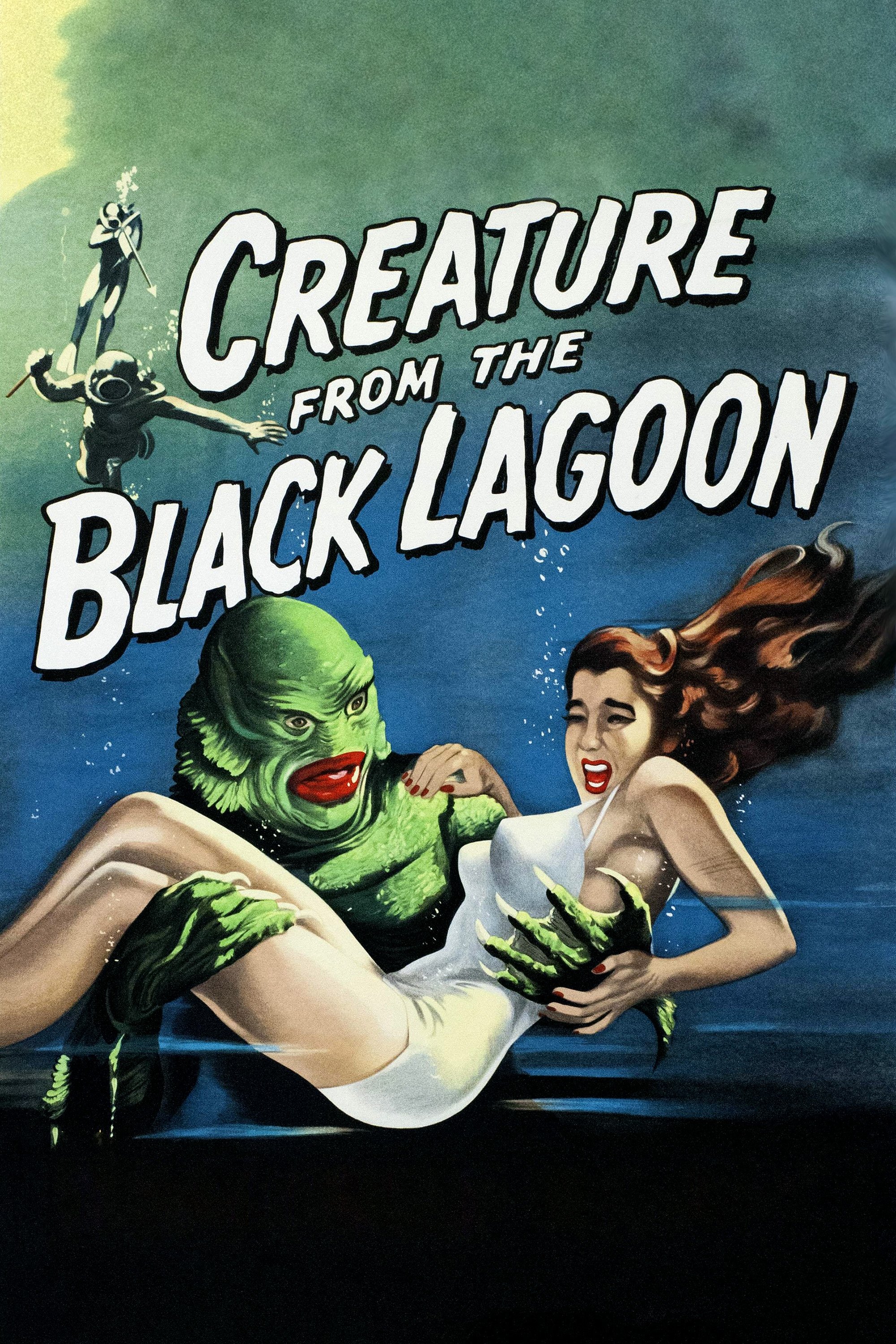
Creature from the Black Lagoon
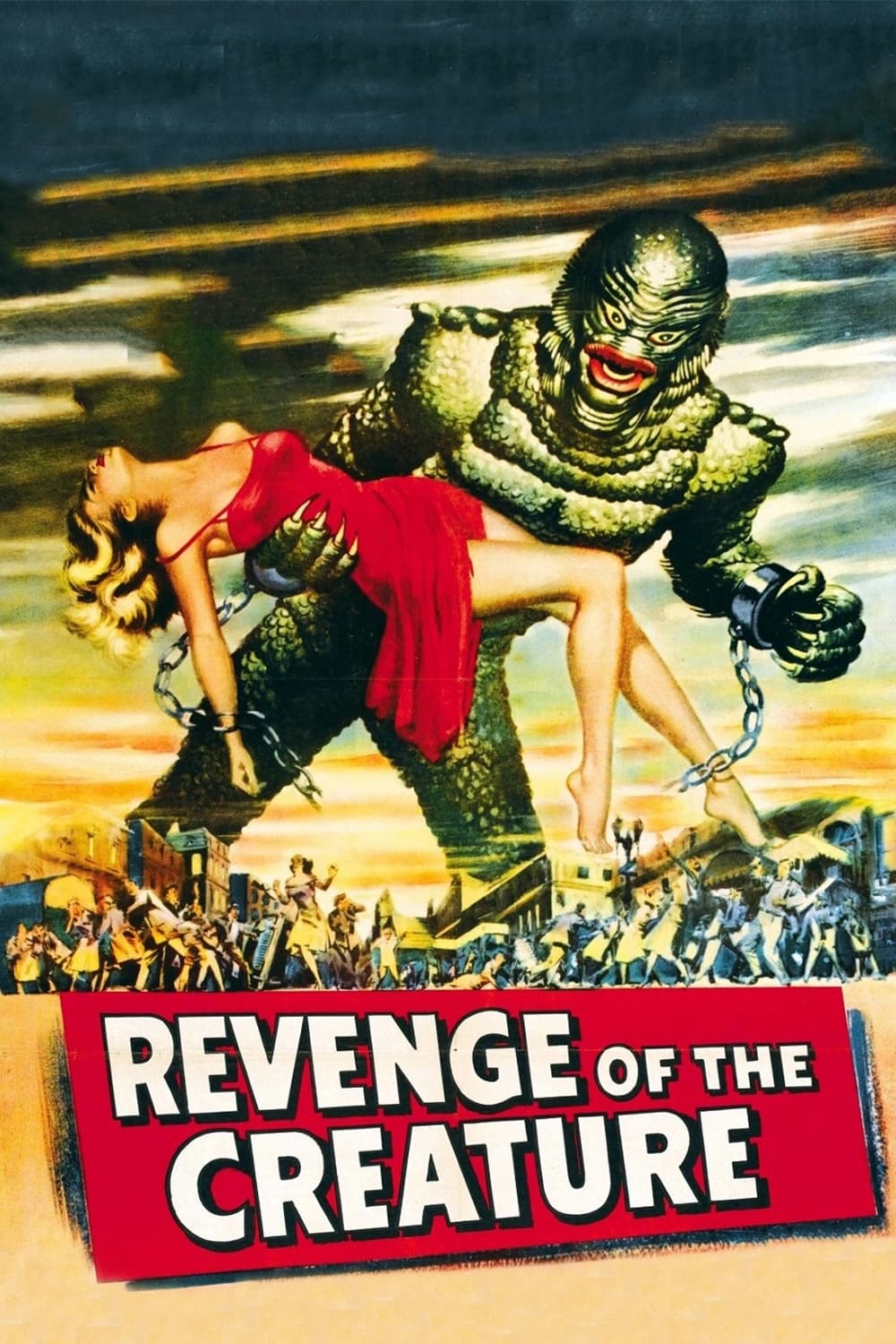
Revenge of the Creature
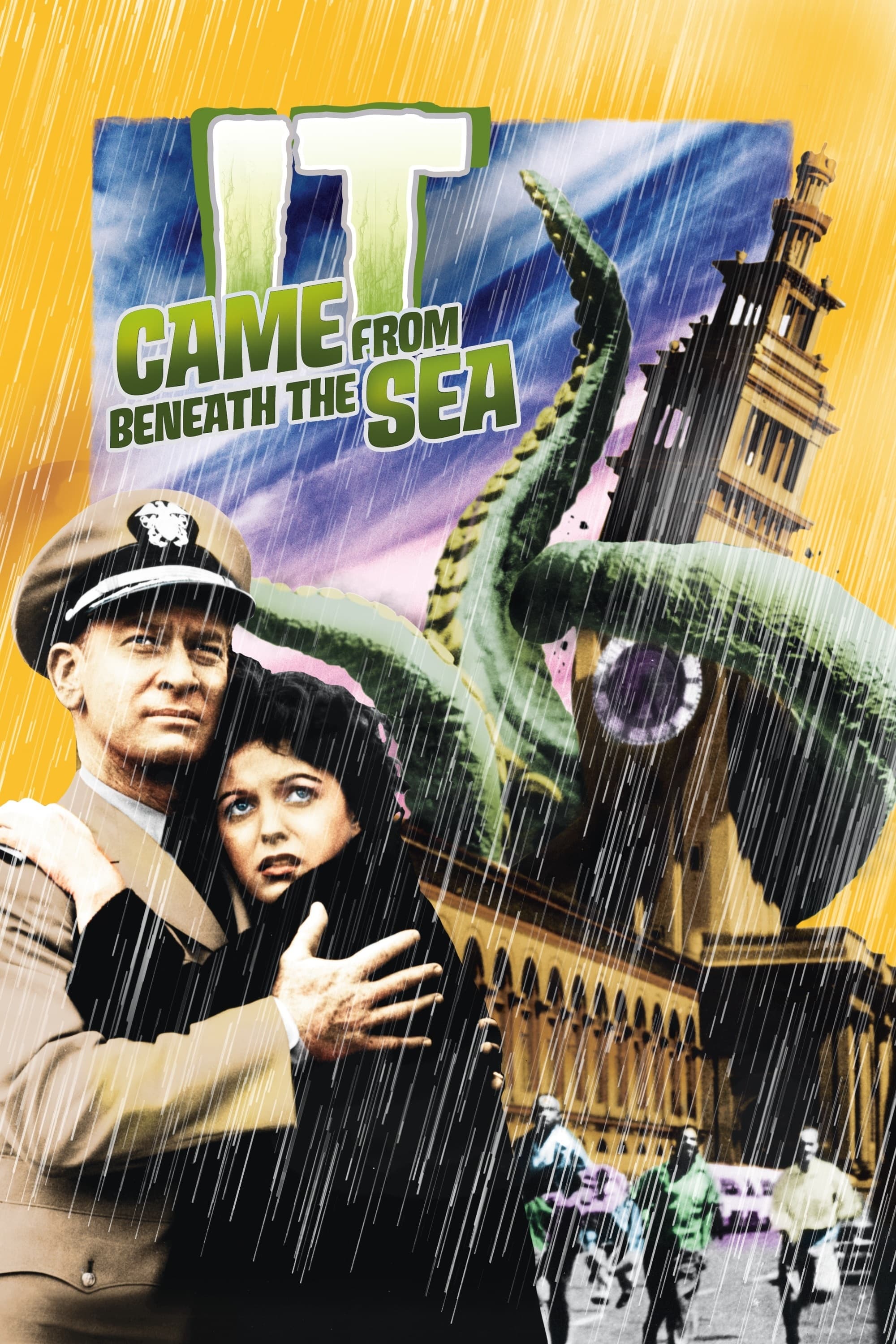
It Came from Beneath the Sea

The Creature Walks Among Us
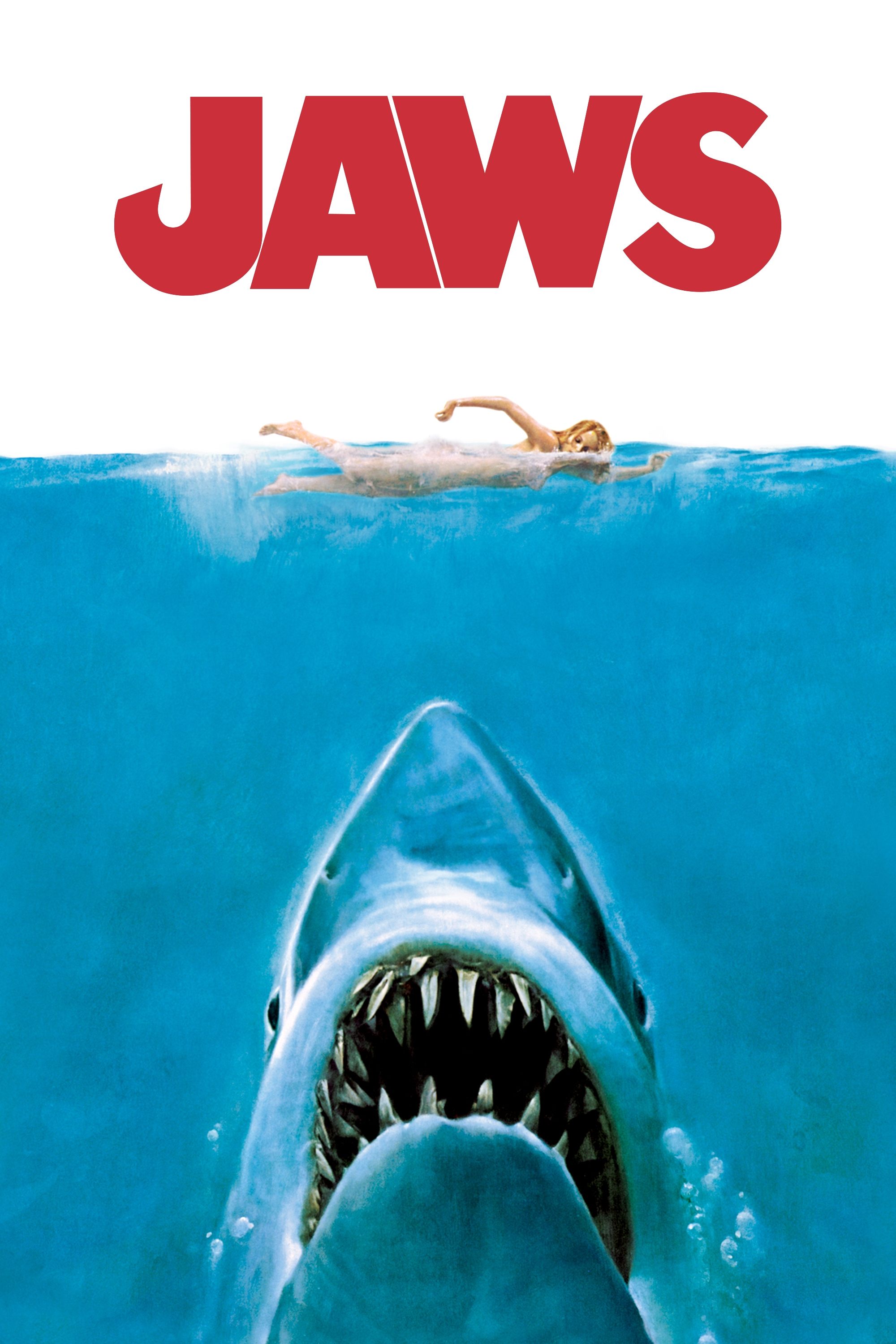
Jaws
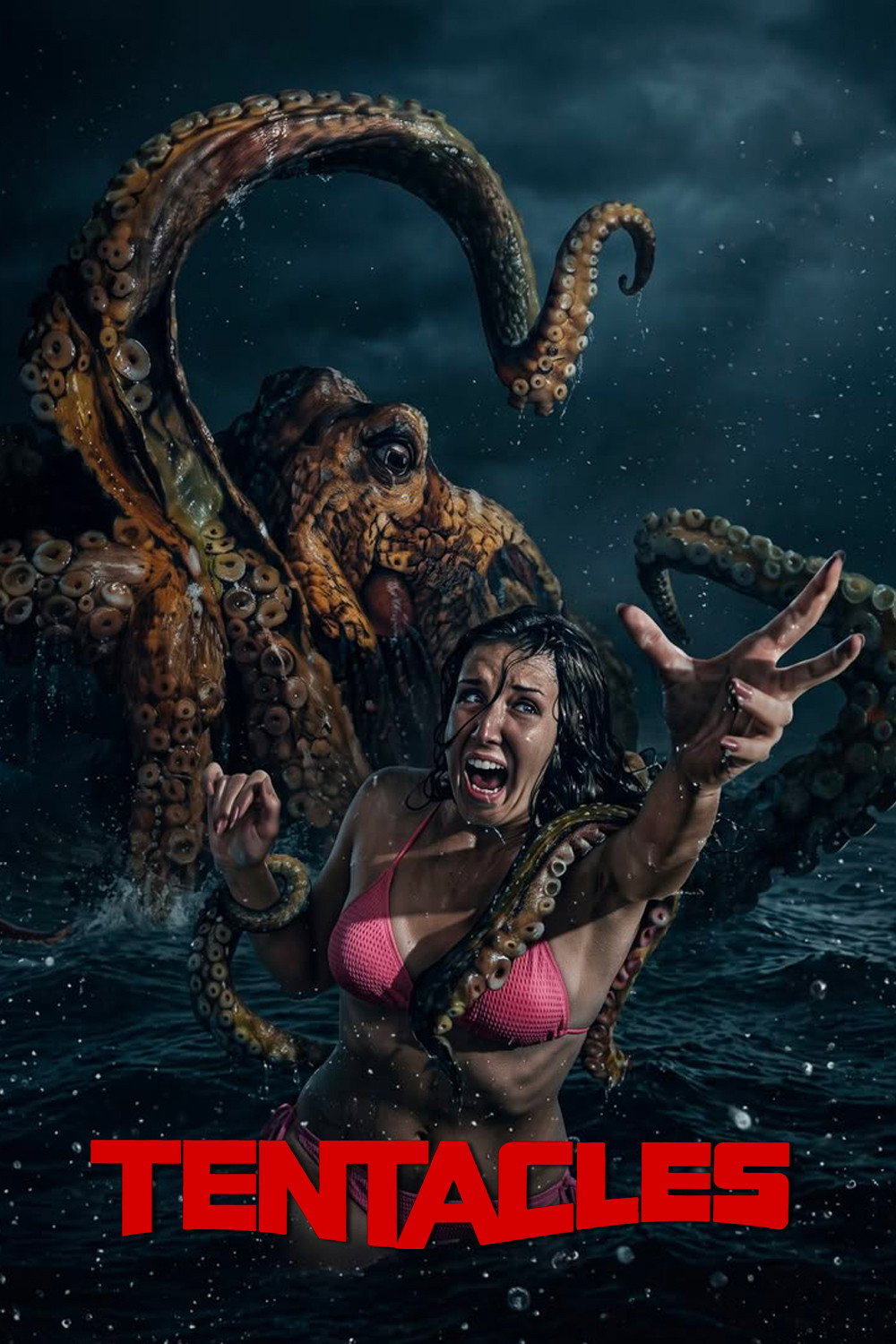
Tentacles
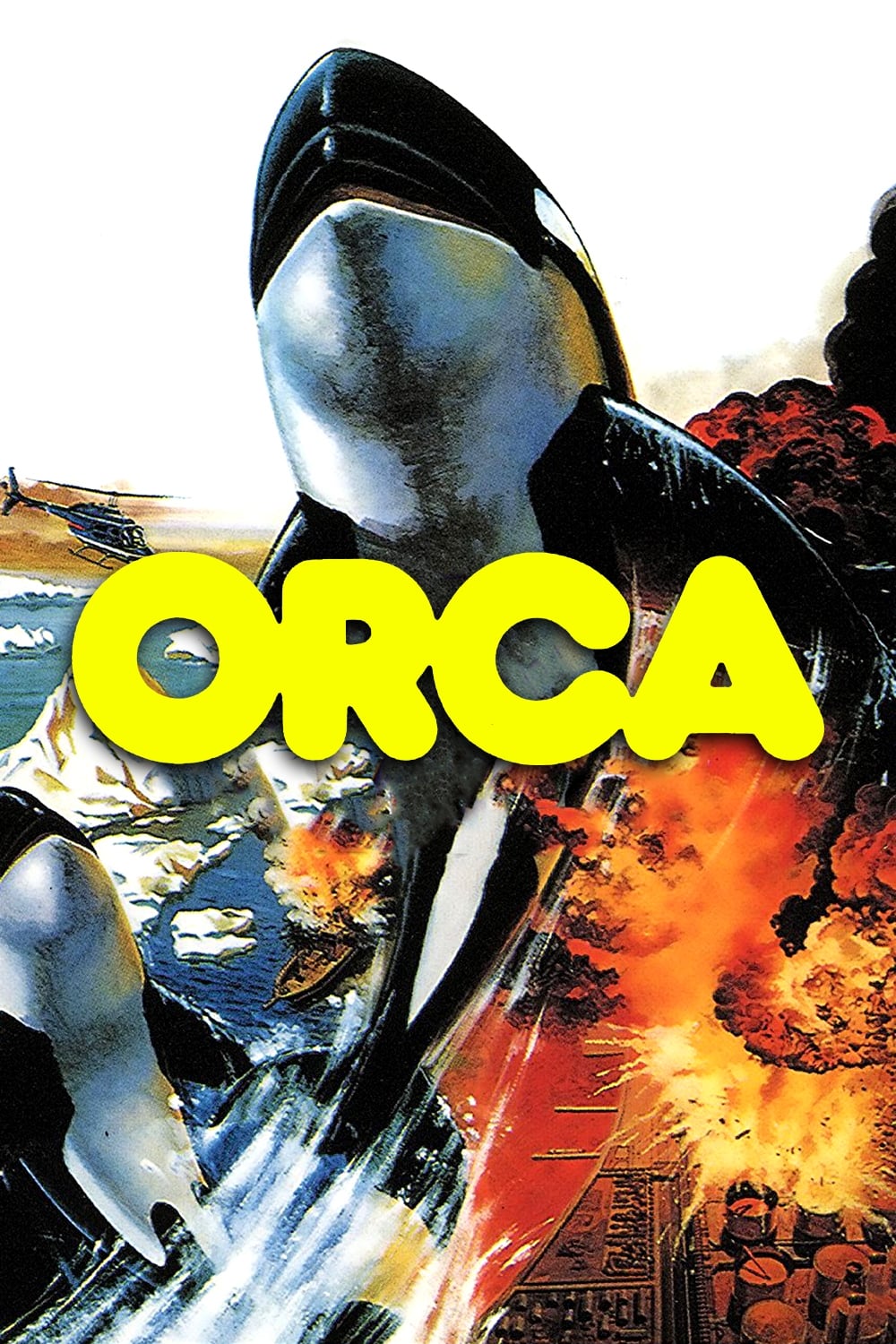
Orca
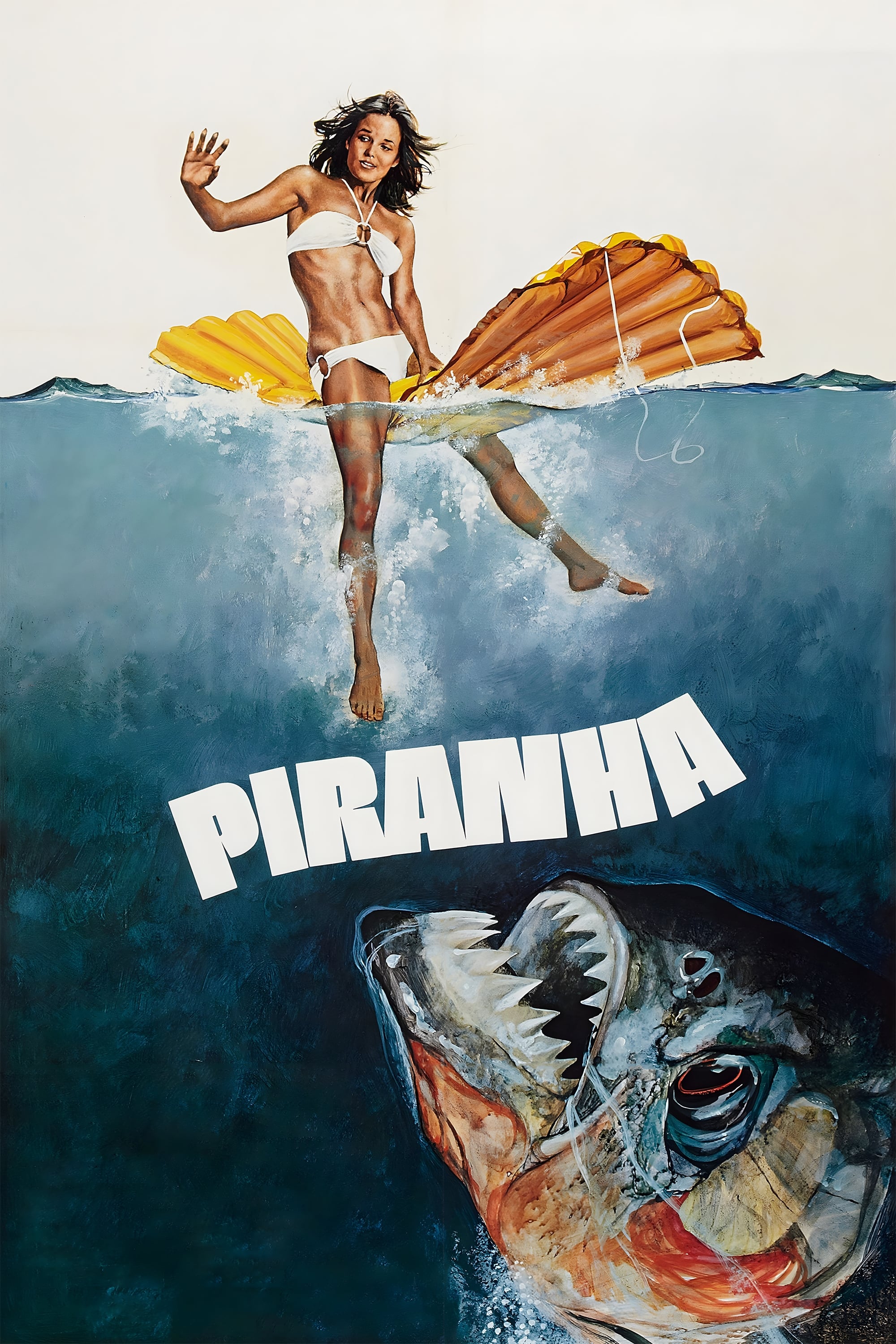
Piranha
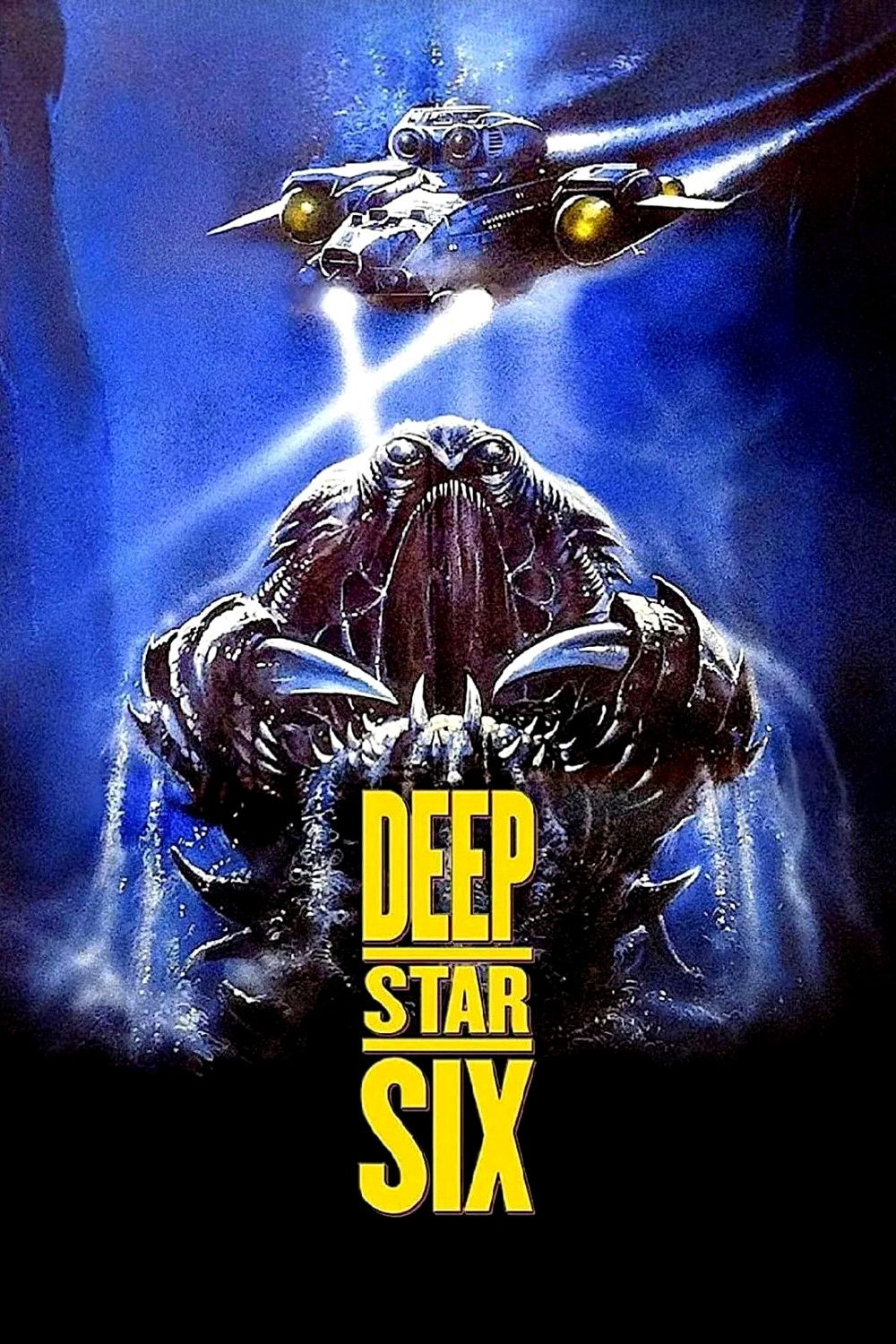
DeepStar Six
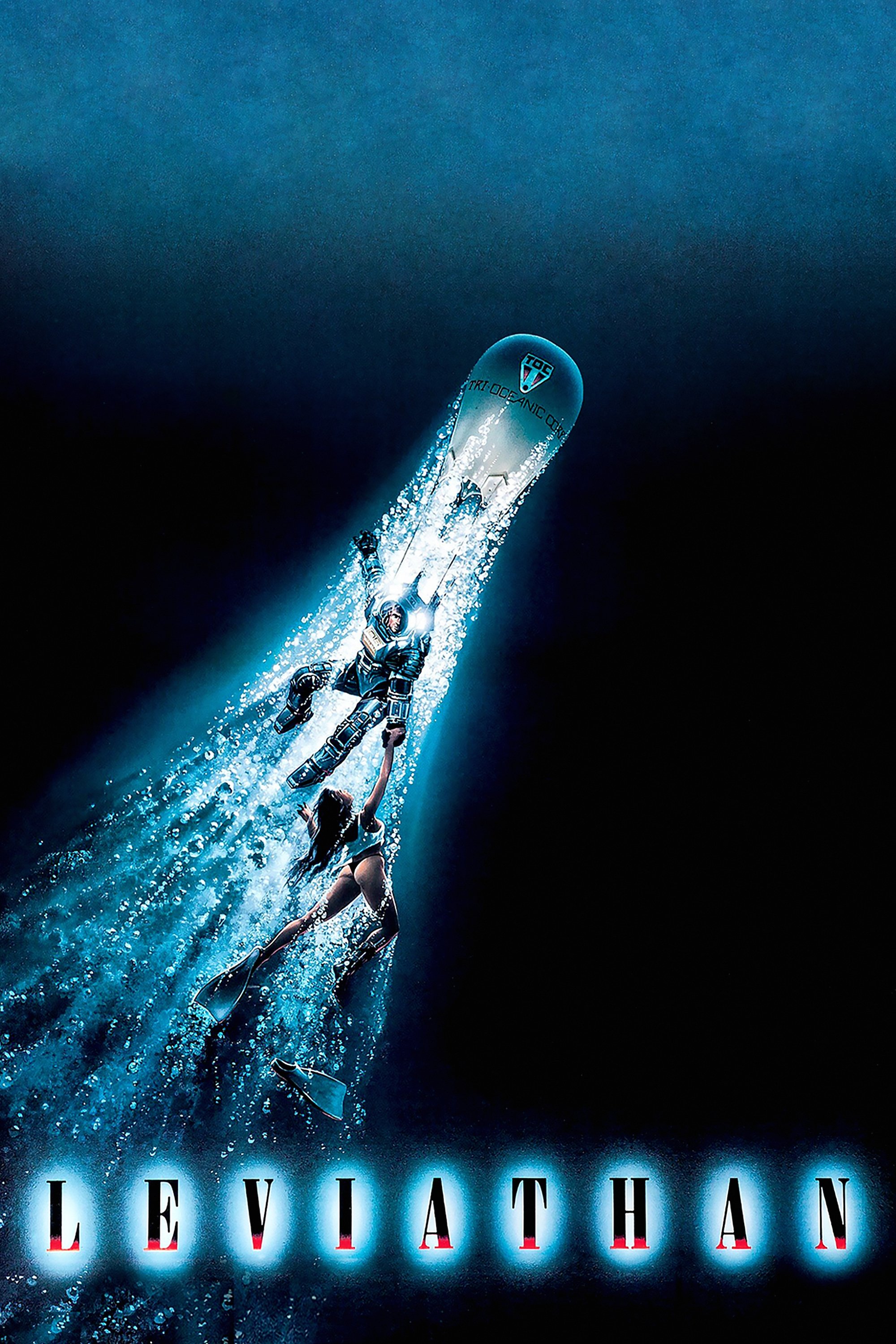
Leviathan
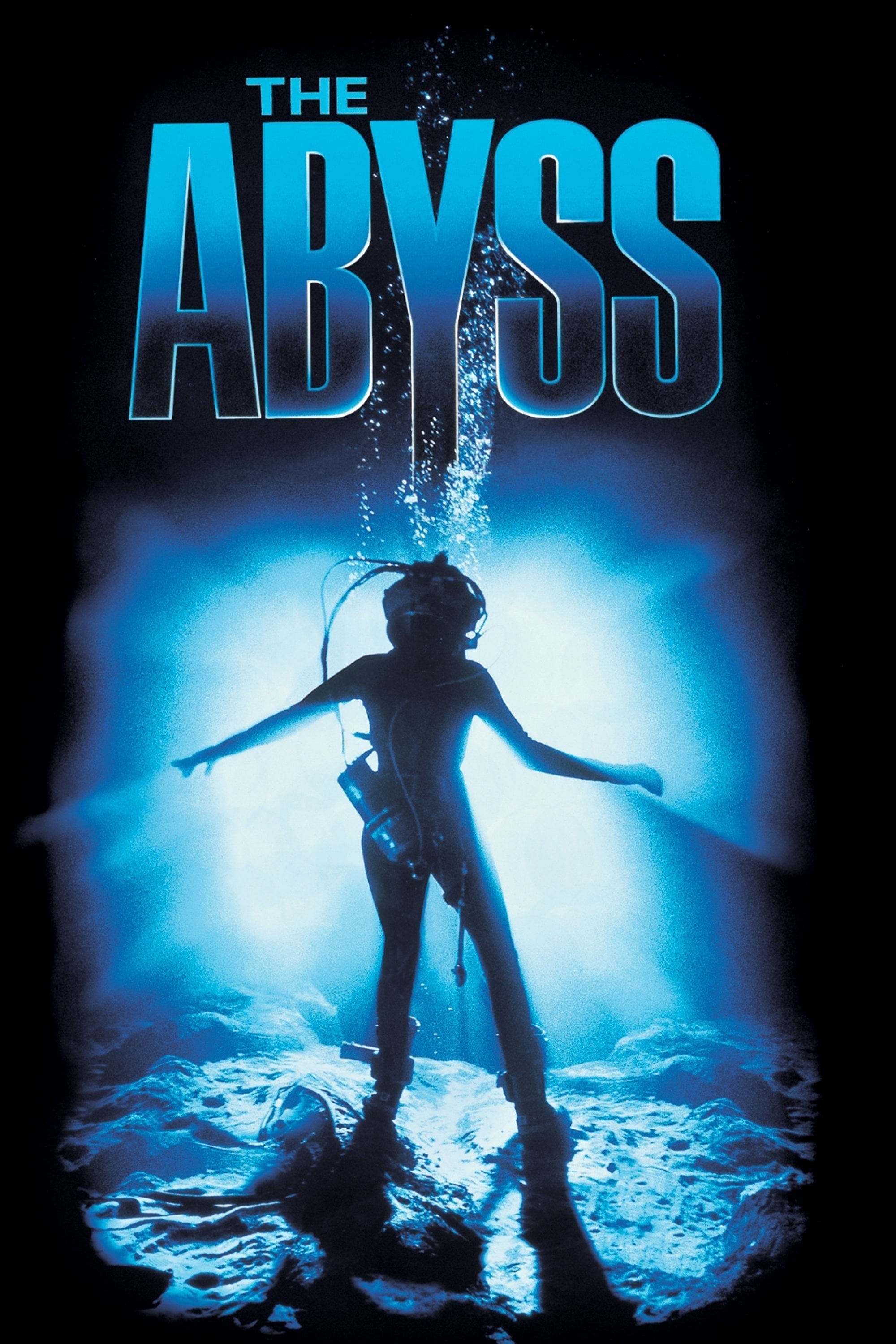
The Abyss

Deep Rising
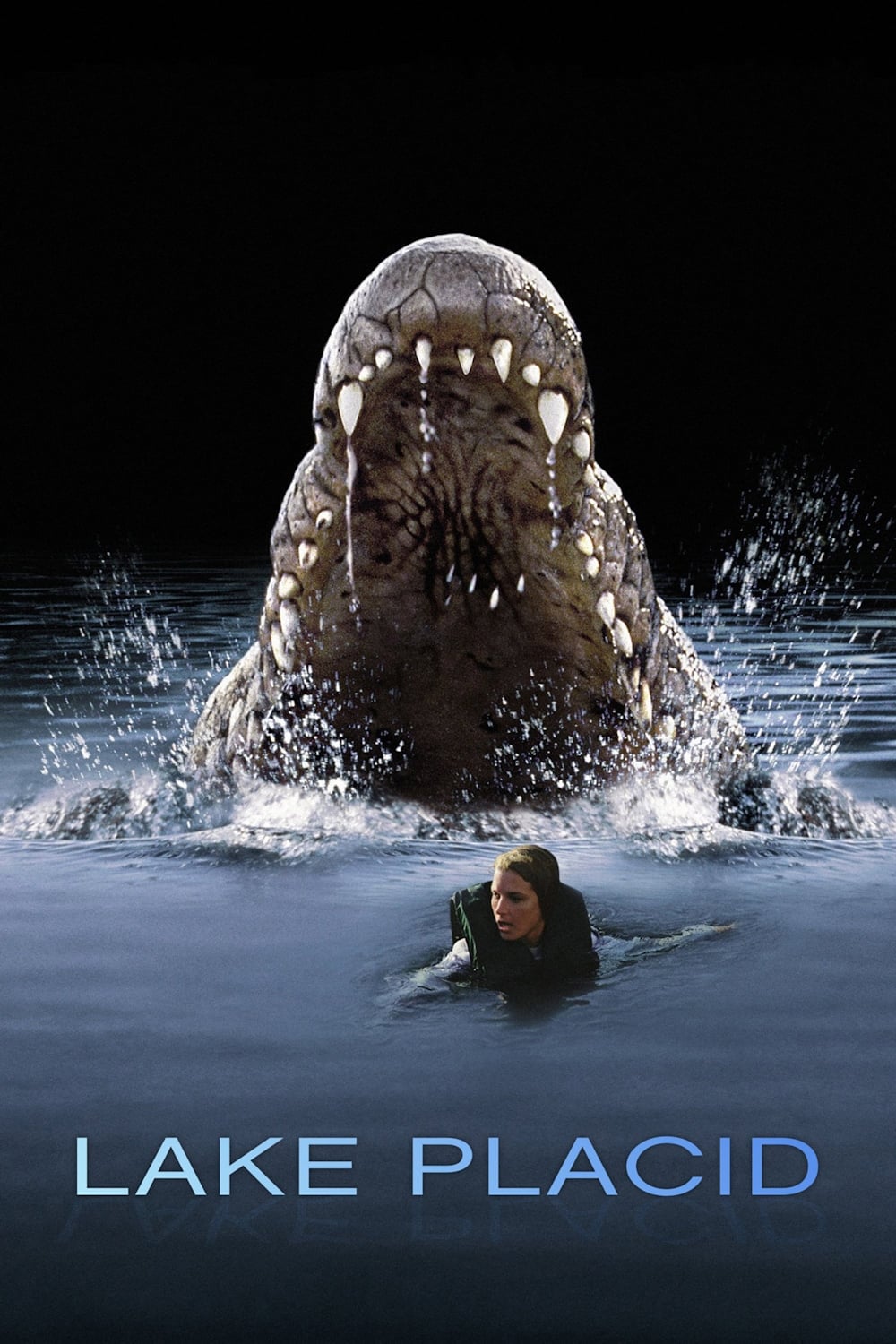
Lake Placid
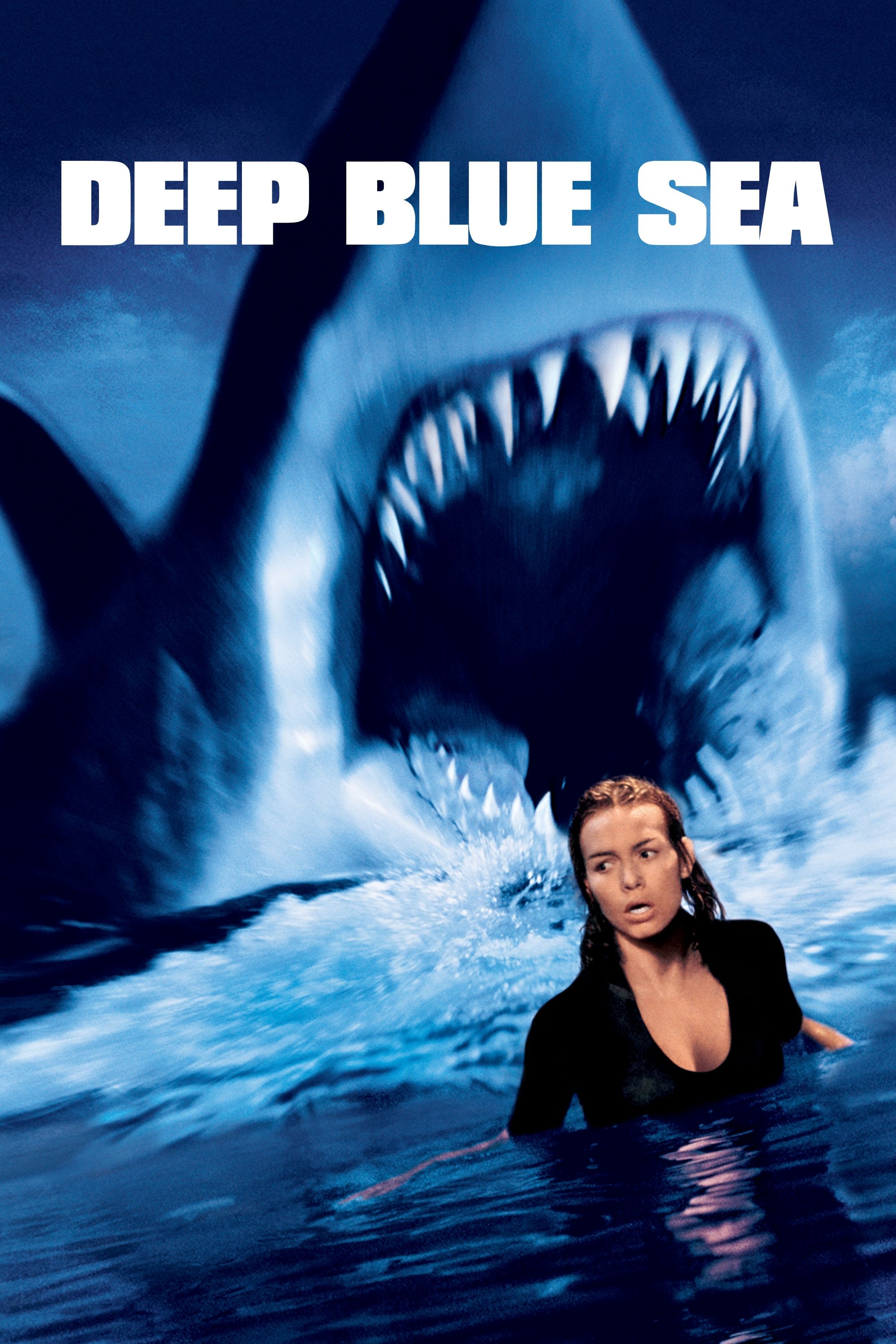
Deep Blue Sea
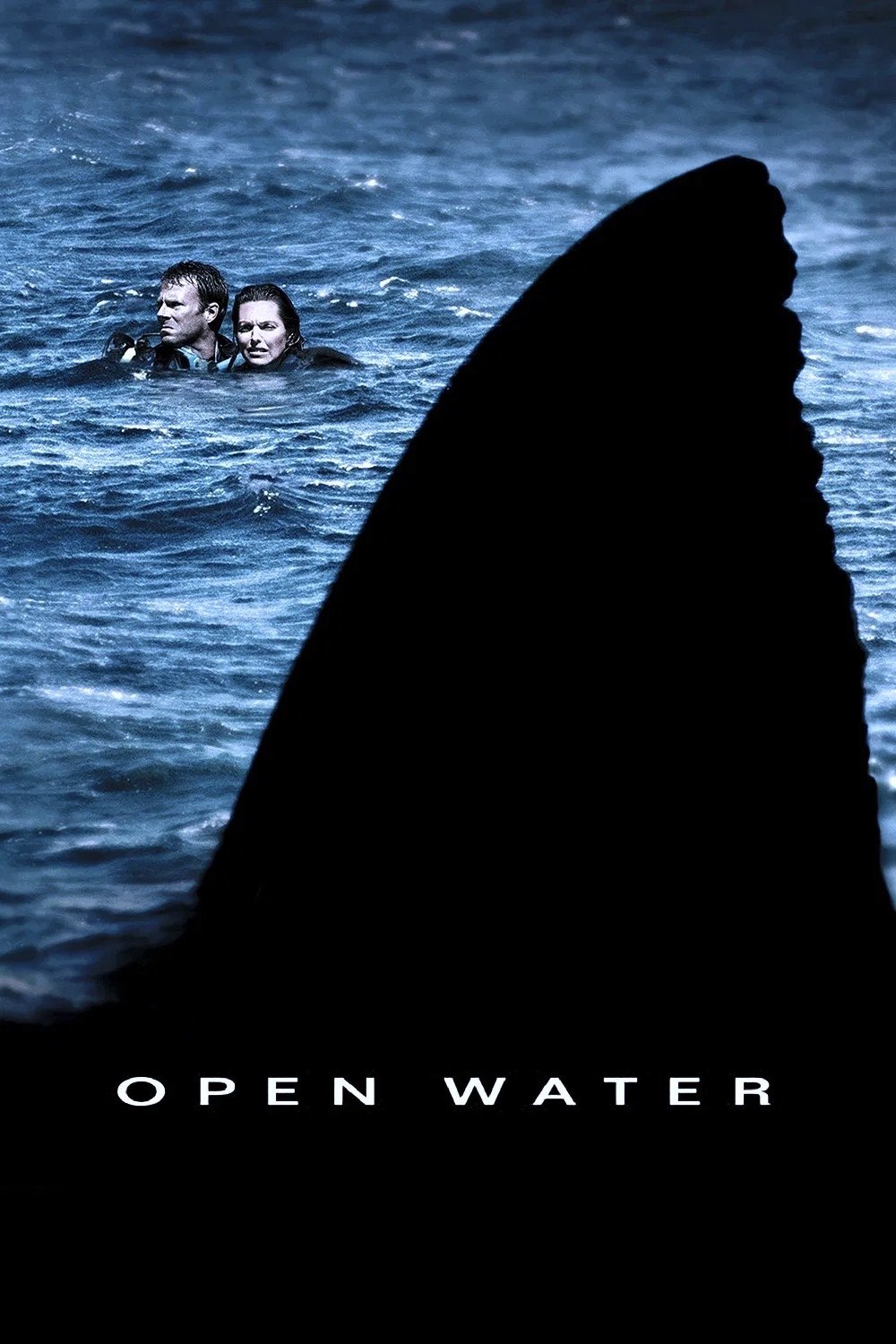
Open Water
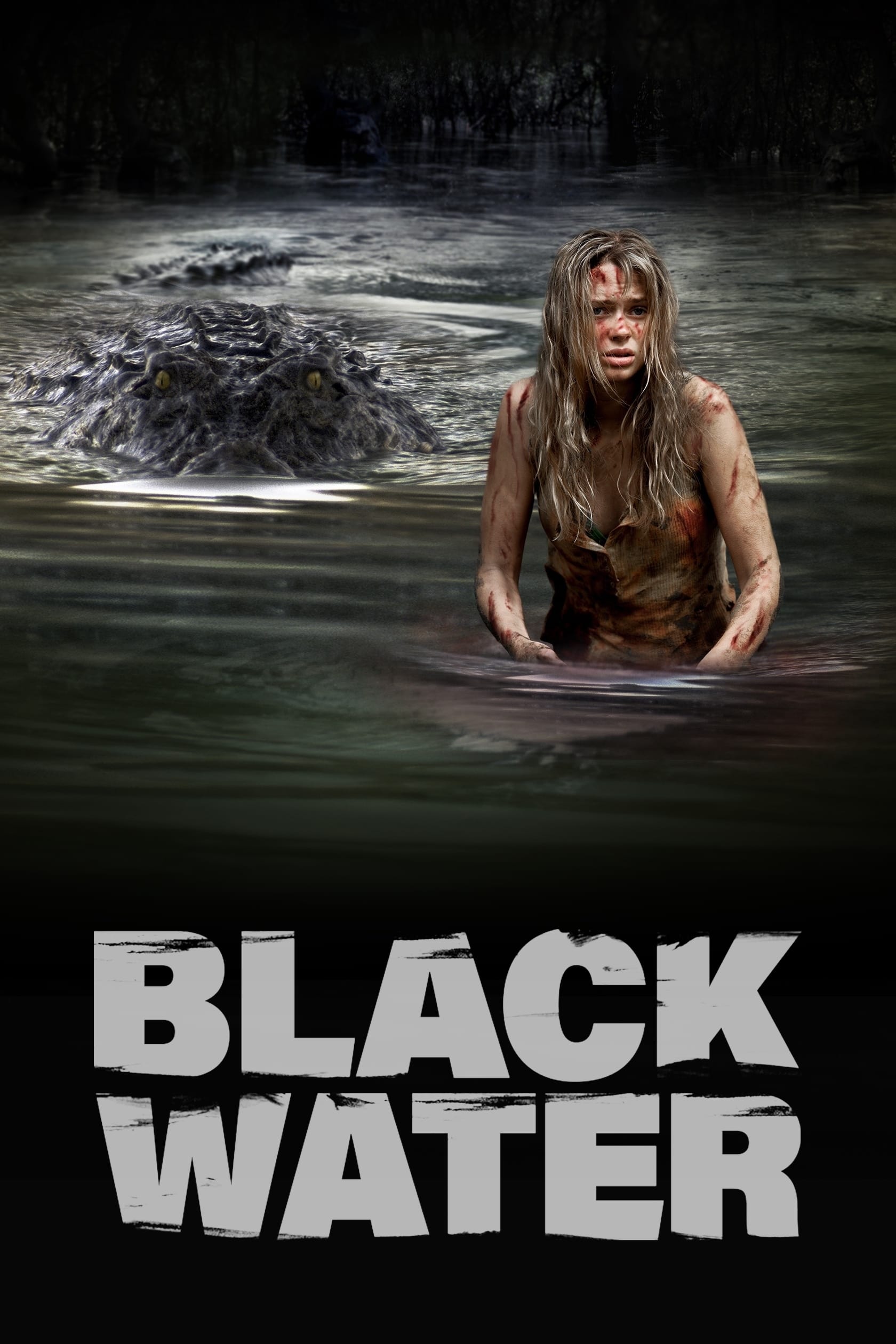
Black Water
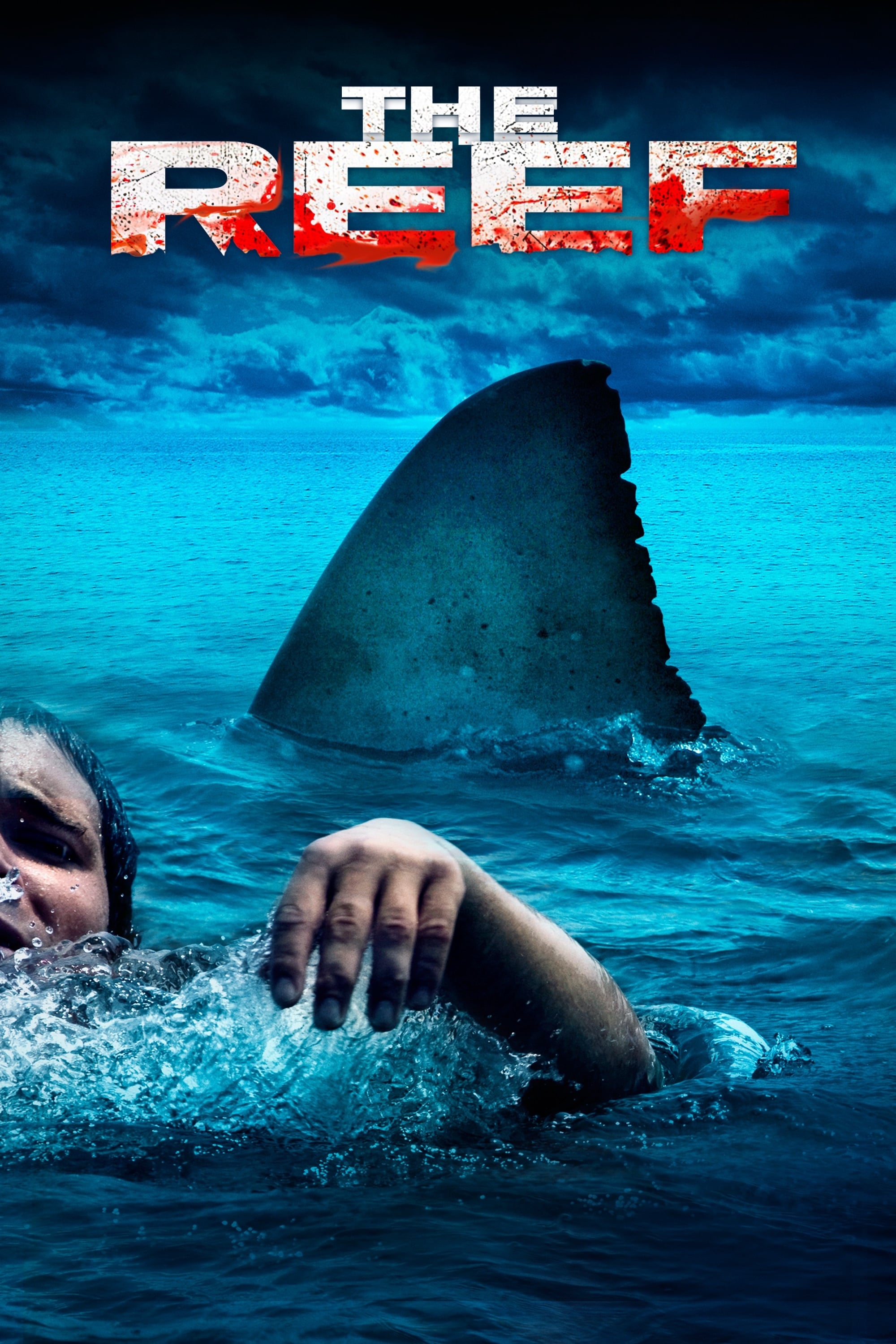
The Reef
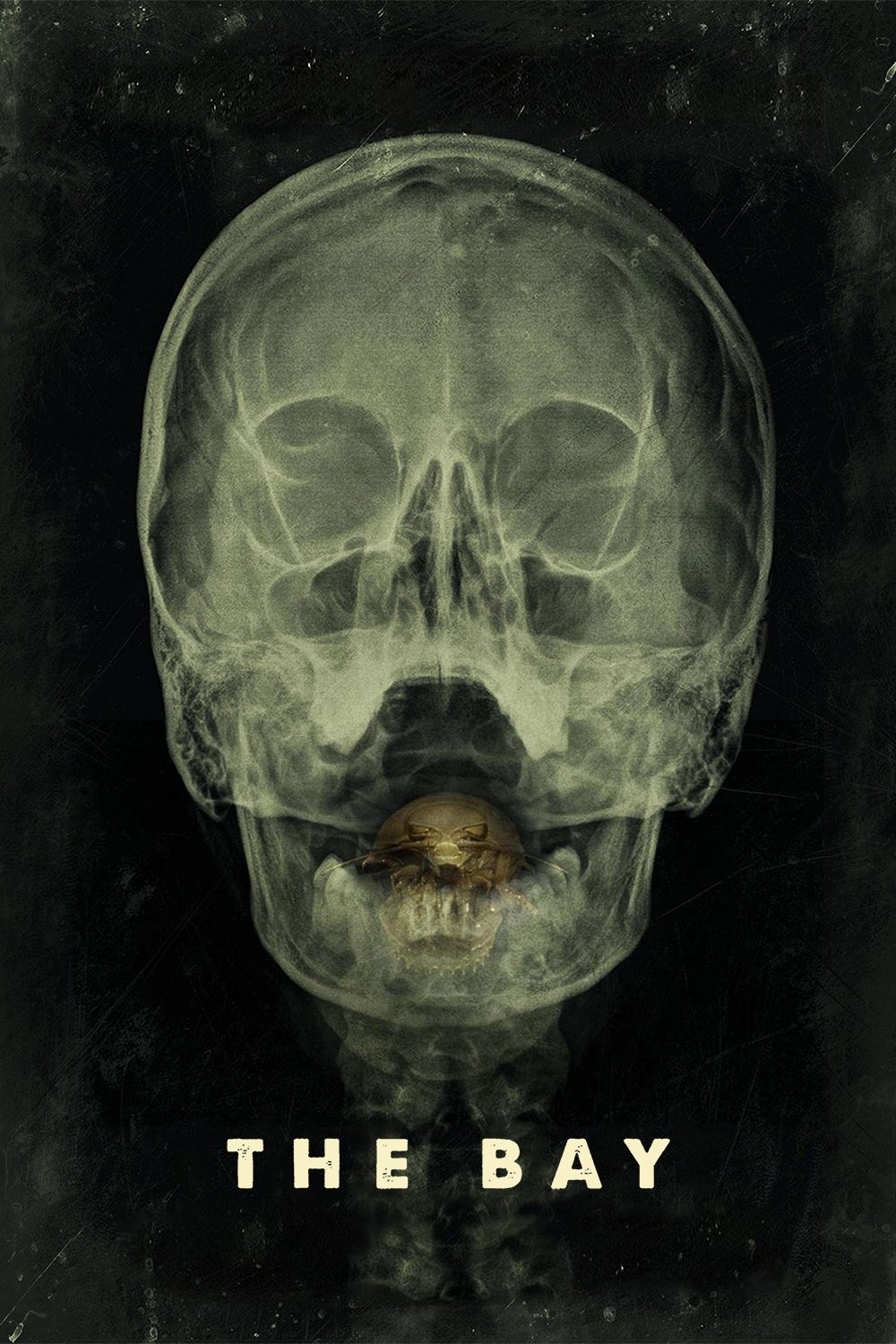
The Bay
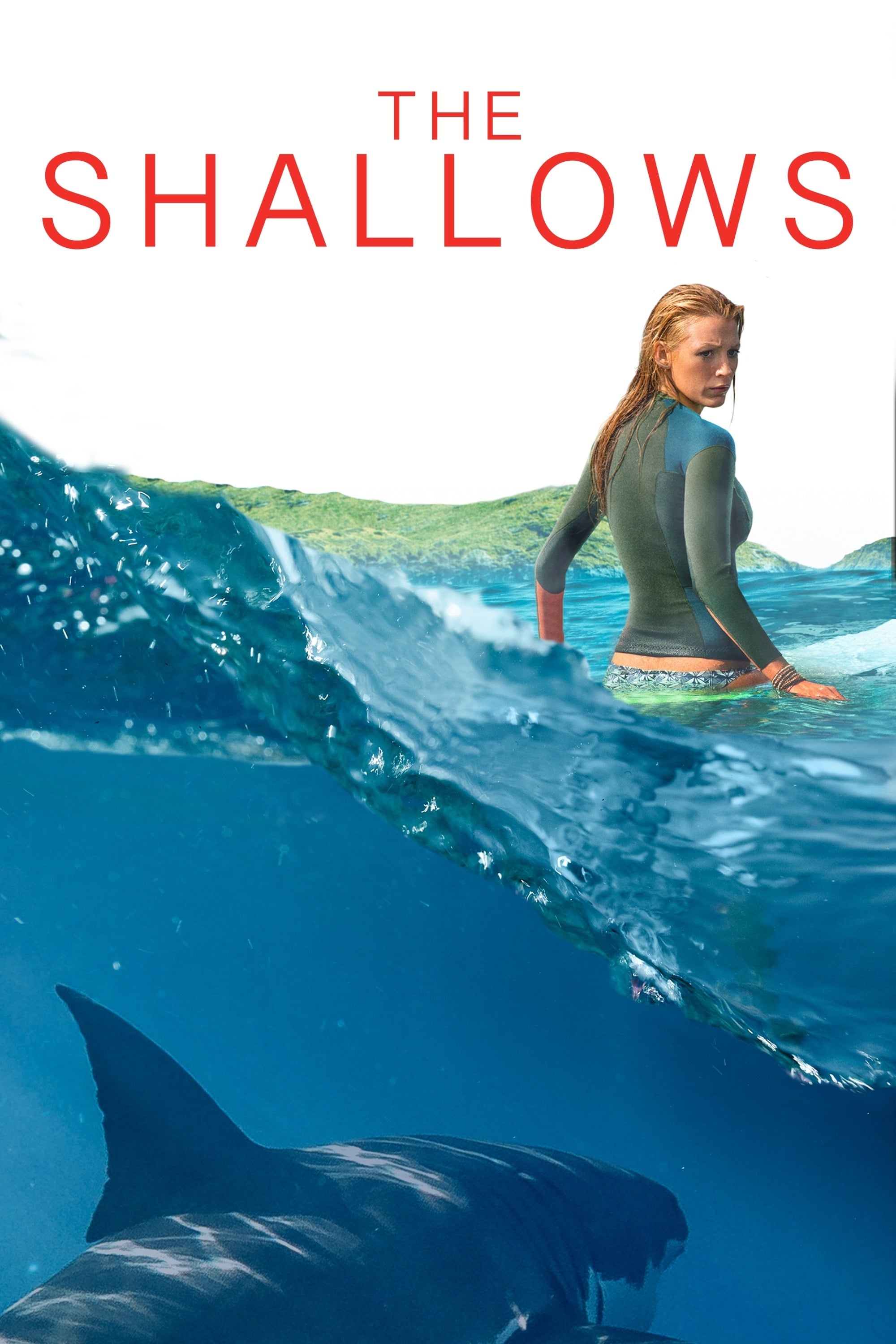
The Shallows
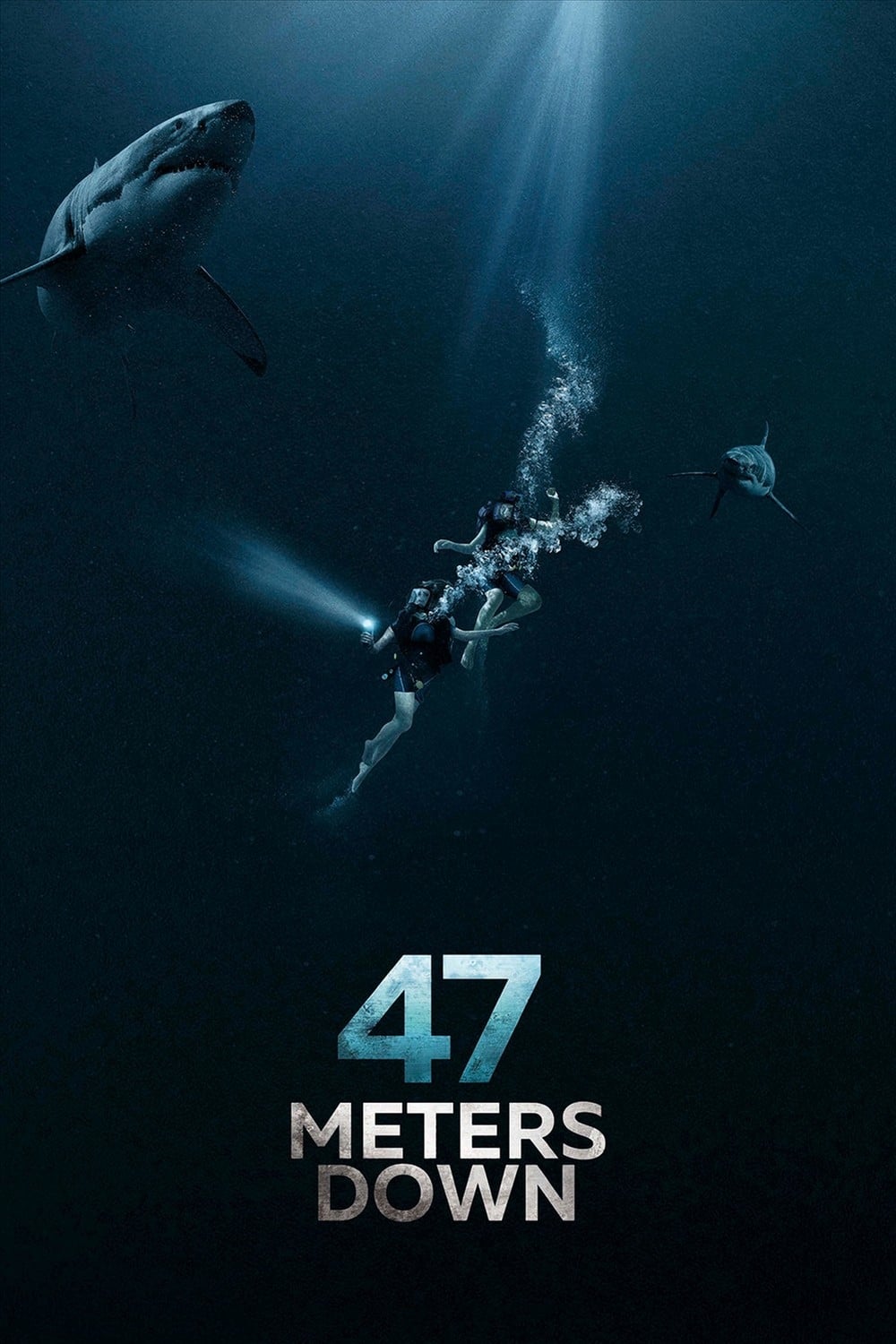
47 Meters Down
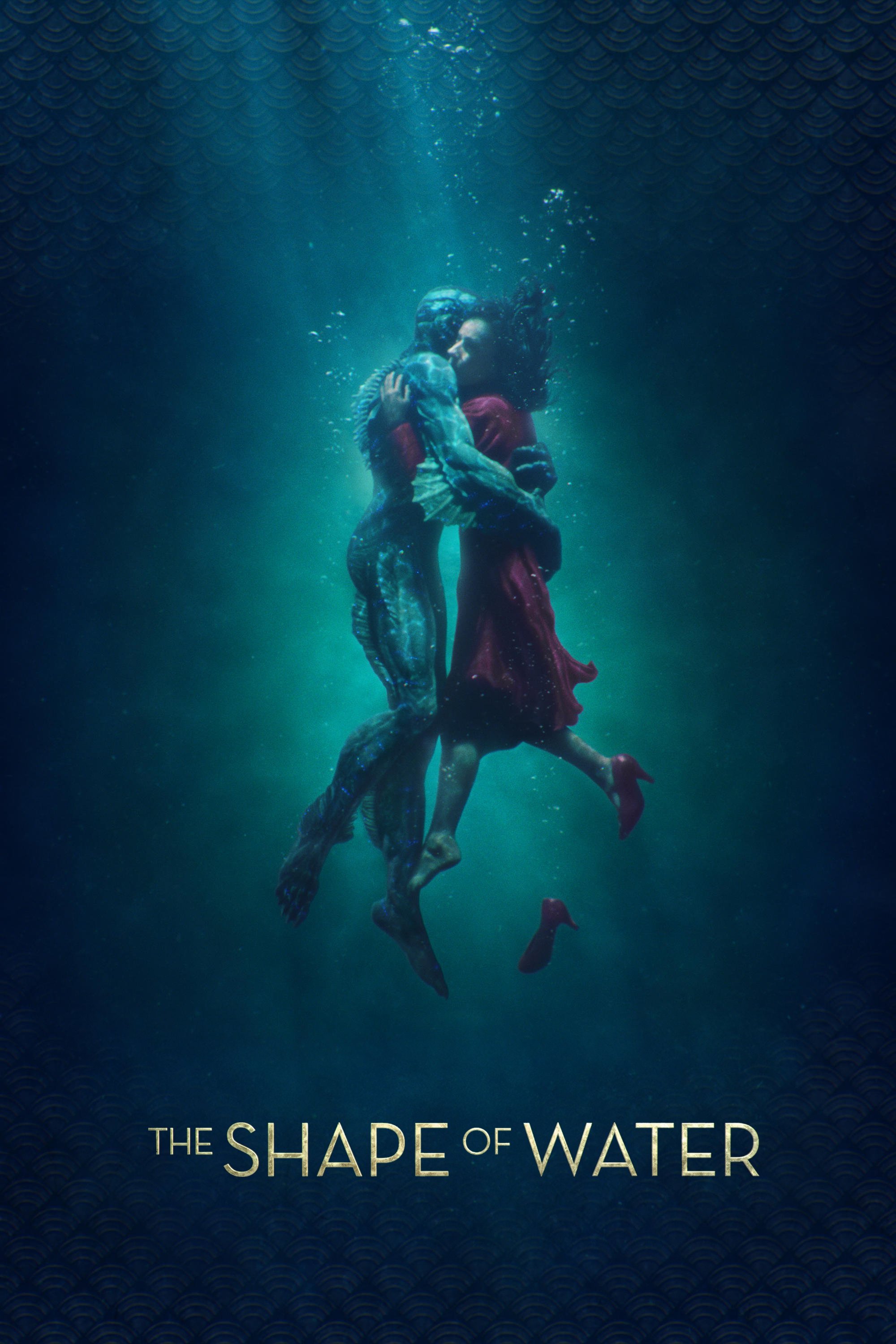
The Shape of Water
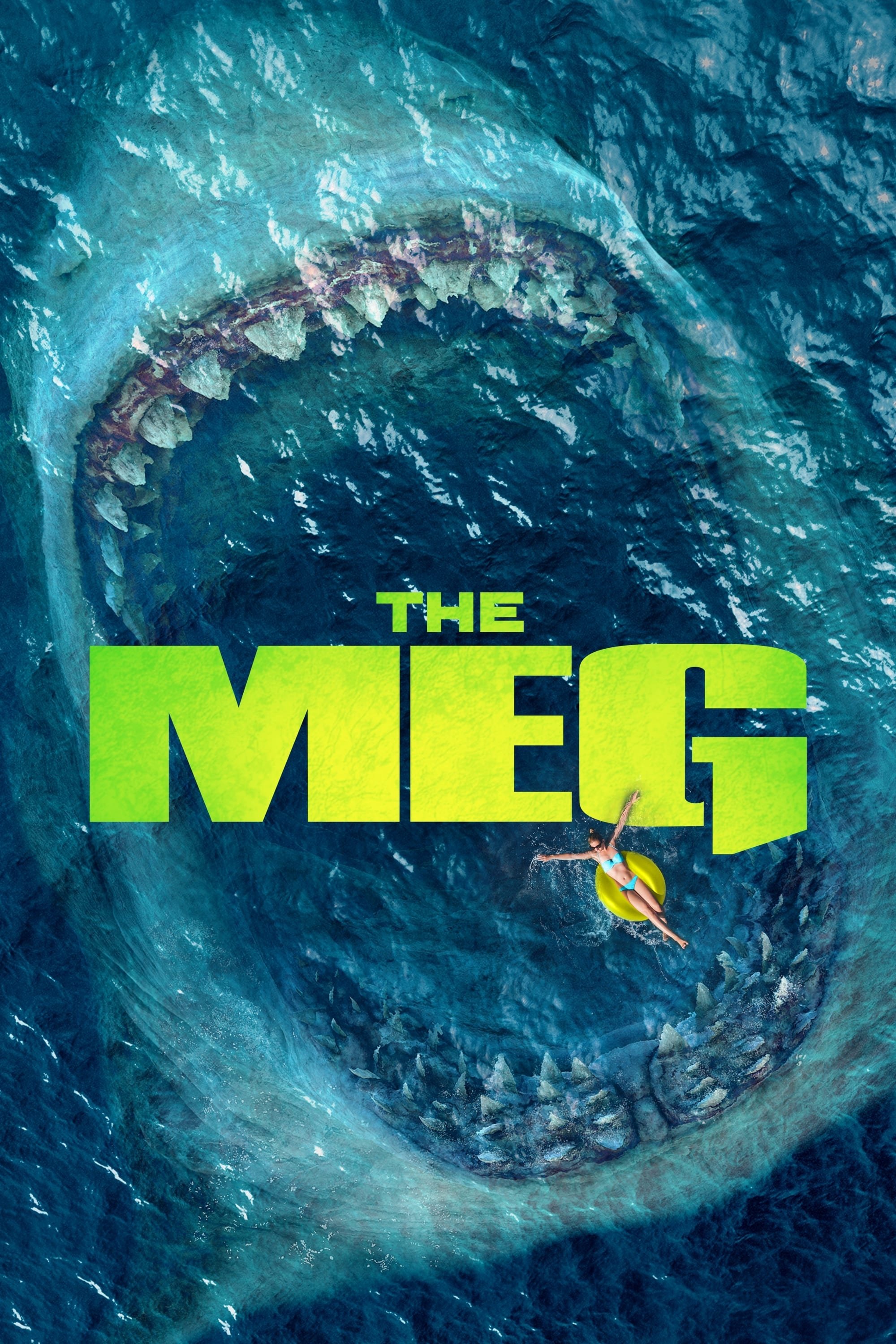
The Meg

Sweetheart

Crawl
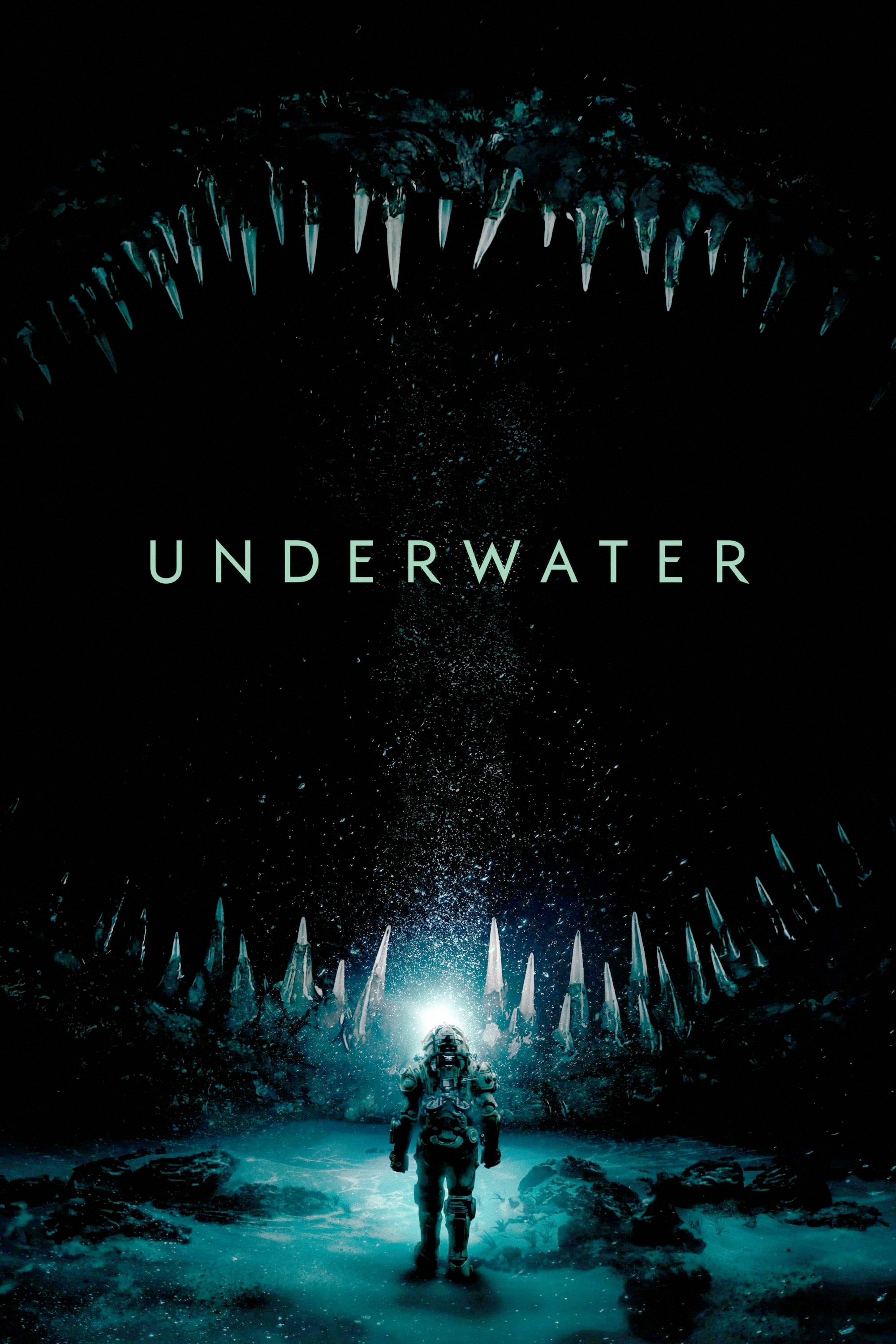
Underwater
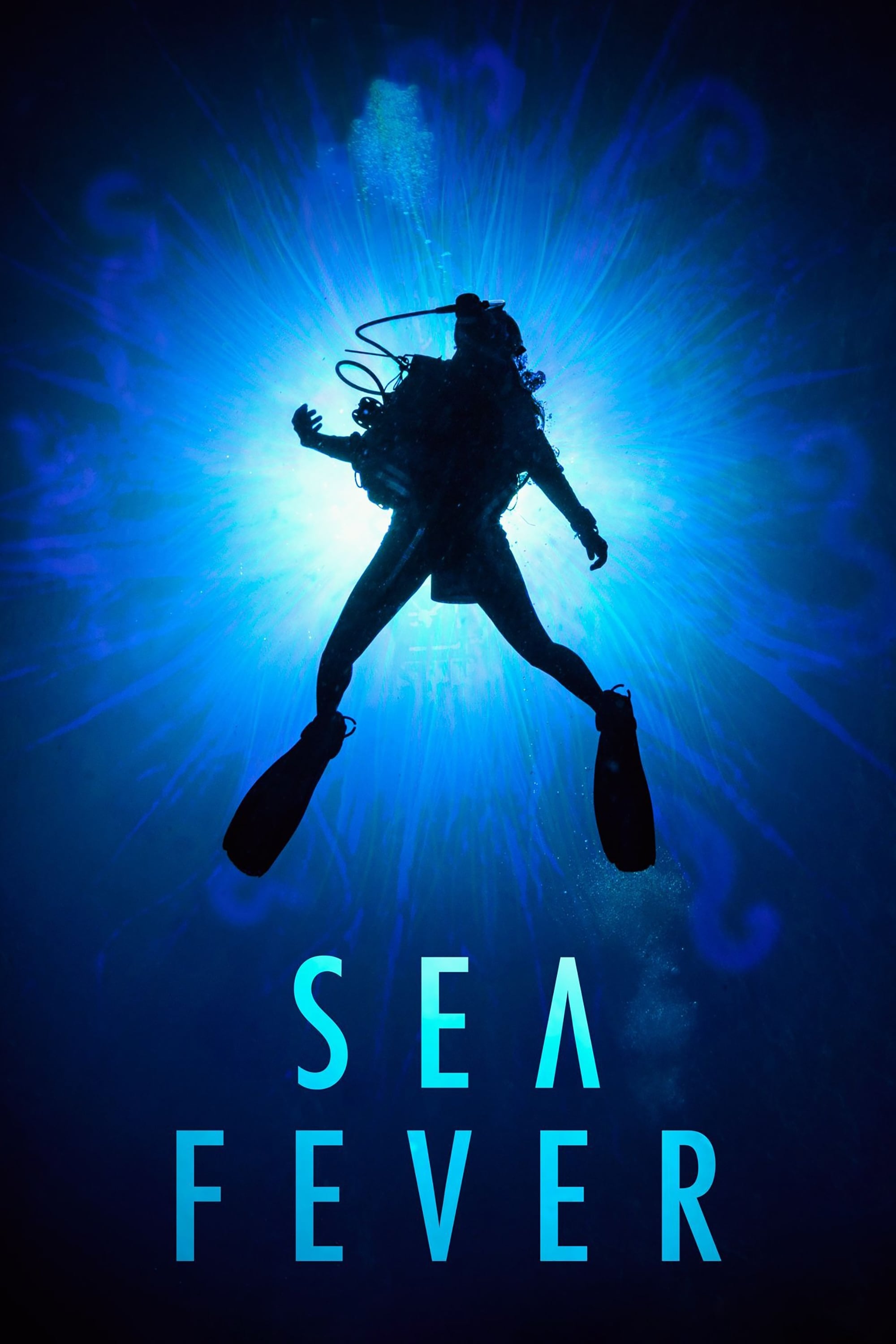
Sea Fever
Statistics
Popularity by Decade
Share of each decade's horror films classified as Sea Creature. Counts films with at least 5 TMDB ratings, so very obscure titles are not represented.
Popularity by Country
Share of each country's horror output classified as Sea Creature. Counts films with at least 5 TMDB ratings, so very obscure titles are not represented.