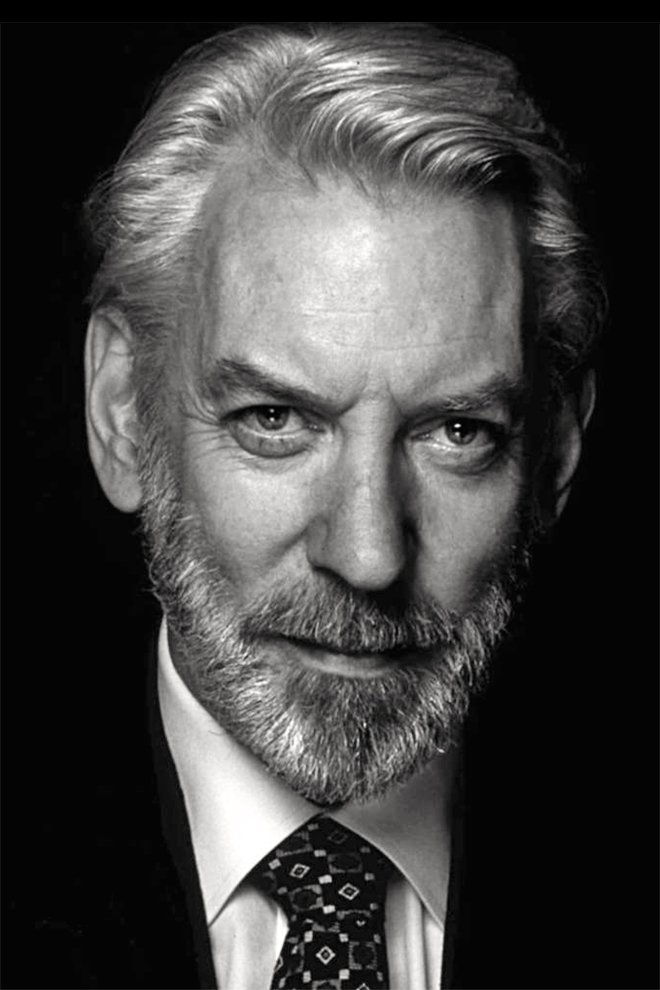
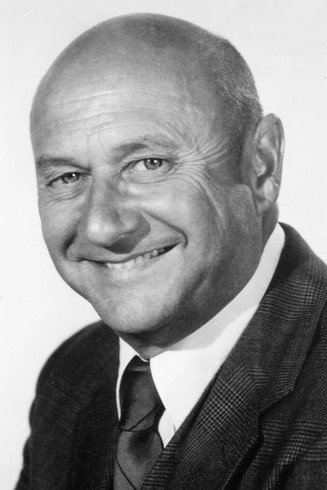
Deep Red (1975)
1970s
The Exorcist, The Texas Chain Saw Massacre, Halloween, Jaws — the decade that created the modern horror landscape.
History
The 1970s represent horror cinema's richest and most confrontational decade. William Friedkin's The Exorcist (1973), adapted from William Peter Blatty's novel, became the first horror film nominated for Best Picture and triggered a cycle of demonic possession films — Richard Donner's The Omen (1976) extended the cycle into the studio mainstream — that proved American audiences would line up to be genuinely traumatised. Tobe Hooper's The Texas Chain Saw Massacre (1974) and Wes Craven's The Last House on the Left (1972) and The Hills Have Eyes (1977) stripped horror of Gothic distance entirely, finding terror in American backroads and domestic spaces with a rawness that reflected post-Vietnam, post-Watergate disillusionment. Brian De Palma's Carrie (1976), the first major Stephen King adaptation, brought Hitchcock-pastiche operatic violence to the high-school setting; David Lynch's Eraserhead (1977), made over five years in industrial Philadelphia, established a surrealist-horror lineage that would echo through the next half-century of independent cinema.
The slasher film took shape through Bob Clark's Black Christmas (1974), a Canadian production whose anonymous killer, menacing phone calls, and final-girl structure established the template, and John Carpenter's Halloween (1978), which refined it into the most commercially influential horror formula of the century. Steven Spielberg's Jaws (1975), while often classified as a thriller, proved that horror-driven filmmaking could dominate the box office and permanently shaped the creature feature. George A. Romero's Dawn of the Dead (1978) set its zombie apocalypse in a shopping mall, drawing unmistakable parallels between the undead and consumer culture, with Tom Savini's groundbreaking gore effects pushing the boundaries of on-screen violence. In Canada, David Cronenberg launched body horror with Shivers (1975) and Rabid (1977), exploring anxieties about disease, sexuality, and bodily transformation that would define his career — and the Capital Cost Allowance tax shelter that funded these films laid the groundwork for the slasher production wave that would dominate the early 1980s.
Internationally, the decade was equally transformative. In Italy, Dario Argento elevated the giallo to operatic heights with Deep Red (1975) and the hallucinatory Suspiria (1977), while Mario Bava's A Bay of Blood (1971) laid the proto-slasher template that Halloween and Friday the 13th would later draw from; Lucio Fulci's Don't Torture a Duckling (1972) extended the giallo into political and Catholic territory, and his Zombi 2 (1979) launched Italy's zombie cycle; Pupi Avati's The House with Laughing Windows (1976) demonstrated that the Italian Gothic could survive in regional and quotidian registers. Britain produced the folk-horror trinity — Witchfinder General (1968), The Blood on Satan's Claw (1971), and The Wicker Man (1973) — and Nicolas Roeg's devastating Don't Look Now (1973), while Hammer struggled to modernise and ceased horror production with To the Devil a Daughter (1976). In Australia, the Ozploitation movement emerged with Peter Weir's Picnic at Hanging Rock (1975) and The Last Wave (1977) and Colin Eggleston's Long Weekend (1979), turning the outback into a new landscape of dread. In Japan, Nobuhiko Obayashi's House (1977) fused haunted-house tropes with experimental animation and adolescent surrealism into a film that has no precedent in any national cinema. In Germany, Werner Herzog's Nosferatu the Vampyre (1979) returned Murnau's monster to the screen through Klaus Kinski's feral performance, and France's Roman Polanski closed his Apartment Trilogy with The Tenant (1976).
Advances in special-effects makeup, pioneered by Tom Savini and Rick Baker, allowed filmmakers to achieve unprecedented levels of graphic violence and transformation that would explode through the next decade. Ridley Scott's Alien (1979) closed the period with a sci-fi-horror crossover that would seed the franchise era to come, and Don Coscarelli's Phantasm (1979) introduced the Tall Man and a dream-logic register that prefigured Nightmare on Elm Street. By decade's end, the slasher template was established, international horror had gained real prominence, and directors like Carpenter, Hooper, Cronenberg, Craven, and Argento had proven themselves auteurs. The 1970s didn't just change horror — it created the modern horror landscape.
Essential Films
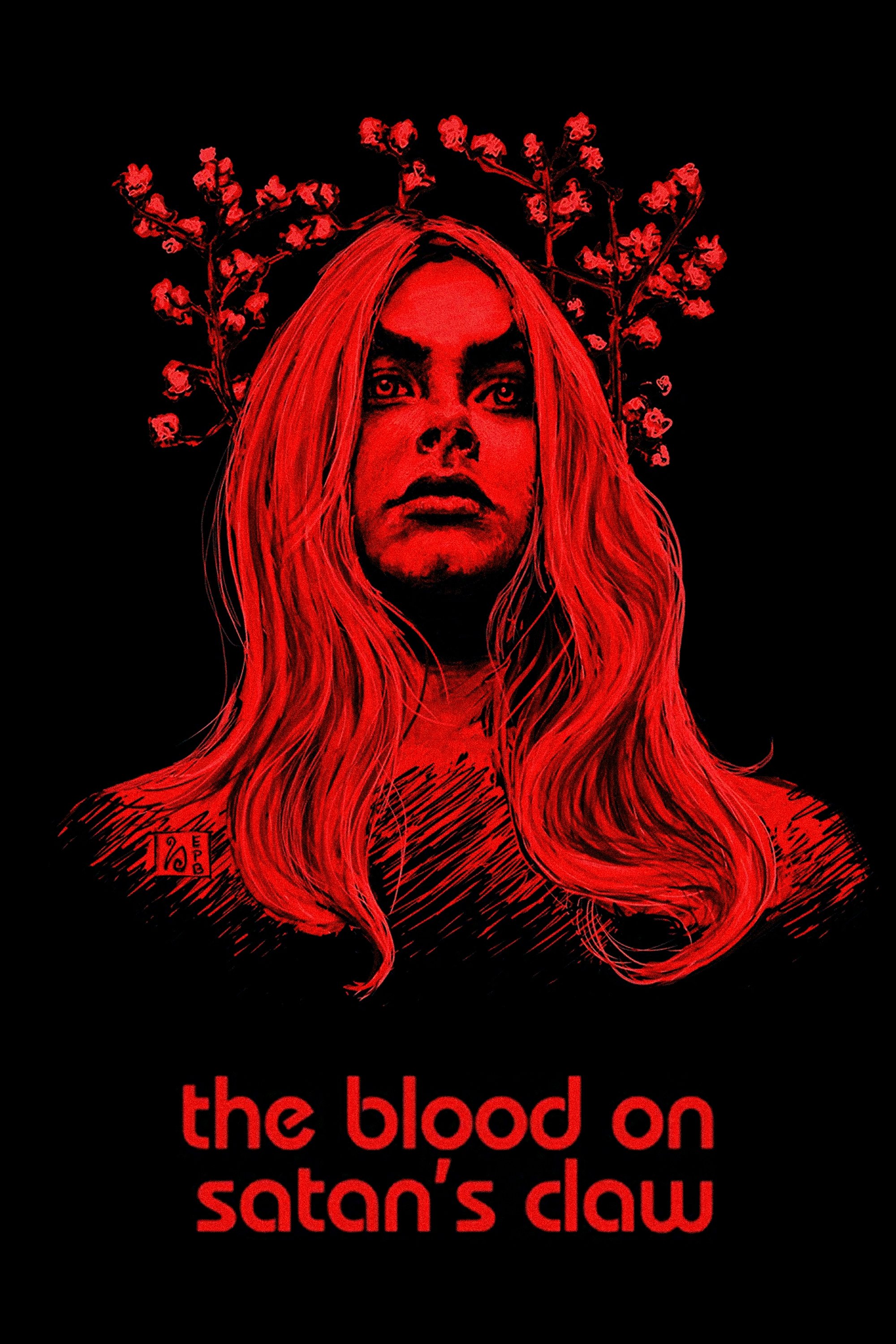
The Blood on Satan's Claw
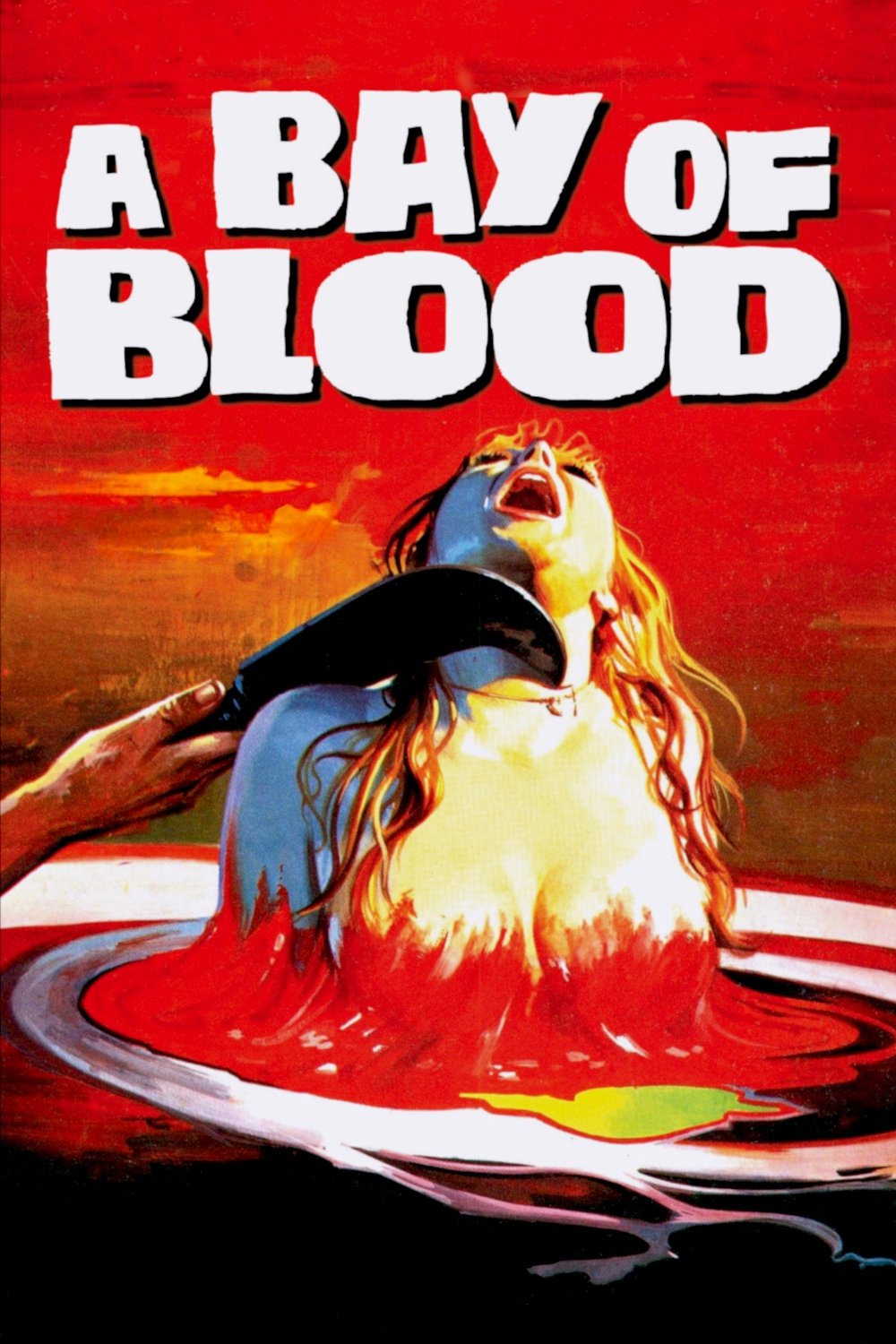
A Bay of Blood
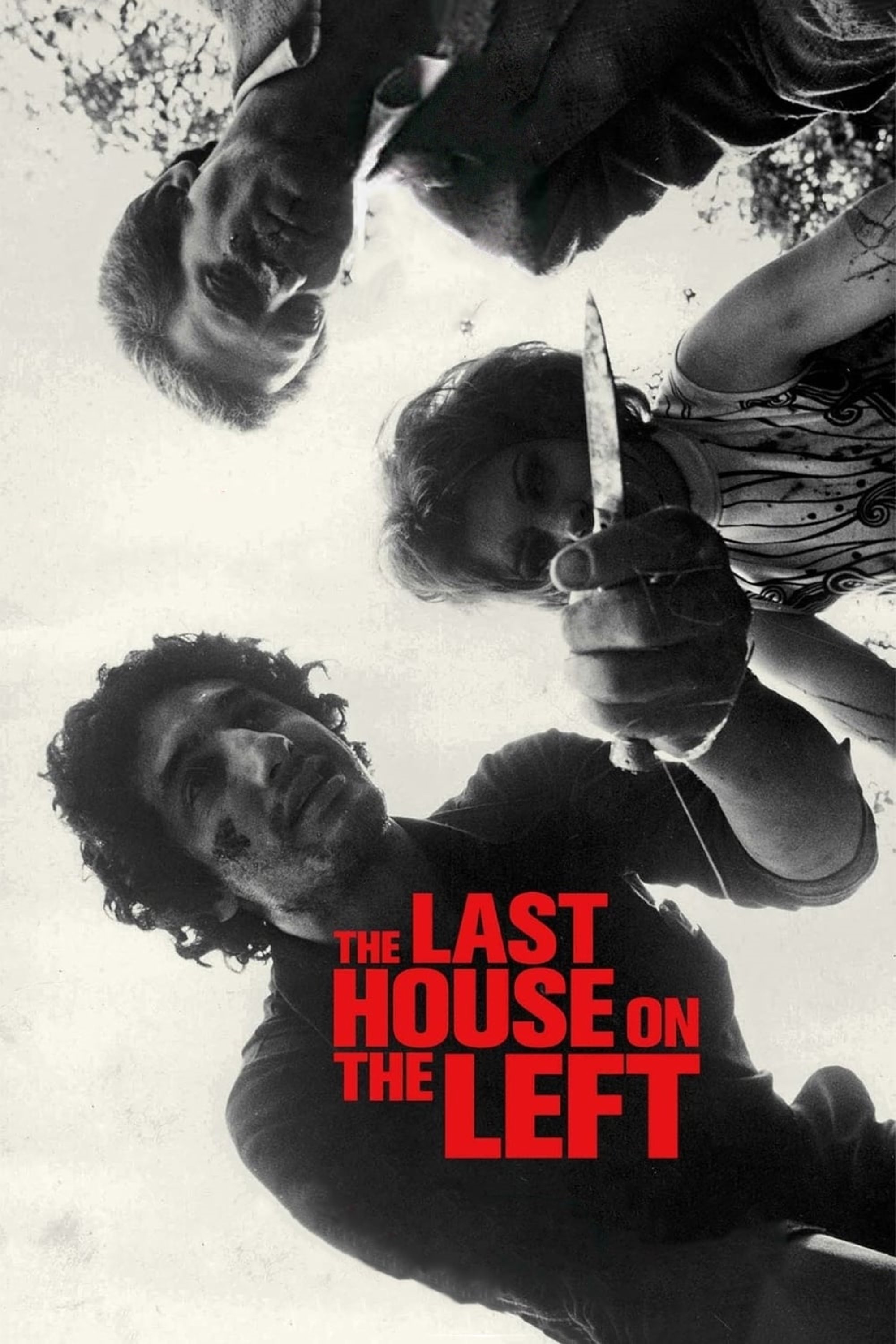
The Last House on the Left
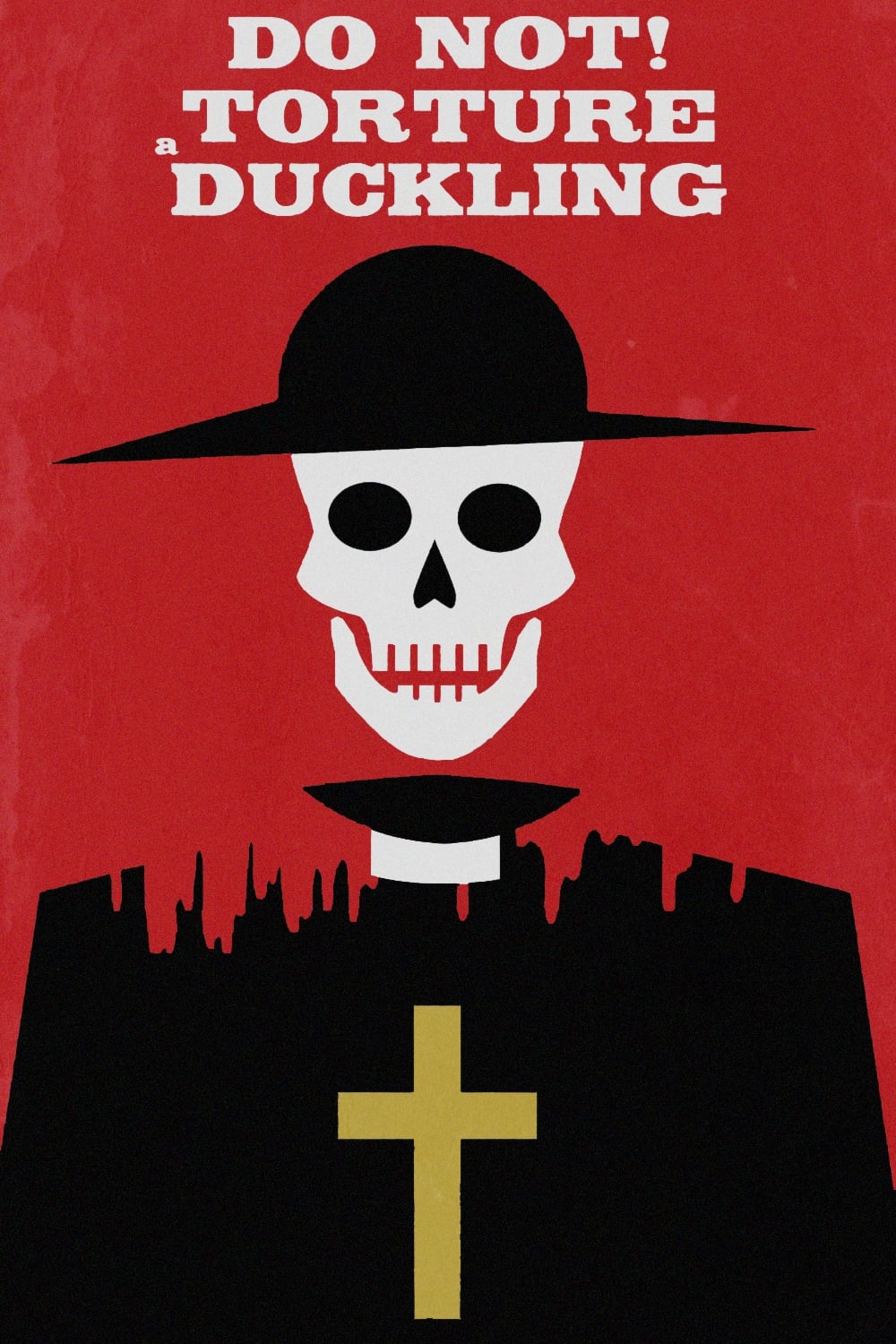
Don't Torture a Duckling
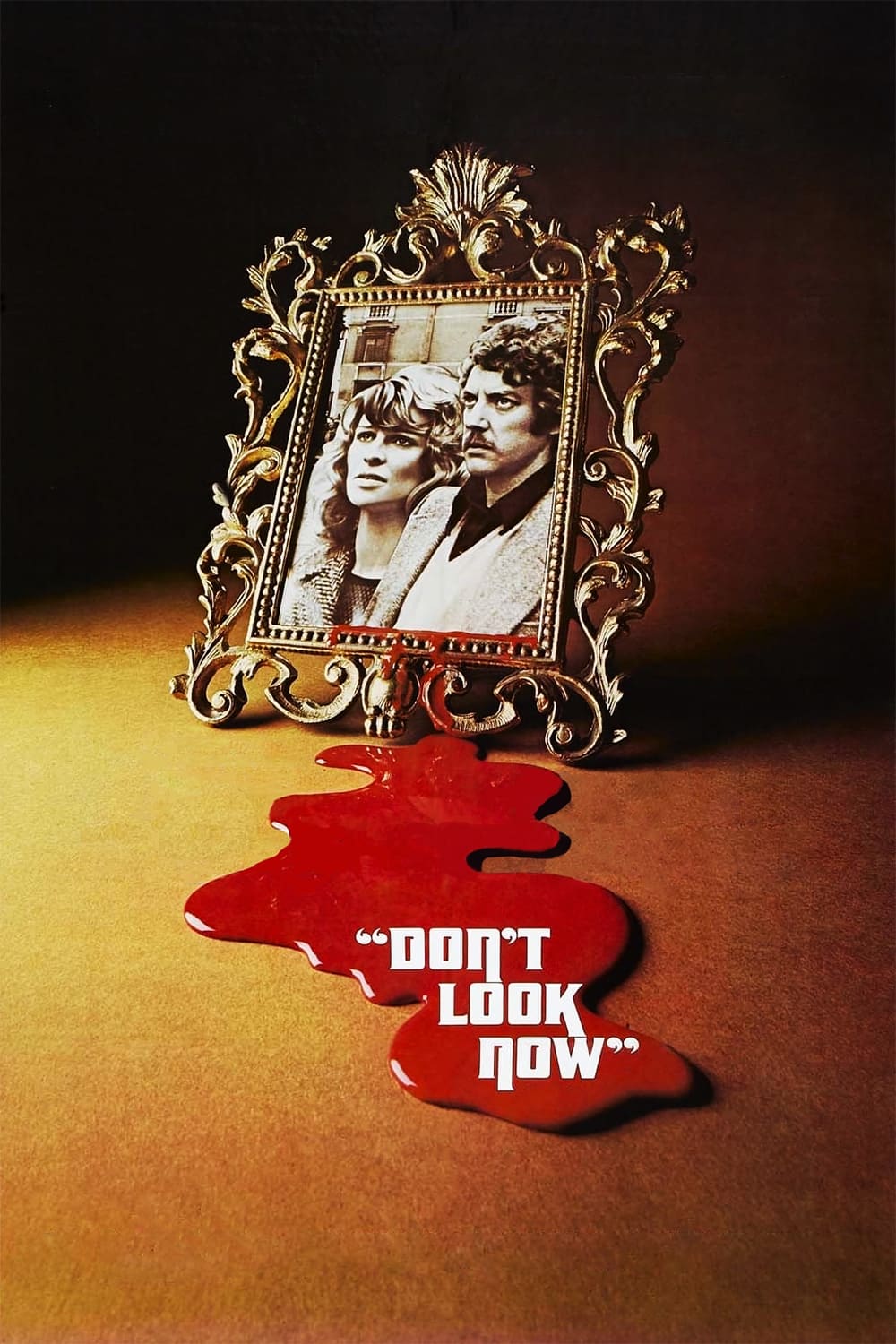
Don't Look Now
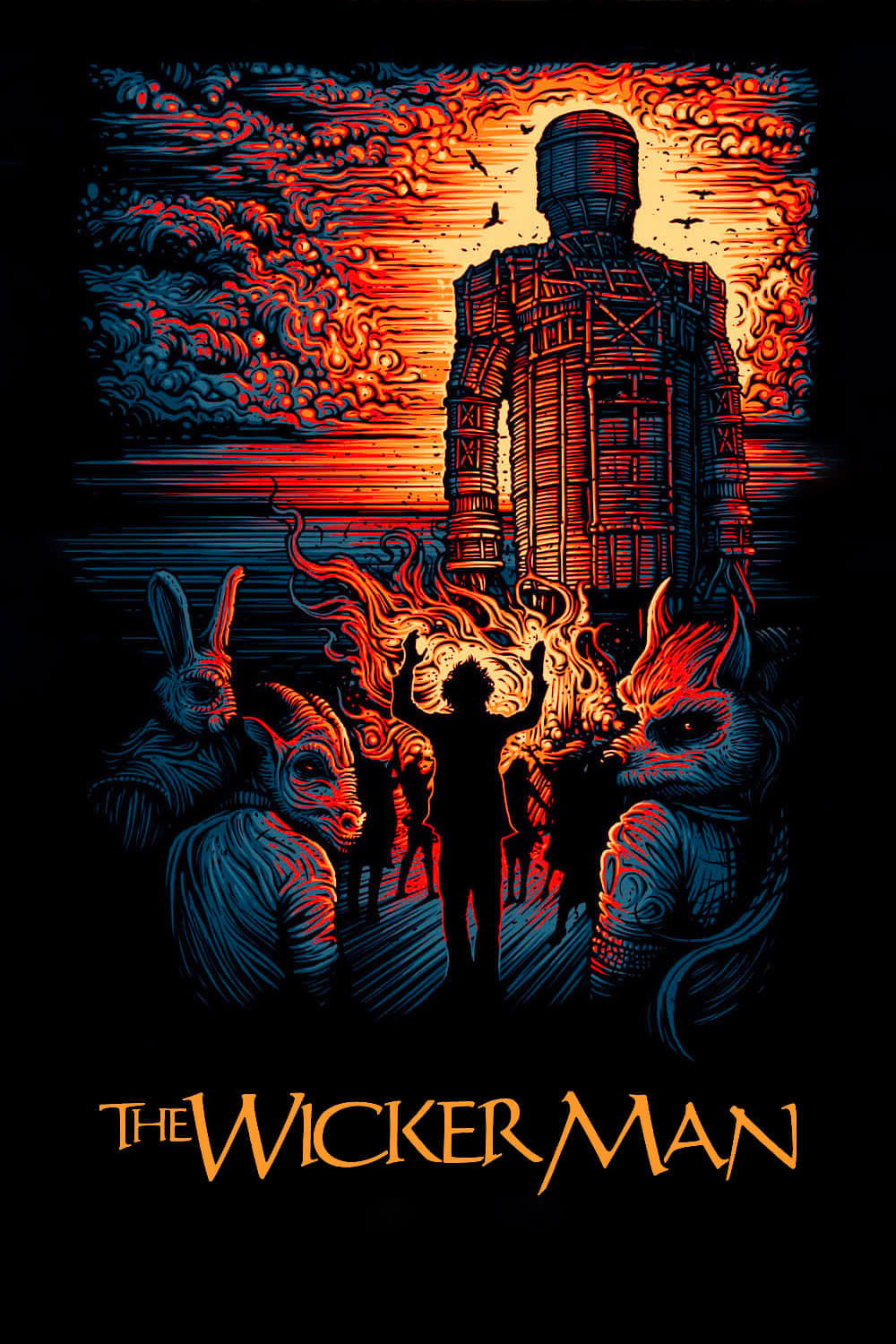
The Wicker Man

The Exorcist
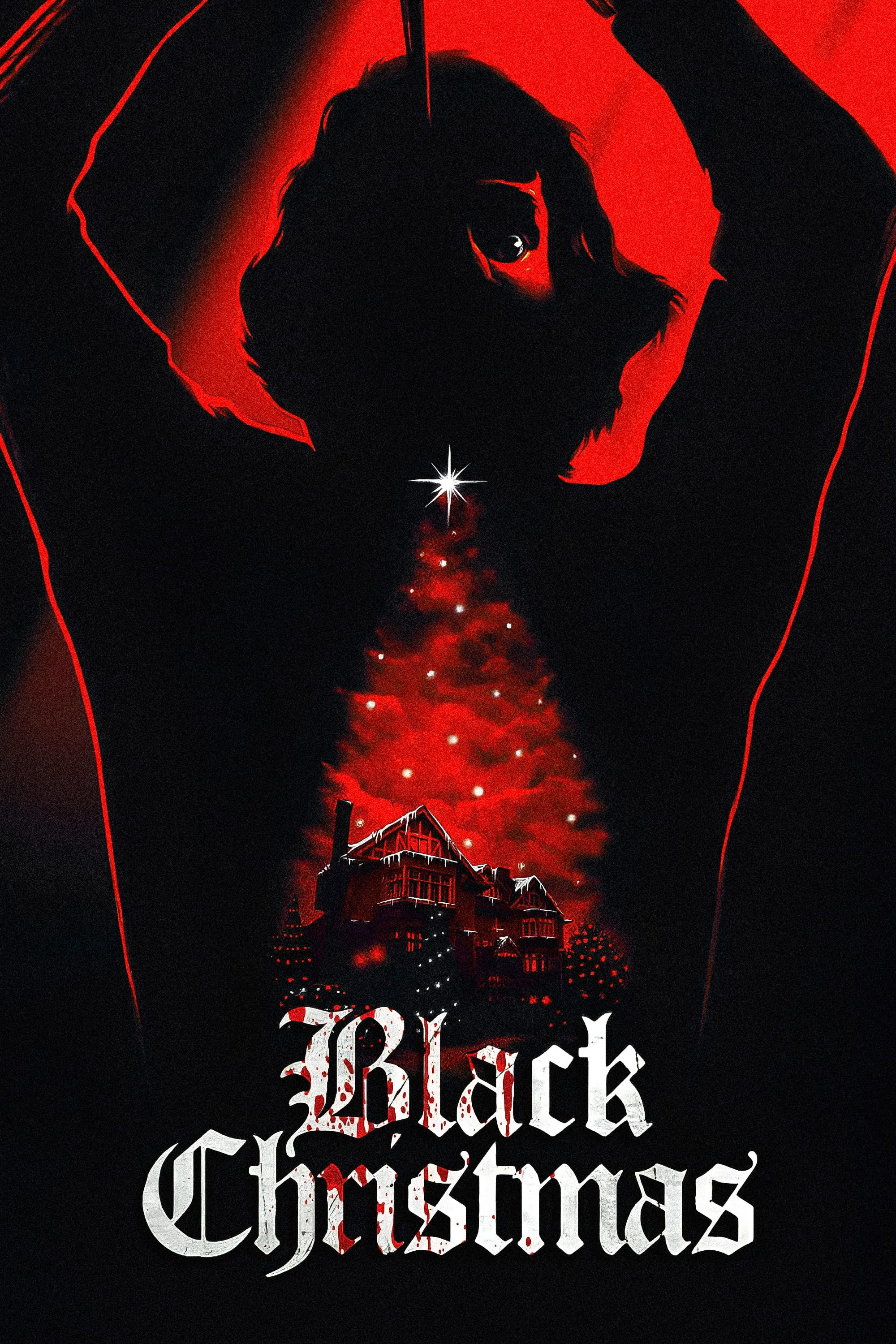
Black Christmas
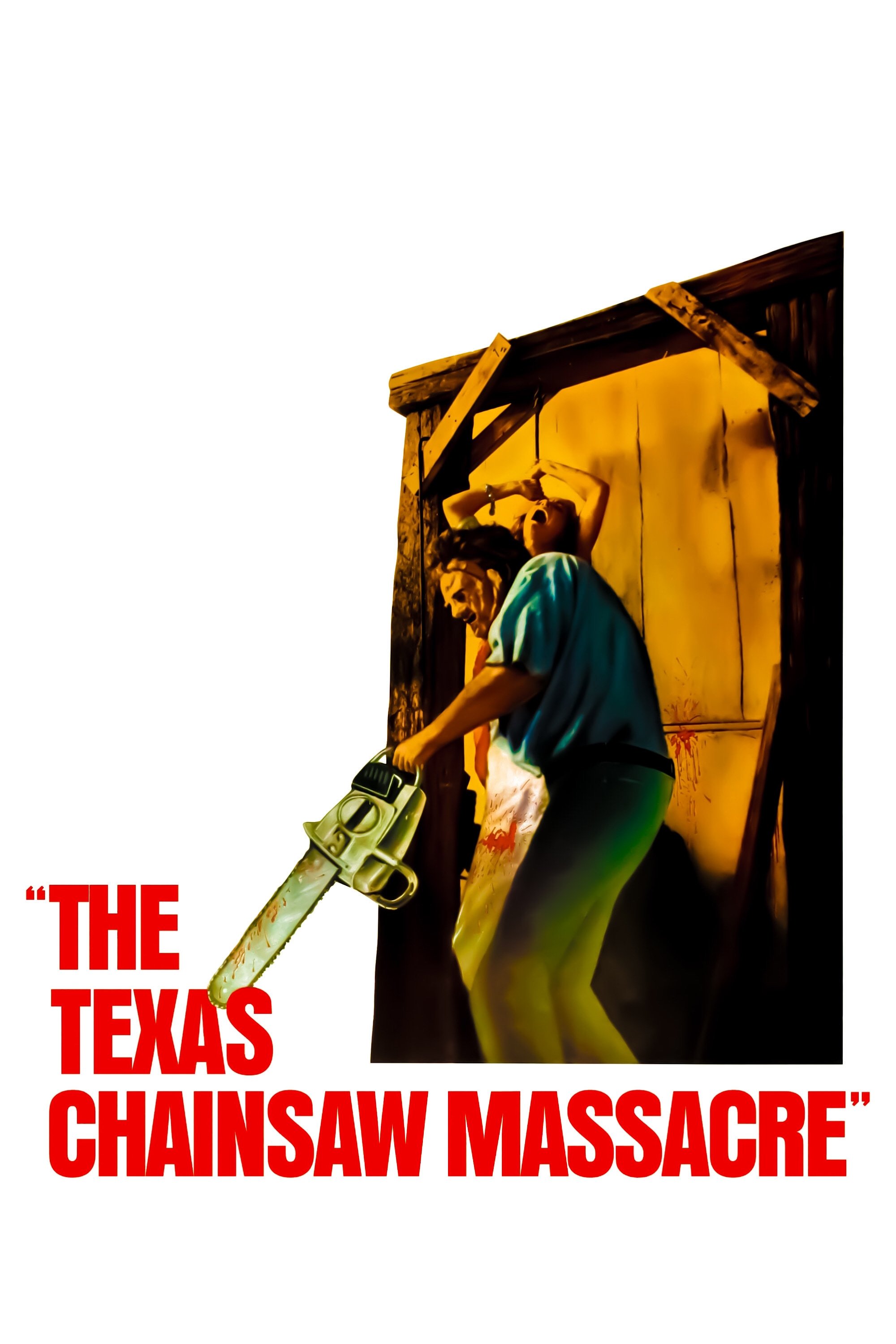
The Texas Chain Saw Massacre
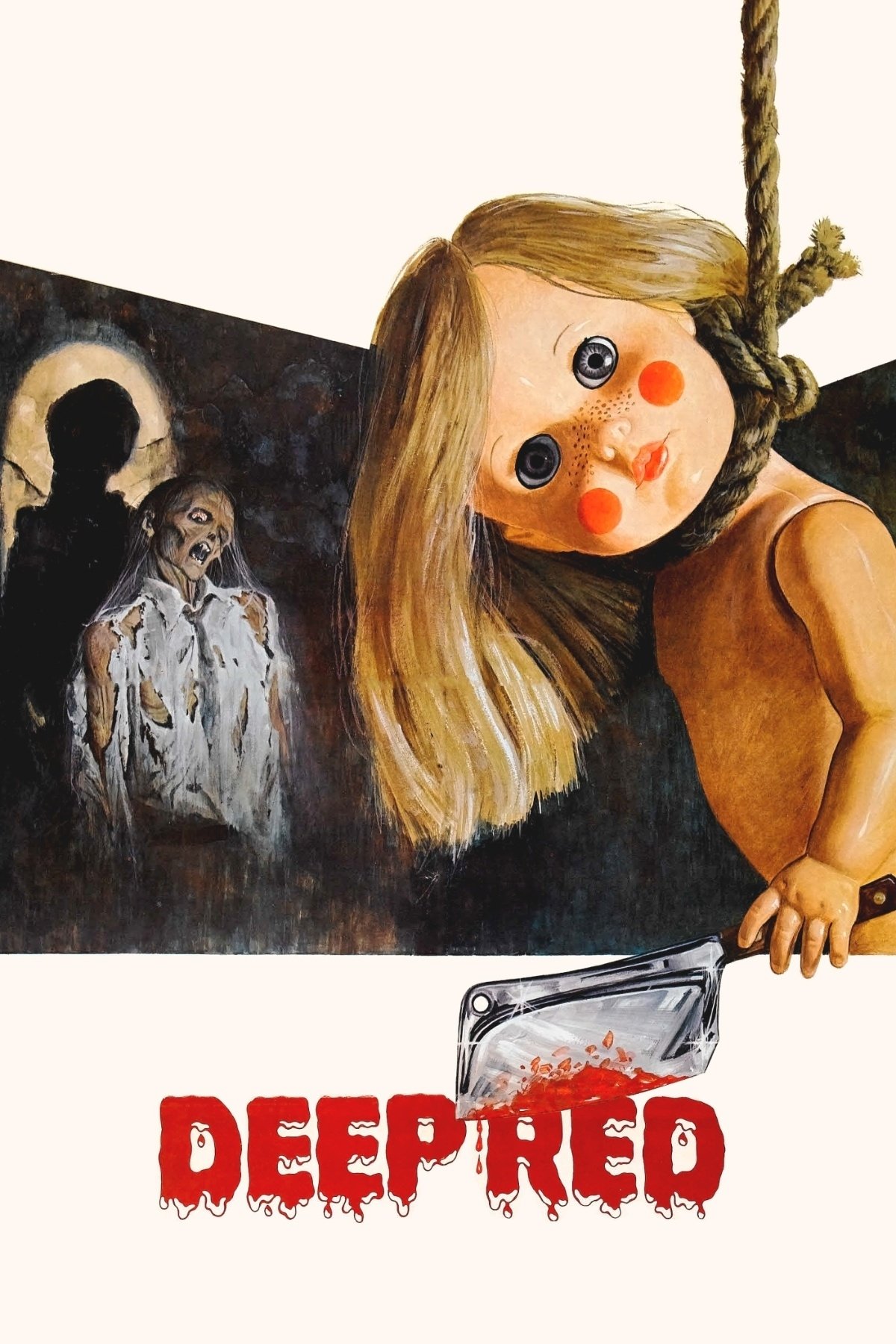
Deep Red
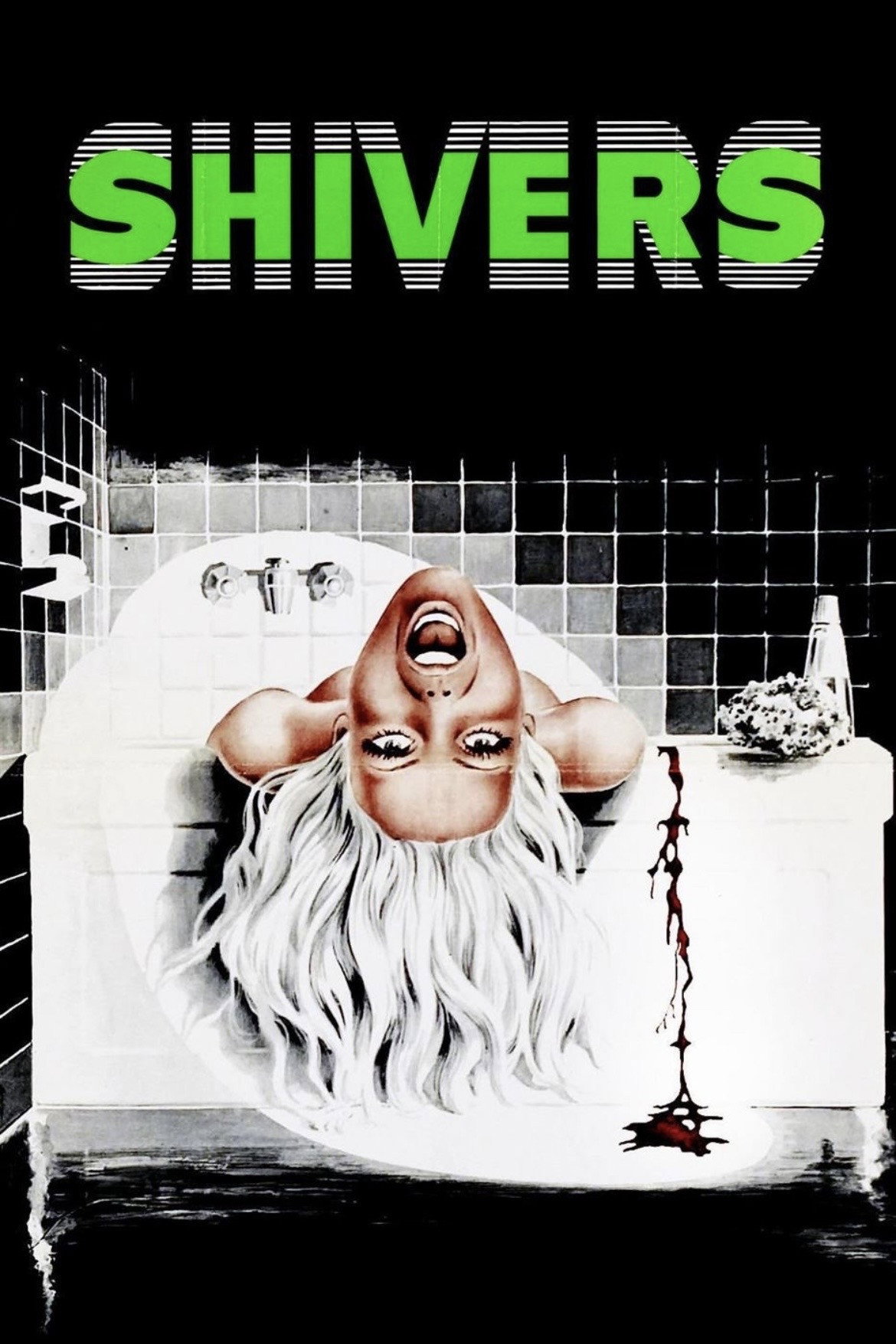
Shivers
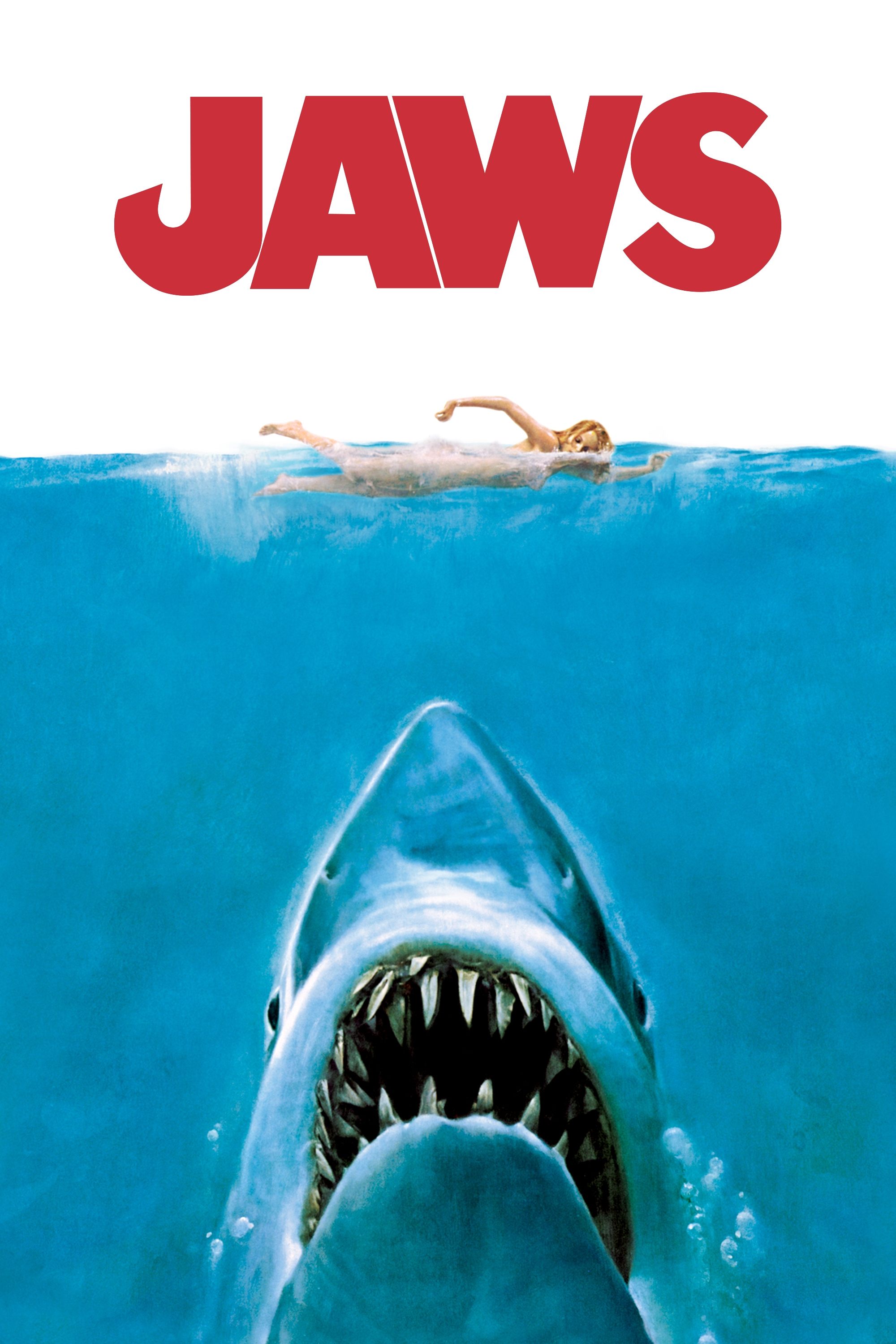
Jaws
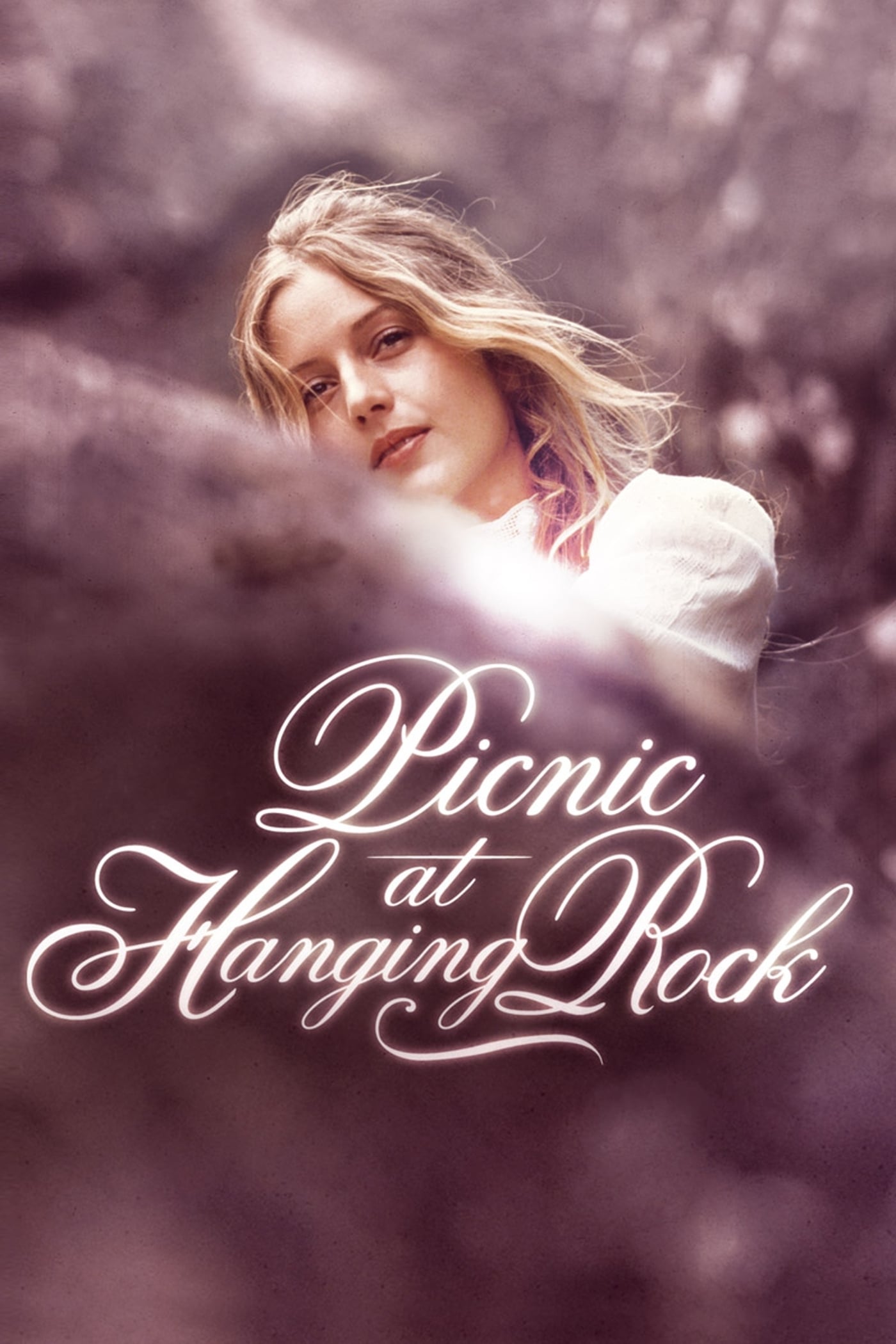
Picnic at Hanging Rock
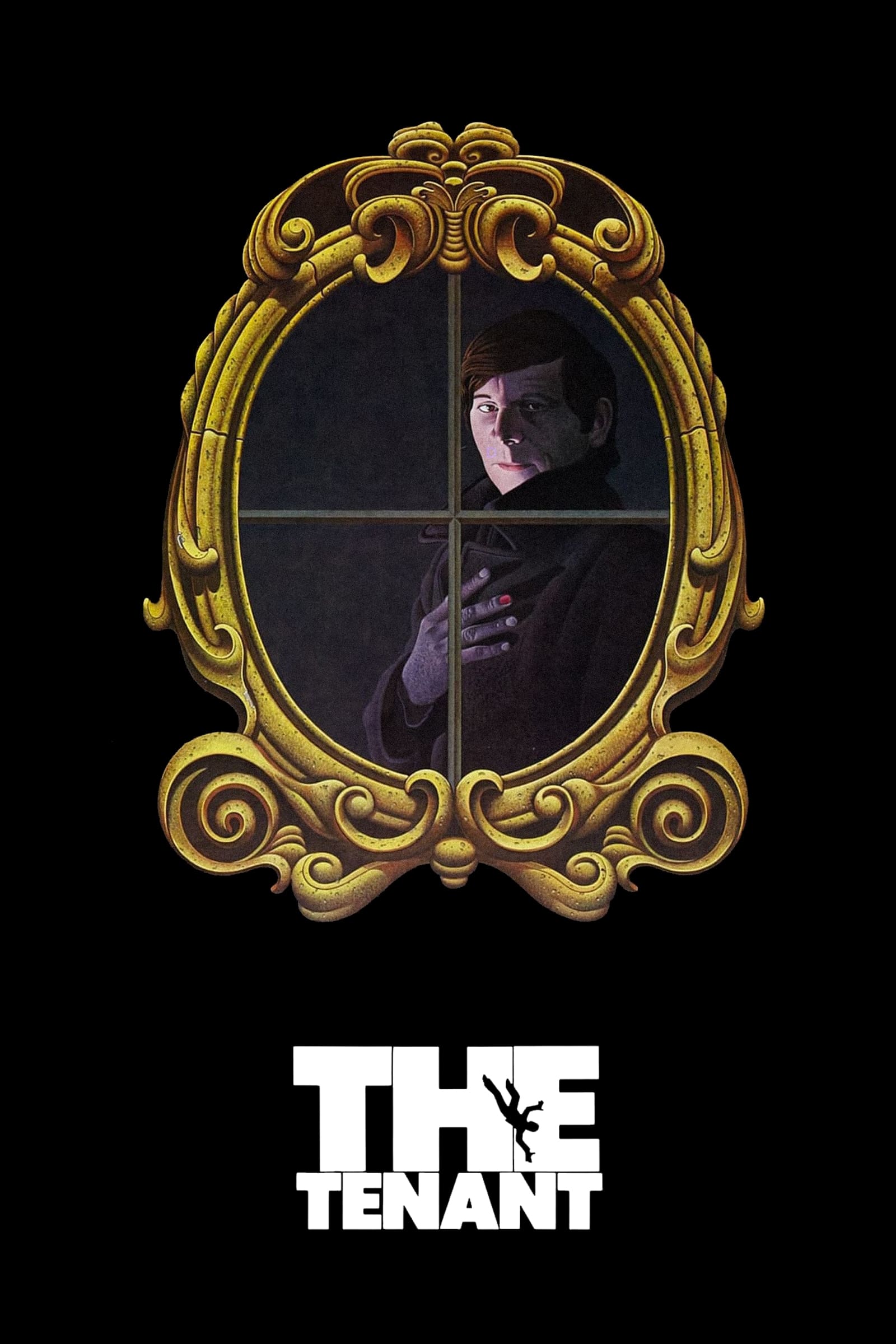
The Tenant
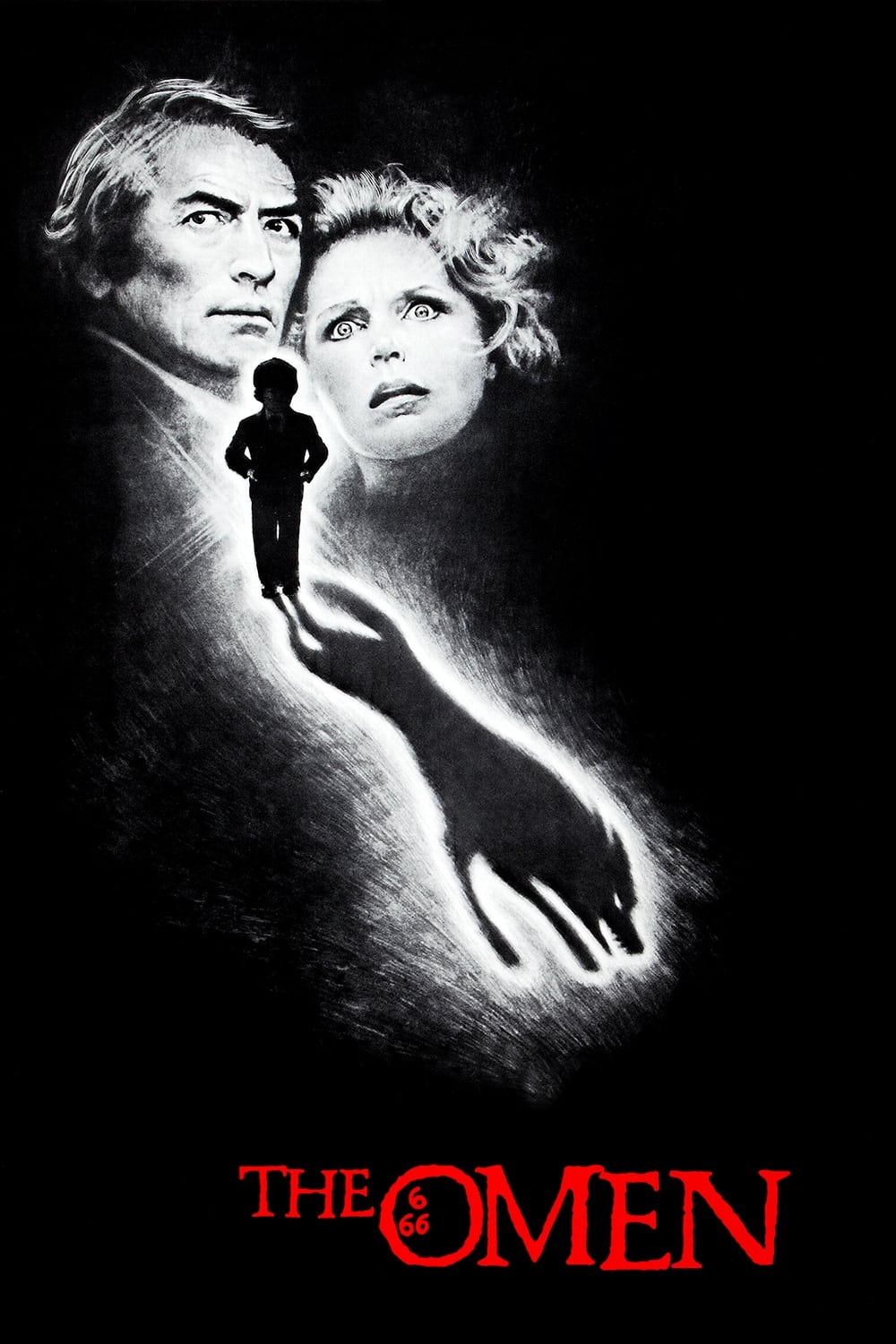
The Omen
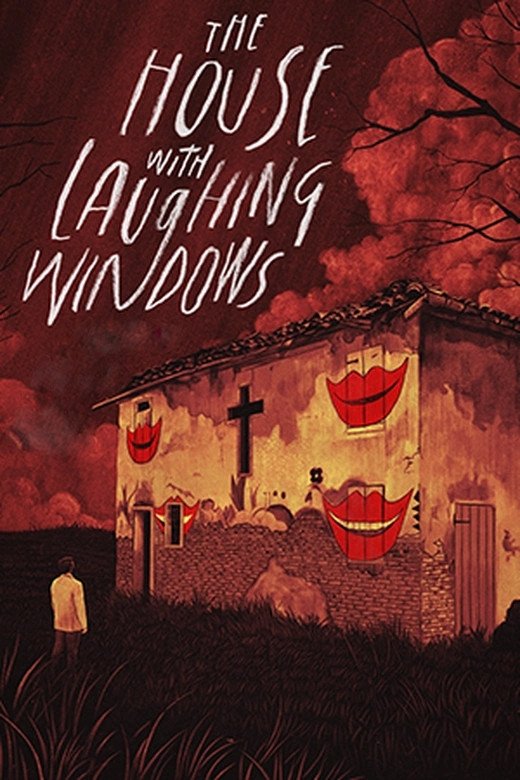
The House with Laughing Windows
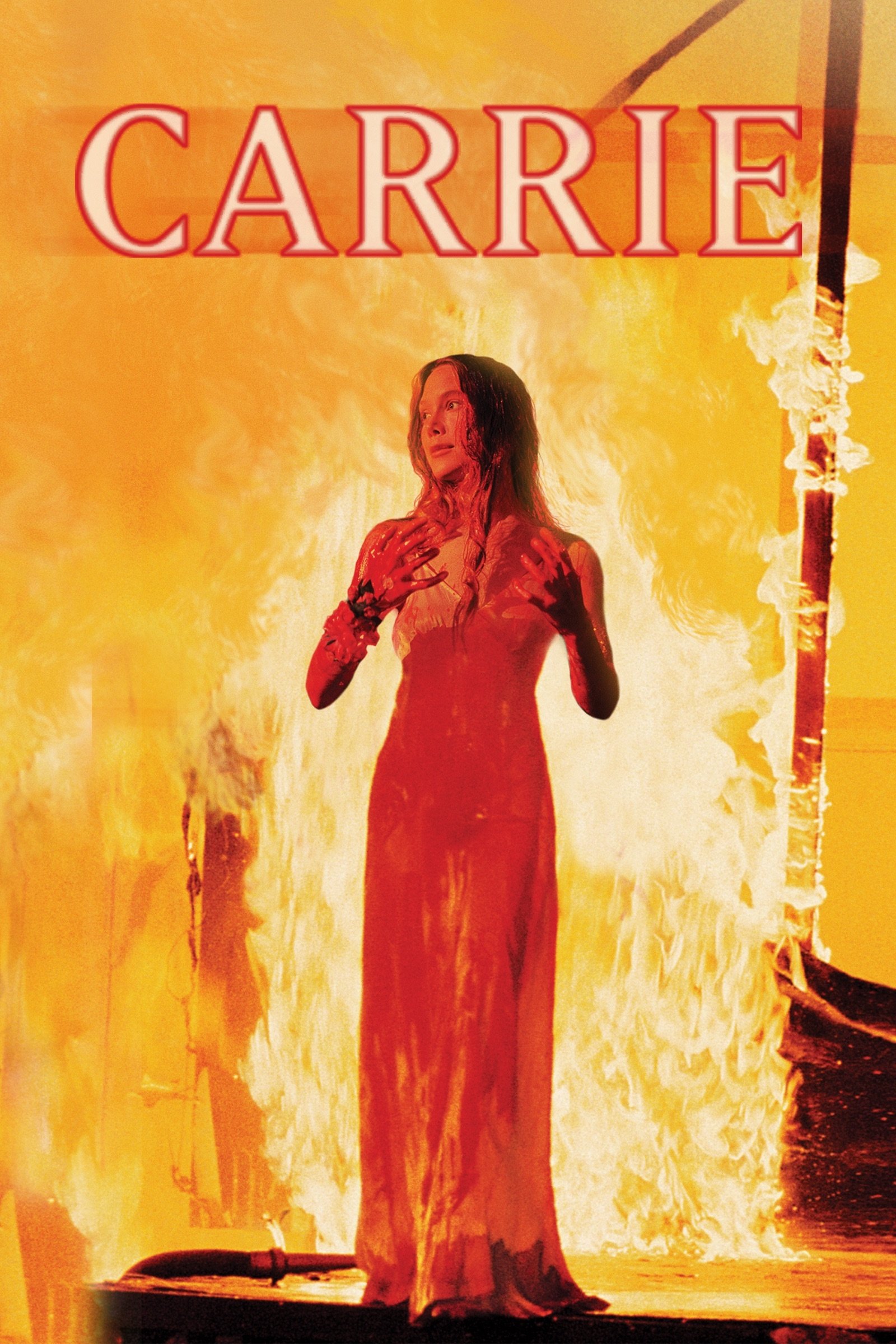
Carrie
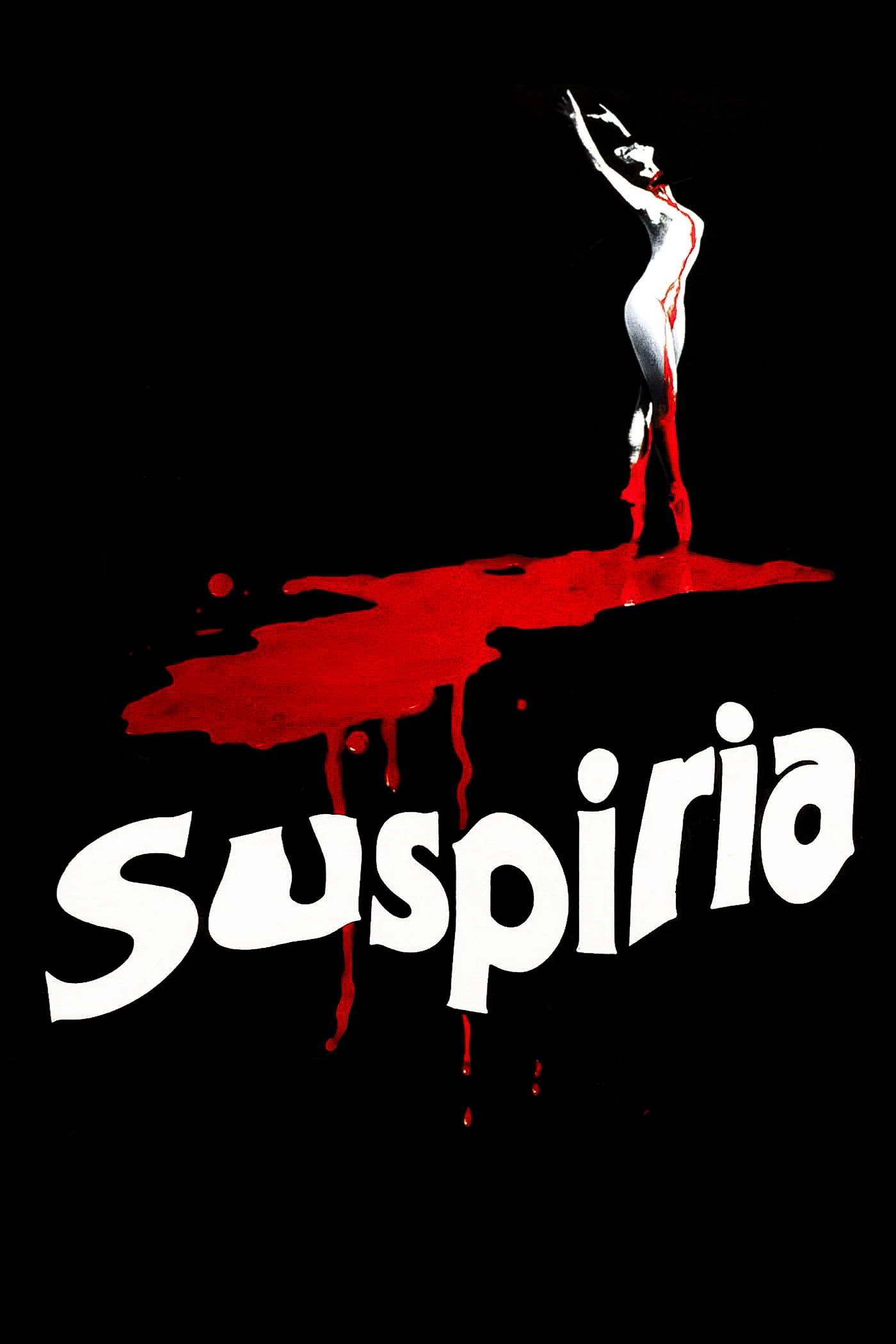
Suspiria
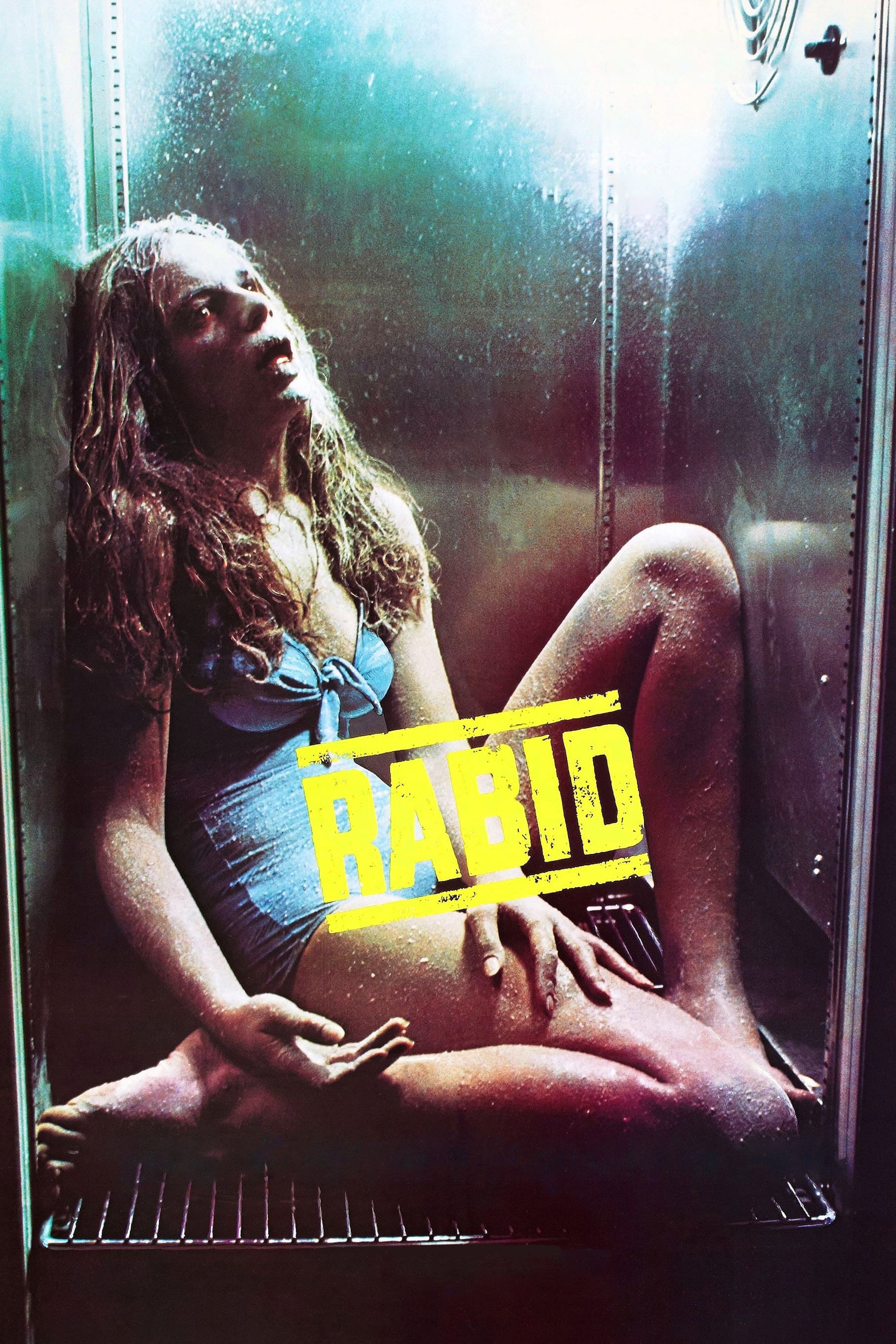
Rabid
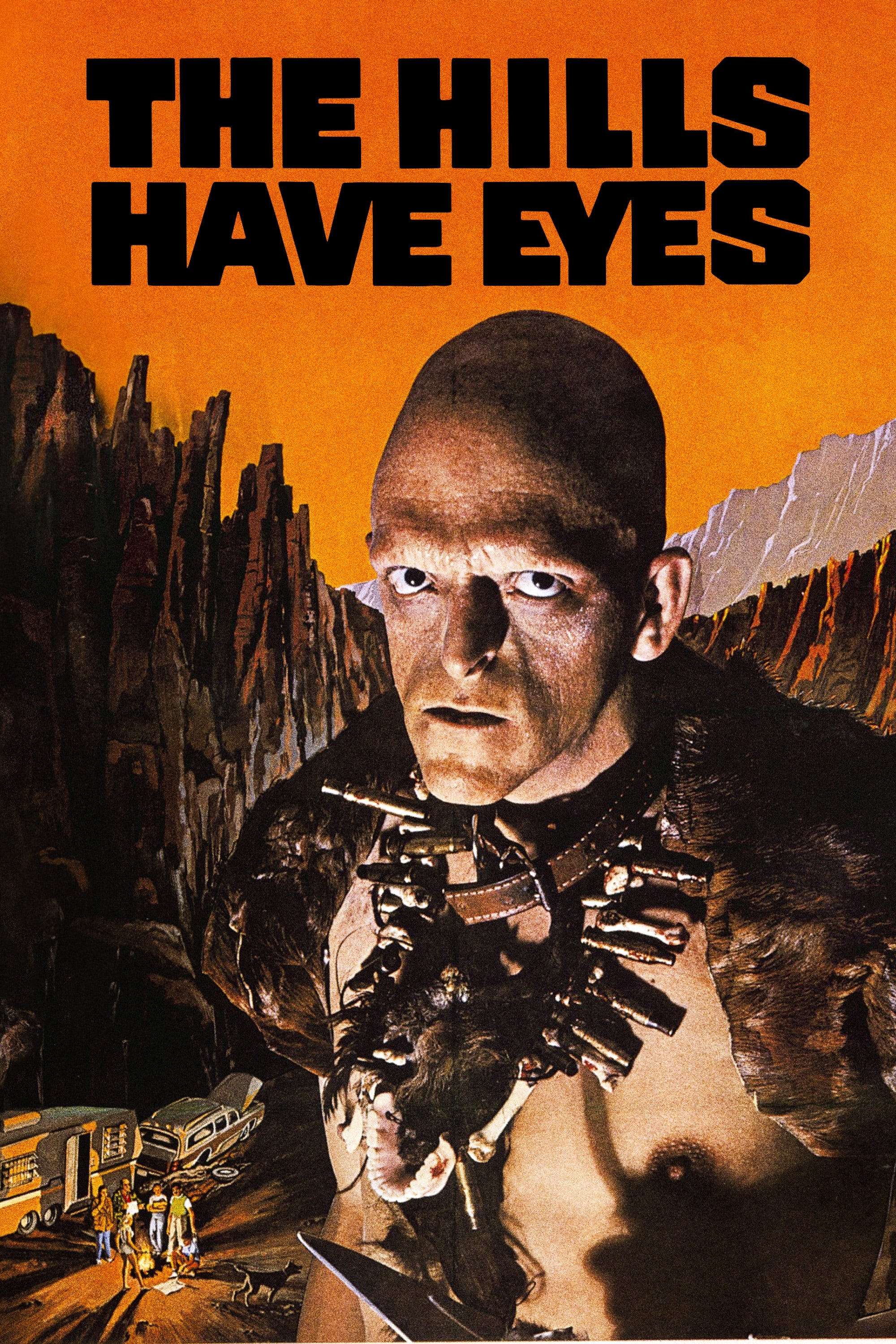
The Hills Have Eyes
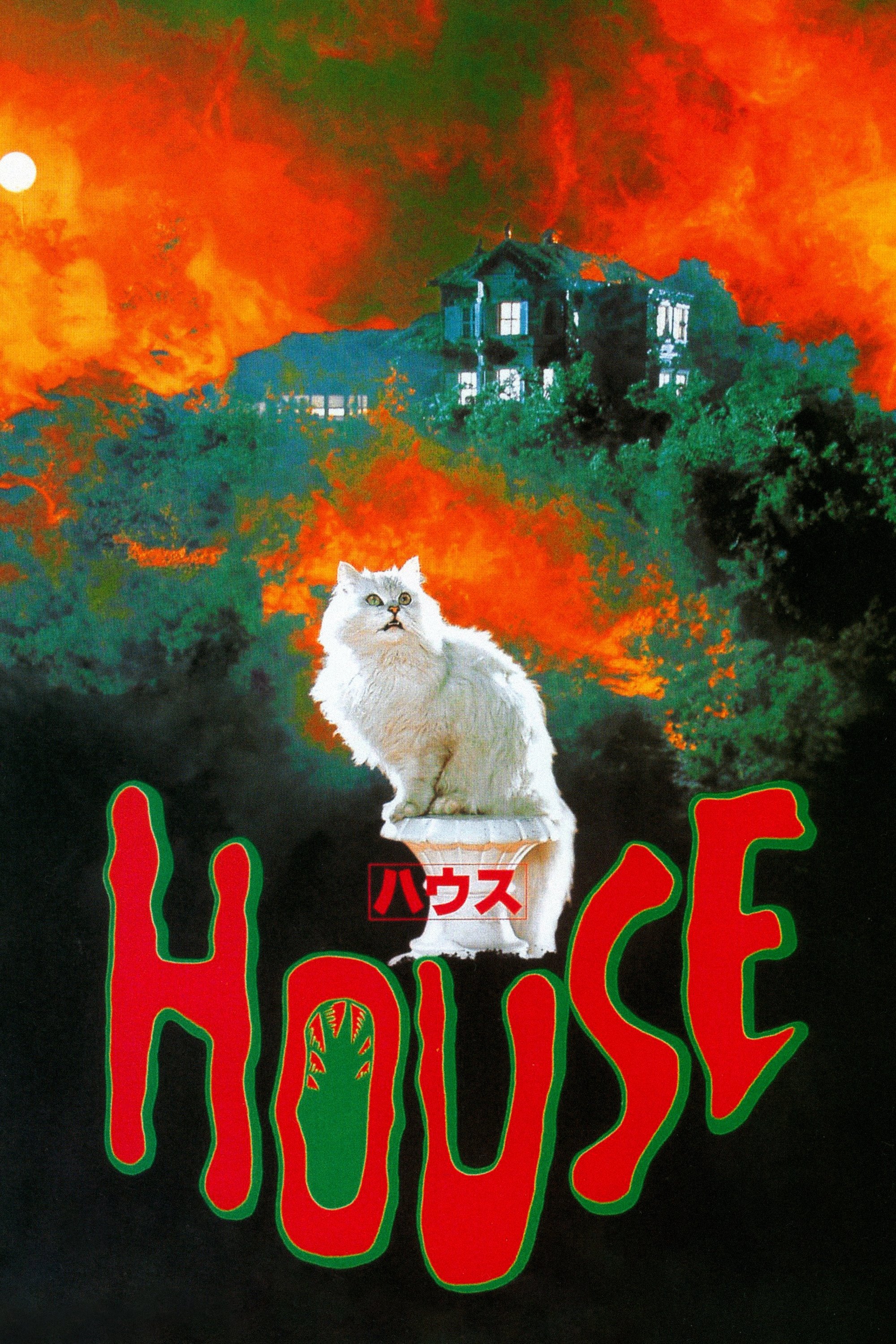
House
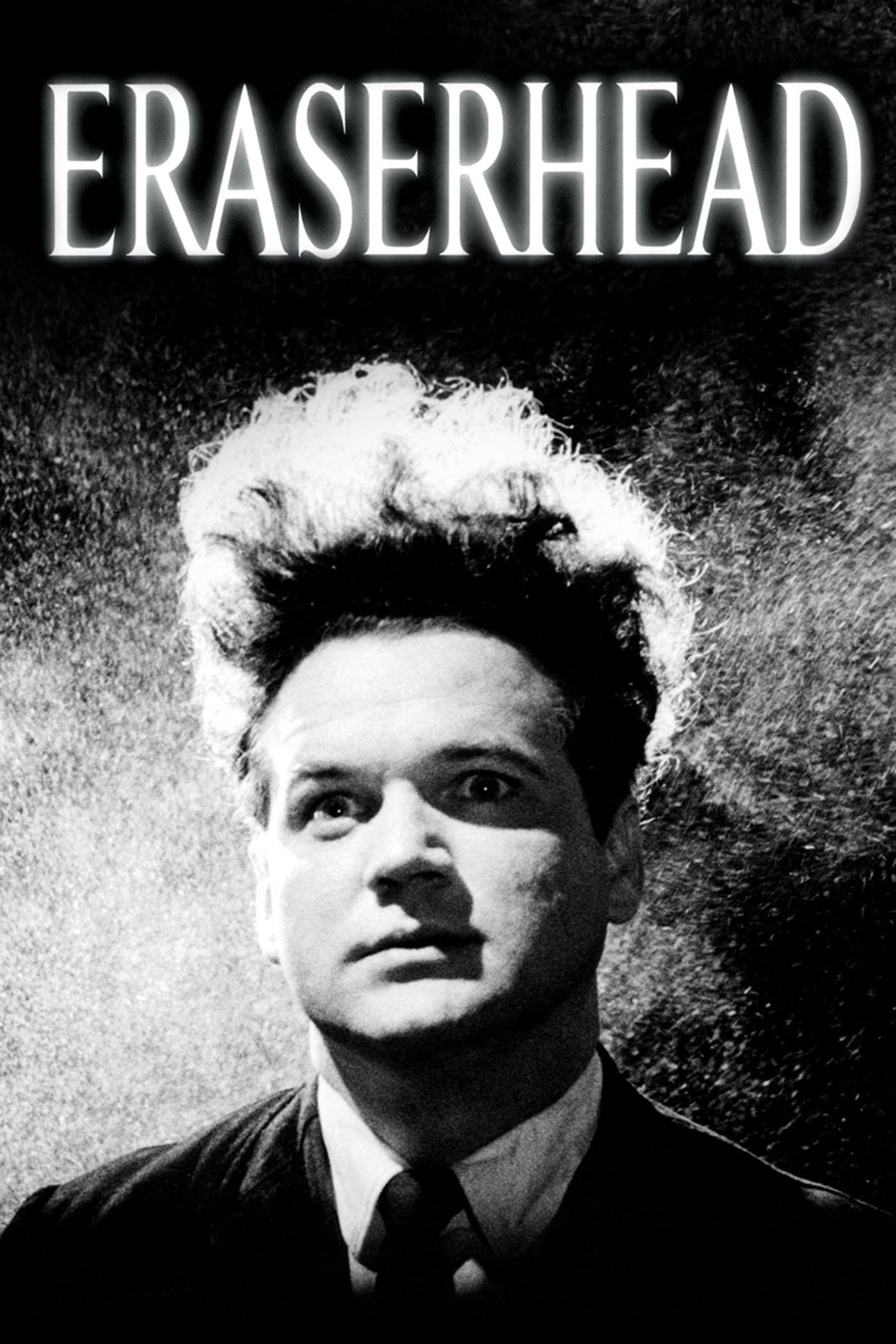
Eraserhead
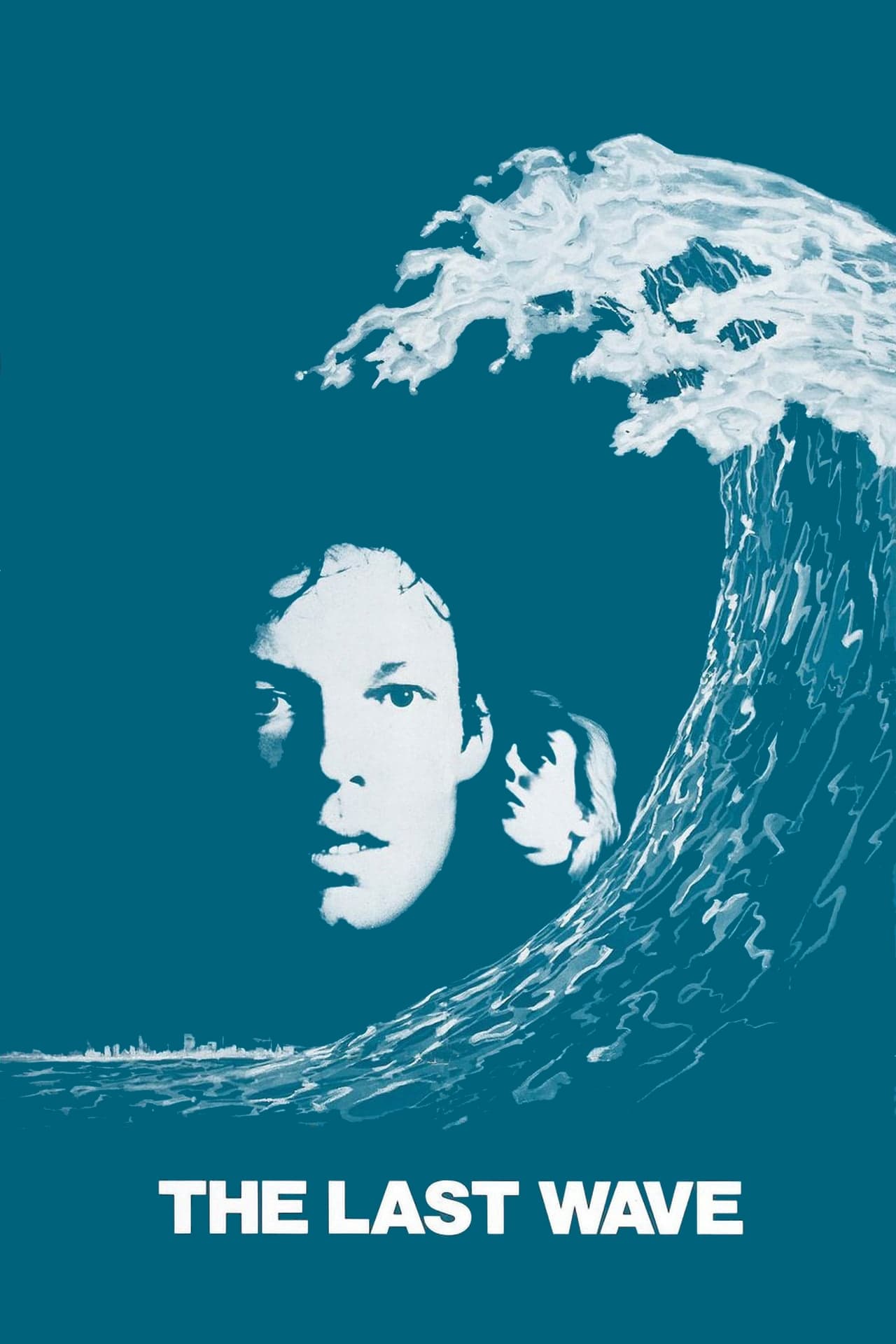
The Last Wave
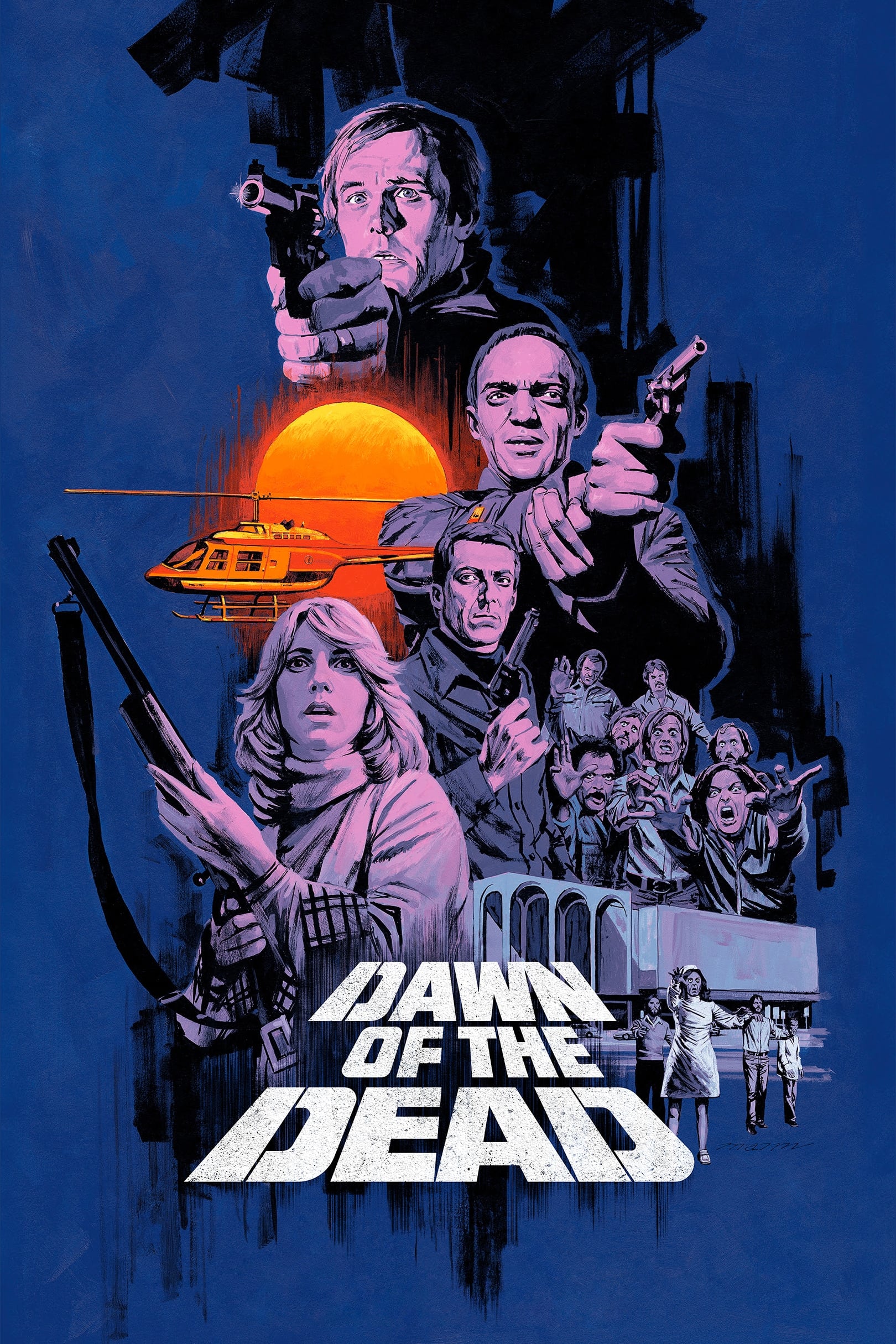
Dawn of the Dead
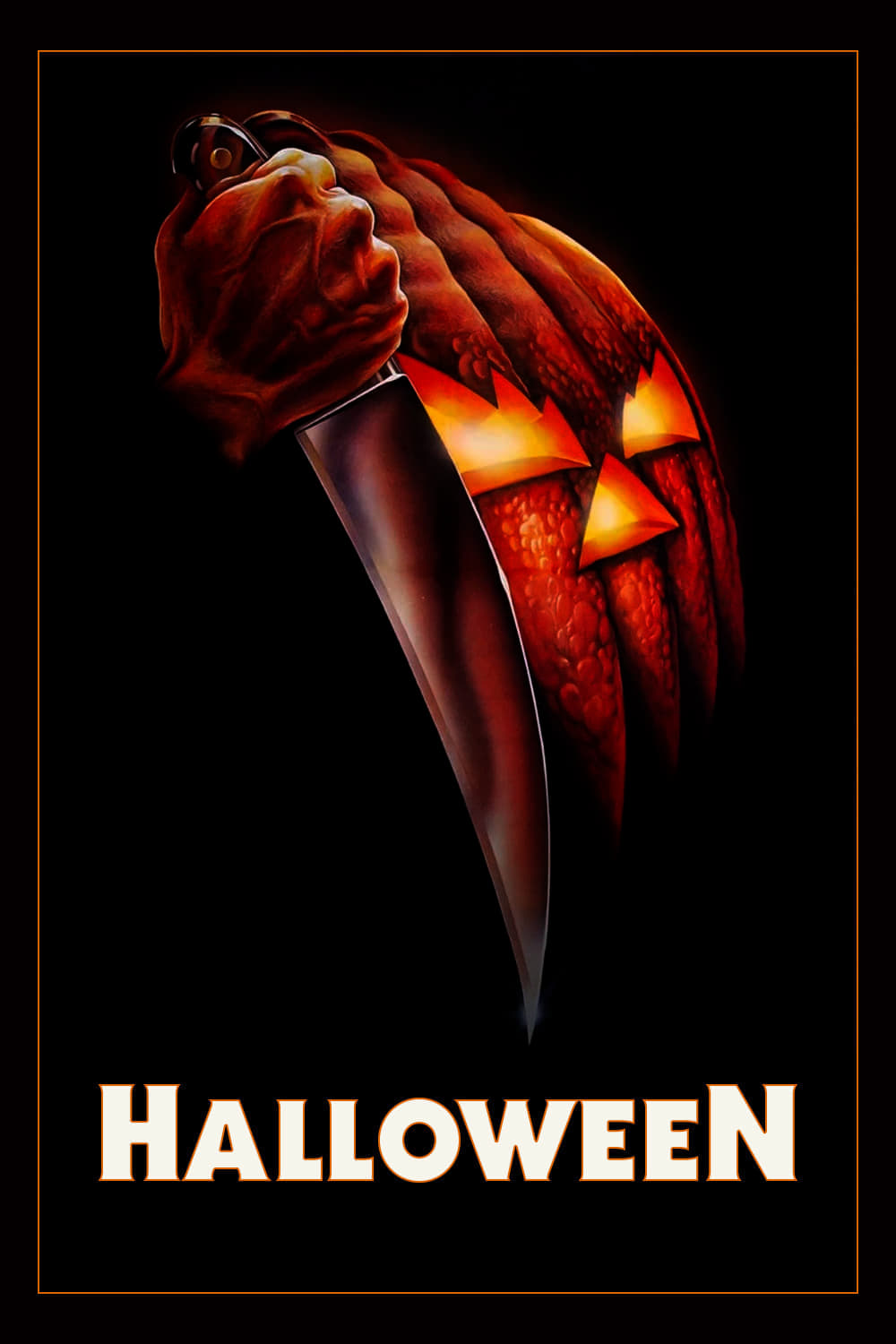
Halloween

Nosferatu the Vampyre
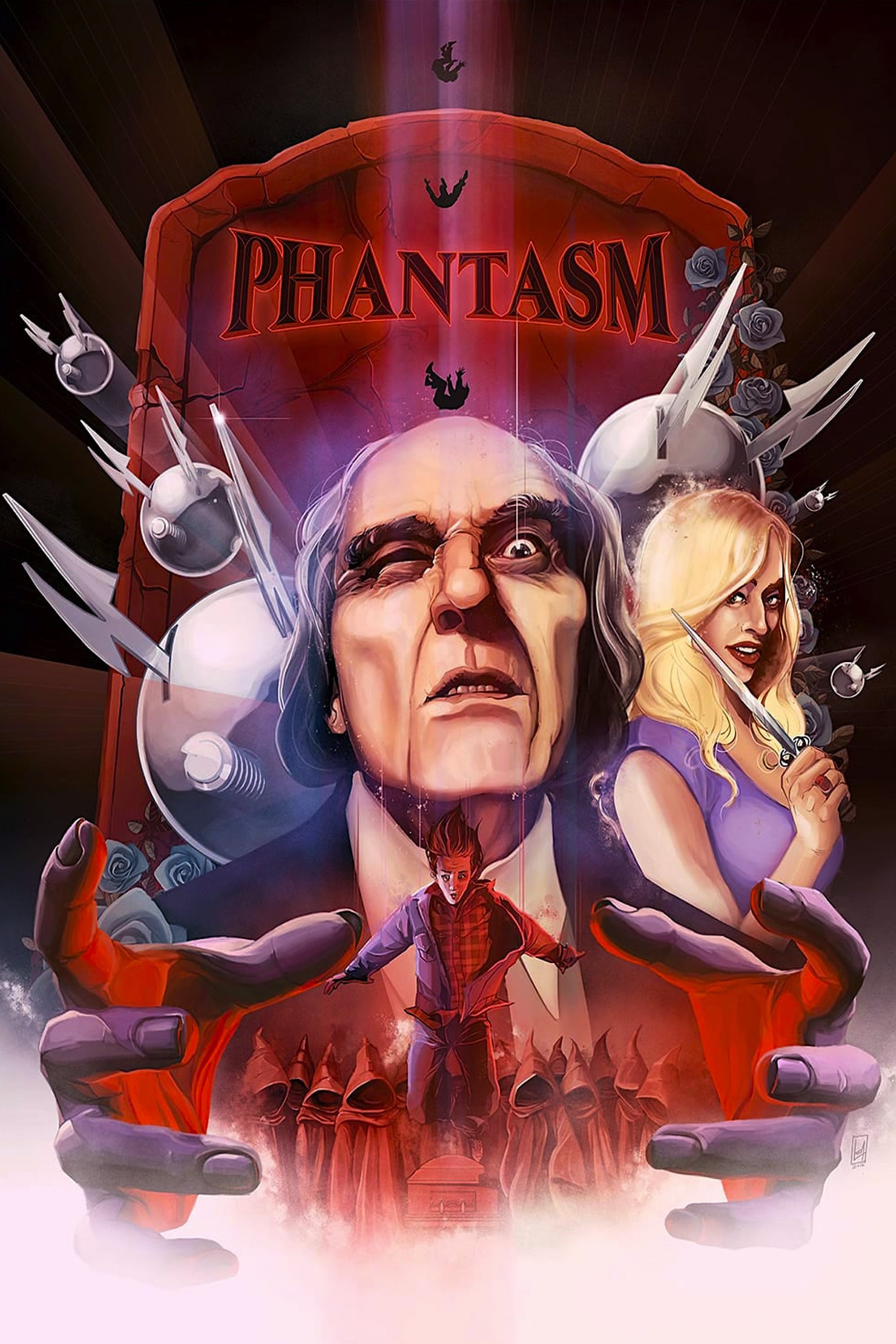
Phantasm
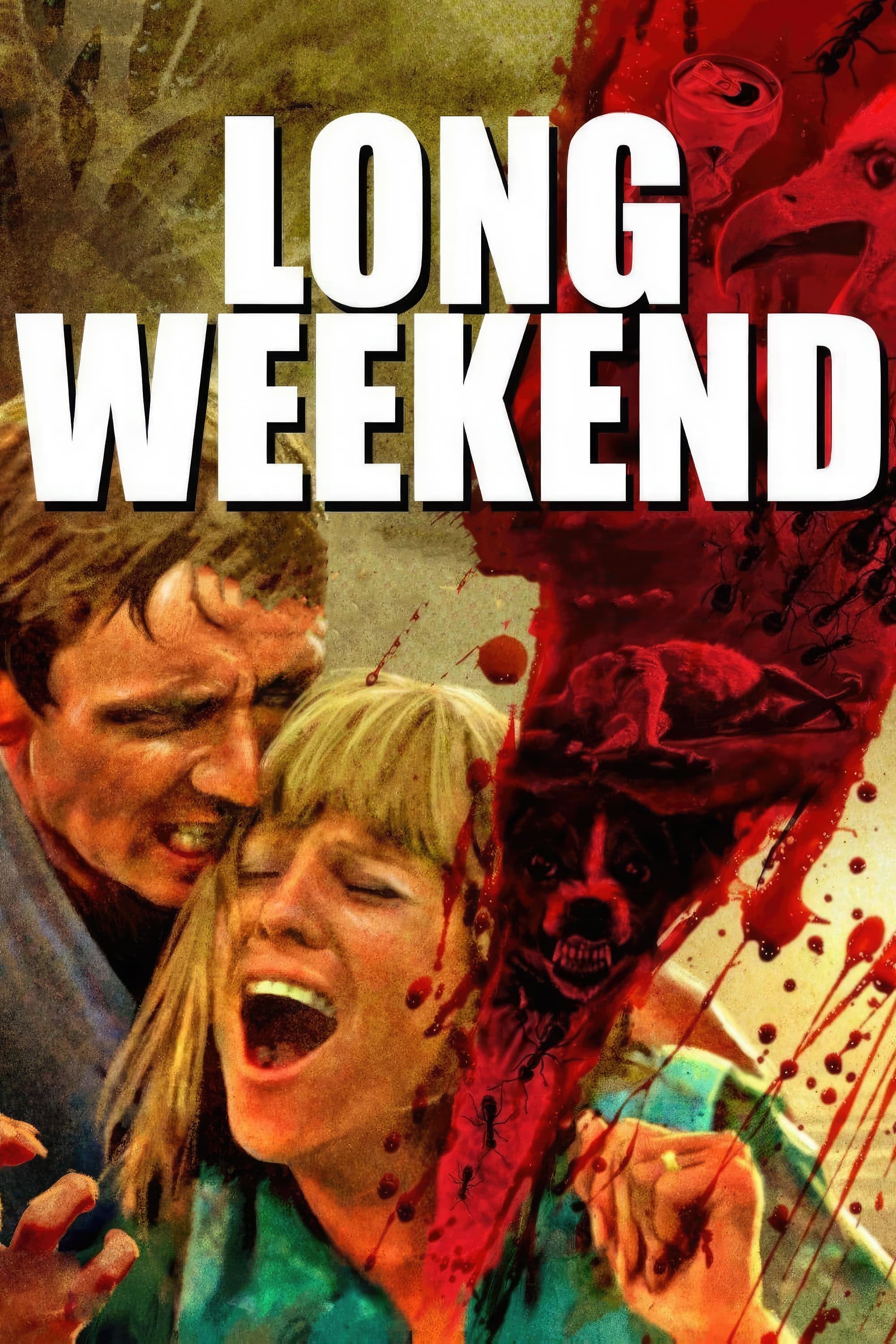
Long Weekend
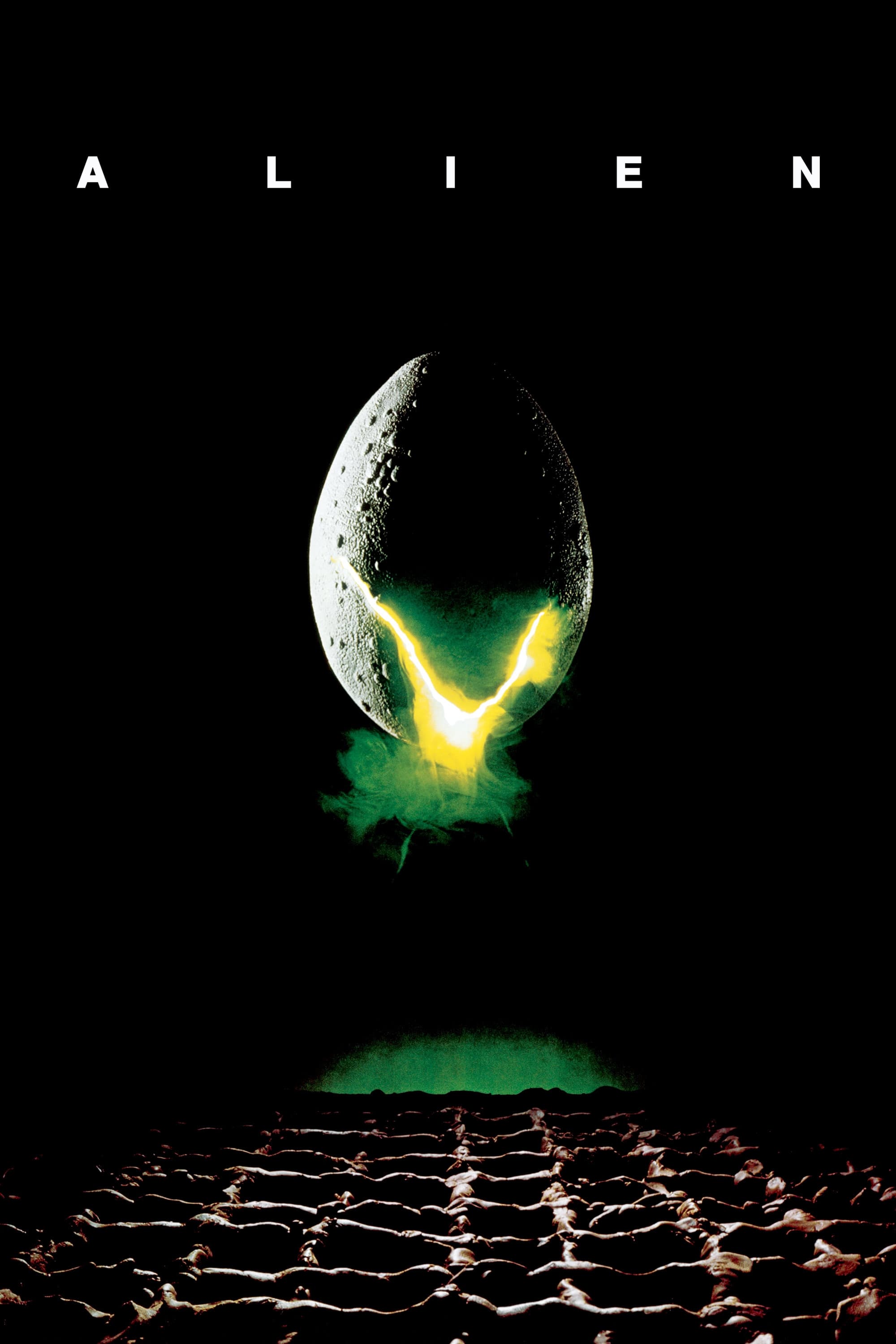
Alien
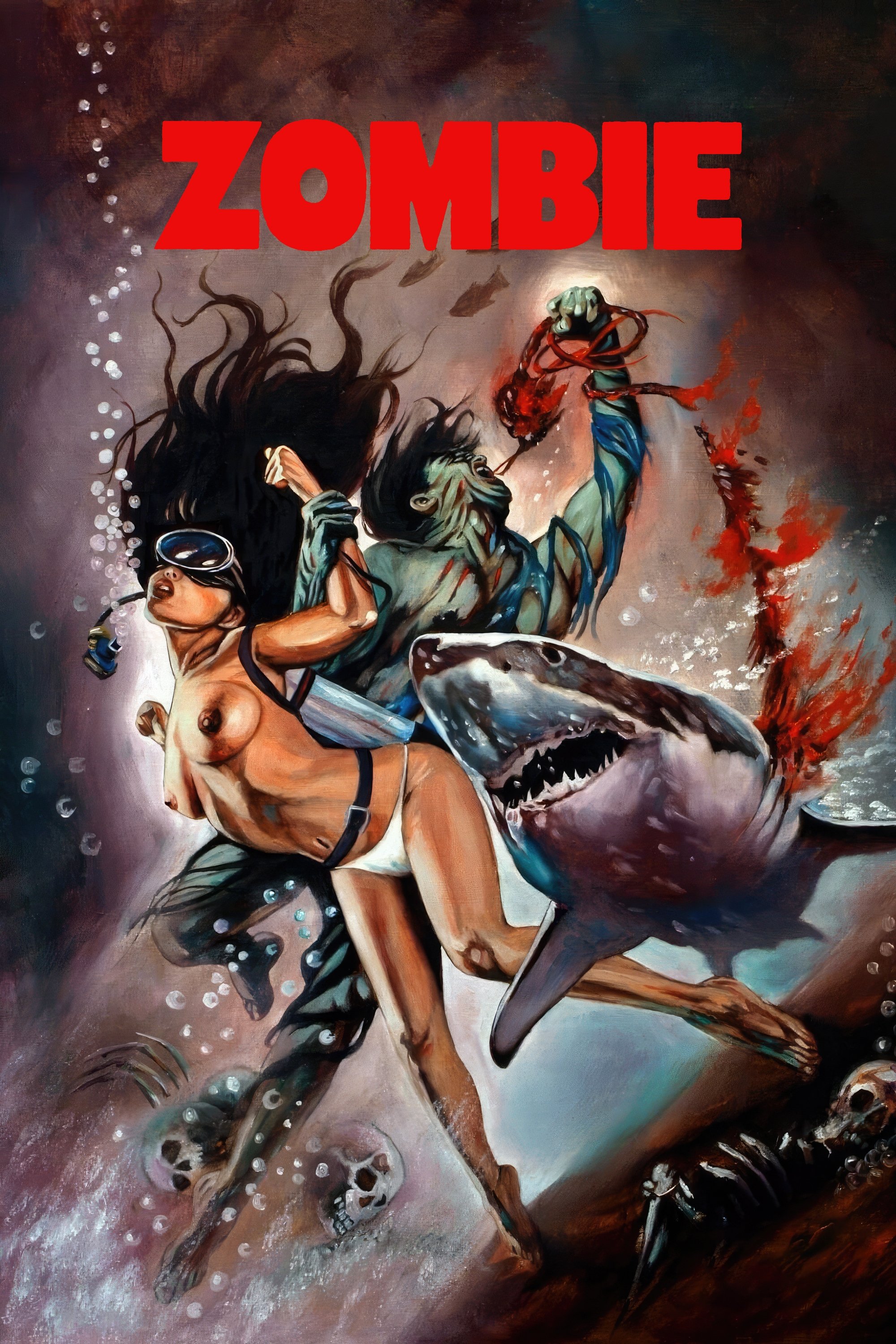
Zombie Flesh Eaters
Statistics
Top Subgenres
Top Countries
Percentage of 1970s horror films by country of production.