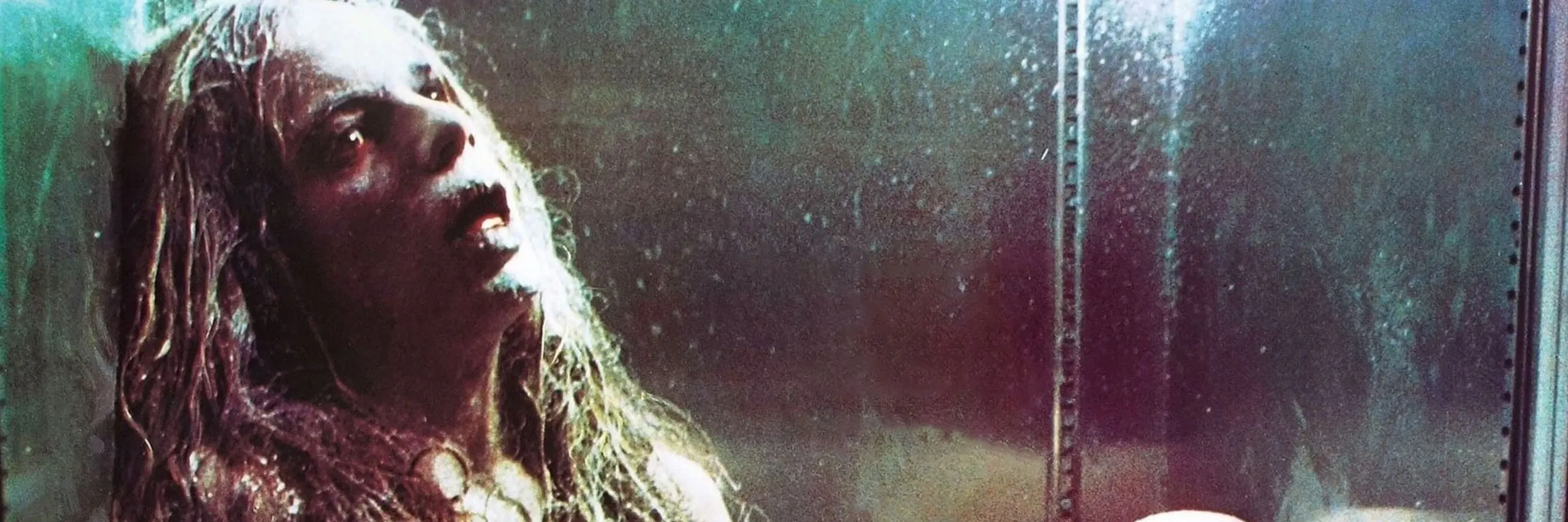
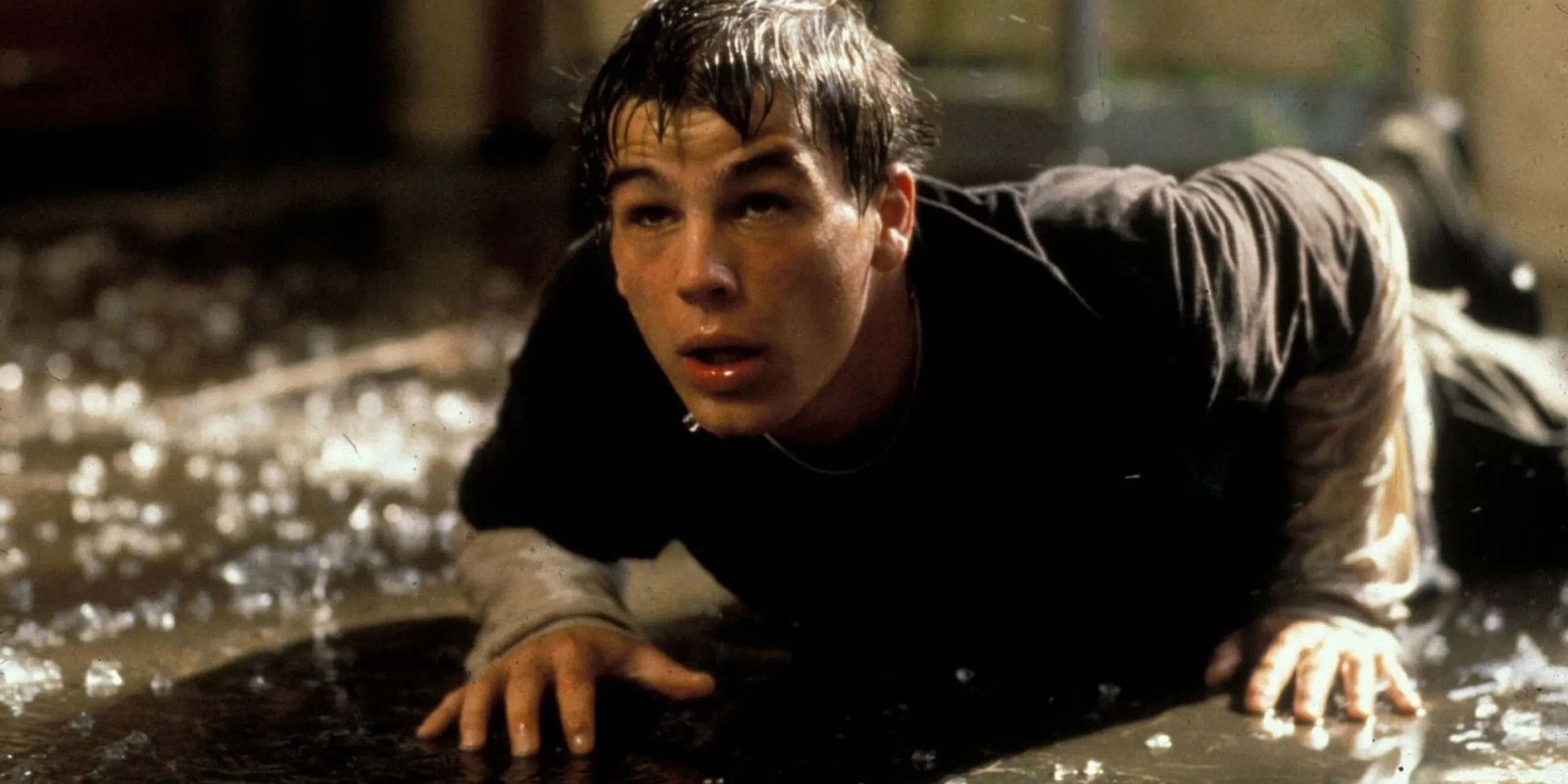
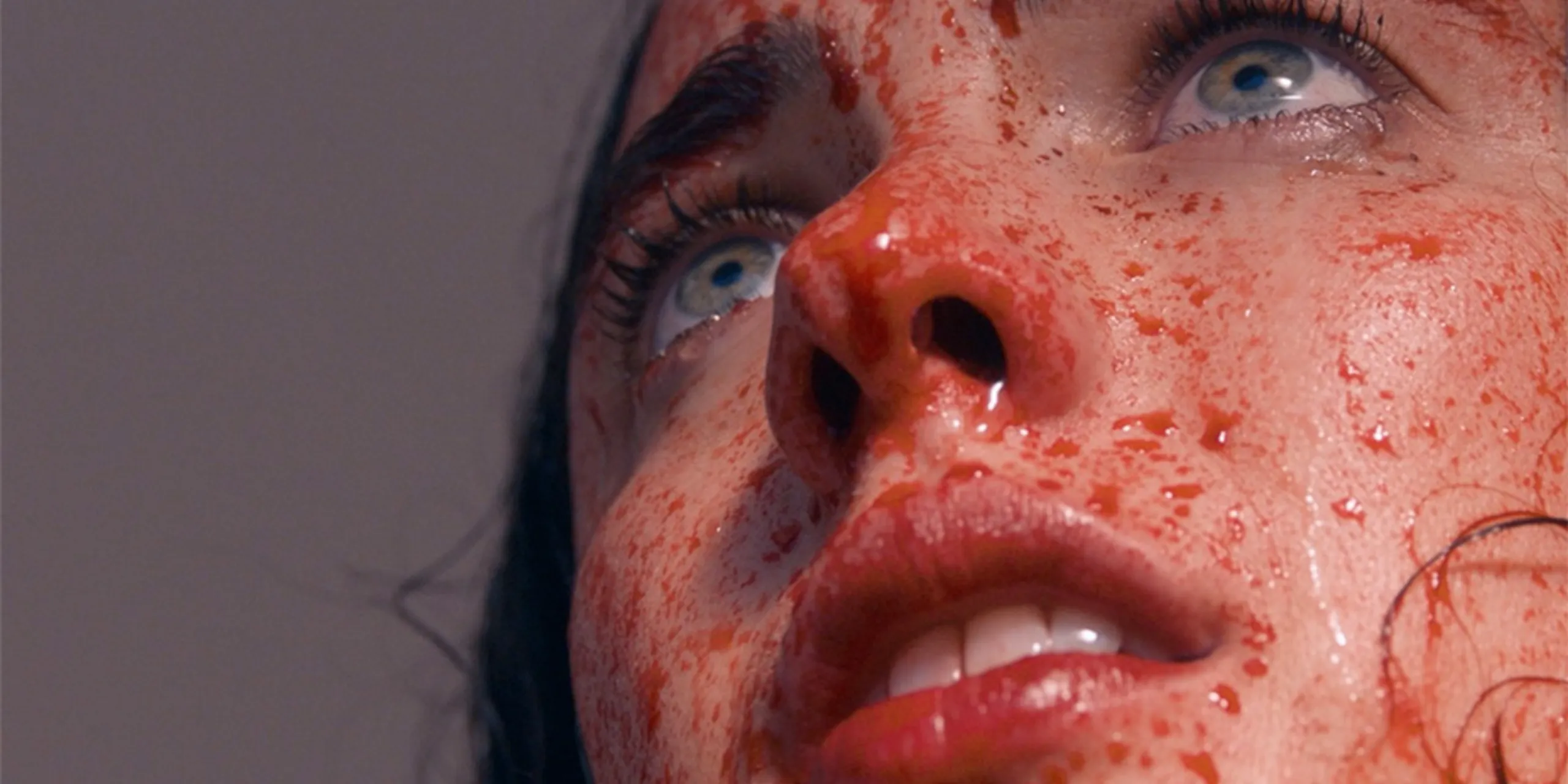
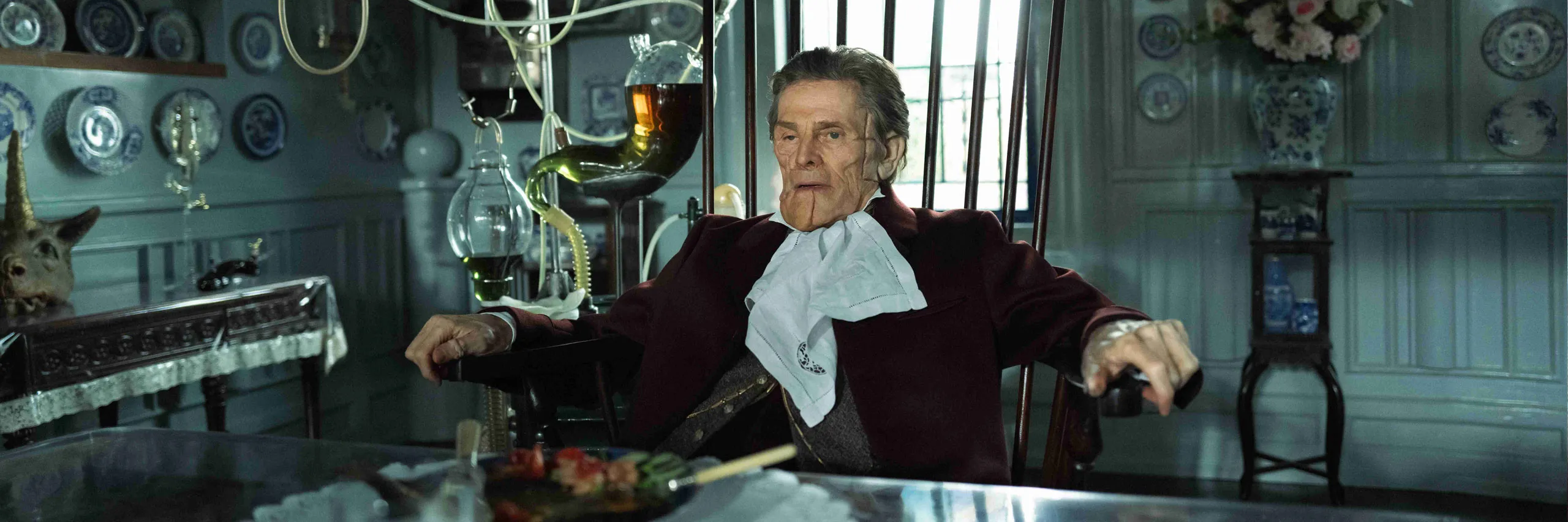
 Poor Things (2023)
Mad Science
Intelligence without moral constraint. The experiment that treats flesh as raw material, the discovery that should not have been made, the lab where the boundary between knowledge and atrocity dissolves.
History & Origins
Mad science horror explores what happens when the pursuit of knowledge becomes indistinguishable from the exercise of cruelty. The mad scientist is a figure of hubris — someone whose intelligence and ambition have outpaced their moral constraints, whose experiments cross boundaries that exist for reasons the scientist either cannot see or does not care about. The lab becomes a chamber of horrors, and the experiment becomes the monster. The form sits within the body & contagion family — where body horror centers the subject's involuntary transformation, mad science centers the experimenter's deliberate creation.
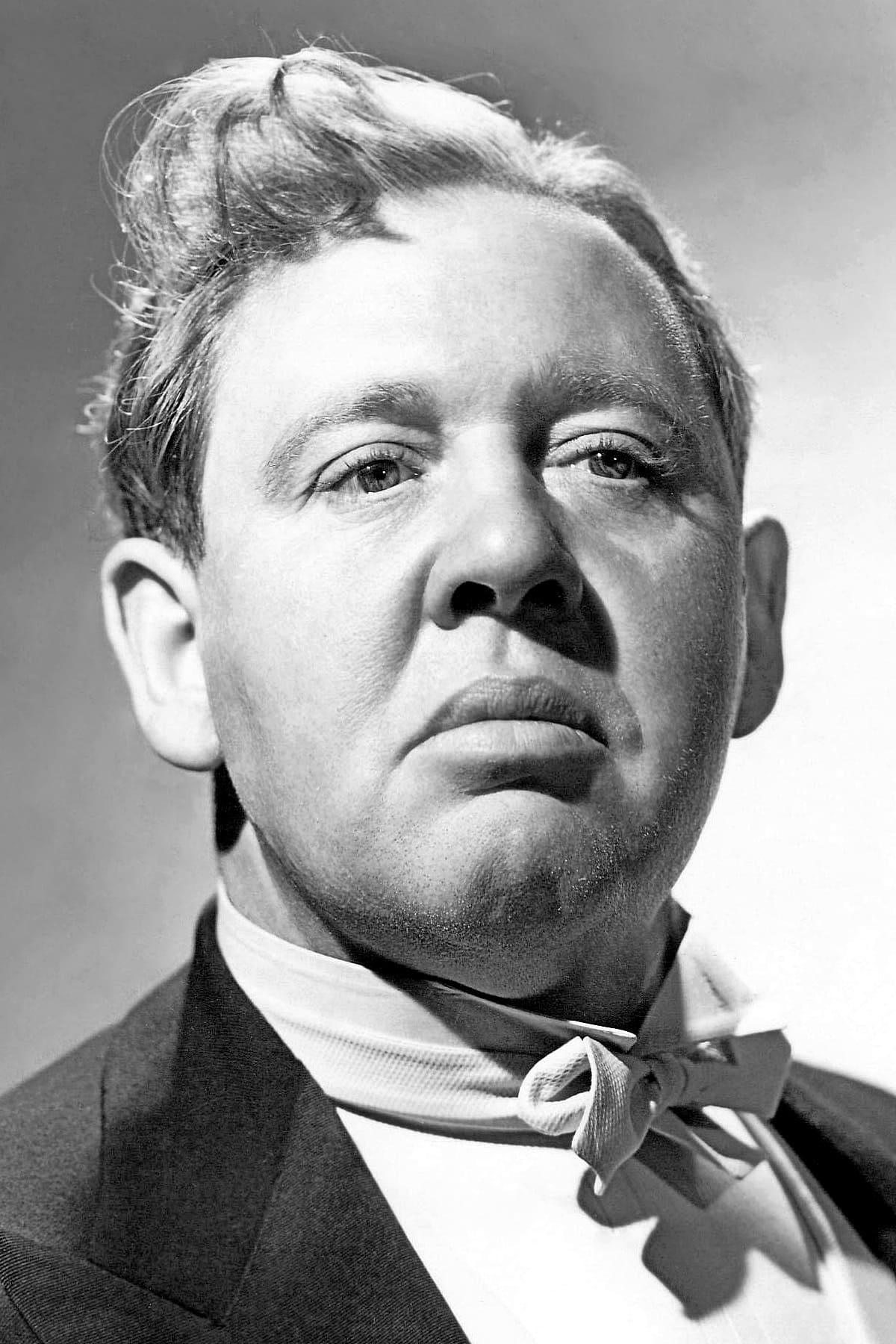
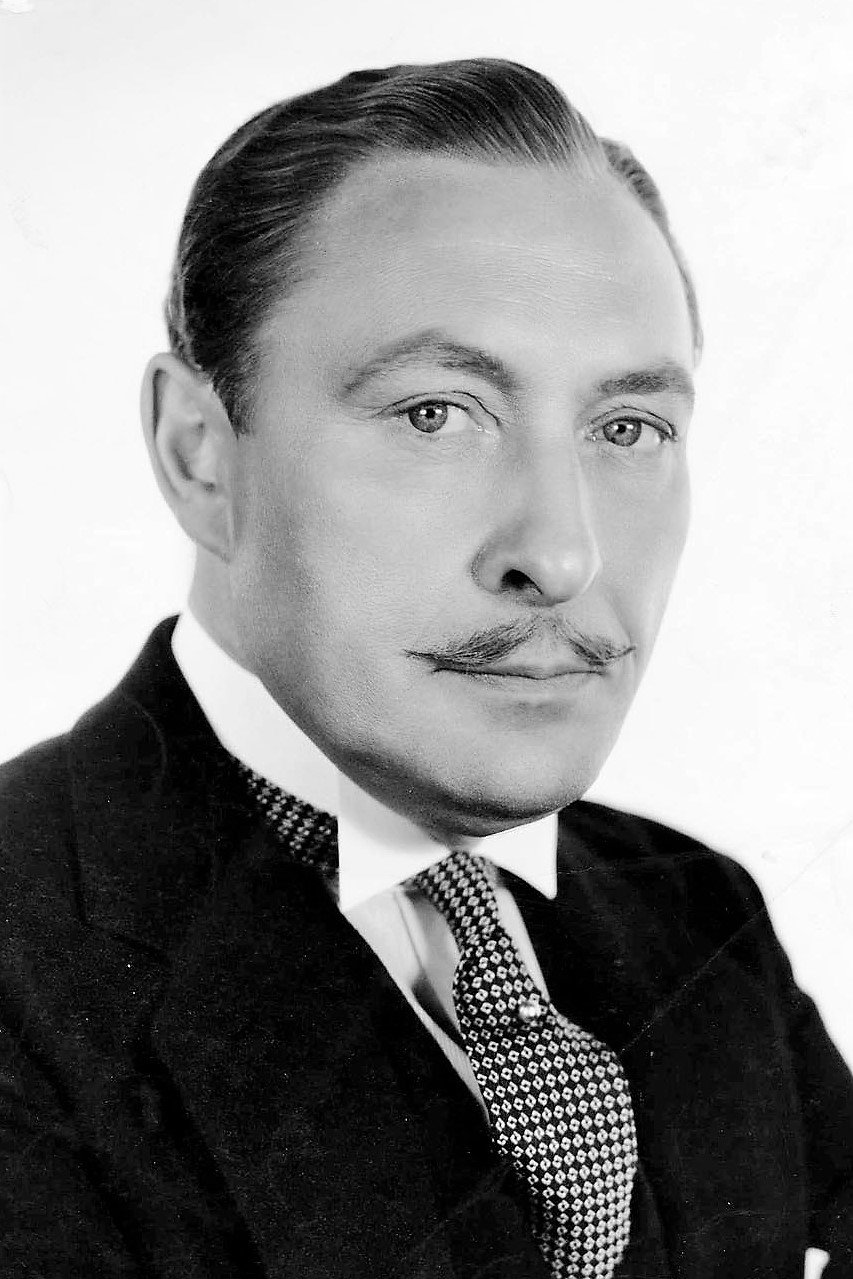
The archetype is as old as horror cinema itself. Robert Wiene's The Cabinet of Dr. Caligari (1920) introduced the controlling doctor whose patient becomes a weapon. James Whale's Frankenstein (1931), with Boris Karloff and Colin Clive, established the cinematic blueprint — per Peter Hutchings, the cycle's enduring image of "spectacular mad science and dumb, menacing monsters." Rouben Mamoulian's Dr. Jekyll and Mr. Hyde (1931) the same year supplied the experimenter-as-experiment variant. Bela Lugosi's Murders in the Rue Morgue (1932), Erle C. Kenton's Island of Lost Souls (1932) (with Charles Laughton as Dr. Moreau), and The Invisible Man (1933) — where the formula for invisibility drives its user insane — completed Universal's mad-science quartet. Whale's Bride of Frankenstein (1935), with Lionel Atwill, supplied the genre's most baroque continuation.
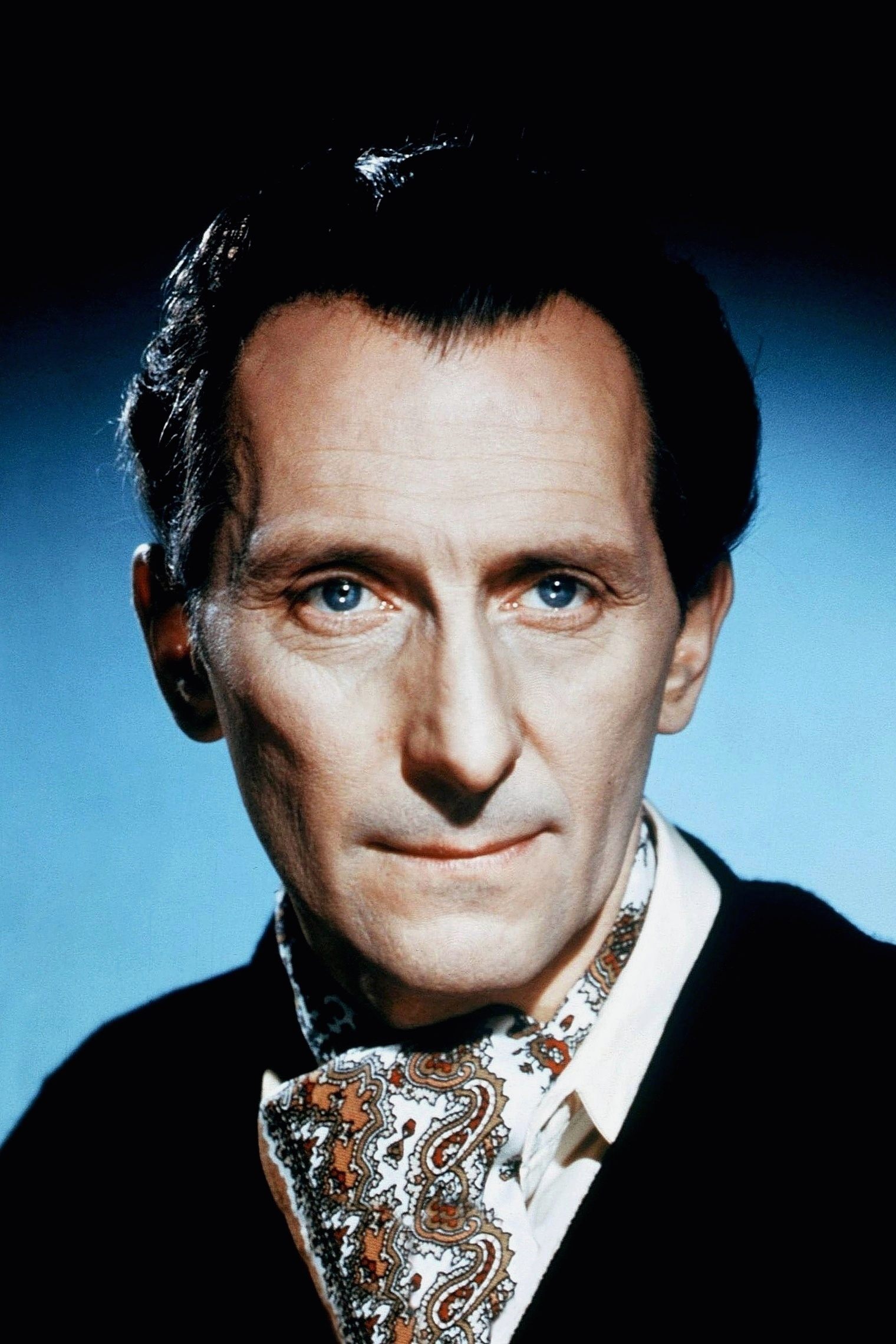
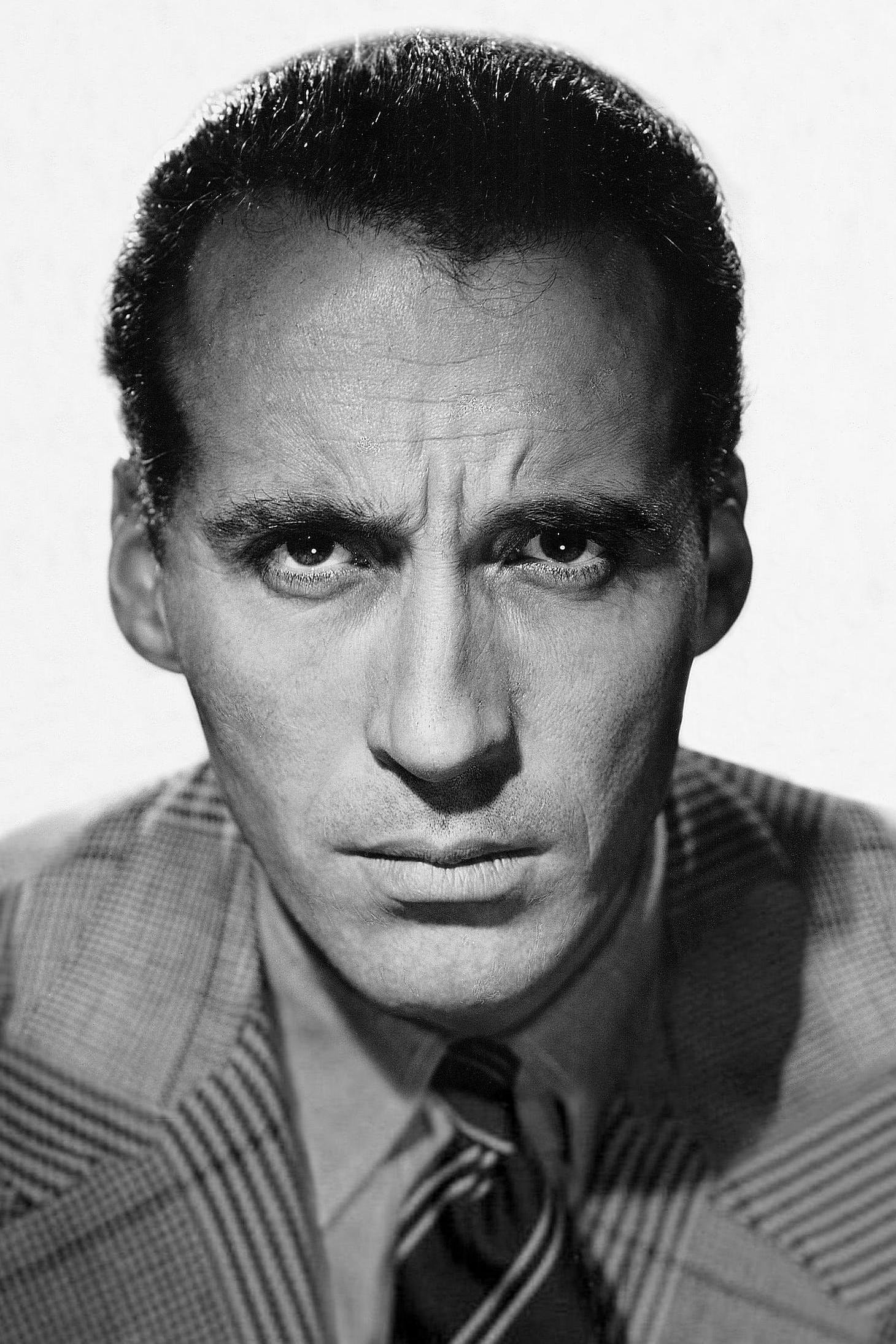
Hammer Films revived the form in the 1950s and 60s. Terence Fisher's The Curse of Frankenstein (1957), with Peter Cushing and Christopher Lee, opened the Hammer cycle in color, recasting Baron Frankenstein as the cycle's true monster. Kurt Neumann's The Fly (1958), with Vincent Price, ran the teleportation-accident variant. The Hammer cycle continued through Frankenstein Must Be Destroyed (1969); the same Jekyll-and-Hyde tradition reached The Two Faces of Dr. Jekyll (1960). Georges Franju's French Eyes Without a Face (1960), with Pierre Brasseur and Édith Scob, ran the form into art-cinema register — a surgeon kidnapping young women to graft their faces onto his disfigured daughter, a film of almost unbearable beauty and cruelty.
The 1980s brought the form to its commercial-horror peak. Stuart Gordon's Re-Animator (1985), with Jeffrey Combs's Herbert West and Barbara Crampton, brought manic, comic energy to the form by adapting Lovecraft's serial; his From Beyond (1986) extended the Lovecraft-mad-science cycle. David Cronenberg's The Fly (1986), with Jeff Goldblum, may be the subgenre's most emotionally devastating entry — a scientist who is both the experimenter and the experiment, watching his own body betray him in the name of progress. Brian Yuzna's Bride of Re-Animator (1990) extended Gordon's franchise. Kenneth Branagh's Mary Shelley's Frankenstein (1994) brought the Shelley source-text back to the cinematic foreground.
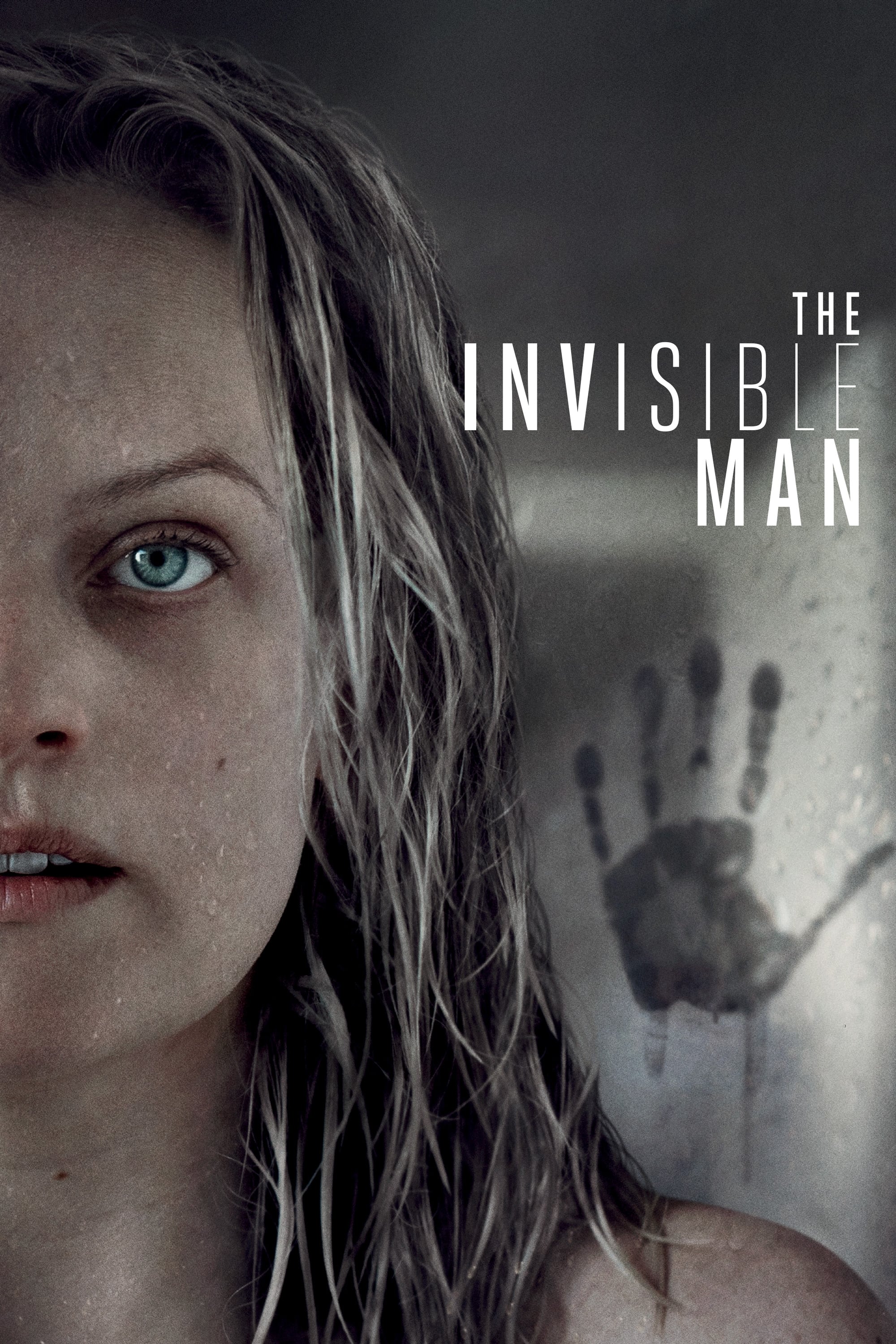
The contemporary register has pushed mad science into provocation. Tom Six's The Human Centipede (2009), with Dieter Laser's Dr. Heiter, pushed mad science to its most controversial extreme — the body-horror surgery as cycle-of-violation. Vincenzo Natali's Splice (2010) ran the bioengineering-as-parental-horror variant. Leigh Whannell's The Invisible Man (2020), with Elisabeth Moss, updated Wells's premise for the era of domestic-abuse awareness. Coralie Fargeat's Oscar-nominated The Substance (2024), with Demi Moore, ran the experiment-on-self variant in body-double age-anxiety register. What makes the mad scientist endure is the tension between admiration and horror. These are, objectively, brilliant people doing extraordinary things. The horror is that brilliance is not the same as wisdom, and that the universe punishes those who refuse to respect its boundaries.
Sources: Peter Hutchings, Historical Dictionary of Horror Cinema (2018).
Essential Films
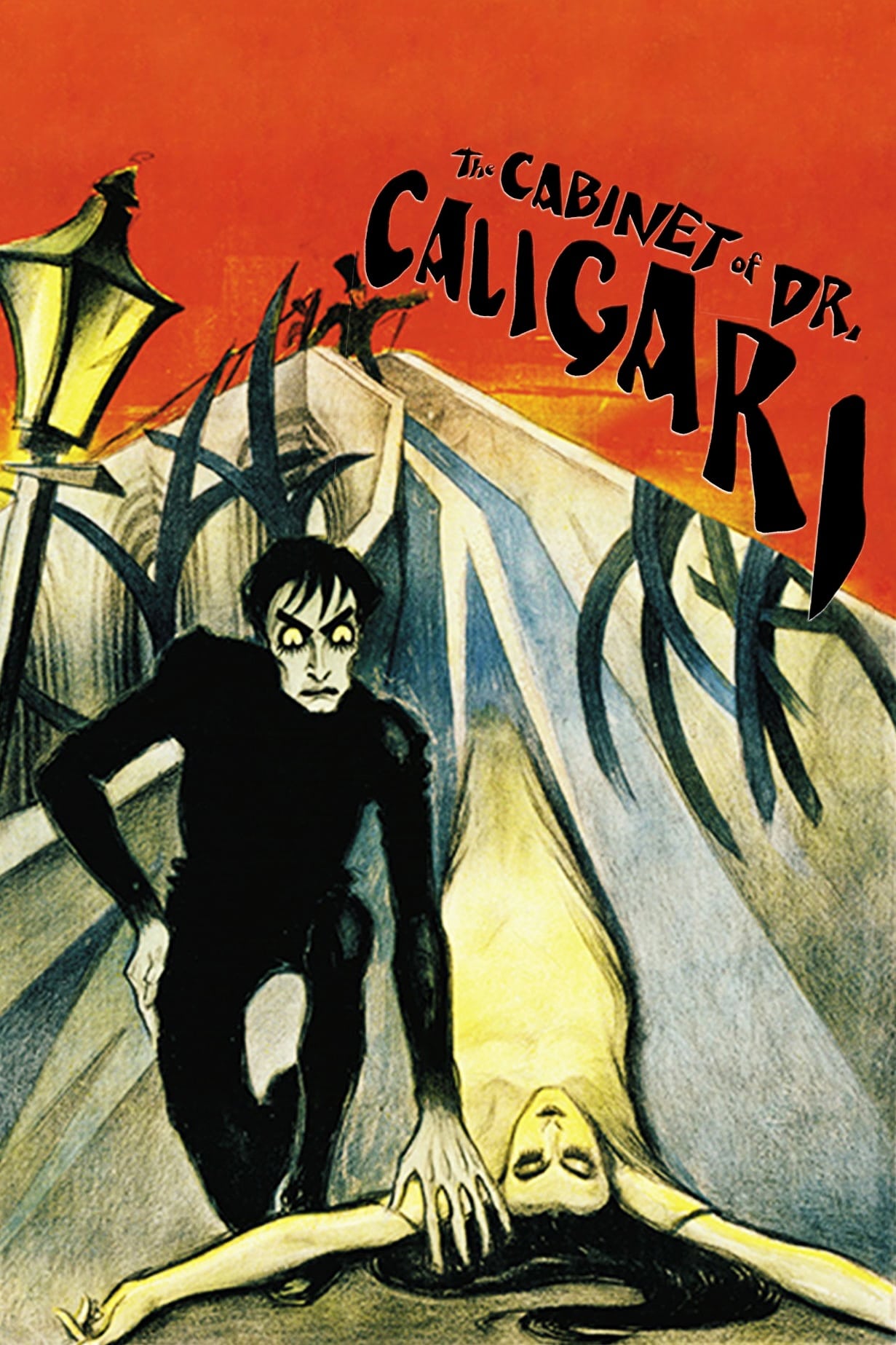
The Cabinet of Dr. Caligari
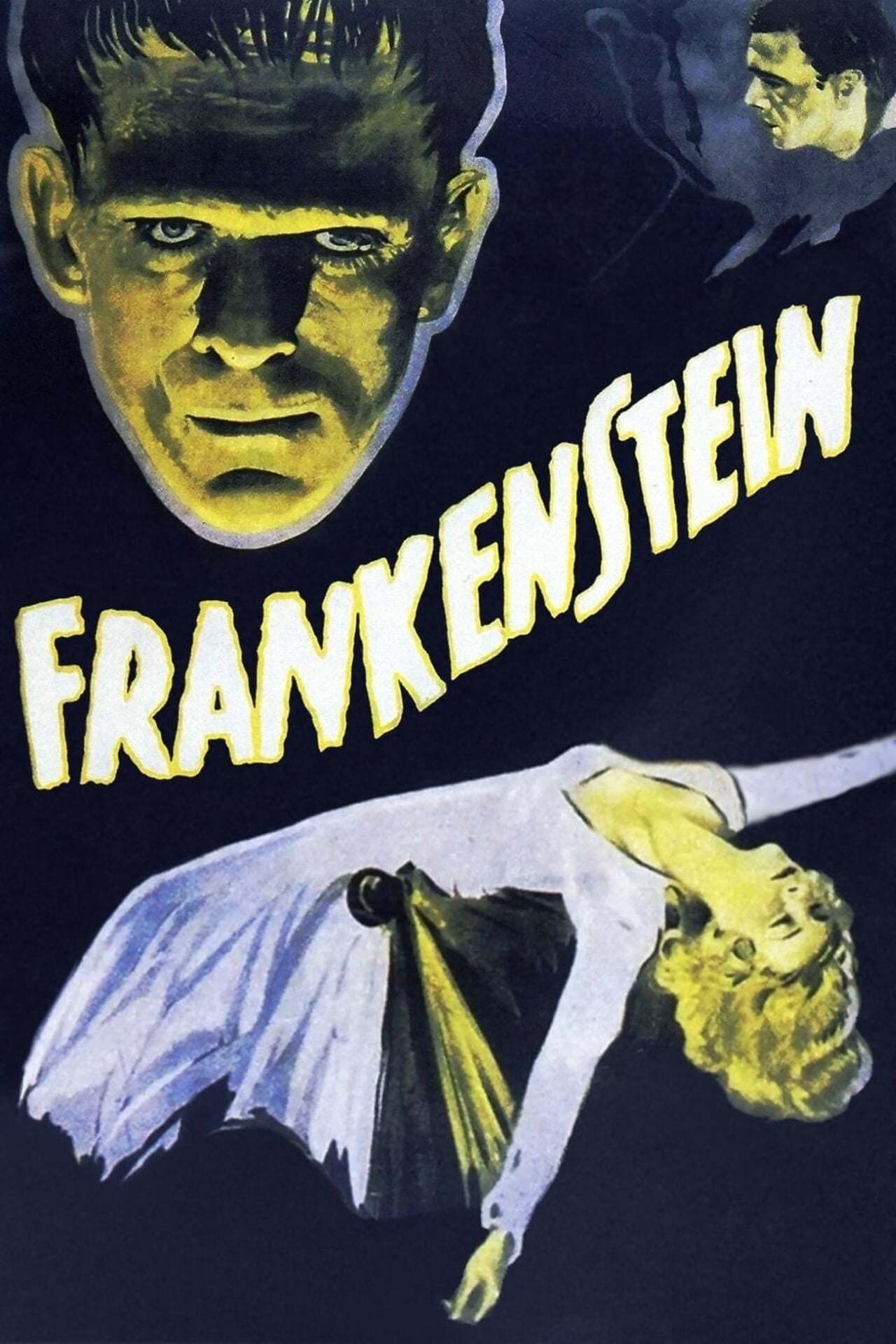
Frankenstein
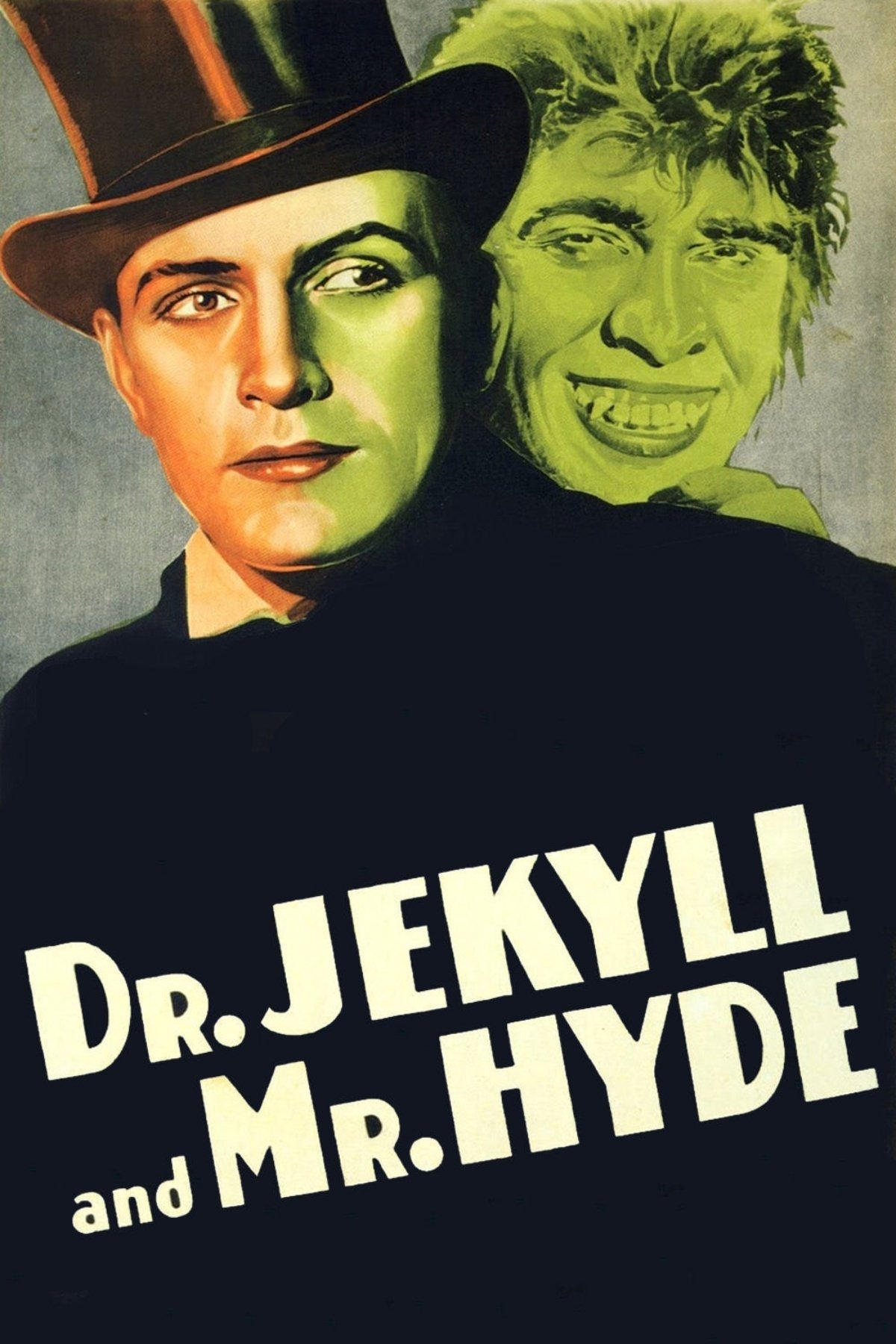
Dr. Jekyll and Mr. Hyde
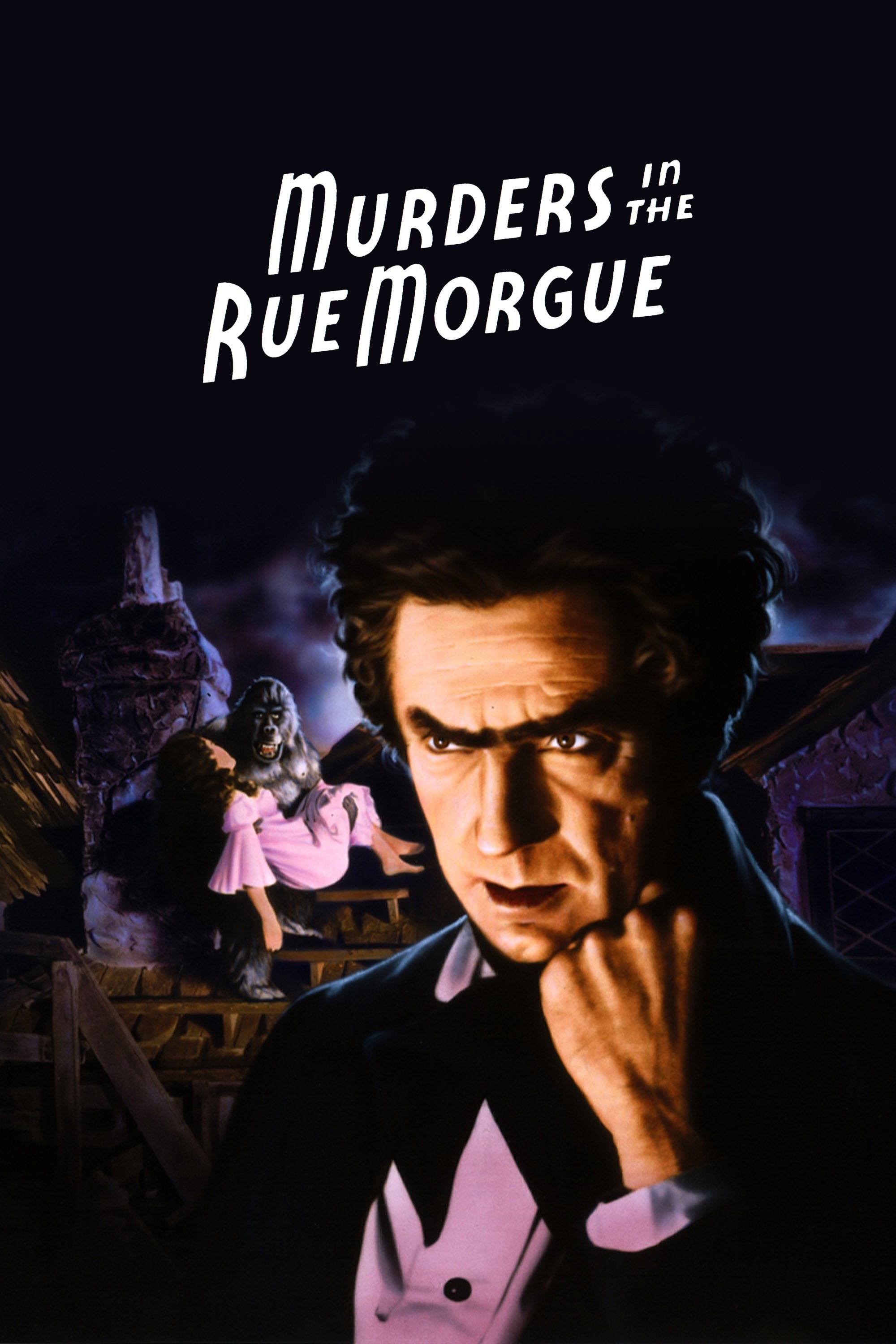
Murders in the Rue Morgue
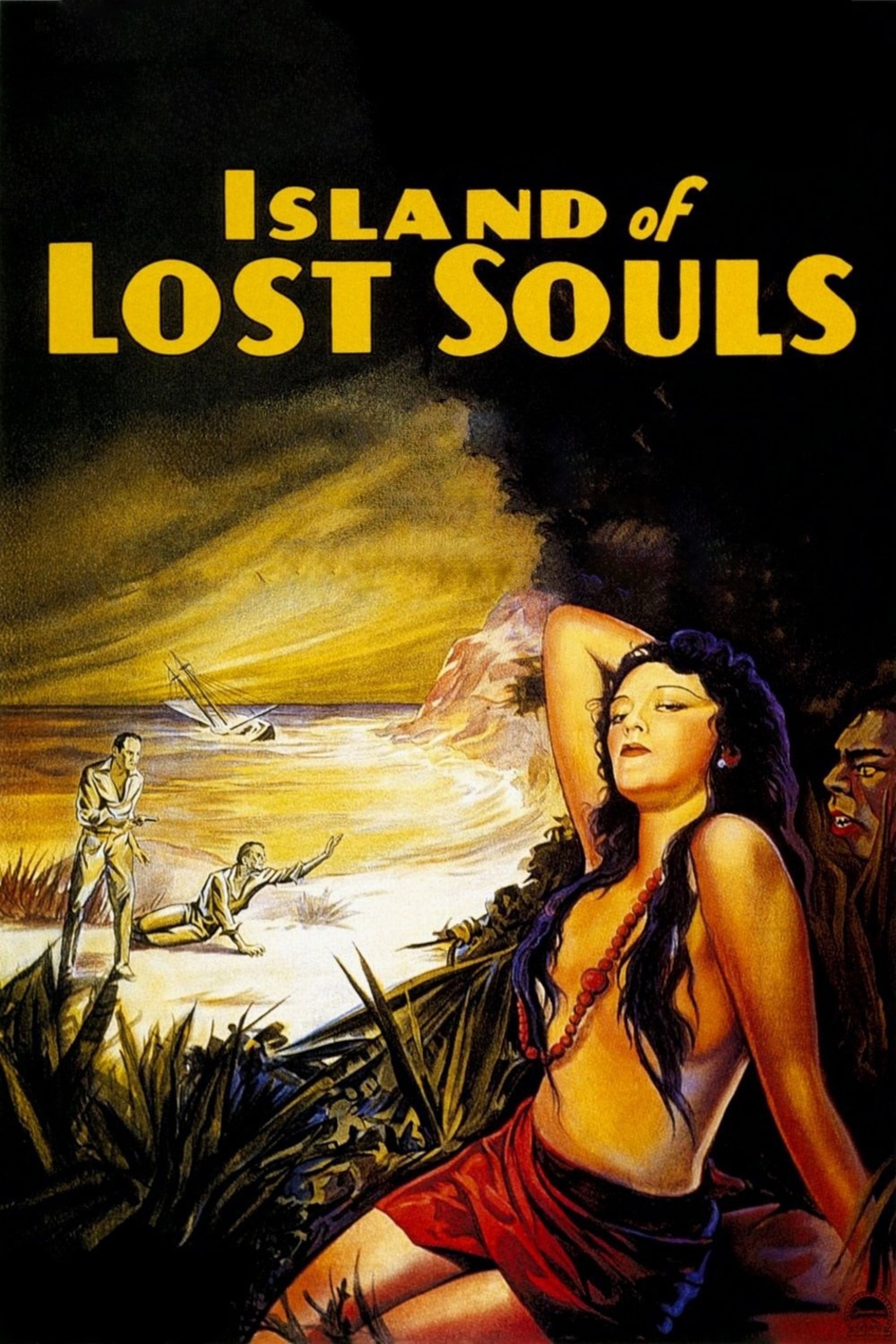
Island of Lost Souls
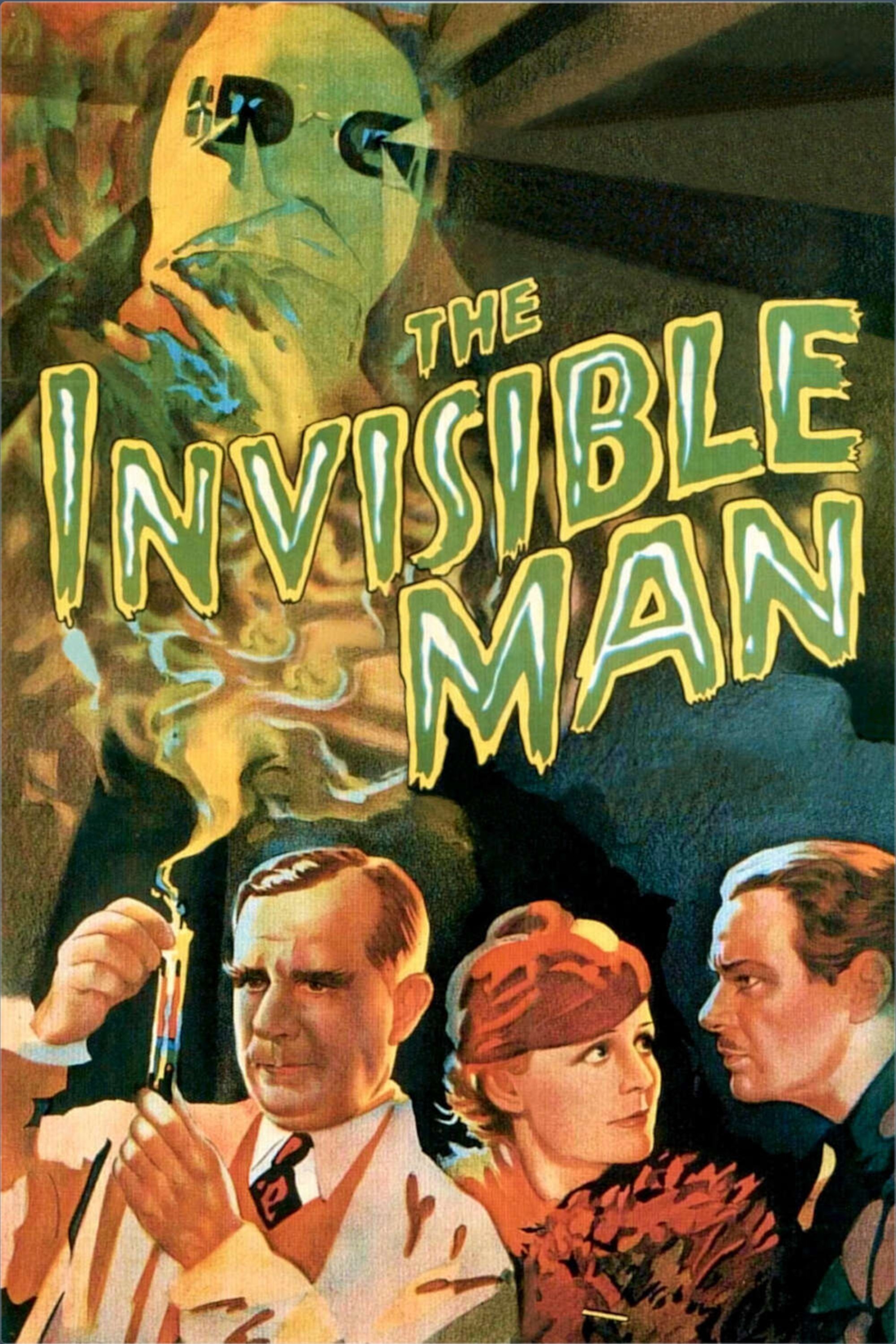
The Invisible Man

Bride of Frankenstein
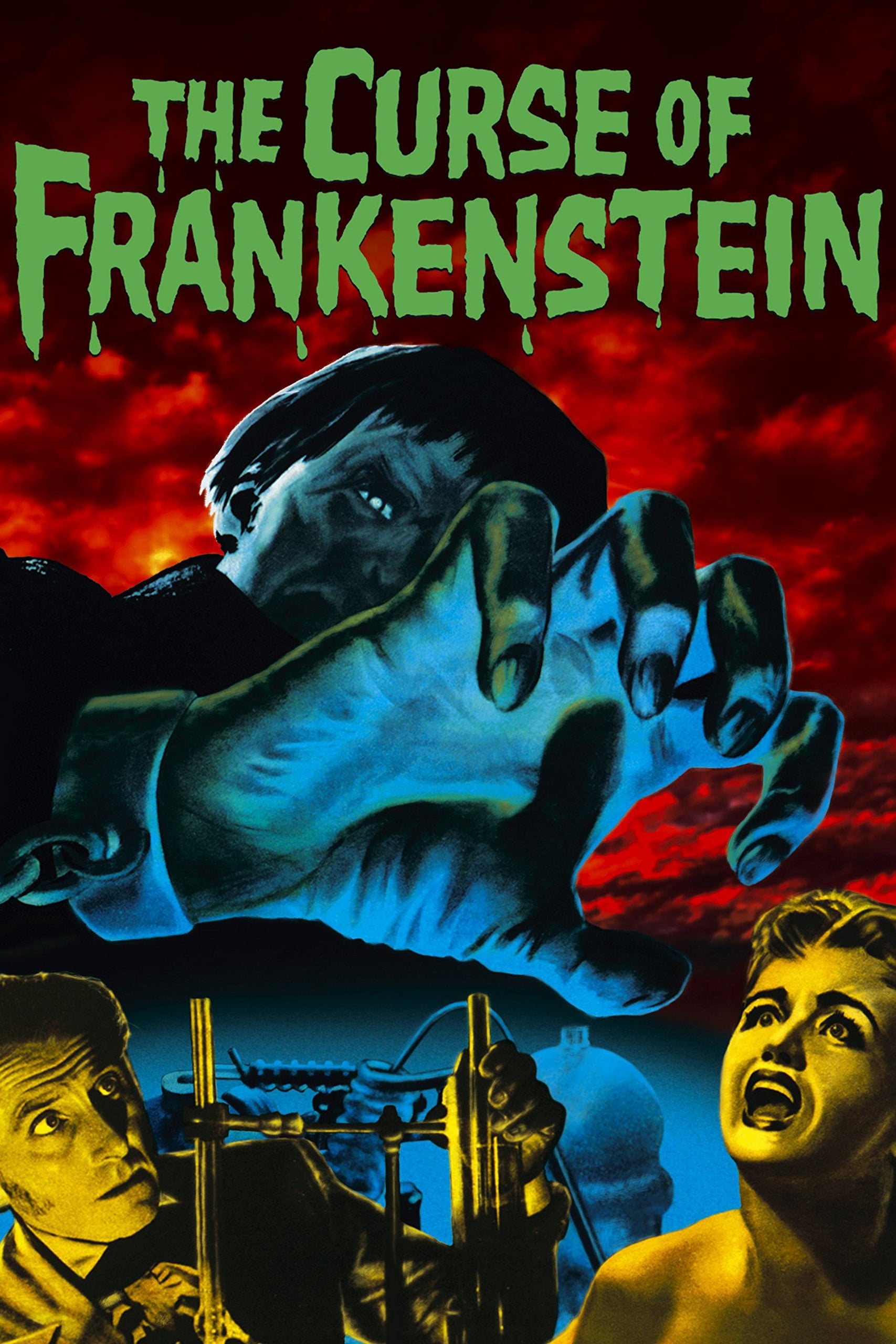
The Curse of Frankenstein
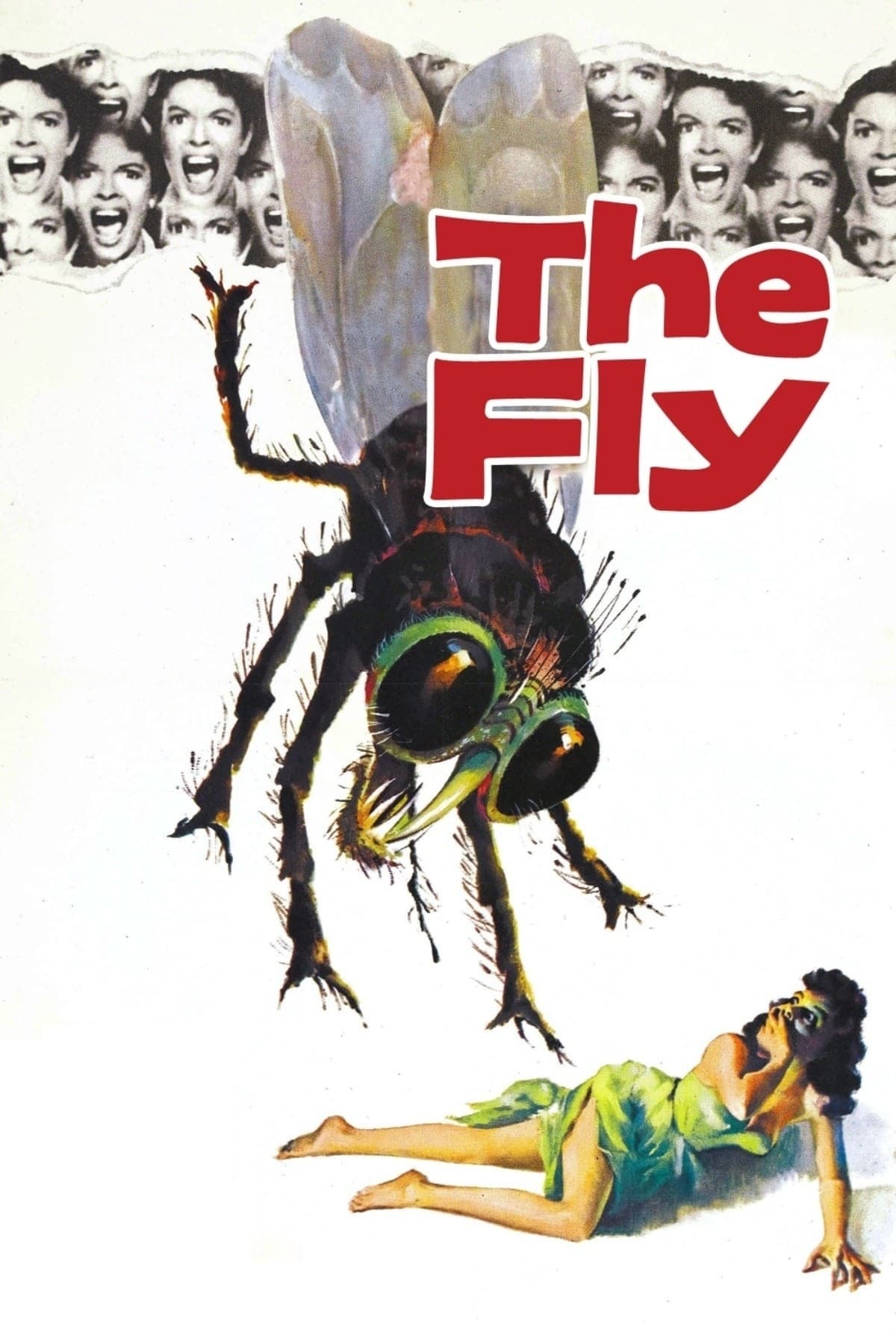
The Fly

Eyes Without a Face
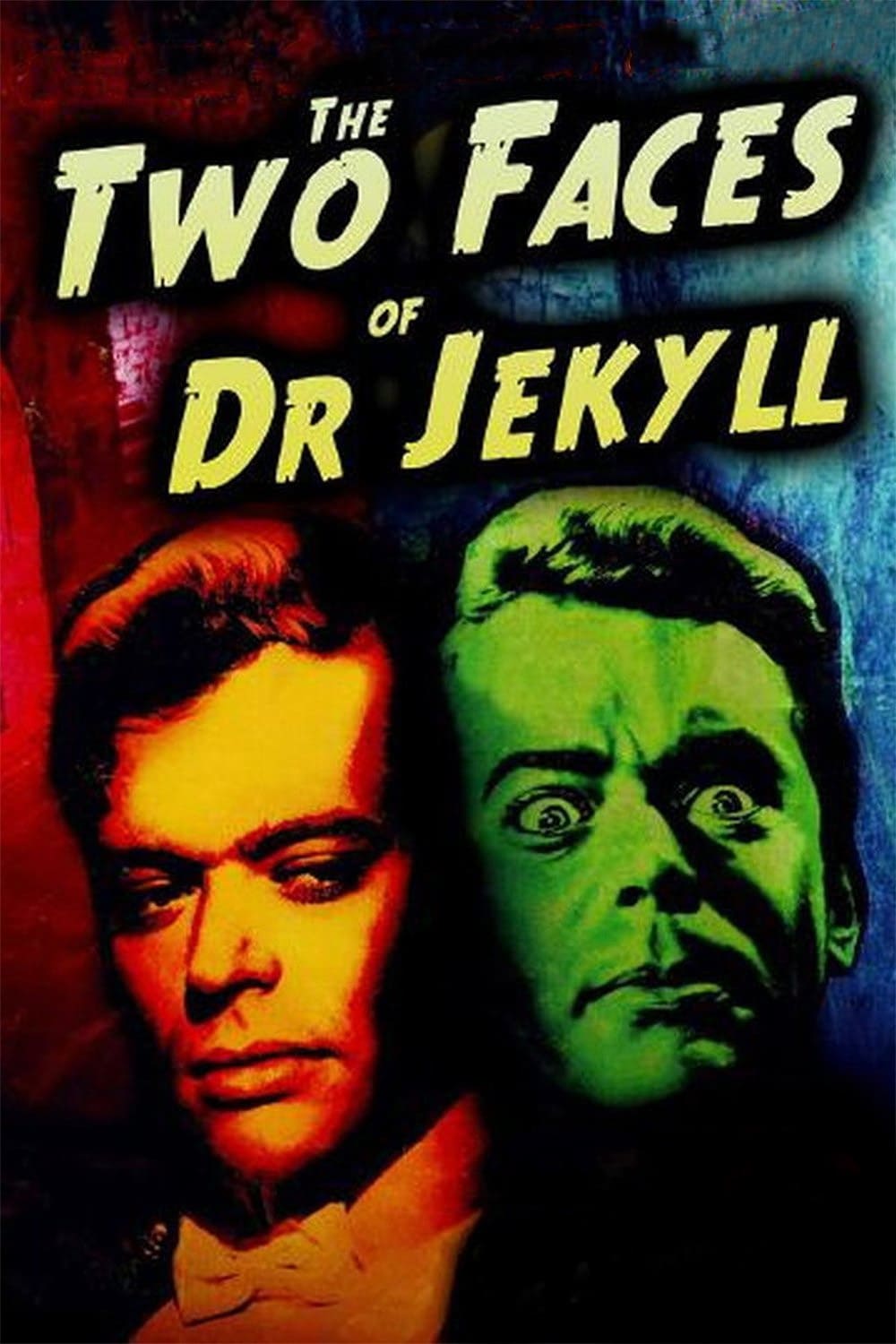
The Two Faces of Dr. Jekyll
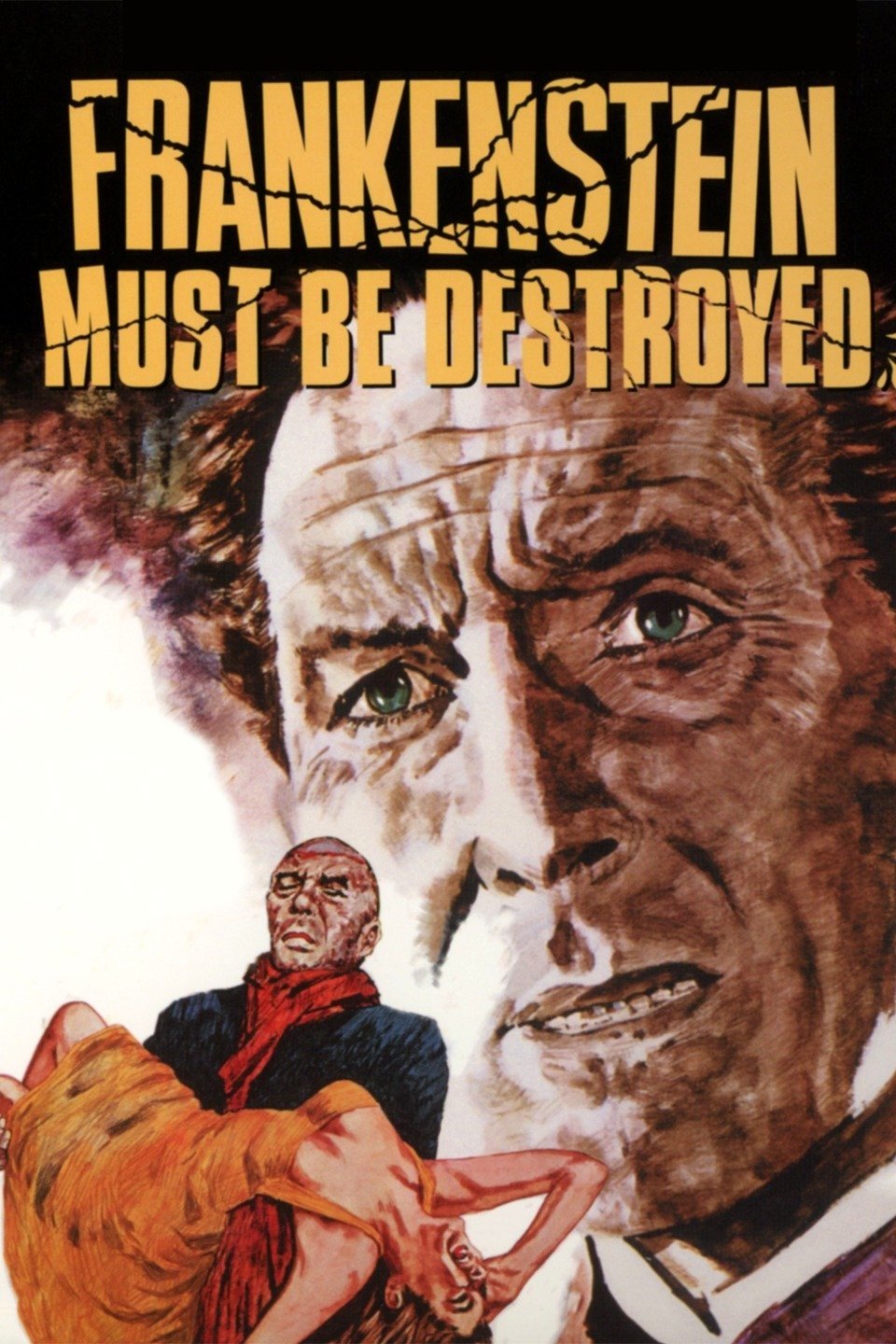
Frankenstein Must Be Destroyed

Re-Animator
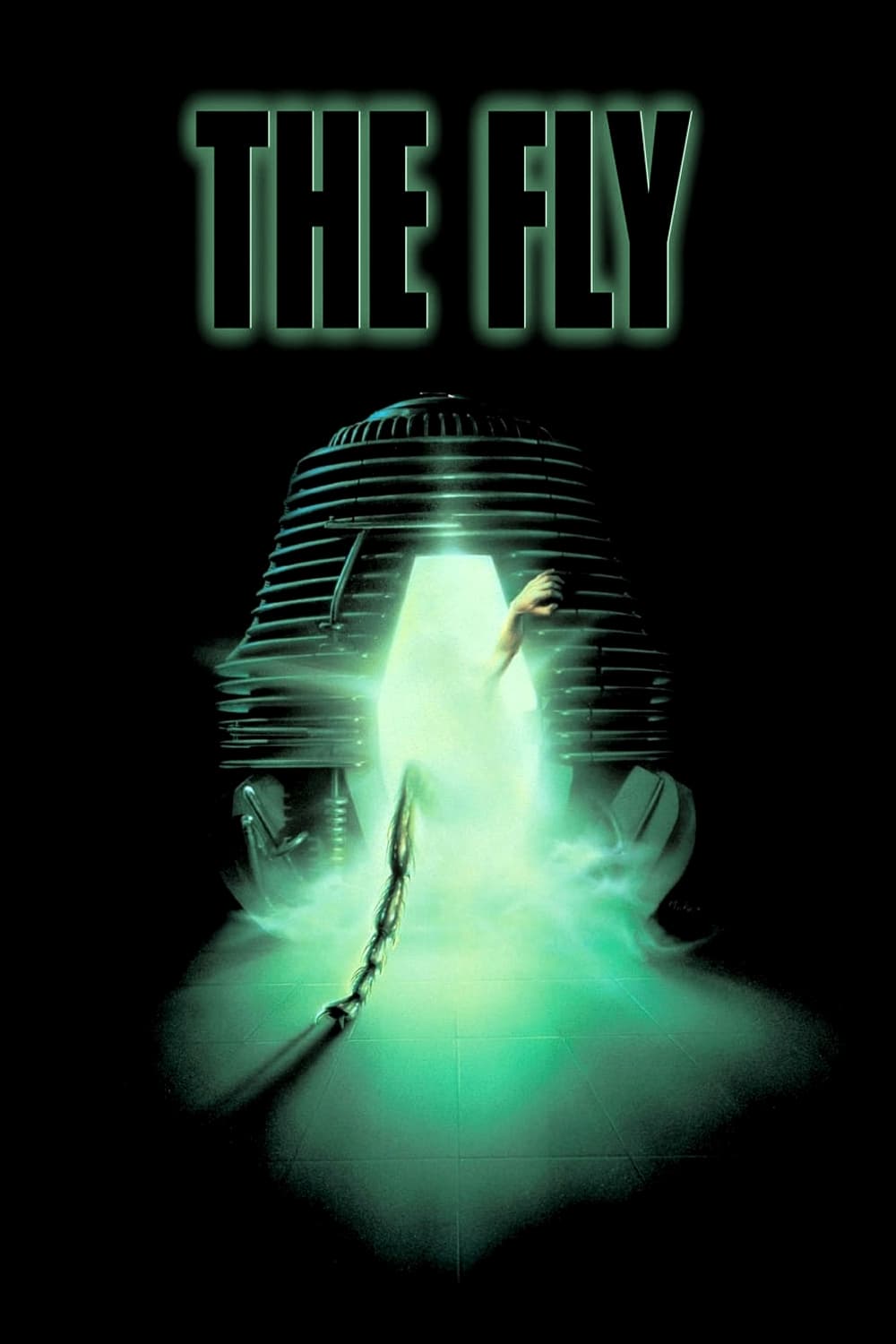
The Fly
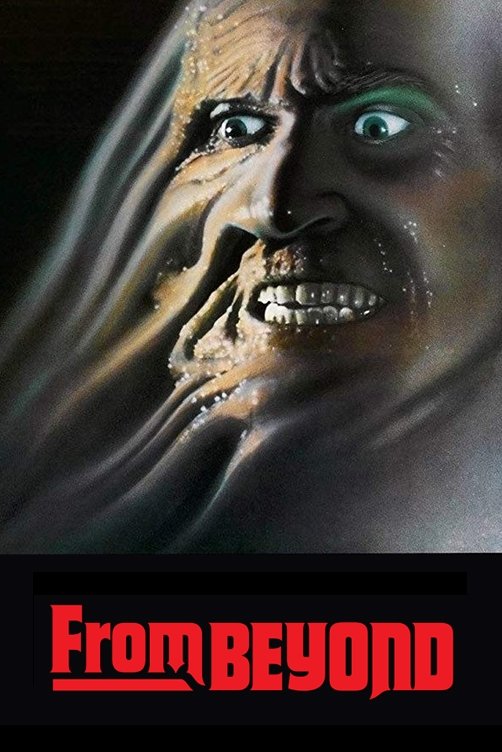
From Beyond
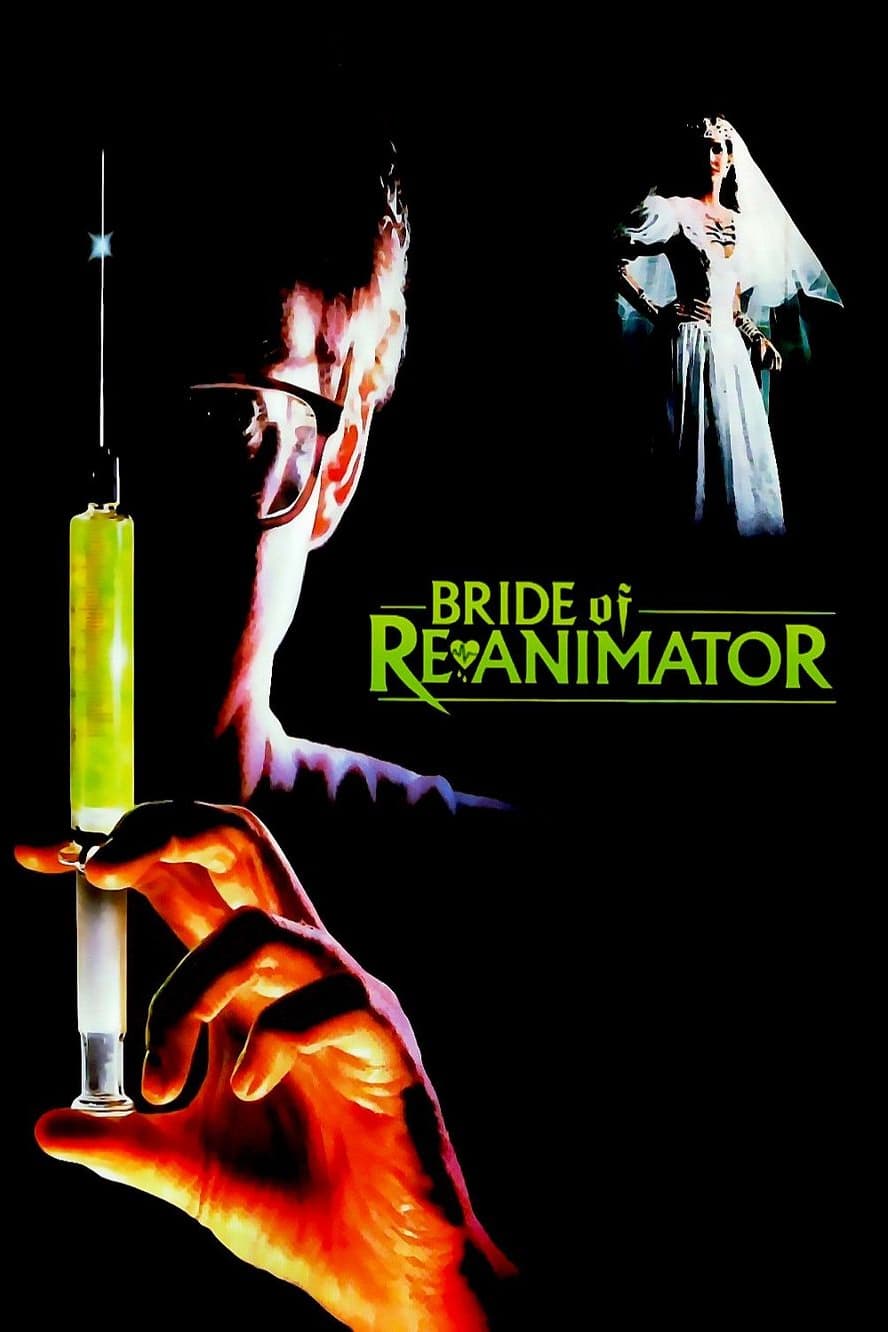
Bride of Re-Animator
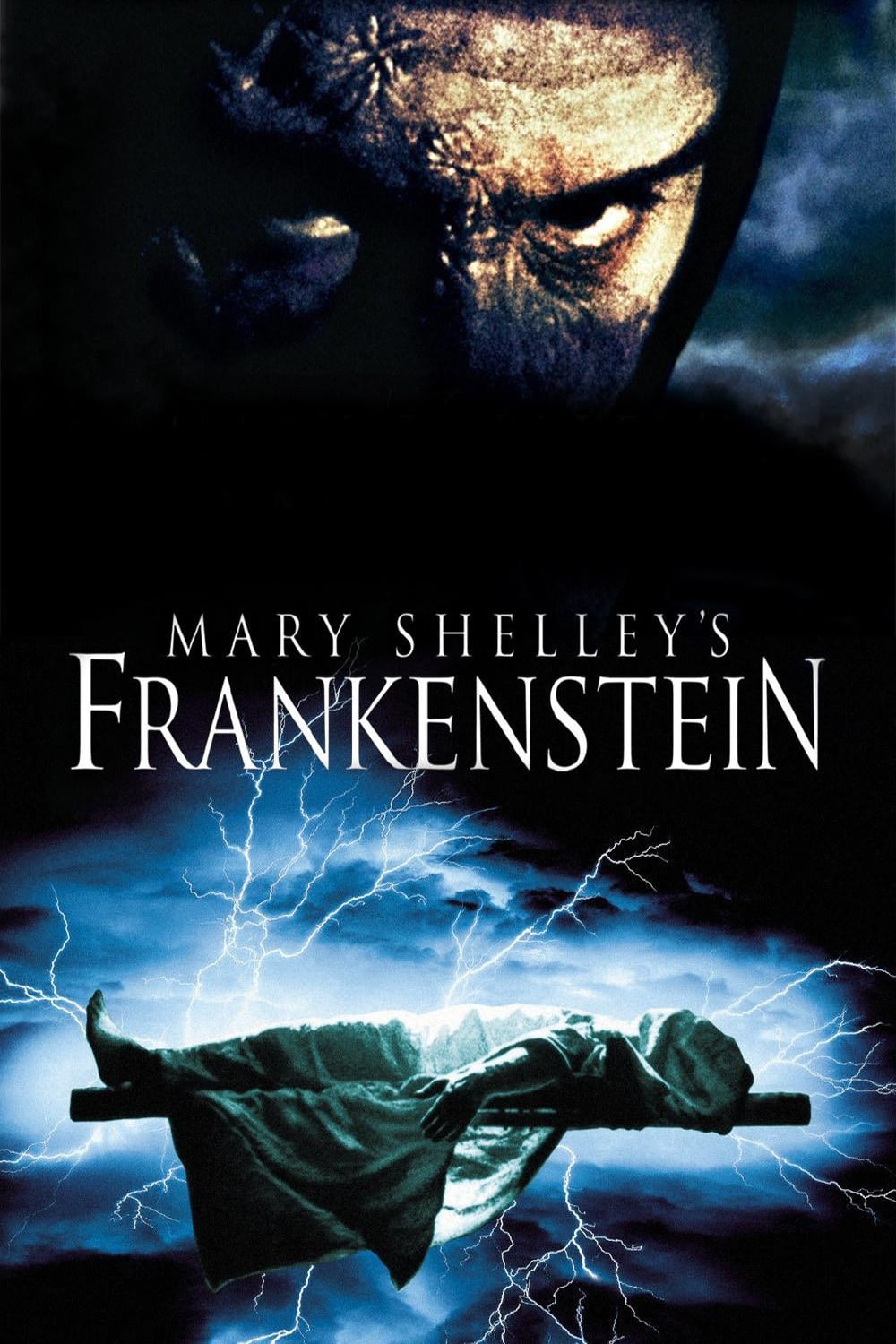
Mary Shelley's Frankenstein
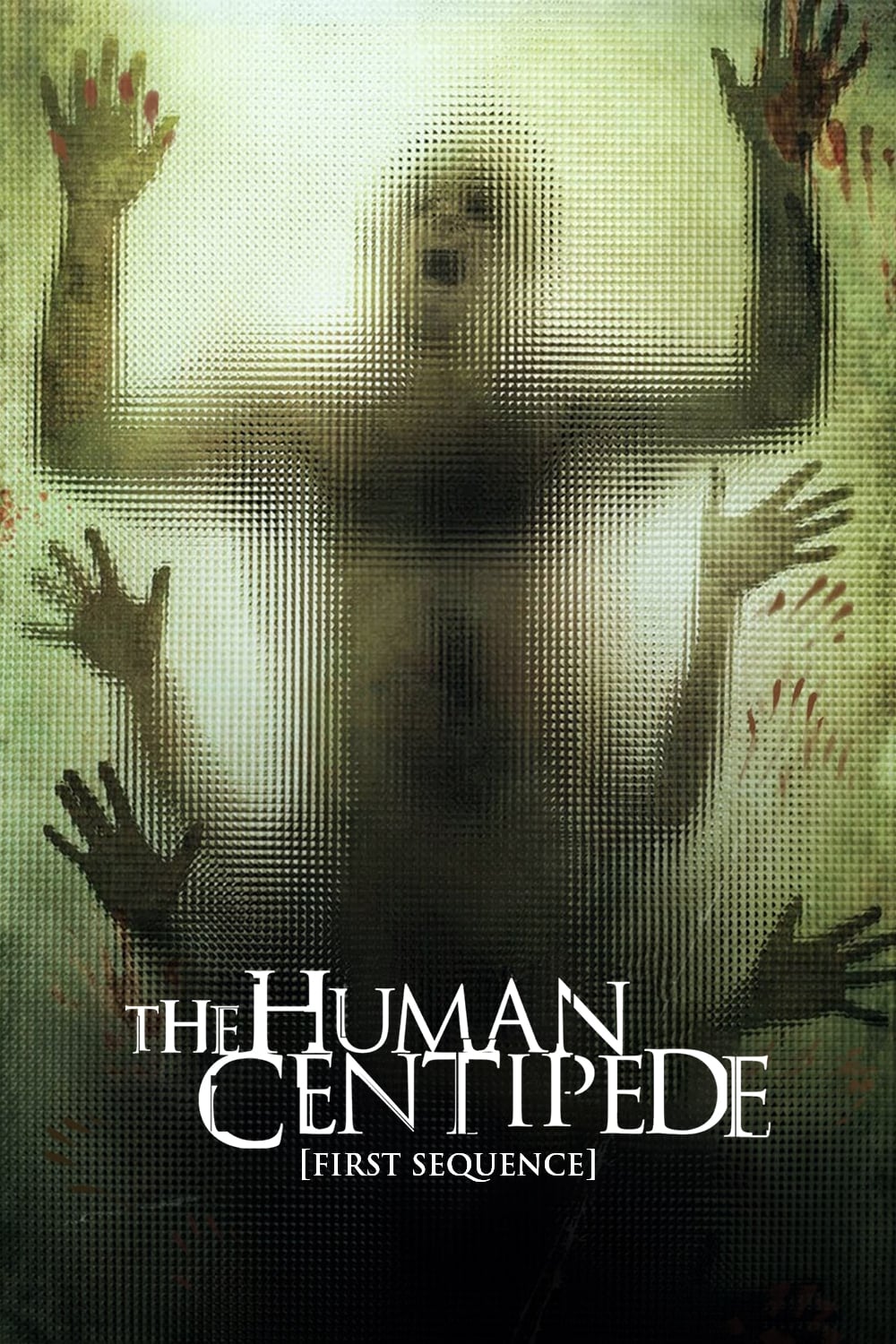
The Human Centipede (First Sequence)
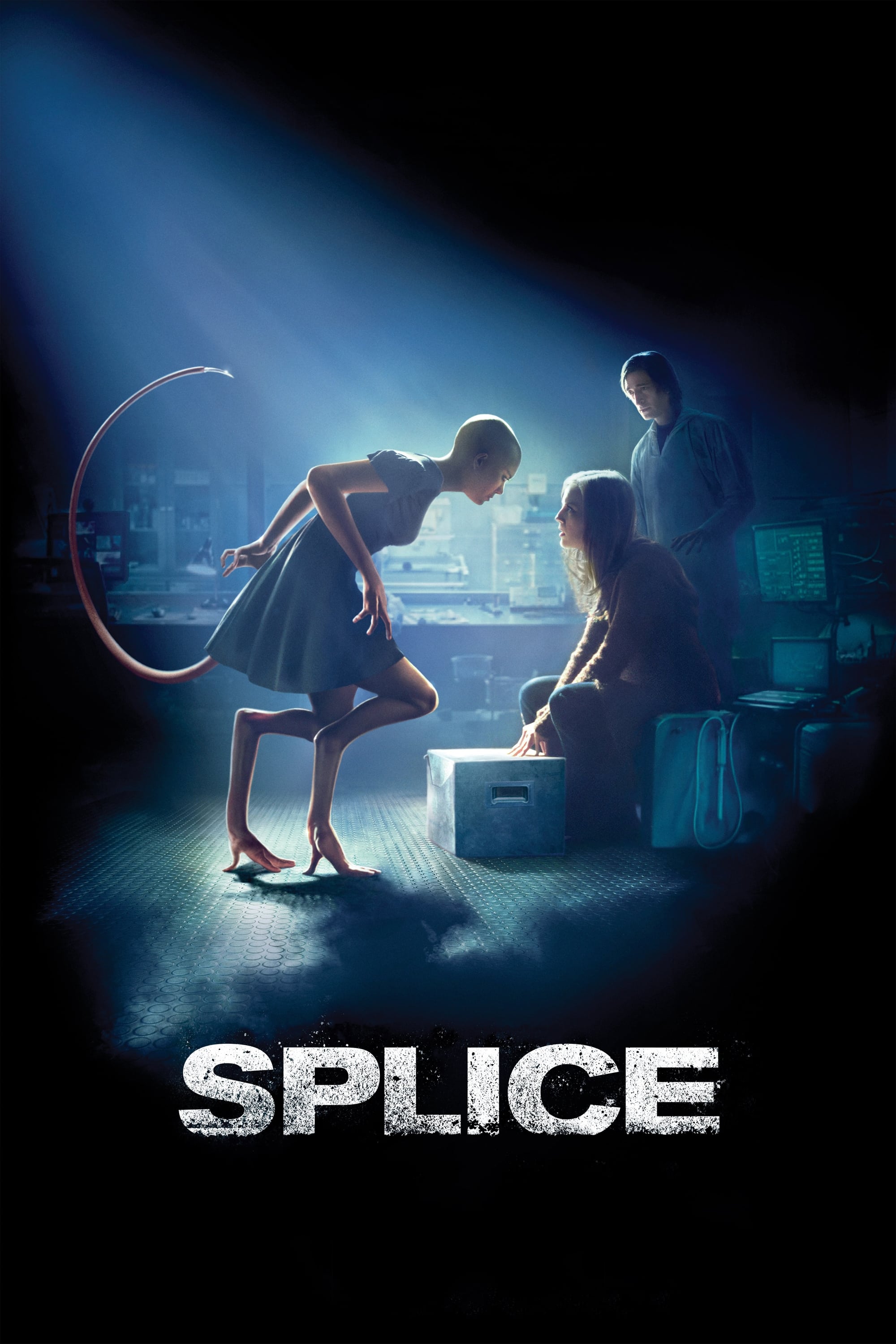
Splice
The Invisible Man
Poor Things

The Substance
Statistics
Popularity by Decade
Share of each decade's horror films classified as Mad Science. Counts films with at least 5 TMDB ratings, so very obscure titles are not represented.
Popularity by Country
Share of each country's horror output classified as Mad Science. Counts films with at least 5 TMDB ratings, so very obscure titles are not represented.