 The Faculty (1998)
Parasite
Colonized from within. Organisms that infiltrate the body, feed on the host, and erase the boundary between your biology and something else's.
History & Origins
Parasite horror confronts us with organisms that live inside or on us — feeding, reproducing, taking control. The parasite violates the most fundamental boundary of selfhood: the distinction between your body and something else's. Unlike a predator that attacks from outside, the parasite infiltrates, colonises, and repurposes. Your body becomes its habitat, and you may not even know it's there until the damage is irreversible. The form sits within the body & contagion family alongside body horror and virus / pandemic — parasite horror's distinct register is the singular invading-other that colonises an individual host.
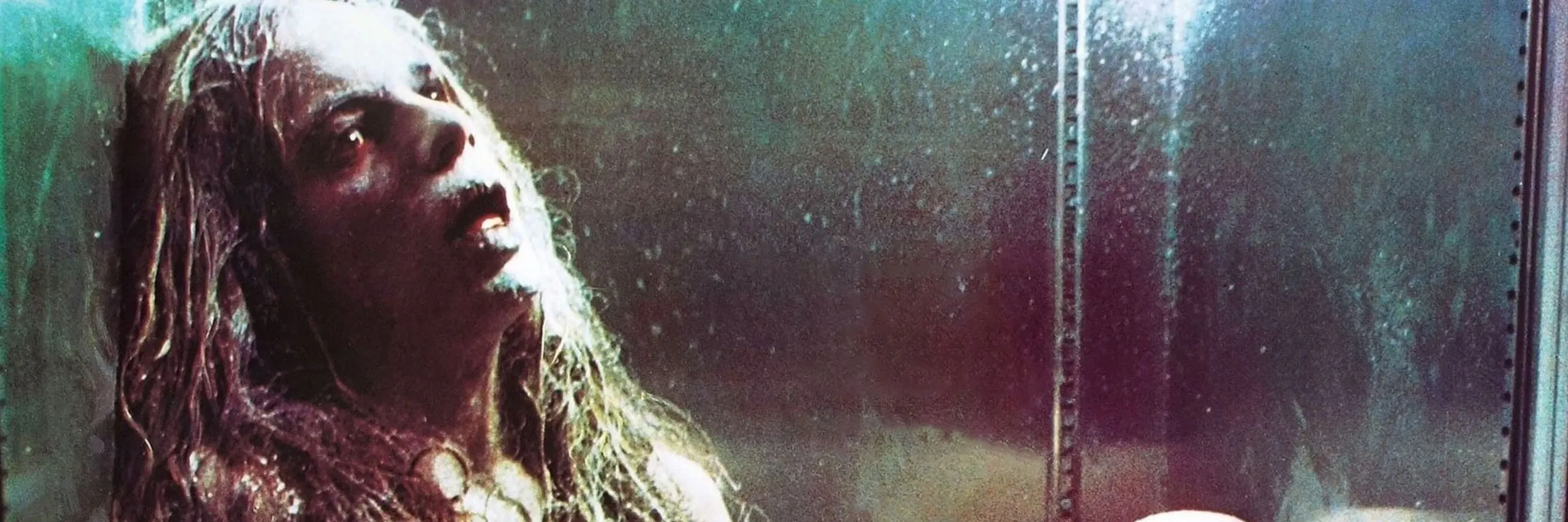
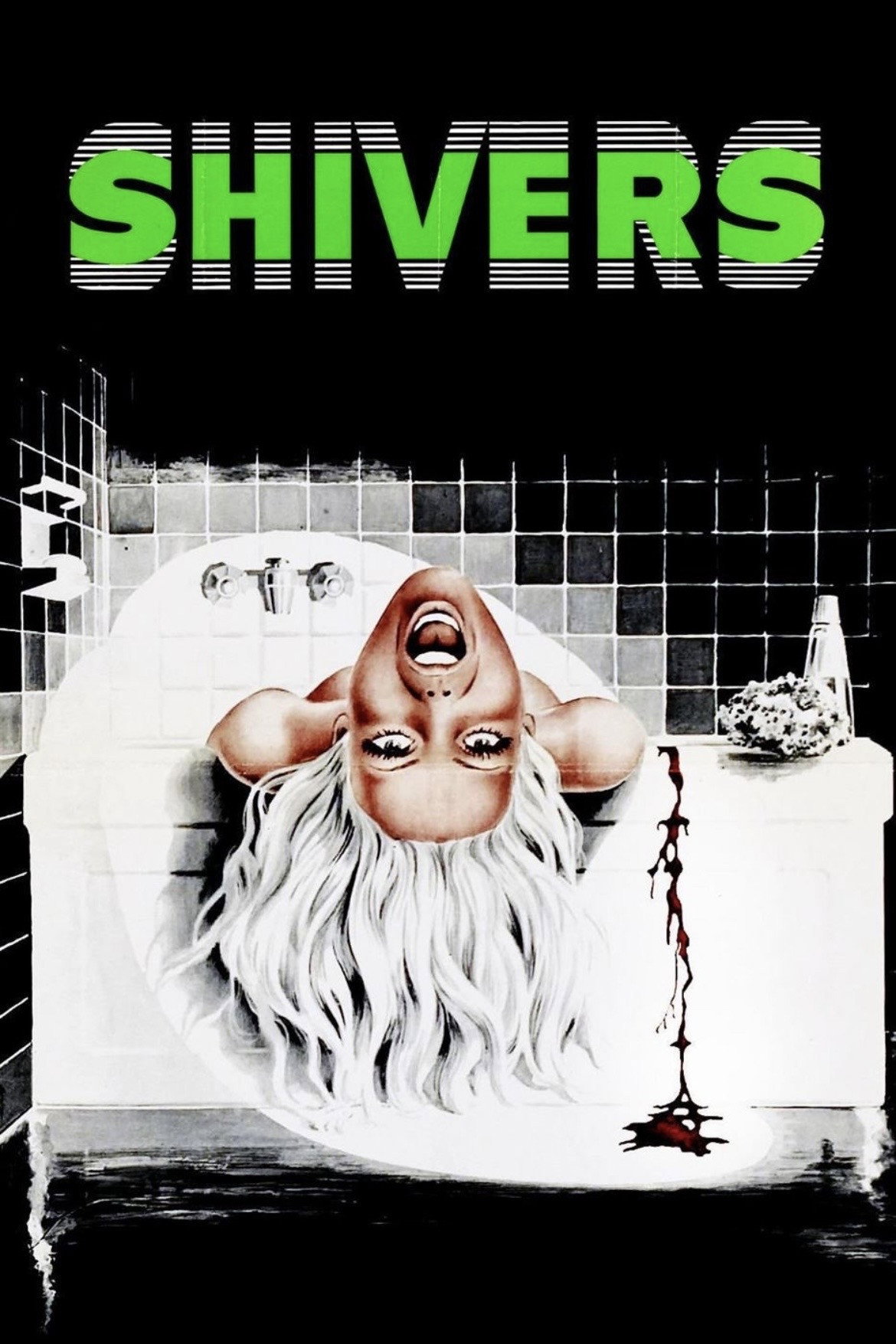
David Cronenberg's Shivers (1975) is the subgenre's foundational text. The parasites in that film are not merely dangerous — they rewire their hosts' behaviour, turning rational people into aggressive, sexually compulsive vectors for further infection. The horror is not just biological but philosophical: if something can alter your desires and impulses, are you still you? Cronenberg's own commentary, per Newman: "I can imagine what it feels like to be a virus... See the movies from the point of view of the disease."
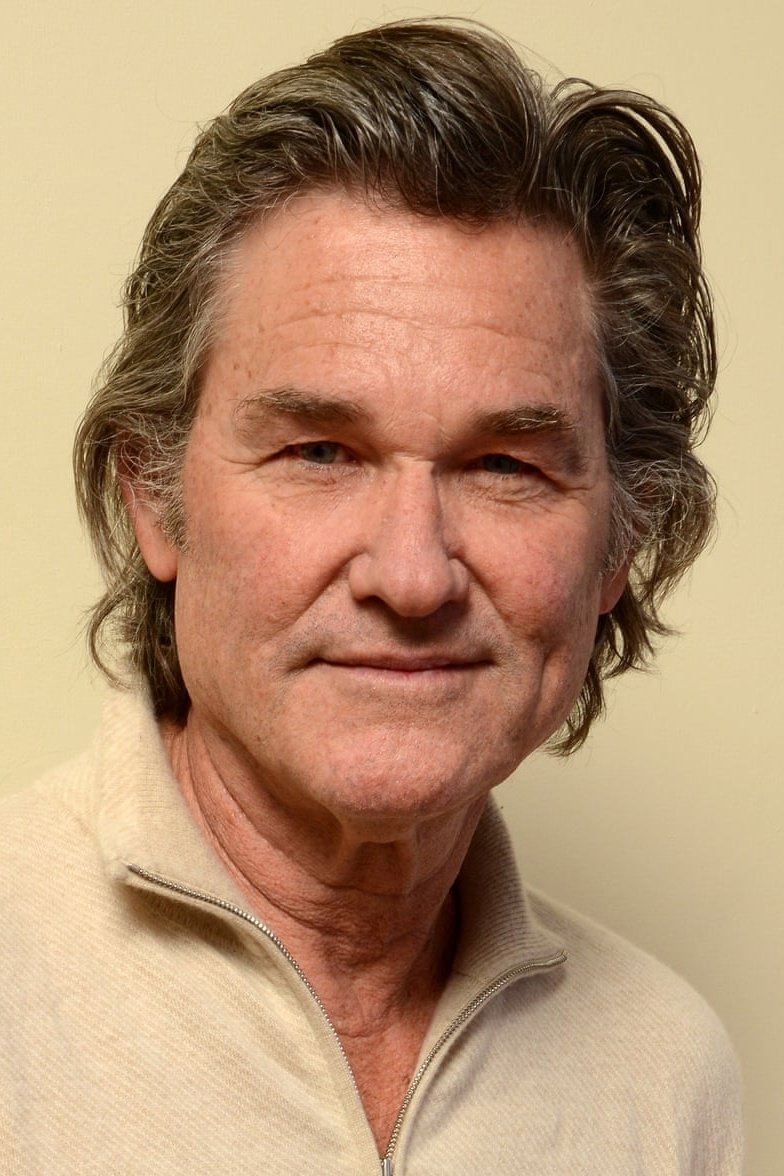
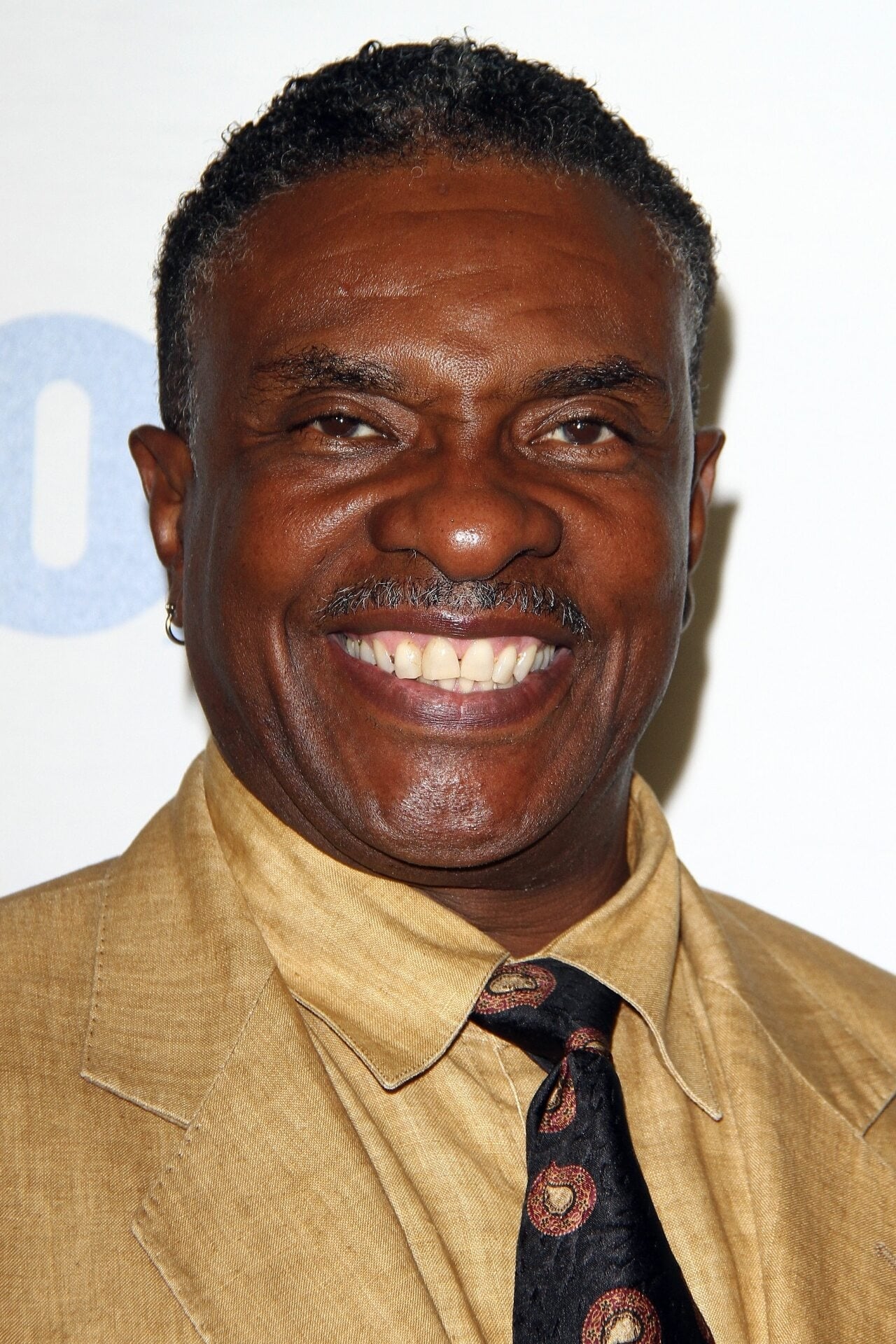
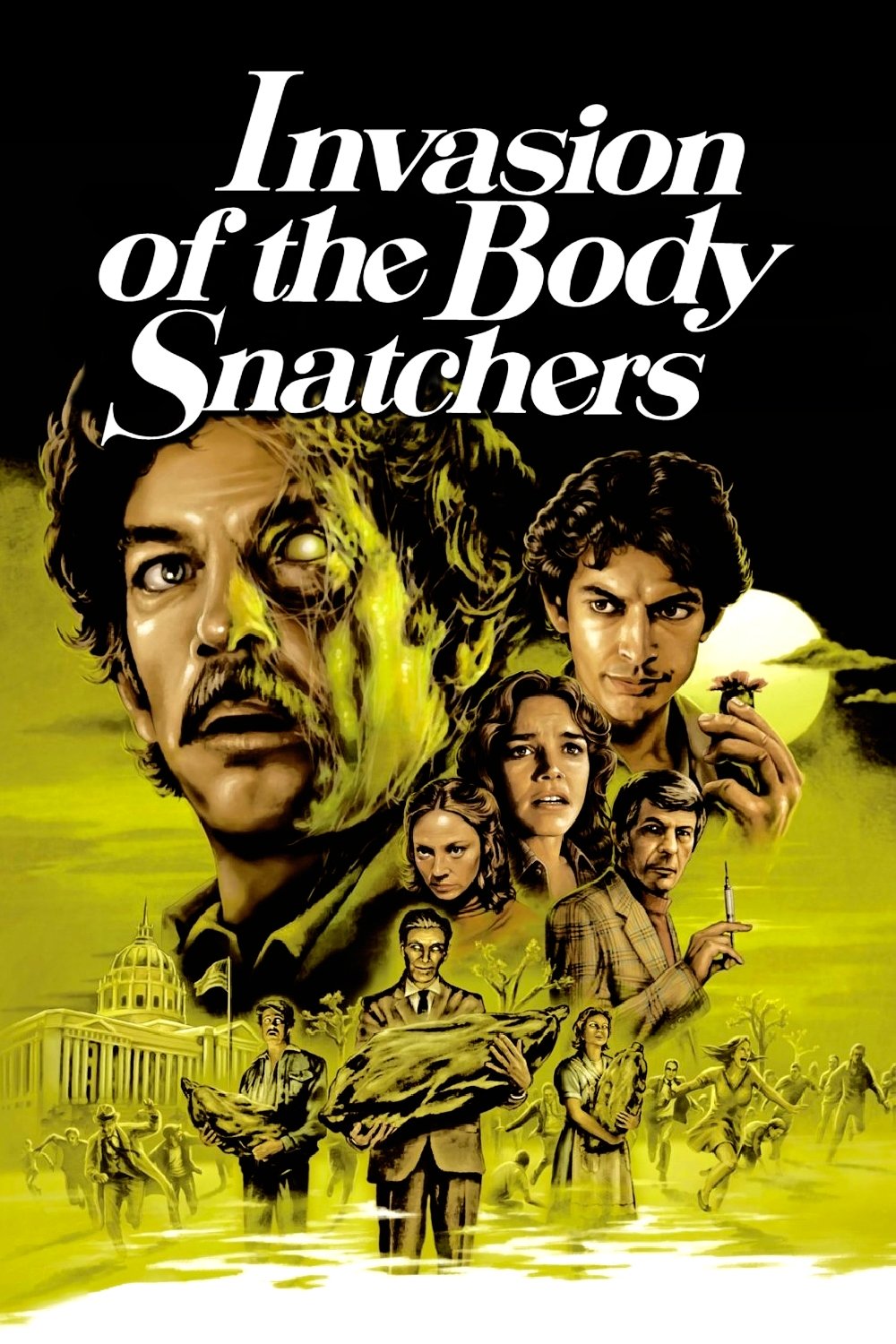
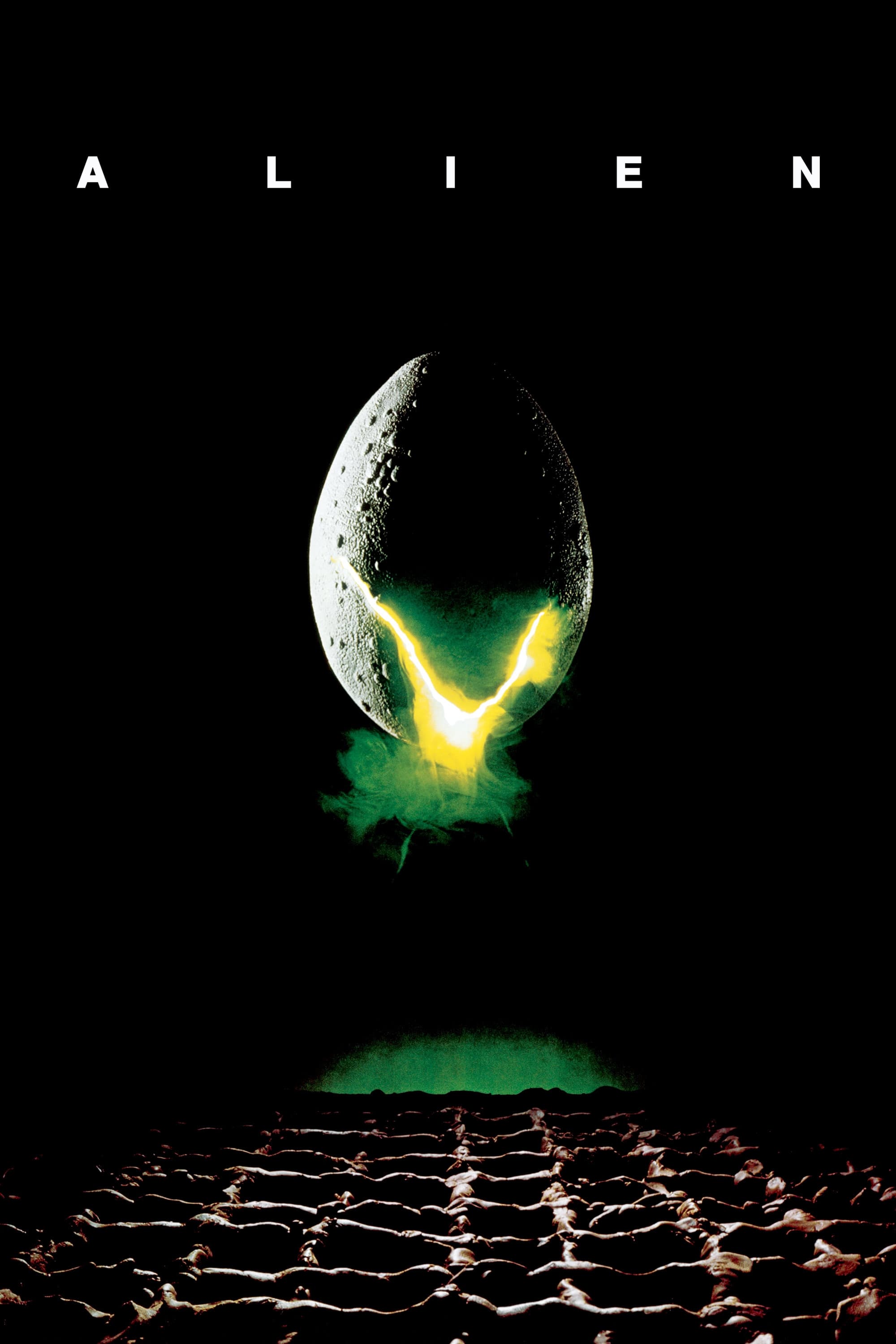
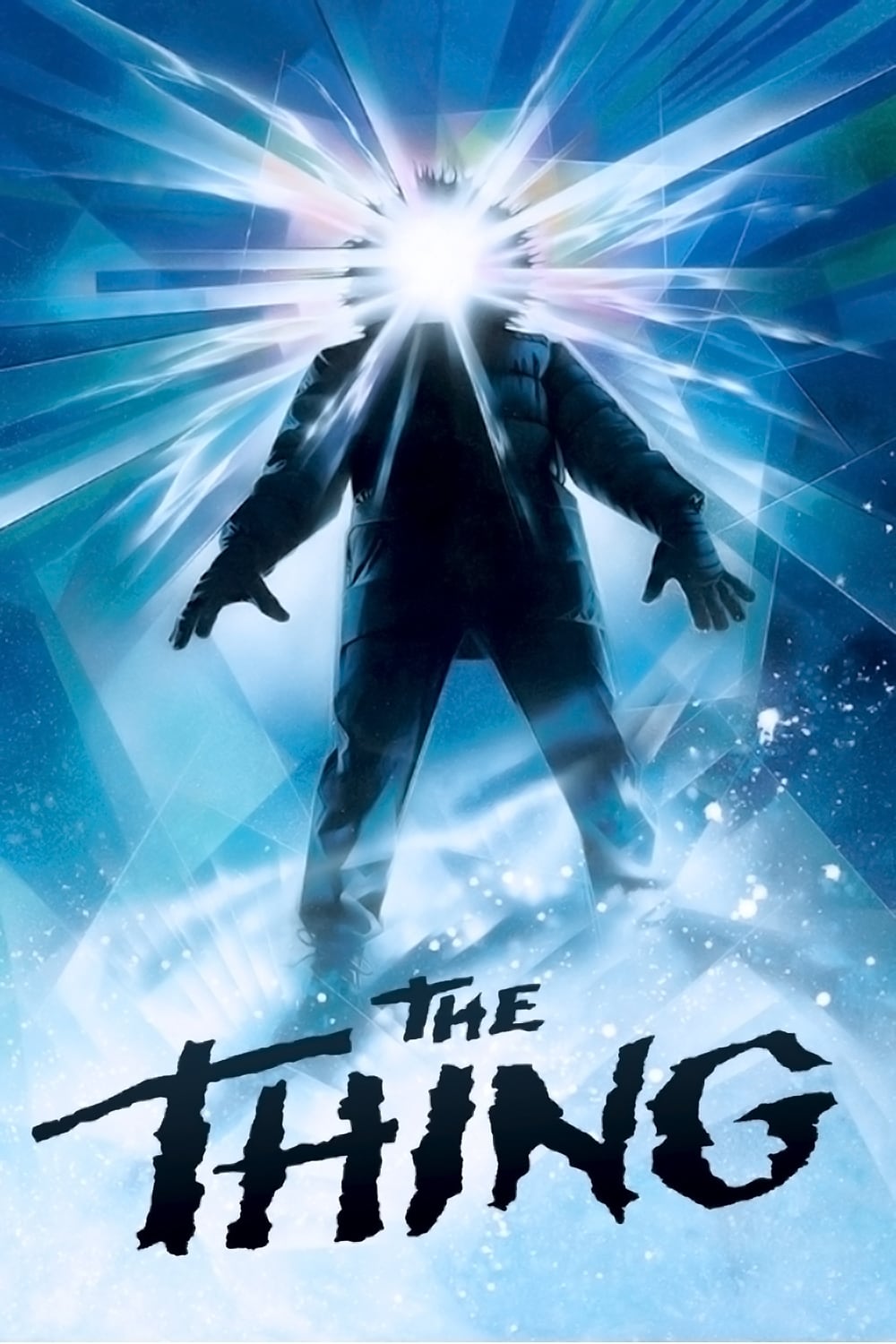
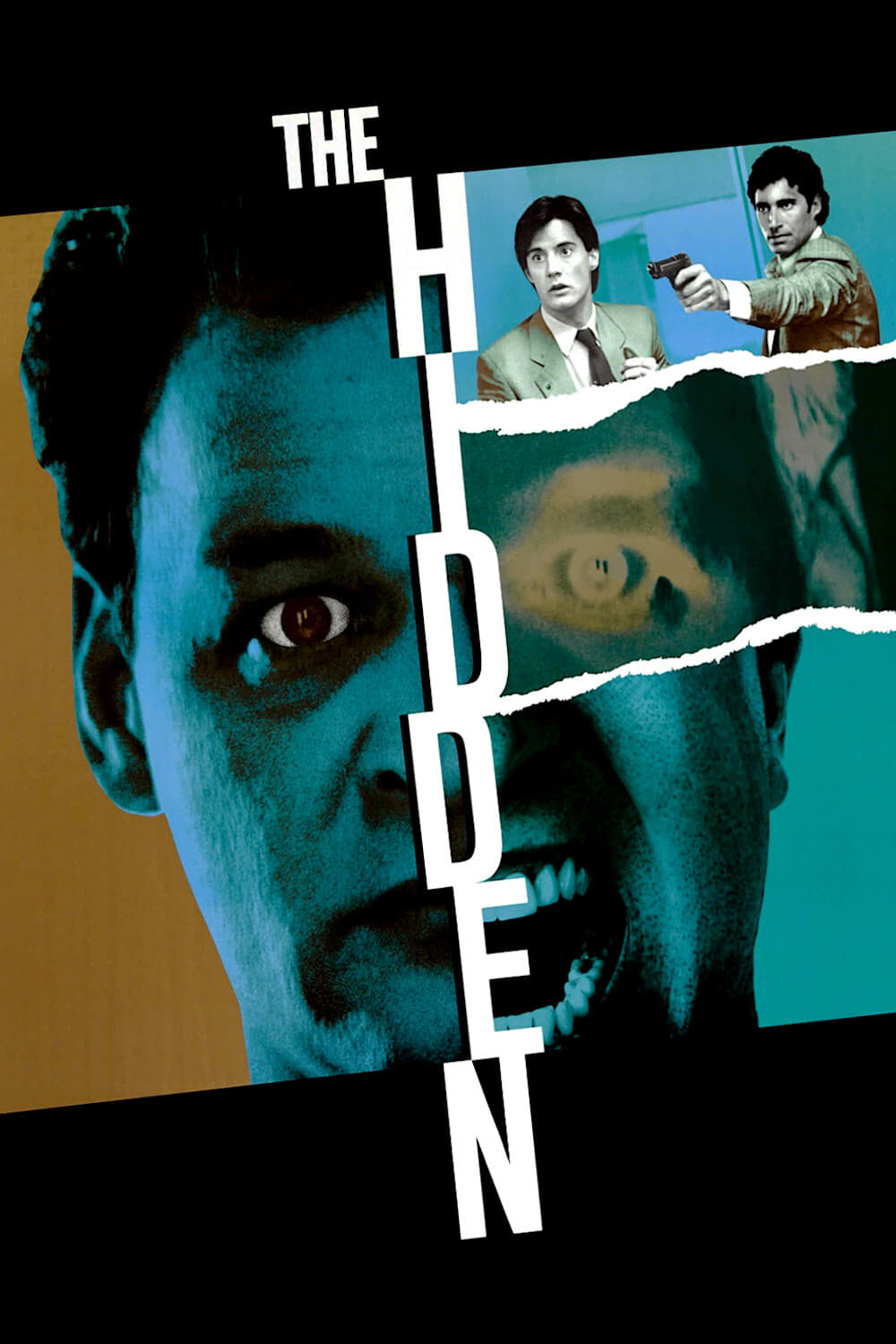
The 1970s and 80s gave parasite horror its canonical visual vocabulary. Philip Kaufman's Invasion of the Body Snatchers (1978) with Donald Sutherland carried the pod-people parasite into post-Watergate San Francisco. Ridley Scott's Alien (1979), with Sigourney Weaver and John Hurt, gave parasite horror its most iconic image — the facehugger implanting an embryo, the chestburster erupting from within — transforming the human body from person to incubator. John Carpenter's The Thing (1982), with Kurt Russell and Keith David, fused parasite-horror with paranoia in the canonical "who's still human?" Antarctic chamber piece — Rob Bottin's transformation effects remain the genre's high-water mark. Jack Sholder's The Hidden (1987) ran the body-jumping-alien-parasite variant.
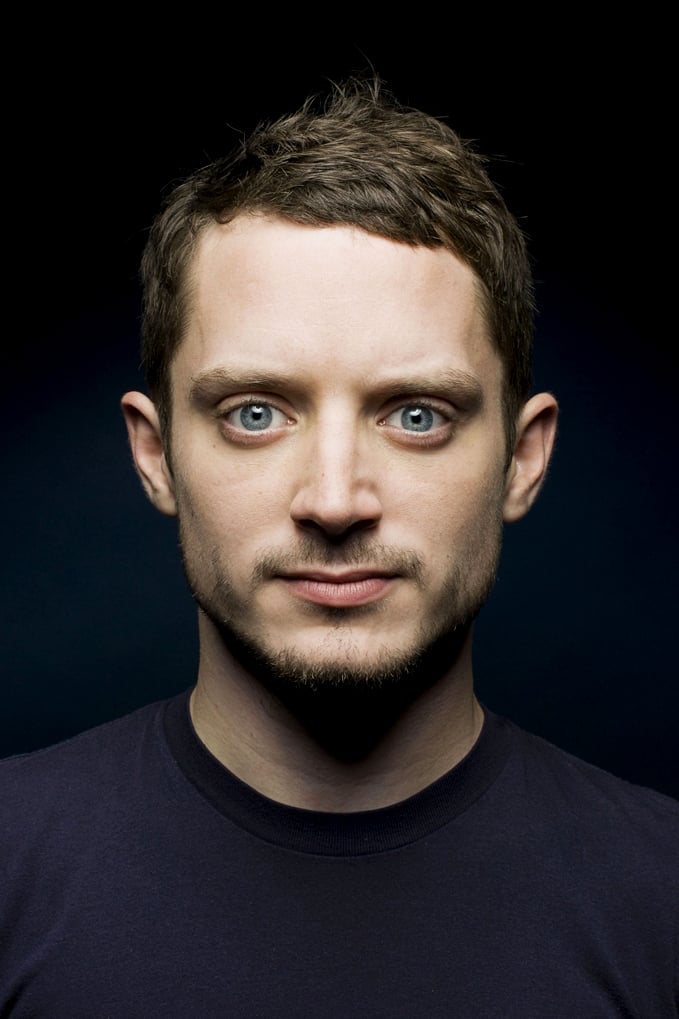
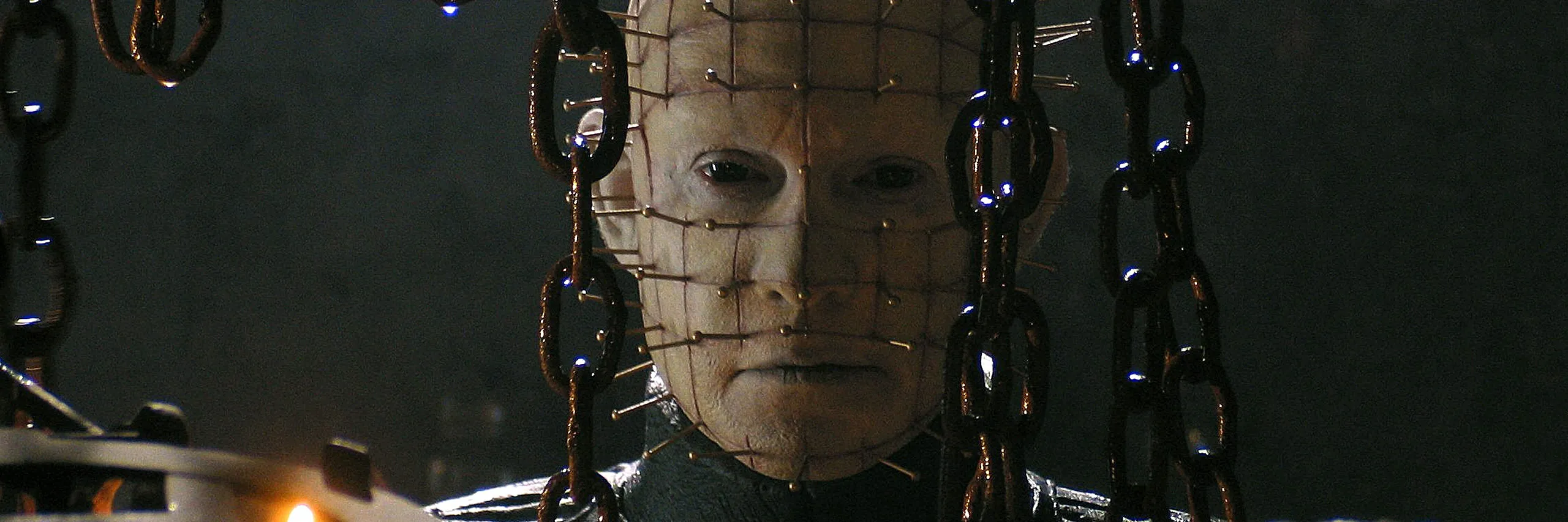
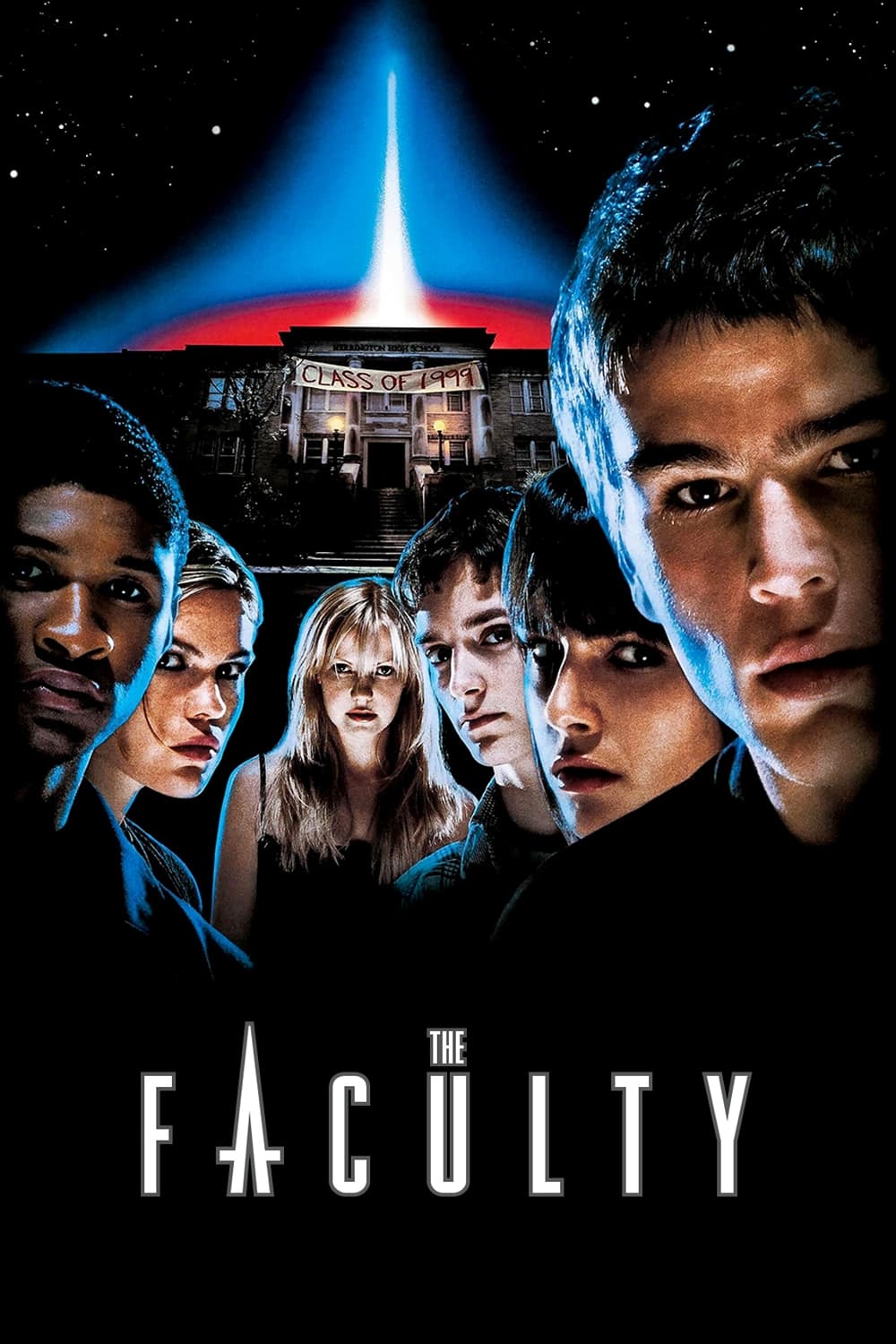
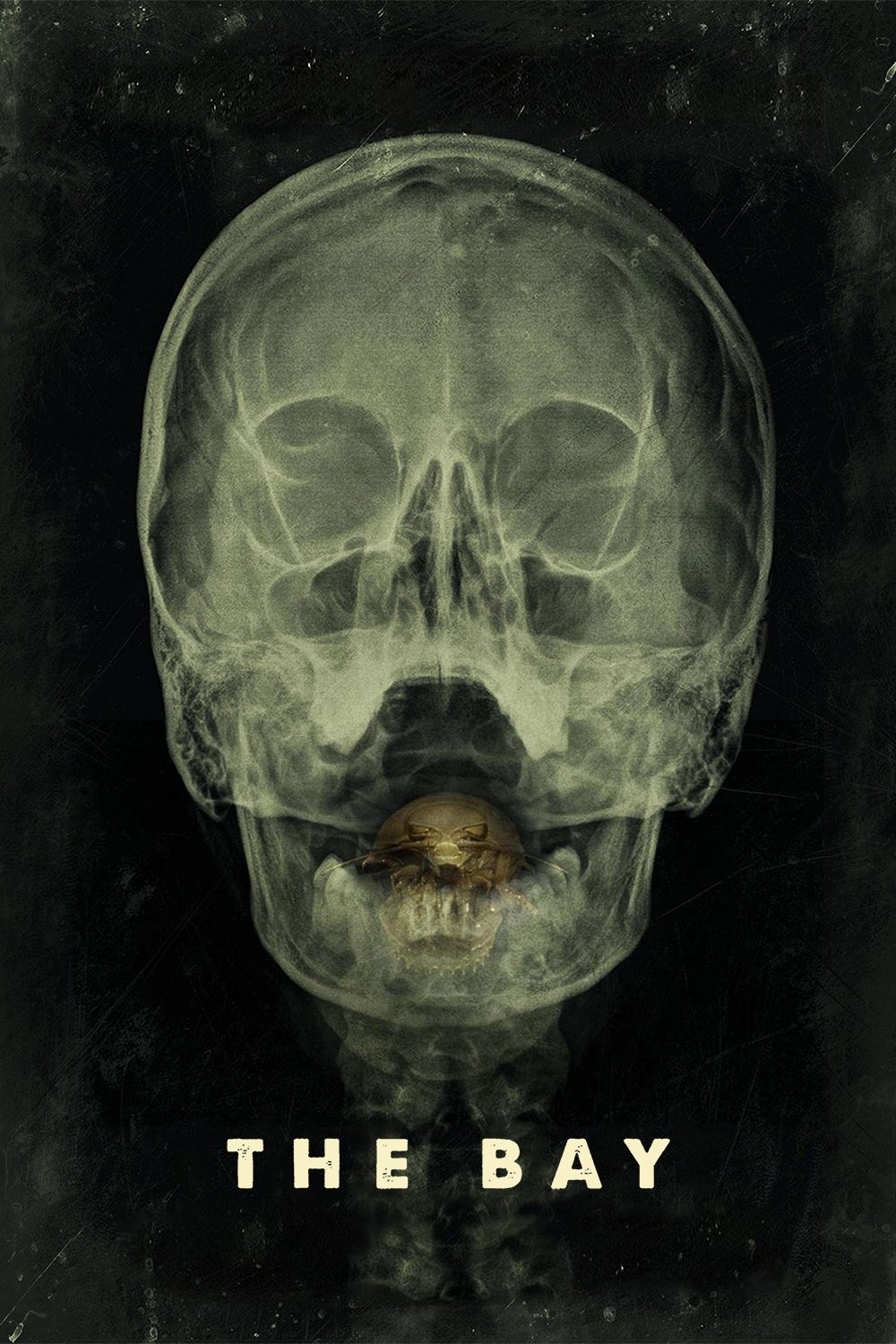
The form opened to comedy and meta-register in the 21st century. Robert Rodriguez's The Faculty (1998), with Elijah Wood, brought the body-snatcher-parasite template into teen-horror register. James Gunn's Slither (2006), with Nathan Fillion and Michael Rooker, played parasitic infection as horror-comedy and remains the cycle's most affectionate Cronenberg homage. Barry Levinson's The Bay (2012), with its found-footage faux-investigative aesthetic, used a Chesapeake-Bay isopod-parasite outbreak to combine eco-horror with the genre's contagion mechanics.
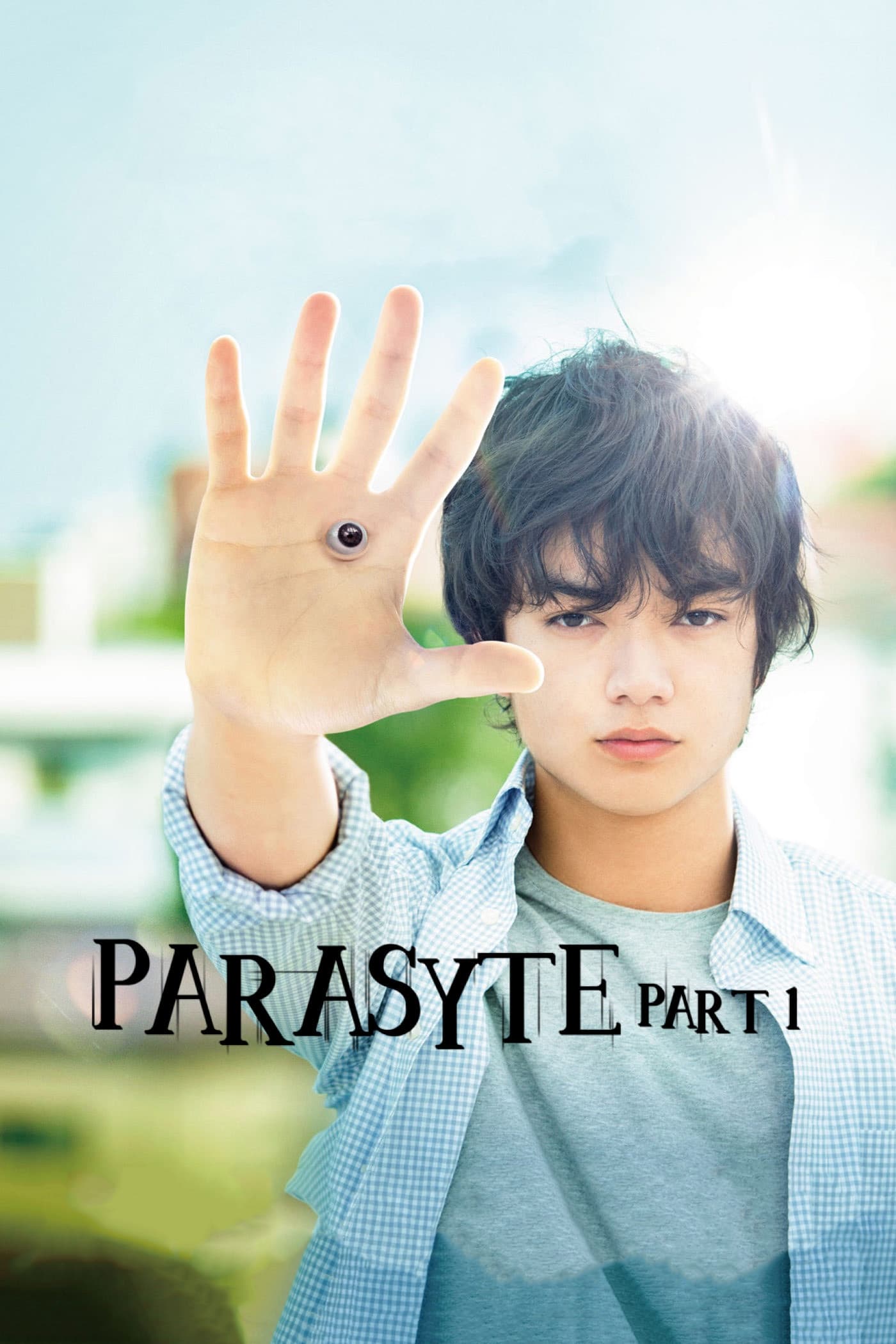
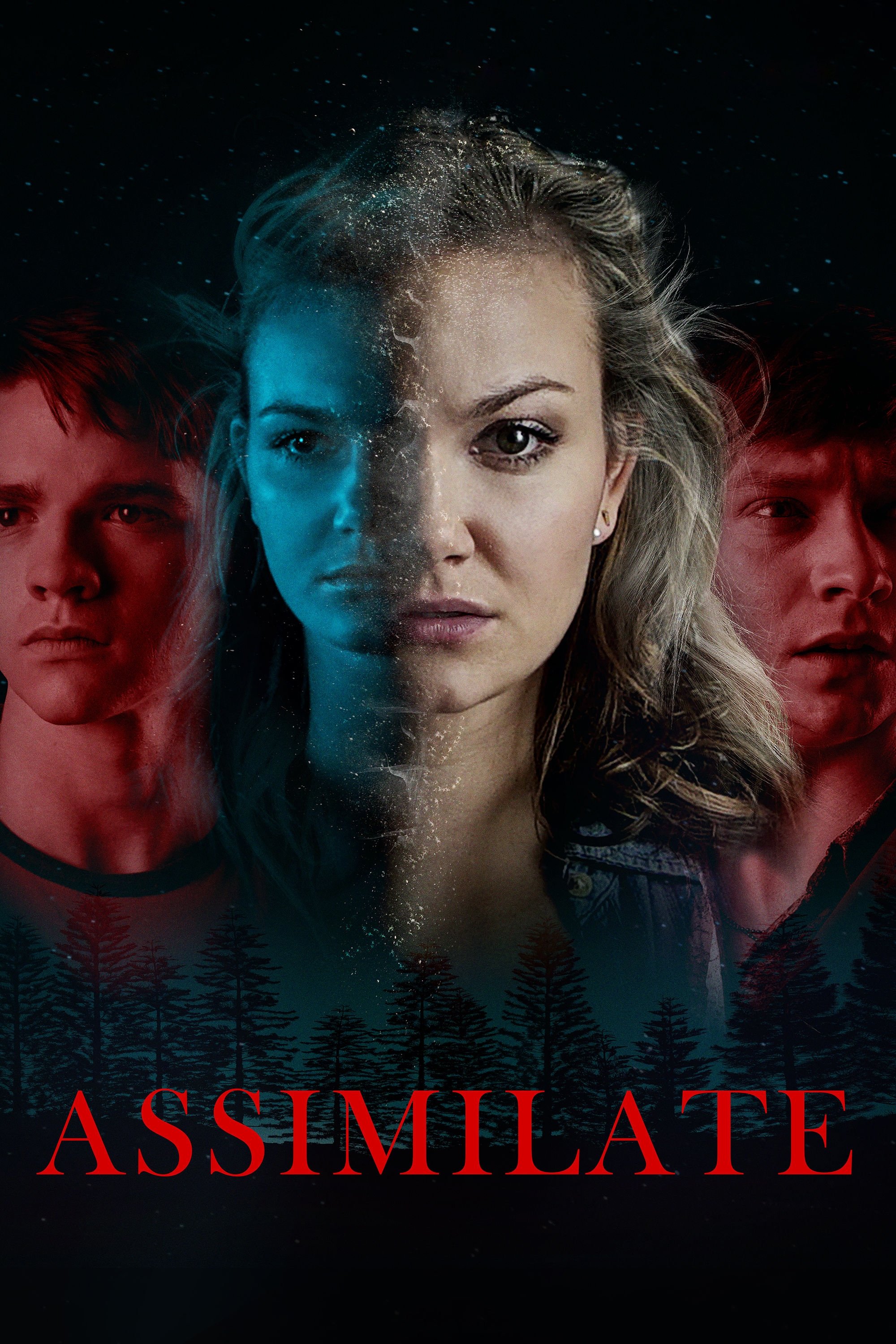
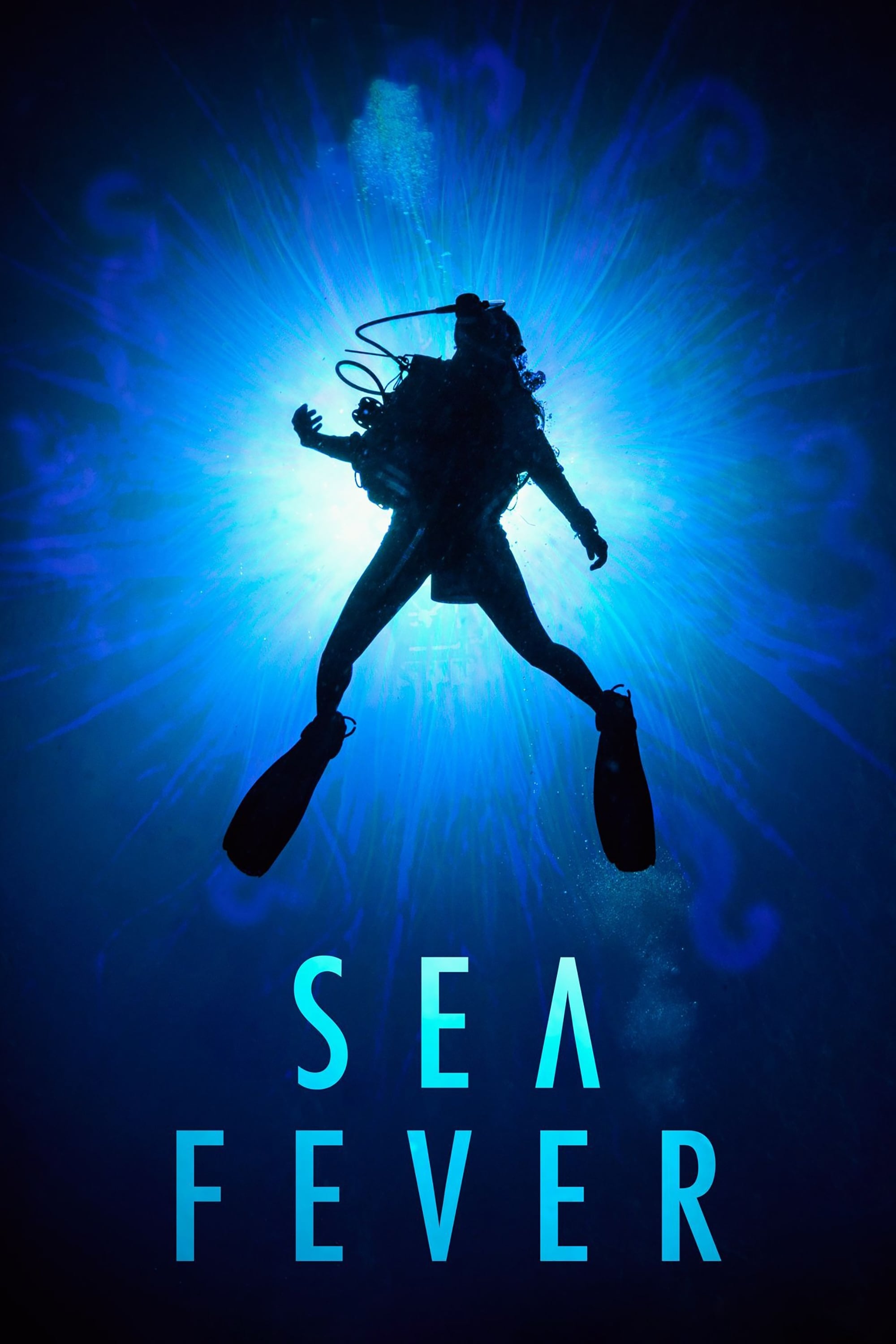
The 2010s and 2020s have continued the form internationally. Takashi Yamazaki's two-part Japanese adaptation of Hitoshi Iwaaki's manga — Parasyte: Part 1 (2014) and Parasyte: Part 2 (2015), with Shota Sometani — brought the host-parasite-partnership variant to mainstream J-horror. Neasa Hardiman's Sea Fever (2020), with Hermione Corfield and Connie Nielsen, ran the contemporary trawler-parasite variant. John Murlowski's Assimilate (2019) extended the body-snatcher tradition into the small-town streaming era. What connects these films is the intimate violation they depict — not an attack from outside but a colonisation from within, turning the body into territory occupied by something alien to your will.
Essential Films


Statistics
Popularity by Decade
Share of each decade's horror films classified as Parasite. Counts films with at least 5 TMDB ratings, so very obscure titles are not represented.
Popularity by Country
Share of each country's horror output classified as Parasite. Counts films with at least 5 TMDB ratings, so very obscure titles are not represented.