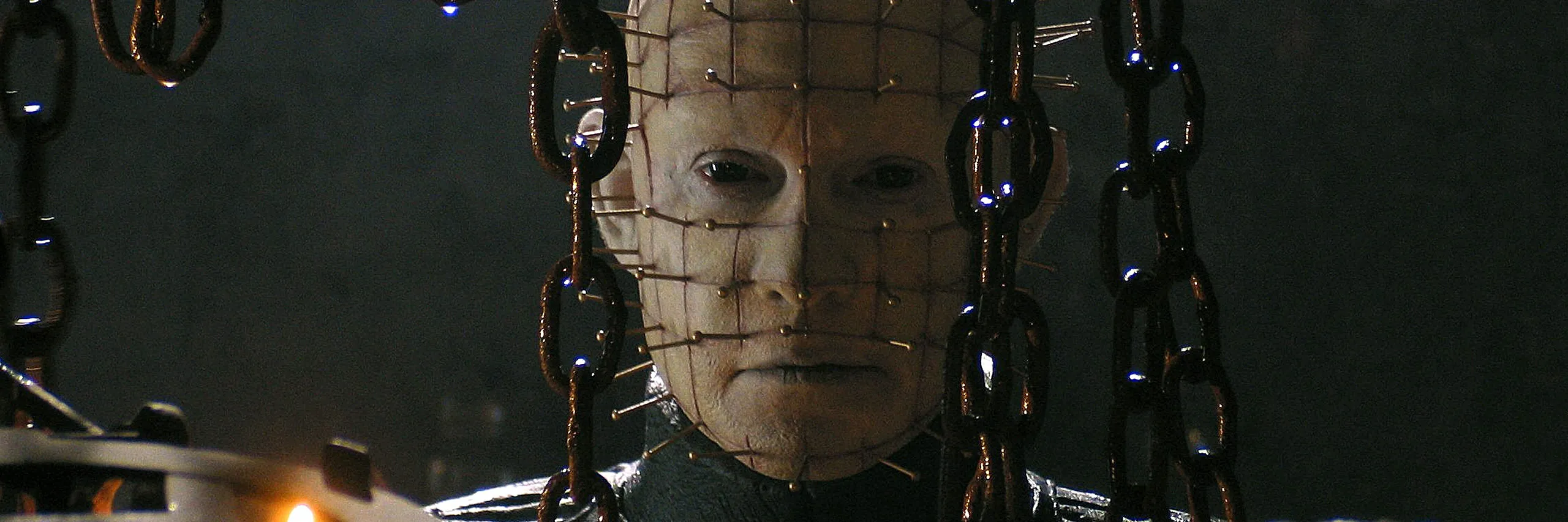
 Hellraiser: Hellworld (2005)
Body Horror
The flesh betrays. Transformation, mutation, and decay — the body developing its own agenda, becoming alien territory while you remain trapped inside it.
History & Origins
Body horror makes the flesh itself the site of terror. These films violate the body's integrity — through transformation, mutation, infection, or surgical intervention — forcing audiences to confront the disturbing reality that the boundary between self and other, between human and inhuman, runs through our own skin. The body is not a fortress. It is a system that can be rewritten. The form is the most aesthetically refined corner of the body & contagion family — where virus treats the threat as collective and parasite treats it as invading-other, body horror treats the threat as the protagonist's own physiology rebelling.
David Cronenberg is the tradition's defining voice. Beginning with Shivers (1975) and Rabid (1977), Cronenberg treated the body as a philosophical problem: what happens when flesh develops its own agenda? Kim Newman quotes the director's own thesis: "Some diseases perceived as diseases which destroy a well-functioning machine, in fact change the machine into a machine that does something else... See the movies from the point of view of the disease." The Brood (1979) ran the rage-physicalised variant; Videodrome (1983) fused technology and biology into a new, nauseating hybrid; The Fly (1986) — his masterpiece in the form — charted a transformation so gradual and so detailed that the audience experiences every stage of Seth Brundle's dissolution from human to something else. Per Skal, the film became "an allegorical depiction of the AIDS epidemic, though Cronenberg insisted he intended a much more general metaphor for disease and mortality."
The 1980s produced the form's peak decade. David Lynch's Eraserhead (1977) — the deformed-infant nightmare — had already opened the surrealist register. John Landis's An American Werewolf in London (1981), with Rick Baker's Oscar-winning makeup, and Joe Dante's The Howling (1981), with Rob Bottin's competing transformation work, brought werewolf-body-horror to its practical-effects peak. Cronenberg's Scanners (1981) had supplied the year's defining head-explosion. John Carpenter's The Thing (1982), with Bottin's transformative makeup, fused body-horror with parasite-horror in the canonical Antarctic chamber piece. Stuart Gordon's Re-Animator (1985), with Jeffrey Combs and Barbara Crampton, brought Lovecraftian body-horror to the screen with manic energy. Clive Barker's Hellraiser (1987) proposed a metaphysics of flesh — the Cenobites as beings who have transcended the body's ordinary limits through extremes of sensation. Cronenberg's Dead Ringers (1988), with Jeremy Irons as twin gynaecologists, closed the decade on prestige body-horror. Brian Yuzna's Society (1989), with its "shunting" climax, supplied the era's most memorable practical-effects finale; Shinya Tsukamoto's Tetsuo: The Iron Man (1989), with Tomorowo Taguchi, brought the form into Japanese cyberpunk register — "fusing flesh and metal in an industrial, experimental style."
The 2000s and 2010s opened the form to international register and new conceptual territory. Vincenzo Natali's Splice (2010) ran the bioengineering-as-parental-horror variant. Jonathan Glazer's Under the Skin (2014), with Scarlett Johansson, made the alien body-disguise variant explicit and uncanny. Julia Ducournau's Raw (2017), with Garance Marillier, fused body horror with coming-of-age trauma. Alex Garland's Annihilation (2018), with Natalie Portman, ran the cosmic-body-transformation variant; Luca Guadagnino's Suspiria (2018), with Tilda Swinton, returned to Argento's witchcraft-dance template with extraordinary body-horror transformation sequences.
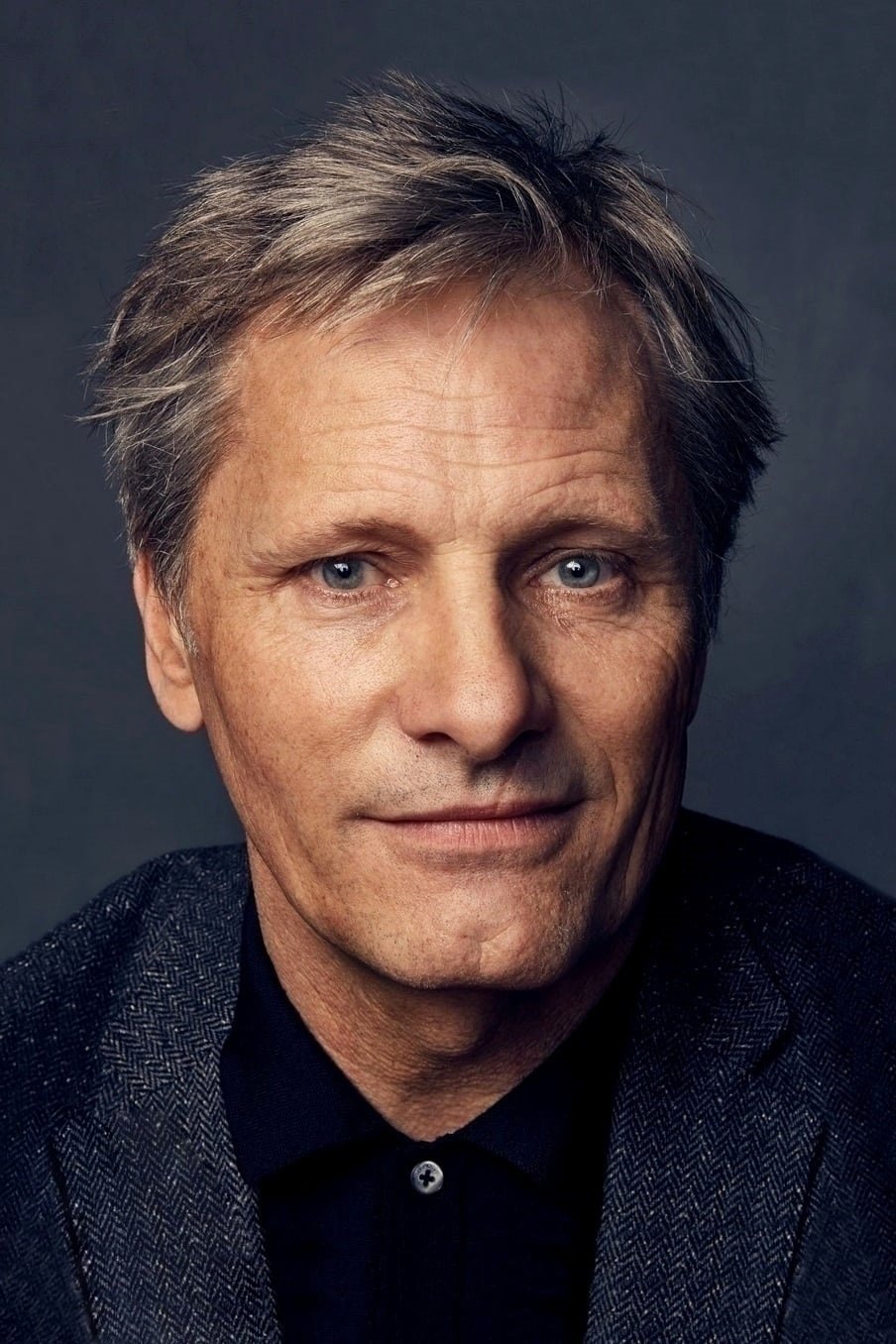
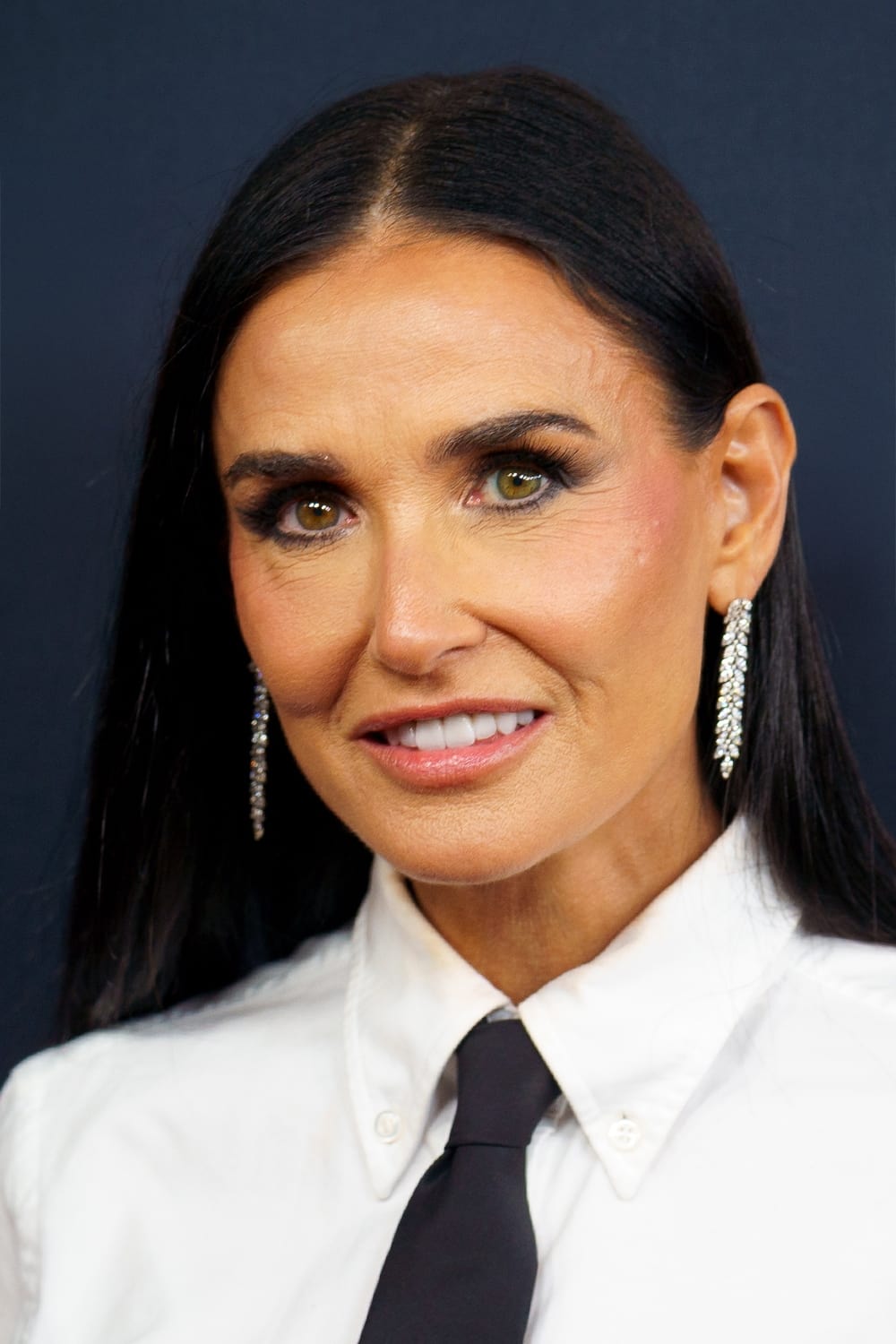
The 2020s have produced the form's commercial peak. Brandon Cronenberg's Possessor (2020), with Andrea Riseborough, extended his father's body-horror register into explicitly possession-mediated body-theft. Ducournau's Titane (2021), with Agathe Rousselle, won the Palme d'Or with one of the form's most uncompromising automobile-erotic body-horror entries. David Cronenberg's late-career Crimes of the Future (2022), with Viggo Mortensen, returned to his most concept-driven body-horror in decades. Coralie Fargeat's Oscar-nominated The Substance (2024), with Demi Moore and Margaret Qualley, pushed the body-double age-anxiety variant to grotesque conclusion. Body horror endures because it attacks something we cannot escape. You can leave a haunted house. You can outrun a slasher. You cannot get out of your own body.
Sources: DK, A History of Horror, Fear, and the Uncanny (2026); Kim Newman, Nightmare Movies: Horror on Screen Since the 1960s; David J. Skal, Fright Favorites (2020).
Essential Films

Shivers

Rabid

Eraserhead
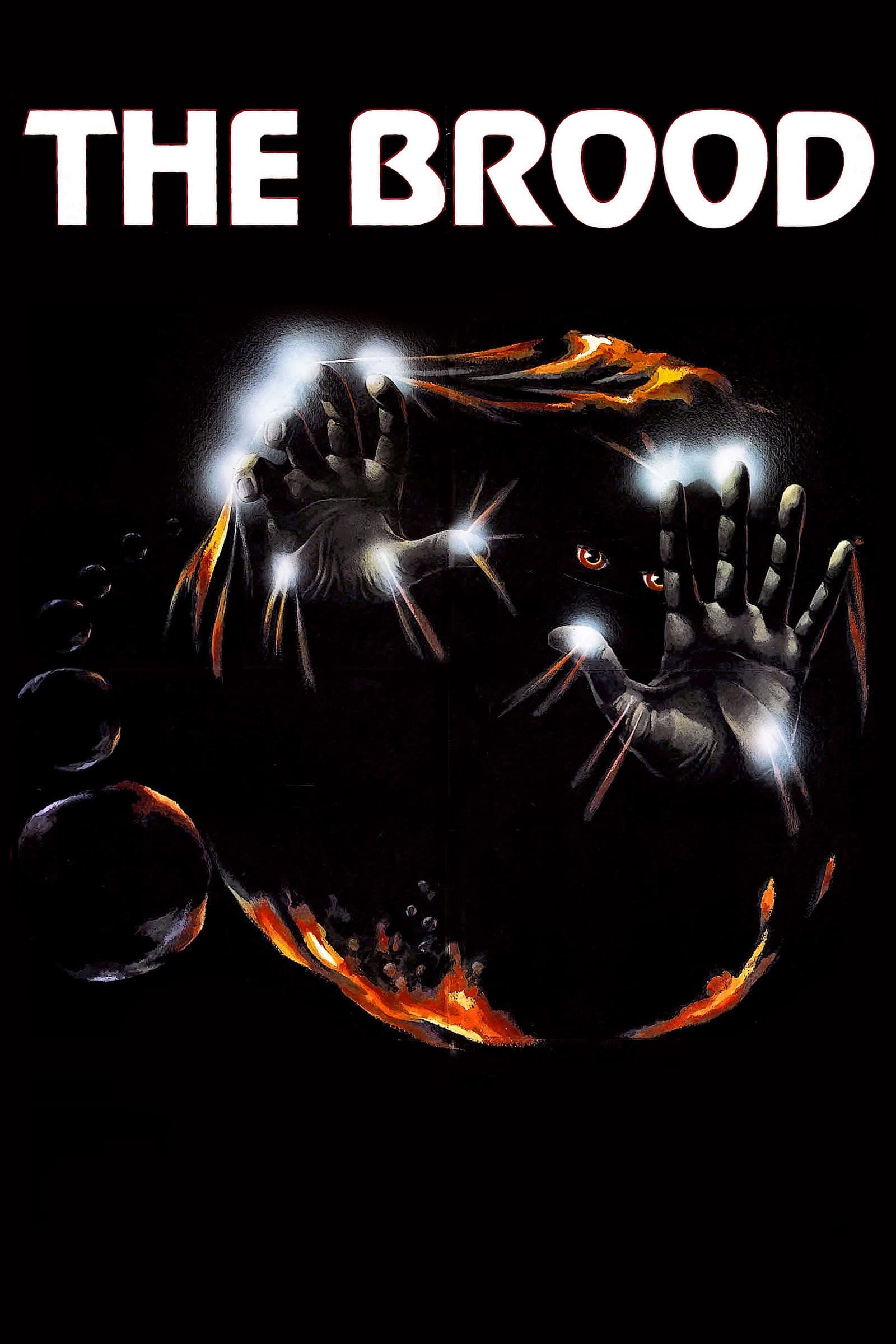
The Brood

Scanners
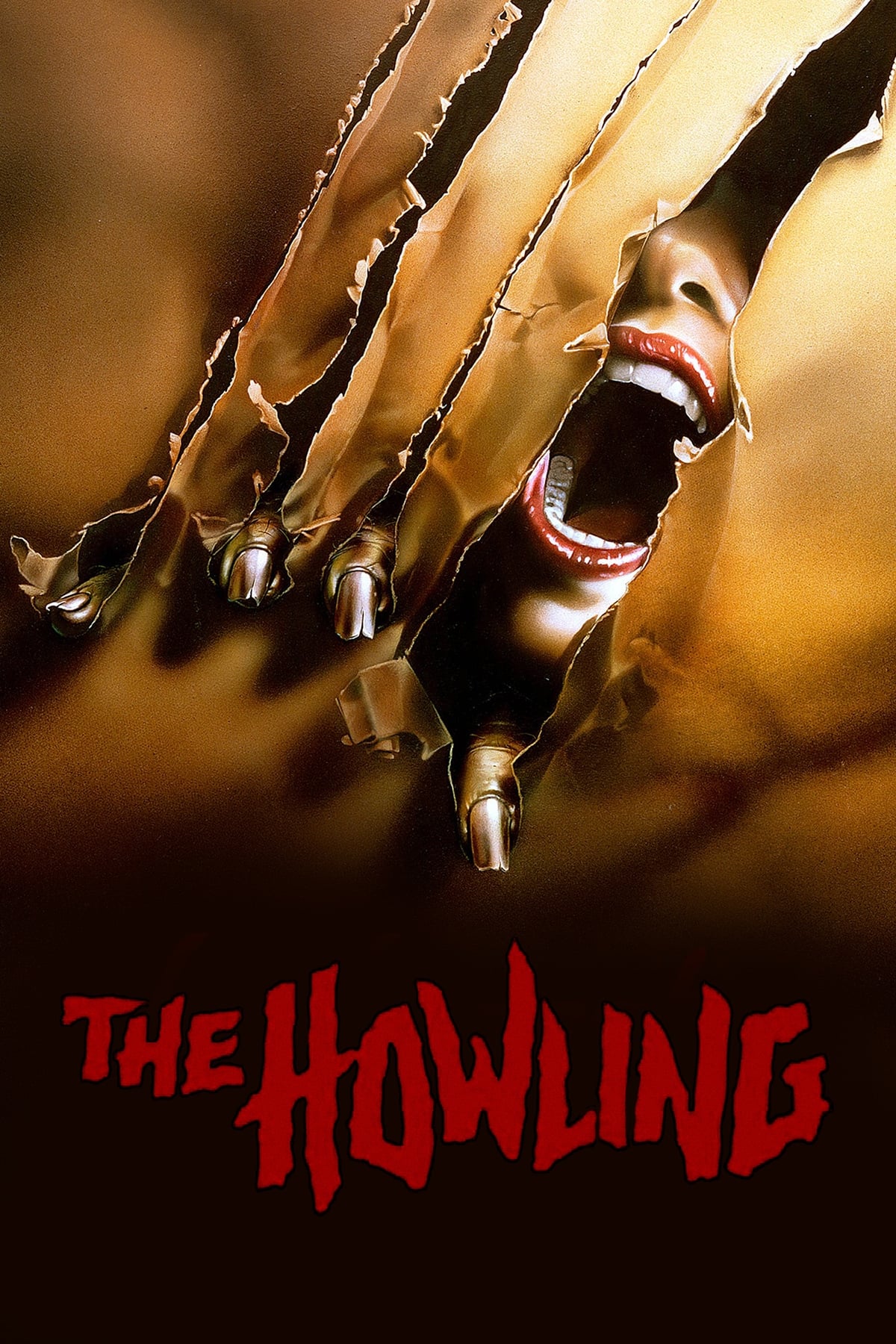
The Howling
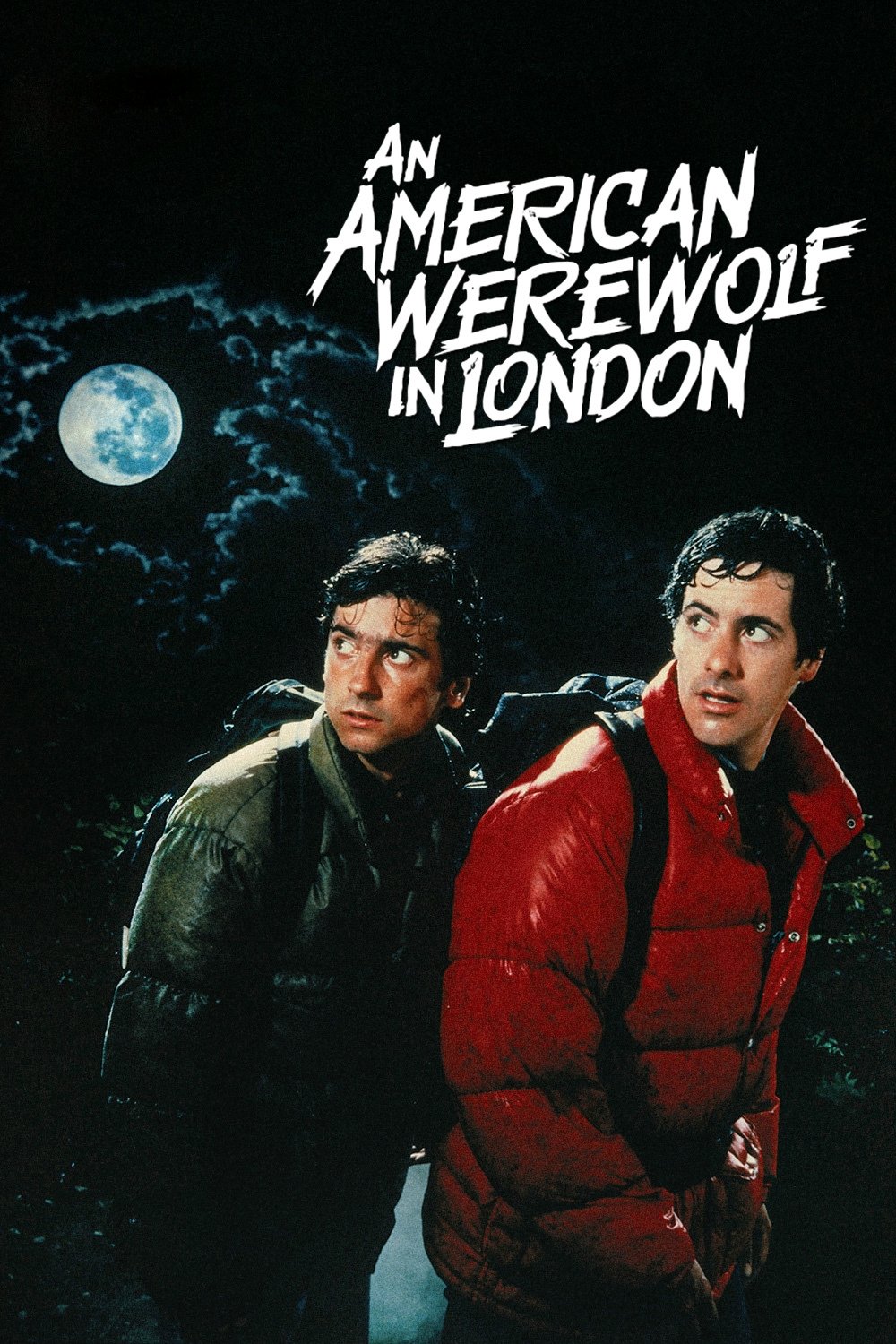
An American Werewolf in London

The Thing
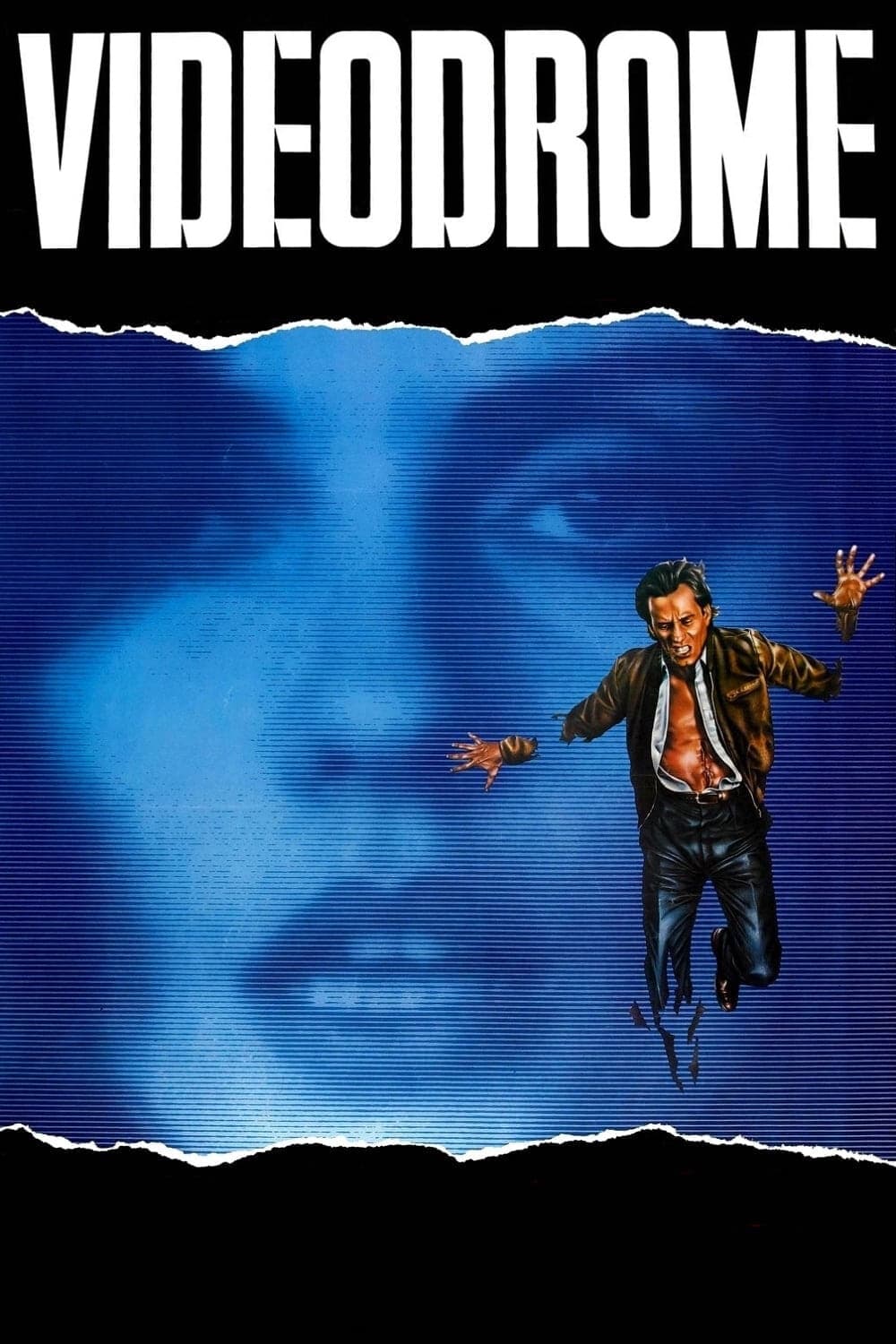
Videodrome

Re-Animator

The Fly

Hellraiser
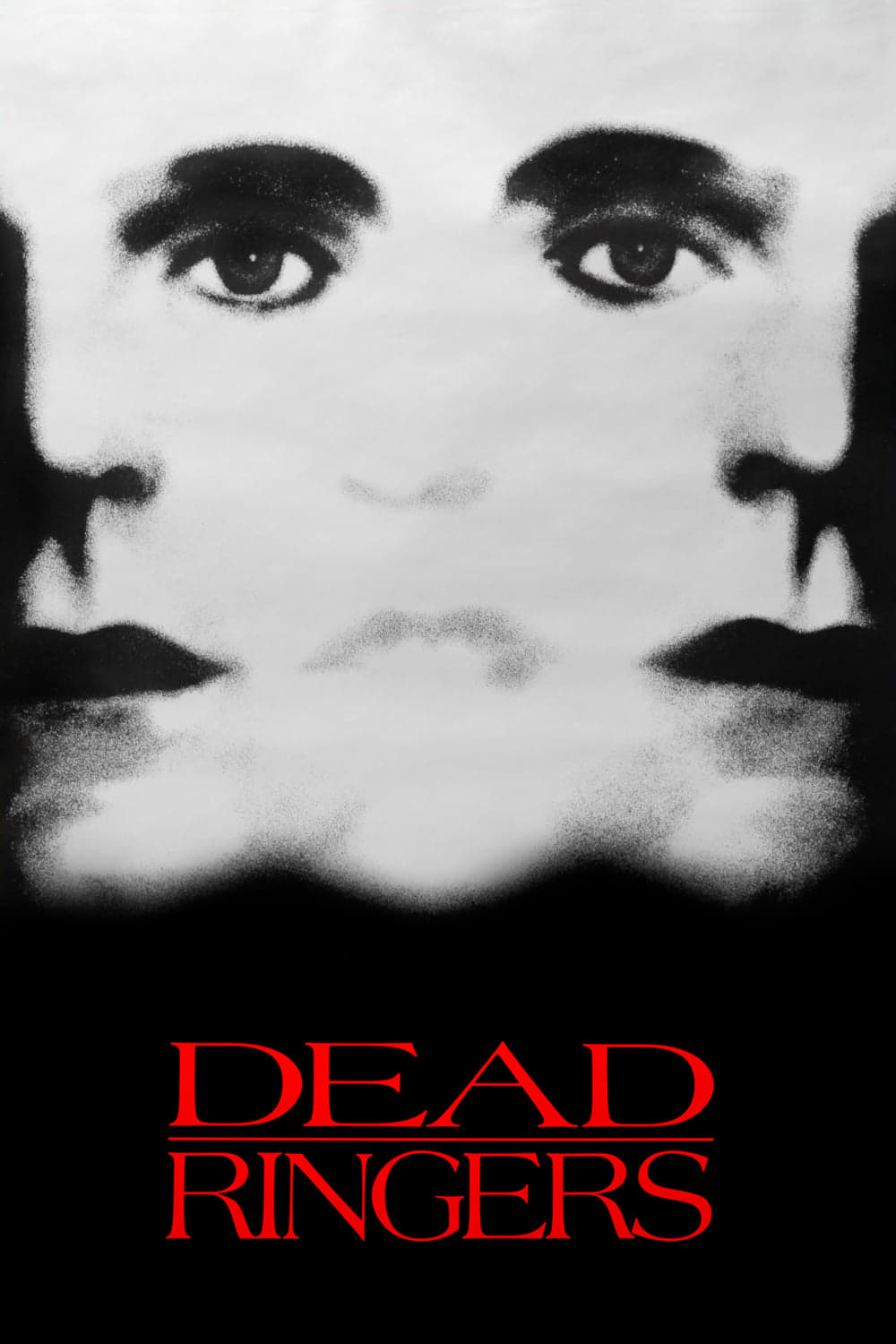
Dead Ringers

Society

Tetsuo: The Iron Man

Splice

Under the Skin

Raw

Annihilation

Suspiria

Possessor

Titane

Crimes of the Future

The Substance
Statistics
Popularity by Decade
Share of each decade's horror films classified as Body Horror. Counts films with at least 5 TMDB ratings, so very obscure titles are not represented.
Popularity by Country
Share of each country's horror output classified as Body Horror. Counts films with at least 5 TMDB ratings, so very obscure titles are not represented.